


Abstract
Despite the growing importance of Environmental, Social, and Governance (ESG) performance in shaping brand perception and consumer trust, limited empirical evidence exists on how ESG indicators translate into measurable digital consumer engagement outcomes, particularly in ethically driven markets such as the vegan food sector. This study addresses this gap by examining how ESG performance translates into digitally observable consumer engagement and frames this relationship as a strategic performance measurement and decision-support problem. Building on the sector’s reliance on ethical positioning, trust, and online visibility, we integrate ESG indicators with digital marketing and web analytics metrics (e.g., traffic and engagement proxies) for a panel of five leading vegan food firms [Nestlé SA (Vevey, Switzerland), Kellanova (Chicago, IL, USA), Beyond Meat Inc. (El Segundo, CA, USA), Danone SA (Paris, France), and Conagra Brands Inc. (Chicago, IL, USA)], using data from the Semrush web analytics platform and the Eikon Refinitiv ESG database for the period January–December 2024. We employ a mixed-method design combining descriptive analytics with correlation analysis and simple linear regression to estimate the direction and strength of ESG–digital performance links, and we extend inference through Fuzzy Cognitive Mapping (FCM) using the MentalModeler platform to simulate “what-if” scenarios that support managerial foresight under digital uncertainty. Results indicate that stronger ESG profiles are associated with more favorable digital outcomes, with specific ESG mechanisms (e.g., human-capital and environmental initiatives) aligning with deeper engagement signals. The FCM scenarios further suggest that coordinated ESG improvements can amplify digital traction and reinforce sustainable brand growth. The proposed framework contributes to strategic management by operationalizing an ESG-enabled digital performance measurement system and a lightweight Decision Support System (DSS) that can guide resource allocation, KPI monitoring, and risk-aware positioning in sustainability-oriented markets.
1. Introduction
Veganism is a comprehensive lifestyle movement that influences consumers’ continuous choices. Veganism symbolizes individual agency and empowerment in the marketplace by promoting the welfare of both oneself and distant others (Lamarche-Beauchesne, 2023). Veganism is a growing trend, with researchers claiming that by 2040, 25% of the world’s population will have adopted a vegan diet (Enstrom & Kittel, 2020). The growing trend indicates that businesses will face significant pressure in the future to serve vegan meals; failing such risks a bad reputation for their firm and a strategic disadvantage.
The food industry, facing intense competition and challenges due to the volatility of the micro- and macro-environment in which it operates, is constantly adapting to evolving consumer demands and trends (Su et al., 2023). The increased focus on sustainable and healthy habits, combined with the volatility of prices and the scarcity of raw materials, leads the food industry to search for strategic options that will provide it with a competitive advantage, contributing to its sustainability and increasing the market shares it holds (Fainshtein et al., 2024).
Food companies need to optimize their marketing strategies and brand awareness to maintain customer loyalty in this competitive market (Mancuso et al., 2021). Sustainability is increasingly impacting the food market, with growing demand for sustainably and ethically produced products across the entire spectrum of consumer goods (Bhat et al., 2024).
In today’s sustainability-oriented and digitally interconnected food industry, ESG (Environmental, Social, and Governance) performance is emerging as a critical determinant of consumer behavior and digital brand positioning, particularly for firms operating in the vegan food sector. As online platforms reshape how consumers engage with ethical and plant-based products, companies are increasingly required to align their digital marketing strategies with broader ESG values. In this context, digital branding effectiveness is not only influenced by traditional customer analytics but also by perceptions of corporate responsibility, ethical sourcing, and environmental impact (Lim & Ting, 2022).
The vegan food industry, situated at the intersection of ethical consumption, health awareness, and environmental sustainability, faces unique challenges and opportunities in establishing meaningful engagement with digitally active consumers. Companies in this sector must navigate evolving regulatory frameworks, shifting consumer expectations, and the demand for transparency—all while competing in a highly saturated digital marketplace (Saura et al., 2020). To manage these complexities, vegan food brands are turning to web analytics tools to monitor consumer behavior, particularly across Paid Traffic, Organic Traffic, Display Ads, Bounce Rate, Visit Duration, and Pages per Visit. These metrics provide real-time insights into how users interact with digital content, allowing firms to adjust branding strategies accordingly (Vlachopoulou et al., 2021).
In the broader ESG literature, studies have primarily examined the link between ESG integration and financial performance or cost efficiency in sectors such as banking (Aldousari, 2026) and general corporate governance (Aldowaish et al., 2022). However, these studies focus on financial intermediaries and do not address the business transformation function specific to the food industry—that is, how food firms convert ESG-related inputs (e.g., sustainability investments, workforce development, governance reforms) into measurable digital outputs (traffic, engagement, brand visibility) that serve value-driven consumers.
Despite the increasing availability of consumer data, there remains a significant research gap regarding how ESG indicators—such as sustainability performance or social responsibility practices—influence consumer engagement online and translate into measurable digital outcomes. While several studies have examined digital branding in the food industry (Vlachopoulou et al., 2021), relatively few have investigated how non-financial ESG metrics can function as predictive factors for online consumer behavior and digital marketing performance. Moreover, current research often treats customer behavior and ESG performance as separate spheres, neglecting their potential interdependence in shaping brand perception and digital visibility.
The existing literature has highlighted the value of customer analytics in refining marketing strategies and optimizing the user experience. For example, Ventre and Kolbe (2020) emphasized the role of ethical branding in improving user retention and trust in sustainability-driven markets. Likewise, Gerber et al. (2024) examined how environmental claims affect online search behavior in plant-based product markets. However, these studies rarely adopt an integrative approach that combines ESG evaluation with behavioral analytics metrics to quantify the full impact of sustainability performance on branding effectiveness.
Furthermore, while digital marketing tools such as SEO, SEM, and social media advertising are widely used in the vegan food industry, there is limited understanding of how these efforts interact with ESG-driven consumer expectations to influence engagement outcomes. Digital strategies are often executed without systematically evaluating how governance quality, labor practices, or environmental reporting may affect user trust, session duration, or conversion rates (Ventre & Kolbe, 2020). This oversight highlights the need for a more holistic and data-driven approach that combines ESG analysis with digital behavior tracking.
Motivated by these gaps, this study investigates the economic and branding implications of ESG performance on digital marketing effectiveness in vegan food companies. Specifically, it explores the extent to which ESG indicators influence online consumer behavior as measured through key performance indicators (KPIs) such as paid and organic traffic, bounce rate, and visit duration. The study aims to answer the following research questions:
- RQ1. To what extent do ESG performance indicators influence the volume and distribution of organic and paid website traffic for vegan food companies?
- RQ2. How are key user engagement metrics—such as visit duration, pages per visit, and bounce rate—related to the ESG factors of vegan food companies?
- RQ3. What is the relationship between ESG performance and the effectiveness of digital advertising strategies on vegan food company websites?
To address these questions, this study employs a two-stage methodological approach. In the first stage, descriptive and inferential statistical techniques—including correlation analysis and linear regression models—are applied to assess the relationship between ESG scores and web analytics indicators. These models help reveal how specific ESG dimensions affect user engagement metrics. In the second stage, Fuzzy Cognitive Mapping (FCM) is used to simulate complex interactions among ESG variables and digital behavior outcomes. The use of FCM, implemented through the MentalModeler platform, allows for the exploration of hypothetical scenarios, providing a systems-level understanding of how sustainability performance may alter digital branding strategies under different market conditions (Qalati et al., 2024).
By integrating quantitative analysis with scenario-based simulation, this study contributes both theoretically and practically to the understanding of ESG’s role in digital marketing for sustainability-focused firms. This approach offers novel insights into how ethical performance metrics influence consumer behavior and how digital branding strategies can be tailored to reflect the growing demand for transparency, responsibility, and sustainability in the vegan food market.
The objective of this study is to investigate the contribution of ESG to consumer behavior and the digital marketing performance of vegan food companies. To carry out the research, five of the largest companies in the vegan food industry will be selected based on the size of their customer base and the availability of published data on their investments aligned with ESG criteria.
The remainder of this paper is organized as follows. Section 2 presents the literature review, covering the particularities of the vegan food sector, ESG standards, the role of digital marketing, and digital behavioral metrics, followed by hypothesis development. Section 3 describes the materials and methods, including data sources and the analytical approach. Section 4 reports the results of the statistical analysis and FCM simulations. Section 5 provides the discussion, including theoretical contributions, practical recommendations, policy implications, limitations, and future work. Finally, Section 6 offers the conclusion.
2. Literature Review
2.1. Analysis of the Particularities of the Vegan Food Sector
The vegan food sector presents a unique and timely subject for academic investigation due to its distinct structural, technological, and sociocultural characteristics. Unlike traditional food sectors, vegan food production involves the complete substitution of animal-derived ingredients with plant-based or alternative protein sources, requiring novel food engineering techniques and ongoing product innovation (Joshi & Kumar, 2016). These technological challenges, such as replicating the texture, flavor, and nutritional profiles of meat and dairy products, demand interdisciplinary research spanning food science, sensory analysis, and nutrition.
Furthermore, the sector is deeply influenced by evolving consumer values related to health, environmental sustainability, and animal ethics. Consumers of vegan products often make decisions based not only on price or taste, but also on ideological and ethical considerations (Ruby, 2012). This introduces behavioral and psychological complexity into market dynamics, distinguishing it from more conventional food consumption patterns.
From a regulatory perspective, there are additional complexities. In many countries, legal restrictions or uncertainties around the labeling of plant-based foods (e.g., terms such as “vegan cheese” or “oat milk”) complicate market entry and product marketing. Cultural variation also plays a role: acceptance of vegan diets and products differs significantly across regions, depending on local traditions, religious norms, and agricultural systems (Bryant, 2019).
These combined factors—technical innovation, value-driven consumption, legal ambiguity, and cultural diversity—highlight the vegan food sector as a distinct and multifaceted domain. Its study is not only relevant but essential for understanding broader transformations in food systems, consumer culture, and sustainability transitions. These characteristics strongly support the selection of the vegan food sector as the focus of the present research.
Veganism is still a lifestyle that very few consumers follow. However, it is a trend gaining momentum worldwide, though there are significant variations (Bali & Naik, 2023). India has the largest vegan population, at 11%. In the more developed Western markets, the percentage of vegans is between 2% and 3%, and in the rest of the world, around 1% to 2% (Caputo et al., 2024). However, the adoption of a vegetarian lifestyle is gaining momentum. The global vegan food market is expected to exceed $27.8 billion in 2024, up from approximately $25 billion in 2023, a 11.2% increase (Figure 1).
Figure 1.
The vegan food market increased by more than 11.2% during the period 2023–2024 (Statista, 2024).
Vegan or plant-based products are not just for those trying to avoid eating meat and animal products: they have a much larger target audience. This is especially true for meat substitutes. Meat substitutes are aimed at meat eaters, making the transition to a plant-based diet much easier for them (Petti et al., 2017). In fact, in recent years, there has been significant demand for vegan foods among Millennials and Gen Z (Chaugule, 2024). The global vegan food market has reached USD 24.6 billion and is projected to grow further in 2024. The global plant-based meat market is estimated to generate USD 10.2 billion in revenue (Caputo et al., 2024).
It is important to note that the market serves not only vegans, who are trying to avoid eating meat and animal products, but a growing number of people who want to reduce their meat consumption by replacing some of the food they consume with vegan offerings (Choudhury et al., 2020). Remarkably, sales of Vegan foods over the four years 2018–2021 increased by 54.16%, from 4.8 billion dollars in 2018 to 7.4 billion dollars in 2021, highlighting the increasing trend in the consumption of vegan foods (Figure 2).
Figure 2.
The value of vegan food sales in the US for the period 2018–2021 (Statista, 2022).
Although meat alternatives are all the rage in the media, the less trendy global milk substitute market is several billion dollars larger than the global meat substitute market. In total, the milk substitute market is valued at US$23.2 billion. China and the United States are the leading markets for milk alternatives, accounting for more than USD 12.5 billion in revenue (Statista, 2024).
The vegan food industry is expected to grow at a strong pace in the coming years, driven by consumers’ shift towards healthier choices and rising demand for meat and dairy substitutes. Many consumers are trying to make an eco-friendly lifestyle and dietary choices, and going vegan is one of them. As more people become familiar with vegan foods, demand is expected to grow exponentially (Choudhury et al., 2020). The vegan food sector is characterized by complexity, high innovation intensity, and accelerated growth. Despite technological and market challenges, demand is expected to continue rising, driven by ethical, environmental, and health-related factors. A multidisciplinary approach is essential for understanding and responding to the dynamics of this evolving industry.
2.2. ESG Standards
Environmental, Social, and Governance is what ESG stands for. It is a collection of standards used to assess the sustainability and social impact of a business.
Environmental: This component evaluates how well a business takes care of the environment. It encompasses elements like resource conservation, energy efficiency, waste management, and carbon emissions.
Social: This criterion looks at how a business handles its interactions with its customers, suppliers, workers, and the communities in which it operates. It takes into account things like product safety, community involvement, diversity and inclusion, and labor standards.
Governance: This includes shareholder rights, internal controls, audits, executive compensation, and leadership. It shows how a business is run and how it maintains moral behavior and legal compliance (Dathe et al., 2024).
The research used representative ESG indicators from the three main categories (Environmental, Social, and Governance). The indicators used are presented in detail in Table 1 below.
Table 1.
Description of the ESG indicators used in the research.
2.3. The Growing Importance of Digital Marketing in Enhancing the Presence of Vegan Food Companies
In the rapidly evolving food industry, digital marketing has emerged as a critical driver of brand visibility, consumer engagement, and market penetration—particularly for niche sectors such as vegan food. As plant-based eating transitions from a fringe lifestyle choice to a mainstream consumer trend, vegan food companies face both unique opportunities and challenges in establishing their presence within competitive marketplaces. Digital marketing has proven instrumental in addressing these challenges, offering tools for precise targeting, value-based communication, and community building that are especially well-suited to the ethos and consumer base of the vegan sector.
One of the defining characteristics of vegan consumers is their heightened awareness of ethical, environmental, and health-related issues. Prior research has established that purpose-led branding and value-congruent communication are particularly effective in sustainability-driven markets (Kim, 2021; Dangelico & Vocalelli, 2022; Niinimäki et al., 2020). Dwivedi et al. (2021) highlighted the transformative potential of social media marketing in reshaping consumer-brand relationships, while Braga et al. (2024) developed a framework for sustainability communication that emphasizes authenticity and narrative coherence. As such, traditional marketing approaches—often product-centric and mass-targeted—may fall short of resonating with this value-driven audience. Digital platforms, however, allow for nuanced storytelling and purpose-led branding that can authentically communicate a company’s mission, sourcing practices, and sustainability commitments. Through social media, blogs, influencer collaborations, and email campaigns, vegan brands are able to craft narratives that go beyond product features to foster deeper emotional and ideological connections with consumers.
Social media, in particular, has become a cornerstone of digital strategy for vegan food companies. Platforms such as Instagram, TikTok, and YouTube offer visually rich environments where food aesthetics and lifestyle integration play a significant role in consumer decision-making. User-generated content, reviews, and interactive features such as polls or recipe sharing further enhance engagement and foster a sense of community around vegan values. Moreover, partnerships with vegan influencers and content creators allow brands to tap into established trust networks and reach audiences that are already predisposed to ethical consumption. Saura et al. (2020) further demonstrated that digital marketing strategies grounded in sustainability principles drive measurable business growth, particularly when integrated with broader corporate responsibility frameworks.
In addition to communication, digital marketing facilitates precise segmentation and personalization. Through data analytics and behavior tracking, companies can understand consumer preferences, dietary needs, and purchase patterns, enabling them to tailor messages and offerings. Lee and Cho (2020) found that click-through and bounce rate behaviors are significantly influenced by the degree of value alignment between advertising content and consumer expectations, a finding particularly relevant for ESG-oriented vegan brands. This is particularly important in the vegan food sector, where consumers may vary widely—from strict ethical vegans to flexitarians or environmentally conscious eaters. Personalized digital campaigns help align product messaging with individual motivations, increasing both relevance and conversion rates (Bryant, 2019).
E-commerce integration is another area where digital marketing supports the growth of vegan food businesses. Direct-to-consumer (DTC) models, often promoted through online advertising and SEO strategies, have become increasingly popular—especially among startups or small brands lacking large-scale retail distribution. This model not only reduces dependence on traditional supply chains but also allows for stronger control over brand presentation and customer experience. Furthermore, online platforms provide an opportunity for real-time feedback, customer reviews, and agile product iteration.
Importantly, digital marketing also enables companies to participate in larger societal discourses around food systems, climate change, and animal welfare. Strategic content creation—such as publishing white papers, educational videos, or collaborating with NGOs—can enhance brand legitimacy and establish thought leadership. These forms of “cause marketing” are especially effective in sectors like vegan food, where consumers seek alignment between personal values and corporate responsibility (Wellesley et al., 2015).
Despite its advantages, digital marketing in the vegan sector is not without challenges. The saturation of content, the risk of “greenwashing,” and the need for transparency require brands to act with authenticity and accountability. Moreover, as algorithms evolve and privacy regulations tighten, vegan companies must continuously adapt their strategies to maintain reach and compliance.
In conclusion, digital marketing has become a cornerstone in the growth strategy of vegan food companies, enabling them to engage ethically driven audiences, build community, and scale efficiently within a competitive and values-oriented market. As consumer behavior continues to shift toward sustainability and health-consciousness, the effective use of digital tools will remain essential for differentiation and long-term success in the plant-based food sector.
2.4. Digital Behavioral Metrics as Indicators of Consumer Engagement in the Context of ESG Communication
In the digital environment, consumer behavior is increasingly quantified through a variety of metrics that capture both active and passive interactions with online content. For vegan food companies operating within an ESG (Environmental, Social, Governance) communication framework, understanding these digital behavioral indicators is critical to evaluating the effectiveness of messaging and marketing strategies. Among the most informative and frequently analyzed indicators are display ad engagement, bounce rate, visit duration, and pages per visit—each of which reveals different aspects of consumer interest, trust, and intent (Kim, 2021; Lee & Cho, 2020).
- Display Ads and ESG Messaging Alignment
Display advertising serves as a primary visibility tool in the digital marketing mix. In the context of vegan food companies, display ads often carry ESG-oriented content, emphasizing environmental impact, cruelty-free processes, or social equity. Recent research indicates that value-congruent advertising, especially when linked to ESG commitments, enhances user engagement and brand favorability (Dangelico & Vocalelli, 2022). Higher click-through rates (CTR) on ESG-themed ads have been linked to the perceived authenticity and clarity of purpose-driven communication (Niinimäki et al., 2020). This highlights the role of ethical alignment between brand messaging and consumer values.
- Bounce Rate: Initial Relevance and Trust Assessment
Bounce rate—defined as the percentage of visitors who leave a website after viewing a single page—can be an indirect signal of a mismatch between expectations and content (Dwivedi et al., 2021). In ESG marketing contexts, a high bounce rate often reflects consumer skepticism toward superficial or unsubstantiated claims. Vegan food brands that provide transparent, third-party verified ESG information tend to exhibit significantly lower bounce rates, as users are more likely to perceive the brand as trustworthy and mission-aligned (Braga et al., 2024).
- Visit Duration: Depth of Engagement and Informational Value
Visit duration reflects the amount of time users spend interacting with a website and is considered a proxy for engagement depth and informational relevance (Gursoy et al., 2022). In ESG-oriented communication, longer visit durations indicate heightened consumer interest in learning about ethical sourcing, environmental impact, and health benefits. Studies have shown that consumers are willing to engage with in-depth content when it aligns with their personal values, particularly in sectors like sustainable food (Wellesley et al., 2015). Educational content, interactive ESG dashboards, and storytelling around impact initiatives are associated with increased time-on-site.
- Pages per Visit: Breadth of Exploration and Conversion Likelihood
Pages per visit represents how extensively users explore a site, often serving as an indicator of curiosity, trust-building, and conversion potential. In vegan food websites that emphasize ESG values, users frequently navigate across sustainability reports, ethical sourcing pages, and ingredient transparency tools. A higher number of page views correlates positively with purchase intent and brand loyalty, especially when users are provided with consistent, credible, and interactive content across the site (Parguel et al., 2020; Simmonds et al., 2020).
Digital behavioral metrics—such as display ads engagement, bounce rate, visit duration, and pages per visit—offer valuable insights into how consumers perceive and respond to ESG communication in the vegan food sector. These indicators serve not only as performance metrics but also as behavioral evidence of trust, alignment, and ethical resonance. In light of the growing importance of ESG in consumer decision-making, such metrics can help vegan food companies refine their digital marketing strategies, enhance brand credibility, and cultivate deeper consumer relationships rooted in shared values.
Developing successful marketing strategies, creating products that satisfy consumer demands, and increasing customer happiness and loyalty all depend on an understanding of consumer behavior. Research on consumer behavior is used by businesses to target particular audiences, divide up markets, and customize their communication tactics.
2.5. Hypothesis Development
Based on the literature reviewed above and the research questions formulated, we now develop the following research hypotheses. Each hypothesis is derived from the theoretical and empirical insights identified in the ESG, digital marketing, and consumer behavior literature.
H1.
Higher board member compensation is positively associated with increased paid traffic for vegan food companies, indicating a link between governance investment and digital advertising performance.
Corporate governance quality, particularly reflected in the compensation structures of board members, has been recognized as a signal of organizational commitment to strategic oversight and resource allocation (Choudhury et al., 2020). Higher governance expenditures may indicate a firm’s willingness to invest in aggressive and well-targeted paid digital advertising strategies. Prior research has shown that governance transparency serves as a trust-building mechanism that enhances marketing effectiveness (Ventre & Kolbe, 2020). We therefore hypothesize a positive association between board member compensation and paid traffic volume.
H2.
Greater company investment in employee training hours leads to longer average visit duration on vegan food company websites, reflecting the influence of human capital development on consumer engagement.
Investment in employee training enhances organizational capabilities, including customer service orientation, content quality, and digital platform management. Ventre and Kolbe (2020) emphasized that workforce development in sustainability-driven firms contributes to improved user experiences and customer retention. A well-trained workforce is more likely to produce high-quality digital content that encourages visitors to spend more time on the website.
H3.
Higher usage of renewable energy, relative to total energy consumption, positively correlates with the number of pages per visit, suggesting that environmental transparency enhances user exploration of digital content.
Environmental performance is increasingly visible to digitally active consumers who seek information about corporate sustainability practices. Gerber et al. (2024) found that environmental claims significantly influence online search behavior in plant-based product markets. When consumers perceive a company as environmentally authentic, they are more inclined to explore the website more deeply (Simmonds et al., 2020).
H4.
An increase in workplace injury rates negatively affects the effectiveness of display advertising campaigns in vegan food companies, pointing to reputational risks impacting visual engagement.
Workplace safety is a key component of the Social dimension of ESG performance. Poor safety records can damage corporate reputation and undermine consumer trust, particularly in sectors where ethical consumption is central to brand identity. Display advertising, being a highly visible format, may be particularly sensitive to reputational damage from safety incidents (Niinimäki et al., 2020).
H5.
Higher total energy use per unit of revenue is associated with increased website bounce rates, indicating that perceived environmental inefficiency discourages user retention.
Energy intensity per revenue unit serves as a proxy for environmental efficiency. Consumers in the vegan food sector are particularly sensitive to environmental performance indicators (Bhat et al., 2024). When publicly available ESG data suggest that a company consumes disproportionate energy relative to its revenue, visitors may perceive the company as environmentally irresponsible, leading to higher bounce rates (Parguel et al., 2020).
H6.
The proportion of women employees in vegan food companies has a negative association with organic traffic, implying a potential misalignment between internal diversity practices and external search visibility.
While workforce diversity is an important component of social sustainability, the relationship between internal diversity metrics and external digital visibility is complex. A negative association may arise when companies fail to effectively communicate their diversity efforts through SEO-optimized digital content (Dwivedi et al., 2021). We hypothesize this negative association to highlight the need for better integration of diversity messaging into digital branding.
3. Materials and Methods
The purpose of this research is to examine the contribution of ESG to consumer economic behavior in the digital entrepreneurship of vegan food companies. Big data collection, statistical analysis, and dynamic modeling are the three separate phases of the process.
3.1. Data Sources
The data collection phase focused on obtaining web analytics data, as described in Table 1 below, from the corporate websites of five prominent agri-food firms: Nestle SA, Kellanova, Beyond Meat Inc., Danone SA, and Conagra Brands Inc. These firms were selected based on their market capitalization in 2024. Data were gathered using Semrush’s Decision Support System (DSS) platform over a period of 360 days, from 1 January 2024 to 31 December 2024.
These firms were selected based on three criteria: (a) their ranking among the top food companies by market capitalization as identified by GlobalData (2025); (b) the availability of both comprehensive ESG reporting data (via Eikon Refinitiv) and web analytics data (Table 2) for the study period; and (c) their significant and publicly documented investment in plant-based and vegan product lines. While these companies are diversified food conglomerates that also produce non-vegan products, their selection reflects their leadership role in driving the plant-based food transition and their substantial ESG commitments in this domain. The analysis focuses on corporate-level ESG performance and overall digital engagement metrics, which reflect their strategic positioning in sustainability-oriented markets, including the vegan segment.
Table 2.
Description of Customer Analytics Metrics (SEMrush, 2025).
Figure 3 illustrates the global interest over time for five major food industry brands—Nestlé, Beyond Meat, Kellogg’s, Danone, and Conagra Brands—over the past five years in the Business and Industrial category. Nestlé (blue line) consistently maintains the highest level of interest, followed by Danone (green line), which shows steady but slightly lower engagement. Beyond Meat (red line) experienced spikes in interest around 2020 but has seen a significant decline since then. Kellogg’s (yellow) and Conagra Brands (purple) show relatively low and stable interest levels throughout the period.
Figure 3.
Interest over time (Google Trends).
Through the keyword analysis function, the most popular search terms related to vegan products were identified, allowing an understanding of consumer preferences and market trends. In addition, backlink analysis of these companies’ backlinks showed their online presence and reputation in the vegan food sector, indicating their influence and impact. Thanks to the possibility of comparison with competitors, the market positions of these companies were assessed, and their criticality for this research topic was confirmed.
In addition, the Eikon Refinitiv platform (AUEB, 2025) was used to collect data related to the profitability of the companies presented and to analyze the costs related to the ESG (Environmental, Social, and Corporate Governance) practices of the vegan food companies. The data collected revealed resources that companies are investing in sustainability policies, such as reducing their environmental footprint, supporting local communities, and enhancing transparency. Analysis of this data allowed for an examination of the relationship between ESG spending and company popularity, determining whether companies that demonstrate high spending on ESG initiatives enjoy greater consumer acceptance and preference (Pivato et al., 2008; Islam et al., 2021; Wekesa, 2024; Barlas et al., 2023). This relationship is crucial for understanding the impact of sustainability strategies on the image and recognition of companies in the vegan food market.
3.2. Methodology
In the initial phase of this study, the focus is placed on collecting digital performance data from selected vegan food companies. These data were obtained through the Semrush platform and concern key website analytics, serving as the empirical foundation for the subsequent statistical analysis. The organizations included in the sample are recognized actors within the plant-based food sector, ensuring relevance to the study’s sustainability-oriented scope. During the statistical analysis stage, the collected metrics are examined using descriptive statistics, correlation analysis, and simple linear regression models. The aim of these models is to evaluate the significance of the relationships between ESG-related indicators and digital marketing performance metrics. Specifically, the analysis explores how ESG variables influence web analytics such as Paid Traffic, Organic Traffic, Display Ads, Bounce Rate, Visit Duration, and Pages per Visit, thereby providing insights into the role of sustainability in shaping consumer behavior and digital engagement.
In the final phase, Fuzzy Cognitive Mapping (FCM) is employed to model and simulate the complex interrelations between the ESG dimensions (environmental, social, and governance) and the dependent digital behavior variables. The MentalModeler platform (2025) was used to develop these cognitive maps, enabling a visual and conceptual representation of causality among variables. FCMs are particularly suited for this study, as they allow for the inclusion of uncertainty, feedback loops, and system dynamics that characterize real-world marketing environments. Through scenario simulation, the model explores how different ESG performance profiles can influence consumer interactions, such as session duration and bounce rate, within vegan food company websites. This approach facilitates strategic decision-making by testing hypothetical conditions that reflect realistic business decisions and market responses. Each scenario highlights distinct combinations of ESG factors and their projected digital impact, offering practical insights into the optimization of digital marketing strategies within sustainability-driven business models.
By bridging statistical evidence with dynamic modeling, the study offers a deeper understanding of how ESG performance can serve not only as a reporting metric but also as a strategic lever for enhancing consumer engagement and digital brand visibility in the vegan food industry.
In the normality test carried out on the dependent variables, it was found that some of them did not meet the normality criterion and were removed. Specifically, those variables with sig values < 0.05 were removed, leading to rejection of the null hypothesis of normality at the 5% significance level. Appendix A presents the table of variables that do not meet the normality criterion as obtained from the normality test. As for the independent variables, all of them met the normality criterion. The methodological concept of the present study can be discerned in Figure 4 below.
Figure 4.
Methodological Concept.
4. Results
4.1. Statistical Analysis
After defining the sample and research methodology, the necessary statistical analysis was conducted to extract the relevant coefficients describing the relationships between the variables. Initially, Table 3 presents the key descriptive statistics for both the independent and dependent variables. Following this, Table 4 outlines the correlation structure among the examined variables.
Table 3.
Descriptive statistics.
Table 4.
Correlation structure among the examined variables.
The descriptive statistics indicate notable variation among ESG-related variables and their corresponding digital engagement metrics. For instance, companies with higher training hours or renewable energy usage demonstrate greater averages in visit duration and pages per visit. Variability was observed across energy use, board compensation, and executive remuneration, pointing to different operational practices across the vegan food sector.
The Pearson correlation matrix revealed significant relationships between ESG variables and digital marketing metrics. Training hours and visit duration showed a strong positive correlation, indicating that investment in human capital aligns with greater user engagement. Renewable energy use was positively correlated with pages per visit, underscoring the influence of environmental transparency on deeper digital exploration. Conversely, workplace injury rates were negatively correlated with display ad performance, suggesting a potential reputational cost for poor safety records.
A series of linear regression models was conducted to evaluate the predictive power of ESG indicators on digital behavior metrics. Paid Traffic was significantly predicted by board member compensation (β = 0.999, p = 0.026), implying that companies with higher governance expenditures may pursue more aggressive paid advertising strategies. Organic Traffic was positively influenced by board compensation (β = 0.997) but negatively by female employee ratio (β = −0.137), suggesting a nuanced interaction between governance, diversity, and visibility in organic search. Display Ads were negatively affected by workplace injuries (β = −0.165), while compensation maintained a strong positive effect (β = 0.839), indicating that safety incidents may reduce effectiveness in visual marketing. Bounce Rate increased with total energy use per revenue (β = 1.000, p = 0.002), suggesting environmentally inefficient firms face higher disengagement. Visit Duration was significantly influenced by training hours (β = 1.000, p = 0.010), reinforcing the importance of workforce development for improving time spent on site. Pages per Visit showed the strongest association with renewable energy use (β = 1.000, p = 0.009), confirming that environmental practices deeply resonate with consumer interest. A smaller contribution was also noted from executive compensation to revenue (β = 0.174).
These regression models collectively underscore that ESG dimensions are not only reputational but functional factors that shape consumer behavior online, particularly in ethically sensitive sectors like vegan food production.
The findings of this study support the conclusion that ESG variables—especially those linked to environmental performance and employee development—play a critical role in influencing digital consumer behavior in the vegan food sector. Renewable energy use, training hours, and transparent governance structures are positively associated with digital engagement indicators. As a result, ESG reporting should not be viewed solely as a compliance mechanism but as a strategic tool for digital differentiation and consumer trust-building.
4.2. Fuzzy Cognitive Mapping
The most significant independent variables examined in our study, as indicated by the statistical analysis (Board Member Compensation, Training Hours Total, Total Water Use/Million in Revenue ($), Total Renewable Energy to Energy Use (in million), Number of Employees (from CSR reporting), Women Employees, Injuries to Million Hours, Employee Accidents, Average Training Hours, Donations/Million in Revenue), and the dependent variables (Organic traffic, Paid traffic, Display ads, Visit Duration, Bounce rate) created a fuzzy cognitive map (FCM) of the dynamic relationships between the system’s elements for the second level of analysis (Figure 5).
Figure 5.
FCM (fuzzy cognitive mapping) of the factors under investigation. Positive and negative correlations between variables are indicated by blue and red arrows, respectively. The positive and negative percentage changes are shown by the characters “+” (blue arrow) and “−” (orange arrow), respectively. Source: Explanation by the authors. Software: MentalModeler (2025). Accessed from: http://dev.mentalmodeler.com/ (accessed on 25 June 2025).
Web technologies are increasingly being adopted across a wide range of businesses and organizations, significantly enhancing their capacity for strategic decision-making (Soroor et al., 2012). Fuzzy Cognitive Mapping (FCM), a parameterized form of concept mapping, facilitates the construction of static knowledge models by defining key system attributes—such as variables, the nature of the relationships between them (positive or negative), and the strength of these interdependencies (Penn & Barbrook-Johnson, 2022). These causal relationships are visually represented using directed arrows, where the arrow’s thickness denotes the magnitude of the influence, while color is used to distinguish between positive and negative correlations.
In today’s dynamic and highly competitive environment, FCM offers valuable insights into the underlying assumptions of a study. By employing graph-based representations and structural analysis tools derived from concept mapping, FCM enables the exploration of how variables within a model interact, providing a robust framework for analyzing complex systems.
Utilizing the capabilities offered by the FCM model, three different scenarios were created that attribute the impact of the five main ESG indicators that emerged (Board Member Compensation, Training Hours Total, Total Renewable Energy to Energy Use (in million), Women Employees, Total Energy Use) on the dependent variables (Organic traffic, Paid traffic, Display ads, Visit Duration, Bounce rate) when these are changed by 25% scenario 1 (Figure 6), 50% scenario 2 (Figure 7) and 100% scenario 3 (Figure 8). In creating the scenarios, exclusively ESG indicators that exhibit a positive correlation with the dependent variables were used.
Figure 6.
Scenario 1 results at 0.25 of the independent variables. Source: Explanation by the authors. Software: MentalModeler (2025). Accessed from: http://dev.mentalmodeler.com/ (accessed on 25 June 2025).
Figure 7.
Scenario 2 results at 0.50 of the independent variables. Source: Explanation by authors. Software: MentalModeler (2025). Accessed from: http://dev.mentalmodeler.com/ (accessed on 25 June 2025).
Figure 8.
Scenario 3 results for one independent variable. Source: Explanation by authors. Software: MentalModeler (2025). Accessed from: http://dev.mentalmodeler.com/ (accessed on 25 June 2025).
In Scenario 1, a simulated 25% improvement in ESG (Environmental, Social, and Governance) indicators for vegan food companies yields a set of non-linear and partially counterintuitive effects across digital performance metrics. Notably, the dependent variable, organic traffic, shows a 9% decrease. This suggests that, despite enhancements in ESG performance—which are generally associated with improved brand perception and consumer trust—organic user engagement may be temporarily displaced or redirected.
Simultaneously, visit duration and pages per visit both decline by 3%, indicating a possible reduction in user interest or relevance of content for organically acquired visitors. This pattern may reflect a shift in audience composition or expectations following ESG-related repositioning.
Conversely, three other variables show an upward trend: paid traffic increases by 9%, bounce rate rises by 4%, and display ads activity grows by 2%. These outcomes may imply that ESG-driven initiatives are supported by more aggressive paid media strategies, potentially amplifying sustainability messaging. The increase in bounce rate, however, could indicate that while paid campaigns are generating higher visibility, they may not be fully aligned with user intent or expectations, leading to shorter engagement durations.
Collectively, these findings highlight the complex interplay between sustainability-driven strategic changes and online behavioral metrics. The FCM model illustrates how improvements in ESG performance may not translate into improved organic engagement but may instead trigger compensatory shifts in digital acquisition strategies and user behavior.
The Scenario 2 simulation using Fuzzy Cognitive Mapping (FCM) reveals nuanced and partially contradictory effects on website performance indicators following a substantial (+50%) improvement in key ESG metrics.
Organic Traffic exhibits a 4% decrease (−0.04). This indicates that improving ESG performance does not directly translate into increased interest or discovery through unpaid search channels. The reduction could stem from a misalignment between ESG-driven branding and the search behavior or expectations of typical organic visitors. Paid Traffic Shows a 2% increase (+0.02), suggesting a stronger reliance on our outcome from paid marketing strategies, possibly employed to amplify ESG messaging or reposition the brand in response to the shift in corporate values. Bounce Rate increases by 1%. This may indicate that although more users are reached via paid channels, they do not find the landing content relevant or engaging enough, thus exiting the site prematurely. This rise raises concerns about message consistency and audience targeting. Display Ads drop by 1%. This might reflect budget reallocation or decreased performance of static promotional formats in contrast to more dynamic ESG-oriented campaigns. Visit Duration and Pages per Visit both experience slight decreases of 1%. These drops may suggest either lower engagement levels or content not fully optimized to support the enhanced ESG narrative, reducing users’ incentive to explore the site further.
In scenario 3, the five ESG-related variables increased by 100% to assess the full-range impact of enhanced sustainability performance on digital engagement metrics. The results show a distinct and more favorable pattern compared to previous scenarios, suggesting non-linear system sensitivity and potential threshold effects.
Organic Traffic exhibits a significant increase of 6%, indicating that a substantial boost in ESG performance can enhance brand discoverability through unpaid channels. This suggests a possible tipping point where ESG efforts gain public visibility and trust, leading to improved organic reach. Visit Duration increases by 4%, implying deeper user engagement and potentially stronger content relevance as ESG values become more prominent in the company’s narrative. Pages per Visit sees the largest relative gain at 5%, which may reflect enhanced user curiosity or satisfaction with the site experience, possibly due to ESG-aligned messaging or content architecture. Paid Traffic decreases by 8%, which could indicate reduced reliance on or effectiveness of paid campaigns when ESG-driven organic visibility improves. This may also reflect shifting marketing resource allocation. Also, display ads decline by 7%, further supporting the idea of a pivot away from traditional promotional methods as ESG-driven credibility boosts unpaid engagement. Bounce Rate drops by 4%, a favorable outcome suggesting that users are finding the content more relevant or engaging, thereby staying longer and interacting more deeply.
The results from the 100% ESG increase scenario depict a clear shift toward more sustainable and organic user engagement. Unlike the 25% and 50% ESG scenarios, where improvements led to mixed or negative effects on certain key metrics, the full-scale ESG enhancement leads to the conclusion that improved organic visibility and engagement quality, reduced dependence on paid channels and display advertising, and lower bounce rates, indicating stronger alignment between user expectations and on-site content.
These findings support that ESG integration has non-linear, threshold-dependent effects on digital performance. Moderate ESG changes may initially disrupt existing dynamics, but comprehensive implementation appears to realign brand perception and user behavior positively.
These non-linear findings are consistent with recent evidence from Aldousari and Alsabah (2025), who examined ESG integration in the financial sector and found that early-stage adoption is often associated with operational complexity and efficiency trade-offs before firms can realize the full benefits of comprehensive ESG implementation. Our FCM results mirror this pattern: partial ESG improvements (25–50%) may initially disrupt existing dynamics, whereas comprehensive adoption (100%) appears to realign brand perception with consumer values. This suggests that firms should anticipate a transition period during early ESG integration and plan their digital strategies accordingly.
5. Discussion
5.1. General Discussion
This study aimed to examine the influence of ESG indicators on online consumer behavior and digital marketing performance within the vegan food industry. The findings provide robust evidence in support of the proposed research questions and hypotheses, revealing that ESG dimensions function not only as reputational metrics but also as operational drivers of digital performance outcomes.
The results support Hypothesis H1, as board member compensation was positively associated with both organic (β = 0.997) and paid website traffic (β = 0.999, p < 0.05). This finding suggests that stronger governance frameworks and executive-level investment may enhance digital visibility and enable more aggressive, targeted paid advertising strategies. These results align with prior research underscoring governance transparency as a trust-building mechanism that impacts online marketing effectiveness (Ventre & Kolbe, 2020).
This governance–digital performance link is further supported by Zhu and Chao (2025), who demonstrated that corporate governance quality enhances enterprise total factor productivity through supply chain digitization. Our findings extend this relationship by showing that governance investment translates not only into operational productivity gains but also into enhanced digital marketing visibility—a previously underexplored channel in the food sector.
At the same time, Hypothesis H6 is also supported. The proportion of women employees was found to have a negative association with organic traffic (β = −0.137), indicating a possible misalignment between internal diversity practices and external digital brand visibility. This finding points to the need for companies to better communicate their diversity and inclusion efforts as part of their external brand positioning, particularly through SEO strategies and content narratives. Both hypotheses, H1 and H6, are related to RQ1.
Then, hypotheses H2, H3, and H5 linked to RQ2 were confirmed. The analysis confirmed Hypothesis H2, showing that greater investment in employee training hours significantly predicts longer visit duration (β = 1.000, p = 0.010). This suggests that workforce development contributes to improved consumer engagement and likely reflects enhanced user experience, better content quality, or stronger service orientation—all of which positively influence time spent on site (Aldousari, 2026). In line with Hypothesis H3, the use of renewable energy (relative to total energy consumption) was positively associated with pages per visit (β = 1.000, p = 0.009). This result supports the idea that consumers reward environmental transparency by engaging more deeply with brand content, likely perceiving the company as more authentic and trustworthy (Qalati et al., 2024). Conversely, Hypothesis H5 was also validated. Companies with higher total energy use per revenue experienced increased bounce rates (β = 1.000, p = 0.002), suggesting that perceived environmental inefficiency may discourage user retention and diminish trust. This further emphasizes the reputational and behavioral risks of poor environmental performance in highly value-driven consumer markets like veganism.
The regression models offer nuanced pictures. Hypothesis H4, which is related to RQ3, is supported: a higher rate of workplace injuries was negatively associated with display ad performance (β = −0.165). This may reflect reputational damage or ethical concerns translating into reduced visual ad effectiveness, indicating that even behind-the-scenes ESG factors can impact consumer response to promotional content.
On the other hand, display ad performance was positively associated with board member compensation (β = 0.839), suggesting that governance quality may also lend credibility and effectiveness to visual marketing strategies. These findings highlight the intricate connections between internal governance standards and external digital engagement patterns (Aldousari, 2026).
The FCM scenario analysis reveals that the effects of ESG performance on digital outcomes are non-linear and threshold-dependent. Moderate improvements of 25% and 50% in ESG scores produced mixed results—in some cases, negatively affecting key metrics such as organic traffic or bounce rate. However, the scenario simulating a 100% increase in ESG performance demonstrated consistently positive effects: reduced reliance on paid traffic and display ads, lower bounce rates, and increased visit duration and page exploration.
This suggests that partial ESG integration may disrupt existing user expectations or fail to meet consumer standards. In contrast, comprehensive ESG adoption aligns brand perception more closely with consumer values, resulting in deeper engagement and improved digital performance.
5.2. Theoretical Contributions
This study makes a substantial theoretical contribution to the interdisciplinary intersection of sustainability studies, consumer behavior, and digital marketing analytics. While ESG research has traditionally focused on financial performance and investor perceptions (Friede et al., 2015), this paper extends the scope of the ESG literature by empirically demonstrating that non-financial indicators—particularly environmental and governance-related metrics—can significantly shape digital consumer behavior and online brand engagement. Therefore, the research responds to recent calls for a broader conceptualization of ESG impacts beyond capital markets (Kotsantonis & Serafeim, 2019).
Following the framework proposed by Homer and Lim (2024) for theory development in a globalized world, this study operates at the macro theory level by developing a generalizable, interdisciplinary framework that links ESG performance to digital consumer engagement across firm contexts. Homer and Lim (2024) emphasize the importance of moving beyond descriptive observation toward explanatory understanding. Our study addresses this call not merely by documenting ESG digital correlations but by theorizing the mechanisms through which environmental transparency, human capital investment, and governance quality translate into measurable consumer behaviors.
By integrating ESG data with key web analytics metrics such as visit duration, bounce rate, and paid versus organic traffic, the study bridges a critical gap between corporate sustainability performance and user-centered digital outcomes. This integrated framework challenges the prevailing assumption that consumer-facing marketing metrics and ESG indicators operate in parallel rather than in convergence (Lamberton, 2019). The use of Fuzzy Cognitive Mapping (FCM) adds a systems-thinking layer to the theoretical model, allowing for the simulation of complex, non-linear interactions among variables. This approach has been underutilized in sustainability-related marketing research (Papageorgiou & Kontogianni, 2012).
Moreover, the study differentiates itself from the existing ESG integration literature in other industries, such as banking (Aldousari & Alsabah, 2025) and corporate governance (Zhu & Chao, 2025), by focusing on the unique business transformation function of the food industry, where ESG inputs are converted into digital engagement outputs that serve value-driven consumers.
Moreover, the study contributes to the evolving domain of ethical branding by confirming that corporate behaviors around training, diversity, renewable energy, and workplace safety tangibly influence consumer engagement with digital platforms. These findings align with existing work on ethical consumption (Carrington et al., 2010) and trust-based marketing (Sirdeshmukh et al., 2002), while expanding their relevance into measurable digital contexts. Particularly in the vegan food sector—a market heavily influenced by values-based purchasing decisions—the research demonstrates that consumers are attuned to ESG signals not only in physical products but also in their online experiences (Bryła, 2016).
5.3. Practical Recommendations
From a practical perspective, the implications are equally significant. The results suggest that ESG integration should not be confined to annual reports or investor briefings but should be actively embedded into digital strategy design. For instance, companies with strong renewable energy use can highlight this in landing page narratives or content marketing to increase the depth of site engagement. Similarly, firms investing in employee training can improve not only internal performance but also positively impact visit duration and user trust. These insights are particularly valuable for digital marketers and sustainability officers working within mission-driven brands, where the convergence of ethical performance and user experience is central to competitive differentiation.
In addition, the findings underscore the importance of aligning diversity metrics with authentic digital storytelling. The unexpected negative relationship between the proportion of women employees and organic traffic may reflect either poor communication of diversity practices or consumer skepticism. This highlights the need for more transparent, inclusive, and visible representations of workplace diversity in digital branding—an area where marketing, HR, and ESG teams must collaborate closely (Nielsen, 2020).
The study also provides actionable insights for configuring digital advertising strategies. The negative impact of workplace injuries on display ad performance suggests that reputational risks are not confined to stakeholder reports but also extend to algorithmic and behavioral responses within the advertising ecosystem. As consumers become more aware and data-savvy, they may interpret such ESG failings as signals of inauthenticity or brand dissonance, thereby reducing ad effectiveness. Companies must therefore treat ESG performance as a foundational layer that supports all levels of digital engagement.
5.4. Policy Recommendations
At the governmental and regulatory level, policymakers could encourage ESG-digital alignment through several mechanisms. First, standardized ESG reporting frameworks tailored to the food industry (building on GRI, SASB, or TCFD) would enable consumers to more easily compare firms’ sustainability credentials, thereby incentivizing genuine ESG investment. Second, governments could offer tax incentives or grants for SMEs in the vegan food sector that invest in both ESG initiatives and digital infrastructure, recognizing the synergistic relationship between sustainability performance and digital consumer engagement demonstrated in this study. Third, regulatory bodies could develop guidelines for transparent ESG communication in digital marketing, helping to reduce greenwashing risks while supporting authentic brand positioning.
Furthermore, this research proposes a holistic performance model that integrates ESG metrics into KPIs for digital marketing teams, alongside traditional indicators such as conversion rates, CPC, and ROI. This aligns with broader industry trends toward stakeholder capitalism and multi-dimensional performance assessment (Eccles et al., 2014).
In conclusion, this study enriches theoretical discourse by introducing a novel, interdisciplinary framework that links ESG performance with measurable online consumer behaviors. It urges scholars and practitioners alike to adopt a more integrated, data-driven approach that considers ESG not as a peripheral concern, but as a central axis around which sustainable branding, user engagement, and competitive advantage revolve.
5.5. Limitations and Future Work
While this study offers novel insights into the intersection of ESG performance and digital consumer behavior in the vegan food sector, it is not without limitations. First, the analysis is based on a relatively small sample of leading vegan food companies. Although these firms were selected due to the availability of ESG and digital engagement data, the limited sample size constrains the generalizability of the findings. Future studies could expand the dataset to include small- and medium-sized enterprises (SMEs), regional brands, and emerging players to assess whether similar patterns hold across different organizational scales and market contexts.
Second, the ESG indicators used in this study, while relevant and measurable, represent only a subset of broader sustainability and governance dimensions. Other variables—such as water usage, waste management, supply chain ethics, or community engagement—may also influence consumer behavior but were not included due to data unavailability or inconsistency across firms. Future research should aim to construct more comprehensive ESG indices or use standardized reporting frameworks (e.g., GRI, SASB, or TCFD) to ensure consistency and comparability across studies.
Third, the behavioral metrics analyzed (e.g., paid and organic traffic, bounce rate, visit duration, pages per visit) are inherently affected by multiple confounding factors, including seasonality, promotional campaigns, SEO changes, or shifts in market sentiment. While the application of Fuzzy Cognitive Mapping (FCM) enabled modeling complex variable interrelationships, this method remains semi-quantitative and may introduce subjectivity through weight assignments. Future research should consider combining FCM with more advanced causal inference techniques or machine-learning models (e.g., structural equation modeling, random forests) to validate the robustness of identified relationships.
Finally, while the study assumes that consumer engagement is shaped by ESG performance, it does not fully address the reverse possibility: that firms may adjust their ESG strategies in response to consumer behavior trends. A future line of inquiry could explore the bidirectional causality between sustainability investment and digital consumer signals, ideally through longitudinal or panel data designs.
In conclusion, while the present research offers a valuable foundation for understanding how ESG factors influence digital engagement in sustainability-oriented industries, future work should aim to broaden its empirical base, diversify methodological approaches, and deepen the exploration of causal relationships. Such advancements will be critical for refining ESG-informed digital strategies and aligning ethical performance with consumer expectations in the evolving digital economy.
6. Conclusions
This study investigated the relationship between ESG performance and digital consumer engagement in the vegan food sector, using a mixed-method approach that combined correlation analysis, linear regression, and FCM. Analyzing data from five leading food companies over a 12-month period, the study found that specific ESG dimensions, particularly renewable energy use, employee training, and governance quality, serve as significant predictors of digital engagement metrics, including pages per visit, visit duration, and paid traffic volume. Conversely, environmental inefficiency and workplace safety deficiencies were associated with higher bounce rates and reduced display ad effectiveness. The FCM scenario simulations further revealed that the effects of ESG on digital performance are non-linear and threshold-dependent: partial improvements produce mixed outcomes, whereas comprehensive ESG integration yields consistently positive digital engagement results.
These findings contribute to the body of knowledge by establishing an empirically grounded, interdisciplinary framework that positions ESG performance as a strategic lever for digital brand management in sustainability-oriented markets. The study demonstrates that ESG reporting should not be viewed solely as a compliance mechanism but as a central axis around which digital marketing strategy, consumer trust-building, and competitive differentiation revolve. For practitioners, the results offer specific, actionable guidance on how to leverage ESG investments for measurable digital outcomes. For policymakers, the findings support the development of standardized ESG reporting frameworks and incentive structures. Future research should expand the empirical base, diversify methodological approaches, and explore bidirectional causality to further refine ESG-informed digital strategies in the evolving plant-based food economy.
Author Contributions
Conceptualization, K.S.T., P.P.N., N.T.G., D.P.S. and P.K.; Methodology, K.S.T., P.P.N., N.T.G., D.P.S. and P.K.; Software, K.S.T., P.P.N., N.T.G., D.P.S. and P.K.; Validation, K.S.T., P.P.N., N.T.G., D.P.S. and P.K.; Formal analysis, K.S.T., P.P.N., N.T.G., D.P.S. and P.K.; Investigation, K.S.T., P.P.N., N.T.G., D.P.S. and P.K.; Resources, K.S.T., P.P.N., N.T.G., D.P.S. and P.K.; Data curation, K.S.T., P.P.N., N.T.G., D.P.S. and P.K.; Writing—original draft, K.S.T., P.P.N., N.T.G., D.P.S. and P.K.; Writing—review & editing, K.S.T., P.P.N., N.T.G., D.P.S. and P.K.; Visualization, K.S.T., P.P.N., N.T.G., D.P.S. and P.K.; Supervision, K.S.T., P.P.N., N.T.G., D.P.S. and P.K.; Project administration, K.S.T., P.P.N., N.T.G., D.P.S. and P.K.; Funding acquisition, K.S.T., P.P.N., N.T.G., D.P.S. and P.K. All authors have read and agreed to the published version of the manuscript.
Funding
This research received no external funding.
Institutional Review Board Statement
Not applicable.
Informed Consent Statement
Not applicable.
Data Availability Statement
The dataset is available on request from the authors.
Conflicts of Interest
The authors declare no conflicts of interest.
Appendix A
Normality test table for dependent variables and data obtained for organic traffic, paid traffic, display ads, visit duration, bounce rate, and pages per visit from Semrush through processing with SPSS (version 23).
Table A1.
Normality test for the dependent variables.
Normality test table for independent variables and data obtained for Danone SA, Conagra Brands Inc, Nestle SA., Kellanova, and Beyond Meat Inc. from Eikon Refinitiv through processing with SPSS.
Table A2.
Normality test for the independent variables.
References
- Aldousari, A. (2026). ESG integration and cost efficiency assessment: Evidence from GCC banking. International Journal of Energy Economics and Policy, 16(2), 96. [Google Scholar] [CrossRef] [Scilit]
- Aldousari, A., & Alsabah, M. (2025). ESG integration and technical efficiency: A comparative frontier analysis in Kuwait financial sector. Sustainability, 17(22), 10231. [Google Scholar] [CrossRef] [Scilit]
- Aldowaish, A., Kokuryo, J., Almazyad, O., & Goi, H. C. (2022). Environmental, social, and governance integration into the business model: Literature review and research agenda. Sustainability, 14(5), 2959. [Google Scholar] [CrossRef] [Scilit]
- Athens University of Economics and Business (AUEB). (2025). Eikon, Thomson Reuters. Available online: https://www.aueb.gr/el/lib/content/eikon-thomson-reuters (accessed on 19 January 2025).
- Bali, A., & Naik, R. (2023). The impact of a vegan diet on many aspects of health: The overlooked side of veganism. Cureus, 15(2), e35148. [Google Scholar] [CrossRef] [Scilit]
- Barlas, A., Valakosta, C., Katsionis, C., Oikonomou, A., & Brinia, V. (2023). The effect of corporate social responsibility on customer trust and loyalty. Sustainability, 15(2), 1036. [Google Scholar] [CrossRef] [Scilit]
- Bhat, I. H., Gupta, S., & Singh, S. (2024). The influence of sustainability communication on consumer loyalty and brand reputation (Vol. 113, pp. 1–15). Emerald Publishing Limited. [Google Scholar] [CrossRef] [Scilit]
- Braga, L. D., Tardin, M. G., Perin, M. G., & Boaventura, P. (2024). Sustainability communication in marketing: A literature review. RAUSP Management Journal, 59(3), 293–311. [Google Scholar] [CrossRef] [Scilit]
- Bryant, C. J. (2019). We can’t keep meating like this: Attitudes towards vegetarian and vegan diets in the United Kingdom. Sustainability, 11(23), 6844. [Google Scholar] [CrossRef] [Scilit]
- Bryła, P. (2016). Organic food consumption in Poland: Motives and barriers. Appetite, 105, 737–746. [Google Scholar] [CrossRef] [Scilit]
- Caputo, V., Sun, J., Staples, A., & Taylor, H. (2024). Market outlook for meat alternatives: Challenges, opportunities, and new developments. Trends in Food Science & Technology, 148, 104474. [Google Scholar] [CrossRef] [Scilit]
- Carrington, M. J., Neville, B. A., & Whitwell, G. J. (2010). Why ethical consumers don’t walk their talk: Towards a framework for understanding the gap between the ethical purchase intentions and actual buying behaviour of ethically minded consumers. Journal of Business Ethics, 97(1), 139–158. [Google Scholar] [CrossRef] [Scilit]
- Chaugule, P. (2024). Shift of millennials and Gen Z towards veganism in respect to vegan and plant-based food consumption. Journal of Management and Entrepreneurship, 17(1), 1–12. Available online: https://www.researchgate.net/publication/384681958_SHIFT_OF_MILLENNIALS_AND_GEN_Z_TOWARDS_VEGANISM_IN_RESPECT_TO_VEGAN_AND_PLANT-BASED_FOOD_CONSUMPTION (accessed on 20 June 2025).
- Choudhury, D., Singh, S., Si Han Seah, J., & Chen Loong Yeo, D. (2020). Commercialization of plant-based meat alternatives. Trends in Plant Science, 25(11), 1055–1058. [Google Scholar] [CrossRef] [Scilit]
- Dangelico, R. M., & Vocalelli, D. (2022). Green marketing: An analysis of definitions, dimensions, and relationships with stakeholders. Business Strategy and the Environment, 31(2), 763–777. [Google Scholar] [CrossRef] [Scilit]
- Dathe, T., Helmold, M., Dathe, R., & Dathe, I. (2024). Implementing environmental, social and governance (ESG) principles for sustainable businesses. A practical guide in sustainability management. Springer. [Google Scholar]
- Dwivedi, Y. K., Ismagilova, E., Hughes, D. L., Carlson, J., Filieri, R., Jacobson, J., Jain, V., Karjaluoto, H., Kefi, H., Krishen, A., Kumar, V., & Rahman, M. S. (2021). Setting the future of digital and social media marketing research: Perspectives and research propositions. International Journal of Information Management, 59, 102168. [Google Scholar] [CrossRef] [Scilit]
- Eccles, R. G., Ioannou, I., & Serafeim, G. (2014). The impact of corporate sustainability on organizational processes and performance. Management Science, 60(11), 2835–2857. [Google Scholar] [CrossRef] [Scilit]
- Enstrom, D., & Kittel, L. (2020). Understanding veganism: Impacts and implications for marketing. AASM Viewpoint, 9(1), 10–17. [Google Scholar]
- Fainshtein, E., Chkoniya, V., Fiore, M., & Serova, E. (2024). An innovation potential and organizational performance: An integrative role of company’s dynamic capabilities. Agricultural and Food Economics, 12(41), 2–24. [Google Scholar] [CrossRef] [Scilit]
- Friede, G., Busch, T., & Bassen, A. (2015). ESG and financial performance: Aggregated evidence from more than 2000 empirical studies. Journal of Sustainable Finance & Investment, 5(4), 210–233. [Google Scholar] [CrossRef] [Scilit]
- Gerber, S., Dix, S. R., & Cash, S. B. (2024). Marketing plant-based versus animal-sourced foods in online grocery stores: A comparative content analysis of sustainability and other product claims in the United States. Business Strategy and the Environment, 33(5), 4958–4973. [Google Scholar] [CrossRef] [Scilit]
- GlobalData. (2025). Top 10 food companies in the world by market capitalization. Available online: https://www.globaldata.com/companies/top-companies-by-sector/consumer/global-food-companies-by-market-cap/ (accessed on 15 June 2025).
- Gursoy, D., Chi, G., & Lu, L. (2022). Consumer responses to digital communication in the post-COVID era: The role of ethical marketing. Journal of Business Research, 141, 539–548. [Google Scholar] [CrossRef] [Scilit]
- Homer, S. T., & Lim, W. M. (2024). Theory development in a globalized world: Bridging “doing as the romans do” with “understanding why the romans do it”. Global Business and Organizational Excellence, 43(3), 127–138. [Google Scholar] [CrossRef] [Scilit]
- Islam, T., Islam, R., Pitafi, A. H., Liang, X., Rehmani, M., Irfan, M., & Mubarak, M. S. (2021). The impact of corporate social responsibility on customer loyalty: The mediating role of corporate reputation, customer satisfaction, and trust. Sustainable Production and Consumption, 25, 123–135. [Google Scholar] [CrossRef] [Scilit]
- Joshi, V., & Kumar, S. (2016). Meat Analogues: Plant based alternatives to meat products—A review. International Journal of Food and Fermentation Technology, 5(2), 107–119. [Google Scholar] [CrossRef] [Scilit]
- Kim, K. H. (2021). Digital and social media marketing in global business environment. Journal of Business Research, 131, 627–629. [Google Scholar] [CrossRef] [Scilit]
- Kotsantonis, S., & Serafeim, G. (2019). Four things no one will tell you about ESG data. Journal of Applied Corporate Finance, 31(2), 50–58. [Google Scholar] [CrossRef] [Scilit]
- Lamarche-Beauchesne, R. (2023). Vegan consumption: Insights into the consumer-driven emergence of the vegan market. In K. Bäckström, C. Egan-Wyer, & E. Samsioe (Eds.), The future of consumption (pp. 281–290). Palgrave Macmillan. [Google Scholar] [CrossRef] [Scilit]
- Lamberton, C. P. (2019). A spoonful of sugar? Understanding and addressing customers’ sustainability trade-offs. Journal of the Association for Consumer Research, 4(1), 96–101. [Google Scholar] [CrossRef] [Scilit]
- Lee, H., & Cho, C.-H. (2020). Digital advertising: Present and future prospects. International Journal of Advertising, 39(3), 332–341. [Google Scholar] [CrossRef] [Scilit]
- Lim, W., & Ting, H. (2022). The sustainability pyramid: A hierarchical approach to greater sustainability and the United Nations sustainable development goals with implications for marketing theory, practice, and public policy. Australasian Marketing Journal, 30(2), 856. [Google Scholar] [CrossRef] [Scilit]
- Mancuso, I., Natalicchio, A., Panniello, U., & Roma, P. (2021). Understanding the purchasing behavior of consumers in response to sustainable marketing practices: An empirical analysis in the food domain. Sustainability, 13(11), 6169. [Google Scholar] [CrossRef] [Scilit]
- MentalModeler. (2025). MentalModeler. Available online: http://dev.mentalmodeler.com (accessed on 25 June 2025).
- Nielsen. (2020). Diverse representation in advertising is no longer optional. Nielsen Global Reports. Nielsen. [Google Scholar]
- Niinimäki, K., Peters, G., Dahlbo, H., & Perry, P. (2020). The environmental price of fast fashion and ethical consumption. Nature Reviews Earth & Environment, 1(4), 189–200. [Google Scholar] [CrossRef] [Scilit]
- Papageorgiou, I., & Kontogianni, A. (2012). Using fuzzy cognitive mapping in environmental decision making and management: A methodological primer and an application. In International perspectives on global environmental change (pp. 427–450). IntechOpen. [Google Scholar]
- Parguel, B., Benoît-Moreau, F., & Larceneux, F. (2020). How sustainability ratings enhance purchase intention: The power of narrative content. Journal of Business Research, 119, 37–46. [Google Scholar] [CrossRef] [Scilit]
- Penn, A., & Barbrook-Johnson, P. (2022). Fuzzy cognitive mapping. In Systems mapping. How to build and use causal models of systems (pp. 79–95). Palgrave Macmillan. [Google Scholar] [CrossRef] [Scilit]
- Petti, A., Palmieri, B., Vadalà, M., & Laurino, C. (2017). Vegetarianism and veganism: Not only benefits but also gaps. A review. Progress in Nutrition, 19, 229–242. [Google Scholar] [CrossRef] [Scilit]
- Pivato, S., Misani, N., & Tencati, A. (2008). The impact of corporate social responsibility on consumer trust: The case of organic food. Business Ethics: A European Review, 17(1), 3–12. [Google Scholar] [CrossRef] [Scilit]
- Qalati, S. A., Barbosa, B., & Deshwal, P. (2024). Consumer behavior and sustainable marketing development in online and offline settings. Sustainability, 16(7), 2829. [Google Scholar] [CrossRef] [Scilit]
- Ruby, M. (2012). Vegetarianism. A blossoming field of study. Appetite, 58(1), 141–150. [Google Scholar] [CrossRef] [Scilit] [PubMed]
- Saura, J. R., Palos-Sánchez, P., & Herráez, B. R. (2020). Digital marketing for sustainable growth: Business models and online campaigns using sustainable strategies. Sustainability, 12(3), 1003. [Google Scholar] [CrossRef] [Scilit]
- SEMrush. (2025). Keyword analytics for YouTube. Available online: https://www.semrush.com/apps/keyword-analytics-for-youtube/ (accessed on 19 January 2025).
- Simmonds, G., Woods, A., & Spence, C. (2020). Immersive marketing and ethical consumption: A digital sensory approach. Sustainability, 12(15), 5905. [Google Scholar] [CrossRef] [Scilit]
- Sirdeshmukh, D., Singh, J., & Sabol, B. (2002). Consumer trust, value, and loyalty in relational exchanges. Journal of Marketing, 66(1), 15–37. [Google Scholar] [CrossRef] [Scilit]
- Soroor, J., Tarokh, M., & Shariffard, H. (2012). Smart supplier selection based on voice of customer using an integrated bidding mechanism in real-time. African Journal of Business Management, 6(29), 8525–8538. [Google Scholar] [CrossRef] [Scilit]
- Statista. (2022). Vegan and vegetarian restaurants in the U.S.—Statistics & facts. Available online: https://www.statista.com/topics/10027/vegan-and-vegetarian-restaurants-in-the-us/#topicOverview (accessed on 13 January 2025).
- Statista. (2024). Value of the worldwide vegan food market from 2023 to 2024 (in billion U.S. dollars). Available online: https://www.statista.com/topics/8771/veganism-and-vegetarianism-worldwide/#editorsPicks (accessed on 10 January 2025).
- Su, I.-H., Wu, L., & Hua Tan, K. (2023). The future of the food supply chain: A systematic literature review and research directions towards sustainability, resilience, and technology adoption. Journal of Digital Economy, 2, 303–316. [Google Scholar] [CrossRef] [Scilit]
- Ventre, I., & Kolbe, D. (2020). The impact of perceived usefulness of online reviews, trust and perceived risk on online purchase intention in emerging markets: A Mexican perspective. Journal of International Consumer Marketing, 32(4), 287–299. [Google Scholar] [CrossRef] [Scilit]
- Vlachopoulou, M., Ziakis, C., Vergidis, K., & Madas, M. (2021). Analyzing agrifood-tech e-business models. Sustainability, 13(10), 5516. [Google Scholar] [CrossRef] [Scilit]
- Wekesa, J. (2024). Impact of CSR (corporate social responsibility) on consumer behavior. International Journal of Marketing Strategies, 6(2), 35–45. [Google Scholar] [CrossRef] [Scilit]
- Wellesley, L., Happer, C., & Froggatt, A. (2015). Changing climate, changing diets: Pathways to lower meat consumption. Chatham House. [Google Scholar]
- Zhu, H., & Chao, Y. (2025). Impact of corporate governance level on enterprise total factor productivity from the perspective of supply chain digitization. Finance Research Letters, 73, 106549. [Google Scholar] [CrossRef] [Scilit]
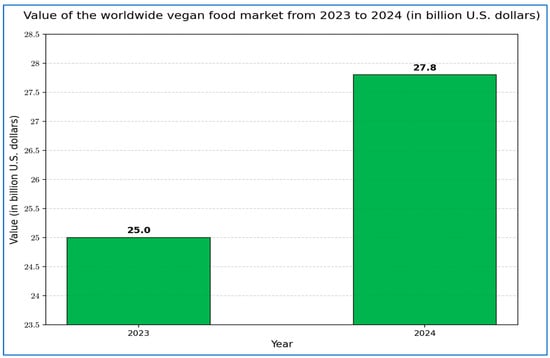
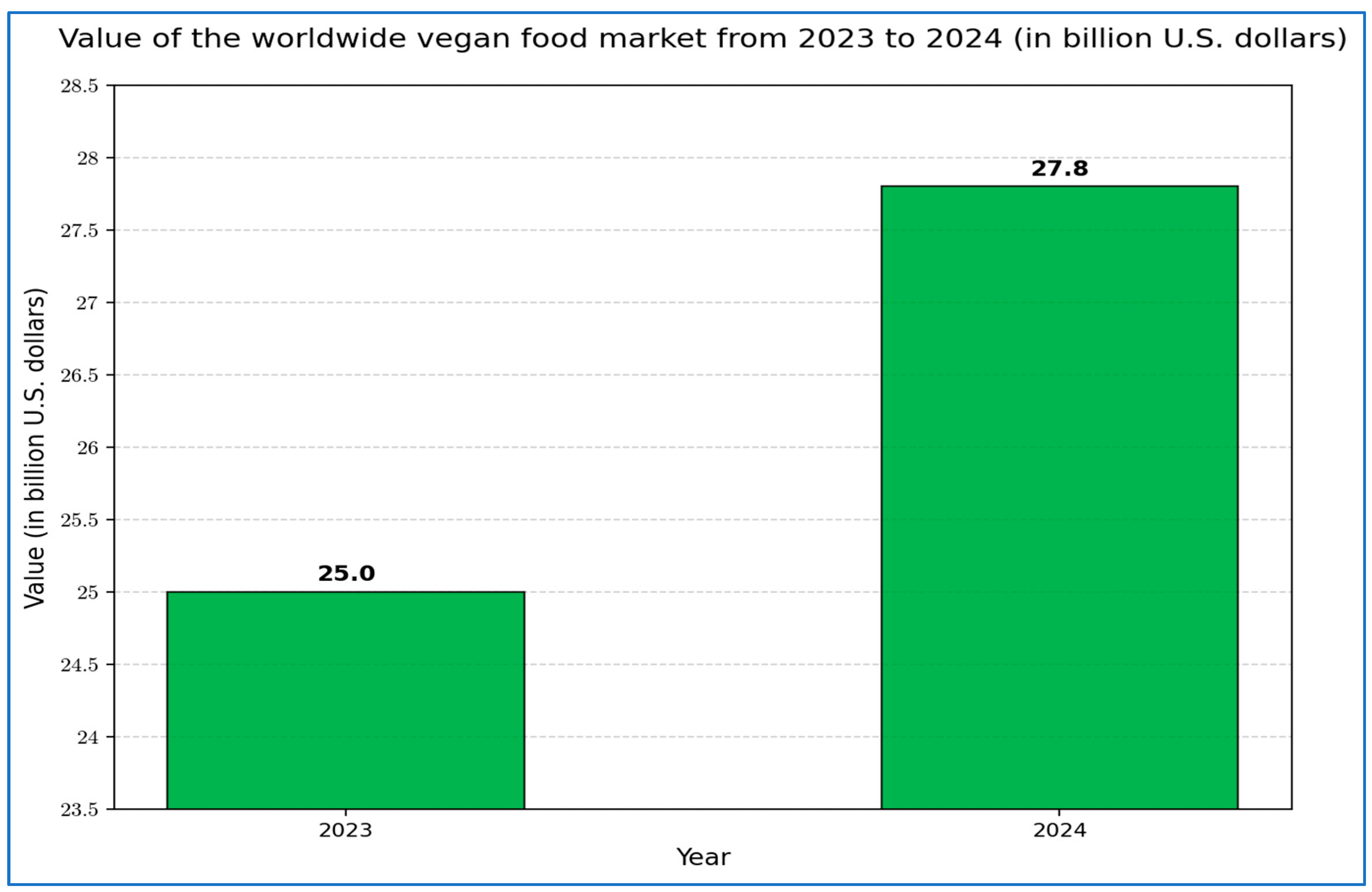
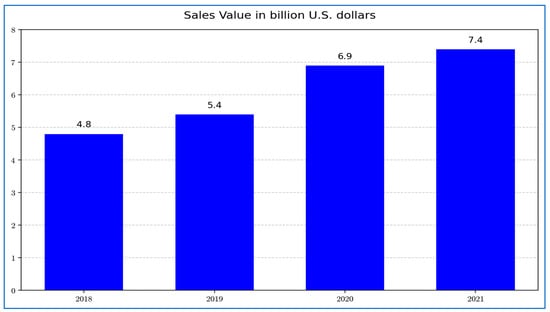
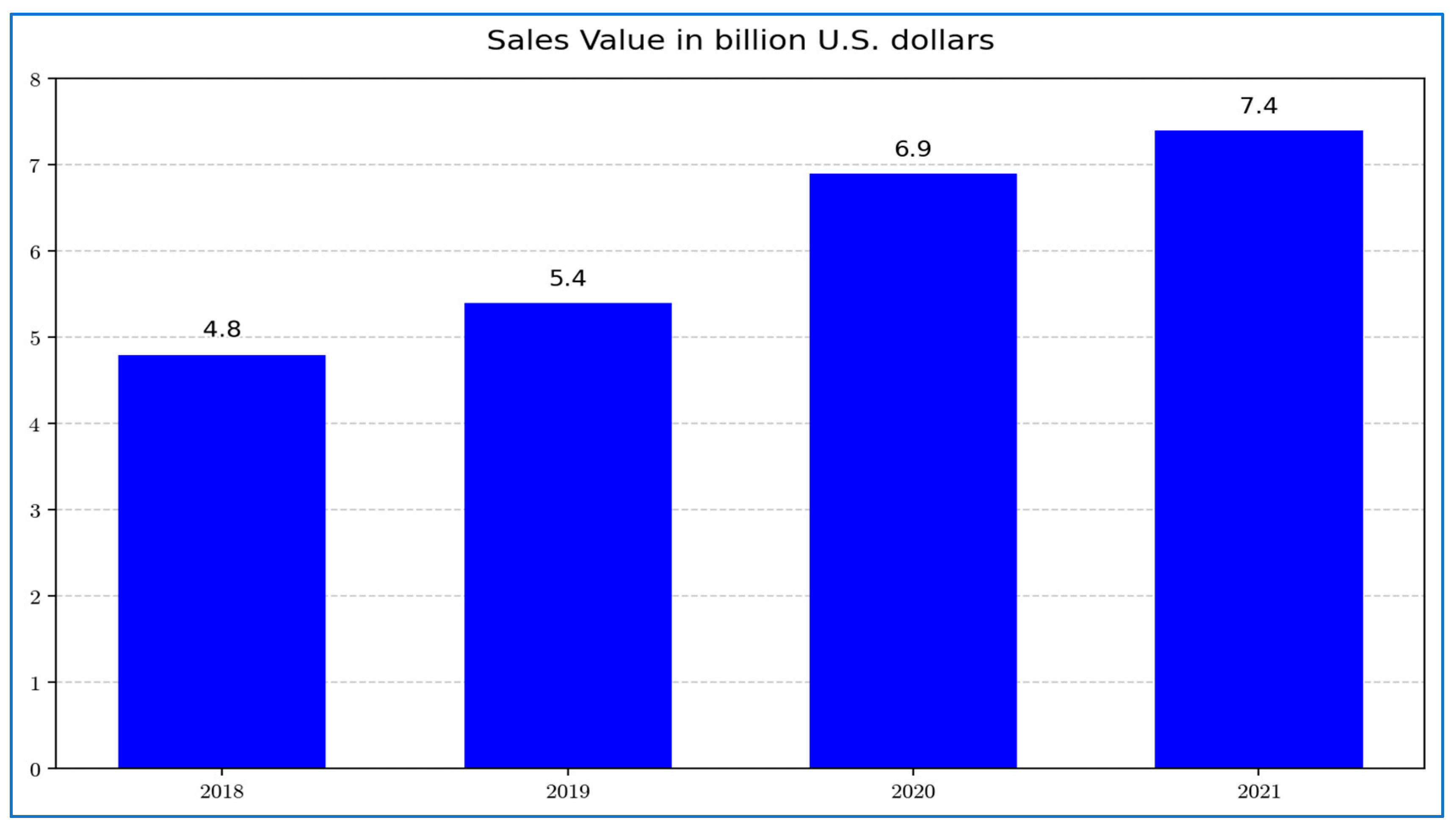
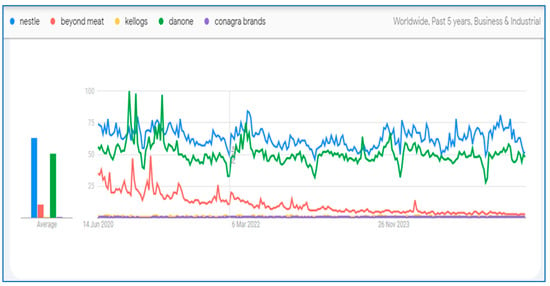
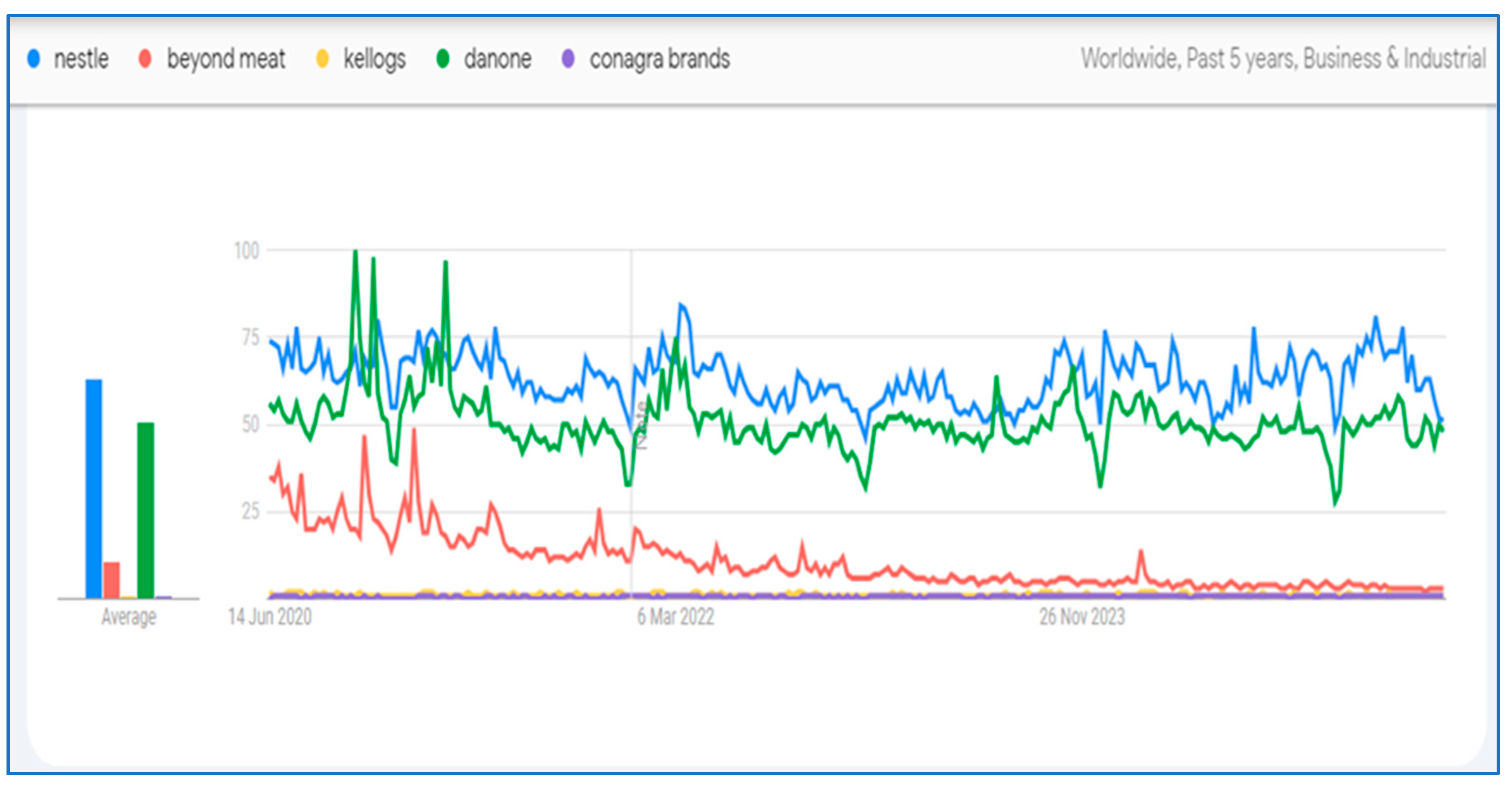
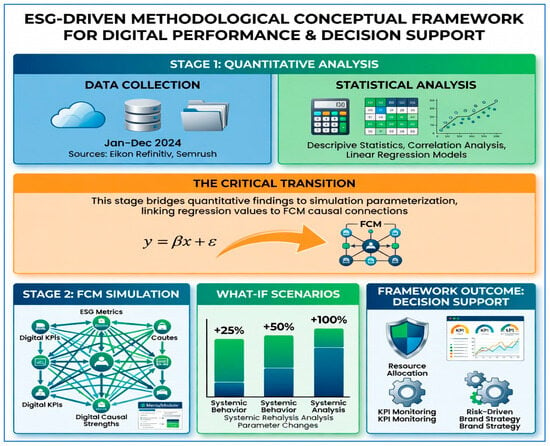
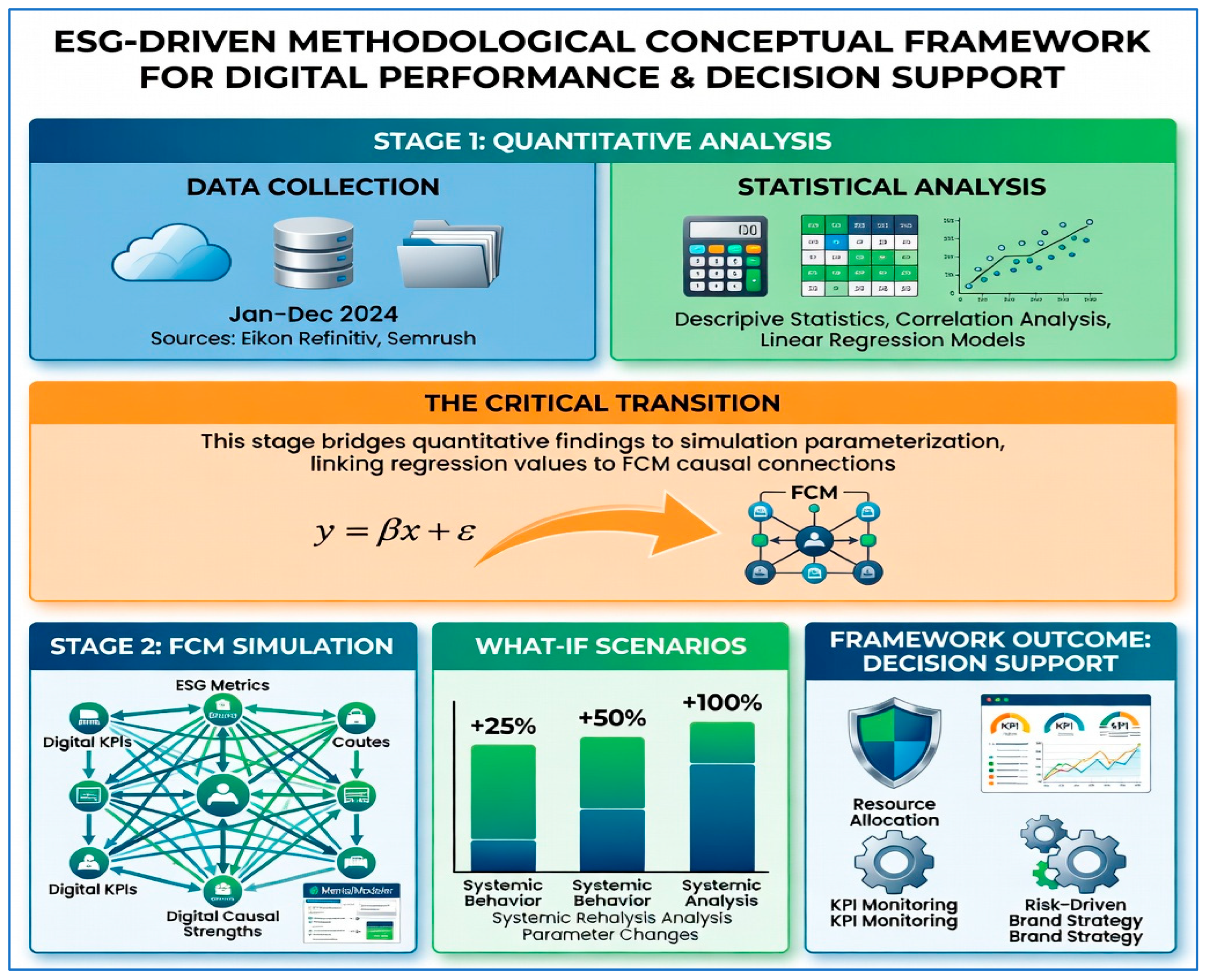
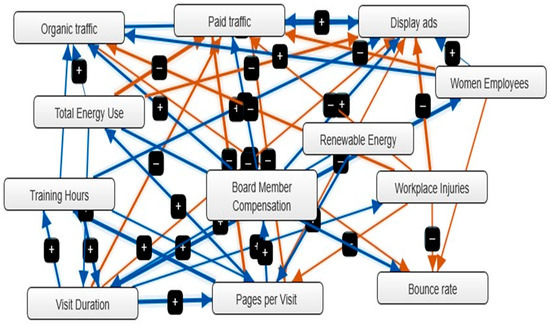
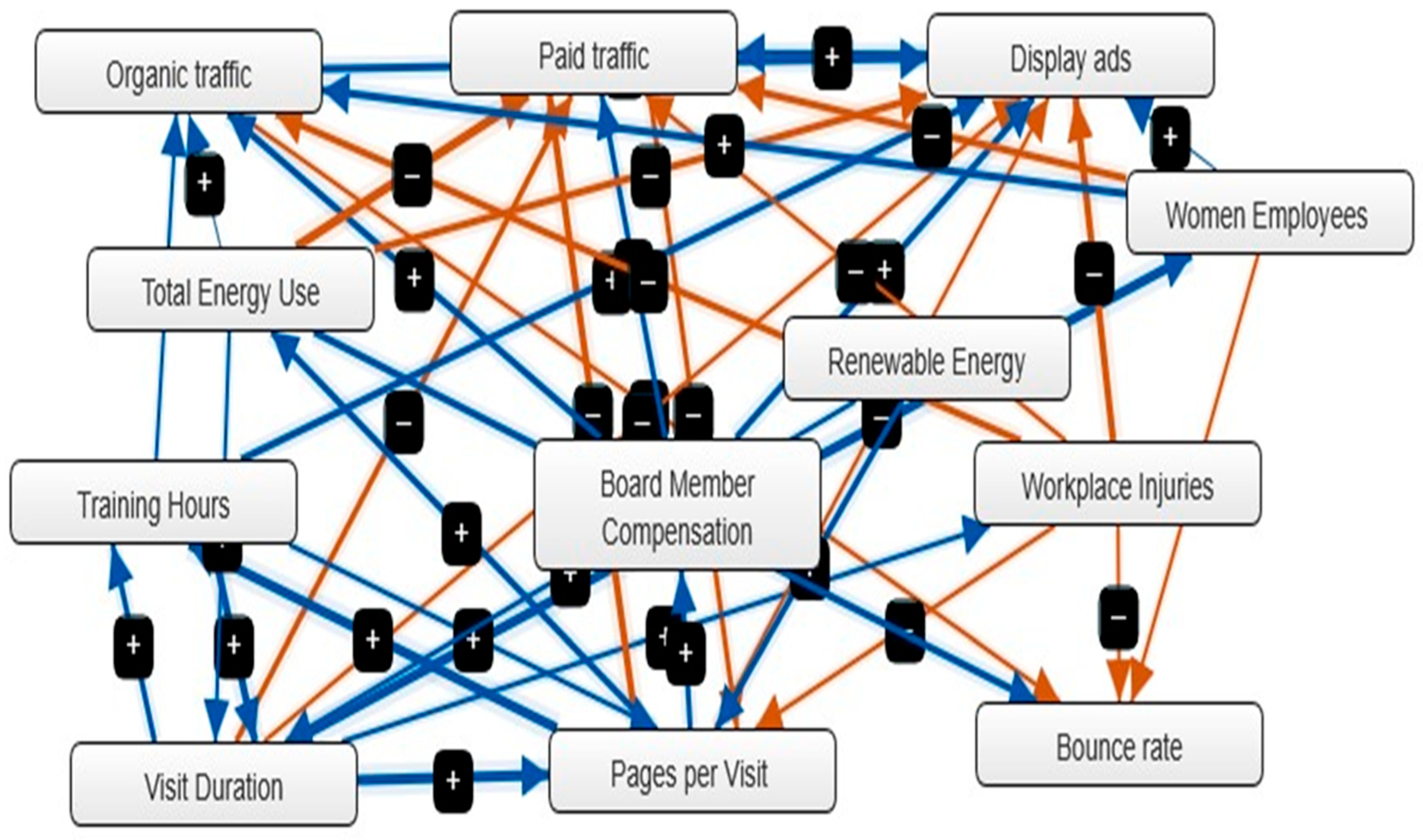
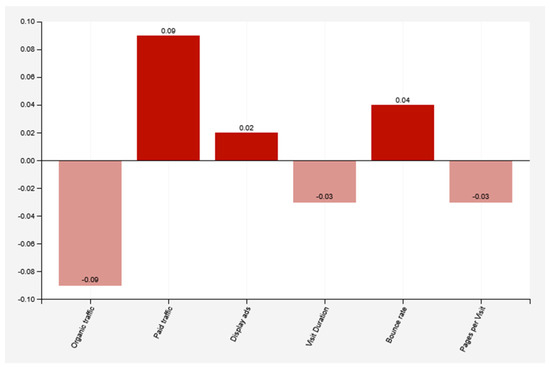
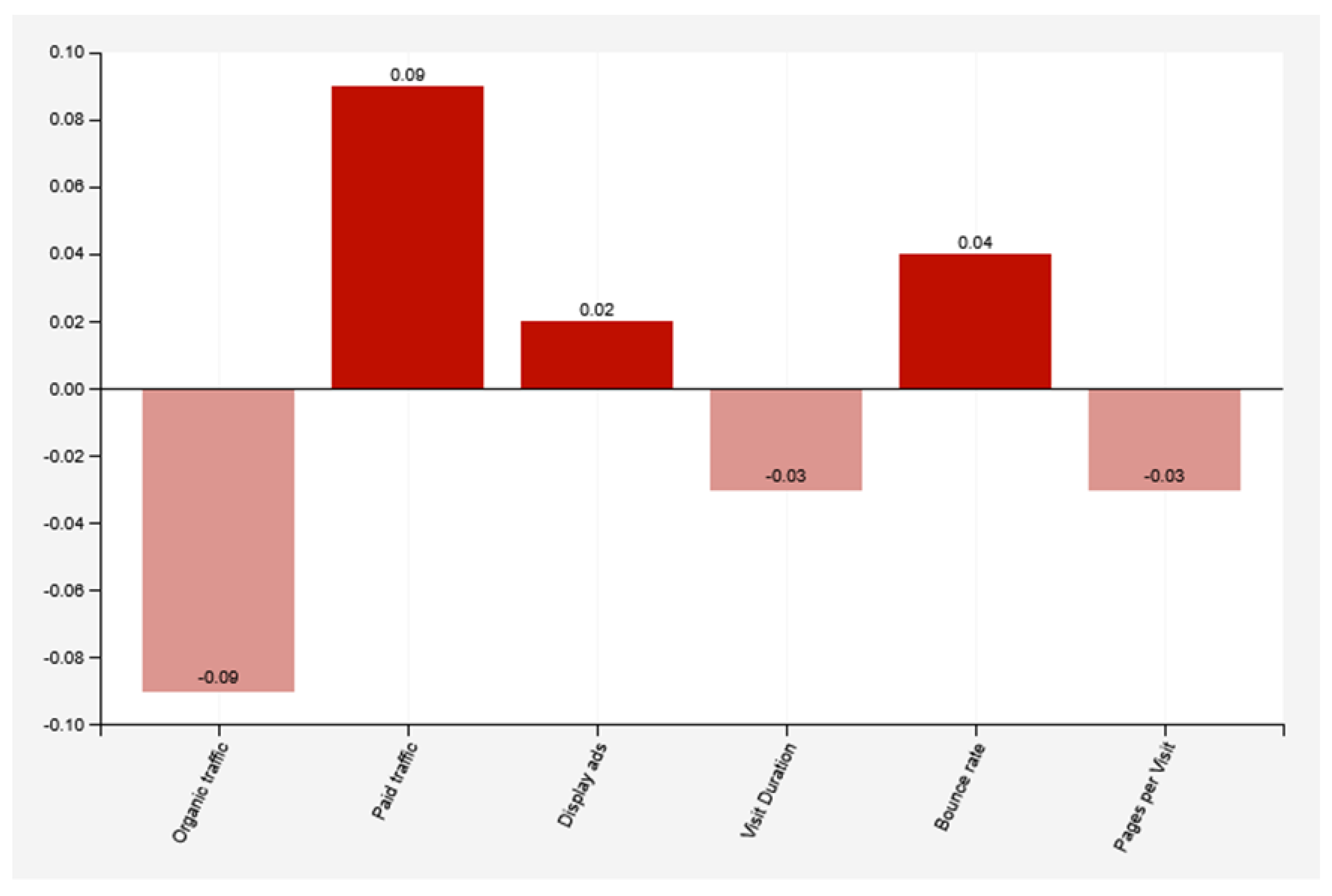
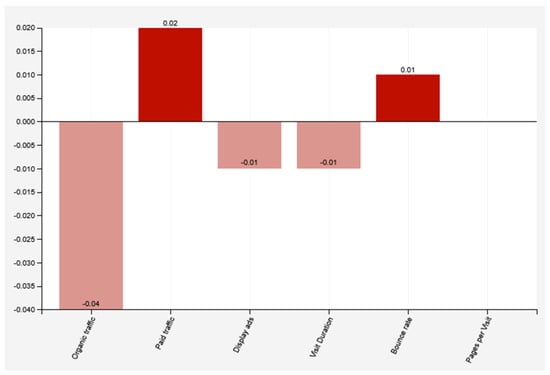
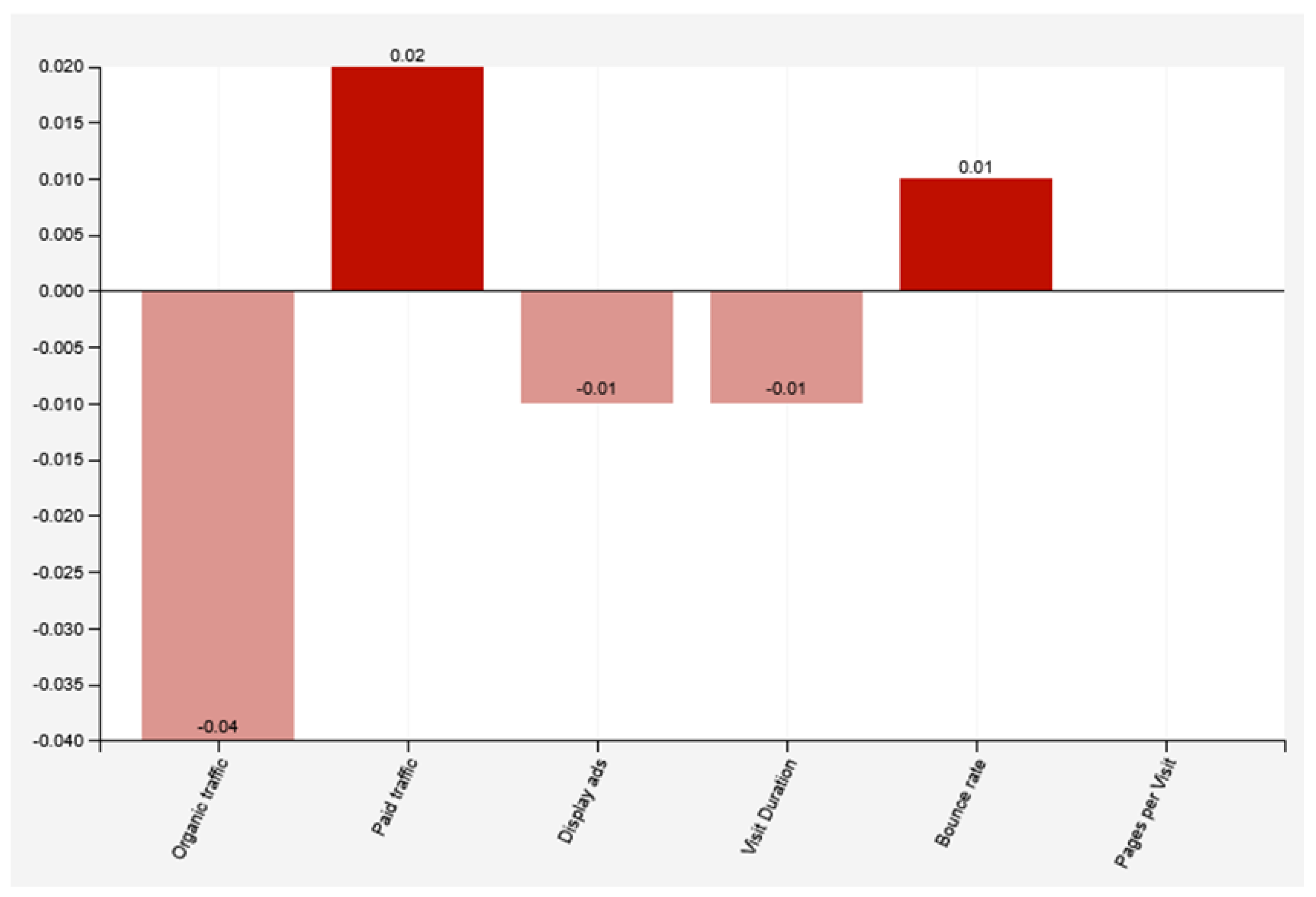
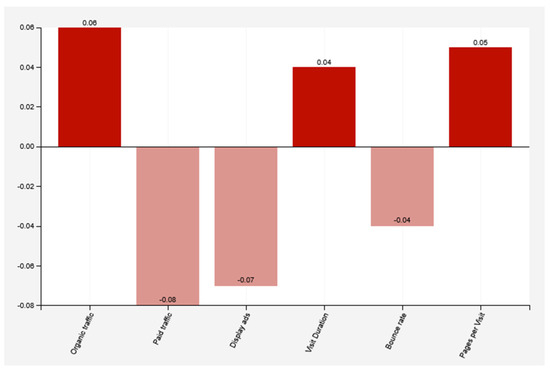
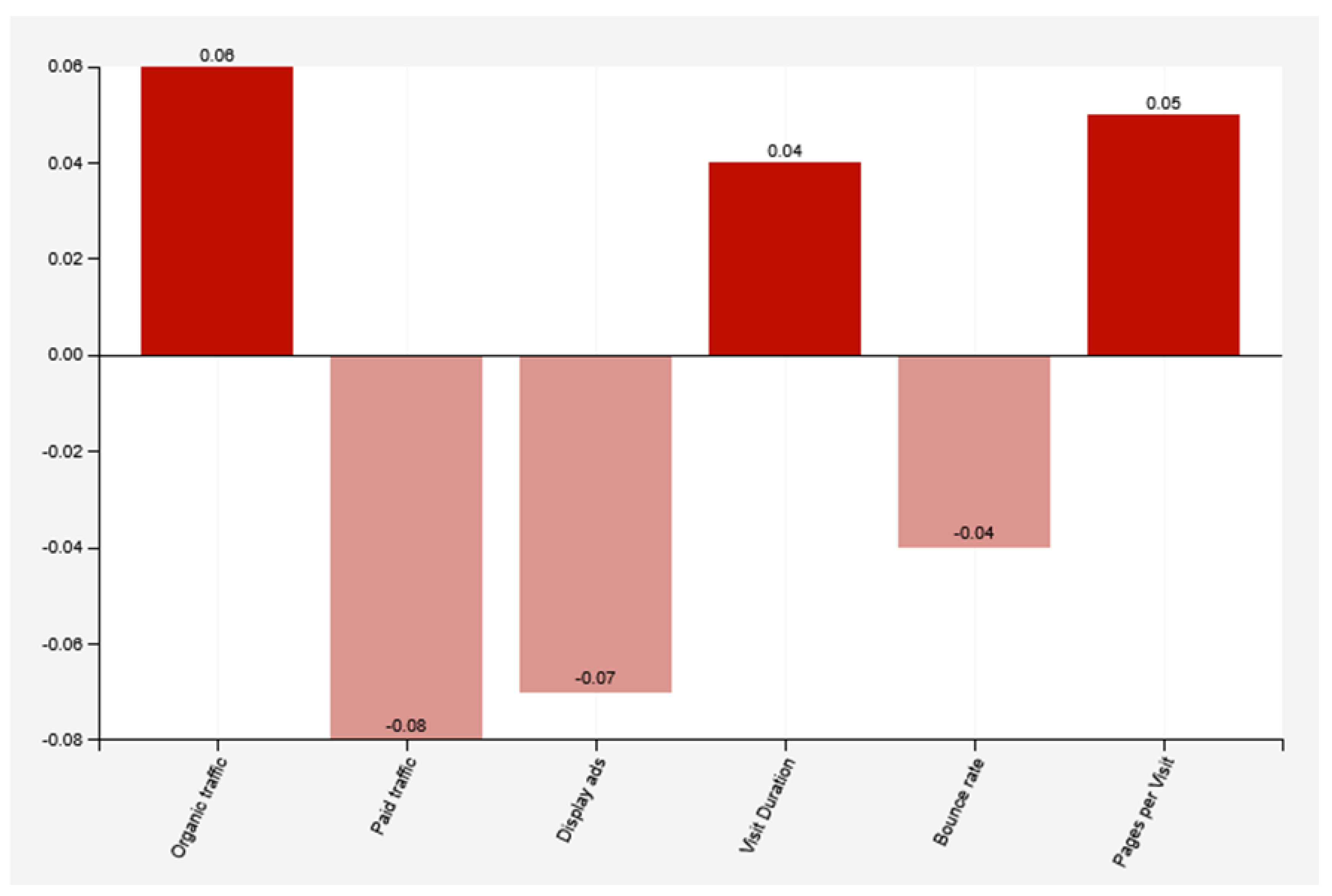

Disclaimer/Publisher’s Note: The statements, opinions and data contained in all publications are solely those of the individual author(s) and contributor(s) and not of MDPI and/or the editor(s). MDPI and/or the editor(s) disclaim responsibility for any injury to people or property resulting from any ideas, methods, instructions or products referred to in the content. |
© 2026 by the authors. Licensee MDPI, Basel, Switzerland. This article is an open access article distributed under the terms and conditions of the Creative Commons Attribution (CC BY) license.