


Abstract
Public project performance is shaped by both organisational capability and governance controls, yet the interaction between these factors remains underexamined in decentralised public administration contexts. This study examines the direct effects of team capability and ethical compliance on project performance, and tests whether ethical compliance conditions the capability–performance relationship. A quantitative explanatory survey design was adopted. Structured questionnaires were administered to 320 senior officers involved in project evaluation, procurement, budgeting and technical oversight, and the data were analysed using PLS-SEM to estimate the hypothesised direct and moderating relationships. Team capability and ethical compliance each have a significant positive effect on project performance, and team capability is positively associated with ethical compliance. The moderating effect of ethical compliance is significant but small in magnitude, indicating that higher levels of compliance modestly attenuate the marginal performance gains associated with greater team capability. These findings suggest that while compliance mechanisms strengthen accountability and directly support performance, they may simultaneously constrain the discretionary flexibility through which capable teams generate incremental improvements. The study contributes to public management research by empirically demonstrating a conditional capability–governance relationship in a local government project context. Given the moderate explanatory power of the model, future research should incorporate additional institutional and political variables to further clarify performance drivers in public-sector project systems.
Keywords:
ethical compliance; team capability; project performance; public sector; governance; Ghana 1. Introduction
Local government project systems operate within governance-intensive environments where delivery efficiency and ethical compliance must be pursued simultaneously (Demirkesen et al., 2024; Love et al., 2022). Despite extensive reforms aimed at strengthening transparency and accountability, public projects continue to experience cost overruns, delays, quality deficiencies, and legitimacy concerns (Busco et al., 2024; Oti-Sarpong et al., 2022; Love et al., 2022). These recurring implementation challenges indicate that performance in decentralised public systems is shaped not only by technical and managerial competence but also by the governance architectures within which projects are executed (Ibrahim et al., 2024; Bello et al., 2024).
Within this context, capability-based research offers a dominant explanation for improved project outcomes. Studies grounded in resource-based and team competence perspectives consistently show that technical expertise, coordination, communication, and problem-solving skills enhance time–cost–quality performance (Ahiaga-Dagbui et al., 2020; Eyieyien et al., 2024; Ram, 2023; Wawak, 2024; Zaman et al., 2020). However, public projects are embedded in institutional frameworks where performance is also evaluated through transparency, procedural integrity, and stewardship standards (Aboseif & Hanna, 2023; Ibrahim et al., 2024; Bello et al., 2024). Governance and ethics scholarship further demonstrates that compliance systems shape behaviour, constrain discretion, and influence implementation outcomes (Yan & Zhang, 2020; Leung et al., 2024; Chen et al., 2024). Accordingly, capability does not operate in isolation but within formalised control structures that may enable or restrict its utilisation (Khaled & Gond, 2020; OECD/Korea Development Institute, 2017).
Ethical compliance, manifested through procurement transparency, reporting requirements, professional standards, and oversight mechanisms, is designed to reduce opportunistic behaviour and strengthen auditability and public trust (Dugan, 2024; Shakeel et al., 2019; Chen et al., 2024; Leung et al., 2024). Yet compliance systems also generate procedural density and administrative burden that may slow decision-making, increase transaction costs, and reduce adaptive flexibility in uncertain project environments (OECD/Korea Development Institute, 2017; Khaled & Gond, 2020; Saddique et al., 2023; Abiemo et al., 2024). Red tape and administrative burden theories similarly argue that while rules safeguard accountability, excessive formalisation can dampen innovation and discretionary problem-solving (Bozeman, 2000; Pandey & Moynihan, 2006; Moynihan & Herd, 2010). Emerging evidence suggests that structured governance can strengthen disciplined coordination and knowledge-sharing (Mwelu et al., 2020; Amoako-Gyampah et al., 2021; Saddique et al., 2023), yet overly rigid compliance environments may diminish team adaptability under conditions of uncertainty (Saddique et al., 2023; Abiemo et al., 2024).
Although both capability-based and governance perspectives independently explain variations in public project performance, they have developed largely in parallel. Project management studies typically model team capability and compliance mechanisms as separate, additive predictors of performance (Eyieyien et al., 2024; Bello et al., 2024), while public administration research on red tape rarely incorporates capability as a contingent performance driver (Pandey & Moynihan, 2006; Moynihan & Herd, 2010). Consequently, there is limited empirical evidence on whether ethical compliance functions merely as an independent performance-enhancing mechanism or also conditions capability, to the extent to which project team capability is translated into delivery outcomes (Saddique et al., 2023; Abiemo et al., 2024). This theoretical and empirical under-integration is particularly pronounced in developing-country local government contexts, where governance intensity and institutional constraints are highly salient (Love et al., 2022; Demirkesen et al., 2024).
The present study addresses this gap by examining the joint and interactive effects of project team capability and ethical compliance in Ghana’s local government construction projects. The study is guided by the research question: How does ethical compliance shape the relationship between project team capability and public project performance in local government delivery systems? Specifically, it investigates: (i) the direct effect of project team capability on performance; (ii) the direct effect of ethical compliance on performance; (iii) the association between capability and compliance; and (iv) whether ethical compliance moderates the relationship between capability and performance.
By modelling ethical compliance both as a direct performance driver and as a boundary condition on capability, the study advances an integrated capability–integrity framework. It demonstrates that integrity controls can simultaneously enhance accountability and attenuate the marginal performance returns of high capability, thereby revealing a control–flexibility trade-off in decentralised public delivery systems. In doing so, the study contributes to public management and organisation scholarship by clarifying how governance intensity shapes the translation of organisational capability into project outcomes and by extending debates on accountability, discretion, and institutional performance in developing-country public sector contexts.
2. Theory and Hypotheses Development
2.1. Conceptualising Public Project Performance
Most literature reviews on public project performance utilise traditional project management performance measures, including time, cost and quality (Ibrahim et al., 2024). From the perspective of stakeholders, time, cost and quality are generally viewed as practical and quantifiable measures of project performance (Ibrahim et al., 2024). In terms of the degree to which an implementation meets the planned schedule, budget, and technical requirements of a project, project performance can also be conceptualised as the degree to which a project has achieved the desired objectives (Aboseif & Hanna, 2023). Nonetheless, because many public projects are assessed in conjunction with institutional and community goals and governance-related expectations regarding credibility and accountability (Unegbu et al., 2022), performance in public projects cannot always be measured solely by technical outputs. It has been increasingly acknowledged in the recent literature that performance in projects is multi-dimensional and context-specific (Kerzner, 2025; Unegbu et al., 2022). Consequently, in the context of local government project implementation systems, such as the Metropolitan, Municipal and District Assemblies (MMDAs) in Ghana, public project performance is defined strictly in terms of delivery outcomes—specifically adherence to planned time, cost, and quality parameters. This operationalisation follows established project management scholarship, which treats performance as the extent to which implementation meets predetermined technical and scheduling targets (Unegbu et al., 2022; Ibrahim et al., 2024).
2.2. Project Team Capability as Administrative Capability for Public Project Delivery
Project team capability refers to the collective capacity of project team members to work together efficiently and cohesively to achieve project goals, through the application of technical skills, professional experience and leadership skills, and to facilitate collaboration and communication among team members to coordinate and accomplish interdependent and complex tasks (Sacks et al., 2018; Adham & Sukkar, 2024). Collaboration and communication skills are critical as they assist in minimising misunderstandings and ambiguity, promote mutual understanding, and allow for the sharing of knowledge and information among team members (Borrmann et al., 2018). Additionally, project team capability involves responsible management of available resources, since effective resource management ensures efficiency and prevents unnecessary waste of limited resources (Fewings & Henjewele, 2019). Finally, the last component of project team capability is the ability to adapt and learn as a team to address unexpected challenges and limitations that arise during the course of implementation (Sacks et al., 2018). Adaptability is particularly significant in public sector project environments, where teams must continually respond to emerging uncertainties, institutional barriers, and other forms of unpredictability (Adham & Sukkar, 2024). Although these dimensions are analytically distinct, for the purposes of this work, they have been conceptualised as expressions of an underlying latent capability source ‘localised’ in team routines and collective experience. The construct, project team capability, is reflective in nature as changes in the general capability are believed to reflect on higher levels of communication performance, technical ability, coordination efficiency and adaptability. While other competing concepts like dynamic capability or absorptive capacity might provide complementary views, this study applies a resource-based view, wherein team capability is regarded as a bundle of strategic resources affecting project delivery.
2.3. Ethical Compliance as Integrity Control Architecture
Ethical compliance in public project delivery refers to the extent to which project participants act morally and responsibly in all their stakeholder interactions and adhere to the principles of fairness, transparency, accountability, and respect (Somachandra & Sylva, 2018; Foster, 2020; Oluwatosin, 2024). Although compliance is most directly associated with adhering to formal rules and regulations, it encompasses the broader integrity norms that define the justification of project decisions, conflict of interest resolutions, and relationships with stakeholders (Foster, 2020). Therefore, ethical compliance can be observed in a variety of ways, including fair and transparent procurement practices, unbiased and neutral contracting decisions, and the integrity of project decisions regarding funding and technology (Oluwatosin, 2024). Establishing a set of clearly defined ethical guidelines that are embedded into an organisation’s practices and processes will help create a culture of accountability and limit unethical behaviour within organisations (Akintola et al., 2020; Alkhatib & Abdou, 2018). However, achieving compliance with these guidelines in practice is not always easy and may require some trade-offs when it comes to performance. If there are no systems in place to monitor and enforce compliance, then codes of conduct become nothing more than symbols (with no real ability to influence behaviour) (Akintola et al., 2020; Alkhatib & Abdou, 2018). Conversely, if ethical monitoring and reporting become overly burdensome due to excessive bureaucracy and procedural complexity, then compliance may begin to negatively affect the efficiency and flexibility of public organisations, especially those with limited administrative capacity (Khaled & Gond, 2020; OECD/Korea Development Institute, 2017). The challenge of balancing compliance with the need for discretion and flexibility in order to respond to changing circumstances and minimise delays and inefficiencies related to coordination failures is particularly salient in Ghana’s Metropolitan Municipal District Assemblies (MMDAs), which continue to develop their capacity for ethical governance as they face increasing demands for greater transparency and accountability, while still needing to be able to act with the level of flexibility required to prevent delays and coordination problems (OECD/Korea Development Institute, 2017). Ethical compliance in this study is narrowly defined as adherence to formal procurement regulations, reporting obligations and anti-corruption mechanisms controlling the implementation of public projects. It does not reflect wider ethical culture or collective moral values, nor does it take account of the full institutional layering of integrity systems. Instead, it is a measure of how closely project processes match up to codified governance. This procedural operationalisation is consistent with the attributes we have included in our measure, such as rule compliance, transparency of contracting and compliance with statutory requirements.
2.4. The Theoretical Lenses Adopted
To establish a theoretical framework for the relationship between capability, integrity and performance, this study used two complementary theories: the Resource-Based View (RBV) and Ethical Leadership Theory (ELT) (J. Barney, 1991; Brown et al., 2005). The RBV serves as an explanation for why some organisations undertaking similar delivery activities achieve better performance than others. Based on RBV, the difference in performance is attributed to the organisation’s ability to create valuable, rare, difficult-to-imitate, and non-substitutable resources, which will eventually generate long-term sustainable competitive advantages (J. Barney, 1991; J. B. Barney et al., 2021). Within the RBV framework, project team capability qualifies as a strategic resource because it embodies VRIN attributes. It is valuable in enhancing implementation reliability and delivery performance; rare where specialised public-sector expertise is limited; inimitable due to embedded experiential knowledge, tacit coordination routines, and team-specific learning; and non-substitutable, as effective project execution depends on integrated human and relational capabilities rather than easily replicable procedural rules. Current RBV literature highlights the significance of organisational capability development, continuous learning, and adaptability for achieving performance in uncertain and complex institutional contexts (Wuebker et al., 2023; Miller, 2019; Pereira & Bamel, 2021). Furthermore, RBV demonstrates how organisational and institutional factors may affect resource configuration (Nayak et al., 2023; Dubey et al., 2019). In addition, based on the above view, the capability of the project team can be considered as an intangible organisational resource, which is formed from the cumulative experience, technical knowledge, communication skills, and problem solving skills of team members, and it can contribute to the successful accomplishment of project delivery by facilitating coordination and making decisions (Adham & Sukkar, 2024; Pereira & Bamel, 2021). Nevertheless, RBV also accepts that the application of capabilities is conditional, and can be constrained by bureaucratic structures, procurement processes and ethical environment (J. B. Barney et al., 2021; Wuebker et al., 2023).
ELT offers an additional perspective, focusing on the moral and relational context that influences the application of capabilities (Dugan, 2024; Brown et al., 2005). Ethical leadership is generally defined as demonstrating and reinforcing behaviour and attitude that support an ethical culture with integrity, fairness, accountability, and transparency in decision-making (Ko et al., 2018; Brown et al., 2005). Ethical leadership reinforces responsible behaviour and collective accountability among team members through consistent ethical behaviour and reinforcement (Lemoine et al., 2019; Dugan, 2024). ELT also provides a normative foundation for explaining how ethical compliance influences the quality of decision-making, stakeholder confidence and trust, and the behavioural discipline that contributes to the successful implementation of projects (Somachandra & Sylva, 2018; Palanski et al., 2021; Price, 2018). Moreover, ELT makes possible the identification of governance trade-offs: while ethical climates and compliance mechanisms can reduce the likelihood of misconduct and improve the quality of decision-making, overly formalised or rigid systems can diminish the discretion and flexibility of public organisations with limited resources (Khaled & Gond, 2020; OECD/Korea Development Institute, 2017). Our study, therefore, argues that ELT explains ethical compliance as a structural governance control through social learning and norm internalisation mechanisms. This is because ethical leaders model and reinforce expected standards, translating formal compliance rules into shared behavioural norms. Through role modelling, reward–sanction systems, and accountability reinforcement, leaders institutionalise ethical expectations, embedding compliance into routines and decision processes. Thus, compliance becomes not merely procedural but behaviourally enacted governance control, shaping disciplined project execution. Consequently, the combined RBV-ELT framework supports the direct relationship between project team capability, ethical compliance and public project performance. However, neither RBV nor ELT alone predicts a negative moderation effect of ethical compliance on the relationship between project team capability and public project performance. The negative moderating hypothesis is instead informed by organisational control theory. The organisational control theory argues that formal control systems, comprising written rules, monitoring systems, standard operating procedures and performance evaluations, are designed to integrate individual and collective actions with the organisation’s objectives by means of processes of standardisation and accountability (Felício et al., 2021). While these controls enhance predictability and deter opportunistic behaviour, excessive formalisation can also limit professional autonomy, proactivity or adaptive problem-solving capabilities (Pires, 2011; Hodgson, 2004). In the public sector, where a strong desire for ethical behaviour is expected, organisational control theory is evident in terms of the use of formalised regulations for the purchase of items, an approval process that involves many stages, and formal/regulatory laws guiding record-keeping, among others (Osifo et al., 2025). In such cases, even effective project teams may experience problems with their technical capability, communication adaptability, and situation awareness resulting from procedural inflexibility (Shirazi et al., 1996; Grimshaw et al., 2001). In this sense, ethical compliance intensity is a structural control that limits behaviour freedom and diminishes the positive link between project team capability and public project performance (Cäker & Siverbo, 2011; Pires, 2013).
2.5. Hypotheses Development
2.5.1. Project Team Capability and Public Project Performance
Project team capability is a strategic intangible resource that provides organisations with the ability to convert input into reliable implementation outcomes (J. Barney, 1991; Zaman et al., 2020; Ram, 2023). Capability exists through coordination capability, communication, technical expertise and problem solving that improve planning discipline and help to execute projects effectively under uncertain conditions (Sacks et al., 2018; Eyieyien et al., 2024; Wawak, 2024). Empirical evidence shows that capable teams are better able to coordinate stakeholders, manage uncertainty, control time, cost, and quality parameters, which are core components of project performance (Ahiaga-Dagbui et al., 2020; Eyieyien et al., 2024). In local government delivery environments where projects often involve inter-functional dependencies and procedural constraints, capability should be positively associated with project performance. Thus, H1: Project team capability has a significant positive effect on project performance. This hypothesis represents theoretical replication within a public-sector governance context, reaffirming RBV’s central proposition.
2.5.2. Project Team Capability and Ethical Compliance
RBV suggests that capability is not only productive for technical outcomes but also supports disciplined organisational routines and process execution (J. B. Barney et al., 2021; Miller, 2019). In public project contexts, ethical compliance requires procedural capability—interpreting rules, documenting decisions, managing procurement steps and coordinating oversight expectations—activities that are likely to be stronger in capable teams (Sacks et al., 2018; Adham & Sukkar, 2024). ELT further suggests that ethical climates and responsible conduct are reinforced through consistent behaviours and shared accountability, which may be more likely when teams possess the capability to translate ethical expectations into practice (Brown et al., 2005; Ko et al., 2018; Somachandra & Sylva, 2018). While findings are mixed, most of the empirical evidence generally supports a positive association between team capability and ethical compliance (Adham & Sukkar, 2024; Halder & Batra, 2024; Amoah & Steyn, 2023; Perez Rave et al., 2023; Wohlrab et al., 2020). However, some studies report no significant linkage, suggesting contextual sensitivity and institutional conditions (Bhatti et al., 2021). Although empirical findings are mixed, this inconsistency can be theoretically resolved by recognising that the capability–compliance relationship is context-dependent rather than universally linear. Since there is a need for further evidence in developing-country public sector environments, this study hypothesises a positive association in Ghana’s local government project context. Therefore, H2: Project team capability has a significant positive effect on ethical compliance. This hypothesis constitutes a theoretical extension, testing whether procedural capability contributes to compliance enactment in bureaucratic local government environments.
2.5.3. Ethical Compliance and Public Project Performance
Ethical compliance can function as a governance mechanism that shapes behaviour, decision quality and accountability in project implementation (Somachandra & Sylva, 2018; Oluwatosin, 2024). Ethical compliance can strengthen transparency, reduce opportunism and enhance trust among stakeholders, all of which support performance in procurement, supervision and resource utilisation (Akintola et al., 2020; Alkhatib & Abdou, 2018; Bello et al., 2024). Furthermore, empirical work suggests that ethical frameworks and compliance systems can be positively associated with performance-enhancing governance outcomes (Yan & Zhang, 2020; Chen et al., 2024; Zhang et al., 2023). While ethical tools are usually introduced to minimise misconduct that undermines delivery performance, their operational influence can extend beyond preventing wrongdoing to provide behavioural clarity and structured decision-making that supports implementation reliability (Leung et al., 2024; Oluwatosin, 2024). Therefore, ethical compliance is expected to have a positive association with public project performance. Hence, H3: Ethical compliance has a significant positive effect on project performance. This hypothesis represents governance-based replication, confirming prior findings linking ethical systems to performance.
2.5.4. The Moderating Role of Ethical Compliance
While compliance mechanisms enhance accountability and directly improve performance, organisational control theory suggests that high levels of procedural rigidity can constrain discretionary problem-solving. Under conditions of elevated compliance intensity—characterised by strict documentation, layered approvals, and limited flexibility—the marginal performance returns of team capability are expected to diminish. Ethical systems and compliance mechanisms could potentially create an environment for a stronger connection to be established between capabilities and performance—as well as create an environment for better decision-making—through discipline, good judgement and responsible use of discretion in sharing knowledge (Bello et al., 2024; Mwelu et al., 2020; Amoako-Gyampah et al., 2021). Some research suggests that high levels of ethical climates in work and the level of maturity in organisations can enhance the value of capability in terms of decision-making through creating structured decision processes and supporting consistent behavioural patterns (Saddique et al., 2023; Abiemo et al., 2024). On the other hand, regulatory and compliance systems can introduce procedural burdens that limit flexibility and reduce the marginal performance benefits that capable teams would otherwise generate—particularly when compliance tools become highly formalised and constraining (OECD/Korea Development Institute, 2017; Khaled & Gond, 2020). This suggests that ethical compliance is not merely a direct predictor of performance but may act as a boundary condition on the capability–performance relationship. Therefore, we hypothesise H4: Ethical compliance negatively moderates the relationship between project team capability and project performance. This hypothesis represents the study’s core theory-extension contribution, introducing ethical compliance as a boundary condition that reshapes capability effectiveness. Our study explains that the moderation hypothesis positions ethical compliance as a boundary condition in the capability–performance relationship.
2.6. Conceptual Framework
The conceptual framework (see Figure 1) illustrates the ethical, behavioural, and governance context in which performance is shaped in public sector project environments. It specifies four proposed paths linking project team capability, ethical compliance and project performance. Firstly, project team capability is expected to improve project performance (H1). Secondly, project team capability is proposed to positively influence ethical compliance (H2). Thirdly, ethical compliance is anticipated to have a direct positive relationship with project performance (H3). Fourthly, ethical compliance is expected to negatively moderate the relationship between team capability and project performance (H4).
Figure 1.
The research model.
3. Materials and Methods
This study employed a quantitative explanatory cross-sectional survey design to assess the hypothesised relationship among project team capability, ethical compliance in project implementation, and performance in construction projects implemented in the public sector in Ghana. The empirical context of the study comprised Metropolitan, Municipal and District Assemblies (MMDAs) in the Volta Region. MMDAs consistently contract and supervise infrastructure projects and thus provide a suitable empirical context to examine project governance, ethical practices, and project performance. The data were collected at one point in time, and as such, are best suited to analyse associations among the variables rather than causality.
The target population of this study included senior officers responsible for evaluating, procuring, budgeting, and providing technical oversight for all projects implemented by the 18 MMDAs in the Volta Region. The senior officer roles included consultants, engineers, procurement and budget officers, internal auditors, finance officers, work sub-committee chairpersons and environmental health officers. Since the study required respondents who have firsthand experience in the project evaluation/implementation and ethical practices of the MMDAs, a purposeful sampling strategy was applied to identify and contact senior officers holding these positions. Based on the choice of purposeful sampling, eligible participants were required to: (1) occupy a senior-level position within an MMDA, (2) be directly involved in project evaluation, procurement, budgeting, technical supervision, or audit functions, and (3) have participated in at least one recently completed construction project within the past three years. Lists of eligible officers were obtained through official MMDA administrative records, and invitations were sent to individuals meeting these criteria. This criterion-based selection ensured information-rich responses while minimising the inclusion of respondents without practical exposure to compliance and capability dynamics in project delivery. The study does not claim national representativeness. Rather, it adopts a regionally bounded design focusing on local government units operating under Ghana’s decentralised governance framework. The dataset analysed in this paper is part of the empirical study conducted for PhD research, which has yet to be published, and has been utilised in other papers, but in those cases, applying alternative theoretical models. However, our study employs the same pool of respondents but introduces a novel RBV–ELT integrated framework and tests relationships that have not been previously examined within this dataset. No overlapping hypotheses or identical model structures have been published elsewhere. Thus, although the data source is shared, the analytical model and theoretical contribution of this study are independent.
An online questionnaire was developed and distributed to respondents via a Google Forms link. An alternative hard copy of the questionnaire was also available and could be mailed to respondents upon request. Respondents were requested to answer questions based on their most recent construction projects that they either directly evaluated or supervised. Of the 432 targeted senior officers from the 18 MDAs, 320 returned a completed questionnaire after being screened for completeness and consistency, resulting in a valid response rate of 74.1%. The 320 responses are higher than the 300 minimum required to perform PLS-SEM (Hair et al., 2017).
The constructs were measured using multi-item scales adapted from established peer-reviewed studies in project and construction management. Constructs were measured on a 5-point Likert-type scale ranging from “Strongly Disagree” (1) to “Strongly Agree” (5). Project team capability (PTC) was assessed using five items adapted from Ribeiro et al. (2021), Moradi et al. (2020), and Kalan and Ozbek (2020). Construction project performance (CPP) was measured using a 10-item scale adapted from Unegbu et al. (2022), Assaad et al. (2020), and Ingle and Mahesh (2022). Finally, project ethical compliance was measured using items adapted from Adeniyi (2022) and Sarawa and Mas’ud (2020).
The data collected were analysed using Partial Least Squares Structural Equation Modelling (PLS-SEM), which is a methodology that is particularly suited for assessing theoretically driven models with multiple latent constructs and smaller-to-medium-sized sample sizes. Partial Least Squares Structural Equation Modelling (PLS-SEM) was selected for three principal reasons. First, the study prioritises prediction and theory extension rather than strict theory confirmation, making a variance-based approach appropriate. Second, the model incorporates multiple reflective latent constructs and a moderation effect, increasing structural complexity; PLS-SEM is well-suited for estimating interaction effects without imposing stringent distributional assumptions. Third, although the sample size of 320 is sufficient for covariance-based SEM, preliminary diagnostics revealed mild deviations from multivariate normality. PLS-SEM is robust to such violations and enables reliable estimation of structural relationships under these conditions. The methodology is suitable due to the objectives of the study to evaluate the relationships among intangible capabilities, ethical variables and performance outcomes. The analysis of the data was performed according to the two-stage approach commonly used with PLS-SEM.
In the first stage, the measurement model was evaluated for internal consistency reliability, convergent validity, and discriminant validity. All the Cronbach’s alpha and composite reliability coefficients for all constructs were higher than 0.70, indicating acceptable internal consistency. The average variance extracted (AVE) values for all constructs were higher than 0.50 and thus indicate acceptable convergent validity. Although several indicator loadings were slightly lower than 0.708, they were maintained since they represented critical theoretical dimensions of the constructs and removing them would not have greatly improved the fit of the model nor the reliability metrics.
Discriminant validity was assessed using the Heterotrait–Monotrait Ratio (HTMT). For each construct, the square root of the AVE was greater than the correlation with the other constructs, and all HTMT values were less than 0.85, which indicates that discriminant validity was acceptable.
Given the cross-sectional, single-source design, common method bias (CMB) cannot be entirely ruled out. To mitigate this risk, several procedural remedies were implemented, including assuring respondent anonymity, reducing evaluation apprehension, separating predictor and criterion constructs within the questionnaire, and using clear, non-leading items with varied scale anchors. Statistically, we assessed full collinearity VIF values (Kock, 2015), all of which were below the recommended threshold of 3.3, indicating that severe common method inflation is unlikely. While these steps do not eliminate CMB entirely, they reduce its potential impact and suggest that the structural estimates are unlikely to be substantially biased.
The model fit was evaluated using the standardised root mean square residual (SRMR), which was equal to 0.081. This SRMR is within the commonly accepted range of 0.08 to 0.10 for an approximate fit. The predictive relevance of the model was evaluated using the Stone–Geisser Q2 statistic, which indicated that the model has small but significant predictive power for project performance.
All of the path coefficients, including the interaction terms capturing the moderation effect of ethics, were estimated using a bootstrap procedure with 5000 replications. This approach allowed for the calculation of standard error, t-values and p-values for all of the hypothesised paths, thereby enabling formal statistical tests of the direct effects of project team capability, project ethical compliance and construction project performance, as well as the moderating effect of project ethical compliance.
4. Results
4.1. Respondent Profile
As can be seen in Table 1, out of the 320 respondents, the majority (77.8%) are males and (22.2%) females. Regarding age, 58.1% are between 25 and 45, indicating a substantial portion of working-age individuals in the sample. Additionally, most respondents (53.4%) held graduate degrees, indicating a well-educated group. Most of the respondents (68.1%) are married, 28.1% single, and 3.8% are divorced. With respect to the various roles the respondents play in the district/municipal assemblies, (24.1%) are project engineers, (23.1%) are budget officers, (20%) are procurement officers, (11.3) are planning officers, project consultants (7.2%), finance officers (5.3%), work sub-committee chairmen (4.7%) and the remaining (4.4%) constitute environmental health and safety officers. Despite a good response rate of 74.1%, the sample is demographically unbalanced towards males (77.8%) and very well-educated (53.4% postgraduate) senior officers. This pattern corresponds to the administrative levels of local government, and implications for generalisability may exist. Attitudes on ethical values and rigidity of governance may differ by gender, education level, or organisational rank. Accordingly, the fact that elderly adults are relatively uniform may suppress the variability of compliance estimates and limit the generalizability of the results. Further research should use multi-level and demographically diverse samples to determine whether the observed associations hold across levels of the organisation.
Table 1.
Demographic characteristics.
4.2. Construct Validity
Table 2 shows that construct validity is satisfactory across all study variables. The indicators measuring project team capability display strong loadings, with most items exceeding the recommended threshold of 0.70, indicating that the construct is well captured by its measurement items. Project performance also demonstrates robust construct validity, as most of its indicators load above 0.70, with two items (PJP7 = 0.599) and (ETH1 = 0.670) slightly below the threshold but still within acceptable limits.
Table 2.
Construct validity using factor loadings.
4.3. Reliability and Convergent Validity
Table 3 presents the results for reliability and convergent validity of the study constructs. All three scales demonstrate internal consistency reliability. Specifically, the Cronbach’s alpha for the Team Capability scale is 0.847, and the composite reliability for Team Capability, Construction Performance and Ethical Compliance are 0.89, 0.76 and 0.67, respectively. Therefore, it can be reasonably inferred that each of the scales measured team capability, project performance and ethical compliance consistently. Although the composite reliability (rho_c = 0.808) is above the threshold values for Cronbach’s alpha of 0.7 proposed by Hair et al. (2019), this threshold was not met for project ethical compliance (0.653). In line with the recommendations of Sijtsma (2009) and McNeish (2018), we recognise that alpha may underestimate reliability, which is an indication of a moderate measurement error; therefore, path estimates involving project ethical compliance are interpreted with caution.
Table 3.
Reliability and convergent validity statistics.
The average variance extracted (AVE) for each of the scales was calculated and found to be greater than 0.5 for all three scales. The AVE is an indicator of convergent validity, i.e., whether or not each item loads on its intended construct. Therefore, it can be concluded that each of the items measured the same constructs as the other items. For example, the items measuring team capability measured the same aspects of capability (i.e., technical competency, collaboration, etc.) as the other items. Similarly, the items measuring construction performance measured the same aspects of performance (e.g., time, cost, quality, etc.). Thus, the results support the notion that there exists both convergent and discriminant validity among the various constructs measured by the scales. Finally, the internal consistency reliability coefficients provide evidence that each scale measured what it was supposed to measure and did so in a consistent manner. That is, if an individual scored high on the team capability scale, then they would have likely scored high on all the subscales of the capability scale, and conversely, if an individual scored low on the ethical compliance scale, then they would have likely scored low on all the subscales of the compliance scale. Overall, therefore, the results demonstrate strong psychometric properties for each of the three scales. The data suggest that the scales are reliable, valid and sensitive to changes in the constructs being measured.
4.4. Discriminant Validity
The discriminant validity is shown in Table 4 with the Heterotrait–Monotrait Ratio (HTMT). The HTMTs for all the combinations are below the conservatively set limit of 0.85 and confirm empirical differences between the studied constructs. The HTMT for the constructs of project performance and project team capability (0.403) clearly demonstrates a differentiability between the two. Similarly, the low HTMT for the constructs of project ethical compliance and project team capability (0.162) indicates strong discriminant validity. Additionally, the HTMT for the constructs of project ethical compliance and project performance (0.643) is still within the acceptable range.
Table 4.
Discriminant validity using HTMT.
4.5. R-Square
Table 5 shows that moderate explanatory power (approximately 31.4%) exists between project team capability (as evidenced by an R-squared of 0.314) and construction project performance, which exceeds the 0.25 threshold commonly interpreted as weak-to-moderate explanatory power in PLS-SEM (Hair et al., 2017). However, an extremely low explanatory power (approximately 0.18%) exists between project team capability (as evidenced by an R-squared of 0.018) and ethical compliance during construction projects, as values below 0.10 are generally considered weak in structural models (Hair et al., 2017).
Table 5.
R-squared statistics.
These results suggest that the project team’s capabilities are a good indicator of the outcomes in terms of performance during a construction project, but that other factors beyond just the project team’s capabilities impact ethical compliance during construction projects.
4.6. F-Squared (Effect Size)
The F2 values for the structural relationships shown in Table 6 demonstrate that project ethical compliance has a large effect (F2 = 0.259) on project performance, which indicates it is a major contributor to the explanation of performance variance. However, the interaction between project ethical compliance and project team capability also has a small effect size (F2 = 0.020) (Cohen, 1988). The effect of project team capability on project ethical compliance is very weak (F2 = 0.018). Therefore, while it may have some explanatory power, it is not practically relevant. The effect size for project team capability on project performance was found to be small to moderate (F2 = 0.114), which supports its relevance in improving the performance of projects.
Table 6.
F-squared statistics.
4.7. Collinearity
The collinearity diagnostics for measurement indicators using variance inflation factor (VIF) values are reported in Table 7. All values fall within the 1.119 and 2.395 range. Thus, both the suggested limit of 3.3 and the conservative limit of 5.0 are above these values, so multicollinearity would not be an issue amongst the measurement indicators. Therefore, it is confirmed that every single item provides unique contributions to its corresponding constructs without excessively overlapping with the remaining measurement indicators. Thus, the estimation of the path coefficients would not be influenced by multicollinearity, and the stability and reliability of the measurement and structural model results are provided.
Table 7.
Collinearity statistics.
4.8. Hypotheses Testing Results
The structural modelling and hypotheses testing results (see Figure 2 and Table 8) indicate that team capability has a significant positive effect on project performance (B = 0.283, t = 7.080, p < 0.001). These demonstrate that higher levels of team capability are associated with improved project outcomes. Hypothesis 1 was therefore supported. Project team capability exhibited a statistically significant but substantively weak relationship with ethical compliance (β = 0.134, p = 0.025). Although Hypothesis 2 is supported, the model explains only 1.8% of variance (R2 = 0.018), indicating negligible practical significance. Accordingly, this finding should be interpreted cautiously and considered marginal rather than substantively impactful.
Figure 2.
Structural model.
Table 8.
Hypothesis testing results for direct and moderating effects.
In addition, project ethical compliance exhibits a strong and significant positive effect on construction project performance (B = 0.426, t = 8.407, p < 0.001), suggesting that higher ethical compliance substantially enhances project efficiency, effectiveness, and overall performance. Hypothesis 3 was therefore supported. Finally, the interaction effect between project ethical compliance and project team capability on construction project performance is statistically significant (B = −0.107, t = 2.533, p = 0.011). The effect size (f2 = 0.020) falls within the small effect category based on Cohen’s (1988) guidelines (0.02 = small, 0.15 = medium, 0.35 = large). Although statistically significant, the practical magnitude of the moderation effect is limited. Hypothesis 4 was therefore supported. Bootstrap confidence intervals (5000 resampling) were evaluated to guarantee the robustness of the path coefficient estimates. For H2 (TC → EC), the 95% confidence interval was between 0.017 and 0.248, which narrowly covered a positive interval. With the low adjusted R2 (0.018), the relation should be understood as statistically significant, but a substantively weak and sampling-variation-sensitive one. For H4 (interaction variable), the 95% CI for the interaction term was −0.107, indicating that the negative moderation effect was significant but small in magnitude.
The easy slopes as shown in Figure 3 demonstrate that the relationship between project team capability and project performance is positive for all levels of ethical compliance. However, the negative interaction effect indicates that this positive slope decreases as ethical compliance increases. This slope is steepest at low ethical compliance (−1 SD) and flatter at high ethical compliance (+1 SD), suggesting attenuation rather than reversal. Therefore, the positive effect of capability on performance is slightly dampened by ethical compliance.
Figure 3.
Simple slope analysis for moderation effect.
5. Discussion
The results of the empirical analysis partially and conditionally support our model. While both project team capability and ethical compliance have statistically significant positive relationships with performance, the degree to which these relationships are strong and explanatory varies greatly. The moderation effect is small (statistically significant, but f2 = 0.020), and the influence of capability on compliance explains only 1.8% of the variance in ethical compliance. These findings imply that what is being observed is minimal and should be considered marginally significant. The proportion of variance explained by the model is moderate (31.4%), and there is still a large percentage of unfound relationships among the variables from the general model. This suggests that other latent organisational, financial and political processes could be driving construction project performance results. Hence, as it has been stated by Wagner et al. (1984), the model’s explanatory power should be read as moderate rather than all-encompassing, and its findings should not be generalised beyond similar public organisation environments without prudence. Taken together, the results support a nested configuration model in which team capability serves both as a resource driver (core construct) and as an entity that is governed by ethical compliance; further, that compliance marginally moderates the strength of capability effects.
The findings that project team capabilities have a significantly positive effect on construction project performance are well-supported by prior empirical research and consistent with the Resource-Based View (RBV). Empirical studies confirm that capable teams with resources like effective communication, problem-solving, and psychological empowerment achieve improved schedule reliability and operational efficiency (Malik et al., 2021). Likewise, effective communication within a team has been associated with improved coordination and cost, time and quality performance (Huang et al., 2020). Coronado-Maldonado and Benítez-Márquez (2023) also found that emotional intelligence has a positive effect on the ability of leaders to create cohesive teams that increase performance. Collectively, these findings reinforce the argument that project capability constitutes a valuable and inimitable intangible resource. Beyond reaffirming RBV’s general claim that valuable capabilities enhance performance, this study shows that in local government construction projects in the Volta Region of Ghana, project team capability functions as a context-embedded strategic resource shaped by public sector constraints, bureaucratic procedures, and resource limitations
The observed positive effect of project ethical compliance on project performance is consistent with ELT. From an ELT perspective, ethical leadership may foster fairness, accountability, shaping the ethical behavioural norms among project teams. While the model from team capability to ethical compliance was also statistically significant, its very low explanatory power (R2 = 0.018) suggests that capabilities have a marginal impact on ethical compliance. Ethical compliance processes in the public sector may be more geared towards institutional requirements, regulatory control and political accountability systems than team or group level abilities. As such, this finding should be treated as one of limited value, and future research might examine wider institutional determinants of compliance. An empirical study (Liu et al., 2022) has asserted that when a project’s ethical culture encourages compliance and transparency, participants are more likely to engage in ethical behaviours that support effective project execution. Similar empirical results from Kenya and Ghana indicate that the ethical conduct improves project outcomes (Kuoribo et al., 2023; Dindi, 2022). Further research indicates that a well-established compliance and ethical environment strengthens project outcomes (Chen et al., 2024). Studies further note that trust-based governance and corporate social responsibility initiatives build stakeholder confidence, increasing both cooperation and overall performance (Yan & Zhang, 2020; Zhang et al., 2023).
Although project team capability is statistically significant in predicting ethical compliance (β = 0.134, p = 0.025), the explanatory power of this relationship is limited (R2 = 0.018), and capacity explains less than 2% of the variation in compliance. This indicates that the impact of team ability on procedural adherence in practice is modest, yielding to other location or regulatory effects. Accordingly, this effect should be regarded as merely statistically significant and substantively modest. Empirical work likewise supports the positive association between project team capability and project ethical compliance. For instance, recent works of Amoah and Steyn (2023), Halder and Batra (2024), and Adham and Sukkar (2024) confirm that project teams with capabilities, such as higher technical proficiency and experience, uphold ethical codes and professional standards. Empirical evidence also indicates that more capable teams are more transparent in communication, are better at shared decision-making, and are more accountable and ethical (Bhatti et al., 2021). Also, teams with high dynamic capabilities are better at rejecting ethical risk and respond without compromising integrity (Perez Rave et al., 2023). In line with ELT, Wohlrab et al. (2020) found that capable teams operating under ethical leadership tend to engage in knowledge sharing that sustains collective integrity.
The marginal negative moderation effect suggests that compliance slightly weakens the positive impact of team capability on public project performance. This finding reflects a classic organisational dilemma reminiscent of the tensions between control and discretion. Indeed, as first noted by Merton (1940) and later emphasised by Selznick (1996), the increased formalisation of procedures shifts the attention of team members from achieving substantive goals to conforming to all rules and norms, indirectly restraining the exercise of initiative. Organisational control theory further articulates that those formal systems, such as rules, monitoring mechanisms, and standardised procedures, align behaviour with objectives through accountability and situational predictability. Nevertheless, such system-bound structures might dampen the autonomy of the project team’s creativity, proactivity, and dynamism. In the case of the public sector construction sector, where compliance and reinforced ethical safeguards are almost fully accommodated within legal-institutional infrastructures, these effects are magnified and result in a substantial procedural burden. Capability teams continue to perform well, but the marginal benefits of the capability condition are thus modestly diminished under a condition of high-temperature compliance, resulting in a balanced trade-off versus strict counteraction.
There are, however, a number of limitations to the methodology used in this study that should be kept in mind when interpreting the results. First, the structured questionnaire format limited respondents’ opportunities to contextualise their perceptions regarding team capability, ethical processes and performance. Therefore, subtle organisational dynamics, for example, informal power relations, political interference or situational specificities might not have been fully addressed. The second limitation was the concentration on a single respondent in each of the participating construction companies. The sample consisted of senior officers who were presumed to possess the correct level of knowledge; however, using only one person’s response could have resulted in biased perceptions and similar answers, leading to self-report biases. This bias may have inflated associations between variables or suppressed variability in responses, influencing model fit due to self-reporting. Third, this is a cross-sectional study, and thus, only the effects were quantified. Therefore, the statistically significant associations found should be considered as associative and not causative. Finally, the limited explanatory power of the model indicates that other contextual, institutional, financial and political factors beyond what were found in this study may help shape project performance. These limitations suggest that the results should be generalised with caution, especially outside of similar public sector construction settings. Future studies may also take more longitudinal, multi-level, or mixed-method directions to obtain a deeper context-rich understanding and investigate the dynamic interplay of governance intensity and team capability.
Theoretically, this study makes an incremental contribution to the field of management and project management studies by applying knowledge from Resource-Based View (J. Barney, 1991; Newbert, 2007), Ethical Leadership Theory (Brown et al., 2005) and organisational control theory (Merton, 1940; Selznick, 1996).
Consistent with RBV, the direct positive effect of project team capability on project performance reflects the team’s collective knowledge base, well-established routines, effective coordination mechanisms and embedded expertise, all of which constitute critical strategic resources (J. Barney, 1991; D’Oria et al., 2021; Kero & Bogale, 2023). Building on the literature, which usually takes firm-level assets into account (Newbert, 2007), this study contributes to the RBV theory by demonstrating that micro-level innovative team capabilities are potentially also valuable performance-enhancing resources in the context of public construction projects that run under bureaucracy and low autonomy. In showing that the value of team capability depends in part on governance intensity, our research extends RBV by highlighting that the effectiveness of resources does not exist alone but rather with institutional channels of control.
The findings concerning ethical compliance are not framed as a new “integrity control architecture,” but as empirical support for longstanding governance arguments within organisational control theory. Ethical compliance is conceptualised as a formal control mechanism embedded in institutional rules and oversight structures (Selznick, 1996; OECD/Korea Development Institute, 2017). In line with Merton (1940), formalised procedures may shape behaviour while simultaneously constraining discretion. The study, therefore, contributes contextual evidence demonstrating how formal ethical controls operate within local government construction settings rather than claiming conceptual reinvention.
The negative moderating effect is not presented as a novel discovery of a control–flexibility trade-off. Instead, it aligns with established organisational sociology, highlighting tensions between discipline and discretion (Merton, 1940; Selznick, 1996). Organisational control theory suggests that excessive formalisation can dampen adaptive capacity, whereas insufficient control may increase opportunism (Black, 2007). The findings empirically illustrate this classical dilemma by showing that higher compliance modestly attenuates the positive impact of capability on performance, thereby providing contextual validation rather than theoretical innovation.
The paper contributes to organisation control by integrating informal, capability-based resources with formal governance controls in a common explanatory framework. This orientation captures recent discussions, having implications for control theory. This is because, effective governance will depend upon achieving a good fit of enabling and coercive controls (Khaled & Gond, 2020). By illustrating these mechanisms working together to structure project outcomes, the article contributes both conceptually and empirically to discussions of how to reconcile accountability with adaptability in public sector projects.
In sum, the paper provides a situational embedded integration of RBV and ELT with organisational control theory. While incremental, its contribution is significant in that it demonstrates the points of convergence and divergence between middle-level theoretical commitments when they get bound up in the practical undertaking of public projects in the Volta Region of Ghana.
The results of this research generate several meaningful implications for public sector project practitioners, project managers, and policymakers. The strong positive relationship identified between project team capability and project performance suggests that systematic investment in workforce development remains essential. Public sector organisations involved in construction project implementation are encouraged to design training programmes that strengthen both technical and interpersonal skills, acknowledging that team effectiveness depends as much on communication, collaboration, and adaptability as on technical expertise. Structured mentoring and experiential learning could also help institutionalise these capabilities within project teams. Public sector project managers should select competent teams and support them throughout the life cycle of the project. Enhanced technical expertise, communication, problem-solving, and leadership capabilities will result in improved cost, time, quality and safety outcomes in construction projects. Secondly, although project team capability is positively associated with ethical compliance, the relationship is substantively weak. This suggests that compliance is influenced more by institutional and regulatory structures than by team competence alone. Accordingly, public sector organisations should avoid simply intensifying compliance training for already capable teams. Instead, they should design proportionate and enabling compliance frameworks that clarify ethical expectations while preserving team discretion, adaptability, and problem-solving capacity within project environments. Thirdly, the strong positive effect of project ethical compliance on project performance indicates that public sector organisations should establish clear guidelines for ethical behaviour in project implementation, open and fair procurement processes and effective compliance monitoring systems. Finally, the moderating role of ethical compliance highlights the importance of balance. It shows that overly rigid regulatory structures may unintentionally limit team initiative and problem-solving capacity. Policymakers should therefore aim to cultivate compliance systems that set clear ethical expectations but allow project teams sufficient autonomy to adapt and innovate within established boundaries. Such a balance appears crucial for sustaining both ethical integrity and performance excellence in public sector project delivery.
6. Conclusions
Based on the findings, the following conclusions are drawn.
- Capable teams and credible ethical compliance both contribute positively to performance, yet their combined influence is conditioned by how compliance frameworks are designed and enforced.
- Project success is not driven by capability alone but emerges from the alignment of team skills, ethical climates, and governance arrangements. This highlights the need for trade-offs between control and adaptability in complex project environments. This reframes capability theory in public project settings by showing that resource effectiveness is contingent upon the intensity and design of formal compliance structures.
- Capacity-building strategies and compliance systems are prerequisites because they reinforce each other rather than operate as opposing forces. This contributes to knowledge by empirically illustrating how governance arrangements function as boundary conditions that calibrate the performance value of team-based resources.
Author Contributions
Conceptualization, R.K.K., D.Y.D. and V.Y.A.; methodology, R.K.K., D.Y.D. and V.Y.A.; R.K.K., D.Y.D. and V.Y.A.; validation, R.K.K., D.Y.D. and V.Y.A.; formal analysis, R.K.K., D.Y.D. and V.Y.A.; R.K.K., D.Y.D. and V.Y.A.; resources, R.K.K. and D.Y.D.; data curation, R.K.K.; writing—original draft preparation, R.K.K.; writing—review and editing, D.Y.D. and V.Y.A.; visualization, R.K.K.; supervision, D.Y.D. and V.Y.A.; project administration, D.Y.D.; funding acquisition, D.Y.D. All authors have read and agreed to the published version of the manuscript.
Funding
This research received no external funding.
Institutional Review Board Statement
The study was conducted in accordance with the Declaration of Helsinki and approved by the Faculty of Management Sciences Research Ethics Committee of The Central University of Technology, Free State, South Africa (Reference number FMSEC171121 dated 10 July 2025).
Informed Consent Statement
Informed consent was obtained from all subjects involved in the study.
Data Availability Statement
The datasets analyzed during the study are available from the corresponding author.
Acknowledgments
The paper is developed based on an unpublished wider PhD thesis submitted to the Central University of Technology, Free State, South Africa, titled “Impact of Evaluation Criteria Compliance on Project Performance In Ghana.”
Conflicts of Interest
The authors declare no conflicts of interest.
References
- Abiemo, M. K., Azila-Gbettor, E. M., Atatsi, E. A., Honyenuga, B. Q., & Mensah, C. (2024). Predicting project performance from occupational stress, psychological availability and ethical leadership: Moderated-mediation and mediated-moderation models. Engineering, Construction and Architectural Management, 33, 1194–1213. [Google Scholar] [CrossRef] [Scilit]
- Aboseif, E., & Hanna, A. S. (2023). Defining the success status of construction projects based on quantitative performance metrics thresholds. Journal of Management in Engineering, 39(2), 04022073. [Google Scholar] [CrossRef] [Scilit]
- Adeniyi, D. S. (2022). Ethical considerations in the Nigerian public service and governance. International Journal of Research and Innovation in Social Science, 6(8), 639–641. [Google Scholar]
- Adham, T. K. I., & Sukkar, A. (2024). Effective management of construction project team: Identifying leadership qualities and responsibilities. Scholars Journal of Economics, Business and Management, 11(2), 63–73. [Google Scholar] [CrossRef] [Scilit]
- Ahiaga-Dagbui, D. D., Tokede, O., Morrison, J., & Chirnside, A. (2020). Building high-performing and integrated project teams. Engineering, Construction and Architectural Management, 27(10), 3341–3361. [Google Scholar] [CrossRef] [Scilit]
- Akintola, B. F., Jagboro, G. O., Ojo, G. K., & Odediran, S. J. (2020). Effectiveness of mechanisms for enforcement of ethical standards in the construction industry. Journal of Construction Business and Management, 4(1), 1–12. [Google Scholar] [CrossRef] [Scilit]
- Alkhatib, O. J., & Abdou, A. (2018). An ethical (descriptive) framework for judgment of actions and decisions in the construction industry and engineering–Part I. Science and Engineering Ethics, 24(2), 585–606. [Google Scholar] [CrossRef] [Scilit] [PubMed]
- Amoah, C., & Steyn, D. (2023). Barriers to unethical and corrupt practices avoidance in the construction industry. International Journal of Building Pathology and Adaptation, 41(6), 85–101. [Google Scholar] [CrossRef] [Scilit]
- Amoako-Gyampah, K., Acquaah, M., Adaku, E., & Famiyeh, S. (2021). Social capital and project management success in a developing country environment: Mediating role of knowledge management. Africa Journal of Management, 7(3), 339–374. [Google Scholar] [CrossRef] [Scilit]
- Assaad, R., El-Adaway, I. H., & Abotaleb, I. S. (2020). Predicting project performance in the construction industry. Journal of Construction Engineering and Management, 146(5), 04020030. [Google Scholar] [CrossRef] [Scilit]
- Barney, J. (1991). Firm resources and sustained competitive advantage. Journal of Management, 17(1), 99–120. [Google Scholar] [CrossRef] [Scilit]
- Barney, J. B., Ketchen, D. J., Jr., & Wright, M. (2021). Resource-based theory and the value creation framework. Journal of Management, 47(7), 1936–1955. [Google Scholar] [CrossRef] [Scilit]
- Bello, A., Abdulraheem, A. A., Afolabi, O. P., Aka, A., & Gbenga, P. O. (2024). Assessing the underlying factors affecting trust and transparency in the construction industry: A mixed method approach. Construction Economics and Building, 24, 9–28. [Google Scholar] [CrossRef] [Scilit]
- Bhatti, S. H., Kiyani, S. K., Dust, S. B., & Zakariya, R. (2021). The impact of ethical leadership on project success: The mediating role of trust and knowledge sharing. International Journal of Managing Projects in Business, 14(4), 982–998. [Google Scholar] [CrossRef] [Scilit]
- Black, J. (2007). Principles based regulation: Risks, challenges and opportunities. In Principles based regulation. 28 March 2007, Conference paper, Sydney, Australia. London School of Economics and Political Science. Available online: http://eprints.lse.ac.uk/62814/ (accessed on 20 November 2025).
- Borrmann, A., König, M., Koch, C., & Beetz, J. (2018). Building information modeling: Why? What? How? In Building information modelling: Technology foundations and industry practice (pp. 1–24). Springer International Publishing. [Google Scholar] [CrossRef] [Scilit]
- Bozeman, B. (2000). Bureaucracy and red tape (Vol. 14, p. 210). Prentice Hall. [Google Scholar]
- Brown, M. E., Treviño, L. K., & Harrison, D. A. (2005). Ethical leadership: A social learning perspective for construct development and testing. Organisational Behavior and Human Decision Processes, 97(2), 117–134. [Google Scholar] [CrossRef] [Scilit]
- Busco, C., Walters, J., & Provoste, E. (2024). Stakeholder management within PPP-arranged civil engineering megaprojects: A systematic literature review of challenges, critical success factors and stakeholder roles. International Journal of Public Sector Management, 37(5), 649–671. [Google Scholar] [CrossRef] [Scilit]
- Cäker, M., & Siverbo, S. (2011). Management control in public sector joint ventures. Management Accounting Research, 22(4), 330–348. [Google Scholar] [CrossRef] [Scilit]
- Chen, J. H., Chou, T. S., Wang, J. P., & Wong, Q. R. (2024). Empirical study toward corporate legal compliance and anti-corruption for top construction engineering consulting firms. Journal of Civil Engineering and Management, 30(2), 168–181. [Google Scholar] [CrossRef] [Scilit]
- Cohen, J. (1988). Set correlation and contingency tables. Applied Psychological Measurement, 12(4), 425–434. [Google Scholar] [CrossRef] [Scilit]
- Coronado-Maldonado, I., & Benítez-Márquez, M. D. (2023). Emotional intelligence, leadership, and work teams: A hybrid literature review. Heliyon, 9(10), e20356. [Google Scholar] [CrossRef] [Scilit] [PubMed]
- Demirkesen, S., Tezel, A., Uysal, F., & Ozturk, Z. (2024). Investigating the impact of blockchain on project risk management success: A structural equation model. IEEE Transactions on Engineering Management, 71, 8356–8368. [Google Scholar] [CrossRef] [Scilit]
- Dindi, A. M. (2022). Influence of personal ethics of construction project participants on project performance in Kenya [Doctoral dissertation, Jomo Kenyata University of Agriculture and Technology]. [Google Scholar]
- D’Oria, L., Crook, T. R., Ketchen, D. J., Jr., Sirmon, D. G., & Wright, M. (2021). The evolution of resource-based inquiry: A review and meta-analytic integration of the strategic resources–actions–performance pathway. Journal of Management, 47(6), 1383–1429. [Google Scholar] [CrossRef] [Scilit]
- Dubey, R., Gunasekaran, A., Childe, S. J., Blome, C., & Papadopoulos, T. (2019). Big data and predictive analytics and manufacturing performance: Integrating institutional theory, resource-based view and big data culture. British Journal of Management, 30(2), 341–361. [Google Scholar] [CrossRef] [Scilit]
- Dugan, J. P. (2024). Leadership theory: Cultivating critical perspectives. John Wiley & Sons. [Google Scholar]
- Eyieyien, O. G., Idemudia, C., Paul, P. O., & Ijomah, T. I. (2024). Effective stakeholder and risk management strategies for large-scale international project success. International Journal of Frontiers in Science and Technology Research, 7(1), 13–24. [Google Scholar] [CrossRef] [Scilit]
- Felício, T., Samagaio, A., & Rodrigues, R. (2021). Adoption of management control systems and performance in public sector organizations. Journal of Business Research, 124, 593–602. [Google Scholar] [CrossRef] [Scilit]
- Fewings, P., & Henjewele, C. (2019). Construction project management: An integrated approach. Routledge. [Google Scholar]
- Foster, S. R. (2020). Management strategies for improving construction industry ethics [Doctoral dissertation, Walden University]. [Google Scholar]
- Grimshaw, D., Vincent, S., & Willmott, H. (2001). New control modes and emergent organizational forms: Private-public contracting in public administration. Administrative Theory & Praxis, 23(3), 407–430. [Google Scholar] [CrossRef] [Scilit]
- Hair, J. F., Hult, G. T. M., Ringle, C. M., & Sarstedt, M. (2019). A primer on partial least squares structural equation modeling (PLS-SEM) (2nd ed.). Sage Publications. [Google Scholar]
- Hair, J. F., Jr., Babin, B. J., & Krey, N. (2017). Covariance-based structural equation modelling in the Journal of Advertising: Review and recommendations. Journal of Advertising, 46(1), 163–177. [Google Scholar] [CrossRef] [Scilit]
- Halder, A., & Batra, S. (2024). Navigating the ethical discourse in construction: A state-of-the-art review of relevant literature. Journal of Construction Engineering and Management, 150(3), 03124001. [Google Scholar] [CrossRef] [Scilit]
- Hodgson, D. E. (2004). Project work: The legacy of bureaucratic control in the post-bureaucratic organization. Organization, 11(1), 81–100. [Google Scholar] [CrossRef] [Scilit]
- Huang, Y., Shi, Q., Pena-Mora, F., Lu, Y., & Shen, C. (2020). Exploring the impact of information and communication technology on team social capital and construction project performance. Journal of Management in Engineering, 36(5), 04020056. [Google Scholar] [CrossRef] [Scilit]
- Ibrahim, A., Zayed, T., & Lafhaj, Z. (2024). Enhancing construction performance: A critical review of performance measurement practices at the project level. Buildings, 14(7), 1988. [Google Scholar] [CrossRef] [Scilit]
- Ingle, P. V., & Mahesh, G. (2022). Construction project performance areas for Indian construction projects. International Journal of Construction Management, 22(8), 1443–1454. [Google Scholar] [CrossRef] [Scilit]
- Kalan, D., & Ozbek, M. E. (2020). Development of a construction project bidding decision-making tool. Practice Periodical on Structural Design and Construction, 25(1), 04019032. [Google Scholar] [CrossRef] [Scilit]
- Kero, C. A., & Bogale, A. T. (2023). A systematic review of resource-based view and dynamic capabilities of firms and future research avenues. International Journal of Sustainable Development and Planning, 18, 3137–3154. [Google Scholar] [CrossRef] [Scilit]
- Kerzner, H. (2025). Project management: A systems approach to planning, scheduling, and controlling. John Wiley & Sons. [Google Scholar]
- Khaled, B. W., & Gond, J.-P. (2020). How do external regulations shape the design of ethical tools in organisations? An open polity and sociology of compliance perspective. Human Relations, 73(5), 653–681. [Google Scholar] [CrossRef] [Scilit]
- Ko, C., Ma, J., Bartnik, R., Haney, M. H., & Kang, M. (2018). Ethical leadership: An integrative review and future research agenda. Ethics & Behavior, 28(2), 104–132. [Google Scholar] [CrossRef] [Scilit]
- Kock, N. (2015). Common method bias in PLS-SEM: A full collinearity assessment approach. International Journal of e-Collaboration, 11(4), 1–10. [Google Scholar] [CrossRef] [Scilit]
- Kuoribo, E., Yomoah, R., Owusu-Manu, D. G., Acheampong, A., John Edwards, D., & Debrah, C. (2023). Assessing the interactive effects of the ethics of construction professionals on project performance in the Ghanaian construction industry. Engineering, Construction and Architectural Management, 30(10), 5233–5252. [Google Scholar] [CrossRef] [Scilit]
- Lemoine, G. J., Hartnell, C. A., & Leroy, H. (2019). Taking stock of moral approaches to leadership: An integrative review of ethical, authentic, and servant leadership. Academy of Management Annals, 13(1), 148–187. [Google Scholar] [CrossRef] [Scilit]
- Leung, M. Y., Ojo, L. D., & Ahmed, K. (2024). Exploring corruption factors inhibiting team decision-making on construction projects. Journal of Management in Engineering, 40(5), 04024045. [Google Scholar] [CrossRef] [Scilit]
- Liu, J., Wang, Y., & Wang, Z. (2022). Effect of pressure on construction company compliance attitudes: Moderating role of organisational ethical climate. Journal of Construction Engineering and Management, 148(11), 04022125. [Google Scholar] [CrossRef] [Scilit]
- Love, P. E., Pinto, J. K., & Ika, L. A. (2022). Hundreds of years of pain, with minimal gain: Capital project cost overruns, the past, present, and optimistic future. IEEE Engineering Management Review, 50(4), 56–70. [Google Scholar] [CrossRef] [Scilit]
- Malik, M., Sarwar, S., & Orr, S. (2021). Agile practices and performance: Examining the role of psychological empowerment. International Journal of Project Management, 39(1), 10–20. [Google Scholar] [CrossRef] [Scilit]
- McNeish, D. (2018). Thanks coefficient alpha, we’ll take it from here. Psychological Methods, 23(3), 412–433. [Google Scholar] [CrossRef] [Scilit]
- Merton, R. K. (1940). Bureaucratic structure and personality. Social Forces, 18(4), 560–568. [Google Scholar] [CrossRef] [Scilit]
- Miller, D. (2019). The resource-based view of the firm. In Oxford research encyclopedia of business and management. Oxford University Press. [Google Scholar] [CrossRef] [Scilit]
- Moradi, S., Kähkönen, K., & Aaltonen, K. (2020). Project managers’ competencies in collaborative construction projects. Buildings, 10(3), 50. [Google Scholar] [CrossRef] [Scilit]
- Moynihan, D., & Herd, P. (2010). Red tape and democracy: How rules affect citizenship rights. The American Review of Public Administration, 40(6), 654–670. [Google Scholar] [CrossRef] [Scilit]
- Mwelu, N., Davis, P. R., Ke, Y., & Watundu, S. (2020). Compliance mediating role within road construction regulatory framework. Journal of Public Procurement, 20(3), 209–233. [Google Scholar] [CrossRef] [Scilit]
- Nayak, B., Bhattacharyya, S. S., & Krishnamoorthy, B. (2023). Integrating the dialectic perspectives of resource-based view and industrial organisation theory for competitive advantage—A review and research agenda. Journal of Business & Industrial Marketing, 38(3), 656–679. [Google Scholar] [CrossRef] [Scilit]
- Newbert, S. L. (2007). Empirical research on the resource-based view of the firm: An assessment and suggestions for future research. Strategic Management Journal, 28(2), 121–146. [Google Scholar] [CrossRef] [Scilit]
- OECD/Korea Development Institute. (2017). Improving regulatory governance: Trends, practices and the way forward. OECD Publishing. [Google Scholar] [CrossRef] [Scilit]
- Oluwatosin, E. A. (2024). Ethical considerations in construction project management. International Journal of Novel Research and Development, 9(6), 954–964. [Google Scholar]
- Osifo, E. O., Omumu, E. S., & Alozie, M. (2025). Evolving contractual obligations in construction law: Implications of regulatory changes on project delivery. World Journal of Advanced Research and Reviews, 25(3), 1315–1333. [Google Scholar] [CrossRef] [Scilit]
- Oti-Sarpong, K., Pärn, E. A., Burgess, G., & Zaki, M. (2022). Transforming the construction sector: An institutional complexity perspective. Construction Innovation, 22(2), 361–387. [Google Scholar] [CrossRef] [Scilit]
- Palanski, M., Newman, A., Leroy, H., Moore, C., Hannah, S., & Den Hartog, D. (2021). Quantitative research on leadership and business ethics: Examining the state of the field and an agenda for future research. Journal of Business Ethics, 109–119. [Google Scholar] [CrossRef] [Scilit]
- Pandey, S. K., & Moynihan, D. P. (2006). Bureaucratic red tape and organizational performance: Testing the moderating role of culture and political support. In Public service performance: Perspectives on measurement and management (pp. 130–151). Cambridge University Press. [Google Scholar]
- Pereira, V., & Bamel, U. (2021). Extending the resource and knowledge based view: A critical analysis into its theoretical evolution and future research directions. Journal of Business Research, 132, 557–570. [Google Scholar] [CrossRef] [Scilit]
- Perez Rave, J. I., Guerrero, R. F., Vallina, A. S., & Echavarría, F. G. (2023). Critical thinking, dynamic capabilities, and project performance: Empirical evidence in the continuous improvement project domain. Total Quality Management & Business Excellence, 34, 768–790. [Google Scholar] [CrossRef] [Scilit]
- Pires, R. R. (2011). Beyond the fear of discretion: Flexibility, performance, and accountability in the management of regulatory bureaucracies. Regulation & Governance, 5(1), 43–69. [Google Scholar] [CrossRef] [Scilit]
- Pires, R. R. (2013). The organizational basis of rewarding regulation: Contingency, flexibility, and accountability in the Brazilian labor inspectorate. Politics & Society, 41(4), 621–646. [Google Scholar] [CrossRef] [Scilit]
- Price, T. L. (2018). A “critical leadership ethics” approach to the Ethical Leadership construct. Leadership, 14(6), 687–706. [Google Scholar] [CrossRef] [Scilit]
- Ram, J. (2023). Investigating staff capabilities to make projects resilient: A systematic literature review and future directions. International Journal of Production Economics, 255, 108687. [Google Scholar] [CrossRef] [Scilit]
- Ribeiro, A., Amaral, A., & Barros, T. (2021). Project manager competencies in the context of the Industry 4.0. Procedia Computer Science, 181, 803–810. [Google Scholar] [CrossRef] [Scilit]
- Sacks, R., Eastman, C., Lee, G., & Teicholz, P. (2018). BIM handbook: A guide to building information modelling for owners, designers, engineers, contractors, and facility managers. John Wiley & Sons. [Google Scholar]
- Saddique, F., Fatima, H., Muzammil, M. H., & Mushtaq, N. (2023). Impact of ethical leadership on creative work performance: The empirical mediating roles of work engagement and attitude toward performing wells in construction organisations in Pakistan. Journal of Social Sciences Review, 3(1), 607–622. [Google Scholar] [CrossRef] [Scilit]
- Sarawa, D. I., & Mas’ud, A. (2020). Strategic public procurement regulatory compliance model with mediating effect of ethical behavior. Heliyon, 6(1), e03132. [Google Scholar] [CrossRef] [Scilit] [PubMed]
- Selznick, P. (1996). Institutionalism “old” and “new”. Administrative Science Quarterly, 41, 270–277. [Google Scholar] [CrossRef] [Scilit]
- Shakeel, F., Kruyen, P. M., & Van Thiel, S. (2019). Ethical leadership as process: A conceptual proposition. Public Integrity, 21(6), 613–624. [Google Scholar] [CrossRef] [Scilit]
- Shirazi, B., Langford, D. A., & Rowlinson, S. M. (1996). Organizational structures in the construction industry. Construction Management & Economics, 14(3), 199–212. [Google Scholar] [CrossRef] [Scilit]
- Sijtsma, K. (2009). On the use, the misuse, and the very limited usefulness of Cronbach’s alpha. Psychometrika, 74(1), 107–120. [Google Scholar] [CrossRef] [Scilit]
- Somachandra, V., & Sylva, K. (2018). “Ethical Management Practice”, as a Csr tool to ensure the corporate sustainability of construction industry: A conceptual review. In About the 2nd international conference in technology management, iNCOTeM 2018 (p. 25). Department of Management of Technology, Faculty of Business, University of Moratuwa, Sri Lanka. [Google Scholar]
- Unegbu, H. C. O., Yawas, D. S., & Dan-Asabe, B. (2022). An investigation of the relationship between project performance measures and project management practices of construction projects for the construction industry in Nigeria. Journal of King Saud University-Engineering Sciences, 34(4), 240–249. [Google Scholar] [CrossRef] [Scilit]
- Wagner, W. G., Pfeffer, J., & O’Reilly, C. A., III. (1984). Organizational demography and turnover in top-management group. Administrative Science Quarterly, 29, 74–92. [Google Scholar] [CrossRef] [Scilit]
- Wawak, S. (2024). Enhancing project quality through effective team management. International Journal of Information Systems and Project Management, 12(2), 50–67. [Google Scholar] [CrossRef] [Scilit]
- Wohlrab, R., Knauss, E., Steghöfer, J. P., Maro, S., Anjorin, A., & Pelliccione, P. (2020). Collaborative traceability management: A multiple case study from the perspectives of organisation, process, and culture. Requirements Engineering, 25(1), 21–45. [Google Scholar] [CrossRef] [Scilit]
- Wuebker, R., Zenger, T., & Felin, T. (2023). The theory-based view: Entrepreneurial micro-foundations, resources, and choices. Strategic Management Journal, 44(12), 2922–2949. [Google Scholar] [CrossRef] [Scilit]
- Yan, L., & Zhang, L. (2020). Interplay of contractual governance and trust in improving construction project performance: Dynamic perspective. Journal of Management in Engineering, 36(4), 04020029. [Google Scholar] [CrossRef] [Scilit]
- Zaman, U., Nawaz, S., Tariq, S., & Humayoun, A. A. (2020). Linking transformational leadership and “multi-dimensions” of project success: Moderating effects of project flexibility and project visibility using PLS-SEM. International Journal of Managing Projects in Business, 13(1), 103–127. [Google Scholar] [CrossRef] [Scilit]
- Zhang, Q., Oo, B. L., & Lim, B. T. H. (2023). Key practices and impact factors of corporate social responsibility implementation: Evidence from construction firms. Engineering, Construction and Architectural Management, 30(5), 2124–2154. [Google Scholar] [CrossRef] [Scilit]
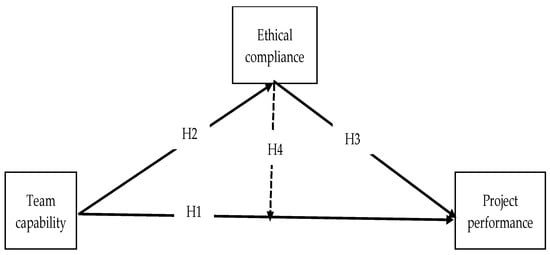
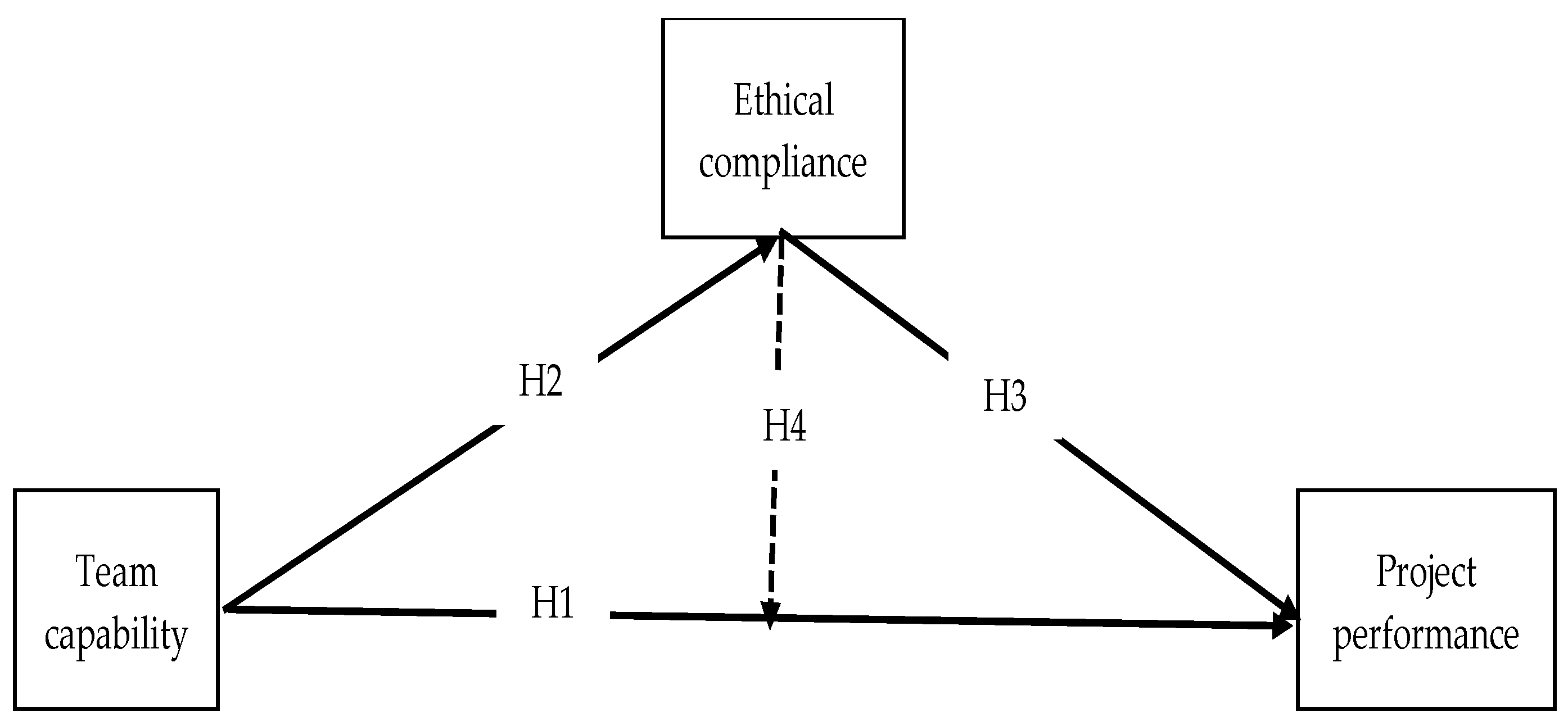
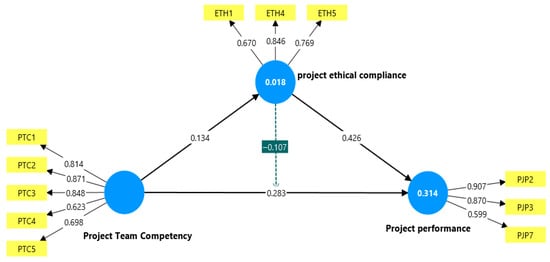
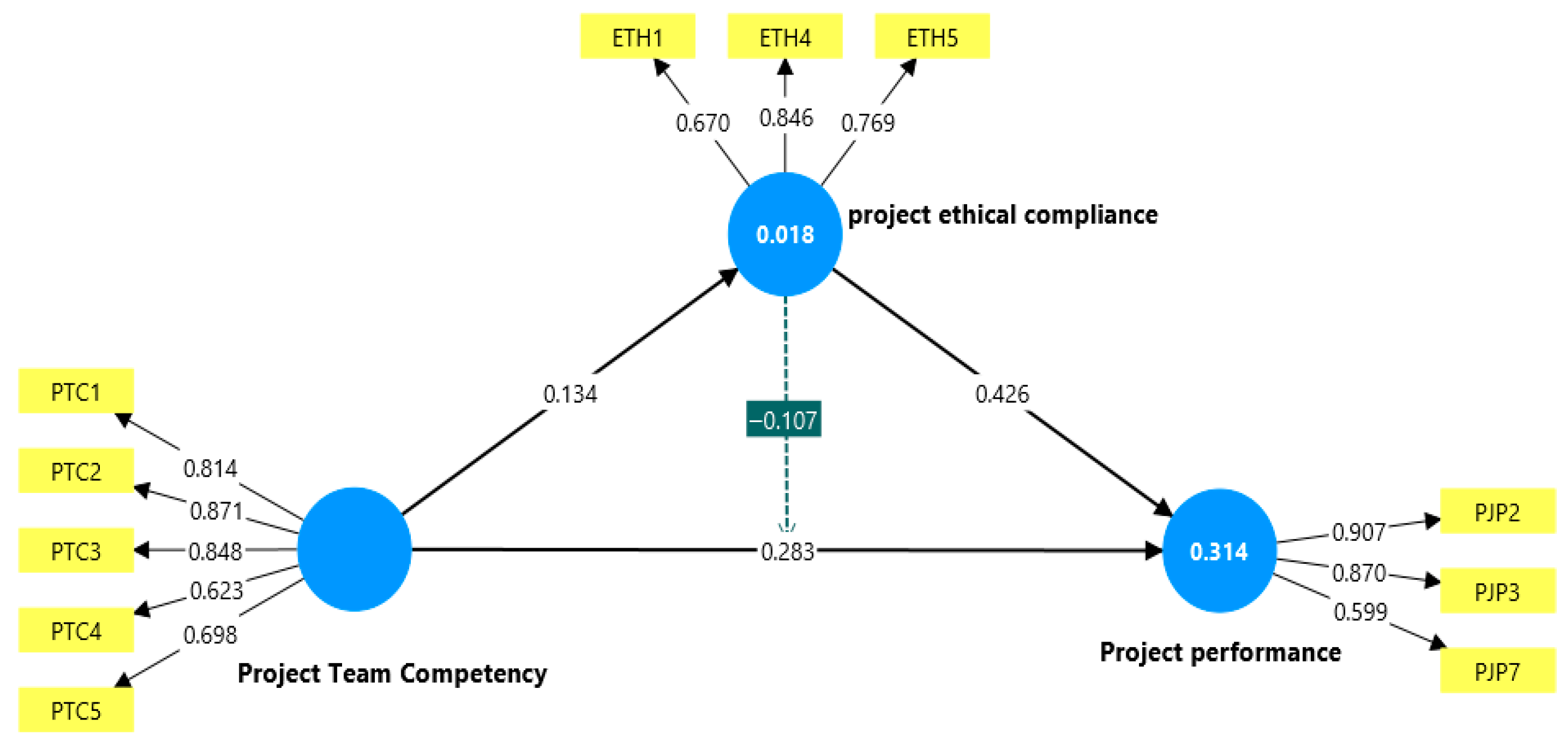
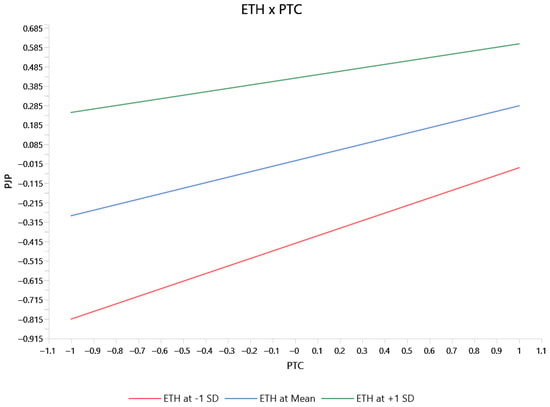
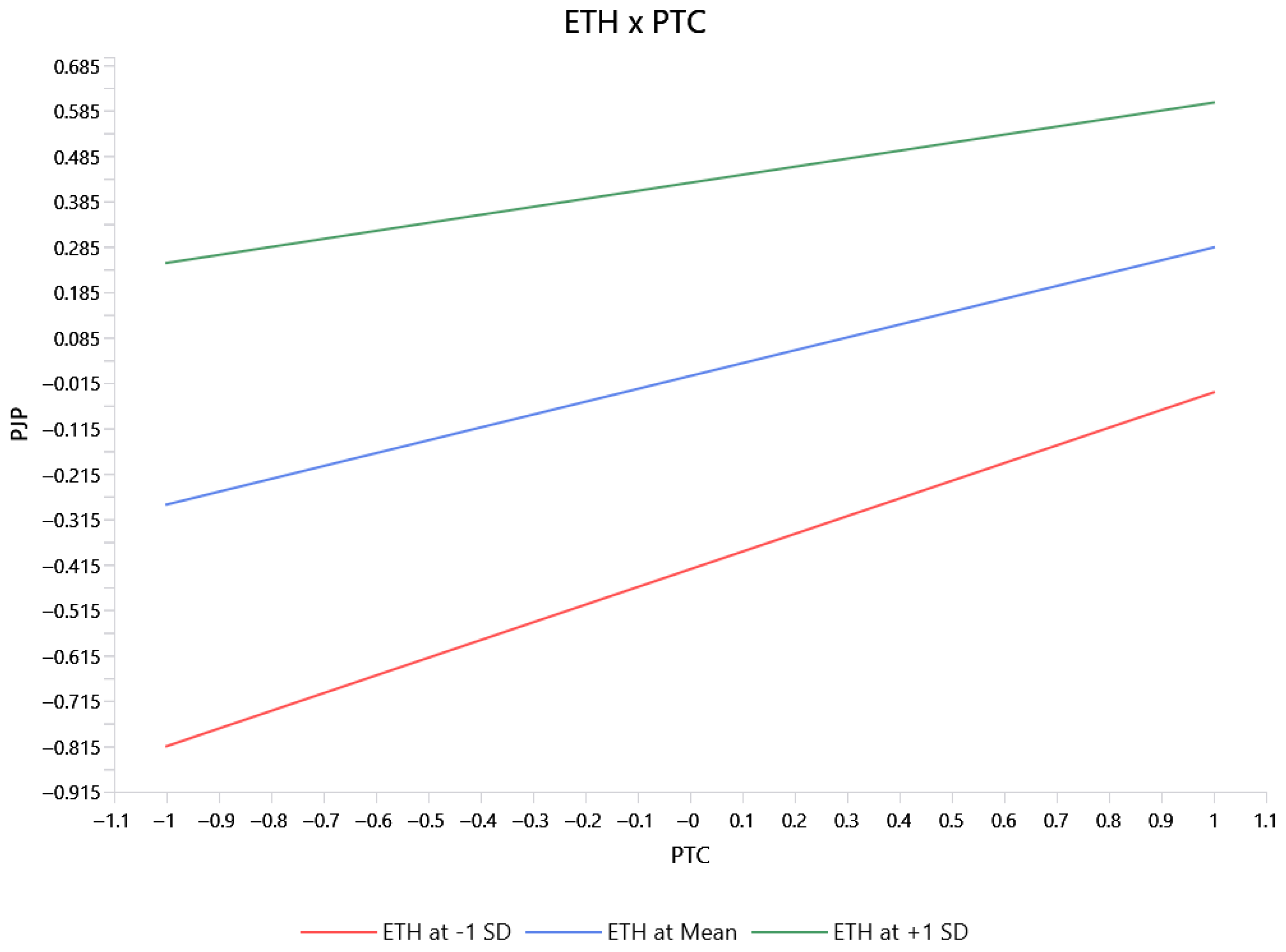

Disclaimer/Publisher’s Note: The statements, opinions and data contained in all publications are solely those of the individual author(s) and contributor(s) and not of MDPI and/or the editor(s). MDPI and/or the editor(s) disclaim responsibility for any injury to people or property resulting from any ideas, methods, instructions or products referred to in the content. |
© 2026 by the authors. Licensee MDPI, Basel, Switzerland. This article is an open access article distributed under the terms and conditions of the Creative Commons Attribution (CC BY) license.