


Abstract
This study offers a descriptive analysis of complex thinking as a form of cognitive competency among a group of 52 public servants holding local leadership positions in the Philippines. By extending the empirical examination of complex thinking beyond educational contexts and into local public leadership, the study contributes to an emerging line of research on the cognitive competencies associated with decision making in decentralized governance environments. Drawing on complexity theory applied to public decision making, it assumes that local governance requires the capacity to integrate heterogeneous information, anticipate interdependencies, and act under conditions of uncertainty. The assessment employed the eComplexity instrument using an adapted 21-item version structured into four dimensions: systemic, scientific, critical, and innovative thinking. Scores were rescaled to a 0–100 metric and, after confirming non-normality (Shapiro–Wilk), non-parametric tests were applied (Mann–Whitney, Kruskal–Wallis, and Dunn’s post hoc test with Bonferroni correction), along with Spearman’s rho correlations to examine dimensional coherence. No significant differences were observed by gender or income. Age showed overall variation across several dimensions, but robust pairwise differences were concentrated between the 31–40 and 41–50 age groups in systemic thinking and in the global score. Employment status differentiated only scientific thinking, with higher medians among permanent staff than contractual/project personnel. Correlations among dimensions were positive and significant, with particularly strong associations between systemic, critical, and innovative thinking, supporting the interpretation of complex thinking as an integrated competency in local public leadership. The findings should be interpreted considering the study’s descriptive design, localized convenience sample, and reliance on self-reported measures, which limit statistical generalizability beyond the analyzed context. Beyond its descriptive findings, the study offers initial empirical evidence relevant to governance research on the cognitive competencies associated with decision making among grassroots public leaders operating in decentralized institutional contexts. Examining complex thinking at this level helps illuminate how public actors interpret interdependencies, evaluate information, and navigate uncertainty in everyday governance practice.
1. Introduction
Decision making in the public sector takes place in environments characterized by uncertainty, interdependencies, and unintended effects, where linear rationality approaches may be insufficient for addressing multiscale problems. Complexity-informed perspectives on public policy argue that these scenarios demand the integration of heterogeneous information, anticipation of systemic interactions, and adaptation to changing conditions (Gerrits, 2012; Hynes et al., 2020). In public administration and governance, this agenda is reflected in the growing interest in the cognitive capacities of public servants, particularly those associated with information analysis, evidence use, and interinstitutional coordination, since decision quality depends on formal arrangements as well as on the competencies of those who design and implement policies, especially at levels closest to social problems (Cantarelli et al., 2023; Brenton et al., 2023). For local public leaders, these conditions often translate into practical decision dilemmas in which incomplete information, institutional constraints, and competing policy objectives must be reconciled under time pressure and public accountability.
Within this framework, complex thinking is understood as an integrative competency that brings together systemic, scientific, critical, and innovative dimensions to interpret and act within dynamic social systems. Its measurement has advanced mainly in educational contexts, with evidence of validity and reliability across differentiated yet interrelated dimensions, whereas evidence among public-sector actors remains limited, particularly for those with direct leadership and managerial responsibilities, a gap that is especially salient at the local level (Nguyen et al., 2023; Vázquez-Parra et al., 2024). Consequently, while complexity perspectives have enriched theoretical discussions on governance, empirical evidence on the cognitive competencies that enable local public leaders to navigate such environments remains limited, particularly in decentralized governance systems and in contexts outside educational settings.
The Philippines provides a relevant institutional context for examining these dynamics. Following the 1987 Constitution and the 1991 Local Government Code, local governments assumed substantial responsibilities for policy implementation and service delivery, while continuing to operate under tensions related to institutional capacity and intergovernmental coordination (Abinales & Amoroso, 2017; Legaspi, 2001; Juco et al., 2024). In such decentralized settings, local leaders frequently face decision environments characterized by incomplete information, institutional constraints, and competing policy demands. In practice, this institutional configuration places Barangay leaders at the frontline of policy implementation, where they must translate national and local policies into operational decisions while managing community demands, resource limitations, and coordination with multiple government actors.
Although complexity perspectives have been widely applied to the study of governance, much of the literature remains conceptual, with limited empirical attention to how these complexity-related demands translate into cognitive competencies among public actors responsible for operational decision making. This gap is particularly visible at the local level, where public leaders operate closest to social problems and must routinely interpret interdependencies, evaluate evidence, and make decisions under conditions of uncertainty while translating policies into concrete decisions under institutional constraints and competing demands. Understanding how complex thinking is configured among local public leaders is therefore relevant not only for advancing theoretical discussions on complexity in governance but also for informing leadership development and decision-making capacity in decentralized public administration contexts.
Addressing this gap, the present study examines complex thinking as a cognitive competency among local public leaders in the Philippines, focusing on how this competency is configured and manifested within a decentralized governance context. By linking theoretical discussions on complexity in governance with the empirical measurement of complex thinking among local public actors, the study connects conceptual debates on institutional complexity with observable cognitive competencies involved in public decision making. In doing so, the study seeks to provide an empirical point of entry for examining how complexity-related cognitive competencies are configured among grassroots public leaders, an area where existing research has remained predominantly conceptual. The study examines patterns of performance and variation across sociodemographic and employment characteristics, as well as the empirical relationships among the dimensions of complex thinking. In doing so, it provides an initial empirical examination of the cognitive capacities associated with complex thinking in local public leadership environments.
Specifically, the analysis is guided by three research questions:
RQ1. What is the descriptive profile of complex thinking and its four dimensions (systemic, scientific, critical, and innovative thinking) among Barangay Chairpersons in the Philippines?
RQ2. Do complex thinking and its dimensions vary according to selected sociodemographic and employment characteristics of local public leaders, including gender, age, educational attainment, income level, and employment status?
RQ3. What empirical relationships exist among the four dimensions of complex thinking within this population?
Together, these research questions structure the descriptive examination of complex thinking in local public leadership. By identifying the overall competency profile, exploring variation across sociodemographic and employment characteristics, and examining the internal coherence among its dimensions, the study seeks to clarify how complex thinking may manifest empirically among grassroots public leaders operating in decentralized governance environments.
2. Theoretical Framework
2.1. Complexity and Decision Making in the Public Sector
Contemporary governance acknowledges that many public problems no longer behave as closed and technically controllable issues. Public decision making unfolds in systems characterized by multiple causality, emergent dynamics, and effects that propagate across institutional, territorial, and sectoral networks. Under these conditions, the notion of optimal choice loses explanatory power, not because rationality is irrelevant, but because complexity imposes practical limits on prediction, control, and the attribution of outcomes. Morçöl (2012) shows how nonlinearity, adaptability, and emergence reshape the public policy cycle and shift deterministic planning towards frameworks that are sensitive to uncertainty and dynamic interaction. Gerrits (2012) adds that decision making involves operating with incomplete diagnoses, objectives in tension, and feedback processes capable of amplifying or distorting expected effects, making it essential to sustain situational understanding, manage trade-offs, and engage in iterative learning.
This shift is reflected in the expansion of systemic thinking as a resource to strengthen situational comprehension. The volume by the Organisation for Economic Co-operation and Development (OECD) on systemic thinking highlights that systems analysis allows mapping interdependencies, identifying feedback loops, and anticipating unintended consequences, particularly when sectoral responses displace problems rather than resolve them (Hynes et al., 2020). Nevertheless, systematic reviews report persistent barriers associated with organizational culture, mental models, and institutional capacities that remain insufficient to sustain integrative approaches (Nguyen et al., 2023). Consequently, adopting systemic lenses requires cognitive and organizational capacities in addition to analytical tools. While complexity perspectives have significantly expanded the understanding of governance dynamics, some scholars note that the concept risks remaining largely descriptive if it is not linked to observable decision processes and cognitive practices among public actors. This concern has motivated increasing interest in examining how complexity-related demands translate into concrete competencies at the level of individual decision making.
This orientation also appears in decision-making and policy-design approaches that privilege learning and adaptation, proposing decision architectures that enable the exploration of options, the identification of synergies, and the adjustment of courses of action as learning accumulates (Cowell et al., 2025; Kerr, 2025; Källström et al., 2025). In local governments, approaches aligned with design thinking have shown potential to reconfigure analytical routines and expand alternatives when problems do not admit standard solutions (Frisk & Bannister, 2022), and similar contributions are reported in inclusive governance and health policy by making visible tensions, interdependencies, and collateral effects (Habibi et al., 2025; Silburn, 2025). From this perspective, examining the cognitive capacities associated with judgment under complexity in local public leadership becomes particularly relevant.
From a micro-level perspective, complexity translates into specific cognitive demands for decision-makers. Public leaders operating in decentralized governance environments must interpret heterogeneous information, anticipate indirect effects across institutional networks, evaluate competing evidence, and generate feasible responses under conditions of uncertainty. These demands do not arise solely from institutional arrangements but from the interpretive and analytical work required to transform incomplete information into actionable decisions. In this sense, complexity becomes operational at the individual level through the cognitive competencies that enable public actors to read systemic interdependencies, evaluate evidence, question assumptions, and explore alternative courses of action within constrained decision environments.
2.2. Complex Thinking as an Integrated Cognitive Competence and Its Measurement
If complexity is a recurrent feature of public problems, complex thinking can be conceptualized as an integrated cognitive competency for sustaining judgment in such environments. It involves interpreting dynamic systems, rigorously evaluating evidence, questioning assumptions, and generating adaptive responses when linear trajectories are absent. This conceptualization aligns with complexity theory applied to public policy, as it emphasizes interdependencies and limits to control while retaining informed deliberation (Gerrits, 2012). Although its components can be described as differentiated domains, their practical activation is often synergistic. Systemic thinking organizes relationships, feedback processes, and indirect consequences (Hynes et al., 2020; Nguyen et al., 2023). Scientific thinking privileges the use and appraisal of evidence to support decisions (Cantarelli et al., 2023). Critical thinking focuses on interrogating assumptions and containing biases that distort judgment (Belle et al., 2024; Liu, 2023). Innovative thinking broadens the repertoire of alternatives under real constraints, in dialogue with design and adaptive policy approaches (Frisk & Bannister, 2022; Källström et al., 2025). Rather than treating these as independent skills, it is useful to observe their articulation within concrete decision situations. In this perspective, complex thinking operates as a higher-order cognitive configuration that integrates systemic interpretation, evidence appraisal, critical reflection, and generative reasoning within decision processes. These dimensions do not function as isolated skills but as complementary cognitive operations that become particularly salient in environments characterized by uncertainty and institutional interdependence. At the same time, the configuration of these competencies may vary across professional trajectories and institutional contexts, as exposure to different decision environments, responsibilities, and organizational pressures can shape how public actors develop and activate complex thinking capacities.
Studying this competency requires measurement. eComplexity operationalizes complex thinking across four dimensions, preserves its integrative logic, and provides psychometric evidence suitable for empirical research (Vázquez-Parra et al., 2024). Its contribution to public administration lies in enabling dimension-specific profiles without reducing the construct to a single trait, while preserving the possibility of examining joint coherence as a transversal competency. This need becomes more pressing when moving from educational settings to bureaucratic practice, where performance depends on capacities to search for, evaluate, and translate information, reason under uncertainty, and communicate decisions, and where the transition from evidence to action is mediated by individual and organizational capabilities (Cantarelli et al., 2023). At the same time, policy capacity scholarship underscores that analytical capacities are not automatically distributed by hierarchy and require metrics capable of capturing intraorganizational variability (Migone & Howlett, 2023). Digital transformation adds further demands, given that human–AI interaction may induce automation bias and increase the need for critical evaluation and autonomous judgment (Alon-Barkat & Busuioc, 2023), while recent frameworks emphasize strategic thinking, risk assessment, and ethical judgment in technology-mediated decisions (UNESCO, 2023). In this context, an integrated reading of complex thinking helps connect theory and empirical evidence in specific populations.
To strengthen conceptual clarity, it is worth noting that the four dimensions of complex thinking preserve their analytical distinction while operating interdependently in practice. Systemic, critical, and innovative thinking tend to cluster more tightly around sense-making and generative reasoning, whereas scientific thinking plays a complementary role by grounding decisions in evidence appraisal. This configuration reflects differentiated functions that converge during decision making under complexity. At the same time, translating theoretical constructs into measurable competencies requires caution, since strong conceptual alignment between theory and measurement may risk reinforcing existing assumptions rather than empirically testing them; consequently, empirical applications of complex thinking instruments aim to examine how these dimensions are configured in concrete governance contexts.
Although complex thinking intersects with other concepts used in public administration, such as policy analytical capacity, strategic thinking, or systems competence, it refers to a distinct cognitive configuration. Policy capacity literature primarily focuses on the organizational and institutional resources that enable governments to generate, interpret, and apply knowledge in policymaking processes (Migone & Howlett, 2023; Brenton et al., 2023). Strategic thinking, in turn, is typically associated with long-term orientation and anticipatory decision frameworks within policy design and leadership contexts. Systems competence emphasizes the ability to understand interdependencies within socio-technical systems. Complex thinking overlaps with these perspectives but integrates them at the cognitive level, combining systemic interpretation, evidence appraisal, critical reflection, and generative reasoning within the same decisional process. In this sense, the concept operates as a cognitive lens that complements institutional and organizational approaches to decision-making capacity.
Despite these advances, most empirical applications of complex thinking instruments have been conducted in educational contexts, with limited attention to public administration settings. As a result, little is known about how complex thinking is configured among public actors responsible for operational decision making, particularly at the local governance level where institutional complexity is most directly experienced. This gap highlights the need for empirical studies that examine complex thinking as a cognitive competency among public leaders operating in decentralized governance environments.
2.3. Analytical Skills and Decision-Making Competencies in Contemporary Bureaucracies
Public administration does not automatically translate evidence into action. Even when information is available, decisions may deviate due to time constraints, organizational incentives, interpretive disputes, or difficulties converting knowledge into operable options. Cantarelli et al. (2023) shift the focus toward evidence as practice, where capacities to search for, evaluate, interpret, and mobilize information under political and administrative pressures become central. This perspective converges with policy capacity literature, which understands state capacity as unevenly distributed across organizations, units, and roles, and raises ongoing questions regarding its translation into actual performance (Brenton et al., 2023). Hence the demand for fine-grained metrics that capture analytical capacity in practice, with relevance at the local level, where small teams and contingent arrangements make experience, training, and institutional design more consequential (Migone & Howlett, 2023).
Public judgment also incorporates behavioral components. Biases and random variability affect decision consistency and quality, with downstream impacts on implementation, budget allocation, and the evaluation of alternatives (Belle et al., 2024). Additional evidence shows that psychological biases influence attitudes toward policy instruments, suggesting that the challenge is both technical and cognitive-motivational (Liu, 2023). In high-pressure contexts, recognizing and containing biases becomes part of everyday decision work (Overmans, 2024). Moreover, analytical capacity operates within interorganizational arrangements that condition what information circulates, how it is interpreted, and which options become viable. Configurational approaches indicate that coordination is not explained solely by formal linkages but by specific combinations of interaction patterns and organizational conditions (Roberts & Milman, 2024), a central feature of local governance due to its dependence on horizontal and vertical relationships.
Digitalization intensifies these demands. Algorithmic systems can expand processing capacity, but they may also induce automation bias and selective adherence to recommendations, posing risks to autonomous judgment and critical evaluation (Alon-Barkat & Busuioc, 2023). These dynamics are linked to dilemmas of accountability, opacity, and the reproduction of bias (Levy et al., 2021), which is why competency frameworks emphasize the interpretation of data-driven recommendations, risk assessment, and ethical criteria under modernization pressures (UNESCO, 2023; OECD, 2024). A similar logic appears in anticipatory governance and strategic foresight, whose effectiveness depends on capacities to build scenarios, recognize weak signals, and integrate perspectives, as well as leadership and organizational conditions that support learning and iteration (OECD, 2025; OECD Observatory of Public Sector Innovation, 2024). In parallel, evidence-informed policy faces barriers related to incentives, decision timelines, knowledge translation, and legitimacy disputes (Suazo-Galdames et al., 2025), which reinforces the need for competencies to formulate useful questions, read evidence, and connect it to decisions (OECD/European Commission, 2025), in addition to distinguishing robust evidence from noise and sustaining inferential reasoning under uncertainty (Pasternak Taschner & Almeida, 2024). Even in routine decisions, associations emerge between scientific thinking, credibility assessment, and improved decisional patterns (Dawson et al., 2024). This field situates complex thinking as an integrative lens for describing cognitive capacities relevant to decision making in contemporary bureaucracies, particularly at the local level.
2.4. Local Governance in the Philippines as an Environment of Institutional Complexity
The empirical analysis of complex thinking among local public servants requires an institutional anchor. In the Philippines, the 1987 Constitution and the 1991 Local Government Code structure decentralization by defining competencies and fiscal arrangements for provinces, cities, municipalities, and barangays. This design shifts a substantive portion of decision making to the local level, where immediate demands are addressed while vertical coordination and administrative constraints are negotiated, generating intersectoral problems, heterogeneous capacities, and frictions across government levels. Scholarship on the Filipino state underscores the coexistence of formal rules and historical power dynamics shaping implementation and authority. Abinales and Amoroso (2017) offer a general framework for understanding why governance often exceeds institutional design, while studies on subnational politics highlight the influence of local coalitions, patronage, and territorial control on everyday administrative practice (McCoy, 1993; Hutchcroft, 1998; Sidel, 1999).
Decentralization operates as a tension-driven process. Legaspi (2001) argues that local performance depends on institutional conditions that do not always accompany transferred responsibilities. Recent evidence describes discrepancies between de jure allocations and de facto arrangements, along with bottlenecks linked to administrative capacity and accountability. Juco et al. (2024) identify tensions associated with administrative limits and fiscal complexity, and Nisperos et al. (2024) suggests that the transfer of resources or authority does not guarantee coordination or performance and may intensify the need for strategic judgment. Interaction patterns between branches and institutions also play a role. Weak party institutionalization and flexible political arrangements affect the coherence of public action (Kasuya, 2008; Teehankee, 2020), together with dynamics inherent to interactions between branches of government (Kawanaka, 2010) and tensions between constitutional design and political practice with implications for control and accountability (Gatmaytan, 2022; Bonoan & Dressel, 2026). In center–local relations, coordination may alternate between effective steering and political pressure, narrowing the decision space of local authorities (Hutchcroft & Gera, 2022).
In this environment, local public leadership operates at the intersection of implementation, intergovernmental coordination, political pressure, and socially dense problems. Judgment requires integrating incomplete information, anticipating effects, recognizing institutional constraints, and sustaining reasoned decisions under uncertainty. For this reason, empirically describing complex thinking among local public servants points to a competency that may be functional in a context where complexity constitutes a structural condition of governance. Within this framework, the study adopts a descriptive approach to observe patterns of competency and variation in complex thinking, its relationship with sociodemographic and employment characteristics, and the empirical coherence across dimensions using eComplexity, without extending causal inferences beyond what the design permits. In this sense, the Philippine case provides not only contextual background but also an analytically relevant setting in which complexity-related cognitive demands can be observed in practice, as local leaders must routinely interpret interdependencies, manage institutional constraints, and make decisions under conditions of uncertainty.
3. Materials and Methods
The study employed a quantitative, cross-sectional design with descriptive and comparative scope. It characterized the configuration of complex thinking among public servants holding local leadership roles in the Philippines and examined differences across sociodemographic and employment subgroups without making causal claims, within a decisional environment marked by institutional complexity. Measurement was conducted using the eComplexity instrument in the version applied to this population, ensuring comparability across dimensions and an integrated reading of the construct. Given the moderate sample size and the ordinal nature of the measurement scales, the analysis focuses on descriptive statistics, non-parametric comparisons across selected sociodemographic and employment characteristics, and rank correlations among the dimensions of complex thinking, applying a conservative criterion for multiple comparisons. Accordingly, the analysis should be interpreted as exploratory and descriptive, aiming to identify patterns of variation within the studied group rather than to produce statistically generalizable conclusions. Because the study was designed as an initial descriptive characterization, neither multivariate control of potential confounding factors nor triangulation strategies formed part of the analytical design.
In this sense, descriptive mapping represents a relevant analytical contribution because empirical evidence on the cognitive competencies associated with complex thinking among local public leaders remains limited. Providing an initial empirical profile helps establish a baseline for understanding how these competencies are configured in decentralized governance contexts and offers reference points for future comparative or explanatory research.
3.1. Population and Sample
The population of interest consisted of local-level public leaders in the Philippines with direct responsibilities for steering and management. The sample was composed of Barangay Captains (also referred to as Barangay Chairpersons or Punong Barangay), elected authorities who lead the barangay, the smallest administrative unit of the Filipino local government system, and who carry out community coordination, service management, and operational decision making within their jurisdiction. Participants were drawn from barangays located in Cagayan de Oro City, reflecting a localized leadership context within Northern Mindanao. This geographic specification clarifies the scope of the sample and avoids any unintended generalization beyond the city’s administrative setting.
Participant selection was based on non-probabilistic convenience sampling, using institutional invitations directed to officeholders; inclusion criteria required active performance of the role and willingness to complete the instrument under informed consent. This contextual delimitation does not modify the study’s psychometric and comparative analyses but clarifies the decisional profile of the evaluated population and strengthens interpretation of the results in a governance setting characterized by interdependencies and institutional constraints. Institutional invitations were distributed through local government coordination channels to eligible barangay leaders, resulting in 52 completed responses. As participation was voluntary, the final sample reflects those leaders who accepted the invitation and completed the survey.
Total of 52 local public servants participated, a sample size that must be interpreted in light of access to a specialized group with immediate decision-making responsibilities, whose participation often depends on institutional conditions and personal availability. Consequently, the sample does not aim to statistically represent the Filipino public sector but to provide initial empirical evidence on performance patterns and variation of a cognitive competency among actors exposed to direct public demand, multilevel coordination, and administrative constraints.
The relevance of the local level is justified by the decentralization framework: the 1987 Constitution and the 1991 Local Government Code redefined subnational functions and responsibilities, generating persistent tensions between formal autonomy, institutional capacity, and intergovernmental coordination. In this context, local leadership operates as an interface between complex public problems and operational responses, which makes it methodologically defensible to work with a sample focused on territorial management experience even with a moderate n (Republic of the Philippines, 1987, 1991; Abinales & Amoroso, 2017; Legaspi, 2001; Juco et al., 2024).
The sociodemographic and employment profile showed heterogeneity relevant for descriptive and internal comparative analyses. Gender distribution was predominantly made up of men (82.7%), followed by women (13.5%), and one participant identified as non-binary (3.8%). Because only a single case corresponded to the non-binary category, this observation was not included in gender-based comparative analyses due to insufficient representation for statistical testing.
Regarding education, undergraduate degrees predominated (53.85%) along with postgraduate studies (7.69%), with additional proportions holding basic education (21.15%), technical or vocational training (15.38%), and one case without formal education (1.92%). Monthly income levels were mostly below PHP 50,000: 40.38% earned < PHP 20,000 and 46.15% between PHP 20,000 and 49,999. Employment status included 51.92% permanent government employees and 34.62% contractual or project-based staff, with smaller proportions in other conditions (11.54% and 1.92%). These characteristics contextualize subgroup contrasts and require cautious interpretation of comparisons involving small cells.
The sample is therefore adequate for the study’s aims for three reasons: it focuses on local leadership under decentralization; it provides internal variability in education, income, and employment conditions; and the analysis remains prudent by interpreting differences as within-sample variation, avoiding extrapolations beyond the design’s scope.
Although all participants held the same elected position as Barangay Chairpersons, the employment status variable reflects their underlying administrative affiliation (permanent, contractual, project-based) in local government structures prior to or parallel to their elected role. This self-reported condition was retained for descriptive purposes, as it captures differences in institutional routines and exposure to administrative processes.
3.2. Instrument
Complex thinking was assessed using eComplexity, a self-perception instrument that approximates the perceived performance of complex thinking as an integrated competency while also enabling the description of its expression across four complementary dimensions: systemic, scientific, critical, and innovative thinking (Vázquez-Parra et al., 2024). This logic is pertinent because, in real decision-making scenarios, these facets tend to activate interdependently in the presence of uncertainty, competing criteria, and nonlinear consequences; therefore, eComplexity is used as a measure of global cognitive configuration with diagnostic and capacity-development utility.
The original 25-item version of eComplexity has documented validity and reliability in university populations (Vázquez-Parra et al., 2024). In addition, prior studies examining complex thinking in educational contexts have reported acceptable psychometric properties for the instrument, including evidence of internal consistency and construct validity across its four dimensions (Nguyen et al., 2023).
For this study, an adapted 21-item version was employed based on prior psychometric validation conducted with Filipino local public leaders (Talili et al., in press). Although the validation study is currently in press, the psychometric evaluation confirmed appropriate reliability and dimensional consistency for this population, supporting the use of the adapted version in the present descriptive analysis.
The adaptation sought to preserve full conceptual coverage while addressing item redundancy that could inflate internal consistency or reduce model stability in a pilot application. Four items were removed after evaluating conceptual and statistical overlap: two from the systemic domain and two from the scientific domain. The resulting structure comprises 21 items distributed across four dimensions: systemic (6; STS1, STS2, STS3, STS5, STS7, STS8), scientific (4; SCS1, SCS2, SCS3, SCS5), critical (7; CTS1–CTS7), and innovative (4; IST1–IST4). The adaptation also incorporated contextual considerations specific to the Philippine setting, including linguistic clarity, role-specific cognitive demands, and administrative routines characteristic of local governance. Validation results confirmed appropriate reliability and dimensional coherence in this population, supporting the methodological suitability of the adapted instrument for descriptive and comparative analyses.
Data collection was conducted using a self-report instrument structured with a five-point Likert scale. The database was subsequently reviewed to ensure integrity and consistency; records were cleaned to guarantee completeness of items and required sociodemographic variables, excluding cases with insufficient information for estimation and comparisons. The analytical sample corresponds to cases with complete data.
In this study, eComplexity is used as an operational measurement framework rather than as a definitional substitute for the theoretical construct. The instrument translates the conceptual dimensions of complex thinking into observable indicators, enabling empirical examination of their configuration and relationships without assuming that the measurement itself exhausts the theoretical concept.
3.3. Procedure and Data Preparation
To facilitate interpretation and comparison across the four evaluated dimensions, raw scores were rescaled to a percentage metric (0–100). For each dimension, the corresponding items were summed, and the resulting total was divided by the theoretical maximum score for that dimension, defined as the number of items multiplied by the maximum value of the Likert scale. The quotient was then expressed on a 0–100 scale, such that higher values indicate a relatively higher score in the evaluated dimension. This transformation enables direct comparison across dimensions even when they contain different numbers of items, avoiding interpretations influenced by subscale length.
The calculation is expressed as:
where:
- is the percentage obtained in the category.
- is the sum of the scores obtained in the items of that category.
- n is the number of items that compose the category.
- k is the maximum value of the Likert scale used (5).
- k × n represents the maximum possible score for the category.
Subsequently, normality was assessed using the Shapiro–Wilk test. The results indicated that none of the dimensions followed a normal distribution (p < 0.05), which justified the use of non-parametric procedures for subgroup comparisons (Table 1).
Table 1.
Shapiro–Wilk normality test summary.
3.4. Ethical Considerations
The study was conducted in accordance with international standards for research involving human participants and with the institutional guidelines of the Tecnológico de Monterrey. The project received institutional approval from the institution’s Ethics Committee (protocol P-IFE-202506-002). Before participating, individuals were presented with an informed consent form explaining the academic purpose of the study and the psychometric nature of the assessment. Participation was voluntary, with no financial or academic incentives, and participants were assured of their right to withdraw at any time without consequence. Responses were collected anonymously, treated confidentially, and used exclusively for academic purposes. The database was securely stored with restricted access. These procedures were intended to reduce potential response bias, including social desirability effects commonly associated with self-reported measures.
3.5. Data Analysis
The analysis was conducted in three stages, aligned with the descriptive and comparative scope of the study. First, descriptive statistics were obtained for the global complex thinking score and for each of its four dimensions, using rescaled scores on a percentage metric (0–100) to facilitate comparison across subscales with different numbers of items. Subsequently, normality was assessed using the Shapiro–Wilk test, which showed deviations from normality; consistent with the ordinal nature of the responses and the sample size, non-parametric procedures were used for subgroup contrasts.
Differences between two independent groups were examined using the Mann–Whitney U test, while comparisons involving three or more groups were analyzed with Kruskal–Wallis. When the overall contrast was significant, post hoc comparisons were conducted using Dunn’s test with Bonferroni correction to control for Type I error risk associated with multiple comparisons (Yousufi Aqmal & Erdely, 2024). Finally, Spearman’s rho correlations were estimated between dimensions. All statistical processing was performed in Python 3.14. Given the sample size and the exploratory scope of the study, subgroup comparisons were interpreted cautiously as descriptive indications of variation rather than definitive structural differences. The use of non-parametric tests was intended to accommodate distributional conditions and subgroup sizes within the dataset.
4. Results
4.1. Differences Between Groups
The Mann–Whitney U test was used to compare scores across dimensions (STS, SCS, CTS, IST) and the global score (CoT) between participants who identified as men and those who identified as women. A non-binary subgroup was identified; however, due to its reduced sample size and the resulting limitation in statistical power for between-group comparisons, this subgroup was not included in the inferential analyses. Consequently, gender-based analyses were conducted exclusively between men and women.
Descriptive patterns across dimensions are reported alongside the inferential tests to contextualize subgroup comparisons.
As shown in Table 2, no statistically significant differences were identified between men and women in any dimension or in the global score (p > 0.05).
Table 2.
Mann–Whitney U test Results (comparison by gender).
The Kruskal–Wallis H test was used to compare dimension scores (STS, SCS, CTS, ITS) and the global score (CoT) across categories of age (AGE_CAT), education (EDUC), income (INCOME), and employment status (EMP_STAT). When the overall contrast was statistically significant (p < 0.05), post hoc comparisons were performed using Dunn’s test with Bonferroni correction to control for Type I error associated with multiple comparisons (Table 3).
Table 3.
Results of the Kruskal–Wallis H Test.
Age (AGE_CAT) showed the most consistent pattern of variation observed in the sample. Statistically significant differences were identified across age categories in Systemic Thinking (STS), Scientific Thinking (SCS), and Critical Thinking (CTS), which was also reflected in a significant difference in the global Complex Thinking score (CoT) (Figure 1 and Figure 2). In contrast, Innovative Thinking (ITS) did not reach statistical significance in the overall age comparison, indicating that the sample did not provide sufficient evidence of differences across age ranges for this dimension.
Figure 1.
Scores by dimension according to age (AGE_CAT). Note: Self-made using Python 3.14.
Figure 2.
Global score of complex thinking (CoT) according to age (AGE_CAT). Note: Self-made using Python 3.14.
Regarding educational attainment (EDUC), the global contrasts suggest a dimension-specific pattern: a statistically significant difference was observed only in Critical Thinking (CTS), while no differences were identified in STS, SCS, ITS, or in the global Complex Thinking score (CoT). Conversely, the variable of monthly income (INCOME) did not show significant differences in any of the dimensions or in the global indicator. In this sample, this result indicates that variation in complex thinking does not appear to be systematically organized by income ranges.
When examining the professional status of participants (EMP_STAT), a significant global contrast was observed only in Scientific Thinking (SCS) (Figure 3). No statistically significant differences were identified in the systemic, critical, or innovative dimensions, nor in the global indicator. This pattern suggests that variation by employment status, when present, may concentrate in aspects related to evidence-based reasoning and information appraisal, although the study design does not allow for causal attribution and the interpretation should be read as descriptive.
Figure 3.
Scientific Thinking Scores (SCS) according to employment status (EMP_STAT). Note: Self-made using Python 3.14.
Table 4 summarizes the post hoc (Dunn) comparisons for those combinations of grouping variable and dimension that showed significance in the Kruskal–Wallis H test. After the Bonferroni correction, the pairwise differences that remained statistically significant were concentrated in specific comparisons by age (AGE_CAT) and employment status (EMP_STAT).
Table 4.
Results of Dunn’s post hoc tests (with Bonferroni correction).
The post hoc results show that although age presented significant global contrasts in STS, SCS, CTS, and the global Complex Thinking score (CoT), the pairwise differences that remained significant after the Bonferroni correction were concentrated in a single comparison: 31–40 versus 41–50, both in STS and in the global score (CoT). In SCS and CTS, the global contrast did not translate into significant pairwise differences under the conservative adjustment criterion. In parallel, for employment status, the pattern was concentrated in SCS, with a significant difference between permanent staff and contractual/project workers.
The Dunn post hoc analysis indicated that age-related variation (AGE_CAT) was concentrated in the specific comparison between group 3 (31–40 years) and group 4 (41–50 years). In Systemic Thinking (STS), this difference remained statistically significant after the Bonferroni correction (adjusted p = 0.0296). The same pattern was observed in the global Complex Thinking score (CoT), where the 31–40 vs. 41–50 comparison also remained significant (adjusted p = 0.0158). In both cases, the medians were higher in the 31–40 group, suggesting relatively higher scores in this age range within the sample.
With respect to employment status (EMP_STAT), the post hoc comparisons identified a significant difference in Scientific Thinking (SCS) between group 1 (permanent government employees) and group 2 (contractual or project-based workers) (adjusted p = 0.0329), with a higher median for the permanent group. This finding reflects a pattern of variation by employment status concentrated in the scientific dimension, although the design does not allow causal attribution. Nonetheless, it is consistent with the possibility that differences in institutional stability, assigned functions, or exposure to administrative and reporting routines may be associated with variations in evidence-based reasoning practices.
A relevant methodological aspect emerged in three combinations: SCS and CTS by age, and CTS by educational level. Although the Kruskal–Wallis test suggested global differences (p < 0.05), none of the pairwise comparisons remained significant after the Bonferroni correction. This pattern is expected when differences between groups are subtle, when subgroup sizes are small, or when the statistical signal is more diffusely distributed across categories, such that the conservative adjustment reduces the likelihood of false positives. Consequently, these results are interpreted as global evidence of variation within the sample, but without sufficient support to attribute such variation to a robust difference between specific category pairs under the correction criterion applied.
For those pairwise comparisons that did reach significance after correction, medians were calculated for each group to identify the direction of the effect (i.e., the group with the higher median score) (Table 5).
Table 5.
Complete Summary of Significant Tests (Kruskal–Wallis and Dunn Post hoc).
In this sample, the 31–40 age group showed higher medians in Systemic Thinking (STS) and in the global Complex Thinking score (CoT) compared with the 41–50 group, and these were the only age-related differences that remained significant after the Bonferroni correction. This pattern suggests that the relationship between age and complex thinking, at least in this local leadership population, does not necessarily follow a monotonic trajectory. Rather, it may be interpreted as a contextual difference associated with variations in professional cohorts, generational training environments, or differing exposure to integrated management approaches and contemporary analytical tools, although the study design does not allow causal inference. Substantively, the finding is consistent with the idea that in public decision-making contexts marked by institutional complexity, the ability to read interdependencies, anticipate unintended effects, and sustain situational understanding constitutes a functional cognitive resource, one linked more closely to trajectories and performance contexts than to linear age increases. Given the exploratory scope and sample size, these differences should be interpreted cautiously as descriptive indications of variation. Nonetheless, the pattern suggests that systemic interpretation and integrated judgment may differ across professional trajectories rather than increasing linearly with age, potentially reflecting variation in exposure to institutional coordination processes and decision environments characterized by uncertainty.
Regarding employment status, permanent government staff exhibited a higher median in Scientific Thinking (SCS) compared with participants under contractual or project-based arrangements. This result indicates a differentiation in the scientific dimension and may be interpreted in relation to differences in institutional stability, continuity in assigned functions, or exposure to evidence-based administrative and reporting routines, although the descriptive design of the study does not allow causal inference. In line with the study’s framework, this dimension is particularly relevant in contexts where public decision making requires evaluating heterogeneous information, sustaining justification criteria, and making decisions under uncertainty; therefore, its variation by employment status may be interpreted as an indication of differences in institutional working conditions rather than an isolated individual trait.
Although the magnitude of the difference should be interpreted cautiously given the sample size, the pattern suggests that institutional continuity and exposure to administrative routines may support stronger evidence-based reasoning practices within local governance contexts. The absence of statistically significant differences across education and income categories is also informative, suggesting that the configuration of complex thinking within this sample may be less associated with formal educational attainment or income level than with contextual or professional experience.
4.2. Correlation Between Dimensions
The heatmap (Figure 4) shows that all dimensions of complex thinking exhibit positive and statistically significant correlations with one another, a pattern consistent with its conceptualization as an integrated competency. The strongest associations were found between Systemic Thinking (STS) and Critical Thinking (CTS), as well as between Systemic Thinking (STS) and Innovative Thinking (ITS), with rho coefficients of 0.76 in both cases. These magnitudes suggest a close articulation among the ability to read interdependencies and nonlinear effects (systemic), to analyze and question assumptions (critical), and to generate alternatives when problems do not follow linear patterns (innovative), without implying causal directionality. While these associations may suggest an integrated configuration of the dimensions within complex thinking, alternative interpretations should also be considered, including potential conceptual overlap among competencies or shared variance associated with self-reported measurement.
Figure 4.
Spearman’s rho correlation matrix between dimensions. Note: Self-made using Python 3.14. STS = Systemic Thinking Score; SCS = Scientific Thinking Score; CTS = Critical Thinking Score; ITS = Innovative Thinking Score.
Another noteworthy relationship is that between Critical Thinking (CTS) and Innovative Thinking (ITS), with rho = 0.73. This result is theoretically coherent, as the disposition to problematize narratives, identify inconsistencies, and evaluate alternatives is commonly associated with the capacity to reconfigure solutions and broaden the response repertoire. These associations suggest that the systemic, critical, and innovative dimensions tend to co-vary particularly closely within the sample.
By contrast, Scientific Thinking (SCS) showed correlations of moderate magnitude with the other dimensions, with coefficients ranging from rho = 0.50 (with ITS) to rho = 0.59 (with CTS). Although these relationships remain positive and significant, they indicate that the scientific dimension—linked to evidence-based reasoning and information appraisal—shows a relatively less tight association with the systemic and innovative dimensions. Descriptively, this suggests that profiles may emerge in which the scientific score varies with greater relative independence, even though the overall pattern reflects positive covariation across sub-competencies.
5. Discussion
The results provide a descriptive account of complex thinking in local public leadership in the Philippines, remaining within the scope of the study’s design. In relation to the research questions, the findings clarify the overall configuration of complex thinking among local leaders (RQ1), identify patterns of variation across sociodemographic and employment characteristics (RQ2), and examine the empirical relationships among its dimensions (RQ3). Rather than reiterating the numerical results presented in the previous section, the discussion focuses on interpreting the main patterns observed and situating them within existing research on complexity and public governance.
The observed pattern aligns with the view that decision making in complex public environments requires an integrated competency that combines systemic understanding, evidence use, critical vigilance, and practical imagination under real constraints (Morçöl, 2012; Gerrits, 2012; Hynes et al., 2020; Nguyen et al., 2023). Overall, the statistically significant patterns observed in the sample should be interpreted primarily as descriptive signals of variation rather than large structural differences, but they nonetheless provide relevant indications of how cognitive competencies associated with complex thinking may manifest in local leadership contexts.
In a context where decentralization and coordination tensions intensify institutional complexity, the measurement offers descriptive evidence of internal variation and the relationships among dimensions in actors operating close to immediate public problems (Abinales & Amoroso, 2017; Legaspi, 2001; Juco et al., 2024). In doing so, the study adds initial empirical support to the application of eComplexity beyond educational settings to grassroots public leadership by offering an empirically grounded cognitive profile of Barangay Chairpersons working within a decentralized governance system.
No gender differences were observed in any dimension or in the global score. In this sample, gender did not function as a statistically observable marker of variation in competency, which may reflect the influence of role demands and organizational conditions on reasoning repertoires, as well as the limited sensitivity associated with an asymmetric sample composition. It is also possible that the absence of observable differences reflects the small number of women and non-binary participants in the sample, which may reduce the sensitivity of statistical comparisons. This aligns with studies that frame analytical capacity and evidence use as practices shaped by incentives and institutional arrangements (Cantarelli et al., 2023; Brenton et al., 2023; Migone & Howlett, 2023).
Age showed a limited but detectable signal. Although global tests suggested variation in several dimensions and in the total score, the contrast that remained significant after the conservative correction was concentrated between ages 31–40 and 41–50 in systemic thinking and in the global score. Rather than indicating a developmental trajectory, this pattern directs the discussion toward situated trajectories, consistent with the idea that systemic thinking strengthens through training and practice in real contexts rather than chronological inertia (Hynes et al., 2020; Nguyen et al., 2023), and with the notion of public decision making as sense-making and learning under uncertainty (Gerrits, 2012). At the same time, alternative explanations should be considered, including differences in professional trajectories, exposure to training environments, or cohort-specific administrative experiences that may influence how leaders interpret and respond to complex decision environments.
Educational attainment showed a weaker signal. Only critical thinking exhibited a significant global difference that did not hold in pairwise comparisons after Bonferroni correction, suggesting dispersed variation rather than gaps attributable to specific educational transitions, consistent with perspectives that understand judgment quality as a sustained practice of critical vigilance against biases and noise (Belle et al., 2024; Liu, 2023). These differences are moderate and should therefore be interpreted as indicative descriptive patterns rather than statistically robust gaps in complex thinking among local public leaders.
Employment status produced a clearer finding. Permanent staff reported a higher median in scientific thinking compared with contractual or project-based personnel. This pattern may reflect greater exposure to documentation, reporting, and justification routines associated with institutional continuity, thereby supporting higher perceived evidence-based reasoning, without implying lesser rigor among contractual modalities. Alternative explanations may also be considered, including differences in administrative responsibilities, reporting obligations, or access to institutional resources that shape how evidence is incorporated into decision processes. This interpretation aligns with the idea that analytical capacity is distributed according to organizational conditions and sustained evidence practices (Cantarelli et al., 2023; Migone & Howlett, 2023; Brenton et al., 2023). The fact that the difference is concentrated in the scientific component suggests particular sensitivity to institutionalized routines.
Income showed no association with any dimension, indicating that the observed variation is not structured by salary ranges. The correlational analysis reinforces the logic of the instrument by showing positive covariation among dimensions. The strongest association among systemic, critical, and innovative thinking is consistent with complexity and public decision-making frameworks, where reading interdependencies, problematizing assumptions, and generating alternatives form part of the same judgment work under uncertainty (Morçöl, 2012). Scientific thinking maintained more moderate associations, suggesting a partially differentiated logic linked to verification practices and the institutionalization of analytical routines—an expected pattern in environments where evidence competes with political pressures and administrative constraints (Cantarelli et al., 2023; Brenton et al., 2023).
Taken together, the findings support the interpretation of complex thinking as an integrated competency in local leadership, with no gender or income differences, limited age-related variation, and a labor-status difference concentrated in the scientific component. These results should be understood as descriptive indications of variation rather than definitive structural patterns, opening questions about how professional trajectory and organizational conditions shape the cognitive repertoire with which public problems are managed. In this way, the study offers an empirical entry point for examining how complexity-related cognitive competencies manifest in local governance actors, contributing to ongoing efforts to better understand decision-making capacities within decentralized public administration systems.
Theoretical and Practical Implications
At the theoretical level, the findings provide an initial empirical description of how complex thinking may be configured among grassroots public leaders operating in decentralized governance contexts. Rather than offering definitive conclusions, the study offers exploratory empirical evidence that helps extend the empirical examination of complex thinking beyond educational settings and into the domain of local public leadership. The covariation among dimensions and their link to the global score are coherent with complexity-oriented approaches in public policy, in which understanding systems and sustaining judgment under uncertainty require articulating multiple modes of reasoning within the same decisional practice. The bounded differences by age and employment status further suggest that variation is shaped by trajectories and institutional conditions rather than general sociodemographic traits, aligning with the policy capacity and evidence-use literature, which conceives analytical capacities as distributed and situated within concrete organizational arrangements (Cantarelli et al., 2023; Brenton et al., 2023; Migone & Howlett, 2023). In this way, the study offers an empirically grounded description of how complex thinking may appear in grassroots public leadership and links the measurement of this competency to local governance in a decentralized setting, where multilevel coordination intensifies institutional demands (Legaspi, 2001; Juco et al., 2024). Practically, this integrated profile may help identify dimension-specific levers for capacity-building in local governance, offering a structured basis for designing training and organizational supports around systemic, scientific, critical, and innovative thinking. In this sense, the study provides empirical indications relevant to discussions on complexity in public administration by illustrating how cognitive competencies associated with complex thinking appear among grassroots public leaders operating in decentralized governance environments. More broadly, the study offers initial empirical insight into the cognitive competencies associated with decision making among local public leaders, an area where complexity debates have often remained conceptual rather than empirically examined.
At the practical level, the results provide a diagnostic reference point that may inform capacity development in local leadership without assuming universal prescriptions. The difference in scientific thinking between permanent and contractual staff suggests that role institutionalization and certain routines may support evidence-based reasoning, underscoring the value of combining individual training with organizational mechanisms that sustain information search, evaluation, documentation, and translation into decisions (Cantarelli et al., 2023; Migone & Howlett, 2023). The age-related variation in systemic thinking and in the global score points to differentiated support across career stages, emphasizing applied learning that links experience, systemic interpretation, and anticipation of unintended effects in decentralized contexts under performance pressure and recurring intergovernmental coordination (Hynes et al., 2020; Nguyen et al., 2023; Legaspi, 2001). Taken together, this profile offers a baseline that may help identify dimension-specific needs and monitor progress in training or accompaniment programs. Beyond capacity-building, the four dimensions may also be considered relevant competencies for ICT-enabled governance, shaping how barangay leaders evaluate digital information, interpret data from administrative systems, assess AI-supported recommendations, and implement innovation responsibly in increasingly digitalized public service environments (Alon-Barkat & Busuioc, 2023; UNESCO, 2023).
In more concrete terms, the four dimensions may suggest differentiated yet complementary areas that could be considered in leadership development initiatives. Systemic thinking could be explored through scenario-based leadership workshops that map interdependencies and unintended effects; scientific thinking through training components focused on evidence appraisal, documentation routines, and interpretation of program-related data, particularly for permanent staff and those responsible for monitoring and evaluation; critical thinking through structured reflection spaces, peer discussion of decision cases, and activities addressing cognitive biases in everyday judgment; and innovative thinking through innovation-oriented learning activities, cross-unit problem-solving sessions, and organizational practices that may allow safe-to-fail experimentation. Aligning these approaches with the specific constraints and opportunities of local governance in the Philippines could help translate the competency profile observed in this study into possible development pathways.
From an institutional perspective, these considerations suggest that leadership development programs in local governments may benefit from incorporating competency-oriented learning approaches focused on systemic interpretation, evidence appraisal, critical reflection, and adaptive problem-solving in complex policy environments. Such approaches may provide a useful framework for supporting the development of cognitive capacities associated with complex decision making among local public leaders.
6. Conclusions
The study outlines complex thinking among local public servants in the Philippines from an integrated perspective. The positive associations across dimensions suggest an interdependent functioning. Notably, the systemic, critical, and innovative components exhibit a particularly close articulation, while the scientific component maintains more moderate links with the others. This pattern indicates that reading interdependencies and questioning assumptions is often accompanied by generating alternatives, and that evidence-based reasoning may retain a partially differentiated dynamic even within an integrated construct.
Variation was not uniformly structured by sociodemographic or economic markers. No gender differences or income-based associations were observed. The most consistent, though limited, signal emerged for age, with a contrast between ages 31–40 and 41–50 in systemic thinking and in the global score. At the employment level, job status differentiated scientific thinking, with higher medians among permanent staff compared to contractual personnel, which may reflect the role of institutional continuity and routine administrative practices in shaping perceived evidence-based reasoning. Educational attainment showed a global difference in critical thinking without robust pairwise contrasts after the Bonferroni adjustment, pointing to dispersed variation rather than a gap attributable to a specific educational transition.
Spearman correlations indicate positive and significant covariation across dimensions, reinforcing an integrated interpretation. These correlations reflect patterns of covariation among dimensions but should not be interpreted as evidence of causal relationships. The strongest associations suggest that high systemic-thinking scores tend to co-occur with high critical and innovative thinking, consistent with frameworks in which understanding interdependencies and sustaining critical deliberation are linked to imagining alternative courses of action under uncertainty (Morçöl, 2012). The weaker proximity of the scientific dimension may point to a potential area for further development, insofar as strengthening its integration with the other dimensions could help prevent evidence use from remaining confined to technical routines and instead contribute more directly to deliberation and adaptation in complex scenarios.
These findings should be interpreted as situated descriptive evidence. The use of convenience sampling and the localized nature of the sample limit the statistical generalizability of the results beyond the specific institutional context analyzed. In addition, the moderate sample size and asymmetric gender distribution reduce the sensitivity to detect fine-grained subgroup differences, particularly when categories include a limited number of cases. Because the instrument relies on self-perception and Likert-type responses, it captures perceived rather than directly observed cognitive performance and may therefore be less sensitive to fine-grained behavioral differences, introducing potential response bias despite the anonymity of participation. While such instruments are commonly used in the study of cognitive competencies, future research could complement this approach with behavioral tasks, scenario-based assessments, or mixed-method designs to obtain a more nuanced understanding of complex thinking in public decision-making contexts.
Future research may extend this line of inquiry in several directions. Expanding sample sizes and balancing subgroups by age, gender, and employment status would allow comparative patterns to be estimated with greater precision. Longitudinal or quasi-experimental designs could also help examine how professional trajectories, employment stability, or capacity-building interventions influence the configuration of complex thinking over time. Qualitative studies focused on concrete decision episodes could further illuminate how the dimensions of complex thinking are activated under institutional pressure and which organizational conditions facilitate their integration.
Additional research could also examine how complex thinking relates to specific governance functions performed by Barangay Chairpersons, such as enforcing local ordinances, maintaining peace and order, managing programs and public funds, or representing the Barangay in intergovernmental arenas. Linking cognitive competencies to these operational responsibilities would provide a more situated understanding of how complex thinking informs decision making in local governance. Comparative studies across regions or countries, as well as tests of measurement invariance, may also help distinguish contextual specificities of the Filipino setting from broader patterns of public leadership in decentralized systems.
Overall, the study offers initial exploratory empirical evidence on how complex thinking is configured among local governance actors and which factors are associated with its internal variation. By situating measurement within a context where complexity is a structural feature of governance, the findings offer a starting point for future research and capacity development in local public leadership. However, these implications should be interpreted in light of the study’s limitations, particularly the localized sample and the use of self-reported measures, which frame the findings as an initial empirical contribution rather than broadly generalizable evidence. Accordingly, the contribution of this study should be understood as an exploratory empirical step toward understanding complex thinking among local governance actors, offering a basis for future comparative and explanatory research rather than definitive conclusions about public leadership more broadly.
Author Contributions
Conceptualization, J.C.V.-P. and I.N.T.; methodology, J.C.V.-P. and J.P.L.-G.; software, I.N.T.; validation, J.C.V.-P., J.P.L.-G. and D.M.S.; formal analysis, J.C.V.-P. and J.P.L.-G.; investigation, I.N.T. and L.C.H.R.; resources, J.C.V.-P. and M.E.B.C.; data curation, I.N.T.; writing—original draft preparation, J.C.V.-P.; writing—review and editing, J.P.L.-G., D.M.S. and M.E.B.C.; visualization, I.N.T.; supervision, J.C.V.-P.; project administration, J.C.V.-P.; funding acquisition, J.C.V.-P. All authors have read and agreed to the published version of the manuscript.
Funding
This research received no external funding.
Institutional Review Board Statement
The study was conducted in accordance with the Declaration of Helsinki, and approved by the Ethics Committee of the Tecnológico de Monterrey (protocol code P-IFE-202506-002 the 8 July 2025).
Informed Consent Statement
Informed consent was obtained from all subjects involved in the study.
Data Availability Statement
The data supporting the findings of this study are available from the corresponding author upon reasonable request. Due to ethical and confidentiality restrictions associated with research involving human participants, the dataset cannot be made publicly accessible. Any data shared will exclude personal or identifiable information and will adhere to the privacy safeguards approved by the institutional Ethics Committee.
Acknowledgments
The authors express their gratitude to the Tecnológico de Monterrey, the University of Science and Technology of Southern Philippines, and the Fundación Universitaria Konrad Lorenz for their institutional support throughout the development of this study. Their collaboration facilitated access, coordination, and the conditions necessary to carry out the fieldwork and analytical components of the project. During the preparation of this manuscript, the authors used ChatGPT (OpenAI, GPT-5.2) to assist in the editing and refinement of academic language. The authors have reviewed and edited the output and take full responsibility for the content of this publication.
Conflicts of Interest
The authors declare no conflicts of interest.
References
- Abinales, P. N., & Amoroso, D. J. (2017). State and society in the Philippines (2nd ed.). Rowman & Littlefield. [Google Scholar]
- Alon-Barkat, S., & Busuioc, M. (2023). Human–AI interactions in public sector decision making: “Automation bias” and “selective adherence” to algorithmic advice. Journal of Public Administration Research and Theory, 33(1), 153–169. [Google Scholar] [CrossRef] [Scilit]
- Belle, N., Cantarelli, P., & Wang, S. Y. (2024). The management of bias and noise in public sector decision-making: Experimental evidence from healthcare. Public Management Review, 26(11), 3246–3269. [Google Scholar] [CrossRef] [Scilit]
- Bonoan, C. R., & Dressel, B. (2026). Constitutional change and oligarchic politics in the Philippines, 1987–2024. Journal of Current Southeast Asian Affairs, 45(1), 171–197. [Google Scholar] [CrossRef] [Scilit]
- Brenton, S., Baekkeskov, E., & Hannah, A. (2023). Policy capacity: Evolving theory and missing links. Policy Studies, 44(3), 297–315. [Google Scholar] [CrossRef] [Scilit]
- Cantarelli, P., Belle, N., & Hall, J. L. (2023). Information use in public administration and policy decision-making: A research synthesis. Public Administration Review, 83(6), 1667–1685. [Google Scholar] [CrossRef] [Scilit]
- Cowell, N. H., Kirk, A., Murdock, H. E., Sudall, E., & de Nazelle, A. (2025). Structured decision making: A tool for systems insights into the barriers, synergies and co-benefits for urban air quality action. Urban Transitions, 1, 100005. [Google Scholar] [CrossRef] [Scilit]
- Dawson, C., Julku, H., Pihlajamäki, M. R., Kaakinen, J. K., Schooler, J. W., & Simola, J. (2024). Evidence-based scientific thinking and decision-making in everyday life. Cognitive Research: Principles and Implications, 9, 50. [Google Scholar] [CrossRef] [Scilit] [PubMed]
- Frisk, J. E., & Bannister, F. (2022). Applying design thinking to the decision-making process: A field study in Swedish local authorities. Management Decision, 60(1), 66–85. [Google Scholar] [CrossRef] [Scilit]
- Gatmaytan, D. (2022). The Philippines’ authoritarian constitution. Philippine Law Journal, 95, 529–564. [Google Scholar]
- Gerrits, L. (2012). Punching clouds: An introduction to the complexity of public decision-making. Emergent Publications. [Google Scholar]
- Habibi, R., Ramsay, A., Zach, M., Javad, B., & Khan, Z. (2025). A systems thinking approach to inclusive governance. Discover Global Society, 3(1), 169. [Google Scholar] [CrossRef] [Scilit]
- Hutchcroft, P. D. (1998). Booty capitalism: The politics of banking in the Philippines. Cornell University Press. [Google Scholar]
- Hutchcroft, P. D., & Gera, W. (2022). Strong-arming, weak steering: Central-local relations in the Philippines in the era of the pandemic. Philippine Political Science Journal, 43(2), 123–167. [Google Scholar] [CrossRef] [Scilit]
- Hynes, W., Lees, M., & Müller, J.-M. (Eds.). (2020). Systemic thinking for policy making: The potential of systems analysis for addressing global policy challenges in the 21st century. OECD Publishing. [Google Scholar] [CrossRef] [Scilit]
- Juco, M. N., Maddawin, R. B., & Manasan, R. G. (2024). An assessment of the local government units’ functional assignments under a decentralized regime. PIDS Discussion Paper Series No. 2024-40. Philippine Institute for Development Studies. [Google Scholar] [CrossRef] [Scilit]
- Kasuya, Y. (2008). Presidential bandwagon: Parties and party systems in the Philippines. Keio University Press. [Google Scholar]
- Kawanaka, T. (2010). Interaction of powers in the Philippine presidential system. IDE Discussion Paper No. 233. Institute of Developing Economies. [Google Scholar]
- Källström, L., Icon, C., Lausten, A., & Haak, M. (2025). Using design thinking in policy practice to revitalize collaboration and solve wicked problems. Policy Design and Practice, 8(4), 408–426. [Google Scholar] [CrossRef] [Scilit]
- Kerr, R. (2025). Applying systems thinking and participatory design to policy development. Policy Studies Journal. Advance online publication. [Google Scholar] [CrossRef] [Scilit]
- Legaspi, P. E. (2001). The changing role of local government under a decentralized state: Some cases in Philippine local governance. Public Management Review, 3(1), 131–139. [Google Scholar] [CrossRef]
- Levy, K., Chasalow, K. E., & Riley, S. (2021). Algorithms and decision-making in the public sector. Annual Review of Law and Social Science, 17, 309–334. [Google Scholar] [CrossRef] [Scilit]
- Liu, B. (2023). The effect of psychological bias on public officials’ attitudes towards the implementation of policy instruments: Evidence from survey experiments. Journal of Public Policy, 43(2), 261–283. [Google Scholar] [CrossRef] [Scilit]
- McCoy, A. W. (Ed.). (1993). An anarchy of families: State and family in the Philippines. University of Wisconsin Press. [Google Scholar]
- Migone, A., & Howlett, M. (2023). Assessing policy analytical capacity in contemporary governments: New measures and metrics. Australian Journal of Public Administration, 82(1), 3–25. [Google Scholar] [CrossRef] [Scilit]
- Morçöl, G. (2012). A complexity theory for public policy. Routledge. [Google Scholar] [CrossRef] [Scilit]
- Nguyen, L.-K.-N., Kumar, C., Jiang, B., & Zimmermann, N. (2023). Implementation of systems thinking in public policy: A systematic review. Systems, 11(2), 64. [Google Scholar] [CrossRef] [Scilit]
- Nisperos, G. A., Cabanizas, T. G. G., Bulario, J. S., Cadiz, J. M. S., Lastino, J. B. P., & Siscar, J. A. A. (2024). Implications of the Mandanas-Garcia ruling on local health systems. Acta Medica Philippina, 58(13), 8–14. [Google Scholar] [CrossRef] [Scilit]
- OECD. (2024). Developing skills for digital government: A review of good practices across OECD governments. OECD Social, Employment and Migration Working Papers No. 303. OECD Publishing. [Google Scholar] [CrossRef] [Scilit]
- OECD. (2025). Building anticipatory capacity with strategic foresight in government. OECD Publishing. [Google Scholar]
- OECD/European Commission. (2025). Strengthening national evidence-informed policymaking ecosystems: Lessons from seven European countries. OECD Publishing. [Google Scholar] [CrossRef] [Scilit]
- OECD Observatory of Public Sector Innovation. (2024). Guidebook: Capability-building programmes—Strategic foresight and anticipatory governance. OECD Observatory of Public Sector Innovation. [Google Scholar]
- Overmans, T. (2024). Exploring cognitive bias effects on budget judgment behavior: A scoping review and research agenda. Public Finance and Management, 24(2), 153–167. [Google Scholar] [CrossRef] [Scilit]
- Pasternak Taschner, N., & Almeida, P. (2024). Teaching scientific evidence and critical thinking for policy making. Biology Methods and Protocols, 9(1), bpae023. [Google Scholar] [CrossRef] [Scilit]
- Republic of the Philippines. (1987). The constitution of the Republic of the Philippines. Government of the Philippines.
- Republic of the Philippines. (1991). Republic act no. 7160: The local government code of 1991. Congress of the Philippines.
- Roberts, M., & Milman, A. (2024). The relationship between how agencies work together and coordinated outcomes: A configurational analysis. Journal of Public Administration Research and Theory, 34(2), 255–269. [Google Scholar] [CrossRef] [Scilit]
- Sidel, J. T. (1999). Capital, coercion, and crime: Bossism in the Philippines. Stanford University Press. [Google Scholar]
- Silburn, A. (2025). Systems thinking in public health policy development. Frontiers in Health Services, 5, 1555284. [Google Scholar] [CrossRef] [Scilit] [PubMed]
- Suazo-Galdames, I. C., Saracostti, M., & Chaple-Gil, A. M. (2025). Scientific evidence and public policy: A systematic review of barriers and enablers for evidence-informed decision-making. Frontiers in Communication, 10, 1632305. [Google Scholar] [CrossRef] [Scilit]
- Talili, I. N., Vázquez-Parra, J. C., Lis-Gutiérrez, J. P., Saniel, D. M., Henao Rodríguez, L. C., & Chio, M. E. B. (in press). Measuring complex thinking in local public leadership: Pilot validation of eComplexity in the Philippines. Public Administration and Policy.
- Teehankee, J. C. (2020). Factional dynamics in Philippine party politics, 1900–2019. Journal of Current Southeast Asian Affairs, 39(1), 98–123. [Google Scholar] [CrossRef] [Scilit]
- UNESCO. (2023). AI and digital transformation competencies for civil servants. UNESCO. [Google Scholar]
- Vázquez-Parra, J. C., Henao-Rodríguez, L. C., Lis-Gutiérrez, J. P., Castillo-Martínez, I. M., & Suarez-Brito, P. (2024). eComplexity: Validation of a complex thinking instrument from a structural equation model. Frontiers in Education, 9, 1334834. [Google Scholar] [CrossRef] [Scilit]
- Yousufi Aqmal, S., & Erdely, S. F. (2024). Enhancing nonparametric tests: Insights for computational intelligence and data mining. Researcher Academy Innovation Data Analysis, 1(3), 214–226. [Google Scholar] [CrossRef] [Scilit]
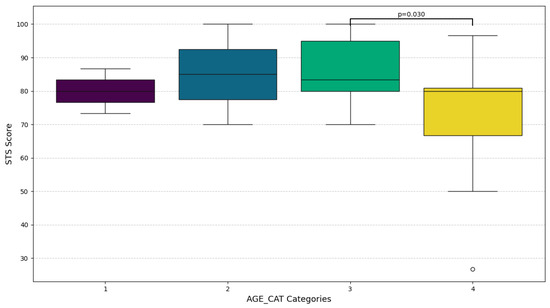
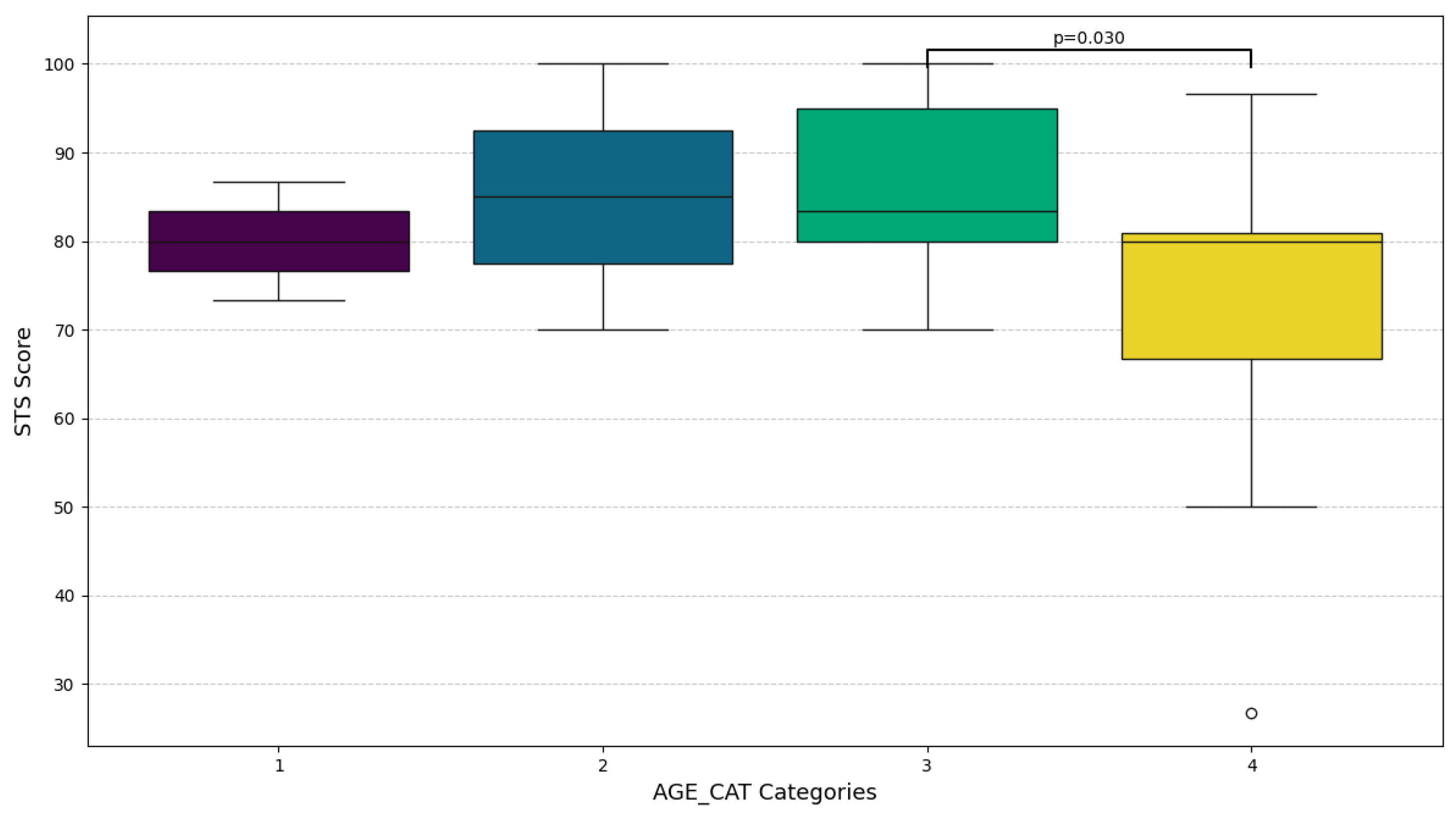
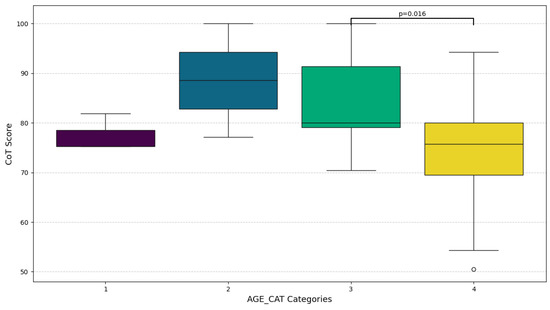
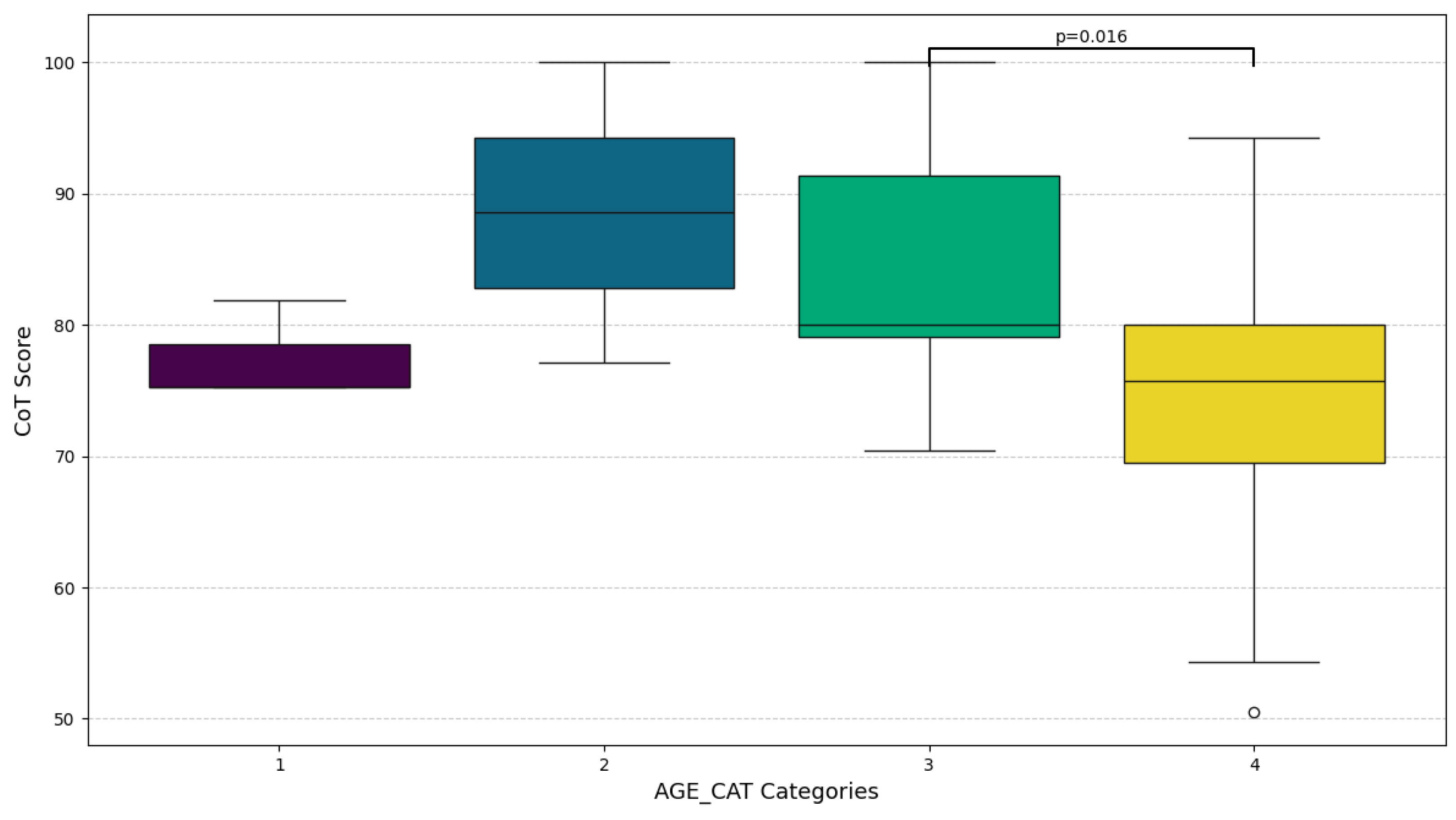
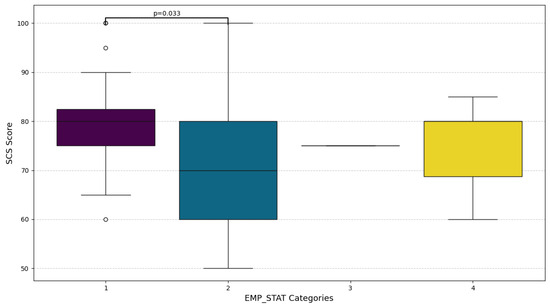
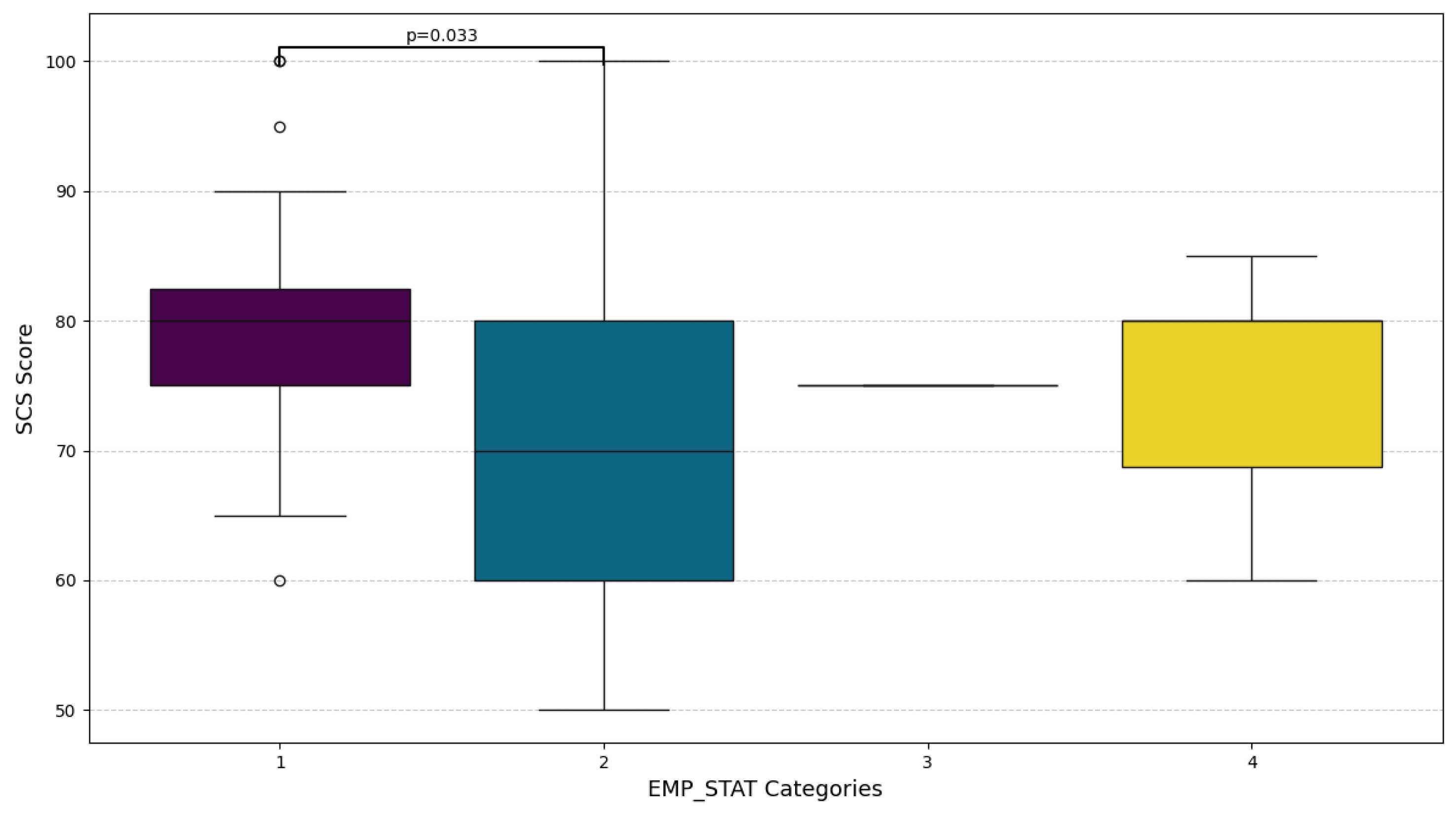
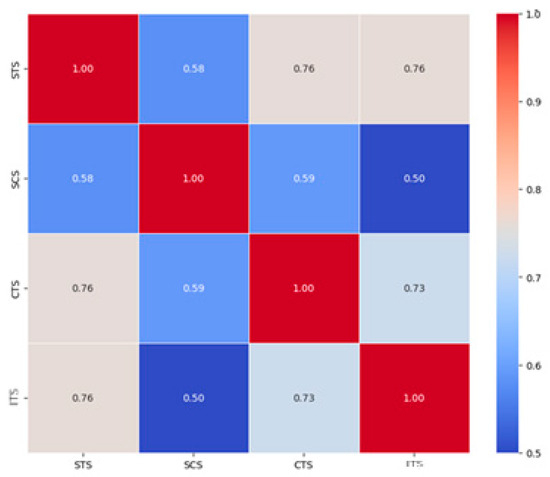
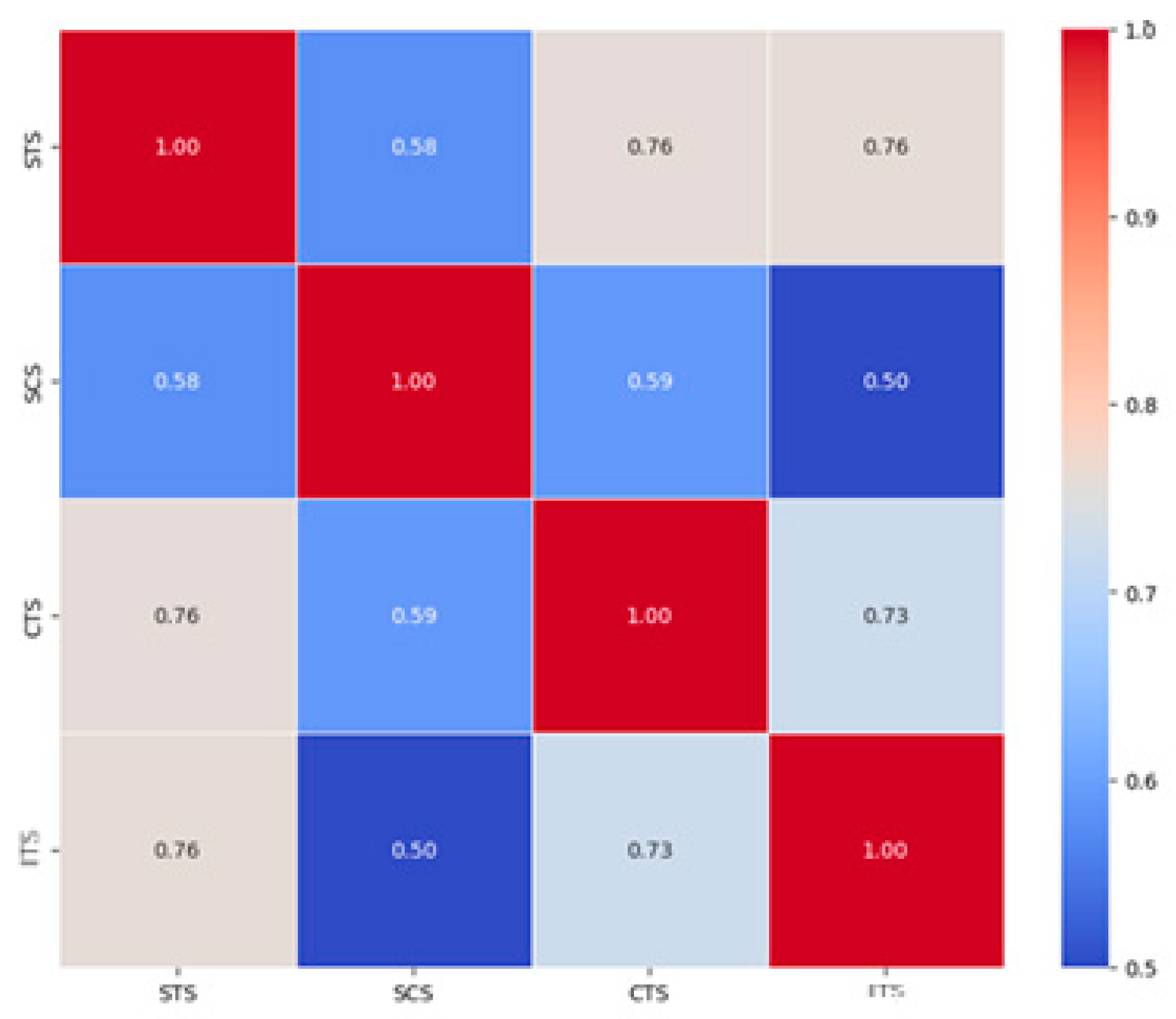

Disclaimer/Publisher’s Note: The statements, opinions and data contained in all publications are solely those of the individual author(s) and contributor(s) and not of MDPI and/or the editor(s). MDPI and/or the editor(s) disclaim responsibility for any injury to people or property resulting from any ideas, methods, instructions or products referred to in the content. |
© 2026 by the authors. Licensee MDPI, Basel, Switzerland. This article is an open access article distributed under the terms and conditions of the Creative Commons Attribution (CC BY) license.