


Abstract
This study assesses the effectiveness of social media advertising campaigns in the supermarket sector by combining managerial insights with multi-criteria decision analysis (MCDA) to support informed, sustainable decision-making. Considering the ever-increasing complexity of digital communication and the growing need for sustainable marketing resources, supermarkets require effective methods to evaluate social media platforms beyond isolated metrics. The study employs the Visual PROMETHEE program, an MCDA that incorporates qualitative insights from 27 supermarket managers in Northern Greece, along with the PROMETHEE II multi-criteria decision analysis method. At the outset, managers evaluated the importance of thirty-four social media performance factors with a five-point scale. Seven core evaluation criteria are identified by aggregating importance ratings and qualitative analysis: return on investment, revenue contribution, lead generation, engagement, cost efficiency, feedback, electronic word of mouth (eWoM), and reach. The use of these criteria later led to the evaluation of seven major social media platforms. A transparent ranking of platforms is presented, based on the results. The ranking highlights significant performance differences across financial, engagement, and reputational dimensions. The findings demonstrate the importance of integrating managerial guidance with multi-criteria analysis to inform long-lasting and evidence-based marketing decisions in retail.
1. Introduction
Firms in highly competitive and low-margin sectors such as grocery retail have experienced fundamental changes in how they interact with consumers due to the digital transformation of marketing communication (Dwivedi et al., 2021; Bağcı & Franz, 2025; Block et al., 2025; Numan et al., 2026). Supermarkets can now disseminate promotional information and engage consumers in real time through social media platforms, which have emerged as central communication channels, influencing consumers’ purchasing behavior at multiple stages of the decision-making process (Zafar & Younis, 2020; Riboldazzi & Capriello, 2021; Villanova et al., 2021). Traditional advertising practices are now extended to include informational, promotional, and relational content on platforms such as Facebook, Instagram, YouTube, and TikTok (Block et al., 2025; Villanova et al., 2021).
In the supermarket sector, businesses face high price sensitivity, frequent promotions, and intense competition. Because of these challenges, effective communication becomes a crucial requirement (García-Santiago, 2022). Managers must continuously evaluate the effectiveness of social media advertising campaigns to ensure that marketing resources are allocated efficiently and sustainably (Padhiary & Roy, 2025; Shaheen, 2025). Even if detailed platform analytics are available, the variety of metrics and platforms can complicate evaluation, leading to fragmented or intuition-based decision-making.
1.1. Challenges in Measuring Social Media Advertising Effectiveness
In isolation, social media performance indicators such as engagement, reach, and click-through rates have been examined primarily in existing research (Dwivedi et al., 2021). Such approaches fail to capture the multi-dimensional nature of advertising effectiveness. This is especially true when financial outcomes, cost efficiency, customer interaction, and reputational effects must be considered simultaneously (Block et al., 2025). This limitation is particularly noticeable in supermarket retailing, where decisions must reconcile short-term promotional results with long-term customer relationships. The study proposes an integrated evaluation framework that is informed by qualitative insights from supermarket managers to address these challenges. This study focuses on the Greek supermarket market context. It identifies evaluation criteria and assesses social media platform performance to support transparent, sustainable marketing decisions.
1.2. Research Objectives
Considering the backdrop of the study, the following research objectives that the current study addresses are framed:
- Identify key social media metrics relevant to the supermarket industry.
- Apply PROMETHEE II to determine which social media platforms meet these criteria.
- Guide on how to optimize multi-channel social media strategies from a managerial perspective.
1.3. Contributions to Theory and Practice
This study contributes to theory and practice by advancing the evaluation of social media advertising from a metric-based assessment to a managerially grounded, multi-criteria decision problem. Several prior studies have applied PROMETHEE and other MCDA techniques in digital marketing contexts. These studies typically rely on predefined or analytically convenient performance indicators. They are often detached from managerial decision processes and sector-specific constraints.
The primary theoretical contribution of this study is to reconceptualize social media effectiveness in grocery retail as a multi-dimensional construct. The construct simultaneously integrates financial performance (e.g., ROI, revenue contribution), relational outcomes (e.g., engagement, feedback, eWOM), and efficiency considerations. The study does not treat PROMETHEE II as merely a technical ranking tool. Instead, it embeds the method within a decision-aid framework shaped by managerial cognition, bridging strategic communication theory and decision science.
Methodologically, the study advances existing PROMETHEE-based research by employing a sequential mixed-methods design. The evaluation criteria and weights are derived bottom-up from qualitative interviews with supermarket managers before MCDA implementation. This contrasts with prior applications that impose criteria ex ante or rely solely on platform analytics.
From a practical perspective, the study provides supermarket managers with a transparent, replicable framework for prioritizing social media platforms under budgetary pressure and performance trade-offs. By integrating PROMETHEE II with visual analytics (Rainbow and GAIA), the framework enhances interpretability and supports sustainable, evidence-based marketing decision-making in low-margin retail environments. To clarify the methodological distinction of the proposed approach, Table 1 contrasts it with representative MCDA applications in digital marketing.
Table 1.
Comparison of MCDA-Based Digital Marketing Evaluations.
Table 1 compares the proposed managerially grounded PROMETHEE II framework with representative MCDA applications in digital marketing. Unlike Jami Pour et al. (2021), who applied a predefined multi-dimensional evaluation structure, the present study derives evaluation criteria bottom-up from qualitative assessments by 27 supermarket managers. Whereas Karczmarczyk et al. (2018) relied on algorithmically derived weights, criterion importance in this study is based on normalized managerial judgments. In contrast to prior grocery-sector MCDA studies that emphasize logistics or supply chain decisions (e.g., Hafez et al., 2021; Özder, 2025), the proposed framework focuses explicitly on communication effectiveness through platform-specific performance metrics aligned with retail marketing objectives.
The remainder of this article proceeds as follows. Section 2 reviews the literature on social media advertising effectiveness and multi-criteria decision-making approaches. Section 3 details the PROMETHEE II methodology and the development of the evaluation framework. Section 4 presents the empirical case study and analytical results of supermarket platform selection. Section 5 discusses the findings, outlines managerial implications, and concludes with theoretical contributions, practical recommendations, and future research directions. This structure enables a systematic examination of platform evaluation challenges facing retail marketers.
2. Theoretical Assessment Aspects of Communication Campaigns on Social Media Platforms
The landscape of marketing communication has undergone a revolution thanks to social media advertising (Dwivedi et al., 2021; Kaplan & Haenlein, 2010). The passive, unidirectional nature of traditional mass-media channels is being replaced with a dynamic, interactive, and data-driven environment. This contrasts with television, radio, or print advertising, which primarily aim to broadcast messages to broad audiences (Chotisarn & Phuthong, 2025). Social media advertising has shifted marketing from one-way broadcasting to interactive, data-rich engagement (Shaheen, 2025). This transformation enables real-time consumer interaction and more precise performance measurement. Unlike traditional channels such as TV or print, social platforms support dynamic feedback loops that inform both immediate tactics and long-term strategy. Social media platforms facilitate mutual interaction, enabling brands to engage with consumers in real time (Kaplan & Haenlein, 2010; Bhandari & Bimo, 2022; Hofacker & Belanche, 2016; Kim & Kim, 2022). Supermarkets illustrate this communication shift. They rely on frequent promotions, personalized engagement, and localized messaging to drive purchasing decisions. In terms of theory, the effectiveness of social media advertising is not limited to metrics that measure exposure, such as reach or impressions. In fact, it is the most effective way to understand it because it encompasses multiple stages of consumer attention, interest, action, and loyalty (Dwivedi et al., 2021; Farivar & Wang, 2022; J. Paul et al., 2024; Tafesse & Wien, 2018).
Visibility indicators, such as reach, impressions, and view count, can reflect the potential audience that has been exposed to the content. The most accurate way to measure consumer interest and interaction is through engagement metrics, such as likes, shares, comments, and average time spent on page (Barklamb et al., 2020). Leads generated, click-through rates (CTR), return on investment (ROI), and sales lift are key conversion metrics that provide insight into a campaign’s effectiveness in achieving commercial results (Kaur & Kathuria, 2023; Shemshaki et al., 2025). Ongoing brand perception and consumer loyalty can be shaped by post-purchase interactions, including feedback, sentiment analysis, and eWOM (Pathak & Pathak-Shelat, 2017). As Facebook, Instagram, YouTube, LinkedIn, TikTok, and other platforms provide platform-specific analytics tools, the availability of these diverse metrics has increased. The use of these platforms by marketers enables marketers to track user behavior at a granular level. However, information overload is a challenge that comes with the abundance of data.
Thus, choosing the most relevant indicators from a vast array of variables can be difficult for marketing managers (Krishen et al., 2021). A clear analytical framework is necessary to prevent teams from focusing on vanity metrics, which are easily measured but lack strategic insight (Rimadewi et al., 2025). Measuring the effectiveness of social media marketing remains challenging due to the gap between readily available platform metrics and strategically meaningful performance indicators (Ascani & Ancillai, 2025). Organizations often struggle to move beyond surface-level “vanity metrics”. A primary reason for this is the misaligned departmental priorities, data fragmentation, and a lack of cross-functional collaboration. This is especially prominent between marketing and management accounting functions. This problem is also particularly acute in sectors with limited resources, such as supermarket retail, where marketing departments must effectively allocate limited budgets and make measurable changes in consumer behavior.
Previous studies have found that retail decision-makers tend to prioritize metrics that demonstrate immediate financial performance, including ROI, revenue contribution, and cost-per-lead (Ntousi et al., 2025; Pauwels & Fagbola, 2025). Engagement metrics are increasingly valued for their ability to indicate relationship-building and brand affinity, particularly in highly competitive markets (Drivas et al., 2022; Misirlis & Vlachopoulou, 2018; Vlachopoulou et al., 2021). Increasingly, metrics like impressions or follower count are seen as inadequate to justify campaign investment unless they are accompanied by interaction or conversion data. Specific characteristics are evident in supermarket social media advertising. Campaigns are often associated with discounts and limited-time offers, which is why they are highly promotional. Conversion and cost metrics are elevated as a result.
Furthermore, high responsiveness and engagement are essential due to the frequent hyperlocalization and time-sensitive nature of communication. Furthermore, the sustainability agenda is gaining increasing significance (Bağcı & Franz, 2025). Supermarkets are increasingly striving to reduce communication waste, prioritize targeted messaging, and align campaigns with broader corporate responsibility strategies (Homburg & Wielgos, 2022; Leonidou et al., 2013). During the COVID-19 lockdown, many SMEs began using digital channels to communicate not only promotional content but also expressions of resilience and corporate social responsibility (Block et al., 2025). Their strategic messaging often emphasizes support for the sector, employee welfare, and community solidarity. It reflects a broader commitment to sustainability beyond mere commercial objectives. This shift shows how crisis-driven communication can align marketing efforts with societal values. This can reinforce long-term stakeholder trust.
The effectiveness of social media advertising can be evaluated using Multi-Criteria Decision Analysis (MCDA) methods informed by these sectoral dynamics (Jami Pour et al., 2021; Hafez et al., 2021; Karczmarczyk et al., 2018). Decision-makers can evaluate alternatives using MCDA methods such as PROMETHEE II. This is because advertising platform evaluation involves a diverse and sometimes contradictory set of criteria (Özder, 2025; Brans et al., 1986; Tarnanidis et al., 2023, 2025). They are especially suited to complex problems that require combining quantitative data and qualitative judgments. We constructed a composite evaluation model that combines the empirical performance of different platforms with supermarket managers’ strategic priorities, using PROMETHEE II. Figure 1 presents the conceptual framework of the study. It illustrates how retail context and metric complexity are translated into strategic social media platform choices through managerially informed multi-criteria decision analysis.
Figure 1.
Conceptual Framework for Social Media Platform Evaluation in Grocery Retail.
The framework clarifies the role of PROMETHEE II as a decision-aid mechanism that integrates managerial priorities with performance data to support sustainable marketing outcomes. Interviewing 27 retail managers across Northern Greece provided insight into the most important criteria for evaluating campaigns. The performance data from platform analytics was normalized by translating their preferences into decision weights. By employing this hybrid approach, we can bridge the gap between abstract metrics and actionable strategies and rank social media alternatives based on their contribution to strategic marketing goals.
3. Materials and Methods
3.1. Rationale for PROMETHEE II Selection Among MCDM Alternatives
Multiple-criteria decision-making (MCDM) offers a diverse methodological landscape for complex marketing evaluations (Agrawal, 2021; Tarnanidis et al., 2025; Shen et al., 2026). PROMETHEE II was systematically selected for the assessment of supermarket social media platforms (Özder, 2025; Bozdemir & Alkan, 2022; Herva & Roca, 2013; Du et al., 2020). This selection followed comparative analysis against prominent MCDM alternatives. These alternatives include AHP, TOPSIS, ELECTRE, and fuzzy extensions. Foundational marketing MCDM literature informed this comparative assessment process. Table 2 elaborates this selection rationale through a structured comparative assessment. The table evaluates methodological trade-offs across four key dimensions. These dimensions include transparency, computational complexity, uncertainty handling, and managerial interpretability.
Table 2.
Comparative table of MCDM methods.
While fuzzy extensions (e.g., neutrosophic MULTIMOORA) and probabilistic approaches excel in high-uncertainty contexts like medical treatment selection, supermarket social media evaluation involves moderate uncertainty with predominantly quantitative platform metrics. PROMETHEE II’s strength lies in translating these metrics into managerially interpretable rankings without requiring complex uncertainty modeling. This aligns with our goal of creating a practitioner-friendly decision aid. The GAIA plane and Rainbow visualizations specifically address retail managers’ need for a transparent, defensible platform selection under budget constraints. This would be a requirement less critical in facility location or personnel selection problems.
3.2. Research Design and MCDA Implementation
In this study, we employ a sequential mixed-methods research design that combines qualitative inquiry with a multi-criteria decision-aid (MCDA) approach. Specifically, the PROMETHEE II method is implemented using the Visual PROMETHEE program (Mareschal, 1986; Behzadian et al., 2010; Brans & Mareschal, 1992). The decision model is grounded in managerial practice through the qualitative phase, ensuring that the evaluation of social media communication effectiveness aligns with real-world priorities in the supermarket sector (Lee, 2019). This approach aligns with decision-making that prioritizes sustainability, as it advocates transparent, evidence-based allocation of marketing resources and encourages efficient, responsible communication strategies (A. Paul et al., 2021).
3.3. Sampling Strategy and Participant Selection
The use of a purposive sampling strategy led to the identification of key informants who have direct responsibility for social media and marketing communication decisions (Palinkas et al., 2015). Managers were selected using purposive sampling based on three criteria. First, participants were required to hold roles directly related to marketing, digital strategy, or social media management, so that only direct involvement in platform-related decisions could be considered. Second, a minimum professional experience threshold of three years in a managerial or supervisory capacity was applied. It ensures informed and stable evaluations. Third, only grocery retail firms exceeding the micro-enterprise threshold were included. It ensured that respondents represented organizations with structured marketing activities and sustained social media engagement. The final selection consisted of twenty-seven (27) managers from supermarkets operating in Northern Greece. The initial goal was larger, but the sample was sufficient to achieve thematic saturation (Guest et al., 2006), ensuring data richness while maintaining the regional focus. The sample size is within the best-practice guidelines for qualitative research in focused, in-depth interview studies (Creswell & Poth, 2016; Numan et al., 2026). Data was gathered over three months during the last quarter of 2025 through semi-structured interviews conducted either in person or online, depending on the participant. The detailed interview protocol and a summary of aggregated managerial responses are provided in Appendix A.
4. Results
Greek supermarkets’ social network advertising campaigns were in line with international trends in terms of duration. A significant percentage (52%) of the participants stated that their typical campaigns lasted more than 30 days. In comparison, 28% reported campaigns lasting 15–30 days, and only 18% reported shorter campaigns lasting less than 2 weeks. Managers stressed the importance of maintaining consistent visibility over time to reinforce promotional messages and align with weekly or monthly sales cycles.
A combination of regional chains, family-owned enterprises, and a few national players characterizes the supermarket sector in Northern Greece. Social media advertising practices reflect both economic constraints and a strong focus on the local market. Respondents operating in Central Macedonia, Eastern Macedonia, Thrace, and Western Macedonia reported relatively conservative digital advertising budgets. Around 49% reported spending more than €900 per month on social media advertising, which is typically centered on promotional cycles and seasonal demand. Among Northern Greek retailers, 18% reported spending less than €500 per month, while 33% reported spending between €500 and €900 per month.
The regional structure of consumption in Northern Greece is closely linked to the growing reliance on social media advertising, with prices pronounced and purchasing decisions heavily influenced by local familiarity and proximity. The popularity of platforms such as Facebook and Instagram among households in urban centers like Thessaloniki, as well as in smaller cities and semi-urban areas, has made them dominant communication channels. According to the survey, 57% of respondents had more than 6000 engaged followers, with the majority coming from supermarkets with multiple locations in metropolitan areas. Around 21% had between 4000 and 6000 followers, with 14% reporting fewer than 2500 followers. This is consistent with the limited geographic catchment areas of neighborhood supermarkets. Most respondents reported minimal or inactive followers, often due to irregular posting practices or reliance on outsourced digital management.
Locally tailored content, such as region-specific promotions, holiday-related offers, and messaging that emphasizes support for local producers, strongly correlated with engagement outcomes in Northern Greece. Retailers that combine social media advertising with digital loyalty initiatives, discount alerts, and in-store promotions have reported higher interactivity and a more lasting effect on eWoM. Trust and repeated interaction play a significant role in determining consumer loyalty in regional retail markets, as reflected by this pattern. About 61% of managers were able to evaluate campaign performance within 2 to 4 working days, while 23% reported needing a whole week. The remaining 16% showed that evaluation processes were either faster or longer. Regional firms had limited internal analytics capacity and relied on external marketing agencies in Thessaloniki or Athens. They needed to manually combine data from multiple digital platforms, which required significant time.
In addition, most respondents in the assessment of communication campaigns stated that they prefer to use Google Analytics, along with other tools. This is often done to gather more detailed data on website traffic and conversions. A significant issue has been raised regarding the lack of a unified evaluation framework that captures performance metrics and strategic effectiveness across multiple platforms. Respondents expressed a preference for structured evaluation models, particularly multi-criteria decision-making tools such as PROMETHEE. They indicated that such tools could better align operational data with strategic objectives.
During the interview process, managers were asked to assess the significance of thirty-four (34) social media campaign aspects. This set of factors involves many performance dimensions, including financial outcomes, engagement, reach, cost-effectiveness, reputation, and customer behavior. A five-point importance scale was utilized for the assessment, with 1 representing “extremely unimportant,” 3 representing a neutral middle point, and 5 representing “extremely important. Managers were able to express their evaluations more intuitively with this simplified scale, which facilitated aggregating perceived importance across criteria. By evaluating 34 individual factors associated with social media campaign performance, participants were able to prioritize key criteria for the PROMETHEE II analysis.
Other evaluated factors include: content reach, traffic to website, impressions, frequency, relevance score, leads, audience growth, feedback, Cost of leads, relative market share, Sentiment, time spent on site, new users, revenue growth rate, audience profile, views count, number of clicks, company reputation, hashtags, target audience engagement, engagement by content type, posts per day, Cost per action, cost per click, click-through rate, number of orders mentioned, Cost per thousand impressions, response rate, eWoM, number of repeat visitors, gross impressions, return on investment, customer potential, and amount of remarks.
The transcription and analysis of interview recordings were conducted using reflexive thematic analysis. The process of identifying higher-order themes related to communication strategy, performance evaluation, and consumer influence started with descriptive coding and ended with pattern coding. Consistency and reflexivity were ensured using analytic memos during the iterative coding process. To enhance trustworthiness, the findings were evaluated for internal consistency and alignment with existing literature on digital marketing and consumer behavior.
A clear pattern of prioritization among managers emerged from the analysis of the criteria ratings. Return on investment, revenue growth, Cost per action, Cost per click, and number of leads were considered financially and conversion-oriented criteria that earned the highest average importance scores. Managers place great emphasis on interaction quality and relationship building. This is why they prioritize engagement-related factors, such as target audience engagement, engagement by content type, feedback, response rate, and eWOM indicators. In contrast, metrics based solely on exposure, such as impressions, frequency, hashtags, and posts per day, were generally given lower importance. It suggests that visibility alone is insufficient to evaluate campaign effectiveness. Managers view social media as exerting its most significant influence at the beginning of the consumer decision-making process. It is particularly vital during recognition and information search, as indicated by qualitative responses (Numan et al., 2026). It was found that feedback management practices are overwhelmingly reactive and lack systematic analysis of customer comments and sentiment trends, underscoring the need for more sustainable, learning-focused communication strategies.
The criteria were grouped and synthesized into seven higher-level evaluation criteria because it was impractical to incorporate all thirty-four factors directly into a PROMETHEE II model. Using both conceptual similarity and aggregate importance ratings, the reduction process was guided to ensure content validity while maintaining model parsimony. Aggregation was conducted using a structured thematic clustering approach. The process relied on thematic clustering (qualitative), and no formal statistical consensus method (e.g., Delphi, factor analysis) was used. First, the 34 performance factors were independently reviewed and coded according to their primary managerial meaning. Factors that express similar outcomes or decision implications were grouped into thematic clusters. Second, each cluster was examined for internal consistency and conceptual overlap. Redundant or closely related factors were merged to form higher-order constructs. Third, the resulting clusters were validated by experts to ensure clarity, interpretability, and non-duplication. Expert consensus was achieved qualitatively through thematic clustering and expert validation. Finally, only clusters representing distinct and actionable performance dimensions were retained. This process resulted in seven aggregated criteria suitable for PROMETHEE-based evaluation. Table 3 shows how conceptually related factors were grouped into higher-order constructs during the thematic aggregation process. While aggregation can reduce analytical granularity, the trade-off is intentionally and methodologically consistent with decision-aid modeling. PROMETHEE II, among many others, is a multi-criteria decision analysis framework designed to operate with a small number of conceptually distinct criteria to maintain interpretability and prevent indicators that are closely related from being overweighted by avoiding redundancy. In this context, aggregation is a method of compressing constructs that group highly correlated or conceptually overlapping factors into higher-order dimensions while maintaining their underlying managerial meaning. The goal is not to eliminate information, but to make detailed operational metrics into constructs that are important for decision-making and enable transparent comparisons across alternatives. Thus, the aggregation process balances maintaining the accuracy of the initial data with the practical need for a simple, comprehensible decision model.
Table 3.
Mapping of Original Performance Factors to Final Aggregated Criteria.
The initial set of thirty-four performance factors was identified through a systematic review of prior literature on social media performance and digital marketing effectiveness. These factors were examined for conceptual overlap and thematic similarity. Closely related factors were grouped into preliminary clusters that represented the underlying standard dimensions. The groupings were then reviewed through expert evaluation involving managers with direct responsibility for social media decisions. Factors conveying similar managerial meaning were aggregated to reduce redundancy. Each aggregated criterion was assessed for conceptual clarity, managerial interpretability, and decision relevance. This structured process yielded seven core criteria that retain the multi-dimensional nature of social media performance while ensuring analytical parsimony within the PROMETHEE framework. The final criteria included: (1) Return on Investment, (2) Revenue Contribution, (3) Lead Generation, (4) Engagement, (5) Reach, (6) Cost Efficiency, and (7) Feedback and eWOM Quality. Quantitative campaign data was normalized to a 0–100 scale when objective performance indicators were available. Managers’ assessments were operationalized into composite indices using predefined scoring rules when direct measurement was not possible, particularly for feedback and e-commerce quality. The indices were then gathered from 27 supermarkets to create a decision matrix that evaluates 7 social media platforms against 7 criteria. We present a summary of the evaluation factors used in social media networks in Figure 2.
Figure 2.
A summary of the evaluation factors used in social media networks.
Figure 2 presents the core criteria (seven of which are important for the study) for evaluating the effectiveness of social media platforms in supermarket advertising campaigns. Return on investment measures the financial returns from advertising expenditure across platforms relative to the expenditure. Revenue contribution captures direct sales impact and transaction value generated through social media activities. Lead generation evaluates the quality of prospect acquisition and the volume of inquiries from platform interactions. Engagement quantifies audience interaction through likes, comments, shares, and participation intensity. Reach assesses total audience size and content visibility metrics across demographics. Cost efficiency measures resource utilization per conversion action and spending effectiveness. Feedback and eWoM evaluate sentiment responsiveness, comment quality, and organic advocacy strength. Together, these criteria form the foundation of the PROMETHEE II platform ranking analysis. Their integration enables transparent comparison of platforms across financial, relational, and efficiency dimensions.
Following the qualitative criteria elicitation process, the PROMETHEE II multi-criteria decision method was implemented using the Visual PROMETHEE software. PROMETHEE II was selected over PROMETHEE I because it provides a complete ranking of alternatives, eliminating incomparabilities and enabling clear managerial prioritization of social media platforms. Fuzzy and neutrosophic extensions address high-uncertainty contexts like medical diagnosis or facility location planning (Bajpai & Chaturvedi, 2026; Jeon et al., 2023). Supermarket platform evaluation involves moderate uncertainty and predominantly quantitative metrics requiring managerial transparency rather than complex uncertainty modeling. Managers assessed seven criteria that emerged as most important for evaluating decisions across seven social media platforms (Facebook, Instagram, YouTube, TikTok, X (Twitter), LinkedIn, and Pinterest). The criteria are return on investment, revenue contribution, lead generation, engagement, cost efficiency, feedback, eWOM, and reach. The managers’ importance ratings on a five-point scale were used to calculate the criterion weights. The weighting scheme was subsequently normalized to 1, ensuring that managers’ priorities were reflected in a transparent, empirically grounded manner. For each criterion, individual managerial ratings were averaged across respondents, and the resulting mean scores were normalized to derive the final PROMETHEE weights. All criteria were defined as maximization criteria, except for cost efficiency, which was expressed in monetary terms. (e.g., Cost per click or Cost per action was treated as a minimization criterion). Quantitative performance criteria were chosen with V-shape preference functions. At the same time, feedback and eWOM indicators were selected with either a level or V-shape preference function, as they are partly qualitative in nature. The standard deviation of each criterion was used to determine the thresholds for differentiation and preference, enabling consistent pairwise comparisons between platforms. The PROMETHEE II procedure generated positive, negative, and net preference flows for each alternative, which were then used to determine a comprehensive ranking of social media platforms. By implementing this approach, we were able to evaluate the effectiveness of social media communication in a structured and transparent manner. It enables robust, sustainable marketing decision-making in the supermarket sector.
By utilizing Table 4 as the primary input for the PROMETHEE II analysis, social media platforms can be systematically compared across multiple managerially relevant performance dimensions. Using input data from the PROMETHEE II decision matrix, social media platforms can be evaluated and compared using the multi-criteria decision analysis framework. The seven evaluation criteria derived from managerial assessments are represented in each column, with each row corresponding to a social media platform (alternative). These include: return on investment (ROI), revenue contribution, lead generation, engagement, reach, cost efficiency, and feedback/eWoM.
Table 4.
A PROMETHEE II Decision Matrix: Averaged Performance Scores of Social Media Platforms.
The matrix shows the performance profile of each platform across multiple dimensions. Facebook and Instagram consistently demonstrate high levels of financial, engagement, and reach metrics, indicating strong overall performance. The effectiveness of TikTok for interaction-driven communication is highlighted by its high scores in engagement and reach, while YouTube demonstrates more moderate, balanced values across the criteria. Twitter (X), LinkedIn, and Pinterest have scores comparable to or lower than those of leading platforms, indicating weaker overall performance in the supermarket advertising context. It is essential to note that the decision matrix is not a ranking; rather, it serves as the quantitative foundation for the PROMETHEE II method to function effectively. These descriptive patterns are not interpreted as rankings but serve as preparatory inputs for the PROMETHEE II preference flow analysis presented in the following section.
The PROMETHEE II algorithm converts the matrix into preference flows and a final platform ranking by comparing alternatives across each criterion, taking criterion weights, preference functions, and thresholds into account. Therefore, the empirical performance data is linked to the subsequent multi-criteria evaluation and decision-making process through the decision matrix, making it a crucial step.
Figure 3 shows both the partial (PROMETHEE I) and complete (PROMETHEE II) rankings of the evaluated social media platforms. The results of PROMETHEE I are depicted in the left-hand panel, comparing alternatives based on their positive and negative preference flows. This partial ranking highlights instances where platforms are not comparable and when one platform performs better on specific criteria, while another dominates in other areas. These incompatibilities highlight the multifaceted nature of social media advertising performance and underscore the need for a comprehensive ranking system that considers these complexities. The PROMETHEE II results are displayed in the right panel, with their net preference flow (Φ) ranking each alternative. All platforms can be ranked from best to worst in overall performance by aggregating positive and negative preference flows into a single measure using the net flow. Superior overall performance is indicated by higher net preference flow (Φ) values, whereas lower (more negative) Φ values reflect weaker overall performance relative to other alternatives.
Figure 3.
The PROMETHEE Rankings.
The results show that Facebook has the highest net preference flow, ranking first among all evaluated platforms. This outcome confirms Facebook’s dominant role in supermarket social media communication strategies, as it has performed strongly across multiple dimensions, including return on investment, revenue contribution, reach, and engagement. Instagram is in second place due to its high engagement levels and solid financial performance. TikTok comes in third place, thanks to its exceptional engagement and reach; however, it has less favorable conversion rates. YouTube’s middle ranking indicates balanced but less competitive performance across all criteria. Conversely, LinkedIn, X (Twitter), and Pinterest experienced negative net preference flows and rank among the lowest. Compared to other platforms, these platforms are less successful, especially in terms of engagement and revenue metrics, suggesting a less significant strategic role in the supermarket sector. According to the rankings, platforms that combine economic effectiveness and customer interaction generally perform better than those that offer visibility or niche engagement alone. A comparison of PROMETHEE I and PROMETHEE II shows that the complete ranking resolves initial incomparability, enabling decision-makers to prioritize social media platforms in a clear, actionable manner. This encourages marketing decisions in the supermarket sector to be more transparent, evidence-based, and sustainable (Agrawal, 2021; Tarnanidis et al., 2025).
Figure 4 presents the PROMETHEE Rainbow diagram, which breaks down the overall preference flows of each social media platform into contributions specific to each criterion. The Rainbow graph visually shows how each evaluation criterion affects an alternative’s overall performance, thereby enhancing the interpretability of PROMETHEE II results. The diagram shows vertical bars representing social media platforms, with colored segments (slices) representing the individual criteria. The horizontal zero line separates positive and negative contributions. Criteria segments above the zero line indicate areas where the platform is performing relatively well compared to competing alternatives and show positive contributions to its net preference flow. Negative contributions are highlighted by segments below the zero line, which indicate where the platform underperforms. The drivers of platform dominance are clearly depicted in the Rainbow visualization. For example, Facebook demonstrates a significant positive influence on ROI, leads, reach, cost efficiency, and revenue. This affirms its balanced and robust performance in financial, efficiency, and exposure-related areas. Despite some efficiency-related criteria contributing less strongly, Instagram looks good. It still shows strong positive contributions in revenue, engagement, feedback, and reach, indicating its strength in interaction quality and consumer response. TikTok’s profile varies considerably, with engagement and reach being its main positive contributors, whereas feedback and cost efficiency are less favorable. This validates TikTok’s role as a platform that prioritizes engagement over Cost or conversion. YouTube exhibits a balanced distribution of positive and negative segments across various criteria, suggesting a neutral or complementary role with little dominance in any specific aspect.
Figure 4.
PROMETHEE Rainbow with preference flows.
In contrast, rainbow bars on X (Twitter), LinkedIn, and Pinterest show segments below the zero line, with particular emphasis on leads, engagement, reach, and cost efficiency. Their low net preference flows and inferior rankings in the PROMETHEE II analysis can be explained by these negative contributions. Although some isolated criteria (e.g., the negative performance cannot be offset by the limited positive effects of cost efficiency on Pinterest or feedback on LinkedIn). In general, the PROMETHEE Rainbow diagram offers valuable diagnostic information by revealing the criteria that determine the success or failure of every platform. Managers can identify platform-specific strengths and weaknesses by using the Rainbow analysis to connect criterion-level contributions to overall preference flows. So, the analysis helps them in transparent interpretation of the PROMETHEE II ranking through linkage. This decomposition is particularly useful for informing sustainable marketing decisions.
The PROMETHEE Geometrical Analysis for Interactive Aid (GAIA) plane in Figure 5 provides a visual representation of the connections between the evaluated social media platforms and the decision criteria, offering a synthetic view. By projecting alternative and criterion vectors onto a two-dimensional space, the GAIA plane facilitates the identification of similarities, conflicts, and trade-offs among platforms. In the GAIA plane, the point is the representation of each social media platform, and the vector is the representation of each criterion from the center. Platforms situated close to each other have similar performance profiles across all criteria, but platforms positioned in opposite directions exhibit different performance patterns. Using the direction and length of each criterion vector, it can be determined how it affects the decision problem and its contribution to overall discrimination among alternatives.
Figure 5.
PROMETHEE Gaia Plane.
According to the visualization, Facebook aligns closely with most key criteria, particularly ROI, revenue, leads, engagement, and reach, demonstrating consistent, balanced performance across financial and interaction-related metrics. Facebook dominates the PROMETHEE II ranking due to this alignment. Instagram’s complementary strategic role is confirmed by its location near Facebook and similar criteria vectors, specifically those related to engagement and revenue. The engagement and reach vectors are closely related to TikTok’s appearance in a different quadrant of the GAIA plane. This spatial positioning confirms TikTok’s strength as an engagement-driven platform, but it also highlights its weaker association with cost efficiency and feedback-related criteria. The plane’s location near YouTube suggests a performance profile that is more balanced and less discriminatory, with no single criterion dominating. The central cluster of positive criterion vectors is located near X (Twitter), LinkedIn, and Pinterest. Their location suggests that the problem’s dominant performance dimensions, particularly those related to engagement, reach, and financial outcomes, are not aligned effectively. This spatial separation is associated with their lower net preference flows and lower rankings in the PROMETHEE II analysis.
Figure 6 presents an analysis of the sensitivity of PROMETHEE II results to changes in the weight of a chosen criterion. The criterion’s weight is represented by the horizontal axis, which ranges from 0% to 100%, and the vertical axis represents the net preference flow (Φ) of each alternative. Each social media platform has a line that shows how its net flow fluctuates as the weight of the selected criteria changes. The selected criterion is the sole factor considered at the right edge of the graph (100%), while the criterion at the left edge (0%) has no impact on the ranking. In the baseline PROMETHEE II model, the weight assigned to the criterion is indicated by the vertical green and red bars. The final PROMETHEE II ranking reported in the results is determined by intersecting each platform’s line with this vertical reference line.
Figure 6.
Sensitivity Analysis.
The rankings lines do not intersect within the relevant weight range, indicating that changes in ROI weight do not affect the relative ordering of the alternatives. The high-ranking stability indicates that the top-ranked platforms, specifically Facebook and Instagram, have not relied on a particular weighting assumption to maintain their dominance. In general, the sensitivity analysis confirms the reliability of the PROMETHEE II results, indicating that slight modifications to the criterion weights do not significantly affect the final ranking. The importance of this robustness is especially significant in managerial decision-making contexts, where the precise weight specification may be uncertain. The analysis strengthens confidence in the validity of the proposed evaluation framework by demonstrating the ranking’s stability across different weight values.
The preference flows (Φ) for each social media platform are presented in Table 5, organized according to the seven evaluation criteria. The relative dominance or weakness of each platform, compared to a specific criterion, is represented by these values when compared pairwise. Positive (Φ) values indicate that a platform performs better than its competitors on a given metric, while negative values indicate that it performs worse. Comparable performance or weak discrimination can be inferred from values that are close to zero. Across platforms and criteria, the results show clear performance patterns. Facebook’s preference flow consistently shows strong positive trends across almost all criteria, with a focus on ROI, leads, cost efficiency, and reach, where it achieves the highest values. Facebook’s consistent superior performance in financial and efficiency-related dimensions strengthens its position as the most effective social media channel for supermarket advertising. Instagram has a high or near-high value in terms of revenue contribution, engagement, and feedback/eWOM, indicating strong positive preference flows. These findings emphasize Instagram’s ability to promote engagement and positive consumer feedback. It also complements Facebook’s superiority in conversion and efficiency metrics. These findings explain Instagram’s second-place ranking in the PROMETHEE II analysis. TikTok’s performance profile is distinctive. The platform’s effectiveness as an awareness- and interaction-driven platform is confirmed by its high engagement and extreme reach. Although TikTok has strong engagement capabilities, it is still behind Facebook and Instagram due to its weaker feedback performance and moderate scores in ROI and cost efficiency. YouTube falls somewhere in between, with preference flow values close to zero for most criteria. This implies balanced performance, but not dominance. The lack of clear outperformance and the strong dominance of other platforms suggest that YouTube plays a complementary rather than a leading role in supermarket social media strategies.
Table 5.
Preference flows (Φ).
On the other hand, Twitter (X), LinkedIn, and Pinterest have largely negative preference flows across almost all criteria. Leads, engagement, and cost efficiency are particularly weak for X (Twitter), while LinkedIn has low engagement and reach, indicating its limited suitability for consumer-oriented supermarket communication. Pinterest consistently performs poorly compared to other platforms, displaying the most negative preference flows overall, particularly in terms of ROI, revenue, leads, and feedback. The drivers of the PROMETHEE II ranking are provided with significant insight in Figure 6.
Platforms that combine positive preference flows across economic (ROI, revenue), interactional (engagement), and efficiency (Cost) criteria are rated higher overall. The lowest-ranked platforms are those with uniformly negative flows across these dimensions. A pattern consistent with an engagement-ROI trade-off is observed across Facebook, Instagram, and TikTok. This pattern may be interpreted through platform logic theory, which links interface design, algorithmic curation, and cultivated user behavior. Facebook supports both high engagement and strong conversion outcomes. A possible interpretation is that there is a well-developed advertising infrastructure with integrated shopping features. Its mature advertising ecosystem and integrated commerce may contribute to a transaction-oriented environment that appears to convert user attention into measurable sales. Thus, it supports strong conversion outcomes alongside engagement. However, TikTok (and, to some extent, Instagram) prioritizes viral reach and high-intensity interaction. They appear to be lagging in direct revenue attribution, which may be associated with their entertainment-first approach. They excel at brand visibility and community building, but present inherent friction for direct revenue attribution within the app. This divergence suggests that platform-specific architectures and user interaction logics may influence advertising effectiveness. This observation resonates with recent work on platform governance, algorithmic mediation, and socio-technical affordances, which argues that digital platform infrastructures shape economic and relational value creation in distinct ways.
The results demonstrate that PROMETHEE II is a valuable tool for decomposing overall performance into criterion-specific contributions. It offers practical guidance for evidence-based decision-making in the supermarket industry, aligned with economic and relational considerations for sustainability. The decision model operationalized sustainability-relevant dimensions by selecting and interpreting evaluation criteria instead of directly measuring sustainability outcomes or using a separate sustainability index. This distinction aligns with emerging scholarship that distinguishes between sustainability operationalization and sustainability outcome measurement within decision-support systems, particularly in marketing and strategic resource allocation contexts. Within the model, cost efficiency is a dimension related to economic sustainability, with the potential to reduce communication waste and allocate finite marketing resources more efficiently. In low-margin grocery retail, inefficient ad spending directly undermines long-term viability. By prioritizing platforms that deliver maximum reach and conversion per euro spent (e.g., lower cost-per-click, cost-per-lead), supermarkets reduce resource depletion. At the same time, they can maintain campaign effectiveness. This aligns with the economic pillar of the triple bottom line through financially accountable, waste-minimizing practices.
Feedback and eWOM consider aspects of relational (social) sustainability by examining stakeholder interactions, dialogue quality, and the potential for long-term relationship building. Unlike vanity metrics, these criteria capture authentic consumer dialogue, sentiment responsiveness, and organic advocacy—indicators of trust and community co-creation. When supermarkets systematically monitor and act upon feedback while nurturing positive eWOM, they build resilient brand-consumer relationships that withstand market volatility and foster long-term loyalty. This embodies social sustainability’s core principle: creating value through mutually beneficial, ongoing stakeholder engagement rather than extractive, short-term transactions.
Table 6 illustrates how the conceptual mapping of PROMETHEE II evaluation criteria to sustainability-related dimensions can be carried out. This mapping aids understanding of sustainability from a sustainability perspective, but does not provide direct measurement of sustainability outcomes. The interpretation of ROI and cost efficiency is based on economic sustainability. They ensure marketing resources are allocated efficiently and generate measurable financial returns—key for long-term viability in low-margin retail. Meanwhile, engagement, feedback, and eWOM bring relational (or social) sustainability. They capture trust, customer dialogue, and community co-creation, promoting resilient brand-consumer relationships beyond transactional exchanges. Revenue contribution and lead generation span both economic and relational domains, while reach primarily serves as an enabler rather than a sustainability outcome. The mapping illustrates how performance metrics can be reinterpreted through a sustainability lens, aligning tactical digital decisions with broader corporate responsibility objectives.
Table 6.
Mapping Social Media Evaluation Criteria to Dimensions of Marketing Sustainability.
5. Conclusions
The paper proposed a method for evaluating social media advertising effectiveness that uses PROMETHEE II and qualitative insights from supermarket managers, employing a multi-criteria decision-aid approach. By reducing a diverse set of 34 performance factors to 7 essential criteria, such as ROI, revenue, leads, engagement, cost efficiency, feedback, and reach, PROMETHEE II was utilized in the study to generate a transparent ranking of major social media platforms. The results show significant differences in performance between platforms. Facebook was the top choice because of its balanced strength across financial and engagement metrics. Instagram closely followed, with a high score for interaction-related factors. TikTok performed well in terms of engagement but was less efficient in terms of Cost. YouTube was in the middle, while X (Twitter), LinkedIn, and Pinterest performed poorly across most dimensions. By combining managerial judgment with formal MCDA tools, these insights prove the worth of making evidence-based, sustainable, and strategically aligned marketing decisions in the supermarket industry. It is important to note that the framework does not provide a direct measure of sustainability outcomes, but rather facilitates decision-making aligned with sustainability-relevant economic and relational dimensions. The proposed framework is both practical and theoretically beneficial. It illuminates the multi-dimensional nature of communication performance and demonstrates how structured evaluation tools can support digital marketing strategies in competitive, sustainable retail environments.
5.1. Theoretical & Managerial Implications
The study advances the theory on retail social media effectiveness as a multi-dimensional construct. While most prior studies conceptualize social media effectiveness using isolated metrics, this study reframes effectiveness as a multi-dimensional decision problem grounded in managerial judgment and multi-criteria analysis. The study advances retail communication theory beyond linear and exposure-based models by theorizing effectiveness as a composite decision problem rather than a single-metric outcome. By conceptualizing platform evaluation as a structured multi-criteria decision-making problem, the study contributes to the growing body of research advocating decision-theoretic foundations for digital marketing strategy. It bridges the gap between qualitative managerial judgment and quantitative MCDA methods in the context of social media evaluation. By incorporating insights from 27 supermarket managers into the PROMETHEE II framework, it demonstrates how experiential knowledge can be systematically integrated into structured decision-making models, enhancing both relevance and rigor. While PROMETHEE II has been applied across various fields, its application to compare social media platforms in retail is novel. The study demonstrates how MCDA can effectively handle multiple conflicting criteria (e.g., engagement vs. cost efficiency) to produce a transparent ranking of platforms, providing a replicable model for similar retail or service sectors. The use of PROMETHEE Rainbow and GAIA plane visualizations helps translate complex MCDA results into actionable insights. This contribution to the theory highlights the importance of visual analytics in decision-making support systems, particularly for non-expert users, such as marketing managers. The sequential mixed-methods design (qualitative interviews → PROMETHEE II analysis) offers a methodological template for integrating expert judgment with multi-criteria modeling. It applies beyond social media to other areas of marketing and retail decision-making.
This study presents supermarket decision-makers with a systematic, data-driven methodology for assessing the effectiveness of social media advertising. By combining PROMETHEE II with managerial insights, a structured comparison can be made across multiple criteria, including ROI, leads, engagement, and cost efficiency, that correspond to the sector’s operational and strategic priorities. Managers can use the rankings to prioritize platforms that align most closely with their communication objectives, maximize their media budgets, and enhance the sustainability of their campaigns. In terms of financial and engagement-related dimensions, Facebook and Instagram demonstrated strong performance, as evidenced by the results. Meanwhile, TikTok’s interaction capabilities are impressive, but it may need to utilize other platforms to address cost or conversion metrics. While validated in grocery retail, this evaluation structure may inform platform selection in other high-frequency consumer goods sectors facing similar engagement-cost trade-offs.
Furthermore, the PROMETHEE Rainbow and GAIA visualizations provide diagnostic information on platform strengths and weaknesses, aiding more precise channel strategies. Supermarkets with limited marketing budgets can benefit from this, as evidence-based resource allocation is crucial for effective marketing. The model supports continuous performance monitoring and learning, as it can be regularly updated with campaign data and evolving strategic goals. This decision-aid framework strengthens the sustainability agenda in marketing. The framework aims to promote communication strategies that are efficient, targeted, and performance-aligned, thereby reducing wasteful advertising and increasing customer relevance.
5.2. Limitations
This study has strengths but also many limitations. The sample was restricted to 27 supermarkets in Northern Greece, which may impact the applicability of the findings to other regions or retail settings. Furthermore, the study’s reliance on self-reported performance data and managerial judgments may introduce common method bias and perceptual inaccuracies. The effectiveness scores used in the PROMETHEE analysis could reflect managerial perceptions rather than independently verified campaign outcomes. Furthermore, given that both the criteria weights and (partially perception-based) performance evaluations originate from the same managerial ecosystem, endogeneity or alignment bias cannot be fully excluded. The Greek retail context provides a transferable template for regions with similar supermarket density and platform ecosystems. Transferability requires alignment with local platform availability, consumer engagement norms, and promotional culture. Core criteria like ROI, engagement, and cost efficiency maintain universal relevance across retail contexts.
To strengthen external validity, the proposed framework can be readily adapted for use in supermarket sectors across other national contexts. The core criteria (ROI, engagement, cost efficiency, and eWOM) are universally relevant to retail digital marketing globally. However, contextual adjustments would be necessary. For instance, platform preferences vary by country (e.g., WeChat in China or VK in Russia). Local data privacy regulations influence. Some platforms are fully or partially banned or restricted in a few countries (Facebook in China and North Korea, TikTok in India). Cultural attitudes toward social commerce vary by country. Crisis-specific communication norms (such as those observed during pandemics or economic instability) also influence. All these factors impact both criterion weighting and performance data collection. By recalibrating the PROMETHEE II model with region-specific managerial input and platform metrics, the approach remains robust across diverse national contexts.
5.3. Future Research Directions
In the future, it is recommended that the analysis be expanded to include a more diverse and larger sample of retail organizations, potentially across countries or sectors. While PROMETHEE II can support decision-making, it requires subjective input for criterion weighting and preference function selection. Despite the relevance enhancement from manager-derived weights, bias persists. Future research could experiment with alternative MCDA methods, such as ELECTRE, AHP, or TOPSIS, to derive weights from campaign performance data using hybrid machine-learning models. The study consists of a static assessment that focuses on aggregate platform performance. Future work should investigate whether criterion weight stability holds across seasonal campaigns—a limitation of static MCDM approaches in dynamic retail environments. Social media dynamics are constantly evolving, and platform algorithms or consumer behavior can change over time. By applying the model longitudinally, we could track performance across campaign cycles and incorporate real-time data to enhance responsiveness and adaptiveness. Finally, expanding the model to include social and environmental indicators—such as ethical advertising and digital well-being—would better align it with broader sustainability goals. This integration could help link social media strategies more closely with corporate social responsibility (CSR) commitments.
Future research could integrate PROMETHEE with machine learning models. The convergence of MCDA and machine-learning-based predictive analytics represents a promising frontier in marketing science, enabling adaptive weighting schemes and real-time performance optimization. Such integration can autonomously derive criterion weights and detect performance patterns from large-scale campaign data. Thus, MCDA can be extended from a static evaluation tool to a dynamic decision-support system. The model can be extended to dynamic PROMETHEE frameworks that update rankings in real time. It is practically feasible because superior analytical tools are becoming available to measure platform algorithms, consumer behavior, or market conditions. This evolving nature would enhance its adaptive decision-support capacity.
Future research could conduct controlled comparisons between PROMETHEE II and alternative MCDM methods (e.g., TOPSIS, fuzzy AHP) using identical datasets to establish context-specific performance benchmarks. Such work would help develop decision trees for selecting MCDM methods in digital marketing contexts.
Author Contributions
Conceptualization, T.T., J.P. and M.V.; Methodology, T.T. and J.P.; Validation, T.T., J.P., M.V. and V.K.M.; Formal analysis, T.T., J.P. and B.M.; Investigation, T.T.; Resources, T.T.; Data curation, T.T., B.M. and V.K.M.; Writing—original draft, T.T.; Writing—review and editing, T.T., J.P., B.M. and M.V.; Visualization, V.K.M.; Supervision, J.P., B.M. and V.K.M.; Project administration, T.T. All authors have read and agreed to the published version of the manuscript.
Funding
This research received no external funding.
Institutional Review Board Statement
This study involved qualitative interviews with supermarket managers regarding social media assessment metrics in the grocery and retail sector. The research did not involve any intervention, treatment, or collection of sensitive personal data. The research questions were designed to gather opinions and perceptions without any identifiable personal information. After careful consideration and consultation with the authors’ institutions’ guidelines on ethical research, it was determined that this study does not pose more than a minimal risk to participants. Consequently, the authors believe that formal ethical approval was not required for the following reasons: the survey consisted solely of opinion-based questions that did not require participants to disclose personal or sensitive information; participation in the survey was entirely voluntary, and participants were informed that they could withdraw at any time without any consequences; and the survey was conducted anonymously, ensuring that no identifiable personal data were collected. Given these points, the authors believe that ethical approval from an institutional review board or ethics committee was not necessary for this study.
Informed Consent Statement
Informed verbal consent was obtained from all subjects involved in the study.
Data Availability Statement
The original contributions presented in this study are included in the article. Further inquiries can be directed to the corresponding author.
Conflicts of Interest
The authors declare no conflicts of interest.
Appendix A. Summary of Interview Questions and Aggregated Managerial Responses
| Key Questions Asked | Purpose | Aggregated Responses |
| 1. What is the typical length of time your social media campaigns take? | To comprehend the timing and frequency of marketing campaigns. | The dominance of monthly promotional planning in Greek supermarkets in Northern Greece is evident in the fact that almost half of the campaigns (52%) lasted over 30 days. Short-term price promotions were the main reason 28% of campaigns lasted 15–30 days, while 18% lasted 14 days or less. Overall, the campaign duration closely aligned with weekly leaflets and monthly discount cycles, which remain central to retail strategy in the region. |
| 2. What is the usual Cost for a campaign? | To determine the level of investment intensity. | Approximately 49% of respondents reported that their advertising budgets exceeded €900 monthly, while 33% were allocated between €500 and €900. Smaller independent supermarkets with budgets below €500 operated with the remaining 18%. These budget levels indicate a growing reliance on paid digital reach, particularly to maintain visibility in geographically competitive local markets. |
| 3. How many followers or loyal users are actively engaging with your platforms? | To determine the reach and level of loyalty. | In terms of audience size, 57% of supermarkets reported having more than 6000 followers, with most of them having established digital loyalty programs and regular promotional communication. 21% had follower bases ranging from 4000 to 6000, and 14% reported between 2500 and 4000 followers. The proportion of individuals with fewer than 2500 followers was only about 8%, typically due to limited digital activity or recent platform adoption. Higher follower counts were consistently associated with loyalty-driven engagement strategies. |
| 4. What is the average time it takes to evaluate the effectiveness of a campaign? | To determine how internal reporting practices and bottlenecks are being utilized | The campaign assessment required two to three working days, as indicated by 61% of respondents regarding the evaluation time. 23% requested a whole week of work, while approximately 16% reported evaluation periods that were either shorter or longer. These differences were mainly attributed to variations in analytics familiarity, reporting complexity, and tool integration. |
| 5. What tools do you utilize when evaluating campaign performance? | To evaluate the evaluation systems that are currently in use. | The majority of respondents utilize Google Analytics, primarily to assess website traffic and online conversions. During interviews, participants noted that there is no integrated tool to support strategic-level assessment, particularly the connection between digital engagement and in-store sales outcomes. |
| 6. What are the most important factors to consider when assessing social media campaigns? | To define the criteria for making decisions in the PROMETHEE model | Respondents ranked return on investment, revenue contribution, lead generation, customer engagement, cost efficiency, qualitative feedback, and effective reach as their top performance priorities. Metrics focused solely on exposure, such as impressions, were generally deprioritized unless combined with interaction or conversion data. |
| 7. Do you use any structured evaluation models (e.g., MCDM tools)? | Assessing awareness and openness towards structured frameworks | In the end, none of the respondents mentioned using formal evaluation models. Nevertheless, many expressed a clear interestinmulti-criteria decision-making tools, such as PROMETHEE, citing the need for greater transparency, consistency, and alignment between operational metrics and strategic objectives. |
References
- Agrawal, N. (2021). Multi-criteria decision-making toward supplier selection: Exploration of PROMETHEE II method. Benchmarking: An International Journal, 29(7), 2122–2146. [Google Scholar] [CrossRef] [Scilit]
- Ali, A. M., Abdel-Basset, M., Abouhawwash, M., Gharib, M., & Mohamed, M. (2024). N-type-2-ARAS: An efficient hybrid multi-criteria optimization approach for end-of-life vehicle’s recycling facility location: A sustainable approach. Expert Systems with Applications, 250, 123873. [Google Scholar] [CrossRef] [Scilit]
- Ascani, I., & Ancillai, C. (2025). Social media marketing and performance measurement: Does it take two to tango? Review of Managerial Science, 1–49. [Google Scholar] [CrossRef] [Scilit]
- Bağcı, U. E., & Franz, M. (2025). How do Turkish grocers respond to changes in the German retail market? Tijdschrift Voor Economische En Sociale Geografie, 116(1), 26–40. [Google Scholar] [CrossRef] [Scilit]
- Bajpai, S., & Chaturvedi, A. (2026). Evaluating multi-criteria decision making methods for influential nodes selection in social networks: A review. Multimedia Tools and Applications, 85(2), 79. [Google Scholar] [CrossRef] [Scilit]
- Barklamb, A. M., Molenaar, A., Brennan, L., Evans, S., Choong, J., Herron, E., Reid, M., & McCaffrey, T. A. (2020). Learning the language of social media: A comparison of engagement metrics and social media strategies used by food and nutrition-related social media accounts. Nutrients, 12(9), 2839. [Google Scholar] [CrossRef] [Scilit]
- Behzadian, M., Kazemzadeh, R. B., Albadvi, A., & Aghdasi, M. (2010). PROMETHEE: A comprehensive literature review on methodologies and applications. European Journal of Operational Research, 200(1), 198–215. [Google Scholar] [CrossRef] [Scilit]
- Behzadian, M., Khanmohammadi Otaghsara, S., Yazdani, M., & Ignatius, J. (2012). A state-of the-art survey of TOPSIS applications. Expert Systems with Applications, 39(17), 13051–13069. [Google Scholar] [CrossRef] [Scilit]
- Bezerra, P. R. S., Schramm, F., & Schramm, V. B. (2021). A multicriteria model, based on the PROMETHEE II, for assessing corporate sustainability. Clean Technologies and Environmental Policy, 23(10), 2927–2940. [Google Scholar] [CrossRef] [Scilit]
- Bhandari, A., & Bimo, S. (2022). Why’s everyone on TikTok now? The algorithmized self and the future of self-making on social media. Social Media + Society, 8(1), 20563051221086241. [Google Scholar] [CrossRef] [Scilit]
- Block, M., Mulhern, F., DeGaris, L., & Schultz, D. (2025). A holistic model of retail marketing and communications. In M. Block, F. Mulhern, L. DeGaris, & D. Schultz (Eds.), Rethinking retail (pp. 1–12). Springer. [Google Scholar] [CrossRef] [Scilit]
- Bozdemir, M. K. E., & Alkan, A. (2022). Selection of social media platforms using fuzzy PROMETHEE method with different scenario types. Journal of Engineering Studies and Research, 28(4), 41–50. [Google Scholar] [CrossRef] [Scilit]
- Brans, J. P., & Mareschal, B. (1992). Promethee V: Mcdm problems with segmentation constraints. INFOR: Information Systems and Operational Research, 30(2), 85–96. [Google Scholar] [CrossRef] [Scilit]
- Brans, J. P., Vincke, P., & Mareschal, B. (1986). How to select and how to rank projects: The Promethee method. European Journal of Operational Research, 24(2), 228–238. [Google Scholar] [CrossRef] [Scilit]
- Chotisarn, N., & Phuthong, T. (2025). Mapping the landscape of marketing technology: Trends, theories and trajectories in ecosystem research. Cogent Business & Management, 12(1), 2448608. [Google Scholar] [CrossRef] [Scilit]
- Creswell, J. W., & Poth, C. N. (2016). Qualitative inquiry and research design: Choosing among five approaches. Sage Publications. [Google Scholar]
- Drivas, I. C., Kouis, D., Kyriaki-Manessi, D., & Giannakopoulou, F. (2022). Social media analytics and metrics for improving users engagement. Knowledge, 2(2), 225–242. [Google Scholar] [CrossRef] [Scilit]
- Du, Y., Zhang, D., & Zou, Y. (2020). Sustainable supplier evaluation and selection of fresh agricultural products based on IFAHP-TODIM model. Mathematical Problems in Engineering, 2020(1), 4792679. [Google Scholar] [CrossRef] [Scilit]
- Dwivedi, Y. K., Ismagilova, E., Hughes, D. L., Carlson, J., Filieri, R., Jacobson, J., Jain, V., Karjaluoto, H., Kefi, H., Krishen, A. S., & Kumar, V. (2021). Setting the future of digital and social media marketing research: Perspectives and research propositions. International Journal of Information Management, 59, 102168. [Google Scholar] [CrossRef] [Scilit]
- Farivar, S., & Wang, F. (2022). Effective influencer marketing: A social identity perspective. Journal of Retailing and Consumer Services, 67, 103026. [Google Scholar] [CrossRef] [Scilit]
- Figueira, J. R., Greco, S., Roy, B., & Słowiński, R. (2013). An overview of ELECTRE methods and their recent extensions. Journal of Multi-Criteria Decision Analysis, 20(1–2), 61–85. [Google Scholar] [CrossRef] [Scilit]
- García-Santiago, M.-D. (2022). Communicating the resilience and corporate social responsibility of SMEs during lockdown in Spain: A visual and exploratory study of communication mechanisms and strategies. Sustainability, 14(13), 7944. [Google Scholar] [CrossRef] [Scilit]
- Govindan, K., & Jepsen, M. B. (2016). Supplier risk assessment based on trapezoidal intuitionistic fuzzy numbers and ELECTRE TRI-C: A case illustration involving service suppliers. Journal of the Operational Research Society, 67(2), 339–376. [Google Scholar] [CrossRef] [Scilit]
- Guest, G., Bunce, A., & Johnson, L. (2006). How many interviews are enough?:An experiment with data saturation and variability. Field Methods, 18(1), 59–82. [Google Scholar] [CrossRef] [Scilit]
- Hafez, M. M., Redondo, R. P. D., Vilas, A. F., & Pazó, H. O. (2021). Multi-criteria recommendation systems to foster online grocery. Sensors, 21(11), 3747. [Google Scholar] [CrossRef] [Scilit] [PubMed]
- Herva, M., & Roca, E. (2013). Review of combined approaches and multi-criteria analysis for corporate environmental evaluation. Journal of Cleaner Production, 39, 355–371. [Google Scholar] [CrossRef] [Scilit]
- Hezam, I. M., Ali, A. M., Sallam, K., Hameed, I. A., Foul, A., & Abdel-Basset, M. (2024). An extension of Root Assessment Method (RAM) under spherical fuzzy framework for optimal selection of electricity production technologies toward sustainability: A case study. International Journal of Energy Research, 2024(1), 7985867. [Google Scholar] [CrossRef] [Scilit]
- Hofacker, C. F., & Belanche, D. (2016). Eight social media challenges for marketing managers. Spanish Journal of Marketing—ESIC, 20(2), 73–80. [Google Scholar] [CrossRef] [Scilit]
- Homburg, C., & Wielgos, D. M. (2022). The value relevance of digital marketing capabilities to firm performance. Journal of the Academy of Marketing Science, 50(4), 666–688. [Google Scholar] [CrossRef] [Scilit]
- Hwang, C.-L., & Yoon, K. (1981). Methods for Multiple Attribute Decision Making. In C.-L. Hwang, & K. Yoon (Eds.), Multiple attribute decision making: Methods and applications a state-of-the-art survey (pp. 58–191). Springer. [Google Scholar] [CrossRef] [Scilit]
- Jami Pour, M., Hosseinzadeh, M., & Amoozad Mahdiraji, H. (2021). Exploring and evaluating success factors of social media marketing strategy: A multi-dimensional-multi-criteria framework. Foresight, 23(6), 655–678. [Google Scholar] [CrossRef] [Scilit]
- Jeon, J., Suvitha, K., Arshad, N. I., Kalaiselvan, S., Narayanamoorthy, S., Ferrara, M., & Ahmadian, A. (2023). A probabilistic hesitant fuzzy MCDM approach to evaluate India’s intervention strategies against the COVID-19 pandemic. Socio-Economic Planning Sciences, 89, 101711. [Google Scholar] [CrossRef] [Scilit]
- Kaplan, A. M., & Haenlein, M. (2010). Users of the world, unite! The challenges and opportunities of Social Media. Business Horizons, 53(1), 59–68. [Google Scholar] [CrossRef] [Scilit]
- Karczmarczyk, A., Jankowski, J., & Wątróbski, J. (2018). Multi-criteria decision support for planning and evaluation of performance of viral marketing campaigns in social networks. PLoS ONE, 13(12), e0209372. [Google Scholar] [CrossRef] [Scilit]
- Kaur, K., & Kathuria, L. M. (2023). Analysing productivity of digital marketing investments through selected metrics. International Journal of Business Innovation and Research, 32(1), 126–146. [Google Scholar] [CrossRef] [Scilit]
- Kim, D. Y., & Kim, H.-Y. (2022). Social media influencers as human brands: An interactive marketing perspective. Journal of Research in Interactive Marketing, 17(1), 94–109. [Google Scholar] [CrossRef] [Scilit]
- Krishen, A. S., Dwivedi, Y. K., Bindu, N., & Kumar, K. S. (2021). A broad overview of interactive digital marketing: A bibliometric network analysis. Journal of Business Research, 131, 183–195. [Google Scholar] [CrossRef] [Scilit]
- Lee, J.-T. (2019). Book Review: Designing and conducting mixed methods research. HERD: Health Environments Research & Design Journal, 12(1), 164–166. [Google Scholar] [CrossRef] [Scilit]
- Leonidou, C. N., Katsikeas, C. S., & Morgan, N. A. (2013). “Greening” the marketing mix: Do firms do it and does it pay off? Journal of the Academy of Marketing Science, 41(2), 151–170. [Google Scholar] [CrossRef] [Scilit]
- Luo, W., Guo, Y., Tenzer, R., Xu, Y., & Ma, Z. (2026). A multimodal framework for assessing park accessibility and equity from spatial proximity to experiential quality. Applied Geography, 187, 103893. [Google Scholar] [CrossRef] [Scilit]
- Mareschal, B. (1986). Stochastic multi-criteria decision making and uncertainty. European Journal of Operational Research, 26(1), 58–64. [Google Scholar] [CrossRef] [Scilit]
- Misirlis, N., & Vlachopoulou, M. (2018). Social media metrics and analytics in marketing—S3M: A mapping literature review. International Journal of Information Management, 38(1), 270–276. [Google Scholar] [CrossRef] [Scilit]
- Nozari, H., Szmelter-Jarosz, A., & Weiland, D. (2025). A fuzzy multi-objective sustainable and agile supply chain model based on digital twin and internet of things with adaptive learning under environmental uncertainty. Applied Sciences, 15(19), 10399. [Google Scholar] [CrossRef] [Scilit]
- Ntousi, E., Lazaris, C., Katiaj, P., & Koukopoulos, A. (2025). Directed Consumer-Generated Content (DCGC) for social media marketing: Analyzing performance metrics from a field experiment in the publishing industry. Systems, 13(2), 124. [Google Scholar] [CrossRef] [Scilit]
- Numan, N. N., Wielheesen, T. J. P., Sloot, L. M., Bijmolt, T. H. A., & Van Nierop, E. (2026). Hooking customers with Facebook: An empirical analysis of grocery stores’ online engagement. Journal of Interactive Marketing, 61(1), 60–78. [Google Scholar] [CrossRef] [Scilit]
- Özder, E. H. (2025). A sustainable multi-criteria decision-making framework for online grocery distribution hub location selection. Processes, 13(6), 1653. [Google Scholar] [CrossRef] [Scilit]
- Padhiary, M., & Roy, P. (2025). Collaborative marketing strategies in agriculture for global reach and local impact. In S. Pant, V. Venkatesh, P. Panday, G. Shukla, & S. Parhi (Eds.), Emerging trends in food and agribusiness marketing (pp. 219–252). IGI Global Scientific Publishing. [Google Scholar] [CrossRef] [Scilit]
- Palinkas, L. A., Horwitz, S. M., Green, C. A., Wisdom, J. P., Duan, N., & Hoagwood, K. (2015). Purposeful sampling for qualitative data collection and analysis in mixed method implementation research. Administration and Policy in Mental Health and Mental Health Services Research, 42(5), 533–544. [Google Scholar] [CrossRef] [Scilit]
- Pathak, X., & Pathak-Shelat, M. (2017). Sentiment analysis of virtual brand communities for effective tribal marketing. Journal of Research in Interactive Marketing, 11(1), 16–38. [Google Scholar] [CrossRef] [Scilit]
- Paul, A., Shukla, N., Paul, S. K., & Trianni, A. (2021). Sustainable supply chain management and multi-criteria decision-making methods: A systematic review. Sustainability, 13(13), 7104. [Google Scholar] [CrossRef] [Scilit]
- Paul, J., Ueno, A., Dennis, C., Alamanos, E., Curtis, L., Foroudi, P., Kacprzak, A., Kunz, W. H., Liu, J., Marvi, R., Nair, S. L. S., Ozdemir, O., Pantano, E., Papadopoulos, T., Petit, O., Tyagi, S., & Wirtz, J. (2024). Digital transformation: A multidisciplinary perspective and future research agenda. International Journal of Consumer Studies, 48(2), e13015. [Google Scholar] [CrossRef] [Scilit]
- Pauwels, K., & Fagbola, L. (2025). Understanding retail media: Perspectives and implications for stakeholders. Journal of Retailing, 101(3), 315–330. [Google Scholar] [CrossRef] [Scilit]
- Rana, R., & Bhambri, P. (2025). Hybrid MCDM (Multi-Criteria Decision-Making) approaches for sustainable energy management. In F. Smarandache, & P. Majumder (Eds.), Modern SuperHyperSoft computing trends in science and technology (pp. 149–184). IGI Global Scientific Publishing. [Google Scholar] [CrossRef] [Scilit]
- Riboldazzi, S., & Capriello, A. (2021). Large-scale retailers, digital media and in-store communications. In Strategic corporate communication in the digital age. Emerald Publishing Limited. [Google Scholar] [CrossRef] [Scilit]
- Rimadewi, A. T., Azis, Y., Sari, D., & Soemaryani, I. (2025). Social media reporting: How to do it right for strategic decision making. Journalism and Media, 6(4), 182. [Google Scholar] [CrossRef] [Scilit]
- Roy, B. (1991). The outranking approach and the foundations of electre methods. Theory and Decision, 31(1), 49–73. [Google Scholar] [CrossRef] [Scilit]
- Saaty, T. L. (1990). How to make a decision: The analytic hierarchy process. European Journal of Operational Research, 48(1), 9–26. [Google Scholar] [CrossRef] [Scilit]
- Saboor, S., Ahmed, V., Anane, C., & Bahroun, Z. (2025). A hybrid AHP–fuzzy MOORA decision support tool for advancing social sustainability in the construction sector. Sustainability, 17(11), 4879. [Google Scholar] [CrossRef] [Scilit]
- Sałabun, W., Wątróbski, J., & Shekhovtsov, A. (2020). Are MCDA methods benchmarkable? A comparative study of TOPSIS, VIKOR, COPRAS, and PROMETHEE II methods. Symmetry, 12(9), 1549. [Google Scholar] [CrossRef] [Scilit]
- Shaheen, H. (2025). Social media marketing research: A bibliometric analysis from Scopus. Future Business Journal, 11(1), 41. [Google Scholar] [CrossRef] [Scilit]
- Shemshaki, M., Amoah, N., Bigi, A., & Bonera, M. (2025). The relationship between campaign quality and performance in Google Ads: A systematic review. Journal of Marketing Analytics. [Google Scholar] [CrossRef] [Scilit]
- Shen, Z., Zhao, C., & Li, Y. (2026). Customer requirements analysis and product service improvement framework using multi-source user-generated content and dual importance–performance analysis: A case study of fresh e-ecommerce. Journal of Theoretical and Applied Electronic Commerce Research, 21(1), 19. [Google Scholar] [CrossRef] [Scilit]
- Singh, R., Pathak, V. K., Kumar, R., Dikshit, M., Aherwar, A., Singh, V., & Singh, T. (2024). A historical review and analysis on MOORA and its fuzzy extensions for different applications. Heliyon, 10(3), e25453. [Google Scholar] [CrossRef] [Scilit]
- Siva Bhaskar, A., & Khan, A. (2022). Comparative analysis of hybrid MCDM methods in material selection for dental applications. Expert Systems with Applications, 209, 118268. [Google Scholar] [CrossRef] [Scilit]
- Tafesse, W., & Wien, A. (2018). Implementing social media marketing strategically: An empirical assessment. Journal of Marketing Management, 34(9–10), 732–749. [Google Scholar] [CrossRef] [Scilit]
- Tarnanidis, T., Papathanasiou, J., Ismyrlis, V., & Kittu Manda, V. (Eds.). (2025). Multiple-Criteria Decision-Making (MCDM) techniques and statistics in marketing. IGI Global Scientific Publishing. [Google Scholar] [CrossRef] [Scilit]
- Tarnanidis, T., Papathanasiou, J., Vlachopoulou, M., & Mareschal, B. (2023). Review and the use of PROMETHEE methods in marketing (problems). In T. Tarnanidis, M. Vlachopoulou, & J. Papathanasiou (Eds.), Influences of social media on consumer decision-making processes in the food and grocery industry (pp. 196–212). IGI Global Scientific Publishing. [Google Scholar] [CrossRef] [Scilit]
- Te Boveldt, G., Keseru, I., & Macharis, C. (2021). How can multi-criteria analysis support deliberative spatial planning? A critical review of methods and participatory frameworks. Evaluation, 27(4), 492–509. [Google Scholar] [CrossRef] [Scilit]
- Villanova, D., Bodapati, A. V., Puccinelli, N. M., Tsiros, M., Goodstein, R. C., Kushwaha, T., Suri, R., Ho, H., Brandon, R., & Hatfield, C. (2021). Retailer marketing communications in the digital age: Getting the right message to the right shopper at the right time. Journal of Retailing, 97(1), 116–132. [Google Scholar] [CrossRef] [Scilit]
- Vlachopoulou, M., Ziakis, C., Vergidis, K., & Madas, M. (2021). Analyzing agrifood-tech e-business models. Sustainability, 13(10), 5516. [Google Scholar] [CrossRef] [Scilit]
- Zafar, B., & Younis, M. (2020). Social media influence on consumer behavior insights from supermarket shoppers in lahore. Journal of Business and Economic Options, 3(2), 65–71. [Google Scholar]
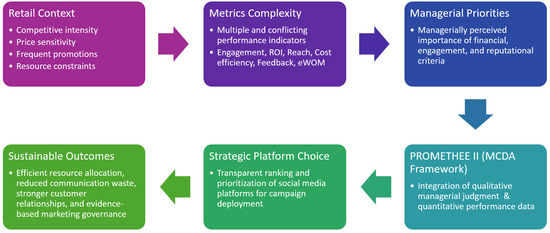
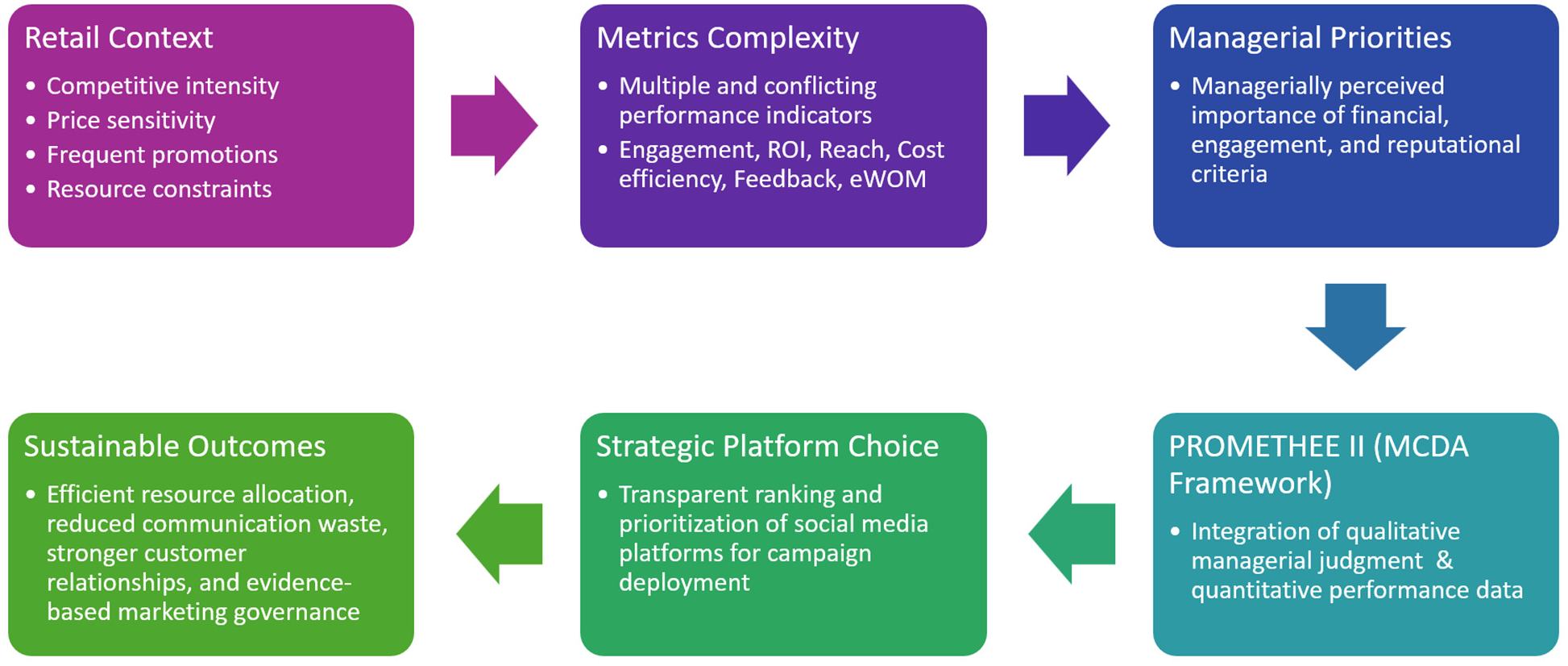
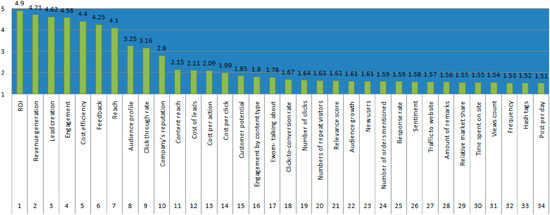
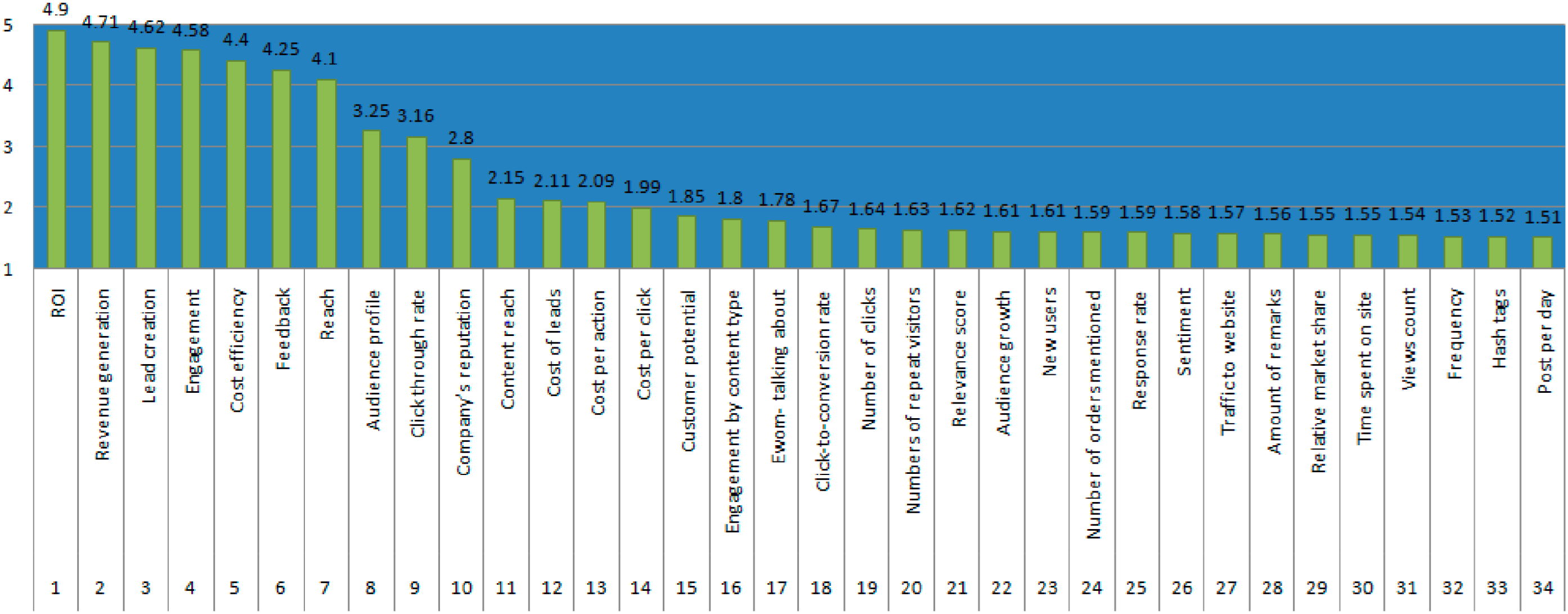
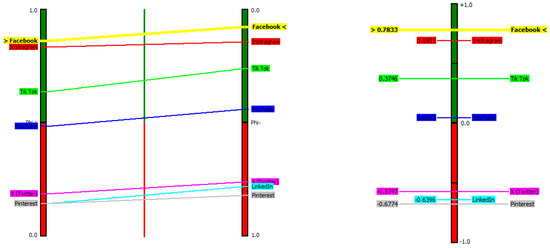
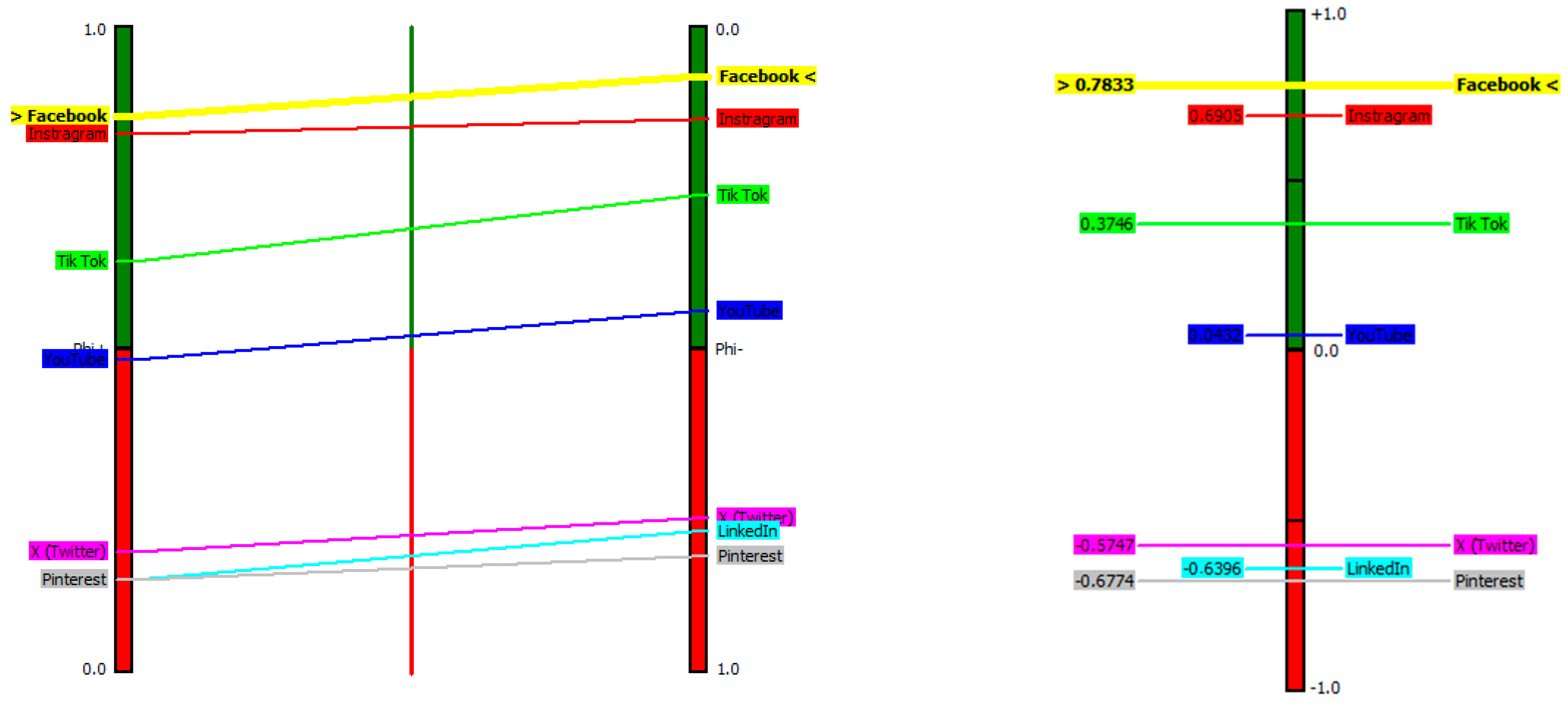
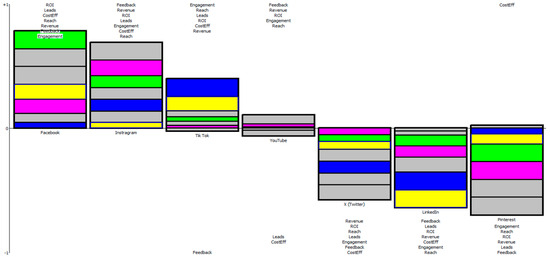
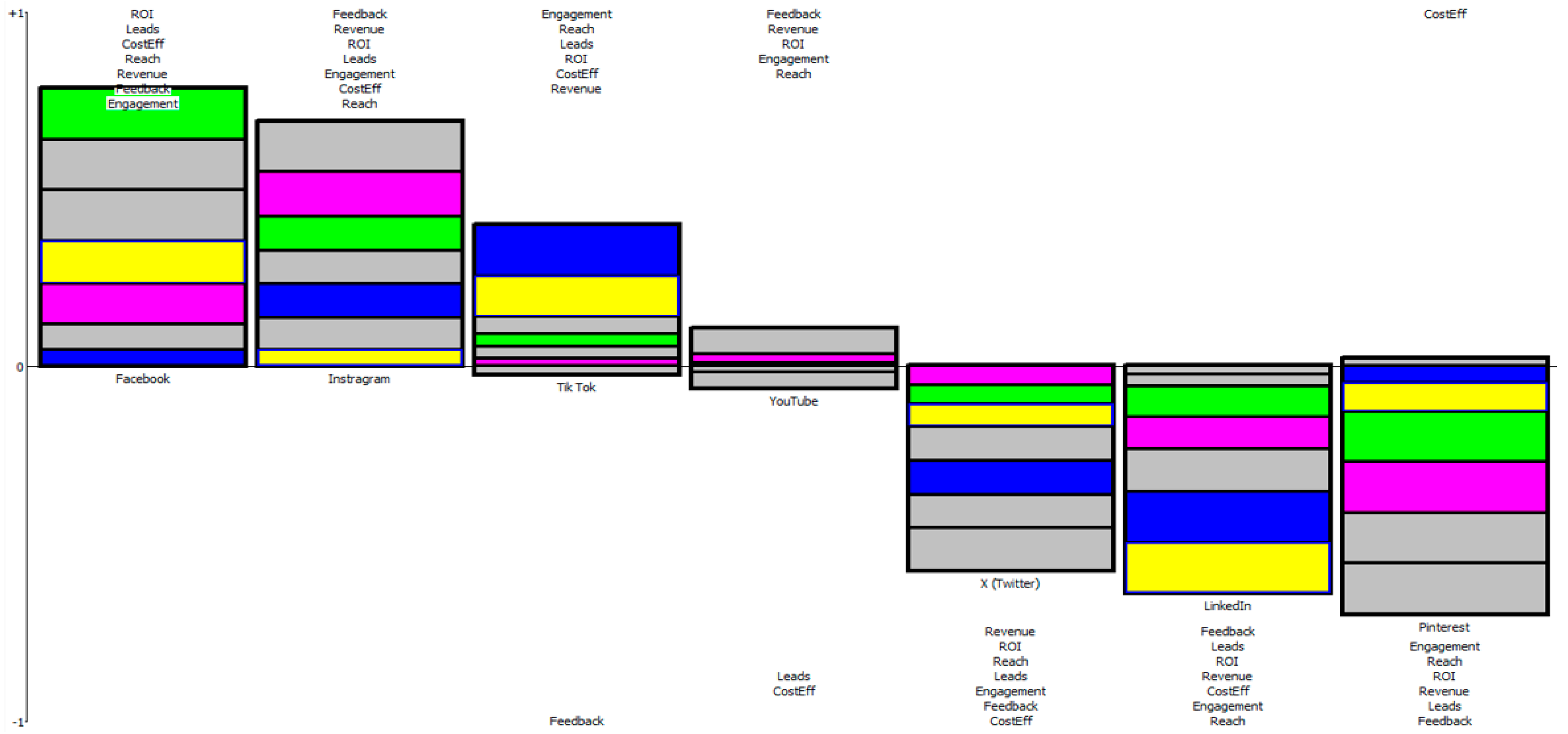
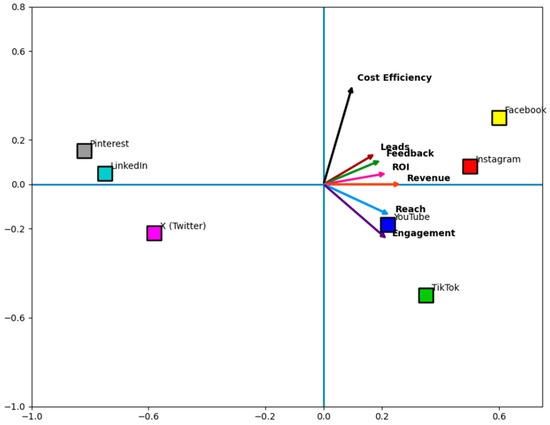
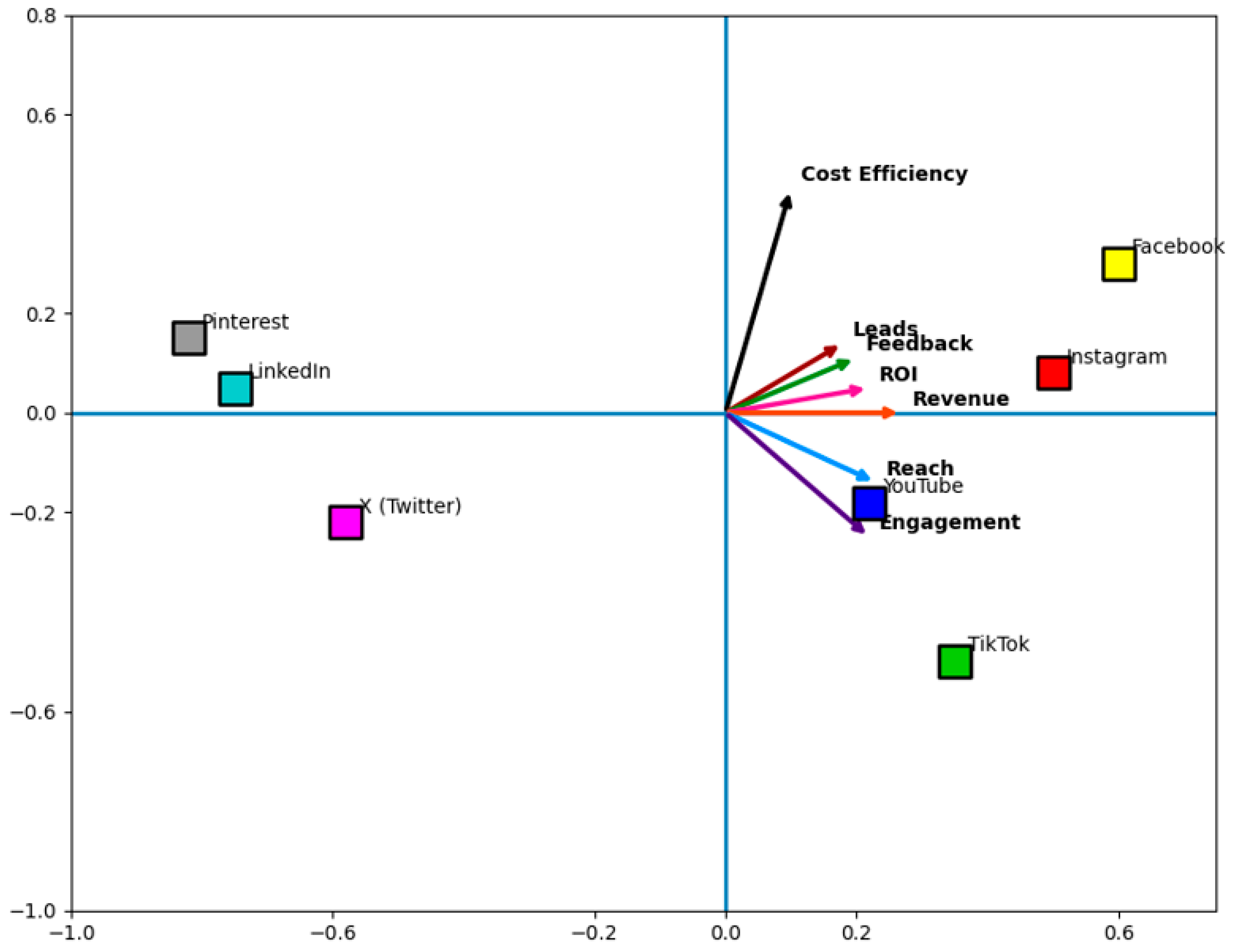
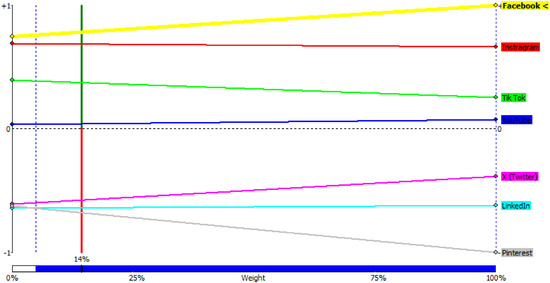
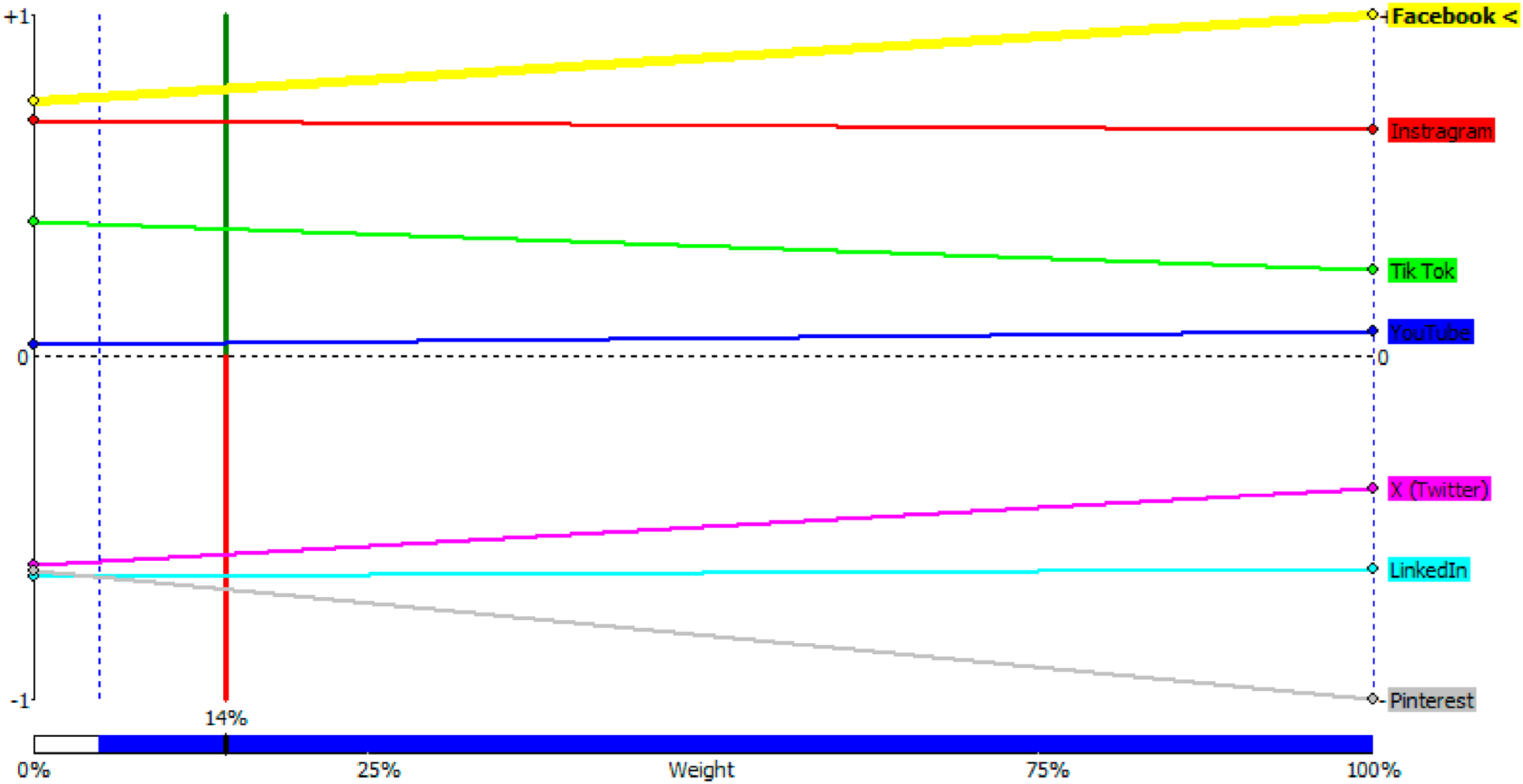

Disclaimer/Publisher’s Note: The statements, opinions and data contained in all publications are solely those of the individual author(s) and contributor(s) and not of MDPI and/or the editor(s). MDPI and/or the editor(s) disclaim responsibility for any injury to people or property resulting from any ideas, methods, instructions or products referred to in the content. |
© 2026 by the authors. Licensee MDPI, Basel, Switzerland. This article is an open access article distributed under the terms and conditions of the Creative Commons Attribution (CC BY) license.