


Abstract
Drawing on person–environment fit and self-congruity theory, this study examines whether tourism preferences and travel-related outcomes differ across 16 self-reported personality types and evaluates the potential contribution of personality information to offering-level market segmentation. A cross-sectional survey generated 502 valid responses from Thai travellers recruited through online and on-site convenience sampling. Pearson’s chi-square tests examined differences across personality types in interest in 18 tourism offerings, reported travel-expenditure categories, and preferred travel companions. The Benjamini–Hochberg procedure was applied to control the false discovery rate across the tourism-offering tests. Significant associations, with small-to-moderate effect sizes, were identified for selected nature-based offerings, comprising ecotourism, geotourism, agritourism, and astrotourism, and selected special-interest offerings, comprising ethnic tourism, adventure tourism, homestay and farm-stay tourism, and meetings, incentives, conferences, and exhibitions tourism. No significant associations were found for the cultural tourism offerings, travel-expenditure categories, or preferred travel companions. These findings indicate that differences across self-reported personality types are offering-specific and are not consistently evident across broader travel-related outcomes. Voluntarily provided personality information may therefore serve as a supplementary input for initial tourism recommendations when behavioural histories are unavailable. However, the results do not establish individual-level predictive accuracy, incremental recommendation value, or stable personality-based market segments. The study clarifies the conditions under which categorical personality information may contribute to tourism personalisation and provides an exploratory foundation for future research using validated personality measures, multi-item preference scales, and out-of-sample predictive modelling.
1. Introduction
Travellers differ in the benefits, activities and service configurations they value. Effective segmentation, therefore, requires variables that are not only statistically discriminating but also interpretable, stable and actionable for product design and targeting. Tourism segmentation has traditionally combined sociodemographic, geographic, behavioural, motivational and benefit-based criteria; however, demographic profiles alone often provide limited insight into why travellers with similar observable characteristics prefer different offerings (Dolnicar, 2020; Nduna & van Zyl, 2020; Nessel et al., 2021). Psychographic information may complement these criteria by capturing variation in lifestyles, values and personality-related orientations (Parra Vargas et al., 2021).
The managerial relevance of psychographic information has increased with the growth of tourism recommender systems and data-enabled personalisation. Such systems attempt to match travellers with destinations, attractions and service bundles using stated preferences, prior behaviour and contextual information. Personality may be particularly useful when behavioural histories are unavailable, as in an initial customer interaction or cold-start recommendation setting. Evidence from continuous personality traits indicates that personality can be associated with attraction preferences, travel motivations, and travel-related concerns. However, the magnitude and consistency of prediction vary across outcomes (Alves et al., 2023). Accordingly, personality should be evaluated as a supplementary market signal rather than a substitute for observed preferences or trip-related information.
Person–environment fit and self-congruity theory offer a theoretical explanation for why personality may correspond with tourism preferences. Consumers may evaluate an experience more favourably when its functional or symbolic attributes are compatible with their needs and self-perceptions. In tourism, self-congruity theory has been linked to destination evaluation. In contrast, functional congruence, the perceived match between consumer needs and destination attributes, may exert a stronger influence on destination choice than symbolic similarity alone (Ahn et al., 2013; Sop, 2020). Personality-related differences should therefore be interpreted as probabilistic compatibility with attributes such as social intensity, novelty, structure, learning, and physical challenge, rather than as fixed rules assigning destinations to personality types.
The Myers–Briggs Type Indicator (MBTI) represents personality through four paired orientations: Extraversion–Introversion, Sensing–Intuition, Thinking–Feeling and Judging–Perceiving. Their combinations yield 16 categorical personality types. The framework has been applied in tourism psychographic segmentation, and earlier work using Jungian or MBTI-related variables suggests that psychological profiles may differentiate some tourism preferences (Gountas & Gountas, 2000). Its categorical format is also comparatively accessible to managers and consumers. Accessibility, however, does not establish predictive validity or the segment’s usefulness.
The MBTI remains contested as a behavioural classification system. Dichotomising personality preferences may obscure heterogeneity within categories and exaggerate differences between individuals near category thresholds. Research has also shown that acceptable measurement properties do not necessarily yield strong predictions of behaviour, while the assumption of discrete true types has been questioned (Stein & Swan, 2019; Zárate-Torres & Correa, 2023). These concerns are especially important when personality is self-reported rather than assessed through a uniform, researcher-administered instrument. The present study, therefore, treats MBTI labels as a candidate grouping variable and does not assume that the 16 types constitute naturally occurring or internally homogeneous market segments.
Prior tourism research leaves four interrelated gaps. First, personality-oriented tourism research has predominantly examined continuous personality traits, lifestyles, or broad motivational profiles, leaving comparatively limited evidence on differences in travel preferences across the 16 self-reported Myers–Briggs Type Indicator profiles (Alves et al., 2023; Parra Vargas et al., 2021). Although recent research has begun connecting MBTI classifications with tourists’ motivations, activity preferences, and destination choices, it has aggregated respondents into four broader personality groupings rather than systematically comparing the preferences associated with all 16 types (Yang et al., 2026). Second, personality-related associations are unlikely to be uniform across tourism offerings because nature-based, cultural, and special-interest products involve different combinations of stimulation, social interaction, novelty, structure, and symbolic meaning (Ahn et al., 2013; Zhang et al., 2023). Third, the relevance of personality may vary across behavioral outcomes. Preferences for tourism offerings may reflect perceived person-product compatibility, whereas tourism expenditure and travel-companion choice are additionally constrained by income, trip characteristics, household composition, relationship availability, and travel purpose (Liu et al., 2025; Mudarra-Fernández et al., 2019; Tan & Lu, 2021). Fourth, the applicability of personality-based tourism segmentation remains insufficiently examined in Thailand. Thailand offers a particularly relevant setting because its tourism portfolio combines nature-based, cultural, gastronomic, wellness, community-based, and other special-interest products that differ considerably in novelty, interaction, stimulation, and symbolic meaning. However, Thai tourism research has mainly examined destination personality, cultural experiences, changes in destination preferences, satisfaction, and post-visit intentions rather than differences in product preferences, expenditure, and companion choices across the 16 MBTI types (Auemsuvarn & Ngamcharoenmongkol, 2022; Prommakhot et al., 2023; Soliman et al., 2025). This omission is increasingly important because recent evidence indicates that Thai travelers seek personalized, convenient, culturally meaningful, and lifestyle-compatible experiences, while Thailand’s tourism strategy increasingly prioritizes diversified, value-based products (C9 Hotelworks & Dusit Thani College, 2025; Tourism Authority of Thailand, 2025). Consequently, it remains unclear whether personality type can explain heterogeneous travel preferences and support more precise tourism-product development and market segmentation in Thailand.
A further concern is how personality-based findings are translated into managerial practice. Statistical differences between categories do not, by themselves, establish stable or actionable segments, particularly when effect sizes are small, group sizes are unequal, or many outcomes are tested (Dolnicar, 2020). Moreover, psychological targeting can pose risks to privacy, autonomy, and the risk of stereotyping when average group differences are converted into deterministic recommendations (Matz et al., 2024). Responsible tourism personalisation should therefore use personality information, if at all, as an optional, probabilistic input alongside stated preferences, observed behaviour and contextual constraints.
By extending person–environment fit and self-congruity theory the study examines whether preferences for tourism offerings, reported categories of tourism expenditure, and preferred travel companions differ across the 16 self-reported MBTI personality types among Thai travellers. The following research questions guide the study:
RQ1.
Do preferences for nature-based, cultural and special-interest tourism offerings differ across the 16 self-reported MBTI personality types?
RQ2.
Do reported tourism-expenditure categories differ across the 16 self-reported MBTI personality types?
RQ3.
Do preferred travel-companion categories differ across the 16 self-reported MBTI personality types?
The study makes three contributions. First, it evaluates personality-related heterogeneity across 18 tourism offerings rather than assuming that a single preference pattern applies to all products. Second, it differentiates offering preferences from expenditure and companion choice, thereby examining the boundary between psychologically oriented evaluations and travel outcomes that are strongly conditioned by economic and social circumstances. Third, it advances a cautious interpretation of personality-based personalisation by treating observed differences as sample-level probabilistic associations rather than as deterministic traveller profiles. This framing clarifies both the potential and the limits of using self-reported personality labels in tourism marketing.
Empirically, the study draws on cross-sectional survey data from 502 Thai respondents recruited through online and on-site convenience channels. Respondents reported a four-letter MBTI type, interest in 18 tourism offerings, average expenditure per trip, preferred travel companion and sociodemographic characteristics. The analysis compares the distributions of these outcomes across the 16 self-reported types. Given the non-probability design, categorical self-report measure and cross-sectional data, the study makes no causal or population-level claims.
2. Literature Review
2.1. Personality-Based Tourism Segmentation and the MBTI
Tourism markets are heterogeneous because travellers differ in the benefits, activities and experiences they value. Market segmentation enables tourism firms to identify groups with relatively similar preferences and to adapt products and communications accordingly. Conventional approaches commonly use sociodemographic, geographic, behavioural, motivational, lifestyle and trip-related variables. However, observable characteristics alone may not explain why travellers with similar backgrounds evaluate the same tourism offering differently. Psychographic variables can therefore complement conventional criteria by capturing psychological differences that may underlie consumer evaluations and preferences (Dolnicar, 2020; Parra Vargas et al., 2021).
Personality is one potential psychographic basis for examining tourism heterogeneity. It reflects relatively enduring differences in how individuals engage with their environments, attend to information, evaluate alternatives and organise activities. Tourism studies that use continuous personality traits have reported associations with attraction preferences, travel motivations, and travel-related concerns, although the strength and consistency of these associations vary across outcomes (Alves et al., 2023). Earlier research using Jungian personality orientations similarly suggested that psychological profiles may distinguish travellers with different product preferences (Gountas & Gountas, 2000). These findings support the examination of personality as a supplementary source of market information, but they do not establish that personality categories constitute stable or actionable market segments.
The Myers–Briggs Type Indicator (MBTI) represents personality through four paired orientations: Extraversion–Introversion, Sensing–Intuition, Thinking–Feeling and Judging–Perceiving. Their combinations produce 16 personality types. These orientations concern preferences for social engagement, information acquisition, decision evaluation and the organisation of activities. Tourism offerings also vary in social intensity, novelty, sensory stimulation, emotional meaning, physical challenge and structure. It is therefore plausible that travellers reporting different MBTI types may evaluate some offerings differently.
Nevertheless, the accessibility of the 16-type framework does not establish behavioural prediction or market usefulness. Dichotomising underlying preferences may obscure differences within a type and exaggerate distinctions between individuals near category boundaries. Evidence from organisational research further indicates that acceptable measurement properties do not necessarily translate into strong behavioural relationships (Zárate-Torres & Correa, 2023). Stein and Swan (2019) also questioned the assumption that individuals possess discrete true types across the four dichotomies. Accordingly, this study treats the reported MBTI type as a candidate grouping variable rather than as a deterministic classification of traveller behaviour. Detailed descriptions of the 16 types are provided as follows.
Sixteen MBTI personality types
- -
- ISTJ
Individuals with the ISTJ personality type are typically quiet and serious. They achieve success through thoroughness and dependability. They are practical, realistic, and responsible, often making decisions based on logic. Once a decision is made, they work steadily toward their goals, regardless of distractions. They take pleasure in maintaining order and organization in their work, home, and personal life. They also place high value on traditions and loyalty (Myers & Myers, 2010).
- -
- ISFJ
ISFJ individuals tend to be quiet, friendly, responsible, and conscientious. They are committed and reliable in fulfilling their duties. Known for being thorough, careful, and precise, they are also loyal and considerate. They pay close attention to the specific needs of people who are important to them and are deeply concerned with others’ feelings. They strive to create an orderly and harmonious environment both at work and at home (Myers & Myers, 2010).
- -
- INFJ
People with the INFJ personality type seek meaning and connection in ideas, relationships, and material possessions. They are motivated to understand what drives others and are insightful in their interactions. Conscientious and guided by strong values, INFJs develop a clear vision of how to contribute to the common good. They are organized and decisive in implementing their ideals (Murie, 2010).
- -
- INTJ
INTJs are known for their original thinking and strong drive to bring their ideas to life. They quickly recognize patterns in external events and use these to form long-term perspectives. When committed to a task, they organize it efficiently and see it through to completion. They are skeptical, independent, and set high standards for competence and performance, both for themselves and others (Murie, 2010).
- -
- ISTP
ISTPs are tolerant and flexible individuals who prefer to observe quietly until a problem arises. When challenges emerge, they respond quickly with practical solutions. They enjoy analyzing how things work and are adept at processing large amounts of data to identify core issues. They value logic and efficiency, and their decisions are typically grounded in objective reasoning (Myers & Myers, 2010).
- -
- ISFP
ISFPs are quiet, friendly, sensitive, and kind. They enjoy living in the present and appreciating the world around them. These individuals prefer having personal space and working at their own pace. They are loyal to their values and to those they care about, and they avoid conflict or confrontation. ISFPs respect differing perspectives and refrain from imposing their own opinions on others (Myers & Myers, 2010).
- -
- INFP
INFPs are idealistic and intensely loyal to their values and to the people they care about. They seek to live a life that aligns with their principles. Curious and imaginative, they are quick to see possibilities and can act as catalysts for new ideas. They strive to understand others and help them reach their full potential. They are adaptable and accepting, except when their core values are challenged (Murie, 2010).
- -
- INTP
INTPs aim to develop logical explanations for everything that captures their interest. They are theoretical and abstract thinkers, often more invested in ideas than in social interactions. Quiet and introspective, they are capable of deep concentration, especially when solving complex problems in their areas of interest. They are analytical, skeptical, and occasionally critical in their evaluations (Myers & Briggs Foundation, 2025).
- -
- ESTP
ESTPs are flexible and tolerant individuals who take a pragmatic approach, focusing on immediate results. They are uninterested in theoretical discussions and prefer action-oriented problem-solving. Living in the moment, they are spontaneous and enjoy being physically active and socially engaged. They appreciate material comforts and learn best through hands-on experiences (Myers & Briggs Foundation, 2025).
- -
- ESFP
ESFPs are outgoing, friendly, and accepting. They approach life with enthusiasm and enjoy people, activities, and material pleasures. They work well with others and use common sense to make tasks enjoyable and manageable. Adaptable and spontaneous, they thrive in new environments and prefer learning through direct experience alongside others (Myers & Briggs Foundation, 2025).
- -
- ENFP
ENFPs are energetic, enthusiastic, and imaginative individuals who see life as full of possibilities. They quickly identify connections between ideas and confidently act upon the patterns they recognize. They seek affirmation from others and readily offer support in return. ENFPs are flexible and spontaneous, often relying on their improvisational skills and verbal fluency (Murie, 2010).
- -
- ENTP
ENTPs are quick-witted, inventive, and intellectually curious. They enjoy tackling new and challenging problems and are adept at generating and analyzing conceptual ideas. Skilled at reading people, they easily grow bored with routine and frequently pursue new interests. Their stimulating presence often inspires creative thinking in others (Murie, 2010).
- -
- ESTJ
ESTJs are practical and realistic individuals who are decisive and action-oriented. They are skilled at organizing tasks and people to achieve efficient results. They take responsibility for routine details and uphold clear, logical standards, expecting others to do the same. ESTJs are assertive in implementing plans and ensuring tasks are completed systematically (Myers & Briggs Foundation, 2025).
- -
- ESFJ
ESFJs are warm-hearted, conscientious, and cooperative. They strive to create harmony in their environment and work diligently to maintain it. They prefer working with others to complete tasks accurately and on time. Loyal and dependable, they are attentive to the needs of others and seek appreciation for their contributions (Myers & Briggs Foundation, 2025).
- -
- ENFJ
ENFJs are warm, empathetic, and responsible individuals who are deeply attuned to others’ emotions and needs. They recognize potential in others and are committed to helping people develop and grow. Often acting as catalysts for personal and group development, they are socially skilled and provide motivating leadership. They are responsive to both praise and criticism (Myers & Briggs Foundation, 2025).
- -
- ENTJ
ENTJs are direct, decisive, and natural leaders. They quickly identify inefficiencies and develop systems to address organizational problems. They enjoy long-term planning and goal-setting, and they are often knowledgeable and well-read. ENTJs are confident in presenting their ideas and take initiative in driving progress and innovation (Myers & Briggs Foundation, 2025).
2.2. MBTI Personality Types and Preferences for Tourism Offerings
2.2.1. Personality–Offering Congruence
Person–environment fit and self-congruity theory provide a theoretical basis for expecting associations between personality and tourism preferences. Person–environment fit suggests that individuals respond more favourably to environments whose characteristics correspond with their needs and orientations. Self-congruity theory similarly proposes that consumers evaluate products, brands and destinations partly by comparing their self-concepts with the symbolic and experiential meanings of an offering. Greater perceived compatibility may support favourable attitudes and behavioural intentions (Ahn et al., 2013; Sop, 2020).
In tourism, however, symbolic similarity is only one part of the evaluation process. Ahn et al. (2013) found that functional congruence, defined as the match between consumer needs and destination attributes, was more influential than self-congruity in destination choice. The relationship between personality and tourism preference is therefore better understood as a possible correspondence between individual orientations and the attributes embedded in an offering. Personality may be associated with the relative appeal of social interaction, novelty, learning, structure, flexibility, emotional meaning or physical stimulation, but it does not prescribe a destination or activity.
This congruence mechanism can accommodate the four MBTI orientations without producing deterministic tourist profiles. Extraversion–Introversion may correspond with preferred levels of interaction and stimulation; Sensing–Intuition with concrete versus interpretive or novel experiences; Thinking–Feeling with functional versus relational considerations; and Judging–Perceiving with structured versus flexible experiences. Because each of the 16 types combines these orientations, travellers assigned to different types may evaluate the same tourism offering differently. These associations remain probabilistic, and they may be weakened because each tourism offering combines several overlapping attributes (Alves et al., 2023; Gountas & Gountas, 2000).
2.2.2. Classification of Tourism Offerings
The study organises 18 tourism offerings into three broad domains: nature-based, cultural and special-interest tourism. These domains are used as an organisational taxonomy rather than as mutually exclusive or psychometrically homogeneous constructs. Tourism categories may be named according to the resource consumed, setting, activity, travel purpose, participant group, or desired experience; consequently, a single offering may span more than one domain (Zhang et al., 2023). The study, therefore, examines each offering as a separate preference indicator and does not assume that all offerings within a domain measure a single latent construct.
Nature-based tourism refers to offerings in which natural environments or phenomena are central to the experience. The present study includes ecotourism, marine ecotourism, geotourism, agritourism and astrotourism. These offerings are not psychologically uniform. They may emphasise conservation, recreation, observation, scientific interpretation, participation, or wonder in different combinations. Differences across MBTI types, if observed, may therefore reflect variation in the appeal of stimulation, learning, novelty, interaction or structure rather than a general preference for nature itself (Parra Vargas et al., 2021; Zhang et al., 2023).
Ecotourism refers to tourism activities in natural areas with unique local characteristics and related cultural resources within ecological systems (Valentine, 1992). It involves a shared learning process among stakeholders and is managed through environmentally responsible practices with the active participation of local communities (Valentine, 1992). The goal is to foster awareness and promote the long-term conservation of ecosystems (UN Tourism, 1997).
Marine Ecotourism is defined as responsible tourism in marine natural areas with distinctive ecological features (Mustafa & Pengiran Bagul, 2022). It incorporates educational experiences and stakeholder involvement under environmental management practices. The local community plays a significant role in tourism development, aiming to raise awareness and ensure the sustainable preservation of marine ecosystems (UN Tourism, 1997).
Geo-Tourism refers to travel to natural geological features such as cliffs, sandstone plateaus, rock tunnels, and limestone caves (Chen et al., 2015). It focuses on appreciating the unique beauty and transformations of Earth’s surface, while providing educational experiences related to rocks, soil, minerals, and fossils. This form of tourism promotes responsible travel, fosters environmental awareness, and encourages local participation in sustainable tourism management (UN Tourism, 1997).
Agro-tourism involves travel to agricultural areas such as farms, orchards, herbal gardens, and animal husbandry sites (Ana, 2017). Tourists engage in activities that highlight the beauty and success of agricultural systems, gaining knowledge and new experiences. This type of tourism emphasizes environmental responsibility and community-based management (UN Tourism, 1997).
Astrotourism refers to travel aimed at observing astronomical phenomena, such as solar eclipses, meteor showers, lunar eclipses, and constellations visible during different times of the year (Pásková et al., 2021). It offers educational opportunities regarding the solar system and creates memorable experiences. This form of tourism promotes responsible behaviour and environmental awareness, with local communities participating in sustainable tourism development (UN Tourism, 1997).
Cultural tourism encompasses offerings based on tangible and intangible heritage, historical environments, traditions, festivals, local lifestyles and cultural practices. The study includes historical, cultural, traditional, and rural tourism. Such offerings can simultaneously provide educational, emotional, aesthetic and social benefits. Their multidimensional and potentially broad appeal may lead to weaker differentiation across personality types, as the same cultural offering can satisfy multiple consumer needs (Ahn et al., 2013; Zhang et al., 2023).
Historical tourism refers to travel to archaeological and historical sites to appreciate and enjoy the cultural and historical significance of a destination (Chhabra & Zhao, 2016). This form of tourism enhances knowledge and understanding of local history and archaeology. It emphasizes responsible travel behaviour, awareness of cultural heritage conservation, and local community participation in tourism management (UN Tourism, 1997).
Cultural and traditional tourism involves travel to attend traditional events and festivals organized by local communities (Richards, 2007). Tourists can experience the aesthetic beauty, local beliefs, rituals, and ceremonies, gaining a deeper understanding of the social and cultural contexts. This form of tourism fosters cultural appreciation, provides new experiences, and promotes environmental and heritage preservation through the involvement of residents (UN Tourism, 1997).
Rural tourism refers to travel to rural villages where local ways of life and creative works are unique and distinctive (Rosalina et al., 2021). Tourists engage with local craftsmanship, traditional wisdom, and rural culture. This type of tourism promotes responsible tourism, cultural awareness, and the preservation of cultural heritage and environmental values through active local community participation in tourism planning and management (UN Tourism, 1997).
Special-interest tourism refers to travel motivated substantially by a particular activity, subject, experience or purpose. The study includes health tourism, educational-meditation tourism, ethnic tourism, sports tourism, adventure tourism, homestay and farm-stay tourism, long-stay tourism, incentive travel, MICE tourism and mixed-form tourism. These offerings differ substantially in social intensity, challenge, planning requirements, emotional value and participant involvement. Their narrower benefit configurations provide a plausible basis for variation across personality types, although the direction of such variation cannot be specified consistently for all 16 types and all offerings (Alves et al., 2023; Zhang et al., 2023).
Health tourism refers to traveling to natural and cultural destinations for relaxation and learning ways to maintain physical and mental health (Hofer et al., 2012). It provides enjoyment and aesthetic experience, as well as awareness about preserving values and the quality of life. Tourists develop consciousness regarding environmental and local cultural conservation. Local communities actively participate in the management of sustainable tourism. In some areas, health tourism may also be developed into health and beauty tourism (UN Tourism, 1997).
Edu-meditation tourism refers to travel for educational and cultural exchange purposes, with an emphasis on religious philosophy, the pursuit of knowledge, and the search for truth in life (UN Tourism, 1997). This includes meditation practice, aimed at enhancing one’s experience and acquiring new knowledge, thereby improving the quality of life. It fosters environmental and cultural awareness, with community involvement in sustainable tourism. Some tourists may also seek to learn about Thai culture and traditional wisdom, such as Thai cooking, Thai massage, Thai dance, Muay Thai, traditional crafts, and elephant training (UN Tourism, 1997).
Ethnic tourism refers to traveling to learn about the lifestyles and cultures of local communities, ethnic minorities, or various tribal groups (King, 1994), such as visiting Thai So, Phu Tai, Kuy, Karen, or Chinese Haw villages. This type of tourism offers new experiences and knowledge, enhances quality of life, and promotes awareness of environmental and cultural conservation. Local communities are actively involved in sustainable tourism practices (UN Tourism, 1997).
Sports tourism refers to travel for the purpose of engaging in various sports according to one’s interest or skill, such as golf, diving, fishing, snooker, surfing, and water skiing (Gozalova et al., 2014). This form of tourism provides enjoyment, excitement, and new experiences. It promotes quality of life and consciousness of environmental and cultural conservation, with local community participation in sustainable tourism management (UN Tourism, 1997).
Adventure tourism refers to traveling to natural attractions with unique characteristics that offer excitement, thrill, and adventure, while ensuring safety and providing memorable and enriching experiences (UN Tourism, 1997).
Home stay & farm stay refer to tourism that allows visitors to stay closely with local families, learning about their way of life and cultural wisdom (Donaldson & Momsen, 2011). Tourists gain valuable life experiences and an increased awareness of environmental and cultural preservation. This type of tourism emphasizes community-based and sustainable management (UN Tourism, 1997).
Extended stay tourism refers to retirees or elderly individuals who wish to spend their later years living abroad (Lyu et al., 2021). Travel becomes the “fifth factor of life,” with tourists typically traveling abroad three to four times a year, each for at least one month (UN Tourism, 1997).
Incentive travel refers to organized trips for customers or sales agents who have achieved outstanding performance or exceeded sales targets (Shinew & Backman, 1995). The companies fully sponsor these trips, which typically last 2–7 days and involve sightseeing and mixed-format travel itineraries (UN Tourism, 1997).
MICE tourism (Meeting, Incentive, Conference, Exhibition) refers to travel associated with business events and conferences (Lee & Chon, 2024). It includes pre-tour and post-tour programs for attendees and their companions. Travel packages may be one-day or multi-day trips (2–4 days), typically offered at an inclusive rate that covers food and tourism services (UN Tourism, 1997).
Mixed-form tourism refers to a combination of the aforementioned types of tourism, curated into long travel programs lasting 2–7 days or more (UN Tourism, 1997). Examples include Eco-Agro Tourism, Agro-Historical Tourism, Eco-Adventure Travel, Geo-Historical Tourism, and Agro-Cultural Tourism (UN Tourism, 1997).
Prior research provides preliminary evidence that personality is associated with some tourism preferences, but it does not demonstrate uniform effects across offerings or samples. Gountas and Gountas (2000) reported differences in tourism preferences among Jungian personality-based groups, while Alves et al. (2023) found that personality dimensions predicted preferences for selected attractions and travel-related outcomes. The findings cannot be converted into fixed product prescriptions for the 16 MBTI types because studies differ in their personality measures, samples, product classifications and analytical procedures. A non-directional hypothesis is therefore appropriate:
H1a.
Preferences for individual nature-based tourism offerings differ significantly across the 16 self-reported MBTI personality types.
H1b.
Preferences for individual cultural tourism offerings differ significantly across the 16 self-reported MBTI personality types.
H1c.
Preferences for individual special-interest tourism offerings differ significantly across the 16 self-reported MBTI personality types.
2.3. MBTI Personality Types and Tourism Expenditure
Tourism expenditure represents the financial resources allocated to transportation, accommodation, food and beverages, activities, shopping and other travel services. It is managerially relevant because groups with different expenditure patterns may require different pricing, bundling and targeting approaches. Expenditure is nevertheless a constrained behavioural outcome rather than a direct expression of personality. Income, trip duration, accommodation, party size, destination prices, travel purpose and other trip characteristics are established correlates of tourism spending (Mudarra-Fernández et al., 2019; Pulido-Fernández et al., 2019; Smolčić Jurdana & Soldić Frleta, 2017).
Personality may be indirectly associated with expenditure by shaping the types of services, activities, or quality levels that travellers value. For example, preferences related to planning, stimulation or interpersonal engagement may correspond with different consumption priorities. However, expenditure occurs only when preferences are combined with financial resources and situational opportunities. A traveller may favour premium experiences but lack the resources to purchase them, while another may spend heavily because of destination prices, family size or business requirements rather than personality. Evidence is therefore insufficient to predict that particular MBTI types will consistently occupy higher or lower expenditure categories.
In this study, expenditure is treated as a boundary outcome that helps distinguish psychologically oriented preferences from decisions strongly constrained by economic and trip-related circumstances. Any observed difference is interpreted as a sample-level association between self-reported type and reported expenditure category, not as evidence that personality causes spending. Because the categories are ordinal and the literature does not support a defensible ranking of all 16 types, the hypothesis is non-directional:
H2.
Reported tourism expenditure categories differ significantly across the 16 self-reported MBTI personality types.
2.4. MBTI Personality Types and Preferred Travel Companions
Travel companions influence tourism decision-making because destinations, activities and services are often selected and experienced jointly. Companion composition may shape participation, satisfaction, technology use, emotional experiences and the negotiation of preferences (Lehto et al., 2009; Tan & Lu, 2021). The present study distinguishes travel with family, a romantic partner, friends, alone and for business with colleagues.
These categories provide different relational and functional conditions. Family travel may foster cohesion and shared memories; travel with friends may emphasise sociability and shared leisure; travel with a partner may support intimacy and relationship maintenance; and solo travel may provide autonomy and control. Business travel is more strongly structured by organisational purpose. Personality may therefore correspond with preferred levels of social engagement, autonomy, relational emphasis and planning, creating a possible association between MBTI type and usual travel-companion category.
The relationship is unlikely to be deterministic. Introversion does not imply social avoidance, and extraversion does not imply a universal preference for group travel. Companion choice is constrained by relationship status, household composition, employment, family life cycle, trip purpose, and others’ availability. Prior research also indicates that companion effects depend on relationship characteristics and experience context (Liu et al., 2025; Tan & Lu, 2021). Preferred travel companion is therefore treated as a second boundary outcome for assessing where personality-based differences may be limited by social circumstances (see Figure 1). Because prior evidence does not support a unique companion prediction for each of the 16 types, a non-directional hypothesis is appropriate:
Figure 1.
The research framework. Source: Author’s own creation.
H3.
Preferred travel-companion categories differ significantly across the 16 self-reported MBTI personality types.
3. Research Methodology
3.1. Research Design and Context
The study used a cross-sectional survey to test associations between self-reported MBTI personality type and three outcomes: interest in tourism offerings, reported expenditure per trip and preferred travel companion. The nonexperimental design supports associational, not causal, inference.
Data were collected in Thailand from 5 to 30 October 2025 through online and on-site questionnaires. On-site recruitment took place at Sithan Public Park and Khon Kaen University in Khon Kaen Province. Online invitations were distributed through the KKU Facebook group, two MBTI-focused Facebook communities, and TikTok. These convenience channels provided access to respondents both inside and outside Khon Kaen, but did not constitute a nationally representative probability sample. Of the 502 retained responses, 300 were completed online and 202 on-site. Accordingly, the study addresses variation within the participating sample rather than estimating population parameters for Thai travellers (see Figure 2).
Figure 2.
Sampling location, Khon Kaen, Thailand. Source: Developed by the authors with Google integration.
3.2. Participants and Recruitment
Participants were recruited through convenience and voluntary-response sampling. Eligibility required Thai nationality, residence in Thailand, age of at least 18 years, at least one trip during the previous 12 months, informed consent and completion of the principal study measures. Responses were excluded for ineligibility, absence of consent, duplication or missing data on the focal variables. No incentive was offered. Recruitment through university-affiliated and MBTI-interest communities may have increased self-selection by respondents familiar with personality classification; this limitation was considered when interpreting the findings.
3.3. Instrument Development and Administration
The Thai-language questionnaire comprised four sections: self-reported MBTI type; interest in tourism offerings, expenditure and travel companion; sociodemographic and trip-related characteristics; and an optional open-ended comment. Three tourism and hospitality academics assessed the item’s relevance, clarity, and terminology. Their review led to revisions of instructions, response categories and definitions of unfamiliar tourism offerings (see Supplementary B and C).
The preliminary questionnaire was pilot-tested with 61 participants, followed by a separate cognitive review involving 20 additional participants. These stages assessed comprehension, response-option adequacy and technical functionality. Only responses obtained with the final, unchanged questionnaire were eligible for the main analysis.
Online respondents completed the questionnaire via Google Forms, whereas on-site respondents completed the same set of items after receiving standardised study instructions (Supplementary B). An explanatory video introduced the four MBTI preference pairs but was not used to assess respondents’ personality types (see Video S1: Video MBTItitle). The video script was prepared and reviewed by the research team, while the descriptions of the 16 MBTI personality types were adapted from Table 1. Respondents who already knew their four-letter personality classification reported it directly (N = 302). These previously known classifications had been obtained through respondents’ own prior personality assessments or personal knowledge. However, the study did not collect information regarding when these assessments were completed, which specific instruments or platforms were used, or whether the classifications were derived from licensed MBTI instruments. Respondents who did not previously know their classification completed the 60-item Open Extended Jungian Type Scales assessment hosted by OpenPsychometrics (i.e., https://www.16personalities.com/th accessed on 20 October 2025) (see Supplementary A) and subsequently reported the resulting four-letter category (N = 200). This external assessment is not the licensed MBTI instrument. Accordingly, all classifications were treated as self-reported MBTI-style type labels rather than researcher-verified MBTI classifications. Because the previously known classifications may have been derived from heterogeneous instruments and at different points in time, their comparability with classifications obtained through the external assessment cannot be assured.
Table 1.
Constructs, indicators, sources of measurement.
3.4. Measures
Self-reported MBTI type was recorded as one nominal variable with 16 response categories. Category descriptions followed the Myers and Briggs Foundation (2025), but the variable was not treated as a researcher-verified psychometric score (see Table 1 for details).
Interest in tourism offerings was measured using 18 binary items, each coded as interested or not interested. Five items represented nature-based tourism (ecotourism, marine ecotourism, geotourism, agritourism and astrotourism), three represented cultural tourism (historical, cultural and traditional, and rural tourism), and ten represented special-interest tourism (health, educational-meditation, ethnic, sports, adventure, homestay and farm-stay, long-stay, incentive, MICE and mixed-form tourism) (details in Table 1). The taxonomy was informed by international tourism terminology and the category-specific literature (United Nations, 2008; Zhang et al., 2023). Each item was analysed separately because the offerings were conceptually distinct rather than interchangeable indicators of a latent scale.
Expenditure was measured with one ordinal item: THB 3600–18,000, THB 18,001–54,000 or more than THB 54,000 per trip adapted from Crompton (1979). Preferred travel companion was measured with one nominal item adapted from Tan and Lu (2021) and Sann et al. (2024): family, romantic partner, friends, alone or business colleagues. Age, gender, education, occupation, and travel frequency were recorded as sample characteristics (details in Supplementary B and C).
3.5. Data Screening and Missing Data
Before analysis, the dataset was screened for participant eligibility, response completeness, duplicate submissions, coding errors, and inconsistent or implausible values. Responses were excluded when participants did not satisfy the inclusion criteria, did not provide informed consent, submitted duplicate questionnaires, or had missing information for the principal variables. Missing categorical responses were not imputed. Analyses were therefore conducted using the valid observations available for each outcome, and the valid sample size should be reported separately in each results table when it differs from the total sample of 502 respondents. Pilot responses were excluded from the final dataset.
3.6. Statistical Analysis
Analyses were conducted in IBM SPSS Statistics 28. Frequencies and percentages were used to describe the sample and focal variables. Pearson chi-square tests assessed independence between the 16-category self-reported MBTI variable and each binary tourism-offering item, the three-category expenditure variable and the five-category travel-companion variable. Tests were two-sided. Each result is reported as χ2 (df, N = n), exact p-value and Cramér’s V. Cramér’s V was interpreted as an effect-size index rather than relying on statistical significance alone (Agresti, 2019; Benjamini & Hochberg, 1995) (see Figure 3).
Figure 3.
Research design of the study. Source. Author’s own creation.
Because 18 separate offering-level associations were examined under RQ1 and H1, the Benjamini–Hochberg procedure was applied across all 18 tourism-offering tests as a single multiplicity family to control the false discovery rate at q = 0.05. Although the offerings were organised into nature-based, cultural, and special-interest tourism domains for theoretical presentation, these categories were treated as an organisational taxonomy rather than as mutually exclusive or psychometrically homogeneous constructs. The domains were therefore not used as separate correction families. Both raw and Benjamini–Hochberg-adjusted p-values are reported. Statistical significance for the offering-level analyses was determined using the raw p-values, whereas adjusted p-values are provided for transparency. Cramér’s V was reported to indicate the strength of each association.
3.7. Ethics and Informed Consent
The study received an exemption determination from the Khon Kaen University Ethics Committee for Human Research under the institutional criteria applicable to survey research involving adult participants (approval ID: HE683414). The exemption was approved at Meeting No. 33/2568 on 2 October 2025, Agenda Item 3.3.15. The study was conducted in accordance with the Declaration of Helsinki. Before completing the questionnaire, all participants received information about the study’s purpose, procedures, voluntary nature, confidentiality protections, and right to withdraw. Written informed consent was obtained from all participants. No directly identifying information was collected, and no financial incentive was provided.
Written informed consent was obtained from all participants prior to the commencement of data collection. Participation was entirely voluntary, and individuals were provided with comprehensive information regarding the study’s objectives, the procedures involved, their right to withdraw at any stage without penalty, and the measures taken to ensure confidentiality (see Supplementary D). The data collection process, encompassing the distribution of invitations and the administration of questionnaires, was conducted from 5 to 30 October 2025. To safeguard personal information, all data were securely stored and anonymized. Consent explicitly encompassed participation, data utilization, and subsequent publication. No financial incentives or compensation were offered to participants (see Figure 3).
4. Empirical Findings
4.1. The Respondents’ Demographic Characteristics
Table 2 describes the demographic, travel, recruitment, and personality characteristics of the 502 respondents. The sample was concentrated among respondents aged 31–40 years (57.6%), company employees (52.0%), bachelor’s degree holders (68.1%), and respondents travelling one to two times per year (44.0%). Consequently, the sample should not be interpreted as broadly representative of Thai travellers.
Table 2.
The respondents’ demographic characteristics.
4.2. MBTI Personality Types and Preferences for Tourism Offerings’s Findings
Pearson’s chi-square tests identified statistically significant associations between self-reported MBTI type and four of the five nature-based tourism interests. Significant associations were found for ecotourism NBT1, χ2 (15, N = 502) = 26.595, p = 0.032, Cramér’s V = 0.230; geotourism NBT3, χ2(15, N = 502) = 25.885, p = 0.039, Cramér’s V = 0.227; agritourism NBT4, χ2(15, N = 502) = 35.045, p = 0.002, Cramér’s V = 0.264; and astrotourism NBT5, χ2(15, N = 502) = 27.522, p = 0.025, Cramér’s V = 0.234. These associations remained significant after the Benjamini–Hochberg correction, with adjusted p values of 0.049, 0.049, 0.012, and 0.049, respectively. In contrast, the association between MBTI type and marine ecotourism NBT2 was not statistically significant, χ2(15, N = 502) = 23.140, p = 0.081, Cramér’s V = 0.215. Thus, the related hypothesis was partially supported, indicating that MBTI type differentiated interest in selected nature-based tourism activities rather than nature-based tourism interest uniformly (see Table 3 and Table 4).
Table 3.
Cross-analysis of MBTI personality types and nature-based tourism interests.
Table 4.
Statistical test summary.
Pearson’s chi-square tests revealed no statistically significant associations between self-reported MBTI type and interest in historical tourism (CBT1), χ2 (15, N = 502) = 10.736, p = 0.771, Cramér’s V = 0.146; cultural and traditional tourism (CBT2), χ2 (15, N = 502) = 18.766, p = 0.225, V = 0.193; or rural tourism (CBT3), χ2 (15, N = 502) = 17.324, p = 0.300, V = 0.186. All associations remained nonsignificant after Benjamini–Hochberg adjustment within the cultural-tourism family (p adjusted = 0.771, 0.450, and 0.450, respectively). Thus, H1b was not supported for cultural-tourism offerings, indicating that self-reported MBTI types did not reliably differentiate cultural-tourism preferences within the participating sample (see Table 5 and Table 6).
Table 5.
Cross-tabulation of MBTI personality types and cultural-based tourism interests.
Table 6.
Statistical test summary.
Pearson’s chi-square tests showed no statistically significant associations between self-reported MBTI type and health tourism (SIT1), χ2 (15, N = 502) = 14.078, p = 0.520, Cramér’s V = 0.167; educational-meditation tourism (SIT2), χ2 (15, N = 502) = 16.136, p = 0.373, V = 0.179; sports tourism (SIT4), χ2 (15, N = 502) = 23.857, p = 0.068, V = 0.218; long-stay tourism (SIT7), χ2 (15, N = 502) = 12.921, p = 0.608, V = 0.160; incentive travel (SIT8), χ2 (15, N = 502) = 24.145, p = 0.063, V = 0.219; or mixed-form tourism (SIT10), χ2 (15, N = 502) = 23.687, p = 0.071, V = 0.217. In contrast, significant associations were identified for ethnic tourism (SIT3), χ2 (15, N = 502) = 28.614, p = 0.018, V = 0.239; adventure tourism (SIT5), χ2 (15, N = 502) = 33.148, p = 0.004, V = 0.257; homestay and farm-stay tourism (SIT6), χ2 (15, N = 502) = 33.649, p = 0.004, V = 0.259; and MICE tourism (SIT9), χ2 (15, N = 502) = 47.953, p < 0.001, V = 0.309. These four associations remained significant after Benjamini–Hochberg adjustment within the ten-test special-interest tourism family (p adjusted = 0.045, 0.015, 0.015, and <0.001, respectively). Thus, H1c received partial support within the special-interest tourism domain, indicating that self-reported MBTI types differentiated preferences for selected offerings rather than special-interest tourism uniformly (see Table 7 and Table 8).
Table 7.
Statistical summary between MBTI personality and special interest tourism.
Table 8.
Cross-analysis of MBTI personality types and special interest tourism.
Adjusted-residual analysis further identified the specific MBTI groups contributing to these associations. For example, ESFP and INFJ respondents demonstrated higher-than-expected interest in Ethnic Tourism SIT3, whereas INTJ respondents demonstrated lower-than-expected interest. For Adventure Tourism SIT5, the proportions of “Interesting” responses were lower than expected among ESTJ, INFJ, and INTJ respondents. For Home Stay & Farm Stay SIT6, INFJ respondents reported higher-than-expected interest, whereas ENTP respondents reported lower-than-expected interest. MICE Tourism SIT9 displayed the most pronounced variation: ESTJ, ESTP, and ISTJ respondents reported higher-than-expected interest, while INFP and ISTP respondents reported lower-than-expected interest. These patterns are descriptive only. The omnibus chi-square tests do not establish statistically significant differences between particular personality types, and the relatively small type-specific samples limit the stability of the percentages.
4.3. MBTI Personality Types and Travel Expenditure’s Findings
A Pearson chi-square test initially indicated no statistically significant association between self-reported MBTI personality type and tourism-expenditure category, χ2(30, N = 502) = 20.22, asymptotic p = 0.911, Cramér’s V = 0.142. Examination of the expected frequencies showed that 10 of the 48 cells (20.8%) had expected counts below five, although no expected count was below one and the minimum expected count was 3.33. Because the proportion of cells with expected counts below five marginally exceeded the conventional guideline, a Monte Carlo conditional test based on 2,000,000 sampled tables with fixed marginal totals was conducted. The Monte Carlo result was also nonsignificant, p = 0.916, 99% CI [0.916, 0.917]. Thus, the analysis did not provide evidence that tourism-expenditure categories differed across the 16 self-reported MBTI types. Accordingly, H2 was not supported (see Table 9 and Table 10).
Table 9.
Cross-tabulation of MBTI personality types and travel-expenditure levels.
Table 10.
The Monte Carlo result.
4.4. MBTI Personality Types and Preferred Travel Companions’ Findings
A Pearson chi-square test initially indicated no statistically significant association between self-reported MBTI personality type and preferred travel companion, χ2(60, N = 502) = 67.36, asymptotic p = 0.240, Cramér’s V = 0.183. Examination of the expected frequencies showed that 32 of the 80 cells (40.0%) had expected counts below five, although no expected count was below one and the minimum expected count was 1.67. Because the conventional expected-frequency guideline was not satisfied, a Monte Carlo conditional test based on 2,000,000 sampled tables with fixed marginal totals was conducted. The Monte Carlo result was likewise nonsignificant, p = 0.239, 99% CI [0.238, 0.239]. Therefore, the analysis did not provide evidence that preferred travel-companion categories differed across the 16 self-reported MBTI types (H3 not supported) (see Table 11 and Table 12).
Table 11.
Cross-tabulation of MBTI personality types and preferred travel companions.
Table 12.
Statistical results of Monte Carlo conditional test.
5. Discussion
The results provide partial support for H1a and H1c. Still, there is no support for H1b, demonstrating that associations between self-reported MBTI type and tourism preferences are offering-specific rather than uniform across broader tourism domains. Within nature-based tourism, MBTI type differentiated preferences for ecotourism, geotourism, agritourism and astrotourism, but not marine ecotourism. Similarly, within special-interest tourism, significant differences emerged for ethnic tourism, adventure tourism, homestay and farm-stay tourism, and MICE tourism. In contrast, the remaining offerings were not reliably differentiated by personality type. These findings are consistent with evidence that personality can predict selected attraction preferences and travel motivations, although its relevance varies across tourism outcomes and product attributes (Alves et al., 2023; Parra Vargas et al., 2021). They also extend earlier psychographic segmentation research by showing that categorical personality information may discriminate among narrowly defined offerings without establishing homogeneous personality-based tourism segments. From a person–offering congruence perspective, the significant associations may reflect differences in the compatibility between respondents’ orientations and attributes such as novelty, physical challenge, social interaction, learning, structure and emotional meaning. This interpretation is consistent with Ahn et al. (2013), who found that functional congruence can be more influential than symbolic self-congruity in destination choice, and with Sop’s (2020) conclusion that the effects of congruity depend on how consumers evaluate specific destination characteristics. The exploratory percentages further illustrate this attribute-specific pattern: INFJ, ISFP and ENFP respondents expressed comparatively strong interest in homestay and farm-stay tourism, whereas ESTJ, ISTJ and ESTP respondents showed relatively high interest in MICE tourism. However, these contrasts should not be interpreted as statistically confirmed pairwise differences or fixed-type profiles, because the omnibus tests identify overall associations rather than the specific groups responsible for them. The absence of significant results across all three cultural-tourism offerings is equally informative. Historical, traditional and rural experiences can simultaneously provide educational, aesthetic, relational and emotional benefits, potentially giving them broad appeal across personality categories and reducing their discriminatory capacity. This interpretation supports the manuscript’s treatment of tourism domains as organisational taxonomies rather than homogeneous psychological constructs (Zhang et al., 2023). Collectively, the findings refine earlier claims that personality shapes tourism behaviour by showing that self-reported MBTI type supplies, at most, supplementary information for selected offerings. This cautious conclusion is particularly important given concerns that categorical MBTI classifications may conceal within-type heterogeneity and need not translate into reliable behavioural prediction (Stein & Swan, 2019; Zárate-Torres & Correa, 2023).
Collectively, the results refine earlier claims concerning personality-based tourism segmentation. They are consistent with Yang et al. (2026) and Gountas and Gountas (2000) in indicating that Jungian or MBTI-style personality classifications may correspond with selected travel preferences. However, after controlling the false discovery rate across all 18 offerings, only four associations remained statistically significant, with Cramér’s V values indicating small-to-moderate differentiation and substantial overlap among personality groups. The observed patterns may also reflect demographic, experiential, situational, and measurement-related influences that were not controlled in the present analyses. Accordingly, categorical personality information should be regarded as a supplementary segmentation input rather than a sufficient basis for predicting individual preferences or constructing fixed traveller profiles.
H2 was not supported because reported travel expenditure categories did not differ significantly across the 16 self-reported MBTI types. This nonsignificant result suggests a possible boundary to the discriminatory value of self-reported MBTI categories for expenditure bands in this sample. Although personality may influence the experiences or service attributes that consumers value, expenditure materialises only when such preferences interact with income, destination prices, trip duration, accommodation choice, travel-party size, and other situational conditions. The result is therefore consistent with Mudarra-Fernández et al. (2019), whose systematic review identified tourism spending as a multidetermined outcome shaped by tourist, trip and destination characteristics, and with Pulido-Fernández et al. (2019), who demonstrated that expenditure depends on a combination of socioeconomic and travel-related factors. It also accords with evidence that satisfaction and consumption context can affect tourist spending independently of stable psychological characteristics (Smolčić Jurdana & Soldić Frleta, 2017). Rather than establishing that personality is entirely irrelevant to tourism consumption, the finding suggests that a categorical personality label is too distal to distinguish expenditure bands when purchasing power and trip circumstances are not incorporated into the analysis. This interpretation also helps explain why offering-level preferences were differentiated more frequently than expenditure: stating interest involves an evaluation of perceived experiential fit, whereas spending requires both preference and the economic capacity or situational opportunity to act on it. Consequently, MBTI type should not be used as a proxy for customer value, price sensitivity or spending potential, and expenditure-based targeting should rely primarily on observed transactions, income-related information and trip characteristics.
H3 was also not supported, indicating that preferences for travelling with family, a partner, friends, business colleagues or alone did not differ reliably across the self-reported MBTI types. These findings challenge simplistic assumptions that extraverted travellers necessarily prefer group travel or that introverted travellers prefer travelling alone. Preferred companionship is embedded within relational and situational structures, including marital status, household composition, family life cycle, employment obligations, trip purpose and the availability of potential companions. The result is consistent with Tan and Lu (2021), who showed that travel-companion relationships influence tourism behaviour through the social context in which travel occurs, and with Liu et al. (2025), who conceptualised companionship as a multidimensional phenomenon that depends on relationship characteristics and experience context. It also corresponds with evidence that family travel involves collective functioning and shared decision-making rather than the isolated expression of one individual’s personality (Lehto et al., 2009). The nonsignificant result does not imply that personality has no role in social preferences during travel; instead, it indicates that the present analysis did not find evidence that the 16-category variable differentiated preferred companion categories. The combined findings for H2 and H3 therefore sharpen the study’s central contribution: self-reported MBTI information may capture limited heterogeneity in evaluations of specific tourism offerings, but it provides substantially less discriminatory information for outcomes constrained by financial resources, social relationships and trip purpose. Personality-based personalisation should consequently be treated as an optional, probabilistic input used alongside stated preferences, observed behaviour, and contextual information, rather than as an independent basis for traveller segmentation or targeting (Sann, 2026a, 2026b).
6. Conclusions
This study examined whether preferences for 18 tourism offerings, reported travel expenditure, and preferred travel companions differed across 16 self-reported MBTI personality types among Thai travellers. The findings provide partial support for H1a and H1c: MBTI type was associated with selected nature-based offerings, namely ecotourism, geotourism, agritourism and astrotourism, and selected special-interest offerings, namely ethnic tourism, adventure tourism, homestay and farm-stay tourism, and MICE tourism. By contrast, H1b was not supported because none of the cultural-tourism offerings differed significantly across types. H2 and H3 were also not supported, indicating that MBTI type did not reliably differentiate expenditure or travel-companion categories. Overall, the findings establish a clear boundary to the explanatory value of categorical personality information: self-reported MBTI type may capture limited heterogeneity in evaluations of narrowly specified tourism offerings but provides little information about broader cultural interests or travel outcomes constrained by economic resources, social relationships and trip purpose. Personality categories should therefore be interpreted as probabilistic and supplementary market signals, not as deterministic traveller profiles or independently validated market segments.
6.1. Theoretical Implications
This study offers three theoretical implications. First, it refines personality-based tourism segmentation by demonstrating that personality-related heterogeneity operates at the level of individual offerings rather than entire tourism domains. The coexistence of significant and nonsignificant associations within both nature-based and special-interest tourism indicates that these domains should not be treated as psychologically homogeneous constructs. Instead, each offering contains a distinct configuration of attributes, including novelty, social interaction, learning, structure, physical challenge and emotional meaning, that may correspond differently with individual orientations. This conclusion advances earlier evidence that personality predicts selected, rather than universal, attraction preferences and travel motivations (Alves et al., 2023; Parra Vargas et al., 2021). It also supports the conceptual treatment of tourism categories as organisational taxonomies whose constituent offerings may overlap yet remain experientially distinct (Zhang et al., 2023).
Second, the findings qualify the application of person–environment fit and self-congruity perspectives to tourism consumption. Significant associations for selected offerings are consistent with the proposition that consumers respond more favourably when product attributes correspond with their needs and orientations. However, the absence of differentiation in marine ecotourism, cultural offerings, and most special-interest products indicates that personality–offering congruence is conditional rather than general. This finding is consistent with evidence that functional congruence, or compatibility between consumer needs and concrete destination attributes, may be more relevant to destination choice than symbolic similarity alone (Ahn et al., 2013). It also reinforces Sop’s (2020) conclusion that congruity effects depend upon the focal tourism object and the mechanisms through which consumers evaluate it. Thus, the theoretical contribution is not that MBTI types inherently prefer certain tourism domains, but that categorical personality information may correspond to selected attribute configurations under specific offering conditions.
Third, the study distinguishes psychologically proximate evaluations from economically and socially constrained outcomes. Offering interest can reflect perceived experiential compatibility, whereas expenditure and companion choice require preferences to interact with purchasing power, destination prices, trip characteristics, household structure, relationship availability and travel purpose. The nonsignificant results for H2 and H3, therefore, identify an important boundary condition for personality-based tourism research. They suggest that the explanatory relevance of personality decreases as an outcome becomes more dependent on contextual resources and social structures. This distinction extends the literature beyond the question of whether personality “matters” by specifying the types of outcomes for which categorical personality information may have limited relevance. At the same time, the findings support existing cautions that MBTI categories may conceal substantial within-type heterogeneity and should not automatically be treated as stable behavioural classifications (Stein & Swan, 2019; Zárate-Torres & Correa, 2023).
6.2. Managerial Implications
The findings suggest that tourism firms should use self-reported personality information only as an optional input for offering-level personalization. When customers voluntarily provide personality labels and behavioural histories are unavailable, such information may help diversify initial recommendations for products whose experiential attributes are comparatively distinctive. For example, recommendations could vary the visibility of adventure, community-based accommodation, ecotourism, astrotourism or professionally structured MICE products. However, managers should not convert the exploratory type-specific percentages into fixed rules, such as assuming that all INFJ consumers prefer homestays or that all ESTJ consumers prefer MICE tourism. The omnibus associations do not establish statistically verified pairwise differences, individual-level prediction or stable market segments. Personality information should therefore supplement stated interests, search behaviour, previous bookings, destination constraints and real-time contextual data, consistent with evidence that personality contributes to tourism recommendation but does not replace direct preference information (Alves et al., 2023).
The nonsignificant findings are equally relevant to marketing decisions. Cultural-tourism products should not be narrowly targeted by MBTI category because historical, traditional and rural experiences appear to attract consumers across personality types. Their communications may be more effectively differentiated by benefits, such as learning, authenticity, aesthetics, social connection or local participation. Likewise, MBTI labels should not be used to infer spending capacity, price sensitivity or customer lifetime value. Expenditure segmentation should instead rely on transactional history, income-related information, trip duration, accommodation, party size and destination characteristics, which are established correlates of tourism spending (Mudarra-Fernández et al., 2019; Pulido-Fernández et al., 2019). Companion-based recommendations should incorporate relationship status, party composition and trip purpose rather than assuming that introversion implies solo travel or extraversion implies group travel (Liu et al., 2025; Tan & Lu, 2021).
Finally, responsible implementation requires transparency, consent and safeguards against stereotyping. Tourism firms should explain why personality information is requested, make its provision optional and allow customers to revise or override recommendations. Systems should avoid presenting personality-based suggestions as psychological diagnoses or predetermined matches. Because psychological targeting can affect autonomy and create privacy concerns when probabilistic group differences are translated into individualized interventions, personality data should be minimized, protected and combined with less sensitive behavioural and contextual indicators (Matz et al., 2024). The managerial value of the present findings therefore lies in cautious recommendation enrichment, not in constructing rigid personality-based customer segments.
6.3. Strengths, Limitations and Future Research
This study has several strengths, including a relatively large overall sample, representation of all 16 self-reported personality types, and the examination of 18 specific tourism offerings rather than a single aggregate preference measure. It also distinguished offering interest from reported expenditure and preferred travel companion, reported effect sizes and expected-frequency diagnostics, and controlled the false discovery rate across all 18 offering-level tests. These features provide a transparent and comparatively conservative assessment of the extent to which self-reported MBTI-style personality classifications are associated with different tourism outcomes.
Several limitations inform the interpretation of the findings. First, convenience and voluntary-response sampling through university and MBTI-related channels limits representativeness and may introduce self-selection bias. Future studies should adopt stratified, multi-regional and cross-cultural samples while preserving population type distributions. Second, self-reported MBTI classifications may create measurement error, conceal within-type heterogeneity and exaggerate differences near dichotomy thresholds (Stein & Swan, 2019; Zárate-Torres & Correa, 2023). Standardized assessments and comparisons with continuous personality measures, particularly the Big Five, are therefore recommended. Third, binary interest measures cannot capture preference intensity, familiarity or uncertainty; graded, multi-item scales and standardized tourism definitions could improve measurement validity. Fourth, the cross-sectional design establishes associations rather than causality or actual travel behaviour. Longitudinal and behavioural studies should evaluate incremental predictive value. Finally, unequal group sizes and sparse frequencies may destabilize estimates. Preregistered hypotheses, exact procedures, adjusted post hoc analyses and replication across subgroups are needed to establish robustness and practical significance.
A further limitation concerns the comparability of the personality classifications. Respondents who previously knew their four-letter personality types may have derived their classifications from different assessments, online platforms, or personal interpretations. The study did not record the specific instruments used or the timing of these prior assessments. In contrast, respondents who did not know their classifications completed the same 60-item external assessment. Differences in measurement instruments, administration conditions, and assessment timing may therefore have introduced classification inconsistency between the two groups. Moreover, because personality preferences and self-perceptions may vary over time, previously obtained classifications may not fully represent respondents’ characteristics at the time of data collection. The findings should consequently be interpreted as associations involving self-reported MBTI-style type labels rather than classifications established through a uniform, researcher-administered, or licensed MBTI assessment.
Supplementary Materials
The following supporting information can be downloaded at https://www.mdpi.com/article/10.3390/admsci16110547/s1: Supplementary A_HE683414_QR Code MBTI Testing, Supplementary B_HE683414_QR Code online Survey, Supplementary C_MBTI Questionnaire, Supplementary D_HE683414_ PR Online, Video S1: Video MBTI.
Author Contributions
R.S.: Conceptualization, Methodology, Software, Validation, Formal analysis, Investigation, Resources, Data Curation, Supervision, Writing—Original Draft, Writing—Review & Editing, Visualization, Project administration, Funding acquisition. A.B.: Supervision, Writing—Review & Editing. P.P.: Conceptualization, Methodology, Software, Formal analysis, Data Collection, Writing—Original Draft. N.P.: Conceptualization, Methodology, Data Collection. A.S.: Conceptualization, Methodology, Data Collection. K.C.: Conceptualization, Methodology, Data Collection. K.K.: Conceptualization, Methodology, Data Collection. S.T.: Conceptualization, Methodology, Data Collection. All authors have read and agreed to the published version of the manuscript.
Funding
There is no external funding for this research.
Institutional Review Board Statement
The study was conducted in accordance with the Declaration of Helsinki and approved by the Khon Kaen University Ethics Committee for Human Research (protocol code HE683414 and 6 October 2025).
Informed Consent Statement
Informed consent was obtained from all subjects involved in the study.
Data Availability Statement
The data supporting the findings of this study are available from the corresponding author upon reasonable request.
Acknowledgments
Generative AI tools, including Microsoft Copilot (GPT, version 5.6 Sol), were used solely to support language editing and improve the clarity and readability of the manuscript. The authors reviewed, revised, and take full responsibility for all manuscript content, analyses, interpretations, and conclusions. Synthesia, version 3.0 was used separately to produce an explanatory video based on a script prepared and reviewed by the research team. The video introduced the four personality preference pairs and was not used to assess, verify, or assign participants’ personality classifications.
Conflicts of Interest
The authors declare no conflicts of interest.
References
- Agresti, A. (2019). An introduction to categorical data analysis (3rd ed.). Wiley. [Google Scholar]
- Ahn, T., Ekinci, Y., & Li, G. (2013). Self-congruence, functional congruence, and destination choice. Journal of Business Research, 66(6), 719–723. [Google Scholar] [CrossRef] [Scilit]
- Alves, P., Martins, H., Saraiva, P., Carneiro, J., Novais, P., & Marreiros, G. (2023). Group recommender systems for tourism: How does personality predict preferences for attractions, travel motivations, preferences and concerns? User Modeling and User-Adapted Interaction, 33(5), 1141–1210. [Google Scholar] [CrossRef] [Scilit]
- Ana, M. I. (2017). Ecotourism, agro-tourism, and rural tourism in the European Union. Cactus Tourism Journal, 15(2), 6–14. [Google Scholar]
- Auemsuvarn, P., & Ngamcharoenmongkol, P. (2022). Destination personality: A dimensions analysis and a new scale development in Thailand. International Journal of Tourism Cities, 8(4), 1019–1041. [Google Scholar] [CrossRef] [Scilit]
- Benjamini, Y., & Hochberg, Y. (1995). Controlling the false discovery rate: A practical and powerful approach to multiple testing. Journal of the Royal Statistical Society: Series B (Methodological), 57(1), 289–300. [Google Scholar] [CrossRef] [Scilit]
- C9 Hotelworks & Dusit Thani College. (2025). NextGen Thai travelers 2025. C9 Hotelworks. Available online: https://www.linkedin.com/posts/c9hotelworks_nextgen-thai-travelers-2025-activity-7285506828174532610-RO00/ (accessed on 23 September 2025).
- Chen, A., Lu, Y., & Ng, Y. C. (2015). The principles of geotourism. Springer. [Google Scholar]
- Chhabra, D., & Zhao, S. (2016). Historical tourism. In J. Jafari, & H. Xiao (Eds.), Encyclopedia of tourism. Springer. [Google Scholar] [CrossRef] [Scilit]
- Crompton, J. L. (1979). Motivations for pleasure vacation. Annals of Tourism Research, 6(4), 408–424. [Google Scholar] [CrossRef] [Scilit]
- Dolnicar, S. (2020). Market segmentation analysis in tourism: A perspective paper. Tourism Review, 75(1), 45–48. [Google Scholar] [CrossRef] [Scilit]
- Donaldson, J., & Momsen, J. (2011). Farm-stay tourism in California: The influence of type of farming. In Tourism and agriculture (pp. 163–172). Routledge. [Google Scholar]
- Gountas, J. Y., & Gountas, S. (2000). A new psychographic segmentation method using Jungian MBTI variables in the tourism industry. Tourism Analysis, 5(2–4), 151–156. [Google Scholar]
- Gozalova, M., Shchikanov, A., Vernigor, A., & Bagdasarian, V. (2014). Sports tourism. Polish Journal of Sport and Tourism, 21(2), 92–96. [Google Scholar] [CrossRef] [Scilit]
- Hofer, S., Honegger, F., & Hubeli, J. (2012). Health tourism: Definition focused on the Swiss market and conceptualisation of health (i) ness. Journal of Health Organization and Management, 26(1), 60–80. [Google Scholar] [CrossRef] [Scilit]
- King, B. (1994). What is ethnic tourism? An Australian perspective. Tourism Management, 15(3), 173–176. [Google Scholar] [CrossRef] [Scilit]
- Lee, J., & Chon, K. (2024). MICE Tourism. In J. Jafari, & H. Xiao (Eds.), Encyclopedia of tourism. Springer. [Google Scholar] [CrossRef] [Scilit]
- Lehto, X. Y., Choi, S., Lin, Y.-C., & MacDermid, S. M. (2009). Vacation and family functioning. Annals of Tourism Research, 36(3), 459–479. [Google Scholar] [CrossRef] [Scilit]
- Liu, B., Moyle, B., Kralj, A., Vada, S., Chang, L., & Lu, S. E. (2025). Rethinking travel companionship: An alternative conceptual model and future research agenda. Journal of Hospitality & Tourism Research, 49(4), 842–859. [Google Scholar] [CrossRef] [Scilit]
- Lyu, J., Huang, H., & Mao, Z. (2021). Middle-aged and older adults’ preferences for long-stay tourism in rural China. Journal of Destination Marketing & Management, 19, 100552. [Google Scholar] [CrossRef] [Scilit]
- Matz, S. C., Beck, E. D., Atherton, O. E., White, M., Rauthmann, J. F., Mroczek, D. K., Kim, M., & Bogg, T. (2024). Personality science in the digital age: The promises and challenges of psychological targeting for personalized behavior-change interventions at scale. Perspectives on Psychological Science, 19(6), 1031–1056. [Google Scholar] [CrossRef] [Scilit]
- Mudarra-Fernández, A. B., Carrillo-Hidalgo, I., & Pulido-Fernández, J. I. (2019). Factors influencing tourist expenditure by tourism typologies: A systematic review. Anatolia, 30(1), 18–34. [Google Scholar] [CrossRef] [Scilit]
- Murie, J. (2010). Knowing me, knowing you: Personality and peer appraisal. The British Journal of General Practice, 60(574), 382. [Google Scholar] [CrossRef] [Scilit]
- Mustafa, F. H., & Pengiran Bagul, A. H. B. (2022). Sustainable coastal and marine ecotourism: Opportunities and benefits. In Life below water (pp. 955–965). Springer International Publishing. [Google Scholar]
- Myers & Briggs Foundation. (2025). The MBTI system works for people. Available online: https://www.myersbriggs.org/my-mbti-personality-type/why-learn-type/ (accessed on 28 October 2025).
- Myers, I. B., & Myers, P. B. (2010). Gifts differing: Understanding personality type. Nicholas Brealey. [Google Scholar]
- Nduna, L. T., & van Zyl, C. (2020). A benefit segmentation framework for a nature-based tourism destination: The case of Kruger, Panorama and Lowveld areas in Mpumalanga Province. International Journal of Tourism Cities, 6(4), 953–973. [Google Scholar] [CrossRef] [Scilit]
- Nessel, K., Kościółek, S., Wszendybył-Skulska, E., & Kopera, S. (2021). Benefit segmentation in the tourist accommodation market based on eWOM attribute ratings. Information Technology & Tourism, 23, 265–290. [Google Scholar] [CrossRef] [Scilit]
- Parra Vargas, E., de-Juan-Ripoll, C., Bueno Panadero, M., & Alcañiz, M. (2021). Lifestyle segmentation of tourists: The role of personality. Heliyon, 7(7), e07579. [Google Scholar] [CrossRef] [Scilit]
- Pásková, M., Budinská, N., & Zelenka, J. (2021). Astrotourism–exceeding limits of the earth and tourism definitions? Sustainability, 13(1), 373. [Google Scholar] [CrossRef] [Scilit]
- Prommakhot, S., Arreeras, T., & Arimura, M. (2023). Data on changes in travel destination preferences of Thai domestic travelers before and after the COVID-19 pandemic. Data in Brief, 48, 109202. [Google Scholar] [CrossRef] [Scilit]
- Pulido-Fernández, J. I., Carrillo-Hidalgo, I., & Mudarra-Fernández, A. B. (2019). Factors that influence tourism expenditure in World Heritage Cities. Anatolia, 30(4), 530–546. [Google Scholar] [CrossRef] [Scilit]
- Richards, G. (2007). Cultural tourism: Global and local perspectives. Psychology Press. [Google Scholar]
- Rosalina, P. D., Dupre, K., & Wang, Y. (2021). Rural tourism: A systematic literature review on definitions and challenges. Journal of Hospitality and Tourism Management, 47, 134–149. [Google Scholar] [CrossRef] [Scilit]
- Sann, R. (2026a). Beyond satisfaction: Symbolic, functional, and evaluative routes to destination loyalty intention. Administrative Sciences, 16(10), 483. [Google Scholar] [CrossRef] [Scilit]
- Sann, R. (2026b). From content to travel: How blogs and vlogs shape destination diagnosticity and visit intention. Journal of Theoretical and Applied Electronic Commerce Research, 21(9), 314. [Google Scholar] [CrossRef] [Scilit]
- Sann, R., Chen, C. T., Liaw, S. Y., & Lai, P. C. (2024). Online complaint behaviour and resolution in hotels: Do tripographic factors matter? Anatolia, 35(4), 874–888. [Google Scholar] [CrossRef] [Scilit]
- Shinew, K. J., & Backman, S. J. (1995). Incentive travel: An attractive option. Tourism Management, 16(4), 285–293. [Google Scholar] [CrossRef] [Scilit]
- Smolčić Jurdana, D., & Soldić Frleta, D. (2017). Satisfaction as a determinant of tourist expenditure. Current Issues in Tourism, 20(7), 691–704. [Google Scholar] [CrossRef] [Scilit]
- Soliman, M., Noipom, T., Assalihee, M., Buaniew, A., & Albattat, A. (2025). From trust to triumph: What drives tourists to recommend Thailand’s hidden cultural gems? Tourism and Hospitality, 6(2), 89. [Google Scholar] [CrossRef] [Scilit]
- Sop, S. A. (2020). Self-congruity theory in tourism research: A systematic review and future research directions. European Journal of Tourism Research, 26, 2604. [Google Scholar] [CrossRef] [Scilit]
- Stein, R., & Swan, A. B. (2019). Evaluating the validity of Myers-Briggs theory: A teaching tool and window into intuitive psychology. Social and Personality Psychology Compass, 13(2), e12434. [Google Scholar] [CrossRef] [Scilit]
- Tan, W. K., & Lu, K. J. (2021). Smartphone use and travel companions’ relationship. Asia Pacific Journal of Marketing and Logistics, 33(4), 1088–1103. [Google Scholar] [CrossRef] [Scilit]
- Tourism Authority of Thailand. (2025). Thailand’s tourism for 2026 focuses on value over volume. Available online: https://thailand.prd.go.th/en/content/category/detail/id/2078/iid/405918 (accessed on 27 October 2025).
- United Nations. (2008). International recommendations for tourism statistics 2008. Department of economic and social affairs. Available online: https://unstats.un.org/unsd/publication/seriesm/seriesm_83rev1e.pdf (accessed on 27 October 2025).
- UN Tourism. (1997). Glossary of tourism terms: UNWTO general assembly documents. Available online: https://www.untourism.int/glossary-tourism-terms (accessed on 27 October 2025).
- Valentine, P. (1992). Nature-based tourism. Belhaven Press. [Google Scholar]
- Yang, J., Pan, S., & Jung, S.-U. (2026). Unlocking wanderlust: Unveiling the intricacies of MBTI personality types in shaping travel behaviors. Tourism and Hospitality Management, 32(4). [Google Scholar] [CrossRef] [Scilit]
- Zárate-Torres, R., & Correa, J. C. (2023). How good is the Myers-Briggs Type Indicator for predicting leadership-related behaviors? Frontiers in Psychology, 14, 940961. [Google Scholar] [CrossRef] [Scilit]
- Zhang, P., Wang, J., & Li, R. (2023). Tourism-type ontology framework for tourism-type classification, naming, and knowledge organization. Heliyon, 9(4), e15192. [Google Scholar] [CrossRef] [Scilit]
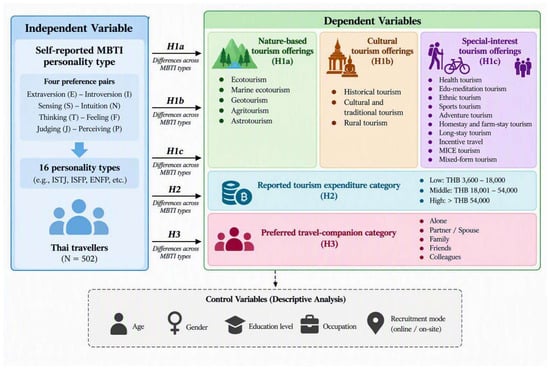
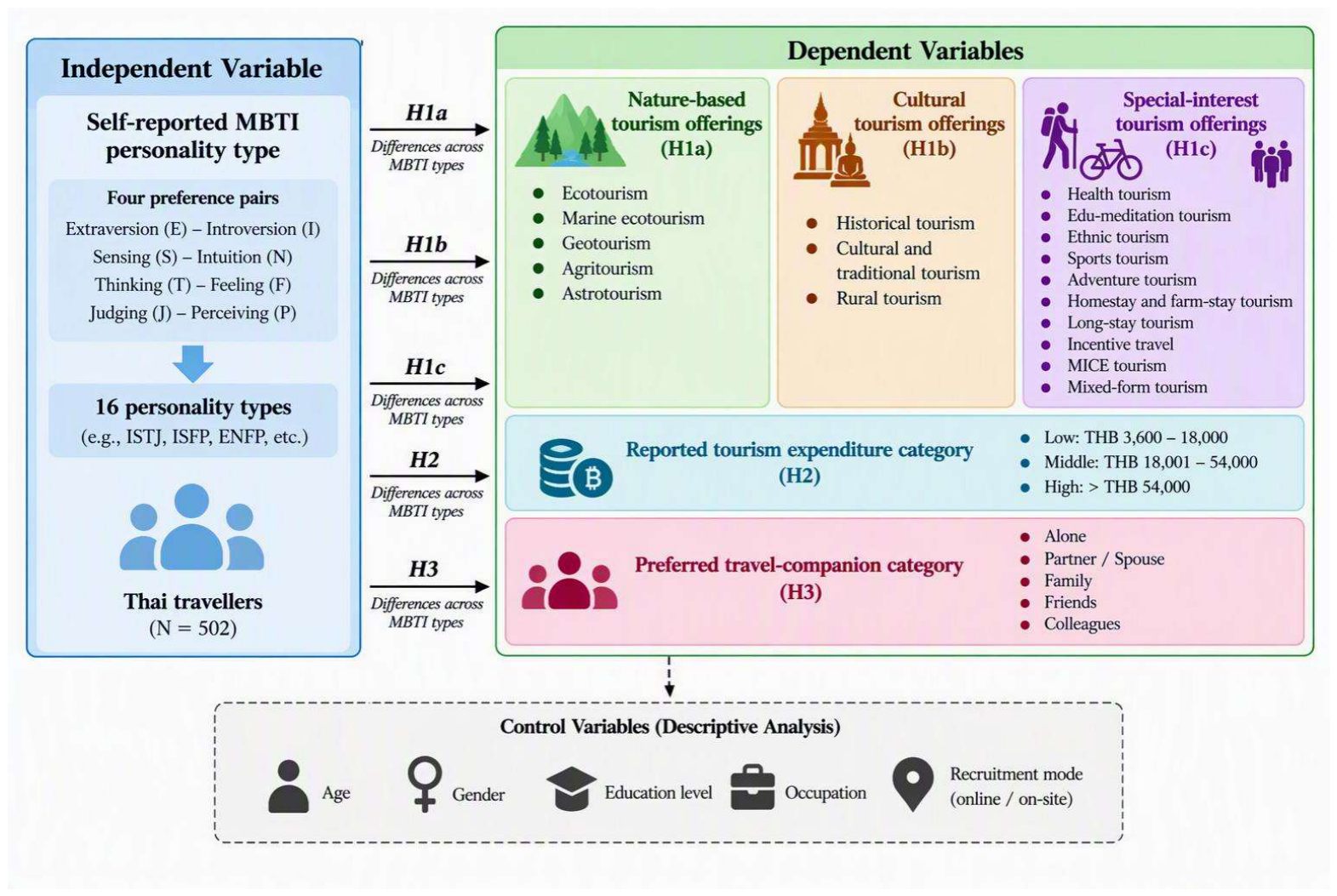
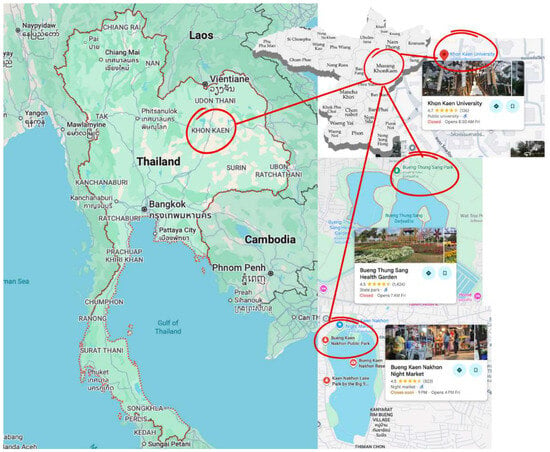
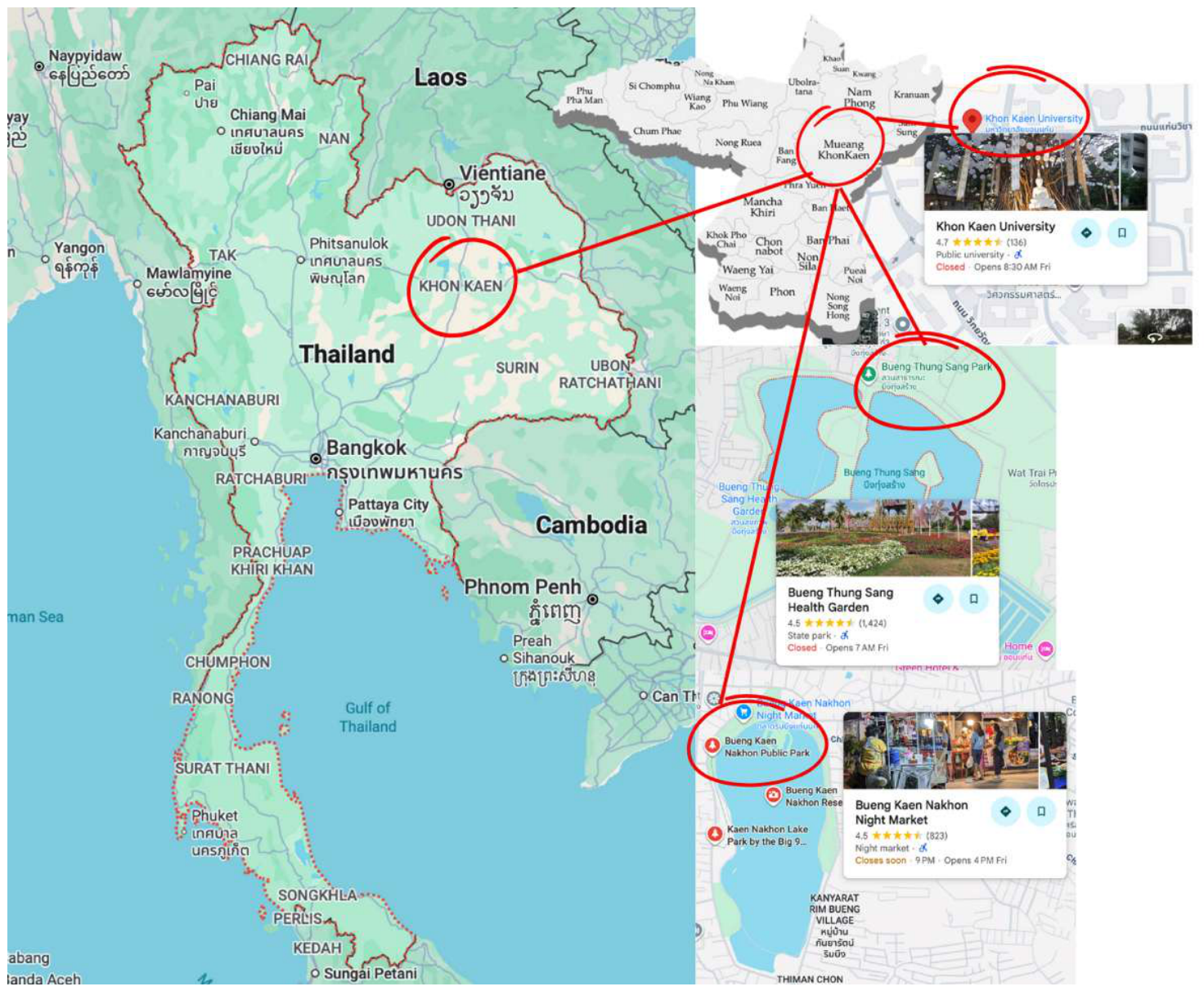
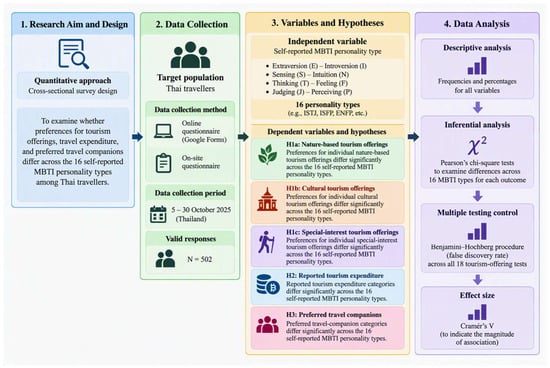
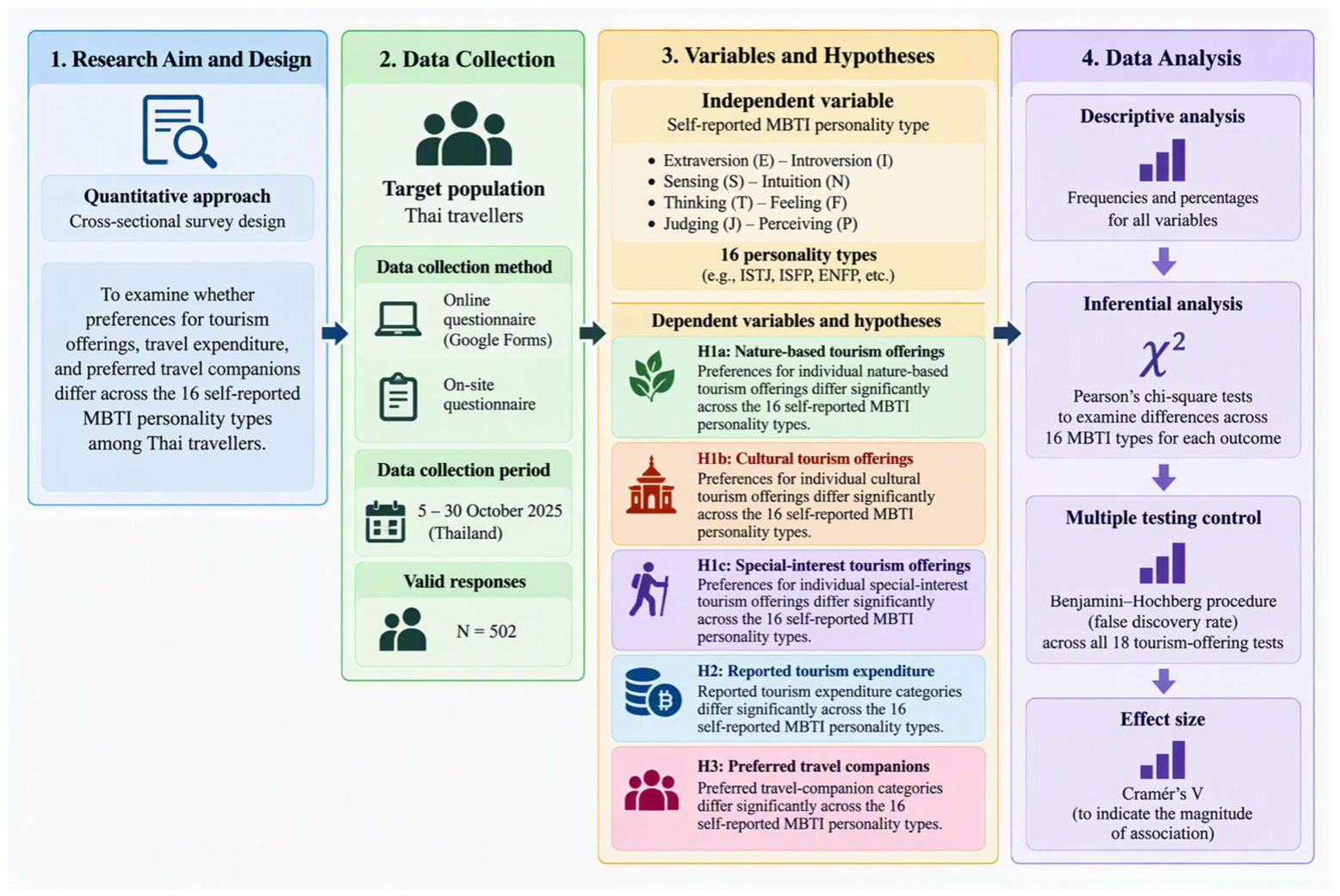

Disclaimer/Publisher’s Note: The statements, opinions and data contained in all publications are solely those of the individual author(s) and contributor(s) and not of MDPI and/or the editor(s). MDPI and/or the editor(s) disclaim responsibility for any injury to people or property resulting from any ideas, methods, instructions or products referred to in the content. |
© 2026 by the authors. Licensee MDPI, Basel, Switzerland. This article is an open access article distributed under the terms and conditions of the Creative Commons Attribution (CC BY) license.