


Abstract
Small and medium-sized enterprises (SMEs) face persistent pressure to convert digital transformation into organizational resilience amid continuous digital disruption. This capacity remains conceptually underdeveloped when digitalization and gender are treated as separate concerns. This study focuses on women-led SMEs because resilience mechanisms, including risk perception, digital self-efficacy, and access to institutional finance, are not gender neutral. This study maps the confluence of gender, SMEs, and digital transformation through a bibliometric analysis of 145 Web of Science publications (2016–2026). Resilience serves as the interpretive framework guiding this synthesis, informed by the bibliometric findings on gender, SMEs, and digital transformation. Co-occurrence, citation, and overlay networks, constructed using VOSviewer, examine temporal evolution, geographic distribution, and thematic structure. The field shows three periods of scholarly development, with 62.8% of output concentrated in 2023–2026. Keyword co-occurrence analysis, using a thesaurus file that consolidates conceptually related terms, shows that digital transformation’s connectivity is comparable to other central terms across every threshold tested. The literature’s limits lie in three more specific structural separations: between adoption vocabulary and firm-level strategy vocabulary, between digital transformation and institutional and financial vocabulary tied to unequal credit access, and in an almost complete absence of vocabulary for interorganizational collaboration; gender-specific barrier terminology is similarly absent from the dominant keyword vocabulary at every threshold tested. Citation network analysis reveals regional variation in citation impact, partly related to differences in publication recency across countries. The study proposes a six-area research agenda for SME managers, support organizations, and policymakers seeking to strengthen resilience through gender sensitive digital transformation.
1. Introduction
Small and medium-sized enterprises (SMEs) form the foundation of global economies. They account for 90–99% of all firms, provide 60–70% of jobs, and play a major role in regional growth and innovation (Ayandibu & Houghton, 2017; Gherghina et al., 2020; Malki et al., 2025). SMEs also serve more general socio-economic purposes in emerging nations, such as reducing poverty and creating inclusive jobs (Das et al., 2020).
In this regard, digital transformation has become more than just a technical advancement; it is also a strategic requirement. As digitalization increases, SMEs report fewer concerns about customer access, funding, and competitive pressure (Škare et al., 2023; Eller et al., 2020; Amin et al., 2025). Moreover, digital transformation supports long-term sustainability objectives, as adopting digital technologies can improve both economic performance and ESG (Environmental, Social and Governance) scores (Wang & Esperança, 2023; Fülöp, 2025), contributing to small firms’ strategic competitiveness in the digital economy.
However, SMEs disproportionately bear the costs of digital adoption. Compared with large firms, SMEs face higher adjustment costs because of poor infrastructure, skills shortages, and limited access to financing. As a result, digitalization supports small businesses less in terms of innovation than medium-sized businesses (Radicic & Petković, 2023; Clemente-Almendros et al., 2024; Phukan, 2025). According to Omrani et al. (2024) and Malki et al. (2025), a firm’s internal competencies, resource availability, and institutional context influence how benefits from digital transformation are distributed.
Furthermore, different firm types have different relationships between digital transformation and sustainable growth. Economic resilience, environmental responsibility, and social inclusion are sustainability outcomes that depend not only on the technology used but also on who uses it, under what circumstances, and with what resources. In this regard, women-led SMEs constitute a strategically important but understudied market. Even when access is available, systemic and institutional hurdles hinder their ability to use digital transformation as a catalyst for long-term growth, limiting their potential contribution to sustainable development (Mohammad et al., 2026; Orser et al., 2019). Therefore, creating inclusive, sustainable digital strategies requires understanding these limitations.
This strategic dimension of digital transformation is brought into sharpest relief during periods of crisis. The COVID-19 pandemic, alongside recurring episodes of economic volatility and geopolitical disruption, functioned as a large-scale natural experiment in which digital transformation ceased to be a discretionary investment and became, for many SMEs, a precondition for survival (Priyono et al., 2020; Lashitew, 2023). Recent theoretical work formalizes this connection by conceptualizing organizational resilience in SMEs as a multilevel, metamorphic process that unfolds simultaneously at the individual, organizational, and interorganizational levels, with each level drawing on different capabilities and each shaping how firms absorb, adapt to, and recover from disruption (Malik & Terzidis, 2026; Conz et al., 2026). Understanding digital transformation as a resilience mechanism, rather than solely as a growth or efficiency instrument, therefore requires attention to how these three levels interact, as well as to whether the barriers women entrepreneurs face at each level compromise their capacity to convert digital adoption into durable resilience.
This study centers on women-led SMEs as the empirical lens through which it examines these questions for two principal reasons. First, prior research links gender to systematic differences in risk perception, digital self-efficacy, and access to institutional finance, mechanisms through which digital transformation is theorized to build individual- and firm-level resilience (Orser et al., 2019; Lashitew, 2023; Dzreke & Dzreke, 2025). A resilience framework that abstracts away from gender therefore risks overlooking a structurally important source of variation in how SMEs actually withstand disruption. Second, women-led SMEs offer an analytically tractable setting to test whether the literature engages with resilience mechanisms at all three levels or whether the psychological and structural mechanisms through which gender shapes resilience remain absent from the field’s conceptual vocabulary.
1.1. Digital Transformation and Gender Dimension
Although the digital transformation of SMEs is extensively researched, much of the literature does not account for gender differences among entrepreneurs. Empirical evidence demonstrates that women-led enterprises follow distinct digitalization trajectories, shaped by specific social and institutional contexts. Disregarding these differences leads to incomplete interpretations of digital adoption mechanisms (Alam et al., 2022; Zahoor et al., 2023).
Various studies show that women entrepreneurs face specific difficulties beyond a lack of finances or expertise. These difficulties include social expectations that restrict their mobility and autonomy (Hazudin et al., 2021; Singh, 2025), unequal care responsibilities that limit their time and resources for embracing new technology (Kamberidou, 2020; Irene et al., 2025), and gender bias in technology and finance that compromises their legitimacy (Dzreke & Dzreke, 2025; Khoo et al., 2023). These difficulties mostly affect the initial decision to use technology rather than its continued use, suggesting that the main problem is getting started rather than being able to use it (Lashitew, 2023). Furthermore, psychological aspects of adoption decisions, such as behavioral intent, are frequently ignored by general frameworks (Soetikno et al., 2025). Treating digital transformation as a gender-neutral process thus risks producing policies that perpetuate existing inequalities (Orser et al., 2019; Joseph & Yakubu, 2025).
1.2. Research Gap and Justification for a Bibliometric Approach
The existing literature reveals a twofold gap. On the one hand, research on digital transformation in SMEs is highly fragmented. Theoretical integration is limited, topics are widely dispersed, and cross-study comparability remains low (Melo et al., 2023; Sagala & Őri, 2024; Zhou et al., 2025). On the other hand, the field’s intellectual framework continues to marginalize the gender factor. While Sagala and Őri (2024) note that Alam et al. (2022) is often the only explicit gender-focused analysis in comprehensive syntheses, Zhou et al. (2025) find that gender does not emerge as a distinct theme or cluster in their analysis of 1204 publications on digital transformation in SMEs. Yogatama et al. (2025) further confirm that intersectionality is infrequently used as an analytical lens, suggesting methodological underdevelopment in this field.
This situation justifies using bibliometric analysis for two principal reasons. First, bibliometric analysis is well suited for identifying the intellectual structures of a field. By examining keyword co-occurrence networks and citation patterns, it enables mapping central themes and dominant theoretical connections across a large body of literature (Donthu et al., 2021; Kraus et al., 2020; Zupic & Čater, 2015). Second, bibliometric analysis is particularly well suited to revealing the invisibility and marginality of gender-related themes. The absence or weak connectivity of a concept within co-occurrence networks constitutes an empirical indicator of that theme’s absence in the dominant debates of the field (Ghosh, 2024; Cardella et al., 2021).
This study maps and analyzes the scientific literature on the digital transformation of women-led SMEs, identifying the field’s thematic structure, conceptual gaps, and future research directions. The study addresses the following research questions:
RQ1. How has scientific research in the digital transformation of women-led SMEs evolved over time?
RQ2. What are the main thematic clusters characterizing this literature, and to what extent do they reflect gender specific barriers to digital transformation?
RQ3. What conceptual gaps in the strategic framing of digital transformation can be inferred from the thematic structure of this research stream?
RQ4. What emerging research directions can be identified at the intersection of gender, digital transformation, and SME strategy?
By addressing these questions, this study contributes to research on SME strategy, digital transformation, and inclusive entrepreneurship.
2. Theoretical Framework
Businesses utilize digital technologies to reorganize their business model, internal procedures, and organizational culture as part of a continuous process of organizational and strategic change known as “digital transformation” (Warner & Wäger, 2019; Hanelt et al., 2020; Verhoef et al., 2021). The procedure is embedded in broader digital ecosystems that shape organizational decisions and constraints (Omrani et al., 2024; Canhoto et al., 2021). SMEs are characterized by their limited resources and primarily incremental change trajectories. Unlike large corporations, which implement formalized programs, small firms tend to favor progressive reconfigurations supported by experimentation and organizational learning (Priyono et al., 2020; Sagala & Őri, 2024; Canhoto et al., 2021).
Transformation success depends on the firm’s dynamic capabilities, its capacity to identify opportunities and reconfigure available resources, and leadership that articulates a digital vision and orients organizational culture toward adaptation (Zhang et al., 2022; Leso et al., 2023; Gustiawan et al., 2025). The TOE (Technology–Organization–Environment) framework complements this perspective by showing that the level of digitalization is also conditioned by the institutional environment and national infrastructure (Škare et al., 2023; Díaz-Arancibia et al., 2024).
2.1. Women Entrepreneurship and SME Strategy
Women-led SMEs have unique strategic traits that are important for understanding how these companies perceive and apply digital transformation. According to Cabrera and Mauricio (2017) and Lucarelli et al. (2025), women entrepreneurs are more likely to be influenced by push factors, such as the need for work–life balance or labor market limits, which direct their growth strategy toward manageable, sustainable expansion rather than aggressive scaling. Entrepreneurial orientation mediates the relationship between social capital and business performance (Putri et al., 2025; Behera et al., 2026). Women-led businesses typically build smaller, more family-oriented networks at the network level, which fosters unity but may limit access to diverse resources and external funding (Upton et al., 2019; Renzulli et al., 2000; Watson, 2012).
2.2. Gender-Specific Challenges in Digital Transformation
Women entrepreneurs’ participation in digital transformation is constrained by a set of interdependent barriers that go beyond the generic challenges faced by SMEs (Mohammad et al., 2026; Salamzadeh et al., 2024). At the structural level, poor digital infrastructure in emerging or rural contexts, persistent gaps in digital competencies and self-efficacy, and the unequal distribution of care responsibilities reduce the cognitive and temporal resources necessary for adopting transformative technologies (Kamberidou, 2020; Irene et al., 2025; Khoo et al., 2023; Joseph & Yakubu, 2025; Busari et al., 2025). Cultural barriers stem from patriarchal norms that restrict mobility and participation in digital training, while stereotypes regarding women’s technological competencies erode perceived legitimacy in tech ecosystems, compelling additional effort to establish credibility online (Singh, 2025; Salamzadeh et al., 2024; Pergelova et al., 2019; Suseno & Abbott, 2021). Harassment and privacy violations further reduce willingness to maintain a sustained digital presence (Khoo et al., 2023).
At the institutional level, women receive less credit and face disadvantageous evaluations (Nguyen et al., 2025; Irwin et al., 2023). Dzreke and Dzreke (2025) showed that credit scoring algorithms in African fintech penalize women-led firms by 37%, even under identical financial conditions, through sector- or network-related proxies. Policies based on the presumption of a gender-neutral user do not address the specific barriers female entrepreneurs face around care, training, or ecosystem access (Mohammad et al., 2026; Orser et al., 2019). One important difference is that these obstacles are mostly concentrated at the initial adoption stage. According to Lashitew (2023), female CEOs who do use digital tools do so just as frequently as their male colleagues, suggesting that activation rather than capability is the strategic obstacle. Additionally, Soetikno et al. (2025) show that behavioral intention mediates the impact of digital abilities on adoption in women-led SMEs, demonstrating that adoption decisions entail psychological aspects that are not captured by general frameworks.
Despite their strategic relevance, these challenges remain weakly integrated into mainstream digital transformation research, which continues to evaluate digitalization outcomes without disaggregating by firm leadership (Melo et al., 2023; Zhou et al., 2025).
2.3. Individual-Level Foundations: Risk Perception, Digital Self-Efficacy, and Crisis Leadership
Evidence on gender differences in risk perception among SME owners is mixed but converges on a modest overall effect once socio-economic context and resource endowments are controlled (Agustina & Pradesa, 2020; Osmani & Doda, 2025; Abdelkerim et al., 2023; Dvorský et al., 2023; Sonfield et al., 2001). Where differences are observed, women entrepreneurs tend to report a slightly higher perception of financial and reputational risk and to favor gradual, efficiency-oriented growth over aggressive expansion, a pattern linked to education, wealth, sector, and prior entrepreneurial experience (Kozubíková et al., 2017; Astuti et al., 2024; Asravor & Acheampong, 2021; Gimenez-Jimenez et al., 2022; Wiryakusuma, 2023). This orientation carries direct implications for crisis response. Dvorský et al. (2023) associate women managers with lower financial and reputational risk-taking, greater transparency, and higher ethical standards, all of which support long-term resilience, while Herlitah (2025) links female strategic leadership to adaptive innovation capabilities and superior performance when entrepreneurial and market orientations are combined. At the same time, this prudence can constrain rapid opportunity capture in highly competitive markets, particularly when compounded by external financing constraints (Stein et al., 2011; Kevane & Wydick, 2001).
A closely related individual-level mechanism concerns digital self-efficacy, that is, the confidence entrepreneurs hold in their own capacity to use digital tools. Women entrepreneurs report, on average, lower confidence in operating complex digital systems, which translates into more cautious adoption paths and greater reliance on external ICT expertise (Orser et al., 2019; Irene et al., 2025; Khoo et al., 2023). Alam et al. (2022) document this pattern directly, showing that women-led SMEs in regional Australia use social media more intensively yet hire higher-skilled ICT staff more frequently than male-led firms, a configuration consistent with lower owner-level digital self-efficacy and a greater reliance on delegated expertise. Lashitew (2023) shows that during the COVID-19 pandemic, CEO attributes shaped both the adoption and the use of digital technologies. Female CEOs, particularly in small firms, were less likely to initiate the adoption of new tools such as e-commerce or remote work arrangements. However, once adopted, usage intensity was equivalent to that of male CEOs. This finding indicates that the constraint operates at the point of initiation, that is, at the level of confidence and risk perception in crisis decision making. Zahoor et al. (2023) reinforce this interpretation, showing that manager gender moderates the extent to which digital literacy is converted into actual technology use, while Malodia et al. (2023) argue that the design of a firm’s digital transformation pathway depends jointly on digital self-efficacy and professional leadership.
Beyond skills and confidence, technology and entrepreneurship ecosystems are frequently described as implicitly coded as masculine domains, which erodes the perceived legitimacy of women entrepreneurs and can reduce their willingness to engage visibly and consistently with digital platforms (Kamberidou, 2020; Khoo et al., 2023; Pergelova et al., 2019; Suseno & Abbott, 2021). Pergelova et al. (2019) show that digital technologies can partly democratize access to international markets, but exclusion from established networks and persistent stereotypes about women’s technological competence require additional reputational effort to establish credibility online. Suseno and Abbott (2021) similarly find that women use digital social innovation to build legitimacy through demonstrated social impact, a strategy that demands sustained reputational labor and public evaluation. This body of evidence suggests that the digital transformation trajectories of women-led SMEs are shaped by the intersection of skills, confidence, and legitimacy and that overcoming the initial adoption barrier, precisely the barrier most exposed during crisis-driven digitalization, requires not only training but ecosystems that reduce reputational pressure and the risks associated with digital visibility (Khoo et al., 2023; Lashitew, 2023; Zahoor et al., 2023).
2.4. Organizational Capabilities and Transformational Leadership in SME Digital Transformation
At the organizational level, the dynamic capabilities and TOE mechanisms introduced above translate into concrete trajectories during periods of crisis. Complementing this dynamic-capabilities perspective, Kahveci (2025) proposes a four-stage capability-building framework, comprising digital awareness, strategic planning, adoption and implementation, and continuous improvement, showing how SMEs convert initial awareness of digital opportunities into sustained competitive advantage through a cyclical process of organizational learning. Priyono et al. (2020) identify three distinct paths adopted by SMEs during the COVID-19 pandemic, namely, firms that accelerated digital transformation, firms that digitalized only their sales functions, and firms that relied on the digital infrastructure of their partners, with the choice among these paths shaped by liquidity, digital literacy, and social capital.
A second organizational mechanism concerns transformational and digital leadership, which catalyzes capability development. Gyamerah et al. (2025) show that digital leadership influences digital transformation both directly and indirectly, through the reinforcement of IT capabilities, employee digital competencies, and digital strategy. Leaders also shape organizational culture toward adaptation. Gustiawan et al. (2025) and Leso et al. (2023) find that a culture oriented toward innovation and openness reduces resistance to change, while Deeb and Aldehayyat (2025) show that digital leadership contributes to performance through culture and innovation jointly. Beyond culture, leaders play a central role in articulating a coherent digital vision and in aligning digital transformation with business objectives (Gustiawan et al., 2025; Türk, 2023), with downstream implications for firm performance and sustainability outcomes (Gyamerah et al., 2025).
These findings indicate that the organizational capacity to convert digital technologies into adaptive, resilient business models depends on the interaction among dynamic capabilities, institutional context, and leadership. This organizational layer complements the individual-level mechanisms discussed above, as leadership cognition shapes whether and how digitalization is initiated, while organizational capabilities and culture determine whether that initial engagement becomes a sustained, adaptive transformation process.
2.5. Interorganizational Foundations: Networks, Digital Platforms, and Value Chain Collaboration
While the preceding sections address resilience mechanisms located within individual entrepreneurs and within the firm itself, an emerging stream of research argues that a third, distinct locus of resilience operates at the interorganizational level. Malik and Terzidis (2026) and Conz et al. (2026) independently propose multilevel frameworks in which SME resilience is theorized as a metamorphic process unfolding across individual, organizational, and interorganizational levels, each governed by different mechanisms and each capable of compensating for, or constraining, resilience built at the other levels. At the interorganizational level, both frameworks identify global value chain dynamics and technological integration as the principal drivers of resilience, with Industry 4.0 and digital technologies positioned as tools for managing supply chain risk, enabling collaborative innovation, and coordinating responses across firm boundaries during periods of disruption.
Digital platforms constitute one of the principal mechanisms through which this interorganizational resilience is realized. Fornasiero and Tolio (2024) develop a conceptual framework linking digitalization to resilience at both the supply chain and the broader ecosystem level, showing that digital technology implementation, when supported by public–private partnership arrangements, enables manufacturing firms and policymakers to cope with disruption through cross-collaboration models that extend beyond the boundaries of any single supply chain. This ecosystem perspective is particularly relevant for SMEs, which typically lack the scale to build resilience unilaterally and therefore depend on platform-mediated access to shared infrastructure, information, and coordination mechanisms that would otherwise be unavailable to smaller firms acting in isolation.
Empirical evidence from value chain settings corroborates this platform-centered view of resilience. Alshawabkeh et al. (2024) show, in a study of the food processing sector in Jordan, that digital collaboration and analytics capability significantly strengthen supply chain resilience, indicating that the benefits of digitalization at the interorganizational level depend not only on the adoption of digital tools but on their use to support real-time coordination and joint problem solving between firms. Taken together, this literature suggests that the resilience of women-led SMEs cannot be fully explained by individual-level risk perception and self-efficacy or by organizational capabilities and leadership alone, since the capacity to mobilize external networks, participate in digitally mediated value chains, and draw on collaborative ecosystems constitutes a distinct and complementary layer of resilience, one that has received markedly less attention in research specifically addressing women-led SMEs than either the individual or the organizational level.
2.6. Positioning the Bibliometric Study
This study distinguishes itself from prior contributions in two essential respects. First, it employs gender as a central analytical lens. It maps the extent to which gender-specific challenges are represented, or absent, within the intellectual structure of the literature on digital transformation in SMEs. Existing bibliometric evidence illustrates this asymmetry: gender is treated as an organizing axis in bibliometric studies on female entrepreneurship (Ghosh, 2024; Raman et al., 2022), yet it remains peripheral or absent in mappings of digital transformation in SMEs (Melo et al., 2023; Zhou et al., 2025; Marino-Romero et al., 2024). Using co-occurrence and citation network analysis, this study tests whether gender’s apparent marginality in the broader field is inherent to the topic or simply a result of which publications those broader studies included, and it examines where digital transformation is positioned relative to this gender-centered structure once overlapping keyword labels are accounted for.
Second, the study explicitly connects gender related challenges to strategy and sustainability. The identified barriers—structural, cultural, and institutional—are analyzed as factors that condition the strategic capacity of women-led SMEs to adopt and leverage digital transformation for sustainable growth.
3. Materials and Methods
This study uses a bibliometric approach to map the research landscape at the intersection of women’s entrepreneurship, digital transformation, and SMEs (Donthu et al., 2021; Zupic & Čater, 2015). This method uses a retrospective, exploratory approach to identify thematic trends, key contributions, and collaboration networks in the field, combining quantitative analysis of publication data with network-based visualization (Kraus et al., 2020).
The Web of Science Core Collection (Clarivate, Philadelphia, PA, USA) was chosen as the main data source because of its indexing standards and broad coverage of peer-reviewed literature across the social sciences, management, and technology. The search was run in February 2026 using the topic field, which includes titles, abstracts, author keywords, and Keywords Plus, terms generated algorithmically by Web of Science from the titles of works cited by each indexed publication. Three thematic keyword blocks were defined and connected with the Boolean operator AND:
Block 1 (Gender/Women): women entrepreneur OR female entrepreneur OR women-led OR female business OR women business OR gender challenge OR gender bias.
Block 2 (SMEs): SME OR small businesses OR small and medium enterprise OR medium-sized enterprise OR entrepreneurial venture.
Block 3 (Digital): digital transformation OR digitalization OR digital adoption OR digital technology OR technology adoption OR digital shift.
The search followed a progressive refinement strategy. Block 1 alone returned 119,422 records. Combining Blocks 1 and 2 yielded 3359 records. Adding Block 3 narrowed the results to 172 records. The inclusion of broader terms such as “technology adoption” was intended to capture publications that address digital transformation processes without using the exact terminology, at the acknowledged cost of introducing a limited number of tangentially related records.
3.1. Selection Criteria
A temporal filter restricted the dataset to publications from 2016 to 2026, reducing it from 172 to 155 records. A document type filter retained only articles and proceedings papers, yielding the final dataset of 145 publications. No thematic screening beyond the keyword-based selection was applied, and no records were excluded manually at any stage of the selection process, including those introduced by the broader Block 3 terms noted above as tangentially related. The dataset reflects only the temporal and document-type filters described in this section. In bibliometric analysis, variation in the depth with which individual publications address the topic constitutes a finding in itself, rather than a reason for exclusion (Donthu et al., 2021). The search and selection process followed a structured, stepwise refinement strategy conducted entirely within the WoS interface. Figure 1 illustrates the complete selection flowchart.
Figure 1.
Selection flowchart of the study identification and screening process. Source: Authors’ own elaboration.
3.2. Data Analysis Techniques
Data were exported from WoS in tab-delimited format with full records and cited references. The analysis was conducted in two phases: a descriptive bibliometric analysis and a network-based visualization analysis using VOSviewer (version 1.6.20; Centre for Science and Technology Studies (CWTS), Leiden University, Leiden, The Netherlands) software (van Eck & Waltman, 2010). The descriptive phase examined temporal distribution, geographic contributions, publication outlets, citation indicators, author productivity, and keyword frequencies. The network-based phase employed VOSviewer to construct co-occurrence and citation networks. The full counting method was applied in all analyses. Full counting was preferred over fractional counting because it preserves the actual frequency and strength of each co-occurrence relationship as it appears in the corpus, appropriate for an exploratory, corpus-wide mapping of thematic structure (van Eck & Waltman, 2010). Cluster detection used VOSviewer’s default settings for both networks: association-strength normalization, a clustering resolution of 1.00, and a minimum cluster size of 1, with small clusters merged. Because several author keywords refer to overlapping concepts (for example, digitalization, digital entrepreneurship, and e-commerce all relate to digital transformation, and women, female entrepreneurship, and women entrepreneurship all relate to women entrepreneurs), a thesaurus file consolidating these conceptually related terms was applied before the co-occurrence networks were constructed; the 14 consolidation mappings are shown in Table 1. The complete thesaurus file is provided as Table S5.
Table 1.
Thesaurus consolidation mappings applied before network construction.
Throughout this article, ‘link strength’ is shorthand for VOSviewer’s total link strength metric: the sum of the strengths of all co-occurrence links a given term has with every other term in the network. Table 2 summarizes the analytical parameters.
Table 2.
Summary of VOSviewer analysis parameters.
The revised thesaurus preserves “gender” and “women entrepreneurs” as distinct terms. “Gender” functions here as an analytical variable, while “women entrepreneurs” identifies the population studied. The consolidated “digital transformation” node combines digital transformation, digitalization, digital entrepreneurship, and e-commerce under a single label, following the overlapping-vocabulary characterization already noted above; the reported occurrence and link-strength figures for this node therefore describe this broader family of digital-transformation-related terminology.
The minimum occurrence thresholds were set at 5 for keyword co-occurrence analyses and 5 documents (or 3 sources) for citation analyses, following established bibliometric practice for datasets of comparable size (Donthu et al., 2021). For the author keyword co-occurrence network, this threshold retained 9 of 568 unique keywords. While a lower threshold would have included more terms, it would also have introduced low-frequency keywords with unstable co-occurrence patterns that reduce the interpretive clarity of the resulting clusters (van Eck & Waltman, 2010). The robustness of the key findings was assessed by comparison with the all-keywords network (threshold: 5, retaining 38 of 892 keywords), which showed the same relative pattern of connectivity among central terms; as detailed in Section 4.8, however, specific cluster membership shifted across thresholds. To assess the sensitivity of the key findings to threshold selection, supplementary co-occurrence analyses of author keywords were conducted with minimum thresholds of 4 and 3 occurrences.
4. Results
This section presents findings from the analysis of 145 publications organized into two parts: descriptive indicators that characterize the scholarly landscape and network-based analyses that reveal the field’s thematic and citation structures.
4.1. Temporal Evolution of Publications
Addressing RQ1, the temporal distribution of publications reveals a clear upward trajectory in scholarly attention to the digital transformation of SMEs led by women entrepreneurs. Table 3 shows the distribution across 2016–2026.
Table 3.
Temporal distribution of publications (2016–2026).
For descriptive purposes, the publication timeline can be divided into three periods: an initial period (2016–2019, 17 publications, 11.7%), reflecting the nascent character of this intersection; a subsequent period (2020–2022, 37 publications, 25.5%), coinciding with the COVID-19 pandemic, which increased digitalization and attracted academic attention to its disparate effects on women-led enterprises (Lashitew, 2023; Alam et al., 2022); and a period of accelerated output (2023–2025, 84 publications, 57.9%), together with a partial 2026 count (7 publications through the February 2026 search date, 4.8%), for a combined 91 publications (62.8%) of the corpus. A total of 42 publications were recorded in 2025 alone, representing approximately 75% higher than the output of 2024 (24 publications) and approximately 3.4 times the annual average of the 2020–2022 period (12.3 publications per year). To address the possibility that this growth simply reflects an expansion of the parent literature, the annual corpus counts were compared with the total annual output of the three leading Web of Science categories identified in Section 4.3 (Business, Management, and Economics; WC = (Business OR Management OR Economics), DT = (Article OR “Proceedings Paper”)). Between 2016 and 2025, the parent categories grew by approximately 22% (91,944 to 111,982 records), while the corpus grew from a single publication in 2016 to 42 in 2025. Measured from the more stable 2020–2022 annual average reported above, this same 2025 total represents a 3.4-fold increase, which still exceeds the parent literature’s 22% growth over the same period. The growth documented in this corpus therefore substantially outpaces the expansion of the parent literature and cannot be attributed to database growth alone.
4.2. Geographic Distribution
The geographic analysis reveals contributions from 69 countries, confirming global resonance. The 16 most productive countries can be observed in Table 4.
Table 4.
Contributing countries (documents ≥ 5).
Citations, citations per document, and mean publication year are computed directly from the same Web of Science records; link strength values are taken from the VOSviewer citation network at the same five-document threshold (Section 4.9). Saudi Arabia’s link strength of 0 indicates that it is fully isolated from the rest of that network: it meets the document threshold shown here but does not appear grouped with the remaining 15 countries form three connected clusters.
With 24 publications, the United States is the most active contributor, followed by Indonesia (16), India (12), and Spain (11). European contributions are spread across several countries, with no single dominant voice. African contributions remain limited, with only five publications originating from South Africa, suggesting an area that warrants further scholarly attention.
4.3. Publication Outlets and Citation Impact
The 145 publications are distributed across 118 journals, with Sustainability (4 publications), Small Business Economics (3), Journal of Developmental Entrepreneurship (3), International Journal of Gender and Entrepreneurship (3), Cogent Business & Management (3), and Journal of Global Entrepreneurship Research (3) as the most productive outlets. This dispersed pattern is typical of an emerging and interdisciplinary area where research has yet to consolidate around a clearly defined set of core academic outlets.
The dataset accumulated 1796 citations, averaging 12.39 per article, with a median of 3 and an H-index of 24. The low median reflects the corpus’s recency. A total of 47 articles (32.4%) have zero citations, while 9 (6.2%) have 50 or more. One false positive (Wiebe et al., 2019, 69 citations) was identified as topically unrelated to the intersection of gender, SMEs, and digital transformation and was excluded only from Table 5; it remains part of the 145-record corpus and is included in the 1796-citation total reported above, consistent with the absence of thematic screening. As it has no author keywords and its country affiliations (Norway, Switzerland) do not reach the citation-network threshold in Table 4, it does not affect any keyword or country network reported in this study. The ten most cited publications are presented in Table 5.
Table 5.
Top 10 most cited publications in the dataset.
The theoretical framework for more recent research was established by foundational works on this topic, published between 2017 and 2020. Pergelova et al.’s (2019, 162 citations) most-cited paper examines how digital technologies facilitate entrepreneurship by helping female-led SMEs expand internationally. The transdisciplinary character of the area is further supported by the WoS category breakdown. Business (51 articles) and Management (36) lead, followed by Economics (19). Information Systems and Computer Science do not appear among the top categories, suggesting this research stream has developed mainly within management-oriented disciplines rather than in information systems.
4.4. Author Productivity
No author contributed more than two publications, and only twelve authors reached this threshold. The most cited authors, Barbara Orser and Yanhong Li (University of Ottawa, 81 citations each), produced foundational work on gender barriers to ICT adoption in SMEs. At the institutional level, the World Bank leads with four affiliated publications and 64 citations, while Hong Kong Polytechnic University stands out with only two publications but 126 citations, the highest concentration in the dataset.
4.5. Thematic and Network Analysis
The descriptive indicators presented above characterize the scholarly landscape. The following subsections examine its thematic structure through keyword and network analysis.
4.6. Author Keyword Analysis
Addressing RQ2, the analysis of author keywords provides direct insight into the conceptual focus of the publications. Table 6 shows the most frequently occurring author keywords.
Table 6.
Top 15 author keywords by frequency of occurrence.
The increasingly common usage of related terms like “digitalization” (8), “digital entrepreneurship” (9), and “e-commerce” (5) indicates that the digital dimension lacks a coherent conceptual vocabulary and is instead defined by several somewhat overlapping labels. The same fragmentation appears on the population-descriptor side, where “women” (12), “women entrepreneurs” (13), “female entrepreneurship” (8), and “women entrepreneurship” (6) are reported separately; “gender” (19) is retained as a distinct term throughout, reflecting its function as an analytical construct. Importantly, the top author keywords do not include barrier-related terms like algorithmic discrimination, work–life balance, digital confidence, institutional prejudice, and self-efficacy. Their absence suggests the research rarely highlights the specific processes by which gender influences the outcomes of digital transformation (Melo et al., 2023; Zhou et al., 2025). Nor do the top keywords include specific advanced digital technologies such as artificial intelligence, the Internet of Things, or cloud computing, suggesting that, within this corpus, the gender-digital transformation intersection engages predominantly with foundational or generic digitalization rather than the frontier technologies increasingly associated with SME resilience. Because risk perception, digital confidence, and self-efficacy are core mechanisms of individual-level resilience, their absence from the keyword vocabulary points to an underdeveloped account of how women entrepreneurs personally navigate digital disruption.
4.7. Co-Occurrence of All Keywords
Using full counting, the author-keyword and all-keyword networks were analyzed using a thesaurus that consolidates conceptually related terms (Section 3.2): a minimum threshold of five occurrences retained 38 of 892 all-keyword terms. Figure 2 shows the co-occurrence network, and Table 7 presents the complete node data; the complete VOSviewer output underlying Table 7 is provided as Table S1. Of these 38 nodes, 22 are author-assigned keywords that also appear as Keywords Plus, and the remaining 16 are Keywords Plus terms only, generated algorithmically by Web of Science from cited-reference titles rather than chosen by the publishing authors; both “gender” and “digital transformation” are among the 22 author-assigned terms. Claims in this article about how authors themselves framed their contributions rely on the author-keyword network (Section 4.8) rather than on the all-keyword network, which also reflects indexing vocabulary.
Figure 2.
Co-occurrence network of all keywords (min. threshold: 5). Source: Authors’ own elaboration based on VOSviewer data.
Table 7.
Complete node data for the all-keywords co-occurrence network (min. threshold: 5, thesaurus-consolidated).
Five thematic clusters emerged after consolidation. Cluster 1 (13 items: adoption, bangladesh, behavior, business performance, challenges, ict, internet, management, self-efficacy, smes, systems, technology acceptance model, user acceptance) forms a technology-adoption vocabulary. Cluster 2 (10 items: capabilities, digital transformation, entrepreneurship, firm performance, framework, innovation, model, perspective, sustainability, women entrepreneurs) groups women entrepreneurs with digital transformation, entrepreneurship, innovation, and firm-level strategic-capability terms. Cluster 3 (7 items: acceptance, business, determinants, impact, information-technology, performance, social media) centers on generic business-performance vocabulary. Cluster 4 (5 items: credit, finance, gender, growth, technology) groups gender with credit, finance, growth, and technology. Cluster 5 (3 items: COVID-19, entrepreneurs, information) is a small residual cluster.
“Women entrepreneurs” clusters with “digital transformation” (31 occurrences, link strength 113, 3.65 per occurrence), “entrepreneurship”, and “innovation”, alongside firm-level strategic-capability terms. “Gender” clusters with the institutional and financial-access vocabulary documented in Section 2.2 (credit, finance) together with growth and technology. Although “SMEs” (18 occurrences, 29 links, total link strength 71) belongs to Cluster 1, the generic technology-adoption cluster, separate from the clusters containing “gender” and “women entrepreneurs,” it remains well connected across the network. The distinction is thematic, not one of network isolation.
4.8. Co-Occurrence of Author Keywords
With a minimum of five occurrences, and using the same consolidating thesaurus for network analysis, 9 of 568 author keywords were retained. Three clusters emerged. Figure 3 shows the network, and Table 8 presents the complete node data and cluster composition; the complete VOSviewer output underlying Table 8 is provided as Table S4.
Figure 3.
Co-occurrence network of author keywords (min. threshold: 5). Source: Authors’ own elaboration based on VOSviewer data.
Table 8.
Thematic clusters and complete node data for the author-keyword co-occurrence network (min. threshold: 5, thesaurus-consolidated).
“Women entrepreneurs” (47 occurrences, link strength 33, 0.70 per occurrence) has the highest total link strength in this network, closely followed by “digital transformation” (29 occurrences, link strength 32, 1.10 per occurrence), which has the highest number of links (eight) of any term in this network. Digital transformation’s TLS-to-occurrence ratio (1.10) is higher than gender’s (1.00) and women entrepreneurs’ (0.70), though not the highest ratio in the network. It belongs to the same cluster as “SMEs” and “social media”. “Gender” (19 occurrences, link strength 19, 1.00 per occurrence) groups with entrepreneurship, innovation, and technology in Cluster 1. “Women entrepreneurs” groups with COVID-19 in Cluster 3. Within Cluster 2, ‘SMEs’ (10 occurrences, link strength 5) has the lowest total link strength of any term in the network, weaker than both ‘digital transformation’ and ‘social media’, the two terms it shares a cluster with. Digital transformation has the most links (eight) and the second-highest total link strength (32) of any term in this network. Ranked by TLS-to-occurrence ratio, three of the four highest values in the network belong to Cluster 1 terms (“technology”, 1.375; “entrepreneurship”, 1.23; “innovation”, 1.17); the second-highest, “social media” (1.25), belongs to Cluster 2. The two lowest ratios in the network belong to “SMEs” (0.50) and “women entrepreneurs” (0.70), the least and the most frequently occurring terms in this network, respectively. “Women entrepreneurs” therefore combines the highest raw total link strength in the network (33, driven by its high occurrence count) with one of the lowest total-link-strength-to-occurrence ratios, meaning its co-occurrence links are spread across a wide range of partner terms. This pattern is partly mechanical: a term used this frequently as an author keyword accumulates connections across many different topical combinations simply by virtue of appearing so often, which dilutes its per-occurrence density relative to rarer, more topically concentrated terms such as “technology” or “entrepreneurship”. Substantively, it suggests that “women entrepreneurs” functions in the author-keyword vocabulary as a broad population marker used alongside a shifting range of companion terms (digital transformation, finance, COVID-19, social media, among others). The field has not converged on a stable keyword pairing for this population, which is consistent with this study’s argument for a more consolidated research agenda.
To assess the sensitivity of this finding to threshold selection, supplementary co-occurrence analyses of author keywords were conducted at minimum thresholds of four and three occurrences. Across the three thresholds, “digital transformation”’s occurrence count is stable (29 occurrences throughout), while its total link strength increases as the threshold is relaxed: 32 at threshold 5, 35 at threshold 4, and 42 at threshold 3. “Gender” (19 occurrences throughout) follows a similar pattern (link strength 19, 21, and 29 at thresholds 5, 4, and 3, respectively), as does “women entrepreneurs” (47 occurrences throughout; link strength 33, 37, and 51 at thresholds 5, 4, and 3, respectively). Cluster membership is less stable: digital transformation groups with SMEs and social media at threshold 5, with women entrepreneurs and COVID-19 at threshold 4 (12 of 568 keywords retained, four clusters), and with social media only at threshold 3 (25 of 568 keywords retained, 24 connected; “adoption” forms an isolated node with 0 links, seven clusters); gender groups with entrepreneurship, innovation, and technology at thresholds 5 and 4, and with COVID-19 and finance-related terms at threshold 3. Figure 4 shows the threshold-4 network and Figure 5 the threshold-3 network; (complete node data provided as Table S3 and Table S2, respectively).
Figure 4.
Co-occurrence network of author keywords, thesaurus-consolidated, minimum threshold: 4. Source: Authors’ own elaboration based on VOSviewer data.
Figure 5.
Co-occurrence network of author keywords, thesaurus-consolidated, minimum threshold: 3. Source: Authors’ own elaboration based on VOSviewer data.
At every threshold tested, digital transformation’s total link strength is comparable to or exceeds that of most other terms in the network, and it is never among the weakest-connected terms. As an additional descriptive comparison, its total-link-strength-to-occurrence ratio (1.10, 1.21, and 1.45 at thresholds 5, 4, and 3) is comparable to gender’s (1.00, 1.11, and 1.53) and consistently higher than women entrepreneurs’ (0.70, 0.79, and 1.09) across the same three thresholds; this ratio is not treated as a fully normalized centrality measure, but it corroborates the pattern shown by links and total link strength.
A further observation concerns the terminology of gender specific barriers. At no threshold do terms such as “institutional bias”, “work-life balance”, “digital confidence”, “self-efficacy”, or “algorithmic discrimination” emerge in the author keyword network. Their absence across all three specifications indicates that these barrier mechanisms are not explicitly addressed in the authors’ own conceptual labeling, regardless of how permissively the network is constructed. Their absence from the author-keyword networks across all three thresholds suggests these mechanisms have limited explicit visibility in the authors’ conceptual labeling; direct content analysis would be required to determine whether they are also under-represented in the publications’ substantive content.
4.9. Citation Analysis by Countries
With a minimum of five documents, 16 of 69 countries reached the retention threshold. One of these, Saudi Arabia (five documents, 10 citations), forms an isolated node with a link strength of 0 and is not grouped with the rest of the network; the remaining 15 countries form three clusters, organized along broadly geographic lines (Table 4). Figure 6 shows the citation network.
Figure 6.
Citation network by countries (min. documents: 5). Citation totals are attributed to each contributing country in multi-country co-authored articles, so the sum across country clusters exceeds the corpus-wide total of 1796 citations. Source: Authors’ own elaboration based on VOSviewer data.
Cluster 1 (red) groups Bangladesh, England, France, India, China, and South Africa (47 documents, 669 citations). Cluster 2 (green) includes Australia, Indonesia, Mexico, the Netherlands, and Spain (49 documents, 479 citations). Cluster 3 (blue) comprises Canada, Germany, Italy, and the USA (47 documents, 1509 citations). With 775 citations and a link strength of 36, the USA has the most central position. Because citation totals are attributed in full to every contributing country in multi-country collaborations, this measure may favor countries with extensive international co-authorship networks, so interpret the USA’s centrality with this attribution method in mind. Citation impact varies considerably across the remaining countries (Table 4: documents, citations, citations per document, and mean publication year by country). Part of this variation coincides with publication recency: Bangladesh and South Africa, among the lower citations-per-document countries, also have among the most recent mean publication years (2024 and 2023, respectively), so part of their lower citation counts may reflect having had less time to accumulate citations. This confounding factor does not account for all of the variation; however, India and Indonesia show citations per document as low or lower without being the most recently published countries in the corpus. Because locally grounded research is a primary channel through which context-specific resilience practices are documented and disseminated, this regional variation in citation impact may constrain the visibility of resilience-building strategies developed in the less-cited contexts, independent of scholarly merit.
4.10. Citation Analysis by Sources
With a minimum of three documents, 6 of 118 sources were retained (Table 9). Small Business Economics is the most influential outlet (175 citations, link strength 3). Only four of the six retained journals display citation links. Sustainability (four publications, 53 citations) and the Journal of Global Entrepreneurship Research (three publications, 4 citations) exhibit zero link strength. Given the small number of sources meeting the retention threshold, do not generalize this finding beyond the six-journal citation network reported here.
Table 9.
Journal citation indicators.
The keyword and citation analyses converge on the following pattern once conceptually related terms are consolidated: “digital transformation” and “women entrepreneurs” occupy the same cluster in the all-keyword network, with “digital transformation” showing a TLS-to-occurrence ratio (3.65) within the same range as the cluster’s other central terms. The vocabulary of institutional and financial-access terms (credit, finance, growth, technology, together with “gender”) forms a separate cluster in the same network, at a density of 55.8 percent of possible edges; “gender” and “digital transformation” still co-occur directly, at an edge weight of 8, but each term is more strongly tied to its own cluster’s vocabulary than to the other’s. At the five-occurrence threshold, the author-keyword network has a density of 75.0 percent and an edge weight of 4 between the same two terms. Across all three author-keyword thresholds tested (Section 4.8), the cluster containing “digital transformation” and the cluster containing “gender” never coincide, even as the rest of each cluster’s composition shifts considerably as the threshold is relaxed. As with the SMEs/adoption pairing noted above, the distinction is thematic, not one of network isolation. Geographic citation patterns reveal regional variation in citation impact, partly confounded with publication recency, with implications examined in the following section. These findings indicate that the literature engages unevenly with the individual, organizational, and interorganizational mechanisms through which digital transformation is theorized to build SME resilience, a gap addressed directly in the discussion that follows.
5. Discussion
In the all-keyword network, “digital transformation” occupies the same cluster as “women entrepreneurs,” together with firm-level strategic-capability vocabulary (capabilities, firm performance, framework, innovation, entrepreneurship), with a TLS-to-occurrence ratio within the same range as the cluster’s other central terms. In the author-keyword network, digital transformation has the highest or second-highest number of links and total link strength of any retained term at every threshold tested. This pairing is not reproduced in the author-keyword network at the same threshold, however, where “digital transformation” and “women entrepreneurs” belong to different clusters (Table 8). The two network specifications converge on “digital transformation”’s high connectivity but not on its specific cluster companions. Three specific structural separations account for the conceptual gap this study identifies. First, the generic technology-adoption vocabulary (adoption, information and communication technology, technology acceptance model, user acceptance, self-efficacy, internet) forms a cluster distinct from the strategic digital-transformation core just described. Second, in the all-keyword network, “gender” occupies a cluster together with institutional and financial-access vocabulary (credit, finance, growth, technology), distinct from the strategic digital-transformation core; in the author-keyword network, “gender”’s specific cluster companions shift with the threshold, but “gender” and digital transformation are never assigned to the same cluster at any threshold tested. This reflects relative strength of association rather than absence of connection: both networks are dense (55.8 percent and 75.0 percent of possible edges, respectively) and still link “gender” and “digital transformation” directly at edge weights of 8 and 4; each term is simply tied more strongly to its own cluster’s vocabulary. Third, the vocabulary of interorganizational coordination, networks, and platforms, the level at which resilience is theorized, is nearly absent from the retained keyword set: only a single, weakly connected term (“entrepreneurial ecosystem”) appears, and only at the most permissive author-keyword threshold tested. These three findings, together with the complete absence of explicit barrier-mechanism terminology from the author-keyword vocabulary at any threshold (institutional bias, algorithmic discrimination, digital confidence, work-life balance), structure the conceptual and practical implications developed in the remainder of this discussion.
5.1. Conceptual Implications
The first distinction, between generic technology-adoption vocabulary and the strategic digital-transformation core, reflects a longstanding division in the broader digital transformation literature between frameworks centered on tool adoption, typically drawing on acceptance and technology–organization–environment models, and frameworks centered on sustained strategic reconfiguration of the firm (Warner & Wäger, 2019; Škare et al., 2023). Within this corpus, both bodies of vocabulary are well represented, but they remain structurally distinct. Conceptual frameworks capable of connecting technology-adoption processes to the strategic, institutional, and psychological dimensions of digital transformation, of the kind called for by the dynamic-capabilities and TOE perspectives (Zhang et al., 2022; Leso et al., 2023), would need to specify explicitly how research can connect adoption-oriented explanations documented in Cluster 1 with strategic transformation frameworks documented in Cluster 2. The second of these three patterns bears most directly on this study’s focus on women-led SMEs, since it concerns the vocabulary in which gender itself is positioned. In the all-keyword network, this vocabulary consists of institutional and financial-access terms, credit, finance, and growth, forming a cluster with “gender” that is distinct from the strategic digital-transformation core; in the author-keyword network, “gender”’s cluster membership differs by threshold, yet no threshold or network tested ever places “gender” in the same cluster as digital transformation. Section 2.2 documents specific mechanisms through which this institutional vocabulary operates in practice: women-led firms receive less favorable credit evaluations, and algorithmic credit-scoring systems have been shown to penalize them by a substantial margin even under identical financial conditions (Dzreke & Dzreke, 2025). Bibliometric evidence indicates that the keyword vocabulary used to discuss these mechanisms co-occurs only weakly with the vocabulary used to discuss digital transformation strategically alongside women entrepreneurs, at an edge weight of 8 against occurrence counts of 36 and 31 for the two terms respectively; the two are connected, but each associates more strongly with its own cluster’s vocabulary. This pattern reflects the field’s indexed vocabulary, which combines author-assigned keywords with Keywords Plus terms; it does not by itself indicate how the publishing authors framed their own contributions, since two of this cluster’s five members, credit and growth, are Keywords Plus terms only. Reinforcing this pattern, no threshold tested, all-keyword or author-keyword, retains explicit barrier-mechanism terms such as institutional bias, algorithmic discrimination, digital confidence, or work–life balance as author keywords. This absence concerns the field’s keyword vocabulary specifically; Section 2.2 and Section 2.3 document these same mechanisms narratively, indicating that the underlying research exists even where the corresponding keyword vocabulary does not yet appear. The third pattern concerns interorganizational resilience: network participation, platform-mediated coordination, and value-chain collaboration. This vocabulary is essentially absent from the retained keyword set: only “entrepreneurial ecosystem” appears, as an isolated, weakly connected term, and only at the loosest author-keyword threshold tested. Existing work outside this specific corpus links digital platforms directly to interorganizational resilience, particularly for smaller firms that lack the scale to build resilience unilaterally (Fornasiero & Tolio, 2024; Alshawabkeh et al., 2024). Its near-total absence here indicates that this third resilience level has not yet been integrated into the keyword-indexed conceptual structure of the literature specifically addressing women-led SMEs, making it the least visible of the three levels in the retained keyword vocabulary.
5.2. Implications for Practice and Policy
The findings carry concrete implications for three categories of actors. These three categories map broadly onto the individual, organizational, and interorganizational levels at which SME resilience is theorized to operate. Entrepreneurs and SME leaders act primarily at the individual level. Support organizations and accelerators also target individual-level resilience, but this is through organization-scale interventions such as training programs and accelerator schemes, while policymakers and ecosystem designers shape the interorganizational level.
- For SME support organizations and business accelerators
The cluster patterns suggest that women’s digital engagement tends to remain at the level of reactive, tool-specific adoption. Programs built solely around digital access or basic tool training address only the surface of the problem. The research indicates that the real barrier lies in initial adoption itself (Lashitew, 2023). This means intervention logic needs to shift from simply providing access toward activation models that treat digital confidence and self-efficacy as central parts of the curriculum, not optional add-ons (Khoo et al., 2023; Soetikno et al., 2025). Acceleration programs should also build in clear pathways that help women-led SMEs move from using isolated tools toward running integrated digital operations. These recommendations target individual-level resilience specifically, since acceleration programs are designed to strengthen entrepreneurs’ digital confidence and self-efficacy, the same psychological mechanisms identified in Section 2.3, even though the intervention itself is delivered at organizational scale.
- For entrepreneurs and SME leaders
The vocabulary associated with digital transformation and women entrepreneurs’ clusters together at the level of field-wide keyword co-occurrence, alongside firm-level strategic-capability terms such as capabilities, firm performance, and innovation. This pattern in the indexed field vocabulary is consistent with a strategic thematic association. However, it remains an indirect indicator and does not by itself establish how individual firms engage with digital transformation in practice. Leaders of women-led SMEs would benefit from moving beyond the idea of “adopting tools” and instead thinking about how digital transformation reshapes how the firm creates and delivers value. The TOE framework can serve as a practical starting point by mapping where the firm stands on technology readiness, organizational capacity, and the broader institutional context, making it easier to identify which constraints require targeted action and avoid investing resources in generic interventions. These implications operate primarily at the individual level of resilience, since they concern how entrepreneurs themselves interpret and act on digital transformation rather than the organizational or interorganizational conditions that support them.
- For policymakers and ecosystem designers
Current frameworks often conflate two things that should be treated separately. One is the difference between reactive digitalization—adopting a payment platform because a crisis left no choice—and strategic digital transformation, which demands sustained investment, committed leadership, and real institutional support. If policies measure digital progress only through adoption rates, they will overestimate how much women-led SMEs have actually transformed. Another key distinction is between gender-neutral and gender-sensitive instruments. Eligibility criteria, training formats, and funding conditions that do not account for time constraints, uneven digital confidence, or algorithmic bias in credit systems tend to reproduce the inequalities they set out to correct (Mohammad et al., 2026; Orser et al., 2019; Dzreke & Dzreke, 2025). Gender-sensitive design, in practice, means reviewing existing programs for structural exclusion and building gender-disaggregated evaluation into their design from the outset. This second pattern is among the more stable results in this study: “gender” and the strategic digital-transformation vocabulary never share a cluster, in any network or at any threshold tested, even though the two remain directly linked in both networks (edge weights of 8 and 4, in networks with 55.8 percent and 75.0 percent of possible edges present); the institutional and financial-access vocabulary that clusters with “gender” in the all-keyword network reflects a stronger relative pairing, not an absence of connection to digital transformation. Policies that fund digital transformation separately from gender-sensitive financial design mirror this same split. The practical implication follows directly: credit criteria and eligibility review should be built directly into digital-transformation support programs, not run as separate initiatives.
A further, smaller implication concerns interorganizational coordination. Terms describing networks, platforms, and value-chain collaboration are nearly absent from this literature. Policymakers designing platform-based or ecosystem-level support for women-led SMEs will find limited conceptual grounding in this literature; ecosystem design remains a priority area for new frameworks. These implications concern the interorganizational level of resilience, since eligibility criteria, funding conditions, and ecosystem design shape the networks and platforms through which women-led SMEs access shared resources, information, and coordination mechanisms.
These findings speak directly to the strategic and competitive positioning of women-led SMEs, not only to their resilience in a narrower sense. The dynamic capabilities perspective introduced in Section 2, namely, the capacity to sense opportunities and reconfigure resources under changing conditions, represents the mechanism through which the strategic management literature generally understands strategic agility to be achieved. Once conceptually related keyword labels are consolidated, digital transformation is comparably well connected to the field’s central vocabulary, occupying the same cluster as women entrepreneurs. What remains largely untheorized at the intersection of gender and SMEs is the separation between this digital-transformation core and the institutional and financial-access vocabulary in which gender itself is positioned, together with the generic technology-adoption vocabulary documented in Section 4.7. Firms that engage with digitalization only at the level of discrete tools are unlikely to translate that engagement into the kind of sustained competitive advantage that strategic digital transformation is theorized to produce. The institutional finance barriers documented throughout this review, including algorithmic credit discrimination against women-led firms, illustrate a further financial dimension of this same resilience challenge: a firm’s capacity to sustain its strategic trajectory under funding constraints. Addressing this financial dimension alongside the strategic vocabulary gap identified above may therefore support translating digital transformation into more durable competitive advantage for women-led SMEs.
5.3. Sustainability Alignment
Gender-inclusive digital transformation ties into SDG 5 (Gender Equality), SDG 8 (Decent Work and Economic Growth), and SDG 9 (Industry, Innovation and Infrastructure). However, the connection is not automatic. Advancing SDG 9 without addressing gender disparities in digital access has limited implications for SDG 5 or SDG 8. Women-led SMEs that stay at the level of basic digitalization do not see the same productivity, innovation, and resilience benefits that digital transformation produces. What is needed is policy coherence across these three dimensions—an approach that treats gender-inclusive digitalization as an economic strategy with concrete effects on firm performance. The corpus also warrants a research-dimension note. Citation impact varies considerably across countries in this corpus, partly confounded with publication recency, and Sustainability, the most productive journal in the corpus, has no direct citation links to the other five retained journals in this restricted six-source citation network; this source-level result does not by itself establish that sustainability-oriented research is conceptually isolated from the broader corpus. Funding bodies should prioritize investing more in locally grounded, gender sensitive research on digital transformation in contexts that remain under-represented in the literature, and in work that connects sustainability framing to the field’s more central conceptual and citation networks.
6. Conclusions
This study mapped and analyzed 145 publications (2016–2026) at the intersection of women entrepreneurs, digital transformation, and SMEs. Four contributions emerge, which are presented next.
First, the study traces the temporal evolution of the field, describing three periods—initial, subsequent, and accelerated output—and documenting the catalytic effect of the COVID-19 pandemic on scholarly output. The accelerated-output period concentrates 62.8% of all publications in just four years (2023–2026), confirming that the field has reached a stage of rapid expansion that warrants structured guidance for future scholarship.
Second, digital transformation’s connectivity in the author-keyword network is comparable to other central terms across every threshold tested (Section 4.8). The literature’s limits lie in three more specific structural separations: between adoption vocabulary and firm-level strategy vocabulary, between digital transformation and the institutional and financial vocabulary tied to unequal credit access, and in an almost complete absence of vocabulary for interorganizational collaboration, together with the continued absence of gender-specific barrier terminology from the network at every threshold. These gaps, detailed in Section 5.1 and Section 5.2, mark where the resilience literature on women-led SMEs currently falls short.
Third, the citation network analysis reveals regional variation in citation impact across the corpus’s countries, partly confounded with publication recency. Bangladesh and South Africa, among the lower citations-per-document countries, also have among the most recent mean publication years, so part of their lower citation counts may reflect having had less time to accumulate citations; India and Indonesia, however, show citations-per-document as low or lower without being the most recently published countries in the corpus, indicating that recency alone does not account for the pattern. This variation raises questions about which institutional contexts are most visible in the field’s highly cited literature, as well as about the generalizability of policy recommendations derived primarily from those contexts.
Fourth, the study proposes a structured future research agenda organized around six priority areas that address the specific gaps identified through the bibliometric analysis. Table 10 organizes these with suggested questions and methodological approaches.
Table 10.
Proposed future research agenda.
Priority Areas 1–3 address gaps in theoretical architecture: integrative frameworks, full-spectrum digital technologies, and causal mechanisms of gender specific barriers. Priority Areas 4–6 cover the empirical and policy side: context sensitivity, sustainability outcomes, and how well interventions actually work. Of the six areas, building integrative theoretical frameworks (Area 1) matters most. Research on barrier mechanisms (Area 3), cross-context comparisons (Area 4), and intervention evaluation (Area 6) all need a conceptual base that connects institutional, psychological, and strategic factors. Without it, the field risks accumulating scattered findings instead of building on itself. Progress on all six fronts will require ongoing collaboration across entrepreneurship, information systems, gender studies, and public policy. Because sustainability and resilience are conceptually and empirically intertwined for SMEs operating under conditions of ongoing disruption, Priority Area 5 in particular offers a natural bridge between the sustainability alignment discussed in Section 5.3 and the multilevel resilience framework introduced in Section 2. It should be pursued alongside Areas 1 and 2 rather than in isolation.
- Limitations
The findings should be read with four methodological limitations in mind. First, the analysis uses data exclusively from the Web of Science Core Collection. WoS is well regarded for its indexing standards and coverage. However, relevant work indexed only in Scopus, Google Scholar, or field-specific databases—particularly in information systems and development economics—may have been missed. Future bibliometric work could benefit from multi-database designs to test whether the identified thematic clusters hold across sources.
The keyword-based dataset construction introduces two distinct risks, false negatives (publications addressing the topic without using the specified terminology) and false positives (publications sharing terminology without substantive thematic alignment). Citation indicators should accordingly be interpreted as approximations.
The network-based analyses were limited to co-occurrence and citation networks by countries and sources. Co-citation analysis of references, which would have enabled a more granular mapping of the intellectual foundations of the field, was not conducted. This methodological gap could be addressed in future studies. The sensitivity of the author keyword findings to threshold selection was, however, assessed through supplementary analyses at thresholds of three and four occurrences, which confirmed that digital transformation’s total link strength is comparable to or exceeds most other terms in the network at every threshold tested, even though its cluster membership shifts across specifications. The thesaurus consolidation described in Section 3.2 reflects the authors’ judgment about which author keywords represent the same broader conceptual family; a different set of consolidation choices could yield different cluster compositions, though the core finding that digital transformation’s connectivity is comparable to other central terms held consistently across the three threshold specifications tested.
Last, the 2026 data are partial, as the search was conducted in February 2026. The seven publications recorded for 2026 reflect only the first weeks of the year and should not be interpreted as representative of annual output.
- Concluding remarks
One of the main economic challenges facing SMEs is their digital transformation. As this study illustrates, the gender issue has not been prioritized in scholarly discourse. The results show significant progress since 2020, but there is still a long way to go before gender-specific issues are fully included in mainstream scholarly discourse. This research maps the field’s current state and outlines future directions by offering an empirical basis and an organized agenda to continue that work. As digital transformation becomes an increasingly central mechanism through which women-led SMEs build resilience against economic, technological, and institutional disruption, closing this gender-specific evidentiary gap is likely to support the design of digital transformation strategies that make these firms more resilient at the individual, organizational, and interorganizational levels.
Supplementary Materials
The following supporting information can be downloaded at: https://www.mdpi.com/article/10.3390/admsci16100477/s1. Figure S1: Co-occurrence network of all keywords (minimum threshold: 5); Figure S2: Co-occurrence network of author keywords (minimum threshold: 5); Figure S3: Co-occurrence network of author keywords, thesaurus-consolidated (minimum threshold: 4); Figure S4: Co-occurrence network of author keywords, thesaurus-consolidated (minimum threshold: 3); Table S1: Thesaurus file used to consolidate conceptually related keyword labels prior to network construction; Table S2: VOSviewer map file (node-level data) for the all-keywords co-occurrence network, minimum threshold 5; Table S3: VOSviewer map file (node-level data) for the author-keywords co-occurrence network, minimum threshold 5; Table S4: VOSviewer map file (node-level data) for the author-keywords co-occurrence network, minimum threshold 4; Table S5: VOSviewer map file (node-level data) for the author-keywords co-occurrence network, minimum threshold 3.
Author Contributions
Conceptualization, A.T., A.P. and N.A.N.; methodology, A.T., A.P. and N.A.N. software, A.T., A.P. and N.A.N.; validation, A.T., A.P. and N.A.N.; formal analysis, A.T., A.P. and N.A.N.; investigation, A.T., A.P. and N.A.N.; resources, A.T., A.P. and N.A.N.; data curation, A.T., A.P. and N.A.N.; writing—original draft preparation, A.T., A.P. and N.A.N.; writing—review and editing, A.T., A.P. and N.A.N.; visualization, A.T., A.P. and N.A.N.; supervision, A.T., A.P. and N.A.N.; project administration, A.T., A.P. and N.A.N. All authors have read and agreed to the published version of the manuscript.
Funding
The research received no external funding.
Institutional Review Board Statement
Not applicable, as this study analyzed previously published, publicly available bibliometric records and did not involve human or animal subjects.
Informed Consent Statement
Not applicable, as this study did not involve human participants.
Data Availability Statement
The thesaurus file, VOSviewer map files for the all-keyword network at threshold 5 and the author-keyword networks at thresholds 5, 4, and 3, together with the corresponding network images, are provided as Supplementary Materials with this article.
Acknowledgments
The APC was funded by Transilvania University of Brașov. During the preparation of this manuscript/study, the authors used Grammarly for Windows (continuously updated; Grammarly Inc., San Francisco, CA, USA) for the purposes of accuracy of the text. The authors have reviewed and edited the output and take full responsibility for the content of this publication.
Conflicts of Interest
The authors declare no conflicts of interest.
References
- Abdelkerim, A., Awel, Y., Boka, J., Menkir, H., Shafi, A., Yitbarek, E., & Zerihun, M. (2023). Entrepreneurial risk attitude in micro and small enterprises: Evidence from urban Ethiopia. Review of Black Political Economy, 51(4), 583–604. [Google Scholar] [CrossRef] [Scilit]
- Agustina, I., & Pradesa, H. A. (2020). Gender differences in risk taking among entrepreneurs: Case on small medium enterprise in Malang. Warmadewa Management and Business Journal, 2(2), 63–72. [Google Scholar] [CrossRef] [Scilit]
- Alam, K., Ali, M., Erdiaw-Kwasie, M., Murray, P., & Wiesner, R. (2022). Digital transformation among SMEs: Does gender matter? Sustainability, 14(1), 535. [Google Scholar] [CrossRef] [Scilit]
- Alshawabkeh, R. O., Abu Rumman, A. R., & Al-Abbadi, L. H. (2024). The nexus between digital collaboration, analytics capability and supply chain resilience of the food processing industry in Jordan. Cogent Business & Management, 11(1), 2296608. [Google Scholar] [CrossRef] [Scilit]
- Amin, M., Gohar, M., & Ali, I. (2025). Impact of digital transformation on SME’s marketing performance: Role of social media and market turbulence. Discover Sustainability, 6, 378. [Google Scholar] [CrossRef] [Scilit]
- Asravor, R. K., & Acheampong, V. (2021). Factors influencing risk attitudes of entrepreneurs in Ghana: The role of gender. Journal of Small Business & Entrepreneurship, 36(1), 29–52. [Google Scholar] [CrossRef] [Scilit]
- Astuti, R. D., Balqiah, T. E., & Yuliati, E. (2024). Role of individual entrepreneurial orientation and innovation in SME performance: Gender perspectives. Problems and Perspectives in Management, 22(2), 365–378. [Google Scholar] [CrossRef] [Scilit]
- Ayandibu, A., & Houghton, J. (2017). The role of small and medium scale enterprise in local economic development (LED). Journal of Business and Retail Management Research, 11(2), 133–139. [Google Scholar]
- Behera, S., Panda, R., & Senapati, S. (2026). Role of financial and social capital in rural women micro-enterprises: Assessing entrepreneurial orientation as a performance catalyst. Journal of Enterprising Communities: People and Places in the Global Economy, 20(1), 59–93. [Google Scholar] [CrossRef] [Scilit]
- Busari, R., Cannon, S., & Balogun, Y. (2025). Empowering women in the UK: Exploring the role of financial access and digital literacy in driving business growth. In Proceedings of the 8th international conference on business, management and finance (Vol. 2, No. 1, pp. 53–73). Diamond Scientific Publishing. [Google Scholar] [CrossRef] [Scilit]
- Cabrera, E., & Mauricio, D. (2017). Factors affecting the success of women’s entrepreneurship: A review of literature. International Journal of Gender and Entrepreneurship, 9(1), 31–65. [Google Scholar] [CrossRef] [Scilit]
- Canhoto, A., Quinton, S., Pera, R., Molinillo, S., & Simkin, L. (2021). Digital strategy aligning in SMEs: A dynamic capabilities perspective. Journal of Strategic Information Systems, 30(3), 101682. [Google Scholar] [CrossRef] [Scilit]
- Cardella, G., Hernández-Sánchez, B., Monteiro, A., & Sánchez-García, J. (2021). Social entrepreneurship research: Intellectual structures and future perspectives. Sustainability, 13(14), 7532. [Google Scholar] [CrossRef] [Scilit]
- Clemente-Almendros, J., Popescu-Nicoara, D., & Pastor-Sanz, I. (2024). Digital transformation in SMEs: Understanding its determinants and size heterogeneity. Technology in Society, 77, 102483. [Google Scholar] [CrossRef] [Scilit]
- Conz, E., Levanti, G., Magnani, G., & Ferraris, A. (2026). Navigating organizational resilience in SMEs: Integrating cognitive, technological, and value chain perspectives. Review of Managerial Science. Advanced online publication. [Google Scholar] [CrossRef] [Scilit]
- Das, S., Kundu, A., & Bhattacharya, A. (2020). Technology adaptation and survival of SMEs: A longitudinal study of developing countries. Technology Innovation Management Review, 10, 64–72. [Google Scholar] [CrossRef] [Scilit] [PubMed]
- Deeb, H., & Aldehayyat, J. (2025). The effect of digital leadership on SMEs’ digital transformation: The roles of digital culture and innovation. Journal of Economic and Administrative Sciences. Advanced online publication. [Google Scholar] [CrossRef] [Scilit]
- Díaz-Arancibia, J., Hochstetter-Diez, J., Bustamante-Mora, A., Sepúlveda-Cuevas, S., Albayay, I., & Arango-López, J. (2024). Navigating digital transformation and technology adoption: A literature review from SMEs in developing countries. Sustainability, 16(14), 5946. [Google Scholar] [CrossRef] [Scilit]
- Donthu, N., Kumar, S., Mukherjee, D., Pandey, N., & Lim, W. (2021). How to conduct a bibliometric analysis: An overview and guidelines. Journal of Business Research, 133, 285–296. [Google Scholar] [CrossRef] [Scilit]
- Dvorský, J., Oláh, J., Bednarz, J., & Hudáková, M. (2023). Opinions of owners and managers on the business risks of SMEs sustainability: Does gender matter? Journal of Business Economics and Management, 24(4), 732–753. [Google Scholar] [CrossRef] [Scilit]
- Dzreke, S. S., & Dzreke, S. E. (2025). Double discrimination: Algorithmic amplification of gender bias in African fintech credit scoring—A 10-algorithm audit reveals 37% underfunding penalty against women-led SMEs. Advanced Research Journal, 8(1), 58–81. [Google Scholar] [CrossRef] [Scilit]
- Eller, R., Alford, P., Kallmuenzer, A., & Peters, M. (2020). Antecedents, consequences, and challenges of small and medium-sized enterprise digitalization. Journal of Business Research, 112, 119–127. [Google Scholar] [CrossRef] [Scilit]
- Fisch, C., Meoli, M., & Vismara, S. (2022). Does blockchain technology democratize entrepreneurial finance? An empirical comparison of ICOs, venture capital, and REITs. Economics of Innovation and New Technology, 31(1–2), 70–89. [Google Scholar] [CrossRef] [Scilit]
- Fornasiero, R., & Tolio, T. A. M. (2024). Digital supply chains for ecosystem resilience: A framework for the Italian case. Operations Management Research, 18(1), 210–225. [Google Scholar] [CrossRef] [Scilit]
- Fülöp, M. (2025). Balancing technology and sustainability: The role of digital transformation on Romanian SMEs. Business Strategy and Development, 8(4), e70239. [Google Scholar] [CrossRef] [Scilit]
- Gherghina, Ș., Botezatu, M., Hosszu, A., & Simionescu, L. (2020). Small and medium-sized enterprises (SMEs): The engine of economic growth through investments and innovation. Sustainability, 12(1), 347. [Google Scholar] [CrossRef] [Scilit]
- Ghosh, M. (2024). Exploring gender discourses in entrepreneurship: A bibliometric analysis. Cogent Social Sciences, 10(1), 2299140. [Google Scholar] [CrossRef] [Scilit]
- Gimenez-Jimenez, D., Edelman, L. F., Dawson, A., & Calabrò, A. (2022). Women entrepreneurs’ progress in the venturing process: The impact of risk aversion and culture. Small Business Economics, 58(2), 1091–1111. [Google Scholar] [CrossRef] [Scilit]
- Gustiawan, W., Pramana, A., Widyaningrum, S., Hermawan, A., & Handayati, P. (2025). The role of leadership and organizational culture in driving digital transformation in Indonesia SMEs: A systematic literature review. RISK Jurnal Riset Bisnis dan Ekonomi, 6(1), 39–51. [Google Scholar] [CrossRef] [Scilit]
- Gyamerah, S., Afshari, L., & Asante, D. (2025). Digital transformation in the SME context: The nexus between leadership, digital capabilities and digital strategy. International Small Business Journal, 43(3), 303–328. [Google Scholar] [CrossRef] [Scilit]
- Hanelt, A., Bohnsack, R., Marz, D., & Antunes, C. (2020). A systematic review of the literature on digital transformation: Insights and implications for strategy and organizational change. Journal of Management Studies, 58(5), 1159–1197. [Google Scholar] [CrossRef] [Scilit]
- Hazudin, S., Sabri, M., Kader, M., & Ishak, M. (2021). Empowering women-owned businesses in the era of digital transformation: A review of the opportunities and challenges. International Journal of Academic Research in Business and Social Sciences, 11(19), 231–244. [Google Scholar] [CrossRef] [Scilit] [PubMed]
- Herlitah, H. (2025). Empowered to lead: How women’s strategic leadership drives sustainable competitive advantage in SMEs. Strategy & Leadership. Advanced online publication. [Google Scholar] [CrossRef] [Scilit]
- Irene, B., Onoshakpor, C., Lockyer, J., Chukwuma-Nwuba, K., & Ndeh, S. (2025). Now you see them, now you don’t: Will technological advancement erode the gains made by women entrepreneurship in Sub-Saharan Africa? Journal of International Entrepreneurship, 23, 969–1003. [Google Scholar] [CrossRef] [Scilit]
- Irwin, K., McDowell, W., & Ribeiro-Navarrete, S. (2023). How can women entrepreneurs overcome funding challenges: The role of digitalization and innovation. Venture Capital, 27(2), 225–247. [Google Scholar] [CrossRef] [Scilit]
- Joseph, N., & Yakubu, M. (2025). From exclusion to empowerment: Rethinking digital transformation for women entrepreneurs. International Journal of Research and Innovation in Applied Science, 10(10), 669–676. [Google Scholar] [CrossRef] [Scilit]
- Kahveci, E. (2025). Digital transformation in SMEs: Enablers, interconnections, and a framework for sustainable competitive advantage. Administrative Sciences, 15(3), 107. [Google Scholar] [CrossRef] [Scilit]
- Kamberidou, I. (2020). “Distinguished” women entrepreneurs in the digital economy and the multitasking whirlpool. Journal of Innovation and Entrepreneurship, 9(1), 3. [Google Scholar] [CrossRef] [Scilit]
- Kevane, M., & Wydick, B. (2001). Microenterprise lending to female entrepreneurs: Sacrificing economic growth for poverty alleviation? World Development, 29(7), 1225–1236. [Google Scholar] [CrossRef] [Scilit]
- Khoo, C., Yang, E. C. L., Tan, R. Y. Y., Alonso-Vazquez, M., Ricaurte-Quijano, C., Pécot, M., & Barahona-Canales, D. (2023). Opportunities and challenges of digital competencies for women tourism entrepreneurs in Latin America: A gendered perspective. Journal of Sustainable Tourism, 32(3), 519–539. [Google Scholar] [CrossRef] [Scilit]
- Koomson, I., Martey, E., & Etwire, P. M. (2023). Mobile money and entrepreneurship in East Africa: The mediating roles of digital savings and access to digital credit. Information Technology & People, 36(3), 996–1019. [Google Scholar] [CrossRef] [Scilit]
- Kozubíková, L., Homolka, L., & Kristalas, D. (2017). The effect of business environment and entrepreneurs’ gender on perception of financial risk in the SMEs sector. Journal of Competitiveness, 9(1), 36–50. [Google Scholar] [CrossRef] [Scilit]
- Kraus, S., Li, H., Kang, Q., Westhead, P., & Tiberius, V. (2020). The sharing economy: A bibliometric analysis of the state-of-the-art. International Journal of Entrepreneurial Behavior & Research, 26(8), 1769–1786. [Google Scholar] [CrossRef] [Scilit]
- Lashitew, A. (2023). When businesses go digital: The role of CEO attributes in technology adoption and utilization during the COVID-19 pandemic. Technological Forecasting and Social Change, 189, 122324. [Google Scholar] [CrossRef] [Scilit] [PubMed]
- Leso, B., Cortimiglia, M., & Ghezzi, A. (2023). The contribution of organizational culture, structure, and leadership factors in the digital transformation of SMEs: A mixed-methods approach. Cognition, Technology & Work, 25(1), 151–179. [Google Scholar] [CrossRef] [Scilit] [PubMed]
- Lucarelli, C., Marinelli, N., Micozzi, A., Palazzo, M., Covucci, C., & Sica, G. (2025). Analysing the influence of gender and gender diversity in network-building behaviour and entrepreneurial ecosystem. International Entrepreneurship and Management Journal, 21(1), 78. [Google Scholar] [CrossRef] [Scilit]
- Mack, E. A., Marie-Pierre, L., & Redican, K. (2017). Entrepreneurs’ use of internet and social media applications. Telecommunications Policy, 41(2), 120–139. [Google Scholar] [CrossRef] [Scilit]
- Malik, F. S., & Terzidis, O. (2026). The metamorphosis of organizational resilience: A strategic roadmap for SMEs in the digital age. Review of Managerial Science. Advanced online publication. [Google Scholar] [CrossRef] [Scilit]
- Malki, A., Kumasey, A., & Hossain, F. (2025). Unlocking the potential of small and medium-sized enterprises in an emerging economy: A critical analysis of enablers and barriers. International Journal of Innovative Research and Scientific Studies, 8(2), 1–11. [Google Scholar] [CrossRef] [Scilit]
- Malodia, S., Mishra, M., Fait, M., Papa, A., & Dezi, L. (2023). To digit or to head? Designing digital transformation journey of SMEs among digital self-efficacy and professional leadership. Journal of Business Research, 157, 113547. [Google Scholar] [CrossRef] [Scilit]
- Marino-Romero, J., Palos-Sánchez, P., & Velicia-Martín, F. (2024). Evolution of digital transformation in SMEs management through a bibliometric analysis. Technological Forecasting and Social Change, 199, 123014. [Google Scholar] [CrossRef] [Scilit]
- Melo, I., Queiroz, G., Alves, P., De Sousa, T., Yushimito, W., & Pereira, J. (2023). Sustainable digital transformation in small and medium enterprises (SMEs): A review on performance. Heliyon, 9(3), e13908. [Google Scholar] [CrossRef] [Scilit] [PubMed]
- Mohammad, T., Khassawneh, O., & Abdelhakim, M. (2026). When access is not enough: Digital inclusion, structural inequity and entrepreneurial frustration among women in Jordan. Journal of Management Development, 45(4), 555–571. [Google Scholar] [CrossRef] [Scilit]
- Ngoasong, M. Z. (2018). Digital entrepreneurship in a resource-scarce context: A focus on entrepreneurial digital competencies. Journal of Small Business and Enterprise Development, 25(3), 483–500. [Google Scholar] [CrossRef] [Scilit]
- Nguyen, T., Kumar, M., Sahoo, D., Nain, N., Yadav, M., & Dadhich, V. (2025). Mapping the landscape of women entrepreneurs in micro and small enterprises: Trends, themes, and insights through systematic review and text mining. F1000Research, 14, 422. [Google Scholar] [CrossRef] [Scilit] [PubMed]
- Olsson, A. K., & Bernhard, I. (2021). Keeping up the pace of digitalization in small businesses—Women entrepreneurs’ knowledge and use of social media. International Journal of Entrepreneurial Behavior & Research, 27(2), 378–396. [Google Scholar] [CrossRef] [Scilit]
- Omrani, N., Rejeb, N., Maalaoui, A., Dabić, M., & Kraus, S. (2024). Drivers of digital transformation in SMEs. IEEE Transactions on Engineering Management, 71, 5030–5043. [Google Scholar] [CrossRef] [Scilit]
- Orser, B., Riding, A., & Li, Y. (2019). Technology adoption and gender-inclusive entrepreneurship education and training. International Journal of Gender and Entrepreneurship, 11(3), 273–298. [Google Scholar] [CrossRef] [Scilit]
- Osmani, J., & Doda, S. (2025). Gender diversity: Are women at the strategic level less risk-taking than men? Risk Governance and Control: Financial Markets & Institutions, 15(1), 226–236. [Google Scholar] [CrossRef] [Scilit]
- Pergelova, A., Manolova, T., Simeonova-Ganeva, R., & Yordanova, D. (2019). Democratizing entrepreneurship? Digital technologies and the internationalization of female-led SMEs. Journal of Small Business Management, 57(1), 14–39. [Google Scholar] [CrossRef] [Scilit]
- Phukan, R. (2025). The impact of digital transformation on small and medium-sized enterprises. Integrated Journal for Research in Arts and Humanities, 5(4), 133–140. [Google Scholar] [CrossRef] [Scilit]
- Priyono, A., Moin, A., & Putri, V. (2020). Identifying digital transformation paths in the business model of SMEs during the COVID-19 pandemic. Journal of Open Innovation: Technology, Market, and Complexity, 6(4), 104. [Google Scholar] [CrossRef] [Scilit]
- Putri, A., Burhanuddin, B., & Etriya, E. (2025). Impact of social capital and entrepreneurial orientation on women entrepreneurs’ business performance in Bogor. Indonesian Journal of Business and Entrepreneurship, 11(1), 185. [Google Scholar] [CrossRef] [Scilit]
- Radicic, D., & Petković, S. (2023). Impact of digitalization on technological innovations in small and medium-sized enterprises (SMEs). Technological Forecasting and Social Change, 191, 122474. [Google Scholar] [CrossRef] [Scilit]
- Raman, R., Subramaniam, N., Nair, V., Shivdas, A., Achuthan, K., & Nedungadi, P. (2022). Women entrepreneurship and sustainable development: Bibliometric analysis and emerging research trends. Sustainability, 14(15), 9160. [Google Scholar] [CrossRef] [Scilit]
- Renzulli, L., Aldrich, H., & Moody, J. (2000). Family matters: Gender, networks, and entrepreneurial outcomes. Social Forces, 79(2), 523–546. [Google Scholar] [CrossRef] [Scilit]
- Sagala, G., & Őri, D. (2024). Toward SMEs digital transformation success: A systematic literature review. Information Systems and e-Business Management, 22, 667–719. [Google Scholar] [CrossRef] [Scilit]
- Salamzadeh, A., Dana, L.-P., Ghaffari Feyzabadi, J., Hadizadeh, M., & Eslahi Fatmesari, H. (2024). Digital technology as a disentangling force for women entrepreneurs. World, 5(2), 346–364. [Google Scholar] [CrossRef] [Scilit]
- Singh, S. (2025). Digital divas: The rise of women entrepreneurs in the e-commerce landscape. International Journal of Scientific Research in Engineering and Management, 9(7), 1–9. [Google Scholar] [CrossRef] [Scilit]
- Soetikno, H., Maupa, H., & Cahyadi, H. (2025). Digital entrepreneurship decisions in Indonesian women-led SMEs: An integrated SEM of transformation, skills, innovation, and behavioral intention. Eastern-European Journal of Enterprise Technologies, 135(13), 60–67. [Google Scholar] [CrossRef] [Scilit]
- Sonfield, M., Lussier, R., Corman, J., & McKinney, M. (2001). Gender comparisons in strategic decision-making: An empirical analysis of the entrepreneurial strategy matrix. Journal of Small Business Management, 39(2), 165–173. [Google Scholar] [CrossRef] [Scilit]
- Stein, P., Ardic, O. P., & Hommes, M. (2011). Strengthening access to finance for women-owned SMEs in developing countries. International Finance Corporation, World Bank Group. [Google Scholar]
- Suseno, Y., & Abbott, L. (2021). Women entrepreneurs’ digital social innovation: Linking gender, entrepreneurship, social innovation and information systems. Information Systems Journal, 31(5), 717–744. [Google Scholar] [CrossRef] [Scilit]
- Škare, M., de Obesso, M. D. L. M., & Ribeiro-Navarrete, S. (2023). Digital transformation and European small and medium enterprises (SMEs): A comparative study using digital economy and society index data. International Journal of Information Management, 68, 102594. [Google Scholar] [CrossRef] [Scilit]
- Türk, A. (2023). Digital leadership role in developing business strategy suitable for digital transformation. Frontiers in Psychology, 13, 1066180. [Google Scholar] [CrossRef] [Scilit] [PubMed]
- Ughetto, E., Rossi, M., Audretsch, D., & Lehmann, E. E. (2020). Female entrepreneurship in the digital era. Small Business Economics, 55(2), 305–312. [Google Scholar] [CrossRef] [Scilit]
- Upton, R., Broming, E., & Upton, L. (2019). Nascent women entrepreneurs and the influence of social networks on small business outcomes. Journal of SmallBusiness and Entrepreneurship Development, 7(1), 1–17. [Google Scholar] [CrossRef] [Scilit]
- van Eck, N. J., & Waltman, L. (2010). Software survey: VOSviewer, a computer program for bibliometric mapping. Scientometrics, 84(2), 523–538. [Google Scholar] [CrossRef] [Scilit] [PubMed]
- Venkatesh, V., Shaw, J. D., Sykes, T. A., Wamba, S. F., & Macharia, M. (2017). Networks, technology, and entrepreneurship: A field quasi-experiment among women in rural India. Academy of Management Journal, 60(5), 1709–1740. [Google Scholar] [CrossRef] [Scilit]
- Verhoef, P., Broekhuizen, T., Bart, Y., Bhattacharya, A., Dong, J., Fabian, N., & Haenlein, M. (2021). Digital transformation: A multidisciplinary reflection and research agenda. Journal of Business Research, 122, 889–901. [Google Scholar] [CrossRef] [Scilit]
- Wang, S., & Esperança, J. (2023). Can digital transformation improve market and ESG performance? Evidence from Chinese SMEs. Journal of Cleaner Production, 419, 137980. [Google Scholar] [CrossRef] [Scilit]
- Warner, K., & Wäger, M. (2019). Building dynamic capabilities for digital transformation: An ongoing process of strategic renewal. Long Range Planning, 52(3), 326–349. [Google Scholar] [CrossRef] [Scilit]
- Watson, J. (2012). Networking: Gender differences and the association with firm performance. International Small Business Journal, 30(5), 536–558. [Google Scholar] [CrossRef] [Scilit]
- Wiryakusuma, I. G. B. Y. (2023). The role of gender in risk perception and risk tolerance for entrepreneurs. DiE: Jurnal Ilmu Ekonomi dan Manajemen, 14(1), 89–94. [Google Scholar] [CrossRef] [Scilit]
- Yogatama, A., Hermawan, A., & Handayati, P. (2025). Gender and intersectionality in the digital transformation of MSMEs in Indonesia: Enablers and challenges from a scoping review perspective. International Journal of Integrative Sciences, 4(4), 655–672. [Google Scholar] [CrossRef] [Scilit]
- Zahoor, N., Zopiatis, A., Adomako, S., & Lamprinakos, G. (2023). The micro-foundations of digitally transforming SMEs: How digital literacy and technology interact with managerial attributes. Journal of Business Research, 159, 113755. [Google Scholar] [CrossRef] [Scilit]
- Zhang, X., Xu, Y., & Ma, L. (2022). Research on successful factors and influencing mechanism of the digital transformation in SMEs. Sustainability, 14(5), 2549. [Google Scholar] [CrossRef] [Scilit]
- Zhou, B., Alias, N., Yaacob, H., Hasan, N., & Sai, C. (2025). Digital transformation in SMEs: A bibliometric analysis. Journal of Information Systems Engineering and Management, 10(18s), 674–686. [Google Scholar] [CrossRef] [Scilit]
- Zupic, I., & Čater, T. (2015). Bibliometric methods in management and organization. Organizational Research Methods, 18(3), 429–472. [Google Scholar] [CrossRef] [Scilit]
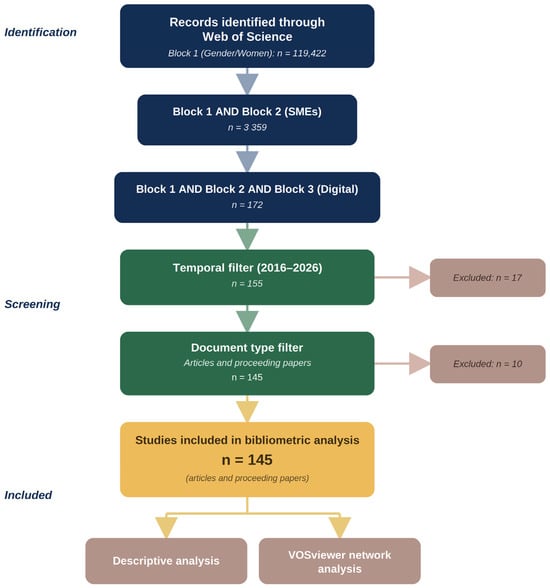
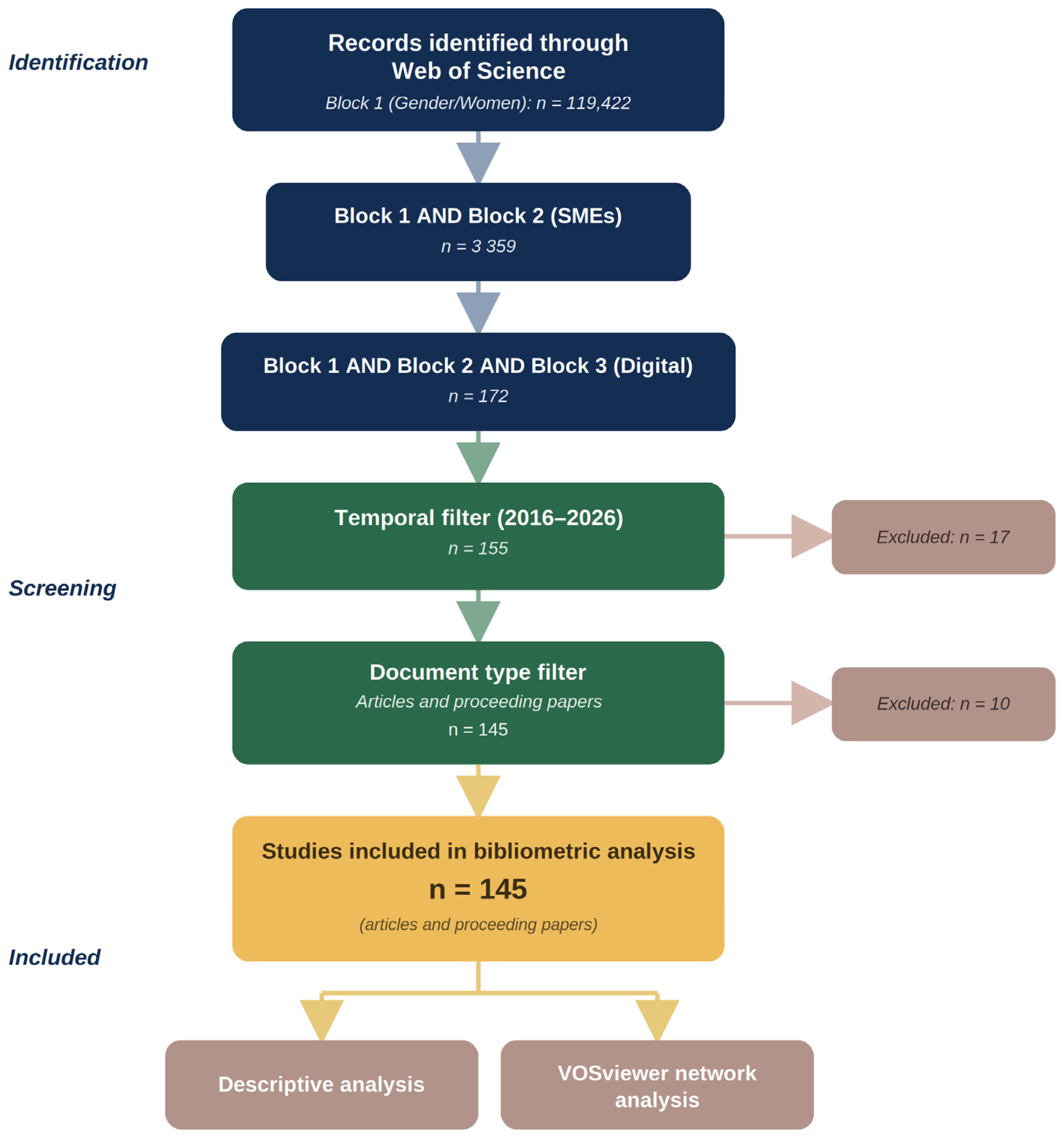
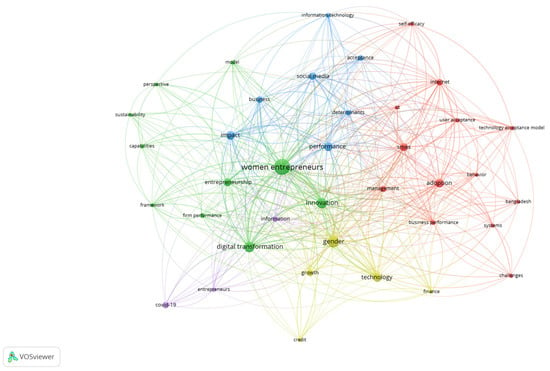
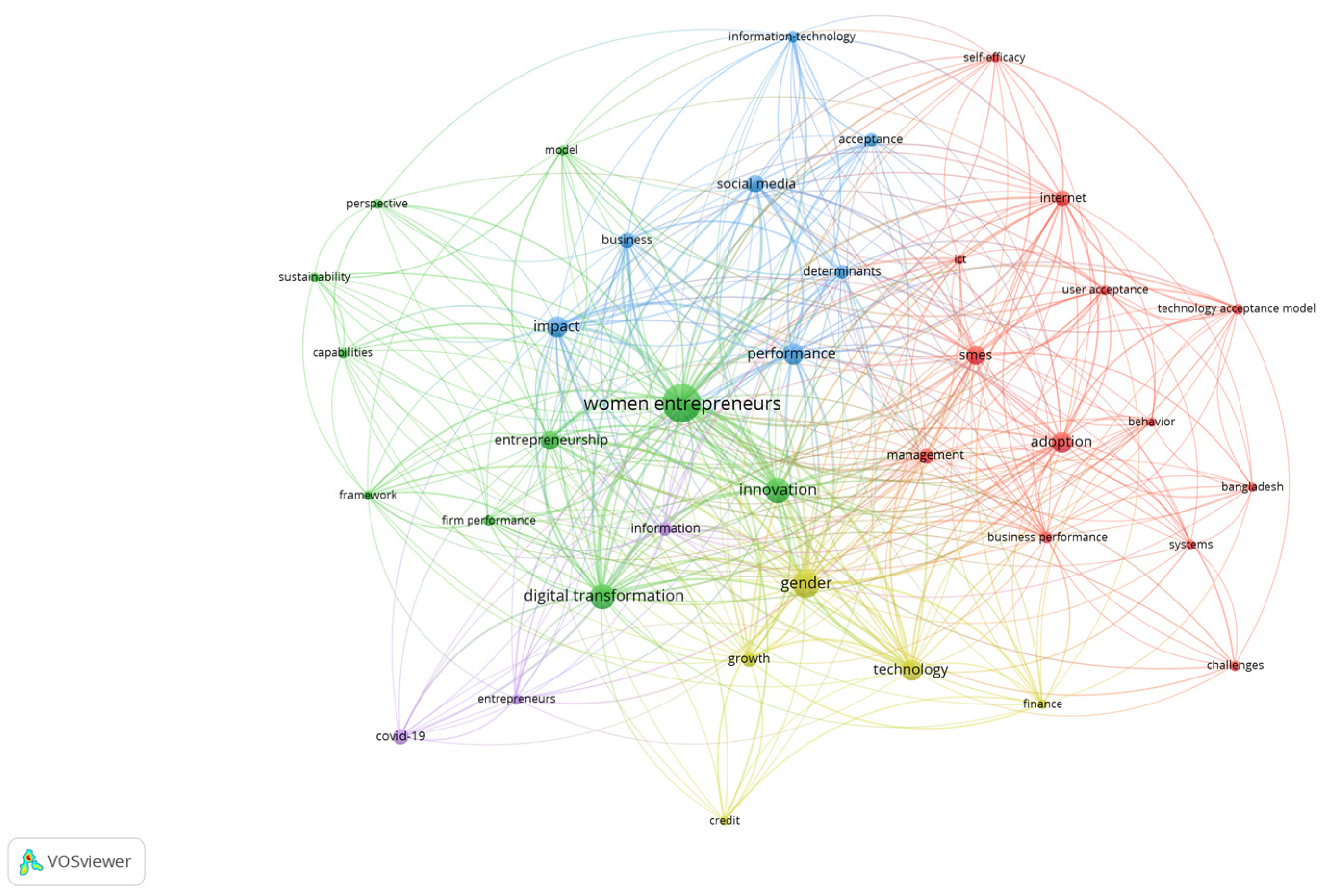
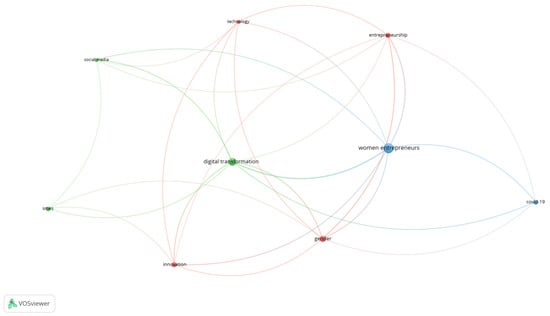
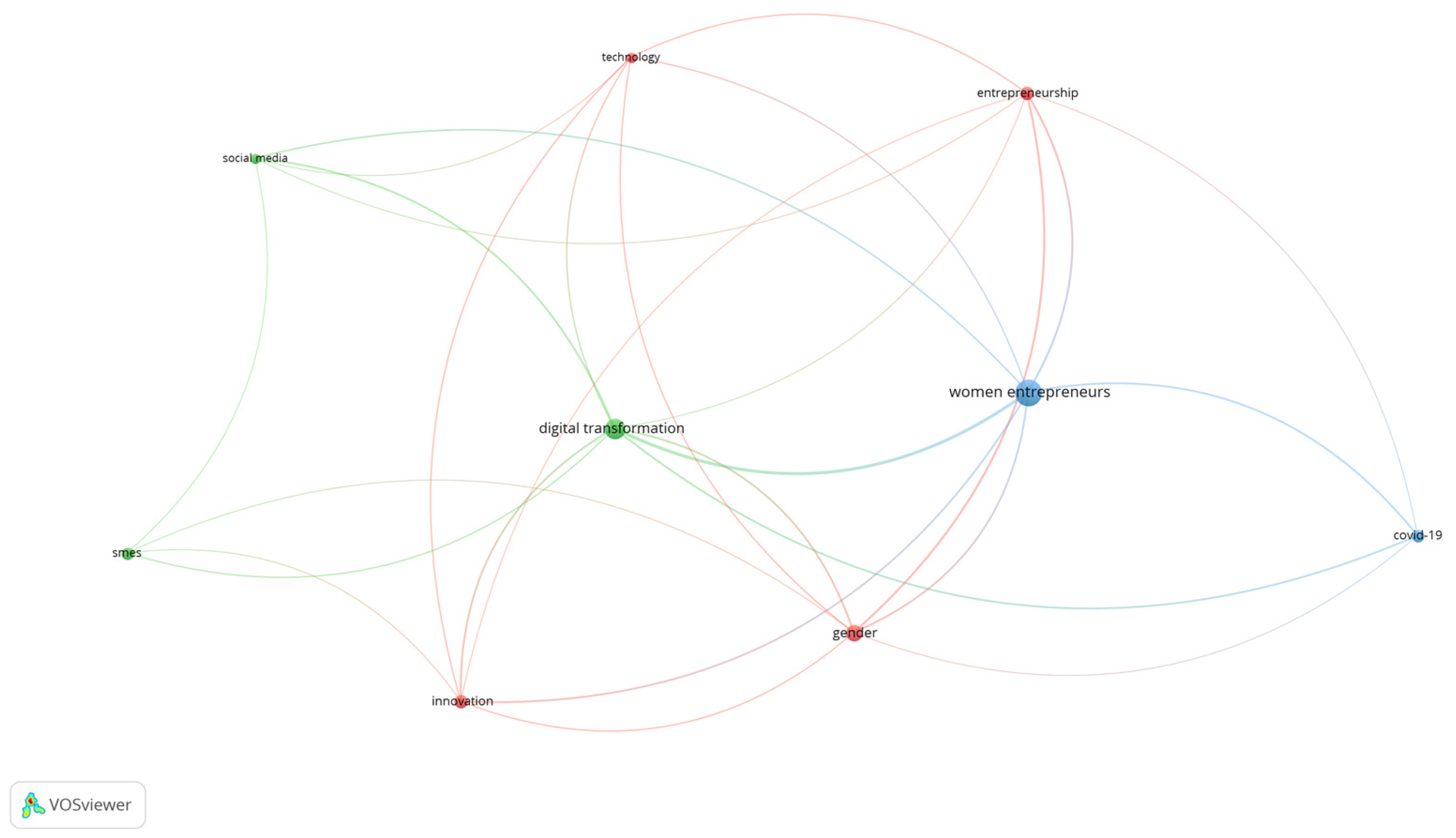
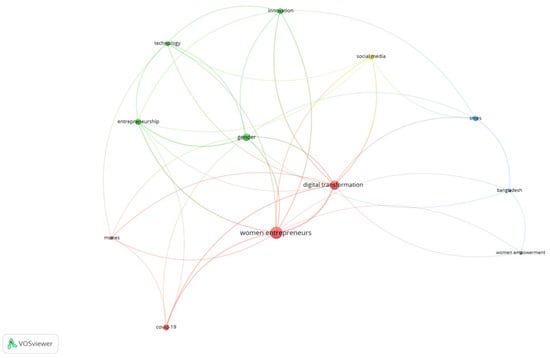
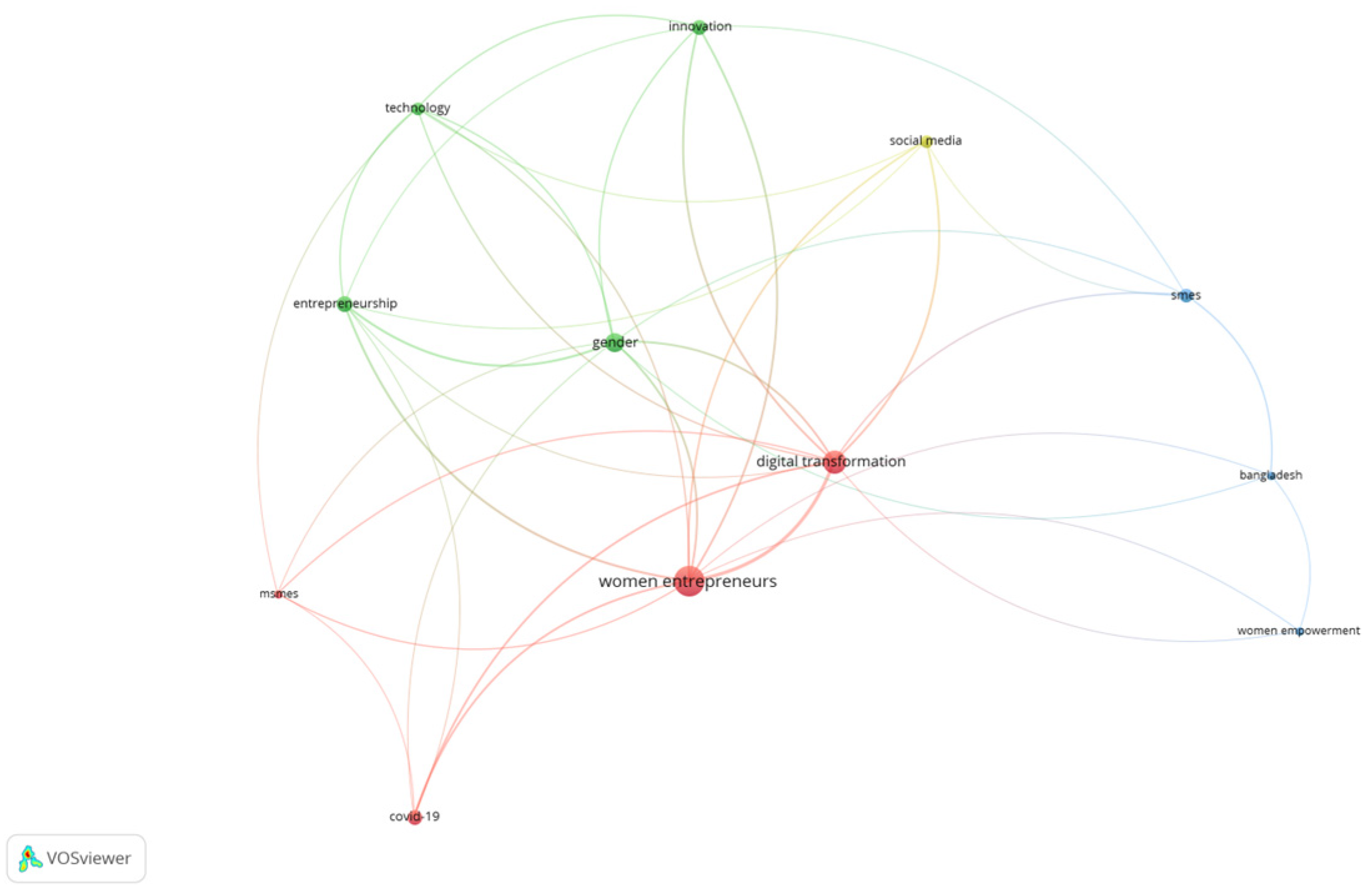
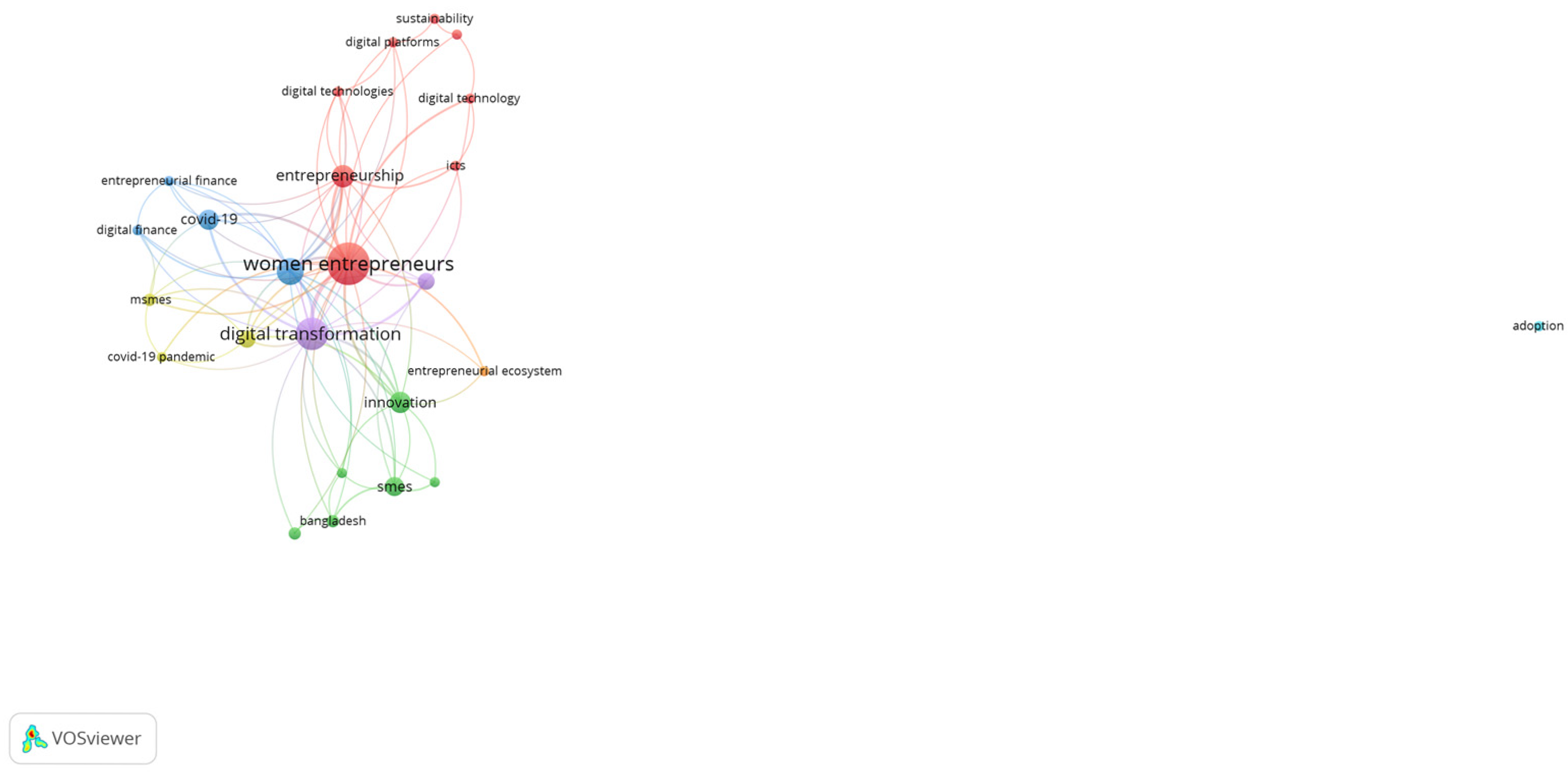
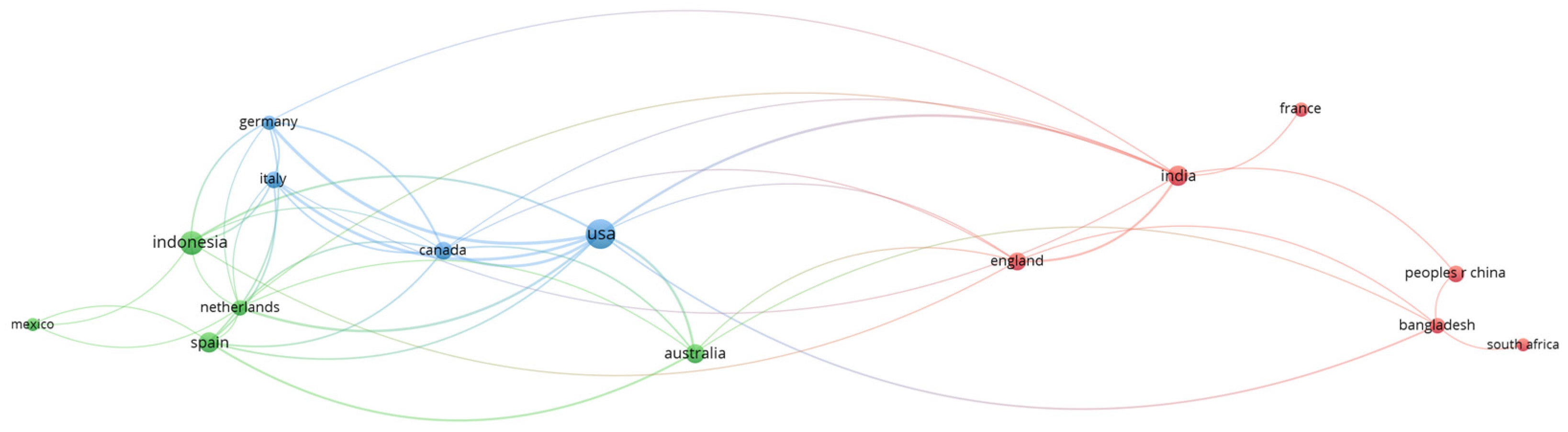

Disclaimer/Publisher’s Note: The statements, opinions and data contained in all publications are solely those of the individual author(s) and contributor(s) and not of MDPI and/or the editor(s). MDPI and/or the editor(s) disclaim responsibility for any injury to people or property resulting from any ideas, methods, instructions or products referred to in the content. |
© 2026 by the authors. Licensee MDPI, Basel, Switzerland. This article is an open access article distributed under the terms and conditions of the Creative Commons Attribution (CC BY) license.