


Abstract
Several recent publications have called for research which examines the impact of mindfulness beyond the usual secular (mostly clinical psychology) applications in Western contexts. There have also been calls for more work tying mindfulness to work engagement, including in non-Western contexts, particularly in emerging economies such as Thailand, a Southeast-Asia wellness hub. This empirical research addresses the gap and further examines the effects of workplace mindfulness and psychological capital on employee engagement based on the occupational conditions for physicians, nurses and other medical workers. The quantitative case study aims to understand how mindfulness works in this relatively high stress industry, in a culture where mindfulness is familiar to most people, and an organization which is known to encourage mindfulness among employees. The result from a structural equation modeling shows significant associations between mindfulness and psychological capital to employee engagement. Mindfulness has a strong direct impact on both psychological capital and employee engagement, while psychological capital directly impacts engagement and acts as a partial mediator that increases the impact of mindfulness. The analytical results show that mindfulness contributes substantially to healthcare employees’ work engagement. Workplace mindfulness also helps build psychological capital, which then reinforces the mindfulness impact on engagement in the occupational context. Notably, the analytical findings suggest that healthcare organizations and leaders should prioritize the incorporation of mindfulness interventions to fortify employee well-being and organizational effectiveness. Overall, this research can contribute to theoretical advancement and has practical implications.
1. Introduction
Employee engagement has a number of benefits specific to the individual employee, but also provides substantial strategic benefits to organizations, including more commitment, stronger discretionary effort, better customer satisfaction, increased productivity, faster innovation, and lower employee turnover (Kossyva et al., 2023b; Turner, 2020). However, engagement is not always easy to achieve. Even in well-managed, employee-welfare-oriented organizations, employees can face a range of stressful everyday issues. Healthcare workers, for example, often have very demanding job requirements, and stress has long been an issue (Chesak et al., 2019; Foster et al., 2020). Gaining engagement from employees in high-stress work environments poses a particularly difficult challenge (Breaugh, 2021).
Mindfulness has received substantial attention in recent years; particularly because it has been shown to be effective in helping employees (Eby et al., 2019; Good et al., 2016; Kumprang & Suriyankietkaew, 2024). For example, mindfulness interventions are among the more common individual-based interventions for helping nurses cope with their stressful work conditions (Hsu et al., 2024). Such intervention then translates into benefits for organizations, including enhanced engagement (Jia et al., 2025; Pattnaik & Jena, 2020). Nevertheless, despite the proliferation of publications, most reviews consider mindfulness research to be underdeveloped, and recommend more work on understanding some of the conceptual issues (e.g., Eby et al., 2019). Lee et al. (2021) argue that there is too much focus on outcomes, and a need to build a stronger conceptual foundation to better understand how those outcomes are achieved.
Psychological capital has also long been considered an important contributor to employee engagement (e.g., Ghosh et al., 2019; Luthans & Youssef-Morgan, 2017), partly because it also enhances the ability to cope with various forms of stress (e.g., Nolzen, 2018). The broader concept of psychological capital encompasses four components (hope, optimism, resilience, self-efficacy), which all interact synergistically (Flinkman et al., 2023; Luthans & Youssef-Morgan, 2017; Nolzen, 2018), although sometimes resilience gets particular attention (J. Wei et al., 2025). Clearly, since mindfulness and psychological capital can have similar beneficial impacts, they may often work together. Overall, research encompassing both mindfulness and psychological capital is fragmented and comparatively rare, but occasionally demonstrates that one cannot fully substitute for the other, nor fully mediate the other, i.e., they are complementary (e.g., Ali et al., 2022; Biswal & Srivastava, 2022; X. Liu et al., 2022; Mubarak et al., 2022).
Arguably, healthcare has been a fairly high-stress occupation all along (Chang et al., 2020; Chesak et al., 2019), and because of COVID-19, employees in the industry have faced an especially serious situation in the past few years (Kisely et al., 2020; Salari et al., 2020). Mindfulness (e.g., Burton et al., 2017; Green & Kinchen, 2021) and psychological capital/resilience (e.g., Robertson et al., 2016; Yuan et al., 2023) among healthcare personnel had already received some research attention. But since the pandemic, there has been a proliferation of research on mindfulness (Wexler & Schellinger, 2023; Yeun & Kim, 2022) and on psychological capital/resilience (e.g., Jeong & Kim, 2022; Sihvola et al., 2022). As is the case with these topics in broader context, there is only occasional work on how mindfulness and psychological capital/resilience may work in conjunction (e.g., Tulucu et al., 2022).
The cultural context of this research is Buddhist Thailand. Wickert et al. (2024) argue that the lack of much representation for non-Western contexts in research limits understanding of how management actually works worldwide. The concept of mindfulness is certainly somewhat differently understood in Buddhist Thailand than in the West. Beyond this, however, Filatotchev et al. (2020) summarize several compelling reasons for moving beyond Western contexts, including substantially different cultures in which organizations are embedded; formal institutions which are more relationship-based than in the West, and a much wider mingling of diverse religious philosophies. It is doubtful that many theories can even work very well without some attention to contextualizing them (Filatotchev et al., 2022).
The concept of mindfulness is well known in Thailand (and most Buddhist societies), but it is somewhat more comprehensive than in usual Western usage. Gilbert and Van Gordon (2023), for example, say the (usual) Western approach to fostering compassion focuses on a cognitive approach to mindfulness somewhat in contrast to a contemplative approach. Western discussions often cite Brown et al. (2007, p. 212): mindfulness is “a receptive attention to and awareness of present events and experience”. Most Buddhist observers would not disagree. In Western usage, however, mindfulness is often considered a stand-alone concept, and the focus is largely on individual well-being (Tal & Pagis, 2026).
In line with the observation that relationship-based interaction is common in non-Western institutions (Filatotchev et al., 2020), Roenjun et al. (2021) show that mindfulness among devout small business owners is thoroughly intertwined with their treatment of employees and customers. Basically, mindfulness, whether at an individual or team level, contributes to better relationships, which are important for a whole range of organizational outcomes. Strong relationships are particularly important in healthcare, both among staff and with patients (Vogus et al., 2020).
It should also be noted that Thailand handled the COVID-19 pandemic relatively well compared to most Western countries (De Foo et al., 2023; Samutachak et al., 2023), where most recent research on mindfulness, resilience, and work engagement has been carried out. This research is not specifically about the context of COVID-19. Nevertheless, the pandemic was quite recent, and there is still a low level of the virus present almost everywhere, so this may be on healthcare respondents’ minds in discussing these issues. The experience was traumatic even though the peaks were much lower in Thailand, and the relatively well-educated healthcare workforce was well aware of the worldwide situation. Thus, for several reasons, Thailand is a good context for gaining some data for comparison with Western research.
This research uses a quantitative case study approach, with data gathered in a survey (n = 291) at a major Thai hospital. The quantitative evidence shows that mindfulness and psychological capital both have an impact on workplace engagement, and that partially mediated mindfulness also works indirectly through psychological capital in this particular context. In summary, our study investigated the intricate relationship between mindfulness, psychological capital, and employee engagement within organizational settings, aiming to discern how mindfulness practices influence psychological capital and subsequently impact employee engagement.
2. Literature Review
The next sections briefly cover issues about employee engagement, mindfulness, and psychological capital. There is quite a lot of research on the individual constructs, and a number of recent reviews [e.g., engagement: Byrne (2022), Kossyva et al. (2023a); mindfulness: Baminiwatta and Solangaarachchi (2021), Shahbaz and Parker (2022); psychological capital: Flinkman et al. (2023), Yuan et al. (2023)], so we do not aim for comprehensive coverage. Rather, the aim is to show how these three pieces fit together, following Jaakkola’s (2020) recommendations about theory synthesis to integrate theory fragments into a bigger whole. This sort of integration is somewhat rare. The mindfulness discussion below must be expanded somewhat, to account for its Thai Buddhist context. The final sub-sections argue how mindfulness and psychological capital impact employee engagement.
2.1. Employee Engagement
Engagement with work has been a prominent topic for some time because it has frequently been tied to business outcomes such as employee retention, productivity, customer satisfaction, and profitability (Kahn, 1990; Kossyva et al., 2023a, 2023b; Turner, 2020). Byrne (2022) reviewed a great many of these definitions, aiming to unify them by proposing that employee engagement is
“a moment-to-moment state of motivation, wherein one is psychologically present (i.e., in the moment) and psychophysiologically aroused, is focused on and aligned with the goals of the job and organization, and channels one’s emotional and cognitive self to transform work into meaningful and purposeful accomplishment”.(Byrne, 2022, p. 15)
This definition includes elements often considered to be aspects that can be developed by mindfulness, as is noted a number of times throughout the book, although not specifically in the chapter on how to get employee engagement (Byrne, 2022).
Numerous obstacles in the work environment can impede employee engagement, or even somewhat worse, foster disengagement. Sometimes they are the result of poor management (e.g., Byrne, 2022; Jia et al., 2025), but even in well-managed organizations oriented toward employee welfare, a range of stressful everyday issues may eventually demotivate employees if not addressed. Many factors can reduce engagement if not addressed, often related to some form of stressful work environment (Burke, 2010).
This is particularly the case among healthcare workers (Cordioli et al., 2019). Arguably, occupational stress is much higher among health professionals than in the general population, a problem which has been greatly exacerbated by the recent pandemic (Spányik et al., 2022). In addition to traditional stressors such as long working hours, high workloads, and time constraints, healthcare workers are also uniquely confronted with physical demands related to possible infection with the virus (Fuchs et al., 2020; Kisely et al., 2020; Salari et al., 2020). Engagement diminishes when an individual’s psychological resources are insufficient to maintain the energy, enthusiasm, and focus required for prolonged work periods (F. Wang & Shi, 2022). Mindfulness training offers potential benefits in helping alleviate stress among employees (González-Palau & Medrano, 2022; Jamieson & Tuckey, 2017), but of course, this is only one of several important benefits, as further noted below.
2.2. Mindfulness
Mindfulness has begun to receive substantial attention, particularly because it has often been demonstrated to be effective in helping employees (Eby et al., 2019; Good et al., 2016). Mindfulness is characterized by the state of awareness that arises when one deliberately directs attention to the present moment, observing experiences as they unfold without judgment or evaluation. It involves being fully engaged in the here and now, free from distractions or critical thoughts (Brown & Ryan, 2003). Many formal definitions basically follow Brown et al. (2007, p. 212): mindfulness is “receptive attention to and awareness of present events and experience.” Essential elements include receptive attention and heightened awareness towards the present moment’s events and experiences, awareness which encompasses the internal and external environment, and no judgment (Brown & Ryan, 2003; Brown et al., 2007).
The vast majority of mindfulness research in the West has been in psychology/psychiatry and related secular areas (Baminiwatta & Solangaarachchi, 2021). Lee et al. (2021, p. 1850), however, note that Zen Buddhism influenced Western psychology in developing the notion of mindfulness as “a non-elaborative, nonjudgmental, present-centered awareness.” Zen is a Mahayana tradition, not exactly like Thai Theravada, but the basic issue is that many observers acknowledge the Buddhist foundations of mindfulness, whatever Buddhist school they refer to (e.g., Brown et al., 2007; Lee et al., 2021). There is, however, some debate on whether the Buddhist foundations are relevant in secular applications.
A number of observers view the Western secular mindfulness as often thoroughly dis-embedded from its roots (e.g., Tal & Pagis, 2026; Valerio, 2016). Berry et al. (2020) essentially argue that this is positive; mindfulness must be completely decoupled from its Buddhist foundations to maintain construct validity if we want to investigate it carefully. On the other hand, some scholars familiar with Buddhism are fairly dismissive of the Western secular version, calling it McMindfulness, a mass-produced commercialization (e.g., Purser, 2018; Walsh, 2016). Others, illustrated by Anālayo (2020), say that carefully used, Western dis-embedded mindfulness can be a legitimate psychological tool, even though it is not working quite the same way as in Buddhist context. (He does, however, acknowledge that some Western mindfulness is indeed simply McMindfulness, a not-very-useful commercialization.)
In their review of mindfulness at work, Good et al. (2016) regard Brown et al. (2007) as reasonable for the secular version, but say that “this definition reflects a common classical understanding of mindfulness but leaves considerable ambiguity for understanding how mindfulness intersects with workplace functioning” (Good et al., 2016, p. 117). They also include some detail about the Buddhist understanding of mindfulness, which begin to illustrate how it is a more comprehensive concept in Buddhist cultures. Tal and Pagis (2026) argue that mindfulness and similar concepts from other spiritual traditions must remain connected to their religious roots to have much lasting social impact. Wickert et al. (2024) even explicitly mention that mindfulness-based interventions in management is a topic where research in Asian Buddhist cultures can contribute to conceptual refinement.
2.2.1. Mindfulness in Thai Context
In general, Right Mindfulness is an element of the Buddhist Eightfold Path. It cannot be considered in isolation, it is deeply interconnected with all three categories of the Eightfold Path: morality (Sila), concentration (Samadhi, of which mindfulness is one element), and wisdom (Panna) (Harvey, 2000). This mental state is an important tool which, among other things, can help facilitate stronger relationships. Explicitly examining a group context, L. Yu and Zellmer-Bruhn (2018, p. 326) use the concept of team mindfulness, “a shared belief among team members that team interactions are characterized by awareness and attention to present events, and by experiential, nonjudgmental processing of within-team experiences.” This team mindfulness greatly reduces progression from task conflict to relationship conflict and the tendency to undermine social cohesion. S. Liu et al. (2022, p. 1376) demonstrate that “teams with high mindfulness pay more attention to opposing information brought by task conflict rather than trying to eliminate or control the opposition”. Basically, nonjudgmental focus on all relevant information about the task allows more thorough discussion of the issues, without inserting ego into the discussion and potentially damaging relationships. This facilitates more information sharing and higher creativity in solving the task.
In Buddhism, mindfulness is even more deeply enmeshed with other aspects beyond self-awareness. “When we have mindfulness, we are aware of whatever arises in our mind and pass this along to our faculty of wisdom for examination. Mindfulness and wisdom work together as a team” (Dhammapitaka & Payutto, 1999, p. 65). Part of wisdom is about how to behave toward others. In most Buddhist traditions, much practice involves the application of mindfulness and meta-awareness to ethical and compassionate thought and behavior (Thupten, 2019). In the Thai context, mindfulness helps one become attuned to thoughts and emotions, facilitating greater clarity and control in responding to situations (Petchsawang & Duchon, 2009). Interconnectedness beyond simple awareness is usually assumed in management research in Thailand. “By being aware of their thoughts and actions in the present, people are better able to control their emotions and behaviours” (Petchsawang & Duchon, 2009, p. 461). Among women small business owners who follow Kuan Im (the Thai-ized Chinese bodhisattva Kuan Yin), mindfulness cultivates empathy and compassion. “Mindfulness is not about uncovering the rules, but about thinking through the impact on others of decisions and actions” (Roenjun et al., 2021, p. 821). Such linkage of mindfulness and compassion is, of course, characteristic of many Buddhist currents (e.g., King, 2023).
In secular mindfulness research, compassion is usually essentially self-compassion, a sort of self-reflection mindfulness (Neff & Dahm, 2015), although there is some evidence of correlation between self- and other-compassion (Gerber & Anaki, 2021; Neff & Dahm, 2015). Xu et al. (2023) argue that with high mindfulness, self-compassion reduces concern about external judgments, and fosters engagement. Chang et al. (2020) notes that mindfulness interventions can reduce anger, leading to better social relations. Difficult social relations have a strong impact on mental and physical stress (Yang et al., 2016). Thus, in some regards, the secular conceptualization of mindfulness in much Western research is not radically different from the Buddhist version if self-compassion is indeed correlated with other-compassion. Dunne and Manheim (2023) point out that self-compassion is thoroughly interconnected with other-compassion in Buddhism. Indeed, Neff and Dahm (2015) draw on Buddhist conceptualization of compassion to define self-compassion, and note the interconnections without exploring them very much.
This brief digression into contrasting Western secular vs. Buddhist approaches to mindfulness and some of its impacts is necessary for assessing results in different contexts. Some observers question whether mindfulness measurement in the West is appropriate in Buddhist culture (for Thailand specifically: Christopher et al., 2009). The research here does not take a stand on whether the broader Buddhist approach, or the more restricted Western secular concept is “better”. There may not be much contradiction anyway, once context is carefully accounted for. Even Berry et al. (2020), who argue that mindfulness must be completely dis-embedded, and only used research in their meta-analysis which met their strict criteria, found that it has a small impact on prosocial behavior. In their review of individualized mindfulness interventions aimed specifically at nurses, Hsu et al. (2024) nevertheless note that, conducted in group setting, mindfulness practices can strengthen interpersonal connections and provide a network of emotional support among nurses.
2.2.2. Mindfulness Intervention and Employee Engagement
Numerous studies have shown that mindfulness practices in the workplace can enhance employee psychological well-being (Brown & Ryan, 2003; Malinowski & Lim, 2015; Soysa & Wilcomb, 2015), often through initiatives such as mindfulness-based stress reduction programs (Burton et al., 2017; Jamieson & Tuckey, 2017; Wexler & Schellinger, 2023). There is also a whole range of other benefits beyond individual employee well-being. Mindfulness can broaden the range of human consciousness and assist individuals in effectively managing their attention (S. Liu et al., 2022), including attention to task performance (Bunjak et al., 2022; Forjan et al., 2020; S. Liu et al., 2020). Mindfulness practices can enhance cognitive abilities (Chiesa et al., 2011) and decision-making skills (Karelaia & Reb, 2015), and can help people regulate emotions and boost overall job satisfaction (Forjan et al., 2020). Relationship impacts have already been noted; in particular, mindfulness fosters greater attention to others, increases empathy (Good et al., 2016), and enhances the impact of seeking feedback from team members on employee engagement and creativity (T. Wang et al., 2022).
Clearly, such positive effects on well-being, mental skills, and treatment of others could translate into work engagement, although this is only occasionally examined. In their meta-analysis, Vonderlin et al. (2020) demonstrate fairly consistent findings that mindfulness does improve work-related outcomes. However, they found that such research is under-represented in mindfulness research, which focuses more on employee well-being issues without necessarily connecting this explicitly to outcomes beyond the individual. Research specifically among healthcare personnel shows similar benefits, such as increased empathy and reduced anxiety (Barbosa et al., 2013; Beddoe & Murphy, 2004; Gerber & Anaki, 2021; Krasner et al., 2009), and reduced stress (Burton et al., 2017; Chesak et al., 2019; Green & Kinchen, 2021; Wexler & Schellinger, 2023). There is occasional research examining the impact of mindfulness on healthcare worker engagement (e.g., Tulucu et al., 2022). In their review of brief mindfulness practices for healthcare providers, however, Gilmartin et al. (2017) show that most research is on aspects of well-being, notably stress reduction, and very little is on behaviors at work.
2.2.3. Mindfulness Training in a Thai Program
Mindfulness training can go beyond the very internally focused versions of secular mindfulness, by explicitly connecting mindfulness to smooth interaction with others in an organizational setting. Stress reduction may be among the most prominent individual benefits of mindfulness, but helping employees deal with stress improves workplace relationships and social interactions (Chang et al., 2020; Good et al., 2016; Yang et al., 2016). This leads to more positive relationships among employees (Adair et al., 2018), and stronger social connections positively influence employee engagement (Saks & Gruman, 2014). Effective communication can be enhanced (Jones & Hansen, 2015). This is the basis for improved information sharing and creativity mentioned above as a benefit of mindfulness. These sorts of benefits are also usually seen in mindfulness programs among healthcare workers. In particular, fostering empathy, compassion and prosocial behavior has a big impact toward enhancing the quality of patient care and increasing satisfaction among patients (Beddoe & Murphy, 2004; Condon, 2017; Krasner et al., 2009; J. Wei et al., 2025).
Thailand’s Ministry of Public Health has used mindfulness programs for some years. A Mindfulness in Organization (MIO) program was introduced in 2017 by Dr. Yongyud Wongpiromsanti, Chief Advisor, Department of Mental Health, Ministry of Public Health in Thailand. MIO aims to incorporate mindfulness practices into organizational settings by encouraging organizations to adopt mindfulness values. It consists of workshops where employees are trained in mindfulness practices such as body scans, mindfulness communication, and creative discussions. The goal is to raise awareness of mindfulness and align its values with the values of the organization, ultimately leading to positive outcomes, especially in the healthcare profession (Wongpiromsant, 2017; Office of the Health Promotion Foundation, 2017).
The MIO training comprises three subtopics. The first step involves practicing mindfulness meditation, focusing on techniques like breath awareness and observing thoughts with a neutral mindset. The second part emphasizes positive thinking and mindful group communication. Lastly, the training includes a component of organizational development, which involves conducting meetings that encourage constructive feedback and conversations. The two-day training is divided into three segments, with executives, trainers, and employees being the main participants. Initially, the executives take part in the training, followed by the trainers. Finally, all staff members, including managers and other employees, receive the training. It should be noted that nearly all participants in the program are well aware of Buddhist mindfulness, and may interpret many aspects of the program in those terms, but the program does not explicitly aim to bring Buddhist principles into the mindfulness training.
In the Thai Ministry’s MIO program, sharing mindfulness practices with a trainer and integrating them into the organization’s internal interactions should help mindfulness practices become part of the organizational culture (Wongpiromsant, 2017; Office of the Health Promotion Foundation, 2017). The results of mindfulness meditation are expected to have an impact not only on trainees but also on groups within the organization as a whole, because even people who did not take the training would be able to see some impact. (Not having participated would mostly be employees who joined the organization after the training, but in our sample, nearly all had been with the hospital for some time, and had participated in the MIO.) Thus, the Thai situation is consistent with work in other contexts noted above. Practice in this sort of program has occasionally been shown to enhance engagement (S. Liu et al., 2020; Petchsawang & McLean, 2017), including among healthcare employees (Tulucu et al., 2022). As noted above, however, overall, mindfulness research somewhat neglects engagement (Vonderlin et al., 2020). Thus, it is useful to demonstrate the strong connection:
Hypothesis 1.
Mindfulness has a positive impact on employee engagement.
2.3. Psychological Capital
Psychological capital encompasses positive self-assessments that are linked to resilience and individuals’ belief in their ability to effectively manage and influence external factors (Luthans & Youssef-Morgan, 2017; Nolzen, 2018). Also known as personal resources, it comprises various attributes that contribute to an individual’s well-being and capacity to navigate challenges successfully. These attributes can be described as follows: (1) having the confidence (self-efficacy) to tackle challenging tasks and invest the necessary effort for achieving success, (2) maintaining a positive perspective (optimism) regarding present and future accomplishments, (3) demonstrating determination and adaptability (hope) in pursuing goals and adjusting strategies when necessary, and (4) exhibiting resilience by rebounding from adversity and surpassing previous levels of achievement. This conceptualization captures important elements of personal resources (Luthans & Youssef-Morgan, 2017).
2.3.1. Effect of Mindfulness on Psychological Capital
Part of the impact that mindfulness works through is fostering psychological capital (Biswal & Srivastava, 2022; Brown & Ryan, 2003). For example, mindfulness helps build mindful self-care, which has sometimes been considered more a set of practices and tasks than self-awareness. This is an important component in fostering resilience and preventing compassion fatigue among nurses (J. Wei et al., 2025). Psychological capital can play a dual role in employee engagement. It can have its own impact, briefly addressed in the next section. Here, we focus on the role of psychological capital, or its individual components, in mediating the impact of mindfulness. A few examples that mindfulness affects psychological capital for individual components include hope (Malinowski & Lim, 2015; Munoz et al., 2018), self-efficacy (Charoensukmongkol, 2014; Luberto et al., 2014; Soysa & Wilcomb, 2015), resilience (X. Liu et al., 2022; Mubarak et al., 2022; Tulucu et al., 2022), and optimism (Bunjak et al., 2022; Malinowski & Lim, 2015; Suthatorn & Charoensukmongkol, 2022). The composite construct consolidating all four components is also occasionally modeled along with mindfulness (Ali et al., 2022; Biswal & Srivastava, 2022).
There is a little bit of scattered research (mostly not with the rigorous experimental controls in Vonderlin et al., 2020) conceptualizing how outcomes are obtained. Ali et al. (2022) show that the impact of mindfulness on study engagement is mediated by psychological capital and intrinsic motivation, but this is not exactly work engagement in the organization. Kotzé (2018) found that mindfulness does impact composite psychological capital with its four dimensions, and psychological capital then impacts work engagement. Malinowski and Lim (2015) modeled both mindfulness and psychological capital using their separate sub-dimension constructs without aggregating them into second-order composites. For both, they found that some of the individual components played a role in fostering work engagement in their context, some did not.
However, overall, the mindfulness–psychological capital relationship is somewhat under-represented compared to either all mindfulness or all psychological capital research, and connecting it to impact on engagement is particularly neglected. Vonderlin et al. (2020) had quite strict criterial for including studies in their meta-analysis of randomized controlled trials, primarily focusing on those which included outcomes, although the outcomes could be on psychological states as well as work behaviors. They could cite only a few studies demonstrating mindfulness’ impact on resilience, and none on the other dimensions of psychological capital. (Similarly, only a handful specifically included work engagement.) There may have been a few more studies not included in their meta-analysis.
The introduction already notes that recent reviews (e.g., Eby et al., 2019; Lee et al., 2021) recommend that more work is needed on conceptualizing these issues. Bringing in the Buddhist conceptions of mindfulness greatly strengthens the argument that mindfulness would impact psychological capital. Thus, mindfulness helps foster psychological capital, so that individuals are better equipped to cope with stress and setbacks in their work environment. The somewhat incomplete prior empirical evidence supports this, even in the narrower Western definition of mindfulness, so it is hypothesized that mindfulness is positively related to psychological capital.
Hypothesis 2.
Mindfulness has a positive impact on psychological capital.
2.3.2. Effect of Psychological Capital on Employee Engagement
Whether or not they may partially result from mindfulness, the elements of psychological capital enhance self-efficacy, optimism, hope, and resilience, all of which can contribute to increased levels of engagement. The basic theory supporting the psychological capital and work engagement (in their several dimensions for both) was laid out some time ago (Sweetman & Luthans, 2010), with subsequent research supporting the link. Ghosh et al. (2019), for example, show the strong association between psychological capital and work engagement, but focus on how mentoring can enhance both, without explicitly examining the impact of psychological capital on the engagement. There is also scattered work on how individual psychological capital dimensions (notably, resilience) impact engagement, as well as specific aspects of engagement. Resilience, for example, plays a significant role in enhancing employee engagement (Jamieson & Tuckey, 2017), as does self-efficacy and optimism (Vogus et al., 2020).
Sometimes, such research demonstrates that engagement then generates beneficial outcomes (Jin et al., 2022; D. Liu et al., 2025). General organizational benefits of engagement have been noted earlier, but one benefit very directly relevant to healthcare is the enhanced quality of patient care (H. Wei et al., 2023). Jeong and Kim (2022), for example, found that psychological capital influenced intention to care for patients during the COVID-19 crisis. Foster et al. (2020) similarly demonstrate that psychological well-being and resilience are associated with more caring behavior.
Such work, however, is still not very common, either for the composite psychological capital or its individual dimensions. In their review on resilience among primary healthcare professionals, Robertson et al. (2016) cite only one study showing that resilience improves job engagement. F. Yu et al. (2019) similarly note the impact on engagement only occasionally. Shahbaz and Parker’s (2022) review includes only occasional reference to workplace engagement as an outcome of workplace mindfulness interventions, and cites only Malinowski and Lim (2015), noted above, as showing the mediating role of psychological capital. Most work on psychological capital or its individual components (mostly resilience) focuses on how it reduces stress and counters burnout (e.g., García-Izquierdo et al., 2018; Mensah & Amponsah-Tawiah, 2016; Mubarak et al., 2022).
Thus, while not very extensively researched, theory and some prior empirical evidence supports the contention that with greater psychological capital, individuals are more likely to feel engaged in their work.
Hypothesis 3.
Psychological capital has a positive relation with engagement.
Figure 1 schematically shows these three hypotheses. Mindfulness positively affects employee engagement, but also psychological capital. Psychological capital has its own impact on employee engagement. The simple structure implies that psychological capital partially mediates the impact of mindfulness, so that overall, the impact of mindfulness is enhanced through this mediation.
Figure 1.
Conceptual model and hypotheses. Note: H1–H3 indicate hypothesized positive relationships.
3. Methodology
This paper applied a quantitative research study using a cross-sectional survey design. The research context is a major Thai non-profit hospital, which itself is a member of a group of hospitals affiliated with a Royal foundation and the official Buddhist Sangha administrative hierarchy, i.e., these are quasi-governmental hospitals with close connections to the Ministry of Public Health. The Ministry conducts Mindfulness in Organization (MIO) programs, as briefly described above (Wongpiromsant, 2017; Office of the Health Promotion Foundation, 2017). The data used here was collected several years later, so it does not represent an immediate impact from the MIO workshop. However, informal discussions with personnel indicated that most healthcare employees who answered the survey participated in it, confirmed by a question on the questionnaire.
Ethical approval for the research was granted by the Institutional Review Board, Institute for Population and Social Research (IPSR-IRB), Mahidol University, COA. No. 2019/06-203. The survey and its question items are constructed to use a five-point horizontal scale ranging from (1) strongly disagree to (5) strongly agree. Petrescu (2013) distinguishes complex constructs (normally needing multiple measures) from relatively narrow constructs, for which single item measures are often adequate. The three constructs in our simple model are relatively complex, but their individual sub-dimensions are relatively narrow, so a single item can represent each sub-dimension. A small survey pilot (n = 15) and two in-depth interviews were conducted in September 2019 before starting the survey to confirm that the scale adaptations were adequate in the context of a Thai healthcare organization. No serious conceptual issues were encountered, but minor adjustments were made in the Thai translations to make them more understandable to Thai respondents. The questions and their summary statistics can be seen in Appendix A.
Mindfulness: Questions relating to individual mindfulness were adapted from the Five Facet Mindfulness Questionnaire (FFMQ) (Baer et al., 2006), which is a refined composite of several other common scales. They constructed the FFMQ as a second-order factor consisting of five sub-dimensions (nonreactivity to inner experience; observing sensations/perceptions/thoughts/feelings; acting with awareness; describing; nonjudging of experience). The FFMQ is among the most cited self-report mindfulness scales. Chems-Maarif et al. (2026) found it to be one of just a few top performers among a great many scales tested on a range of psychometric criteria. No scale, however, came very close to meeting all of the criteria, which they attribute partly to the need to adapt to cultural variation. “Even well-validated scales, such as the FFMQ, fail to adequately capture cultural variations in the understanding of mindfulness without being prone to measurement invariance issues” (Chems-Maarif et al., 2026, p. 12).
In Buddhist contexts, for example, “acting with awareness” goes somewhat beyond the standard secular mindfulness definition. However, occasionally research has assessed the FFMQ in Buddhist cultures, for example, Bhutan (Haas & Akamatsu, 2019), and Sri Lanka, where it was somewhat simplified (Baminiwatta et al., 2022). In such cases, the FFMQ may need some adaptation to improve results, but still roughly works, especially in simplified form. The FFMQ remains probably the most commonly cited source used for assessing mindfulness (Baminiwatta & Solangaarachchi, 2021), so this project used it, and simplified by choosing a representative item from each sub-dimension, based on the largest factor loading of items on each dimension. This follows one of the common methods in Hair et al. (2014, p. 121) for data reduction to get a representative surrogate item for a relatively narrow multi-item construct. The choices were further assessed by consulting the literature which examined mindfulness in the Thai organizational context (e.g., Petchsawang & Duchon, 2009; Petchsawang & McLean, 2017; Roenjun et al., 2021). The small pilot noted above also indicated that there did not seem to be any major problems.
Psychological capital: The four items representing psychological capital are based on Lorenz et al. (2016), who carried out extensive work to condense previous much larger scales, notably from Luthans’ work (e.g., Luthans & Youssef-Morgan, 2017). They tested a reduced scale using three items for each of the four sub-dimensions. Here, this project used one item from each of the sub-dimensions to get a simplified composite measure, based on the item with the largest CFA factor loading on each sub-dimension (which is also the item with the least variance unaccounted for in the error term). These items were also included in the small pilot assessment to be sure there were no serious problems.
Engagement: Three of the work engagement questions, specifically about the job, were taken from the scale of May et al. (2004). They used three sub-dimensions, cognitive, emotional, and physical; here the first item from each sub-dimension was chosen as representative of the sub-dimension. They developed their items from prior work, and noted the need to carefully choose specific items to represent the dimensions because their pilot work did not indicate a coherent structure for the bigger prior scales. That approach was adopted here. The other two items are from Saks (2006, 2019), who distinguishes organization engagement as closely related but a slightly separate sub-dimension from job engagement. Colleague engagement in Saks (2006, 2019) is the leading question on a sub-dimension of Organization Citizenship Behavior—Individuals. Essentially, these two engagement items represent the relationships with colleagues noted above. As for the first three questions, judgment was used to pick the items that seemed most representative. As noted, a small pilot tested the questionnaire to confirm that the items for the three concepts provided coherent constructs that were differentiated from each other.
Sampling
The hospital used in the survey was chosen from among those participating in the MIO program several years earlier, based on consultation with the program’s admin about which hospitals seemed to have implemented it well. The study applied a non-probability purposive sampling approach to effectively and efficiently enhance the data collection among the specific occupational healthcare employees in October 2019. This approach ensured that mindfulness would be understood and practiced by most respondents to some degree, in an industry where psychological capital is known to be an important issue. As well, the concept of mindfulness is familiar to most Thai respondents even if they do not actually practice it very much. These are key considerations in case study research (Poulis et al., 2013; Takahashi & Araujo, 2020). After the ethical approval, the survey was distributed by the researcher to voluntary healthcare employees in all departments, including the Emergency Department, Intensive Care Unit, Laboratory Services, Pharmacy, Physical Therapy and Rehabilitation, Administration, and Support Services. A total of 365 questionnaires were distributed to employees, almost all of them. The completed questionnaires were subsequently collected by the researcher for further data analysis. Nearly 80 percent responded, but a few questionnaires were discarded for incomplete data, so 291 completed surveys were used for analysis. All participants’ responses were anonymized to preserve confidentiality.
Overall, nearly 80 percent of the 291 respondents were female (Table 1). Eighty percent of all respondents were over 30 in age, 79 percent had at least a bachelor’s degree, and nearly all of those who did not had a full 12 years of secondary education. Half of the sample had more than 15 years of experience, and 86 percent more than five years. In this hospital, even the eight percent of respondents who were supervisors or executives would have come through the ranks from direct healthcare positions. Nearly all respondents were Buddhist (98%), and nearly all recalled participating in the Mindfulness in Organization training several years earlier (98%). Tests of these demographic variables showed hardly any difference on either the composite variables, their individual items, or the parameters measuring relationships in the model, so they are not discussed further.
Table 1.
Profile of respondents.
4. Quantitative Results
Respondents moderately agreed with items for all three constructs, which ranged from 3.34 to 3.85 on the five-point scales (Appendix A). Several tests determined that the three constructs exhibited good construct reliability and convergent and discriminant validity (Table 2). An initial exploratory factor analysis (EFA) of all 14 items representing the three constructs showed three distinct factors, with all items loading where expected, and minimal cross-loading. The three factors represented the conceptualization well, and accounted for 76.6 percent of variance, with very similar weights for each of the three constructs in the rotated solution.
Table 2.
Summary EFA and CFA statistics on construct items.
4.1. Measurement Model
The initial EFA suggested that confirmatory factor analysis (CFA), with each item mapped exclusively to a single construct, would likely be feasible. The CFA measurement model showed strong fit (Table 3). All three constructs showed both Cronbach alpha and McDonald’s omega ranging between 0.899 and 0.958, with composite reliability > 0.8, and the average variance extracted (AVE) > 0.5 for all of them. The mean within-construct correlations for each construct was larger than the average correlation of items across constructs (Table 4). Standardized residual variances showed no problems by the guidelines in Hair et al. (2014), who suggest absolute value > 2.5 as potentially problematic.
Table 3.
Fit indices.
Table 4.
Correlations, reliabilities, AVE.
We do note that colleague engagement and organizational engagement have somewhat weak CFA factor loadings. These two items are surrogates for two sub-dimensions of employee engagement, and Hair et al. (2014) routinely advise that statistical benchmarks should be balanced against conceptual integrity. The mean within-construct correlations of these two items were much higher than their mean correlations with items in either of the other two constructs in the model, and they do not unduly lower any of the reliability measures or AVE in Table 4.
Some version of the Harman test is probably the most frequent method used to check for common method variance (CMV) (Baumgartner & Weijters, 2021). Confirmatory factor analysis (CFA) with a single common factor representing the fourteen measures showed a very poor fit compared to the measurement model indices summarized in Table 3. None of the indices for the single common factor met standard cutoff guidelines; most were not close. Thus, the single common factor CFA does not work, indicating there is no evidence of serious CMV.
4.2. Structural Model
The structural model results are shown in Table 5. All three hypotheses are supported. Mindfulness has a strong direct impact on employee engagement (H1), and on psychological capital (H2). Psychological capital has a somewhat smaller, but significant impact on employee engagement (H3). Table 6 indicates that mindfulness also has a small indirect impact on employee engagement, and thus is partially mediated by psychological capital, although this is much smaller than its direct impact.
Table 5.
Structural model results.
Table 6.
Direct and indirect effects (standardized beta).
5. Discussion
The survey results provide robust evidence supporting the positive relationship between mindfulness and employee engagement. Consistent with scattered previous findings (S. Liu et al., 2020; Pattnaik & Jena, 2020), mindfulness practices implemented within this Thai hospital contribute substantially to enhancing employee engagement levels. Furthermore, mindfulness also has a direct impact on psychological capital. Psychological capital components such as hope, optimism, self-efficacy, and resilience, are known from occasional empirical work to influence employee engagement (Ghosh et al., 2019; Luthans & Youssef-Morgan, 2017; Sweetman & Luthans, 2010). Malinowski and Lim (2015) are among the few who show a partial mediating effect for (individual sub-dimensions of) psychological capital. In summary, the results here are consistent with prior empirical work, but that prior work is not very extensive. Several recent reviews have called for additional research to explore these issues more thoroughly, including in non-Western contexts.
Clearly, the contribution of mindfulness to individual well-being, often the main focus of mindfulness research in the West (Tal & Pagis, 2026), also works in Thai culture, as demonstrated by the strong parameter confirming Hypothesis 2. Western research has also shown that mindfulness contributes to employee engagement (Hypothesis 1), which is also the case in this Thai context. Given the somewhat more comprehensive understanding of mindfulness in Buddhist cultures, including a strong component of interconnection to others, this is not really surprising. Hypothesis 3, which connects psychological capital to employee engagement, has also gotten only occasional attention in Western research (Shahbaz & Parker, 2022; F. Yu et al., 2019). The individual connections in these hypotheses, then, are not very surprising, even if somewhat under-researched. However, bringing in cultural aspects of Buddhist interconnectedness thinking and Thai collectivist culture makes it clear that these relationships are a coherent set, and probably should not be researched as stand-alone linkages among these concepts.
This research, then, indicates that the frequent Western conceptualization of mindfulness as a stand-alone concept, aiming at self-reflection, (more-or-less a “know yourself” application), needs some adaptation in this Thai Buddhist context. Mindfulness does impact self (psychological capital), but these respondents clearly also view mindfulness as an important method to help them interact with others better, whether it be colleagues or patients. Western applications of mindfulness in organizational (rather than psychoanalytic) settings show some of this also, but the issue has rarely been explicitly examined. Wickert et al. (2024) recommend that various conceptualizations need to be investigated in non-Western settings, explicitly citing mindfulness interventions in a Buddhist context as an example.
Many experts on such issues contrast Western analytic thinking with Asian holistic thinking, sometimes called dialectical thinking. “In terms of attention, the analytic style is field-independent, indicating that attention is mainly oriented toward an object itself, whereas the holistic style is field-dependent, indicating that attention is focused on the relationship between objects and/or the field in which they are embedded” (Koo et al., 2018, p. 107). “Some evidence also indicates that focused training can increase dialectical thinking” (De Oliveira & Nisbett, 2017, p. 788). In other words, mindfulness training can shift focus in one common Western approach (self-reflection, “know yourself”), toward stronger understanding of the relationship between “yourself” and the external world. Buddhist thinking already stresses such interconnection; it is no surprise to find it reinforced in a hospital where nearly all personnel and patients are Buddhist. The findings suggest that organizations can strategically implement mindfulness practices to enhance employee engagement and cultivate psychological capital, thereby fostering a positive employee engagement. Recognizing the contextual nuances of mindfulness, particularly in Thai Buddhist environments, highlights the importance of considering cultural differences in conceptualizing and implementing such mindfulness interventions.
It is also useful to note that this research demonstrates the efficacy of measuring the three constructs in the model with shortened scales representing their several sub-dimensions. This is a somewhat minor measurement issue, but it is consistent with some discussion arguing that single item measures for relatively narrow constructs can work quite well (Allen et al., 2022; Matthews et al., 2022; Petrescu, 2013). Hoyle et al. (2025), for example, explicitly note the potential data quality problems from overly long questionnaires, pointing out that constructs are frequently assessed using single items because of this. Here, the constructs themselves cover a range of related issues, but the sub-dimensions of each construct are narrow. Representing them with a single item from well-established scales allows parsimonious construction of composites retaining the sense of the overall constructs. This simplifies modeling, allowing focus on the key issues here—demonstrating that mindfulness does have a significant impact on both psychological capital and on employee engagement, and that psychological capital has its own impact on engagement, as well as a mediating effect from mindfulness. Developing more holistic frameworks to account for Asian thinking will require more of this, rather than focus on small pieces of the picture.
Finally, it is also useful to note that the favorable situation in this research is strongly connected to actual real-world performance. In 2018, the hospital director was named “Outstanding Rural Doctor” for delivering quality medical services to local people. The hospital, however, has always placed high quality medical services above money, and therefore once ranked among the hospitals with the worst financial performance in the country. (This was primarily because the state budget was allocated based on the province’s Thai population. Being near the border with Laos, many Lao came to the hospital, could not pay, but were not turned away.) However, instilling a sense of commitment and ownership over the hospital among employees not only contributed to maintaining quality patient care, but also got staff involved in figuring out how to economize in ways which would have no impact on quality of care. This helped push the hospital toward strong financial performance without sacrificing quality (The Nation, 2019a). Nowadays, it has become somewhat of a model for how rural hospitals can maintain high healthcare standards and healthy financial status at the same time (The Nation, 2019b). These little news articles say nothing about mindfulness; they attribute the good results to employee engagement. This research project shows that mindfulness helps foster that engagement.
Overall, this paper implies the practical importance of mindfulness as a mechanism to enhance engagement and psychological capital to varying degrees. Occupational healthcare leaders, managers and employees may apply our research findings to benefit their organizations by implementing mindfulness in organizational training or practices to improve employee engagement and psychological capital.
6. Conclusions
This study provides insight into the mechanisms by which mindfulness increases employee engagement, contributing to existing knowledge in several areas. There is scattered work on these relationships, but the literature has explicitly said that more is needed. Further, much current work looks at individual pieces of the simple model here, rather than holistically at how the pieces fit together. One reason is that the few such studies often look at impact immediately after the training intervention. In this study, significant associations among mindfulness, psychological capital, and employee engagement were observed several years after the mindfulness training; however, the cross-sectional design does not allow firm conclusions about long-term causal effects. The findings provide valuable insight for organizations to strategically implement mindfulness practices and cultivate psychological capital, ultimately fostering a positive work environment and promoting higher levels of employee engagement.
Although this research provides good insight into the mechanisms of how mindfulness positively associates with psychological capital and employee engagement, it has some limitations. First, the study was conducted in a single Thai non-profit hospital that was purposively selected because it was considered to have implemented the Mindfulness in Organization (MIO) program well. This may introduce selection bias and limits the generalizability of the results beyond this setting. It does, however, show that mindfulness has a prominent impact and works both directly and indirectly, which was the main aim of the research. Thus, further research is warranted to explore potential moderating factors and assess the generalizability of these findings across different organizational contexts, and across a range of cultures.
The results are likely to hold in many Asian contexts, where holistic thinking stresses such interconnections, but they need to be confirmed especially in other cultural contexts. The study did not directly measure Buddhist orientation, holistic thinking, or related cultural mechanisms. Interpretations concerning Thai Buddhist culture and interconnectedness should therefore be treated as theoretically informed rather than empirically tested. There is scattered work suggesting that the relationships hold, but not much looking at the role of psychological capital as a mechanism for helping foster the impact of mindfulness. As noted, the current literature suggests that more work is needed to thoroughly understand these issues.
This study was conducted in Thailand, a culture familiar with Buddhist concepts of mindfulness. For future research, it should be replicated in a culture less familiar with Buddhism, as well as in non-Buddhist Asian cultures, which presumably show some of the Asian thought patterns, but without the doctrinal reinforcement of interconnectedness thinking. Clearly, it needs also to be confirmed in non-Asian cultures. Such cross-cultural replication would help determine the extent to which the relationships identified here are generalizable across countries and cultural contexts. Further insightful analysis may be conducted using qualitative research.
A further limitation is the cross-sectional design. Although the survey was conducted several years after the MIO training and nearly all respondents reported having participated, the study did not include longitudinal or pre- and post-training measurements. The findings therefore should not be interpreted as evidence of long-term causal effects. Rather, they show associations among mindfulness, psychological capital, and employee engagement at the time of data collection. Longitudinal or pre- and post-intervention studies would provide stronger evidence regarding persistence and causal direction.
Future studies are also needed in other industries, such as manufacturing, retail, finance, and government. Healthcare work involves distinctive demands, including patient-facing responsibilities, heavy workloads, emotional demands, and occupational stress. These conditions may shape the relationships examined here and may limit their transferability to other industries. It may even differ slightly where hospital management is more oriented toward efficient operations rather than top patient care (although the hospital in this study indicates that efficiency and quality care are not necessarily in conflict). In this particular hospital setting, much of what employees said about engagement ultimately focuses on desire for good patient care. From the employee perspective, the case for engagement may not be as strong where the intimate connection to customers is weaker. Comparative research across healthcare and non-healthcare settings would therefore help establish the boundary conditions of the proposed relationships.
Nevertheless, the results do indicate strong positive associations between mindfulness, psychological capital, and employee engagement, suggesting that mindfulness is associated both with employees’ psychological resources and with their engagement at work. Benefitting employees may also support organizational operations. The limited work on these issues so far seems to be on the right track, and should be intensified, including work on how cultural context plays a role in these relationships.
Lastly, this study may be a starting step to further research to expand the knowledge and broaden our understanding in this emerging field to benefit mankind.
Author Contributions
Conceptualization, K.K. and S.S.; Methodology, K.K., S.S. and M.S.; Validation, M.S. and S.S.; Formal analysis, K.K.; Investigation, K.K. and S.S.; Writing—original draft, K.K. and S.S.; Writing—review & editing, M.S. and S.S.; Visualization, K.K. and M.S.; Supervision, S.S.; Project administration, K.K. and S.S. All authors have read and agreed to the published version of the manuscript.
Funding
This research received no specific grant from any funding agency in the public, commercial, or not-for-profit sectors.
Institutional Review Board Statement
For the research was granted by the Institutional Review Board, Institute for Population and Social Research (IPSR-IRB), Mahidol University, COA. No. 2019/06-203 (approved 27 June 2019).
Informed Consent Statement
Informed consent was obtained from all respondents involved in the study, and no identifying information was collected during the survey.
Data Availability Statement
The data supporting findings of this study are available from the corresponding author upon reasonable request.
Conflicts of Interest
The authors declare no potential conflicts of interest with respect to the research, authorship, or publication of this article.
Appendix A. Questionnaire Items and Summary Statistics
| With Mindfulness: | Mean | Std Dev |
| mindfulness indicators | ||
| I pay attention to sensations, such as the wind in my hair or sun on my face | 3.45 | 0.738 |
| I understand my feelings and am able to describe them easily. | 3.56 | 0.709 |
| I pay more attention to what I am doing. | 3.71 | 0.688 |
| I am aware of my feelings, whether they are positive or negative, without judgment. | 3.63 | 0.739 |
| When I have distressing thoughts or images I am able just to notice them without reacting | 3.34 | 0.769 |
| psychological capital indicators | ||
| I can think of many ways to reach my current goals. | 3.82 | 0.673 |
| The future holds a lot of good in store for me. | 3.85 | 0.676 |
| I can remain calm when facing difficulties because I can rely on my coping abilities. | 3.79 | 0.680 |
| When I’m in a difficult situation, I can usually find my way out of it. | 3.80 | 0.677 |
| work engagement indicators | ||
| Performing my job is so absorbing that I forget about everything else. | 3.47 | 0.776 |
| I really put my heart into my job. | 3.77 | 0.699 |
| I exert a lot of energy performing my job. | 3.71 | 0.727 |
| I willingly give some time to help others who have work-related problems | 3.70 | 0.711 |
| being a member of this organization is very captivating | 3.84 | 0.726 |
References
- Adair, K. C., Fredrickson, B. L., Castro-Schilo, L., Kim, S., & Sidberry, S. (2018). Present with you: Does cultivated mindfulness predict greater social connection through gains in decentering and reductions in negative emotions? Mindfulness, 9(3), 737–749. [Google Scholar] [CrossRef] [Scilit]
- Ali, M., Khan, A. N., Khan, M. M., Butt, A. S., & Shah, S. H. H. (2022). Mindfulness and study engagement: Mediating role of psychological capital and intrinsic motivation. Journal of Professional Capital and Community, 7(2), 144–158. [Google Scholar] [CrossRef] [Scilit]
- Allen, M. S., Iliescu, D., & Greiff, S. (2022). Single item measures in psychological science: A call to action. European Journal of Psychological Assessment, 38(1), 1–5. [Google Scholar] [CrossRef] [Scilit]
- Anālayo, B. (2020). The myth of McMindfulness. Mindfulness, 11(2), 472–479. [Google Scholar] [CrossRef] [Scilit]
- Baer, R. A., Smith, G. T., Hopkins, J., Krietemeyer, J., & Toney, L. (2006). Using self-report assessment methods to explore facets of mindfulness. Assessment, 13(1), 27–45. [Google Scholar] [CrossRef] [Scilit] [PubMed]
- Baminiwatta, A., Alahakoon, H., Herath, N. C., Kodithuwakku, K. M., & Nanayakkara, T. (2022). Psychometric evaluation of a Sinhalese version of the Five Facet Mindfulness Questionnaire and development of a six-facet short form in a Sri Lankan Buddhist context. Mindfulness, 13(4), 1069–1082. [Google Scholar] [CrossRef] [Scilit]
- Baminiwatta, A., & Solangaarachchi, I. (2021). Trends and developments in mindfulness research over 55 years: A bibliometric analysis of publications indexed in Web of Science. Mindfulness, 12(9), 2099–2116. [Google Scholar] [CrossRef] [Scilit] [PubMed]
- Barbosa, P., Raymond, G., Zlotnick, C., Wilk, J., Toomey, R., III, & Mitchell, J., III. (2013). Mindfulness-based stress reduction training is associated with greater empathy and reduced anxiety for graduate healthcare students. Education for Health, 26(1), 9–14. [Google Scholar] [CrossRef] [Scilit] [PubMed]
- Baumgartner, H., & Weijters, B. (2021). Dealing with common method variance in international marketing research. Journal of International Marketing, 29(3), 7–22. [Google Scholar] [CrossRef]
- Beddoe, A. E., & Murphy, S. O. (2004). Does mindfulness decrease stress and foster empathy among nursing students? Journal of Nursing Education, 43(7), 305–312. [Google Scholar] [CrossRef] [Scilit] [PubMed]
- Berry, D. R., Hoerr, J. P., Cesko, S., Alayoubi, A., Carpio, K., Zirzow, H., & Beaver, V. (2020). Does mindfulness training without explicit ethics-based instruction promote prosocial behaviors? A meta-analysis. Personality and Social Psychology Bulletin, 46(8), 1247–1269. [Google Scholar] [CrossRef] [Scilit] [PubMed]
- Biswal, K., & Srivastava, K. B. (2022). Mindfulness-based practices, psychological capital, burnout and performance anxiety. Development and Learning in Organizations: An International Journal, 36(6), 4–7. [Google Scholar] [CrossRef] [Scilit]
- Breaugh, J. (2021). Too stressed to be engaged? The role of basic needs satisfaction in understanding work stress and public sector engagement. Public Personnel Management, 50(1), 84–108. [Google Scholar] [CrossRef] [Scilit]
- Brown, K. W., & Ryan, R. M. (2003). The benefits of being present: Mindfulness and its role in psychological well-being. Journal of Personality and Social Psychology, 84(4), 822–848. [Google Scholar] [CrossRef] [Scilit] [PubMed]
- Brown, K. W., Ryan, R. M., & Creswell, J. D. (2007). Mindfulness: Theoretical foundations and evidence for its salutary effects. Psychological Inquiry, 18(4), 211–237. [Google Scholar] [CrossRef] [Scilit]
- Bunjak, A., Hafenbrack, A. C., Černe, M., & Arendt, J. F. (2022). Better to be optimistic, mindful, or both? The interaction between optimism, mindfulness, and task engagement. Journal of Occupational and Organizational Psychology, 95(3), 595–623. [Google Scholar] [CrossRef] [Scilit]
- Burke, R. J. (2010). Workplace stress and well-being across cultures: Research and practice. Cross Cultural Management: An International Journal, 17(1), 5–9. [Google Scholar] [CrossRef] [Scilit]
- Burton, A., Burgess, C., Dean, S., Koutsopoulou, G. Z., & Hugh-Jones, S. (2017). How effective are mindfulness-based interventions for reducing stress among healthcare professionals? A systematic review and meta-analysis. Stress and Health, 33(1), 3–13. [Google Scholar] [CrossRef] [Scilit] [PubMed]
- Byrne, Z. (2022). Understanding employee engagement: Theory, research, and practice (2nd ed.). Routledge. [Google Scholar]
- Chang, C. H., Yang, L. Q., & Lauricella, T. K. (2020). Social support exchange and nurses’ musculoskeletal injuries in a team context: Anger as a mediator. Work and Occupations, 47(2), 144–172. [Google Scholar] [CrossRef] [Scilit]
- Charoensukmongkol, P. (2014). Benefits of mindfulness meditation on emotional intelligence, general self-efficacy, and perceived stress: Evidence from Thailand. Journal of Spirituality in Mental Health, 16(3), 171–192. [Google Scholar] [CrossRef] [Scilit]
- Chems-Maarif, R., Cavanagh, K., Baer, R., Gu, J., & Strauss, C. (2026). Measuring mindfulness: A systematic review and evaluation of self-report mindfulness scales. Clinical Psychology Review, 125, 102719. [Google Scholar] [CrossRef] [Scilit] [PubMed]
- Chesak, S. S., Cutshall, S. M., Bowe, C. L., Montanari, K. M., & Bhagra, A. (2019). Stress management interventions for nurses: Critical literature review. Journal of Holistic Nursing, 37(3), 288–295. [Google Scholar] [CrossRef] [Scilit] [PubMed]
- Chiesa, A., Calati, R., & Serretti, A. (2011). Does mindfulness training improve cognitive abilities? A systematic review of neuropsychological findings. Clinical Psychology Review, 31(3), 449–464. [Google Scholar] [CrossRef] [Scilit] [PubMed]
- Christopher, M. S., Charoensuk, S., Gilbert, B. D., Neary, T. J., & Pearce, K. L. (2009). Mindfulness in Thailand and the United States: A case of apples versus oranges? Journal of Clinical Psychology, 65(6), 590–612. [Google Scholar] [CrossRef] [Scilit] [PubMed]
- Condon, P. (2017). Mindfulness, compassion, and prosocial behaviour. In J. C. Karremans, & E. K. Papies (Eds.), Mindfulness in social psychology (pp. 132–146). Routledge. [Google Scholar]
- Cordioli, D. F. C., Cordioli, J. R., Gazetta, C. E., Silva, A. G., & Lourenção, L. G. (2019). Occupational stress and engagement in primary health care workers. Revista Brasileira de Enfermagem, 72, 1580–1587. [Google Scholar] [CrossRef] [Scilit] [PubMed]
- De Foo, C., Verma, M., Tan, S. Y., Hamer, J., van der Mark, N., Pholpark, A., Hanvoravongchai, P., Cheh, P. L. J., Marthias, T., Mahendradhata, Y., Putri, L. P., Hafidz, F., Giang, K. B., Khuc, T. H. H., Van Minh, H., Wu, S., Caamal-Olvera, C. G., Orive, G., Wang, H., … Legido-Quigley, H. (2023). Health financing policies during the COVID-19 pandemic and implications for universal health care: A case study of 15 countries. The Lancet Global Health, 11(12), e1964–e1977. [Google Scholar] [CrossRef] [Scilit] [PubMed]
- De Oliveira, S., & Nisbett, R. E. (2017). Culture changes how we think about thinking: From “Human Inference” to “Geography of Thought”. Perspectives on Psychological Science, 12(5), 782–790. [Google Scholar] [CrossRef] [Scilit] [PubMed]
- Dhammapitaka, P., & Payutto, B. P. A. (1999). Samadhi in Buddhism. Manusya: Journal of Humanities, 2(1), 48–68. Available online: https://digital.car.chula.ac.th/manusya/vol2/iss1/5 (accessed on 30 January 2025). [CrossRef] [Scilit]
- Dunne, J. D., & Manheim, J. (2023). Compassion, self-compassion, and skill in means: A Mahāyāna perspective. Mindfulness, 14(10), 2374–2382. [Google Scholar] [CrossRef] [Scilit]
- Eby, L. T., Allen, T. D., Conley, K. M., Williamson, R. L., Henderson, T. G., & Mancini, V. S. (2019). Mindfulness-based training interventions for employees: A qualitative review of the literature. Human Resource Management Review, 29(2), 156–178. [Google Scholar] [CrossRef] [Scilit]
- Filatotchev, I., Ireland, R. D., & Stahl, G. K. (2022). Contextualizing management research: An open systems perspective. Journal of Management Studies, 59(4), 1036–1056. [Google Scholar] [CrossRef] [Scilit]
- Filatotchev, I., Wei, L. Q., Sarala, R. M., Dick, P., & Prescott, J. E. (2020). Connecting eastern and western perspectives on management: Translation of practices across organizations, institution and geographies. Journal of Management Studies, 57(1), 1–24. [Google Scholar] [CrossRef] [Scilit]
- Flinkman, M., Coco, K., Rudman, A., & Leino-Kilpi, H. (2023). Registered nurses’ psychological capital: A scoping review. International Journal of Nursing Practice, 29(5), e13183. [Google Scholar] [CrossRef] [Scilit] [PubMed]
- Forjan, D. N., Tuckey, M. R., & Li, Y. (2020). Problem solving and affect as mechanisms linking daily mindfulness to task performance and job satisfaction. Stress and Health, 36(3), 338–349. [Google Scholar] [CrossRef] [Scilit] [PubMed]
- Foster, K., Roche, M., Giandinoto, J. A., & Furness, T. (2020). Workplace stressors, psychological well-being, resilience, and caring behaviours of mental health nurses: A descriptive correlational study. International Journal of Mental Health Nursing, 29(1), 56–68. [Google Scholar] [CrossRef] [Scilit] [PubMed]
- Fuchs, A., Abegglen, S., Berger-Estilita, J., Greif, R., & Eigenmann, H. (2020). Distress and resilience of healthcare professionals during the COVID-19 pandemic (DARVID): Study protocol for a mixed-methods research project. BMJ Open, 10(7), e039832. [Google Scholar] [CrossRef] [Scilit] [PubMed]
- García-Izquierdo, M., Meseguer de Pedro, M., Ríos-Risquez, M. I., & Sánchez, M. I. S. (2018). Resilience as a moderator of psychological health in situations of chronic stress (burnout) in a sample of hospital nurses. Journal of Nursing Scholarship, 50(2), 228–236. [Google Scholar] [CrossRef] [Scilit] [PubMed]
- Gerber, Z., & Anaki, D. (2021). The role of self-compassion, concern for others, and basic psychological needs in the reduction of caregiving burnout. Mindfulness, 12(3), 741–750. [Google Scholar] [CrossRef] [Scilit] [PubMed]
- Ghosh, R., Shuck, B., Cumberland, D., & D’Mello, J. (2019). Building psychological capital and employee engagement: Is formal mentoring a useful strategic human resource development intervention? Performance Improvement Quarterly, 32(1), 37–54. [Google Scholar] [CrossRef] [Scilit]
- Gilbert, P., & Van Gordon, W. (2023). Compassion as a skill: A comparison of contemplative and evolution-based approaches. Mindfulness, 14(10), 2395–2416. [Google Scholar] [CrossRef] [Scilit]
- Gilmartin, H., Goyal, A., Hamati, M. C., Mann, J., Saint, S., & Chopra, V. (2017). Brief mindfulness practices for healthcare providers—A systematic literature review. The American Journal of Medicine, 130(10), 1219.e1–1219.e17. [Google Scholar] [CrossRef] [Scilit] [PubMed]
- González-Palau, F., & Medrano, L. A. (2022). A mini-review of work stress and mindfulness: A neuropsychological point of view. Frontiers in Psychology, 13, 854204. [Google Scholar] [CrossRef] [Scilit] [PubMed]
- Good, D. J., Lyddy, C. J., Glomb, T. M., Bono, J. E., Brown, K. W., Duffy, M. K., Baer, R. A., Brewer, J. A., & Lazar, S. W. (2016). Contemplating mindfulness at work: An integrative review. Journal of Management, 42(1), 114–142. [Google Scholar] [CrossRef] [Scilit]
- Green, A. A., & Kinchen, E. V. (2021). The effects of mindfulness meditation on stress and burnout in nurses. Journal of Holistic Nursing, 39(4), 356–368. [Google Scholar] [CrossRef] [Scilit] [PubMed]
- Haas, B. W., & Akamatsu, Y. (2019). Psychometric investigation of the five facets of mindfulness and well-being measures in the Kingdom of Bhutan and the USA. Mindfulness, 10, 1339–1351. [Google Scholar] [CrossRef] [Scilit]
- Hair, J. F., Black, W. C., Babin, B. J., & Anderson, R. E. (2014). Multivariate data analysis (7th ed.). Pearson Education Limited. [Google Scholar]
- Harvey, P. (2000). An introduction to Buddhist ethics: Foundations, values and issues. Cambridge University Press. [Google Scholar]
- Hoyle, R. H., Borsboom, D., & Tay, L. (2025). Measuring constructs. In D. T. Gilbert, S. T. Fiske, E. J. Finkel, & W. B. Mendes (Eds.), The handbook of social psychology (6th ed.). Situational Press. [Google Scholar] [CrossRef] [Scilit]
- Hsu, H. C., Lee, H. F., Hung, H. M., Chen, Y. L., Yen, M., Chiang, H. Y., Chow, L. H., Fetzer, S. J., & Mu, P. F. (2024). Effectiveness of individual-based strategies to reduce nurse burnout: An umbrella review. Journal of Nursing Management, 2024(1), 8544725. [Google Scholar] [CrossRef] [Scilit] [PubMed]
- Jaakkola, E. (2020). Designing conceptual articles: Four approaches. AMS Review, 10(1), 18–26. [Google Scholar] [CrossRef] [Scilit]
- Jamieson, S. D., & Tuckey, M. R. (2017). Mindfulness interventions in the workplace: A critique of the current state of the literature. Journal of Occupational Health Psychology, 22(2), 180–193. [Google Scholar] [CrossRef] [Scilit] [PubMed]
- Jeong, S. A., & Kim, J. (2022). Factors influencing nurses’ intention to care for patients with COVID-19: Focusing on positive psychological capital and nursing professionalism. PLoS ONE, 17(1), e0262786. [Google Scholar] [CrossRef] [Scilit] [PubMed]
- Jia, M., Song, K., Zhang, B., Si, X., & Xue, H. (2025). The relationship between illegitimate tasks and nurse work engagement: The mediating role of workplace mindfulness. Journal of Nursing Management, 2025(1), 6928013. [Google Scholar] [CrossRef] [Scilit] [PubMed]
- Jin, M., Zhang, Y., Wang, F., Huang, J., Feng, F., Gong, S., Wang, F., Zeng, L., Yuan, Z., & Wang, J. (2022). A cross sectional study of the impact of psychological capital on organisational citizenship behaviour among nurses: Mediating effect of work engagement. Journal of Nursing Management, 30(5), 1263–1272. [Google Scholar] [CrossRef] [Scilit] [PubMed]
- Jones, S. M., & Hansen, W. (2015). The impact of mindfulness on supportive communication skills: Three exploratory studies. Mindfulness, 6(5), 1115–1128. [Google Scholar] [CrossRef] [Scilit]
- Kahn, W. A. (1990). Psychological conditions of personal engagement and disengagement at work. Academy of Management Journal, 33(4), 692–724. [Google Scholar] [CrossRef] [Scilit] [PubMed]
- Karelaia, N., & Reb, J. (2015). Improving decision making through mindfulness. In J. Reb, & P. Atkins (Eds.), Mindfulness in organizations: Foundations, research, and applications (pp. 163–189). Cambridge University Press. Available online: https://psycnet.apa.org/doi/10.1017/CBO9781107587793.009 (accessed on 25 January 2025).
- King, S. B. (2023). Mindfulness, compassion and skillful means in engaged Buddhism. Mindfulness, 14(10), 2516–2531. [Google Scholar] [CrossRef] [Scilit]
- Kisely, S., Warren, N., McMahon, L., Dalais, C., Henry, I., & Siskind, D. (2020). Occurrence, prevention, and management of the psychological effects of emerging virus outbreaks on healthcare workers: Rapid review and meta-analysis. BMJ, 369, m1642. [Google Scholar] [CrossRef] [Scilit] [PubMed]
- Koo, M., Choi, J. A., & Choi, I. (2018). Analytic versus holistic cognition: Constructs and measurement. In J. Spencer-Rodgers, & K. Peng (Eds.), The psychological and cultural foundations of East Asian cognition: Contradiction, change, and holism (pp. 105–134). Oxford University Press. [Google Scholar] [CrossRef] [Scilit]
- Kossyva, D., Theriou, G., Aggelidis, V., & Sarigiannidis, L. (2023a). Definitions and antecedents of engagement: A systematic literature review. Management Research Review, 46(5), 719–738. [Google Scholar] [CrossRef] [Scilit]
- Kossyva, D., Theriou, G., Aggelidis, V., & Sarigiannidis, L. (2023b). Outcomes of engagement: A systematic literature review and future research directions. Heliyon, 9(6), e17565. [Google Scholar] [CrossRef] [Scilit] [PubMed]
- Kotzé, M. (2018). The influence of psychological capital, self-leadership, and mindfulness on work engagement. South African Journal of Psychology, 48(2), 279–292. [Google Scholar] [CrossRef] [Scilit]
- Krasner, M. S., Epstein, R. M., Beckman, H., Suchman, A. L., Chapman, B., Mooney, C. J., & Quill, T. E. (2009). Association of an educational program in mindful communication with burnout, empathy, and attitudes among primary care physicians. JAMA, 302(12), 1284–1293. [Google Scholar] [CrossRef] [Scilit] [PubMed]
- Kumprang, K., & Suriyankietkaew, S. (2024). Mechanisms of organizational mindfulness on employee well-being and engagement: A multi-level analysis. Administrative Sciences, 14(6), 121. [Google Scholar] [CrossRef] [Scilit]
- Lee, J., Kim, K. H., Webster, C. S., & Henning, M. A. (2021). The evolution of mindfulness from 1916 to 2019. Mindfulness, 12(8), 1849–1859. [Google Scholar] [CrossRef] [Scilit]
- Liu, D., Zou, M., Ma, Y., Xie, Y., Zhang, W., Sun, C., Gao, Y., Shi, L., & Cui, Y. (2025). The mediating role of psychological capital and work engagement in the relationship between well-being and turnover intention among nurses in China. Journal of Nursing Management, 2025(1), 8839576. [Google Scholar] [CrossRef] [Scilit]
- Liu, S., Wei, H., Xin, H., & Cheng, P. (2022). Task conflict and team creativity: The role of team mindfulness, experiencing tensions, and information elaboration. Asia Pacific Journal of Management, 39(4), 1367–1398. [Google Scholar] [CrossRef] [Scilit]
- Liu, S., Xin, H., Shen, L., He, J., & Liu, J. (2020). The influence of individual and team mindfulness on work engagement. Frontiers in Psychology, 10, 2928. [Google Scholar] [CrossRef] [Scilit] [PubMed]
- Liu, X., Wang, Q., & Zhou, Z. (2022). The association between mindfulness and resilience among university students: A meta-analysis. Sustainability, 14(16), 10405. [Google Scholar] [CrossRef] [Scilit]
- Lorenz, T., Beer, C., Pütz, J., & Heinitz, K. (2016). Measuring psychological capital: Construction and validation of the compound PsyCap scale (CPC-12). PLoS ONE, 11(4), e0152892. [Google Scholar] [CrossRef] [Scilit] [PubMed]
- Luberto, C. M., Cotton, S., McLeish, A. C., Mingione, C. J., & O’Bryan, E. M. (2014). Mindfulness skills and emotion regulation: The mediating role of coping self-efficacy. Mindfulness, 5, 373–380. [Google Scholar] [CrossRef] [Scilit]
- Luthans, F., & Youssef-Morgan, C. M. (2017). Psychological capital: An evidence-based positive approach. Annual Review of Organizational Psychology and Organizational Behavior, 4, 339–366. [Google Scholar] [CrossRef] [Scilit]
- Malinowski, P., & Lim, H. J. (2015). Mindfulness at work: Positive affect, hope, and optimism mediate the relationship between dispositional mindfulness, work engagement, and well-being. Mindfulness, 6(6), 1250–1262. [Google Scholar] [CrossRef] [Scilit]
- Matthews, R. A., Pineault, L., & Hong, Y. H. (2022). Normalizing the use of single-item measures: Validation of the single-item compendium for organizational psychology. Journal of Business and Psychology, 37(4), 639–673. [Google Scholar] [CrossRef] [Scilit]
- May, D. R., Gilson, R. L., & Harter, L. M. (2004). The psychological conditions of meaningfulness, safety and availability and the engagement of the human spirit at work. Journal of Occupational and Organizational Psychology, 77(1), 11–37. [Google Scholar] [CrossRef] [Scilit]
- Mensah, J., & Amponsah-Tawiah, K. (2016). Mitigating occupational stress: The role of psychological capital. Journal of Workplace Behavioral Health, 31(4), 189–203. [Google Scholar] [CrossRef] [Scilit]
- Mubarak, N., Khan, J., & Khan, A. K. (2022). Psychological distress and project success: The moderating role of employees’ resilience and mindfulness. International Journal of Project Management, 40(5), 566–576. [Google Scholar] [CrossRef] [Scilit]
- Munoz, R. T., Hoppes, S., Hellman, C. M., Brunk, K. L., Bragg, J. E., & Cummins, C. (2018). The effects of mindfulness meditation on hope and stress. Research on Social Work Practice, 28(6), 696–707. [Google Scholar] [CrossRef] [Scilit]
- Neff, K. D., & Dahm, K. A. (2015). Self-compassion: What it is, what it does, and how it relates to mindfulness. In B. Ostafin, M. Robinson, & B. Meier (Eds.), Handbook of mindfulness and self-regulation (pp. 121–137). Springer. [Google Scholar] [CrossRef] [Scilit]
- Nolzen, N. (2018). The concept of psychological capital: A comprehensive review. Management Review Quarterly, 68(3), 237–277. [Google Scholar] [CrossRef] [Scilit]
- Office of the Health Promotion Foundation. (2017). Mindfulness in organization, creating sustainable happiness through mindfulness in organizations. Mental Health Knowledge Bank, Department of Mental Health, Ministry of Public Health. Available online: https://www.dmh-elibrary.org/items/show/337 (accessed on 19 October 2023). (In Thai)
- Pattnaik, L., & Jena, L. K. (2020). Mindfulness, remote engagement and employee morale: Conceptual analysis to address the “new normal”. International Journal of Organizational Analysis, 29(4), 873–890. [Google Scholar] [CrossRef] [Scilit]
- Petchsawang, P., & Duchon, D. (2009). Measuring workplace spirituality in an Asian context. Human Resource Development International, 12(4), 459–468. [Google Scholar] [CrossRef] [Scilit]
- Petchsawang, P., & McLean, G. N. (2017). Workplace spirituality, mindfulness meditation, and work engagement. Journal of Management, Spirituality & Religion, 14(3), 216–244. [Google Scholar] [CrossRef] [Scilit]
- Petrescu, M. (2013). Marketing research using single-item indicators in structural equation models. Journal of Marketing Analytics, 1(2), 99–117. [Google Scholar] [CrossRef] [Scilit]
- Poulis, K., Poulis, E., & Plakoyiannaki, E. (2013). The role of context in case study selection: An international business perspective. International Business Review, 22(1), 304–314. [Google Scholar] [CrossRef] [Scilit]
- Purser, R. E. (2018). Critical perspectives on corporate mindfulness. Journal of Management, Spirituality & Religion, 15(2), 105–108. [Google Scholar] [CrossRef] [Scilit]
- Robertson, H. D., Elliott, A. M., Burton, C., Iversen, L., Murchie, P., Porteous, T., & Matheson, C. (2016). Resilience of primary healthcare professionals: A systematic review. British Journal of General Practice, 66(647), e423–e433. [Google Scholar] [CrossRef] [Scilit] [PubMed]
- Roenjun, J., Speece, M., & Tiangsoongnern, L. (2021). Spirituality and ethical treatment of customers and employees by devout Thai women small business owners. Business Ethics, The Environment & Responsibility, 30(4), 818–831. [Google Scholar] [CrossRef] [Scilit]
- Saks, A. M. (2006). Antecedents and consequences of employee engagement. Journal of Managerial Psychology, 21(7), 600–619. [Google Scholar] [CrossRef] [Scilit]
- Saks, A. M. (2019). Antecedents and consequences of employee engagement revisited. Journal of Organizational Effectiveness: People and Performance, 6(1), 19–38. [Google Scholar] [CrossRef] [Scilit]
- Saks, A. M., & Gruman, J. A. (2014). What do we really know about employee engagement? Human Resource Development Quarterly, 25(2), 155–182. [Google Scholar] [CrossRef] [Scilit]
- Salari, N., Khazaie, H., Hosseinian-Far, A., Khaledi-Paveh, B., Kazeminia, M., Mohammadi, M., Shohaimi, S., Daneshkhah, A., & Eskandari, S. (2020). The prevalence of stress, anxiety, and depression within front-line healthcare workers caring for COVID-19 patients: A systematic review and meta-regression. Human Resources for Health, 18(1), 100. [Google Scholar] [CrossRef] [Scilit] [PubMed]
- Samutachak, B., Ford, K., Tangcharoensathien, V., & Satararuji, K. (2023). Role of social capital in response to and recovery from the first wave of COVID-19 in Thailand: A qualitative study. BMJ Open, 13(1), e061647. [Google Scholar] [CrossRef] [Scilit] [PubMed]
- Shahbaz, W., & Parker, J. (2022). Workplace mindfulness: An integrative review of antecedents, mediators, and moderators. Human Resource Management Review, 32(3), 100849. [Google Scholar] [CrossRef] [Scilit]
- Sihvola, S., Kvist, T., & Nurmeksela, A. (2022). Nurse leaders’ resilience and their role in supporting nurses’ resilience during the COVID-19 pandemic: A scoping review. Journal of Nursing Management, 30(6), 1869–1880. [Google Scholar] [CrossRef] [Scilit] [PubMed]
- Soysa, C. K., & Wilcomb, C. J. (2015). Mindfulness, self-compassion, self-efficacy, and gender as predictors of depression, anxiety, stress, and well-being. Mindfulness, 6, 217–226. [Google Scholar] [CrossRef] [Scilit]
- Spányik, A., Simon, D., Rigó, A., Griffiths, M. D., & Demetrovics, Z. (2022). Subjective COVID-19-related work factors predict stress, burnout, and depression among healthcare workers during the COVID-19 pandemic but not objective factors. PLoS ONE, 17(8), e0270156. [Google Scholar] [CrossRef] [Scilit] [PubMed]
- Suthatorn, P., & Charoensukmongkol, P. (2022). Effects of trust in organizations and trait mindfulness on optimism and perceived stress of flight attendants during the COVID-19 pandemic. Personnel Review, 52(3), 882–899. [Google Scholar] [CrossRef] [Scilit]
- Sweetman, D., & Luthans, F. (2010). The power of positive psychology: Psychological capital and work engagement. In A. B. Bakker, & M. P. Leiter (Eds.), Work engagement: A handbook of essential theory and research (pp. 54–68). Psychology Press. [Google Scholar]
- Takahashi, A. R. W., & Araujo, L. (2020). Case study research: Opening up research opportunities. RAUSP Management Journal, 55(1), 100–111. [Google Scholar] [CrossRef] [Scilit]
- Tal, O., & Pagis, M. (2026). Prefigurative occupational activism: How religion-inspired psychologists transform their profession as a means for social change. Work and Occupations, 53(1), 180–213. [Google Scholar] [CrossRef] [Scilit]
- The Nation. (2019a, March 6). Nan doctor honoured for rural work. The Nation. Available online: https://www.nationthailand.com/in-focus/30365327 (accessed on 27 March 2026).
- The Nation. (2019b, March 12). Why financial management is crucial for community hospitals. The Nation. Available online: https://www.nationthailand.com/life/30365711 (accessed on 27 March 2026).
- Thupten, J. (2019). The question of mindfulness’ connection with ethics and compassion. Current Opinion in Psychology, 28, 71–75. [Google Scholar] [CrossRef] [Scilit] [PubMed]
- Tulucu, F., Anasori, E., & Madanoglu, G. K. (2022). How does mindfulness boost work engagement and inhibit psychological distress among hospital employees during the COVID-19 pandemic? The mediating and moderating role of psychological resilience. The Service Industries Journal, 42(3–4), 131–147. [Google Scholar] [CrossRef] [Scilit]
- Turner, P. (2020). Why is employee engagement important? In Employee engagement in contemporary organizations (pp. 57–84). Springer International Publishing. [Google Scholar] [CrossRef] [Scilit]
- Valerio, A. (2016). Owning mindfulness: A bibliometric analysis of mindfulness literature trends within and outside of Buddhist contexts. Contemporary Buddhism, 17(1), 157–183. [Google Scholar] [CrossRef] [Scilit]
- Vogus, T. J., Gabriel, A. S., & McClelland, L. E. (2020). The social context of caregiving work in health care: Pushing conceptual and methodological frontiers. Work and Occupations, 47(2), 123–143. [Google Scholar] [CrossRef] [Scilit]
- Vonderlin, R., Biermann, M., Bohus, M., & Lyssenko, L. (2020). Mindfulness-based programs in the workplace: A meta-analysis of randomized controlled trials. Mindfulness, 11(7), 1579–1598. [Google Scholar] [CrossRef] [Scilit]
- Walsh, Z. (2016). A meta-critique of mindfulness critiques: From McMindfulness to critical mindfulness. In Handbook of mindfulness (pp. 153–166). Springer. [Google Scholar] [CrossRef] [Scilit] [PubMed]
- Wang, F., & Shi, W. (2022). The effect of work-leisure conflict on front-line employees’ work engagement: A cross-level study from the emotional perspective. Asia Pacific Journal of Management, 39(1), 225–247. [Google Scholar] [CrossRef] [Scilit]
- Wang, T., Wang, D., & Liu, Z. (2022). Feedback-seeking from team members increases employee creativity: The roles of thriving at work and mindfulness. Asia Pacific Journal of Management, 39(4), 1321–1340. [Google Scholar] [CrossRef] [Scilit]
- Wei, H., Horsley, L., Cao, Y., Haddad, L. M., Hall, K. C., Robinson, R., Powers, M., & Anderson, D. G. (2023). The associations among nurse work engagement, job satisfaction, quality of care, and intent to leave: A national survey in the United States. International Journal of Nursing Sciences, 10(4), 476–484. [Google Scholar] [CrossRef] [Scilit] [PubMed]
- Wei, J., Yun, Z., Zhang, Y., Liang, Y., Hu, Z., Gao, C., Tang, X., & Liu, H. (2025). Mindful self-care and compassion fatigue in nurses: The chain mediating roles of resilience and professional identity. Journal of Nursing Management, 2025(1), 8572654. [Google Scholar] [CrossRef] [Scilit] [PubMed]
- Wexler, T. M., & Schellinger, J. (2023). Mindfulness-based stress reduction for nurses: An integrative review. Journal of Holistic Nursing, 41(1), 40–59. [Google Scholar] [CrossRef] [Scilit] [PubMed]
- Wickert, C., Potočnik, K., Prashantham, S., Shi, W., & Snihur, Y. (2024). Embracing non-Western contexts in management scholarship. Journal of Management Studies, 61(8), e1–e24. [Google Scholar] [CrossRef] [Scilit]
- Wongpiromsant, Y. (2017). Speaker’s manual: Course on creating happiness with mindfulness in organizations (Mindfulness in Organization: MIO). Mental Health Knowledge Bank, Department of Mental Health, Ministry of Public Health. Available online: https://www.dmh-elibrary.org/items/show/335 (accessed on 15 February 2025). (In Thai)
- Xu, Y., Wang, T., & Li, J. (2023). Working with stigma: The buffering role of self-compassion. Asia Pacific Journal of Management, 41, 2389–2404. [Google Scholar] [CrossRef] [Scilit]
- Yang, L. Q., Liu, C., Nauta, M. M., Caughlin, D. E., & Spector, P. E. (2016). Be mindful of what you impose on your colleagues: Implications of social burden for burdenees’ well-being, attitudes and counterproductive work behavior. Stress & Health, 32, 70–83. [Google Scholar] [CrossRef] [Scilit] [PubMed]
- Yeun, Y.-R., & Kim, S.-D. (2022). Psychological effects of online-based mindfulness programs during the COVID-19 pandemic: A systematic review of randomized controlled trials. International Journal of Environmental Research and Public Health, 19(3), 1624. [Google Scholar] [CrossRef] [Scilit] [PubMed]
- Yu, F., Raphael, D., Mackay, L., Smith, M., & King, A. (2019). Personal and work-related factors associated with nurse resilience: A systematic review. International Journal of Nursing Studies, 93, 129–140. [Google Scholar] [CrossRef] [Scilit] [PubMed]
- Yu, L., & Zellmer-Bruhn, M. (2018). Introducing team mindfulness and considering its safeguard role against conflict transformation and social undermining. Academy of Management Journal, 61(1), 324–347. [Google Scholar] [CrossRef] [Scilit]
- Yuan, Z., Zhang, X., Wang, F., Jin, M., Teng, M., He, H., & Wang, J. (2023). Levels of psychological capital among nurses: A systematic review and meta-analysis. International Nursing Review, 70(1), 89–96. [Google Scholar] [CrossRef] [Scilit] [PubMed]
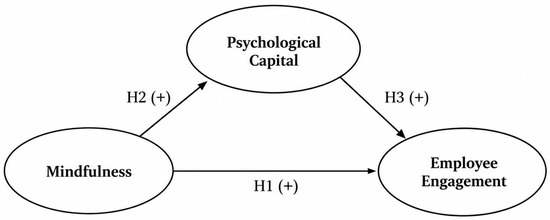
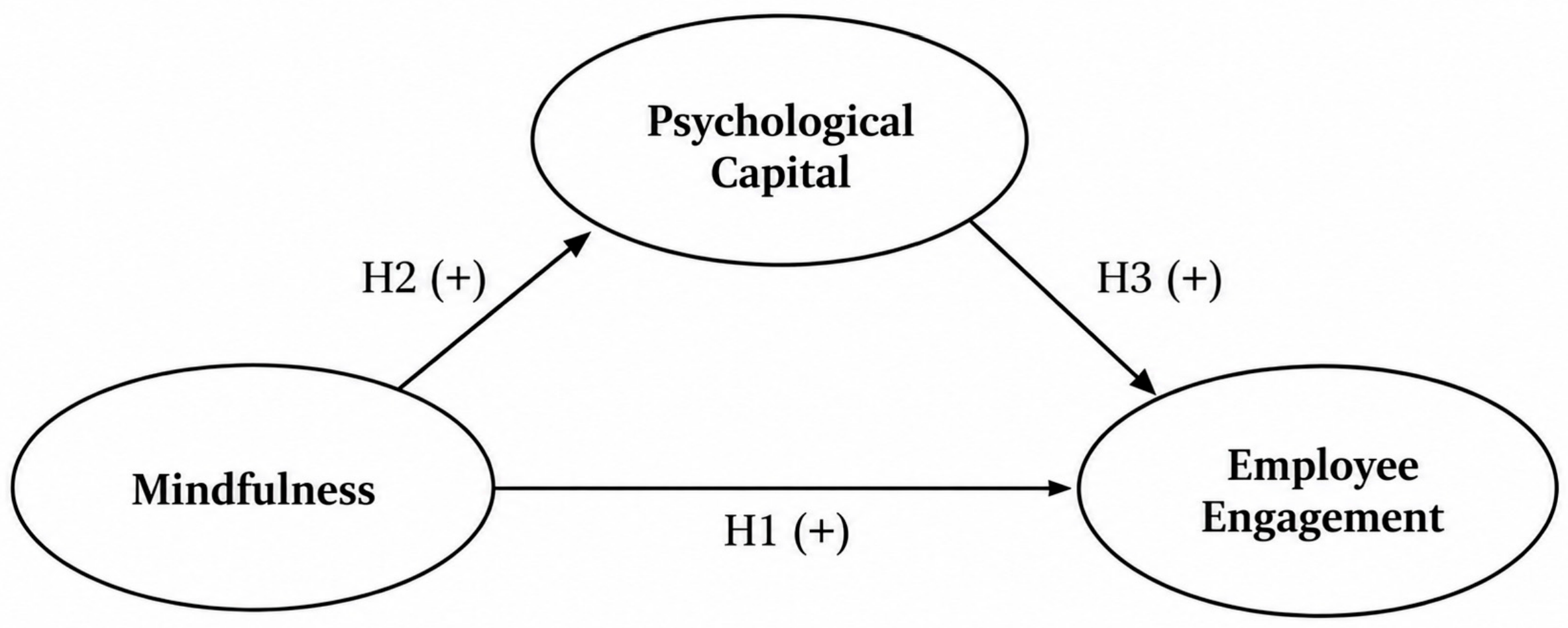

Disclaimer/Publisher’s Note: The statements, opinions and data contained in all publications are solely those of the individual author(s) and contributor(s) and not of MDPI and/or the editor(s). MDPI and/or the editor(s) disclaim responsibility for any injury to people or property resulting from any ideas, methods, instructions or products referred to in the content. |
© 2026 by the authors. Licensee MDPI, Basel, Switzerland. This article is an open access article distributed under the terms and conditions of the Creative Commons Attribution (CC BY) license.