


Abstract
An Environmental Impact Assessment (EIA) is a legal obligation in Bangladesh for projects with substantial environmental and socio-economic impacts. Over time, Bangladesh has established sound policies, rules, and a growing workforce to support the EIA process. However, two key issues persist: the effectiveness of EIA reports and weak implementation of Environmental Management Plans (EMPs). In practice, implementing agencies often prioritize physical progress over environmental safeguards, treating the EIA as merely a clearance formality for Planning Commission approval. Regulatory bodies, such as the Department of Environment and the Planning Commission, frequently neglect the substantive review of EIA reports, focusing on checklist requirements rather than rigorous environmental scrutiny. This procedural mindset undermines the role of EIA as a strategic planning and decision-making tool. This study examines each step of the EIA process, from report preparation to EMP implementation, highlighting gaps that require sustainable improvements. A mixed-method approach was employed to evaluate the quality of the EIA process, with particular attention to its methodological rigor, accuracy of impact assessment, challenges in public participation, and the effectiveness of the proposed EMPs and their implementation. The recommendations presented in this study aim to enhance the efficiency of the EIA process and promote its application in similar contexts across developing countries.
1. Introduction
An Environmental Impact Assessment (EIA) is a planning tool [1] that supports the decision-making [2] of various development projects. In addition, the EIA is considered an essential tool for managing development projects [3] while maintaining environmental sustainability [4]. Therefore, before initiating any projects, such as those with interventions that may negatively impact the physical, biological, and social environment, conducting an EIA and implementing the proposed Environmental Management Plans (EMPs) are vital for achieving sustainable development. Regardless of the project type (infrastructure, natural resource development, waste management, or others), the EMPs include mitigation, monitoring, recommendations, and implementation programs [5]. EMP implementation is challenging, particularly in developing countries. For example, EIAs across multiple sectors in Pakistan have reportedly been rushed without proper scrutiny to get a project license [6]. A study in Sri Lanka emphasized the need for rigorous environmental scrutiny at the local level, close monitoring of EMP implementation, and recommended incorporating a cumulative impact assessment (CIA) through technical expertise and increased stakeholder awareness [7]. The difficulties mainly lie in limited financial resources, a lack of technical expertise, and poor environmental law enforcement [8]. How widespread these specific procedural deficits are across Southern economies remains an open empirical question, but the recurrence of similar patterns across South Asian and other developing-country contexts suggests they are not isolated to any single jurisdiction.
Considering the importance of preserving the environment, Bangladesh initiated EIA guidelines in 1992 [9] for the development of the water sector. EIA legislation and rules were enacted in 1995 and 1997, respectively [10], and made mandatory for projects based on their extent, pollution generation, and impact on humans and the environment. Based on the assessments, EIA projects are categorized as green, yellow, orange, and red [11]. Despite decades of practice and the progressive expansion of rules and regulations—including legal mandates, project categorization systems, sector-specific guidelines, and requirements for public consultation and compliance monitoring—the effectiveness of EIA remains contested. Even after more than fifty years of implementation globally, EIA has often produced lengthy reports that can overwhelm decision-makers, while falling short of adequately preventing significant environmental harm [12]. In most cases, EIA preparation and implementation in Bangladesh are not satisfactory [13]. Several studies have highlighted that limited access to baseline data and a lack of time and resources to conduct inclusive studies are some of the reasons for not having proper EIA in Bangladesh [13]. Additionally, assessing EIA effectiveness and its follow-up, monitoring the implementation of mitigation measures, and managing complaints from citizens are currently not considered in EIA practices [14]. Moreover, in institutional setups, inadequate coordination among organizations and infrastructure development, limited availability of reliable data due to the absence of an effective mechanism for data storage and baseline management, and insufficient legal and administrative support are key barriers to environmental decision-making [15].
Notably, studies about EIA processes and practices, especially in Bangladesh, are limited [16]. Most research in EIA focuses on outcomes, such as the predicted environmental impacts, mitigation measures, and compliance with regulations, whereas process-oriented research—examining how an EIA is conducted, including decision-making procedures, stakeholder engagement, and implementation challenges—is less common [17]. This study addresses that gap through a step-by-step procedural evaluation of the EIA process, grounded in the experience of practitioners and regulators in Bangladesh. Thousands of EIAs are conducted regularly in developing countries, but the effectiveness of its implementation is uncertain. An effective solution to these shortcomings has yet to be identified, particularly in developing countries [18]. Promising directions include improving the quality of impact assessment at the secondary level, which examines indirect impacts, and the tertiary level, which considers long-term and cumulative impacts, as well as adopting an ecosystem-based approach that emphasizes ecosystem functioning and scenario analysis. The EIA process is not followed holistically in most of South Asia [19], and the process underscores only direct impacts and tends to prioritize physical development for economic growth while neglecting the natural environment [20]. A similar study reveals that institutions responsible for EIA preparation and implementation are weak, resulting in bureaucratic hurdles that hinder EIA prioritization, the securing of necessary approvals and budgets, the enforcement of laws, and the implementation of a proper monitoring system. Therefore, reviewing EIA effectiveness regarding methodologies, the implementation process, and institutional arrangements [21] is crucial and should be considered a priority.
Over the last three decades, six major EIA constraints were identified: lack of public environmental awareness, appropriate legislation, strong authorities, trained human resources, assessment data, and funds to implement EIA procedures [18]. Such challenges hinder effective EMP implementation. The initiation of the EIA process is appreciated; however, its weak implementation remains a major problem. The difference between the expectations of EIA and its performance in practice is noticeable [2]. Improving the EIA quality will enhance the system and is essential for implementation in developing countries [18].
Although SEA and CEA are increasingly discussed as complements to EIAs, both remain absent from Bangladesh’s regulatory architecture; the limitations of each (outlined below) further suggest that strengthening the EIA foundation is the immediate priority. Given the persistent inefficiencies of the Environmental Impact Assessment (EIA), the debate has increasingly shifted toward understanding and applying a Strategic Environmental Assessment (SEA) and, in some contexts, a Cumulative Environmental Assessment (CEA). The current situation of EIA and SEA practices in Bangladesh is undefined [22]. As per theory [23], EIA is used for project assessment, whereas SEA is used for the assessment of policies, plans, and programs, with a focus on strategic action. Many studies recognized that EIA does not provide environmental sustainability assurance [24] and opined in favor of the SEA, as it can integrate environmental and health factors and assess environmental consequences within policies, plans, and programs during decision-making processes. Several researchers explained the challenges of SEA. Evidence shows that the limitations of SEA are prominent in ensuring a holistic approach, setting boundary complexities, and coordinating with jurisdictional and institutional fragmentation [25]. The efficacy and follow-up of SEA are often carried out superficially, with little provision for systematic feedback [26]. Moreover, SEA focuses more on policies, plans, and projects at a strategic level, which limits its ability to capture the full range of environmental impacts at the project level. This suggests that, while SEA may provide useful lessons, the immediate priority remains strengthening the EIA process itself.
At the same time, related terminology—such as Cumulative Environmental Impact Assessment (CEIA), often used interchangeably with CEA—has also garnered attention in scientific research [27]. The strategic approach and potential benefits of CEA are important and well-argued [28]. CEA is proactive; it follows a holistic approach and considers the total impact, leading to an evidence-based policy and advocacy. Without considering the total direct and indirect impacts of an individual project over space and time, also known as “cumulative effects”, many sustainability issues may be overlooked. For example, impacts on wetlands found through EIAs do not show whether wetland degradation is additive or multiplicative in nature. Alternatively, CEA showed that wetland degradation was multiplicative in nature [29]. To date, in Bangladesh, neither SEA nor CEA has a position in policy, planning, or programming.
Despite the ongoing debates among different processes such as EIA, SEA, and CEA, this study focuses solely on reviewing and evaluating the efficacy of the EIA process and the implementation of the EMP, followed by recommendations. Based on the practical experiences of experts, practitioners, and regulators, this paper aims to identify the step-by-step gaps in properly following the EIA process and to offer actionable recommendations, thereby contributing to the rethinking of EIA as a more effective decision-support tool.
2. Methods
Four dimensions of an effective EIA analysis are procedural, substantive, transactive, and normative. This study focused on procedural effectiveness analysis and discussed the substantive aspect (e.g., EIA achievement) concerning the existing EIA framework. According to the Environment Conservation Rules (ECRs), 2023 [11] and subsequent amendments, the Department of Environment (DoE) under the Ministry of Environment, Forest, and Climate Change is the central authority mandated to review, approve, and monitor Environmental Impact Assessments (EIAs) across Bangladesh. This centralization means that, irrespective of project location, both public and private proponents must submit EIA reports to the DoE for approval rather than through local or decentralized authorities. In Bangladesh, projects funded by multilateral development banks, development partners, and government agencies conduct the EIA with the support of an individual expert (such as a consultant) available outside the proponent agency. Similarly, projects under private organizations, such as industries and hospitals, conduct the EIA with the support of consultants. Most institutions (public and private) at the central level oversee and coordinate EIAs irrespective of project locations before submitting to the DoE for approval. Therefore, institutional mapping was done to conduct the questionnaire survey, which was considered the first step in research methodology. Surveys and interviews are generally recognized as standard methods for assessing the importance of EIA [17] and were therefore used in this study. The study employed surveys and interviews with key actors in the EIA community—including practitioners, project personnel, policymakers, regulators, consultants, proponents, and NGOs—and the findings were presented narratively, followed by analysis using a framework [30]. Several studies have also emphasized the importance of understanding the perspectives and actions of EIA experts, professionals, and practitioners [31] concerning the EIA methodology as per regulations, public participation, implementation of the EMP, and monitoring and follow-up, which this study incorporates. Similarly, reviewing the insights of stakeholders into why the EIA process often fails to meet expectations is considered valuable [32] and has been included in this research through Key Informant Interviews. For example, in most cases, experts mentioned during the interviews that the methodology used to conduct EIAs simply ignores the analysis of secondary and tertiary impacts. Practitioners do not use networks, models, or scenarios; instead, they mostly rely on observations and have limited access to baseline data. Moreover, regulators (e.g., the Department of Environment) do not consider such analyses mandatory. Accordingly, this study employed surveys, interviews, and a validation workshop using a mixed-method approach (both quantitative and qualitative), focusing specifically on experts and practitioners to capture experiences and observations that are often overlooked in formal rules, regulations, and procedures. Additionally, the effectiveness of EIAs cannot be empirically validated through data-driven analysis, as Bangladesh is still struggling to establish a comprehensive data repository system. One of the justifications for adopting this study’s methodology is to contribute to the development of such a data repository system, which is explained later in the results and analysis section.
Selection of major sectoral institutions responsible for conducting EIAs prior to project initiation was carried out using purposive sampling, focusing on rural development projects (e.g., roads, bridges), urban development projects (e.g., water and sewerage networks), water resources development projects, industries (e.g., yarn dyeing, garments), the power sector, research institutions, and regulatory authorities. In Bangladesh, implementing agencies responsible for conducting and executing EIAs are engaged irrespective of whether the projects are funded by the Government of Bangladesh (GoB) or development partners. A total of thirty-two institutions were identified under different mandates. These comprise sixteen implementing agencies, two universities, two policy and regulatory authorities, one development partner, the Planning Commission, four consulting firms, one research institution, two research and knowledge institutions under the Ministry of Water Resources (MoWR), one non-governmental organization, and two industries. Representatives from these institutions perform diverse functions within the EIA process: overseeing and coordinating EIA activities, conducting assessments under consulting firms, reviewing and approving EIA reports as regulatory bodies, ensuring compliance on behalf of development partners, undertaking research on EIA performance and project outcomes, and approving budgets for the Environmental Management Plan (EMP) implementation and monitoring within the Planning Commission. A total of 35 questionnaires were received, with multiple responses collected from several institutions.
Secondly, 30 respondents for Key Informant Interviews (KIIs) were selected through snowball sampling, ensuring that they were affiliated with the respective institutions. It should be mentioned that 10 respondents were approached for both a questionnaire survey and KII, with a semi-structured questionnaire used for the interviews.
Thirdly, as part of the research methodology, a validation workshop was conducted, bringing together 48 EIA experts, including academics, researchers, practitioners, and project management officials. Participants were invited based on snowball sampling and institutional references. Among them, 27 participants had previously participated in either the questionnaire survey or the KIIs. Of these 27, three had participated in both the questionnaire survey and the KIIs.
Finally, a total of five respondents (n = 5) were contacted multiple times after the validation workshop to ensure accuracy of the research findings. This group included three respondents (n = 3) who participated in the questionnaire survey, KII, and validation workshop. Additionally, two respondents (n = 2) were approached exclusively for the KIIs only.
The questionnaire included both closed-ended and open-ended questions (Appendix A). The questionnaire covered the following thematic areas: perception on the effectiveness (successfully achieving the purpose of EIA by minimizing negative impacts) of EIA (Likert Scale, descriptive), key issues for an effective EIA (following the systematic EIA process properly), preparation (Likert Scale, descriptive), administration process of EIA (Likert Scale), six-step methodology (Likert Scale, descriptive), preparation and implementation of EMP (Likert Scale), effectiveness and challenges of implementing mitigation measures (Likert Scale, descriptive), monitoring mechanism (Likert Scale), follow-up mechanism (Likert Scale), EIA reporting (Likert Scale, descriptive), perception on CEIA (Likert Scale, descriptive), institutional data management policy (Likert Scale, close ended, and descriptive), and key issues to conduct CEIA (Likert Scale, close ended, and descriptive). The CEIA-specific items are provided in Appendix B.
The research methods and findings from the questionnaire analysis, including all thematic areas covered in the questionnaire, were shared and validated during the workshop. The validation followed a multistep process. First, the questionnaire was developed based on an extensive review of the relevant literature, national EIA guidelines, and international best practices. It was then shared with selected experts (academics) and practitioners to obtain preliminary feedback on content relevance, clarity, and comprehensiveness. Subsequently, a validation workshop was organized, bringing together 48 participants, including EIA experts from academia and research institutions, practitioners from implementing agencies, and officials from regulatory and project management bodies. During the workshop, participants reviewed each section of the questionnaire to ensure that the questions were contextually appropriate, unambiguous, and capable of capturing the intended dimensions of EIA effectiveness. Their comments and suggestions were systematically incorporated to refine the questionnaire prior to its final administration. In addition to the Key Informant Interviews (KIIs) and questionnaire responses, several further recommendations from the validation workshop were also integrated into the results of this study.
Statistical Analysis
Each five-point Likert item was coded from 1 to 5, and its response distribution was summarized as category percentages and as the mean ± standard deviation; percentages are based on the valid responses per item (n = 35 unless otherwise stated) and are used in preference to raw counts to aid interpretation and comparison across the Likert Scale figures given the modest sample. Internal consistency of multi-item scales was assessed with Cronbach’s α, reported where items formed a coherent scale (α ≥ 0.7), and were otherwise treated individually. The Friedman test (with Kendall’s W) compared recommended monitoring and follow-up frequencies across the four administrative tiers (Figures 6 and 9), and the Wilcoxon signed-rank test was used for selected pairwise item comparisons (e.g., Figures 2 and 7), with significance at p < 0.05. Given the purposive expert sample (n ≈ 35), the analysis is exploratory rather than confirmatory. All analyses were performed in Python (version 3.12).
3. Results and Discussion
3.1. Key Issues for Effective EIA Implementation
The survey recorded no extreme opinions, such as “very dissatisfied” or “very satisfied,” regarding the satisfaction level of the current EIA process (M = 3.03, SD = 0.79, and n = 35). Of the 35 respondents, 29% (n = 10) reported being dissatisfied, 40% (n = 14) remained neutral, and 31% (n = 11) expressed satisfaction, as shown in Figure 1. With a mean rating of 3.03 on a five-point scale and no respondent selecting either extreme, satisfaction with the current EIA process is best characterized as moderate and concentrated rather than polarized: a plurality view sees it as neither effective nor ineffective, and the satisfied and dissatisfied minorities are of comparable size (31% vs. 29%). This distribution indicates that the EIA process is not failing outright in the eyes of practitioners, but neither is it functioning to a standard most consider satisfactory, leaving clear room for improvement.
Figure 1.
Respondent satisfaction with the effectiveness of the EIA process (n = 35, M = 3.03, and SD = 0.79). No respondent selected an extreme category; ratings clustered at neutral (40%) and satisfied (31%), with 29% dissatisfied, indicating a generally lukewarm, rather than polarized, assessment of EIA effectiveness.
Moreover, the questionnaire identified three key issues as critical for an effective EIA: the timeframe for conducting the assessment, technical expertise, and institutional prioritization (Table 1). All respondents rated adequate time as a very important factor for EIA quality; KII and workshop findings further indicated that current timeframes are frequently insufficient in practice.
Table 1.
Important factors for an effective EIA report.
During this study, findings from KIIs and the validation workshop revealed that consultants often receive the finalized list of interventions only at the end of the EIA project period. Consequently, they are forced to rush EIA completion. Experts in the project coordination team pressure consultants to submit the report quickly to secure approval from the Planning Commission. This delay in finalizing interventions and subsequently completing the EIA contradicts the fundamental principles of EIAs. Consequently, practitioners and project managers primarily rely on the Department of Environment (DoE) checklist and guidelines, often treating them as a template rather than conducting a comprehensive assessment. Furthermore, experts in the workshop highlighted that when a project involves a substantial financial investment, the EIA process should be taken more seriously. The Terms of Reference (ToR) should clearly define the key aspects that need to be assessed for each project. Regardless of the time required, sufficient time allocation for conducting a thorough EIA is essential to prevent poor investment decisions. This finding underscores the need for an adjustment of the EIA timeframe to enhance its effectiveness and reliability. Additionally, survey data shows that n = 15 and n = 20 (35 respondents) rate the skill and knowledge of professionals conducting and reviewing EIA as important and very important, respectively. Almost all of them (n = 35) agreed that the implementing agency does not prioritize the implementation of mitigation measures, highlighting a clear consensus that the EIA process should be an institutional priority.
3.2. EIA Administrative Process
A No Objection Certificate (NoC) was surveyed to understand the administrative process involved in preparing the EIA report. The NoC should reflect the potential direct and indirect negative impacts on the physical and biological environment of the proposed interventions and promote better coordination. Currently, only general and procedural consent is obtained for the completion of the EIA report. Survey findings indicate that 70% of respondents believe that the project implementation agency should get a NoC or clearance from the relevant organizations before receiving final DoE approval, while 15% of respondents remained neutral, and the remaining 15% disagreed.
At present, the EIA team consists of experts from various disciplines. These experts are expected to assess the impacts and propose appropriate mitigation measures, coordinating with the relevant departments. However, the involvement of key departments such as fisheries, forestry, agriculture, and those responsible for the conservation of natural waterbodies and rivers is often limited to participation in stakeholder workshops and meetings. During the validation workshop, experts expressed concerns that requiring a formal NoC from multiple departments could aggravate bureaucratic hurdles, potentially delaying project implementation. They recommended enhancing the effective engagement of relevant departments responsible for ecosystem health concerning the proposed interventions. This includes considering interventions from other projects by multiple institutions within the same project area, selecting Valued Ecosystem Components (VECs) under multidisciplinary experts, and proposing mitigation measures to ensure that the EIA process follows a coordinated, interdisciplinary approach with meaningful stakeholder consultations. Furthermore, publicly sharing the EIA report and obtaining consent from both the affected communities and relevant departments can add significant value in terms of planning intervention, VECs selection, and mitigation strategies.
3.3. Six-Step Method to Conduct EIA
The six-step methodology of EIA in Bangladesh—screening, scoping, baseline data collection, impact assessment, impact mitigation, and preparation of Environmental Management Plans (EMPs)—does not follow an ecosystem-based approach, which assesses how a project affects ecosystem services and functions. According to the survey, except for screening (e.g., checklist to decide whether a project needs a full EIA or not) and scoping, all other steps are considered difficult or very difficult. Survey results show that 72% of respondents found baseline data generation either difficult or very difficult, followed by 83% for the impact assessment and 68% for the EMP (Figure 2). Mitigation of impacts was rated difficult or very difficult by 76% (n = 33), while scoping was deemed difficult by 34% respondents. Screening was considered the easiest step, with 40% finding it easy and 11% very easy. The findings highlight significant challenges in data management and technical capacity across key EIA steps.
Figure 2.
Perceived difficulty of the six core EIA process steps (1 = very difficult, 5 = very easy), ordered from most to least difficult. Mitigation (M = 2.00) and impact assessment (M = 2.06) were rated hardest, followed by EMP preparation (M = 2.26) and baseline data generation (M = 2.37); screening was rated easiest (M = 3.34), significantly easier than impact assessment (Wilcoxon signed-rank, W = 31.5, and p < 0.0001). As these are six distinct procedural steps rather than a single construct, items are reported individually rather than as a combined scale.
It was suggested that temporal and spatial boundaries under scoping should be accurately defined, particularly in ecologically critical areas, considering the timeframe and extent to which tertiary effects occur. Additionally, the matrix method is currently the most commonly used approach, primarily assessing the impact of project interventions at the primary level, while failing to evaluate secondary- and tertiary-level impacts. The DoE guidelines do not mandate the use of network-based methods for impact assessment and allow EIAs to be conducted using surveys, observations, and checklist-based evaluations. However, a few developments, including partner-funded and government-funded projects, apply network methods to a limited extent and incorporate a CEIA. For example, in the Padma Multipurpose Bridge Project, piling was halted to prevent disruption to the Hilsa fish breeding period. However, this EIA did not comprehensively assess the impacts on VECs or conduct a CEIA at the tertiary level, considering the whole spatial boundary.
Another important aspect is baseline data management, which must be centrally coordinated across institutions to ensure that the EIA team has access to comprehensive data for modeling and assessing primary-, secondary-, and tertiary-level impacts. As per the guidelines, the EIA team is expected to generate baseline data. However, there is no centralized data repository or management system maintained by either the institutions or the DoE to generate and update baseline data. Consequently, the EIA team must generate baseline data each time a new EIA is conducted, leading to inefficient use of resources. Since EIA studies are conducted on a project-by-project basis rather than through a centralized institutional unit (either lead project implementing agency or DoE), many respondents during the surveys and interviews struggled to provide data and information. Unlike a centralized data repository system, EIA reports and their corresponding baseline data are not systematically stored for future reference. This study found that only 50% of the institutions that participated in the survey have a formal data management policy in place. In the future, artificial intelligence (AI) and machine learning will be essential for conducting EIAs and forecasting ecosystem scenarios for accurate, informed decision-making. These technologies require continuous, high-quality data series. Policymakers should institutionalize this suggestion to ensure data accessibility, allowing users to rely on precise, existing datasets for impact analysis at the secondary and tertiary level without the need to repeatedly collect baseline data. Recommendations have been made to consider the use of real-time, precise data for conducting EIAs. A suggestion was made to establish a centralized institutional unit responsible for overseeing EIAs and data management. This would prevent the fragmentation of information and allow long-term tracking of environmental impacts across multiple projects.
EMPs and monitoring plans should be effectively designed and adequately budgeted. However, during the validation workshop, implementing agencies stated that contractors, responsible for conducting fieldwork, are assigned EMP implementation. This is why the estimated EMPs budget provided by the EIA team (e.g., proposed during the preparation of the EIA report) is not considered in the Bill of Quantities (BoQ) at the project office. Moreover, contractors often show negligence in implementing the EMPs due to a lack of monitoring. As the regulatory authority, the DoE does not effectively monitor or follow up on EMP implementation, a concern that is further discussed later in this paper under the section named Monitoring and Follow-up of EMPs (Section 3.7, EMP Monitoring). As a result, EMPs are neglected by both project-implementing institutions and contractors.
Considering the situation, several recommendations emerged from this study. First, the Development Project Proposal (DPP) should explicitly include the EMP monitoring plan and budget. Operation and Maintenance (O&M) budgets should allocate resources for EMP implementation. Second, a numeric code (official procedure under the planning ministry) and official proclamation should be introduced to ensure that EMP budgets are included in the DPP format and the contractor’s Terms of Reference (ToR) under the BoQ. A dedicated monitoring unit with a clearly defined job description should be established to oversee EMP implementation. Third, experts from the Planning Commission suggested that, while sufficient funds exist, project-implementing agencies lack awareness and technical expertise to allocate O&M budgets effectively. The mindset of implementing agencies needs to shift toward prioritizing EMP implementation and monitoring. Finally, a proposal was made to incorporate environmental auditing during and after a project in operation as a mandatory step in the EIA process. A third-party organization should be engaged in environmental audits.
3.4. Challenges in Ensuring Public Participation
According to the survey, approximately 9% of respondents found the public participation process very difficult, while 34% found it difficult, and 49% remained neutral (Figure 3). Only 9% found the process easy, and no respondents rated it as very easy. The benefits of public participation are defined in theoretical and practical terms, but the assessment is limited to the implications of public participation in the EIA process [33].
Figure 3.
Perceived difficulty of ensuring public participation in the EIA process (n = 35, M = 2.57, and SD = 0.78). Responses skewed toward difficult-to-neutral, with 43% rating the process difficult or very difficult and only 9% rating it easy; no respondent rated it very easy.
During the validation workshop, suggestions were made to actively facilitate public participation in the EIA process. Practice shows that, in most cases, the influence of public participation, especially in government projects, is absent [34]. Stakeholders directly affected by projects, such as local residents and farmers, face barriers to attending workshops, whereas local elite people and political leaders frequently participate, resulting in a lack of representation of actual community perspectives.
The statistical findings strongly support the qualitative observations collected during KIIs and the validation workshop. Experts repeatedly emphasized that public participation in Bangladesh often remains procedural rather than deliberative, where affected communities are informed about project activities but are rarely involved in actual decision-making processes. Similar findings have been identified in international EIA literature, where ineffective participation mechanisms, limited access to environmental information, and unequal power relations reduce the legitimacy and effectiveness of environmental governance systems [35].
Public participation in the EIA process is considered one of the tools to empower marginalized groups [33]; therefore, efforts should be made to engage grassroots communities and incorporate their opinions into decision-making processes. Additionally, it was suggested that project documents should not be restricted but instead be made publicly accessible after approval to ensure transparency in all updates and interventions. EIA reports and documents are not often made public in Bangladesh leading to a lack of awareness among the general population regarding plans and interventions, thereby limiting public participation. In reality, due to a lack of awareness, intervention satisfaction becomes secondary, and their primary concern is often related to potential employment and other income-generating opportunities. Professionals from the implementing agency during the validation workshop opined that public participation in the EIA process is currently limited to information sharing. Since people encounter this information for the first time during consultations, they often lack the practical knowledge to provide meaningful input. While public participation is considered an integral part of the EIA process, ensuring public involvement in decision-making, access to information, and access to justice in environmental matters is critically important [35]. A well-defined operating procedure for public participation, including mechanisms for obtaining consent, decision-making, and implementation, is essential.
With nearly half of respondents (49%) rating public participation as neither difficult nor easy (M = 2.57, SD = 0.78, and n = 35), the quantitative pattern is one of widespread ambivalence rather than acute difficulty—consistent with the qualitative finding above that participation is treated as a one-way information exercise rather than a two-way decision-making process. This suggests that future EIA reforms in Bangladesh should establish mandatory public disclosure mechanisms, community consultation guidelines, and participatory monitoring frameworks to strengthen environmental accountability. Respondents during the workshop also recommended that EIA documents should be digitally accessible through centralized platforms managed by the Department of Environment (DoE), enabling affected communities, researchers, and civil society organizations to review project interventions prior to approval. Similar recommendations have been proposed in contemporary EIA governance studies emphasizing participatory environmental decision-making and environmental justice frameworks [36].
Therefore, it is necessary to identify specific stages, such as a six-step methodology, where public participation is crucial, and recommend appropriate methods for effective engagement. Additionally, the DoE should consider further strengthening inter-agency coordination to enhance the effectiveness of public participation in the EIA process.
Based on the statistical analysis and expert recommendations, this study proposes that public participation in Bangladesh’s EIA process should transition from a consultation-oriented approach toward a collaborative environmental governance framework. Such a framework could ensure inclusive stakeholder representation, institutional transparency, access to environmental information, participatory monitoring, and legal accountability mechanisms to improve the legitimacy, effectiveness, and sustainability of environmental decision-making.
3.5. Mainstreaming the Ecosystem-Based Approach
Experts emphasized that EIAs should be ecosystem-based, focusing on identifying ecosystem functions and assessing how they are affected by project components. They highlighted that an ecosystem-based approach is a critical factor in evaluating cumulative effects. Suggestions have been made to update the Planning Commission’s template to reflect the planning and implementation of an ecosystem-based EIA. If this is initiated, interventions might need to be redesigned rather than following the traditional approach, and many new intervention suggestions might emerge in the EIA report, such as fish and wild animal passes. For example, during the KIIs and workshop, project names were shared where interventions were suggested to protect the ecosystem. For instance, in the South Asia Subregional Economic Cooperation’s Dhaka-Sylhet Corridor Road Investment Project—Tranche 1, a fox underpass was constructed, and in the Dohazari–Cox’s Bazar Railway Project, sponsored by Asian Development Bank (ADB), an elephant overpass was constructed. Development projects should carefully evaluate interventions, as some well-intentioned measures may not remain effective over time; therefore, greater emphasis is needed on adopting approaches that ensure long-term sustainability. Regulators must also take a proactive role in promoting such systems. On the other hand, there are several mega projects, such as the Dhaka Mass Rapid Transit line 6 and Bus Rapid Transit line 3, which did not consider the restoration of blue spaces, resulting in ecosystem disruption [37], which should be discouraged. Ecosystem-based EIA is considered more promising and holistic [38], and researchers underscore the importance of an ecosystem-based EIA system [39]. Options recommended that Initial Environmental Components, VECs, and Environmental Conservation Areas within a specific spatial boundary must be considered a priority when conducting an EIA. This study emphasizes the practice and implementation of ecosystem-based EIAs as it can capture the ecological knowledge about system intervention and function, which leverages sustainable development activities and their implications for society with a straight, rational link [40].
3.6. Challenges in EMP Implementation and Mitigation Measures
This study conducted a survey to identify challenges in EMP implementation. Almost all respondents rated institutional, financial, human resource, and leadership factors as “important” to “very important” for effective EMP implementation, with at least 80% of respondents across all four factors selecting one of these two categories. A small minority (9–12% per factor) rated the very unimportant or unimportant categories, but no factor was dismissed by a majority of respondents. Additionally, all four dimensions—institutional arrangement, financial resources, human resources (HR), and leadership—were identified as important factors in implementing EMPs (Figure 4). Among these, human resources (M = 4.29) and leadership (M = 4.26) were rated the most important factors, followed by financial resources (M = 4.06); institutional arrangement was rated relatively low (M = 3.97), though it was still considered important or very important by 80% of respondents. The gap between human resources/leadership and institutional arrangement was statistically significant (Wilcoxon signed-rank, W = 30, and p = 0.036), suggesting that, while institutional structures matter, respondents see skilled personnel and strong leadership as comparatively more decisive for EMP success.
Figure 4.
Perceived importance of institutional, financial, human resource, and leadership factors for effective EMP implementation (1 = very unimportant, 5 = very important). All four factors were rated important or very important by at least 80% of respondents; human resources (M = 4.29) and leadership (M = 4.26) were rated significantly more important than institutional arrangements (M = 3.97; Wilcoxon signed-rank, W = 30, and p = 0.036).
The statistical findings strongly support the qualitative observations collected during KIIs and the validation workshop. Experts repeatedly emphasized that weak institutional leadership, lack of environmental expertise, and poor regulatory monitoring significantly hinder EMP implementation in Bangladesh. Similar findings have been identified in international EIA studies, where ineffective institutional follow-up, weak enforcement mechanisms, and inadequate technical capacity reduce the effectiveness of mitigation implementation and environmental governance systems [2].
In terms of the effectiveness and challenges of implementing mitigation measures, a majority of respondents agreed or strongly agreed that all four factors were challenges to mitigation implementation, ranging from 59% for lack of merit to 79% for weak regulatory monitoring; lack of funding (66%) and institutional non-prioritization (77%) were both endorsed by clear majorities. Regulatory follow-up received the highest “strongly agree” response (32%), indicating a stronger perception that regulators are not effectively following up. Outright disagreement was low across all four items (6–20%), but most responses leaned towards agreement, confirming that these factors are perceived as obstacles (Figure 5).
Figure 5.
Perceived challenges to implementing mitigation measures under EMPs (1 = strongly disagree, 5 = strongly agree). Weak regulatory monitoring (M = 4.06) and institutional non-prioritization (M = 3.91) were the most strongly endorsed challenges, each agreed or strongly agreed upon by approximately 75–79% of respondents; lack of merit (M = 3.41) was least endorsed. These four items did not form a coherent scale (Cronbach’s α = −0.35) and are therefore reported as independent challenges rather than as a composite index.
Weak regulatory monitoring stands out as the most strongly endorsed challenge among the four (M = 4.06), suggesting that respondents see ineffective regulatory follow-up as the most pressing barrier to mitigation success. During the KIIs and validation workshop, several experts stated that EMP implementation is often treated as a procedural requirement rather than an operational environmental safeguard mechanism. Contractors frequently neglect mitigation measures because EMP activities are not clearly integrated into contractual obligations, Bill of Quantities (BoQ), or project monitoring frameworks. Similar institutional weaknesses have also been documented in the global EIA literature, where environmental mitigation becomes ineffective due to limited enforcement and a lack of environmental accountability mechanisms [12,35].
To make EMPs successful, it was suggested to integrate EMPs into monitoring with a defined time frame and budget. It should also be one of the main components in the DPP. Currently, the implementing agency mostly depends on contractors to implement the EMPs. Therefore, a separate budget for EMP implementation is not allocated by the implementing agency, as discussed earlier in this paper. Accordingly, it was suggested that, if any ToR is designed for a contractor, it should include clear instructions on EMP implementation. The attitude and awareness of executives, the project management team, and regulators must evolve to emphasize the importance of EMP monitoring. Another suggestion was to set up an environmental unit within institutions, with an assigned team and clear job descriptions, to coordinate EMP implementation, monitoring, and auditing. This would address the current issue where institutions lack EIA coordination, proper handling of EIA reports, and oversight by project staff. Additionally, it was suggested that the same implementing agency should not be responsible for monitoring EMP performance, and seasonal monitoring was recommended to ensure an ecosystem-based approach. It was also discussed that EMPs should be implemented in a way that prevents the effects or impacts of interventions.
Based on these survey findings and expert recommendations, this study proposes that future EIA reform in Bangladesh should prioritize strengthening institutional leadership, regulatory monitoring, environmental auditing, and technical capacity development. Dedicated environmental monitoring cells should be established within implementing agencies, while the Department of Environment (DoE) should enforce periodic third-party environmental audits and seasonal ecosystem monitoring. Furthermore, EMP budgets should be mandatory components within the DPP, BoQ, and operational monitoring frameworks to ensure long-term environmental compliance and sustainable project implementation.
3.7. EMP Monitoring
The survey questions were designed to understand the necessity of monitoring at different tiers, means of monitoring mechanisms, and the challenges of monitoring needed to make it institutionally effective. This paper highlights the importance of Environmental Management Plan (EMP) monitoring and follow-up, noting that EIA monitoring and auditing remain among the weakest aspects of the EIA process [1] and continue to receive comparatively less attention in the literature [41]. This finding is consistent with two observations made earlier in this study: Section 3.3 noted that the DoE does not effectively monitor or follow up on EMP implementation, and Section 3.6 found weak regulatory monitoring to be the most strongly endorsed challenge to mitigation implementation (M = 4.06). The tier- and mechanism-level findings reported below help explain why this monitoring gap persists.
Although monitoring, follow-up, and auditing are essential components of the EIA process, they are rarely conducted with rigor, and the overall process requires continuous reevaluation to drive substantial improvement and ensure a meaningful contribution to EIA effectiveness [42]. To be effective, these processes must also be well documented and executed properly [43].
Monitoring at different institutional tiers: To understand the perceived importance of monitoring across different tiers, respondents were asked to rate the monitoring frequency. The majority (67%) indicated that monitoring at the Union Parishad (UP—lowest administrative tier in Bangladesh) level (i.e., the project site) is always necessary. At the Upazila (UZ—second lowest administrative tier in Bangladesh) level, 21% recommended monitoring “often”, while at the central tier, 29% considered it only necessary “sometimes” and 18% “rarely”. The only tier at which any respondents felt monitoring was “never” required was the UP level itself (9%) (Figure 6). These findings were further validated during the workshop, where it was suggested that some respondents may perceive the question differently when answering. However, analysis indicates that consistent monitoring is strongly recommended at the UP level. That said, the differences in recommended frequency across the central, district, Upazila, and UP tiers were not statistically significant (Friedman test, χ2 = 5.98, df = 3, p = 0.112, and Kendall’s W = 0.06; Figure 6). Monitoring is therefore best interpreted as being consistently endorsed across all institutional levels rather than uniquely concentrated at the UP level.
Figure 6.
Recommended frequency of EMP monitoring at the central, district, Upazila, and Union Parishad (UP) tiers (1 = never, 5 = always). All tiers were rated similarly favorably overall (M = 3.76–4.30); a Friedman test found no significant difference across tiers (χ2 = 5.98, df = 3, p = 0.112, and Kendall’s W = 0.06), so monitoring frequency should be read as consistently endorsed across institutional levels rather than concentrated at any one tier.
Means of monitoring: Additionally, based on the survey responses, the prioritization of monitoring mechanisms reveals clear preferences among participants. Field visits emerged as the most unanimously supported mechanism, with 100% of respondents rating them as either high or essential priority, indicating their perceived critical role in effective project monitoring. Data collection and assessment also received strong endorsement, with 97% identifying it as a high or essential priority, reflecting a shared understanding of the importance of evidence-based monitoring practices. In contrast, meetings gathered mixed responses; while 71% rated them as high or essential, a large portion (26%) remained neutral, and 3% considered them a low priority. Feedback loops were also seen as important, though to a lesser extent, with 59% rating them as high or essential, while the remaining respondents either stayed neutral (26%) or viewed them as a low priority (15%). This ordering is mirrored by the item means on the five-point priority scale (field visits M = 4.40, data collection M = 4.31, meetings M = 3.91, and feedback loops M = 3.65), and the preference for field visits over feedback loops is statistically significant (Wilcoxon signed-rank, p < 0.001; Figure 7). This suggests variability in their perceived effectiveness or possible constraints in practical execution. Overall, the data (Figure 7) highlights a strong preference for hands-on and data-driven mechanisms like field visits and assessment, while suggesting that meeting-based and feedback-driven approaches may benefit from clearer structuring or better integration into existing processes.
Figure 7.
Recommended means of conducting EMP monitoring (1 = not a priority, 5 = essential priority). Field visits were endorsed by every respondent (100% rating them as a high or essential priority), followed closely by data collection and assessment (97%); meeting-based (71%) and feedback-loop (59%) mechanisms attracted more divided support. On the five-point priority scale, the items ranked as follows: field visits (M = 4.40), data collection (M = 4.31), meetings (M = 3.91), and feedback loops (M = 3.65). The preference for field visits over feedback loops was statistically significant (Wilcoxon signed-rank, p < 0.001), pointing to a clear preference for direct, data-driven monitoring over indirect or advisory mechanisms.
Challenges to EMP monitoring and implementation: The DoE does not have adequate numbers of skilled staff to monitor and follow up on the EIA process [13]. Follow-up parameters were considered, such as decentralization of the institutional setup, lack of tools and technologies to collect data, lack of resources (e.g., financial), HR, and absence of institutional management, such as leadership and an action plan to identify major monitoring challenges. In this study, a majority of respondents agreed or strongly agreed with all four identified barriers. Ineffective institutional management (e.g., poor leadership and lack of action plans) was cited as the most critical issue, with 71% agreeing and 26% strongly agreeing, indicating an overwhelming consensus (97%) of its impact. This result is consistent with the institutional-priority finding reported in Section 3.1, where all 35 respondents agreed that implementing agencies do not prioritize the implementation of mitigation measures.
Similarly, lack of tools and technology for data collection was strongly emphasized, with 65% agreeing and 21% strongly agreeing, pointing to a clear need for technological strengthening. The issue of resource constraints (e.g., financial, human resources) also emerged as a prominent concern, with 59% agreeing and 18% strongly agreeing, totaling a 77% acknowledgment of this challenge. In contrast, the decentralization of institutions received combined feedback totaling 73% who agreed and strongly agreed, 24% remained neutral, and a small 3% disagreed. Overall, the findings suggest that institutional capacity, leadership, and resource allocation are perceived as the most pressing systemic barriers and require urgent attention for improved project performance and sustainability (Figure 8).
Figure 8.
Perceived institutional challenges to effective monitoring of EMP implementation (1 = strongly disagree, 5 = strongly agree). Lack of leadership was the most strongly endorsed challenge (M = 4.23; 97% agreed or strongly agreed), followed closely by lack of tools/data and absence of local setup (M = 3.97 each); all four challenges exceeded the scale’s midpoint, reflecting broad consensus on systemic monitoring weaknesses.
Monitoring is essential at every stage, from the project site to the central level. Therefore, this study aimed to identify the challenges and provide recommendations to develop an effective monitoring plan for EIA and the implementation of the EMPs.
In summary, the majority of recommendations emphasized decentralized monitoring, including field visits and data collection mechanisms. Given the concerns around institutional management, an effective institutional network must support decentralized monitoring. Additionally, a seasonal monitoring plan focusing on ecosystem-based indicators was recommended, incorporating real-time data and the use of smart technologies such as the Internet of Things (IoT) and remote sensing. Monitoring was also suggested to be conducted by an independent institution not involved in project execution to ensure impartiality and credibility.
3.8. Follow-Up of EMPs
This section examines the frequency of follow-up activities across different institutional tiers, including central, district, Upazila (UZ), and Union Parishad (UP), as captured through the survey (Figure 9 and Figure 10).
Figure 9.
Recommended frequency of EMP follow-up at the central, district, Upazila, and Union Parishad (UP) tiers (1 = never, 5 = always). As with monitoring (Figure 6), ratings were broadly similar across tiers (M = 3.94–4.23), and a Friedman test confirmed no significant difference (χ2 = 5.19, df = 3, p = 0.158, and Kendall’s W = 0.06); follow-up is therefore consistently, rather than selectively, recommended across institutional levels.
Figure 10.
Preferred means of conducting EMP follow-up (1 = never, 5 = always). Field visits were rated most favorably (M = 4.38; 82% often or always), followed by phone calls (M = 3.94); coaching and backstopping were rated lowest (M = 3.62 and 3.48), suggesting a preference for direct, on-site follow-up over indirect or advisory mechanisms.
Follow-up at different institutional tiers: According to the responses, the UP level received the strongest recommendation for regular follow-up, with 60% suggesting it should be conducted always, followed by 53% for the Upazila level. At the district level, 53% recommended it often, and 31% recommended it always. At the central level, while 42% supported it always, a significant 29% suggested it sometimes, and 10% recommended it rarely. As with monitoring, however, these tier differences are not statistically significant (Friedman test, χ2 = 5.19, df = 3, p = 0.158, and Kendall’s W = 0.06; Figure 9), so regular follow-up is endorsed consistently across all four administrative tiers.
Means of follow-up: Regarding the mode of follow-up mechanisms, most respondents recommended field visits and phone calls as the primary approaches. Coaching and backstopping were also suggested as additional supportive methods.
Challenges to follow-up for EMP implementation: Similar to monitoring, follow-up activities face several challenges due to institutional gaps. These include a lack of prioritization, the absence of a specific follow-up action plan, a shortage of HR, and the exclusion of follow-up mechanisms from the institutional mandate—even though they should be mainstreamed as an integral, built-in activity. Notably, none of the respondents indicated that any challenge was “never” encountered. The most frequently encountered challenges were the lack of institutional prioritization of EIA (M = 3.87) and the shortage of skilled human resources (M = 3.74), followed by the absence of a specific follow-up action plan (M = 3.61); the exclusion of follow-up from the institutional mandate, though still commonly reported, ranked lowest comparatively (M = 3.52). All four items formed a coherent scale (Cronbach’s α = 0.81), supporting their interpretation as related facets of weak institutional follow-up capacity (Figure 11). The recurrence of institutional non-prioritization as the leading barrier here, as in the monitoring challenges reported in Section 3.7 and the consensus finding in Section 3.1, indicates that this is a persistent constraint across the EIA cycle rather than an issue specific to any one stage.
Figure 11.
Perceived institutional challenges to effective follow-up of EMP implementation (1 = never, 5 = always encountered). Lack of institutional prioritization (M = 3.87) and lack of skilled human resources (M = 3.74) were the most frequently encountered challenges; all four items form a coherent scale (Cronbach’s α = 0.81), supporting their interpretation as related facets of weak institutional follow-up capacity.
In summary, a decentralized follow-up process at the UP and UZ levels combined with regular, quarterly, annual, and seasonal follow-up plans through field visits and phone calls can substantially enhance the effectiveness of the EIA process as well as EMP implementation and monitoring. Furthermore, strengthening institutional mandates, ensuring adequate human resources, and fostering institutional commitment are essential for prioritizing EMP implementation. Monitoring and follow-up, weak institutional mandates, and lack of prioritization remain the major challenges of this study.
Reporting recommendation for monitoring and follow-up: Another important aspect of this study was the identification of preferred reporting mechanisms for monitoring and follow-up activities. The findings reveal that digital databases are the most preferred method for both processes, as they offer improved data management and accessibility (Figure 12). Back-to-Office Reports were also widely used, followed by Minutes of Meeting, while emails and letters emerged as the least preferred modes of reporting.
Figure 12.
Preferred reporting modes for (a) monitoring and (b) follow-up of EMP implementation (1 = never, 5 = always used). Digital databases were the most preferred mode for both functions (M = 4.31 for monitoring, M = 4.34 for follow-up), followed by Back-to-Office Reports (BTORs) and Minutes of Meeting (MoM); email was consistently the least preferred mode in both panels, reinforcing a stated preference for structured, centrally accessible reporting over informal channels.
3.9. Importance of CEIA
EIA has limitations and cannot show the impacts caused by single or multiple projects over space and time, known as cumulative effects or cumulative impacts [44]. There is no universally accepted definition of cumulative effects [45]. However, the most popular definition is provided by the National Environmental Policy Act—NEPA [46]. As per the NEPA, a cumulative effect is “the impact of the environment which results from the incremental impact of the action when added to other past, present, and reasonably foreseeable future actions regardless of what agency (Federal or nonfederal) or person undertakes such other actions.” Utilizing interdisciplinary or subdisciplines for CEA can reduce the research gaps that are often disconnected and could lead to a standard set of definitions, methods, and the consistent use of open data [47]. Assessing cumulative effects is challenging. Lack of data, inability to measure the intensity and spatial effect of all types of impacts, and the uncertainty of future progression make it difficult to identify the cumulative effect. It is observed that when two or more stimuli (e.g., agents of change, stressors, or causes) act together, cumulative effects arise [48]. The importance of conducting CEA and considering it as a decision-making tool is essential, especially when the number of development projects in Bangladesh is following the increasing trend. Although the practice of CEA in Bangladesh is not legally binding, this study aimed to assess stakeholders’ awareness and understanding of CEA and its relevance to integration within the EIA process. A large majority, 79% of respondents, consider the CEA either important or very important for environmental protection. Encouragingly, almost all participating organizations (close to 100%) reported being aware of the CEA. Two key CEA dimensions are adopting a holistic approach through the implementation of mitigation measures before initiating new projects and developing future scenarios, both of which were rated as important or very important by the respondents. This underscores the perceived value of CEA in strengthening environmental governance. In addition, inclusiveness emerged as a critical criterion in conducting CEIAs. This study examined several aspects of the inclusiveness approach, including priority and objective setting, adherence to project principles during the planning phase, gaps in implementation, and the lack of sincerity in complying with the planning, implementation, monitoring, and evaluation processes. A large majority (89%) believe that identifying appropriate target groups or beneficiaries is essential. However, nearly half of the respondents (48%) feel that project objectives and priorities are not inclusive. Alarmingly, 71% reported that project principles are not followed during implementation. Furthermore, 70% of respondents believe there is a lack of sincerity in complying with relevant regulations.
3.10. EIA Reporting
This study considered four major parameters for evaluating the effectiveness of EIA reporting: the use of precise and real-time data, the technical soundness of reports through analysis tools and models, the inclusion of actionable recommendations, and the presence of evidence-based suggestions and examples. Among these, the highest level of agreement was observed regarding the use of precise and real-time data. Simultaneously, the most substantial area for improvement was found in incorporating actionable recommendations into reports. The survey reveals strong support for improvements in EIA reporting, with a high level of agreement across all four categories. Specifically, 94% of respondents agreed on the importance of using precise and real-time data, 94% supported making EIA reports technically sound through appropriate analytical tools and models, 88% preferred the inclusion of evidence-based suggestions and examples, and 80% valued the incorporation of actionable items in reporting. On the five-point agreement scale, the use of precise, real-time data attracted the strongest endorsement (M = 4.44), significantly higher than the inclusion of actionable items (M = 4.17; Wilcoxon signed-rank, W = 13, and p = 0.0124; Figure 13). These findings indicate that stakeholders overwhelmingly favor EIA reports that are data-driven, technically robust, and provide practical guidance. The four recommendations were rated very similarly (Cronbach’s α = 0.97), suggesting they capture closely related dimensions of report quality rather than independent constructs. An important component to measure the effectiveness of EIA is its reporting format [49]. The lack of a unified approach for reporting among development partners, the GoB, and consultants makes the understanding of EIA reports and implementation of EMPs ineffective [13]. In recent years, EIA reporting in Bangladesh has improved significantly, particularly in projects sponsored by multilateral banks and development partners. Some notable examples include EIAs conducted for major infrastructure projects such as the Ashuganj Power Hub, Rampal Power Plant, Patuakhali Export Processing Zone, and development partner-sponsored initiatives like JRSMP—Jamuna River Sustainable Management Project (sponsored by World Bank—WB), project ID P172499); FRERMIP—Flood and Riverbank Erosion Risk Management Investment Project (Sponsored by ADB, project ID 44167-013); EMCRP—Emergency Multi-Sector Rohingya Crisis Response Project (sponsored by WB, project ID P167762); and Water Management Improvement Project (WMIP; sponsored by WB, project ID P040712). These reports have been recognized for their comprehensiveness, as they include key elements such as a CEIA, grievance and dispute resolution mechanisms, complaint management frameworks, resettlement plans, and socio-economic impact assessments. Despite these improvements, challenges remain, particularly in GoB-sponsored projects, where the monitoring and implementation of EMPs are still weak. In many cases, while EIA and Environmental and Social Impact Assessments are prepared for both government and development partner-sponsored projects, the implementation of EMPs in GoB projects is inadequate, leading to severe environmental degradation. One of the critical reasons for this gap is that projects sponsored by development partners adhere to international environmental standards and frameworks with better monitoring plans and budgets. In contrast, GoB-sponsored projects lack strong enforcement mechanisms. Experts have identified several factors contributing to this issue, including weak regulatory enforcement, limited financial and technical resources, and a lack of well-structured institutional monitoring and planning. To further improve the quality and effectiveness of EIA reporting, several key recommendations have been proposed. First, standardizing the reporting with clear, understandable, and specific findings, including action items, would help enhance the consistency and credibility of reports. Second, there is a need to shift towards ecosystem-based impact assessments, ensuring that reports incorporate cumulative environmental impact evaluations. Third, reports should be prepared in both the local language and English and should be published online to promote transparency and accessibility. EIA professionals in Bangladesh must get used to making the report understandable and action-oriented for stakeholders. Additionally, the use of high-quality data and improved impact assessment methodologies is essential to enhance the overall credibility of EIA reports.
Figure 13.
Recommendations for improving EIA reporting (1 = strongly disagree, 5 = strongly agree). All four recommendations were strongly endorsed (M = 4.17–4.44); use of precise, real-time data received the highest agreement (94% agree or strongly agree) and was rated significantly higher than inclusion of actionable items (M = 4.17; Wilcoxon signed-rank, W = 13, and p = 0.0124). The very high internal consistency among these items (Cronbach’s α = 0.97) suggests some redundancy and may warrant review if the four items are reported as a composite reporting-quality index elsewhere in the paper.
4. Conclusions
This study finds that the overall quality of Bangladesh’s EIA process is perceived as moderate at best: no respondent reported being very satisfied with current practices, and only 31% reported satisfaction (M = 3.03, SD = 0.79). Timelines for preparing EIA reports are widely seen as unrealistic, compressed by late-stage budget pressure and the last-minute finalization of project interventions, compromising quality at nearly every step of the process. Of the six-step EIA methodology, only screening was perceived as comparatively manageable; impact assessment (83%) and mitigation (76%) were rated difficult or very difficult by clear majorities, reflecting persistent gaps in technical capacity and, more fundamentally, the absence of a centralized baseline data system. Cumulative and ecosystem-based assessment approaches remain almost entirely absent from current practices, leaving compounding environmental effects largely unaddressed.
A consistent institutional pattern emerges across monitoring, follow-up, and reporting: EIA and EMP implementation are treated as procedural formalities for project approval rather than substantive environmental safeguards, with neither the Department of Environment nor implementing agencies prioritizing them against physical and economic progress targets. Respondents nonetheless converged on practical remedies: direct, field-based engagement—site visits and, for follow-up, phone calls—over indirect mechanisms such as meetings or feedback loops, and monitoring and follow-up embedded at every administrative tier rather than concentrated at any single level, since recommended frequency did not differ significantly across tiers. The principal barriers to acting on these preferences were consistently identified as weak institutional leadership, inadequate human resources, and the absence of a formal data-management policy, held by only half of the surveyed institutions. Strengthening institutional mandates and budgetary provisions for EMP monitoring, standardizing EIA report templates to capture secondary- and tertiary-level impacts, and developing digital, eventually AI/ML-supported, data systems emerge as the most immediately actionable reforms.
These findings should be read with three caveats. The purposive sample of 35 respondents from 32 institutions provides near-complete coverage of Bangladesh’s institutional EIA landscape but remains small in conventional statistical terms; the comparative analyses reported in this study are accordingly best interpreted as exploratory rather than confirmatory. Second, the study evaluates the procedural effectiveness of the EIA process rather than the substantive environmental outcomes of completed EIAs. Third, while public participation was examined from the perspective of practitioners and regulators, affected communities and beneficiaries were not surveyed directly. Larger-scale survey designs, longitudinal tracking of EMP implementation, and direct community-level assessment would meaningfully extend this work.
This study offers one of the first step-by-step assessments of the EIA process and EMP implementation in Bangladesh, moving beyond the common diagnosis of “weak implementation” to identify where, specifically, the process breaks down and why. The institutional gaps identified here—in data management, monitoring capacity, and reporting standards—are unlikely to be resolved by capacity-building alone; they call for structural commitments from policymakers, including mandatory EMP budgeting, independent monitoring arrangements, and institutionalized data systems. The extent to which these recommendations are adopted will determine whether Bangladesh’s EIA process evolves from a compliance checklist into the effective decision-support and governance tool it was designed to be.
Author Contributions
Conceptualization, N.N.; methodology, N.N.; formal analysis, N.N.; investigation, N.N.; writing—original draft preparation, N.N.; writing—review and editing, N.N.; conceptualization, S.A.; funding, S.A.; project administration, S.A.; validation, S.A.; conceptualization, R.R.; methodology, R.R.; funding, R.R.; validation, R.R. All authors have read and agreed to the published version of the manuscript.
Funding
Bangladesh Institute of Governance and Management (BIGM).
Institutional Review Board Statement
The study was conducted in accordance with the Declaration of Helsinki and approved by the Institutional Review Board of the Bangladesh Institute of Governance and Management (BIGM-IRB; protocol code BIGM/R.W/IRB/EB/1/08/2024-435(1)).
Informed Consent Statement
Informed consent was obtained from all participants prior to data collection.
Data Availability Statement
The data presented in this study are available on request from the corresponding author. The data are not publicly available because they consist of primary data (survey and interview responses) collected directly from experts and practitioners.
Acknowledgments
During the preparation of this work, the author Nazmun Naher used Claude (claude.ai, Anthropic) to analyze, check, and correct grammar and language errors. After using this tool, the author reviewed and edited the content as needed and takes full responsibility for the content of this publication.
Conflicts of Interest
The authors declare no conflicts of interest.
Appendix A. Questionnaire
| Name of the Organization: | |||||
| Mandate: | |||||
| Legislation: | |||||
| Name of the officer: | |||||
| Highest level of education: | |||||
| Designation: | |||||
| Major area of specialization: | |||||
| Email: | Ph no: | ||||
| 1 | Effectiveness of EIA | ||||
| 1.1 | The objective of EIA is to mitigate negative impacts and enhance positive impacts. Overall, how satisfied are you with the effectiveness of EIA in Bangladesh at present? | ||||
| Very Dissatisfied | Dissatisfied | Neither dissatisfied nor satisfied | Satisfied | Very satisfied | |
| Do you have any example/project name in mind while answering this question? | |||||
| 2 | How important are the following issues to get an effective EIA? | ||||
| 2.1 | Time to conduct EIA (When EIA documentation is prepared within a short timeframe for project approval, it often leads to weak baseline data, omission of key ecosystem components and thresholds in the project area, and inadequate assessment of the full extent of potential environmental impacts within the zone of influence). | ||||
| Very unimportant | Unimportant | Neutral | Important | Very important | |
| 2.2 | Technical knowledge (The EIA report is often not technically sound in terms of collecting baseline data, defining the zone of influence, identifying ecosystems and thresholds, and adequately analyzing affected environmental systems, e.g., appropriate environmental assessment tools and methods). | ||||
| Very unimportant | Unimportant | Neutral | Important | Very important | |
| 2.3 | Priority (The implementation of mitigation measures is not adequately prioritized by the project-implementing agency, and clear action plans are often lacking). | ||||
| Very unimportant | Unimportant | Neutral | Important | Very important | |
| 2.4 | Enforcement of law (Weak enforcement of regulations in monitoring the implementation of the Environmental Management Plan (EMP), resulting in inadequate compliance and ineffective mitigation of environmental impacts). | ||||
| Very unimportant | Unimportant | Neutral | Important | Very important | |
| 3 | In your opinion, how important are the following institutional challenges to implement the Environmental Management Plan (EMP)? | ||||
| 3.1 | Institutional arrangements, e.g., mandate, organization’s priority, absence of action plan | ||||
| Very unimportant | Unimportant | Neutral | Important | Very important | |
| 3.2 | Financial resources | ||||
| Very unimportant | Unimportant | Neutral | Important | Very important | |
| 3.3 | Skilled human resources | ||||
| Very unimportant | Unimportant | Neutral | Important | Very important | |
| 3.4 | Leadership, commitment, ethics inside the institution to shoulder the EMP | ||||
| Very unimportant | Unimportant | Neutral | Important | Very important | |
| 4 | At present, project-implementing agencies are required to obtain a No Objection Certificate (NOC) only from the Department of Environment (DoE). What is your opinion on requiring NOC/clearance from cross-cutting agencies as well? | ||||
| Not Important | Less Important | Neutral | Important | Very Important | |
| 5 | At present, EIA in Bangladesh follows six steps: screening, scoping, baseline data generation, impact assessment, mitigation of impacts, and preparation of an Environmental Management Plan (EMP), including public participation throughout the process. In your opinion, which step is the most difficult? | ||||
| 5.1 | screening (selection of parameters) | ||||
| Very hard | Hard | Neutral | Easy | Very easy | |
| 5.2 | scoping (setting area) | ||||
| Very hard | Hard | Neutral | Easy | Very easy | |
| 5.3 | baseline data generation | ||||
| Very hard | Hard | Neutral | Easy | Very easy | |
| 5.4 | impact assessment (e.g., Env. Analysis tools and methods) | ||||
| Very hard | Hard | Neutral | Easy | Very easy | |
| 5.5 | mitigation of impacts | ||||
| Very hard | Hard | Neutral | Easy | Very easy | |
| 5.6 | environmental management plan | ||||
| Very hard | Hard | Neutral | Easy | Very easy | |
| 5.7 | people’s participation | ||||
| Very hard | Hard | Neutral | Easy | Very easy | |
| Any other comments about the EIA process: | |||||
| 6 | Effectiveness of mitigation measures | ||||
| 6.1 | Mitigation measures are intended to prevent adverse environmental impacts through restoration. How satisfied are you with the effectiveness of the proposed mitigation measures and their implementation in Bangladesh? | ||||
| Very dissatisfied | Dissatisfied | Neither dissatisfied nor satisfied | Satisfied | Very satisfied | |
| Do you have any example/project name in mind while answering this question? | |||||
| 7 | What is your opinion about the following challenges in achieving effective mitigation measures? | ||||
| 7.1 | Suggested mitigation measures lack merit | ||||
| Strongly disagree | Disagree | Neutral | Agree | Strongly agree | |
| 7.2 | Lack of funding to implement mitigation measures | ||||
| Strongly disagree | Disagree | Neutral | Agree | Strongly agree | |
| 7.3 | It is not prioritized by the implementing agency | ||||
| Strongly disagree | Disagree | Neutral | Agree | Strongly agree | |
| 7.4 | Regulators are not interested in monitoring and following up on the mitigation measures | ||||
| Strongly disagree | Disagree | Neutral | Agree | Strongly agree | |
| 8 | Monitoring Mechanism: Every EIA includes an Environmental Monitoring and Reporting Plan. At which tier (local government, administrative tier in Bangladesh) do you recommend conducting monitoring? | ||||
| 8.1 | Central | ||||
| Never | Rarely | Sometimes | Often | Always | |
| 8.2 | District | ||||
| Never | Rarely | Sometimes | Often | Always | |
| 8.3 | Upazila (UZ) | ||||
| Never | Rarely | Sometimes | Often | Always | |
| 8.4 | Union Parishad (UP) | ||||
| Never | Rarely | Sometimes | Often | Always | |
| 9 | What is the frequency of the monitoring mechanism you recommend at the local level/project site? | ||||
| 9.1 | Biweekly | ||||
| Never | Rarely | Sometimes | Often | Always | |
| 9.2 | Monthly | ||||
| Never | Rarely | Sometimes | Often | Always | |
| 9.3 | Quarterly | ||||
| Never | Rarely | Sometimes | Often | Always | |
| 9.4 | Yearly | ||||
| Never | Rarely | Sometimes | Often | Always | |
| 10 | Which means of monitoring mechanism do you recommend? | ||||
| 10.1 | Field visit | ||||
| Not a priority | Low priority | Neutral | High priority | Essential priority | |
| 10.2 | Meeting | ||||
| Not a priority | Low priority | Neutral | High priority | Essential priority | |
| 10.3 | Feedback loop | ||||
| Not a priority | Low priority | Neutral | High priority | Essential priority | |
| 10.4 | Data collection and assessment | ||||
| Not a priority | Low priority | Neutral | High priority | Essential priority | |
| 11 | What do you recommend to report the monitoring mechanism? | ||||
| 11.1 | Back to the Office Report | ||||
| Never | Rarely | Sometimes | Often | Always | |
| 11.2 | Minutes of Meeting | ||||
| Never | Rarely | Sometimes | Often | Always | |
| 11.3 | Email, forwarding letter | ||||
| Never | Rarely | Sometimes | Often | Always | |
| 11.4 | Digital database | ||||
| Never | Rarely | Sometimes | Often | Always | |
| 12 | In your opinion, how challenging are the following concerns for monitoring mechanism? | ||||
| 12.1 | Do not have institutional setup at local level (institution is not decentralized) | ||||
| Strongly disagree | Disagree | Neutral | Agree | Strongly agree | |
| 12.2 | Lack of tools to collect data and analyses (scope of using smart technologies) | ||||
| Strongly disagree | Disagree | Neutral | Agree | Strongly agree | |
| 12.3 | Lack of finances and HR | ||||
| Strongly disagree | Disagree | Neutral | Agree | Strongly agree | |
| 12.4 | Institutional arrangements are not satisfactory, e.g., monitoring mechanism is not prioritized, absence of action plan, lack of leadership | ||||
| Strongly disagree | Disagree | Neutral | Agree | Strongly agree | |
| 13 | Follow-up mechanism: At which tier do you recommend follow-up? | ||||
| 13.1 | Central | ||||
| Never | Rarely | Sometimes | Often | Always | |
| 13.2 | District | ||||
| Never | Rarely | Sometimes | Often | Always | |
| 13.3 | UZ | ||||
| Never | Rarely | Sometimes | Often | Always | |
| 13.4 | UP | ||||
| Never | Rarely | Sometimes | Often | Always | |
| 14 | What is the frequency of the follow-up mechanism you recommend at the local level/project site? | ||||
| 14.1 | Biweekly | ||||
| Never | Rarely | Sometimes | Often | Always | |
| 14.2 | Monthly | ||||
| Never | Rarely | Sometimes | Often | Always | |
| 14.3 | Quarterly | ||||
| Never | Rarely | Sometimes | Often | Always | |
| 14.4 | Yearly | ||||
| Never | Rarely | Sometimes | Often | Always | |
| 15 | Which means of follow-up mechanism do you recommend? | ||||
| 15.1 | Coaching | ||||
| Never | Rarely | Sometimes | Often | Always | |
| 15.2 | Phone call | ||||
| Never | Rarely | Sometimes | Often | Always | |
| 15.3 | Field visit | ||||
| Never | Rarely | Sometimes | Often | Always | |
| 15.4 | Backstopping | ||||
| Never | Rarely | Sometimes | Often | Always | |
| 16 | Which means do you recommend for reporting? | ||||
| 16.1 | Back to the Office Report | ||||
| Never | Rarely | Sometimes | Often | Always | |
| 16.2 | Minutes of Meeting | ||||
| Never | Rarely | Sometimes | Often | Always | |
| 16.3 | Email, forwarding letter | ||||
| Never | Rarely | Sometimes | Often | Always | |
| 16.4 | Digital database | ||||
| Never | Rarely | Sometimes | Often | Always | |
| 17 | What is your opinion about the following challenges to achieve effective follow-up measures? | ||||
| 17.1 | Not in the institutional mandate | ||||
| Strongly disagree | Disagree | Neutral | Agree | Strongly agree | |
| 17.2 | Lack of HR | ||||
| Strongly disagree | Disagree | Neutral | Agree | Strongly agree | |
| 17.3 | No particular action plan in this regard | ||||
| Strongly disagree | Disagree | Neutral | Agree | Strongly agree | |
| 17.4 | Not prioritized as per institutional mandate | ||||
| Strongly disagree | Disagree | Neutral | Agree | Strongly agree | |
| 18 | Which of the following recommendations can improve the quality of the EIA report? | ||||
| 18.1 | Uses of consistent and precise data, real-time data | ||||
| Strongly disagree | Disagree | Neutral | Agree | Strongly agree | |
| 18.2 | Technically sound by using environmental analysis tools and methods | ||||
| Strongly disagree | Disagree | Neutral | Agree | Strongly agree | |
| 18.3 | Reporting with actionable things, e.g., action plan | ||||
| Strongly disagree | Disagree | Neutral | Agree | Strongly agree | |
| 18.4 | Comes with specific findings and suggestions with measurable evidence/examples | ||||
| Strongly disagree | Disagree | Neutral | Agree | Strongly agree | |
| 18.5 | Moreover, despite efforts to improve the quality of the EIA report, the documented actions therein frequently fail to be implemented in the field. | ||||
| Strongly disagree | Disagree | Neutral | Agree | Strongly agree | |
| Please write your observations while answering this question: | |||||
| 19 | Overall feedback/suggestions/concerns/examples of projects | ||||
| Please provide your opinion. We appreciate your valuable comments regarding the field practice of EIA that you have observed. | |||||
Appendix B. Questionnaire on CEIA
| 1 | Impact study of multiple projects: Cumulative Impact Assessment (CIA) is an approach within the Environmental Impact Assessment (EIA) that aims to consider the combined effects of multiple actions or impacts on the environment. The number of development projects in Bangladesh is increasing every year. For example, in the ADP 2021–22, LGED had 90 projects and BWDB had 78 projects, while in ADP 2022–23, LGED had 111 projects and BWDB had 81 projects. | ||||
| 1.1 | Bangladesh has an abundance of infrastructure and development projects. What is your opinion on conducting impact assessments on multiple projects during the EIA process to better protect the environment? | ||||
| Very unimportant | Unimportant | Neutral | Important | Very important | |
| 1.2 | Are you aware of any examples where cumulative impacts have been considered in an EIA? | ||||
| Yes | No | ||||
| 1.3 | Example: | ||||
| 2 | How important is multi-stakeholder collaboration—for example, joint planning, shared responsibilities, obtaining NOCs from other agencies, and data sharing? | ||||
| Very unimportant | Unimportant | Neutral | Important | Very important | |
| 3 | Data management | ||||
| 3.1 | Do you have a data management policy in your organization? | ||||
| Yes | No | ||||
| 3.2 | What type of baseline data do you keep? | ||||
| waterbodies baseline data | threshold values (at which the ecological functions are no longer viable) for ecosystems | others | |||
| 3.3 | Any other data attributes maintained by your organization: | ||||
| 4 | Holistic approach | ||||
| 4.1 | In your opinion, how important is it to implement mitigation measures before initiating any new project? | ||||
| Very unimportant | Unimportant | Neutral | Important | Very important | |
| 5 | Developing future scenarios (plausible future human and project activities that may create stress on VECs). | ||||
| 5.1 | How important is the development of future scenarios during EIA in supporting the understanding of future environmental stress? | ||||
| Very unimportant | Unimportant | Neutral | Important | Very important | |
| 6 | Inclusiveness | ||||
| 6.1 | How satisfied are you with the selection of target groups/beneficiaries during EIA, considering social parameters? | ||||
| Very dissatisfied | Dissatisfied | Neither dissatisfied nor satisfied | Satisfied | Very satisfied | |
| 6.2 | What is your opinion on the following options for minimizing gaps in the inclusiveness approach? | ||||
| 6.3 | Project priority setting is not inclusive. | ||||
| Strongly disagree | Disagree | Neutral | Agree | Strongly agree | |
| 6.4 | Objective setting is not inclusive. | ||||
| Strongly disagree | Disagree | Neutral | Agree | Strongly agree | |
| 6.5 | Principles established during project planning are not followed during project implementation. | ||||
| Strongly disagree | Disagree | Neutral | Agree | Strongly agree | |
| 6.6 | There is an overall lack of sincerity in following guidelines, rules, and laws throughout the PIME (Planning, Implementation, Monitoring, and Evaluation) process. | ||||
| Strongly disagree | Disagree | Neutral | Agree | Strongly agree | |
| 7 | Effectiveness of donor-driven EIAs and the quality of EIA reports. | ||||
| 7.1 | At present, Bangladesh has an abundance of infrastructure and projects developed in cooperation with development partners. What qualitative differences do you observe between GoB-led EIAs and those conducted by development partners? | ||||
| Descriptive: | |||||
| Example | |||||
| 7.2 | Overall feedback/observations/suggestions/recommendations | ||||
| Descriptive: | |||||
References
- Ahammed, A.R.; Nixon, B.M. Environmental impact monitoring in the EIA process of South Australia. Environ. Impact Assess. Rev. 2006, 26, 426–447. [Google Scholar] [CrossRef] [Scilit]
- Zhang, J.; Kørnøv, L.; Christensen, P. Critical factors for EIA implementation: Literature review and research options. J. Environ. Manag. 2013, 114, 148–157. [Google Scholar] [CrossRef] [Scilit]
- Morrison-Saunders, A.; Bailey, J. Exploring the EIA/environmental management relationship. Environ. Manag. 1999, 24, 281–295. [Google Scholar] [CrossRef] [Scilit]
- Mahmood, K.; Raza, T.; Pal, I.; Morales, M.A.M.; Mayo, S.M.; Liwag, C.R.E.U.; Raza, T.K.S. Integrating Sustainable Development Goals Environmental Domain in the Environmental Impact Assessment Process. In Proceedings of the International Symposium on Disaster Resilience and Sustainable Development; Springer: Berlin/Heidelberg, Germany, 2025; pp. 245–263. [Google Scholar]
- Baby, S. Approach in developing environmental management plan (EMP). In Proceedings of the 2nd International Conference on Environmental Engineering and Application, Shanghai, China, 19–21 August 2011; Volume 253. [Google Scholar]
- Saleem, H.A.R.; Ali, M.; Jawad, M.; Hashmi, M.A.I. Environmental Impact Assessment (EIA) in Pakistan Law, Practice, and Gaps. ASSAJ 2025, 4, 302–314. [Google Scholar] [CrossRef]
- Ranasinghe, D. Ensuring Sustainability through Environmental Assessments in Sri Lanka: A Critical Review of Status, Gaps, and Way Forward. In Proceedings of the 29th International Forestry and Environment Symposium 2025, Nugegoda, Sri Lanka, 17–18 January 2025. [Google Scholar] [CrossRef] [Scilit]
- Ismaeel, W.S.; Kassim, N. An environmental management plan for construction waste management. Ain Shams Eng. J. 2023, 14, 102244. [Google Scholar] [CrossRef] [Scilit]
- Government of Bangladesh, Ministry of Water Resources. Guidelines for Environmental Assessment of Water Management (Flood Control, Drainage and Irrigation) Projects; FAP 16 (Flood Action Plan 16); Government of Bangladesh, Ministry of Water Resources: Dhaka, Bangladesh, 1992. Available online: https://leap.unep.org/en/countries/bd/national-legislation/guidelines-environmental-assessment-water-management-flood (accessed on 10 February 2025).
- Ahammed, R.; Harvey, N. Evaluation of environmental impact assessment procedures and practice in Bangladesh. Impact Assess. Proj. Apprais. 2004, 22, 63–78. [Google Scholar] [CrossRef] [Scilit]
- S.R.O. No. 53-Law/2023; Environment Conservation Rules, 2023. Ministry of Environment, Forest and Climate Change: Dhaka, Bangladesh, 2023.
- Bond, A.; Retief, F.P.; Alberts, R.C.; Roos, C.; Cilliers, D.; Moolman, J. What would environmental impact assessment look like if we started from scratch today? Designing better EIA for developed neoliberal nations. Impact Assess. Proj. Apprais. 2024, 42, 410–422. [Google Scholar] [CrossRef] [Scilit]
- Ahmad, T.; Ferdausi, S.A. Evaluation of EIA system in Bangladesh. In Proceedings of the 36th Annual Conference of the International Association of Impact Assessment, Nagoya, Japan, 11–14 May 2016; pp. 11–14. [Google Scholar]
- Kim, E.S.; Lee, D.K.; Choi, J. Evaluating the effectiveness of mitigation measures in environmental impact assessments: A comprehensive review of development projects in Korea. Heliyon 2024, 10, e31647. [Google Scholar] [CrossRef] [Scilit] [PubMed]
- Zhu, Y.; Li, G. Analyzing the evolution of environmental policy themes and governance stakeholder networks: A computational approach. Int. J. Inf. Manag. Data Insights 2025, 5, 100382. [Google Scholar] [CrossRef] [Scilit]
- Kabir, S.Z.; Momtaz, S. Fifteen years of environmental impact assessment system in Bangladesh: Current practice, challenges and future directions. J. Environ. Assess. Policy Manag. 2013, 15, 1350018. [Google Scholar] [CrossRef] [Scilit]
- Loomis, J.J.; Dziedzic, M. Evaluating EIA systems’ effectiveness: A state of the art. Environ. Impact Assess. Rev. 2018, 68, 29–37. [Google Scholar] [CrossRef] [Scilit]
- Kamijo, T. How to enhance EIA systems in developing countries: A quantitative literature review. Environ. Dev. Sustain. 2022, 24, 13476–13492. [Google Scholar] [CrossRef] [Scilit]
- Khan, M.; Chaudhry, M.N.; Ahmad, S.R.; Saif, S.; Mehmood, A. Performance of EIA authority and effectiveness of EIA system in Pakistan. Environ. Impact Assess. Rev. 2020, 81, 106357. [Google Scholar] [CrossRef] [Scilit]
- World Bank. Environmental Impact Assessment Regulations and Strategic Environmental Assessment Requirements: Practices and Lessons Learned in East and Southeast Asia; World Bank: Washington, DC, USA, 2006; Available online: https://documents.worldbank.org/en/publication/documents-reports/documentdetail/949001468167952773/environmental-impact-assessment-regulations-and-strategic-environmental-assessment-requirements-practices-and-lessons-in-east-and-southeast-asia (accessed on 20 February 2025).
- Biswas, A.K.; Agarwal, S. Environmental Impact Assessment for Developing Countries; Elsevier: Amsterdam, The Netherlands, 2013. [Google Scholar]
- Hossan, M.S.; Bari, M.S.; Rahman, M.S.; Hanif, M.A.; Ali, M.M. Strategic Environmental Assessment: Current Status, Practices and Challenges in Bangladesh. Int. J. Environ. Clim. Change 2021, 11, 38–48. [Google Scholar] [CrossRef] [Scilit]
- Arts, J.; Morrison-Saunders, A. Theoretical perspectives on EIA and follow-up. In Assessing Impact; Routledge: Oxfordshire, UK, 2012; pp. 22–41. [Google Scholar]
- Islam, M.S.; Zhang, Y. The potential of strategic environmental assessment to reduce disaster risks through climate change adaptation in the coastal zone of Bangladesh. Int. J. Clim. Change Strateg. Manag. 2018, 11, 137–153. [Google Scholar] [CrossRef] [Scilit]
- Stinchcombe, K.; Gibson, R.B. Strategic environmental assessment as a means of pursuing sustainability: Ten advantages and ten challenges. J. Environ. Assess. Policy Manag. 2001, 3, 343–372. [Google Scholar] [CrossRef] [Scilit]
- Sadler, B. On evaluating the success of EIA and SEA. In Assessing Impact; Routledge: Oxfordshire, UK, 2012; pp. 248–285. [Google Scholar]
- Piet, G.J.; Tamis, J.E.; Volwater, J.; de Vries, P.; van der Wal, J.T.; Jongbloed, R.H. A roadmap towards quantitative cumulative impact assessments: Every step of the way. Sci. Total Environ. 2021, 784, 146847. [Google Scholar] [CrossRef] [Scilit] [PubMed]
- Gunn, J.; Noble, B.F. Conceptual and methodological challenges to integrating SEA and cumulative effects assessment. Environ. Impact Assess. Rev. 2011, 31, 154–160. [Google Scholar] [CrossRef] [Scilit]
- Naher, N.; Rahman, R. Cumulative Environmental Impact Assessment of Narail Sub-Project. In Proceedings of the 3rd International Conference on Environmental Aspects of Bangladesh (ICEAB 2012), Fukuoka, Japan, 13–14 October 2012; Bangladesh Environment Network Japan (BENJapan): Fukuoka, Japan, 2012; pp. A3-11–A3-16. [Google Scholar]
- Morrison-Saunders, A.; Nykiel, A.; Atkins, N. Understanding the impact of environmental impact assessment research on policy and practice. Environ. Impact Assess. Rev. 2024, 104, 107334. [Google Scholar] [CrossRef] [Scilit]
- Hansen, E.; Wood, G. Understanding EIA scoping in practice: A pragmatist interpretation of effectiveness. Environ. Impact Assess. Rev. 2016, 58, 1–11. [Google Scholar] [CrossRef] [Scilit]
- Clarke, B.; Vu, C.C. EIA effectiveness in Vietnam: Key stakeholder perceptions. Heliyon 2021, 7, e06157. [Google Scholar] [CrossRef] [Scilit] [PubMed]
- O’Faircheallaigh, C. Public participation and environmental impact assessment: Purposes, implications, and lessons for public policy making. Environ. Impact Assess. Rev. 2010, 30, 19–27. [Google Scholar] [CrossRef] [Scilit]
- Hasan, M.A.; Nahiduzzaman, K.M.; Aldosary, A.S. Public participation in EIA: A comparative study of the projects run by government and non-governmental organizations. Environ. Impact Assess. Rev. 2018, 72, 12–24. [Google Scholar] [CrossRef] [Scilit]
- Glucker, A.N.; Driessen, P.P.; Kolhoff, A.; Runhaar, H.A. Public participation in environmental impact assessment: Why, who and how? Environ. Impact Assess. Rev. 2013, 43, 104–111. [Google Scholar] [CrossRef] [Scilit]
- Ding, Y.-J.; Li, C.-Y.; Wang, X.; Wang, Y.; Wang, S.-X.; Chang, Y.-P.; Qin, J.; Wang, S.-P.; Zhao, Q.-D.; Wang, Z.-R. An overview of climate change impacts on the society in China. Adv. Clim. Change Res. 2021, 12, 210–223. [Google Scholar] [CrossRef] [Scilit]
- Barma, R.; Reza, F.; Kabir, Z.; Shammi, M.; Tareq, S.M. Implementation of environmental management plans in the transport sector development projects: A case study of two mega projects in Bangladesh. Case Stud. Transp. Policy 2024, 18, 101298. [Google Scholar] [CrossRef] [Scilit]
- Coston-Guarini, J.; Guarini, J.-M.; Hinz, S.; Wilson, J.; Chauvaud, L. A roadmap for a quantitative ecosystem-based environmental impact assessment. ICES J. Mar. Sci. 2017, 74, 2012–2023. [Google Scholar] [CrossRef] [Scilit]
- Wilson, J.; Hinz, S.; Coston-Guarini, J.; Mazé, C.; Guarini, J.-M.; Chauvaud, L. System-based assessments—Improving the confidence in the EIA process. Environments 2017, 4, 95. [Google Scholar] [CrossRef] [Scilit]
- Andrade, M.M.d.; Turra, A. Advancing towards the implementation of ecosystem-based environmental impact assessment for coastal zone. Ocean Coast. Manag. 2021, 215, 105973. [Google Scholar] [CrossRef] [Scilit]
- Harrington, J.; Canter, L.W. Planning environmental monitoring programs within the environmental impact assessment process. Int. J. Environ. Stud. 1998, 55, 305–331. [Google Scholar] [CrossRef] [Scilit]
- Morrison-Saunders, A.; Arts, J.; Bond, A.; Pope, J.; Retief, F. Reflecting on, and revising, international best practice principles for EIA follow-up. Environ. Impact Assess. Rev. 2021, 89, 106596. [Google Scholar] [CrossRef] [Scilit]
- Noble, B.; Storey, K. Towards increasing the utility of follow-up in Canadian EIA. Environ. Impact Assess. Rev. 2005, 25, 163–180. [Google Scholar] [CrossRef] [Scilit]
- Shammi, M.; Halder, P.K.; Tareq, S.M.; Rahman, M.M.; Kabir, Z. From environmental impact assessment to strategic environmental assessment in Bangladesh: Evolution, perspective, governance and challenges. Environ. Impact Assess. Rev. 2022, 97, 106890. [Google Scholar] [CrossRef] [Scilit]
- Sheelanere, P.; Noble, B.F.; Patrick, R.J. Institutional requirements for watershed cumulative effects assessment and management: Lessons from a Canadian trans-boundary watershed. Land Use Policy 2013, 30, 67–75. [Google Scholar] [CrossRef] [Scilit]
- Schultz, C.A. History of the cumulative effects analysis requirement under NEPA and its interpretation in US Forest Service case law. J. Environ. Law Litig. 2012, 27, 125. [Google Scholar]
- Hodgson, E.E.; Halpern, B.S.; Essington, T.E. Moving beyond silos in cumulative effects assessment. Front. Ecol. Evol. 2019, 7, 211. [Google Scholar] [CrossRef] [Scilit]
- Sinclair, A.J.; Doelle, M.; Duinker, P.N. Looking up, down, and sideways: Reconceiving cumulative effects assessment as a mindset. Environ. Impact Assess. Rev. 2017, 62, 183–194. [Google Scholar] [CrossRef] [Scilit]
- Sandham, L.; van Heerden, A.; Jones, C.; Retief, F.; Morrison-Saunders, A. Does enhanced regulation improve EIA report quality? Lessons from South Africa. Environ. Impact Assess. Rev. 2013, 38, 155–162. [Google Scholar] [CrossRef] [Scilit]
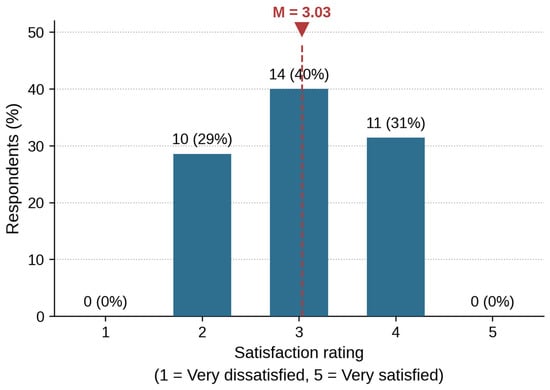
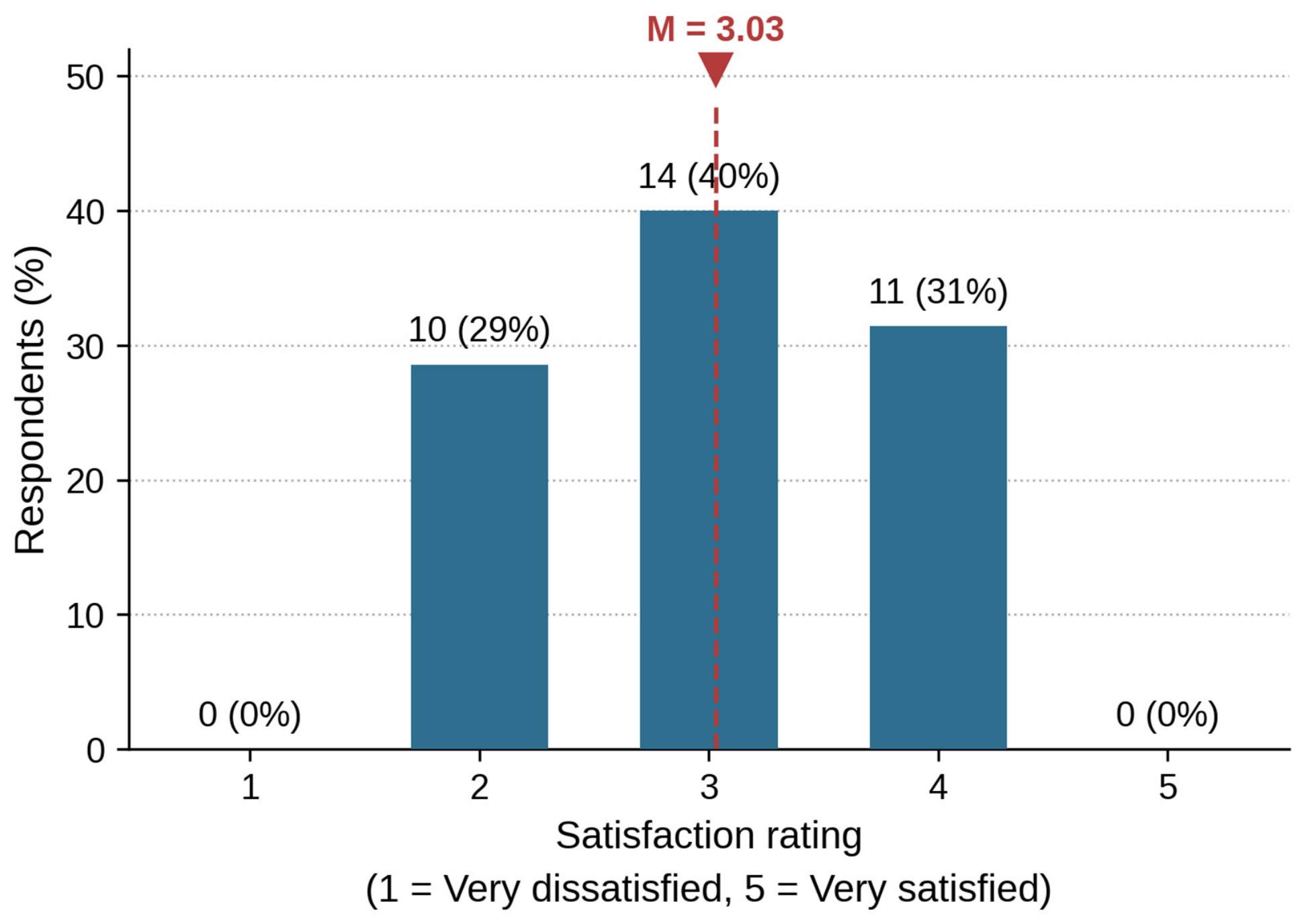
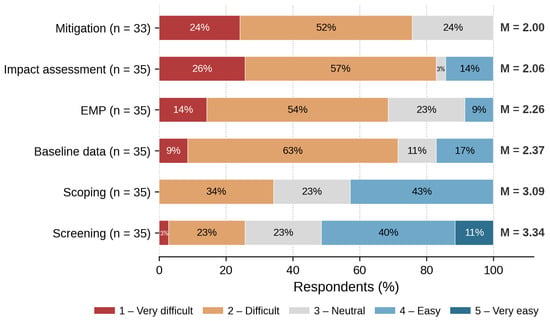
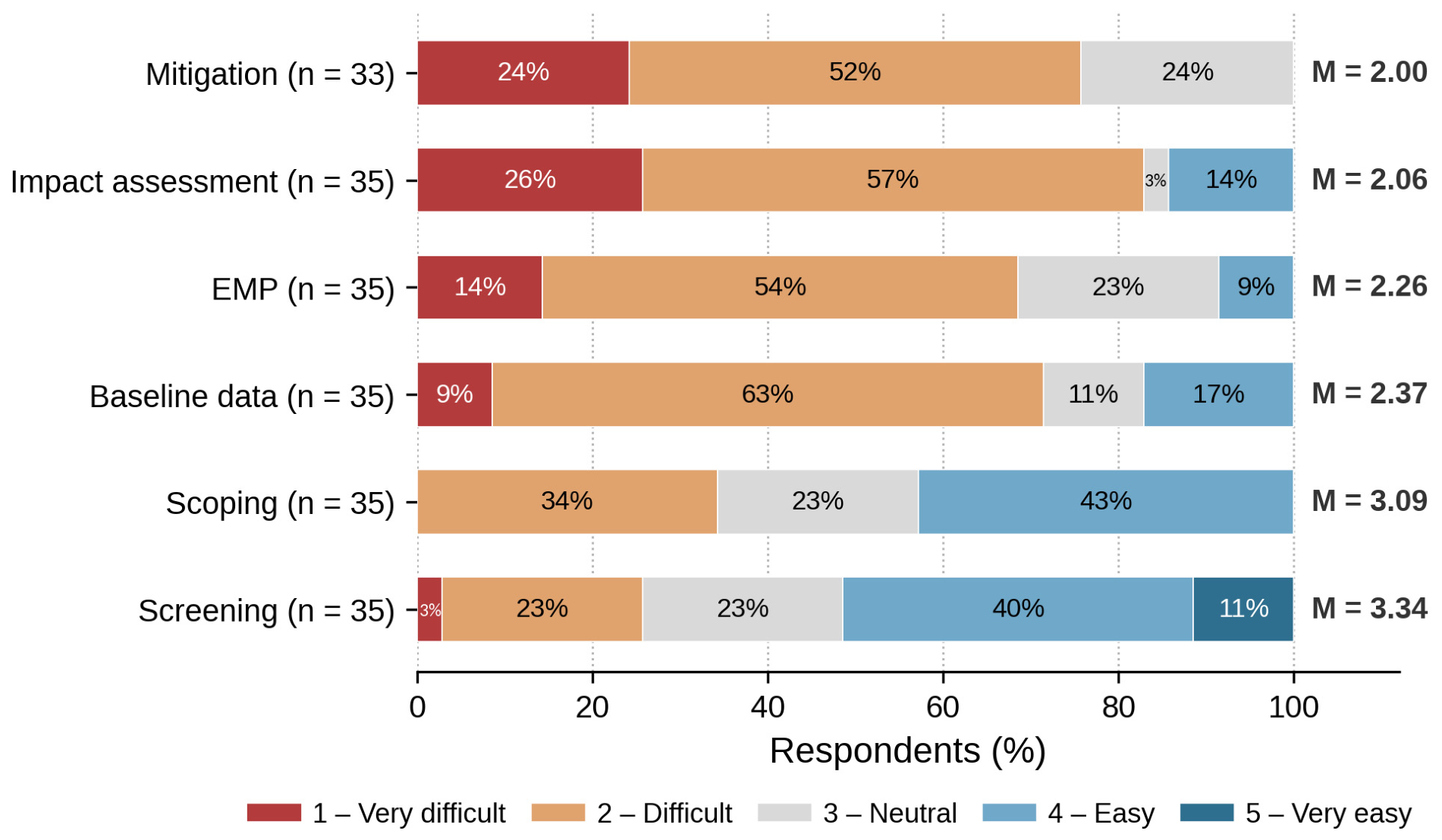
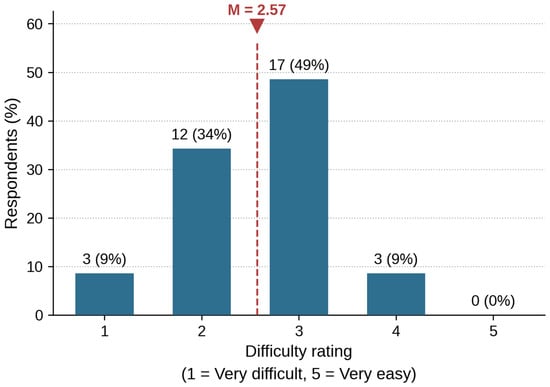
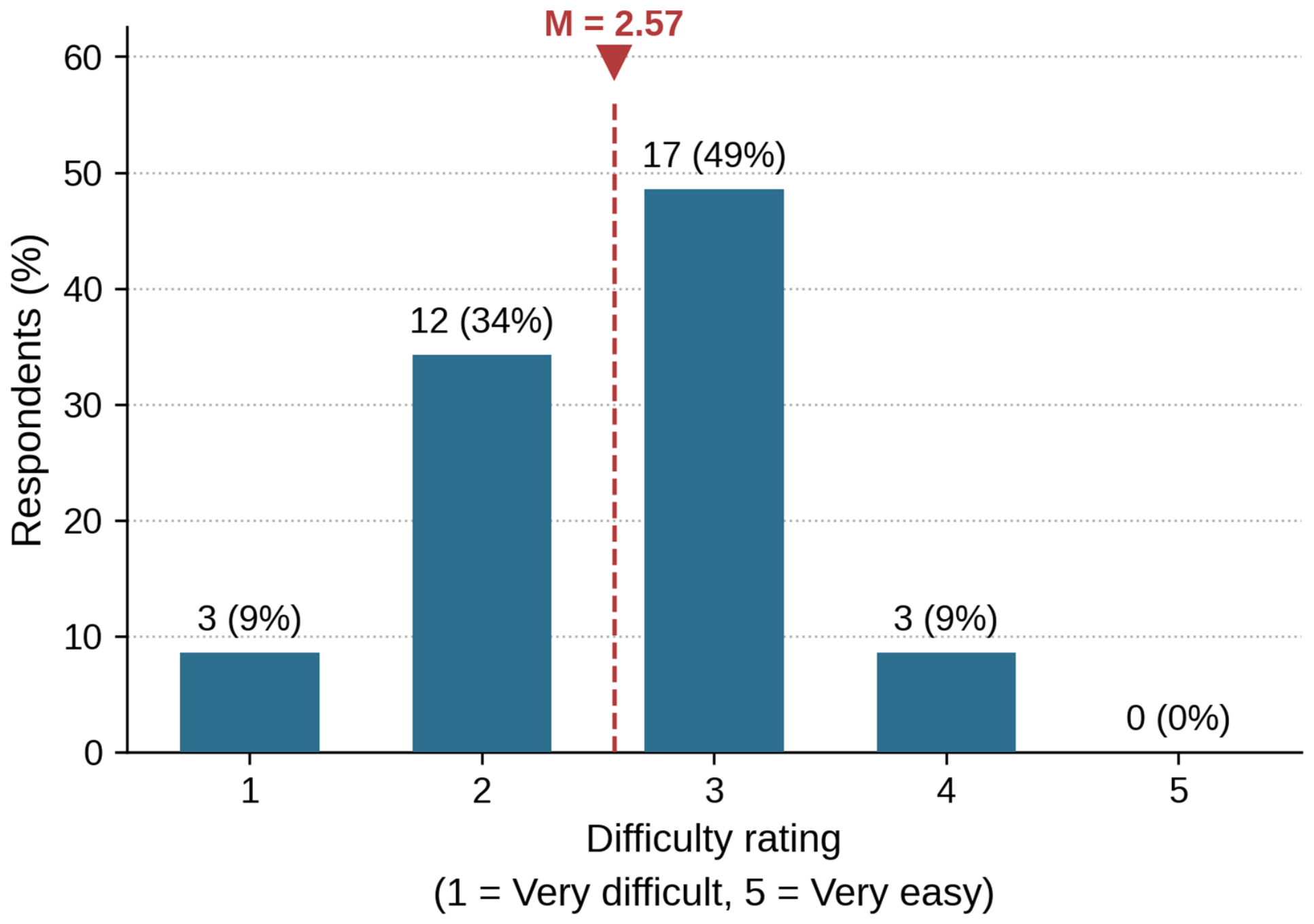
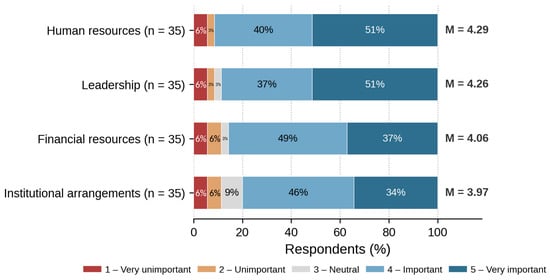
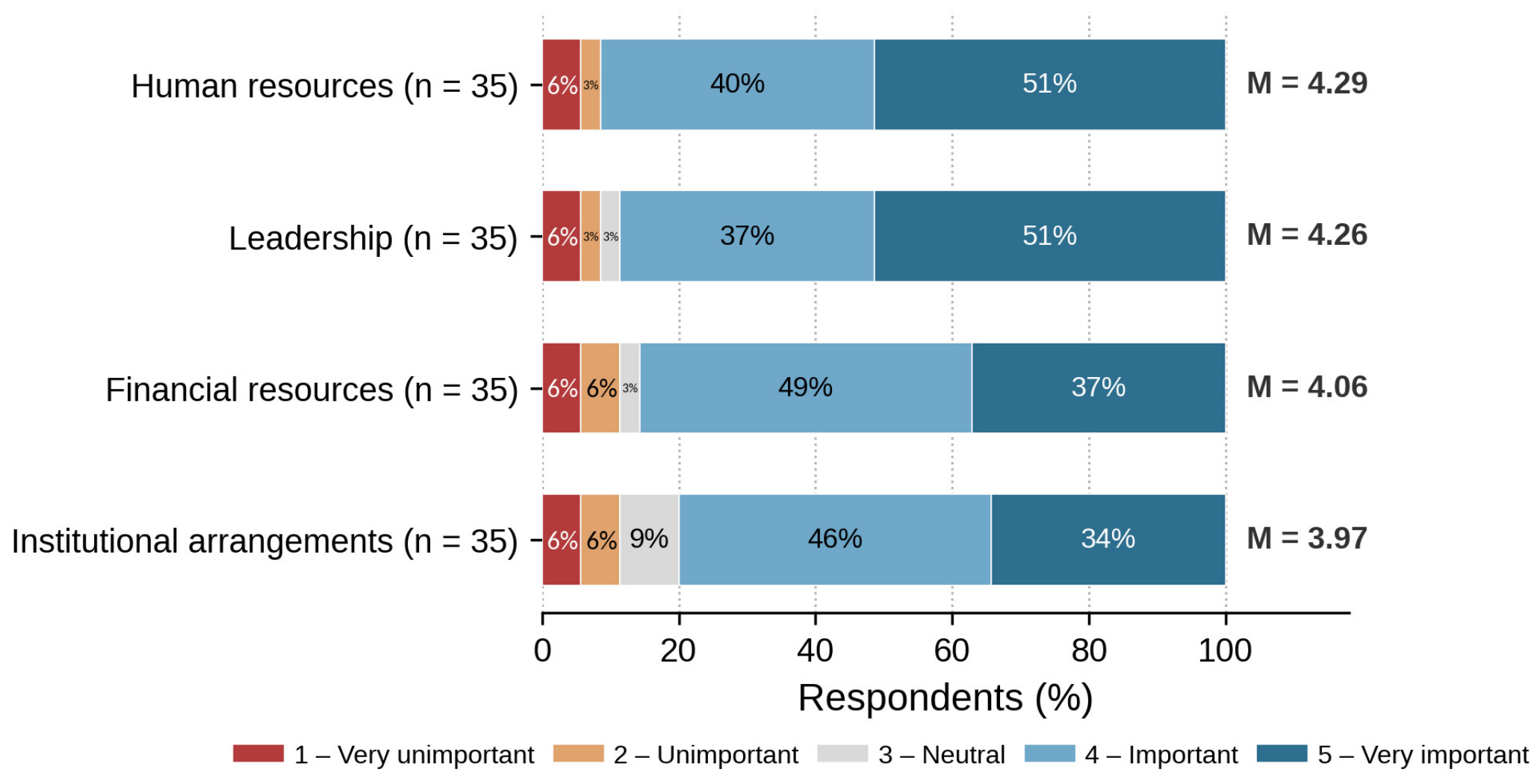
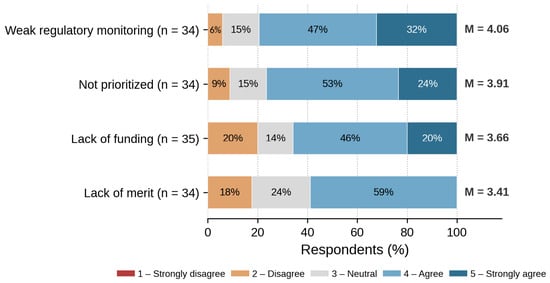
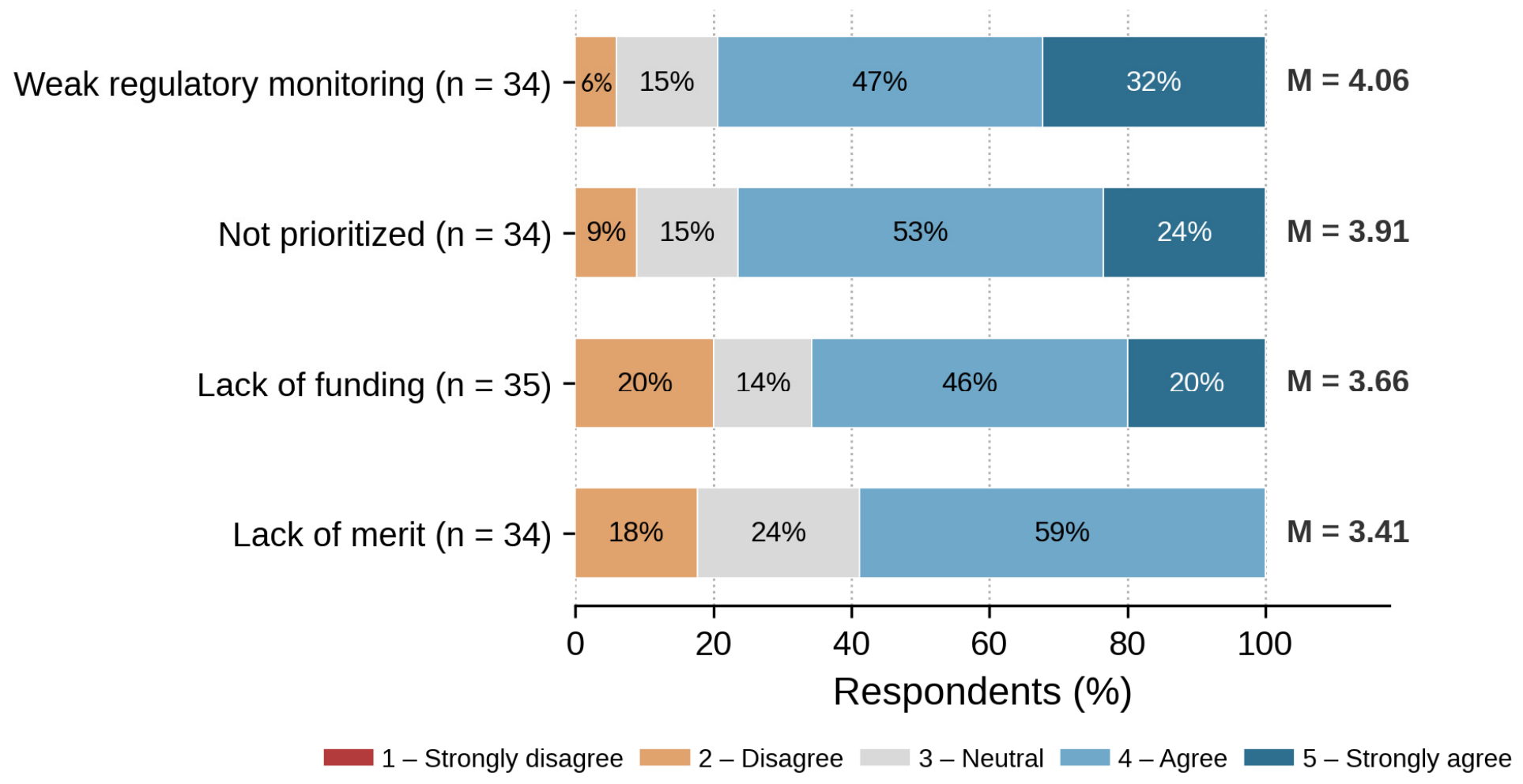
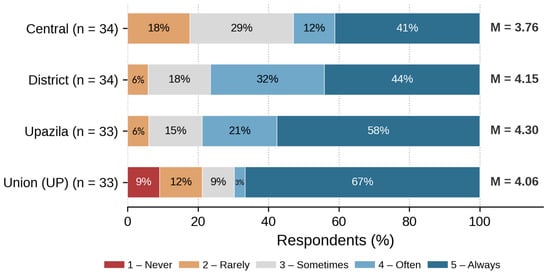
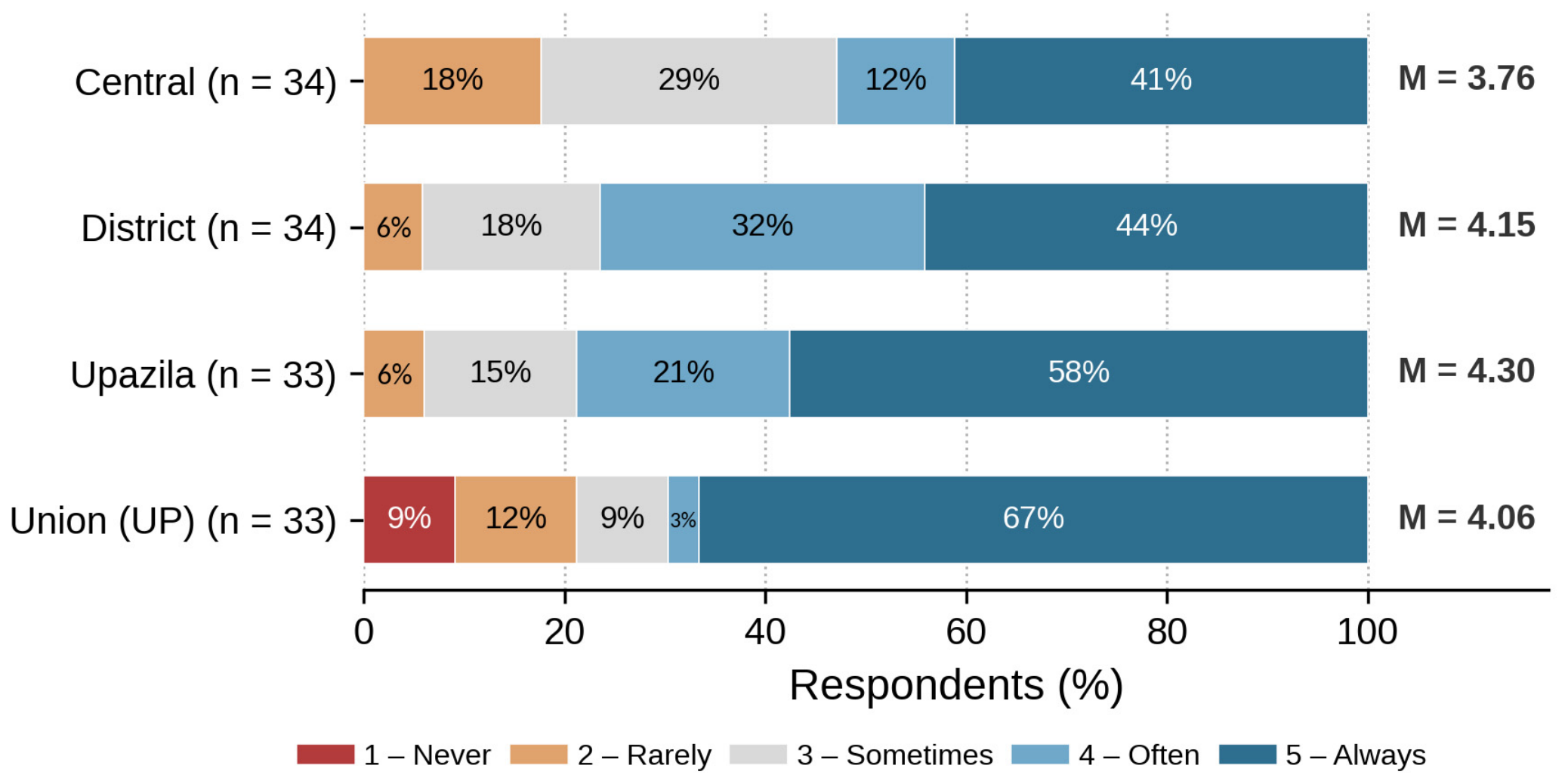
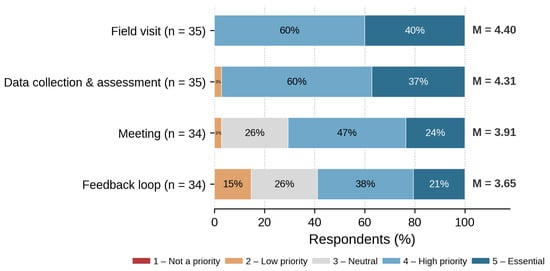
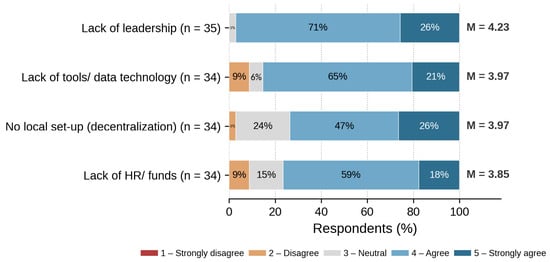
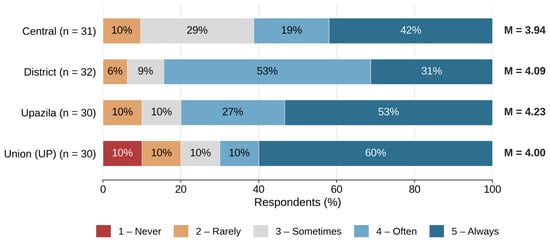
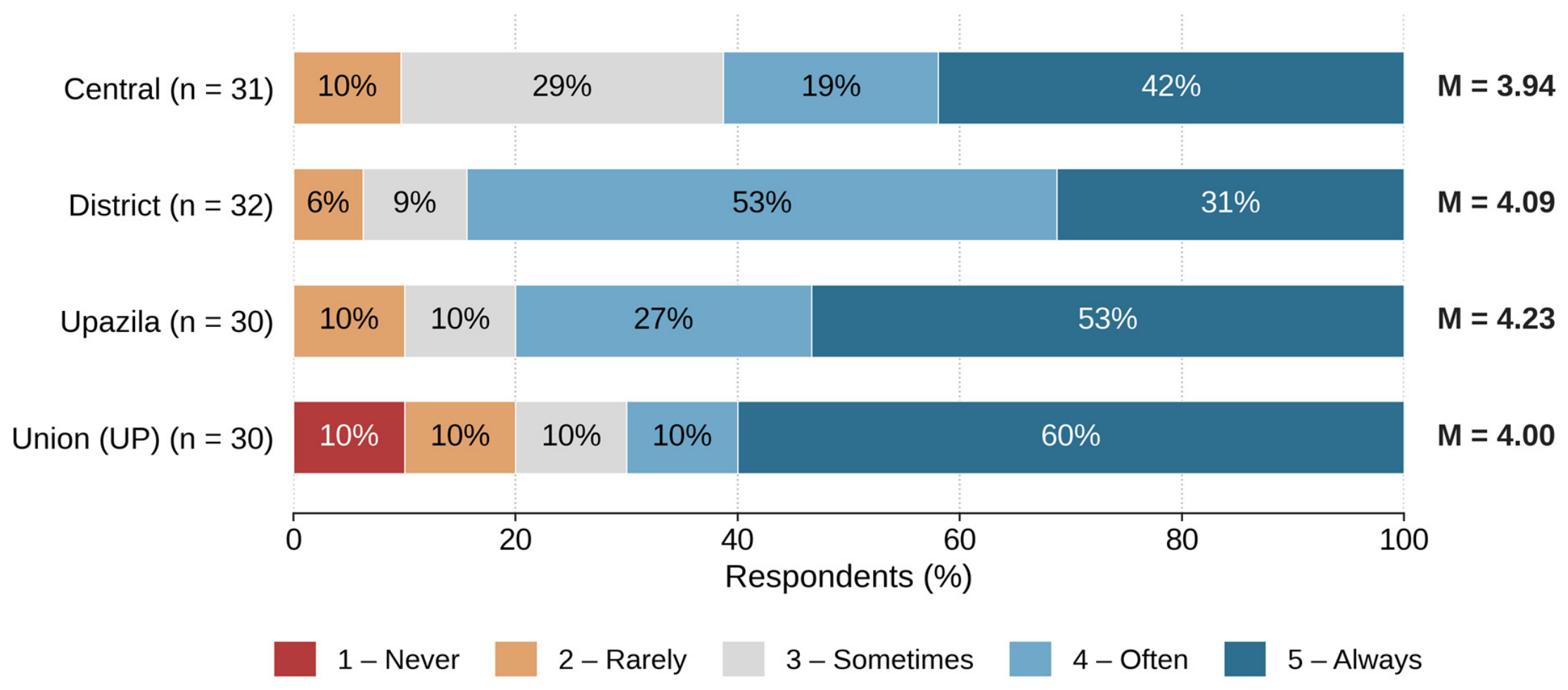
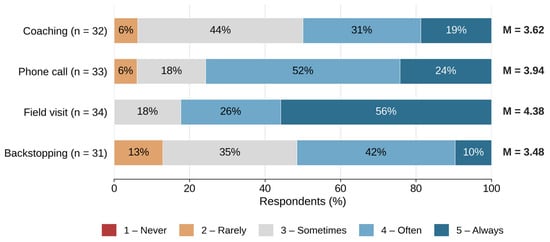
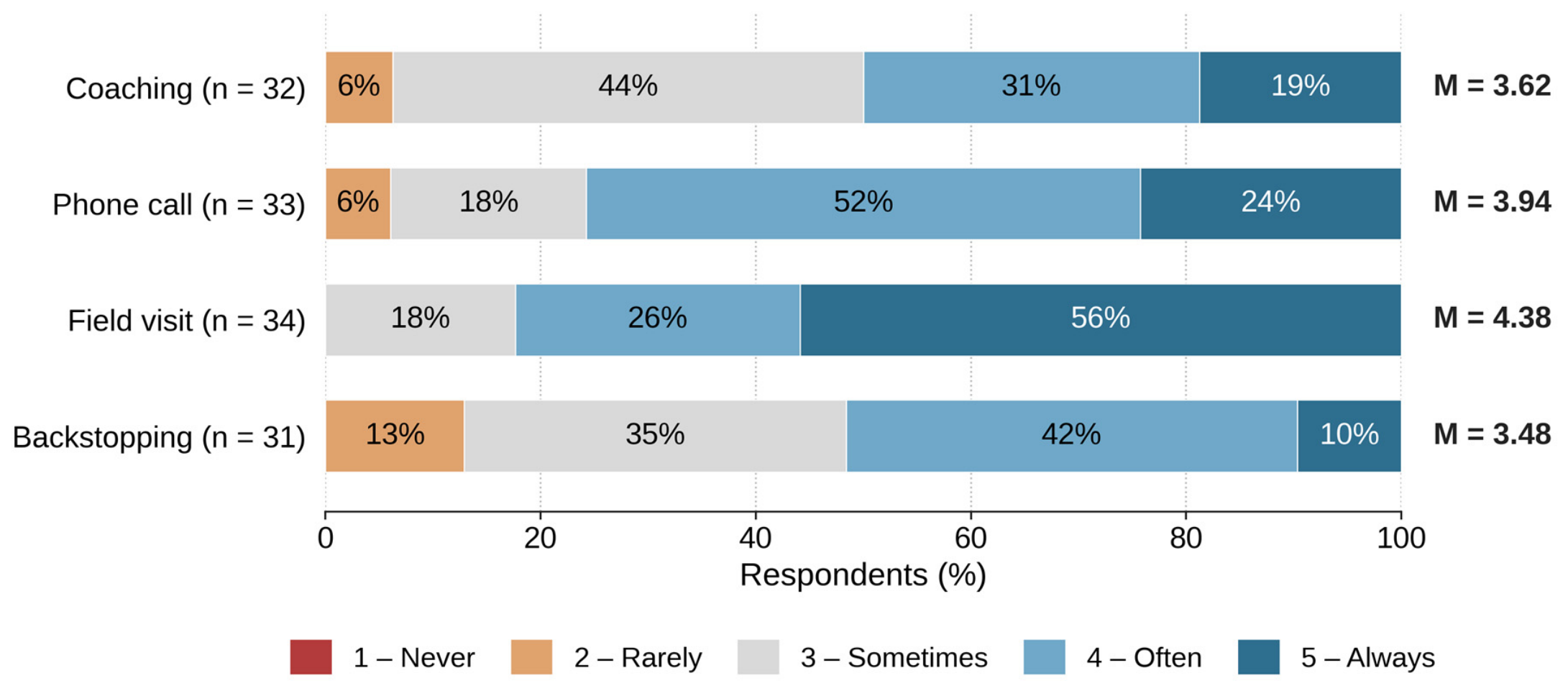
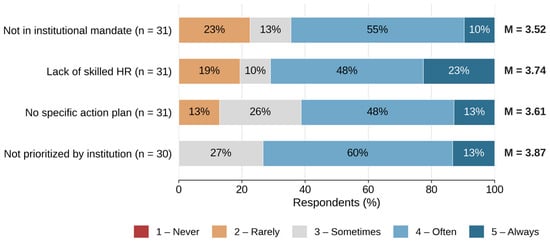
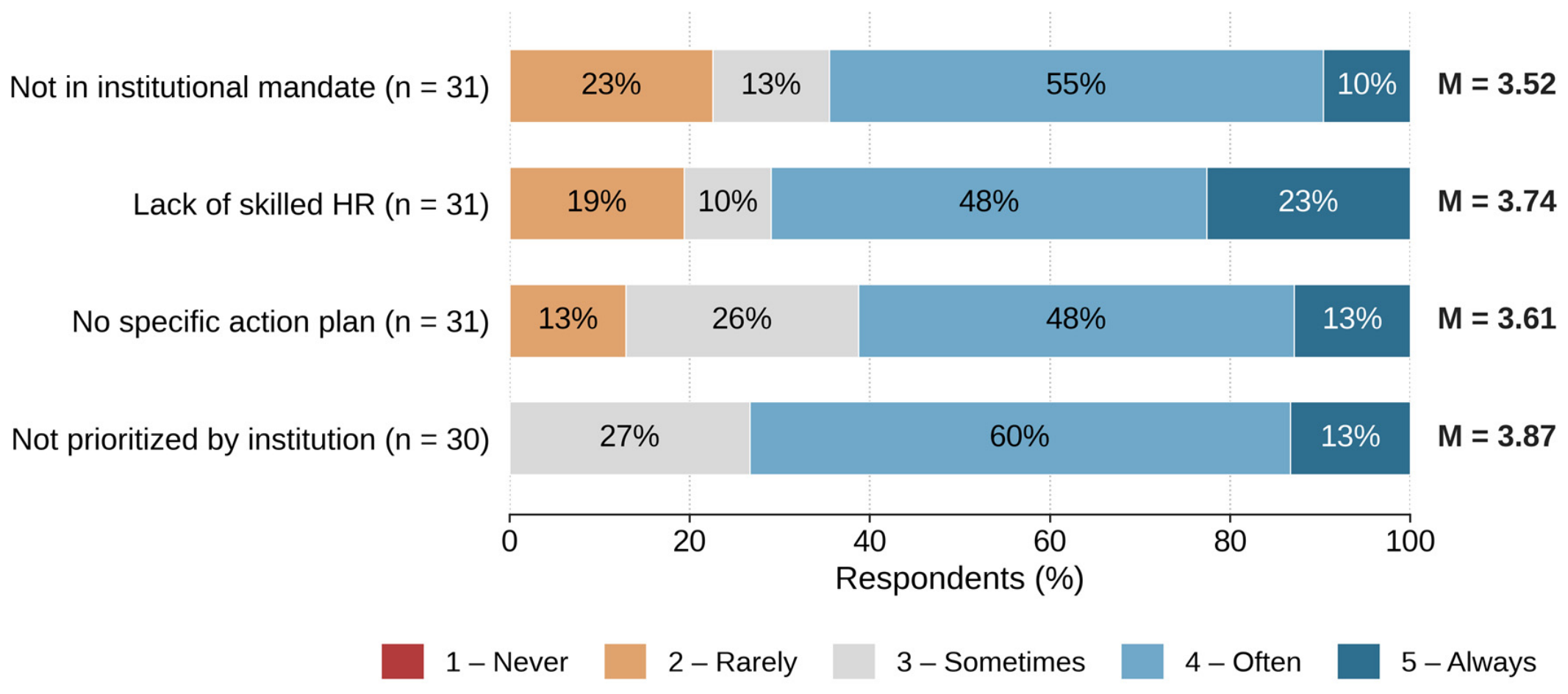
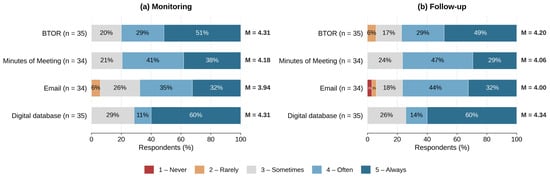
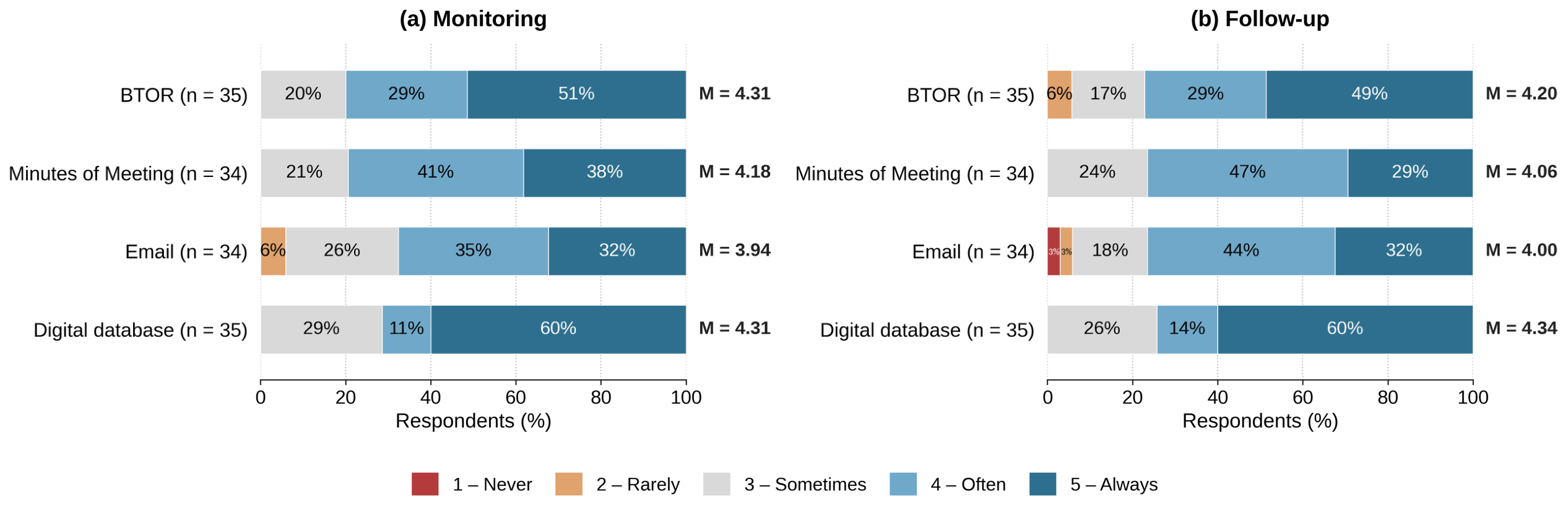
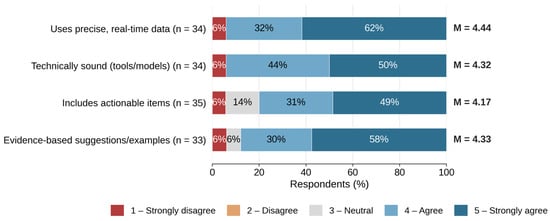
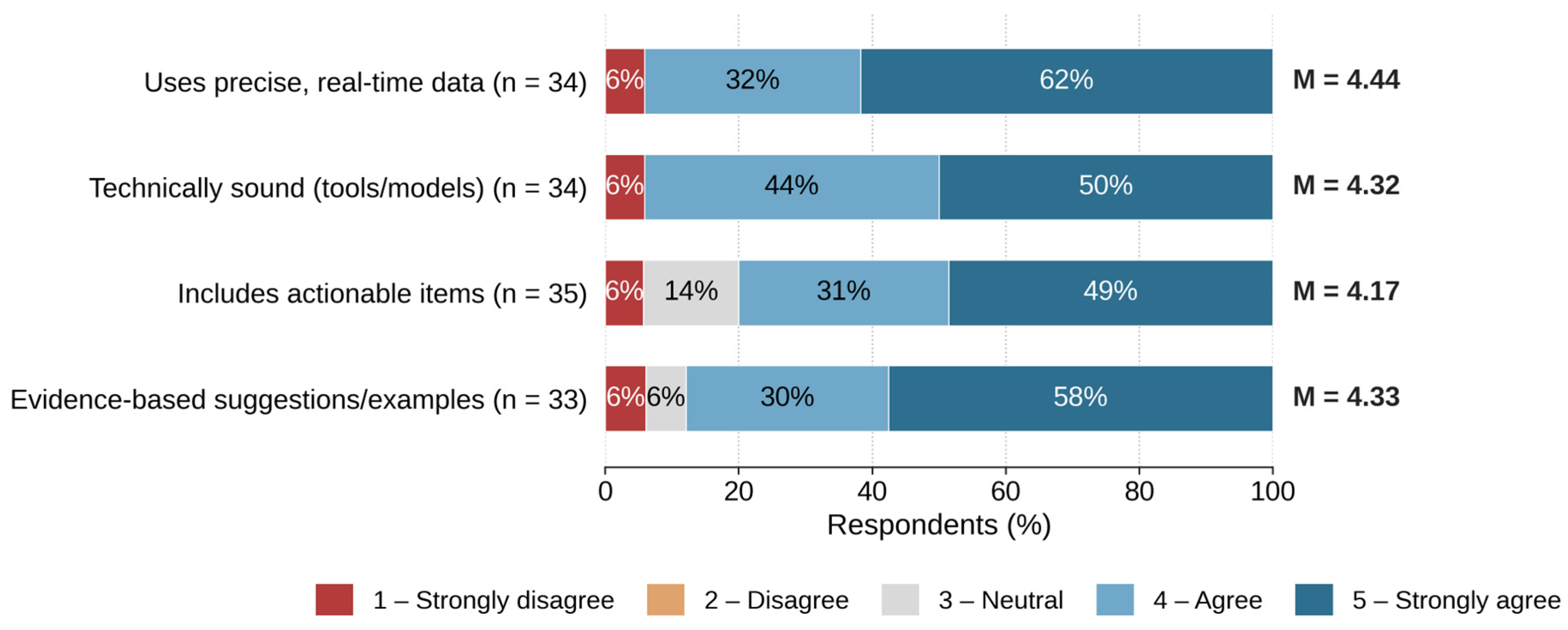

Disclaimer/Publisher’s Note: The statements, opinions and data contained in all publications are solely those of the individual author(s) and contributor(s) and not of MDPI and/or the editor(s). MDPI and/or the editor(s) disclaim responsibility for any injury to people or property resulting from any ideas, methods, instructions or products referred to in the content. |
© 2026 by the authors. Licensee MDPI, Basel, Switzerland. This article is an open access article distributed under the terms and conditions of the Creative Commons Attribution (CC BY) license.