


Abstract
Peat soils play a key role in the global terrestrial carbon pool, water regulation, and ecosystem stability, making them central to environmental protection and climate resilience policies. This study offers a thorough bibliometric mapping and scientific overview for the development path and intellectual structure of peat soil research from 2015 to 2025. Using the Scopus database, 1558 records were systematically analyzed with VOSviewer and an R-package to reveal publication trends, country/region collaboration networks, keyword co-occurrence clusters, and citation structures. Peat research is increasingly focused on carbon storage, peatland degradation and restoration, greenhouse gas emissions, land-use change, and climate mitigation. High citation rates of 651 in Nature Climate Change show strong interdisciplinary integration of soil science, ecology, hydrology, and climate science. Major contributions come from regions with extensive peatlands, like Southeast Asia and Northern Europe, highlighting their global climate importance. However, there are still missing links remaining between scientific research and practical peatland management and restoration. Future research should focus on long-term field studies, socio-ecological peatland governance, and nature-based solutions to enhance climate resilience. This study serves as a reference for researchers, environmental managers, and policymakers promoting sustainable peat soil management amid global environmental change.
1. Introduction
The peat soil is an organic-rich substrate formed through the partial decomposition of plant material under waterlogged and anaerobic conditions in wetland ecosystems. These soils play a crucial role in global environmental regulation by functioning as major carbon reservoirs, supporting specialized biodiversity, and regulating hydrological cycles [1]. The formation of peat soils involves complex interactions among hydrological, microbiological, botanical, and climatic processes, resulting in a highly organic matrix characterized by organic matter contents exceeding 30%, low bulk density, and unique physicochemical properties that strongly influence ecological and agricultural dynamics [2]. Globally, peatlands represent one of the most important terrestrial carbon storage systems, covering approximately 4 million km2 of the Earth’s land surface and storing an estimated 500–600 gigatons of carbon across boreal, temperate, and tropical regions. Northern peatlands constitute the largest share of this carbon pool, accounting for about 550 gigatons of carbon and representing nearly 30% of global soil carbon, despite covering only around 3% of the global land area [3]. However, the conversion of peatland ecosystems for agricultural and other land-use purposes significantly disrupts these natural carbon sinks. Drainage accelerates peat oxidation, leading to land subsidence rates of approximately 2–5 cm per year and contributing substantially to greenhouse gas emissions [4].
Beyond carbon storage, these ecosystems provide critical habitat for a wide range of specialized plant and animal species. Intact peatland ecosystems support significantly higher biodiversity, with species richness of wetland-dependent organisms reported to be up to 40% greater compared with degraded peatlands [5]. Rewetting degraded peatlands can reduce carbon dioxide emissions by 70–90% within five years, while methane emissions remain at levels that produce a net climate cooling effect over longer time scales [6]. Despite these ecological benefits, peat soils present considerable challenges for agricultural utilization. Once drained, the structural instability of peat leads to progressive land subsidence and increased vulnerability to flooding. In several Southeast Asian agricultural regions, long-term peat oxidation has resulted in land surface elevation losses exceeding three meters over approximately five decades of cultivation [7]. In addition to influencing land stability, peat soils contribute to hydrological regulation by buffering rainfall extremes. Their high water retention capacity allows them to absorb peak precipitation and release water gradually, thereby reducing downstream flood intensity by up to 25% during extreme rainfall events [8]. Given their critical environmental functions, the conservation and restoration of these ecosystems are increasingly recognized as key strategies for climate mitigation and sustainable land management. Large-scale restoration initiatives have the potential to prevent emissions equivalent to approximately 10% of annual global anthropogenic carbon dioxide output while simultaneously enhancing ecosystem resilience to drought and wildfire in vulnerable regions [9].
Human-caused greenhouse gas emissions are amplifying Earth’s climate system, and concentrations of carbon dioxide in the atmosphere have recently surpassed 420 ppm, higher than it has been for nearly three million years [10]. The above causes have accelerated the pace of global warming, resulting in system changes not only represented by elevated temperatures but also large-scale disturbances to hydrological cycles, cryospheric stability, and ecosystem functioning. These changes pose a risk to the global stability of earth system processes fundamental to environmental sustainability and human well-being [11,12]. In this context, resilience, the ability of socio-ecological systems to absorb disturbance and still retain their basic function and structure, has emerged as a key concept in climate adaptation and mitigation efforts. Peat-based systems also hold a key role in this aspect as they help regulate the balance between carbon sequestration and hydrological dynamics. The vulnerability of degraded peatlands to such climate feedbacks is well illustrated by the 2015 Southeast Asian peat fires, which emitted carbon emissions on the order of those annually released from Germany, showing how degraded peat can amplify extreme events such as drought [13]. Despite this vulnerability, intact peatlands have a remarkable potential for resilience. With their high water holding capacity, they help regulate water tables, buffer the peaks of floods by up to 25%, and maintain baseflow during droughts [14]. Restoration approaches including peatland rewetting are able to restore ecosystem processes on often rapid time scales. These interventions can prevent 80% or more of carbon emissions while also gradually turning on long-term processes to sequester carbon back into stores in soil and vegetation [15,16]. Therefore, peatland conservation and restoration, as one of the emission mitigation methods, are gaining attention as key components in climate regulation and ecosystem resilience. Research on peat soil has expanded significantly over the last decades, covering various topics from carbon sequestration to hydrological regulation, ecosystem biodiversity, and climate mitigation [17]. Despite this increasing volume of literature, previous research has been scattered among various disciplines, and a systematic framework for understanding the evolution and knowledge base of peat soil studies has yet to be established. Considering this, this study aims to systematically map the evolution of peat soil research, identifying major trends, thematic structures, and emerging directions related to environmental sustainability and climate resilience. The following research questions are presented as below:
- (1)
- What are the dominant thematic trajectories and temporal shifts in global peat soil research from 2015 to 2025?
- (2)
- Which interdisciplinary knowledge clusters, spanning hydrology, biogeochemistry, climate modeling, and socio-ecological systems, demonstrate the highest citation impact and collaborative density in advancing peat-based resilience discipline?
- (3)
- What are the dominant research themes and keywords in peat soil management, and how do these themes reflect the current focus areas of the discipline?
- (4)
- What emerging conceptual bridges exist between peatland conservation and nature-based climate solutions policy that accelerate their translation into IPCC-aligned adaptation pathways?
- (5)
- What challenges exist in integrating peat soil models into global climate, and what future research directions can enhance their applicability?
2. Materials and Methods
The various literature review methodologies integrate qualitative and quantitative patterns to synthesize scholarly knowledge, study meta-analysis, systematic review protocols, and computational text analytics [18,19]. This study adopts a methodological framework combining in-depth content bibliometric analysis with deep mapping techniques including conceptual structure visualization, thematic network analysis, and co-word clustering to interrogate the research landscape surrounding peat soils and climate resilience. This synergistic approach transcends conventional narrative synthesis by objectively delineating the architecture of scholarly discourse.
2.1. Data Source and Search Strategy
The evolution data used in this study were retrieved from the Scopus database, selected for its comprehensive and high-quality coverage of scholarly literature. Scopus indexes more than 20,000 peer-reviewed journals published by leading academic publishers, including Springer, Elsevier, Emerald, and Taylor & Francis [20]. Compared with the Web of Science (WoS), Scopus is reported to provide approximately 20% wider journal coverage, while exhibiting different levels of precision relative to Google Scholar [21]. Furthermore, Scopus applies rigorous inclusion standards, ensuring the reliability of indexed publications. The database also offers a larger volume of research outputs than many alternative sources and includes built-in tools that facilitate citation tracking, publication evaluation, and visual mapping analyses [22].
As shown in Figure 1, the PRISMA (Preferred Reporting Items for Systematic Reviews and Meta-Analyses) guidelines were used to systematically search and identify articles in the Scopus database [23,24]. The search was carried out in February 2026, focused on articles published within the last ten years, straddling from 2015 to 2025. The keyword query string used was (TITLE-ABS-KEY (“peat soil” OR “peatland” OR “peat soil management” OR “peatland restoration”) AND TITLE-ABS-KEY (“carbon sequestration” OR “greenhouse gas emissions” OR “climate change mitigation” OR “environmental resilience” OR “climate resilience”)), resulting in 1558 records that were appropriate for inclusion in the data analysis. To conduct the mapping analysis effectively, the literature search was designed and implemented in strict accordance with established reporting standards. This adherence facilitated a systematic, reproducible methodology that enhanced the integrity, consistency, and transparency of the analytical procedures. The search yielded predominantly peer-reviewed journal articles and conference proceedings. Most retrieved publications originated from pertinent disciplinary areas and were chiefly available in English. During the concluding phase of dataset refinement, a rigorous screening protocol was applied to assess article eligibility. This process specifically targeted the removal of duplicate records and confirmed that only publications meeting the predefined inclusion criteria particularly regarding document type were retained for subsequent analysis. After this laborious selection process, a total of 983 articles were deemed suitable for analysis, forming the foundation for further investigation into research trends, key contributors, and thematic developments within the field.
Figure 1.
PRISMA flow chart.
2.2. Data Analysis and Visualization Methods
This study performed a mapping analysis using the computational program package in RStudio and VOSviewer. The records were obtained from the Scopus database and analyzed in RStudio software (Version 4.4.2). It facilitated the efficient handling of large datasets and prepared core indicators, including publication productivity, citation measurements, author, and collaboration behavior. It also captured contributions from institutions and countries, journal source titles, and frequently used keywords. Those indicators gave organized revealing information about the intellectual structure and trend of the research field. Then the processed data were output as CSV files and opened in VOSviewer (version 1.6.20) to visualize network diagram. Keyword co-occurrence analysis was conducted to discover the thematic connections and improve the clarity of the network. VOSviewer’s clustering algorithm was used to classify similar keywords into thematic clusters, and its visualization parameters were modified to reflect the strength and significance of relationships [25].
3. Results
3.1. Trend of Annual Publications
Examining the yearly number of published articles is crucial to understand the growth trends, collaboration tendencies, and scholarly focus concerning peat soil management in relation to climate resilience [26]. In Figure 2, referring to the years from 2015 to 2025 shows a strong set of landscape studies with 983 documents extracted from 280 academic papers. The field has a promising annual growth rate of 15.6%, indicating increasing academic attentions and a large room for further research output. With input from 3992 authors, the study shows a large and dynamic community of researchers. Two statistics worth mentioning are the few numbers of single-authored publications and a relatively high-level co-authorship with 43.03%, indicating that the research in this area is highly collaborative, resulting in assistance to exchange interdisciplinary knowledge easily. In addition, the average of 4.06 authors per document further reflects the collaborative nature of peat soil research, indicating that studies are commonly conducted through multi-author contributions. This pattern suggests increasing interdisciplinary engagement and collective scientific efforts in addressing peatland and climate-related challenges. A total of 2455 distinctive author keywords were found, indicating the large thematic variation and methodological diversity on peat soil management. The mean age of the documents was 4.85 years, which suggests that the field has built a substantial volume of current research data and that scholarly contributions are still being made. Furthermore, the high academic impact and relevance of published studies in promoting this field are demonstrated with an average number of 25.42 citations per documents. These patterns indicate the progressive maturation of the peat soil research field, characterized by increasing publication output, collaboration, and citation impact [27,28]. Moreover, annual publication trends in peat soil management studies on environmental sustainability and climate resilience (2015–2025) are represented in Figure 3, showing an increasing tendency of scholarly outputs. The number of publications is plotted on the y-axis, and years for the decade under study are noted along the x-axis. The trendlines indicate a relatively steady growth at the beginning, and then a rapid increase since 2020, which corresponds to the increasing academic and policy relevance of this field. From a low of about 45 publications in 2015, these grow steadily until 2019, fall slightly in 2020, and then soar up to near 190 publications by the end of our period, in 2025. This surge of exponential growth represents a growing appreciation that peatlands are critical carbon sink and climate adaptation systems, inspired by international policy mechanisms such as the Paris Agreement, advances in remote sensing and ecosystem monitoring, and urgency for nature-based climate solutions [29]. These advances have in turn facilitated novel approaches to improve climate resilience such as precision restoration of peatlands, monitoring of greenhouse gas emissions, and sustainable hydrological management. The rise after 2020 coincides with stepped-up global climate efforts, such as the 2021 United Nations Climate Change Conference (COP26) where leaders focused on conserving and restoring carbon-rich ecosystems [30]. This trajectory highlights the field’s increasing role in promoting sustainable approaches that include ecological conservation as well as climate change mitigation and adaptation.
Figure 2.
Research output of the peat soil.
Figure 3.
Annual publication of peat soil research for environmental and climate resilience.
3.2. Most Productive Journals
The mapping analysis of the most productive journals publishing research on peat soil management in environmental sustainability and climate resilience, using Bradford’s law to locate core publication sources, is depicted in Figure 4. This basic mapping classifies journals into productivity categories based on their publishing patterns, identifying a few core journals with high output, while the remaining journals contribute progressively fewer publications [31]. As shown in Figure 4, the Bradford’s Law analysis indicates that peat soil research is concentrated within a relatively small group of highly productive journals that collectively form the core publication sources of the field. The steep decline observed in the distribution curve suggests that a limited number of journals contribute disproportionately to the dissemination of peatland-related research. The identified core sources include Science of the Total Environment, Mires and Peat, Global Change Biology, Geoderma, Biogeosciences, and Journal of Environmental Management, which collectively publish a substantial portion of the literature related to carbon dynamics, greenhouse gas emissions, peatland restoration, hydrology, and climate resilience. The analysis further categorizes the 87 identified journals into three Bradford zones, where the first zone represents the principal publication outlets with the highest publication intensity, while the second and third zones consist of journals with progressively lower contribution frequencies. This concentration pattern reflects the increasing integration of peat soil research into broader interdisciplinary environmental and climate-oriented scientific platforms, particularly in response to growing global interest in climate mitigation, ecosystem restoration, and nature-based solutions. This is similar to the global trend towards the increased prioritization of peatlands in climate mitigation configurations [32]. With a growing emphasis on peat soil conservation in global policies, key journals are paying increasing attention to applied methods for reducing emissions and restoring degraded ecosystems. The predominance of core journals as conduits for the latest research developments, notably in carbon quantification and adaptive management, which showing their crucial function in translating scientific knowledge to develop on-ground climate resilience activities. Future research paths are expected to further concentrate on these two main sources as the discipline becomes more established, a story that will be rooted in the necessity for scaling evidence-based management of peat soils globally.
Figure 4.
Core publications sources by Bradford’s law.
3.3. Global Scientific Collaboration Across Countries
By examining co-authorship ties across countries in scholarly output, Figure 5 visualizes the interconnected nature of international science and identifies the principal contributors steering collaborative research network. By distinguishing between single-country publications (SCPs) and multiple-country publications (MCPs), the figure captures not only national research productivity but also the depth of transnational integration within the global peatland research ecosystem [33]. Such differentiation is particularly important for peat soil studies, where carbon dynamics, hydrological processes, and land-use pressures transcend political boundaries and require coordinated scientific responses [34]. A dominant feature of the network is the pronounced centrality of the United Kingdom, which exhibits the highest volume of MCPs. This pattern indicates a strong outward-looking research strategy and reflects the UK’s leadership in peatland carbon accounting, restoration science, and climate policy integration. A similar dominance of the UK as a collaborative hub in environmental and climate-oriented research networks has been reported by previous studies, which attribute this role to sustained international funding mechanisms and long-standing institutional partnerships [35]. Closely following are China and the United States, both of which display a balanced structure of high SCP and MCP outputs. This dual configuration suggests robust domestic research capacity complemented by extensive international engagement, a hallmark of scientifically mature systems. Similarly, comparable findings have been observed that China and the United States consistently function as global anchors in climate-related soil and ecosystem research, facilitating methodological diffusion and large-scale data integration [36].
Figure 5.
Country collaboration network.
These data show a dense collaborative cluster between European nations, especially Germany, Finland, Netherlands, and Sweden. The high MCP proportions at this scale are related to upstream input and output ties driven by common research frameworks, harmonizing environmental policies, and a typified approach in defining/characterizing peatlands for boreal and temperate systems. This result is consistent with previous studies, showing that European peatland research is heavily influenced by transnational funding instruments and coordinated climate mitigation agendas, with scientific communities that are closely linked [37]. In contrast, even though the publication numbers are lower overall, countries like Indonesia are strategically important participants beyond the Global North. Perhaps best represented by the notable MCP share from Indonesia, there is an increasing integration of international research discussing tropical peatlands, peat fires, and land-use change problems with disproportionate consequences for global greenhouse gas emissions. This phenomenon can be explained by the fact that tropical peat-rich countries are increasingly reliant upon international integration to address infrastructural and technical limitations whilst increasing the global importance of their research outputs [38]. The color function also exposes asymmetries in the landscape of collaboration, where a number of countries are almost wholly SCP-agnostic and not well connected internationally. Such patterns can reflect differences in research funding, access to international networks, or institutional capacity. Previous investigations have confirmed that the solution to these structural shortcomings are targeted mobility programs, co-funded international projects, and inclusive data-sharing platforms as comprehensive global research systems increased in new opportunities and funding [39]. Additionally, the collaboration network reflects peat soil research as becoming more globalized and cooperative aspects of science still being unequal within agents. Enhancing inclusive partnerships among peat-rich regions and between those regions and research-intensive economies will be essential to advancing peat soil science, including turning it into implementable routes to climate resilience on a global scale.
3.4. Co-Citation Author’s Network
Accordingly, Figure 6 depicts the co-citation author’s network in peat soil research, revealing the intellectual structure and temporal evolution of the field through patterns of shared citation. Co-citation mapping reflects conceptual influence rather than the direct collaboration that may exist among scientists [40]. Hence, it also identifies those authors whose work forms the intellectual foundation of peat soil research. Node size denotes co-citation frequency, and temporal distribution reflects periods of increased scholarly influence, revealing how foundational ideas persist, become integrated, or give rise to new thematic clusters over time [41,42]. An apparent aspect of the network is that Evans C.D., Page S.E., and Sjogersten S. show sustained prominence with large and recurrent nodes covering almost the entire study period. These high and stable co-citation counts consequently indicate the remaining significance of theoretical approaches and methodologies, especially among fields addressing peatland carbon dynamics, greenhouse gas fluxes, or land-use change effects. This trend is consistent with the previous results whereby highly co-cited authors in domains such as soil and climate sciences have been observed to act as conceptual anchors, structuring research questions decades beyond their original publication [43]. The network also brings attention to an important epoch of intellectual consolidation around 2019–2021 and notable co-citation of influential authors in this direction (e.g., Jurasinski G./Yu Z.), which corresponds to a rise in integrative peatland studies that integrate field observations, biogeochemical modeling, and climate projections. Accordingly, peat soil research experienced a paradigm shift from site-level assessments toward system-level analyses linking peat degradation to global climate feedbacks. After 2021, there is also a new generation of intellectual influence of authors, Wang S. and Wang M., in the co-citations from different literature. Their growing prominence reflects the weight of Asian-led science in peat soil research, particularly for tropical peatlands, land-use intensification, and climate mitigation strategies. This pattern is consistent with previous findings that found that an increase in the global citation impact of researchers addressing tropical peat systems had been motivated by their importance for emissions reduction and nature-based solutions [44,45]. Thus, authors like Strack M., Tuittila E.S., and Jones D.L. show sporadic but strategically important peaks for co-citation. These patterns point to episodic yet high-impact contributions, frequently associated with methodological advances or synthesis papers that reframe subsequent research. For example, it has been demonstrated that citation behavior is typical of authors whose research spans disciplines, allowing for the integration across hydrology, ecology, and climate science [46]. Overall, the co-citation author network highlights peat soil research as a cumulatively organized and theory-driven field where intellectual stewardship is secured by persistent citation rather than short-lived publication volume. Foundational scholars and emerging influential authors coexist, suggesting both conceptual stabilities, as well as adaptive renewal. The enhancement can be ascribed to the formation of an equilibrium that is crucial to the development of research in environmental and climate resilience, which must always be informed by strong scientific knowledge while still reflecting changing global circumstances [47].
Figure 6.
Authors’ production over time.
The intellectual organization and thematic interconnections within this research are made visible in Figure 7, where a Sankey diagram depicts patterns of keyword co-occurrence drawn from author annotations. At the author level, scholars such as Evans C.D., Page S.E., Sjogersten S., and Jurasinski G. emerge as pivotal knowledge brokers linking multiple high-impact themes. Their strong and repeated connections to keywords such as peatland, climate change, carbon sequestration, and rewetting emphasize their central role in shaping both the conceptual foundations and applied directions of the field. Comparable findings have been observed that authors occupying such bridging positions often drive paradigm formation in climate-related soil research by integrating biogeochemical theory with policy-relevant applications [48]. The keyword layer reveals a tightly interconnected thematic core dominated by peatland(s), carbon, carbon dioxide, methane, and climate change, reflecting the field’s strong orientation toward understanding peat soils as dynamic regulators of the global carbon cycle. The prominence of rewetting as a connecting node is particularly noteworthy, signaling a decisive shift from descriptive peatland studies toward intervention-based research focused on nature-based climate solutions [49]. Related studies have demonstrated a comparable thematic transition, noting that peat soil research has increasingly prioritized restoration strategies capable of simultaneously reducing greenhouse gas emissions and enhancing ecosystem resilience [50]. Crucially, the diagram demonstrates how these thematic priorities are institutionally anchored. Strong linkages to organizations such as the Natural Resources Institute Finland (LUKE), Wageningen University & Research, the UK Centre for Ecology & Hydrology, and Swedish University of Agricultural Sciences indicate that these institutions function as global hubs for peatland and climate research. The thickness of flows connecting these institutions to carbon- and methane-related keywords reflects their leadership in long-term field experiments, greenhouse gas monitoring, and ecosystem modeling. It may be ascribed to the formation that institutional concentration around peatland expertise accelerates methodological standardization and enhances the global comparability of climate mitigation assessments [51]. The presence of Asian institutions, such as Northeast Normal University, linked through authors like Yu Z. and Wang S., further illustrates the globalization of peat soil research. These connections signal growing scholarly attention to peatlands beyond the boreal zone, particularly in relation to climate sensitivity, land-use change, and carbon–climate feedbacks. Similar results were also reported for a similar expansion, emphasizing that the inclusion of diverse peatland systems is essential for improving the robustness of global carbon budgets [52]. Taken together, the author keyword co-occurrence visualization portrays peat soil research as a conceptually integrated and institutionally concentrated scientific field, characterized by strong alignment between influential scholars, dominant climate-oriented themes, and globally recognized research centers. The convergence of authors, keywords, and institutions around carbon dynamics and restoration-based solutions highlights the field’s maturation from disciplinary silos toward a mission-oriented science explicitly aligned with environmental and climate resilience. Accordingly, such structural coherence is a defining feature of research domains that successfully translate fundamental science into actionable climate strategies.
Figure 7.
Visualization diagram with author keyword co-occurrence.
3.5. Most Influential Publications
Shown in Table 1 are the ten most-cited documents in the field of peat soil research, organized according to cumulative citations, citation normalization, and the average number of citations received each year. Collectively, these highly cited publications represent the intellectual pillars of peat soil science and reflect the thematic priorities that have shaped the field’s evolution toward environmental sustainability and climate resilience. Citation metrics are widely recognized as proxies for scientific influence, as they capture the extent to which a study informs subsequent research, policy discourse, and methodological development [53]. The most influential document, “Greenhouse gas emissions intensity of global croplands”, published in Nature Climate Change, leads the ranking with 651 total citations and a strong normalized citation score. Although global in scope, its prominence highlights the critical role of soil systems, including drained and managed peat soils, in regulating agricultural greenhouse gas emissions. Comparable findings have been observed that studies linking soil processes to climate forcing often achieve exceptional citation impact due to their relevance for both mitigation policy and Earth system modeling [54]. Equally notable is article of “The underappreciated potential of peatlands in global climate change mitigation strategies”, published in Nature Communications, which records one of the highest citations per year and normalized citation values in the table. This paper marks a conceptual turning point by reframing peatlands from passive carbon stores to active, manageable climate mitigation assets. Its strong citation performance reflects widespread uptake across disciplines, including ecology, climate science, and environmental policy. A comparable surge in attention to peatland mitigation potential has been highlighted, identifying this work as central to the mainstreaming of peatlands in global climate strategies [55].
Table 1.
Most global cited documents.
Several entries in the table emphasize carbon stock quantification and vulnerability, notably “Age, extent and carbon storage of the central Congo Basin peatland complex”, published in Nature, and “Large stocks of peatland carbon and nitrogen are vulnerable to permafrost thaw” in Proceedings of the National Academy of Sciences. These studies are foundational in establishing peatlands as globally significant carbon reservoirs and in revealing their sensitivity to climate-driven disturbances. It has been consistently observed that landmark discoveries of previously underestimated peat carbon stocks tend to redefine global carbon budgets, explaining their sustained citation momentum [66]. Management-oriented studies also feature prominently such as “Overriding water table control on managed peatland greenhouse gas emissions” and “Prompt rewetting of drained peatlands reduces climate warming despite methane emissions”, both published in Nature and Nature Communications respectively, demonstrate how hydrological restoration can fundamentally alter greenhouse gas balances. Their high normalized citation scores indicate rapid assimilation into both scientific literature and policy frameworks. Evidence from prior research indicates that such intervention-based studies often become reference points for climate action, as they translate biophysical understanding into actionable land-management strategies [67]. The presence of articles published in Global Change Biology and Global and Planetary Change further illustrates the interdisciplinary reach of peat soil research, spanning ecosystem ecology, biogeochemistry, and Earth system science. In addition, the inclusion of “Matching policy and science: Rationale for the ‘4 per 1000–soils for food security and climate’ initiative” highlights the growing convergence between peat soil science and global policy initiatives. It is reasonable to assume that soil-focused policy frameworks increasingly draw on highly cited peatland studies to justify large-scale climate mitigation commitments. Henceforth, Table 1 reveals that the most impactful peat soil research is characterized by three dominant attributes such as global relevance, methodological rigor, and policy salience. The concentration of highly cited papers in leading multidisciplinary journals emphasizes the field’s maturation and its central role in climate resilience discourse. It also can be inferred that citation elites in environmental science often delineate not only past achievements but also future research trajectories [68]. In this context, the documents listed in Table 1 collectively define the scientific foundation upon which contemporary and future peat soil research continues to build.
3.6. Primary Research Areas
Figure 8 displays a word cloud of the author keywords most utilized in peat soil research. This provides a broad yet conceptually rich synthesis of the prominent scientific themes driving work in this field, particularly in fostering environmental sustainability and climate resilience. In this visualization, larger words correspond to higher frequency of occurrence [69]. Core research priorities are thus made evident through the collective scholarly discourse itself instead through imposed grouping. In this way, the word cloud acts as an epistemic snapshot of how the peat soil research community frames its core research questions and its social significance. The overwhelming predominance of “peatland”, “carbon sequestration”, and “climate change”, followed by “carbon dioxide”, “wetlands”, and “greenhouse gases”, clearly demonstrate that the inquiry into peat soil is largely placed in the context of global carbon cycle and climate regulation. This thematic focus highlights the widespread scientific agreement that peatlands are not just local ecosystems but crucially earth system components, having an outsized effect on atmospheric carbon cycling. Accordingly, carbon-related terminology inhabits keyword spectra to an even greater extent than in samples of low-impact literature, a pattern that continues to highlight the strong affiliation of peatland research with global climate mitigation benchmarks [70]. The increased prominence of “methane”, “nitrous oxide”, and “gas emissions” highlight an important emerging emphasis in modern peat soil research, namely the development of trade-offs among different greenhouse gases. Instead of characterizing peatlands as flat carbon sinks, recent evidence is questioning where the balance between CO2 uptake and CH4 or N2O emissions lies under differing hydrological and land-use regimes. Evidence from prior research indicates that a similar change in keyword prominence and increasingly multi-gas perspectives are placed at the heart of the assessment for the real climate impacts of peatland management and restoration [71]. Search terms like “rewetting”, “water table”, “land use”, “decomposition”, and “carbon emission” highlight a crucial shift from descriptive and inventory-oriented to process-based, interventionist studies. The arrival of “rewetting” as a buzzword is particularly notable because it indicates that the field has grown up to embrace solution-oriented science that focuses on nature-based climate tactics. Previous investigations have confirmed that an increase in restoration-associated keywords is indicative of the coupling between research on peat soils and applied climate policy, especially ecosystem restoration, emissions reduction measures, and long-term resilience planning [72]. Associated ecological and biogeochemical aspects are also taken into account by repeating terms such as “soil”, “organic carbon”, “biodiversity”, “ecosystem”, and “biomass”. The association of peatlands with climate-related keywords implies an integrated focus on the ecological–climatic nature of peatland from surface elevation feedbacks to climate rather than viewing them as separate carbon stores. This holistic framing aligns with previous findings that peat soil research is increasingly bridging the gap between ecosystem functioning, hydrology, and atmospheric science to improve feedback estimates under future climate scenarios [73]. Taken together, the word cloud shows peat soil research as a mission-driven and interdisciplinary field, rooted conceptually in climate change mitigation and carbon dynamics and increasingly focused on restoration, land-use management, and ecosystem resilience. The meeting and interaction of biogeochemical, ecological, and policy-relevant terminology suggests that the discipline has moved past formative characterization to a stage closer to being an adult science that can help guide global change mitigation decisions. This finding is particularly notable, suggesting that an expression may contribute to induced invasion and highlighting research that has effectively translated fundamental science into practical climate resilience strategies.
Figure 8.
Word cloud of most frequent keywords.
On the other hand, Figure 9 presents the author’s keyword co-occurrence network, well structured in four internally cohesive thematic clusters (Clusters I–IV) capturing the intellectual structure and research fronts of peat soil science on environmental sustainability and climate resilience. The visualization is generated based on keyword co-occurrence frequencies, where each node represents an author-supplied keyword, node size reflects its frequency of appearance, and the connecting edges indicate the strength of co-occurrence across publications [74]. This network-based clustering methodology is acknowledged as a suitable procedure for the discovery of latent research topics and for tracing the conceptual developments in a scientific field [75]. As shown in Figure 9, Cluster I (red) involves the core biogeochemical of peat soil research level. Prominent keywords, such as peatland, carbon, carbon cycle, decomposition, soil organic matter, and land-use show their focus on basic processes controlling carbon dynamics in peat soils. The strong connections between elements of this queue here imply a more mature and also highly interacting body of knowledge related to peat formation, decomposition, and the vulnerability of carbon stock. Similar results were also reported that the major hotspots of early peatland research clusters are dominated by studies on carbon cycling and land-use or land cover change, which correspond to the historical origins of peatlands science in soil sciences and ecosystem ecology [76]. On the other hand, Cluster II (green) signifies a shift to ecosystem functioning, hydrology, and solution-orientated management with the dominant category keywords including restoration, rewetting, nature-based solutions, net ecosystem exchange, soil moisture, or groundwater level. This cluster reflects the increasing research spotlight on peatland restoration as a climate adaptation and mitigation measure. The correlation between hydrological and greenhouse gas monitoring variables further highlights that water table manipulation is a dominant factor in determining peatland carbon balance. A similar trend toward restoration-focused research has been observed in the global peatlands literature as a whole, representing a thematic cluster that has visibly emerged from international climate and biodiversity policy frameworks [77]. Accordingly, Cluster III (yellow) indicates the peat soil dimension of atmospheric and climate-forcing research. It is highly dominated by keywords such as ‘carbon dioxide’, ‘methane’, ‘nitrous oxide’, ‘greenhouse gas fluxes’, and ‘global warming potential’ indicative of a growing attention for multi-gas estimates and its implications on radiative forcing. The tight relationship of this cluster to Clusters I and II illustrates how increased process understanding combined with restoration science directly translates into climate impact assessments. In addition, methane and nitrous oxide have also emerged as key umbrella concepts through which peat soil research is communicated, as efforts to determine the trade-offs of peatland management and rewetting strategies are required [78]. Furthermore, Cluster IV (blue) subsumes carbon pool, long-term accumulation, and paleo-environmental level of analysis, showing keyword hits like carbon sequestration, carbon accumulation, peatland soils, biomass, and resilience. This cluster connects work on current climate mitigation with long-term earth system dynamics, highlighting peatlands as the archives of millennial-scale carbon. Its links to the main climate change hub suggest that historic carbon accumulation patterns are becoming more commonly employed to enrich understanding of future climate resilience. It has been consistently observed that these communities of practice stand for the transition towards linking palaeoecological evidence to future-oriented climate scenarios [79]. A synthesis of these four is that peat soil research is an aggregated but dynamic domain networked for research. The middle placement of peatland and climate change focal nodes in all clusters reflects their status as common themes that connect basic biogeochemistry, ecosystem management, greenhouse gas dynamics, and long-term carbon sequestration. The overlapping clusters instead suggest that the field is not fragmented, but deeply interdisciplinary as befitting a research area relevant to informing global environmental policy and climate resilience. Accordingly, such closely linked keyword structures reflect a mature, purpose-driven science that has moved beyond disciplinary boundaries toward practical climate solutions.
Figure 9.
Author keyword co-occurrence cluster in a network visualization.
4. Discussion
4.1. Interpreting Growth Dynamics and Knowledge Concentration in Peat Soil Research
The results presented in Section 3 collectively indicate that peat soil research has experienced a pronounced structural transformation over the past decade, evolving from a relatively specialized subfield into a globally significant, policy-relevant scientific domain. The observed annual growth rate of 15.57% between 2015 and 2025 reflects not merely an increase in publication volume, but a deeper reconfiguration of research priorities driven by the escalating urgency of climate change mitigation and adaptation. Similar acceleration patterns have been documented, which argued that environmental research domains linked to global carbon governance often experience rapid expansion once they become embedded within international climate policy frameworks [80,81]. However, growth in publication output alone does not equate to epistemic maturity. This evidence suggests that peat soil research is characterized by asymmetric consolidation, where intellectual influence, publication settings, and collaborative capacity are concentrated within a relatively small number of journals, institutions, and countries. The application of Bradford’s law reveals a steep core–periphery structure, with a limited set of high-impact journals, such as Soil Biology and Biochemistry, Global Change Biology, and Journal of Environmental Management, accounting for a disproportionate share of influential research. This concentration indicates that peat soil science has reached a stage where knowledge validation and agenda-setting are increasingly centralized, a hallmark of maturing scientific fields [82].
While such concentration can enhance methodological consistency and theoretical coherence, it also raises concerns regarding intellectual gatekeeping and thematic path dependency. It is also noted that when environmental research becomes overly centralized within elite outlets, innovative or context-specific approaches, particularly those emerging from underrepresented regions, may struggle to gain visibility despite their practical relevance [83]. In the case of peat soil research, this risk is especially salient given the global distribution of peatlands across diverse climatic, ecological, and socio-political contexts. The country collaboration network further reinforces this interpretation. The dominance of the United Kingdom, alongside China and the United States, as central hubs of multiple-country publications highlight the strong coupling between scientific influence and access to advanced research infrastructure, long-term datasets, and international funding mechanisms. This configuration mirrors patterns observed in other climate-oriented research fields, where scientifically mature systems leverage collaborative capital to shape global research trajectories [84]. At the same time, the strategic positioning of European countries within dense collaborative clusters reflects the role of supranational funding instruments and harmonized climate policies in fostering transboundary research integration. Conversely, the marginality of peat-rich regions such as Southeast Asia, Africa, and parts of South America accentuates a structural imbalance between ecological significance and scientific representation. In addition, previous studies emphasized that tropical peatlands, despite contributing disproportionately to global greenhouse gas emissions through land-use change and peat fires, remain underrepresented in high-impact literature due to disparities in technical capacity and publication access [85]. This imbalance has implications not only for equity, but also for the robustness of global carbon models and climate mitigation strategies derived from peat soil research.
At the intellectual level, co-citation analysis reveals a relatively stable yet evolving epistemic core anchored by a small group of highly influential scholars. The sustained prominence of foundational authors indicates strong theoretical continuity, particularly around peatland carbon dynamics, greenhouse gas fluxes, and hydrological controls. Such stability is characteristic of research domains that have established a shared conceptual framework, allowing cumulative knowledge building rather than repetitive rediscovery [86]. However, the emergence of new influential authors after 2020, particularly from Asia, signals an ongoing diversification of perspectives, methodologies, and peatland typologies. Thematic analyses further illuminate how growth and concentration interact to shape the field’s trajectory. The dominance of carbon-centric keywords and climate-related clusters confirms that peat soil research has increasingly aligned itself with global mitigation narratives. Yet, the coexistence of mature clusters (e.g., carbon cycling and greenhouse gas fluxes) with emerging themes (e.g., restoration-based interventions and resilience-oriented management) suggests that the field is advancing unevenly across conceptual layers. Related studies have demonstrated this pattern where foundational science stabilizes while applied and solution-oriented research undergoes rapid experimentation [87]. Collectively, these findings suggest that peat soil research is transitioning into a mission-oriented scientific system, characterized by rapid growth, high collaboration intensity, and concentrated knowledge production. While this configuration has accelerated scientific influence and policy relevance, it also introduces vulnerabilities related to inclusivity, contextual diversity, and translational balance. Sustaining long-term scientific resilience requires not only growth and excellence, but also deliberate strategies to decentralize knowledge production, integrate peat-rich regions into global networks, and bridge the gap between high-impact theory and locally grounded practice [88]. In this regard, the growth dynamics and knowledge concentration observed in peat soil research should be interpreted not as endpoints of success, but as signals of a field at a critical inflection point. Future progress will depend on whether the current momentum can be harnessed to foster epistemic pluralism, methodological integration, and equitable collaboration, ensuring that peat soil science continues to evolve as a globally relevant, scientifically rigorous, and socially responsive pillar of climate resilience research.
4.2. Ecosystem Evolution and Environmental Management in Peat Soil Science Toward Climate Resilience
The cumulative evidence synthesized in this study positions peat soil science at a critical juncture where ecosystem evolution, environmental management, and climate resilience converge into a unified scientific and policy-relevant framework. The patterns observed across publication growth, thematic clustering, co-citation structures, and collaboration networks collectively indicate that peat soil research has evolved beyond descriptive ecosystem characterization toward an intervention-oriented science explicitly aligned with climate resilience objectives. This evolution reflects a broader paradigm shift in earth system science, wherein ecosystems are increasingly conceptualized not only as passive components of the climate system but as dynamic, manageable agents of mitigation and adaptation. A defining feature of this evolution is the reframing of peatlands from long-term carbon archives to active climate regulators whose trajectories are highly sensitive to human management [89,90]. The prominence of keywords such as rewetting, water table, carbon emissions, and restoration becomes a transition from equilibrium-based ecological thinking toward process-based and decision-relevant research. Similarly, it was highlighted that contemporary peatland research increasingly adopts a “management–response” lens, emphasizing how hydrological manipulation, land-use decisions, and restoration timing fundamentally alter greenhouse gas balances and ecosystem resilience pathways [9]. This shift signals intellectual maturation, as the field moves from diagnosing degradation to actively designing climate solutions. The integration of multi-gas dynamics further reflects this conceptual advancement. Rather than privileging carbon dioxide sequestration alone, recent peat soil research systematically interrogates trade-offs involving methane and nitrous oxide emissions, acknowledging the nonlinear and sometimes counterintuitive climate responses associated with restoration interventions [91]. Evidence from prior research indicates that this multi-dimensional framing has become central to climate-resilient land management research as it enables more realistic assessments of net radiative forcing under different management scenarios. The strong co-occurrence of carbon, methane, and greenhouse gas-related keywords in this study confirms that peat soil science is increasingly aligned with Earth system modeling and climate policy evaluation.
Importantly, the ecosystem evolution perspective emerging from the literature emphasizes temporal-scale integration. The coexistence of keywords related to Holocene accumulation, long-term carbon storage, and contemporary emissions dynamics indicates that peatlands are now studied across centennial to millennial time scales while remaining directly relevant to near-term climate targets. Studies have shown that this temporal coupling is essential for climate resilience research, as it anchors short-term management interventions within long-term ecosystem trajectories, reducing the risk of maladaptive outcomes [92]. In this context, peat soil science contributes a rare capacity to link deep-time ecological processes with immediate climate action. Environmental management strategies are likewise undergoing conceptual refinement. The emergence of rewetting as a dominant research theme reflects not only its technical efficacy but also its symbolic role as a nature-based solution that reconciles mitigation, adaptation, and biodiversity objectives. However, the evidence also suggests growing recognition that restoration outcomes are context-dependent, influenced by peat type, climate zone, historical land-use, and socio-economic constraints. In other words, transferring restoration models across regions without accounting for ecological and institutional heterogeneity can undermine climate resilience goals [93]. The increasing inclusion of tropical peatland research within global collaboration networks, as observed in this study, therefore represents a crucial step toward diversifying the empirical and conceptual foundations of peat soil management. At the institutional and governance level, the concentration of research activity within globally recognized centers reflects the alignment of peat soil science with international climate agendas. Yet, this concentration also raises critical questions about knowledge asymmetry and implementation equity. For example, it has been demonstrated that climate-relevant ecosystem science risks losing local legitimacy if decision-making frameworks are disproportionately shaped by data and models derived from temperate and boreal systems [94]. The gradual expansion of Asian and tropical research nodes observed in the co-citation and collaboration analyses suggests an ongoing rebalancing that may enhance the global applicability of peat soil science in climate resilience planning. Taken together, the evolution of peat soil research revealed in this study reflects a transition toward a mission-oriented, integrative, and anticipatory science. Ecosystem evolution is no longer treated as a background process but as a dynamic variable that can be guided through informed management to stabilize climate feedbacks, enhance adaptive capacity, and reduce systemic risk. As emphasized in previous studies, research fields that successfully integrate ecosystem theory with environmental governance are uniquely positioned to shape durable climate solutions [95]. In this respect, peat soil science now stands as a critical interface between ecological knowledge and global climate resilience strategies.
5. Conclusions
This study provides a comprehensive and integrative mapping of the evolution of peat soil research within the context of environmental sustainability and climate resilience. The findings demonstrate that peat soil science has experienced rapid growth, increasing international collaboration, and progressive thematic consolidation over the past decade, reflecting its rising significance in global climate discourse. The field has transitioned from foundational studies of carbon storage and ecosystem structure toward a mature, solution-oriented research domain centered on greenhouse gas dynamics, hydrological restoration, and nature-based climate strategies. The concentration of influential research within a core set of journals, institutions, and scholarly networks highlights both the scientific rigor and structural asymmetries shaping knowledge production. While this concentration has accelerated methodological refinement and policy relevance, it also underscores the need for broader inclusion of peat-rich regions and diverse ecological contexts to strengthen the global robustness of climate resilience strategies. The intellectual architecture revealed through co-citation and keyword analyses indicates a field characterized by strong theoretical continuity alongside adaptive renewal, enabling cumulative knowledge building while remaining responsive to emerging climate challenges. Furthermore, the study highlighted emerging conceptual bridges linking peatland conservation with nature-based climate solutions through growing research emphasis on ecological restoration, greenhouse gas mitigation, hydrological management, and climate governance frameworks. These developments suggest increasing alignment between peatland science and IPCC-aligned adaptation pathways, although stronger policy translation and cross-sectoral integration remain necessary. At the same time, challenges persist in integrating peat soil models into broader climate systems due to ecosystem heterogeneity, regional variability, data limitations, and methodological inconsistencies. Future research should prioritize standardized datasets, interdisciplinary modeling approaches, multi-scale validation, and stronger integration between ecological, hydrological, and climate prediction frameworks to enhance applicability and policy relevance. Overall, peat soil research has evolved into a strategically important scientific domain that bridges ecosystem science, environmental management, and climate policy. Its growing emphasis on restoration, multi-gas assessment, and long-term resilience positions it as a critical contributor to global mitigation and adaptation efforts. Sustaining this trajectory will require continued interdisciplinary integration, equitable collaboration, and alignment between scientific innovation and real-world implementation. In doing so, peat soil science can play a decisive role in shaping resilient environmental futures under accelerating climate change.
Author Contributions
Conceptualization, L.C.A. and M.A.A.; methodology, L.C.A., T.N.B.T.I., and M.A.A.; formal analysis, L.C.A. and S.Z.R.; investigation, L.C.A., T.N.B.T.I., S.Z.R., and N.A.A.; data curation, L.C.A. and S.Z.R.; original draft preparation, L.C.A.; review and editing, M.A.A., T.N.B.T.I., and S.Z.R.; supervision, M.A.A.; manuscript administration, review and formatting, M.A.A. All authors have read and agreed to the published version of the manuscript.
Funding
The APC was funded by Management and Science University.
Data Availability Statement
The authors can provide the employed data upon demand.
Acknowledgments
The authors would like to thank the Faculty of School of Universiti Putra Malaysia (UPM), Universiti Teknologi MARA (UiTM), Universiti Malaysia Kelantan (UMK), and Management and Science University (MSU) for their academic support and research environment that facilitated the completion of this review. The authors also acknowledge colleagues and peers for informal discussions and insights that contributed to refining the scope and clarity of the manuscript. During the preparation of this manuscript, the authors used ChatGPT (OpenAI, GPT-5.3 language model) for language refinement and improvement of clarity and readability. The authors critically reviewed, edited, and validated all generated content and take full responsibility for the integrity and accuracy of this publication.
Conflicts of Interest
The authors declare no conflicts of interest.
Abbreviations
The following abbreviations are used in this manuscript:
| APC | Article Processing Charge |
| COP26 | 2021 United Nations Climate Change Conference |
| LUKE | Natural Resources Institute Finland |
| MCPs | Multiple-country publications |
| PRISMA | Preferred Reporting Items for Systematic Reviews and Meta-Analyses |
| SCPs | Single-country publications |
| UN | United Nations |
| WOS | Web of Science |
References
- Monteverde, S.; Healy, M.G.; O’Leary, D.; Daly, E.; Callery, O. Management and rehabilitation of peatlands: The role of water chemistry, hydrology, policy, and emerging monitoring methods to ensure informed decision making. Ecol. Inform. 2022, 69, 101638. [Google Scholar] [CrossRef] [Scilit]
- McCarter, C.P.R.; Rezanezhad, F.; Quinton, W.L.; Gharedaghloo, B.; Lennartz, B.; Price, J.; Cannon, R.; Cappellen, P.V. Pore-scale controls on hydrological and geochemical processes in peat: Implications on interacting processes. Earth Sci. Rev. 2020, 207, 103227. [Google Scholar] [CrossRef] [Scilit]
- Omar, M.S.; Ifandi, E.; Sukri, R.S.; Kalaitzidis, S.; Christanis, K.; Lai, D.T.C.; Bashir, S.; Tsikouras, B. Peatlands in Southeast Asia: A comprehensive geological review. Earth Sci. Rev. 2022, 232, 104149. [Google Scholar] [CrossRef] [Scilit]
- Salla, A.; Salo, H.; Tahtikarhu, M.; Koivusalo, H. How controlled drainage and peat subsidence affect the hydrology of cultivated peatlands under changing climatic conditions. Agric. Water Manag. 2025, 322, 110010. [Google Scholar] [CrossRef] [Scilit]
- Yoezer, D.; Hall, A.; Horta, A.; Wassens, S. Conservation status and threats to freshwater forested wetlands: A global systematic review. Biol. Conserv. 2026, 315, 111704. [Google Scholar] [CrossRef] [Scilit]
- Aitova, E.; Wilson, F.R.; Wilson, D.; Crowley, W.; Morley, T. Immediate impact of rewetting on carbon dynamics in a degraded Irish raised bog. Land 2025, 14, 2226. [Google Scholar] [CrossRef] [Scilit]
- Joel, M.F.; Glina, B. From drainage to rewetting—Soil transformations in European agricultural peatlands: A review. Agronomy 2026, 16, 586. [Google Scholar] [CrossRef] [Scilit]
- Harkonen, L.H.; Lepisto, A.; Sarkkola, S.; Kortelainen, P.; Raike, A. Reviewing peatland forestry: Implications and mitigation measures for freshwater ecosystem browning. For. Ecol. Manag. 2023, 531, 120776. [Google Scholar] [CrossRef] [Scilit]
- Wils, T.H.G.; Akker, J.J.H.; Korff, M.; Bakema, G.; Hegger, D.L.T.; Hessel, R.; Ende, M.A.; Gils, M.M.W.; Verstand, D. Measures to reduce land subsidence and greenhouse gas emissions in peatlands: A Dutch case study. Land Use Policy 2025, 152, 107500. [Google Scholar] [CrossRef] [Scilit]
- Dierickx, F.; Diemer, A. Climate change research and implications of the use of near-term carbon budgets in public policy. In Biomass, Biofuels, Biochemicals; Elsevier: Amsterdam, The Netherlands, 2022; pp. 1–30. [Google Scholar] [CrossRef] [Scilit]
- Zhao, Q.; Yu, P.; Mahendran, R.; Huang, W.; Gao, Y.; Yang, Z.; Ye, T.; Wen, B.; Wu, W.; Li, S.; et al. Global climate change and human health: Pathways and possible solutions. Eco Environ. Health 2022, 1, 53–62. [Google Scholar] [CrossRef] [Scilit]
- Ali, R.T.; D’ruz, C.C. Challenges and management of restaurant waste in Shah Alam. J. Manag. Sci. 2022, 20, 34–45. [Google Scholar] [CrossRef] [Scilit]
- Cole, L.E.S.; Akesson, C.M.; Hapsari, K.A.; Hawthorne, D.; Roucoux, K.H.; Girkin, N.T.; Cooper, H.V.; Ledger, M.J.; O’Reilly, P.; Thornton, S.A. Tropical peatlands in the Anthropocene: Lessons from the past. Anthropocene 2022, 37, 100324. [Google Scholar] [CrossRef] [Scilit]
- Kaden, U.S.; Schmid, S.; Vieweg, M.; Scholz, M.; Dufour, S. European riverine and coastal wetlands under pressure: Biodiversity and climate change. Nat. Conserv. 2026, 62, 13–45. [Google Scholar] [CrossRef] [Scilit]
- Loisel, J.; Sala, A.G. Ecological resilience of restored peatlands to climate change. Commun. Earth Environ. 2022, 3, 208. [Google Scholar] [CrossRef] [Scilit]
- David, S.S.S.; Kumar, S.N.; Parumah, A.; Nejad, M.Y.; Kassim, A.A. Board governance characteristics and corporate sustainability in Malaysia: A conceptual framework. J. Manag. Sci. 2023, 21, 12–23. [Google Scholar]
- Kustina, R.; Pilicita, J.C.; Grygoruk, M. Issues of peatland restoration across scales: A review and meta-analysis. Water 2025, 17, 2428. [Google Scholar] [CrossRef] [Scilit]
- Passas, I. Bibliometric analysis: The main steps. Encyclopedia 2024, 4, 1014–1025. [Google Scholar] [CrossRef] [Scilit]
- Xia, Y.; Johar, M.G.M. The impact of data environment on organizational digital innovation in China. J. Manag. Sci. 2024, 22, 49–59. [Google Scholar]
- Bretas, V.; Alon, I. Franchising research on emerging markets: Bibliometric and content analyses. J. Bus. Res. 2021, 133, 51–65. [Google Scholar] [CrossRef] [Scilit]
- Pranckute, R. Web of Science (WoS) and Scopus: The titans of bibliographic information in today’s academic world. Publications 2021, 9, 12. [Google Scholar] [CrossRef] [Scilit]
- Ghani, N.A.; Teo, P.C.; Ho, T.C.F.; Choo, L.S.; Kelana, B.W.Y.; Adam, S.; Ramliy, M.K. Bibliometric analysis of global research trends on higher education internationalization using Scopus database: Towards sustainability of higher education institutions. Sustainability 2022, 14, 8810. [Google Scholar] [CrossRef] [Scilit]
- Sánchez, A.D.; Garcia, J.A.; Vazquez, E.G. Wastewater management: Bibliometric analysis of scientific literature. Water 2020, 12, 2963. [Google Scholar] [CrossRef] [Scilit]
- Tricco, A.C.; Lillie, E.; Zarin, W.; O’Brien, K.K.; Colquhoun, H.; Levac, D.; Moher, D.; Peters, M.D.; Horsley, T.; Weeks, L.; et al. PRISMA extension for scoping reviews (PRISMA-ScR): Checklist and explanation. Ann. Intern. Med. 2018, 169, 467–473. [Google Scholar] [CrossRef] [Scilit]
- Bakar, U.A.; Sayeed, M.S.; Amodu, O.A.; Razak, S.F.; Yogarayan, S.; Othman, M. Leveraging VOSviewer approach for mapping, visualisation, and interpretation of crisis data for disaster management and decision-making. Int. J. Inf. Manag. Data Insights 2025, 5, 100314. [Google Scholar] [CrossRef] [Scilit]
- Wietecha, M.; Kopec, D.; Niedzielko, J.; Wylazloska, J.; Charyton, J.; Gabka, M.; Rosadzinski, S.; Lamentowicz, M. Local scale assessment of peatland restoration priorities using multi-sensor airborne remote sensing and machine learning. Ecol. Indic. 2025, 180, 114366. [Google Scholar] [CrossRef] [Scilit]
- Mozafari, B.; Bruen, M.; Donohue, S.; Wilson, F.R.; O’Loughlin, F. Peatland dynamics: A review of process-based models and approaches. Sci. Total Environ. 2023, 877, 162890. [Google Scholar] [CrossRef] [Scilit]
- De Silva, A.G.S.D.; Al-Musawi, Z.K.; Samuel, A.; Malwalage, S.M.; Ramanathan, T.; Kulmany, I.M.; Molnar, Z. Greenhouse gas emissions in agricultural crops and management practices: The impact of the integrated crop emission mitigation framework on greenhouse gas reduction. Agronomy 2025, 16, 5. [Google Scholar] [CrossRef] [Scilit]
- Ikkala, L.; Wolff, F.I.; Marttila, H.; Ronkanen, A.K.; Alakseychik, P.; Rana, P.; Kohv, M.; Tahvanainen, T.; Tolvanen, A.; Haghighi, A.; et al. Remote sensing applications for monitoring restoration outcomes in boreal forestry-drained peatlands—Reviewed applications and future potential. Remote Sens. Environ. 2026, 333, 115093. [Google Scholar] [CrossRef] [Scilit]
- Sovacool, B.K. Expanding carbon removal to the Global South: Thematic concerns on systems, justice, and climate governance. Energy Clim. Change 2023, 4, 100103. [Google Scholar] [CrossRef] [Scilit]
- Tian, K.; Zhu, Z.; Mbachu, J.; Ghanbaripour, A.; Moorhead, M. Artificial intelligence in risk management within the realm of construction projects: A bibliometric analysis and systematic literature review. J. Innov. Knowl. 2025, 10, 100711. [Google Scholar] [CrossRef] [Scilit]
- Mursyid, H.; Ramadhan, R.; Irawan, A.; Sadono, R.; Putra, E.T.S.; Suryanto, P. A global development and dynamics of peatland restoration: A bibliometric analysis. Ecol. Indic. 2025, 177, 113724. [Google Scholar] [CrossRef] [Scilit]
- Olusanya, M.O.; Isinkaye, F.O. A review and bibliometric study on the trends and thematic analysis of e-commerce recommenders. Int. J. Knowl. Manag. 2024, 21, 26. [Google Scholar] [CrossRef] [Scilit]
- Zhu, B.; Xie, X.; Yao, Y.; Zhao, X. Evaluating the impact of elevated CO2 on the hydrological cycle and carbon budgets in the Loess Plateau. J. Hydrol. Reg. Stud. 2026, 63, 103104. [Google Scholar] [CrossRef] [Scilit]
- Ines, A.; Diniz, A.; Moreira, A. Driving eco-innovation in supply chains through multi-stakeholder collaboration: A review and research agenda. J. Open Innov. Technol. Mark. Complex. 2025, 11, 100472. [Google Scholar] [CrossRef] [Scilit]
- Zhu, A.L.; Weins, N.; Lu, J.; Harlan, T.; Qian, J.; Selegium, F.B. China’s nature-based solutions in the Global South: Evidence from Asia, Africa, and Latin America. Glob. Environ. Change 2024, 86, 102842. [Google Scholar] [CrossRef] [Scilit]
- Nordbeck, R.; Hogl, K.; Schaller, L. The integration of peatlands into the EU Common Agricultural Policy: Recent progress and remaining challenges. Environ. Sci. Policy 2025, 169, 104077. [Google Scholar] [CrossRef] [Scilit]
- Anda, M.; Ritung, S.; Suryani, E.; Hikmat, M.; Yatno, E.; Mulyani, A.; Subandiono, R.E.; Husnain, S. Revisiting tropical peatlands in Indonesia: Semi-detailed mapping, extent and depth distribution assessment. Geoderma 2021, 402, 115235. [Google Scholar] [CrossRef] [Scilit]
- Ugochukwu, A.I.; Philips, P.W.B. Open data ownership and sharing: Challenges and opportunities for application of FAIR principles and a checklist for data managers. J. Agric. Food Res. 2024, 16, 101157. [Google Scholar] [CrossRef] [Scilit]
- Garcia, A.M.; Rossello, P.R.; Forteza, C.M. Mapping the intellectual and conceptual structure of research on CoDa in the ‘Social Sciences’ scientific domain: A bibliometric overview. J. Geochem. Explor. 2023, 252, 107273. [Google Scholar] [CrossRef] [Scilit]
- Ochoa, W.A.A.; Neto, A.L.; Junior, P.C.V.; Calabokis, O.P.; Ballesteros, V.B. The theory of complexity and sustainable urban development: A systematic literature review. Sustainability 2024, 17, 3. [Google Scholar] [CrossRef] [Scilit]
- Li, B.; Cheng, Y. Mapping the research landscape of algorithmic control on workers: A bibliometric analysis. Heliyon 2026, 12, e44403. [Google Scholar] [CrossRef] [Scilit]
- Aleroul, A.; Ashourizadeh, S.; Materia, V.C. The soil-management interface: An interdisciplinary review bridging natural capital, ecosystem services, and sustainable development. J. Clean. Prod. 2025, 536, 146796. [Google Scholar] [CrossRef] [Scilit]
- Zyoud, S.; Zyoud, A. Revealing global trends on nature-based solutions: Mapping and visualizing research landscapes. Nat.-Based Solut. 2025, 7, 100229. [Google Scholar] [CrossRef] [Scilit]
- Temmink, R.J.M.; Lang, K.; Vroom, R.J.E.; Leifield, J.; Fritz, C.; Zeug, W.; Thran, D.; Kleinspehn, C.; Gaudig, G.; Neubert, J.; et al. Agriculture on wet peatlands: The sustainability potential of paludiculture. Agric. Syst. 2026, 231, 104561. [Google Scholar] [CrossRef] [Scilit]
- Sajja, R.; Xiong, S.; Mermer, O.; Sermet, Y.; Demir, I. A bibliometric overview of conversational AI in hydrology and environmental sciences. Inf. Geogr. 2025, 1, 100030. [Google Scholar] [CrossRef] [Scilit]
- Scordato, L.; Gulbrandsen, M. Resilience perspectives in sustainability transitions research: A systematic literature review. Environ. Innov. Soc. Trans. 2024, 52, 100887. [Google Scholar] [CrossRef] [Scilit]
- Guo, Y.; Dong, J.; Wang, J.; Meng, Q.; Ma, J.; Luqman, S.; Gong, P.; Liu, H. Regional adaptability and integrated evaluation of saline-alkali soil remediation technologies: A comprehensive review. Ecol. Indic. 2025, 180, 114305. [Google Scholar] [CrossRef] [Scilit]
- Finch, T.; Bradbury, R.B.; Lawrence, T.B.; Buchanan, G.M.; Copping, J.P.; Massimino, D.; Smith, P.; Field, R.H. Spatially targeted nature-based solutions can mitigate climate change and nature loss but require a systems approach. One Earth 2023, 6, 1350–1374. [Google Scholar] [CrossRef] [Scilit]
- Das, S.; Dutta, S.; Choudhury, M.R.; Garai, S.; Mukherjee, S.; Sengupta, S.; Jana, S.; Dey, S.; Awasthi, A. Regenerating rural soil and ecosystems: A 15-year systematic review of emerging methods and technologies. Sci. Total Environ. 2025, 990, 179926. [Google Scholar] [CrossRef] [Scilit]
- Minasny, B.; Adetsu, D.V.; Aitkenhead, M. Mapping and monitoring peatland conditions from global to field scale. Biogeochemistry 2024, 167, 383–425. [Google Scholar] [CrossRef] [Scilit]
- Jalilov, S.M.; Rochmayanto, Y.; Hidayat, D.C.; Raharjo, J.T.; Mendham, D.; Langston, J.D. Unveiling economic dimensions of peatland restoration in Indonesia: A systematic literature review. Ecosyst. Serv. 2025, 71, 101693. [Google Scholar] [CrossRef] [Scilit]
- Distel, A.P.; Grimpe, C.; Poertz, M. From evidence to impact: The use of scientific research in policy documents. Res. Policy 2026, 55, 105426. [Google Scholar] [CrossRef] [Scilit]
- Gilarte, P.; Abeynayaka, A.; Fantke, P.; Owsianiak, M. Toward soil health assessment in a life cycle perspective: Linking soil stressors to damage to ecosystem services. Geoderma 2026, 468, 117776. [Google Scholar] [CrossRef] [Scilit]
- Rowan, N.J. Peatlands-based demonstration of bioeconomy innovations at scale to help achieve many of the United Nation’s Sustainable Development Goals. Resour. Environ. Sustain. 2025, 21, 100238. [Google Scholar] [CrossRef] [Scilit]
- Carlson, K.M.; Gerber, J.; Mueller, N.D.; Herrero, M.; MacDonald, G.K.; Brauman, K.A.; Havlik, P.; O’Connell, C.S.; Johnson, J.A.; Saatchi, S.; et al. Greenhouse gas emissions intensity of global croplands. Nat. Clim. Change 2017, 7, 63–68. [Google Scholar] [CrossRef] [Scilit]
- Leifeld, J.; Menichetti, L. The underappreciated potential of peatlands in global climate change mitigation strategies. Nat. Commun. 2018, 9, 1971. [Google Scholar] [CrossRef] [Scilit] [PubMed]
- Dargie, G.; Lewis, S.; Lawson, I. Age, extent and carbon storage of the central Congo Basin peatland complex. Nature 2017, 542, 86–90. [Google Scholar] [CrossRef] [Scilit]
- Hugelius, G.; Loisel, J.; Chadburn, S.; Jackson, R.B.; Jones, M.; MacDonald, G.; Marushchak, M.; Olefeldt, D.; Packalen, M.; Siewert, M.B.; et al. Large stocks of peatland carbon and nitrogen are vulnerable to permafrost thaw. Proc. Natl. Acad. Sci. USA 2020, 117, 20438–20446. [Google Scholar] [CrossRef] [Scilit] [PubMed]
- Evans, C.D.; Peacock, M.; Baird, A.J. Overriding water table control on managed peatland greenhouse gas emissions. Nature 2021, 593, 548–552. [Google Scholar] [CrossRef] [Scilit]
- Bradshaw, C.J.A.; Warkentin, I.G. Global estimates of boreal forest carbon stocks and flux. Glob. Planet. Change 2015, 128, 24–30. [Google Scholar] [CrossRef] [Scilit]
- Günther, A.; Barthelmes, A.; Huth, V. Prompt rewetting of drained peatlands reduces climate warming despite methane emissions. Nat. Commun. 2020, 11, 1644. [Google Scholar] [CrossRef] [Scilit] [PubMed]
- Gumbricht, T.; Roman-Cuesta, R.M.; Verchot, L. An expert system model for mapping tropical wetlands and peatlands reveals South America as the largest contributor. Glob. Change Biol. 2017, 23, 3581–3599. [Google Scholar] [CrossRef] [Scilit]
- Knox, S.H.; Sturtevant, C.; Matthes, J.H.; Koteen, L.; Verfaillie, J.; Baldocchi, D. Agricultural peatland restoration: Effects of land-use change on greenhouse gas (CO2 and CH4) fluxes in the Sacramento–San Joaquin Delta. Glob. Change Biol. 2015, 21, 750–765. [Google Scholar] [CrossRef] [Scilit]
- Soussana, J.F.; Lutfalla, S.; Ehrhardt, F.; Rosenstock, T.; LaManna, C.; Havlik, P.; Richards, M.; Wollenberg, E.; Chotte, J.L.; Torquebiau, E.; et al. Matching policy and science: Rationale for the ‘4 per 1000—Soils for food security and climate’ initiative. Soil Tillage Res. 2019, 188, 3–15. [Google Scholar] [CrossRef] [Scilit]
- Poczta, P.; Sigut, L.; Harenda, K.M.; Pavelka, M.; Klarzynska, A.; Lamentowicz, M.; Chojnicki, B.H. Respiration modelling and CO2 budget assessment in the southern Baltic raised bog: Evaluating the impact of water table thresholds for ecosystem functioning. Ecol. Indic. 2026, 182, 114513. [Google Scholar] [CrossRef] [Scilit]
- Qi, J.; Leng, H.; Yuan, Q. Reconceptualizing social–ecological resilience to disaster risks under climate change: A bibliometric and theoretical synthesis. Sustainability 2025, 17, 11320. [Google Scholar] [CrossRef] [Scilit]
- Langer, P. Navigating urban sustainability: The role of contextual factors and transformative capacities. Energy Res. Soc. Sci. 2025, 130, 104424. [Google Scholar] [CrossRef] [Scilit]
- Prabakusuma, A.S.; Wardono, B.; Fahlevi, M.; Zulham, A.; Sunarno, M.T.D.; Syukur, M.; Aljuaid, M.; Pramoda, R. A bibliometric approach to understanding the recent development of self-sufficient fish feed production utilizing agri-food wastes and by-products towards sustainable aquaculture. Heliyon 2023, 9, e17573. [Google Scholar] [CrossRef] [Scilit]
- Schaaff, V.; Grossi, V.; Makou, M.; Garcin, Y.; Deschamps, P.; Hamelin, B.; Christopher, A.K.; Sebag, D.; Ngatcha, B.N.; Menot, G. Sensitivity to climate and vegetation dynamics of a peatland record from central Cameroon during the African Humid Period. Quat. Sci. Rev. 2025, 358, 109307. [Google Scholar] [CrossRef] [Scilit]
- Dijk, H.M.; Hoekstra, N.J.; Bosch, R.R.; Hoving, I.; Pijlman, J.; Eskeren, N. Evaluating peat pasture performance under elevated groundwater conditions. Eur. J. Agron. 2026, 174, 127961. [Google Scholar] [CrossRef] [Scilit]
- Gilet, L.; Habib, W.; Aitova, E.; Byrne, K.A.; Farrell, C.A.; Fenton, O.; Flynn, R.; O’Leary, D.; Morley, T.R.; Tuohy, P.; et al. Peatland use and peat soil land cover types in Ireland: Implications for the calculation of GHG emissions in the context of climate action. Land Use Policy 2025, 159, 107792. [Google Scholar] [CrossRef] [Scilit]
- Salimi, S.; Scholz, M. Impact of future climate scenarios on peatland and constructed wetland water quality: A mesocosm experiment within climate chambers. J. Environ. Manag. 2021, 289, 112459. [Google Scholar] [CrossRef] [Scilit] [PubMed]
- Xie, H.; Wang, S.; Niu, D.; Yang, C.; Bai, H.; Lei, T.; Liu, H. A bibliometric analysis of the research landscape on vascular normalization in cancer. Heliyon 2024, 10, e29199. [Google Scholar] [CrossRef] [Scilit]
- Saenz, E.M.; Luna, E.G.; Guerrero, J.M.; Vasquez, J.C. Innovative bibliometric methodology: A new big data-based framework for scientific research. Energies 2025, 18, 2437. [Google Scholar] [CrossRef] [Scilit]
- Kolaczek, M.K.; Kolaczek, P.; Marcisz, K.; Galka, M.; Drygalska, K.K.; Mauquoy, D.; Lamentowicz, M. Kettle-hole peatlands as carbon hot spots: Unveiling controls of carbon accumulation rates during the last two millennia. Catena 2024, 237, 107764. [Google Scholar] [CrossRef] [Scilit]
- Mello, K.; Luiz, O.; Garcia, E.A.; Richards, A.E. Topic modelling of the wetland condition assessment literature reveals trends, key gaps, and opportunities for combining different assessment techniques. Ecol. Indic. 2025, 171, 113141. [Google Scholar] [CrossRef] [Scilit]
- Meng, X.; Zhu, Z.; Xue, J.; Wang, C.; Sun, X. Methane and nitrous oxide emissions from a temperate peatland under simulated enhanced nitrogen deposition. Sustainability 2023, 15, 1010. [Google Scholar] [CrossRef] [Scilit]
- Rowan, N.J.; Murray, N.; Qiao, Y.; O’Neill, E.; Clifford, E.; Barcelo, D.; Power, D.M. Digital transformation of peatland eco-innovations (‘paludiculture’): Enabling a paradigm shift towards the real-time sustainable production of ‘green-friendly’ products and services. Sci. Total Environ. 2022, 838, 156328. [Google Scholar] [CrossRef] [Scilit]
- Tan, X.C.; Wang, Y.; Gu, B.H.; Kong, L.S.; Zeng, A. Research on the national climate governance system toward carbon neutrality-A critical literature review. Fundam. Res. 2022, 2, 384–391. [Google Scholar] [CrossRef] [Scilit]
- Marquardt, J.; Funfgeld, A.; Elsasser, J.P. Institutionalizing climate change mitigation in the Global South: Current trends and future research. Earth Syst. Gov. 2023, 15, 100163. [Google Scholar] [CrossRef] [Scilit]
- Sica, E.; Falcone, P.M.; Lopolito, A. Uncovering network changes in the evolution of an innovation niche. Soc. Netw. 2026, 84, 87–100. [Google Scholar] [CrossRef] [Scilit]
- Djinlev, V.; Fliesser, M.B.; Pearce, B.J. Beyond energy communities: Comparing citizen engagement, barriers, and behavioral change across collective energy initiatives. Energy Res. Soc. Sci. 2026, 135, 104682. [Google Scholar] [CrossRef] [Scilit]
- Ruan, T.; Lyu, X.; Cai, X. Global research landscapes of solar and wind energy (2015–2024): A bibliometric analysis of productivity, collaboration and sustainability alignment. Energy Convers. Manag. X 2026, 30, 101680. [Google Scholar] [CrossRef] [Scilit]
- Waard, F.; Connolly, J.; Barthelmes, A.; Joosten, H.; Linden, S. Remote sensing of peatland degradation in temperate and boreal climate zones—A review of the potentials, gaps, and challenges. Ecol. Indic. 2024, 166, 112437. [Google Scholar] [CrossRef] [Scilit]
- Sottini, A.C.M.; Zupic, I.; Giudici, A. Social entrepreneurship and social innovation: A bibliometric review and research agenda. Eur. Manag. J. 2025, 43, 182–193. [Google Scholar] [CrossRef] [Scilit]
- Matos, S.; Viardot, E.; Sovacool, B.K.; Geels, F.W.; Xiong, Y. Innovation and climate change: A review and introduction to the special issue. Technovation 2022, 117, 102612. [Google Scholar] [CrossRef] [Scilit]
- Sahabuddin, C.; Azis, S.; Irmayani, N. Evaluating key indicators for sustained environmental campaigns through a community-based tourism social policy model. Discov. Sustain. 2026, 7, 119. [Google Scholar] [CrossRef] [Scilit]
- Cui, S.; Guo, H.; Pugliese, L.; Kragh, G.; Mena, S.; Wu, S. Citizen science powers wetland restoration. Environ. Sci. Ecotechnol. 2026, 29, 100656. [Google Scholar] [CrossRef] [Scilit] [PubMed]
- Alderson, D.M.; Evans, M.G.; Shuttleworth, E.L.; Pilkington, M.; Spencer, T.; Walker, J.; Allott, T.E.H. Trajectories of ecosystem change in restored blanket peatlands. Sci. Total Environ. 2019, 655, 785–796. [Google Scholar] [CrossRef] [Scilit]
- Lunt, P.H.; Fyfe, R.M.; Tappin, A.D. Role of recent climate change on carbon sequestration in peatland systems. Sci. Total Environ. 2019, 667, 348–358. [Google Scholar] [CrossRef] [Scilit]
- Aghdam, M.N.; Dixit, M.K. A systematic review of methods and frameworks integrating environmental sustainability and resilience in building design and construction. Build. Environ. 2026, 293, 114381. [Google Scholar] [CrossRef] [Scilit]
- Simonson, W.D.; Miller, E.; Jones, A.; Rangel, S.G.; Thornton, H.; McOwen, C. Enhancing climate change resilience of ecological restoration-A framework for action. Perspect. Ecol. Conserv. 2021, 19, 300–310. [Google Scholar] [CrossRef] [Scilit]
- Ali, S.; Amin, A.; Akhtar, M.S.; Zaman, W. Phylogenetic diversity in forests: Insights into evolutionary patterns and conservation strategies. Forests 2025, 16, 1004. [Google Scholar] [CrossRef] [Scilit]
- Agrawal, A.; Brandhorst, S.; Jain, M.; Liao, C.; Pradhan, N.; Solomon, D. From environmental governance to governance for sustainability. One Earth 2022, 5, 615–621. [Google Scholar] [CrossRef] [Scilit]
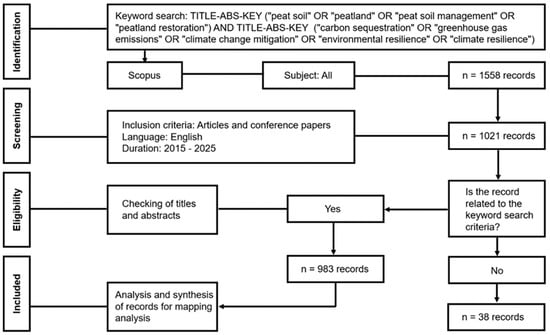
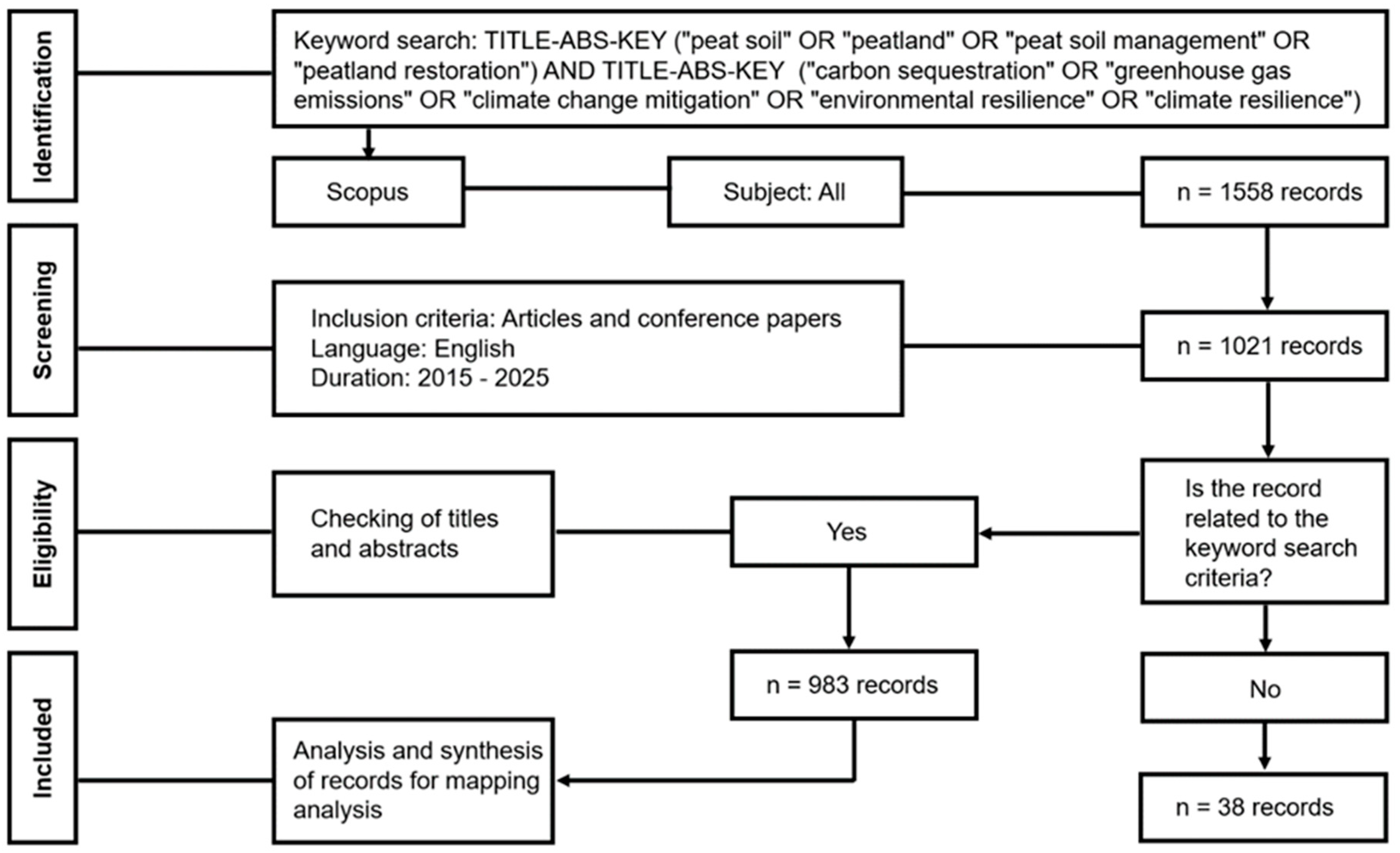
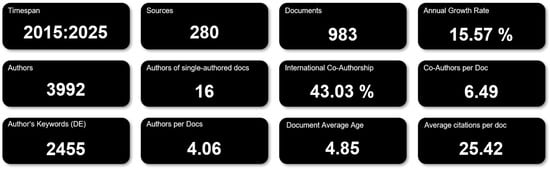
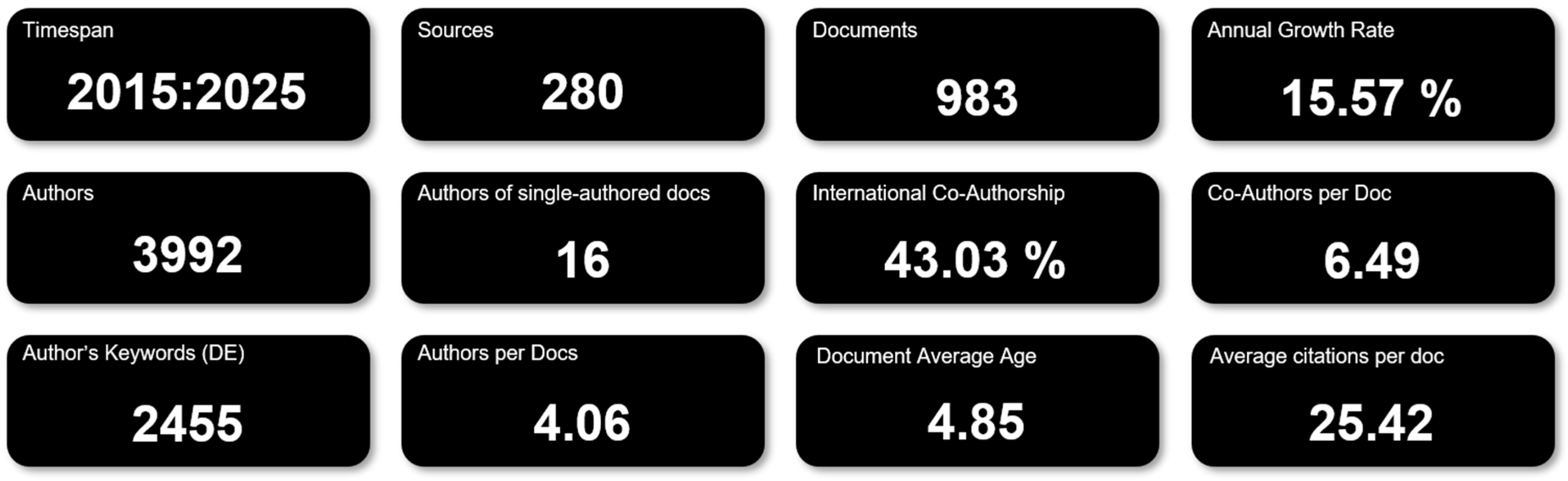
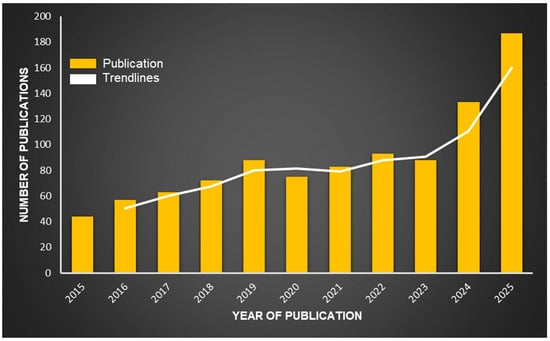
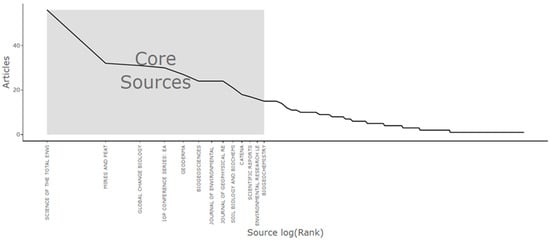
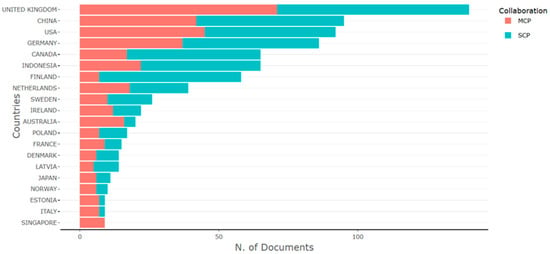
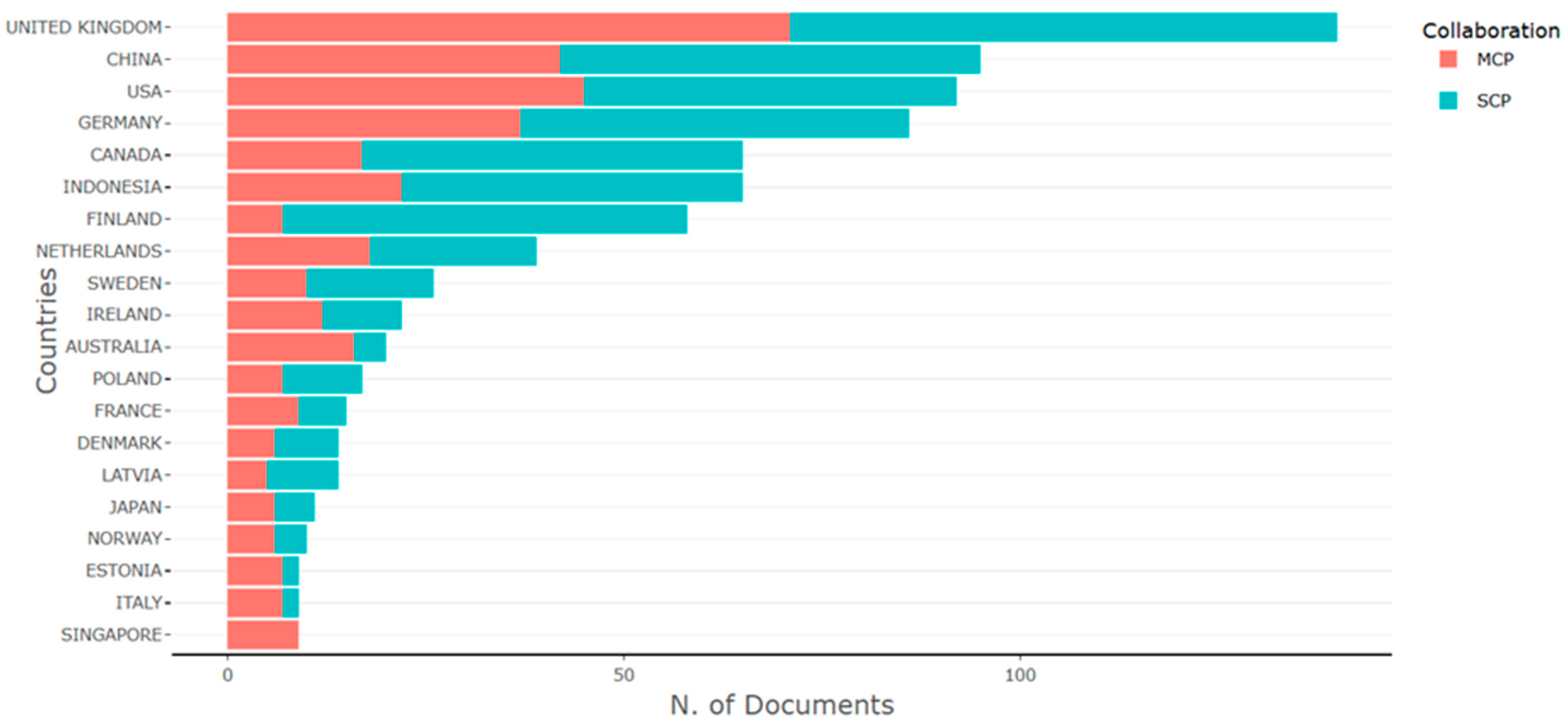
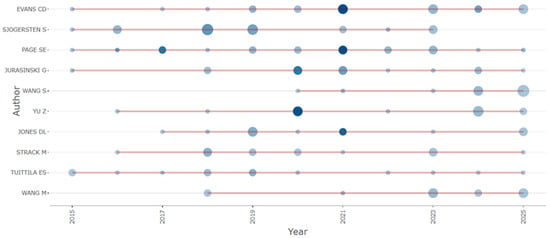
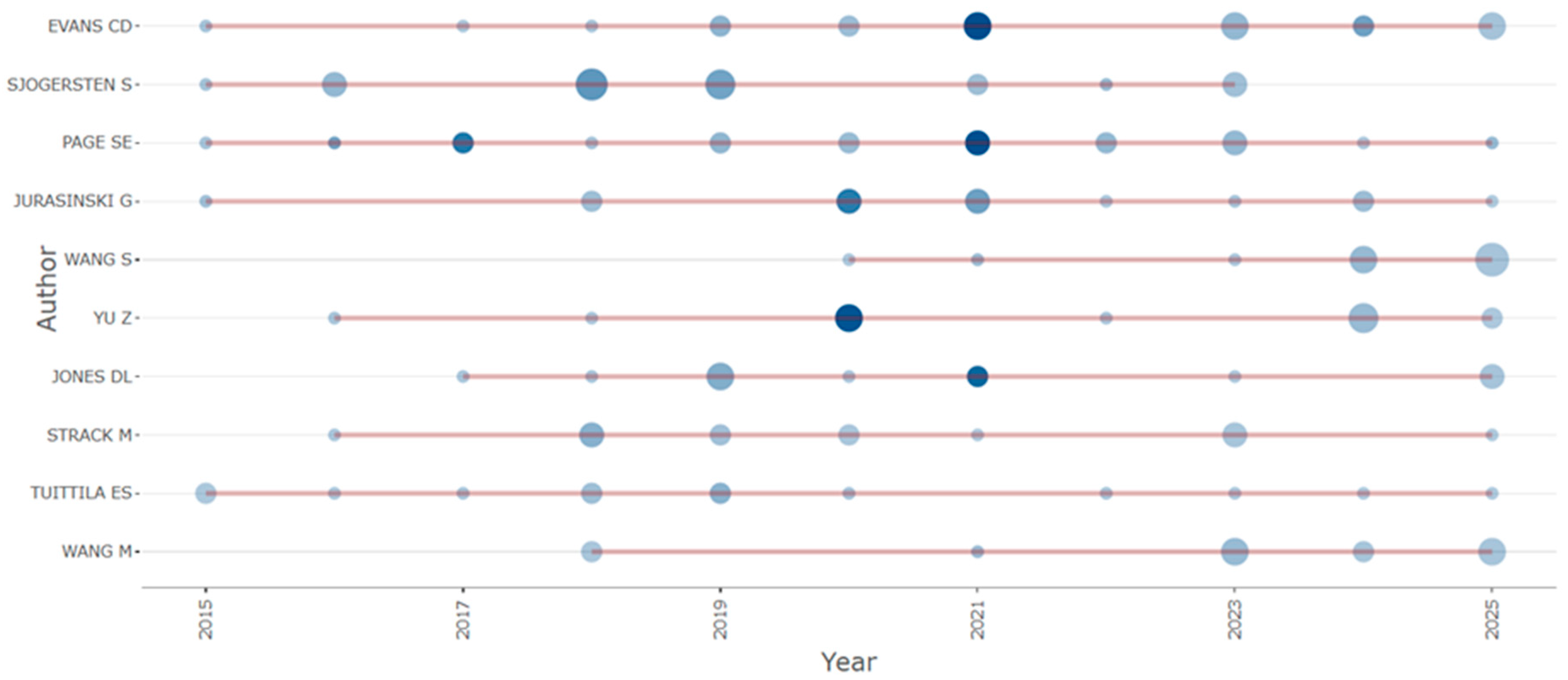
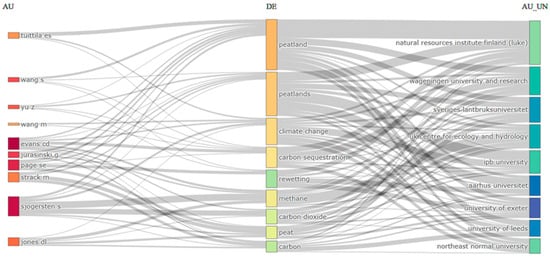
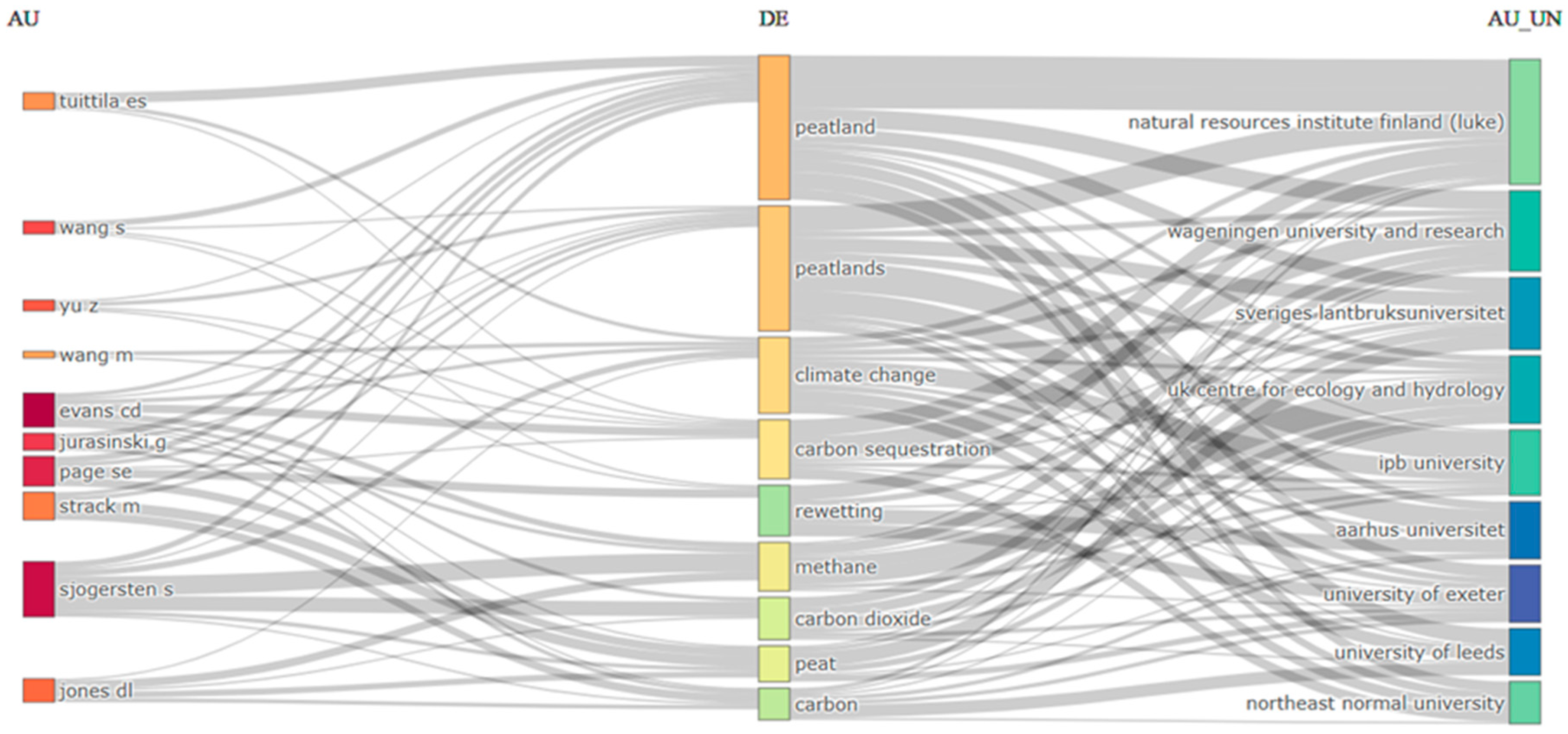
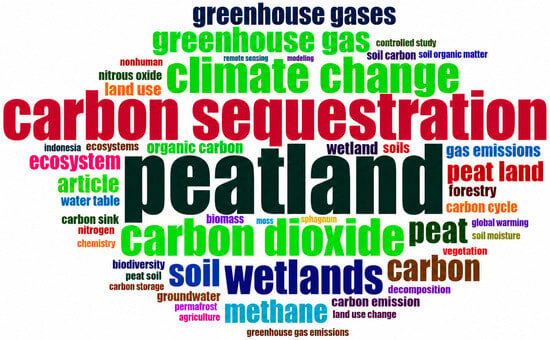
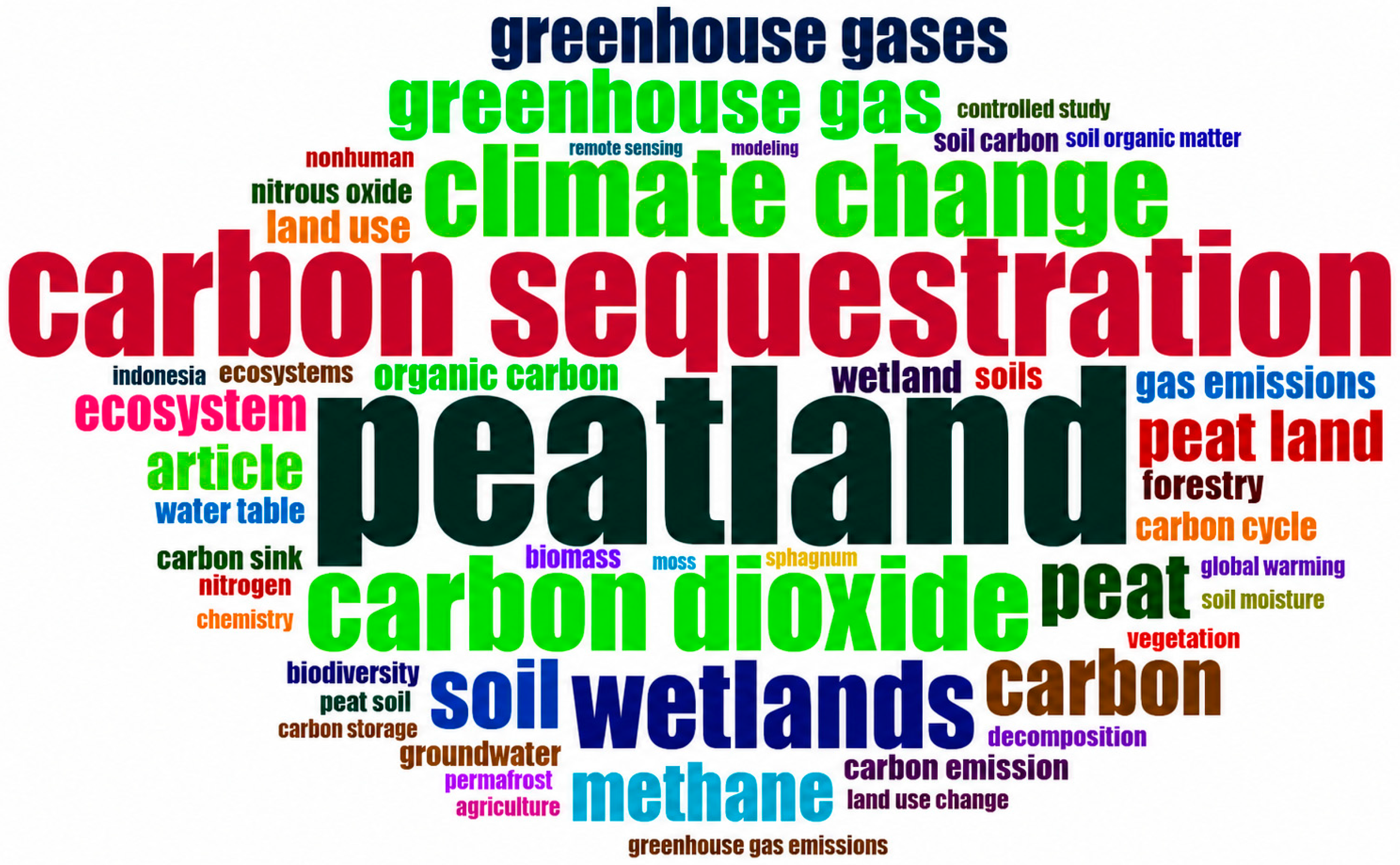
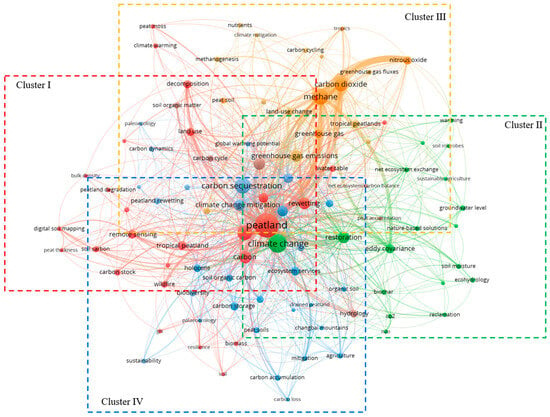
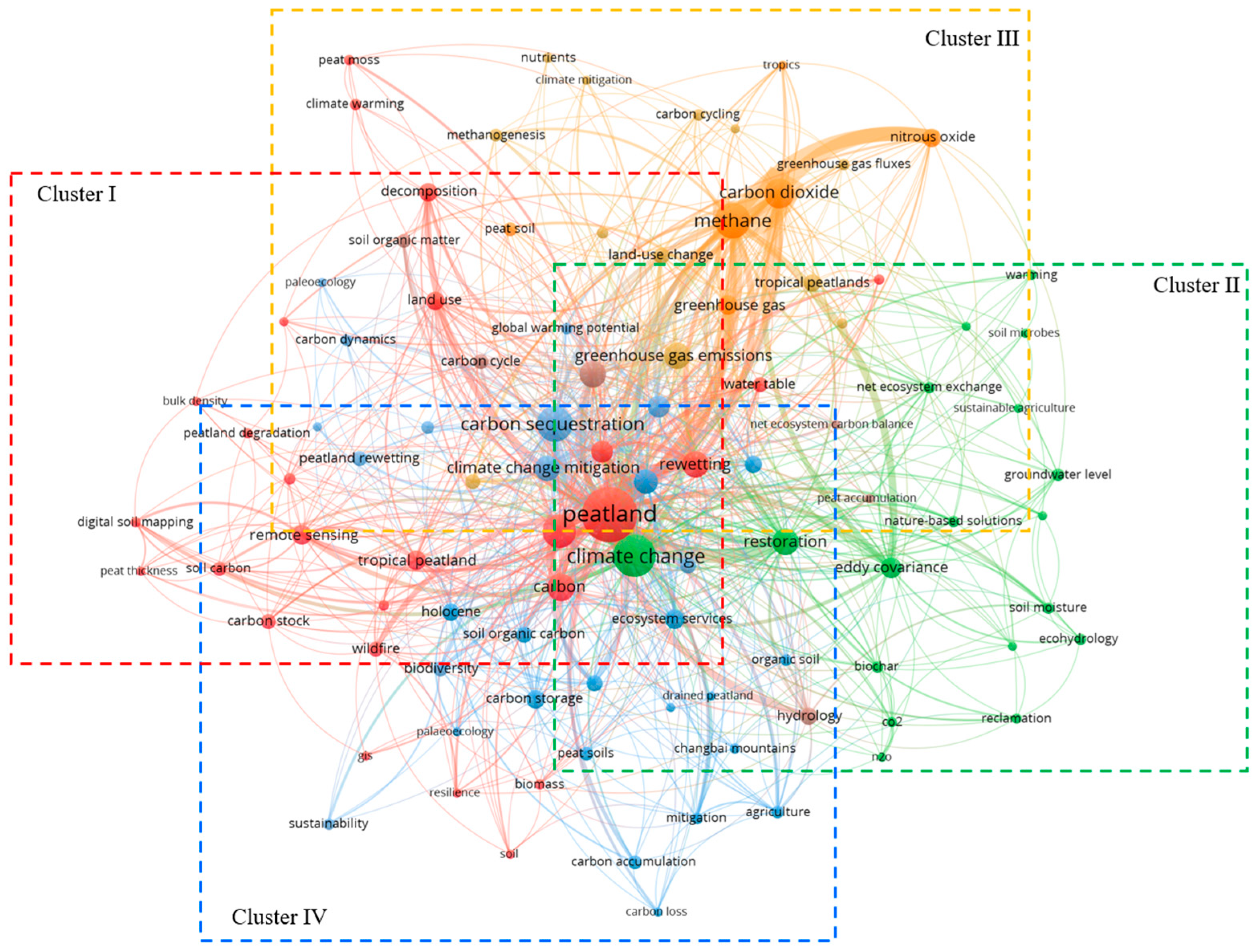

Disclaimer/Publisher’s Note: The statements, opinions and data contained in all publications are solely those of the individual author(s) and contributor(s) and not of MDPI and/or the editor(s). MDPI and/or the editor(s) disclaim responsibility for any injury to people or property resulting from any ideas, methods, instructions or products referred to in the content. |
© 2026 by the authors. Licensee MDPI, Basel, Switzerland. This article is an open access article distributed under the terms and conditions of the Creative Commons Attribution (CC BY) license.