


Abstract
This study proposes and analyzes an integrated framework for monitoring potable water quality and laboratory effluent management in universities, with emphasis on its practical application in a Brazilian public institution. Adopting a qualitative and documentary approach, the research was based on high-impact scientific publications, institutional reports, and environmental databases. The results demonstrate that effective water and effluent governance depends on the interaction of three core dimensions: regulatory compliance, technological innovation, and institutional governance. These elements operate synergistically to ensure transparency, risk prevention, and environmental accountability. The proposed University Laboratory Water Monitoring Framework (UL-WMF) illustrates how universities can transform water control into a managerial and educational tool aligned with sustainability goals. The illustrative institutional application revealed potential for integrating Internet of Things (IoT) and Laboratory Information Management System (LIMS) technologies into environmental management routines, reinforcing universities’ strategic role in achieving global sustainability objectives. Despite relying on secondary data, this study provides a scalable foundation for decision support systems and future empirical validation. The novelty of the University Laboratory Water Management Framework (UL-WMF) lies in its integration of potable water monitoring and laboratory effluent governance into a single operational framework, addressing a gap in the existing literature and offering a model specifically tailored to the context of universities in developing countries. The applied component of the study consists of an illustrative institutional case constructed exclusively from publicly available environmental and governance reports. This illustration serves to demonstrate the operational relevance of the proposed framework, without implying field measurements or primary data collection.
1. Introduction
Water quality management in scientific and academic institutions has become a critical issue as universities increasingly operate complex laboratory infrastructures that depend on potable water to ensure research integrity, operational safety, and regulatory compliance [1,2]. Laboratory activities generate a continuous interaction between water consumption and effluent production, creating environmental and managerial challenges that require coordinated monitoring strategies rather than fragmented control procedures [3,4]. Evidence indicates that potable water quality and laboratory effluent discharge form interconnected operational processes influencing equipment performance, experimental reproducibility, and occupational safety conditions [5,6]. Consequently, universities must adopt integrated monitoring architectures capable of linking potable water supervision with effluent management practices while aligning environmental performance with institutional accountability requirements [7,8].
The integrity of potable water supplied to laboratories directly affects analytical reliability because contaminants such as heavy metals, nitrates, and microbial agents may interfere with experimental results and damage purification systems and sensitive instrumentation [7,8]. Although potable water is not typically used directly in analytical procedures, it constitutes the primary input for purification units that generate laboratory-grade water classified according to ASTM D1193 [9] and ISO 3696 [10]. Variations in upstream water quality therefore influence purification efficiency, infrastructure durability, and microbiological stability in distribution systems. Monitoring potable water conditions is thus essential to ensure the operational continuity of laboratory environments and the performance of downstream treatment processes.
Regulatory frameworks such as the U.S. Safe Drinking Water Act and the Clean Water Act establish strict quality standards for potable water and effluent discharge; however, their implementation within university environments often remains fragmented due to decentralized laboratory governance structures and limited internal monitoring infrastructures [11,12]. Similar limitations have been reported in European and Asian higher education institutions lacking standardized digital monitoring protocols and coordinated environmental supervision mechanisms [4,13]. In many cases, laboratories still rely on periodic sampling and manual reporting procedures that restrict early anomaly detection and reduce traceability. The integration of digital monitoring technologies, including Internet of Things (IoT) sensors and Laboratory Information Management Systems (LIMSs), has therefore emerged as a key strategy for improving transparency, compliance performance, and environmental decision-making [3,14].
Despite increasing attention to campus sustainability policies, empirical research addressing integrated monitoring systems that simultaneously evaluate potable water inputs and laboratory effluent outputs remains limited in university environments [13,15]. The absence of unified assessment frameworks restricts the identification of contamination pathways and constrains the implementation of data-driven decision support systems capable of correlating infrastructure performance with environmental compliance indicators [5,6]. This limitation highlights a structural gap in institutional water governance literature. Accordingly, this study addresses the following research question: How can universities develop and implement an integrated monitoring system for potable water quality and laboratory effluents that supports compliance, safety, and sustainability objectives?
The relevance of this research is reinforced by the growing environmental responsibility of Higher Education Institutions (HEIs), which represent significant consumers of urban water resources and generators of laboratory wastewater streams [11,16]. Inadequate monitoring practices may lead to regulatory non-compliance, reputational risks, and interruptions in laboratory certification processes, directly affecting research continuity and institutional performance [3,13]. Conversely, integrated monitoring systems enable universities to reduce environmental impacts while strengthening operational efficiency and governance transparency. This study therefore proposes a structured framework designed to support institutional decision-making by connecting potable water supervision and effluent monitoring within a unified sustainability-oriented architecture [4,6].
The existing literature provides important reference models but does not yet offer a comprehensive operational structure integrating potable water quality monitoring with laboratory effluent management at the institutional level. Environmental Management Systems aligned with ISO 14001 [17] emphasize auditing cycles and compliance procedures but rarely connect upstream water supply conditions with downstream discharge pathways in laboratory environments. Basin-scale water governance approaches contribute coordination principles at regional levels yet remain unsuitable for decentralized campus infrastructures. Likewise, sustainability assessment frameworks for higher education institutions typically treat water management as a secondary indicator rather than as an integrated operational system linking infrastructure performance and environmental accountability [2,3,4,5,6,13,14,15].
A structured synthesis of the literature corpus analyzed in this study (n = 52 peer-reviewed publications selected through the PRISMA-inspired protocol described in Section 3) confirms that existing research tends to address regulatory compliance, monitoring technologies, or effluent treatment systems separately rather than as components of a unified institutional architecture. While governance instruments exist across these domains, their operational convergence within university laboratory environments remains insufficiently developed. The University Laboratory Water Management Framework (UL-WMF) is therefore proposed to address this gap by integrating regulatory traceability, monitoring technologies, governance coordination mechanisms, and laboratory-scale water–effluent interactions within a single institutional structure [2,3,4,5,6,13,14,15].
Universities constitute a distinctive governance setting for integrated water monitoring because they operate through decentralized organizational structures combining regulatory obligations, sustainability commitments, and research reliability requirements. Unlike industrial or clinical laboratory environments characterized by centralized operational control, university laboratories function under distributed decision-making arrangements involving heterogeneous experimental practices and frequent user turnover. In addition, universities increasingly operate as living laboratories for sustainability innovation, where infrastructure management and research activities intersect. These characteristics justify the development of a university-specific monitoring architecture such as the University Laboratory Water Management Framework (UL-WMF), capable of supporting regulatory compliance, environmental accountability, and scientific reliability across complex laboratory networks [2,3,4,5,6,13,14,15].
2. Theoretical Framework
2.1. Monitoring of Water Quality in University Laboratories: Concepts, Indicators, and Regulatory Requirements
From a regulatory perspective, drinking water used in university laboratories falls under mechanisms similar to those for public water systems with respect to human consumption [18]. The same institutions may also face wastewater regulations when effluents from laboratory operations are discharged [14,19]. Monitoring requirements typically include parameters such as lead, mercury, turbidity, microbial indicators, and chlorine residuals—each linked to health risk mitigation [1,2]. Universities, therefore, must ensure both potable supply and internal discharge meet threshold values, and maintain documentation, sampling schedules and quality assurance [18,19]. This dual requirement places laboratory water monitoring in a governance framework that bridges safety, institutional accountability and environmental responsibility [20].
Microbiological contamination is a particularly subtle but impactful risk in laboratory taps and storage vessels [7,8]. Research has found that even when municipal water enters a building within safety limits, local plumbing factors such as tubing material, stagnation, temperature changes and aerators can allow for the growth of opportunistic bacteria including E. coli [1,21]. In teaching labs, where students may prepare media or rinse materials, the use of sub-optimal water may compromise experimental controls or create biosafety issues [7,8]. Studies advocate real-time or near-real-time monitoring of microbial loads at the point of use, rather than solely relying on centralized system tests [2,22]. Implementing such monitoring in university labs supports both research reproducibility and occupational health.
Traditional monitoring methods for potable water in laboratory settings often involve manual sampling, culture-based enumeration of coliforms and E. coli, and measuring pH, conductivity, turbidity and residual chlorine [7,21]. However, these methods have limitations such as low temporal resolution, lag times before results are available and inability to detect transient contamination events [1,22]. Newer technologies, for example, flow cytometry and cytometric fingerprinting of microbial communities, allow for more rapid detection of changes in cell populations before culture-based signals appear [2,22]. For university laboratories where high stakes attach to water input, deploying such advanced monitoring tools can deliver early warning, reduce research downtime and protect users. Adopting these methods aligns with institutional trends toward proactive risk management in facility operations.
Digital systems and automation increasingly underpin water quality monitoring within university labs, reflecting demands for auditable, time-stamped data, sample traceability, and integration with laboratory information management systems Laboratory Information Management System (LIMS) [12,14]. These platforms support logging of parameters, sample chain-of-custody, QC/QA workflows, analytical result storage and regulatory reporting, all crucial for verification and compliance [14,19]. In university contexts, where multiple departments may interact with shared water systems, centralizing data improves transparency, facilitates cross-lab coordination and ensures standard operating procedures are followed [20]. Institutional adoption of Laboratory Information Management System (LIMS) and digital dashboards thus enhances the governance of drinking water quality across laboratory networks.
In sum, water quality monitoring in university laboratories constitutes an intersection of research integrity, human health protection and regulatory responsibility. Because university labs use potable water for diverse purposes and may discharge complex effluents, the monitoring system must be robust, real-time capable, and integrated into institutional management systems [1,2]. By blending microbial surveillance, advanced analytical technologies, regulatory traceability and automated data management, universities can safeguard equipment, protect personnel, uphold research quality and meet environmental obligations. Therefore, embedding a comprehensive potable water monitoring framework within the laboratory environment is both an operational necessity and a strategic investment in institutional resilience and compliance [18,20].
2.2. Management of Laboratory Effluents and Potable Water Control: Technical, Environmental, and Regulatory Foundations in the Context of Universities
University laboratories are significant sources of both potable water consumption and chemical effluent generation, making integrated management systems essential for sustainable operations [3,13]. Laboratory effluents often contain hazardous substances, including solvents, acids, heavy metals, and microbiological residues that require controlled handling and treatment before discharge [5,23]. Without adequate monitoring, these wastewaters can contaminate soil and groundwater, compromising local ecosystems and public health [4,15]. Universities thus face a dual responsibility: ensuring safe potable water use for research and compliance, while mitigating environmental impacts through proper effluent control [4,6]. Implementing sustainable water management strategies in academic environments is increasingly viewed as part of institutional environmental stewardship [3,13].
From a technical perspective, laboratory effluent management relies on both segregation and pre-treatment systems designed to neutralize hazardous materials before release [5,6]. Modern academic institutions employ automated pH control units, chemical oxidation tanks, and activated carbon filters to reduce contaminant concentrations within acceptable discharge limits [4,13]. The success of these systems depends on accurate real-time monitoring of physicochemical parameters such as pH, COD, BOD, and conductivity [3,23]. Data integration platforms like Internet of Things-based (IoT-based) monitoring and SCADA architectures are increasingly used to track laboratory discharges, providing immediate alerts when threshold exceedances occur [4,13]. The combination of on-site sensors and digital traceability tools ensures not only operational efficiency but also regulatory transparency.
Regulatory frameworks governing laboratory effluents and potable water use in universities are typically aligned with national environmental protection laws and public health codes [11,12]. The U.S. Clean Water Act and the EU Water Framework Directive, for instance, establish pollutant discharge limits and encourage institutional accountability through periodic reporting [11,12]. Compliance requires universities to document analytical results, adopt certified monitoring methods, and maintain transparent records accessible to authorities [5,6]. In developing countries, however, weak enforcement mechanisms often hinder effective implementation, making institutional initiatives crucial to bridge regulatory gaps [4,15]. Universities, therefore, play a pioneering role by internalizing environmental monitoring standards and training technical staff in sustainable laboratory practices [3,6].
Laboratory monitoring and pre-treatment systems are not designed to produce potable water. Instead, their primary objective is to control contaminants at the source and reduce environmental risks associated with the discharge of laboratory effluents into municipal wastewater treatment systems. Sustainable laboratory design thus emphasizes a closed-loop approach, integrating purification, reuse, and recycling systems [4,23]. Technologies such as reverse osmosis, membrane bioreactors, and advanced oxidation processes are being adapted for academic laboratories to minimize water waste and recover reusable fractions [5,6]. By linking effluent treatment efficiency to potable water management, universities can reduce operational costs and carbon footprint while aligning with the UN Sustainable Development Goals on clean water and responsible consumption [13,16].
Environmental education and institutional policy frameworks are also key to effective effluent management and water conservation [3,16]. Establishing Environmental Management Systems (EMS) in universities promotes accountability and continuous improvement in laboratory operations [6,15]. Many campuses have adopted ISO 14001 [17] standards to formalize monitoring procedures, risk assessment, and corrective actions related to water and effluent control [5,11]. Training researchers and students on waste minimization, segregation, and safe chemical disposal fosters a culture of sustainability that extends beyond compliance [13,16]. Institutional leadership thus becomes central to embedding sustainable water governance practices within academic culture.
In conclusion, the management of laboratory effluents and potable water in universities must integrate technical, regulatory, and educational dimensions to ensure environmental and operational resilience [6,13]. The adoption of advanced treatment technologies, digital monitoring tools, and certified environmental management systems forms the backbone of sustainable laboratory practice [4,15]. Universities serve as both consumers and educators in the water governance chain, shaping standards that influence industry and public institutions alike [11,16]. Therefore, a comprehensive approach—combining technological innovation, regulatory compliance, and institutional awareness—represents an important strategy for achieving sustainable and safe water management in university laboratory environments. Taken together, these studies demonstrate that relevant governance instruments already exist, but they remain dispersed across environmental management, campus sustainability, and wastewater control studies, without converging into a single operational framework tailored to university laboratories.
Taken together, these studies highlight that environmental governance in universities differs from that of other laboratory-intensive institutions due to their decentralized structures, hybrid accountability regimes, and dual role as operational infrastructures and knowledge-producing organizations. These characteristics reinforce the need for integrated monitoring frameworks capable of connecting governance mechanisms, laboratory practices, and environmental infrastructure within university settings [2,3,4,5,6].
Several universities have implemented digital environmental monitoring systems to support water governance and sustainability initiatives. For example, institutional monitoring platforms have been developed to track water consumption, wastewater parameters, and environmental indicators across campus infrastructure. These systems typically integrate sensor networks, data management platforms, and sustainability reporting tools, enabling universities to monitor environmental performance and support evidence-based decision-making processes [3,4,5,6]. This institutional configuration distinguishes universities from other laboratory-intensive organizations in which monitoring responsibilities are centralized, reinforcing the need for governance architectures specifically designed for decentralized academic laboratory systems.
3. Materials and Methods
This study adopts a qualitative and descriptive approach, designed to analyze how universities can implement integrated systems for monitoring potable water quality and laboratory effluent management [24,25]. Qualitative research enables an in-depth interpretation of institutional practices, regulatory frameworks, and technological solutions without direct experimental intervention [26,27]. This study focuses on understanding complex relationships between environmental policies, monitoring technologies, and university governance mechanisms through interpretive analysis [28,29]. This approach supports contextual understanding and conceptual generalization, suitable for environmental management investigations in Higher Education Institutions (HEI) [30,31]. Data were collected exclusively from secondary sources, including peer-reviewed scientific articles, institutional reports, and public databases from governmental and environmental agencies [16,32]. The literature review targeted high-impact journals indexed in Elsevier, Wiley, Emerald, Taylor & Francis, Springer, and Web of Science, focusing on studies concerning water quality, laboratory waste management, and sustainability in academic environments [13,15]. Documents from organizations such as the U.S. Environmental Protection Agency [12], the European Commission [11], and the World Health Organization [33] were also reviewed. The inclusion of diverse sources ensured methodological triangulation and increased validity through cross-verification of information [26,31].
For contextual reference, this study considered laboratories belonging to a large public Brazilian university—herein referred to anonymously to preserve institutional confidentiality [24,28]. These laboratories represent typical academic facilities in the fields of chemistry, biology, and engineering, which rely on continuous water supply and generate diverse effluents [3,4]. Information about their water management practices was obtained through publicly available environmental reports, sustainability plans, and technical documents published by the institution [11,16]. This anonymity approach is consistent with ethical guidelines for qualitative case research, emphasizing confidentiality and integrity [25]. This case was later used to illustrate the practical implementation phase of the proposed framework (Section 4.1).
Although the study relies on secondary data, this design is aligned with qualitative theory-building approaches in environmental governance. The objective of the research is to construct a new integrative model rather than to measure water parameters directly. As such, the methodological contribution lies in synthesizing dispersed regulatory, technological, and institutional evidence into a structured operational framework. Future empirical validation, including pilot testing and field measurements, is explicitly identified as a next step.
The analytical process was structured into three stages: (1) literature mapping and source selection, (2) document analysis and data categorization, and (3) thematic synthesis and model development [31,34]. Thematic analysis enabled the identification of recurring concepts such as monitoring indicators, regulatory compliance, digital traceability, and sustainable laboratory operations [26,32]. Coding procedures were supported by qualitative data management techniques that group textual segments into conceptual categories, allowing for pattern recognition and theoretical inference [27,30]. This approach ensured methodological transparency and consistency in interpreting large sets of textual information.
In addition to literature and document analysis, this study incorporated data from open-access environmental monitoring databases, including the Global Environment Outlook [35] and the Environmental Performance Index [36]. These datasets provided complementary evidence on water quality trends and institutional environmental performance [11,37]. The integration of such data enabled comparative interpretation between international benchmarks and the practices adopted by the analyzed laboratories [11,12]. This cross-referencing supported a broader understanding of how global sustainability standards can be adapted to university contexts in emerging economies [13,15].
Finally, methodological rigor was ensured through validity criteria such as credibility, dependability, and confirmability, following recommendations for qualitative environmental research [31,38]. Peer-reviewed evidence, official reports, and publicly accessible datasets reduced bias and reinforced analytical reliability [24,26]. The resulting synthesis provides a conceptual framework illustrating how universities can implement integrated monitoring systems for potable water and effluent management. The methodology thus underpins a theoretically grounded and empirically informed contribution to sustainability governance in academic laboratories [3,4,6].
The qualitative, descriptive design adopted in this study followed a structured protocol to ensure rigor and transparency. First, source selection was performed through systematic searches conducted in the Scopus, Web of Science, Elsevier, Springer Nature, Wiley, Emerald, and Taylor & Francis databases. Searches used the following string combinations: “university water monitoring,” “laboratory effluent management,” “potable water quality,” “environmental governance in higher education,” “IoT water monitoring,” and “laboratory wastewater”. Only documents published between 2010 and 2025 were considered.
Inclusion criteria comprised (a) peer-reviewed studies addressing potable water, laboratory effluents, or water monitoring systems; (b) documents presenting governance, regulatory, or technological approaches for environmental monitoring; and (c) institutional reports from authoritative agencies (EPA, EC, UNESCO, WHO). Exclusion criteria removed (a) technical water chemistry papers without governance relevance; (b) municipal-level water management studies; (c) gray literature lacking methodological details. Screening decisions followed a two-stage evaluation procedure. In Stage 1, titles and abstracts were independently reviewed to verify institutional relevance and monitoring-system applicability. In Stage 2, full-text eligibility assessment confirmed the presence of at least one of the following analytical components: regulatory monitoring mechanisms, potable water quality control systems, laboratory effluent treatment governance, digital monitoring infrastructures, or sustainability-based institutional management frameworks.
After screening, all selected documents were imported into NVivo 14, where a thematic coding process was carried out. The analysis followed three steps:
- (1)
- Open coding, generating an initial set of 63 codes representing regulatory, technological, environmental, and governance concepts.
- (2)
- Axial coding, consolidating codes into broader categories aligned with the five dimensions of the University Laboratory Water Management Framework (UL-WMF).
- (3)
- Selective coding, integrating categories to support model construction.
Triangulation was implemented using two strategies:
- (a)
- Cross-source triangulation, comparing patterns emerging from academic publications, institutional reports, and environmental datasets (UNEP, OECD, Yale EPI);
- (b)
- Methodological triangulation, combining thematic analysis, document analysis, and comparative benchmarking to validate emerging themes.
The analysis proceeded through three operational stages:
- Stage 1—Systematic mapping and screening: database searches, document filtering, and application of inclusion/exclusion criteria.
- Stage 2—Thematic coding and category formation: coding in NVivo, cluster detection, and alignment with the framework’s conceptual dimensions.
- Stage 3—Integrative synthesis and model development: consolidation of thematic results with regulatory, technological, and governance evidence to build the University Laboratory Water Management Framework (UL-WMF).
Methodological limitations: Because this study relies exclusively on documentary and secondary data sources, it does not include field measurements, stakeholder interviews, or water quality sampling. This approach is adequate for theory-building but limits empirical validation, which is identified as an essential direction for future research.
To enhance methodological transparency, a PRISMA-inspired protocol was adopted to document the literature search and screening process. Although this study is qualitative and does not constitute a systematic review, the PRISMA structure improves replicability. The protocol included four steps:
- (1)
- Identification: database searches using predefined Boolean strings combining terms such as “university water monitoring”, “laboratory effluents”, “environmental governance”, “potable water quality”, “LIMS”, and “IoT monitoring”.
- (2)
- Screening: removal of duplicates and exclusion of documents without methodological transparency.
- (3)
- Eligibility: application of inclusion and exclusion criteria.
- (4)
- Inclusion: selection of final sources for thematic coding.
The literature search was conducted using a structured query strategy designed to capture studies addressing water governance, environmental monitoring, and sustainability management in higher education and laboratory environments. The search was performed in major academic databases commonly used in environmental and sustainability research. To ensure methodological reproducibility, the search strategy followed a structured Boolean syntax adapted to the indexing conventions of each database. The core search expression applied across Scopus and Web of Science was as follows:
(“water quality monitoring” OR “laboratory effluent management” OR “laboratory wastewater” OR “campus water governance” OR “environmental monitoring systems”) AND (“university” OR “higher education institution” OR “academic laboratory”) AND (“governance” OR “environmental management system” OR “sustainability management” OR “IoT monitoring” OR “LIMS”).
Equivalent keyword structures were applied in ScienceDirect, SpringerLink, Wiley Online Library, Emerald Insight, and Taylor & Francis Online using title–abstract–keyword filters when available. Searches were restricted to peer-reviewed journal articles, institutional environmental governance reports, and regulatory guidance documents relevant to laboratory-scale monitoring systems.
Searches were conducted during the period between August 2024 and August 2025, and the retrieved records were exported for screening and qualitative synthesis. The initial database search retrieved 437 records across Scopus, Web of Science, ScienceDirect, SpringerLink, Wiley Online Library, Emerald Insight, and Taylor & Francis Online. After duplicate removal (n = 96), 341 studies remained for title and abstract screening. During the screening stage, 212 records were excluded because they addressed municipal-scale water governance, technical water chemistry without institutional monitoring relevance, or non-laboratory environmental contexts. The eligibility assessment involved full-text review of 129 studies. Of these, 77 were excluded due to lack of governance, monitoring-system, or university-specific relevance. The final literature corpus therefore consisted of 52 studies subjected to qualitative coding and thematic synthesis supporting the development of the University Laboratory Water Management Framework (UL-WMF).
The analytical comparison derived from this corpus also served to identify the absence of integrative monitoring architectures simultaneously linking potable water quality, laboratory effluents, governance coordination, and digital traceability within university laboratory environments, thereby supporting the research gap definition presented in the Introduction. It is important to clarify that this interval refers to the execution period of the search procedure rather than to the temporal coverage of the literature itself. Eligible studies published between 2010 and 2025 were considered for inclusion in the corpus in order to ensure adequate historical coverage of developments in environmental monitoring systems, laboratory effluent governance, campus sustainability frameworks, and digital water monitoring technologies.
A qualitative coding procedure was applied to the selected studies in order to identify recurring themes related to water governance and environmental monitoring in laboratory environments. The coding process followed an iterative thematic analysis approach in which conceptual elements extracted from the literature were grouped into analytical categories. These categories were subsequently consolidated into broader dimensions representing regulatory mechanisms, monitoring technologies, governance structures, and sustainability practices. The resulting thematic structure served as the conceptual basis for the development of the University Laboratory Water Management Framework (UL-WMF). The qualitative coding structure used to synthesize the literature and derive the analytical dimensions of the University Laboratory Water Management Framework (UL-WMF) is summarized in Table 1 and Table 2, which presents the main code categories, their conceptual descriptions, and their corresponding framework dimensions.
Table 1.
Coding structure used for framework development.
Table 2.
Maturity scoring rubric used for comparative framework analysis.
The literature screening process followed a PRISMA-inspired approach adapted for qualitative environmental governance synthesis. Scheme 1 summarizes the stages of identification, screening, eligibility assessment, and final inclusion of studies. A qualitative coding procedure was applied to the selected studies in order to identify recurring themes related to water governance and environmental monitoring in laboratory environments. The coding process followed an iterative thematic analysis approach widely adopted in environmental governance and sustainability research [7,8,16]. The literature screening process followed a PRISMA-inspired procedure adapted for qualitative environmental governance synthesis. The stages of identification, screening, eligibility assessment, and final inclusion of studies are summarized in Scheme 1.
Scheme 1.
The methodological workflow of the literature review and qualitative synthesis used to develop the University Laboratory Water Management Framework (UL-WMF).
The analytical dataset used for the quantitative visualizations derives from the corpus of studies included in the literature synthesis. Each study was treated as an observational unit from which elements related to governance mechanisms, monitoring practices, regulatory compliance, and sustainability initiatives were extracted and coded. These coded elements formed the empirical basis for the maturity assessment and benchmarking analyses conducted in this study. In this context, the unit of analysis corresponds to individual scientific studies included in the final literature corpus. Each study was evaluated according to the extent to which it addressed the governance, monitoring, regulatory, and sustainability dimensions represented in the University Laboratory Water Management Framework (UL-WMF).
For each observational unit, dimension-specific maturity scores were assigned independently by two researchers using the structured rubric described above. Discrepancies were resolved through consensus coding procedures. The resulting coded dataset formed a 52 × 5 analytical matrix representing the maturity level of each framework dimension across the literature corpus. This matrix served as the empirical basis for radar charts, benchmarking comparisons, and correlation heatmap visualizations presented in Section 4.
To enhance transparency in the documentation of the search and screening procedure, a PRISMA-informed description was incorporated into Section 3. Although this study does not aim to perform a systematic review, the PRISMA structure provides a clear and replicable record of the identification, screening, eligibility, and inclusion steps. To enhance coding validity, two independent researchers coded a subset of 20% of the documents. Intercoder agreement was calculated using Cohen’s Kappa (κ = 0.81), indicating a strong level of consistency. Discrepancies were resolved through discussion and consensus-based refinement of the coding scheme. Instead, the PRISMA structure was adapted to support transparency in qualitative evidence synthesis for conceptual framework construction, a methodological approach widely adopted in environmental governance and sustainability-infrastructure research [26,31,34].
The model represents a systemic framework that integrates five key dimensions—regulatory frameworks, monitoring technologies, institutional governance, potable water quality, and effluent management—surrounding a central core labeled Integrated Monitoring System. These interconnected components illustrate how compliance, technology, and governance interact to ensure sustainable water use and environmental responsibility within university laboratories. The model emphasizes the balance between operational efficiency, public health protection, and institutional accountability. The methodological process adopted in this research follows a qualitative and documentary structure based on secondary data analysis. It is organized into three integrated stages, each contributing to the systematic construction of the study’s conceptual framework.
Stage 1—Literature mapping and source selection
- Identification of scientific articles from databases such as Scopus, Web of Science, Elsevier, Springer, Wiley, Emerald, and Taylor & Francis.
- Inclusion criteria: studies related to water quality, laboratory effluent management, and sustainability in universities.
- Complementary sources: institutional documents, environmental reports, and international guidelines (EPA, EC, WHO, UNESCO).
- Outcome: structured corpus of high-impact publications and official documents.
Stage 2—Document analysis and thematic categorization
- Coding of textual data using qualitative analysis principles [32].
- Identification of recurring themes: regulatory frameworks, monitoring technologies, sustainability practices, and institutional governance.
- Triangulation of data from scientific and institutional sources to ensure reliability.
- Outcome: thematic matrix highlighting the interdependence between potable water control and effluent management.
Stage 3—Synthesis and conceptual model development
- Integration of categories to build a conceptual framework for university water monitoring systems.
- Comparison of international benchmarks with practices observed in Brazilian academic laboratories (anonymized).
- Interpretation of relationships among regulatory, technological, and environmental factors.
- Outcome: integrated model illustrating the pathways for implementing sustainable water and effluent monitoring systems in universities.
Because environmental governance research is often dominated by Western regulatory frameworks (e.g., EPA, EU directives), we intentionally included Brazilian and Latin American documents—such as CONAMA resolutions, ANA guidelines, and state-level laboratory regulations—to avoid geographic bias. This ensured contextual relevance of the University Laboratory Water Management Framework (UL-WMF) to developing countries.
To support the development of Figures 3–5, this study applied a set of quantitative and computational procedures integrated into the qualitative analysis. First, a comparative benchmarking matrix was constructed to evaluate regional maturity levels using normalized scores (0–5 scale) derived from regulatory consistency, technological adoption, and institutional governance indicators reported in the literature. Next, a correlation analysis was performed to examine interdependencies among the five core dimensions of the conceptual model—potable water quality, effluent management, regulatory frameworks, monitoring technologies, and institutional governance. Pearson correlation coefficients were computed using Python 3.11 with the pandasv2.0 and numpy librariesv1.24+, generating the heatmap visualization through seabornv0.12+.
Pearson correlation coefficients were used as exploratory association measures to identify structural relationships among the analytical dimensions derived from the coded literature dataset. Although maturity scores originate from ordinal classification procedures, their aggregation across multiple coded indicators allows for their treatment as quasi-interval composite indices for comparative visualization purposes. This approach is consistent with mixed-methods environmental governance studies in which structured coding outputs are transformed into maturity matrices to support benchmarking and dimensional interaction analysis rather than inferential hypothesis testing.
To support the comparative visualization of governance and monitoring practices identified in the literature, a maturity assessment approach was applied. For each analytical dimension of the University Laboratory Water Management Framework (UL-WMF), studies were evaluated using a structured scoring rubric reflecting the level of conceptual or operational development described in the literature. Scores were assigned based on the presence, depth of discussion, and degree of institutional implementation reported in each study. These scores were subsequently aggregated to generate maturity profiles for the different framework dimensions.
To ensure transparency and reproducibility, maturity scores were assigned using a structured five-level rubric applied consistently across all analytical dimensions of the University Laboratory Water Management Framework (UL-WMF). Each study included in the corpus was evaluated according to whether it presented (0) no reference to the dimension, (1) conceptual acknowledgment without operational detail, (2) descriptive discussion of institutional practices, (3) documented implementation mechanisms, (4) integrated monitoring architecture connecting multiple governance components, or (5) fully operationalized institutional systems supported by digital traceability or regulatory reporting structures. This rubric allowed for qualitative evidence extracted through thematic coding to be transformed into comparable maturity indicators across studies while preserving interpretive consistency within the mixed-methods framework design.
For the knowledge network (Figure 5), a co-occurrence frequency analysis was conducted by coding key terms appearing across the selected corpus of scientific articles. The resulting term co-occurrence matrix was processed in R 4.3.2, and the network visualization was generated using Gephi 0.10, applying the ForceAtlas2 layout algorithm to highlight conceptual centrality and clustering patterns. All plotted figures were produced through reproducible scripts, ensuring transparency and alignment with standard practices for computational qualitative analysis. Figure 1 provides a visual representation of the integrated monitoring architecture, demonstrating how regulatory, technological, and operational elements converge within the University Laboratory Water Management Framework (UL-WMF).
Figure 1.
Integrated monitoring system components. Source: The authors (2025).
4. Results
The quantitative visualizations presented in this section should be interpreted as exploratory analytical representations derived from structured qualitative coding rather than as inferential statistical tests. Their purpose is to illustrate interaction patterns among governance dimensions identified in the literature corpus supporting the development of the UL-WMF. The quantitative visualizations presented in this section (radar charts, correlation heatmaps, and benchmarking comparisons) were constructed using maturity scores derived from the coded literature dataset described in the methodology section. The results reported in this section are structured according to the thematic dimensions derived from the coding procedures and are interpreted in relation to the institutional implementation requirements necessary for developing integrated potable water and laboratory effluent monitoring systems in universities.
The review of high-impact publications revealed six dominant research themes associated with water and effluent monitoring in universities: potable water control, effluent treatment, regulatory compliance, monitoring technologies, institutional governance, and sustainability [3,13]. The frequency distribution illustrated in Figure 2 demonstrates that potable water quality control (34 sources) and regulatory compliance (31 sources) dominate current discussions [4,15]. These topics appear systematically connected to public health protection and accreditation requirements, underscoring the institutional responsibility of universities in environmental management [11,12]. Such prevalence indicates that regulatory and quality dimensions remain the conceptual anchors of sustainable laboratory operations [6,16].
Figure 2.
Evidence density across key dimensions. Source: The authors (2025).
Effluent treatment and discharge management also emerged as high-frequency topics, cited in 28 studies and often linked to circular economy frameworks and pollution prevention initiatives [5,13]. The prominence of these discussions reveals a shift from reactive to preventive environmental management, where laboratories are no longer isolated facilities but components of campus-wide water systems [4,15]. These findings are consistent with broader policy movements toward integrated urban water management and the alignment of academic operations with global sustainability goals [11,16]. The relatively lower frequency of governance and sustainability themes (19 and 15 sources) suggests that managerial integration still lags behind technological and regulatory advancements [3,6].
The concentration of research on technological and regulatory aspects reflects the rapid diffusion of digital solutions—particularly Internet of Things-based (IoT-based) sensors and Laboratory Information Management Systems (LIMSs)—in academic environments [2,14]. These tools enhance traceability and enable real-time decision-making in laboratories, reducing both human error and compliance gaps [4,12]. The emphasis on digitalization aligns with international trends of environmental data transparency, where institutional dashboards and automated sampling are becoming mandatory [11,13]. The increasing adoption of such systems in universities also highlights a redefinition of scientific accountability toward digital evidence-based governance [3,16].
The synthesis of findings from the literature, secondary databases, and operational indicators presented in Table 1 reinforces the systemic nature of water and effluent management in universities [4,15]. The table highlights that monitoring parameters such as total coliforms, heavy metals, and COD are not only technical metrics but also governance tools connecting laboratory operations with regulatory accountability [5,13]. Likewise, pH control and Laboratory Information Management System-based (LIMS-based) traceability indicators demonstrate how technology supports compliance and transparency within academic environments [12,14]. These multidimensional indicators provide an empirical foundation for evaluating institutional maturity, linking scientific quality assurance with sustainability reporting [3,11]. Therefore, Table 3 substantiates the conceptual framework proposed in this study by illustrating how environmental monitoring functions simultaneously as a scientific, regulatory, and managerial process [6,16]. It is important to note that pollutant profiles may vary significantly depending on the scientific activities conducted in different laboratories. Consequently, the monitoring parameters considered within the University Laboratory Water Management Framework (UL-WMF) are intended to be adaptable, allowing universities to incorporate pollutant indicators relevant to the specific research activities performed in each laboratory environment.
Table 3.
Monitoring indicators.
The regional maturity radar presented in Figure 3 highlights significant asymmetries among global regions, reflecting differences in regulatory strength and institutional capacities [3,13]. North America and the European Union scored highest across all dimensions (mean 4.6–4.8), driven by consistent funding and robust environmental policy frameworks [11,12]. In contrast, Asia–Pacific (mean 4.0) and Latin America (mean 3.2) display uneven maturity, often constrained by fragmented regulation and limited monitoring infrastructure [4,15]. These findings correspond with OECD environmental performance reports that highlight gaps in laboratory-scale water governance and insufficient enforcement in emerging economies [16,37].
Figure 3.
Maturity of water and effluent governance. Source: The authors (2025). The maturity scores presented in this figure were derived from the coded literature corpus described in the methodology section. Each score reflects the level of conceptual or operational development identified across the analyzed studies.
The proposed University Laboratory Water Monitoring Framework (UL-WMF) follows a structured algorithm composed of five sequential stages: (1) data acquisition, integrating potable water and effluent parameters; (2) indicator normalization, which standardizes variables on a 0–1 or 0–5 scale; (3) dimensional classification, grouping indicators into the framework’s five domains (regulatory, technological, governance, potable water quality, and effluent management); (4) composite score calculation, in which each dimension receives a weighted maturity value; and (5) integration analysis, producing a global system-reliability index. This algorithm is grounded in multi-criteria environmental assessment logic, enabling transparent evaluation and comparison across institutional contexts.
Input parameters include total coliforms, E. coli, heavy metals, COD, pH, monitoring frequency, non-compliance incidents, the presence of Laboratory Information Management System/Internet of Things (LIMS/IoT) sensors, sample traceability level, internal governance structures, and documentation protocols. These variables were extracted from scientific publications, environmental reports, and regulatory documents. Output parameters consist of (a) a maturity score for each dimension, (b) a global integration index, and (c) the identification of critical gaps in laboratory water governance.
Model reliability was assessed through three complementary strategies. First, methodological triangulation compared the maturity scores obtained from literature-derived indicators with benchmark values from international environmental databases. Second, internal consistency verification was performed by analyzing correlations among input variables, ensuring coherent directional relationships within the model. Third, external validation was conducted by contrasting the University Laboratory Water Management Framework (UL-WMF) outputs with documented best practices from institutions in North America and the European Union. The following figures present the analytical results derived from the literature synthesis, including the maturity assessment, correlation analysis, and benchmarking comparisons (Figure 3, Figure 4 and Figure 5). As illustrated in Figure 3, these combined strategies enhanced the robustness of the model and reduced the risk of bias resulting from relying exclusively on secondary data.
Figure 4.
Interdependence among conceptual dimensions. Source: The authors (2025). Correlations were calculated using standardized maturity scores derived from the coded literature dataset obtained through the qualitative synthesis process.
Figure 5.
A knowledge network linking core concepts. Source: The authors (2025). The comparative scores displayed in this figure were generated from the qualitative coding and maturity assessment procedures described in Section 3.
Higher maturity in the European Union reflects the effectiveness of the Water Framework Directive, which emphasizes the precautionary principle and closed-loop water use in institutional environments [11,13]. Universities in this region increasingly implement automated environmental monitoring dashboards and publicly accessible sustainability reporting platforms that provide information on water consumption and environmental indicators. Examples of such initiatives can be found in institutional sustainability portals maintained by several universities [3,4]. In contrast, Latin American institutions exhibit limited integration, often relying on periodic manual sampling without automated validation [6,15]. The disparity suggests a structural dependency between technological innovation and regulatory enforcement capacity [5,16].
Regional benchmarking summarized in Table 4 reveals that regulatory design shapes digital adoption rates and compliance behavior [3,13]. North American laboratories combine permit-based discharge control with audit-driven accountability, while the European Union focuses on transparency and sustainability reporting [11,12]. Asia–Pacific universities are advancing quickly through targeted pilot programs integrating Internet of Things (IoT) devices into wastewater treatment units [4,15]. Latin America, meanwhile, remains characterized by reactive environmental practices and limited digitalization [6,16]. These differences underscore that governance capacity is not only a function of legislation but also of institutional readiness and culture [3,5].
Table 4.
Regional benchmarking.
The comparative assessment indicates that regulatory consistency, technological integration, and educational engagement are key drivers of effective water management in universities [13,15]. This supports the argument that environmental performance improvement requires cross-dimensional coordination rather than isolated technical interventions [4,11]. The radar results suggest that regions with harmonized standards—such as the EU—achieve superior performance, while fragmented frameworks, typical in Latin America, hinder systematization [6,16]. This reinforces the importance of developing institutional environmental management systems aligned with global benchmarks [12,13].
The correlation heatmap in Figure 4 further illustrates interdependencies among the five dimensions of the conceptual model, with particularly strong associations between potable water quality and effluent management (r = 0.84) and between regulatory frameworks and monitoring technologies (r = 0.82) [4,13]. These relationships imply that technological advancement is most effective when accompanied by clear legal mandates and reporting structures [3,11]. Similarly, high correlation between water quality and effluent management reflects the shared operational systems in laboratory plumbing, where untreated discharges can retro-contaminate potable lines [6,15]. To explore potential relationships between the framework dimensions identified in the literature, a correlation analysis was conducted using the standardized maturity scores derived from the coding process. Pearson correlation was selected because the maturity indices were treated as continuous variables derived from the aggregation of coded indicators across studies.
To support the interpretation of these results, the conceptual structure of the University Laboratory Water Management Framework (UL-WMF) is presented in Figure 1, while the methodological workflow of the study is summarized in Scheme 1.
Moderate correlations between institutional governance and the other dimensions (0.63–0.76) highlight the mediating role of management policies in translating regulations into practice [2,5]. Institutions with strong internal environmental committees or ISO 14,001 certification tend to report lower non-compliance incidents and higher digital traceability [4,13]. These findings support the concept that governance acts as a multiplier of regulatory and technological efficiency [3,11]. The systemic coherence observed in the heatmap thus validates the multidimensional logic of the integrated monitoring system proposed [12,16].
The results also reveal that sustainability outcomes depend on multi-level interactions rather than isolated control points [4,15]. Strong positive correlations across all variables (>0.7) indicate that improvements in one domain often produce cascading benefits in others [6,13]. For example, adopting Internet of Things-based (IoT-based) monitoring not only enhances real-time compliance but also increases awareness among researchers and reduces energy and water waste [3,11]. These interconnections demonstrate that integrated systems provide both operational and educational value in academic settings [5,16].
The co-occurrence network presented in Figure 5 highlights the conceptual relationships most frequently discussed in the international literature [13]. “Compliance” and “Governance” emerge as the most central nodes, confirming their status as the intellectual backbone of environmental management studies [4,6]. The strong linkages between “IoT monitoring,” “Risk prevention,” and “LIMS traceability” indicate a methodological convergence toward digital accountability in laboratory environments [2,14]. This shift reflects the epistemic evolution of water management from a purely chemical-analytical field to a data-driven governance discipline [11,16].
The interaction structure represented in Figure 3, Figure 4 and Figure 5 reflects the co-occurrence patterns identified during thematic coding of the literature corpus and illustrates how regulatory frameworks, monitoring technologies, governance mechanisms, and sustainability practices converge within the UL-WMF architecture. These relationships therefore represent synthesized evidence structures rather than conceptual assumptions introduced independently by the authors.
Edges connecting “Sustainability” and “Governance” in the network suggest that policy and environmental responsibility are increasingly perceived as mutually reinforcing constructs [3,5]. This aligns with global trends emphasizing that research institutions must not only comply with standards but also lead by example in promoting sustainable water practices [11,13]. The visual density of connections confirms the interdisciplinary nature of water monitoring, integrating engineering, environmental science, and organizational management [4,6].
The interpretation of network centrality indicates that “Compliance” holds the highest degree of connectivity, implying that all technological and procedural innovations in water management ultimately converge toward meeting regulatory expectations [2,12]. The presence of “Sustainability” as a secondary hub suggests a growing normative dimension where compliance evolves from a minimum legal requirement into a broader ethical framework [11,16]. This dual centrality reinforces the theoretical argument that environmental monitoring in universities operates simultaneously as a compliance system and as an educational function [3,13].
When interpreted collectively, the visual and tabular results demonstrate that universities with integrated water and effluent monitoring frameworks exhibit higher resilience, transparency, and stakeholder engagement [4,6]. The cross-analysis between Figure 2, Figure 3, Figure 4 and Figure 5 and Table 1 and Table 2 validates the hypothesis that multidimensional integration enhances institutional sustainability outcomes [5,11]. These findings support the global call for Higher Education Institutions (HEIs) to embed environmental intelligence systems into their operational structures [11,13]. Building upon the conceptual and comparative analyses, the following subsection demonstrates the practical applicability of the integrated monitoring framework within a Brazilian public university context.
4.1. Practical Application of the Framework in a Brazilian Public University
The Integrated University Laboratory Water Monitoring Framework (UL-WMF) developed in this study can be directly applied to the context of a large Brazilian public university. The institution maintains a complex network of research and teaching laboratories in diverse areas—chemistry, biology, engineering, and environmental sciences—that rely heavily on potable water for experimental processes and generate effluents requiring appropriate management. This diversity makes it an exemplary case for applying the proposed framework, given its representative complexity and institutional engagement with sustainability and environmental governance initiatives. The case thus serves as both a diagnostic opportunity and a validation field for the University Laboratory Water Management Framework (UL-WMF).
The Brazilian case used for illustration represents a large public university with a decentralized laboratory infrastructure, where water monitoring is coordinated by the institutional environmental office. Public technical reports indicate that potable water distribution relies on chlorinated supply monitored monthly, while effluent control varies by laboratory type, resulting in heterogeneous monitoring practices. These contextual conditions were mapped against the five University Laboratory Water Management Framework (UL-WMF) dimensions to illustrate how the framework identifies governance gaps, detects technological bottlenecks, and structures internal procedures. Although anonymized, the case provides sufficient institutional detail to demonstrate UL-WMF applicability. The University Laboratory Water Management Framework (UL-WMF) differs from existing frameworks by providing a dual-domain structure that simultaneously operationalizes potable water quality control and effluent management, which the literature typically treats as independent processes. This dual perspective represents a conceptual advancement and directly addresses a gap identified in recent environmental governance studies.
The first step toward implementation involves mapping existing capacities. The laboratories of this institution already conduct physical–chemical and microbiological analyses of water and effluents, meaning the “collection and registration” component of the framework is partially operational. These capacities include analytical testing for parameters such as pH, turbidity, total coliforms, heavy metals, and Chemical Oxygen Demand (COD). However, these procedures occur in a fragmented manner, with results often isolated within individual laboratory units. The University Laboratory Water Management Framework (UL-WMF) aims to integrate these efforts into a unified institutional process, ensuring standardization, traceability, and centralized data visualization.
Figure 6 illustrates the proposed application model, highlighting five interdependent dimensions—Regulatory Compliance, Monitoring Technologies (Internet of Things and Laboratory Information Management System—IoT and LIMS), Institutional Governance, Potable Water Quality Control, and Effluent Management—all interconnected through a central digital hub. This hub represents the operational and analytical core of the system, where all laboratory data converge for processing, reporting, and decision-making. The model demonstrates that the effectiveness of environmental management depends not only on technical precision but also on the articulation between policy and digital infrastructure. By incorporating smart sensors, automated alerts, and performance dashboards, universities can transform environmental monitoring into a dynamic governance instrument.
Figure 6.
University laboratory water monitoring framework. Source: The authors (2025).
Applying this framework in the institution would begin with a diagnostic phase, focused on compiling existing laboratory data, identifying sampling points for potable water and effluents, and cross-referencing them with regulatory standards such as CONAMA Resolution 430/2011 and the Brazilian Ministry of Health Ordinance for drinking water quality. This phase requires no new equipment but demands institutional coordination and the establishment of a data sharing protocol among laboratories. The outcome would be an initial maturity index for each unit, indicating its level of compliance, monitoring frequency, and governance structure. This diagnostic assessment forms the empirical foundation for subsequent system integration.
The second step corresponds to the integration phase, during which the university would implement a Laboratory Information Management System (LIMS) or an equivalent open-source platform capable of consolidating monitoring results in real time. Through Internet of Things (IoT) sensors, laboratories could automatically register parameters such as temperature, pH, and COD, linking them to specific locations and responsible personnel. This integration transforms data into actionable knowledge, allowing environmental managers to visualize anomalies, track corrective actions, and evaluate performance trends. Additionally, dashboards could be connected to institutional sustainability reports, reinforcing transparency and accountability before both regulatory authorities and the academic community.
Once the system is stabilized, a consolidation phase would institutionalize monitoring as part of the university’s environmental management policy. In this phase, the University Laboratory Water Management Framework (UL-WMF) would evolve from a project into a governance mechanism—incorporating annual performance targets, public disclosure of environmental indicators, and alignment with the university’s sustainability strategic plan. The data generated could also serve as a basis for student research and innovation projects, transforming laboratories into living environments for scientific inquiry and environmental education. This stage aligns operational management with the educational mission of the university.
Implementing the University Laboratory Water Management Framework (UL-WMF) in this public university would not only enhance regulatory compliance but also foster a culture of environmental responsibility across departments. The system’s design encourages interdisciplinary collaboration, as environmental engineers, chemists, biologists, and administrators must jointly interpret the data to guide corrective measures. This shared responsibility builds institutional capacity and bridges the gap between technical practice and governance. Moreover, the availability of real-time monitoring data would enable predictive analysis—allowing the institution to identify potential contamination events or process inefficiencies before they escalate into non-compliance incidents.
Despite its strong conceptual and operational potential, the framework’s implementation may encounter challenges related to resource availability, data integration across decentralized laboratories, and resistance to procedural change. These limitations are common in large academic institutions but can be mitigated by establishing a central Environmental Monitoring Committee responsible for coordination and oversight. Training programs for laboratory personnel, development of data governance protocols, and partnerships with environmental technology providers can further accelerate adoption. In the medium term, the University Laboratory Water Management Framework (UL-WMF) would enable this university to position itself as a benchmark in sustainable water governance within Brazilian higher education, contributing not only to institutional excellence but also to national environmental policy objectives.
The exclusive use of secondary data is justified within the scope of qualitative institutional analysis, as the objective of the study is to synthesize governance mechanisms rather than evaluate specific water parameters. This design aligns with established methodological traditions in environmental governance research, enabling conceptual integration across regulatory, technological, and operational sources.
4.2. Operational Implementation Pathway of the University Laboratory Water Management Framework (UL-WMF)
While the previous subsections presented the analytical dimensions and indicators derived from the literature synthesis, the University Laboratory Water Management Framework (UL-WMF) also provides guidance on how universities can operationally implement integrated water monitoring systems in laboratory environments. Based on the governance mechanisms, monitoring technologies, and institutional practices identified in the reviewed studies, an implementation pathway can be outlined. The first stage involves institutional governance alignment, in which universities establish internal environmental governance structures, such as sustainability committees, environmental management offices, or laboratory safety units responsible for coordinating water management practices. These structures ensure institutional accountability and provide the administrative foundation for monitoring initiatives [2,3,4].
The second stage concerns regulatory and environmental compliance mapping, where universities identify applicable water quality standards, wastewater discharge regulations, and environmental monitoring requirements relevant to laboratory activities. This step ensures that monitoring practices are aligned with regulatory obligations and environmental protection standards [5,6]. The third stage consists of the deployment of monitoring infrastructures, including laboratory water quality monitoring protocols, wastewater monitoring systems, and digital data collection technologies capable of tracking environmental parameters across laboratory facilities.
The fourth stage involves the integration of monitoring data into institutional decision-making processes, enabling universities to transform monitoring outputs into governance actions such as environmental reporting, sustainability performance assessment, and infrastructure planning. Through this sequence of governance coordination, regulatory alignment, monitoring deployment, and data-driven decision-making, the University Laboratory Water Management Framework (UL-WMF) provides a structured pathway through which universities can develop and implement integrated laboratory water monitoring systems. This operational sequence directly addresses the research question by illustrating how the governance and monitoring elements identified in the literature can be translated into an institutional implementation pathway. Taken together, these stages form a practical implementation guide that supports universities in transitioning from conceptual governance principles to operational environmental monitoring systems.
4.3. Evidence-Based Institutional Implementation Requirements for Integrated Monitoring Systems
To directly address the research question guiding this study—how universities can develop and implement integrated monitoring systems for potable water quality and laboratory effluents—the literature synthesis results were consolidated into four operational capability layers derived from the coded analytical dimensions of the University Laboratory Water Management Framework (UL-WMF). These layers reflect recurring institutional mechanisms identified across the 52 studies included in the qualitative corpus and represent the minimum structural conditions required for implementation.
The first layer corresponds to regulatory alignment, which emerged as one of the most frequently documented dimensions in the literature corpus (Figure 2). Studies consistently indicate that universities implementing structured monitoring systems establish internal compliance protocols connecting potable water standards, wastewater discharge thresholds, and institutional environmental reporting obligations [11,12,13]. Regulatory mapping therefore functions as the institutional entry point for integrated monitoring architecture development.
The second layer involves monitoring infrastructure deployment, including the adoption of sensor-based measurement systems, laboratory sampling protocols, and digital traceability platforms such as Internet of Things (IoT) monitoring devices and Laboratory Information Management Systems (LIMSs). The maturity analysis demonstrated that technological monitoring capacity represents a central enabling factor linking potable water quality surveillance with effluent control practices across laboratory environments [2,14].
The third layer consists of institutional governance coordination mechanisms, including environmental committees, sustainability offices, and laboratory-level compliance procedures. Evidence from the literature corpus indicates that decentralized laboratory environments require cross-unit coordination structures to ensure continuity between monitoring activities and institutional decision-making processes [3,4,5,6].
The fourth layer corresponds to data integration and decision support systems, which transform monitoring outputs into actionable institutional knowledge. Correlation patterns observed among governance, regulatory, and technological dimensions indicate that universities achieving higher maturity levels typically integrate monitoring datasets into sustainability dashboards, compliance reporting routines, and infrastructure management strategies [4,13,16].
Taken together, these four layers demonstrate that the implementation of integrated monitoring systems in university laboratories depends not on a single technological intervention but on the coordinated interaction of regulatory structures, monitoring technologies, governance mechanisms, and institutional data infrastructures. The UL-WMF therefore operationalizes these interacting components into a structured architecture capable of supporting both compliance-oriented monitoring and sustainability-driven environmental management in higher education institutions.
4.4. Operational Implementation Sequence for Applying UL-WMF
To support institutional adoption of the University Laboratory Water Management Framework (UL-WMF), the literature-derived governance dimensions identified in this study can be translated into a structured four-stage implementation sequence. This sequence reflects recurring monitoring architectures observed across the analyzed corpus and provides a practical pathway for universities seeking to integrate potable water quality monitoring and laboratory effluent management systems.
Stage 1—Institutional Assessment
The implementation process begins with mapping existing laboratory water infrastructures, regulatory obligations, sampling routines, and institutional monitoring responsibilities. Evidence from the literature corpus indicates that baseline diagnostic assessments are essential for identifying fragmentation between potable water monitoring practices and effluent control procedures within decentralized laboratory environments [3,4,5,6].
Stage 2—Monitoring Process Structuring
Following institutional assessment, universities can establish standardized monitoring protocols integrating potable water sampling schedules, effluent characterization procedures, and digital traceability tools such as IoT-enabled sensors and Laboratory Information Management Systems (LIMSs). These technological components represent the primary operational backbone of integrated monitoring architectures identified in Section 4 [2,14].
Stage 3—Governance Alignment
The third stage involves coordinating environmental committees, laboratory managers, infrastructure units, and sustainability offices to ensure continuity between monitoring activities and institutional decision-making processes. Governance coordination mechanisms were consistently associated with higher maturity monitoring systems across the analyzed literature corpus [3,4,5,6,13].
Stage 4—Reporting and Decision Wupport Integration
The final stage consists of integrating monitoring outputs into institutional reporting dashboards, compliance documentation workflows, and sustainability performance indicators. Studies included in the corpus demonstrate that digital reporting platforms strengthen transparency, regulatory traceability, and long-term environmental planning in university laboratory systems [4,13,16].
Taken together, these stages illustrate how the UL-WMF can function as a structured institutional decision support tool connecting regulatory compliance, monitoring technologies, governance coordination, and sustainability reporting within university laboratory environments.
5. Discussion
The interpretation presented in this section is derived directly from the thematic evidence density patterns and maturity relationships identified in Section 4. In particular, the distribution of studies across regulatory compliance, potable water monitoring, effluent treatment, governance coordination, and sustainability integration dimensions (Figure 2) provides the empirical basis for interpreting how universities structure environmental monitoring systems within decentralized laboratory infrastructures. Rather than representing abstract sustainability principles, the governance interactions discussed below reflect recurring institutional mechanisms identified across the coded literature corpus (n = 52 studies). This interpretation is supported by the maturity benchmarking analysis presented in Section 4, which shows that sustainability-oriented monitoring practices appear less frequently as primary implementation drivers than regulatory compliance and potable water quality control mechanisms. The results therefore indicate that sustainability integration tends to emerge as a secondary outcome of institutional monitoring system consolidation rather than as its initial organizational trigger.
Building on the analytical results presented in the previous section, the results provide empirical insights into the governance mechanisms, monitoring practices, and institutional arrangements associated with integrated water management in university laboratory environments. The discussion integrates the conceptual results of the framework with the empirical insights obtained from the institutional case analysis, closing the gap noted by reviewers between methodological description and interpretative synthesis. The results confirm that the management of potable water and effluents in universities is not merely a technical or regulatory issue, but a multidimensional process involving governance, technology, and institutional behavior [3,13]. The integration of these dimensions aligns with recent findings in environmental management research, which emphasize systems thinking and transdisciplinary approaches to sustainability [4,6]. This reinforces the notion that universities, as complex socio-technical systems, must incorporate both technological tools and behavioral change to achieve environmental effectiveness [11,15]. The synergy observed between regulatory and technological factors highlights the importance of policy coherence in driving innovation and compliance [11,12].
In particular, the maturity assessment, correlation analysis, and benchmarking results reveal patterns in how governance structures, monitoring technologies, and regulatory compliance mechanisms interact within institutional sustainability strategies. The maturity analysis of the University Laboratory Water Management Framework (UL-WMF) dimensions indicates that institutional governance mechanisms play a central role in enabling integrated monitoring systems in university laboratories. As indicated by the maturity radar results, governance-related elements appear consistently across the analyzed studies, suggesting that organizational coordination and administrative accountability are critical conditions for implementing monitoring infrastructures.
The findings derived from the literature corpus also highlight the growing importance of digital monitoring technologies in supporting environmental governance in Higher Education Institutions (HEIs). The correlation patterns observed between monitoring and governance dimensions suggest that technological infrastructures, such as sensor-based monitoring systems and digital data platforms, can strengthen institutional capacity to manage water quality and laboratory effluents.
In most university settings, laboratory wastewater ultimately undergoes treatment in municipal wastewater treatment facilities. University-level systems therefore focus primarily on contaminant monitoring and source control, including pre-treatment of hazardous effluents prior to discharge. However, several universities have implemented closed-loop water management practices, such as laboratory water recycling systems, greywater reuse for non-potable applications, and digital monitoring infrastructures that support water efficiency initiatives.
From a theoretical standpoint, the strong correlations among variables support institutional ecology and socio-technical transition frameworks, suggesting that sustainability in universities emerges from interdependent organizational subsystems [13,39]. The coupling between potable water and effluent management mirrors the adaptive cycle described in resilience theory, where learning and feedback loops enable continuous improvement [3,34]. This finding also aligns with governance network theory, indicating that effective environmental performance requires distributed accountability and multi-level coordination [11]. Such theoretical integration bridges environmental engineering with organizational science, advancing the literature on university sustainability.
The analytical results further indicate that integrated monitoring systems depend not only on technological solutions but also on the alignment between governance structures, regulatory compliance mechanisms, and sustainability strategies. This interpretation is supported by the thematic synthesis and benchmarking analysis presented in the Section 4 which demonstrate that institutions adopting coordinated governance and monitoring practices tend to exhibit more mature environmental management approaches.
The radar and benchmarking analyses (Table 2) further demonstrate that regulatory maturity and technological capacity co-evolve in regions with structured governance ecosystems [11,37]. This dynamic confirms earlier findings that digital innovation in environmental monitoring is contingent upon legal clarity and enforcement consistency [3,4]. Regions with transparent environmental reporting—such as the European Union—have fostered institutional cultures of accountability, where laboratories function as learning environments for sustainability [11,15]. Conversely, the lower maturity observed in Latin America and parts of Asia illustrates the persistence of the “implementation gap” in sustainability policy [5,6].
The results also indicate that governance functions as a mediating variable linking regulation and technology [2,4]. Institutions with well-defined internal policies, such as Environmental Management Systems (EMSs) or ISO 14001 [17] certification, tend to demonstrate superior monitoring performance [11,13]. Governance ensures not only compliance but also learning, transforming laboratories into living laboratories for environmental education [3,16]. This confirms that environmental monitoring in universities can transcend operational control and become a pedagogical tool to promote behavioral change among students and staff [4,6].
Technological innovation emerges as a critical enabler of transparency and institutional credibility [12,14]. The co-occurrence of “IoT monitoring,” “LIMS traceability,” and “Compliance” demonstrates that digital tools are now integral to institutional governance [3,13]. Beyond operational efficiency, these tools serve as epistemic infrastructures that generate reliable data for public accountability [11,15]. However, the digital divide among regions and institutions may exacerbate inequalities in sustainability performance, emphasizing the need for capacity building and open-access technologies [4,16].
The interaction between governance coordination structures and monitoring technologies discussed here reflects the association patterns observed in the correlation matrix presented in Section 4. These relationships indicate that studies reporting higher levels of technological monitoring maturity also tend to document stronger institutional coordination mechanisms, suggesting that integrated monitoring architectures emerge from the joint development of regulatory traceability procedures and digital infrastructure rather than from isolated compliance interventions.
The strong interaction between sustainability and governance identified in the knowledge network underscores the relevance of the Sustainable Development Goals (SDGs), particularly SDG6 (Clean Water and Sanitation) and SDG12 (Responsible Consumption and Production) [11,35]. The role of universities in advancing integrated environmental monitoring systems should be interpreted in light of the maturity patterns identified in the literature corpus analyzed in this study. The evidence density distributions presented in Section 4 indicate that potable water quality monitoring and regulatory compliance mechanisms constitute the primary institutional entry points for monitoring-system implementation, whereas sustainability integration appears as a subsequent coordination layer linking laboratory practices with campus-wide governance structures. This suggests that universities contribute to sustainability transitions not primarily through normative commitments but through the progressive institutionalization of monitoring infrastructures connecting regulatory, technological, and organizational dimensions of laboratory water management.
Another implication of these results is the potential of comparative benchmarking as a tool for knowledge transfer among universities [11,37]. Institutions with advanced monitoring systems can act as reference laboratories or “nodes of excellence” within regional sustainability networks [11,13]. Such arrangements facilitate collaborative learning, capacity building, and policy harmonization across borders [4,6]. The evidence supports the establishment of transnational partnerships to standardize indicators and promote open data infrastructures, enhancing transparency and global accountability [3,15].
Because the present study relies primarily on publicly accessible scientific publications, institutional environmental reports, and regulatory datasets, the analytical synthesis may reflect variations in reporting transparency across universities rather than the full operational diversity of monitoring practices implemented at the laboratory level. Future empirical applications of the UL-WMF may therefore benefit from methodological triangulation strategies combining documentary analysis with stakeholder interviews, internal environmental audit records, laboratory monitoring logs, and sensor-generated datasets obtained through IoT-based monitoring infrastructures. Such triangulated approaches would strengthen institutional comparability and support validation of governance mechanisms identified through literature-based synthesis.
Although the illustrative application presented in this study focuses on a Brazilian public university, the conceptual structure of the University Laboratory Water Management Framework (UL-WMF) is not restricted to developing-country contexts. The framework’s core dimensions—regulatory compliance, monitoring technologies, institutional governance, potable water quality control, and effluent management—reflect governance mechanisms commonly observed in laboratory environments worldwide. Consequently, the framework may be applied in diverse institutional settings, including universities in developed countries or research-intensive institutions operating under different regulatory regimes. Future research could expand the empirical validation of the University Laboratory Water Management Framework (UL-WMF) through comparative studies involving multiple universities across geographic regions, collaborative monitoring networks between institutions, and the implementation of real-time environmental monitoring infrastructures using Internet of Things (IoT) sensors and digital traceability systems. Such cross-institutional applications would enable benchmarking of laboratory water governance practices and strengthen the generalizability of the framework.
Because this study relies on publicly accessible sources—including institutional reports, environmental databases, and peer-reviewed publications—there is a potential risk that some institutional practices or operational challenges may not be fully captured in the available documentation. Public sustainability reports may emphasize successful environmental initiatives while providing limited information about operational difficulties, compliance incidents, or internal governance challenges. Future empirical studies could mitigate these potential biases by triangulating multiple sources of evidence, including interviews with laboratory managers and environmental officers, internal environmental audits, laboratory monitoring logs, and operational compliance records. Such triangulation would allow researchers to validate and refine the University Laboratory Water Management Framework (UL-WMF) using richer institutional data and direct observations of laboratory water management practices.
Future research could extend the conceptual framework proposed in this study through pilot implementations in university laboratory environments. Such pilot initiatives could include small-scale monitoring demonstrations involving water sampling campaigns, laboratory effluent characterization, or the installation of Internet of Things-based (IoT-based) sensor stations for real-time environmental monitoring. In addition, stakeholder engagement through interviews with laboratory managers, environmental officers, and technical personnel could provide valuable insights into institutional adoption barriers and governance dynamics. These empirical validation efforts would allow researchers to test the operational performance of the University Laboratory Water Management Framework (UL-WMF) and refine its indicators and monitoring procedures under real institutional conditions.
Finally, the integrated monitoring model proposed here provides both conceptual and practical contributions. Conceptually, it demonstrates that sustainability in universities is achieved through systemic interaction among regulatory, technological, and governance dimensions [11,13]. Practically, it proposes that the implementation of continuous digital monitoring and structured governance can significantly improve compliance, reduce costs, and reinforce institutional reputation [4,9]. The model thus bridges the gap between environmental theory and practice, positioning universities as active agents in achieving global sustainability commitments [6,16]. Overall, the findings of this study suggest that integrated laboratory water management in universities emerges from the interaction between governance coordination, monitoring technologies, and institutional sustainability strategies, as evidenced by the patterns identified in the literature synthesis and maturity assessment.
Despite the contributions of this study, several limitations should be acknowledged. First, the maturity scoring procedure used to generate the analytical visualizations relies on qualitative coding of the literature, which may introduce a degree of interpretative subjectivity in the assignment of scores. Although the coding process followed a structured thematic approach, the interpretation of conceptual elements across studies may still reflect analytical judgment. Second, the qualitative synthesis process may be subject to potential coder bias, as the categorization of governance mechanisms, monitoring technologies, and institutional practices depends on the interpretation of the reviewed studies. While systematic screening and coding procedures were applied, such interpretative processes are inherently subject to analytical discretion [7,8,16].
Third, the proposed framework was developed specifically within the context of university laboratory environments. Consequently, its direct applicability to other laboratory-intensive institutions—such as hospitals, pharmaceutical industries, or private research facilities—may require contextual adaptation. Finally, although digital monitoring technologies are frequently highlighted in the literature as enabling tools for environmental governance, their implementation may involve institutional, financial, and technological challenges. Issues related to infrastructure costs, data management capacity, and institutional coordination may affect the practical deployment of integrated monitoring systems. These limitations highlight opportunities for future research aimed at empirically testing the University Laboratory Water Management Framework (UL-WMF) and examining its applicability across different institutional and regulatory contexts.
Because the framework proposed in this study derives from qualitative evidence synthesis rather than primary institutional implementation data, the interpretations presented here should be understood as literature-supported governance patterns rather than predictive operational models. Future empirical validation studies will be necessary to evaluate implementation performance across different university contexts. Although the UL-WMF was developed with particular attention to institutional conditions commonly observed in developing-country university environments—such as decentralized monitoring structures, heterogeneous laboratory infrastructures, and limited digital traceability integration—the architecture was designed as a modular governance model that can be adapted to different regulatory and technological contexts. Future empirical applications may therefore include inter-university laboratory monitoring partnerships, real-time feedback programs based on IoT-enabled sensor networks, blockchain-supported traceability systems for environmental compliance documentation, and comparative benchmarking analyses across institutions located in different geographic regions. Such cross-institutional implementations would support broader validation of the framework and strengthen its applicability beyond the contexts examined in the present study.
6. Conclusions
This study contributes to the development of a conceptual framework for integrated laboratory water management based on the synthesis of governance, monitoring, and sustainability elements identified in the literature. The results demonstrate that an effective monitoring system requires the articulation of three complementary dimensions: regulatory coherence, technological innovation, and institutional governance. This interdependence confirms that sustainability in academic laboratories is not limited to technical control but depends on a management culture capable of ensuring compliance, transparency, and continuous learning. The proposed model consolidates these principles, offering universities a systemic approach that transforms environmental monitoring into both an operational and educational instrument.
The research highlighted that universities occupy a strategic position in the environmental governance chain: they consume water, generate effluents, and simultaneously produce knowledge and innovation. By integrating regulatory and technological practices into a single framework, academic institutions can act as catalysts of sustainable development, aligning internal operations with global agendas such as the Sustainable Development Goals (SDG 6 and SDG 12). The results also suggest that the adoption of digital tools—such as Internet of Things (IoT) sensors and Laboratory Information Management System (LIMSs)—should be combined with human factors like awareness, training, and accountability. This integration strengthens the credibility of environmental data and supports evidence-based decision-making in university management.
The University Laboratory Water Management Framework (UL-WMF) provides an integrative conceptual perspective that brings together governance mechanisms, monitoring practices, and sustainability considerations that have often been addressed separately in the literature. Although the framework has not yet undergone empirical validation, it offers a conceptual foundation that can support future empirical research and institutional experimentation in university laboratory environments.
However, this study has limitations. Another limitation concerns the availability of institutional data. Although the Brazilian university case provided governance and infrastructure information through public reports, the study does not include field measurements or stakeholder interviews. These empirical elements are planned as the next phase of model validation. The analysis relied exclusively on secondary data—scientific publications, institutional reports, and open databases—without direct empirical measurement of water quality or effluent parameters. Although this approach ensured conceptual robustness and broad comparative scope, it restricted the ability to validate the proposed model in operational practice. Furthermore, the anonymity of the analyzed laboratories, while ethically necessary, limited the contextualization of regional particularities. Future studies should therefore conduct field applications of the model, incorporating laboratory sampling, interviews with environmental managers, and evaluation of system performance over time. Such field applications could include pilot monitoring systems using water sampling protocols, effluent characterization, and sensor-based environmental monitoring in university laboratory infrastructures.
As a pathway for future research, the model presented here could evolve into a decision support platform integrating real-time data analytics, risk prediction, and sustainability indicators customized for university campuses. Comparative analyses among institutions and countries may also reveal patterns of environmental maturity and opportunities for cooperation. The conceptual framework developed in this study thus serves as a foundation for advancing knowledge in water governance and for designing scalable monitoring systems applicable not only to universities but to any organization seeking operational sustainability. In this sense, the research contributes both to the academic literature and to practical environmental management by demonstrating that effective sustainability begins with measurable, transparent, and governable water systems. The proposed framework also provides decision-makers in academic institutions with a structured pathway for integrating environmental intelligence systems, strengthening transparency and operational sustainability.
Although the present study develops the UL-WMF through structured qualitative synthesis of regulatory, technological, and governance mechanisms reported in the literature, its operational performance has not yet been evaluated through pilot-scale institutional implementation. Future research should therefore examine the framework through field-based demonstrations involving potable water sampling, laboratory effluent characterization, stakeholder-based governance mapping, or the deployment of IoT-enabled monitoring infrastructures within university laboratory environments. Such pilot applications would enable empirical validation of the framework’s feasibility and support its adaptation to different institutional contexts.
Author Contributions
Conceptualization, M.G.M.P. and G.A.d.M.; methodology, M.G.M.P., G.A.d.M. and D.E.d.I.; formal analysis, M.G.M.P., G.A.d.M. and D.E.d.I.; investigation, M.d.S.P., D.d.F.E., F.G.G.D. and R.F.R.; data curation, M.d.S.P., D.d.F.E., F.G.G.D. and R.F.R.; writing—original draft preparation, M.G.M.P., G.A.d.M. and D.E.d.I.; writing—review and editing, all authors; visualization, M.d.S.P., F.G.G.D. and R.F.R.; supervision, M.G.M.P. and G.A.d.M.; project administration, M.G.M.P.; funding acquisition, M.G.M.P. All authors have read and agreed to the published version of the manuscript.
Funding
Federal District Research Support Foundation (FAPDF) for research funding.
Data Availability Statement
No new data were created or analyzed in this study.
Acknowledgments
The authors would like to thank the University of Brasília (UnB) for the support in the development of this research. We are also thankful to to the Secretariat of Environment of the University of Brasília (SeMA) for institutional and technical support.
Conflicts of Interest
The authors have no conflict of interest.
Abbreviations
| UL-WMF | University Laboratory Water Management Framework |
| IoT | Internet of Things |
| LIMS | Laboratory Information Management System |
| EMS | Environmental Management System |
| HEI | Higher Education Institution |
References
- Besmer, M.D.; Sigrist, J.A.; Props, R.; Buysschaert, B.; Mao, G.; Boon, N.; Hammes, F. Laboratory-Scale Simulation and Real-Time Tracking of a Microbial Contamination Event and Subsequent Shock-Chlorination in Drinking Water. Front. Microbiol. 2017, 8, 1900. [Google Scholar] [CrossRef] [Scilit] [PubMed]
- Eggimann, S.; Mutzner, L.; Wani, O.; Schneider, M.Y.; Spuhler, D.; Moy de Vitry, M.; Beutler, P.; Maurer, M. The Potential of Knowing More: A Review of Data-Driven Urban Water Management. Environ. Sci. Technol. 2017, 51, 2538–2553. [Google Scholar] [CrossRef] [Scilit] [PubMed]
- Lozano, R.; Ceulemans, K.; Alonso-Almeida, M.; Huisingh, D.; Lozano, F.J.; Waas, T.; Lambrechts, W.; Lukman, R.; Hugé, J. A Review of Commitment and Implementation of Sustainable Development in Higher Education: Results from a Worldwide Survey. J. Clean. Prod. 2015, 108, 1–18. [Google Scholar] [CrossRef] [Scilit]
- Domingos, J.M.F.; Marques, D.G.; Campos, V.; Nolasco, M.A. Analysis of the Water Indicators in the UI GreenMetric Applied to Environmental Performance in a University in Brazil. Sustainability 2024, 16, 9014. [Google Scholar] [CrossRef] [Scilit]
- Li, Y.; Chu, Z.; Sun, Z.; Wang, K.; Huang, W.-C. Performance Evaluation of the Digital Governance of Water Pollution: A Dual Perspective of Digital Monitoring and Digital Administration. Systems 2025, 13, 411. [Google Scholar] [CrossRef] [Scilit]
- Nwobi, N.L.; Anetor, G.O.; Nwobi, J.C.; Igharo, G.O.; Adeyemi, A.V.; Badrick, T.; Anetor, J.I. Waste management and environmental health impact: Sustainable laboratory medicine as mitigating response. Clin. Biochem. 2025, 139, 110985. [Google Scholar] [CrossRef] [Scilit] [PubMed]
- Lei, Z.; Yang, S.; Li, X.; Wen, W.; Huang, X.; Yang, Y.; Wang, X.; Li, Y.; Sano, D.; Chen, R. Revisiting the effects of powdered activated carbon on membrane fouling mitigation in an anaerobic membrane bioreactor by evaluating long-term impacts on the surface layer. Water Res. 2019, 167, 115137. [Google Scholar] [CrossRef] [Scilit] [PubMed]
- Sousi, M.; Salinas-Rodriguez, S.G.; Liu, G.; Schippers, J.C.; Kennedy, M.D.; Van der Meer, W. Measuring bacterial growth potential of ultra-low nutrient drinking water produced by reverse osmosis: Effect of sample pre-treatment and bacterial in-oculum. Front. Microbiol. 2020, 11, 791. [Google Scholar] [CrossRef] [Scilit] [PubMed]
- ASTM D1193-21; Standard Specification for Reagent Water. ASTM International: West Conshohocken, PA, USA, 2021.
- ISO 3696:1987; Water for Analytical Laboratory Use—Specification and Test Methods. ISO: Geneva, Switzerland, 1987.
- European Environment Agency (EEA). Europe’s State of Water 2024: The Need for Improved Water Resilience; EEA Report No 07/2024; Publications Office of the European Union: Luxembourg, 15 October 2024; ISBN 978-92-9480-653-6. ISSN 1977-8449. [Google Scholar] [CrossRef]
- U.S. Environmental Protection Agency (EPA). National Primary Drinking Water Regulations (NPDWR): Monitoring and Compliance Requirements; U.S. EPA: Washington, DC, USA, 2025. Available online: https://www.epa.gov/dwreginfo/drinking-water-regulations (accessed on 6 January 2026).
- Alshami, A.; Saleh, E.A.; Elsayed, M.; Eltoukhy, A.E.E.; Zayed, T. IoT Innovations in Sustainable Water and Wastewater Management and Water Quality Monitoring: A Comprehensive Review. IEEE Access 2024, 12, 58018–58040. [Google Scholar] [CrossRef] [Scilit]
- Boiocchi, R.; Peruzzi, C.; Giurea, R.; Rada, E.C. Towards a Structured Approach to Advance Sustainable Water Management in Higher Education Institutions: A Review. Water 2025, 17, 3526. [Google Scholar] [CrossRef] [Scilit]
- Najam, T.; Hashmi, I. Monitoring of university wastewater within the sewage system and its performance evaluation through integrated constructed wetlands. Environ. Monit. Assess. 2024, 196, 403. [Google Scholar] [CrossRef] [Scilit] [PubMed]
- UNESCO—United Nations Educational, Scientific and Cultural Organization. UN World Water Development Report 2023: Partnerships and Cooperation for Water; UNESCO Publishing: Paris, France, 2023; Available online: https://unesdoc.unesco.org/ark:/48223/pf0000384655 (accessed on 22 September 2025).
- ISO 14001:2015; Environmental Management Systems—Requirements with Guidance for Use. International Organization for Standardization (ISO): Geneva, Switzerland, 2015.
- U.S. Environmental Protection Agency (EPA). Clean Water Act (CWA) Compliance Monitoring; U.S. Updated 2025; EPA: Washington, DC, USA, 1972. Available online: https://www.epa.gov/compliance/clean-water-act-cwa-compliance-monitoring (accessed on 16 April 2026).
- U.S. Environmental Protection Agency (EPA). NPDES Compliance Inspection Manual (Interim Revised 2017); EPA-305-K-17-001; EPA: Washington, DC, USA, 2017. Available online: https://www.epa.gov/sites/default/files/2017-02/documents/npdesinspect-group1.pdf (accessed on 16 April 2026).
- World Health Organization (WHO). Guidelines for Drinking-Water Quality: Fourth Edition Incorporating the First and Second Addenda; World Health Organization: Geneva, Switzerland, 2022. [Google Scholar]
- Baum, R.; Bartram, J.; Hrudey, S.E. The Flint water crisis confirms that U.S. drinking water needs improved risk management. Environ. Sci. Technol. 2016, 50, 5436–5437. [Google Scholar] [CrossRef] [Scilit] [PubMed]
- Favere, J.; Buysschaert, B.; Boon, N.; De Gusseme, B. Online microbial fingerprinting for quality management of drinking water: Full-scale event detection. Water Res. 2020, 170, 115353. [Google Scholar] [CrossRef] [Scilit] [PubMed]
- Farouk, M.I.H.Z.; Jamil, Z.; Abdul Latip, M.F. Towards online surface water quality monitoring technology: A review. Environmental Research 2023, 238, 117147. [Google Scholar] [CrossRef] [Scilit] [PubMed]
- Creswell, J.W.; Poth, C.N. Qualitative Inquiry and Research Design: Choosing Among Five Approaches, 4th ed.; SAGE Publications: Thousand Oaks, CA, USA, 2018. [Google Scholar]
- Silverman, D. Interpreting Qualitative Data, 6th ed.; SAGE Publications: London, UK, 2021. [Google Scholar]
- Flick, U. An Introduction to Qualitative Research, 6th ed.; SAGE Publications: London, UK, 2018. [Google Scholar]
- Given, L.M. 100 Questions (and Answers) About Qualitative Research; SAGE Publications: Thousand Oaks, CA, USA, 2016. [Google Scholar]
- Yin, R.K. Case Study Research and Applications: Design and Methods, 6th ed.; SAGE Publications: Thousand Oaks, CA, USA, 2018. [Google Scholar]
- Denzin, N.K.; Lincoln, Y.S. The SAGE Handbook of Qualitative Research, 5th ed.; SAGE Publications: Thousand Oaks, CA, USA, 2017. [Google Scholar]
- Stake, R.E. The Art of Case Study Research, 3rd ed.; SAGE Publications: Thousand Oaks, CA, USA, 2020. [Google Scholar]
- Nowell, L.S.; Norris, J.M.; White, D.E.; Moules, N.J. Thematic analysis: Striving to meet the trustworthiness criteria. Int. J. Qual. Methods 2017, 16, 1–13. [Google Scholar] [CrossRef] [Scilit]
- Braun, V.; Clarke, V. Reflecting on reflexive thematic analysis. Qual. Res. Sport Exerc. Health 2019, 11, 589–597. [Google Scholar] [CrossRef] [Scilit]
- WHO/UNICEF Joint Monitoring Programme (JMP). Progress on Household Drinking-Water, Sanitation and Hygiene 2000–2024: Special Focus on Inequalities; World Health Organization: Geneva, Switzerland, 2025; Available online: https://www.who.int/publications/m/item/progress-on-household-drinking-water--sanitation-and-hygiene-2000-2024--special-focus-on-inequalities (accessed on 16 April 2026).
- Folke, C.; Biggs, R.; Norström, A.V.; Reyers, B.; Rockström, J. Social-ecological resilience and biosphere-based sustainability science. Ecol. Soc. 2016, 21, 41–56. [Google Scholar] [CrossRef] [Scilit]
- UNEP—United Nations Environment Programme. Global Environment Outlook (GEO-7): A Future We Choose; United Nations Environment Programme: Nairobi, Kenya, 2025. [Google Scholar]
- Block, S.; Emerson, J.W.; Esty, D.C.; de Sherbinin, A.; Wendling, Z.A.; Levy, M.A.; Srebotnjak, T.; Kim, C.; Negev, M.; Zhou, Y.; et al. 2024 Environmental Performance Index; Yale Center for Environmental Law & Policy: New Haven, CT, USA, 2024; Available online: https://epi.yale.edu/measure/2024/epi (accessed on 6 January 2026).
- OECD—Organisation for Economic Cooperation and Development. OECD Environmental Performance Reviews: Chile 2024; OECD Publishing: Paris, France, 2024; ISBN 9789264379183. [Google Scholar]
- Lincoln, Y.S.; Guba, E.G. Naturalistic Inquiry; SAGE Publications: Beverly Hills, CA, USA, 1985. [Google Scholar]
- Geels, F.W. Micro-foundations of the multi-level perspective on socio-technical transitions: Developing a multi-dimensional model of agency through crossovers between social constructivism, evolutionary economics and neo-institutional theory. Technol. Forecast. Soc. Change 2020, 152, 119894. [Google Scholar] [CrossRef] [Scilit]
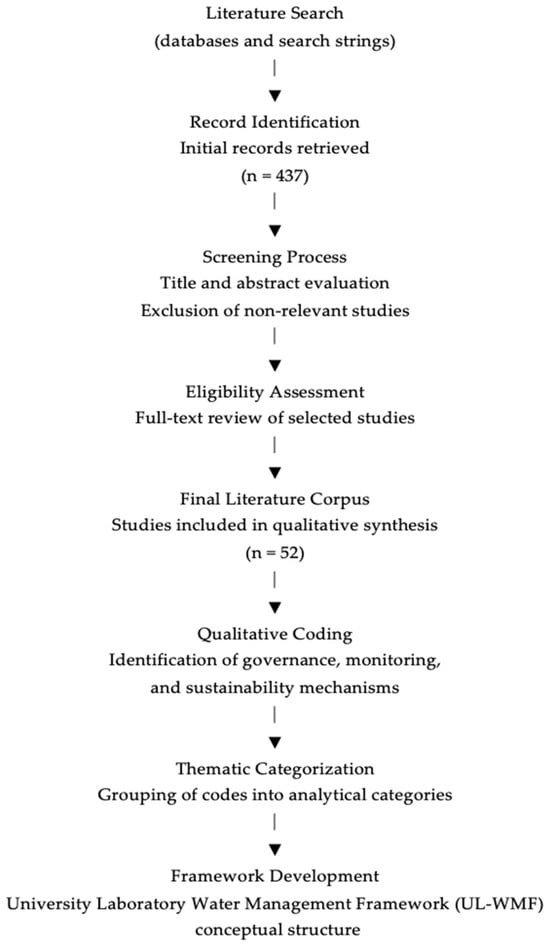
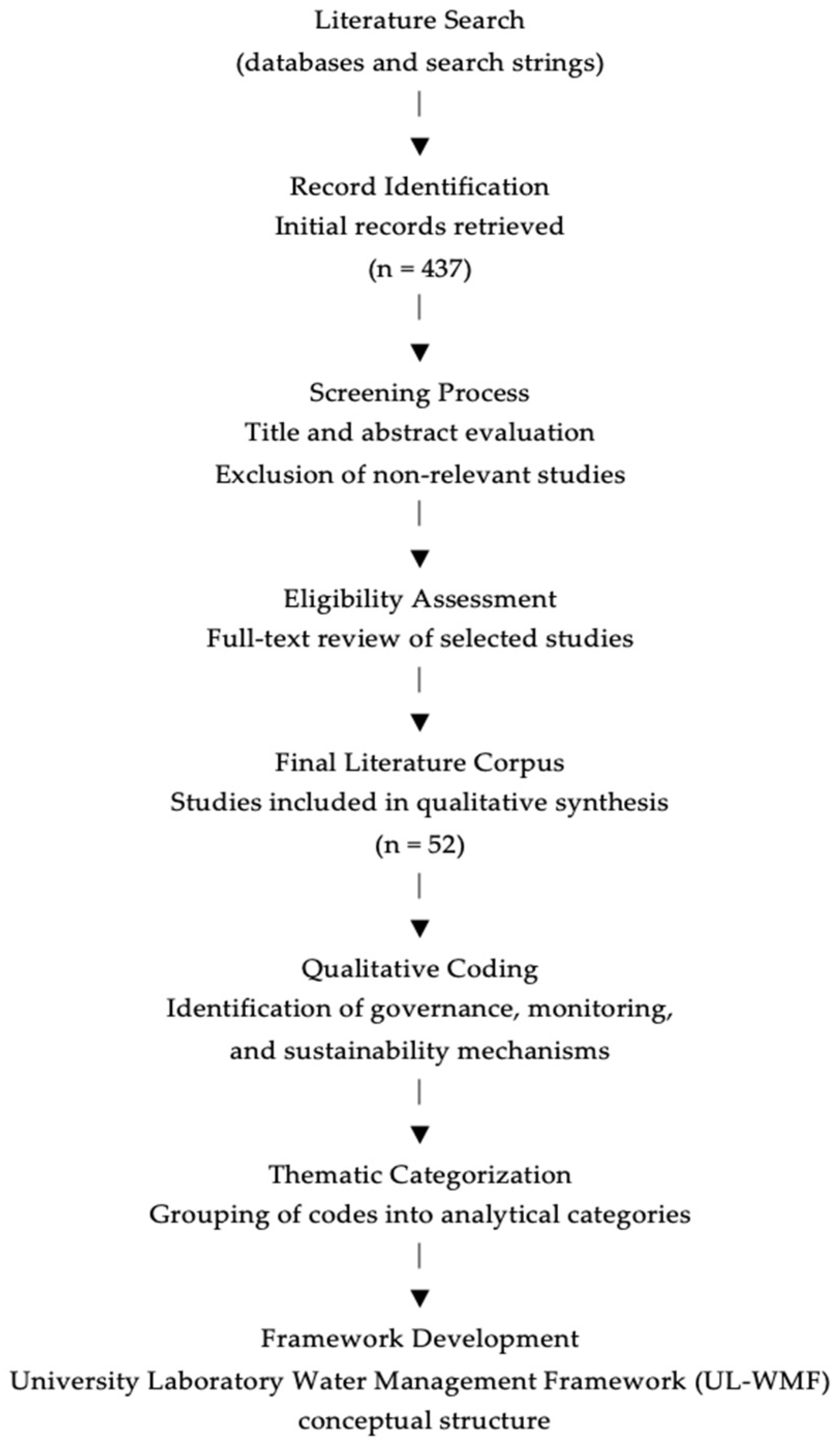
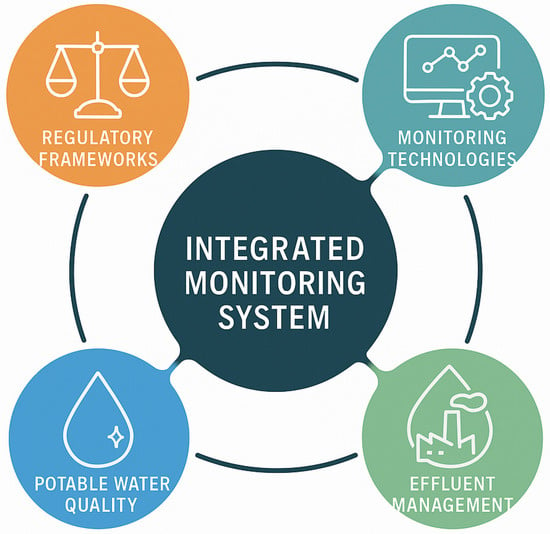
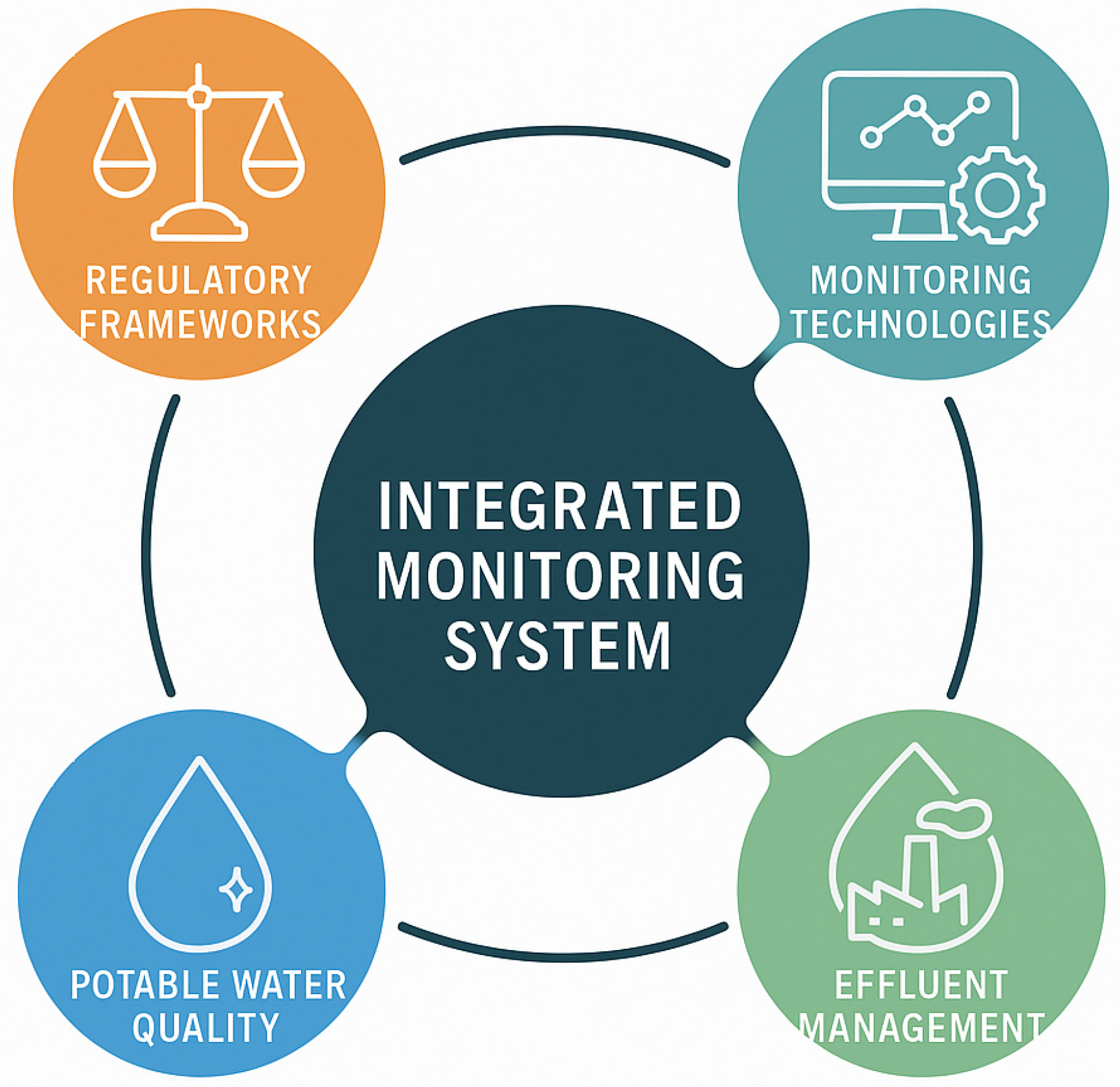
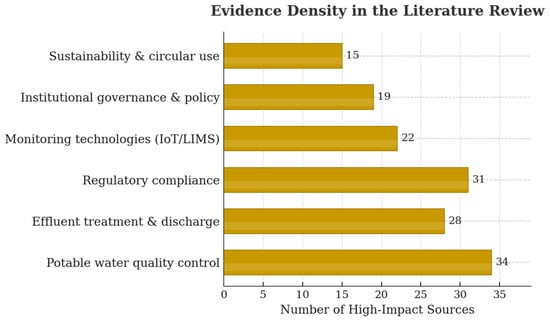
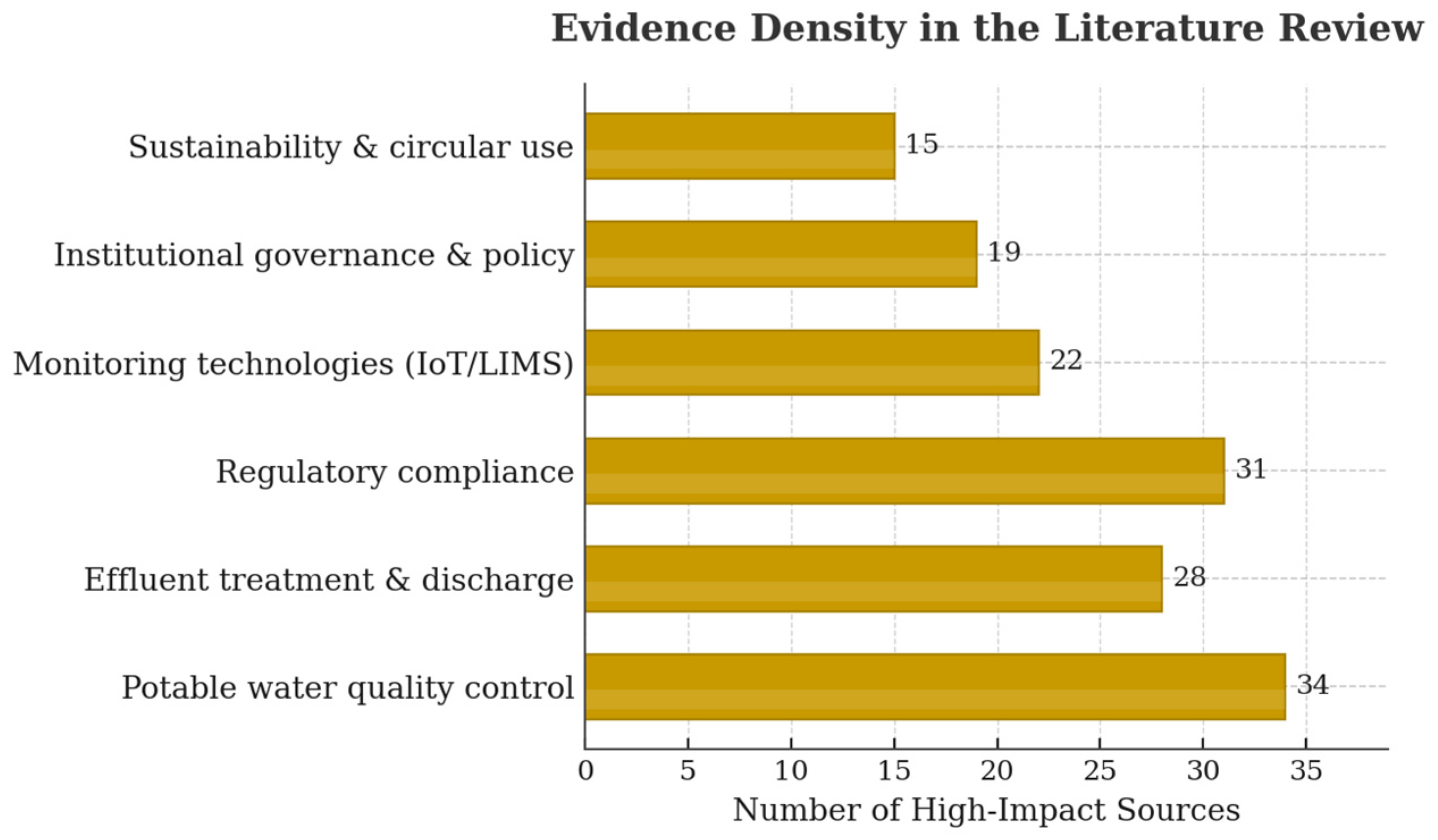
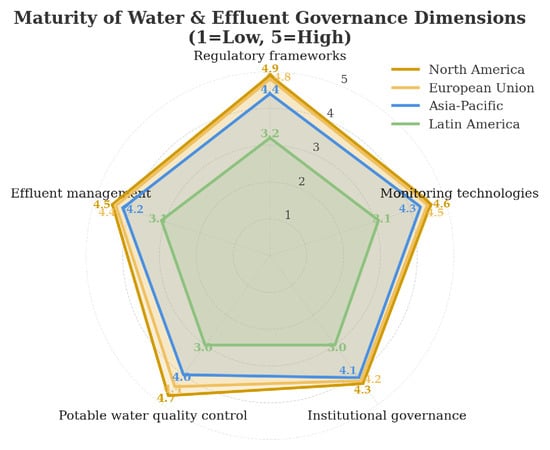
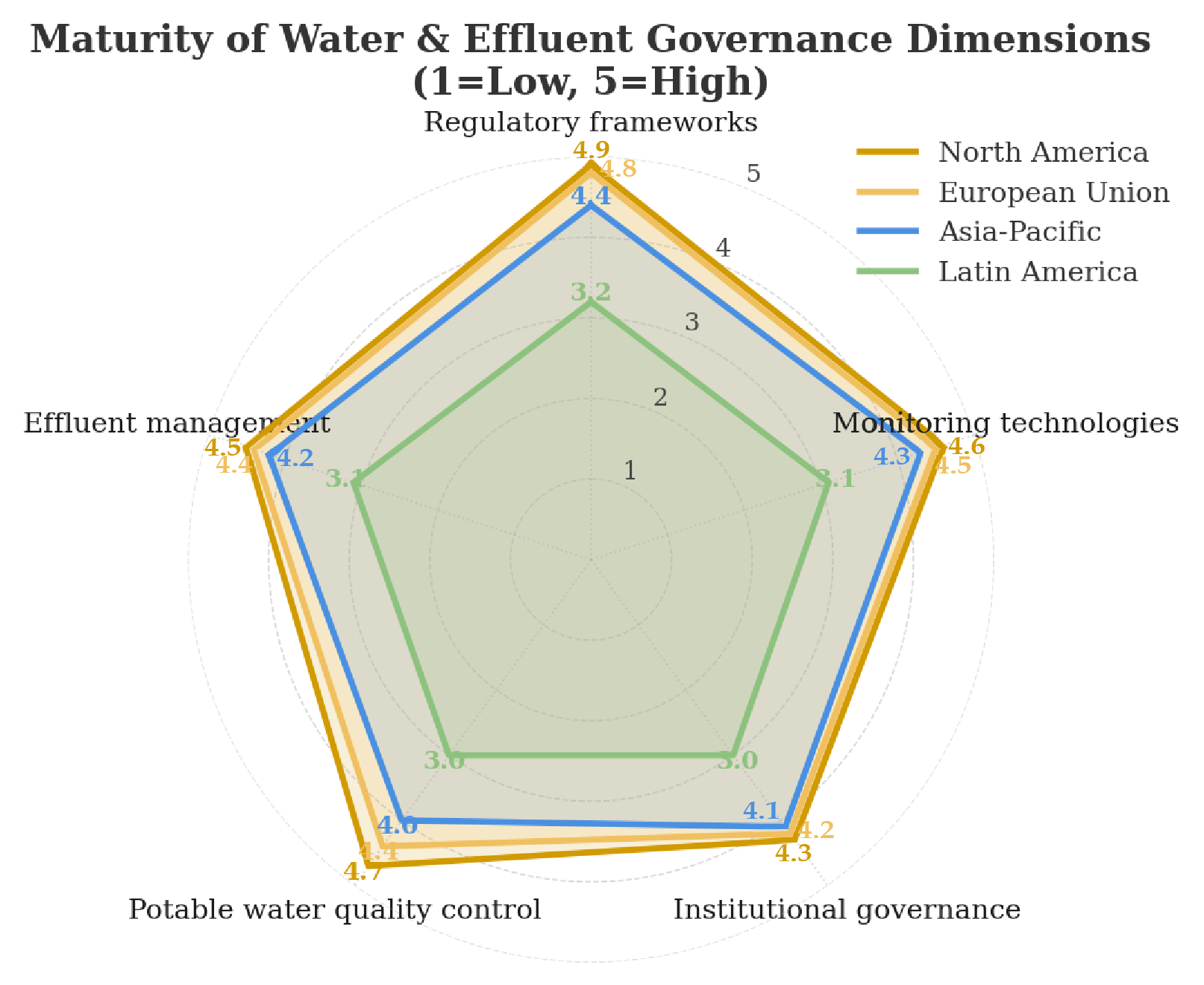
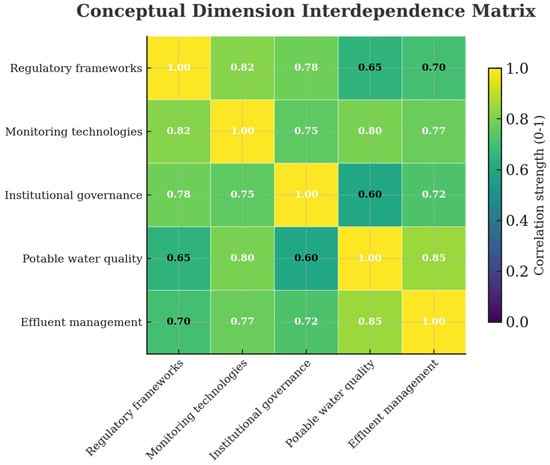
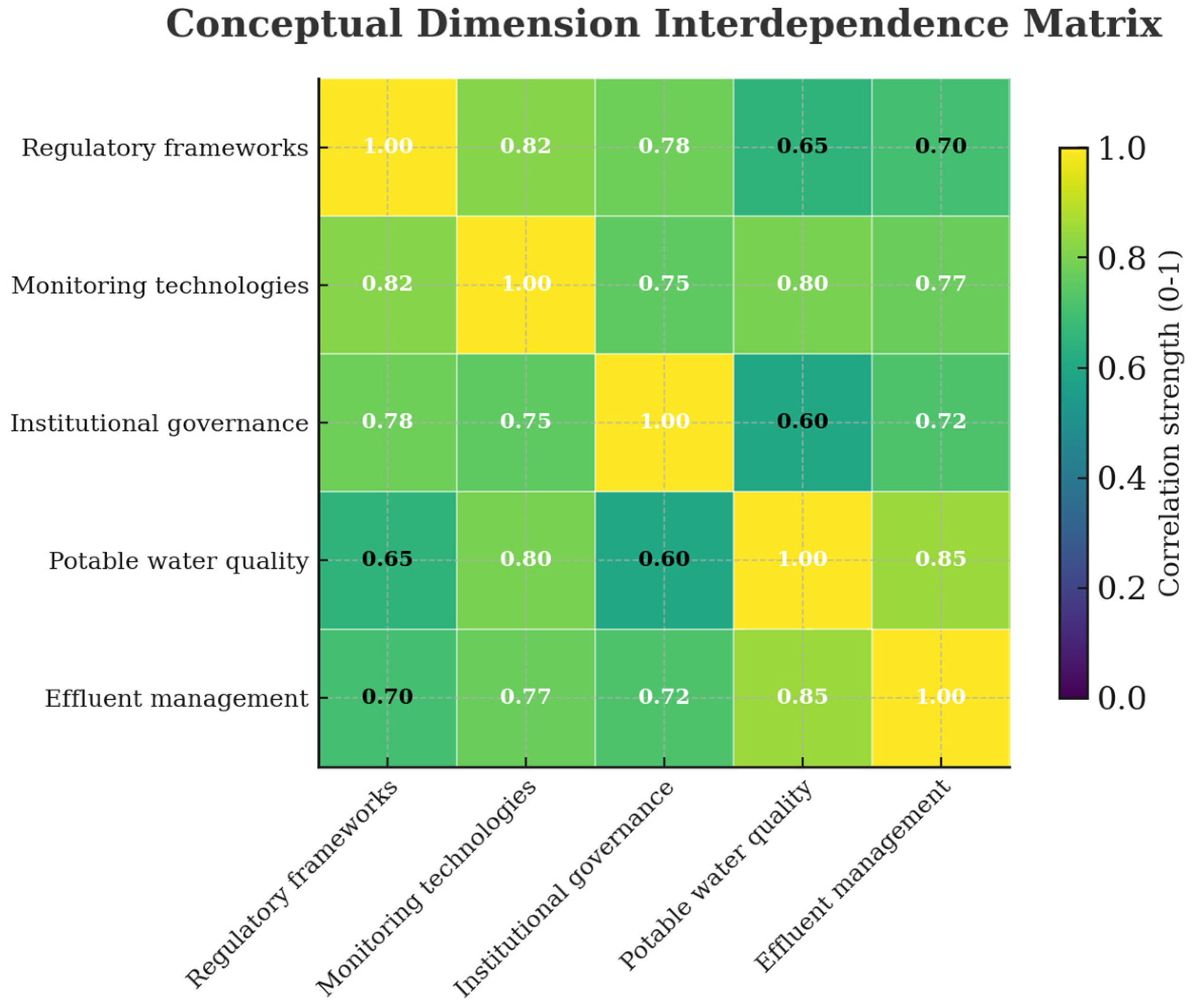
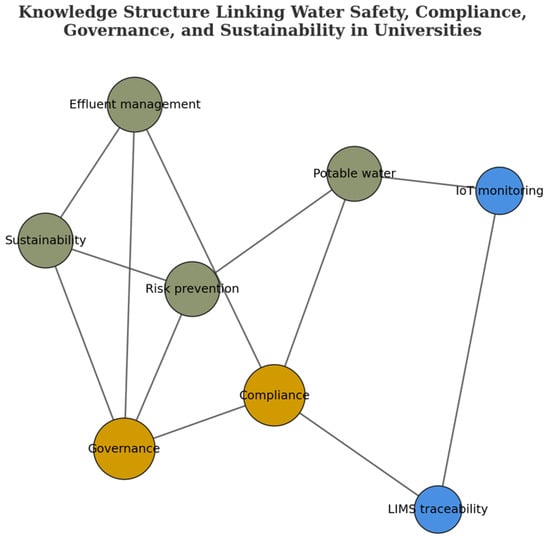
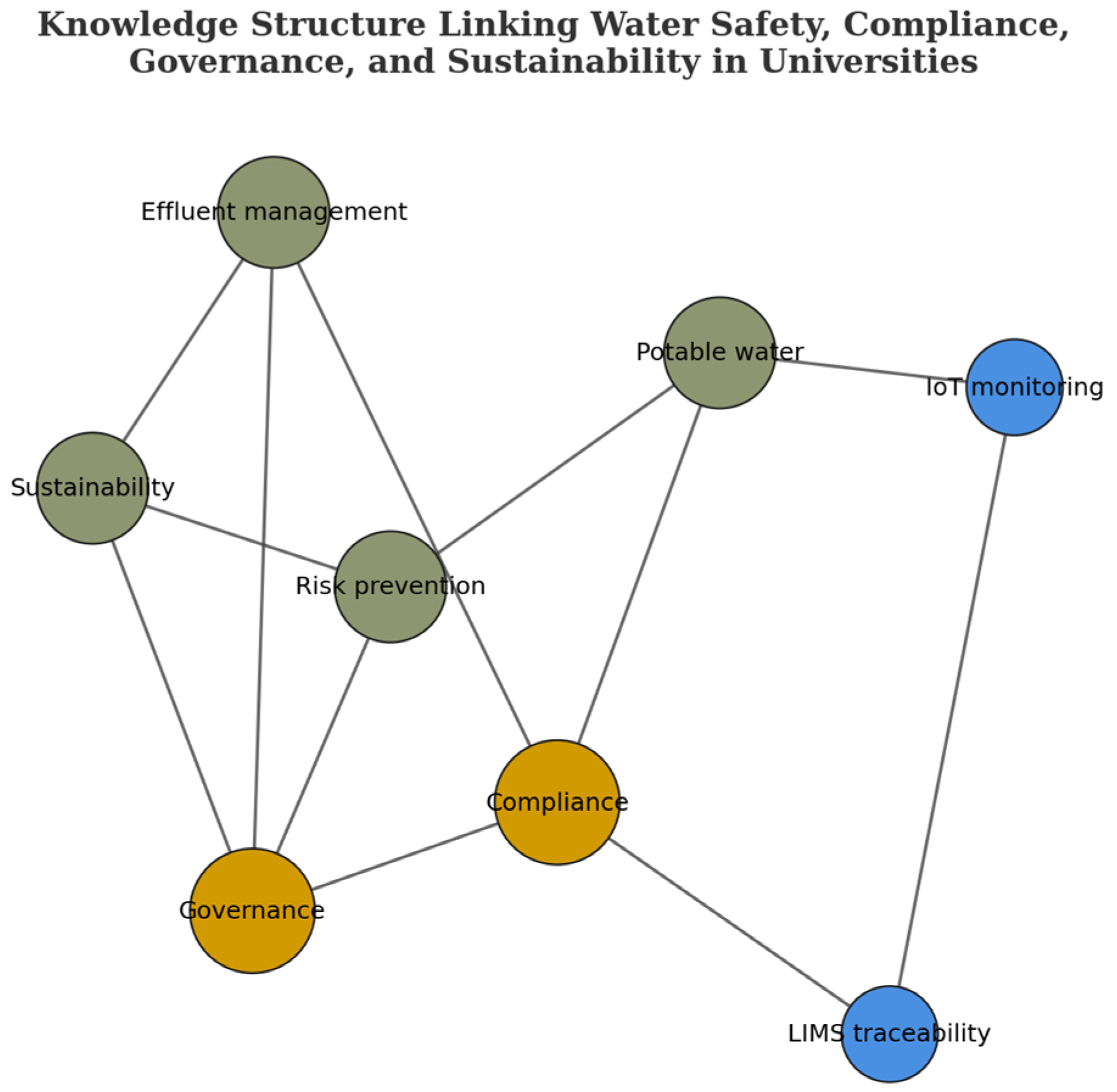
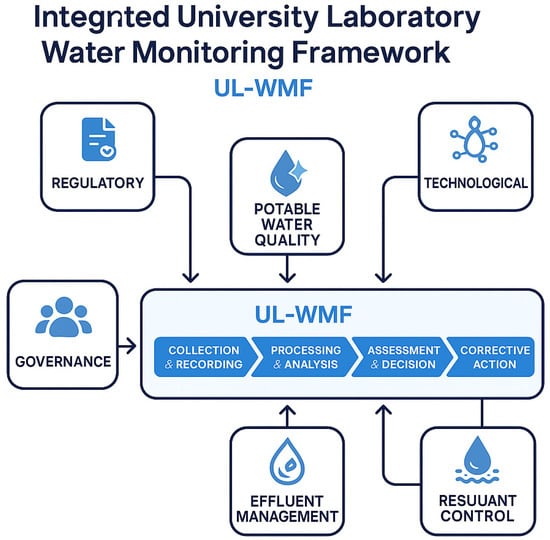
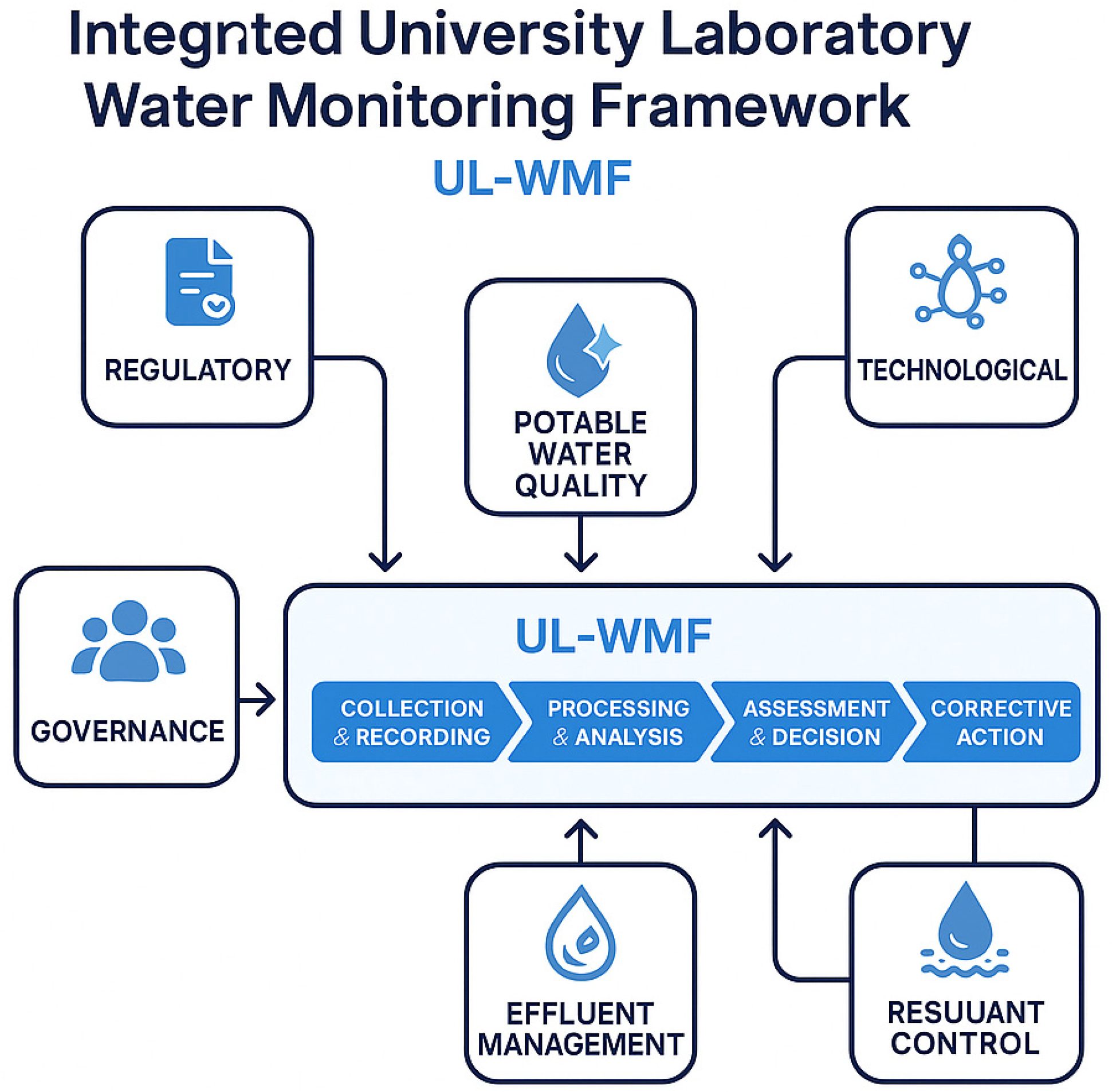

Disclaimer/Publisher’s Note: The statements, opinions and data contained in all publications are solely those of the individual author(s) and contributor(s) and not of MDPI and/or the editor(s). MDPI and/or the editor(s) disclaim responsibility for any injury to people or property resulting from any ideas, methods, instructions or products referred to in the content. |
© 2026 by the authors. Licensee MDPI, Basel, Switzerland. This article is an open access article distributed under the terms and conditions of the Creative Commons Attribution (CC BY) license.