


Abstract
Sustainable solid waste management requires public participation, yet the factors associated with environmentally responsible behavioural intention remain insufficiently understood in Oman. This study examines an integrated framework incorporating Environmental Knowledge, Environmental Attitude, Perceived Benefits, Social Influence, and Institutional Support. A six-construct structural model was evaluated using 327 item-level analytical observations and partial least squares path modelling. Results indicated positive relationships between Environmental Knowledge and Environmental Attitude (β = 0.427) and between the five explanatory constructs and Behavioural Intention. Institutional Support showed the largest direct coefficient for Behavioural Intention (β = 0.219), followed by Perceived Benefits (β = 0.214), Environmental Attitude (β = 0.203), Social Influence (β = 0.165), and Environmental Knowledge (β = 0.122). The model explained 18.3% of the variance in Environmental Attitude and 42.1% of the variance in Behavioural Intention. These findings illustrate the potential importance of considering psychological, social, and institutional dimensions jointly when examining environmentally responsible intentions. Because the indicators measured general pro-environmental intention rather than specific waste-management activities, the interpretation should remain aligned with the operational scope of the measurement instrument.
1. Introduction
The fast growth of population, urbanization, economic development, and changing consumption patterns have substantially increased municipal solid waste (MSW) generation worldwide [1]. Solid waste management is considered one of the most critical environmental challenges facing both developed and developing countries due to increasing waste quantities, limited disposal capacities, and the adverse impacts associated with inappropriate waste handling practices [2]. According to global waste projections, municipal waste generation is expected to continue increasing substantially in the coming years, placing additional pressure on existing collection, treatment, and disposal systems. Although technological advancement has improved waste treatment and recovery options, achieving sustainable solid waste management (SWM) requires not only technical solutions but also active participation and behavioural changes among waste generators [2,3]. Recent research has highlighted the potential for technological and institutional innovations to improve sustainable waste-management outcomes. For example, studies of constructed wetlands have examined the use of solid waste-derived materials as functional treatment substrates, demonstrating opportunities to recover value from waste streams while improving pollutant removal. Such approaches illustrate how technological development can support resource recovery and reduce reliance on conventional disposal pathways [4]. At the institutional level, research on environmental protection taxation has shown that regulatory instruments can influence environmental innovation outcomes, including the balance between innovation quality and quantity [5]. Although these technological and policy-focused studies do not directly examine household behavioural intention, they demonstrate that sustainable environmental management depends on more than the availability of treatment technologies alone. Public understanding, willingness to participate, and perceptions of institutional support constitute additional dimensions that warrant examination within the broader waste-management system.
Traditionally, solid waste management strategies have focused primarily on improving collection efficiency, landfill management, recycling infrastructure, and treatment technologies [6]. However, recent studies have emphasized that sustainable waste management cannot be achieved without considering the human dimension of waste generation and disposal behaviour. Household decisions regarding waste reduction, source separation, recycling, and responsible disposal significantly influence the overall effectiveness of waste management systems [7,8]. Therefore, understanding the determinants that shape public behaviour toward sustainable waste management has become an essential component of environmental management research.
In this study, sustainable solid waste management refers primarily to environmentally responsible household-level practices intended to reduce waste generation and improve material recovery. These practices include waste minimization, reuse of suitable materials, separation of recyclable waste at source, participation in recycling initiatives, and responsible disposal of residual waste. The behavioural intention construct captures respondents’ expressed willingness to engage in the specific practices represented by the questionnaire indicators. It does not measure observed participation, actual recycling frequency, or independently verified waste-management performance.
Environmental awareness and knowledge are considered fundamental factors influencing individuals’ willingness to adopt sustainable waste practices. People with greater environmental knowledge generally understand the consequences of improper waste disposal better and recognize the significance of waste reduction and recycling [9]. However, previous studies have demonstrated that knowledge alone does not always translate into sustainable behaviour, indicating the importance of additional psychological, social, and institutional factors [10]. The relationship between awareness, attitudes, and actual environmental behaviour remains complex and requires further investigation using comprehensive behavioural models [11].
Environmental attitude represents an individual’s perceptions, values, and level of concern regarding environmental protection [12]. According to behavioural theories, positive environmental attitudes can encourage individuals to adopt environmentally responsible practices by increasing their sense of responsibility and willingness to participate in sustainability initiatives [13]. In the context of solid waste management, individuals who perceive waste reduction and recycling as important environmental responsibilities are more likely to demonstrate sustainable waste management intentions and practices. Therefore, evaluating the role of environmental attitudes provides important insights into the psychological mechanisms behind waste-related behaviours [14].
In addition to individual characteristics, social influence plays an important role in determining environmental behaviour. Waste management practices are often influenced by family members, community norms, cultural values, and social expectations [15]. Individuals may be encouraged to adopt sustainable waste practices when they observe similar behaviours within their social environment or when environmentally responsible actions become accepted community norms [16]. Consequently, examining social influence provides a broader understanding of how collective behaviour contributes to sustainable waste management outcomes [17].
Institutional support represents another critical determinant affecting public participation in waste management programs [6]. Government policies, municipal services, environmental awareness campaigns, and availability of recycling facilities can either encourage or restrict individuals’ ability to engage in sustainable waste practices. Even highly environmentally conscious individuals may face difficulties adopting appropriate behaviours when adequate infrastructure, information, and institutional support are lacking [18]. Therefore, evaluating the contribution of institutional factors is necessary for developing applicable waste management methods.
Research on environmentally responsible behaviour has been informed by several theoretical perspectives, including the Theory of Planned Behaviour (TPB), Value–Belief–Norm theory, and knowledge–attitude approaches. These perspectives highlight complementary aspects of behavioural decision-making, such as cognitive understanding, evaluations of behavioural outcomes, normative expectations, and perceived opportunities for action. However, the present study does not seek to test any of these frameworks in its entirety. Instead, it develops a theory-informed model specifically addressing sustainable solid waste management intention by integrating environmental knowledge, environmental attitude, perceived benefits, social influence, and institutional support. The selected constructs represent distinct cognitive, evaluative, social, and institutional dimensions that may jointly explain residents’ willingness to participate in sustainable waste-management practices. This approach allows the relationships among these determinants to be examined without assuming that the proposed framework constitutes a complete specification of TPB or another established behavioural theory [19,20]. Although sustainable waste-management behaviour has been widely examined, existing research has often emphasized individual-level determinants, such as environmental knowledge, attitudes, perceived behavioural control, and social norms. Comparatively less attention has been given to how these individual drivers operate alongside perceived benefits and institutional enabling conditions within a single behavioural framework. This distinction is particularly important in emerging waste-management systems, where favourable environmental attitudes may not translate into participation when recycling infrastructure, institutional support, incentives, or convenient services remain limited [21]. This gap is particularly relevant to Oman and the wider Gulf context, where rapid urbanisation, changing consumption patterns, and increasing municipal solid-waste generation are occurring alongside efforts to expand recycling and circular-economy practices. While previous studies have provided useful insights into environmental awareness, attitudes, recycling behaviour, and waste-management challenges, a more integrated understanding is needed of how cognitive, attitudinal, social, benefit-related, and institutional factors jointly shape public behavioural intention.
PLS-SEM provides a multivariate analytical approach for estimating relationships among theoretical constructs represented by measurable indicators [22]. By assessing the quality of construct measurement alongside the proposed structural paths, the method enables researchers to evaluate both the adequacy of their instruments and the relationships specified in a conceptual model. Its emphasis on explaining variance in endogenous constructs supports its application to behavioural frameworks incorporating several interconnected psychological, social, and institutional variables [23].
Accordingly, the novelty of this study lies not in the application of PLS-SEM itself, but in the development and empirical assessment of an integrated behavioural framework that simultaneously incorporates environmental knowledge, environmental attitude, perceived benefits, social influence, and institutional support. By combining individual-level cognitive and attitudinal determinants with social influence and external enabling conditions, the framework provides a more comprehensive explanation of sustainable waste-management intention and helps identify whether participation is driven primarily by individual environmental orientation or by the wider social and institutional environment. The Oman case further provides evidence from a rapidly developing Gulf context that remains comparatively underrepresented in the behavioural waste-management literature.
The contribution of the present study lies in the context-specific empirical assessment of different complementary determinants of sustainable solid waste management behavioural intention in Oman. Although previous studies have integrated psychological, social, and institutional variables to explain household waste sorting and recycling in other contexts, comparatively limited evidence is available concerning the simultaneous roles of environmental knowledge, environmental attitude, perceived benefits, social influence, and institutional support among residents of Oman. The proposed framework differs from conventional applications of the Theory of Planned Behaviour by explicitly examining environmental knowledge as a predictor of both environmental attitude and behavioural intention, while incorporating perceived benefits and institutional support as separate explanatory constructs. Rather than proposing an entirely new behavioural theory, the study provides an empirical assessment of these relationships in an institutional setting characterized by ongoing waste-management modernization and efforts to expand resource recovery. Its principal contribution is therefore to improve understanding of the relative associations of these determinants within the surveyed Omani population.
2. Literature Review
2.1. Sustainable Solid Waste Management and Public Participation
Solid waste management (SWM) has evolved from a conventional waste disposal approach toward an integrated and sustainable management system emphasizing waste prevention, resource recovery, recycling, and circular economy principles [24]. Sustainable solid waste management (SWM) focuses on reducing environmental burdens and improving the efficient utilization of resources by promoting waste prevention, material reuse, recycling, composting, and energy recovery. However, despite technological developments and improvements in waste management infrastructure, achieving sustainable outcomes remains highly dependent on the behaviour and participation of waste generators [25].
Households represent the primary source of municipal solid waste generation, and individual decisions regarding purchasing patterns, waste separation, recycling, and disposal practices directly influence the efficiency of waste management systems [26]. Previous studies have demonstrated that inadequate public participation is one of the major barriers limiting the success of recycling and waste minimization programs [26,27]. Therefore, understanding the behavioural determinants influencing public engagement has become a significant research priority in environmental sustainability studies.
The transition toward sustainable waste management requires a shift from a purely technical perspective toward a socio-technical approach that integrates infrastructure development with behavioural transformation [28]. Public awareness campaigns, environmental education, supportive policies, and community participation are increasingly recognized as essential components of successful waste management strategies [29].
Empirical investigations in Gulf countries have increasingly recognized the combined importance of individual and external factors in shaping household waste-management behaviour. Research conducted in Dammam, Saudi Arabia, identified attitudes, social influence, awareness, market incentives, perceived behavioural control, and government facilitators as significant determinants of household waste-sorting intention [30]. Similarly, research in the United Arab Emirates has highlighted the roles of environmental awareness, regulatory measures, recycling benefits, and situational facilitators in explaining citizens’ recycling behaviour. More recent evidence from university students in the UAE has also demonstrated the relevance of attitudes, subjective norms, perceived behavioural control, and knowledge-related variables in waste-sorting decisions [31]. Collectively, these studies indicate that sustainable waste-management participation is influenced by multiple interacting determinants. Nevertheless, the relative contributions of environmental knowledge, environmental attitude, perceived benefits, social influence, and institutional support within a unified model remain insufficiently documented for the particular Omani population examined in this study. This provides a contextual rationale for evaluating the proposed framework in Oman.
2.2. Environmental Knowledge and Sustainable Waste Management Behaviour
Environmental knowledge refers to an individual’s understanding of environmental problems, their causes, consequences, and possible solutions. In the context of solid waste management, environmental knowledge includes awareness of waste generation impacts, recycling processes, waste separation methods, and the environmental consequences of improper disposal [9].
Previous studies have detected environmental knowledge as an important predictor of pro-environmental behaviour. Individuals who possess greater knowledge regarding waste-related environmental problems are more likely to recognize the importance of waste reduction and adopt sustainable disposal practices. Knowledge increases individuals’ awareness of environmental consequences and provides the cognitive foundation required for behavioural change [10,11].
However, previous research has also highlighted that environmental knowledge alone may not always result in sustainable behaviour. A knowledge–behaviour gap frequently exists because individuals may understand environmental problems but fail to adopt appropriate practices due to social, economic, infrastructural, or psychological barriers. Therefore, knowledge should be examined together with other behavioural determinants to provide a comprehensive explanation of sustainable waste management behaviour [30].
Environmental knowledge may contribute to sustainable waste-management intention through two complementary pathways. First, greater understanding of waste-related environmental problems may encourage favourable evaluations of environmentally responsible practices. Second, knowledge of waste separation, recycling, and disposal methods may strengthen individuals’ intentions to participate by improving their understanding of available actions. Accordingly, the following hypotheses are proposed:
H1.
Environmental knowledge is positively associated with environmental attitude.
H2.
Environmental knowledge is positively associated with sustainable solid waste management behavioural intention.
2.3. Environmental Attitude and Waste Management Behaviour
Environmental attitude represents an individual’s level of concern, values, and personal responsibility toward environmental protection. According to behavioural theories, attitudes influence behavioural intentions by shaping individuals’ perceptions regarding the importance, benefits, and consequences of specific actions [31].
In solid waste management research, positive environmental attitudes have been consistently associated with increased willingness to recycle, reduce waste generation, and participate in environmental programs. Individuals who perceive waste management as a shared environmental responsibility are more likely to engage in sustainable practices compared with those who consider waste management solely as a governmental responsibility [30,31].
Environmental attitude reflects individuals’ evaluations of environmentally responsible practices and their perceived importance. Within the context of household waste management, residents holding favourable attitudes toward environmental protection may be more willing to engage in waste reduction, source separation, and recycling. Based on this reasoning, the following hypothesis is proposed:
H3.
Environmental attitude is positively associated with sustainable solid waste management behavioural intention.
2.4. Perceived Benefits of Sustainable Waste Management
Perceived benefits refer to individuals’ beliefs regarding the positive outcomes associated with sustainable waste management practices. These benefits may include environmental protection, resource conservation, economic advantages, improved community cleanliness, and reduced pressure on landfill systems.
According to behavioural decision-making theories, individuals are more likely to adopt a specific behaviour when they perceive meaningful personal or societal benefits. In waste management, people who recognize the advantages of recycling and waste reduction are more likely to develop positive intentions toward sustainable practices [31].
Previous studies have indicated that perceived benefits influence recycling intention by increasing motivation and reducing resistance toward behavioural change. Individuals who recognize the potential benefits of sustainable waste management, including reduced environmental pollution, improved community cleanliness, and conservation of resources, may be more willing to participate in related practices [30,31,32]. Perceived benefits therefore represent an outcome-related evaluation that may contribute to behavioural intention independently of general environmental attitudes. Accordingly, the following hypothesis is proposed:
H4.
Perceived benefits are positively associated with sustainable solid waste management behavioural intention.
2.5. Social Influence and Sustainable Waste Management Behaviour
Social influence refers to the extent to which individuals’ behaviours are affected by family members, peers, communities, and social expectations. Environmental behaviour is not determined solely by individual attitudes but is also shaped by social norms and collective values [33].
The role of social influence is particularly important in waste management because waste disposal practices often occur within shared residential and community environments. Individuals may adopt recycling and waste reduction behaviours when such practices are socially accepted and encouraged by their surrounding communities [31,33].
Household waste-management decisions may be shaped by the expectations and practices of family members, peers, and surrounding communities. When individuals perceive that environmentally responsible practices are socially encouraged, they may develop stronger intentions to undertake similar activities [16,31,32,33]. Consequently, the following hypothesis is proposed:
H5.
Social influence is positively associated with sustainable solid waste management behavioural intention.
2.6. Institutional Support and Waste Management Behaviour
Institutional support represents the contribution of governmental organizations, municipalities, and environmental authorities in facilitating sustainable waste management practices [34]. Institutional factors include availability of recycling facilities, waste collection services, environmental education programs, regulations, and policy implementation.
Although individual awareness is essential, sustainable waste management behaviour requires supportive external conditions [35]. The absence of appropriate infrastructure or unclear waste management policies can prevent individuals from applying environmentally responsible behaviours. Institutional support represents the perceived availability of external arrangements that facilitate sustainable waste-management practices, including recycling facilities, collection services, public information, and governmental initiatives [18,34]. These arrangements may reduce practical barriers and strengthen individuals’ willingness to participate in waste-management activities. Institutional support is therefore considered an external enabling determinant rather than a direct measure of personal behavioural control. Based on this reasoning, the following hypothesis is proposed:
H6.
Institutional support is positively associated with sustainable solid waste management behavioural intention.
2.7. Behavioural Intention as a Predictor of Sustainable Waste Management Practices
Behavioural intention represents an individual’s willingness and motivation to perform a specific action in the future. Within environmental behaviour research, intention is considered a strong predictor of actual behaviour because it reflects individuals’ readiness to engage in sustainable practices [12,25,26].
In solid waste management, behavioural intention includes willingness to separate waste, reduce consumption, reuse materials, participate in recycling programs, and encourage others to adopt sustainable practices. Understanding behavioural intention allows researchers and policymakers to identify potential participation levels before implementing large-scale interventions [5,6,25].
Behavioural Intention was conceptualized as a general willingness to engage in sustainable solid waste-management practices, encompassing activities such as waste reduction, reuse, source separation, and recycling. Although these activities differ in their operational requirements, they share a common orientation toward reducing the environmental impacts of household waste. Accordingly, the study examined them within a broader behavioural-intention construct rather than modelling activity-specific intentions separately. This interpretation assumes that the indicators capture a common underlying orientation; therefore, the findings should not be interpreted as establishing equivalent willingness to perform every individual activity.
Despite the growing literature on recycling and sustainable waste-management behaviour, three gaps remain relevant to the present study. First, behavioural determinants are frequently examined from an individual psychological perspective, while the enabling role of institutional conditions receives comparatively less integrated attention. Second, perceived benefits, social influence, and institutional support are not consistently examined alongside environmental knowledge and attitude within a unified framework, limiting understanding of their relative contributions to behavioural intention. Third, empirical evidence integrating these dimensions remains limited in Oman and the wider Gulf context, where institutional arrangements, infrastructure availability, social expectations, and environmental awareness may jointly shape public participation. The proposed framework was developed by considering the distinct theoretical role of each determinant. Environmental knowledge provides the cognitive basis for understanding the consequences of improper waste management and the potential advantages of sustainable practices. Environmental attitude reflects individuals’ favourable or unfavourable evaluations of environmental responsibility. Perceived benefits capture expectations concerning the positive outcomes of waste minimization, separation, and recycling, while social influence represents perceived encouragement or expectations within the surrounding community. Institutional support reflects the perceived availability of external arrangements, services, and initiatives that may facilitate participation. These constructs were integrated into a single explanatory framework to examine their individual relationships with behavioural intention, together with the proposed relationship between environmental knowledge and environmental attitude. Based on the preceding theoretical and empirical evidence, six hypotheses were developed to examine the relationships among the proposed constructs. The framework comprises environmental knowledge as a predictor of environmental attitude and behavioural intention, together with environmental attitude, perceived benefits, social influence, and institutional support as additional predictors of behavioural intention. The proposed relationships are illustrated in Figure 1.
Figure 1.
Conceptual framework.
3. Methodology
3.1. Research Design and Methodological Approach
This study adopted a quantitative research approach to investigate the determinants influencing sustainable solid waste management behaviour among the public. A questionnaire-based survey method was selected because it enables the systematic collection of data from a relatively large population and allows the measurement of individuals’ perceptions, attitudes, awareness levels, and behavioural intentions toward solid waste management practices.
The research design was developed based on an integrated behavioural framework combining environmental knowledge, environmental attitude, perceived benefits, social influence, and institutional support as explanatory variables influencing sustainable waste management behavioural intention. This approach recognizes that waste management behaviour is a complex phenomenon influenced by multiple psychological, social, and institutional factors rather than a single determinant.
In contrast to traditional descriptive approaches primarily focused on measuring awareness, the present study employs PLS-SEM to investigate the direct associations between latent constructs and assess the conceptual framework’s predictive performance [21,28]. The selection of PLS-SEM is justified by its suitability for exploratory investigations emphasizing prediction, particularly when analysing complex structural frameworks comprising several latent constructs represented by multiple observable indicators.
3.2. Study Context and Target Population
The current study was carried out in Oman, where rapid economic development, urban expansion, population growth, and changing consumption patterns have resulted in increasing municipal solid waste generation. Like many developing countries, Oman faces challenges associated with increasing waste quantities, dependence on landfill disposal, limited recycling participation, and the need to enhance public awareness regarding sustainable waste management practices. The target population of this study consisted of residents living in different regions of Oman. The inclusion of the public was considered appropriate because households represent one of the major sources of municipal solid waste generation. Individual decisions related to purchasing, waste separation, recycling, and disposal directly affect the efficiency and sustainability of the overall waste management system.
Oman’s municipal solid waste-management sector has undergone substantial institutional and infrastructural development, with increasing emphasis on controlled disposal, resource recovery, and circular-economy principles. According to Be’ah’s 2024 Sustainability Report, the national waste-management infrastructure included 11 engineered landfills, 23 transfer stations, and one materials recovery facility in 2024 [36]. These facilities support the collection, transfer, treatment, and disposal of waste streams across the country. The waste-management sector is also subject to regulatory oversight and licensing arrangements intended to improve environmental compliance and operational performance. Nevertheless, the development of national waste-management infrastructure does not necessarily imply uniform household access to convenient recycling and source-separation services. This distinction is important for the present study, as residents’ environmental knowledge and attitudes may influence their willingness to participate, while their perceptions of institutional support may reflect the accessibility and effectiveness of the services available to them.
The target population comprised residents living in different regions of Oman. The questionnaire was distributed between February and June 2026 using Google Forms, with invitations circulated through WhatsApp and other social-media platforms. Demographic variables, including gender, age, educational attainment, household income, residential location, and household size, were collected to characterize the study sample. However, because respondents were recruited through online convenience sampling, the sample should not be regarded as statistically representative of the broader Omani population. Accordingly, the results are interpreted as relationships observed among the surveyed participants rather than population-level estimates.
Ethical considerations were integrated into all stages of the study. Respondents participated of their own accord after receiving clear information regarding the study’s objectives. To safeguard their privacy, the questionnaire did not request any information that could reveal participants’ identities, thereby maintaining anonymity and protecting the confidentiality of their responses. The full questions in the questionnaire can be found in Table S1 (Supplementary Materials).
3.3. Data Collection and Analysis
The survey instrument was constructed by adapting measurement items reported in earlier investigations of environmental behaviour, recycling, and sustainable waste-management practices. Item wording was adjusted to suit the Omani study context while retaining the intended conceptual meaning. The questionnaire contained two components: a demographic section recording gender, age, education, household income, residential location, and household size; and a construct-measurement section comprising statements rated on a five-point agreement scale, ranging from 1 (strongly disagree) to 5 (strongly agree) [35]. A multi-item measurement approach was adopted because latent constructs such as environmental awareness, attitudes, and behavioural intentions cannot be directly measured through single questions [37]. Multiple indicators provide higher measurement accuracy and improve construct reliability.
The questionnaire included six latent constructs representing environmental knowledge, environmental attitude, perceived benefits, social influence, institutional support, and behavioural intention. Environmental Knowledge was operationalized as respondents’ self-perceived understanding of environmental issues, whereas Behavioural Intention reflected their general willingness to engage in environmentally responsible practices. Although the study was developed within the context of sustainable solid waste management, several measurement items were formulated in general environmental terms. Consequently, the instrument should be interpreted as measuring broader pro-environmental behavioural intention and associated determinants rather than intentions toward individual waste-management activities. This distinction was considered when interpreting the relationships among the constructs.
Data collection was conducted through a structured online questionnaire. The questionnaire items were adapted from previously published measurement instruments and translated into Arabic to facilitate participation among residents of Oman. The translation process involved an initial translation from English into Arabic, followed by an independent back-translation into English. The original and back-translated versions were compared to identify potential inconsistencies in meaning, terminology, and construct interpretation. Any discrepancies were reviewed and resolved before finalizing the Arabic questionnaire. The adapted questionnaire was subsequently assessed by ten experts with backgrounds in environmental engineering, solid waste management, sustainability, and behavioural research. The expert review focused on conceptual relevance, linguistic clarity, cultural appropriateness, and compatibility with the Omani waste-management context. A pilot test was then conducted to evaluate the clarity and comprehensibility of the questionnaire before its wider distribution, and after validation, it was distributed using Google Form through WhatsApp and other social media platforms. Before participation, respondents were informed about the purpose of the study, confidentiality of responses, and voluntary participation. The questionnaire introduction explained that participation was completely voluntary, individual responses would remain anonymous, and data would only be used for academic research purposes. Respondents were required to provide informed agreement before accessing the questionnaire. After data collection, responses were screened for completeness and quality. Incomplete questionnaires and inconsistent responses were removed before statistical analysis.
PLS-SEM analysis was undertaken in two sequential stages. The initial stage examined the measurement properties of the latent constructs through indicator loadings, Cronbach’s alpha, composite reliability, and average variance extracted (AVE). The extent to which the constructs were empirically distinguishable was then evaluated using the Fornell–Larcker criterion, cross-loadings, and the heterotrait–monotrait ratio (HTMT). Only after examining the measurement results was the structural specification considered for interpretation.
To examine the relationships, the structural model was evaluated in the second stage. This involved utilizing variance inflation factors (VIF) to assess collinearity, bootstrapping to estimate path coefficients and their significance, and looking at effect sizes (f2) and the coefficient of determination (R2) as well as the predictive relevance (Q2). Before evaluating the structural correlations, this methodical technique made sure that these constructs’ measurement qualities were adequate.
3.4. Content Validity and Questionnaire Validation
Before administering the questionnaire, the measurement tool was reviewed by ten experts with relevant backgrounds in environmental engineering, waste management, sustainability, and behavioural research. The evaluation focused on conceptual relevance, linguistic clarity, appropriateness of terminology, and suitability for the Omani context. Recommendations from the expert panel were considered during the refinement of the questionnaire. The instrument was subsequently subjected to pilot testing to examine respondents’ understanding of the statements, the clarity of the presentation, and the practical suitability for wider administration. Although the questionnaire was developed within the context of solid waste management, the indicators measuring Environmental Knowledge and Behavioural Intention were predominantly framed in general environmental terms. Therefore, the scope of these constructs was considered when interpreting the measurement-model findings and subsequent structural relationships.
Internal consistency was evaluated for all constructs using Cronbach’s alpha, with coefficients exceeding the recommended threshold of 0.70 interpreted as evidence of satisfactory reliability among the corresponding measurement indicators.
3.5. Sampling Method and Sample Size Determination
Sample adequacy was considered in relation to the structural complexity of the proposed model, particularly the number of explanatory constructs connected to each endogenous variable. Methodological recommendations for PLS-SEM informed this assessment [21,38]. The final dataset comprised 327 valid responses, exceeding the minimum indicated by the commonly used ten-times heuristic. Nevertheless, this heuristic does not replace a formal statistical-power calculation, and the adequacy of the sample must also be considered in light of expected effect sizes, estimation precision, and the non-probability recruitment strategy [38].
The adequacy of the sample size was considered in relation to the number of predictors and the complexity of the proposed structural model. The final sample consisted of 327 valid responses, exceeding the minimum sample suggested by the commonly cited ten-times heuristic for the specified model. However, this heuristic does not constitute a formal statistical-power analysis, and sample adequacy should also be considered in relation to expected effect sizes, estimation precision, and the research design. Accordingly, the sample was considered suitable for the intended exploratory analysis, while limitations associated with the non-probability sampling procedure and the absence of a formal power assessment are acknowledged.
3.6. Measurement Model Assessment
The measurement model was examined before interpreting the proposed structural relationships. This assessment established whether the questionnaire indicators provided sufficiently consistent and appropriate representations of their assigned constructs [39]. Four measurement properties were considered: reliability of individual indicators, consistency among items within each construct, convergence of indicators representing the same concept, and empirical distinction between different constructs.
The reliability of individual items was investigated using their standardized outer loadings, which indicate the strength of association between each indicator and its corresponding latent variable [19]. Loadings of at least 0.70 were treated as acceptable for the measurement assessment [36]. Items below this threshold were evaluated with reference to their conceptual relevance and their potential influence on construct reliability and convergent validity rather than being excluded solely on statistical grounds [36]. Indicators with loadings between 0.40 and 0.70 were carefully examined and retained or removed based on their impact on the overall construct reliability and validity. Indicators with loadings below 0.40 were considered unsuitable and were recommended for removal.
Consistency among the indicators assigned to each construct was examined using Cronbach’s alpha (α) and composite reliability (CR). Whereas Cronbach’s alpha provides an estimate based on inter-item relationships, CR accounts for differences in the standardized loadings of individual indicators [40]. Values exceeding 0.70 were regarded as evidence of acceptable reliability, with CR values above 0.95 warranting examination for potential indicator redundancy [40].
A Cronbach’s alpha value exceeding 0.70 was considered indicative of acceptable internal consistency reliability. Similarly, CR values ranging from 0.70 to 0.95 were considered satisfactory, demonstrating adequate consistency among the measurement items without suggesting excessive redundancy among indicators [38].
Convergent validity was assessed through AVE, which summarizes the proportion of indicator variance attributable to the underlying construct [19]. An AVE exceeding 0.50 was used as the acceptance criterion, indicating that the construct accounts for more than half of the variance in its associated indicators on average [38].
The empirical separation of the latent constructs was investigated using HTMT and the Fornell–Larcker criterion. HTMT values below 0.90 were interpreted as supporting adequate discriminant validity [21]. For the Fornell–Larcker assessment, the square root of each construct’s AVE was compared with its correlations with the remaining constructs. The criterion was satisfied when the former exceeded the corresponding inter-construct correlations. Values below 0.90 were regarded as acceptable, suggesting that the latent constructs are empirically distinguishable from one another [21]. The Fornell–Larcker criterion provided an additional assessment by examining whether the square root of each construct’s average variance extracted (AVE) exceeded its correlations with the remaining constructs. Meeting this condition indicates that a construct explains a greater proportion of variance in its own indicators than the variance it shares with other latent variables in the model.
3.7. Structural Model Assessment
Once the measurement model demonstrated satisfactory reliability and validity, the analysis proceeded to the structural model to investigate the proposed associations between latent variables and assess the framework’s explanatory and predictive performance. The evaluation incorporated path coefficients (β), statistical significance determined through bootstrapping, the coefficient of determination (R2), effect sizes (f2), and predictive relevance (Q2), following established PLS-SEM guidelines. Before examining the hypothesized paths, potential multicollinearity among the predictor constructs was investigated to ensure that it did not compromise the stability or interpretation of the estimated relationships.
The strength and direction of the proposed relationships between exogenous and endogenous latent constructs were evaluated using standardized path coefficients (β). These coefficients vary between −1 and +1, where positive estimates reflect direct associations, while negative estimates indicate inverse associations between the corresponding constructs. Larger absolute values indicate stronger relationships, although the practical importance of a coefficient should be interpreted in conjunction with its statistical significance and the theoretical context of the study.
The significance of the proposed structural paths was determined through a non-parametric bootstrap analysis involving 1000 resampling iterations. Statistical inference was based on standardized coefficient estimates (β), corresponding 95% confidence intervals, and two-tailed p-values. Hypothesized associations were considered statistically supported at the 0.05 significance level when their bootstrap confidence intervals did not contain zero. This resampling approach also provided an indication of the precision and robustness of the estimated relationships within the structural model [40,41].
The structural model’s explanatory capacity was examined using the coefficient of determination (R2), which quantifies the percentage of variation in each endogenous variable accounted for by its associated predictors. Greater R2 estimates reflect a stronger ability of the model to explain variations in the outcome constructs. Based on the classification proposed by Chin [42], R2 values of 0.67, 0.33, and 0.19 are generally interpreted as indicating substantial, moderate, and weak explanatory strength, respectively. Nevertheless, these benchmarks should be applied with consideration of the study’s specific context, model structure, and characteristics of the dependent constructs rather than treated as universally applicable standards. Accordingly, the R2 values obtained in the present study were interpreted in conjunction with the theoretical expectations and empirical characteristics of the solid waste management context.
The effect size (f2) was subsequently assessed to determine the extent to which each exogenous construct contributes to the R2 value of an endogenous construct. Unlike the path coefficient, which describes the strength and direction of an individual relationship, f2 evaluates the change in the explanatory power of an endogenous construct when a particular predictor is omitted from the structural model. Thus, f2 provides information about the practical contribution of individual predictor constructs to the model. Following commonly adopted guidelines, f2 values of 0.02, 0.15, and 0.35 can be considered indicative of small, medium, and large effects, respectively, whereas values below 0.02 generally indicate that the predictor has little substantive effect on the endogenous construct [42]. The effect sizes were therefore considered alongside the corresponding path coefficients and significance results rather than being interpreted independently.
Predictive performance was assessed using a 10-fold cross-validation procedure applied to the composite-score regression models. The analysis evaluated cross-validated Q2, root mean squared error (RMSE) and mean absolute error (MAE) for the endogenous constructs. The cross-validated Q2 statistic was calculated by comparing prediction errors against those obtained from a training-fold mean benchmark. Positive Q2 values indicate that the model achieved lower prediction error than the benchmark within the specified validation procedure [36].
4. Results and Discussion
4.1. Respondents’ Characteristics
A total of 327 valid responses were obtained from residents across different regions of Oman. The sample was designed to provide representation across major demographic characteristics, including gender, age, educational attainment, household income, household size, and residential location. The diversity of the respondents is important because sustainable solid waste management behaviour can be influenced by differences in environmental awareness, household practices, access to waste-management services, and exposure to environmental campaigns. Table 1 summarizes the demographic characteristics of the respondents.
Table 1.
Demographic characteristics of the respondents.
The results comprised 54.4% male and 45.6% female respondents. Regarding age, the largest proportion of respondents belonged to the 25–34 years category (35.2%), followed by 35–44 years (27.2%) and 18–24 years (21.4%). Respondents aged 45 years and above represented the remaining 16.2%. In terms of educational attainment, the majority possessed a bachelor’s degree or higher, reflecting the relatively high educational profile of the respondents. Participants originated from different governorates of Oman, thereby reducing the likelihood that the findings reflected the characteristics of a single locality.
The demographic composition of the sample has been considered when interpreting the findings. The demographic results indicate that the surveyed respondents were predominantly younger and relatively highly educated. In particular, 83.8% were aged below 45 years, and the majority had attained at least a bachelor’s degree. These characteristics should be considered when interpreting the findings, as the recruitment method may have favoured individuals who were more accessible through digital communication platforms. Consequently, the results cannot be assumed to represent the demographic composition or behavioural intentions of all residents of Oman. Although this limitation does not invalidate the observed associations within the sample, it may affect their magnitude and external validity. Because the questionnaire was distributed through online platforms, participation may have been more accessible to younger and digitally connected individuals. These characteristics could have influenced the observed environmental knowledge, attitudes, and behavioural intentions, although the direction and magnitude of such bias cannot be established from the current data alone. Consequently, the findings were interpreted as reflecting the surveyed respondents rather than the broader population of Oman. In particular, the results may not adequately capture the circumstances of older residents, individuals with lower educational attainment, or populations with limited access to digital communication platforms.
The demographic profile indicates that the dataset provides adequate heterogeneity for examining perceptions and behavioural intentions related to sustainable solid waste management. Nevertheless, because convenience sampling was employed, the findings should be interpreted as reflecting the characteristics of the surveyed respondents rather than as fully representative estimates for the entire Omani population.
The demographic composition of the respondents should be considered when interpreting the findings. The sample included a relatively high proportion of younger and highly educated participants, which may reflect the use of online recruitment platforms. The non-probability sampling approach may have limited the participation of older residents, individuals with lower educational attainment, and populations with restricted access to digital communication. Consequently, the observed relationships should not be considered nationally representative, and further research using probability-based sampling would be valuable for assessing their generalizability.
4.2. Descriptive Statistics of the Study Constructs
The descriptive results indicate generally positive perceptions toward sustainable solid waste management among respondents, as summarized in Table 2.
Table 2.
Descriptive statistics results.
As presented in Table 2, environmental attitude (EA) recorded the highest mean score (3.996 ± 0.830), followed by perceived benefits (PB; 3.848 ± 0.874) and behavioural intention (BI; 3.706 ± 0.918), indicating generally favourable perceptions of sustainable solid waste management among the respondents. Environmental knowledge (EK) exhibited a comparatively lower mean score (3.495 ± 0.944), suggesting that positive environmental attitudes were not necessarily accompanied by equally high levels of environmental knowledge. Social influence (SI; 3.264 ± 0.986) and institutional support (IS; 3.092 ± 1.027) recorded the lowest mean scores, indicating comparatively weaker perceptions of social encouragement and institutional enabling conditions. However, these findings should not be interpreted as direct evidence of inadequate waste management infrastructure or insufficient governmental support, as the questionnaire assessed respondents’ subjective perceptions rather than objective service availability or institutional performance. In Oman, solid waste management operates within an established institutional framework involving be’ah and relevant public authorities. Therefore, the comparatively lower scores for SI and IS may reflect differences in public awareness, perceived accessibility, institutional communication, or individual experiences with waste management services rather than actual deficiencies in infrastructure or policy implementation.
The standard deviations ranged from 0.830 to 1.027, indicating moderate variability in respondents’ perceptions, with institutional support exhibiting the greatest dispersion and environmental attitude showing the least. All constructs demonstrated negative skewness, ranging from −0.825 to −0.178, reflecting a tendency toward higher response scores. Excess kurtosis values ranged from −0.806 to 0.279, suggesting no substantial departures from normality based on these descriptive indicators. Overall, the findings indicate relatively favourable environmental attitudes, perceived benefits, and behavioural intentions, alongside comparatively lower levels of environmental knowledge, social influence, and perceived institutional support. These patterns suggest that improving environmental awareness, strengthening community engagement, and enhancing communication regarding existing institutional initiatives may contribute to promoting sustainable solid waste management practices in Oman. Nevertheless, further investigation is required to establish whether these perceived differences translate into actual waste management behaviours or reflect measurable gaps in institutional services.
4.3. Assessment of the Measurement Model
The PLS-SEM analysis initially focused on examining the measurement model to determine whether the indicators adequately represented their respective latent constructs. This examination covered six constructs: environmental knowledge, environmental attitude, perceived benefits, social influence, institutional support, and sustainable waste management behavioural intention. Measurement quality was investigated through indicator outer loadings, Cronbach’s alpha coefficients, composite reliability (CR), and average variance extracted (AVE). Collectively, these measures provided evidence regarding the internal consistency and convergent validity of the measurement scales, supporting their suitability for subsequent structural model analysis.
Indicator reliability was examined through the outer loading estimates of the reflective measurement items. Within the PLS-SEM framework, loadings above 0.708 are typically considered acceptable, as they suggest that the corresponding latent variable accounts for more than half of the indicator’s variance. Values ranging from 0.70 to 0.90 generally reflect adequate indicator reliability. Nevertheless, indicators falling below the recommended threshold may still be retained if their exclusion does not meaningfully enhance the construct’s internal consistency or convergent validity. Accordingly, the outer loadings for the measurement items associated with environmental knowledge (EK), environmental attitude (EA), perceived benefits (PB), social influence (SI), institutional support (IS), and sustainable waste management behavioural intention (BI) were examined.
Table 3 summarizes the measurement model results, showing that the indicator loadings varied between 0.793 and 0.854. Among the measurement items, EK5 had the smallest loading (0.793), while IS4 showed the highest value (0.854). Since none of the loadings fell below the acceptable limit of 0.708, the indicators demonstrated adequate reliability in measuring their intended constructs. A similar pattern was observed for convergent validity, with AVE values ranging from 0.664 to 0.699. These values were consistently above the minimum requirement of 0.50, providing further evidence that the six constructs adequately captured the variance in their corresponding measurement items. On this basis, no indicators were excluded, and the complete measurement model was carried forward for structural analysis.
Table 3.
Reliability and convergent validity results.
The consistency of the measurement scales was examined using Cronbach’s alpha and composite reliability (CR). According to the results in Table 3, Cronbach’s alpha coefficients ranged between 0.877 and 0.914, with all six constructs meeting the commonly accepted criterion of 0.70. The CR estimates were also consistently high, ranging from 0.910 to 0.933. Together, these results suggest that the indicators within each construct were sufficiently consistent in measuring the underlying concept, providing evidence of reliable measurement across the model. Institutional support exhibited the highest Cronbach’s alpha (0.914) and CR (0.933), whereas perceived benefits recorded the lowest values (0.877 and 0.910, respectively). All reliability coefficients remained below 0.95, suggesting no indication of excessive indicator redundancy based on these measures. As a result, these findings confirm that the measurement model meets the established criteria for indicator reliability, internal consistency, and convergent validity, providing a sound basis for examining the hypothesized relationships in the structural model.
Convergent validity was evaluated using the average variance extracted (AVE), with values above 0.50 indicating acceptable convergence among the indicators of each construct. The calculated AVE values ranged from 0.664 to 0.699, exceeding the recommended threshold for all six constructs. Institutional Support demonstrated the highest AVE (0.699), followed by Social Influence (0.687), Behavioural Intention (0.685), Perceived Benefits (0.669), Environmental Knowledge (0.668), and Environmental Attitude (0.664). Composite reliability estimates varied between 0.910 and 0.933, whereas Cronbach’s alpha coefficients fell within the range of 0.877–0.914. These results demonstrate a high degree of consistency among the indicators measuring each construct, supporting the overall reliability of the measurement model. However, statistical convergence should not be interpreted as sufficient evidence of content validity or the domain specificity of the indicators.
4.4. Discriminant Validity
As presented in Table 4, the square roots of the average variance extracted (AVE) ranged from 0.815 to 0.836 and were higher than the corresponding correlations between each construct and the remaining constructs. The highest interconstruct correlation was observed between Environmental Attitude and Behavioural Intention (r = 0.508), followed by Perceived Benefits and Behavioural Intention (r = 0.497) and Perceived Benefits and Institutional Support (r = 0.496). These results satisfy the Fornell–Larcker criterion for the estimated measurement model.
Table 4.
Fornell–Larcker criterion results.
Discriminant validity was further investigated through the heterotrait–monotrait ratio (HTMT), as reported in Table 5. The resulting estimates varied between 0.195 and 0.569, with none approaching the recommended upper limit of 0.90. This pattern suggests that the constructs are sufficiently distinct from one another, providing additional support for the discriminant validity of the measurement model. The highest HTMT was observed between Environmental Attitude and Behavioural Intention (0.569), followed by Perceived Benefits and Behavioural Intention (0.557). These findings indicate that the constructs satisfied the conventional HTMT criterion. Nevertheless, the statistical distinction among constructs does not eliminate the need to evaluate their conceptual definitions and the content relevance of their respective measurement indicators.
Table 5.
HTMT results.
Cross-loadings were also analysed to provide further evidence of discriminant validity, with the findings summarized in Table 6. This assessment examines whether each indicator is more closely related to its assigned construct than to the other latent variables included in the model [38]. The results revealed a consistent pattern across all measurement items, as their strongest loadings corresponded to the constructs they were designed to represent. In contrast, associations with other constructs were comparatively weaker. These findings suggest that the indicators adequately distinguish between the underlying concepts, offering additional support for the discriminant validity of the measurement model.
Table 6.
Cross loadings.
The HTMT and cross-loading results consistently demonstrate adequate differentiation among the latent constructs, indicating that each represents a distinct concept within the proposed framework. These findings support the measurement model’s discriminant validity and establish a reliable foundation for evaluating the structural relationships.
4.5. Assessment of the Structural Model
With the measurement model meeting the required reliability and validity criteria, the analysis proceeded to investigate the structural relationships proposed in the research framework. This stage involved assessing potential collinearity among predictors, examining the strength and statistical significance of the hypothesized paths, and determining the model’s explanatory and predictive performance through the relevant statistical measures. Collinearity was examined first using the variance inflation factor (VIF) to identify possible overlap among the explanatory constructs. High levels of collinearity can increase uncertainty in path coefficient estimates and obscure the separate effects of individual predictors on the outcome variables. Addressing this issue was therefore necessary to ensure that the structural relationships could be interpreted with sufficient confidence.
The variance inflation factor (VIF) was examined before testing the proposed structural paths to identify potential collinearity among the explanatory constructs and assess whether overlapping predictor effects could compromise the reliability and interpretation of the estimated relationships. As presented in Table 7, the VIF values ranged from 1.000 to 1.649, remaining below the recommended threshold of 3.3. Among the predictors of Behavioural Intention, Environmental Attitude exhibited the highest VIF (1.649), followed by Perceived Benefits (1.540), Institutional Support (1.420), Social Influence (1.304), and Environmental Knowledge (1.228). Environmental Knowledge had a VIF of 1.000 in the Environmental Attitude equation, as it was the sole predictor of this endogenous construct. These results indicate that problematic multicollinearity was not evident among the predictors, supporting the interpretation of the estimated structural relationships. Nevertheless, the reported VIF values represent conventional inner-model collinearity diagnostics and should not be interpreted as evidence of the absence of common method bias.
Table 7.
Structural model collinearity assessment.
4.6. Structural Model Measurement
The structural model results indicated positive relationships for all six hypothesized paths (Table 8). Environmental Knowledge demonstrated a positive relationship with Environmental Attitude (β = 0.427, p < 0.001). Among the direct predictors of Behavioural Intention, Institutional Support exhibited the largest standardized coefficient (β = 0.219), followed by Perceived Benefits (β = 0.214), Environmental Attitude (β = 0.203), Social Influence (β = 0.165), and Environmental Knowledge (β = 0.122). The relationship between Environmental Knowledge and Behavioural Intention was statistically significant (p = 0.006), while the remaining relationships exhibited empirical bootstrap p-values below 0.001. All 95% bootstrap confidence intervals excluded zero, providing statistical support for H1–H6 within the estimated model. Nevertheless, the relatively small coefficients for several predictors indicate that statistical significance should be distinguished from practical importance [43,44,45,46,47,48]. Environmental attitude significantly influenced behavioural intention (β = 0.203, p < 0.001), confirming that individuals with more favourable environmental attitudes are more likely to develop stronger intentions to engage in environmentally responsible practices.
Table 8.
Structural model results and hypothesis testing.
Institutional support also had a significant positive effect on behavioural intention (β = 0.219, p < 0.001). This finding suggests that supportive policies, facilities, resources, and institutional initiatives can strengthen individuals’ willingness to engage in environmentally responsible practices. The result reinforces previous research emphasizing that favourable institutional conditions can facilitate the translation of environmental values and attitudes into behavioural intentions [49].
Environmental Knowledge exhibited the smallest direct relationship with Behavioural Intention (β = 0.122, p = 0.006). Although statistically significant within the estimated model, its relatively small effect size (f2 = 0.021) suggests a limited independent contribution to behavioural intention compared with the other predictors. This finding indicates that environmental knowledge alone may be insufficient to explain individuals’ willingness to adopt environmentally responsible practices, highlighting the relevance of complementary attitudinal, social, and institutional determinants [31].
The analysis concluded with an evaluation of the hypothesized relationships outlined in the conceptual framework (Figure 1). Figure 2 illustrates the estimated measurement and structural models, while Table 8 reports the bootstrap confidence intervals and statistical outcomes used to determine the empirical support for each hypothesis.
Figure 2.
PLS-SEM measurement and structural model showing the standardized outer loadings of the measurement indicators and standardized path coefficients (β) for the hypothesized relationships.
The correlation coefficients reported in Table 4 represent bivariate associations among the latent constructs, whereas the standardized path coefficients in Table 8 describe the relationships estimated within the proposed structural model while accounting for the remaining predictors. Accordingly, differences between individual correlation coefficients and structural path coefficients are expected and should not be interpreted as inconsistencies in isolation. The structural relationships are therefore discussed in terms of their conditional associations within the specified model.
4.7. Explanatory Power of the Structural Model
The model’s explanatory performance was examined through R2 and adjusted R2 estimates. The findings showed that the predictors accounted for 18.3% of the variation in Environmental Attitude (R2 = 0.183; adjusted R2 = 0.180), whereas 42.1% of the variation in Behavioural Intention was explained by its corresponding predictors (R2 = 0.421; adjusted R2 = 0.412). The results indicate relatively limited explanatory power for Environmental Attitude and moderate explanatory power for Behavioural Intention. These estimates were calculated directly from the structural equations and were consistent with the associated latent-variable correlations and standardized path coefficients. Nevertheless, explanatory power should not be interpreted as evidence of causal relationships or independently validated predictive performance.
The results further emphasize the multidimensional nature of sustainable waste-management intention. Environmental Knowledge contributes to individuals’ understanding of waste-related environmental problems, while Environmental Attitude reflects their evaluations of environmentally responsible practices. Perceived Benefits capture the anticipated advantages of sustainable waste management, whereas Social Influence and Institutional Support represent social expectations and perceived external enabling conditions. The inclusion of these complementary determinants provides a broader explanatory perspective than approaches focusing exclusively on environmental awareness or individual attitudes. In the Omani context, this framework highlights the potential relevance of combining environmental education with community engagement, clear institutional communication, and accessible waste-management services.
The individual contributions of the predictor constructs were evaluated using Cohen’s effect-size measure (f2). Environmental Knowledge showed a medium effect on Environmental Attitude (f2 = 0.223), whereas its direct effect on Behavioural Intention was small (f2 = 0.021). The effects of Institutional Support (f2 = 0.059), Perceived Benefits (f2 = 0.051), Environmental Attitude (f2 = 0.043), and Social Influence (f2 = 0.036) on Behavioural Intention were also classified as small. These results suggest that the explanatory performance of the model arises from the combined contribution of several predictors rather than from a single dominant direct effect.
The predictive performance of the structural model was further assessed using 10-fold cross-validation of the composite-score regression models. The analysis yielded cross-validated Q2 values of 0.175 for Environmental Attitude and 0.400 for Behavioural Intention, indicating lower prediction errors than the training-fold mean benchmark for both endogenous constructs. The corresponding RMSE values were 0.756 and 0.714, while the MAE values were 0.605 and 0.568, respectively. These findings suggest that the specified models exhibited predictive performance above the benchmark within the cross-validation procedure. However, these results should not be interpreted as equivalent to SmartPLS blindfolding-based Q2 or PLSpredict statistics.
The results therefore indicate that the framework demonstrates moderate explanatory power for Behavioural Intention (R2 = 0.421) and predictive performance above the specified cross-validation benchmark for both endogenous constructs. Nevertheless, these findings should not be interpreted as evidence that the model will necessarily perform equally well in an independent population. Further external validation would provide stronger evidence of its generalizability.
4.8. Discussion of the Structural Relationships
4.8.1. Environmental Knowledge and Environmental Attitude
The results demonstrate a positive relationship between Environmental Knowledge (EK) and Environmental Attitude (EA) (β = 0.427), supporting H1. Environmental Knowledge exhibited the strongest structural relationship in the model, with a medium effect size (f2 = 0.223). This finding suggests that individuals with greater self-perceived environmental knowledge tend to demonstrate more favourable attitudes toward environmental protection and sustainable waste management. Greater awareness of the environmental consequences of improper waste disposal, waste reduction, and resource conservation may contribute to the development of positive environmental attitudes.
This relationship is particularly relevant to Oman, where the ongoing transition from conventional disposal-oriented waste management toward recycling, resource recovery, and sustainable practices requires greater public awareness and engagement. Environmental knowledge may strengthen individuals’ understanding of the ecological consequences of excessive waste generation and landfill dependence, thereby encouraging more favourable perceptions of environmental responsibility and sustainable waste-management initiatives.
Nevertheless, the coefficient of determination (R2 = 0.183) indicates that Environmental Knowledge explains approximately 18.3% of the variance in Environmental Attitude, while the remaining 81.7% is not explained by the specified model. This relatively limited explanatory power suggests that environmental knowledge alone is insufficient to account for variations in environmental attitudes. Other factors, including cultural values, personal environmental responsibility, previous experiences, social expectations, and trust in environmental institutions, may also contribute to shaping individuals’ attitudes. Therefore, environmental education and awareness initiatives should be complemented by broader social and institutional measures to encourage favourable environmental attitudes and support sustainable waste-management practices.
4.8.2. Environmental Knowledge and Behavioural Intention
Environmental Knowledge (EK) exhibited a positive relationship with Behavioural Intention (BI) (β = 0.122), with the 95% bootstrap confidence interval (0.035–0.221) excluding zero, thereby supporting H2 in the recalculated model. Although the relationship was statistically significant, the relatively small path coefficient and effect size (f2 = 0.021) indicate that environmental knowledge makes a limited direct contribution to behavioural intention compared with other explanatory constructs. This finding suggests that individuals with greater self-perceived environmental knowledge tend to express stronger intentions to engage in environmentally responsible practices. However, environmental knowledge may also contribute indirectly to behavioural intention through its positive association with Environmental Attitude. These findings highlight the potential importance of environmental education and awareness initiatives in Oman while indicating that knowledge enhancement alone may be insufficient to encourage sustainable waste-management practices. Therefore, educational programmes should incorporate practical information concerning waste separation, recycling, waste minimization, and the environmental consequences of improper disposal, alongside complementary social and institutional measures that facilitate public participation.
4.8.3. Environmental Attitude and Behavioural Intention
Environmental Attitude (EA) exhibited a positive and statistically significant relationship with Behavioural Intention (BI) (β = 0.203), with the 95% bootstrap confidence interval (0.088–0.332) excluding zero, thereby supporting H3 in the recalculated model. The effect size (f2 = 0.043) indicates a small contribution to the explained variance in behavioural intention. This finding suggests that individuals with more favourable attitudes toward environmental protection tend to express stronger intentions to engage in environmentally responsible practices.
The observed relationship is consistent with the theoretical premise that environmental knowledge may contribute to behavioural intention partly through the development of favourable environmental attitudes. In the context of Oman, individuals who recognize environmental protection as an important personal and societal responsibility may be more inclined to participate in sustainability initiatives. Nevertheless, the relatively small effect size indicates that positive environmental attitudes alone are insufficient to explain behavioural intention. Other factors, including perceived benefits, social influence, and institutional support, may also contribute to individuals’ willingness to adopt environmentally responsible practices. These findings highlight the importance of integrating environmental awareness and attitude-oriented interventions with practical and institutional measures that facilitate sustainable waste-management participation.
4.8.4. Perceived Benefits and Behavioural Intention
Perceived Benefits (PB) exhibited a positive relationship with Behavioural Intention (BI) (β = 0.214), with the 95% bootstrap confidence interval (0.112–0.303) excluding zero, thereby supporting H4 in the recalculated model. Perceived Benefits demonstrated the second-largest direct path coefficient, following Institutional Support (β = 0.219). However, the effect size (f2 = 0.051) indicates a small contribution to the explained variance in behavioural intention. This finding suggests that individuals who recognize the environmental, social, and practical advantages of sustainable waste management tend to express stronger intentions to adopt environmentally responsible practices.
In the Omani context, perceived benefits may reflect expectations of cleaner residential environments, reduced environmental pollution, improved resource conservation, and more effective municipal waste-management services. Clearly communicating these potential benefits through environmental awareness campaigns and community engagement initiatives may strengthen public motivation toward sustainable practices. Nevertheless, the relatively small effect size suggests that perceived benefits alone are unlikely to account for substantial variations in behavioural intention. Therefore, communicating the advantages of waste reduction, source separation, and recycling should be complemented by accessible waste-management infrastructure, supportive institutional policies, and opportunities for community participation. Furthermore, the observed positive association should not be interpreted as evidence that increasing perceived benefits will necessarily result in actual behavioural change.
4.8.5. Social Influence and Behavioural Intention
Social Influence (SI) exhibited a positive relationship with Behavioural Intention (BI) (β = 0.165), with the 95% bootstrap confidence interval (0.069–0.263) excluding zero, thereby supporting H5 in the recalculated model. However, the relatively small effect size (f2 = 0.036) indicates that its contribution to the explained variance in behavioural intention is limited compared with those of Institutional Support, Perceived Benefits, and Environmental Attitude. This finding suggests that encouragement from family members, peers, neighbours, and broader community networks may be associated with stronger intentions to adopt environmentally responsible practices, although social influence alone may be insufficient to explain substantial variations in behavioural intention.
In the Omani context, family relationships, community networks, and shared social expectations may provide important opportunities for promoting sustainable waste-management practices. Individuals may become more willing to engage in environmentally responsible activities when such practices are encouraged and socially valued within their communities. Accordingly, environmental awareness campaigns could benefit from emphasizing collective participation rather than presenting sustainable waste management exclusively as an individual responsibility. Community-based recycling initiatives, neighbourhood awareness campaigns, school programmes, and public recognition of environmentally responsible communities may help strengthen positive social norms. Nevertheless, the relatively small contribution of Social Influence highlights the importance of integrating community engagement initiatives with accessible waste-management services, institutional support, and clear communication of environmental benefits.
4.8.6. Institutional Support and Behavioural Intention
Institutional Support (IS) exhibited a positive relationship with Behavioural Intention (BI) (β = 0.219), with the 95% bootstrap confidence interval (0.131–0.315) excluding zero, thereby supporting H6 in the recalculated model. Institutional Support demonstrated the largest direct path coefficient among the five predictors of Behavioural Intention. However, its effect size (f2 = 0.059) indicates a small contribution to the explained variance in behavioural intention. This finding suggests that individuals who perceive stronger institutional support tend to express greater willingness to adopt environmentally responsible practices, highlighting the potential importance of external enabling conditions alongside individual knowledge, attitudes, and perceived benefits.
The findings suggest that perceived Institutional Support may represent an important enabling condition associated with environmentally responsible behavioural intention. In the Omani context, improving the accessibility, convenience, and visibility of waste-management services could complement environmental awareness initiatives. However, the effectiveness of such interventions in promoting actual household participation requires further empirical evaluation.
4.9. Overall Discussion and Implications for Oman
Overall, the PLS-SEM results indicate positive relationships among the cognitive, attitudinal, perceptual, social, and institutional factors included in the proposed behavioural framework. The revised model explained 42.1% of the variance in Behavioural Intention (R2 = 0.421) and 18.3% of the variance in Environmental Attitude (R2 = 0.183), indicating moderate explanatory power for behavioural intention and relatively limited explanatory power for environmental attitude. All six hypothesized relationships exhibited positive coefficients, with their 95% bootstrap confidence intervals excluding zero. Among the direct predictors of Behavioural Intention, Institutional Support (β = 0.219) demonstrated the largest coefficient, followed by Perceived Benefits (β = 0.214), Environmental Attitude (β = 0.203), Social Influence (β = 0.165), and Environmental Knowledge (β = 0.122). These findings suggest that environmentally responsible behavioural intention is associated with a combination of individual perceptions, environmental attitudes, social expectations, and perceived institutional conditions rather than being primarily determined by environmental knowledge alone.
Nevertheless, the model’s explanatory power should not be interpreted as evidence of an equivalent level of actual participation in sustainable solid waste management. Behavioural Intention represents respondents’ stated willingness to engage in environmentally responsible practices, whereas actual participation may depend on additional practical, social, and infrastructural conditions. In Oman, the accessibility of waste-collection facilities, household waste-storage arrangements, clarity of waste-separation requirements, and reliability of recycling services may influence whether favourable intentions translate into routine practices. Climatic conditions, including prolonged periods of high temperature, may also create operational considerations for household waste storage and collection, although these factors were not directly examined in the present study [49,50]. Furthermore, because the questionnaire indicators measured general pro-environmental intentions rather than specific waste-management behaviours, the findings should be interpreted within the operational scope of the measurement instrument. These considerations highlight the importance of integrating environmental education and awareness initiatives with institutional support, accessible infrastructure, and community-based interventions to promote sustainable waste-management participation [49,50].
The distinction is particularly relevant because respondents may express strong environmental intentions even when appropriate recycling facilities are inconvenient or when household routines favour mixed-waste disposal. Consequently, the current model should be regarded as an explanation of intention formation rather than actual waste-management performance. Future research should incorporate longitudinal observations, household waste audits, and measures of actual source separation and recycling participation to examine the extent of the intention–behaviour gap in Oman.
From a theoretical perspective, the findings illustrate the usefulness of considering individual and contextual determinants together when examining sustainable waste-management intention. Environmental Knowledge and Environmental Attitude represent cognitive and evaluative orientations, while Perceived Benefits, Social Influence, and Institutional Support capture complementary motivational, social, and perceived enabling conditions. The integrated framework therefore provides a structured account of the relationships examined in the Omani context. Nevertheless, because TPB and KAP were not estimated as separate benchmark models, the findings do not establish that the proposed specification offers superior explanatory or predictive performance. Its contribution should instead be understood as an integrated empirical assessment of established determinants in a context where such relationships merit further investigation.
The findings are interpreted in relation to the ongoing transformation of Oman’s solid waste management sector. Over recent years, the country has developed an increasingly structured waste-management system involving engineered landfills, transfer stations, and facilities for processing and recovering selected waste streams [51,52,53,54]. These developments represent important progress toward improved environmental management and resource recovery. Nevertheless, the existence of national treatment and disposal infrastructure does not necessarily imply that all households have convenient access to source-separation and recycling services [51].
The relationships among the investigated constructs suggest that environmentally responsible behavioural intention is associated with a combination of cognitive, attitudinal, social, and institutional factors. Institutional Support and Perceived Benefits showed relatively larger direct coefficients, followed closely by Environmental Attitude. Environmental Knowledge was positively related to Environmental Attitude but exhibited a smaller direct relationship with Behavioural Intention. These patterns suggest that environmental understanding may be relevant not only through its direct association with intention but also through its relationship with favourable environmental attitudes. Nevertheless, the cross-sectional design does not establish a causal mechanism, and the general wording of the behavioural-intention indicators limits the extent to which these relationships can be attributed to specific waste-management activities.
Perceived benefits emerged as another important correlate of behavioural intention. For residents, sustainable waste-management practices may be associated with cleaner neighbourhoods, reduced littering, conservation of natural resources, and improved environmental quality. Communication strategies that make these benefits visible and relevant to everyday household activities may help strengthen public engagement. However, the present cross-sectional findings do not establish whether benefit-oriented campaigns would produce a measurable improvement in participation.
The positive association between perceived Institutional Support and Behavioural Intention indicates the relevance of institutional enabling conditions to respondents’ stated willingness to engage in sustainable waste-management practices. However, this relationship does not establish that existing facilities are inadequate or that additional infrastructure investment would necessarily increase participation. It suggests that improving the visibility, accessibility, and perceived convenience of available services may be relevant areas for institutional evaluation and public communication.
Social influence may operate through household practices, community expectations, and collective participation in environmental initiatives. Community-based programmes involving educational institutions, neighbourhood organizations, and local stakeholders could complement individual awareness campaigns by making sustainable waste-management practices more visible and socially supported. Together, these considerations suggest that effective public participation in Oman requires attention to both individual motivation and the practical conditions that enable residents to act on their intentions.
An important consideration in interpreting the findings concerns the correspondence between the theoretical constructs and their measurement indicators. Although the research was motivated by sustainable solid waste-management challenges in Oman, the Behavioural Intention indicators primarily assessed general environmentally responsible intentions rather than intentions specifically associated with waste separation, recycling, or waste minimization. Similarly, Environmental Knowledge represented respondents’ self-perceived environmental understanding rather than objectively evaluated knowledge of solid waste-management procedures. Consequently, the results should be interpreted as relationships among broader environmental perceptions and behavioural intention within the sustainability context. Future studies should develop and validate waste-specific indicators to determine whether these relationships extend to particular solid waste-management activities.
Another important methodological consideration is the potential influence of common method bias on the relationships identified in the proposed framework. Since the constructs were measured using self-reported responses collected at a single point in time, shared measurement characteristics and respondents’ answer tendencies may have affected the estimated relationships. Although the structural-model VIF values indicated acceptable levels of predictor collinearity, this finding does not exclude the possibility of common method variance. The estimated path coefficients should therefore be interpreted as associations among the investigated constructs, rather than definitive evidence of causal effects.
Despite explaining a moderate proportion of the variance in Behavioural Intention (R2 = 0.421), the model’s findings should be considered in light of several methodological limitations. Convenience sampling may have influenced the composition of the study sample, potentially affecting its representativeness. In addition, reliance on participants’ self-reported information introduces the possibility of socially desirable responses. The cross-sectional nature of the data also prevents firm conclusions about causal relationships over time. To address these limitations, future studies could employ probability sampling techniques, collect data across multiple time points, and incorporate direct observations or objective indicators of household waste-management behaviour. Such improvements would enhance the generalizability of the findings and provide stronger evidence regarding the relationships examined.
4.10. Practical Implications for Sustainable Solid Waste Management in Oman
The findings provide several practical implications for strengthening public participation in sustainable solid waste management in Oman. These implications can be considered from educational, operational, and policy perspectives.
4.10.1. Implications for Educators
Environmental Knowledge exhibited a positive relationship with Environmental Attitude, suggesting that environmental education may contribute to the development of favourable environmental perceptions. Although its direct relationship with Behavioural Intention was smaller than those of several other explanatory constructs in the recalculated model, environmental education remains relevant as a potential component of broader sustainability programmes. Educational initiatives should therefore emphasize practical knowledge of waste prevention, source separation, reuse, and recycling, while recognizing that education alone may be insufficient to produce sustained behavioural change.
Educational interventions should emphasize practical knowledge and opportunities for participation rather than relying exclusively on general environmental messages. Periodic assessments of participants’ knowledge and actual waste-management practices would help determine whether such programmes produce measurable improvements.
4.10.2. Implications for Municipal Managers and Waste-Management Service Providers
The positive relationship between institutional support and behavioural intention suggests that accessible and understandable waste-management services may contribute to stronger public engagement. Municipal managers and service providers should consider improving the convenience of source-separation facilities, the clarity of collection instructions, and the consistency of public communication. Potential measures include clearly labelled recycling containers, accessible collection points, household guidance materials, and communication mechanisms that allow residents to report service difficulties. Local pilot programmes could be used to assess demand, operational feasibility, collection performance, and actual participation before wider implementation.
4.10.3. Implications for Policymakers
At the policy level, the findings support consideration of integrated approaches combining public education, institutional facilitation, and communication of the environmental and community benefits of sustainable solid waste management.
Policymakers could prioritize coordination among educational institutions, municipalities, waste-management service providers, and environmental authorities. Policy initiatives should also consider differences between urban and rural communities and between residents with different levels of access to recycling facilities and environmental information. The prioritization of interventions should be informed by the proposed importance–performance analysis, together with implementation costs, service availability, and evidence from pilot interventions for future research. Such an approach may improve the alignment between behavioural determinants and the practical requirements of sustainable waste-management programmes in Oman. From a practical perspective, the findings suggest several areas in which existing waste-management initiatives in Oman could be strengthened. First, be’ah and relevant municipal authorities could place greater emphasis on communicating the availability, location, and appropriate use of existing waste collection, recycling, and source-separation services. Clearer public information may help address uncertainty regarding the practical options available to households. Second, environmental awareness programmes could focus on specific household practices, including waste reduction, reuse, separation of recyclable materials, and appropriate disposal, rather than relying solely on general messages concerning environmental protection. Such programmes could be incorporated into outreach activities delivered through schools, universities, municipalities, and community organizations. Third, public authorities and service providers could assess the perceived convenience and geographic accessibility of existing collection arrangements before identifying locations where service modifications or additional facilities may be justified. Finally, neighbourhood-level awareness campaigns and community participation initiatives could be developed to reinforce positive social expectations surrounding sustainable waste management. These recommendations are consistent with Oman’s established waste-management institutional framework and should be regarded as potential policy directions requiring further evaluation rather than interventions whose effectiveness has been directly established by the present study.
5. Limitations of Study and Future Research
The study has several methodological limitations that warrant consideration. First, the use of a cross-sectional survey limits the ability to establish causal relationships among the investigated constructs. Second, the reliance on self-reported questionnaire data collected from the same respondents introduces a potential risk of common method bias. While structural-model collinearity was examined, a dedicated statistical assessment of common method variance was not undertaken. Consequently, the possibility that shared measurement characteristics influenced the estimated relationships cannot be excluded. Future investigations should consider collecting predictor and outcome measurements at different time points, incorporating independent behavioural measures where feasible, and applying dedicated common method bias diagnostics. Such approaches would strengthen confidence in the robustness of the proposed framework for understanding sustainable solid waste management behavioural intention.
6. Conclusions
This study examined the relationships among Environmental Knowledge, Environmental Attitude, Perceived Benefits, Social Influence, Institutional Support, and Behavioural Intention within the environmental sustainability context of Oman. The integrated framework highlights the relevance of considering cognitive, attitudinal, social, and institutional factors jointly when evaluating environmentally responsible intentions. In the recalculated model, Institutional Support and Perceived Benefits exhibited relatively larger direct relationships with Behavioural Intention, while Environmental Knowledge showed a stronger relationship with Environmental Attitude than with Behavioural Intention. The model accounted for approximately 42.1% of the variance in Behavioural Intention, suggesting moderate explanatory power. The interpretation of these findings is limited by the general environmental scope of several questionnaire indicators, the cross-sectional research design, and the use of convenience sampling. Future studies should incorporate waste-specific indicators, objective behavioural measures, and more representative sampling procedures to evaluate the determinants of household waste separation, recycling, and other sustainable waste-management activities more precisely.
Supplementary Materials
The following supporting information can be downloaded at https://www.mdpi.com/article/10.3390/environments13120649/s1, Table S1: The major constructs and its related indicators.
Author Contributions
Conceptualization, M.Y.D.A.; Methodology, M.Y.D.A.; Software, T.A.M. and D.E.N.; Validation, M.J.K.B. and D.E.N.; Formal analysis, A.A. and D.E.N.; Investigation, O.F.; Data curation, T.A.M. and M.Y.D.A.; Writing—original draft, T.A.M., M.Y.D.A., M.J.K.B., A.A., O.F. and D.E.N.; Writing—review & editing, T.A.M., M.Y.D.A. and D.E.N. All authors have read and agreed to the published version of the manuscript.
Funding
The research leading to these results has received funding from the Research and Innovation Authority (RIA) of the Sul-tanate of Oman under the Block Funding Program, Agreement No. MoHERI/BFP/ASU/2025. APC was funded by A’Sharqiyah University.
Institutional Review Board Statement
The study was conducted in accordance with the Declaration of Helsinki and approved by the Institutional Review Board of the Research Ethics and Biosafety Committee (UREBC) of A’Sharqiyah University (protocol code ASU/UREBC/26/12; 10 March 2026).
Informed Consent Statement
Informed consent was obtained from all participants involved in the study. At the beginning of the questionnaire, a clear statement clarified the purpose of the questionnaire and that participation in the survey was voluntary. In addition, no personal or identifiable information was collected, and all responses were treated anonymously.
Data Availability Statement
The original contributions presented in this study are included in the article. Further inquiries can be directed to the corresponding authors.
Conflicts of Interest
The authors declare no conflict of interest.
References
- Kaza, S.; Yao, L.; Bhada-Tata, P.; Van Woerden, F. What a Waste 2.0: A Global Snapshot of Solid Waste Management to 2050; World Bank: Washington, DC, USA, 2018. [Google Scholar]
- Alazaiza, M.Y.D.; Alzghoul, T.M.; Al Maskari, T.; Amr, S.A.; Nassani, D.E. Analyzing the evolution of research on student awareness of solid waste management in higher education institutions: A bibliometric perspective. Sustainability 2024, 16, 5422. [Google Scholar] [CrossRef] [Scilit]
- Wilson, D.C.; Rodic, L.; Modak, P.; Soos, R.; Rogero, A.; Velis, C.; Iyer, M.; Simonett, O. Global Waste Management Outlook; United Nations Environment Programme: Nairobi, Kenya, 2015. [Google Scholar]
- Yang, J.G.; Wu, H.; Ma, J.; Zhang, G.X.; Duan, S.Y.; Wang, Q. Sustainable waste management through constructed wetlands: The role of solid waste substrates in pollutant removal. Int. J. Environ. Sci. Technol. 2026, 23, 117. [Google Scholar] [CrossRef] [Scilit]
- Zhang, J.; Ge, K.; Wang, L. Beyond patent counts: A comprehensive assessment of environmental protection tax effects on innovation quality and quantity. Front. Environ. Sci. 2025, 13, 1543949. [Google Scholar] [CrossRef] [Scilit]
- Albahnasavi, A.; Eyvaz, M.; Alazaiza, M.Y.D.; Özdoğan, N.; Farobie, O.; Basri, H.F.; Bangalore Ramu, M. Industrial waste management for a circular economy: Critical perspectives on prevention, recovery, treatment, and resource valorization. Environments 2026, 13, 543. [Google Scholar] [CrossRef] [Scilit]
- Xu, L.; Ling, M.; Lu, Y.; Shen, M. Understanding household waste separation behaviour: Testing the roles of moral, past experience, and perceived policy effectiveness within the Theory of Planned Behaviour. Sustainability 2017, 9, 625. [Google Scholar] [CrossRef] [Scilit]
- Varotto, A.; Spagnolli, A. Psychological strategies to promote household recycling. A systematic review with meta-analysis of validated field interventions. J. Environ. Psychol. 2017, 51, 168–188. [Google Scholar] [CrossRef] [Scilit]
- Zsóka, Á.; Szerényi, Z.M.; Széchy, A.; Kocsis, T. Greening due to environmental education? Environmental knowledge, attitudes, consumer behavior and everyday pro-environmental activities of Hungarian high school and university students. J. Clean. Prod. 2013, 48, 126–138. [Google Scholar] [CrossRef] [Scilit]
- Noh, M. Investigating the relationship between recycling/reuse knowledge and recycling/reuse intention: The moderating role of self-efficacy. Sustainability 2024, 16, 6099. [Google Scholar] [CrossRef] [Scilit]
- Aljatlawe, A.; Kiraz, A. Determinants of recycling behavior in emerging waste management systems: The role of environmental concern, knowledge, moral norms, and attitude. Behav. Sci. 2026, 16, 1185. [Google Scholar] [CrossRef] [Scilit] [PubMed]
- Conner, M.; Armitage, C.J. Extending the theory of planned behavior: A review and avenues for further research. J. Appl. Soc. Psychol. 1998, 28, 1429–1464. [Google Scholar] [CrossRef] [Scilit]
- Okumah, M.; Martin-Ortega, J.; Novo, P.; Chapman, P.J. Revisiting the determinants of pro-environmental behaviour to inform land management policy: A meta-analytic structural equation model application. Land 2020, 9, 135. [Google Scholar] [CrossRef] [Scilit]
- Ma, B.; Jiang, Y. Domestic waste classification behavior and its deviation from willingness: Evidence from a random household survey in Beijing. Int. J. Environ. Res. Public Health 2022, 19, 14718. [Google Scholar] [CrossRef] [Scilit] [PubMed]
- Razali, F.; Daud, D.; Weng-Wai, C.; Jiram, W.R.A. Waste separation at source behaviour among Malaysian households: The Theory of Planned Behaviour with moral norm. J. Clean. Prod. 2020, 271, 122025. [Google Scholar] [CrossRef] [Scilit]
- Tonglet, M.; Phillips, P.S.; Read, A.D. Using the Theory of Planned Behaviour to investigate the determinants of recycling behaviour: A case study from Brixworth, UK. Resour. Conserv. Recycl. 2004, 41, 191–214. [Google Scholar] [CrossRef] [Scilit]
- Khan, F.; Ahmed, W.; Najmi, A. Understanding consumers’ behavior intentions towards dealing with the plastic waste: Perspective of a developing country. Resour. Conserv. Recycl. 2019, 142, 49–58. [Google Scholar] [CrossRef] [Scilit]
- Wang, Z.; Zhang, B.; Yin, J.; Zhang, X. Determinants of household recycling behaviour in Beijing, China: A perspective of extended Theory of Planned Behaviour. Waste Manag. 2011, 31, 277–286. [Google Scholar]
- Ajzen, I. The theory of planned behavior. Organ. Behav. Hum. Decis. Processes 1991, 50, 179–211. [Google Scholar] [CrossRef] [Scilit]
- Stern, P.C. Toward a coherent theory of environmentally significant behavior. J. Soc. Issues 2000, 56, 407–424. [Google Scholar] [CrossRef] [Scilit]
- Hair, J.F.; Hult, G.T.M.; Ringle, C.M.; Sarstedt, M.; Danks, N.P.; Ray, S. Partial Least Squares Structural Equation Modeling (PLS-SEM) Using R: A Workbook; Springer: Cham, Switzerland, 2021. [Google Scholar]
- Hair, J.F.; Howard, M.C.; Nitzl, C. Assessing measurement model quality in PLS-SEM using confirmatory composite analysis. J. Bus. Res. 2020, 109, 101–110. [Google Scholar] [CrossRef] [Scilit]
- Henseler, J.; Ringle, C.M.; Sarstedt, M. A new criterion for assessing discriminant validity in variance-based structural equation modeling. J. Acad. Mark. Sci. 2015, 43, 115–135. [Google Scholar] [CrossRef] [Scilit]
- Tonglet, M.; Phillips, P.S.; Bates, M.P. Determining the drivers for householder pro-environmental behaviour: Waste minimisation compared to recycling. Resour. Conserv. Recycl. 2004, 42, 27–48. [Google Scholar] [CrossRef] [Scilit]
- Taylor, S.; Todd, P. An integrated model of waste management behavior: A test of household recycling and composting intentions. Environ. Behav. 1995, 27, 603–630. [Google Scholar] [CrossRef] [Scilit]
- Cheung, S.F.; Chan, D.K.S.; Wong, Z.S.Y. Reexamining the theory of planned behavior in understanding wastepaper recycling. Environ. Behav. 1999, 31, 587–612. [Google Scholar] [CrossRef] [Scilit]
- Bamberg, S.; Möser, G. Twenty years after Hines, Hungerford, and Tomera: A new meta-analysis of psycho-social determinants of pro-environmental behaviour. J. Environ. Psychol. 2007, 27, 14–25. [Google Scholar] [CrossRef] [Scilit]
- Hair, J.F.; Sarstedt, M.; Ringle, C.M.; Mena, J.A. An assessment of the use of partial least squares structural equation modeling in marketing research. J. Acad. Mark. Sci. 2012, 40, 414–433. [Google Scholar] [CrossRef] [Scilit]
- Wang, Z.; Dong, X.; Yin, J. Antecedents of urban residents’ separate collection intentions for household solid waste and their willingness to pay: Evidence from China. J. Clean. Prod. 2018, 173, 256–264. [Google Scholar] [CrossRef] [Scilit]
- Labib, O.A.; Manaf, L.; Sharaai, A.H.; Zaid, S.S.M. Understanding the effect of internal and external factors on households’ willingness to sort waste in Dammam city, Saudi Arabia. Int. J. Environ. Res. Public Health 2021, 18, 9685. [Google Scholar] [CrossRef] [Scilit] [PubMed]
- Alremeithi, A.A.; Riaz, Z.; Khan, M. What constitutes citizens’ recycling behavior: Insights from handling municipal solid waste in the UAE. Smart Sustain. Built Environ. 2025, 14, 1017–1037. [Google Scholar] [CrossRef] [Scilit]
- Nigbur, D.; Lyons, E.; Uzzell, D. Attitudes, norms, identity and environmental behaviour: Using an expanded theory of planned behaviour to predict participation in a kerbside recycling programme. Br. J. Soc. Psychol. 2010, 49, 317–337. [Google Scholar] [CrossRef] [Scilit] [PubMed]
- Botetzagias, I.; Dima, A.-F.; Malesios, C. Extending the theory of planned behavior in the context of recycling: The role of moral norms and of demographic predictors. Resour. Conserv. Recycl. 2015, 95, 58–67. [Google Scholar] [CrossRef] [Scilit]
- Goh, E.; Esfandiar, K.; Jie, F.; Brown, K.; Djajadikerta, H.G. Please sort out your rubbish! An integrated structural model approach to examine antecedents of residential households’ waste separation behaviour. J. Clean. Prod. 2022, 355, 131789. [Google Scholar] [CrossRef] [Scilit]
- Bernstad, A. Household food waste separation behaviour and the importance of convenience. Waste Manag. 2014, 34, 1317–1323. [Google Scholar] [CrossRef] [Scilit] [PubMed]
- Oman Environmental Services Holding Company (be’ah). Sustainability Report 2024; be’ah: Muscat, Oman, 2025; Available online: https://www.beah.om/publications (accessed on 28 October 2026).
- Alazaiza, N.; Ramli, M.Z.; Al Maskari, T.; Mohamad, D. Value Management implementation as determinants of overall project success: An empirical PLS-SEM study of building projects in Oman. Buildings 2026, 16, 818. [Google Scholar] [CrossRef] [Scilit]
- Franzen, A.; Mader, S. Testing the measurement of environmental concern: How do single items perform in comparison to multi-item scales? In Research Handbook on Environmental Sociology; Edward Elgar Publishing: Glos, UK, 2021; pp. 63–78. [Google Scholar]
- Hair, J.; Alamer, A. Partial Least Squares Structural Equation Modeling (PLS-SEM) in second language and education research: Guidelines using an applied example. Res. Methods Appl. Linguist. 2022, 1, 100027. [Google Scholar] [CrossRef] [Scilit]
- Hanafiah, M.H. Formative vs. reflective measurement model: Guidelines for structural equation modeling research. Int. J. Anal. Appl. 2020, 18, 876–889. [Google Scholar] [CrossRef] [Scilit]
- Subhaktiyasa, P.G. PLS-SEM for multivariate analysis: A practical guide to educational research using SmartPLS. EduLine J. Educ. Learn. Innov. 2024, 4, 353–365. [Google Scholar] [CrossRef] [Scilit]
- Chin, W.W. Commentary: Issues and opinion on structural equation modeling. MIS Q. 1998, 22, 7–16. [Google Scholar] [CrossRef] [Scilit] [PubMed]
- Russo, D.; Stol, K.J. PLS-SEM for software engineering research: An introduction and survey. ACM Comput. Surv. (CSUR) 2021, 54, 1–38. [Google Scholar]
- Kock, N. Common method bias in PLS-SEM: A full collinearity assessment approach. Int. J. e-Collab. 2015, 11, 1–10. [Google Scholar] [CrossRef] [Scilit]
- Podsakoff, P.M.; Podsakoff, N.P.; Williams, L.J.; Huang, C.; Yang, J. Common method bias: It’s bad, it’s complex, it’s widespread, and it’s not easy to fix. Annu. Rev. Organ. Psychol. Organ. Behav. 2024, 11, 17–61. [Google Scholar] [CrossRef] [Scilit]
- Liu, P.; Teng, M.; Han, C. How does environmental knowledge translate into pro-environmental behaviors?: The mediating role of environmental attitudes and behavioral intentions. Sci. Total Environ. 2020, 728, 138126. [Google Scholar] [CrossRef] [Scilit] [PubMed]
- Kollmuss, A.; Agyeman, J. Mind the gap: Why do people act environmentally and what are the barriers to pro-environmental behavior? Environ. Educ. Res. 2002, 8, 239–260. [Google Scholar] [CrossRef] [Scilit]
- Bala, R.; Singh, S.; Sharma, K.K. Relationship between environmental knowledge, environmental sensitivity, environmental attitude and environmental behavioural intention—A segmented mediation approach. Manag. Environ. Qual. Int. J. 2023, 34, 119–136. [Google Scholar] [CrossRef] [Scilit]
- DeChano, L.M. A multi-country examination of the relationship between environmental knowledge and attitudes. Int. Res. Geogr. Environ. Educ. 2006, 15, 15–28. [Google Scholar] [CrossRef] [Scilit]
- Wang, H.; Li, J.; Mangmeechai, A.; Su, J. Linking perceived policy effectiveness and pro-environmental behavior: The influence of attitude, implementation intention, and knowledge. Int. J. Environ. Res. Public Health 2021, 18, 2910. [Google Scholar] [CrossRef] [Scilit] [PubMed]
- Okedu, K.E.; Barghash, H.F.; Al Nadabi, H.A. Sustainable waste management strategies for effective energy utilization in Oman: A review. Front. Bioeng. Biotechnol. 2022, 10, 825728. [Google Scholar] [CrossRef] [Scilit] [PubMed]
- Al-Manji, A.N.S.H.; Thangavel, S.; Kumar, A.; Heidari, M. A study on waste management practices in Oman and a way forward to a circular economy. In Biodegradable Waste Processing for Sustainable Developments; Prasad, A., Paul, A.K., Eds.; CRC Press: Boca Raton, FL, USA, 2024; pp. 129–149. [Google Scholar] [CrossRef] [Scilit]
- Qazi, W.A.; Abushammala, M.F.; Alazaiza, M.Y.D. Investigation of integrated municipal solid waste management strategies for Oman: An assessment of waste diversion, electricity generation and greenhouse-gas emissions. J. Mater. Cycles Waste Manag. 2021, 23, 1588–1598. [Google Scholar] [CrossRef] [Scilit]
- Alazaiza, M.Y.D.; Al Maskari, T.; Al-Zghoul, T.M. Towards sustainable practices: Evaluating student engagement in solid waste management at A’sharqiyah University, Oman. E3S Web Conf. 2025, 603, 01021. [Google Scholar] [CrossRef] [Scilit]
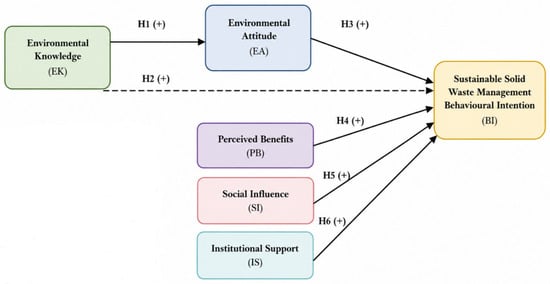
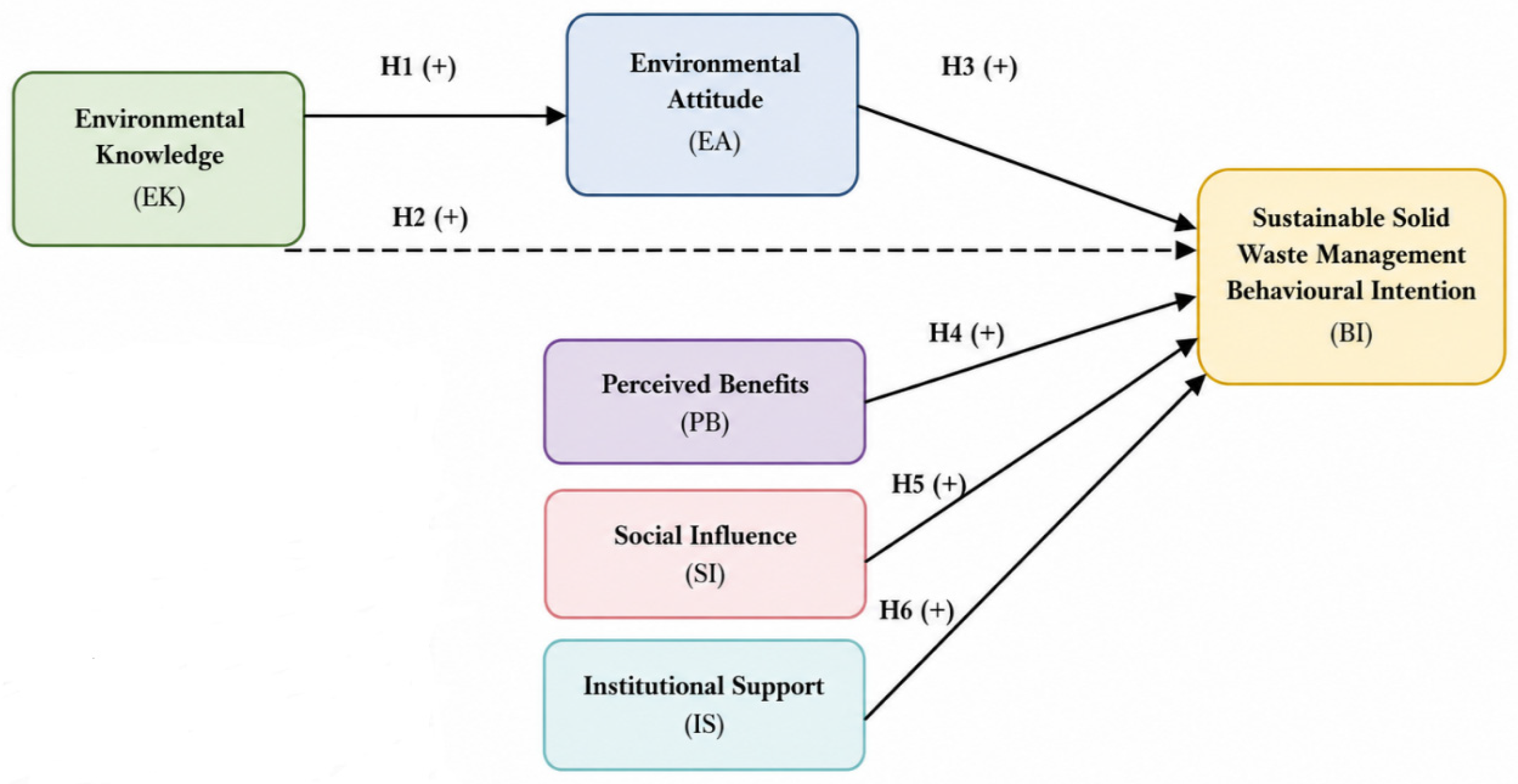
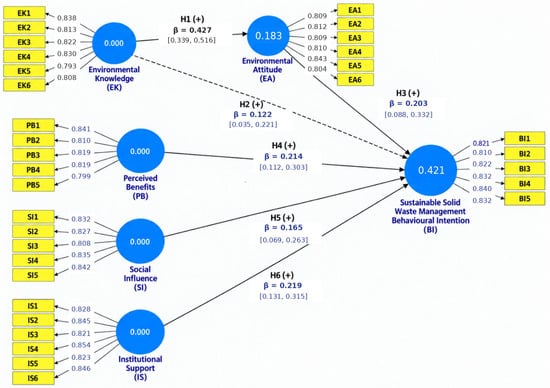
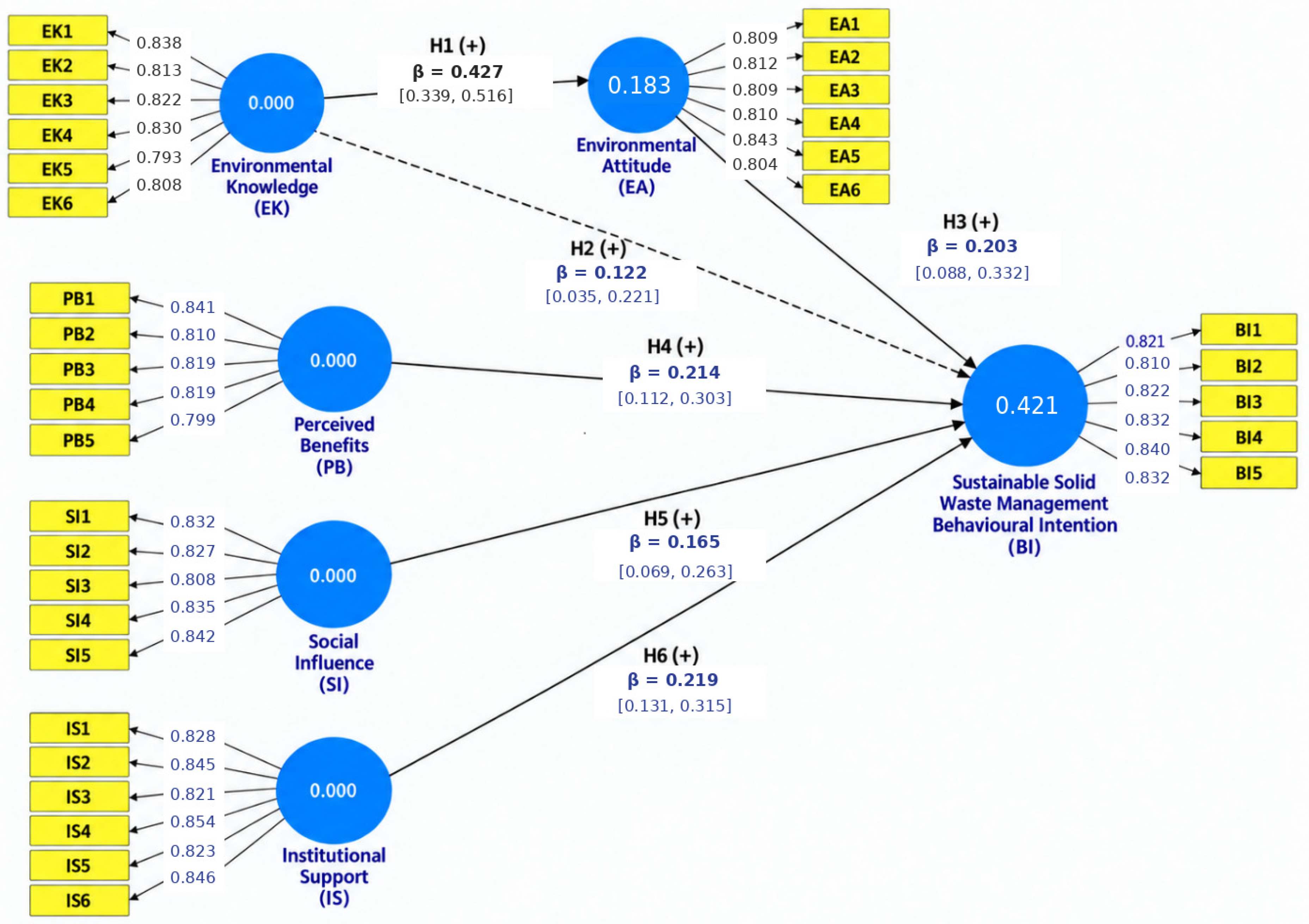

Disclaimer/Publisher’s Note: The statements, opinions and data contained in all publications are solely those of the individual author(s) and contributor(s) and not of MDPI and/or the editor(s). MDPI and/or the editor(s) disclaim responsibility for any injury to people or property resulting from any ideas, methods, instructions or products referred to in the content. |
© 2026 by the authors. Licensee MDPI, Basel, Switzerland. This article is an open access article distributed under the terms and conditions of the Creative Commons Attribution (CC BY) license.