


Abstract
Integrated management of water, energy, food, and ecosystems is key to effective governance of resources. However, the explicit adoption of the four-component WEFE framework does not necessarily imply substantive ecosystem integration, especially in the Global South. This systematic review analyzes WEFE publications to examine how they represent the four components, address multiscale and transboundary assessment, incorporate participatory approaches, and document institutional coordination and policy coherence. Scopus records were screened following the PRISMA guidelines. Eighty publications (2018–2026) were analyzed. The publications were qualitatively assessed and synthesized. Seven exploratory associations among 79 original publications were tested using Fisher’s exact test with Holm adjustment. All 80 publications addressed water, energy, food and ecosystems. Only 34 (42.5%) of the publications were aligned with the four pillars of integration, 41 (51.3%) were partly aligned, and 5 (6.3%) were not aligned. Integration of data at multiple scales was documented in 61.3% of the publications, transdisciplinarity in 52.5% and co-design in 17.5%. Sectoral fragmentation was reported in 88.8% of the assessed publications, and the majority of the publications showed low policy coherence. Sensitivity analyses in three restricted datasets indicated an association between decision-support systems and co-design. Associations with multiscale integration and power analysis were dependent on study eligibility. Beyond documenting research gaps, this review identifies four elements for deciding on WEFE applications: the use of explicit ecosystem indicators; alignment of multiscale information with the differing needs and responsibilities of different decision-making levels within institutions; stakeholder influence and participation; and verification of the implementation of policies and measures. For the Global South, these elements help evaluate whether integrated WEFE analyses enable more informed and better resource allocation decisions and sustainability planning, while acknowledging the need to demonstrate the governance effects of such analyses.
1. Introduction
There are inherent interconnections between water, energy, food, and ecosystems. Decisions pertaining to these, however, are made in isolation in different sectors and jurisdictions. In the Global South, climate vulnerabilities, competing development priorities, and uneven institutional capacities amplify the challenges posed by interdependencies. The WEFE nexus encapsulates the integration of ecological processes and functions in the resource system, going beyond the environmental impacts of water, energy and food production [1,2,3]. It is important to make this distinction. Merely including environmental indicators in the nexus or integration framework, or using nexus vocabulary, does not imply consideration of ecosystem functions, feedbacks, and trade-offs in the assessment [4,5].
More recently, reviews have presented the state of the art and the gaps that remain. Wang et al. [6] outlined various modeling approaches of the WEFE nexus. They also noted fragmented data, gaps in representation and governance. Tosiliani et al. [7] summarized 120 studies within the framework of the WEFE nexus and indicated unequal attention to ecological and socio-economic dimensions. These syntheses show that four thematic elements should be recognized separately from their analytical integration. An unresolved question is how explicitly WEFE-oriented applications represent ecological processes, analyze transboundary scales, and connect methodological outcomes to governance in the Global South.
Two problems arise repeatedly in the literature. The first problem is an ecological measurement problem: a model may optimize water use, energy production or crop output and represent biodiversity, environmental flows, and ecosystem services only as exogenous limits. The second problem is an institutional translation problem: integrated data sets may identify trade-offs; however, they may not establish whether the agencies involved in negotiations agreed to and monitored an action. A synthesis that focuses solely on the occurrence of WEFE terminology may overstate both analytical completeness and practical governance effectiveness. In order to address these concerns, it is necessary to analyze the relationship between component depth and institutional processes to identify what ‘integrated’ means in applied WEFE studies.
Broader WEF-nexus reviews from Africa and other developing countries have documented challenges including those relating to climate change adaptation, data, participation, and conversion of integrated frameworks to practice [8,9,10,11,12]. Although these reviews provide contextual insights, they cannot be used to substitute evidence for the four WEFE components. The Global South is neither a homogeneous economic category nor a grouping of low-income countries. Dados and Connell [13] emphasize historically constructed international inequalities, while the World Bank classification [14] provides complementary country-level economic information. Several developing countries face similar demands for infrastructure, security of essential resources, and protection of ecosystems. Representation of such situations in WEFE research is, however, uneven.
Integration choices have empirical consequences. In Tanzania, Geressu et al. [15] examine the trade-offs of river-basin development, hydropower and environmental flows; Shi et al. [16] examine causal resource interactions in the Central Asian transboundary water basins. Siderius et al. [17] examined the trade-offs between food and economic production in the Ganges-Brahmaputra-Meghna (GBM) river system. Karnib et al. [18] investigated solar-powered irrigation in Egypt. Although some methodological differences make comparisons across studies difficult, empirical studies present trade-offs that decision makers need to be aware of.
Territorial scale is both a data integration problem and a governance problem. Resource flows frequently transcend administrative borders, while mandates, monitoring systems and decision-making remain territorially fragmented. Scalar fit, strategies, institutional interactions, and uncertainty are central challenges of governance as identified by Pahl-Wostl et al. [19]. Basin-scale models [16,20] and geospatial decision tools [21] represent cross-border interactions and address some of the challenges outlined by Pahl-Wostl et al. [19]; however, the lack of institutional integration limits the extent to which cross-boundary collaboration can be facilitated, and hence the extent to which governance challenges can be addressed [22,23].
Transdisciplinarity and participation are concepts requiring similar levels of precision. Mohtar [24] and Mohtar et al. [25] highlight collaboration between the scientific and resource-management communities, and employ participatory design and planning in the development of indicators based on the empirical application of the WEFE framework in the Upper White Nile and the Jordan Valley [26,27]. Consultation does not always mean influencing the process of defining problems and selecting possible alternatives. The distinction between Stakeholder presence and co-design in decision-making is particularly critical when considering the relevance of WEFE research for infrastructure and the distributional impact of decisions [28,29].
Governance also means being able to harmonize conflicting sectoral incentives. African and other developing-country nexus studies cite policy inconsistency, institutional fragmentation and implementation gaps [30,31]. Reviews integrating the nexus with sustainable development note the ease with which one can weave the SDGs into the argument, compared to justifying congruence with real political will and resource allocation [32,33]. On the other hand, rapid advances in machine learning and integration are likely to improve and broaden the applicability of integrated decision support systems [34,35]. However, their impact will still hinge on the quality of assumptions, influence of stakeholders and governance.
These tensions are apparent in agriculture and river basins due to competition for water between irrigation, hydropower, agro-industry and ecosystem protection across space and time [15,17]. A ‘technically optimal’ resource allocation solution can shift environmental stresses to other places or periods, while stakeholder consultation may not ensure decision-making power [19,23,28]. Thus, WEFE assessments should address evidence of the interaction of stresses and impacts, as well as the integration of different knowledge systems, and the ability of institutions to implement those knowledge systems [19,23]. Therefore, in this review, analytical and technological integration will be distinguished from assessed sustainability.
This study reviews and critically synthesizes the empirical and governance evidence in the Global South of specifically described four-component WEFE research. The focus is on four main questions: RQ1 (SO1): How substantively are water, energy, food, and ecosystems integrated in empirical WEFE applications? RQ2 (SO2): How do studies consider the challenges and issues of territorial and transboundary integration and the constraints of multiscale data? RQ3 (SO3): To what extent do methodologies integrate transdisciplinarity, participation and co-design in the formulation and/or selection of options? RQ4 (SO4): What are the main challenges and constraints for institutional integration and policy coherence, and how are they related to the SDGs?
This review connects four dimensions: ecological representation, territorial integration, stakeholder engagement and institutional coordination. Rather than presenting evidence of successful integration with the reported presence of each dimension, the synthesis examines what they make observable for resource governance and what other evidence is needed to support a decision. This is of special relevance to Global South countries, where most resource management decisions tend to be politically charged and involve competing demands for land and water for food and energy production, as well as the protection of ecosystems, in the context of fragmented institutions [15,17,19,30,31].
2. Materials and Methods
2.1. Study Design and Analytical Framework
This review employed a combination of bibliometric mapping and qualitative and exploratory statistical synthesis of published research describing the four-component WEFE nexus in the Global South. Publications were the units of analysis. The search and selection of studies adhered to PRISMA 2020 [36]. The extraction framework was organized under RQ1/SO1 (operationalization of the four components of the nexus), RQ2/SO2 (territorial and multiscale integration), RQ3/SO3 (methodological and participatory approaches), and RQ4/SO4 (institutional governance and policy coherence, as it relates to the SDGs).
2.2. Search Strategy, Sources, and Geographical Delimitation
2.2.1. Information Sources and Search Procedure
Scopus was the only bibliographic source for identification and bibliometric analysis. Coverage and curated metadata enable consistent retrieval and mapping. Independent journal selection procedures, data quality checks and a consistent publication format, as well as limited self- and co-citations, enable consistent documentation and mapping [37]. The search, executed on 19 October 2026, covered the period from 2015 to 2026 and included seven independently conducted expressions.
- (TITLE-ABS-KEY(“WEFE Nexus” OR “Water–Energy–Food–Ecosystem nexus”))
- (TITLE-ABS-KEY(WEFE Nexus OR Water–Energy–Food–Ecosystem nexus))
- (TITLE-ABS-KEY(WEFE Nexus OR Water–Energy–Food–Ecosystem nexus AND Governance))
- (TITLE-ABS-KEY(WEFE Nexus OR Water–Energy–Food–Ecosystem nexus AND Sustainability))
- (TITLE-ABS-KEY(WEFE Nexus OR Water–Energy–Food–Ecosystem nexus AND territor*))
- (TITLE-ABS-KEY(WEFE Nexus OR Water–Energy–Food–Ecosystem nexus AND “Ecosystem services”))
- (TITLE-ABS-KEY(WEFE Nexus OR Water–Energy–Food–Ecosystem nexus AND management))
The Scopus searches were performed using seven queries in the TITLE-ABS-KEY fields, as described in the original Scopus refinement exports. The first two searches were broad and included various expressions related to WEFE. The remaining searches included expressions related to the areas of governance, sustainability, the territorial scope, ecosystem services and management. The original searches used Boolean operators, parentheses and quotation marks, as well as wildcard characters. Thus, for the purpose of explaining the search strategy, the use of quotation marks, wildcards, and parentheses was not altered. Although the use of the expressions without quotation marks may have resulted in a broader search, the strategy focused on expressions related to WEFE. Thus, the strategy was not meant to search for all the publications that addressed water-energy-food interdependencies. Therefore, the synthesis is meant to represent the Scopus-indexed literature focused on WEFE and not all of the literature on the nexus. The refinement exports include the query strings, but do not detail the searches or the final number of unique records.
Records retrieved using the seven expressions were merged in Microsoft Excel and deduplicated before screening using titles, authors, publication years, and DOI identifiers.
The 2015 lower boundary reflects the adoption of the SDGs and offers a policy-relevant starting point after the Bonn 2011 formulation of the water-energy-food nexus [38]. Subsequent research indicated increasing linkages between nexus analysis and the types of policy questions related to the SDGs [39]. The lower boundary of 2015 was selected for the search and does not indicate the first empirical case of the WEFE framework.
2.2.2. Operational Delimitation of the Global South
Global South eligibility relied on Dados and Connell’s geopolitical interpretation [13], and the World Bank FY2027 income classifications [14]. Income classifications were not used to define the region on their own. Study locations, not the authors’ affiliations, determined geographical classification.
Global South: Yes denoted applications limited to eligible settings; Partial studies covered both the Global South and other regions. For geographical reporting, countries were harmonized into eight non-exclusive subregions; cross-regional studies contributed to each region only once.
2.3. Eligibility Assessment and Study Selection
2.3.1. Conceptual and Empirical Eligibility
The inclusion rules and exclusion categories are summarized in Table 1. IC1 addressed identifiable empirical or case-based evidence. IC2 required at least two nexus dimensions at initial screening. IC3 addressed publication years 2015–2026, and IC4 addressed relevance to the Global South. IC2 was a screening rule, and not an expectation that the publications retained operationally integrated all four pillars. Explicit, integrated descriptions of the four pillars and use of the WEFE/WEFE-Partial nexus were documented in M1 and M2.
Table 1.
Eligibility criteria, exclusion decisions, and analytical restrictions applied in the WEFE systematic review.
WEFE-Partial indicated an explicit description of the four components, with the ecosystem component playing a secondary or limited role, such as environmental flow constraints in Siderius et al. [17], or acknowledged salinization and groundwater in Khamidov et al. [40]. Substantive integration of RQ1/SO1 was classified as Y, Partial, or N based on ecological depth and inter-pillar integration. N, in this case, does not necessarily imply absence of integration of the four components of WEFE.
Empirical: Yes denotes a substantive, case-based application or evidence. Empirical: Partial denotes a theoretical, methodological, or proposal-based contribution with limited concrete implementation or evidence. This is separate from Global South: Partial, which reflects a contribution with mixed geographical coverage. Partial labels were not converted to affirmative or negative values; the descriptive corpus and the inferential subset were kept distinct.
Exclusions were applied at each of the three successive stages of the selection process (title and abstract screening; full-text assessment; and detailed eligibility assessment; see Table 1). It should be noted that records that were outside the geographical or conceptual scope of the review, were duplicates, or did not have sufficient empirical relevance were removed at the selection stage. A secondary systematic review by Buchenrieder et al. [41] was included in the descriptive corpus but was excluded from the study-level analyses.
2.3.2. Review Procedure and PRISMA Flow
The first author conducted retrieval, screening, extraction, and analysis. The second author confirmed decisions and resulting classifications. Disagreements were resolved through joint review and consensus. The process did not involve independent duplicate screening and, therefore, no inter-reviewer agreement statistics were calculated.
The PRISMA process (Figure 1) identified 184 records, of which 18 were duplicates. The remaining 166 records were screened. After screening, 49 records were excluded, and 7 records were excluded after a full-text assessment. A total of 110 records were assessed in detail. Thirty more records were excluded (17 geographically indeterminate, 8 lacking an empirical component, 2 in the Global North, 2 duplicate/companion records, 1 framework misalignment). The final 80 records made up the descriptive dataset. Excluding the secondary review [41] resulted in 79 original publications for study-level comparisons.
Figure 1.
PRISMA-based selection flow from Scopus identification to the 80-record descriptive corpus and 79-publication original-work dataset.
2.4. Structured Extraction, Coding, and Quality Appraisal
2.4.1. Extraction Matrices and Objective-Based Coding
Seven linked Excel matrices (M1–M7; Supplementary File S1) were joined by Study ID. M1 documented bibliographic, design, geographic, and empirical attributes; M2 documented component depth, ecosystem treatment, interactions, and multiscale integration; M3 documented methods, decision support systems, transdisciplinarity, participation, and co-design; M4 documented sectoral fragmentation, coordination mechanisms, policy coherence, stakeholder mapping, power, and SDG alignment. M5 documented historical methodological-appraisal records, M6 documented the PRISMA process, and M7 documented bibliometric data.
The coding approach integrated categorical labels with explanations. Ecological flows and biodiversity, for example, were coded differently from habitat or ecological conditions. Ecosystem service indicators and emissions and resource-efficiency proxies were also coded differently. Territorial scale was coded differently from administrative jurisdiction, and therefore, multiscale modeling was coded differently from multilevel governance. Transdisciplinarity was documented with reported integrations of disciplinary and non-academic knowledge, while participation and co-design were coded based on the role of the stakeholder. Distinctions were also made for governance arrangements, and policy coherence was coded independently from SDG mentions. These distinctions prevented analytically integrative practices from masking differences among approaches.
For SO1, extraction identified three different dimensions, analytically separable from one another: the explicit discussion of water, energy, food and ecosystems; the ‘Nexus Combination’ (WEFE or WEFE-Partial); and the RQ1/SO1 assessment of the substantive integration (Y, Partial or N). With regard to water, the indicators covered availability, allocation, quality, consumption, and irrigation. Energy indicators included the generation and consumption of energy and the efficiency of energy infrastructure; food indicators encompassed agricultural production and the availability of food. Ecosystems-related data and information covered ecological flows; the generation of ecosystem services and biodiversity; and the conditions of habitats. Other information included proxy indicators such as greenhouse gas emissions and soil carbon, as well as pollution and resource efficiency. The assessment differentiated the processes by which ecological aspects acted either as feedbacks or as variables that were integrated and quantified, from ecological aspects that served only to provide context or act as an optimization constraint. This differentiation prevented affirmative mention of the ecosystems component from being equated with full integration and analytical treatment.
For SO2, the territorial scale of assessment was analyzed along with the administrative and institutional scales. Studies were classified according to the geographical extent of their application, the presence of transboundary characteristics, and the integration of multiscale data. Associated text fields described constraints like data availability, spatial or temporal mismatches, and difficulties integrating data across sectors or jurisdictions. The presence of multiple scales in an analytical model was not considered evidence of collaborative coordination among the institutions in those scales.
For SO3, the extraction distinguished research design and analytical tools from transdisciplinarity and participatory processes. Transdisciplinarity was assessed based on the reported integration of disciplinary and/or non-academic knowledge. Stakeholder participatory processes included documented involvement in research, assessment, planning and/or decision-making processes, while co-design refers to participatory processes for the definition of the problem, selection of indicators and scenarios, and/or frames for the analysis, as well as the design of the actions to be undertaken.
For SO4, the governance matrix classified barriers and sectoral silos, as well as proposed integration mechanisms, existing arrangements and documented outcomes. Policy coherence was assessed as high, partial, low or not assessed, and accompanied by qualitative justifications. SDG alignment, stakeholder mapping and consideration of power relations were listed as other characteristics. When interpreting governance findings, it was not assumed that a given integration mechanism or an SDG identified a policy that has been implemented or has produced an environmental outcome.
The meanings attributed to affirmative, negative, partial, unavailable and not assessed responses in the matrices were retained. Descriptive fields were reviewed together with categories to explain variation across studies, and the second author verified the classifications. For synthesis, the second author integrated structured codes and narrative description, rather than treating categorical labels as self-explanatory measures of institutional performance.
2.4.2. Methodological Quality Appraisal
Methodological appraisal information was recorded in M5 (Supplementary File S1) during subsequent extraction rounds. Records relied on different, study-specific checklists and holistic judgments, some informed by the MMAT 2018 [42]. These records were not used as additional eligibility criteria, statistical weights, or variables in exploratory comparisons.
A retrospective audit of the extraction history demonstrated that the historical High and Moderate labels had not been assigned by a uniform, reproducible scoring rule. The ≥70% and 50–69% thresholds were introduced later for internal data harmonization and were not used to assign the original labels. Because the records also included non-equivalent methodological appraisal judgments, risk of bias assessments, and inclusion recommendations, the overall labels were not considered as standardized MMAT quality grades or integrated as equivalent study quality findings.
Variability in study quality may be appropriate for certain types of research. However, methodological reporting should not be conflated with the institution’s implementation of governance, effectiveness and/or sustainability. The absence of a consistent, design-appropriate quality assessment is understood to be a limitation of this review.
2.5. Bibliometric Analysis
We used VOSviewer 1.6.20 to create bibliometric maps of term co-occurrence and co-authorship from metadata of the Scopus database. Network outputs included links, total link strength, term frequency, clusters, and average year of publication; temporal averages were displayed and rounded to whole years. Lexical variants of the same concept were treated with caution, as they may represent the same concept.
The bibliometrics in this research served primarily as an overview rather than as a representation of the 80 papers ultimately selected. Network statistics of bibliometrics describe collaboration and terminology, but do not address the integration of resources or the effectiveness of governance.
2.6. Quantitative, Exploratory, and Qualitative Analysis
2.6.1. Descriptive and Integrative Synthesis
Categorical data were summarized as counts and percentages, based on N = 80 for the descriptive corpus or the specified subset. Partial, unavailable and not-assessed values were kept as such. Qualitative synthesis identified how ecosystem functions, territorial relationships, participatory practices and governance mechanisms were represented and distinguished modeled potential from observed implementation; no pooled intervention-effect meta-analysis was considered appropriate.
2.6.2. Exploratory Study-Level Associations
R 4.6.1 with the stats and readxl packages was used to analyze seven exploratory association tests of publication characteristics in R. The associations were (1) transboundary context-multiscale integration (SO2); (2) decision-support systems (DSS) and co-design (SO3); (3) participation and power analysis (SO3/SO4); (4) transdisciplinarity and participation (SO3); (5) participation and co-design (SO3); (6) stakeholder mapping and power analysis (SO4); and (7) silo-based management and proposed coordination mechanisms (SO4). These associations tested the co-occurrence of research characteristics rather than causal associations.
The seven associations assessed whether characteristics conceptually related to the review objectives co-occurred in the publications. The aim of the analysis was not to develop an impact assessment to estimate the effects of an intervention, validate a causal model, or specify a population-level hypothesis concerning the river basin or the rationale for the agency in the absence of the intervention. Odds ratios > 1 indicate that the attribute was coded affirmatively in both cases more often than expected given the contingency table; they do not evaluate effect size. Associations were interpreted with consideration of substantive coding definitions, complete-case denominator, and the descriptive synthesis rather than as absolute benchmarks to assess governance quality.
For the seven exploratory comparisons, only publications explicitly coded as ‘Yes’ or ‘No’ for both variables were included in the respective 2 × 2 contingency tables. Observations coded as ‘Partial’, ‘Not Assessed’, ‘Not Applicable ’, ‘Not Stated ’, or missing were excluded on a comparison-specific basis and were not re-coded as ‘No’. Consequently, the analytical sample sizes varied from 61 to 69 publications, as documented in Supplementary Table S2. The pairwise complete case analysis differentiated documented absence from incomplete or unavailable evidence. However, excluding non-binary observations reduced effective sample sizes and may have introduced selection bias if the reporting completeness was related to study characteristics.
Two-sided Fisher’s Exact tests (stats::fisher.test()) were performed because some contingency-table cells were sparse. Conditional odds ratios were interpreted as a measure of association and 95% confidence intervals as a measure of the confidence in the estimation. Holm adjustment (stats::p.adjust(method = ‘holm’)) was performed to control the family-wise error rate for the 7 comparisons; p values < 0.05 were considered as exploratory. Confidence intervals were not adjusted for multiplicity.
The analyses focused on coded publications rather than randomly selected publications. There is a degree of conceptual overlap among definitions of transdisciplinarity, participation, and co-design as well as among governance variables. Because of this, it is not possible to interpret causality, even in the presence of statistically significant associations.
Particular attention was paid to associations resulting in extremely large or infinite conditional odds ratios. Extremely large odds ratios in sparse 2 × 2 contingency tables may be the result of zero or near-zero cell frequencies. Estimates of zero or near-zero frequencies may also result in unbounded exact confidence intervals and should not be interpreted as deterministic relationships, as measures of the strength of an association, or indicators of effectiveness in governance. Some of the comparisons made in this study involved related codes, in particular transdisciplinarity, Stakeholder participation, and co-design. Associations among these variables may be partly due to overlapping operational definitions, and may not always represent independent phenomena. Therefore, reported odds ratios among these variables were interpreted as exploratory patterns, while emphasis was placed on cell frequencies and confidence intervals and sensitivity analysis.
Sensitivity analyses were performed to examine contextual sensitivity. These involved replicating all seven comparisons, Holm-adjusted, for (i) all empirical publications (n = 37), (ii) all affirmative Global South-eligible applications (n = 74) and (iii) the exclusion of the two Jordan Valley publications (n = 77) to explore contextual sensitivity, rather than to remove confirmed duplicates [43,44]. Complete cases were paired. Supplementary Table S2 shows the 28 results of these analyses and includes 2 × 2 tables, conditional odds ratios, and exact confidence intervals and p-values.
2.7. Verification, Reproducibility, and Interpretive Boundaries
Reproducibility was supported by the PRISMA log, Study IDs, second-author verification, the extraction workbook (Supplementary File S1), R scripts, output CSV files, and session information. Different denominators distinguish descriptive, original-publication, sensitivity, and complete-case analyses.
Eligibility, descriptive framing of the WEFE, and analytical integration were recorded as different attributes. The lack of reported co-design or institutional outcomes in the published papers does not mean they do not exist in practice; it reflects the boundary conditions of documentation in the published papers.
The Scopus-only search, unavailable detailed search execution timestamps, publication year coverage, heterogeneous study designs, coding overlap, and possible study context dependence constrained reproducibility and generalization. These limitations informed interpretation and did not lead to retrospective changes to the eligibility rules.
3. Results
3.1. Characteristics and Composition of the Empirical Evidence Base
The study-selection pathway is shown in Figure 1, and the eligibility profile is shown in Table 2. Of the 80 records retained, only one secondary review [41] was excluded from the study-level inferential subset (n = 79). The corpus contains both fully and partially empirical pieces, and this distinction was maintained throughout the synthesis and sensitivity tests.
Table 2.
Composition, publication scope, and eligibility of the final WEFE corpus.
Empirical and geographical eligibility characteristics have been documented in M1 (Supplementary File S1) and summarized in Table 2. Historical overall quality classifications documented in M5 were not aggregated as methodological quality findings because their underlying appraisal procedures were not comparable across study designs.
The regional distribution (Table 3) was concentrated in West Asia and the Middle East, East Asia, and sub-Saharan Africa, with Southeast Asia and Latin America and the Caribbean being least represented. The 92 non-exclusive study-region assignments are based on 80 unique studies. Six mixed-coverage records include settings both in and out of the Global South [27,41,45,46,47,48].
Table 3.
Geographic distribution of application settings represented in the WEFE corpus (N = 80).
The selection reflects two interpretive consequences. First, empirical settings most visible in this corpus tend to represent water-scarce or transboundary systems. As a result, the focus on hydrological issues and irrigation-related questions is likely to be prominent. Second, limited representation elsewhere creates uncertainty as to whether the same analytical and governance profile holds true for all developing country contexts. Countries cited in multinational works increase geographic scope, but a single trans-regional assessment should not be mistaken for a number of independent, country-level assessments. For these reasons, geographical analysis was kept separate from study-level tests, and the authors’ institutional affiliations were not used as location proxies.
3.2. Bibliometric Organization and Evolution of the Research Landscape
Figure 2 and Figure 3 illustrate collaboration and thematic networks with bibliometric denominators that do not necessarily correspond to the 79-publication inferential subset. The co-authorship export comprised 39 authors organized in 11 clusters. Repeated co-authorship was clearly visible at the end of the author collaboration period. However, the temporal overlay did not show evidence of structural changes in the authors’ collaboration.
Figure 2.
Co-authorship structure of the WEFE bibliometric export: (a) network, (b) average publication year overlay, and (c) density. VOSviewer 1.6.20 visualizations from the source files supplied with the manuscript.
Figure 3.
Term co-occurrence structure of the WEFE bibliometric export: (A) network, (B) average publication year overlay, and (C) density. Lexical variants and generic indexing terms should not be interpreted as fully independent concepts.
The term co-occurrence network comprised 217 nodes, organized in seven clusters, and the term ‘WEFE nexus’ occurred most often. The term ‘water energy’ showed the highest connectivity. The term ‘sustainable development’ was related to themes of ‘climate change’ and ‘ecosystems’. ‘Governance’ occurred later on in the temporal overlay, but neither the term network nor the average year of publication showed evidence of an integration or an institutional outcome.
The limitations of using bibliometric prominence to show the four pillars are evident in the co-occurrence results. Conjunct terms such as climate change and sustainable development may illustrate shared research interest without providing evidence to show if ecological processes were measured, or if feedback mechanisms were assessed, or if changes in institutional decision-making took place. Likewise, a tightly knit co-authorship group indicates research collaboration, not necessarily transdisciplinarity or the inclusion of affected stakeholders. Therefore, networks give an intellectual framework for a systematic synthesis, but do not replace an extraction-based evaluation of ecosystem breadth, participation and governance.
Limited interpretability of clusters is mainly due to repeated use of lexical variants and/or generic indexing terms. Bibliometric results provide context rather than a measure of study-levelprevalence.
3.3. Empirical Operationalization of WEFE Interactions (SO1)
Figure 4 combines the annual composition of the corpus, framing and substantive four-pillar integration of WEFE, territorial characteristics, and analytical and participatory approaches. Its panel-specific denominators distinguish all records (N = 80) from the original publications (n = 79).
Figure 4.
Publication distribution, substantive four-pillar integration, territorial characteristics, and methodological and participatory approaches in WEFE studies of the Global South (panels (A–D)). Panels (A,B): N = 80; panels (C,D): n = 79. Binary and partial classifications are displayed as coded in the extraction workbook.
The main SO1 result is not the frequency of the WEFE label, but rather the misalignment of nominal four-component description and substantive integration (Figure 4B). The ecosystem component differentiated full alignment, and in a number of other records ecology was primarily represented as a proxy, peripheral consideration, or constraint. Two records were assigned the narrower WEFE-Partial designation [17,40], and five other WEFE-labeled studies also failed the substantive SO1 test [49,50,51,52,53].
The two dimensions of coding provide a clear contrast. In ‘Nexus Combination’, the focus is on whether the four components are named and how the WEFE label is defined. In the case of a substantive SO1 assessment, the components serve as analytical pillars. A study may, for example, explain a river delta, and include an environmental flow standard and threshold, and still largely devote its equations and optimization to water, energy and food. Conversely, indicators of the supply of ecosystem services and/or ecological damage may form a more explicit basis for comparing biophysical trade-offs. The asymmetry observed is thus more about the level of analysis than a failure to integrate the ecosystems component.
This interpretation has important consequences for both synthesis and policy translation. The use of ecological constraints may prevent specific environmental thresholds from being crossed in a given scenario, but this is different from evaluating the ecosystem services lost or gained by a decision. When only indirect proxies are used, the uncertainty regarding ecological responses remains substantial. A credible four-pillar assessment should therefore explain how ecology is addressed as an objective, constraint, state variable or outcome and what each representation enables the assessor to infer.
In other cases, issues related to ecosystem conditions or services were substituted by emissions, resource use, salinization or boundary constraints. Constraints on environmental flows in Siderius et al. [17] were treated mainly as an optimization constraint, and the ecological development of groundwater in Khamidov et al. [40] was not addressed. On the other hand, ecosystem services or environmental flows were addressed explicitly in Geressu et al. [15], Shi et al. [16] and Restrepo et al. [54].
Abdelhamid et al. [55] compared hydroponic systems and found notable differences in the emissions estimates. However, emissions estimates alone are not adequate to assess habitat condition and functioning, or ecological biodiversity. The Egyptian irrigation scenarios in Karnib et al. [18] estimated notable savings of water and diesel with higher crop yields; Siderius et al. [17] estimated an opposing food production/profit trade-off. These are case-specific estimates with incompatible endpoints, not interchangeable ecosystem-performance effects.
Because of this distinction, impacts cannot always be compared across studies. For example, emission reductions are often compared to water management efficiency improvements, and both are sometimes compared to changes in food production. These different types of impacts may occur at different time scales. In a modeling study, potential savings in resource use are often the central focus. However, the modeling may not show the persistence of the ecosystem benefits. Some indicators of environmental flows or habitats may capture thresholds that are masked in other aggregate indices of sustainability. For these reasons, it is often the case that a pooled effect estimate would be misleading, and cross-study syntheses must focus on which aspect of ecosystem integrity is being evaluated.
3.4. Territorial Integration and Transboundary Resource Management (SO2)
Figure 4C shows territorial classifications. The presence of multiscale integration in cases without a cross-border framework shows that spatial coordination issues are beyond international basins.
Affirmative multiscale integration was more frequent in transboundary than non-transboundary cases among the 62 studies examined. Fisher’s conditional odds ratio was 6.20 (exact 95% CI 1.45–38.32; Holm-adjusted p = 0.0362; Table 5). However, in the fully empirical cases, the transboundary association was not significant (p = 0.1311; Supplementary Table S2), indicating that the findings may be attributable to the evidentiary definition.
The association in transboundary settings supports the case for integrating upstream and downstream hydrology and/or resource allocation decisions. However, the cases in focus may not be representative. Multiple-scale relationships may be present when researchers focus on international basins. The fully empirical cases indicate that researchers must exercise caution when inferring effective transboundary governance from these associations.
Inconsistencies in limitations reported by basin applications were not uniform. Some reported gaps as discontinuous time series or differing spatial resolutions, while others reflected limitations in the administrative or socioeconomic data, which hampered cross-sectoral calibration. Harmonization of the water management models and GIS frameworks across catchments and jurisdictions can help reduce inconsistencies in model inputs, but integrated management also depends on the ability to integrate and prioritize alternative demands as well as sustain monitoring. Analysis and institutional requirements for integrated water management are intertwined, but were not observed consistently in the published works reviewed.
The Mékrou study by Udias et al. [56] and the Central Asian study by Shi et al. [16] reported administrative gaps and discontinuities; Wang et al. [57] analyzed transboundary interactions of the Brahmaputra, and Nikolaidis et al. [27] included participatory planning in the Jordan Valley. In all the cases reviewed, multiscale modeling did not always resolve the mandates and coordination gaps between institutions or address the scarcity of compatible data.
3.5. Methodological Tools, Transdisciplinarity, and Participatory Processes (SO3)
Figure 4D distinguishes analytical technology from the level of participation. Spatial analysis and socioeconomic indicators were documented more than affirmative co-design. The use of integrated tools and participation of stakeholders are differentiated aspects of the evidence base.
Strong co-occurrences of participation/co-design and transdisciplinarity in complete binary classifications (Table 5) were observed. Shared coding content and a zero cell restrict independent interpretation. In the absence of shared content, replication, and/or validation, these classifications and test results provide evidence for co-classification, not for an effect of one participatory practice on the other.
The comparison of DSS and co-design was more discriminating. Co-design was recorded in 11 of 25 DSS studies and in 3 of 43 studies without DSS. The conditional odds ratio was 10.05 (95% exact CI: 2.23–64.36; Holm- adjusted p = 0.00243; Table 5). The association was stable under the fully empirical, Global South-only, and Jordan Valley-restricted sensitivity analyses (Supplementary Table S2), although the confidence limits were wide.
This comparison is important because both dimensions of coding are independently interpretable. A DSS denotes an analytic/decision-oriented tool, whereas co-design implies the presence of stakeholders in articulating the problem, indicator, scenario and/or solution. The positive association suggests an empirical question on the conditions under which the technical infrastructure and DSS are combined to facilitate collaboration. It is possible, however, that participatory research teams were more likely to produce a DSS. Sensitivity analyses address the stability of the observed association. They do not address the alternative explanations.
A related limitation is that, with yes/no coding of co-design, participation of very different intensities becomes compressed to the same level. Depending on the nature of the collaboration, a label could represent brief early-stage involvement in discussion of indicators, iterative model calibration, or co-construction of scenarios, or it could mean playing a significant role in influencing the decisions made during planning. The use of a label in this case identifies collaborative design of some sort, but not how it was influenced or how representative it is. Future studies involving comparisons of this type should disclose selection criteria of stakeholders involved, the nature of their engagement, role in substantial model impact and design decisions, and how recommendations were finally handled.
Examples of participatory applications include planning of the Jordan Valley living laboratory [27], stakeholder-oriented governance of the Inkomati-Usuthu system [29], and indicator development for the Upper White Nile [26]. In contrast, the decision-support system for the Brahmaputra [57] did not provide affirmative cases of co-design. Thus, provision of decision technology does not mean that stakeholders shaped its design or use.
3.6. Institutional Fragmentation, Coordination Mechanisms, and Policy Coherence (SO4)
Table 4 synthesizes SO4 governance and SDG classifications. The main disparity is between frequent recognition of sectoral fragmentation or the need for coordination and rare cases of high policy coherence.
Table 4.
Institutional governance and SDG characteristics (original publications; N = 79).
Publications with an assessed coherence category and reported low or partial coherence comprise the major share of the publications. However, coherence classification is based on what the studies noted and not on a verified assessment of institutional performance. Reports of proposed mechanisms are not proof of their existence.
A second interpretation concerns the meaning of “proposed mechanisms.” An institutional framework, cross-sectoral committee, data-sharing arrangement, or governance framework can be recommended in a research paper and not adopted by the responsible authorities. Even if a mechanism is reported as in place, it would be warranted to provide evidence of authority, budget, implementation, and decision-making. The governance synthesis also assumes that low or partial policy coherence is reported, and the gap between levels of proposed mechanisms and policy coherence is warranted to provide a basis for further institutional assessment and policy failure.
Likewise, the categories low/partial/high coherence describe the extent to which publications reported aligned sectoral objectives or arrangements, rather than a harmonized institutional assessment with the same tool in all cases. How coherence is interpreted is particularly unclear when studies identify possible conflicts but do not examine or assess the policy instruments/measures and enforcement. Hence, the synthesis describes recurring fragmentation and coordination gaps rather than presenting a combined prevalence, which is claimed to represent the performance of a given governance framework.
The classifications of governance should be interpreted as documented characteristics in the publications as opposed to direct measures of institutional performance. Therefore, the absence of reported stakeholder co-design, coordination mechanisms, or policy implementation should not be interpreted as absence thereof in practice. Similarly, the presence of published information on sectoral fragmentation or limited policy coherence should not be interpreted as the presence of governance challenges and failures of the Global South. The synthesis therefore differentiates reported governance arrangements and mechanisms, as well as observed implementation outcomes. It avoids interpreting insufficient reporting as evidence of ineffective governance.
Barriers reported included (i) fragmented sectoral mandates, (ii) incomparable datasets, (iii) finance and (iv) asymmetric access to decision-making. In Central Asia, Shi et al. [16] discussed upstream and downstream allocation issues; Concentrated water resources in Peru were studied by Correa-Cano et al. [58]. Circular resource potential in Türkiye was analyzed by Demir and Alp [59], but the figures are scenarios rather than implemented system-wide effects.
Rarely did general participation occur in conjunction with explicit power analysis (Table 4). Power analysis was not associated with participation (Holm p = 0.3369; Table 5). In the main dataset, association of stakeholder mapping with power analysis was observed, but not in the fully empirical or exclusively Global South sensitivity sub-datasets (Supplementary Table S2). Therefore, identification of stakeholders should not be inferred to mean analysis of power.
3.7. SDG Alignment and Differences Between Sustainability Framing and Policy Coherence
SDG references, especially regarding food, water, and energy (Table 4), were extensive, but the publications reporting SDG alignment did not demonstrate policy coherence at a high level. The association of sustainability terminology (Figure 3) with the WEFE scholarship, however, does not indicate the implementation of interagency agreements.
The relevant alignment with SDGs 2, 6 and 7 is substantive. This is the case, for instance, with the integration of agriculture, water services, and energy production in the context of WEFE. The main relevance of SDG references is, however, rather in the framing of research aims than in negotiated policy trade-offs and/or monitored progress. References to climate action, terrestrial ecosystems, or partnerships, amongst others, strengthen the case to treat general SDG alignment as a rather poor sustainability metric. Therefore, it is justified to assess the targets independently, the implementation responsibilities and the outcomes stated, from the occurrence of SDG references.
3.8. Temporal Differences in the Extracted Methodological and Governance Profiles
A descriptive comparison of the original publications of 2018–2024 (n = 24) and 2025–2026 (n = 55) showed that the later group reported more transdisciplinarity, participation and co-design but less multiscale integration. Fragmentation was also reported more in the later group. The differences observed probably reflect the composition and unbalanced sizes of the two groups.
3.9. Inferential Robustness and Boundaries of Evidence Integration
Exploratory analyses of original studies are presented in Table 5; other main and sensitivity tests are in Supplementary Table S2. Cell counts and exact intervals are provided. The associations between DSS and co-design, transdisciplinarity and participation, and participation and co-design remained statistically significant after Holm adjustment across all three sensitivity analyses. However, the latter two associations require cautious interpretation because of conceptual overlap between the coded variables and sparse contingency-table frequencies. Other associations were either sensitive to the restrictions applied or remained statistically non-significant.
Sensitivity comparisons are not estimates of one universal effect. Each type of eligibility restriction alters the study designs or geographical contexts, and a complete binary observation can differ in different tests. It is informative that, under stable constraints, DSS and co-design were strongly related, but large effect sizes in small datasets remain imprecise. On the other hand, the absence of transboundary-multiscale integration and mapping-power analysis does not necessarily indicate that these relationships are not valid in the data; rather, limited inferential stability of the classifications constrains the analysis. These, overall, are of greater use in qualifying claims than in assessing and prioritizing methodological and governance approaches.
Neither the participation-power-analysis association nor the silo-management-proposed mechanisms association was significant in the core test. Interpretation of the seven associations was constrained by the study context and the limitations of binary coding, regardless of the p-value threshold.
The evidence, overall, suggests there are four distinct phenomena: incorporating the four WEFE dimensions, modeling cross-scale interactions of resources, stakeholder participation in knowledge production, and the practice of policy-coherent governance. Success in one is not success in the others (Table 6).
Table 5.
Exploratory associations among WEFE study characteristics (original publications; pairwise complete cases).
Two associations require special attention because of the extreme estimates of odds ratios. The first, transdisciplinarity and stakeholder participation, showed a conditional odds ratio of 303.08, but the exact confidence interval was very wide (95% CI: 29.71–14,793.81), indicating a high level of uncertainty in the estimate. The second, participation and co-design, showed an extreme conditional odds ratio, which was infinite (95% CI: 6.41–∞), indicating a zero cell in the contingency table. Such estimates reflect patterns in the literature, which were coded, and shouldn’t be interpreted in a deterministic manner. Interpretation of these associations is limited because of the conceptual proximity of the variables, which may account for the strength of associations observed.
Table 6.
Selected empirical WEFE applications illustrating the four objectives.
4. Discussion
Careful consideration of the four WEFE components. The primary result of this review is to show that adopting the WEFE framework to express water, energy, food and ecosystems does not always mean that the three elements (water, energy and food) are substantively integrated in the analysis. This distinction is crucial to decide whether ecological processes are assessed directly or whether they are primarily represented by environmental proxies and constraints. Figure 4B shows that many publications describe all four components, although in most cases, ecosystems are relegated to a peripheral role; evidence is typically based on emissions, water efficiency, or constraints, and differs from that based on ecological function, services, and condition. This is consistent with the comments of Albrecht et al. [4] and Li et al. [5] regarding the modeling of interactions, the indicator asymmetries documented by Wang et al. [6] and Tosiliani et al. [7] and with ecosystem-centered approaches discussed by Mooren et al. [2] and Sušnik et al. [3]. Therefore, the five studies (6.3%) classified as Not for substantive integration [49,50,51,52,53] are an informative boundary group and do not provide evidence that a WEFE label ensures four fully operational pillars.
The analytical potential of ecosystem representation becomes more evident in the context of current applications of WEFE. For instance, Siderius et al. [17] incorporated environmental flow constraints into multi-objective optimization, allowing for consideration of environmental thresholds when evaluating resource trade-offs. On the other hand, Restrepo et al. [54] evaluated the trade-offs between some ecosystem services under different land use scenarios, therefore making specific ecological benefits and agricultural trade-offs visible, although energy was not operationalized as an independent pillar. Geressu et al. [15] also examined trade-offs between competing objectives for basin development. These applications do not necessarily show that one approach improves governance outcomes. Rather, they illustrate how, with respect to trade-offs and interactions of different environmental and human activities, the choice and operationalization of ecological indicators plays an important role.
For SO1, more stringent analytical standards would require identification of impacted ecological entities, how changes occur through the WEFE feedbacks, and trade-offs measured in a consistent spatiotemporal framework. Carbon intensity and resource-efficiency (and related proxies) are useful in the environmental analysis, but interpreting such proxies to assess ecosystem condition in general, and aggregating scenarios in particular, would go beyond what the data actually show. This would especially be the case when recommendations based on analyzed scenarios inform basin operations and/or agricultural policy, and the possibly ecologically efficient but socially harmful allocation of resources falls on downstream and/or less represented peoples.
Integration of governance and territorial coordination. Transboundary resource systems often require assessments to integrate different geographical scales. Most of the reviewed publications pointed to an association between transboundary settings and multiscale integration. However, in the case of fully empirical publications, this association did not reach statistical significance (see Supplementary Table S2). Mekrou [56], Brahmaputra [57] and Central Asia [16] are cases that would require the application of transboundary integrated models that cross administrative boundaries and resource systems. Models, however, may connect data sets without aligning the authority, investment and information commitment of countries. This is the difference between scalar analysis and governance fit highlighted by Pahl-Wostl et al. [19] and the institutional nexus frameworks [22,23].
Scopus-indexed WEFE literature is distributed irregularly, with relatively less coverage of Southeast Asia and Latin America and the Caribbean (Table 3). However, the trend of limited representation of literature on the resource interdependencies and governance practices of the Global South mirrors the distribution of the case studies reviewed. Case studies of similar interactions described with other concepts and terminologies may be published outside the parameters of this review. Hence, observations should be limited to the bibliographic and geographic coverage defined here, and not assume that the lack of published evidence reflects the lack of WEFE-related activities. This draws attention to the need for future comparative research on under-represented areas and alternative nexus frameworks.
This mismatch between the data and the legal framework covers a variety of conflicts. Often, integrated models fuse datasets at different administrative, farm and/or national levels because these are the only levels for which observations exist. Decisions that impact the WEFE system are not made at these levels, and there is often a mismatch between the legal framework and the means (i.e., the instruments and tools) available to act. Neither improvements in model complexity nor the use of larger or more geographically extensive datasets resolve this mismatch. Inconsistencies of this nature should be documented in the framework of future WEFE assessments.
Stakeholder participation and influence on decisions. Literature reviewed shows an important distinction between stakeholders’ participation in research activities and participation in influencing the definition of problems, selection of analytical assumptions, and/or formation of solutions. As illustrated in Figure 4D, documented co-design occurred less frequently than participatory and analytical approaches. The Upper White Nil indicator work [26], the Jordan Valley participatory framework [27] and the Inkomati-Usuthu governance assessment [29] illustrate different means of engaging stakeholders; they represent different levels of influence on decisions made. These distinctions reflect the science and practice focus of Mohtar [24] and Mohtar et al. [25], and justice-oriented critiques on nexus infrastructure [28].
Given the limitations present in the empirical evidence, the association between DSS-co-design should be further examined while avoiding causal over-interpretation. Within eligible and contextual restrictions, it remained present (Supplementary Table S2), indicating that participatory design is captured more often in association with DSS. It should be noted that the sparsity of evidence, broad confidence intervals, and selective reporting do not allow us to make a causal association between adoption of DSS and co-design. The very large associations observed between transdisciplinarity and participation and between participation and co-design may, in part, reflect overlapping definitions. A more in-depth and accurate assessment of these associations would require, among other things, information on who contributed to model development, whose knowledge is represented by the assumptions, and what alternative assumptions were available and why they were rejected.
Exploratory statistical comparisons show that a combination of methodological and governance characteristics are interlinked in the WEFE publications, though they do not assess the impact of interventions or institutional arrangements. The sensitivity analyses indicate that co-design of decision support systems has a relatively stable joint occurrence with other elements of the system. The observation of association of transboundary issues with integration across multiple scales was only evident with fully empirical publications. Stability of an observed association is sensitive to the coverage of study eligibility criteria, while study configurations are sensitive to both the study eligibility and corpus. Analytically, they are two distinct steps of the analysis. The stake of statistical synthesis is to illuminate the internal inconsistencies of published evidence. Assessment of resource allocation outcomes, stakeholder influence, and integration of policy requires direct empirical assessment.
For SO3, the more useful distinction is not between participatory and non-participatory research, but rather between roles such as consultation, validation, joint problem formulation, and influence over a decision. A collaboration can be transdisciplinary in knowledge production while being restricted in implementation authority; on the other hand, a planning process can include some institutional actors while excluding affected community members. Transparent reporting of such roles would help improve comparison and establish whether co-design is substantive or procedural. Most importantly, it would make it easier for researchers to test how different research-engagement practices impact model choice and perceived legitimacy or ecological outcomes, rather than relying on overly simplified binary participation types.
Institutional coordination and policy coherence. More publications focus on sectoral fragmentation and the need for coordination (see Table 4) than on high levels of policy coherence. This shows a key difference in addressing challenges, designing institutional arrangements and documenting their implementation. Therefore, future WEFE assessments should examine whether proposed coordination mechanisms are accompanied by clear responsibilities and agreements. Evidence from Africa nexus governance [30,31] and SDGs-aligned reviews [32,33] shows that policy coherence and institutional coordination should be differentiated from other governance characteristics.
Further, the lack of emphasis on power illustrates an additional implementation gap. In the main corpus, stakeholder mapping and power analysis were often found together, but this was not the case in sub-corpora constrained by either geography or full empiricism. The lack of a strong participation–power relationship shows that reporting participatory activities is not an adequate approach for handling imbalances of control over land, water and decision-making. The case of concentrating the allocation, as analyzed by Correa-Cano et al. [58], illustrates the relevance of these questions. Integrating these governance institutions is likely to ameliorate rather than resolve inequities.
SO4 states that coherence should be assessed as a process including identifiable steps rather than as an abstract, normative goal. Indicators include joint water and energy plans, agreed environmental flow thresholds, and formalized data sharing and budget allocation. Power analysis is essential to this evaluation, because negotiations among sectoral authorities, agricultural producers, and affected ecosystem users seldom occur in an equal power situation. An institutionally plausible model may, however, be politically infeasible. On the other hand, a technically modest model may be easy to implement if roles and trade-offs are agreed upon in advance. These distinctions give reasons for general integration proposals being formulated even in the absence of convincing evidence for policy coherence.
Implications for WEFE Governance, Research Limitations and Future Directions
Bibliometric indicators provide context and should not be confused with governance achievement. Figure 2 and Figure 3 illustrate collaboration and indicate the presence of interconnected WEFE, sustainability and governance vocabularies. The later occurrence of governance-related terminology and the use of advanced tools do not indicate corresponding institutional use. Decision-support systems, therefore, need to be assessed not only by model performance, but also by the data and assumptions made transparent, choices made by stakeholders documented, and accountability. The work of Mansour et al. [34] and Echeverria et al. [35] illustrates the use of machine learning and helps to understand the range of options. Whether these improve policy coherence is a separate research question.
Three priorities emerge from the synthesis for strengthening the analytical and institutional relevance of future WEFE research. First, interoperable multi-scale datasets should be integrated with the specific responsibilities of different agencies so that authorized models can be used in integrated planning and resource allocation. Second, in various stages of the policy cycle and different steps of analysis, patterns of power, influence and decision-making should be incorporated. Third, proposed coherence mechanisms should be assessed based on institutional milestones and ecological indicators, as opposed to their presence in SDG statements. These priorities are research and policy implications and not evidence already presented in the referenced works.
The evidence presented makes a strong case for differentiating the processes of generating and evaluating the relevance of integrated WEFE information for governance. Some assessments address environmental-flow constraints for power and irrigation development and resolve minimum ecological requirements. Others assess the trade-offs associated with alternative uses of land and ecosystems (e.g., biodiversity, food, and energy) and incorporate Ecosystem Services (ES) [15,17,54]. The former tend to inform decisions for basin-scale water development, and the latter tend to inform decisions regarding integrated water resource management (IWRM). When both types of information are incorporated in assessments, the decision-making process can be informed by the representation and trade-offs associated with integrated water, land, and ecosystems. The emphasis on combining information, in this case, is largely dependent on the ability of responsible institutions to integrate across territorial boundaries, as well as the ability of the stakeholders to affect the choice of alternatives [19,26,27,29].
For researchers and decision-makers from the Global South, the comparison provides four questions for assessing the practical relevance of WEFE evidence: Which ecosystem functions and services are represented? Which institutions can act on findings at different scales? Who participates in analyzing and comparing alternatives? Which mechanisms demonstrate that proposed coordination has been implemented and monitored? These questions are based on the review’s core distinctions and focus on practical relevance. While they may help prioritize research and policy, their potential as a governance tool has not been formally evaluated.
The analytical contribution of this review is shown in Table 7, which outlines main differences identified against the four research objectives, and their implications for WEFE governance. Effectiveness has not been attributed to the presence of integrated approaches in this comparison. Rather, this identifies what kind of information and what kinds of institutions are required to judge their relevance to the Global South.
Table 7.
Analytical Contributions of the WEFE Evidence Synthesis to Governance Decision-Making in the Global South.
There are some limitations to the synthesis that qualify. The search was limited to Scopus; IC2 originally used a two-dimensional screening threshold; geographic and empirical Partial categories covered a broad range of typologies; and the ecosystem-integration coding depended on the published information available. The bibliometric export could not be assumed to be a perfect match of the 80-record extraction corpus because it was proposed as an overview of the WEFE nexus associated themes of the search. The seven Fisher comparisons were exploratory and based on small and, at times, incomplete data and on conceptual and contextual dependence. The 2018–2024 and 2025–2026 groups were not equal in size, and coverage of 2026 was incomplete; therefore, apparent differences should not be read as significant changes. Generally, the restrictions qualify the scope and direction of the findings and give value to the selected body of literature.
Additionally, screening and coding were not done independently by duplicate authors. While the second author verified the decisions, and disagreements were resolved by consensus, the calculation of inter-rater reliability was not performed. This may have introduced selection and classification bias, and is worth considering when interpreting the findings of this study.
The nature of the empirical corpus additionally informs the interpretation of the findings. Of the 80 included publications, 38 (47.5%) were classified as fully empirical, and 42 (52.5%) as partially empirical. The distinction between the two groups was operationally defined from the categories of study types captured in the extraction matrix, and not from an independent assessment of the strength of empirical evidence of each study. The partially empirical group, thus, does not always reflect the presence of data and/or lower methodological quality. A high number of model- and method-oriented publications, as well as uneven geographical representation, means that the findings of this review are of a limited scope and generalizability. Thus, the review should be understood as an assessment of the selected literature of the WEFE, rather than as a representation of the body of literature in the Global South.
Methodological appraisal information and empirical-level classifications concern different elements of the evidence base. Historical overall quality labels were not assigned through a uniform and reproducible process; therefore, their distribution was not interpreted as a comparative methodological quality finding. It is reasonable to conclude that modeling and analytical studies, despite their inability to model institutional decisions or sustainability outcomes, may help evaluate interactions and trade-offs among resources. As a result, the evidence documented in the reviewed publications remains the only empirical basis to evaluate the governance of WEFE and its implementation. The absence of a standardized, design-appropriate appraisal limits the strength of inferences concerning study quality, without by itself modifying the descriptive coding or exploratory statistical results.
A distinction must be made between publications and resource systems as units of analysis. This review accounts for the frequency of methodological tools and institutional barriers described in the literature and does not account for the frequency of communities, river basins, or public agencies that experience these obstacles. Often, several reports describe the same geographic region or related research activities, as shown in the applications of WEFE in the Jordan Valley [27,43,44]. Therefore, the observations at the level of publications may not represent independent cases, and eliminating two publications on the Jordan Valley addresses only one, and probably the most relevant, of the sources of possible overlap. Because of these and other limitations (e.g., the cases are not necessarily independent, the sample size is often small and the relevant tables are often very sparse), the results should be viewed as tentative and exploratory, rather than definitive, in describing the role of institutions. This is particularly the case for the relationships between territorial scale, institutional integration, and governance outcomes [19].
The results of this research set an agenda for future WEFE research: each of the four components should be represented by a set of ecologically meaningful indicators; cross-scale outputs should be connected to the mechanisms that can act upon them; stakeholder participation should be evident in decisions made, and sustainability should be evaluated in terms of ecological, social and policy outcomes. This advances what can be inferred beyond methodology and frameworks to what can be implemented and achieved in the field.
This review identifies the inferential boundaries between the four forms of integration commonly discussed in the same breath in the context of WEFE research: representation, territorial-scale analysis, engagement, and coordination. Comparative evidence demonstrates the importance of these distinctions. Representations of ecosystems by means of environmental restrictions and analyses of ecosystem services make different trade-offs of resource use analytically visible, without differing environmental outcomes. In the same way, integrating data across different territorial scales does not mean that institutions have the power and capacity to act on the outputs of the models, and documenting participation does not mean that stakeholders have the ability to affect decisions. The associations that have been identified demonstrate that, in a given context, some configurations of research practices are consistently reported in combination with one another, whereas other combinations depend on the evidence available. The body of evidence presented here indicates what is warranted to integrate analysis with the implementation of governance for sustainability.
Figure 5 summarizes the main discussion-level implications of SO1-SO4 and shows what this review provides to the governance of the Global South within the framework of WEFE.
Figure 5.
Synthesis of the main discussion messages and added value of this systematic review of empirical WEFE studies in the Global South. (A) Findings related to Research question (RQ1); (B) Findings related to Research question (RQ2); (C) Findings related to Research question (RQ3); (D) Findings related to Research question (RQ4).
5. Conclusions
This systematic review identifies four interconnected challenges in the WEFE literature evaluated: substantive integration of ecosystem functions, the relationship between multiscale analysis and institutional integration, the role of stakeholders in research and policy, and the distinction between governance mechanisms and policy coherence. Addressing these challenges requires going beyond the use of an integrated conceptual framework. Analytical integration should be distinguished from institutional integration, while exploratory associations between the characteristics of published works should not be construed as evidence of improved governance or sustainability.
Regarding RQ4/SO4, the reviewed publications documented sectoral fragmentation and proposed different coordination mechanisms and SDGs-related references, and noted low to medium policy coherence. These findings illustrate the type of governance evidence included in the reviewed literature, and should not be interpreted as measures of the prevalence of governance failures in the Global South. The reviewed Scopus literature and, in particular, the underrepresentation of Southeast Asia and Latin America and the Caribbean, limit the extent to which the results can be generalized.
The main contribution of this review is an evidence-based framework to evaluate the transition from WEFE analysis to governance-relevant knowledge. The synthesis identifies four requirements: representing ecosystem functions that go beyond the use of descriptive indicators; linking multiscalar evidence to the level of institutional responsibilities; depicting the nature of influence of different stakeholders on decisions; and providing evidence on the implementation of proposed mechanisms of coordination. These requirements allow us to understand why different studies using similar WEFE terminology may provide different types of information for resource allocation and sustainability planning.
For researchers and resource managers of the Global South, including affected communities and public authorities, the framework identifies questions that need to be answered to enable integrated analysis to inform planning and policy formulation. The main contribution of this review is to identify the types of evidence to evaluate the application of governance, rather than to show that the application of governance has improved environmental, social, and institutional outcomes.
Supplementary Materials
The following supporting information can be downloaded at: https://www.mdpi.com/article/10.3390/environments13120648/s1, The following supporting information will be available online upon publication of this article: Supplementary File S1, the Excel extraction workbook containing the seven linked matrices (M1–M7) and their instructions sheet, including bibliographic and study characteristics, WEFE integration and scale, methodological approaches, governance classifications, quality appraisal, PRISMA tracking, and bibliometric metadata; and Supplementary Table S2, the full results of the seven exploratory study-level comparisons and three sensitivity analyses, including Fisher exact-test estimates, exact 95% confidence intervals, Holm-adjusted p-values, and 2 × 2 contingency-table frequencies.
Author Contributions
Conceptualization, M.A.Q.B. and D.A.S.; methodology, M.A.Q.B.; software, M.A.Q.B.; validation, D.A.S.; formal analysis, M.A.Q.B.; investigation, M.A.Q.B.; resources, D.A.S.; data curation, M.A.Q.B.; writing—original draft preparation, M.A.Q.B.; writing—review and editing, D.A.S.; visualization, M.A.Q.B.; supervision, D.A.S.; project administration, D.A.S. All authors have read and agreed to the published version of the manuscript.
Funding
This research received no external funding.
Institutional Review Board Statement
Not applicable.
Informed Consent Statement
Not applicable.
Data Availability Statement
The data generated for this review will be available once the manuscript is accepted.
Acknowledgments
During the preparation of this manuscript/study, the author(s) used generative Ai for the purposes of synthesizing information using graphics. The authors have reviewed and edited the output and take full responsibility for the content of this publication.
Conflicts of Interest
The authors declare no conflicts of interest.
Abbreviations
The following abbreviations are used in this manuscript:
| WEFE | Water-Energy-Food-Ecosystems |
References
- Lucca, E.; El Jeitany, J.; Castelli, G.; Pacetti, T.; Bresci, E.; Nardi, F.; Caporali, E. A review of water-energy-food-ecosystems nexus research in the Mediterranean: Evolution, gaps and applications. Environ. Res. Lett. 2023, 18, 083001. [Google Scholar] [CrossRef] [Scilit]
- Mooren, C.E.; Munaretto, S.; La Jeunesse, I.; Sievers, E.; Hegger, D.L.T.; Driessen, P.P.J.; Hüesker, F.; Cirelli, C.; Canovas, I.; Mounir, K.; et al. Water–energy–food–ecosystem nexus: How to frame and how to govern. Sustain. Sci. 2025, 20, 2313–2334. [Google Scholar] [CrossRef] [Scilit]
- Sušnik, J.; Avellán, T.; Munaretto, S.; La Jeunesse, I.; Jewitt, G. The water-energy-food nexus, its relationship with ecosystems, and its role in supporting society. Sustain. Sci. 2026, 21, 1329–1345. [Google Scholar] [CrossRef] [Scilit]
- Albrecht, T.R.; Crootof, A.; Scott, C.A. The water-energy-food nexus: A systematic review of methods for nexus assessment. Environ. Res. Lett. 2018, 13, 043002. [Google Scholar] [CrossRef] [Scilit]
- Li, W.; Ward, P.J.; van Wesenbeeck, L. A critical review of quantifying water-energy-food nexus interactions. Renew. Sustain. Energy Rev. 2025, 211, 115280. [Google Scholar] [CrossRef] [Scilit]
- Wang, X.; Duan, W.; Zou, S.; Zhang, Z.; Wei, W.; Feng, M.; Di, Y.; Li, C. Mapping the evolution of the water-energy-food-ecosystem (WEFE) nexus: A comprehensive review of the methods, scales, and sustainability challenges. Geogr. Sustain. 2026, 7, 100447. [Google Scholar] [CrossRef] [Scilit]
- Tosiliani, D.D.; Vasileiou, M.; Kyrgiakos, L.S.; Abdelradi, F.; Kleisiari, C.; Kechri, K.; Kleftodimos, G.; Vlontzos, G. Mapping the water-energy-food-ecosystem (WEFE) nexus: Insights and limitations from a systematic literature review on interconnected resource management. Agric. Water Manag. 2026, 333, 110650. [Google Scholar] [CrossRef] [Scilit]
- Botai, J.O.; Botai, C.M.; Ncongwane, K.P.; Mpandeli, S.; Nhamo, L.; Masinde, M.; Adeola, A.M.; Mengistu, M.G.; Tazvinga, H.; Murambadoro, M.D.; et al. A review of the water–energy–food nexus research in Africa. Sustainability 2021, 13, 1762. [Google Scholar] [CrossRef] [Scilit]
- Adeola, O.M.; Ramoelo, A.; Mantlana, B.; Mokotedi, O.; Silwana, W.; Tsele, P. Review of publications on the water-energy-food nexus and climate change adaptation using bibliometric analysis: A case study of Africa. Sustainability 2022, 14, 13672. [Google Scholar] [CrossRef] [Scilit]
- Hejnowicz, A.P.; Thorn, J.P.R.; Giraudo, M.E.; Sallach, J.B.; Hartley, S.E.; Grugel, J.; Pueppke, S.G.; Emberson, L. Appraising the water-energy-food nexus from a sustainable development perspective: A maturing paradigm? Earth’s Future 2022, 10, e2021EF002622. [Google Scholar] [CrossRef] [Scilit]
- Holmatov, B.; Lautze, J.; Uhlenbrook, S. The nexus across water, energy and food (WEF): Learning from research, building on evidence, strengthening practice. Nat. Resour. Forum 2023, 47, 817–841. [Google Scholar] [CrossRef] [Scilit]
- Mabhaudhi, T.; Chibarabada, T.P.; Taguta, C.; Dirwai, T.L.; Ndeketeya, A. Review of water–energy–food nexus applications in the Global South. Camb. Prism. Water 2024, 2, e9. [Google Scholar] [CrossRef] [Scilit] [PubMed]
- Dados, N.; Connell, R. The Global South. Contexts 2012, 11, 12–13. [Google Scholar] [CrossRef] [Scilit]
- World Bank. World Bank Country and Lending Groups. World Bank Data Help Desk. Available online: https://datahelpdesk.worldbank.org/knowledgebase/articles/906519-world-bank-country-and-lending-groups (accessed on 24 October 2026).
- Geressu, R.; Siderius, C.; Harou, J.J.; Kashaigili, J.; Pettinotti, L.; Conway, D. Assessing river basin development given water-energy-food-environment interdependencies. Earth’s Future 2020, 8, e2019EF001464. [Google Scholar] [CrossRef] [Scilit]
- Shi, H.; Luo, G.; Zheng, H.; Chen, C.; Hellwich, O.; Bai, J.; Liu, T.; Liu, S.; Xue, J.; Cai, P.; et al. A novel causal structure-based framework for comparing a basin-wide water–energy–food–ecology nexus applied to the data-limited Amu Darya and Syr Darya river basins. Hydrol. Earth Syst. Sci. 2021, 25, 901–925. [Google Scholar] [CrossRef] [Scilit]
- Siderius, C.; van Walsum, P.E.V.; Biemans, H. Strong trade-offs characterise water-energy-food related sustainable development goals in the Ganges-Brahmaputra-Meghna River basin. Environ. Res. Lett. 2022, 17, 105005. [Google Scholar] [CrossRef] [Scilit]
- Karnib, A.; Elbendary, N.; Abouelhassan, W.; Dawoud, M. Sustainability assessment of solar-powered drip irrigation for sugarcane in Egypt: A water–energy–food–ecosystem nexus perspective. World Water Policy 2025, 11, 393–409. [Google Scholar] [CrossRef] [Scilit]
- Pahl-Wostl, C.; Gorris, P.; Jager, N.; Koch, L.; Lebel, L.; Stein, C.; Venghaus, S.; Withanachchi, S. Scale-related governance challenges in the water–energy–food nexus: Toward a diagnostic approach. Sustain. Sci. 2021, 16, 615–629. [Google Scholar] [CrossRef] [Scilit]
- Lodge, J.W.; Dansie, A.P.; Dang, N.M.; Johnson, F. Modelling the availability of water, energy, and food resources in transboundary river basins to achieve Sustainable Development Goals 2, 6, and 7. Sci. Total Environ. 2024, 950, 175404. [Google Scholar] [CrossRef] [Scilit] [PubMed]
- Taguta, C.T.; Nhamo, L.; Kiala, Z.K.Z.; Bangira, T.; Dirwai, T.L.; Senzanje, A.; Makurira, H.; Jewitt, G.P.W.; Mpandeli, S.; Mabhaudhi, T. A geospatial web-based integrative analytical tool for the water-energy-food nexus: The iWEF 1.0. Front. Water 2023, 5, 1305373. [Google Scholar] [CrossRef] [Scilit]
- Akinsete, E.; Koundouri, P.; Kartala, X.; Englezos, N.; Lautze, J.; Yihdego, Z.; Gibson, J.; Scholz, G.; van Bers, C.; Sodoge, J. Sustainable WEF nexus management: A conceptual framework to integrate models of social, economic, policy, and institutional developments. Front. Water 2022, 4, 727772. [Google Scholar] [CrossRef] [Scilit]
- Ghodsvali, M.; Dane, G.; de Vries, B. The nexus social-ecological system framework (NexSESF): A conceptual and empirical examination of transdisciplinary food-water-energy nexus. Environ. Sci. Policy 2022, 130, 16–24. [Google Scholar] [CrossRef] [Scilit]
- Mohtar, R.H. The WEF nexus journey. Front. Sustain. Food Syst. 2022, 6, 820305. [Google Scholar] [CrossRef] [Scilit]
- Mohtar, R.H.; Sharma, V.K.; Daher, B.; Laspidou, C.; Kim, H.; Pistikopoulos, E.N.; Nuwayhid, I.; Lawford, R.; Rhouma, A.; Najm, M.A. Opportunities and challenges for establishing a resource nexus community of science and practice. Front. Environ. Sci. 2022, 10, 880754. [Google Scholar] [CrossRef] [Scilit]
- Schlemm, A.; Mulligan, M.; Tang, T.; Agramont, A.; Namugize, J.; Malambala, E.; van Griensven, A. Developing meaningful water-energy-food-environment (WEFE) nexus indicators with stakeholders: An Upper White Nile case study. Sci. Total Environ. 2024, 931, 172839. [Google Scholar] [CrossRef] [Scilit] [PubMed]
- Nikolaidis, N.P.; Troullaki, K.; Lilli, M.A.; Halasah, S.; Lehrer, D.; Rozakis, S.; Wald, S.; Al Ajrami, A.; Al-Attili, S.; Zemah-Shamir, S.; et al. An integrated participatory framework for WEFE nexus strategic planning: The Jordan Valley case study. J. Environ. Manag. 2025, 375, 124246. [Google Scholar] [CrossRef] [Scilit] [PubMed]
- Shrimpton, E.A.; Balta-Ozkan, N. A systematic review of socio-technical systems in the water–energy–food nexus: Building a framework for infrastructure justice. Sustainability 2024, 16, 5962. [Google Scholar] [CrossRef] [Scilit]
- Sievers, E.; Canovas, I.; Kristensen, D.; Hüesker, F. Assessing to act: A water-energy-food-ecosystem (WEFE) nexus governance assessment for the Inkomati-Usuthu river basin in South Africa. Environ. Sci. Policy 2025, 164, 103986. [Google Scholar] [CrossRef] [Scilit]
- Adom, R.K.; Simatele, M.D.; Reid, M. Addressing the challenges of water-energy-food nexus programme in the context of sustainable development and climate change in South Africa. J. Water Clim. Change 2022, 13, 2761–2779. [Google Scholar] [CrossRef] [Scilit]
- Dalla Fontana, M.; Mugadza, A.; Vijge, M.J. From theory to practice: Challenges of implementing the water-energy-food nexus in South Africa. Environ. Dev. 2026, 59, 101481. [Google Scholar] [CrossRef] [Scilit]
- Ojeda-Matos, G.; Jones-Crank, J.L. The potential of the water-energy-food nexus approach in advancing the sustainable development goals: A PRISMA-based systematic review. Environ. Sci. Policy 2025, 163, 103961. [Google Scholar] [CrossRef] [Scilit]
- Nhamo, L.; Mpandeli, S.; Liphadzi, S.; Mabhaudhi, T. Catalyzing sustainable development goals through the water-energy-food nexus. iScience 2025, 28, 111902. [Google Scholar] [CrossRef] [Scilit] [PubMed]
- Mansour, F.; Yehya, M.; Ayoub, A.; Al-Hindi, M. Harnessing machine learning for water energy food nexus sustainability: Developing a surrogate to multi-objective optimization. Comput. Chem. Eng. 2026, 206, 109526. [Google Scholar] [CrossRef] [Scilit]
- Echeverria, L.; Dkouk, C.; Nievas, N.; Sušnik, J.; Haupt, B. Fairness-aware multi-objective reinforcement learning for integrated WEFE nexus governance. J. Environ. Manag. 2026, 410, 130066. [Google Scholar] [CrossRef] [Scilit] [PubMed]
- Page, M.J.; McKenzie, J.E.; Bossuyt, P.M.; Boutron, I.; Hoffmann, T.C.; Mulrow, C.D.; Shamseer, L.; Tetzlaff, J.M.; Akl, E.A.; Brennan, S.E.; et al. The PRISMA 2020 statement: An updated guideline for reporting systematic reviews. BMJ 2021, 372, n71. [Google Scholar] [CrossRef] [Scilit] [PubMed]
- Baas, J.; Schotten, M.; Plume, A.; Côté, G.; Karimi, R. Scopus as a curated, high-quality bibliometric data source for academic research in quantitative science studies. Quant. Sci. Stud. 2020, 1, 377–386. [Google Scholar] [CrossRef] [Scilit]
- Hoff, H. Understanding the Nexus: Background Paper for the Bonn 2011 Conference: The Water, Energy and Food Security Nexus; Stockholm Environment Institute: Stockholm, Sweden, 2011; Available online: https://www.sei.org/publications/understanding-the-nexus/ (accessed on 28 October 2026).
- Benites Lazaro, L.L.; Bellezoni, R.A.; Puppim de Oliveira, J.A.; Jacobi, P.R.; Giatti, L.L. Ten years of research on the water-energy-food nexus: An analysis of topics evolution. Front. Water 2022, 4, 859891. [Google Scholar] [CrossRef] [Scilit]
- Khamidov, M.; Ishchanov, J.; Hamidov, A.; Shermatov, E.; Gafurov, Z. Impact of soil surface temperature on changes in the groundwater level. Water 2023, 15, 3865. [Google Scholar] [CrossRef] [Scilit]
- Buchenrieder, G.; Biru, W.D.; Cerasola, V.A.; Orsini, F.; Reuter, M.; Bolieraki, E.; Gillor, O.; Al-Hadidi, L.; Sweity, A.; Oukarroum, A.; et al. Bridging policy silos: Governance challenges and opportunities in the WEFE nexus of non-EU PRIMA partner countries—A systematic literature review. Sustain. Nexus Forum 2026, 34, 2. [Google Scholar] [CrossRef] [Scilit]
- Hong, Q.N.; Fàbregues, S.; Bartlett, G.; Boardman, F.; Cargo, M.; Dagenais, P.; Gagnon, M.-P.; Griffiths, F.; Nicolau, B.; O’Cathain, A.; et al. The Mixed Methods Appraisal Tool (MMAT) version 2018 for information professionals and researchers. Educ. Inf. 2018, 34, 285–291. [Google Scholar] [CrossRef] [Scilit]
- Hamdi, L.; Albalawneh, A.; Naimat, M.; Aljaafreh, S.; Al-Rkebat, R.; Alwan, A.; Nikolaidis, N.; Lilli, M.A. Integrated Assessment of the Water-Energy-Food-Ecosystem Nexus in the Jordan Valley: A Mixed-Methods Empirical Study. Sustainability 2026, 18, 3173. [Google Scholar] [CrossRef] [Scilit]
- Troullaki, K.; Lilli, M.A.; Rozakis, S.; Albalawneh, A.; Aljaafreh, S.; Al Naimat, M.; Al-Rkebat, R.; Hamdi, L.; Halasah, S.; Al Ajrami, A.; et al. Operationalizing the WEFE nexus through participatory strategic planning in the Jordan Valley. Sustain. Nexus Forum 2026, 34, 6. [Google Scholar] [CrossRef] [Scilit]
- De Roo, A.; Trichakis, I.; Bisselink, B.; Gelati, E.; Pistocchi, A.; Gawlik, B. The Water-Energy-Food-Ecosystem Nexus in the Mediterranean: Current Issues and Future Challenges. Front. Clim. 2021, 3, 782553. [Google Scholar] [CrossRef] [Scilit]
- Garau, E.; de Abreu, G.; Perez-Ramirez, I.; Schütze, N.; Farhat, Y.A.; Loureiro, J.; El Moussaoui, H.; Mahjoub, O.; Amami, H.; Sandri, S.; et al. Diverse values of nature can drive transformative change in the WEFE nexus governance in Mediterranean countries. Sustain. Sci. 2026, 21, 283–303. [Google Scholar] [CrossRef] [Scilit]
- Hermawan, T.; Pisinaras, V.; Babakos, K.; Panagopoulos, A.; Kridawasesa, R.; Taruna, D.A.; Rahman, M.; Begum, M.; Penning, E. Enabling participatory development of decision support systems in water resources planning using off-the-shelf dashboarding tools. J. Water Resour. Plan. Manag. 2026, 152, 05026007. [Google Scholar] [CrossRef] [Scilit]
- Garau, E.; de Abreu, G.; Pérez-Ramírez, I.; Schütze, N.; Farhat, Y.; El Moussaoui, H.; Loureiro, J.; Mahjoub, O.; Ben Slimane, A.; Amami, H.; et al. Exploring agricultural stakeholders’ mental models of the water-energy-food-ecosystems (WEFE) Nexus: Insights from Mediterranean case studies. Environ. Sci. Policy 2025, 171, 104196. [Google Scholar] [CrossRef] [Scilit]
- Liu, L.; Wang, C.; Chen, J. Simulation of regional green development policies under the nexus of water-energy-food-ecology: A case study of the Yangtze River economic Belt. Ecol. Indic. 2025, 173, 113364. [Google Scholar] [CrossRef] [Scilit]
- Sun, J.; Zhang, J.; Wang, X.; Liu, Y.; Zhang, J.; Zhang, X.; Li, D. Evaluation of cooperative security and coupling coordination of water-energy-food-ecosystems nexus: A case study of Yulin City. Water-Energy Nexus 2025, 8, 101–114. [Google Scholar] [CrossRef] [Scilit]
- Yao, J.; Manevski, K.; Plauborg, F.; Sun, Y.; Wang, L.; Zhang, W.; Berbel, J. Coordinated Development of Water-Energy-Food-Ecosystem Nexus in the Yellow River Basin: A Comprehensive Assessment Based on Multi-Method Integration. Water 2025, 17, 3331. [Google Scholar] [CrossRef] [Scilit]
- Zhen, J.; Guo, Y.; Wang, Y.; Li, Y.; Shen, Y. Spatial-temporal evolution and driving factors of water-energy-food-ecology coordinated development in the Tarim River Basin. J. Hydrol. Reg. Stud. 2025, 58, 102288. [Google Scholar] [CrossRef] [Scilit]
- Shehadeh, A.; Alshboul, O.; Abuaddous, M.; Nimer, H.F.; Otoom, M. Emerging WEFE technologies in engineering education: Integration of optimization, explainable AI, digital twins, and virtual reality. Array 2026, 30, 100756. [Google Scholar] [CrossRef] [Scilit]
- Restrepo, J.D.; Bottaro, G.; Barci, L.; Beltrán, L.M.; Londoño-Behaine, M.; Masiero, M. Assessing the impacts of nature-based solutions on ecosystem services: A water-energy-food-ecosystems nexus approach in the Nima River Sub-Basin (Colombia). Forests 2024, 15, 1852. [Google Scholar] [CrossRef] [Scilit]
- Abdelhamid, M.A.; Mahmoud, S.M.; Abou El-Nasr, M.K.; Zhang, Z.; Hendy, Z.M. Sustainable hydroponic production using solar energy and treated greywater within the water-energy-food-environment nexus. Sci. Rep. 2025, 15, 31200. [Google Scholar] [CrossRef] [Scilit] [PubMed]
- Udias, A.; Pastori, M.; Dondeynaz, C.; Carmona Moreno, C.; Ali, A.; Cattaneo, L.; Cano, J. A decision support tool to enhance agricultural growth in the Mékrou river basin (West Africa). Comput. Electron. Agric. 2018, 154, 467–481. [Google Scholar] [CrossRef] [Scilit] [PubMed]
- Wang, J.; Wei, J.; Shan, W.; Zhao, J. Modeling the water-energy-food-environment nexus and transboundary cooperation opportunity in the Brahmaputra River Basin. J. Hydrol. Reg. Stud. 2023, 49, 101497. [Google Scholar] [CrossRef] [Scilit]
- Correa-Cano, M.E.; Salmoral, G.; Rey, D.; Knox, J.W.; Graves, A.; Melo, O.; Foster, W.; Naranjo, L.; Zegarra, E.; Johnson, C.; et al. A novel modelling toolkit for unpacking the Water-Energy-Food-Environment (WEFE) nexus of agricultural development. Renew. Sustain. Energy Rev. 2022, 159, 112182. [Google Scholar] [CrossRef] [Scilit]
- Demir, E.; Alp, E. A framework for assessing the circular economy potential in the water and agriculture sectors in Türkiye through the water-energy-food-ecosystem nexus. Sustain. Prod. Consum. 2025, 54, 335–347. [Google Scholar] [CrossRef] [Scilit]
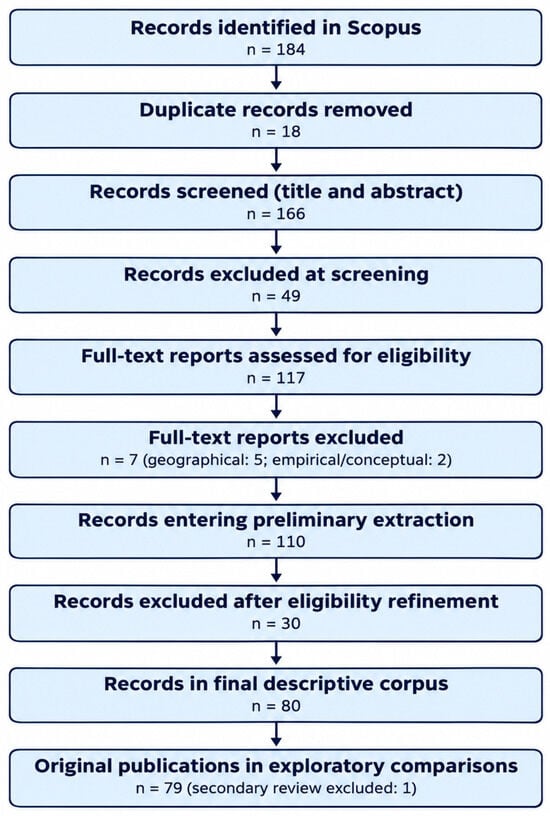
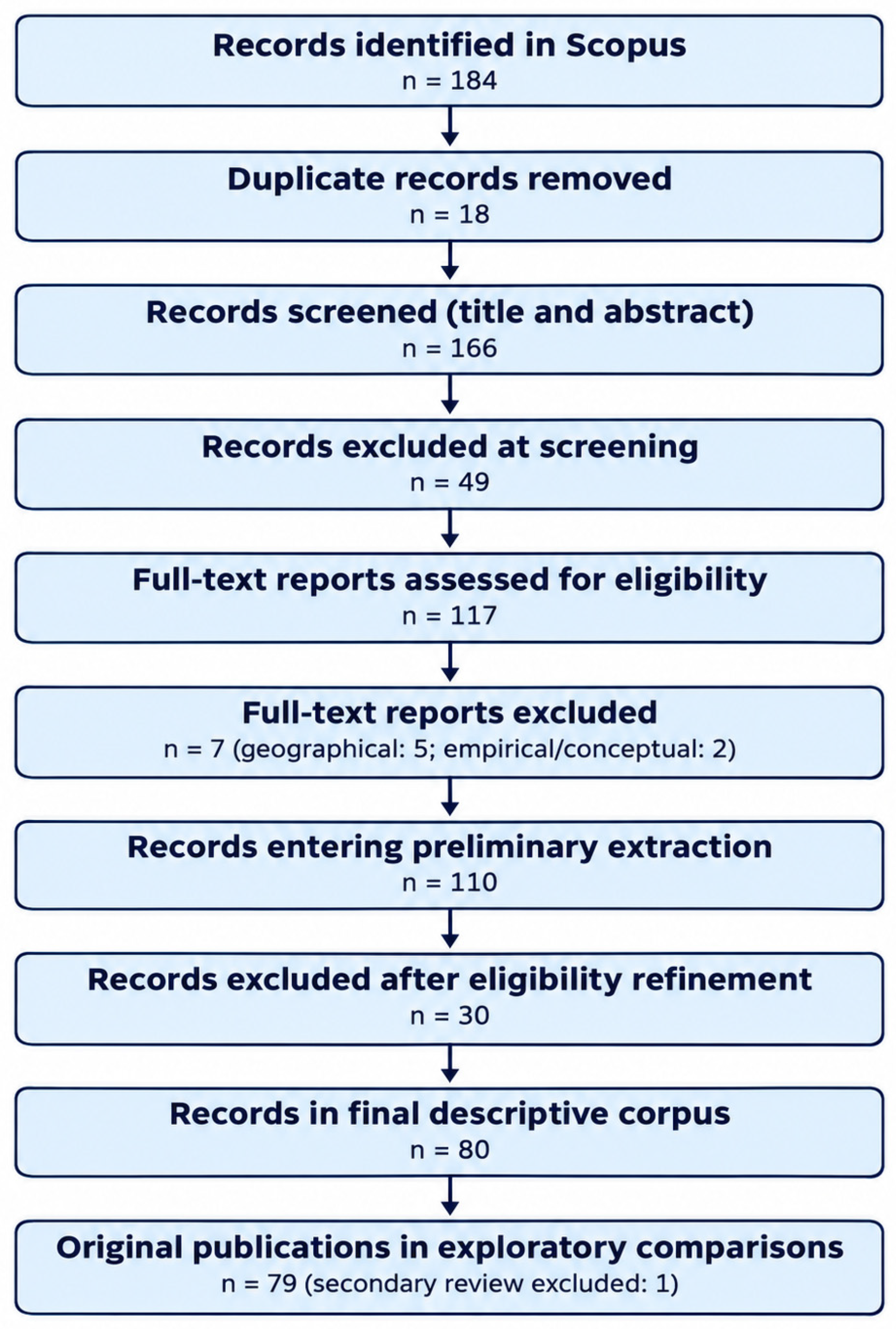
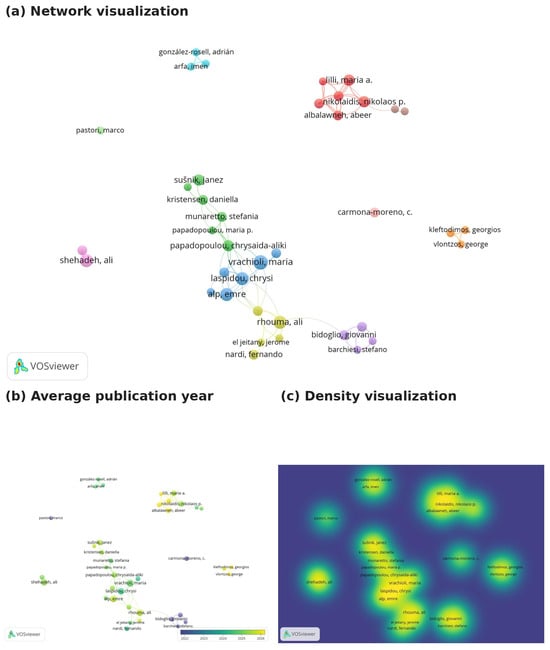
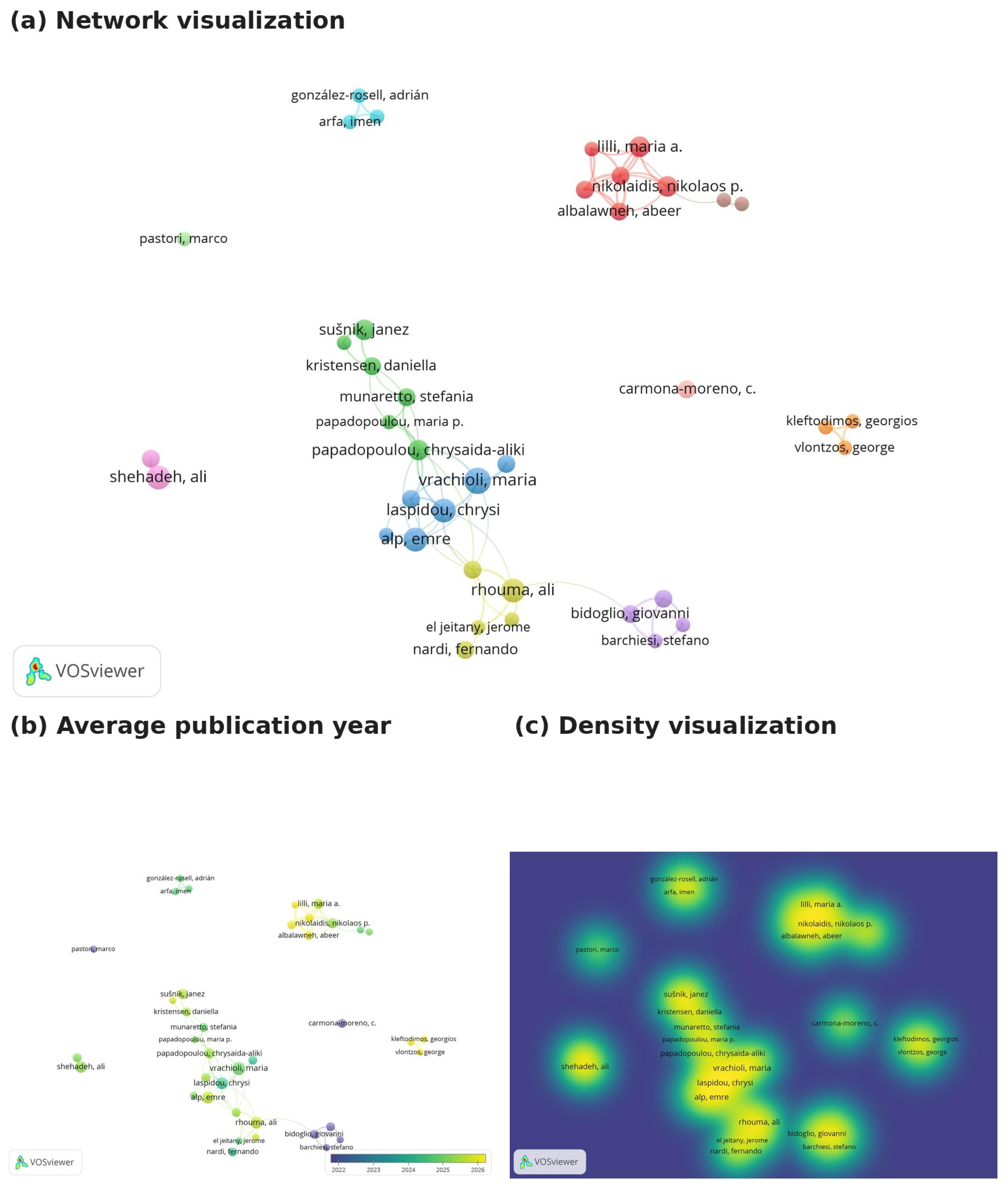
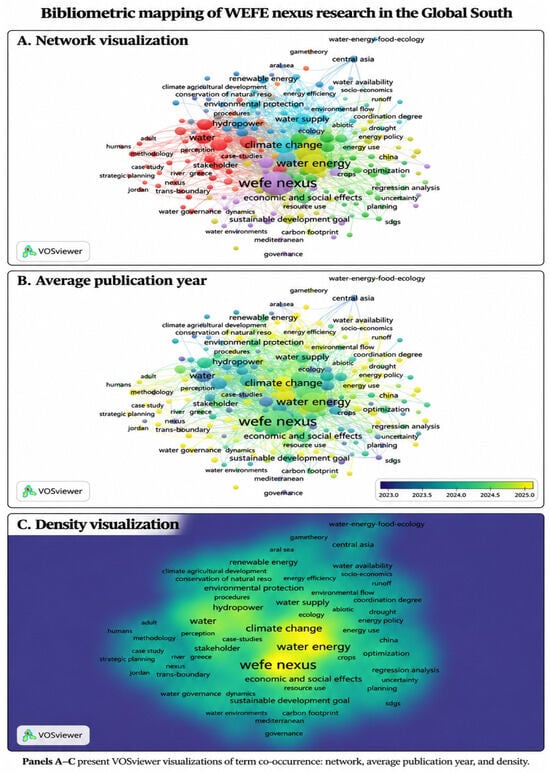
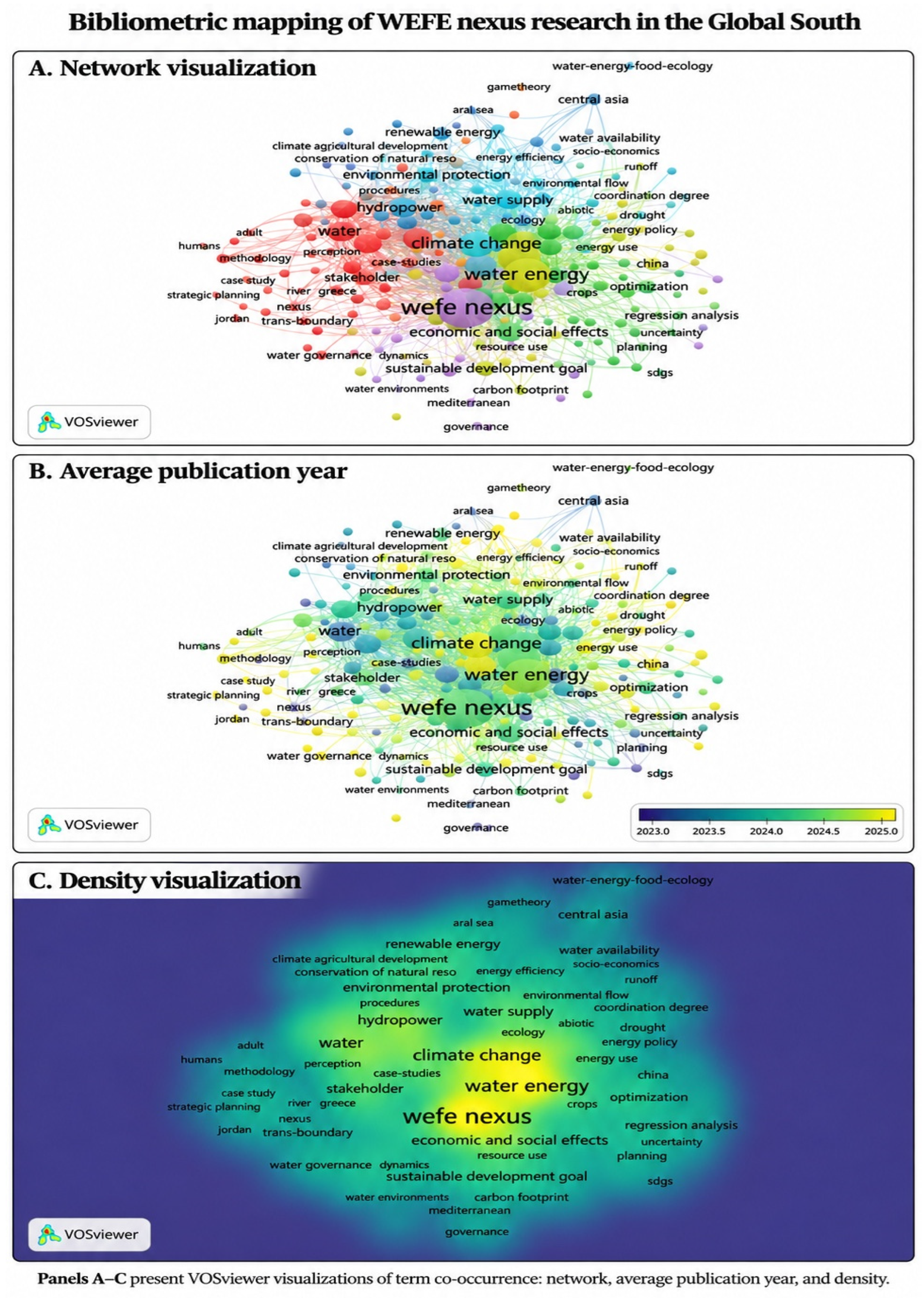
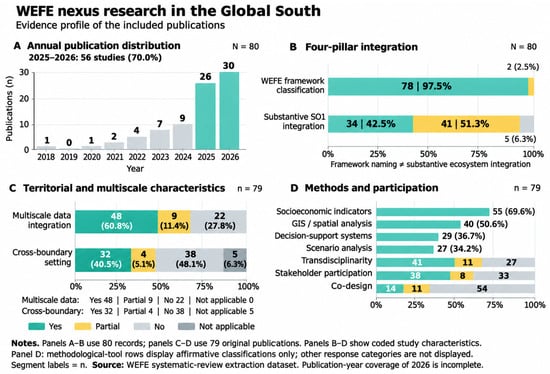
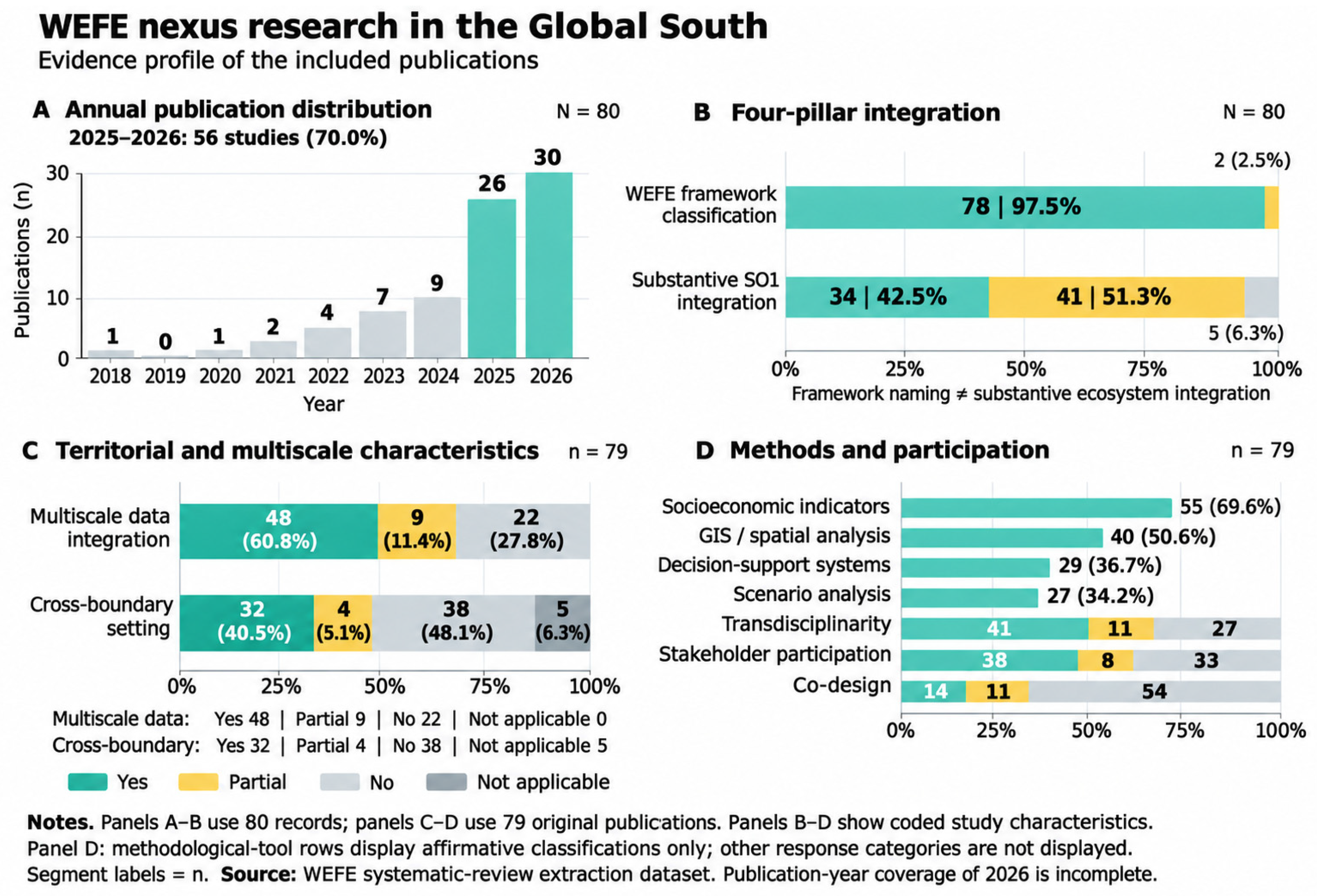
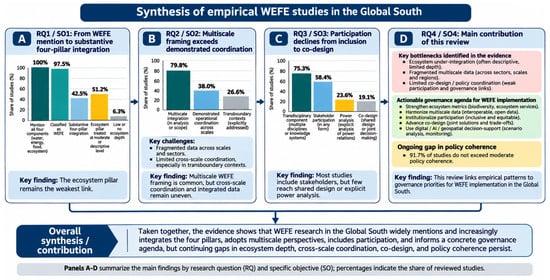
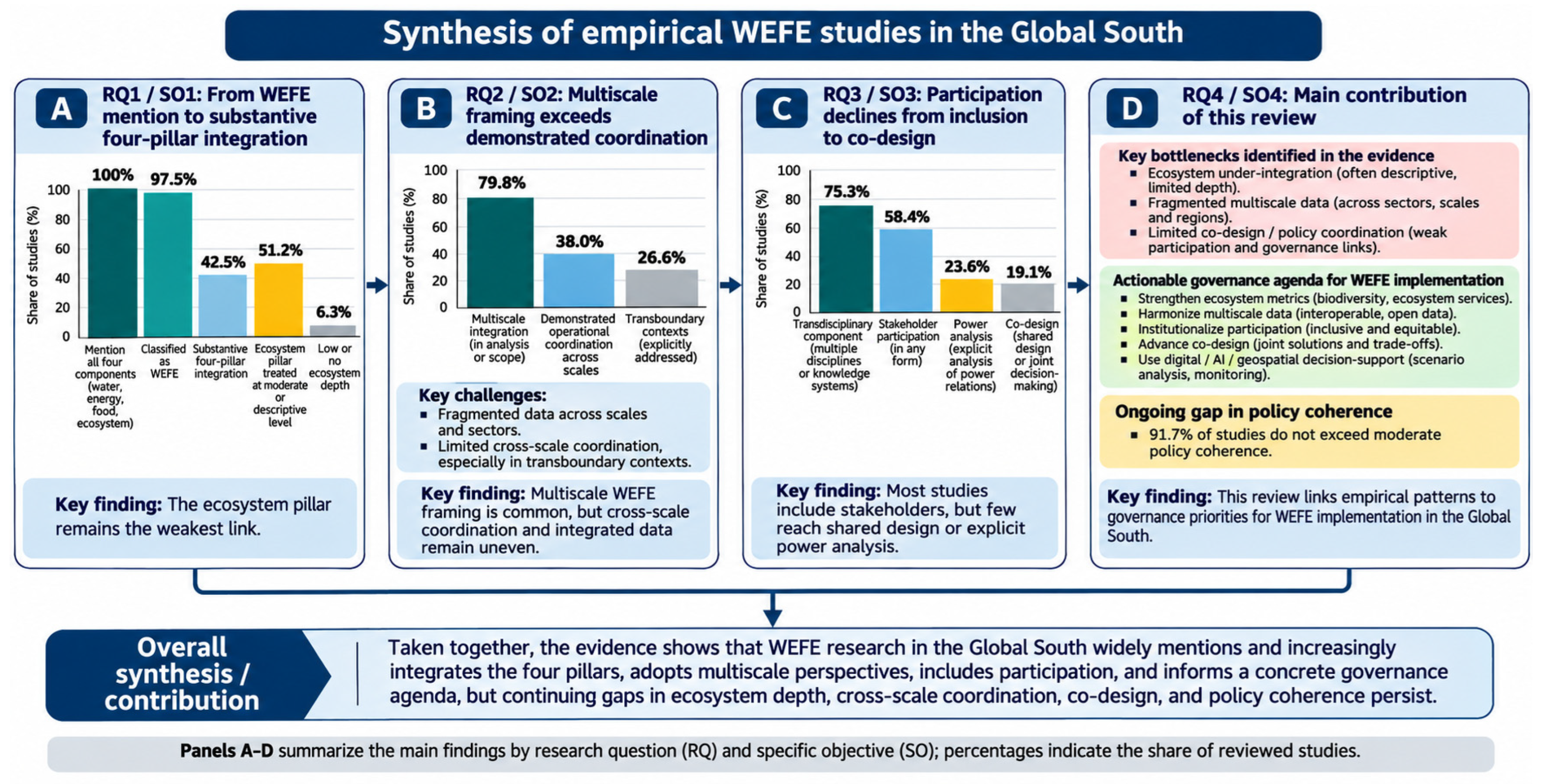

Disclaimer/Publisher’s Note: The statements, opinions and data contained in all publications are solely those of the individual author(s) and contributor(s) and not of MDPI and/or the editor(s). MDPI and/or the editor(s) disclaim responsibility for any injury to people or property resulting from any ideas, methods, instructions or products referred to in the content. |
© 2026 by the authors. Licensee MDPI, Basel, Switzerland. This article is an open access article distributed under the terms and conditions of the Creative Commons Attribution (CC BY) license.