


Abstract
This study analyses how the construction sector in Catalonia is advancing towards a circular economy model through four dimensions: construction and demolition waste (CDW) recycling, Energy Saving Certificates (CAEs), passive building design and the RECONS environmental certification. The literature has examined these dimensions separately, and the contribution of regional, company-level certification schemes such as RECONS remains largely unexplored. An exploratory multiple-case-study design based on documentary analysis and source triangulation is applied to representative initiatives in Catalonia, and an integrated conceptual framework linking material circularity, energy efficiency, passive design and environmental governance is developed. Each dimension addresses a distinct aspect of sustainability: CDW recycling improves resource efficiency and reduces landfill disposal; CAEs shorten the payback period of energy-efficiency investments by monetising verified savings; passive design reduces operational energy demand under Mediterranean conditions; and RECONS strengthens company-level environmental management among small and medium-sized enterprises. Persistent barriers include regulatory requirements, market uncertainty, upfront costs and the limited international visibility of regional schemes. Because the study draws on secondary sources and a small number of illustrative cases, its findings are exploratory rather than generalisable and indicate that progress towards circular construction depends on coordinated rather than isolated measures.
1. Introduction
The construction sector plays a crucial role in achieving sustainability objectives due to its intensive consumption of natural resources, high energy demand and significant contribution to waste generation and greenhouse gas emissions. Construction and demolition waste (CDW) represents one of the largest waste streams worldwide, making its management a priority within circular economy strategies aimed at reducing environmental impacts and improving resource efficiency [1,2].
In response to these challenges, the European Green Deal and the 2030 Agenda for Sustainable Development promote the transition towards low-carbon and resource-efficient economic systems. Within this framework, the construction sector is expected to contribute to climate neutrality through the reduction in waste generation, the reuse and recycling of materials, improved energy performance and the adoption of sustainable building practices [3,4].
The circular economy is a cross-sectoral concept, developed for the economy as a whole rather than for any single industry. It proposes replacing the linear model of extraction, use and disposal with regenerative systems based on resource recovery, reuse and recycling. Applied to construction, it has become a key approach for transforming how the sector uses materials. In this context, the recovery of construction and demolition waste, the incorporation of recycled materials into new building projects and the optimisation of material flows throughout the building life cycle have received increasing attention in academic research and public policy [5,6,7].
Improving energy efficiency has become another central dimension of sustainable construction. Recent European policies encourage the implementation of measures capable of reducing final energy consumption and greenhouse gas emissions. In Spain, Energy Saving Certificates (CAEs, from the Spanish Certificados de Ahorro Energético) have recently emerged as a market-based instrument for energy efficiency [8]. The mechanism operates as follows. An entity that implements an efficiency measure has the resulting savings independently verified and receives certificates, each representing a defined quantity of energy no longer consumed, normally expressed in kilowatt-hours. Those certificates can then be sold to parties subject to statutory energy-saving obligations. The scheme therefore converts an avoided cost into a tradable asset and shortens the payback period of the investment. Passive building design standards such as Passivhaus also contribute to this objective. Passivhaus is a voluntary international standard, developed by the Passivhaus Institut, that certifies buildings meeting strict limits on heating and cooling demand, primary energy use and air infiltration. These limits are met through the performance of the building envelope rather than through active systems. Such standards seek to minimise operational energy demand through architectural strategies adapted to local climatic conditions, thereby reducing both energy consumption and carbon emissions over the building life cycle [9,10].
A further dimension of sustainable construction concerns environmental certification systems. International certifications such as Leadership in Energy and Environmental Design (LEED) and the Building Research Establishment Environmental Assessment Method (BREEAM) have become widely recognised tools for assessing building sustainability [11,12,13]. At the regional level, Catalonia has developed the RECONS environmental certification (Responsabilitat Ambiental en la Construcció a Catalunya). It is a voluntary label promoted by the Private Foundation for the Regulation of the Construction Sector in Catalonia and audited by an independent certification body, and it certifies environmental management practices at company level, particularly waste traceability and regulatory compliance [14].
Although previous studies have examined these dimensions individually, limited research has analysed their interaction within a common analytical framework, particularly in the context of Catalonia. The existing literature tends to address CDW recycling, energy efficiency policies, passive building design and environmental certification as separate research fields, despite their potential complementarities in supporting the transition towards a circular construction sector. The specific contribution of RECONS as a regional certification mechanism has also received very limited academic attention compared with internationally established certification systems.
To address this gap, this study develops an integrated analysis of four complementary dimensions of sustainable construction in Catalonia:
- (i)
- Construction and demolition waste recycling.
- (ii)
- CAEs.
- (iii)
- Passive building design.
- (iv)
- RECONS environmental certification.
The objective is not only to describe these initiatives but also to explore their interrelationships, potential synergies and contribution to circular economy objectives within the construction sector.
Accordingly, the study addresses the following research questions:
- RQ1.
- How do construction and demolition waste recycling, Energy Saving Certificates, passive building design and RECONS certification contribute to circular economy objectives in the Catalan construction sector?
- RQ2.
- What synergies and complementarities can be identified among these four dimensions?
- RQ3.
- What implementation barriers and limitations affect the adoption of these practices by construction firms?
Based on these questions, the principal contribution of this article is the development of an integrated conceptual framework linking material circularity, energy efficiency, passive design and environmental governance mechanisms within the Catalan construction sector. Through an exploratory multiple-case-study approach, the paper analyses representative initiatives associated with each dimension and discusses their potential contribution to sustainable construction and decarbonisation strategies.
The study is exploratory in nature and relies primarily on secondary documentary sources rather than on primary fieldwork. Its cases are illustrative rather than statistically representative of the Catalan construction sector. These constraints delimit the scope of the conclusions that can be drawn and are examined in detail in Section 3.7 and Section 6.
The remainder of the paper is organised as follows. Section 2 presents the literature review, covering circular economy and CDW management, the European regulatory framework, energy efficiency instruments, passive design and environmental certification systems. Section 3 describes the research methodology and the conceptual framework. Section 4 presents the results obtained from the case studies. Section 5 discusses the findings in relation to the previous literature and identifies implementation barriers and policy implications. Finally, Section 6 presents the conclusions, limitations and future research directions.
2. Literature Review
2.1. Circular Economy and Construction and Demolition Waste
The environmental footprint of the building stock arises from two distinct sources: the energy consumed during operation and the materials embodied in construction. In existing buildings, circular models address both, combining measures that minimise energy consumption with the use of recycled materials. Recycled materials matter most in this segment for a structural reason. The existing stock greatly outnumbers new construction and will not be replaced at the rate required by climate targets, so refurbishment is where most material demand and waste generation actually occur. Progress in both new construction and refurbishment nevertheless remains conditioned by political and legal barriers, by uneven harmonisation across the European Union and by the decisions of national and local governments [15]. Research on mass timber construction, a key material for reducing the carbon footprint, has identified the barriers that hinder the adoption of circular economy design in the sector: a lack of knowledge and awareness, regulatory constraints, market dynamics and technical complexities. Recent evidence points to the need for a more robust regulatory framework and for standards that facilitate the transition. A systematic mapping of circular economy policy in construction waste across eighteen countries finds that the largest gaps lie precisely in regulatory instruments and legal mechanisms [16]. A review of the European context identifies the specific obstacles involved: the absence of harmonised end-of-waste criteria, the scarcity of up-to-date harmonised product standards and the treatment of recycled materials under chemical and structural codes [17].
The use of recycled materials reduces the sector’s carbon footprint and prevents construction materials from ending up in landfills, a concern highlighted by the World Green Building Council, since construction consumes over 50% of all extracted materials and 35% of its waste ends up in landfills [18,19]. The sector must therefore increase the recovery of cement, concrete, wood, metals and packaging waste, among other streams. The energy case is strongest for metals: recycling aluminium requires up to 95% less energy than primary production [20,21]. Some construction companies nevertheless send waste to disposal without sorting it, recovering only metals; this practice forgoes recoverable material and adds avoidable emissions [18].
Building demolition waste can be used as an alternative aggregate for construction, reducing the use of new resources. The composition and morphology of recycled aggregates differ from those of natural aggregates, but the incorporation of pozzolanic materials and various pretreatment techniques improves the quality of the resulting concrete [19,22]. Recycled aggregates from construction and demolition waste affect the mechanical properties of concrete (strength, compaction and durability), while pozzolanic materials improve its density and durability. Combining up to 30% recycled aggregates with pretreatments and pozzolanic materials produces higher-quality concrete [19,23,24,25,26], and the durability of these recycled materials ensures a longer service life for the resulting structures, further contributing to circularity [27,28]. Recycled inputs are equally relevant in cement production itself [29], and reviews of circular material strategies in buildings identify durability, adaptability and design for disassembly as the conditions under which recovery becomes viable [30,31]. Assessments in other national contexts confirm both the potential of recycled aggregates and the variability of the results obtained [32], while work on by-product materials in mortars points to further routes for reducing embodied emissions [33].
The evidence reported in the literature is, however, not uniform. Reductions in the carbon footprint achieved through CDW recycling vary considerably across countries and companies [34,35,36], depend on the availability of appropriate technologies, infrastructure and awareness-raising strategies [37,38], and are conditioned by the geographical scope of the studies, which differ substantially between China, the United States and Europe [39]. Recovery rates also remain well below their potential: Australia generated over 27 million tonnes of construction and demolition waste between 2018 and 2019, of which only half was recovered [38]. At landfill level, recycling construction materials could reduce overall landfill waste by around 35% [19,40]. These divergences indicate that the benefits of material circularity should not be assumed to be automatic and require case-specific assessment.
2.2. The European Regulatory Framework for Construction Products
Catalonia is an autonomous community in north-eastern Spain, bordering France and the Mediterranean Sea, with approximately 8.1 million inhabitants [41]; its location within Spain is shown in Figure 1, and all the cases examined in Section 4 lie within it. The instruments that govern circular construction in the region operate at four nested levels of government, summarised in Table 1.
Figure 1.
Location of Catalonia within Spain. Own elaboration based on a public domain base map (Wikimedia Commons).
Table 1.
Levels of governance of the regulatory instruments discussed in this study.
The regulatory framework governing construction products in the European Union has recently undergone a substantial transformation that is directly relevant to circularity. Regulation (EU) No 305/2011 (CPR 2011) was primarily designed to facilitate the free movement of construction products within the internal market and to harmonise the technical requirements for declaring their performance [42]. Regulation (EU) 2024/3110 (CPR 2024), which repeals and replaces it and becomes applicable from 2026, extends this scope considerably by incorporating sustainability, circular economy, digitalisation and product traceability requirements throughout the entire life cycle of construction products [43]. The change is more than a legislative update: environmental performance and end-of-life considerations move from being voluntary market signals to forming part of the harmonised regulatory baseline, which directly affects the conditions under which recycled and reused materials can be placed on the market.
At national and regional level, this European framework is complemented by the Spanish Technical Building Code (CTE), the Waste and Contaminated Soil Law (2022) and the Spanish Circular Economy Strategy [44], together with financial instruments such as the Recovery, Transformation and Resilience Plan financed through Next Generation EU funds [45,46]. Construction and demolition waste is regulated at state level by Royal Decree 105/2008, which requires a waste management study for every project and the on-site separation of fractions above defined thresholds: 80 tonnes for concrete, 40 for bricks, tiles and ceramics, 2 for metal, 1 for wood and for glass, and 0.5 for plastic and for paper and cardboard [47]. Catalonia develops this framework through Decree 89/2010, which approves the Construction Waste Management Programme, regulates the production and management of such waste, and establishes the levy on its controlled deposition [48]. The revenue from that levy funds the regional instruments themselves. The Waste Agency of Catalonia operates a grant line for the use of CE-marked recycled aggregate in works promoted by local authorities and municipal public companies, subsidising acquisition, transport and application at a fixed rate per cubic metre and covering up to 90% of the eligible cost; the most recent call distributed three million euros among seventy-two local authorities [49]. The instrument closes a fiscal loop, in which the charge levied on landfilled construction waste finances the use of recycled aggregate in public works. Accordingly, the barrier identified in the literature is not the absence of common European standardisation but the heterogeneous transposition and enforcement of these frameworks at national and regional levels, together with the variation in technical acceptance criteria for recycled materials across jurisdictions [15].
2.3. Energy Efficiency and Energy Saving Certificates (CAEs)
Reducing the carbon footprint of the construction sector also requires greater energy efficiency. In Spain, the CAEs scheme enables obligated parties to meet their energy-saving targets by submitting certificates attesting to an effective reduction in final energy consumption, offering a flexible and economically accessible alternative to financial contributions to the National Energy Efficiency Fund [8]. CAEs are a regulatory instrument within energy efficiency policies that officially certify the amount of energy saved through the implementation of efficiency improvement measures. The scheme was established by Royal Decree 36/2023 [50]. The parties subject to the obligation are not construction firms but energy sellers: electricity and gas retailers, wholesale operators of petroleum products and wholesale operators of liquefied petroleum gas, as defined by the National Energy Efficiency Obligation System. Each is assigned an annual savings quota and may discharge it in either of two ways: by paying the equivalent contribution into the National Energy Efficiency Fund, or by presenting energy-saving certificates. The distinction matters for the present study, because construction firms participate in the scheme as providers of savings rather than as obligated parties. The certificates originate in the works themselves. The party that finances an efficiency measure, a property owner, an energy service company or a contractor, may act as a delegated subject, have the resulting saving verified by a body accredited by the national accreditation entity, and register it with the competent authority of the autonomous community, which issues the certificate. The certificate is then transferred to an obligated party, normally against payment. Refurbishment works of the kind examined in Section 4 enter the scheme through this route. Each certificate generally corresponds to a unit of energy saved, usually expressed in kilowatt-hours (kWh), achieved through measures such as the energy refurbishment of buildings, the replacement of equipment with more efficient alternatives, or the optimisation of industrial processes. These certificates form part of a market-based system that enables the quantification, verification and, in certain cases, trading of the energy savings achieved [51].
The academic literature refers to analogous mechanisms as tradable white certificates: market instruments that assign ownership rights over the energy savings generated by efficiency measures, facilitating their exchange between economic agents and reducing the total cost of meeting efficiency and climate targets [51]. A central condition for the credibility of these schemes is the measurement and verification of the savings claimed, which requires energy audits and energy management systems capable of identifying and quantifying them. The European instrument behind the scheme is Directive (EU) 2023/1791 on energy efficiency [52]. Its Article 8 obliges each Member State to achieve a defined volume of cumulative end-use energy savings every year, rising from 1.3% of annual final energy consumption in 2024–2025 to 1.5% in 2026–2027 and 1.9% from 2028. What is binding is the saving, not the instrument used to obtain it: Member States may discharge the obligation through an energy efficiency obligation scheme under Article 9, through alternative policy measures under Article 10, or through a combination of the two. Tradable certificates are therefore one permitted route among several, and Spain has chosen it. Several Member States made that choice considerably earlier. Italy introduced its Titoli di Efficienza Energetica in 2005 [53] and France its Certificats d’Économies d’Énergie in 2006 [54], and following the 2012 Directive the number of obligation schemes in Europe grew from five to sixteen in operation or planned [55]. Spain therefore adopted in 2023 a mechanism that had been running for close to two decades in comparable jurisdictions, which is relevant when interpreting the maturity of the Spanish market. Obligation schemes are not the only route in use. Under Article 10 of the Directive, Member States may instead rely on energy or carbon taxation, financing schemes and fiscal incentives, regulations and voluntary agreements, standards and norms going beyond those required by Union law, energy labelling schemes, or training and advisory programmes, provided that the savings delivered are equivalent. The choice among these instruments is a national policy decision rather than a technical one, and it explains why comparable climate objectives are pursued through visibly different mechanisms across the Union. The design of obligation schemes addresses a structural conflict of interest. Energy retailers earn revenue in proportion to the volume they sell, whereas climate targets require that volume to fall. Placing the savings obligation on those same retailers internalises the conflict: the party whose commercial interest lies in higher consumption becomes legally accountable for reducing it, and the certificate market provides a least-cost means of compliance [55].
Other studies address the reduction of carbon emissions in building construction through an integrated strategy based on Life Cycle Assessment (LCA), dividing buildings into structure, envelope, interior and exterior. This division enables the identification of high-carbon materials and promotes the use of Environmental Product Declarations (EPDs) to facilitate the comparison of low-carbon construction practices [56]. Research also identifies four main areas in the decarbonisation of the construction sector: optimising energy efficiency, managing carbon throughout the entire life cycle of buildings, transforming urban systems and integrating smart technologies [57].
2.4. Passive Building Design in Mediterranean Climates
Passive building design is a key lever for decarbonisation at the architectural level: bioclimatic design, thermal insulation, heat-recovery ventilation, airtightness, the elimination of thermal bridges and high-performance building envelopes all reduce the carbon footprint [9,58,59]. Passive design also contributes to sustainable development by improving energy efficiency (SDG 7), addressing climate change (SDG 13) and promoting sustainable cities (SDG 11) [10]. A construction model aligned with the Sustainable Development Goals brings the sector closer to circularity along several fronts at once. These include passive design combined with renewable energy (SDGs 7 and 13), the use of sustainable and recycled materials (SDGs 12 and 15), demountable designs and CDW recycling (SDGs 11 and 12), more efficient management of water resources (SDG 6) and improved indoor air quality (SDG 3) [60,61].
The Passivhaus standard, developed by the Passivhaus Institut, is an international benchmark for high energy efficiency achieved through passive strategies. It requires a maximum heating and cooling demand of 15 kWh/m2·year, primary energy consumption below 120 kWh/m2·year and an air infiltration rate not exceeding 0.6 air changes per hour [62,63,64]. Its application in Mediterranean climates raises specific design questions, particularly regarding summer solar control and cooling demand, which differ from the heating-dominated conditions for which the standard was originally developed; heat-recovery units integrated into mechanical ventilation systems have been shown to renew indoor air efficiently in Spanish Mediterranean coastal housing without compromising overall energy demand [63].
Barriers to wider adoption persist. The level of material recycling and reuse remains low despite the encouragement of waste management practices [65]; investment in advanced technologies represents a significant cost barrier that frequently requires public-sector intervention [65,66]; and education, training and awareness-raising remain necessary conditions for the implementation of sustainable development policies [66,67].
2.5. Environmental Certification Systems and the RECONS Label
Sustainable construction is also promoted through certification schemes, in line with the work of the World Green Building Council (WorldGBC) [68,69,70]. The WorldGBC operates as a network of national Green Building Councils rather than as a certifying body and does not itself issue building certificates. What it produces are common frameworks and sectoral commitments, such as whole-life carbon targets for the European built environment [71]. Member councils then translate these into national certification schemes, training programmes and advocacy towards public authorities [70,72]. Its influence therefore operates through standard-setting, capacity building and policy advocacy rather than through direct certification.
Among the schemes promoted within this network, Leadership in Energy and Environmental Design (LEED) assesses the sustainability of buildings in terms of energy efficiency, use of materials, indoor air quality and other aspects [11,12]. In some jurisdictions, certification also gives access to tax incentives, and the scheme has generated a substantial body of research on energy efficiency, sustainable materials and bioclimatic design [12,13].
The RECONS label operates on a different logic, and the distinction matters for interpreting the results of this study. LEED and BREEAM are building-level, internationally recognised, multi-criteria rating systems that award a graded score to an individual asset on the basis of its design and measured performance. RECONS, by contrast, is a company-level, sector-specific and regionally scoped label that certifies the environmental management practices of a construction firm, in particular the planning, sorting, traceability and regulatory compliance of construction waste, rather than the performance of a finished building. It is promoted by the Private Foundation for the Regulation of the Construction Sector in Catalonia, an organisation formed by the Chamber of Construction Contractors of Catalonia and the Guild of Construction Contractors of Barcelona, and is audited by an independent certification body [14]. The foundation was created in 2006 to give clients of construction, refurbishment and rehabilitation works a means of identifying firms that meet defined standards of practice, and it operates two seals: CONSTA, which addresses professional quality and contractual compliance, and RECONS, which addresses environmental management and, in particular, the correct handling of construction waste [73]. Table 2 summarises the main differences between the three schemes.
Table 2.
Comparison between the RECONS environmental label and the internationally established LEED and BREEAM certification systems.
This complementarity, rather than competition, between organisational and building-level certification is the reason RECONS is included in the analytical framework of this study alongside internationally established schemes.
3. Materials and Methods
3.1. Research Design
This study adopts an exploratory multiple-case-study approach to analyse how circular economy principles are being implemented within the construction sector in Catalonia. Following Yin [74], a case study is understood here as an empirical enquiry that investigates a contemporary phenomenon in depth and within its real-world context, particularly when the boundaries between the phenomenon and its context are not clearly evident. A multiple-case design is applied here so that the four dimensions analysed can be examined under a common analytical protocol, following a replication logic rather than a sampling logic.
The selection of this methodological approach is justified by the complexity of the phenomenon under investigation, which involves the interaction of environmental, technical, economic and organisational dimensions associated with sustainable construction. Rather than seeking statistical generalisation, the objective is to obtain analytical insights into the mechanisms through which different sustainability strategies contribute to the transition towards a circular economy model.
The research focuses on four dimensions that are increasingly recognised in the literature as critical components of sustainable construction: (i) construction and demolition waste (CDW) recycling, (ii) Energy Saving Certificates (CAEs), (iii) passive building design, and (iv) environmental certification systems. These dimensions were selected because they represent complementary pathways for reducing environmental impacts and improving resource efficiency throughout the building life cycle.
3.2. Conceptual Framework
Based on the literature review, a conceptual framework was developed to integrate the four dimensions analysed in this study. The framework assumes that sustainable construction emerges from the interaction between material circularity, energy efficiency, passive design strategies and environmental governance mechanisms.
Material circularity is represented through CDW recycling initiatives that reduce the extraction of virgin resources and promote the reuse of construction materials. Energy efficiency is addressed through CAEs, which provide economic incentives for implementing energy-saving measures. Passive building design contributes to reducing operational energy demand by exploiting climatic conditions and architectural solutions, while environmental governance is represented through the RECONS certification system, which promotes responsible environmental practices among construction firms. Together, these dimensions contribute to reducing greenhouse gas emissions and support the transition towards a circular economy in the construction sector.
Table 3.
Integrated conceptual framework linking CDW recycling, CAEs, passive building design and RECONS certification as complementary dimensions contributing to sustainable construction and circular economy objectives in Catalonia.
The framework does not treat these dimensions as additive. Each addresses a different constraint on circularity: material, financial, technical and organisational. What the framework identifies is a set of potential complementarities among the four dimensions; it does not demonstrate causal or empirical synergies between them, nor that their combined implementation outperforms isolated measures. Section 4.1, Section 4.2, Section 4.3 and Section 4.4 examine each dimension case by case, and Section 4.5 assesses them comparatively.
3.3. Case Selection
A purposive sampling strategy was employed to select illustrative cases representing each of the four dimensions analysed. Cases were selected according to the following criteria:
- Relevance to at least one of the four dimensions included in the conceptual framework.
- Location within Catalonia.
- Availability of reliable technical and documentary information in the public domain.
- Evidence of environmental or sustainability-related outcomes.
- Recognition by organisations, institutions or sector stakeholders.
The final set of cases, presented in Table 4, comprises initiatives associated with CDW recycling, CAEs, passive construction strategies and RECONS-certified firms, together with the nature of the evidence available for each of them. The term “set of cases” is used in preference to “sample”, since no claim of statistical representativeness is made. The purpose of the selection is to examine diverse examples that illustrate different approaches to sustainability and circularity. One consequence of these criteria should be stated at the outset rather than left to the closing sections. Criteria 3 to 5 favour initiatives whose sustainability outcomes have already been publicly documented, which introduces a bias towards successful cases. This bias conditions the comparative assessment presented in Section 4.5, where the absence of underperforming or abandoned initiatives means that the ratings reflect the range of documented successes rather than the range of outcomes in the sector. The point is revisited in Section 3.7 and Section 6.
Table 4.
Case studies included in the analysis and nature of the underlying evidence.
3.4. Data Collection
The study relies on documentary analysis. Data were collected from multiple sources between 2024 and 2026, including:
- •
- Scientific articles published in peer-reviewed journals.
- •
- Official reports issued by public administrations.
- •
- Technical project documentation.
- •
- Sustainability reports published by companies.
- •
- Certification documentation.
- •
- Information published by professional associations and sector organisations.
All the information used in the analysis originates from secondary sources. No primary data collection through site audits, interviews with company representatives or direct field observation was undertaken, and no confidential or unpublished company data were accessed. This applies in particular to the RECONS cases in El Masnou and Bages, which are documented exclusively through publicly available certification and sector-association material. The use of multiple sources enabled the triangulation of information and increased the robustness of the analysis. The sources used differ in evidential status and are labelled accordingly throughout the results. Three tiers are distinguished: peer-reviewed academic publications; institutional and regulatory documents issued by public bodies; and non-academic sources, comprising journalistic reports and material published by companies or by the sector associations that promote the schemes analysed. Claims resting on the third tier are identified as such where they are made and are reported as documented practice rather than as verified measurement. Wherever possible, quantitative and qualitative information was cross-checked across independent sources in order to limit the influence of potential reporting biases. The implications of this design choice are addressed in Section 3.7.
3.5. Data Validation
To improve reliability, a validation process was undertaken through source triangulation. Information obtained from corporate reports was compared with institutional documents, technical publications and publicly available information. Where a quantitative indicator could be corroborated by at least two independent sources, it was retained as descriptive evidence; where it could not be independently verified, it was reported as a source-attributed claim and interpreted with caution. This procedure was particularly relevant in relation to environmental performance indicators, energy savings and waste management results reported in the selected case studies.
3.6. Analytical Procedure
The analysis followed a comparative thematic approach. Each case was examined according to a common analytical structure composed of the four assessment criteria set out in Table 5: environmental contribution, contribution to circular economy objectives, economic implications, and barriers and implementation challenges. The purpose of the analysis was to identify common patterns, complementarities and differences among the selected cases. The findings were subsequently interpreted through the conceptual framework presented in Table 3 in order to explore the relationships between material recycling, energy efficiency, passive design and environmental certification.
Table 5.
Analytical dimensions used for the comparative assessment of the cases.
3.7. Methodological Limitations
Several limitations should be acknowledged. First, the study is based on secondary documentary sources rather than primary fieldwork, interviews or direct observation, which means that the reported outcomes could not be verified in situ by the authors. No statement in this manuscript should therefore be read as primary empirical evidence: the outcomes reported for each case are claims documented by their sources, checked for consistency across sources where possible, but not measured by the authors. Second, the selected cases are illustrative examples and do not constitute a statistically representative sample of the Catalan construction sector. Third, some performance indicators originate from institutional and corporate reports and may therefore be influenced by reporting practices beyond the control of the authors. Fourth, the LED replacement analysis presented in Section 4.2 is a scenario calculation based on stated assumptions and not an empirically measured outcome.
Consequently, the findings should be interpreted as exploratory rather than generalisable. Within these boundaries, the selected cases provide useful insights into the opportunities and challenges associated with implementing circular economy strategies in construction and contribute to developing an integrated perspective on sustainable construction in Catalonia.
4. Results
4.1. Construction and Demolition Waste Recycling and Material Circularity
The first case concerns material circularity: the recovery and reuse of construction and demolition waste generated during the refurbishment of Spotify Camp Nou, together with the waste valorisation activities undertaken by Cementos Molins.
The evidence for this case is non-academic and is identified as such. It comes from the club’s own reporting on the works and from the corporate and sector publications of Cementos Molins, and it is complemented by a documentary report produced by the Catalan public broadcaster, which is independent of the parties involved [78]. No independent audit of these figures is publicly available, and the account that follows should be read as reported by those sources rather than as verified measurement. According to that reporting, the demolition process incorporated selective waste management practices that enabled the recovery of significant quantities of concrete and steel. Concrete was crushed and graded on site to produce recycled aggregates, subsequently reused in earthworks, non-structural concrete and, to a limited extent, structural concrete in accordance with the applicable regulations; steel was separated, sorted and channelled to authorised operators for metallurgical recycling [75]. A temporary recycling plant installed on the Miniestadi site enabled waste to be processed directly on site, minimising transport requirements. In parallel, Cementos Molins applied its industrial recovery model, reincorporating more than 140,000 tonnes of construction and demolition waste into cement and concrete production chains [76,77].
From a circular economy perspective, the case illustrates how material recovery reduces the demand for virgin raw materials and decreases landfill disposal. This is particularly relevant in Catalonia, where construction accounts for 33% of the waste generated and 40% of that waste is landfilled [79]. The integration of temporary recycling facilities at the project site also contributes to reducing transportation requirements and the associated emissions. Two elements allow the reported practice to be assessed against the literature rather than taken at face value. The proportion of recycled aggregate declared for structural concrete in this project, up to 20%, falls within the range that peer-reviewed work identifies as technically sound. Combining up to 30% recycled aggregate with pretreatments and pozzolanic materials has been shown to yield concrete of comparable or higher quality, as set out in Section 2.1. Downstream, the same reporting documents show that construction and demolition waste already accounts for between 10% and 15% of the composition of the new cement produced at the Holcim plant in Montcada i Reixac, which situates the case within an industrial practice of wider scope [78]. Comparable European assessments of construction and demolition waste management describe the same combination of on-site processing and reincorporation into production chains as established best practice [80].
The analysis also reveals several implementation challenges. The incorporation of recycled aggregates remains conditioned by technical specifications, material quality requirements, and regulatory constraints affecting their use in structural applications. Effective circularity further requires coordination among contractors, waste managers and material suppliers throughout the project life cycle.
Taken together, the findings indicate that material recovery reduces the extraction of virgin resources and supports more circular construction practices. Its effectiveness, however, depends on stakeholder coordination across the supply chain and remains constrained by regulatory requirements, technical specifications and quality standards. It should be noted that the outcomes reported here derive from corporate and sector publications and were not independently measured by the authors.
4.2. Energy Saving Certificates (CAEs) and Energy Efficiency
The second element of the analysis is not a case in the same empirical sense as the other three. It is an illustrative analytical scenario, constructed by the authors to show how the CAE mechanism alters the appraisal of an energy-efficiency investment. It is retained within the multiple-case design because the analytical protocol of Section 3.6 can be applied to it in the same terms as to the documented cases, but it carries no empirical claim and is identified as a scenario wherever it is referred to in this manuscript. The scenario considers an industrial facility in Catalonia that replaces 250 fluorescent luminaires of 2 × 58 W with 48 W LED luminaires, with an investment of €35,000. The installation is assumed to operate continuously (8760 h per year), with an electricity price of €0.12/kWh, an electricity mix emission factor of 0.283 kg CO2 eq/kWh and a CAE monetisation value of €0.11 per kWh saved. Table 6 presents the resulting calculation.
Table 6.
Illustrative calculation of energy savings, avoided emissions and payback period under the CAE scheme. The figures result from a scenario computed by the authors under the assumptions stated in the text and do not constitute empirical data measured in the field.
Under these assumptions, annual consumption falls from 254,040 kWh to 105,120 kWh, generating savings of 148,920 kWh and €17,870.4 per year and avoiding approximately 42.1 tonnes of CO2 eq annually. The payback period is 1.96 years without CAEs and 1.04 years once the certificates are monetised, which illustrates the mechanism through which the instrument alters the investment appraisal of efficiency measures.
The results are, however, sensitive to the assumptions adopted. A reduction in the electricity price from €0.12 to €0.09/kWh would extend the payback period without CAEs from 1.96 to 2.61 years. Operation for 4000 h per year instead of continuous operation would reduce annual savings to approximately 68,000 kWh and €8160, extending the payback period beyond four years. The emission factor applied determines the estimated avoided emissions proportionally, so that a progressively decarbonised electricity mix reduces the climate benefit attributable to the measure while leaving its economic value largely unaffected. The scenario should therefore be read as an illustration of a mechanism, not as measured evidence collected by the authors.
Beyond this specific scenario, the analysis suggests that CAEs enhance the financial attractiveness of energy-efficiency investments by enabling the monetisation of verified savings, thereby improving project profitability and shortening payback periods, and that they contribute to environmental objectives by encouraging reductions in energy consumption and associated emissions. Their effectiveness nevertheless depends on regulatory stability, certificate market conditions and the availability of appropriate incentives to encourage participation.
4.3. Passive Building Design and Energy Performance
Passive design is examined through two Catalan projects built to Passivhaus principles: Terrassa Haus, the first Passivhaus-certified multi-family building in Terrassa, and K-Igualada, a single-family Passivhaus Plus project in Igualada [62,64].
The analysed projects apply architectural solutions based on solar orientation, thermal insulation, airtightness validated through blower-door testing, thermal bridge reduction and controlled ventilation with heat recovery. These measures reduce heating and cooling demand while maintaining indoor comfort under Mediterranean climatic conditions.
The findings suggest that passive design contributes substantially to operational energy efficiency and complements broader decarbonisation strategies within the construction sector, with additional benefits related to indoor environmental quality and occupant well-being. Public policies and funding programmes, including energy renovation plans and Next Generation EU funds, together with local tax rebates on construction levies, have supported the adoption of these standards in Catalonia.
Despite these advantages, the analysis identifies barriers associated with initial investment costs, specialised technical knowledge requirements and the need to adapt the standard to local climatic conditions, particularly regarding summer cooling. The successful implementation of passive strategies therefore depends on both technical expertise and supportive policy frameworks. The performance figures reported for these projects derive from project documentation and published sources rather than from measurements taken by the authors. Certification nevertheless provides project-specific verified figures. Both buildings are certified under the standard. Their performance is therefore bounded by the thresholds set out in Section 2.4: a maximum heating and cooling demand of 15 kWh/m2·year and primary energy consumption below 120 kWh/m2·year. A third threshold caps air infiltration at 0.6 air changes per hour at 50 Pa, verified on site by blower-door testing. Certification is therefore itself a verified performance outcome rather than a design intention. One of these thresholds admits a direct comparison with conventional practice. Spanish building regulations require new dwellings above 120 m2 of useful floor area to achieve an air permeability of between 3 and 6 air changes per hour at 50 Pa, depending on the compactness of the building, measured by the same blower-door procedure [81]. The certified projects therefore operate at an airtightness roughly five to ten times stricter than the regulatory baseline for equivalent new construction. The comparison is deliberately restricted to this parameter. The Passivhaus standard limits energy demand, whereas the current Spanish code limits primary energy consumption; these are different magnitudes and are not directly comparable, and air permeability is the only requirement expressed in the same terms, with the same units and the same test method in both frameworks. A building-by-building comparison of measured consumption with conventionally designed dwellings would require monitored data that are not publicly available for these projects.
4.4. RECONS Certification and Environmental Governance
The fourth case examines the contribution of RECONS certification to the promotion of sustainable practices among construction SMEs in Catalonia, drawing on two documented examples. In an energy-efficiency refurbishment in El Masnou, façade insulation was installed and the removed materials were sorted and transferred to an authorised waste manager. A construction firm in Bages sorts wood, scrap metal and electrical equipment before works begin and sends them to authorised operators specialising in selective collection [14].
The analysed examples indicate that RECONS-certified companies implement structured procedures for waste separation, traceability and compliance with environmental regulations. These practices support waste management performance and circular economy objectives and are reported to generate economic benefits in the form of lower waste treatment fees and the refund of the associated municipal levy, in addition to reputational value. The evidence for this case is non-academic and is identified as such: a documentary report broadcast by the Catalan public television service [78] and a testimonial published by the employers’ association that co-promotes the scheme [82]. Neither is peer-reviewed, and the second is not independent of the certifying body. Within that limit, three elements give these practices a documented scale. The scheme itself remains small: around a dozen firms in Catalonia hold the seal, and retaining it requires passing an environmental audit every six months. At firm level, the Bages contractor recovered 107.96 tonnes of waste in 2022 through reduction, reuse and recycling practices, having held the seal since 2021. The economic mechanism is likewise documented rather than asserted: waste managers charge higher rates for mixed containers than for segregated ones, and the municipal deposit paid before works begin is refunded once correct management is evidenced. The economic effect of holding the label operates through the cost structure of waste management rather than through a price premium. Catalan regulation requires the developer to lodge a refundable deposit with the municipality before works begin, calculated at €11 per tonne of waste forecast in the management study, with a minimum of €150, and returned once correct management is evidenced [48]. A certified firm therefore recovers the deposit reliably and pays lower treatment charges, which offsets the cost of sorting on site and of the six-monthly audit. No published study quantifies the net balance for the sector, and the present analysis does not attempt to. Beyond these figures, no independently audited data on the environmental outcomes attributable to the label have been published, so the analysis remains limited to the practices that certification requires and verifies.
Unlike building-focused certification systems, RECONS primarily evaluates organisational practices and environmental management processes at company level, which makes it particularly relevant for SMEs involved in construction, renovation and maintenance activities, as set out in the comparison presented in Table 2.
The analysis also reveals limitations. Compared with international certifications such as LEED and BREEAM, RECONS has a more limited geographical scope and lower international visibility, which may restrict its broader adoption beyond Catalonia. Its emphasis on operational environmental management and waste traceability nevertheless constitutes a distinctive contribution within the Catalan context. As with the preceding cases, the evidence available is documentary and does not permit an independent quantification of the environmental outcomes attributable to the certification itself.
4.5. Comparative Analysis of the Four Dimensions
The comparative analysis reveals that the four dimensions investigated contribute to sustainable construction through complementary mechanisms. CDW recycling primarily addresses material circularity and waste reduction. CAEs focus on operational energy efficiency through economic incentives. Passive design reduces long-term building energy demand through architectural solutions. RECONS certification strengthens organisational governance and environmental management practices. Table 7 summarises the comparative assessment, in which the qualitative ratings reflect the relative weight of each contribution across the cases analysed rather than a measured score.
Table 7.
Comparative assessment of the four dimensions analysed. Ratings are qualitative and derived from the comparative reading of the cases; they are not the result of a quantitative scoring procedure.
Overall, the findings suggest that sustainable construction cannot rely on a single intervention. Progress towards circularity emerges instead from the interaction between material recovery, energy efficiency measures, passive design strategies and environmental governance mechanisms. This integrated perspective forms the basis for the conceptual framework proposed in this study and provides the foundation for the discussion presented in the following section. Read across the four rows, Table 7 shows that no single dimension scores highly on every criterion. CDW recycling and passive design carry the environmental weight but have the weakest economic case on their own. CAEs invert that relationship, offering the clearest financial return while contributing least to material circularity. RECONS contributes only indirectly to environmental outcomes, yet it is the only dimension operating at company level and therefore the only one that reaches the small firms carrying out most refurbishment work. The barriers column shows the same pattern from the opposite side, since each dimension is constrained by a different factor, which is why no single policy instrument removes all of them.
5. Discussion
The findings suggest that the transition towards sustainable construction in Catalonia cannot be explained through a single intervention but rather through the interaction of complementary strategies addressing material circularity, energy efficiency, building design and environmental governance. This section interprets the results in relation to the previous literature and to the research questions, setting out what the comparative analysis identifies and where the available evidence does not support stronger claims. The proposed conceptual framework highlights how CDW recycling, CAEs, passive building design and RECONS certification contribute to different but interconnected dimensions of sustainability within the construction sector, thereby responding to RQ1.
The first contribution of the study concerns material circularity. The analysed cases indicate that CDW recycling can reduce dependence on virgin raw materials, minimise landfill disposal and improve resource efficiency, consistent with previous studies that identify material recovery as a core component of circular economy implementation in construction [5,6,7,66,67]. The analysis also shows, however, that the widespread adoption of recycled materials remains constrained by regulatory requirements, quality standards and market acceptance, and that reported carbon footprint reductions are heterogeneous across contexts [34,35,36,39]. While circular material flows offer substantial environmental benefits, their realisation depends on coordinated action among contractors, waste managers, public authorities and material suppliers.
The second contribution relates to energy efficiency. The analysis of CAEs illustrates how economic incentives can facilitate investments in energy-saving technologies, and the illustrative LED replacement scenario shows that verified savings may generate both environmental and financial returns. The sensitivity analysis presented in Section 4.2 nevertheless demonstrates that the economic attractiveness of these measures varies substantially with electricity prices, operating hours and certificate market values. The long-term effectiveness of CAEs therefore depends not only on technological improvements but also on stable regulatory and market conditions, a conclusion consistent with evaluations of comparable schemes in other European countries [51].
The results obtained from the passive building design cases reinforce previous research on the potential of Passivhaus-based strategies to reduce operational energy demand [9,63]. The analysed projects indicate that passive solutions can achieve substantial reductions in energy consumption while improving thermal comfort and indoor environmental quality, and that passive design principles can be adapted to Mediterranean climatic conditions. Higher initial investment requirements and the need for specialised technical knowledge may nevertheless limit their broader adoption, particularly among smaller construction firms and residential developers.
A further contribution concerns environmental governance through RECONS certification. Unlike internationally recognised schemes such as LEED and BREEAM, which evaluate building performance, RECONS focuses on company-level environmental management practices, particularly waste traceability, responsible resource management and regulatory compliance, as set out in Table 2. This characteristic makes it particularly relevant for construction SMEs, a segment largely outside the reach of building-level rating systems. Its geographical scope remains limited compared with international certification systems, which may reduce its visibility and influence beyond the Catalan context.
A key finding emerging from the comparative analysis, and the response to RQ2, is the complementarity among the four dimensions studied. CDW recycling primarily addresses material efficiency and embodied carbon, whereas CAEs focus on operational energy savings. Passive design reduces long-term building energy demand, while RECONS strengthens organisational commitment to environmental management. Together, these mechanisms form an integrated approach to sustainable construction that goes beyond isolated interventions. What the analysis establishes is the existence of potential complementarities among the four dimensions, not empirical or causal synergies between them. The comparative protocol shows that each addresses a different constraint on circularity, but the design does not test whether their joint implementation produces effects greater than the sum of the individual ones. This integrative perspective is the main conceptual contribution of the study and responds to the research gap identified in the literature.
In response to RQ3, several implementation barriers remain despite the positive outcomes identified in the analysed cases. Heterogeneous transposition and enforcement of regulatory frameworks, insufficient standardisation of technical acceptance criteria for recycled materials, market uncertainty, higher upfront investment costs and limited awareness among stakeholders continue to hinder the large-scale adoption of circular economy practices [15,65,66,67,83]. The entry into application of Regulation (EU) 2024/3110 may alter part of this picture by embedding circularity and traceability requirements in the harmonised regulatory baseline [43], although its practical effects cannot yet be assessed empirically. These findings are consistent with previous studies reporting that technological solutions alone are insufficient unless accompanied by supportive policies, training initiatives and effective governance mechanisms.
These interpretations rest on secondary documentary sources and on a small number of illustrative cases and should be read within the limits set out in Section 3.7 and revisited in Section 6. None of them constitutes measured evidence of sectoral performance.
6. Conclusions
This study examined the contribution of four complementary dimensions of sustainable construction in Catalonia: construction and demolition waste (CDW) recycling, CAEs, passive building design and RECONS environmental certification. Through an exploratory multiple-case-study approach based on documentary analysis, the research analysed how these dimensions contribute to circular economy objectives and support the transition towards more sustainable construction practices. This section states what the study concludes, what it implies for policy and practice, and what remains open.
In response to RQ1, each of the four dimensions contributes to circular economy objectives through a distinct mechanism: CDW recycling through material recovery, CAEs through the monetisation of verified savings, passive design through reduced operational demand, and RECONS through company-level environmental management. In response to RQ2, the comparative analysis identifies complementarities among them, since each addresses a constraint the others leave untouched, but the design of this study does not test whether their combined implementation outperforms isolated initiatives, and no such claim is made. In response to RQ3, the barriers identified are regulatory, technical, financial and organisational, and differ by dimension, which is why no single instrument removes all of them.
The study makes two contributions, both conceptual rather than theory-building. The first is an integrative framework bringing together four dimensions that the literature has treated separately, offered as an organising model for analysing complementary sustainability strategies. It identifies potential complementarities among these dimensions; it does not demonstrate that coordinated implementation is more effective than isolated initiatives, since the evidence available supports the claim that each dimension addresses a different constraint on circularity but not a causal claim about their combined effect. The second contribution, and the more firmly supported by the evidence presented, is the characterisation of RECONS as a company-level certification instrument and its systematic comparison with building-level international schemes, an object that had received limited academic attention.
The analysis also highlights several barriers that may limit the broader implementation of these approaches. Regulatory requirements and their heterogeneous enforcement, market uncertainty, the costs associated with technological adoption, the need for specialised technical knowledge and the limited visibility of regional certification schemes remain important challenges. Achieving a large-scale transition towards circular construction therefore requires not only technological innovation but also supportive policies, training programmes and effective governance mechanisms. These conclusions carry implications that follow from the mechanisms identified rather than from demonstrated effects. For public administrations, the constraint recurring across the cases is not the availability of circular practices but the technical acceptance criteria governing the use of recycled materials, which fall within the scope of the forthcoming harmonised framework. For construction firms in refurbishment and maintenance, most of them small, building-level rating systems are largely out of reach, and a company-level label is the only certification route currently available to them. For the design of certification schemes, the gap between building-level and company-level instruments set out in Table 2 suggests that the two operate on different objects and are not substitutes.
The study has several limitations. First, it relies on secondary documentary sources and publicly available information rather than on primary data collection, so the reported outcomes could not be independently verified by the authors. Second, the selected cases were chosen as illustrative examples and are not statistically representative of the Catalan construction sector, which introduces a potential selection bias towards initiatives that have been publicly documented precisely because they were successful. Third, the economic and environmental figures presented for the CAE scenario are the result of a calculation under stated assumptions rather than measured performance. Consequently, the results should be interpreted as exploratory findings that characterise the cases examined, and not as evidence that can be generalised to all construction firms operating in Catalonia.
Future research could expand the empirical base through interviews, site audits, field observation and quantitative performance assessment involving a larger sample of construction projects and firms, including cases in which circular strategies underperformed or were abandoned, in order to counterbalance the positive-case bias of the present selection. Further research could also evaluate the long-term environmental and economic impacts of circular economy measures, assess the practical effects of Regulation (EU) 2024/3110 once it becomes applicable, and compare the effectiveness of RECONS with internationally recognised certification schemes such as LEED and BREEAM.
Overall, the analysed cases suggest that the combination of material recycling, energy-efficiency instruments, passive building strategies and environmental certification can contribute to reducing environmental impacts and supporting circular economy objectives in construction. Their effectiveness depends on specific technical, regulatory and market conditions. Sustainable construction should therefore be understood as an integrated process requiring the coordinated implementation of multiple complementary strategies rather than reliance on a single sustainability measure.
Author Contributions
Conceptualisation, J.-J.G.-G. and N.A.-S.; methodology, J.-J.G.-G. and N.A.-S.; investigation, J.-J.G.-G. and N.A.-S.; writing-preparation of the original draft, J.-J.G.-G. and N.A.-S.; supervision, J.-J.G.-G. and N.A.-S. All authors have read and agreed to the published version of the manuscript.
Funding
This research received no external funding.
Data Availability Statement
The original contributions presented in this study are included in the article. Further inquiries can be directed to the corresponding author.
Conflicts of Interest
The authors declare that they have no conflicts of interest. The funders had no role in the design of the study, in the collection, analysis or interpretation of data, in the writing of the manuscript or in the decision to publish the results.
References
- Alhawamdeh, M.; Ferriz-Papi, J.A.; Lee, A. Examining the Drivers to Support Improved Construction and Demolition Waste Management for a Circular Economy: A Comprehensive Review Using a Systematic Approach. Sustainability 2024, 16, 6014. [Google Scholar] [CrossRef] [Scilit]
- Ajayi, S.O.; Oyedele, L.O.; Bilal, M.; Akinade, O.O.; Alaka, H.A.; Owolabi, H.A.; Kadiri, K.O. Waste Effectiveness of the Construction Industry: Understanding the Impediments and Requisites for Improvements. Resour. Conserv. Recycl. 2015, 102, 101–112. [Google Scholar] [CrossRef] [Scilit]
- Yi, Y.; Liu, J.; Cristina Lavagnolo, M.; Manzardo, A. Evaluating the Carbon Emission Reduction in Construction and Demolition Waste Management in China. Energy Build. 2024, 324, 114932. [Google Scholar] [CrossRef] [Scilit]
- Silva, T.M.; Nascimento, C.F.G.; Teixeira, I.A.R.; Lima, K.P.B.A.; Fernandes, I.V.; Oliveira, M.C.B.M.; Monteiro, E.C.B.; Melo Neto, A.A.; Delgado, J.M.P.Q. Enhancing the Physical Performance of Concrete Containing Construction and Demolition Waste against the Effects of Accelerated Carbonation and Chloride Ingression. J. Build. Pathol. Rehabil. 2024, 9, 84. [Google Scholar] [CrossRef] [Scilit]
- Rodríguez, G.; Sáez del Bosque, I.F.; Asensio, E.; Sánchez de Rojas, M.I.; Medina, C. Construction and Demolition Waste Applications and Maximum Daily Output in Spanish Recycling Plants. Waste Manag. Res. 2020, 38, 423–432. [Google Scholar] [CrossRef] [Scilit] [PubMed]
- Swarnakar, V.; Khalfan, M. Circular Economy in Construction and Demolition Waste Management: An in-Depth Review and Future Perspectives in the Construction Sector. Smart Sustain. Built Environ. 2024. [Google Scholar] [CrossRef] [Scilit]
- Ma, W.; Hao, J.L. Enhancing a Circular Economy for Construction and Demolition Waste Management in China: A Stakeholder Engagement and Key Strategy Approach. J. Clean. Prod. 2024, 450, 141763. [Google Scholar] [CrossRef] [Scilit]
- Cremades Leguina, A.; López Gardey, B. Eficiencia Energética y Certificados de Ahorro Energético: Oportunidades Del Régimen de Certificación En España. Revista Jurídica Pérez-Llorca, 17 December 2025.
- Omrany, H.; Marsono, A. Optimization of Building Energy Performance through Passive Design Strategies. Br. J. Appl. Sci. Technol. 2016, 13, 1–16. [Google Scholar] [CrossRef] [Scilit]
- Goubran, S.; Cucuzzella, C. Integrating the Sustainable Development Goals in Building Projects. J. Sustain. Res. 2019, 1, e190010. [Google Scholar] [CrossRef] [Scilit]
- Meena, C.S.; Kumar, A.; Jain, S.; Rehman, A.U.; Mishra, S.; Sharma, N.K.; Bajaj, M.; Shafiq, M.; Eldin, E.T. Innovation in Green Building Sector for Sustainable Future. Energies 2022, 15, 6631. [Google Scholar] [CrossRef] [Scilit]
- Pham, D.H.; Kim, B.; Lee, J.; Ahn, Y. An Investigation of the Selection of LEED Version 4 Credits for Sustainable Building Projects. Appl. Sci. 2020, 10, 7081. [Google Scholar] [CrossRef] [Scilit]
- Ismaeel, W.S.E. Sustainable Site Selection Using System Dynamics; Case Study LEED-Certified Project. Archit. Eng. Des. Manag. 2022, 18, 368–386. [Google Scholar] [CrossRef] [Scilit]
- Foundation for the Regulation of the Construction Sector in Catalonia RECONS Environmental Quality Seal. Available online: https://www.recons-consta.org/ (accessed on 18 June 2024).
- Kaewunruen, S.; Teuffel, P.; Donmez Cavdar, A.; Valta, O.; Tambovceva, T.; Bajare, D. Comparisons of Stakeholders’ Influences, Inter-Relationships, and Obstacles for Circular Economy Implementation on Existing Building Sectors. Sci. Rep. 2024, 14, 11046. [Google Scholar] [CrossRef] [Scilit] [PubMed]
- Al Kaabi, M.; Abdella, G.M.; Gunduz, M. Bridging the Policy-Practice Divide: Global Systematic Mapping of Circular Economy Implementation in Construction Waste. Front. Built Environ. 2025, 11, 1603851. [Google Scholar] [CrossRef] [Scilit]
- Armistead, S.J.; Babaahmadi, A. Navigating Regulatory Challenges, Technical Performance and Circular Economy Integration of Mineral-Based Waste Materials for Sustainable Construction: A Mini Review in the European Context. Waste Manag. Res. J. A Sustain. Circ. Econ. 2025, 43, 674–683. [Google Scholar] [CrossRef] [Scilit] [PubMed]
- Abarca-Guerrero, L.; Lobo-Ugalde, S.; Méndez-Carpio, N.; Rodríguez-Leandro, R.; Rudin-Vega, V. Zero Waste Systems: Barriers and Measures to Recycling of Construction and Demolition Waste. Sustainability 2022, 14, 15265. [Google Scholar] [CrossRef] [Scilit]
- Joseph, H.S.; Pachiappan, T.; Avudaiappan, S.; Maureira-Carsalade, N.; Roco-Videla, Á.; Guindos, P.; Parra, P.F. A Comprehensive Review on Recycling of Construction Demolition Waste in Concrete. Sustainability 2023, 15, 4932. [Google Scholar] [CrossRef] [Scilit]
- Kermeli, K.; ter Weer, P.-H.; Crijns-Graus, W.; Worrell, E. Energy Efficiency Improvement and GHG Abatement in the Global Production of Primary Aluminium. Energy Effic. 2015, 8, 629–666. [Google Scholar] [CrossRef] [Scilit]
- Peng, T.; Ren, L.; Du, E.; Ou, X.; Yan, X. Life Cycle Energy Consumption and Greenhouse Gas Emissions Analysis of Primary and Recycled Aluminum in China. Processes 2022, 10, 2299. [Google Scholar] [CrossRef] [Scilit]
- Juan-Valdés, A.; Rodríguez-Robles, D.; García-González, J.; de Rojas Gómez, M.I.S.; Guerra-Romero, M.I.; De Belie, N.; Pozo, J.M.M.-D. Mechanical and Microstructural Properties of Recycled Concretes Mixed with Ceramic Recycled Cement and Secondary Recycled Aggregates. A Viable Option for Future Concrete. Constr. Build. Mater. 2020, 270, 121455. [Google Scholar] [CrossRef] [Scilit]
- Akhtar, A.; Sarmah, A. Construction and Demolition Waste Generation and Properties of Recycled Aggregate Concrete: A Global Perspective. J. Clean. Prod. 2018, 186, 262–281. [Google Scholar] [CrossRef] [Scilit]
- Piccinali, A.; Diotti, A.; Plizzari, G.; Sorlini, S. Impact of Recycled Aggregate on the Mechanical and Environmental Properties of Concrete: A Review. Materials 2022, 15, 1818. [Google Scholar] [CrossRef] [Scilit] [PubMed]
- Da Silva, S.R.; de Oliveira Andrade, J.J. A Review on the Effect of Mechanical Properties and Durability of Concrete with Construction and Demolition Waste (CDW) and Fly Ash in the Production of New Cement Concrete. Sustainability 2022, 14, 6740. [Google Scholar] [CrossRef] [Scilit]
- Pacheco, J.; de Brito, J. Recycled Aggregates Produced from Construction and Demolition Waste for Structural Concrete: Constituents, Properties and Production. Materials 2021, 14, 5748. [Google Scholar] [CrossRef] [Scilit] [PubMed]
- Deresa, S.T.; Xu, J.; Demartino, C.; Heo, Y.; Li, Z.; Xiao, Y. A Review of Experimental Results on Structural Performance of Reinforced Recycled Aggregate Concrete Beams and Columns. Adv. Struct. Eng. 2020, 23, 3351–3369. [Google Scholar] [CrossRef] [Scilit]
- Pani, L.; Francesconi, L.; Rombi, J.; Mistretta, F.; Sassu, M.; Stochino, F. Effect of Parent Concrete on the Performance of Recycled Aggregate Concrete. Sustainability 2020, 12, 9399. [Google Scholar] [CrossRef] [Scilit]
- Pavlů, T. The Utilization of Recycled Materials for Concrete and Cement Production—A Review. IOP Conf. Ser. Mater. Sci. Eng. 2018, 442, 012014. [Google Scholar] [CrossRef] [Scilit]
- Santos, P.; Cervantes, G.C.; Zaragoza-Benzal, A.; Byrne, A.; Karaca, F.; Ferrández, D.; Salles, A.; Bragança, L. Circular Material Usage Strategies and Principles in Buildings: A Review. Buildings 2024, 14, 281. [Google Scholar] [CrossRef] [Scilit]
- Silva, A.; de Brito, J.; Thomsen, A.; Straub, A.; Prieto, A.J.; Lacasse, M.A. Causal Effects between Criteria That Establish the End of Service Life of Buildings and Components. Buildings 2022, 12, 88. [Google Scholar] [CrossRef] [Scilit]
- Oliveira, L.S.; Machado, L.C.; Angulo, S.C.; John, V.M. Circularity of Construction and Demolition Waste Aggregates and Its Potential in Brazil. IOP Conf. Ser. Earth Environ. Sci. 2025, 1554, 012015. [Google Scholar] [CrossRef] [Scilit]
- Los Santos-Ortega, J.; Fraile-García, E.; Ferreiro-Cabello, J. Environmental Assessment of the Use of Ground Olive Stones in Mortars. Reduction of CO2 Emissions and Production of Sustainable Mortars for Buildings. Environ. Impact Assess. Rev. 2025, 110, 107709. [Google Scholar] [CrossRef] [Scilit]
- Yazdani, M.; Kabirifar, K.; Frimpong, B.E.; Shariati, M.; Mirmozaffari, M.; Boskabadi, A. Improving Construction and Demolition Waste Collection Service in an Urban Area Using a Simheuristic Approach: A Case Study in Sydney, Australia. J. Clean. Prod. 2021, 280, 124138. [Google Scholar] [CrossRef] [Scilit]
- Wang, B.; Yan, L.; Fu, Q.; Kasal, B. A Comprehensive Review on Recycled Aggregate and Recycled Aggregate Concrete. Resour. Conserv. Recycl. 2021, 171, 105565. [Google Scholar] [CrossRef] [Scilit]
- Akinsemolu, A. Waste Management. In Facilities Manager’s Desk Reference 3e; John Wiley & Sons: Hoboken, NJ, USA, 2020. [Google Scholar] [CrossRef] [Scilit]
- Gherman, I.-E.; Lakatos, E.-S.; Clinci, S.D.; Lungu, F.; Constandoiu, V.V.; Cioca, L.I.; Rada, E.C. Circularity Outlines in the Construction and Demolition Waste Management: A Literature Review. Recycling 2023, 8, 69. [Google Scholar] [CrossRef] [Scilit]
- Kabirifar, K.; Mojtahedi, M.; Wang, C.C. A Systematic Review of Construction and Demolition Waste Management in Australia: Current Practices and Challenges. Recycling 2021, 6, 34. [Google Scholar] [CrossRef] [Scilit]
- Gu, X.; Fan, L.; Mahabir, R. Building Carbon Emissions (2016–2025): A PRISMA-Based Systematic Review of Definitions, Quantification Methods and Policies. Environ. Dev. 2026, 57, 101345. [Google Scholar] [CrossRef] [Scilit]
- Lee, C.; Jang, Y.-C.; Choi, K.; Kim, B.; Song, H.; Kwon, Y. Recycling, Material Flow, and Recycled Content Demands of Polyethylene Terephthalate (PET) Bottles towards a Circular Economy in Korea. Environments 2024, 11, 25. [Google Scholar] [CrossRef] [Scilit]
- Institut d’Estadística de Catalunya (Idescat). Population Estimates; Institut d’Estadística de Catalunya: Barcelona, Spain, 2025. [Google Scholar]
- European Parliament. Regulation (EU) No 305/2011 of the European Parliament and of the Council of 9 March 2011 Laying down Harmonised Conditions for the Marketing of Construction Products and Repealing Council Directive 89/106/EEC (Text with EEA Relevance); European Parliament: Strasbourg, France, 2011. [Google Scholar]
- Office of the European Union. Regulation (EU) 2024/3110 of the European Parliament and of the Council of 27 November 2024 Laying down Harmonised Rules for the Marketing of Construction Products and Repealing Regulation (EU) No 305/2011 (Text with EEA Relevance); Office of the European Union: Brussels, Belgium, 2024. [Google Scholar]
- Ministry for the Ecological Transition and the Demographic Challenge. Government of Spain Spanish Circular Economy Strategy and Action Plans. Available online: https://www.miteco.gob.es/en/calidad-y-evaluacion-ambiental/temas/economia-circular/estrategia.html (accessed on 18 June 2024).
- Costa, F.N.; Ribeiro, D.V. Evaluation of Phase Formation and Physical-Mechanical Properties of Portland Cements Produced with Civil Construction Waste. Cement 2021, 5, 100012. [Google Scholar] [CrossRef] [Scilit]
- Ivannikov, A.L.; Kongar-Syuryun, C.; Rybak, J.; Tyulyaeva, Y. The Reuse of Mining and Construction Waste for Backfill as One of the Sustainable Activities. IOP Conf. Ser. Earth Environ. Sci. 2019, 362, 012130. [Google Scholar] [CrossRef] [Scilit]
- Gobierno de España. Real Decreto 105/2008, de 1 de Febrero, Por El Que Se Regula La Producción y Gestión de Los Residuos de Construcción y Demolición; Boletín Oficial del Estado; Gobierno de España: Madrid, Spain, 2008.
- Generalitat de Catalunya. DECRET 89/2010, de 29 de Juny, Pel Qual s’aprova El Programa de Gestió de Residus de La Construcció de Catalunya (PROGROC), Es Regula La Producció i Gestió Dels Residus de La Construcció i Demolició, i El Cànon Sobre La Deposició Controlada Dels Residus de La Construcció; Generalitat de Catalunya: Barcelona, Spain, 2010.
- Agència de Residus de Catalunya Ajuts per a La Utilització d’Àrid Reciclat Dels Residus de La Construcció Amb Marcatge CE En Obres Promogudes Pels Ens Locals i Empreses Públiques Municipals de Catalunya. Available online: https://residus.gencat.cat/ca/consultes_i_tramits_-_nou/subvencions/ (accessed on 18 September 2026).
- Gobierno de España. Real Decreto 36/2023, de 24 de Enero, Por El Que Se Establece Un Sistema de Certificados de Ahorro Energético; Boletín Oficial del Estado; Gobierno de España: Madrid, Spain, 2023.
- Toro, C.; Martini, C.; Herce, C.; Calau, P.; Cardoso, A.; Biele, E.; Salvio, M.; Pereira, I. From Compliance to Impact: Evaluating Energy Efficiency Measures in Portugal and Italy. Energy Effic. 2025, 18, 77. [Google Scholar] [CrossRef] [Scilit]
- European Parliament; Council of the European Union. Directive (EU) 2023/1791 of the European Parliament and of the Council of 13 September 2023 on Energy Efficiency and Amending Regulation (EU) 2023/955 (Recast); EUR-Lex; European Union: Brussels, Belgium, 2023. [Google Scholar]
- Ministero delle Attività Produttive. Nuova Individuazione Degli Obiettivi Quantitativi per l’Incremento Dell’efficienza Energetica Negli Usi Finali Di Energia, Ai Sensi Dell’art. 9, Comma 1, Del Decreto Legislativo 16 Marzo 1999, n. 79; Ministero delle Attività Produttive: Rome, Italy, 2005; pp. 10–19.
- Le Conseil d’Etat. Décret N°2006-603 Du 23 Mai 2006 Relatif Aux Certificats d’Économies d’Énergie. 2006. Available online: https://www.legifrance.gouv.fr/loda/id/JORFTEXT000000817422 (accessed on 18 September 2026).
- Rosenow, J.; Bayer, E. Costs and Benefits of Energy Efficiency Obligations: A Review of European Programmes. Energy Policy 2017, 107, 53–62. [Google Scholar] [CrossRef] [Scilit]
- Santos, A.K.; Ferreira, V.M.; Dias, A.C. Promoting Decarbonisation in the Construction of New Buildings: A Strategy to Calculate the Embodied Carbon Footprint. J. Build. Eng. 2025, 103, 112037. [Google Scholar] [CrossRef] [Scilit]
- Liu, J.; Zhang, S.; Ma, M.; He, Y.; Wang, B. From Energy Efficiency to Carbon Neutrality: A Global Bibliometric Review of Energy Conservation and Emission Reduction in Building Stock. Buildings 2025, 15, 2051. [Google Scholar] [CrossRef] [Scilit]
- Umoh, A.A.; Adefemi, A.; Ibewe, K.I.; Etukudoh, E.A.; Ilojianya, V.I.; Nwokediegwu, Z.Q.S. Green architecture and energy efficiency: A review of innovative design and construction techniques. Eng. Sci. Technol. J. 2024, 5, 185–200. [Google Scholar] [CrossRef] [Scilit]
- Sizirici, B.; Fseha, Y.; Cho, C.-S.; Yildiz, I.; Byon, Y.-J. A Review of Carbon Footprint Reduction in Construction Industry, from Design to Operation. Materials 2021, 14, 6094. [Google Scholar] [CrossRef] [Scilit] [PubMed]
- Mirasgedis, S.; Cabeza, L.F.; Vérez, D. Contribution of Buildings Climate Change Mitigation Options to Sustainable Development. Sustain. Cities Soc. 2024, 106, 105355. [Google Scholar] [CrossRef] [Scilit]
- Fei, W.; Opoku, A.; Agyekum, K.; Oppon, J.A.; Ahmed, V.; Chen, C.; Lok, K.L. The Critical Role of the Construction Industry in Achieving the Sustainable Development Goals (SDGs): Delivering Projects for the Common Good. Sustainability 2021, 13, 9112. [Google Scholar] [CrossRef] [Scilit]
- Passivhaus. K-Igualada (Passivhaus Plus). Available online: https://plataforma-pep.org/ejemplos-ph/k-igualada/ (accessed on 20 May 2026).
- Echarri-Iribarren, V.; Roviras-Miñana, J.; Gómez-Val, R. Heat Recovery Units in Passivhaus Housing on the Spanish Mediterranean Coast: Energy Efficiency and Return on Investment. Buildings 2024, 14, 3975. [Google Scholar] [CrossRef] [Scilit]
- Praxis Resilient Buildings. Terrassa Haus: Passivhaus Urbano En El Corazón de Cataluña. Available online: https://praxis-rb.com/terrassa-haus-passivhaus-urbano-cataluna/ (accessed on 20 May 2026).
- Ratnasabapathy, S.; Alashwal, A.; Perera, S. Exploring the Barriers for Implementing Waste Trading Practices in the Construction Industry in Australia. Built Environ. Proj. Asset Manag. 2021, 11, 559–576. [Google Scholar] [CrossRef] [Scilit]
- Ginga, C.P.; Ongpeng, J.M.C.; Daly, M.K.M. Circular Economy on Construction and Demolition Waste: A Literature Review on Material Recovery and Production. Materials 2020, 13, 2970. [Google Scholar] [CrossRef] [Scilit] [PubMed]
- Benachio, G.L.F.; do Carmo Duarte Freitas, M.; Tavares, S.F. Circular Economy in the Construction Industry: A Systematic Literature Review. J. Clean. Prod. 2020, 260, 121046. [Google Scholar] [CrossRef] [Scilit]
- Liu, T.; Chen, L.; Yang, M.; Sandanayake, M.; Miao, P.; Shi, Y.; Yap, P.-S. Sustainability Considerations of Green Buildings: A Detailed Overview on Current Advancements and Future Considerations. Sustainability 2022, 14, 14393. [Google Scholar] [CrossRef] [Scilit]
- Bonoli, A.; Zanni, S.; Serrano-Bernardo, F. Sustainability in Building and Construction within the Framework of Circular Cities and European New Green Deal. The Contribution of Concrete Recycling. Sustainability 2021, 13, 2139. [Google Scholar] [CrossRef] [Scilit]
- World Green Building Council. WorldGBC. Available online: https://worldgbc.org/ (accessed on 18 June 2024).
- Richardson, S. Tackling the Whole-Life Emissions of the European Built Environment. Open Access Gov. 2023, 37, 456–457. [Google Scholar] [CrossRef] [Scilit]
- Nuzhina, I.; Kaverzina, L.; Shershova, L. Greening of Training Programs for Construction Specialists for Sustainable Development. In Proceedings of the International Scientific and Practical Conference on Sustainable Development of Regional Infrastructure; SCITEPRESS—Science and Technology Publications: Setúbal, Portugal, 2021; pp. 678–684. [Google Scholar]
- Cambra de Contractistes d’Obres de Catalunya. Fundació Privada per a l’Ordenació Del Sector de La Construcció a Catalunya; Cambra de Contractistes d’Obres de Catalunya (CCOC): Barcelona, Spain, 2024. [Google Scholar]
- Yin, R.K.; Campbell, D.T. Case Study Research and Applications: Design and Methods; SAGE Publications, Inc.: Thousand Oaks, CA, USA, 2018; ISBN 9781506336169. [Google Scholar]
- FC BARCELONA. Máxima Sostenibilidad En Las Obras Del Spotify Camp Nou. Available online: https://www.fcbarcelona.es/es/noticias/4149317/maxima-sostenibilidad-en-las-obras-del-spotify-camp-nou (accessed on 20 May 2026).
- Cementos Molins. La Circularidad En Molins, Una Apuesta de Presente Para Un Futuro Sostenible. Available online: https://www.molins.es/circular-economy/la-circularidad-en-molins-una-apuesta-de-presente-para-un-futuro-sostenible/ (accessed on 20 May 2026).
- Infocemento. Cementos Molins Impulsa El Desmontaje de Su Antigua Fábrica de Sant Vicenç Dels Horts. Available online: https://infocemento.com/cementos-molins-impulsa-el-desmontaje-de-su-antigua-fabrica-de-sant-vicenc-dels-horts/ (accessed on 20 May 2026).
- Corporació Catalana de Mitjans Audiovisuals-3Cat. Com el Sector del Totxo es Recicla per ser Més Sostenible: L’exemple de tres Empreses; Corporació Catalana de Mitjans Audiovisuals-3Cat: Barcelona, Spain, 2024. [Google Scholar]
- Government of Catalonia (Generalitat de Catalunya). Waste Agency of Catalonia. Available online: https://residus.gencat.cat/es/inici/ (accessed on 18 June 2024).
- Idir, R.; Djerbi, A.; Tazi, N. Optimising the Circular Economy for Construction and Demolition Waste Management in Europe: Best Practices, Innovations and Regulatory Avenues. Sustainability 2025, 17, 3586. [Google Scholar] [CrossRef] [Scilit]
- Ministerio de la Presidencia, Justicia y Relaciones con las Cortes. Real Decreto 732/2019, de 20 de Diciembre, Por El Que Se Modifica El Código Técnico de La Edificación, Aprobado Por El Real Decreto 314/2006, de 17 de Marzo. Available online: https://www.boe.es/diario_boe/txt.php?id=BOE-A-2019-18528 (accessed on 3 September 2026).
- Cambra de Contractistes d’Obres de Catalunya. SEGELL RECONS “RECONS Ens Permet Acreditar Les Pràctiques Sostenibles Davant Dels Clients i Fer Que Confiïn Més En Nosaltres”; Cambra de Contractistes d’Obres de Catalunya: Barcelona, Spain, 2024. [Google Scholar]
- Abad, F.; Rameezdeen, R.; Chileshe, N. Understanding Barriers to Circular Economy Design in Mass Timber Construction: An Innovation Diffusion Theory Perspective. Eng. Constr. Archit. Manag. 2026, 33, 22–46. [Google Scholar] [CrossRef] [Scilit]
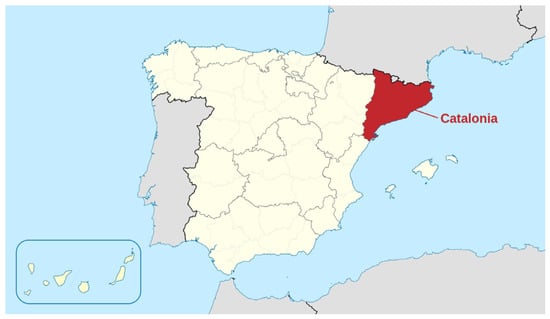
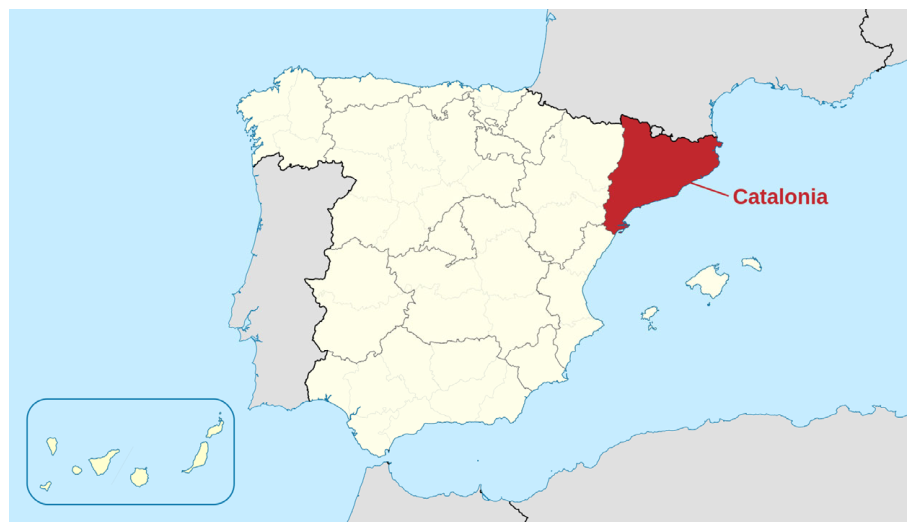

Disclaimer/Publisher’s Note: The statements, opinions and data contained in all publications are solely those of the individual author(s) and contributor(s) and not of MDPI and/or the editor(s). MDPI and/or the editor(s) disclaim responsibility for any injury to people or property resulting from any ideas, methods, instructions or products referred to in the content. |
© 2026 by the authors. Licensee MDPI, Basel, Switzerland. This article is an open access article distributed under the terms and conditions of the Creative Commons Attribution (CC BY) license.