


Abstract
Maternal interactive style may support early language, yet whether its dimensions relate differently to expressive vocabulary by birth status remains unclear. A two-wave longitudinal study included 149 Chinese mother–child dyads (59 preterm, 90 term; ages 9–30 months); 124 completed a four-month follow-up. Maternal interactive style was coded from free play, and mothers reported children’s expressive vocabulary. Principal component analysis yielded three components: Positive Interaction Support, Support for Autonomous Exploration, and Emotional-Affective Support. A Linear mixed model tested group differences in maternal interactive style, group-specific hierarchical regressions examined prospective associations adjusted for baseline vocabulary and covariates, and a pooled moderation regression tested birth-status interactions. Maternal interactive style differed significantly between groups, with no detectable group-by-dimension interaction. In the separate regression models, Positive Interaction Support was prospectively associated with later expressive vocabulary in both groups, Support for Autonomous Exploration did so in the term group, and Emotional-Affective Support was not significant in either group. In the pooled model, the Support for Autonomous Exploration × birth-status interaction was directionally consistent with this pattern but did not remain significant after Holm correction. These findings link specific components of maternal interactive style to later vocabulary, while whether these associations vary by birth status requires further investigation.
1. Introduction
Preterm birth is a major global health concern associated with long-term developmental difficulties (Blencowe et al., 2013). Children born preterm tend to have smaller vocabularies and lower scores on measures of language comprehension and production than term-born peers, although outcomes vary widely within this population (Varela-Moraga et al., 2023; Hong et al., 2024). These differences have often been attributed to neurodevelopmental factors, including neural immaturity and difficulties in attentional regulation (Gonzalez-Gomez et al., 2021).
Neurodevelopmental risk alone, however, does not fully account for variation in early language development. Because language develops through social interaction, the behaviors that caregivers display during interactions may also contribute to individual differences in language outcomes (Rowe & Snow, 2020; Tamis-LeMonda et al., 2001, 2014). At the same time, the Transactional Model emphasizes that influences between children and caregivers are bidirectional (Sameroff, 1975); accordingly, children’s existing language abilities may also shape caregivers’ behavior. Yet little is known about which aspects of maternal interactive style were prospectively associated with later expressive vocabulary beyond children’s initial vocabulary levels in preterm and term-born children. It also remains unclear whether these prospective associations differ by birth status.
1.1. Maternal Interactive Style and Expressive Vocabulary Development in Toddlers
Social-interactionist accounts propose that children acquire language through shared activities and sustained communication with others. The learning value of language input during infancy and toddlerhood depends not only on how much language children hear but also on when it occurs, how closely it aligns with their current focus of attention, and whether caregivers adapt their language to children’s comprehension and expressive abilities (Rowe & Snow, 2020). Because mothers are often primary caregivers and frequent interaction partners during this period, maternal interactive style is an important aspect of the quality of early language interaction (Tamis-LeMonda et al., 2001, 2014).
Maternal interactive style has been described as the way mothers communicate with their children (Younesian et al., 2021). It encompasses not only mothers’ verbal communication but also how they organize interactions, for example, by interpreting and responding to their child’s signals, guiding activities, and expressing emotion (Tryphonopoulos et al., 2025). Rowe and Snow (2020) distinguish interactive, linguistic, and conceptual dimensions of caregiver input, arguing that these dimensions may support language learning through partially different mechanisms. This multidimensional view suggests that maternal interactive style should not be reduced to a single global score; rather, its distinct dimensions should be examined in relation to language outcomes.
These dimensions may support word learning through several related processes. Responses that follow a child’s current focus of attention or communicative intent align language with the objects and events already under consideration, thereby reducing referential ambiguity and helping to sustain joint attention (McGillion et al., 2013; Tamis-LeMonda et al., 2014). Attig and Weinert (2020) distinguished maternal sensitivity from stimulating interaction behavior and found that their associations with children’s language differed across developmental periods. Modeling, expansions, task assistance, and cognitive facilitation may further support children’s participation and provide scaffolding for understanding and using words (Attig & Weinert, 2020; Roggman et al., 2013; Vallotton et al., 2017). At an affective level, positive emotional exchanges may help maintain engagement, whereas intrusive or overly controlling behavior may interrupt ongoing activity and limit opportunities for child-initiated communication (Landry et al., 2006; Masur et al., 2005).
These processes may be especially relevant to expressive vocabulary, which reflects children’s active use of words to refer to objects, describe actions, and communicate intentions rather than language comprehension alone. By following children’s interests, extending their communicative attempts, and providing appropriate support, mothers may provide children with additional opportunities to participate in exchanges and use words. Expressive vocabulary can be assessed reliably during infancy and toddlerhood and is associated with later language abilities (Fisher, 2017; Marchman et al., 2023). Longitudinal research has linked early maternal responsiveness to the timing of children’s language milestones and their later language outcomes (Tamis-LeMonda et al., 2001). However, different maternal behaviors may not be equally relevant to language development. A meta-analysis reported stronger associations with child language for sensitive responsiveness than for general warmth (Madigan et al., 2019), suggesting that distinct components of maternal interaction should be considered separately.
Distinguishing these components is complicated by variation in how maternal interactive style is measured. Maternal interactive style is commonly assessed from recordings of parent–child free play, structured tasks, or everyday routines (Lotzin et al., 2015). Microanalytic coding divides maternal interaction behaviors into specific, narrowly defined categories. These systems capture momentary behaviors through interval coding or continuous recording and quantify them by their frequency or as a proportion of all maternal behaviors. Global ratings instead characterize maternal sensitivity, warmth, support, or control across an extended interaction (Bornstein & Manian, 2013; Morawska et al., 2015). Microanalytic measures provide a more fine-grained account of the moment-to-moment characteristics of specific maternal interactive behaviors, whereas global ratings describe the broader patterns of maternal support, affect, and behavioral organization of the interaction (Bornstein & Manian, 2013; Funamoto & Rinaldi, 2015). Because these approaches operate at different levels, the resulting measures of maternal interactive style are not directly interchangeable.
Observational measures also differ in the behaviors they include and in how these behaviors are combined. For example, the Caregiver–Child Affect, Responsiveness, and Engagement Scale and related measures reviewed by Funamoto and Rinaldi (2015) emphasize affect, responsiveness, and joint engagement. The Parent–Child Early Relational Assessment includes positive and negative affect, behavioral involvement, and intrusiveness (Clark, 1999), whereas the observational dimensions used by Loi et al. (2017) include sensitivity, positive regard, cognitive facilitation, intrusiveness, and negative regard. Some studies derive an overall score, whereas others focus on a single domain or combine several behaviors into a broader measure of supportive interaction. Consequently, maternal interactive style does not necessarily refer to the same set of behaviors across studies. Moreover, harmonization of measures across studies does not guarantee that the measures capture identical constructs (Jaekel et al., 2026), which may make it difficult to compare the specific associations of different interaction components with language development (Lotzin et al., 2015). These differences underscore the need to assess maternal interactive style systematically across multiple dimensions within a common observational framework.
1.2. Maternal Interactive Style and Language Development in Children Born Preterm
The transactional model (Sameroff, 1975) emphasizes the bidirectional nature of influences between children and caregivers. Children’s early behavioral characteristics and ways of signaling may shape caregivers’ perceptions of and responses to them, and these responses may, in turn, influence children’s development (Liu et al., 2020). Accordingly, mothers’ behaviors during interaction may reflect both their own interactive style and an ongoing process of adapting to their children’s characteristics under specific developmental conditions.
From this perspective, examining maternal interactive style during the early developmental period of children born preterm is important. Compared with term-born children, children born preterm are at greater risk of difficulties related to neurological maturation, attentional regulation, and language processing (Gonzalez-Gomez et al., 2021). These developmental characteristics may not only directly influence children’s later language development but may also be reflected in early parent–child interactions.
Evidence for differences in maternal interaction between preterm and term groups remains mixed. A meta-analysis of controlling behavior found that parents of children born preterm displayed more controlling or intrusive behavior on average (Toscano et al., 2020). By contrast, another meta-analysis found no overall group differences in maternal sensitivity or responsiveness (Bilgin & Wolke, 2015). Hartzell et al. (2023) similarly reported inconsistent findings across studies: some observed lower sensitivity or greater intrusiveness among mothers of children born preterm, whereas others found no differences or effects in the opposite direction. More recently, an individual participant data meta-analysis identified a small but consistent positive association between gestational age and maternal sensitivity; child neurodevelopment and maternal education were also associated with sensitivity (Jaekel et al., 2025). Together, these findings suggest that birth status alone provides an incomplete account of maternal interaction and that meaningful variation may exist within both groups. There is therefore a need to move beyond mean-level comparisons and examine individual variation in specific maternal behaviors and how it relates to children’s language outcomes.
However, examining group differences in maternal interactive style alone is not sufficient to clarify how it relates to children’s language development. A more important question is whether this association varies by birth status. Some children born preterm may experience difficulties maintaining joint attention, sustaining engagement, and responding to interactional cues (Zmyj et al., 2017; Ataman-Devrim et al., 2024). These difficulties may influence how mothers provide support and how much children benefit from different interactive behaviors. Structured guidance, together with language and cognitive support matched to children’s abilities may be particularly relevant to the language performance of some children born preterm. When children have difficulty sustaining an activity or completing a task, appropriate prompts, demonstrations, and assistance may help them remain engaged in the shared activity and create opportunities for vocabulary learning. Younesian et al. (2021) found that, in the preterm group, supportive guidance aligned with children’s current focus was associated with their language performance. McMahon et al. (2022) also found a significant interaction between structured guidance and birth status: structured guidance was significantly associated with language development in the moderate-to-late preterm group, but not in the term group. These findings are consistent with the possibility that more structured support may have particular relevance for some children born preterm. Emotional expression during interaction may also help sustain children’s willingness to participate and support positive parent–child interactions (Landry et al., 2006; Erickson et al., 2018; Treyvaud et al., 2016). However, a meta-analysis found that general warmth was less strongly associated with children’s language than sensitivity or cue-contingent responsiveness (Madigan et al., 2019). Therefore, whether affective behaviors have an independent association with vocabulary development, and whether this association varies by birth status, remains to be examined.
Another set of interaction behaviors worth considering involves following children’s current focus, responding to their communicative cues, and avoiding unnecessary interruptions; these behaviors may help align the interaction with children’s immediate interests and ways of participating. However, the association between these behaviors and language development may depend on children’s ability to initiate and sustain interaction. Younesian et al. (2021) reported that maternal responsiveness to children’s attention and communicative cues was significantly associated with language development in the term group, whereas no significant association was observed in the preterm group. Because the study analyzed the two groups separately, this finding alone does not establish that the associations differed between groups. McMahon et al. (2022), in contrast, found that lower intrusiveness was positively associated with language development in both groups, while the interaction between birth status and intrusiveness was not significant. Thus, evidence remains mixed as to whether following children’s lead and reducing intrusiveness are differently associated with language development across the two groups. Moreover, Younesian et al. (2021) and McMahon et al. (2022) both used cross-sectional designs. Their findings therefore reflect associations between maternal interactive behaviors and children’s concurrent language performance and cannot establish whether these behaviors are associated with children’s later language development.
In addition, Loi et al. (2017) combined maternal sensitivity, language expansion, and low intrusiveness, assessed when children were 22 months old, into a composite measure of interaction. This composite was associated with children’s receptive vocabulary at 36 months, but birth status did not significantly moderate the association. However, combining multiple behaviors into a single score may have obscured potential differences in their dimension-specific associations. In other words, birth status may moderate the association between particular aspects of maternal interaction and language development, rather than uniformly altering the overall relevance of maternal interaction. It is therefore important to distinguish multiple interactive behaviors within a common observational framework and use a prospective design to examine whether birth status moderates the associations between specific aspects of interaction and children’s later expressive vocabulary.
1.3. The Present Study
The present study used a two-wave longitudinal design to examine multiple dimensions of maternal interactive style within a common observational framework. After evaluating the empirical structure of the initial behavioral indicators, we compared mothers of children born preterm and at term on the resulting dimensions. We then tested whether maternal interactive style at the first assessment (T1) was prospectively associated with expressive vocabulary at the second assessment (T2) after accounting for baseline vocabulary and directly examined whether these associations were moderated by birth status. Given the mixed evidence regarding group differences and the language-related functions of specific maternal behaviors, the study addressed three research questions as follows:
- (1)
- Do mothers of children born preterm and at term differ across components of maternal interactive style?
- (2)
- Do the maternal interactive style components predict T2 expressive vocabulary, and which dimensions show independent associations?
- (3)
- Does birth status moderate the associations between maternal interactive style at T1 and expressive vocabulary at T2?
Based on prior research, we expected maternal behaviors involving contingent responses to children’s cues and developmentally appropriate scaffolding to be positively associated with children’s later expressive vocabulary after accounting for their initial vocabulary. We expected general affective warmth to be less strongly associated with children’s language than behaviors more directly related to contingent interaction or language-learning support. Although previous cross-sectional studies suggest that the association between structured guidance and language performance may vary by birth status, it remains unclear whether similar differences would be observed for later vocabulary. We therefore treated the birth-status moderation analyses as exploratory.
2. Materials and Methods
2.1. Participants
Mother–child dyads involving children aged 9–30 months were recruited through childcare centers, child hospitals, and online platforms in Shanghai and Chongqing, China. Preterm birth was defined as a gestational age of less than 37 weeks, whereas term birth was defined as a gestational age of 37 weeks or more. For the age eligibility criterion, corrected age was used for children born preterm and chronological age for children born at term. Corrected age was calculated by subtracting the number of weeks of prematurity (40 weeks minus gestational age at birth) from chronological age.
Dyads were eligible if (a) the child had no parent-reported congenital, neurological, sensory, genetic, or metabolic conditions; (b) the mother was a primary or secondary caregiver who spent at least 30 min with the child each day and at least 7 h in total each week; and (c) Mandarin Chinese was the primary language used in mother–child communication. To assess the typicality of the recorded interaction, mothers separately rated how closely their own behavior and their child’s behavior during the interaction resembled their behavior in typical daily interactions, using 10-point scales ranging from 1 (not at all similar) to 10 (extremely similar). In the pilot study, most mothers gave high similarity ratings, whereas the few mothers whose ratings were below the cutoff described atypical circumstances during post-session interviews. Based on these findings, dyads were retained for analysis only if both ratings exceeded 6. A total of five dyads did not meet this criterion and were excluded: three in the preterm group and two in the term group.
An a priori sample-size calculation was conducted using G*Power 3.1 for a linear multiple regression model testing an R2 increase. With a medium effect size (f2 = 0.15), α = 0.05, power = 0.80, three tested predictors, and six predictors in the birth-status group model, the estimated minimum sample size was 77. A total of 167 mother–child dyads were initially recruited, including 67 preterm and 100 term dyads. Following screening, 149 dyads met the eligibility criteria and completed T1 assessment (preterm: n = 59; term: n = 90), of whom 124 completed T2 assessment approximately four months later (preterm: n = 50; term: n = 74). The participant flow, including screening, exclusions, and attrition, is summarized in Supplementary Figure S1. Of these 149 dyads, most preterm dyads were recruited through hospitals (41/59, 69.5%), whereas most dyads in the term group were recruited online (73/90, 81.1%). Given the marked imbalance in recruitment sources between the birth-status groups, we conducted a sensitivity analysis adjusting for recruitment source. As shown in Table 1, the groups did not differ significantly in child age at either T1 or T2, sex, or the interval between assessments. Maternal educational attainment was significantly higher in the term group than in the preterm group, whereas paternal educational attainment and annual per capita household income did not differ significantly between groups. Detailed baseline family sociodemographic characteristics are provided in Supplementary Table S1.
Table 1.
Child and follow-up characteristics.
Attrition analyses compared dyads retained at T2 with those who participated only at T1; the results are presented in Supplementary Table S2. Dyads retained at T2 and those lost to follow-up did not differ significantly on any of the baseline variables examined.
The research project was approved by the Ethics Committee of East China Normal University (protocol number: HR 655-2021). Before data collection, all mothers provided written informed consent for their own participation, and the legal guardians of the minor participants were informed about the study and signed the consent form on behalf of the children.
2.2. Procedure
At T1, mothers completed the background questionnaire. Maternal interactive style was assessed during a 15-min mother–child free-play task, and children’s expressive vocabulary was assessed through maternal report.
The free-play task was conducted in a quiet assessment room at a hospital or in a laboratory. A floor mat and a standardized set of age-appropriate toys spanning 12 categories were provided. Mothers were instructed to play with their children as they normally would in everyday life. After confirming that each mother understood the instructions, the researcher left the room and remained outside for the duration of the task. The interaction was recorded using three Logitech Brio 4K C1000e webcams (Logitech, Jiangsu, China), with audio captured throughout. Immediately afterward, mothers rated how closely the recorded interaction resembled their typical everyday interactions. Ratings were high and did not differ significantly between the preterm and term groups for either child behavior (preterm: M = 8.36, SD = 1.19; term: M = 8.32, SD = 1.09), t(147) = 0.18, p = 0.859, or maternal behavior (preterm: M = 8.86, SD = 0.84; term: M = 8.80, SD = 1.20), t(146.35) = 0.39, p = 0.701.
At T2, approximately four months after T1, children’s expressive vocabulary was reassessed using the same maternal-report measure.
2.3. Measures and Materials
2.3.1. Sociodemographic Data
The sociodemographic characteristics of the sample were examined using a background questionnaire, which included information about child sex, date of birth, gestational age, maternal and paternal education levels, and annual per capita household income. Maternal and paternal education levels were each coded on a four-level ordinal scale. Drawing on income classifications from the Seventh National Population Census and the Chinese General Social Survey, annual per capita household income was grouped into four bands. The coded values for maternal education, paternal education, and annual per capita household income were each standardized across the full sample. The mean of the three resulting z scores was calculated to form a composite socioeconomic status (SES) index, with higher scores indicating higher SES (Li & Wei, 2023).
2.3.2. Maternal Interactive Style Observational Coding Scheme
The maternal interactive style coding scheme comprised 16 observational indicators selected and adapted from three established approaches to caregiver–child interaction: the Caregiver-Child Affect, Responsiveness, and Engagement Scale (Funamoto & Rinaldi, 2015), the Parent–Child Early Relational Assessment (Clark, 1999), and the Child–Parent Interaction Rating Scales (Loi et al., 2017; Lotzin et al., 2015). The initial indicator pool covered responses to child signals, language and cognitive support, affective expression and coordination, support for children’s autonomous participation, and intrusive or controlling behavior. These domains were theoretically organized around broad dimensions of sensitivity, warmth, facilitation, and control (see Supplementary Table S3 for the initial framework). Each indicator was rated on a five-point scale using behaviorally defined anchors. All indicators were scored such that higher values represented more responsive and supportive maternal behavior. Detailed item definitions and scoring procedures are provided in Supplementary File S1.
Coding began after the initial 1-min acclimation period and covered the subsequent 10 min of continuous interaction. Principal component analysis (PCA) was conducted using the 16 observational indicators from all 149 T1 mother–child dyads in the pooled sample. Because the coding scheme selected and adapted indicators from established observational approaches rather than administering a complete measure with validated subscales, PCA was used to summarize their covariation into a smaller number of behavioral composites for subsequent analyses. The components were identified empirically from the present sample, and their labels were assigned based on rotated loading patterns and theoretical interpretation. The data were suitable for principal component analysis (Kaiser–Meyer–Olkin [KMO] = 0.89; χ2(120) = 1738.03, p < 0.001). Parallel analysis favored retaining two components, whereas the Kaiser criterion (i.e., retaining components with initial eigenvalues greater than 1) supported retaining three. The observed eigenvalues and the parallel-analysis reference values based on normally distributed data and permutation procedures are reported in Supplementary Table S4, Panel A. The two-component solution split the indicators related to children’s autonomous participation—which were classified under sensitivity and control, respectively, in the initial theoretical framework—between the two components. The complete Promax-rotated pattern matrix for the two-component solution is provided in Supplementary Table S4, Panel B. By contrast, the three-component solution allowed this set of behaviors to be examined separately. Accordingly, for exploratory purposes, we retained the three-component solution in the primary analyses. The three retained components jointly accounted for 67.96% of the total variance. The retained components were subjected to Promax rotation. Component 1, Positive Interaction Support, captured maternal language input, task assistance, cognitive facilitation, play guidance, and affective coordination (loadings: 0.57–0.88). Component 2, Support for Autonomous Exploration, reflected flexible and nonintrusive responses to children’s verbal and nonverbal cues and exploratory behavior (loadings: 0.47–0.87), while Component 3, Emotional-Affective Support, captured positive emotional expression and lower levels of negative affect and directive language (loadings: 0.51–0.87). The three components were moderately positively correlated, with intercomponent correlations ranging from 0.50 to 0.57. The Promax-rotated pattern matrix was provided in Supplementary Table S4, Panel C.
Cronbach’s α coefficients for the three components were 0.90, 0.86, and 0.76, respectively. Regression-based component scores were generated using a fixed component-score coefficient matrix estimated from the pooled T1 sample. The coefficient matrix is provided in Supplementary Table S4, Panel D. Higher scores indicated stronger maternal support in the corresponding component of maternal interactive style. Interrater reliability was assessed using a randomly selected subset of 45 recordings (30.2%) that were independently coded by both coders. Both coders completed the same standardized training protocol before coding the recordings. The coders were blind to the study hypotheses and were not provided with the children’s birth-status group, expressive-vocabulary scores, or other demographic or clinical information. Because coding was based on video recordings, however, observable features of the child and the interaction context could not be masked. Agreement was quantified using single-measure, absolute-agreement intraclass correlation coefficients (ICCs) from a two-way random-effects model. The ICCs, with 95% confidence intervals (CIs), were 0.88 [0.80, 0.94] for Positive Interaction Support, 0.80 [0.64, 0.89] for Support for Autonomous Exploration, and 0.77 [0.57, 0.87] for Emotional-Affective Support.
2.3.3. Child Expressive Vocabulary
Children’s expressive vocabulary was assessed using the Putonghua Communicative Development Inventories (PCDI; Tardif et al., 2008), the Mandarin Chinese adaptation of the MacArthur–Bates Communicative Development Inventories. The PCDI includes a Words and Gestures (W&G) form for children aged 8–16 months and a Words and Sen-tences (W&S) form for children aged 16–30 months. To ensure coverage across the sam-ple’s age range and maintain a common item set across waves, mothers completed the 799-item W&S form at both assessments, indicating whether their child produced each word. This form comprises a 799-word checklist. The W&S form includes all 411 vocabulary items from the Words and Gestures form for children aged 8–16 months. A word was counted as produced only when the child used it spontaneously and repeatedly with a stable referential meaning. The number of words meeting this criterion was summed to create a raw expressive vocabulary score ranging from 0 to 799, which was used in all analyses. Previous validation of the PCDI showed a correlation of r = 0.69 with the Gesell Developmental Diagnostic Schedules and a test–retest coefficient of r = 0.98 for the Words Produced scale (Tardif et al., 2008).
2.4. Statistical Analysis
Before the primary analyses, values outside the M ± 3 SD range were winsorized separately by birth-status group for maternal interactive style and SES, and within each birth-status group at each assessment wave for expressive vocabulary (Wilcox, 2017). The resulting scores were used in all primary analyses. To evaluate the impact of winsorization, all central analyses were repeated using the original, unwinsorized values.
All primary analyses were conducted in R version 4.5.2. In all analyses that included child age, corrected age was used for children born preterm and chronological age for children born at term. Descriptive statistics and Pearson correlations among the main study variables were calculated separately for the preterm and term groups. To provide descriptive context on expressive vocabulary development, a 2 (birth-status group: preterm vs. term) × 2 (time: T1 vs. T2) mixed-design ANOVA tested time and birth-status effects on expressive vocabulary.
A linear mixed model (LMM) examined birth-status differences across the three empirically derived components of maternal interactive style. Birth-status group, maternal interactive-style component, and their interaction were included as fixed effects; birth status was specified as a between-dyad factor and component as a within-dyad factor; child age at T1 and SES were included as covariates; and a random intercept for dyad was included. The model was estimated using restricted maximum likelihood. Fixed effects were evaluated using Type III Wald χ2 tests. Estimated marginal means and contrasts were calculated using Kenward–Roger degrees of freedom. If the group × component interaction was significant, group differences within each component were examined using contrasts of estimated marginal means with Holm adjustment.
Hierarchical multiple linear regressions were conducted separately for the preterm and term groups to examine the prospective associations between maternal interactive style at T1 and children’s expressive vocabulary at T2. Child age at T1 and SES were entered at Step 1 to account for age-related and socioeconomic variation relevant to maternal interactive style and children’s language development. T1 expressive vocabulary was entered at Step 2 to account for children’s baseline vocabulary level, and scores for the three components of maternal interactive style at Step 3. The incremental contribution of these component scores was assessed using ΔR2 and the corresponding F-change test comparing Steps 2 and 3. The group-specific models used complete cases from the preterm (n = 50) and term (n = 74) groups. Residual, heteroscedasticity, multicollinearity, and influence diagnostics were conducted for the final models in the preterm and term groups. Cases flagged by the screening criteria were examined in one-at-a-time case-deletion analyses.
Building on these group-specific models, a pooled moderation regression was fitted using the complete-case sample (N = 124) to test whether the associations differed by birth status. The model retained the same predictors and added birth status and its interactions with the three maternal interactive-style components. Continuous predictors were z-standardized using the pooled-sample means and standard deviations, and birth status was effect-coded (preterm = 0.5, term = −0.5). HC3 robust standard errors were used. The three interaction terms were evaluated jointly using a robust Wald test. To account for multiplicity across the three exploratory tests, we applied the Holm procedure. Group-specific simple slopes were estimated to describe the pattern of associations. Bias-corrected and accelerated (BCa) 95% confidence intervals for the pooled-model coefficients and simple slopes were also obtained from 5000 bootstrap resamples stratified by birth status. Residual, heteroscedasticity, multicollinearity, and influence diagnostics were conducted for the pooled moderation model. DFBETAs for the interaction terms were included in the influence screening, and flagged cases were examined in one-at-a-time case-deletion analyses.
To examine whether the findings were sensitive to using the PCDI Words and Sentences form outside its conventional age range, we repeated the group-specific hierarchical regressions and pooled moderation analysis among children who were within the 16–30-month age range at both T1 and T2 (n = 71), using the same model specifications. To address missing T2 vocabulary data, we also conducted a multiple-imputation sensitivity analysis using predictive mean matching. We generated 50 imputed datasets separately by birth-status group. The imputation models included the variables in the substantive analyses (T1 age, SES, T1 expressive vocabulary, and the three maternal interactive-style components), as well as child sex and gestational age as auxiliary variables. The group-specific regression models and pooled moderation model were refitted in each imputed dataset, and estimates were combined across imputations. We also conducted two sensitivity analyses: one using chronological rather than corrected age for preterm children, and another including dyads excluded on the basis of developmental-typicality ratings.
To examine whether the group-specific regression findings were sensitive to component scoring, we refitted the group-specific hierarchical regression models using scores from the two-component solution favored by parallel analysis and scores derived from a three-component PCA re-estimated after excluding indicators with the lowest primary-component assignment retention rates in the bootstrap stability analysis. For the latter set of alternative scores, we also refitted the pooled moderation model. All models used the same covariate specifications and estimation procedures as the primary analyses.
Finally, we conducted two additional sensitivity analyses: we refitted the T1 LMM and prospective regression models using chronological rather than corrected age for preterm children, and refitted the T1 LMM after reinstating the five dyads excluded based on the typicality of their interaction ratings. Because these dyads did not complete follow-up, this sensitivity analysis was limited to the T1 LMM.
3. Results
3.1. Descriptive Analyses and Correlations
Data screening indicated that, in the preterm group, one Emotional-Affective Support score and two SES scores were winsorized. In the term group, three Emotional-Affective Support scores and two Support for Autonomous Exploration scores were winsorized. The group-specific cutoffs and the number of values affected are reported in Supplementary Table S5.
Expressive vocabulary increased significantly from T1 to T2 across both groups, F(1, 122) = 139.16, p < 0.001, ηp2 = 0.533, and was higher overall among term-born children than among preterm children, F(1, 122) = 5.66, p = 0.019, ηp2 = 0.044. The group × time interaction was not statistically significant, F(1, 122) = 3.58, p = 0.061, ηp2 = 0.028. The estimated T1-to-T2 increase was 142.42 words in the preterm group (95% CI [98.44, 186.40]) and 196.80 words in the term group (95% CI [160.65, 232.94]). The estimated difference in change (preterm minus term) was −54.38 words (95% CI [−111.30, 2.55]). Although the estimated increase was numerically larger in the term group, the confidence interval for the difference in change included zero; thus, these estimates do not establish either a between-group difference. The distributions of vocabulary scores are provided in Supplementary Table S6 and Supplementary Figure S2.
Descriptive statistics and Pearson correlations for the two birth-status groups are presented in Table 2. Positive Interaction Support and Support for Autonomous Exploration were positively correlated with expressive vocabulary at both waves in both groups. Emotional-Affective Support was significantly positively correlated with expressive vocabulary only in the term group.
Table 2.
Descriptive statistics and Pearson correlations by birth-status group.
3.2. Birth-Status Group Differences in Maternal Interactive Style
A linear mixed model tested whether maternal interactive style differed between birth-status groups and whether the magnitude of this difference varied across components.
After controlling for child age at T1 and SES, the main effect of birth status was significant, χ2(1) = 7.88, p = 0.005. The adjusted marginal group difference, averaged across the three components and expressed as preterm minus term, was B = −0.35, SE = 0.12, 95% CI [−0.59, −0.10]. Neither the main effect of component, χ2(2) = 0.23, p = 0.891, nor the group × component interaction, χ2(2) = 2.22, p = 0.329, was significant (Figure 1). Thus, the groups differed in overall maternal interactive style, with no evidence that the magnitude of this difference varied across components. Child age at T1 was positively associated with maternal interactive style, B = 0.03, SE = 0.01, 95% CI [0.01, 0.05], p = 0.001. SES was also positively associated with maternal interactive style, B = 0.33, SE = 0.08, 95% CI [0.16, 0.49], p < 0.001.
Figure 1.
Scores on the three components of maternal interactive style by birth-status group. Small circles represent individual winsorized scores, and boxplots show the medians and interquartile ranges. Diamonds represent estimated marginal means from the linear mixed model (LMM) after controlling for child age at T1 and socioeconomic status (SES); error bars indicate 95% confidence intervals. Child age refers to corrected age in the preterm group and chronological age in the term group. Blue denotes the preterm group and green the term group.
3.3. Prospective Associations Between Maternal Interactive Style Components and Expressive Vocabulary
Hierarchical regressions examined whether the three maternal interactive-style components were prospectively associated with T2 expressive vocabulary beyond T1 vocabulary, child age, and SES within each birth-status group.
In the preterm group (Table 3), the model including child age and SES accounted for 63.3% of the variance in T2 expressive vocabulary. Adding T1 expressive vocabulary explained a further 22.7% of the variance. The final model was significant, F(6, 43) = 68.85, p < 0.001, and explained 90.6% of the variance (adjusted R2 = 0.893). The three maternal interactive-style components added a further 4.5% of explained variance, ΔF(3, 43) = 6.91, p < 0.001. Positive Interaction Support was positively associated with T2 expressive vocabulary: a one-unit increase in its score was associated with an estimated 61.93 additional words, 95% CI [24.72, 99.13], p = 0.002. The estimates for Support for Autonomous Exploration (B = 2.38, 95% CI [−30.80, 35.56], p = 0.886) and Emotional-Affective Support (B = −0.27, 95% CI [−29.33, 28.79], p = 0.985) were not statistically significant.
Table 3.
Hierarchical regression analysis of maternal interactive style predicting expressive vocabulary at T2 in the preterm group.
In the term group (Table 4), the model including child age and SES accounted for 61.6% of the variance in T2 expressive vocabulary. Adding T1 expressive vocabulary explained a further 11.6% of the variance. The final model was also significant, F(6, 67) = 43.59, p < 0.001, and explained 79.6% of the variance (adjusted R2 = 0.778). The three maternal interactive-style components added a further 6.4% of explained variance, ΔF(3, 67) = 7.02, p < 0.001. Positive Interaction Support was positively associated with T2 expressive vocabulary (B = 56.93, 95% CI [9.55, 104.32], p = 0.019), as was Support for Autonomous Exploration (B = 68.61, 95% CI [18.40, 118.82], p = 0.008). Emotional-Affective Support was not statistically significant (B = −25.78, 95% CI [−91.93, 40.37], p = 0.439).
Table 4.
Hierarchical regression analysis of maternal interactive style predicting expressive vocabulary at T2 in the term group.
Diagnostics for the group-specific models are presented in Supplementary Table S7 and Supplementary Figure S3. The Shapiro–Wilk tests indicated that residuals in both models deviated from normality, whereas the residual-versus-fitted plots showed no clear systematic curvature. The heteroscedasticity tests were not statistically significant, and the highest variance inflation factor across the two models was 2.88, indicating no substantial multicollinearity. The main pattern of associations remained unchanged when cases identified through diagnostic screening were removed one at a time.
To test whether these prospective associations differed by birth status, we fitted a pooled regression model including birth status × interactive style interactions. The overall model was significant, F(10, 113) = 58.50, p < 0.001, R2 = 0.838. Adding the three interactions between birth status and the maternal interactive-style components increased R2 by 0.005. The omnibus test of the three birth-status interaction terms was not significant, χ2(3) = 5.21, p = 0.157. At the component-specific level, the birth status × Support for Autonomous Exploration interaction showed a nominally significant association, B = −57.85, HC3 SE = 26.11, unadjusted p = 0.029, BCa 95% CI [−109.56, −7.13]. The estimate suggested a stronger association between Support for Autonomous Exploration and T2 expressive vocabulary in the term group than in the preterm group. However, this interaction did not remain significant after Holm adjustment (p = 0.086) and should therefore be interpreted cautiously. The birth-status interaction was not statistically significant for Positive Interaction Support (B = 16.18, HC3 SE = 26.77, unadjusted p = 0.547, Holm-adjusted p = 0.953, BCa 95% CI [−36.26, 66.32]) or Emotional-Affective Support (B = 20.59, HC3 SE = 28.83, unadjusted p = 0.477, Holm-adjusted p = 0.953, BCa 95% CI [−31.68, 79.26]). Simple-slope analyses showed a positive association between Support for Autonomous Exploration and T2 expressive vocabulary in the term group, B = 64.55, p = 0.005, but no significant association in the preterm group, B = 6.71, p = 0.607 (Figure 2). Complete results are reported in Supplementary Table S8. Detailed model diagnostics are provided in Supplementary Table S9 and Supplementary Figure S4. The Shapiro–Wilk test indicated that the residuals deviated from normality; visual inspection of the residual-versus-fitted plot showed no clear, sustained curvilinear pattern. The heteroscedasticity test was not statistically significant, and the highest variance inflation factor was 2.31, indicating no substantial multicollinearity. When cases identified through diagnostic screening were removed one at a time, the joint test of the three interaction terms remained nonsignificant, while the unadjusted test of the Support for Autonomous Exploration × birth-status interaction remained nominally significant.
Figure 2.
Association between Support for Autonomous Exploration and expressive vocabulary at T2 by birth status. Points represent partial residuals from the adjusted model, lines represent fitted simple slopes, and shaded areas represent 95% confidence bands. The pooled moderation model was adjusted for expressive vocabulary at T1, child age at T1, and socioeconomic status (SES). Displayed B values are change in vocabulary words per 1-SD increase in Support for Autonomous Exploration. Child age refers to corrected age in the preterm group and chronological age in the term group.
The unwinsorized and multiple-imputation analyses yielded estimates for the principal associations that were broadly similar in direction and magnitude to those from the primary analyses; their confidence intervals were also consistent with the same overall pattern of findings (see Supplementary Tables S10 and S11, respectively). In the age-restricted subsample of children within the conventional 16–30-month age range at both assessments (n = 71), the overall pattern of results was broadly similar to that of the primary analyses. However, the Support for Autonomous Exploration × birth-status interaction, which did not remain significant after Holm correction in the primary analysis, was statistically significant after Holm correction in this subsample (p = 0.048). Given the smaller sample size and exploratory nature of this analysis, as well as the non-significant omnibus test of the three interaction terms, this single interaction should not be considered definitive evidence of birth-status moderation (see Supplementary Table S12). Using scores from the two-component solution favored by parallel analysis, the component reflecting broader interactional support was positively associated with later expressive vocabulary in both the preterm and term groups. However, this solution did not retain a distinct Support for Autonomous Exploration component, so associations involving this component could not be examined separately (see Supplementary Table S13). The bootstrap stability analysis showed that Interpretive language, Response to verbal cues, and Positive affect expression had the lowest primary-component assignment retention rates (see Supplementary Table S14, Panel A). After these three indicators were excluded and the three-component PCA was rerun, the remaining 13 indicators retained their original primary-component assignments (see Supplementary Table S14, Panel B). In the group-specific regressions, the positive associations of Positive Interaction Support with later expressive vocabulary in the preterm group and of Support for Autonomous Exploration in the term group remained statistically significant. In the term group, the association between Positive Interaction Support and later expressive vocabulary remained positive but was no longer statistically significant (p = 0.058, compared with p = 0.019 in the primary analysis). The overall pattern of results from the pooled moderation model was broadly similar to that of the primary analysis; however, the Support for Autonomous Exploration × birth-status interaction was statistically significant after Holm adjustment (p = 0.015; see Supplementary Table S14, Panels C–E). Results were broadly similar when chronological rather than corrected age was used for preterm children (see Supplementary Table S15). When the five dyads excluded based on the typicality of their interaction ratings were reinstated, the T1 LMM also showed a pattern similar to the primary analysis (see Supplementary Table S16).
4. Discussion
The present study adopted a two-wave longitudinal design to examine associations between maternal interactive style and expressive vocabulary in children born preterm and at term. The groups differed significantly in overall maternal interactive style. Positive Interaction Support was prospectively associated with future expressive vocabulary in both groups, whereas Support for Autonomous Exploration was a significant positive predictor in the term group but not in the preterm group. The estimated birth-status interaction was consistent with a stronger association in the term group. However, this component-specific finding was exploratory and did not remain significant after Holm adjustment. These findings provide longitudinal evidence linking specific components of maternal interactive style to expressive vocabulary development, while the possibility that these associations differ by birth status requires further investigation.
4.1. Birth-Status Differences in Maternal Interactive Style
The preterm and term groups differed in overall observed maternal interactive style, averaged across the three empirically derived components. The group × component interaction was not statistically significant, indicating that we did not detect evidence that the group contrast varied across components. With respect to Support for Autonomous Exploration, the descriptive pattern observed in the present sample was broadly consistent with previous research on maternal intrusiveness and controlling behavior. Few studies have examined Support for Autonomous Exploration directly. Instead, related work has focused on maternal intrusiveness and control. These studies have reported higher levels of controlling or intrusive behavior in interactions involving children born preterm (Loi et al., 2017; McMahon et al., 2022; Younesian et al., 2021). Consistent with this pattern, descriptive observations in the present sample suggested a greater tendency toward adult-led interaction in the preterm group, including less support for child-led activity, less flexible alignment with children’s interests, and more frequent interruption of ongoing activity.
The overall group difference observed in the present study is not fully consistent with studies reporting no significant birth-status differences in maternal sensitivity (Loi et al., 2017; Snijders et al., 2020; Stolt et al., 2014). One possible explanation is that the present study distinguished among three dimensions, whereas previous studies often relied on global sensitivity scores or broader measures of interaction quality. A multidimensional approach can help characterize score patterns across different aspects of maternal interaction; however, the present findings do not establish whether the group difference was concentrated in any one component or varied across components.
The observed group difference may reflect dyadic adaptation to differing developmental conditions rather than a stable difference in maternal caregiving. From a transactional perspective, this pattern may arise from the interplay between children’s developmental characteristics and the family caregiving context. Children born preterm may show less stable or predictable communicative signals when initiating behavior, maintaining interaction, and responding socially (Coughlan et al., 2024a, 2024b; Hartzell et al., 2023). These characteristics may make children’s cues more difficult for mothers to identify and anticipate. Mothers may consequently take a more active role in initiating and sustaining interaction. Parenting stress and emotional challenges associated with preterm birth may also affect maternal affective expression. For example, Neri et al. (2017) found that higher parenting stress was associated with less affect-salient maternal speech. Accordingly, the observed differences should be understood in relation to the developmental and interactional demands of the dyad, rather than as shortcomings of either partner. Early support for families of children born preterm may therefore be better tailored to their interactional characteristics.
4.2. Prospective Associations Between Maternal Interactive Style and Expressive Vocabulary
Beyond the group differences in maternal interactive style, this study also found that children in the preterm group had lower expressive vocabulary scores than those in the term group at both assessment waves, and that vocabulary scores increased over time in both groups. This finding is broadly consistent with previous research and further underscores the persistent risk of early language difficulties among children born preterm (Hong et al., 2024).
More importantly, the present study further suggests that maternal interactive style was significantly associated with T2 expressive vocabulary in both the preterm and term groups. The three maternal interactive-style components jointly explained an additional 4.5% and 6.4% of the variance in the preterm and term groups, respectively. These increments represent a modest additional contribution to the prediction of later vocabulary beyond child age, SES, and baseline vocabulary. The individual dimensions, however, showed different prospective association patterns.
4.2.1. Positive Interaction Support
Positive Interaction Support was prospectively associated with T2 expressive vocabulary in both groups. This finding is consistent with previous research linking scaffolding, encouraging feedback, and instructional guidance to children’s language development (Attig & Weinert, 2020; Strother-Garcia et al., 2026; Vallotton et al., 2017; Younesian et al., 2021). In the present study, this empirically derived component captured a broad pattern of maternal interaction that included scaffolding-related behaviors, such as task assistance, cognitive facilitation, and play guidance, alongside affective coordination and the quality of maternal language input. By providing rich and semantically appropriate language input, offering assistance calibrated to children’s abilities, and guiding activities around their interests, mothers may support children’s active use of language (Madigan et al., 2023; Vygotsky, 1980).
One possible interpretation is that this composite dimension captures a combination of interactional features that previous research has associated with word learning. For example, when maternal language follows children’s current focus and is semantically aligned with the ongoing activity, children may map new words onto their referents more readily, reducing referential ambiguity and making the input more comprehensible (Masek et al., 2021; Salerni & Suttora, 2022; Tamis-LeMonda et al., 2014). Task assistance and cognitive facilitation may help children remain engaged and create additional opportunities for communication and word production (Lowe et al., 2021; Vallotton et al., 2017). These findings from prior research provide a theoretical context for the present association. However, because the relevant behaviors were coded together, the present analyses cannot determine whether any of these processes account for the observed association. These mechanisms should therefore be regarded as possibilities suggested by previous research, rather than explanations established by the present study.
4.2.2. Support for Autonomous Exploration
Group-specific regression results showed that Support for Autonomous Exploration was positively associated with later expressive vocabulary in the term group, whereas no significant association was observed in the preterm group. The interaction in the pooled model was directionally consistent with this pattern, but it was no longer significant after Holm correction, and the joint test of the three interaction terms was not statistically significant. Therefore, this pattern should be regarded as preliminary; further evidence is needed to determine whether birth status moderates this association.
One developmentally grounded interpretation is that maternal flexibility, low intrusiveness, and timely responses to child cues may provide children in the term group with greater opportunities for autonomous exploration (Loi et al., 2017). Such support may allow children to select objects of attention, sustain exploration, and initiate communication in a relatively open interaction. Because expressive vocabulary reflects active word use rather than comprehension or imitation alone (Jiménez & Hills, 2022), following children’s interests, allowing time for a response, and avoiding premature takeover may create more opportunities for spontaneous expression and active vocabulary use (Taylor et al., 2008; Zhao et al., 2026). The association may therefore depend partly on children’s capacity for independently regulating attention and initiating behavior.
Children born preterm may experience greater challenges in attention regulation, behavioral initiation, and sustaining interaction (Coughlan et al., 2024a, 2024b; Hartzell et al., 2023). These characteristics may influence how they engage in child-led interactions. Consistent with this possibility, Younesian et al. (2021) reported that supportive guidance aligned with the child’s current focus was associated with better language performance among children born preterm. Accordingly, more direct and more structured Positive Interaction Support may be better aligned with the interaction characteristics of some children born preterm. This hypothesis, as well as the relative roles of Positive Interaction Support and interaction approaches that primarily follow the child’s lead, requires direct examination in future research. Because the present study did not directly assess children’s attention, behavioral initiation, or need for structured support, this interpretation remains speculative. The pattern observed across groups may also partly reflect measurement characteristics, sample composition, or uncertainty in the interaction estimate.
4.2.3. Emotional-Affective Support
Emotional-Affective Support was positively correlated with T2 expressive vocabulary in the term group but not in the preterm group. After adjustment for T1 vocabulary, the covariates, and the other two maternal interactive-style components, it was not an independent predictor in either group. This pattern is consistent with meta-analytic evidence that general warmth and affective support are less strongly associated with child language than sensitive or contingent responsiveness (Madigan et al., 2019). Landry et al. (2006) also found that an intervention targeting responsive parenting behaviors promoted infants’ word use. Further mediation analyses suggested that this effect was partly explained by mothers’ ability to maintain infants’ attention and label objects. Although maternal warmth was related to growth in infants’ word use, it did not significantly mediate the intervention effect, suggesting that the affective-support dimension represented by warmth may not be a primary direct mechanism for word learning.
In the present study, Emotional-Affective Support reflected the affective climate of the interaction, including more positive emotional expression and lower levels of negative affect and directive control. These behaviors may support children’s willingness to participate (Landry et al., 2006) and help maintain a positive parent–child relationship (Erickson et al., 2018; Strother-Garcia et al., 2026; Treyvaud et al., 2016). However, compared with Positive Interaction Support, affective support may provide less direct semantic or cognitive support for word learning (Madigan et al., 2019). This finding does not imply that Emotional-Affective Support is unimportant; its contribution may be more apparent for other outcomes, such as socioemotional functioning or attachment security (Léniz-Maturana et al., 2025; Ziv et al., 2000). It should be noted that, because the dimensions were entered into the model simultaneously and were correlated with one another, the regression coefficients represent unique associations adjusted for the other dimensions. In addition, the group-specific sample sizes were limited, which constrained the precision of the estimates. The confidence intervals were wide; therefore, an association between Emotional-Affective Support and vocabulary cannot be ruled out.
4.2.4. The Potential Value of Examining Distinct Aspects of Maternal Interactive Style
The prospective associations varied across the three empirically derived components of maternal interactive style. Positive Interaction Support was associated with later expressive vocabulary in both birth-status groups, whereas Emotional-Affective Support was not an independent predictor after baseline vocabulary, covariates, and the other component scores were taken into account. Group-specific regression models showed a statistically significant positive within-group association between Support for Autonomous Exploration and later expressive vocabulary in the term group; the association did not reach statistical significance in the preterm group. This pattern of findings is consistent with the multidimensional perspective proposed by Rowe and Snow (2020). They distinguish among the interactive, linguistic, and conceptual dimensions of caregiver input and suggest that these dimensions may support children’s language learning through partially distinct mechanisms. Accordingly, maternal interactive style may not be adequately captured by a single score; examining how its distinct aspects relate to language outcomes may reveal more specific patterns of association. Examining these behavior groupings within a common observational framework allowed us to compare their prospective associations with expressive vocabulary. Positive Interaction Support, Support for Autonomous Exploration, and Emotional-Affective Support summarize combinations of maternal interactive behaviors identified in the present sample. Alternative scoring analyses indicated that some component-specific findings varied across scoring specifications. The two-component solution also did not retain a distinct Support for Autonomous Exploration component. Accordingly, the three-component solution should be interpreted as an exploratory summary of behavioral groupings in this sample, and its component labels should not be regarded as established or universally distinct constructs.
4.3. Implications, Limitations, and Future Directions
Beyond general advice to spend more time together or talk more, the findings highlight the potential importance of how interaction unfolds, including timely responses to children’s current focus, task assistance, cognitive facilitation, rich language input, and support for children’s exploration and expression without excessive interruption. Because the study was observational, these associations do not establish that changing maternal behavior would improve children’s expressive vocabulary. Future intervention research is needed to test this possibility, particularly to test whether more direct and scaffolded support and autonomy-emphasizing support have different effects on vocabulary development, and whether these effects vary by birth status.
Several limitations should be considered. Maternal interactive style was assessed during a single laboratory free-play interaction. The materials and limited observation time may have constrained or amplified opportunities for maternal task assistance and child-led exploration; therefore, the observed behaviors may not fully represent everyday interactions. Measurement of expressive vocabulary also warrants consideration: vocabulary was reported by mothers at both waves and may be subject to reporting bias. Maternal interactive style, by contrast, was rated from observed interactions, so the predictor and outcome were assessed using different methods, reducing the likelihood of common-method bias arising from a shared reporter. However, we did not collect an independent language measure and therefore could not validate the reported vocabulary against a direct assessment. Moreover, some interaction indicators were rated partly according to whether maternal communication was appropriate for the child’s developmental level. The resulting scores may thus partly reflect children’s language or broader developmental abilities at the time of observation, and mothers’ perceptions of their children’s language abilities may have shaped both their interaction behavior and their vocabulary reports. Although the prospective models adjusted for children’s T1 age and baseline vocabulary, these adjustments cannot fully resolve the possible overlap between the interaction ratings and children’s developmental level or rule out the influence of maternal reporting tendencies. The applicability of the vocabulary measure is another consideration: the conventional age range for the PCDI Words and Sentences form is 16–30 months; 46 children were younger than 16 months at T1, and 12 were older than 30 months at T2. Among children within the 16–30-month age range at both assessments (n = 71), results were broadly similar to those of the primary analyses, except that the Support for Autonomous Exploration × birth-status interaction was significant after Holm adjustment in this subsample (p = 0.048), whereas the corresponding interaction did not remain significant after Holm adjustment in the primary analysis. Given the smaller subsample, the exploratory nature of the analysis, and the non-significant omnibus test of the three interaction terms, this finding does not establish birth-status moderation and cannot rule out the possibility that using the vocabulary measure outside its conventional age range affected the findings. Future research should combine repeated naturalistic observations with direct, age-appropriate language assessments or recordings of children’s everyday speech.
The stability and cross-group comparability of the empirically derived components of maternal interactive style require further evaluation. The component structure and scoring coefficients were derived from the pooled T1 sample (N = 149), and the prospective analyses used the follow-up subset of that same sample. The three-component solution should therefore be viewed as exploratory and provisional, with its stability and reproducibility requiring evaluation in independent samples. Moreover, applying the pooled scoring coefficients to both birth-status groups does not establish that the components have equivalent measurement properties across groups. Larger independent studies are needed to evaluate the component structure, cross-group comparability, and reproducibility of the prospective associations.
The study design places additional limits on interpretation. With only two waves approximately four months apart and maternal interactive style assessed only at T1, we could examine short-term prospective associations but not longer-term trajectories or reciprocal processes. Because T1 vocabulary and maternal interactive style were measured concurrently, we could not determine whether children’s initial language shaped maternal behavior. Although the models adjusted for T1 expressive vocabulary and other covariates, unmeasured child characteristics (e.g., temperament, attentional regulation, or communicative initiations) may have shaped the observed interactions and later vocabulary. Maternal stress and the frequency and duration of everyday mother–child interaction were not measured, although they may influence maternal behavior and children’s cumulative language exposure. The findings should therefore be interpreted as prospective associations rather than causal effects. The pooled moderation analysis was based on a relatively modest sample and may have had limited precision for detecting interaction effects. The exploratory Support for Autonomous Exploration × birth-status interaction did not survive Holm adjustment, and the interaction block was not jointly significant. This pattern warrants replication in a larger sample before firm conclusions are drawn about birth-status differences.
In addition, gestational age in the preterm group ranged from 29.43 to 36.86 weeks, with most children born late preterm. Therefore, the findings may not generalize to extremely preterm children or to the full spectrum of preterm births. Recruitment pathways also differed markedly by birth-status group. Although results were broadly similar after adjustment for recruitment source (see Supplementary Table S17), residual selection bias cannot be ruled out. Finally, the children spanned a wide age range during a period of rapid vocabulary development. Age and baseline vocabulary were included in the analyses, and exploratory age-moderation analyses provided no consistent evidence that the prospective associations varied by T1 age (see Supplementary Table S18 for detailed results). However, given the modest sample size, these null findings should not be interpreted as evidence that the associations are developmentally invariant. Larger longitudinal studies with repeated observations of both mothers and children are needed to examine how these associations may change over time.
5. Conclusions
In this two-wave longitudinal study, overall maternal interactive style differed between the preterm and term groups. Positive Interaction Support was prospectively associated with later expressive vocabulary in both groups. Support for Autonomous Exploration showed a positive association only in the term group, whereas no significant association was observed in the preterm group. The direction of the Support for Autonomous Exploration × birth-status interaction in the pooled model was consistent with this pattern, but the interaction was not significant after Holm correction. Whether this association differs by birth status therefore requires further investigation in larger samples. Overall, these findings provide evidence of prospective associations between maternal interactive-style components and children’s later vocabulary.
Supplementary Materials
The following supporting information can be downloaded at: https://www.mdpi.com/article/10.3390/bs16112103/s1, Table S1: Baseline family sociodemographic characteristics; Table S2: Baseline Comparisons Between Dyads Retained at T2 and Those Participating at T1 Only; Table S3: Theoretically Informed Initial Framework of Maternal Interactive Style; Table S4: Principal Component Analysis: Retention Criteria, Pattern Matrices, and Component-Score Coefficients for Maternal Interactive Style; Table S5: Group-specific M ± 3 SD cutoffs and observations changed; Table S6: Distribution of expressive vocabulary scores by birth-status group and wave; Table S7: Diagnostic Results for Group-Specific Regression Models; Table S8: Pooled moderation regression predicting expressive vocabulary at T2 and simple slopes for Support for Autonomous Exploration; Table S9: Diagnostic Results for the Pooled Moderation Model; Table S10: Unwinsorized Regression Sensitivity Analyses; Table S11: Multiple-Imputation Sensitivity Analyses for T2 Expressive Vocabulary; Table S12: Age-Restricted Sensitivity Analysis of Maternal Interactive Style–Vocabulary Associations; Table S13: Group-Specific Hierarchical Regression Results Using Scores from the Two-Component PCA Solution Favored by Parallel Analysis; Table S14: Sensitivity Analyses Using Three-Component Scores Recomputed After Excluding Indicators with the Lowest Bootstrap Assignment Stability; Table S15: Sensitivity Analyses Using Chronological Age for Preterm Children; Table S16: T1 Linear Mixed Model After Reinstating Dyads Excluded Based on the Typicality of Their Interaction Ratings; Table S17: Sensitivity Analyses Adjusting for Recruitment Source; Table S18: Age-Moderation Analyses of Maternal Interactive Style–Vocabulary Associations; Figure S1: Flow diagram of participant recruitment, inclusion, exclusion, and attrition; Figure S2: Distribution of Expressive Vocabulary Scores by Birth-Status Group and Assessment Wave; Figure S3: OLS diagnostic plots for final group-specific models; Figure S4: OLS diagnostic plots for the pooled interaction model; Supplementary File S1: Maternal Interactive Style Observational Coding Manual. Bornstein et al. (2008) and Tamis-LeMonda et al. (1996) are cited in Supplementary Table S3.
Author Contributions
Conceptualization, S.C., T.H. and Q.L.; methodology, S.C., T.H. and Q.L.; formal analysis, S.C. and T.H.; investigation, S.C. and X.Z.; resources, J.W., B.X. and Q.L.; data curation, S.C., T.H., H.R. and X.Z.; writing—original draft preparation, S.C. and T.H.; writing—review and editing, S.C., T.H. and Q.L.; visualization, S.C. and T.H.; supervision, T.H.; project administration, J.W. and Q.L.; funding acquisition, T.H. and Q.L. All authors have read and agreed to the published version of the manuscript.
Funding
This study was supported by the following funding sources: the National Social Science Foundation of China (23CYY042), the Major Program of Humanities and Social Science of the Shanghai Education Commission (2023SKZD07), the PI Team Building Project of Changning Maternity & Infant Health Hospital (PI202432), and the Leading Projects in Key Research Fields of Language funded by the National Language Commission (LH24TD08).
Institutional Review Board Statement
The study was conducted in accordance with the Declaration of Helsinki and approved by the Ethics Committee of East China Normal University (protocol code HR 655-2021; approved in December 2021).
Informed Consent Statement
Informed consent was obtained from all participating mothers for their own participation. The legal guardians of the minor participants were informed about the study and signed the informed consent form on behalf of the minor participants.
Data Availability Statement
Because the dataset is subject to collaborating-hospital data-sharing restrictions, it is not publicly available. De-identified data may be available from the corresponding author upon reasonable request, subject to institutional and ethical approval.
Acknowledgments
We would like to thank the participating children and their families, as well as the coders involved in the project. During the preparation of this manuscript, ChatGPT (GPT-6 Luna; OpenAI) was used to check the final manuscript for sentence-level clarity, spelling, and grammar. The authors reviewed and edited all AI-assisted output.
Conflicts of Interest
The authors declare no conflicts of interest.
References
- Ataman-Devrim, M., Nixon, E., & Quigley, J. (2024). Neonatal risk and coordinated joint attention episodes with mothers and fathers relate to language skills of preterm children aged 2–4 years. Cognitive Development, 70, 101456. [Google Scholar] [CrossRef] [Scilit]
- Attig, M., & Weinert, S. (2020). What impacts early language skills? Effects of social disparities and different process characteristics of the home learning environment in the first 2 years. Frontiers in Psychology, 11, 557751. [Google Scholar] [CrossRef] [Scilit] [PubMed]
- Bilgin, A., & Wolke, D. (2015). Maternal sensitivity in parenting preterm children: A meta-analysis. Pediatrics, 136(1), e177–e193. [Google Scholar] [CrossRef] [Scilit] [PubMed]
- Blencowe, H., Lee, A. C. C., Cousens, S., Bahalim, A., Narwal, R., Zhong, N., Chou, D., Say, L., Modi, N., Katz, J., Vos, T., Marlow, N., & Lawn, J. E. (2013). Preterm birth-associated neurodevelopmental impairment estimates at regional and global levels for 2010. Pediatric Research, 74, 17–34. [Google Scholar] [CrossRef] [Scilit] [PubMed]
- Bornstein, M. H., & Manian, N. (2013). Maternal responsiveness and sensitivity reconsidered: Some is more. Development and Psychopathology, 25, 957–971. [Google Scholar] [CrossRef] [Scilit] [PubMed]
- Bornstein, M. H., Tamis-LeMonda, C. S., Hahn, C.-S., & Haynes, O. M. (2008). Maternal responsiveness to young children at three ages: Longitudinal analysis of a multidimensional, modular, and specific parenting construct. Developmental Psychology, 44(3), 867–874. [Google Scholar] [CrossRef] [Scilit] [PubMed]
- Clark, R. (1999). The parent-child early relational assessment: A factorial validity study. Educational and Psychological Measurement, 59(5), 821–846. [Google Scholar] [CrossRef] [Scilit]
- Coughlan, S., Quigley, J., & Nixon, E. (2024a). Parent–infant conversations are differentially associated with the development of preterm- and term-born infants. Journal of Experimental Child Psychology, 239, 105809. [Google Scholar] [CrossRef] [Scilit] [PubMed]
- Coughlan, S., Quigley, J., & Nixon, E. (2024b). The synergistic effects of preterm birth and parent gender on the linguistic and interactive features of parent–infant conversations. Journal of Speech, Language, and Hearing Research, 67(3), 886–899. [Google Scholar] [CrossRef] [Scilit] [PubMed]
- Erickson, S. J., Duvall, S. W., MacLean, P. C., Tonigan, J. S., Ohls, R. K., & Lowe, J. R. (2018). Mother-child interactive behaviors and cognition in preschoolers born preterm and full term. Journal of Child and Family Studies, 27(11), 3687–3700. [Google Scholar] [CrossRef] [Scilit]
- Fisher, E. L. (2017). A systematic review and meta-analysis of predictors of expressive-language outcomes among late talkers. Journal of Speech, Language, and Hearing Research, 60(10), 2935–2948. [Google Scholar] [CrossRef] [Scilit] [PubMed]
- Funamoto, A., & Rinaldi, C. M. (2015). Measuring parent-child mutuality: A review of current observational coding systems. Infant Mental Health Journal, 36(1), 3–11. [Google Scholar] [CrossRef] [Scilit] [PubMed]
- Gonzalez-Gomez, N., O’Brien, F., & Harris, M. (2021). The effects of prematurity and socioeconomic deprivation on early speech perception: A story of two different delays. Developmental Science, 24(2), e13020. [Google Scholar] [CrossRef] [Scilit] [PubMed]
- Hartzell, G., Shaw, R. J., & Givrad, S. (2023). Preterm infant mental health in the neonatal intensive care unit: A review of research on NICU parent-infant interactions and maternal sensitivity. Infant Mental Health Journal, 44(6), 837–856. [Google Scholar] [CrossRef] [Scilit] [PubMed]
- Hong, T., Zhang, Q.-F., & Fan, J.-J. (2024). Factors influencing the language development of preterm infants and their intervention strategies. Progress in Biochemistry and Biophysics, 51(6), 1292–1304. [Google Scholar] [CrossRef]
- Jaekel, J., Anderson, P. J., Wolke, D., Esser, G., Greisen, G., Spittle, A., Cheong, J., van Baar, A. L., Verhoeven, M., Gueron-Sela, N., Atzaba-Poria, N., Woodward, L. J., Neri, E., Agostini, F., Bilgin, A., Korja, R., Loi, E. C., & Treyvaud, K. (2025). The association between gestation at birth and maternal sensitivity: An individual participant data (IPD) meta-analysis. Early Human Development, 203, 106227. [Google Scholar] [CrossRef] [Scilit] [PubMed]
- Jaekel, J., Wolke, D., Esser, G., Woodward, L. J., Spittle, A., Cheong, J., van Baar, A. L., Verhoeven, M., Gueron-Sela, N., Atzaba-Poria, N., Anderson, P. J., & Treyvaud, K. (2026). The association of maternal sensitivity with subsequent cognition and language among children born preterm: An individual participant data (IPD) meta-analysis. The Journal of Pediatrics, 293, 115024. [Google Scholar] [CrossRef] [Scilit] [PubMed]
- Jiménez, E., & Hills, T. T. (2022). Semantic maturation during the comprehension-expression gap in late and typical talkers. Child Development, 93(6), 1727–1743. [Google Scholar] [CrossRef] [Scilit] [PubMed]
- Landry, S. H., Smith, K. E., & Swank, P. R. (2006). Responsive parenting: Establishing early foundations for social, communication, and independent problem-solving skills. Developmental Psychology, 42(4), 627–642. [Google Scholar] [CrossRef] [Scilit] [PubMed]
- Léniz-Maturana, L., Vilaseca, R., Miranda-Osorio, R., Poblete-Valderrama, F., Baeza-Aguilar, P., Pavez-Adasme, G., & Rodas-Kürten, V. (2025). The role of positive parenting and maternal well-being of low-income chilean adolescent mothers in their children’s negativity. Behavioral Sciences, 15(9), 1183. [Google Scholar] [CrossRef] [Scilit] [PubMed]
- Li, C., & Wei, L. (2023). Anxiety, enjoyment, and boredom in language learning amongst junior secondary students in rural China: How do they contribute to L2 achievement? Studies in Second Language Acquisition, 45(1), 93–108, Correction in 2022, Studies in Second Language Acquisition, 45(1), 289–290). [Google Scholar] [CrossRef] [Scilit]
- Liu, P., Kryski, K. R., Smith, H. J., Joanisse, M. F., & Hayden, E. P. (2020). Transactional relations between early child temperament, structured parenting, and child outcomes: A three-wave longitudinal study. Development and Psychopathology, 32(3), 923–933. [Google Scholar] [CrossRef] [Scilit] [PubMed]
- Loi, E. C., Vaca, K. E. C., Ashland, M. D., Marchman, V. A., Fernald, A., & Feldman, H. M. (2017). Quality of caregiver-child play interactions with toddlers born preterm and full term: Antecedents and language outcome. Early Human Development, 115, 110–117. [Google Scholar] [CrossRef] [Scilit] [PubMed]
- Lotzin, A., Lu, X., Kriston, L., Schiborr, J., Musal, T., Romer, G., & Ramsauer, B. (2015). Observational tools for measuring parent–infant interaction: A systematic review. Clinical Child and Family Psychology Review, 18(2), 99–132. [Google Scholar] [CrossRef] [Scilit] [PubMed]
- Lowe, J. R., Hund, L., Rodriguez, D. E., Qamruddin, A., Leeman, L., Stephen, J. M., & Bakhireva, L. N. (2021). Maternal verbal scaffolding: Association with higher language skills for 20-month-old children with prenatal polysubstance exposure. Early Human Development, 160, 105423. [Google Scholar] [CrossRef] [Scilit] [PubMed]
- Madigan, S., Plamondon, A., & Jenkins, J. M. (2023). Association between maternal sensitivity and child receptive language development: Quasi-causal evidence using a sibling comparison design. Developmental Psychology, 59(12), 2265–2276. [Google Scholar] [CrossRef] [Scilit] [PubMed]
- Madigan, S., Prime, H., Graham, S. A., Rodrigues, M., Anderson, N., Khoury, J., & Jenkins, J. M. (2019). Parenting behavior and child language: A meta-analysis. Pediatrics, 144(4), e20183556. [Google Scholar] [CrossRef] [Scilit] [PubMed]
- Marchman, V. A., Dale, P. S., & Fenson, L. (2023). Macarthur-bates communicative development inventories: User’s guide and technical manual (3rd ed.). Paul H. Brookes Publishing Co. [Google Scholar]
- Masek, L. R., McMillan, B. T. M., Paterson, S. J., Tamis-LeMonda, C. S., Golinkoff, R. M., & Hirsh-Pasek, K. (2021). Where language meets attention: How contingent interactions promote learning. Developmental Review, 60, 100961. [Google Scholar] [CrossRef] [Scilit]
- Masur, E. F., Flynn, V., & Eichorst, D. L. (2005). Maternal responsive and directive behaviours and utterances as predictors of children’s lexical development. Journal of Child Language, 32(1), 63–91. [Google Scholar] [CrossRef] [Scilit] [PubMed]
- McGillion, M. L., Herbert, J. S., Pine, J. M., Keren-Portnoy, T., Vihman, M. M., & Matthews, D. E. (2013). Supporting early vocabulary development: What sort of responsiveness matters? IEEE Transactions on Autonomous Mental Development, 5(3), 240–248. [Google Scholar] [CrossRef] [Scilit]
- McMahon, G. E., Treyvaud, K., Spencer-Smith, M. M., Spittle, A. J., Lee, K. J., Doyle, L. W., Cheong, J. L., & Anderson, P. J. (2022). Parenting and neurobehavioral outcomes in children born moderate-to-late preterm and at term. The Journal of Pediatrics, 241, 90–96.e2. [Google Scholar] [CrossRef] [Scilit] [PubMed]
- Morawska, A., Basha, A., Adamson, M., & Winter, L. (2015). Microanalytic coding versus global rating of maternal parenting behaviour. Early Child Development and Care, 185(3), 448–463. [Google Scholar] [CrossRef] [Scilit]
- Neri, E., Agostini, F., Baldoni, F., Facondini, E., Biasini, A., & Monti, F. (2017). Preterm infant development, maternal distress and sensitivity: The influence of severity of birth weight. Early Human Development, 106–107, 19–24. [Google Scholar] [CrossRef] [Scilit] [PubMed]
- Roggman, L. A., Cook, G. A., Innocenti, M. S., Jump Norman, V., & Christiansen, K. (2013). Parenting interactions with children: Checklist of observations linked to outcomes (PICCOLO) in diverse ethnic groups. Infant Mental Health Journal, 34(4), 290–306. [Google Scholar] [CrossRef] [Scilit]
- Rowe, M. L., & Snow, C. E. (2020). Analyzing input quality along three dimensions: Interactive, linguistic, and conceptual. Journal of Child Language, 47(1), 5–21. [Google Scholar] [CrossRef] [Scilit] [PubMed]
- Salerni, N., & Suttora, C. (2022). Semantic contingency of maternal verbal input directed at very preterm and full-term children. Frontiers in Psychology, 13, 800568. [Google Scholar] [CrossRef] [Scilit] [PubMed]
- Sameroff, A. (1975). Transactional models in early social relations. Human Development, 18(1–2), 65–79. [Google Scholar] [CrossRef] [Scilit]
- Snijders, V. E., Bogicevic, L., Verhoeven, M., & van Baar, A. L. (2020). Toddlers’ language development: The gradual effect of gestational age, attention capacities, and maternal sensitivity. International Journal of Environmental Research and Public Health, 17(21), 7926. [Google Scholar] [CrossRef] [Scilit] [PubMed]
- Stolt, S., Korja, R., Matomäki, J., Lapinleimu, H., Haataja, L., & Lehtonen, L. (2014). Early relations between language development and the quality of mother–child interaction in very-low-birth-weight children. Early Human Development, 90(5), 219–225. [Google Scholar] [CrossRef] [Scilit] [PubMed]
- Strother-Garcia, K., Singletary, B., Avelar, D., & Justice, L. (2026). Parent–child interaction quality mediates the relationship between parental self-efficacy and child vocabulary. Family Relations, 75(2), 977–996. [Google Scholar] [CrossRef] [Scilit] [PubMed]
- Tamis-LeMonda, C. S., Bornstein, M. H., & Baumwell, L. (2001). Maternal responsiveness and children’s achievement of language milestones. Child Development, 72(3), 748–767. [Google Scholar] [CrossRef] [Scilit] [PubMed]
- Tamis-LeMonda, C. S., Bornstein, M. H., Baumwell, L., & Melstein Damast, A. (1996). Responsive parenting in the second year: Specific influences on children’s language and play. Early Development and Parenting, 5(4), 173–183. [Google Scholar] [CrossRef]
- Tamis-LeMonda, C. S., Kuchirko, Y., & Song, L. (2014). Why is infant language learning facilitated by parental responsiveness? Current Directions in Psychological Science, 23(2), 121–126. [Google Scholar] [CrossRef] [Scilit]
- Tardif, T., Fletcher, P., Zhang, Z. X., & Liang, W. L. (2008). The Chinese communicative development inventory (putonghua and cantonese versions): Manual, forms, and norms. Peking University Medical Press. [Google Scholar]
- Taylor, H. B., Anthony, J. L., Aghara, R., Smith, K. E., & Landry, S. H. (2008). The interaction of early maternal responsiveness and children’s cognitive abilities on later decoding and reading comprehension skills. Early Education and Development, 19(1), 188–207. [Google Scholar] [CrossRef] [Scilit]
- Toscano, C., Soares, I., & Mesman, J. (2020). Controlling parenting behaviors in parents of children born preterm: A meta-analysis. Journal of Developmental & Behavioral Pediatrics, 41(3), 230–241. [Google Scholar] [CrossRef] [Scilit] [PubMed]
- Treyvaud, K., Doyle, L. W., Lee, K. J., Ure, A., Inder, T. E., Hunt, R. W., & Anderson, P. J. (2016). Parenting behavior at 2 years predicts school-age performance at 7 years in very preterm children. Journal of Child Psychology and Psychiatry, 57(7), 814–821. [Google Scholar] [CrossRef] [Scilit] [PubMed]
- Tryphonopoulos, P. D., McNeil, D., Oxford, M., Dennis, C.-L., Novick, J., Deane, A. J., Wu, K., Kurbatfinski, S., Griggs, K., & Letourneau, N. (2025). “VID-KIDS” video-feedback interaction guidance for depressed mothers and their infants: Results of a randomized controlled trial. Behavioral Sciences, 15(3), 279. [Google Scholar] [CrossRef] [Scilit] [PubMed]
- Vallotton, C. D., Mastergeorge, A., Foster, T., Decker, K. B., & Ayoub, C. (2017). Parenting supports for early vocabulary development: Specific effects of sensitivity and stimulation through infancy. Infancy, 22(1), 78–107. [Google Scholar] [CrossRef] [Scilit] [PubMed]
- Varela-Moraga, V., Diethelm-Varela, B., & Pérez-Pereira, M. (2023). Effect of biomedical complications on very and extremely preterm children’s language. Frontiers in Psychology, 14, 1163252. [Google Scholar] [CrossRef] [Scilit] [PubMed]
- Vygotsky, L. S. (1980). Mind in society: Development of higher psychological processes (M. Cole, V. John-Steiner, S. Scribner, & E. Souberman, Eds.). Harvard University Press. [Google Scholar] [CrossRef] [Scilit]
- Wilcox, R. R. (2017). Introduction to robust estimation and hypothesis testing (4th ed.). Academic Press. [Google Scholar]
- Younesian, S., Eivers, A., Shahaeian, A., Sullivan, K., & Gilmore, L. (2021). Maternal interactive beliefs and style as predictors of language development in preterm and full term children. Journal of Child Language, 48(2), 215–243. [Google Scholar] [CrossRef] [Scilit] [PubMed]
- Zhao, C., Xu, X., Guan, T., Li, D., & Fu, R. (2026). The longitudinal associations between maternal encouragement of autonomy and Chinese children’s verbal expression abilities: The moderating role of child temperament. Early Education and Development, 37(3), 739–760. [Google Scholar] [CrossRef] [Scilit]
- Ziv, Y., Aviezer, O., Gini, M., Sagi, A., & Koren-Karie, N. (2000). Emotional availability in the mother–infant dyad as related to the quality of infant–mother attachment relationship. Attachment & Human Development, 2(2), 149–169. [Google Scholar] [CrossRef] [Scilit] [PubMed]
- Zmyj, N., Witt, S., Weitkämper, A., Neumann, H., & Lücke, T. (2017). Social cognition in children born preterm: A perspective on future research directions. Frontiers in Psychology, 8, 455. [Google Scholar] [CrossRef] [Scilit] [PubMed]
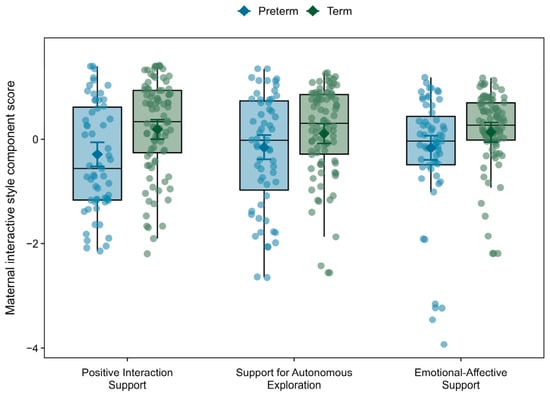
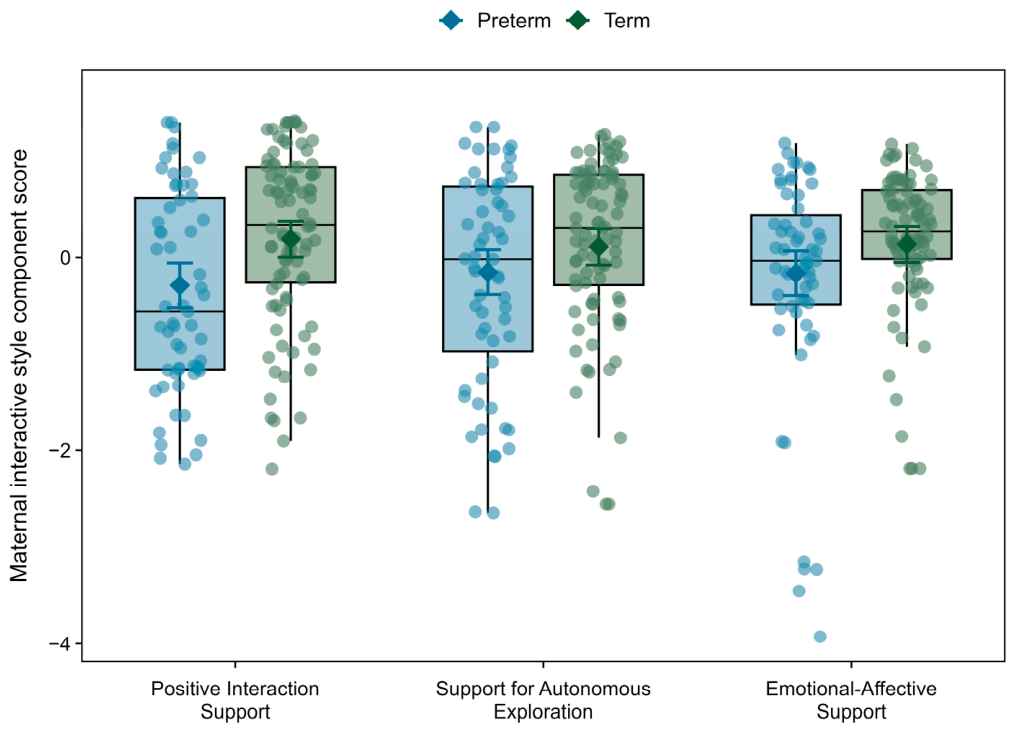
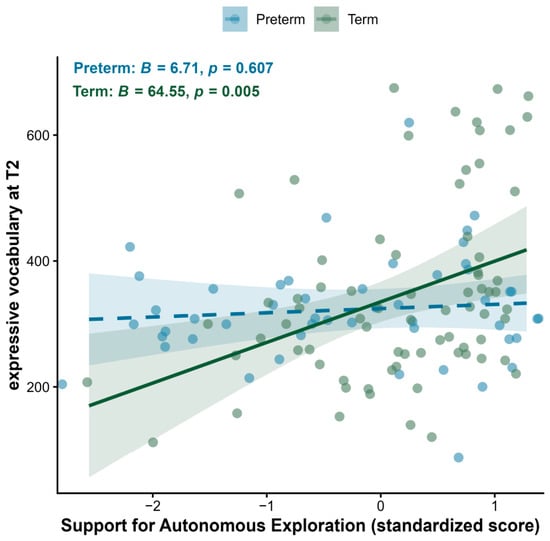
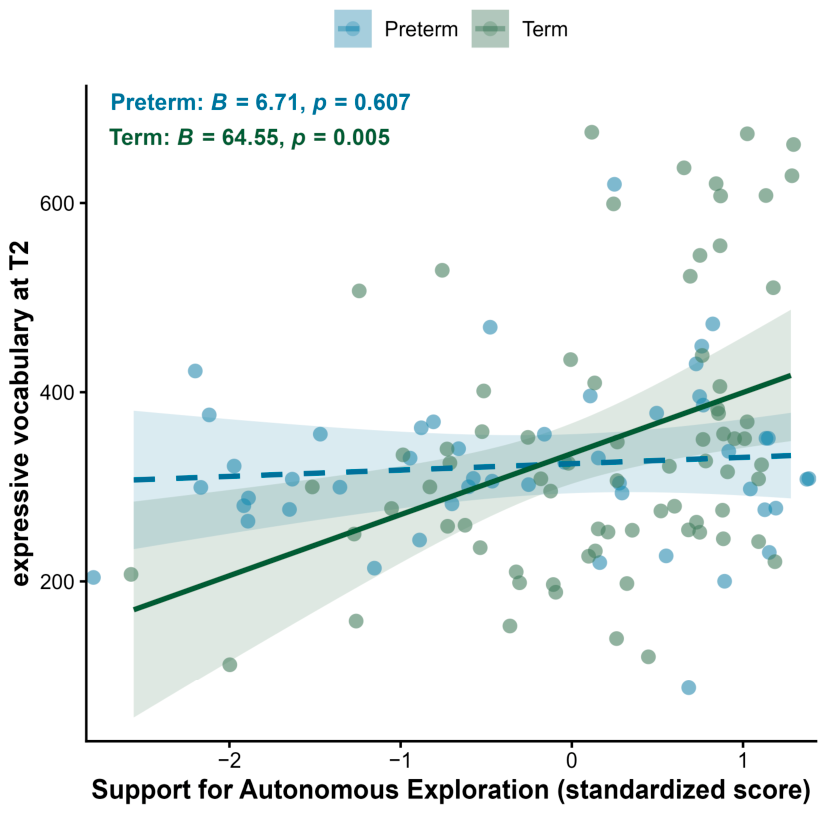

Disclaimer/Publisher’s Note: The statements, opinions and data contained in all publications are solely those of the individual author(s) and contributor(s) and not of MDPI and/or the editor(s). MDPI and/or the editor(s) disclaim responsibility for any injury to people or property resulting from any ideas, methods, instructions or products referred to in the content. |
© 2026 by the authors. Licensee MDPI, Basel, Switzerland. This article is an open access article distributed under the terms and conditions of the Creative Commons Attribution (CC BY) license.