Article

Neuroscientific Analysis of Logo Design: Implications for Luxury Brand Marketing

by
Hedda Martina Šola
1,2,*,
Sarwar Khawaja
1 and
Fayyaz Hussain Qureshi
1
1
Oxford Business College (SK Research), Macclesfield House, New Road, Oxford OX1 1BY, UK
2
Institute for Neuromarketing & Intellectual Property, Jurja Ves III spur no 4, 10000 Zagreb, Croatia
*
Author to whom correspondence should be addressed.
Behav. Sci. 2025, 15(4), 502; https://doi.org/10.3390/bs15040502
Submission received: 15 February 2025 / Revised: 3 April 2025 / Accepted: 5 April 2025 / Published: 9 April 2025

Abstract

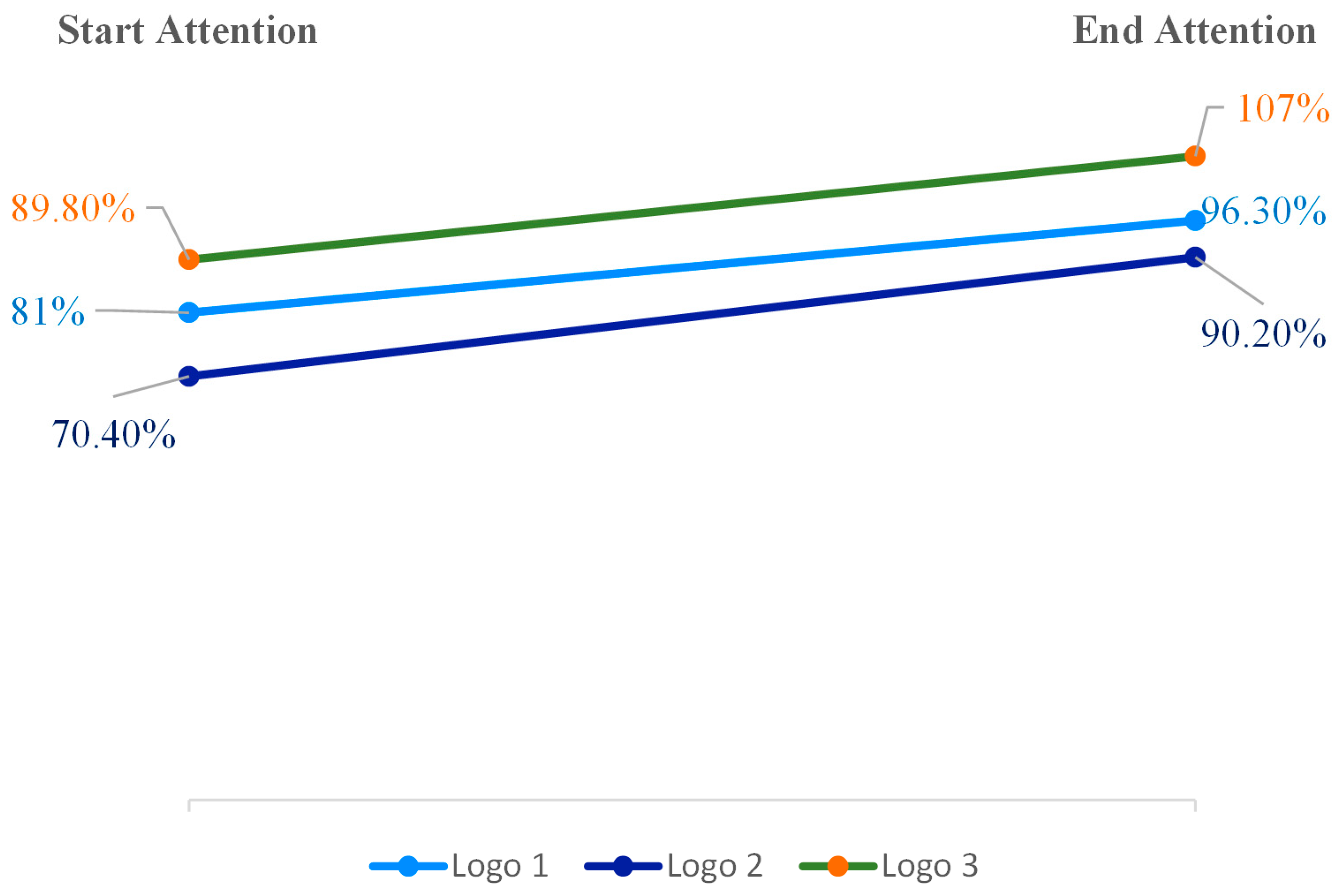
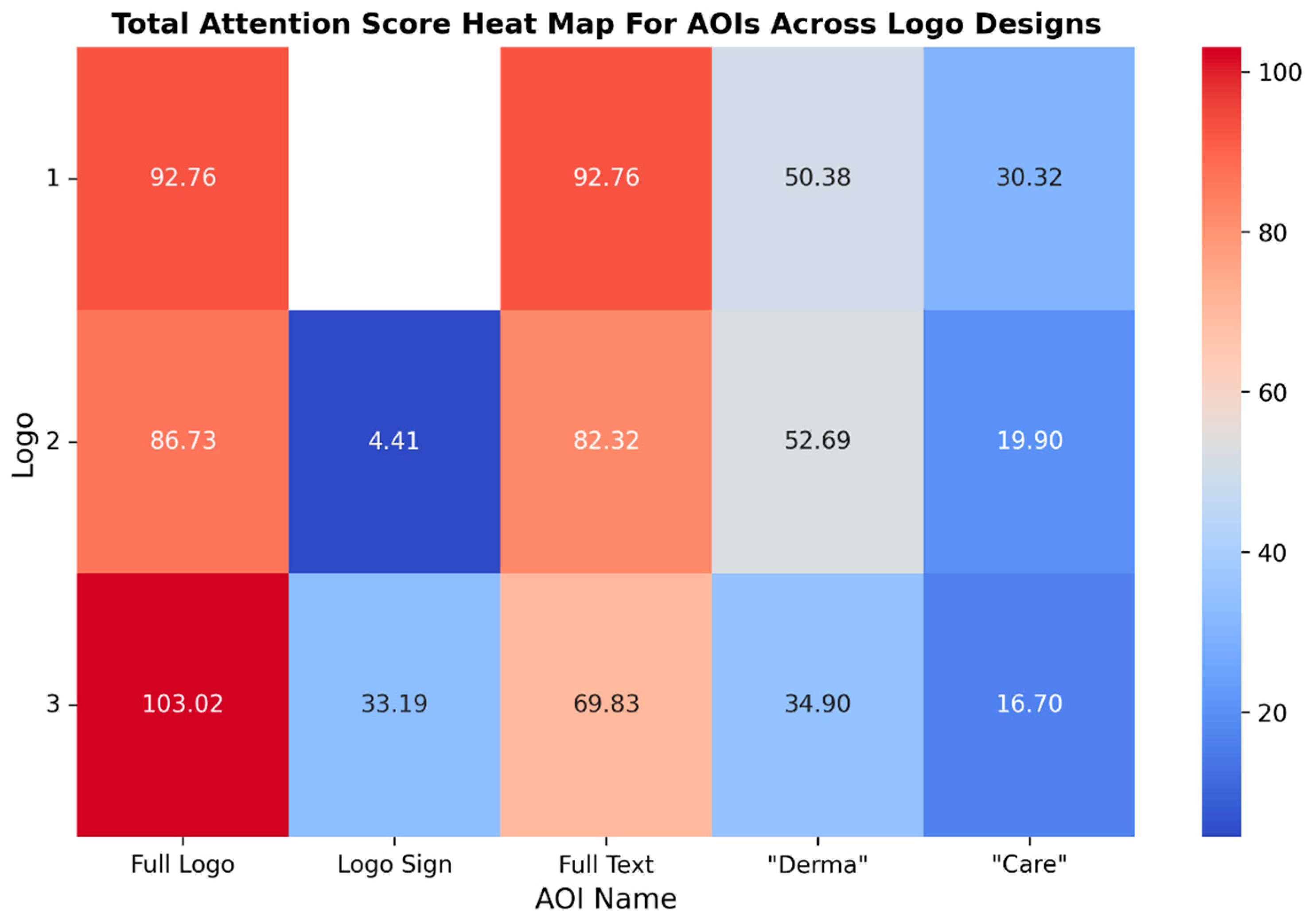
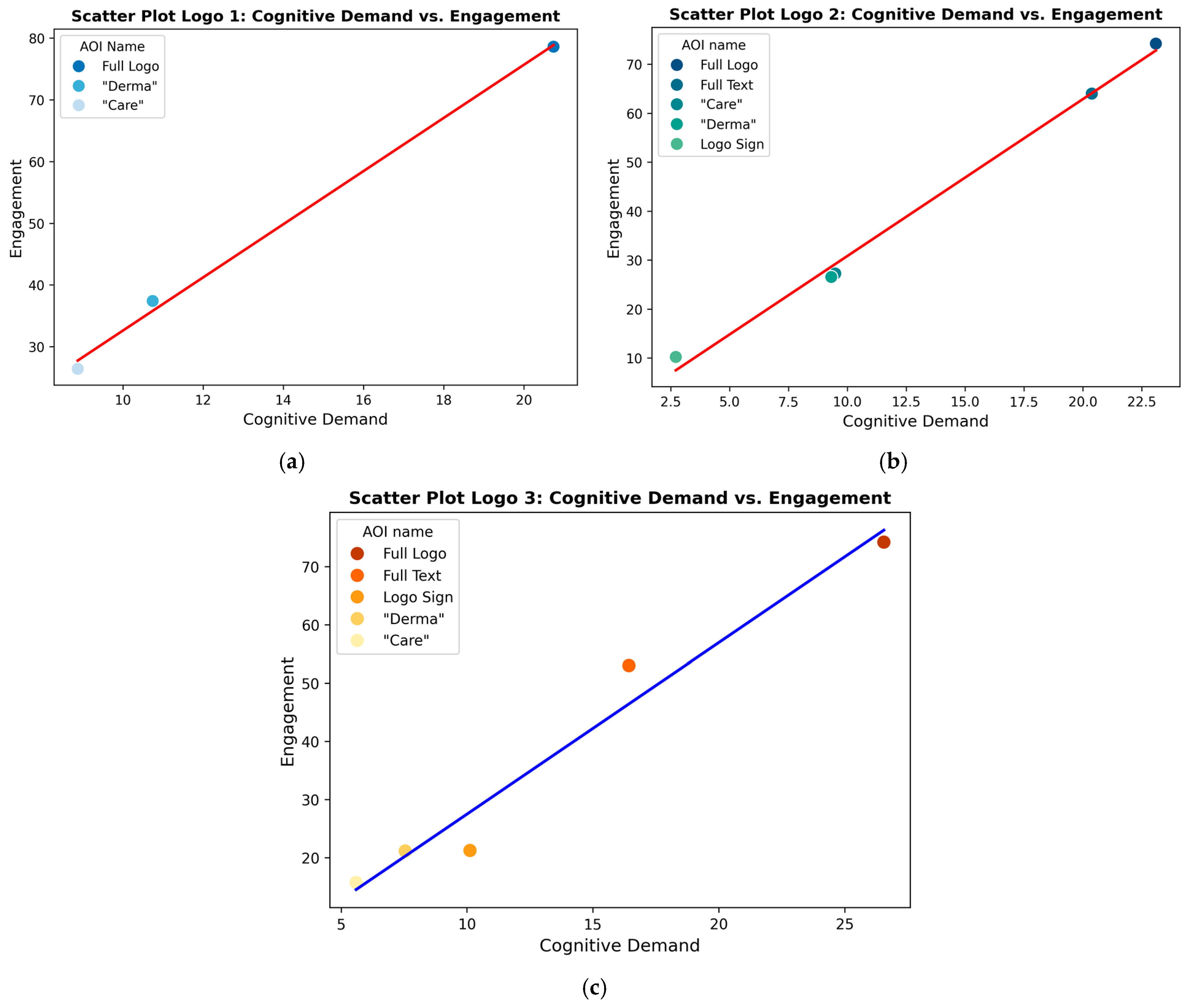
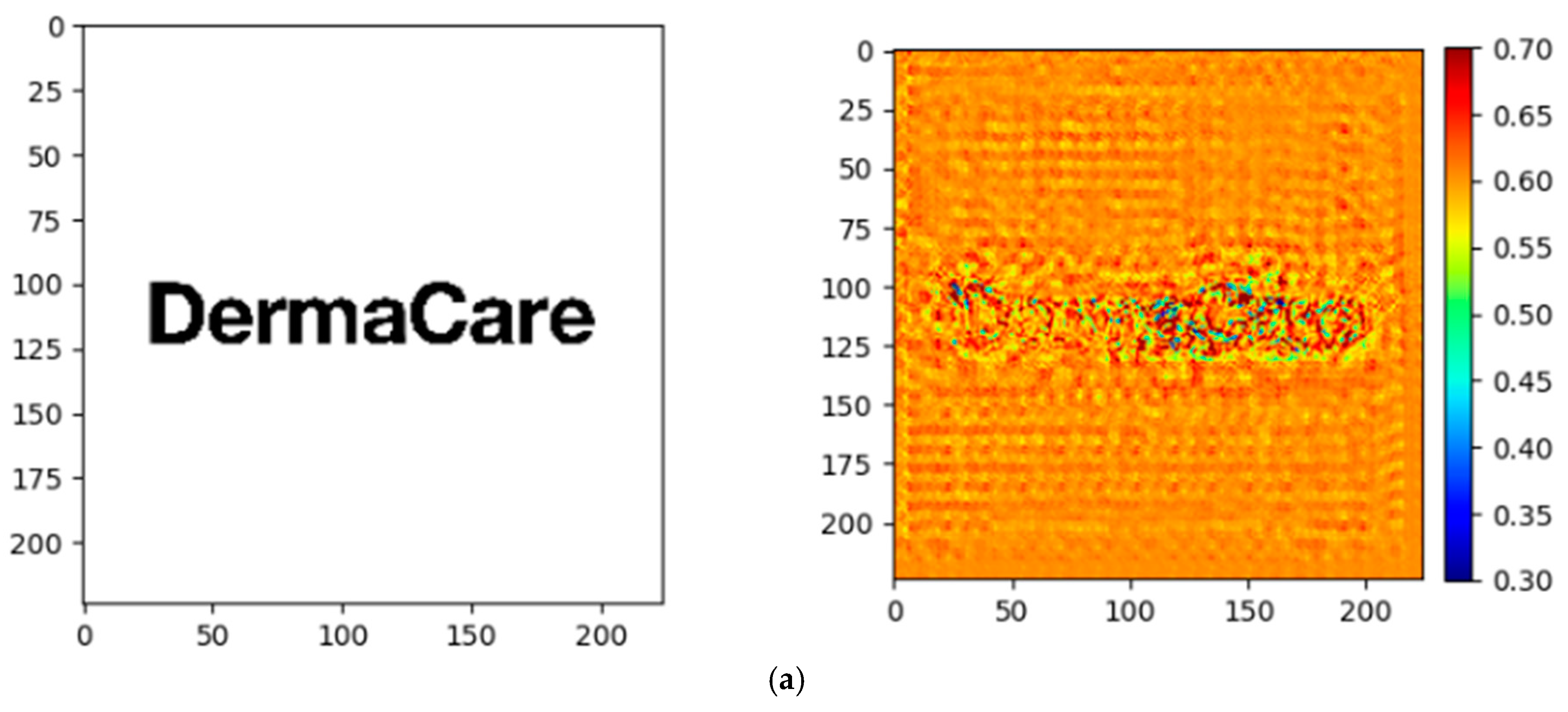
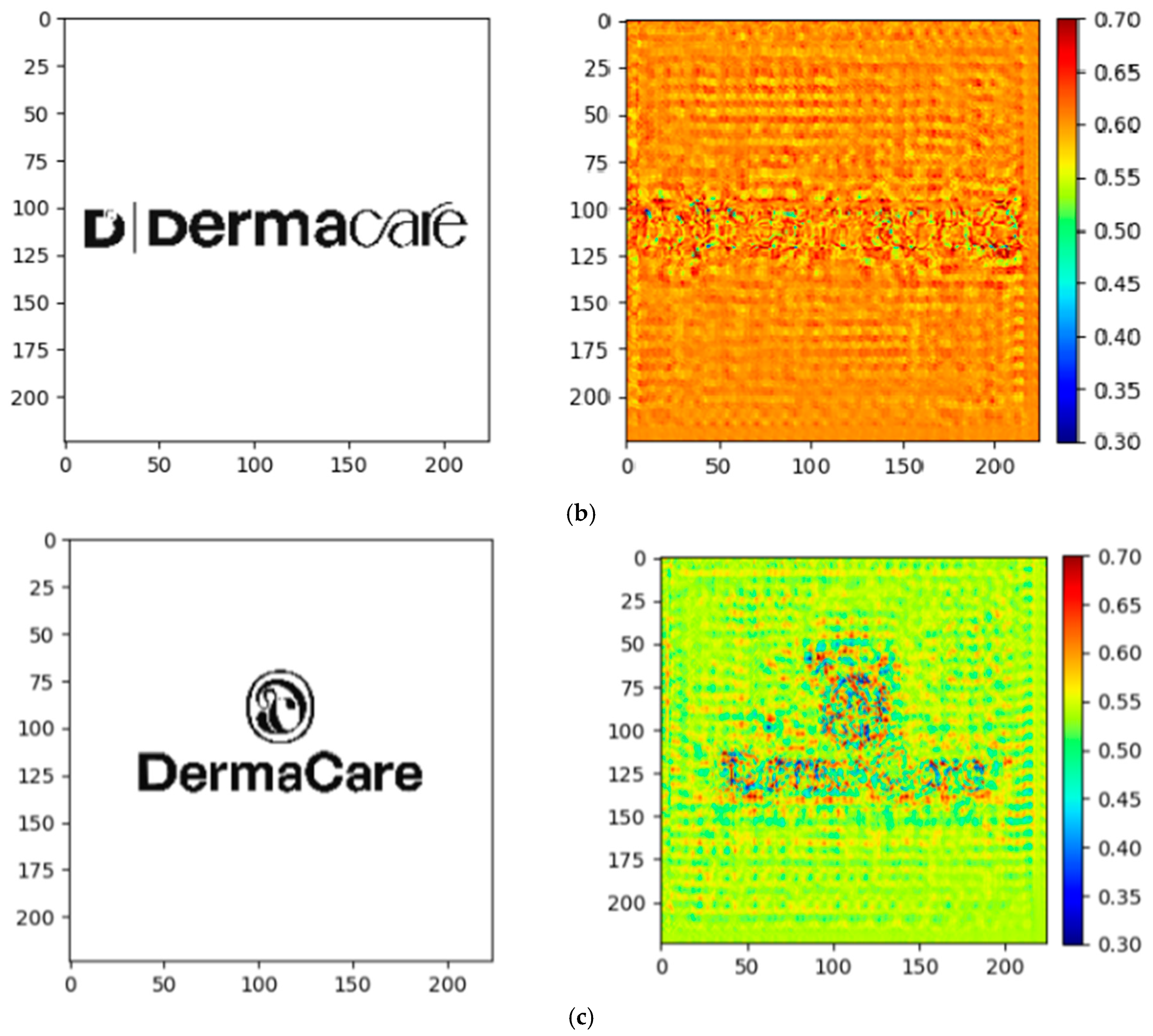
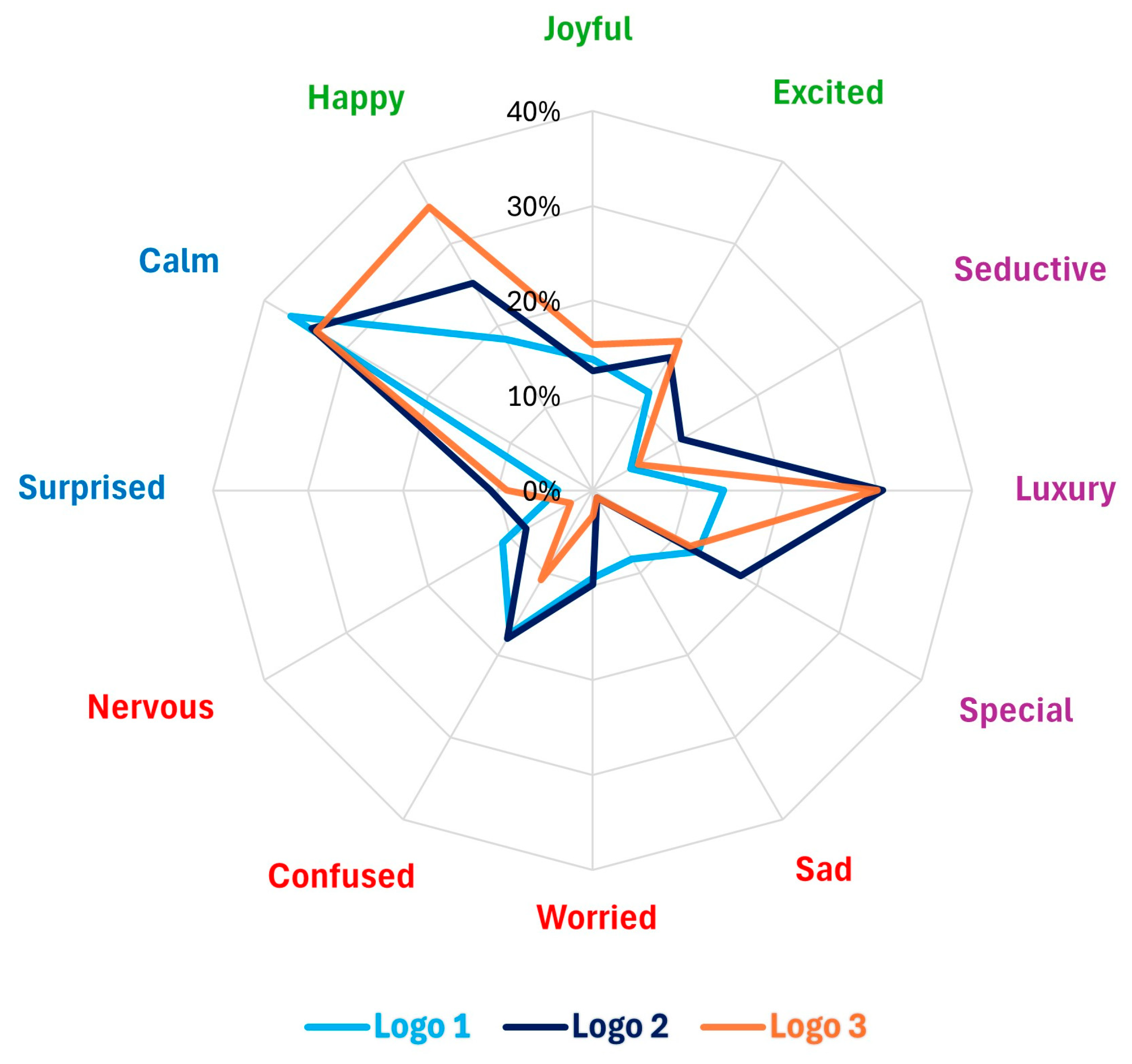
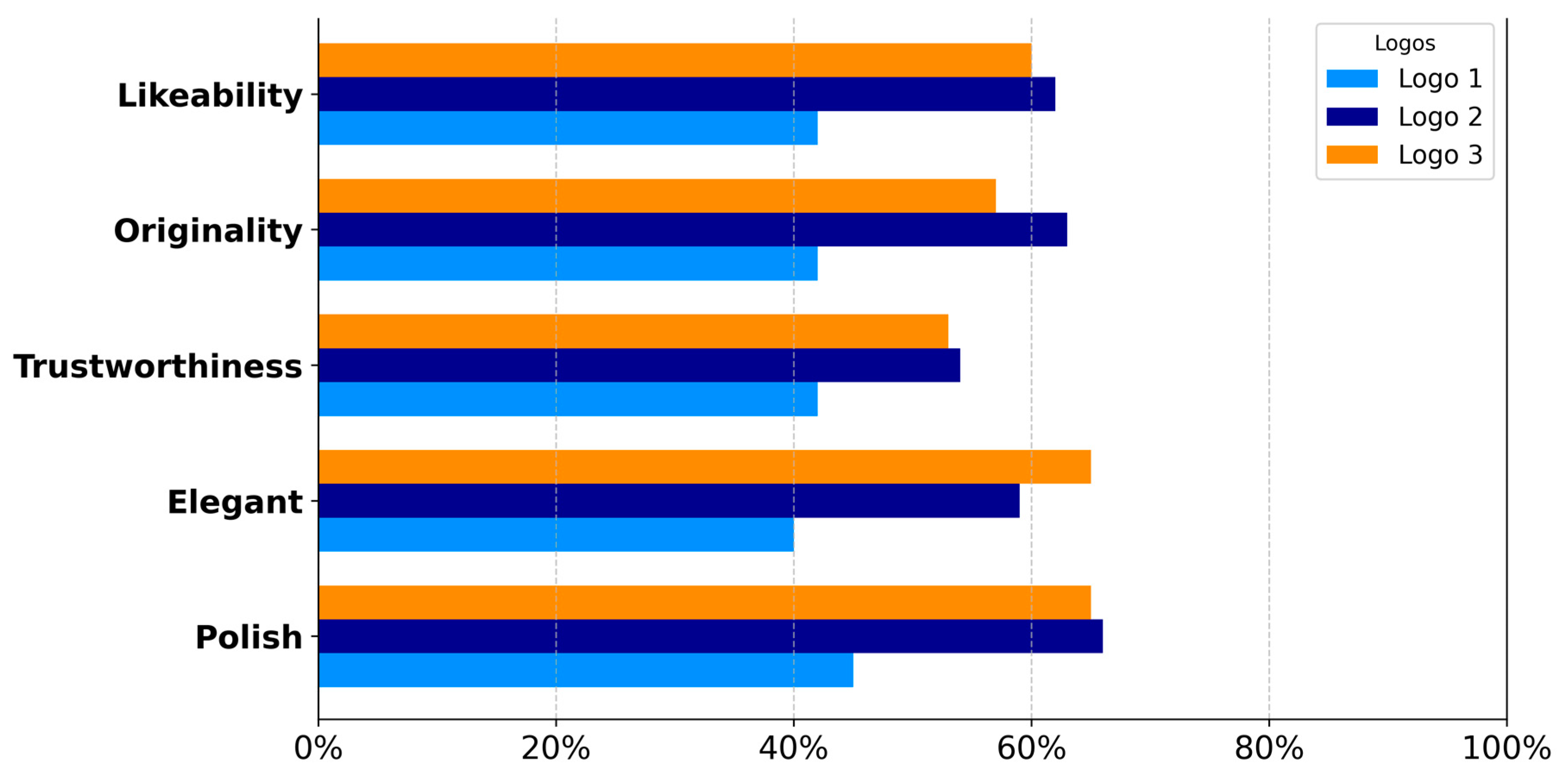
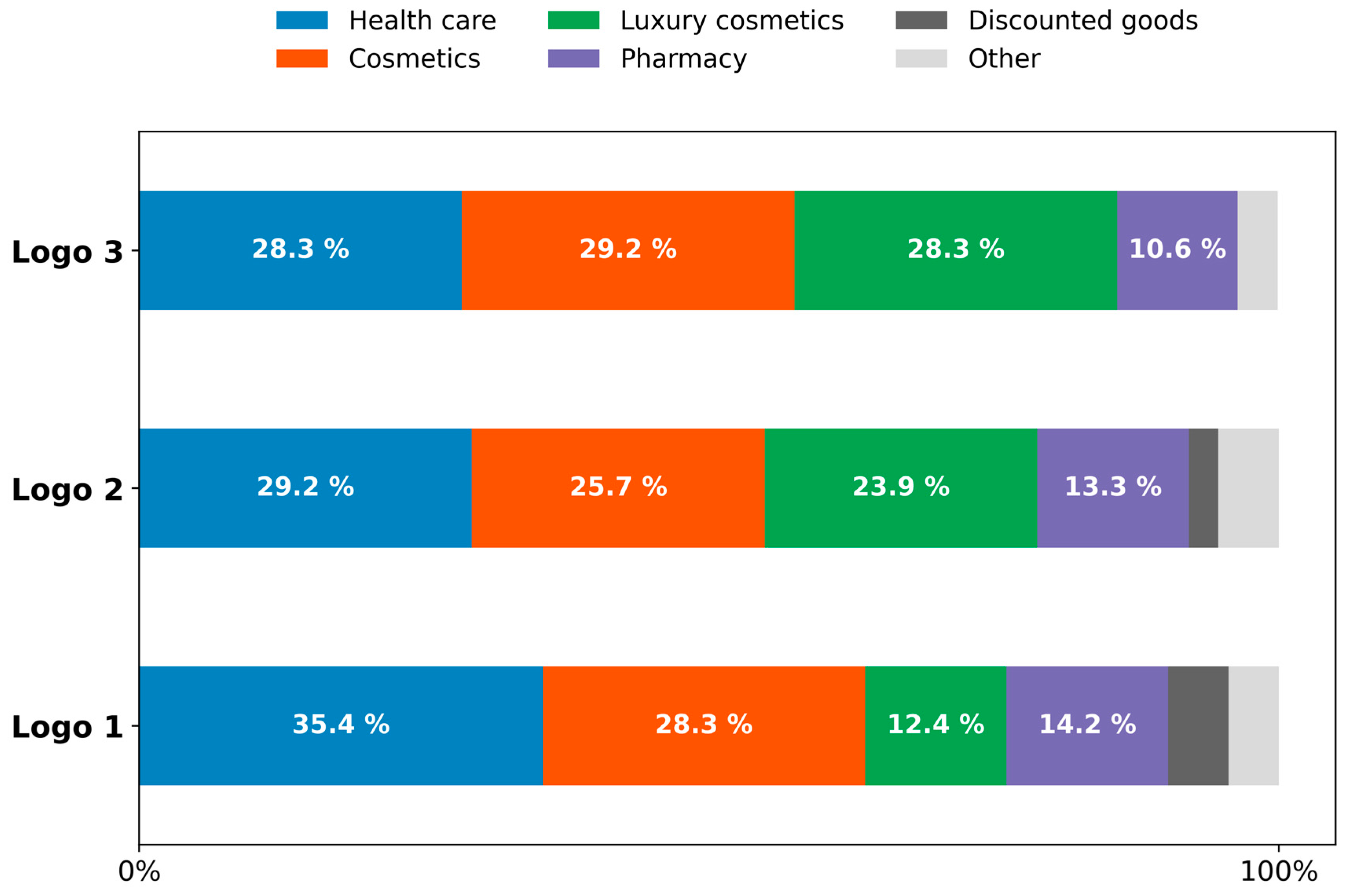
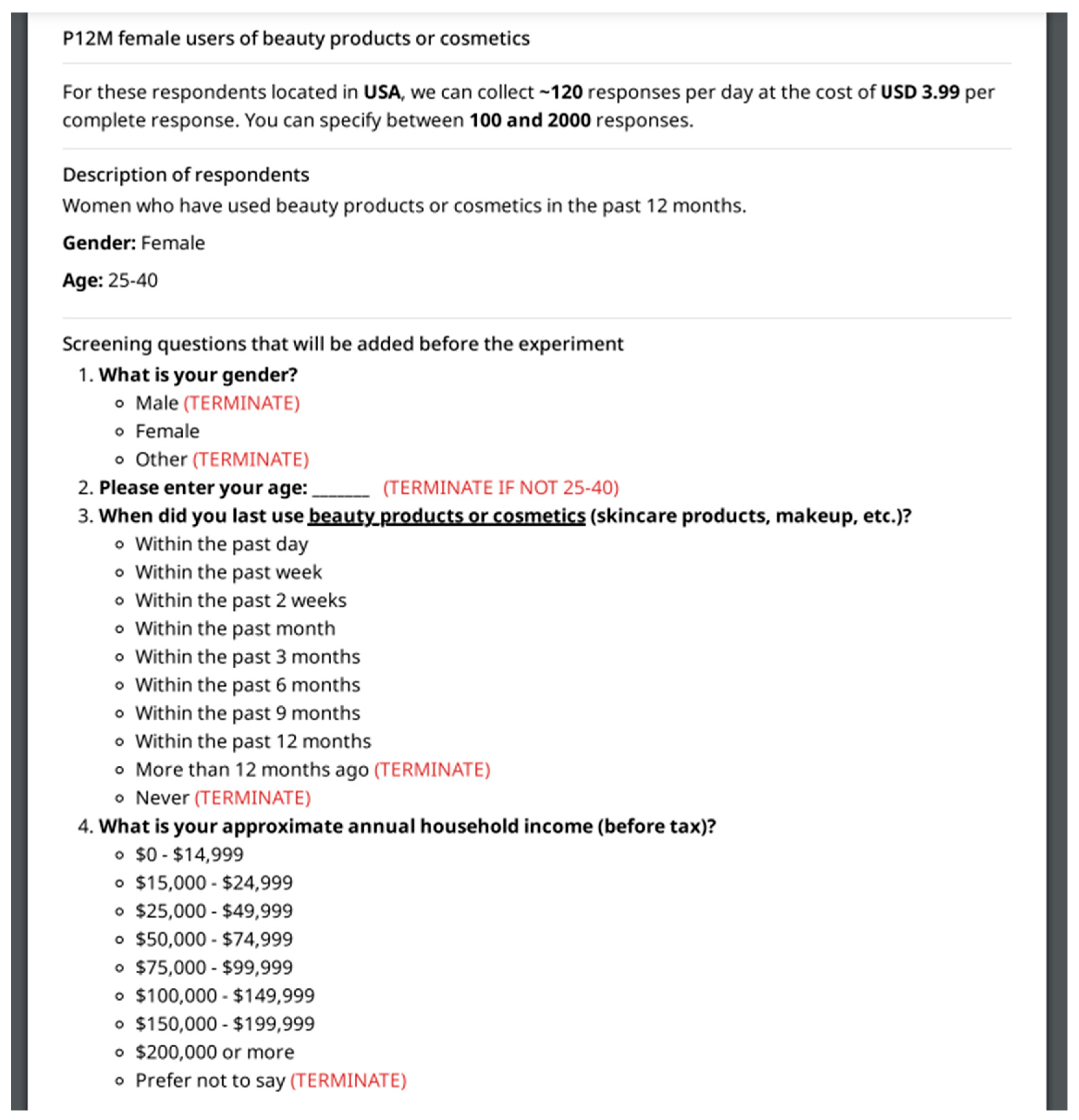
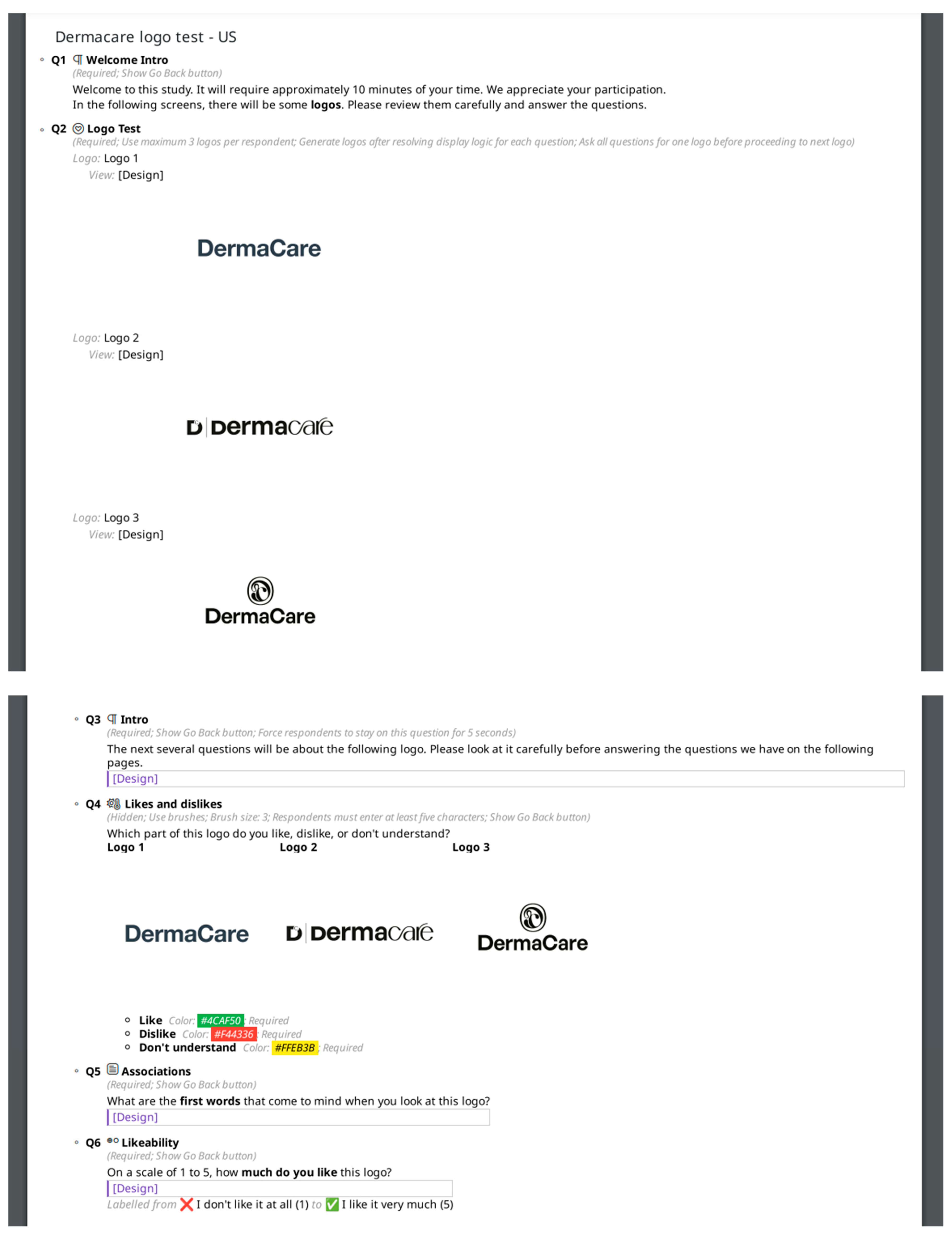
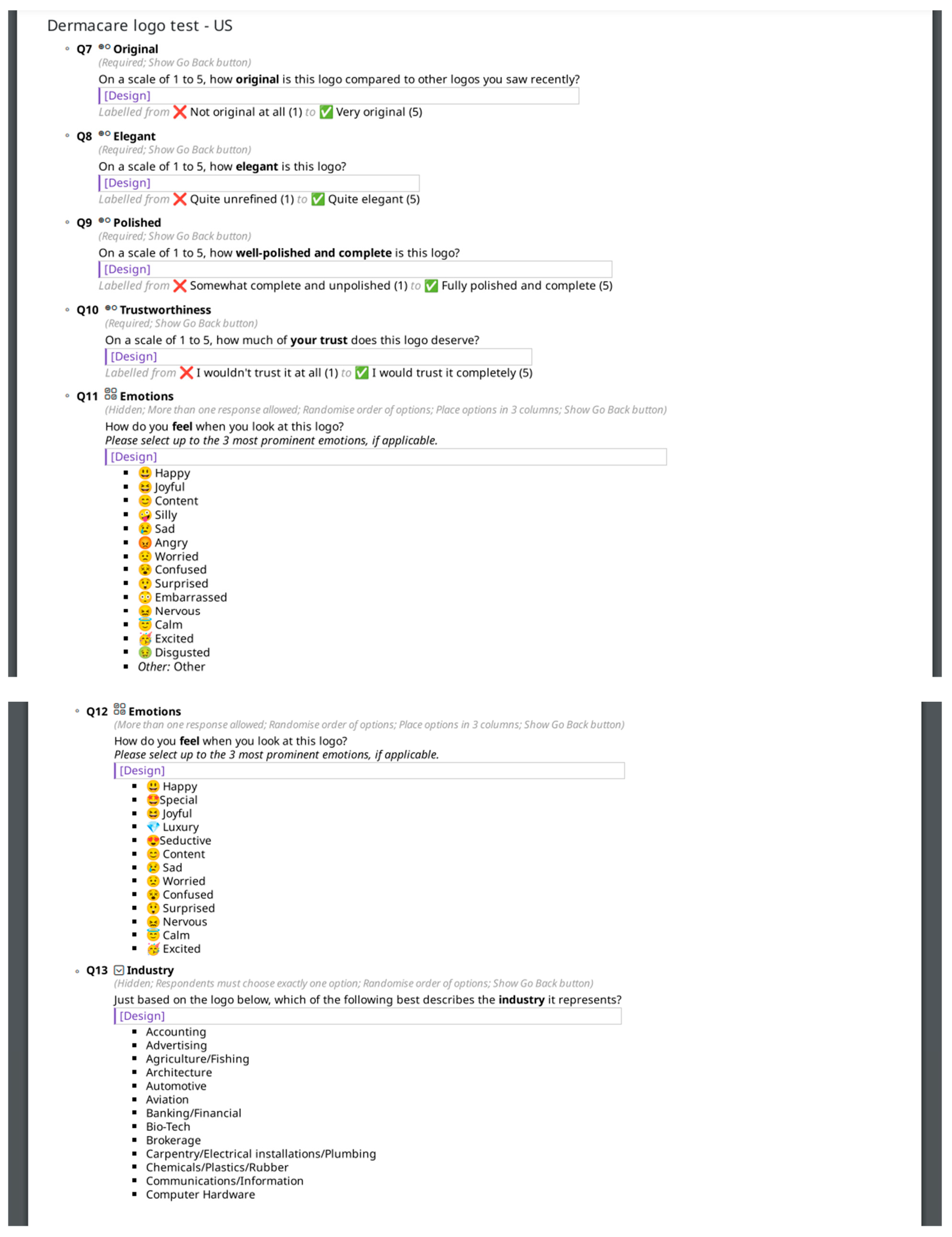
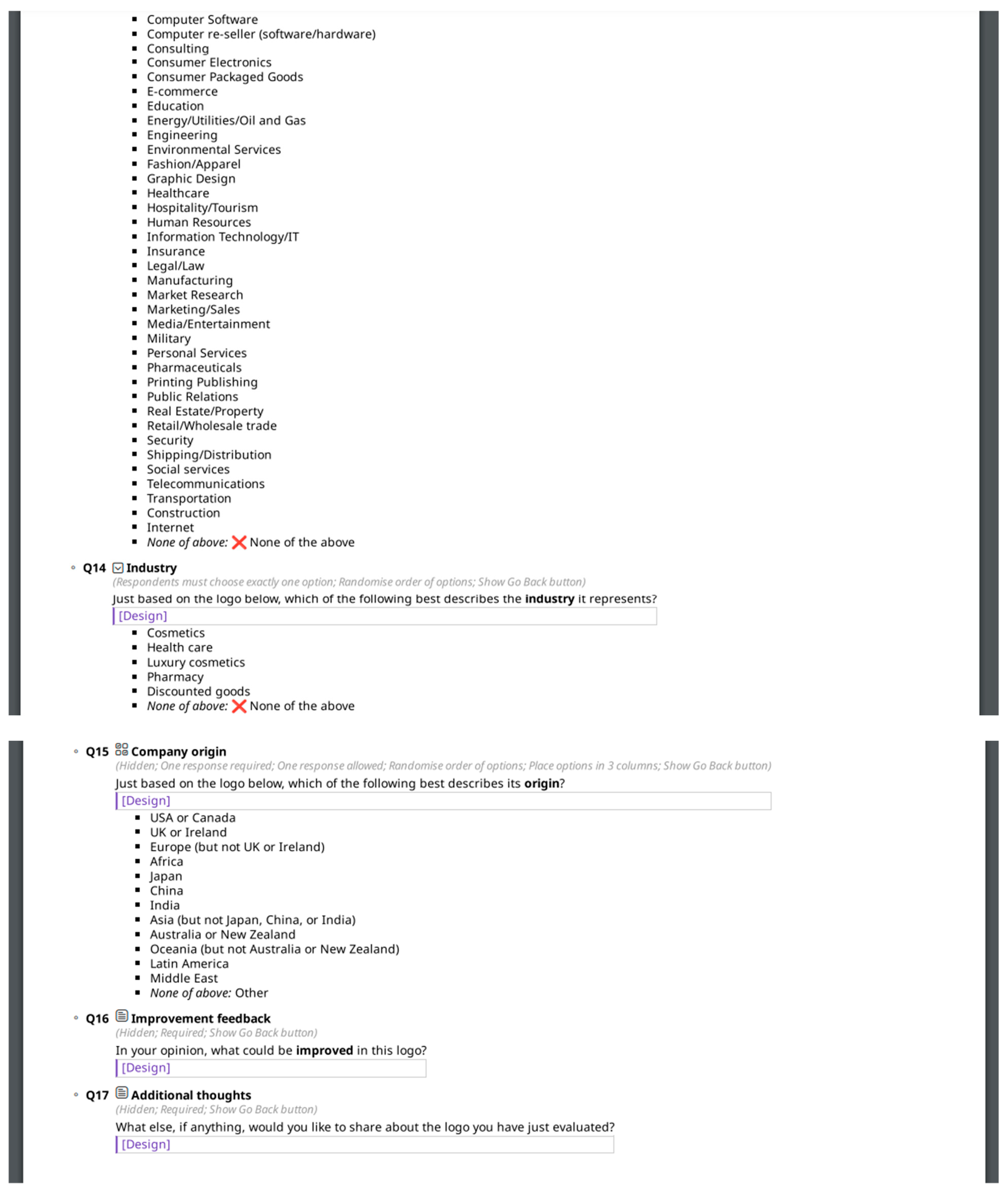
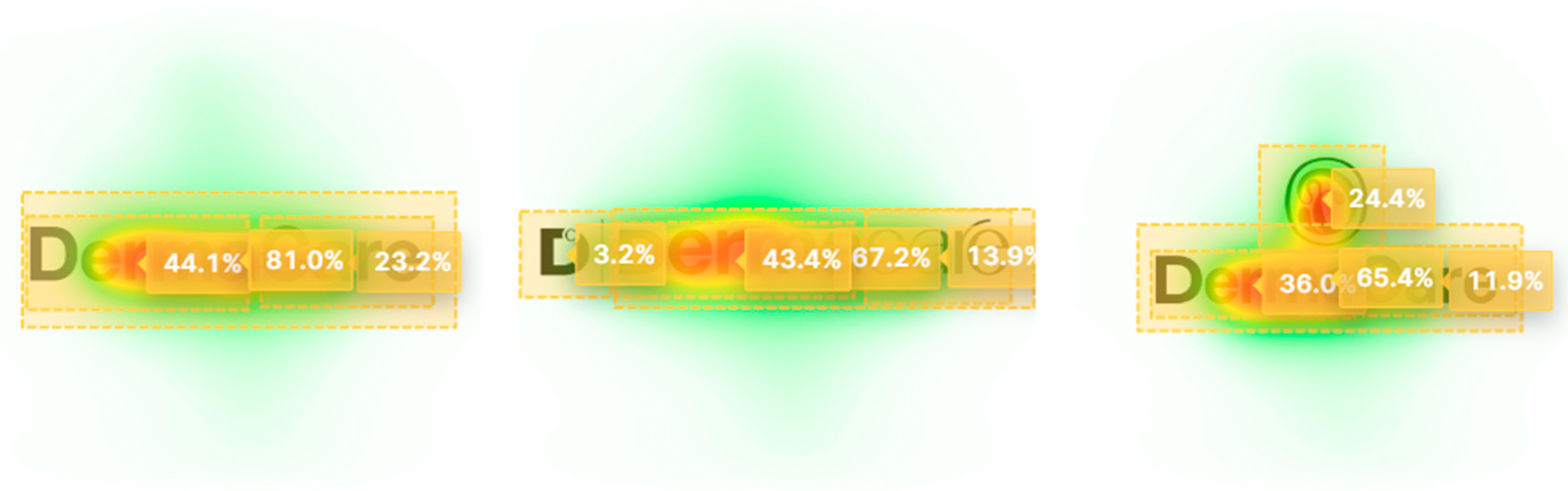
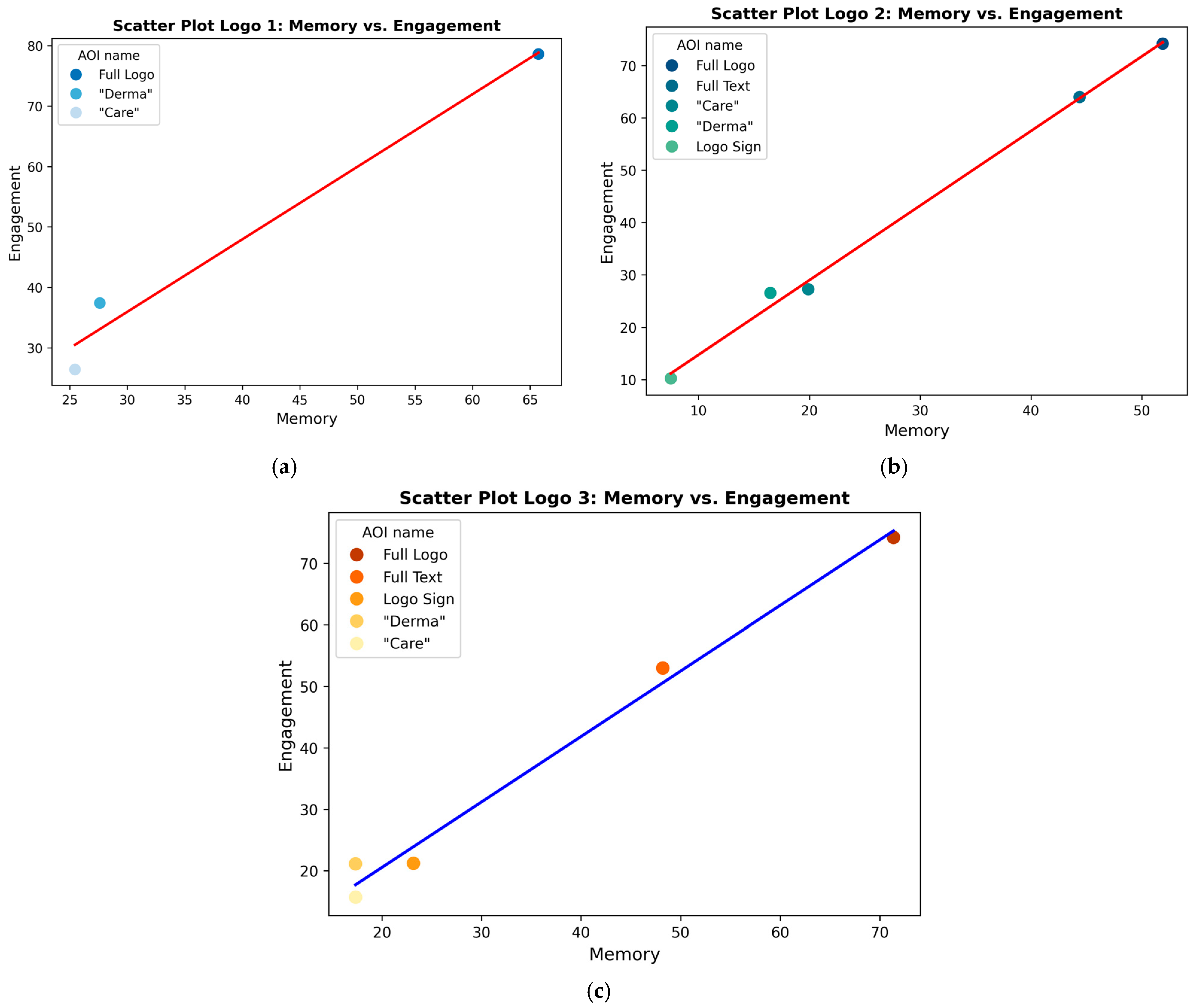
This study examines the influence of dynamic and verbal elements in logo design on consumer behaviour in the luxury retail sector using advanced neuroscience technology (Predict v.1.0) and traditional cognitive survey methods. AI-powered eye tracking (n = 255,000), EEG technology (n = 45,000), implicit testing (n = 9000), and memory testing (n = 7000) were used to predict human behaviour. Qualitative cognitive surveys (n = 297), saliency map analysis, and emotional response evaluation were employed to analyse three distinct logo designs. The results indicate that logos with prominent dynamic elements, particularly visually distinct icons, demonstrate superior performance in capturing and maintaining viewer attention compared with static designs. A strong correlation was found between cognitive demand and engagement, suggesting that dynamic elements enhance emotional connections and brand recall. However, the effectiveness of dynamic features varied, with more pronounced elements yielding better results for industry associations and premium market alignment. This study, combining advanced neuroscience technology with traditional cognitive survey methods, makes significant contributions to the field and opens up new avenues for research and application. The findings provide valuable insights for luxury brand managers in optimising logo designs to enhance emotional connection and brand perception and improve academia by providing powerful tools for understanding and predicting human responses to visual stimuli.
Keywords: neuromarketing; AI EEG; AI eye tracking; implicit testing; neurobranding; memory; neuroscience of logos; luxury brand marketing; cognitive engagement; visual attention neuromarketing; AI EEG; AI eye tracking; implicit testing; neurobranding; memory; neuroscience of logos; luxury brand marketing; cognitive engagement; visual attention