


Abstract
Heart failure and chronic kidney disease (CKD) coexist so often in older adults that cardiorenal syndrome (CRS) is a common phenotype in geriatric practice, with renal impairment carrying a graded increase in mortality. On a substrate of cardiovascular and renal ageing, venous congestion and neurohormonal activation link the two organs, while delirium, falls or functional decline may obscure the classical signs of congestion. Lung and venous ultrasound, age-stratified natriuretic peptide thresholds and creatinine–cystatin C equations can support diagnosis when physical signs are unreliable. Sodium–glucose cotransporter 2 inhibitors reduce heart failure events across the ejection fraction spectrum and slow CKD progression, with consistent effects across age and frailty subgroups. Finerenone reduces kidney and cardiovascular events in albuminuric diabetic CKD; in heart failure with an ejection fraction of 40% or higher, it reduced worsening heart failure events without a significant kidney benefit. Natriuresis-guided decongestion, rapid up-titration of therapy after admission, intravenous iron and rehabilitation have been tested in trials enrolling many older patients, although the most severely frail remain underrepresented. Frailty-adapted prescribing and monitoring, deprescribing, shared decisions on dialysis or conservative care, and multidisciplinary models form the practical framework proposed in this narrative review of cardiological, nephrological and geriatric evidence in adults aged 65 years and older.
1. Introduction
Cardiorenal syndrome (CRS) refers to bidirectional pathophysiological interactions whereby acute or chronic dysfunction in one organ precipitates or perpetuates dysfunction in the other [1,2,3]. Although recognised for decades, the syndrome differs in clinically important ways in adults aged 65 years and older. Age-related physiological decline, accumulated comorbidity, frailty and diminished homeostatic reserve shape its clinical expression alongside, and at times more than, the severity of either organ impairment [2,4]. In this review, older adults are those aged 65 years and older, the threshold adopted by most epidemiological sources; much of the clinically relevant uncertainty, however, concerns patients aged 75 or 80 years and older, and the age band is specified whenever the cited studies report it.
Global population ageing continues to accelerate, and adults aged 65 years and older are projected to make up 16 per cent of the world’s population by 2050 [5]. Heart failure and chronic kidney disease (CKD) both increase steeply with advancing age, and their overlap is common [6,7]. In the United States, heart failure affects roughly 5 to 9 per cent of adults aged 60 to 79 years and 12 to 14 per cent of those aged 80 years and older, depending on sex [8], while an estimated glomerular filtration rate (eGFR) below 60 mL/min per 1.73 m2, which defines CKD when it persists for at least three months, is found in close to 40 per cent of adults aged 70 years and older [9,10]; in European population studies, age- and sex-standardised CKD prevalence varied several-fold between countries [11]. Randomised controlled trials establishing the efficacy of guideline-directed medical therapy have enrolled few participants with frailty, cognitive impairment, advanced CKD or extensive multimorbidity; many landmark trials in heart failure with reduced ejection fraction (HFrEF) enrolled populations with a mean age in the sixties, and although more recent trials in heart failure with mildly reduced (HFmrEF) or preserved ejection fraction (HFpEF) have included older participants, severe frailty remains underrepresented [12,13,14,15]. Hospitalised older adults with heart failure, by contrast, show high rates of frailty, physical impairment and cognitive dysfunction irrespective of ejection fraction [16]. Clinicians therefore face considerable uncertainty when applying trial-derived algorithms to frail octogenarians with CRS, polypharmacy and functional dependence. The 2026 guideline of the European Society of Cardiology (ESC) has removed the mildly reduced category, defining HFrEF as a left ventricular ejection fraction (LVEF) below 50% and HFpEF as an LVEF of 50% or more [17]; trial populations are described here with the definitions adopted by each trial.
Frailty denotes increased vulnerability to disproportionate changes in health status after minor stressors, and results from cumulative age-associated decline in physiological reserve across multiple systems [18]. Systematic reviews estimate its prevalence at about 10 per cent of community-dwelling adults aged 65 years and older, rising to roughly a quarter of those aged 85 years and above [19,20]. In heart failure cohorts, the pooled prevalence approaches 45 per cent, with individual estimates up to 74 per cent; all these figures vary substantially with the frailty definition and the care setting, and they cannot be transferred directly to CRS populations [21,22]. Hospitalisation, adverse events, functional decline and mortality have been reported at higher rates in frail individuals than in their non-frail counterparts [22].
Concurrent heart and kidney dysfunction usually coexists with additional chronic conditions in older patients; common coexisting conditions include diabetes mellitus, chronic obstructive pulmonary disease, atrial fibrillation, osteoarthritis, depression and cognitive impairment [4,23]. Each comorbidity brings competing treatment priorities, potential pharmacological interactions and a variable contribution to functional limitation and quality of life [24]. Under these conditions, disease-specific algorithms require adaptation to multimorbidity, and care has to balance longevity against symptom palliation, functional preservation and patient values [25].
Polypharmacy is highly prevalent among older adults with concurrent heart failure and CKD, and the proportion receiving ten or more regular medications varies with the setting [26,27,28]. This burden raises the risk of adverse drug reactions, prescribing cascades, non-adherence and drug–drug interactions, and susceptibility to medication-related harm increases further because of age-related changes in pharmacokinetics and pharmacodynamics, particularly during acute illness or when kidney function fluctuates [29]. Deprescribing opportunities and dose individualisation therefore deserve consideration alongside evidence-based pharmacotherapy, with explicit attention to treatment burden relative to life expectancy and patient priorities [30].
Recent reviews have examined CRS in general adult populations, its therapeutic inertia and the interpretation of its biomarkers [3,31,32]. This review is restricted to adults aged 65 years and older and combines the perspectives of cardiology, nephrology and geriatric medicine, considering frailty, cognition, polypharmacy and treatment burden at each step from diagnosis to treatment and models of care. Because much of the current evidence derives from younger or less complex populations, data obtained in older adults or in age- and frailty-stratified trial analyses are distinguished, in the text and in the tables, from evidence extrapolated from general heart failure or CKD populations and from expert opinion.
Sources were identified through searches of PubMed/MEDLINE, Embase, Scopus and Web of Science up to 1 June 2026, combining terms for cardiorenal syndrome, heart failure, chronic kidney disease and acute kidney injury with terms for older age, frailty, cognitive impairment, multimorbidity, polypharmacy and deprescribing. Randomised trials and their age- or frailty-stratified analyses, meta-analyses, observational cohorts, guidelines and consensus statements published in English were eligible, whereas case reports, conference abstracts and preprints were not considered. Two authors (L.S. and G.G.) screened records independently and resolved disagreements with a third author (A.C.); the reference lists of retrieved articles were also examined, and publications that appeared after the search date or were suggested during peer review were added when they modified the evidence on a topic. The algorithm for acute CRS in Section 7.10 was drafted was drafted with a generative artificial intelligence tool (Claude, Anthropic San Francisco, CA, USA) from a scheme prepared by the authors, and the readability of the manuscript was checked with Nature Research Assistant (beta version; Springer Nature, London, UK; all outputs were reviewed and edited by the authors, who take full responsibility for the content. The correspondence of the manuscript with the items of the Scale for the Assessment of Narrative Review Articles (SANRA) is reported in Supplementary Table S1.
2. Definition and Classification of CRS
The functional interdependence of the heart and the kidney has been recognised for many years, yet attempts to impose a formal structure on this relationship are relatively recent. Ronco and colleagues proposed a classification of CRS intended to capture the bidirectional nature of cardiac and renal dysfunction, organising the condition into five subtypes [1]. This framework, subsequently discussed in an American Heart Association scientific statement, distinguishes syndromes according to the organ primarily affected, the temporal profile of dysfunction and the presumed direction of injury, and it is best regarded as a clinical heuristic [33]. Although widely used, the classification loses precision when applied to older patients [3,31].
In its acute form (Type 1), CRS develops when a sudden deterioration in cardiac function is followed by acute kidney injury (AKI). This pattern is most often observed in acute decompensated heart failure, acute coronary syndromes or cardiogenic shock, settings in which reduced renal perfusion and venous congestion usually coexist, and renal function may decline rapidly [1,33]. Worsening renal function, defined by study-specific creatinine criteria that are not interchangeable with KDIGO-defined AKI, complicates roughly a quarter of hospital admissions for acute heart failure in prospective cohorts and meta-analyses, with higher rates in older patients, in those with pre-existing renal impairment and in those exposed to high doses of intravenous diuretics [34,35]. Even when renal dysfunction appears transient, it has been associated with longer hospital stay, early readmission, subsequent CKD and excess mortality [36,37,38].
Type 2 CRS refers to the more gradual decline in kidney function that accompanies chronic heart failure. The mechanisms most consistently implicated are sustained haemodynamic disturbance and persistent neurohormonal activation, particularly of the renin–angiotensin–aldosterone system (RAAS) and the sympathetic nervous system [39]. Its prevalence increases as heart failure advances and becomes longstanding, and in pooled analyses, with heterogeneous definitions of renal impairment, roughly one in three patients with chronic heart failure has CKD [34].
In Type 3 CRS, AKI precedes and may precipitate cardiac dysfunction. Volume expansion, electrolyte imbalance, accumulation of uraemic solutes and activation of neurohormonal pathways can occur to varying degrees. The ensuing cardiac manifestations, including pulmonary oedema, arrhythmias, transient myocardial dysfunction or acute coronary syndromes, are influenced by the severity and duration of renal injury and by baseline cardiovascular vulnerability; in a large cohort of United States veterans, an episode of AKI was associated with a higher subsequent incidence of heart failure after adjustment, although residual confounding cannot be excluded in observational data [40].
Type 4 describes the converse situation, in which CKD constitutes the primary substrate. Prolonged exposure to uraemia, disordered mineral metabolism and sustained haemodynamic stress is associated with a recognisable cardiac phenotype, characterised by left ventricular hypertrophy, diastolic dysfunction, accelerated atherosclerosis and an increased burden of rhythm disturbances. In advanced CKD (stages 4 and 5) not yet requiring kidney replacement therapy, cardiovascular causes constitute a substantial proportion of deaths, with the proportion varying considerably across cohorts and definitions [41,42].
Type 5 refers to cardiorenal involvement arising in the context of systemic disorders. Here neither organ is the initiating lesion; cardiac and renal dysfunction develop in parallel as manifestations of an underlying disease process. Sepsis is the prototypical acute cause; diabetes mellitus, systemic lupus erythematosus, amyloidosis and cirrhosis are recognised chronic associations with a different temporal profile [1].
When applied to older adults, this classification reveals practical limitations, since chronic multimorbidity is usual and a single temporal sequence of organ injury can seldom be identified. The most fundamental limitation is the assumption that acute and chronic dysfunction can be clearly separated, when AKI and CKD are increasingly understood as parts of one continuum [37,38]. In geriatric practice, this distinction is often artificial: an 85-year-old woman with HFpEF, CKD, atrial fibrillation and diabetes who deteriorates after a respiratory infection may display features compatible with more than one subtype simultaneously. Acute decompensation in older patients unfolds against a background of longstanding, overlapping disease, and the sequence of organ involvement is often impossible to reconstruct with confidence. Frailty and other geriatric syndromes introduce further complexity that the classification does not address [20]. These factors alter prognosis and also the way disease manifests: frail older patients may present with delirium, falls or functional decline, while breathlessness and oedema are less prominent [43] presentations that complicate recognition of CRS and weaken the relevance of rigid diagnostic categories.
Multimorbidity adds a further layer of difficulty, since most older patients with CRS have several coexisting conditions that may interact in unpredictable ways [23]: respiratory symptoms may reflect chronic lung disease, and limitations in mobility may be driven by sarcopenia or osteoarthritis. In this context, the explanatory power of a purely cardiorenal framework is limited. The Ronco classification nonetheless retains practical value as a heuristic tool [33], provided that, in older adults, it is treated as a starting point and that clinical assessment extends beyond categorical definitions to include frailty, functional status, cognitive impairment, comorbidity burden and individual treatment goals.
3. Epidemiology of CRS in Older Adults
The epidemiological burden of CRS in older adults reflects the intersection of two highly prevalent age-related conditions, each demonstrating steep increases in incidence and prevalence with advancing age [6,7]. Heart failure prevalence rises further after 80 years of age [8], and large primary-care datasets show that incident heart failure is concentrated in older age groups with a rising burden of comorbidity at diagnosis, CKD included [44]; such co-occurrence may reflect CRS, although it does not by itself establish directional organ injury. The dominant phenotype also shifts with age: HFpEF accounts for at least half of heart failure cases in older adults, and its share continues to rise beyond 80 years of age [45]. This age-related shift carries clinical consequences, because CKD is common in both phenotypes and some community cohorts report a higher prevalence in HFpEF than in HFrEF [46].
Reported prevalence of CKD in older populations varies according to the threshold used to define renal impairment and to whether age-adapted reference ranges are applied [9,47]. The figure of close to 40 per cent in adults aged 70 years and older quoted above derives from cross-sectional surveys in the United States, without age adjustment and based on a single measurement, which does not by itself establish chronicity [10]. Clinical interpretation of these figures remains contentious, because an eGFR persistently below 60 mL/min per 1.73 m2 for at least three months meets current KDIGO criteria for CKD even in the absence of albuminuria [9], but the prognostic significance of category G3a in older adults varies with age, albuminuria and trajectory, and an age-adapted definition has been proposed [47].
Several large observational cohorts and registries have examined the co-prevalence of heart failure and CKD in older populations [34,48]. In the European Society of Cardiology Heart Failure Long-Term Registry, renal dysfunction was among the most frequent comorbidities of ambulatory and hospitalised heart failure patients and was associated with worse one-year outcomes [49]. In the opposite direction, heart failure is present in at least one in five patients with advanced CKD not yet on kidney replacement therapy, and its prevalence rises as eGFR falls [50]. Worsening renal function during admission for acute decompensated heart failure, considered above in the description of Type 1 CRS, is more frequent in patients aged 75 years and older [35], and reduced baseline renal functional reserve, higher background prevalence of CKD and greater exposure to nephrotoxic medications all contribute to this age-related vulnerability [35]. The prognostic consequences extend beyond mortality to hospitalisation [51,52], and in older adults the clinical picture is further shaped by coexisting geriatric conditions such as frailty, functional decline and cognitive impairment, whose relationship with CRS is in part bidirectional [21,22] (Figure 1).
Figure 1.
Prognostic impact of cardiorenal syndrome in older adults. The central heart–kidney complex represents established cardiorenal syndrome, while the surrounding domains depict associated and interconnected conditions that extend beyond traditional organ-specific endpoints, namely mortality, functional decline, cognitive impairment, polypharmacy and healthcare utilisation; polypharmacy and cognitive impairment may precede the syndrome, mediate its consequences or result from it. Frailty, labelled within the central circle, acts as a cross-cutting modifier associated with greater vulnerability to death, loss of independence, cognitive decline, medication-related harm and recurrent hospitalisation. The The connecting lines represent associations represent associations reported in the literature and do not denote demonstrated causal pathways or their direction. Sources: [21,22,33,48,50,51,53]. Created in BioRender. Soraci, L. (2026) https://BioRender.com/0u0na5w. ADL, activities of daily living; AKI, acute kidney injury.
4. Pathophysiology of CRS in Ageing
Several pathophysiological processes converge in the development of CRS in older patients (Table 1). Intrinsic cardiac, vascular and renal ageing reduce the functional reserve of both organs; haemodynamic alterations and sustained neurohormonal activation link the two; chronic low-grade inflammation, oxidative stress and fibrotic remodelling consolidate the damage. Together, these processes create a fragile physiological state in which minor clinical stressors can precipitate acute decompensation and hasten organ dysfunction [2,33,54].
Table 1.
Pathophysiological mechanisms of cardiorenal syndrome in ageing.
Cardiac ageing proceeds even in the absence of overt disease: cardiomyocyte number falls and the surviving cells hypertrophy, interstitial collagen accumulates, and calcium handling slows as sarcoplasmic reticulum Ca2+-ATPase activity declines; the net result in many older individuals is a stiffer left ventricle with prolonged isovolumic relaxation, a greater dependence on atrial contraction for late diastolic filling, and a blunted chronotropic and contractile response to exercise, with considerable heterogeneity between individuals [55,56]. Left atrial enlargement follows chronically elevated filling pressures and, together with age-related fibrosis of the conduction system, predisposes to atrial fibrillation, whose onset in an older patient with a stiff ventricle removes the atrial contribution to filling and has been associated with higher mortality in epidemiological cohorts [57] and, in HFpEF, with a higher risk of death or heart failure hospitalisation in a European registry [58]. These changes may blunt cardiovascular reserve and contribute to susceptibility to HFpEF, which in older adults is amplified by hypertension, obesity, diabetes and coronary microvascular dysfunction [59]. The arterial tree ages in parallel: elastin fragmentation and collagen deposition in the aortic media increase pulse wave velocity, so that reflected pressure waves return during systole, raise central systolic pressure and ventricular afterload, and lower diastolic coronary perfusion pressure [60]. Ventricular–arterial stiffening of this kind makes blood pressure, and with it renal perfusion, highly sensitive to small changes in preload, a feature that explains the narrow haemodynamic tolerance of many older patients with CRS [61].
The kidney undergoes comparable structural attrition, since nephron number declines with age through global glomerulosclerosis, with an estimated loss of several thousand functioning nephrons per year after the fourth decade, accompanied by tubular atrophy, interstitial fibrosis and arteriosclerosis of the interlobular and arcuate arteries [62,63]. The remaining nephrons hypertrophy and single-nephron glomerular filtration rate is largely maintained in healthy ageing, so that in many cohorts, the age-associated decline in whole-kidney GFR averages roughly 0.5 to 1 mL/min per 1.73 m2 per year, with substantial between-person variability and dependence on the measurement method [62]. Functional changes accompany the structural ones: renal blood flow falls more than GFR, renal functional reserve in response to a protein load or a haemodynamic stressor is attenuated, tubular capacity to conserve and excrete sodium and water narrows, and the diluting and concentrating ability of the ageing kidney declines [64]. Older patients therefore tend to tolerate both volume depletion and volume loading poorly, and a modest fall in cardiac output or perfusion pressure that a younger kidney would compensate for may be enough to trigger AKI.
On this substrate, two haemodynamic mechanisms contribute to heart failure: forward failure, with reduced cardiac output and arterial underfilling, lowers renal perfusion pressure and activates the baroreceptor-mediated neurohormonal response [39]. The contribution of backward failure has become clearer over the past two decades. In a selected cohort of patients with advanced decompensated heart failure, elevated central venous pressure was the haemodynamic variable most strongly associated with worsening renal function, with no comparable association for cardiac index, an observational finding that does not establish causality [65], and an association between higher central venous pressure and both lower eGFR and higher mortality has been demonstrated across a broad spectrum of cardiovascular disease [66]. Raised renal venous pressure is thought to be transmitted to the encapsulated kidney, where it increases interstitial and intratubular pressure, lowers the net filtration gradient and promotes hypoxia of the renal medulla. Splanchnic congestion and ascites can add an intra-abdominal component: in selected cohorts of decompensated heart failure, intra-abdominal pressure was often increased, and its reduction with decongestion tracked the improvement in renal function [67]. In older adults, in whom right ventricular dysfunction, tricuspid regurgitation and atrial fibrillation are frequent, venous congestion is an important and potentially dominant mechanism of renal deterioration in congested phenotypes, although its relative weight varies with the haemodynamic state; this bears directly on the choice between decongestion and haemodynamic support [68].
Neurohormonal activation translates haemodynamic stress into structural damage: reduced effective arterial volume stimulates renin release, angiotensin II-mediated efferent arteriolar constriction maintains filtration pressure in the short term at the cost of raised intraglomerular pressure and proteinuria, and aldosterone drives sodium retention and fibrosis in both myocardium and renal interstitium [39,69]. Non-osmotic vasopressin release contributes to water retention and hyponatraemia, and the counter-regulatory natriuretic peptide system becomes progressively less effective as end-organ responsiveness falls [39]; the extent of these changes differs between patients and not every element is present in each case. Ageing modifies this response, since resting sympathetic outflow and plasma noradrenaline rise with age, while β-adrenergic responsiveness of the myocardium declines through receptor desensitisation and impaired post-receptor coupling, so that the older heart is exposed to higher catecholamine levels yet mounts a smaller inotropic and chronotropic response [55,70]. Baroreflex sensitivity also falls, blunting the capacity to buffer the haemodynamic effects of diuretics, vasodilators and postural change. The result may be a system in which neurohormonal activation is sustained, poorly regulated and, in the kidney, superimposed on nephron loss and arteriosclerosis that already limit autoregulation [54,68].
Both heart failure and CKD are associated with chronically elevated circulating cytokines, interleukin-6 and tumour necrosis factor-α being the most consistently reported in advanced heart failure, and their coexistence may contribute to a shared inflammatory burden [71]. Ageing itself contributes through “inflammageing”, the persistent low-grade inflammation driven by cellular senescence, immunosenescence and visceral adiposity that is independently associated with frailty and cardiovascular events [72]. Oxidative stress compounds this, impairing mitochondrial function and initiating pro-fibrotic signalling in cardiac and renal tissue alike. Nitric oxide availability falls, endothelin production rises, and the coronary and renal microcirculations are thought to share the consequences: microvascular ischaemia and diastolic impairment in the heart, microvascular rarefaction, glomerulosclerosis and interstitial fibrosis in the kidney [73]. Hypertension, diabetes mellitus, dyslipidaemia and smoking may act on this same substrate and hasten its deterioration [74].
Fibrosis is an important downstream feature of prolonged cardiorenal injury [75]. In the myocardium, extracellular matrix deposition stiffens the ventricular wall and disrupts conduction; in the kidney, it replaces functional parenchyma, and reversibility may be limited once the disease is advanced [76]. The molecular drivers, namely RAAS activation, inflammatory cytokine signalling and oxidative stress, are shared by both organs, which supports the concept of CRS as a biologically integrated syndrome (Figure 2). CRS in older adults can be understood as the clinical expression of a broader failure of physiological integration across cardiovascular, renal, neurohormonal and immune systems.
Figure 2.
Pathophysiology of cardiorenal syndrome in older adults. In the context of ageing, which reduces cardiac and renal reserve, haemodynamic, neurohormonal and inflammatory mechanisms link the heart and the kidney. Reduced forward flow leads to renal hypoperfusion, while backward failure with elevated central venous pressure causes renal venous congestion; activation of the renin–angiotensin–aldosterone system and the sympathetic nervous system promotes sodium and water retention and fibrosis, and chronic low-grade inflammation and oxidative stress (inflammageing) amplify endothelial and microvascular dysfunction. The resulting cycle may lead to acute kidney injury superimposed on chronic kidney disease, myocardial dysfunction, arrhythmias and pulmonary oedema. The double-headed arrow indicates the bidirectional heart–kidney interaction, upward and downward arrows indicate an increase or a decrease, and box colours distinguish the three groups of mechanisms. Sources: [39,55,56,60,62,64,65,69,70,71,72,75,76]. Created in BioRender. Soraci, L. (2026) https://BioRender.com/pww9dh3. AKI, acute kidney injury; CKD, chronic kidney disease; GFR, glomerular filtration rate; IL-6, interleukin-6; RAAS, renin–angiotensin–aldosterone system; SNS, sympathetic nervous system; TNF-α, tumour necrosis factor-alpha.
5. Diagnostic Challenges in Geriatric Patients
Diagnosis of CRS in older adults is often difficult, although many older patients still present with recognisable features. Atypical clinical presentations, age-related shifts in biomarker concentrations, reduced diagnostic test performance in the presence of multimorbidity and the difficulty of separating acute pathology from chronic age-related change all contribute [43,77]. The practical consequences run in both directions: delayed intervention where the diagnosis is missed, and inappropriate treatment escalation where it is overcalled in frail individuals [78].
Presentation can be less typical in a subset of older patients than in the younger populations from which textbook descriptions derive. Prominent dyspnoea, orthopnoea and peripheral oedema, the classic features of acute decompensated heart failure, may be absent, and some older adults, particularly those with frailty or cognitive impairment, present with nonspecific features such as generalised weakness, fatigue, anorexia, confusion, delirium or falls [43,77]; in a more recent emergency department series of 355 patients aged 80 years and older, 53% had an atypical presentation of illness, most often a fall, and these patients stayed longer in hospital [79]. Reduced physiological reserve, impaired symptom perception or communication, and sedentary behaviour that masks exertional limitation all contribute, as do coexisting pulmonary disease and polypharmacy. Worsening renal function may remain silent or manifest as vague constitutional symptoms, without the classical features of uraemia.
Individual physical signs have limited sensitivity and are best interpreted as part of an integrated assessment. The absence of peripheral oedema does not exclude significant volume overload, since fluid may redistribute to central compartments without visible peripheral signs [80]. Conversely, peripheral oedema in older adults has multiple causes unrelated to intravascular congestion, among them chronic venous insufficiency, hypoalbuminaemia and dihydropyridine calcium channel blockers. Jugular venous pressure, although a useful marker of elevated central venous pressure and a predictor of renal deterioration, is often technically difficult to assess in older patients because of postural limitations, kyphosis, obesity or inability to adopt an appropriate examination position. Pulmonary auscultation has similar limitations: crackles occur with atelectasis and chronic lung disease in the absence of heart failure, and substantial pulmonary congestion may produce no audible signs in patients with longstanding disease and pulmonary vascular remodelling [81].
Point-of-care ultrasound can partly compensate for these limitations: in a meta-analysis of six studies including 1827 patients with symptoms suggestive of acute decompensated heart failure, lung ultrasound had a pooled sensitivity of 0.88 and a specificity of 0.90 for pulmonary oedema, against 0.73 and 0.90 for chest radiography [82]. A consensus statement of the European Association of Cardiovascular Imaging reports that a high number of B-lines at discharge identifies patients at higher risk of readmission or death, while noting that B-line-guided titration of diuretics has not been shown to improve morbidity or mortality [83]. Assessment of the inferior vena cava and the venous excess ultrasound (VExUS) score extends the examination to systemic venous congestion. VExUS was developed in 145 patients undergoing cardiac surgery, in whom severe congestion was associated with subsequent AKI after adjustment for baseline risk (HR 2.82, 95% CI 1.21–6.55) [84], and among 50 patients with acute heart failure and a median age of 83 years assessed in the emergency department, a VExUS score of 3 at admission identified those who died in hospital or were readmitted early [85]. These data come from small or single-centre cohorts, B-lines are not specific to cardiogenic congestion [83], and image acquisition depends on operator training and on the patient’s ability to cooperate, so that in older adults, ultrasound findings are best combined with clinical and biochemical assessment.
Natriuretic peptides are central to the diagnostic evaluation of suspected heart failure, but their interpretation in older adults is complicated because B-type natriuretic peptide and NT-proBNP concentrations rise with age even in the absence of cardiac disease [86,87]. In suspected acute heart failure, the ICON study proposed age-stratified NT-proBNP rule-in cut-offs of 450, 900 and 1800 pg/mL for patients younger than 50, aged 50 to 75 and older than 75 years, with an age-independent rule-out cut-off of 300 pg/mL that had a negative predictive value of 98% [88]; in the ICON-RELOADED validation, sensitivity of the cut-off for patients older than 75 years was 75.9% with a positive predictive value of 62.0%, and the rule-out cut-off retained a negative predictive value of 98.0% [89]. In the non-acute setting, NT-proBNP below 125 pg/mL or B-type natriuretic peptide below 35 pg/mL makes heart failure unlikely [90]. Renal dysfunction, atrial fibrillation and obesity require context-sensitive interpretation of all these thresholds. In CRS, elevated concentrations reflect the combined effects of cardiac and renal dysfunction; in the Breathing Not Properly analysis, renal function influenced B-type natriuretic peptide concentrations, diagnostic discrimination and the optimal cut-off values, particularly at eGFR below 60 mL/min per 1.73 m2, so that natriuretic peptide levels should be interpreted alongside kidney function and the overall clinical probability of acute heart failure [91]. Cardiac troponin is also frequently elevated in CRS, and its absolute levels retain prognostic value, and combining cardiac biomarkers with cystatin C has been proposed for risk stratification [32].
Renal function assessment presents analogous difficulties, because serum creatinine is influenced by muscle mass, dietary protein intake and tubular secretion, and in older adults with sarcopenia it may remain within the normal laboratory range despite substantial reductions in true GFR [92]. Creatinine-based estimation equations may misclassify the severity of renal impairment in older adults with reduced muscle mass, which has prompted the development of age-specific equations such as the Berlin Initiative Study equations for people aged 70 years and older [93]. The creatinine-based equation of the European Kidney Function Consortium (EKFC), designed for the full age spectrum, showed low bias and fewer estimation errors exceeding 30% than the CKD-EPI equation across ages from 2 to 90 years [94], and a cystatin C-based EKFC equation has since been validated in cohorts from Europe, the United States and Africa [95]; where creatinine may be misleading, a combined creatinine and cystatin C equation or measured GFR is preferable [9], and the race-free 2021 CKD-EPI creatinine–cystatin C equation was more accurate than equations based on either marker alone [96]. Chronicity should be confirmed over at least three months [9]. A persistently reduced eGFR remains CKD by current criteria, although the prognostic meaning of modest reductions in the oldest patients, particularly without albuminuria or progressive decline, is debated [47]. Diagnosing AKI is further complicated by the frequent absence of reliable baseline creatinine values and by the difficulty of distinguishing acute deterioration superimposed on chronic disease from new-onset renal injury [97,98].
Echocardiography can clarify structural and haemodynamic contributors, but its findings usually require integration with clinical and laboratory data [99]. Echocardiographic image quality is often limited by chronic lung disease, obesity or chest wall deformity, and diastolic indices in older adults overlap substantially between physiological ageing and pathological dysfunction [100]. A preserved left ventricular ejection fraction does not exclude clinically significant cardiac disease; HFpEF is the predominant cardiac phenotype in older populations, and its diagnosis requires integration of clinical findings, biomarkers and echocardiographic parameters [101].
Diagnostic uncertainty is an intrinsic feature of the problem in this population [24,102]. Distinguishing acute CRS from acute-on-chronic disease is frequently impossible, particularly without prior assessments of cardiac and renal function. Renal deterioration attributed to cardiac causes should be weighed against alternatives: hypovolaemia, nephrotoxic drug exposure, infection, primary renal pathology. Temporal relationships, the clinical trajectory and the response to treatment often yield more useful information than any single investigation; once urgent alternative causes such as obstruction, sepsis, hypovolaemia and nephrotoxic drugs have been assessed and the patient is stable, the response to treatment may assist ongoing reassessment [103].
5.1. Biomarkers Across the Course of the Syndrome
When creatinine rises during decongestion in an older patient, the practical task is to distinguish haemodynamic adaptation from tubular injury, and early, potentially reversible myocardial and renal damage from established damage. Biomarkers can be grouped according to the phase of disease that they reflect (Table 2), although none has been validated for staging CRS in older adults; many are influenced by age and eGFR, and the evidence on irreversibility is the weakest. Markers of tubular injury have given mixed results in acute heart failure. In AKINESIS, which enrolled 927 patients with a mean age of 68.5 years, plasma neutrophil gelatinase-associated lipocalin was not superior to creatinine for predicting worsening renal function or adverse in-hospital outcomes [104], and in a biomarker substudy of aggressive decongestion, worsening renal function was not accompanied by evidence of tubular injury [105]. In chronic heart failure, urinary N-acetyl-β-D-glucosaminidase and kidney injury molecule-1 were associated with outcome even when eGFR was normal [106], and in CHARM both microalbuminuria and macroalbuminuria were independent predictors of the composite cardiovascular outcome (adjusted HR 1.43 and 1.75, respectively) [107]. Soluble ST2 retained its prognostic value across levels of renal function [108], while extracellular volume quantified by cardiac magnetic resonance, a measure of myocardial fibrosis, was associated with subsequent heart failure hospitalisation and death [109]; the examination can be performed with group II gadolinium agents, whose risk of nephrogenic systemic fibrosis in advanced CKD is considered very low [110]. The value of combining these markers with frailty and functional measures for staging older patients with CRS is uncertain. Carbohydrate antigen 125 (CA125), listed in Table 2 among the markers of congestion, guided diuretic dosing in a randomised trial of 160 patients with acute heart failure and renal dysfunction (mean age 78 years), in which the CA125-guided strategy improved eGFR at 72 h compared with usual care, a result reported for the overall trial population [111]. The marker is a glycoprotein released by the mesothelial cells of the pleura, pericardium and peritoneum in response to the mechanical stress of serosal effusions and venous congestion and to inflammatory stimuli, and it has emerged as a proxy of congestion that correlates with right-sided haemodynamic parameters [112]. It is not specific to heart failure, since concentrations also rise with malignancy, with ascites of any cause, including cirrhosis, and with active inflammatory disease, and its half-life of more than a week suits it for monitoring over weeks, with limited value for day-to-day titration [113].
Table 2.
Biomarkers and imaging across the course of cardiorenal syndrome.
5.2. Transthyretin Amyloid Cardiomyopathy
Transthyretin amyloid cardiomyopathy shares its clinical phenotype with the HFpEF of older adults and may be overlooked when left ventricular wall thickening is attributed to hypertension or ageing. In a Spanish series of 120 patients aged 60 years and older hospitalised with HFpEF and a left ventricular wall thickness of at least 12 mm, wild-type transthyretin amyloidosis was found in 13% [118]. Grade 2 or 3 myocardial uptake on bone scintigraphy, in the absence of a monoclonal protein in serum and urine, had a specificity and positive predictive value of 100% for cardiac transthyretin amyloidosis, allowing the diagnosis without biopsy [119]. Disease-specific treatment is now available: tafamidis reduced all-cause mortality (HR 0.70, 95% CI 0.51–0.96) and cardiovascular hospitalisations in ATTR-ACT [120], acoramidis was superior to placebo on the hierarchical primary endpoint of ATTRibute-CM (win ratio 1.8, 95% CI 1.4–2.2) [121], and vutrisiran reduced the composite of death from any cause and recurrent cardiovascular events in HELIOS-B (HR 0.72, 95% CI 0.56–0.93) [122].
6. Prognosis of CRS in Older Adults
In meta-analyses of heart failure populations not stratified by age, renal impairment is associated with higher all-cause mortality, with a graded relationship between eGFR and survival. In the updated meta-analysis by Damman and colleagues, CKD was associated with an odds ratio for all-cause mortality of 2.34 (95% CI 2.20–2.50), and among the multivariable predictors of mortality, moderate and severe renal impairment carried hazard ratios of 1.59 and 2.17, respectively [34]; the earlier meta-analysis by Smith and colleagues reported hazard ratios of 1.56 for any and 2.31 for moderate to severe renal impairment [48]. In the general population, the same gradient has been documented across eGFR strata for death, cardiovascular events and hospitalisation [51]. Mortality in patients with CRS follows a temporal pattern characterised by a particularly high early hazard after hospitalisation for acute decompensated heart failure, and the prognosis is further stratified by the persistence or resolution of AKI: patients with persistent renal dysfunction at discharge face considerably higher mortality than those who achieve renal recovery [36,37].
Hospitalisation and early readmission represent major contributors to morbidity and healthcare expenditure in this population [123]. Heart failure is a leading cause of hospitalisation in adults aged 65 years and older across high-income countries, and renal impairment is present in a large share of these admissions [34]. In historical United States Medicare cohorts, about one in four patients hospitalised for heart failure was readmitted within 30 days, most often for conditions other than heart failure itself [124].
Functional decline and loss of independence are critically important and frequently overlooked outcomes [125]. In general geriatric cohorts, around one-third of older adults hospitalised for an acute medical illness are discharged with new disability in activities of daily living, and recovery over the following year is incomplete in a substantial proportion [126]; the evidence on functional outcomes in older adults with CRS is primarily observational and derives largely from such general geriatric cohorts.
Frailty, whose prevalence in heart failure was outlined in the Introduction, was associated with an approximately 1.5-fold higher hazard of death (pooled HR 1.54, 95% CI 1.34–1.75) and of hospitalisation (HR 1.56, 95% CI 1.36–1.78) in a meta-analysis of chronic heart failure cohorts [22], with effect sizes that vary across instruments, cohorts and adjustment sets, and with prolonged length of stay [127].
Cognitive impairment is increasingly recognised as a modifier of CRS outcomes. It affects an estimated 25 to 50 per cent of older adults with heart failure [128], and chronic cerebral hypoperfusion, uraemic toxin accumulation and sustained inflammation have been proposed as shared mechanisms. In the Chronic Renal Insufficiency Cohort, however, cognitive impairment was not independently associated with CKD progression after adjustment for conventional risk factors [129], so its clinical weight in CRS lies mainly in self-management: self-care, medication adherence and symptom recognition are all complicated by cognitive impairment, which in turn contributes to adverse outcomes.
The main prognostic facets of CRS in older adults are summarised in Table 3.
Table 3.
Prognostic dimensions of cardiorenal syndrome in older adults.
7. Therapeutic Management of CRS in Older Adults
Managing CRS in older adults differs from managing it in younger ones, and rigid extrapolation may lead to both overtreatment and undertreatment in selected patients. Frailty, comorbidity, realistic life expectancy and the patient’s own conception of a worthwhile outcome belong to the clinical problem from the outset, and should shape the therapeutic plan before it is drawn up [102,131]. Disease-specific guidelines offer a necessary framework, but their rigid application in older adults with geriatric complexity risks both undertreating conditions that remain modifiable and subjecting frail individuals to burdens that no plausible benefit can justify [24,78]. A defensible approach rests on comprehensive geriatric assessment, realistic appraisal of what intervention can achieve and sustained attention to the patient’s priorities [132]; older age alone should not preclude evidence-based disease-modifying treatment.
7.1. Diuretics and Decongestion
Loop diuretics are the cornerstone of symptomatic management where volume overload and congestion are the dominant problem [90]. In older adults, their use is complicated by pharmacokinetic changes that are easily underestimated: oral absorption may be impaired when bowel oedema is present, and diuretic responsiveness declines progressively as renal function deteriorates [133]. Overly aggressive decongestion risks hypovolaemia, electrolyte disturbance and AKI, complications that are both more likely and more consequential in this population than in younger patients. Diuretic resistance, defined as an inadequate natriuretic response despite escalating doses, is common in advanced CRS and should be distinguished from an initially inadequate dose. Sequential nephron blockade, tailored to the site of diuretic resistance and to the patient’s renal function, is then the usual approach [133,134]: the addition of acetazolamide to intravenous loop diuretics increased the rate of successful decongestion in the ADVOR trial [135], and the addition of hydrochlorothiazide improved diuretic response in CLOROTIC at the cost of more frequent hypokalaemia and transient worsening of renal function [136]. The traditional view that any rise in serum creatinine during diuretic therapy represents harm has been challenged by evidence from selected trial populations that adequate decongestion, even when accompanied by modest biochemical deterioration, is associated with better outcomes, and that worsening renal function during effective diuresis was not accompanied by biomarker evidence of tubular injury in one biomarker substudy [105,137]. A modest creatinine rise during effective decongestion may therefore reflect haemodynamic change, but in a frail older adult with limited cardiac and renal reserve it has to be interpreted alongside perfusion, volume status and the renal trajectory, and the distinction from true diuretic-induced kidney injury remains a clinical judgement that cannot be reduced to biochemical thresholds alone.
An objective early measure of diuretic response may be particularly useful in older adults, in whom the physical signs of congestion are unreliable (Section 5). The Heart Failure Association of the ESC proposes that a spot urine sodium content below 50–70 mEq/L after 2 h, or an hourly urine output below 100–150 mL during the first 6 h, identifies an insufficient response to the initial loop diuretic dose and should prompt intensification [133], and the 2026 ESC guideline states that urinary sodium-guided diuretic therapy may be considered during the first days of treatment (class IIb) [17]. In PUSH-AHF, which enrolled 310 patients with a median age of 74 years, natriuresis-guided therapy increased natriuresis over 24 h (409 versus 345 mmol) without a significant effect on the combined endpoint of all-cause death or heart failure rehospitalisation at 180 days (HR 0.92, 95% CI 0.62–1.38) [138], and in the non-randomised ENACT-HF study a protocolised natriuresis-guided strategy increased natriuresis and diuresis and shortened hospital stay compared with standard care [139]. The thresholds were not derived in frail or very old patients, and timed urine collection can be difficult in those with incontinence or cognitive impairment, although a single spot sample at 2 h is usually obtainable.
7.2. Renin–Angiotensin System Inhibitors and Angiotensin Receptor–Neprilysin Inhibitors
Angiotensin-converting enzyme inhibitors and angiotensin receptor blockers are foundational treatments in albuminuric CKD, whereas angiotensin-converting enzyme inhibitors, angiotensin receptor blockers and angiotensin receptor–neprilysin inhibitors have distinct guideline-supported roles in HFrEF, and the benefits and monitoring requirements of each class should be considered according to the specific indication and the patient’s renal function; the evidence base for each in older adults with CRS is thin [9,90,131]. Initiation and up-titration in this population carry meaningful risks of hypotension, hyperkalaemia and acute-on-chronic renal deterioration, particularly when diuretic therapy is concurrent, volume depletion is present, renal artery stenosis is suspected, or intercurrent illness supervenes [140]. After initiation of an angiotensin-converting enzyme inhibitor or angiotensin receptor blocker, creatinine and potassium should be checked within two to four weeks; current KDIGO guidance is to continue treatment unless creatinine rises by more than 30 per cent within four weeks, symptomatic hypotension develops, or hyperkalaemia remains uncontrolled despite treatment [9,141]. These criteria apply to initiation of these two classes and should not be transferred without qualification to angiotensin receptor–neprilysin inhibitors or to every clinical scenario [90]. In frail older adults with advanced disease and limited life expectancy, lower target doses or deliberate therapeutic de-escalation are sometimes the more defensible clinical choice.
Sacubitril/valsartan reduced the composite of cardiovascular death or heart failure hospitalisation compared with enalapril in PARADIGM-HF (HR 0.80, 95% CI 0.73–0.87) [142]. The effect did not differ across age groups (interaction p = 0.94), although in the 1563 participants aged 75 years and older the confidence interval crossed unity (HR 0.86, 95% CI 0.72–1.04), and hypotension, renal impairment and hyperkalaemia became more frequent with age in both treatment groups [143]. In the same trial eGFR declined more slowly with sacubitril/valsartan than with enalapril (−1.61 versus −2.04 mL/min per 1.73 m2 per year), with a greater increase in urinary albumin-to-creatinine ratio [144], whereas in HFpEF the primary endpoint of PARAGON-HF did not reach statistical significance (rate ratio 0.87, 95% CI 0.75–1.01; p = 0.06) [145]. In older adults with CRS, the practical issues include symptomatic hypotension and the washout of at least 36 h required after an angiotensin-converting enzyme inhibitor [90].
7.3. Beta-Blockers
Beta-blockers reduce mortality and hospitalisation in HFrEF [146]. SENIORS, designed for patients aged 70 years and older, enrolled 2128 participants with a mean age of 76 years regardless of ejection fraction and found that nebivolol reduced the composite of all-cause mortality or cardiovascular hospital admission (HR 0.86, 95% CI 0.74–0.99) [147]. In an individual patient data meta-analysis of 11 trials in HFrEF with sinus rhythm, beta-blockers reduced mortality across all ages, including the oldest quarter of participants (median age 75 years; HR 0.77, 95% CI 0.64–0.92), whereas the reduction in heart failure admissions was attenuated at older ages and discontinuation did not differ by treatment allocation or age [148]. The size of the benefit in frail older adults with CRS remains uncertain. Bradycardia, hypotension and fatigue may limit tolerability in this group, and beta-blockers should be started at a low dose in clinically stable, euvolaemic patients, with dose doubling at intervals of no less than 2 weeks and slower up-titration where needed [90]. CKD does not preclude beta-blocker use, although hypotension or bradycardia can compromise renal perfusion; dose adjustment is needed for renally eliminated compounds, and accumulation of active metabolites in advanced disease warrants monitoring.
7.4. Mineralocorticoid Receptor Antagonists and Potassium Binders
Steroidal mineralocorticoid receptor antagonists reduce mortality and hospitalisation in HFrEF [149] and have shown more modest effects in HFpEF, where spironolactone reduced heart failure hospitalisation without a significant effect on the primary composite endpoint in the TOPCAT trial [150]. In older adults with CRS, their use is constrained by hyperkalaemia risk, amplified by concurrent renin–angiotensin system blockade, advanced renal disease, diabetes mellitus and co-prescribed medications that impair potassium excretion; the rise in hyperkalaemia-related admissions that followed the publication of RALES illustrates how trial findings translate into harm when applied to older, sicker patients without adequate monitoring [151]. The 2022 AHA/ACC/HFSA guideline recommends a mineralocorticoid receptor antagonist in HFrEF when eGFR exceeds 30 mL/min per 1.73 m2 and serum potassium is below 5.0 mmol/L, and its discontinuation when potassium cannot be maintained below 5.5 mmol/L [131]; the 2021 ESC guideline lists the same values as cautions requiring specialist advice and, in its practical guidance, advises halving the dose when potassium rises above 5.5 mmol/L and stopping it above 6.0 mmol/L [90], criteria that some older patients with advanced CKD do not meet. The 2026 ESC guideline extends a class I recommendation for mineralocorticoid receptor antagonists to symptomatic heart failure independent of LVEF, with steroidal agents in HFrEF and steroidal or nonsteroidal agents in HFpEF [17]. It advises caution when treatment is started in patients with impaired kidney function or a potassium level of 5.0 mmol/L or higher; when potassium levels exceed 5.5 mmol/L during treatment, the value should be rechecked and the dose reduced or the drug temporarily withheld, to be restarted once hyperkalaemia resolves, and values above 5.5 or 6 mmol/L are described as severe hyperkalaemia that should lead to temporary down-titration or discontinuation of the antagonist and of renin–angiotensin system inhibitors [17]. Where initiation is attempted, low starting doses, frequent biochemical monitoring and potassium binders represent reasonable precautions. Patiromer lowered potassium in patients with CKD and hyperkalaemia receiving RAAS inhibitors [152], and in DIAMOND, it reduced the risk of hyperkalaemia above 5.5 mmol/L (HR 0.63, 95% CI 0.45–0.87) and favoured overall RAAS inhibitor use in patients with HFrEF receiving high-dose mineralocorticoid receptor antagonists [153]. In REALIZE-K, sodium zirconium cyclosilicate increased the proportion of patients with HFrEF who remained normokalaemic on spironolactone at 25 mg or more daily (71% versus 36%), although the composite of cardiovascular death or worsening heart failure was more frequent with the binder (11% versus 3%) in this small trial [154]. The 2026 ESC guideline regards the effect of potassium binders on clinical outcomes as unclear and makes no specific recommendation on their use [17].
The nonsteroidal mineralocorticoid receptor antagonist finerenone has extended this class to populations in which steroidal agents are seldom used. In patients with albuminuric CKD and type 2 diabetes receiving guideline-based renin–angiotensin system blockade and fulfilling trial-specific eGFR and potassium criteria, finerenone reduced the composite of kidney failure, sustained eGFR decline or renal death in FIDELIO-DKD and the composite of cardiovascular death and cardiovascular events in FIGARO-DKD, with hyperkalaemia leading to discontinuation in a small minority of participants [155,156]. In FINEARTS-HF, which enrolled patients with heart failure and an ejection fraction of 40 per cent or higher and a mean age above 70 years, finerenone lowered the composite of total worsening heart failure events and cardiovascular death, without a demonstrated reduction in cardiovascular death taken alone, and with an excess of hyperkalaemia and a reduction in hypokalaemia relative to placebo [157]. Kidney outcomes were not significantly modified in this population at low kidney risk (composite of sustained eGFR decline of 50% or more or kidney failure, HR 1.33, 95% CI 0.94–1.89), although finerenone reduced the urinary albumin-to-creatinine ratio by 30% [158]. Frailty was common in this trial: in a prespecified analysis using a cumulative-deficit frailty index, 37 per cent of participants fell in the most frail class, and the effect of finerenone on the primary outcome did not differ significantly across frailty classes, with no difference in the effect on hypotension, creatinine elevation or potassium disturbances [159]. These results are relevant to older adults with CRS, in whom HFpEF and diabetic kidney disease frequently coexist. A frailty-index class derived from cumulative deficits among trial participants who met eligibility criteria and attended study visits does not, however, correspond to severe clinical frailty, such as levels 7 to 9 of the Clinical Frailty Scale [160], and patients with eGFR below 25 mL/min per 1.73 m2 were excluded.
7.5. Sodium–Glucose Cotransporter 2 Inhibitors
Sodium–glucose cotransporter 2 (SGLT2) inhibitors have substantially changed the therapeutic landscape for heart failure and CKD over the past decade. Reductions in heart failure events have been demonstrated across the ejection fraction groups studied, in HFrEF [161,162] and in HFmrEF and HFpEF [163,164], and kidney outcomes improved in dedicated CKD trials with and without diabetes [165,166]; hard renal endpoints were not positive in every heart failure trial, and an effect on cardiovascular mortality was observed in some trials and in pooled analyses but not in every individual study. Effects were consistent across age groups in the age-stratified analyses of DAPA-HF, in which 24.2% of participants were aged 75 years or older (HR for the primary outcome in this group 0.68, 95% CI 0.53–0.88) [167], of DELIVER, in which 41.4% were aged 75 years or older (HR 0.82, 95% CI 0.69–0.98) [168], of EMPEROR-Reduced (HR 0.86, 95% CI 0.67–1.10 in patients aged 75 years or older; p for trend 0.24) [169] and of EMPEROR-Preserved, including participants aged 80 years and older [170]. Adverse events increased with age in both treatment arms, without a significant excess with the active drug [167,168]. In the DELIVER frailty analysis, 62.4% of participants fell within the more frail or most frail classes of the frailty index; benefit was consistent across classes, and adverse reactions and discontinuations, which were more frequent in frailer patients, were not more common with dapagliflozin than with placebo [171]. These trial-defined classes describe a cumulative deficit burden among participants who met eligibility criteria, a population that differs from patients with severe clinical frailty or dependency [160]. The proposed mechanisms extend beyond glycaemic control and include natriuresis and a reduction in intraglomerular pressure through restoration of tubuloglomerular feedback, among other candidate renal and metabolic effects, and the relative clinical contribution of each remains uncertain [172,173,174]. The safety profile is favourable in this context: hypoglycaemia and hyperkalaemia rates are low, which matters in a population already carrying a high medication burden. Genital mycotic infections deserve attention in frail patients with limited self-care capacity; volume depletion should be monitored when diuretic therapy is concurrent; and euglycaemic diabetic ketoacidosis [175] and Fournier’s gangrene [176], although rare, have been reported. Current guidelines support initiation down to an eGFR of 20 mL/min per 1.73 m2 for the indications studied (type 2 diabetes with CKD, heart failure, and CKD with substantial albuminuria, with conditional recommendations for other groups), continuation as CKD progresses towards kidney failure, and temporary withholding during fasting, surgery or critical illness [9,177].
7.6. Glucagon-like Peptide-1 Receptor Agonists and Tirzepatide
Obesity and type 2 diabetes frequently accompany HFpEF [59], and both have become therapeutic targets with cardiorenal relevance. In FLOW, semaglutide reduced major kidney disease events in patients with type 2 diabetes and CKD (HR 0.76, 95% CI 0.66–0.88) [178]. In obesity-related HFpEF, semaglutide improved symptoms and physical limitation in STEP-HFpEF (mean change in the Kansas City Cardiomyopathy Questionnaire clinical summary score 16.6 versus 8.7 points) with a mean weight loss of 13.3% versus 2.6% [179], and tirzepatide reduced the composite of cardiovascular death or worsening heart failure in SUMMIT (HR 0.62, 95% CI 0.41–0.95) [180]. The 2026 ESC guideline gives semaglutide or tirzepatide a class IIa recommendation in patients with preserved LVEF and obesity [17]. These trials enrolled patients with obesity, and in frail older adults with low muscle mass or poor oral intake, weight loss and gastrointestinal adverse effects may offset the expected benefit, so the indication has to be weighed against nutritional status.
7.7. Iron Deficiency and Anaemia
Intravenous iron has been tested in trials whose participants had a mean or median age in the early seventies; the results cited here are those of the overall trial populations. In AFFIRM-AHF, ferric carboxymaltose given at discharge after acute heart failure (mean age about 71 years) did not significantly reduce the primary composite of total heart failure hospitalisations and cardiovascular death (rate ratio 0.79, 95% CI 0.62–1.01; p = 0.059), while total heart failure hospitalisations were lower (rate ratio 0.74, 95% CI 0.58–0.94) [181]. In IRONMAN (median age 73 years), ferric derisomaltose produced a rate ratio of 0.82 (95% CI 0.66–1.02; p = 0.070) for the primary outcome [182], and HEART-FID showed no significant benefit of ferric carboxymaltose on a hierarchical composite of death, heart failure hospitalisation and 6 min walk distance (win ratio 1.10, 99% CI 0.99–1.23) [183]. The 2026 ESC guideline recommends intravenous iron supplementation in symptomatic patients with HFrEF, which under the 2026 definition includes an LVEF below 50%, and iron deficiency to relieve symptoms and improve quality of life (class I), and states that it should be considered to reduce heart failure hospitalisation (class IIa), with the observation that patients with a transferrin saturation below 20% may benefit most and that data in HFpEF are scarce [17]. Erythropoiesis-stimulating agents, by contrast, did not improve outcomes in anaemic patients with HFrEF in RED-HF (HR for death or heart failure hospitalisation 1.01, 95% CI 0.90–1.13) [184] and were associated with an increased risk of stroke in TREAT, which enrolled patients with type 2 diabetes and CKD (HR 1.92, 95% CI 1.38–2.68) [185], so that in older adults with CRS anaemia is first evaluated for iron deficiency and other correctable causes.
7.8. Digoxin and Digitoxin
In the DIG trial, digoxin did not affect mortality in patients with an ejection fraction of 45% or less but reduced hospitalisation for worsening heart failure (26.8% versus 34.7%; risk ratio 0.72, 95% CI 0.66–0.79) [186]. Toxicity remains a concern in older adults: among Ontario residents aged 66 years and older, admission for digoxin toxicity was strongly associated with recent exposure to clarithromycin (adjusted odds ratio 11.7, 95% CI 7.5–18.2) [187]. Digitoxin, which does not accumulate in patients with impaired renal function [188], reduced the composite of death from any cause or hospital admission for worsening heart failure in DIGIT-HF (HR 0.82, 95% CI 0.69–0.98), with more serious adverse events than placebo (4.7% versus 2.8%) [189]. The trial used a simple but explicit titration protocol: digitoxin was started at 0.07 mg once daily, the serum concentration was measured after 6 weeks, and the dose was then adjusted in a blinded manner to 0.05 or 0.1 mg daily to keep the concentration within a target range of 8 to 18 ng/mL (10.5 to 23.6 nmol/L) [189]. The 2026 ESC guideline states that a cardiac glycoside, digoxin or digitoxin, should be considered in patients with symptomatic HFrEF and an LVEF of 40% or less despite optimal foundational therapy to reduce heart failure hospitalisation (class IIa), with titration of either drug to plasma concentrations and, for digoxin, a target serum concentration below 1.2 ng/mL [17]. Where it is available, and serum concentrations can be measured as in the trial, digitoxin may therefore be considered in older patients with HFrEF and an LVEF of 40% or less and fluctuating renal function; the result does not support unmonitored use.
7.9. Anticoagulation for Atrial Fibrillation in Advanced CKD
Atrial fibrillation adds anticoagulant dosing to the polypharmacy of CRS, and the European Heart Rhythm Association recommends assessing kidney function with the Cockcroft–Gault creatinine clearance for the dosing of direct oral anticoagulants, as in the phase III trials, because MDRD or CKD-EPI estimates may overestimate kidney function in older patients and in those with low body weight [190], and the 2024 ESC guideline advises against reduced doses unless drug-specific dose-reduction criteria are met [191]. In CRS, where creatinine clearance fluctuates, the dose should be reassessed after each episode of decompensation. In patients receiving haemodialysis, RENAL-AF stopped prematurely with inadequate power to compare bleeding rates between apixaban and warfarin [192], and AXADIA-AFNET 8 found no differences in safety or efficacy between apixaban and phenprocoumon among 97 patients [193], so that the efficacy and safety of direct oral anticoagulants in dialysis remain unclear [190]. In Japanese patients aged 80 years and older judged unsuitable for standard-dose anticoagulation, edoxaban 15 mg once daily reduced stroke or systemic embolism compared with placebo (HR 0.34, 95% CI 0.19–0.61), with a non-significant increase in major bleeding (HR 1.87, 95% CI 0.90–3.89) [194].
7.10. Acute Cardiorenal Syndrome
Acute CRS presenting as decompensated heart failure with AKI requires a clear therapeutic priority: achieving decongestion without compounding renal injury [133]. Intravenous loop diuretics are the first-line intervention: in the DOSE trial, continuous infusion and intermittent bolus administration produced similar symptomatic and renal outcomes, while a high-dose strategy (2.5 times the home oral dose) produced greater net fluid loss and a transient rise in creatinine without a significant difference in the primary symptom and renal endpoints [195]; early escalation to combination diuretic therapy is supported when the initial response is inadequate [134,135,136], as judged from natriuresis and urine output (Section 7.1). The role of ultrafiltration remains unsettled; in CARRESS-HF, a stepped pharmacological regimen was superior to ultrafiltration for preservation of renal function at 96 h with similar weight loss, and ultrafiltration carried more adverse events in the population enrolled [196]; these findings do not cover every indication for ultrafiltration, and in older adults its invasiveness and logistical demands further limit applicability outside specialist centres; slow continuous ultrafiltration or prolonged intermittent modalities are mainly confined to the intensive care setting [197]. Intravenous vasodilators may assist decongestion where blood pressure is elevated, but hypotension carries particular risks in a population whose cerebral and renal perfusion are already vulnerable [90]. Intravenous inotropes should be reserved for cardiogenic shock or selected low-output states accompanied by evidence of end-organ hypoperfusion; their arrhythmic and haemodynamic risks, and the absence of a proven routine survival benefit, argue against indiscriminate use in older patients with CRS [90,131]. Hyponatraemia during decompensation requires a distinction between dilutional forms, caused by impaired water excretion, and depletional forms, caused by sodium deficiency [198]; tolvaptan had no effect on long-term mortality or heart failure-related morbidity in EVEREST (HR for all-cause mortality 0.98, 95% CI 0.87–1.11) [199].
Disease-modifying therapy can be started around discharge: in EMPULSE, empagliflozin started in hospital once patients were clinically stable, a median of 3 days after admission, produced a clinical benefit (stratified win ratio 1.36, 95% CI 1.09–1.68) in patients with a median age of 71 years [200], and the 2026 ESC guideline recommends in-hospital initiation of an SGLT2 inhibitor after initial stabilisation (class I) [17]. In STRONG-HF, rapid up-titration of guideline-directed therapy with close follow-up after admission reduced death or heart failure readmission at 180 days (15.2% versus 23.3%; adjusted risk difference 8.1%, 95% CI 2.9–13.2), at the cost of more adverse events by 90 days (41% versus 29%) with similar rates of serious adverse events [201]. Among the 493 participants older than 65 years (mean age 74 years), the effect was in the same direction but not significant on its own (adjusted HR 0.73, 95% CI 0.46–1.15; interaction p = 0.30); adverse events were as frequent as in younger patients, doses reached at 90 and 180 days were similar, and the gain in quality of life was smaller [202]. Rapid up-titration therefore appears feasible in older adults when the close biochemical and clinical follow-up used in the trial can be provided, whereas in severe frailty, the pace of titration may be better adapted to tolerance. A proposed approach to acute CRS in older adults, with a branch according to frailty, is shown in Figure 3.
Figure 3.
Proposed approach to acute cardiorenal syndrome in older adults. Diuretic response thresholds follow the Heart Failure Association position statement [133]; the steps after stabilisation follow the EMPULSE and STRONG-HF trials [200,201]. The frailty branch, based on the Clinical Frailty Scale [160], represents the authors’ opinion. Solid arrows show the sequence of steps; the dashed arrow indicates that the frailty branch applies to the whole pathway. Grey boxes mark the decision on diuretic response and the frailty branch; boxes with a thick border mark the starting point and the final step. CFS, Clinical Frailty Scale; GDMT, guideline-directed medical therapy; NT-proBNP, N-terminal pro-B-type natriuretic peptide;PD, peritoneal dialysis; RAS, renin–angiotensin system; SGLT2i, sodium–glucose cotransporter 2 inhibitor; UO, urine output; VExUS, venous excess ultrasound.
7.11. Procedure-Related Acute Kidney Injury
AKI after cardiac procedures carries prognostic weight in older adults: in a meta-analysis of 5971 patients undergoing transcatheter aortic valve implantation, the mean incidence of AKI was 22.1%, and AKI was associated with higher early (OR 5.09, 95% CI 4.03–6.43) and 1-year mortality (OR 3.27, 95% CI 2.42–4.42) [203]; after cardiac surgery, the pooled incidence of AKI across 320,086 patients was 22.3%, and 2.3% of patients received kidney replacement therapy [204]. The risk attributable to iodinated contrast and the measures used to prevent contrast-associated AKI have been reviewed in detail [205]. For elective procedures, KDIGO suggests considering planned discontinuation of medications such as metformin, angiotensin-converting enzyme inhibitors, angiotensin receptor blockers and SGLT2 inhibitors in the 48–72 h before surgery, with a clear plan for their reintroduction [9], decisions that in patients with CRS require coordination between cardiology, nephrology and surgical teams.
7.12. Chronic Management
In the chronic setting, management rests on sustained clinical vigilance: optimising medications over time, recognising early deterioration before overt decompensation occurs, and preserving functional capacity and quality of life alongside measurable organ endpoints [206]. Monitoring of renal function, electrolytes, volume status and clinical trajectory should be regular and purposeful. Education of patients and caregivers in daily weight monitoring, symptom recognition, dietary sodium and fluid management and medication adherence is an integral component of chronic management, although its effectiveness depends on cognitive capacity, health literacy and social support that many older adults with CRS lack [207,208]. Remote monitoring of weight, blood pressure and symptoms has produced mixed results: a first large trial showed no effect on mortality or hospitalisation [209], while a subsequent trial with a structured, physician-led telemonitoring system reduced days lost to unplanned cardiovascular hospitalisation and all-cause mortality [210]; evidence of benefit in older adults with cognitive and functional impairment, who were poorly represented in these trials, remains limited.
Physical function, a priority outcome for many older patients, improved with physical rehabilitation in REHAB-HF, which enrolled 349 older patients hospitalised for acute heart failure, 97% of whom were frail or prefrail. At 3 months, the Short Physical Performance Battery score was 8.3 in the intervention group and 6.9 in the control group (mean difference 1.5, 95% CI 0.9–2.0), whereas rehospitalisation (rate ratio 0.93, 95% CI 0.66–1.19) and death (rate ratio 1.17, 95% CI 0.61–2.27) did not differ significantly [211]; the frailty, cognitive impairment and depression recorded at baseline in this cohort [16] resemble the profile of many older adults with CRS.
7.13. Kidney Replacement Therapy and Conservative Kidney Management
Decisions about kidney replacement therapy arise in older adults with Type 4 CRS or advanced Type 2 CRS as eGFR approaches kidney failure. In a Dutch cohort of patients aged 70 years and older with advanced CKD, the survival advantage of choosing dialysis over conservative management was no longer observed in those aged 80 years and older (median survival 2.1 versus 1.4 years; p = 0.08) and was substantially reduced, although still significant, in those with high comorbidity scores [212]. A meta-analysis reported a 1-year survival of 70.6% with supportive care but found that the available data, few and susceptible to lead-time bias, do not allow a confident estimate of the relative benefit of dialysis [213]. Among nursing-home residents in the United States, dialysis initiation was followed by a substantial and sustained decline in functional status, and at 12 months 58% had died, and predialysis function had been maintained in only 13% [214]. KDIGO advises informing people with CKD about both kidney replacement therapy and comprehensive conservative care, and supporting conservative management for those who choose not to pursue dialysis [9,215]. In refractory congestion, peritoneal dialysis has been used as a decongestive therapy: a systematic review of 21 studies including 673 patients reported fewer hospitalisation days and improved New York Heart Association class [216], and in a German registry of 159 patients, hospitalisation days fell from 39.2 to 27.1, with a 1-year mortality of 39.6% [217]. These data are largely observational, and the choice requires an explicit discussion of goals with the patient and caregivers.
The main strategies for the treatment of CRS in older adults are summarised in Table 4.
Table 4.
Therapeutic strategies for cardiorenal syndrome in older adults.
7.14. Individualising Treatment According to Frailty
Individualising treatment on the basis of frailty status is a critical dimension of CRS management in older adults [130]. In trials with prespecified frailty analyses, adverse events and discontinuations were more frequent in frailer participants in both active and placebo arms, an expression of greater baseline vulnerability, whereas the treatment-attributable adverse effects did not differ by frailty class [159,171]. In routine practice, fewer than 40% of frail patients with heart failure receive guideline-directed therapy in several studies [130], and the Heart Failure Association recommends more frequent follow-up and monitoring with individualised self-care support in this group [53]. Comprehensive geriatric assessment, covering physical function, cognition, nutritional status, mood, social support and the cumulative burden of existing treatment, forms the basis of therapeutic decision-making in this population [221]. Where frailty is advanced, life expectancy limited and symptom burden substantial, the appropriate therapeutic aim may no longer be full implementation of guideline-directed therapy [132]. Lower target doses of neurohormonal antagonists, preference for treatments with rapid symptomatic benefit and deliberate deprescribing where the burden of medication outweighs any plausible gain are all defensible clinical choices in this context, provided they follow shared decision-making and do not amount to reflexive withholding of treatments of proven benefit on the basis of age or frailty alone; direct comparative evidence for frailty-guided strategies in CRS is limited. Table 5 translates these principles into a practical framework organised by level of the Clinical Frailty Scale [160,224], combining guideline and label thresholds for monitoring and dose adjustment with adaptations that represent expert opinion; for frail patients older than 75 years, a panel of experts has proposed starting doses of one quarter of the full dose and intervals of 1 to 2 weeks between successive changes [225].
Table 5.
Adapting the management of cardiorenal syndrome to the level of frailty: a practical framework.
8. Polypharmacy, Deprescribing and Treatment Burden
Older adults with concurrent heart failure and CKD often carry a substantial medication burden, which reflects the convergence of several chronic conditions, each generating its own pharmacological obligations [27,28,234]. Diuretics, renin–angiotensin system inhibitors, beta-blockers, mineralocorticoid receptor antagonists and SGLT2 inhibitors are prescribed for the cardiac and renal disease itself; anticoagulants and antiarrhythmics for atrial fibrillation; antiplatelet agents and statins where coronary disease provides a specific indication; and further agents for diabetes, osteoporosis, depression and pain [235]. The clinical consequences of carrying this burden, among them adverse drug reactions, drug–drug and drug–disease interactions, prescribing cascades, non-adherence and the cumulative weight of treatment on daily life, are familiar in principle and consistently underestimated in practice [236].
Ageing changes the relationship between dose and effect in ways that compound these risks [29]. Shifts in body composition alter the volume of distribution of lipophilic and hydrophilic drugs; hepatic blood flow and phase I metabolic capacity tend to decline, with effects that depend on the molecule and the metabolic pathway; GFR falls, impairing clearance of parent compounds and active metabolites alike; receptor sensitivity changes, homeostatic reserve diminishes and the capacity to buffer the haemodynamic effects of antihypertensive and diuretic therapy narrows [237]. In CRS specifically, fluctuating renal function creates a moving pharmacokinetic target, since doses calibrated for stable CKD may accumulate during acute deterioration and doses reduced during AKI may fall below the therapeutic range after recovery, so that fixed regimens may not accommodate this reliably.
The Beers Criteria and the STOPP/START criteria, both updated in 2023, provide structured frameworks for identifying problematic prescribing in older adults, although neither replaces clinical judgement applied to the individual patient [230,231,238,239]. Non-steroidal anti-inflammatory drugs are among the more dangerous medications in this population, promoting AKI, volume retention, hypertension and, in combination with renin–angiotensin system inhibitors, hyperkalaemia, as well as gastrointestinal bleeding where anticoagulant or antiplatelet therapy is concurrent [230,240]. Proton pump inhibitors, prescribed with little scrutiny in many older patients, have been associated with incident CKD in observational cohorts, and their continuation without a clear ongoing indication is difficult to justify [241]. Drugs with anticholinergic activity, a category that includes certain antidepressants, antihistamines, urological agents and muscle relaxants, have been associated with impaired cognition, delirium and falls in a dose- and exposure-dependent manner, in a population already vulnerable on all three counts [232].
Deprescribing has a clear rationale in older adults with CRS and remains underused [30]. Structured medication review, identification of candidates for withdrawal, appraisal of the risks and benefits of discontinuation, staged reduction with monitoring and reassessment over time constitute the operational framework [227]. Obvious candidates include medications prescribed for primary prevention when life expectancy is short and the time to benefit exceeds what remains. In a randomised trial of patients with advanced life-limiting illness, statin discontinuation improved some quality-of-life measures, but 60-day mortality was 23.8 per cent with discontinuation and 20.3 per cent with continuation, and the prespecified non-inferiority margin was not met, so the trial supports a quality-of-life rationale in that specific setting and does not provide a general demonstration of safety [233]. Prescribing cascades, in which a second drug is added to treat the adverse effects of a first, offer a different kind of opportunity, since discontinuing the causative agent may allow withdrawal of both. Medications that have become inappropriate through changes in renal function, clinical status or goals of care are often overlooked in routine review [242].
Withdrawing guideline-directed therapy for heart failure or CKD is a distinct and more difficult decision. Renin–angiotensin system inhibitors, beta-blockers and mineralocorticoid receptor antagonists retain their indications in many older adults, and the TRED-HF trial, in which 11 of 25 patients with recovered dilated cardiomyopathy randomised to withdrawal of therapy relapsed within six months, shows that apparent stability does not guarantee safe discontinuation, although extrapolation from this population to frail older adults with CRS is uncertain [223]. In advanced CKD, discontinuation of renin–angiotensin system inhibitors in STOP-ACEi, which enrolled 411 patients with eGFR below 30 mL/min per 1.73 m2 and a median age of 63 years, did not improve eGFR at 3 years (12.6 versus 13.3 mL/min per 1.73 m2) and did not lower the incidence of kidney failure or kidney replacement therapy (HR 1.28, 95% CI 0.99–1.65) [218], in keeping with the KDIGO advice to continue these drugs when eGFR falls below 30 mL/min per 1.73 m2 [9]. De-escalation is nonetheless defensible in defined circumstances: adverse effects that persist despite dose adjustment, recurrent hyperkalaemia or AKI leading to hospitalisation, hypotension severe enough to limit function or quality of life, transition to palliative goals, or the patient’s own preference after a clear discussion of what discontinuation might mean [53]. Systematic reviews of deprescribing interventions in older people suggest that structured, supervised withdrawal is feasible and may lower mortality in non-randomised studies, with neutral effects in randomised ones [222]. In practice, a monitored trial of dose reduction may be the most informative way to establish where the individual risk–benefit balance lies. Whatever the decision, it should be reached with the patient and caregivers, with discussion of the rationale, the potential gains in reduced pill burden and fewer adverse effects, the possibility of disease progression or symptom return, and a shared understanding that therapy can be reinstated if circumstances change.
Treatment burden is a clinical problem in its own right, distinct from adverse drug reactions and polypharmacy [243]. The workload imposed by CRS management extends to the complexity of drug schedules, the frequency of blood tests and monitoring appointments, dietary and fluid restrictions, visits to multiple specialists and the financial and practical demands of sustaining all of this over years. For many older patients, this burden is as much a determinant of how they live as the disease itself, and it affects adherence and quality of life in ways that trial endpoints rarely capture [244]. Fixed-dose combinations and long-acting formulations reduce dosing complexity; monitoring frequency can be individualised while preserving the checks mandated by drug-related risks, such as potassium and creatinine surveillance with mineralocorticoid receptor antagonists and renin–angiotensin system inhibitors, and by clinical instability; coordinating care across specialities reduces fragmentation and duplication. In frail older adults with limited life expectancy, accepting fewer intensive targets and less frequent surveillance, where this reflects the patient’s own priorities and where pharmacological safety and clinical stability permit, represents a legitimate clinical judgement [132,243].
9. Multidisciplinary and Person-Centred Care Models
CRS in older adults involves more than the interaction between two organs, since frailty, polypharmacy, cognitive impairment and psychosocial vulnerability are constituent features of the clinical presentation in this population, and they fall outside the traditional scope of both cardiology and nephrology [245]. Coordinated care across geriatric medicine, nursing, pharmacy, dietetics, physiotherapy, occupational therapy, social work and palliative care follows from this observation, although the trials that established heart failure disease management programmes enrolled younger and less complex patients, their results vary across models, and evidence for integrated models specific to older adults with CRS remains limited [246,247].
Comprehensive geriatric assessment brings into view what organ-focused review does not routinely capture: physical performance, cognition, mood, nutritional status, sensory impairment, social circumstances, medication burden and goals of care [248]. In hospitalised older adults, randomised trials and their meta-analysis have shown that patients who receive comprehensive geriatric assessment are more likely to be alive and in their own homes at follow-up, with less nursing home placement, although the extent to which these findings apply to CRS populations remains uncertain [221]. Adaptations of disease management programmes that incorporate geriatric assessment, caregiver education, simplified self-management strategies, home visiting and explicit goals-of-care discussions are plausible responses to the complexity of this population; an early randomised trial of a home visit by a nurse and a pharmacist after discharge supports their feasibility [249], and self-care strategies are summarised in an American Heart Association scientific statement [250].
Nurses deliver many of these interventions, and in a randomised trial of a nurse-led heart failure clinic, 106 patients had fewer deaths at 12 months (7 versus 20) and higher self-care scores than with usual care [219]. In a network meta-analysis of 53 randomised trials of transitional care after heart failure hospitalisation, nurse home visits reduced all-cause mortality (relative risk 0.78, 95% CI 0.62–0.98) and readmission (incidence rate ratio 0.65, 95% CI 0.49–0.86), and disease management clinics also reduced mortality (relative risk 0.80, 95% CI 0.67–0.97), whereas telephone support, telemonitoring, pharmacist-led and educational interventions did not significantly improve outcomes [220]. Structured discharge planning, medication reconciliation and early follow-up have reduced readmissions in some studies, among them a trial of discharge planning and home follow-up delivered by advanced practice nurses to older patients admitted with heart failure and other conditions [251,252], although heterogeneity in design, intensity and target populations leaves the relative merits of these models for older adults with CRS uncertain.
Integrated cardiorenal clinics, in which cardiology and nephrology assessments are combined with geriatric input, are a plausible care model for the conflicting therapeutic priorities of this population, and multidisciplinary cardiorenal teams are encouraged in the American Heart Association statement [33]; comparative evidence and cost-effectiveness in older CRS cohorts remain uncertain.
Palliative care is relevant throughout the trajectory of advanced CRS and should be considered well before its final phase [228,253]. Meta-analyses of palliative care interventions in heart failure populations suggest benefits in symptom burden and quality of life, with variable effects on resource use [228,254], and palliative care nonetheless remains underintegrated in cardiology and nephrology practice because of prognostic uncertainty, limited service availability for non-malignant conditions, inadequate training and the persistent misconception that palliative care and disease-directed therapy are mutually exclusive [255]. Advance care planning should begin early and be revisited as clinical status changes [226], including when the choice between dialysis and conservative kidney management approaches (Section 7.13); structured advance care planning can improve documentation and communication of preferences, whereas its effects on concordance between preferences and care received and on resource use are heterogeneous in a largely observational literature [256].
10. Evidence Gaps and Research Priorities
The underrepresentation of patients of extreme age and of those with severe frailty, low eGFR, cognitive impairment or extensive multimorbidity, outlined in the Introduction, has substantial clinical consequences [13,14,15]. Narrow eligibility criteria, protocol restrictions on comorbidity and polypharmacy and investigators’ perceptions of older patients have been identified as contributors to this exclusion [12,14], and concerns about protocol adherence, safety monitoring and outcome ascertainment in more complex patients may also have played a part, although such concerns can often be addressed by design. Adaptive designs and pragmatic eligibility criteria remain underused, and run-in periods to assess tolerability, although helpful, may themselves exclude frail participants and reduce generalisability, so pragmatic inclusivity should be preferred where feasible [257].
The choice of outcomes deserves the same attention as the enrolment criteria: mortality is a legitimate endpoint, but for many older patients functional status, cognitive function, symptom burden, quality of life and avoidance of hospitalisation or nursing home placement carry equal or greater weight [25,258], and composite endpoints that integrate these measures with conventional cardiovascular and renal outcomes, alongside patient-reported outcomes, would make trial findings more applicable to this population. Frailty should be assessed and reported as a matter of course: prespecified frailty analyses of DELIVER and FINEARTS-HF found consistent treatment effects across frailty classes [159,171], but their external validity to severely frail, multimorbid patients with CRS is limited. Validated instruments such as the Fried frailty phenotype, the Clinical Frailty Scale and established frailty indices could readily be incorporated into trial protocols as baseline variables and prespecified effect modifiers [20,224,259].
Deprescribing in this population has been examined mainly in observational studies and in small randomised trials of hospitalised older adults [260]; randomised evidence exists for several drug classes [222] and for specific contexts such as statins in advanced illness and heart failure therapy in recovered cardiomyopathy [223,233], but its applicability to the withdrawal or simplification of multiple cardiorenal disease-modifying therapies in frail patients with CRS remains uncertain. The evidence on multidisciplinary models, on the downstream effects of comprehensive geriatric assessment and on earlier integration of palliative care comes mainly from heart failure and general geriatric populations [221,228], and health systems differ enough in structure, resources and population for implementation research to be a necessary complement to efficacy trials [261]. The biomarkers summarised in Table 2 have likewise been studied mainly in general heart failure and CKD populations [32,33], and the incremental value of combining them with validated frailty and functional measures in prognostic models for older adults with CRS remains to be established [20,53].
Finally, the value of evidence depends on its reaching practice: gaps between guideline recommendations and what patients receive have been documented in heart failure registries and may be wider in CRS, where therapeutic inertia compounds the uncertainty of the evidence [3,206,261]; research into how to close these gaps is as necessary as the trials themselves.
11. Limitations of This Review
This review is narrative in design. Although the search was structured and screening was performed in duplicate (Section 1), no protocol was registered, formal risk-of-bias assessment was not undertaken, and the weight given to individual sources reflects the authors’ judgement, as does the classification of evidence as derived from older adults, extrapolated from general populations or based on expert opinion. No quantitative synthesis was planned; the literature on CRS in older adults is heterogeneous in definitions, age thresholds and outcome measures, which would have complicated pooling, and much of the geriatric-specific evidence is observational. Only English-language publications were considered, which may have introduced language bias, and the predominance of trials and registries from North America and Europe limits the transfer of the findings to other health systems. The narrative design also carries a risk of selective citation, which duplicate screening was intended to reduce but cannot exclude. These limitations are inherent to the format and should be borne in mind when the conclusions are applied to individual patients.
12. Conclusions
CRS in older adults is a paradigmatic example of complex multisystem disease in the context of ageing, frailty and multimorbidity: disease expression is often atypical, therapeutic decisions are complicated by polypharmacy, competing risks and limited physiological reserve, and the relevant outcomes extend beyond cardiovascular and renal endpoints to cognitive impairment, functional decline and loss of independence. Age- and frailty-stratified analyses of recent trials support the use of SGLT2 inhibitors and finerenone in many older adults with heart failure or CKD, whereas their applicability to severely frail, cognitively impaired or very multimorbid patients remains limited.
Care in this group therefore requires adaptation of disease-specific guidelines, so that modifiable conditions are not left untreated on the basis of age alone, and frail patients are not exposed to treatments whose burden outweighs any plausible benefit. The practical framework proposed here is a person-centred approach that integrates comprehensive geriatric assessment, gives priority to functional outcomes and quality of life, individualises treatment according to frailty, life expectancy and patient preferences, and treats deprescribing and the reduction of treatment burden as components of care alongside guideline-directed therapy; its evaluation depends on age-inclusive trials with geriatric-relevant outcomes, stratification by frailty and formal testing of deprescribing strategies and multidisciplinary care models.
Supplementary Materials
The following supporting information can be downloaded at: https://www.mdpi.com/article/10.3390/medsci14070796/s1, Table S1: Scale for the Assessment of Narrative Review Articles (SANRA) checklist with the location of each item in the manuscript. References [3,31,32] are cited in the Supplementary Materials.
Author Contributions
Conceptualisation, L.S. and G.G.; investigation, L.S., G.G., D.S. and E.F.; data curation, L.S. and E.F.; writing—original draft preparation, L.S., G.G. and E.F.; writing—review and editing, C.S., A.C., D.S., W.M., S.T., C.P., A.S., S.S., E.R.V., L.F., E.V.S., G.B. and E.F.; supervision, A.C. and D.S. All authors have read and agreed to the published version of the manuscript.
Funding
This research received no external funding.
Institutional Review Board Statement
Not applicable.
Informed Consent Statement
Not applicable.
Data Availability Statement
No new data were created or analysed in this study. Data sharing is not applicable to this article.
Acknowledgments
Figure 1 and Figure 2 were created in BioRender (Toronto, ON, Canada) under a publication licence, with the corresponding citations reported in the figure legends. Figure 3 was drafted with Claude Opus 5.5 (Anthropic, San Francisco, CA, USA) and subsequently revised and approved by the authors. The manuscript was reassessed for readability and content with with Nature Research Assistant (beta version; Springer Nature, London, UK). The authors reviewed and edited all outputs and take full responsibility for the content of this publication.
Conflicts of Interest
The authors declare no conflicts of interest.
References
- Ronco, C.; Haapio, M.; House, A.A.; Anavekar, N.; Bellomo, R. Cardiorenal syndrome. J. Am. Coll. Cardiol. 2008, 52, 1527–1539. [Google Scholar] [CrossRef] [Scilit] [PubMed]
- Zannad, F.; Rossignol, P. Cardiorenal syndrome revisited. Circulation 2018, 138, 929–944. [Google Scholar] [CrossRef] [Scilit] [PubMed]
- Gembillo, G.; Calabrese, V.; Soraci, L.; Lo Cicero, L.; Scapellato, M.; Messina, R.; Ricca, M.F.; Stancanelli, M.R.; Corsonello, A.; Santoro, D. Cardiorenal syndrome: Pathophysiology, management, and the challenge of therapeutic inertia. Medicina 2026, 62, 1855. [Google Scholar] [CrossRef] [Scilit]
- Forman, D.E.; Maurer, M.S.; Boyd, C.; Brindis, R.; Salive, M.E.; Horne, F.M.; Bell, S.P.; Fulmer, T.; Reuben, D.B.; Zieman, S.; et al. Multimorbidity in older adults with cardiovascular disease. J. Am. Coll. Cardiol. 2018, 71, 2149–2161. [Google Scholar] [CrossRef] [Scilit] [PubMed]
- United Nations; Department of Economic and Social Affairs; Population Division. UN DESA/POP/2022/TR/NO. 3; World Population Prospects 2022: Summary of Results; United Nations: New York, NY, USA, 2022. [Google Scholar]
- Savarese, G.; Becher, P.M.; Lund, L.H.; Seferovic, P.; Rosano, G.M.C.; Coats, A.J.S. Global burden of heart failure: A comprehensive and updated review of epidemiology. Cardiovasc. Res. 2023, 118, 3272–3287. [Google Scholar] [CrossRef] [Scilit] [PubMed]
- Bikbov, B.; Purcell, C.A.; Levey, A.S.; Smith, M.; Abdoli, A.; Abebe, M.; Adebayo, O.M.; Afarideh, M.; Agarwal, S.K.; Agudelo-Botero, M.; et al. Global, regional, and national burden of chronic kidney disease, 1990–2017: A systematic analysis for the Global Burden of Disease Study 2017. Lancet 2020, 395, 709–733. [Google Scholar] [CrossRef] [Scilit] [PubMed]
- Palaniappan, L.P.; Allen, N.B.; Almarzooq, Z.I.; Anderson, C.A.M.; Arora, P.; Avery, C.L.; Baker-Smith, C.M.; Bansal, N.; Currie, M.E.; Earlie, R.S.; et al. 2026 Heart Disease and Stroke Statistics: A report of US and global data from the American Heart Association. Circulation 2026, 153, e275–e906, Erratum in Circulation 2026, 154, e231–e232. https://doi.org/10.1161/CIR.0000000000001469. [Google Scholar] [CrossRef] [Scilit] [PubMed]
- Kidney Disease: Improving Global Outcomes (KDIGO) CKD Work Group. KDIGO 2024 Clinical Practice Guideline for the Evaluation and Management of Chronic Kidney Disease. Kidney Int. 2024, 105, S117–S314. [Google Scholar] [CrossRef] [Scilit] [PubMed]
- Coresh, J.; Selvin, E.; Stevens, L.A.; Manzi, J.; Kusek, J.W.; Eggers, P.; Van Lente, F.; Levey, A.S. Prevalence of chronic kidney disease in the United States. JAMA 2007, 298, 2038–2047. [Google Scholar] [CrossRef] [Scilit] [PubMed]
- Brück, K.; Stel, V.S.; Gambaro, G.; Hallan, S.; Völzke, H.; Ärnlöv, J.; Kastarinen, M.; Guessous, I.; Vinhas, J.; Stengel, B.; et al. CKD prevalence varies across the European general population. J. Am. Soc. Nephrol. 2016, 27, 2135–2147. [Google Scholar] [CrossRef] [Scilit] [PubMed]
- Cherubini, A.; Del Signore, S.; Ouslander, J.; Semla, T.; Michel, J.P. Fighting against age discrimination in clinical trials. J. Am. Geriatr. Soc. 2010, 58, 1791–1796. [Google Scholar] [CrossRef] [Scilit] [PubMed]
- Rich, M.W.; Chyun, D.A.; Skolnick, A.H.; Alexander, K.P.; Forman, D.E.; Kitzman, D.W.; Maurer, M.S.; McClurken, J.B.; Resnick, B.M.; Shen, W.K.; et al. Knowledge gaps in cardiovascular care of the older adult population. Circulation 2016, 133, 2103–2122. [Google Scholar] [CrossRef] [Scilit] [PubMed]
- McMurdo, M.E.T.; Witham, M.D.; Gillespie, N.D. Including older people in clinical research. BMJ 2005, 331, 1036–1037. [Google Scholar] [CrossRef] [Scilit] [PubMed]
- Konrat, C.; Boutron, I.; Trinquart, L.; Auleley, G.R.; Ricordeau, P.; Ravaud, P. Underrepresentation of elderly people in randomised controlled trials. The example of trials of 4 widely prescribed drugs. PLoS ONE 2012, 7, e33559. [Google Scholar] [CrossRef] [Scilit] [PubMed]
- Warraich, H.J.; Kitzman, D.W.; Whellan, D.J.; Duncan, P.W.; Mentz, R.J.; Pastva, A.M.; Nelson, M.B.; Upadhya, B.; Reeves, G.R. Physical function, frailty, cognition, depression, and quality of life in hospitalized adults ≥60 years with acute decompensated heart failure with preserved versus reduced ejection fraction. Circ. Heart Fail. 2018, 11, e005254. [Google Scholar] [CrossRef] [Scilit] [PubMed]
- Køber, L.; Adamo, M.; Ruwald, A.C.; Tomasoni, D.; Anderson, L.J.; Andersson, C.; Brugts, J.J.; Chioncel, O.; Donal, E.; Ferdinandy, P.; et al. 2026 ESC Guidelines for the management of heart failure. Eur. Heart J. 2026, 47, 5346–5457. [Google Scholar] [CrossRef] [Scilit] [PubMed]
- Clegg, A.; Young, J.; Iliffe, S.; Rikkert, M.O.; Rockwood, K. Frailty in elderly people. Lancet 2013, 381, 752–762. [Google Scholar] [CrossRef] [Scilit] [PubMed]
- Collard, R.M.; Boter, H.; Schoevers, R.A.; Oude Voshaar, R.C. Prevalence of frailty in community-dwelling older persons: A systematic review. J. Am. Geriatr. Soc. 2012, 60, 1487–1492. [Google Scholar] [CrossRef] [Scilit] [PubMed]
- Afilalo, J.; Alexander, K.P.; Mack, M.J.; Maurer, M.S.; Green, P.; Allen, L.A.; Popma, J.J.; Ferrucci, L.; Forman, D.E. Frailty assessment in the cardiovascular care of older adults. J. Am. Coll. Cardiol. 2014, 63, 747–762. [Google Scholar] [CrossRef] [Scilit] [PubMed]
- Denfeld, Q.E.; Winters-Stone, K.; Mudd, J.O.; Gelow, J.M.; Kurdi, S.; Lee, C.S. The prevalence of frailty in heart failure: A systematic review and meta-analysis. Int. J. Cardiol. 2017, 236, 283–289. [Google Scholar] [CrossRef] [Scilit] [PubMed]
- Yang, X.; Lupón, J.; Vidán, M.T.; Ferguson, C.; Gastelurrutia, P.; Newton, P.J.; Macdonald, P.S.; Bueno, H.; Bayés-Genís, A.; Woo, J.; et al. Impact of frailty on mortality and hospitalization in chronic heart failure. J. Am. Heart Assoc. 2018, 7, e008251. [Google Scholar] [CrossRef] [Scilit] [PubMed]
- Barnett, K.; Mercer, S.W.; Norbury, M.; Watt, G.; Wyke, S.; Guthrie, B. Epidemiology of multimorbidity and implications for health care, research, and medical education: A cross-sectional study. Lancet 2012, 380, 37–43. [Google Scholar] [CrossRef] [Scilit] [PubMed]
- Tinetti, M.E.; Bogardus, S.T., Jr.; Agostini, J.V. Potential pitfalls of disease-specific guidelines for patients with multiple conditions. N. Engl. J. Med. 2004, 351, 2870–2874. [Google Scholar] [CrossRef] [Scilit] [PubMed]
- Reuben, D.B.; Tinetti, M.E. Goal-oriented patient care-an alternative health outcomes paradigm. N. Engl. J. Med. 2012, 366, 777–779. [Google Scholar] [CrossRef] [Scilit] [PubMed]
- Masoudi, F.A.; Baillie, C.A.; Wang, Y.; Bradford, W.D.; Steiner, J.F.; Havranek, E.P.; Foody, J.M.; Krumholz, H.M. The complexity and cost of drug regimens of older patients hospitalized with heart failure in the United States, 1998–2001. Arch. Intern. Med. 2005, 165, 2069–2076. [Google Scholar] [CrossRef] [Scilit] [PubMed]
- Masnoon, N.; Shakib, S.; Kalisch-Ellett, L.; Caughey, G.E. What is polypharmacy? BMC Geriatr. 2017, 17, 230. [Google Scholar] [CrossRef] [Scilit] [PubMed]
- Gnjidic, D.; Hilmer, S.N.; Blyth, F.M.; Naganathan, V.; Waite, L.; Seibel, M.J.; McLachlan, A.J.; Cumming, R.G.; Handelsman, D.J.; Le Couteur, D.G. Polypharmacy cutoff and outcomes: Five or more medicines were used to identify community-dwelling older men at risk of different adverse outcomes. J. Clin. Epidemiol. 2012, 65, 989–995. [Google Scholar] [CrossRef] [Scilit] [PubMed]
- Mangoni, A.A.; Jackson, S.H.D. Age-related changes in pharmacokinetics and pharmacodynamics. Br. J. Clin. Pharmacol. 2004, 57, 6–14. [Google Scholar] [CrossRef] [Scilit] [PubMed]
- Scott, I.A.; Hilmer, S.N.; Reeve, E.; Potter, K.; Le Couteur, D.; Rigby, D.; Gnjidic, D.; Del Mar, C.B.; Roughead, E.E.; Page, A.; et al. Reducing inappropriate polypharmacy: The process of deprescribing. JAMA Intern. Med. 2015, 175, 827–834. [Google Scholar] [CrossRef] [Scilit] [PubMed]
- Martín, M.; Fernández, M.; Bacigalupe, L.P.; Rozado, J. Cardio-Renal Syndrome: Review and New Perspectives. J. CardioRenal Med. 2026, 2, 4. [Google Scholar] [CrossRef] [Scilit]
- Khattab, E.; Kyriakou, S.; Karelas, D.; Ioannou, M.; Tatsis, E.; Bouzios, P.; Mitsis, A.; Papadopoulos, C.H.; Kadoglou, N.P.E. Challenges of biomarker application in patients with cardiorenal syndrome. Biomedicines 2026, 14, 1864. [Google Scholar] [CrossRef] [Scilit]
- Rangaswami, J.; Bhalla, V.; Blair, J.E.A.; Chang, T.I.; Costa, S.P.; Lentine, K.L.; Lerma, E.V.; Mezue, K.; Molitch, M.E.; Mullens, W.; et al. Cardiorenal syndrome: Classification, pathophysiology, diagnosis, and treatment strategies. Circulation 2019, 139, e840–e878. [Google Scholar] [CrossRef] [Scilit] [PubMed]
- Damman, K.; Valente, M.A.; Voors, A.A.; O’Connor, C.M.; van Veldhuisen, D.J.; Hillege, H.L. Renal impairment, worsening renal function, and outcome in patients with heart failure: An updated meta-analysis. Eur. Heart J. 2014, 35, 455–469. [Google Scholar] [CrossRef] [Scilit] [PubMed]
- Forman, D.E.; Butler, J.; Wang, Y.; Abraham, W.T.; O’Connor, C.M.; Gottlieb, S.S.; Loh, E.; Massie, B.M.; Rich, M.W.; Stevenson, L.W.; et al. Incidence, predictors at admission, and impact of worsening renal function among patients hospitalized with heart failure. J. Am. Coll. Cardiol. 2004, 43, 61–67. [Google Scholar] [CrossRef] [Scilit] [PubMed]
- Gottlieb, S.S.; Abraham, W.; Butler, J.; Forman, D.E.; Loh, E.; Massie, B.M.; O’Connor, C.M.; Rich, M.W.; Stevenson, L.W.; Young, J.; et al. The prognostic importance of different definitions of worsening renal function in congestive heart failure. J. Card. Fail. 2002, 8, 136–141. [Google Scholar] [CrossRef] [Scilit] [PubMed]
- Chawla, L.S.; Bellomo, R.; Bihorac, A.; Goldstein, S.L.; Siew, E.D.; Bagshaw, S.M.; Bittleman, D.; Cruz, D.; Endre, Z.; Fitzgerald, R.L.; et al. Acute kidney disease and renal recovery. Nat. Rev. Nephrol. 2017, 13, 241–257. [Google Scholar] [CrossRef] [Scilit] [PubMed]
- Coca, S.G.; Singanamala, S.; Parikh, C.R. Chronic kidney disease after acute kidney injury. Kidney Int. 2012, 81, 442–448. [Google Scholar] [CrossRef] [Scilit] [PubMed]
- Schrier, R.W.; Abraham, W.T. Hormones and hemodynamics in heart failure. N. Engl. J. Med. 1999, 341, 577–585. [Google Scholar] [CrossRef] [Scilit] [PubMed]
- Bansal, N.; Matheny, M.E.; Greevy, R.A., Jr.; Eden, S.K.; Perkins, A.M.; Parr, S.K.; Fly, J.; Abdel-Kader, K.; Himmelfarb, J.; Hung, A.M.; et al. Acute kidney injury and risk of incident heart failure among US veterans. Am. J. Kidney Dis. 2018, 71, 236–245. [Google Scholar] [CrossRef] [Scilit] [PubMed]
- Sarnak, M.J.; Levey, A.S.; Schoolwerth, A.C.; Coresh, J.; Culleton, B.; Hamm, L.L.; McCullough, P.A.; Kasiske, B.L.; Kelepouris, E.; Klag, M.J.; et al. Kidney disease as a risk factor for development of cardiovascular disease. Circulation 2003, 108, 2154–2169. [Google Scholar] [CrossRef] [Scilit] [PubMed]
- Thompson, S.; James, M.; Wiebe, N.; Hemmelgarn, B.; Manns, B.; Klarenbach, S.; Tonelli, M. Cause of death in patients with reduced kidney function. J. Am. Soc. Nephrol. 2015, 26, 2504–2511. [Google Scholar] [CrossRef] [Scilit] [PubMed]
- Jarrett, P.G.; Rockwood, K.; Carver, D.; Stolee, P.; Cosway, S. Illness presentation in elderly patients. Arch. Intern. Med. 1995, 155, 1060–1064. [Google Scholar] [CrossRef] [Scilit] [PubMed]
- Conrad, N.; Judge, A.; Tran, J.; Mohseni, H.; Hedgecott, D.; Crespillo, A.P.; Allison, M.; Hemingway, H.; Cleland, J.G.; McMurray, J.J.V.; et al. Temporal trends and patterns in heart failure incidence. Lancet 2018, 391, 572–580. [Google Scholar] [CrossRef] [Scilit] [PubMed]
- Dunlay, S.M.; Roger, V.L.; Redfield, M.M. Epidemiology of heart failure with preserved ejection fraction. Nat. Rev. Cardiol. 2017, 14, 591–602. [Google Scholar] [CrossRef] [Scilit] [PubMed]
- Brouwers, F.P.; de Boer, R.A.; van der Harst, P.; Gansevoort, R.T.; Bakker, S.J.; Hillege, H.L.; van Veldhuisen, D.J.; van Gilst, W.H. Incidence and epidemiology of new onset heart failure with preserved vs reduced ejection fraction. Eur. Heart J. 2013, 34, 1424–1431. [Google Scholar] [CrossRef] [Scilit] [PubMed]
- Delanaye, P.; Jager, K.J.; Bökenkamp, A.; Christensson, A.; Dubourg, L.; Eriksen, B.O.; Gaillard, F.; Gambaro, G.; van der Giet, M.; Glassock, R.J.; et al. CKD: A call for an age-adapted definition. J. Am. Soc. Nephrol. 2019, 30, 1785–1805. [Google Scholar] [CrossRef] [Scilit] [PubMed]
- Smith, G.L.; Lichtman, J.H.; Bracken, M.B.; Shlipak, M.G.; Phillips, C.O.; DiCapua, P.; Krumholz, H.M. Renal impairment and outcomes in heart failure. J. Am. Coll. Cardiol. 2006, 47, 1987–1996. [Google Scholar] [CrossRef] [Scilit] [PubMed]
- Crespo-Leiro, M.G.; Anker, S.D.; Maggioni, A.P.; Coats, A.J.; Filippatos, G.; Ruschitzka, F.; Ferrari, R.; Piepoli, M.F.; Delgado Jimenez, J.F.; Metra, M.; et al. European Society of Cardiology Heart Failure Long-Term Registry (ESC-HF-LT). Eur. J. Heart Fail. 2016, 18, 613–625, Correction in Eur. J. Heart Fail. 2016, 19, 438. https://doi.org/10.1002/ejhf.772. [Google Scholar] [CrossRef] [Scilit] [PubMed]
- House, A.A.; Wanner, C.; Sarnak, M.J.; Piña, I.L.; McIntyre, C.W.; Komenda, P.; Kasiske, B.L.; Deswal, A.; deFilippi, C.R.; Cleland, J.G.F.; et al. Heart failure in chronic kidney disease. Kidney Int. 2019, 95, 1304–1317. [Google Scholar] [CrossRef] [Scilit] [PubMed]
- Go, A.S.; Chertow, G.M.; Fan, D.; McCulloch, C.E.; Hsu, C.Y. Chronic kidney disease and risks of death, cardiovascular events, and hospitalization. N. Engl. J. Med. 2004, 351, 1296–1305. [Google Scholar] [CrossRef] [Scilit] [PubMed]
- Hillege, H.L.; Girbes, A.R.J.; de Kam, P.J.; Boomsma, F.; de Zeeuw, D.; Charlesworth, A.; Hampton, J.R.; van Veldhuisen, D.J. Renal function, neurohormonal activation, and survival in patients with chronic heart failure. Circulation 2000, 102, 203–210. [Google Scholar] [CrossRef] [Scilit] [PubMed]
- Vitale, C.; Jankowska, E.; Hill, L.; Piepoli, M.; Doehner, W.; Anker, S.D.; Lainscak, M.; Jaarsma, T.; Ponikowski, P.; Rosano, G.M.C.; et al. Heart Failure Association/European Society of Cardiology position paper on frailty in patients with heart failure. Eur. J. Heart Fail. 2019, 21, 1299–1305. [Google Scholar] [CrossRef] [Scilit] [PubMed]
- Bock, J.S.; Gottlieb, S.S. Cardiorenal syndrome: New perspectives. Circulation 2010, 121, 2592–2600. [Google Scholar] [CrossRef] [Scilit] [PubMed]
- Lakatta, E.G.; Levy, D. Arterial and cardiac aging: Major shareholders in cardiovascular disease enterprises: Part II: The aging heart in health: Links to heart disease. Circulation 2003, 107, 346–354. [Google Scholar] [CrossRef] [Scilit] [PubMed]
- Strait, J.B.; Lakatta, E.G. Aging-associated cardiovascular changes and their relationship to heart failure. Heart Fail. Clin. 2012, 8, 143–164. [Google Scholar] [CrossRef] [Scilit] [PubMed]
- Benjamin, E.J.; Wolf, P.A.; D’Agostino, R.B.; Silbershatz, H.; Kannel, W.B.; Levy, D. Impact of atrial fibrillation on the risk of death: The Framingham Heart Study. Circulation 1998, 98, 946–952. [Google Scholar] [CrossRef] [Scilit] [PubMed]
- Zafrir, B.; Lund, L.H.; Laroche, C.; Ruschitzka, F.; Crespo-Leiro, M.G.; Coats, A.J.S.; Anker, S.D.; Filippatos, G.; Seferovic, P.; Maggioni, A.P.; et al. Prognostic implications of atrial fibrillation in heart failure with reduced, mid-range, and preserved ejection fraction: A report from 14,964 patients in the European Society of Cardiology Heart Failure Long-Term Registry. Eur. Heart J. 2018, 39, 4277–4284. [Google Scholar] [CrossRef] [Scilit] [PubMed]
- Borlaug, B.A.; Sharma, K.; Shah, S.J.; Ho, J.E. Heart failure with preserved ejection fraction: JACC scientific statement. J. Am. Coll. Cardiol. 2023, 81, 1810–1834. [Google Scholar] [CrossRef] [Scilit] [PubMed]
- Lakatta, E.G.; Levy, D. Arterial and cardiac aging: Major shareholders in cardiovascular disease enterprises. Part I: Aging arteries: A “set up” for vascular disease. Circulation 2003, 107, 139–146. [Google Scholar] [CrossRef] [Scilit] [PubMed]
- Chen, C.H.; Nakayama, M.; Nevo, E.; Fetics, B.J.; Maughan, W.L.; Kass, D.A. Coupled systolic-ventricular and vascular stiffening with age. J. Am. Coll. Cardiol. 1998, 32, 1221–1227. [Google Scholar] [CrossRef] [Scilit] [PubMed]
- Denic, A.; Glassock, R.J.; Rule, A.D. Structural and functional changes with the aging kidney. Adv. Chronic Kidney Dis. 2016, 23, 19–28. [Google Scholar] [CrossRef] [Scilit] [PubMed]
- Hommos, M.S.; Glassock, R.J.; Rule, A.D. Structural and functional changes in human kidneys with healthy aging. J. Am. Soc. Nephrol. 2017, 28, 2838–2844. [Google Scholar] [CrossRef] [Scilit] [PubMed]
- Epstein, M. Aging and the kidney. J. Am. Soc. Nephrol. 1996, 7, 1106–1122. [Google Scholar] [CrossRef] [Scilit] [PubMed]
- Mullens, W.; Abrahams, Z.; Francis, G.S.; Sokos, G.; Taylor, D.O.; Starling, R.C.; Young, J.B.; Tang, W.H.W. Importance of venous congestion for worsening of renal function in advanced decompensated heart failure. J. Am. Coll. Cardiol. 2009, 53, 589–596. [Google Scholar] [CrossRef] [Scilit] [PubMed]
- Damman, K.; van Deursen, V.M.; Navis, G.; Voors, A.A.; van Veldhuisen, D.J.; Hillege, H.L. Increased central venous pressure is associated with impaired renal function and mortality in a broad spectrum of patients with cardiovascular disease. J. Am. Coll. Cardiol. 2009, 53, 582–588. [Google Scholar] [CrossRef] [Scilit] [PubMed]
- Mullens, W.; Abrahams, Z.; Skouri, H.N.; Francis, G.S.; Taylor, D.O.; Starling, R.C.; Paganini, E.; Tang, W.H.W. Elevated intra-abdominal pressure in acute decompensated heart failure: A potential contributor to worsening renal function? J. Am. Coll. Cardiol. 2008, 51, 300–306. [Google Scholar] [CrossRef] [Scilit] [PubMed]
- Mullens, W.; Damman, K.; Testani, J.M.; Martens, P.; Mueller, C.; Lassus, J.; Tang, W.H.W.; Skouri, H.; Verbrugge, F.H.; Orso, F.; et al. Evaluation of kidney function throughout the heart failure trajectory. Eur. J. Heart Fail. 2020, 22, 584–603. [Google Scholar] [CrossRef] [Scilit] [PubMed]
- Packer, M. The neurohormonal hypothesis: A theory to explain the mechanism of disease progression in heart failure. J. Am. Coll. Cardiol. 1992, 20, 248–254. [Google Scholar] [CrossRef] [Scilit] [PubMed]
- Xiao, R.P.; Tomhave, E.D.; Wang, D.J.; Ji, X.; Boluyt, M.O.; Cheng, H.; Lakatta, E.G.; Koch, W.J. Age-associated reductions in cardiac beta1- and beta2-adrenergic responses. J. Clin. Investig. 1998, 101, 1273–1282. [Google Scholar] [CrossRef] [Scilit] [PubMed]
- Deswal, A.; Petersen, N.J.; Feldman, A.M.; Young, J.B.; White, B.G.; Mann, D.L. Cytokines and cytokine receptors in advanced heart failure. Circulation 2001, 103, 2055–2059. [Google Scholar] [CrossRef] [Scilit] [PubMed]
- Ferrucci, L.; Fabbri, E. Inflammageing: Chronic inflammation in ageing, cardiovascular disease, and frailty. Nat. Rev. Cardiol. 2018, 15, 505–522. [Google Scholar] [CrossRef] [Scilit] [PubMed]
- Versari, D.; Daghini, E.; Virdis, A.; Ghiadoni, L.; Taddei, S. Endothelial dysfunction as a target for prevention of cardiovascular disease. Diabetes Care 2009, 32, S314–S321. [Google Scholar] [CrossRef] [Scilit] [PubMed]
- Ross, R. Atherosclerosis-an inflammatory disease. N. Engl. J. Med. 1999, 340, 115–126. [Google Scholar] [CrossRef] [Scilit] [PubMed]
- Weber, K.T.; Sun, Y.; Bhattacharya, S.K.; Ahokas, R.A.; Gerling, I.C. Myofibroblast-mediated mechanisms of pathological remodelling of the heart. Nat. Rev. Cardiol. 2013, 10, 15–26. [Google Scholar] [CrossRef] [Scilit] [PubMed]
- Liu, Y. Cellular and molecular mechanisms of renal fibrosis. Nat. Rev. Nephrol. 2011, 7, 684–696. [Google Scholar] [CrossRef] [Scilit] [PubMed]
- Rich, M.W. Heart failure in the 21st century: A cardiogeriatric syndrome. J. Gerontol. A Biol. Sci. Med. Sci. 2001, 56, M88–M96. [Google Scholar] [CrossRef] [Scilit] [PubMed]
- Boyd, C.M.; Darer, J.; Boult, C.; Fried, L.P.; Boult, L.; Wu, A.W. Clinical practice guidelines and quality of care for older patients with multiple comorbid diseases. JAMA 2005, 294, 716–724. [Google Scholar] [CrossRef] [Scilit] [PubMed]
- Hofman, M.R.; van den Hanenberg, F.; Sierevelt, I.N.; Tulner, C.R. Elderly patients with an atypical presentation of illness in the emergency department. Neth. J. Med. 2017, 75, 241–246. [Google Scholar] [PubMed]
- Stevenson, L.W.; Perloff, J.K. The limited reliability of physical signs for estimating hemodynamics in chronic heart failure. JAMA 1989, 261, 884–888. [Google Scholar] [CrossRef] [PubMed]
- Wang, C.S.; FitzGerald, J.M.; Schulzer, M.; Mak, E.; Ayas, N.T. Does this dyspneic patient in the emergency department have congestive heart failure? JAMA 2005, 294, 1944–1956. [Google Scholar] [CrossRef] [Scilit] [PubMed]
- Maw, A.M.; Hassanin, A.; Ho, P.M.; McInnes, M.D.F.; Moss, A.; Juarez-Colunga, E.; Soni, N.J.; Miglioranza, M.H.; Platz, E.; DeSanto, K.; et al. Diagnostic accuracy of point-of-care lung ultrasonography and chest radiography in adults with symptoms suggestive of acute decompensated heart failure: A systematic review and meta-analysis. JAMA Netw. Open 2019, 2, e190703. [Google Scholar] [CrossRef] [Scilit] [PubMed]
- Gargani, L.; Girerd, N.; Platz, E.; Pellicori, P.; Stankovic, I.; Palazzuoli, A.; Pivetta, E.; Miglioranza, M.H.; Soliman-Aboumarie, H.; Agricola, E.; et al. Lung ultrasound in acute and chronic heart failure: A clinical consensus statement of the European Association of Cardiovascular Imaging (EACVI). Eur. Heart J. Cardiovasc. Imaging 2023, 24, 1569–1582. [Google Scholar] [CrossRef] [Scilit] [PubMed]
- Beaubien-Souligny, W.; Rola, P.; Haycock, K.; Bouchard, J.; Lamarche, Y.; Spiegel, R.; Denault, A.Y. Quantifying systemic congestion with point-of-care ultrasound: Development of the venous excess ultrasound grading system. Ultrasound J. 2020, 12, 16. [Google Scholar] [CrossRef] [Scilit] [PubMed]
- Landi, I.; Guerritore, L.; Iannaccone, A.; Ricotti, A.; Rola, P.; Garrone, M. Assessment of venous congestion with venous excess ultrasound score in the prognosis of acute heart failure in the emergency department: A prospective study. Eur. Heart J. Open 2024, 4, oeae050. [Google Scholar] [CrossRef] [Scilit] [PubMed]
- Daniels, L.B.; Maisel, A.S. Natriuretic peptides. J. Am. Coll. Cardiol. 2007, 50, 2357–2368. [Google Scholar] [CrossRef] [Scilit] [PubMed]
- Redfield, M.M.; Rodeheffer, R.J.; Jacobsen, S.J.; Mahoney, D.W.; Bailey, K.R.; Burnett, J.C. Plasma brain natriuretic peptide concentration. J. Am. Coll. Cardiol. 2002, 40, 976–982. [Google Scholar] [CrossRef] [Scilit] [PubMed]
- Januzzi, J.L.; van Kimmenade, R.; Lainchbury, J.; Bayes-Genis, A.; Ordonez-Llanos, J.; Santalo-Bel, M.; Pinto, Y.M.; Richards, M. NT-proBNP testing for diagnosis and short-term prognosis in acute destabilized heart failure: An international pooled analysis of 1256 patients: The International Collaborative of NT-proBNP Study. Eur. Heart J. 2006, 27, 330–337. [Google Scholar] [CrossRef] [Scilit] [PubMed]
- Januzzi, J.L., Jr.; Chen-Tournoux, A.A.; Christenson, R.H.; Doros, G.; Hollander, J.E.; Levy, P.D.; Nagurney, J.T.; Nowak, R.M.; Pang, P.S.; Patel, D.; et al. N-terminal pro-B-type natriuretic peptide in the emergency department: The ICON-RELOADED study. J. Am. Coll. Cardiol. 2018, 71, 1191–1200. [Google Scholar] [CrossRef] [Scilit] [PubMed]
- McDonagh, T.A.; Metra, M.; Adamo, M.; Gardner, R.S.; Baumbach, A.; Böhm, M.; Burri, H.; Butler, J.; Čelutkienė, J.; Chioncel, O.; et al. 2021 ESC guidelines for diagnosis and treatment of acute and chronic heart failure. Eur. Heart J. 2021, 42, 3599–3726. [Google Scholar] [CrossRef] [Scilit] [PubMed]
- McCullough, P.A.; Duc, P.; Omland, T.; McCord, J.; Nowak, R.M.; Hollander, J.E.; Herrmann, H.C.; Steg, P.G.; Westheim, A.; Knudsen, C.W.; et al. B-type natriuretic peptide and renal function in diagnosis of heart failure. Am. J. Kidney Dis. 2003, 41, 571–579. [Google Scholar] [CrossRef] [Scilit] [PubMed]
- Stevens, L.A.; Coresh, J.; Greene, T.; Levey, A.S. Assessing kidney function-measured and estimated glomerular filtration rate. N. Engl. J. Med. 2006, 354, 2473–2483. [Google Scholar] [CrossRef] [Scilit] [PubMed]
- Schaeffner, E.S.; Ebert, N.; Delanaye, P.; Frei, U.; Gaedeke, J.; Jakob, O.; Kuhlmann, M.K.; Schuchardt, M.; Tölle, M.; Ziebig, R.; et al. Two novel equations to estimate kidney function in persons aged 70 years or older. Ann. Intern. Med. 2012, 157, 471–481. [Google Scholar] [CrossRef] [Scilit] [PubMed]
- Pottel, H.; Björk, J.; Courbebaisse, M.; Couzi, L.; Ebert, N.; Eriksen, B.O.; Dalton, R.N.; Dubourg, L.; Gaillard, F.; Garrouste, C.; et al. Development and validation of a modified full age spectrum creatinine-based equation to estimate glomerular filtration rate: A cross-sectional analysis of pooled data. Ann. Intern. Med. 2021, 174, 183–191. [Google Scholar] [CrossRef] [Scilit] [PubMed]
- Pottel, H.; Björk, J.; Rule, A.D.; Ebert, N.; Eriksen, B.O.; Dubourg, L.; Vidal-Petiot, E.; Grubb, A.; Hansson, M.; Lamb, E.J.; et al. Cystatin C-based equation to estimate GFR without the inclusion of race and sex. N. Engl. J. Med. 2023, 388, 333–343. [Google Scholar] [CrossRef] [Scilit] [PubMed]
- Inker, L.A.; Eneanya, N.D.; Coresh, J.; Tighiouart, H.; Wang, D.; Sang, Y.; Crews, D.C.; Doria, A.; Estrella, M.M.; Froissart, M.; et al. New creatinine- and cystatin C-based equations to estimate GFR without race. N. Engl. J. Med. 2021, 385, 1737–1749. [Google Scholar] [CrossRef] [Scilit] [PubMed]
- Bellomo, R.; Ronco, C.; Kellum, J.A.; Mehta, R.L.; Palevsky, P. Acute renal failure-definition and outcome measures. Crit. Care 2004, 8, R204–R212. [Google Scholar] [CrossRef] [Scilit] [PubMed]
- Ronco, C.; Bellomo, R.; Kellum, J.A. Acute kidney injury. Lancet 2019, 394, 1949–1964. [Google Scholar] [CrossRef] [Scilit] [PubMed]
- Nagueh, S.F.; Smiseth, O.A.; Appleton, C.P.; Byrd, B.F., III; Dokainish, H.; Edvardsen, T.; Flachskampf, F.A.; Gillebert, T.C.; Klein, A.L.; Lancellotti, P.; et al. Recommendations for evaluation of left ventricular diastolic function by echocardiography. J. Am. Soc. Echocardiogr. 2016, 29, 277–314. [Google Scholar] [CrossRef] [Scilit] [PubMed]
- Klein, A.L.; Burstow, D.J.; Tajik, A.J.; Zachariah, P.K.; Bailey, K.R.; Seward, J.B. Effects of age on left ventricular dimensions and filling dynamics in 117 normal persons. Mayo Clin. Proc. 1994, 69, 212–224. [Google Scholar] [CrossRef] [Scilit] [PubMed]
- Pieske, B.; Tschope, C.; de Boer, R.A.; Fraser, A.G.; Anker, S.D.; Donal, E.; Edelmann, F.; Fu, M.; Guazzi, M.; Lam, C.S.P.; et al. How to diagnose heart failure with preserved ejection fraction: The HFA-PEFF diagnostic algorithm. Eur. Heart J. 2019, 40, 3297–3317. [Google Scholar] [CrossRef] [Scilit] [PubMed]
- Boyd, C.M.; Smith, C.D.; Masoudi, F.A.; Blaum, C.S.; Dodson, J.A.; Green, A.R.; Kelley, A.; Matlock, D.; Ouellet, J.; Rich, M.W.; et al. Decision making for older adults with multiple chronic conditions. J. Am. Geriatr. Soc. 2019, 67, 665–673. [Google Scholar] [CrossRef] [Scilit] [PubMed]
- Kellum, J.A.; Lameire, N. Diagnosis, evaluation, and management of acute kidney injury: KDIGO summary. Crit. Care 2013, 17, 204. [Google Scholar] [CrossRef] [Scilit] [PubMed]
- Maisel, A.S.; Wettersten, N.; van Veldhuisen, D.J.; Mueller, C.; Filippatos, G.; Nowak, R.; Hogan, C.; Kontos, M.C.; Cannon, C.M.; Müller, G.A.; et al. Neutrophil gelatinase-associated lipocalin for acute kidney injury during acute heart failure hospitalizations: The AKINESIS study. J. Am. Coll. Cardiol. 2016, 68, 1420–1431. [Google Scholar] [CrossRef] [Scilit] [PubMed]
- Ahmad, T.; Jackson, K.; Rao, V.S.; Tang, W.H.W.; Brisco, M.A.; Chen, H.H.; Felker, G.M.; Hernandez, A.F.; O’Connor, C.M.; Sabbisetti, V.S.; et al. Worsening renal function in patients with acute heart failure undergoing aggressive diuresis is not associated with tubular injury. Circulation 2018, 137, 2016–2028. [Google Scholar] [CrossRef] [Scilit] [PubMed]
- Damman, K.; Masson, S.; Hillege, H.L.; Maggioni, A.P.; Voors, A.A.; Opasich, C.; van Veldhuisen, D.J.; Montagna, L.; Cosmi, F.; Tognoni, G.; et al. Clinical outcome of renal tubular damage in chronic heart failure. Eur. Heart J. 2011, 32, 2705–2712. [Google Scholar] [CrossRef] [Scilit] [PubMed]
- Jackson, C.E.; Solomon, S.D.; Gerstein, H.C.; Zetterstrand, S.; Olofsson, B.; Michelson, E.L.; Granger, C.B.; Swedberg, K.; Pfeffer, M.A.; Yusuf, S.; et al. Albuminuria in chronic heart failure: Prevalence and prognostic importance. Lancet 2009, 374, 543–550. [Google Scholar] [CrossRef] [Scilit] [PubMed]
- Bayes-Genis, A.; Zamora, E.; de Antonio, M.; Galán, A.; Vila, J.; Urrutia, A.; Díez, C.; Coll, R.; Altimir, S.; Lupón, J. Soluble ST2 serum concentration and renal function in heart failure. J. Card. Fail. 2013, 19, 768–775. [Google Scholar] [CrossRef] [Scilit] [PubMed]
- Schelbert, E.B.; Piehler, K.M.; Zareba, K.M.; Moon, J.C.; Ugander, M.; Messroghli, D.R.; Valeti, U.S.; Chang, C.C.; Shroff, S.G.; Diez, J.; et al. Myocardial fibrosis quantified by extracellular volume is associated with subsequent hospitalization for heart failure, death, or both across the spectrum of ejection fraction and heart failure stage. J. Am. Heart Assoc. 2015, 4, e002613. [Google Scholar] [CrossRef] [Scilit] [PubMed]
- Weinreb, J.C.; Rodby, R.A.; Yee, J.; Wang, C.L.; Fine, D.; McDonald, R.J.; Perazella, M.A.; Dillman, J.R.; Davenport, M.S. Use of intravenous gadolinium-based contrast media in patients with kidney disease: Consensus statements from the American College of Radiology and the National Kidney Foundation. Radiology 2021, 298, 28–35. [Google Scholar] [CrossRef] [Scilit] [PubMed]
- Núñez, J.; Llàcer, P.; García-Blas, S.; Bonanad, C.; Ventura, S.; Núñez, J.M.; Sánchez, R.; Fácila, L.; de la Espriella, R.; Vaquer, J.M.; et al. CA125-guided diuretic treatment versus usual care in patients with acute heart failure and renal dysfunction. Am. J. Med. 2020, 133, 370–380.e4. [Google Scholar] [CrossRef] [Scilit] [PubMed]
- Núñez, J.; de la Espriella, R.; Miñana, G.; Santas, E.; Llácer, P.; Núñez, E.; Palau, P.; Bodí, V.; Chorro, F.J.; Sanchis, J.; et al. Antigen carbohydrate 125 as a biomarker in heart failure: A narrative review. Eur. J. Heart Fail. 2021, 23, 1445–1457. [Google Scholar] [CrossRef] [Scilit] [PubMed]
- Feng, R.; Zhang, Z.; Fan, Q. Carbohydrate antigen 125 in congestive heart failure: Ready for clinical application? Front. Oncol. 2023, 13, 1161723. [Google Scholar] [CrossRef] [Scilit] [PubMed]
- Kashani, K.; Al-Khafaji, A.; Ardiles, T.; Artigas, A.; Bagshaw, S.M.; Bell, M.; Bihorac, A.; Birkhahn, R.; Cely, C.M.; Chawla, L.S.; et al. Discovery and validation of cell cycle arrest biomarkers in human acute kidney injury. Crit. Care 2013, 17, R25. [Google Scholar] [CrossRef] [Scilit] [PubMed]
- Schanz, M.; Shi, J.; Wasser, C.; Alscher, M.D.; Kimmel, M. Urinary [TIMP-2] × [IGFBP7] for risk prediction of acute kidney injury in decompensated heart failure. Clin. Cardiol. 2017, 40, 485–491. [Google Scholar] [CrossRef] [Scilit] [PubMed]
- Wollert, K.C.; Kempf, T.; Wallentin, L. Growth differentiation factor 15 as a biomarker in cardiovascular disease. Clin. Chem. 2017, 63, 140–151. [Google Scholar] [CrossRef] [Scilit] [PubMed]
- Ju, W.; Nair, V.; Smith, S.; Zhu, L.; Shedden, K.; Song, P.X.K.; Mariani, L.H.; Eichinger, F.H.; Berthier, C.C.; Randolph, A.; et al. Tissue transcriptome-driven identification of epidermal growth factor as a chronic kidney disease biomarker. Sci. Transl. Med. 2015, 7, 316ra193. [Google Scholar] [CrossRef] [Scilit] [PubMed]
- González-López, E.; Gallego-Delgado, M.; Guzzo-Merello, G.; de Haro-Del Moral, F.J.; Cobo-Marcos, M.; Robles, C.; Bornstein, B.; Salas, C.; Lara-Pezzi, E.; Alonso-Pulpon, L.; et al. Wild-type transthyretin amyloidosis as a cause of heart failure with preserved ejection fraction. Eur. Heart J. 2015, 36, 2585–2594. [Google Scholar] [CrossRef] [Scilit] [PubMed]
- Gillmore, J.D.; Maurer, M.S.; Falk, R.H.; Merlini, G.; Damy, T.; Dispenzieri, A.; Wechalekar, A.D.; Berk, J.L.; Quarta, C.C.; Grogan, M.; et al. Nonbiopsy diagnosis of cardiac transthyretin amyloidosis. Circulation 2016, 133, 2404–2412. [Google Scholar] [CrossRef] [Scilit] [PubMed]
- Maurer, M.S.; Schwartz, J.H.; Gundapaneni, B.; Elliott, P.M.; Merlini, G.; Waddington-Cruz, M.; Kristen, A.V.; Grogan, M.; Witteles, R.; Damy, T.; et al. Tafamidis treatment for patients with transthyretin amyloid cardiomyopathy. N. Engl. J. Med. 2018, 379, 1007–1016. [Google Scholar] [CrossRef] [Scilit] [PubMed]
- Gillmore, J.D.; Judge, D.P.; Cappelli, F.; Fontana, M.; Garcia-Pavia, P.; Gibbs, S.; Grogan, M.; Hanna, M.; Hoffman, J.; Masri, A.; et al. Efficacy and safety of acoramidis in transthyretin amyloid cardiomyopathy. N. Engl. J. Med. 2024, 390, 132–142. [Google Scholar] [CrossRef] [Scilit] [PubMed]
- Fontana, M.; Berk, J.L.; Gillmore, J.D.; Witteles, R.M.; Grogan, M.; Drachman, B.; Damy, T.; Garcia-Pavia, P.; Taubel, J.; Solomon, S.D.; et al. Vutrisiran in patients with transthyretin amyloidosis with cardiomyopathy. N. Engl. J. Med. 2025, 392, 33–44. [Google Scholar] [CrossRef] [Scilit] [PubMed]
- Jencks, S.F.; Williams, M.V.; Coleman, E.A. Rehospitalizations among patients in the Medicare fee-for-service program. N. Engl. J. Med. 2009, 360, 1418–1428. [Google Scholar] [CrossRef] [Scilit] [PubMed]
- Dharmarajan, K.; Hsieh, A.F.; Lin, Z.; Bueno, H.; Ross, J.S.; Horwitz, L.I.; Barreto-Filho, J.A.; Kim, N.; Bernheim, S.M.; Suter, L.G.; et al. Diagnoses and timing of 30-day readmissions after hospitalization for heart failure, acute myocardial infarction, or pneumonia. JAMA 2013, 309, 355–363. [Google Scholar] [CrossRef] [Scilit] [PubMed]
- Chaudhry, S.I.; McAvay, G.; Ning, Y.; Allore, H.G.; Newman, A.B.; Gill, T.M. Geriatric impairments and disability: The Cardiovascular Health Study. J. Am. Geriatr. Soc. 2010, 58, 1686–1692. [Google Scholar] [CrossRef] [Scilit] [PubMed]
- Boyd, C.M.; Landefeld, C.S.; Counsell, S.R.; Palmer, R.M.; Fortinsky, R.H.; Kresevic, D.; Burant, C.; Covinsky, K.E. Recovery of activities of daily living in older adults after hospitalization. J. Am. Geriatr. Soc. 2008, 56, 2171–2179. [Google Scholar] [CrossRef] [Scilit] [PubMed]
- Rodríguez-Pascual, C.; Paredes-Galán, E.; Ferrero-Martínez, A.I.; Gonzalez-Guerrero, J.L.; Hornillos-Calvo, M.; Menendez-Colino, R.; Torres-Torres, I.; Vilches-Moraga, A.; Galán, M.C.; Suarez-Garcia, F.; et al. The frailty syndrome is associated with adverse health outcomes in very old patients with stable heart failure: A prospective study in six Spanish hospitals. Int. J. Cardiol. 2017, 236, 296–303. [Google Scholar] [CrossRef] [Scilit] [PubMed]
- Vogels, R.L.; Scheltens, P.; Schroeder-Tanka, J.M.; Weinstein, H.C. Cognitive impairment in heart failure: A systematic review of the literature. Eur. J. Heart Fail. 2007, 9, 440–449. [Google Scholar] [CrossRef] [Scilit] [PubMed]
- Kurella Tamura, M.; Yaffe, K.; Hsu, C.Y.; Yang, J.; Sozio, S.; Fischer, M.; Chen, J.; Ojo, A.; DeLuca, J.; Xie, D.; et al. Cognitive impairment and progression of CKD. Am. J. Kidney Dis. 2016, 68, 77–83. [Google Scholar] [CrossRef] [Scilit] [PubMed]
- Talha, K.M.; Pandey, A.; Fudim, M.; Butler, J.; Anker, S.D.; Khan, M.S. Frailty and heart failure: State-of-the-art review. J. Cachexia Sarcopenia Muscle 2023, 14, 1959–1972. [Google Scholar] [CrossRef] [Scilit] [PubMed]
- Heidenreich, P.A.; Bozkurt, B.; Aguilar, D.; Allen, L.A.; Byun, J.J.; Colvin, M.M.; Deswal, A.; Drazner, M.H.; Dunlay, S.M.; Evers, L.R.; et al. 2022 AHA/ACC/HFSA guideline for management of heart failure. Circulation 2022, 145, e895–e1032, Correction in Circulation 2022, 145, e1033. Correction in Circulation 2022, 146, e185. Correction in Circulation 2023, 147, e674. [Google Scholar] [CrossRef] [Scilit] [PubMed]
- Tinetti, M.E.; Fried, T.; Boyd, C.M. Designing health care for the most common chronic condition-multimorbidity. JAMA 2012, 307, 2493–2494. [Google Scholar] [CrossRef] [Scilit] [PubMed]
- Mullens, W.; Damman, K.; Harjola, V.P.; Mebazaa, A.; Brunner-La Rocca, H.P.; Martens, P.; Testani, J.M.; Tang, W.H.W.; Orso, F.; Rossignol, P.; et al. The use of diuretics in heart failure with congestion. Eur. J. Heart Fail. 2019, 21, 137–155. [Google Scholar] [CrossRef] [Scilit] [PubMed]
- Gembillo, G.; Sessa, C.; Zanoli, L.; Visconti, L.; Ricca, M.F.; Lo Cicero, L.; Corsonello, A.; Petrina, S.; Nicosia, A.; Soraci, L.; et al. Personalized sequential nephron blockade for diuretic resistance in acute decompensated heart failure: A narrative review for the cardiorenal clinician. J. Pers. Med. 2026, 16, 466. [Google Scholar] [CrossRef] [Scilit] [PubMed]
- Mullens, W.; Dauw, J.; Martens, P.; Verbrugge, F.H.; Nijst, P.; Meekers, E.; Tartaglia, K.; Chenot, F.; Moubayed, S.; Dierckx, R.; et al. Acetazolamide in acute decompensated heart failure with volume overload. N. Engl. J. Med. 2022, 387, 1185–1195. [Google Scholar] [CrossRef] [Scilit] [PubMed]
- Trullàs, J.C.; Morales-Rull, J.L.; Casado, J.; Carrera-Izquierdo, M.; Sánchez-Marteles, M.; Conde-Martel, A.; Dávila-Ramos, M.F.; Llácer, P.; Salamanca-Bautista, P.; Pérez-Silvestre, J.; et al. Combining loop with thiazide diuretics for decompensated heart failure: The CLOROTIC trial. Eur. Heart J. 2023, 44, 411–421. [Google Scholar] [CrossRef] [Scilit] [PubMed]
- Testani, J.M.; Chen, J.; McCauley, B.D.; Kimmel, S.E.; Shannon, R.P. Potential effects of aggressive decongestion during the treatment of decompensated heart failure on renal function and survival. Circulation 2010, 122, 265–272. [Google Scholar] [CrossRef] [Scilit] [PubMed]
- Ter Maaten, J.M.; Beldhuis, I.E.; van der Meer, P.; Krikken, J.A.; Postmus, D.; Coster, J.E.; Nieuwland, W.; van Veldhuisen, D.J.; Voors, A.A.; Damman, K. Natriuresis-guided diuretic therapy in acute heart failure: A pragmatic randomized trial. Nat. Med. 2023, 29, 2625–2632. [Google Scholar] [CrossRef] [Scilit] [PubMed]
- Dauw, J.; Charaya, K.; Lelonek, M.; Zegri-Reiriz, I.; Nasr, S.; Paredes-Paucar, C.P.; Borbély, A.; Erdal, F.; Benkouar, R.; Cobo-Marcos, M.; et al. Protocolized natriuresis-guided decongestion improves diuretic response: The multicenter ENACT-HF study. Circ. Heart Fail. 2024, 17, e011105. [Google Scholar] [CrossRef] [Scilit] [PubMed]
- Damman, K.; Tang, W.H.W.; Felker, G.M.; Lassus, J.; Zannad, F.; Krum, H.; McMurray, J.J.V. Current evidence on treatment of patients with chronic systolic heart failure and renal insufficiency. J. Am. Coll. Cardiol. 2014, 63, 853–871. [Google Scholar] [CrossRef] [Scilit] [PubMed]
- Bakris, G.L.; Weir, M.R. Angiotensin-converting enzyme inhibitor-associated elevations in serum creatinine: Is this a cause for concern? Arch. Intern. Med. 2000, 160, 685–693. [Google Scholar] [CrossRef] [Scilit] [PubMed]
- McMurray, J.J.V.; Packer, M.; Desai, A.S.; Gong, J.; Lefkowitz, M.P.; Rizkala, A.R.; Rouleau, J.L.; Shi, V.C.; Solomon, S.D.; Swedberg, K.; et al. Angiotensin-neprilysin inhibition versus enalapril in heart failure. N. Engl. J. Med. 2014, 371, 993–1004. [Google Scholar] [CrossRef] [Scilit] [PubMed]
- Jhund, P.S.; Fu, M.; Bayram, E.; Chen, C.H.; Negrusz-Kawecka, M.; Rosenthal, A.; Desai, A.S.; Lefkowitz, M.P.; Rizkala, A.R.; Rouleau, J.L.; et al. Efficacy and safety of LCZ696 (sacubitril-valsartan) according to age: Insights from PARADIGM-HF. Eur. Heart J. 2015, 36, 2576–2584. [Google Scholar] [CrossRef] [Scilit] [PubMed]
- Damman, K.; Gori, M.; Claggett, B.; Jhund, P.S.; Senni, M.; Lefkowitz, M.P.; Prescott, M.F.; Shi, V.C.; Rouleau, J.L.; Swedberg, K.; et al. Renal effects and associated outcomes during angiotensin-neprilysin inhibition in heart failure. JACC Heart Fail. 2018, 6, 489–498. [Google Scholar] [CrossRef] [Scilit] [PubMed]
- Solomon, S.D.; McMurray, J.J.V.; Anand, I.S.; Ge, J.; Lam, C.S.P.; Maggioni, A.P.; Martinez, F.; Packer, M.; Pfeffer, M.A.; Pieske, B.; et al. Angiotensin-neprilysin inhibition in heart failure with preserved ejection fraction. N. Engl. J. Med. 2019, 381, 1609–1620. [Google Scholar] [CrossRef] [Scilit] [PubMed]
- Packer, M.; Bristow, M.R.; Cohn, J.N.; Colucci, W.S.; Fowler, M.B.; Gilbert, E.M.; Shusterman, N.H. The effect of carvedilol on morbidity and mortality in patients with chronic heart failure. N. Engl. J. Med. 1996, 334, 1349–1355. [Google Scholar] [CrossRef] [Scilit] [PubMed]
- Flather, M.D.; Shibata, M.C.; Coats, A.J.S.; Van Veldhuisen, D.J.; Parkhomenko, A.; Borbola, J.; Cohen-Solal, A.; Dumitrascu, D.; Ferrari, R.; Lechat, P.; et al. Randomized trial to determine the effect of nebivolol on mortality and cardiovascular hospital admission in elderly patients with heart failure (SENIORS). Eur. Heart J. 2005, 26, 215–225. [Google Scholar] [CrossRef] [Scilit] [PubMed]
- Kotecha, D.; Manzano, L.; Krum, H.; Rosano, G.; Holmes, J.; Altman, D.G.; Collins, P.D.; Packer, M.; Wikstrand, J.; Coats, A.J.S.; et al. Effect of age and sex on efficacy and tolerability of β blockers in patients with heart failure with reduced ejection fraction: Individual patient data meta-analysis. BMJ 2016, 353, i1855. [Google Scholar] [CrossRef] [Scilit] [PubMed]
- Pitt, B.; Zannad, F.; Remme, W.J.; Cody, R.; Castaigne, A.; Perez, A.; Palensky, J.; Wittes, J. The effect of spironolactone on morbidity and mortality in patients with severe heart failure. N. Engl. J. Med. 1999, 341, 709–717. [Google Scholar] [CrossRef] [Scilit] [PubMed]
- Pitt, B.; Pfeffer, M.A.; Assmann, S.F.; Boineau, R.; Anand, I.S.; Claggett, B.; Clausell, N.; Desai, A.S.; Diaz, R.; Fleg, J.L.; et al. Spironolactone for heart failure with preserved ejection fraction. N. Engl. J. Med. 2014, 370, 1383–1392. [Google Scholar] [CrossRef] [Scilit] [PubMed]
- Juurlink, D.N.; Mamdani, M.M.; Lee, D.S.; Kopp, A.; Austin, P.C.; Laupacis, A.; Redelmeier, D.A. Rates of hyperkalemia after publication of the Randomized Aldactone Evaluation Study. N. Engl. J. Med. 2004, 351, 543–551. [Google Scholar] [CrossRef] [Scilit] [PubMed]
- Weir, M.R.; Bakris, G.L.; Bushinsky, D.A.; Mayo, M.R.; Garza, D.; Stasiv, Y.; Wittes, J.; Christ-Schmidt, H.; Berman, L.; Pitt, B. Patiromer in patients with kidney disease and hyperkalemia receiving RAAS inhibitors. N. Engl. J. Med. 2015, 372, 211–221. [Google Scholar] [CrossRef] [Scilit] [PubMed]
- Butler, J.; Anker, S.D.; Lund, L.H.; Coats, A.J.S.; Filippatos, G.; Siddiqi, T.J.; Friede, T.; Fabien, V.; Kosiborod, M.; Metra, M.; et al. Patiromer for the management of hyperkalemia in heart failure with reduced ejection fraction: The DIAMOND trial. Eur. Heart J. 2022, 43, 4362–4373. [Google Scholar] [CrossRef] [Scilit] [PubMed]
- Kosiborod, M.N.; Cherney, D.Z.I.; Desai, A.S.; Testani, J.M.; Verma, S.; Chinnakondepalli, K.; Dolling, D.; Patel, S.; Dahl, M.; Eudicone, J.M.; et al. Sodium zirconium cyclosilicate for management of hyperkalemia during spironolactone optimization in patients with heart failure. J. Am. Coll. Cardiol. 2025, 85, 971–984. [Google Scholar] [CrossRef] [Scilit] [PubMed]
- Bakris, G.L.; Agarwal, R.; Anker, S.D.; Pitt, B.; Ruilope, L.M.; Rossing, P.; Kolkhof, P.; Nowack, C.; Schloemer, P.; Joseph, A.; et al. Effect of finerenone on chronic kidney disease outcomes in type 2 diabetes. N. Engl. J. Med. 2020, 383, 2219–2229. [Google Scholar] [CrossRef] [Scilit] [PubMed]
- Pitt, B.; Filippatos, G.; Agarwal, R.; Anker, S.D.; Bakris, G.L.; Rossing, P.; Joseph, A.; Kolkhof, P.; Nowack, C.; Schloemer, P.; et al. Cardiovascular events with finerenone in kidney disease and type 2 diabetes. N. Engl. J. Med. 2021, 385, 2252–2263. [Google Scholar] [CrossRef] [Scilit] [PubMed]
- Solomon, S.D.; McMurray, J.J.V.; Vaduganathan, M.; Claggett, B.; Jhund, P.S.; Desai, A.S.; Henderson, A.D.; Lam, C.S.P.; Pitt, B.; Senni, M.; et al. Finerenone in heart failure with mildly reduced or preserved ejection fraction. N. Engl. J. Med. 2024, 391, 1475–1485. [Google Scholar] [CrossRef] [Scilit] [PubMed]
- Mc Causland, F.R.; Vaduganathan, M.; Claggett, B.L.; Kulac, I.J.; Desai, A.S.; Jhund, P.S.; Henderson, A.D.; Brinker, M.; Perkins, R.; Scheerer, M.F.; et al. Finerenone and kidney outcomes in patients with heart failure: The FINEARTS-HF trial. J. Am. Coll. Cardiol. 2025, 85, 159–168. [Google Scholar] [CrossRef] [Scilit] [PubMed]
- Butt, J.H.; Jhund, P.S.; Henderson, A.D.; Claggett, B.L.; Chiang, C.E.; Linssen, G.C.M.; Saldarriaga, C.I.; Saraiva, J.F.K.; Sato, N.; Schou, M.; et al. Finerenone according to frailty in heart failure: A prespecified analysis of the FINEARTS-HF randomized clinical trial. JAMA Cardiol. 2025, 10, 829–840. [Google Scholar] [CrossRef] [Scilit] [PubMed]
- Rockwood, K.; Theou, O. Using the Clinical Frailty Scale in allocating scarce health care resources. Can. Geriatr. J. 2020, 23, 254–259. [Google Scholar] [CrossRef] [Scilit] [PubMed]
- McMurray, J.J.V.; Solomon, S.D.; Inzucchi, S.E.; Køber, L.; Kosiborod, M.N.; Martinez, F.A.; Ponikowski, P.; Sabatine, M.S.; Anand, I.S.; Bělohlávek, J.; et al. Dapagliflozin in patients with heart failure and reduced ejection fraction. N. Engl. J. Med. 2019, 381, 1995–2008. [Google Scholar] [CrossRef] [Scilit] [PubMed]
- Packer, M.; Anker, S.D.; Butler, J.; Filippatos, G.; Pocock, S.J.; Carson, P.; Januzzi, J.; Verma, S.; Tsutsui, H.; Brueckmann, M.; et al. Cardiovascular and renal outcomes with empagliflozin in heart failure. N. Engl. J. Med. 2020, 383, 1413–1424. [Google Scholar] [CrossRef] [Scilit] [PubMed]
- Anker, S.D.; Butler, J.; Filippatos, G.; Ferreira, J.P.; Bocchi, E.; Böhm, M.; Brunner-La Rocca, H.P.; Choi, D.J.; Chopra, V.; Chuquiure-Valenzuela, E.; et al. Empagliflozin in heart failure with a preserved ejection fraction. N. Engl. J. Med. 2021, 385, 1451–1461. [Google Scholar] [CrossRef] [Scilit] [PubMed]
- Solomon, S.D.; McMurray, J.J.V.; Claggett, B.; de Boer, R.A.; DeMets, D.; Hernandez, A.F.; Inzucchi, S.E.; Kosiborod, M.N.; Lam, C.S.P.; Martinez, F.; et al. Dapagliflozin in heart failure with mildly reduced or preserved ejection fraction. N. Engl. J. Med. 2022, 387, 1089–1098. [Google Scholar] [CrossRef] [Scilit] [PubMed]
- Heerspink, H.J.L.; Stefansson, B.V.; Correa-Rotter, R.; Chertow, G.M.; Greene, T.; Hou, F.F.; Mann, J.F.E.; McMurray, J.J.V.; Lindberg, M.; Rossing, P.; et al. Dapagliflozin in patients with chronic kidney disease. N. Engl. J. Med. 2020, 383, 1436–1446. [Google Scholar] [CrossRef] [Scilit] [PubMed]
- The EMPA-KIDNEY Collaborative Group; Herrington, W.G.; Staplin, N.; Wanner, C.; Green, J.B.; Hauske, S.J.; Emberson, J.R.; Preiss, D.; Judge, P.; Mayne, K.J.; et al. Empagliflozin in patients with chronic kidney disease. N. Engl. J. Med. 2023, 388, 117–127. [Google Scholar] [CrossRef] [Scilit] [PubMed]
- Martinez, F.A.; Serenelli, M.; Nicolau, J.C.; Petrie, M.C.; Chiang, C.E.; Tereshchenko, S.; Solomon, S.D.; Inzucchi, S.E.; Køber, L.; Kosiborod, M.N.; et al. Efficacy and safety of dapagliflozin in heart failure with reduced ejection fraction according to age: Insights from DAPA-HF. Circulation 2020, 141, 100–111. [Google Scholar] [CrossRef] [Scilit] [PubMed]
- Peikert, A.; Martinez, F.A.; Vaduganathan, M.; Claggett, B.L.; Kulac, I.J.; Desai, A.S.; Jhund, P.S.; de Boer, R.A.; DeMets, D.; Hernandez, A.F.; et al. Efficacy and safety of dapagliflozin in heart failure with mildly reduced or preserved ejection fraction according to age: The DELIVER trial. Circ. Heart Fail. 2022, 15, e010080. [Google Scholar] [CrossRef] [Scilit] [PubMed]
- Filippatos, G.; Anker, S.D.; Butler, J.; Farmakis, D.; Ferreira, J.P.; Gollop, N.D.; Brueckmann, M.; Iwata, T.; Pocock, S.; Zannad, F.; et al. Effects of empagliflozin on cardiovascular and renal outcomes in heart failure with reduced ejection fraction according to age: A secondary analysis of EMPEROR-Reduced. Eur. J. Heart Fail. 2022, 24, 2297–2304. [Google Scholar] [CrossRef] [Scilit] [PubMed]
- Böhm, M.; Butler, J.; Filippatos, G.; Ferreira, J.P.; Pocock, S.J.; Abdin, A.; Mahfoud, F.; Brueckmann, M.; Gollop, N.D.; Iwata, T.; et al. Empagliflozin improves outcomes in patients with heart failure and preserved ejection fraction irrespective of age. J. Am. Coll. Cardiol. 2022, 80, 1–18. [Google Scholar] [CrossRef] [Scilit] [PubMed]
- Butt, J.H.; Jhund, P.S.; Belohlávek, J.; de Boer, R.A.; Chiang, C.E.; Desai, A.S.; Drożdż, J.; Hernandez, A.F.; Inzucchi, S.E.; Katova, T.; et al. Efficacy and safety of dapagliflozin according to frailty in patients with heart failure: A prespecified analysis of the DELIVER trial. Circulation 2022, 146, 1210–1224. [Google Scholar] [CrossRef] [Scilit] [PubMed]
- Zelniker, T.A.; Braunwald, E. Mechanisms of cardiorenal effects of sodium-glucose cotransporter 2 inhibitors: JACC state-of-the-art review. J. Am. Coll. Cardiol. 2020, 75, 422–434, Correction in J. Am. Coll. Cardiol. 2020, 76, 1505. [Google Scholar] [CrossRef] [Scilit] [PubMed]
- Heerspink, H.J.L.; Kosiborod, M.; Inzucchi, S.E.; Cherney, D.Z.I. Renoprotective effects of sodium-glucose cotransporter-2 inhibitors. Kidney Int. 2018, 94, 26–39. [Google Scholar] [CrossRef] [Scilit] [PubMed]
- Gembillo, G.; Visconti, L.; Tranchida, V.; Nardi, C.; Calimeri, S.; Gambuzza, M.E.; Princiotto, M.; Chinigò, C.; Soraci, L.; Santoro, D. Evolving strategies for nephroprotection in diabetic kidney disease: From established therapies to novel interventions. World J. Diabetes 2026, 17, 115058. [Google Scholar] [CrossRef] [Scilit]
- Fralick, M.; Schneeweiss, S.; Patorno, E. Risk of diabetic ketoacidosis after initiation of an SGLT2 inhibitor. N. Engl. J. Med. 2017, 376, 2300–2302. [Google Scholar] [CrossRef] [Scilit] [PubMed]
- Bersoff-Matcha, S.J.; Chamberlain, C.; Cao, C.; Kortepeter, C.; Chong, W.H. Fournier gangrene associated with sodium-glucose cotransporter-2 inhibitors: A review of spontaneous postmarketing cases. Ann. Intern. Med. 2019, 170, 764–769. [Google Scholar] [CrossRef] [Scilit] [PubMed]
- McDonagh, T.A.; Metra, M.; Adamo, M.; Gardner, R.S.; Baumbach, A.; Böhm, M.; Burri, H.; Butler, J.; Čelutkienė, J.; Chioncel, O.; et al. 2023 Focused Update of the 2021 ESC Guidelines for the diagnosis and treatment of acute and chronic heart failure. Eur. Heart J. 2023, 44, 3627–3639. [Google Scholar] [CrossRef] [Scilit] [PubMed]
- Perkovic, V.; Tuttle, K.R.; Rossing, P.; Mahaffey, K.W.; Mann, J.F.E.; Bakris, G.; Baeres, F.M.M.; Idorn, T.; Bosch-Traberg, H.; Lausvig, N.L.; et al. Effects of semaglutide on chronic kidney disease in patients with type 2 diabetes. N. Engl. J. Med. 2024, 391, 109–121. [Google Scholar] [CrossRef] [Scilit] [PubMed]
- Kosiborod, M.N.; Abildstrøm, S.Z.; Borlaug, B.A.; Butler, J.; Rasmussen, S.; Davies, M.; Hovingh, G.K.; Kitzman, D.W.; Lindegaard, M.L.; Møller, D.V.; et al. Semaglutide in patients with heart failure with preserved ejection fraction and obesity. N. Engl. J. Med. 2023, 389, 1069–1084. [Google Scholar] [CrossRef] [Scilit] [PubMed]
- Packer, M.; Zile, M.R.; Kramer, C.M.; Baum, S.J.; Litwin, S.E.; Menon, V.; Ge, J.; Weerakkody, G.J.; Ou, Y.; Bunck, M.C.; et al. Tirzepatide for heart failure with preserved ejection fraction and obesity. N. Engl. J. Med. 2025, 392, 427–437. [Google Scholar] [CrossRef] [Scilit] [PubMed]
- Ponikowski, P.; Kirwan, B.A.; Anker, S.D.; McDonagh, T.; Dorobantu, M.; Drozdz, J.; Fabien, V.; Filippatos, G.; Göhring, U.M.; Keren, A.; et al. Ferric carboxymaltose for iron deficiency at discharge after acute heart failure: A multicentre, double-blind, randomised, controlled trial. Lancet 2020, 396, 1895–1904, Erratum in Lancet 2021, 398, 1964. https://doi.org/10.1016/S0140-6736(21)02492-2. PMID: 34838177. [Google Scholar] [CrossRef] [Scilit] [PubMed]
- Kalra, P.R.; Cleland, J.G.F.; Petrie, M.C.; Thomson, E.A.; Kalra, P.A.; Squire, I.B.; Ahmed, F.Z.; Al-Mohammad, A.; Cowburn, P.J.; Foley, P.W.X.; et al. Intravenous ferric derisomaltose in patients with heart failure and iron deficiency in the UK (IRONMAN): An investigator-initiated, prospective, randomised, open-label, blinded-endpoint trial. Lancet 2022, 400, 2199–2209. [Google Scholar] [CrossRef] [Scilit] [PubMed]
- Mentz, R.J.; Garg, J.; Rockhold, F.W.; Butler, J.; De Pasquale, C.G.; Ezekowitz, J.A.; Lewis, G.D.; O’Meara, E.; Ponikowski, P.; Troughton, R.W.; et al. Ferric carboxymaltose in heart failure with iron deficiency. N. Engl. J. Med. 2023, 389, 975–986. [Google Scholar] [CrossRef] [Scilit] [PubMed]
- Swedberg, K.; Young, J.B.; Anand, I.S.; Cheng, S.; Desai, A.S.; Diaz, R.; Maggioni, A.P.; McMurray, J.J.V.; O’Connor, C.; Pfeffer, M.A.; et al. Treatment of anemia with darbepoetin alfa in systolic heart failure. N. Engl. J. Med. 2013, 368, 1210–1219. [Google Scholar] [CrossRef] [Scilit] [PubMed]
- Pfeffer, M.A.; Burdmann, E.A.; Chen, C.Y.; Cooper, M.E.; de Zeeuw, D.; Eckardt, K.U.; Feyzi, J.M.; Ivanovich, P.; Kewalramani, R.; Levey, A.S.; et al. A trial of darbepoetin alfa in type 2 diabetes and chronic kidney disease. N. Engl. J. Med. 2009, 361, 2019–2032. [Google Scholar] [CrossRef] [Scilit] [PubMed]
- Digitalis Investigation Group. The effect of digoxin on mortality and morbidity in patients with heart failure. N. Engl. J. Med. 1997, 336, 525–533. [Google Scholar] [CrossRef] [Scilit] [PubMed]
- Juurlink, D.N.; Mamdani, M.; Kopp, A.; Laupacis, A.; Redelmeier, D.A. Drug-drug interactions among elderly patients hospitalized for drug toxicity. JAMA 2003, 289, 1652–1658. [Google Scholar] [CrossRef] [Scilit] [PubMed]
- Bavendiek, U.; Berliner, D.; Aguirre Dávila, L.; Schwab, J.; Maier, L.S.; Philipp, S.; Rieth, A.; Westenfeld, R.; Piorkowski, C.; Weber, K.; et al. Rationale and design of the DIGIT-HF trial (DIGitoxin to Improve ouTcomes in patients with advanced chronic Heart Failure): A randomized, double-blind, placebo-controlled study. Eur. J. Heart Fail. 2019, 21, 676–684. [Google Scholar] [CrossRef] [Scilit] [PubMed]
- Bavendiek, U.; Großhennig, A.; Schwab, J.; Berliner, D.; Rieth, A.; Maier, L.S.; Gaspar, T.; Thomas, N.H.; Liu, X.; Schallhorn, S.; et al. Digitoxin in patients with heart failure and reduced ejection fraction. N. Engl. J. Med. 2025, 393, 1155–1165. [Google Scholar] [CrossRef] [Scilit] [PubMed]
- Steffel, J.; Collins, R.; Antz, M.; Cornu, P.; Desteghe, L.; Haeusler, K.G.; Oldgren, J.; Reinecke, H.; Roldan-Schilling, V.; Rowell, N.; et al. 2021 European Heart Rhythm Association practical guide on the use of non-vitamin K antagonist oral anticoagulants in patients with atrial fibrillation. Europace 2021, 23, 1612–1676, Erratum in Europace 2021, 23, 1676. https://doi.org/10.1093/europace/euab157. PMID: 34179979. [Google Scholar] [CrossRef] [Scilit] [PubMed]
- Van Gelder, I.C.; Rienstra, M.; Bunting, K.V.; Casado-Arroyo, R.; Caso, V.; Crijns, H.J.G.M.; De Potter, T.J.R.; Dwight, J.; Guasti, L.; Hanke, T.; et al. 2024 ESC Guidelines for the management of atrial fibrillation developed in collaboration with the European Association for Cardio-Thoracic Surgery (EACTS). Eur. Heart J. 2024, 45, 3314–3414. [Google Scholar] [CrossRef] [Scilit] [PubMed]
- Pokorney, S.D.; Chertow, G.M.; Al-Khalidi, H.R.; Gallup, D.; Dignacco, P.; Mussina, K.; Bansal, N.; Gadegbeku, C.A.; Garcia, D.A.; Garonzik, S.; et al. Apixaban for patients with atrial fibrillation on hemodialysis: A multicenter randomized controlled trial. Circulation 2022, 146, 1735–1745. [Google Scholar] [CrossRef] [Scilit] [PubMed]
- Reinecke, H.; Engelbertz, C.; Bauersachs, R.; Breithardt, G.; Echterhoff, H.H.; Gerß, J.; Haeusler, K.G.; Hewing, B.; Hoyer, J.; Juergensmeyer, S.; et al. A randomized controlled trial comparing apixaban with the vitamin K antagonist phenprocoumon in patients on chronic hemodialysis: The AXADIA-AFNET 8 study. Circulation 2023, 147, 296–309. [Google Scholar] [CrossRef] [Scilit] [PubMed]
- Okumura, K.; Akao, M.; Yoshida, T.; Kawata, M.; Okazaki, O.; Akashi, S.; Eshima, K.; Tanizawa, K.; Fukuzawa, M.; Hayashi, T.; et al. Low-dose edoxaban in very elderly patients with atrial fibrillation. N. Engl. J. Med. 2020, 383, 1735–1745. [Google Scholar] [CrossRef] [Scilit] [PubMed]
- Felker, G.M.; Lee, K.L.; Bull, D.A.; Redfield, M.M.; Stevenson, L.W.; Goldsmith, S.R.; LeWinter, M.M.; Deswal, A.; Rouleau, J.L.; Ofili, E.O.; et al. Diuretic strategies in patients with acute decompensated heart failure. N. Engl. J. Med. 2011, 364, 797–805. [Google Scholar] [CrossRef] [Scilit] [PubMed]
- Bart, B.A.; Goldsmith, S.R.; Lee, K.L.; Givertz, M.M.; O’Connor, C.M.; Bull, D.A.; Redfield, M.M.; Deswal, A.; Rouleau, J.L.; LeWinter, M.M.; et al. Ultrafiltration in decompensated heart failure with cardiorenal syndrome. N. Engl. J. Med. 2012, 367, 2296–2304. [Google Scholar] [CrossRef] [Scilit] [PubMed]
- Gembillo, G.; Floris, M.; Lo Cicero, L.; Spadaro, G.; Soraci, L.; Santoro, D. Slow continuous ultrafiltration and prolonged intermittent renal replacement therapy: Tailoring renal replacement therapy in intensive care unit. World J. Nephrol. 2026, 15, 118219. [Google Scholar] [CrossRef] [Scilit] [PubMed]
- Verbrugge, F.H.; Steels, P.; Grieten, L.; Nijst, P.; Tang, W.H.W.; Mullens, W. Hyponatremia in acute decompensated heart failure: Depletion versus dilution. J. Am. Coll. Cardiol. 2015, 65, 480–492. [Google Scholar] [CrossRef] [Scilit] [PubMed]
- Konstam, M.A.; Gheorghiade, M.; Burnett, J.C., Jr.; Grinfeld, L.; Maggioni, A.P.; Swedberg, K.; Udelson, J.E.; Zannad, F.; Cook, T.; Ouyang, J.; et al. Effects of oral tolvaptan in patients hospitalized for worsening heart failure: The EVEREST Outcome Trial. JAMA 2007, 297, 1319–1331. [Google Scholar] [CrossRef] [Scilit] [PubMed]
- Voors, A.A.; Angermann, C.E.; Teerlink, J.R.; Collins, S.P.; Kosiborod, M.; Biegus, J.; Ferreira, J.P.; Nassif, M.E.; Psotka, M.A.; Tromp, J.; et al. The SGLT2 inhibitor empagliflozin in patients hospitalized for acute heart failure: A multinational randomized trial. Nat. Med. 2022, 28, 568–574. [Google Scholar] [CrossRef] [Scilit] [PubMed]
- Mebazaa, A.; Davison, B.; Chioncel, O.; Cohen-Solal, A.; Diaz, R.; Filippatos, G.; Metra, M.; Ponikowski, P.; Sliwa, K.; Voors, A.A.; et al. Safety, tolerability and efficacy of up-titration of guideline-directed medical therapies for acute heart failure (STRONG-HF): A multinational, open-label, randomised, trial. Lancet 2022, 400, 1938–1952. [Google Scholar] [CrossRef] [Scilit] [PubMed]
- Arrigo, M.; Biegus, J.; Asakage, A.; Mebazaa, A.; Davison, B.; Edwards, C.; Adamo, M.; Barros, M.; Celutkiene, J.; Čerlinskaitė-Bajorė, K.; et al. Safety, tolerability and efficacy of up-titration of guideline-directed medical therapies for acute heart failure in elderly patients: A sub-analysis of the STRONG-HF randomized clinical trial. Eur. J. Heart Fail. 2023, 25, 1145–1155. [Google Scholar] [CrossRef] [Scilit] [PubMed]
- Gargiulo, G.; Sannino, A.; Capodanno, D.; Perrino, C.; Capranzano, P.; Barbanti, M.; Stabile, E.; Trimarco, B.; Tamburino, C.; Esposito, G. Impact of postoperative acute kidney injury on clinical outcomes after transcatheter aortic valve implantation: A meta-analysis of 5971 patients. Catheter Cardiovasc. Interv. 2015, 86, 518–527. [Google Scholar] [CrossRef] [Scilit] [PubMed]
- Hu, J.; Chen, R.; Liu, S.; Yu, X.; Zou, J.; Ding, X. Global incidence and outcomes of adult patients with acute kidney injury after cardiac surgery: A systematic review and meta-analysis. J. Cardiothorac. Vasc. Anesth. 2016, 30, 82–89. [Google Scholar] [CrossRef] [Scilit] [PubMed]
- Mehran, R.; Dangas, G.D.; Weisbord, S.D. Contrast-associated acute kidney injury. N. Engl. J. Med. 2019, 380, 2146–2155. [Google Scholar] [CrossRef] [Scilit] [PubMed]
- Komajda, M.; Schöpe, J.; Wagenpfeil, S.; Tavazzi, L.; Böhm, M.; Ponikowski, P.; Anker, S.D.; Filippatos, G.S.; Cowie, M.R. Physicians’ guideline adherence is associated with long-term heart failure mortality in outpatients with heart failure with reduced ejection fraction: The QUALIFY international registry. Eur. J. Heart Fail. 2019, 21, 921–929. [Google Scholar] [CrossRef] [Scilit] [PubMed]
- Riegel, B.; Moser, D.K.; Buck, H.G.; Dickson, V.V.; Dunbar, S.B.; Lee, C.S.; Lennie, T.A.; Lindenfeld, J.; Mitchell, J.E.; Treat-Jacobson, D.J.; et al. Self-care for the prevention and management of cardiovascular disease and stroke: A scientific statement for healthcare professionals from the American Heart Association. J. Am. Heart Assoc. 2017, 6, e006997. [Google Scholar] [CrossRef] [Scilit] [PubMed]
- Jaarsma, T.; Hill, L.; Bayes-Genis, A.; Brunner La Rocca, H.P.; Castiello, T.; Čelutkienė, J.; Marques-Sule, E.; Plymen, C.M.; Piper, S.E.; Riegel, B.; et al. Self-care of heart failure patients: Practical management recommendations from the Heart Failure Association of the European Society of Cardiology. Eur. J. Heart Fail. 2021, 23, 157–174. [Google Scholar] [CrossRef] [Scilit] [PubMed]
- Koehler, F.; Winkler, S.; Schieber, M.; Sechtem, U.; Stangl, K.; Böhm, M.; Boll, H.; Baumann, G.; Honold, M.; Koehler, K.; et al. Impact of remote telemedical management on mortality and hospitalizations in chronic heart failure. Circulation 2011, 123, 1873–1880. [Google Scholar] [CrossRef] [Scilit] [PubMed]
- Koehler, F.; Koehler, K.; Deckwart, O.; Prescher, S.; Wegscheider, K.; Kirwan, B.A.; Winkler, S.; Vettorazzi, E.; Bruch, L.; Oeff, M.; et al. Efficacy of telemedical interventional management in patients with heart failure (TIM-HF2): A randomised, controlled, parallel-group, unmasked trial. Lancet 2018, 392, 1047–1057. [Google Scholar] [CrossRef] [Scilit] [PubMed]
- Kitzman, D.W.; Whellan, D.J.; Duncan, P.; Pastva, A.M.; Mentz, R.J.; Reeves, G.R.; Nelson, M.B.; Chen, H.; Upadhya, B.; Reed, S.D.; et al. Physical rehabilitation for older patients hospitalized for heart failure. N. Engl. J. Med. 2021, 385, 203–216. [Google Scholar] [CrossRef] [Scilit] [PubMed]
- Verberne, W.R.; Geers, A.B.; Jellema, W.T.; Vincent, H.H.; van Delden, J.J.; Bos, W.J. Comparative survival among older adults with advanced kidney disease managed conservatively versus with dialysis. Clin. J. Am. Soc. Nephrol. 2016, 11, 633–640. [Google Scholar] [CrossRef] [Scilit] [PubMed]
- Foote, C.; Kotwal, S.; Gallagher, M.; Cass, A.; Brown, M.; Jardine, M. Survival outcomes of supportive care versus dialysis therapies for elderly patients with end-stage kidney disease: A systematic review and meta-analysis. Nephrology 2016, 21, 241–253. [Google Scholar] [CrossRef] [Scilit] [PubMed]
- Kurella Tamura, M.; Covinsky, K.E.; Chertow, G.M.; Yaffe, K.; Landefeld, C.S.; McCulloch, C.E. Functional status of elderly adults before and after initiation of dialysis. N. Engl. J. Med. 2009, 361, 1539–1547. [Google Scholar] [CrossRef] [Scilit] [PubMed]
- Davison, S.N.; Levin, A.; Moss, A.H.; Jha, V.; Brown, E.A.; Brennan, F.; Murtagh, F.E.M.; Naicker, S.; Germain, M.J.; O’Donoghue, D.J.; et al. Executive summary of the KDIGO Controversies Conference on Supportive Care in Chronic Kidney Disease: Developing a roadmap to improving quality care. Kidney Int. 2015, 88, 447–459. [Google Scholar] [CrossRef] [Scilit] [PubMed]
- Lu, R.; Muciño-Bermejo, M.J.; Ribeiro, L.C.; Tonini, E.; Estremadoyro, C.; Samoni, S.; Sharma, A.; Zaragoza Galván, J.J.; Crepaldi, C.; Brendolan, A.; et al. Peritoneal dialysis in patients with refractory congestive heart failure: A systematic review. Cardiorenal Med. 2015, 5, 145–156. [Google Scholar] [CrossRef] [Scilit] [PubMed]
- Grossekettler, L.; Schmack, B.; Meyer, K.; Brockmann, C.; Wanninger, R.; Kreusser, M.M.; Frankenstein, L.; Kihm, L.P.; Zeier, M.; Katus, H.A.; et al. Peritoneal dialysis as therapeutic option in heart failure patients. ESC Heart Fail. 2019, 6, 271–279. [Google Scholar] [CrossRef] [Scilit] [PubMed]
- Bhandari, S.; Mehta, S.; Khwaja, A.; Cleland, J.G.F.; Ives, N.; Brettell, E.; Chadburn, M.; Cockwell, P. Renin-angiotensin system inhibition in advanced chronic kidney disease. N. Engl. J. Med. 2022, 387, 2021–2032. [Google Scholar] [CrossRef] [Scilit] [PubMed]
- Strömberg, A.; Mårtensson, J.; Fridlund, B.; Levin, L.A.; Karlsson, J.E.; Dahlström, U. Nurse-led heart failure clinics improve survival and self-care behaviour in patients with heart failure: Results from a prospective, randomised trial. Eur. Heart J. 2003, 24, 1014–1023. [Google Scholar] [CrossRef] [Scilit] [PubMed]
- Van Spall, H.G.C.; Rahman, T.; Mytton, O.; Ramasundarahettige, C.; Ibrahim, Q.; Kabali, C.; Coppens, M.; Haynes, R.B.; Connolly, S. Comparative effectiveness of transitional care services in patients discharged from the hospital with heart failure: A systematic review and network meta-analysis. Eur. J. Heart Fail. 2017, 19, 1427–1443. [Google Scholar] [CrossRef] [Scilit] [PubMed]
- Ellis, G.; Gardner, M.; Tsiachristas, A.; Langhorne, P.; Burke, O.; Harwood, R.H.; Conroy, S.P.; Kircher, T.; Somme, D.; Saltvedt, I.; et al. Comprehensive geriatric assessment for older adults admitted to hospital. Cochrane Database Syst. Rev. 2017, 9, CD006211. [Google Scholar] [CrossRef] [Scilit] [PubMed]
- Page, A.T.; Clifford, R.M.; Potter, K.; Schwartz, D.; Etherton-Beer, C.D. The feasibility and effect of deprescribing in older adults on mortality and health: A systematic review and meta-analysis. Br. J. Clin. Pharmacol. 2016, 82, 583–623. [Google Scholar] [CrossRef] [Scilit] [PubMed]
- Halliday, B.P.; Wassall, R.; Lota, A.S.; Khalique, Z.; Gregson, J.; Newsome, S.; Jackson, R.; Rahneva, T.; Wage, R.; Smith, G.; et al. Withdrawal of pharmacological treatment for heart failure in patients with recovered dilated cardiomyopathy (TRED-HF): An open-label, pilot, randomised trial. Lancet 2019, 393, 61–73. [Google Scholar] [CrossRef] [Scilit] [PubMed]
- Rockwood, K.; Song, X.; MacKnight, C.; Bergman, H.; Hogan, D.B.; McDowell, I.; Mitnitski, A. A global clinical measure of fitness and frailty in elderly people. Can. Med. Assoc. J. 2005, 173, 489–495. [Google Scholar] [CrossRef] [Scilit] [PubMed]
- Girerd, N.; Leclercq, C.; Hanon, O.; Bayés-Genís, A.; Januzzi, J.L.; Damy, T.; Lequeux, B.; Meune, C.; Sabouret, P.; Roubille, F. Optimisation of treatments for heart failure with reduced ejection fraction in routine practice: A position statement from a panel of experts. Rev. Esp. Cardiol. (Engl. Ed.) 2023, 76, 813–820. [Google Scholar] [CrossRef] [Scilit] [PubMed]
- Sudore, R.L.; Lum, H.D.; You, J.J.; Hanson, L.C.; Meier, D.E.; Pantilat, S.Z.; Matlock, D.D.; Rietjens, J.A.C.; Korfage, I.J.; Ritchie, C.S.; et al. Defining advance care planning for adults: A consensus definition from a multidisciplinary Delphi panel. J. Pain Symptom Manag. 2017, 53, 821–832. [Google Scholar] [CrossRef] [Scilit] [PubMed]
- Reeve, E.; Shakib, S.; Hendrix, I.; Roberts, M.S.; Wiese, M.D. Review of deprescribing processes and development of an evidence-based, patient-centred deprescribing process. Br. J. Clin. Pharmacol. 2014, 78, 738–747. [Google Scholar] [CrossRef] [Scilit] [PubMed]
- Kavalieratos, D.; Corbelli, J.; Zhang, D.; Dionne-Odom, J.N.; Ernecoff, N.C.; Hanmer, J.; Hoydich, Z.P.; Ikejiani, D.Z.; Klein-Fedyshin, M.; Zimmermann, C.; et al. Association between palliative care and patient and caregiver outcomes: A systematic review and meta-analysis. JAMA 2016, 316, 2104–2114. [Google Scholar] [CrossRef] [Scilit] [PubMed]
- Bayer HealthCare Pharmaceuticals Inc. KERENDIA (Finerenone) Tablets, for Oral Use: Prescribing Information, Revised 9/2026. 2026. Available online: https://www.accessdata.fda.gov/drugsatfda_docs/label/2026/215341s011lbl.pdf (accessed on 14 October 2026).
- American Geriatrics Society Beers Criteria Update Expert Panel. American Geriatrics Society 2023 updated AGS Beers Criteria for potentially inappropriate medication use in older adults. J. Am. Geriatr. Soc. 2023, 71, 2052–2081. [Google Scholar] [CrossRef] [Scilit] [PubMed]
- O’Mahony, D.; Cherubini, A.; Guiteras, A.R.; Denkinger, M.; Beuscart, J.B.; Onder, G.; Gudmundsson, A.; Cruz-Jentoft, A.J.; Knol, W.; Bahat, G.Ü.; et al. STOPP/START criteria for potentially inappropriate prescribing in older people: Version 3. Eur. Geriatr. Med. 2023, 14, 625–632, Correction in Eur. Geriatr. Med. 2023, 14, 633. [Google Scholar] [CrossRef] [Scilit] [PubMed]
- Salahudeen, M.S.; Duffull, S.B.; Nishtala, P.S. Anticholinergic burden quantified by anticholinergic risk scales and adverse outcomes in older people: A systematic review. BMC Geriatr. 2015, 15, 31. [Google Scholar] [CrossRef] [Scilit] [PubMed]
- Kutner, J.S.; Blatchford, P.J.; Taylor, D.H., Jr.; Ritchie, C.S.; Bull, J.H.; Fairclough, D.L.; Hanson, L.C.; LeBlanc, T.W.; Samsa, G.P.; Wolf, S.; et al. Safety and benefit of discontinuing statin therapy in the setting of advanced, life-limiting illness: A randomized clinical trial. JAMA Intern. Med. 2015, 175, 691–700, Correction in JAMA Intern. Med. 2015, 175, 869. Correction in JAMA Intern. Med. 2019, 179, 126–127. [Google Scholar] [CrossRef] [Scilit] [PubMed]
- Payne, R.A. The epidemiology of polypharmacy. Clin. Med. 2016, 16, 465–469. [Google Scholar] [CrossRef] [Scilit] [PubMed]
- Maher, R.L.; Hanlon, J.; Hajjar, E.R. Clinical consequences of polypharmacy in elderly. Expert Opin. Drug Saf. 2014, 13, 57–65. [Google Scholar] [CrossRef] [Scilit] [PubMed]
- Guthrie, B.; Makubate, B.; Hernandez-Santiago, V.; Dreischulte, T. The rising tide of polypharmacy and drug-drug interactions: Population database analysis 1995–2010. BMC Med. 2015, 13, 74. [Google Scholar] [CrossRef] [Scilit] [PubMed]
- Shi, S.; Klotz, U. Age-related changes in pharmacokinetics. Curr. Drug Metab. 2011, 12, 601–610. [Google Scholar] [CrossRef] [Scilit] [PubMed]
- O’Mahony, D.; O’Sullivan, D.; Byrne, S.; O’Connor, M.N.; Ryan, C.; Gallagher, P. STOPP/START criteria version 2. Age Ageing 2015, 44, 213–218, Correction in Age Ageing 2018, 7, 489. [Google Scholar] [CrossRef] [Scilit] [PubMed]
- Hill-Taylor, B.; Sketris, I.; Hayden, J.; Byrne, S.; O’Sullivan, D.; Christie, R. Application of the STOPP/START criteria: A systematic review of the prevalence of potentially inappropriate prescribing in older adults, and evidence of clinical, humanistic and economic impact. J. Clin. Pharm. Ther. 2013, 38, 360–372. [Google Scholar] [CrossRef] [Scilit] [PubMed]
- Ungprasert, P.; Cheungpasitporn, W.; Crowson, C.S.; Matteson, E.L. Individual non-steroidal anti-inflammatory drugs and risk of acute kidney injury: A systematic review and meta-analysis of observational studies. Eur. J. Intern. Med. 2015, 26, 285–291. [Google Scholar] [CrossRef] [Scilit] [PubMed]
- Lazarus, B.; Chen, Y.; Wilson, F.P.; Sang, Y.; Chang, A.R.; Coresh, J.; Grams, M.E. Proton pump inhibitor use and risk of chronic kidney disease. JAMA Intern. Med. 2016, 176, 238–246. [Google Scholar] [CrossRef] [Scilit] [PubMed]
- Tjia, J.; Velten, S.J.; Parsons, C.; Valluri, S.; Briesacher, B.A. Studies to reduce unnecessary medication use in frail older adults: A systematic review. Drugs Aging 2013, 30, 285–307. [Google Scholar] [CrossRef] [Scilit] [PubMed]
- Tran, V.T.; Barnes, C.; Montori, V.M.; Falissard, B.; Ravaud, P. Taxonomy of the burden of treatment: A multi-country web-based qualitative study of patients with chronic conditions. BMC Med. 2015, 13, 115. [Google Scholar] [CrossRef] [Scilit] [PubMed]
- Eton, D.T.; Ramalho de Oliveira, D.; Egginton, J.S.; Ridgeway, J.L.; Odell, L.; May, C.R.; Montori, V.M. Building a measurement framework of burden of treatment in complex patients with chronic conditions: A qualitative study. Patient Relat. Outcome Meas. 2012, 3, 39–49. [Google Scholar] [CrossRef] [Scilit] [PubMed]
- Smith, S.M.; Soubhi, H.; Fortin, M.; Hudon, C.; O’Dowd, T. Managing patients with multimorbidity. BMJ 2012, 345, e5205. [Google Scholar] [CrossRef] [Scilit] [PubMed]
- Takeda, A.; Martin, N.; Taylor, R.S.; Taylor, S.J. Disease management interventions for heart failure. Cochrane Database Syst. Rev. 2019, 1, CD002752. [Google Scholar] [CrossRef] [Scilit] [PubMed]
- McAlister, F.A.; Stewart, S.; Ferrua, S.; McMurray, J.J. Multidisciplinary strategies for the management of heart failure patients at high risk for admission. J. Am. Coll. Cardiol. 2004, 44, 810–819. [Google Scholar] [CrossRef] [Scilit] [PubMed]
- Stuck, A.E.; Siu, A.L.; Wieland, G.D.; Adams, J.; Rubenstein, L.Z. Comprehensive geriatric assessment: Meta-analysis. Lancet 1993, 342, 1032–1036. [Google Scholar] [CrossRef] [Scilit] [PubMed]
- Stewart, S.; Pearson, S.; Horowitz, J.D. Effects of a home-based intervention among patients with congestive heart failure discharged from acute hospital care. Arch. Intern. Med. 1998, 158, 1067–1072. [Google Scholar] [CrossRef] [Scilit] [PubMed]
- Riegel, B.; Moser, D.K.; Anker, S.D.; Appel, L.J.; Dunbar, S.B.; Grady, K.L.; Gurvitz, M.Z.; Havranek, E.P.; Lee, C.S.; Lindenfeld, J.; et al. Promoting self-care in persons with heart failure. Circulation 2009, 120, 1141–1163. [Google Scholar] [CrossRef] [Scilit] [PubMed]
- Naylor, M.D.; Brooten, D.; Campbell, R.; Jacobsen, B.S.; Mezey, M.D.; Pauly, M.V.; Schwartz, J.S. Comprehensive discharge planning and home follow-up of hospitalized elders. JAMA 1999, 281, 613–620. [Google Scholar] [CrossRef] [Scilit] [PubMed]
- Coleman, E.A.; Parry, C.; Chalmers, S.; Min, S.J. The care transitions intervention. Arch. Intern. Med. 2006, 166, 1822–1828. [Google Scholar] [CrossRef] [Scilit] [PubMed]
- Pantilat, S.Z.; Steimle, A.E. Palliative care for patients with heart failure. JAMA 2004, 291, 2476–2482. [Google Scholar] [CrossRef] [Scilit] [PubMed]
- Rogers, J.G.; Patel, C.B.; Mentz, R.J.; Granger, B.B.; Steinhauser, K.E.; Fiuzat, M.; Adams, P.A.; Speck, A.; Johnson, K.S.; Krishnamoorthy, A.; et al. Palliative care in heart failure: The PAL-HF randomized trial. J. Am. Coll. Cardiol. 2017, 70, 331–341. [Google Scholar] [CrossRef] [Scilit] [PubMed]
- Goodlin, S.J.; Hauptman, P.J.; Arnold, R.; Grady, K.; Hershberger, R.E.; Kutner, J.; Masoudi, F.; Spertus, J.; Dracup, K.; Cleary, J.F.; et al. Consensus statement: Palliative and supportive care in advanced heart failure. J. Card. Fail. 2004, 10, 200–209. [Google Scholar] [CrossRef] [Scilit] [PubMed]
- Brinkman-Stoppelenburg, A.; Rietjens, J.A.; van der Heide, A. The effects of advance care planning on end-of-life care. Palliat. Med. 2014, 28, 1000–1025. [Google Scholar] [CrossRef] [Scilit] [PubMed]
- Mody, L.; Miller, D.K.; McGloin, J.M.; Freeman, M.; Marcantonio, E.R.; Magaziner, J.; Studenski, S. Recruitment and retention of older adults in aging research. J. Am. Geriatr. Soc. 2008, 56, 2340–2348. [Google Scholar] [CrossRef] [Scilit] [PubMed]
- Fried, T.R.; Bradley, E.H.; Towle, V.R.; Allore, H. Understanding the treatment preferences of seriously ill patients. N. Engl. J. Med. 2002, 346, 1061–1066. [Google Scholar] [CrossRef] [Scilit] [PubMed]
- Fried, L.P.; Tangen, C.M.; Walston, J.; Newman, A.B.; Hirsch, C.; Gottdiener, J.; Seeman, T.; Tracy, R.; Kop, W.J.; Burke, G.; et al. Frailty in older adults: Evidence for a phenotype. J. Gerontol. A Biol. Sci. Med. Sci. 2001, 56, M146–M157. [Google Scholar] [CrossRef] [Scilit] [PubMed]
- Thillainadesan, J.; Gnjidic, D.; Green, S.; Hilmer, S.N. Impact of deprescribing interventions in older hospitalised patients on prescribing and clinical outcomes: A systematic review of randomised trials. Drugs Aging 2018, 35, 303–319. [Google Scholar] [CrossRef] [Scilit] [PubMed]
- Bauer, M.S.; Damschroder, L.; Hagedorn, H.; Smith, J.; Kilbourne, A.M. An introduction to implementation science for the non-specialist. BMC Psychol. 2015, 3, 32. [Google Scholar] [CrossRef] [Scilit] [PubMed]
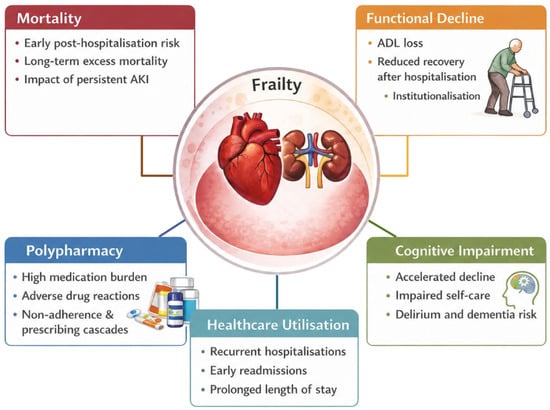
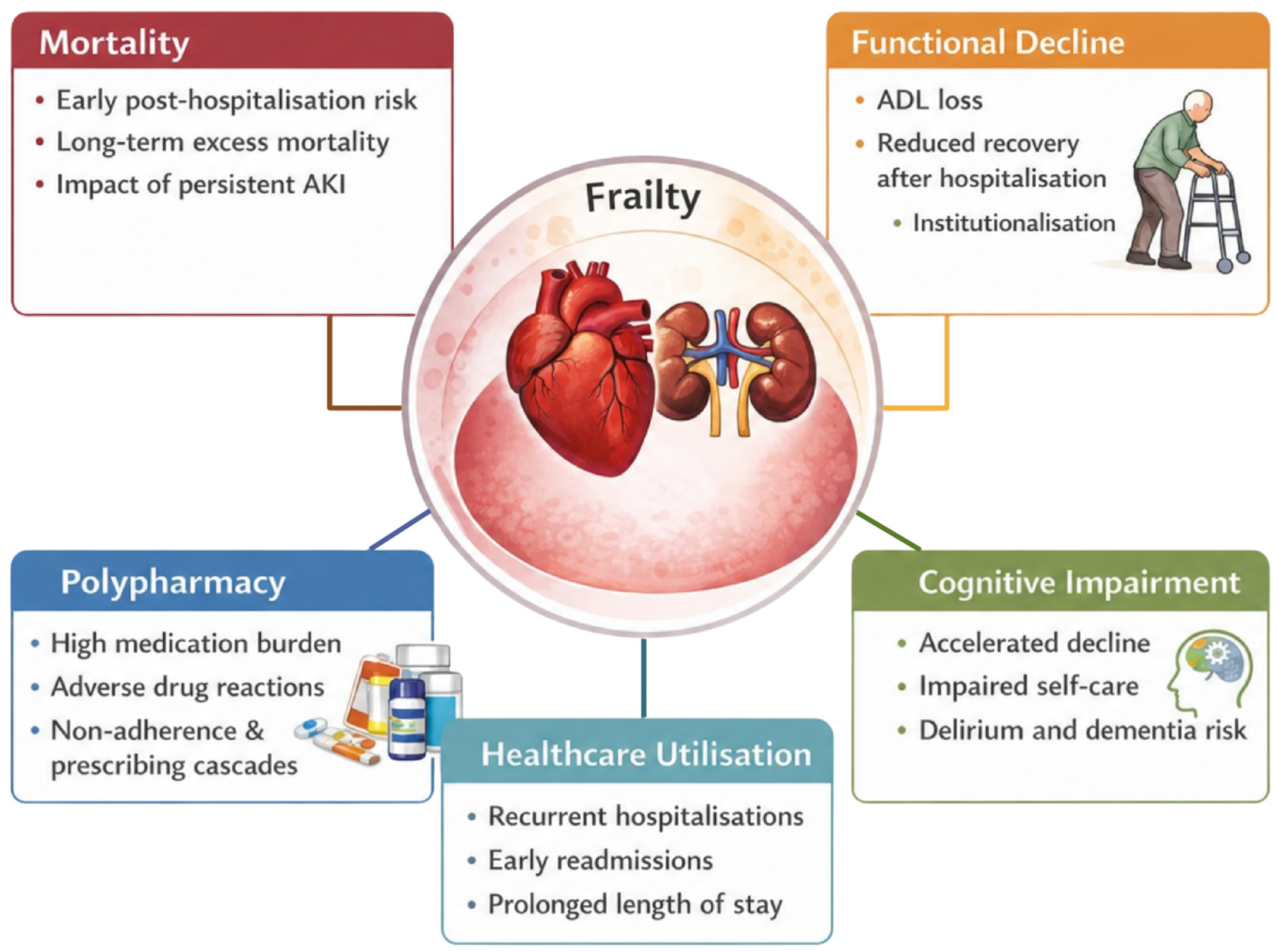
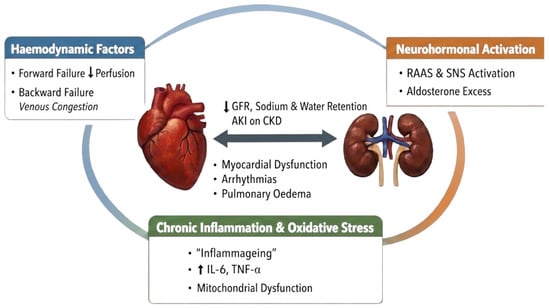
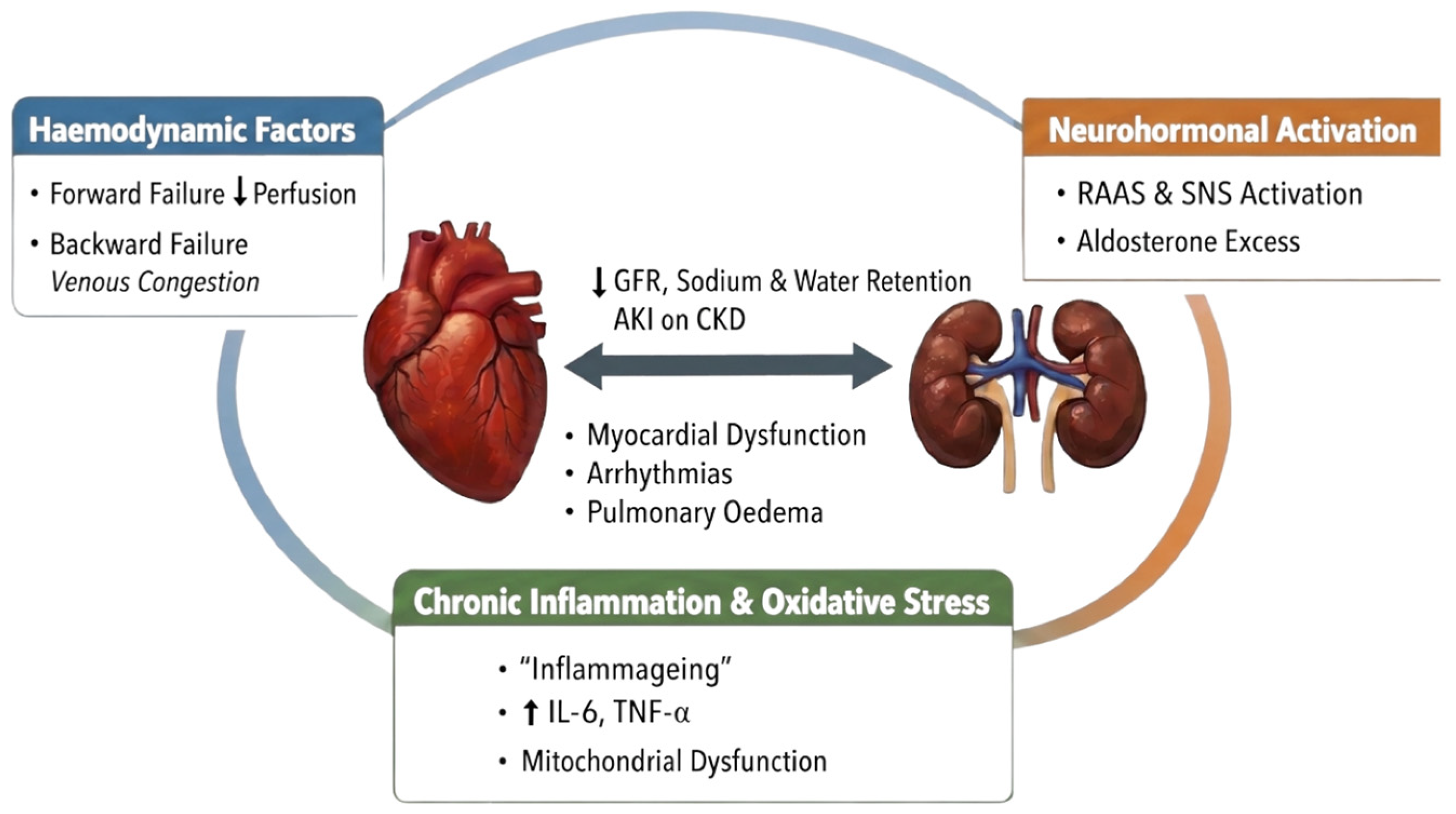
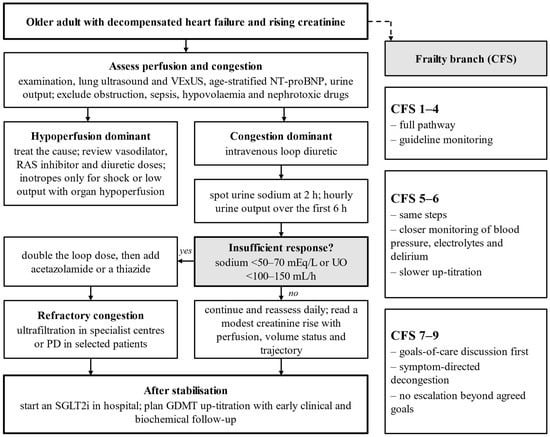
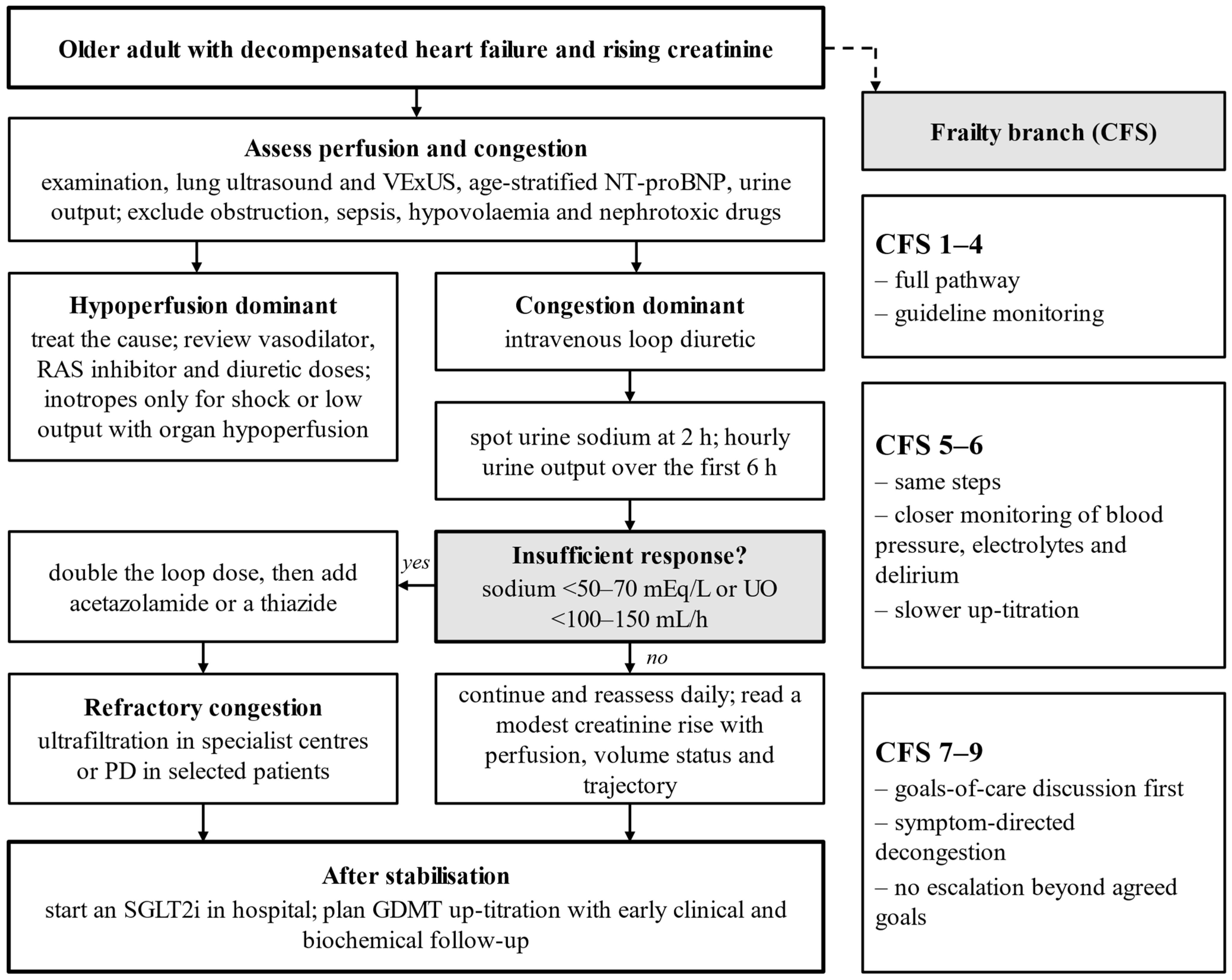

Disclaimer/Publisher’s Note: The statements, opinions and data contained in all publications are solely those of the individual author(s) and contributor(s) and not of MDPI and/or the editor(s). MDPI and/or the editor(s) disclaim responsibility for any injury to people or property resulting from any ideas, methods, instructions or products referred to in the content. |
© 2026 by the authors. Licensee MDPI, Basel, Switzerland. This article is an open access article distributed under the terms and conditions of the Creative Commons Attribution (CC BY) license.