


Abstract
Characterization of shale pore architecture forms the scientific basis for effective shale gas exploitation. Deep LMX FM shale from the Luzhou area was analyzed using SANS, LTPA, XRD, and SEM. This study quantitatively characterized the pore structure, focusing on closed-pore development and connectivity, and explored lithological controls. Pore-size distribution shows that micropores and small mesopores dominate the pore volume, with an average median pore diameter of 5.17 nm. Closed pores are abundant, indicated by a high average closed-pore ratio of 28.98%, reflecting generally poor connectivity. Pores smaller than 5 nm contribute 88.12% of the total SSA. Both pore volume and SSA correlate positively with TOC. In organic-rich and moderately organic-rich siliceous shales, these parameters also correlate positively with quartz content. In contrast, for organic-rich mixed shales, they correlate positively with clay mineral content. Among the lithofacies, organic-rich siliceous shale possesses relatively larger pore volume and SSA, along with better pore connectivity, making it the most favorable reservoir facies. Based on pore-structure characteristics and the regional structural setting, we recommend adopting close-spacing hydraulic fracturing with reduced cluster spacing in structurally stable areas to enhance stimulation. In structurally complex areas, engineering designs should prioritize risk mitigation to ensure operational success.
1. Introduction
Commercial-scale development of shale gas first began in the United States [1]. In China, it began in 2012, and commercial-scale development is now widely carried out in shale reservoirs dominated by the LMX FM. By 2024, shale-gas production had reached 25.4 × 10⁹ m3 [2]. As the development area continues to expand, deep shale reservoirs with burial depths exceeding 4000 m are gradually being targeted [3,4]. According to estimates from China National Petroleum Corporation, the area of the LMX FM in southern Sichuan with burial depth shallower than 4500 m is 1.7 × 10⁴ km2, containing a shale-gas resource of 9.3 × 10¹² m3 [5,6]. Deep shale buried at depths of 3500–4500 m makes up almost 90% of the entire shale-gas resource, with shale at depths of 4000–4500 m contributing around 60% [7].
The archetypal deep shale play currently under development is the Lower Paleozoic marine formation within the Sichuan Basin [8,9,10]. Although deep shale reservoirs generally exhibit relatively high pore volume and pressure coefficients and thus have broad development prospects, single-well production is typically low, and the development performance is inferior to that of shallower shale (burial depth < 3500 m), making cost recovery challenging.
Shale gas reservoirs are systems that generate their own resources, with pores that offer storage for hydrocarbons and create possible flow routes for their extraction [10,11,12,13]. Nanoscale pore structures play a crucial role in determining how gas is generated, stored, and transported in these reservoirs [14,15]. Therefore, quantification of shale nanopore structures is crucial for assessing gas production potential [16]. Shale reservoirs generally have poor petrophysical properties, with porosity usually < 6%, permeability < 0.1 mD, pore–throat diameters mostly < 1 μm, and pore networks dominated by micro- and nanopores with highly complex pore–throat systems [17,18]. Due to the tightness and anisotropy of shale, no single technique can fully capture their characteristics. Several techniques have been used to analyze shale pore structures, focusing on porosity, PSD, SSA, and fractal dimension [19,20,21,22].
A number of studies have reported important progress in this field. Yang et al. used LTNA, mercury intrusion, and SEM to comprehensively evaluate deep shale and clarified the control of lithofacies on pore structures [23]. Garum et al. demonstrated the high connectivity of organic matter pores in shale using techniques such as CT and FIB-SEM [24]. Li et al. demonstrated via NMR that the deep shale-gas reservoir is extremely tight, with porosity showing a positive correlation with the movable pore system [25]. Medina-Rodriguez et al. systematically discussed the advantages and disadvantages of gas adsorption in characterizing shale structure, and proposed that gas adsorption should be supplemented by other techniques to jointly characterize shale pore structure [26]. Qian et al. used LTNA to show that small-pore-size pores are the dominant pore types in organic-rich shale of the LMX FM in the Weiyuan–Luzhou area [27]. Li et al. combined CO2 and N2 adsorption to analyze pore volume and SSA of deep Wufeng–Longmaxi shale and reported an average total SSA of 41.12 m2/g [28]. Chen et al. compared pore structures of shales from HSA and BGS in southern Sichuan and concluded that BGS shales exhibit better gas-bearing capacity [18]. Hao et al. compared LMX FM samples from different burial depths (2651–3575 m) through SEM, LTNA, and core plug permeability testing [29]. Tian et al. comprehensively analyzed the pore structure changes in shallow, deep, and ultra-deep marine shale reservoirs through gas adsorption, XRD, and SEM. The research results showed that as the burial depth increases, the proportion of large pores in the shale reservoir decreases, while the proportions of mesopores and micropores increase [30]. The study showed that both shallow and deep shale samples indicated that the organic matter content in pores dominated the total pore network. Existing studies indicate that deep shale is characterized by well-developed small-radius nanopores, higher compactness, poorer connectivity, and a higher proportion of closed pores compared with shallow shale. Because shale reservoirs integrate source and reservoir functions, gas may also be present in closed pores. Traditionally, shale gas in closed pores has been regarded as non-producible; however, recent studies suggest that shale reservoirs form an extensively connected pore network, and truly isolated pores are rare [31]. Under suitable temperature and pressure conditions, shale gas can diffuse through conventionally “closed” nanopores. Multiple studies indicate that the proportion of closed pores is a key determinant of shale permeability [32]. Consequently, the characterization of closed-pore features in shale has important scientific and practical significance.
Despite this, closed pores have received relatively limited attention. Typically, closed-pore content is obtained by separately measuring total porosity and open (connected) porosity and then calculating the difference. Open pores can be measured reliably by techniques such as helium porosimetry, LTNA, mercury intrusion porosimetry, and NMR [33,34,35,36,37]. Total porosity, on the other hand, is often derived from imaging techniques such as SEM, FIB-SEM, and CT. However, all of these imaging techniques are constrained by a trade-off between resolution and sample size [38,39]. The spatial resolution of even the most advanced CT techniques currently does not reach 30 nm. Although FIB-SEM can achieve resolutions as high as 5 nm, the volume of investigation is typically limited to only a few hundred cubic micrometers.
Therefore, achieving high-precision quantitative characterization of total shale porosity—encompassing both open and closed pores—requires the integration of new experimental techniques. SANS can probe pore structures in macroscopic samples with millimeter-scale dimensions at micro- to nanoscale resolution, with magnifications up to ~106, thus yielding results with good representativeness for the bulk rock [40,41,42,43].
Relevant scholars have characterized accessible and closed pores using the non-destructive technique of SANS [44,45,46,47]. Ji et al. utilized the CM-SANS technology to characterize the pore size distribution, anisotropy, and accessibility of shale from the Velkerri Formation. The research results indicated that pores with radii less than 10 nm constitute the majority of both the total pore volume and the inaccessible pore volume [48]. Neil et al. demonstrated through SANS that nitrogen adsorption cannot fully characterize shale pores, and they found a high correlation between shale porosity and clay content in the Permian Basin of the United States [49]. Blach et al. (2025) determined through SANS and USANS that the accessible porosity of nanopores in New Albany shale samples is generally low, ranging from almost zero to 2.9 ± 0.6% [50]. Liu et al. (2019) compared the SANS and LPNA results of six Bakken shale samples with different maturities and concluded that there are some isolated pores in organic matter, while there are no significant connected or isolated pores in clay minerals [51]. A comparison of different characterization techniques shows that each has its own strengths and limitations; integrating and cross-validating multiple methods is therefore an effective approach for more accurately characterizing shale pore structures.
This study aims to conduct lithofacies division of the LMX FM bottom shale reservoir in Well L13 located in southern Sichuan, China, and perform a series of experiments, including SANS, LTNA, XRD, and SEM on the reservoir pore structure. The research seeks to characterize the pore structure of diverse shale lithologies by quantifying key parameters such as pore volume, SSA, fractal dimensions, and pore morphology, alongside identifying the prevalent pore types. The focus is on analyzing the characteristics of closed pore development and the connectivity of the shale matrix. The study aims to analyze how deep shale lithofacies affect pore structure and connectivity, providing key geological evidence for the large-scale production of deep shale gas in the Luzhou block.
2. Geological Setting and Sample Description
The LMX FM was deposited during the collisional stage between the Cathaysia Block and the Yangtze Block [52,53]. During the Early Silurian, southeast compression induced persistent uplift of the Sichuan Basin, leading to the expansion of the central paleo-uplift, shallower water depths, and intensified tectono-sedimentary differentiation. Enclosed by surrounding paleo-lands, the basin evolved into a semi-closed, stagnant marine environment, highly favorable for organic matter generation and preservation [54,55].
Driven by a major Late Ordovician marine transgression, the Sichuan Basin experienced sustained crustal subsidence throughout the deposition of the Lower Silurian LMX Formation, resulting in a continued increase in water depth. Under the combined control of the Kangdian Old Land and several submarine paleo-uplifts, the LMX FM was dominated by restricted to deep-water shelf facies. The lower part of the LMX FM mainly consists of calcareous, organic-rich shale deposited in a deep-water shelf setting, whereas the overlying succession becomes progressively shallower and is dominated by sandy and muddy shales corresponding to semi-deep to shallow-water shelf environments, reflecting a gradual shoaling of the water column. In the study area, the LMX FM was deposited predominantly in semi-deep to deep-water shelf facies composed of calcareous and siliceous shales.
Structurally, due to the superimposition and modification of multiple tectonic phases, the overall geological stability of the Luzhou block is poor, with complex structures, faults, and natural fractures. This research focuses on the Luzhou area in the southern Sichuan low-steep dome belt, a region bounded by the Qiyueshan and Huaiyuanshan fault zones (Figure 1) [56,57,58]. Here, the fold structures splay southwards in a characteristic broom-like pattern, while the dominant fault systems trend NE, NNE, and approximately E–W [59].
Figure 1.
Paleogeographic map of the Sichuan Basin and adjacent areas during the Early Silurian (modified from Gao et al.), showing the location of Well L13 [56].
Thirty deep-shale samples were collected for mineralogical analysis from the L1 submember at the base of the Lower Silurian LMX FM in Well L13, located in the Luzhou block of southern Sichuan, China. On the basis of lithology and organic-matter content, 12 representative samples were further selected for SANS, LTNA, and SEM observations. The main parameters of all shale samples are summarized in Table 1.
Table 1.
TOC, mineral composition, and lithofacies of all deep LMX FM samples.
3. Methods
3.1. SANS Experiment
SANS experiments were conducted at the CSNS. This instrument is a time-of-flight SANS system based on a pulsed neutron source (25 Hz) [60]. It covers a scattering-vector range of 0.005 < Q < 0.6 Å−1, achieved by receiving incident neutrons of different wavelengths (1–10 Å) at a fixed sample-to-detector distance of 4 m [61]. A well-defined relationship exists between pore size (D) and scattering vector (Q), where D = 5/Q, allowing the accessible pore-size detection range to be approximately 1–100 nm [62,63,64,65,66].
In this study, 60–80 mesh shale particles were used for the SANS porosity measurements. A sample cell thickness of 1 mm was employed to mitigate the effects of multiple scattering [67]. To remove residual moisture, all samples were dehydrated at 105 °C for 24 h as a standard pre-analysis treatment. The raw two-dimensional scattering patterns were corrected and reduced to one-dimensional scattering curves using the Irena package in IGOR Pro. Background subtraction (empty cell and quartz-sand of similar grain size) and scattering length density inputs were applied during data processing [60,65,68].
3.2. LTNA Experiment
LTNA analyses were performed using a Micromeritics ASAP 2420 analyzer (Manufacturer: Micromeritics Instrument Corporation, Norcross, GA, USA. Chinese supplier: Micromeritics (Shanghai) Instrument Co., Ltd., Shanghai, China) at the Shale Gas Research Institute of CNPC. The measurement range of this instrument covers pore sizes from 1.8 to 200 nm. The lower detection limits are 0.0005 m2/g for SSA and 0.1 mm3/g for pore volume.
The samples previously used for SANS underwent LTNA measurements. Before adsorption testing, the samples were degassed under vacuum at 110 °C for 5 h. Pore volumes and PSD were calculated using the DFT model, and SSA was derived using the BET equation.
3.3. SEM Experiment
High-resolution imaging was performed using a FEI Helios 650 FIB-SEM to analyze (Manufacturer: Thermo Fisher Scientific Inc., Waltham, MA, USA. Chinese supplier: Thermo Fisher Scientific (Shanghai) Co., Ltd., Pudong New Area, Shanghai, China) pore characteristics within high-porosity mineral laminae, pure organic laminae, and matrix pores between laminae.
Samples were cut parallel to bedding into 5 mm × 5 mm × 2 mm chips. The 5 mm × 5 mm surfaces were polished using an argon-ion milling system to obtain a flat and smooth observation surface. Field-emission SEM observations were performed at a working distance of 4 mm and an accelerating voltage of 5 kV to image pore structures and mineral components.
4. Results
4.1. Mineral Composition and Lithofacies Classification
At the base of the LMX FM in the study area, shale samples show the highest quartz content among major mineral groups. Quartz abundance ranges from 34.75% to 67.93%, with an average of 50.41%, and exhibits an overall increasing trend from top to bottom. Clay-mineral content varies from 9.90% to 45.80%, averaging 30.2%, and shows a decreasing trend downward. Illite dominates the clay-mineral assemblage, accounting for an average of 69.48%. TOC ranges from 1.89% to 5.21%, with an average of 3.67%, and shows a decrease followed by an increase vertically. Mineralogical compositions of all samples are listed in Table 1.
In this study, lithofacies classification is based on the established shale-reservoir concept, which defines lithofacies as pore-system assemblages jointly controlled by mineral composition and organic-matter content [69,70,71,72]. Lithology is primarily classified based on mineralogy, using the relative proportions of the three end members: total silicates, total carbonates, and total clays [73,74,75]. Organic matter is also a key criterion because marine shale gas reservoirs are source–reservoir systems, and sufficient organic content is a prerequisite for economic shale-gas accumulation. Marine shale with TOC > 2% is generally considered to have favorable gas-bearing potential [76]. Thus, TOC < 2% is defined as low-OM, 2–4% as medium-OM, and > 4% as organic-rich. Therefore, twelve reservoir lithofacies were defined for the shale, based on variations in OM content and mineral composition.
As shown in Figure 2, twenty-seven samples in this work primarily belong to three lithofacies: organic-rich siliceous shale (Type I), organic-rich mixed shale (Type II), and medium-OM siliceous shale (Type III). Three samples belong to medium-OM mixed shale (Type IV) and medium-OM siliceous shale (Type V), which may be due to the heterogeneity of the shale reservoir.
Figure 2.
Ternary diagram of lithofacies classification for the LMX FM in the study well. Siliceous, calcareous, and muddy shales are dominated by quartz + feldspar, total carbonates, and total clays, respectively, whereas mixed shales contain < 50% of each of the three end members. The color of each circle denotes the TOC content.
Organic-rich siliceous shale features high total organic content, averaging 4.4% by mass, along with elevated levels of brittle minerals such as quartz, which averages 59.1%, and a relatively low clay-mineral content, averaging 21.5%. Organic-rich mixed shale also shows comparably high total organic content, averaging 4.5%, but contains less quartz, averaging 39.6%, and a higher clay-mineral content, averaging 40.5%. Medium-OM siliceous shale is distinguished by lower total organic content, averaging 2.7%, a relatively high proportion of brittle minerals like quartz, averaging 51.5%, and a moderate clay-mineral content, averaging 29.8%.
Lithology, as an intrinsic controlling factor, directly governs pore-structure characteristics through its mineral composition, grain attributes, and the nature of intergranular fillings. To clarify the pore-structure features at the base of the deep LMX FM, it is therefore necessary to conduct targeted pore-structure analyses for different shale lithofacies. In this study, 12 representative samples were selected for SANS and LTNA measurements: four organic-rich mixed shales (samples L1–L4), four medium-OM siliceous shales (samples L5–L8), and four organic-rich siliceous shales (samples L9–L12).
4.2. SANS Results
Figure 3 presents the original SANS scattering curves of the shale samples (Figure 3a) and the corresponding curves after background subtraction (Figure 3b). In SANS-based calculations of shale pore structures, the shale is generally regarded as consisting of pores and solid components (matrix/minerals).
Figure 3.
Scattering profiles of all samples: (a) raw; (b) background subtracted.
The SLD of shale samples is calculated based on the mineral composition of the shale samples, as expressed by the following formula:
where i is the index and n is the total count.
For SANS, the scattering profiles of shale samples follow a power-law relationship within a certain range, i.e., . Shale demonstrates surface-fractal characteristics when the power-law exponent ranges from 3 to 4, and the dimension is given by .
When , the shale exhibits mass-fractal behavior, and the dimension is given by [43,44]. In this study, the of all 12 samples are less than 3, indicating that the SANS-derived fractal dimensions correspond to mass fractals.
In this work, the scattering curves of all shale samples were fitted using a TNNLS method. The TNNLS method, as implemented in IGOR Pro 7 (version 7.0.8.1), is utilized. Their porosity, median pore size, SSA, and PSD parameters were determined using the polydisperse pore size distribution model (PSDM). All data reduction and modeling were performed with the Irena package in IGOR Pro 7. The main calculation results are summarized in Table 2.
Table 2.
Utilization of SANS for assessing deep shale pore structure parameters.
The SANS-derived PSD and SSA distributions for all deep LMX FM shale samples are shown in Figure 4 and Figure 5.
Figure 4.
PSD of all samples determined by SANS.
Figure 5.
SSA distribution curves of all samples determined by SANS.
4.3. LTNA Results
Figure 6 illustrates the N2 adsorption–desorption isotherms for 12 deep-shale samples from the LMX FM. All samples display distinct adsorption and desorption branches, with the desorption curve positioned above the adsorption curve, resulting in a significant hysteresis loop.
Figure 6.
N2 adsorption–desorption curves of all samples.
The PSD in this work was calculated using the DFT model, which is applicable to pores in the 1.68–105.00 nm range [77,78,79]. As shown in Figure 6, none of the adsorption isotherms reaches a clear plateau as the relative pressure approaches 1.0, indicating that saturation is not attained. This suggests that, in addition to well-developed micropores and mesopores, the samples also contain a significant proportion of macropores with pore diameters exceeding 100 nm. The N2 adsorption–desorption curve, characterized by hysteresis loops, reveals the influence of nanopore size and morphology on the adsorption–desorption process. The IUPAC classification divides nanopores into four distinct categories [80,81]. The hysteresis loops of all samples are full, and according to the IUPAC classification, they belong to the typical H3-H4 type. These features represent parallel plate and slit pores formed between rigid aggregates consisting of flaky particles, and this result is consistent with the observations obtained from SEM. In this work, the DS was computed using the FHH model.
The nitrogen adsorption-derived physical parameters are listed in Table 3.
Table 3.
Assessment of deep shale pore structure parameters using LTNA.
The LTNA-derived PSD for all deep LMX Fm shale samples is displayed in Figure 7.
Figure 7.
LTNA pore size distribution curve of all deep LMX FM shale.
4.4. Shale Pore Types
Black shale predominantly contains organic pores, with a subordinate amount of inorganic pores. The organic pores, which are hosted within organic matter, are characterized by elliptical to irregular, honeycomb-like morphologies. Inorganic pores occur within or between mineral grains and can be subdivided into intergranular pores and dissolution pores. Intergranular pores are mainly distributed between mineral grains or between minerals and organic matter, forming pore spaces supported by rigid grains. They are typically slit-like, wedge-shaped, or tubular in morphology. According to the spatial relationships among inorganic minerals, OM, and organic pores, Ma et al. classified organic pores into three types: clay–organic composite pores, organic pores between inorganic mineral grains or crystals, and organic pores between pyrite crystals [82].
In this study, organic-rich siliceous shale is mainly characterized by quartz intercrystalline organic pores (Figure 8a,b), accompanied by a minor amount of pyrite intercrystalline organic pores (Figure 8c). Organic pores are predominantly elliptical with generally high roundness. Organic pores with diameters ≥ 100 nm tend to be less circular and more elongated ellipses, whereas those with diameters < 100 nm are more equant, displaying higher roundness. The ability of brittle minerals like quartz to preserve pores is crucial for the formation and maintenance of numerous organic pores. In addition, fractures infilled by migrated organic matter during diagenesis are locally observed (Figure 9). Subsequent hydrocarbon generation and cracking within these organic infillings produce numerous secondary organic pores, which are densely distributed and mostly 10–200 nm in diameter. A small number of dissolution pores are also present (Figure 8d).
Figure 8.
Typical SEM image of deep LMX FM shale samples. (a) OM pores between quartz crystals; (b) OM pores between quartz crystals; (c) OM pores between pyrite crystals; (d) dissolution pores; (e) quartz intergranular organic matter pores; (f) clay-complexed organic matter pores; (g) clay-complexed OM pores; (h) clay-complexed OM pores; (i) clay mineral interlayer pores.
Figure 9.
Scanning electron microscopy image of fractures filled with migrated organic matter. And further magnify and display the organic matter structure of areas A, B, and C.
Medium-OM siliceous shale mainly develops quartz intercrystalline organic pores with diameters < 50 nm (Figure 8e), mostly showing an elliptical morphology. Clay–organic composite pores with diameters ≥ 50 nm are rare (Figure 8f).
Organic-rich mixed shale hosts both OM and mineral pores. Organic pores are dominated by clay–organic composite pores (Figure 8g,h). Numerous organic pores with diameters < 50 nm are developed, typically exhibiting elongated elliptical shapes with relatively high aspect ratios, whereas organic pores ≥ 50 nm occur only sporadically. Inorganic pores are relatively abundant in this lithofacies, mainly represented by interlayer pores within clay minerals (Figure 8i).
5. Discussion
5.1. Conventional Pore-Structure Characteristics of Deep Shale
5.1.1. Porosity and PSD
The microscopic pore systems of deep shale were evaluated by integrating SANS and LTNA results. Quantitative analysis shows that the average SANS-derived porosity of all deep shale samples is 5.80%, whereas the average porosity measured by LTNA is 4.58%. For all samples, SANS porosity is systematically higher than LTNA porosity. This discrepancy arises because SANS captures all pores within the shale, and therefore reflects the total porosity, whereas LTNA only probes connected, accessible pores and thus represents the effective porosity in the conventional sense. To enhance the comparability between SANS and LTNA, both measurements were performed on the same crushed particle-size fraction. It is established that sample crushing can artificially enhance the contribution of large pores; using 60–80 mesh particles in this work effectively reduces the overestimation of macropore volumes in the crushed samples [83,84].
Porosity is one of the key prerequisites for storing free gas. The deep LMX FM shale samples analyzed in this study exhibit an average SANS porosity of 5.82% and an average LTNA porosity of 4.11%, both representing relatively high levels. These findings are consistent with previous work by Qian, Li, and co-workers on the pore volume of deep LMX FM shale in the Luzhou area, indicating that deep shale reservoirs there possess favorable pore volumes and thus good gas-storage potential [26,28]. Vertically, comparison with LTNA-derived pore volumes of LMX FM shale at depths shallower than 3500 m in the Weiyuan area (Zhang et al.) shows broadly similar ranges [85]. This suggests that deep shale has not undergone a substantial reduction in total pore volume solely due to stronger mechanical compaction with depth; instead, it still preserves considerable pore space.
Pore volume also differs distinctly among lithofacies. In organic-rich siliceous shale, the average porosity measured by SANS is 5.81%, while LTNA indicates an average porosity of 4.55%. For organic-rich mixed shale, the corresponding values are 6.53% and 4.36%, respectively. For medium-OM siliceous shale, the average SANS porosity is 5.03%, and the average LTNA porosity is 3.43%. Both Type I shale and Type II shale show good pore development. Type II shale has the highest total porosity, slightly exceeding that of organic-rich siliceous shale, whereas Type I shale exhibits the highest effective porosity, slightly higher than that of Type II shale. Medium-OM siliceous shale shows the poorest pore development, with both total and effective porosity being the lowest among the three lithofacies.
Figure 4 displays the SANS-derived PSD in the 1–100 nm range for all shale samples. Although deep shale shows relatively high porosity overall, the distribution of pore space is strongly skewed toward small pore sizes. A significant portion of the total pore volume is attributed to small pores. The deep LMX FM samples have an average median pore diameter of only 5.17 nm. By contrast, Wu et al. reported an average median pore size of 9.75 nm for LMX FM shale at depths shallower than 3500 m in southern Sichuan based on neutron scattering [86]. The significantly smaller median pore size in deep LMX FM shale suggests the formation of numerous small-diameter pores.
This can be attributed to the stronger mechanical compaction experienced by deep shale reservoirs due to greater overburden stress at larger burial depths. Micro- and nanopores in shale are predominantly organic pores, and organic matter has relatively low resistance to compaction; it is more prone to pore collapse and shrinkage under stress, leading to reduced pore diameters and enhanced development of small pores.
Therefore, although deep shale reservoirs maintain relatively high total porosity, the pore space is mainly concentrated in micropores and small mesopores. It has been established that shale matrix connectivity and permeability are inversely related to its density [87]. Given the predominance of small pores in the deep LMX FM shale in southern Sichuan, pore connectivity becomes a critical factor that ultimately controls the degree of gas recovery.
5.1.2. Specific Surface Area Characteristics
Clarifying the magnitude and distribution of SSA is essential for understanding the storage of adsorbed gas. Traditionally, SSA is determined from LTNA, which only captures the effective (accessible) SSA. In this study, total SSA was also obtained from SANS, and the differences between SANS-derived and LTNA-derived SSA were analyzed.
In deep shale samples, the SSA determined via SANS is notably greater than that obtained through LTNA. On average, the SANS-derived SSA is 104.50% higher than the LTNA value, which far exceeds the 29.02% increase observed for porosity. This indicates that, compared with porosity, LTNA underestimates SSA to a much greater extent in deep shale. Consequently, incorporating SANS-derived SSA is crucial for a more comprehensive characterization of deep shale reservoirs.
Figure 5 illustrates the SANS SSA distributions of all shale samples. It is evident that nearly all of the SSA is contributed by small pore sizes. Pores with diameters < 5 nm account for 88.12% of the SSA in the deep LMX Formation shale. The SSA of shale originates primarily from micropores and small mesopores. Given the high abundance of such pores in deep shale, SANS measurements thus lead to significantly higher SSA values compared to the LTNA method. This suggests that although adsorbed gas can effectively sustain production in the middle and late stages of shale-gas wells, and deep shale reservoirs are rich in adsorbed gas, most of this adsorbed gas is hosted in dense, small-radius pores that are difficult to mobilize. This may partly explain the rapid decline in early production of deep shale-gas wells, highlighting that pore connectivity is critical to effectively exploiting adsorbed gas in deep shale.
Marked differences in SSA are also observed among the three lithofacies. For organic-rich siliceous shale, the average SANS-derived SSA is 53.25 m2/g, and the average LTNA-derived SSA is 28.40 m2/g, representing a relative increase of 87.52%. For organic-rich mixed shale, the average SANS and LTNA SSA values are 60.21 and 26.86 m2/g, respectively, corresponding to a relative increase of 130.86%. For medium-OM siliceous shale, the average SANS SSA is 43.72 m2/g, while the average LTNA SSA is 23.12 m2/g, yielding a relative increase of 95.59%. Similar to pore volume, Type I and Type II shale exhibit larger SSA, whereas medium-OM siliceous shale has comparatively lower SSA.
As shown in Figure 4, organic-rich shale develops more pore space, and a large fraction of this space resides in small pores. These small pores contribute modestly to changes in bulk pore volume but have a much stronger influence on SSA. For example, in organic-rich siliceous shale, total porosity is only about 17.76% higher than in medium-OM siliceous shale on average, whereas SSA increases by 22.84%. This underscores the importance of small pores in controlling the SSA and hence the adsorbed-gas capacity of deep shale reservoirs.
5.1.3. Fractal-Dimension Characteristics
The spatial distribution of deep LMX FM shale pores follows a mass fractal, while the pore surface exhibits a surface fractal. Traditionally, fractal dimensions derived from LTNA are surface fractal dimensions. Mass fractal dimension, by contrast, characterizes the heterogeneity of pore distribution in a three-dimensional system; larger mass fractal dimensions correspond to higher degrees of non-uniformity in pore distribution. The calculated mass and surface fractal dimensions for this study are presented in Table 2 and Table 3.
The deep shale samples analyzed here display clear dual fractal behavior. The mass fractal dimension averages 2.71, ranging from 2.54 to 2.86, while the surface fractal dimension averages 2.76, with a range of 2.69 to 2.81. These values indicate strong heterogeneity in both pore distribution and pore-surface morphology. The average surface fractal dimension is slightly higher than the value of 2.73 reported by Zhao et al. for deep LMX FM shale in southern Sichuan based on LTNA, suggesting that pore surfaces in the Luzhou block are generally rougher [88].
Moreover, the variability in mass fractal dimension is significantly larger than that in surface fractal dimension: the standard deviation of mass fractal dimension is 0.113, compared with only 0.026 for surface fractal dimension. This implies that the spatial distribution of pores in deep shale exhibits large variations, whereas pore-surface roughness remains consistently high.
Fractal dimensions also differ markedly among lithofacies. Type I shale and Type II shale have relatively low mass fractal dimensions, with averages of 2.63 and 2.67, respectively, whereas medium-OM siliceous shale has a higher mass fractal dimension, averaging 2.82. This indicates that pore distribution in Type I and Type II shale is more concentrated, whereas medium-OM siliceous shale shows a more dispersed and heterogeneous pore distribution. In contrast, the surface fractal dimensions of Type I and Type II shale are higher, averaging 2.78 and 2.80, respectively, while that of medium-OM siliceous shale is lower, averaging only 2.71. This suggests that pore surfaces in Type I and Type II shale are rougher, which is unfavorable for gas flow. The higher surface roughness in these two lithofacies may be related to their higher abundance of small organic pores, which increases the complexity of pore walls.
As shown in Figure 10, an inverse relationship exists between the mass and surface fractal dimensions (R2 = 0.64). This can be explained by the dominance of small-radius pores in deep shale. When the mass fractal dimension is relatively low, pores are more concentrated in specific size ranges, particularly small pores. These small pores tend to have rougher walls, which in turn leads to higher surface fractal dimensions.
Figure 10.
Mass and surface fractal dimensions of deep shale samples.
5.1.4. Pore Morphology
Scanning electron microscopy serves as a primary tool for the qualitative assessment of pore morphology in shale, and many studies have shown that shale pores often deviate significantly from circular shapes. Based on extensive shale SEM images, existing research has subdivided the pore morphology of shale into circular pores, square pores, triangular pores, and slit-shaped pores [89]. Furthermore, Yang et al. applied a pore shape factor to describe morphology, incorporating both roundness and roughness [90].
In this study, quantitative characterization of organic pore morphology was carried out by combining Image JFiji and CorelDraw 2018, using SEM images with visual verification and correction. SEM images were first pre-processed in ImageJ, including grayscale conversion, smoothing, and contrast/stretching, followed by binarization to obtain overall binary images. Binary images and their original SEM counterparts were imported into CorelDraw, converted to editable vector graphics, and used for hierarchical extraction and measurement of shaded areas representing various pore types.
On this basis, pores were identified and extracted by manually comparing layers and grayscale values, taking into account spatial morphology and distribution patterns (Figure 11). Roundness statistics were then performed on the extracted pores to quantify pore-shape characteristics. For the three main types of developmental lithofacies, five representative SEM images were selected to conduct SEM-based pore-morphology analysis.
Figure 11.
Extraction of organic matter pores from scanning electron microscopy images. (a) Original SEM image of Type I shale; (b) organic pores (yellow) in the SEM image of Type I shale; (c) original SEM image of Type II shale; (d) organic pores (yellow) in the SEM image of Type II shale; (e) original SEM image of Type III shale; (f) organic matter pores (yellow) in the SEM image of Type III shale.
Figure 12 and Figure 13 illustrate the aspect-ratio and roundness distributions of organic pores for the three shale lithofacies. Marked differences are observed among them.
Figure 12.
Distribution diagram of the aspect ratio of OM pores in samples of different lithologies. (a) Type I shale; (b) Type II shale; (c) Type III shale.
Figure 13.
Distribution diagram of the roundness of OM pores in samples of different lithologies. (a) Type I shale; (b) Type II shale; (c) Type III shale.
Organic-rich siliceous shale is primarily composed of organic pores that exhibit low aspect ratios and high roundness. The median aspect ratio is 3.34, and the median roundness is 0.76. Almost no organic pores have aspect ratios greater than 6 or roundness values lower than 0.5, which implies that most pores are relatively compact and equant.
Organic-rich mixed shale, in contrast, mainly consists of organic pores with high aspect ratios and low roundness. The median aspect ratio reaches 8.14, while the median roundness is only 0.51. Organic pores with aspect ratios < 5 or roundness > 0.7 are scarcely developed, suggesting that pores tend to be elongated and irregular.
Medium-OM siliceous shale is characterized by organic pores with moderate aspect ratios and intermediate roundness, with a median aspect ratio of 4.72 and a median roundness of 0.56. Overall, its pore shapes fall between those of the other two lithofacies shales.
The pore morphology of organic pores differs significantly among the three lithofacies, primarily due to variations in the mechanical support provided by inorganic minerals within the shale matrix. As shown in Figure 14, quartz content exhibits an inverse relationship with aspect ratio but a positive relationship with roundness, whereas clay content shows the opposite trend. Prior work widely agrees that the morphology of OM pores is primarily governed by compaction [91]. Because organic matter itself has low resistance to compaction, the preservation of organic pores depends largely on the rigid framework formed by surrounding brittle minerals and, in some cases, by overpressure.
Figure 14.
The relationship between the aspect ratio and roundness of organic matter pores, as well as inorganic minerals, in shale with different lithofacies. (a) Aspect ratio; (b) roundness.
In organic-rich siliceous shale, high quartz content provides a strong, rigid framework that effectively preserves organic pores, resulting in low aspect ratios and high roundness. In contrast, organic-rich mixed shale contains higher clay-mineral content; the poorer rigidity of clay weakens the supporting framework, making organic pores more susceptible to compaction and deformation, which leads to elongated, low-roundness pore shapes.
5.2. Closed-Pore Characteristics and Matrix Connectivity
Matrix connectivity is a crucial geological factor controlling the efficient development of shale gas reservoirs. It exerts a decisive influence on gas migration within the matrix system and on the ultimate recovery factor. As a typical nanoporous medium, natural gas primarily exists within the tight matrix of shale, composed of OM and minerals. Although hydraulic fracturing creates macroscopic fracture networks that serve as the primary production channels, effective gas drainage from the original nanopores to the induced fractures cannot occur if the matrix system lacks sufficient connectivity. Consequently, reservoir stimulation effectiveness and hydrocarbon recovery can be significantly limited.
In recent years, the presence of closed pores in shale reservoirs has been widely confirmed, and their occurrence has been shown to be closely associated with the organic pore network. Previous studies indicate that lower closed-pore ratios generally correspond to higher matrix connectivity. Sun et al. found that shale samples from the Niutitang Formation with high closed-pore ratios commonly exhibit low matrix permeability and high geometric tortuosity, suggesting that zones with abundant closed pores may substantially hinder gas-flow pathways and reduce migration efficiency [92].
In this study, the closed-pore ratio of each sample was determined by comparing SANS porosity (representing total porosity) with LTNA porosity (representing effective/open porosity). It should be noted that crushing the shale into granular samples inevitably improves pore connectivity [31,32,36,47]. Therefore, compared to the contrast-matched SANS method, the closed porosity reported in this paper may be slightly underestimated, and the true value in intact shale may be slightly higher. The use of 60–80 mesh particles effectively minimizes the bias in closed-pore estimation compared with finer grain sizes.
The deep LMX FM shale samples from southern Sichuan exhibit closed-pore ratios ranging from 19.56% to 35.15%, with an average of 28.98%. Bahadur et al. reported a closed-pore ratio of 23.6% for Cretaceous shales by comparing helium porosity with SANS porosity, while Sun et al. found an average closed-pore ratio of 24.4% for LMX FM shales in northwest Guizhou, with considerable sample-to-sample variation [93,94,95]. The higher closed-pore ratios obtained in this study indicate that deep LMX FM shales in the Luzhou area have poorer matrix connectivity and develop a larger number of closed pores, likely due to strong compaction at great burial depth.
Closed-pore ratios also differ significantly among lithofacies in this study. Organic-rich siliceous shale shows closed-pore ratios of 20.46–25.60%, with an average of 22.82%. Organic-rich mixed shale exhibits higher closed-pore ratios of 31.34–35.87%, with an average of 33.89%. Medium-OM siliceous shale has closed-pore ratios of 30.43–35.33%, with an average of 31.62%. These results demonstrate that organic-rich siliceous shale has markedly better matrix connectivity than organic-rich mixed shale and medium-OM siliceous shale.
It is well established that during thermal maturation, hydrocarbon generation creates abundant nanoscale organic pores. These pores serve not only as the primary gas storage sites but also interconnect to form a three-dimensional conductive framework that enhances inherent matrix connectivity, as shown in Figure 9. However, in this study, despite Type I shale and Type II shale sharing similar organic content and maturity levels, their connectivity differs markedly.
Large-field SEM observations reveal the underlying cause. Organic-rich siliceous shale develops a network-like distribution of organic matter, forming elongated organic bands within microfractures (Figure 15a), which facilitate long-range pore connectivity. By contrast, although organic-rich mixed shale also contains abundant organic matter, its organic domains are more isolated from each other and fail to form an effective interconnected network (Figure 15c). This difference in the spatial organization of organic matter fundamentally controls the disparity in matrix connectivity between the two lithofacies.
Figure 15.
SEM images of OM distribution in shale. (a) Original SEM image of Type I shale; (b) SEM image of Type I shale extracted from OM; (c) Original SEM image of Type II shale; (d) SEM image of Type II shale extracted from OM. The blue area represents the identified OM region.
Different shale samples not only exhibit varying closed-pore ratios, but the pore-size ranges in which closed pores develop can also differ significantly. By comparing SANS-derived PSD with those obtained from LTNA, the development characteristics of closed pores can be directly visualized. In this work, six typical deep-shale samples from different lithofacies were chosen for detailed comparison.
Organic-rich mixed shale samples L1 and L3 display a large proportion of closed pores across almost the entire pore-size range (Figure 16), indicating poor connectivity at both small and large pore scales. For medium-OM siliceous shale, closed pores in sample L5 are predominantly found in pores larger than 5 nm. Sample L7 shows abundant closed pores concentrated within two distinct intervals: 4–11 nm and >25 nm.
Figure 16.
Comparison chart of SANS PSD and LTNA PSD of deep shale. (a) L1; (b) L3; (c) L5; (d) L7; (e) L9; (f) L11.
In contrast, organic-rich siliceous shale behaves quite differently. For sample L9, the SANS- and LTNA-derived PSD curves are highly consistent, implying that a negligible proportion of closed pores develops over the whole pore-size range. Sample L11 shows a limited number of closed pores mainly within the 4–9 nm range and at pore sizes > 30 nm.
These observations indicate that in Type I shale, the combination of high organic content and well-developed organic connectivity effectively links micropores and mesopores within the shale matrix, resulting in relatively low closed-pore ratios over all pore sizes. Consequently, the matrix connectivity of the deep LMX Formation shale is dictated by the combined effects of organic matter content and its spatial distribution.
Figure 16 compares SANS- and LTNA-derived PSDs for six representative deep Longmaxi Formation shale samples (L1, L3, L5, L7, L9, and L11), illustrating the pore-size ranges where closed pores are predominantly developed for different lithofacies.
5.3. Main Factors Controlling Pore Structure
Differences in mineral composition and pore types among various shale lithofacies lead to distinct factors influencing the development of pore space in different lithofacies. Prior studies have established that organic matter, siliceous minerals, and clay minerals are key controls on shale reservoir pore structure.
Given the numerous parameters involved in this study, the following were selected as the research parameters: TOC content, quartz content, clay mineral content, SANS porosity, LTNA porosity, SANS SSA, LTNA SSA, median pore size, closed-pore ratio, Dm, and Ds. Multifactorial analysis was conducted using Spearman correlation analysis. This is a nonparametric method based on rank order, used to assess whether a monotonic relationship exists between two variables, without requiring normal distribution or a linear relationship [96]. Specifically, the raw data for each variable are ranked in order of magnitude, and then the Spearman correlation coefficient ρ is calculated based on these ranks. The Pearson correlation coefficient (ρ) is bounded between −1 and 1.
Figure 17 presents the correlation matrix between TOC, quartz, clay-mineral, and the main pore-structure parameters. For deep LMX FM shale samples, TOC is highly correlated with SANS porosity, LTNA porosity, and SANS SSA, with Spearman coefficients (ρ) of 0.87, 0.93, and 0.80, respectively. TOC also moderately correlates positively with LTNA SSA (ρ = 0.71). This indicates that increasing organic-matter content generally enhances both pore volume and SSA.
Figure 17.
Matrix plot of pore-structure and compositional correlations for the LMX FM deep shale (Well L13).
These relationships suggest that the matrix of deep LMX FM shale is dominated by organic pores. The correlation between TOC and pore volume is stronger than that between TOC and SSA, which may be attributed to the presence of a certain amount of small clay-related pores: although their pore volume contribution is limited, they still provide a non-negligible SSA. TOC also shows a strong negative correlation with median pore size, implying that the development of small-radius pores is mainly associated with organic pores of small size. This indicates that the small-sized pores in shale are primarily contributed by small-aperture organic matter pores. This observation supports the earlier findings of Li et al. [28].
Quartz and clay mineral contents show a limited association with pore volume. Scanning electron microscopy reveals that different lithofacies of deep LMX formation shale develop different types of pores. Therefore, this result may be influenced not only by the heterogeneity of shale but also by the composition of minerals and diagenesis. Figure 18 illustrates a high positive relationship between the quartz content of organic-rich siliceous shale and both total and effective porosity (ρ = 0.93, 0.95), respectively. In organic-rich mixed shale, clay mineral content is strongly positively correlated with total porosity and effective porosity (ρ = 0.76, 0.67). In medium-organic matter siliceous shale, a moderately positive relationship exists between quartz mineral content and porosity (ρ = 0.65, 0.66). This variation arises from the distinct development of organic pores across different lithofacies. As shown in Figure 8, different lithofacies develop different types of organic pores. The quartz content of siliceous shale is directly proportional to the TOC content, while the clay mineral content of mixed shale has a moderate positive correlation with TOC. This is mainly due to the different types of OM developed in the shale of different lithofacies. Siliceous shale mainly develops quartz intergranular organic pores. Mixed shale mainly develops clay composite organic pores. As indicated in Figure 8, these results are in agreement.
Figure 18.
Matrix diagram of the correlation between the content of different lithological shale components and porosity and SSA in the deep LMX FM shale of Well L13. (a) Type I shale; (b) Type II shale; (c) Type III shale.
TOC is inversely related to the DM and directly related to the DS. Enhanced organic matter content fosters the formation of organic pores, constituting the primary structure of nanopores. This results in a more focused pore distribution and a reduced mass fractal dimension. Studies indicate that the LMX FM shale in southern Sichuan, China, exhibits high thermal maturity [97]. In organic matter with high thermal maturity, various sizes of honeycomb-like organic pores often develop, enhancing the roughness of shale pores. Consequently, the surface fractal dimension increases with higher TOC.
A notable positive correlation (ρ = 0.67) exists between clay minerals and the closed-pore ratio. This indicates that a higher clay content leads to the development of more closed pores in the shale matrix, resulting in poorer matrix connectivity. This aligns with the Section 5.2 analysis, which concludes that while the organic matter network enhances shale matrix connectivity, the development of clay minerals can disrupt this network, reducing overall porosity connectivity. There is a weaker, moderate negative correlation between organic matter content and closed-pore ratio. The connectivity of shale is jointly determined by the content and distribution pattern of high-quality organic matter. Consequently, the organic matter content alone shows no strong correlation with the closed-pore ratio, a key indicator of connectivity.
5.4. Impact of Pore Structure on Development Performance
This study conducted a multi-technique analysis of the pore structure in deep LMX FM shale from the Luzhou block, southern Sichuan, utilizing SANS, LTNP, and SEM. It comprehensively and systematically quantitatively characterized reservoir pore structure features. Due to the integrated source-reservoir nature of shale gas, high porosity and permeability alone should not be equated with high-quality reservoirs. Therefore, the criteria for defining such reservoirs require a more refined definition. A consensus has gradually emerged regarding the enrichment and high-yielding patterns of shale gas and the controlling factors, namely that early organic-rich sedimentation is the foundation for enrichment, and effective preservation conditions in the later stages are key to high yield. It is necessary to integrate studies on reservoir rock deposition characteristics, geological event deposition response characteristics, diagenesis, and reservoir space characterization, thereby providing a basis for predicting favorable reservoirs, unconventional oil and gas sweet spots, and resource distribution.
Shale gas production is currently characterized by a relatively low recovery rate and a rapid initial decline. Therefore, research on the content and distribution of closed pores is particularly important. In shale reservoirs with good preservation conditions, preferentially developing shale zones with lower closed pore ratios is beneficial for achieving higher production and recovery rates. However, conversely, in shale reservoirs with poor preservation conditions, the loss of oil and gas through dissipation may be higher in shale zones with lower closed pore ratios.
Horizontal well and hydraulic fracturing technologies are the primary means for shale reservoir modification. The author believes that the key to further increasing the production and recovery rate of low-permeability shale oil and gas reservoirs lies in improving the overall pore connectivity of the shale, thereby significantly reducing the closed pore ratio and enabling oil and gas to migrate from the pore network of organic matter to connected natural or artificial fractures. Microscopically, the deep shale gas reservoirs in the Luzhou block feature a combination of high porosity, high formation pressure, and low connectivity. The reservoirs have good gas-bearing properties but cannot be effectively utilized due to poor connectivity. Macroscopically, as described in the geological background, the Luzhou block has poor overall geological stability due to multiple periods of structural superimposition and modification, featuring complex structures, faults, and natural fractures. A large number of deep shale gas wells have encountered complex working conditions such as casing deformation and pressure breakthrough, seriously affecting production [98].
To develop the deep LMX FM shale gas reservoir in the Luzhou block for efficiency, the author believes that it is necessary to approach it from two aspects based on its particularities. Specifically, it involves identifying high-quality reservoirs and implementing differentiated development tailored to reservoir characteristics. The organic-rich siliceous shale is characterized by high TOC (4.2%), high brittle mineral content (58.4%), high porosity (5.84%), high SSA (53.26 m2/g), and relatively low closed-pore ratio (22.82%). Although its organic matter content and porosity parameters are slightly inferior to those of organic-rich mixed shale, its compressibility and connectivity are significantly better. Meanwhile, vertically, organic-rich siliceous shale is mainly developed at the bottom of the deep LMX FM, with the upper layer consisting of medium-OM siliceous shale and organic-rich mixed shale with poor connectivity. The difference in connectivity also creates a sealing effect on the organic-rich siliceous shale. Therefore, a comprehensive analysis shows that organic-rich siliceous shale is the optimal lithofacies for the deep LMX FM shale. It is necessary to increase the encounter rate of organic-rich siliceous shale in the horizontal section and prioritize the use of high-quality reserves. At the same time, a refined fracturing construction method based on sections, which is different from traditional fracturing, should be carried out. For areas with stable geological conditions, a closely spaced fracturing method is adopted to reduce cluster spacing, which is different from the commonly used shaped charge fracturing method for developing shale gas in areas shallower than 3500 m [99]. This will further fully communicate the shale matrix of high-quality reservoirs, reduce the difficulty of shale gas entering connected fractures, and strive to fully utilize reserves. For areas with complex geological conditions, taking into account the risks of complexity, efforts should be made to reduce the occurrence of complex engineering phenomena and ensure smooth operation.
6. Conclusions
This study conducted lithofacies division of the LMX FM bottom shale reservoir in Well L13 of the Luzhou block in southern Sichuan, China, and performed a series of experiments on the reservoir pore structure to identify pore types and quantitatively characterize the pore structure of shale with different lithologies. The focus was on analyzing the characteristics of closed pore development and the connectivity of the shale matrix. The analysis explored how deep shale lithofacies affect pore structure and connectivity. The following main insights were obtained.
1. The deep LMX Formation shale exhibits both high porosity and high SSA. The average porosity determined by SANS is 5.82%, and the average SANS SSA is 52.90 m2/g. The TOC is highly positively correlated with both porosity and SSA, indicating that the deep LMX formation shale matrix mainly develops organic matter pores. However, organic matter pores are easily affected by compaction, so deep shale mainly develops small pores with a median pore size of only 5.17 nm. Based on SEM, five types of pores were identified, among which organic matter pores of various types were the most developed. Through image extraction and analysis technology, the aspect ratio and roundness of organic matter pores in different lithofacies shales were quantitatively analyzed. The OM pores in organic-rich siliceous shale are best preserved due to the support of quartz minerals, with a median roundness of up to 0.76.
2. The connectivity of the deep LMX FM shale matrix is poor, with an abundance of closed pores developed, and an average closed pore ratio of 28.98%. Matrix connectivity in the deep LMX Formation shale is governed by the conjoint influence of organic matter abundance and its spatial distribution. Organic-rich siliceous shale exhibits superior connectivity, as only a minor volume of closed pores is observed, predominantly within larger pore sizes.
3. The bottom of the deep LMX FM in southern Sichuan mainly develops three lithofacies of shale. The organic-rich siliceous shale is characterized by high TOC (4.2%), high brittle mineral content (58.4%), high porosity (5.84%), high SSA (53.26 m2/g), and relatively low closed-pore ratio (22.82%). Moreover, the adjacent strata also have a sealing effect on it. Therefore, it is the optimal lithofacies for deep LMX FM shale.
4. Based on the microscopic characteristics of high porosity and low permeability of the deep LMX FM shale in the Luzhou block, as well as the macroscopic structural characteristics of fracture development, the author believes that a refined drilling and fracturing construction plan is necessary for the development of deep LMX FM shale in Luzhou. During drilling, it is important to ensure a high encounter rate of high-quality shale, mainly composed of organic-rich siliceous shale. For fracturing, it should be targeted at stable geological areas, using closely spaced fracturing methods to reduce cluster spacing, fully communicate with the shale matrix of high-quality reservoirs, and strive to fully utilize reserves. For areas with complex geological conditions, efforts should be made to reduce the occurrence of complex engineering phenomena and ensure smooth operation.
Author Contributions
Conceptualization, X.L. and W.H.; methodology, H.Z. and J.X.; software, Z.H. and Y.Z.; validation, Y.Z. and Z.H.; formal analysis, J.X., J.Z. and H.Z.; investigation, H.Z., S.H. and Y.C.; resources, X.P. and L.W.; data curation, Y.C., J.Z. and Z.H.; writing—original draft preparation, L.W. and Y.Z.; writing—review and editing, X.L., S.H. and W.H.; visualization, H.Z., S.H. and X.P.; supervision, X.L. and W.H.; project administration, X.L. and W.H. All authors have read and agreed to the published version of the manuscript.
Funding
This research received no external funding.
Data Availability Statement
The data presented in this study are not publicly available due to privacy and proprietary restrictions.
Acknowledgments
The authors would like to express their gratitude to Sun Mengdi for her guidance on the neutron scattering data processing work presented. Additionally, the authors would like to thank Lin Wei for his guidance on the SEM experiments described in this paper.
Conflicts of Interest
Author Shan Huang was employed by the company Southwest Oil & Gas Field Branch, PetroChina. The remaining authors declare that the research was conducted in the absence of any commercial or financial relationships that could be construed as a potential conflict of interest.
Abbreviations
The following abbreviations are used in this manuscript:
| SANS | small-angle neutron scattering |
| LTPA | low-temperature nitrogen adsorption |
| XRD | X-ray diffraction |
| SEM | scanning electron microscopy |
| LMX FM | Longmaxi Formation |
| TOC | total organic carbon |
| FIB-SEM | focused ion beam–SEM |
| SSA | specific surface area |
| PSD | pore-size distribution |
| NMR | nuclear magnetic resonance |
| SLD | scattering length density |
| HSA | high and steep anticlines |
| BGS | broad, gentle synclines |
| CT | computed tomography |
| OM | organic matter |
| DM | mass fractal dimension |
| DS | surface fractal dimension |
| CSNS | China Spallation Neutron Source |
| CNPC | China National Petroleum Corporation |
| TNNLS | total nonnegative least-squares |
| FHH | Frenkel–Halsey–Hill |
References
- Luo, X.R.; Wang, S.Z.; Jing, Z.F.; Lv, M.M.; Wang, Z.G.; Zhai, Z.D.; Zhang, Y.P. A review of shale gas exploitation technology. Appl. Mech. Mater. 2014, 675–677, 1485–1489. [Google Scholar] [CrossRef] [Scilit]
- Li, L.G. Development of natural gas industry in China: Review and prospect. Nat. Gas Ind. B 2022, 9, 187–196. [Google Scholar] [CrossRef] [Scilit]
- Guo, X.S.; Li, Y.P.; Borjigen, T.; Wang, Q.; Yuan, T.; Shen, B.J.; Ma, Z.L.; Wei, F.B. Hydrocarbon Generation and Storage Mechanisms of Deep-Water Shelf Shales of Ordovician Wufeng Formation–Silurian Longmaxi Formation in Sichuan Basin, China. Pet. Explor. Dev. 2020, 47, 204–213. [Google Scholar] [CrossRef] [Scilit]
- Zou, C.N.; Dong, D.Z.; Wang, Y.M. Characteristics, challenges and prospects of shale gas in China II. Pet. Explor. Dev. 2016, 43, 166–178. [Google Scholar] [CrossRef] [Scilit]
- Sun, C.X.; Nie, H.K.; Dang, W.; Chen, Q.; Zhang, G.R.; Li, W.P.; Lu, Z.Y. Shale Gas Exploration and Development in China: Current Status, Geological Challenges, and Future Directions. Energy Fuels 2021, 35, 6359–6379. [Google Scholar] [CrossRef] [Scilit]
- Ma, X.H.; Xie, J.; Yong, R.; Zhu, Y.Q. Geological Characteristics and High Production Control Factors of Shale Gas Reservoirs in Silurian Longmaxi Formation, Southern Sichuan Basin, SW China. Pet. Explor. Dev. 2020, 47, 901–915. [Google Scholar] [CrossRef] [Scilit]
- Yong, R.; Yang, H.Z.; Wu, W. Main controlling factors and exploration potential of shale gas enrichment and high production in the Dalong Formation of the Permian in northern Sichuan Basin. Pet. Explor. Dev. 2025, 52, 253–266. [Google Scholar] [CrossRef] [Scilit]
- Wang, Z.C.; Shi, Y.Z.; Wen, L.; Jiang, H.; Jiang, Q.C.; Huang, S.P.; Xie, W.R.; Li, R.; Jin, H.; Zhang, Z.J.; et al. Exploring the Potential of Oil and Gas Resources in Sichuan Basin with Super Basin Thinking. Pet. Explor. Dev. 2022, 49, 977–990. [Google Scholar] [CrossRef] [Scilit]
- Nie, H. Enrichment characteristics and exploration directions of deep shale gas of Ordovician–Silurian in the Sichuan Basin and its surrounding areas, China. Pet. Explor. Dev. 2022, 49, 744–757. [Google Scholar] [CrossRef] [Scilit]
- Ma, X.H.; Xie, J. Progress and development prospects of shale gas exploration and development in southern Sichuan. Pet. Explor. Dev. 2018, 45, 161–169. [Google Scholar] [CrossRef] [Scilit]
- Ma, Y.S.; Cai, X.Y.; Zhao, P.R. Theoretical understanding and practice of shale gas exploration and development in China. Pet. Explor. Dev. 2018, 45, 561–574. [Google Scholar] [CrossRef] [Scilit]
- Hu, Z.; Duan, X.G.; He, Y.B.; Wu, J.F.; Chang, J.; Liu, L.; Wu, K.; Ma, Z.Y. Influence of reservoir primary water on shale gas occurrence and flow capacity. Nat. Gas. Ind. B 2019, 6, 71–78. [Google Scholar] [CrossRef] [Scilit]
- Javadpour, F.; Fisher, D.; Unsworth, M. Nanoscale gas flow in shale gas sediments. J. Can. Pet. Technol. 2007, 46, PETSOC-07-10-06. [Google Scholar] [CrossRef] [Scilit]
- Song, W.H.; Yao, J.; Ma, J.S.; Sun, H.; Li, Y.; Yang, Y.F.; Zhang, L. Numerical Simulation of Multiphase Flow in Nanoporous Organic Matter with Application to Coal and Gas Shale Systems. Water Resour. Res. 2018, 54, 1077–1092. [Google Scholar] [CrossRef] [Scilit]
- He, S.; Li, P.; Jiang, Z. Multiscale pore structure characteristics of deep marine shale and its control on the gas transport mode. Phys. Fluids 2025, 37, 026608. [Google Scholar] [CrossRef] [Scilit]
- Song, W.; Wang, D.; Yao, J. Multiscale image-based fractal characteristic of shale pore structure with implication to accurate prediction of gas permeability. Fuel 2019, 241, 522–532. [Google Scholar] [CrossRef] [Scilit]
- Zheng, Y.; Liao, Y.; Wang, J. Factors controlling the heterogeneity of shale pore structure and shale gas production of the Wufeng–Longmaxi shales in the Dingshan plunging anticline of the Sichuan Basin, China. Int. J. Coal Geol. 2024, 282, 104434. [Google Scholar] [CrossRef] [Scilit]
- Chen, Y.; Tang, S.; Tang, H. Pore structure heterogeneity of deep marine shale in complex tectonic zones and its implications for shale gas exploration. Energy Fuels 2024, 38, 1891–1905. [Google Scholar] [CrossRef] [Scilit]
- Jiang, T.; Jin, Z.; Qiu, H.; Chen, X.; Zhang, Y.; Su, Z. Pore Structure and Gas Content Characteristics of Lower Jurassic Continental Shale Reservoirs in Northeast Sichuan, China. Nanomaterials 2023, 13, 779. [Google Scholar] [CrossRef] [Scilit]
- Chen, L.; Jiang, Z.X.; Liu, K.Y.; Gao, F.L.; Wang, P.F. A combination of N2 and CO2 adsorption to characterize nanopore structure of organic-rich Lower Silurian Shale in the Upper Yangtze Platform, South China: Implications for shale gas sorption capacity. Acta Geol. Sin.-Engl. Ed. 2017, 91, 1380–1394. [Google Scholar] [CrossRef] [Scilit]
- Fu, Y.H.; Zhang, R.J.; Jiang, Y.Q.; Fan, X.Y.; Gu, Y.F. Experimental Studies on Pore Structure and the Gas Content Evolution Mechanisms of Shale Gas Reservoirs at Different Burial Depths in the Longmaxi Formation, Southern Sichuan Basin. Appl. Sci. 2023, 13, 13194. [Google Scholar] [CrossRef] [Scilit]
- Zheng, M.J.; Chen, Y.N.; Tang, T.K.; Wu, Y.; Chen, Y.; Chen, J.Y.; Peng, S.X.; Zhang, J.Z. Multiscale Characterization of Pore Structure and Heterogeneity in Deep Marine Qiongzhusi Shales from Southern Basin, China. Minerals 2025, 15, 515. [Google Scholar] [CrossRef] [Scilit]
- Yang, W.; Zuo, R.S.; Jiang, Z.X.; Chen, D.X.; Song, Y.; Luo, Q.; Wang, Q.Y.; Zhu, H.J. Effect of lithofacies on pore structure and new insights into pore-preserving mechanisms of the over-mature Qiongzhusi marine shales in Lower Cambrian of the southern Sichuan Basin, China. Mar. Pet. Geol. 2018, 98, 746–762. [Google Scholar] [CrossRef] [Scilit]
- Garum, M.; Glover, P.; Lorinczi, P.; Drummond-Brydson, R.; Hassanpour, A. Micro- and nano-scale pore structure in gas shale using X-CT and FIB-SEM techniques. Energy Fuels 2020, 34, 12340−12353. [Google Scholar] [CrossRef] [Scilit]
- Li, X.Y.; Chen, S.B.; Wang, Y.W.; Zhang, Y.K.; Wang, Y.; Wu, J.F.; Zhang, J.J.; Jamil, K. Influence of Pore Structure Particularity and Pore Water on the Occurrence of Deep Shale Gas: Wufeng–Longmaxi Formation, Luzhou Block, Sichuan Basin. Nat. Resour. Res. 2022, 31, 1403–1423. [Google Scholar] [CrossRef] [Scilit]
- Medina-Rodriguez, B.X.; Alvarado, V. Use of Gas Adsorption and Inversion Methods for Shale Pore Structure Characterization. Energies 2021, 14, 2880. [Google Scholar] [CrossRef] [Scilit]
- Chao, Q.; Li, X.Z.; Shen, W.J.; Guo, W.; Hu, Y.; Li, Z.C. Study on the Spontaneous Imbibition Characteristics of the Deep Longmaxi Formation Shales of the Southern Sichuan Basin, China. Geofluids 2021, 2021, 3563095. [Google Scholar] [CrossRef] [Scilit]
- Li, J.; Zhang, Q.; Jiang, W.; Li, H.; Li, L.; Xue, T.F.; Wang, Q.; Gao, Z. Lithological Controls on Pore Structure and Their Implications for Deep Shale Gas Reservoir Quality in the Longmaxi Formation, Luzhou area, Southern Sichuan Basin, China. Energy Fuels 2025, 39, 1541–1558. [Google Scholar] [CrossRef] [Scilit]
- Hao, Y.; Li, Y.; Zhang, Q.; Jiang, W.; Liang, X.; Wang, B.; Lu, Y.; Zhu, H. Reservoir Characterization of the Shallow to Deep Longmaxi Formation in the Weiyuan Block, Southwestern Sichuan Basin. Energy Explor. Exploit. 2023, 41, 2058–2077. [Google Scholar] [CrossRef] [Scilit]
- He, T.; Shi, X.W.; Wu, W.; Liu, W.P.; Miao, H.; Zhu, Y.Q.; Song, F.; Yang, Y.R.; Liu, J.; Luo, C.; et al. Pore Characteristics and Genesis Analysis of Shallow, Deep, and Ultra-Deep Marine Shale Reservoirs: Insights from the Longmaxi Formation Shale. Geosci. J. 2025, 29, 885–901. [Google Scholar] [CrossRef] [Scilit]
- Clarkson, C.R.; Solano, N.; Bustin, R.M. Pore structure characterization of North American shale gas reservoirs using USANS/SANS, gas adsorption, and mercury intrusion. Fuel 2013, 103, 606–616. [Google Scholar] [CrossRef] [Scilit]
- Clarkson, C.R.; Freeman, M.; He, L. Characterization of tight gas reservoir pore structure using USANS/SANS and gas adsorption analysis. Fuel 2012, 95, 371–385. [Google Scholar] [CrossRef] [Scilit]
- Xi, Z.D.; Tang, S.H.; Li, J.; Zhang, Z.Y.; Xiao, H.Q. Pore Characterization and the Controls of Organic Matter and Quartz on Pore Structure: Case Study of the Niutitang Formation of Northern Guizhou Province, South China. J. Nat. Gas. Sci. Eng. 2019, 61, 18–31. [Google Scholar] [CrossRef] [Scilit]
- Yu, H.; Yang, R.; He, Z.L.; Bao, H.Y.; Han, Y.J.; Zhang, W.H.; Xiong, S.L.; Wang, F.R.; Hu, Q.H.; He, S. Full-Scale Pore Structure and Fractal Characteristics of Continental Organic-Rich Shale: A Case Study of the Dongyuemiao Member of Jurassic Ziliujing Formation in the Fuxing Area, Eastern Sichuan Basin. Energy Fuels 2023, 37, 10426–10443. [Google Scholar] [CrossRef] [Scilit]
- Yang, W.; Wang, Y.H.; Xie, M. Effect of Lithofacies on Differential Movable Fluid Behaviors of Saline Lacustrine Fine-Grained Mixed Sedimentary Sequences in the Jimusar Sag, Junggar Basin, NW China: Forcing Mechanisms and Multi-Scale Models. Mar. Pet. Geol. 2023, 150, 106150. [Google Scholar] [CrossRef] [Scilit]
- Sang, G.; Liu, S.; Zhang, R.; Elsworth, D.; He, L. Nanopore characterization of mine roof shales by SANS, nitrogen adsorption, and mercury intrusion: Impact on water adsorption/retention behavior. Int. J. Coal Geol. 2018, 200, 173–185. [Google Scholar] [CrossRef] [Scilit]
- Tian, Z.; Wei, W.; Zhou, S.; Wood, D.A.; Cai, J. Experimental and fractal characterization of the microstructure of shales from Sichuan Basin, China. Energy Fuels 2021, 35, 3899–3914. [Google Scholar] [CrossRef] [Scilit]
- Lin, W.; Chen, S.B.; Li, X.Y.; Wang, Y.; Zhang, Y.H.; Peng, Y.X. Quality Enhancement of μ-CT Scanned Shale Images and Optimization of Experimental Conditions. Energy Fuels 2024, 38, 4122–4133. [Google Scholar] [CrossRef] [Scilit]
- Liang, Y.P.; Wang, S.; Feng, Q.H.; Zhang, M.Q.; Cao, X.P.; Wang, X.K. Ultrahigh-Resolution Reconstruction of Shale Digital Rocks from FIB-SEM Images Using Deep Learning. SPE J. 2024, 29, 1434–1450. [Google Scholar] [CrossRef] [Scilit]
- Zhang, Y.; Barber, T.J.; Hu, Q.; Bleuel, M.; El-Sobky, H.F. Complementary neutron scattering, mercury intrusion and SEM imaging approaches to micro- and nano-pore structure characterization of tight rocks: A case study of the Bakken shale. Int. J. Coal Geol. 2019, 212, 103252. [Google Scholar] [CrossRef] [Scilit]
- Wang, Y.; Qin, Y.; Zhang, R.; He, L.L.; Anovitz, L.M.; Bleuel, M.; Mildner, D.F.R.; Liu, S.M.; Zhu, Y.M. Evaluation of Nanoscale Accessible Pore Structures for Improved Prediction of Gas Production Potential in Chinese Marine Shales. Energy Fuels 2018, 32, 12447–12461. [Google Scholar] [CrossRef] [Scilit] [PubMed]
- Chandra, D.; Vishal, V.; Bahadur, J.; Sen, D. A novel approach to identify accessible and inaccessible pores in gas shales using combined low-pressure sorption and SAXS/SANS analysis. Int. J. Coal Geol. 2020, 228, 103556. [Google Scholar] [CrossRef] [Scilit]
- Vishal, V.; Chandra, D.; Bahadur, J.; Sen, D.; Hazra, B.; Mahanta, B.; Mani, D. Interpreting Pore Dimensions in Gas Shales Using a Combination of SEM Imaging, Small-Angle Neutron Scattering, and Low-Pressure Gas Adsorption. Energy Fuels 2019, 33, 4835–4848. [Google Scholar] [CrossRef] [Scilit]
- Sun, M.D.; Wen, J.J.; Pan, Z.J.; Liu, B.; Blach, T.P.; Ji, Y.P.; Hu, Q.H.; Yu, B.S.; Wu, C.M.; Ke, Y.B. Pore accessibility by wettable fluids in overmature marine shales of China: Investigations from contrast-matching small-angle neutron scattering (CM-SANS). Int. J. Coal Geol. 2022, 255, 103987. [Google Scholar] [CrossRef] [Scilit]
- Zhang, Y.X.; Hu, Q.H.; Long, S.X.; Zhao, J.H.; Peng, N.J.; Wang, H.T.; Lin, X.; Sun, M.D. Mineral-Controlled nm-μm-Scale Pore Structure of Saline Lacustrine Shale in Qianjiang Depression, Jianghan Basin, China. Mar. Pet. Geol. 2019, 106, 347–354. [Google Scholar] [CrossRef] [Scilit]
- Gu, X.; Mildner, R.F.D. Determination of Porosity in Anisotropic Fractal Systems by Neutron Scattering. J. Appl. Crystallogr. 2018, 51, 175–184. [Google Scholar] [CrossRef] [Scilit]
- Zhang, R.; Liu, S.M.; Fan, L.; Blach, T.P.; Sang, G.J. Unraveling High-Pressure Gas Storage Mechanisms in Shale Nanopores through SANS. Environ. Sci. Nano 2021, 8, 2706–2717. [Google Scholar] [CrossRef] [Scilit]
- Ji, Y.P.; Grigore, M.; Radlinski, A.P.; Delle Piane, C.; Blach, T.; Chen, X.; Vu, P.; Sun, M.D.; Sakurovs, R.; de Campo, L.; et al. Nanopore structure characterization of Velkerri Shale: SANS investigation of pore accessibility and anisotropy. Fuel 2026, 403, 136079. [Google Scholar] [CrossRef] [Scilit]
- Neil, C.W.; Hjelm, R.P.; Strzelecki, A.; Cheshire, M.; Burger, J.; He, L.L.; Xu, H.W. Unravelling the Origins of Shale Nanoporosity Using Small-Angle Neutron Scattering (SANS). Fuel 2025, 389, 134578. [Google Scholar] [CrossRef] [Scilit]
- Blach, T.; Radlinski, A.P.; Vu, P.; Ji, Y.; de Campo, L.; Gilbert, E.P.; Regenauer-Lieb, K.; Mastalerz, M. Accessibility of Pores to Methane in New Albany Shale Samples of Varying Maturity Determined Using SANS and USANS. Energies 2021, 14, 8438. [Google Scholar] [CrossRef] [Scilit]
- Liu, K.Q.; Ostadhassan, M.; Sun, L.W.; Zou, J.; Yuan, Y.J.; Gentzis, T.; Zhang, Y.X.; Carvajal-Ortiz, H.; Rezaee, R. A Comprehensive Pore Structure Study of the Bakken Shale with SANS, N2 Adsorption and Mercury Intrusion. Fuel 2019, 245, 274–285. [Google Scholar] [CrossRef] [Scilit]
- Fan, C.; Xie, H.; Li, H.; Zhao, S.; Shi, X.; Liu, J.; Meng, L.; Hu, J.; Lian, C. Complicated fault characterization and its influence on shale gas preservation in the southern margin of the Sichuan Basin, China. Lithosphere 2022, 2022, 8035106. [Google Scholar] [CrossRef] [Scilit]
- Fan, C.; Nie, S.; Li, H.; Radwan, A.; Pan, Q.; Shi, X.; Li, J.; Liu, Y.; Guo, Y. Quantitative prediction and spatial analysis of structural fractures in deep shale gas reservoirs within complex structural zones: A case study of the Longmaxi Formation in the Luzhou area, southern Sichuan Basin, China. J. Asian Earth Sci. 2024, 263, 106025. [Google Scholar] [CrossRef] [Scilit]
- Cheng, G.X.; Jiang, B.; Li, M.; Li, F.L.; Zhu, M. Structural evolution of southern Sichuan Basin (South China) and its control effects on tectonic fracture distribution in Longmaxi shale. J. Struct. Geol. 2021, 153, 104465. [Google Scholar] [CrossRef] [Scilit]
- Zhao, L.; Mao, W.; Liu, Z.; Cheng, S. Research on the differential tectonic-thermal evolution of Longmaxi shale in the southern Sichuan Basin. Adv. Geo-Energy Res. 2023, 7, 152–163. [Google Scholar] [CrossRef] [Scilit]
- Gao, P.; Xiao, X.M.; Hu, D.F.; Lash, G.G.; Liu, R.B.; Cai, Y.D.; Wang, Z.H.; Zhang, B.Y.; Yuan, T.; Liu, S.Y. Effect of silica diagenesis on porosity evolution of deep gas shale reservoir of the Lower Paleozoic Wufeng-Longmaxi formations, Sichuan Basin. Mar. Pet. Geol. 2022, 145, 105873. [Google Scholar] [CrossRef] [Scilit]
- Yang, H.; Shi, X.; Luo, C.; Wu, W.; Li, Y.; He, Y.; Zhong, K.; Wu, J. Mineral Composition of Prospective Section of Wufeng-Longmaxi Shale in Luzhou Shale Play, Sichuan Basin. Minerals 2022, 12, 20. [Google Scholar] [CrossRef] [Scilit]
- Liu, S.; Ma, W.; Jansa, L. Characteristics of the shale gas reservoir rocks in the Lower Silurian Longmaxi Formation, East Sichuan basin, China. Energy Explor. Exploit. 2013, 31, 187–219. [Google Scholar] [CrossRef] [Scilit]
- Shi, X.; Wu, W.; Shi, Y.; Jiang, Z.; Zeng, L.; Ma, S.; Shao, X.; Tang, X.; Zheng, M. Influence of Multi-Period Tectonic Move-ment and Faults on Shale Gas Enrichment in Luzhou Area of Sichuan Basin, China. Energies 2022, 15, 6846. [Google Scholar] [CrossRef] [Scilit]
- Li, M.H.; Deng, Z.; Mohammadian, E.; Ostadhassan, M.; Ke, Y.B.; Pan, Z.J.; Sun, M.D. Pore-scale distribution of primary water in deep coal reservoirs: Implications for methane recovery and CO2 sequestration. J. Gas. Sci. Eng. 2025, 140, 205665. [Google Scholar] [CrossRef] [Scilit]
- Fu, J.J.; Xu, K.; Ji, Y.P.; Wang, X.Z.; Ma, Y.Q.; Ostadhassan, M.; Pan, Z.J.; Wang, D.; Liu, B.; Ke, Y.B.; et al. Water Vapor Sorption Behavior of Shale Organic Matter with Various Types and Maturation. J. Hydrol. 2025, 663, 134223. [Google Scholar] [CrossRef] [Scilit]
- Radliński, A.P.; Boreham, C.J.; Lindner, P.; Randl, O.; Wignall, G.D.; Hinde, A.; Hope, J.M. Small angle neutron scattering signature of oil generation in artificially and naturally matured hydrocarbon source rocks. Org. Geochem. 2000, 31, 1–14. [Google Scholar] [CrossRef] [Scilit]
- Sun, M.D.; Zhang, L.H.; Hu, Q.H.; Pan, Z.J.; Yu, B.S.; Su, L.W.; Bai, L.F.; Connell, L.D.; Zhang, Y.F.; Cheng, G. Pore connectivity and water accessibility in Upper Permian transitional shales, southern China. Mar. Pet. Geol. 2019, 107, 407–422. [Google Scholar] [CrossRef] [Scilit]
- Stefanopoulos, K.L.; Youngs, T.G.A.; Sakurovs, R.; Ruppert, L.F.; Bahadur, J.; Melnichenko, Y.B. Neutron Scattering Measurements of Carbon Dioxide Adsorption in Pores within the Marcellus Shale: Implications for Sequestration. Environ. Sci. Technol. 2017, 51, 6515–6521. [Google Scholar] [CrossRef] [Scilit] [PubMed]
- Zhao, J.H.; Jin, Z.J.; Hu, Q.H.; Jin, Z.K.; Barber, T.J.; Zhang, Y.X.; Bleuel, M. Integrating SANS and Fluid-Invasion Methods to Characterize Pore Structure of Typical American Shale Oil Reservoirs. Sci. Rep. 2017, 7, 15413. [Google Scholar] [CrossRef] [Scilit]
- Ruppert, L.F.; Sakurovs, R.; Blach, T.P.; He, L.L.; Melnichenko, Y.B.; Mildner, D.F.R.; Alcantar-Lopez, L. A USANS/SANS Study of the Accessibility of Pores in the Barnett Shale to Methane and Water. Energy Fuels 2013, 27, 772–779. [Google Scholar] [CrossRef] [Scilit]
- Zhang, M.Y.; Ke, Y.B.; Yang, L.; Zhao, P.C.; Zhu, H.N.; Li, Y.J. The Influence of SC-CO2 on the Nanopore Structures of Different Types of Shales Based on Small-Angle Neutron Scattering and Multifractal Methods. Energy Fuels 2024, 38, 14514–14525. [Google Scholar] [CrossRef] [Scilit]
- Liu, B.; Wang, H.; Fu, X.; Bai, Y.; Bai, L.; Jia, M.; He, B. Lithofacies and Depositional Setting of a Highly Prospective Lacustrine Shale Oil Succession from the Upper Cretaceous Qingshankou Formation in the Gulong Sag, Northern Songliao Basin, Northeast China. AAPG Bull. 2019, 103, 405–432. [Google Scholar] [CrossRef] [Scilit]
- Zaccai, G.; Jacrot, B. Small Angle Neutron Scattering. Annu. Rev. Biophys. Bioeng. 1983, 12, 139–157. [Google Scholar] [CrossRef] [Scilit] [PubMed]
- Xue, C.; Wu, J.; Qiu, L.; Zhong, J.; Zhang, S.; Zhang, B.; Wu, X.; Hao, B. Lithofacies Classification and Its Controls on the Pore Structure Distribution in Permian Transitional Shale in the Northeastern Ordos Basin, China. J. Pet. Sci. Eng. 2020, 195. [Google Scholar] [CrossRef] [Scilit]
- Fan, C.; Li, H.; Zhao, S.; Qin, Q.; Fan, Y.; Wu, J.; Zhang, J. Formation stages and evolution patterns of structural fractures in marine shale: Case study of the Lower Silurian Longmaxi Formation in the Changning area of the Southern Sichuan Basin, China. Energy Fuels 2020, 34, 9524–9539. [Google Scholar] [CrossRef] [Scilit]
- Hu, T.; Wu, G.; Xu, Z.; Pang, X.; Liu, Y.; Yu, S. Potential resources of conventional, tight, and shale oil and gas from Paleogene Wenchang Formation source rocks in the Huizhou Depression. Adv. Geo-Energy Res. 2022, 6, 402–414. [Google Scholar] [CrossRef] [Scilit]
- Lazar, O.R.; Bohacs, K.M.; Macquaker, J.H.S.; Schieber, J.; Demko, T.M. Capturing Key Attributes of Fine-Grained Sedimentary Rocks in Outcrops, Cores, and Thin Sections: Nomenclature and Description Guidelines. J. Sediment. Res. 2015, 85, 230–246. [Google Scholar] [CrossRef] [Scilit]
- Li, B.; Pang, X.; Dong, Y.; Peng, J.; Gao, P.; Wu, H.; Huang, C.; Shao, X. Lithofacies and pore characterization in an argillaceous-siliceous-calcareous shale system: A case study of the shahejie formation in nanpu sag, bohai bay basin, China. J. Pet. Sci. Eng. 2019, 173, 804–819. [Google Scholar] [CrossRef] [Scilit]
- Guo, X.; Qin, Z.; Yang, R.; Dong, T.; He, S.; Hao, F.; Yi, J.; Shu, Z.; Bao, H.; Liu, K. Comparison of pore systems of clay-rich and silica-rich gas shales in the lower Silurian Longmaxi formation from the Jiaoshiba area in the eastern Sichuan Basin, China. Mar. Pet. Geol. 2019, 101, 265–280. [Google Scholar] [CrossRef] [Scilit]
- Ma, X.; Guo, S. Comparative Study on Shale Characteristics of Different Sedimentary Microfacies of Late Permian Longtan Formation in Southwestern Guizhou, China. Minerals 2019, 9, 20. [Google Scholar] [CrossRef] [Scilit]
- Barrett, E.P.; Joyner, L.G.; Halenda, P.P. The determination of pore volume and area distributions in porous substances. I. Computations from nitrogen isotherms. J. Am. Chem. Soc. 1951, 73, 373–380. [Google Scholar] [CrossRef] [Scilit]
- Thommes, M. Physical adsorption characterization of nanoporous materials. Chem. Eng. Technol. 2010, 82, 1059–1073. [Google Scholar] [CrossRef] [Scilit]
- Zhan, H.; Li, X.; Hu, Z.; Duan, X.; Guo, W.; Li, Y. Influence of Particle Size on the Low-Temperature Nitrogen Adsorption of Deep Shale in Southern Sichuan, China. Minerals 2022, 12, 302. [Google Scholar] [CrossRef] [Scilit]
- Yu, W.M.; Yuan, S.S.; Tang, H.X.; Luo, C.; Wu, W.; Liu, J.L.; Yang, Y.R.; Zhong, R.S.; He, L. The Effect of Structural Preservation Conditions on Pore Structure of Marine Shale Reservoir: A Case Study of the Wufeng-Longmaxi Formation Shale, Southern Sichuan Basin, China. Front. Earth Sci. 2024, 12, 1560202. [Google Scholar] [CrossRef] [Scilit]
- Xie, G.L.; Jiao, K.; Deng, B.; Hao, W.D.; Liu, S.G. Pore Characteristics and Preservation Mechanism of Over-6000-m Ultra-Deep Shale Reservoir in the Sichuan Basin. Front. Earth Sci. 2023, 11, 1099869. [Google Scholar] [CrossRef] [Scilit]
- Ma, L.; Slater, T.; Dowey, P.J.; Yue, S.; Rutter, E.H.; Taylor, K.G.; Lee, P.D. Hierarchical Integration of Porosity in Shales. Sci. Rep. 2018, 8, 11683. [Google Scholar] [CrossRef] [Scilit]
- Wang, Q.M.; Hu, Q.H.; Zhao, C.; Wang, Y.; Zhang, T.; Ilavsky, J.; Sun, M.D.; Zhang, L.H.; Shu, Y. Sample Size Effects on Petrophysical Characterization and Fluid-to-Pore Accessibility of Natural Rocks. Nanomaterials 2023, 13, 1651. [Google Scholar] [CrossRef] [Scilit]
- Zhan, H.M.; Li, X.Z.; Hu, Z.M.; Chen, L.Q.; Shen, W.J.; Guo, W.; He, W.K.; Zhou, Y.H. Effect of Particle Size on Pore Structure and Fractal Characteristics of Deep Siliceous Shales in Southern Sichuan, China, Measured Using Small-Angle Neutron Scattering and Low-Pressure Nitrogen Adsorption. Fractal Fract. 2025, 9, 165. [Google Scholar] [CrossRef] [Scilit]
- Zhang, K.; Jiang, S.; Zhao, R.; Wang, P.F.; Jia, C.Z.; Song, Y. Connectivity of Organic Matter Pores in the Lower Silurian Longmaxi Formation Shale, Sichuan Basin, Southern China: Analyses from Helium Ion Microscope and Focused Ion Beam Scanning Electron Microscope. Geol. J. 2022, 57, 1912–1924. [Google Scholar] [CrossRef] [Scilit]
- Wu, J.; Wu, Q.; Xu, L.; Yang, Y.; Liu, J.; Yin, Y.; Jiang, Z.; Tang, X.; Miao, H. Pore Structure and Migration Ability of Deep Shale Reservoirs in the Southern Sichuan Basin. Minerals 2024, 14, 100. [Google Scholar] [CrossRef] [Scilit]
- Hu, B.; Ren, Y.; Sun, R.; Wang, S.; Su, S. Heterogeneity Properties and Permeability of Shale Matrix at Nano-Scale and Micron-Scale. Phys. Fluids 2024, 36, 096613. [Google Scholar] [CrossRef] [Scilit]
- Zhao, C.X.; Bao, Z.D.; Li, Z.C.; Qi, Y.; Chen, L.; Wang, H.L.; Zhang, Y.; Fang, F.F. Characterization and fractal characteristics of nano-scale pore structure in shale gas reservoirs: A case study of the deep Longmaxi Formation, Zigong region, Southern Sichuan Basin, China. Front. Earth Sci. 2024, 12, 1410437. [Google Scholar] [CrossRef] [Scilit]
- Afsharpoor, A.; Javadpour, F. Liquid slip flow in a network of shale noncircular nanopores. Fuel 2016, 180, 580–590. [Google Scholar] [CrossRef] [Scilit]
- Yang, B.; You, L.; Kang, Y.; Chen, Z.; Yang, J.; Han, H.; Wang, L. Pore shape factors in shale: Calculation and impact evaluation on fluid imbibition. In Proceedings of the SPE Europec Featured at 80th EAGE Conference and Exhibition, Vienna, Austria, 11–14 June 2018. [Google Scholar]
- Zhang, J.Z.; Li, X.Q.; Zhang, G.W.; Zou, X.Y.; Wang, F.Y.; Tang, Y.J. Microstructural investigation of different nanopore types in marine-continental transitional shales: Examples from the Longtan formation in Southern Sichuan Basin, south China. Mar. Pet. Geol. 2019, 110, 912–927. [Google Scholar] [CrossRef] [Scilit]
- Sun, M.D.; Yu, B.S.; Hu, Q.H. Pore structure characterization of organic-rich Niutitang shale from China: Small angle neutron scattering (SANS) study. Int. J. Coal Geol. 2018, 186, 115–125. [Google Scholar] [CrossRef] [Scilit]
- Bahadur, J.; Melnichenko, Y.B.; Mastalerz, M. Hierarchical pore morphology of cretaceous shale: A Small-Angle neutron scattering and Ultrasmall-Angle neutron scattering study. Energy Fuels 2014, 28, 6336–6344. [Google Scholar] [CrossRef] [Scilit]
- Bahadur, J.; Radlinski, A.P.; Melnichenko, Y.B. Small-Angle and Ultrasmall-Angle Neutron Scattering (SANS/USANS) study of new Albany shale: A treatise on microporosity. Energy Fuels 2015, 29, 567–576. [Google Scholar] [CrossRef] [Scilit]
- Sun, M.D.; Yu, B.S.; Hu, Q.H. Pore characteristics of Longmaxi shale gas reservoir in the northwest of Guizhou, China: Investigations using small-angle neutron scattering (SANS), helium pycnometry, and gas sorption isotherm. Int. J. Coal Geol. 2017, 171, 61–68. [Google Scholar] [CrossRef] [Scilit]
- Shi, X.; Xu, M.; Du, J. Max-sum test based on Spearman’s footrule for high-dimensional independence tests. Comput. Stat. Data Anal. 2023, 185, 107768. [Google Scholar] [CrossRef] [Scilit]
- Ma, X.; Xu, J.Q.; Liu, W.H.; Wang, Y.H.; Wu, H.R.C.; Tan, J.Q. Developing Characteristics of Shale Lamination and Their Impact on Reservoir Properties in the Deep Wufeng–Longmaxi Formation Shale of the Southern Sichuan Basin. Minerals 2024, 14, 171. [Google Scholar] [CrossRef] [Scilit]
- Han, L.L.; Li, X.Z.; Liu, Z.Y.; Duan, G.F.; Wan, Y.J.; Guo, X.L.; Guo, W.; Cui, Y. Main controlling factors and prevention measures of casing deformation in deep shale gas wells, Luzhou, southern Sichuan Basin. Pet. Explor. Dev. 2023, 50, 853–861. [Google Scholar] [CrossRef] [Scilit]
- Zhu, Q.Z.; Xiong, W.; Weng, D.W.; Li, S.; Guo, W.; Zhang, X.Y.; Xiao, Y.H.; Luo, Y.T.; Fan, M. Theory and Practice of Energy-Gathered Fracturing Development Technology. Pet. Explor. Dev. 2025, 52, 665–676. [Google Scholar] [CrossRef] [Scilit]
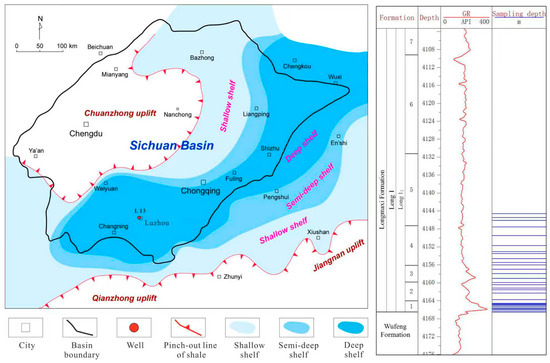
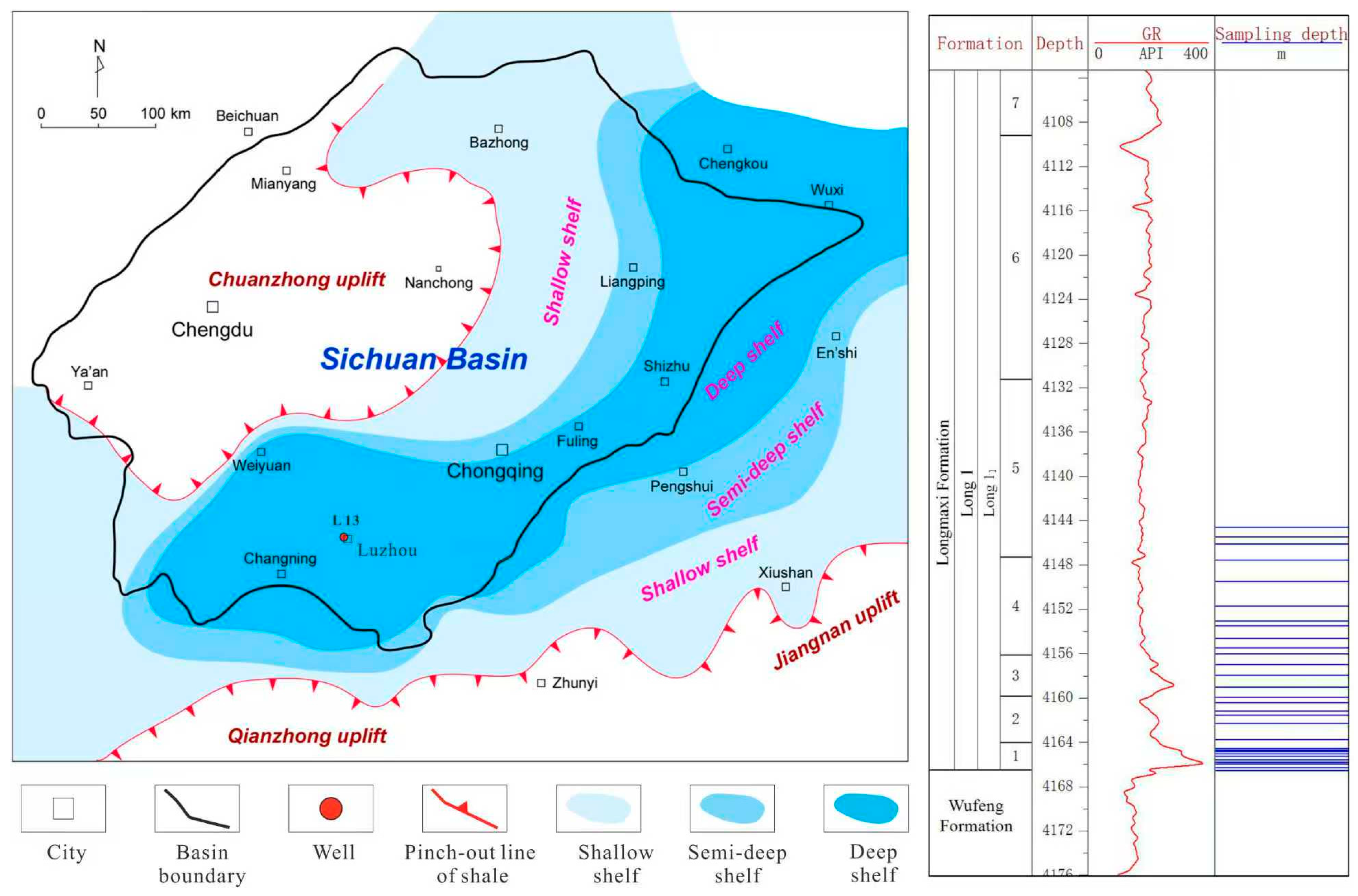
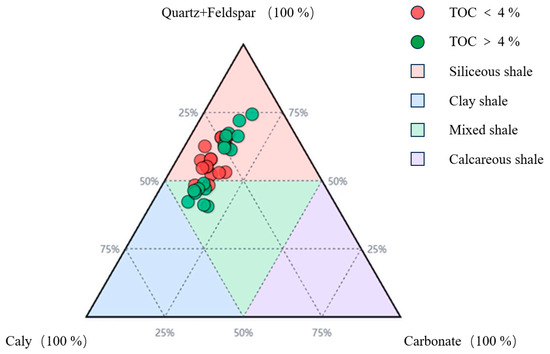
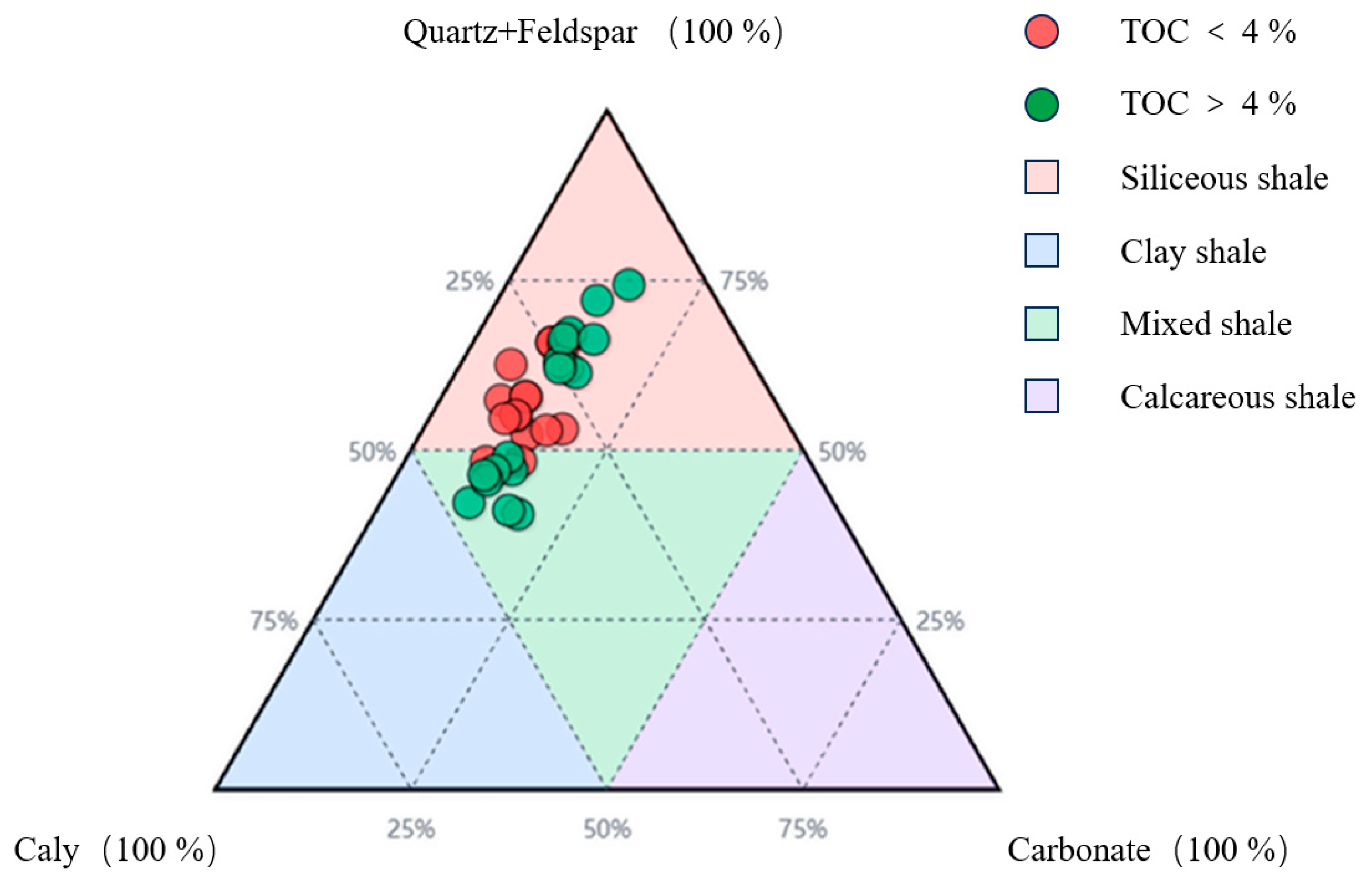
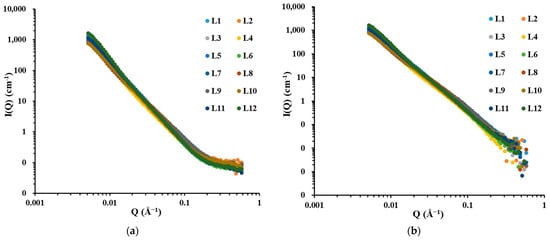
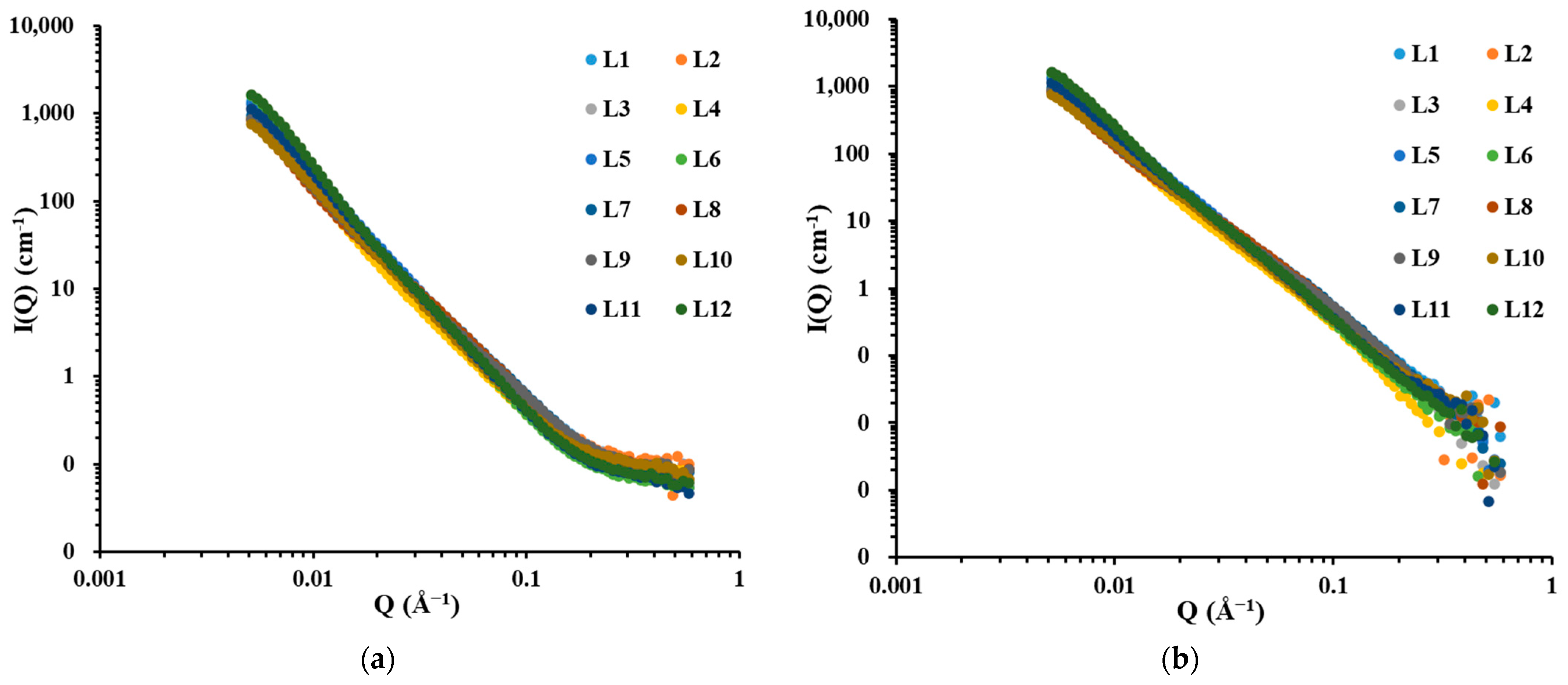
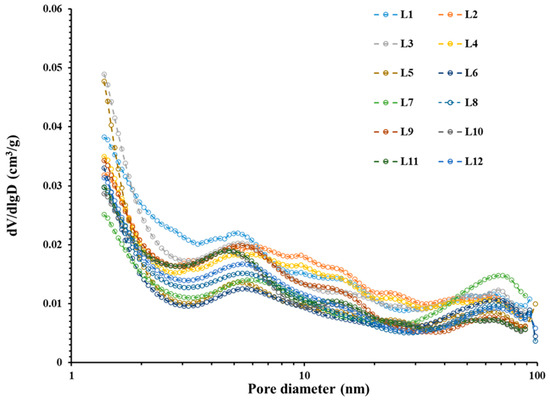
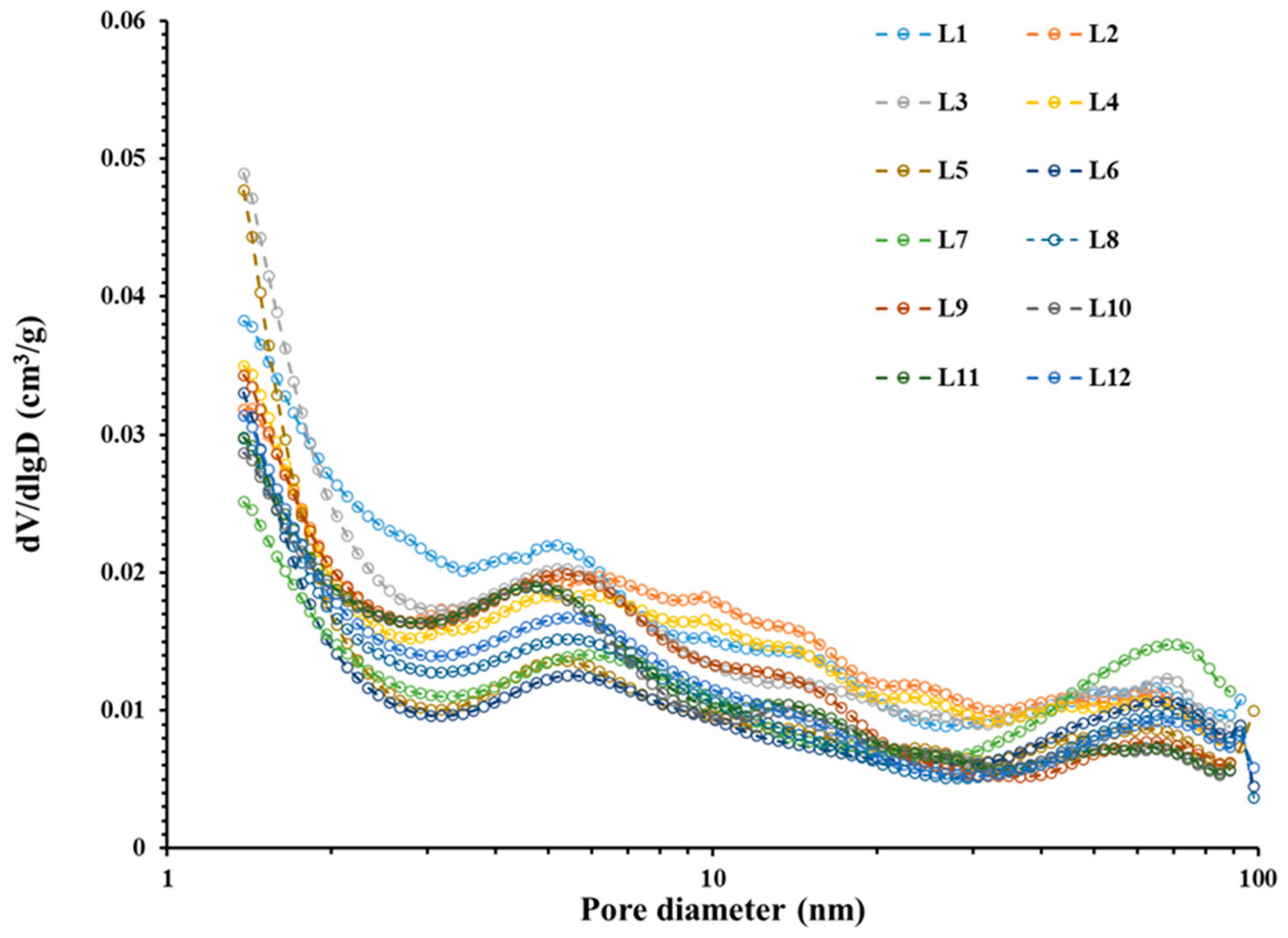
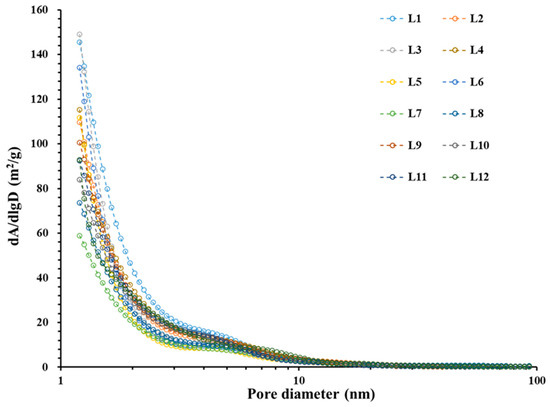
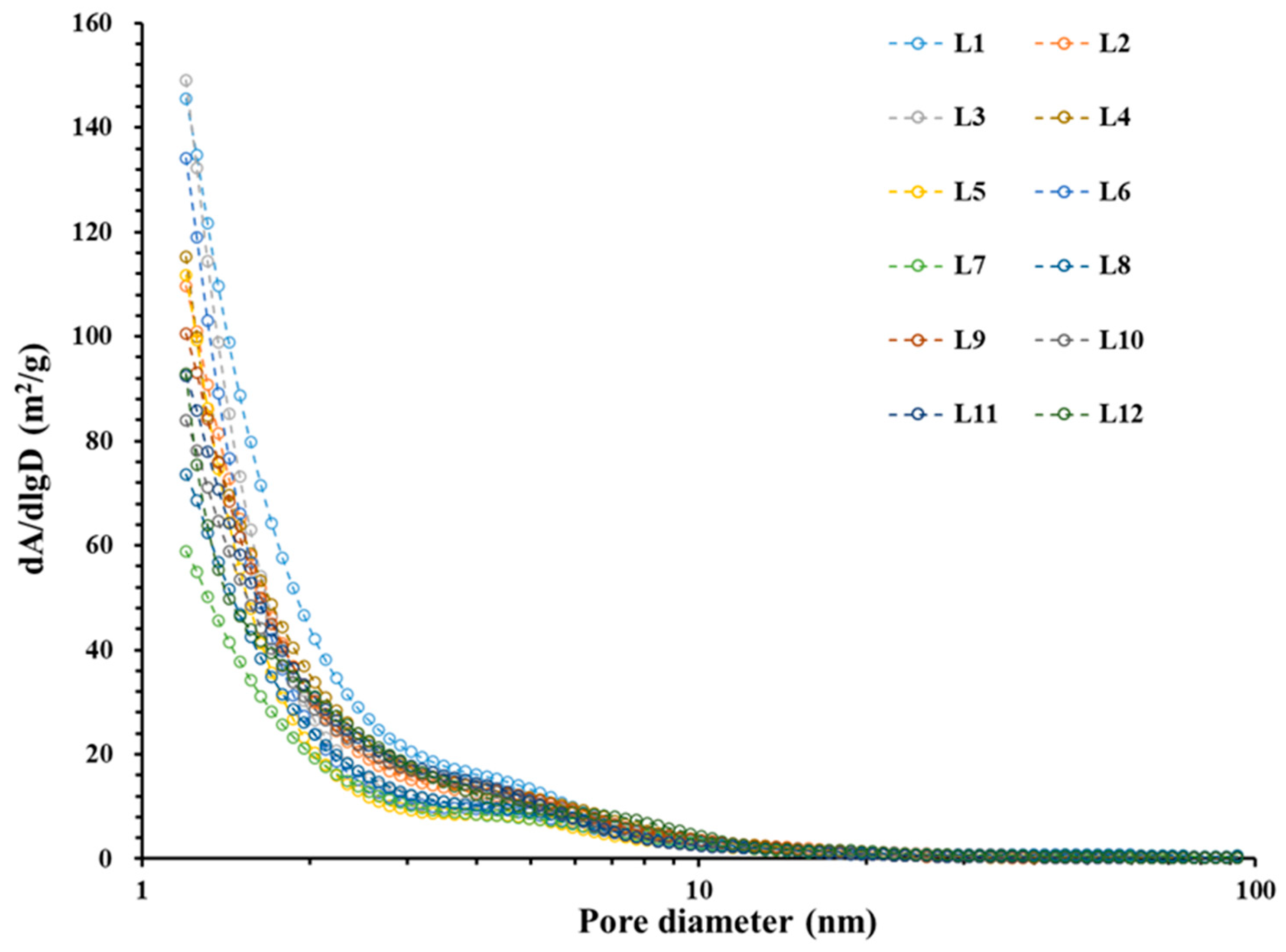
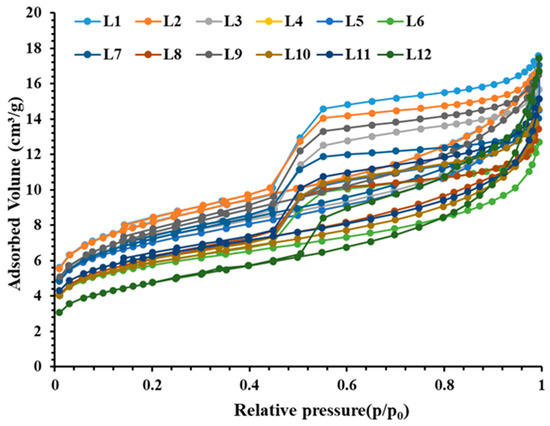
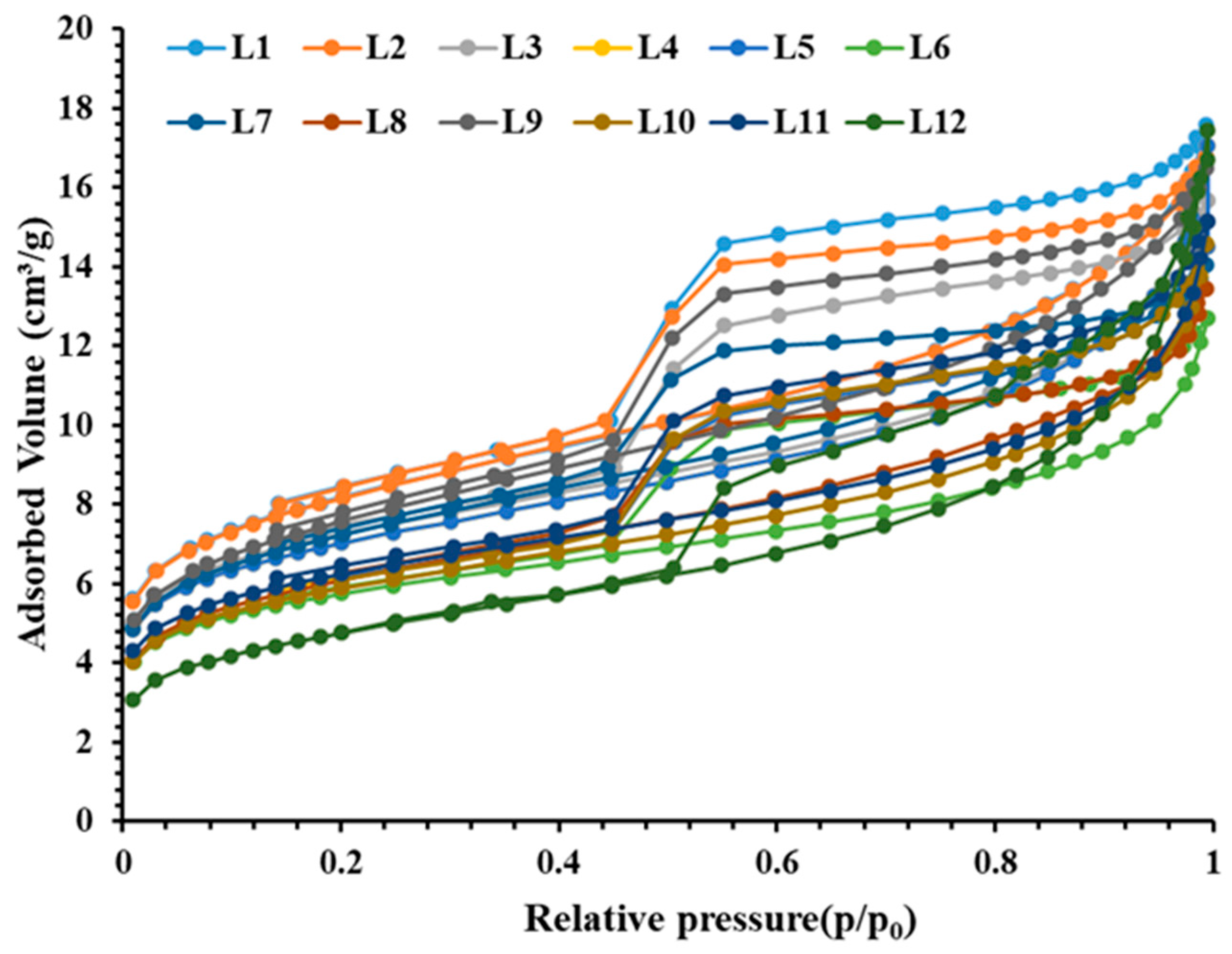
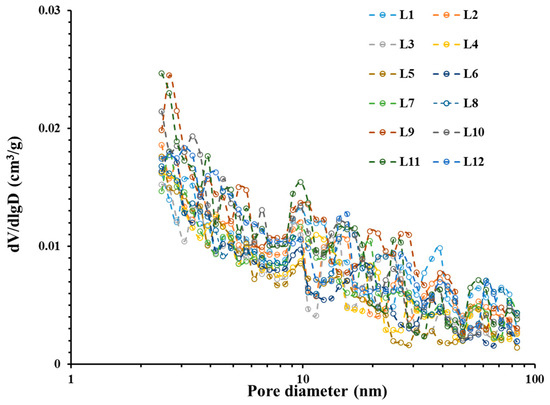
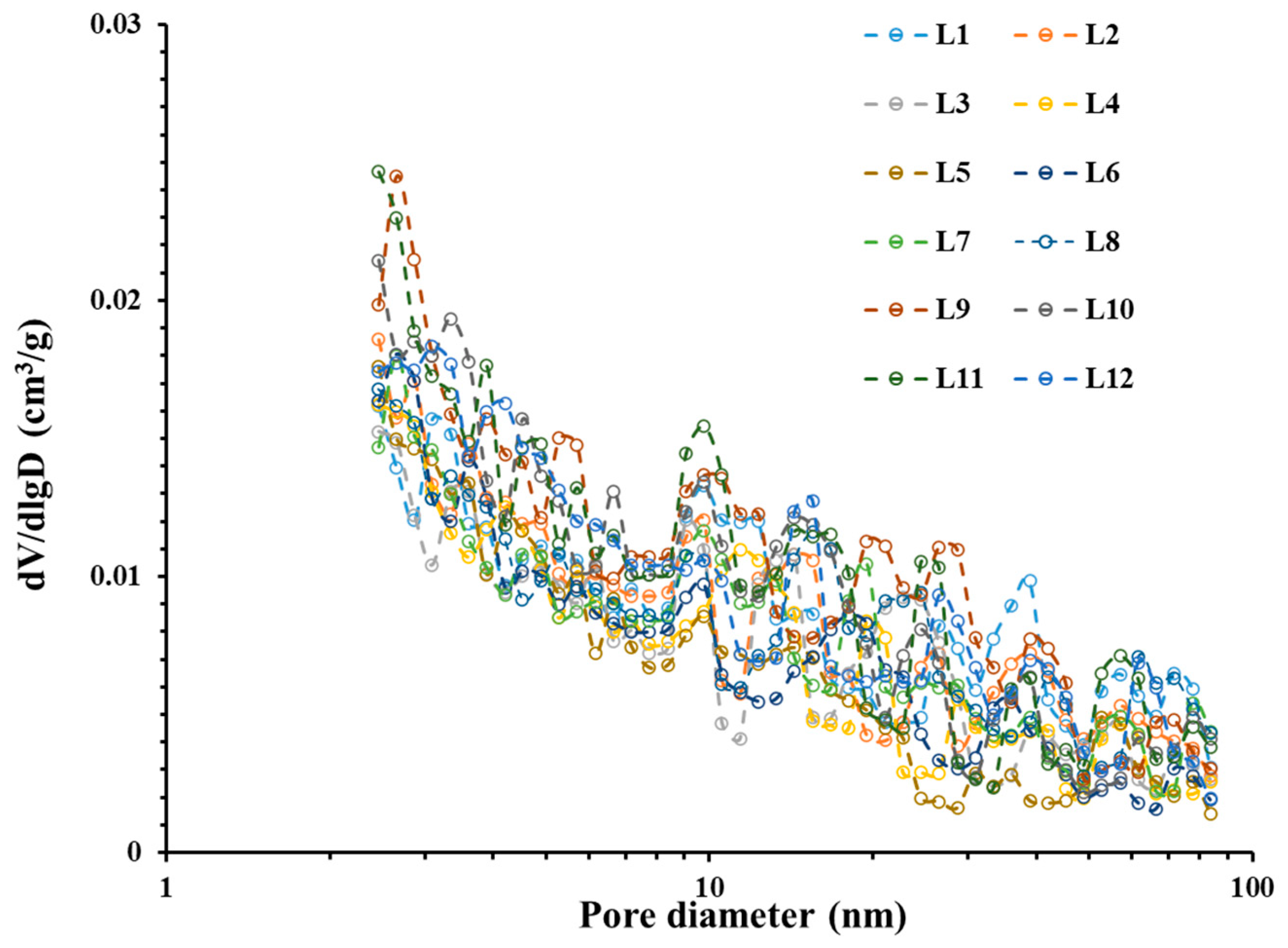
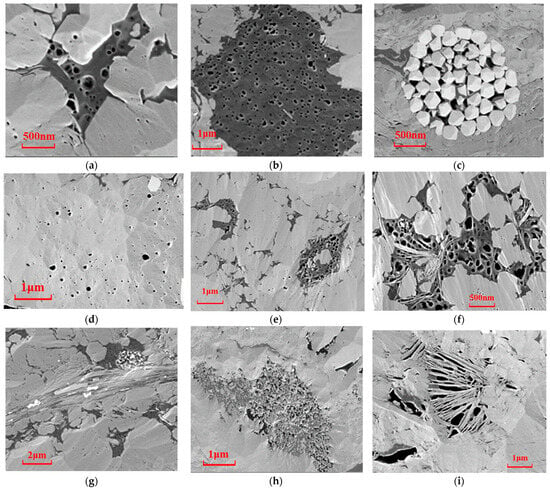
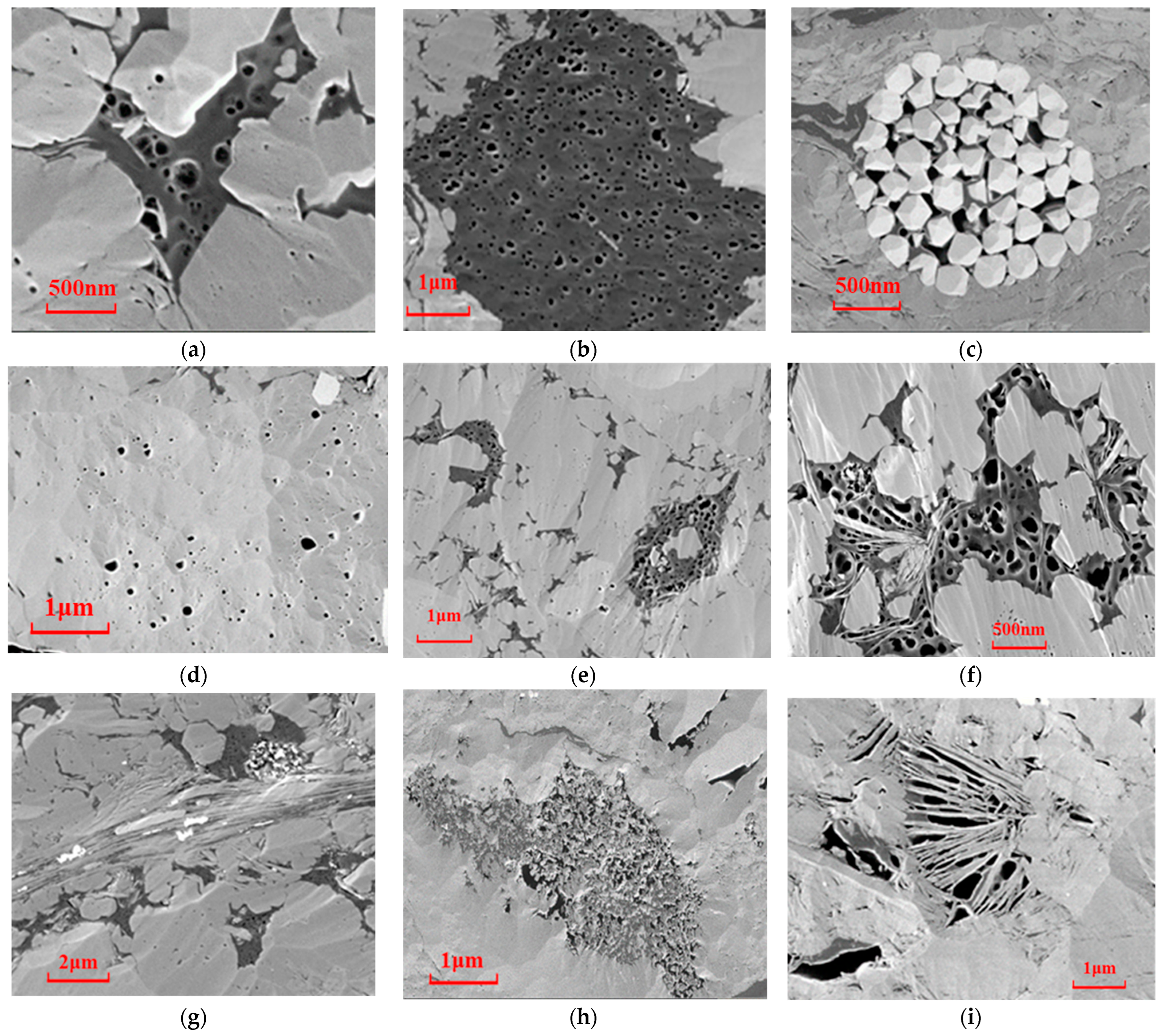
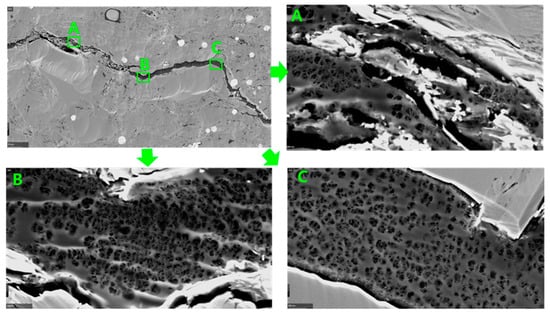
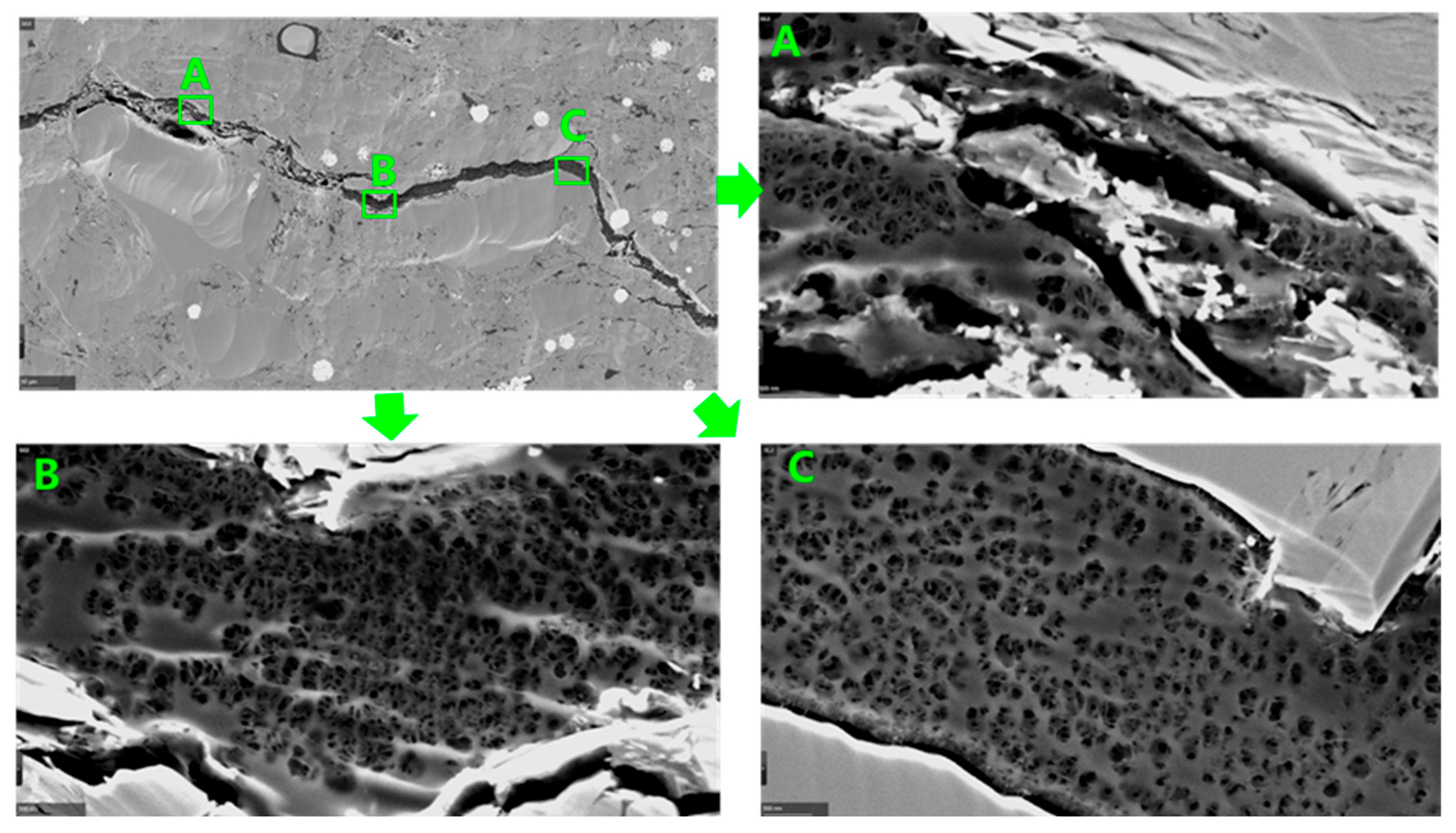
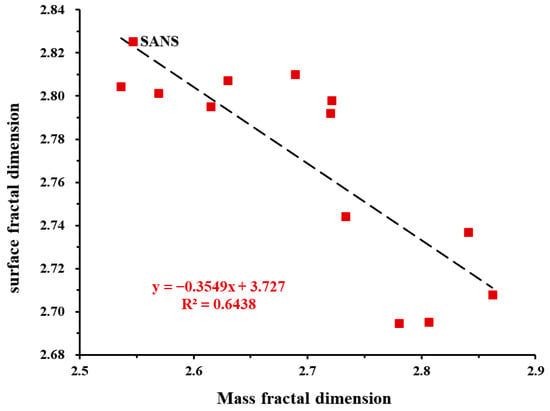
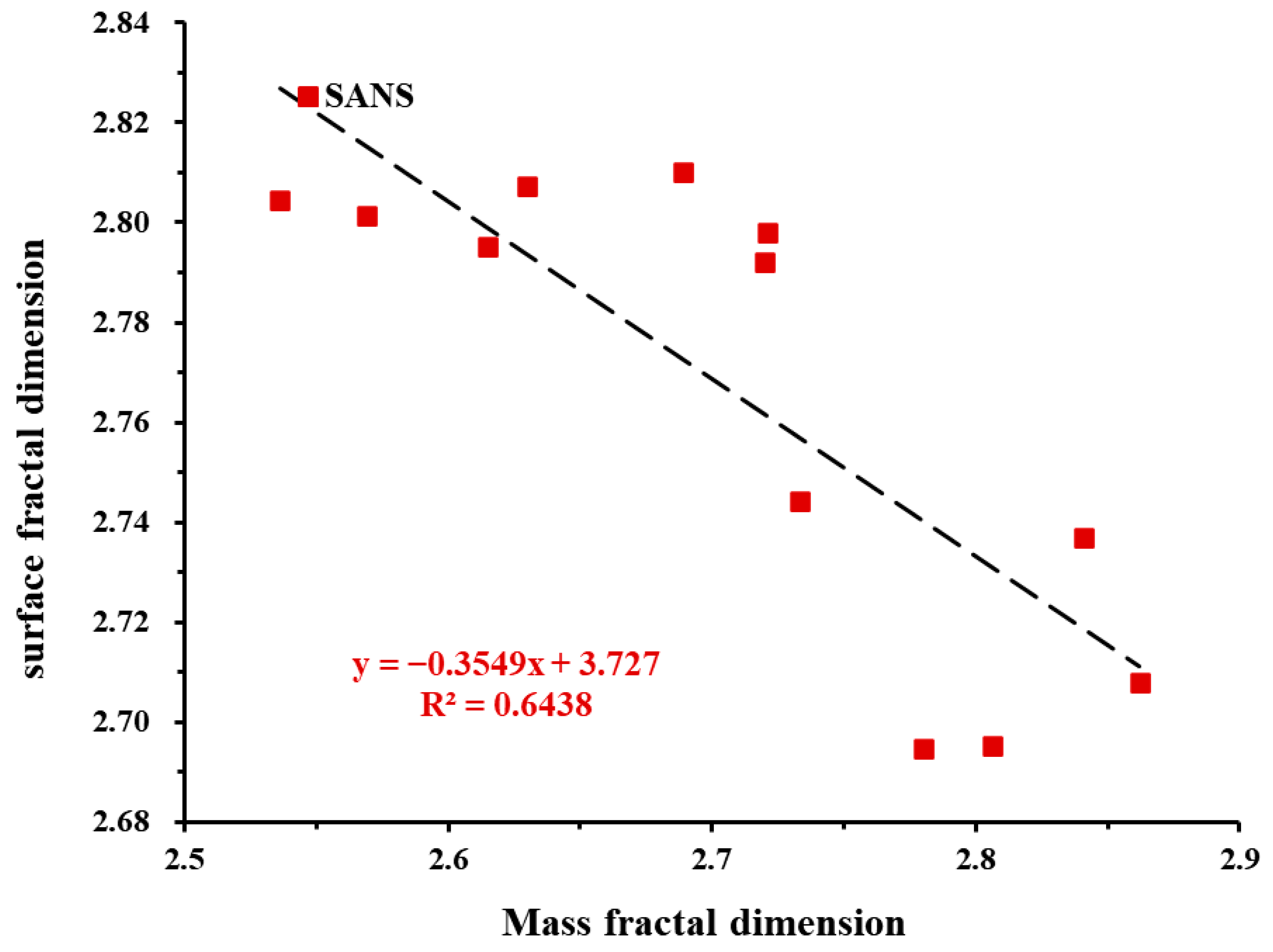
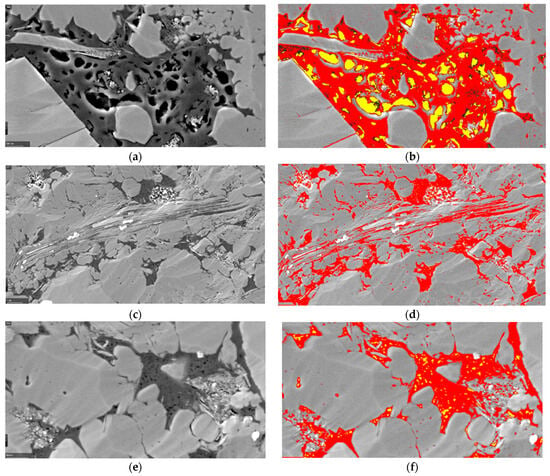
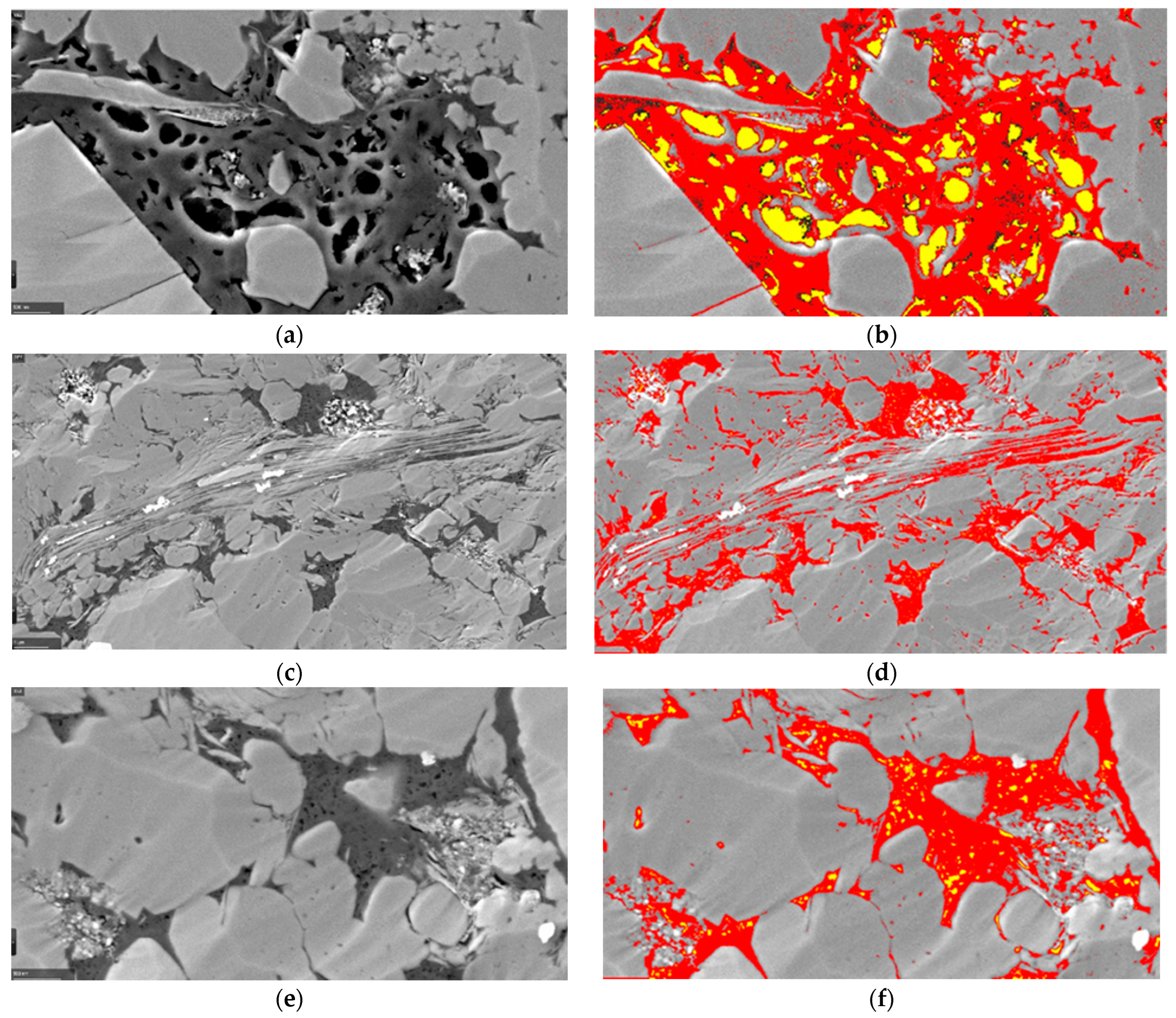
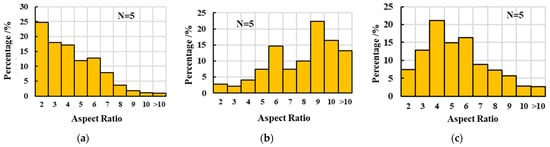
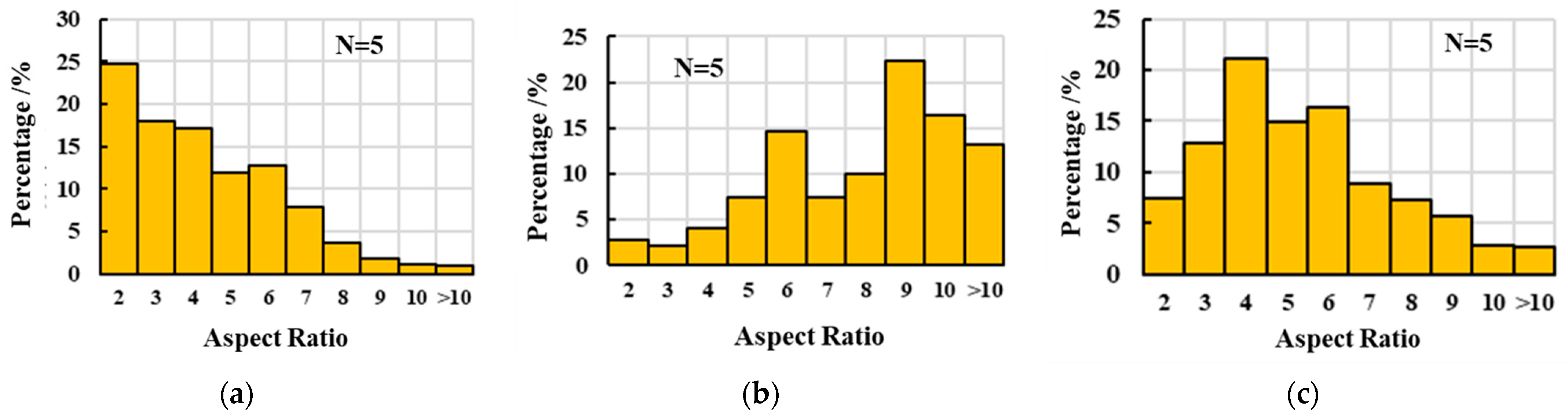
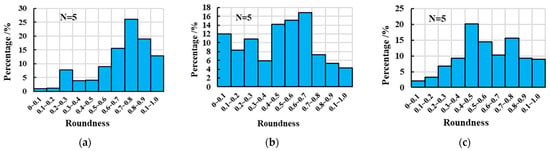
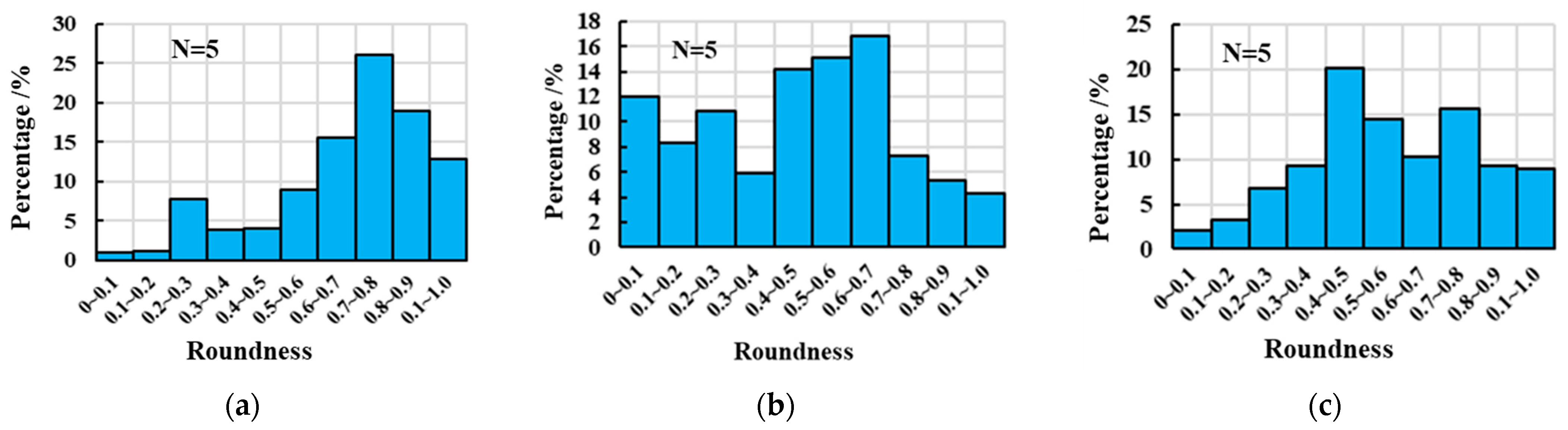
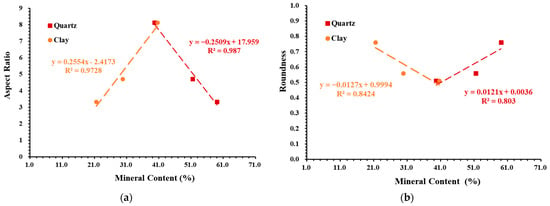
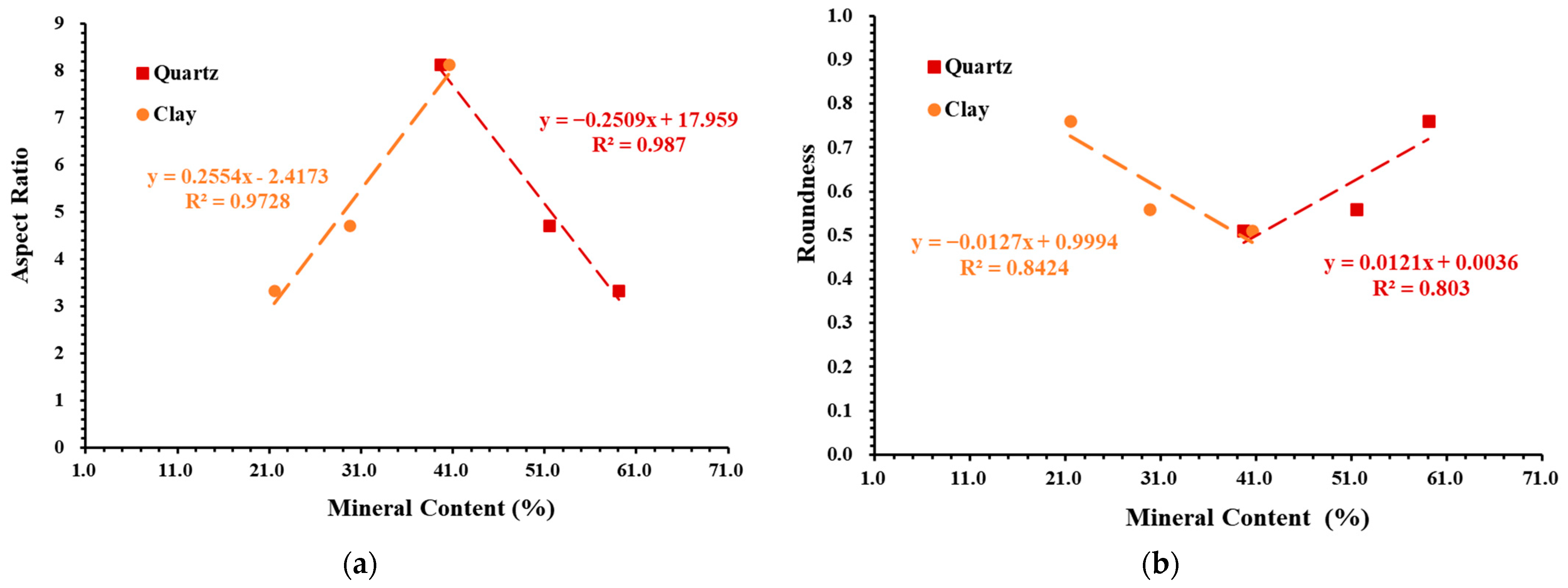
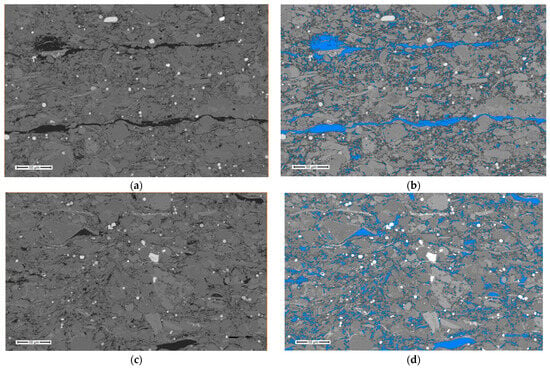
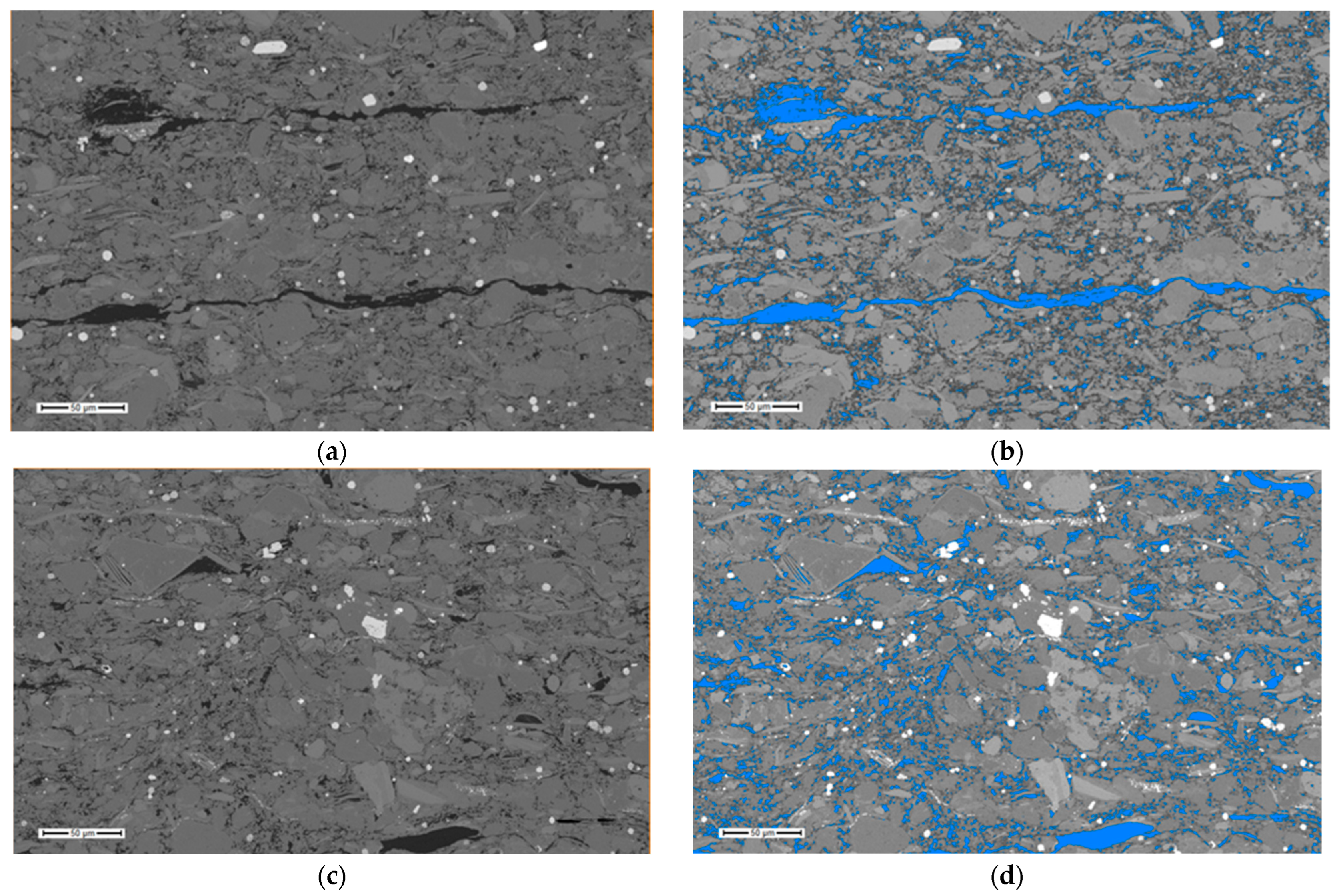
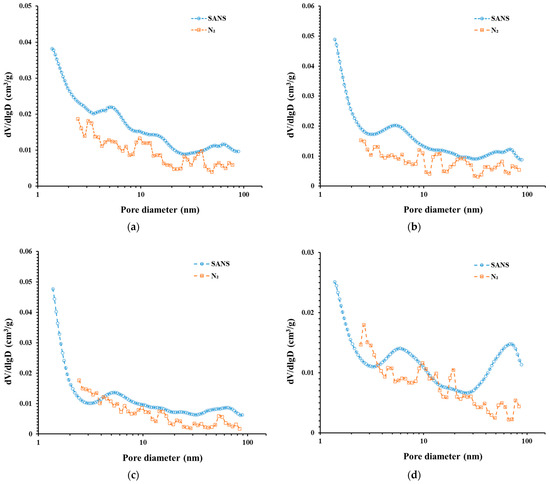
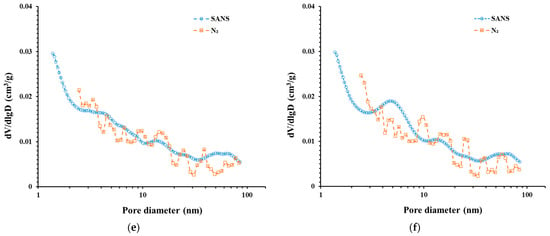
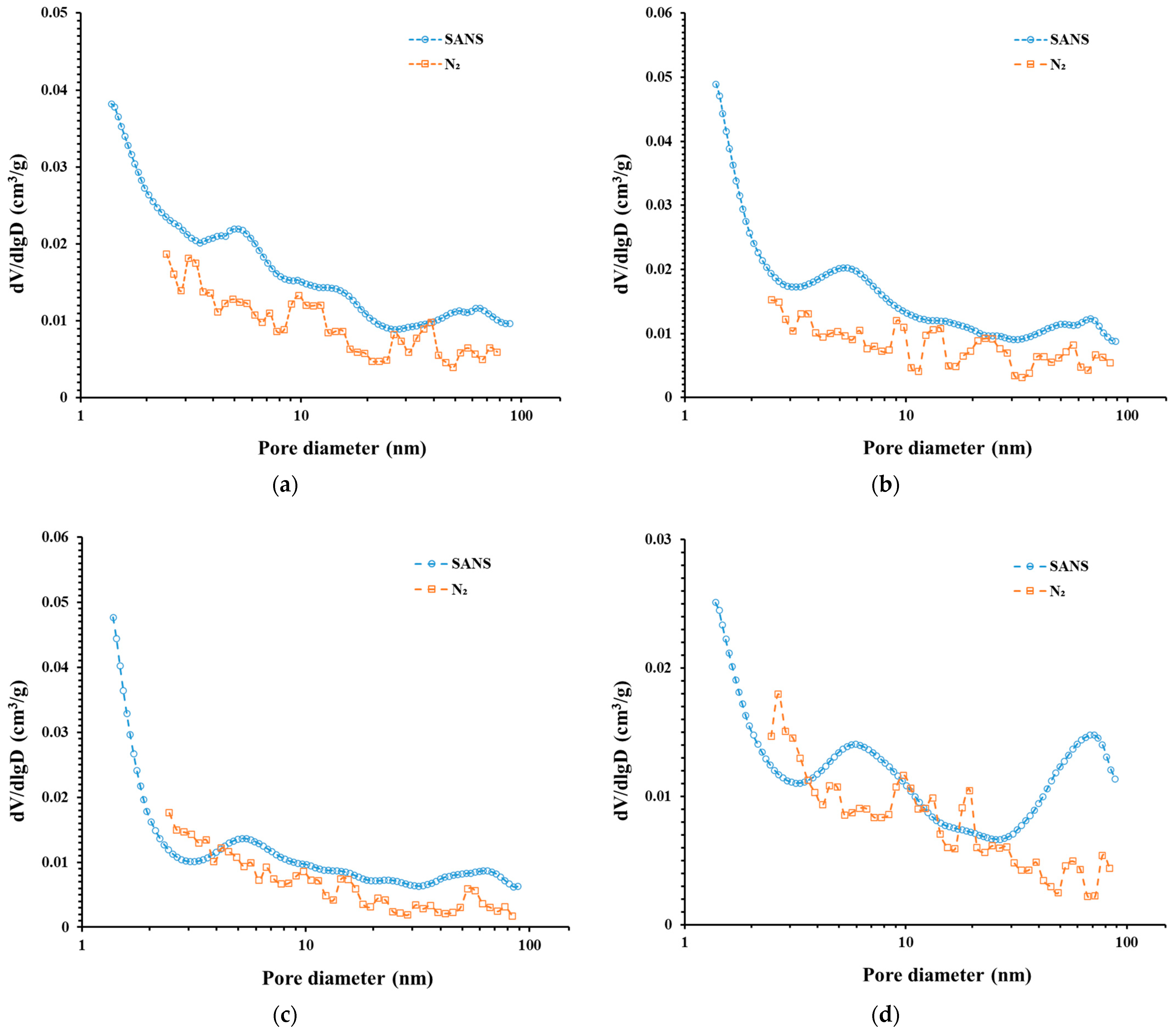
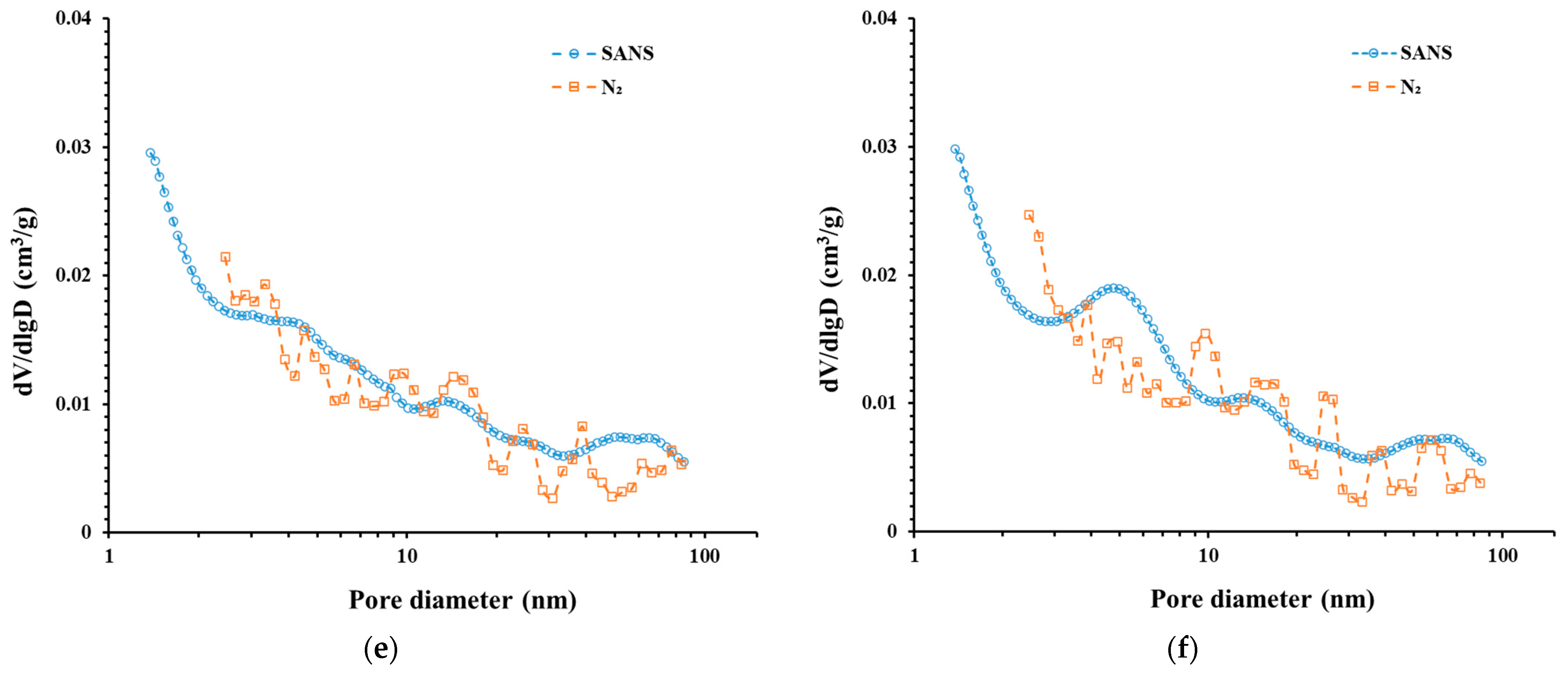
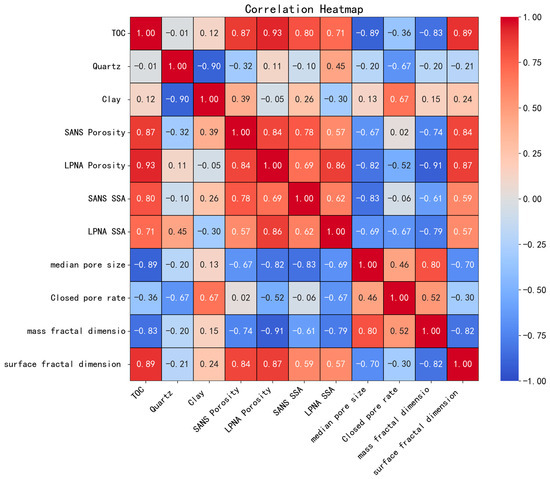
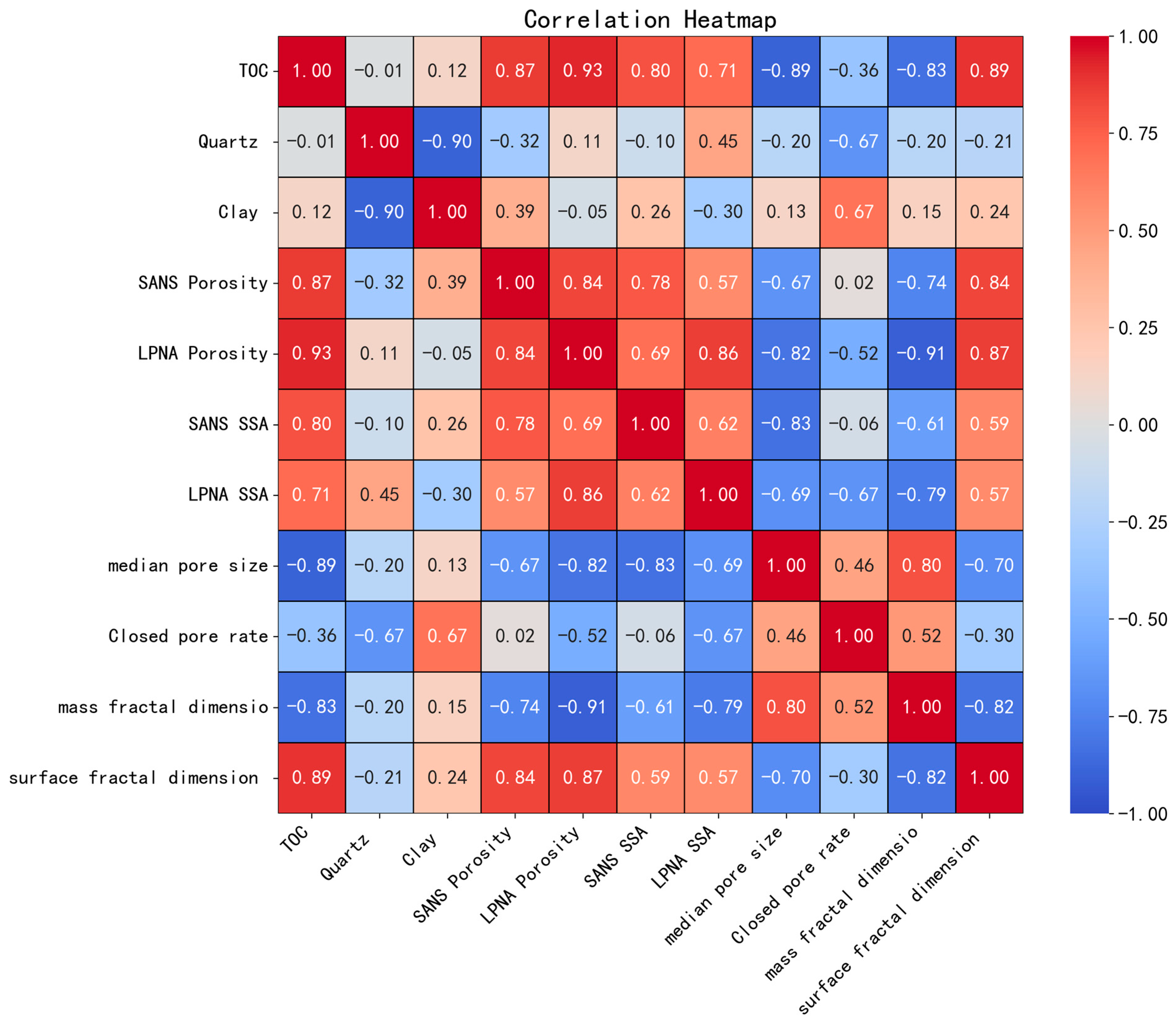
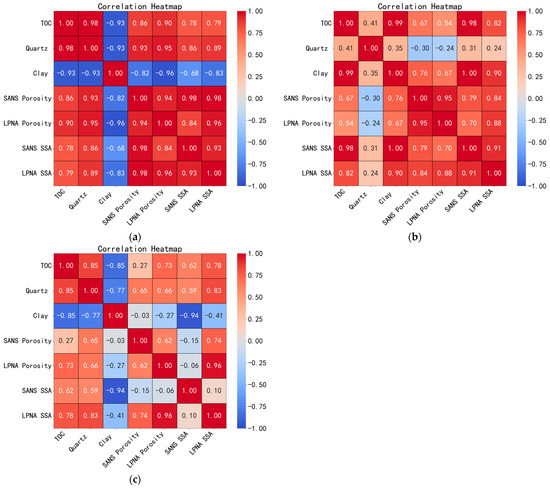
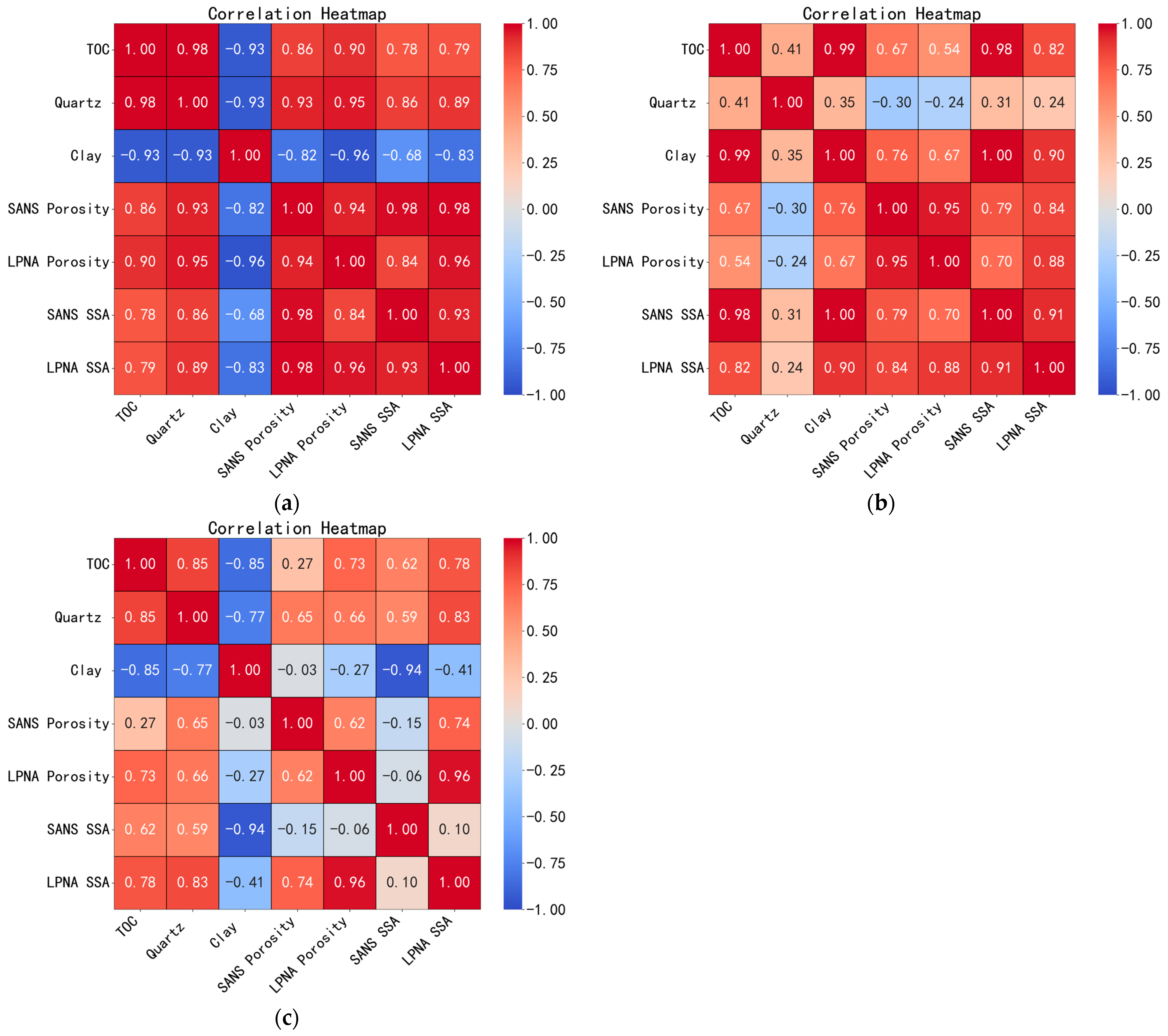

Disclaimer/Publisher’s Note: The statements, opinions and data contained in all publications are solely those of the individual author(s) and contributor(s) and not of MDPI and/or the editor(s). MDPI and/or the editor(s) disclaim responsibility for any injury to people or property resulting from any ideas, methods, instructions or products referred to in the content. |
© 2026 by the authors. Licensee MDPI, Basel, Switzerland. This article is an open access article distributed under the terms and conditions of the Creative Commons Attribution (CC BY) license.