


Simple Summary
Y. enterocolitica is a psychrotrophic zoonotic bacterium transmitted through contaminated animal products, yet no long-term national synthesis of its prevalence in Chinese livestock has previously been reported. This meta-analysis and systematic review of peer-reviewed research articles published between 2000 and 1 August 2025; we screened 1092 records and included 28 studies covering 5842 animals across 15 provinces. The pooled prevalence was 9.37% (5.55–14.03), with significant geographical variations, including the largest burden in Southern China, and higher rates in studies conducted before 2015. Pigs had the highest prevalence rate (≈10%) while cattle, sheep, and goats had a lower one (<5%). Regarding detection sensitivity, qPCR was more sensitive than culture-based techniques, and meat samples yielded higher detection rates than fecal samples. Univariate meta-regression showed that pathogen occurrence was positively correlated with temperature, rainfall, altitude, and humidity. Overall, these findings showed that Y. enterocolitica remains widespread in Chinese livestock and meat products, highlighting the need for adopting sensitive, standardized diagnostics within a One-Health framework, enhancing slaughterhouse hygiene, and implementing region-specific biosecurity measures.
Abstract
Yersinia enterocolitica is a psychrotrophic zoonotic pathogen that causes diarrhea in animals and enteritis in humans, mainly transmitted through the food chain. This systematic review and meta-analysis estimated the prevalence, geographical distribution, and related risk factors of Y. enterocolitica in livestock throughout the Chinese Mainland. Comprehensive searches were conducted in PubMed, ScienceDirect, CNKI, Wanfang, and VIP databases for studies between 1 January 2000 and 1 August 2025. Out of 1092 identified studies, 28 met the inclusion criteria. The estimated overall prevalence of Y. enterocolitica was 9.37%. Prior to 2015, the prevalence peaked at 9.69% but declined in subsequent years. The highest prevalence was found in Southern China (25.00%). Among livestock species, pigs showed higher susceptibility (9.93%) compared to cattle (4.67%). Meat samples exhibited the highest prevalence (15.47%), while qPCR yielded the highest detection rate (10.79%). Geographical factors such as longitude, latitude, altitude, climate, temperature, rainfall, and humidity also influenced prevalence patterns. Y. enterocolitica remains widely distributed in livestock and meat products. Variability was linked to regional, species-specific, and methodological aspects, highlighting the need for One-Health-based monitoring, stricter hygiene regulations, and standardized diagnostics to protect food safety.
1. Introduction
A number of pathogens, including Y. enterocolitica, a facultative anaerobic Gram-negative bacillus, have been associated with contamination in water, food, dairy products, and ready-to-eat items sold in retail outlets, street markets, and supermarkets. Yersiniosis is a major foodborne zoonosis with widespread global distribution [1,2]. Its widespread distribution in nature and broad range of animal hosts facilitate transmission through the fecal oral route, causing illness ranging from enteritis and lymphadenitis to septicemia in both animals and humans [3]. Beyond its public health threat, Y. enterocolitica infects main livestock species, including pigs, cattle, sheep, and goats, leading to diarrhea, growth retardation, and mortality in young animals. This not only impacts animals’ welfare but also causes substantial economic losses in the livestock industry through meat contamination and trade restrictions [4,5].
In recent years, yersiniosis has gained recognition as a major global foodborne zoonosis. Its increasing incidence in Europe, North America, and Asia has led the World Health Organization (WHO) to designate it as a major concern for surveillance [6,7]. Within Europe, Y. enterocolitica ranks as the fourth most commonly identified bacterial food-borne pathogen after Campylobacter sp., Salmonella sp., and Escherichia coli O157, accounting for more than 7000 cases each year [8]. This pathogen’s zoonotic cycle is maintained in food-producing animals, with pigs identified as the key reservoir. Persistent colonization of pig tonsils and intestines leads to contamination of pork during processing [9,10]. While cattle, sheep, and goats are less common hosts with generally low prevalence, specifically regional and husbandry factors can amplify their contribution to the overall epidemiological risk [11,12].
Globally, Y. enterocolitica contamination remains a significant concern, characterized by high pathogen isolation rates and the establishment of antimicrobial-resistant strains, suggesting a threat that may impact the broader food chain [13]. In pig farms, especially in regions like Siberia, the bacterial persistence is directly linked to specific environmental and husbandry management, a pattern that aligns with regional distribution trends identified in China [14]. Moreover, methodological factors, specifically the integration of molecular tools with culture techniques, increase in detection sensitivity and influence prevalence estimates [15]. Similarly, the detection of Y. enterocolitica in humans and animals across Japan, Korea, and Thailand confirmed its public health significance in certain regions of Asia, across diverse livestock systems and dietary practices [16]. Nowadays, emerging evidence suggests that, beyond pork, Y. enterocolitica may also be associated with other food vehicles [17]. However, in many developing countries, Y. enterocolitica is closely monitored, yet diagnostic procedures remain limited in several developing regions, including China [18,19].
As the world’s leading pork and a major livestock producer, China may face a proportionally higher risk of exposure and transmission. Isolations of the pathogen from fecal samples of pigs, cattle, sheep, and goats have been documented in multiple Chinese provinces since the 1980s [20]. In Chinese Mainland, evidence on human yersiniosis remains limited aside from two outbreaks reported in the 1980s; yersiniosis is not nationally notifiable, and routine clinical testing is uncommon [21,22]. These articles comprised point-prevalence surveys with limited geographic coverage and non-standardization techniques, leading to a lack of systematic epidemiological overview. In addition, these marked inconsistencies in prevalence, whether linked to animal species, sample type, or region, highlight the urgent need for a standardized, nationwide risk assessment framework [23]. However, in the context of China, specific challenges persist regarding the control of Y. enterocolitica. Food safety practices vary significantly across the country, particularly concerning slaughterhouse hygiene and cold-chain logistics, which are critical for controlling psychrotrophic pathogens [24]. Furthermore, substantial surveillance gaps exist; unlike Salmonella sp. or Escherichia coli, Y. enterocolitica is not always included in routine national monitoring programs [25]. Additionally, regional variations in livestock practices—ranging from intensive industrial farming in Eastern and Southern regions to traditional free-range herding in Western and Northern areas—create complex epidemiological patterns that complicate uniform control measures [26]. To fill this knowledge gap, a meta-analysis was conducted to determine the prevalence of Y. enterocolitica in China from 2000 to 2024. We further assessed potential risk-factors, including geographical location (region, province, longitude, latitude, altitude), animal species, detection methods, study year, and climate variables (annual average temperature, rainfall, humidity) associated with prevalence.
2. Methods
2.1. Search Strategy
An extensive literature search was carried out following PRISMA (Preferred Reporting Items for Systematic Reviews and Meta-Analyses) guidelines to identify studies reporting the prevalence of Y. enterocolitica in economic animals, including cattle, pigs, sheep, and goats in Chinese Mainland [27]. Briefly, studies published between 1 January 2000 and 1 January 2025 were considered in order to capture long-term temporal trends in the prevalence of Y. enterocolitica in Chinese livestock and related products. The literature searches were conducted separately in English-language databases (PubMed and ScienceDirect) and Chinese-language databases (CNKI, Wanfang, and VIP), using equivalent search terms translated into English and Chinese.
All records retrieved from the different databases were imported into EndNote (version X.21). Duplicates were first identified and removed automatically based on title, author, publication year, and journal information, followed by manual verification to ensure accuracy. When the same study was identified in both English and Chinese databases, a single record was retained for screening, with preference given to the most recent and complete version of the article.
2.2. Search Terms
For PubMed, the search used a combination of MeSH terms and entry terms related to the pathogen (Y. enterocolitica), relevant animal hosts, and geographic location. The search strategy was:
((“Y. enterocolitica”[Mesh]) OR (“Bacterium enterocoliticum”)) AND ((“Cattle”[Mesh]) OR (Cow) OR (Yak) OR (“Goats”[Mesh]) OR (Ovis aries) OR (Capra) OR (“Swine”[Mesh]) OR (Pig)) AND ((“China”[Mesh]) OR (People’s Republic of China) OR (Mainland China) OR (Inner Mongolia) OR (Manchuria) OR (Sinkiang)).
In ScienceDirect, a keyword-based search was employed using the terms:
“Y. enterocolitica” AND “China”, with results restricted to include only research articles.
For the Chinese databases, including the CNKI, Wanfang, and VIP, searches were conducted using the Chinese keywords:
“Xiao Chang Jie Chang Yan Ye Er Sen” AND (Niu OR Yang OR Zhu). To ensure sensitivity, fuzzy search and synonym expansion were applied where available, incorporating additional terms such as “Ye Er Sen Bing”, and “Xiao Chang Jie Chang Yan Ye Er Sen Shi Jun”.
2.3. Selection Criteria
Eligible studies were selected based on the following criteria:
2.3.1. Inclusion Criteria
- ❖
- Studies focused on Y. enterocolitica in livestock (cattle, pigs, sheep, and goats) in the Chinese Mainland;
- ❖
- Published between 2000 and 1 August 2025;
- ❖
- Studies must report both the total sample size and the Y. enterocolitica prevalence;
- ❖
- Studies must include an adequate sample size, ≥30 animals.
2.3.2. Exclusion Criteria
- ❖
- Duplicate data (i.e., use of a dataset from another included study);
- ❖
- Unavailability of the full text;
- ❖
- Sample size was <30;
- ❖
- Data was incomplete or internally contradictory;
- ❖
- The study was conducted outside of Chinese Mainland;
- ❖
- The prevalence of Y. enterocolitica was not reported;
- ❖
- Sampling occurred before the year 2000.
2.4. Data Extraction
Five reviewers (RZ, SS, SRQ, HYL, and ZZQ) independently extracted the data, which were then compiled into a Microsoft Excel 2019 (version 16.0) database [28]. To ensure accuracy, any discrepancies or uncertainties in the extracted data or study eligibility were resolved through consensus among the authors of this review. Extracted variables included: bibliographic information (first author, year of publication), sampling data (year, season, region), methodological parameters (detection method, sample type), and outcome data (total samples, positive cases). Furthermore, relevant geographic and meteorological data were compiled. Geographic coordinates (longitude, latitude, and altitude) were recorded for each sampling site. Rainfall, temperature, and humidity data for each study period were obtained from the China Meteorological Data Service Center.
2.5. Quality Assessment
Quality scoring was performed on the Grading of Recommendations Assessment, Development, and Evaluation methods (GRADE) [29], each study was evaluated using a standardized set of criteria and assigned a quality score ranging from 1 to 4. Each study received 1 point for meeting the following quality criteria:
- ❖
- Usage of a random sampling method;
- ❖
- Well-defined detection assay;
- ❖
- Adequate information on sample collection;
- ❖
- Detailed description of sampling procedures;
- ❖
- Analysis of four or more potential risk factors;
Studies with a score of 4 met all quality criteria and were considered to have a low risk of methodological bias. Studies scoring 1–3 exhibited some methodological limitations, such as incomplete reporting of sampling procedures or a limited assessment of potential risk factors. However, these limitations were not considered sufficient to affect the reliability of prevalence estimates. Therefore, studies with scores of 1–3 were included in the meta-analysis together with those scoring 4. Studies with a score of 0 would have been excluded because they contained too few potential risk factors and did not meet the predefined quality rating criteria. Notably, none of the studies included in this meta-analysis received a score of zero.
2.6. Statistical Analysis
Meta-analysis was performed according to PRISMA guidelines (Supplementary Table S1). All analyses were performed in R version 4.4.1 using the “meta” package (version 8.0.1) [27,30]. Before conducting the meta-analysis, we first assessed the normality of the data. Normality tests were applied to both the original prevalence rates and their transformed values using five common transformation methods: original rate (PRAW), logit transformation (PLOGIT), logarithmic conversion (PLN), arcsine transformation (PAS), and double-arcsine transformation (PFT) (Table 1).
Table 1.
Normality tests for original and transformed rate distributions (pigs + cattle + sheep and goats).
The objective was to identify the transformation that most closely approximated a normal distribution. Based on the test outcomes, the Freeman–Turkey double arcsine transformation was selected for conversion. The PFT was applied for both the combined analysis and the separate analysis of cattle, sheep, and goats. However, for the separate analysis of pigs, the PLN was used (Supplementary Table S2). Heterogeneity among studies was assessed using Cochran’s Q-test and I2 statistics. Potential bias was examined through funnel plots and further assessed by Egger’s test and the Trim-and-Fill method. Sensitivity analysis was also conducted. After that, we performed a subgroup analysis and meta-regression analysis to further investigate heterogeneity sources. The subgroup analysis was based on region, study period, sample classification, detection methods, species, and quality points. To further investigate heterogeneity, we performed subgroup analysis stratified by geographical factors and evaluated longitude, latitude, altitude, rainfall, average annual temperature, humidity, and climate. Details of the R code applied in the meta-analysis are available in (Supplementary Table S3). Additionally, our meta-analysis was not formally registered and did not include a review agreement such as Cochrane registration.
3. Results
3.1. Search Results and Eligible Studies
From six databases,1092 articles were retrieved, and 28 were qualified for inclusion in the combined meta-analysis (Figure 1, Supplementary Table S4).
Figure 1.
The flow diagram illustrates study selection according to the established eligibility criteria.
Included studies and quality scores for pigs, cattle, sheep, and goats are shown in (Supplementary Tables S4–S7). Quality assessment showed that only 3 articles were assigned scores of 1–2, and the remaining 25 articles were assigned scores of 3–4 (Table 2).
Table 2.
Selected studies of Y. enterocolitica in the Chinese Mainland.
3.2. Publication Bias and Sensitivity Analysis
Due to high heterogeneity (I2 = 97.9% and p < 0.0001), a random effects-model was applied in the meta-analysis (Figure 2).
Figure 2.
Forest plot of random-effects models shows the pooled prevalence (%) of Y. enterocolitica in China with 95% confidence intervals (CI). Individual studies are identified by first author and year, with full reference details provided in the reference list. Between-study heterogeneity was quantified using the I2 statistic, and statistical significance was assessed using Cochran’s Q test (p-value).
Although there was asymmetry in the funnel plot (Figure 3), Egger’s test showed no publication bias (p > 0.05) (Figure 4), indicating the existence of small-study effects rather than actual bias (Supplementary Table S8). Five missing studies were found using trim-and-fill analysis, but their inclusion had little effect on the pooled prevalence, confirming the stability of our results (Figure 5).
Figure 3.
Funnel plot with pseudo 95% confidence interval limits used to assess publication bias among studies reporting Y. enterocolitica prevalence; statistical asymmetry was evaluated using standard funnel plot interpretation.
Figure 4.
Egger’s test for publication bias.
Figure 5.
Trim-and-fill method for publication bias.
The meta-analysis results and publication bias assessments for each subgroup in the combined analysis are presented in (Supplementary Figures S1–S12). Sensitivity analysis indicated that removing any single study did not substantially affect the pooled prevalence; thus, these results confirm the robustness and reliability of the meta-analysis (Figure 6).
Figure 6.
Sensitivity analysis. Individual studies are identified by first author and year, with full reference details provided in the reference list.
3.3. Meta-Analysis of Y. enterocolitica in the Chinese Mainland
The meta-analysis, comprising 28 studies with a total of 34,492 samples, revealed that a pooled prevalence of Y. enterocolitica in pigs, cattle, sheep, and goats in China was 9.37% (95% CI: 5.55–14.03) since 2000 (Table 3 and Table S9). The prevalence of Y. enterocolitica detected in 2015 or earlier was the highest, 9.69% (95% CI: 4.78–16.04), while the prevalence declined to 3.48% (95% CI: 0.42–8.77) in later years (p < 0.05). Prevalence varied across different regions in China (Table 3). Within the regional subgroup analysis, the highest prevalence was observed in the Southern region, 25.00% (95% CI: 19.23–31.25), while the Southwestern region showed the lowest prevalence, 1.78% (95% CI: 0.36–4.20), with p < 0.05. Provincially, the highest prevalence was observed in Heilongjiang, 50.88% (95% CI: 44.36–57.40), while the lowest prevalence was in Liaoning, 2.21% (95% CI: 1.08–3.71) (Table 4).
Table 3.
Pooled prevalence of Y. enterocolitica in pigs, cattle, sheep, and goats in the Chinese Mainland.
Table 4.
Pooled prevalence of Y. enterocolitica across provincial regions in the Chinese Mainland.
The analysis of various detection methods revealed that the highest prevalence rate was obtained with loop-mediated isothermal amplification, 81.91% (95% CI: 73.42–89.11) and qPCR 10.79% (95% CI: 7.34–14.78) while the lowest prevalence was detected by culture-based 4.60% (95% CI: 2.47–7.30), with (p < 0.05). In terms of species, pigs were the most affected, with the highest prevalence of 9.93% (95%: CI 5.79–14.97) compared to cattle 4.67% (95% CI: 1.88–8.47), with (p < 0.05). The type of sample substantially influenced detection rates. Prevalence was highest in meat samples at 15.47% (95% CI: 1.99–37.54) in contrast to stool samples 7.23% (95% CI: 4.74–10.19), with (p > 0.05). With respect to study quality, studies with lower quality scores (1–2) reported a higher prevalence of 28.51% (95% CI: 0–82.49) compared with those of higher quality (3–4), 7.75% (95% CI: 5.41–10.47), with (p < 0.05) (Table 3 and Table S9).
The subgroup analysis for pigs produced results that were consistent with the overall combined analysis (Table 5 and Table S10).
Table 5.
Pooled prevalence of Y. enterocolitica in pigs in the Chinese Mainland.
In a separate analysis of cattle, the highest prevalence rate was observed in the Northwestern region at 13.44% (95% CI: 2.30–31.40), and studies conducted between 2016 and 2020 reported a comparatively higher prevalence of 6.27% (95% CI: 0.82–15.57) (Table 6 and Table S11).
Table 6.
Pooled prevalence of Y. enterocolitica in cattle in the Chinese Mainland.
For sheep and goats, the highest prevalence occurred in the Eastern region at 3.13% (95% CI: 0.51–7.42), while studies published in 2021 or later showed the highest temporal prevalence at 5.74% (95% CI: 2.19–10.67) with (p > 0.05) (Table 7 and Table S12).
Table 7.
Pooled prevalence of Y. enterocolitica in sheep and goats in the Chinese Mainland.
In the separate subgroup analyses for cattle, sheep, and goats, both meat samples and PCR-based detection showed the highest prevalence (Table 6, Table 7, Tables S11 and S12).
Geographical factors were also analyzed and found that the regions with a latitude of 40–50° had the highest prevalence, 15.13% (95% CI: 0.00–50.41), compared to regions with 30–40° latitude, 8.70% (95% CI: 5.86–12.02), with (p > 0.05). The regions having 113–117° longitude had the highest prevalence, 14.66% (95% CI: 8.17–22.61), compared to regions with ≤112° longitude, 5.35% (95% CI: 3.05–8.22), with (p < 0.05). The regions having low altitude <1000 m had the highest prevalence 12.02% (95% CI: 6.80–18.44) compared to regions with >10,000 high altitude 5.99% (95% CI: 3.88–8.50), with (p > 0.05). Based on the temperature analysis, regions with an average temperature > 17 °C showed the highest prevalence, 17.65% (95% CI: 5.82–33.93), in contrast to regions with a 15–17 °C temperature, 6.28% (95% CI: 3.55–9.69), with (p < 0.05). Regions with rainfall levels ≥ 120 mm exhibited a higher prevalence 12.23% (95% CI: 4.29–23.30), while areas with rainfall between 60 and 119.9 mm showed a lower prevalence 8.61% (95% CI: 3.53–15.57), with (p > 0.05). Regions with moderate humidity, 40–55%, had the highest prevalence, 12.33% (95% CI: 4.43–23.25), relative to regions having high humidity, 70–85%, which showed 7.34% (95% CI: 3.53–12.34), with (p > 0.05). Temperate monsoon climate regions had the highest prevalence at 11.69% (95% CI: 5.90–19.06) compared to regions of plateau and mountain climate 7.65% (95% CI: 4.87–10.96), with (p < 0.05) (Table 8 and Table S13).
Table 8.
Geographical factors affecting the prevalence of Y. enterocolitica in pigs, cattle, sheep, and goats in the Chinese Mainland.
The univariate meta-regression showed that region, study period, detection methods, species, quality points, longitude, and average annual temperature may be sources of heterogeneity (p < 0.05).
4. Discussion
The pooled prevalence of Y. enterocolitica in livestock across Chinese Mainland was 9.37% (95% CI: 5.55–14.03), indicating that the pathogen remains a significant public health concern [59]. This finding is particularly relevant in the context of China’s rapidly evolving meat sector, where pork continues to be the dominant animal protein and demand for beef and mutton has increased in recent years [60,61]. Consistent with earlier nationwide data, Y. enterocolitica has been detected in multiple livestock species—including pigs, cattle, and sheep—across diverse regions of China [62]. At the food level, a multi-city survey reported the presence of Y. enterocolitica in retail food samples, with detections most frequently observed in raw meat products [63]. Internationally, the reported prevalence of Y. enterocolitica in livestock and meat products varies widely across countries, likely due to differences in livestock production systems, slaughter hygiene, and surveillance or detection capacity [64,65]. In China, national food-safety risk monitoring and foodborne-disease surveillance networks have expanded and standardized reporting practices, thereby strengthening routine detection and outbreak documentation [66,67]. Notably, our study observed a significant decline in prevalence from 9.69% before 2015 to 3.48% in years thereafter. This downward trend coincides with the broad restructuring of China’s animal agriculture sector after 2015, including the shift toward large-scale standardized farming and the modernization of cold-chain logistics. Together, these changes have contributed to reduced contamination risks along the meat production chain [68,69].
The prevalence of Y. enterocolitica varied markedly among host species, with pigs showing the highest prevalence (9.93%), followed by cattle (4.67%), and sheep/goats (1.44%) (Table 3 and Table S9). The disproportionately high prevalence in pigs is consistent with extensive experimental evidence demonstrating that porcine intestinal physiology provides particularly optimal conditions for Y. enterocolitica colonization [70,71]. The relatively neutral pH of the porcine cecum and colon (typically 6.0–6.4 in the cecum and 6.1–6.6 in the colon), compared with the more acidic bovine rumen (often ~5.8–6.5 in grain-fed cattle and sometimes falling below ~5.6 during acidosis), may favor bacterial survival and replication [72,73]. This aligns with the global consensus that pigs constitute the major natural reservoir for Y. enterocolitica that infects humans, particularly bio-serotype 4/O:3 and other pathogenic lineages commonly implicated in human yersiniosis [74]. These bio-serotypes typically colonize the tonsils and intestinal tract asymptomatically and are shed at high rates, contributing to persistent contamination in transport vehicles, slaughterhouses, and farm environments [75,76]. In contrast, small ruminants (sheep and goats, analyzed together due to limited individual sample sizes) showed the lowest prevalence (2.84%). This reduced susceptibility may partly reflect ruminant digestive physiology: ruminal fermentation produces substantial amounts of short-chain or volatile fatty acids that lower ruminal pH, and these organic acids can markedly reduce Y. enterocolitica survival under acidic conditions [77]. It is noteworthy that isolates from cattle and sheep frequently belong to Biotype 1A, which has traditionally been considered less virulent, although its pathogenic potential remains debated when compared with the swine-associated bio-serotype 4/O:3 [78,79]. Nonetheless, the presence of this pathogen in herbivorous livestock should not be overlooked. Biotype 1A strains are increasingly recognized as carriers of virulence-associated markers and clinically relevant antimicrobial resistance phenotypes, suggesting that they may serve as a reservoir of genetic and resistance determinants in farm-associated ecosystems [80,81]. Furthermore, the detection of Y. enterocolitica in grazing animals often indicates fecal contamination of pastures, water sources, or silage, serving as a warning signal of compromised biosecurity in mixed-farming systems [82,83]. Similar host patterns have been reported in Europe, where slaughter pigs represent the primary reservoir, while detection in cattle, sheep, and goats remains sporadic [84]. Furthermore, compared with cattle and small-ruminant production, China’s pig industry is highly intensive and vertically integrated, creating favorable conditions for pathogen transmission and persistence [85,86]. Taken together, these findings highlight the need to prioritize surveillance and control measures within the pig and pork production chain, including hygiene management, transport biosecurity, slaughterhouse sanitation, robust tonsil-focused monitoring, and validated isolation and detection methods [87].
Our meta-analysis revealed a marked regional variation in Y. enterocolitica prevalence across China. The highest levels were observed in the Southern, Northeastern, and Northern regions, at approximately 25%, 20.6%, and 15.3%, respectively. At the provincial level, Heilongjiang (50%) and Beijing (38.9%) in the North, along with Guangdong (25%) in the South (Table 4), show comparatively high prevalence. These patterns may reflect differences in production systems, livestock density, and ecological conditions, and were consistent with reports showing that pathogenic Y. enterocolitica in China was dominated by serogroups O:3 and O:9 and displays province-level clustering [88,89]. Heilongjiang is not only a major pork-producing province but also a key region for dairy cattle and sheep farming in China [90,91]. Accordingly, the elevated pooled prevalence may reflect the combined influence of intensive production and climatic conditions that shape environmental persistence and exposure opportunities. Beijing’s elevated prevalence (38.90%) warrants cautious interpretation. As the nation’s capital, Beijing is covered by intensive food-safety surveillance and laboratory-based monitoring programs; therefore, elevated detection rates may partly reflect greater sampling and testing capacity, rather than a uniformly higher underlying burden [92,93]. Moreover, Beijing sources livestock from multiple provinces, meaning the observed prevalence likely reflects a composite of inter-provincial contamination rather than local production characteristics. Additionally, in Southern urban regions (including Guangdong), consumer preferences for “fresh” meat sold in markets increase handling frequency and the number of contact points along the retail chain, potentially elevating contamination and exposure risks [94,95]. This regional distribution is consistent with the biological characteristics of Y. enterocolitica, a psychrotrophic pathogen capable of surviving and proliferating at low temperatures (e.g., 4 °C). The cold climate in Northern regions likely prolongs the pathogen’s environmental persistence and enhances survival during cold-chain transport [96]. Although our meta-regression initially suggested that average temperature and precipitation might be potential risk factors, the extremely high prevalence in the cold Northern provinces points to a more complex interaction. It is plausible that the intensive indoor housing required during long, harsh winters in Northern China plays a decisive role. Overcrowding and poor ventilation in overwintering sheds create a humid, high-density microenvironment that facilitates rapid fecal-oral transmission, potentially amplifying infection rates beyond what ambient climatic factors alone would predict [97].
Climate, production practices, and environmental conditions jointly shape geographic variation in Y. enterocolitica occurrence across China [98,99]. Higher prevalence was observed in low-altitude regions (Table 8 and Table S13), which in China often overlap with major agricultural plains where livestock production is concentrated [100]. With economic development and population growth, many regions have transitioned from dispersed smallholder systems to larger-scale and more specialized production, increasing animal density and contact rates and thereby facilitating fecal–oral transmission and indirect spread through contaminated environments [101]. The pathogen was more frequently detected in areas characterized by heavier rainfall, higher humidity, and warmer temperatures (Table 8 and Table S13). Such wet and warm conditions can enhance environmental dissemination of foodborne pathogens (e.g., via runoff, surface water contamination, and wastewater), thereby increasing opportunities for food-chain contamination [102,103]. Temperature-dependent regulation of virulence and thermally modulated biofilm formation further enhances the ability of Y. enterocolitica to persist under fluctuating environmental conditions [104,105]. This pattern aligns with the higher prevalence observed in temperate monsoon regions (Table 8 and Table S13), where strong seasonality in rainfall and humidity can elevate contamination pressure across the environment [106,107]. These findings highlight the need to integrate regional meteorological and agricultural characteristics into surveillance and control frameworks to strengthen food safety management [108].
The subgroup analysis revealed distinct differences in prevalence across detection methods, reflecting inherent variation in assay sensitivity, analytical targets, and culture recoverability. In our meta-analysis, only a single study reported LAMP (Loop-mediated isothermal amplification), with a prevalence rate of 81.91%. Because this estimate is based on just one dataset, it lacks the precision and external validity of the eight independent studies contributing to the qPCR pooled estimate. Moreover, the LAMP study used a simple processing protocol that differed from the standardized quantitative thresholds applied in qPCR, further limiting comparability. Therefore, qPCR yielded the highest prevalence (10.79%) (Table 3 and Table S9), whereas culture-based methods produced the lowest (Table 3 and Table S9), consistent with international evidence that molecular assays generally detect two to three times more positives than traditional culture [109]. Lower prevalence in culture-based approaches is expected, as Y. enterocolitica grows slowly, competes poorly with background flora, and readily enters a viable but non-culturable (VBNC) state under refrigeration or environmental stress, making routine isolation difficult [110,111]. These hard-to-recover cells and low-level contaminations often yield false negatives under the standard EN ISO 10273:2017 workflow, especially in samples with abundant competing flora [10,110]. In contrast, molecular methods such as qPCR and PCR directly detect DNA without requiring viable bacteria, allowing detection of both viable cells and non-viable remnants. This may inflate apparent positivity compared with culture-based methods [112]. qPCR is particularly sensitive, and can detect low-copy-number targets (e.g., ail, ystA, and inv) even when bacterial loads are minimal [112]. However, because qPCR cannot distinguish between viable and non-viable organisms, it may overestimate infection risk. The PFGE remains a reliable, high-resolution subtyping method for outbreak investigations and assessing clonal relatedness [113], but its performance depends on laboratory conditions and electrophoretic parameters. Importantly, PFGE cannot directly detect Y. enterocolitica; it requires prior successful culture isolation. Thus, the moderate prevalence observed in PFGE-based studies reflects limitations of primary culture—such as slow growth, microbial competition, and VBNC states—rather than the intrinsic sensitivity of PFGE [114,115]. A more unified detection framework—using molecular assays for rapid screening, culture as the confirmatory gold standard, and incorporating standardized cold-enrichment with multi-target detection—would improve sensitivity, reduce false negatives, and enhance the reliability and comparability of surveillance data [116]. Therefore, the observed decline in prevalence over time (Table 3 and Table S9) should be interpreted with caution, as shifts in laboratory methodology (from culture to PCR/CIDTs) in recent years may partially confound temporal trends in surveillance data [117,118]. Significant variation in prevalence was observed across sample types, reflecting the organism’s tissue tropism, contamination routes during slaughter, and differences in detectability among biological matrices [119]. Notably, the prevalence of meat and meat products (15.47%) was more than double that of fecal samples (7.23%). This discrepancy is largely driven by the swine sector, where tonsillar carriage is common and can seed carcass contamination during slaughter [120]. This seemingly counterintuitive finding indicates that cross-contamination during slaughter and processing acts as a major amplification step [120]. Contamination frequently occurs during scalding/dehairing and evisceration, and may be further spread during carcass splitting, when intestinal contents spill onto the carcass surface; additionally, tonsillar and oropharyngeal sources contribute substantially to cross-contamination [121,122]. Poor hygiene, inadequate tool disinfection, and cross-contamination via knives, workers’ hands, and other contact surfaces further elevate contamination levels [123,124]. Several studies report that contamination in raw pork can reach up to 30% in some settings, although estimates vary by country, sampling design, and detection method [125]. In ruminants, contamination dynamics differ because dehiding, rather than scalding/dehairing, is the dominant source of carcass contamination. During cattle and sheep processing, hide removal can transfer surface contaminants to the underlying carcass if not properly controlled [121]. Consequently, beef and mutton generally show lower detection rates of pathogenic Y. enterocolitica compared with pork; in small ruminants, detections are dominated by non-pathogenic lineages, with pathogenic strains identified only sporadically [126,127]. Accordingly, contamination in ruminant meat is more plausibly linked to hide/pelt–to–carcass transfer during dressing and evisceration, whereas pigs typically harbor pathogenic strains in the tonsils and tongue, which often show higher positivity than fecal or rectal samples [128,129]. Unlike pigs, which undergo scalding and dehairing with the skin intact, cattle and sheep carcasses are dressed by complete dehiding, increasing the risk of contamination transfer if hygiene lapses occur [128]. Due to its psychrotrophic nature, Y. enterocolitica can survive and even multiply at refrigeration temperatures (4–7 °C) [130]. This cold tolerance allows the pathogen to persist during chilled storage and throughout the retail cold chain, meaning that detection in chilled meat may remain substantial even when fecal or rectal samples show lower positivity [130,131]. Similar findings have been reported in slaughterhouses in Finland, Denmark, and Switzerland, where meat and oral samples consistently showed higher prevalence, largely influenced by sanitation practices and the degree of automation along the slaughter line [127,131]. In contrast, fecal samples may yield a lower apparent positivity because fecal matrices often contain PCR inhibitors and require matrix-specific nucleic-acid extraction; inadequate preparation can decrease sensitivity and lead to false negatives [132]. Given these differences, control strategies should prioritize the pig–pork chain by optimizing pre-slaughter feed withdrawal/fasting and implementing targeted interventions for tonsil-and head-associated contamination sources [131,133]. Additionally, validated decontamination strategies (e.g., organic-acid sprays) when integrated with good manufacturing practices can further reduce Y. enterocolitica loads on pork products [134].
While this study provides a comprehensive overview, several limitations should be interpreted with caution. Firstly, despite exhaustive efforts to retrieve all the eligible literature from major databases, the geographic representation of included studies remains uneven. Most data originated from Eastern and Northern China, whereas vast regions in Western China (e.g., Tibet, Xinjiang) remain under-surveilled. Nonetheless, because Eastern and Northern China constitute the country’s primary livestock production and consumption hubs, the current dataset still offers the most informative baseline available for national policy formulation, even though the epidemiological landscape in the West requires further investigation. Secondly, inconsistencies in sampling methods across primary studies limited our ability to make more granular comparisons. Many studies did not differentiate between backyard and intensive farming systems, preventing direct meta-regression analysis of how production type influences infection risk. Substantial heterogeneity was observed across diagnostic methods. Variations in detection sensitivity—ranging from traditional culture to high-sensitivity qPCR—introduced unavoidable heterogeneity into the pooled estimates. While molecular assays generally provide higher sensitivity, culture-based methods confirm the presence of viable organisms. To account for these differences, the detection method was treated as a distinct variable in subgroup analyses. Finally, a potential publication bias cannot be excluded, as studies reporting negative results are less likely to be published, potentially leading to an overestimation of prevalence. However, the overall outcomes of our study remain relatively robust and likely reflect the broader prevalence of Y. enterocolitica among domestic animals in the Chinese Mainland.
This meta-analysis was not prospectively registered. Although this may reduce transparency compared with registered reviews, predefined eligibility criteria were applied throughout the study to minimize bias. Furthermore, the included studies were predominantly cross-sectional, which limits the ability to infer causal relationships. Other limitations include geographic concentration of available studies, heterogeneity in sampling approaches, and potential publication bias.
5. Conclusions
This meta-analysis indicates that Y. enterocolitica remains widely distributed throughout China, with clear host-specific and regional differences influenced by production practices, agricultural intensity, and climatic conditions. The consistently high prevalence in pigs confirms their role as the primary reservoir of pathogenic bioserotypes. While an overall decline in prevalence has occurred over time, persistently high levels in certain regions, particularly South China, continue to raise public health and food safety concerns. Considerable heterogeneity was observed across regions, host species, sample types, and diagnostic methods, with geographic and climatic factors contributing to the observed variability. From a One Health perspective, these findings highlight the need for strengthened, region-specific surveillance and control measures, especially in high-prevalence areas, with explicit consideration of differences between intensive and extensive production systems, as variations in animal density, management practices, and environmental exposure may influence transmission dynamics. In addition, the use of standardized and sensitive diagnostic methods is essential to improve comparability across regions and to support targeted control efforts across the food production chain.
Supplementary Materials
The following supporting information can be downloaded at: https://www.mdpi.com/article/10.3390/ani16030418/s1, Table S1. PRISMA Checklist. Table S2. The normality test for the original rate and various transformations of the rate. Table S3. The code in R for this meta-analysis. Table S4. Included studies and quality scores for pigs, cattle, sheep, and goats. Table S5. Included studies and quality scores for pigs. Table S6. Included studies and quality scores for cattle. Table S7. Included studies and quality scores for sheep and goats. Table S8. Egger’s test for publication bias. Table S9. Pooled prevalence of Y. enterocolitica in pigs, cattle, sheep and goats in Chinese Mainland. Table S10. Pooled prevalence of Y. enterocolitica in pigs in Chinese Mainland. Table S11. Pooled prevalence of Y. enterocolitica in cattle in Chinese Mainland. Table S12. Pooled prevalence of Y. enterocolitica in sheep and goats in Chinese Mainland. Table S13. Geographical factors affecting the prevalence of Y. enterocolitica in pigs, cattle, sheep and goats in Chinese Mainland. Figure S1. Funnel plot with pseudo 95% confidence limit intervals for the examination of publication bias in the region subgroup of pigs, cattle, sheep, and goats. Figure S2. Funnel plot with pseudo 95% confidence limit intervals for the examination of publication bias in the study period subgroup of pigs, cattle, sheep, and goats. Figure S3. Funnel plot with pseudo 95% confidence limit intervals for the examination of publication bias in the sample classification subgroup of pigs, cattle, sheep, and goats. Figure S4. Funnel plot with pseudo 95% confidence limit intervals for the examination of publication bias in the detection method subgroup of pigs, cattle, sheep, and goats. Figure S5. Funnel plot with pseudo 95% confidence limit intervals for the examination of publication bias in the species subgroup of pigs, cattle, sheep, and goats. Figure S6. Funnel plot with pseudo 95% confidence limit intervals for the examination of publication bias in the quality points subgroup of pigs, cattle, sheep, and goats. Figure S7. Forest plot of the region subgroup of pigs, cattle, sheep, and goats. Figure S8. Forest plot of the study period subgroup of pigs, cattle, sheep, and goats. Figure S9. Forest plot of the sample classification subgroup of pigs, cattle, sheep, and goats. Figure S10. Forest plot of the detection methods subgroup of pigs, cattle, sheep, and goats. Figure S11. Forest plot with the species subgroup of pigs, cattle, sheep, and goats. Figure S12. Forest plot of the quality points subgroup of pigs, cattle, sheep, and goats.
Author Contributions
Conceptualization, Q.-L.G., Y.-H.S. and R.D.; methodology, Q.-L.G. and S.S.; software, R.Z. and S.S.; validation, Q.-L.G. and W.-B.L.; writing—original draft preparation W.-B.L.; writing—review and editing, R.Z., S.S. and Y.-H.S.; supervision, Q.-L.G. and R.D.; funding acquisition, Q.-L.G. All authors have read and agreed to the published version of the manuscript.
Funding
Funding was provided by The Science and Technology Development Program of Jilin Province (YDZJ202301ZYTS334).
Data Availability Statement
The data that support the findings of this study are available from the corresponding author upon reasonable request.
Acknowledgments
We would like to thank Si-Rui Quan, Hong-Yan Liu, and Zhuang-Zhi Qi for constructing the database. Rui Liang contributed valuable ideas for data analysis, while Emad Beshir Ata, Li-Dong Jiang and Xue Leng assisted with language editing.
Conflicts of Interest
The authors confirm that research was conducted without any commercial or financial relationships that could be interpreted as a potential conflict of interest.
Abbreviations
The following abbreviations are used in this manuscript:
| PRISMA | Preferred Reporting Items for Systematic Reviews and Meta-Analyses |
| CNKI | China National Knowledge Infrastructure |
| Y. enterocolitica | Yersinia enterocolitica |
| GRADE | Grading of Recommendations Assessment, Development, and Evaluation methods |
| LAMP | Loop-mediated isothermal amplification |
| VBNC | Viable but non-culturable |
References
- Galindo, C.L.; Rosenzweig, J.A.; Kirtley, M.L.; Chopra, A.K. Pathogenesis of Y. enterocolitica and Y. pseudotuberculosis in Human Yersiniosis. Pathogens 2011, 2011, 182051. [Google Scholar] [CrossRef] [Scilit]
- Riahi, S.M.; Ahmadi, E.; Zeinali, T. Global prevalence of Y. enterocolitica in cases of gastroenteritis: A systematic review and meta-analysis. Int. J. Microbiol. 2021, 2021, 1499869. [Google Scholar] [CrossRef] [Scilit]
- Shoaib, M.; Shehzad, A.; Raza, H.; Niazi, S.; Khan, I.M.; Akhtar, W.; Safdar, W.; Wang, Z. A comprehensive review on the prevalence, pathogenesis and detection of Y. enterocolitica. RSC Adv. 2019, 9, 41010–41021. [Google Scholar] [CrossRef] [Scilit]
- Fredriksson-Ahomaa, M.; Murros-Kontiainen, A.; Säde, E.; Puolanne, E.; Björkroth, J. High number of Y. enterocolitica 4/O: 3 in cold-stored modified atmosphere-packed pig cheek meat. Int. J. Food Microbiol. 2012, 155, 69–72. [Google Scholar] [CrossRef] [Scilit] [PubMed]
- European Food Safety Authority (EFSA); European Centre for Disease Prevention and Control (ECDC). The European Union One Health 2023 Zoonoses report. EFSA J. 2024, 22, e9106. [Google Scholar] [CrossRef] [Scilit]
- Rosner, B.; Stark, K.; Höhle, M.; Werber, D. Risk factors for sporadic Y. enterocolitica infections, Germany 2009–2010. Epidemiol. Infect. 2012, 140, 1738–1747. [Google Scholar] [CrossRef] [Scilit] [PubMed]
- Laukkanen, R.; Martinez, P.O.; Siekkinen, K.-M.; Ranta, J.; Maijala, R.; Korkeala, H. Contamination of carcasses with human pathogenic Y. enterocolitica 4/O: 3 originates from pigs infected on farms. Foodborne Pathog. Dis. 2009, 6, 681–688. [Google Scholar] [CrossRef] [Scilit] [PubMed]
- Liu, J.; Bai, L.; Li, W.; Han, H.; Fu, P.; Ma, X.; Bi, Z.; Yang, X.; Zhang, X.; Zhen, S. Trends of foodborne diseases in China: Lessons from laboratory-based surveillance since 2011. Front. Med. 2018, 12, 48–57. [Google Scholar] [CrossRef] [Scilit]
- Fredriksson-Ahomaa, M.; Gerhardt, M.; Stolle, A. High bacterial contamination of pig tonsils at slaughter. Meat sci. 2009, 83, 334–336. [Google Scholar] [CrossRef] [Scilit]
- ISO 10273:2017(en); Microbiology of the Food Chain—Horizontal Method for the Detection of Pathogenic Y. enterocolitica. International Organization for Standardization: Geneva, Switzerland, 2017. Available online: https://www.iso.org/obp/ui/en/#iso:std:iso:10273:ed-3:v1:en (accessed on 20 October 2025).
- GB 12694-2016; National Food Safety Standard Hygienic Specifications for Slaughtering and Processing of Livestock and Poultry. National Standards of the People’s Republic of China: Beijing, China, 2016. Available online: https://www.aqsiq.net/pdf/China_GB_12694-2016_National_Food_Safety_Standard_Hygienic_Specification_for_Livestock_and_Poultry_Slaughtering_and_Processing.pdf (accessed on 20 October 2025).
- Yue, Y.; Zheng, J.; Sheng, M.; Liu, X.; Hao, Q.; Zhang, S.; Xu, S.; Liu, Z.; Hou, X.; Jing, H. Public health implications of Y. enterocolitica investigation: An ecological modeling and molecular epidemiology study. Infect. Dis. of Poverty 2023, 12, 41. [Google Scholar] [CrossRef] [Scilit]
- Mancini, M.E.; Beverelli, M.; Donatiello, A.; Didonna, A.; Dattoli, L.; Faleo, S.; Occhiochiuso, G.; Galante, D.; Rondinone, V.; Del Sambro, L. Isolation and characterization of Y. enterocolitica from foods in Apulia and Basilicata regions (Italy) by conventional and modern methods. PLoS ONE 2022, 17, e0268706. [Google Scholar] [CrossRef] [Scilit]
- Fang, L.; Li, S.; Rong, J.; Li, S.; Zhang, Y.; Lou, H.; Xie, Z.; Hu, Y.; Wu, Y.; Xie, A. Prevalence and genomic insights into Y. enterocolitica in Southeastern China (2008–2022). Appl. Microbiol. Biotechnol. 2025, 109, 161. [Google Scholar] [CrossRef] [Scilit]
- Fredriksson-Ahomaa, M.; Stolle, A.; Stephan, R. Prevalence of pathogenic Y. enterocolitica in pigs slaughtered at a Swiss abattoir. Int. J. Food Microbiol. 2007, 119, 207–212. [Google Scholar] [CrossRef] [Scilit] [PubMed]
- Hallanvuo, S.; Herranen, M.; Jaakkonen, A.; Nummela, M.; Ranta, J.; Botteldoorn, N.; De Zutter, L.; Fredriksson-Ahomaa, M.; Hertwig, S.; Johannessen, G.S.; et al. Validation of EN ISO method 10273—Detection of pathogenic Y. enterocolitica in foods. Int. J. Food Microbiol. 2019, 288, 66–74. [Google Scholar] [CrossRef] [Scilit]
- Bari, M.L.; Hossain, M.A.; Isshiki, K.; Ukuku, D. Behavior of Y. enterocolitica in Foods. Pathogens 2011, 2011, 420732. [Google Scholar] [CrossRef] [Scilit]
- Zheng, H.; Wang, J.; Sun, Y.; Jiang, B. Clinical isolation and characterization of Yersinia enterocolitica in China using real-time PCR and culture method. Digestion 2007, 75, 199–204. [Google Scholar] [CrossRef] [Scilit] [PubMed]
- Chlebicz, A.; Śliżewska, K. Campylobacteriosis, salmonellosis, yersiniosis, and listeriosis as zoonotic foodborne diseases: A review. Int. J. Environ. Res. Public Health 2018, 15, 863. [Google Scholar] [CrossRef] [Scilit]
- Virtanen, S.; Salonen, L.; Laukkanen-Ninios, R.; Fredriksson-Ahomaa, M.; Korkeala, H. Piglets are a source of pathogenic Y. enterocolitica on fattening-pig farms. Appl. Environ. Microbiol. 2012, 78, 3000–3003. [Google Scholar] [CrossRef] [Scilit]
- Duan, R.; Liang, J.; Zhang, J.; Chen, Y.; Wang, J.; Tong, J.; Guo, B.; Hu, W.; Wang, M.; Zhao, J.; et al. Prevalence of Y. enterocolitica bioserotype 3/O:3 among children with diarrhea, China, 2010-2015. Emerg. Infect. Dis. 2017, 23, 1502–1509. [Google Scholar] [CrossRef] [Scilit]
- Wang, X.; Qiu, H.; Jin, D.; Cui, Z.; Kan, B.; Xiao, Y.; Xu, Y.; Xia, S.; Wang, H.; Yang, J.; et al. O:8 serotype Y. enterocolitica strains in China. Int. J. Food Microbiol. 2008, 125, 259–266. [Google Scholar] [CrossRef] [Scilit]
- Thoerner, P.; Bin Kingombe, C.; Bogli-Stuber, K.; Bissig-Choisat, B.; Wassenaar, T.; Frey, J.; Jemmi, T. PCR detection of virulence genes in Y. enterocolitica and Yersinia pseudotuberculosis and investigation of virulence gene distribution. Appl. Environ. Microbiol. 2003, 69, 1810–1816. [Google Scholar] [CrossRef] [Scilit]
- GB 31605-2020; National Food Safety Standard—Hygienic Specification for Food Cold Chain Logistics. National Health Commission of the People’s Republic of China. State Administration for Market Regulation: Beijing, China, 2020. Available online: https://www.chinesestandard.net/PDF-EN/GB31605-2020EN-P05P-H4160H-147772.pdf (accessed on 16 January 2026).
- Tast Lahti, E.; Karamehmedovic, N.; Riedel, H.; Blom, L.; Boel, J.; Delibato, E.; Denis, M.; van Essen-Zandbergen, A.; Garcia-Fernandez, A.; Hendriksen, R.; et al. One Health surveillance-A cross-sectoral detection, characterization, and notification of foodborne pathogens. Front. Public Health 2023, 11, 1129083. [Google Scholar] [CrossRef] [Scilit] [PubMed]
- Cheng, M.; Quan, J.; Yin, J.; Liu, X.; Yuan, Z.; Ma, L. High-resolution maps of intensive and extensive livestock production in China. Resour. Environ. Sustain. 2023, 12, 100104. [Google Scholar] [CrossRef] [Scilit]
- Shamseer, L.; Moher, D.; Clarke, M.; Ghersi, D.; Liberati, A.; Petticrew, M.; Shekelle, P.; Stewart, L.A. Preferred reporting items for systematic review and meta-analysis protocols (PRISMA-P) 2015: Elaboration and explanation. BMJ 2015, 349, g7647. [Google Scholar] [CrossRef] [Scilit]
- Wang, W.; Gong, Q.L.; Zeng, A.; Li, M.H.; Zhao, Q.; Ni, H.B. Prevalence of Cryptosporidium in pigs in China: A systematic review and meta-analysis. Transbound. Emerg. Dis. 2021, 68, 1400–1413. [Google Scholar] [CrossRef] [Scilit]
- Guyatt, G.H.; Oxman, A.D.; Vist, G.E.; Kunz, R.; Falck-Ytter, Y.; Alonso-Coello, P.; Schünemann, H.J. GRADE: An emerging consensus on rating quality of evidence and strength of recommendations. BMJ 2008, 336, 924–926. [Google Scholar] [CrossRef] [Scilit] [PubMed]
- Schwarzer, G. meta: An R package for meta-analysis. R. News 2007, 7, 40–45. [Google Scholar]
- Qi, X.; Wang, C.; Jiang, S.; Ma, S.; Ge, H.; Jing, H. Pathogenetic study of Yersinia enterocolitica in swine small intestine and colon in Xining. Chin. J. Pathogen Biol. 2017, 12, 62–63+75. (In Chinese) [Google Scholar] [CrossRef]
- Xu, X. Antimicrobial resistance detection of Yersinia enterocolitica from imported Holstein cattle in Qinghai Province. Gansu Anim. Husb. Vet. J. 2017, 47, 20–21. (In Chinese) [Google Scholar] [CrossRef]
- Zhang, H.; Han, Z.; Pan, H. Detection of Yersinia enterocolitica in piglet feces. J. Vet. Med. 2010, 31, 114–116. (In Chinese) [Google Scholar] [CrossRef]
- Lü, Z.; Su, X.; Chen, J.; Qin, M.; Sheng, H.; Zhang, Q.; Zhang, J.; Yang, J.; Cui, S.; Li, F.; et al. Prevalence, bio-serotype, antibiotic susceptibility and genotype of Yersinia enterocolitica and other Yersinia species isolated from retail and processed meats in Shaanxi Province, China. LWT 2022, 168, 113962. [Google Scholar] [CrossRef] [Scilit]
- Liang, J.; Wang, X.; Xiao, Y.; Cui, Z.; Xia, S.; Hao, Q.; Yang, J.; Luo, L.; Wang, S.; Li, K.; et al. Prevalence of Yersinia enterocolitica in pigs slaughtered in Chinese abattoirs. Appl. Environ. Microbiol. 2012, 78, 2949–2956. [Google Scholar] [CrossRef] [Scilit]
- Wang, W.; Liu, H.; Feng, Y.; Zhao, T.; Zhang, M. Detection and pathogenic characteristics of Yersinia enterocolitica in raw meat and frozen surimi products in Liaoning Province. Chin. J. Bioprocess. Eng. 2025, 23, 115–122. (In Chinese) [Google Scholar] [CrossRef]
- Li, M.; Mu, Y.; Dang, L.; Kang, K.; Xia, S. Monitoring analysis of Yersinia enterocolitica in Henan Province, 2007–2010. Chin. J. Zoonoses 2013, 29, 312–315. (In Chinese) [Google Scholar] [CrossRef]
- Zeng, M.; Yang, H.; Liang, Q.; Pan, Z.; Yang, L. Distribution survey of Yersinia enterocolitica during plague quiescence in Guangdong Province. Chin. Trop. Med. 2006, 6, 426–426+459. (In Chinese) [Google Scholar] [CrossRef]
- Fan, C.; Song, Y.; Zhang, Y.; Zhou, Y.; Chen, W.; Lin, L. Investigation of common pathogenic bacterial contamination in raw meat in Sichuan Province, 2017–2022. J. Prev. Med. Inf. 2024, 40, 404–408. 417. (In Chinese) [Google Scholar] [CrossRef]
- Yao, Y.; Ma, W.; Chen, L.; Zeng, L.; Wang, S.; Jing, H.; Wang, X.; Xiao, Y. Investigation of Yersinia enterocolitica in local wild rats in Xinxing County, Yunnan Province. Chin. J. Microeco. 2013, 25, 1123–1127. (In Chinese) [Google Scholar] [CrossRef]
- Wang, Z.; Zhang, Q.; Qu, Q. Monitoring of major foodborne pathogenic bacteria in raw poultry and prepared meat products in Shanghai, 2022. Chin. J. Food Hyg. 2024, 36, 56–60. (In Chinese) [Google Scholar] [CrossRef]
- Liu, W.; Zhou, X.; Cui, L.; Gao, J.; Sun, X.; Xu, Y.; Xu, R.; Wang, Y.; Xu, Q. Pathogenic characteristics analysis of 74 Yersinia enterocolitica strains. J. Yangzhou Univ. (Agric. Life Sci.) 2021, 42, 56–60. (In Chinese) [Google Scholar] [CrossRef]
- Fu, Y.; Hong, J.; Ye, H.; Pan, J.; Chen, W. Contamination and antimicrobial resistance of Yersinia enterocolitica in raw meat in Fujian Province, 2019–2020. Chin. J. Prev. Med. 2021, 22, 193–196. (In Chinese) [Google Scholar] [CrossRef]
- Qi, S.; Liu, Y.; Jing, H.; Lin, X. Monitoring analysis of Yersinia enterocolitica in Tongshan District, 2016–2020. Chin. J. Sch. Doctor 2023, 37, 200–202+230. (In Chinese) [Google Scholar] [CrossRef]
- Sun, X.; Liu, W.; Gao, J.; Guo, K.; Wang, Y.; Xu, Q.; Cui, L. Distribution survey of Yersinia enterocolitica in Gaoyou City, 2018. Jiangsu J. Prev. Med. 2020, 31, 520–521. (In Chinese) [Google Scholar] [CrossRef]
- Liu, W.; Zhou, X.; Xu, Q.; Cui, L.; Gao, J.; Sun, X.; Wang, Y.; Xu, Y.; Wu, Q. Monitoring results of Yersinia enterocolitica in Gaoyou City. Jiangsu Health Care 2023, 25, 375–376+427. (In Chinese) [Google Scholar] [CrossRef]
- Sun, W.; Bi, Z.; Kou, Z.; Hou, P.; Hu, B.; Bi, Z. Isolation and PFGE typing analysis of Yersinia enterocolitica in Shandong Province, 2010. In Proceedings of the 2nd Academic Annual Scientific Conference of the Jiangxi Provincial Association of Science and Technology and the 11th East China Epidemiology Conference, Jiangxi, China, 2012; pp. 571–574. (In Chinese) [Google Scholar]
- Gu, W.; Li, Y.; Tang, H.; Xiong, L.; Li, F. Monitoring results of foodborne pathogenic bacteria in Putuo District, Shanghai, 2012. Hainan Med. J. 2014, 25, 595–598. (In Chinese) [Google Scholar] [CrossRef]
- Wu, X.; Zhang, Z.; Liu, D.; Zhu, Y.; Fan, H. Analysis of Yersinia enterocolitica contamination in fresh meat sold in Nanchang, 2018–2019. J. Food Saf. Qual. Inspection 2020, 11, 4214–4218. (In Chinese) [Google Scholar] [CrossRef]
- Yang, M.; Wang, P.; Yuan, H.; Liu, X.; Xu, X.; Xiong, C.; Huang, X.; Duan, R.; Wang, X. Pathogenetic study of Yersinia enterocolitica in pigs and rodents in Jiangxi Province. Chin. J. Zoonoses 2020, 36, 544–548. (In Chinese) [Google Scholar] [CrossRef]
- Xu, J.; Yang, J.; Wang, X. Survey report on Yersinia enterocolitica carriers in humans and animals in Xuzhou, 2004. Chin. J. Health Lab. Technol. 2005, 15, 1358–1359. (In Chinese) [Google Scholar] [CrossRef]
- Y Yu, M.; Sun, G.; Wang, Y.; Jiang, L.; Shen, W. Detection of Yersinia enterocolitica in meat products by quantitative PCR. Food Saf. Guide 2024, 35, 79–82. (In Chinese) [Google Scholar] [CrossRef]
- Yang, J.; Wang, X.; Liu, J.; Guo, H.; Xu, J.; Ding, R.; Zhou, Y.; Jing, H. Distribution survey of Yersinia enterocolitica in diarrhea patients, domestic animals, poultry, and food in Xuzhou, 2004–2006. Chin. Epidemiol. 2008, 29, 204. (In Chinese) [Google Scholar] [CrossRef]
- Yu, M.; Wang, Y.; Hao, X.; Jiang, L.; Liu, D.; Sun, Y.; Xu, J.; Peng, Z. Phylogenetic relationship, genomic heterogeneity, and population structure of Yersinia enterocolitica biotype 1A isolated from pork and poultry meat. Food Res. Int. 2025, 212, 116405. (In Chinese) [Google Scholar] [CrossRef] [Scilit] [PubMed]
- Gao, H.; Lei, Z.; Jia, J.; Wang, S.; Chen, Y.; Sun, M.; Liang, C. Application of loop-mediated isothermal amplification for detection of Yersinia enterocolitica in pork meat. J. Microbio. Methods 2009, 77, 198–201. (In Chinese) [Google Scholar] [CrossRef] [Scilit]
- Liang, J.; Duan, R.; Xia, S.; Hao, Q.; Yang, J.; Xiao, Y.; Qiu, H.; Shi, G.; Wang, S.; Gu, W.; et al. Ecology and geographic distribution of Yersinia enterocolitica among livestock and wildlife in China. Vet Microbiol. 2015, 178, 125–131. (In Chinese) [Google Scholar] [CrossRef] [Scilit]
- Peng, Z.; Zou, M.; Li, M.; Liu, D.; Guan, W.; Hao, Q.; Xu, J.; Zhang, S.; Jing, H.; Li, Y.; et al. Prevalence, antimicrobial resistance and phylogenetic characterization of Yersinia enterocolitica in retail poultry meat and swine feces in parts of China. Food Control 2018, 93, 121–128. (In Chinese) [Google Scholar] [CrossRef] [Scilit]
- Wang, J.; Liu, M.; Wang, H.; Wu, Q.; Ding, Y.; Xu, T.; Ma, G.; Zhong, Y.; Zhang, J.; Chen, M.; et al. Occurrence, molecular characterization, and antimicrobial susceptibility of Yersinia enterocolitica isolated from retail food samples in China. LWT 2021, 150, 111876. (In Chinese) [Google Scholar] [CrossRef] [Scilit]
- Drummond, N.; Murphy, B.P.; Ringwood, T.; Prentice, M.B.; Buckley, J.F.; Fanning, S. Yersinia enterocolitica: A brief review of the issues relating to the zoonotic pathogen, public health challenges, and the pork production chain. Foodborne Pathog. Dis. 2012, 9, 179–189. [Google Scholar] [CrossRef] [Scilit]
- Wang, H.H. The perspective of meat and meat-alternative consumption in China. Meat Sci. 2022, 194, 108982. [Google Scholar] [CrossRef] [Scilit] [PubMed]
- Bai, J.; Seale, J.L., Jr.; Wahl, T.I. Meat demand in China: To include or not to include meat away from home? Aust. J. Agric. Resour. Econ. 2020, 64, 150–170. [Google Scholar] [CrossRef] [Scilit]
- Wang, X.; Cui, Z.; Wang, H.; Tang, L.; Yang, J.; Gu, L.; Jin, D.; Luo, L.; Qiu, H.; Xiao, Y.; et al. Pathogenic strains of Yersinia enterocolitica isolated from domestic dogs (Canis familiaris) belonging to farmers are of the same subtype as pathogenic Y. enterocolitica strains isolated from humans and may be a source of human infection in Jiangsu Province, China. J Clin Microbiol. 2010, 48, 1604–1610. [Google Scholar] [CrossRef] [Scilit] [PubMed]
- Ye, Q.; Wu, Q.; Hu, H.; Zhang, J.; Huang, H. Prevalence and characterization of Y. enterocolitica isolated from retail foods in China. Food Control 2016, 61, 20–27. [Google Scholar] [CrossRef] [Scilit]
- Rahikainen Ibañez, T.; Laukkanen-Ninios, R.; Hakkinen, M.; Johansson, T.; Vilar, M.; Korkeala, H. Prevalence of pathogenic Y. enterocolitica in Finnish Slaughter Pigs. J. Food Prot. 2016, 79, 677–681. [Google Scholar] [CrossRef] [Scilit]
- Madoroba, E.; Magwedere, K.; Chaora, N.S.; Matle, I.; Muchadeyi, F.; Mathole, M.A.; Pierneef, R. Microbial communities of meat and meat products: An exploratory analysis of the product quality and safety at selected enterprises in South Africa. Microorganisms 2021, 9, 507. [Google Scholar] [CrossRef] [Scilit] [PubMed]
- Wu, Y.-N.; Chen, J.-S. Food safety monitoring and surveillance in China: Past, present and future. Food Control 2018, 90, 429–439. [Google Scholar] [CrossRef] [Scilit]
- Lu, D.; Liu, J.; Liu, H.; Guo, Y.; Dai, Y.; Liang, J.; Chen, L.; Xu, L.; Fu, P.; Li, N. Epidemiological features of foodborne disease outbreaks in catering service facilities—China, 2010-2020. China CDC Wkly. 2023, 5, 479–484. [Google Scholar] [CrossRef] [Scilit] [PubMed]
- Zhao, H.; Liu, S.; Tian, C.; Yan, G.; Wang, D. An overview of current status of cold chain in China. Int. J. Refrig. 2018, 88, 483–495. [Google Scholar] [CrossRef] [Scilit]
- Hasan, M.K.; Mun, H.S.; Ampode, K.M.B.; Lagua, E.B.; Park, H.R.; Kim, Y.H.; Sharifuzzaman, M.; Yang, C.J. Transformation toward precision large-scale operations for sustainable farming: A review based on China’s pig industry. J. Adv. Vet. Anim. Res. 2024, 11, 1076–1092. [Google Scholar] [CrossRef] [Scilit]
- Saraiva, S.; García-Díez, J.; de Sousa, T.; Calouro, R.; Fernandes, D.; Mourão, A.V.; Saraiva, C.; Mesquita, J.R.; Coelho, A.C.; Poeta, P. Zoonotic Y. enterocolitica in Swine: One health implications for food safety and public health. Vet. Sci. 2025, 12, 795. [Google Scholar] [CrossRef] [Scilit]
- Bottone, E.J. Y. enterocolitica: The charisma continues. Clin. Microbiol. Rev. 1997, 10, 257–276. [Google Scholar] [CrossRef]
- Merchant, H.A.; McConnell, E.L.; Liu, F.; Ramaswamy, C.; Kulkarni, R.P.; Basit, A.W.; Murdan, S. Assessment of gastrointestinal pH, fluid and lymphoid tissue in the guinea pig, rabbit and pig, and implications for their use in drug development. Eur. J. Pharm. Sci. 2011, 42, 3–10. [Google Scholar] [CrossRef] [Scilit]
- Nagaraja, T.G.; Titgemeyer, E.C. Ruminal acidosis in beef cattle: The current microbiological and nutritional outlook. J. Dairy Sci. 2007, 90, 17–38. [Google Scholar] [CrossRef] [Scilit]
- Fredriksson-Ahomaa, M.; Korkeala, H. Low occurrence of pathogenic Y. enterocolitica in clinical, food, and environmental samples: A methodological problem. Clin. Microbiol. Rev. 2003, 16, 220–229. [Google Scholar] [CrossRef] [Scilit]
- Van Damme, I.; Habib, I.; De Zutter, L. Y. enterocolitica in slaughter pig tonsils: Enumeration and detection by enrichment versus direct plating culture. Food Microbiol. 2010, 27, 158–161. [Google Scholar] [CrossRef] [Scilit]
- Grygiel-Górniak, B. Current challenges in Yersinia diagnosis and treatment. Microorganisms 2025, 13, 1133. [Google Scholar] [CrossRef] [Scilit]
- Brackett, R.E. Effects of various acids on growth and survival of Y. enterocolitica. J. Food Prot. 1987, 50, 598–601. [Google Scholar] [CrossRef] [Scilit] [PubMed]
- McNally, A.; Cheasty, T.; Fearnley, C.; Dalziel, R.W.; Paiba, G.A.; Manning, G.; Newell, D.G. Comparison of the biotypes of Y. enterocolitica isolated from pigs, cattle and sheep at slaughter and from humans with yersiniosis in Great Britain during 1999–2000. Lett. Appl. Microbiol. 2004, 39, 103–108. [Google Scholar] [CrossRef] [Scilit] [PubMed]
- Tennant, S.M.; Grant, T.H.; Robins-Browne, R.M. Pathogenicity of Y. enterocolitica biotype 1A. FEMS Immunol. Med. Microbiol. 2003, 38, 127–137. [Google Scholar] [CrossRef] [Scilit]
- Campioni, F.; Falcão, J.P. Genotypic diversity and virulence markers of Y. enterocolitica biotype 1A strains isolated from clinical and non-clinical origins. APMIS 2014, 122, 215–222. [Google Scholar] [CrossRef] [Scilit] [PubMed]
- Piras, F.; Spanu, C.; Sanna, R.; Siddi, G.; Mocci, A.M.; Demontis, M.; Meloni, M.P.; Spanu, V.; De Santis, E.P.L.; Scarano, C. Detection, virulence genes and antimicrobial resistance of Y. enterocolitica in sheep and goat raw milk. Int. Dairy J. 2021, 117, 105011. [Google Scholar] [CrossRef] [Scilit]
- Grant, M.A.; Eklund, C.A.; Shields, S.C. Monitoring dairy silage for five bacterial groups with potential for human pathogenesis. J. Food Prot. 1995, 58, 879–883. [Google Scholar] [CrossRef] [Scilit]
- Cheyne, B.M.; Van Dyke, M.I.; Anderson, W.B.; Huck, P.M. The detection of Y. enterocolitica in surface water by quantitative PCR amplification of the ail and yad A genes. J. Water Health 2010, 8, 487–499. [Google Scholar] [CrossRef] [Scilit]
- Söderqvist, K.; Boqvist, S.; Wauters, G.; Vågsholm, I.; Thisted-Lambertz, S. Yersinia enterocolitica in sheep--a high frequency of biotype 1A. Acta Vet. Scand. 2012, 54, 39. [Google Scholar] [CrossRef] [Scilit]
- Zhuo, N.; Ji, C.; Yin, N. Supply chain integration and resilience in China’s pig sector: Case study evidences from emerging institutional arrangements. Environ. Sci. Pollut. Res. Int. 2021, 28, 8310–8322. [Google Scholar] [CrossRef] [Scilit]
- Wang, G.; Wang, J.; Chen, S.; Zhao, C.E. Vertical integration selection of Chinese pig industry chain under African swine fever—From the perspective of stable pig supply. PLoS ONE 2023, 18, e0280626. [Google Scholar] [CrossRef] [Scilit]
- Fondrevez, M.; Labbé, A.; Houard, E.; Fravalo, P.; Madec, F.; Denis, M. A simplified method for detecting pathogenic Y. enterocolitica in slaughtered pig tonsils. J. Microbiol. Methods 2010, 83, 244–249. [Google Scholar] [CrossRef] [Scilit] [PubMed]
- Wang, X.; Gu, W.; Cui, Z.; Luo, L.; Cheng, P.; Xiao, Y.; Tang, L.; Kan, B.; Jing, H. Multiple-locus variable-number tandem-repeat analysis of pathogenic Y. enterocolitica in China. PLoS ONE 2012, 7, e37309. [Google Scholar] [CrossRef] [Scilit] [PubMed]
- Wang, X.; Cui, Z.; Jin, D.; Tang, L.; Xia, S.; Wang, H.; Xiao, Y.; Qiu, H.; Hao, Q.; Kan, B.; et al. Distribution of pathogenic Yersinia enterocolitica in China. Eur. J. Clin. Microbiol. Infec. Dis. 2009, 28, 1237–1244. [Google Scholar] [CrossRef] [Scilit]
- Heilongjiang Provincial Bureau of Statistics. Heilongjiang Statistical Yearbook 2024: Table 11-11 Livestock Production. 2024. Available online: https://tjj.hlj.gov.cn/tjjnianjian/2024/zk/indexch.htm (accessed on 20 October 2025).
- National Bureau of Statistics of China. China Statistical Yearbook 2024: Table 12-14 Output of Livestock Products; China Statistics Press: Beijing, China, 2024. Available online: https://www.stats.gov.cn/sj/ndsj/2024/indexch.htm (accessed on 20 October 2025).
- Pei, X.; Li, N.; Guo, Y.; Liu, X.; Yan, L.; Li, Y.; Yang, S.; Hu, J.; Zhu, J.; Yang, D. Microbiological food safety surveillance in China. Int. J. Environ. Res. Public Health 2015, 12, 10662–10670. [Google Scholar] [CrossRef] [Scilit]
- Li, Y.; Pei, X.; Bai, L.; Yan, L.; Yang, S.; Zhang, H.; Yan, J.; Zhan, L.; Lan, G.; Li, N.; et al. The China national foodborne path gen surveillance system: Twenty years of experience and achievements. Foodborne Pathog. Dis. 2021, 18, 519–527. [Google Scholar] [CrossRef] [Scilit]
- Zhong, S.; Crang, M.; Zeng, G. Constructing freshness: The vitality of wet markets in urban China. Agric. Hum. Values 2020, 37, 175–185. [Google Scholar] [CrossRef] [Scilit]
- Hu, D.W.; Liu, C.X.; Zhao, H.B.; Ren, D.X.; Zheng, X.D.; Chen, W. Systematic study of the quality and safety of chilled pork from wet markets, supermarkets, and online markets in China. J. Zhejiang Univ. Sci. B 2019, 20, 95–104. [Google Scholar] [CrossRef] [Scilit]
- Sheridan, J.J.; Logue, C.M.; McDowell, D.A.; Blair, I.S.; Hegarty, T. A study of the growth kinetics of Y. enterocolitica serotype O:3 in pure and meat culture systems. J. Appl. Microbiol. 1998, 85, 293–301. [Google Scholar] [CrossRef] [Scilit]
- Zhang, L.; Zhang, M.; Yu, Q.; Su, S.; Wang, Y.; Fang, Y.; Dong, W. Optimizing winter air quality in pig-fattening houses: Aplasma deodorization approach. Sensors 2024, 24, 324. [Google Scholar] [CrossRef] [Scilit]
- Bai, Z.; Ma, W.; Ma, L.; Velthof, G.L.; Wei, Z.; Havlík, P.; Oenema, O.; Lee, M.R.F.; Zhang, F. China’s livestock transition: Driving forces, impacts, and consequences. Sci. Adv. 2018, 4, eaar8534. [Google Scholar] [CrossRef] [Scilit]
- Asadishad, B.; Ghoshal, S.; Tufenkji, N. Role of cold climate and freeze-thaw on the survival, transport, and virulence of Y. enterocolitica. Environ. Sci. Technol. 2013, 47, 14169–14177. [Google Scholar] [CrossRef] [Scilit]
- Zhang, W.; Li, B.; Liu, J.; Gu, W.; Li, Y.; Liao, K.; Zhu, Q. High-resolution livestock spatial distribution mapping in China based on big data and applications in ammonia emission inventories. J. Clean. Prod. 2025, 520, 146097. [Google Scholar] [CrossRef] [Scilit]
- Qiao, F.; Huang, J.; Wang, D.; Liu, H.; Lohmar, B. China’s hog production: From backyard to large-scale. China Econ. Rev. 2016, 38, 199–208. [Google Scholar] [CrossRef] [Scilit]
- Balta, I.; Lemon, J.; Murnane, C.; Pet, I.; Vintila, T.; McCleery, D.; Callaway, T.; Douglas, A.; Stef, L.; Corcionivoschi, N. The One health aspect of climate events with impact on foodborne pathogens transmission. One Health 2024, 19, 100926. [Google Scholar] [CrossRef] [Scilit] [PubMed]
- Terzieva, S.I.; McFeters, G.A. Survival and injury of Escherichia coli, Campylobacter jejuni, and Y. enterocolitica in stream water. Can. J. Microbiol. 1991, 37, 785–790. [Google Scholar] [CrossRef] [Scilit] [PubMed]
- Böhme, K.; Steinmann, R.; Kortmann, J.; Seekircher, S.; Heroven, A.K.; Berger, E.; Pisano, F.; Thiermann, T.; Wolf-Watz, H.; Narberhaus, F.; et al. Concerted actions of a thermo-labile regulator and a unique intergenic RNA thermosensor control Yersinia virulence. PLoS Pathog. 2012, 8, e1002518. [Google Scholar] [CrossRef] [Scilit] [PubMed]
- Oh, Y.; Kim, T.J. Temperature adaptive biofilm formation in Y. enterocolitica in response to pYV plasmid and calcium. Antibiotics 2025, 14, 857. [Google Scholar] [CrossRef] [Scilit]
- Peel, M.C.; Finlayson, B.L.; McMahon, T.A. Updated world map of the Köppen-Geiger climate classification. Hydrol. Earth Syst. Sci. 2007, 11, 1633–1644. [Google Scholar] [CrossRef] [Scilit]
- McAllister, T.A.; Topp, E. Role of livestock in microbiological contamination of water: Commonly the blame, but not always the source. Anim. Front. 2012, 2, 17–27. [Google Scholar] [CrossRef] [Scilit]
- Awad, D.A.; Masoud, H.A.; Hamad, A. Climate changes and food-borne pathogens: The impact on human health and mitigation strategy. Clim. Change 2024, 177, 92. [Google Scholar] [CrossRef] [Scilit]
- Bhaduri, S.; Wesley, I.V.; Bush, E.J. Prevalence of pathogenic Y. enterocolitica strains in pigs in the United States. Appl. Environ. Microbiol. 2005, 71, 7117–7121. [Google Scholar] [CrossRef] [Scilit] [PubMed]
- Marggraf, M.; Barac, A.; Hammerl, J.A.; Hertwig, S. Improvement of the EN ISO 10273:2017 method for the cultural detection of Y. enterocolitica in meat. Food Microbiol. 2024, 117, 104384. [Google Scholar] [CrossRef] [Scilit]
- Smith, J.J.; Howington, J.P.; McFeters, G.A. Survival, physiological response and recovery of enteric bacteria exposed toa polar marine environment. Appl. Environ. Microbiol. 1994, 60, 2977–2984. [Google Scholar] [CrossRef] [Scilit] [PubMed]
- Zeng, D.; Chen, Z.; Jiang, Y.; Xue, F.; Li, B. Advances and challenges in viability detection of foodborne pathogens. Front. Microbiol. 2016, 7, 1833. [Google Scholar] [CrossRef] [Scilit] [PubMed]
- Najdenski, H.; Iteman, I.; Carniel, E. Efficient subtyping of pathogenic Y. enterocolitica strains by pulsed-field gel electrophoresis. J. Clin. Microbiol. 1994, 32, 2913–2920. [Google Scholar] [CrossRef] [Scilit]
- Fontana, J.; Stout, A.; Bolstorff, B.; Timperi, R. Automated ribotyping and pulsed-field gel electrophoresis for rapid identification of multidrug-resistant Salmonella serotype Newport. Emerg. Infect. Dis. 2003, 9, 496–499. [Google Scholar] [CrossRef] [Scilit]
- Tan, L.K.; Ooi, P.T.; Carniel, E.; Thong, K.L. Evaluation of a modified Cefsulodin-Irgasan-Novobiocin agar for isolation of Yersinia spp. PLoS ONE 2014, 9, e106329. [Google Scholar] [CrossRef] [Scilit]
- Arrausi-Subiza, M.; Ibabe, J.C.; Atxaerandio, R.; Juste, R.A.; Barral, M. Evaluation of different enrichment methods for pathogenic Yersinia species detection by real time PCR. BMC Vet. Res. 2014, 10, 192. [Google Scholar] [CrossRef] [Scilit]
- Huang, J.Y.; Henao, O.L.; Griffin, P.M.; Vugia, D.J.; Cronquist, A.B.; Hurd, S.; Tobin-D’Angelo, M.; Ryan, P.; Smith, K.; Lathrop, S.; et al. Infection with pathogens transmitted commonly through food and the effect of increasing use of culture-independent diagnostic tests on surveillance—Foodborne diseases active surveillance network, 10 U.S. Sites, 2012–2015. MMWR Morb. Mortal Wkly. Rep. 2016, 65, 368–371. [Google Scholar] [CrossRef] [Scilit]
- Shah, H.J.; Jervis, R.H.; Wymore, K.; Rissman, T.; LaClair, B.; Boyle, M.M.; Smith, K.; Lathrop, S.; McGuire, S.; Trevejo, R.; et al. Reported incidence of infections Caused by pathogens transmitted commonly through food: Impact of increased use of culture-independent diagnostic tests—Foodborne diseases active surveillance network, 1996–2023. MMWR Morb. Mortal Wkly. Rep. 2024, 73, 584–593. [Google Scholar] [CrossRef] [Scilit]
- Mazzette, R.; Fois, F.; Consolati, S.G.; Salza, S.; Tedde, T.; Soro, P.; Collu, C.; Ladu, D.; Virgilio, S.; Piras, F. Detection of Pathogenic Y. enterocolitica in slaughtered pigs by cultural methods and Real-Time Polymerase Chain Reaction. Ital. J. Food Saf. 2015, 4, 4579. [Google Scholar] [CrossRef] [Scilit] [PubMed]
- Alvseike, O.; Prieto, M.; Torkveen, K.; Ruud, C.; Nesbakken, T. Meat inspection and hygiene in a meat factory cell—An alternative concept. Food Control 2018, 90, 32–39. [Google Scholar] [CrossRef] [Scilit]
- Loretz, M.; Stephan, R.; Zweifel, C. Antibacterial activity of decontamination treatments for pig carcasses. Food Control 2011, 22, 1121–1125. [Google Scholar] [CrossRef] [Scilit]
- Fredriksson-Ahomaa, M.; Korte, T.; Korkeala, H. Contamination of carcasses, offals, and the environment with yad A-positive Y. enterocolitica in a pig slaughterhouse. J. Food Prot. 2000, 63, 31–35. [Google Scholar] [CrossRef] [Scilit]
- Rahkio, M.; Korkeala, H. Microbiological contamination of carcasses related to hygiene practice and facilities on slaughtering lines. Acta Vet. Scand. 1996, 37, 219–228. [Google Scholar] [CrossRef] [Scilit]
- Warriner, K.; Aldsworth, T.G.; Kaur, S.; Dodd, C.E. Cross-contamination of carcasses and equipment during pork processing. J. Appl. Microbiol. 2002, 93, 169–177. [Google Scholar] [CrossRef] [Scilit]
- Zdolec, N.; Kotsiri, A.; Houf, K.; Alvarez-Ordóñez, A.; Blagojevic, B.; Karabasil, N.; Salines, M.; Antic, D. Systematic Review and Meta-Analysis of the efficacy of interventions applied during primary processing to reduce microbial contamination on pig carcasses. Foods 2022, 11, 2110. [Google Scholar] [CrossRef] [Scilit]
- Joutsen, S.; Eklund, K.M.; Laukkanen-Ninios, R.; Stephan, R.; Fredriksson-Ahomaa, M. Sheep carrying pathogenic Y. enterocolitica bioserotypes 2/O:9 and 5/O:3 in the feces at slaughter. Vet. Microbiol. 2016, 197, 78–82. [Google Scholar] [CrossRef] [Scilit]
- Rahman, A.; Bonny, T.S.; Stonsaovapak, S.; Ananchaipattana, C. Y. enterocolitica: Epidemiological studies and outbreaks. J. Pathog. 2011, 2011, 239391. [Google Scholar] [CrossRef] [Scilit] [PubMed]
- Gill, C.O. Visible contamination on animals and carcasses and the microbiological condition of meat. J. Food Prot. 2004, 67, 413–419. [Google Scholar] [CrossRef] [Scilit] [PubMed]
- de Boer, E.; Nouws, J.F. Slaughter pigs and pork as a source of human pathogenic Y. enterocolitica. Int. J. Food Microbiol. 1991, 12, 375–378. [Google Scholar] [CrossRef] [Scilit]
- Bodnaruk, P.W.; Draughon, F.A. Effect of packaging atmosphere and pH on the virulence and growth of Y. enterocolitica on pork stored at 4 °C. Food Microbiol. 1998, 15, 129–136. [Google Scholar] [CrossRef] [Scilit]
- Van Damme, I.; Berkvens, D.; Vanantwerpen, G.; Baré, J.; Houf, K.; Wauters, G.; De Zutter, L. Contamination of freshly slaughtered pig carcasses with enteropathogenic Yersinia spp.: Distribution, quantification and identification of risk factors. Int. J. Food Microbiol. 2015, 204, 33–40. [Google Scholar] [CrossRef] [Scilit]
- Schrader, C.; Schielke, A.; Ellerbroek, L.; Johne, R. PCR inhibitors—Occurrence, properties and removal. J. Appl. Microbiol. 2012, 113, 1014–1026. [Google Scholar] [CrossRef] [Scilit]
- Driessen, B.; Freson, L.; Buyse, J. Fasting finisher pigs before slaughter influences pork safety, pork quality and animal welfare. Animals 2020, 10, 2206. [Google Scholar] [CrossRef] [Scilit]
- King, A.M.; Miller, R.K.; Castillo, A.; Griffin, D.B.; Hardin, M.D. Effects of lactic acid and commercial chilling processes on survival of Salmonella, Y. enterocolitica, and Campylobacter coli in pork variety meats. J. Food Prot. 2012, 75, 1589–1594. [Google Scholar] [CrossRef] [Scilit] [PubMed]
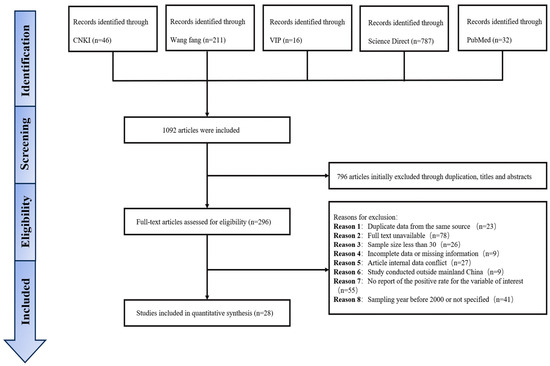
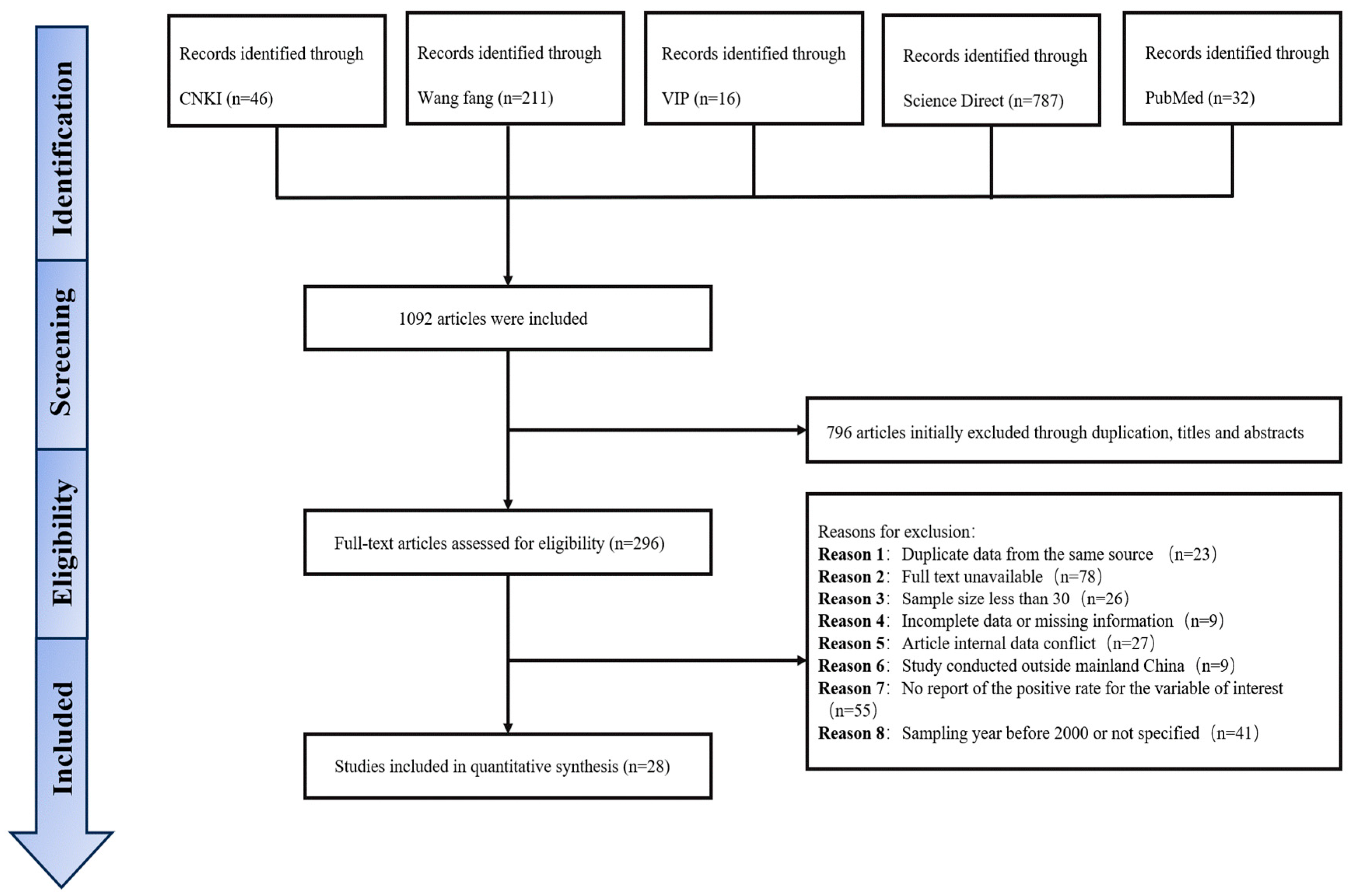
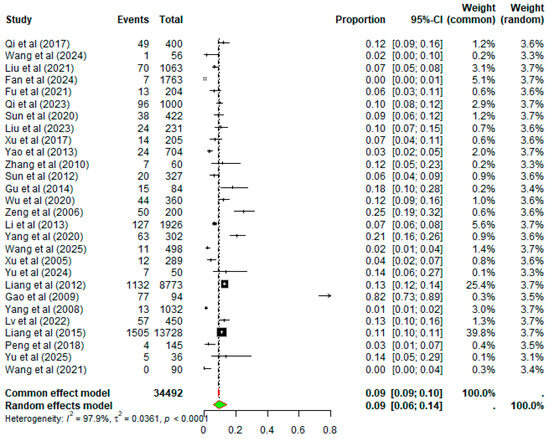
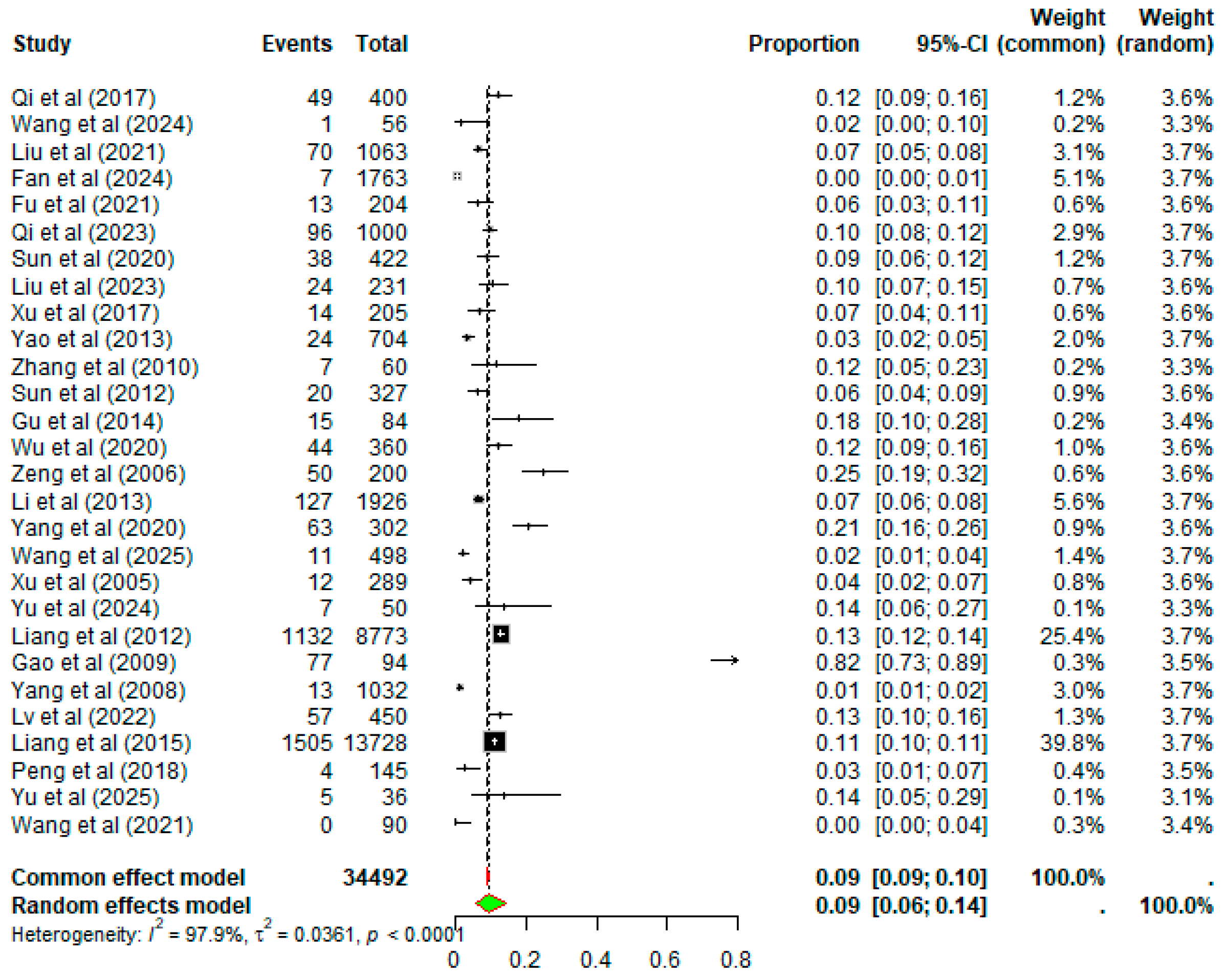
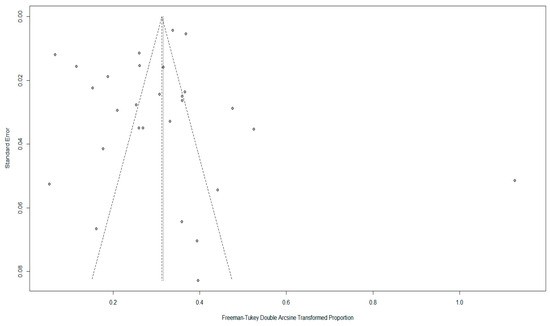
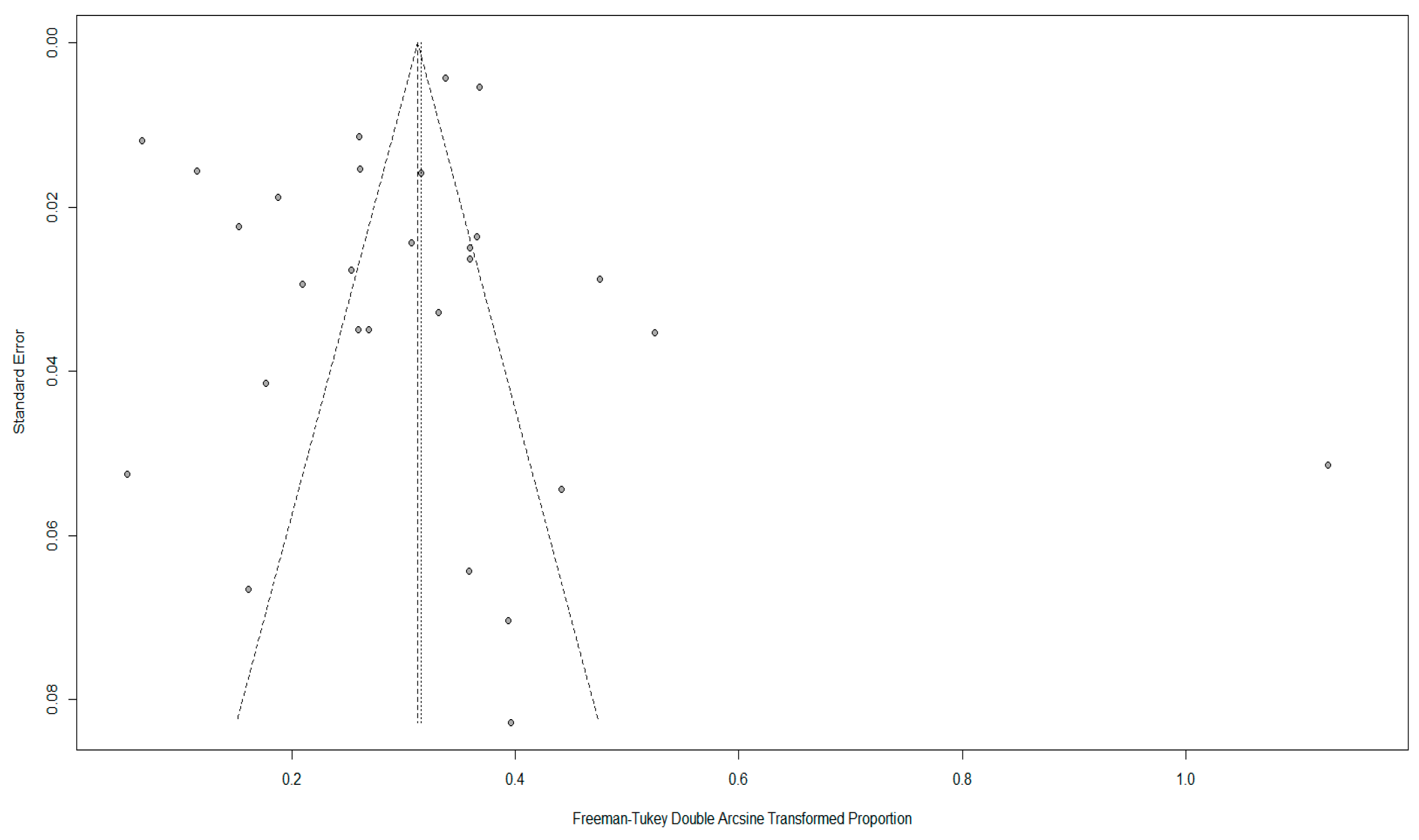
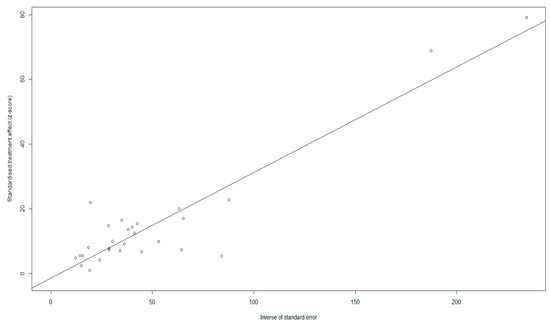
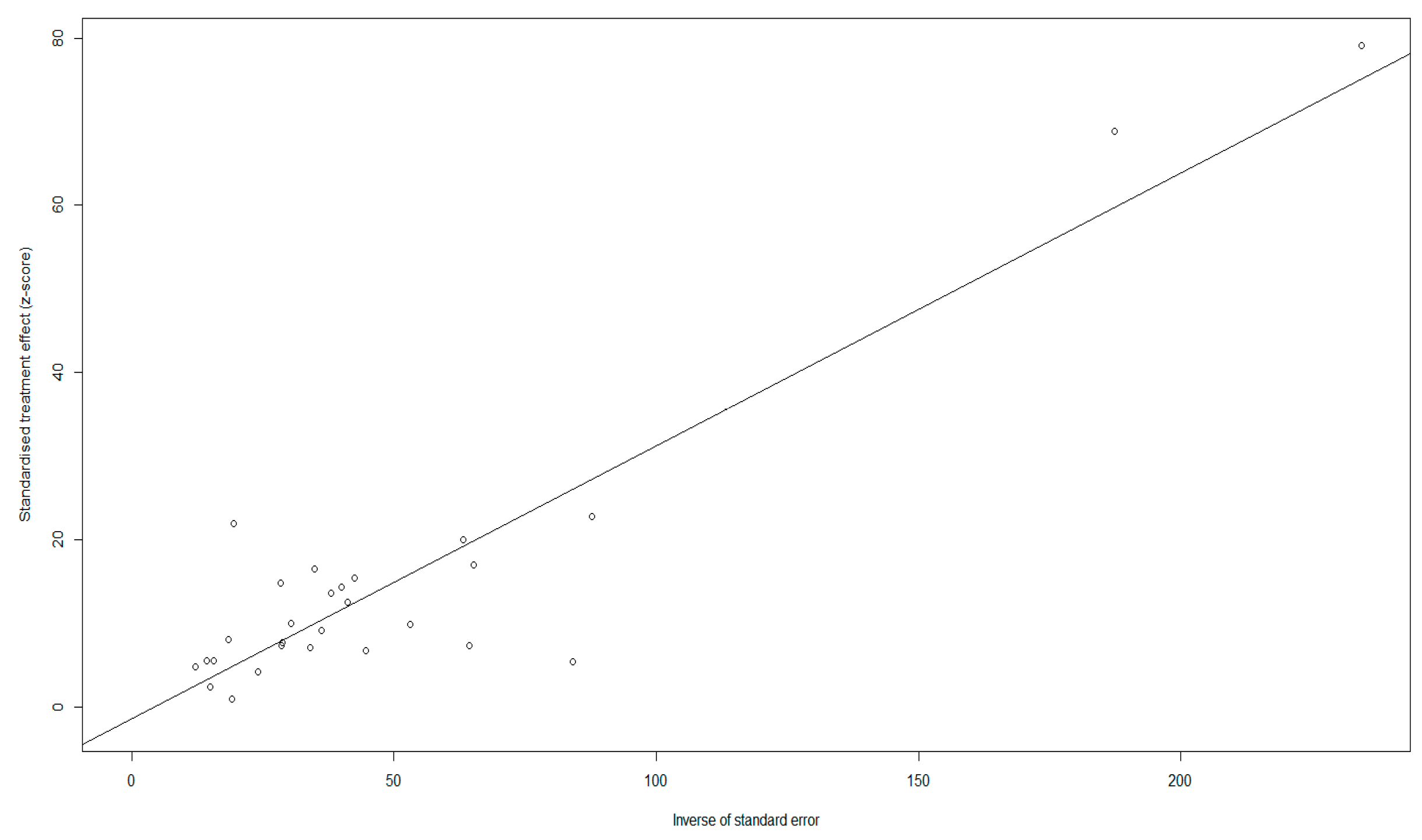
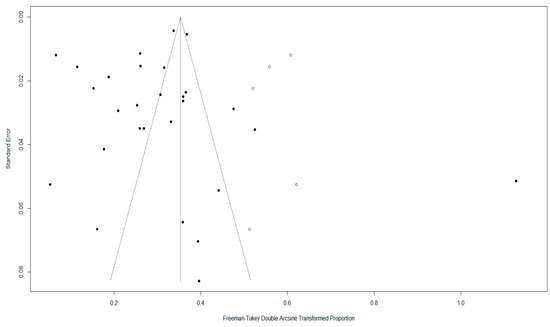
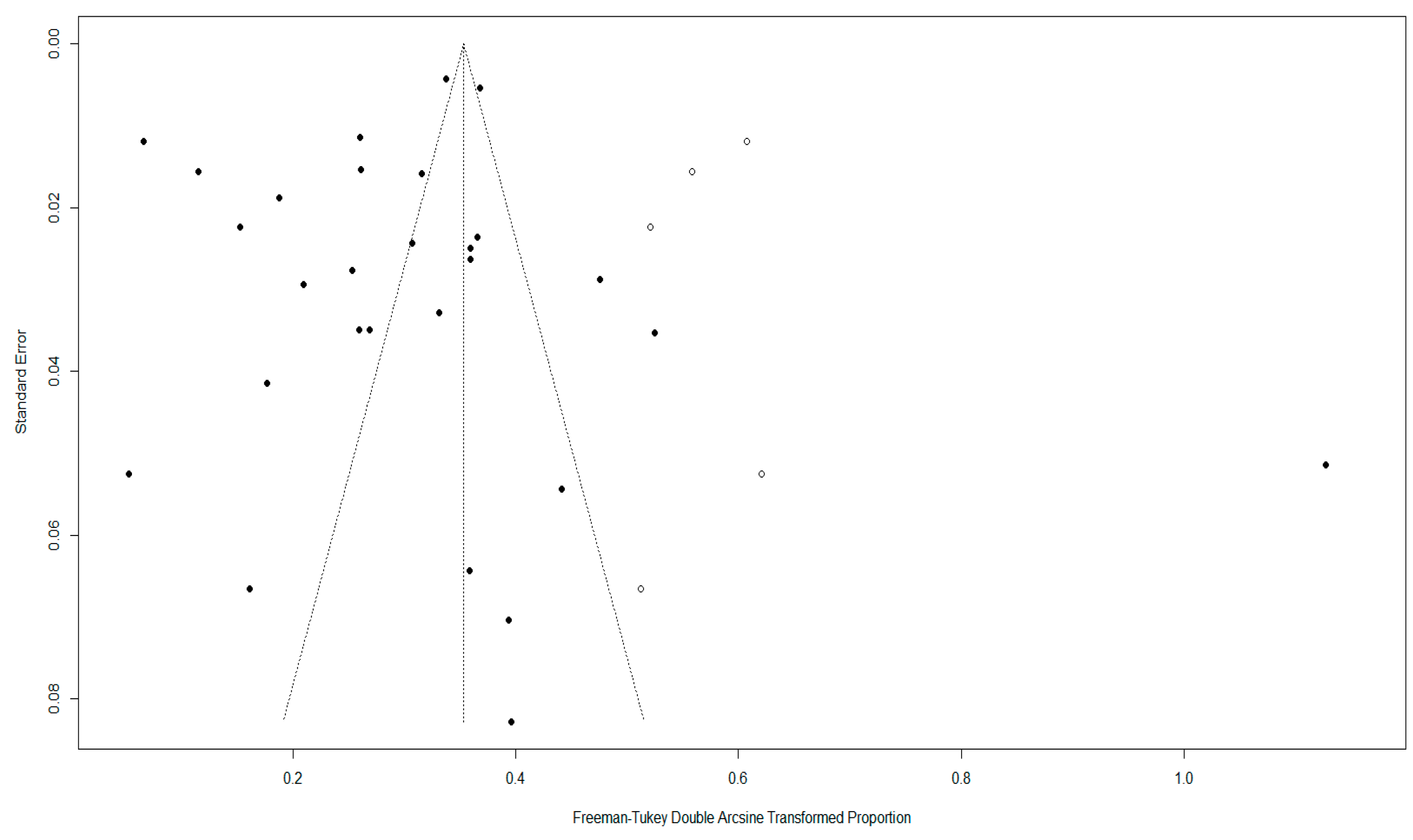
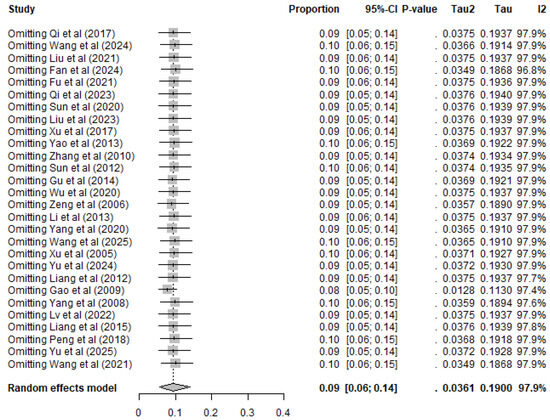
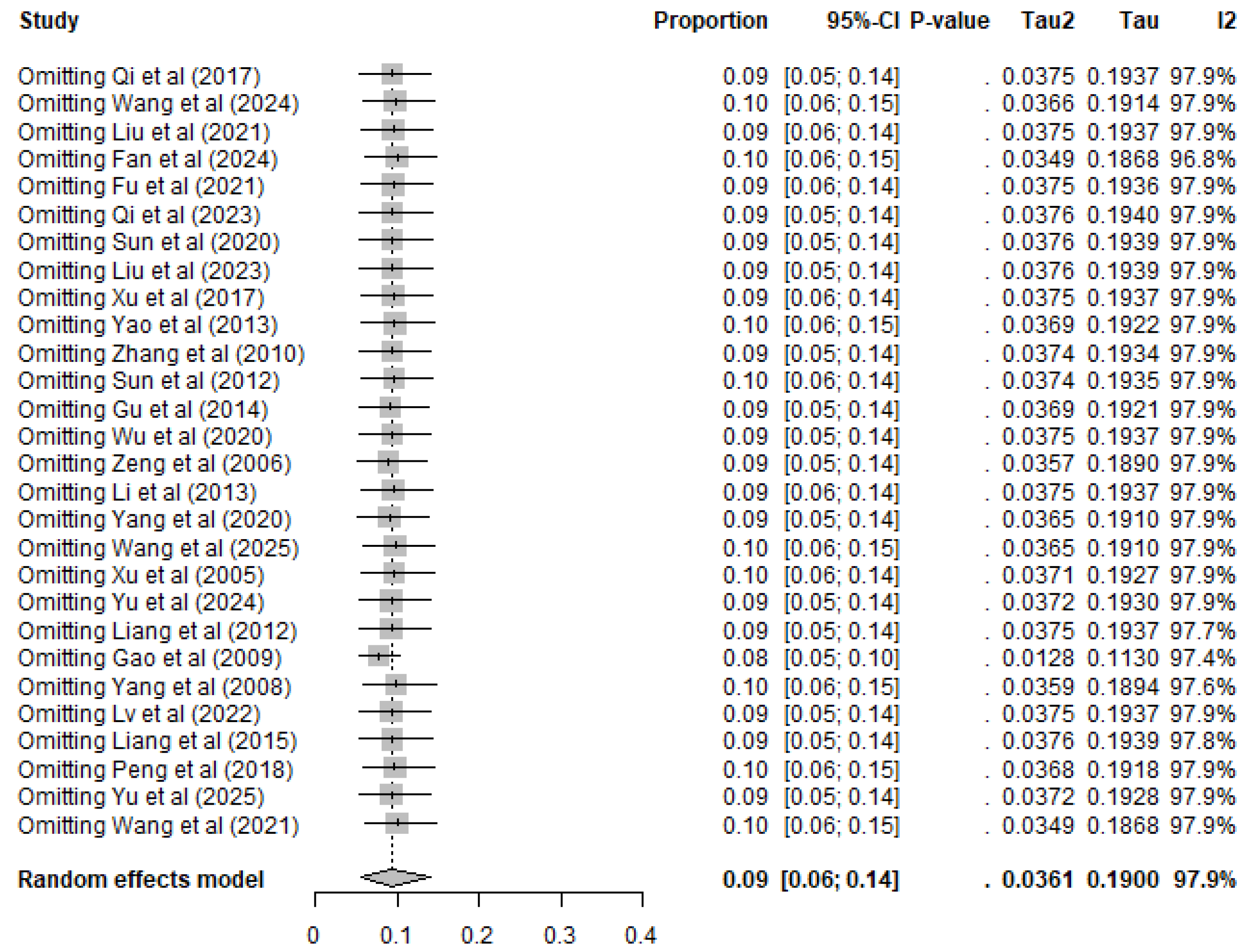

Disclaimer/Publisher’s Note: The statements, opinions and data contained in all publications are solely those of the individual author(s) and contributor(s) and not of MDPI and/or the editor(s). MDPI and/or the editor(s) disclaim responsibility for any injury to people or property resulting from any ideas, methods, instructions or products referred to in the content. |
© 2026 by the authors. Licensee MDPI, Basel, Switzerland. This article is an open access article distributed under the terms and conditions of the Creative Commons Attribution (CC BY) license.