


Simple Summary
In intensive chicken production, birds can be raised either in cages or on littered floors, and males and females differ in growth and development. This study investigated whether the optimal rearing system differs between the sexes in Chinese yellow-feathered broilers. Male and female birds were raised in cages or on deep litter for six weeks, and nearly one hundred traits were measured, including growth performance, carcass and meat quality, blood parameters, intestinal structure, intestinal gene expression activity, and gut microbiota. For most traits, both sexes responded similarly to the rearing system, but a few traits differed: body weight at 4 and 7 weeks of age, feed efficiency, shank length, part of the intestinal structure, and two immune genes. Overall, cage rearing improved the water-holding capacity of breast meat, upregulated intestinal barrier and antioxidant gene expression, and enriched potentially beneficial bacteria, but reduced meat tenderness and gizzard development. Conversely, floor rearing favored gizzard development, maintained better meat tenderness, and enriched fiber-degrading bacteria. These findings demonstrate that the rearing system broadly shapes meat quality, intestinal mucosal function and cecal microbiota of fast-growing, yellow-feathered broilers, while certain traits exhibit potential sex-dependent responses to rearing environments that warrant further validation.
Abstract
This study investigated the effects and interaction of rearing systems (cage rearing, CR vs. deep-litter floor rearing, FR) and sex on growth performance, meat quality, and intestinal health in fast-growing, yellow-feathered broilers. A total of 300 21-day-old Lihua Ma chickens were allocated to a 2 × 2 factorial design (5 replicates per treatment, 15 birds per replicate) for 42 d. At 60 d of age, carcass traits, organ indices, feather follicle density, meat quality, low-field nuclear magnetic resonance (LF-NMR) muscle water distribution, serum biochemistry, antioxidant status, intestinal morphology, ileal gene expression, and cecal microbiota were measured. Weekly body weight was analyzed using a linear mixed-effects model, while other parameters were analyzed using two-way ANOVA. Nine traits showed significant rearing system × sex interactions (p < 0.05), including body weight at weeks 4 and 7, feed-to-gain ratio from 21 to 42 d, shank length, duodenal crypt depth, wall thickness, villus height/crypt depth ratio, and TNF-α and TLR4 expression. Main effects of rearing system showed that CR reduced breast muscle press loss but increased shear force (p < 0.05), decreased gizzard index and jejunal crypt depth (p < 0.05), increased jejunal villus height/crypt depth ratio (p < 0.05), upregulated LYZ, MUC2, and Nrf2 expression, and downregulated HSP70 and IL-1β (p < 0.05); whereas FR favored gizzard development and enriched fiber-degrading genera. Sex was the dominant factor for growth, carcass, and intestinal traits. Cecal beta diversity was significantly affected by the rearing system (PERMANOVA, p < 0.05), while alpha diversity showed no change. These findings demonstrate that the rearing system broadly shapes meat quality, intestinal mucosal function and cecal microbiota of fast-growing, yellow-feathered broilers, while certain traits showed potential sex-specific responses that warrant further validation.
1. Introduction
The yellow-feathered broiler is a characteristic and advantageous genetic resource of livestock and poultry in China. It is renowned for tender meat, rich flavour and strong adaptability, occupies a central position in the domestic market for high-quality chicken, and constitutes an important industrial support for improving the quality and efficiency of animal husbandry and for promoting rural revitalization. With the intensification and standardization of broiler production, cage rearing and deep-litter floor rearing have become the two most widely used rearing systems for yellow-feathered broilers [1]. The two systems differ markedly in rearing space, activity intensity, environmental stress and contact substrates, and can therefore regulate broiler growth performance and product quality through several dimensions, including nutrient metabolism, growth and development, immune and antioxidant function, intestinal structure and function, and microbial homeostasis [2].
The choice of rearing system not only directly affects the production efficiency and economic returns of yellow-feathered broilers but also exerts profound effects on physiological functions and meat quality traits [3]. To date, numerous studies have been conducted on the effects of different rearing systems on broilers; however, a unified consensus has not been reached, and the findings reported in the literature remain considerably divergent. For instance, Yan et al. [2] evaluated three rearing systems (floor litter rearing, multilayer cage rearing, and plastic net rearing) at an identical stocking density (12 birds/m2), and found that cage-reared broilers had a better F/G but poorer intestinal development and lower intestinal health status. In contrast, also at a consistent stocking density (14 birds/m2), Song et al. [1] demonstrated that floor-reared broilers achieved a better F/G and enhanced intestinal immune functions. Furthermore, even when the stocking densities of the two groups were inconsistent, Santos et al. [4] similarly found that floor-reared Ross 508 broilers exhibited a better FCR and superior jejunal villus development. In addition, existing studies have yielded conflicting conclusions regarding growth and slaughter performance [5,6]. Moreover, the aforementioned studies have primarily focused on fast-growing, white-feathered broilers, whereas research on yellow-feathered broilers remains relatively scarce. Therefore, we hypothesized that rearing systems would significantly influence the growth performance, meat quality, and intestinal health of fast-growing, yellow-feathered broilers.
Sex is a key intrinsic factor affecting the growth potential, fat deposition, muscle development, stress resistance and meat quality traits of broilers, and marked differences exist between males and females in growth rate, fat deposition pattern and physiological and metabolic levels. Most of the studies cited above compared the effects of rearing system on single traits and generally did not measure and analyse males and females separately in a sex-specific manner. Da Costa et al. [7] reported that the body weight of males reared in single-sex groups was negatively affected from 17 to 32 days of age, whereas females reared in single-sex groups from 25 to 41 days of age had a higher body weight, and mixed-sex females showed better growth performance. Sex has been confirmed to affect the production performance, carcass traits and meat quality of yellow-feathered broilers [8]. Among studies on rearing systems, only a few have considered sex differences, and the traits measured in those studies were few and lacked systematic coverage. Comparative studies on different sexes and rearing systems in yellow-feathered broilers therefore remain limited.
In view of this, the present study systematically investigated the effects of rearing system (cage rearing vs. deep-litter floor rearing) and sex (male vs. female) on a comprehensive set of traits in fast-growing, yellow-feathered broilers, including growth performance, carcass traits, meat quality, intestinal morphology, immune gene expression, and cecal microbiota. The aim was to elucidate the regulatory effects of rearing system, sex, and their interaction on the growth, meat quality, and health status of yellow-feathered broilers, to clarify the sex-specific physiological responses under different rearing systems, and thereby to provide a theoretical basis and technical parameters for optimizing rearing systems, implementing sex-specific precision feeding, and regulating meat quality in the yellow-feathered broiler industry.
2. Materials and Methods
2.1. Experimental Animals, Design and Housing
One-day-old healthy fast-growing Lihua Ma chickens of uniform body weight were obtained from Jiangsu Lihua Animal Husbandry Co., Ltd. (Changzhou, China) and reared at the experimental base of the Jiangsu Institute of Poultry Science (Yangzhou, China). During the first 21 days, all birds were brooded together in a central brooding house. After brooding, 300 healthy birds of uniform body weight (mean body weight 45.58 ± 0.68 g; 150 males and 150 females) were selected and entered the formal experiment. The birds were then allocated according to a completely randomized 2 × 2 factorial design, with rearing system (cage rearing, CR vs. deep-litter floor rearing, FR) and sex (male vs. female) as the two factors, giving four treatment groups: cage-reared males, cage-reared females, floor-reared males and floor-reared females. Each treatment group comprised five biological replicates with 15 birds per replicate. Specifically, one replicate corresponded to one cage for the CR group and one floor pen for the FR group, and the replicates were evenly distributed among the treatment groups.
All birds in both rearing systems were housed in adjacent poultry houses under the same environmental control system. Environmental management was as follows: Birds in the CR group were reared in a multi-tier cage system (1.2 m × 0.8 m × 0.5 m), with a stocking density of 15 birds per cage (equivalent to approximately 15.6 birds/m2). Birds in the FR group were reared indoors on deep litter at a stocking density of 10 birds/m2; the litter material was pine shavings with an initial thickness of 8 cm. The indoor microclimate was continuously monitored and adaptively regulated using an integrated environmental monitoring system based on multi-sensor fusion. Temperature was kept constant at 21–23 °C. The lighting programme was 16L:8D with a light intensity of 20 lx. Birds in the CR group were equipped with an automated chain feeding system and nipple drinking lines with drip cups. Birds in the FR group were supplied with hanging automatic pan feeders and hanging nipple drinking lines. During the experiment, all birds were fed ad libitum; ventilation, immunization and disinfection procedures were kept identical between the two systems, and daily rearing records were maintained.
All birds were fed a corn-soybean meal basal diet formulated according to Nutrient Requirements of Yellow-Feathered Broilers (NY/T 3645-2020) [9], and all groups received the same phase-diets (Table 1). The experimental period lasted 40 days.
Table 1.
Composition and nutrient levels of the basal diet (air-dry basis, %).
2.2. Sample Collection and Processing
During the experiment, the body weight and feed weight of the birds were recorded weekly for the calculation of body weight and feed intake. At 61 days of age, before feeding (with free access to water), two birds were randomly selected from each replicate (i.e., 10 birds per treatment group, 40 birds in total). Blood samples were collected from the wing vein; serum was separated and stored for subsequent biochemical analysis. Subsequently, the experimental chickens were weighed, and their body measurements were recorded. They were then anesthetized to loss of consciousness using CO2 inhalation. The depth of anesthesia was confirmed by the loss of the corneal reflex, absence of a withdrawal response to painful stimuli, and decreased muscle tone. Following anesthesia, euthanasia was completed by exsanguination. Death was confirmed by cardiac arrest, absence of spontaneous breathing and pulse, pupillary dilation, and loss of reflexes before slaughter. The procedures were performed by trained personnel in a designated area isolated from other animals. All procedures strictly complied with the national and institutional regulations on animal slaughter.
After defeathering and carcass dissection, carcass traits, visceral organ indices and carcass appearance were determined. The breast muscle was stored at 4 °C until 24 h post mortem for the determination of conventional meat quality traits and muscle water distribution. The intestine was separated, and the length of each segment was measured; a 1 cm piece was then taken from the middle of each intestinal segment and fixed in 4% paraformaldehyde for the measurement of intestinal morphology [10]. Ileal mucosal tissue was aseptically collected, snap-frozen in liquid nitrogen and stored at −80 °C for the determination of intestinal functional gene expression. Cecal digesta were snap-frozen in liquid nitrogen and stored at −80 °C for gut microbiota analysis.
2.3. Measurements
2.3.1. Growth Performance and Body Measurements
During the experiment, birds were weighed every week in the morning before feeding (with free access to water); the individual body weight of males and females in each replicate was recorded, and weekly feed consumption was recorded. Average daily feed intake (ADFI), average daily gain (ADG) and feed-to-gain ratio (F/G) were calculated. Data for males and females were recorded separately, and the pooled average of both sexes was calculated, so as to systematically analyse the dynamic growth pattern throughout the experiment.
Body measurements were taken according to Terminology, Definition and Statistical Methods for Poultry Production Performance (NY/T 823-2020) [11]. The traits measured included body slanting length, keel length, shank length, shank circumference, chest width and chest depth. Comb traits, namely comb height, comb length and comb thickness, were recorded at the same time.
2.3.2. Carcass Traits, Visceral Organ Indices and Feather Follicle Density
Live weight, carcass weight, half-eviscerated weight, eviscerated weight, breast muscle weight, leg muscle weight and abdominal fat weight were recorded, and dressing percentage, half-eviscerated yield, eviscerated yield, breast muscle yield, leg muscle yield and abdominal fat yield were calculated. Half-eviscerated weight is the weight of the bird after removal of the trachea, oesophagus, crop, intestine, spleen, pancreas, gonads and cloaca, with the head, feet, gizzard, liver, heart and abdominal fat retained. The liver, heart, proventriculus, gizzard, thymus, spleen and bursa of Fabricius were carefully separated, and adhering fat and connective tissue were removed before accurate weighing. The calculations were performed as follows: dressing percentage, half-eviscerated yield, and eviscerated yield were calculated as percentages of live weight; breast muscle yield and leg muscle yield were calculated as percentages of eviscerated weight; abdominal fat yield was calculated as a percentage of eviscerated weight plus abdominal fat weight. The visceral organ index was calculated as (fresh organ weight/live body weight) × 100%.
For feather follicle density, feathers were clipped over a 3 cm × 3 cm area on the dorsal midline and on the lateral surface of the thigh; a 2 cm × 2 cm positioning frame was used to mark the sampling site, and the number of feather follicles within the marked area was counted. The dorsal site was located on the dorsal midline between the last cervical vertebra and the first thoracic vertebra, and the thigh site on the mid-shaft of the femur on the right lateral surface.
2.3.3. Conventional Meat Quality and Muscle Water Distribution
Conventional meat quality traits were determined according to the agricultural industry standard of the People’s Republic of China NY/T 2793-2015 [12], Objective Evaluation Methods for the Eating Quality of Meat Products, and the methods described by Abudabos et al. [13]. Meat colour parameters (lightness L*, redness a* and yellowness b*) were measured with a CR-200 colorimeter (Minolta, Osaka, Japan) at three sites in the middle third of the breast muscle surface, with the probe placed parallel to the muscle surface. Muscle pH was measured with a pH meter inserted directly to a depth of 0.5–1 cm at three sites along the longitudinal midline of the pectoralis major, and the average of three readings was taken. For the determination of shear force, meat strips of 1 cm × 1 cm × 3 cm were cut along the direction of the muscle fibres and measured with a C-LM3B muscle tenderness meter; each sample was measured three times and the average was taken as the shear force value. Water loss rate was determined by the strain-controlled filter paper method: approximately 0.5 g of meat sample was accurately weighed (W1), placed between medical gauze and filter paper and pressed; the sample was weighed again (W2) after removal, and the water loss rate was calculated as (W1 − W2)/W1 × 100%.
Muscle water distribution was determined according to the method of Li et al. [14] with minor modifications. Meat samples of each treatment group were cut into strips of 1.5 cm × 1 cm × 1 cm along the natural direction of the muscle fibres, placed in nuclear magnetic resonance tubes with a diameter of 15 mm, and measured at 32.00 ± 0.01 °C using a Carr–Purcell–Meiboom–Gill (CPMG) sequence. The key acquisition parameters were set as follows: waiting time (TW) = 3500 ms, echo time (TE) = 0.2 ms, and number of echoes (NECH) = 7520. The data were inverted with global iterative analysis software to obtain the water distribution profile.
2.3.4. Serum Biochemical and Antioxidant Parameters
Serum total protein, albumin, triglyceride, high-density lipoprotein cholesterol, low-density lipoprotein cholesterol and urea nitrogen were determined with an automatic biochemical analyser according to the method described by Okoro et al. [15], and the globulin content and the albumin/globulin ratio were calculated.
Serum antioxidant parameters comprised glutathione peroxidase (GSH-Px), malondialdehyde (MDA), catalase (CAT) and superoxide dismutase (SOD), which were determined with kits from the Nanjing Jiancheng Bioengineering Institute (Nanjing, China); sample pretreatment followed the manufacturer’s instructions. Serum GSH-Px activity was determined by the 5,5′-dithiobis (2-nitrobenzoic acid) (DTNB) method, MDA content by the thiobarbituric acid (TBA) method, CAT activity by the ammonium molybdate method and SOD activity by the hydroxylamine method.
2.3.5. Intestinal Development and Morphology
After slaughter, the duodenum, jejunum, ileum and ceca were completely separated, and the mesentery and adipose tissue were carefully removed. Each intestinal segment was laid flat on a tray without tension and its length (cm) was measured with a soft ruler; the segment was then opened longitudinally, the contents were rinsed off with saline, the segment was blotted dry with filter paper and weighed (g) on an electronic balance.
Intestinal morphology was determined according to the method of Hao et al. [16] with minor modifications. Duodenal, jejunal and ileal samples fixed in 4% paraformaldehyde were dehydrated through a graded ethanol series, cleared in xylene, embedded in paraffin, sectioned and stained with haematoxylin and eosin (H&E), and the sections were mounted with neutral balsam. The morphological structure of the intestinal mucosa was observed under a light microscope and villus height (VH, from the villus tip to the crypt), crypt depth (CD, from the villus base to the submucosa) and intestinal wall thickness (IT, muscular layer) were measured. Ten well-oriented and intact villi with the corresponding crypts were selected from each section for measurement, and the average was taken.
2.3.6. Quantitative Analysis of Intestinal Mucosal Functional Genes
Total RNA was extracted from ileal mucosal tissue using the RNA simple Total RNA Extraction Kit (DP419, Tiangen Biotech Co., Ltd., Beijing, China) according to the manufacturer’s instructions. RNA concentration and purity were determined with a NanoDrop 2000 spectrophotometer (Thermo Fisher Scientific, Rockford, IL, USA), and RNA integrity was checked by 1.5% agarose gel electrophoresis. All primers used in this study were newly designed using Primer Premier 5.0 based on the corresponding mRNA sequences obtained from the NCBI database, and the specific primer sequences are listed in Table 2. After reverse transcription to synthesize cDNA, the relative mRNA expression of the intestinal mucosal functional genes HSP70, TNF-α, TLR4, LYZ, IL-1β, IL-8, MUC2, Nrf2 and MUC1 was determined by real-time quantitative PCR with ACTB as the reference gene, and the relative expression of the target genes was calculated by the 2(−ΔΔCt) method as previously described by Shan et al. [17]. The qPCR reaction was performed in a 20 μL volume containing 10 μL of 2× ChamQ Universal qPCR Master Mix (Vazyme Biotech Co., Ltd., Nanjing, China; Cat. No. Q711), 0.4 μL of each primer (10 μmol/L), 2 μL of cDNA template, and RNase-free ddH2O. The PCR cycling conditions were initial denaturation at 95 °C for 30 s, followed by 40 cycles of 95 °C for 10 s and 60 °C for 30 s. The floor-reared male (FR male) group was used as the biological calibrator (set to 1.0, i.e., log2 = 0) for the relative quantification.
Table 2.
Primer sequences of the target genes used for real-time quantitative PCR.
To verify the robustness of the gene expression data and address variance heterogeneity, all qPCR data (2−ΔΔCt) were log2-transformed and re-analyzed using the same two-way ANOVA model. The relative expression values were back-transformed (2log2FC) for presentation in the figures and tables for intuitive biological interpretation. The comparison of p-values between the raw scale and the log2-transformed scale, as well as the residual normality tests, is provided in Supplementary Table S1.
2.3.7. Gut Microbiota Analysis
Cecal contents were collected, snap-frozen in liquid nitrogen and stored at −80 °C until analysis. Total microbial DNA was extracted with the HiPure Soil/Stool DNA Kit (Magen Biotech Co., Ltd., Guangzhou, China). The V3-V4 region of the 16S rRNA gene was amplified with the primers 341F and 806R. After purification, the PCR products were sequenced on the Illumina NovaSeq 6000 platform (PE250 mode). Raw data were filtered with FASTP (v0.18.0) and assembled with FLASH (v1.2.11), and operational taxonomic units (OTUs) were clustered at a 97% similarity threshold using UPARSE. Representative OTU sequences were annotated against the SILVA database (v138.2) with the RDP classifier. Alpha-diversity indices (Chao1, ACE, Shannon and Simpson) and beta diversity were calculated, the microbial community structure and species abundance at the phylum and genus levels were analysed, and LEfSe analysis was applied to identify indicator species that differed significantly between groups. For cecal microbiota sequencing, 6 birds per group (24 birds in total) were randomly selected. The beta diversity was visualized using Principal Coordinates Analysis (PCoA) based on Bray–Curtis, Jaccard, unweighted UniFrac, and weighted UniFrac distance matrices. Permutational multivariate analysis of variance (PERMANOVA) with 999 permutations was performed to evaluate the significance of differences in microbial community structure between groups. Genus-level differential abundance was assessed using Welch’s t-test or the Wilcoxon rank-sum test, with an FDR-adjusted p-value (Q-value) < 0.05 considered statistically significant. All microbiome analyses were conducted in the R environment (version 4.3.1) and the OmicShare platform (OmicShare Tools 3.0, Gene Denovo Biotechnology Co., Ltd., Guangzhou, China).
2.4. Statistical Analysis
Data were collated and summarized with Excel 2021, and all statistical analyses were performed in Python 3.11. Two-way analysis of variance was performed with a general linear model including rearing system (R), sex (S) and their interaction (R × S). Results are presented as means ± pooled standard error of the mean. When the rearing system × sex interaction was significant (p < 0.05), simple-effect tests within sex (CR vs. FR) were further performed using the pooled mean square error (MSE) and the residual degrees of freedom of the full model; when the interaction was not significant, the main effects were interpreted directly. For main effects and the interaction, p < 0.001 was regarded as highly significant, p < 0.05 as significant, and 0.05 ≤ p < 0.10 as a marginal trend.
To account for the longitudinal nature of the weekly body weight data, a linear mixed-effects model (LMM) was fitted using Python’s statsmodels package, with rearing system, sex, and week as fixed effects, and the replicate (Cage_ID) as a random intercept. The intraclass correlation coefficient (ICC) was calculated to quantify the correlation among repeated measures within the same cage.
3. Results and Discussion
3.1. Effects of Rearing System on Growth Performance, Body Measurements and Comb Traits of Male and Female Yellow-Feathered Broilers
3.1.1. Growth Performance
The growth performance results are shown in Table 3. A significant rearing system × sex interaction was detected for body weight at 4 weeks of age (p = 0.014): in males, the CR group was significantly lower than the FR group (p < 0.05), whereas no significant difference was observed between the two groups in females (p ≥ 0.05) (Figure 1B). The interaction was also significant for body weight at 7 weeks of age (p = 0.040), with the CR group significantly higher than the FR group in females (p < 0.05) and no significant difference in males (p ≥ 0.05) (Figure 1C). At 5 weeks of age, the main effect of the rearing system was significant (p < 0.001), with the CR group overall heavier than the FR group; however, the interaction was not significant (p = 0.116). Neither the main effect of the rearing system nor the interaction was significant for body weight at 6, 8, or 9 weeks of age (p > 0.05). The main effect of sex on body weight was significant at every age (p < 0.001), with males consistently heavier than females.
Table 3.
Effects of rearing system and sex on growth performance of yellow-feathered broilers (g).
Figure 1.
Effects of rearing system and sex on the growth performance of yellow-feathered broilers. (A) Growth curves of body weight from 4 to 9 weeks of age. (B–E) Traits with significant rearing system × sex interactions, showing the simple effect analysis: (B) body weight at 4 weeks, (C) body weight at 7 weeks, (D) feed-to-gain ratio (21–42 d), and (E) shank length. Within each sex, bars with different lowercase letters (a, b) differ significantly between FR and CR (p < 0.05).
The body weight of broilers from 4 to 9 weeks of age was analyzed using a linear mixed-effects model to account for repeated measures over time (Table 4, Figure 1A). The model revealed a highly significant main effect of week (F5,80 = 3899.94, p < 0.001), indicating continuous and rapid growth across all groups. The main effect of sex was also highly significant (F1,16 = 245.15, p < 0.001), with males consistently heavier than females. Notably, a significant sex × week interaction (F5,80 = 56.29, p < 0.001) was observed, consistent with the visually widening gap between male and female growth curves over time. Regarding the rearing system, a significant main effect was detected (F1,16 = 5.04, p = 0.039), indicating that, on average across the 4–9-week period, cage-reared (CR) broilers were heavier than floor-reared (FR) broilers. Furthermore, a significant rearing system × week interaction (F5,80 = 4.75, p < 0.001) demonstrated that the magnitude of this difference varied with age. However, neither the rearing system × sex interaction (F1,16 = 2.35, p = 0.145) nor the three-way interaction (F5,80 = 1.27, p = 0.284) was significant, suggesting that the overall effect of the rearing system was consistent between males and females.
Table 4.
Results of the linear mixed-effects model for body weight from 4 to 9 weeks of age.
3.1.2. Feed Efficiency
The feed efficiency results are shown in Table 5. A significant rearing system × sex interaction was detected for the feed-to-gain ratio (F/G) from 21 to 42 days of age (p < 0.05): in females, the CR group had a significantly higher F/G than the FR group (p < 0.05), whereas no significant difference was observed between the two groups in males (p ≥ 0.05) (Figure 1D). From 43 to 60 days of age, neither the main effect of rearing system nor the interaction was significant for ADFI, ADG, F/G or total feed consumption (p ≥ 0.05). The main effect of sex on ADFI and ADG was highly significant in both periods (p < 0.001).
Table 5.
Effects of rearing system and sex on feed intake and feed conversion ratio of yellow-feathered broilers.
3.1.3. Body Measurements and Comb Traits
Body measurement traits and comb traits are shown in Table 6. A highly significant rearing system × sex interaction was detected for shank length (p < 0.001): in males, the CR group was significantly greater than the FR group (p < 0.05), whereas in females, the CR group was significantly smaller than the FR group (p < 0.05) (Figure 1E); thus, the direction of the change was opposite in the two sexes. A significant main effect of rearing system was found for shank circumference (p < 0.05), with the CR group overall higher than the FR group.
Table 6.
Effects of rearing system and sex on body measurements and comb traits of yellow-feathered broilers (mm).
A significant main effect of rearing system was found for comb height (p < 0.05), with the CR group overall higher than the FR group, whereas the interaction was not significant (p = 0.162). The main effect of rearing system on comb thickness was not significant (p ≥ 0.05), but the interaction showed a marginal trend (p = 0.051). Neither the main effect of rearing system nor the interaction was significant for comb length (p ≥ 0.05). For all three traits, the CR group was slightly higher than the FR group in males; however, because the interactions were not significant, these sex-specific differences should be regarded as suggestive. The main effect of sex was highly significant for all three traits (p < 0.001), with males higher than females.
Previous studies on the effects of CR and FR on broiler growth performance have reached inconsistent conclusions. Some studies showed better performance under FR, with the feed conversion efficiency of deep-litter floor-reared broilers being higher than that of cage-reared broilers [4]; others reported better performance under CR, for example, the production performance and feed conversion efficiency of cage-reared Xianju chickens were superior to those of floor- and wire-floor-reared birds [2], whereas floor-reared birds had a higher feed-to-gain ratio and lower body weight gain, feed intake and breast muscle yield [6]. Some studies found no significant difference in body weight between rearing systems [5]. Song et al. [1] reported that CR and FR had no effect on broiler body weight, with feed intake and feed-to-gain ratio being higher in floor-reared birds only in the early rearing period. Yan et al. [2] suggested that the divergence in the effects of rearing system on growth performance may be related to differences in immune function, intestinal health and gut microbiota. In addition, several studies have indicated that FR can improve the growth performance of males [4,18]; in the present study the advantage of FR for male body weight appeared only at 4 weeks of age and was no longer evident by 7 weeks of age. Da Costa et al. [7] confirmed that single-sex rearing negatively affected the body weight of males from 17 to 32 days of age, whereas females reared in single-sex groups from 25 to 41 days of age had a higher body weight, possibly because competition for feed and space is more intense among males. Although single-time-point ANOVAs revealed significant interactions at weeks 4 and 7, the overall linear mixed-effects model did not detect a significant sex × rearing system interaction. Therefore, these week-specific interactions should be interpreted as exploratory and age-dependent, rather than a persistent sex-specific response. As the growth rate of modern broilers has increased, their propensity for activity declines with increasing body weight [7], so that the difference in activity between cage and floor rearing may diminish; this may be one of the reasons why no significant difference in body weight was observed in the later part of the present study. In this study, significant differences between the two rearing systems were observed only at specific ages in a specific sex. Together with the results for feed intake and feed-to-gain ratio, this indicates that the effect of rearing system on broiler growth performance is not a simple question of which system is better, but a conditional effect that depends on sex, age, activity level and feeding behaviour. The fact that significant interactions were detected only at specific ages further explains the core reason for the inconsistency of previous findings.
The present study observed a highly significant crossover interaction in shank length: compared with the FR group, the CR group had longer shanks in males but shorter shanks in females. This sex-specific divergence may be closely related to differences in growth rate and physical activity. Furthermore, the present study also found that cage rearing promoted comb development, which provides a noteworthy reference point for the selection of secondary sexual characteristics in yellow-feathered broilers.
3.2. Effects of Rearing System on Carcass Traits, Visceral Organ Indices and Carcass Appearance of Male and Female Yellow-Feathered Broilers
3.2.1. Carcass Traits
The carcass traits are shown in Table 7. The rearing system × sex interaction was not significant for any carcass trait (p ≥ 0.05). Sex significantly affected carcass weight, breast muscle yield and abdominal fat yield (p < 0.05): males had a higher carcass weight, whereas females had higher breast muscle yield and abdominal fat yield. The main effect of rearing system showed a marginal trend only for half-eviscerated yield (p = 0.063) and breast muscle yield (p = 0.056). The main effect of rearing system was not significant for the remaining traits (p ≥ 0.05).
Table 7.
Effects of rearing system and sex on carcass traits of yellow-feathered broilers (%).
Carcass traits are the core indicators for evaluating the economic return of broiler production [19]. Song et al. [1] reported that cage rearing reduced leg muscle development in broilers, whereas Al-Bahouh et al. [20] and Almeida et al. [21] found no significant effect of rearing system on carcass traits. In the present study, the main effect of rearing system was not significant for carcass weight, dressing percentage, eviscerated yield, leg muscle yield or abdominal fat yield, which is consistent with those reports; however, the main effect of rearing system showed a marginal trend for half-eviscerated yield and breast muscle yield. Specifically, the combined average half-eviscerated yield showed a numerical advantage in the CR group compared to the FR group. This may be related to the restricted spatial activity and the resulting lower daily energy expenditure of birds in the cage environment, allowing more nutrients to be allocated to trunk tissue deposition. These results suggest that cage-reared broilers may have a potential, albeit slight, advantage in half-eviscerated yield, but this requires further verification with a larger sample size.
3.2.2. Visceral Organ Indices
The visceral organ indices are shown in Table 8. The rearing system × sex interaction was not significant for any trait (p > 0.05). Sex significantly affected only the liver index (p < 0.05), with males higher than females. Rearing system had a highly significant effect on the gizzard index (p < 0.001), with the FR group significantly higher than the CR group; the interaction effect on the proventriculus index showed a marginal trend (p = 0.078), and the direction was consistent in both sexes. The main effect of rearing system was not significant for the other organ traits (p > 0.05).
Table 8.
Effects of rearing system and sex on visceral organ indices of yellow-feathered broilers (g/kg).
The difference in the gizzard index between the two rearing systems is consistent with the report of Yan et al. [2], who found that the relative gizzard weight of CR broilers was lower than that of FR broilers. This may be because floor-reared birds have direct access to the litter, and ingestion of litter increases the volume of the digesta, physically dilating the gizzard wall and promoting the development of the muscular layer and the enlargement of the organ [22]. In the present study, this difference was consistent in direction in both sexes, further supporting the view that the rearing system is the main factor affecting gizzard development.
The thymus, spleen and bursa of Fabricius are the main immune organs of poultry, and their indices directly reflect the level of immune development. In the present study, no significant difference was found between the two rearing systems for any of these three immune organ indices, which is consistent with the results of Song et al. [1] and suggests that CR and FR may have no significant effect on the development of the central and peripheral immune organs of broilers.
3.2.3. Feather Follicle Density
Feather follicle density is shown in Table 9. The rearing system × sex interaction was not significant for either trait (p > 0.05), so the main effects were interpreted directly. Back feather follicle density was significantly affected by both rearing system and sex (p < 0.05), with the CR group higher than the FR group and females higher than males. For thigh feather follicle density, only rearing system showed a marginal trend (p = 0.058), with the CR group slightly higher than the FR group, whereas the main effect of sex was not significant (p > 0.05).
Table 9.
Effects of rearing system and sex on feather follicle density of yellow-feathered broilers (follicles/cm2).
Skin feather follicle density is closely related to carcass appearance and feather development in broilers. Feather follicle density is an important carcass trait, and a carcass with high and evenly distributed follicle density is generally considered to be of better quality [23]. In the present study, back feather follicle density was significantly affected by both rearing system and sex, with the CR group higher than the FR group and females higher than males. Because the rearing system × sex interaction was not significant, the effect of rearing system on feather follicle density did not differ between males and females, indicating that the two factors act independently. The higher follicle density in the CR group may be related to reduced movement and reduced feather friction and damage under cage conditions; the higher follicle density in females may be related to sex-related hormone levels, skin structure and differences in feather development, although these mechanisms require further verification.
3.3. Effects of Rearing System on Meat Quality and Water Distribution of Male and Female Yellow-Feathered Broilers
3.3.1. Conventional Meat Quality Traits
Meat quality is the most critical factor determining the commercial value of chicken meat and is usually evaluated by parameters such as meat colour, pH, water loss rate and shear force [24]. The effects of rearing system on the conventional meat quality traits of male and female yellow-feathered broilers are shown in Table 10.
Table 10.
Effects of rearing system and sex on conventional meat quality traits of yellow-feathered broilers.
For meat colour, neither the main effect of rearing system nor the interaction was significant for L*, a* or b* (p > 0.05). A significant main effect of sex was found for b* (p = 0.002), with females higher than males. The rearing system × sex interaction showed a marginal trend (p = 0.069) but did not reach significance, so the main effects were interpreted directly. Neither the main effect of rearing system nor the interaction was significant for pH (p > 0.05), but the main effect of sex was significant (p = 0.007). Shear force was significantly affected by both rearing system and sex (p < 0.05), with the CR group higher than the FR group and males higher than females, and no significant interaction (p > 0.05). For water loss rate, only the main effect of rearing system was significant (p = 0.005), with FR higher than CR, whereas neither the main effect of sex nor the interaction was significant (p > 0.05).
Previous studies have shown that CR has positive effects on muscle fibre type composition, cellular composition and metabolic pattern, which can alter meat colour, pH and marbling and may be related to meat tenderness and juiciness [25]. Meat colour is a key indicator of the visual quality of chicken meat, and its formation is closely related to pigment content, post-mortem glycolytic metabolism and lipid oxidation [26]. It has been reported that caged poultry have a higher a* value in breast muscle [27]. In the present study, neither the main effect of rearing system nor the interaction was significant for a*, and no significant effect of cage rearing on meat redness was observed, which may be related to differences in breed, age or rearing environment.
Water-holding capacity is one of the core indicators of meat quality and is commonly quantified by the water loss rate under pressure, with a lower water loss rate indicating higher water-holding capacity. Water-holding capacity not only directly determines meat colour appearance and juiciness, but is also a key factor affecting consumer acceptance, carcass yield and overall production efficiency [28]. Water-holding capacity reflects the enhanced ability of muscle tissue to retain water, which effectively reduces juice loss during thermal processing and prevents the meat from becoming dry and tough [29]. In the present study, the water loss rate of breast muscle in the CR group was significantly lower than that in the FR group, suggesting that cage rearing may help to improve muscle water-holding capacity and thereby reduce juice loss during thermal processing. Although the interaction was not significant, exploratory analysis within sex suggested that the difference between CR and FR appeared more pronounced in males; however, this sex-specific difference should be regarded as suggestive and still needs further verification.
Tenderness is usually measured by shear force and is a recognized and important meat quality attribute. Numerous studies have reported that increased activity raises muscle shear force; other studies have shown that birds with continuous exercise and a higher activity level have lower shear force and better tenderness [30,31]. The inconsistency between these findings may depend on the intensity and duration of the physical activity. In the present study, shear force was significantly higher in the CR group than in the FR group and significantly higher in males than in females, indicating that cage rearing and male sex may be associated with a higher muscle shear force. Our results align with the view that moderately increased activity (as seen in the FR system) may promote better tenderness, whereas restricted activity (as seen in the CR system) leads to higher shear force.
In summary, the meat quality of yellow-feathered broilers was jointly affected by rearing system and sex. Meat a* was not significantly affected by rearing system; cage rearing generally improved muscle water-holding capacity (a lower water loss rate) but generally increased shear force and reduced tenderness. With respect to sex, males had a significantly higher shear force than females, and females had a significantly higher b* than males. All of the above effects were overall effects; the interactions were not significant, and the sex-specific differences are only indicative.
3.3.2. Muscle Water Distribution
Low-field nuclear magnetic resonance (LF-NMR) has been proven to be a powerful tool for analysing the dynamics of water phases in the muscle matrix, providing key information on water distribution and mobility [32]. In the present study, T2b1, T2b2, T21 and T22 represent four different water components in chicken breast muscle: T2b1 and T2b2 are bound water tightly associated with macromolecules; T21 is immobilized water located mainly within the protein structure, and its content is positively correlated with muscle water-holding capacity; T22 is free water distributed mainly outside the cells or on the meat surface [14]. As shown in Table 11, the main effects of rearing system and sex and the rearing system × sex interaction were not significant for any LF-NMR parameter, i.e., the peak ratio and peak area of T21, T22, T2b1 and T2b2 (p > 0.05), indicating no significant difference in muscle water distribution characteristics between the two rearing systems or between the two sexes.
Table 11.
Effects of rearing system and sex on muscle water distribution (LF-NMR) of yellow-feathered broilers.
Although CR generally and significantly reduced the water loss rate of breast muscle, indicating improved water-holding capacity, the LF-NMR results showed no significant difference between the two rearing systems in the relative proportions (peak areas) of the four water components. This suggests that the rearing system did not significantly alter the distribution pattern of water within the muscle. Therefore, the improved water-holding capacity observed under CR is more likely to originate from changes in muscle microstructure than from a change in the binding form of water itself, although this inference still needs to be verified with histological and protein degradation indicators.
3.4. Effects of Rearing System on Serum Biochemical and Antioxidant Parameters of Male and Female Yellow-Feathered Broilers
3.4.1. Serum Biochemical Parameters
The serum biochemical parameters are shown in Table 12. The rearing system × sex interaction was not significant for any parameter (p > 0.05). Sex significantly affected only albumin (p < 0.05), with females higher than males; the main effect of sex was not significant for the other parameters (p > 0.05). The main effect of rearing system was not significant for any serum biochemical parameter (p > 0.05), indicating that the two rearing systems had no significant effect on the serum biochemical parameters of broilers. Serum biochemical parameters are commonly used to reflect the physiological status of the body; although CR restricted the spatial activity of the birds, it did not induce metabolic disorder or physiological damage.
Table 12.
Effects of rearing system and sex on serum biochemical parameters of yellow-feathered broilers.
3.4.2. Antioxidant Capacity
The serum antioxidant parameters are shown in Table 13. The main effects of rearing system and sex and their interaction were not significant for any parameter (p > 0.05), indicating no significant difference in serum antioxidant capacity between rearing systems or between sexes.
Table 13.
Effects of rearing system and sex on serum antioxidant parameters of yellow-feathered broilers.
Oxidative stress is one of the main constraints in poultry production and can adversely affect growth performance, immune function and meat quality [33]. GSH-Px and SOD are key antioxidant enzymes that scavenge free radicals, whereas MDA is the end product of lipid peroxidation and its content directly reflects the degree of oxidative damage to cell membranes [34,35]. The present results showed that neither the main effects of rearing system and sex nor their interaction were significant for the antioxidant parameters. This indicates that the two rearing systems did not differ significantly in their effect on the body’s redox status under the current experimental conditions; however, it should be noted that these results only suggest the absence of major systemic oxidative stress, and subtle changes cannot be fully excluded due to the relatively large SEMs.
3.5. Effects of Rearing System on Intestinal Morphology of Male and Female Yellow-Feathered Broilers
The intestinal development traits are shown in Table 14. The rearing system × sex interaction was not significant for any trait (p > 0.05). Sex significantly affected the length and weight of the duodenum, jejunum and ileum (p < 0.05), with males generally larger than females. The main effect of rearing system showed a marginal trend only for jejunal length (p = 0.080, FR > CR) and was not significant for the other traits (p > 0.05).
Table 14.
Effects of rearing system and sex on intestinal length and weight of yellow-feathered broilers.
The intestinal morphology traits are shown in Table 15. In the ileum, neither the interaction nor the main effects of rearing system and sex were significant for any trait (p > 0.05), except for a marginal trend in ileal villus height induced by the rearing system (p = 0.074, FR > CR). In the jejunum, the rearing system × sex interaction was not significant for any trait (p > 0.05). However, the rearing system had highly significant main effects on jejunal crypt depth (Jej CD, p < 0.001), wall thickness (Jej WT, p = 0.048), and villus height/crypt depth ratio (Jej VH/CD, p < 0.001). Specifically, the FR group exhibited a significantly greater crypt depth and wall thickness than the CR group (p < 0.05), whereas the CR group showed a significantly higher VH/CD ratio (p < 0.05). Additionally, sex had a significant main effect on jejunal wall thickness (p = 0.044), with males having thicker walls than females. In the duodenum, significant rearing system × sex interactions were detected for crypt depth (Duo CD, p = 0.002), wall thickness (Duo WT, p = 0.036), and VH/CD ratio (Duo VH/CD, p = 0.021). Simple-effect analysis showed that in females, the FR group had a significantly greater crypt depth and wall thickness than the CR group, whereas the CR group had a significantly higher VH/CD ratio (p < 0.05). In males, however, there were no significant differences between the two rearing systems for these three traits (p > 0.05) (Figure 2). For duodenal villus height (Duo VH), the interaction was not significant (p = 0.678), and only the main effect of sex showed a marginal trend (p = 0.083).
Table 15.
Effects of rearing system and sex on intestinal morphology of yellow-feathered broilers.
Figure 2.
Simple effect analysis of duodenal morphology traits with a significant rearing system × sex interaction. (A) Duodenal crypt depth; (B) Duodenal wall thickness; (C) Duodenal villus height to crypt depth ratio. Different lowercase letters (a, b) indicate significant differences between rearing systems (FR vs. CR) within the same sex (p < 0.05).
The development and microstructure of the small intestine reflect the response of the intestine to bioactive substances in the diet, and the small intestine is the main site of nutrient absorption in broilers [36]. Villus height, crypt depth and intestinal wall thickness are all important indicators of digestive and absorptive capacity [37,38]. Crypt depth reflects the renewal rate of epithelial cells; a deeper crypt indicates a greater energy cost of cell renewal, which may reduce the efficiency of nutrient digestion and utilization [39]. In the present study, jejunal crypt depth was significantly lower and jejunal VH/CD significantly higher in the CR group than in the FR group, and a significant rearing system × sex interaction was found for duodenal crypt depth and VH/CD, with the CR group having a significantly lower crypt depth and significantly higher VH/CD than the FR group in females but no significant difference in males. These results indicate that under cage rearing, the renewal rate of intestinal epithelial cells decreased and the absorptive villus area supported per unit crypt increased, i.e., the intestinal microstructure was altered, which may be related to the reduced environmental stimulation and lower maintenance energy expenditure in the cage environment; however, its physiological significance still needs to be verified in combination with growth performance and nutrient utilization.
3.6. Effects of Rearing System on Intestinal Immune and Mucosal Barrier Gene Expression in Male and Female Yellow-Feathered Broilers
3.6.1. Intestinal Immune Gene Expression
The relative mRNA expression of immune-related genes is shown in Table 16 and Figure 3. The main effect of rearing system was highly significant for HSP70 and IL-1β (p < 0.001), with the CR group showing significantly lower expression than the FR group. Significant rearing system × sex interactions were detected for TNF-α and TLR4 (p < 0.05). Simple-effect analysis (Figure 3) revealed that in males, the CR group had a significantly higher TNF-α expression than the FR group (p < 0.05), whereas no significant difference was observed in females. For TLR4, the CR group had a significantly lower expression than the FR group in females (p < 0.05), whereas no significant difference was found in males. The main effect of rearing system on LYZ was highly significant (p < 0.001), with the CR group being much higher than the FR group, and the interaction showed a marginal trend (p = 0.114). Neither the main effect of rearing system nor the interaction was significant for IL-8 (p > 0.05).
Table 16.
Effects of rearing system and sex on the relative mRNA expression of intestinal immune-related genes in yellow-feathered broilers.
Figure 3.
Simple effect analysis of intestinal immune-related gene expression with a significant rearing system × sex interaction. (A) TNF-α expression. (B) TLR4 expression. Different lowercase letters (a, b) indicate significant differences between rearing systems (FR vs. CR) within the same sex (p < 0.05).
The intestine is not only the main digestive organ of animals, but also an important immune organ, and the expression level of intestinal immune- and stress-related genes is an important indicator of intestinal health. TNF-α is an immune gene that plays a key role in the intestine; LYZ can hydrolyse the cell wall of pathogenic bacteria, inhibit the colonization of pathogens and regulate the interaction between the gut microbiota and the host immune system [40,41]. HSP70 is a highly conserved intronless gene that is induced under various stress conditions and has been widely studied for its cytoprotective, antioxidant and immunomodulatory properties [42]. In the present study, TNF-α expression in the CR group was highly significantly higher than in the FR group in males, whereas the difference in females was small; the main effect of rearing system on LYZ was highly significant, with the CR group overall higher than the FR group; and HSP70 expression was significantly lower in the CR group than in the FR group. The down-regulation of HSP70 suggests that the cage environment may be more stable than FR and reduces the environmental stress load, allowing the birds to maintain a lower basal stress state. The up-regulation of TNF-α and LYZ indicates that CR may alter intestinal innate immune responses and antibacterial defense mechanisms. In summary, the differential expression of these genes suggests that cage rearing may influence the intestinal immune and stress balance of yellow-feathered broilers.
With respect to sex differences, a significant rearing system × sex interaction was found for TLR4: compared with FR, TLR4 expression in the CR group was significantly lower in females, whereas no significant change was observed in males. TLR4 plays a key role in recognizing microbial patterns and initiating innate immune responses, and it is also involved in maintaining intestinal epithelial homeostasis [43]. The main effect of rearing system on IL-1β was highly significant, with the CR group overall lower than the FR group, whereas the interaction was not significant. The main effect of rearing system on IL-8 was not significant. Previous studies have shown that different rearing systems can affect the expression of these factors in the intestine of poultry. For example, Song et al. [1] reported that the IL-8 mRNA expression level of broilers in the CR group was significantly lower than that in the FR group, and Yan et al. [2] found that the IL-1β mRNA content in the ileum of CR broilers was lower than that of FR broilers and that CR broilers responded more weakly to intestinal inflammatory factors than floor- or wire-floor-reared birds. CR provides a cleaner environment with fewer inflammatory stimuli, and females may be more sensitive to changes in the rearing environment, resulting in a more pronounced change in TLR4-mediated intestinal immune gene expression. This may partly explain the sex difference in the TLR4-mediated intestinal immune response under CR; however, since the interactions for IL-1β and IL-8 were not statistically significant, we cannot conclude whether their responses differ between sexes, and further verification is still needed.
3.6.2. Intestinal Mucosal Barrier Gene Expression
The expression of intestinal barrier-related genes is shown in Table 17. The rearing system × sex interaction was not significant for any of the three genes (p > 0.05). MUC2 and Nrf2 were significantly affected by rearing system (p < 0.05), with the CR group significantly higher than the FR group. However, the main effect of sex was significant for MUC2 (p = 0.004), with males showing higher expression than females, whereas the sex effect was not significant for Nrf2 and MUC1 (p > 0.05). Neither the main effect of rearing system nor the main effect of sex nor the interaction was significant for MUC1 (p > 0.05).
Table 17.
Effects of rearing system and sex on the relative mRNA expression of intestinal mucosal barrier-related genes in yellow-feathered broilers.
MUC2 provides the first line of defence for the host against endogenous or exogenous stimuli and against microbial adhesion and invasion [44]. Nrf2 is a key transcription factor for maintaining redox homeostasis and protecting the body against oxidative damage [45]. In the present study, MUC2 and Nrf2 expression were up-regulated in the CR group, indicating that cage rearing significantly enhanced the gene expression of the intestinal physical barrier and antioxidant defence system in yellow-feathered broilers. Because the rearing system × sex interaction was not significant, this effect did not differ between males and females, suggesting that the up-regulation of intestinal barrier and antioxidant defence genes by cage rearing is not sex-dependent.
3.7. Integrated Analysis of the Rearing System × Sex Interaction
To facilitate the judgement of whether a given sex is better suited to cage or floor rearing, the interaction tests for all traits are summarized here. In total, nine traits showed a significant rearing system × sex interaction (p < 0.05): body weight at 4 weeks of age, body weight at 7 weeks of age, feed-to-gain ratio from 21 to 42 days of age, shank length, duodenal crypt depth, duodenal wall thickness, duodenal villus height/crypt depth ratio, TNF-α and TLR4 expression. The simple-effect results within sex for these nine traits showed that the effect of rearing system differed in direction or magnitude between the two sexes; for example, at 4 weeks of age only males showed a lower value in CR than in FR, at 7 weeks of age only females showed a higher value in CR than in FR, the differences in duodenal morphology and TLR4 were seen only in females, and the up-regulation of TNF-α was seen only in males. This indicates that the effect of rearing system is sex-specific, but that this specificity is limited to a small number of traits, and that for most traits the two sexes responded to rearing system in the same way.
3.8. Effects of Rearing System on the Gut Microbial Community Structure of Male and Female Yellow-Feathered Broilers
3.8.1. Gut Microbial Community Structure of Males
The alpha-diversity indices, namely Shannon, Simpson, Chao1 and ACE, were analysed (Figure 4A). No significant difference was found in the alpha-diversity indices of the cecal microbiota of males between the two rearing systems, indicating that the rearing system had little effect on the richness and diversity of the microbial community in males. Principal coordinate analysis (PCoA) based on Bray–Curtis distance showed a clear separation between the two groups (Figure 4B). Permutational multivariate analysis of variance (PERMANOVA) was further used to test the significance of the difference between groups; PERMANOVA based on Bray–Curtis distance, Jaccard distance, weighted UniFrac distance and unweighted UniFrac distance all showed significant differences in microbial community structure between the two groups (p < 0.05) (Figure 4C). These results indicate that the different rearing systems significantly altered the beta diversity of the gut microbiota of males, with differences reflected in several dimensions, including species composition, species abundance and phylogenetic relationships.
Figure 4.
Effect of rearing system on the gut microbial community structure of males. (A) Alpha-diversity at the OTU level; (B) principal coordinate analysis (PCoA) based on Bray–Curtis distance at the OTU level; (C) PERMANOVA test based on the unweighted UniFrac algorithm; (D) Wilcoxon rank-sum test at the genus level; (E,F) percentage of community abundance of the cecal microbial community at the phylum (E) and genus (F) level; (G) discriminant analysis of LEfSe differential species. n = 6 biological replicates per group (one cage or pen per replicate).
At the phylum level, the gut microbial composition of males is shown in Figure 4E. The microbial communities of both groups were dominated by Firmicutes and Bacteroidetes. The Wilcoxon rank-sum test showed no significant between-group difference in the gut microbiota at the phylum level between the two rearing systems (p > 0.05). At the genus level, marked differences were found in the gut microbial composition between the CR and FR groups of males (Figure 4F). As shown in Figure 4D, compared with FR, the relative abundances of Streptococcus, Odoribacter, Oscillibacter and Ruminiclostridium 9 were significantly decreased in the CR group (p < 0.05), whereas the relative abundance of Sellimonas was significantly increased (p < 0.05). These results indicate that the different rearing systems significantly altered the abundance distribution of specific genera in the gut of males.
The LEfSe analysis (Figure 4G) showed that the species significantly enriched in the CR group comprised Lactobacillus salivarius (LDA = 4.65) and Lactobacillus sp. KC45b (LDA = 3.06) at the species level and Flavobacterium and Adlercreutzia at the genus level; the species significantly enriched in the FR group comprised Streptococcus gallolyticus subsp. macedonicus, bacterium YE57 and Odoribacter splanchnicus DSM 20712 at the species level and Streptococcus, Sphingomonas, Oscillibacter, Odoribacter, Family_XIII_UCG_001 and Ruminococcaceae_UCG_009 at the genus level.
3.8.2. Gut Microbial Community Structure of Females
As shown in Figure 5A, no significant differences were observed in the alpha diversity indices of the cecal microbiota between the two rearing systems in females, indicating that the rearing system had minimal effects on the richness and diversity of the microbial community in females. Principal coordinate analysis (PCoA) based on Bray–Curtis distance revealed a clear separation trend in community structure between the two groups (Figure 5B). Permutational multivariate analysis of variance (PERMANOVA) was further performed to test the significance of differences between groups. The results showed that PERMANOVA based on Bray–Curtis distance, Jaccard distance, weighted UniFrac distance, and unweighted UniFrac distance all demonstrated significant differences in microbial community structure between the two groups (p < 0.05) (Figure 5C). These results indicate that different rearing systems significantly altered the beta diversity of the intestinal microbiota in females, with differences reflected across multiple dimensions including species composition, species abundance, and phylogenetic relationships.
Figure 5.
Effect of rearing system on the gut microbial community structure of females. (A) Alpha-diversity at the OTU level; (B) principal coordinate analysis (PCoA) based on Bray–Curtis distance at the OTU level; (C) PERMANOVA test based on the unweighted UniFrac algorithm; (D) Wilcoxon rank-sum test at the genus level; (E,F) percentage of community abundance of the cecal microbial community at the phylum (E) and genus (F) level; (G) discriminant analysis of LEfSe differential species. n = 6 biological replicates per group (one cage or pen per replicate).
At the phylum level, the intestinal microbiota composition of female broilers is shown in Figure 5E. Microbial communities of both groups were dominated by Firmicutes and Bacteroidetes. Wilcoxon rank-sum test detected no significant differences in phylum-level intestinal microbiota between the two rearing systems (p > 0.05). At the genus level, distinct compositional differences in intestinal microbiota were found between CR and FR females (Figure 5F). As displayed in Figure 5D, compared with the FR, the CR exhibited significantly higher relative abundances of Enterococcus and Christensenellaceae_R-7_group (p < 0.05), while the relative abundances of Oscillibacter and Ruminiclostridium 5 were markedly reduced (p < 0.05). Collectively, these findings demonstrate that different rearing systems substantially change the abundance profiles of specific intestinal genera in female broilers.
LEfSe analysis (Figure 5G) revealed that taxa significantly enriched in the CR included Enterococcus, Christensenellaceae_R-7_group, Candidatus Arthromitus, Adlercreutzia, Methanosaeta, Ruminococcaceae_UCG_008, Methylotenera, and Thiobacillus at the genus level. Taxa significantly enriched in the FR included Angelakisella massiliensis at the species level, together with Oscillibacter, Ruminiclostridium 5, Ruminococcaceae_UCG_009, Ruminococcaceae_V9D2013_group, Intestimonas, Eubacterium_halli_group, and Defluviitaleaceae_UCG_011 at the genus level.
3.8.3. Gut Microbial Community Structure (Pooled Across Sexes)
As shown in Figure 6A, no significant differences were observed in the alpha diversity indices of the cecal microbiota between the two rearing systems in the overall population, indicating that the rearing system had minimal effects on the richness and diversity of the microbial community in yellow-feathered broilers. Principal coordinate analysis (PCoA) based on Bray–Curtis distance revealed a clear separation trend in community structure between the two groups (Figure 6B). Permutational multivariate analysis of variance (PERMANOVA) was further performed to test the significance of differences between groups. The results showed that PERMANOVA based on Bray–Curtis distance, Jaccard distance, weighted UniFrac distance, and unweighted UniFrac distance all demonstrated significant differences in microbial community structure between the two groups (p < 0.05) (Figure 6C). These results indicate that different rearing systems significantly altered the beta diversity of the intestinal microbiota, with differences reflected across multiple dimensions including species composition, species abundance, and phylogenetic relationships.
Figure 6.
Effect of rearing system on the gut microbial community structure (pooled across sexes). (A) Alpha-diversity at the OTU level; (B) principal coordinate analysis (PCoA) based on Bray–Curtis distance at the OTU level; (C) PERMANOVA test based on the unweighted UniFrac algorithm; (D) Wilcoxon rank-sum test at the genus level; (E,F) percentage of community abundance of the cecal microbial community at the phylum (E) and genus (F) level; (G) discriminant analysis of LEfSe differential species.
At the phylum level, the overall intestinal microbiota composition is displayed in Figure 6E. Microbial communities of both groups were dominated by Firmicutes and Bacteroidetes. Wilcoxon rank-sum test showed no significant phylum-level differences in intestinal microbiota between the two rearing systems (p > 0.05). At the genus level, obvious compositional disparities of intestinal microbiota were detected between CR and FR groups (Figure 6F). As illustrated in Figure 6D, compared with the FR, the CR exhibited significantly lower relative abundances of Bacteroides, Streptococcus, Parasutterella, Oscillibacter, Ruminococcaceae_UCG-009, Ruminiclostridium 5 and Family_XIII_UCG-001 (p < 0.05). In contrast, the relative abundances of Subdoligranulum and Sellimonas were markedly elevated (p < 0.05). Collectively, these findings demonstrate that different rearing modes profoundly modify the abundance profiles of specific intestinal bacterial genera.
LEfSe analysis (Figure 6G) showed that, in the pooled group, the CR group was characterized by Lactobacillus salivarius (LDA = 4.43) as the core biomarker, together with enrichment of the genera Subdoligranulum, Candidatus Arthromitus, Anaerofustis, Sellimonas and Adlercreutzia; the FR group was characterized by Bacteroidaceae, Bacteroides and Bacteroides dorei (LDA = 4.12–4.14) as the core biomarkers, together with enrichment of the genera Streptococcus, Oscillibacter, Ruminococcaceae UCG_009, Parasutterella, Papillibacter and Ruminiclostridium 5, as well as Bacillales and Bacillaceae.
3.8.4. Integrated Analysis of the Gut Microbiota
At the level of alpha diversity, the analyses of the male group, the female group and the pooled group all showed no significant difference in the alpha-diversity indices between the two rearing systems, indicating that the rearing system had no significant effect on the alpha diversity of the gut microbiota of fast-growing, yellow-feathered broilers and did not significantly alter the total number or richness of the cecal microbiota. Previous studies have generally held that floor-reared birds are exposed to large numbers of environmental microorganisms and can enrich their gut microbiota through pecking at litter, scratching and contact with faeces [46,47], so that the microbial community of floor-reared birds is usually more diverse and richer than that of birds kept under other rearing systems. Wang et al. [46] reported that, compared with wire-floor rearing, floor rearing increased the microbial diversity of the duodenum, jejunum and ileum, whereas the diversity of the cecal microbiota did not differ significantly. In the present study, the cecal microbial diversity of CR and FR males and females did not differ significantly, which is consistent with the results of Wang et al. [46] cited above. This suggests that neither CR nor FR significantly altered cecal microbial diversity, further indicating that the cecal microbial community is highly stable and that its species richness is not easily disturbed by changes in the rearing environment.
At the level of beta diversity, the PCoA of the male group, the female group and the pooled group all showed a clear separation of the two groups of samples. PERMANOVA based on four distance algorithms confirmed that the microbial community structure differed significantly between CR and FR (p < 0.05), indicating that regardless of sex, rearing system significantly altered the cecal microbial community structure in several dimensions, including species composition, community abundance and phylogenetic relationships. However, it should be noted that the PERMANOVA R2 values were relatively low, indicating that the rearing system only explains a modest proportion of the total variance in the cecal microbiota.
The most abundant phylum in the cecal microbiota of both males and females was Firmicutes, which is consistent with previous studies [48,49]. Firmicutes can produce energy substrates for use by the intestinal wall, and their abundance is closely related to the body weight gain of chickens [50]. In the present study, the phylum-level composition of the cecal microbiota of males and females did not differ significantly between the two rearing systems, indicating that the phylum-level microbial community structure was relatively stable. At the same time, the market body weight of the birds did not differ significantly between the rearing systems. This suggests that the rearing system did not apparently affect host energy metabolism by altering the phylum-level structure of the cecal microbiota, and that the stability of the phylum-level microbial community may be the basis of body weight homeostasis.
At the genus level, microbial abundance was significantly affected by rearing system, and the microbial response showed both consistent and varying patterns between sexes. The abundances of Oscillibacter and Ruminococcaceae_UCG_009 showed a consistent trend in males, females and the pooled group, being significantly enriched in the FR group. These genera are mainly involved in the degradation of dietary fibre and the synthesis of short-chain fatty acids, suggesting that the floor-rearing environment may have altered intestinal fermentative metabolic capacity [51,52], and they may serve as core microbial markers associated with the FR treatment.
Different response patterns were also observed between males and females. In males, the different rearing systems significantly modulated the gut microbial structure. Compared with FR, the abundances of Streptococcus, Odoribacter, Oscillibacter and Ruminiclostridium 9 were significantly decreased in the CR group, whereas the abundance of Sellimonas was significantly increased. Some strains of Streptococcus are associated with intestinal inflammation and metabolic disorder [53]; Odoribacter, Oscillibacter and Ruminiclostridium 9 are mainly involved in intestinal carbohydrate and lipid metabolism [51,52,54], and their down-regulation suggests that the rearing system altered the intestinal metabolic profile of males. Sellimonas is a Gram-positive, anaerobic, non-motile bacterium that participates in carbohydrate metabolism, regulates glycolipid metabolism and provides supplementary energy for host growth [55,56]. Studies have shown that this genus is more abundant in the gut of broilers with better growth performance and has a positive effect on poultry growth and development [57]. The growth performance results indicated that the two rearing systems did not affect the market body weight or most body measurements of male broilers. These findings suggest that the rearing system primarily affected the structure and composition of the gut microbiota and altered the abundance distribution of genera related to carbohydrate and lipid metabolism, thereby influencing intestinal metabolic function, rather than significantly affecting overall growth performance.
In females, the two rearing systems significantly altered the distribution of gut genera. The abundances of Enterococcus and Christensenellaceae_R-7_group were significantly higher in the CR group than in the FR group. Christensenellaceae_R-7_group participates in the regulation of host propionate concentration and lipid metabolism; Enterococcus can induce marked anti-inflammatory effects and help maintain intestinal epithelial integrity [58]. In addition, Enterococcus can inhibit the TLR4-mediated NF-κB pro-inflammatory pathway and reduce the release of pro-inflammatory cytokines such as IL-1β [59], which may partly explain why TLR4 expression in the intestine of CR females was significantly lower than in FR females, and why IL-1β expression was overall lower in the CR group than in the FR group. However, IL-8 did not differ significantly between rearing systems, so this mechanism only partially explains the present results. It should be noted that the effect on IL-1β was a main effect across both sexes, whereas the effect on TLR4 was observed only in females. The propionate produced by Christensenellaceae_R-7_group may act synergistically with short-chain fatty acids derived from Enterococcus to further consolidate the intestinal anti-inflammatory microenvironment. In contrast, Ruminiclostridium 5, another butyrate-producing genus, was also significantly reduced in the CR group; these genera produce butyrate, which inhibits fat synthesis [52,60].
Although cage rearing restricts the activity of females and reduces energy expenditure, and the enrichment of Christensenellaceae_R-7_group is associated with lipid metabolism, abdominal fat yield did not differ significantly between the rearing systems in this study. The observed microbial shifts therefore suggest potential alterations in lipid metabolic pathways rather than a definitive change in overall fat deposition.
It is worth noting that Lactobacillus salivarius, which has probiotic potential, was specifically enriched in CR males, whereas Enterococcus and Christensenellaceae-related genera were mainly enriched in CR females. Lactobacillus salivarius, enriched in CR males, is a classic probiotic in poultry; it can directly inhibit the proliferation of harmful intestinal bacteria and optimize the intestinal fermentation environment through lactic acid production, thereby maintaining intestinal microecological balance through its inherent probiotic effect [61]. The enrichment of Enterococcus and Christensenellaceae in CR females, by contrast, may be associated with anti-inflammatory effects and lipid metabolism. These results reveal that the rearing system differentially altered the enrichment of specific taxa between sexes. However, given that these interaction effects were exploratory, it is necessary to consider refined sex-specific management strategies in the rearing process based on these potential response patterns. It should be noted that the pooled analysis represents the overall effect across sexes and does not account for the sex factor, and the lack of a formal PERMDISP test should be acknowledged. Future studies with larger sample sizes are required to fully dissect this interaction.
Given that the CR and FR systems differed in stocking density and housing environment, the observed differences reflect the combined effects of the complete production systems rather than the isolated effect of cage rearing. Although our results suggest that cage rearing may offer certain advantages in terms of meat quality and intestinal health, it is important to acknowledge the potential welfare implications. Cages restrict natural behaviors such as dustbathing, foraging, and free movement, which can negatively affect leg health and behavioral expression compared with deep-litter floor systems. The lack of welfare scoring (e.g., gait score, footpad dermatitis, and feather cleanliness) in this study is a limitation. Therefore, the recommendation for cage rearing should be balanced against these welfare concerns, and future commercial applications should incorporate environmental enrichment or optimized cage designs to safeguard broiler welfare.
4. Conclusions
Cage rearing improved breast muscle water-holding capacity, intestinal barrier-related gene expression, and some immune indicators, but reduced meat tenderness and the gizzard index. Conversely, floor rearing favored gizzard development, maintained tenderness, and enriched beneficial fiber-degrading bacteria. Sex was a dominant factor affecting growth, carcass traits, and intestinal immunity. Furthermore, the responses of intestinal morphology, immune gene expression, and cecal microbiota to the rearing system exhibited different patterns between males and females. These exploratory findings on the varied responses to rearing systems provide a basis for further optimizing targeted management strategies for yellow-feathered broilers.
Supplementary Materials
The following supporting information can be downloaded at: https://www.mdpi.com/article/10.3390/ani16233768/s1; Table S1: p-values on the raw scale versus after log2 transformation.
Author Contributions
Conceptualization, X.J., Y.W. (Yanping Wu) and J.S.; methodology, G.J. and Y.S.; software, M.Z.; validation, Y.S. and M.Z.; formal analysis, M.Z. and Y.W. (Yongli Wang); investigation, Y.L. and Y.W. (Yongli Wang); resources, Y.L., Y.T. and Y.W. (Yanping Wu); data curation, X.J., M.Z. and Y.T.; writing—original draft preparation, X.J.; writing—review and editing, M.Z., Y.T. and J.S.; visualization, M.Z.; supervision, J.S.; project administration, G.J. and J.S.; funding acquisition, J.S. All authors have read and agreed to the published version of the manuscript.
Funding
This research was funded by the Jiangsu Provincial Frontier Leading Technology Basic Research Program (Modern Agriculture) (grant number BF2025307), the China Agriculture Research System (grant number CARS-41), and the Jiangsu Seed Industry Revitalization ‘JBGS’ Project (grant number JBGS [2021] 107).
Institutional Review Board Statement
All animal experiments were conducted in accordance with the guidelines of the Animal Use Committee of the Ministry of Agriculture of China and were approved by the Animal Care and Use Committee of the Jiangsu Institute of Poultry Science (approval number S20220120, Yangzhou, China). All procedures complied with the relevant guidelines and regulations. Euthanasia was performed in accordance with the American Veterinary Medical Association (AVMA) Guidelines for the Euthanasia of Animals (2020), and every effort was made to minimize animal suffering. The preparation of this manuscript followed the recommendations of the ARRIVE guidelines.
Informed Consent Statement
Not applicable for human subjects. Written informed consent was obtained from the owner of the poultry farm for all birds involved in the study and for the publication of the results.
Data Availability Statement
The 16S rRNA sequencing data presented in this study are openly available in the Genome Sequence Archive (GSA) of the National Genomics Data Center (NGDC) at https://ngdc.cncb.ac.cn/gsa/, reference number CRA052591 (BioProject: PRJCA077752), accessed on 25 November 2026. Other datasets generated and analyzed during the current study are available from the corresponding author upon reasonable request.
Conflicts of Interest
The authors declare no conflicts of interest.
References
- Song, B.; Yan, S.; Li, P.; Li, G.; Gao, M.; Yan, L.; Lv, Z.; Guo, Y. Comparison and correlation analysis of immune function and gut microbiota of broiler chickens raised in double-layer cages and litter floor pens. Microbiol. Spectr. 2022, 10, e0004522. [Google Scholar] [CrossRef] [Scilit] [PubMed]
- Yan, L.; Lv, Z.Z.; An, S.; Xing, K.; Wang, Z.G.; Lv, M.B.; Choct, M.; Guo, Y.M.; Zhou, G.L. Effects of rearing system and narasin on growth performance, gastrointestinal development, and gut microbiota of broilers. Poult. Sci. 2021, 100, 100840. [Google Scholar] [CrossRef] [Scilit] [PubMed]
- Marchewka, J.; Sztandarski, P.; Solka, M.; Louton, H.; Rath, K.; Vogt, L.; Rauch, E.; Ruijter, D.; Horbańczuk, J.O. Linking key husbandry factors to the intrinsic quality of broiler meat. Poult. Sci. 2023, 102, 102384. [Google Scholar] [CrossRef] [Scilit] [PubMed]
- Santos, F.B.; Sheldon, B.W.; Santos, A.A., Jr.; Ferket, P.R. Influence of housing system, grain type, and particle size on Salmonella colonization and shedding of broilers fed triticale or corn-soybean meal diets. Poult. Sci. 2008, 87, 405–420. [Google Scholar] [CrossRef] [Scilit] [PubMed]
- Fu, D.; Zhang, D.; Xu, G.; Li, K.; Wang, Q.; Zhang, Z.; Li, J.; Chen, Y.; Jia, Y.; Qu, L. Effects of different rearing systems on meat production traits and meat fiber microstructure of Beijing-you chicken. Anim. Sci. J. 2015, 86, 729–735. [Google Scholar] [CrossRef] [Scilit] [PubMed]
- Bhimraj, A.M.; Popat, D.; Dinani, O.; Babu, M.; Rajani, A.; Valli, P. Effect of rearing systems on growth performance and carcass characteristics of desi chicken. Int. J. Curr. Microbiol. Appl. Sci. 2018, 7, 3517–3524. [Google Scholar] [CrossRef] [Scilit]
- Da Costa, M.J.; Colson, G.; Frost, T.J.; Halley, J.; Pesti, G.M. Straight-run vs. sex separate rearing for two broiler genetic lines Part 2: Economic analysis and processing advantages. Poult. Sci. 2017, 96, 2127–2136. [Google Scholar] [CrossRef] [Scilit] [PubMed]
- Liu, D.; Lin, Y.; Jiang, J.; Zhou, H.; Yang, D. Effect of sex on carcass traits and muscle quality of high quality yellow broiler chickens. Chin. Anim. Husb. Vet. Med. 2005, 32, 23–25. [Google Scholar]
- Standard’s NY/T 3645-2020; Nutrient Requirements of Yellow-Feathered Broilers. Ministry of Agriculture and Rural Affairs: Beijing, China, 2020.
- Al Sulaiman, A.R.; Abudabos, A.E. Dietary sanguinarine mitigates Clostridium perfringens-induced enteric challenge in broiler chickens: Effects on productive performance, metabolic status, antioxidant capacity, immune response, and intestinal health. Life 2026, 16, 1464. [Google Scholar] [CrossRef] [Scilit] [PubMed]
- Standard’s NY/T 823-2020; Terminology, Definition and Statistical Methods for Poultry Production Performance. Ministry of Agriculture and Rural Affairs of the People’s Republic of China: Beijing, China, 2020.
- Standard’s NY/T 2793-2015; Objective Evaluation Methods for the Eating Quality of Meat Products. Ministry of Agriculture and Rural Affairs of the People’s Republic of China: Beijing, China, 2015.
- Abudabos, A.M.; Suliman, G.M.; Al-Owaimer, A.N.; Al Sulaiman, A.R.; Alharthi, A.S. Effects of nano-emulsified vegetable oil and betaine on growth traits and meat characteristics of broiler chickens reared under cyclic heat stress. Animals 2021, 11, 1911. [Google Scholar] [CrossRef] [Scilit] [PubMed]
- Huang, J.C.; Huang, M.; Yang, J.; Wang, P.; Xu, X.L.; Zhou, G.H. The effects of electrical stunning methods on broiler meat quality: Effect on stress, glycolysis, water distribution, and myofibrillar ultrastructures. Poult. Sci. 2014, 93, 2087–2095. [Google Scholar] [CrossRef] [Scilit] [PubMed]
- Okoro, V.M.O.; Adeola, A.C.; Ogundu, U.E.; Kadurumba, O.E.; Yahaya, A.; Ojiugo, C.S.; Iheanacho, E.I.; Onyeji, E.C.; Nwalozie, P.N.; Ahamba, I.S.; et al. Interactive effects of genotype and ginger supplemented diets on performance, serum biochemical parameters, renal markers and antioxidant status of broilers (II). Trop. Anim. Health Prod. 2026, 58, 414. [Google Scholar] [CrossRef] [Scilit] [PubMed]
- Hao, Y.; Ji, Z.; Shen, Z.; Wu, Y.; Zhang, B.; Tang, J.; Hou, S.; Xie, M. Effects of Total Dietary Fiber on Cecal Microbial Community and Intestinal Morphology of Growing White Pekin Duck. Front. Microbiol. 2021, 12, 727200. [Google Scholar] [CrossRef] [Scilit] [PubMed]
- Shan, Y.; Liu, Y.; Zhang, M.; Pang, L.; Ji, G.; Ju, X.; Tu, Y.; Shu, J. The m6A modification regulates the composition of myofiber types in chicken skeletal muscle. Poult. Sci. 2025, 104, 104811. [Google Scholar] [CrossRef] [Scilit] [PubMed]
- Fortomaris, P.; Arsenos, G.; Tserveni-Gousi, A.; Yannakopoulos, A. Performance and behaviour of broiler chickens as affected by the housing system. Arch. Geflügelkd. 2007, 71, 97–104. [Google Scholar] [CrossRef] [Scilit]
- Yu, J.; Yang, H.M.; Wan, X.L.; Chen, Y.J.; Yang, Z.; Liu, W.F.; Liang, Y.Q.; Wang, Z.Y. Effects of cottonseed meal on slaughter performance, meat quality, and meat chemical composition in Jiangnan White goslings. Poult. Sci. 2020, 99, 207–213. [Google Scholar] [CrossRef] [Scilit] [PubMed]
- Al-Bahouh, M.; Al-Nasser, A.; Abdullah, F.K.; Rageb, G.; Mashaly, M.M. Production performance of different broiler breeds under different housing systems. Int. J. Poult. Sci. 2012, 11, 190–195. [Google Scholar] [CrossRef] [Scilit]
- Almeida, E.A.; Sant’Anna, A.C.; Crowe, T.G.; Macari, M.; Furlan, R.L. Poultry rearing on perforated plastic floors and the effect on air quality, growth performance, and carcass injuries—Experiment 2: Heat stress situation. Poult. Sci. 2018, 97, 1954–1960. [Google Scholar] [CrossRef] [Scilit] [PubMed]
- González-Alvarado, J.M.; Jiménez-Moreno, E.; Valencia, D.G.; Lázaro, R.; Mateos, G.G. Effects of fiber source and heat processing of the cereal on the development and pH of the gastrointestinal tract of broilers fed diets based on corn or rice. Poult. Sci. 2008, 87, 1779–1795. [Google Scholar] [CrossRef] [Scilit] [PubMed]
- Tu, Y.J.; Ji, G.A.; Zhang, M.; Liu, Y.F.; Ju, X.J.; Shan, Y.J.; Zou, J.M.; Li, H.; Chen, Z.W.; Shu, J.T. Screening of Wnt3a SNPs and its association analysis with skin feather follicle density traits in chicken. Sci. Agric. Sin. 2022, 55, 4769–4780. [Google Scholar] [CrossRef]
- Bai, H.; Yang, B.; Dong, Z.; Li, X.; Song, Q.; Jiang, Y.; Chang, G.; Chen, G. Research note: Effects of cage and floor rearing systems on growth performance, carcass traits, and meat quality in small-sized meat ducks. Poult. Sci. 2022, 101, 101520. [Google Scholar] [CrossRef] [Scilit] [PubMed]
- Yang, L.; Yuan, F.; Rong, L.; Cai, J.; Yang, S.; Jia, Z.; Li, S. Transcriptomic and metabolomic profile analysis of muscles reveals pathways and biomarkers involved in flavor differences between caged and cage-free chickens. Foods 2022, 11, 2890. [Google Scholar] [CrossRef] [Scilit] [PubMed]
- Sun, J.; Tan, X.; Yang, X.; Bai, L.; Kong, F.; Zhao, G.; Wen, J.; Liu, R. Identification of candidate genes for meat color of chicken by combing selection signature analyses and differentially expressed genes. Genes 2022, 13, 307. [Google Scholar] [CrossRef] [Scilit] [PubMed]
- Batkowska, J.; Słowiński, M.; Januś, E.; Karwowska, M.; Brodacki, A. The quality of meat derived from turkey females reared under extensive conditions. Foods 2026, 15, 195. [Google Scholar] [CrossRef] [Scilit] [PubMed]
- Yang, C.; Du, H.; Li, X.; Li, Q.; Zhang, Z.; Li, W.; Jiang, X. Evaluation for meat quality performance of broiler chicken. J. Anim. Vet. Adv. 2011, 10, 949–954. [Google Scholar] [CrossRef] [Scilit]
- Dai, S.F.; Wang, L.K.; Wen, A.Y.; Wang, L.X.; Jin, G.M. Dietary glutamine supplementation improves growth performance, meat quality and colour stability of broilers under heat stress. Br. Poult. Sci. 2009, 50, 333–340. [Google Scholar] [CrossRef] [Scilit] [PubMed]
- Jin, S.; Fan, X.; Yang, L.; He, T.; Xu, Y.; Chen, X.; Liu, P.; Geng, Z. Effects of rearing systems on growth performance, carcass yield, meat quality, lymphoid organ indices, and serum biochemistry of Wannan Yellow chickens. Anim. Sci. J. 2019, 90, 887–893. [Google Scholar] [CrossRef] [Scilit] [PubMed]
- Wang, L.; Gao, J.; Li, G.; Cheng, J.; Yuan, G.; Zhang, T.; Zeng, W.; Lu, H. Identification of metabolites in muscles of Lueyang black-bone chickens: A comparative analysis of caged and cage-free rearing modes using untargeted metabolomic techniques. Animals 2024, 14, 2041. [Google Scholar] [CrossRef] [Scilit] [PubMed]
- Pang, B.; Bowker, B.; Chen, X.C.H.; Chen, Y.G.; Zhang, J.; Gao, L.; Zhuang, H. Evaluation of visible spectroscopy and low-field nuclear magnetic resonance techniques for screening the presence of defects in broiler breast fillets. Food Control 2023, 144, 109386. [Google Scholar] [CrossRef] [Scilit]
- Nawaz, A.H.; Zhang, L. Oxidative stress in broiler chicken and its consequences on meat quality. Int. J. Life Sci. Res. Arch. 2021, 1, 045–054. [Google Scholar] [CrossRef] [Scilit]
- Chen, J.; Kang, B.; Yao, K.; Fu, C.; Zhao, Y. Effects of dietary Macleaya cordata extract on growth performance, immune responses, antioxidant capacity, and intestinal development in weaned piglets. J. Appl. Anim. Res. 2019, 47, 349–356. [Google Scholar] [CrossRef] [Scilit]
- Wang, F.; Yin, Y.; Yang, M.; Chen, J.; Fu, C.; Huang, K. Effects of combined supplementation of Macleaya cordata extract and benzoic acid on the growth performance, immune responses, antioxidant capacity, intestinal morphology, and microbial composition in weaned piglets. Front. Vet. Sci. 2021, 8, 708597. [Google Scholar] [CrossRef] [Scilit] [PubMed]
- Leeson, S.; Summers, J.D. Scott’s Nutrition of the Chicken; University of Guelph: Guelph, ON, Canada, 2001. [Google Scholar]
- Turner, J.R. Intestinal mucosal barrier function in health and disease. Nat. Rev. Immunol. 2009, 9, 799–809. [Google Scholar] [CrossRef] [Scilit] [PubMed]
- Prakatur, I.; Miskulin, M.; Pavic, M.; Marjanovic, K.; Blazicevic, V.; Miskulin, I.; Domacinovic, M. Intestinal morphology in broiler chickens supplemented with propolis and bee pollen. Animals 2019, 9, 301. [Google Scholar] [CrossRef] [Scilit] [PubMed]
- Zhang, J.; Song, X.; Han, Y.; Pu, X.; Zhang, H.; Zhang, L. Effects of esculetin on growth performance, carcass traits, intestinal morphology, digestive enzyme, barrier function and cecal microbiota in broiler chickens. Poult. Sci. 2026, 105, 106829. [Google Scholar] [CrossRef] [Scilit] [PubMed]
- Hangalapura, B.N.; Kaiser, M.G.; Poel, J.J.; Parmentier, H.K.; Lamont, S.J. Cold stress equally enhances in vivo pro-inflammatory cytokine gene expression in chicken lines divergently selected for antibody responses. Dev. Comp. Immunol. 2006, 30, 503–511. [Google Scholar] [CrossRef] [Scilit] [PubMed]
- Yu, S.; Balasubramanian, I.; Laubitz, D.; Tong, K.; Bandyopadhyay, S.; Lin, X.; Flores, J.; Singh, R.; Liu, Y.; Macazana, C.; et al. Paneth cell-derived lysozyme defines the composition of mucolytic microbiota and the inflammatory tone of the intestine. Immunity 2020, 53, 398–416. [Google Scholar] [CrossRef] [Scilit] [PubMed]
- Balakrishnan, K.N.; Ramiah, S.K.; Zulkifli, I. Heat Shock Protein Response to Stress in Poultry: A Review. Animals 2023, 13, 317. [Google Scholar] [CrossRef] [Scilit] [PubMed]
- Rakoff-Nahoum, S.; Paglino, J.; Eslami-Varzaneh, F.; Edberg, S.; Medzhitov, R. Recognition of commensal microflora by toll-like receptors is required for intestinal homeostasis. Cell 2004, 118, 229–241. [Google Scholar] [CrossRef] [Scilit] [PubMed]
- McAuley, J.L.; Linden, S.K.; Png, C.W.; King, R.M.; Pennington, H.L.; Gendler, S.J.; Florin, T.H.; Hill, G.R.; Korolik, V.; McGuckin, M.A. MUC1 cell surface mucin is a critical element of the mucosal barrier to infection. J. Clin. Investig. 2007, 117, 2313–2324. [Google Scholar] [CrossRef] [Scilit] [PubMed]
- Zhao, Y.; Sun, Y.; Wu, G.; Ge, S.; Liu, H. Dendrobium officinale polysaccharides protect against MNNG-induced PLGC in rats via activating the NRF2 and antioxidant enzymes HO-1 and NQO-1. Oxid. Med. Cell. Longev. 2019, 2019, 9310245. [Google Scholar] [CrossRef] [Scilit] [PubMed]
- Wang, L.; Lilburn, M.; Yu, Z. Intestinal microbiota of broiler chickens as affected by litter management regimens. Front. Microbiol. 2016, 7, 593. [Google Scholar] [CrossRef] [Scilit] [PubMed]
- Chen, Y.; Wang, Q.; Liu, S.; Sun, R.; Zhang, Y.; Li, Y. Age-related variations in intestinal microflora of free-range and caged hens. Front. Microbiol. 2017, 8, 1310. [Google Scholar] [CrossRef] [Scilit] [PubMed]
- Adewole, D. Effect of dietary supplementation with coarse or extruded oat hulls on growth performance, blood biochemical parameters, ceca microbiota and short chain fatty acids in broiler chickens. Animals 2020, 10, 1429. [Google Scholar] [CrossRef] [Scilit] [PubMed]
- Akinyemi, F. Gut microbiota dynamics, growth performance, and gut morphology in broiler chickens fed diets varying in energy density with or without bacitracin methylene disalicylate (BMD). Microorganisms 2021, 9, 787. [Google Scholar] [CrossRef] [Scilit] [PubMed]
- Kang, H.K.; Park, S.H.; Kim, M.; Jeong, J.Y.; Park, N.G. Comparative gut microbiota, growth performances, and cytokine indices in broiler chickens with or without litter. J. Anim. Sci. Technol. 2025, 67, 1328–1342. [Google Scholar] [CrossRef] [Scilit] [PubMed]
- Bai, H.; Shi, L.; Guo, Q.; Jiang, Y.; Li, X.; Geng, D.; Wang, C.; Bi, Y.; Wang, Z.; Chen, G.; et al. Metagenomic insights into the relationship between gut microbiota and residual feed intake of small-sized meat ducks. Front. Microbiol. 2022, 13, 1075610. [Google Scholar] [CrossRef] [Scilit] [PubMed]
- Chen, Y.; Akhtar, M.; Ma, Z.; Hu, T.; Liu, Q.; Pan, H.; Zhang, X.; Nafady, A.A.; Ansari, A.R.; Abdel-Kafy, E.M.; et al. Chicken cecal microbiota reduces abdominal fat deposition by regulating fat metabolism. npj Biofilms Microbiomes 2023, 9, 28. [Google Scholar] [CrossRef] [Scilit] [PubMed]
- Song, B.; Li, P.; Yan, S.; Liu, Y.; Gao, M.; Lv, H.; Lv, Z.; Guo, Y. Effects of dietary Astragalus polysaccharide supplementation on the Th17/Treg balance and the gut microbiota of broiler chickens challenged with necrotic enteritis. Front. Immunol. 2022, 13, 781934. [Google Scholar] [CrossRef] [Scilit] [PubMed]
- Oh, B.S.; Choi, W.J.; Kim, J.S.; Ryu, S.W.; Yu, S.Y.; Lee, J.S.; Park, S.H.; Kang, S.W.; Lee, J.; Jung, W.Y.; et al. Cell-free supernatant of Odoribacter splanchnicus isolated from human feces exhibits anti-colorectal cancer activity. Front. Microbiol. 2021, 12, 736343. [Google Scholar] [CrossRef] [Scilit] [PubMed]
- Zhang, Y.; Liu, Y.; Li, J.; Xing, T.; Jiang, Y.; Zhang, L.; Gao, F. Dietary resistant starch modifies the composition and function of caecal microbiota of broilers. J. Sci. Food Agric. 2020, 100, 1274–1284. [Google Scholar] [CrossRef] [Scilit] [PubMed]
- Wang, F.; Feng, J.; Yao, M.; Dou, L.; Nan, S.; Pang, X.; Nie, C. Dietary succinate reduces fat deposition through gut microbiota and lipid metabolism in broilers. Poult. Sci. 2024, 103, 103954. [Google Scholar] [CrossRef] [Scilit] [PubMed]
- Yang, S.; Yang, Y.; Long, X.; Li, H.; Zhang, F.; Wang, Z. Integrated analysis of the effects of cecal microbiota and serum metabolome on market weights of Chinese native chickens. Animals 2023, 13, 3034. [Google Scholar] [CrossRef] [Scilit] [PubMed]
- He, Z.; Liu, R.; Wang, M.; Wang, Q.; Zheng, J.; Ding, J.; Wen, J.; Fahey, A.G.; Zhao, G. Combined effect of microbially derived cecal SCFA and host genetics on feed efficiency in broiler chickens. Microbiome 2023, 11, 198. [Google Scholar] [CrossRef] [Scilit] [PubMed]
- Chen, D.; Liang, X.; Lei, J.; Shen, F.; Yang, F.; Tang, C. Enterococcus faecium inhibits NF-κB/NLRP3/IL-1β signaling pathway and antagonizes Salmonella-mediated inflammatory response. Future Microbiol. 2024, 19, 131–140. [Google Scholar] [CrossRef] [Scilit] [PubMed]
- Li, S.; Zhou, L.; Zhang, Q.; Yu, M.; Xiao, X. Genistein improves glucose metabolism and promotes adipose tissue browning through modulating gut microbiota in mice. Food Funct. 2022, 13, 11715–11732. [Google Scholar] [CrossRef] [Scilit] [PubMed]
- You, Y.; Zhu, Y.; Shi, D.; Li, X.; Akhtar, M.; Ren, L.; Fu, G.; Chen, Y.; Chen, Q.; Zhou, N.; et al. Lactobacillus salivarius D5 improves growth performance and immune function in broilers by reducing Escherichia coli abundance and regulating the gut microbiota. Poult. Sci. 2026, 105, 106768. [Google Scholar] [CrossRef] [Scilit] [PubMed]
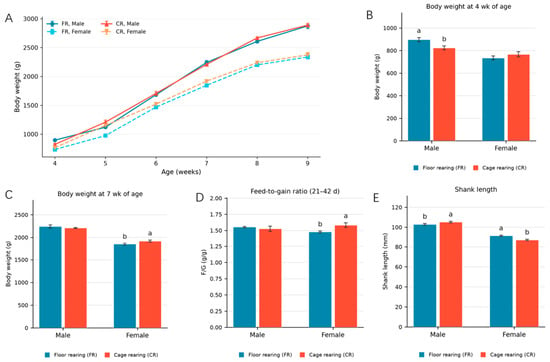
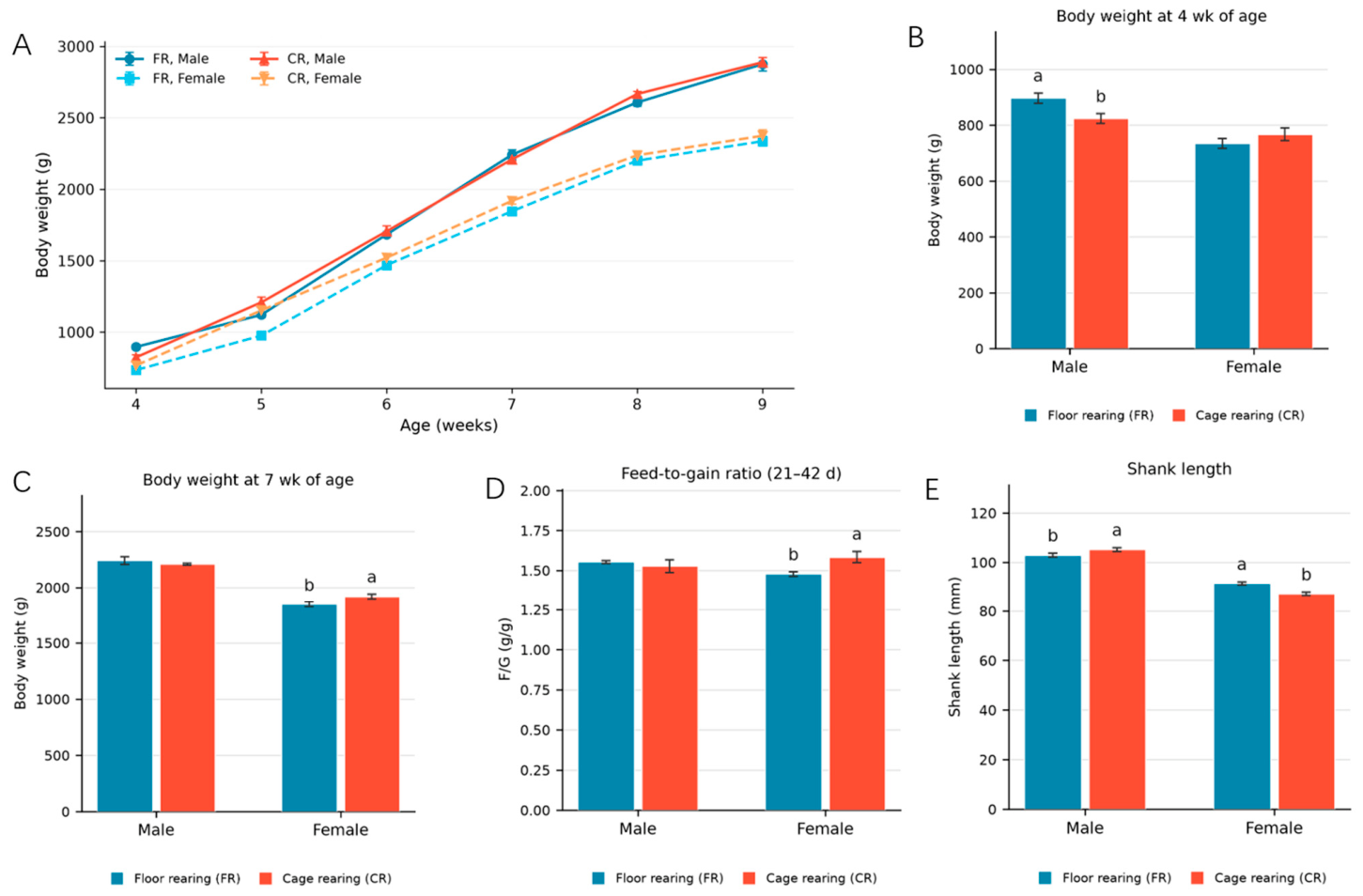
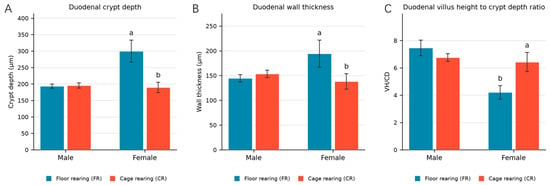
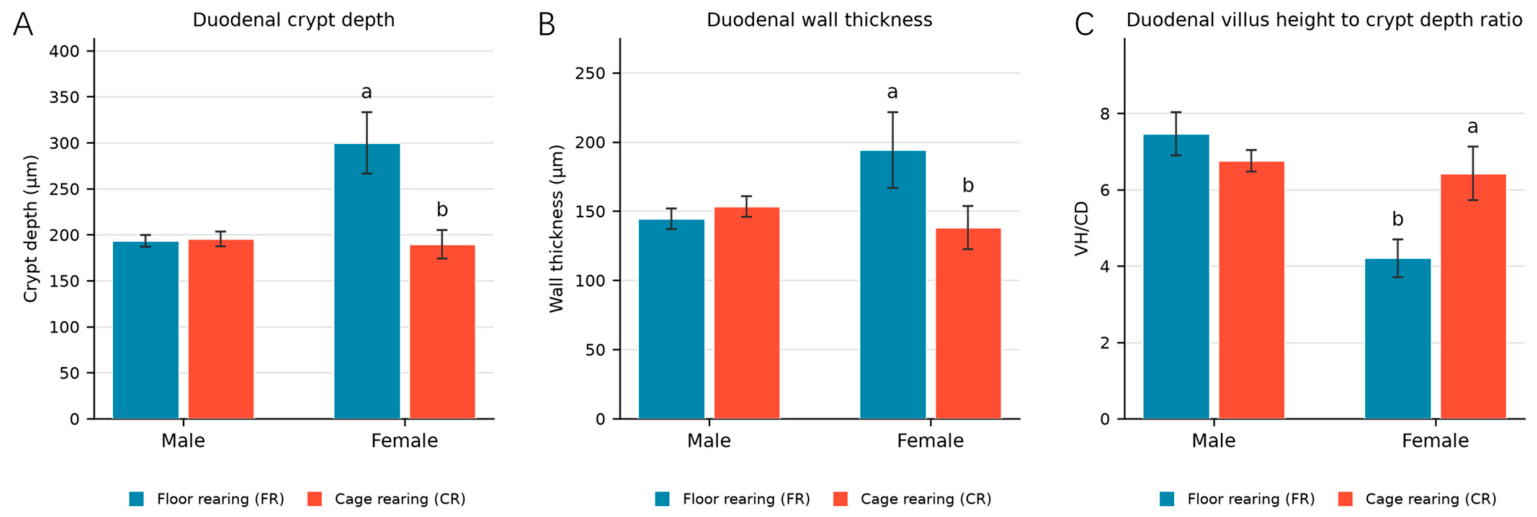
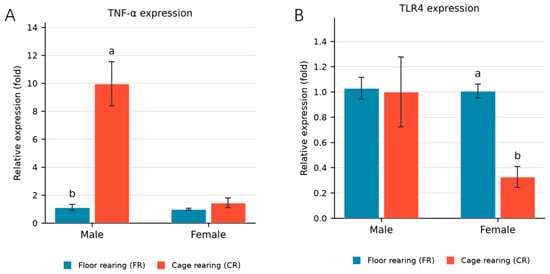
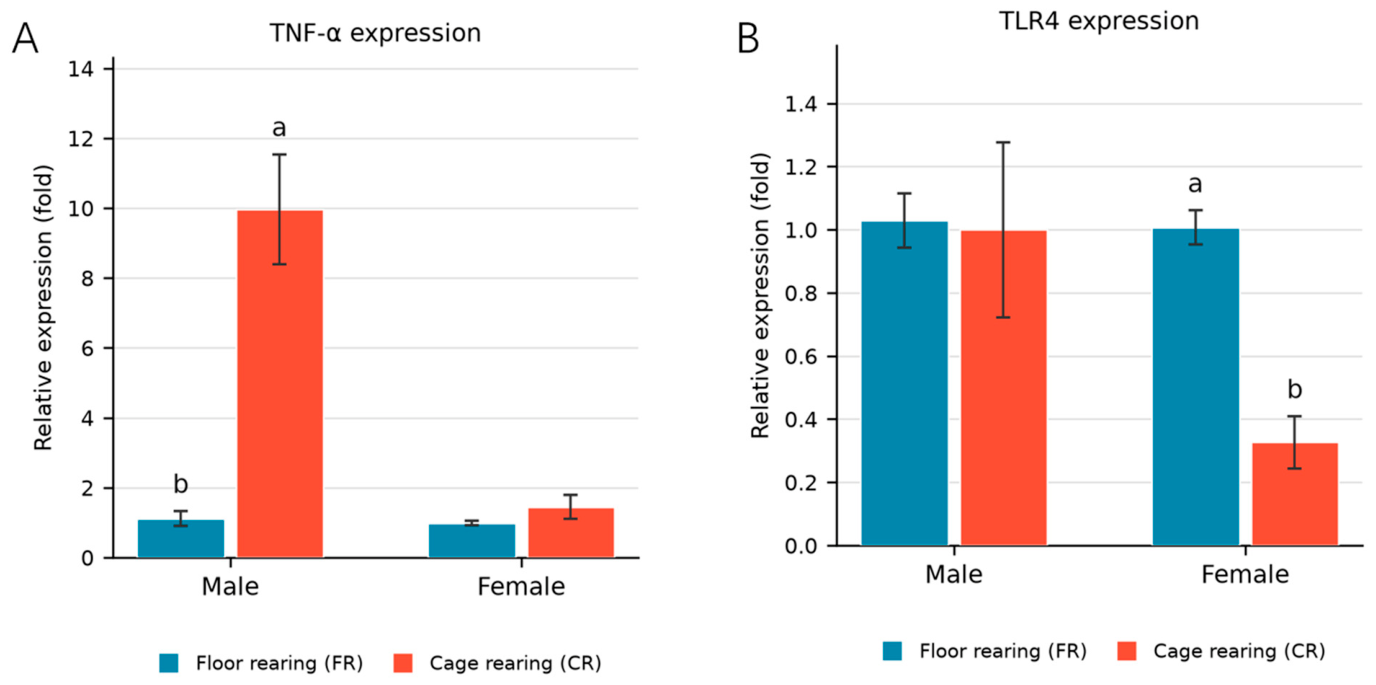
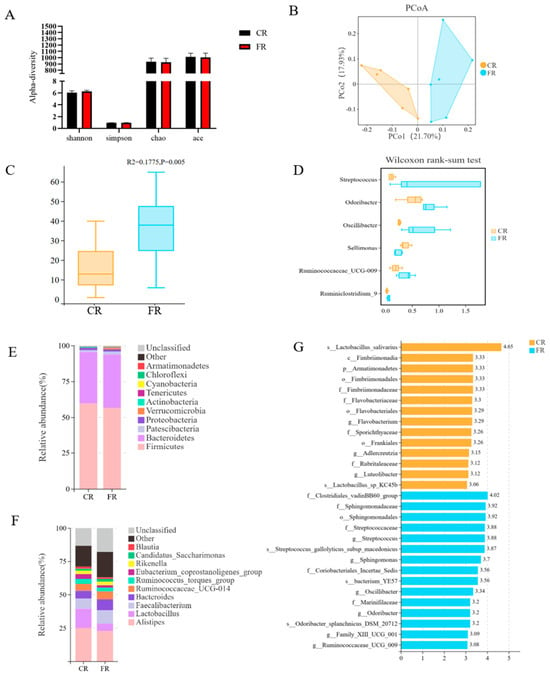
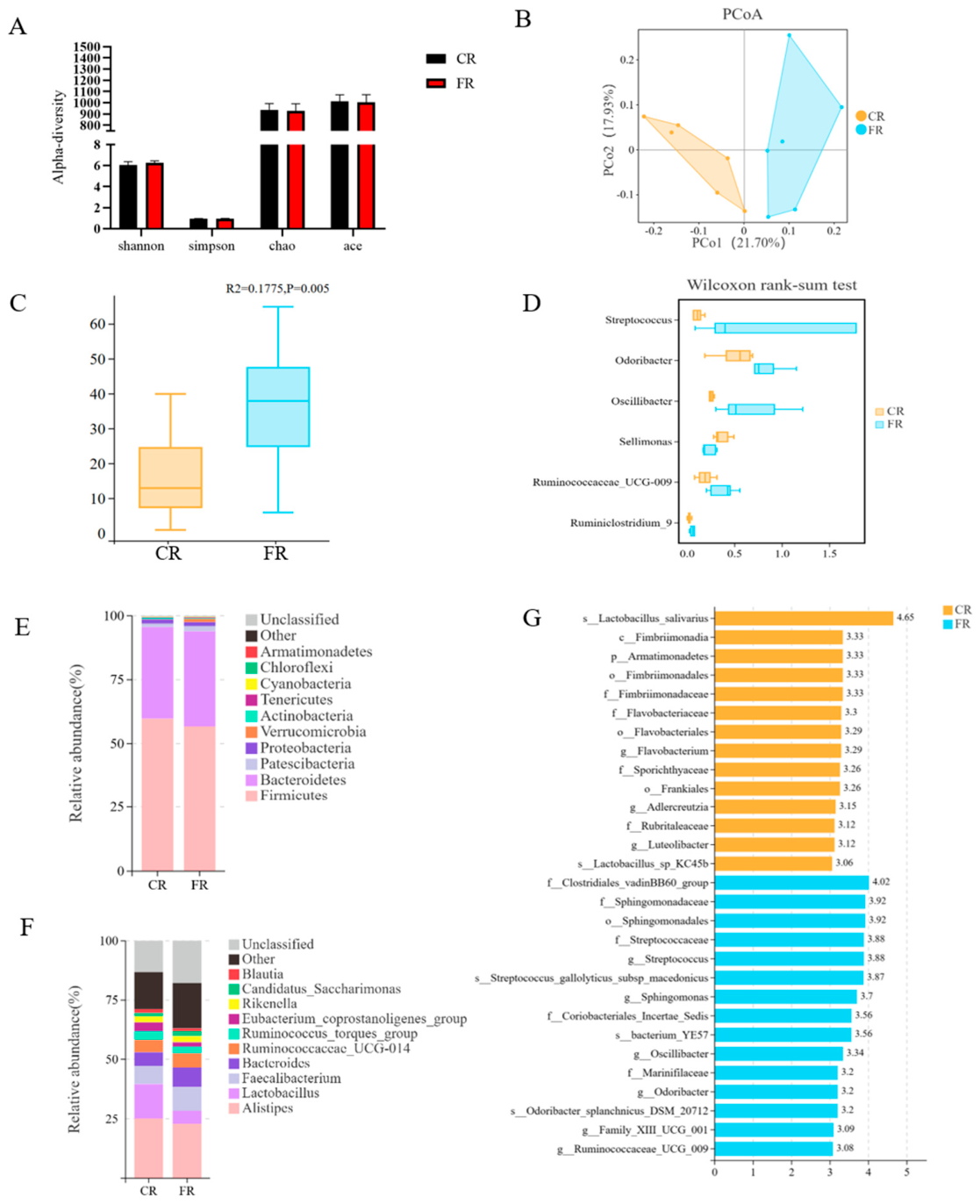
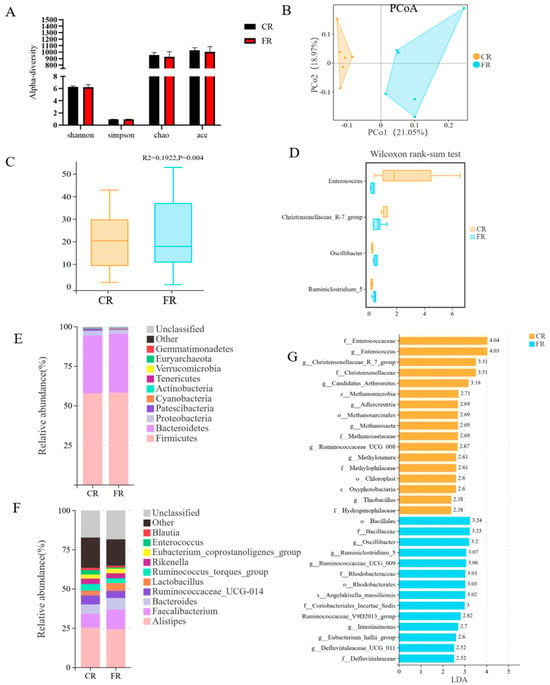
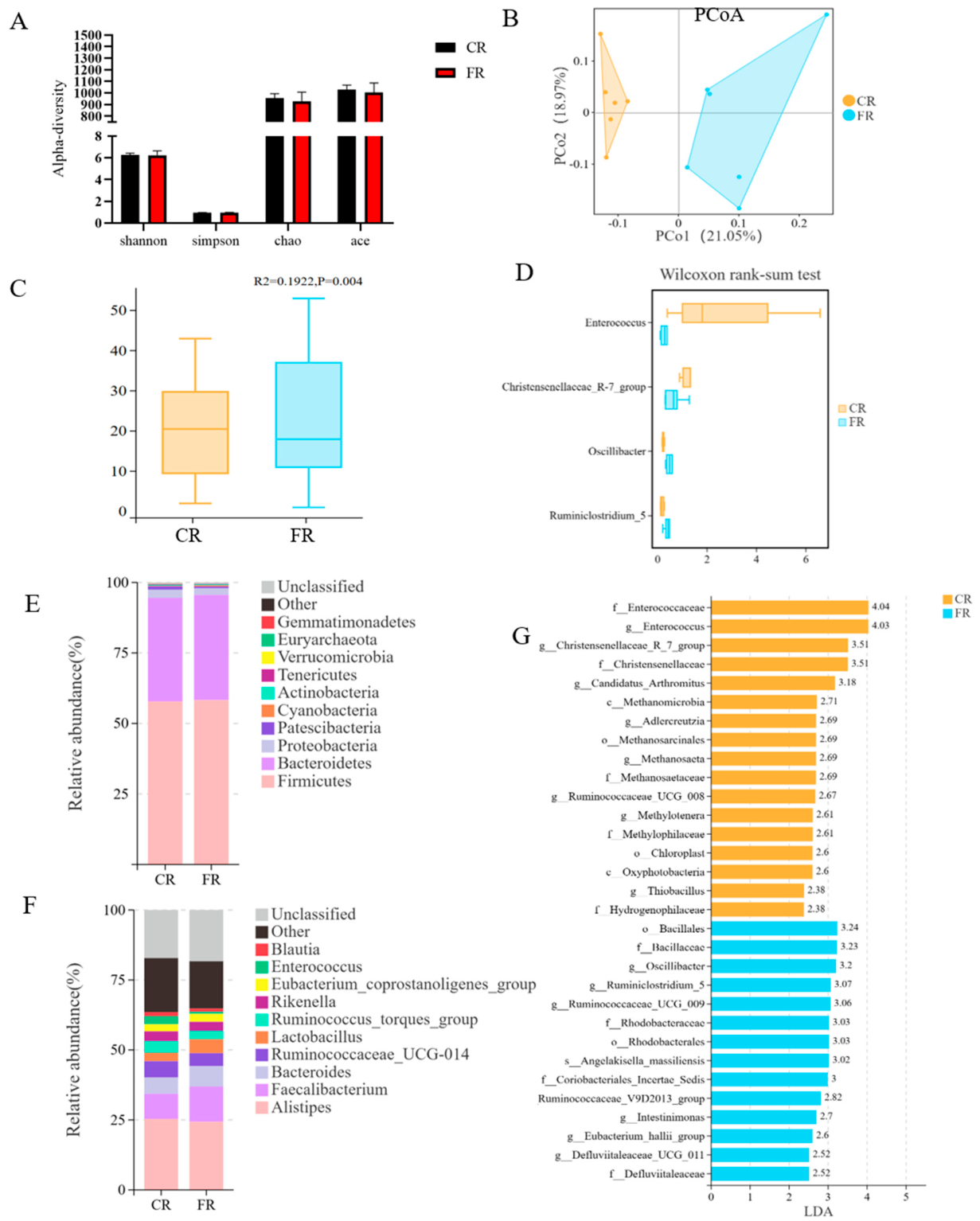
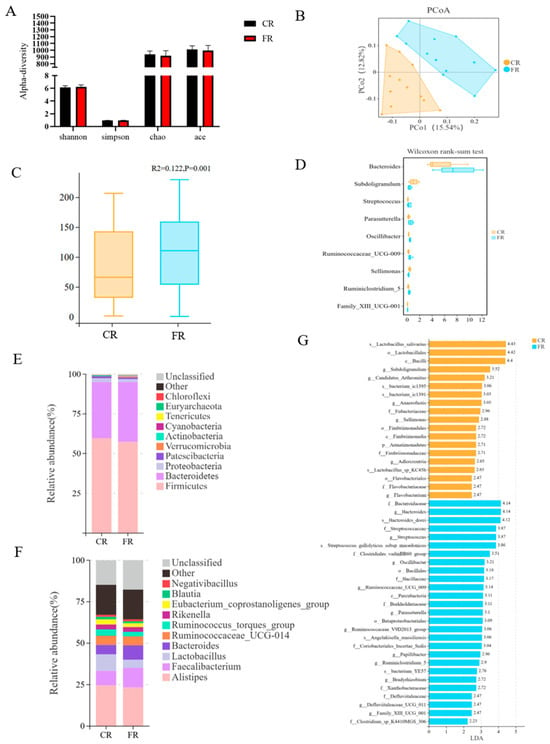
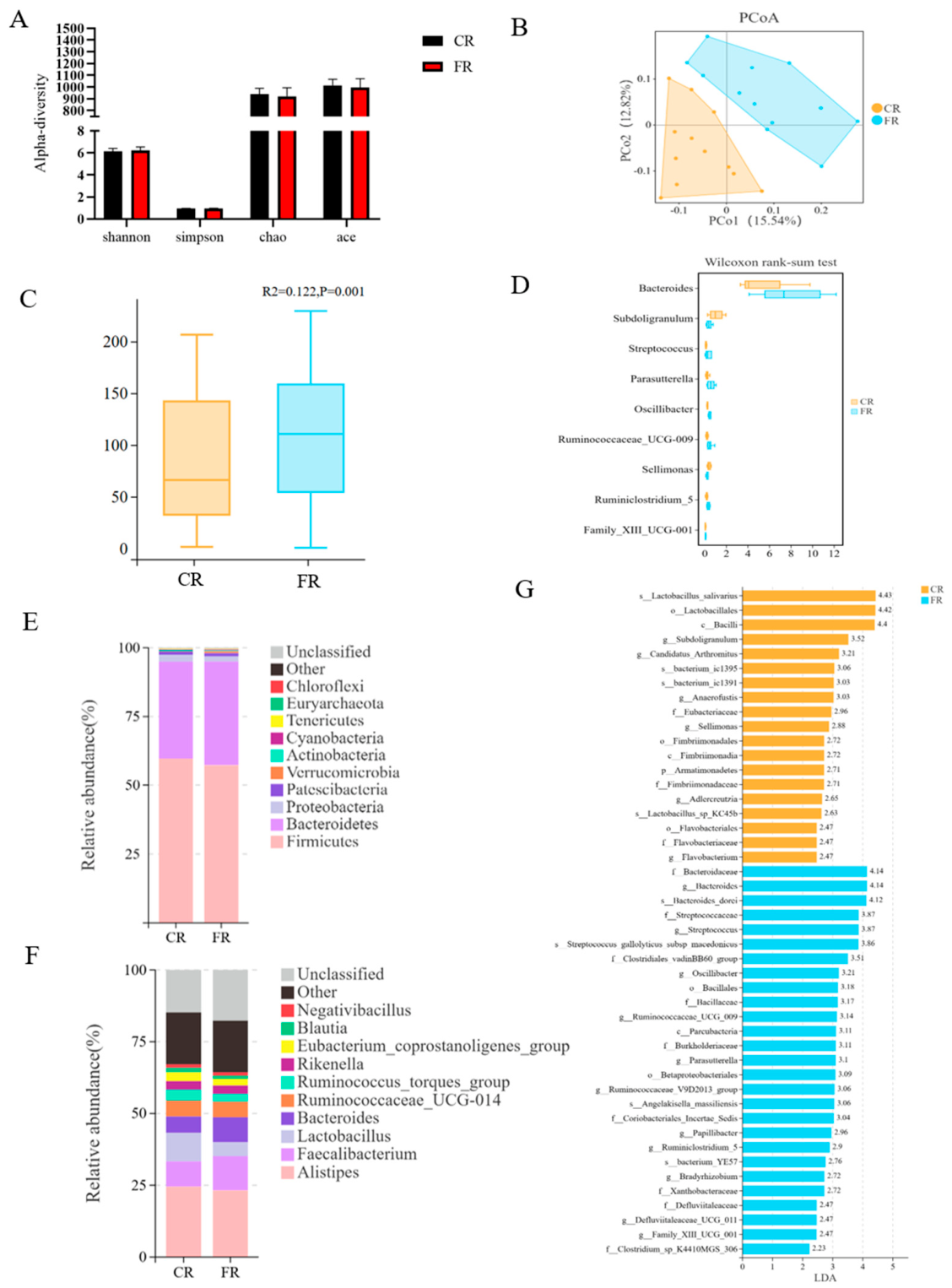

Disclaimer/Publisher’s Note: The statements, opinions and data contained in all publications are solely those of the individual author(s) and contributor(s) and not of MDPI and/or the editor(s). MDPI and/or the editor(s) disclaim responsibility for any injury to people or property resulting from any ideas, methods, instructions or products referred to in the content. |
© 2026 by the authors. Licensee MDPI, Basel, Switzerland. This article is an open access article distributed under the terms and conditions of the Creative Commons Attribution (CC BY) license.