The Effect of Subclinical Ketosis on the Peripheral Blood Mononuclear Cell Inflammatory Response and Its Crosstalk with Depot-Specific Preadipocyte Function in Dairy Cows
by
 , , and
Hunter R. Ford
1,
Ty M. Mitchell
1,
Tanner Scull
1,
Oscar J. Benitez
1,2 and
Clarissa Strieder-Barboza
1,2,* 1
Department of Veterinary Sciences, Davis College of Agricultural Sciences and Natural Resources, Texas Tech University, Lubbock, TX 79409, USA
2
School of Veterinary Medicine, Texas Tech University, Amarillo, TX 79106, USA
*
Author to whom correspondence should be addressed.
Animals 2024, 14(13), 1995; https://doi.org/10.3390/ani14131995
Submission received: 3 May 2024
/
Revised: 1 July 2024
/
Accepted: 3 July 2024
/
Published: 6 July 2024
(This article belongs to the Special Issue Modulating Immunometabolism in Transition Dairy Cows)
Simple Summary
In dairy cows, metabolic stress at the start of lactation can lead to excessive fat mobilization from the body’s fat deposits. This increase in circulating fats is often accompanied by an increase in ketones and is associated with reduced performance and a dysfunctional immune response. However, the relationship between the fat cells responsible for mobilizing fats and the circulating immune cells has yet to be fully understood in these early lactation dairy cattle. To this aim, we isolated and characterized the circulating immune cells from the blood of healthy and hyperketonemic dairy cattle at the beginning of lactation and assessed the effect of the secretions of these immune cells on fat cells from healthy dairy cows. Overall, the immune cells from healthy and metabolically stressed dairy cattle had similar inflammatory profiles at the gene and cytokine level; however, the secretions from these immune cells had distinct effects on the expression of certain genes and on the ability of fat cells to accumulate fats. Together, these results emphasize the importance of additional factors produced by immune cells in metabolically stressed dairy cattle in regulating fat cell function and provide insight into potential mechanisms underlying the development of metabolic stress.
Abstract
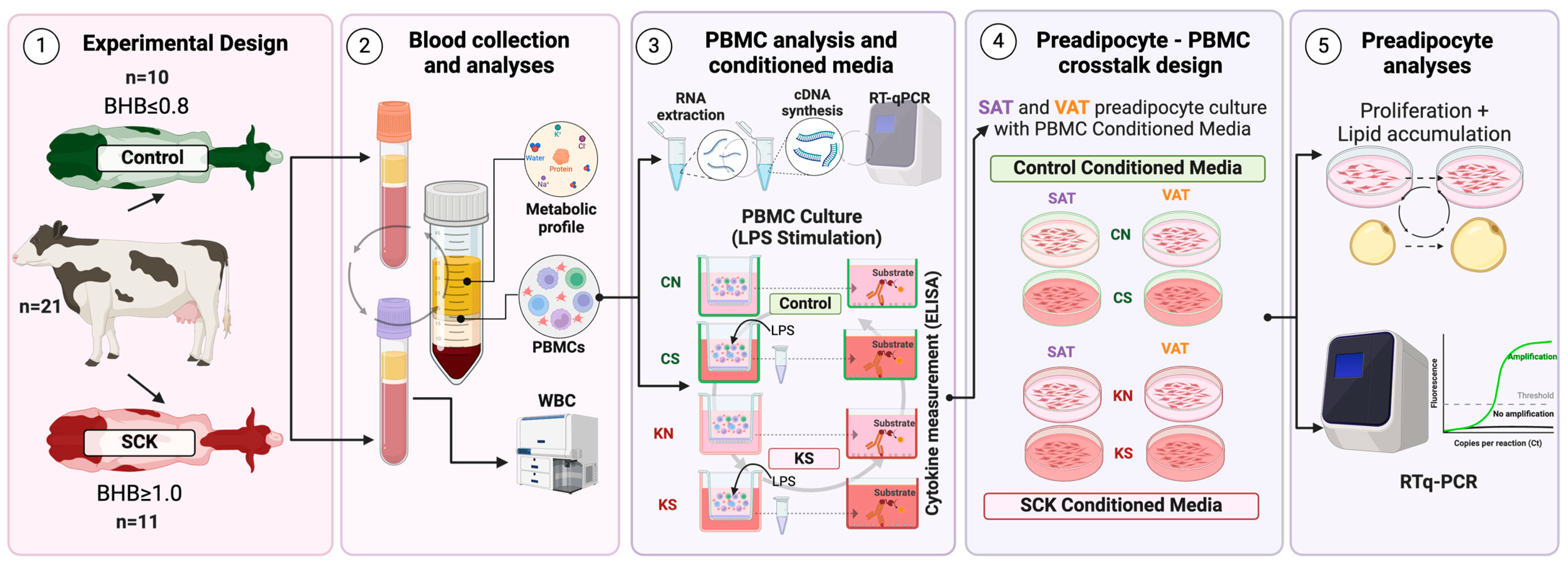
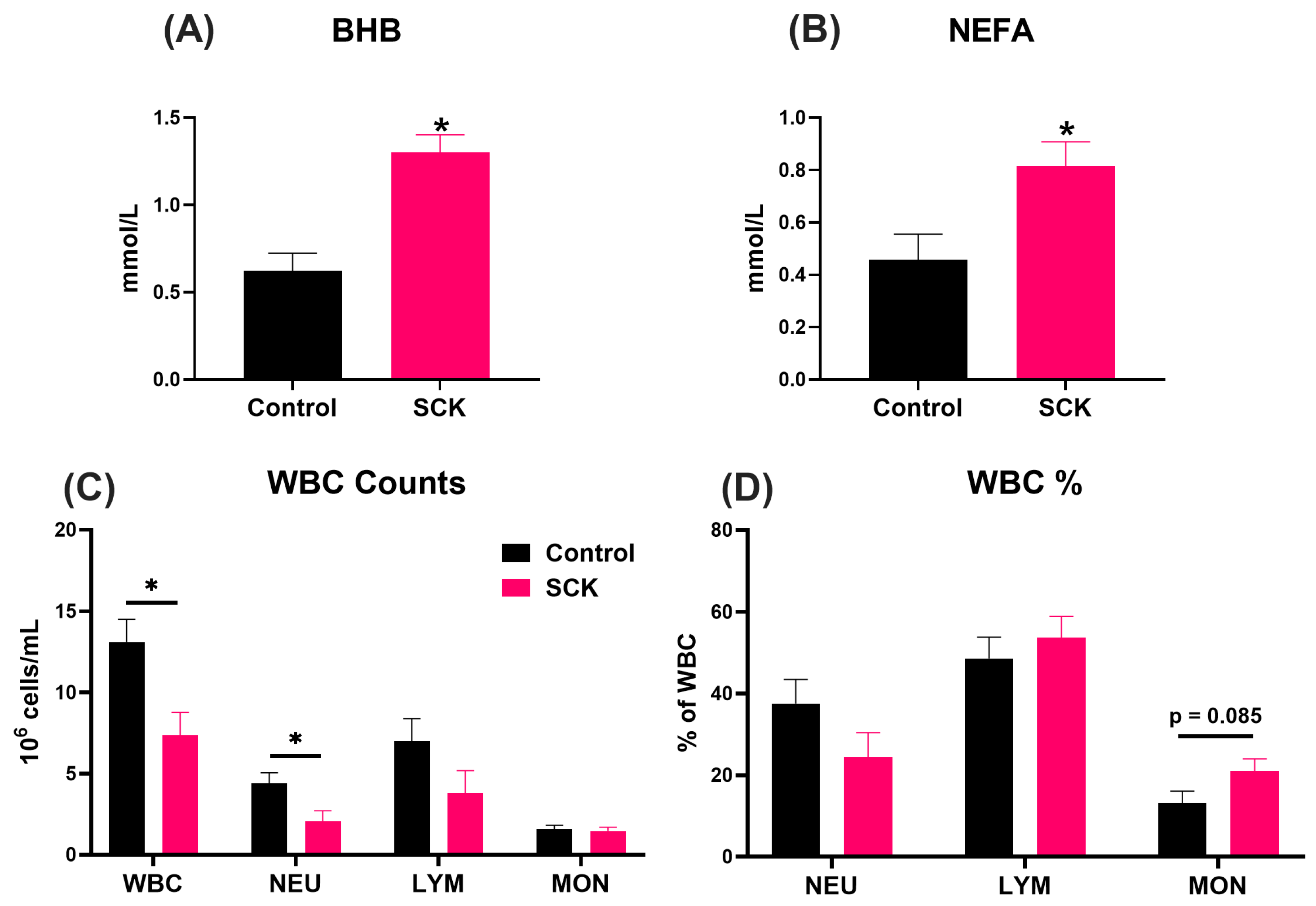
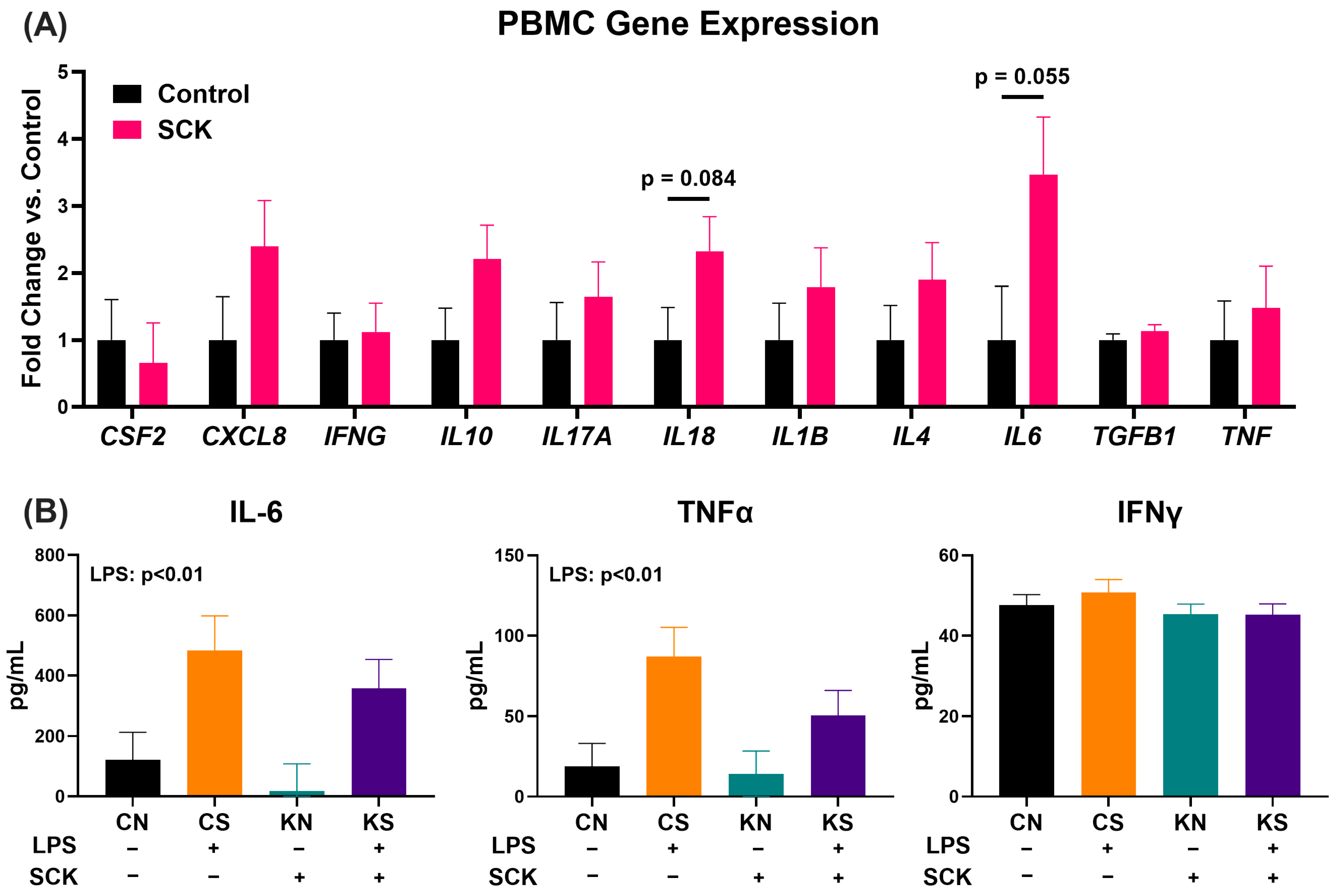
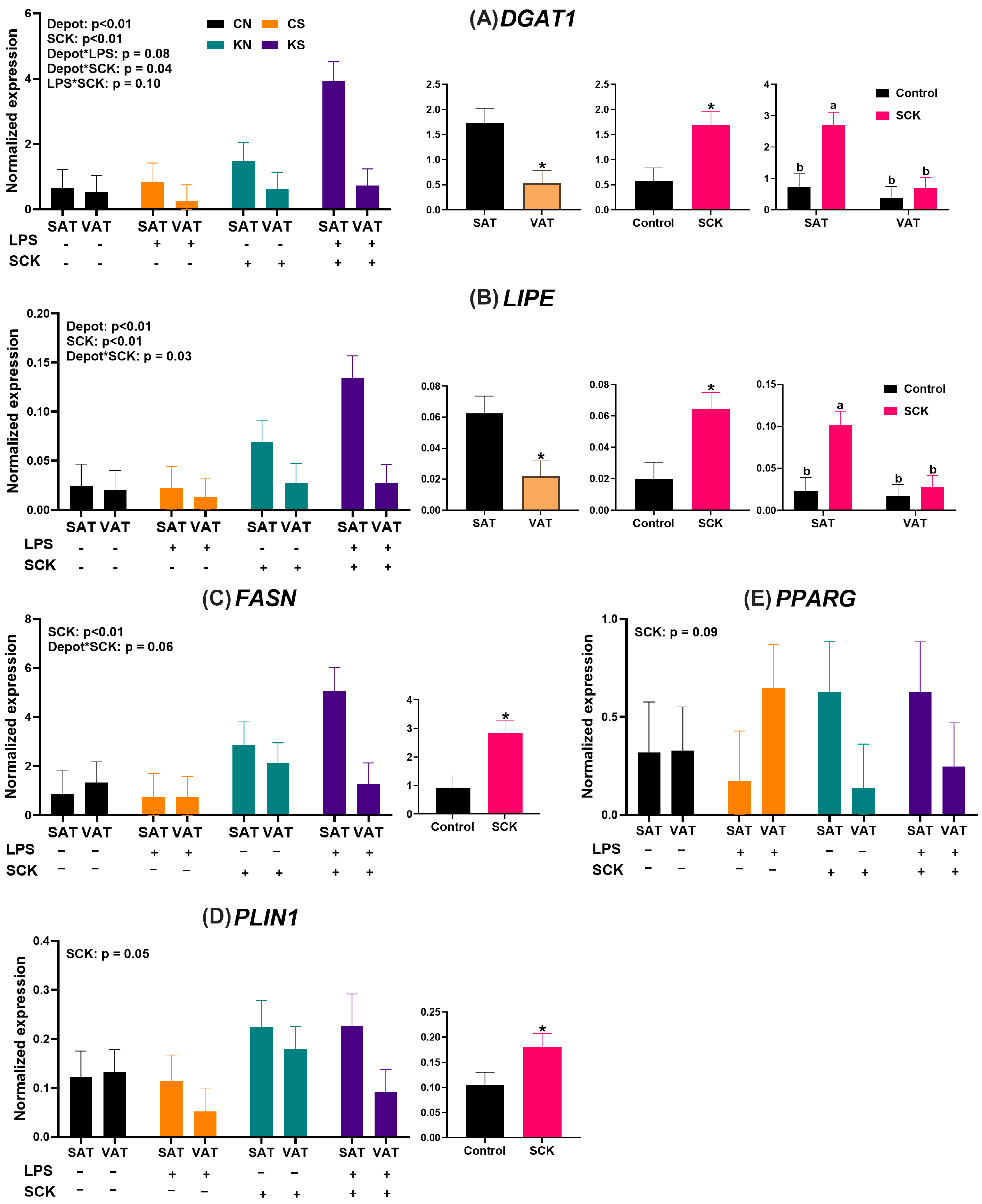
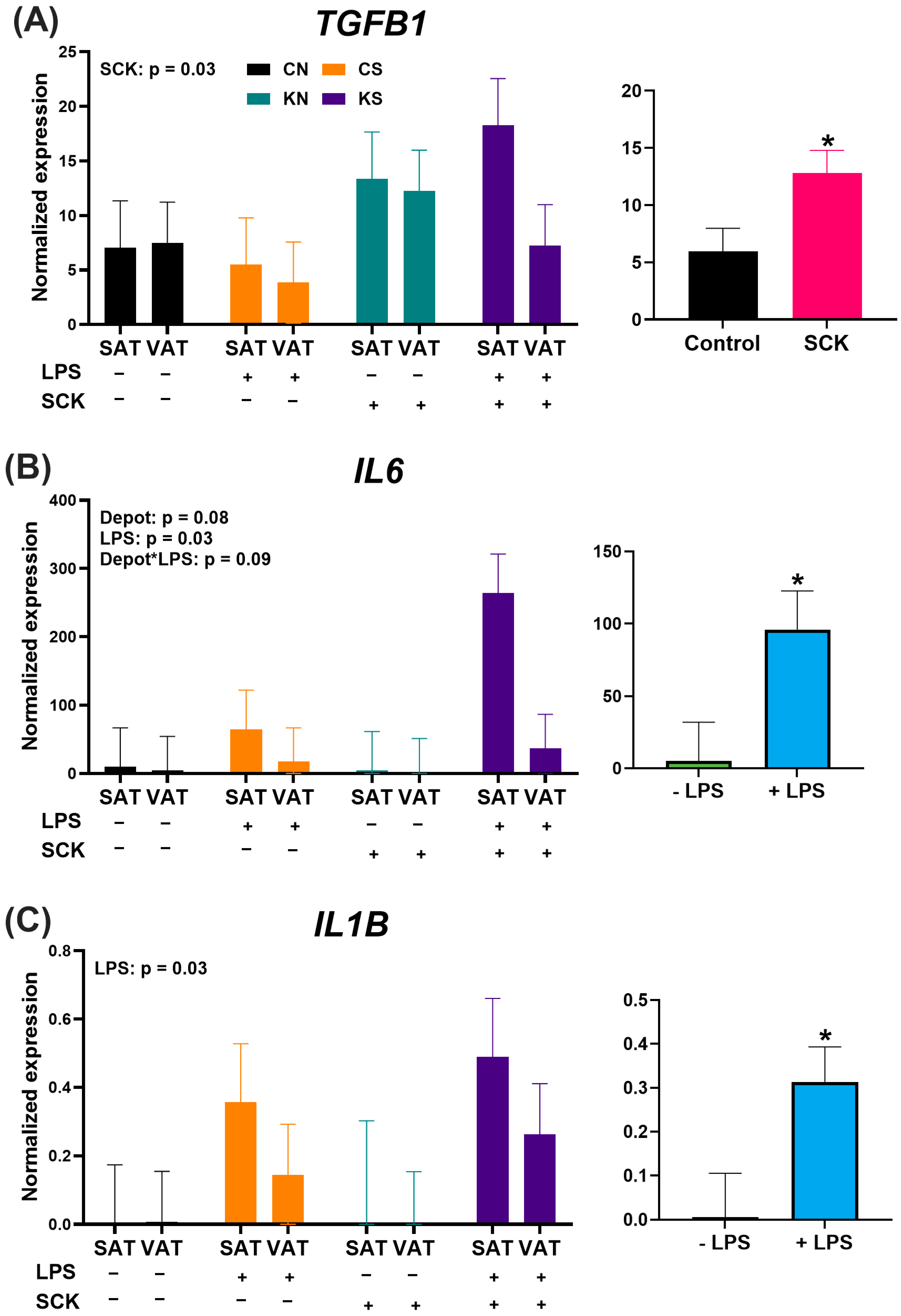
During the periparturient period, cows undergo heightened energy demands at lactation onset, paired with reduced dry matter intake, leading to negative energy balance (NEB). Excessive lipolysis-driven adipose tissue remodeling, triggered by NEB, significantly contributes to ketosis in periparturient dairy cows. However, the role of peripheral blood mononuclear cells (PBMCs) in the pathogenesis of ketosis and in modulating adipose tissue function remains poorly understood. Here, we investigated how ketosis affects the transcriptional profile and secretome of PBMCs and its influence on preadipocyte function in visceral adipose tissue (VAT) and subcutaneous adipose tissue (SAT). Twenty-one postpartum Holstein dairy cows were categorized as either subclinical ketosis (SCK; BHB ≥ 1.0 mM) or control (CON; BHB < 0.8 mM) based on blood beta-hydroxybutyrate (BHB) concentration screening. Blood samples were collected intravenously for the isolation of PBMCs and serum metabolic profiling. Ketosis elevated circulating NEFA and BHB levels but reduced total WBC and neutrophil counts. Isolated PBMCs were evaluated for gene expression and used to produce conditioned media (PBMC-CM), during which PBMCs were stimulated with 10 ng/mL LPS. The overall phenotype of PBMCs was largely consistent between SCK and CON cows, with minimal differences detected in immunomodulatory cytokine expression and PBMC-CM composition following stimulation. Preadipocytes isolated from non-ketotic cows were treated with PBMC-CM to assess the effect of PBMC secretomes on adipose cell function. Preadipocytes treated with SCK PBMC-CM showed reduced lipid accumulation compared to those treated with CON PBMC-CM regardless of the depot. SAT preadipocytes had heightened expression of lipid metabolism-related genes, including DGAT1, LIPE, and FASN, compared to VAT when treated with SCK PBMC-CM. Preadipocytes treated with CM from PBMC stimulated by LPS exhibited upregulation in IL1B and IL6 regardless of the depot or source of PBMCs. Together, these results indicate that although PBMC profiles showed minimal differences, preadipocytes treated with PBMC-CM may be influenced by additional factors, leading to altered preadipocyte function and gene expression that may contribute to adipose cellular dysfunction.
Keywords:
dairy; PBMC; adipose; inflammation; ketosis