Body Condition Score in Danish Horses Related to Type, Use, and Training Level: Patterns, Risk, and Protective Factors


1
Vejle Equine Practice, Fasanvej 12, 7120 Vejle Øst, Denmark
2
Jan Dahl Consult, Østrupvej 89, 4350 Ugerløse, Denmark
3
Sport Horse Science, 3145 Sandhill Road, Mason, MI 48854, USA
*
Author to whom correspondence should be addressed.
Animals 2023, 13(7), 1219; https://doi.org/10.3390/ani13071219
Submission received: 6 February 2023
/
Revised: 27 February 2023
/
Accepted: 28 March 2023
/
Published: 31 March 2023
(This article belongs to the Special Issue Equine Exercise Physiology and Feeding Management: How to Keep Energy Balance)
Simple Summary
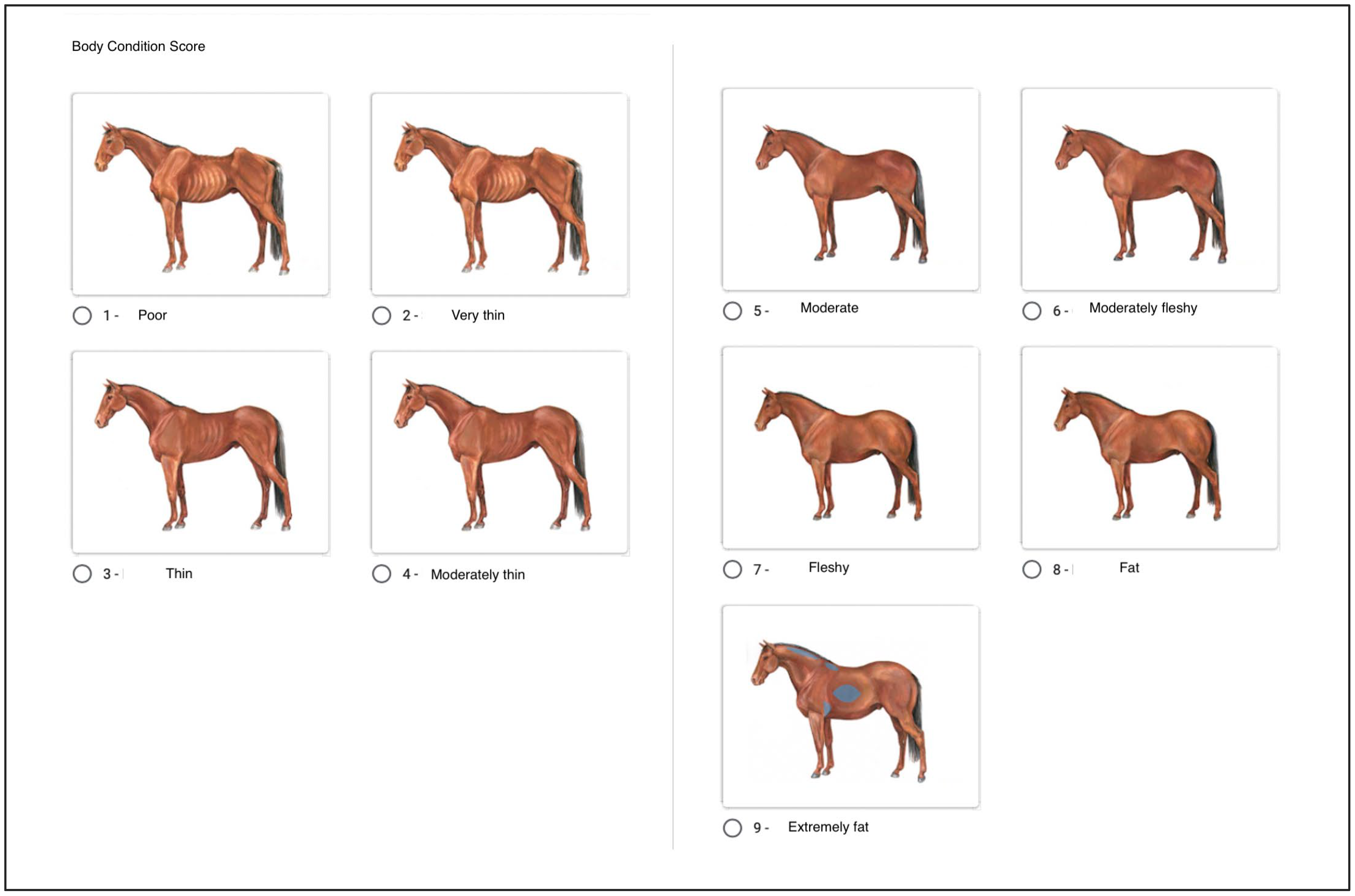
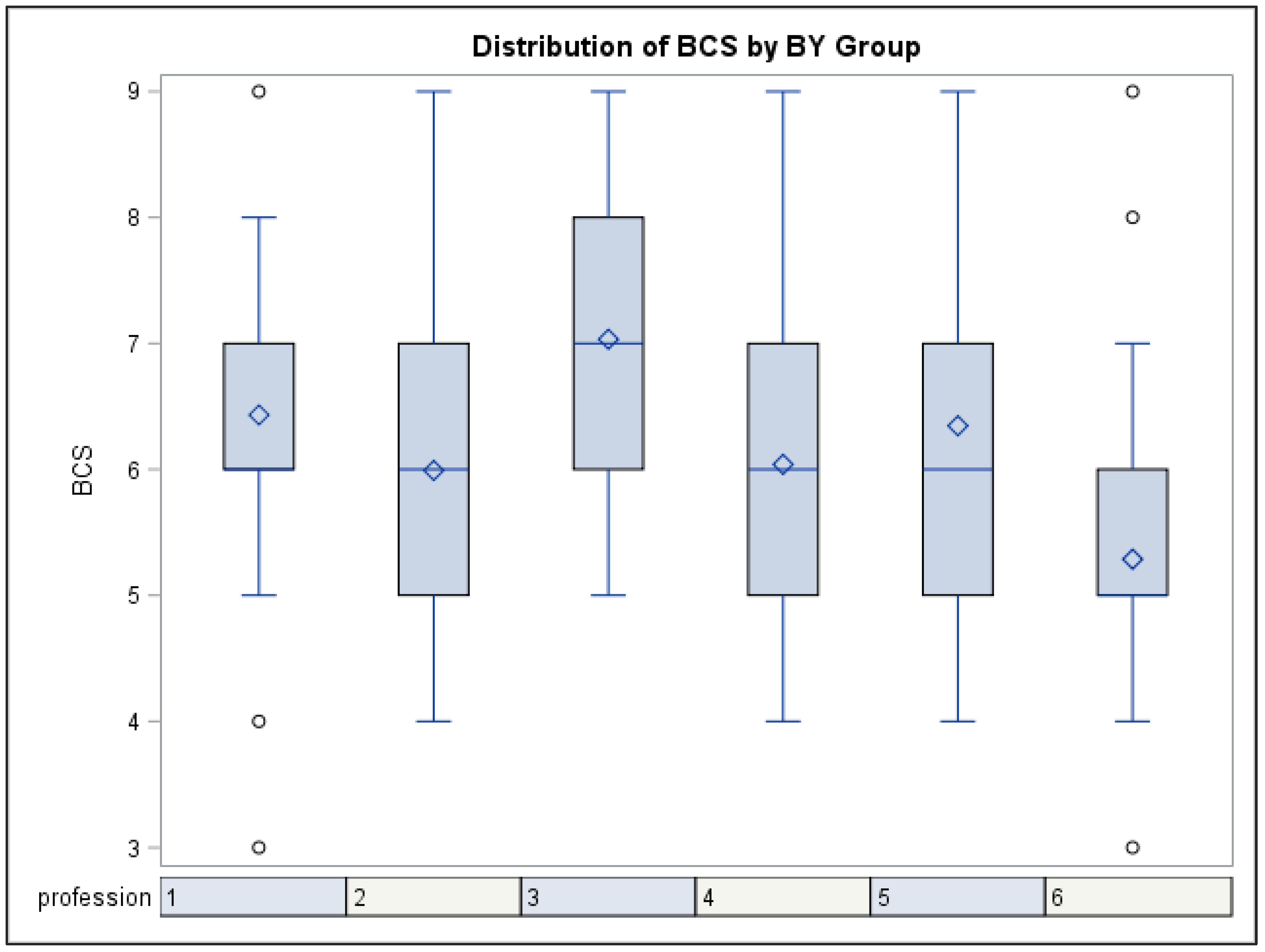
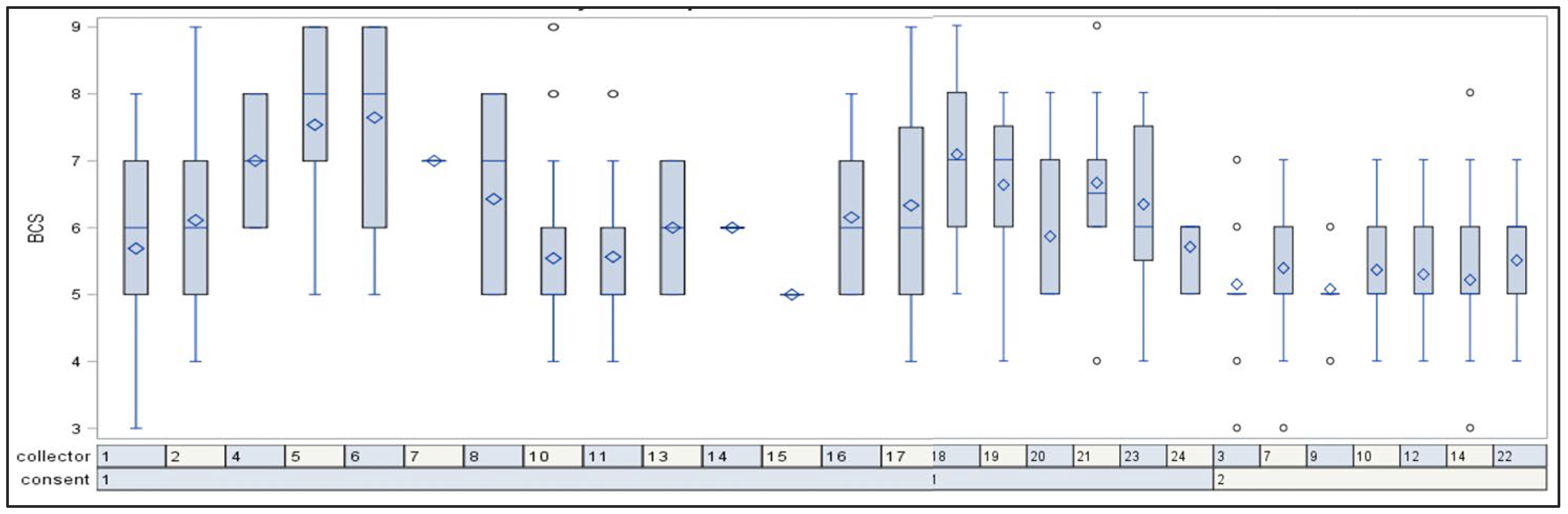
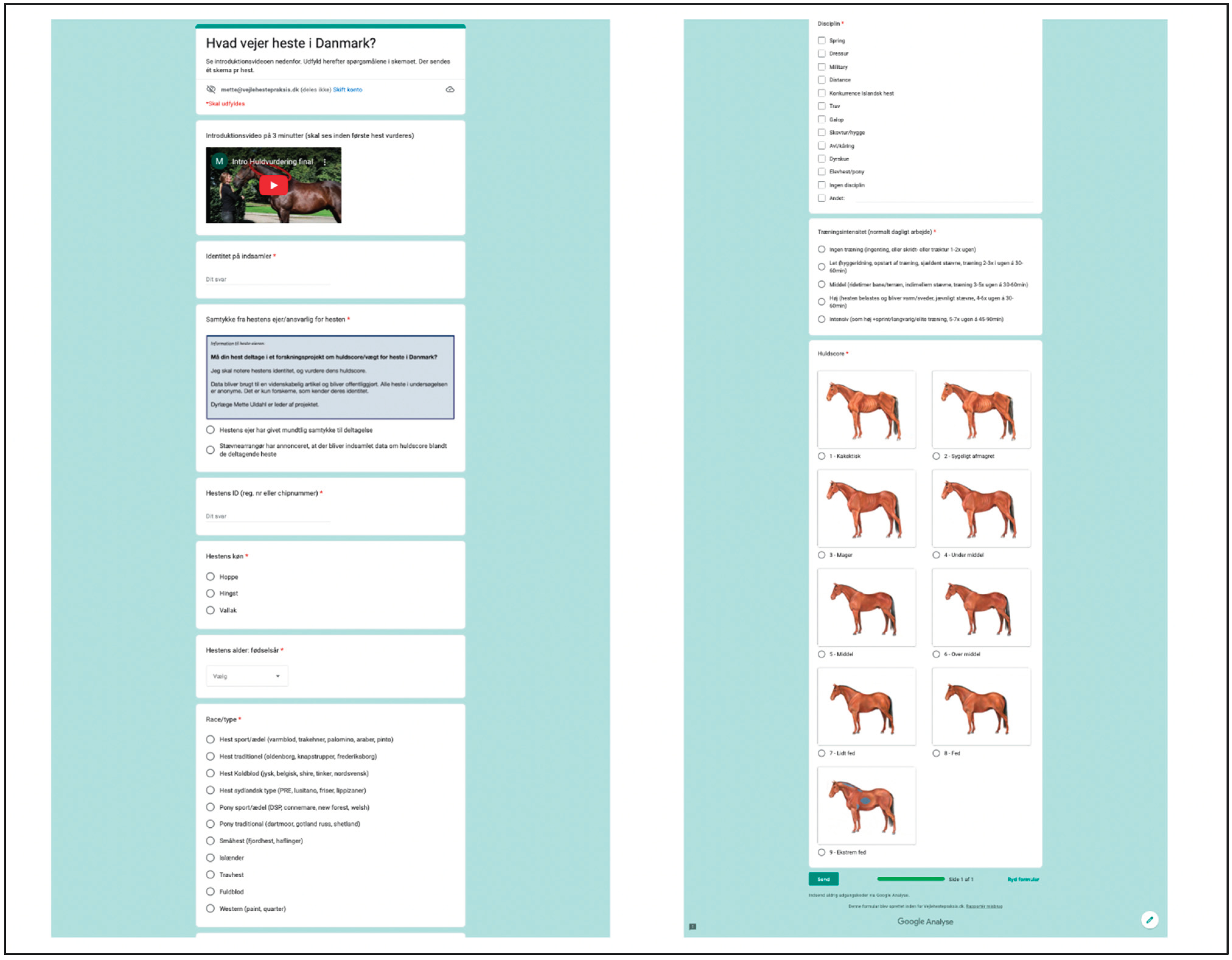
The inappropriate body condition of horses is a growing problem that is associated with difficulty both in recognizing and treating horses that are either over-conditioned or under-conditioned. This study is based on visual evaluation by equine professionals and para-professionals (veterinarians, farriers, trainers, Danish Equestrian Federation officials). Participants were trained to assign a body condition score (range 1–9) based on the Henneke Body Condition Score (BCS) system. After watching an instructional video and the satisfactory completion of a questionnaire, they became data collectors. The results indicated that out of 1118 horses evaluated, 78.6% were within, 4.9% were below, and 16.5% were above the ideal range of BCS. Being above the ideal range was influenced by type, age, and training, but none of the patterns influenced the horses below ideal BCS. The highest scores were awarded by veterinarians and farriers and the lowest scores by DEF officials. This was thought to reflect the equine populations they were exposed to, with DEF officials examining actively competing horses whereas veterinarians and farriers see horses with diseases, such as laminitis, that tend to be associated with high BCS. Cold-blooded horses and traditional ponies were more frequently above ideal BCS compared to other types.
Abstract
Body condition in horses is a growing concern that has different patterns of development in horses that are above and below the ideal range. This study used professional and para-professional evaluators (veterinarians, farriers, trainers, Danish Equestrian Federation (DEF) officials) who were trained and certified in the use of a modified Henneke scoring system to assign a body condition score (BCS) on a scale of 1–9. Scores of 5–6 are regarded as ideal, and 78.6% of the evaluated horses were in these groups. Only 4.8% of horses were below ideal BCS but 16.5% were above ideal BCS, and this was influenced by type, age, and training. A significant protective effect towards above ideal BCS was shown for horses trained at higher intensities. Cold-blooded horses and traditional ponies had increased risk for being above ideal BCS. Although BCS increased with age, a large proportion of geriatric horses were both above and below ideal BCS. Discipline was not related to BCS. Patterns of BCS distribution for horses attended by different professionals were investigated. Veterinarians attended more horses with BCS above and below ideal values, farriers mostly saw horses that were above ideal BCS, and officials at competitions mainly saw horses with ideal BCS.