


Abstract
During the COVID-19 pandemic, healthcare-associated infections (HAIs) showed a significant increase, exacerbated by the prevalence of multidrug-resistant (MDR) organisms. Antibiotic overuse and infection control practices influenced HAI incidence rates, alongside the rising prevalence of resistant pathogens such as methicillin-resistant Staphylococcus aureus. Antibiotic-resistant pathogens causing healthcare-associated infections in COVID-19 patients include—in addition to methicillin-resistant Staphylococcus aureus—metallo-β-lactamase-producing carbapenem-resistant Enterobacteriaceae, carbapenem-resistant Acinetobacter baumannii, extended-spectrum β-lactamase-producing Klebsiella pneumoniae, and vancomycin-resistant enterococci. COVID-19 impacted bacterial healthcare-associated infections in various ways, with an increase in the incidence of metallo-β-lactamase-producing, carbapenem-resistant organisms—a trend already noted prior to the pandemic. Furthermore, the pandemic laid the groundwork for future challenges in HAI management, highlighting the need for rigorous infection prevention and control protocols. Poorer outcomes were observed in hospitalized COVID-19 patients with antibiotic-resistant infections. Although increased infection prevention and control (IPC) measures led to a reduction in certain site-specific hospital-acquired infections, in other contexts, COVID-19 was associated with an increased incidence of bacterial hospital-acquired infections. Further research is needed to determine the cost–benefit ratio of maintaining COVID-19-related infection prevention and control protocols beyond the pandemic in order to reduce the impact of hospital-acquired infections. Furthermore, it is necessary to assess the long-term impact of the high usage of certain broad-spectrum antibiotics during the COVID-19 pandemic.
1. Background
In the early stages of the COVID-19 pandemic, data on bacterial infections in COVID-19 patients were limited. However, Guan et al. had already hypothesized a link between the viral infection and a potential rise in healthcare-associated infections (HAIs) [1]. Unfortunately, early in the pandemic, there was a delay in conducting thorough bacteriological or fungal assessments of hospitalized patients, as healthcare efforts were primarily focused on curbing the virus’s spread and treating cases of pneumonia complicated by severe respiratory failure [2,3]. Zhou et al. [4] found that sepsis was the most frequently observed complication in both survivors and non-survivors of COVID-19. The emergence of the COVID-19 pandemic placed immense strain on global healthcare systems and led to a marked increase in healthcare-associated infections (HAIs). Recent studies indicate that bacterial infections in COVID-19 patients—particularly those with severe forms of the disease—have become a new area of concern. Hospital-acquired infections caused by antibiotic-resistant pathogens, such as methicillin-resistant Staphylococcus aureus (MRSA) and extended-spectrum β-lactamase (ESBL)-producing Klebsiella pneumoniae, were reported with increasing frequency during the pandemic [4]. The authors [5] noted that, in these patients, superimposed sepsis could stem from the preceding viral infection; specifically, a study by Zhang G et al. [5] observed that COVID-19 patients—particularly those admitted to the intensive care unit (ICU) and undergoing mechanical ventilation—exhibited a significantly higher rate of bacterial co-infection compared to patients with non-severe COVID-19. Another study conducted in the United Kingdom reported a low frequency of bacterial co-infection in patients treated early for COVID-19, demonstrating that the more severe the viral infection, the greater the risk of contracting HAIs [6]. Subsequent findings began to reveal the specific bacterial pathogens causing HAIs in COVID-19 patients, showing that Streptococcus pneumoniae and Hemophilus influenzae, in particular, were associated with community-acquired pneumonia, while Staphylococcus aureus was linked to both community-acquired co-infection (community-acquired pneumonia) and hospital-associated superinfections (ventilator-associated pneumonia and hospital-acquired pneumonia) [7]. Community- and hospital-acquired urinary tract infections were caused by Escherichia coli, Klebsiella pneumoniae, and Enterobacter faecium [7]. A recent analysis conducted in the United States reported that Staphylococcus aureus was more frequently detected in pharyngeal and oropharyngeal swabs from COVID-19-positive patients compared to SARS-CoV-2-negative individuals [8]. This evidence contributed to a substantial rise in antibiotic use during the pandemic—driven largely by empirical prescribing due to fears of secondary infections in COVID-19 patients, particularly those critically ill in intensive care—which led to increased antimicrobial resistance and, as highlighted in the study by Spigaglia, a rise in Clostridioides difficile cases [9,10]. However, data collected throughout the pandemic years indicated not only an increase in healthcare-associated infections (HAIs) [11] but also significant improvements in infection control measures; specifically, mandatory personal protective equipment (PPE) played a crucial role in reducing hospital-acquired infections during both the initial stages and the subsequent spread of COVID-19 variants [12]. The introduction of COVID-19 vaccines played a pivotal role in limiting healthcare-associated infections, particularly among high-risk population groups. Several studies have demonstrated that mRNA vaccines provided effective protection against symptomatic and severe infection, significantly reducing the risk of hospitalization and lowering the incidence rate of post-vaccination infections [13,14]. In contrast to vaccines, the role of direct-acting antivirals against COVID-19 in preventing HAIs has been relatively limited, as most studies focused on their utility in treating the disease rather than on preventing infections [15]. Monoclonal antibodies (mAbs) have been effectively used to treat COVID-19, demonstrating a reduction in healthcare-associated infections, particularly among vulnerable populations [16,17,18,19]. Early use of mAbs in high-risk COVID-19 patients has led to a significant reduction in hospitalizations and mortality [16,17,18,19].
Therefore, the aim of this review is to evaluate the literature available to date regarding the urgent need to update antimicrobial policies and improve strategies for the prevention and control of healthcare-associated infections (HAIs)—which represent a further test for healthcare systems following the pandemic—while considering the implications for the future efficacy of available antibiotics and the persistent role of climate change and its long-term public health implications [20].
2. Search Strategy and Methods
A comprehensive literature search was performed in PubMed/MEDLINE, Scopus, and Web of Science databases for articles published between January 2020 and mid-2026. Search terms included combinations of Medical Subject Headings (MeSH) and free-text keywords: “COVID-19”, “SARS-CoV-2”, “healthcare-associated infections”, “nosocomial infections”, “antimicrobial resistance”, “Klebsiella pneumoniae”, “antiviral therapy”, “vaccines”, and “monoclonal antibodies”. Original research articles, systematic reviews, meta-analyses, and clinical guidelines published in English and Italian were screened and evaluated for inclusion based on relevance to HAI incidence, AMR dynamics, and clinical management in COVID-19 patients.
3. The Role of COVID-19 in Healthcare-Associated Infections
COVID-19 has radically altered the global healthcare landscape, introducing new challenges in the management of healthcare-associated infections. A review highlighted the prevalence of multidrug-resistant bacteria and fungi in patients with SARS-CoV-2 infections, underscoring how hospital-acquired infections are becoming an increasing problem, particularly among those requiring hospitalization for COVID-19 (Table 1). Common resistant pathogens include MRSA and NDM-producing Enterobacterales, highlighting the need for rigorous infection control [21].
Table 1.
Summary of bacterial and fungal HAIs during COVID-19. The clinical manifestations, pandemic-specific risk factors, and outbreak mechanisms of these prominent bacterial and fungal HAIs.
Furthermore, the impact of COVID-19 on HAIs is not limited to bacterial infections. Spigaglia [9], consistent with an earlier study of ours [22], reported an increase in *Clostridioides difficile* infections following the pandemic, suggesting that hospital containment capabilities were strained by the restructuring of standard operating procedures and the excessive use of antibiotics to treat potential co-infections. A systematic review of 37 studies revealed that certain HAIs saw a significant increase during the COVID-19 period, alongside a higher incidence of resistant bacterial strains [23]. Conversely, some reports have suggested that emerging control measures—such as improved hygiene practices and close monitoring of at-risk patients—led to a decrease in other associated infections, such as MRSA [21]. The relationship between hospital-acquired infections and COVID-19 is complex. Various publications have highlighted the growing concern regarding the pandemic’s impact on the survival of patients with HAIs; co-infection has emerged as an adverse prognostic factor, significantly increasing mortality rates among COVID-19 patients. The pandemic also drove an increase in antimicrobial use (Table 2) [11]. However, this trend has led to rising antimicrobial resistance, prompting experts to recommend rigorous stewardship policies to prevent the spread of antibiotic-resistant organisms. Medication management guidelines for COVID-19 patients are currently being re-evaluated to ensure that therapies are both appropriate and effective [20] (Table 2). ESBL-positive Klebsiella pneumoniae infection has been associated with significant mortality in COVID-19 patients, with mortality rates of 57% and 69.6% at 14 and 30 days, respectively. In a systematic study, the *Klebsiella pneumoniae* co-infection rate among critically ill COVID-19 patients was 42.91%, while the overall incidence of bacterial infections in these patients was estimated at 15.5%. Furthermore, the rational use of antibacterial drugs has become crucial given the emergence of carbapenem-resistant strains. Therefore, Klebsiella pneumoniae co-infection and mortality dynamics require special attention in the context of the pandemic. The incidence and mortality associated with ESBL-positive Klebsiella pneumoniae infections in COVID-19 patients are of significant concern, characterized by high mortality rates and a high prevalence of co-infections among hospitalized patients.
Table 2.
Factors altering HAI rates during COVID-19. This table explicitly categorizes and balances the opposing factors that contributed to the increase or decrease in HAIs, clearly demonstrating how the systemic, clinical, and operational pressures of the COVID-19 pandemic directly drove these epidemiological shifts.
A study analyzing 157 clinical trials found that 30-day mortality rates for Klebsiella pneumoniae were 29% overall and higher among patients admitted to intensive care, particularly those with carbapenem-resistant Klebsiella pneumoniae (CRKP) infections [24]. Furthermore, patients with Klebsiella pneumoniae infections who have cardiovascular and pulmonary comorbidities face a higher risk of mortality; a 42.91% rate of Klebsiella pneumoniae co-infection was reported among critically ill patients with COVID-19 [25]. A large observational study in Italy specifically found that 48.3% of patients with hypervirulent Klebsiella pneumoniae infections and COVID-19 died within 30 days of diagnosis [26]. This not only highlights the high mortality associated with Klebsiella pneumoniae infections but also underscores the role of antibiotic resistance in worsening clinical outcomes. From an epidemiological perspective, the emergence of resistant bacteria during the pandemic has further complicated treatment and infection control dynamics, making the rational use of antibiotics essential [27]. This landscape is further complicated in COVID-19 patients, with increased sepsis rates in both hospital settings and intensive care units. A review article on sepsis epidemiology highlights that sepsis mortality rates in critically ill COVID-19 patients are significantly higher, exacerbated by the onset of secondary infections or co-infections [28]. Although traditionally considered exclusively a hospital-acquired pathogen, multidrug-resistant (MDR) Klebsiella pneumoniae is also emerging in the community, yet its population structure and dissemination remain unknown. A recent genomic survey of 2006 ceftriaxone-nonsusceptible outpatient isolates from 42 US states reveals that the spread of resistance is primarily driven by the CTX-M-15 gene—an extended-spectrum beta-lactamase (ESBL)—present across various Klebsiella pneumoniae lineages [29]. This gene, carried by a family of IncFIB (Kpn3) plasmids, has spread to hundreds of lineages, combining antibiotic resistance with stress and metal tolerance traits that may enhance survival outside the human host. The majority of isolates originated from elderly women with urinary tract infections, for whom oral treatment options are becoming increasingly ineffective. Capsule and O-antigen profiling reveals extensive antigenic diversity; however, a manageable subset of serotypes could offer broad coverage for vaccine development. These findings highlight a rapidly evolving, plasmid-driven epidemic of community-acquired MDR Klebsiella pneumoniae [29].
3.1. Mortality from Klebsiella pneumoniae and COVID-19
A meta-analysis comprising 157 studies revealed that 30-day mortality for patients with Klebsiella pneumoniae disease is 29%. This figure rises in various settings; notably, patients with hospital-acquired infections face poorer outcomes and require more aggressive monitoring in intensive care units [24]. Associated mortality is exacerbated by the presence of resistant pathogens—particularly CRKP strains, which have seen a significant increase over time—highlighting the need for decisive public health interventions to combat the antimicrobial crisis. A systematic analysis highlighted the phenomenon of co-infection, reporting that 42.91% of critically ill COVID-19 patients presented with Klebsiella spp. co-infections, with Klebsiella pneumoniae predominating [25]. A high proportion of these patients required aggressive antibiotic therapy, and an estimated 32.5% of those with co-infections died, demonstrating the severity of the associated risk [25]. The emergence of carbapenem-resistant Klebsiella pneumoniae is particularly concerning, as antibiotic use in these cases has been linked to 14-day and 30-day mortality rates of 57% and 69.6%, respectively. Furthermore, seroprevalence was driven primarily by OXA-48 and NDM, necessitating rigorous and timely microbiological surveillance [30]. Sepsis is a condition that has increased significantly in the context of COVID-19. Recent research indicates that identifying sepsis in COVID-19 patients proved challenging during the pandemic and suggests that current sepsis management practices may require adaptation to better detect bacterial infections such as Klebsiella pneumoniae [28,31].
3.2. Pathogen-Level Analysis of Healthcare-Associated Infections (HAIs) During the COVID-19 Pandemic
The landscape of healthcare-associated infections (HAIs) underwent a profound shift during the COVID-19 pandemic. While early reports heavily emphasized Klebsiella pneumoniae as a primary cause of secondary infections, a comprehensive analysis reveals a multifactorial surge across a broad spectrum of multidrug-resistant (MDR) bacterial and opportunistic fungal pathogens. This phenomenon was driven by unprecedented intensive care unit (ICU) overcrowding, prolonged mechanical ventilation, widespread empirical antimicrobial use, and critical disruptions in standard infection control protocols [32,33,34].
3.2.1. Multidrug-Resistant (MDR) Bacterial Pathogens
- Methicillin-Resistant Staphylococcus aureus (MRSA) and Other Staphylococci
The incidence of MRSA and coagulase-negative staphylococci escalated sharply in COVID-19 cohorts. Patients with severe SARS-CoV-2 often experienced prolonged endothelial damage and required central venous catheters, significantly elevating the risk of catheter-associated bloodstream infections (BSI). The systematic overuse of broad-spectrum empirical antibiotics upon admission accelerated selection pressure, cementing MRSA as a dominant Gram-positive culprit in hospital-acquired pneumonias and secondary bacteremia [32,33,34,35,36].
- Pseudomonas aeruginosa
As an opportunistic pathogen heavily associated with biofilms, Pseudomonas aeruginosa emerged as a major cause of ventilator-associated pneumonia (VAP) in COVID-19 intensive care units. Critical shortages of nursing staff and high patient-to-staff ratios compromised routine patient repositioning, subglottic suctioning, and ventilator circuit maintenance. These operational deficits facilitated the colonization and persistence of MDR P. aeruginosa strains within respiratory tracts and moist hospital environments [32,33,34,35,36].
- Acinetobacter baumannii
Acinetobacter baumannii represented one of the most severe antimicrobial resistance challenges during the pandemic. Highly resilient to environmental desiccation, MDR and carbapenem-resistant A. baumannii (CRAB) caused extensive outbreaks in dedicated COVID-19 ICUs. Overburdened environmental cleaning services and the rapid turnover of critically ill patients allowed CRAB to colonize medical equipment, leading to high-mortality outbreaks of VAP and bloodstream infections [32,33,34,35,36,37].
- Other Clinically Relevant MDR Enterobacterales
Beyond K. pneumoniae, other Gram-negative bacilli such as Escherichia coli and Enterobacter species exhibited significant increases in extended-spectrum beta-lactamase (ESBL) production and carbapenem resistance. This shift was heavily correlated with the disruption of active surveillance screening programs and a general collapse of contact isolation precautions due to emergency cohorting practices [32,33,34,35,36,37].
3.2.2. Fungal Healthcare-Associated Infections
The burden of nosocomial fungal infections was vastly amplified during the pandemic, shifting from a niche clinical concern to a major driver of ICU mortality [36,37]. Unlike traditional Candida species, C. auris exhibits an exceptional capacity for healthcare-associated, patient-to-patient transmission due to its high persistence on abiotic surfaces, medical equipment, and skin niches.
- Candida auris
The pandemic acted as a major catalyst for the global dissemination of Candida auris, an emerging, highly transmissible, and frequently pan-antifungal-resistant yeast [37,38,39,40]. Outbreaks were specifically concentrated within dedicated COVID-19 hospital units, driven by unique operational pressures:
PPE Shortages and Reuse: To conserve supplies during shortages, healthcare facilities implemented the extended wear or reuse of personal protective equipment (PPE) or utilized underlayers of gowns and gloves. This unintended practice turned healthcare workers’ attire into vectors, carrying the resilient fungus between cohorted patients. Altered Disinfection Protocols: The heavy focus on neutralizing airborne SARS-CoV-2 often led to a reliance on disinfectants that were ineffective against C. auris spores, which require specialized sporicidal agents or chlorine-based products to eradicate them from shared medical equipment [37,38,39,40].
Lapses in Screening and Hygiene: Hand hygiene compliance frequently deteriorated under severe staff burnout, while active mycological screening programs were suspended to alleviate laboratory burdens, allowing C. auris to spread undetected among severely ill, immunocompromised individuals [37,38,39,40].
- COVID-19-Associated Mucormycosis (CAM)
COVID-19-associated mucormycosis (CAM) emerged as a catastrophic opportunistic fungal infection, particularly noted in specific geographic regions during devastating pandemic waves [41,42,43]. The intersection of specific physiological and clinical risk factors accelerated its incidence:
Corticosteroid-Induced Immunosuppression: The standard administration of high-dose corticosteroids (e.g., dexamethasone) to mitigate COVID-19 hyperinflammation severely impaired macrophage and neutrophil function, which are the body’s primary defense lines against fungal spores [41,42,43].
Hyperglycemia and Uncontrolled Diabetes: Corticosteroid therapy induced profound secondary hyperglycemia. In patients with pre-existing, poorly controlled diabetes mellitus or diabetic ketoacidosis (DKA), elevated blood glucose and subsequent metabolic acidosis created an optimal environment for Mucorales germination. Acidosis disrupts transferrin binding, releasing free iron into the serum, which acts as a vital growth catalyst for these fungi [41,42,43].
Severe Tissue Hypoxia: The extensive endothelial damage, microvascular thrombosis, and severe alveolar hypoxia characteristic of advanced COVID-19 resulted in localized tissue necrosis, providing an ideal ischemic substrate for angioinvasive fungal hyphae to proliferate [41,42,43].
In dedicated COVID-19 hospital units, several specific breakdown factors directly contributed to C. auris outbreaks, including critical changes in infection-control practices, severe shortages that led to the extended wear or reuse of personal protective equipment (PPE), and the sub-optimal deployment of environmental disinfection protocols. Furthermore, the reduction or suspension of routine microbiological screening programs allowed this highly transmissible and often pan-antifungal-resistant pathogen to spread undetected among severely ill, hospitalized patients, posing a massive systemic challenge to international healthcare facilities [38,39,40,41,42,43,44].
3.3. Impact of the COVID-19 Pandemic on Healthcare-Associated Infections (HAIs)
To fully understand the impact of the COVID-19 pandemic on healthcare-associated infections (HAIs), general trends must be replaced by a critical, study-by-study comparison of clinical data recorded before and during the SARS-CoV-2 health crisis. The combination of severe viral pneumonias, prolonged invasive device utilization (such as mechanical ventilation and central venous catheters), and altered infection control protocols fundamentally shifted the incidence of multidrug-resistant organisms (MDROs) and fungal co-infections [45,46,47,48,49,50,51,52,53,54,55,56,57,58,59].
The incidence of critical Gram-negative and Gram-positive bacterial pathogens underwent severe changes during the pandemic waves compared to stable pre-pandemic baselines [45,46,47,48,49,50,51,52,53].
Acinetobacter baumannii: Multi-center epidemiological data show that carbapenem-resistant Acinetobacter baumannii (CRAB) experienced the most dramatic surge. According to national surveillance data published by the U.S. CDC, hospital-acquired CRAB cases surged by 78% in 2020 compared to 2019 [45]. In intensive care unit (ICU) settings, this increase was even more pronounced: a comprehensive multicenter study in Italy reported that the isolation rate of CRAB in healthcare-associated bacteremias jumped from a pre-pandemic baseline range of 0.3–8.0% up to 29.0–31.6% during the pandemic peaks [46].
Pseudomonas aeruginosa: The incidence of Pseudomonas aeruginosa tied to device-associated infections (DAIs) saw marked increases. In a comparative cohort analysis of critically ill patients, the relative risk of developing device-associated P. aeruginosa infection escalated significantly, with the overall hazard ratio for ventilator-associated pneumonia (VAP) driving a massive increase in Gram-negative dominance in the ICU during 2020–2021 compared to 2018–2019 [47].
Methicillin-Resistant Staphylococcus aureus (MRSA): Hospital-acquired MRSA bacteremia rates, which had been steadily declining for a decade before 2019, reversed direction during the pandemic [48,49]. CDC surveillance registered a 13% increase in MRSA standardized infection ratios (SIR) in acute care hospitals in 2020 versus 2019 facilities [50]. On a regional level, European ICU monitoring data confirmed a statistically significant increase in MRSA prevalence, shifting from pre-pandemic baselines of 3.1–4.7% to pandemic levels of 5.0–5.2% [50].
Klebsiella pneumoniae and Enterobacterales: Extended-spectrum beta-lactamase (ESBL) and carbapenem-resistant Enterobacterales (CRE) infections rose sharply due to increased empirical antibiotic use [51,52,53]. A comparative study focusing on ICU patients revealed that ESBL positivity rates for K. pneumoniae stood at 61% in the pre-pandemic era (2018–2019) but spiked to 73% in general ICUs and reached an alarming 83% specifically within dedicated COVID-19 ICUs during the 2020–2021 pandemic period [51,52]. Concurrently, a point prevalence analysis across European tertiary hospitals identified a local HAI prevalence increase from 7.3% pre-pandemic to 9.0% during the pandemic, heavily driven by carbapenem-resistant K. pneumoniae lineages [53].
Emerging Fungal Pathogens and Co-infections. The disruption of standard stewardship and the widespread use of immunomodulatory therapies (e.g., corticosteroids, IL-6 inhibitors) for severe COVID-19 directly catalyzed a secondary epidemic of healthcare-associated fungal infections [54,55,56,57,58,59].
Candida auris presented an extraordinary clinical challenge due to its environmental persistence. National epidemiologic tracking from 2019 to 2021 demonstrated that clinical cases of C. auris in hospitalized patients rose by 60% in 2020 (757 cases) and surged by an additional 95% in 2021 (1,471 cases) compared to the pre-pandemic era [55]. Outbreaks were specifically clustered in COVID-19 ICUs, where personal protective equipment (PPE) reuse and overextended staff compromised standard contact precautions [55,56].
The broader incidence of central line-associated bloodstream infections (CLABSIs) caused by non-auris Candida species (such as Candida albicans and Candida glabrata) increased significantly. Systematic reviews pooling data from acute care settings identified a 27% higher risk (pooled OR: 1.27; 95% CI: 1.10–1.31) of acquiring fungal and device-associated bloodstream infections during the pandemic period compared to pre-pandemic baselines [57].
COVID-19-associated pulmonary aspergillosis (CAPA) emerged as a high-mortality clinical entity in mechanically ventilated patients. While invasive pulmonary aspergillosis was historically rare in non-immunocompromised ICU patients (incidence <1–2% pre-pandemic), multi-center retrospective trials identified that during the pandemic, the incidence of CAPA among critically ill COVID-19 patients requiring mechanical ventilation reached between 10% and 15%, representing an estimated five-to-seven-fold increase in hospital-acquired aspergillosis rates within the ICU population [58].
Regarding the use of devices, the increase in the incidence of sepsis caused by specific pathogens is mathematically correlated with variations in the usage rates of the devices themselves. Comparative tracking indicates that central line utilization grew by 10.7% and ventilator days grew by 12.9% during the pandemic. Consequently, the risk of developing a primary healthcare-associated bloodstream infection (HA-BSI) escalated significantly, shifting from a pre-pandemic baseline of 27.3 per 10,000 hospital days to 29.7 per 10,000 hospital days during the pandemic era (p = 0.006) [58]. This direct correlation emphasizes that the pandemic did not merely cause a generalized inflation of infection rates, but specifically multiplied device-associated sepsis risks across vulnerable patient cohorts [59].
4. Do COVID-19 Vaccines Play a Role in Limiting Healthcare-Associated Infections?
COVID-19 vaccines play a crucial role in limiting healthcare-associated infections, particularly among healthcare workers, who have been identified as a high-risk population (Figure 1) [60,61]. Several studies have shown that mRNA vaccines provide effective protection against symptomatic and severe infections, significantly reducing the risk of hospitalization [60,61]. The incidence rate of post-vaccination infections is very low, with studies reporting a range of 0.001 to 0.011 per 100 at-risk individuals. However, despite these benefits, the rate of vaccine hesitancy among healthcare professionals is significant, indicating a need for stronger communication strategies. COVID-19 vaccines are essential tools for limiting healthcare-associated infections; evidence supports their high efficacy among healthcare workers, a group considered fundamental to COVID-19 control in healthcare settings [61,62]. One study revealed variable vaccine efficacy, with reported protection against infection ranging from 34% to 100%, and no deaths recorded among vaccinated workers in the analyzed studies. Data indicate that vaccination significantly reduces the risk of symptomatic infection, with strong evidence supporting mRNA vaccines, which show an extremely low incidence of post-vaccination infections: between 0.001 and 0.011 per 100 at-risk individuals [63]. Additionally, an analysis of vaccination among healthcare workers revealed a prevalence of vaccine hesitancy ranging from 4.3% to 72%, with an average of 22.51%. Concerns regarding vaccine safety and efficacy were identified as the primary reasons for hesitancy [64]. Conversely, vaccine acceptance was associated with factors such as being over 30 years of age and a history of influenza vaccination, suggesting that educational campaigns could improve vaccination rates [65]. Vaccine efficacy was found to be lower in immunocompromised individuals compared to healthy patients, highlighting the vulnerability of this population and the need for further research [66]. Nevertheless, the overall impact of vaccines in reducing the incidence of healthcare-associated infections is clear, justifying mandatory vaccination strategies for healthcare workers to curb transmission between patients and staff [67].
Figure 1.
The role of COVID-19 vaccines in limiting healthcare-associated infections. This visual is organized into four structured panels, each focusing on different aspects of vaccine efficacy, the impact on healthcare workers, vaccine hesitancy, and the necessity for ongoing immunization efforts. The first panel depicts the mechanisms through which COVID-19 vaccines provide protection, emphasizing mRNA vaccines and their effectiveness against both symptomatic and severe infections. The second panel highlights the low incidence rates of post-vaccination infections among healthcare workers, detailing the reported statistics and showcasing the significant protection these vaccines afford. The third panel addresses the prevalent issue of vaccine hesitancy among healthcare professionals, incorporating relevant data and potential strategies for improvement, such as educational campaigns. Finally, the fourth panel discusses the implications for healthcare policies, including the importance of mandatory vaccination to enhance safety in healthcare environments.
COVID-19 vaccines have demonstrated high efficacy in preventing symptomatic and severe infections among healthcare workers. A review reported that vaccine efficacy against infection ranges from 34% to 100%, with protection influenced by factors such as age and prior vaccination status [68]. A very low incidence of post-vaccination infections—ranging from 0.011 to 0.001 per 100 at-risk individuals—was observed, highlighting the efficacy of mRNA vaccines, particularly for healthcare professionals [69]. A systematic analysis indicated that vaccine efficacy is significantly lower among immunocompromised patients—showing an efficacy rate of 70.4% compared to full protection in healthy individuals—suggesting that vulnerable groups require special attention [66]. This underscores the importance of targeted vaccination strategies for at-risk populations [69,70,71,72]. In conclusion, COVID-19 vaccines play a significant role in limiting healthcare-associated infections, especially among healthcare workers. Evidence indicates very low incidence rates of post-vaccination infections and robust protection against severe forms of COVID-19. However, significant vaccine hesitancy among healthcare professionals raises concerns that require targeted interventions [69,70,71,72]. Mandatory vaccination policies and educational campaigns are crucial for protecting not only healthcare staff but also vulnerable patients in healthcare settings. Further research and continuous monitoring are essential to maintain the long-term efficacy of vaccination programs, particularly in the context of emerging variants [63,64].
6. What Was the Role of Monoclonal Antibodies Used for COVID-19 in Preventing Healthcare-Associated Infections?
Monoclonal antibodies (mAbs) have been effectively used in the prevention and treatment of COVID-19 infection, demonstrating a reduction in healthcare-associated infections, particularly among vulnerable populations such as organ transplant recipients, frail patients, and pregnant women (Figure 3) [80,81,82,83,84,85]. Early use of mAbs in high-risk patients has led to a significant reduction in hospitalizations and mortality. Furthermore, non-neutralizing monoclonal antibodies have shown protective potential by bolstering the immune response [86]. However, it is crucial to consider the evolution of the virus and its ability to evade the effects of antibodies [87,88,89]. These specific antibodies were designed to recognize and neutralize the SARS-CoV-2 virus, helping to reduce both infection rates and disease severity. A systematic analysis indicated that mAbs can reduce the risk of COVID-19-related hospitalization by approximately 70–80% and have generally been associated with lower mortality rates and reduced intensive care utilization [90,91,92,93,94,95,96]. Particular importance has been attributed to non-neutralizing monoclonal antibodies, which have demonstrated potential in protecting against SARS-CoV-2 infection through Fc-mediated functions, such as complement activation and phagocytosis [97]. This offers a durable therapeutic option that may prove less susceptible to viral mutations compared to neutralizing mAbs. Additionally, a study highlighted that organ transplant recipients exhibit an excellent response to mAb treatment, showing no acute graft injury or serious adverse events associated with the use of these antibodies, thereby underscoring their safety and efficacy in the early treatment and prophylaxis of COVID-19 [98,99,100]. These results are particularly significant for the prevention of healthcare-associated infections, given that patients such as transplant recipients are already at higher risk of infectious complications; however, they are also relevant to the broader vulnerable population and to patients with multiple comorbidities hospitalized in clinical wards. Consequently, monoclonal antibodies have represented a major innovation in the care of COVID-19 patients, especially those at high risk. Various monoclonal antibodies—such as bamlanivimab and casirivimab—have been approved for emergency use, demonstrating significant evidence of efficacy in reducing severe outcomes associated with COVID-19 [98,99,100].
Figure 3.
Role of monoclonal antibodies in preventing healthcare-associated COVID-19 infections. The image includes a detailed flowchart-style diagram organized into four distinct panels, each illustrating various aspects of monoclonal antibody mechanisms, their protection of vulnerable populations, their impact within healthcare settings, and the necessity for ongoing innovation in response to viral evolution. (A) The first panel depicts the mechanisms by which monoclonal antibodies interact with the SARS-CoV-2 virus, distinguishing between neutralizing and non-neutralizing antibodies. (B) The second panel focuses on at-risk populations such as organ transplant recipients and the protective effects of these antibodies against COVID-19 infections. (C) The third panel illustrates the overall impact of monoclonal antibodies in clinical environments, highlighting reductions in infections and hospital admissions. (D) Lastly, the fourth panel addresses the ongoing need for development due to viral variants and how research continues to evolve.
This is the only monoclonal antibody treatment that has demonstrated a significant reduction in hospitalizations, achieving an overall decrease of approximately 35–40 admissions per 1000 treated patients [98,99,100]. Another important aspect is that monoclonal antibodies may lose efficacy against emerging SARS-CoV-2 variants, suggesting that ongoing research and development are required to maintain the effectiveness of mAb therapies [101,102,103]. In this regard, monoclonal antibodies engineered for low affinity—such as non-neutralizing antibodies—have shown resilient protective potential by reducing susceptibility to viral mutations [104]. Solid organ transplant recipients (SOTRs) have been identified as an ideal population for monoclonal antibody treatment; immunosuppression and suboptimal vaccine responses render them particularly vulnerable to COVID-19 [105,106,107,108,109,110,111]. Several studies have demonstrated that the use of mAbs in these patients reduces not only the risk of infection but also the likelihood of severe adverse outcomes, such as the need for intensive care [105,106,107,108,109,110,111]. In conclusion, monoclonal antibodies have played a pivotal role in the prevention and treatment of COVID-19, particularly in healthcare settings and among vulnerable patient groups [112,113,114]. These therapies have been shown to reduce hospitalization and mortality rates, confirming their utility in disease control [115,116,117,118,119,120,121]. The virus’s continuous evolution implies that constant variant monitoring and the development of new monoclonal antibodies will remain crucial for managing healthcare-associated infections [122]. A proactive and informed approach to mAb administration can contribute to a significant reduction in the COVID-19 burden among vulnerable populations, thereby improving outcomes and the quality of care provided [123,124,125].
7. Conclusions
In conclusion, the impact of COVID-19 on healthcare-associated infections (HAIs) represents a new frontier among the clinical challenges facing the healthcare sector. The emergence of resistant bacterial strains, the rising incidence of HAIs, and concerns regarding antibiotic management and usage are among the most pressing issues requiring attention. Healthcare strategies must be adapted to the incidence of viral infections and take into account the long-term implications of infection control policies. Promoting robust antibiotic stewardship policies and infection control practices is crucial for limiting complications associated with antibiotic resistance and improving patient outcomes both during and after the pandemic. To comprehensively and systematically address the complex interplay between viral pandemics, HAIs, and emerging antimicrobial resistance (AMR), the analysis must be structured around four fundamental clinical and organizational pillars (Figure 4).
Figure 4.
Future directions and solutions to avoid antibiotic resistance. The image consists of multiple panels, each illustrating critical aspects of this relationship, including the impact of COVID-19 on hospital procedures, the rise in antimicrobial resistance (AMR), and strategic responses for effective management. The first panel depicts how the pandemic disrupted traditional hospital ecosystems, leading to increased device-related infections due to a surge in invasive procedures. The second panel illustrates the impact of broad-spectrum antibiotic prescriptions on the emergence of multidrug-resistant organisms, showcasing the challenges posed by superbugs. The third panel emphasizes the need for adaptive organizational flexibility in infection control protocols in response to changing viral incidence rates. Finally, the fourth panel focuses on the role of antimicrobial stewardship and integrated surveillance in effectively managing AMR and improving patient outcomes.
- The New Epidemiological Frontier and the Nosocomial Ecosystem. The pressure exerted by COVID-19 epidemic waves disrupted traditional hospital microbiological ecosystems. The massive influx of patients with acute respiratory failure forced facilities to employ invasive procedures—such as prolonged mechanical ventilation and central vascular cannulation—on an unprecedented scale. This led to an increase in device-related infections. In this context, the virus acted not only as a primary pathogen but also as a systemic facilitator, prolonging hospital stays and multiplying opportunities for exposure to nosocomial microbial flora.
- Superbug Selection and Empirical Treatment Failure. During the early stages of the pandemic and subsequent variant-driven surges, the clinical overlap between viral pneumonia and potential bacterial coinfection prompted clinicians to prescribe broad-spectrum empirical antibiotics (such as ceftriaxone, azithromycin, piperacillin/tazobactam, and carbapenems) on a massive scale. Acceleration of antimicrobial resistance (AMR): This artificial selective pressure accelerated the emergence and inter-hospital spread of multidrug-resistant organisms (MDROs). Critical pathogens—such as carbapenem-resistant Acinetobacter baumannii (CRAB), carbapenemase-producing Klebsiella pneumoniae (KPC), and vancomycin-resistant enterococci (VRE)—found fertile ground to colonize the most vulnerable patients, drastically reducing last-resort therapeutic options.
- Organizational Flexibility. Unlike in the past, pandemic-related health measures must be adapted by updating infection control protocols; infection control policies can no longer remain static. They must be dynamically tailored to the epidemiological incidence of the virus. When viral infection rates rise, healthcare facilities must automatically activate intensified surveillance protocols. Healthcare management must therefore devise flexible organizational models aimed at maintaining high standards of care safety.
- The role of antimicrobial stewardship and surveillance in reversing the post-pandemic curve of bacterial resistance. It is crucial to implement rigorous antimicrobial stewardship programs supported by multidisciplinary teams (infectious disease specialists, clinical pharmacists, and microbiologists). These programs must mandate the timely de-escalation of empirical therapy as soon as microbiological data become available. Integration of virology and bacteriology: proactive management of vulnerable patients requires combining viral genomic surveillance (to map emerging variants and guide the use of appropriate monoclonal antibodies) with rapid molecular diagnostic techniques for bacteria. Only by identifying bacterial resistance genes (such as KPC, NDM, and OXA-48) within hours of admission is it possible to isolate the patient, halt horizontal transmission within wards, and tailor therapy.
In summary, the fundamental lesson of the pandemic is that managing a viral crisis cannot be divorced from preserving our antibiotic arsenal and rigorously controlling secondary bacterial infections. The sustainability of modern medicine and the safety of oncology, transplant, and critically ill patients depend entirely on the ability of healthcare systems to combine virological preparedness with a robust defense against antimicrobial resistance.
Author Contributions
Conceptualization, P.C.; methodology, A.V.; software, V.C.; validation, A.V. and V.C.; formal analysis, P.C.; investigation, A.V.; resources, V.C.; data curation, V.C.; writing—original draft preparation, P.C.; writing—review and editing, P.C.; visualization, A.V.; supervision, V.C.; project administration, P.C. All authors have read and agreed to the published version of the manuscript.
Funding
This research received no external funding.
Institutional Review Board Statement
Not applicable.
Informed Consent Statement
Not applicable.
Data Availability Statement
No new data were created or analyzed in this study. Data sharing is not applicable to this article.
Conflicts of Interest
The authors declare no conflicts of interest.
References
- Guan, W.J.; Ni, Z.Y.; Hu, Y.; Liang, W.H.; Ou, C.Q.; He, J.X.; Liu, L.; Shan, H.; Lei, C.L.; Hui, D.S.C.; et al. China Medical Treatment Expert Group for COVID-19 Clinical Characteristics of Coronavirus Disease 2019 in China. N. Engl. J. Med. 2020, 382, 1708–1720. [Google Scholar] [CrossRef] [Scilit] [PubMed]
- Hung, K.-F.; Sun, Y.-C.; Chen, B.-H.; Lo, J.-F.; Cheng, C.-M.; Chen, C.-Y.; Wu, C.-H.; Kao, S.-Y. New COVID-19 saliva-based test: How good is it compared with the current nasopharyngeal or throat swab test? J. Chin. Med. Assoc. 2020, 83, 891–894. [Google Scholar] [CrossRef] [Scilit] [PubMed]
- Zhou, F.; Yu, T.; Du, R.; Fan, G.; Liu, Y.; Liu, Z.; Xiang, J.; Wang, Y.; Song, B.; Gu, X.; et al. Clinical course and risk factors for mortality of adult inpatients with COVID-19 in Wuhan, China: A retrospective cohort study. Lancet 2020, 395, 1054–1062, Erratum in Lancet 2020, 395, 1038. https://doi.org/10.1016/S0140-6736(20)30638-3. [Google Scholar] [CrossRef] [Scilit] [PubMed]
- Litwin, A.; Fedorowicz, O.; Duszynska, W. Characteristics of Microbial Factors of Healthcare-Associated Infections Including Multidrug-Resistant Pathogens and Antibiotic Consumption at the University Intensive Care Unit in Poland in the Years 2011–2018. Int. J. Environ. Res. Public Health 2020, 17, 6943. [Google Scholar] [CrossRef] [Scilit] [PubMed]
- Zhang, G.; Hu, C.; Luo, L.; Fang, F.; Chen, Y.; Li, J.; Peng, Z.; Pan, H. Clinical features and short-term outcomes of 221 patients with COVID-19 in Wuhan, China. J. Clin. Virol. 2020, 127, 104364. [Google Scholar] [CrossRef] [Scilit] [PubMed]
- Hughes, S.; Troise, O.; Donaldson, H.; Mughal, N.; Moore, L.S.P. Bacterial and fungal coinfection among hospitalized patients with COVID-19: A retrospective cohort study in a UK secondary-care setting. Clin. Microbiol. Infect. 2020, 26, 1395–1399. [Google Scholar] [CrossRef] [Scilit] [PubMed]
- GGarcia-Vidal, C.; Sanjuan, G.; Moreno-García, E.; Puerta-Alcalde, P.; Garcia-Pouton, N.; Chumbita, M.; Fernandez-Pittol, M.; Pitart, C.; Inciarte, A.; Bodro, M.; et al. Incidence of co-infections and superinfections in hospitalized patients with COVID-19: A retrospective cohort study. Clin. Microbiol. Infect. 2021, 27, 83–88. [Google Scholar] [CrossRef] [Scilit] [PubMed]
- Singh, V.; Upadhyay, P.; Reddy, J.; Granger, J. SARS-CoV-2 respiratory co-infections: Incidence of viral and bacterial co-pathogens. Int. J. Infect. Dis. 2021, 105, 617–620. [Google Scholar] [CrossRef] [Scilit] [PubMed]
- Spigaglia, P. Clostridioides difficile infection (CDI) during the COVID-19 pandemic. Anaerobe 2022, 74, 102518. [Google Scholar] [CrossRef] [Scilit] [PubMed] [PubMed Central]
- Di Bella, S.; Sanson, G.; Monticelli, J.; Zerbato, V.; Principe, L.; Giuffrè, M.; Pipitone, G.; Luzzati, R. Clostridioides difficile infection: History, epidemiology, risk factors, prevention, clinical manifestations, treatment, and future options. Clin. Microbiol. Rev. 2024, 37, e0013523. [Google Scholar] [CrossRef] [Scilit] [PubMed]
- Biondo, C.; Ponzo, E.; Midiri, A.; Ostone, G.B.; Mancuso, G. The Dark Side of Nosocomial Infections in Critically Ill COVID-19 Patients. Life 2023, 13, 1408. [Google Scholar] [CrossRef] [Scilit] [PubMed] [PubMed Central]
- Lim, R.H.F.; Htun, H.L.; Li, A.L.; Guo, H.; Kyaw, W.M.; Hein, A.A.; Ang, B.; Chow, A. Fending off Delta—Hospital measures to reduce nosocomial transmission of COVID-19. Int. J. Infect. Dis. 2022, 117, 139–145. [Google Scholar] [CrossRef] [Scilit] [PubMed] [PubMed Central]
- Chandan, S.; Khan, S.R.; Deliwala, S.; Mohan, B.P.; Ramai, D.; Chandan, O.C.; Facciorusso, A. Postvaccination SARS-CoV-2 infection among healthcare workers: A systematic review and meta-analysis. J. Med. Virol. 2022, 94, 1428–1441. [Google Scholar] [CrossRef] [Scilit] [PubMed]
- Al-Sheboul, S.A.; Brown, B.; Shboul, Y.; Fricke, I.; Imarogbe, C.; Alzoubi, K.H. An Immunological Review of SARS-CoV-2 Infection and Vaccine Serology: Innate and Adaptive Responses to mRNA, Adenovirus, Inactivated and Protein Subunit Vaccines. Vaccines 2022, 11, 51. [Google Scholar] [CrossRef] [Scilit] [PubMed]
- Lynch, J.B.; Davitkov, P.; Anderson, D.J.; Bhimraj, A.; Cheng, V.C.; Guzman-Cottrill, J.; Dhindsa, J.; Duggal, A.; Jain, M.K.; Lee, G.M.; et al. Infectious Diseases Society of America Guidelines on Infection Prevention for Healthcare Personnel Caring for Patients with Suspected or Known COVID-19. Clin. Infect. Dis. 2024, 78, e230–e249. [Google Scholar] [CrossRef] [Scilit] [PubMed]
- Hirsch, C.; Park, Y.S.; Piechotta, V.; Chai, K.L.; Estcourt, L.J.; Monsef, I.; Salomon, S.; Wood, E.M.; So-Osman, C.; McQuilten, Z.; et al. SARS-CoV-2-neutralising monoclonal antibodies to prevent COVID-19. Cochrane Database Syst. Rev. 2022, 6, CD014945. [Google Scholar] [CrossRef] [Scilit] [PubMed]
- Food and Drug Administration. Fact Sheet for Healthcare Providers: Emergency Use Authorisation (EUA) of Sotrovimab; Food and Drug Administration: Silver Spring, MD, USA, 2021. Available online: https://www.fda.gov/media/149534/download (accessed on 21 October 2021).
- Casirivimab and Imdevimab [Product Monograph]; Hoffmann-La Roche Ltd.: Mississauga, ON, Canada, 2021.
- Weinreich, D.M.; Sivapalasingam, S.; Norton, T.; Ali, S.; Gao, H.; Bhore, R.; Xiao, J.; Hooper, A.T.; Hamilton, J.D.; Musser, B.J.; et al. REGEN-COV antibody combination and outcomes in outpatients with COVID-19. N. Engl. J. Med. 2021, 385, e81. [Google Scholar] [CrossRef] [Scilit] [PubMed]
- Sahrmann, J.M.; Nickel, K.B.; Stwalley, D.; Dubberke, E.R.; Lyons, P.G.; Michelson, A.P.; McMullen, K.M.; Gandra, S.; Olsen, M.A.; Kwon, J.H.; et al. Healthcare-associated infections (HAIs) during the coronavirus disease 2019 (COVID-19) pandemic: A time-series analysis. Antimicrob. Steward. Healthc. Epidemiol. 2023, 3, e14. [Google Scholar] [CrossRef] [Scilit] [PubMed]
- O’Toole, R.F. The interface between COVID-19 and bacterial healthcare-associated infections. Clin. Microbiol. Infect. 2021, 27, 1772–1776. [Google Scholar] [CrossRef] [Scilit] [PubMed] [PubMed Central]
- Crispino, P. Clustering Disease of Clostridioides Difficile Infection: Implication for the Management in Internal Medicine. Microbiol. Res. 2023, 14, 1376–1397. [Google Scholar] [CrossRef] [Scilit]
- Seethalakshmi, P.; Charity, O.J.; Giakoumis, T.; Kiran, G.S.; Sriskandan, S.; Voulvoulis, N.; Selvin, J. Delineating the impact of COVID-19 on antimicrobial resistance: An Indian perspective. Sci. Total. Environ. 2022, 818, 151702. [Google Scholar] [CrossRef] [Scilit] [PubMed] [PubMed Central]
- Li, D.; Huang, X.; Rao, H.; Yu, H.; Long, S.; Li, Y.; Zhang, J. Klebsiella pneumoniae bacteremia mortality: A systematic review and meta-analysis. Front. Cell. Infect. Microbiol. 2023, 13, 1157010. [Google Scholar] [CrossRef] [Scilit] [PubMed] [PubMed Central]
- Koupaei, M.; Asadi, A.; Ari, M.M.; Seyyedi, Z.S.; Mohammadi, F.; Rad, R.A.; Ghanavati, R.; Khozani, N.R.; Darbandi, A.; Jazi, F.M. Secondary Klebsiella pneumoniae infection in patients with COVID-19: A systematic review. Diagn. Microbiol. Infect. Dis. 2024, 108, 116105. [Google Scholar] [CrossRef] [Scilit] [PubMed]
- Falcone, M.; Tiseo, G.; Arcari, G.; Leonildi, A.; Giordano, C.; Tempini, S.; Bibbolino, G.; Mozzo, R.; Barnini, S.; Carattoli, A.; et al. Spread of hypervirulent multidrug-resistant ST147 Klebsiella pneumoniae in patients with severe COVID-19: An observational study from Italy, 2020–2021. J. Antimicrob. Chemother. 2022, 77, 1140–1145. [Google Scholar] [CrossRef] [Scilit] [PubMed]
- Zhang, Q.; Fang, Z.; Fang, B.; Zeng, H.; Xu, J. Clinical Epidemiological Analysis of the Genotypic Spectrum and Mortality Risk in Carbapenem-Resistant Klebsiella pneumoniae (CRKP) Infections. Can. J. Infect. Dis. Med. Microbiol. 2026, 2026, 1529426. [Google Scholar] [CrossRef] [Scilit] [PubMed]
- Shappell, C.; Rhee, C.; Klompas, M. Update on Sepsis Epidemiology in the Era of COVID-19. Semin. Respir. Crit. Care Med. 2023, 44, 173–184. [Google Scholar] [CrossRef] [Scilit] [PubMed]
- Jiang, J.; Terlecky, A.J.; Rome, K.J.; Shashkina, E.; Manca, C.; Starolis, M.W.; Larsen, J.; Olufunmi, A.; Aptekmann, A.A.; Lozy, T.; et al. Nationwide spread of multidrug resistant Klebsiella pneumoniae across US communities. Nat. Commun. 2026, 17, 7420. [Google Scholar] [CrossRef] [Scilit] [PubMed]
- Kurt, A.F.; Tanrıverdi, E.S.; Yalçın, M.; Bayramlar, O.F.; Kaya, S.Y.; Karaali, R.; Kuşkucu, M.A.; Çakırlar, F.K.; Otlu, B.; Balkan, I.I.; et al. Resistance Genes and Mortality in Carbapenem-resistant Klebsiella pneumoniae Bacteremias: Effects of the COVID-19 Pandemic. Balk. Med. J. 2024, 41, 357–368. [Google Scholar] [CrossRef] [Scilit] [PubMed] [PubMed Central]
- Du, L.; Jiang, Y.; Wei, Y.; Shu, L.; Zeng, Z.; Liu, J. Epidemiological and Antimicrobial Resistance Trends of Klebsiella Pneumoniae Pre-, During, and Post-COVID-19 Pandemic in a Teaching Hospital in Southwest China. Infect. Drug Resist. 2025, 18, 5391–5405. [Google Scholar] [CrossRef] [Scilit] [PubMed] [PubMed Central]
- Baker, M.A.; Sands, K.E.; Huang, S.S.; Kleinman, K.; Septimus, E.J.; Varma, N.; Blanchard, J.; Poland, R.E.; Coady, M.H.; Yokoe, D.S.; et al. The Impact of Coronavirus Disease 2019 (COVID-19) on Healthcare-Associated Infections. Clin. Infect. Dis. 2022, 74, 1748–1754. [Google Scholar] [CrossRef] [Scilit] [PubMed]
- Grasselli, G.; Scaravilli, V.; Mangioni, D.; Scudeller, L.; Alagna, L.; Bartoletti, M.; Bellani, G.; Biagioni, E.; Bonfanti, P.; Bottino, N.; et al. Hospital-Acquired Infections in Critically Ill Patients with COVID-19. Chest 2021, 160, 454–465. [Google Scholar] [CrossRef] [Scilit] [PubMed]
- Sands, K.E.; Blanchard, E.J.; Fraker, S.; Korwek, K.; Cuffe, M. Health Care-Associated Infections Among Hospitalized Patients with COVID-19, March 2020–March 2022. JAMA Netw. Open 2023, 6, e238059. [Google Scholar] [CrossRef] [Scilit] [PubMed] [PubMed Central]
- Önal, U.; Tüzemen, Ü.; Kazak, E.; Gençol, N.; Souleiman, E.; İmer, H.; Heper, Y.; Yılmaz, E.; Özakın, C.; Ener, B.; et al. Effects of COVID-19 pandemic on healthcare-associated infections, antibiotic resistance and consumption rates in intensive care units. Infez. Med. 2023, 31, 195–203. [Google Scholar] [CrossRef] [Scilit] [PubMed]
- Marin-Corral, J.; Pascual-Guardia, S.; Muñoz-Bermúdez, R.; Salazar-Degracia, A.; Climent, C.; Vilà-Vilardell, C.; Acer, M.; Picornell, M.; Restrepo, M.; Masclans, J.; et al. Health care-associated infections in patients with COVID-19 pneumonia in COVID critical care areas. Med. Intensiv. (Engl. Ed.) 2022, 46, 221–223. [Google Scholar] [CrossRef] [Scilit] [PubMed]
- Schaefer, S.; Walits, E.; Thaler, K.; Patel, G. Impact of the COVID-19 Pandemic on Candida auris Infections: A Retrospective Analysis in an Academic Medical Center in New York City. Open Forum Infect. Dis. 2024, 11, ofae148. [Google Scholar] [CrossRef] [Scilit] [PubMed]
- European Centre for Disease Prevention and Control. Candida Auris Outbreak in Healthcare in Northern Italy, 2019–2021; ECDC: Stockholm, Sweden, 2022.
- Hussain, S.; Baxi, H.; Riad, A.; Klugarová, J.; Pokorná, A.; Slezáková, S.; Líčeník, R.; Najmi, A.K.; Klugar, M. COVID-19-Associated Mucormycosis (CAM): An Updated Evidence Mapping. Int. J. Environ. Res. Public Health 2021, 18, 10340. [Google Scholar] [CrossRef] [Scilit] [PubMed]
- Prestel, C.; Anderson, E.; Forsberg, K.; Lyman, M.; de Perio, M.A.; Kuhar, D.; Edwards, K.; Rivera, M.; Shugart, A.; Walters, M.; et al. Candida auris Outbreak in a COVID-19 Specialty Care Unit—Florida, July–August 2020. MMWR Morb. Mortal. Wkly. Rep. 2021, 70, 56–57. [Google Scholar] [CrossRef] [Scilit] [PubMed] [PubMed Central]
- Lyman, M.; Forsberg, K.; Sexton, D.J.; Chow, N.A.; Lockhart, S.R.; Jackson, B.R.; Chiller, T. Worsening Spread of Candida auris in the United States, 2019 to 2021. Ann. Intern. Med. 2023, 176, 489–495. [Google Scholar] [CrossRef] [Scilit] [PubMed]
- Riad, A.; Shabaan, A.A.; Issa, J.; Ibrahim, S.; Amer, H.; Mansy, Y.; Kassem, I.; Kassem, A.B.; Howaldt, H.-P.; Klugar, M.; et al. Mucormicosi associata a COVID-19 (CAM): Serie di casi e analisi globale dei fattori di rischio di mortalità. J. Fungi 2021, 7, 837. [Google Scholar] [CrossRef] [Scilit] [PubMed]
- Palanisamy, P.R.; Elango, D. COVID19 associated mucormycosis: A review. J. Fam. Med. Prim. Care 2022, 11, 418–423. [Google Scholar] [CrossRef] [Scilit] [PubMed] [PubMed Central]
- Koehler, P.; Bassetti, M.; Chakrabarti, A.; Chen, S.C.A.; Colombo, A.L.; Hoenigl, M.; Klimko, N.; Lass-Flörl, C.; Oladele, R.O.; Vinh, D.C.; et al. Defining and managing COVID-19-associated pulmonary aspergillosis: The 2020 ECMM/ISHAM consensus criteria for research and clinical guidance. Lancet Infect. Dis. 2021, 21, e149–e162. [Google Scholar] [CrossRef] [Scilit] [PubMed]
- CDC. COVID-19: U.S. Impact on Antimicrobial Resistance, Special Report 2022; U.S. Department of Health and Human Services, CDC: Atlanta, GA, USA, 2022. Available online: https://www.cdc.gov/drugresistance/covid19.html (accessed on 31 August 2026).
- Peconi, C.; Martini, E.; Sarti, D.; Prospero, E. Impact of the COVID-19 pandemic on healthcare-associated infections and multidrug-resistant microorganisms in Italy: A systematic review. J. Infect. Public Health 2025, 18, 102729. [Google Scholar] [CrossRef] [Scilit] [PubMed]
- Abubakar, U.; Awaisu, A.; Khan, A.H.; Alam, K. Impact of COVID-19 Pandemic on Healthcare-Associated Infections: A Systematic Review and Meta-Analysis. Antibiotics 2023, 12, 1600. [Google Scholar] [CrossRef] [Scilit] [PubMed]
- Witt, L.S.; Howard-Anderson, J.R.; Jacob, J.T.; Gottlieb, L.B. The impact of COVID-19 on multidrug-resistant organisms causing healthcare-associated infections: A narrative review. JAC Antimicrob. Resist. 2022, 5, dlac130. [Google Scholar] [CrossRef] [Scilit] [PubMed]
- Pascale, R.; Bussini, L.; Gaibani, P.; Bovo, F.; Fornaro, G.; Lombardo, D.; Ambretti, S.; Pensalfine, G.; Appolloni, L.; Bartoletti, M.; et al. Carbapenem-resistant bacteria in an intensive care unit during the coronavirus disease 2019 (COVID-19) pandemic: A multicenter before-and-after cross-sectional study. Infect. Control Hosp. Epidemiol. 2022, 43, 461–466. [Google Scholar] [CrossRef] [Scilit] [PubMed]
- European Centre for Disease Prevention and Control (ECDC). Assessing the Impact of the COVID-19 Pandemic on Antimicrobial Resistance Surveillance Data in the EU/EEA, 2020–2021; ECDC: Stockholm, Sweden, 2022.
- Baudet, A.; Regad, M.; Gibot, S.; Conrath, É.; Lizon, J.; Demoré, B.; Florentin, A. Pseudomonas aeruginosa Infections in Patients with Severe COVID-19 in Intensive Care Units: A Retrospective Study. Antibiotics 2024, 13, 390. [Google Scholar] [CrossRef] [Scilit] [PubMed]
- Geng, Y.; Li, F.; Chen, C.; Liu, Z.; Ma, X.; Su, X.; Meng, H.; Lu, W.; Wang, X.; Pan, D.; et al. Increased Incidence and Risk Factors of Infections by Extended-Spectrum β-Lactamase-Producing Enterobacterales During the COVID-19 Pandemic: A Retrospective Case-Control Study. Infect. Drug Resist. 2023, 16, 4707–4716. [Google Scholar] [CrossRef] [Scilit] [PubMed]
- Ioniţă, O.-E.; Cernat, R.-C.; Militaru, N.-M.; Vodarici, M.-E.; Fulina, M.; Pițigoi, D.; Mocanu, E.; Severin, B.; Cambrea, C.-S.; Dumitru, I.-M. Carbapenem-Resistant Klebsiella pneumoniae in Healthcare-Associated Infections: Global and Regional Epidemiology, Resistance Mechanisms, and Therapeutic Strategies, with Particular Attention to Romania and Eastern Europe (2020–2025). Microorganisms 2026, 14, 1870. [Google Scholar] [CrossRef] [Scilit]
- Shah, K.; Deshpande, M.; Shah, P. Healthcare-associated fungal infections and emerging pathogens during the COVID-19 pandemic. Front. Fungal Biol. 2024, 5, 1339911. [Google Scholar] [CrossRef] [Scilit] [PubMed]
- Tsai, C.S.; Lee, S.S.; Chen, W.C.; Tseng, C.H.; Lee, N.Y.; Chen, P.L.; Li, M.C.; Syue, L.S.; Lo, C.L.; Ko, W.C.; et al. COVID-19-associated candidiasis and the emerging concern of Candida auris infections. J. Microbiol. Immunol. Infect. 2023, 56, 672–679. [Google Scholar] [CrossRef] [Scilit] [PubMed]
- Rahman, M.A.; Victoros, E.; Shanjana, Y.; Thomas, M.R.; Islam, M.R. The Candida auris Infection After the COVID-19 Pandemic Seems to be an Urgent Public Health Emergency: A Call to Attention. Health Sci. Rep. 2024, 7, e70160. [Google Scholar] [CrossRef] [Scilit] [PubMed]
- Weiner-Lastinger, L.M.; Pattabiraman, V.; Konnor, R.Y.; Patel, P.R.; Wong, E.; Xu, S.Y.; Smith, B.; Edwards, J.R.; Dudeck, M.A. The impact of coronavirus disease 2019 (COVID-19) on healthcare-associated infections in 2020: A summary of data reported to the National Healthcare Safety Network. Infect. Control Hosp. Epidemiol. 2022, 43, 12–25. [Google Scholar] [CrossRef] [Scilit] [PubMed]
- Nguyen, M.H.; Leal, S.M.; Ostrosky-Zeichner, L.; Spec, A.; Thompson, G.R.; Patterson, T.F.; Baddley, J.; McMullen, R.; Shah, D.; Clancy, C.J.; et al. COVID-19-associated Pulmonary Aspergillosis in Mechanically Ventilated Patients at 7 US Hospitals: Epidemiology and Estimated Likelihood of Invasive Pulmonary Aspergillosis-Results of the Prospective MSG-017 Study. Open Forum. Infect. Dis. 2025, 12, ofaf331. [Google Scholar] [CrossRef] [Scilit] [PubMed] [PubMed Central]
- National Healthcare Safety Network (NHSN). Device Utilization and Healthcare-Associated Bloodstream Infection Rates Analysis (2019–2021); Centers for Disease Control and Prevention: Atlanta, GA, USA, 2022.
- Ciarambino, T.; Crispino, P.; Minervini, G.; Giordano, M. COVID-19 and Frailty. Vaccines 2023, 11, 606. [Google Scholar] [CrossRef] [Scilit] [PubMed] [PubMed Central]
- Ciarambino, T.; Crispino, P.; Buono, P.; Giordano, V.; Trama, U.; Iodice, V.; Leoncini, L.; Giordano, M. Efficacy and Safety of Vaccinations in Geriatric Patients: A Literature Review. Vaccines 2023, 11, 1412. [Google Scholar] [CrossRef] [Scilit] [PubMed] [PubMed Central]
- Leigh, J.P.; Moss, S.J.; White, T.M.; Picchio, C.A.; Rabin, K.H.; Ratzan, S.C.; Wyka, K.; El-Mohandes, A.; Lazarus, J.V. Factors affecting COVID-19 vaccine hesitancy among healthcare providers in 23 countries. Vaccine 2022, 40, 4081–4089. [Google Scholar] [CrossRef] [Scilit] [PubMed]
- Goel, R.K.; Jones, J.R.; Saunoris, J.W. Explaining vaccine hesitancy: A COVID-19 study of the United States. MDE Manag. Decis. Econ. 2022, 7, 9. [Google Scholar] [CrossRef] [Scilit] [PubMed]
- Ledda, C.; Costantino, C.; Motta, G.; Cunsolo, R.; Stracquadanio, P.; Liberti, G.; Maltezou, H.C.; Rapisarda, V. SARS-CoV-2 mRNA Vaccine Breakthrough Infections in Fully Vaccinated Healthcare Personnel: A Systematic Review. Trop. Med. Infect. Dis. 2022, 7, 9. [Google Scholar] [CrossRef] [Scilit] [PubMed]
- Biswas, N.; Mustapha, T.; Khubchandani, J.; Price, J.H. The Nature and Extent of COVID-19 Vaccination Hesitancy in Healthcare Workers. J. Community Health 2021, 46, 1244–1251. [Google Scholar] [CrossRef] [Scilit] [PubMed]
- Luo, C.; Yang, Y.; Liu, Y.; Zheng, D.; Shao, L.; Jin, J.; He, Q. Intention to COVID-19 vaccination and associated factors among health care workers: A systematic review and meta-analysis of cross-sectional studies. Am. J. Infect. Control 2021, 49, 1295–1304. [Google Scholar] [CrossRef] [Scilit] [PubMed]
- Marra, A.R.; Kobayashi, T.; Suzuki, H.; Alsuhaibani, M.; Tofaneto, B.M.; Bariani, L.M.; Auler, M.d.A.; Salinas, J.L.; Edmond, M.B.; Doll, M.; et al. Short-term effectiveness of COVID-19 vaccines in immunocompromised patients: A systematic literature review and meta-analysis. J. Infect. 2022, 84, 297–310. [Google Scholar] [CrossRef] [Scilit] [PubMed]
- Lee, C.Y.S.; Suzuki, J.B. COVID-19: Variants, Immunity, and Therapeutics for Non-Hospitalized Patients. Biomedicines 2023, 11, 2055. [Google Scholar] [CrossRef] [Scilit] [PubMed]
- Galgut, O.; Ashford, F.; Deeks, A.; Ghataure, A.; Islam, M.; Sambhi, T.; Ker, Y.W.; Duncan, C.J.; de Silva, T.I.; Hopkins, S.; et al. COVID-19 vaccines are effective at preventing symptomatic and severe infection among healthcare workers: A clinical review. Vaccine X 2024, 20, 100546. [Google Scholar] [CrossRef] [Scilit] [PubMed]
- See, K.C. Vaccination for the Prevention of Infection among Immunocompromised Patients: A Concise Review of Recent Systematic Reviews. Vaccines 2022, 10, 800. [Google Scholar] [CrossRef] [Scilit] [PubMed]
- Galmiche, S.; Luong Nguyen, L.B.; Tartour, E.; de Lamballerie, X.; Wittkop, L.; Loubet, P.; Launay, O. Immunological and clinical efficacy of COVID-19 vaccines in immunocompromised populations: A systematic review. Clin. Microbiol. Infect. 2022, 28, 163–177. [Google Scholar] [CrossRef] [Scilit] [PubMed] [PubMed Central]
- Bin Lee, A.R.Y.; Wong, S.Y.; Chai, L.Y.A.; Lee, S.C.; Lee, M.X.; Muthiah, M.D.; Tay, S.H.; Teo, C.B.; Tan, B.K.J.; Chan, Y.H.; et al. Efficacy of COVID-19 vaccines in immunocompromised patients: Systematic review and meta-analysis. BMJ 2022, 376, e068632. [Google Scholar] [CrossRef] [Scilit] [PubMed]
- Boretti, A. mRNA vaccine boosters and impaired immune system response in immune compromised individuals: A narrative review. Clin. Exp. Med. 2024, 24, 23. [Google Scholar] [CrossRef] [Scilit] [PubMed] [PubMed Central]
- Chakraborty, B.; Singh, T. mRNA vaccines for viral diseases: Mechanism, advances, and future perspective. Mol. Biol. Rep. 2026, 53, 664. [Google Scholar] [CrossRef] [Scilit] [PubMed]
- Leong, K.Y.; Tham, S.K.; Poh, C.L. Revolutionizing immunization: A comprehensive review of mRNA vaccine technology and applications. Virol. J. 2025, 22, 71, Erratum in Virol. J. 2025, 22, 272. https://doi.org/10.1186/s12985-025-02880-x. [Google Scholar] [CrossRef] [Scilit] [PubMed]
- McNeil, T.; Zhang, F.; Moffatt, S.; Emeto, T.I.; Tucker, E. Nosocomial COVID-19 infection in the era of vaccination and antiviral therapy. Intern. Med. J. 2024, 54, 374–381. [Google Scholar] [CrossRef] [Scilit] [PubMed]
- Maslo, C.; Friedland, R.; Toubkin, M.; Laubscher, A.; Akaloo, T.; Kama, B. Characteristics and Outcomes of Hospitalized Patients in South Africa During the COVID-19 Omicron Wave Compared with Previous Waves. JAMA 2022, 327, 583–584. [Google Scholar] [CrossRef] [Scilit] [PubMed]
- Boglione, L.; Dodaro, V.; Rostagno, R.; Moglia, R.; Cantone, M.; Harouny, Y.; Poletti, F. Role of Treatment with Remdesivir on the Early Readmission of Patients Affected by Nosocomial Coronavirus Disease 2019. Infect. Chemother. 2025, 57, 587–595. [Google Scholar] [CrossRef] [Scilit] [PubMed]
- Bhimraj, A.; Morgan, R.L.; Shumaker, A.H.; Baden, L.; Cheng, V.C.C.; Edwards, K.M.; Gallagher, J.C.; Gandhi, R.T.; Muller, W.J.; Nakamura, M.M.; et al. Infectious Diseases Society of America Guidelines on the Treatment and Management of Patients with COVID-19 (September 2022). Clin. Infect. Dis. 2024, 78, e250–e349. [Google Scholar] [CrossRef] [Scilit] [PubMed]
- Chou, R.; Dana, T.; Buckley, D.I.; Selph, S.; Fu, R.; Totten, A.M. Update Alert 10: Epidemiology of and Risk Factors for Coronavirus Infection in Health Care Workers. Ann. Intern. Med. 2022, 175, W8–W9. [Google Scholar] [CrossRef] [Scilit] [PubMed]
- Korula, P.; Alexander, H.; John, J.S.; Kirubakaran, R.; Singh, B.; Tharyan, P.; Rupali, P. Favipiravir for treating COVID-19. Cochrane Database Syst. Rev. 2022, 2022, CD015219. [Google Scholar] [CrossRef] [Scilit] [PubMed Central]
- Şimşek Yavuz, S.; Ünal, S. Antiviral treatment of COVID-19. Turk. J. Med. Sci. 2020, 50, 611–619. [Google Scholar] [CrossRef] [Scilit] [PubMed]
- Langford, B.J.; So, M.; Raybardhan, S.; Leung, V.; Soucy, J.R.; Westwood, D.; Daneman, N.; MacFadden, D.R. Antibiotic prescribing in patients with COVID-19: Rapid review and meta-analysis. Clin. Microbiol. Infect. 2021, 27, 520–531. [Google Scholar] [CrossRef] [Scilit] [PubMed]
- Bhimraj, A.; Morgan, R.L.; Shumaker, A.H.; Lavergne, V.; Baden, L.; Cheng, V.C.-C.; Edwards, K.M.; Gandhi, R.; Muller, W.J.; O’Horo, J.C.; et al. Infectious Diseases Society of America Guidelines on the Treatment and Management of Patients with COVID-19. Clin. Infect. Dis. 2020, 27, ciaa478. [Google Scholar] [CrossRef] [Scilit] [PubMed]
- Grote, U.; Arvand, M.; Brinkwirth, S.; Brunke, M.; Buchholz, U.; Eckmanns, T.; von Kleist, M.; Niebank, M.; Ruehe, B.; Schulze, K.; et al. Maßnahmen zur Bewältigung der COVID-19-Pandemie in Deutschland: Nichtpharmakologische und pharmakologische Ansätze [Measures to cope with the COVID-19 pandemic in Germany: Nonpharmaceutical and pharmaceutical interventions]. Bundesgesundheitsblatt Gesundheitsforschung Gesundheitsschutz 2021, 64, 435–445. (In German) [Google Scholar] [CrossRef] [Scilit] [PubMed]
- Nellore, A.; Goepfert, P.; Tan, C.S.; Bajema, K.; Belden, K.; Blumberg, D.; Katz, M.J.; Kaul, D.; Sharma, T.; Anjan, S.; et al. IDSA 2025 Guidelines on the use of vaccines for the prevention of seasonal COVID-19, Influenza, and RSV infections in immunocompromised patients. Clin. Infect. Dis. 2026, 82, i105–i110. [Google Scholar] [CrossRef] [Scilit] [PubMed]
- Chou, R.; Dana, T.; Buckley, D.I.; Selph, S.; Fu, R.; Totten, A.M. Update Alert 3: Epidemiology of and Risk Factors for Coronavirus Infection in Health Care Workers. Ann. Intern. Med. 2020, 173, W123–W124. [Google Scholar] [CrossRef] [Scilit] [PubMed]
- Hammond, J.; Leister-Tebbe, H.; Gardner, A.; Abreu, P.; Bao, W.; Wisemandle, W.; Baniecki, M.; Hendrick, V.M.; Damle, B.; Simón-Campos, A.; et al. Oral Nirmatrelvir for High-Risk, Nonhospitalized Adults with COVID-19. N. Engl. J. Med. 2022, 386, 1397–1408. [Google Scholar] [CrossRef] [Scilit] [PubMed]
- Chou, R.; Dana, T.; Buckley, D.I.; Selph, S.; Fu, R.; Totten, A.M. Epidemiology of and Risk Factors for Coronavirus Infection in Health Care Workers: A Living Rapid Review. Ann. Intern. Med. 2020, 173, 120–136. [Google Scholar] [CrossRef] [Scilit] [PubMed]
- Choi, Y.J.; Seo, Y.B.; Seo, J.W.; Lee, J.; Nham, E.; Seong, H.; Yoon, J.G.; Noh, J.Y.; Cheong, H.J.; Kim, W.J.; et al. Effectiveness of Antiviral Therapy on Long COVID: A Systematic Review and Meta-Analysis. J. Clin. Med. 2023, 12, 7375. [Google Scholar] [CrossRef] [Scilit] [PubMed]
- Xie, Y.; Choi, T.; Al-Aly, Z. Association of Treatment with Nirmatrelvir and the Risk of Post-COVID-19 Condition. JAMA Intern. Med. 2023, 183, 554–564. [Google Scholar] [CrossRef] [Scilit] [PubMed]
- Wang, H.; Wei, Y.; Hung, C.T.; Lin, G.; Jiang, X.; Li, C.; Jia, K.M.; Yam, C.H.K.; Chow, T.Y.; Ho, J.Y.-E.; et al. Association of nirmatrelvir-ritonavir with post-acute sequelae and mortality in patients admitted to hospital with COVID-19: A retrospective cohort study. Lancet Infect. Dis. 2024, 24, 1130–1140. [Google Scholar] [CrossRef] [Scilit] [PubMed]
- Wong, C.K.H.; Au, I.C.H.; Lau, K.T.K.; Lau, E.H.Y.; Cowling, B.J.; Leung, G.M. Real-world effectiveness of molnupiravir and nirmatrelvir plus ritonavir against mortality, hospitalisation, and in-hospital outcomes among community-dwelling, ambulatory patients with confirmed SARS-CoV-2 infection during the omicron wave in Hong Kong: An observational study. Lancet 2022, 400, 1213–1222. [Google Scholar] [CrossRef] [Scilit] [PubMed]
- Chong, K.C.; Wei, Y.; Jia, K.M.; Boyer, C.; Lin, G.; Wang, H.; Li, C.; Hung, C.T.; Jiang, X.; Yam, C.H.K.; et al. SARS-CoV-2 rebound and post-acute mortality and hospitalization among patients admitted with COVID-19: Cohort study. Nat. Commun. 2025, 16, 6924. [Google Scholar] [CrossRef] [Scilit] [PubMed]
- Yetmar, Z.A.; Beam, E.; O’Horo, J.C.; Ganesh, R.; Bierle, D.M.; Brumble, L.; Seville, M.T.; Razonable, R.R. Monoclonal Antibody Therapy for COVID-19 in Solid Organ Transplant Recipients. Open Forum Infect. Dis. 2021, 8, ofab255. [Google Scholar] [CrossRef] [Scilit] [PubMed]
- Yang, M.; Li, T.; Wang, Y.; Tran, C.; Zhao, S.; Ao, G. Monoclonal antibody therapy improves severity and mortality of COVID-19 in organ transplant recipients: A meta-analysis. J. Infect. 2022, 85, 436–480. [Google Scholar] [CrossRef] [Scilit] [PubMed]
- Izadi, A.; Nordenfelt, P. Protective non-neutralizing SARS-CoV-2 monoclonal antibodies. Trends Immunol. 2024, 45, 609–624. [Google Scholar] [CrossRef] [Scilit] [PubMed]
- Clark, J.J.; Hoxie, I.; Adelsberg, D.C.; Sapse, I.A.; Andreata-Santos, R.; Yong, J.S.; Amanat, F.; Tcheou, J.; Raskin, A.; Singh, G.; et al. Protective effect and molecular mechanisms of human non-neutralizing cross-reactive spike antibodies elicited by SARS-CoV-2 mRNA vaccination. Cell Rep. 2024, 43, 114922. [Google Scholar] [CrossRef] [Scilit] [PubMed]
- Crispino, P.; Marocco, R.; Di Trento, D.; Guarisco, G.; Kertusha, B.; Carraro, A.; Corazza, S.; Pane, C.; Di Troia, L.; del Borgo, C.; et al. Use of Monoclonal Antibodies in Pregnant Women Infected by COVID-19: A Case Series. Microorganisms 2023, 11, 1953. [Google Scholar] [CrossRef] [Scilit] [PubMed]
- EliElias, K.M.; Khan, S.R.; Stadler, E.; E Schlub, T.; Cromer, D.; Polizzotto, M.N.; Kent, S.J.; Turner, T.; Davenport, M.P.; Khoury, D.S. Viral clearance as a surrogate of clinical efficacy for COVID-19 therapies in outpatients: A systematic review and meta-analysis. Lancet Microbe 2024, 5, e459–e467. [Google Scholar] [CrossRef] [Scilit] [PubMed]
- Iketani, S.; Ho, D.D. SARS-CoV-2 resistance to monoclonal antibodies and small-molecule drugs. Cell Chem. Biol. 2024, 31, 632–657. [Google Scholar] [CrossRef] [Scilit] [PubMed]
- Uzer, F.; Erendor, F.; Sanlioglu, S. SARS-CoV-2 Variants and Immune Evasion: Mapping the Future of Vaccine Design. Rev. Med. Virol. 2026, 36, e70157. [Google Scholar] [CrossRef] [Scilit] [PubMed]
- Cox, M.; Peacock, T.P.; Harvey, W.T.; Hughes, J.; Wright, D.W.; Willett, B.J.; Thomson, E.; Gupta, R.K.; Peacock, S.J.; Robertson, D.L.; et al. SARS-CoV-2 variant evasion of monoclonal antibodies based on in vitro studies. Nat. Rev. Microbiol. 2023, 21, 112–124. [Google Scholar] [CrossRef] [Scilit] [PubMed]
- McConnell, D.; Harte, M.; Walsh, C.; Murphy, D.; Nichol, A.; Barry, M.; Adams, R. Comparative effectiveness of neutralising monoclonal antibodies in high risk COVID-19 patients: A Bayesian network meta-analysis. Sci. Rep. 2022, 12, 17561. [Google Scholar] [CrossRef] [Scilit] [PubMed]
- Zeitler, K.; Piccicacco, N.; O’Neal, M.; Montero, J.; Myers, A.; Strebig, D.; Nestler, S.; Anger, L.B.; Kim, K. Evaluation of severe acute respiratory syndrome coronavirus 2 monoclonal antibodies in high-risk solid organ transplant recipients across three major coronavirus disease 2019 variant waves. Transpl. Infect. Dis. 2023, 25, e14095. [Google Scholar] [CrossRef] [Scilit] [PubMed]
- Aleem, A.; Olarewaju, O.; Pozun, A. Evaluating and Referring Patients for Outpatient Monoclonal Antibody Therapy for Coronavirus in the Emergency Department (Archived). In StatPearls [Internet]; StatPearls Publishing: Treasure Island, FL, USA, 2026. [Google Scholar]
- Sanyaolu, A.; Okorie, C.; Marinkovic, A.; Prakash, S.; Balendra, V.; Lehachi, A.; Abbasi, A.F.; Haider, N.; Abioye, A.; Orish, V.N.; et al. COVID-19 management in patients with comorbid conditions. World J. Virol. 2025, 14, 102674. [Google Scholar] [CrossRef] [Scilit] [PubMed]
- Ling, Z.; Yi, C.; Sun, X.; Yang, Z.; Sun, B. Broad strategies for neutralizing SARS-CoV-2 and other human coronaviruses with monoclonal antibodies. Sci. China Life Sci. 2023, 66, 658–678. [Google Scholar] [CrossRef] [Scilit] [PubMed]
- Ambrose, N.; Amin, A.; Anderson, B.; Barrera-Oro, J.; Bertagnolli, M.; Campion, F.; Chow, D.; Danan, R.; D’arinzo, L.; Drews, A.; et al. Neutralizing Monoclonal Antibody Use and COVID-19 Infection Outcomes. JAMA Netw. Open 2023, 6, e239694. [Google Scholar] [CrossRef] [Scilit] [PubMed]
- Kreuzberger, N.; Hirsch, C.; Chai, K.L.; Tomlinson, E.; Khosravi, Z.; Popp, M.; Neidhardt, M.; Piechotta, V.; Salomon, S.; Valk, S.J.; et al. SARS-CoV-2-neutralising monoclonal antibodies for treatment of COVID-19. Cochrane Database Syst. Rev. 2021, 9, CD013825. [Google Scholar] [CrossRef] [Scilit] [PubMed]
- Cui, L.; Li, T.; Xue, W.; Zhang, S.; Wang, H.; Liu, H.; Gu, Y.; Xia, N.; Li, S. Comprehensive Overview of Broadly Neutralizing Antibodies against SARS-CoV-2 Variants. Viruses 2024, 16, 900. [Google Scholar] [CrossRef] [Scilit] [PubMed]
- Yuan, M.; Wilson, I.A. Structural Immunology of SARS-CoV-2. Immunol. Rev. 2025, 329, e13431. [Google Scholar] [CrossRef] [Scilit] [PubMed]
- Izadi, A.; Godzwon, M.; Strand, A.S.; Schmidt, T.; Georén, S.K.; Drosten, C.; Ohlin, M.; Nordenfelt, P. Protective Non-neutralizing anti-N-terminal Domain mAb Maintains Fc-mediated Function against SARS-CoV-2 Variants up to BA.2.86-JN.1 with Superfluous In Vivo Protection against JN.1 Due to Attenuated Virulence. J. Immunol. 2024, 213, 678–689. [Google Scholar] [CrossRef] [Scilit] [PubMed]
- Yetmar, Z.A.; Bhaimia, E.; Razonable, R.R. Antispike monoclonal antibodies for prevention and treatment of coronavirus disease-2019 in solid organ transplant recipients. Curr. Opin. Organ Transplant. 2022, 27, 269–276. [Google Scholar] [CrossRef] [Scilit] [PubMed]
- Kapur, R.; Okumura, K.; Ohira, S.; Isath, A.; Gandhi, A.; Keller, M.; Nog, R.; Gass, A.; Spielvogel, D.; Lansman, S.; et al. Coronavirus Disease 2019 (COVID-19) in Heart Transplant Recipients and Anti-SARS-CoV-2 Monoclonal Antibodies: Experience, Lessons Learnt, and Future Challenges. Cardiol. Rev. 2025, 33, 522–530. [Google Scholar] [CrossRef] [Scilit] [PubMed]
- Solera, J.T.; Árbol, B.G.; Mittal, A.; Hall, V.; Marinelli, T.; Bahinskaya, I.; Selzner, N.; McDonald, M.; Schiff, J.; Sidhu, A.; et al. Longitudinal outcomes of COVID-19 in solid organ transplant recipients from 2020 to 2023. Am. J. Transplant. 2024, 24, 1303–1316. [Google Scholar] [CrossRef] [Scilit] [PubMed]
- Dhand, A.; Razonable, R.R. COVID-19 and Solid Organ Transplantation: Role of Anti-SARS-CoV-2 Monoclonal Antibodies. Curr. Transplant. Rep. 2022, 9, 26–34. [Google Scholar] [CrossRef] [Scilit] [PubMed]
- Ferreira, V.H.; Keith, B.; Mavandadnejad, F.; Ferro, A.; Marocco, S.; Amidpour, G.; Kurtesi, A.; Qi, F.; Gingras, A.; Hall, V.G.; et al. Longitudinal Innate and Heterologous Adaptive Immune Responses to SARS-CoV-2 JN.1 in Transplant Recipients with Prior Omicron Infection: Limited Neutralization but Robust CD4+ T-Cell Activity. Transpl. Infect. Dis. 2025, 27, e70067. [Google Scholar] [CrossRef] [Scilit] [PubMed]
- Suthar, M.S. Durability of immune responses to SARS-CoV-2 infection and vaccination. Semin. Immunol. 2024, 73, 101884. [Google Scholar] [CrossRef] [Scilit] [PubMed]
- Casadevall, A.; McConnell, S.; Focosi, D. Considerations for the development of monoclonal antibodies to address new viral variants in COVID-19. Expert. Opin. Biol. Ther. 2024, 24, 787–797. [Google Scholar] [CrossRef] [PubMed]
- Vasishta, S.; Aberg, J.; Patel, G.; Gownivaripally, P.A.; Rana, M. Clinical outcomes in immunocompromised adults with COVID-19, based on anti-spike IgG serostatus and monoclonal antibody therapy: A retrospective cohort study in the Omicron period. Ther. Adv. Infect. Dis. 2025, 12, 20499361251320711. [Google Scholar] [CrossRef] [Scilit] [PubMed]
- Bierle, D.M.; Ganesh, R.; Wilker, C.G.; Hanson, S.N.; Moehnke, D.E.; Jackson, T.A.; Ramar, P.; Rosedahl, J.K.; Philpot, L.M.; Razonable, R.R. Influence of Social and Cultural Factors on the Decision to Consent for Monoclonal Antibody Treatment among High-Risk Patients with Mild-Moderate COVID-19. J. Prim. Care Community Health 2021, 12, 21501327211019282. [Google Scholar] [CrossRef] [Scilit] [PubMed]
- Wiltz, J.L.; Feehan, A.K.; Molinari, N.M.; Ladva, C.N.; Truman, B.I.; Hall, J.; Block, J.P.; Rasmussen, S.A.; Denson, J.L.; Trick, W.E.; et al. Racial and Ethnic Disparities in Receipt of Medications for Treatment of COVID-19—United States, March 2020-August 2021. MMWR Morb. Mortal. Wkly. Rep. 2022, 71, 96–102, Erratum in MMWR Morb. Mortal. Wkly. Rep. 2022, 71, 325. https://doi.org/10.15585/mmwr.mm7108a6. [Google Scholar] [CrossRef] [Scilit] [PubMed]
- Sasset, L.; Angioni, R.; Presa, N.; Sánchez-Rodríguez, R.; Cozzolino, C.; Bertoldi, N.; Marinello, S.; Loy, M.; Mazzitelli, M.; Rea, F.; et al. Immune Modulation and Efficacy of Tixagevimab/Cilgavimab Pre-Exposure Prophylaxis in Lung Transplant Recipients During the Omicron Wave. Int. J. Mol. Sci. 2025, 26, 3696. [Google Scholar] [CrossRef] [Scilit] [PubMed] [PubMed Central]
- Boeckh, M.; Pergam, S.A.; Limaye, A.P.; Englund, J.; Corey, L.; Hill, J.A. How Immunocompromised Hosts Were Left Behind in the Quest to Control the COVID-19 Pandemic. Clin. Infect. Dis. 2024, 79, 1018–1023. [Google Scholar] [CrossRef] [Scilit] [PubMed]
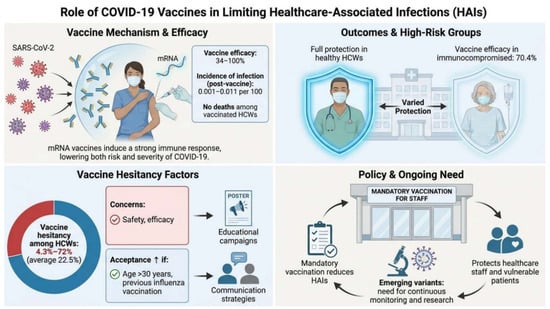
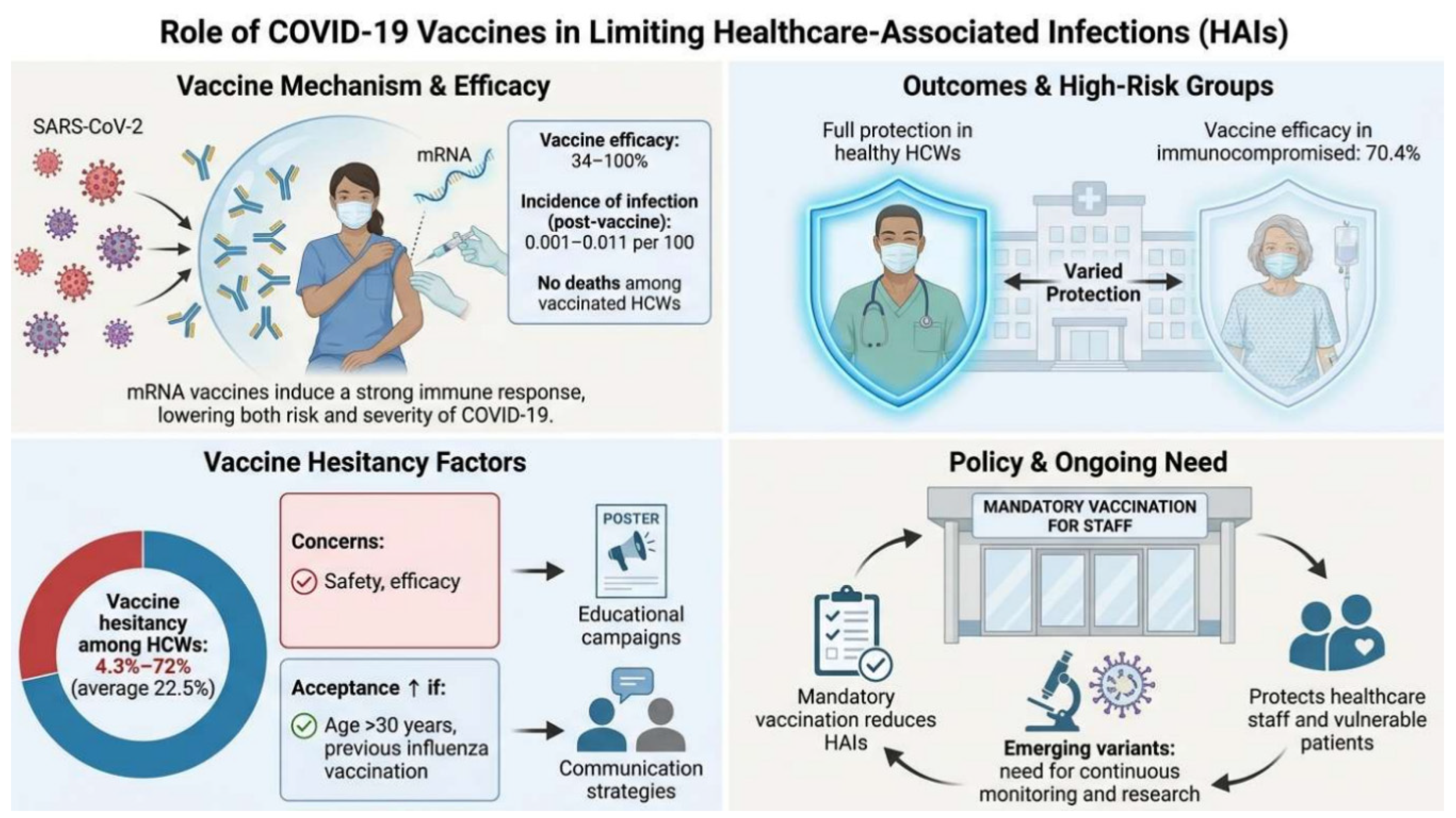
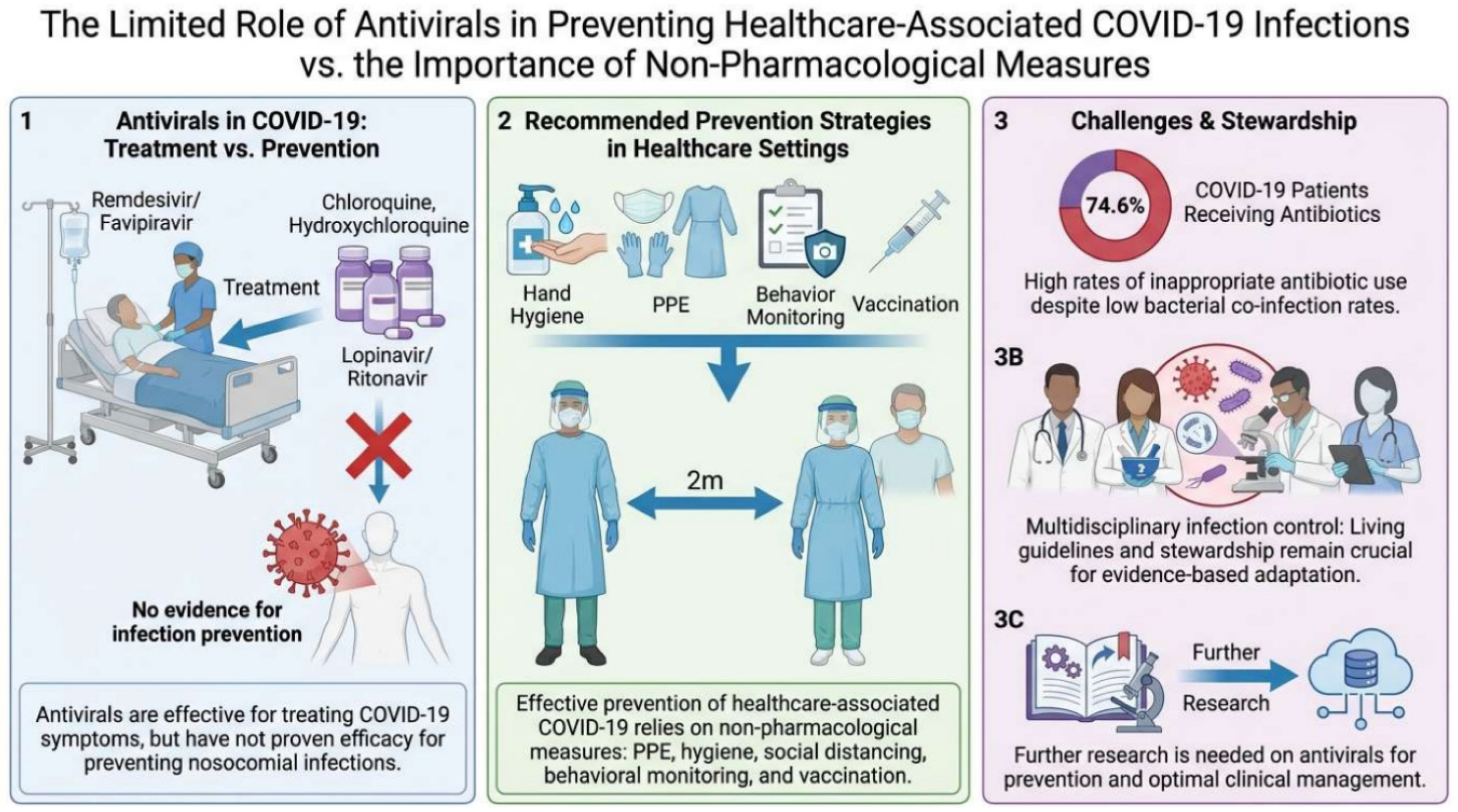
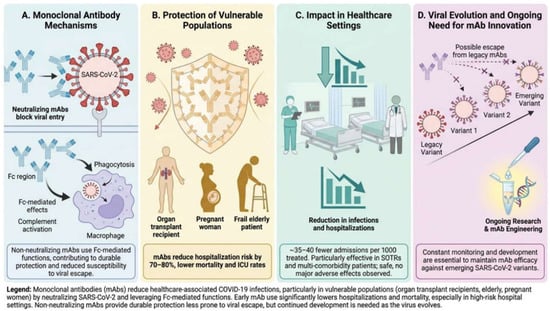
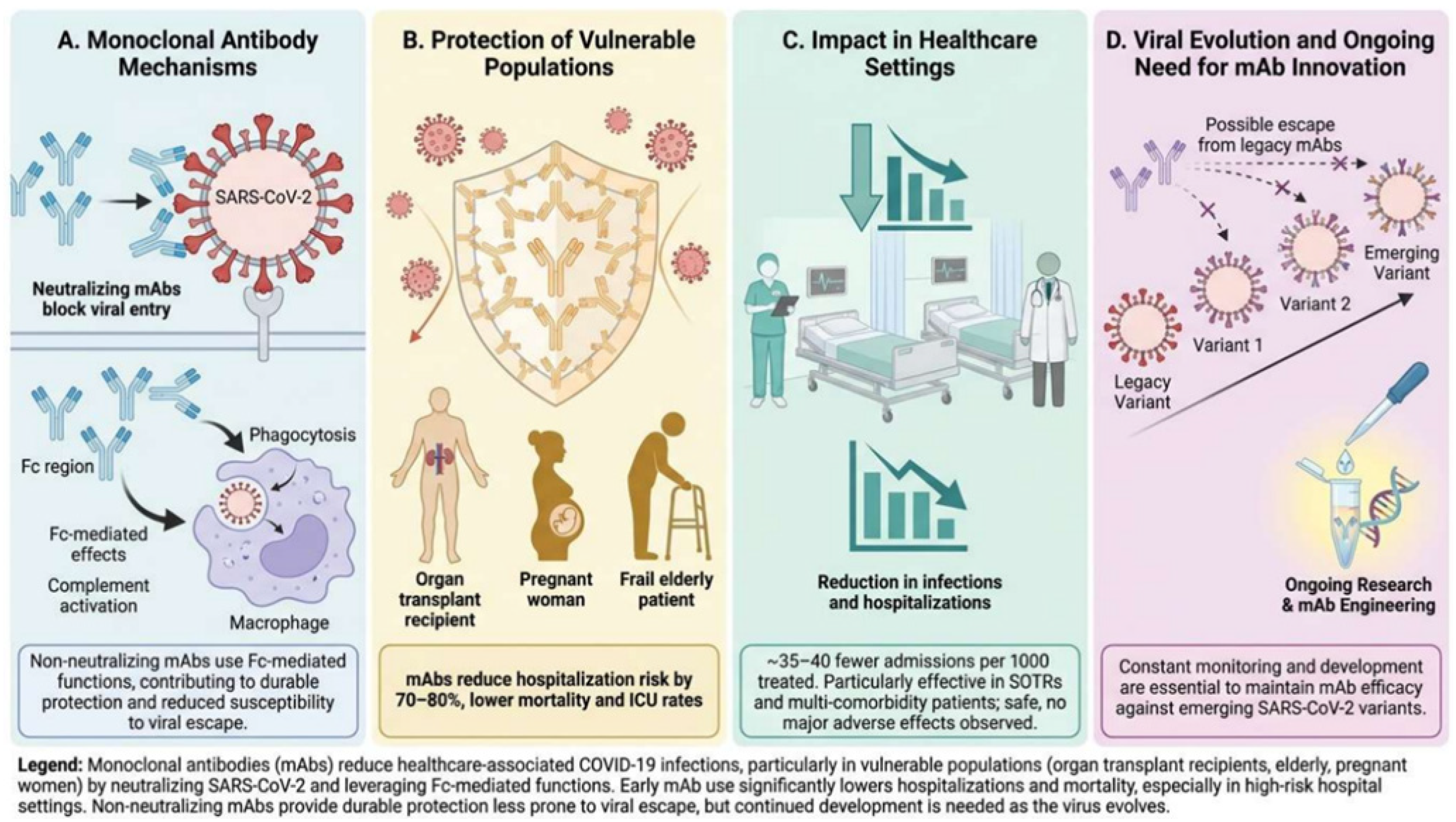
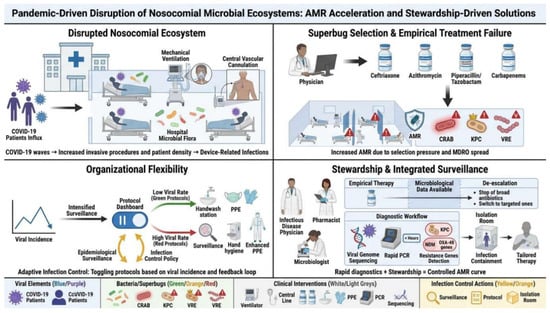
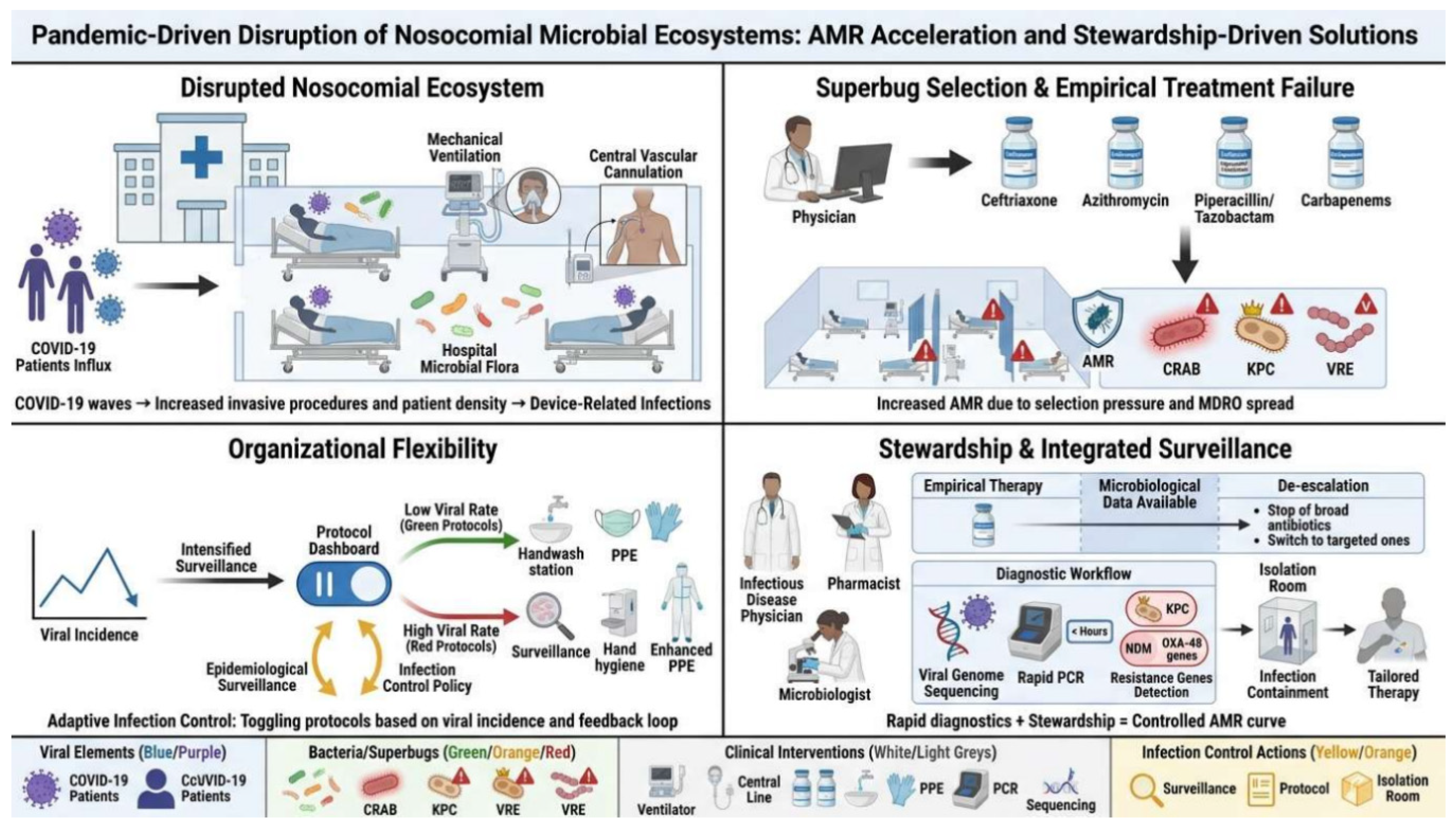

Disclaimer/Publisher’s Note: The statements, opinions and data contained in all publications are solely those of the individual author(s) and contributor(s) and not of MDPI and/or the editor(s). MDPI and/or the editor(s) disclaim responsibility for any injury to people or property resulting from any ideas, methods, instructions or products referred to in the content. |
© 2026 by the authors. Licensee MDPI, Basel, Switzerland. This article is an open access article distributed under the terms and conditions of the Creative Commons Attribution (CC BY) license.