


Abstract
Irritable bowel syndrome is a disorder of gut–brain interaction characterized by recurrent abdominal pain and altered bowel habits. Interactions among intestinal microorganisms and their metabolites, the epithelial barrier, mucosal immunity, and gut–brain signaling provide important insights into the heterogeneity of this condition. Engineered micro- and nanoscale carriers may improve the stability of orally administered bioactive agents and facilitate local intestinal delivery while modulating relevant pathological processes through protection of viable microorganisms, delivery of microbial metabolites, or direct regulation of host cells. This review examines major mechanisms underlying microbiota–immune interactions and summarizes advances in colon-targeted delivery, protective carriers for probiotics, plant-derived vesicle-like preparations, and microalgae-based hybrid systems. We further discuss the biological characteristics of different clinical subtypes and key translational challenges, including safety, quality control, and rigorous verification of therapeutic efficacy. In particular, evidence from direct irritable bowel syndrome studies is distinguished from findings in symptom-based models, other disease models, and fundamental mechanistic experiments.
1. Introduction
Irritable bowel syndrome (IBS) is a disorder of gut–brain interaction characterized by recurrent abdominal pain associated with changes in stool frequency or form [1]. The Rome Foundation Global Epidemiology Study demonstrated that prevalence estimates depend strongly on diagnostic criteria and survey methodology; the estimated worldwide prevalence in an internet-based survey using Rome IV criteria was approximately 4% [1]. Dietary patterns, psychosocial factors, altered visceral sensation, and microbiota-associated changes all contribute to symptom generation, although their relative importance varies substantially among individuals [2,3]. Based on predominant bowel habits, IBS is classified as diarrhea-predominant irritable bowel syndrome (IBS-D), constipation-predominant irritable bowel syndrome (IBS-C), mixed irritable bowel syndrome (IBS-M), or unclassified irritable bowel syndrome; these clinical categories do not imply stable, mutually exclusive microbiological signatures [4]. In this review, “microbiota” denotes the intestinal microorganisms, whereas “microbiome” encompasses their collective genomic and functional context. Meta-analyses have identified differences in microbial composition and fecal short-chain fatty acid (SCFA) profiles between patients and healthy controls, although the direction of these differences varies with population characteristics and analytical methods [5,6]. Mucosal immune activation and epithelial barrier abnormalities in subsets of patients provide a pathophysiological rationale for exploring local interventions directed at microbiota–host interactions [7]. A multinational observational study also found associations of dietary patterns with Rome IV-defined IBS prevalence and symptom severity [3]. Given the potential bidirectional relationships among diet, medication exposure, and microbial metabolism, however, these associations should not be interpreted as evidence that a particular dietary pattern is therapeutically effective.
Microbiome-directed therapies face several barriers, including inactivation of bioactive components in the upper gastrointestinal tract, inadequate exposure at the colonic site of action, and substantial patient heterogeneity [8]. Aptamer-functionalized chitosan–chlorogenic acid-derived nanoparticles have shown antioxidant and microbiota-associated effects in mice with IBS-D [9]. Tea-derived exosome-like nanoparticles have modified barrier function and corticotropin-releasing hormone-associated responses in a water-avoidance stress rat model [10]. Spirulina-based hybrid platforms have been investigated for oral drug delivery and microbiota modulation [11,12], whereas Janus nanoclay microgels have been used to protect Pediococcus pentosaceus Li05 and improve disease-related phenotypes in animal models [13]. Endosomal protease-activated receptor 2 (PAR2)-targeted nanomedicines have also been investigated, although the supporting evidence comes primarily from preclinical visceral pain models rather than patients with IBS [14]. Together, these studies provide evidence for distinct sites of initial action but should not be collectively described as validated anti-inflammatory treatments for human IBS. We therefore examine critical quality attributes and intestinal exposure, initial microbial or host–cell effects, downstream barrier and immune responses, and ultimately symptom-relevant outcomes. Distinguishing direct IBS evidence from symptom-based, other-disease, and basic mechanistic studies enables a more balanced assessment of mechanistic confidence and translational readiness.
2. Molecular Networks Underlying Microbiota–Immune Interactions in IBS
Changes in the gut microbiota and host immune responses are bidirectionally linked in IBS. Major bacterial phyla include Bacillota (formerly Firmicutes), Bacteroidota (formerly Bacteroidetes), Actinomycetota (formerly Actinobacteria), Pseudomonadota (formerly Proteobacteria), and Verrucomicrobiota. Their metabolic interactions and colonization resistance—the ability of an established community, supported by host barriers, to impede newcomer establishment—contribute to mucosal homeostasis [15,16]. Microbial metabolites can influence epithelial cells, innate immune cells, and the enteric nervous system; conversely, mucosal inflammation, increased permeability, and altered motility can reshape local microbial habitats [15,16]. SCFA-dependent epigenetic and receptor-mediated signaling, innate recognition of microbial components, and mast cell-associated neuronal sensitization represent distinct, interconnected processes. Community composition, genomic potential, metabolic activity, and measured metabolite levels are distinct features; stool relative abundance alone cannot establish mucosal function or causal direction. In particular, nutrient and spatial competition and inhibitory microbial products are general ecological explanations for colonization resistance, not evidence of a consistent IBS-specific defect. A unidirectional account in which dysbiosis simply causes inflammation cannot adequately explain interindividual variation. Accordingly, nanocarrier effects should be interpreted in relation to their primary contact sites, cargo-release profiles, and host tissue responses. Previous reviews have emphasized links between the microbiota, gastrointestinal motility, epithelial function, and mucosal immunity, while highlighting the heterogeneity of patients and limitations of longitudinal intervention evidence [17]. Initial sites of action differ by material composition and cargo properties. Protective microgels and microalgae hybrids primarily affect microbial survival, local residence, and metabolite exposure, with possible downstream epithelial and immune consequences. Antioxidant nanoparticles, plant-derived vesicles, and receptor-targeted formulations, by contrast, may act directly on epithelial, immune, or sensory neuronal signaling. Concurrent changes in microbial and inflammatory readouts therefore do not establish causal direction; temporal measurements and appropriate mechanistic controls remain necessary. The principal conceptual interactions are summarized in Figure 1.
Figure 1.
Conceptual framework of the microbiota–epithelial barrier–immune–neural network implicated in irritable bowel syndrome. The schematic depicts bidirectional interactions between the intestinal microbial community and host mucosal compartments, including the mucus layer, epithelial cells, resident immune populations, and sensory or enteric neural pathways. Microorganisms and their metabolites can influence epithelial transport and barrier function, while microbial structural components and proteolytic activity may engage innate immune receptors and peripheral sensory mechanisms. In turn, altered mucosal conditions, secretion, transit, inflammation, and stress-related neuroendocrine signaling may modify the ecological environment experienced by intestinal microorganisms. SCFAs and biogenic amines represent examples of microbial products with cell- and context-dependent biological effects; they are not presented as uniformly protective or pathogenic. The diagram also emphasizes that barrier changes, immune cell activation, and visceral hypersensitivity may coexist without establishing an obligatory causal sequence. Relationships indicated by arrows should therefore be interpreted as candidate signaling connections supported by different levels of experimental or clinical evidence, rather than as a universally validated pathway in all patients or clinical subtypes. This overview is intended to guide the selection of temporally resolved measurements and appropriate mechanistic controls in future studies. The schematic is conceptual and does not convey quantitative effect sizes or clinical efficacy. Figure source: Original artwork designed and prepared by the authors Created in BioRender. 猴子, 小. (2026) https://BioRender.com/brk9a00.
2.1. Microbial and Metabolic Dysregulation, Immune Signaling, and IBS
Gut microbial alterations may contribute to immune and metabolic disturbances in IBS. Integrated multicenter amplicon-sequencing analyses have found population-level taxonomic differences, but relative abundance should not be equated with absolute viable counts or expressed microbial function; results also vary with geography, diet, transit, sampling, and analytical procedures [18,19]. In IBS-D, enrichment of Ruminococcus gnavus has been linked to altered amine metabolism and serotonin biosynthesis [20]. SCFAs connect microbial metabolism with host immunity. Experimental studies have shown that butyrate promotes colonic regulatory T-cell differentiation [21], while microbially derived SCFAs can influence epithelial chromatin modifications and gene regulation by modifying histone decrotonylase-associated activity [22]. These investigations involved different cellular contexts and endpoints and do not establish equivalent therapeutic effects in patients with IBS. Butyrate’s actions are dose-, cell-, and disease-context dependent: animal experiments suggest that it can promote visceral hypersensitivity under particular conditions through mast cell–neuronal pathways, while clinical associations between fecal SCFA concentrations and symptoms remain inconsistent [23,24]. The so-called butyrate paradox is therefore best understood as context-dependent immunometabolic activity, rather than as evidence for an unvalidated universal beneficial or harmful concentration threshold. SCFAs are generated primarily through microbial fermentation of dietary substrates, and fecal concentrations reflect production, absorption, transport, and substrate availability; they cannot directly establish the production capacity of a particular taxon [25]. Immune regulation mediated by G protein-coupled receptor 109A and free fatty acid receptor 2 has experimental support in non-IBS inflammatory intestinal models [26,27], but these findings do not establish receptor-dependent therapeutic effects across IBS populations. Combining ketogenic-diet mouse metagenomics with in vitro substrate-culture experiments, Tang and colleagues found that changes in bacterial growth rates did not always parallel changes in relative abundance [28]. This observation illustrates the importance of distinguishing community structure from metabolic activity when interpreting diet-associated microbial changes; the study did not assess IBS treatment.
Mucosal antigen exposure and microbial metabolites may shape regulatory T-cell and T helper 17-associated responses. In this context, interleukin-10 and transforming growth factor beta contribute to regulatory signaling, whereas interleukin-1β, interleukin-6, interleukin-17, interleukin-22, and tumor necrosis factor alpha participate in context-dependent inflammatory or epithelial-defense responses. Changes in individual mediators nevertheless do not establish a uniform immune-polarization pattern in IBS. Studies in postinfectious IBS and selected IBS-D cohorts have reported alterations in T-cell-associated inflammatory features, but their direction and magnitude have not been consistent across cohorts [29,30]. Berg and colleagues identified changes in several inflammatory markers in intestinal mucosal samples, suggesting that IBS-associated immune abnormalities cannot be reduced to a single T-cell subset [7]. Microbial amines, bile acids, and 5-hydroxytryptamine (serotonin) may also connect enterochromaffin cells, local immunity, and sensory afferents [20,31]. T-cell shifts must therefore be interpreted in relation to the population studied, mucosal sampling site, and experimental outcome, rather than assumed to represent a universal pathogenic pathway. SCFA-mediated immune effects are also cell-type dependent. Basic studies have shown effects on the memory-forming potential of antigen-activated cluster of differentiation 8-positive T cells [32], whereas separate experiments have established physiological links between gut microorganisms, their metabolites, and enterochromaffin-cell serotonin production [33,34]. These findings concern adaptive immunity and neuroendocrine regulation, respectively, and cannot be merged into a single IBS subtype-specific pathway without direct patient evidence. The pathophysiological significance of individual immune mechanisms must be anchored to measured endpoints. Human mucosal studies have linked the proximity of mast cells to nerve endings with abdominal pain, implicating the neuroimmune interface in symptom expression [35,36]. Toll-like receptor 4 and nuclear factor kappa B participate in microbial sensing and inflammatory signal amplification. Evidence concerning the NLR family pyrin domain-containing 3 inflammasome and macrophage-related alterations remains drawn largely from restricted disease models and cross-disease extrapolation; neither should be considered a proven common pathogenic mechanism in all patients with IBS [37,38]. PAR2-dependent sensory neuronal activation provides experimental support for a connection between microbial proteases and visceral nociception [39]. The coexistence of these mechanisms neither establishes equivalent clinical relevance nor demonstrates efficacy for nanomedicines directed against them. Microbiota–gut hormone and bile acid–microbial interactions can additionally influence secretion, motility, and visceral sensation, and their relevance in IBS requires integrated measurements of metabolites, clinical subtype, and physiological function [40,41].
2.2. Epithelial Barrier Disruption and Inflammatory Feedback
The intestinal epithelial barrier comprises the mucus layer, epithelial cells, and mucosal immune components. Peyer’s patches and lamina propria immune compartments contain antigen-presenting dendritic cells, phagocytic macrophages, innate lymphoid cells, regulatory and effector T cells, and B cells or plasma cells. Secretory immunoglobulin A contributes to luminal immune exclusion and mucosal homeostasis, whereas immunoglobulin G is a distinct antibody class whose role depends on the tissue and inflammatory setting [42]. Food antigens contribute to the establishment of mucosal immune tolerance, and subsets of activated mucosal lymphocytes can migrate through lymphatic and systemic circulation to related mucosal sites. Altered tight-junction protein abundance or junctional localization and increased intestinal permeability have been observed in some patients with IBS, although their magnitude and distribution are heterogeneous [43,44]. These observations require distinction among tight-junction messenger ribonucleic acid levels, protein abundance or localization, and functional permeability measurements, which assess different aspects of the barrier. Proposed mechanisms include inadequate SCFA-dependent epithelial energy supply, lipopolysaccharide–Toll-like receptor 4–myeloid differentiation primary response 88–myosin light-chain kinase signaling, and enzyme activities associated with mucus-degrading bacteria [45,46]. Increased barrier permeability may facilitate exposure of mucosal immune cells to microbial products, potentially enhancing nuclear factor kappa B-related signaling and cytokine release [37,46]. Such processes could establish a self-reinforcing barrier–inflammation loop, but current evidence does not support a universal or fixed causal sequence in IBS. Experimental studies demonstrate that lipopolysaccharide can modify epithelial tight-junction permeability via Toll-like receptor 4-dependent pathways; separate investigations of diet-associated visceral pain have linked fermentable carbohydrates, endotoxin, barrier changes, and visceral sensation under conditions that do not fully reproduce typical clinical IBS [47,48]. The metabolism of mucus substrates is species- and enzyme-specific. Identification of a sialic acid-utilization pathway in R. gnavus provides mechanistic context for microbial adaptation to mucus, but does not show that this organism damages the barrier in every patient with IBS [49]. Innate immune cells may contribute to barrier–immune cross-talk. Human studies support low-grade mucosal immune activation and mast cell-related alterations in some patients, whereas the specific contributions of macrophage polarization and NLR family pyrin domain-containing 3 require clear separation of direct IBS findings from postinfectious, postinflammatory, and other intestinal disease models [7,35,38]. Proximity of mast cells to mucosal nerve endings and release of their mediators have been associated with abdominal pain and permeability abnormalities [35,36]. In an acute microbiota-perturbation model, Baker and colleagues further showed that protease activity can increase sensory neuron excitability and visceral hypersensitivity through a PAR2-related mechanism [39]. Collectively, these findings support functional links among the barrier, immune cells, and sensory nerves, while differences between animal models and patient subsets limit generalizability.
2.3. Neuroimmune Communication Along the Gut–Brain Axis
Psychological stress may modulate IBS symptoms through neuroendocrine, immune, and microbial metabolic pathways [50,51]. Experimental evidence indicates that corticotropin-releasing hormone and its receptor 1 can affect colonic epithelial mitochondrial activity and the local oxygen environment, thereby modifying microbial ecology [52]. Links between early-life microbiota disruption and subsequent stress responses derive mainly from animal studies [53]. Vagal signaling, inflammatory mediators, and microbial metabolites constitute potential peripheral-to-central communication pathways [54]. Because these studies address distinct signaling levels, tissue localization and temporal sequence are essential variables in mechanistic investigation. The intestinal neuroimmune interface may be particularly relevant to abdominal pain. In patients, the proximity of activated mast cells to nerve fibers has been associated with pain severity [36], while mast cell mediators and proteases can engage peripheral sensory endings and facilitate nociceptive transmission [39]. Stress-related corticotropin-releasing hormone signaling predominantly involves neuroendocrine and epithelial barrier responses, which are anatomically and functionally distinct from PAR2-dependent peripheral nociception [52]. This distinction matters when interpreting tea-derived nanoparticles and endosomal PAR2-targeted nanomedicines: both may influence visceral sensitivity, but they differ in cargo, cellular sites of action, and testable biological mechanisms. Neuropeptides contribute to signaling among neurons, immune cells, and microorganisms, with effects that depend strongly on peptide identity and experimental context [55]. Basic studies have described intestinal group 3 innate lymphoid cells patrolling during inflammation and feeding-dependent neuronal regulation of group 3 innate lymphoid cells and epithelial barrier function [56,57]. A vasoactive intestinal peptide neuron–group 3 innate lymphoid cell circuit further suggests a link between nutritional state and mucosal immunity [58]. These findings identify testable neuroimmune nodes, but their contribution and therapeutic tractability in human IBS remain to be established. Because microbiota composition, microbial activity, and mucosal inflammation are reciprocally related, causal ordering rarely follows from single-time-point sampling. Nanodelivery studies should therefore jointly evaluate microbial function, local cargo exposure, barrier integrity, and neuroimmune outcomes, using unloaded-carrier and free-cargo controls to distinguish material effects from cargo-specific and interactive effects.
3. Micro- and Nanoscale Delivery Strategies Targeting Microbiota–Immune Pathways
On the basis of primary engineering objectives and initial sites of action, relevant approaches can be grouped into colon-localized delivery, protective delivery of viable microorganisms, naturally derived nanoparticles and postbiotic delivery, and microalgae-based hybrids. This classification reflects distinct platform designs, not equivalent levels of evidence [59]. Preclinical IBS-related studies have explored targeted delivery, probiotic protection, and microalgae composites [9,12,13]. The complete carrier must be distinguished from its nanoscale constituents: probiotic microgels and algae-based hybrids are not necessarily nanoparticles merely because they contain nanoclay or a nanocarrier. In the absence of source-verified numerical dimensions, the size of an intact formulation should not be asserted. Some nanoparticles enter cells by endocytosis, whereas carriers intended for luminal release or probiotic protection do not necessarily require cellular uptake. Representative platforms, proposed targets, immune-related outcomes, and stages of validation are compared in Table 1. The corresponding micro- and nanoscale delivery strategies are illustrated in Figure 2.
Table 1.
Representative studies of micro- and nanoscale modulation of microbiota–immune interactions in IBS.
Figure 2.
Schematic overview of micro- and nanoscale delivery strategies for investigating and modulating microbiota–host interactions in irritable bowel syndrome. Four complementary engineering approaches are illustrated: local delivery within the colon, encapsulation and protection of viable probiotic strains, delivery of naturally derived bioactive nanoparticles or postbiotic components, and hybrid platforms that combine microalgae-derived structures with nanoscale delivery modules. These approaches differ in their initial sites of action and intended formulation functions. Colon-directed carriers principally seek to enhance local exposure and modulate cargo release, whereas protective microgels aim to maintain microbial viability during gastrointestinal transit. Natural particles may act through epithelial or immune-cell interactions, and microalgae hybrids may couple mucosal contact and retention with payload delivery and microbiome-related activity. Potential downstream outcomes include changes in microbial metabolic function, mucosal barrier indices, immune signaling, and visceral sensitivity. Importantly, simultaneous changes in these endpoints do not establish which component initiates the biological response. The figure therefore distinguishes delivery properties from host outcomes and emphasizes the need for controls comprising free cargo, unloaded carriers, component-only formulations, and complete systems. Examples shown reflect technologies investigated at different experimental stages and should not be interpreted as clinically interchangeable or as having demonstrated efficacy in patients with irritable bowel syndrome. This is a mechanistic overview rather than a quantitative comparison of formulations. Figure source: Original artwork designed and prepared by the authors Created in BioRender. 猴子, 小. (2026) https://BioRender.com/ugjlggz.
3.1. Colon-Targeted Delivery and Microbiota–Immune Regulation
Colon-targeted delivery is a major objective in oral nanomedicine, but it must be distinguished from oral approaches that cross the intestinal epithelium and target extraintestinal tissues: transport mechanisms supporting systemic distribution do not demonstrate localization within the colonic lumen [60,61]. pH-responsive polymers such as Eudragit may delay cargo release by exploiting regional gastrointestinal pH differences, but interindividual variability in pH, transit time, and disease state can affect actual targeting [62,63]. Polymer interfacial properties, particle size, surface charge, and biomolecular coronas formed in gastrointestinal fluids influence mucus diffusion, retention, and cellular uptake [64,65]. An oral-insulin study of a particular chitosan nanoparticle formulation found transient tight-junction opening without a concurrent increase in lipopolysaccharide absorption in the experimental model; this formulation-specific finding should not be generalized to imply that all chitosan carriers are free of barrier-related safety risks [66]. Li and colleagues reported inflammatory-site accumulation, reactive oxygen species scavenging, altered inflammatory markers, and microbiota-associated effects of Apt-CS@CHA CNs in mice with IBS-D [9]. Eudragit-coated poly(lactic-co-glycolic acid) nanoparticles have also been investigated to improve release or bioavailability, but those studies do not provide direct evidence of therapeutic colon targeting in IBS [67]. Given differences in materials, models, and assays, no universal optimal particle size, polyethylene glycol surface density, or release profile can currently be specified; engineering parameters require formulation- and indication-specific optimization. Physiological variability and gastrointestinal transit influence in vivo performance, and in vitro release alone does not adequately predict human colonic exposure [61]. Biomolecular coronas may dynamically alter particle interfaces, mucus interactions, and cell uptake, underscoring the need for measurements under relevant physiological conditions [65]. Nanomaterials may additionally serve as analytical tools for microbial metabolite detection. A review of graphene quantum dot-based biosensors summarized molecular recognition and signal transduction methods [68], but this analytical application is distinct from therapeutic delivery. Translation to IBS research would require assessment of matrix interference in complex stool samples, assay reproducibility, and incremental value over established methods.
3.2. Protective Delivery of Viable Probiotics and Immune Effects
Effective intestinal exposure to live biotherapeutics is constrained by gastric acid, bile salts, digestive enzymes, and host colonization resistance; survival depends substantially on the strain and formulation [8]. Polysaccharide-, protein-, and composite microgels can physically shield bacteria from gastrointestinal stress while modifying their residence near the mucosal surface [69]. Wu and colleagues used Janus nanoclay microgels to deliver Pediococcus pentosaceus Li05 and observed improvements in diarrhea-related phenotypes, inflammatory markers, and barrier-associated indices in an IBS-D rat model [13]. Because carriers such as montmorillonite can themselves adsorb luminal molecules, observed effects may arise from both increased bacterial exposure and intrinsic carrier activity. Free bacteria, unloaded carriers, and complete formulations should therefore be compared, and bacterial survival should be reported separately from host symptom outcomes. The processing stability and gastrointestinal protective effects of protein- and polysaccharide-based microcapsules have been comprehensively reviewed [70], yet viability is a formulation-performance measure rather than a direct indicator of reduced abdominal pain or normalized bowel habits. Clinical network meta-analysis has similarly highlighted substantial differences among probiotics, prebiotics, synbiotics, and fecal microbiota transplantation in product composition and study design [71]. The incremental benefit of a protective nanoplatform should be established using the same strain and dosing conditions across free-bacteria, carrier-only, and combined-treatment groups. A tiered evaluation should address viability during manufacturing and storage, survival in simulated gastrointestinal environments, in vivo local exposure and functional activity, and validated symptom-related animal or patient outcomes. For formulations containing adsorptive clays, these controls are especially important to avoid attributing carrier-specific effects solely to the microorganisms.
3.3. Immunomodulation by Postbiotics and Natural Nanoparticles
Postbiotics and naturally derived nanoparticles may deliver microbial metabolites or plant-derived bioactive components without requiring persistent colonization by live organisms. Gong and colleagues reported that tea-derived vesicle-like particles (termed “exosome-like nanoparticles” in the original study) with mean diameters of 165–168 nm reduced visceral hypersensitivity and modified barrier- and corticotropin-releasing hormone/receptor 1-associated measures in a water-avoidance stress rat model [10]. Where membrane enclosure is verified, vesicle-like preparations differ structurally from solid particles; the source label alone does not establish exosomal biogenesis, and the reported diameters have broad distributions. These outcomes remain specific to a stress-associated preclinical model. Unlike these preclinical vesicle preparations, a combined microencapsulated-butyrate, probiotic, and short-chain-fructooligosaccharide formulation has been evaluated in patients with IBS, with improvement in selected symptoms [72]; the combined intervention does not permit the clinical effect to be attributed exclusively to butyrate or to a nanoscale delivery mechanism. Evidence for other naturally derived nanocarriers remains predominantly preclinical: ginger-derived nanoparticles have shown macrophage uptake and anti-inflammatory activity in murine colitis [73], whereas Santonocito and colleagues described probiotic-associated changes in circulating nanovesicle signaling [74]. Microbial proteases can activate host PAR2 and contribute to intestinal pain and inflammation [75]. An independent study delivered AZ3451 to cellular endosomes using nanocarriers and achieved prolonged analgesic effects in preclinical models related to inflammatory intestinal disease [14]. These studies support protease–PAR2 nociceptive biology and endosomal inhibition, not proven nanoparticle efficacy in patients with IBS. Regarding clinical microencapsulation evidence, a separate randomized trial involving 66 patients reported that adjunctive microencapsulated sodium butyrate reduced selected symptom frequencies but had limited effects on overall severity [76]. In the 120-patient randomized, double-blind, placebo-controlled trial of the combined butyrate formulation, some global improvement measures favored treatment, whereas IBS symptom severity and quality-of-life differences were not consistently demonstrated [72]. Although these trials provide preliminary clinical evidence for microencapsulation approaches, differences in cargo and concomitant interventions prevent attribution of independent carrier effects. They do not replace efficacy studies of plant-derived nanoparticles or PAR2-targeted nanomedicines. Direct IBS clinical evidence concerning delivery formulations currently derives principally from microencapsulated butyrate, not established nanoparticle-targeted therapies.
3.4. Microalgae-Based Hybrid Systems: Intestinal Retention, Cargo Delivery, and Microbial Functional Remodeling
Microalgae-based hybrids do more than attach nanoscale drugs to algal cells: they exploit algal morphology, surface interfaces, and mucosal contact to redistribute orally administered formulations within the intestine. Their effects may be divided into three components: physical influences of the algal scaffold on intestinal transit and residence, stabilization and release control by the nanoparticle carrier, and biological responses to the alga or cargo. These components require different causal tests; endpoint microbiota differences alone do not establish an intrinsic prebiotic effect of microalgae [11,12]. Ye and colleagues developed a Spirulina–lipid nanosystem to improve oral delivery of poorly soluble agents such as tanshinone IIA and reported pharmacokinetic and symptom-related improvements in an IBS-D-associated preclinical model [11]. Thus, SP@TIIAn is supported by evidence concerning both delivery performance and animal phenotypes, but exposure–response studies are required to link them. Future experiments should compare free drug, unloaded algae, nanoparticles without algae, and the complete hybrid, with separate quantification of cargo stability, release location, local exposure, and symptom outcomes. The SP@MYnn platform instead emphasizes local contact with intestinal villi and multistage microbiome modulation. An IBS-D mouse study reported changes in microbial composition, SCFA-associated indices, and gut–brain-related phenotypes, and used free fatty acid receptor 2 gene-knockout experiments to examine receptor involvement [12]. Compared with endpoint correlations, receptor deletion strengthens the evidence for downstream signaling necessity; however, it does not independently disentangle physical retention, microbial metabolism, and direct host responses as initial mechanisms. Time-course and functional-blockade experiments could better define causal ordering and mediation. Unlike protective microgels principally designed to increase bacterial survival, microalgae hybrids integrate structural localization with cargo delivery. Their targeting mechanism also differs from pH-triggered formulations. Algal size and morphology, processing parameters, and lipid coating composition may affect mucosal attachment, detachment, and elimination. Spatial distribution, time-dependent residence, cargo release, and mucosal responses to repeated dosing should therefore be quantified, accounting for variability in gastrointestinal transit [62,65]. Translational quality control must consider algal strain provenance, cultivation and purification, impurities, loading uniformity, storage stability, degradation, and clearance. Effects on mucosal tissue and microbial function after repeated administration also require evaluation. Existing SP@TIIAn and SP@MYnn studies emphasize drug exposure–animal phenotype relationships and microbial metabolism–receptor mechanisms, respectively; the evidence should not be treated as interchangeable [11,12]. The central future objective is to demonstrate that each added functional module confers a reproducible and attributable therapeutic benefit.
4. Microbiota–Immune Features of IBS Subtypes and Differentiated Interventions
Although IBS bowel-habit subtypes are clinically distinguishable, no sufficiently specific and reproducible microbiota–immune molecular signatures have been established across independent cohorts. Research in IBS-D has focused on biogenic amines, serotonin, bile acids, and mucosal immunity; IBS-C studies have examined methanogenesis and transit; and IBS-M research has emphasized temporal changes in symptoms and metabolism. These observations generate stratification hypotheses rather than common causal mechanisms specific to each subtype. Microbial findings are sensitive to diet, cohort composition, and detection platform [77]. Stool-pattern classification remains clinically useful but incompletely captures heterogeneity in pain, food-related symptoms, psychosocial factors, and microbial metabolism. High-dimensional clustering of a large IBS cohort identified patient groups distinguished by combinations of symptomatic and nonsymptomatic variables [78], whereas a systematic review showed that cluster solutions depend on variable selection, study population, and statistical methods [79]. Tap and colleagues identified fecal microbial signatures associated with overall symptom severity but did not establish a universal causal role for methane in IBS-C [80]. These studies support more comprehensive clinical phenotyping without yet validating universal microbiological subtypes or their use in nanomedicine selection. In 2944 Chinese adults, Fu and colleagues identified 130 ecological guilds through microbial co-abundance networks and demonstrated differences between guild-based and genus-level disease-associated analyses [81]. Although that study examined ecological organization and metabolic disease rather than IBS, it suggests that genus-level relative abundance alone may overlook cooperative community relationships. Interpretations of subtype-associated microbiota changes should therefore integrate compositional and functional measurements. Candidate features and corresponding research directions are summarized in Table 2.
Table 2.
Candidate microbiota–immune features and potential micro- and nanoscale delivery strategies across IBS subtypes.
4.1. IBS-D: Candidate Microbiota–Serotonin–Inflammation Networks
Studies of IBS-D provide multiple microbial, metabolic, and immune observations that can inform mechanistic integration. Zhai and colleagues found that Ruminococcus gnavus can generate tryptamine and phenethylamine through tryptophan and phenylalanine metabolism, promoting serotonin biosynthesis in enterochromaffin cells through a trace amine-associated receptor 1-related mechanism and altering intestinal function in experimental models [20]. This pathway has not been established as a universal cause of IBS-D. Bile acid–G protein-coupled bile acid receptor 1 signaling may likewise influence serotonin release, motility, and sensory neuron sensitivity [85,86]. These findings nominate serotonin-associated, inflammatory, and PAR2-mediated nociceptive pathways as potential intervention targets, but their supporting evidence differs in maturity. Apt-CS@CHA CNs and Janus microgels have been evaluated in IBS-D animal models, whereas endosomal PAR2-directed nanoparticles have demonstrated more sustained preclinical analgesia, largely in models related to inflammatory bowel disease rather than human IBS [14]. Serotonin receptors and adenosine A2A receptor signaling have pharmacological or immunological support [30,90], but their incorporation into nanodelivery systems remains primarily a mechanism-driven proposal. Because animal models reproduce only selected aspects of IBS, the clinical value of multitarget treatment requires independent evaluation. Serotonin regulates secretion, motility, and visceral sensation, but receptor subtypes have different tissue distributions and pharmacological effects [91]. Consequently, changes in serotonin synthesis must be interpreted alongside receptor identity, anatomical localization, and functional measurements. Pediatric microbiome studies have examined whether microbial signatures complement symptoms in identifying and stratifying patients, but observations in children cannot be directly extrapolated to adults [92]. Adult multi-omics studies further reveal complex relationships among microbial composition, functional potential, metabolites, and bowel-habit subtype [93]. Accordingly, target selection in IBS-D should integrate symptoms with measures such as bile acid and tryptamine metabolism rather than rely on the relative abundance of any single genus.
4.2. IBS-C: Methanogenic Activity and Intestinal Motility
Elevated breath methane is observed in a subset of patients with constipation-predominant IBS. Experimental small-intestinal methane perfusion and human motility studies suggest that methane exposure may affect small-bowel transit and contractile activity [82]. This does not imply that methanogenesis is increased in every patient with IBS-C, nor can small-bowel experiments substitute for direct evidence concerning colonic transit or treatment response. Methanogenic archaea participate in complex metabolic networks with other members of the gut microbiota, and genus-level relative abundance cannot replace direct functional measurements. Compared with IBS-D, there is little direct evidence for nanodelivery strategies in IBS-C. The potential adaptation of colon-targeted formulations or interventions addressing microbial metabolism should therefore be presented as a research direction, not an established subtype-specific treatment. Breath methane, transit time, stool frequency, and bloating represent distinct dimensions of microbial metabolism, physiology, and patient experience and should be measured separately. Microbiome-based machine-learning models may identify features associated with disease classification [94], but classification accuracy does not establish predictive value for treatment benefit. Candidate nanomaterial approaches require prospective studies with clinically relevant symptom and motility endpoints.
4.3. IBS-M: Symptom Fluctuation and Metabolic Heterogeneity
IBS-M is characterized by alternating diarrhea and constipation over time; a single stool sample may therefore fail to represent an individual’s changing microbial and metabolic state. Through host and microbial pathways, tryptophan contributes to serotonin, kynurenine, and indole metabolism, producing compounds with diverse effects on neuronal, epithelial, and immune processes [95]. Associations between tryptophan-related metabolites and IBS symptoms have been reported, but these findings should not be described as molecular signatures unique to IBS-M [87,88]. Longitudinal observations of host–microbial metabolic changes underscore the importance of within-person dynamics and coexisting symptom burdens, rather than one-time microbial profiles. Longitudinal multi-omics research has identified time-varying host–microbiota functional associations in subsets of patients with IBS [83]. These findings support repeated sampling matched to symptomatic phases, but current predictive performance is insufficient for allocating treatment. Future IBS-M studies should synchronize sample collection with symptom states, standardize metabolite quantification, record dietary exposures, and control analytical batch effects. Repeated measurement can distinguish biological variability from measurement error without presupposing that a particular tryptophan-metabolism profile is suitable for clinical prescribing.
5. Clinical Translation: Opportunities and Challenges
Micro- and nanoscale delivery platforms offer means to improve local exposure, preserve the activity of viable microorganisms, or modulate host signaling, providing a technological basis for mechanism-guided IBS interventions. Clinical translatability, however, cannot be inferred from material properties or isolated animal endpoints. It depends on matching candidate mechanisms to patient phenotypes and establishing a continuous evidentiary link among local exposure, meaningful therapeutic benefit, and long-term safety. We first consider mechanism-informed patient stratification and candidate formulation selection, and then examine evidence gaps, ecological safety, and reproducible quality control. The principal translational barriers and priority research requirements are summarized in Table 3.
Table 3.
Clinical translation barriers and priority research requirements for micro- and nanoscale delivery platforms for IBS.
5.1. Mechanism-Informed Phenotyping and Candidate Formulation Selection
Clinical translation should begin with patient-relevant symptoms and actionable mechanistic hypotheses, not assign nanomedicines solely on the basis of IBS-D, IBS-C, or IBS-M labels. Research stratification should first use standardized measures of abdominal pain, bloating, stool consistency, and symptom trajectories, with analytically validated metabolic, motility, or mucosal immune markers added only for specific hypotheses. Novel biomarkers should demonstrate predictive value beyond conventional symptom-based classification before being introduced into clinical decision making [78,79,89]. For example, in patients with prominent diarrhea and evidence suggesting altered bile acid metabolism, investigators could assess whether fecal bile acid profiles, microbial metabolic capacity, and symptom trajectories jointly predict responses to localized delivery. No bile acid subtype-specific nanomedicine has, however, been prospectively validated [41,85,93]. In patients with constipation and bloating, breath methane and transit should be treated as separate measurable physiological dimensions. Although animal and selected human studies associate methane with transit, methane positivity cannot be equated with a universal cause of IBS-C or used alone to prescribe treatment [82]. In IBS-M, repeated sampling across symptom phases should take priority over assuming that a single metabolomic profile represents a stable phenotype [83,84,88]. Clinical stratification must distinguish three separate questions: whether a feature is associated with disease, whether it predicts the natural course, and whether it predicts the relative benefit of a particular intervention. Pediatric microbiome-based phenotyping, adult multi-omics, and high-dimensional symptom-clustering studies offer partial insights but differ in their populations and modeling tasks [92,93,94]. The microbial associations with symptom severity reported by Tap and colleagues are more appropriate for describing heterogeneity than for directing formulation choice [80]. Treatment-response prediction must be independently tested in studies with prespecified treatment contrasts and patient-centered endpoints. Microbial ecological guild analysis can capture cooperative relationships overlooked by genus-level abundance, but the relevant population study was not conducted in IBS [81]. Diet, medication, and substrate exposure can jointly affect microbial growth and metabolite measurements [28,100], and should be recorded and incorporated into prespecified confounder-adjustment plans. A systematic review of artificial intelligence in IBS found that most algorithms were developed for disease identification and that study quality and external validation remain limited [101]. Deep-learning approaches to microbial community prediction offer methodological examples, but their targets were not patient responses to nanomedicines [102].
5.2. Evidence Gaps, Ecological Safety, and Quality Control
The first obstacle to clinical translation is a discontinuity in the evidence base. Most platforms have been assessed in animals using inflammatory cytokines, microbial abundance, barrier proteins, or visceral sensitivity as endpoints. These measurements capture selected pathophysiological processes but cannot replace clinically meaningful improvements in pain, bowel habits, and overall symptoms. Human IBS trials relevant to local delivery have mainly investigated microencapsulated sodium butyrate, alone or with probiotics and prebiotics, and do not establish efficacy for nanoparticles with different structures, dimensions, and exposure characteristics [72,76,96]. Existing guidance on pharmacological IBS management provides symptom-oriented comparative benchmarks but cannot replace independent validation of novel platforms [103,104]. Future clinical protocols should preregister primary endpoints, appropriate placebo and active comparators, observation periods, and clinically important effect thresholds. A second major obstacle concerns material toxicology and ecological safety during repeated oral exposure. Intestinal degradation, corona formation, mucus penetration, and systemic absorption may vary with particle size, charge, and disease state; metal-based, polymeric, plant-derived vesicle, and algal–lipid hybrid products therefore require distinct safety assumptions [65,97,98]. Beyond acute histopathology and liver or kidney indices, evaluation should assess mucosal accumulation, immunogenicity, functional changes in commensal communities, antimicrobial resistance-associated features, and ecological recovery following withdrawal. Studies of nanomaterials in inflammatory bowel disease or colorectal cancer can inform risk identification but cannot substitute for IBS-specific long-term safety trials [99,105,106]. Products intended for chronic use may additionally require assessment of chronic toxicity, hypersensitivity, abnormal immune activation, and potential genotoxicity, with clinical adoption ultimately guided by the balance between patient benefit and risk.
A third obstacle is the limited reproducibility of relationships between formulation quality and in vivo targeting. Batch-dependent particle-size distributions, surface chemistry, cargo loading, release profiles, and live-organism potency may affect exposure, while variation in gastrointestinal pH, motility, and biomolecular corona formation weakens the predictive value of in vitro data for human colonic localization [61,62,69]. Minimum reporting standards should specify batch provenance, critical quality attributes, stability in simulated gastrointestinal environments, unloaded-carrier and free-cargo controls, and evidence of local exposure from in vivo or human-derived models. For complex hybrid platforms, the necessity of each functional component should be tested directly rather than inferred from differences relative to untreated controls. A fourth challenge concerns comparability of models, host backgrounds, and analytical pipelines. Stress, inflammatory, diarrhea, and visceral pain models each reproduce only selected IBS features, and sex, diet, and prior medication use may modify responses [10,107]. Toll-like receptor 9 associations in postinfectious IBS cannot be transferred uncritically to Toll-like receptor 4 as an identical causal mechanism [108]. Microbial sequencing also depends on preanalytical factors, including deoxyribonucleic acid extraction procedures; sample collection, storage, extraction, and statistical analyses should be standardized, and absolute microbial abundance or functional measures distinguished from relative abundance [109]. A coherent translational pathway should first demonstrate reproducible formulation quality and target-site exposure, then attribute microbial or host mechanisms using adequate controls, and finally establish patient-centered symptom improvement and long-term ecological safety. Intelligent materials design may assist formulation screening, but predictions of carrier performance cannot substitute for direct validation of clinical treatment response [110].
6. Conclusions and Future Perspectives
This review integrates microbial metabolism, epithelial barrier function, mucosal immunity, and gut–brain communication in IBS within a framework of bidirectional microbiota–host interactions. Colon-targeted systems principally aim to increase local bioactive exposure; protective probiotic carriers preserve microbial viability and functional output; naturally derived nanoparticles transport bioactive components; and microalgae hybrids combine structural localization with cargo delivery. Across different preclinical models, these technologies have been associated with changes in microbiota, barrier integrity, immunity, or visceral sensation, but studies differ in cargo, tissue compartment, and disease phenotype. Their value therefore lies not in the number of proposed functions but in whether effects on a defined pathophysiological process can be independently attributed and connected to clinically meaningful outcomes. Three interrelated limitations persist. First, randomized interventional studies of nanoparticles in patients with IBS remain scarce. Clinical investigations of microencapsulated butyrate provide a foundation for formulation research but do not establish efficacy for structurally distinct nanomaterials. Second, microbial remodeling and improvements in immune indices frequently occur together without sufficient longitudinal sampling, carrier controls, or target-specific interventions to determine causal sequence. Third, symptom fluctuations, interindividual microbial heterogeneity, and variability in intestinal formulation exposure limit the extrapolation of average animal effects to patient-specific treatment benefits. These limitations call for integrated assessments of material characterization, mechanistic experiments, and patient-centered outcomes.
Mechanistic studies should test explicit, falsifiable causal pathways. For live-microbe and microalgae hybrid systems, unloaded carriers, free cargo, physical mixtures, and complete formulations should be compared while jointly measuring mucosal retention, microbial function, metabolite production, and host immune responses during repeated administration. For SCFA–free fatty acid receptor 2, corticotropin-releasing hormone/receptor 1, and PAR2-related pathways, receptor perturbation, tissue localization, and time-resolved analyses can determine whether individual signals occupy the expected positions in the proposed causal chain. Patient-derived cells, organoids, and standardized microbial cocultures can complement animal models, provided their lack of integrated neural and systemic immune inputs is acknowledged. Translation should proceed in defined stages, beginning with verification of critical quality attributes, intestinal exposure, and tolerability after repeated oral dosing. Mechanistic phenotypes must then be evaluated jointly with observed treatment responses to identify candidate responder populations, followed by controlled studies using prespecified patient-centered outcomes. Multi-omics and machine learning may integrate longitudinal symptoms, dietary and drug exposures, microbial function, and metabolite profiles, but disease identification, progression prediction, and treatment-response prediction must remain distinct tasks and undergo multicenter external validation. Ultimately, micro- and nanoscale delivery intervention can become a credible precision treatment approach only when mechanistic attribution, reproducible clinical benefit, and long-term ecological safety are demonstrated together.
Author Contributions
Z.Q.: conceptualization, investigation, and writing—original draft. M.W.: writing—review and editing. H.M.: writing—review and editing. L.L.: writing—review and editing. J.L.: conceptualization, supervision, funding acquisition, and writing—review and editing. All authors have read and agreed to the published version of the manuscript.
Funding
This research was supported by the Gansu Provincial Clinical Medical Research Center Construction Project (21JR7RA0682), the Key Research and Development Program of the Gansu Provincial Department of Science and Technology (22YFTFA100), the Key High-Level Project of the Gansu Provincial Administration of Traditional Chinese Medicine (GZKZ-2025-28), the Gansu Higher Education “Leading-to-Leading” Industry Support Initiative (2026CYC-050), and the National Natural Science Foundation of China (82661051).
Institutional Review Board Statement
Not applicable. This review does not report new experiments involving humans or animals.
Informed Consent Statement
Not applicable.
Data Availability Statement
No new data were generated or analyzed in this review; therefore, data sharing is not applicable.
Acknowledgments
Conflicts of Interest
The authors declare no conflicts of interest.
Abbreviations
| Abbreviation | Full Term |
| IBS | irritable bowel syndrome |
| IBS-D | diarrhea-predominant irritable bowel syndrome |
| IBS-C | constipation-predominant irritable bowel syndrome |
| IBS-M | mixed irritable bowel syndrome |
| SCFA | short-chain fatty acid |
| PAR2 | protease-activated receptor 2 |
References
- Sperber, A.D.; Bangdiwala, S.I.; Drossman, D.A.; Ghoshal, U.C.; Simren, M.; Tack, J.; Whitehead, W.E.; Dumitrascu, D.L.; Fang, X.; Fukudo, S.; et al. Worldwide Prevalence and Burden of Functional Gastrointestinal Disorders, Results of Rome Foundation Global Study. Gastroenterology 2021, 160, 99–114.e3. [Google Scholar] [CrossRef] [Scilit] [PubMed]
- El-Salhy, M.; Hatlebakk, J.G.; Hausken, T. Diet in Irritable Bowel Syndrome (IBS): Interaction with Gut Microbiota and Gut Hormones. Nutrients 2019, 11, 1824. [Google Scholar] [CrossRef] [Scilit] [PubMed] [PubMed Central]
- Jaafari, H.; Houghton, L.A.; West, R.M.; Shuweihdi, F.; Staudacher, H.; Nikolova, S.; Ford, A.C.; Whorwell, P.J.; Bangdiwala, S.I.; Palsson, O.S.; et al. Dietary Patterns Are Associated With Variations in the Global Prevalence and Severity of Rome IV Irritable Bowel Syndrome. Clin. Gastroenterol. Hepatol. 2026, 24, 814–823.e3. [Google Scholar] [CrossRef] [Scilit] [PubMed]
- Drossman, D.A. Functional Gastrointestinal Disorders: History, Pathophysiology, Clinical Features and Rome IV. Gastroenterology 2016, 150, 1262–1279. [Google Scholar] [CrossRef] [Scilit] [PubMed]
- Tu, H.; Xu, J.; Wei, L.; Kong, Z.; Cai, L. Comparison with healthy controls: Meta-analysis of changes in intestinal flora in Chinese patients with irritable bowel syndrome. Front. Cell. Infect. Microbiol. 2025, 15, 1657501. [Google Scholar] [CrossRef] [Scilit] [PubMed] [PubMed Central]
- Ju, X.; Jiang, Z.; Ma, J.; Yang, D. Changes in Fecal Short-Chain Fatty Acids in IBS Patients and Effects of Different Interventions: A Systematic Review and Meta-Analysis. Nutrients 2024, 16, 1727. [Google Scholar] [CrossRef] [Scilit] [PubMed] [PubMed Central]
- Berg, L.K.; Goll, R.; Fagerli, E.; Ludviksen, J.K.; Fure, H.; Moen, O.S.; Sørbye, S.W.; Mollnes, T.E.; Florholmen, J. Intestinal inflammatory profile shows increase in a diversity of biomarkers in irritable bowel syndrome. Scand. J. Gastroenterol. 2020, 55, 537–542. [Google Scholar] [CrossRef] [Scilit] [PubMed]
- Govaert, M.; Rotsaert, C.; Vannieuwenhuyse, C.; Duysburgh, C.; Medlin, S.; Marzorati, M.; Jarrett, H. Survival of Probiotic Bacterial Cells in the Upper Gastrointestinal Tract and the Effect of the Surviving Population on the Colonic Microbial Community Activity and Composition. Nutrients 2024, 16, 2791. [Google Scholar] [CrossRef] [Scilit] [PubMed] [PubMed Central]
- Li, J.; Zhang, K.; Yan, F.; Wang, Y.; Wu, J.; Xu, L.; Chen, J.; Lang, C. Aptamer-chitosan modified chlorogenic acid derived nanoparticles for enhancing target treatment in diarrhea-predominant irritable bowel syndrome. Int. J. Biol. Macromol. 2025, 320, 145729. [Google Scholar] [CrossRef] [Scilit] [PubMed]
- Gong, Q.; Xiong, F.; Zheng, Y.; Guo, Y. Tea-derived exosome-like nanoparticles prevent irritable bowel syndrome induced by water avoidance stress in rat model. J. Gastroenterol. Hepatol. 2024, 39, 2690–2699. [Google Scholar] [CrossRef] [Scilit] [PubMed] [PubMed Central]
- Ye, J.; Wu, X.; Liu, J.; Guo, Y.; Ji, C.; Wang, Z.; Yang, D.; Zhou, M. An Effective Oral Drug Delivery Route for Pharmacokinetic Complications: Spirulina Lipid Nanotechnology System. Adv. Sci. 2025, 12, e09731. [Google Scholar] [CrossRef] [Scilit] [PubMed] [PubMed Central]
- Ye, J.; Sun, H.; Zhang, Q.; He, J.; Zhou, M. Microalgae-based Intestinal villi-targeting multistage biosystem for irritable bowel syndrome treatment. Nat. Commun. 2025, 16, 7614. [Google Scholar] [CrossRef] [Scilit] [PubMed] [PubMed Central]
- Wu, Y.; Jiang, Y.; Gong, Y.; Yao, T.; Zheng, Q.; Li, Y.; Xia, Q.; Li, B.; Li, L. A “Janus” structured nanoclay microgel system for targeted probiotic therapy in diarrhea-predominant irritable bowel syndrome. J. Control. Release Off. J. Control. Release Soc. 2025, 383, 113769. [Google Scholar] [CrossRef] [Scilit] [PubMed]
- Teng, S.L.; Latorre, R.; Bhansali, D.; Lewis, P.K.; Pollard, R.E.; Peach, C.J.; Sokrat, B.; Thanigai Arasu, G.S.; Chiu, T.; Duran, P.; et al. Nanomedicines targeting protease-activated receptor 2 in endosomes provide sustained analgesia. Proc. Natl. Acad. Sci. USA 2025, 122, e2412687122. [Google Scholar] [CrossRef] [Scilit] [PubMed] [PubMed Central]
- Ohman, L.; Simrén, M. Pathogenesis of IBS: Role of inflammation, immunity and neuroimmune interactions. Nat. Rev. Gastroenterol. Hepatol. 2010, 7, 163–173. [Google Scholar] [CrossRef] [Scilit] [PubMed]
- Boem, F.; Amedei, A. Healthy axis: Towards an integrated view of the gut-brain health. World J. Gastroenterol. 2019, 25, 3838–3841. [Google Scholar] [CrossRef] [Scilit] [PubMed] [PubMed Central]
- Bennet, S.M.P.; Ohman, L.; Simren, M. Gut microbiota as potential orchestrators of irritable bowel syndrome. Gut Liver 2015, 9, 318–331. [Google Scholar] [CrossRef] [Scilit] [PubMed] [PubMed Central]
- Chen, H.; Ou, R.; Tang, N.; Su, W.; Yang, R.; Yu, X.; Zhang, G.; Jiao, J.; Zhou, X. Alternation of the gut microbiota in irritable bowel syndrome: An integrated analysis based on multicenter amplicon sequencing data. J. Transl. Med. 2023, 21, 117. [Google Scholar] [CrossRef] [Scilit] [PubMed] [PubMed Central]
- Chen, Y.; Zhou, J.; Wang, L. Role and Mechanism of Gut Microbiota in Human Disease. Front. Cell. Infect. Microbiol. 2021, 11, 625913. [Google Scholar] [CrossRef] [Scilit] [PubMed] [PubMed Central]
- Zhai, L.; Huang, C.; Ning, Z.; Zhang, Y.; Zhuang, M.; Yang, W.; Wang, X.; Wang, J.; Zhang, L.; Xiao, H.; et al. Ruminococcus gnavus plays a pathogenic role in diarrhea-predominant irritable bowel syndrome by increasing serotonin biosynthesis. Cell Host Microbe 2023, 31, 33–44.e5. [Google Scholar] [CrossRef] [Scilit] [PubMed]
- Furusawa, Y.; Obata, Y.; Fukuda, S.; Endo, T.A.; Nakato, G.; Takahashi, D.; Nakanishi, Y.; Uetake, C.; Kato, K.; Kato, T.; et al. Commensal microbe-derived butyrate induces the differentiation of colonic regulatory T cells. Nature 2013, 504, 446–450, Erratum in Nature 2014, 506, 254. https://doi.org/10.1038/nature12721. [Google Scholar] [CrossRef] [Scilit] [PubMed]
- Fellows, R.; Denizot, J.; Stellato, C.; Cuomo, A.; Jain, P.; Stoyanova, E.; Balázsi, S.; Hajnády, Z.; Liebert, A.; Kazakevych, J.; et al. Microbiota derived short chain fatty acids promote histone crotonylation in the colon through histone deacetylases. Nat. Commun. 2018, 9, 105. [Google Scholar] [CrossRef] [Scilit] [PubMed] [PubMed Central]
- Li, Y.-J.; Li, J.; Dai, C. Butyrate promotes visceral hypersensitivity in IBS model via mast cell-derived DRG neuron lincRNA-01028-PKC-TRPV1 pathway. mBio 2024, 15, e0153324. [Google Scholar] [CrossRef] [Scilit] [PubMed] [PubMed Central]
- Teige, E.S.; Hillestad, E.M.R.; Steinsvik, E.K.; Brønstad, I.; Lundervold, A.; Lundervold, A.J.; Valeur, J.; Hausken, T.; Berentsen, B.; Lied, G.A. Fecal bacteria and short-chain fatty acids in irritable bowel syndrome: Relations to subtype. Neurogastroenterol. Motil. 2024, 36, e14854. [Google Scholar] [CrossRef] [Scilit] [PubMed]
- Fusco, W.; Lorenzo, M.B.; Cintoni, M.; Porcari, S.; Rinninella, E.; Kaitsas, F.; Lener, E.; Mele, M.C.; Gasbarrini, A.; Collado, M.C.; et al. Short-Chain Fatty-Acid-Producing Bacteria: Key Components of the Human Gut Microbiota. Nutrients 2023, 15, 2211. [Google Scholar] [CrossRef] [Scilit] [PubMed] [PubMed Central]
- Singh, N.; Gurav, A.; Sivaprakasam, S.; Brady, E.; Padia, R.; Shi, H.; Thangaraju, M.; Prasad, P.D.; Manicassamy, S.; Munn, D.H.; et al. Activation of Gpr109a, receptor for niacin and the commensal metabolite butyrate, suppresses colonic inflammation and carcinogenesis. Immunity 2014, 40, 128–139. [Google Scholar] [CrossRef] [Scilit] [PubMed] [PubMed Central]
- Maslowski, K.M.; Vieira, A.T.; Ng, A. Regulation of inflammatory responses by gut microbiota and chemoattractant receptor GPR43. Nature 2009, 461, 1282–1286. [Google Scholar] [CrossRef] [Scilit] [PubMed]
- Tang, M.; Zhang, Z.; Lin, L.; Niu, J.; Meng, G.; Wang, W.; Wang, J.; Wang, Y. Comparative Analysis of Growth Dynamics and Relative Abundances of Gut Microbiota Influenced by Ketogenic Diet. Phenomics 2025, 5, 65–75. [Google Scholar] [CrossRef] [Scilit] [PubMed] [PubMed Central]
- Dong, L.W.; Sun, X.N.; Ma, Z.C.; Fu, J.; Liu, F.J.; Huang, B.L.; Liang, D.C.; Sun, D.M.; Lan, C. Increased Vδ1γδT cells predominantly contributed to IL-17 production in the development of adult human post-infectious irritable bowel syndrome. BMC Gastroenterol. 2021, 21, 271. [Google Scholar] [CrossRef] [Scilit] [PubMed] [PubMed Central]
- Dong, L.-W.; Ma, Z.-C.; Fu, J.; Huang, B.-L.; Liu, F.-J.; Sun, D.; Lan, C. Upregulated adenosine 2A receptor accelerates post-infectious irritable bowel syndrome by promoting CD4+ T cells’ T helper 17 polarization. World J. Gastroenterol. 2022, 28, 2955–2967. [Google Scholar] [CrossRef] [Scilit] [PubMed] [PubMed Central]
- Bellono, N.W.; Bayrer, J.R.; Leitch, D.B.; Castro, J.; Zhang, C.; O’Donnell, T.A.; Brierley, S.M.; Ingraham, H.A.; Julius, D. Enterochromaffin Cells Are Gut Chemosensors that Couple to Sensory Neural Pathways. Cell 2017, 170, 185–198.e16. [Google Scholar] [CrossRef] [Scilit] [PubMed] [PubMed Central]
- Bachem, A.; Makhlouf, C.; Binger, K.J.; de Souza, D.P.; Tull, D.; Hochheiser, K.; Whitney, P.G.; Fernandez-Ruiz, D.; Dähling, S.; Kastenmüller, W.; et al. Microbiota-Derived Short-Chain Fatty Acids Promote the Memory Potential of Antigen-Activated CD8+ T Cells. Immunity 2019, 51, 285–297.e5. [Google Scholar] [CrossRef] [Scilit] [PubMed]
- Reigstad, C.S.; Salmonson, C.E.; Rainey, J.F.; Szurszewski, J.H.; Linden, D.R.; Sonnenburg, J.L.; Farrugia, G.; Kashyap, P.C. Gut microbes promote colonic serotonin production through an effect of short-chain fatty acids on enterochromaffin cells. FASEB J. Off. Publ. Fed. Am. Soc. Exp. Biol. 2015, 29, 1395–1403. [Google Scholar] [CrossRef] [Scilit] [PubMed] [PubMed Central]
- Yano, J.M.; Yu, K.; Donaldson, G.P.; Shastri, G.G.; Ann, P.; Ma, L.; Nagler, C.R.; Ismagilov, R.F.; Mazmanian, S.K.; Hsiao, E.Y. Indigenous bacteria from the gut microbiota regulate host serotonin biosynthesis. Cell 2015, 161, 264–276, Erratum in Cell 2015, 163, 258. https://doi.org/10.1016/j.cell.2015.02.047. [Google Scholar] [CrossRef] [Scilit] [PubMed] [PubMed Central]
- Barbara, G.; Stanghellini, V.; De Giorgio, R.; Cremon, C.; Cottrell, G.S.; Santini, D.; Pasquinelli, G.; Morselli-Labate, A.M.; Grady, E.F.; Bunnett, N.W.; et al. Activated mast cells in proximity to colonic nerves correlate with abdominal pain in irritable bowel syndrome. Gastroenterology 2004, 126, 693–702. [Google Scholar] [CrossRef] [Scilit] [PubMed]
- Wouters, M.M.; Vicario, M.; Santos, J. The role of mast cells in functional GI disorders. Gut 2016, 65, 155–168. [Google Scholar] [CrossRef] [Scilit] [PubMed]
- Wan, X.; Wang, L.; Wang, Z.; Wan, C. Toll-like receptor 4 plays a vital role in irritable bowel syndrome: A scoping review. Front. Immunol. 2024, 15, 1490653. [Google Scholar] [CrossRef] [Scilit] [PubMed] [PubMed Central]
- Meng, E.X.; Verne, G.N.; Zhou, Q. Macrophages and Gut Barrier Function: Guardians of Gastrointestinal Health in Post-Inflammatory and Post-Infection Responses. Int. J. Mol. Sci. 2024, 25, 9422. [Google Scholar] [CrossRef] [Scilit] [PubMed] [PubMed Central]
- Baker, C.C.; Sessenwein, J.L.; Wood, H.M.; Yu, Y.; Tsang, Q.; Alward, T.A.; Jimenez Vargas, N.N.; Omar, A.A.; McDonnel, A.; Segal, J.P.; et al. Protease-Induced Excitation of Dorsal Root Ganglion Neurons in Response to Acute Perturbation of the Gut Microbiota Is Associated With Visceral and Somatic Hypersensitivity. Cell. Mol. Gastroenterol. Hepatol. 2024, 18, 101334. [Google Scholar] [CrossRef] [Scilit] [PubMed] [PubMed Central]
- Fukui, H.; Xu, X.; Miwa, H. Role of Gut Microbiota-Gut Hormone Axis in the Pathophysiology of Functional Gastrointestinal Disorders. J. Neurogastroenterol. Motil. 2018, 24, 367–386. [Google Scholar] [CrossRef] [Scilit] [PubMed] [PubMed Central]
- Deng, X.; Xiao, L.; Luo, M.; Xie, P.; Xiong, L. Intestinal crosstalk between bile acids and microbiota in irritable bowel syndrome. J. Gastroenterol. Hepatol. 2023, 38, 1072–1082. [Google Scholar] [CrossRef] [Scilit] [PubMed]
- Mowat, A.M.; Agace, W.W. Regional specialization within the intestinal immune system. Nat. Rev. Immunol. 2014, 14, 667–685. [Google Scholar] [CrossRef] [Scilit] [PubMed]
- Kim, S.U.; Choi, J.A.; Han, M.-H.; Choi, J.Y.; Park, J.H.; Kim, M.S.; Kwon, Y.H. Tight junction protein changes in irritable bowel syndrome: The relation of age and disease severity. Korean J. Intern. Med. 2024, 39, 906–916. [Google Scholar] [CrossRef] [Scilit] [PubMed] [PubMed Central]
- Zhou, Q.; Zhang, B.; Verne, G.N. Intestinal membrane permeability and hypersensitivity in the irritable bowel syndrome. Pain 2009, 146, 41–46. [Google Scholar] [CrossRef] [Scilit] [PubMed] [PubMed Central]
- Kelly, C.J.; Zheng, L.; Campbell, E.L.; Saeedi, B.; Scholz, C.C.; Bayless, A.J.; Wilson, K.E.; Glover, L.E.; Kominsky, D.J.; Magnuson, A.; et al. Crosstalk between Microbiota-Derived Short-Chain Fatty Acids and Intestinal Epithelial HIF Augments Tissue Barrier Function. Cell Host Microbe 2015, 17, 662–671. [Google Scholar] [CrossRef] [Scilit] [PubMed] [PubMed Central]
- Camilleri, M. Leaky gut: Mechanisms, measurement and clinical implications in humans. Gut 2019, 68, 1516–1526. [Google Scholar] [CrossRef] [Scilit] [PubMed] [PubMed Central]
- Nighot, M.; Al-Sadi, R.; Guo, S.; Rawat, M.; Nighot, P.; Watterson, M.D.; Ma, T.Y. Lipopolysaccharide-Induced Increase in Intestinal Epithelial Tight Permeability Is Mediated by Toll-Like Receptor 4/Myeloid Differentiation Primary Response 88 (MyD88) Activation of Myosin Light Chain Kinase Expression. Am. J. Pathol. 2017, 187, 2698–2710. [Google Scholar] [CrossRef] [Scilit] [PubMed] [PubMed Central]
- Zhou, S.-Y.; Gillilland, M.; Wu, X.; Leelasinjaroen, P.; Zhang, G.; Zhou, H.; Ye, B.; Lu, Y.; Owyang, C. FODMAP diet modulates visceral nociception by lipopolysaccharide-mediated intestinal inflammation and barrier dysfunction. J. Clin. Investig. 2018, 128, 267–280. [Google Scholar] [CrossRef] [Scilit] [PubMed] [PubMed Central]
- Bell, A.; Brunt, J.; Crost, E.; Vaux, L.; Nepravishta, R.; Owen, C.D.; Latousakis, D.; Xiao, A.; Li, W.; Chen, X.; et al. Elucidation of a sialic acid metabolism pathway in mucus-foraging Ruminococcus gnavus unravels mechanisms of bacterial adaptation to the gut. Nat. Microbiol. 2019, 4, 2393–2404. [Google Scholar] [CrossRef] [Scilit] [PubMed] [PubMed Central]
- Margolis, K.G.; Cryan, J.F.; Mayer, E.A. The Microbiota-Gut-Brain Axis: From Motility to Mood. Gastroenterology 2021, 160, 1486–1501. [Google Scholar] [CrossRef] [Scilit] [PubMed] [PubMed Central]
- Schneider, E.; O’Riordan, K.J.; Clarke, G.; Cryan, J.F. Feeding gut microbes to nourish the brain: Unravelling the diet-microbiota-gut-brain axis. Nat. Metab. 2024, 6, 1454–1478. [Google Scholar] [CrossRef] [Scilit] [PubMed]
- Zhang, Y.; Li, X.; Lu, S.; Guo, H.; Zhang, Z.; Zheng, H.; Zhang, C.; Zhang, J.; Wang, K.; Pei, F.; et al. Stress triggers gut dysbiosis via CRH-CRHR1-mitochondria pathway. npj Biofilms Microbiomes 2024, 10, 93. [Google Scholar] [CrossRef] [Scilit] [PubMed] [PubMed Central]
- Moloney, R.D.; Johnson, A.C.; O’Mahony, S.M.; Dinan, T.G.; Greenwood-Van Meerveld, B.; Cryan, J.F. Stress and the Microbiota-Gut-Brain Axis in Visceral Pain: Relevance to Irritable Bowel Syndrome. CNS Neurosci. Ther. 2016, 22, 102–117. [Google Scholar] [CrossRef] [Scilit] [PubMed] [PubMed Central]
- Bravo, J.A.; Forsythe, P.; Chew, M.V.; Escaravage, E.; Savignac, H.M.; Dinan, T.G.; Bienenstock, J.; Cryan, J.F. Ingestion of Lactobacillus strain regulates emotional behavior and central GABA receptor expression in a mouse via the vagus nerve. Proc. Natl. Acad. Sci. USA 2011, 108, 16050–16055. [Google Scholar] [CrossRef] [Scilit] [PubMed] [PubMed Central]
- Holzer, P.; Farzi, A. Neuropeptides and the microbiota-gut-brain axis. Adv. Exp. Med. Biol. 2014, 817, 195–219. [Google Scholar] [CrossRef] [Scilit] [PubMed] [PubMed Central]
- Guo, Y.; Liu, Y.; Rui, B.; Lei, Z.; Ning, X.; Liu, Y.; Li, M. Crosstalk between the gut microbiota and innate lymphoid cells in intestinal mucosal immunity. Front. Immunol. 2023, 14, 1171680. [Google Scholar] [CrossRef] [Scilit] [PubMed] [PubMed Central]
- Jarade, A.; Garcia, Z.; Marie, S.; Demera, A.; Prinz, I.; Bousso, P.; Di Santo, J.P.; Serafini, N. Inflammation triggers ILC3 patrolling of the intestinal barrier. Nat. Immunol. 2022, 23, 1317–1323. [Google Scholar] [CrossRef] [Scilit] [PubMed] [PubMed Central]
- Talbot, J.; Hahn, P.; Kroehling, L.; Nguyen, H.; Li, D.; Littman, D.R. Feeding-dependent VIP neuron-ILC3 circuit regulates the intestinal barrier. Nature 2020, 579, 575–580. [Google Scholar] [CrossRef] [Scilit] [PubMed] [PubMed Central]
- Distrutti, E.; Monaldi, L.; Ricci, P.; Fiorucci, S. Gut microbiota role in irritable bowel syndrome: New therapeutic strategies. World J. Gastroenterol. 2016, 22, 2219–2241. [Google Scholar] [CrossRef] [Scilit] [PubMed] [PubMed Central]
- Han, R.; He, H.; Lu, Y.; Lu, H.; Shen, S.; Wu, W. Oral targeted drug delivery to post-gastrointestinal sites. J. Control. Release 2024, 370, 256–276. [Google Scholar] [CrossRef] [Scilit] [PubMed]
- Crispino, R.; Lagreca, E.; Procopio, A.; D’Auria, R.; Corrado, B.; La Manna, S.; Onesto, V.; Di Natale, C. Advanced polymeric systems for colon drug delivery: From experimental models to market applications. Soft Matter 2025, 21, 792–818. [Google Scholar] [CrossRef] [Scilit] [PubMed]
- Kubiatowicz, L.J.; Pourafzal, N.; Zhu, A.T.; Guo, Z.; Fang, R.H.; Zhang, L. Nanomedicine for Oral Delivery: Strategies to Overcome the Biological Barriers. Small Methods 2026, 10, e2500624. [Google Scholar] [CrossRef] [Scilit] [PubMed] [PubMed Central]
- Li, W.; Zhan, M.; Wen, Y.; Chen, Y.; Zhang, Z.; Wang, S.; Tian, D.; Tian, S. Recent Progress of Oral Functional Nanomaterials for Intestinal Microbiota Regulation. Pharmaceutics 2024, 16, 921. [Google Scholar] [CrossRef] [Scilit] [PubMed] [PubMed Central]
- Wang, Y.; Mo, Y.; Sun, Y.; Li, J.; An, Y.; Feng, N.; Liu, Y. Intestinal nanoparticle delivery and cellular response: A review of the bidirectional nanoparticle-cell interplay in mucosa based on physiochemical properties. J. Nanobiotechnol. 2024, 22, 669. [Google Scholar] [CrossRef] [Scilit] [PubMed] [PubMed Central]
- Aljabbari, A.; Kihara, S.; Rades, T.; Boyd, B.J. The biomolecular gastrointestinal corona in oral drug delivery. J. Control. Release 2023, 363, 536–549. [Google Scholar] [CrossRef] [Scilit] [PubMed]
- Sonaje, K.; Lin, K.J.; Tseng, M.T.; Wey, S.P.; Su, F.Y.; Chuang, E.Y.; Hsu, C.W.; Chen, C.T.; Sung, H.W. Effects of chitosan-nanoparticle-mediated tight junction opening on the oral absorption of endotoxins. Biomaterials 2011, 32, 8712–8721. [Google Scholar] [CrossRef] [Scilit] [PubMed]
- Anwer, M.K.; Al-Shdefat, R.; Ezzeldin, E.; Alshahrani, S.M.; Alshetaili, A.S.; Iqbal, M. Preparation, Evaluation and Bioavailability Studies of Eudragit Coated PLGA Nanoparticles for Sustained Release of Eluxadoline for the Treatment of Irritable Bowel Syndrome. Front. Pharmacol. 2017, 8, 844. [Google Scholar] [CrossRef] [Scilit] [PubMed] [PubMed Central]
- Sadr, S.; Nazemian, S.; Dianaty, S.; Hajjafari, A.; Fazel, B.; Rezaei, A.; Rahdar, A.; Fathi-Karkan, S.; Bayat, M.; Pandey, S.; et al. Advancing gut microbiome insights: Graphene quantum dot nanobiosensors for microbial metabolite detection. Chem. Eng. J. 2025, 513, 162954. [Google Scholar] [CrossRef] [Scilit]
- Rana, M.N.; Saifullah, M.; Saeid, A.; Kamal, M.M.; Gao, X.; Gao, X. Protein-based micro- and nano-transporters for gut microbiota modulators: Advances in delivery strategies and gut health benefits. Front. Bioeng. Biotechnol. 2025, 13, 1706245. [Google Scholar] [CrossRef] [Scilit] [PubMed] [PubMed Central]
- Mohamadzadeh, M.; Fazeli, A.; Shojaosadati, S.A. Polysaccharides and proteins-based bionanocomposites for microencapsulation of probiotics to improve stability and viability in the gastrointestinal tract: A review. Int. J. Biol. Macromol. 2024, 259, 129287. [Google Scholar] [CrossRef] [Scilit] [PubMed]
- Wu, Y.; Li, Y.; Zheng, Q.; Li, L. The Efficacy of Probiotics, Prebiotics, Synbiotics, and Fecal Microbiota Transplantation in Irritable Bowel Syndrome: A Systematic Review and Network Meta-Analysis. Nutrients 2024, 16, 2114. [Google Scholar] [CrossRef] [Scilit] [PubMed] [PubMed Central]
- Gąsiorowska, A.; Romanowski, M.; Walecka-Kapica, E.; Kaczka, A.; Chojnacki, C.; Padysz, M.; Siedlecka, M.; Banasik, J.; Sobolewska-Włodarczyk, A.; Wiśniewska-Jarosińska, M.; et al. Efficacy and Safety of a Mixture of Microencapsulated Sodium Butyrate, Probiotics, and Short Chain Fructooligosaccharides in Patients with Irritable Bowel Syndrome-A Randomized, Double-Blind, Placebo-Controlled Study. J. Clin. Med. 2024, 14, 6. [Google Scholar] [CrossRef] [Scilit] [PubMed] [PubMed Central]
- Zhang, M.; Viennois, E.; Prasad, M.; Zhang, Y.; Wang, L.; Zhang, Z.; Han, M.K.; Xiao, B.; Xu, C.; Srinivasan, S.; et al. Edible ginger-derived nanoparticles: A novel therapeutic approach for the prevention and treatment of inflammatory bowel disease and colitis-associated cancer. Biomaterials 2016, 101, 321–340. [Google Scholar] [CrossRef] [Scilit] [PubMed] [PubMed Central]
- Santonocito, R.; Paladino, L.; Vitale, A.M.; D’Amico, G.; Zummo, F.P.; Pirrotta, P.; Raccosta, S.; Manno, M.; Accomando, S.; D’Arpa, F.; et al. Nanovesicular Mediation of the Gut-Brain Axis by Probiotics: Insights into Irritable Bowel Syndrome. Biology 2024, 13, 296. [Google Scholar] [CrossRef] [Scilit] [PubMed] [PubMed Central]
- Lakemeyer, M.; Latorre, R.; Blazkova, K.; Wood, H.M.; Jensen, D.D.; Shakil, N.; Thomas, S.C.; Saxena, D.; Mulpuri, Y.; Poolman, D.; et al. A Bacteroides fragilis protease activates host PAR2 to induce intestinal pain and inflammation. Cell Host Microbe 2025, 33, 1686–1702.e11. [Google Scholar] [CrossRef] [Scilit] [PubMed] [PubMed Central]
- Banasiewicz, T.; Krokowicz, Ł.; Stojcev, Z.; Kaczmarek, B.F.; Kaczmarek, E.; Maik, J.; Marciniak, R.; Krokowicz, P.; Walkowiak, J.; Drews, M. Microencapsulated sodium butyrate reduces the frequency of abdominal pain in patients with irritable bowel syndrome. Colorectal Dis. 2013, 15, 204–209. [Google Scholar] [CrossRef] [Scilit] [PubMed]
- Napolitano, M.; Fasulo, E.; Ungaro, F.; Massimino, L.; Sinagra, E.; Danese, S.; Mandarino, F.V. Gut Dysbiosis in Irritable Bowel Syndrome: A Narrative Review on Correlation with Disease Subtypes and Novel Therapeutic Implications. Microorganisms 2023, 11, 2369. [Google Scholar] [CrossRef] [Scilit] [PubMed] [PubMed Central]
- Byale, A.; Lennon, R.J.; Byale, S.; Breen-Lyles, M.; Edwinson, A.L.; Gupta, R.; Lacy, B.E.; Olson, J.E.; Houghton, L.A.; Grover, M. High-Dimensional Clustering of 4000 Irritable Bowel Syndrome Patients Reveals Seven Distinct Disease Subsets. Clin. Gastroenterol. Hepatol. 2024, 22, 173–184.e12. [Google Scholar] [CrossRef] [Scilit] [PubMed] [PubMed Central]
- Zarei, D.; Saghazadeh, A.; Rezaei, N. Subtyping irritable bowel syndrome using cluster analysis: A systematic review. BMC Bioinform. 2023, 24, 478. [Google Scholar] [CrossRef] [Scilit] [PubMed] [PubMed Central]
- Tap, J.; Derrien, M.; Törnblom, H.; Brazeilles, R.; Cools-Portier, S.; Doré, J.; Störsrud, S.; Le Nevé, B.; Öhman, L.; Simrén, M. Identification of an Intestinal Microbiota Signature Associated With Severity of Irritable Bowel Syndrome. Gastroenterology 2017, 152, 111–123.e8. [Google Scholar] [CrossRef] [Scilit] [PubMed]
- Fu, J.; Yu, D.; Zheng, W.; Jiang, Y.; Wang, L.; Cai, H.; Xia, Q.; Shu, X.-O.; Xu, W. Topology of gut Microbiota Network and Guild-Based Analysis in Chinese Adults. Phenomics 2025, 5, 91–108. [Google Scholar] [CrossRef] [Scilit] [PubMed] [PubMed Central]
- Pimentel, M.; Lin, H.C.; Enayati, P.; van den Burg, B.; Lee, H.R.; Chen, J.H.; Park, S.; Kong, Y.; Conklin, J. Methane, a gas produced by enteric bacteria, slows intestinal transit and augments small intestinal contractile activity. Am. J. Physiol. Gastrointest. Liver Physiol. 2006, 290, G1089–G1095. [Google Scholar] [CrossRef] [Scilit] [PubMed]
- Mars, R.A.T.; Yang, Y.; Ward, T.; Houtti, M.; Priya, S.; Lekatz, H.R.; Tang, X.; Sun, Z.; Kalari, K.R.; Korem, T.; et al. Longitudinal Multi-omics Reveals Subset-Specific Mechanisms Underlying Irritable Bowel Syndrome. Cell 2020, 182, 1460–1473.e17, Erratum in Cell 2020, 183, 1137–1140. https://doi.org/10.1016/j.cell.2020.08.007. [Google Scholar] [CrossRef] [Scilit] [PubMed] [PubMed Central]
- Ng, Q.X.; Yau, C.E.; Yaow, C.Y.L.; Chong, R.I.H.; Chong, N.Z.-Y.; Teoh, S.E.; Lim, Y.L.; Soh, A.Y.S.; Ng, W.K.; Thumboo, J. What Has Longitudinal “Omics” Studies Taught Us about Irritable Bowel Syndrome? A Systematic Review. Metabolites 2023, 13, 484. [Google Scholar] [CrossRef] [Scilit] [PubMed] [PubMed Central]
- Zhan, K.; Wu, H.; Xu, Y.; Rao, K.; Zheng, H.; Qin, S.; Yang, Y.; Jia, R.; Chen, W.; Huang, S. The function of the gut microbiota-bile acid-TGR5 axis in diarrhea-predominant irritable bowel syndrome. mSystems 2024, 9, e0129923. [Google Scholar] [CrossRef] [Scilit] [PubMed] [PubMed Central]
- Alemi, F.; Poole, D.P.; Chiu, J.; Schoonjans, K.; Cattaruzza, F.; Grider, J.R.; Bunnett, N.W.; Corvera, C.U. The receptor TGR5 mediates the prokinetic actions of intestinal bile acids and is required for normal defecation in mice. Gastroenterology 2013, 144, 145–154. [Google Scholar] [CrossRef] [Scilit] [PubMed] [PubMed Central]
- Mujagic, Z.; Kasapi, M.; Jonkers, D.M.; Garcia-Perez, I.; Vork, L.; Weerts, Z.Z.R.M.; Serrano-Contreras, J.I.; Zhernakova, A.; Kurilshikov, A.; Scotcher, J.; et al. Integrated fecal microbiome-metabolome signatures reflect stress and serotonin metabolism in irritable bowel syndrome. Gut Microbes 2022, 14, 2063016. [Google Scholar] [CrossRef] [Scilit] [PubMed] [PubMed Central]
- Chojnacki, J.; Konrad, P.; Mędrek-Socha, M.; Kaczka, A.; Błońska, A.; Zajdel, R.; Chojnacki, C.; Gąsiorowska, A. The Variability of Tryptophan Metabolism in Patients with Mixed Type of Irritable Bowel Syndrome. Int. J. Mol. Sci. 2024, 25, 2550. [Google Scholar] [CrossRef] [Scilit] [PubMed] [PubMed Central]
- Boeckxstaens, G.E.; Drug, V.; Dumitrascu, D.; Farmer, A.D.; Hammer, J.; Hausken, T.; Niesler, B.; Pohl, D.; Pojskic, L.; Polster, A.; et al. Phenotyping of subjects for large scale studies on patients with IBS. Neurogastroenterol. Motil. 2016, 28, 1134–1147. [Google Scholar] [CrossRef] [Scilit] [PubMed]
- Dong, L.W.; Chen, Y.Y.; Chen, C.C.; Ma, Z.C.; Fu, J.; Huang, B.L.; Liu, F.J.; Liang, D.C.; Sun, D.M.; Lan, C. Adenosine 2A receptor contributes to the facilitation of post-infectious irritable bowel syndrome by γδ T cells via the PKA/CREB/NF-κB signaling pathway. World J. Gastroenterol. 2023, 29, 1475–1491. [Google Scholar] [CrossRef] [Scilit] [PubMed] [PubMed Central]
- Mawe, G.M.; Hoffman, J.M. Serotonin signalling in the gut--functions, dysfunctions and therapeutic targets. Nat. Rev. Gastroenterol. Hepatol. 2013, 10, 473–486, Erratum in Nat. Rev. Gastroenterol. Hepatol. 2013, 10, 564. https://doi.org/10.1038/nrgastro.2013.105. [Google Scholar] [CrossRef] [Scilit] [PubMed] [PubMed Central]
- Hollister, E.B.; Oezguen, N.; Chumpitazi, B.P.; Luna, R.A.; Weidler, E.M.; Rubio-Gonzales, M.; Dahdouli, M.; Cope, J.L.; Mistretta, T.-A.; Raza, S.; et al. Leveraging Human Microbiome Features to Diagnose and Stratify Children with Irritable Bowel Syndrome. J. Mol. Diagn. 2019, 21, 449–461. [Google Scholar] [CrossRef] [Scilit] [PubMed] [PubMed Central]
- Jacobs, J.P.; Lagishetty, V.; Hauer, M.C.; Labus, J.S.; Dong, T.S.; Toma, R.; Vuyisich, M.; Naliboff, B.D.; Lackner, J.M.; Gupta, A.; et al. Multi-omics profiles of the intestinal microbiome in irritable bowel syndrome and its bowel habit subtypes. Microbiome 2023, 11, 5. [Google Scholar] [CrossRef] [Scilit] [PubMed] [PubMed Central]
- Fukui, H.; Nishida, A.; Matsuda, S.; Kira, F.; Watanabe, S.; Kuriyama, M.; Kawakami, K.; Aikawa, Y.; Oda, N.; Arai, K.; et al. Usefulness of Machine Learning-Based Gut Microbiome Analysis for Identifying Patients with Irritable Bowels Syndrome. J. Clin. Med. 2020, 9, 2403. [Google Scholar] [CrossRef] [Scilit] [PubMed] [PubMed Central]
- Agus, A.; Planchais, J.; Sokol, H. Gut Microbiota Regulation of Tryptophan Metabolism in Health and Disease. Cell Host Microbe 2018, 23, 716–724. [Google Scholar] [CrossRef] [Scilit] [PubMed]
- Francis, C.Y.; Morris, J.; Whorwell, P.J. The irritable bowel severity scoring system: A simple method of monitoring irritable bowel syndrome and its progress. Aliment. Pharmacol. Ther. 1997, 11, 395–402. [Google Scholar] [CrossRef] [Scilit] [PubMed]
- Qiao, X.; Bao, L.; Liu, G.; Cui, X. Nanomaterial journey in the gut: From intestinal mucosal interaction to systemic transport. Nanoscale 2024, 16, 19207–19220. [Google Scholar] [CrossRef] [Scilit] [PubMed]
- Kumar, A.; Pramanik, J.; Batta, K.; Bamal, P.; Gaur, M.; Rustagi, S.; Prajapati, B.G.; Bhattacharya, S. Impact of metallic nanoparticles on gut microbiota modulation in colorectal cancer: A review. Cancer Innov. 2024, 3, e150. [Google Scholar] [CrossRef] [Scilit] [PubMed] [PubMed Central]
- Oka, A.; Sartor, R.B. Microbial-Based and Microbial-Targeted Therapies for Inflammatory Bowel Diseases. Dig. Dis. Sci. 2020, 65, 757–788. [Google Scholar] [CrossRef] [Scilit] [PubMed] [PubMed Central]
- Luo, J.; Wang, Y. Precision Dietary Intervention: Gut Microbiome and Meta-metabolome as Functional Readouts. Phenomics 2025, 5, 23–50. [Google Scholar] [CrossRef] [Scilit] [PubMed] [PubMed Central]
- Bhagavathula, A.S.; Al Qady, A.M.; Aldhaleei, W.A. Diagnostic accuracy and quality of artificial intelligence models in irritable bowel syndrome: A systematic review. World J. Gastroenterol. 2025, 31, 106836. [Google Scholar] [CrossRef] [Scilit] [PubMed] [PubMed Central]
- Michel-Mata, S.; Wang, X.W.; Liu, Y.Y.; Angulo, M.T. Predicting microbiome compositions from species assemblages through deep learning. iMeta 2022, 1, e3. [Google Scholar] [CrossRef] [Scilit] [PubMed] [PubMed Central]
- Ford, A.C.; Moayyedi, P.; Chey, W.D.; Harris, L.A.; Lacy, B.E.; Saito, Y.A.; Quigley, E.M.M. ACG Task Force on Management of Irritable Bowel Syndrome. American College of Gastroenterology Monograph on Management of Irritable Bowel Syndrome. Am. J. Gastroenterol. 2018, 113, 1–18. [Google Scholar] [CrossRef] [Scilit] [PubMed]
- Jailwala, J.; Imperiale, T.F.; Kroenke, K. Pharmacologic treatment of the irritable bowel syndrome: A systematic review of randomized, controlled trials. Ann. Intern. Med. 2000, 133, 136–147. [Google Scholar] [CrossRef] [Scilit] [PubMed]
- Wei, Y.; Shen, F.; Song, H.; Zhao, R.; Feng, W.; Pan, Y.; Li, X.; Yu, H.; Familiari, G.; Relucenti, M.; et al. The challenge and opportunity of gut microbiota-targeted nanomedicine for colorectal cancer therapy. iMeta 2024, 3, e213. [Google Scholar] [CrossRef] [Scilit] [PubMed] [PubMed Central]
- Verma, M.; Randhawa, S.; Bathla, M.; Teji, N.; Acharya, A. Strategic use of nanomaterials as double-edged therapeutics to control carcinogenesis via regulation of dysbiosis and bacterial infection: Current status and future prospects. J. Mater. Chem. B 2025, 13, 4770–4790. [Google Scholar] [CrossRef] [Scilit] [PubMed]
- JohnBritto, J.S.; Di Ciaula, A.; Noto, A.; Cassano, V.; Sciacqua, A.; Khalil, M.; Portincasa, P.; Bonfrate, L. Gender-specific insights into the irritable bowel syndrome pathophysiology. Focus on gut dysbiosis and permeability. Eur. J. Intern. Med. 2024, 125, 10–18. [Google Scholar] [CrossRef] [Scilit] [PubMed]
- Kotani, S.; Mishima, Y.; Kishimoto, K.; Oka, A.; Oshima, N.; Kawashima, K.; Matsumoto, K.; Usuda, H.; Wada, K.; Ishihara, S. Association between Toll-like receptor 9 signaling defect and developing post-infectious irritable bowel syndrome. Front. Immunol. 2025, 16, 1672117. [Google Scholar] [CrossRef] [Scilit] [PubMed] [PubMed Central]
- Pu, Y.; Zhou, X.; Cai, H.; Lou, T.; Liu, C.; Kong, M.; Sun, Z.; Wang, Y.; Zhang, R.; Zhu, Y.; et al. Impact of DNA Extraction Methods on Gut Microbiome Profiles: A Comparative Metagenomic Study. Phenomics 2025, 5, 76–90. [Google Scholar] [CrossRef] [Scilit] [PubMed] [PubMed Central]
- Sarhan, O.M.; Gebril, M.I.; Elsegaie, D. Artificial intelligence-enabled nanomedicine: Enhancing drug design and predictive modeling in pharmaceutics. J. Pharm. Pharmacol. 2026, 78, rgaf113. [Google Scholar] [CrossRef] [Scilit] [PubMed]
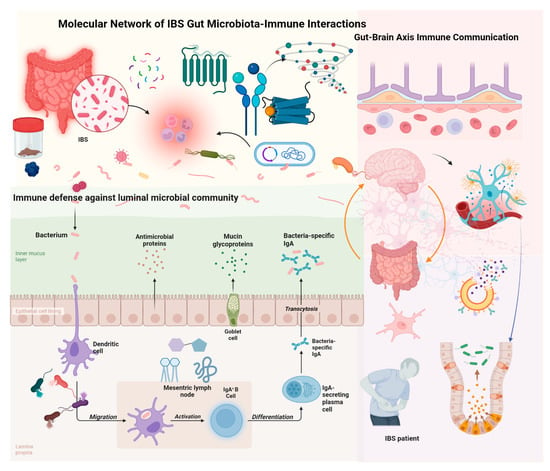
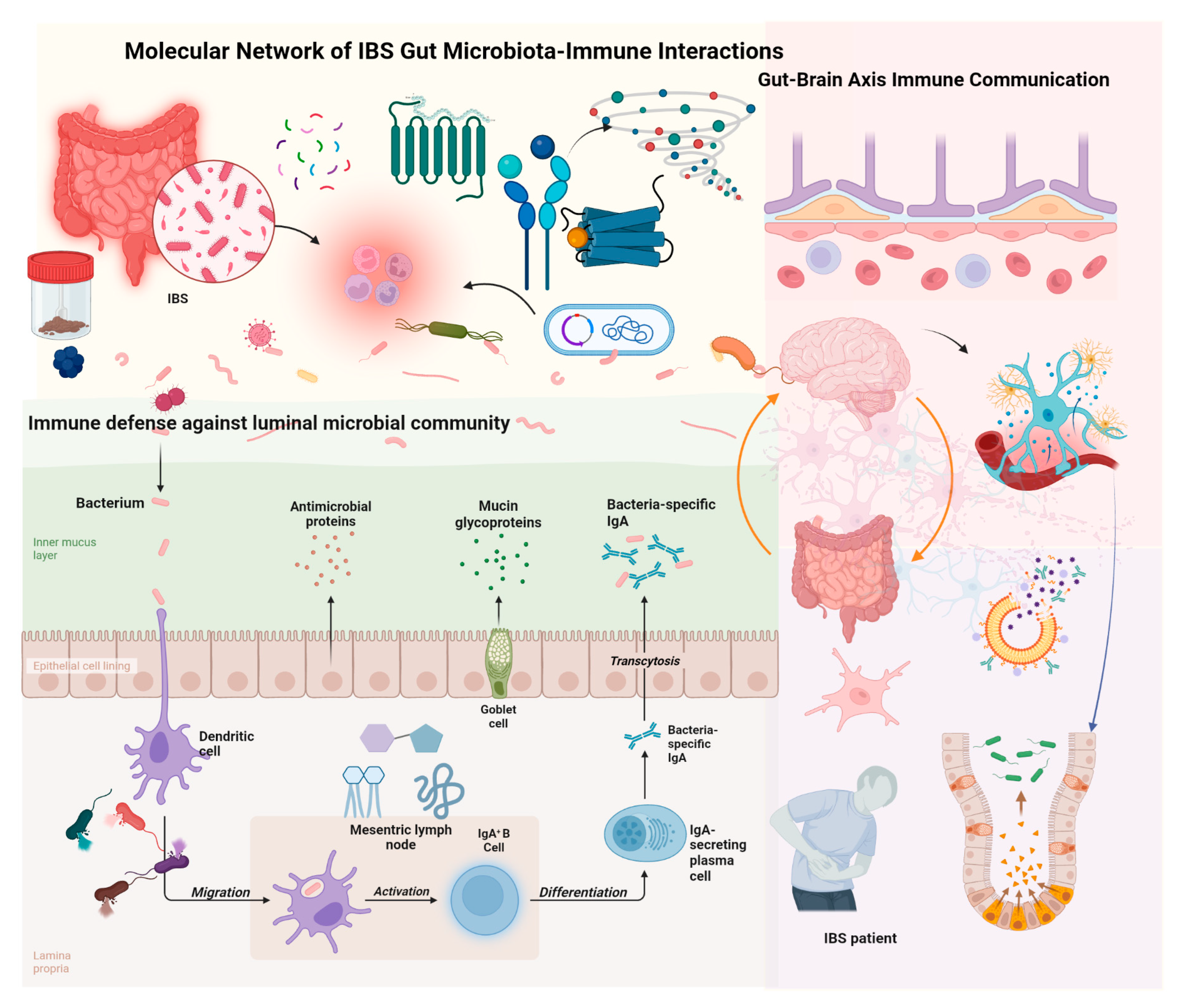
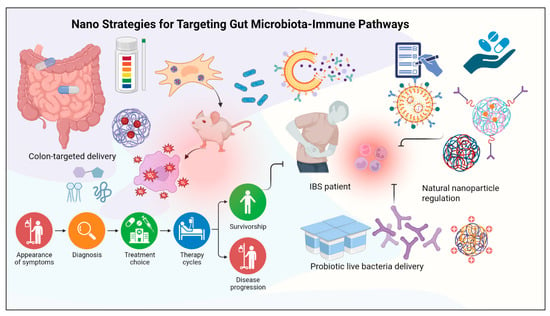
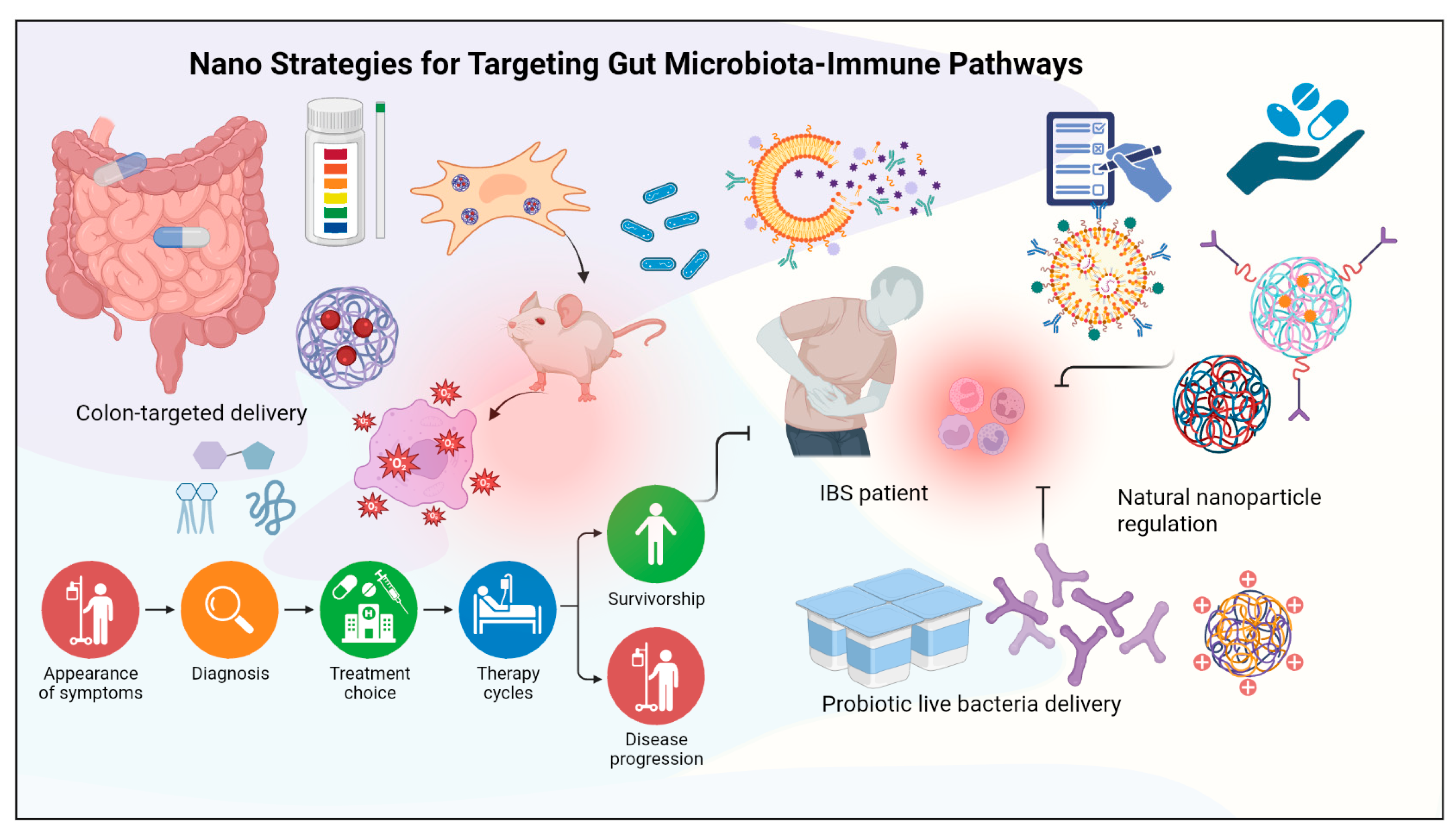

Disclaimer/Publisher’s Note: The statements, opinions and data contained in all publications are solely those of the individual author(s) and contributor(s) and not of MDPI and/or the editor(s). MDPI and/or the editor(s) disclaim responsibility for any injury to people or property resulting from any ideas, methods, instructions or products referred to in the content. |
© 2026 by the authors. Licensee MDPI, Basel, Switzerland. This article is an open access article distributed under the terms and conditions of the Creative Commons Attribution (CC BY) license.