Article

Quiescence of Escherichia coli Aerosols to Survive Mechanical Stress during High-Velocity Collection


Aerosol Technology Laboratory, Biological & Agricultural Engineering Department, Texas A&M University, College Station, TX 77843, USA
*
Author to whom correspondence should be addressed.
Microorganisms 2023, 11(3), 647; https://doi.org/10.3390/microorganisms11030647

Submission received: 7 February 2023 / Revised: 24 February 2023 / Accepted: 1 March 2023 / Published: 3 March 2023
(This article belongs to the Special Issue Bacterial and Antibiotic Resistance in the Environment)

Abstract

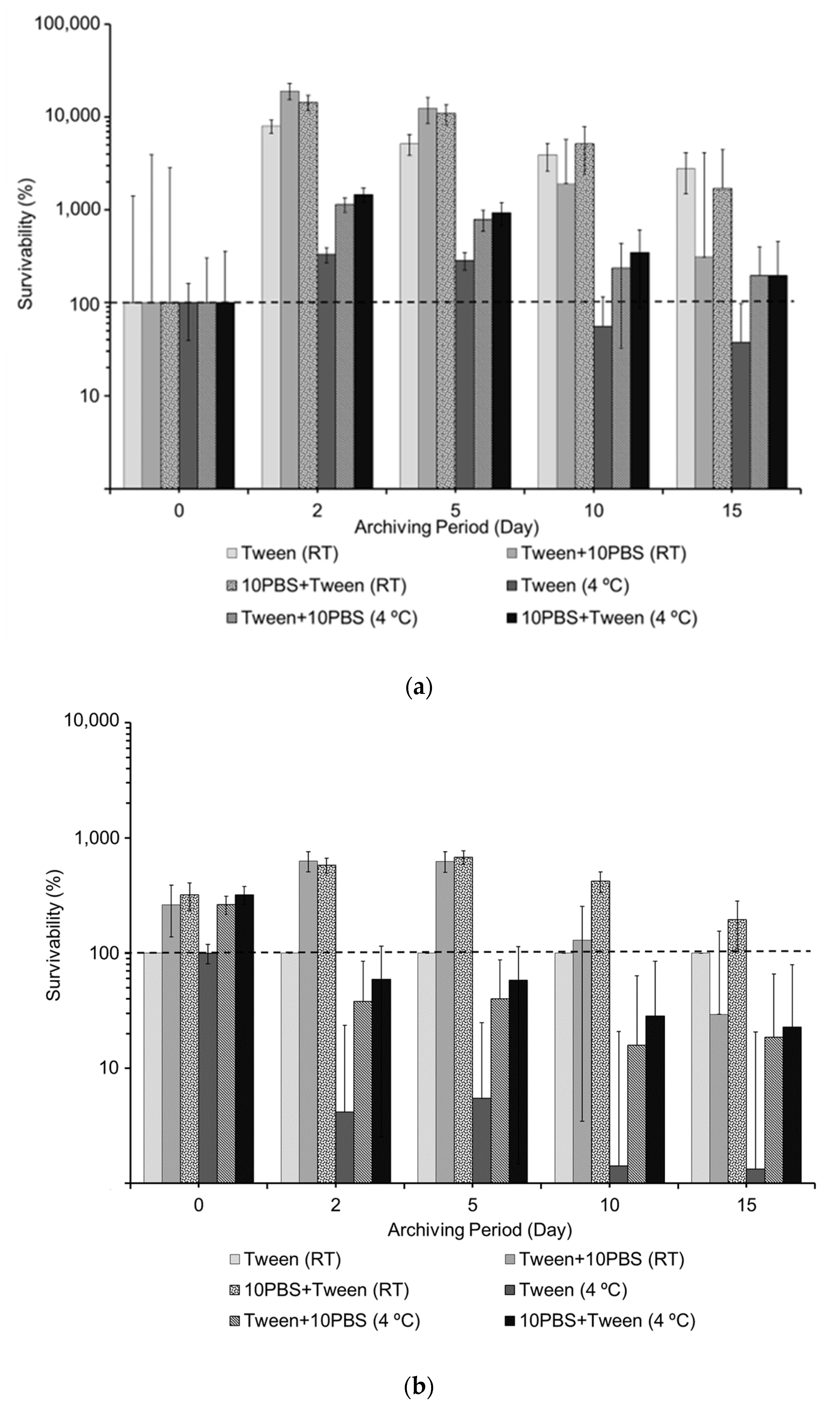
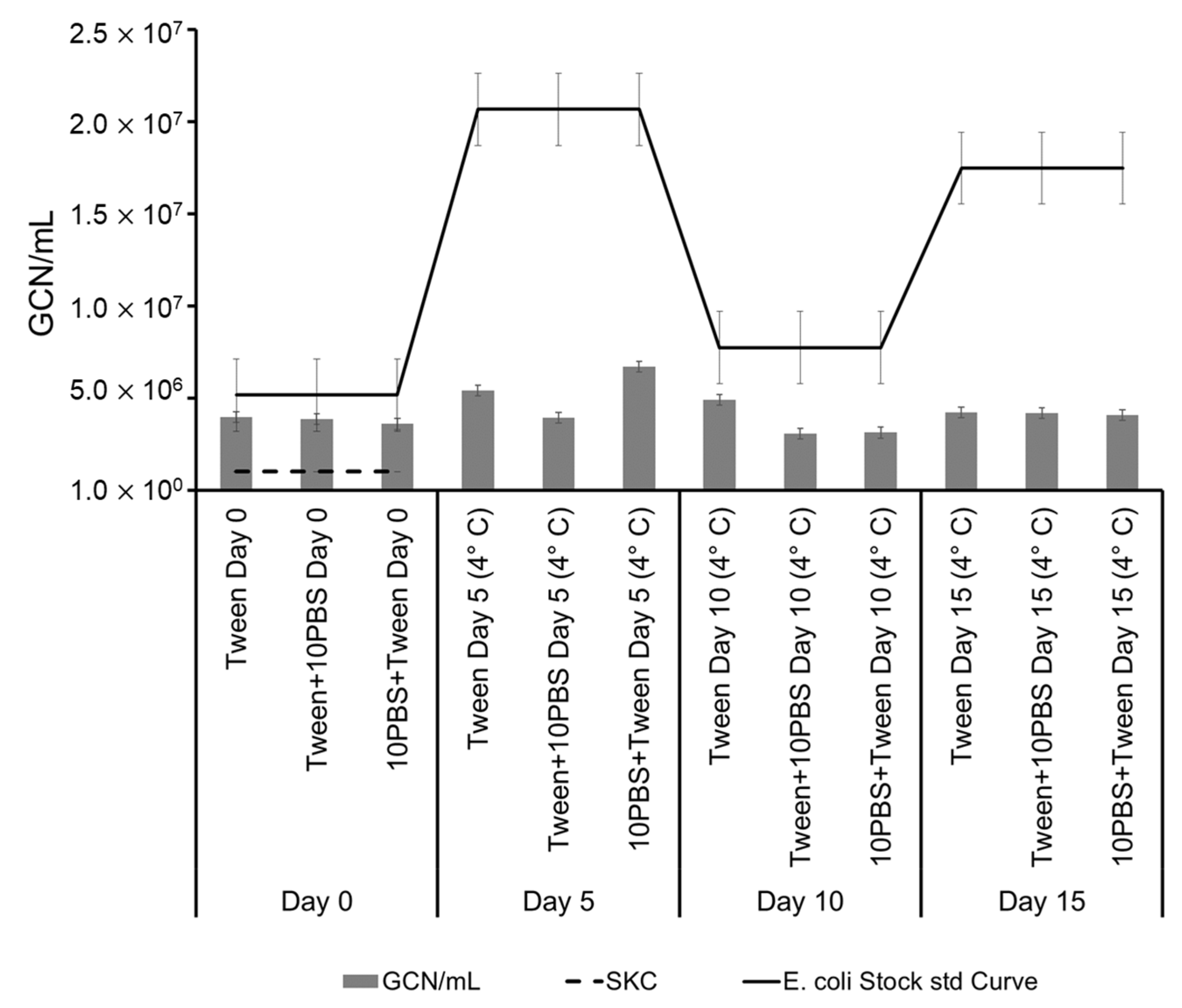
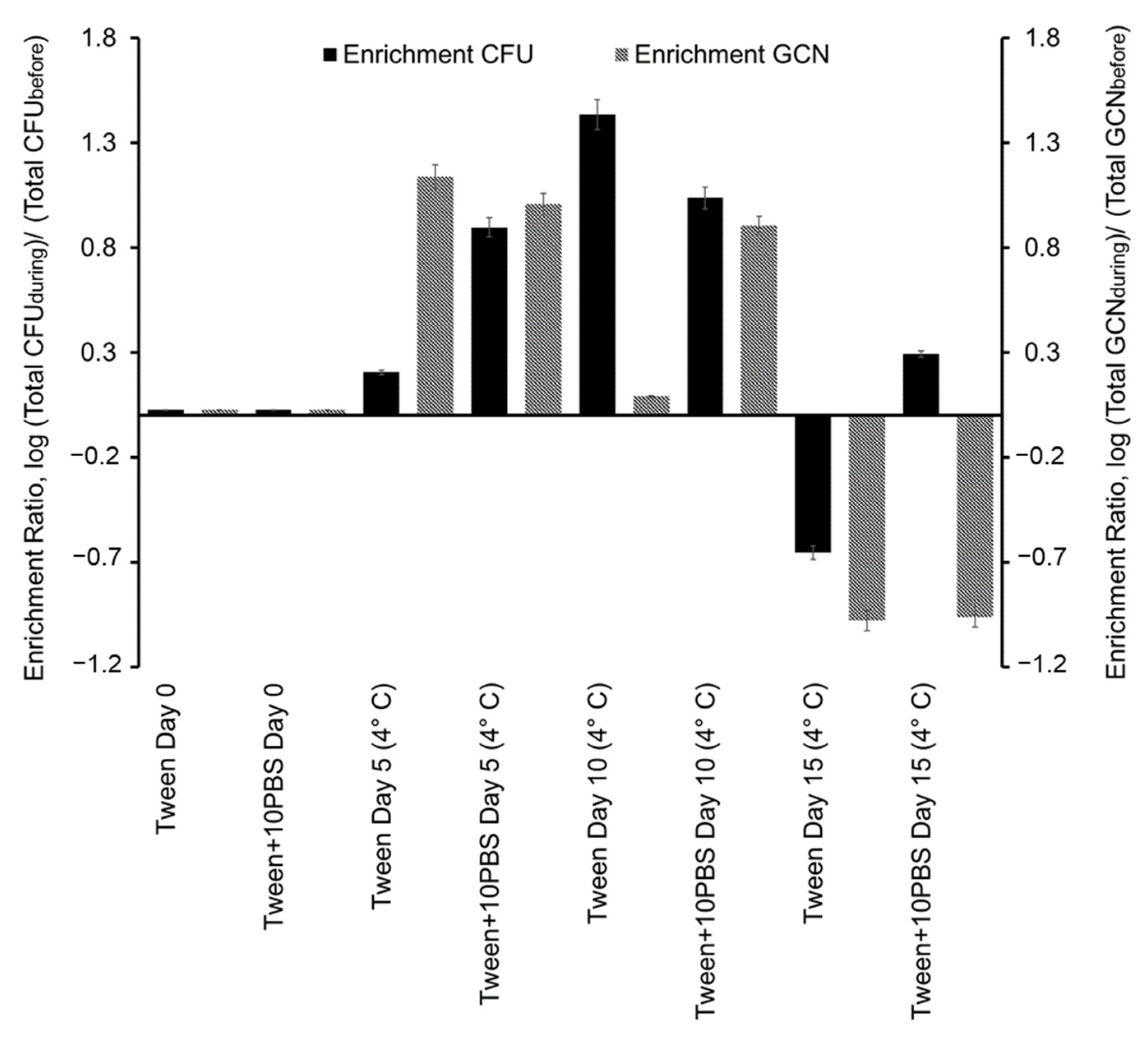
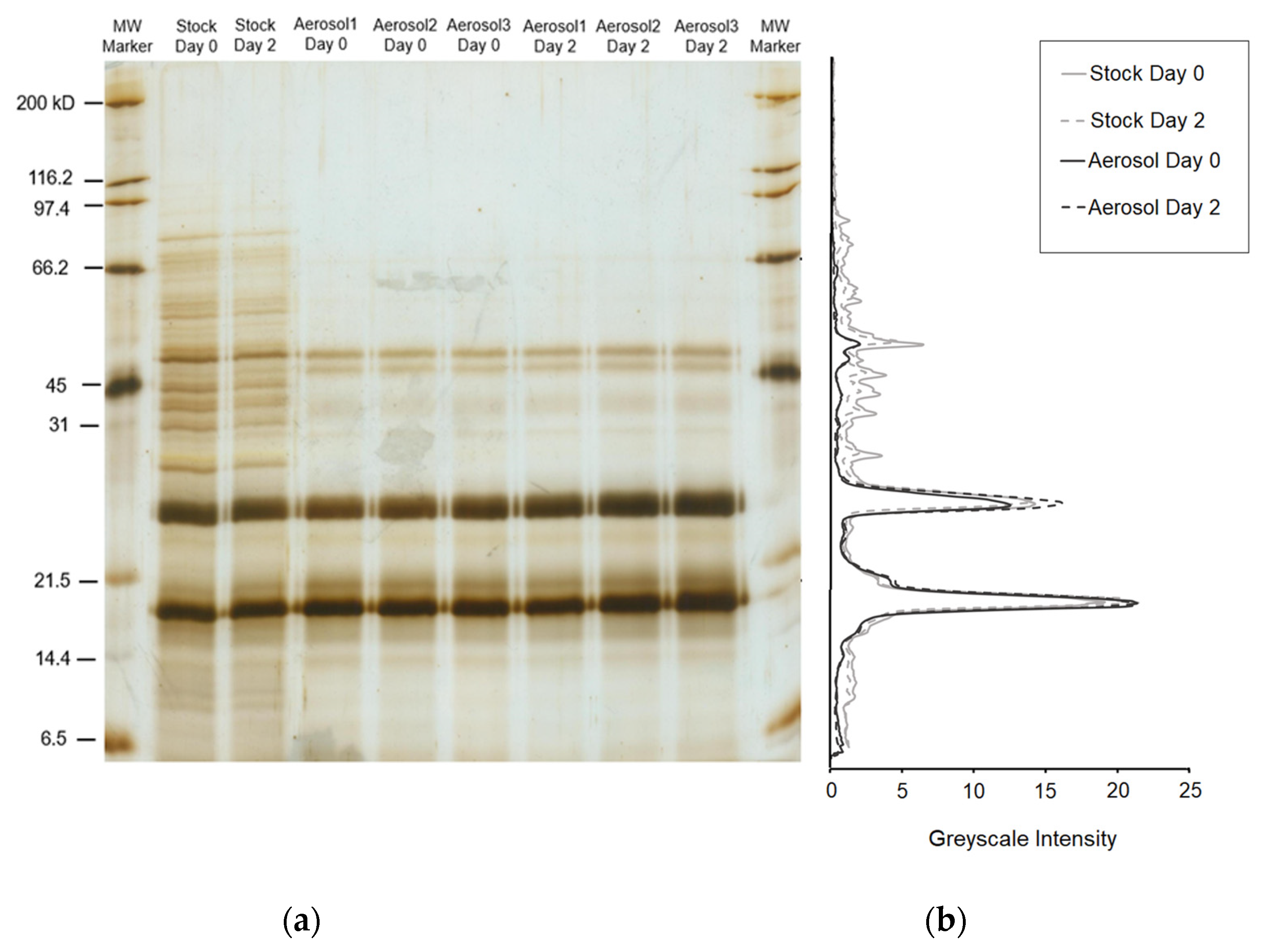
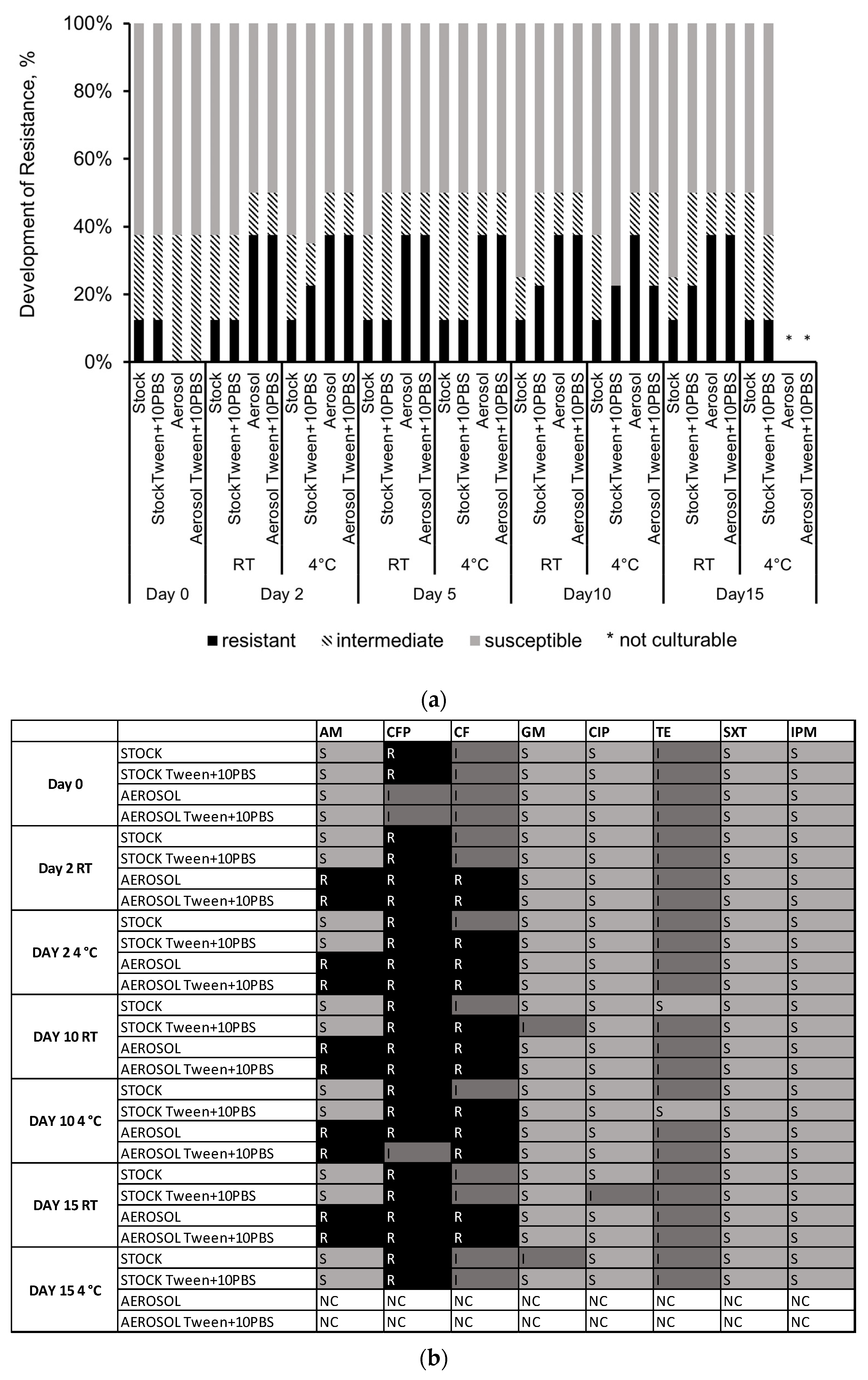
A low cutpoint wetted wall bioaerosol sampling cyclone (LCP-WWC), with an aerosol sampling flow rate of 300 L/min at 55″ H2O pressure drop and a continuous liquid outflow rate of about 0.2 mL/min, was developed by upgrading an existing system. The laboratory strain Escherichia coli MG1655 was aerosolized using a six-jet Collison Nebulizer and collected at high velocity using the LCP-WWC for 10 min with different collection liquids. Each sample was quantitated during a 15-day archiving period after aerosolization for culturable counts (CFUs) and gene copy numbers (GCNs) using microbial plating and whole-cell quantitative polymerase chain (qPCR) reaction. The samples were analyzed for protein composition and antimicrobial resistance using protein gel electrophoresis and disc diffusion susceptibility testing. Aerosolization and collection were followed by an initial period of quiescence or dormancy. After 2 days of archiving at 4 °C and RT, the bacteria exhibited increased culturability and antibiotic resistance (ABR), especially to cell wall inhibitors (ampicillin and cephalothin). The number of resistant bacteria on Day 2 increased nearly four-times compared to the number of cells at the initial time of collection. The mechanical stress of aerosolization and high-velocity sampling likely stunned the cells triggering a response of dormancy, though with continued synthesis of vital proteins for survival. This study shows that an increase in intensity in environmental conditions surrounding airborne bacteria affects their ability to grow and their potential to develop antimicrobial resistance.
Keywords: mechanical stress; low cutpoint wetted wall cyclone; pressure drop; quiescence; dormancy; antibiotic resistance mechanical stress; low cutpoint wetted wall cyclone; pressure drop; quiescence; dormancy; antibiotic resistance