


Abstract
Six commercial essential oils (EOs)—pine, patchouli, geranium, spruce, coriander and eucalyptus—were evaluated in three independent bioassays for antifungal, aphicidal and herbicidal activity. In poisoned-medium assays against four Fusarium isolates obtained from cereals (designated Fusarium sp. ITS_2, ITS_11, ITS_12 and ITS_13), coriander EO completely and geranium EO almost completely inhibited mycelial growth at both concentrations, producing inhibition similar to or greater than that of the prothioconazole reference at the specific in vitro concentrations tested, whereas eucalyptus and spruce EOs were the least active. Against Sitobion avenae (Fabricius) and Rhopalosiphum padi (L.), mortality reached at most 38% at 48 h, below the deltamethrin standard (55–69%). In a seed-germination assay, most EOs at 5% strongly inhibited Lolium multiflorum Lam. but were also highly phytotoxic to winter wheat, whereas foliar application of the EO formulations caused only weak, transient injury to Papaver rhoeas L. and L. multiflorum and minimal injury to wheat. Because concentrations, exposure routes and endpoints differed among the bioassays, the results demonstrate activity against several target groups but do not allow efficacy to be compared quantitatively across them. Geranium and coriander EOs are candidates for further research against Fusarium, but in planta and field trials are required before any practical use.
1. Introduction
Fungi of the genus Fusarium are among the most damaging pathogens of arable crops worldwide. They cause Fusarium head blight (FHB) and seedling blight of small-grain cereals, root and stem rots, and pre- and post-emergence damping-off, and they reduce both yield and grain quality. Fusarium culmorum (W.G. Sm.) Sacc., F. graminearum Schwabe and F. avenaceum (Fr.) Sacc. form the core of the FHB complex in temperate Europe, while F. sacchari (E.J. Butler & Hafiz Khan) W. Gams is associated with cereals, maize and other crops and is being reported ever more frequently under changing climatic conditions [1]. Beyond direct yield losses, these species contaminate grain with mycotoxins—deoxynivalenol, zearalenone, moniliformin and enniatins, among others—that pose serious risks to human and animal health [2]. Their control is difficult because of extensive host ranges, survival on crop residues, and the growing incidence of reduced sensitivity to conventional fungicides [3].
The management of Fusarium diseases relies heavily on triazole fungicides such as prothioconazole. However, the tightening of pesticide regulations, the withdrawal of active substances, and mounting selection pressure for resistance have created a pressing need for complementary or alternative control measures [2,4]. Similar regulatory constraints and marked differences in the availability of chemical and biological plant-protection solutions have also been demonstrated when EU crop-protection systems are compared with those operating outside the EU [5]. These developments further strengthen the case for biologically based control options [6]. Among the alternatives that have attracted the most attention are essential oils (EOs)—complex mixtures of volatile terpenes, terpenoids and phenylpropanoids produced by aromatic plants. EOs act on fungi through multiple, simultaneous mechanisms: they disrupt membrane integrity and permeability through interactions with ergosterol, promote the accumulation of reactive oxygen species, impair mitochondrial respiration and energy metabolism, and inhibit enzymes essential for cell-wall formation and spore germination [7,8,9]. Because their activity is multi-target, the risk of resistance developing against EOs is considered low [10].
Aphids are among the most important insect pests of cereal crops, causing direct feeding damage and contributing to additional crop losses through their role as vectors of plant viruses. Their population dynamics and seasonal occurrence are strongly influenced by environmental conditions, particularly temperature, which may also modify the relative importance of different reproductive strategies and extend the period of autumn activity of cereal aphids [11]. These changes further emphasise the need for diversified aphid-management tools compatible with integrated pest management. The same EOs examined here were recently screened by our group against a set of oilseed-rape pathogens (Sclerotinia sclerotiorum (Lib.) de Bary, Botrytis cinerea Pers., Alternaria brassicicola (Schwein.) Wiltshire and Cylindrosporium concentricum Grev.), as well as against selected pests and weeds, with geranium and coriander EOs emerging as the most active antifungal agents [12]. That work indicated a marked diversity in the action of individual EOs and a strong dose dependence. The present study extends this line of research to Fusarium pathogens, which are of key importance for both cereals and oilseed rape in rotation, and complements the antifungal screening with bioassays against two economically important harmful organisms of field crops—cereal aphids and weeds—in order to place the EOs within a broader IPM framework.
In addition to their antimicrobial and insecticidal properties, EOs have attracted increasing attention as potential sources of herbicidal compounds. Their phytotoxic activity is associated primarily with volatile mono- and sesquiterpenes and their oxygenated derivatives, which can interfere with several physiological and cellular processes in plants. Reported effects include disruption of plasma-membrane integrity and increased electrolyte leakage, inhibition of mitochondrial respiration and photosynthetic processes, oxidative stress, alterations in mitosis and microtubule organisation, and suppression of cell division and elongation. Consequently, EOs and individual terpenoids may inhibit seed germination and strongly restrict root and shoot development, with root elongation frequently representing one of the most sensitive endpoints of phytotoxicity [13,14,15,16].
The magnitude of these effects, however, is strongly dependent on EO composition, concentration, plant species, developmental stage and route of exposure. Previous studies have demonstrated substantial differences between pre-emergence or germination assays and treatments applied to established plants. For example, commercial Eucalyptus citriodora and Pinus sylvestris L. EOs showed species- and concentration-dependent effects on germination and early seedling growth of several weed species, including Lolium multiflorum Lam., whereas comparative screening of 25 EOs demonstrated pronounced differences in phytotoxicity among botanical sources and highlighted particularly strong activity of several Pelargonium-derived EOs [17,18]. Coriander EO has likewise been reported to inhibit germination of both weed species and wheat, indicating that high herbicidal activity does not necessarily imply crop selectivity [19].
Italian ryegrass (Lolium multiflorum Lam.) and corn poppy (Papaver rhoeas L.) were selected as representative monocotyledonous and dicotyledonous weeds of cereal cropping systems, respectively. Both taxa are relevant to contemporary weed management because populations resistant to major herbicide modes of action have evolved in cereal-producing regions, further supporting the search for additional sources of herbicidal activity [20,21,22,23,24].
The aim of the study was therefore fourfold: (i) to determine, in vitro, the effect of six EOs, each at two doses, on the mycelial growth of four Fusarium sp. isolates obtained from wheat and maize, in comparison with the reference fungicide prothioconazole; (ii) to describe, by means of correlation analysis, hierarchical clustering and graphical profiles, the pattern of similarity among the tested treatments across the four isolates; (iii) to evaluate the insecticidal activity of the same EOs against aphids (Sitobion avenae (Fabricius) and Rhopalosiphum padi (L.)); and (iv) to assess their herbicidal activity and crop phytotoxicity using complementary exposure systems comprising a seed-germination and early-seedling-growth assay with L. multiflorum and winter wheat (Triticum aestivum L.), and a post-emergence foliar assay with L. multiflorum, P. rhoeas and winter wheat. The three bioassays were designed as independent screening tests with target-specific concentrations, exposure routes and endpoints; they were not intended to provide a quantitative comparison of efficacy across fungi, insects and plants.
2. Materials and Methods
2.1. Essential Oils
Six commercial EOs were used: pine (P. sylvestris), patchouli (Pogostemon cablin (Blanco) Benth.), geranium (Pelargonium graveolens L’Hér.), spruce (Picea abies (L.) H. Karst.), coriander (Coriandrum sativum L.) and a commercial eucalyptus EO (product labelled “Eucalyptus citriodora”), all obtained from a commercial supplier (Etja, Elbląg, Poland). The chemical composition of the EOs was determined by gas chromatography–mass spectrometry (GC–MS; Section GC–MS Analysis of the Essential Oils); the dominant constituents, previously reported for these EO products in our companion study [12], are summarised in Table 1, and the complete profiles are given in Table S1. Prothioconazole was used as a synthetic reference fungicide at two doses (see Section 2.2). The EO supplied under the label “Eucalyptus citriodora” was dominated by 1,8-cineole (eucalyptol, 54.3%) rather than by citronellal, the main constituent typical of Corymbia citriodora (Hook.) K.D. Hill & L.A.S. Johnson (syn. E. citriodora). Because its botanical origin could not be independently confirmed, it is referred to throughout as commercial eucalyptus EO, without assigning it a specific botanical origin; this point is considered further in the Discussion.
Table 1.
Dominant constituents of the tested EOs (% of total peak area), determined by GC–MS (Section GC–MS Analysis of the Essential Oils) and previously reported for these EO products in [12]; complete profiles are given in Table S1. *, tentative identification (mass spectrum only; see Section GC–MS Analysis of the Essential Oils).
GC–MS Analysis of the Essential Oils
The volatile constituents of the six EOs were analysed by gas chromatography–mass spectrometry (GC–MS) at the Department of Chemistry, Faculty of Forestry and Wood Technology, Poznań University of Life Sciences (Poznań, Poland), following the procedure described previously [25]. The analysed samples were taken from the same EO batches as those used in the bioassays. An Agilent 7890B gas chromatograph coupled to an Agilent 5977B mass selective detector (Agilent Technologies, Santa Clara, CA, USA) was used. Separation was performed on an HP-5MS capillary column (30 m × 0.25 mm i.d. × 0.25 µm film thickness; 5% phenyl-methylpolysiloxane; Agilent Technologies). Helium (99.999%) was used as the carrier gas at a constant flow rate of 1.0 mL min−1. Samples were injected in split mode at an injector temperature of 250 °C. The oven temperature was held at 50 °C for 2 min, raised at 3 °C min−1 to 200 °C and then at 10 °C min−1 to 280 °C, and held for 5 min. Mass spectra were acquired in electron ionisation (EI) mode at 70 eV over m/z 40–500; the ion source and transfer line temperatures were 230 °C and 280 °C, respectively. Compounds were tentatively identified by comparing their mass spectra with the NIST mass spectral library and by comparing their linear retention indices (RI), calculated with the Van den Dool and Kratz equation [26] from a homologous series of n-alkanes (C8–C30) analysed under identical conditions, with literature values [27] and the NIST Chemistry WebBook. Because no authentic standards were analysed, identifications supported by both MS and RI are regarded as putative, whereas compounds identified from their mass spectra only (no RI assigned), or whose isomers could not be distinguished, are consistently designated as tentative identifications and are marked with an asterisk in Table 1 and Table S1. Relative abundances are expressed as percentages of the total integrated peak area; they represent relative GC–MS peak-area percentages rather than absolute concentrations.
2.2. Fungal Isolates, Molecular Identification and In Vitro Assay
Four Fusarium isolates (ITS_11, ITS_2, ITS_12 and ITS_13) were obtained from the culture collection of the Laboratory of Mycology, Institute of Plant Protection—National Research Institute (Poznań, Poland). The isolates were obtained in 2025 at Winna Góra, Poland, from ears (ITS_11 and ITS_12) and stem bases (ITS_2) of wheat (T. aestivum) and from a maize (Zea mays L.) cob (ITS_13). Isolates were first characterised on the basis of colony morphology and the characteristics of macroconidia following standard mycological keys, and maintained on potato dextrose agar (PDA). Because the ITS region does not reliably discriminate species within Fusarium and protein-coding markers (e.g., TEF1-α and RPB2) were not sequenced, the isolates are designated Fusarium sp. followed by the isolate code throughout the manuscript; the closest database matches are reported in Table 2 for information only.
Table 2.
ITS-based characterisation of the four Fusarium isolates used in this study. Best matches are given for the UNITE database (with GenBank/UNITE accession) and for the closest NCBI type-material sequence. Sequence coverage was 99–100% in all cases. GenBank accession numbers of the ITS sequences obtained in this study are given in parentheses after the sample codes. Database matches are given for information only; because the ITS region does not reliably resolve Fusarium species, the isolates are designated Fusarium sp. (see Section 2.2).
The isolates were characterised by sequencing of the internal transcribed spacer (ITS) region of the ribosomal DNA. Genomic DNA was extracted from colonies grown on PDA using the rapid mini-preparation method of Liu et al. [28]. The ITS region was amplified with the universal primers ITS1 (5′-TCCGTAGGTGAACCTGCGG-3′) and ITS4 (5′-TCCTCCGCTTATTGATATGC-3′) on an ABI 9700 thermocycler (Life Technologies, Carlsbad, CA, USA) with OptiTaq DNA polymerase (Eurx, Gdańsk, Poland). The cycling programme comprised initial denaturation at 95 °C for 3 min, followed by 35 cycles of 95 °C for 15 s, 50 °C for 15 s and 72 °C for 45 s, and a final extension at 72 °C for 2 min. Purified PCR products were sequenced in both directions (BigDye Terminator v3.1; ABI3730xl genetic analyser, Waltham, MA, USA), and consensus sequences were assembled from the ITS1-F and ITS4-R reads. The consensus sequences were compared with the NCBI (rRNA/ITS) and UNITE (https://unite.ut.ee, accessed on 20 November 2026) reference databases using BLAST (Bethesda, MD, USA, https://blast.ncbi.nlm.nih.gov/Blast.cgi, accessed on 20 November 2026), and the database matches were considered together with the morphological observations. The sequencing and comparative analysis were carried out by the DNA Sequencing and Oligonucleotide Synthesis Laboratory, Institute of Biochemistry and Biophysics, Polish Academy of Sciences (Warsaw, Poland). The ITS sequences obtained in this study were deposited in GenBank under accession numbers QB273730 (ITS_2), QB273731 (ITS_11), QB273732 (ITS_12) and QB273733 (ITS_13).
The poisoned-medium technique was used. Each EO was incorporated into sterilised PDA cooled to 45 °C to give final concentrations of 5.0 mL L−1 (dose 1) and 10.0 mL L−1 (dose 2). To ensure even dispersion in the medium, each EO was emulsified with Tween 20, which was added to the molten PDA at a final concentration of 0.1% (v/v), and the medium was mixed thoroughly and poured without delay; no separate PDA + Tween 20 vehicle control was included; the treatments are therefore referred to as EO formulations (EO + 0.1% Tween 20), and all differences relative to untreated PDA are interpreted as effects of the complete formulation rather than of the EO alone. Prothioconazole (Promino 300 SC, 300 g a.s. L−1; HELM Polska, Warsaw, Poland) was used at doses corresponding to field rates of 1.75 and 3.25 L ha−1, as in our previous study [12]; these were converted to medium concentrations assuming a spray volume of 300 L ha−1, i.e., 5.83 and 10.83 mL of the product per litre of medium, corresponding to 1750 and 3250 mg of prothioconazole per litre. The same reference doses as in our previous study [12] were deliberately retained so that the results of the two studies, which used the same EOs and assay format, remain directly comparable; they exceed the label rates of the product and were intended to provide a stringent positive reference rather than to reproduce field exposure. These reference doses were selected experimentally, so the comparison with the EOs refers to biological effects at the tested doses rather than to equivalent (e.g., molar) efficacy. The amended media were poured into 90 mm Petri dishes. Control plates consisted of PDA without additives. Agar discs (4 mm in diameter) taken from the actively growing margin of each fungal colony were placed centrally on the solidified medium. Plates were incubated at 20 °C. The full colony diameter (mm), including the 4 mm inoculum disc, was measured once the mycelium had fully covered the control plates, or after three weeks for slow-growing isolates. When no mycelial growth occurred beyond the inoculum disc, growth was recorded as 0 mm, i.e., complete (100%) inhibition. Percentage inhibition of mycelial growth was calculated as I (%) = (C − T)/C × 100, where C and T are the mean colony diameters (mm) on control and treated plates, respectively. Each treatment was replicated three times. One replicate plate was lost for Fusarium sp. ITS_12 (patchouli EO, dose 1) and for Fusarium sp. ITS_13 (pine EO and patchouli EO, dose 1) because of contamination with other fungi, so that n = 2 for these three treatments (Table 3).
Table 3.
Mean colony diameter (mm; full diameter including the 4 mm inoculum disc, with 0 indicating no growth beyond the disc) of four Fusarium isolates on PDA amended with EO formulations (EO + 0.1% Tween 20) or prothioconazole (mean ± standard deviation, n = 3; 1 n = 2, one replicate plate lost). Within each column, means followed by the same letter do not differ significantly (Tukey–Kramer HSD test, α = 0.05); owing to the low replication, the letters are Supporting Information, and the interpretation is based mainly on the magnitude of inhibition. Concentrations are those in the medium: mL of EO per litre for the EOs and mL of Promino 300 SC per litre for prothioconazole (5.83 and 10.83 mL L−1, corresponding to 1750 and 3250 mg a.s. L−1). The prothioconazole concentrations correspond to field rates of 1.75 and 3.25 L ha−1 at a spray volume of 300 L ha−1 (see Section 2.2). *** p < 0.001.
2.3. Aphid Bioassay
Bioassays were carried out on two cereal aphids—the grain aphid (S. avenae) and the bird cherry-oat aphid (R. padi). Aphids of both species were collected in spring 2026 from grasses growing in Winna Góra, Poland (52.205833° N, 17.446944° E), and were subsequently reared on winter barley (Hordeum vulgare L.) in a climate-controlled chamber at 18 ± 1 °C, 60% relative humidity and a 14:10 h (L:D) photoperiod for two months before testing; adult apterous females taken from these colonies were used in the tests. Fragments of winter wheat (T. aestivum) leaves, about 10 cm long, were placed on water-moistened filter paper in 15 cm Petri dishes, and ten adult apterous females were transferred onto each fragment with a fine entomological brush immediately before treatment.
Working liquids were applied in an APORO spray chamber (APORO Sp. z o.o., Poznań, Poland) at 200 L ha−1 through a medium-droplet nozzle at 2 bar. The six EOs were tested at 1% and 2% (v/v), each emulsified with 1% (v/v) Tween 80. The full design comprised distilled water (negative control), a 1% Tween 80 emulsifier control, the six EOs at both concentrations, and deltamethrin (Decis Expert 100 EC, 0.075 L ha−1, Bayer SAS, Warszawa, Poland) as a chemical standard. After treatment the dishes were kept under the rearing conditions given above (18 ± 1 °C, 60% relative humidity, 14:10 h L:D). The experiment was run in two independent series, each with five replicates per treatment (one replicate = one Petri dish with ten aphids). Mortality was recorded 24 and 48 h after application; aphids showing no movement after gentle stimulation with a brush were scored as dead.
2.4. Herbicidal Efficacy and Crop Selectivity
2.4.1. Seed Germination and Early Seedling Growth Bioassay
The phytotoxic activity of the EOs was evaluated using a modified Phytotoxkit microbiotest (MicroBioTests Inc., Ghent, Belgium; distributed by TIGRET, Warsaw, Poland), adapted from the manufacturer’s procedure and the principles of ISO 18763:2016. Winter wheat (T. aestivum, cv. Arkadia) and Italian ryegrass (L. multiflorum) were used as test species. Italian ryegrass seeds were obtained from a commercial source and had a germination capacity of 98%. Field poppy (P. rhoeas) was initially considered for inclusion in the assay but was excluded because the available seed lot showed poor and insufficiently uniform germination (<70%) in preliminary testing.
For each experimental unit, 90 mL of the reference soil supplied with the Phytotoxkit system was placed in the lower compartment of a transparent test plate. The six EOs described in Section 2.1 were tested at a concentration of 5% (v/v). Due to their limited miscibility with water, the EOs were prepared as aqueous oil-in-water dispersions containing 0.5% (v/v) polysorbate 80 (Tween 80; Chempur, Piekary Śląskie, Poland) as a non-ionic surfactant and emulsifying agent. Each experimental unit was hydrated with 32 mL of the corresponding test preparation. The carrier control consisted of water containing 0.5% (v/v) polysorbate 80 without EO.
After hydration, the substrate was distributed evenly over the lower compartment of the test plate and covered with the black filter paper supplied with the test system. Ten seeds of a single plant species were placed in one row at equal distances on the filter paper. Three independent test plates were prepared for each EO × plant species combination. Each plate was considered one experimental replicate, whereas the ten seeds within a plate were treated as subsamples.
Immediately after preparation, the test plates were closed, positioned vertically and placed in a controlled climate chamber (Friocell EVO 707, MMM Medcenter Einrichtungen GmbH, Munich, Germany). During the first 72 h, the plates were maintained in complete darkness. Thereafter, a 12 h light/12 h dark photoperiod was applied until the end of the 14-day experiment. A temperature regime of 22 °C during the daytime phase and 15 °C during the nighttime phase was maintained. After the first 72 h, the light/dark cycle was synchronized with the 22/15 °C temperature regime.
Plant responses were assessed at 3, 7 and 14 days after test initiation. At each assessment time, digital images of the plates were recorded. The percentage of live seedlings (hereafter “live seedlings, %”) was determined at each assessment date as the percentage of seeds present as live germinated seedlings (with a visible radicle and/or shoot) on that date; it is therefore not a cumulative measure, and a decrease between dates reflects the death of seedlings that had germinated earlier. Root and shoot lengths were measured on the same seedlings. The effects of the EO treatments on seed germination and early seedling growth were subsequently expressed relative to the control.
2.4.2. Post-Emergence Foliar Bioassay
Post-emergence herbicidal activity and crop selectivity of the EOs were evaluated under controlled greenhouse conditions using field poppy (P. rhoeas), Italian ryegrass (L. multiflorum) and winter wheat (T. aestivum). Plants were grown in 0.5 L plastic pots containing commercial peat-based potting material. Four plants per pot were maintained for winter wheat and Italian ryegrass, whereas field poppy pots contained 3 plants because of variable emergence. Each pot constituted one experimental unit, and four replicate pots were used per treatment. Plants were watered as needed for healthy growth. A temperature of 20 ± 2 °C and a 16 h light/8 h dark photoperiod were maintained in the greenhouse during all experiments.
The six EOs described in Section 2.1 were applied post-emergence at concentrations of 1% and 5% (v/v). Spray preparations were freshly prepared as aqueous oil-in-water dispersions containing 0.5% (v/v) polysorbate 80 (Tween 80; Chempur, Piekary Śląskie, Poland) as a non-ionic surfactant and emulsifying agent. No separate 0.5% Tween 80 carrier control was included in this assay. Consequently, all foliar responses are attributed to the EO-containing formulation (EO + 0.5% Tween 80) rather than to the EO alone, and responses of only a few percent are not interpreted as EO-specific effects.
Treatments were applied when the plants had reached BBCH 13 (wheat and Italian ryegrass) and BBCH 14 (field poppy) using a spray chamber (APORO Sp. z o.o., Poznań, Poland). The spray volume was 200 L ha−1 at an operating pressure of 0.2 MPa. Each treatment consisted of 4 replicates, arranged in a completely randomized design.
Herbicidal activity against P. rhoeas and L. multiflorum and crop injury to winter wheat were evaluated visually at 3, 7 and 14 days after treatment (DAT) using a 0–100% scale, where 0% represented no visible injury and 100% represented complete plant death.
2.5. Statistical Analysis
Normality of the distribution within groups was verified with the Shapiro–Wilk test and homogeneity of variances with the Brown–Forsythe test. For each of the four Fusarium isolates, a one-way analysis of variance (ANOVA) was performed to test the effect of the EO treatment. Treatment means were compared with the Tukey–Kramer honestly significant difference (HSD) test (α = 0.05), a conservative procedure that controls the family-wise error rate and accommodates unequal group sizes; it was based on the residual mean square of the one-way ANOVA for each isolate. Mycelial-growth results are summarised as mean ± standard deviation (SD). For the six EOs, a two-way ANOVA with EO, dose and their interaction was additionally fitted, to partition the treatment effect and to test the EO × dose interaction. Because one replicate plate was lost for three treatments (n = 2; marked in Table 3), the residual degrees of freedom of the one-way ANOVA were 30 (Fusarium sp. ITS_11, Fusarium sp. ITS_2), 29 (Fusarium sp. ITS_12) and 28 (Fusarium sp. ITS_13), and those of the two-way EO × dose ANOVA were 24, 24, 23 and 22, respectively. Several treatments showed no within-group variance (0 ± 0 or 90 ± 0) and replication was low (n = 2–3), so the Shapiro–Wilk and Brown–Forsythe tests had limited power. Accordingly, the interpretation focuses on the magnitude of growth inhibition and on the ranking of treatments, and the homogeneous groups in Table 3 are given as Supporting Information only. Relationships among the responses of the four isolates were quantified with Pearson correlation coefficients (each tested for significance at α = 0.05) and presented as a heat map. For the clustered heat map, the percentage inhibition of mycelial growth relative to the untreated control ((90 − colony diameter)/90 × 100, calculated from treatment means) was subjected to hierarchical clustering using Ward’s minimum-variance method on Euclidean distances (Python 3.13, SciPy 1.18.1 and seaborn 0.13.2). The distribution of the observed values was illustrated with dot plots of the individual replicate values and a parallel-coordinate plot. Analyses were carried out in GenStat 24 (VSN International, Hemel Hempstead, UK).
Aphid mortality (the number of dead individuals out of ten per replicate) was analysed with generalized linear models assuming a binomial error distribution and a logit link (logistic regression), fitted separately for each aphid species and assessment time. The EO, its concentration and their interaction were tested by analysis of deviance (likelihood-ratio χ2 tests); overdispersion was assessed with the Pearson statistic (≈0.5–0.6, indicating none). Treatment means were separated with Tukey’s HSD (α = 0.05). For these pairwise comparisons, all 15 treatments (water and Tween 80 controls, the 12 EO × concentration combinations and deltamethrin) were included in a one-way model, whereas the factorial EO × concentration model was restricted to the 12 EO treatments. Observed aphid mortalities are summarised as means ± standard error (SE).
For the seed-germination and early-seedling-growth bioassay, each test plate was considered an independent experimental unit, whereas the ten seeds within a plate were treated as subsamples. For each plate, the percentage of live seedlings and mean root and shoot lengths were calculated. Treatment effects were analysed separately for each plant species, assessment date and response variable. Because the data contained a high proportion of zero values and several treatment groups exhibited zero within-group variance, the Kruskal–Wallis test was used as the primary omnibus test. Because the same plates were assessed at 3, 7 and 14 DAT, each assessment date was analysed separately, and no model across assessment dates (treatment × time) was fitted. Pairwise post-hoc comparisons were not informative because most EOs caused complete inhibition (tied zero values); the significant omnibus results therefore reflect the clear separation between the near-inactive pine EO (and the untreated control) and the fully inhibitory EOs. Shoot length at 3 DAT was excluded from inferential analysis because shoot development in the control was negligible at this assessment. Data are presented as means ± SE of three independent plates (n = 3).
For the post-emergence foliar bioassay, herbicidal efficacy against P. rhoeas and L. multiflorum and crop injury to T. aestivum were analysed separately for each plant species and assessment date (3, 7 and 14 DAT). Because the same pots were assessed at 3, 7 and 14 DAT, each assessment date was analysed separately, so that repeated measurements on the same units were not treated as independent. For the six EOs (each at two concentrations), the treatment effect was partitioned by two-way ANOVA with EO, concentration and their interaction as factors (EO, 5 d.f.; concentration, 1 d.f.; interaction, 5 d.f.; residual, 36 d.f.); the untreated control, a structural zero, was excluded from the model. Data are presented as means ± SE of four replicate pots (n = 4), with each pot constituting one experimental unit. Owing to the high proportion of zero ratings and the occurrence of groups with zero variance, ANOVA conclusions were additionally checked using the Kruskal–Wallis test where appropriate.
3. Results
3.1. Molecular Identification of the Fungal Isolates
The four isolates were characterised by ITS sequencing (Table 2). Isolates ITS_11 and ITS_2 showed 100% identity with UNITE reference sequences of F. culmorum and F. graminearum, respectively; isolate ITS_12 returned F. avenaceum, F. tricinctum and F. oxysporum as equally scoring top hits (99.81%); and isolate ITS_13 showed 100% identity with both F. sacchari and F. napiforme. The closest NCBI type-material sequences (F. boothii, F. iranicum and F. pseudoanthophilum) differed from the UNITE best matches, which reflects the limited resolving power of the ITS marker within Fusarium. Because the ITS data do not allow reliable species-level identification, and protein-coding markers such as translation elongation factor 1-α (TEF1-α) and the RNA polymerase II second-largest subunit (RPB2) were not sequenced, the isolates are designated Fusarium sp. with their isolate codes. The database matches in Table 2 are given for information only and are not used as species identifications elsewhere in the manuscript.
3.2. Inhibition of Mycelial Growth
The effect of the EOs on the mycelial growth of the four Fusarium isolates differed strongly with the type of EO and its dose (Table 3). Analysis of variance was highly significant for every isolate (Fusarium sp. ITS_11 F14;30 = 127.86; Fusarium sp. ITS_2 F14;30 = 321.04; Fusarium sp. ITS_12 F14;29 = 175.91; Fusarium sp. ITS_13 F14;28 = 242.23; all p < 0.001). In the factorial analysis of the six EOs, the main effects of EO and of dose and their interaction were all highly significant for every isolate (EO, F5;22–24 = 133.2–325.6; dose, F1;22–24 = 122.0–381.5; EO × dose, F5;22–24 = 16.1–142.7; all p < 0.001), indicating that efficacy differed among EOs, increased at the higher dose on average, and that the dose response depended on the EO.
Geranium and coriander EOs were the most effective. Coriander EO completely inhibited the growth of all four isolates at both doses (no growth beyond the inoculum disc, recorded as 0 mm, throughout), and geranium EO produced complete or near-complete inhibition (93–100%), the only measurable growth being a slight development of Fusarium sp. ITS_12 (6.67 and 1.67 mm) and of Fusarium sp. ITS_2 at the higher dose (3.33 mm). Under the specific in vitro concentrations tested, both EOs produced inhibition similar to or greater than that of the prothioconazole reference (91–100% inhibition), and none of these treatments differed significantly from the reference (Tukey–Kramer test); this does not imply comparable fungicidal efficacy. Among the remaining EOs, inhibition was generally greater at the higher dose. For eucalyptus and spruce EOs, the higher dose significantly reduced the growth of all four isolates; for pine EO, it did so for three isolates, the exception being Fusarium sp. ITS_2, which was already strongly inhibited at the lower dose (91%); and for patchouli EO, the difference between doses was not significant for any isolate (Table 3). Eucalyptus EO at the lower dose was the least effective treatment overall: it allowed full colony development (90 mm) of Fusarium sp. ITS_2, ITS_12 and ITS_13 and 81 mm growth of ITS_11, in no case differing significantly from the untreated control. Spruce EO at the lower dose was the second weakest treatment, allowing full colony development of Fusarium sp. ITS_2 (90 mm). Eucalyptus EO showed an isolate-specific response, strongly limiting Fusarium sp. ITS_2 at the higher dose (11 mm; 88% inhibition) while remaining comparatively ineffective against ITS_12 (58.67 mm; 35% inhibition).
The distribution of the individual replicate values for each treatment is shown as a dot plot in Figure 1 and jointly, across all four isolates, in the parallel-coordinate plot in Figure 2. The parallel-coordinate plot highlights the contrasting profiles of the treatments: the completely (coriander) or near-completely (geranium) inhibitory EOs and the reference fungicide run along the lower edge across all four axes, whereas the control, eucalyptus and spruce EOs at the lower dose remain high.
Figure 1.
Individual replicate values of colony diameter (mm; full diameter including the 4 mm inoculum disc) by treatment for (a) Fusarium sp. ITS_11, (b) Fusarium sp. ITS_2, (c) Fusarium sp. ITS_12 and (d) Fusarium sp. ITS_13. Points are values from individual plates (n = 3; n = 2 where one replicate plate was lost, see Table 3); vertical bars are treatment means; coincident values are offset vertically.
Figure 2.
Parallel-coordinate plot of the mean mycelial growth of the tested treatments across the four Fusarium isolates. Solid lines and filled symbols, dose 1; dashed lines and open symbols, dose 2.
3.3. Correlations Among the Fusarium Isolates
The responses of the four Fusarium isolates to the tested substances were positively correlated in every pairwise combination (Figure 3). Correlations were moderate to strong, indicating that EOs suppressing one isolate tended to suppress the others as well; the association was closest between Fusarium sp. ITS_11, Fusarium sp. ITS_12 and Fusarium sp. ITS_13, and somewhat weaker for the pairs involving Fusarium sp. ITS_2. This consistency indicates a similar sensitivity ranking of the four isolates to the tested substances, largely driven by treatments that inhibited all isolates almost completely or only weakly; it does not, by itself, indicate a common mode of action. All six pairwise correlations among the four isolates were positive, strong and statistically significant (r = 0.82–0.98, all p < 0.001).
Figure 3.
Heat map of Pearson correlation coefficients (r) for mycelial growth between the four Fusarium isolates, computed across the treatment means (n = 15). All pairwise correlations were positive and significant (r = 0.82–0.98).
3.4. Multi-Isolate Inhibition Profiles
The multi-isolate inhibition profiles of the treatments are summarised in the clustered heat map of growth-inhibition efficacy (Figure 4), in which hierarchical clustering (Ward’s method, Euclidean distance) groups the treatments by their inhibition profile across the four isolates. At the three-cluster level, the dendrogram distinguishes (i) a low-efficacy group comprising the untreated control and the lower doses of eucalyptus and spruce EOs (0–37% inhibition); (ii) an intermediate group comprising pine EO at the lower dose, both doses of patchouli EO and the higher doses of spruce and eucalyptus EOs (35–92% inhibition, with consistently weaker inhibition of Fusarium sp. ITS_12); and (iii) a high-efficacy group comprising geranium and coriander EOs at both doses, pine EO at the higher dose and both doses of prothioconazole (73–100%). This descriptive grouping, based on treatment means, agrees with the parallel-coordinate plot (Figure 2) and is not used for formal inference.
Figure 4.
Clustered heat map of mycelial-growth inhibition (%) of the four Fusarium isolates by the tested treatments. Rows (treatments) and columns (isolates) are ordered by hierarchical clustering (Ward’s method, Euclidean distance); cell values are the percentage inhibition relative to the untreated control. Higher values (darker) indicate stronger control. The clustering is descriptive and based on treatment means.
3.5. Aphid Control
EOs significantly affected aphid mortality, although the overall effect was moderate (Table 4, Figure 5). Neither the water control nor the Tween 80 emulsifier control caused any mortality (0% throughout), so no correction for control mortality was required. The deltamethrin standard was the most effective treatment for both aphid species, yet it killed only 55–69% of the aphids (group a), well short of complete control. For both species and assessment times, the type of EO and its concentration had highly significant effects on mortality (analysis of deviance: EO, χ25 = 23.5–37.7, and concentration, χ21 = 17.4–26.4; both p < 0.001), whereas the EO × concentration interaction was never significant (χ25 = 0.9–1.2, p > 0.9), indicating that the concentration effect did not differ detectably among the EOs; averaged over the six EOs, mortality at 2% was approximately twice that at 1% (1.9–2.2-fold, depending on species and assessment time).
Table 4.
Mortality (%, mean ± SE; n = 10) of two cereal aphids, Rhopalosiphum padi and Sitobion avenae, 24 and 48 h after treatment with six EOs (1% and 2%, v/v), two controls and a deltamethrin standard. Within each column, values sharing a letter do not differ significantly (Tukey’s HSD, α = 0.05). Analysis of deviance (fitted separately per species and assessment time): EO, χ25 = 23.5–37.7, and concentration, χ21 = 17.4–26.4 (both p < 0.001); the EO × concentration interaction was not significant (χ25 = 0.9–1.2, p > 0.9).
Figure 5.
Mortality (%) of Rhopalosiphum padi and Sitobion avenae 48 h after treatment with six EOs (1% and 2%, v/v) and the deltamethrin standard. Bars = mean ± SE (n = 10); the water and Tween 80 controls caused 0% mortality. Within each species, bars sharing a letter do not differ (Tukey’s HSD, α = 0.05). Analysis of deviance (fitted separately per species and assessment time): EO, χ25 = 23.5–37.7, and concentration, χ21 = 17.4–26.4 (both p < 0.001); the EO × concentration interaction was not significant (χ25 = 0.9–1.2, p > 0.9).
Coriander and geranium EOs at the 2% concentration were the most active EOs, forming a separate homogeneous group (b) below deltamethrin. At 48 h they reached 38.0% and 33.0% mortality of R. padi and 35.0% and 30.0% of S. avenae, respectively, whereas the weakest treatments (spruce and patchouli at 1%) did not differ significantly from the untreated controls. Mortality was consistently higher after 48 h than after 24 h, and the ranking of the EOs was the same for both aphid species; notably, the two most insecticidal EOs were also those that most strongly inhibited Fusarium growth.
3.6. Seed Germination and Early Seedling Growth Bioassay
EO treatments strongly affected seed germination and early seedling growth in both test species (Table 5 and Table 6). In L. multiflorum, significant treatment effects were detected at 3 DAT for live seedlings (Kruskal–Wallis, H = 19.46, p = 0.0035) and root length (H = 19.84, p = 0.0030) (Table 5). Patchouli, geranium, spruce, coriander and eucalyptus EOs completely suppressed germination and root development in all three replicate plates, whereas pine EO exerted a substantially weaker effect. Under pine EO treatment, the percentage of live seedlings reached 46.7 ± 12.0% compared with 63.3 ± 8.8% in the control, while root length was reduced from 0.36 ± 0.05 to 0.19 ± 0.03 cm.
Table 5.
Effects of six EOs applied at 5% (v/v) on seed germination and early seedling growth of Italian ryegrass (Lolium multiflorum) in the Phytotoxkit assay.
Table 6.
Effects of six EOs applied at 5% (v/v) on seed germination and early seedling growth of winter wheat (Triticum aestivum) in the Phytotoxkit assay.
At 7 DAT, treatment effects remained significant for live seedlings (H = 19.72, p = 0.0031), root length (H = 19.84, p = 0.0030) and shoot length (H = 19.46, p = 0.0035). Pine EO allowed continued development of L. multiflorum, with 76.7 ± 3.3% live seedlings, a root length of 3.50 ± 0.17 cm and a shoot length of 2.41 ± 0.08 cm, compared with 86.7 ± 3.3%, 4.59 ± 0.29 cm and 2.52 ± 0.06 cm, respectively, in the control. In contrast, patchouli, geranium, spruce, coriander and eucalyptus EOs completely inhibited germination and seedling growth.
At 14 DAT, the percentage of live seedlings in the control and pine EO treatment was 76.7 ± 3.3%, with mean root lengths of 13.47 ± 0.17 and 8.85 ± 0.19 cm and shoot lengths of 5.25 ± 0.19 and 5.57 ± 0.35 cm, respectively. Because this indicator is the percentage of live seedlings present at each assessment date (Section 2.4.1), the lower value in the control at 14 DAT than at 7 DAT (86.7%) reflects the death of some seedlings between assessments rather than a decrease in the number of seeds that had germinated. Thus, pine EO reduced root growth by approximately 34%, while shoot growth was not inhibited relative to the control. Patchouli EO showed a much stronger residual effect: the percentage of live seedlings was reduced to 23.3 ± 3.3%, root growth was completely suppressed, and mean shoot length reached only 0.55 ± 0.13 cm, corresponding to approximately 90% inhibition relative to the control. No germination or seedling development was observed in the geranium, spruce, coriander or eucalyptus EO treatments.
Winter wheat showed a similarly strong response to the EO treatments. At 3 DAT, significant treatment effects were observed for live seedlings (H = 19.45, p = 0.0035) and root length (H = 19.84, p = 0.0030). Pine, geranium, spruce, coriander and eucalyptus EOs completely inhibited germination and root development. Patchouli EO was less inhibitory, with live seedlings at 66.7 ± 3.3%, but nevertheless markedly restricted root growth to 0.40 ± 0.04 cm compared with 3.51 ± 0.54 cm in the control.
At 7 and 14 DAT, significant treatment effects were detected for all evaluated endpoints (p ≤ 0.0030). Pine, geranium, spruce, coriander and eucalyptus EOs completely suppressed wheat germination and seedling development throughout the experiment. Patchouli EO permitted 73.3 ± 6.7% live seedlings at both 7 and 14 DAT; however, seedling growth remained strongly inhibited. At 7 DAT, root and shoot lengths under patchouli EO were 3.12 ± 0.30 and 0.70 ± 0.07 cm, respectively, compared with 15.82 ± 0.80 and 5.69 ± 0.29 cm in the control. At 14 DAT, corresponding values were 4.74 ± 0.53 and 3.26 ± 0.22 cm, compared with 25.69 ± 1.20 and 15.50 ± 0.68 cm in the control.
Overall, the seed-germination and early-seedling-growth assay demonstrated pronounced phytotoxicity of most of the tested EOs at 5% (v/v), but provided little evidence of crop selectivity. Patchouli EO showed comparatively greater tolerance in winter wheat than the other EOs; however, the substantial suppression of root and shoot growth indicates that this response should be interpreted as partial differential tolerance rather than agronomically useful crop selectivity. Two methodological limitations should be borne in mind when interpreting these data. First, the three bioassays used different concentration ranges (0.5–1.0% v/v in the antifungal assay, 1–2% in the aphid assay and 1–5% in the herbicidal assays), reflecting the different test systems, so the EOs should be compared across targets only with caution. Second, the seed-germination and early-seedling-growth assay was based on only three replicate plates per treatment, with many treatments showing complete inhibition (0.00 ± 0.00); the non-parametric analysis therefore had limited statistical power, and the associated significance levels and group separations should be regarded as indicative rather than definitive. Importantly, the 5% (v/v) concentration used in the substrate-applied assay represented a relatively high exposure level, and the strong phytotoxicity observed in winter wheat indicates that such a concentration would not be suitable for direct soil application in a cereal crop without substantial dose and formulation optimisation.
3.7. Post-Emergence Foliar Bioassay
Post-emergence foliar application of the EO formulations resulted in generally low and predominantly transient herbicidal effects, with marked differences among the tested plant species (Table 7). The strongest response was observed in P. rhoeas. At 3 DAT, EO, concentration and their interaction all had highly significant effects (EO, F5;36 = 31.37; concentration, F1;36 = 74.63; EO × concentration, F5;36 = 29.49; all p < 0.001), reflecting the strong, dose-dependent response to geranium and patchouli EOs. The overall treatment effect remained significant at 7 DAT (F11;36 = 9.51, p < 0.001) but not at 14 DAT (F11;36 = 1.28, p = 0.278).
Table 7.
Post-emergence herbicidal efficacy of six EOs against Papaver rhoeas and Lolium multiflorum and crop injury to winter wheat (Triticum aestivum) at 3, 7 and 14 days after treatment (DAT).
At 3 DAT, geranium EO applied at 5% showed the highest observed efficacy against P. rhoeas (28.8 ± 3.1%), followed by patchouli EO at 5% (13.8 ± 2.4%). The remaining treatments produced only limited effects: coriander EO at 5% reached 3.5 ± 2.2%, pine EO at 5% 1.8 ± 1.2%, spruce EO at 5% 0.8 ± 0.8%, whereas eucalyptus EO at 5% caused no visible injury. At the lower concentration of 1%, efficacy was negligible for all EOs and did not exceed 2.0%. Because no separate Tween 80 carrier control was included in this assay, these responses are attributed to the EO-containing formulations, and values of only a few percent cannot be confidently attributed to the EOs themselves.
The initial activity of the most effective treatments declined rapidly. At 7 DAT, efficacy of geranium EO at 5% decreased to 7.0 ± 0.6%, while patchouli EO at 5% retained 8.0 ± 0.6% efficacy. Pine EO at 5% reached 3.0 ± 2.4%, and spruce and eucalyptus EOs at 5% caused only 1.3 ± 1.3% and 0.5 ± 0.3% injury, respectively. Coriander EO at 5%, despite producing a small response at 3 DAT, showed no visible herbicidal effect at 7 DAT. By 14 DAT, all treatments showed very low efficacy. The highest mean values were recorded for pine EO at 5% (3.0 ± 2.4%) and spruce EO at 5% (2.8 ± 1.9%), whereas geranium EO at 5% declined to 1.0 ± 0.6% and patchouli EO at 5% to 0.5 ± 0.3%. These results indicate that the initial foliar injury was not sustained over time and did not translate into effective weed control.
In L. multiflorum, foliar efficacy was low throughout the experiment and no significant EO or interaction effect was detected at any date; only concentration had a marginal effect at 3 DAT (concentration, F1;36 = 6.25, p = 0.017; EO, F5;36 = 2.05, p = 0.095; interaction, F5;36 = 0.70, p = 0.627), and the overall treatment effect was non-significant throughout (F11;36 = 1.82, 1.60 and 0.77 at 3, 7 and 14 DAT; p = 0.087, 0.14 and 0.67, respectively). At 3 DAT, the highest numerical efficacy was recorded for geranium and spruce EOs at 5% (5.0 ± 2.0% and 5.0 ± 2.9%, respectively), followed by pine EO at 5% (3.8 ± 2.4%) and eucalyptus EO at 5% (2.5 ± 1.4%). These effects remained weak and generally decreased with time. At 7 DAT, efficacy did not exceed 3.8 ± 2.4%, and at 14 DAT the highest value was only 2.5 ± 2.5% for spruce EO at 5%. Several treatments produced no visible injury at the later assessment dates. Overall, no consistent or practically relevant post-emergence control of L. multiflorum was achieved with any of the tested EOs under the conditions of this assay.
Crop injury to winter wheat was negligible. Pine, patchouli, geranium, coriander and eucalyptus EOs caused no visible injury at either concentration at any assessment date. The only measurable crop response was observed with spruce EO at 5%, which caused 2.5 ± 2.5% injury at 3 DAT and 1.3 ± 1.3% at both 7 and 14 DAT. No term of the two-way model was significant at any assessment date (overall F11;36 = 1.00, p = 0.465). Thus, at the tested concentrations, foliar application of the EO formulations showed very limited phytotoxicity to established winter wheat plants.
Taken together, the post-emergence assay demonstrated a pronounced dependence of EO activity on plant species. The clearest foliar response occurred in P. rhoeas, particularly after application of geranium and patchouli EOs at 5%, but this effect was short-lived and largely disappeared by 14 DAT. In contrast, L. multiflorum was only weakly affected, while winter wheat showed minimal visible crop injury following foliar application. This response pattern differs markedly from that observed in the seed-germination and early-seedling-growth assay, in which several EOs applied at 5% caused complete inhibition of germination and seedling development. Because the two assays differed simultaneously in exposure route and plant developmental stage, this contrast cannot be attributed to either factor separately.
4. Discussion
The present results confirm that the tested EO formulations differ widely in their capacity to suppress Fusarium mycelial growth, and that this capacity generally, though not consistently, increases with dose. The strong activity of geranium and coriander EOs, which produced similar or greater inhibition than the prothioconazole reference at the specific in vitro concentrations tested against all four isolates, is consistent with our earlier work, in which the same six EOs were screened against a panel of oilseed-rape pathogens [12]. This direct comparison is informative because the two studies share not only the EOs and their doses (5.0 and 10.0 mL L−1) but also the assay format (poisoned PDA medium) and the prothioconazole reference, so that differences in outcome can be attributed to the pathogens rather than to the experimental system.
In the companion study on rape pathogens, geranium and coriander EOs completely inhibited the mycelial growth of S. sclerotiorum at both doses and were likewise the strongest treatments against B. cinerea, A. brassicicola and C. concentricum, with growth inhibition comparable to that of prothioconazole at the higher dose [12]. The Fusarium results reported here reproduce this ranking almost exactly: coriander EO suppressed all four isolates completely at both doses, and geranium EO did so with only marginal exceptions. Taken together, the two datasets show that these two EOs are active across a taxonomically diverse set of ascomycetes—Sclerotiniaceae, Botrytis, Alternaria, Cylindrosporium and now four Fusarium isolates—which suggests a relatively broad spectrum of antifungal activity in vitro; however, because only four isolates, identified only to genus level, were tested here, this conclusion requires confirmation with a larger set of isolates identified to species level.
The behaviour of the remaining EOs also parallels the rape study. In both experiments the activity of pine, patchouli and eucalyptus EOs generally increased with dose: in the earlier work, pine EO reduced S. sclerotiorum growth to 3.33 mm and patchouli EO to 6.33 mm only at the higher dose, while eucalyptus and spruce EOs at 5.0 mL L−1 were among the least effective treatments [12]. A broadly similar pattern is seen here, although the dose effect was not significant in every case (pine EO against Fusarium sp. ITS_2; patchouli EO against all four isolates), and eucalyptus and spruce EOs at the lower dose were the least effective treatments (eucalyptus EO 1 allowing 81–90 mm growth and spruce EO 1 allowing full colony development of Fusarium sp. ITS_2). The isolate-specific response of eucalyptus EO—strongly limiting Fusarium sp. ITS_2 yet comparatively ineffective against Fusarium sp. ITS_12—mirrors the variable, target-dependent efficacy previously reported for this EO and underlines that activity against one pathogen does not guarantee activity against a related one.
The insecticidal activity of the EOs against the two cereal aphids was comparatively modest. Coriander and geranium EOs were again the most active, mirroring their ranking against Fusarium and against the pollen beetle and cabbage seed weevil in the companion oilseed-rape study [12]; however, the mortality they caused (up to 38% at 48 h) was far below the near-complete control achieved against those rape pests. Cereal aphids therefore appear to be a comparatively tolerant target under the contact leaf-disc conditions used here, and even the deltamethrin standard killed only 55–69% of the aphids, which may reflect the residual, contact-only exposure of the assay rather than a systemic effect. Because the susceptibility of the colonies to deltamethrin was not examined separately, no conclusion about reduced susceptibility can be drawn. The approximately twofold increase in mortality between the 1% and 2% concentrations, which did not differ detectably among the EOs (no significant EO × concentration interaction), together with the complete absence of control mortality (water and Tween 80 controls, 0%), nevertheless indicates a concentration-dependent contact toxicity, consistent with the neurotoxic and membrane-disrupting mode of action reported for EOs against aphids and other insects [10,29,30,31].
The high activity of coriander EO can plausibly be attributed to its very high content of β-linalool (about 74%), a monoterpene alcohol repeatedly reported to disrupt fungal membranes and to inhibit spore germination. Geranium EO, dominated by citronellol and geraniol, likewise contains monoterpene alcohols with well-documented antifungal action; comparable inhibitory effects of geranium EO have been described against Candida yeasts (Gucwa et al.) and, in combination with azoles, against fluconazole-resistant Candida strains (Essid et al.) [32,33]. Our findings broaden this picture by showing that the inhibitory action of geranium EO is not limited to yeast-like fungi but extends to important filamentous plant pathogens of the genus Fusarium. The multi-target mode of action of these terpene alcohols—membrane disruption, accumulation of reactive oxygen species and interference with mitochondrial respiration—is generally held to underlie both their efficacy and the low risk of resistance associated with EO-based products [10].
The results are also in line with the wider literature on EOs against Fusarium. Fontana et al. determined effective and fully inhibitory doses of several EOs against Fusarium spp. and S. sclerotiorum on agar medium, Okorska et al. reported a fungicidal effect of fennel and hop EOs on Fusarium disease of pea, and Liao et al. demonstrated growth inhibition of Fusarium oxysporum Schltdl. by a Mentha haplocalyx Briq. EO nanoemulsion [34,35,36]. For patchouli and spruce EOs, our comparatively modest and dose-dependent activity is consistent with Parikh et al., who observed inhibition of S. sclerotiorum isolates from pulse crops by these two EOs [37]. The strong, uniformly positive correlations among the four isolates, together with the clustering of the treatment profiles, indicate that the overall ranking of the EOs was similar for the four isolates tested. This reflects a similar sensitivity profile rather than a common mode of action, and it cannot be generalised to other isolates without further testing.
Several limitations of the antifungal part of the study should be acknowledged. Only four isolates were tested, and sensitivity to fungicides and EOs can vary considerably among isolates of the same Fusarium species; the results therefore describe the response of four specific isolates rather than the typical sensitivity of any species. In addition, the isolates were characterised by morphology and ITS sequences only, which do not reliably resolve Fusarium species; they are therefore designated Fusarium sp., and species-level identification with TEF1-α and RPB2 sequences would be needed before the results can be related to particular species. Finally, the antifungal, insecticidal and herbicidal bioassays were independent and used different concentrations, exposure routes and endpoints; the study therefore demonstrates activity of the same EOs against several target groups, but not a quantitatively comparable multitarget efficacy. In addition, the antifungal assay did not include a PDA + 0.1% Tween 20 vehicle control, so a minor contribution of the emulsifier to the observed inhibition cannot be excluded. The near-complete colony development recorded on media containing the weakly active EOs at the lower dose (e.g., eucalyptus EO 1, 81–90 mm) suggests that 0.1% Tween 20 did not cause strong inhibition, but this evidence is indirect; all differences relative to untreated PDA are therefore interpreted as effects of the complete EO formulation rather than of the EO alone.
From an applied perspective, the similar or greater inhibition produced by the two most active EOs, relative to the prothioconazole reference at the specific in vitro concentrations tested, is encouraging. However, the EO and prothioconazole concentrations are not equivalent in molar terms or in practical exposure, so this result does not imply comparable fungicidal efficacy, and any role of EO-based treatments in reducing reliance on synthetic fungicides, or in combination with reduced fungicide doses, would first have to be demonstrated in planta and under field conditions. Activity of the same EOs against other target groups is also indicated by the pest bioassays, although these were independent tests. In the companion study on rape, coriander and geranium EOs were also the most effective insecticides, causing the highest mortality of the pollen beetle (Brassicogethes aeneus (Fabricius)) and the cabbage seed weevil (Ceutorhynchus obstrictus (Marsham))—up to 100% at the 2% concentration—whereas pine EO was almost inactive [12]. The moderate activity against cereal aphids should be viewed against this background and against earlier reports of insecticidal EO activity [29,30]. However, efficacy against aphids alone is insufficient to establish the suitability of EOs for crop protection. Their potential effects on non-target arthropods should also be considered, particularly pollinators and natural enemies. This aspect is especially relevant because conventional insecticides used in crop protection may affect not only pest mortality but also the behaviour of beneficial insects such as honeybees [31]. Therefore, the selectivity of the most promising EOs towards pollinators and other beneficial arthropods should be addressed in subsequent studies.
The herbicidal assays revealed pronounced differences in EO activity between the two exposure systems, which differed in both exposure route and plant developmental stage. In the seed-germination and early-seedling-growth assay, most of the EOs applied at 5% (v/v) caused severe phytotoxic effects, including complete inhibition of germination and seedling development in several treatments. In contrast, post-emergence foliar application, even at the same nominal concentration, generally resulted in weak and predominantly transient injury. Importantly, the two exposure systems are not directly dose-equivalent, because the substrate-based assay provided prolonged contact of germinating seeds and developing roots with the test preparation, whereas foliar spraying exposed established plants through the leaf surface. Nevertheless, the contrasting responses are consistent with previous studies showing that EO phytotoxicity depends strongly on concentration, chemical composition, plant species, phenological stage and application method. Germination and early root growth are frequently among the most sensitive endpoints, whereas established plants may show substantially lower sensitivity depending on plant species and exposure route [13,14,38,39].
Marked species- and EO-specific responses were evident within both assays. In L. multiflorum, geranium, spruce, coriander and eucalyptus EOs completely suppressed germination and seedling development throughout the assay and patchouli EO did so up to 7 DAT (23.3% live seedlings at 14 DAT), whereas pine EO was substantially less inhibitory. This relatively weak response to pine EO is broadly consistent with the findings of Ibáñez and Blázquez [17], who observed no significant inhibition of L. multiflorum germination by commercial P. sylvestris EO at 0.125–1 µL mL−1, although seedling growth was affected. Garzoli et al. [40] further demonstrated that EOs from several Pinaceae species can exert concentration-dependent pre- and post-emergence activity against L. multiflorum, emphasising the importance of both dose and EO composition. In contrast, coriander and geranium EOs were among the most phytotoxic treatments in the present seedling assay. Sumalan et al. [19] similarly reported strong inhibition of weed germination by C. sativum EO together with substantial inhibition of T. aestivum, supporting our observation that high phytotoxic activity does not necessarily imply crop selectivity. The high activity of geranium EO is also consistent with the comparative screening of Rolli et al. [18], in which Pelargonium-derived EOs were among the most phytotoxic of 25 EOs evaluated at pre- and post-emergence stages. However, our foliar results showed that such intrinsic phytotoxic potential does not necessarily translate into sustained post-emergence control: geranium and patchouli EOs produced the highest initial injury to P. rhoeas at 5%, but these effects declined markedly by 14 DAT. Patchouli EO also allowed substantial wheat germination in the seedling assay while strongly restricting subsequent root and shoot development, indicating partial differential tolerance rather than agronomically useful crop selectivity.
Differences in chemical composition provide an additional explanation for the variable biological responses and also require caution when results are compared among studies. This issue is particularly relevant for eucalyptus EO. Ibáñez and Blázquez [17] investigated a commercial product identified as Eucalyptus citriodora in which citronellal accounted for 88.0% of the EO, whereas the eucalyptus EO evaluated here was dominated by eucalyptol (1,8-cineole; 54.3%). Consequently, the two EOs were chemically very different despite sharing the same commercial botanical designation, and our findings should not be interpreted as either confirming or contradicting the efficacy reported for the citronellal-rich material. This example highlights the need to characterise EO composition rather than infer biological activity from botanical identity alone. Several major constituents present in the EOs tested here have themselves been reported to exert phytotoxic effects. α-Pinene, abundant in pine EO and also present in spruce and eucalyptus EOs, can inhibit root growth and induce oxidative stress and membrane damage [41]. Linalool, the dominant constituent of coriander EO, has been identified as a highly phytotoxic monoterpene capable of suppressing root elongation and altering root-hair and metaxylem development [42]. Geraniol and citronellol, constituents of geranium EO, have also shown concentration-dependent inhibitory effects on seed germination and radicle growth, whereas 1,8-cineole, the dominant constituent of the eucalyptus EO tested here, has been reported to inhibit root growth and cell proliferation in the root apical meristem [43,44]. These observations provide a biologically plausible framework for the pronounced inhibition of early seedling growth observed in the present study. However, the activity of the whole EOs cannot be attributed directly to individual constituents, because physiological or cellular mechanisms were not examined experimentally in the present work.
The weak and rapidly declining post-emergence effects may also indicate that the spray preparation requires further optimisation. EOs are hydrophobic and volatile, and their foliar efficacy can depend strongly on formulation and delivery to the leaf surface. Previous studies have shown that emulsified or nanoemulsified EO formulations can improve stability, retention and herbicidal performance compared with less optimised preparations [15,45,46,47,48]. Therefore, future studies may benefit from optimisation of the foliar formulation and application parameters, alongside dose and application timing. In addition, the foliar assay did not include a separate 0.5% Tween 80 carrier control, and the carrier control of the germination assay cannot be used to estimate surfactant effects after foliar spraying. Because most foliar responses were very small, values of a few percent cannot be confidently attributed to the EOs, and all foliar effects are therefore interpreted as effects of the EO-containing formulations.
From an agronomic perspective, the contrast between strong phytotoxicity during seed and early-seedling exposure and the negligible injury to established winter wheat after foliar application is particularly important. It suggests that crop tolerance to EOs depends on the exposure system and concentration; because exposure route and plant developmental stage were confounded in the present design, and formulation was not varied, the individual roles of these factors remain to be tested. Under the conditions of the substrate-based assay, most EOs applied at 5% caused substantial phytotoxicity to winter wheat, indicating that considerably lower exposure levels would need to be evaluated before any soil-directed application could be considered. In contrast, established winter wheat tolerated foliar application well, although weed control remained weak and transient. A similar decline in foliar effects over time was observed in a previous study by Danielewicz et al. [12], involving several co-authors of the present work, in which the same set of EOs was evaluated in oilseed rape. Overall, further development of EO-based weed-control products should focus on dose optimisation, application timing, exposure pathway and formulation rather than on increasing EO concentration alone.
5. Conclusions
The six EOs showed markedly target-dependent biological activity in the three independent bioassays. Geranium and coriander EOs were the most active antifungal treatments, completely or almost completely suppressing the in vitro growth of the four tested Fusarium isolates at both concentrations, whereas the activity of pine, patchouli, spruce and eucalyptus EOs was lower and generally, but not consistently, increased with concentration; eucalyptus and spruce EOs at the lower concentration were the least effective. Because only four isolates, identified to genus level (Fusarium sp.) on the basis of morphology and ITS sequences, were tested, these results should not be generalised to particular Fusarium species.
Against the two cereal aphids, the EOs showed only moderate insecticidal activity: coriander and geranium EOs at 2% were again the most active (up to 38% mortality at 48 h) but fell well short of both complete control and the deltamethrin standard, so EO-based aphid management would require considerable improvement in formulation and delivery.
The herbicidal assays revealed a contrasting response pattern. In the substrate-based seed-germination and early-seedling-growth assay, most EOs applied at 5% caused strong phytotoxic effects in both L. multiflorum and winter wheat, indicating limited crop selectivity at this exposure level. In contrast, post-emergence foliar application produced only weak and transient injury to P. rhoeas and very low activity against L. multiflorum, while causing minimal visible injury to established winter wheat plants. Because exposure route and plant developmental stage differed simultaneously between the two assays, their individual effects on EO phytotoxicity cannot be separated.
Overall, the biological activity of the tested EOs cannot be extrapolated directly between target organisms or application systems. At the current stage, geranium and coriander EOs are the most convincing candidates for further research against Fusarium; however, their activity has been demonstrated only in vitro and against four isolates identified only to genus level, and in planta and field trials, together with assessment of formulation stability and crop phytotoxicity, are required before any practical use in integrated crop protection can be considered.
Supplementary Materials
The following supporting information can be downloaded at: https://www.mdpi.com/article/10.3390/pathogens15121245/s1, Table S1: Chemical composition of the six commercial essential oils (EOs) determined by GC–MS (relative peak area, %). Within each EO, compounds with an assigned retention index are listed in order of increasing RI, followed by compounds identified from mass spectra only.
Author Contributions
Conceptualization, J.D. and J.H.; methodology, J.D., J.H., M.K., E.J., P.S. and K.M.; software, J.B. and K.M.; formal analysis, J.D., J.H., J.B., K.M., M.B., and K.S.-S.; investigation, J.D., J.H., E.J., D.D., P.S., K.M., M.G., Ł.S., K.S.-S. and J.G.; data curation, J.G.; writing—original draft preparation, J.D., J.H. and K.M.; writing—review and editing, all authors; visualization, J.B. and K.M.; supervision, J.D. and J.H. All authors have read and agreed to the published version of the manuscript.
Funding
This research was supported by the Institute of Plant Protection—National Research Institute.
Institutional Review Board Statement
Not applicable.
Informed Consent Statement
Not applicable.
Data Availability Statement
The data presented in this study are available on reasonable request from the corresponding author. The ITS sequences obtained in this study are available in GenBank under accession numbers QB273730–QB273733.
Conflicts of Interest
The authors declare no conflicts of interest.
References
- Parikka, P.; Hakala, K.; Tiilikkala, K. Expected Shifts in Fusarium Species’ Composition on Cereal Grain in Northern Europe Due to Climatic Change. Food Addit. Contam. Part A 2012, 29, 1543–1555. [Google Scholar] [CrossRef] [Scilit] [PubMed]
- Bottalico, A.; Perrone, G. Toxigenic Fusarium Species and Mycotoxins Associated with Head Blight in Small-Grain Cereals in Europe. Eur. J. Plant Pathol. 2002, 108, 611–624. [Google Scholar] [CrossRef] [Scilit]
- Matelionienė, N.; Žvirdauskienė, R.; Kadžienė, G.; Zavtrikovienė, E.; Supronienė, S. In Vitro Sensitivity Test of Fusarium Species from Weeds and Non-Gramineous Plants to Triazole Fungicides. Pathogens 2024, 13, 160. [Google Scholar] [CrossRef] [Scilit] [PubMed]
- Strażyński, P.; Kierzek, R.; Mrówczyński, M. Availability Constraints of Plant Protection Products in Polish Winter Cereal Production—A Post-EU Accession Perspective. J. Plant Prot. Res. 2025, 65, 482–493. [Google Scholar] [CrossRef] [Scilit]
- Strażyński, P.; Korbas, M.; Danielewicz, J.; Jajor, E.; Horoszkiewicz, J.; Mrówczyński, M.; Marcinkowska, K.; Kierzek, R.; Flaszka, M. Regulatory differences in crop protection systems for soybean production: Implications of the EU–Mercosur trade agreement. J. Plant Prot. Res. 2026, 66, 148–161. [Google Scholar] [CrossRef] [Scilit]
- Isman, M.B. Plant essential oils for pest and disease management. Crop Prot. 2000, 19, 603–608. [Google Scholar] [CrossRef] [Scilit]
- Bakkali, F.; Averbeck, S.; Averbeck, D.; Idaomar, M. Biological effects of essential oils: A review. Food Chem. Toxicol. 2008, 46, 446–475. [Google Scholar] [CrossRef] [Scilit] [PubMed]
- Cenobio-Galindo, A.d.J.; Hernández-Fuentes, A.D.; González-Lemus, U.; Zaldívar-Ortega, A.K.; González-Montiel, L.; Madariaga-Navarrete, A.; Hernández-Soto, I. Biofungicides based on plant extracts: On the road to organic farming. Int. J. Mol. Sci. 2024, 25, 6879. [Google Scholar] [CrossRef] [Scilit] [PubMed]
- Zhao, Z.; Yu, M.; Wei, Y.; Xu, F.; Jiang, S.; Chen, Y.; Ding, P.; Shao, X. Cinnamon Essential Oil Causes Cell Membrane Rupture and Oxidative Damage of Rhizopus stolonifer to Control Soft Rot of Peaches. Food Control 2025, 170, 111039. [Google Scholar] [CrossRef] [Scilit]
- Pavela, R.; Benelli, G. Essential oils as ecofriendly biopesticides? Challenges and constraints. Trends Plant Sci. 2016, 21, 1000–1007. [Google Scholar] [CrossRef] [Scilit] [PubMed]
- Strażyński, P.; Kubasik, W.; Baran, M. Influence of Temperature on the Autumn Population Structure of Rhopalosiphum padi (L.) in Western Poland. Agronomy 2025, 15, 2664. [Google Scholar] [CrossRef] [Scilit]
- Danielewicz, J.; Horoszkiewicz, J.; Jajor, E.; Korbas, M.; Zamojska, J.; Dworzańska, D.; Węgorek, P.; Grzanka, M.; Sobiech, Ł.; Idziak, R.; et al. The Use of Selected Essential Oils as an Alternative Method of Controlling Pathogenic Fungi, Weeds and Insects on Oilseed Rape (Brassica napus L.). Agriculture 2025, 15, 2214. [Google Scholar] [CrossRef] [Scilit]
- Verdeguer, M.; Sánchez-Moreiras, A.M.; Araniti, F. Phytotoxic Effects and Mechanism of Action of Essential Oils and Terpenoids. Plants 2020, 9, 1571. [Google Scholar] [CrossRef] [Scilit] [PubMed]
- Raveau, R.; Fontaine, J.; Lounès-Hadj Sahraoui, A. Essential Oils as Potential Alternative Biocontrol Products against Plant Pathogens and Weeds: A Review. Foods 2020, 9, 365. [Google Scholar] [CrossRef] [Scilit] [PubMed]
- Tworkoski, T. Herbicide Effects of Essential Oils. Weed Sci. 2002, 50, 425–431. [Google Scholar] [CrossRef] [Scilit]
- Chaimovitsh, D.; Shachter, A.; Abu-Abied, M.; Rubin, B.; Sadot, E.; Dudai, N. Herbicidal Activity of Monoterpenes Is Associated with Disruption of Microtubule Functionality and Membrane Integrity. Weed Sci. 2017, 65, 19–30. [Google Scholar] [CrossRef] [Scilit]
- Ibáñez, M.D.; Blázquez, M.A. Phytotoxic Effects of Commercial Eucalyptus citriodora, Lavandula angustifolia, and Pinus sylvestris Essential Oils on Weeds, Crops, and Invasive Species. Molecules 2019, 24, 2847. [Google Scholar] [CrossRef] [Scilit] [PubMed]
- Rolli, E.; Marieschi, M.; Maietti, S.; Sacchetti, G.; Bruni, R. Comparative phytotoxicity of 25 essential oils on pre- and post-emergence development of Solanum lycopersicum: A multivariate approach. Ind. Crops Prod. 2014, 60, 280–290. [Google Scholar] [CrossRef] [Scilit]
- Sumalan, R.M.; Alexa, E.; Popescu, I.; Negrea, M.; Radulov, I.; Obistioiu, D.; Cocan, I. Exploring Ecological Alternatives for Crop Protection Using Coriandrum sativum Essential Oil. Molecules 2019, 24, 2040. [Google Scholar] [CrossRef] [Scilit] [PubMed]
- Suzukawa, A.K.; Bobadilla, L.K.; Mallory-Smith, C.; Brunharo, C.A.C.G. Non-target-Site Resistance in Lolium spp. Globally: A Review. Front. Plant Sci. 2021, 11, 609209. [Google Scholar] [CrossRef] [Scilit] [PubMed]
- Brunharo, C.A.C.G.; Tranel, P.J. Repeated evolution of herbicide resistance in Lolium multiflorum revealed by haplotype-resolved analysis of acetyl-CoA carboxylase. Evol. Appl. 2023, 16, 1969–1981. [Google Scholar] [CrossRef] [Scilit] [PubMed]
- Kati, V.; Scarabel, L.; Thiery-Lanfranchi, D.; Kioleoglou, V.; Liberopoulou, S.; Délye, C. Multiple resistance of Papaver rhoeas L. to 2,4-D and acetolactate synthase inhibitors in four European countries. Weed Res. 2019, 59, 367–376. [Google Scholar] [CrossRef] [Scilit]
- Stankiewicz-Kosyl, M.; Synowiec, A.; Haliniarz, M.; Wenda-Piesik, A.; Domaradzki, K.; Parylak, D.; Wrochna, M.; Pytlarz, E.; Gala-Czekaj, D.; Marczewska-Kolasa, K.; et al. Herbicide Resistance and Management Options of Papaver rhoeas L. and Centaurea cyanus L. in Europe: A Review. Agronomy 2020, 10, 874. [Google Scholar] [CrossRef] [Scilit]
- Stankiewicz-Kosyl, M.; Haliniarz, M.; Wrochna, M.; Obrępalska-Stęplowska, A.; Kuc, P.; Łukasz, J.; Wińska-Krysiak, M.; Wrzesińska-Krupa, B.; Puła, J.; Podsiadło, C.; et al. Occurrence and Mechanism of Papaver rhoeas ALS Inhibitors Resistance in Poland. Agriculture 2023, 13, 82. [Google Scholar] [CrossRef] [Scilit]
- Grzanka, M.; Sobiech, Ł.; Danielewicz, J.; Horoszkiewicz-Janka, J.; Skrzypczak, G.; Sawinska, Z.; Radzikowska, D.; Świtek, S. Effect of selected essential oils on the efficacy of volunteer oilseed rape control and phytotoxicity in maize plants. Chil. J. Agric. Res. 2022, 82, 88–96. [Google Scholar] [CrossRef] [Scilit]
- van den Dool, H.; Kratz, P.D. A Generalization of the Retention Index System Including Linear Temperature Programmed Gas–Liquid Partition Chromatography. J. Chromatogr. 1963, 11, 463–471. [Google Scholar] [CrossRef] [Scilit] [PubMed]
- Babushok, V.I.; Linstrom, P.J.; Zenkevich, I.G. Retention Indices for Frequently Reported Compounds of Plant Essential Oils. J. Phys. Chem. Ref. Data 2011, 40, 043101. [Google Scholar] [CrossRef] [Scilit]
- Liu, D.; Coloe, S.; Baird, R.; Pedersen, J. Rapid mini-preparation of fungal DNA for PCR. J. Clin. Microbiol. 2000, 38, 471. [Google Scholar] [CrossRef] [Scilit] [PubMed]
- Pavela, R. Insecticidal and repellent activity of selected essential oils against the pollen beetle, Meligethes aeneus (Fabricius) adults. Ind. Crops Prod. 2011, 34, 888–892. [Google Scholar] [CrossRef] [Scilit]
- Sulg, S.; Kaasik, R.; Kallavus, T.; Veromann, E. Toxicity of essential oils on cabbage seedpod weevil (Ceutorhynchus obstrictus) and a model parasitoid (Nasonia vitripennis). Front. Agron. 2023, 5, 1107201. [Google Scholar] [CrossRef] [Scilit]
- Dworzańska, D.; Mores, G.; Zamojska, J.; Strażyński, P.; Węgorek, P. The Influence of Acetamiprid and Deltamethrin on the Mortality and Behaviour of Honeybees (Apis mellifera carnica Pullman) in Oilseed Rape Cultivations. Apidologie 2020, 51, 1143–1154. [Google Scholar] [CrossRef] [Scilit]
- Gucwa, K.; Milewski, S.; Dymerski, T.; Szweda, P. Investigation of the Antifungal Activity and Mode of Action of Thymus vulgaris, Citrus limonum, Pelargonium graveolens, Cinnamomum cassia, Ocimum basilicum, and Eugenia caryophyllus Essential Oils. Molecules 2018, 23, 1116. [Google Scholar] [CrossRef] [Scilit] [PubMed]
- Essid, R.; Hammami, M.; Gharbi, D.; Karkouch, I.; Hamouda, T.B.; Elkahoui, S.; Limam, F.; Tabbene, O. Antifungal mechanism of the combination of Cinnamomum verum and Pelargonium graveolens essential oils with fluconazole against pathogenic Candida strains. Appl. Microbiol. Biotechnol. 2017, 101, 6993–7006. [Google Scholar] [CrossRef] [Scilit] [PubMed]
- Fontana, D.C.; Schmidt, D.; Kulczynski, S.M.; Caron, B.O.; Pretto, M.M.; Mariotto, A.B.; Santos, J.; Holz, E. Fungicidal potential of essential oils in control of Fusarium spp. and Sclerotinia sclerotiorum. Arq. Inst. Biol. 2020, 87, e0612019. [Google Scholar] [CrossRef] [Scilit]
- Okorska, S.B.; Dąbrowska, J.A.; Głowacka, K.; Pszczółkowska, A.; Jankowski, K.J.; Jastrzębski, J.P.; Oszako, T.; Okorski, A. The Fungicidal Effect of Essential Oils of Fennel and Hops against Fusarium Disease of Pea. Appl. Sci. 2023, 13, 6282. [Google Scholar] [CrossRef] [Scilit]
- Liao, H.; Wen, J.; Nie, H.; Ling, C.; Zhang, L.; Xu, F.; Dong, X. Study on the inhibitory activity and mechanism of Mentha haplocalyx essential oil nanoemulsion against Fusarium oxysporum growth. Sci. Rep. 2024, 14, 16064. [Google Scholar] [CrossRef] [Scilit] [PubMed]
- Parikh, L.; Agindotan, B.O.; Burrows, M.E. Antifungal Activity of Plant-Derived Essential Oils on Pathogens of Pulse Crops. Plant Dis. 2021, 105, 1692–1701. [Google Scholar] [CrossRef] [Scilit] [PubMed]
- Werrie, P.-Y.; Durenne, B.; Delaplace, P.; Fauconnier, M.-L. Phytotoxicity of Essential Oils: Opportunities and Constraints for the Development of Biopesticides. A Review. Foods 2020, 9, 1291. [Google Scholar] [CrossRef] [Scilit] [PubMed]
- Abd-ElGawad, A.M.; El Gendy, A.E.-N.G.; Assaeed, A.M.; Al-Rowaily, S.L.; Alharthi, A.S.; Mohamed, T.A.; Nassar, M.I.; Dewir, Y.H.; Elshamy, A.I. Phytotoxic Effects of Plant Essential Oils: A Systematic Review and Structure–Activity Relationship Based on Chemometric Analyses. Plants 2021, 10, 36. [Google Scholar] [CrossRef] [Scilit] [PubMed]
- Garzoli, S.; Vaglia, V.; Iriti, M.; Vitalini, S. Vapor and Liquid Phase Profiles of Essential Oils from Abies, Picea and Pinus Species and Their Phytotoxic Interactions with Weed Growth in Pre- and Post-Emergence Conditions. Plants 2023, 12, 1172. [Google Scholar] [CrossRef] [Scilit] [PubMed]
- Singh, H.P.; Batish, D.R.; Kaur, S.; Arora, K.; Kohli, R.K. α-Pinene Inhibits Growth and Induces Oxidative Stress in Roots. Ann. Bot. 2006, 98, 1261–1269. [Google Scholar] [CrossRef] [Scilit] [PubMed]
- Jiang, C.; Zhou, S.; Liu, L.; Toshmatov, Z.; Huang, L.; Shi, K.; Zhang, C.; Shao, H. Evaluation of the Phytotoxic Effect of the Essential Oil from Artemisia absinthium. Ecotoxicol. Environ. Saf. 2021, 226, 112856. [Google Scholar] [CrossRef] [Scilit] [PubMed]
- De Martino, L.; Mancini, E.; Rolim de Almeida, L.F.; De Feo, V. The Antigerminative Activity of Twenty-Seven Monoterpenes. Molecules 2010, 15, 6630–6637. [Google Scholar] [CrossRef] [Scilit] [PubMed]
- Koitabashi, R.; Suzuki, T.; Kawazu, T.; Sakai, A.; Kuroiwa, H.; Kuroiwa, T. 1,8-Cineole Inhibits Root Growth and DNA Synthesis in the Root Apical Meristem of Brassica campestris L. J. Plant Res. 1997, 110, 1–6. [Google Scholar] [CrossRef] [Scilit] [PubMed]
- López, M.D.; Cantó-Tejero, M.; Pascual-Villalobos, M.J. New Insights Into Biopesticides: Solid and Liquid Formulations of Essential Oils and Derivatives. Front. Agron. 2021, 3, 763530. [Google Scholar] [CrossRef] [Scilit]
- Somala, N.; Laosinwattana, C.; Teerarak, M. Formulation Process, Physical Stability and Herbicidal Activities of Cymbopogon nardus Essential Oil-Based Nanoemulsion. Sci. Rep. 2022, 12, 10280. [Google Scholar] [CrossRef] [Scilit] [PubMed]
- Somala, N.; Laosinwattana, C.; Chotsaeng, N.; Teerarak, M. Citronella Essential Oil-Based Nanoemulsion as a Post-Emergence Natural Herbicide. Sci. Rep. 2023, 13, 20851. [Google Scholar] [CrossRef] [Scilit] [PubMed]
- Chen, H.; Li, J.; Chen, X.; Mei, L.; Feng, S.; Duan, P.; Cai, H.; Qu, K.; Zhang, J.; Miao, Y.; et al. Development and Characterization of Artemisia argyi Essential Oil-Loaded Nanoemulsion for Sustainable Weed Control. J. Clean. Prod. 2024, 457, 142487. [Google Scholar] [CrossRef] [Scilit]
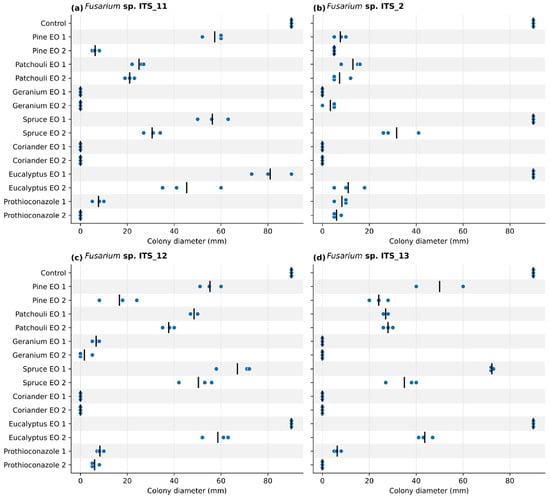
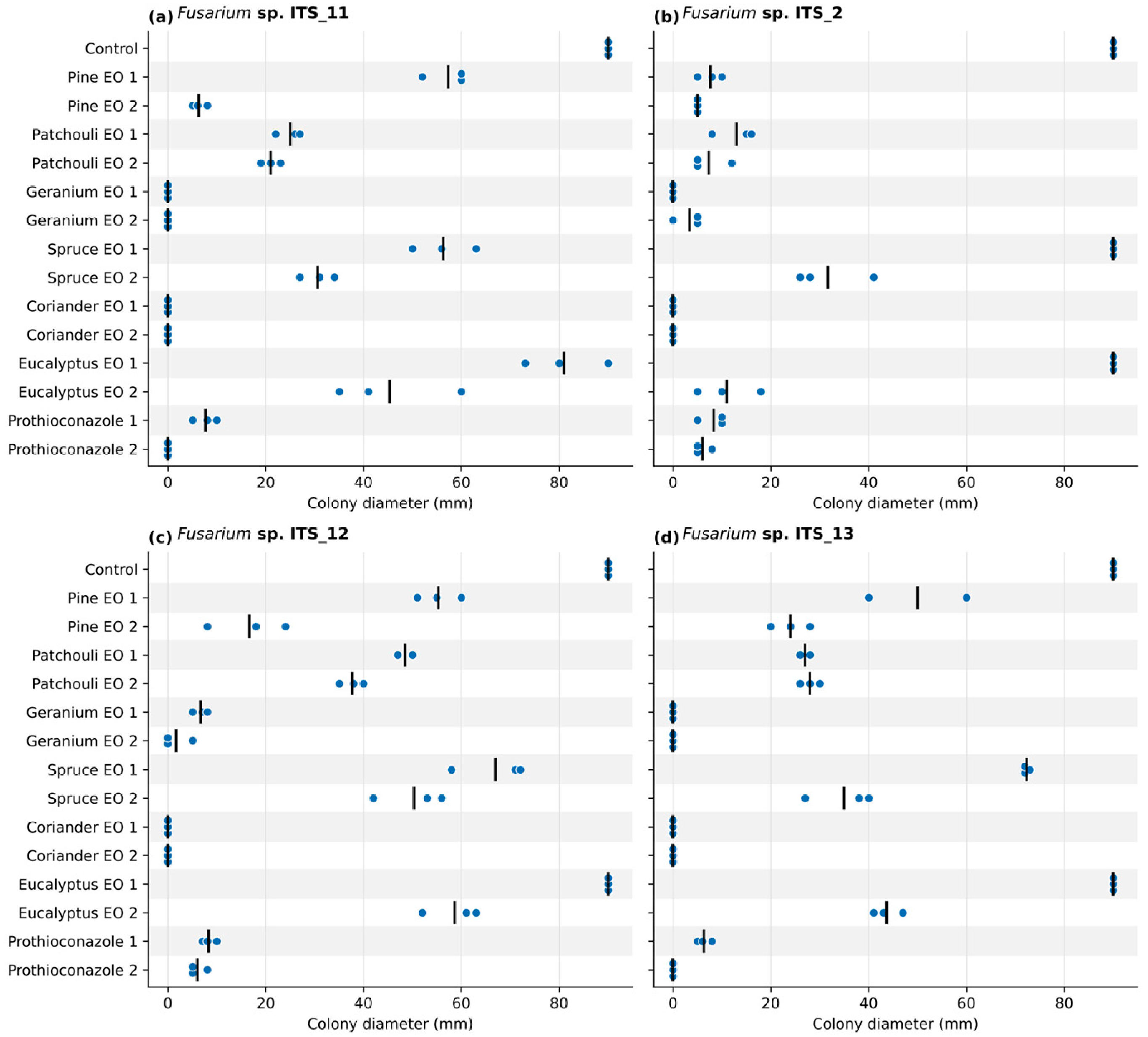
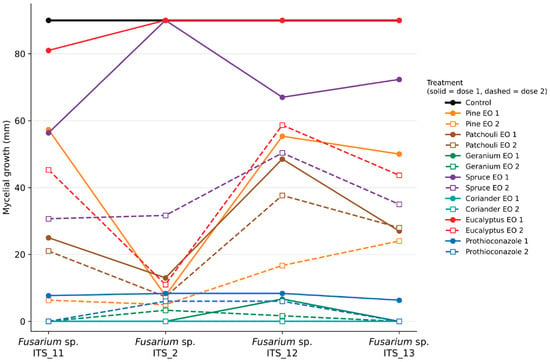
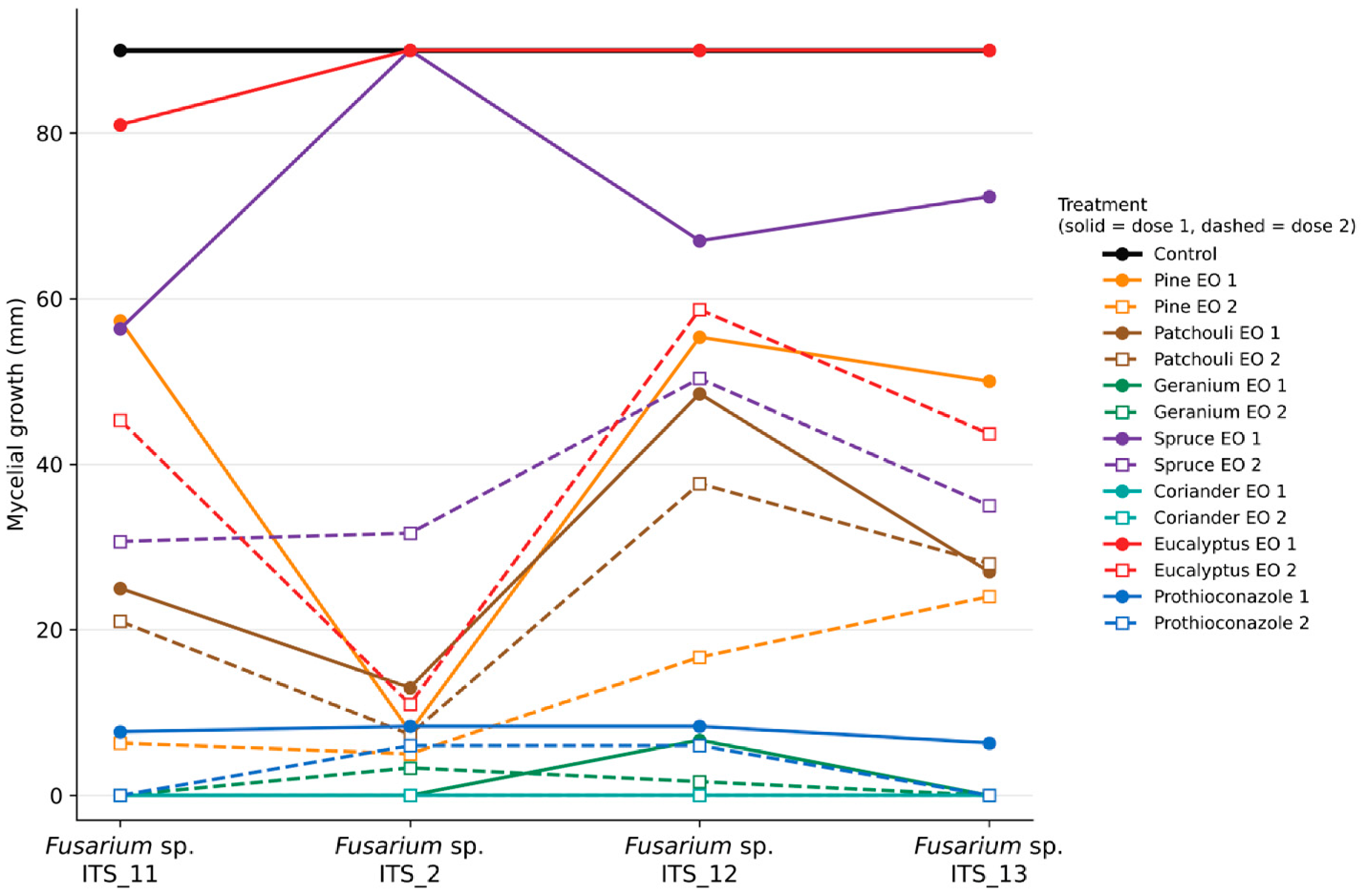
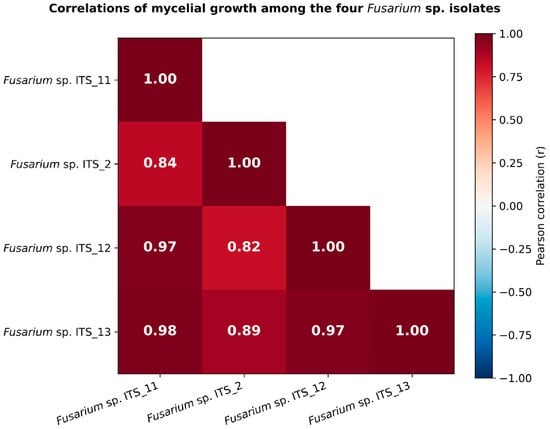
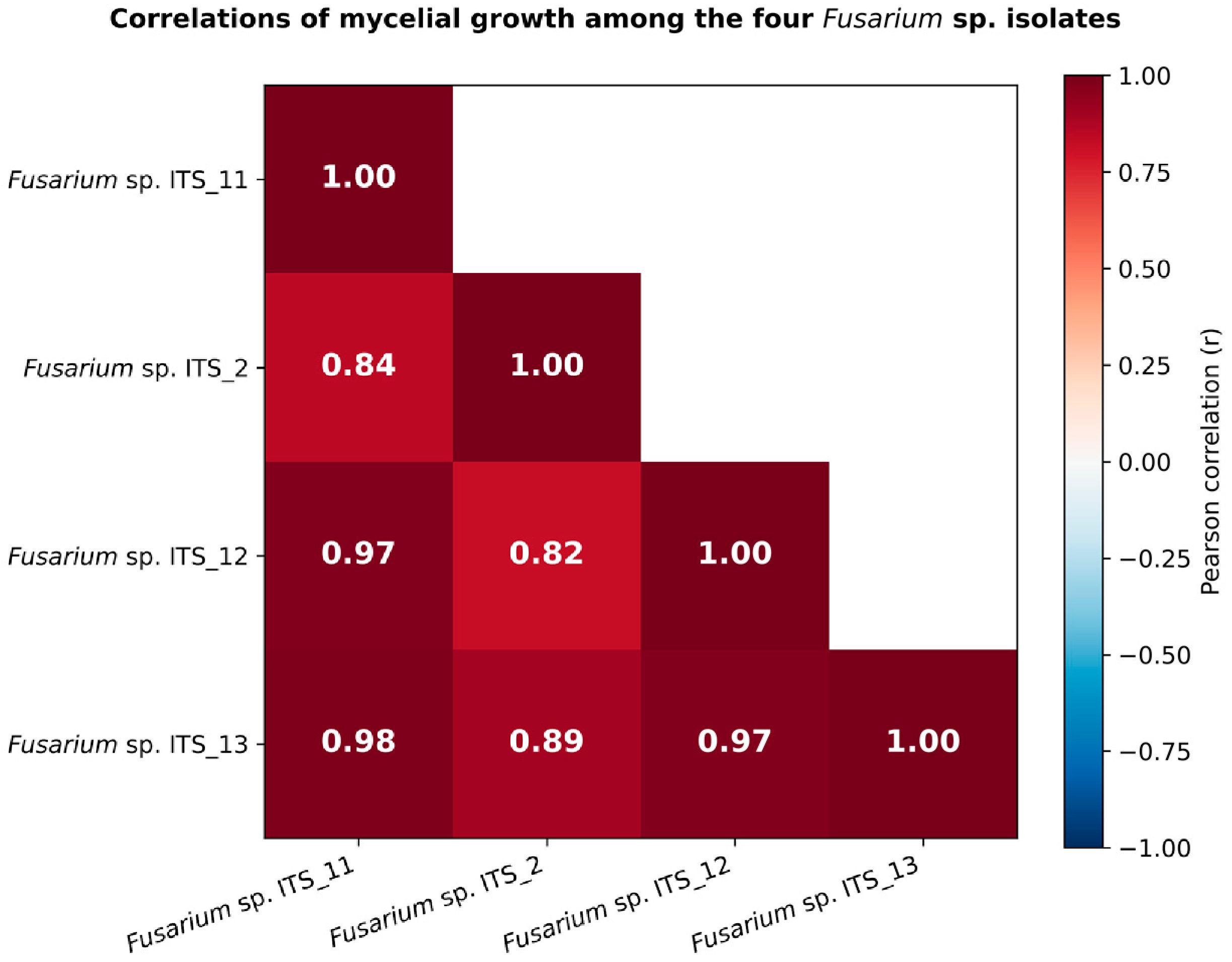
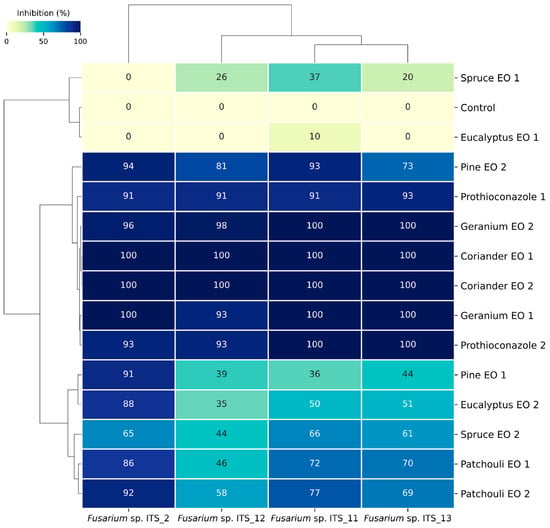
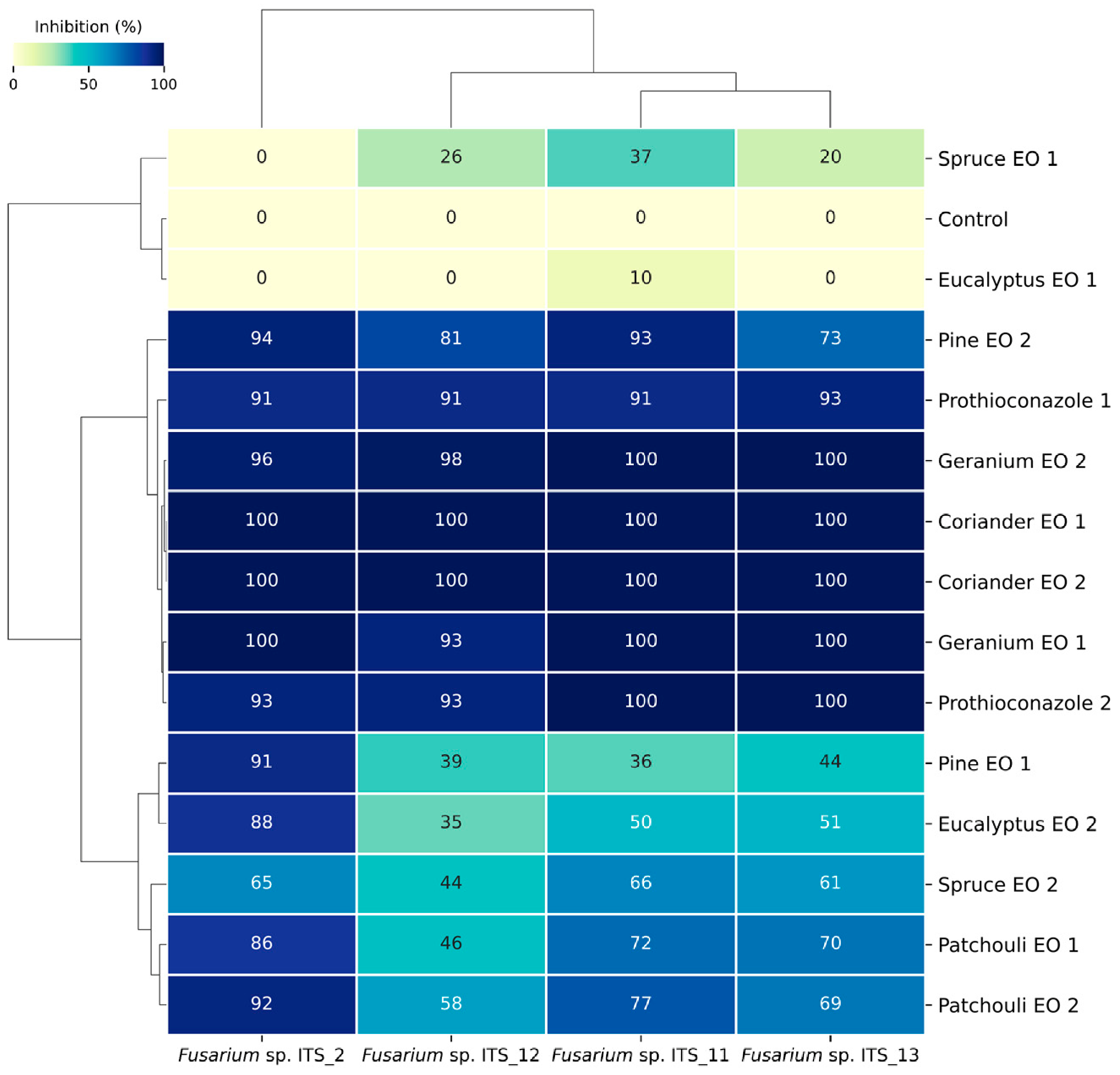
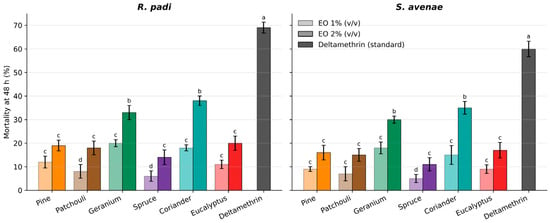
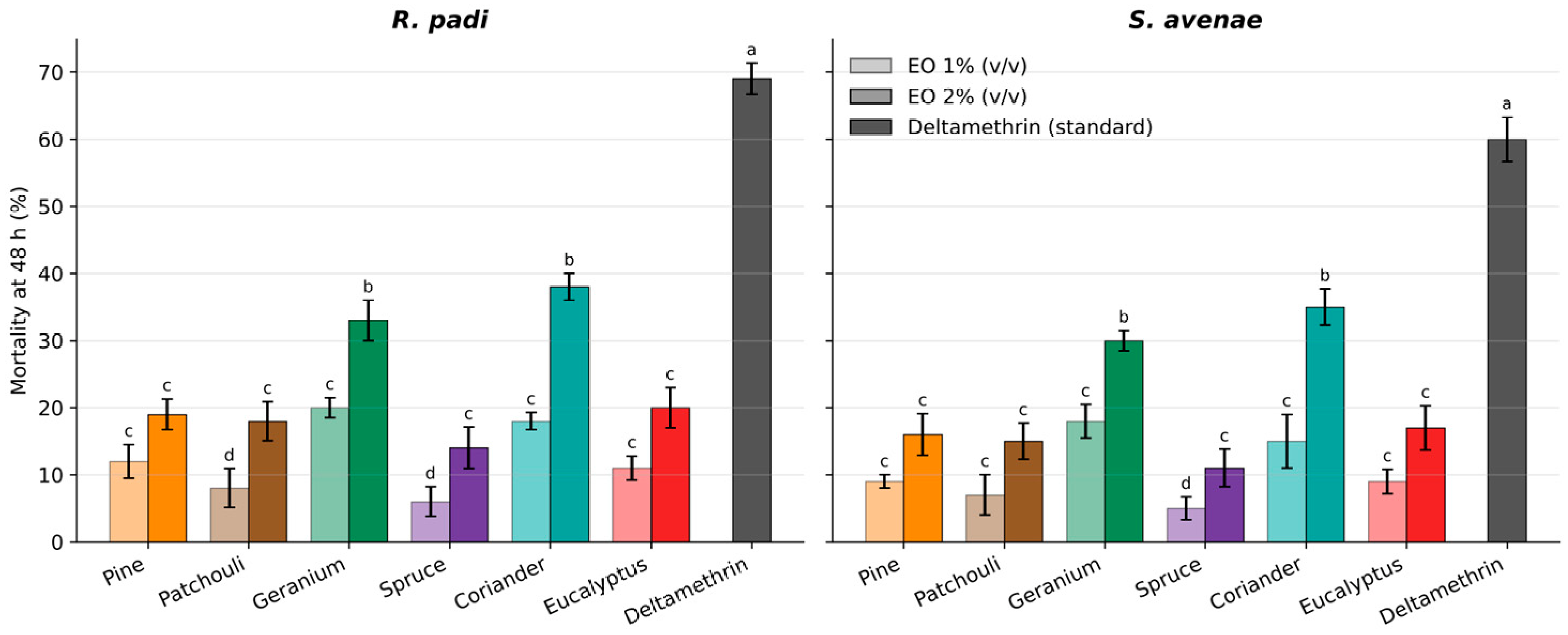

Disclaimer/Publisher’s Note: The statements, opinions and data contained in all publications are solely those of the individual author(s) and contributor(s) and not of MDPI and/or the editor(s). MDPI and/or the editor(s) disclaim responsibility for any injury to people or property resulting from any ideas, methods, instructions or products referred to in the content. |
© 2026 by the authors. Licensee MDPI, Basel, Switzerland. This article is an open access article distributed under the terms and conditions of the Creative Commons Attribution (CC BY) license.