


Abstract
Campylobacter spp., particularly Campylobacter jejuni and Campylobacter coli, remain the leading bacterial causes of foodborne gastroenteritis worldwide, with poultry serving as the dominant reservoir and additional transmission routes involving livestock, raw milk, water, fresh produce, and food-processing environments. Accurate detection and quantification are essential for risk assessment, process hygiene monitoring, outbreak investigation, and One Health surveillance; however, reliable measurement is complicated by the organism’s fastidious microaerophilic growth requirements, stress sensitivity, low or uneven distribution in complex matrices, and ability to enter viable but non-culturable (VBNC) states. This review examines current and emerging approaches for Campylobacter detection and quantification across the food production continuum, including pre-harvest, harvest and processing, post-harvest, and retail, as well as consumer-level settings. Conventional culture, colony-count enumeration, most probable number (MPN) methods, and immunological assays are compared with molecular approaches, including polymerase chain reaction (PCR), qPCR, digital PCR, viability PCR, whole-genome sequencing, metagenomics, biosensors, microfluidics, and artificial intelligence-assisted surveillance. Regulatory and standardization frameworks, including the International Organization of Standards (ISO), Food and Drug Administration (FDA), United States Department of Agriculture-Food Safety and Inspection Service (USDA-FSIS), and European Union (EU) process hygiene criteria are discussed, together with One Health surveillance systems. Overall, future Campylobacter monitoring will require integrated, matrix-specific strategies that combine standardized culture-based enumeration, viability-informed molecular quantification, genomic source attribution, and harmonized metadata to support more rapid, accurate, and risk-based food-safety decision-making.
1. Introduction
Unsafe food is now recognized not as an episodic problem but as a persistent global public health and food system challenge. Recent global estimates indicate that unsafe food causes approximately 866 million cases of illnesse and 1.5 million deaths annually, with young children carrying a disproportionate share of the burden [1]. Within this broader context, Campylobacter represents a major bacterial foodborne pathogen worldwide. Campylobacter is recognized as one of the four major global causes of diarrheal disease and is considered the most common bacterial cause of human gastroenteritis, with the thermotolerant species C. jejuni and C. coli most frequently associated with human disease [2]. The epidemiology of campylobacteriosis further illustrates why detection and quantification are critical across the food production continuum. In the United States, infection is most commonly associated with the consumption of raw or undercooked poultry, although contaminated foods, untreated water, and contact with animals may also contribute to transmission [3,4]. In Europe, campylobacteriosis remains the most frequently reported zoonotic disease in the European Union (EU), highlighting its sustained public health importance [5]. Collectively, these data emphasize the need for sensitive, standardized, and quantitative detection strategies to monitor Campylobacter across farm, processing, retail, and consumer-level stages of the food chain.
The genus Campylobacter comprises spiral, curved, or S-shaped Gram-negative, microaerophilic bacteria that are widely distributed among warm-blooded animals, particularly poultry, cattle, pigs, sheep, and companion animals [2]. Among clinically important species, C. jejuni is the predominant cause of human disease; the Centers for Disease Control and Prevention (CDC) reports that nearly 90% of human Campylobacter infections is caused by C. jejuni, while C. coli and other species account for a smaller proportion of cases [3]. This predominance is highly relevant to food-chain surveillance because both species are well adapted to animal reservoirs, especially poultry, where intestinal colonization is often asymptomatic but can lead to substantial contamination of carcasses or products during slaughter, processing, and food preparation [2,4]. Antimicrobial resistance (AMR) has also become an increasingly important component of Campylobacter surveillance because resistance patterns vary by species, lineage, host reservoir, and geography. Surveillance systems such as the National Antimicrobial Resistance Monitoring System (NARMS) track resistance in Campylobacter from humans, retail meats, and food animals, supporting a One Health approach to understanding of resistant foodborne infections [6].
Transmission of Campylobacter occurs primarily through foodborne routes, although non-foodborne pathways also contribute to human exposure. The World Health Organization (WHO) identifies undercooked meat and meat products, raw or contaminated milk, contaminated water or ice, recreational water exposure, and contact with animals or animal products as importantroutes of transmission [2]. Poultry remains the dominant reservoir in many settings. The EU regulatory framework cites evidence that handling, preparation, and consumption of broiler meat may directly account for approximately 20–30% of human campylobacteriosis cases, while 50–80% of cases may be attributable to the chicken reservoir more broadly; this evidence underpins the EU process hygiene criterion for Campylobacter on broiler carcasses [7]. Sequence-based source-attribution studies have consistently supported the central role of poultry, particularly chicken, as a major reservoir for human campylobacteriosis. In a population-genetic analysis of 1,231 human C. jejuni cases from Lancashire, England, most sporadic infections were attributed to livestock and poultry reservoirs, with chicken identified as the leading source, followed by cattle [8]. Subsequent genome-based analyses further reinforced the contribution of chicken to human infection, while also highlighting important limitations in source attribution. In particular, host switching, strain sharing among animal reservoirs, and incomplete sampling of potential transmission pathways can weaken host-specific genomic signals and complicate precise attribution of human cases [9]. Therefore, although poultry should be regarded as a primary reservoir and priority target for intervention, surveillance frameworks should also consider additional animal, environmental, and food-chain pathways that may contribute to human exposure.
Dairy and waterborne transmission require separate emphasis because their epidemiological patterns differ from poultry-associated sporadic disease. Raw or unpasteurized milk is a well-recognized vehicle for Campylobacter outbreaks, and the CDC warns that raw milk can expose consumers to several pathogens, including Campylobacter, even when farms follow good hygiene practices [10]. Waterborne transmission is more difficult to quantify as a stable fraction of overall disease burden, but it remains epidemiologically important, particularly in localized outbreaks involving contaminated drinking-water systems. Large waterborne outbreaks, including those reported in Norway and New Zealand, illustrate how contamination of drinking-water sources can generate substantial community-level exposure [11,12]. Collectively, the evidence supports a hierarchical rather than monocausal model of transmission: poultry is a principal reservoir for human campylobacteriosis, but dairy, water, environmental exposure, and direct animal contact remain important outbreak-associated and geographically variable pathways that must be considered in food-chain detection and quantitative surveillance.
Campylobacter detection based solely on presence/absence testing is insufficient, as public health risk depends strongly on the number of viable organisms reaching consumers. Dose–response models show that probability of infection is influenced by ingested dose, exposure route, food matrix, and host susceptibility; therefore, two positive samples may pose very different risks depending on their bacterial loads [4,13]. Quantification is therefore a core element of exposure assessment, risk characterization, and evidence-based food-safety decision-making. This principle is reflected in EU regulation, which established a process hygiene criterion for Campylobacter on broiler carcasses after chilling, based on enumeration according to EN ISO 10272-2 [14] and a limit of 1000 CFU/g. Compliance with this limit was expected to substantially reduce the public health risk associated with broiler meat consumption by more than 50% [7,15]. Unlike prevalence data alone, quantitative enumeration captures the distribution of contamination levels across batches, carcasses, and servings, allowing thresholds to be more directly linked with predicted consumer risk [16].
Together, these considerations show that Campylobacter detection across the food production continuum must move beyond simple presence/absence testing toward approaches that also quantify viable bacterial burden and support source tracking. Culture-based enumeration remains essential for regulatory monitoring and international standardization; however, it may underestimate contamination when Campylobacter cells are stressed, sublethally injured, or enter viable but non-culturable (VBNC) states. Viability-informed molecular approaches, including propidium monoazide quantitative polymerase chain reaction (PMA-qPCR) and propidium monoazide combined with droplet digital PCR (PMA-ddPCR), provide faster and more viability-aware quantification, while digital PCR enables absolute quantification without standard curves [15]. Despite these advances, an important research gap remains: current detection systems are not yet fully harmonized for routine, stage-specific, viability-aware, and quantitative monitoring across diverse food matrices and production environments. In particular, limited standardization between culture-based and molecular methods, variability in sample preparation, and incomplete integration of quantitative data with genomic source-tracking continue to limit risk-based surveillance. Therefore, future monitoring will likely depend on integrated strategies that combine standardized culture-based enumeration, molecular quantification, and genomic typing. In this context, the present review examines current and emerging methods for Campylobacter detection and quantification across the farm-to-fork continuum, highlighting their applications, limitations, research gaps, and future role in food-safety monitoring and public-health decision-making. Previous reviews [17,18,19,20,21,22,23,24] have addressed specific aspects of Campylobacter detection, including culture-based methods, molecular approaches, biosensors, and surveillance; a summary of their scope and key areas of focus is provided in Supplementary File S1.
2. Biology and Ecology of Campylobacter Relevant to Detection
The biological characteristics of Campylobacter are central to understanding why its detection and quantification remain challenging across the food production continuum. Members of the genus are small, curved, spiral, or S-shaped Gram-negative bacteria, commonly described as slender rods with characteristic corkscrew motility. The most clinically important species, particularly C. jejuni and C. coli, are widely distributed in warm-blooded animals and are especially associated with poultry and other livestock reservoirs [2,25]. Their non-fermentative metabolism, reliance on amino acids and tricarboxylic acid cycle intermediates, and limited carbohydrate utilization further distinguish them from many other enteric foodborne pathogens and contribute to their fastidious growth requirements [25,26,27]. These traits are important for detection because the organism is often present in complex matrices such as feces, carcass rinses, poultry skin, water, milk, and environmental samples, where competing microbiota and matrix inhibitors can reduce analytical sensitivity.
Thermotolerant Campylobacter species are fastidious and microaerophilic, requiring reduced oxygen tension for optimal growth. C. jejuni grows best at approximately 37–42 °C, which is consistent with its adaptation to avian hosts, while growth below 30 °C is generally poor or absent [3,25]. Standard culture methods therefore require selective enrichment, microaerobic incubation, and selective media that suppress competing organisms while supporting recovery of Campylobacter. However, these same selective conditions may inhibit injured or physiologically stressed cells, increasing the risk of underestimation or false-negative results in samples exposed to refrigeration, oxygen, drying, freezing, low pH, prolonged storage, or other food-processing stresses [2,25,28].
A major detection challenge is Campylobacter’s ability to enter a VBNC state under unfavorable environmental conditions. In this state, cells may remain metabolically active or potentially recoverable but fail to form colonies on routine culture media. Stressors such as cold exposure, oxidative stress, nutrient limitation, and other processing-related conditions can reduce culturability without necessarily eliminating viable cells [15,25]. This has important implications for food-safety surveillance because culture-based enumeration may underestimate the viable or potentially recoverable populations, especially in chilled poultry, carcass rinses, and other matrices where cells may be injured or stressed. Molecular methods such as PMA-qPCR and PMA-ddPCR are therefore increasingly investigated as viability-informed tools to detect intact cells that may be overlooked in conventional culture, while reducing signals from dead cells [15]. Experimental in vivo studies indicate that at least some non-culturable C. jejuni populations can regain culturability following passage through biological hosts. For example, Cappelier et al. [29] recovered VBNC C. jejuni after inoculation into embryonated eggs, with the recovered cells retaining the ability to adhere to HeLa cells. Similarly, Baffone et al. [30] reported restoration of culturability following passage of VBNC C. jejuni through the murine intestine. In contrast, another study [31] was unable to recover non-culturable Campylobacter from experimentally challenged chicks or mice. Thus, evidence for in vivo resuscitation remains inconsistent. In addition, the direct infectivity of VBNC Campylobacter in humans has not been established.
Although Campylobacter is often described as fragile outside the host, it can persist in the food chain and environmental settings through stress adaptation, surface association, and survival within mixed microbial communities. The CDC noted that Campylobacter is fragile outside the host and sensitive to drying, while freezing reduces but does not necessarily eliminate contamination on raw meat. Experimental and review evidence further indicates that survival is influenced by temperature, water activity, pH, oxygen exposure, humidity, and the composition of the surrounding matrix. For example, Campylobacter grows optimally near neutral pH; is inhibited at more acidic or alkaline pH values; and is sensitive to heat, desiccation, and oxidative stress, although survival can be prolonged under refrigerated or protective matrix conditions [3,25,28,32]. These features mean that negative culture results may reflect poor recovery rather than true absence, particularly when samples subjected to refrigeration, freezing, drying, or disinfectant exposure.
Biofilm formation and surface persistence further complicate detection. Campylobacter can attach to food-contact and environmental surfaces, and its survival may be enhanced when cells are embedded in biofilms or associated with other microorganisms. Biofilm-associated cells can be unevenly distributed, more resistant to environmental stress, and harder to detach during sampling, which may reduce detection sensitivity and contribute to inconsistent recovery from processing equipment, water systems, and poultry-processing environments [33,34,35]. Therefore, sampling strategy, surface swabbing efficiency, enrichment conditions, and the choice of culture or molecular method are all critical determinants of detection performance.
Overall, the ecology of Campylobacter creates a paradox for food-safety monitoring: the organism is fastidious and environmentally sensitive, yet it remains highly successful in transmission through poultry, animal reservoirs, water, milk, and food-processing environments. Its microaerophilic growth requirements, stress sensitivity, potential VBNC transition, surface association, and matrix-dependent survival can all reduce culture recovery and contribute false-negative or underestimated results. Consequently, reliable detection requires methods that account not only for presence or absence but also for viability, physiological state, bacterial load, sample matrix, and stage of the food production continuum [14,28].
3. Sources and Transmission Across the Food Production Continuum
Campylobacter detection is difficult because the organism is fastidious and oxygen-sensitive, and may be present at low levels, unevenly distributed, or physiologically stressed in food-chain samples. Therefore, detection and quantification strategies must be tailored to each stage of the food production continuum—the pre-harvest (farm level), harvest and processing, post-harvest and retail, and consumer-level stages—while accounting for differences in sample type, bacterial load, cell viability, and background microbiota. The farm-to-fork transmission routes, key sample matrices, and stage-specific detection challenges associated with Campylobacter are summarized in Figure 1.
Figure 1.
Farm-to-fork transmission and detection framework for Campylobacter. The schematic summarizes major Campylobacter sources, sample matrices, and detection challenges across four stages of the food production continuum: pre-harvest, harvest and processing, post-harvest and retail, and consumer-level stages. It highlights how bacterial load, matrix complexity, background microbiota, cell injury, VBNC transition, cross-contamination, and sampling strategy influence detection across the food production continuum (Created in BioRender. Bommineni, V. (2026) https://BioRender.com/uk9iea8).
3.1. Pre-Harvest (Farm Level)
At the pre-harvest stage, poultry, especially broiler chickens, represents the major reservoir of foodborne Campylobacter transmission. Thermotolerant species such as C. jejuni and C. coli colonize the avian intestinal tract, particularly the ceca, often at high loads without causing obvious disease in birds. This makes intestinal carriage a key upstream source of carcass contamination during slaughter. Other livestock, including cattle, sheep, and pigs, also serve as reservoirs, while farm-associated sources such as water, litter, dust, insects, rodents, personnel, equipment, and nearby wildlife may contribute to flock colonization and environmental spread [2,3,36,37]. Detection at the farm level is complicated by differences among sample matrices . Cecal and fresh fecal samples may contain high Campylobacter loads but also large amount of organic material and competing microbiota. In contrast, environmental samples such as water, soil, dust, litter, insects, and farm swabs often contain lower, intermittent, or stressed populations exposed to oxygen, drying, temperature changes, and nutrient limitation. These conditions can reduce culturability or promote VBNC states, causing culture-based surveillance to underestimate true prevalence [28,38].
Therefore, pre-harvest surveillance should use layered sampling rather than a single matrix. Cecal contents, cloacal or fecal samples, boot socks, and drag swabs are useful for flock-status assessment, while litter, dust, drinker-line water, house swabs, insect traps, and nearby livestock or environmental samples can help identify potential routes of introduction and dissemination. This approach is consistent with ISO 10272-2, which includes primary-production samples such as feces, dust, and swabs within its analytical scope [14]. Method selection should reflect expected bacterial load: direct culture and enumeration may be suitable for high-load cecal or fecal samples, whereas low-load or stressed environmental matrices usually require selective enrichment and, where appropriate, molecular or viability-informed assays. Pre-harvest control should therefore focus on multihurdle biosecurity, including pest control, water protection, litter and manure management, hygiene barriers, and reduced contact with adjacent livestock or contaminated runoff [39,40].
Seasonal and climatic associations with Campylobacter occurrence have been reported across farm and broiler production studies, although the patterns of these associations vary by geographical region, production setting, and sample type. Farm-level studies have reported higher Campylobacter prevalence in chicken and cattle fecal samples during rainy and cold periods, although the same seasonal pattern was not observed in drinking water [41]. In longitudinally monitored broiler farms, Campylobacter colonization was more likely under higher minimum indoor temperatures and higher minimum outdoor relative humidity, despite the absence of a clear overall seasonal pattern [42]. Another broiler study found that colonization risk increased with increasing cumulative temperature exposure during the weeks preceding slaughter [43]. Seasonal variation has also been reported in Great Britain, where Campylobacter-positive broiler flocks were more common from June to November, and flock prevalence was associated with temperature, rainfall, and sunshine duration [44]. Collectively, these findings suggest that climatic effects on Campylobacter occurrence are context-dependent and may differ substantially across locations, production environments, and sample types.
3.2. Harvest and Processing
The harvest and processing stage represents a major transition point between intestinal carriage in live birds and consumer exposure through contaminated meat. During slaughter, Campylobacter contamination occurs primarily through fecal transfer, with defeathering and evisceration recoganized as critical steps because externally contaminated birds and intestinal contents can spread organisms to carcass skin, equipment, and processing surfaces [2,45]. Stainless-steel contact surfaces, conveyors, knives, and cutting-stage equipment may serve as recurrent contamination nodes, allowing organisms from highly colonized flocks to be redistributed among carcasses and the processing environment. From a detection perspective, this stage is challenging because processing both redistributes and physiologically modifies Campylobacter cells. Scalding, rinsing, chilling, antimicrobial treatments, drying, and sanitation can reduce bacterial loads, but they may also injure surviving cells and suppress culturability. As a result, contamination patterns are often heterogenous and stage-dependent rather than uniform. Recent abattoir studies show that Campylobacter loads may decline overall during processing, yet post-defeathering, post-evisceration, and post-chill samples represent different contamination and recovery states [46].
Sampling design is therefore critical. Neck-skin excision is highly informative and is widely used for process hygiene monitoring, whereas whole-carcass rinses provide a broader estimate of carcass surface contamination. However, these approaches are not interchangeable, as neck-skin samples may yield higher mean Campylobacter counts than whole-carcass rinses [47]. For process mapping, sampling should include key points such as post-defeathering, post-evisceration, post-wash/decontamination, and post-chill, along with environmental swabs from plucking fingers, shackles, conveyors, knives, tables, drains, and other food-contact surfaces. A hybrid analytical strategy is most appropriate at this stage. Culture-based enumeration remains essential for regulatory monitoring and quantitative trend analysis, with ISO 10272-2 providing the reference colony-count framework and the Food and Drug Administration Bacteriological Analytical Manual (FDA BAM) offering practical guidance for enrichment and isolation [14,28]. Presumptive colonies should be confirmed by species-specific PCR, matrix-assisted laser desorption/ionization time-of-flight mass spectrometry (MALDI-TOF MS), or equivalent methods. When stressed or injured cells are expected, particularly after chilling or decontamination, viability PCR methods such as PMA-qPCR or PMA-ddPCR can complement culture by detecting viable cells while reducing dead-cell DNA signals [15]. Rapid enrichment-PCR workflows may also shorten turnaround time and improve process-control decisions [48].
Biofilm formation and surface persistence further complicate detection and control. Slaughterhouse-associated Campylobacter isolates can adhere to stainless steel and survive better in the presence of chicken exudate, while biofilm-associated cells may be harder to detach during swabbing and more tolerant of sanitation procedures [49,50]. Therefore, environmental monitoring should include difficult-to-clean niches and should be interpreted as part of a longitudinal process trending rather than as isolated one-time results. Overall, control at the harvest and processing stage depends on minimizing gut rupture and fecal leakage, optimizing defeathering and evisceration conditions, maintaining equipment hygiene, validating carcass interventions, and tracking quantitative results over time. Even effective processing interventions may fail to meet process-hygiene targets when incoming flock burden is high or when persistent environmental contamination is not controlled.
3.3. Post-Harvest and Retail
At the post-harvest and retail stages, raw poultry meat remains the dominant vehicle for Campylobacter exposure, while raw milk and fresh produce represent lower-frequency but important transmission routes. The WHO and CDC identify raw or undercooked poultry, raw or contaminated milk, untreated water, and contaminated produce as relevant sources of human exposure [2,4,10]. Detection challenges vary considerably by matrix. In chilled poultry meat, refrigeration, oxygen exposure, packaging conditions, and storage may injure cells or reduce culturability. The FDA BAM notes that samples should be analyzed as soon as a package is opened because fresh oxygen can further stress weakened Campylobacter cells [28]. In raw milk, contamination may be low and intermittent, requiring enrichment and careful handling before culture [51,52]. In fresh produce, Campylobacter contamination is usually less frequent than in poultry, but detection can be difficult because cells may be unevenly distributed and masked by abundant background flora on the plant surface or in the wash environment [53,54]. Sampling and testing should therefore be adapted to the product type. For retail poultry, useful matrices include skin-on parts, neck skin, package exudate, carcass rinses, and composite samples across lots or product forms [55,56]. For raw milk, testing may need to include not only milk but also teat swabs, milk filters, milking equipment, and fecal or environmental sources when contamination routes are being investigated [57,58]. For fresh produce, edible portions, rinsates, wash water, irrigation water, and processing-environment samples may be required, especially when source attribution is the goal [54].
A hybrid laboratory approach is most appropriate for post-harvest and retail surveillance. Culture-based methods remain essential for obtaining viable isolates for confirmation, antimicrobial susceptibility (AST) testing, or genomic source attribution; however, enrichment is often necessary for low-level or stressed samples. For chilled poultry and other matrices where injured or VBNC cells may be present, viability PCR methods such as PMA-qPCR or PMA-ddPCR can complement culture by improving detection of viable cells while reducing dead-cell DNA signals [14,15]. Control priorities at this stage are product-specific. For poultry meat, maintaining the cold chain, preventing package leakage, and reducing cross-contamination during storage and handling are critical. For dairy, pasteurization remains the most effective control measure, as hygienic milking alone cannot fully eliminate the risk of intermittent contamination. For fresh produce, prevention depends on safe agricultural water, proper manure management, hygienic control of wash water, and separation from raw animal products during retail handling and storage [59,60].
3.4. Consumer Level
At the consumer level, Campylobacter transmission occurs mainly through undercooked poultry and cross-contamination in the kitchen. The CDC notes that raw or undercooked poultry is a major source of infection and that even a small amount of raw chicken juice can contain enough Campylobacter to contaminate ready-to-eat foods, cutting boards, knives, and other kitchen surfaces [4]. Therefore, poultry should be cooked to an internal temperature of 165 °F (74 °C); raw meat should be kept separate from ready-to-eat foods; and cutting boards, utensils, countertops, and hands should be cleaned thoroughly after handling raw poultry. Washing raw poultry should be avoided because it can spread bacteria through splashing and increase kitchen cross-contamination [61,62].
Detection at the consumer stage is less standardized than surveillance at the farm, processing, or retail stages. Household investigations usually rely on outbreak- or research-specific sampling of leftover poultry; marinades; drip-contaminated foods; and swabs from sinks, taps, cutting boards, utensils, cloths, and handles. However, recovery may be inconsistent because household surfaces expose cells to drying, oxygen, detergents, and time delays before sampling. Culture remains important when viable isolates are required, but molecular methods, including conventional PCR or viabilty PCR may help when stressed cells are suspected and culture results are negative [14,15,28]. Thus, consumer-level prevention depends on simple but critical behaviors: washing of raw poultry, separating raw and ready-to-eat foods, washing hands and utensils after raw-meat handling, refrigerating foods promptly, and using a thermometer rather than visual appearance to confirm cooking. These practices represent the final barrier to exposure, but they cannot replace upstream control because the contamination entering the kitchen are influenced by pre-harvest colonization, slaughter hygiene, processing, and retail handling.
4. Conventional Detection and Quantification Methods for Campylobacter
Detection and quantification of Campylobacter remain challenging because the organism is fastidious, microaerophilic, and susceptible to physiological injury outside the host. Conventional culture, therefore, remains the regulatory reference for food-chain testing, with ISO 10272-1:2017 [63] guiding detection, ISO 10272-2:2017 guiding colony-count enumeration, and FDA BAM supporting enrichment, isolation, and confirmation [14,28]. Although culture confirms the viability of culturable organisms and provides isolates for further characterization, it is time-consuming and may underestimate the number of stressed or VBNC cells. MPN methods support viable estimation in low-level or complex matrices but are labor-intensive, whereas enzyme-linked immunosorbent assay (ELISA) and lateral-flow assays provide rapid screening but remain adjunctive due to matrix-dependent sensitivity, potential cross-reactivity, and the need for culture confirmation.
4.1. Culture-Based Methods
Culture-based detection remains the reference approach for Campylobacter because it links a positive result to recovery of viable, culturable organisms and provides isolates for confirmation, AST testing, and molecular characterization. In food-chain testing, the workflow generally follows either direct plating for high-load matrices or selective enrichment followed by plating when contamination is low or unevenly distributed, or cells are likely to be injured. ISO 10272-1:2017 provides the horizontal detection framework by enrichment or direct plating, whereas ISO 10272-2:2017 formalizes colony-count enumeration; FDA BAM Chapter 7 provides practical guidance for sample preparation, enrichment, isolation, incubation under microaerobic conditions, and confirmation [14,28]. The conventional culture-based workflow used for Campylobacter detection and quantification is summarized in Figure 2.
Figure 2.
Conventional culture-based workflow for Campylobacter detection and quantification. Samples from food or environmental matrices are processed by selective enrichment or direct plating, followed by inoculation on selective agar (mCCDA: modified charcoal cefoperazone deoxycholate agar), colony confirmation, and interpretation of results as colony-forming units (CFU) or most probable number (MPN). The workflow highlights the major strengths of culture-based methods, including the detection of viable organisms and the recovery of isolates for regulatory and confirmatory testing, as well as important limitations, such as slow turnaround time, reduced sensitivity in complex matrices, and failure to detect viable-but-non-culturable (VBNC) cells (Created in BioRender. Bommineni, V. (2026) https://BioRender.com/jcp4ljf).
Selective recovery is central to culture-based testing because Campylobacter grows slowly and is easily overgrown by background microbiota. Standard workflows typically use microaerobic atmospheres, commonly 5% O2, 10% CO2, and 85% N2, with incubation at 37–42 °C, depending on the recovery step and target species [22,28]. For stressed cells, pre-enrichment or step-wise recovery procedures can improve culturability before exposure to stronger selective conditions. This is especially important for chilled poultry, carcass rinses, raw milk, produce, and environmental samples, where cells may be sublethally injured by oxygen, refrigeration, drying, sanitation, or other matrix-associated stress.
The development of selective media has shaped modern Campylobacter culture. Skirrow’s medium first enabled the practical isolation of thermotolerant Campylobacter from feces using antibiotic-based suppression of competing microbiota [64]. Preston medium later improved selectivity for animal and environmental specimens, and Preston enrichment further enhanced recovery compared with direct plating in some matrices [65,66]. Blood-free charcoal-based media were then developed to reduce oxidative stress and support recovery without blood supplementation, forming the basis for modified charcoal cefoperazone deoxycholate agar (mCCDA), which remains widely used in ISO-aligned food microbiology [14,66,67]. Despite its importance, selective culture is not analytically neutral. Recovery depends strongly on the enrichment broth, selective agar, antimicrobial supplement, competing flora, and physiological condition of the target cells. For example, modification of mCCDA with higher polymyxin B improved selectivity for chicken carcass rinses, while alternative enrichment–plating combinations have improved detection from chicken meat in some studies [68,69]. Background organisms, particularly ESBL-producing E. coli, can compromise selectivity by growing on cefoperazone-based media, prompting evaluation of broth or agar modifications with β-lactamase inhibitors or other supplements [69,70,71].
For quantification, CFU-based colony counting remains most useful in high-load matrices such as broiler ceca, feces, neck skin, and some carcass rinses. Its main advantage is interpretability: confirmed colonies are directly converted to CFU/g, CFU/cm2, or CFU per sample, making the method suitable for process hygiene monitoring and regulatory comparisons [14,28]. Culture also provides isolates for biochemical confirmation, species-specific PCR, MALDI-TOF MS identification, AST testing, and genomic source attribution. However, culture-based methods have important limitations. They are time-consuming, often requiring 48–72 h or longer when enrichment, subculture, and confirmation are included. More importantly, they detect only culturable cells. C. jejuni can enter non-culturable coccoid or VBNC states under stress, meaning that culture may underestimate viable populations in chilled, oxygen-exposed, disinfected, or nutritionally stressed samples [72,73]. Therefore, culture remains indispensable for regulatory confirmation and isolate recovery, but it should be interpreted as a measure of viable and culturable Campylobacter rather than total biological presence.
4.2. Most Probable Number (MPN)
The most probable number (MPN) method is a viable cell enumeration approach used when direct plating is insufficiently sensitive or unsuitable for a given matrix. Instead of counting colonies directly, serial dilutions of a sample are inoculated into replicate broth tubes or wells, incubated, and scored as positive or negative. The bacterial concentration is then estimated statistically based on the pattern of positive reactions across dilutions. FDA BAM Appendix 2 describes MPN as particularly useful for low organism concentrations, especially below approximately 100 organisms/g, and for matrices such as milk, water, and particulate foods that may interfere with accurate colony counting [74]. For Campylobacter, MPN is most useful when viable organisms are expected at low levels or when direct plating is affected by matrix interference. Relevant applications include retail poultry rinses with low counts, raw milk, environmental water, and selected farm or slaughterhouse surveillance samples. Miniaturized Campylobacter-specific MPN formats have also been developed to reduce media use and improve practicality. For example, Chenu et al. developed a miniaturized MPN method for thermophilic Campylobacter in poultry-associated matrices using modified blood-free Bolton broth and selective plating, reporting good agreement with direct plating across carcasses, broiler ceca, feces, scald-tank water, and feed samples [75].
The main strength of MPN is its ability to estimate viable contamination when cell numbers are low, unevenly distributed, or difficult to recover by direct colony counting. However, the method is labor-intensive, consumes more media and incubation space than direct plating, and often requires subsequent confirmation of positive tubes by subculture or molecular testing. In addition, MPN estimates may have wide confidence intervals because they are statistical approximations rather than direct colony counts. Comparative studies suggest that when Campylobacter levels are high enough for reliable plate counting, direct plating is generally preferable because it is faster, simpler, and less labor-intensive [14,76]. Therefore, MPN should be considered a targeted enumeration strategy rather than a replacement for CFU-based counting. Its greatest value lies in low-concentration or matrix interference-prone samps where viable estimates are needed, but direct plating is unlikely to perform well.
4.3. Immunological Methods
Immunological methods detect Campylobacter antigens rather than relying on bacterial growth. The main formats used in this field are enzyme-linked immunosorbent assays, such as ELISA or Enzyme Immunoassay (EIA), and lateral-flow immunochromatographic assays. Their major advantage is speed, as the analytical step can often be completed within minutes to a few hours; however, they are best considered screening tools rather than definitive methods because they do not provide isolates, usually do not distinguish viable from non-viable cells, and often require enrichment when antigen concentrations in food samples are low. Enrichment improves assay sensitivity by increasing bacterial numbers and, consequently, the concentration of detectable Campylobacter antigens. ELISA-based methods have shown value for the rapid detection of thermotolerant Campylobacters in poultry products and clinical specimens. A commercial automated ELISA was reported to be repeatable and reliable for detecting thermophilic Campylobacters in naturally contaminated poultry products [77]. In clinical testing, EIAs have demonstrated high sensitivity and specificity in controlled validation studies, but routine use may yield false positives and lower positive predictive value, underscoring the need for culture confirmation of positive results [78,79].
Lateral-flow assays offer greater simplicity and are attractive for rapid flock or near-line screening, but their performance depends strongly on bacterial load and assay design. A direct lateral-flow test in chicken feces was mainly useful for identifying high-shedding flocks, with detection requiring high Campylobacter levels [80]. More advanced nanoparticle-assisted lateral-flow formats have improved sensitivity and specificity in poultry samples, but these remain controlled assay systems rather than universal replacements for reference culture [81]. The key limitations of immunological methods are matrix-dependent sensitivity, potential antibody cross-reactivity, limited quantitative precision, and limited isolate recovery. False-positive responses may arise from cross-reactivity or matrix effects, particularly in complex food samples [82]. Therefore, ELISA and lateral-flow assays are most useful as rapid front-end screening tools that can prioritize samples for confirmatory testing, rather than as standalone reference methods.
5. Molecular Detection and Quantification Approaches
Molecular methods have become essential complements to culture-based Campylobacter detection, providing faster identification, greater analytical sensitivity, and improved capacity for species differentiation and quantification. These approaches are particularly valuable when cells are present at low abundance, are physiologically injured by food-processing conditions, or occur in matrices containing high background microbiota or PCR inhibitors. However, molecular detection must be interpreted carefully, as DNA-based assays do not necessarily indicate viability, infectivity, or culture recoverability. Therefore, PCR, qPCR, digital PCR, and viability-PCR are best viewed as complementary tools that extend, rather than fully replace, culture-based surveillance.
5.1. Conventional PCR and Multiplex PCR
Conventional PCR remains one of the most widely used molecular approaches for detecting and identifying Campylobacter spp. in food and clinical samples. Established assays typically combine conserved Campylobacter genes (such as 16S or 23S rRNA) with targets characteristic of C. jejuni and C. coli, including the hipO, mapA, glyA, and ceuE genes [23,83]. Comparative evaluations of 12 PCR assays have shown that detection performance depends strongly on the gene chosen: cdtC and hipO provided the highest accuracy for C. jejuni, whereas cdtB, cdtA, and ask performed best for C. coli. [84]. In routine practice, conventional PCR is often applied alongside culture, either directly on enriched samples or on bacterial isolates, to confirm the presence of Campylobacter and differentiate C. jejuni and C. coli. However, because conventional PCR amplifies DNA from both viable and dead cells, it cannot distinguish viable organisms or detect VBNC cells from culturable viable cells or dead cell DNA, limiting its utility for quantitative microbial risk assessment along the food production continuum.
Multiplex PCR has been widely applied for the rapid detection and differentiation of Campylobacter species from feces, environmental samples, carcasses, food products, and laboratory isolates by simultaneously targeting multiple species-specific genes. In bovine fecal samples, direct multiplex PCR coupled with optimized DNA extraction effectively removed PCR inhibitors and simultaneously targeted the mapA, ceuE, 23S rRNA, and 16S rRNA genes to detect multiple Campylobacter species [85]. A colony multiplex PCR assay was subsequently developed for the simultaneous identification of the five major clinically important Campylobacter species by targeting the 23S rRNA gene and hipO (C. jejuni), glyA (C. coli, C. lari, and C. upsaliensis), and sapB2 (C. fetus subsp. fetus), enabling accurate identification of both reference strains and clinical isolates with high specificity, including mixed cultures [86]. Species identification was further improved by a lpxA-based multiplex PCR, which explained species-specific sequence variation within the housekeeping gene lpxA to accurately differentiate C. jejuni, C. coli, C. lari, and C. upsaliensis from clinical, animal, and environmental isolates [87]. For subspecies identification, a napA/napB-based multiplex PCR identified C. jejuni subsp. jejuni and C. jejuni subsp. doylei by targeting characteristic deletions within the nitrate reductase locus [88].
Multiplex PCR combined with high-resolution melting (HRM) analysis further enhanced species differentiation by targeting the hipO gene of C. jejuni and the asp gene of C. coli. The assay distinguished the two species based on their melting profiles, detected intraspecies sequence variation, was reported achieved 100% sensitivity and 92% specificity, and produced results within approximately 8 h, demonstrating its utility for rapid speciation of clinical and poultry isolates [89]. It has also been successfully applied to environmental samples. Following selective enrichment, multiplex PCR targeting 16S rRNA, mapA, and ceuE efficiently detected Campylobacter from slaughterhouse surfaces, equipment, and wash-water areas, with detection rates approaching those of commercial PCR platforms after 48 h enrichment and showing strong agreement with culture-positive samples [90]. Similarly, a food-based multiplex PCR assay generated a 159 bp species-specific amplicon for C. jejuni and accurately detected the organism in dairy products and in raw and ready-to-eat foods. The assay showed complete agreement with conventional microbiological methods while reducing the detection time to approximately 8 h, highlighting its potential as a rapid tool for foodborne Campylobacter detection [91].
5.2. Quantitative PCR (qPCR)
qPCR enables real-time monitoring of DNA amplification, allowing quantitative assessment of contamination in diverse matrices, including poultry feces, litter, carcass rinses, meat products, milk, water, and environmental samples. In poultry fecal and cecal samples, complex sample matrices and PCR inhibitors can limit the accuracy and sensitivity of molecular detection. Therefore, effective cell-concentration and DNA-extraction procedures are important to separate target Campylobacter cells from inhibitory matrix components before qPCR analysis. Multiplex qPCR assays have expanded analytical capacity by simultaneously detecting and differentiating multiple Campylobacter species within a single reaction. For example, probe-based multiplex qPCR assays targeting species-specific genes, including hipO for C. jejuni, glyA for C. coli, and pepT for C. lari, achieve highly accurate reaction efficiencies for identifying these bacteria: 90.85% for C. jejuni, 96.97% for C. coli, and 92.89% for C. lari. The assay is highly sensitive, detecting as few as 10 genome copies per reaction. More recently, multiplex qPCR has been expanded beyond pathogen detection to include simultaneous identification of AMR determinants. Numerous assays have been developed targeting species-specific genes such as mapA, hipO, ceuE, and 16S rRNA, enabling accurate identification and quantification of major thermophilic Campylobacter species [92,93,94]. However, increasing the number of targets in multiplex qPCR increases assay complexity, and competitive amplification among targets can reduce amplification efficiency and analytical sensitivity, particularly when multiple targets are amplified simultaneously [95,96].
Among these approaches, propidium monoazide (PMA)-qPCR is the most widely used viability-informed qPCR strategy. PMA enters membrane-compromised dead cells and, following photoactivation, covalently binds DNA and prevents its amplification, thereby enriching the signal from viable or membrane-intact Campylobacter cells. However, PMA-qPCR performance is highly matrix-dependent and is influenced by dye concentration, light exposure, organic matter, turbidity, and sample-processing conditions. The principle and workflow of PMA-qPCR for viability-informed Campylobacter detection are summarized in Figure 3. Similarly, reverse transcriptase qPCR (RT-qPCR), which targets mRNA rather than DNA, provides a more reliable indicator of bacterial viability and metabolic activity, although RNA stability and extraction efficiency remain important limitations. These approaches have demonstrated the presence of VBNC Campylobacter populations in poultry production environments and food samples, highlighting contamination that would be overlooked by culture-based methods [38,73,97,98].
Figure 3.
The propidium monoazide (PMA)-qPCR workflow for viability-informed detection of Campylobacter. The schematic illustrates the major steps of PMA-qPCR, including sample collection, cell suspension, PMA treatment, light activation, DNA extraction, qPCR amplification, and data analysis. PMA selectively penetrates membrane-compromised dead cells and, after photoactivation, binds their DNA to prevent amplification. As a result, PMA-qPCR preferentially detects viable or membrane-intact Campylobacter cells and provides a more accurate estimate of viable contamination than conventional qPCR (Created in BioRender. Bommineni, V. (2026) https://BioRender.com/cj2sg8s).
5.3. Digital PCR
Digital PCR (dPCR) is an advanced PCR technology that enables absolute quantification of target nucleic acids by partitioning a sample into a large number of independent reactions and applying Poisson statistics, thereby improving quantitative accuracy, including those present in complex food matrices [99]. In broiler neck-skin samples, both dPCR and qPCR showed strong correlations with ISO plate counts for C. jejuni, and dPCR offered greater tolerance to variation in amplification efficiency and PCR inhibitors, highlighting its potential as a complementary tool for routine monitoring and regulatory applications [100]. Droplet digital PCR (ddPCR) has also been optimized for complex tissues such as chicken liver, where PCR inhibitors frequently reduce detection accuracy. Optimized sample preparation, including improved tissue homogenization and filtration, substantially reduced matrix interference, resulting in droplet quality comparable to that of pure cultures. These findings emphasize that appropriate sample preparation is as important as the ddPCR chemistry for achieving reliable Campylobacter quantification in inhibitor-rich tissues [101]. dPCR has also been combined with PMA to selectively detect viable Campylobacter, including VBNC cells that often escape conventional culture methods. Compared with PMA-qPCR, PMA-ddPCR demonstrated superior sensitivity for detecting viable C. jejuni while effectively suppressing signals from dead cells. This represents an important advance because VBNC Campylobacter can persist in poultry-associated matrices, making PMA-ddPCR a promising tool for more accurate food safety monitoring [102].
5.4. Viability PCR
Viability PCR (vPCR) is an umbrella term for PCR-based approaches that use DNA-intercalating dyes, such as PMA, enhanced PMA (PMAxx), or ethidium monoazide (EMA), to reduce amplification from membrane-compromised dead cells. In contrast to conventional PCR or qPCR, which amplify DNA from both live and dead bacteria, vPCR preferentially detects viable or membrane-intact Campylobacter populations. PMA-qPCR is therefore a specific vPCR format that combines PMA treatment with quantitative PCR, whereas PMA-ddPCR applies the same viability principle to digital PCR for more sensitive absolute quantification.
Recent studies have optimized a PMAxx-based vPCR workflow for detecting viable Campylobacter in raw milk and water by systematically evaluating sample concentration and DNA extraction methods before PMAxx treatment [103]. The optimized assay demonstrated excellent linearity with detection limits ranging from 4.67 × 10³ to 9.84 × 101 CFU/mL for Campylobacter [103]. In addition, PMA combined with digital PCR has further improved viability detection by enabling sensitive quantification of VBNC C. jejuni without a PMA enhancer, highlighting the potential of PMA-ddPCR for improving the detection of viable Campylobacter in food safety applications [102]. Despite these advantages, vPCR should be interpreted as a membrane-integrity-based estimate rather than a direct measure of infectivity. Dye penetration and signal suppression can vary with sample matrix, turbidity, organic load, cell density, dye concentration, and photoactivation conditions. Several approaches have been evaluated to improve PMA-based viability discrimination in complex Campylobacter samples. In chicken meat, two-round PMA treatment has been shown to more effectively suppress qPCR signals from dead Campylobacter cells than a single treatment, and PMAxx combined with PMA Enhancer has also been evaluated to improve discrimination between viable and dead cells [104]. In addition, sample pre-treatment has been used to reduce matrix interference; for example, centrifugation has been applied to remove larger debris and organic material before PMA-based analysis [38,105]. However, PMA performance remains dependent on the sample matrix and experimental conditions, and studies of broiler carcasses have reported incomplete suppression of signals from dead cells [97]. Accordingly, these approaches should be regarded as matrix-specific optimization strategies rather than as a universally standardized PMA protocol for poultry samples. vPCR is best used as a complementary approach alongside culture, qPCR, dPCR, and, conventional recovery methods when bacterial isolates are required for downstream applications.
6. Advanced and Emerging Technologies
Advanced and emerging technologies are increasingly being explored to overcome key limitations of conventional Campylobacter detection, including slow turnaround times, limited sensitivity for stressed or VBNC cells, and the need for isolate recovery prior to downstream characterization. These approaches include whole-genome sequencing, shotgun metagenomics, biosensors, microfluidic and lab-on-a-chip platforms, and artificial intelligence/machine learning-assisted analytics. Rather than replacing culture-based methods, these technologies expand the surveillance toolkit by improving strain-level resolution, source attribution, AMR profiling, rapid screening, and data integration across the food production continuum. However, their routine application in food-safety monitoring still requires further validation, standardization, cost reduction, and matrix-specific performance evaluation.
6.1. Whole-Genome Sequencing (WGS)
Whole-genome sequencing (WGS) has become an important tool for Campylobacter surveillance across the food production chain, primarily for detailed characterization of isolates rather than for routine detection or quantification. As illustrated in Figure 4, WGS-based Campylobacter surveillance begins with recovery of a viable isolate, followed by DNA extraction, sequencing, and downstream strain-level analyses. These analyses support core genome multilocus sequence typing (cgMLST) and single-nucleotide polymorphism (SNP)-based comparisons, outbreak investigation, source attribution, AMR profiling, disease surveillance, risk assessment, and food-safety intervention. At the farm and processing stages, cgMLST and SNP phylogeny are being used to resolve flock-associated lineages, recurrent introductions, and slaughterhouse cross-contamination [106]; abattoir-based WGS studies from Europe and North America using longitudinal sampling in chicken abattoirs have revealed repeated upstream reintroduction of specific lineages and probable between-batch transmission [107]. Similarly, multi-year abattoir surveillance has detected persistent C. jejuni ST-21 and related clones together with recurrent AMR determinants such as tet(O), blaOXA, and gyrA T86I in broiler populations and carcasses [108]. Studies from Denmark demonstrated that routine WGS could identify previously unrecognized C. jejuni outbreaks and accurately match patient isolates with food and environmental sources [109]. WGS analysis of milk-borne outbreaks showed that epidemiologically linked isolates exhibited minimal genomic variation, allowing precise confirmation of outbreak clusters [110]. Comparative genomic studies in France further identified poultry and ruminants as the major reservoirs contributing to human campylobacteriosis [111]. In addition, WGS confirmed the epidemiological links identified by PFGE, clustering the outbreak-associated C. jejuni isolates into a single genomic group associated with contaminated chicken liver [112].
Figure 4.
Whole-genome sequencing workflow for Campylobacter surveillance and source attribution. A viable Campylobacter isolate undergoes DNA extraction, whole-genome sequencing (WGS), and strain-level characterization. Downstream analyses, including cgMLST and SNP analyses, outbreak investigation, source attribution, and antimicrobial-resistance (AMR) profiling, support disease surveillance, risk assessment, and food-safety intervention across the food production continuum (Created in BioRender. Bommineni, V. (2026) https://BioRender.com/l0bnr5l).
Beyond outbreak investigations, WGS has been widely applied to characterize C. jejuni and C. coli isolates recovered from foodborne outbreaks and poultry sources. WGS-based surveillance in Denmark has shown that routine sequencing of clinical and food isolates can uncover numerous previously unrecognized C. jejuni outbreaks linked to chicken meat and allow precise matching of patient isolates to retail and production sources, thereby enhancing the sensitivity and specificity of outbreak detection [109]. WGS has been applied to characterize C. jejuni and C. coli isolates from foodborne outbreaks and poultry sources [113]. Sequencing of C. coli YH502 from retail chicken identified a plasmid-borne type VI secretion system along with virulence-associated and AMR genes [114]. Similarly, complete genome sequencing of three chicken-derived C. jejuni strains revealed that they carried megaplasmids carrying the tetracycline resistance gene tet(O) [115].
6.2. Shotgun Metagenomic Sequencing
Shotgun metagenomic sequencing has been evaluated for the detection and characterization of Campylobacter in poultry-house air samples. In a pilot study, air sampling combined with shotgun metagenomic sequencing detected Campylobacter at concentrations as low as 200 CFU per sample in spiked air filters and identified Campylobacter in air samples collected from naturally contaminated poultry houses. The study also showed that shotgun metagenomics detected diverse microbial communities in poultry-house air, including genera that harbor opportunistic pathogenic species. However, the authors reported that the method is affected by DNA extraction bias, laboratory contamination, and challenges in taxonomic classification, indicating that careful data interpretation and further optimization are required before routine application [116].
6.3. Biosensors
Biosensors represent an emerging class of analytical tools for the detection and quantification of Campylobacter across the food production continuum [117]. By integrating selective recognition elements (such as antibodies, aptamers, or nucleic acid probes) with transducers that convert binding events into measurable electrical, optical, or piezoelectric signals [24,118], recent developments include electrochemical, optical, piezoelectric, nanoparticle-based, and CRISPR-assisted platforms. The biosensor platforms developed for Campylobacter detection vary considerably in their biosensor type, recognition targets, sample matrices, and analytical performance. A detailed comparison of representative biosensors, including their biosensor type, recognition target, sample matrix, limit of detection (LOD), and references, is provided in Table 1. Although few platforms have yet progressed to commercial deployment for Campylobacter in foods, ongoing work demonstrates their potential to support continuous or at-line surveillance, reduce dependence on culture-based methods, and enable earlier intervention points in the farm-to-fork chain.
Table 1.
Representative biosensor-based platforms for Campylobacter detection in food, environmental, and clinical matrices.
6.4. Microfluidics and Lab-on-a-Chip
Microfluidic technologies have emerged as promising platforms for rapid Campylobacter detection by integrating multiple analytical steps into compact lab-on-a-chip devices. Ma et al. developed a polymer-based microfluidic device for the simultaneous identification and antimicrobial susceptibility testing (AST) of Campylobacter spp. using chromogenic media. The device achieved 100% specificity for Campylobacter identification and detected C. jejuni, C. coli, and C. lari in artificially contaminated milk and poultry meat with detection limits of 1 × 10² CFU/mL and 1 × 10⁴ CFU/25 g, respectively. In addition, on-chip AST showed 91–100% agreement with the conventional agar dilution method and reduced the overall analysis time to 24 h for presumptive colonies compared to standard methods [131]. More recently, Chen et al. developed a hybrid paper/polymer-based microfluidic device integrating paper-based DNA extraction, recombinase polymerase amplification (RPA), and lateral flow detection for point-of-need detection of C. jejuni. The assay demonstrated 100% specificity toward C. jejuni and achieved a detection limit of 46 CFU/mL using cellulose paper-based DNA extraction, while the integrated microfluidic device detected 460 CFU/mL. In spiked chicken meat, the device detected C. jejuni at 101–102 CFU/g following 5–10 h enrichment, whereas samples containing more than 102 CFU/g were detected without enrichment. By integrating DNA extraction, isothermal amplification, and visual detection into a single portable platform, the device provides a simplified sample-to-answer workflow suitable for on-site food testing [132].
In addition to paper-based platforms, electrochemical microfluidic systems have also been investigated for Campylobacter detection. Morant-Miñana et al. developed an electrochemical microfluidic biosensor based on thin-film gold microelectrodes fabricated on cyclo olefin polymer (COP) substrates for the detection of Campylobacter spp. The device combined PCR amplification with electrochemical detection and demonstrated a linear response between 1 and 25 nM PCR amplicons, with a limit of detection of 90 pM. The platform successfully detected Campylobacter in poultry meat samples. The authors proposed this biosensor as a key component of a future lab-on-a-chip platform integrating sample preparation, PCR amplification, and electrochemical detection for rapid diagnostics of foodborne pathogens [133]. For retail and field applications, cost and storage stability remain important considerations for the practical implementation of microfluidic assays. Although microfluidic platforms can substantially reduce reagent consumption, the cost of scalable manufacturing and routine replacement of disposable chips must be considered for high-throughput food testing. In addition, reagent stability may limit deployment where refrigerated storage is unavailable. In a microfluidic-based RPA device, air-dried reagents maintained the same detection sensitivity for up to 12 h at room temperature, whereas lyophilized reagents stored at −20 °C retained comparable sensitivity for 3 days, however, detection sensitivity decreased approximately 10-fold after 7–25 days of storage. These findings indicate the need for cost-effective disposable devices and improved reagent stability at room temperature before routine retail and field deployment is feasible [132]. Collectively, these studies demonstrate that microfluidic platforms are evolving from proof-of-concept devices toward integrated sample-to-answer systems that combine sample preparation, nucleic acid amplification, and detection within a single portable device. As the integration of multiple analytical functions into a single platform continues to improve, these technologies have the potential to support rapid, sensitive, and routine Campylobacter detection for food safety applications.
6.5. AI and Machine Learning Integration
Artificial intelligence (AI) and machine learning (ML) are emerging as valuable tools for enhancing Campylobacter surveillance, source attribution, and detection across the food production continuum. Rather than replacing conventional microbiological methods such as culture, PCR, or WGS, AI algorithms complement these techniques by extracting meaningful patterns from large and complex datasets. In large-scale national surveillance studies, machine learning models have successfully analyzed thousands of Campylobacter genomes to identify poultry as the predominant source of human infection and to monitor the emergence and dissemination of AMR, demonstrating the potential of AI-assisted genomic epidemiology for evidence-based food safety interventions [134]. Recent studies have demonstrated that ML integrated with WGS and cgMLST substantially improves the attribution of human Campylobacter infections to their animal reservoirs, enabling more accurate identification of transmission sources and supporting foodborne disease surveillance [135].
Beyond genomic source attribution, machine learning has been explored for Campylobacter detection. Zhang et al. [136] developed an ML-assisted spectrophotometric approach (MPN-Spectro-ML) in which absorbance spectra collected from enriched water samples were analyzed using support vector machine, logistic regression, and random forest models to predict Campylobacter presence. The models achieved an average prediction accuracy of approximately 76%, with relatively low false-negative rates, indicating that inexpensive spectrophotometric measurements combined with AI can enable rapid preliminary screening before confirmatory molecular testing. Although quantitative estimation of bacterial concentration remained less accurate than conventional MPN-PCR, the study demonstrated the potential of AI-assisted optical sensing to shorten detection time and reduce analytical costs, particularly in resource-limited settings [136].
ML approaches have also been applied to predict pre-harvest Campylobacter prevalence and associated risk factors. Using data collected from 11 pastured-poultry farms, researchers developed random forest models to predict Campylobacter prevalence in fecal and soil samples and identify farm-management factors associated with its occurrence. The type of farm-animal feces was the most important predictor of fecal Campylobacter prevalence, whereas soy-containing brood feed was associated with a higher probability of Campylobacter isolation from soil [137].
In a separate study, ML integration of poultry microbiome profiles with farm-management practices identified inverse associations between Campylobacter and potential probiotic populations. In particular, Bacillus and Clostridium were negatively correlated with Campylobacter at the mid-production sampling point, while potential probiotic taxa were negatively associated with Campylobacter at early and late production stages. These models further predicted that management factors, including frequency of pasture-house movement, age at pasture introduction, diet composition, and the presence of other animal species, could influence microbial populations associated with Campylobacter prevalence [138]. Together, these studies demonstrate the potential value of integrating biological and farm-management data into predictive pre-harvest surveillance. However, the reported associations should be interpreted as hypothesis-generating and validated across production systems and geographic regions before they are used as prescriptive on-farm interventions.
7. Quantification Challenges Across the Food Chain
Accurate quantification of Campylobacter along the food production continuum is constrained by the organism’s biology, the complexity of food matrices, and the limitations of both culture-based and molecular methods.
7.1. Viability and Methodological Limitations
The challenge is that Campylobacter enters VBNC states under cold storage, oxidative stress, and other environmental pressures, leading to metabolically active, potentially infectious cells that fail to grow on routine culture media. As a result, culture-based enumeration underreports true loads on carcasses and retail products, particularly late in the cold chain, while qPCR frequently yields higher results by detecting DNA from both viable and dead cells [139,140]. Viability-qPCR (PMA/EMA-qPCR) and PMA-dPCR partly bridge this gap by suppressing signal from membrane-compromised cells [73], but dye performance is strongly matrix-dependent, and single-round PMA often fails to fully remove dead-cell DNA in poultry matrices [97], making viability discrimination difficult.
7.2. Matrix Effects and Sampling-Matrix Differences
Matrix effects and sampling heterogeneity introduce additional uncertainty in Campylobacter quantification along the broiler production chain. Complex poultry matrices, such as neck skin, carcass rinses, feces, cecal contents, and meat cuts, can contain PCR inhibitors that reduce DNA extraction efficiency and amplification performance, so unoptimized workflows may underestimate Campylobacter levels even when using sensitive qPCR or dPCR assays [141,142]. Comparative studies have shown that different sampling schemes (e.g., neck skin, breast fillet, leg meat, and cecal contents) yield systematically different Campylobacter distributions and that neck-skin counts correlate with but do not identically reflect loads on other carcass parts, complicating direct comparison of results across processing stages [143]. For example, in paired post-chill broiler samples, neck-skin enumeration yielded significantly higher Campylobacter counts than whole-carcass rinsate (2.04 log10 CFU/g versus 1.31 log10 CFU/mL, respectively) [47]. In a longitudinal study of 55 commercial broiler flocks, boot socks, drag swabs, and fecal samples showed similar sensitivities for flock-level Campylobacter detection and were more strongly associated with carcass-rinse loads than litter samples; boot sock and fecal sample loads were also significant predictors of post-chill carcass rinse loads [138]. However, direct quantitative equivalence among neck skin, carcass rinsate, boot socks, and retail package exudate has not been established using a standardized same-batch experimental design, highlighting the need for controlled multi-matrix comparison studies.
7.3. Flock-Level and Processing-Stage Variability
At the flock and slaughterhouse levels, intermittent shedding, heterogeneous colonization, and process-driven cross-contamination during defeathering, evisceration, and chilling create substantial spatial and temporal variability in contamination patterns, which makes it challenging to design sampling plans and quantitative microbial risk assessment models that accurately capture both typical loads and high-contamination events [144,145]. To provide an overall comparison of the available approaches, Table 2 summarizes the advantages, and limitations of major Campylobacter detection and quantification methods, including detection limits, testing time, cost, matrix compatibility, and viability discrimination.
Table 2.
Comparison of current and emerging methods for Campylobacter detection and quantification across the food production continuum.
7.4. Economic Considerations Across Surveillance Settings
Economic evaluation of Campylobacter detection workflows should consider sampling, labor, consumables, equipment, turnaround time, confirmatory testing, and the value of results for surveillance and intervention. At slaughterhouses, qPCR and dPCR can provide more rapid quantification than conventional plate counting; however, their quantitative performance depends on bacterial concentration and assay conditions. In a comparison of qPCR, dPCR, and the ISO plate-count method in poultry samples, molecular methods showed limitations in quantification at low contamination levels (approximately 500–1000 CFU/g), indicating that culture-based enumeration remains important when standardized low-level viable counts are required [100]. At retail, culture- and PCR-based performance is matrix- and sampling-dependent, and current evidence does not establish a universally superior or cost-effective workflow. At the household level, culture-based enrichment and enumeration have been used mainly to investigate cross-contamination from raw poultry to hands, utensils, surfaces, and ready-to-eat foods, whereas evidence comparing alternative detection methods or their cost-effectiveness remains limited [146,147].
8. Standardization and Regulatory Frameworks
8.1. International Standard Methods for Campylobacter Detection and Enumeration
Standardization is essential for Campylobacter detection and quantification because results are used for regulatory monitoring, process hygiene assessment, outbreak investigation, AMR surveillance, and international comparisons. Since Campylobacter is fastidious, microaerophilic, and easily injured outside the host, differences in sampling, enrichment, selective media, incubation atmosphere, confirmation, and reporting can strongly affect measured prevalence and bacterial load. Therefore, most regulatory frameworks continue to rely on standardized culture-based methods, while molecular and genomic tools are increasingly used for confirmation, rapid screening, and source attribution [14,28,63]. The ISO 10272 series remains the principal international reference framework for food-chain testing. ISO 10272-1:2017 covers the detection of Campylobacter spp. by enrichment or direct plating, whereas ISO 10272-2:2017 covers enumeration by the colony count technique. The 2023 amendments are particularly important because they include molecular confirmation and identification methods for thermotolerant Campylobacter spp. and update culture-media performance testing, reflecting the gradual integration of molecular tools into standardized workflows [148,149].
8.2. Regulatory Frameworks in the European Union and United States
In the European Union, Campylobacter control in poultry is supported by a quantitative process hygiene criterion. Commission Regulation (EU) 2017/1495 [7] introduced a limit of 1000 CFU/g for Campylobacter on broiler carcasses after chilling, using the EN ISO 10272-2 method for enumeration. The sampling plan requires 50 samples, with the permitted number of samples exceeding the limit reduced over time to c = 10 from January 2025. This framework is important because it treats Campylobacter control as a quantitative process-hygiene issue rather than only a presence/absence hazard [7]. In the United States, Campylobacter monitoring is supported by FDA and USDA-FSIS methods and surveillance programs. FDA BAM Chapter 7 provides practical guidance for enrichment, isolation, and confirmation from foods, while the FSIS Microbiology Laboratory Guidebook (MLG) includes methods for isolating and identifying Campylobacter from poultry rinsate, sponge, and raw-product samples. FSIS also maintains a raw poultry verification program for Salmonella and Campylobacter, although current U.S. monitoring differs from the EU does not use an equivalent enforceable quantitative Campylobacter process-hygiene criterion for poultry products [28,55,150].
8.3. One Health Surveillance and Genomic Integration
Surveillance is increasingly integrated into One Health frameworks. In Europe, EFSA and ECDC publish annual One Health Zoonoses Reports, and the 2024 report identified campylobacteriosis as the most frequently reported zoonosis in humans in the EU. In the United States, NARMS tracks AMR in foodborne bacteria from humans, retail meats, and food-producing animals, while CDC PulseNet uses whole-genome sequencing for foodborne outbreak detection and has used WGS for routine Campylobacter surveillance since 2016 [5,151,152]. Validation of alternative methods is also critical as qPCR, dPCR, viability PCR, immunoassays, biosensors, and WGS enter surveillance workflows. ISO 16140-2 [153] provides validation principles for alternative microbiological methods against reference methods, while ISO 16140-6 addresses validation of alternative confirmation and typing methods. Laboratory competence and reproducibility are further supported by ISO/IEC 17025:2017, which defines requirements for testing-laboratory quality and technical competence [148,154,155].
Overall, current frameworks maintain culture as the reference basis for compliance, isolate recovery, and source attribution, while increasingly incorporate validated molecular and genomic tools. The major remaining gap is harmonization across biological endpoints: culture measures viable, culturable cells; qPCR measures target DNA; viability PCR estimates membrane-intact cells; dPCR improves absolute quantification; and WGS characterizes recovered isolates. Future standardization should therefore define matrix-specific sampling, analytical targets, reporting units, detection limits, viability interpretation, and metadata requirements across pre-harvest, processing, retail, and public-health surveillance.
9. Future Trends and Innovations
Although individual detection and typing methods each provide important information, no single approach is sufficient to capture the full epidemiological complexity of Campylobacter across the food production continuum.
9.1. Long-Term Technological Innovations
In the longer term, innovative advances in Campylobacter detection and surveillance are likely to arise from integrating CRISPR-based diagnostics, metagenomics and other omics approaches, and AI/ML-assisted analysis. Together, these approaches could enable increasingly culture-independent detection, characterization of complex microbial communities, and identification of contamination sources and transmission patterns from multidimensional datasets. Metagenomic surveillance is particularly promising because it can combine pathogen detection and genotyping with outbreak tracing when sequence data are interpreted alongside relevant contextual metadata. Routine adoption, however, will require extensive analytical and field validation, reduced assay costs and computational demands, harmonized data formats and metadata standards, and interoperable surveillance infrastructure [121,156]. Current public-health genomics initiatives illustrate the value of standardized sequence and contextual data for linking food, environmental, animal, and clinical isolates and for supporting rapid outbreak-source attribution.
9.2. Short-Term Actionable Improvements
In the short term, improvements in Campylobacter detection should focus on translating existing rapid and portable technologies into routine food-safety applications. Biosensors, microfluidic devices, and portable molecular diagnostic platforms could shorten detection times and enable testing closer to farms, processing facilities, and retail settings. However, their broader implementation will require standardized validation across diverse and complex food matrices, reproducible analytical performance, cost-effective disposable components, adequate reagent-storage stability, and compatibility with routine laboratory and field workflows.
Whole-genome sequencing (WGS) can also strengthen current surveillance by providing higher-resolution strain characterization, supporting AMR monitoring, and improving source attribution. For example, WGS coupled with cg MLST can identify genetic clusters; support outbreak investigation; and help distinguish likely human, food, animal, and environmental sources of Campylobacter. Key barriers to wider adoption include sequencing and infrastructure costs; limited bioinformatics capacity; insufficiently standardized analytical pipelines and reporting frameworks; and the need for timely, interoperable data sharing across public-health, food, animal, and environmental surveillance systems [106,107].
Metadata framework for One Health Campylobacter surveillance. For each sample or isolate, the framework recommends reporting (1) a unique sample/isolate ID; (2) collection date and geographic location; (3) source sector and sampling stage (farm, processing, retail, clinical, or environment); (4) sample type or matrix (e.g., feces, neck skin, carcass rinse, poultry meat, water, or human stool); (5) sampling and laboratory methods, including enrichment, detection method, and quantitative result, where available; and (6) isolate/genomic information, including species, sequencing method, strain type, and AMR results, when available [157,158]. The same core metadata fields should be reported consistently across human, animal, food, and environmental sectors to support One Health surveillance. As illustrated in Figure 5, future Campylobacter surveillance is likely to depend on an integrated framework that combines culture-based recovery, molecular quantification, whole-genome sequencing, metagenomics, artificial intelligence/machine learning, and One Health metadata to support risk-based decision-making. Finally, integrating human, animal, food, and environmental surveillance within a One Health framework is expected to strengthen Campylobacter monitoring, outbreak investigation, and evidence-based control strategies across the food production continuum.
Figure 5.
Integrated future surveillance model for Campylobacter. The schematic illustrates a future surveillance framework integrating culture-based detection, molecular quantification, whole-genome sequencing, metagenomics, artificial intelligence/machine learning, and One Health metadata across the food production continuum. Together, these complementary data streams support early detection and outbreak investigation, source attribution and trend analysis, exposure assessment, intervention evaluation, and ultimately risk-based decision-making for food safety and public health (Created in BioRender. Bommineni, V. (2026) https://BioRender.com/yb40840).
10. Conclusions
This review summarizes current and emerging methods for the detection and quantification of Campylobacter across the food production chain and emphasizes the importance of selecting methods based on the analytical objective and sample context. Culture-based methods remain the regulatory reference for detection and enumeration and are required for the recovery, confirmation, AMR testing, and genomic characterization of isolates. However, culture-based methods can underestimate the numbers of injured, stressed, or VBNC cells. Molecular methods such as qPCR, dPCR, and viability-PCR can provide faster detection or quantification and complement culture when rapid results or viability-informed estimates are required. Their performance and interpretation, however, are still dependent on sample preparation, assay conditions, inhibition control, and the food matrix. WGS improves outbreak investigation, strain characterization, AMR monitoring, and source attribution, however conventional isolate-based workflows require successful isolate recovery. Biosensors, microfluidics, and AI-assisted approaches are also promising; however, they require further validation in naturally contaminated food matrices before routine implementation. Future work should focus on matrix-specific validation against standardized reference methods, as well as integrated workflows that combine bacterial culture, molecular quantification, and genomic data. Together, these approaches can be strengthened to support risk-based monitoring, surveillance, and control of Campylobacter across the food-production continuum.
Supplementary Materials
The following supporting information can be downloaded at https://www.mdpi.com/article/10.3390/pathogens15101024/s1, File S1: Summary and Scope of Previous Reviews on Campylobacter Detection and Methodologies [17,18,19,20,21,22,23,24].
Author Contributions
Conceptualization, S.K.; writing—original draft preparation, V.B. and L.K.E.; writing—review and editing, V.B., L.K.E., and S.K.; supervision, S.K.; project administration, S.K.; funding acquisition, S.K. All authors have read and agreed to the published version of the manuscript.
Funding
This research was funded by the Lisa Conti One Health Initiative, Department of Comparative, Diagnostic, and Population Medicine, University of Florida, College of Veterinary Medicine.
Institutional Review Board Statement
Not applicable.
Informed Consent Statement
Not applicable.
Data Availability Statement
No new data were created or analyzed in this study. Data sharing is not applicable to this article.
Acknowledgments
The authors acknowledge the use of Paperpal (version 4.32.15; Paperpal, Cactus Communications; Microsoft Word add-in; https://paperpal.com/) accessed on 7 September 2026 for language editing assistance, which helped improve the clarity and readability of this manuscript. The authors have reviewed and edited the output and take full responsibility for the content of this publication.
Conflicts of Interest
The authors declare no conflicts of interest.
Abbreviations
The following abbreviations are used in this manuscript:
| AI | Artificial intelligence |
| AMR | Antimicrobial resistance |
| AST | Antimicrobial susceptibility testing |
| CDC | Centers for Disease Control and Prevention |
| CFU | Colony-forming units |
| cgMLST | Core genome multilocus sequence typing |
| COP | Cyclo olefin polymer |
| CRISPR | Clustered regularly interspaced short palindromic repeats |
| dPCR | Digital PCR |
| ddPCR | Droplet digital PCR |
| ECDC | European Centre for Disease Prevention and Control |
| EFSA | European Food Safety Authority |
| EIA | Enzyme immunoassay |
| ELISA | Enzyme-linked immunosorbent assay |
| EMA | Ethidium monoazide |
| ESBL | Extended-spectrum β-lactamase |
| EU | European Union |
| FDA | Food and Drug Administration |
| FDA BAM | Food and Drug Administration Bacteriological Analytical Manual |
| FSIS | Food Safety and Inspection Service |
| HRM | High-resolution melting |
| IEC | International Electrotechnical Commission |
| ISO | International Organization for Standardization |
| LOD | Limit of detection |
| LOQ | Limit of quantification |
| MALDI-TOF | Matrix-assisted laser desorption/ionization time-of-flight |
| ML | Machine learning |
| MLG | Microbiology Laboratory Guidebook |
| MPN | Most probable number |
| mCCDA | Modified charcoal cefoperazone deoxycholate agar |
| mRNA | Messenger RNA |
| NARMS | National Antimicrobial Resistance Monitoring System |
| PCR | Polymerase chain reaction |
| PFGE | Pulsed-field gel electrophoresis |
| PMA | Propidium monoazide |
| PMA-qPCR | Propidium monoazide quantitative PCR |
| PMA-ddPCR | Propidium monoazide droplet digital PCR |
| qPCR | Quantitative PCR |
| RPA | Recombinase polymerase amplification |
| rRNA | Ribosomal RNA |
| RT-qPCR | Reverse transcription quantitative PCR |
| SNP | Single nucleotide polymorphism |
| USDA-FSIS | United States Department of Agriculture—Food Safety and Inspection Service |
| VBNC | Viable but non-culturable |
| vPCR | Viability PCR |
| WGS | Whole-genome sequencing |
| WHO | World Health Organization |
References
- World Health Organization (WHO). Unsafe Food Causes 866 Million Illnesses and 1.5 Million Deaths Annually, Young Children at Highest Risk. Available online: https://www.who.int/news/item/04-06-2026-unsafe-food-causes-866-million-illnesses-and-1.5-million-deaths-annually--young-children-at-highest-risk (accessed on 19 June 2026).
- World Health Organization (WHO). Campylobacter. Available online: https://www.who.int/news-room/fact-sheets/detail/campylobacter (accessed on 11 July 2026).
- Centers for Disease Control and Prevention (CDC). Clinical Overview of Campylobacter. Available online: https://www.cdc.gov/campylobacter/hcp/clinical-overview/index.html (accessed on 11 July 2026).
- Centers for Disease Control and Prevention (CDC). About Campylobacter Infection. Available online: https://www.cdc.gov/campylobacter/about/index.html (accessed on 11 July 2026).
- European Food Safety Authority (EFSA); European Centre for Disease Prevention and Control (ECDC). The European Union One Health 2024 Zoonoses Report. EFSA J. 2025, 23, e9759. [Google Scholar] [CrossRef] [Scilit]
- Centers for Disease Control and Prevention (CDC). About the National Antimicrobial Resistance Monitoring System (NARMS). Available online: https://www.cdc.gov/narms/about/index.html (accessed on 11 July 2026).
- European Union (EU). Commission Regulation (EU) 2017/1495 of 23 August 2017 Amending Regulation (EC) No 2073/2005 as Regards Campylobacter in Broiler Carcases. Available online: https://eur-lex.europa.eu/eli/reg/2017/1495/oj (accessed on 11 July 2026).
- Wilson, D.J.; Gabriel, E.; Leatherbarrow, A.J.H.; Cheesbrough, J.; Gee, S.; Bolton, E.; Fox, A.; Fearnhead, P.; Hart, C.A.; Diggle, P.J. Tracing the Source of Campylobacteriosis. PLoS Genet. 2008, 4, e1000203. [Google Scholar] [CrossRef] [Scilit]
- Dearlove, B.L.; Cody, A.J.; Pascoe, B.; Méric, G.; Wilson, D.J.; Sheppard, S.K. Rapid host switching in generalist Campylobacter strains erodes the signal for tracing human infections. ISME J. 2016, 10, 721–729. [Google Scholar] [CrossRef] [Scilit]
- Centers for Disease Control and Prevention (CDC) Raw Milk. Available online: https://www.cdc.gov/food-safety/foods/raw-milk.html (accessed on 11 July 2026).
- Gilpin, B.J.; Walker, T.; Paine, S.; Sherwood, J.; Mackereth, G.; Wood, T.; Hambling, T.; Hewison, C.; Brounts, A.; Wilson, M.; et al. A Large Scale Waterborne Campylobacteriosis Outbreak, Havelock North, New Zealand. J. Infect. 2020, 81, 390–395. [Google Scholar] [CrossRef] [Scilit]
- Mortensen, N.; Jonasson, S.A.; Lavesson, I.V.; Emberland, K.E.; Litleskare, S.; Wensaas, K.A.; Rortveit, G.; Langeland, N.; Hanevik, K. Characteristics of Hospitalized Patients during a Large Waterborne Outbreak of Campylobacter jejuni in Norway. PLoS ONE 2021, 16, e0259407. [Google Scholar] [CrossRef] [Scilit]
- Teunis, P.; Van Den Brandhof, W.; Nauta, M.; Wagenaar, J.; Van Den Kerkhof, H.; Van Pelt, W.A. Reconsideration of the Campylobacter Dose–Response Relation. Epidemiol. Infect. 2005, 133, 583–592. [Google Scholar] [CrossRef] [Scilit]
- ISO 10272-2:2017; Microbiology of the Food Chain—Horizontal Method for Detection and Enumeration of Campylobacter spp.—Part 2: Colony-Count Technique. International Organization for Standardization: Geneva, Switzerland, 2017. Available online: https://www.iso.org/standard/63228.html (accessed on 30 August 2026).
- Govindaswamy, J.; Zeller-Péronnet, V.; Pavlovic, M.; Wirtz, D.; Murr, L.; Thärigen, D.; Colson, B.; Uhlig, S.; Busch, U.; Huber, I. Digital Droplet-PCR for Quantification of Viable Campylobacter jejuni and Campylobacter coli in Chicken Meat Rinses. Appl. Sci. 2022, 12, 5315. [Google Scholar] [CrossRef] [Scilit]
- Ranta, J.; Lindqvist, R.; Hansson, I.; Tuominen, P.; Nauta, M. A Bayesian Approach to the Evaluation of Risk-Based Microbiological Criteria for Campylobacter in Broiler Meat. Ann. Appl. Stat. 2015, 9, 1415–1432. [Google Scholar] [CrossRef] [Scilit]
- Soto-Beltrán, M.; Lee, B.G.; Amézquita-López, B.A.; Quiñones, B. Overview of methodologies for the culturing, recovery and detection of Campylobacter. Int. J. Environ. Health Res. 2023, 33, 307–323. [Google Scholar] [CrossRef] [Scilit]
- Harrison, L.M.; Balan, K.V.; Hiett, K.L.; Babu, U.S. Current methodologies and future direction of Campylobacter isolation and detection from food matrices, clinical samples, and the agricultural environment. J. Microbiol. Methods 2022, 201, 106562. [Google Scholar] [CrossRef] [Scilit]
- Josefsen, M.H.; Bhunia, A.K.; Engvall, E.O.; Fachmann, M.S.; Hoorfar, J. Monitoring Campylobacter in the poultry production chain—From culture to genes and beyond. J. Microbiol. Methods 2015, 112, 118–125. [Google Scholar] [CrossRef] [Scilit]
- Meethai, C.; Phothawon, P.; Nale, J.Y.; Wisessombat, S. Comparative Performance and Species-Specific Recovery Biases of Culture-Based Methods for Campylobacter Detection in Food Products: A Systematic Review and Meta-Analysis. Vet. Sci. 2026, 13, 415. [Google Scholar] [CrossRef] [Scilit]
- Barata, A.R.; Saavedra, M.J.; Almeida, G. From Basics to Breakthroughs: A Review on the Evolution of Campylobacter spp. Culture Media. Microorganisms 2026, 14, 498. [Google Scholar] [CrossRef] [Scilit]
- Neyaz, L.A.; Arafa, S.H.; Alsulami, F.S.; Ashi, H.; Elbanna, K.; Abulreesh, H.H. Culture-based standard methods for the isolation of Campylobacter spp. in food and water. Pol. J. Microbiol. 2024, 73, 433–454. [Google Scholar] [CrossRef] [Scilit]
- Ricke, S.C.; Feye, K.M.; Chaney, W.E.; Shi, Z.; Pavlidis, H.; Yang, Y. Developments in rapid detection methods for the detection of foodborne Campylobacter in the United States. Front. Microbiol. 2019, 9, 3280. [Google Scholar] [CrossRef] [Scilit]
- Vizzini, P.; Braidot, M.; Vidic, J.; Manzano, M. Electrochemical and optical biosensors for the detection of Campylobacter and Listeria: An update look. Micromachines 2019, 10, 500. [Google Scholar] [CrossRef] [Scilit]
- Silva, J.; Leite, D.; Fernandes, M.; Mena, C.; Gibbs, P.A.; Teixeira, P. Campylobacter spp. as a Foodborne Pathogen: A Review. Front. Microbiol. 2011, 2, 200. [Google Scholar] [CrossRef] [Scilit]
- Hofreuter, D. Defining the Metabolic Requirements for the Growth and Colonization Apacity of Campylobacter jejuni. Front. Cell. Infect. Microbiol. 2014, 4, 137. [Google Scholar] [CrossRef] [Scilit]
- Stahl, M.; Butcher, J.; Stintzi, A. Nutrient acquisition and metabolism by Campylobacter jejuni. Front. Cell. Infect. Microbiol. 2012, 2, 5. [Google Scholar] [CrossRef] [Scilit]
- Hunt, J.M.; Abeyta, C.; Tran, T. Bacteriological Analytical Manual (BAM), Chapter 7: Campylobacter; U.S. Food and Drug Administration: Silver Spring, MD, USA, 2001. Available online: https://www.fda.gov/food/laboratory-methods/bam-campylobacter (accessed on 30 August 2026).
- Cappelier, J.M.; Minet, J.; Magras, C.; Colwell, R.R.; Federighi, M. Recovery in embryonated eggs of viable but nonculturable Campylobacter jejuni cells and maintenance of ability to adhere to HeLa cells after resuscitation. Appl. Environ. Microbiol. 1999, 65, 5154–5157. [Google Scholar] [CrossRef] [Scilit]
- Baffone, W.; Casaroli, A.; Citterio, B.; Pierfelici, L.; Campana, R.; Vittoria, E.; Guaglianone, E.; Donelli, G. Campylobacter jejuni Loss of Culturability in Aqueous Microcosms and Ability to Resuscitate in a Mouse Model. Int. J. Food Microbiol. 2006, 107, 83–91. [Google Scholar] [CrossRef] [Scilit]
- Van de Giessen, A.W.; Heuvelman, C.J.; Abee, T.; Hazeleger, W.C. Experimental Studies on the Infectivity of Non-Culturable Forms of Campylobacter spp. in Chicks and Mice. Camb. J. 1996, 117, 463–470. [Google Scholar] [CrossRef] [Scilit]
- Garénaux, A.; Jugiau, F.; Rama, F.; De Jonge, R.; Denis, M.; Federighi, M.; Ritz, M. Survival of Campylobacter jejuni Strains from Different Origins under Oxidative Stress Conditions: Effect of Temperature. Curr. Microbiol. 2008, 56, 293–297. [Google Scholar] [CrossRef] [Scilit]
- Reuter, M.; Mallett, A.; Pearson, B.M.; Van Vliet, A.H.M. Biofilm Formation by Campylobacter jejuni Is Increased under Aerobic Conditions. Appl. Environ. Microbiol. 2010, 76, 2122–2128. [Google Scholar] [CrossRef] [Scilit]
- Joshua, G.W.P.; Guthrie-Irons, C.; Karlyshev, A.V.; Wren, B.W. Biofilm Formation in Campylobacter jejuni. Microbiology 2006, 152, 387–396. [Google Scholar] [CrossRef] [Scilit]
- Ica, T.; Caner, V.; Istanbullu, O.; Nguyen, H.D.; Ahmed, B.; Call, D.R.; Beyenal, H. Characterization of Mono- and Mixed-Culture Campylobacter jejuni Biofilms. Appl. Environ. Microbiol. 2012, 78, 1033–1038. [Google Scholar] [CrossRef] [Scilit]
- Agunos, A.; Waddell, L.; Léger, D.; Taboada, E. A systematic review characterizing on-farm sources of Campylobacter spp. for broiler chickens. PLoS ONE 2014, 9, e104905. [Google Scholar] [CrossRef] [Scilit]
- Rapp, D.; Ross, C.; Hea, S.Y.; Brightwell, G. Importance of the Farm Environment and Wildlife for Transmission of Campylobacter jejuni in a Pasture-Based Dairy Herd. Microorganisms 2020, 8, 1877. [Google Scholar] [CrossRef] [Scilit]
- Reichelt, B.; Szott, V.; Stingl, K.; Roesler, U.; Friese, A. Detection of Viable but Non-Culturable (VBNC)-Campylobacter in the Environment of Broiler Farms: Innovative Insights Delivered by Propidium Monoazide (PMA)-v-QPCR Analysis. Microorganisms 2023, 11, 2492. [Google Scholar] [CrossRef] [Scilit]
- Neelawala, R.N.; Edison, L.K.; Kariyawasam, S. Pre-harvest non-typhoidal Salmonella control strategies in commercial layer chickens. Animals 2024, 14, 3578. [Google Scholar] [CrossRef] [Scilit]
- Gottapu, C.; Edison, L.K.; Butcher, G.D.; Kariyawasam, S. Preharvest control of Campylobacter colonization in chickens, with a special emphasis on vaccination strategies. Microorganisms 2025, 13, 2378. [Google Scholar] [CrossRef] [Scilit]
- Wanja, D.W.; Mbuthia, P.G.; Aboge, G.O.; Bebora, L.C. Seasonal Prevalence and Molecular Identification of Thermophilic Campylobacter from Chicken, Cattle, and Respective Drinking Water in Kajiado County, Kenya. Int. J. Microbiol. 2022, 2022, 1526641. [Google Scholar] [CrossRef] [Scilit]
- Urdaneta, S.; Lorca-Oró, C.; Dolz, R.; López-Soria, S.; Cerdà-Cuéllar, M. In a Warm Climate, Ventilation, Indoor Temperature and Outdoor Relative Humidity Have Significant Effects on Campylobacter spp. Colonization in Chicken Broiler Farms Which Can Occur in Only 2 Days. Food Microbiol. 2023, 109, 104118. [Google Scholar] [CrossRef] [Scilit]
- Guerin, M.T.; Martin, S.W.; Reiersen, J.; Berke, O.; McEwen, S.A.; Fridriksdóttir, V.; Bisaillon, J.R.; Lowman, R. Temperature-Related Risk Factors Associated with the Colonization of Broiler-Chicken Flocks with Campylobacter spp. in Iceland, 2001–2004. Prev. Vet. Med. 2008, 86, 14–29. [Google Scholar] [CrossRef] [Scilit]
- Jorgensen, F.; Ellis-Iversen, J.; Rushton, S.; Bull, S.A.; Harris, S.A.; Bryan, S.J.; Gonzalez, A.; Humphrey, T.J. Influence of Season and Geography on Campylobacter jejuni and C. coli Subtypes in Housed Broiler Flocks Reared in Great Britain. Appl. Environ. Microbiol. 2011, 77, 3741–3748. [Google Scholar] [CrossRef] [Scilit]
- Blaeske, V.; Schumann-Muck, F.M.; Hamedy, A.; Braun, P.G.; Koethe, M. Campylobacter Colonisation of Slaughterhouse Surfaces May Be Affected by Ultra-Thin Silica Coating. AIMS Agric. Food 2023, 9, 52–68. [Google Scholar] [CrossRef] [Scilit]
- Papoula-Pereira, R.; Abdulla, K.; Silver, G.; Kellett, A.; Antic, D. An Evaluation of the Impact of Abattoir Processing on the Levels of Campylobacter spp. and Enterobacteriaceae on Broiler Carcasses. Front. Microbiol. 2025, 16, 1613058. [Google Scholar] [CrossRef] [Scilit]
- Wyink, B.; Kirse, A.; Reich, F. Research Note: Evaluation of Microbial Contamination on Broiler Carcasses—An Investigation of Body Parts and Sampling Methods. Poult. Sci. 2025, 104, 105538. [Google Scholar] [CrossRef] [Scilit]
- Lanzl, M.I.; Zwietering, M.H.; Abee, T.; den Besten, H.M.W. Combining Enrichment with Multiplex Real-Time PCR Leads to Faster Detection and Identification of Campylobacter spp. in Food Compared to ISO 10272-1:2017. Food Microbiol. 2022, 108, 104117. [Google Scholar] [CrossRef] [Scilit]
- Bundurus, I.A.; Balta, I.; Pet, I.; Stef, L.; Popescu, C.A.; McCleery, D.; Lemon, J.; Callaway, T.; Douglas, A.; Corcionivoschi, N. Mechanistic concepts involved in biofilm-associated processes of Campylobacter jejuni: Persistence and inhibition in poultry environments. Poult. Sci. 2024, 103, 104328. [Google Scholar] [CrossRef] [Scilit]
- Šimunović, K.; Zajkoska, S.; Bezek, K.; Klančnik, A.; Maganja, D.B.; Možina, S.S. Comparison of Campylobacter jejuni Slaughterhouse and Surface-Water Isolates Indicates Better Adaptation of Slaughterhouse Isolates to the Chicken Host Environment. Microorganisms 2020, 8, 1693. [Google Scholar] [CrossRef] [Scilit]
- Ástvaldsson, Á.; Andersson, G.; Svensson, L.; Bruckner, K.; Denis, M.; Ferrari, S.; Golden, O.; Heise, J.; Lavander, M.; Repérant, E.; et al. Evaluation of Methods for Detection of Campylobacter in Raw Milk: A Multi-Country Study. Int. J. Food Microbiol. 2025, 427, 110938. [Google Scholar] [CrossRef] [Scilit]
- Christidis, T.; Pintar, K.D.M.; Butler, A.J.; Nesbitt, A.; Thomas, M.K.; Marshall, B.; Pollari, F. Campylobacter spp. Prevalence and Levels in Raw Milk: A Systematic Review and Meta-Analysis. J. Food Prot. 2016, 79, 1775–1783. [Google Scholar] [CrossRef] [Scilit]
- Chon, J.-W.; Jung, J.Y.; Ahn, Y.; Bae, D.; Khan, S.; Seo, K.-H.; Kim, H.; Sung, K. Detection of Campylobacter jejuni from Fresh Produce: Comparison of Culture- and PCR-Based Techniques, and Metagenomic Approach for Analyses of the Microbiome before and after Enrichment. J. Food Prot. 2021, 84, 1704–1712. [Google Scholar] [CrossRef] [Scilit]
- Mohammadpour, H.; Berizi, E.; Hosseinzadeh, S.; Majlesi, M.; Zare, M. The prevalence of Campylobacter spp. in vegetables, fruits, and fresh produce: A systematic review and meta-analysis. Gut Pathog. 2018, 10, 41. [Google Scholar] [CrossRef] [Scilit]
- U.S. Department of Agriculture, Food Safety and Inspection Service. Salmonella and Campylobacter Verification Program for Raw Poultry Products; FSIS Directive 10250.1; USDA Food Safety and Inspection Service: Washington, DC, USA, 2021. Available online: https://www.fsis.usda.gov/policy/fsis-directives/10250.1 (accessed on 30 August 2026).
- U.S. Department of Agriculture, Food Safety and Inspection Service. FSIS Guideline for Controlling Campylobacter in Raw Poultry; Guideline ID FSIS-GD-2021-0006; USDA Food Safety and Inspection Service: Washington, DC, USA, 2021. Available online: https://www.fsis.usda.gov/guidelines/2021-0006 (accessed on 30 August 2026).
- Flink, C.; Nyberg, K. Occurrence of Campylobacter spp., Salmonella spp. and Shiga Toxin-Producing Escherichia coli in Inline Milk Filters from Swedish Dairy Farms. J. Food Saf. 2020, 40, e12726. [Google Scholar] [CrossRef] [Scilit]
- Serraino, A.; Florio, D.; Giacometti, F.; Piva, S.; Mion, D.; Zanoni, R.G. Presence of Campylobacter and Arcobacter Species in In-Line Milk Filters of Farms Authorized to Produce and Sell Raw Milk and of a Water Buffalo Dairy Farm in Italy. J. Dairy Sci. 2013, 96, 2801–2807. [Google Scholar] [CrossRef] [Scilit]
- U.S. Food and Drug Administration (FDA). FSMA Final Rule on Pre-Harvest Agricultural Water. Available online: https://www.fda.gov/food/food-safety-modernization-act-fsma/fsma-final-rule-pre-harvest-agricultural-water (accessed on 18 July 2026).
- U.S. Food and Drug Administration (FDA). FSMA Final Rule on Produce Safety. Available online: https://www.fda.gov/food/food-safety-modernization-act-fsma/fsma-final-rule-produce-safety (accessed on 18 July 2026).
- Centers for Disease Control and Prevention (CDC). Preventing Campylobacter Infection. Available online: https://www.cdc.gov/campylobacter/prevention/index.html (accessed on 18 July 2026).
- FoodSafety.gov. 4 Steps to Food Safety. Available online: https://www.foodsafety.gov/keep-food-safe/4-steps-to-food-safety (accessed on 18 July 2026).
- ISO 10272-1:2017; Microbiology of the Food Chain—Horizontal Method for Detection and Enumeration of Campylobacter spp.—Part 1: Detection Method. International Organization for Standardization: Geneva, Switzerland, 2017. Available online: https://www.iso.org/standard/63225.html (accessed on 30 August 2026).
- Skirrow, M.B. Campylobacter Enteritis: A “New” Disease. Br. Med. J. 1977, 2, 9–11. [Google Scholar] [CrossRef] [Scilit]
- Bolton, F.J.; Robertson, L. A selective medium for isolating Campylobacter jejuni/coli. J. Clin. Pathol. 1982, 35, 462–467. [Google Scholar] [CrossRef] [Scilit]
- Bolton, F.J.; Coates, D.; Hinchliffe, P.M.; Robertson, L. Comparison of selective media for isolation of Campylobacter jejuni/coli. J. Clin. Pathol. 1983, 36, 78–83. [Google Scholar] [CrossRef] [Scilit]
- Bolton, F.J.; Hutchinson, D.N.; Coates, D. Blood-free selective medium for isolation of Campylobacter jejuni from feces. J. Clin. Microbiol. 1984, 19, 169–171. [Google Scholar] [CrossRef] [Scilit]
- Habib, I.; Uyttendaele, M.; De Zutter, L. Evaluation of ISO 10272:2006 Standard versus Alternative Enrichment and Plating Combinations for Enumeration and Detection of Campylobacter in Chicken Meat. Food Microbiol. 2011, 28, 1117–1123. [Google Scholar] [CrossRef] [Scilit]
- Chon, J.W.; Hyeon, J.Y.; Yim, J.H.; Kim, J.H.; Song, K.Y.; Seo, K.H. Improvement of Modified Charcoal-Cefoperazone-Deoxycholate Agar by Supplementation with a High Concentration of Polymyxin B for Detection of Campylobacter jejuni and C. coli in Chicken Carcass Rinses. Appl. Environ. Microbiol. 2012, 78, 1624–1626. [Google Scholar] [CrossRef] [Scilit]
- Cordeiro, R.P.; Doria, J.H.; Zhanel, G.G.; Sparling, R.; Holley, R.A. Role of Glycoside Hydrolase Genes in Sinigrin Degradation by E. coli O157:H7. Int. J. Food Microbiol. 2015, 205, 105–111. [Google Scholar] [CrossRef] [Scilit]
- Wei, B.; Kang, M.; Jang, H.K. Evaluation of Potassium Clavulanate Supplementation of Bolton Broth for Enrichment and Detection of Campylobacter from Chicken. PLoS ONE 2018, 13, e0205324. [Google Scholar] [CrossRef] [Scilit]
- Beumer, R.R.; de Vries, J.; Rombouts, F.M. Campylobacter jejuni Non-Culturable Coccoid Cells. Int. J. Food Microbiol. 1992, 15, 153–163. [Google Scholar] [CrossRef] [Scilit]
- Lv, R.; Wang, K.; Feng, J.; Heeney, D.D.; Liu, D.; Lu, X. Detection and Quantification of Viable but Non-Culturable Campylobacter jejuni. Front. Microbiol. 2020, 10, 2920. [Google Scholar] [CrossRef] [Scilit]
- Blodgett, R. Bacteriological Analytical Manual Appendix 2: Most Probable Number from Serial Dilutions. 2023. Available online: https://www.fda.gov/food/laboratory-methods-food/bam-appendix-2-most-probable-number-serial-dilutions (accessed on 21 September 2026).
- Chenu, J.W.; Pavic, A.; Cox, J.M. A Novel Miniaturized Most Probable Number Method for the Enumeration of Campylobacter spp. from Poultry-Associated Matrices. J. Microbiol. Methods 2013, 93, 12–19. [Google Scholar] [CrossRef] [Scilit]
- Scherer, K.; Bartelt, E.; Sommerfeld, C.; Hildebrandt, G. Comparison of Different Sampling Techniques and Enumeration Methods for the Isolation and Quantification of Campylobacter spp. in Raw Retail Chicken Legs. Int. J. Food Microbiol. 2006, 108, 115–119. [Google Scholar] [CrossRef] [Scilit]
- Lilja, L.; Hänninen, M.-L. Evaluation of a Commercial Automated ELISA and PCR-Method for Rapid Detection and Identification of Campylobacter jejuni and C. coli in Poultry Products. Food Microbiol. 2001, 18, 205–209. [Google Scholar] [CrossRef] [Scilit]
- Giltner, C.L.; Saeki, S.; Bobenchik, A.M.; Humphries, R.M. Rapid Detection of Campylobacter Antigen by Enzyme Immunoassay Leads to Increased Positivity Rates. J. Clin. Microbiol. 2013, 51, 618–620. [Google Scholar] [CrossRef] [Scilit]
- Granato, P.A.; Chen, L.; Holiday, I.; Rawling, R.A.; Novak-Weekley, S.M.; Quinlan, T.; Musser, K.A. Comparison of Premier CAMPY Enzyme Immunoassay (EIA), ProSpecT Campylobacter EIA, and ImmunoCard STAT! CAMPY Tests with Culture for Laboratory Diagnosis of Campylobacter Enteric Infections. J. Clin. Microbiol. 2010, 48, 4022–4027. [Google Scholar] [CrossRef] [Scilit]
- Wadl, M.; Pölzler, T.; Flekna, G.; Thompson, L.; Slaghuis, J.; Köfer, J.; Hein, I.; Wagner, M. Easy-to-Use Rapid Test for Direct Detection of Campylobacter spp. in Chicken Feces. J. Food Prot. 2009, 72, 2483–2488. [Google Scholar] [CrossRef] [Scilit]
- Poonlapdecha, W.; Seetang-Nun, Y.; Wonglumsom, W.; Tuitemwong, K.; Erickson, L.E.; Hansen, R.R.; Tuitemwong, P. Antibody-Conjugated Ferromagnetic Nanoparticles with Lateral Flow Test Strip Assay for Rapid Detection of Campylobacter jejuni in Poultry Samples. Int. J. Food Microbiol. 2018, 286, 6–14. [Google Scholar] [CrossRef] [Scilit]
- Hochel, I.; Slavíčková, D.; Viochna, D.; Škvor, J.; Steinhauserová, I. Detection of Campylobacter Species in Foods by Indirect Competitive ELISA Using Hen and Rabbit Antibodies. Food Agric. Immunol. 2007, 18, 151–167. [Google Scholar] [CrossRef] [Scilit]
- On, S.L.W.; Jordan, P.J. Evaluation of 11 PCR Assays for Species-Level Identification of Campylobacter jejuni and Campylobacter coli. J. Clin. Microbiol. 2003, 41, 330–336. [Google Scholar] [CrossRef] [Scilit]
- Lutful Kabir, S.M.; Chowdhury, N.; Asakura, M.; Shiramaru, S.; Kikuchi, K.; Hinenoya, A.; Neogi, S.B.; Yamasaki, S. Comparison of Established PCR Assays for Accurate Identification of Campylobacter jejuni and Campylobacter coli. Jpn. J. Infect. Dis. 2019, 72, 81–87. [Google Scholar] [CrossRef] [Scilit]
- Inglis, G.D.; Kalischuk, L.D. Use of PCR for Direct Detection of Campylobacter Species in Bovine Feces. Appl. Environ. Microbiol. 2003, 69, 3435–3447. [Google Scholar] [CrossRef] [Scilit]
- Wang, G.; Clark, C.G.; Taylor, T.M.; Pucknell, C.; Barton, C.; Price, L.; Woodward, D.L.; Rodgers, F.G. Colony Multiplex PCR Assay for Identification and Differentiation of Campylobacter jejuni, C. coli, C. lari, C. upsaliensis, and C. fetus subsp. fetus. J. Clin. Microbiol. 2002, 40, 4744–4747. [Google Scholar] [CrossRef] [Scilit]
- Klena, J.D.; Parker, C.T.; Knibb, K.; Claire Ibbitt, J.; Devane, P.M.L.; Horn, S.T.; Miller, W.G.; Konkel, M.E. Differentiation of Campylobacter coli, Campylobacter jejuni, Campylobacter lari, and Campylobacter upsaliensis by a Multiplex PCR Developed from the Nucleotide Sequence of the Lipid A Gene LpxA. J. Clin. Microbiol. 2004, 42, 5549–5557. [Google Scholar] [CrossRef] [Scilit]
- Miller, W.G.; Parker, C.T.; Heath, S.; Lastovica, A.J. Identification of Genomic Differences between Campylobacter jejuni subsp. jejuni and C. jejuni subsp. doylei at the Nap Locus Leads to the Development of a C. jejuni Subspeciation Multiplex PCR Method. BMC Microbiol. 2007, 7, 11. [Google Scholar] [CrossRef] [Scilit]
- Banowary, B.; Dang, V.T.; Sarker, S.; Connolly, J.H.; Chenu, J.; Groves, P.; Ayton, M.; Raidal, S.; Devi, A.; Vanniasinkam, T.; et al. Differentiation of Campylobacter jejuni and Campylobacter coli Using Multiplex-PCR and High Resolution Melt Curve Analysis. PLoS ONE 2015, 10, e0138808. [Google Scholar] [CrossRef] [Scilit]
- Manfreda, G.; De Cesare, A.; Bondioli, V.; Franchini, A. Comparison of the BAX® System with a Multiplex PCR Method for Simultaneous Detection and Identification of Campylobacter jejuni and Campylobacter coli in Environmental Samples. Int. J. Food Microbiol. 2003, 87, 271–278. [Google Scholar] [CrossRef] [Scilit]
- Winters, D.K.; Slavik, M.F. Multiplex PCR Detection of Campylobacter jejuni and Arcobacter butzleri in Food Products. Mol. Cell. Probes 2000, 14, 95–99. [Google Scholar] [CrossRef] [Scilit]
- Vizzini, P.; Vidic, J.; Manzano, M. Enrichment Free qPCR for Rapid Identification and Quantification of Campylobacter jejuni, C. coli, C. lari, and C. upsaliensis in Chicken Meat Samples by a New Couple of Primers. Foods 2021, 10, 2341. [Google Scholar] [CrossRef] [Scilit]
- Abu-Halaweh, M.; Al-bsoul, E. Quadruplex QPCR for Detection and Discrimination of C. coli, C. fetus, and C. jejuni from Other Campylobacter Species in Chicken and Sheep Meat. Braz. J. Microbiol. 2024, 55, 2547–2556. [Google Scholar] [CrossRef] [Scilit]
- Vondrakova, L.; Pazlarova, J.; Demnerova, K. Detection, Identification and Quantification of Campylobacter jejuni, coli and lari in Food Matrices All at Once Using Multiplex QPCR. Gut Pathog. 2014, 6, 12. [Google Scholar] [CrossRef] [Scilit]
- Elnifro, E.M.; Ashshi, A.M.; Cooper, R.J.; Klapper, P.E. Multiplex PCR: Optimization and application in diagnostic virology. Clin. Microbiol. Rev. 2000, 13, 559–570. [Google Scholar] [CrossRef]
- Lopes, A.T.S.; Albuquerque, G.R.; Maciel, B.M. Multiplex Real-Time Polymerase Chain Reaction for Simultaneous Quantification of Salmonella spp., Escherichia coli, and Staphylococcus aureus in Different Food Matrices: Advantages and Disadvantages. BioMed Res. Int. 2018, 2018, 6104015. [Google Scholar] [CrossRef] [Scilit]
- Pacholewicz, E.; Swart, A.; Lipman, L.J.A.; Wagenaar, J.A.; Havelaar, A.H.; Duim, B. Propidium Monoazide Does Not Fully Inhibit the Detection of Dead Campylobacter on Broiler Chicken Carcasses by qPCR. J. Microbiol. Methods 2013, 95, 32–38. [Google Scholar] [CrossRef] [Scilit]
- Josefsen, M.H.; Löfström, C.; Hansen, T.B.; Christensen, L.S.; Olsen, J.E.; Hoorfar, J. Rapid Quantification of Viable Campylobacter Bacteria on Chicken Carcasses, Using Real-Time PCR and Propidium Monoazide Treatment, as a Tool for Quantitative Risk Assessment. Appl. Environ. Microbiol. 2010, 76, 5097–5104. [Google Scholar] [CrossRef] [Scilit]
- He, R.; Hua, D.; Wu, W.; Shi, M.; Huang, X.; Xia, X.; Deng, R. Advances of digital detection for foodborne pathogens. Foods 2026, 15, 1250. [Google Scholar] [CrossRef] [Scilit]
- Papić, B.; Pate, M.; Henigman, U.; Zajc, U.; Gruntar, I.; Biasizzo, M.; Ocepek, M.; Kušar, D. New Approaches on Quantification of Campylobacter jejuni in Poultry Samples: The Use of Digital PCR and Real-Time PCR against the ISO Standard Plate Count Method. Front. Microbiol. 2017, 8, 331. [Google Scholar] [CrossRef] [Scilit]
- Capobianco, J.; Chen, C.Y.; He, Y. Optimization of Sample Processing for Droplet Digital PCR Quantification of Campylobacter coli and Campylobacter jejuni in Chicken Liver. Pathogens 2026, 15, 638. [Google Scholar] [CrossRef] [Scilit]
- Hossain, M.J.; Inoshima, Y.; Okada, A. Digital Polymerase Chain Reaction Combined with Propidium Monoazide (PMA) without PMA Enhancer Detects Viable but Non-Culturable Campylobacter jejuni Cells. Microb. Pathog. 2025, 208, 108020. [Google Scholar] [CrossRef] [Scilit]
- Ahmed, T.; Platts-Mills, J.A.; Pholwat, S.; Campbell, G.; Wettstone, E.G.; Smith, J.A.; Taniuchi, M. Optimization of Shigella and Campylobacter Detection from Milk and Water and Differentiation of Viable Organisms Using Viability PCR. J. Environ. Eng. 2025, 151, 04025021. [Google Scholar] [CrossRef] [Scilit]
- Okada, A.; Tsuchida, M.; Rahman, M.M.; Inoshima, Y. Two-Round Treatment with Propidium Monoazide Completely Inhibits the Detection of Dead Campylobacter spp. Cells by Quantitative PCR. Front. Microbiol. 2022, 13, 801961. [Google Scholar] [CrossRef] [Scilit]
- Okada, A.; Tsuchida, M.; Aoyagi, K.; Yoshino, A.; Rahman, M.M.; Inoshima, Y. Research Note: Detection of Campylobacter spp. in Chicken Meat Using Culture Methods and Quantitative PCR with Propidium Monoazide. Poult. Sci. 2023, 102, 102883. [Google Scholar] [CrossRef] [Scilit]
- Tong, S.; Ma, L.; Ronholm, J.; Hsiao, W.; Lu, X. Whole genome sequencing of Campylobacter in agri-food surveillance. Curr. Opin. Food Sci. 2021, 39, 130–139. [Google Scholar] [CrossRef] [Scilit]
- Tong, S.; Wang, K.; Li, S.; Trimble, M.; Chen, Y.; Liu, L.; Duan, J.; Taboada, E.; Lu, X.; Hsiao, W. Longitudinal and Cross-Sectional Sampling and Whole Genome Sequencing of Campylobacter in a Chicken Abattoir Reveal Highly Dynamic Population Structure. Appl. Environ. Microbiol. 2025, 91, e0236924. [Google Scholar] [CrossRef] [Scilit]
- Stevens, M.J.A.; Stephan, R.; Horlbog, J.A.; Cernela, N.; Nüesch-Inderbinen, M. Whole Genome Sequence-Based Characterization of Campylobacter Isolated from Broiler Carcasses over a Three-Year Period in a Big Poultry Slaughterhouse Reveals High Genetic Diversity and a Recurring Genomic Lineage of Campylobacter jejuni. Infect. Genet. Evol. 2024, 119, 105578. [Google Scholar] [CrossRef] [Scilit]
- Joensen, K.G.; Kiil, K.; Gantzhorn, M.R.; Nauerby, B.; Engberg, J.; Holt, H.M.; Nielsen, H.L.; Petersen, A.M.; Kuhn, K.G.; Sandø, G.; et al. Whole-Genome Sequencing to Detect Numerous Campylobacter jejuni Outbreaks and Match Patient Isolates to Sources, Denmark, 2015–2017. Emerg. Infect. Dis. 2020, 26, 523–532. [Google Scholar] [CrossRef] [Scilit]
- Revez, J.; Zhang, J.; Schott, T.; Kivistö, R.; Rossi, M.; Hänninen, M.L. Genomic Variation between Campylobacter jejuni Isolates Associated with Milk-Borne-Disease Outbreaks. J. Clin. Microbiol. 2014, 52, 2782–2786. [Google Scholar] [CrossRef] [Scilit]
- Thépault, A.; Rose, V.; Quesne, S.; Poezevara, T.; Béven, V.; Hirchaud, E.; Touzain, F.; Lucas, P.; Méric, G.; Mageiros, L.; et al. Ruminant and chicken: Important sources of campylobacteriosis in France despite a variation of source attribution in 2009 and 2015. Sci. Rep. 2018, 8, 9305. [Google Scholar] [CrossRef] [Scilit]
- Lahti, E.; Löfdahl, M.; Ågren, J.; Hansson, I.; Olsson Engvall, E. Confirmation of a Campylobacteriosis Outbreak Associated with Chicken Liver Pâté Using PFGE and WGS. Zoonoses Public Health 2017, 64, 14–20. [Google Scholar] [CrossRef] [Scilit]
- Asakura, H.; Takahashi, N.; Yamamoto, S.; Maruyama, H. Draft Genome Sequence of Campylobacter jejuni CAM970 and C. coli CAM962, Associated with a Large Outbreak of Foodborne Illness in Fukuoka, Japan, in 2016. Genome Announc. 2017, 5, e00508-17. [Google Scholar] [CrossRef] [Scilit]
- Ghatak, S.; He, Y.; Reed, S.; Strobaugh, T.; Irwin, P. Whole Genome Sequencing and Analysis of Campylobacter coli YH502 from Retail Chicken Reveals a Plasmid-Borne Type VI Secretion System. Genom. Data 2017, 11, 128–131. [Google Scholar] [CrossRef] [Scilit]
- Taveirne, M.E.; Dunham, D.T.; Perault, A.; Beauchamp, J.M.; Huynh, S.; Parker, C.T.; DiRita, V.J. Complete Annotated Genome Sequences of Three Campylobacter jejuni Strains Isolated from Naturally Colonized Farm-Raised Chickens. Genome Announc. 2017, 5, e01407-16. [Google Scholar] [CrossRef] [Scilit]
- Haverkamp, T.H.A.; Spilsberg, B.; Johannessen, G.S.; Torp, M.; Sekse, C. Detection and Characterization of Campylobacter in Air Samples from Poultry Houses Using Shot-Gun Metagenomics—A Pilot Study. BMC Microbiol. 2024, 24, 399. [Google Scholar] [CrossRef] [Scilit]
- Yang, X.; Kirsch, J.; Simonian, A. Campylobacter spp. Detection in the 21st Century: A Review of the Recent Achievements in Biosensor Development. J. Microbiol. Methods 2013, 95, 48–56. [Google Scholar] [CrossRef] [Scilit]
- Cossettini, A.; Vidic, J.; Maifreni, M.; Marino, M.; Pinamonti, D.; Manzano, M. Rapid detection of Listeria monocytogenes, Salmonella, Campylobacter spp., and Escherichia coli in food using biosensors. Food Control 2022, 137, 108962. [Google Scholar] [CrossRef] [Scilit]
- Zhao, Y.; Qian, Y.; Huang, Q.; Hu, X.; Gu, W.; Xing, H. Colourimetric and SERS Dual-Mode Aptasensor Using Au@Ag and Magnetic Nanoparticles for the Detection of Campylobacter jejuni. Talanta 2024, 270, 125585. [Google Scholar] [CrossRef] [Scilit]
- Vizzini, P.; Toniolo, R.; Svigelj, R.; Zanette, F.; Manzano, M. A label-free electrochemical genosensor for the rapid detection of Campylobacter jejuni, C. coli, C. lari and C. upsaliensis. Micromachines 2026, 17, 457. [Google Scholar] [CrossRef] [Scilit]
- Arshad, F.; Abdillah, A.N.; Shivanand, P.; Ahmed, M.U. Dual-Mode RPA/CRISPR-Cas12a Biosensor Based on Silica and Magnetic Hybrid Nanobeads for Rapid Detection of Campylobacter jejuni. ACS Appl. Bio Mater. 2025, 8, 2977–2984. [Google Scholar] [CrossRef] [Scilit]
- Franco, A.J.; James, F.; Wilson, L.; Abebe, W.; Conklin, T.; Stearns, R.; Woods, M.; Alocilja, E. Multi-Technique Characterization of Gold Nanoparticle-Based DNA Biosensor with Smartphone-Enabled Photometry for Accelerated Detection of Campylobacter jejuni. J. Biol. Eng. 2026, 20, 97. [Google Scholar] [CrossRef] [Scilit]
- Masdor, N.A.; Altintas, Z.; Tothill, I.E. Sensitive Detection of Campylobacter jejuni Using Nanoparticles Enhanced QCM Sensor. Biosens. Bioelectron. 2016, 78, 328–336. [Google Scholar] [CrossRef] [Scilit]
- Kim, Y.J.; Kim, H.S.; Chon, J.W.; Kim, D.H.; Hyeon, J.Y.; Seo, K.H. New Colorimetric Aptasensor for Rapid On-Site Detection of Campylobacter jejuni and Campylobacter coli in Chicken Carcass Samples. Anal. Chim. Acta 2018, 1029, 78–85. [Google Scholar] [CrossRef] [Scilit]
- Wang, H.; Wang, L.; Hu, Q.; Wang, R.; Li, Y.; Kidd, M. Rapid and Sensitive Detection of Campylobacter jejuni in Poultry Products Using a Nanoparticle-Based Piezoelectric Immunosensor Integrated with Magnetic Immunoseparation. J. Food Prot. 2018, 81, 1321–1330. [Google Scholar] [CrossRef] [Scilit]
- Masdor, N.A.; Altintas, Z.; Shukor, M.Y.; Tothill, I.E. Subtractive inhibition assay for the detection of Campylobacter jejuni in chicken samples using surface plasmon resonance. Sci. Rep. 2019, 9, 13642. [Google Scholar] [CrossRef] [Scilit]
- Shams, S.; Bakhshi, B.; Tohidi Moghadam, T.; Behmanesh, M. A Sensitive Gold-Nanorods-Based Nanobiosensor for Specific Detection of Campylobacter jejuni and Campylobacter coli. J. Nanobiotechnology 2019, 17, 43. [Google Scholar] [CrossRef] [Scilit]
- Dehghani, Z.; Mohammadnejad, J.; Hosseini, M.; bakhshi, B.; Rezayan, A.H. Whole Cell FRET Immunosensor Based on Graphene Oxide and Graphene Dot for Campylobacter jejuni Detection. Food Chem. 2020, 309, 125690. [Google Scholar] [CrossRef] [Scilit]
- Núñez-Carmona, E.; Abbatangelo, M.; Zappa, D.; Comini, E.; Sberveglieri, G.; Sberveglieri, V. Nanostructured MOS Sensor for the Detection, Follow up, and Threshold Pursuing of Campylobacter jejuni Development in Milk Samples. Sensors 2020, 20, 2009. [Google Scholar] [CrossRef] [Scilit]
- Vizzini, P.; Manzano, M.; Farre, C.; Meylheuc, T.; Chaix, C.; Ramarao, N.; Vidic, J. Highly Sensitive Detection of Campylobacter spp. in Chicken Meat Using a Silica Nanoparticle Enhanced Dot Blot DNA Biosensor. Biosens. Bioelectron. 2021, 171, 112689. [Google Scholar] [CrossRef] [Scilit]
- Ma, L.; Petersen, M.; Lu, X.; Dudley, E.G. Identification and Antimicrobial Susceptibility Testing of Campylobacter Using a Microfluidic Lab-on-a-Chip Device. Appl. Environ. Microbiol. 2020, 86, e00096-20. [Google Scholar] [CrossRef] [Scilit]
- Chen, Y.; Hu, Y.; Lu, X. An Integrated Paper Microfluidic Device Based on Isothermal Amplification for Simple Sample-to-Answer Detection of Campylobacter jejuni. Appl. Environ. Microbiol. 2023, 89, e00695-23. [Google Scholar] [CrossRef] [Scilit]
- Morant-Miñana, M.C.; Elizalde, J. Microscale Electrodes Integrated on COP for Real Sample Campylobacter spp. Detection. Biosens. Bioelectron. 2015, 70, 491–497. [Google Scholar] [CrossRef] [Scilit]
- Pascoe, B.; Futcher, G.; Pensar, J.; Bayliss, S.C.; Mourkas, E.; Calland, J.K.; Hitchings, M.D.; Joseph, L.A.; Lane, C.G.; Greenlee, T.; et al. Machine Learning to Attribute the Source of Campylobacter Infections in the United States: A Retrospective Analysis of National Surveillance Data. J. Infect. 2024, 89, 106265. [Google Scholar] [CrossRef] [Scilit]
- Arning, N.; Sheppard, S.K.; Bayliss, S.; Clifton, D.A.; Wilson, D.J. Machine Learning to Predict the Source of Campylobacteriosis Using Whole Genome Data. PLoS Genet. 2021, 17, e1009436. [Google Scholar] [CrossRef] [Scilit]
- Zhang, K.; Schang, C.; Henry, R.; McCarthy, D. A Machine Learning Approach for Rapid Early Detection of Campylobacter spp. Using Absorbance Spectra Collected from Enrichment Cultures. PLoS ONE 2024, 19, e0307572. [Google Scholar] [CrossRef] [Scilit]
- Xu, X.; Rothrock, M.J.; Mohan, A.; Kumar, G.D.; Mishra, A. Using Farm Management Practices to Predict Campylobacter Prevalence in Pastured Poultry Farms. Poult. Sci. 2021, 100, 101122. [Google Scholar] [CrossRef] [Scilit]
- Berghaus, R.D.; Thayer, S.G.; Law, B.F.; Mild, R.M.; Hofacre, C.L.; Singer, R.S. Enumeration of Salmonella and Campylobacter spp. in Environmental Farm Samples and Processing Plant Carcass Rinses from Commercial Broiler Chicken Flocks. Appl. Environ. Microbiol. 2013, 79, 4106–4114. [Google Scholar] [CrossRef] [Scilit]
- Santos, L.S.; Rossi, D.A.; Braz, R.F.; Fonseca, B.B.; Guidotti–Takeuchi, M.; Alves, R.N.; Beletti, M.E.; Almeida-Souza, H.O.; Maia, L.P.; Santos, P.d.S.; et al. Roles of Viable but Non-Culturable State in the Survival of Campylobacter jejuni. Front. Cell. Infect. Microbiol. 2023, 13, 1122450. [Google Scholar] [CrossRef] [Scilit]
- Kim, S.H.; Chelliah, R.; Ramakrishnan, S.R.; Perumal, A.S.; Bang, W.S.; Rubab, M.; Daliri, E.B.M.; Barathikannan, K.; Elahi, F.; Park, E.; et al. Review on stress tolerance in Campylobacter jejuni. Front. Cell. Infect. Microbiol. 2021, 10, 596570. [Google Scholar] [CrossRef] [Scilit]
- Rudi, K.; Høidal, H.K.; Katla, T.; Johansen, B.K.; Nordal, J.; Jakobsen, K.S. Direct Real-Time PCR Quantification of Campylobacter jejuni in Chicken Fecal and Cecal Samples by Integrated Cell Concentration and DNA Purification. Appl. Environ. Microbiol. 2004, 70, 790–797. [Google Scholar] [CrossRef] [Scilit]
- Haas, K.; Overesch, G.; Kuhnert, P. A Quantitative Real-Time PCR Approach for Assessing Campylobacter jejuni and Campylobacter coli Colonization in Broiler Herds. J. Food Prot. 2017, 80, 604–608. [Google Scholar] [CrossRef] [Scilit]
- Dubovitskaya, O.; Seinige, D.; Valero, A.; Reich, F.; Kehrenberg, C. Quantitative Assessment of Campylobacter spp. Levels with Real-Time PCR Methods at Different Stages of the Broiler Food Chain. Food Microbiol. 2023, 110, 104152. [Google Scholar] [CrossRef] [Scilit]
- Dogan, O.B.; Clarke, J.; Mattos, F.; Wang, B. A Quantitative Microbial Risk Assessment Model of Campylobacter in Broiler Chickens: Evaluating Processing Interventions. Food Control 2019, 100, 97–110. [Google Scholar] [CrossRef] [Scilit]
- Ntakiyisumba, E.; Tanveer, M.; Won, G. Integrating Meta-Analysis with a Quantitative Microbial Risk Assessment Model to Investigate Campylobacter Contamination of Broiler Carcasses. Food Res. Int. 2024, 178, 113983. [Google Scholar] [CrossRef] [Scilit]
- Ito, S.; Kishimoto, M. Development of a Sampling and Real-Time PCR Method for the Quantitative Detection of Campylobacter spp. in Retail Chicken Meat Without DNA Extraction. J. Food Prot. 2023, 86, 100028. [Google Scholar] [CrossRef] [Scilit]
- Luber, P.; Brynestad, S.; Topsch, D.; Scherer, K.; Bartelt, E. Quantification of Campylobacter Species Cross-Contamination during Handling of Contaminated Fresh Chicken Parts in Kitchens. Appl. Environ. Microbiol. 2006, 72, 66–70. [Google Scholar] [CrossRef] [Scilit]
- ISO 10272-1:2017/Amd 1:2023; Microbiology of the Food Chain—Horizontal Method for Detection and Enumeration of Campylobacter spp.—Part 1: Detection Method—Amendment 1: Inclusion of Methods for Molecular Confirmation and Identification of Thermotolerant Campylobacter spp., the Use of Growth Supplement in Preston Broth and Changes in the Performance Testing of Culture Media. International Organization for Standardization: Geneva, Switzerland, 2023. Available online: https://www.iso.org/standard/77639.html (accessed on 30 August 2026).
- ISO 10272-2:2017/Amd 1:2023; Microbiology of the Food Chain—Horizontal Method for Detection and Enumeration of Campylobacter spp.—Part 2: Colony-Count Technique—Amendment 1: Inclusion of Methods for Molecular Confirmation and Identification of Thermotolerant Campylobacter spp. and Changes in the Performance Testing of Culture Media. International Organization for Standardization: Geneva, Switzerland, 2023. Available online: https://www.iso.org/standard/77640.html (accessed on 30 August 2026).
- USDA; FSIS. Microbiology Laboratory Guidebook. Available online: https://www.fsis.usda.gov/news-events/publications/microbiology-laboratory-guidebook (accessed on 19 July 2026).
- Centers for Disease Control and Prevention (CDC). PulseNet Timeline. Available online: https://www.cdc.gov/pulsenet/php/anniversary/timeline.html (accessed on 19 July 2026).
- U.S. Food and Drug Administration (FDA). About NARMS. Available online: https://www.fda.gov/animal-veterinary/national-antimicrobial-resistance-monitoring-system/about-narms (accessed on 19 July 2026).
- ISO 16140-2:2016; Microbiology of the Food Chain—Method Validation—Part 2: Protocol for the Validation of Alternative (Proprietary) Methods against a Reference Method. International Organization for Standardization: Geneva, Switzerland, 2016.
- ISO/IEC 17025:2017; General Requirements for the Competence of Testing and Calibration Laboratories. International Organization for Standardization: Geneva, Switzerland, 2017. Available online: https://www.iso.org/standard/66912.html (accessed on 19 July 2026).
- ISO 16140-6:2019; Microbiology of the Food Chain—Method Validation—Part 6: Protocol for the Validation of Alternative (Proprietary) Methods for Microbiological Confirmation and Typing Procedures. International Organization for Standardization: Geneva, Switzerland, 2019. Available online: https://www.iso.org/standard/66327.html (accessed on 30 August 2026).
- Lin, Q.; Jia, K.; Cai, Q.; Deng, Y.; Liang, Y.; Xu, X.; He, H.; Chen, K.; Liu, R.; Chen, L.; et al. A Smartphone-Assisted Portable On-Site Fast-Extraction Testing Platform for Rapid Detection of Campylobacter coli. J. Future Foods 2025, in press. [Google Scholar] [CrossRef] [Scilit]
- Griffiths, E.; Dooley, D.; Graham, M.; Van Domselaar, G.; Brinkman, F.S.L.; Hsiao, W.W.L. Context Is Everything: Harmonization of Critical Food Microbiology Descriptors and Metadata for Improved Food Safety and Surveillance. Front. Microbiol. 2017, 8, 1068. [Google Scholar] [CrossRef] [Scilit]
- Pettengill, J.B.; Beal, J.; Balkey, M.; Allard, M.; Rand, H.; Timme, R. Interpretative Labor and the Bane of Nonstandardized Metadata in Public Health Surveillance and Food Safety. Clin. Infect. Dis. 2021, 73, 1537–1539. [Google Scholar] [CrossRef] [Scilit]
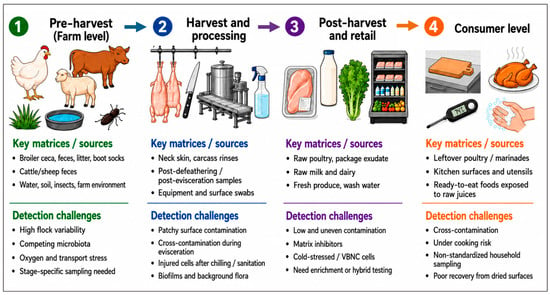
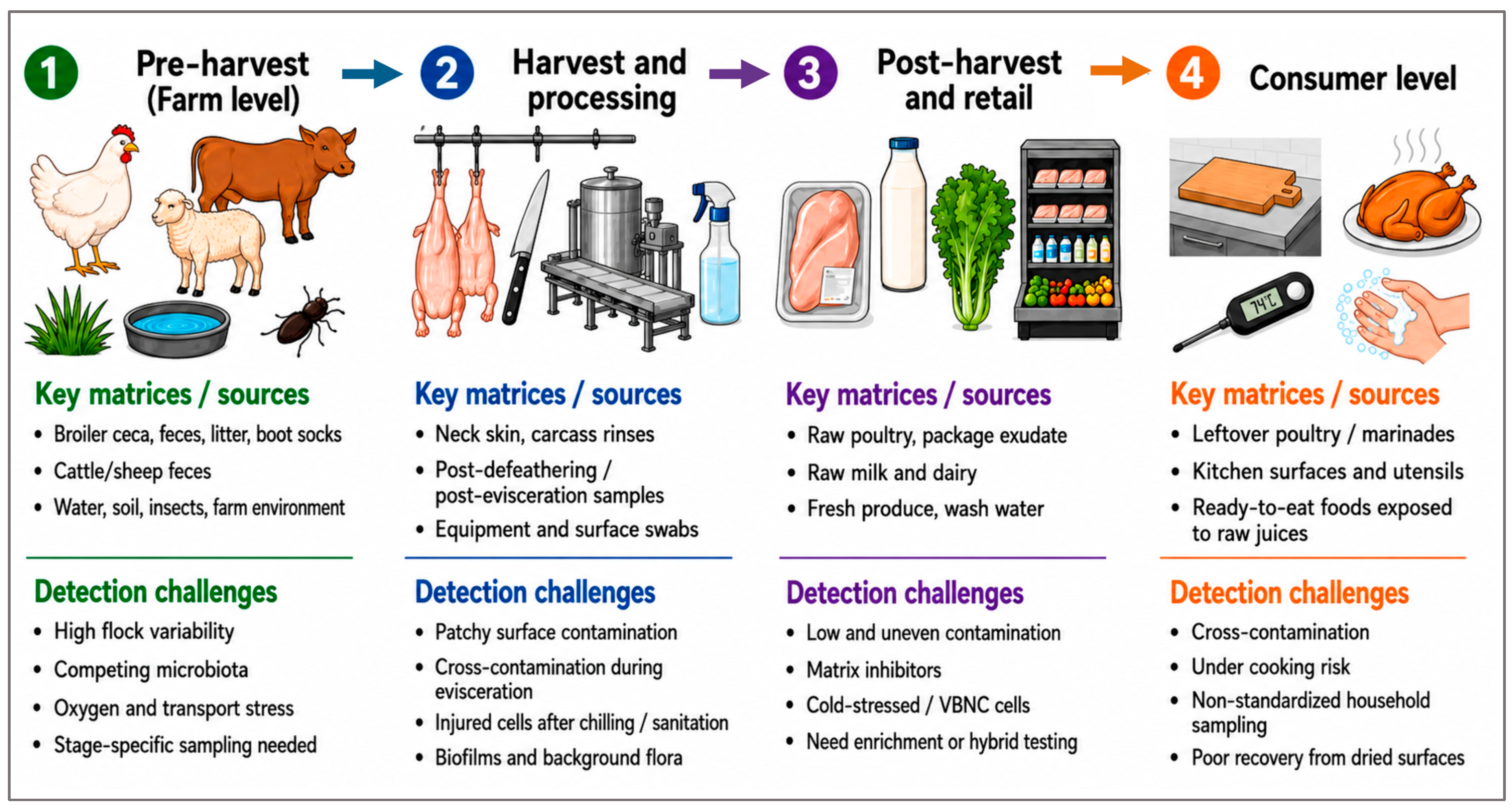
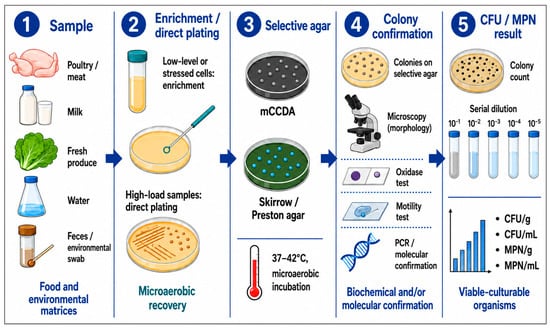
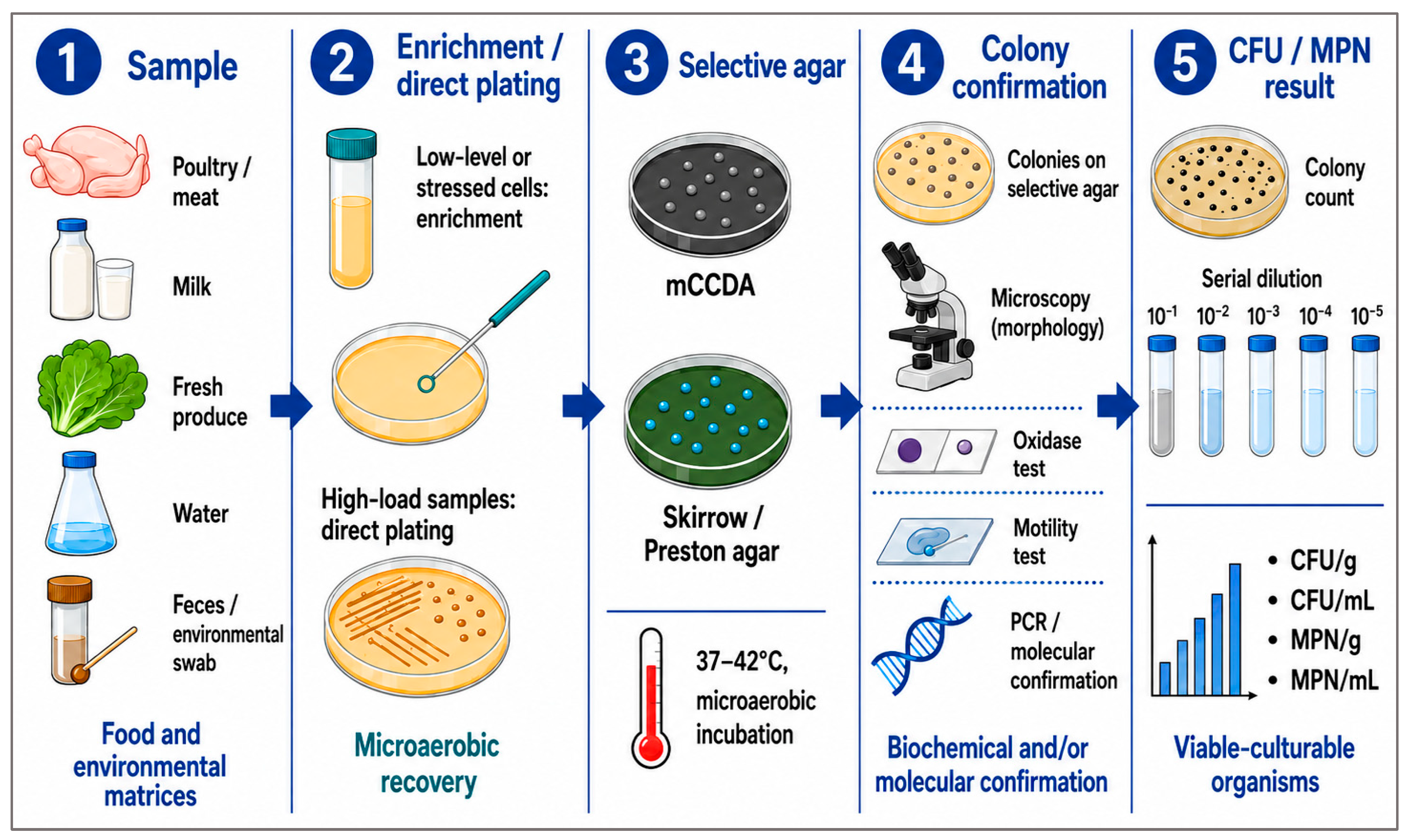
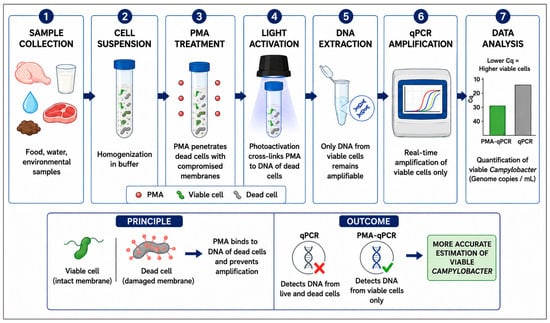
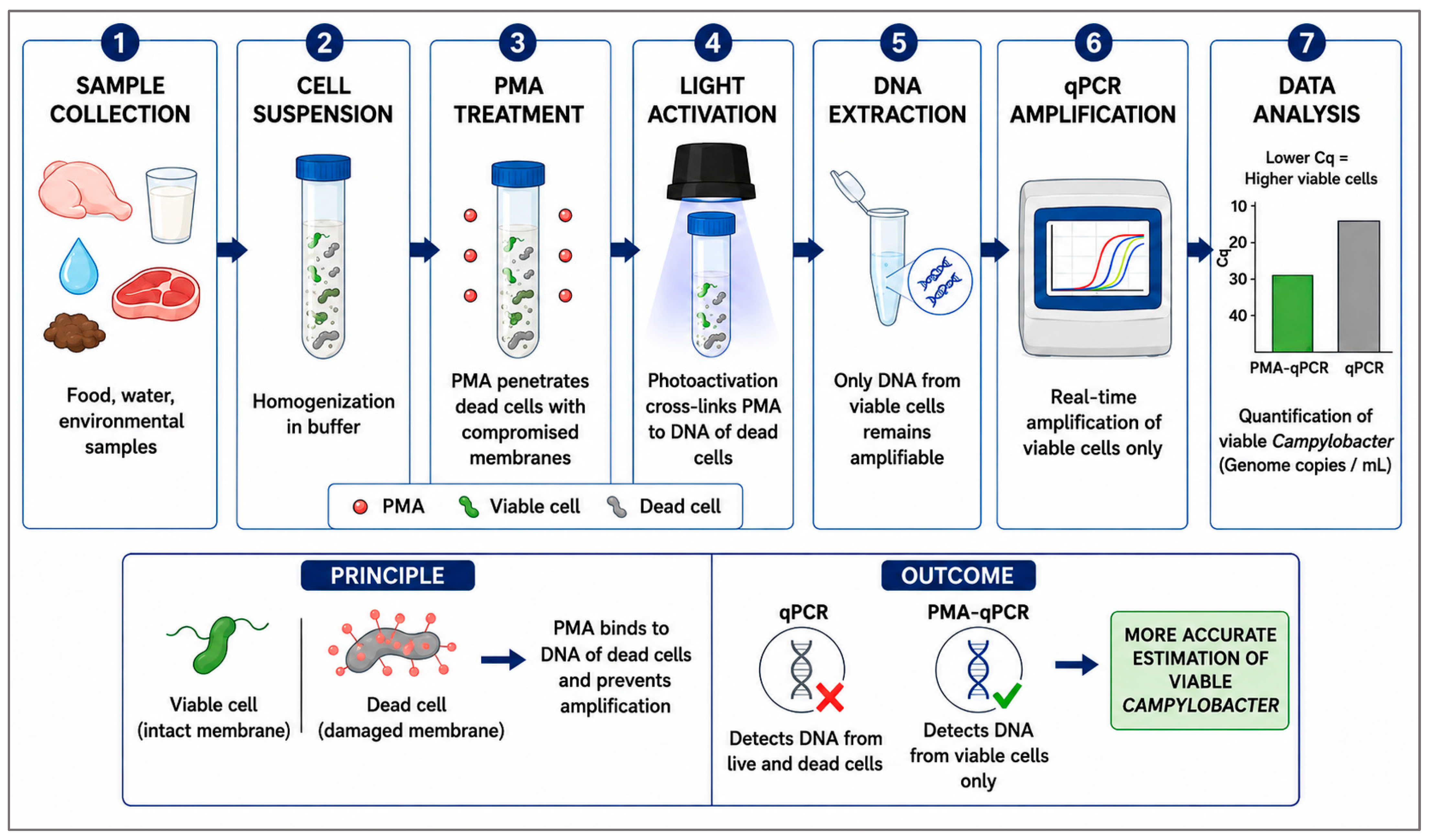
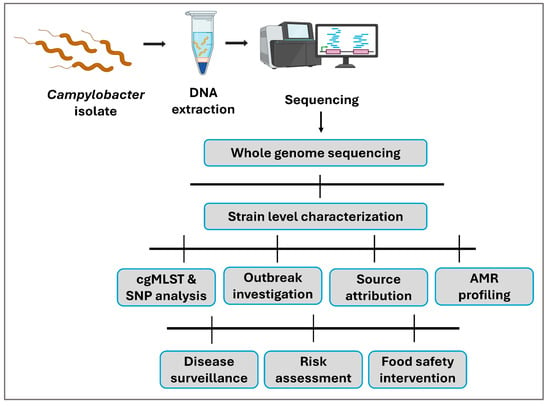
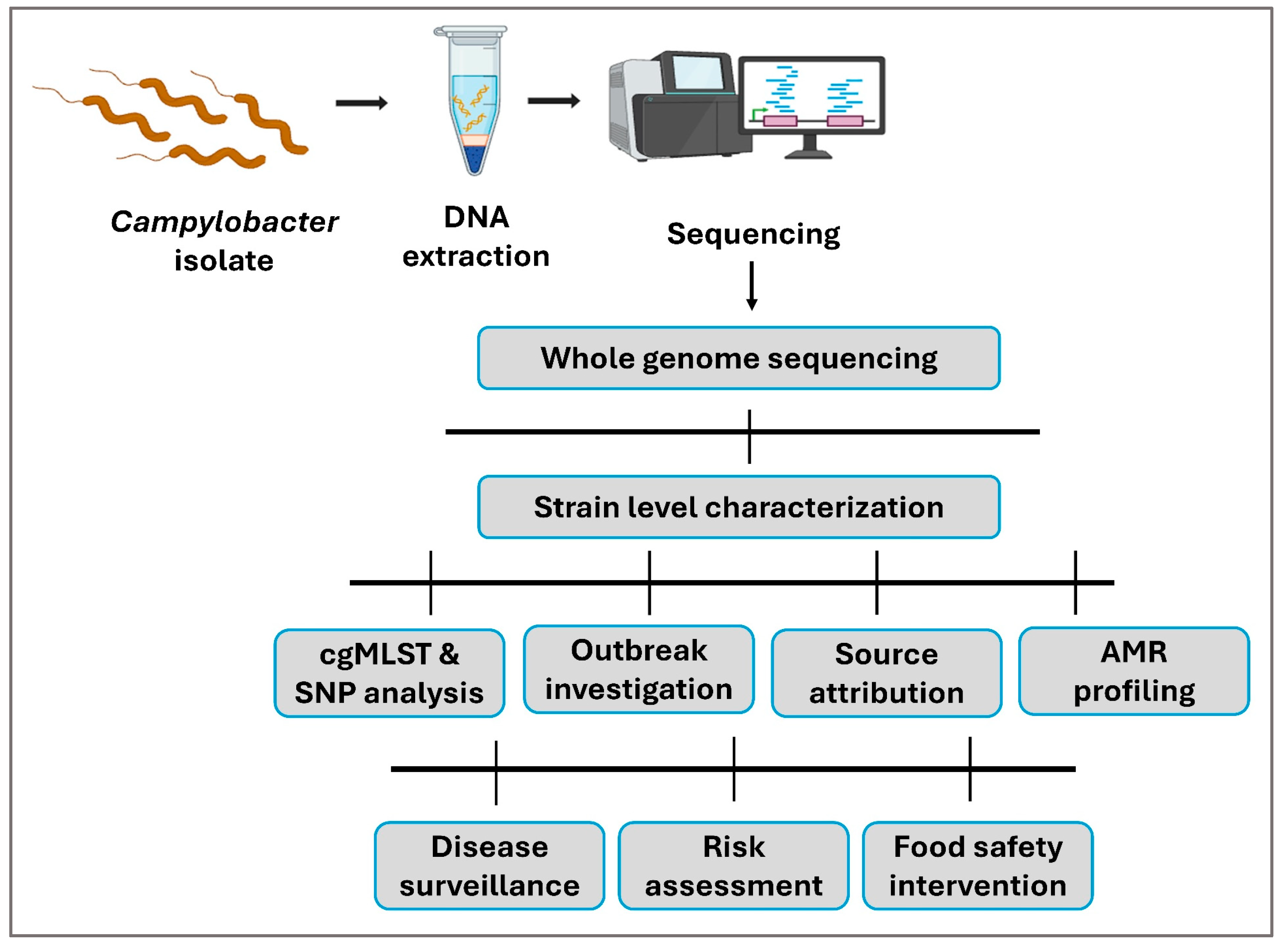
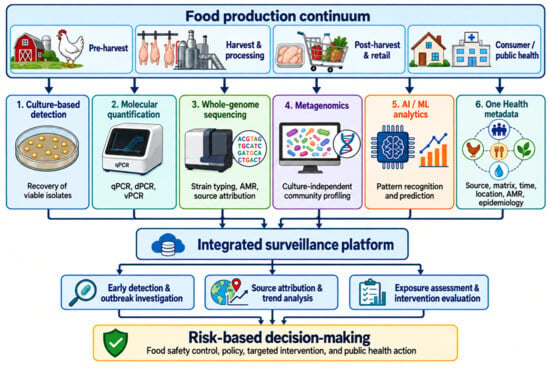
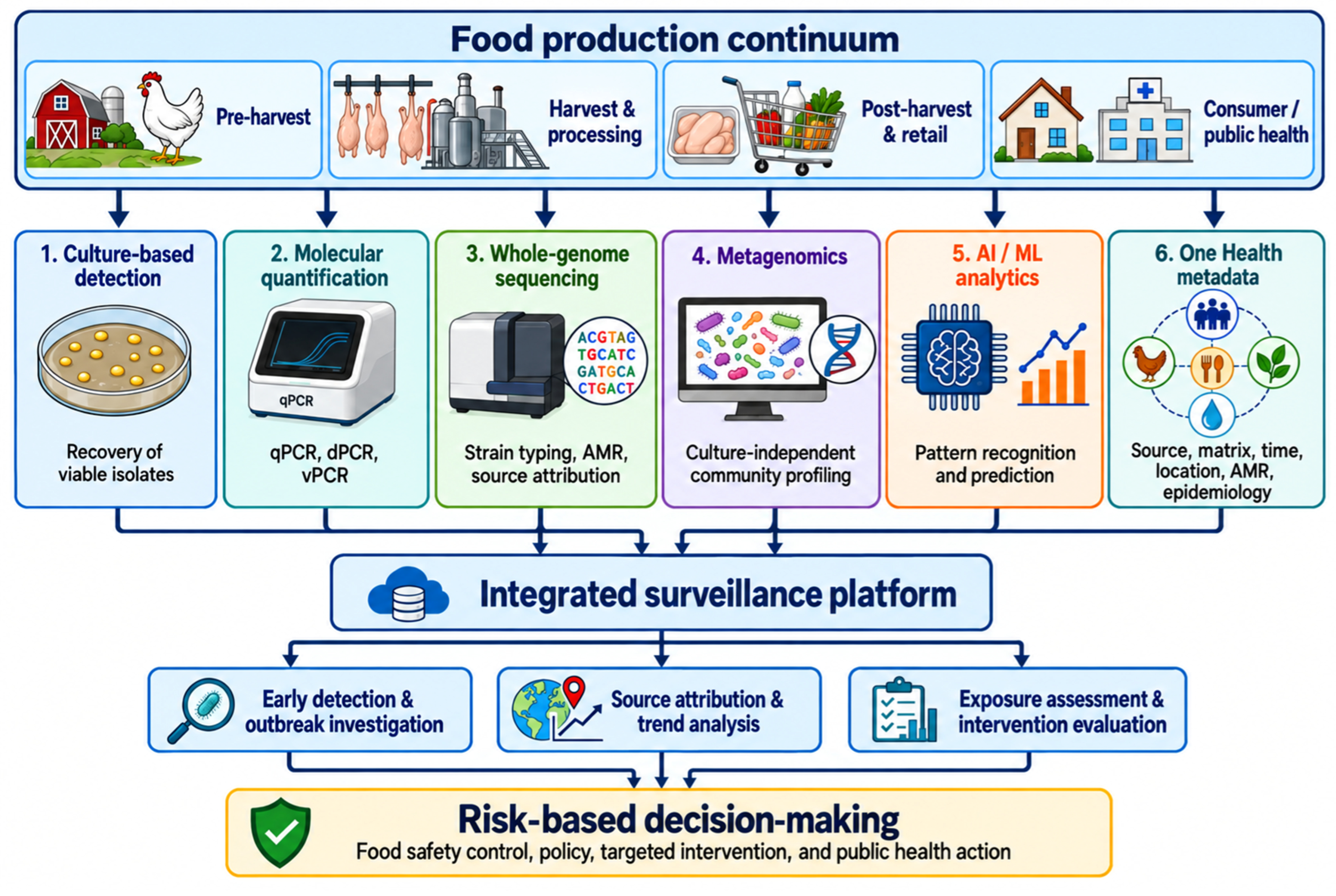

Disclaimer/Publisher’s Note: The statements, opinions and data contained in all publications are solely those of the individual author(s) and contributor(s) and not of MDPI and/or the editor(s). MDPI and/or the editor(s) disclaim responsibility for any injury to people or property resulting from any ideas, methods, instructions or products referred to in the content. |
© 2026 by the authors. Licensee MDPI, Basel, Switzerland. This article is an open access article distributed under the terms and conditions of the Creative Commons Attribution (CC BY) license.