


Abstract
This paper empirically examines the impact of various variables on Perceived Risk of Crime (PRC) for Italian regions in the period of 2004–2022 using data collected in the framework of the Benessere Equo e Sostenibile (BES, Equitable and Sustainable Well-being) questionnaire conducted by the Italian National Institute of Statistics (ISTAT). The econometric analysis of the relationship is based on panel regressions (including fixed-, random-, and dynamic-effects estimations). Moreover, weighted least squares regression and machine learning algorithms are used as robustness checks. The results of the empirical estimation reveal the importance of both objective and subjective factors as drivers of PRC. The main positive influences on PRC are provided by pickpocketing cases and fear of crime, while generalized and judicial systems’ trust is negatively related to PRC. Additionally, future pessimism and dissatisfaction with the local environment contribute to higher levels of perceived risk. The analysis of the machine learning model confirms the reliability of the principal outcomes and shows the high accuracy of regularized linear regression as a forecasting tool. The clusters identified through the cluster analysis reflect region-specific differences in crime exposure, institutional trust, well-being, and perceptions of security. In summary, perceived insecurity depends not only on actual crimes but also on the combination of crime exposure, emotions and feelings, institutional trust, and the environment. Therefore, a multidimensional approach should be applied for developing an effective strategy aimed at preventing the risks associated with crimes.
1. Introduction
Today, perceived insecurity is one of the key issues relevant to modern societies. The phenomenon influences various spheres of people’s lives, including residential preferences, mobility, politics, and quality of life, often independently of the crime rates (Reid et al. 2020). The studies show that citizens’ perceptions of security often do not align with actual crime statistics. Perceived insecurity and fear of crime represent complex social and psychological concepts and cannot be simply viewed as reflections of crime levels (Valero-Matas and Muñoz Sandoval 2023). Therefore, the perception of crime risk is considered one of the dimensions of social well-being, social cohesion, and institutional trust (Natter 2025; Ranaweera 2024). There is abundant evidence of a discrepancy between perceptions of insecurity and crime rates in the respective areas (Erdem and Güllüpinar 2025). Various factors contribute to individuals’ feelings of fear and vulnerability, including their past experiences, social capital, trust in institutions, mass media coverage, the quality of their neighborhoods, and social and economic insecurity (Hernández et al. 2020; Borges and Cano 2021; Camacho Doyle et al. 2022). For instance, some studies show that fear of crime levels may persist despite declines in crime rates (Clément and Piaser 2021). Conversely, in certain territories with higher exposure to crime, the fear of crime can be relatively low. These mediating elements affect the link between objective crime exposure and subjective insecurity.
In addition to explaining fear of crime and perceived insecurity as functions of crime rates and victimization, recent studies have introduced more comprehensive models that account for emotions, trust, social participation, and quality of life (Reid et al. 2020). Such research demonstrates that perceptions of crime risk are influenced not only by exposure to crime itself but also by the specificities of the socio-economic environment, institutions, and other social features of communities (Ceccato 2020). In Italy, for instance, there are significant variations in socio-economic, institutional, and crime-related characteristics of various regions. Nevertheless, perceptions of fear of crime do not strictly align with the conventional North–South divide or the spatial distributions of crime (Valente et al. 2022). In some regions, the perceptions of insecurity are relatively high despite the moderate crime incidence rate. By contrast, in other regions with high levels of exposure to crime, fear perceptions are relatively low. The results show that an all-dimensional approach to understanding the phenomenon is needed. The Benessere Equo e Sostenibile (BES, Equitable and Sustainable Well-being) Framework developed by ISTAT (Italian National Institute of Statistics) can be useful in that respect. The ISTAT-BES framework combines objective socio-economic indicators and subjective well-being measures in the region over a prolonged period, allowing one to analyze the influence of crime exposure, institutional trust, social participation, quality of the environment, and future expectations on security perceptions.
There are three major approaches to analyzing the fear of crime and perceived insecurity found in the literature. First, researchers consider objective crime rates and socio-demographic factors to be the most important factors defining perceived insecurity (Lee et al. 2020). The authors view the latter concept primarily as the result of the high crime exposure (Camacho Doyle et al. 2022). Second, scholars emphasize the role of social capital, community cohesion, and trust in shaping people’s views on crime. They believe that socially cohesive territories can reduce fear of crime even amid high exposure to criminal activity (Hernández et al. 2020; Borges and Cano 2021). Third, some studies extend the scope of research to include subjective well-being, environmental quality, and future expectations. According to the third approach, perceptions of insecurity constitute part of social discontent and perceived risks (Natter 2025; Ranaweera 2024). Despite numerous discoveries made by these approaches, their studies usually focus on a single aspect of the problem, leaving the interaction among multiple factors insufficiently analyzed.
In terms of methodology, most previous studies relied on cross-sectional analyses or on panel data estimated with single-equation models. However, even though such approaches helped the researchers make numerous discoveries, many aspects of dynamics, the existence of unobservable factors, and the interrelations among various predictors remain unexplained. While machine learning techniques are becoming increasingly popular in sociology, their applications to crime risk perception and social insecurity remain marginal (Prieto Curiel et al. 2020; Clancy et al. 2022). Thus, the scientific discourse regarding this phenomenon has become bifurcated into two major camps: econometrics and machine learning. The former provides the researcher with the opportunity to make causal inferences, while the latter enables prediction of future developments with high accuracy (Deng et al. 2023). The proposed study aims to analyze crime risk perceptions in Italy using the ISTAT-BES framework, panel data, and machine learning algorithms.
The paper will attempt to address the following research questions.
- -
- RQ1. What are the key determinants of the perception of crime risks in Italian regions?
- -
- RQ2. How does the combination of objective exposure to crime, emotional factors, institutional trust, social participation, and well-being conditions affect the perceptions of insecurity?
To address the research questions, a comprehensive and stepwise research methodology is needed. Thus, the paper combines various methodologies throughout the analysis. In particular, the author uses panel data econometrics as the principal method. It will allow estimating the determinants of perceived crime risk over time. Within the panel models, four approaches will be employed: fixed effects, random effects, dynamic panel data modeling, and weighted least squares estimation. Machine learning regression is used only as a tool to check the robustness of results obtained from econometric models. Lastly, model-based clustering is a technique used to discover profiles of regions characterized by specific combinations of socio-demographic, institutional, and perceptual variables. In this way, the different approaches address the same aspect of the problem—the determination of determinants—but from different angles. The research contributes to the current scientific discourse by analyzing the phenomenon of interest using a multivariate regional framework. Using the longitudinal ISTAT-BES dataset and employing panel data econometrics, machine learning robustness checks, and clustering techniques, this study helps understand how exposure to crime, fear of crime, institutional trust, social participation, well-being, and quality of the environment affect the perception of risk.
2. Literature Review
As shown by contemporary scholarly work, perceptions of crime cannot simply be accounted for by any number of crime statistics alone. The concept of crime risk perception, as it emerges from the literature, appears to be a multidimensional phenomenon that depends on various factors, including objective exposure to crime, affective responses, social capital, institutional trust, subjective well-being, future expectations, and environmental context. As such, the current perspective represents another step in the evolution of security research beyond a solely rate-based interpretation of insecurity.
First, an essential finding of contemporary research concerns the disconnect between objective and subjective measures of crime risk. While the significance of objective exposure to crime should not be overlooked, the effect that exposure has on the perception of risk is often contingent upon the conditions and the territory on which people live. Findings of several cross-national, urban, and public-space studies point to the possibility that, contrary to actual crime trends, risk perceptions can sometimes depend upon the meaning of crime in the social and spatial context (Nazzari et al. 2026; Gu et al. 2026; Zavar et al. 2026; Iqbal and Nazir 2025). Such findings support the distinction between the two measures.
Second, environmental and spatial context constitutes another dimension of perceived crime risk. In many cases, poor environmental conditions, disorganization, degradation, low-quality public space, and the lack of control over mobility and other aspects of life can increase perceived insecurity regardless of objective crime indicators (Ceccato and Meško 2021). Conversely, well-designed public spaces, efficient surveillance measures, high spatial accessibility, and territorial reinforcement can lower perceived crime levels (Maier and DePrince 2020; Arevalo Garcia 2022; Hoyos-Bucheli and Altamirano-Hidalgo 2025). Overall, the body of literature shows that environmental and spatial context is crucial in understanding risk perceptions (Rodrigues et al. 2026; Byun 2026; Evans 2025; Jia and Zhong 2026).
Third, social capital and trust can be seen as yet another critical factor. Strong social bonds, collective action, social ties, and generalized trust might increase people’s sense of cohesion and make individuals feel protected by community mechanisms or the presence of law enforcement agencies, thereby lowering risk perceptions (Nanes 2020; Arisukwu et al. 2020; Pabayo et al. 2020; Qollakaj and Muharremi 2024). Regardless of the setting in which they have been conducted, the majority of studies point toward the role of trust in institutions and general social trust in shaping risk perceptions (Spadaro et al. 2020; Lin 2023; Park et al. 2026; Powell and Wickes 2026; Rouhani et al. 2026).
The fourth major category of explanations concerns the emotional dimension of perceived risk. People’s fear of crime is not identical to their exposure to crime. It is, instead, an affective reaction to past experiences, one’s own vulnerability, social communication, and other conditions of living (Anderson et al. 2026a; Anderson et al. 2026b; Daley et al. 2026; Kogachi et al. 2026). Accordingly, an emotional response can act as a mediator between exposure to crime and feelings of insecurity. In this regard, the current study conceptualizes the relationship between objective exposure to predatory crime and subjective fear of crime as separate dimensions of perceived risk.
Perceived well-being and future expectations are a fifth important consideration when defining the construct of crime risk perception. Perceived crime risk is part of the evaluation of broader life conditions, socio-economic uncertainty, future outlook, and people’s attitudes toward the environment they inhabit (Guldåker et al. 2024). Thus, a lack of life satisfaction, a negative outlook on the future, or dissatisfaction with the local environment can affect perceived safety and risk perception in general (Chataway and Bourke 2020; Golovchanova et al. 2023). In this regard, the ISTAT-BES framework allows examining perceived risk along with well-being and other constructs simultaneously.
Nevertheless, certain limitations remain. The vast majority of studies focus on city-or local-level settings, use cross-sectional data, and investigate crime risk perception, emotional response, social capital, institutional trust, subjective well-being, future expectations, and environmental context separately. In light of the above, the current study aims to examine a number of crime risk-related factors using regional panel data spanning from 2004 to 2022 in all Italian regions.
3. Current Study
The present study examines the factors that affect the Perceived Risk of Crime (PRC) across the 20 regions of Italy during 2004–2022, using ISTAT-BES data. Following a review of previous studies, this study applies a multidimensional perspective, which perceives perceived insecurity as the result of interactions among various phenomena, including exposure to crime, emotions, institutional trust, social participation, subjective well-being, and environment (Reid et al. 2020; Ceccato 2020; Hernández et al. 2020). This paper makes at least three contributions to the current literature.
First, this paper presents an integrative framework for studying PRC, in which objective measures of crime exposure are combined with fear of crime, generalized trust, trust in the judiciary, social participation, subjective well-being, future expectations, and dissatisfaction with the environment. According to this perspective, perceived risk of crime is a multidimensional social phenomenon, not merely a direct consequence of crime levels (Reid et al. 2020; Ceccato 2020; Camacho Doyle et al. 2022; Valente et al. 2022).
Second, this paper applies a longitudinal regional approach, relying on data observed for almost two decades. By using panel data for the entire set of Italian regions, it is possible to assess the effects of crime exposure, institutional trust, social participation, well-being, and environmental satisfaction on changes in perceived insecurity over time. The limitations of previous cross-sectional studies are addressed to better understand the dynamics of PRC (Manning et al. 2022; Krulichová 2021).
Finally, in addition to employing panel econometric models, the research uses the combination of machine learning methods and model-based clustering as a complementary methodological tool. While econometrics yields the main results on the determinants of PRC, machine learning is used as a robustness check to assess the relevance of predictions, whereas clustering helps determine regional profiles characterized by particular configurations of crime exposure, institutional trust, well-being, and PRC perceptions. This approach provides evidence for explanation, prediction, and regional heterogeneity.
By bringing these various perspectives together, this paper aims to contribute to a broader understanding of the PRC and its multidimensional drivers, generating evidence for community safety policies. Social participation, as a factor shaping people’s fears and insecurities, warrants further attention in the analysis (Piscitelli and Perrella 2017). The next section provides details on the study’s database and methodology.
4. Data Sources, Variables, and Descriptive Analysis
In its empirical analysis, this study uses indicators from the Italian National Institute of Statistics (ISTAT)—the Benessere Equo e Sostenibile (BES) framework—to assess well-being and social conditions in Italy (Bacchini et al. 2021). Hence, the empirical analysis employs indicators at the regional level as published by ISTAT. Accordingly, the unit of observation in this analysis is the region–year pairing rather than an individual respondent. This database includes observations for the twenty Italian regions covering the years from 2004 to 2022; that is, observations are not made for 380 individual respondents but rather for 380 region–year observations. In this sense, the term “380 regional observations” refers to region–year observations obtained through monitoring all Italian regions over the time frame under consideration. With a perfectly balanced panel, 20 regions observed over 19 years would yield 380 observations. Based on the availability of necessary indicators, the panel could be perfectly balanced or only slightly imbalanced.
The individual-level data that serves as the basis for analysis through the computation of regional indicators comes from two ISTAT-administered surveys. First, this survey is the Multipurpose Survey on Aspects of Daily Life (Indagine Multiscopo sulle famiglie—Aspetti della vita quotidiana, AVQ). This annual, representative survey is conducted among residents of private households (around 20,000 households and 50,000 individuals each year). From 2018 onward, this survey has used CAWI/PAPI sequential-mode administration (ISTAT 2023). It is a two-stage stratified probability sampling survey. For municipalities in the AR stratum, households are selected as a sampling unit without replacement and with equal probability. For the NAR stratum, a two-stage sampling scheme is used in which municipalities are selected as PSUs without replacement and with unequal probabilities. The target population consists of households residing in Italy and their members, except permanent residents of collectivities.
Second, the Survey on Citizens’ Safety (Indagine sulla Sicurezza dei Cittadini) is used to derive indicators of crime-related phenomena, such as the rate of pickpocketing and fear of crime. It monitors a sample of 29,317 individuals aged 14 years and over interviewed in person and over the phone, providing victimological information on criminal phenomena, including the quantity of undetected crimes and vulnerable population groups (Kaiser et al. 2025). Both of these surveys provide national individual-level data that are later aggregated to the regional level using official procedures. The indicators used in the current analysis are derived from the two official ISTAT surveys. Administrative indicators, including crime-related indicators, are jointly processed by ISTAT and the Ministry of the Interior and made available at the regional level. Currently, the research employs regional indicators but not individual microdata. As a result, the demographic characteristics of respondents, such as age, gender, education level, and income, cannot be taken into account. Instead, the unit of observation in this research is not the individual respondent but the Italian region, meaning that the findings represent relations between regional-level variables rather than individual behaviors. While the aggregation of indicators at the regional level is typical in research conducted using the ISTAT-BES framework (for instance, see Valente et al. 2022), the possible implications for causality arising from this aggregation are discussed in more detail in the Limitations section. Even though aggregating indicators at the regional level may obscure some within-region variation, it aligns well with the purpose of identifying territorial patterns.
The variable set comprises percentages, rates, and mean scores, depending on the nature of each variable. Perceived Risk of Crime (PRC) is the percentage of households that perceive the crime risk in their community. It is provided by ISTAT as a regional indicator, calculated using data from the AVQ survey. PRC represents the subjective dimension of crime risk perception, as it concerns beliefs, attitudes, and emotions regarding security (Camacho Doyle et al. 2022; Valente et al. 2022).
As the independent variables include various dimensions of the multidimensional approach, Social Participation (SPAR) is defined as the percentage of persons aged 14 or older who engaged in any social activities in the past year. Generalized Trust (GTR) is the percentage of people aged 14 or older who believe that most people are trustworthy. The introduction of this measure stems from findings that generalized trust is among the social capital dimensions most strongly correlated with fear of crime (Han 2021; Borges and Cano 2021). Trust in the Judicial System (TJS) is a mean score on a 0–10 scale indicating the degree of trust persons aged 14 or older have in judicial systems. Pickpocketing (PICK) is the number of victims of this crime per 1000 inhabitants, adjusted for underreporting. Fear of Crime (FOC) is the percentage of persons aged 14 or older who experienced fear of crime victimization during the last three months. These four variables are included in the variable set as measures of crime exposure, as well as the emotional, social capital, and trust dimensions, respectively.
Other indicators represent dimensions related to subjective well-being, future expectations, and environmental conditions. Life Satisfaction (LISA) is the percentage of persons aged 14 or older who evaluate their life satisfaction level from 8 to 10. LISA is introduced because evidence shows a relationship between changes in subjective well-being and crime-related factors (Krulichová 2021; Manning et al. 2022). Negative Future Outlook (NFO) is the percentage of persons aged 14 or older who think that their situation will get worse over the next five years, based on evidence of the separate impact of socio-economic pessimism on insecurity, irrespective of crime exposure (Valente and Vacchiano 2021). Dissatisfaction with the Local Landscape (LDIS) is the percentage of persons aged 14 or older who notice degradation in the landscape in which they live due to the independent impact of fear of crime caused by dissatisfaction with the environment (Fagarazzi et al. 2026). Altogether, the variable set includes measures of objective and subjective crime risk, emotions, social capital, institutional trust, subjective well-being, future outlook, and environmental conditions. Table 1 summarizes the definition, operationalization, and source of each employed variable.
Table 1.
Variables Used in the Empirical Analysis: Conceptual Meaning, Operational Measurement, and Sources.
The proposed methodology employs an empirical approach that combines a complementary sequential research design. At first, panel econometric models are estimated to identify the determinants of Perceived Risk of Crime (PRC) and to estimate the direction and magnitude of the relationships. Such panel econometric models constitute the core of the inferential research part. Next, machine learning algorithms are employed to test the predictive robustness of the revealed factors only. The application of machine learning does not aim at causal inference but rather measures the consistency of the predictive power of the selected variables. Finally, cluster analysis based on model fitting is performed to investigate regional differences in crime exposure, institutional trust, subjective well-being, and perceptions of insecurity.
All variables used are characterized by descriptive statistics presented in Table A3 (Appendix A), which provide a complete overview of their distributional features. Since no data are missing, all the panel models are estimated using 380 regional observations. The average value of the PRC dependent variable is 23.063, with a standard deviation of 11.593, indicating high variance in regional PRC levels over time. The minimum and maximum levels of PRC are 0 and 53.9, respectively, confirming that there are regional differences in perceived crime risk during the observed period. Non-normality of the PRC dependent variable (Shapiro–Wilk normality test, p = 0.004) aligns with expectations in the previous fear of crime literature (Janssen et al. 2021; Di Rocco et al. 2023).
Regarding the predictors, social capital metrics such as Social Participation (SPAR) and Generalized Trust (GTR) exhibit relatively high standard deviations of 15.945 and 11.237, respectively, indicating significant regional inequality in access to social capital. Trust in the Judicial System (TJS) equals 2.812, ranges from 0 to 5.3, and thus indicates regional differences in institutional confidence (Janssen et al. 2021). Pickpocketing (PICK) has an average value of 4.049 and a standard deviation of 3.219, enabling the estimation of regional inequalities in crime exposure to predatory acts (Di Rocco et al. 2023). The FOC independent variable is positively skewed, with a mean of 0.547 and a maximum of 9.5; thus, its non-normality further supports the unequal distribution of fear of crime across territories (Markovic and Filipovic 2025). Life Satisfaction (LISA) equals 28.824, with a standard deviation of 20.575, indicating regional polarization within the PRC (Janssen et al. 2021). A Negative Future Outlook (NFO) of 9.237, with a minimum of 0 and a maximum of 30.1, indicates socio-economic pessimism regarding perceived security (Song 2021). Disapproval of the Local Landscape (LDIS) has an average value of 9.786, ranging from 0 to 36.8, suggesting unequal regional perceptions of environmental quality (Köber et al. 2022). The Shapiro–Wilk tests indicate non-normality for most variables (Di Rocco et al. 2023; Janssen et al. 2021).
5. Empirical Results: Determinants of Perceived Risk of Crime
This section addresses Research Question 1 (RQ1): What are the main determinants of Perceived Risk of Crime (PRC) across Italian regions? This section presents panel econometric estimations for the twenty Italian regions during 2004–2022. The Perceived Risk of Crime (PRC) is an important aspect of social welfare, as it may influence individuals’ behavior, decision-making about residential location, trust in institutions, and quality of life (Reid et al. 2020; Borja et al. 2024). There are cases in which PRC does not correlate with real crime rates in Italy. Therefore, PRC is driven by both crime experience and other factors, including social, institutional, and psychological aspects. Hence, for the estimation of PRC determinants, it is important to include such dimensions as social participation, generalized trust, trust in the judiciary, pickpocketing, fear of crime, life satisfaction, expectations for the future, and dissatisfaction with the landscape (Reid et al. 2020; Azevedo et al. 2022). The use of panel data with approximately 17–18 observations per region during 2004–2022 allows consideration of regional dynamics and heterogeneity. To robustly estimate regional heterogeneity and persistence, different panel data models should be used. By doing so, it is possible to shift the focus from the crime rate as a determinant of PRC to other variables that encompass affective, institutional, and quality-of-life aspects. Thus, the following equation should be estimated:
The analysis assumes that i = 20 and that t = [2004; 2022].
Based on the empirical results presented in Table 2, objective exposure and other factors influence the formation of Perceived Risk of Crime (PRC). The hypothesis expected a positive and significant coefficient on the variable PICK since objective exposure increases PRC (Di Rocco et al. 2023; Glas 2023). Additionally, FOC has a positive and significant coefficient because emotions affect the risk of danger perceptions (Janssen et al. 2021).
Table 2.
Main Panel Estimates for the Determinants of Perceived Risk of Crime (PRC), Italian Regions, 2004–2022.
The static regression model implies that social participation (SPAR) has a positive effect on Perceived Risk of Crime, as higher social participation may be associated with exposure to crime information within communities (Prieto Curiel et al. 2020). However, in the dynamic panel model, SPAR is negatively related to PRC because SPAR decreases perceived crime risk by reducing PRC through collective efficacy, accounting for persistence and endogeneity. The change in the sign of Social Participation (SPAR) across model specifications should be interpreted with caution. In the static models, the positive coefficient may indicate that socially active individuals are more exposed to information about local crime events through community networks, social interactions, and public discussion. This greater circulation of information may increase awareness of crime risk. By contrast, in the dynamic panel model, once persistence in perceived crime risk is controlled for, the negative coefficient of SPAR suggests that social participation may reduce insecurity over time by strengthening collective efficacy, community cohesion, and mutual support. Therefore, the different signs do not necessarily contradict each other but may reflect short-term information exposure and longer-term protective social-capital effects.
The variable PR(−1) is positive and significant in the dynamic panel, indicating that PRC is persistent, as it affects people’s crime risk perception. Interestingly, using the lagged variable does not alter the main conclusions of the research and makes them more reliable. Similar findings are obtained for GLS, WLS, and the fixed-effects model, as they show that PICK, FOC, NFO, and LDIS positively affect Perceived Risk of Crime, while GTR and TJS negatively affect the dependent variable. There is heteroscedasticity, cross-sectional dependence, and serial correlation.
Table 2 presents the main conclusions on the impact of various variables on Perceived Risk of Crime (PRC) across Italian regions between 2004 and 2022, based on panel models. The comparison involves various panel models, including fixed-effects, dynamic panel, random-effects GLS, and WLS with respect to signs, magnitudes, and significance of the determinants. Of special importance are the similar signs of the variables PICK, FOC, GTR, NFO, and LDIS.
An apparently counterintuitive result concerns the positive coefficient of Life Satisfaction (LISA). Although higher life satisfaction might be expected to reduce perceived insecurity, this result may reflect higher expectations regarding safety and quality of life in regions where residents report better living conditions. Individuals living in more satisfactory contexts may be more sensitive to signs of disorder, crime, or local deterioration, and therefore may report higher perceived crime risk when safety conditions do not meet their expectations. In this interpretation, life satisfaction does not necessarily reduce awareness of crime-related threats; rather, it may coexist with stronger expectations concerning public security and community well-being.
6. Model-Based Clustering Results and Regional Profiles
The following analysis examines how crime exposure, emotional responses, institutional trust, social participation, and quality-of-life conditions interact to shape specific perceived insecurity experiences by exploring territorial variations in their configurations, which constitute latent regional profiles. To identify these profiles, clustering analysis is applied as a supplement to econometric evidence rather than a standalone methodological approach. Cluster selection is based on the comparative evaluation of normalized values of validation measures that evaluate cluster compactness, separation, and classification error (Hossen and Auwul 2020). Consistent with the methodology used to validate clustering models, model choice is not guided by a single index value but by multiple criteria (José-García and Gómez-Flores 2021; Da Silva et al. 2020; Sarmas et al. 2024).
As a result, it is proposed to distinguish between eight regional profiles, which diverge from one another on the basis of Perceived Risk of Crime (PRC), pickpocketing, fear of crime, generalized trust, judicial system trust, social participation, life satisfaction, future outlook, and dissatisfaction with the local landscape. These profiles should not be considered causal outcomes but rather manifestations of how territorial variations are associated with particular crime exposure, emotional insecurity, trust, quality of social relationships, and the state of life satisfaction and optimism in each region (Hernández et al. 2020; Han 2021). Specifically, the results imply that PRC is not just an indicator of objective insecurity and that perceived risk depends on the combination of these factors—an issue that is directly addressed by research question two (RQ2). Clusters 1 and 8 are characterized by low PRC and low crime exposure, whereas Cluster 2 features high PRC despite low rates of pickpocketing and fear of crime. At the same time, Cluster 3 includes high levels of social participation and trust, combined with relatively low PRC, suggesting that greater exposure to social information increases risk perception (Fatihaturrahmah et al. 2025). Clusters 4 and 5 exhibit low perceived risk despite high pickpocketing rates or high environmental dissatisfaction, which might point to the normalization of crime exposure (Hernández et al. 2020). Finally, Clusters 6 and 7 feature high crime exposure and fear of crime combined with relatively low PRC, suggesting adaptation to an insecure environment (Han 2021; Alcorta et al. 2020).
Thus, cluster validation confirms the multidimensional nature of PRC, as highlighted in the econometric analysis, and provides a direct answer to RQ2. That is, perceived security is territorial and emerges from different configurations of crime exposure, emotion-based insecurities, trust, quality of social participation, and quality-of-life conditions (Hernández et al. 2020; Han 2021). Table 3 summarizes the standardized profiles of eight clusters for each variable and shows where each profile lies relative to the mean. The results demonstrate that the same PRC can be caused by different sets of conditions.
Table 3.
Standardized Cluster Profiles of Crime, Trust, Well-Being, and Environmental Indicators.
Figure 1 shows how the model is selected and how the results from model-based clustering are interpreted. Figure 1A describes the information criterion measures and the within-cluster sum of squares used to ascertain the number of clusters. BIC indicates 8 clusters, consistent with using information criteria to select clustering models (Gogebakan 2021; Putri et al. 2025; Androniceanu et al. 2020; Forbes et al. 2023). Figure 1B depicts how the clusters are spatially separated, while Figure 1C shows the standardized cluster mean for the primary variables. Overall, the three figures show that the model-based clustering identifies significant differences among the regional clusters while retaining the dataset’s multidimensionality (Gogebakan 2021; Forbes et al. 2023).
Figure 1.
Model-based clustering results: model selection, cluster allocation, and profile comparison. Note. Panel (A) shows information criteria and WSS for selecting the optimal number of clusters, Panel (B) displays cluster assignments, and Panel (C) reports standardized cluster means across crime, trust, well-being, and environmental indicators.
Figure 2 displays the scatter plot matrix of the variables under consideration, with observations colored according to cluster assignment and dispersion represented by ellipses. The figure shows that some clusters overlap, while others are clearly distinguished along the dimensions of fear of crime (FOC), perceived risk of crime (PRC), and trust indicators. The ellipses confirm that some clusters are more compact than others. The relationships between PICK, FOC, and PRC are consistently positive: clusters exposed to higher predatory crime and fear of crime tend to report higher levels of perceived risk. By contrast, GTR, TJS, and LISA—which capture trust and well-being—are positioned at opposite ends of the axes, suggesting a mitigating role in perceived risk of crime. Overall, the figure supports the validity of the cluster solution and confirms that perceived risk of crime emerges from the interaction among objective crime indicators, emotional responses, and socio-institutional conditions.
Figure 2.
Pairwise scatterplots and cluster separation across crime, trust, well-being, and environmental indicators. The figure displays pairwise relationships among the standardized variables, with observations colored according to their assignment to one of the eight clusters shown in the legend. Each colored point represents an individual region–year observation, while the corresponding colored ellipses summarize the dispersion of observations within each cluster and help visualize cluster compactness and overlap. The matrix therefore illustrates the multidimensional structure of the data, the correlations among crime, trust, well-being, and environmental indicators, and the partial separation among the regional profiles identified through model-based clustering.
7. Comparative Performance of Machine Learning Models for Predicting Perceived Risk of Crime
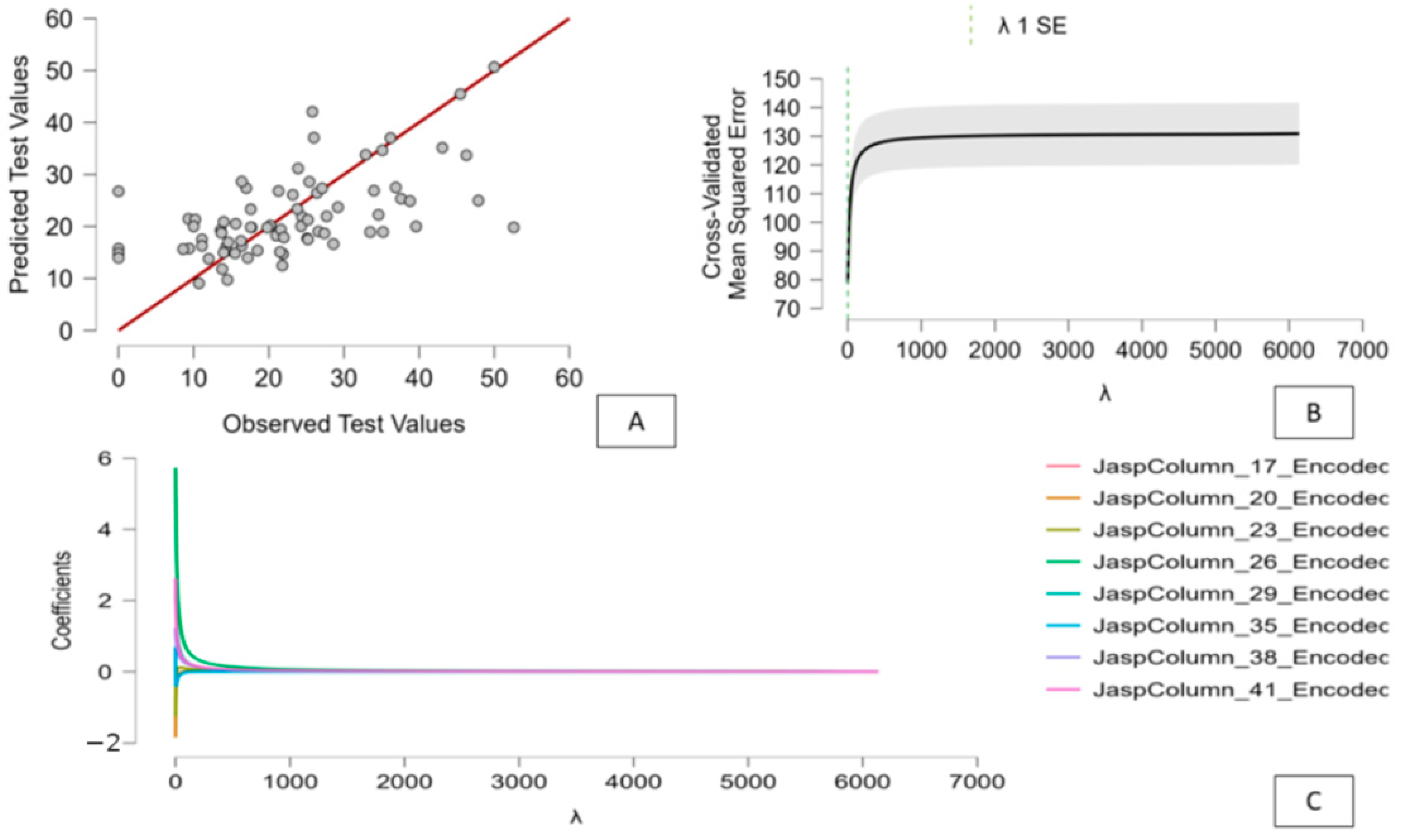
In this part, we conduct a robustness check of the results for both RQ1 and RQ2 by testing the predictability of the determinants of Perceived Risk of Crime (PRC) using econometric models within machine learning techniques. According to the results, the Regularized Linear model yields the best overall performance across the evaluated performance measures, with relatively low or the lowest error levels and high R2 values. The results obtained by using the Regularized Linear model are not surprising in relation to its function since the use of regularized machine learning methods is important for overcoming overfitting problems and improving the stability of the models in the data with correlated predictors (Li and Li 2021; Kaushik et al. 2022; Elnaeem Balila and Shabri 2024; Hossain et al. 2024; da Silva Souza et al. 2025). It can be said that the machine learning approach used in this study is complementary to the econometric analysis rather than presenting another research objective, as it supports the validity of the results obtained without deviating from the subject matter of this paper. In this context, the Regularized Linear model demonstrates the predictive power of the major PRC predictors identified in the panel regression analysis. Table 4 compares the predictive performance of the machine learning and regression models used in the robustness test. In this table, in addition to normalized error measurements (MSE, normalized MSE, RMSE, and MAE/MAD), there are also the models’ R2 results. From the results, we can state that the Regularized Linear model performs better than the Neural Network, Decision Tree, and K-Nearest Neighbors in general.
Table 4.
Comparative Predictive Performance of Machine Learning and Regression Models for PRC.
Inferences from regularized linear regression provide stronger evidence regarding the factors contributing to Perceived Risk of Crime (PRC). The predictive importance can be calculated using the mean dropout loss metric, which refers to the difference in prediction resulting from the exclusion of each predictor. Hence, a higher score indicates better performance of such predictors in the study (Elnaeem Balila and Shabri 2024; Hossain et al. 2024). According to the findings, the most important factor is Pickpocketing (PICK), followed by two moderately important predictors—LDIS and FOC. The data also confirm the importance of contextual and socio-emotional aspects in predicting PRC, thus supporting prior research that emphasizes the impact of such factors on the explainability and predictive power of models pertaining to social interactions (Das et al. 2025). The predictors GTR and TJS have a medium importance score, and three predictors, including NFO, SPAR, and LISA, possess low levels of predictive importance. Therefore, the main factors contributing to the predictiveness of PRC include crime exposure, dissatisfaction with the environment, and fear of crime, while the impact of socio-psychological factors is considerably weaker (da Silva Souza et al. 2025; Elnaeem Balila and Shabri 2024; Hossain et al. 2024). Such conclusions can be further substantiated by the results of decomposing the regularized linear model. The base predicted value of PRC equals 22.633. Any deviations from this base are considered predictors of variation in PRC. Namely, higher levels of PRC are observed with high scores on predictors such as PICK and FOC, signifying the importance of perceived victimization and fear for PRC predictiveness. Low PRC values indicate a lack of crime exposure and a positive environmental context, confirming the impact of contextual factors on the perception of safety. Thus, the regularized linear regression model proves that crime exposure, victimization, fear, trust in institutions, and related aspects affect PRC (Yuan et al. 2024; Hardyns et al. 2022).
8. Integrated Evidence on the Determinants of Perceived Risk of Crime
These findings aim to demonstrate complementarities in applying all three methods to develop a more holistic understanding of PRC determinants in regions of Italy for the years 2004–2022. The methods do not yield limited conclusions but rather converge on an understanding of the subject matter, aligning with previous literature establishing that the concept of crime risk is multivariate and includes structural, social, and psychological components (Yuan et al. 2024; Hardyns et al. 2022).
Econometric analysis uses fixed-effects, random-effects, dynamic panel, and weighted least squares regressions to identify the determinants of PRC. As per the findings, PICK, FOC, NFO, and LDIS are positively related to PRC, whereas high levels of GTR and TJS are negatively related to PRC. Dynamic panel regressions also indicate that PRC is persistent, with a positive relationship between PRC in previous periods and in the period under consideration. These findings can be interpreted as an indication that the concept of PRC in Italy includes not only observable routine crimes, such as pickpocketing (which plays a crucial role among other determinants in our study), but also socio-psychological components. For instance, the negative relation between GTR and PRC supports the claim that trust can reduce people’s fear and uncertainty (Hardyns et al. 2022). Furthermore, in a dynamic setting, the effect of social participation can be interpreted as follows: the static model captures a greater impact of participation due to a stronger link between the phenomenon and daily life as well as exposure to crime news; on the other hand, the dynamic model considers the phenomenon within a longer timespan and captures social cohesion and collective efficacy that can help alleviate fear of crime. Thus, the difference in signs supports the claim that the relationship between social capital and crime perception is two-sided.
The use of machine learning provides insights into the subject by predicting phenomena and conducting methodological comparisons. In particular, the Regularized Linear Model showed the best performance, having achieved both high accuracy (low prediction error) and high explanatory power. In turn, the Random Forest model had the highest R2 score despite the highest prediction error. At the same time, neural networks did not yield good results. On the whole, these findings reveal a linear relationship, implying that nonlinear methods do not appear to provide substantial improvements over linear models in the present dataset. This conclusion aligns with the discussion of bias-variance trade-offs and benefits of regularization as presented by Pavlou et al. (2024). Furthermore, the results of the variable importance assessment based on mean dropout loss align with econometric findings, identifying the most influential factors: PICK, LDIS, and FOC.
Finally, the application of the third method provides an even deeper understanding of the subject by revealing heterogeneities across territories based on the relationships among exposure to crime, crime perception, trust, and well-being. Clusters exhibit heterogeneity with regard to both Italy’s socio-institutional context and levels of perceived insecurity, depending on the set of variables considered. According to the cluster separation results, the key variables used to separate clusters (that is, the determinants of PRC) include PICK, FOC, GTR, TJS, and LDIS. The identification of such clusters confirms the findings from both econometric and machine learning methods, demonstrating the concept’s multidimensional nature.
Overall, the combination of the three methodologies allows for an understanding of the concept of PRC from several angles. In particular, econometrics reveals the nature of relationships among variables, machine learning helps establish the relevance of determinants, and clustering shows territorial heterogeneity.
9. Policy Implications for Crime Prevention and Community Safety
First of all, the results of this study have policy implications beyond just general crime prevention policies. The regions of Italy that experience the highest levels of perceived insecurity face higher incidents of pickpocketing, greater fear of crime, lack of institutional trust, dissatisfaction with the immediate environment, and socio-economic pessimism. Thus, any crime prevention policy should address these specific factors driving perceived insecurity (Lim et al. 2020).
The high positive correlation between pickpocketing and Perceived Risk of Crime (PRC) points to the need to address those environments where predatory crime is taking place. As the primary venues where pickpocketing is prevalent are metro stations, tourist sites, and open-air markets, hotspot policing in these venues will prove advantageous (Braga and Weisburd 2022). However, rather than simply increasing police presence on the streets, Italian municipalities can use regional databases on crime compiled by ISTAT and the Ministry of the Interior to locate subregional hotspots and deploy police units to patrol them (Laufs and Borrion 2022; Moreno 2025; Khan et al. 2026). Furthermore, making crime data available in real time to residents will let them know what kinds of crimes are currently occurring in their communities, thus closing the gap between the perception of the risk of crime and actual risks.
The appearance of institutional trust as one of the most powerful negative factors determining PRC means that the improvements to the justice system will lead to the improvement of the feeling of security. Italy has the longest civil and criminal proceedings in Europe (Falavigna and Ippoliti 2021). In this context, major reductions in perceived insecurity may be achieved via improved case management, alternative dispute resolution for minor cases, and the development of regional dashboards to track the performance of local courts and prosecutors. Such policies coincide with the goals of the ongoing PNRR judicial reform initiative in Italy and have been shown to be effective.
Taking into account that social participation has a double effect on the decrease in PRC, it is possible to claim that the implementation of a program to foster collective efficacy and long-term community ownership of public safety may successfully decrease the levels of perceived insecurity (Borges and Cano 2021; Lanfear 2022). Therefore, municipalities should not invest in civic participation programs that may prove ineffective (Iesue 2026). They should develop programs aimed at the creation of neighborhood safety councils able to take part in decision-making related to the budget allocation for the provision of public safety such as co-production agreements between residents and municipal police in Southern Italy, where perceived insecurity is especially persistent (Waardenburg et al. 2020; Xavier and Bianchi 2020; Prenzler and Sarre 2023).
The persistence of the positive relationship between dissatisfaction with the local environment and PRC means yet another mechanism: visible deterioration of the environment increases people’s feelings of vulnerability despite the low crime rate (Fagarazzi et al. 2026). Hence, though the improvement of street lighting may seem a straightforward solution, this approach should employ CPTED principles to the regions determined via cluster analysis as having a profile of perceived insecurity (Senna et al. 2025). The regions with high local-district security and medium-high PRC (such as Southern Italy) should introduce rapid-response maintenance services alongside a participatory process of defining the criteria of environmental quality by residents.
A negative future outlook, combined with PRC, means that perceived insecurity is partially linked with socio-economic pessimism (Natter 2025). Generic social inclusion strategies are unlikely to work. Region-specific interventions are needed in those regions where people demonstrate low life satisfaction, pessimistic attitude and high levels of PRC (as it happens with regions in Southern Italy experiencing structural unemployment and out-migration). The possible concrete policy interventions are place-based employment programs with the performance metrics tied to local safety, mentoring programs for youths based on local culture, and investments in the infrastructure of communities, indicating the shift towards a more future-oriented strategy.
10. Discussion
To start with, the findings of this study contribute to our understanding of PRC in several ways that are consistent with the existing literature. Specifically, panel regressions confirm that perceptions of crime risk arise from the interplay between objective factors and subjective perceptions, which aligns with the multidimensional concept developed by Reid et al. (2020) and Ceccato (2020). As evidenced by the positive relationship between pickpocketing and PRC, visible forms of crime that disproportionately affect individuals’ everyday life disproportionately impact subjective feelings of safety (Glas 2023; Di Rocco et al. 2023). Similarly, the significant relationship of PRC with Fear of Crime means that individuals experience emotional reactions to crime regardless of personal victimization (Janssen et al. 2021). As a result, it becomes clear to practitioners that crime rates alone do not provide sufficient grounds for evaluating public safety, because perceived insecurity is an entirely different outcome that requires independent measures and benchmarks. Indeed, since the ISTAT-BES framework already includes all necessary indicators, the only remaining step is to treat PRC as an important target in its own right, alongside conventional crime indicators.
Furthermore, the negative correlation between PRC and both generalized trust and trust in the judiciary is congruent with previous studies indicating that social capital and institutional trust can counterbalance negative psychological impacts of crime exposure (Borges and Cano 2021; Hernández et al. 2020; Winter et al. 2021). Importantly, this implies that the behavior of institutions is just as crucial for perceived security as the level of criminal activity in communities. From this standpoint, a competent police service that can respond quickly to victims’ complaints and a fair judiciary that promptly resolves cases are essential components of public security as perceived by residents (Jorge 2021; Omojo and Anyanabia 2025; Čepas 2026). Thus, investments in procedural justice, transparency, and accountability should not be considered a supplement to traditional crime prevention programs; rather, they should become an integral part of these efforts (St. John et al. 2026).
In addition, the variable of Social Participation, which correlates positively with PRC in the static regression but negatively in the dynamic specification, confirms that social capital has a dual role in perceived insecurity, promoting short-term crime awareness and long-term collective efficacy (Yuan et al. 2024; Prieto Curiel et al. 2020). This implies that when designing policies and initiatives to increase social participation, practitioners need to consider not only their short-term benefits but also the possible long-term consequences for the community’s collective ability to cope with risks. Otherwise, these programs might inadvertently increase perceived insecurity.
Finally, the remaining factors analyzed in this paper support our understanding of the multidimensional nature of PRC and its application. The positive correlation between Life Satisfaction and PRC, observed across several model specifications, suggests that individuals living in higher-quality environments expect higher safety standards and thus tend to perceive threats more readily (Daskalopoulou et al. 2022). In addition, the correlations between PRC and both Negative Future Outlook and Dissatisfaction with the Local Landscape suggest a general conclusion: subjective perceptions of public safety are partially shaped by people’s outlook on their community’s future (Köber et al. 2022; Natter 2025). It follows that mayors, urban planners, and social policy administrators have to focus not only on immediate improvements but also on developing convincing narratives of community development.
By providing additional interpretive support and yielding further conclusions, the clustering analysis also offers another practical insight from this study. Specifically, by showing how the interaction among crime exposure, subjective well-being, emotional reactions, and institutional trust varies across regions, the analysis demonstrates the absence of a unified Italian model of perceived insecurity (Han 2021; Hernández et al. 2020; Alcorta et al. 2020). According to the results, there are at least eight clusters characterized by the same level of PRC but differing in their combinations of determinants. It follows that any attempt to develop national-level policies and solutions is doomed to fail in practice since they will be irrelevant to certain profiles. At the same time, regions characterized by high levels of institutional trust and social participation exhibit relatively low PRC, thereby confirming the importance of environmental quality and collective efficacy (Kim 2021; Sakip et al. 2023). Finally, the heterogeneity in the effect of social participation further supports this conclusion. Practitioners can use these findings to promote diagnostic, locally tailored strategies for crime prevention.
To summarize, the findings of this study demonstrate that perceived crime risk arises from the interaction among objective exposure to crime, emotional responses, institutional trust, social participation, subjective well-being, and environmental factors, thereby requiring multidimensional action. This interpretation is supported by the conceptual premise that crime risk perception should be understood as a complex phenomenon requiring both multidimensional analytics and multidimensional policies (Hardyns et al. 2022; Kaiser et al. 2025; Natter 2025).
Several directions for future research follow from the findings of this study. To start with, subsequent researchers need to replicate the analysis performed herein using individual-level microdata rather than the regional indicators provided by ISTAT-BES. Specifically, integrating ISTAT-BES indicators with other regional surveys, such as the European Social Survey or ISTAT multipurpose microdatasets, would allow performing multilevel modeling to explore contextual effects, the specific impact of particular determinants, and demographic differences in exposure to perceived crime risk. Second, it would be useful to investigate which types of social participation most contribute to building collective efficacy. Third, it would be interesting to understand the underlying mechanisms by which indirect victimization leads to perceived crime risk, for which purpose the author plans to analyze subregional crime data. Fourth, the temporal stability of cluster profiles needs to be confirmed, which requires conducting longitudinal clustering and investigating how the profile evolves in response to major events. Fifth, cross-national comparison using similar regional datasets from Spain, Germany, or other countries could shed new light on the role of judicial trust. Finally, incorporating variables related to media and political discourse could provide deeper insights into the role of Fear of Crime and Negative Future Outlook.
11. Limitations
However, there are multiple methodological and theoretical limitations that need to be discussed when interpreting the study results. First, the use of regional indicators based on the ISTAT-BES framework raises the risk of an ecological fallacy. For example, while it can be argued that an increase in judicial trust in a region leads to a decrease in PRC on average, it is not possible to say the same for individual-level processes or behaviors (Buil-Gil et al. 2022). As such, even a region characterized by high levels of institutional trust may have citizens living there whose trust is very low and who feel highly insecure. As such, it is impossible to discuss individual behavior, subpopulations, or the effects of determinants on certain populations in this study due to the methodological limitations.
Second, in line with the above, the use of regional indicators means ignoring within-region diversity. While it may be assumed that regional clusters of determinants indicate similar levels of PRC across the region, it should be remembered that Italy’s regions are very large and can be characterized by significant socio-economic and other forms of diversity (Valente et al. 2022). Thus, for instance, Lombardy features cities like Milan as well as rural Alpine areas with different environmental factors, institutional characteristics, etc. The lack of control over these factors limits the generalizability of the results.
Third, the exclusive use of officially released indicators provided by ISTAT implies the absence of micro-level data in the analyses. On the one hand, this enables greater consistency and comparability of the data. On the other hand, this means the study does not consider any known micro-level predictors of PRC, including victimization history, income, gender, etc. (Janssen et al. 2021; Köber et al. 2022). As a result, the findings may be subject to certain biases, although it is difficult to discuss the potential direction of these biases without microdata.
Fourth, the use of panel econometric models does not allow one to claim causality in the strict sense of this term. No instrumental variable techniques or natural experiments were used to address endogeneity, particularly regarding the subjective measures of perceived and fear of crime (Camacho Doyle et al. 2022; Kaiser et al. 2025). In particular, since these perceptions are subjective and interrelated, they can be affected by simultaneity, leading to an overestimation of fear-of-crime coefficients.
Fifth, as mentioned before, the study is limited in temporal scope, meaning that data are unavailable for certain periods and/or regions, resulting in missing values. While different statistical approaches are used to address missing data, missing cases may introduce selection bias (Manning et al. 2022). For instance, if data availability is associated with the PRC, the model specification may yield inaccurate findings.
Sixth, finally, the study considers only Italian regions and uses a dataset tailored specifically to them, which means the findings may not be generalizable. It is possible that the results pertaining, for instance, to the effect of trust in the judiciary on PRC may differ in other national or institutional settings where this connection works differently due to unique characteristics (Natter 2025). Further cross-national replication may be required to evaluate the findings.
Seventh, no indicator of media consumption was included in the dataset, although the importance of media in the formation of PRC was acknowledged. In the absence of this variable, some of the associations considered (especially in relation to FOC and NFO) may be biased and reflect media influence rather than actual experience (Prieto Curiel et al. 2020; Näsi et al. 2021).
The study cannot control for individual-level characteristics such as age, gender, education, or income because the unit of analysis is the region–year rather than the individual respondent. Therefore, future research based on individual-level microdata could better examine how personal characteristics mediate the relationship between crime exposure, trust, well-being, and perceived crime risk.
12. Conclusions
This research paper attempts to investigate the determinants of Perceived Risk of Crime (PRC) across all 20 regions of Italy over the last two decades. The research uses a multidimensional framework that includes objective crime exposure, subjective emotions related to criminal events, institutional factors (including trust in the judiciary), social interactions, subjective well-being, and environmental conditions. Using panel models estimated on a large panel dataset, as well as machine learning robustness checks and model-based clustering of regions, this paper provides a methodically coherent analysis of perceived security in Italian regions from 2004 to 2022. In terms of results, the study finds that PRC depends on factors other than crime exposure. Namely, pickpocketing appears to be the strongest positive predictor of PRC, implying that the visibility and frequency of crime are the main drivers of people’s perceptions rather than just the crime rate. Fear of crime proves to be an important factor that amplifies people’s insecurities independently of their actual exposure to crimes. Finally, generalized trust and trust in the judiciary have proven to be negative correlates of PRC, suggesting that institutional legitimacy and social capital may function as protective mechanisms against people’s fears. Moreover, this research found that the configuration of drivers of PRC varies across the country. For instance, a region with relatively low crime exposure can still register a high PRC due to generalized mistrust in people’s ability to protect themselves collectively and satisfaction with living conditions. In total, eight different cluster profiles of Italian regions in terms of crime perception. Based on this finding, the following three priority areas appear to be key to lowering PRC in any particular Italian region. First, it will be necessary to address the problems of pickpocketing and other predatory crimes that occur regularly and are highly visible. Second, improving the efficiency of the Italian judiciary and enhancing trust in the judicial branch through reforms may lead to a decrease in PRC, regardless of crime levels. And third, encouraging community solidarity and collective action through co-production programs may help reduce PRC in regions with low social capital. Overall, the results of this paper highlight the value of combining econometric models, machine learning methods, and cluster analysis to uncover the determinants, drivers, and regional differences in the issue under consideration. All three components produce mutually supportive findings, which makes the results of the analysis even more compelling. To enhance the findings of this study, it will be beneficial to analyze the roles of media narratives about crime, political discourse, and internet communities as additional drivers of people’s perceptions of crime risk. Also, future research should address the limitations inherent to the study of regional data by integrating the ISTAT-BES data with individual-level microdata using multilevel modeling techniques. In conclusion, the problem of PRC is one of the crucial social issues facing modern states. Although the issue has been discussed since the beginning of the XX century, there is little understanding of the underlying processes in the field. In general, previous studies have shown that PRC is determined by much more than simple statistical measures and requires a multidimensional approach. This paper analyzed the determinants of PRC for all regions of Italy during the last two decades. It was found out that, in addition to crime exposure, generalized trust, trust in the judicial branch, and future expectations of residents play a significant role in the formation of PRC. These findings imply that addressing the problem requires measures beyond law enforcement.
Specifically, it is essential to promote judicial reforms, improve environmental conditions, and develop collective efficacy in communities to reduce PRC. In general, this paper provides valuable information to support policies targeting PRC in comparable countries.
Author Contributions
Conceptualization, M.A., A.L., C.D., A.C., F.A.; methodology, M.A., A.L., C.D., A.C., F.A.; validation, M.A., A.L., C.D., A.C., F.A.; formal analysis, M.A., A.L., C.D., A.C., F.A.; investigation M.A., A.L., C.D., A.C., F.A.; resources, M.A., A.L., C.D., A.C., F.A.; data curation, M.A., A.L., C.D., A.C., F.A.; writing—original draft preparation, M.A., A.L., C.D., A.C., F.A.; writing—review and editing, M.A., A.L., C.D., A.C., F.A.; supervision, M.A., A.L., C.D., A.C., F.A.; project administration, M.A., A.L., C.D., A.C., F.A. All authors have read and agreed to the published version of the manuscript.
Funding
This research received no external funding.
Institutional Review Board Statement
Not applicable.
Informed Consent Statement
Not applicable.
Data Availability Statement
Source: ISTAT-BES, Link: https://www.istat.it/statistiche-per-temi/focus/benessere-e-sostenibilita/la-misurazione-del-benessere-bes/gli-indicatori-del-bes/, accessed on 12 November 2025.
Conflicts of Interest
The authors declare no conflict of interest.
Appendix A
Table A1.
Model Summary Statistics.
Table A2.
Diagnostic and Specification Tests.
Table A3.
Descriptive Statistics and Distributional Properties of the Variables.
Table A4.
Comparative Performance of Clustering Algorithms Based on Normalized Validation Indices.
Table A5.
Cluster Composition and Quality Metrics from Model-Based Clustering.
Table A6.
Standardized Component Scores for Crime, Trust, Well-Being, and Environmental Dimensions.
Table A7.
Variable Importance Based on Mean Dropout Loss in the Regularized Linear Model.
Table A8.
Decomposition of Predicted PRC Values from the Regularized Linear Regression Model.
Table A9.
Estimated Coefficients from the Regularized Linear Regression Model for PRC.
Figure A1.
Regularized linear regression diagnostics: prediction accuracy, cross-validation, and coefficient shrinkage. Note. Panel (A) reports observed versus predicted PRC values and shows the predictive accuracy of the regularized linear regression model. Panel (B) presents the cross-validation results across different values of the regularization parameter λ. Panel (C) shows the coefficient shrinkage paths, illustrating how the model reduces coefficient size as regularization increases. Overall, the figure summarizes the model’s predictive performance, stability, and parsimony.
References
- Alcorta, Ludovico, Jeroen Smits, Haley J. Swedlund, and Eelke de Jong. 2020. The ‘Dark Side’of social capital: A cross-national examination of the relationship between social capital and violence in Africa. Social Indicators Research 149: 445–65. [Google Scholar] [CrossRef] [Scilit]
- Anderson, Katherine M., Eleanor Capozzi, Stephanie A. Meyers-Pantele, Maile Y. Karris, Fernando Cabezas Mejia, Ella Meyer, Melodie A. Nasr, Mimi Ghosh, and Jamila K. Stockman. 2026a. Mental health, mucosal immunity, and HIV susceptibility following sexual violence: Evidence from the THRIVE study. Viruses 18: 119. [Google Scholar] [CrossRef] [Scilit]
- Anderson, Katherine M., Jamila K. Stockman, Eleanor Capozzi, Stephanie A. Meyers-Pantele, Maile Y. Karris, Fernando Cabezas Mejia, Ella Meyer, Melodie A. Nasr, and Mimi Ghosh. 2026b. Associations between mental health indicators and genital immune biomarkers among recent survivors of forced sex: A case-control analysis. Psychoneuroendocrinology 183: 107662. [Google Scholar] [CrossRef] [Scilit]
- Androniceanu, Armenia, Jani Kinnunen, and Irina Georgescu. 2020. E-Government clusters in the EU based on the Gaussian Mixture Models. Administratie si Management Public 2020: 6–20. [Google Scholar] [CrossRef] [Scilit]
- Arevalo Garcia, Nataly Alejandra. 2022. Fear-of-Crime Reduction by Environmental Design (FRED) Framework: The Case of an Australian Campus. Doctoral dissertation, Swinburne University of Technology, Melbourne, Australia. [Google Scholar]
- Arisukwu, Ogadimma, Chisaa Igbolekwu, Joseph Oye, Eyitayo Oyeyipo, Festus Asamu, Bamidele Rasak, and Isaac Oyekola. 2020. Community participation in crime prevention and control in rural Nigeria. Heliyon 6: e05015. [Google Scholar] [CrossRef] [Scilit] [PubMed]
- Azevedo, Vanessa, Laura M. Nunes, and Ana Sani. 2022. Is campus a place of (in) security and crime? Perceptions and predictors among higher education students. European Journal of Investigation in Health, Psychology and Education 12: 193–208. [Google Scholar] [CrossRef] [Scilit] [PubMed]
- Bacchini, Fabio, Barbara Baldazzi, Rita De Carli, Lorenzo Di Biagio, Miria Savioli, Maria Pia Sorvillo, and Alessandra Tinto. 2021. The evolution of the Italian framework to measure well-being. Journal of Official Statistics 37: 317–39. [Google Scholar] [CrossRef] [Scilit]
- Borges, Doriam, and Ignácio Cano. 2021. Determinants of fear of crime in Brazil: The effect of social cohesion. Civitas-Revista de Ciências Sociais 21: 455–66. [Google Scholar] [CrossRef] [Scilit]
- Borja, Sharon, Heather Storer, Pedro Isnardo De La Cruz, and J. Mark Eddy. 2024. Patterns of avoidance behavior in response to fear of victimization in the Mexican context: A latent class analysis. Journal of Interpersonal Violence 39: 2290–317. [Google Scholar] [PubMed]
- Braga, Anthony A., and David L. Weisburd. 2022. Does hot spots policing have meaningful impacts on crime? Findings from an alternative approach to estimating effect sizes from place-based program evaluations. Journal of Quantitative Criminology 38: 1–22. [Google Scholar]
- Buil-Gil, David, Angelo Moretti, and Samuel H. Langton. 2022. The accuracy of crime statistics: Assessing the impact of police data bias on geographic crime analysis. Journal of Experimental Criminology 18: 76. [Google Scholar]
- Byun, Gidong. 2026. Is CPTED really effective?: Comparative study of crime-safety perception based on CPTED elements. Journal of Asian Architecture and Building Engineering. [Google Scholar] [CrossRef] [Scilit]
- Camacho Doyle, Maria, Manne Gerell, and Henrik Andershed. 2022. Perceived unsafety and fear of crime: The role of violent and property crime, neighborhood characteristics, and prior perceived unsafety and fear of crime. Deviant Behavior 43: 1347–65. [Google Scholar]
- Ceccato, Vania. 2020. The architecture of crime and fear of crime: Research evidence on lighting, CCTV and CPTED features 1. In Crime and Fear in Public Places. Abingdon: Routledge, pp. 38–72. [Google Scholar]
- Ceccato, Vania, and Gorazd Meško. 2021. Crime, fear of crime and environmental harm in rural areas. International Criminology 1: 175–77. [Google Scholar] [CrossRef] [Scilit]
- Chataway, Michael, and Alexandra Bourke. 2020. Fear of crime, disorder, and quality of life. In Geographies of Behavioural Health, Crime, and Disorder: The Intersection of Social Problems and Place. Cham: Springer International Publishing, pp. 137–63. [Google Scholar]
- Clancy, Kevin, Joseph Chudzik, Aleksandra J. Snowden, and Shion Guha. 2022. Reconciling data-driven crime analysis with human-centered algorithms. Cities 124: 103604. [Google Scholar] [CrossRef] [Scilit]
- Clément, Matthieu, and Lucie Piaser. 2021. Do inequalities predict fear of crime? Empirical evidence from Mexico. World Development 140: 105354. [Google Scholar] [CrossRef] [Scilit]
- Čepas, Algimantas. 2026. Crime Prevention and Victim Support: New Actors in the Field of Criminal Justice. In Understanding Crime Control and Punishment in Lithuania: A Punitive Society? Cham: Springer Nature, pp. 277–307. [Google Scholar]
- Daley, Tamara Cohen, W. Jesse Wood, Cynthia A. LeardMann, Rayan Joneydi, Satbir Boparai, Amy Berninger, and Valerie A. Stander. 2026. The role of contextual factors and social support on PTSD among sexual assault survivors: Findings from the Millennium Cohort Study. Journal of Affective Disorders 393: 120370. [Google Scholar] [CrossRef] [Scilit] [PubMed]
- Das, Antora, Mahfuz M. Uddin, and M. Rezaul Karim. 2025. Predicting Life Expectancy using Machine Learning Techniques. International Journal of Statistical Sciences 25: 55–70. [Google Scholar] [CrossRef] [Scilit]
- Da Silva, Leonardo Enzo Brito, Niklas Max Melton, and Donald C. Wunsch. 2020. Incremental cluster validity indices for online learning of hard partitions: Extensions and comparative study. IEEE Access 8: 22025–47. [Google Scholar] [CrossRef] [Scilit]
- da Silva Souza, Jardel, Adriana Ferreira Martins, Flávio Pereira de Oliveira, and Sandra Helena Unêda-Trevisoli. 2025. Machine learning-based prediction of nitrogen-fixing efficiency in Cowpea rhizobia from the Brazilian semiarid. World Journal of Microbiology and Biotechnology 41: 274. [Google Scholar] [CrossRef] [Scilit] [PubMed]
- Daskalopoulou, Irene, Athanasia Karakitsiou, and Christina Malliou. 2022. A multicriteria analysis of life satisfaction: Assessing trust and distance effects. Operations Research Forum 3: 59. [Google Scholar] [CrossRef] [Scilit]
- Deng, Yue, Rixing He, and Yang Liu. 2023. Crime risk prediction incorporating geographical spatiotemporal dependency into machine learning models. Information Sciences 646: 119414. [Google Scholar] [CrossRef] [Scilit]
- Di Rocco, Jennie, Zoran Vasiljevic, and Anna-Karin Ivert. 2023. Neighborhood fear of crime and disadvantaged areas: A comparative longitudinal study. Crime Prevention and Community Safety 25: 427–45. [Google Scholar] [CrossRef] [Scilit]
- Elnaeem Balila, Abdulsalam, and Ani Bin Shabri. 2024. Comparative analysis of machine learning algorithms for predicting Dubai property prices. Frontiers in Applied Mathematics and Statistics 10: 1327376. [Google Scholar] [CrossRef] [Scilit]
- Erdem, Alper, and Fuat Güllüpinar. 2025. The Illusion of Safety: Empirical Evidence of the Fear of Crime and the Perception of Risk from a Safe City in Eskişehir/Türkiye. Deviant Behavior, 1–31. [Google Scholar] [CrossRef] [Scilit]
- Evans, Megan. 2025. Race, crime, and lending risk in Chicago: The relevance of crime and disorder for HOLC’s neighborhood assessments. Race and Social Problems 17: 307–21. [Google Scholar] [CrossRef] [Scilit] [PubMed]
- Fagarazzi, Claudio, Matteo Andaloro, Giacomo Cappelli, Nicola Marini, Federico Olimpi, and Iacopo Bernetti. 2026. Perceived Disorder, Fear of Crime, and Safety in Urban Parks: A Structural Equation Modeling Study from a Large Metropolitan Green Area in Florence, Italy. Urban Science 10: 170. [Google Scholar] [CrossRef] [Scilit]
- Falavigna, Greta, and Roberto Ippoliti. 2021. Reform policy to increase the judicial efficiency in Italy: The opportunity offered by EU post-Covid funds. Journal of Policy Modeling 43: 923–43. [Google Scholar] [CrossRef] [Scilit]
- Fatihaturrahmah, Yuke, Irfani Fithria Ummul Muzayanah, Putu Angga Widyastaman, Kenny Devita Indraswari, and Djoni Hartono. 2025. The Guardians: The Role of Social Capital in Crime Victimization in Indonesia. Social Indicators Research 178: 581–600. [Google Scholar] [CrossRef] [Scilit]
- Forbes, Owen, Edgar Santos-Fernandez, Paul Pao-Yen Wu, Hong-Bo Xie, Paul E. Schwenn, Jim Lagopoulos, Lia Mills, Dashiell D. Sacks, Daniel F. Hermens, Kerrie Mengersen, and et al. 2023. ClusterBMA: Bayesian model averaging for clustering. PLoS ONE 18: e0288000. [Google Scholar] [CrossRef] [Scilit] [PubMed]
- Glas, Iris. 2023. Crime is down and so is fear? Analyzing resident perceptions of neighborhood unsafety in Rotterdam, the Netherlands. European Journal on Criminal Policy and Research 29: 27–49. [Google Scholar]
- Gogebakan, Maruf. 2021. A novel approach for Gaussian mixture model clustering based on soft computing method. IEEE Access 9: 159987–160003. [Google Scholar] [CrossRef] [Scilit]
- Golovchanova, Nadezhda, Brittany Evans, Karin Hellfeldt, Henrik Andershed, and Katja Boersma. 2023. Older and feeling unsafe? Differences in underlying vulnerability, anxiety and life satisfaction among older adults. Aging & Mental Health 27: 1636–43. [Google Scholar] [CrossRef] [Scilit]
- Gu, Haishuo, Jinguang Sui, Peng Chen, Miaoxuan Shan, and Xinyu Hou. 2026. Safe or unsafe? A street-level analysis of the (mis)match between perceived and objective safety in Chaoyang District, Beijing. ISPRS International Journal of Geo-Information 15: 13. [Google Scholar] [CrossRef] [Scilit]
- Guldåker, Nicklas, Karl Kronkvist, Olof Gustavsson, Viktor Persson, Jennie Lindbergh, and Thomas Niedomysl. 2024. Fear of crime, crime and living conditions–a case study of Uppsala, Sweden. Nordic Journal of Criminology 25: 1–23. [Google Scholar]
- Han, Sehee. 2021. Compositional and contextual associations of social capital and fear of crime. Deviant Behavior 42: 718–32. [Google Scholar]
- Hardyns, Wim, Lieven J. Pauwels, and Robin Khalfa. 2022. Structural neighbourhood characteristics, perceived collective efficacy and perceived disorder: A multilevel study on fear of crime. Monatsschrift für Kriminologie und Strafrechtsreform 105: 187–202. [Google Scholar] [CrossRef] [Scilit]
- Hernández, Wilson, Lucía Dammert, and Lilian Kanashiro. 2020. Fear of crime examined through diversity of crime, social inequalities, and social capital: An empirical evaluation in Peru. Australian & New Zealand Journal of Criminology 53: 515–35. [Google Scholar] [CrossRef] [Scilit]
- Hossain, Mohammad Liton, S. M. Nasif Shams, and Saeed Mahmud Ullah. 2024. Comparative study of machine learning algorithms for wind speed prediction in Dhaka, Bangladesh. Sustainable Energy Research 11: 23. [Google Scholar] [CrossRef] [Scilit]
- Hossen, Md. Bipul, and Md. Rabiul Auwul. 2020. Comparative study of K-means, partitioning around medoids, agglomerative hierarchical, and DIANA clustering algorithms by using cancer datasets. Biomedical Statistics and Informatics 5: 20–25. [Google Scholar] [CrossRef] [Scilit]
- Hoyos-Bucheli, Gonzalo, and Fernando Altamirano-Hidalgo. 2025. How Urban and Architectural Design Could Contribute to Crime Prevention: A Review of Spatial Perception Related to Fear of Crime, Crime Prevention, and Urban Policies. In Criminology and Victimology in Practice—International Perspectives. London: IntechOpen. [Google Scholar]
- Iesue, Laura T. 2026. Community-based crime prevention programs and Central American migration: A difference-in-differences analysis. Crime & Delinquency 72: 603–34. [Google Scholar]
- Iqbal, Asifa, and Humaira Nazir. 2025. Perceived safety and fear of crime of visitors in a shopping mall in Karachi, Pakistan. International Criminal Justice Review 35: 62–81. [Google Scholar]
- ISTAT. 2023. Aspetti della vita quotidiana: Periodo di riferimento anno 2023. Aspetti metodologici dell’indagine. Available online: https://www.istat.it/wp-content/themes/EGPbs5-child/microdata/download.php?id=%2F60%2F2023%2F01%2FNota.pdf (accessed on 12 November 2025).
- Janssen, Heleen J., Dietrich Oberwittler, and Goeran Koeber. 2021. Victimization and its consequences for well-being: A between- and within-person analysis. Journal of Quantitative Criminology 37: 101–40. [Google Scholar]
- Jia, Xinge, and Hua Zhong. 2026. Exploring the mobility–crime dynamics across various stages of a global health crisis: Temporal evidence from 25 cities in the United States. Journal of Criminal Justice 102: 102553. [Google Scholar] [CrossRef] [Scilit]
- Jorge, Alline Pedra. 2021. What Works for Crime Victims: Criminal Justice, Victim Support Centers, and the Emotional Well-Being of Crime Victims. São Paulo: Editora Dialética. [Google Scholar]
- José-García, Adán, and Wilfrido Gómez-Flores. 2021. A survey of cluster validity indices for automatic data clustering using differential evolution. In Proceedings of the Genetic and Evolutionary Computation Conference. New York: Association for Computing Machinery, pp. 314–22. [Google Scholar]
- Kaiser, Florian, Dietrich Oberwittler, Heleen J. Janssen, and Lesa Hoffman. 2025. Exploring heterogeneous effects of victimization on changes in fear of crime: The moderating role of neighborhood conditions. Justice Quarterly 42: 1–30. [Google Scholar]
- Kaushik, Sakshi, Alka Sabharwal, and Gurprit Grover. 2022. Extracting relevant predictors of the severity of mental illnesses from clinical information using regularisation regression models. Statistics in Transition New Series 23: 129–52. [Google Scholar] [CrossRef] [Scilit]
- Khan, Aamir, Nisha Chandran, and Durgaprasad Gangodkar. 2026. Geospatial Analysis of Crime Patterns and Hotspots for Crime Prevention Using Deep Learning Algorithms. EDPACS 71: 38–51. [Google Scholar]
- Kim, Hyunjin. 2021. Service design for public transportation to address the issue of females’ fear of crime. Transportation 48: 167–92. [Google Scholar]
- Kogachi, Kara, Carlisa Simon, and Sandra Graham. 2026. Developmental pathways of victimization from high school to early adulthood: The role of characterological self-blame and school racial/ethnic context. Journal of Adolescent Health 78: 141–48. [Google Scholar] [CrossRef] [Scilit]
- Köber, Göran, Dietrich Oberwittler, and Rebecca Wickes. 2022. Old age and fear of crime: Cross-national evidence for a decreased impact of neighbourhood disadvantage in older age. Ageing & Society 42: 1629–58. [Google Scholar]
- Krulichová, Eva. 2021. Changes in crime-related factors and subjective well-being over time and their mutual relationship. International Journal of Law, Crime and Justice 65: 100457. [Google Scholar] [CrossRef] [Scilit]
- Lanfear, Charles C. 2022. Collective efficacy and the built environment. Criminology 60: 370–96. [Google Scholar] [CrossRef] [Scilit] [PubMed]
- Laufs, Julian, and Hervé Borrion. 2022. Technological innovation in policing and crime prevention: Practitioner perspectives from London. International Journal of Police Science & Management 24: 190–209. [Google Scholar] [CrossRef] [Scilit]
- Lee, Heeuk D., Bradford W. Reyns, David Kim, and Cooper Maher. 2020. Fear of crime out west: Determinants of fear of property and violent crime in five states. International Journal of Offender Therapy and Comparative Criminology 64: 1299–316. [Google Scholar] [CrossRef] [Scilit] [PubMed]
- Li, Gongli, and Han Li. 2021. Linear model selection and regularization for serum prostate-specific antigen prediction of patients with prostate cancer using R. IEEE Access 9: 97591–602. [Google Scholar] [CrossRef] [Scilit]
- Lim, Seng Boon, Chee Kong Yong, Jalaluddin Abdul Malek, Mohd Fuad Mat Jali, Abd Hair Awang, and Zurinah Tahir. 2020. Effectiveness of fear and crime prevention strategy for sustainability of safe city. Sustainability 12: 10593. [Google Scholar] [CrossRef] [Scilit]
- Lin, Kai. 2023. A cross-national multilevel analysis of fear of crime: Exploring the roles of institutional confidence and institutional performance. Crime & Delinquency 69: 2437–59. [Google Scholar]
- Maier, Shana L., and Brett T. DePrince. 2020. College students’ fear of crime and perception of safety: The influence of personal and university prevention measures. Journal of Criminal Justice Education 31: 63–81. [Google Scholar]
- Manning, Matthew, Christopher M. Fleming, Hien-Thuc Pham, and Gabriel T. Wong. 2022. What matters more, perceived or real crime? Social Indicators Research 163: 1221–48. [Google Scholar] [CrossRef] [Scilit]
- Markovic, Aleksandra, and Božidar Filipovic. 2025. Neighborhood, Crime and Fear: Exploring Subjective Perception of Security in Serbia. NBP Nauka, Bezbednost, Policija 30: 51–63. [Google Scholar]
- Moreno, A. 2025. Integrating Spatial Analytics, Social Media Signals, and Machine Learning for Crime Pattern Analysis and Prediction: A Multidisciplinary Framework. American Journal of Artificial Intelligence and Intelligent Systems 1: 12–15. [Google Scholar]
- Nanes, Matthew J. 2020. Policing in divided societies: Officer inclusion, citizen cooperation, and crime prevention. Conflict Management and Peace Science 37: 580–604. [Google Scholar]
- Natter, Lisa Marie. 2025. The shadow of the financial crisis: Socio-economic and welfare policy development and fear of crime in Europe. A random effects within-between model analysis of the European Social Survey, 2002–2018. Social Indicators Research 176: 473–98. [Google Scholar]
- Nazzari, Mirko, Moris Triventi, and Marco Calaresu. 2026. Fear of crime in context: A cross-national longitudinal analysis of perceived unsafety in Europe, 2002–2020. Global Crime 27: 1–28. [Google Scholar]
- Näsi, Matti, Maiju Tanskanen, Janne Kivivuori, Paula Haara, and Esa Reunanen. 2021. Crime news consumption and fear of violence: The role of traditional media, social media, and alternative information sources. Crime & Delinquency 67: 574–600. [Google Scholar]
- Omojo, Okoru Alex, and Aaron Anyanabia. 2025. Victimology, crime victimization and victims of crime (rehabilitation and support programmes). FUOYE Journal of Criminology and Security Studies 4: 154–67. [Google Scholar]
- Pabayo, Roman, Erin Grinshteyn, Oliva Avila, Deborah Azrael, and Beth E. Molnar. 2020. Relation between neighborhood socio-economic characteristics and social cohesion, social control, and collective efficacy: Findings from the Boston Neighborhood Study. SSM—Population Health 10: 100552. [Google Scholar] [CrossRef] [Scilit] [PubMed]
- Park, BoKyung, Swathi Vepachedu, Grace Elizabeth Ornelas, and Thomas Tahlem. 2026. Not that important why you did it: Causal attribution matters less for interdependent people in judgment of blame, punishment, rehabilitation, and perceived likelihood of reintegration. Journal of Cross-Cultural Psychology 57: 206–33. [Google Scholar]
- Pavlou, Menelaos, Rumana Z. Omar, and Gareth Ambler. 2024. Penalized regression methods with modified cross-validation and bootstrap tuning produce better prediction models. Biometrical Journal 66: e202300245. [Google Scholar] [CrossRef] [Scilit] [PubMed]
- Piscitelli, Anthony, and Andrea M. L. Perrella. 2017. Fear of crime and participation in associational life. The Social Science Journal 54: 179–90. [Google Scholar] [CrossRef] [Scilit]
- Powell, Rebecca, and Rebecca Wickes. 2026. Tipping the (im)balance: Risk, rehabilitation and membership in administrative appeals tribunal decision making for convicted New Zealander long term residents of Australia. Journal of Immigrant and Refugee Studies 24: 229–43. [Google Scholar]
- Prenzler, Tim, and Rick Sarre. 2023. Public space crime prevention partnerships: Reviewing the evidence. In Handbook on Public and Private Security. Cham: Springer, pp. 67–84. [Google Scholar]
- Prieto Curiel, Rafael, Stefano Cresci, Cristina Ioana Muntean, and Steven Richard Bishop. 2020. Crime and its fear in social media. Palgrave Communications 6: 57. [Google Scholar] [CrossRef] [Scilit]
- Putri, Thalita Syahlani, I. Gede Susrama Mas Diyasa, and Achmad Junaidi. 2025. Performance Comparison of Gaussian Mixture Model, Hierarchical Clustering, and K-Medoids in Passenger Data Clustering. bit-Tech 8: 1615–24. [Google Scholar] [CrossRef] [Scilit]
- Qollakaj, Fatmir, and Driton Muharremi. 2024. The Role of the Police in Reducing the Fear of Crime in the Community. Pakistan Journal of Criminology 16: 581–94. [Google Scholar] [CrossRef] [Scilit]
- Ranaweera, Nishani. 2024. Impact of Income Inequality on Fear of Crime: A Comprehensive Meta-Analysis. Russian Journal of Economics and Law 18: 500–16. [Google Scholar] [CrossRef] [Scilit]
- Reid, Iain Douglas, Sandra Appleby-Arnold, Noellie Brockdorff, Ivana Jakovljev, and Sunčica Zdravković. 2020. Developing a model of perceptions of security and insecurity in the context of crime. Psychiatry, Psychology and Law 27: 620–36. [Google Scholar] [CrossRef] [Scilit]
- Rodrigues, Paul, Carolyn Côté-Lussier, Mark Daniel, Tracie Barnett, Jason Carmichael, Lisa Kakinami, Anders Knudby, and NassimTabri. 2026. Novel Canadian micro-neighborhood crime and safety related stressors: Implications for individual safety and mental health. GeoJournal 91: 6. [Google Scholar] [CrossRef] [Scilit]
- Rouhani, Saba, Bradley E. Silberzahn, Laura N. Sisson, Abigail K. Winiker, Jinwoo Kim, Leanne Zhang, Kristin E. Schneider, and Susan G. Sherman. 2026. Experiences of a drug decriminalization policy among police and people who use drugs in Baltimore City: A post-structural policy analysis. SSM—Qualitative Research in Health 9: 100679. [Google Scholar] [CrossRef] [Scilit]
- Sakip, Siti Rasidah Md, Puteri Rohani Megat Abdul Rahim, and Nadiyanti Mat Nayan. 2023. Establishing crime prevention through environmental design model. International Journal of Sustainable Construction Engineering and Technology 14: 314–27. [Google Scholar] [CrossRef] [Scilit]
- Sarmas, Elissaios, Afroditi Fragkiadaki, and Vangelis Marinakis. 2024. Explainable AI-based ensemble clustering for load profiling and demand response. Energies 17: 5559. [Google Scholar] [CrossRef] [Scilit]
- Senna, Isangelo, Fabio Iglesias, and Lucas Heiki Matsunaga. 2025. Measuring the effects of Crime Prevention Through Environmental Design (CPTED) on fear of crime in public spaces. Crime Prevention and Community Safety 27: 1–17. [Google Scholar] [CrossRef] [Scilit]
- Song, Ilhoon. 2021. A Study on the Korean Peninsula and General Lee Soon-Shin s SECURITY and Military Strategy in the 21st Century. International Journal of Terrorism & National Security 6: 1–9. [Google Scholar] [CrossRef] [Scilit]
- Spadaro, Giuliana, Katharina Gangl, Jan-Willem Van Prooijen, Paul A. M. Van Lange, and Cristina O. Mosso. 2020. Enhancing feelings of security: How institutional trust promotes interpersonal trust. PLoS ONE 15: e0237934. [Google Scholar] [CrossRef] [Scilit] [PubMed]
- St. John, Freya A. V., Leejiah Dorward, Harriet Ibbett, and Martina Feilzer. 2026. Using lessons from criminal justice research to improve conservation law enforcement research and practice. Conservation Biology 40: e70094. [Google Scholar]
- Valente, Riccardo, and Mattia Vacchiano. 2021. Determinants of the fear of crime in Argentina and Brazil: A cross-country comparison of non-criminal and environmental factors affecting feelings of insecurity. Social Indicators Research 154: 1077–96. [Google Scholar]
- Valente, Riccardo, Sergi Valera Pertegas, and Joan Guàrdia Olmos. 2022. Feeling unsafe in Italy’s biggest cities. European Journal of Criminology 19: 849–67. [Google Scholar]
- Valero-Matas, Jesús-Alberto, and Carlos Andrés Muñoz Sandoval. 2023. Fear of crime: The concept’s evolution from 2001 to 2021. Russian Sociological Review 22: 207–24. [Google Scholar] [CrossRef] [Scilit]
- Waardenburg, Maurits, Martijn Groenleer, Jorrit de Jong, and Bas Keijser. 2020. Paradoxes of collaborative governance: Investigating the real-life dynamics of multi-agency collaborations using a quasi-experimental action-research approach. Public Management Review 22: 386–407. [Google Scholar]
- Winter, Samantha C., Laura Johnson, and Lena Moraa Obara. 2021. Neighborhood cohesion, perceptions of disorder, and the geography of women’s fear of crime in informal settlements in Nairobi, Kenya. American Journal of Community Psychology 68: 385–401. [Google Scholar] [CrossRef] [Scilit] [PubMed]
- Xavier, John Antony, and Carmine Bianchi. 2020. An outcome-based dynamic performance management approach to collaborative governance in crime control: Insights from Malaysia. Journal of Management and Governance 24: 1089–114. [Google Scholar]
- Yuan, Yue, Susan McNeeley, and Chris Melde. 2024. Understanding the fear of crime and perceived risk across immigrant generations: Does the quality of social ties matter? Crime & Delinquency 70: 812–43. [Google Scholar]
- Zavar, Elyse, Adam E. Clark, Sherri Brokopp Binder, and Alex Greer. 2026. Crime on postbuyout open space: Resident perceptions versus reported events in Harris County, Texas. Professional Geographer 78: 14–25. [Google Scholar]
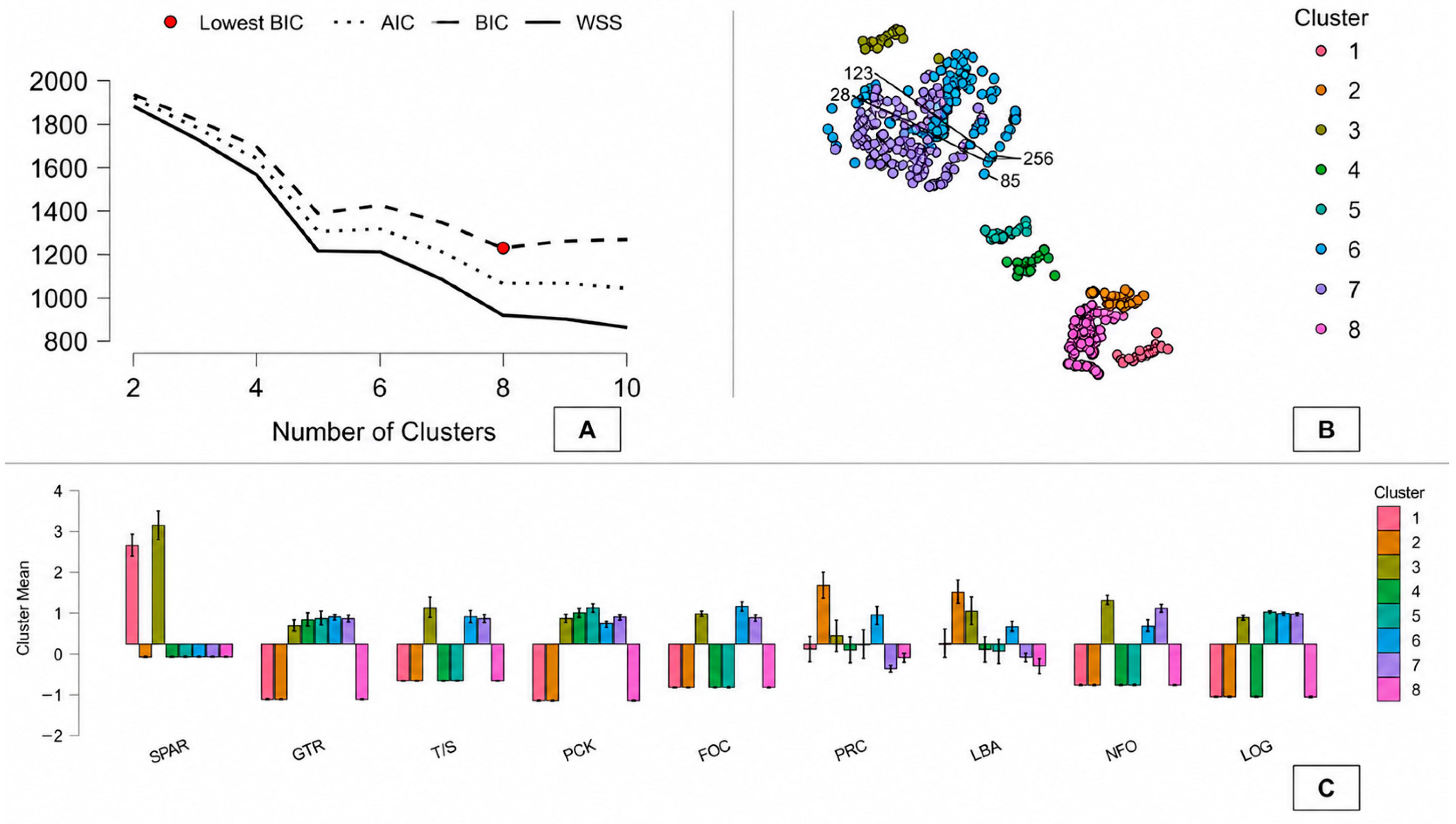
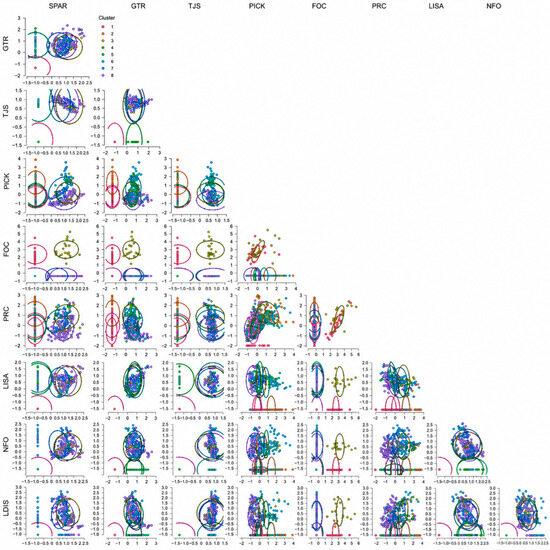
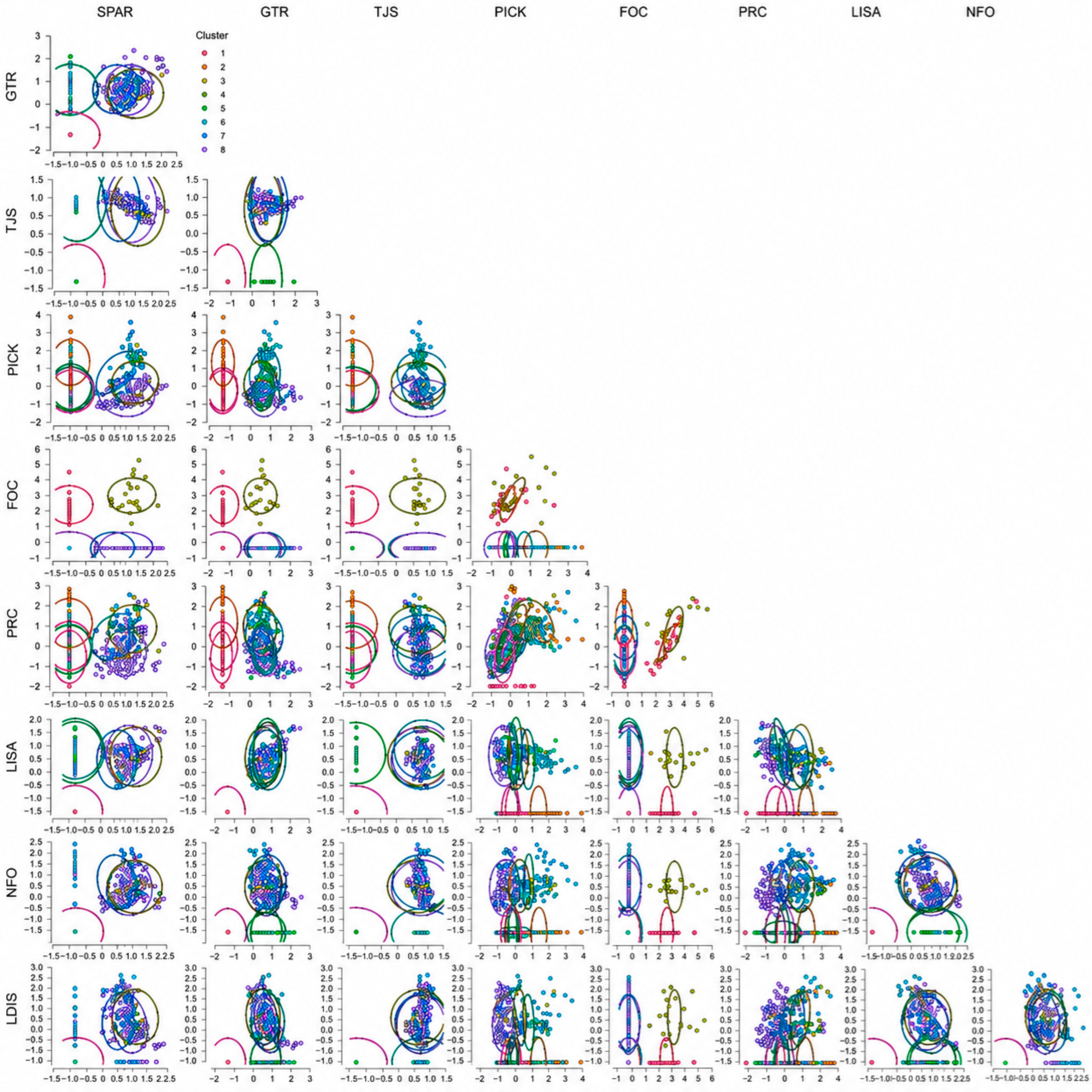

Disclaimer/Publisher’s Note: The statements, opinions and data contained in all publications are solely those of the individual author(s) and contributor(s) and not of MDPI and/or the editor(s). MDPI and/or the editor(s) disclaim responsibility for any injury to people or property resulting from any ideas, methods, instructions or products referred to in the content. |
© 2026 by the authors. Licensee MDPI, Basel, Switzerland. This article is an open access article distributed under the terms and conditions of the Creative Commons Attribution (CC BY) license.