


Abstract
Livestock theft remains a deeply entrenched and economically damaging form of rural crime in South Africa, with significant implications for food security, community trust, and agricultural sustainability. This exploratory study critically evaluates the effectiveness of Livestock Theft Prevention Forums (LTPFs), established in 1995, as a community policing mechanism. Using a mixed-methods approach, the research integrates quantitative survey data from 628 respondents—primarily livestock producers—with qualitative insights from key stakeholders, including members of the South African Police Service (SAPS). The analysis spans multiple dimensions: crime trends, recovery rates, stakeholder engagement, technological adoption, and forum functionality. Findings reveal that while formal reporting of theft has improved, recovery rates remain stagnant, and financial losses continue to rise. Technological interventions, such as Global Positioning System (GPS) tracking and closed-circuit television networks, are increasingly adopted but remain inaccessible to many emerging farmers. Awareness and participation in LTPFs are uneven across provinces, with local forums often inactive and poorly coordinated. The exploratory study concludes that although LTPFs hold promise as participatory governance platforms, their impact is constrained by structural inequalities, limited institutional capacity, and historical mistrust. Strengthening these forums requires inclusive outreach, improved communication, and integration of evidence-based policing within broader rural development strategies.
1. Introduction
Livestock theft remains a persistent and deeply entrenched challenge in South Africa’s rural areas. Beyond its economic impact, livestock represents a store of wealth, a source of nutrition, and a marker of social and cultural identity. Consequently, theft undermines not only agricultural productivity but also social cohesion and community stability (Maluleke et al. 2016; Ochieng and Grote 2025).
Despite government interventions and the establishment of specialised policing structures such as the Livestock Theft Prevention Forums (LSTPFs), the crime continues at high levels. Factors such as underreporting, limited criminal justice system capacity, and distrust of the police in historically marginalised areas exacerbate the problem, suggesting that existing interventions may not fully achieve their intended outcomes (W. Clack 2024b). Assessing whether the LSTPFs, as guardians, have achieved their intended objectives—reducing theft, improving recovery rates, and enhancing collaboration—according to situational crime prevention strategies, has not been thoroughly researched (W. Clack 2020).
This exploratory study addresses that gap by examining the effectiveness of the LSTPF system through a multidimensional framework that captures both institutional performance and community experience. The study situates the forums within South Africa’s nine provinces (Figure 1, the two lake images represent the independent countries Lesotho and Eswatini), with a long legal history of stock-theft regulation, evaluates their current operation, and identifies factors that either facilitate or constrain their success. By integrating quantitative and limited qualitative data, the research contributes to international debates on police–community engagement and evidence-based crime reduction in rural contexts.
Figure 1.
Maps showing South Africa (red) on the Africa map, along with its nine provinces. Source: Wikimedia Commons.
Literature Review
Across the world, livestock theft remains one of the most enduring forms of rural crime, disrupting agricultural production and community stability (Aiyzhy et al. 2021; Barclay 2016; W. Clack 2018a; Donnermeyer 2025). In South Africa, it affects approximately 40% of farmers and has deep historical roots, shaped by colonial, apartheid, and post-apartheid governance systems, continuing to impact rural livelihoods (W. Clack 2013; Agri SA 2018; W. Maluleke 2024; Mzingelwa and Mutula 2025). The persistence of livestock theft reflects not only economic incentives but also social and structural factors, including weak enforcement in rural areas, community marginalisation, and logistical challenges in policing vast territories (Barclay 2016; W. Clack 2018a).
Efforts to prevent livestock theft in South Africa date back to the seventeenth century, when colonial authorities introduced regulations to safeguard property and control livestock movement (Pienaar 1905; Van Sittert 2014). Early mechanisms, such as the commando system and spoor law, combined European and African legal traditions to track and recover stolen animals (Bennett and Jacobs 2012). By the nineteenth century, colonial governments had codified theft prevention through legislation, including the Cattle Theft Repression Act (1864) and the Cattle Removal Act No. 14 of 1870, which standardised branding and transport requirements (Milton et al. 1988). With the formation of the Union of South Africa, the Stock Theft Act of 1923 introduced uniform branding systems and criminal prosecution frameworks, which were further strengthened by the Stock Theft Act No. 57 of 1959 (Eloff 1988; Goldman 1923). These measures established compulsory branding, documentation, and prohibitions against unmarked livestock, providing the legislative foundation for contemporary theft prevention. From the 1960s, specialised Stock Theft Units within the South African Police Service (SAPS) enhanced investigations and intelligence operations, particularly in response to the increasing thefts of the 1980s (Aerni-Flessner et al. 2021; de Witt Dippenaar 1988).
The democratic transition in 1994 shifted policing toward community engagement and participatory problem-solving (Minnaar 2010). Hodgkinson and Harkness (2020) note that crime prevention is a shared responsibility, and effective partnerships and communication between the police and the public are essential. Stronger relationships between the police and rural communities lead to increased crime reporting and more effective implementation of situational crime prevention (SCP) initiatives. In 1995 in South Africa, the SAPS established Livestock Theft Prevention Forums (LSTPFs)—a term the author uses for the first time—to promote cooperation among law enforcement, farmers, and other rural stakeholders (SAPS 2020; Zwane 2018). These forums operate at multiple levels, national, provincial, and local, and represent a unique approach compared to other countries where prevention relies primarily on technology or informal community initiatives (W. Clack 2020; Mulrooney and Harkness 2023). The National Forum provides strategic direction and coordinates with state departments and agricultural stakeholders. Provincial forums adapt national strategies to regional contexts, while Local Stock Theft Information Centres (STICs) serve as operational hubs for intelligence gathering, reporting, and community liaison (W. J. Clack 2015b; W. Clack 2020; SAPS 2020).
These forums embody community policing principles, emphasising local knowledge, preventive initiatives, and participatory decision-making (Minnaar 2010; Zwane 2018). (W. J. Clack 2015a; W. Clack 2024b) highlights that these community-based structures act as guardians, facilitating preventive vigilance and rapid response, especially in regions where police presence is limited. In regions with robust agricultural institutions and infrastructure, forums have enhanced coordination and improved recovery rates. Conversely, in geographically isolated or under-resourced areas, limited participation and logistical challenges reduce the effectiveness of these initiatives (W. J. Clack 2015a). This pattern of organised theft is not new: as early as the 1980s, Swanson (1981) documented farm crime rings operating with considerable sophistication—stealing hundreds of thousands of dollars’ worth of livestock, chemicals, and machinery. More recently, Doorewaard’s (2020) criminological assessment of livestock theft perpetrators offers empirical support for this continuity, identifying a profile of offenders who are persistent, networked, and strategically motivated. Her research highlights recidivism and the involvement of well-structured criminal groups, rather than solely one-off opportunists, confirming that livestock theft operates as a long-term, systematic threat rather than just episodic crime. Schwartz et al. (2024) further emphasise the role of corruption and criminality within South African rural policing, noting how compromised frontline personnel can reduce farmer trust and engagement. Under-reporting remains widespread, with many rural producers either unaware of forum operations or distrustful of formal channels (W. Clack 2024a; W. Maluleke 2024).
Community engagement is central to prevention. LSTPFs and complementary Community Policing Forums (CPFs) facilitate intelligence-sharing, risk mapping, and local oversight (W. Clack 2020, 2024b; Minnaar 2010). W. Clack (2024b) notes that forums are most effective when leadership is strong, farmer participation is consistent, and logistical support facilitates rapid responses. However, geographic isolation, limited resources, and uneven participation continue to challenge the success of these initiatives (W. J. Clack 2015b; Zwane 2018).
While legislative frameworks and forum-based interventions provide an institutional response to livestock theft, the existing literature reveals critical limitations. Studies primarily focus on legal evolution, policy frameworks, and theoretical discussions of community policing, rather than on empirical assessments of forum functionality, participation, or outcomes (W. J. Clack 2015b; Zwane 2018). There is limited evidence on how LSTPFs operate at the local level, the quality and extent of farmer participation, coordination between SAPS and communities, and the actual impact on livestock recovery. Furthermore, little is known about regional variations in forum performance or how social dynamics—such as power imbalances between commercial and smallholder farmers or trust in law enforcement—affect prevention outcomes. Even as theft becomes increasingly organised and technologically sophisticated, research on community adaptation, access to prevention technologies, and operational constraints remains scarce (Aiyzhy et al. 2021; Barclay 2016).
Thus, despite a long history of regulatory measures and structured interventions, the practical effectiveness and real-world dynamics of LSTPFs remain underexplored. The existing literature does not examine whether the forums achieve their intended objectives, the challenges faced during their implementation, or the factors that determine their success or failure across diverse rural contexts. This reveals a significant research gap: there is a lack of empirical evidence on how community-based prevention structures function, the role of community engagement in reducing livestock theft, and how socio-spatial differences influence outcomes. Addressing this gap is crucial for refining policy, enhancing rural security, and supporting sustainable livelihoods for farming communities.
2. Materials and Methods
Research Design and Methods
Rural crime, particularly livestock theft, presents complex and multidimensional challenges shaped by structural, social, and spatial factors. International research in rural criminology emphasises that crime in non-urban areas cannot be fully explained through quantitative data alone, as local trust, community networks, and collective experiences significantly influence both crime patterns and responses (Barclay and Donnermeyer 2011; Ceccato and Dolmen 2011; Donnermeyer and DeKeseredy 2013). South African research supports these findings, revealing that community-based mechanisms such as Community Policing Forums (CPFs) and stock theft forums often face challenges, including resource shortages, inconsistent participation, and limited legitimacy (W. Clack 2024a; Makondo et al. 2021; Maluleke et al. 2016; Zantsi and Nkunjana 2021). Despite the existence of multiple rural crime prevention structures—such as Community Police Forums and LSTPFs limited empirical evidence exists on farmers’ perceptions, experiences, and engagement with these mechanisms at the national coordination level.
Building upon both international and local scholarship, this exploratory study adopted a primarily quantitative research design, supported by limited qualitative insights to provide contextual understanding where they directly overlap with quantitative findings. The quantitative component enabled the measurement of trends in livestock theft, recovery rates, and forum participation. At the same time, the limited qualitative information helped to interpret patterns and highlight explanatory factors arising from the data. Secondary statistical data from the South African Police Service (SAPS 2025a, 2025b) were used. In South Africa, crime statistics are published according to the financial year of the SAPS, which spans from 1 April to 31 March (Kempen 2019). Integrating these approaches allowed for a comprehensive understanding of both the magnitude and social context of livestock theft in South Africa (Donnermeyer 2025).
Participants were purposively sampled to ensure inclusion of individuals directly involved in or affected by livestock theft. These included livestock producers from both commercial and communal sectors, representatives from key agricultural organisations—such as Agri SA, Transvaal Agricultural Union (TAU-SA), the Red Meat Producers Organisation (RPO), the Red Meat Action Group (RAG), and the National Wool Growers Association (NWGA)—as well as members of the South African Police Service (SAPS), particularly those in Stock Theft and Endangered Species Units. Collaboration with these bodies was essential for accessing dispersed rural populations, building trust, and ensuring the exploratory study’s legitimacy (Peterson 2022a).
Data were collected using a structured questionnaire developed and administered through Microsoft Forms from 1 September 2025 to 24 October 2025. The survey primarily consisted of closed-ended questions, with a few open-ended questions included to provide supporting qualitative context where necessary. Multiple distribution channels were employed to ensure accessibility, including WhatsApp—a widely adopted communication platform among farmers and SAPS personnel (W. J. Clack 2015b; Harkness et al. 2022; Quan-Haase and Sloan 2016)—as well as email distribution to formal agricultural networks and direct engagement with local representatives in areas with limited connectivity. The survey was publicised through agricultural media outlets such as Landbouweekblad, Farmers Weekly, Sunday Times, and Maroela Media (Botha 2025; Hancke 2025; Smit 2025). To enhance accessibility, it was made available in both English and Afrikaans (Clack and Bunei 2025).
Quantitative data were analysed using Microsoft Excel (Office 365; Microsoft Corporation 2021) and IBM SPSS Statistics (version 30). Descriptive statistics, including frequencies and percentages, were used to summarise theft trends, recovery rates, and prevention measures. Limited qualitative responses from the open-ended questions were reviewed and categorised using basic thematic grouping (Braun and Clarke 2006; Harkness 2017; Peterson 2022b). This ensured that qualitative insights were used only to enhance understanding of statistically derived findings, such as farmers’ perceptions of risk or prevention practices reflected in the data.
Ethical considerations were central to the research process. Ethical clearance was granted by the University of South Africa’s College of Law Research Ethics Review Committee. An exploratory study involving SAPS members and crime prevention practitioners was undertaken to assess the validity, clarity, and contextual appropriateness of the instrument (Maxfield and Babbie 2015). Participation was voluntary, with informed consent obtained from all participants, and confidentiality and anonymity were rigorously maintained. Gatekeeper permission was secured from the SAPS Research Division, and collaboration with agricultural organisations ensured credibility and widespread participation across provinces.
Overall, this primarily quantitative design, supported by a limited qualitative context, provides a robust framework for exploring the measurable dynamics of livestock theft in rural South Africa. By integrating numerical trend analysis with selected contextual insights, the study generated empirically grounded and practically relevant findings with direct implications for rural policing, policy development, and community-based crime prevention.
3. Results
3.1. Overview of Participation
3.1.1. Demographic Profile of Participants and Response Rates
A total of 628 valid survey responses were obtained. 70% of participants completed the Afrikaans version, and 30% completed the English version. Calculating an exact response rate was not feasible because the total number of farmers in South Africa is not precisely known and fluctuates significantly. For context, estimates vary widely: approximately 39,000 VAT-registered farms, 240,000 farmers according to Sihlobo (2023), and the Statistics South Africa suggests that around 1.2 million people own livestock (Stats SA 2020). This variability makes it impossible to determine a definitive response rate; however, these figures provide an indication of the potential population size. The sample included a range of occupations: 81% were livestock producers, 4% were SAPS members, 2% were auctioneers or agents, less than 1% were abattoir workers, 8% were other crime prevention practitioners, 2% were private security providers, and 1% were technology developers. This occupational diversity ensured that perspectives were drawn from multiple points within the rural crime prevention system. As in large-scale national surveys such as the Governance, Public Safety, and Justice Survey (GPSJS) and the South African Social Attitudes Survey (SASAS), item-specific exclusions were applied to maintain relevance for different respondent groups (Human Sciences Research Council 2023; Stats SA 2023). However, participation was shaped by persistent inequalities in digital access: although national data report that about three-quarters of South African households have some form of internet access, substantial rural–urban disparities remain, and connectivity barriers are often most pronounced among livestock farmers who live and work in the most remote rural areas (Odendaal 2024). These challenges, highlighted in W. J. Clack (2015b), likely contributed to the underrepresentation of digitally marginalised farmers and produced a self-selecting sample biased toward participants with better connectivity. As a result, while the dataset provides valuable insight into patterns and perspectives within the rural crime-prevention environment, the findings reflect the views of respondents rather than the full heterogeneity of the South African farming population.
3.1.2. Provincial Distribution of Participants
Provincial participation varied substantially. The Free State recorded the highest number of Participants (169), followed by the North West (148), Mpumalanga (62), and Limpopo (59). Lower response rates were recorded in the Northern Cape (47%), KwaZulu-Natal (43%), Gauteng (37%), and the Eastern Cape (36%), with the Western Cape contributing the fewest responses (27%). The uneven participation across provinces may reflect disparities in forum activity, network engagement, or survey accessibility. Notably, the NSTPF’s website shows limited representation from several key provinces and contains outdated contact information, which undermines its perceived credibility (SAPS 2024).
3.1.3. Organisational Representation
Participants reported a total of 938 organisational affiliations, as participants could select multiple memberships. Strong participation was observed from established agricultural organisations such as AgriSA (239), AfriForum (186), RPO (169), TAU-SA (86), and Solidarity (72), indicating high engagement from resource-rich, predominantly Afrikaans-speaking constituencies. In contrast, minimal participation was recorded from organisations representing emerging or black farmers, African Farmers of South Africa (AFASA 4) and none from National African Farmers Union (NAFU), Black African Farmers Association (BFASA), or National Feedlot and Livestock Farmers Association (NAFLA SA)—highlighting continued disparities in representation and accessibility to technology (Peterson 2022b). Despite targeted outreach and bilingual availability, these results suggest that structural barriers, such as limited digital access, language constraints, and institutional mistrust, may inhibit participation (Minnaar 2010; Mistry 1997). Future studies should therefore consider community-based and mobile data collection strategies to strengthen inclusivity.
3.1.4. Age Distribution and Generational Trends in Farming
Age data further reflected the demographic profile of South African agriculture, with 56% of participants aged 55 and older, and nearly 40% aged 60 and older, demonstrating an ageing farming population. Younger cohorts (18–35 years old) were significantly underrepresented, comprising less than 10% of the participants. This demographic pattern aligns with broader national trends highlighting youth disengagement from agricultural careers (Attracting Youth to Agriculture—Harvest SA 2024).
3.2. Quantitative Findings: Livestock Theft Trends and Responses
Prevalence and Frequency of Livestock Theft Incidents
Figure 2 illustrates the number of livestock theft cases reported to the SAPS over six years, showing consistent seasonal and annual variations. Overall, reported cases declined from about 9000 in 2019/2020 to under 7000 in 2024/2025. The October–December quarter consistently recorded the highest number of thefts, while the January–March quarter remained the lowest. This downward trend across all quarters suggests some improvement in livestock security and policing effectiveness, though seasonal fluctuations persist.
Figure 2.
Number of livestock theft cases reported to the SAPS in South Africa. Source: SPSS compilation based on SAPS data (SAPS 2025a). Cattle Theft Across Provinces (2019/2020–2024/2025).
Table 1 shows substantial provincial disparities in cattle theft. KwaZulu-Natal recorded the highest mean (14,819.16) and most significant variability (SD = 2074.35), marking it as a national hotspot. The Eastern Cape followed with a mean of 10,801, while the Free State (8239.50), Mpumalanga (8163.66), North West (6427.18), and Limpopo (6347.16) reported moderate levels. Gauteng (2717.33), Northern Cape (635.83), and Western Cape (208.66) experienced the lowest theft rates. The high standard deviations in KwaZulu-Natal, Eastern Cape, and Mpumalanga indicate fluctuating theft levels, while consistently low figures in the Western and Northern Cape suggest more stable security conditions.
Table 1.
Comparative descriptive statistics of cattle theft across South African Provinces (2019 to 2025). Source: SPSS compilation based on SAPS data (SAPS 2025a, 2025b).
As shown in Table 2, sheep theft was most severe in the Eastern Cape (mean = 44,325), followed by the Free State (mean = 18,537.66), which together account for the majority of reported cases. Provinces such as the North West (6355.00), Mpumalanga (4098.16), Gauteng (4082.00), and Northern Cape (3996.66) showed moderate levels, while KwaZulu-Natal (3295.66), Western Cape (1934.16), and Limpopo (1743.00) reported comparatively low figures. The high variability in the Eastern Cape and Free State (SD = 5461.88 and 4322.44, respectively) suggests unpredictable patterns of livestock theft. In contrast, Limpopo and Western Cape displayed both low averages and low variability, reflecting consistently minor losses.
Table 2.
Comparative descriptive statistics of sheep theft across South African Provinces. Source: SPSS compilation based on SAPS data (SAPS 2025a, 2025b).
Table 3 highlights KwaZulu-Natal as the province most affected by goat theft (mean = 13,194.50; SD = 1489.76), followed by the Eastern Cape (10,903.83) and North West (9002.50). High variability in KwaZulu-Natal and Limpopo (SD = 1527.72) indicates erratic theft trends, complicating prevention efforts. In contrast, the Western Cape (676.66), Northern Cape (1586.16), and Free State (2198.33) reported the lowest averages and most stable patterns. The data suggest that socio-economic pressures, informal trade, and limited community monitoring exacerbate goat theft in high-risk provinces. At the same time, structurally different agricultural systems contribute to lower rates in the western and central regions.
Table 3.
Comparative descriptive statistics of goat theft across South African Provinces. Source: SPSS compilation based on SAPS data (SAPS 2025a, 2025b).
3.3. Recovery Rates and Reporting Practices
Livestock theft remains a persistent challenge in South Africa, with substantial economic consequences for farmers. Adopting a financial value–focused approach provides a more nuanced understanding of the sectoral and monetary impacts of theft. Over the period 2007/2008–2024/2025, the total financial losses from livestock theft increased significantly, with cattle accounting for 71.43% of the total value, sheep for 17.63%, and goats for 10.95%. Figure 3 illustrates the overall trends in financial losses and recoveries for cattle, sheep, and goats over the period, while Figure 4, Figure 5 and Figure 6 indicate the financial losses per species.
Figure 3.
Trends in Financial Losses and Recoveries (2019/2020–2024/2025). Source: Author’s own compilation based on SAPS data (SAPS 2025a, 2025b).
Figure 4.
Trends in cattle theft financial losses and recoveries (2019/2020–2024/2025). Source: Author’s own compilation based on SAPS data (SAPS 2025a, 2025b).
Figure 5.
Trends in sheep theft financial losses and recoveries (2019/2020–2024/2025). Source: Author’s own compilation based on SAPS data (SAPS 2025a, 2025b).
Figure 6.
Trends in goat theft financial losses and recoveries (2019/2020–2024/2025). Source: Author’s own compilation based on SAPS data (SAPS 2025a, 2025b).
The total value of stolen livestock increased from approximately R850 million in 2019/2020 to R1.4 billion in 2024/2025, representing a 64.7% rise over the six years. These estimates are based primarily on the value of female animals and exclude potential losses from future breeding herds and genetic contributions (W. Clack 2024a).
Despite the rising value of stolen livestock, recovery rates—both physical and monetary—have remained relatively static, averaging R250–R300 million annually. This stagnation indicates a decline in the effectiveness of livestock recovery, resulting in a widening gap between losses and recoveries and exacerbating the financial burden on farmers, despite a decrease in the number of livestock stolen in the 2024/2025 period.
3.3.1. Species-Specific Trends
Cattle
Figure 4 shows that between 2019/2020 and 2024/2025, the total value of cattle losses remained high, fluctuating between R600 million (US$33 million) and R700 million (US$39 million), while recoveries declined gradually from about R250 million (US$14.14 million) to under R200 million (US$11 million). The data show an inverse relationship between losses and recoveries—as losses increased, recoveries tended to decrease.
The spike in losses during 2023/2024, alongside only modest recovery levels, suggests reduced recovery efficiency or rising theft incidents that outpaced police capacity. Overall, the widening gap between losses and recoveries indicates that, although theft remains widespread, the proportion of stolen cattle being recovered is decreasing, indicating persistent challenges in detection, tracking, and community and police prevention efforts.
Sheep
Figure 5 shows that between 2019/2020 and 2024/2025, the total value of sheep losses remained consistently high, ranging from approximately R168 million (US$9.2 million) to R211 million (US$11.6 million). In contrast, recoveries fluctuated between R32 million (approximately US$1.8 million) and R45 million (approximately US$2.5 million), showing no clear upward trend. The data indicate a persistent gap between losses and recoveries, with recoveries accounting for only a small fraction of the total losses. Notably, while losses peaked in 2023/2024 (as with cattle), recoveries did not show a corresponding increase, indicating limited effectiveness in mitigating financial impact on improving recoveries.
Goats
Figure 6 shows that between 2019/2020 and 2024/2025, the total value of goat losses rose sharply, increasing from approximately R88 million (US$5.8 million) to over R192 million (≈US$11.1 million). Recoveries fluctuated between R19 million (≈US$1.10 million) and R38 million (≈US$2.20 million), with no consistent upward trend. The data reveal a widening gap between losses and recoveries—as theft-related losses increased, recoveries remained relatively stagnant, underscoring the limited success in recovering stolen livestock and mitigating financial damage.
3.4. Victimisation and Reporting Behaviour
Overall, livestock theft reporting has improved significantly over the past decade in South Africa. Historically, underreporting was widespread, with approximately 77% of theft incidents going unreported between 2010 and 2018, due to distrust in policing systems and doubts regarding the recovery process (W. Clack 2016, 2018b). Following a 2015 national media campaign by the National Stock Theft Prevention Forum (NSTPF) in partnership with SAPS and agricultural unions, reporting increased substantially, with 80–90% of cases now reported (W. Clack 2024b, 2025).
Provincial data from the 2024/25 survey highlight variations in victimisation and reporting (Table 4). Across the nine provinces, 89.2% of respondents reported being victims of livestock theft, with 86.6% indicating that they had reported the incidents to the police. Provinces with higher victimisation rates—KwaZulu-Natal, Free State, and North West—also reported higher police reporting rates. Conversely, provinces such as the Eastern Cape and Gauteng showed lower reporting rates (77.8% and 75%, respectively), potentially reflecting residual barriers, including limited police access or ongoing distrust in law enforcement. Mpumalanga demonstrated the highest reporting compliance (92.7%). Statistical analyses indicate a strong positive correlation (r ≈ 0.7) between victimisation and reporting rates, and a moderately strong correlation (r ≈ 0.6–0.7) between provincial case numbers and both victimisation and reporting, suggesting that increased exposure to livestock theft is associated with greater engagement with formal reporting mechanisms.
Table 4.
Livestock Theft Victimisation, Police Reporting, Source: Survey Data.
3.5. Informal Reporting Channels
Despite improvements in formal reporting, a subset of victims continues to utilise informal channels. Among the 13% of respondents who did not report theft to SAPS (Table 4), the most common alternative channels were neighbours (43%), private security organisations (24%), and Farm Watch (21%). Control rooms and the Red Meat Producers Organisation (RPO) reporting centre accounted for 10% and 3% of reports, respectively. These findings underscore the continued importance of community-based and informal mechanisms in addressing livestock theft.
3.6. Selective Preventive Crime Prevention Strategies Adopted by Farmers
3.6.1. Closed-Circuit Television Connectivity Data
Of the 628 individuals who participated in the survey, only 409 provided valid responses regarding the connectivity of their Closed-Circuit Television (CCTV) systems. The remaining 219 respondents either did not answer the question or were unaware of their systems’ configurations. Consequently, the analysis is based solely on the 409 participants who demonstrated knowledge of their CCTV system connectivity.
Among these, the largest group—140 individuals (34.2%)—reported that their CCTV systems are connected to a Professional Security Company, indicating significant reliance on formal security providers. A further 110 respondents (26.9%) cited connectivity to the Farmers Union, underscoring the prominence of community-based security structures in agricultural settings. Eighty-three respondents (20.3%) indicated connections to Local Security Companies, representing smaller regional operators, while 39 (9.5%) reported internal management by one or two administrators. Notably, 27 respondents (6.6%) were uncertain of their system’s connectivity, and 10 (2.4%) expressed no knowledge at all. These figures suggest that, although most informed users depend on structured security partnerships, a degree of informational opacity persists among others.
Overall, the data indicate predominant reliance on professional and community-linked security arrangements. However, the considerable proportion of uninformed users highlights the need for improved awareness and communication regarding the management of surveillance systems.
3.6.2. Perceptions of Crime in Farming Areas Post-CCTV Installation
The survey, which assessed the perceptions of 628 participants regarding rural crime after the installation of CCTV, yielded 402 valid responses regarding rural contact and economic crimes.
3.6.3. Contact Crimes
Most respondents perceived a decline in contact crimes (e.g., assault, murder): 33.7% (135) reported a slight reduction, 27.9% (112) a significant reduction, and 30.8% (123) no change, while only 7.6% (30) reported an increase. Thus, over 61% perceived a decrease in violent crime, suggesting that CCTV systems have a positive influence on personal safety perceptions. These findings align with Newham and Lancaster (2025), who argue that coordinated safety measures and RSS partnerships enhance both actual and perceived rural security (see also SAPS 2022; anonymous personal communication, September 2025).
3.6.4. Economic Crimes
In the current survey (n = 409), 58.3% perceived a reduction in economic crimes (34.0% slight; 24.3% significant), while 26.2% saw no change and 15.5% reported increases. These findings are consistent with those of Herselman (2025), who observed similar trends in the Free State.
3.6.5. Other Crime Prevention Tools in the Farming Community
The survey revealed a strong preference for digital communication tools, particularly WhatsApp, used by 498 respondents (71.35%), indicating widespread adoption of community-based alert systems. Marnet radios—the analogue successors to the former South African Commando System—remain the second most popular option, used by 138 respondents (19.77%) (Commando System (South Africa)—Wikipedia n.d.; Steinberg 2005). Telegram and Facebook are used by only 38 (5.44%) and 8 (1.15%) respondents, respectively, while 16 (2.29%) indicated other methods. These different methods are fully addressed in Harkness et al. (2024). The continued use of Marnet radios underscores the importance of traditional communication, particularly in regions with limited digital infrastructure. This is also an objective in the Rural Safety Strategy to improve communication in rural and rural-urban police stations (SAPS 2018).
3.6.6. Use of Technology in Livestock Theft Prevention at the Farmer Level
Persistent livestock theft has driven widespread adoption of technology-based prevention systems. Farmers are increasingly employing GPS-enabled tracking, AI-enhanced surveillance, and integrated security solutions to safeguard their assets.
FarmRanger is a leading provider of GPS collars for livestock, enabling real-time monitoring and instant alerts in the event of irregular movement. The system currently protects over three million animals across more than 2000 South African farms, demonstrating its reach and efficacy (FarmRanger—Livestock Security Collars n.d.). Complementary innovations include Agri-Alert’s sensor technologies (Home—Agri-Alert n.d.) and iSiTech’s iSi-TAG device (iSi-TAG from iSiTech: Real-Time Livestock and Wildlife Management n.d.), which provides lightweight GPS tracking for diverse livestock species. Integrated farm security systems—combining intelligent fencing, solar-powered surveillance, and AI-driven analytics—further strengthen rural protection (Integrating Farming and Security Solutions for Productivity—Issue 8 2023—Security BIS—SMART Security Solutions n.d.). Recent developments, such as facial recognition for cattle identification, enhance both theft deterrence and herd management accuracy (Agri Facial Recognition—South Africa n.d.)
However, adoption of these technologies depends on farmer awareness and affordability. Bontsa et al. (2023) highlight the importance of education and outreach, particularly for smallholder farmers. Notably, leading providers such as FarmRanger, Agri-Alert, and iSiTech are not formal members of livestock theft prevention forums, suggesting a missed opportunity.
3.7. Awareness of Livestock Theft Prevention Forums (LTPFs)
Of the 504 livestock producers surveyed across nine South African provinces, 245 (48.6%) indicated awareness of Livestock Theft Prevention Forums (LTPFs), while 259 (51.4%) were not aware, reflecting moderate overall awareness. Awareness levels varied notably across provinces, with Mpumalanga (56.1%) and North West (55.7%) showing the highest awareness, and the Northern Cape (28.1%) and KwaZulu-Natal (35.1%) the lowest. Intermediate awareness was observed in the remaining provinces, ranging between 41% and 52%. These findings highlight significant provincial disparities and the need for targeted outreach in areas with limited awareness.
3.7.1. Involvement in Livestock Theft Prevention
Only respondents who were aware of LTPFs were included in the analysis of involvement. A total of 623 responses were recorded, indicating that many respondents participated in multiple prevention activities. The majority were involved through organised agriculture (44.0%) and civic community organisations (20.1%), while 18.3% reported no involvement. Engagement declined across the formal prevention hierarchy: 8.7% participated at the local Stock Theft and Endangered Species Information Centre (STIC) level, 4.2% at the Provincial Stock Theft Prevention Forum (PSTPF) level, and only 1.1% at the National Stock Theft Prevention Forum (NSTPF) level. This pattern reflects the representative nature of the framework. Despite the potential for 906 STICs nationwide, only 94 operational units were identified, revealing a considerable gap between the intended structure and actual participation.
3.7.2. Functionality of Local Stock Theft and Endangered Species Information Centres (STICs)
Survey data from 608 respondents indicated weak local-level functionality. A majority (78.5%) reported no knowledge of meeting frequency, and only 7.9% indicated that meetings “always” occurred. Similarly, over half of respondents (51.0%) had no information regarding stakeholder participation, with only 16.1% perceiving active involvement. Community participation was also limited, as 70.4% reported no engagement and only 10.7% attended monthly meetings. These results indicate communication deficiencies, weak institutional collaboration, and limited community mobilisation, all of which undermine the effectiveness of the STICs at the grassroots level (South African Police Service, SAPS 2020).
3.7.3. Community Satisfaction with Livestock Theft Prevention Forums
Among 608 respondents, 56% expressed dissatisfaction or strong dissatisfaction with the performance of livestock theft prevention forums, while only 22% reported satisfaction. The remaining 22% were either neutral or unaware of forum activities. Qualitative comments underscored limited police visibility, poor communication, and a perceived lack of tangible results. Respondents frequently criticised the South African Police Service for inadequate investigation and enforcement efforts, with some citing mistrust and perceived corruption as contributing factors.
3.8. Qualitative Responses Regarding Key Challenges Facing Local LSTPF Structures
The responses from participants reveal a wide range of challenges currently affecting local Stock Theft Information Centres (STICs) and Provincial Stock Theft Prevention Forums (PSTPFs). These challenges can be grouped into several interconnected themes that collectively undermine the effectiveness of livestock-theft prevention efforts.
One of the most frequently mentioned issues is the severe lack of SAPS capacity, including shortages of workforce, vehicles, fuel, and specialised units. Participants emphasised that police officers often lack the resources to respond adequately to incidents or conduct thorough investigations. Comments such as “Mannekrag en befondsing” (Manpower and funding) and “Geen patrollie of voertuig beskikbaar” (No patrol or vehicle available) highlight how resource constraints leave rural communities vulnerable and unsupported.
Linked to this is widespread concern over the quality of investigations and the broader criminal justice system. Many participants noted poor or incomplete dockets, repeated postponements, and prosecutors lacking knowledge of livestock-theft legislation. Examples include “Poor ondersoekwerk… onvolledige dossiere wat tot poor of geen vervolging lei” (Poor investigative work… incomplete dockets that lead to poor or no prosecution) and “Uitstel van sake laat klaers belangstelling verloor” (Postponement of cases causes complainants to lose interest). Such weaknesses contribute to low conviction rates and diminished trust in the system.
Another significant challenge is weak cooperation, communication, and coordination between role players. Participants expressed frustration that information is often not shared, meetings lack value, or structures operate in isolation. For instance, “The STIC works on their own and keeps info for themself” and “Bad communication” illustrate the fragmentation that undermines collective action. Farmers also commented that operational collaboration with police is often absent: “Very little cooperation with police.”
Concerns about corruption and collusion further weaken trust in policing structures. Numerous participants believe that some SAPS members are directly involved in livestock theft or leak information to syndicates. Comments such as “Polisie werk saam om vee te steel” (Police work together to steal livestock) and “Sommige polisie lede wat inligting laat uitlek” (Some police members leak information) reveal deep fears that criminal networks may be receiving inside support.
At a structural level, many participants are either unaware of the STIC or PSTPF or state that these entities do not exist locally. Statements such as “There are no Stics” and “Dit bestaan nie tans nie” (It does not currently exist) show that visibility and community understanding of these structures are highly inconsistent. This lack of awareness prevents farmers from accessing support and integrating into coordinated prevention systems.
Participation and attendance challenges also emerged prominently. Farmers reported that they are often too busy to attend meetings or lose motivation when they feel that discussions produce no outcomes. Examples include “Boere is baie besig en het nie altyd tyd om by te woon nie” (Farmers are very busy and do not always have time to attend) and “Poor attendance by farmers.” Low engagement from government departments and police also weakens the impact of meetings. Distinguishing between farmers’ responses and those of the police, the blame game becomes obvious when the officer mentions, “Farmers only attend meetings when they have a problem, and they disappear.
A growing trust deficit between farmers and SAPS is evident throughout the responses. Many farmers feel abandoned, unsupported, or ignored. Comments such as “Farmers are on their own. No assistance from anyone” and “Polisie gee nie genoeg samewerking” (Police do not give enough cooperation) indicate that partnerships essential for rural safety are deteriorating. Contrary to the police officer’s mention
“Complaints centred on poor communication and a lack of feedback on cases. Meetings were often dominated by grievances rather than solution-focused discussions, reducing their effectiveness”(Police officer 3)
Participants further highlighted policy and legislative limitations, including constraints created by the POPI Act and ineffective sentencing frameworks. Statements such as “Camera information not shared reason POPI Act” and “Wetgewing faal om misdadigers behoorlik te straf” (Legislation fails to punish criminals properly) suggest that legal frameworks do not sufficiently empower livestock-theft prevention efforts.
Additionally, the growing presence of organised crime and well-structured syndicates poses a significant threat. Respondents described incidents shifting from simple theft to armed robbery and noted that syndicates are often released shortly after appearing in court, for example: “’n Sindikaat… word elke keer na eerste hofverskyning weer vrygelaat” (A syndicate… is released after the first court appearance every time). This trend increases risk to farmers and requires specialised investigative capacity.
Ultimately, leadership issues and a lack of accountability significantly hinder progress. Participants expressed frustration about absent commanders, weak leadership within stock-theft units, and inconsistent forum management. Responses such as “Geen leierskap vanaf veediefstal eenheid” (No leadership from the stock theft unit) and “SAPS leadership… not involved or interested” reflect a strong perception that leadership failures prevent effective action.
4. Discussion
This exploratory study examined the dynamics of livestock theft in rural South Africa, integrating quantitative, qualitative, and policy-oriented data to explore interactions among farmers, policing structures, and community mechanisms. Findings reveal that livestock theft is influenced not only by opportunistic criminal behaviour but also by structural vulnerabilities, institutional weaknesses, and perceived corruption. Routine Activity Theory, Rational Choice Theory, and Situational Crime Prevention (SCP) provide a comprehensive framework for interpreting results and guiding interventions, complemented by practical strategies outlined in W. Clack (2020).
4.1. Livestock Theft Patterns and Persistence
Cattle and goat theft were most prevalent in KwaZulu-Natal, while sheep theft was most prevalent in the Eastern Cape. The Western and Northern Cape reported relatively low theft, as confirmed by SAPS interviews, noting that it is “an endangered species problem, not a stock theft problem.” Theft displayed seasonal peaks between October and December, likely linked to agricultural cycles or market activity (W. Clack 2024a).
Although incidents declined modestly—from ~9000 in 2019/2020 to under 7000 in 2024/2025—economic losses rose by nearly 65%, reflecting a shift toward high-value livestock, particularly breeding stock (W. Clack 2024a). Rational Choice Theory suggests offenders deliberately target high-value animals, exploiting delayed police responses, rural isolation, and weak situational controls (Cornish and Clarke 1987). Provincial volatility, especially in KwaZulu-Natal and the Eastern Cape, demonstrates the convergence of motivated offenders, valuable targets, and minimal guardianship, consistent with Routine Activity Theory (Cohen and Felson 1979).
4.2. Recovery Challenges, Technology, and Community Coordination
Despite increasing financial losses, recovery rates remain stagnant at approximately R250–300 million (US$14.6–17.6 million) per year. This, in effect, means that recovery declines as the cost of livestock increases. Evidence from police interviews indicates that recovery outcomes improve when there is strong coordination between law enforcement, community members, and technology providers. Police officers noted that recoveries are higher when communities actively provide intelligence and support operational efforts, and when technology solutions—such as GPS collars, CCTV, and FarmRanger systems—are effectively integrated into monitoring and response frameworks. Conversely, where community engagement is weak or technology is poorly implemented, recoveries are lower. Although the number of livestock stolen and recovered has remained relatively stable, the effectiveness of livestock theft prevention forums is being called into question.
From a Situational Crime Prevention perspective (Clarke 1995; W. Clack 2020), these findings suggest that theft persists because situational controls remain insufficiently applied, livestock movements are poorly monitored, and intelligence systems are fragmented. It is worth noting that South Africa does not have a national livestock traceability system in place. An unofficial traceability system was introduced in November 2025, although it is not compulsory (RMIS 2025).
Enhanced situational controls—including perimeter fencing, secure holding areas, livestock-tracking technology, and coordinated monitoring—combined with community collaboration, can improve recovery rates and reduce theft risk (W. J. Clack 2015a). Multi-layered SCP strategies, encompassing environmental design, target hardening, surveillance enhancement, and response management, remain crucial but are only fully effective when supported by both communities and technology providers (W. Clack 2020). From the response of police officers, this is an excellent strategy to adopt.
4.3. Victimisation, Reporting, and Informal Networks
The study found a high level of crime reporting, with 89.2% of victims and 86.6% of incidents reported to SAPS, indicating a substantial improvement over the previous underreporting trend (W. Clack 2016, 2018b, 2024b). About 13% of respondents relied on informal networks, such as neighbours, Farm Watch, or private security, highlighting a guardianship gap predicted by Routine Activity Theory. Social networks and communication technology—including WhatsApp, Marnet radios, GPS collars, and CCTV—enhance intelligence-gathering and practical enforcement in rural areas (Mulrooney et al. 2024).
Prior research, particularly Victims of Crime Surveys (VCS), presents an incomplete picture of rural livestock theft. These surveys often used vague terminology, such as “animals,” without distinguishing between livestock, pets, or other species covered under the Animal Disease Act 35 of 1984 (R. Maluleke 2018). Furthermore, the VCS focused predominantly on urban populations, underrepresenting rural areas where livestock theft is most prevalent. Consequently, previous estimates of non-reporting in rural contexts were likely skewed and unreliable. W. Clack (2016, 2018a) highlighted that prior studies documented widespread distrust in law enforcement, weak feedback mechanisms, and low engagement with formal policing, but often did not account for rural-specific reporting behaviours. Mulrooney et al. (2024) caution that claims of police distrust should be interpreted carefully, as underreporting may reflect a combination of perceived corruption, lack of awareness of reporting procedures, and low expected recovery.
This study’s findings provide more accurate insight by directly surveying livestock farmers and other stakeholders. Provincial variations were observed, with lower reporting in the Eastern Cape and Gauteng, reflecting rational decisions by farmers when expected recovery is low, or corruption is suspected, consistent with Rational Choice Theory (Schwartz et al. 2024; ISS Africa 2020). These results demonstrate that while engagement with law enforcement is improving, particularly in urban-adjacent communities, rural livestock theft requires targeted attention, and measurement tools must be refined to capture crime in marginalised and rural populations accurately.
4.4. Technology-Based Prevention
Technology adoption is increasing in South African rural crime prevention, mirroring global trends (Aransiola and Ceccato 2020). CCTV, GPS collars, AI surveillance, and platforms such as FarmRanger and iSiTech enhance target hardening, detection, and timely response, consistent with SCP principles (Clarke 1995; W. Clack 2020). About 61% of respondents reported reductions in contact crime and 58% in economic crime (Newham and Lancaster 2025; SAPS 2022). Adoption remains uneven due to cost, infrastructure, and knowledge gaps, and effectiveness depends on active police follow-up and integration with community intelligence (SAPS interview). SCP theory emphasises that technology is most effective when integrated into coordinated prevention networks (W. Clack 2020).
4.5. Livestock Theft Prevention Forums and STICs
Formal prevention structures, such as LTPFs and STICs, show limited functionality. Awareness is moderate (48.6%), but only 7.9% of respondents reported consistent meetings, and nationally, just 94 of 906 STICs are operational (W. Maluleke 2023; SAPS 2020). Local forums are often inactive, with minimal stakeholder engagement or community involvement. Over half of the respondents cited poor police visibility, inadequate communication, and a perceived lack of action. Weak forums reflect the absence of collective guardianship, undermining both formal and informal prevention (Routine Activity Theory). Structured forums, consistent communication, and intelligence-sharing protocols are essential to reducing theft risk (W. Clack 2020).
4.6. The Efficiency of the Criminal Justice System
The qualitative feedback reveals that limited SAPS capacity and weaknesses within the court system are central barriers to effective livestock-theft prevention. Participants repeatedly emphasised severe shortages in the workforce, vehicles, fuel, and specialised stock-theft units, resulting in delayed responses, minimal rural patrols, and inadequate follow-up on cases (W. Clack 2024a; Rantatalo et al. 2021). These resource constraints are closely linked to concerns about the quality of investigations, with many respondents citing poor investigative work, incomplete dockets, and a lack of specialised knowledge among officers (Clack and Minnaar 2018). These shortcomings directly contribute to broader frustrations with the criminal justice system, where repeated postponements, inexperienced prosecutors, and inadequate case preparation frequently result in withdrawn matters or unsuccessful prosecutions (Ceccato and Harkness 2021). As a result, conviction rates remain low, complainants lose confidence, and communities perceive both the police and courts as ineffective in addressing livestock theft (Bowden and Harkness 2022; W. Clack 2025). Collectively, these capacity and judicial challenges create a cycle of inefficiency that undermines deterrence, erodes trust, and allows offenders—often repeat or organised actors—to continue operating with minimal consequence (Braithwaite 2018).
4.7. Corruption, Distrust, and Organised Crime
Reports of delayed investigations, mishandled evidence, and suspected collusion highlight systemic rural police corruption, reducing guardianship, disrupting information flows, and lowering perceived risk for offenders (Routine Activity and Rational Choice Theories). Even optimal situational measures—such as GPS collars or enhanced fencing—cannot prevent theft without reliable policing. Addressing corruption, improving accountability, and integrating intelligence are prerequisites for effective SCP strategies.
4.8. Policy and Practical Implications
Integrating these findings with criminological theory and SCP frameworks suggests several policy priorities:
- Strengthen SAPS capacity—logistical, investigative, and intelligence—to serve as capable guardians (Routine Activity Theory; Schwartz et al. 2024).
- Rebuild trust and accountability through transparency, anti-corruption measures, and proactive case management (Rational Choice Theory).
- Integrate technology into coordinated prevention networks linking GPS, AI, CCTV, and forums for detection, monitoring, and rapid response (SCP; W. Clack 2020).
- Revitalise LTPFs and STICs via structured meetings, reporting protocols, and measurable outcomes to strengthen community guardianship (Routine Activity Theory).
- Target hotspot provinces with intelligence-led policing to increase perceived risk and reduce offender opportunity (SCP and Rational Choice).
- Improve legislative and prosecutorial frameworks to close loopholes and strengthen deterrence.
- Support smallholder adoption of prevention tools and reporting mechanisms to reduce target suitability and enhance guardianship (W. Clack 2020; SCP).
4.9. Future Research Suggestions
Future research should adopt a holistic approach to understanding and mitigating livestock theft. Comparative studies across Southern African regions could reveal cross-border patterns and shared vulnerabilities, informing regional policy coordination (Schwartz et al. 2024). The role of emerging technologies warrants deeper exploration, particularly the long-term effectiveness of AI-driven surveillance, GPS tracking, blockchain-based traceability, and GIS-based mapping systems (Aransiola and Ceccato 2020; W. Clack 2020). GIS offers unique potential for spatial risk analysis, enabling researchers to identify theft hotspots, transportation routes, and proximity to markets or borders, which can inform predictive policing and targeted interventions (Mulrooney et al. 2024).
Socioeconomic factors, including poverty, unemployment, and market fluctuations, should be examined to understand offender decision-making and theft trends (Schwartz et al. 2024). Community policing models deserve attention, focusing on trust-building initiatives and collaborative strategies that enhance guardianship and reporting (W. Clack 2020). Judicial outcomes and deterrence mechanisms require longitudinal analysis to assess conviction rates, sentencing practices, and their impact on organised theft (Ceccato and Harkness 2021). Additionally, research should include younger and emerging farmers, whose experiences and prevention strategies remain underrepresented (Peterson et al. 2024). Finally, systemic corruption within rural policing and its effect on crime prevention effectiveness must be critically investigated, as accountability mechanisms are central to sustainable solutions (Braithwaite 2018; Clack and Minnaar 2018).
4.10. Limitations
While the study is exploratory in nature with challenges in generalisability, and provides valuable insights, it is not without limitations. Underrepresentation of certain provinces and farmer groups may influence the results. Despite these constraints, the findings offer a comprehensive overview of livestock theft trends, preventive strategies, and systemic challenges in South Africa, providing a foundation for future research and policy interventions.
5. Conclusions
Livestock theft in South Africa remains a significant rural crime with deep historical roots and ongoing socioeconomic impacts. While reporting rates have improved and technological solutions are increasingly adopted, recovery rates remain low and financial losses continue to rise. The Livestock Theft Prevention Forums (LTPFs), though conceptually sound, suffer from limited awareness, uneven participation, and weak functionality—particularly at the local level. Structural inequalities, such as underrepresentation of emerging farmers and unequal access to technology, further hinder effective crime prevention. Strengthening institutional capacity, fostering inclusive engagement, and integrating evidence-based policing into broader rural development strategies are essential for enhancing the effectiveness of livestock theft prevention efforts.
Funding
This research was supported by Red Meat Industry Services (RMIS), South Africa, under the Field 2 Future project, specifically focusing on stock theft. The author acknowledges the financial support received for the conduct of this research.
Institutional Review Board Statement
The study was conducted in accordance with the Declaration of Helsinki and approved by the Ethics Committee of the College of Law, University of South Africa Ref. No. 4536 on 12 July 2024. Additional ethical clearance was obtained from the South African Police Service Research Division (Ref. No. 3/34/2 (2025/26-120)) before data collection.
Informed Consent Statement
Informed consent was obtained from all participants involved in the study.
Data Availability Statement
All data supporting the findings of this study are included within the article. Additional data may be made available from the author upon reasonable request, subject to the conditions of the funding agreement with Red Industry Services.
Acknowledgments
The author gratefully acknowledges the support and cooperation of agricultural organisations and commodity associations that assisted with the distribution of the research survey.
Conflicts of Interest
The author declares no conflicts of interest. For transparency, the author notes prior involvement with the Livestock Theft Prevention Forums (LTPFs), having served as a member for twenty years and as the National Chairperson from 2015 to 2023. This experience informed contextual understanding but did not influence the objectivity of the research process or outcomes.
References
- Aerni-Flessner, John, Chitja Twala, Munyaradzi Mushonga, and Grey Magaiza. 2021. A Transnational History of Stock Theft on the Lesotho–South Africa Border, Nineteenth Century to 1994. South African Historical Journal 73: 903–26. [Google Scholar] [CrossRef] [Scilit]
- Agri Facial Recognition—South Africa. n.d. Available online: https://agrifacialsa.co.za/ (accessed on 29 October 2025).
- Agri SA. 2018. National Agricultural Sector Crime Survey. Pretoria: Bureau of Market Research, University of South Africa. [Google Scholar]
- Aiyzhy, Elena, Artysh Mongush, Aziana Mongush, Aldyn-Kherel Ondar, Shoraana Seden-Khuurak, and Ayana Bildinmaa. 2021. The Problems of Livestock Theft in Tuva: History and Modernity (Ethnic and Legal Aspects). Pastoralism 11: 32. [Google Scholar] [CrossRef] [Scilit]
- Aransiola, Temidayo J., and Vania A. Ceccato. 2020. The Role of Modern Technology in Rural Situational Crime Prevention: A Review of the Literature. In Rural Crime Prevention: Theory, Tactics and Techniques. Edited by Alistair Harkness. Abingdon: Routledge, pp. 58–77. [Google Scholar]
- Attracting Youth to Agriculture—Harvest SA. 2024. Available online: https://www.harvestsa.co.za/2024/08/12/attracting-youth-to-agriculture/ (accessed on 29 October 2025).
- Barclay, Elaine. 2016. Farm victimisation: The quintessential rural crime. In The Routledge International Handbook of Rural Criminology. Edited by Joseph F. Donnermeyer. Abingdon: Routledge, pp. 107–17. [Google Scholar]
- Barclay, Elaine, and Joseph F. Donnermeyer. 2011. Crime and security on agricultural operations. Security Journal 24: 1–18. [Google Scholar] [CrossRef] [Scilit]
- Bennett, Thomas W., and P. J. Jacobs. 2012. The spoor law: An anachronism or constitutional misfit? South African Journal of Criminal Justice 25: 213–34. [Google Scholar]
- Bontsa, Nasiphi V., Abby Mushunje, Saul Ngarava, and Leocadia Zhou. 2023. Utilisation of Digital Technologies by Smallholder Farmers in South Africa. South African Journal of Agricultural Extension 51: 104–46. [Google Scholar] [CrossRef] [Scilit]
- Botha, Lindi. 2025. Have Your Say in the New Stock Theft Study. Farmer’s Weekly. Available online: https://www.farmersweekly.co.za/agri-news/south-africa/have-your-say-in-new-stock-theft-study/ (accessed on 29 October 2025).
- Bowden, Matt, and Alistair Harkness. 2022. Reimagining Rural Criminology in a Time of Change. In Rural Transformations and Rural Crime. Bristol: Bristol University Press, pp. 1–14. Available online: https://bristoluniversitypressdigital.com/display/book/9781529217773/ch001.xml (accessed on 2 October 2025).
- Braithwaite, John. 2018. Minimally Sufficient Deterrence. Crime and Justice 47: 69–118. [Google Scholar] [CrossRef] [Scilit]
- Braun, Virginia, and Victoria Clarke. 2006. Using thematic analysis in psychology. Qualitative Research in Psychology 3: 77–101. [Google Scholar] [CrossRef] [Scilit]
- Ceccato, Vania, and Alistair Harkness. 2021. Victimisation, safety, and policing in rural areas.: Evidence from the literature. In Crime, Peoples and Places: Perspectives on Rural Safety and Justice. Edited by Vania Ceccato and Alistair Harkness. Abingdon: Routledge Taylor and Francis Group, pp. 15–29. [Google Scholar]
- Ceccato, Vânia, and Lars Dolmen. 2011. Crime in rural Sweden. Applied Geography 31: 119–35. [Google Scholar] [CrossRef] [Scilit]
- Clack, Willem J. 2015a. Criminology theories: An analysis of livestock theft cases. Acta Criminologica: African Journal of Criminology & Victimology 28: 92–106. [Google Scholar]
- Clack, Willem J. 2015b. The role of social media in livestock theft: A case study. Acta Criminologica: African Journal of Criminology & Victimology 28: 112–27. [Google Scholar]
- Clack, Willie. 2013. The extent of stock theft in South Africa. Acta Criminologica: Southern African Journal of Criminology 26: 77–91. [Google Scholar]
- Clack, Willie. 2016. Livestock Theft: Lies, Damn Lies and Statistics. National Red Meat Producers Congress, Parys. Available online: http://www.stocktheftprevent.co.za/wp-content/uploads/2016/09/Livestock-Theft-Report.pdf (accessed on 2 October 2025).
- Clack, Willie. 2018a. Livestock Theft: A Global and South African Perspective. Red Meat Producers Congress, Pretoria. Available online: http://www.stocktheftprevent.co.za/wp-content/uploads/2016/07/Livestock-Theft-Report-2018-Final.pdf (accessed on 2 October 2025).
- Clack, Willie. 2018b. Rural crimes: Non-reporting of livestock theft by farmers. Acta Criminologica: African Journal of Criminology & Victimology 31: i–vii. Available online: https://hdl.handle.net/10520/EJC-159754347a (accessed on 29 October 2025).
- Clack, Willie. 2020. Livestock Theft Prevention. In Rural Crime Prevention: Theory, Tactics and Techniques. Edited by Alistair Harkness. Abingdon: Routledge. [Google Scholar]
- Clack, Willie. 2024a. An Analysis of Livestock Theft in South Africa (2013–2023): Towards a Deeper Understanding of Livestock Dynamics for Enhanced Countermeasures. International Journal of Rural Criminology 8: 335–71. [Google Scholar] [CrossRef] [Scilit]
- Clack, Willie. 2024b. Crime and safety in rural South Africa (North West). In Rural Perspectives on Crime and Justice. Edited by Vania Ceccato and Alistair Harkness. Abingdon: Routledge. [Google Scholar]
- Clack, Willie. 2025. Livestock theft dynamics in the Free State: Analysing trends, perceptions, and economic implications (2019–2024). South African Crime Quarterly 74: 55–71. Available online: https://hdl.handle.net/10520/ejc-iscrime_v2025_n74_a6 (accessed on 29 October 2025).
- Clack, Willie, and Anthony Minnaar. 2018. Rural crime in South Africa: An exploratory review of ‘farm attacks’ and stocktheft as the primary crimes in rural areas. Acta Criminologica: African Journal of Criminology & Victimology 31: 103–35. [Google Scholar]
- Clack, Willie, and Emmanuel Bunei. 2025. Rural Criminology Studies in Africa: Geographical Status. In Rural Criminology in Global Perspective. Bristol: Bristol University Press, pp. 13–36. Available online: https://bristoluniversitypressdigital.com/edcollchap-oa/book/9781529234053/ch002.xml (accessed on 2 October 2025).
- Clarke, Ronald V. 1995. Situational Crime Prevention. Crime and Justice 19: 91–150. [Google Scholar] [CrossRef] [Scilit]
- Cohen, Lawrence. E., and Marcus Felson. 1979. Social change and crime rate trends: A routine activity approach. American Sociological Review 44: 588–608. [Google Scholar] [CrossRef] [Scilit]
- Commando System (South Africa)—Wikipedia. n.d. Available online: https://en.wikipedia.org/wiki/Commando_System_%28South_Africa%29?utm_source=chatgpt.com (accessed on 29 October 2025).
- Cornish, Derek B., and Ronald V. Clarke. 1987. Understanding Crime Displacement: An Application of Rational Choice Theory. Criminology 25: 933–48. [Google Scholar] [CrossRef] [Scilit]
- de Witt Dippenaar, Marius. 1988. Die geskiedenis van die Suid-Afrikaanse Polisie, 1913–1988 [The History of the South African Police], 1st ed. Singapore: Promedia Publications (Pty) Ltd. [Google Scholar]
- Donnermeyer, Joseph, and Walter DeKeseredy. 2013. Rural Criminology. Abingdon: Routledge. [Google Scholar]
- Donnermeyer, Joseph F. 2025. Farm Crime: An International Perspective. Abingdon: Routledge Taylor and Francis Group. [Google Scholar]
- Doorewaard, Cecili. 2020. Livestock Theft: A Criminological Assessment and Sample-Specific Profile of the Perpetrators. Master’s thesis, University of South Africa, Pretoria, South Africa. Available online: https://uir.unisa.ac.za/handle/10500/26792 (accessed on 29 October 2025).
- Eloff, Callie C. 1988. Veediefstal in die verowerde gebied gedurende die 19de eeu [Livestock theft in the concured area during the 19th Century]. Historia 33: 53–68. [Google Scholar]
- FarmRanger—Livestock Security Collars. n.d. Available online: https://farmranger.co.za/ (accessed on 29 October 2025).
- Goldman, J. C. 1923. The branding of large stock. Journal of the Department of Agriculture 7: 346–51. Available online: https://hdl.handle.net/10520/AJA0000020_1212 (accessed on 29 October 2025).
- Hancke, Hendrik. 2025. By the Horns: Farmers Rallied to Take Part in a Stock-Theft Study. Times Live Premium. Available online: https://www.timeslive.co.za/sunday-times-daily/news/2025-09-26-by-the-horns-farmers-rallied-to-take-part-in-stock-theft-study/ (accessed on 2 October 2025).
- Harkness, Alistair. 2017. Crime Prevention on Farms: Experiences from Victoria, Australia. International Journal of Rural Criminology 3: 131–56. [Google Scholar] [CrossRef] [Scilit]
- Harkness, Alistair, Kirstin Drenkhahn, Willie Clack, and Kreseda Smith. 2024. Crime Prevention Practices: The Cases of Australia, Germany, South Africa, and England. In Rural Perspectives on Crime and Justice. Abingdon: Routledge. [Google Scholar]
- Harkness, Alistair, Kyle Mulrooney, and Joseph F. Donnermeyer. 2022. Surveying in Rural Settings. In Research Methods for Rural Criminologists. Edited by Ralph A. Weisheit, Jessica Peterson and Artur Pytlarz. Abingdon: Routledge Taylor and Francis Group, pp. 103–14. [Google Scholar]
- Herselman, Marita. 2025. Veediefstal daal in Vrystaat, maar vrae oor of boere dit eens nog aanmeld [Stock Theft Is Declining in the Free State, But Questions Remain About Whether Farmers Are Even Reporting It Anymore]. Netwerk24. Available online: https://www.netwerk24.com/nuus/misdaad/veediefstal-daal-in-vrystaat-maar-vrae-oor-of-boere-dit-eens-nog-aanmeld-20250226-2 (accessed on 24 October 2025).
- Hodgkinson, Tarah, and Alistair Harkness. 2020. Introduction: Rural Crime Prevention in Theory and Context. In Rural Crime Prevention: Theory, Tactics and Techniques. Edited by Alistair Harkness. Abingdon: Routledge Taylor and Francis Group, pp. 1–16. [Google Scholar]
- Home—Agri-Alert. n.d. Available online: https://agri-alert.co.za/?srsltid=AfmBOopUBZD78eAfeO3xQ3duAKHlKebl9g_EENYEqpZ6p9SINSugwjNh (accessed on 29 October 2025).
- Human Sciences Research Council. 2023. South African Social Attitudes Survey (SASAS). Human Sciences Research Council. Available online: https://hsrc.ac.za/special-projects/sasas/ (accessed on 25 October 2025).
- Integrating Farming and Security Solutions for Productivity—Issue 8 2023—Security BIS—SMART Security Solutions. n.d. Available online: https://www.securitysa.com/21113r (accessed on 29 October 2025).
- iSi-TAG from iSiTech: Real-Time Livestock and Wildlife Management. n.d. Available online: https://isitech.co.za/ (accessed on 29 October 2025).
- ISS Africa. 2020. Insight into the Integrity of South Africa’s Police. ISS Africa. August 26. Available online: https://issafrica.org/iss-today/insight-into-the-integrity-of-south-africas-police (accessed on 19 April 2021).
- Kempen, Annalise. 2019. Crime statistics 2018/2019—The hard facts. Servamus Community-Based Safety and Security Magazine 112: 14–5. Available online: https://hdl.handle.net/10520/EJC-192ccf2875 (accessed on 29 October 2025).
- Makondo, Sylvia Sivongile, Jacob Tseko Mofokeng, and Dorcas Khosa. 2021. Perspectives on Community Policing Forum in Rural Areas of Limpopo Province, South Africa. International Journal of Criminal Justice Sciences 16: 161–85. [Google Scholar]
- Maluleke, Risenga. 2018. Victims of Crime Survey 2017/18. Statistics South Africa. Available online: http://www.statssa.gov.za/publications/P0341/presentation.pdf (accessed on 2 October 2025).
- Maluleke, Witness. 2023. An Evaluation of Legislative Frameworks and Structures for Policing Stock Theft in South Africa. International Journal of Social Science Research and Review 6: 315–30. [Google Scholar] [CrossRef] [Scilit]
- Maluleke, Witness. 2024. The Roles of Rural Criminologists to Understand Stock Theft in South Africa: Towards African Research Networking and Collaborations. London: IntechOpen. [Google Scholar] [CrossRef] [Scilit]
- Maluleke, Witness, Rakgetse J. Mokwena, and Lesiba L. Motsepa. 2016. Rural farmers’ perspectives on stock theft. South African Journal of Agricultural Extension 44: 256–74. [Google Scholar] [CrossRef] [Scilit]
- Maxfield, Michael G., and Earl R. Babbie. 2015. Research Methods for Criminal Justice and Criminology, 7th ed. Boston: Cengage Learning. [Google Scholar]
- Milton, John, N. M. Fuller, Shannon V. Hoctor, and M. G. Cowling. 1988. South African Criminal Law and Procedure. Vol. III, Statutory Offences. Cape Town: Juta. [Google Scholar]
- Minnaar, Anthony. 2010. The changing face of “community policing” in South Africa, post-1994. Acta Criminologica: African Journal of Criminology & Victimology 2010: 189–210. [Google Scholar]
- Mistry, Duxita. 1997. Policing the Transformation: Further Issues in South Africa’s Crime Debate. Edited by Mark Shaw, Lala Camerer and Duxita Mistry. Pretoria: Institute of Security Studies. Available online: https://issafrica.org/research/monographs/monograph-12-policing-the-transformation-further-issues-in-south-africas-crime-debate-edited-by-mark-shaw-lala-camerer-duxita-mi (accessed on 29 October 2025).
- Mulrooney, Kyle, and Alistair Harkness. 2023. Farm Crime and Security: Evaluating Smart Tag Technology for Preventing, Tracking and Recovering Stolen Livestock. International Journal of Rural Criminology 8: 107–23. [Google Scholar] [CrossRef] [Scilit]
- Mulrooney, Kyle, Karen Bullock, Christian Mouhanna, and Alistair Harkness. 2024. Police relationships and engagement with rural citizens: Perspectives of front-line police in the United Kingdom, Australia, and France. Policing: An International Journal 47: 340–52. [Google Scholar] [CrossRef] [Scilit]
- Mzingelwa, Mpho, and Stephen Mutula. 2025. South African research on livestock theft: A systematic review. International Journal of Research in Business and Social Science 14: 379–88. [Google Scholar] [CrossRef] [Scilit]
- Newham, Gareth, and Lizette Lancaster. 2025. Farm attacks in South Africa: Setting the record straight—Institute for Security Studies. Policy Brief 201: 12. [Google Scholar]
- Ochieng, Nelson A., and Ulrike Grote. 2025. Agricultural Crime Victimisation and Food Security Outcomes among Smallholder Farmers in Rural Tanzania. Food Security 17: 703–20. [Google Scholar] [CrossRef] [Scilit]
- Odendaal, Nancy. 2024. South African Households Have Become More Connected. Engineering News. Available online: https://www.engineeringnews.co.za/article/south-african-households-have-become-more-connected-2024-06-14 (accessed on 1 December 2024).
- Peterson, Jessica Rene. 2022a. Gaining Access to Rural Communities. In Research Methods for Rural Criminologists. Edited by W. DeKeseredy, Jessica Rene Peterson and Artur Pytlarz. Abingdon: Routledge, pp. 43–55. [Google Scholar]
- Peterson, Jessica Rene. 2022b. Notes for the Rural Criminologist: Conducting Field Research with Rural Law Enforcement. International Journal of Rural Criminology 7: 148–60. [Google Scholar] [CrossRef] [Scilit]
- Peterson, Jessica Rene, Kyle C. Ward, and Michaela Lawrie. 2024. Rural American farmers’ perceptions of crime, safety and policing. Policing: An International Journal 47: 420–32. [Google Scholar] [CrossRef] [Scilit]
- Pienaar, J. J. 1905. The Branding Section: Notes on Brands and Branding. Transvaal Agricultural Journal 3: 363–4. [Google Scholar]
- Quan-Haase, Anabel, and Luke Sloan. 2016. Introduction to the Handbook of Social Media Research Methods: Goals, Challenges and Innovations. In The SAGE Handbook of Social Media Research Methods. Edited by Luke Sloan and Anabel Quan-Haase. London: SAGE Publications Ltd., pp. 1–9. [Google Scholar] [CrossRef] [Scilit]
- Rantatalo, Oscar, Ola Lindberg, and Markus Hällgren. 2021. Criminal Investigation in Rural Areas: How Police Detectives Manage Remoteness and Resource Scarcity. Policing: A Journal of Policy and Practice 15: 1352–66. [Google Scholar] [CrossRef] [Scilit]
- RMIS (Red Meat Industry Services). 2015. Available online: https://www.linkedin.com/company/red-meat-industry-services-rmis/posts/ (accessed on 6 November 2025).
- SAPS. 2018. The National Rural Safety Strategy. South African Police Service. Available online: https://dcstm.nwpg.gov.za/wp-content/uploads/2024/06/national_rural_safety_strategy_2019.pdf (accessed on 29 October 2025).
- SAPS. 2020. National Instruction 3 of 2020 Stock Theft and Endangered Species; Pretoria: South African Police Service.
- SAPS. 2022. E2-A Rural Perspective. Rural Safety Summit, Parys, South Africa. Available online: https://www.saps.gov.za/resource_centre/nscs/ea_rural_perspective.pdf (accessed on 27 August 2022).
- SAPS. 2024. National Stock Theft Prevention Forum: April 2022 to 31 March 2023 compared with April 2023 to 31 March 2024; Pretoria: South African Police Service.
- SAPS. 2025a. Police Recorded Crime Statistics, Republic of South Africa, Third Quarter 2024/2025. South African Police Service. Available online: https://www.spotlightnsp.co.za/wp-content/uploads/2025/03/saps-crime-states-2024_2025_3rd_quarter_web.pdf?__cf_chl_rt_tk=IQheKj9KXs_ihAJdDCiLEvj62FfIULqGno93PTYi7eA-1764735038-1.0.1.1-kxcGH4Zli4MSw_043BepgXLQ6FzHc5zKK1v2GQKorBU (accessed on 2 October 2025).
- SAPS. 2025b. Saps Livestock Return Summary: 2024/2025; Pretoria: South African Police Service.
- Schwartz, Gerrit Jacobus, Lesiba Calvin Malane, and Mogau Mamabolo. 2024. The rural frontline: Manifestations of police corruption and criminality. Acta Criminologica: African Journal of Criminology & Victimology 37: 59–76. Available online: https://hdl.handle.net/10520/ejc-crim_v37_n2_a4 (accessed on 29 October 2025).
- Sihlobo, Wandile. 2023. A Country of Two Agricultures: The Disparities, The Challenges, The Solutions. Bryanston: Tracey McDonald Publishers. [Google Scholar]
- Smit, Jana. 2025. Neem deel aan navorsing oor veediefstal, veiligheid in Vrystaat (Partcipate in research regarding livestock tehft and safety). Maroela Media. Available online: https://maroelamedia.co.za/nuus/sa-nuus/neem-deel-aan-navorsing-oor-veediefstal-veiligheid-in-vrystaat/ (accessed on 14 October 2025).
- Stats SA. 2020. Census of Commercial Agriculture, 2017: Financial and Production Statistics (Nos. 11-02-01 (2017); p. 104). Statistics South Africa. Available online: http://www.statssa.gov.za/ (accessed on 2 October 2025).
- Stats SA. 2023. Governance, Public Safety and Justice Survey 2022–2023. Statistics South Africa. Available online: https://microdata.worldbank.org/index.php/catalog/7847/pdf-documentation (accessed on 25 November 2024).
- Steinberg, Jonny. 2005. After the Commandos: The future of rural policing in South Africa. Institute for Security Studies Monographs 2005: 62. Available online: https://www.files.ethz.ch/isn/118316/120FULL.pdf (accessed on 25 November 2024).
- Swanson, Charles R. 1981. Rural and agricultural crime. Journal of Criminal Justice 9: 19–27. [Google Scholar] [CrossRef] [Scilit]
- Van Sittert, Lance. 2014. Writing on Skin: The Entangled Embodied Histories of Black Labour and Livestock Registration in the Cape Colony, c. 1860–1909. Kronos 40: 74–98. [Google Scholar]
- Zantsi, Siphe, and Thabile Nkunjana. 2021. A review of possibilities for using animal tracking devices to mitigate stock theft in smallholder livestock farming systems in rural South Africa. South African Journal of Agricultural Extension (SAJAE) 49: 162–82. [Google Scholar] [CrossRef] [Scilit]
- Zwane, Sipho Selby. 2018. Effectiveness of Community Policing Forums (CPFs) in Mpumalanga. Master’s thesis, University of Witwatersrand, Johannesburg, South Africa. Available online: https://hdl.handle.net/10539/28563 (accessed on 26 September 2025).
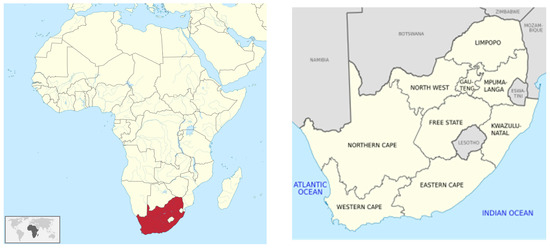
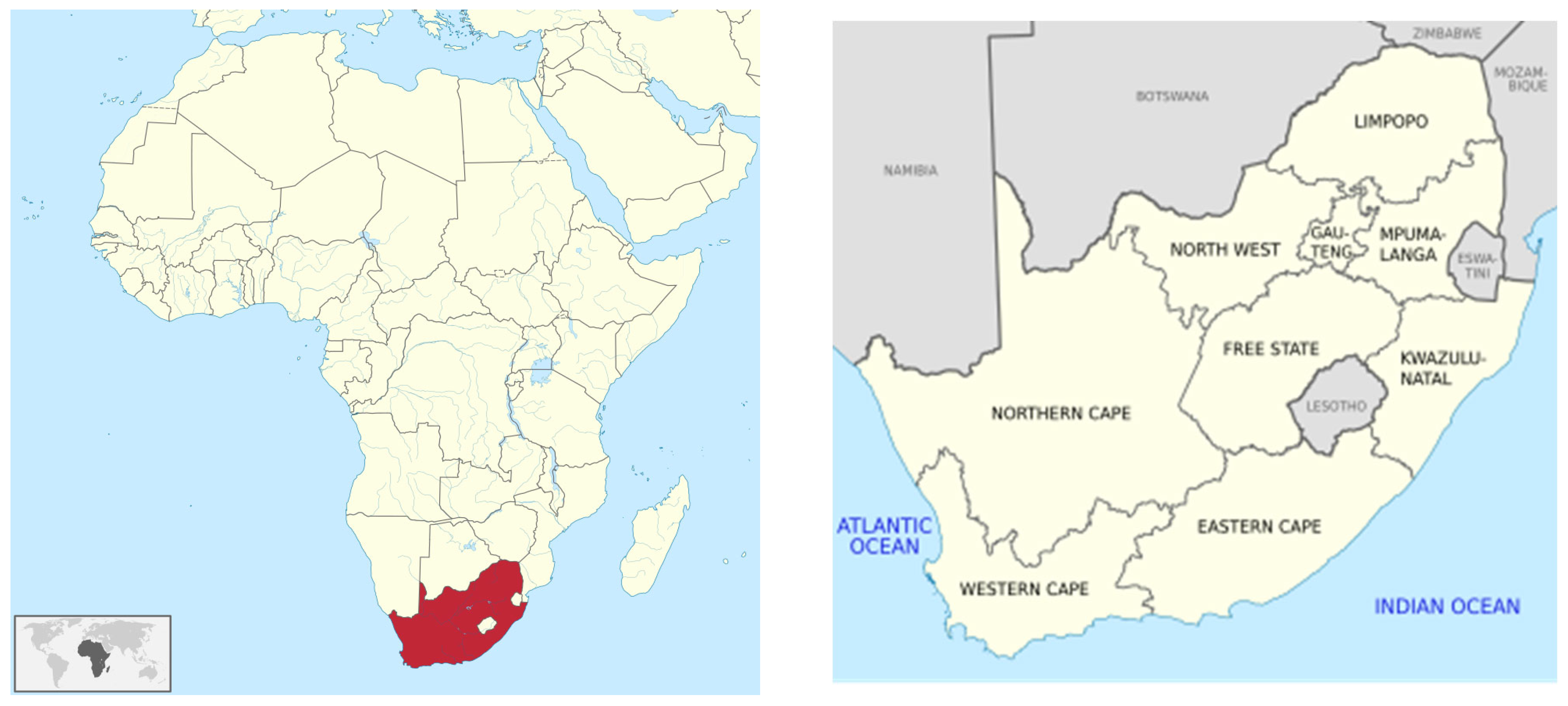
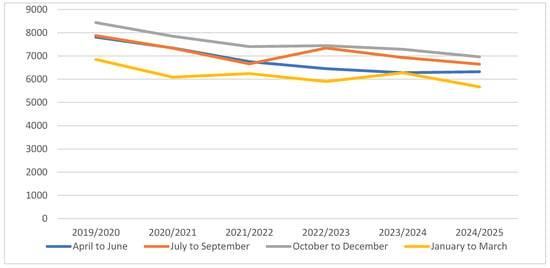
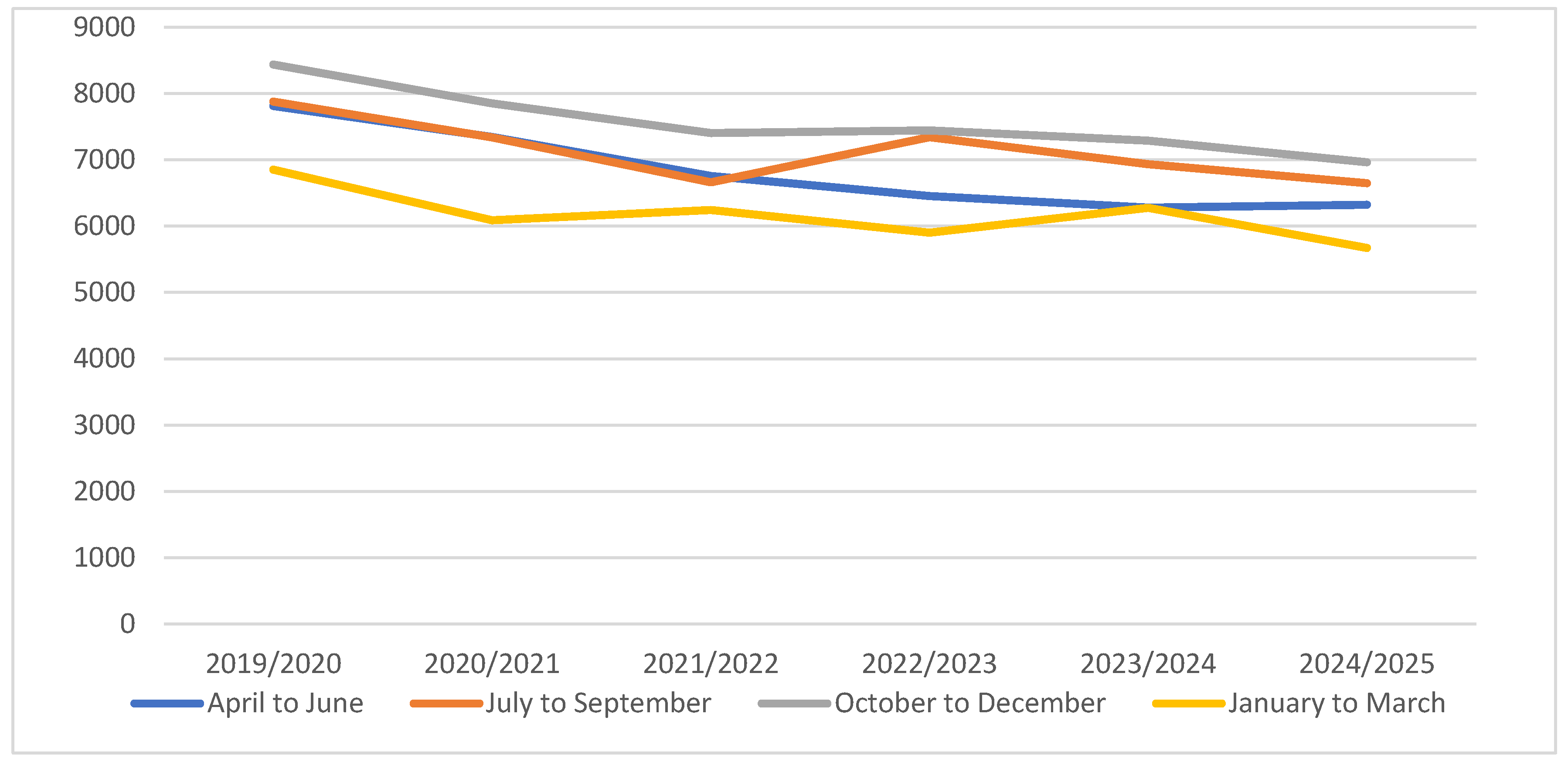
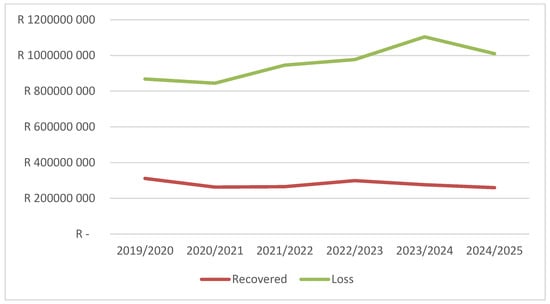
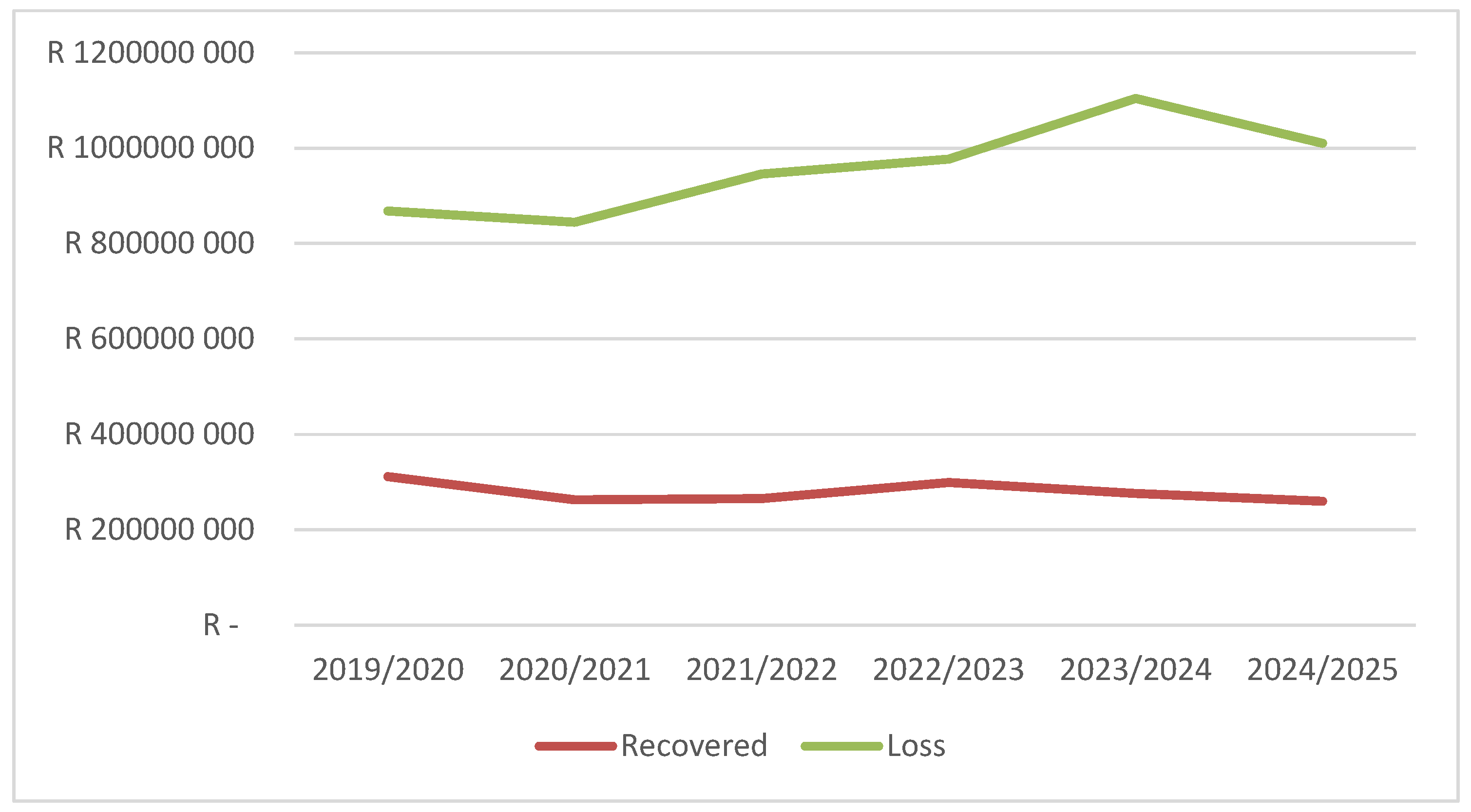
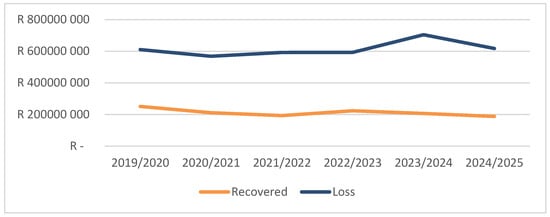
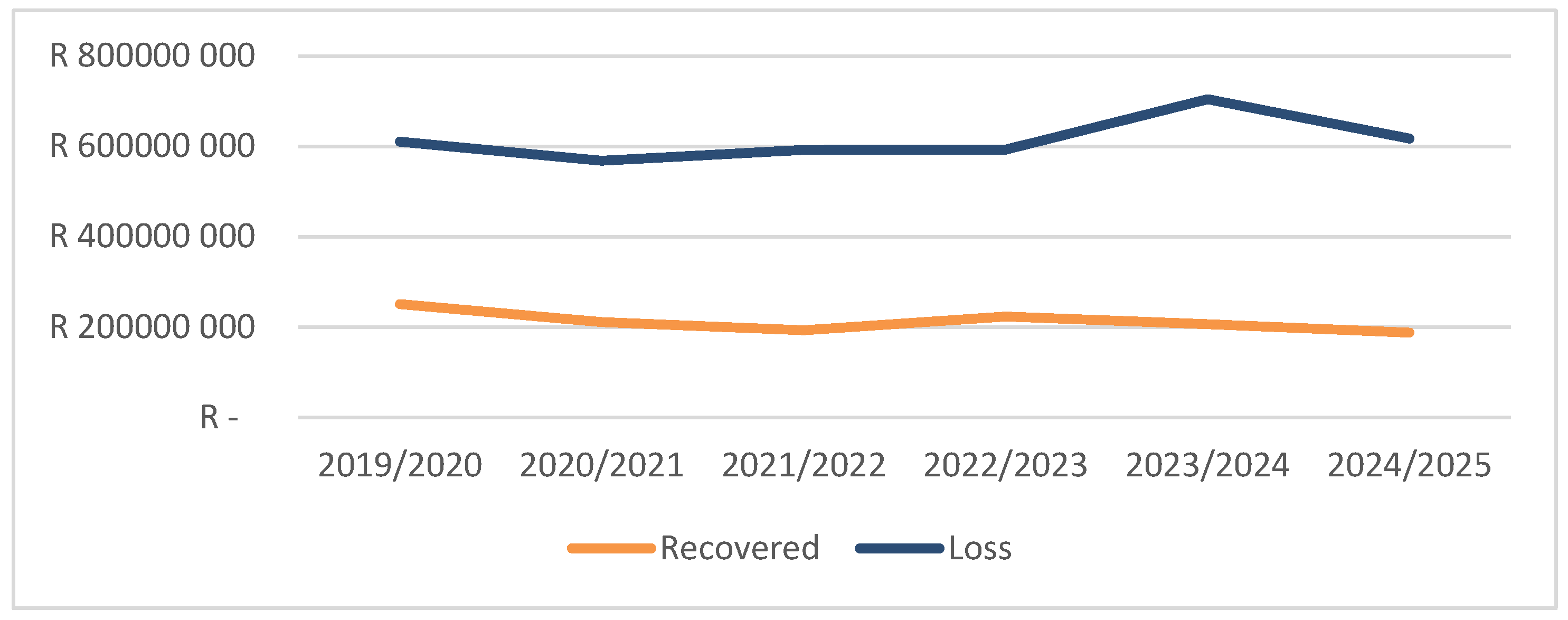
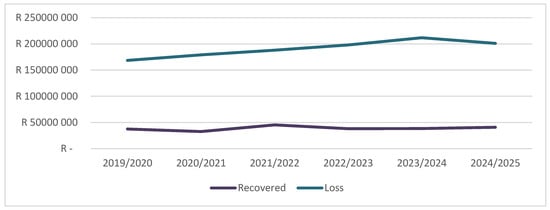
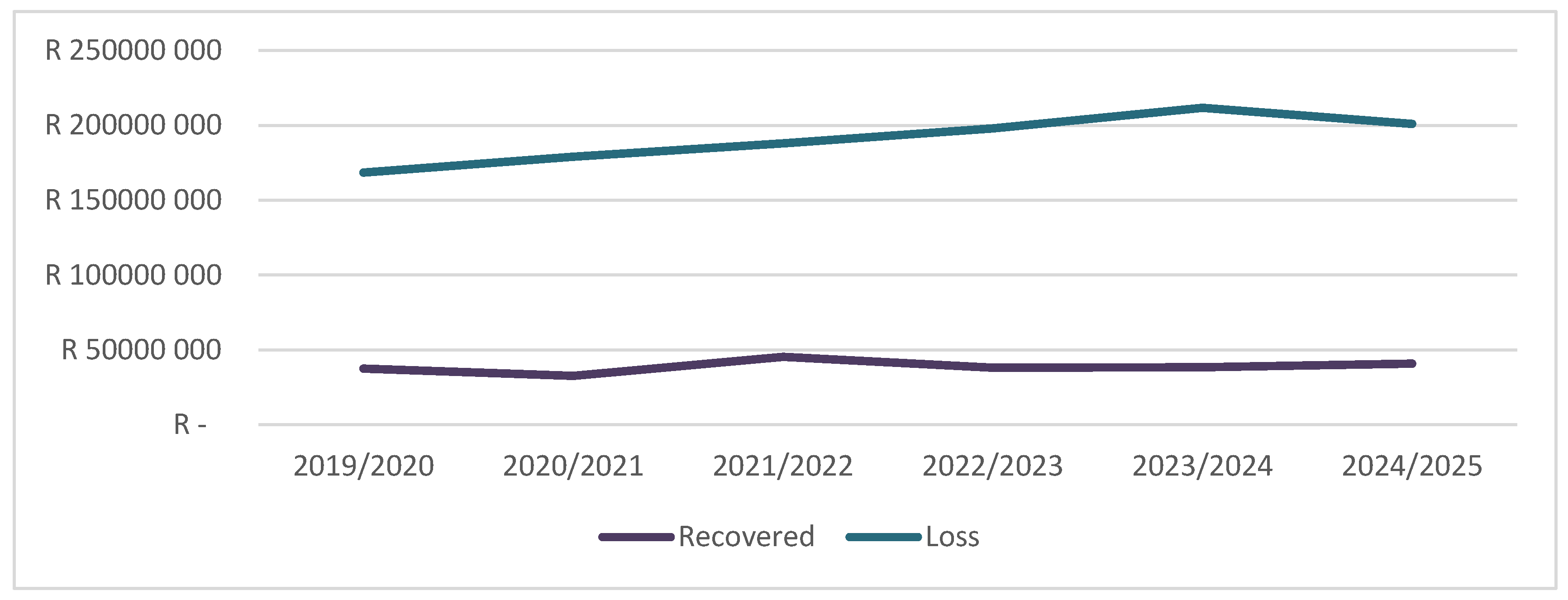
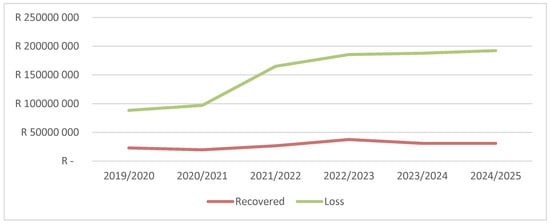
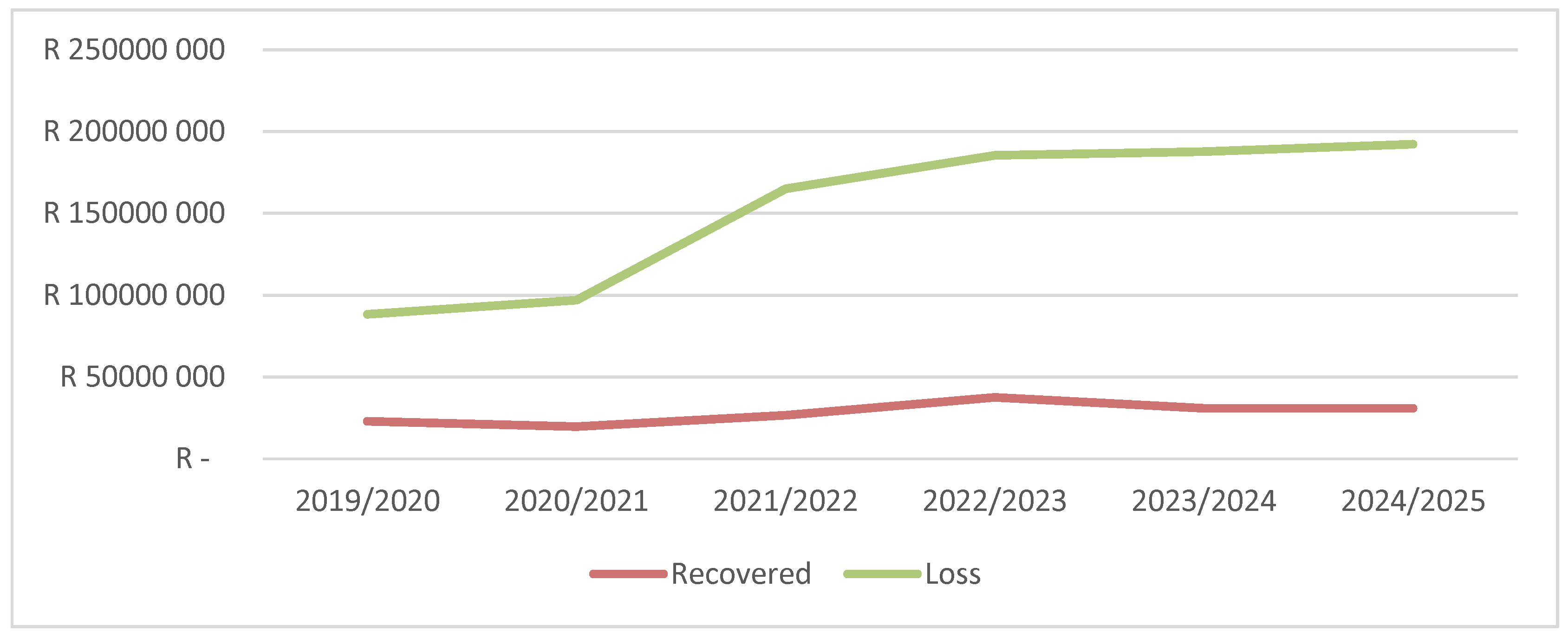

Disclaimer/Publisher’s Note: The statements, opinions and data contained in all publications are solely those of the individual author(s) and contributor(s) and not of MDPI and/or the editor(s). MDPI and/or the editor(s) disclaim responsibility for any injury to people or property resulting from any ideas, methods, instructions or products referred to in the content. |
© 2026 by the author. Licensee MDPI, Basel, Switzerland. This article is an open access article distributed under the terms and conditions of the Creative Commons Attribution (CC BY) license.