


Abstract
The world is witnessing an unprecedented surge in children’s exposure to digital technologies across socioeconomic segments. This shift presents both opportunities and challenges for parents, who must navigate the complex interplay between traditional parenting norms and the demands of digital mediation. This study examines the association between general parenting styles and the adoption of digital mediation strategies. Using a quantitative cross-sectional survey design, data were gathered from three hundred and seven parents in four major Indian cities. Using validated scales, correspondence analysis was performed to examine the relationship between parenting styles and mediation strategies. The findings indicate a significant association between general parenting styles and predominant digital mediation strategies. Authoritative parenting was most frequently associated with authoritarian surveillance in the present sample, whereas authoritarian parenting was primarily associated with restrictive mediation and non-intrusive inspection. No respondent was classified as predominantly permissive under the adopted classification procedure. The aggregate level of social media mediation did not differ significantly across education, household income, number of children, or caregiver-related characteristics. The findings provide insights into the evolving landscape of digital parenting in India and highlight the potential value of initiatives that support parents in navigating children’s digital engagement. It bridges a vital research gap by situating digital parenting within India’s sociocultural environment and contributes to the broader theoretical discourse on digital parenting.
1. Introduction
India’s rapidly expanding digital environment has transformed how families access information, communicate, learn, and engage with online platforms. Children and adolescents are increasingly exposed to digital technologies for education, entertainment, communication, and social interaction. This growing digital engagement provides important opportunities for learning and social participation, while also exposing young users to concerns such as inappropriate content, cyberbullying, privacy risks, excessive screen use, and problematic online behaviors. Consequently, parents increasingly face the challenge of balancing children’s digital autonomy with appropriate guidance, supervision, and protection. Parental digital mediation has therefore emerged as an important dimension of contemporary parenting. The Indian context is particularly relevant because parental mediation occurs within a sociocultural environment in which family interdependence, parental responsibility, and expectations regarding children’s autonomy may shape parent–child interactions. At the same time, rapid digitalization, changing family structures, and increasing access to social media are creating new challenges for parents in balancing supervision with children’s growing digital autonomy. Recent evidence from India also indicates that parents may adopt restrictive, liberal, or ambivalent approaches depending on their attitudes toward digital media (Attavar and Rani 2025). Consequently, relationships between general parenting styles and digital mediation strategies identified predominantly in Western settings cannot necessarily be assumed to operate in the same manner in the Indian context.
India is witnessing a rapid digital transformation, particularly among children and adolescents (IAMAI and Kantar 2023). Government initiatives such as Digital India have contributed to increased smartphone penetration (Mukhopadhyay and Mandal 2019). The Telecom Regulatory Authority of India has noted substantial growth in the use of digital devices (TRAI 2024). As per IAMAI and Kantar (2022), the total number of registered mobile connections had risen from 200 million in 2008 to 1.2 billion in 2021. Recent evidence illustrates the growing digital engagement of adolescents in India. The Annual Status of Education Report (ASER) Pratham Education Foundation (ASER Centre 2025) found that 94.5% of children aged 14–16 in rural India had a smartphone at home and 80.8% reported being able to use a smartphone. Among those who could use a smartphone, 70.0% reported using social media during the reference week, while 63.4% reported using a smartphone for education-related activities (ASER Centre 2025). These findings highlight the increasing relevance of understanding how parents guide and mediate adolescents’ engagement with digital and social media environments. This expansion of digital access across socioeconomic strata and geographic regions presents a multitude of opportunities and challenges (Mukhopadhyay and Mandal 2019).
The increasing accessibility of digital devices has significantly shaped children’s engagement with technology. Children are engaging with technology at younger ages. Several studies have highlighted the impact of growing digitalization on children’s cognitive, social, and psychological development. As per Livingstone et al. (2011), digital consumption significantly influences learning capabilities, attention spans, and social interactions. The sustained media use among young children can put parents in a potentially stressful situation daily. Mascheroni et al. (2018) have raised concerns regarding excessive screen time leading to reduced physical activity and sleep disturbances among children. This has made parenting in the digital age increasingly complex. Concerns about children’s online safety, exposure to inappropriate content, and digital literacy have gained prominence during the digital era (Livingstone and Helsper 2008; Mascheroni et al. 2018). A lack of parental oversight may lead to risky digital behavior. This includes cyberbullying, privacy breaches, and overdependence on digital content.
Consequently, several studies have emphasized the importance of parental mediation in regulating children’s digital consumption. Active parental involvement has been associated with improved digital literacy, responsible online behavior, and reduced exposure to harmful content (Nathanson 2015). However, studies also highlight that many parents struggle to balance restriction and autonomy, often relying on ineffective control measures (Clark 2011).
Parents adopt various mediation strategies to regulate children’s interactions with technology. According to Nikken and de Haan (2015), parents often lean toward restrictive and authoritarian mediation strategies. In an ethnographic study of parents of young children in an urban Indian setting, Attavar and Rani (2025) found that parental attitudes toward digital media were associated with different mediation approaches. Parents expressing positive attitudes tended to adopt more liberal mediation, whereas those expressing negative attitudes tended toward restrictive mediation. The study also identified an ambivalent approach among parents with mixed attitudes, characterized by shifts between restrictive and permissive practices (Attavar and Rani 2025). Other mediation strategies include non-intrusive monitoring, where parents observe children’s digital activities without direct intervention, and mixed approaches that combine restriction with discussion-based mediation (Lauricella et al. 2015).
On the other hand, Shin and Li (2017) have posited that the role of parenting styles in shaping these mediation strategies is crucial. Studies like Lauricella et al. (2015), Banić and Orehovački (2024), and Arya et al. (2024) have noted a significant correlation between parenting philosophies and mediation techniques, hence the influence of parenting approaches on mediation strategies. However, empirical studies examining the relationship between Indian parenting styles and digital mediation strategies remain scarce, despite India being one of the world’s most highly digitalized economies (Mishra et al. 2024).
Indian children are increasingly growing up in digitally saturated environments. According to the Internet in India Report 2023 by the Internet and Mobile Association of India, more than forty-five percent of internet users are below the age of twenty-five. It also reports that children in the age group 5–14 years form one of the fastest-growing digital user segments (IAMAI and Kantar 2023). Similarly, UNICEF (2021) highlights that digital learning tools and platforms have become integral to children’s education and leisure. These patterns indicate a rapid digital adoption among children. These patterns raise important questions about how parents respond and adapt through digital mediation. While studies have explored digital parenting in Western contexts, there is limited research on how Indian parents navigate digital mediation strategies based on their parenting styles and socioeconomic factors.
Bridging these gaps will contribute to a deeper understanding of digital parenting styles and social mediation strategies. This study seeks to explore the types of mediation strategies parents adopt in regulating children regarding their digital consumption behavior. It aims to uncover whether Indian parents predominantly rely on restrictive control or adopt more flexible, discussion-based mediation approaches. Furthermore, by examining the relationship between general parenting styles and social mediation strategies, the study endeavors to identify the association between different parenting styles and mediation strategies used in children’s digital engagement. Thus, this study investigates how authoritative, authoritarian, permissive, and multiple parenting styles are associated with digital mediation strategies, including restrictive, active, non-intrusive inspection, and mixed strategies. Lastly, the research also examines whether socioeconomic characteristics are associated with differences in parental mediation.
The following sections of this paper delve into two prominent constructs of the study: general parenting styles and digital mediation strategies. Subsequently, a review of literature examining the relationship between general parenting styles and digital mediation strategies is presented. The analysis of findings and discussions follow in the subsequent section, offering insights into observed trends. This is followed by a discussion on the implications of the research, providing recommendations for policymakers, educators, and parents. The study concludes with a summary of key findings, limitations, and potential avenues for future research.
2. Review of Literature
The concept of parenting styles has been widely studied in developmental psychology. Parenting styles refer to the psychological constructs representing standard strategies that parents use in child-rearing. These styles encompass the emotional climate in which parents raise their children, including attitudes, goals, and practices. According to Baumrind (1967), parenting styles may be classified as authoritative, authoritarian, and permissive, with each style being associated with different patterns of child development and behavior. Maccoby and Martin (1983) refined Baumrind’s model by introducing a two-dimensional approach based on the dimensions of responsiveness and demandingness. This divided the permissive style into two distinct categories—permissive or indulgent parenting, characterized by high responsiveness but low demandingness; and neglectful or uninvolved parenting, marked by low responsiveness and low demandingness.
Authoritative parents foster independence among children while setting clear rules and expectations. These parents encourage safe online behavior while nurturing autonomy in digital spaces (Shin and Li 2017). They lead children to exhibit high self-esteem, social competence, and better emotional regulation (Hayek et al. 2022). Research by Garg et al. (2016) posited that children raised under authoritative parenting exhibit superior self-regulation, emotional intelligence, and academic achievement.
On the other hand, authoritarian parents enforce rigid rules with little room for negotiation, expecting absolute obedience (Baumrind 1967). They provide minimal emotional support, focusing more on discipline than nurturing (Pomerantz and Wang 2009). These parents impose strict rules, high demands, and low responsiveness, and often control children’s digital activities (Padilla-Walker and Coyne 2011). According to Padilla-Walker and Coyne (2011), such parents closely monitor academic performance, friendships, and digital activities, often restricting autonomy. While such parents may successfully limit children’s exposure to online risks, this style may lead to secretive digital behaviors or rebellion in children. Grolnick and Pomerantz (2009) observed that strict control can lead to secretive behaviors, digital deception, and resistance as children seek independence. Children raised in authoritarian households experienced heightened anxiety and lower self-esteem Cheung et al. (2014).
Permissive parents have few rules, allowing children to explore digital spaces freely with minimal restrictions (Karaer and Akdemir 2019). Accordingly, this lack of structure results in excessive screen time, online addiction, and increased vulnerability to digital risks (García del Castillo-López 2025). Karaer and Akdemir (2019) found that children raised in permissive households exhibit social anxiety and academic struggles. Permissive parenting has been associated with problematic internet use among children (Lo et al. 2020). In another study, Chen et al. (2024) also noted that children of permissive parents, who have minimal digital restrictions, are more likely to develop excessive screen time habits and online gaming addiction, affecting their daily routines and mental well-being. Permissive parenting results in poor academic performance and leads to difficulty in managing responsibilities due to a lack of structure and self-discipline. Sasson and Mesch (2014) highlighted that such children are more likely to engage in risky online behaviors, such as sharing personal information or interacting with strangers, due to the absence of parental guidance.
Some parents adopt a mix of different parenting styles. This flexible parenting approach incorporates elements of various mediation styles and enables adaptive digital parenting strategies (Ren and Zhu 2022). Parents adopting multiple parenting styles blend different approaches based on context. Franco et al. (2017) found that parents who switch between authoritative and active mediation strategies raise children with greater emotional intelligence.
2.1. Social Mediation Strategies
Parental mediation refers to the strategies parents use to guide and manage their children’s engagement with media and digital environments. In the context of social media, the present study follows Ho et al. (2020), who conceptualize parental social media mediation in terms of four strategies: active mediation, restrictive mediation, authoritarian surveillance, and non-intrusive inspection. These strategies represent different ways in which parents guide, restrict, supervise, or monitor their children’s social media activities. The concept builds on broader parental mediation theories, including the work of Livingstone and Helsper (2008), Shin and Li (2017), Clark (2011), and Mascheroni et al. (2018). Social mediation strategies define how parents guide their children’s interactions with digital media. Collectively, these studies provide a basis for understanding the relationship between parenting styles and digital mediation approaches.
In active mediation, parents actively engage in discussions about media use and social behaviors. Parents who adopt this approach actively engage in conversations about online safety, ethical digital behavior, and critical thinking when using digital platforms (Shin and Lwin 2022). Livingstone et al. (2011) posited that active mediation protects children from the negative effects of social isolation. Livingstone et al. (2018) also associated active mediation with higher digital literacy, better online decision-making skills, and reduced exposure to online threats.
Authoritarian mediation style is characterized by strict control over digital access and usage. According to Sasson and Mesch (2014), it involves setting rigid internet rules and imposing severe digital restrictions. Authoritarian mediation can limit children’s digital literacy skills and lead to covert or rebellious internet use (Sasson and Mesch 2014). Togar et al. (2024), in examining authoritarian parental mediation and adolescents’ digital autonomy, also reported an association between strict parental control and covert online behaviors. Sasson and Mesch (2014) suggested that high parental control increases parent–child conflicts, pushing children toward digital secrecy and addictive online behaviors.
Clark (2011) argued that authoritative strategy fosters children’s independent decision-making while ensuring parental guidance. This approach balances active engagement and minimal restriction. According to Darling and Steinberg (1993), authoritative parenting is particularly crucial during adolescence. It encourages teens to internalize values and develop personal responsibility rather than conforming to rules out of fear or obedience. According to Grolnick and Ryan (1989), authoritative parenting is strongly associated with autonomy support and linked to improved executive functioning in children.
Restrictive mediation focuses on limiting screen time, banning specific online activities, or using parental control tools (Lauricella et al. 2015). Since restrictive mediation imposes strict rules, this mediation is effective in reducing screen addiction. However, excessive restrictions may hinder children’s ability to develop independent digital decision-making skills (Lafton et al. 2024) and children’s independence Nikken and Jansz (2014). Similarly, Sciacca et al. (2022) highlighted that while restrictive mediation reduces screen time, it limits digital skill development. Exploring psychological and restrictive controls, Griffiths and Benrazavi (2016) noted that excessive control may foster resistance among adolescents.
Non-intrusive inspection refers to a form of parental monitoring in which parents observe their children’s social media activities without directly accessing their accounts, for example by connecting with them as friends or followers on social media (Ho et al. 2020; Lau and Lee 2021) As per these studies, allowing children to retain some autonomy may lead to a false sense of privacy and encourage covert digital behaviors. Exploring how a parental non-intrusive approach impacts adolescent experiences with cybervictimization, (Marinoni et al. 2024) noted that inconsistent application of mediation strategies affects adolescent online safety. It also posited that non-intrusive parental mediation provides some protection against cyber risks but is less effective than active mediation. Studies suggested that parents and guardians should balance monitoring with ethical considerations to ensure children’s well-being without excessive surveillance.
Some parents may use a mix of active, restrictive, and non-intrusive mediation based on the child’s age, maturity, and digital exposure levels (Gómez-Ortiz et al. 2016). Nikken and Jansz (2014) explored how parental mediation strategies vary based on children’s age and digital literacy levels. They emphasized the role of active mediation and restrictive approaches in younger children while shifting to co-viewing and discussion-based mediation for older children.
Livingstone et al. (2018) highlighted how digital mediation strategies differ across cultural contexts. They showed that restrictive mediation is more prevalent in Asian countries. However, active mediation is more common in European and North American households. Mascheroni et al. (2018) investigated how parents of tweens adopt a negotiation-based mediation strategy. Accordingly, parents of tweens often engage in negotiation during active mediation and encourage open dialogue for shared decisions regarding media use. Craeynest (2024) explored contemporary parental mediation strategies in response to children’s interaction with emerging technologies like the metaverse. This investigated how parents adapt mediation techniques to balance autonomy and safety in digital worlds.
Sharma and Lee (2024) presented the importance of parental self-efficacy and mediation styles in shaping children’s emotional and behavioral responses to screen use. Clark (2011) applied sociocultural mediation theory to identify effective strategies parents use to support adolescents in online education. Shi et al. (2025) did a unique comparison between digital parenting and grandparenting in rural China. It identified how mediation strategies differ and impact early cognitive development.
2.2. Digital Parenting
Digital parenting encompasses various mediation strategies to balance children’s online autonomy with appropriate supervision (Livingstone and Helsper 2008). It has evolved from a focus on basic internet safety to a more holistic approach that empowers children to navigate the digital world responsibly (Shin and Li 2017). As children spend more time online for education, entertainment, and socialization, they encounter various opportunities and risks that require active parental guidance (Livingstone and Byrne 2018). Research shows that parental mediation can significantly reduce children’s exposure to online risks such as cyberbullying, inappropriate content, and privacy violations (Kalmus et al. 2022). Moreover, digital parenting helps children develop media literacy (Chaudron et al. 2018). When parents are involved in their children’s digital lives, they foster digital resilience, which is the capacity to cope with and recover from online challenges (Mascheroni et al. 2018).
Since digital parenting has become a critical factor in determining children’s academic success, socialization skills, and emotional well-being (IAMAI and Kantar 2022), it now pivots around empowering children with digital literacy skills, addressing cyberbullying, screen time management, and exposure to harmful content (Shin and Lwin 2022). As per Nikken and de Haan (2015), effective digital parenting ensures a safe online environment and fosters healthy digital habits.
Parents play a crucial role in guiding children’s online experiences and ensuring their safety (Mascheroni et al. 2018). Research by Lauricella et al. (2015) highlights the importance of early parental mediation in shaping children’s long-term digital behaviors. Active involvement can mitigate several risks, including overuse of screens, exposure to inappropriate content, and online privacy breaches. These parenting strategies not only foster safer digital habits but also promote children’s understanding of responsible online conduct. In homes, where digital parenting is proactive, children are more likely to develop digital resilience (Livingstone et al. 2018).
Despite its benefits, digital parenting remains a challenge due to various factors (Kalmus et al. 2022). Accordingly, many parents struggle to keep up with the rapidly evolving digital landscape, including new online platforms and potential digital threats. This may lead to inconsistent mediation approaches. This digital knowledge gap between parents and children can limit the efficacy of parental mediation. Furthermore, time constraints, work-life balance issues, and socioeconomic factors often hinder consistent parental involvement in children’s digital lives (Chaudron et al. 2018). Parents from under-resourced communities may also lack access to the necessary digital tools or education to enforce effective strategies. Moreover, parenting styles and cultural contexts influence how digital mediation is practiced. Restrictive mediation is effective in limiting risks and may protect children in the short term, but it could also inhibit digital learning if not balanced with enabling forms of guidance (Nikken and Jansz 2014). It may affect competence due to an inadequate standalone strategy. Striking this balance remains one of the most nuanced challenges in digital parenting.
2.3. Gap in the Existing Literature
Existing research extensively examines parental mediation strategies and their influence on children’s digital engagement. However, a significant gap remains in understanding how diverse parenting styles shape mediation approaches in evolving digital landscapes (Shin and Li 2017). Most studies primarily explore authoritarian or authoritative mediation, often neglecting hybrid approaches that blend different styles (Livingstone and Helsper 2008). Additionally, the concept of non-intrusive inspection as a mediation strategy in digital parenting has received minimal attention despite its growing relevance. (Mascheroni et al. 2018).
Another major gap in the literature pertains to the limited exploration of digital parenting beyond Western contexts. Most existing studies focus on North American and European families, overlooking how cultural differences influence digital parenting strategies (IAMAI and Kantar 2022). Given India’s rapidly expanding digital landscape, there is a critical need for research that examines parenting styles and social mediation strategies in non-Western settings. Addressing these gaps will provide a more nuanced understanding of digital parenting and inform policy interventions that promote safer digital experiences for children globally.
Parental social mediation is increasingly seen as an essential digital parenting strategy. Some researchers argue that social mediation is universally adopted across parenting styles and demographic backgrounds. Nikken and Schols (2015) noted that while restrictive and active mediation were influenced by parenting styles, social mediation remained consistent. They suggest that most parents recognize its value regardless of their general parenting orientation. Lauricella et al. (2015) and Livingstone et al. (2018) also emphasize that open communication around digital issues is widely practiced by parents from various educational and economic backgrounds, often driven more by concern for children’s well-being. Zaman et al. (2016) observed that the adoption of social mediation strategies is due to increased awareness about online risks.
Other scholars argue that social mediation may be significantly shaped by parenting style and family demographics. Lauricella et al. (2015) found that authoritative parents were more inclined to use open discussions and cooperative digital practices. Valkenburg et al. (2009) and Chaudron et al. (2018) reported that parents with higher education were more likely to engage in dialogue-based strategies due to increased digital literacy and awareness. Similarly, income disparities can influence access to tools and time needed for in-depth digital conversations (Blum-Ross and Livingstone 2016). Additionally, larger family sizes could dilute the time available for one-on-one discussions, while non-parental caregivers might lack confidence or awareness to facilitate social mediation (Kalmus et al. 2022). These findings suggest that contextual and sociodemographic differences may be associated with how social mediation is practiced, challenging the assumption of universality.
3. Research Questions and Research Objectives
Based on the above discussion, the following research questions have been delineated:
- Do parents vary with respect to the type of digital mediation strategy employed?
- Is there an association between general parenting style and the predominant digital mediation strategy employed?
Thus, this study endeavored to identify the predominant digital mediation strategies employed by parents and to examine the association between general parenting style and predominant digital mediation strategy. Selected socioeconomic and household characteristics were additionally examined through supplementary analyses to determine whether the aggregate level of social media mediation differed across these groups.
4. Research Methodology
This study employed a quantitative cross-sectional survey design to examine the association between general parenting styles and digital mediation strategies among parents of children aged 10–17 years. The study further examined whether selected socioeconomic characteristics were associated with variations in digital mediation. The research was conducted in three stages: instrument development and pre-testing, data collection, and statistical analysis.
4.1. Step I: Review of Literature and Design of Survey Instrument
An extensive review of the literature was undertaken to identify and understand the study dimensions and constructs: digital parenting, general parenting style, and social media mediation strategies. Thereafter, validated scales were identified to measure the constructs of general parenting style and social media mediation strategies. General parenting style was measured using the nine-item short version of the Parenting Authority Questionnaire (PAQ) adapted from Alkharusi et al. (2011), based on Buri (1991). The scale captures three general parenting styles: authoritative, authoritarian, and permissive parenting. Illustrative items include “I try to consistently give my child direction and guidance in rational and objective ways” and “I get very upset if my child tries to disagree with me.” Responses were recorded on a five-point Likert scale ranging from 1 (strongly disagree) to 5 (strongly agree). Digital mediation was measured using the 16-item social media mediation scale adopted from Ho et al. (2020). Following Ho et al. (2020), digital mediation was conceptualized in terms of four strategies: active mediation, restrictive mediation, authoritarian surveillance, and non-intrusive inspection. The instrument captures different parental approaches to children’s social media use, including guidance regarding online risks, restrictions on social media access and activities, and parental monitoring or inspection of children’s social media accounts. Illustrative items include “How frequently do you explain to your child the dangers of social media?” and “How frequently do you restrict the amount of time your child can use social media?” Most items were measured on a five-point frequency scale ranging from 1 (never) to 5 (always). For Items 9, 14, and 16, which assess parental agreement with particular monitoring practices, responses were recorded on a five-point agreement scale ranging from 1 (strongly disagree) to 5 (strongly agree). Thus, the instrument had twenty-five items. Statements were positively worded with no reverse coding. A panel of nine academic experts reviewed the questionnaire. Following minor modifications to the wording, the research instrument was finalized. After a few modifications in language, the research instrument was finalized. The survey questionnaire was divided into two sections: the first section collected respondents’ demographic information, while the second section focused on the two main research constructs. The questionnaire also collected background information on respondents’ educational attainment, annual household income, number of children aged 10–17 years in the household, the focal child’s age and gender, the respondent’s primary-caregiver status, and the identity of the child’s primary caregiver. All respondents were parents and completed the questionnaire on their own behalf with reference to an eligible child aged 10–17 years. Where more than one eligible child lived in the household, respondents were instructed to answer the child-related questions with reference to the eldest eligible child. Mean scores were calculated separately for each dimension of the general parenting style scale for the purpose of classification. The dimension with the highest mean score was classified as the predominant parenting style for each respondent. Respondents with two or more dimensions recorded the same highest mean score were classified under “Multiple Styles.” Accordingly, respondents were classified as authoritative, authoritarian, permissive, or multiple-style parents. A similar procedure was followed for digital mediation strategies. Mean scores were calculated separately for each mediation dimension, and the dimension with the highest mean score was considered the respondent’s predominant digital mediation strategy. Where two or more dimensions recorded the same highest mean score, the respondent was classified under “Multiple Strategies.” These classifications were subsequently used for the categorical analyses.
4.2. Step II: Data Collection
Before the main data collection, the instrument was pre-tested over a seven-day period in Delhi and Mumbai. Following the pre-test, the main data collection was conducted from November 2025 to March 2026 using non-probability convenience sampling (non-probability method). Data were collected from four major Indian cities: Delhi, Mumbai, Chennai, and Kolkata.
Respondent eligibility was determined using two screening questions. Respondents were required to be parents of at least one child aged between 10 and 17 years who was currently living in the same household and using at least one social media platform. Respondents who did not meet either criterion were not eligible to proceed with the survey. Where a respondent had more than one child within the specified age range, the respondent was instructed to answer the child-related questions with reference to the eldest child aged 10–17 years. Eligible respondents were directly approached and invited to participate in the study. The questionnaire was administered online, and the survey link was provided to those who agreed to participate. To increase the heterogeneity and to reduce concentration of recruitment within particular locations or time periods, respondents were approached across different locations, days, and times in the four selected cities.
The study was conducted as minimal-risk social and behavioral research involving an anonymous online survey. Before proceeding to the questionnaire, respondents were provided with a Participant Information and Informed Consent Statement explaining the purpose of the study, the voluntary nature of participation, confidentiality and anonymity of responses, and their right to discontinue participation before submitting the survey. Respondents who voluntarily chose to proceed with the questionnaire were considered to have provided informed consent through an implied consent procedure. No personally identifiable information was collected, and the data were used solely for academic research purposes. The questionnaire was shared with 373 respondents. Of the 373 potential respondents approached, 307 provided complete and eligible responses and were included in the final analysis. Responses that were incomplete or did not satisfy the eligibility criteria were excluded from the analysis.
4.3. Step III: Analysis
Correspondence analysis was employed to examine the association between predominant general parenting styles and predominant social media mediation strategies. The analyses were conducted using IBM SPSS Statistics 21. This was done using IBM SPSS 21. In addition to the categorical analysis of predominant digital mediation strategies, an aggregate social mediation score was computed from the mediation items to represent the overall level of parental engagement in social media mediation behaviors. Kruskal–Wallis tests were used as a supplementary analysis to examine whether the distribution of this aggregate mediation score differed across categories of respondents’ education, household income, number of children, primary-caregiver status, identity of the primary caregiver, and general parenting style. This analysis was distinct from the correspondence analysis, which examined the association between predominant parenting style and digital mediation strategy categories.
5. Analysis and Discussion
The study included 307 parents from varied educational and income backgrounds. Nearly three-fourths of the respondents were graduates or postgraduates. More than a third of respondents earned between INR 1.2–1.8 million (US $14,000–21,000) annually, while around fifty percent earned more than INR 1.8 million (US $20,000). Overall, the sample was characterized by relatively high levels of educational attainment and household income (Table 1).
Table 1.
Respondents’ profile.
Nearly two-thirds of the respondents had one child in the age group of 10–17 years living in the household, suggesting the prevalence of nuclear/small families. Regarding caregiving responsibilities, 235 respondents reported that they were the primary caregiver, while 72 indicated that they were not. In terms of the identity of the child’s primary caregiver, 183 respondents identified the father and 124 identified the mother. These figures describe the caregiving composition of the present sample and should not be interpreted as evidence of broader changes in parental caregiving roles. This is in line with the findings of existing studies, according to which parents with higher education levels often possess better digital skills that enable them to effectively guide their children’s online activities (Livingstone et al. 2018). Further, studies have also observed that fathers are increasingly participating in digital parenting, reflecting a shift toward more balanced caregiving roles (Chen et al. 2023).
5.1. General Parenting Style
Regarding the general parenting style, it is observed that half of the respondents reported adopting authoritative parenting style for the kids in the specified age group. Refer to Table 2. This style is characterized by clear guidelines and open discussions with their children. The key emphasis is on constructive reinforcement and exploring the hidden abilities and capabilities of the child. Since the main objective is to make the child realize her/his mistake(s), the penalties are occasional. Various studies have linked this approach to better academic achievement and higher self-efficacy in children (Hayek et al. 2022).
Table 2.
General parenting style.
The next most employed digital parenting style was authoritarian. This style involves strict rules and limited communication. Parents impose compulsory rules on their children that must be followed. Disobedience, if any, directly results in punishment. Chen et al. (2023) state that this approach can negatively impact children’s peer interactions.
Notably, 10.4% of the parents reported using multiple parenting styles, adjusting their approach based on circumstances and their child’s behavior. However, intermittent employment of stringent rules at one time and being more lenient at other times may result in creating confusion for the child. A child’s sense of consistency may be affected by inconsistencies in parenting.
No respondent was classified as predominantly permissive under the adopted classification procedure. This does not imply the complete absence of permissive parenting behaviors among respondents; rather, the permissive dimension did not emerge as the highest mean subscale score for any respondent. Respondents with equal highest mean scores across two or more parenting style dimensions were classified under Multiple Styles. The absence of respondents in the predominant permissive category should therefore not be interpreted as indicating the complete absence of permissive parenting behaviors in the sample.
5.2. Social Mediation Strategies
With reference to social mediation strategies, the descriptive statistics reflect the overall mean of 48.37, a median of 49, and a standard deviation of 14.46. Refer to Table 3a.
Table 3.
(a) Descriptive statistics for aggregate social media mediation score. (b) Tests of normality for aggregate social media mediation score.
Table 3a presents the descriptive statistics for the aggregate social media mediation score among the 307 respondents. The mean score was 48.37 (SD = 14.46), with scores ranging from 29 to 75. The median score was 49, which was close to the mean. These statistics indicate variation in the overall level of social media mediation behaviors reported by parents in the sample. The aggregate score represents the overall degree of parental engagement in mediation behaviors and does not distinguish between specific mediation strategies. The findings highlight combinations of multiple approaches parents take in guiding their children’s social interactions and media consumption. The relatively high standard deviation of 14.46 suggests significant variability in mediation strategies, indicating that while some parents adopt structured, consistent interventions, others may apply more flexible or inconsistent approaches. Thus, this high variability reflects that a notable proportion of parents either adopt extreme control measures or minimal intervention. This is in line with the findings from the available extant literature. In their study, Kalmus et al. (2022) observed that parental mediation styles differ based on cultural, socioeconomic, and educational backgrounds. As per Ren and Zhu (2022), authoritative mediation positively correlates with higher emotional intelligence and responsible media consumption among children. In contrast, authoritarian mediation strategies can lead to reactance behaviors that might result in higher unsupervised media engagement and potentially negative psychological effects (Garaigordobil and Navarro 2022).
The presence of both highly structured and more lenient mediation approaches reflects broader societal shifts in parenting philosophies. As Kalmus et al. (2022) argue, the rise of digital literacy programs has encouraged more parents to transition from restrictive mediation toward co-viewing and active discussions with their children, fostering a more collaborative approach to media use. However, socioeconomic disparities still play a role in mediation variability, with lower-income households often relying on restrictive or non-intrusive mediation due to limited resources (Ren and Zhu 2022). Similarly, Wisniewski et al. (2015) found that direct parental intervention may reduce adolescents’ exposure to online risks but, when used alone, may also limit opportunities for adolescents to develop effective risk-coping behaviors. The authors therefore emphasized the potential value of combining parental intervention with active mediation.
To examine whether the overall level of social media mediation differed across selected socioeconomic and household characteristics, Kruskal–Wallis tests were conducted using the aggregate social media mediation score. The results are presented in Table 4. The results indicate that the distribution of the aggregate social media mediation score did not differ significantly across educational attainment (p = 0.638), annual household income (p = 0.133), number of children aged 10–17 years (p = 0.862), respondent’s primary-caregiver status (p = 0.223), or identity of the primary caregiver (p = 0.392). However, a statistically significant difference was observed across general parenting style categories (p < 0.001). The Kolmogorov–Smirnov and Shapiro–Wilk tests indicated that the aggregate social media mediation score significantly departed from a normal distribution (p < 0.001). Consequently, non-parametric procedures were considered appropriate for examining differences in the distribution of aggregate mediation scores across the selected respondent and household characteristics. Accordingly, the Kruskal–Wallis test was employed for the subsequent analysis.
Table 4.
Kruskal–Wallis tests of differences in aggregate social media mediation score.
The results indicate that the overall level of social media mediation did not differ significantly across respondents’ educational attainment, annual household income, number of children aged 10–17 years, primary-caregiver status, or identity of the primary caregiver. Thus, within the present sample, these socioeconomic and household characteristics were not significantly associated with differences in the aggregate level of reported social media mediation behaviors. However, the aggregate social media mediation score differed significantly across general parenting style categories (p < 0.001), indicating that the overall level of mediation varied across predominant parenting styles.
The distribution of social media mediation strategies indicates that authoritarian surveillance was the most frequently observed predominant strategy (36.2%), according to Table 5. This strategy reflects a more direct form of parental monitoring in which parents closely supervise or inspect their children’s social media activities. Restrictive mediation (21.5%) and non-intrusive inspection (21.8%) were also commonly observed, while 20.5% of respondents were classified as using multiple strategies. No respondent was classified as predominantly active mediation under the adopted classification procedure.
Table 5.
Patterns in social mediation strategies.
Meanwhile, restrictive mediation (21.5%) and non-intrusive inspection (21.8%) are almost equally prevalent. A significant portion of parents prefer either setting strict rules or discreetly monitoring their children’s online activities. Enforcing strict screen time limits and content restrictions has been linked to reduced online risks, but may lead to higher unsupervised media consumption in adolescence (Kalmus et al. 2022). Non-intrusive inspection, i.e., parents monitor children’s online behavior without direct intervention, has been associated with higher trust levels in parent–child relationships (Pinquart and Kauser 2018). The presumption in this method of parental attendance is that they are available and responsive, which helps to restrain teenagers from engaging in forbidden activities and enhances their ability to resist temptation (Chen et al. 2023). However, over the longer duration, this may increase teenagers’ sense of coercion in their digital activities.
Furthermore, a notable portion (20.5%) indicates that parents combine different mediation techniques depending upon context. This aligns with findings from Lo et al. (2020), which reported that parents often switch between active discussions, rule-setting, and discreet monitoring depending on the child’s age, maturity level, and risk factors (Chen et al. 2023).
Notably, no respondent was classified as predominantly using active mediation under the adopted classification procedure. This does not indicate the absence of active mediation behaviors; rather, active mediation did not constitute the highest-scoring mediation dimension for any respondent. Active mediation involves fully engaging with children’s online activities. It aligns with the observations of Kalmus et al. (2022) and Wang et al. (2005), which indicated that rigid mediation strategies are becoming less common as digital literacy increases among parents.
5.3. Relationship Between General Parenting Styles and Social Mediation Strategies
For deeper insights into the association between general parenting styles and social mediation strategies, Correspondence Analysis (CA) was undertaken. This data visualization method describes the associations between two or more variables. The results reveal distinct patterns in how parents regulate their children’s digital and social interactions.
Authoritative parenting style is predominantly associated with authoritarian surveillance (111 cases). Additionally, a smaller proportion of authoritative parents were associated with non-intrusive inspection (14 cases) and multiple mediation strategies (31 cases). This pattern indicates that, although authoritative parenting is generally characterized by responsiveness and guidance, its predominant digital mediation counterpart in the present sample was authoritarian surveillance. The finding therefore suggests that general parenting style and digital mediation strategy should be treated as related but conceptually distinct constructs, rather than assuming that a particular parenting style necessarily corresponds to a similarly characterized mediation approach.
Authoritarian parenting was predominantly associated with restrictive mediation (66 cases), followed by non-intrusive inspection (53 cases) (Table 6). This pattern is consistent with the emphasis on control and monitoring commonly associated with authoritarian parenting. This pattern is consistent with Ren and Zhu (2022), who reported that authoritarian parents often employ rigid content restrictions and strict screen-time rules. Simultaneously, they monitor their children’s digital interactions without direct communication. Multiple parenting styles are exclusively linked to multiple mediation strategies (32 cases), indicating that parents who blend different parenting approaches also employ a combination of mediation techniques. The observed association between multiple parenting styles and multiple mediation strategies may reflect greater flexibility in parental approaches across different situations.
Table 6.
Correspondence analysis.
5.4. Correspondence Analysis
The chi-square test indicated a statistically significant association between general parenting styles and predominant social media mediation strategies (χ2(6) = 381.584, p < 0.001). The strength of this association was substantial, as indicated by Cramér’s V = 0.788. The correspondence analysis further clarifies the structure of this association through two dimensions. The first dimension (singular value = 0.923, inertia = 0.852) accounted for 68.6% of the total inertia, while the second dimension (singular value = 0.625, inertia = 0.391) accounted for the remaining 31.4%, according to Table 7.
Table 7.
Summary of correspondence analysis.
The correspondence analysis further illustrates the association between general parenting styles and predominant digital mediation strategies. As shown in Figure 1, authoritative parenting is predominantly associated with authoritarian surveillance. This finding indicates that parents classified as authoritative in their general parenting orientation may nevertheless adopt relatively direct monitoring practices when managing their children’s social media use. The observed pattern reinforces the distinction between general parenting styles and digital mediation strategies, suggesting that parenting orientations may manifest differently when applied to children’s digital environments.
Figure 1.
Association between general parenting style and social mediation strategies.
The authoritarian parenting style is strongly linked to restrictive mediation and non-intrusive inspection. Such findings align with existing literature suggesting that authoritarian parents often use highly controlled mediation approaches (Lauricella et al. 2015; Shin and Li 2017). The authoritarian parenting style and restrictive social mediation strategy emphasize strict control, obedience, and limited autonomy in a child’s social interactions. As authoritarian parents often impose rigid rules without much explanation or negotiation, restrictive social mediation involves limiting or prohibiting access to social media, online interactions, and peer communication through restrictions. While tending to enforce these restrictions with minimal explanation, these parents prioritize obedience over independent decision-making. While this approach can provide short-term compliance and safety, it may lead to secrecy, defiance, or limited social competence as children grow.
The authoritarian parenting style and non-intrusive inspection may seem contradictory. However, in some cases, authoritarian parents may adopt non-intrusive inspection as a means of monitoring their child’s behavior while still maintaining control. Non-intrusive inspection is a less overt form of supervision where parents observe their child’s digital activities without directly interfering or imposing immediate restrictions. In addition, these restrictive strategies may lead to reactance in children, increasing their tendency to seek digital independence in unsupervised environments (Padilla-Walker and Coyne 2011).
Multiple parenting styles are exclusively associated with multiple mediation strategies. Parents classified under multiple parenting styles were also classified under multiple mediation strategies in the present sample. Prior research supports this observation, noting that flexible parenting approaches allow for greater responsiveness to children’s changing digital needs. Prior research suggests that flexible parenting approaches may facilitate responsiveness to children’s changing digital needs (Banić and Orehovački 2024).
The observed correspondence patterns indicate that predominant general parenting styles were associated with different predominant digital mediation strategies in the present sample. These associations should not be interpreted as evidence that a particular parenting style causes a specific mediation strategy. These findings are consistent with global studies examining parental mediation in digital environments (Livingstone and Helsper 2008; Mascheroni et al. 2018). Understanding these relationships can help to design targeted parental guidance interventions that support effective social mediation strategies in an increasingly digitalized world.
6. Implications of This Study
This study provides insights into how parents vary in their use of digital mediation strategies for their children and examines the association between general parenting styles and the predominant mediation strategies employed. Accordingly, the findings have practical and theoretical implications for understanding digital parenting practices.
6.1. Practical Implications
The findings have practical implications for parental digital guidance and digital literacy initiatives. The observed variation in predominant social media mediation strategies suggests that parents differ considerably in how they manage their children’s social media use. In particular, the relatively high prevalence of authoritarian surveillance in the present sample highlights the importance of helping parents understand the range of mediation approaches available to them, including active mediation, restrictive mediation, surveillance, and non-intrusive inspection.
Parent-focused digital literacy programs may therefore benefit from providing practical guidance on different mediation strategies and their appropriate use in varying circumstances. Rather than prescribing a single approach, such programs could help parents develop the knowledge and skills required to combine supervision, communication, rule-setting, and age-appropriate autonomy according to the needs of their children.
Schools and other institutions involved in digital literacy education may also consider engaging parents as part of broader initiatives concerning children’s responsible social media use. However, the present findings do not directly evaluate the effectiveness of particular interventions or policy measures. Accordingly, recommendations concerning specific programs or regulatory measures should be regarded as potential directions for practice rather than direct consequences of the empirical findings.
The present study found that restrictive mediation and non-intrusive inspection were among the predominant social media mediation strategies observed in the sample. However, the present study did not directly assess the effectiveness of these strategies or parents’ level of digital literacy. Previous research suggests that reliance on restrictive or monitoring-oriented approaches alone may provide limited opportunities for adolescents to develop critical thinking and digital decision-making skills and may, in some circumstances, reduce openness and constructive parent–child dialogue (Livingstone et al. 2011; Martínez-Ferrer et al. 2021; Uhls et al. 2017). Previous literature has also identified gaps in parental digital knowledge and confidence in using participatory forms of mediation (Chaudron et al. 2018). These observations from the literature suggest the potential value of complementing monitoring and restriction with active, communicative, and age-appropriate forms of parental guidance.
The Digital India initiative by the Ministry of Electronics and Information Technology (MeitY) has already included efforts to improve digital literacy (Kaushal et al. 2022). Existing digital literacy programs could potentially be expanded to include parental mediation training, particularly approaches that encourage constructive parent–child communication about digital activities. It will equip parents with the skills to engage in meaningful dialogue with their children about online behavior, safety, and critical thinking (Livingstone and Helsper 2008). Such integration would foster a more informed and resilient digital environment at the household level. Schools play a crucial role in bridging the digital divide. India’s National Education Policy (NEP) 2020 supports digital learning and efforts to address the digital divide (Government of India—Ministry of Education 2020). However, the policy offers limited specific guidance on training parents to mediate children’s digital activities. It is necessary to equip parents with the skills and knowledge to support their children’s safe and effective use of digital tools. Schools may also serve as facilitators by providing digital parenting workshops and awareness programs for parents. This will enable parents and educators to work collaboratively toward fostering a more informed and digitally resilient household environment. Such interventions are not only aligned with NEP’s goals but are also essential for the inclusive and sustainable implementation of digital education in developing countries (Rakshit and Mete 2022). School-based programs could provide students and parents with guidance on cyber safety and responsible social media use. Countries like Finland have successfully integrated digital literacy into early education (Kontkanen et al. 2023), and other countries, including India, may consider a similar inclusive digital learning approach. The importance of balancing monitoring with communication is also supported by Wisniewski et al. (2015), who observed that direct intervention may protect adolescents from some online risks but may be more beneficial when accompanied by active mediation that helps adolescents develop their own privacy and risk-management skills.
Indian parents frequently use preventive mediation tools, such as banning social media (Priya and Maheswari 2025). The findings suggest potential value in developing digital parenting education and awareness programs that help parents adopt mediation practices appropriate to children’s online activities and developmental needs. At the policy level, the findings highlight the potential value of initiatives that support parents in managing children’s digital engagement and improving awareness of online risks. However, the present findings do not provide direct evidence regarding the effectiveness of specific regulatory interventions. Digital tools, including emerging AI-enabled parental support technologies, may offer additional resources for parents seeking to manage children’s online activities. Their effectiveness, ethical implications, and implications for children’s privacy and autonomy require further empirical investigation before specific interventions can be recommended. Given the cross-sectional and non-probability nature of the study, these implications should be interpreted as potential directions for parental support and policy development rather than as evidence of the effectiveness of particular interventions. Taken together, these findings highlight the potential importance of parental digital literacy initiatives within broader efforts to support children’s responsible engagement with technology. Existing frameworks such as Digital India and the National Education Policy 2020 may provide relevant contexts for incorporating greater attention to parental engagement. Collaboration among policymakers, educators, parents, and technology providers may further support children’s digital well-being.
6.2. Theoretical Implications
The findings contribute to the literature on parental mediation by demonstrating a significant association between general parenting styles and predominant social media mediation strategies. The results suggest that general parenting orientations and digital mediation practices are related but conceptually distinct dimensions of parental behavior. In the present sample, authoritative parenting was most frequently associated with authoritarian surveillance, whereas authoritarian parenting was predominantly associated with restrictive mediation and non-intrusive inspection. These patterns indicate that a general parenting style does not necessarily translate directly into a similarly labeled digital mediation strategy. This distinction extends the application of parental mediation theory to the context of adolescent social media use in India and highlights the importance of examining parenting style and digital mediation as related but separate constructs. The study contributes to bridging the literature on Baumrind’s (1967) parenting typologies—authoritative, authoritarian, and permissive parenting—with research on social media mediation strategies. The findings also indicate that some parents were classified as using multiple mediation strategies rather than a single predominant strategy. This supports a hybrid mediation model of Kabali et al. (2015), where parents use a combination of parental engagement strategies.
The findings are also consistent with aspects of Clark’s (2011) parental mediation framework, which conceptualizes parental mediation as a dynamic and relational process situated within broader family and media contexts. It conceptualizes parental mediation as a dynamic and relational process influenced by broader ecological systems such as culture, media environments, and family dynamics. Clark moves beyond earlier typologies by embedding mediation practices within family communication patterns. Further, it emphasizes the interdependence between child agency and parental intention. The presence of multiple mediation strategies among some respondents is consistent with the view that parental mediation may involve more than one approach.
Additionally, it aligns with the digital parenting model of Mascheroni et al. (2018) that highlights how digital parenting is shaped by social class, technological access, and national policy environments. Like their findings, our research highlights that Indian parents engage in negotiated forms of mediation. These observations are broadly consistent with the importance of contextual factors emphasized in the digital parenting literature.
7. Limitations of the Study
The findings should be interpreted in light of several limitations. First, the study employed non-probability convenience sampling and collected data from parents residing in four major Indian cities. Consequently, the sample cannot be considered statistically representative of the broader population of Indian parents, particularly those residing in rural areas or smaller towns. Moreover, a substantial proportion of the respondents were graduates or postgraduates and belonged to relatively higher household income categories, which may further limit the generalisability of the findings. Second, the cross-sectional nature of the study limits the ability to establish temporal or causal relationships between general parenting styles and digital mediation strategies. Third, the study relied on parents’ self-reported responses, which may be subject to recall and social-desirability biases. Finally, classifying respondents according to their predominant parenting style and digital mediation strategy facilitates categorical analysis but may simplify the complexity of parenting practices, as parents may simultaneously employ characteristics of more than one style or strategy. Future research could employ probability-based sampling, include parents from rural and geographically diverse settings, and use longitudinal or multi-informant designs to examine these relationships more comprehensively.
Most research on digital parenting is based on Western contexts. The present study highlights the importance of contextual adaptation. The study primarily focuses on educated parents with internet access and awareness of digital tools. This sample might have excluded perspectives from low-income families who experience the digital divide differently, thereby limiting the representativeness of the findings. Parental mediation practices were assessed through self-reported responses. This may be influenced by social desirability bias. Respondents might have over-reported desirable behaviors. As the study is cross-sectional, it captures a snapshot in time without examining how digital parenting practices evolve. It does not provide insights into how parents adapt to children’s growing autonomy or emerging technologies over time.
Building on these limitations, future research should investigate how parents transition from restrictive approaches to more collaborative, co-regulatory strategies as children mature and become more tech-savvy. Expanded research must include lower socioeconomic families to understand the broader spectrum of digital parenting in India. Future studies should integrate children’s voices to provide a more balanced view of mediation effectiveness and parent–child digital dynamics. Also, future studies may consider how schools and government policies shape and support parental mediation efforts within different cultural and policy contexts.
8. Conclusions
This study contributes to understanding the evolving landscape of digital parenting in India by examining the association between general parenting styles and predominant digital mediation strategies. The findings demonstrate that general parenting orientations and digital mediation practices are related but distinct constructs. In the present sample, authoritative parenting was most frequently associated with authoritarian surveillance, whereas authoritarian parenting was predominantly associated with restrictive mediation and non-intrusive inspection. The findings also reveal the use of multiple mediation strategies among a proportion of parents, highlighting heterogeneity in how parents manage children’s social media engagement.
The study highlights the need for context-sensitive digital literacy and mediation programs that address cultural nuances rather than relying solely on Western models. It calls for a multi-stakeholder approach. Incorporating schools, government bodies, and community institutions will help to equip parents with the necessary skills and knowledge to foster healthy digital habits in their children. As digital ecosystems continue to expand further, understanding and supporting diverse parenting strategies will play a major role in creating safe, inclusive, and empowering online environments for young users.
Author Contributions
Conceptualization, S.S. and S.P.; methodology, S.S. and S.P.; validation, S.S. and S.P.; formal analysis, S.S.; investigation, S.S. and B.A.; resources, S.S. and S.P.; data curation, B.A. and S.S.; writing—original draft preparation, S.S.; writing—review and editing, S.S., B.A. and S.P.; visualization, S.S.; supervision, S.P. and B.A.; project administration, S.S. and B.A. All authors have read and agreed to the published version of the manuscript.
Funding
This research received no external funding.
Institutional Review Board Statement
The study was conducted as minimal-risk social and behavioral research using an anonymous and non-invasive online survey. The research involved no clinical or biomedical interventions, and no personally identifiable information was collected. The study was conducted in accordance with the ethical principles outlined in the Indian Council of Medical Research (ICMR) National Ethical Guidelines for Biomedical and Health Research Involving Human Participants (2017), particularly those relating to respect for persons, voluntary participation, informed consent, privacy, confidentiality, and responsible handling of research data. Given the anonymous, non-interventional, and minimal-risk nature of the study, formal approval from an Institutional Ethics Committee/Institutional Review Board was not obtained. Informed consent was obtained from all participants through an implied consent procedure.
Informed Consent Statement
Informed consent was obtained from all participants through an implied consent procedure.
Data Availability Statement
The original contributions presented in this study are included in the article. Further inquiries can be directed to the corresponding author.
Conflicts of Interest
The authors declare no conflicts of interest.
References
- Alkharusi, Hussain, Said Hussain, Said S. Aldhafri, Ali Kazem, Abdullah Alzubiadi, and Mahmoud Al-Bahrani. 2011. Development and validation of a short version of the parental authority questionnaire. Social Behavior and Personality: An International Journal 39: 1193–203. [Google Scholar] [CrossRef] [Scilit]
- Arya, V. Sivarajan, Sreejith Sreedharan, and Rekha Pillai. 2024. Exploring digital proficiency among mothers of school-going children in Kerala: A comprehensive analysis. Journal of Telecommunications and the Digital Economy 12: 186–212. [Google Scholar] [CrossRef] [Scilit]
- ASER Centre. 2025. Annual Status of Education Report (Rural) 2024. New Delhi: ASER Centre. [Google Scholar]
- Attavar, Sowparnika Pavan Kumar, and Padma Rani. 2025. Positive, negative, and ambivalent: Indian parents’ attitudes to and mediation methods of children’s digital media use. Cogent Social Sciences 11: 2446685. [Google Scholar] [CrossRef] [Scilit]
- Banić, Leonarda, and Tihomir Orehovački. 2024. A Comparison of Parenting Strategies in a Digital Environment: A Systematic Literature Review. Multimodal Technologies and Interaction 8: 32. [Google Scholar] [CrossRef] [Scilit]
- Baumrind, Diana. 1967. Child care practices anteceding three patterns of preschool behavior. Genetic Psychology Monographs 75: 43–88. [Google Scholar] [PubMed]
- Blum-Ross, Alicia, and Sonia Livingstone. 2016. Families and screen time: Current advice and emerging research. In LSE Media Policy Project (Media Policy Brief 17). London: London School of Economics and Political Science. Available online: https://eprints.lse.ac.uk/66927/ (accessed on 1 May 2026).
- Buri, John R. 1991. Parental Authority Questionnaire. Journal of Personality Assessment 57: 110–19. [Google Scholar] [CrossRef] [Scilit] [PubMed]
- Chaudron, Stéphane, Rosanna Di Gioia, and Monica Gemo. 2018. Young Children (0–8) and Digital Technology: A Qualitative Study Across Europe. Luxembourg: Publications Office of the European Union. [Google Scholar] [CrossRef]
- Chen, Kai Xin, Meng Chuan Ho, Siew Tin Tan, Kay Hooi Keoy, and Sook Fern Yeo. 2024. Correlation of Internet Gaming Disorder and Impulsivity Across Gender Differences Among Malaysian Youths. International Journal of Business and Society 25: 33–50. Available online: https://publisher.unimas.my/ojs/index.php/IJBS/article/view/7602 (accessed on 4 May 2026). [CrossRef] [Scilit]
- Chen, Liang, Xiaoming Liu, and Hongjie Tang. 2023. The interactive effects of parental mediation strategies in preventing cyberbullying on social media. Psychology Research and Behavior Management 16: 1009–22. [Google Scholar] [CrossRef] [Scilit] [PubMed]
- Cheung, Chau-Kiu, Hoi Yan Cheung, and Joseph Wu. 2014. Career unreadiness in relation to anxiety and authoritarian parenting among undergraduates. International Journal of Adolescence and Youth 19: 408–21. [Google Scholar] [CrossRef] [Scilit] [PubMed]
- Clark, Lynn Schofield. 2011. Parental mediation theory for the digital age. Communication Theory 21: 323–43. [Google Scholar] [CrossRef] [Scilit]
- Craeynest, Ude. 2024. Gen Z’s Entrance into the Metaverse: An Exploratory Study of Psychological Factors in Social Media Engagement Through Qualitative Research. Master’s thesis, Ghent University, Ghent, Belgium. Available online: https://libstore.ugent.be/fulltxt/RUG01/003/213/381/RUG01-003213381_2024_0001_AC.pdf (accessed on 1 May 2026).
- Darling, Nancy, and Laurence Steinberg. 1993. Parenting style as context: An integrative model. Psychological Bulletin 113: 487–96. [Google Scholar] [CrossRef]
- Franco, Maria da Glória, Maria J. Beja, Adelinda Candeias, and Natalie Santos. 2017. Emotion understanding, social competence and school achievement in children from primary school in Portugal. Frontiers in Psychology 8: 1376. [Google Scholar] [CrossRef] [Scilit] [PubMed]
- Garaigordobil, Maite, and Raúl Navarro. 2022. Parenting styles and self-esteem in adolescent cybervictims and cyberaggressors: Self-esteem as a mediator variable. Children 9: 1795. [Google Scholar] [CrossRef] [Scilit] [PubMed]
- García del Castillo-López, Álvaro. 2025. An integrative proposal in addiction and health behaviors psychosocial research: Overview of new trends and future orientations. Frontiers in Psychology 16: 1565681. [Google Scholar] [CrossRef] [Scilit] [PubMed]
- Garg, Rashmi, Elizabeth Levin, and Line Tremblay. 2016. Emotional intelligence: Impact on post-secondary academic achievement. Social Psychology of Education 19: 627–42. [Google Scholar] [CrossRef] [Scilit]
- Government of India—Ministry of Education. 2020. National Education Policy 2020; New Delhi: Ministry of Education. Available online: https://www.education.gov.in/national-education-policy (accessed on 1 May 2026).
- Gómez-Ortiz, Olga, Eva M. Romera, and Rosario Ortega-Ruiz. 2016. Parenting styles and bullying: The mediating role of parental psychological aggression and physical punishment. Child Abuse & Neglect 51: 132–43. [Google Scholar] [CrossRef] [Scilit] [PubMed]
- Griffiths, Mark D., and Roya Benrazavi. 2016. Internet parenting styles and adolescents’ online risk experiences. Education and Health 34: 63–66. Available online: https://sheu.org.uk/sites/sheu.org.uk/files/images/eh343pdf.pdf (accessed on 3 May 2026).
- Grolnick, Wendy S., and Eva M. Pomerantz. 2009. Issues and challenges in studying parental control: Toward a new conceptualization. Child Development Perspectives 3: 165–70. [Google Scholar] [CrossRef] [Scilit]
- Grolnick, Wendy S., and Richard M. Ryan. 1989. Parent styles associated with children’s self-regulation and competence in school. Journal of Educational Psychology 81: 143–54. [Google Scholar] [CrossRef]
- Hayek, Joyce, Francine Schneider, Nathalie Lahoud, Maya Tueni, and Hein de Vries. 2022. Authoritative parenting stimulates academic achievement, also partly via self-efficacy and intention towards getting good grades. PLoS ONE 17: e0265595. [Google Scholar] [CrossRef] [Scilit] [PubMed]
- Ho, Shirley S., May O. Lwin, Liang Chen, and Mo Chen. 2020. Development and validation of a parental social media mediation scale across child and parent samples. Internet Research 30: 677–94. [Google Scholar] [CrossRef] [Scilit]
- IAMAI and Kantar. 2022. Internet in India Report 2022. New Delhi: IAMAI and Kantar. Available online: https://www.iamai.in/sites/default/files/research/Internet%20in%20India%202022_Print%20version.pdf (accessed on 1 May 2026).
- IAMAI and Kantar. 2023. Internet in India Report 2023. New Delhi: Internet and Mobile Association of India. Available online: https://www.iamai.in/sites/default/files/research/INTERNET%20IN%20INDIA%202023.pdf (accessed on 1 May 2026).
- Kabali, Hilda K., Matilde M. Irigoyen, Rosemary Nunez-Davis, Jennifer G. Budacki, Sweta H. Mohanty, Kristin P. Leister, and Robert L. Bonner. 2015. Exposure and use of mobile media devices by young children. Pediatrics 136: 1044–50. [Google Scholar] [CrossRef] [Scilit] [PubMed]
- Kalmus, Veronika, Maria Sukk, and Kadri Soo. 2022. Towards more active parenting: Trends in parental mediation of children’s internet use in European countries. Children & Society 36: 1026–42. [Google Scholar] [CrossRef] [Scilit]
- Karaer, Yasemin, and Dilek Akdemir. 2019. Parenting styles, perceived social support and emotion regulation in adolescents with internet addiction. Comprehensive Psychiatry 92: 22–27. [Google Scholar] [CrossRef] [Scilit] [PubMed]
- Kaushal, Virender, Balbir Singh, and Sunita Devi. 2022. Digital literacy in India: Benefits and challenges. Confluence of Knowledge (CoK): A Multidisciplinary International Peer-Reviewed/Refereed Journal 9: 1–6. Available online: https://cok.pratibha-spandan.org/wp-content/uploads/v09i01a01.pdf (accessed on 7 May 2026).
- Kontkanen, Sini, Susanna Pöntinen, Sarika Kewalramani, Nikolai Veresov, and Sari Havu-Nuutinen. 2023. Children’s Digital Competence in Early Childhood Education: A Comparative Analysis of Curricula. Hawthorn: Swinburne University Research Repository. Available online: https://figshare.swinburne.edu.au/articles/journal_contribution/Children_s_digital_competence_in_early_childhood_education_A_comparative_analysis_of_curricula/26254160 (accessed on 3 May 2026).
- Lafton, Tove, Janniche Elisabeth Broch Wilhelmsen, and Halla Bjørk Holmarsdottir. 2024. Parental mediation and children’s digital well-being in family life in Norway. Journal of Children and Media 18: 198–215. [Google Scholar] [CrossRef] [Scilit]
- Lau, Eva Yi Hung, and Kerry Lee. 2021. Parents’ views on young children’s distance learning and screen time during COVID-19 class suspension in Hong Kong. Early Education and Development 32: 863–80. [Google Scholar] [CrossRef] [Scilit]
- Lauricella, Alexis R., Ellen A. Wartella, and Victoria J. Rideout. 2015. Young children’s screen time: The complex role of parent and child factors. Journal of Applied Developmental Psychology 36: 11–17. [Google Scholar] [CrossRef] [Scilit]
- Livingstone, Sonia, and Ellen J. Helsper. 2008. Parental mediation of children’s internet use. Journal of Broadcasting & Electronic Media 52: 581–99. [Google Scholar] [CrossRef] [Scilit]
- Livingstone, Sonia, and Jasmina Byrne. 2018. Parenting in the digital age: The challenges of parental responsibility in comparative perspective. In Digital Parenting: The Challenges for Families in the Digital Age. Edited by Giovanna Mascheroni, Cristina Ponte and Anan Jorge. Gothenburg: Nordicom, pp. 19–30. [Google Scholar]
- Livingstone, Sonia, Giovanna Mascheroni, and Elisabeth Staksrud. 2018. European research on children’s internet use: Assessing the past and anticipating the future. New Media & Society 20: 1103–22. [Google Scholar] [CrossRef] [Scilit]
- Livingstone, Sonia, Leslie Haddon, Anke Görzig, and Kjartan Ólafsson. 2011. Risks and safety on the internet: The perspective of European children. In EU Kids Online. London: LSE. Available online: https://eprints.lse.ac.uk/33731/ (accessed on 1 May 2026).
- Lo, Barbara C. Y., Rebecca N. M. Lai, Ting Kin Ng, and Hong Wang. 2020. Worry and permissive parenting in association with the development of internet addiction in children. International Journal of Environmental Research and Public Health 17: 7722. [Google Scholar] [CrossRef] [Scilit]
- Maccoby, Eleanor E., and John A. Martin. 1983. Socialization in the context of the family: Parent-child interaction. In Handbook of Child Psychology, 4th ed. Edited by Paul Henry Mussen. New York: Wiley, pp. 1–101. [Google Scholar]
- Marinoni, Carlo, Tommaso Trombetta, Rebecca Negri, and Maria Assunta Zanetti. 2024. The Role of Parental Mediation in Cybervictimization Among Adolescents: A Systematic Review. International Journal of Bullying Prevention. [Google Scholar] [CrossRef] [Scilit]
- Martínez-Ferrer, Belén, David Moreno-Ruiz, Francisco J. García-Bacete, and Gonzalo Musitu. 2021. Child-to-parent violence, peer victimization and cybervictimization in Spanish adolescents. International Journal of Environmental Research and Public Health 18: 9360. [Google Scholar] [CrossRef] [Scilit] [PubMed]
- Mascheroni, Giovanna, Cristina Ponte, and Ana Jorge. 2018. Digital Parenting: The Challenges for Families in the Digital Age. Available online: https://www.nordicom.gu.se/en/publikationer/digital-parenting (accessed on 2 May 2026).
- Mishra, Deepak, Mansi Kedia, Aarti Reddy, Krithika Ramnath, and Mayank Manish. 2024. State of India’s Digital Economy Report 2024. New Delhi: Indian Council for Research on International Economic Relations (ICRIER). Available online: https://icrier.org/publications/the-state-of-india-s-digital-economy-report-2024/ (accessed on 3 May 2026).
- Mukhopadhyay, Debabrata, and Arun Kumar Mandal. 2019. Smartphone, Internet and Digitalization in India—An Exploratory Analysis. PRAGATI: Journal of Indian Economy 6: 22–35. [Google Scholar] [CrossRef] [Scilit]
- Nathanson, Amy I. 2015. Media and the family: Reflections and future directions. Journal of Children and Media 9: 133–39. [Google Scholar] [CrossRef] [Scilit]
- Nikken, Peter, and Jeroen Jansz. 2014. Developing scales to measure parental mediation of young children’s internet use. Learning, Media and Technology 39: 250–66. [Google Scholar] [CrossRef] [Scilit]
- Nikken, Peter, and Jos de Haan. 2015. Guiding young children’s internet use at home: Problems that parents experience in their parental mediation and the need for parenting support. Cyberpsychology: Journal of Psychosocial Research on Cyberspace 9: 3. [Google Scholar] [CrossRef] [Scilit]
- Nikken, Peter, and Marjon Schols. 2015. How and why parents guide the media use of young children. Journal of Child and Family Studies 24: 3423–35. [Google Scholar] [CrossRef] [Scilit] [PubMed]
- Padilla-Walker, Laura M., and Sarah M. Coyne. 2011. “Turn that thing off!”: Parent and adolescent predictors of proactive media monitoring. Journal of Adolescence 34: 705–15. [Google Scholar] [CrossRef] [Scilit] [PubMed]
- Pinquart, Martin, and Rubina Kauser. 2018. Do the associations of parenting styles with behavior problems and academic achievement vary by culture? Results from a meta-analysis. Cultural Diversity and Ethnic Minority Psychology 24: 75–100. [Google Scholar] [CrossRef] [Scilit] [PubMed]
- Pomerantz, Eva M., and Qian Wang. 2009. The role of parental control in children’s development in Western and East Asian countries. Current Directions in Psychological Science 18: 285–89. [Google Scholar] [CrossRef] [Scilit]
- Priya, Nandhini, and P. Uma Maheswari. 2025. Influence of different parental mediation strategies on adolescents’ hedonistic smartphone use: Parent–adolescent reports. Mobile Media & Communication 13: 107–28. [Google Scholar] [CrossRef] [Scilit]
- Rakshit, Somdyuti, and Jayanta Mete. 2022. Effects of National Education Policy 2020 on future of teacher education of India. International Journal of Recent Research in Social Sciences and Humanities (IJRRSSH) 9: 80–85. [Google Scholar] [CrossRef]
- Ren, Wei, and Xiaowen Zhu. 2022. Parental mediation and adolescents’ internet use: The moderating role of parenting style. Journal of Youth and Adolescence 51: 1483–96. [Google Scholar] [CrossRef] [Scilit] [PubMed]
- Sasson, Hagit, and Gustavo S. Mesch. 2014. Parental mediation, peer norms and risky online behavior among adolescents. Computers in Human Behavior 33: 32–38. [Google Scholar] [CrossRef] [Scilit]
- Sciacca, Beatrice, Derek A. Laffan, James O’Higgins Norman, and Tijana Milosevic. 2022. Parental mediation in pandemic: Predictors and relationship with children’s digital skills and time spent online in Ireland. Computers in Human Behavior 127: 107081. [Google Scholar] [CrossRef] [Scilit] [PubMed]
- Sharma, Shwadhin, and Ching Yee Lee. 2024. Parental mediation and preferences for regulation regarding children’s digital media use: Role of protection motivation and theory of planned behaviour. Behaviour & Information Technology 43: 1499–517. [Google Scholar] [CrossRef] [Scilit]
- Shi, Jiayi, Jingjing Zhang, and Ling Li. 2025. Digital parenting versus digital grandparenting: Which contributes to cognitive delay in the first 1000 days? Evidence from rural China. Early Education and Development 36: 1438–53. [Google Scholar] [CrossRef] [Scilit]
- Shin, Wonsun, and Benjamin Li. 2017. Parental mediation of children’s digital technology use in Singapore. Journal of Children and Media 11: 1–19. [Google Scholar] [CrossRef] [Scilit]
- Shin, Wonsun, and May O. Lwin. 2022. Parental mediation of children’s digital media use in high digital penetration countries: Perspectives from Singapore and Australia. Asian Journal of Communication 31: 309–26. [Google Scholar] [CrossRef] [Scilit]
- Telecom Regulatory Authority of India (TRAI). 2024. Telecom Subscription Data as on 30th September, 2024; New Delhi: Telecom Regulatory Authority of India (TRAI). Available online: https://trai.gov.in/release-publication/reports/telecom-subscriptions-reports (accessed on 1 May 2026).
- Togar, Euriahs M., Marjolijn L. Antheunis, Mariek M. P. Vanden Abeele, and Tom De Leyn. 2024. Caught between autonomy and control: How Liberian teenagers perceive and navigate parental mediation of their mobile phone use. Journal of Children and Media 18: 344–61. [Google Scholar] [CrossRef] [Scilit]
- Uhls, Yalda T., Nicole B. Ellison, and Kaveri Subrahmanyam. 2017. Benefits and costs of social media in adolescence. Pediatrics 140: S67–S70. [Google Scholar] [CrossRef] [Scilit] [PubMed]
- UNICEF. 2021. Digital Learning for Every Child: Closing the Gaps for an Inclusive and Prosperous Future. New York: UNICEF. Available online: https://www.unicef.org/media/113896/file/Digital%20Learning%20for%20Every%20Child.pdf (accessed on 1 May 2026).
- Valkenburg, Patti M., Marina Krcmar, Allerd L. Peeters, and Nies M. Marseille. 2009. Developing a scale to assess three styles of television mediation. Journal of Broadcasting & Electronic Media 43: 52–66. [Google Scholar] [CrossRef] [Scilit]
- Wang, Rong, Suzanne M. Bianchi, and Sara B. Raley. 2005. Teenagers’ Internet use and family rules: A research note. Journal of Marriage and Family 67: 1249–58. [Google Scholar] [CrossRef] [Scilit]
- Wisniewski, Pamela J., Haiyi Jia, Heng Xu, Mary Beth Rosson, and John M. Carroll. 2015. “Preventative” vs. “Reactive”: How Parental Mediation Influences Teens’ Social Media Privacy Behaviors. Paper presented at 18th ACM Conference on Computer Supported Cooperative Work & Social Computing (CSCW 2015), Vancouver, BC, Canada, March 14–18; pp. 302–16. [Google Scholar] [CrossRef] [Scilit]
- Zaman, Bieke, Marije Nouwen, Jeroen Vanattenhoven, Evelien de Ferrerre, and Jan Van Looy. 2016. A qualitative inquiry into the contextualized parental mediation practices of young children’s digital media use at home. Journal of Broadcasting & Electronic Media 60: 1–22. [Google Scholar] [CrossRef] [Scilit]
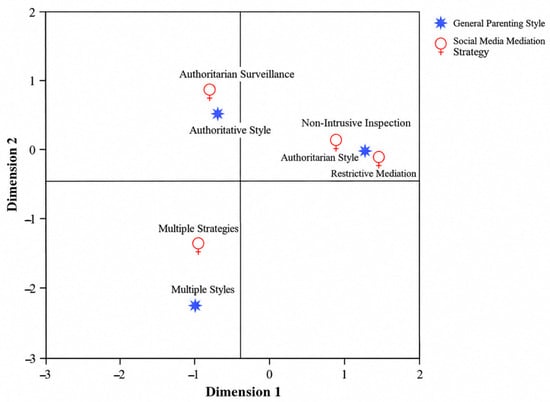

Disclaimer/Publisher’s Note: The statements, opinions and data contained in all publications are solely those of the individual author(s) and contributor(s) and not of MDPI and/or the editor(s). MDPI and/or the editor(s) disclaim responsibility for any injury to people or property resulting from any ideas, methods, instructions or products referred to in the content. |
© 2026 by the authors. Licensee MDPI, Basel, Switzerland. This article is an open access article distributed under the terms and conditions of the Creative Commons Attribution (CC BY) license.