Review

Ethical Considerations in Artificial Intelligence Interventions for Mental Health and Well-Being: Ensuring Responsible Implementation and Impact

by
Hamid Reza Saeidnia
1,
Seyed Ghasem Hashemi Fotami
2,
Brady Lund
3 and
Nasrin Ghiasi
4,*
1
Department of Knowledge and Information Science, Tarbiat Modares University, Tehran 14115-111, Iran
2
Department of Computer Science, Tarbiat Modares University, Tehran 14115-111, Iran
3
Department of Information Science, University of North Texas, Denton, TX 76203, USA
4
Department of Public Health, School of Health, Ilam University of Medical Sciences, Ilam 69391-77143, Iran
*
Author to whom correspondence should be addressed.
Soc. Sci. 2024, 13(7), 381; https://doi.org/10.3390/socsci13070381

Submission received: 4 June 2024 / Revised: 12 July 2024 / Accepted: 21 July 2024 / Published: 22 July 2024

Abstract

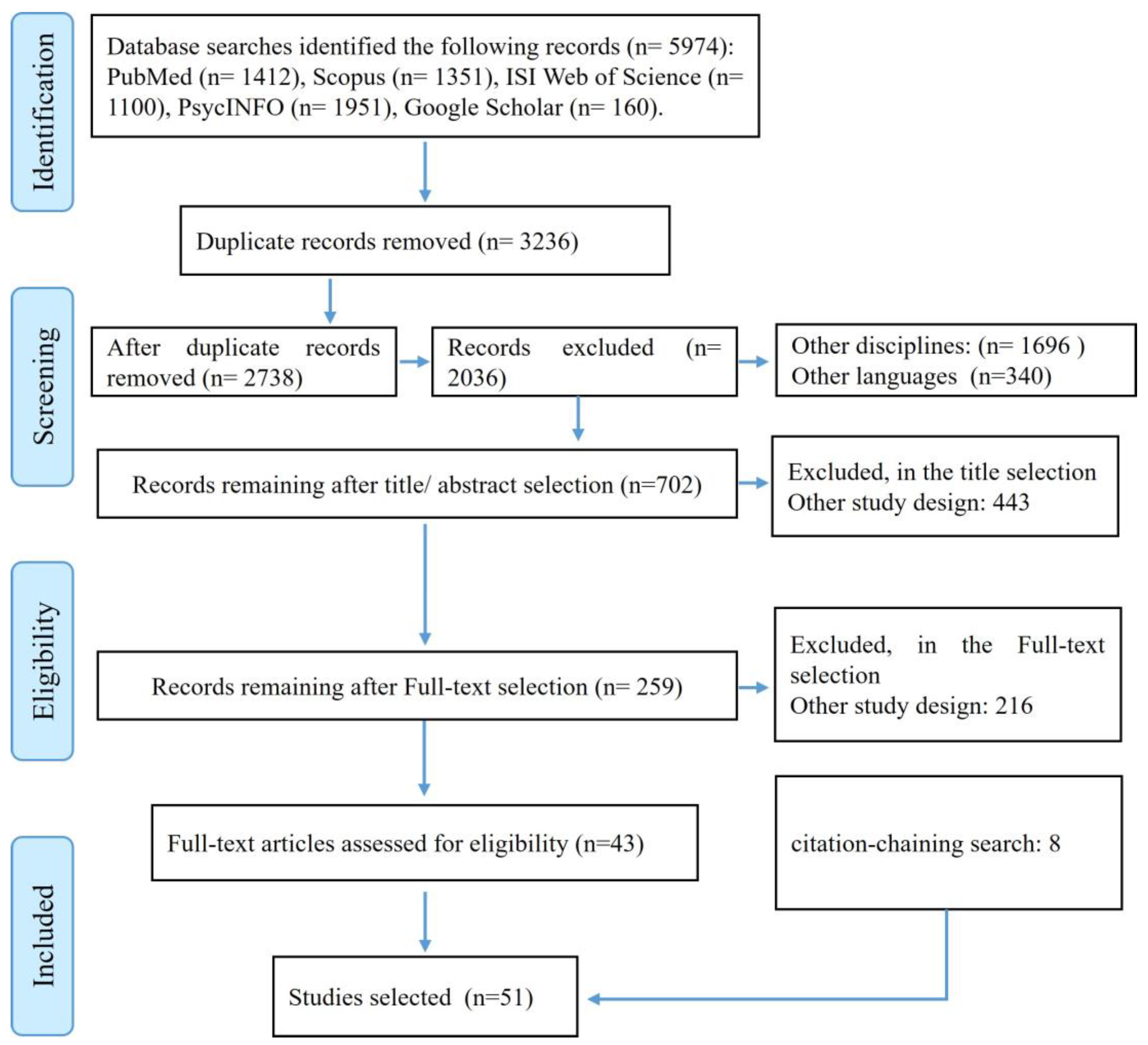
AI has the potential to revolutionize mental health services by providing personalized support and improving accessibility. However, it is crucial to address ethical concerns to ensure responsible and beneficial outcomes for individuals. This systematic review examines the ethical considerations surrounding the implementation and impact of artificial intelligence (AI) interventions in the field of mental health and well-being. To ensure a comprehensive analysis, we employed a structured search strategy across top academic databases, including PubMed, PsycINFO, Web of Science, and Scopus. The search scope encompassed articles published from 2014 to 2024, resulting in a review of 51 relevant articles. The review identifies 18 key ethical considerations, including 6 ethical considerations associated with using AI interventions in mental health and wellbeing (privacy and confidentiality, informed consent, bias and fairness, transparency and accountability, autonomy and human agency, and safety and efficacy); 5 ethical principles associated with the development and implementation of AI technologies in mental health settings to ensure responsible practice and positive outcomes (ethical framework, stakeholder engagement, ethical review, bias mitigation, and continuous evaluation and improvement); and 7 practices, guidelines, and recommendations for promoting the ethical use of AI in mental health interventions (adhere to ethical guidelines, ensure transparency, prioritize data privacy and security, mitigate bias and ensure fairness, involve stakeholders, conduct regular ethical reviews, and monitor and evaluate outcomes). This systematic review highlights the importance of ethical considerations in the responsible implementation and impact of AI interventions for mental health and well-being. By addressing privacy, bias, consent, transparency, human oversight, and continuous evaluation, we can ensure that AI interventions like chatbots and AI-enabled medical devices are developed and deployed in an ethically sound manner, respecting individual rights, promoting fairness, and maximizing benefits while minimizing potential harm.
Keywords: artificial intelligence; mental health; ethics; well-being; interventions artificial intelligence; mental health; ethics; well-being; interventions