


Abstract
This article examines the memory landscape of the Bieszczady Mountains and Bieszczady Foothills region in south-eastern Poland, based on an original concept of its structural organization and a comparative analysis of selected sites of memory located in Sanok, Zagórz, Lesko, Baligród, Cisna, and Solina. The aim of the study was to identify the role of individual sites of memory in shaping the regional memory landscape and to explore the relationships between its constituent elements. The research employed an interdisciplinary approach combining memory studies, cultural geography, cultural landscape studies, and conflict heritage research. Case-study analysis, field investigations, historical-interpretative research, and qualitative comparative assessment were applied. The analysis was conducted across five interrelated dimensions: memory types, functions of sites of memory, historical layers, memory narratives, and the significance of sites within the memory landscape structure. The results demonstrate that the regional memory landscape constitutes a multi-layered, polyphonic, and dynamic structure. National, local, traumatic, transnational, landscape-related, and absence-based memories coexist, forming a complex network of narratives and meanings. The findings confirm that the region can be interpreted as a palimpsestic borderland memory landscape in which successive historical and narrative layers do not replace one another but coexist and remain subject to continuous processes of reinterpretation.
1. Introduction
A memory landscape is a space imbued with historical meanings, in which the natural environment and architecture serve as carriers of collective memory, perpetuating local or national identity and past events (Zachariasz 2011). Landscape memory, therefore, expresses the ability to record, store, and recall information about phenomena and processes occurring in history (Myga-Piątek 2015). Memory landscapes, like all cultural landscapes, possess a normative dimension. They are important tools not only for expressing specific visions of history but also for legitimizing them—a means of organizing and controlling the public meaning of the past (Alderman and Inwood 2013).
In a landscape marked by events important for specific social groups, spaces with a commemorative function are designated and organized, taking the form of places of remembrance.
Places of memory are material carriers of collective memory, and at the same time, they are symbolic elements of the heritage of a given community (Nora 1989, 1996; Dimitropoulos 2009) and an expression of the need to articulate the community’s relationship to the past (Halbwachs 1980, 2008). They perpetuate historical events through their physical presence in public space (Mayo 1988) and simultaneously co-create the politics of memory and reflect the dynamics of cultural memory and its transformations over time (Hautamäki and Laine 2020). As elements of the cultural landscape, they reflect specific interpretations of the past and contribute to their legitimization as part of the social order (Alderman and Dwyer 2009), co-shaping symbolic landscapes of identity. In this context, art and spatial forms not only preserve memory but are also subject to its constant reinterpretation (Lavrenova 2025). The evolution of forms of commemoration, from traditional monuments to more abstract and minimalistic realizations, indicates the growing role of emotions, reflection, and controversy in commemoration (Shanken 2002; de Luna and Wagoner 2025).
Rather than examining memory solely as a social phenomenon, this study approaches monuments, memorials, commemorative landscapes, and other forms of spatial representation as artistic and symbolic manifestations of collective memory. The analysed sites are therefore understood not only as historical evidence but also as cultural artefacts and artistic forms that communicate memory through spatial composition, symbolism, material expression, and their relationship with the surrounding landscape.
Southeastern Poland is a particularly complex space in terms of collective memory. The Bieszczady Mountains and Bieszczady Foothills region, encompassing Sanok, Zagórz, Lesko, Baligród, Cisna, and the area of present-day Solina, have for centuries functioned as a cultural, linguistic, ethnic, political, and religious borderland. In the 20th century, as a result of intense and often violent historical processes, including world wars, resettlements, ethnic conflicts, political violence, and postwar industrialization, the region underwent a profound transformation, including both its demographic structure and the landscapes of memory (Schama 1996; Till 2005).
The overlapping of historical layers, from the experiences of World War I, through the events of World War II and the Polish–Ukrainian conflicts, to the processes of post-war modernization and the disappearance of the landscapes of displaced villages, resulted in this region being interpreted as an archive of memory embedded in the landscape. Preserved in the form of monuments, cemeteries, and spaces of absence, it creates a complex mosaic of layers of memory encompassing diverse historical experiences, narratives, and memory types. Historically, much of the study area formed part of Galicia, the former Austro-Hungarian Crown Land of the Kingdom of Galicia and Lodomeria, centred on Lviv (present-day Lviv, Ukraine), whose multicultural heritage continues to shape the region’s memory landscape.
The subject of this article is an analysis of the memory landscape of this region, conducted through the author’s concept of its structural organization and the characteristics of selected commemorative sites located in Sanok, Zagórz, Lesko, Baligród, Cisna, and Solina. The research focuses on how these commemorative forms function as artistic and symbolic representations of cultural memory and on identifying the relationships between the various layers of memory embedded in the landscape.
The choice of the research area is not accidental. This region is characterized by a unique configuration of key categories distinguished in memory studies, such as memory of conflict, transnational memory, and the landscape memory of absence. This makes it a particularly valuable research field for analyzing the mechanisms by which borderland spaces function as memory archives. At the same time, it should be emphasized that this region has not yet been comprehensively studied as a coherent landscape of memory.
2. Materials and Methods
2.1. Theoretical Foundations and Research Assumptions
The research was embedded in the paradigm of contemporary memory studies, taking into account key theoretical concepts such as: places of memory (lieux de mémoire) by Nora (1996), the theory of cultural and communicative memory by Aleida and Jan Assmann (J. Assmann 2008, 2011; A. Assmann 2011, 2013), the concept of palimpsest memory (Crang 1996, 2001), transnational memory (Feindt et al. 2014), landscapes of absence (DeSilvey 2007, 2017) and anthropological and geographical approaches to landscape (Ingold 1993, 2000).
According to Aleida and Jan Assmann, cultural memory is based on durable media such as texts, images, rituals, monuments, landscapes, and architecture (A. Assmann 2011; J. Assmann 2011). In this context, the analyzed places of memory, including monuments, cemeteries, and other forms of spatial development, are treated as material carriers of memory linked to specific narratives and social practices. Their materiality, however, is not neutral, as it remains closely linked to specific interpretations. This means that these places are carriers of various, often coexisting or competing, forms of memory.
The concept of a place of memory (lieux de mémoire), proposed by Nora (1996), refers to spaces—both material and immaterial—that serve to concentrate collective memory and perpetuate identity. According to Nora, places of memory emerge when memory environments (milieu de mémoire) disappear, when the past ceases to be naturally present in social life. In the analyzed region, many places of memory were created as an attempt to reconstruct, restore, or transform memory, so they can be interpreted as a set of lieux de mémoires constituting a kind of memory archive.
The complexity of the region’s historical experiences implies that the analyzed sites of memory preserve diverse forms of memory, including traumatic, transnational, and local memory. In this context, the concept of cultural trauma, developed by Alexander et al. (2004), is crucial. According to this concept, traumatic experiences become part of collective memory only when they are symbolically encoded and institutionalized in the form of narratives, rituals, and memorial sites. Adopting this perspective allows for the identification of various forms of traumatic memory present in the analyzed landscape. Transnational memory, on the other hand, is understood as a form of memory that transcends national and ethnic boundaries, drawing on shared historical experiences and supranational forms of commemoration (Feindt et al. 2014). In the analyzed region, this manifests itself particularly in spaces related to World War I and the multicultural heritage of Galicia.
An important element of the research assumptions is the adoption of the anthropological-geographical concept of landscape as a dynamic network of relationships, co-created by people, history, culture, and the environment (Ingold 1993, 2000). In this approach, landscape does not constitute a neutral backdrop for historical events and instead actively participates in memory processes.
Consequently, it was assumed that the group of memorial sites in the region analyzed constitutes a memory landscape understood as a complex, multi-layered, and dynamic cultural structure. This structure has a palimpsest character, meaning that subsequent layers of memory do not replace previous ones but rather overlap, creating a system of coexisting narratives and meanings (Figure 1).
Figure 1.
Theoretical research model. Source: authors’ work.
2.2. Research Objectives
The primary goal of this research is to demonstrate the functioning of selected memorial sites as elements of the multi-layered structure of the memory landscape and to identify the relationships between their individual components. Specific goals include:
- Define the relationship between memory locations and memory types;
- Identify their social and cultural functions;
- Analyze how memory is shaped through landscape;
- Indicate the mechanisms of coexistence, hierarchy, and competition of various forms of memory;
- Determine the significance of individual places in the structure of the memory landscape.
To guide the research, the following research questions were formulated:
- What types of memory and historical layers coexist in the analyzed region?
- How are different narratives of the past materialized in space?
- What functions do places of memory perform in a social and cultural context?
- What position do the places analyzed occupy in the structure of the memory landscape?
- How do memories of conflicts and traumatic experiences shape public space?
2.3. Methods and Tools
The research was based on an interdisciplinary approach, combining studies on the cultural landscape with memory studies, cultural geography, heritage studies, and studies on the conflict heritage.
The following research methods were used in the work:
- Comparative method (case study), enabling the comparison of selected places of memory and the identification of their common features and differences.
- Analysis of topography, material carriers of memory (monuments, cemeteries, plaques), ways of using space (ceremonies, tourism), state of preservation of objects and traces of absence (e.g., disappeared villages).
- Historical and interpretative research conducted using desk research, including analysis of scientific literature, historical studies, research on collective memory, and memory politics.
The analysis was conducted based on five interrelated research dimensions:
- Types of memory (e.g., national, local, transnational, traumatic, landscape), memory narratives (ways of interpreting and telling the past).
- Functions of places of memory (ritual, identity, educational, conflict, etc.).
- Historical layers (periods represented in space).
- Importance in the landscape of memory (hierarchy of a given place in the regional structure).
This approach allows us to treat analysis as a multidimensional process in which each memory site is examined not only as an object, but also as an element of a system of memory relations.
To deepen the analysis, a qualitative-comparative method of assessing the intensity of memory features was used, based on a three-point scale (0–2), enabling a synthetic comparison of the analyzed sites. This method involves assigning numerical values (on a scale of 0–2) to individual memory sites, reflecting the intensity of a specific feature, e.g., types of memory, narratives, and social functions. 0 indicates the absence or trace presence of a feature, 1 indicates moderate presence, and 2 indicates a dominant presence of a feature. The rating scale was unified for all categories. The assessment is based on the analysis of: the intensity of the feature, the presence of material memory carriers, and the social and institutional significance of a given site. The assessments were based on field observations, characteristics of memorial sites, and literature on the subject (memory studies, anthropology of place, cultural geography), and local narratives and history of the region.
The assessment of the intensity of memory features is qualitative and interpretive and serves to compare the relative presence of the analyzed phenomena. The method employed is not statistical in nature, but rather it serves an organizing and analytical function, enabling a synthetic comparison and visualization of differences between the studied memory sites. The assigned numerical values are not empirical measurements but are conventional and interpretive. They reflect the intensity of a given phenomenon based on qualitative analysis, including narrative content, historical layers, the presence of material memory carriers, and the socio-cultural context.
The approach adopted assumes that the results depend on the research context and the researcher’s interpretation, and therefore, it is not intended to formulate statistical generalizations. Instead, its goal is to capture the relationships and differences between the analyzed cases. Despite these limitations, this method allows for a clear presentation of the complexity of the memory landscape and the interconnectedness of its elements. It allows for both an in-depth qualitative interpretation of individual sites and their synthetic visual comparison, supporting a structural analysis of the studied area.
2.4. Research Process
The research was undertaken in stages and included the following phases:
- Selection of research cases—selection of places of memory representing different types of memory and forms of their materialization.
- Data collection—field research, photographic documentation, analysis of sources and literature.
- Qualitative characteristics of places of memory—description of form, genesis, symbolism, and historical context.
- Multidimensional analysis—examining places across five dimensions: types of memory, narrative, function, historical layers, and significance in the landscape.
- Evaluation of feature intensity—using a 0–2 scale to compare the analyzed locations.
- Synthesis of results—interpretation of the memory landscape as a relational and multi-layered structure.
The research process, designed this way, enabled both an in-depth qualitative analysis and a synthetic comparison of the sites studied.
2.5. Territorial and Substantive Scope
The research covers selected memorial sites located in the region of south-eastern Poland, encompassing both the Bieszczady Foothills (Sanok, Zagórz, Lesko, Baligród) and the Bieszczady Mountains (Cisna, Solina) in the Podkarpackie Voivodeship (Figure 2 and Figure 3).
Figure 2.
The location of the Podkarpackie Voivodeship. Source: author’s work.
Figure 3.
Locations of the memorial sites selected for the study. Source: author’s work.
The selection of locations was deliberate and considered places representing different types of memory (national, local, transnational, traumatic, and landscape), different forms of their materialization (monuments, cemeteries, and landscapes of absence), as well as the diversity of functions and meanings in the landscape of memory.
The analysis was conducted from a comparative perspective, enabling the identification of both common features and differences between individual places of memory.
2.6. Research Subject and Historical Context
The region encompassing Sanok, Zagórz, Lesko, Baligród, Cisna, and Solina has a long and complex history that has shaped its contemporary memory landscape. Its specificity stems from both its borderland location and its centuries-long multiculturalism and ethnic and religious diversity (Wolski 2016; Snyder 2010).
Traces of settlement in the Bieszczady Mountains and Bieszczady Foothills date back to the Paleolithic period (approximately 30,000–40,000 years ago), as confirmed by archaeological finds. The presence of Bronze Age objects and Roman coins indicates the existence of early trade networks in the area. However, the region’s more intensive development occurred only in the late Middle Ages, particularly from the 14th century, when, during the reign of Casimir the Great, these lands were incorporated into the Kingdom of Poland (Wolski 2016).
Incorporation into the state structure, however, did not mean the ethnic homogenization of the region. For centuries, the area was inhabited by people of diverse origins, dominated by Ruthenians (later referred to as Ukrainians), who constituted the demographic majority until the mid-20th century. It is estimated that even before World War II, they constituted approximately 70–80% of the region’s population (Motyka 2011).
A significant process shaping the region’s social and cultural structure was Vlach colonization, which intensified between the 14th and 16th centuries. The influx of people of Vlach origin led to the development of a distinctive pastoral culture, which, through contact with the Ruthenian population, syncretized, contributing to the development of the Boykos and Lemkos ethnographic groups. These communities spoke their own dialects, strongly influenced by Church Slavonic, and were associated with the Greek Catholic Church (Wolski 2016).
The ethnic structure of the region was clearly diverse. Alongside the Rusyn population, the Jewish community played a significant role, constituting a significant element of economic and cultural life in some towns (e.g., Lesko, Baligród, Lutowiska), reaching approximately 10% of the population. The Polish population, a minority (approximately 8–10%), was concentrated primarily among landowners, nobility, and urban dwellers. This structure was supplemented by smaller groups of German settlers (so-called Josephine colonies) and the Romani people (Luboński 2017; Kryciński 2023).
In the 19th century, the region was part of the Habsburg Monarchy, part of the Kingdom of Galicia and Lodomeria. Galicia was a multicultural and multilingual space in which, despite existing social tensions, various ethnic and religious groups coexisted: Poles (mainly in cities), Ruthenians/Ukrainians (dominating in rural areas), Jews (in towns and commercial centers), as well as German settlers and, to a lesser extent, other groups (Snyder 2010; Wolski 2016). The Greek Catholic Church, alongside the Roman Catholic Church, Judaism, and, to a limited extent, Protestantism, dominated religiously.
The early 20th century brought the region experiences associated with World War I, particularly the Carpathian Campaign of 1914–1915. This area became the scene of intense fighting between the Austro-Hungarian Army and the forces of the Russian Empire, with both seeking to break through the front and gain access to the Hungarian Plain (Stone 1998; Strachan 2001; Duda 1995). Difficult terrain and climatic conditions contributed to high casualties, estimated at tens of thousands across the region. Numerous war cemeteries remain as remnants of these events, today constituting an important element of the landscape of memory (Olejko 2022).
In parallel with the war, the process of shaping modern national identities intensified. The growth of Ukrainian consciousness and the development of nationalist movements led to tensions between the Polish and Ukrainian communities, which in the following decades escalated into open conflict (Motyka 2011).
The period of World War II (1939–1945) constitutes a key moment in shaping the contemporary landscape of memory in the region. The area came under German and Soviet occupation, which resulted in numerous repressions against the civilian population. The extermination of the Jewish community was particularly dramatic, leading to its almost complete annihilation in the region (Snyder 2010). Simultaneously, deportations, executions, and military operations involving various formations, including the Home Army, Soviet units, and Ukrainian forces, took place (Motyka 2011).
Between 1944 and 1947, the Bieszczady Mountains and, more broadly, southeastern Poland became the scene of intense military operations related to the Polish–Ukrainian conflict. Clashes between units of the Ukrainian Insurgent Army (UPA) and Polish state formations (Polish Army, Internal Security Corps) as well as Soviet units led to an escalation of violence, which also affected civilians. These actions included attacks on villages, retaliatory repressions, executions, and forced relocations (Motyka 2011).
The culmination of these processes was Operation Vistula, carried out in 1947, which involved the forced relocation of Ukrainian, Lemko, and Boyko populations to the so-called Recovered Territories. This operation was intended to eliminate the social base for UPA activity, but its consequences went far beyond the military dimension, leading to a radical change in the ethnic structure of the region (Motyka 2011; Pisuliński 2009).
These events resulted in the near-complete depopulation of large areas of what is now the Bieszczady Mountains. The abandoned villages gradually deteriorated, and their material traces—residential buildings, Orthodox churches, cemeteries, and elements of the cultural landscape—fell into ruin or disappeared. This process led to the creation of a unique landscape in which the presence of the past is expressed through absence and lack, which is consistent with the concept of “landscapes of absence” (DeSilvey 2017).
The return of people to these areas was initially limited. Only in the mid-1950s, after the lifting of administrative restrictions, did a gradual process of resettlement begin in the region. However, this was fragmented and did not lead to the restoration of the pre-war settlement and cultural structure (Wolski 2016).
The next significant stage in landscape transformation was the construction of a hydrotechnical project in the 1960s, the Solina Dam. The creation of the Solina Reservoir flooded more than a dozen towns and their infrastructure, including cemeteries, memorial sites, and religious buildings. This process led to the physical disappearance of fragments of the cultural landscape, while simultaneously creating a new symbolic space.
The Solina Reservoir has become one of the most recognizable symbols of modernization during the communist era, representing technological and economic progress. At the same time, it functions as a landscape of absence (a space of loss), inhabited by narratives about vanished villages and displaced communities. In this sense, Solina is a unique example of a place where contradictory narratives overlap: the modernization and technology narrative of the communist era, the absence and lost heritage narrative, and the memory of absence and lost heritage (DeSilvey 2017).
3. Results—Memory Sites Analysis
3.1. Characteristics of the Analyzed Places of Memory
3.1.1. Sanok
Sanok, as the region’s largest city and the historic capital of the Sanok region, plays a central role in the memory landscape. It is home to well-recognized and institutionally established memorial sites that primarily reflect official, state, and municipal historical narratives: The Monument to the Sons of the Sanok Land Who Fell and Were Murdered for Poland and the Central Cemetery with the Golgotha of the East complex. Both sites fulfill important functions in the structure of the region’s memory, yet differ in form, origin, and symbolic scope. Sanok also serves as a space where various layers of memory intersect: military, martyrdom, religious, postwar, and local memory.
The Monument to the Sons of the Sanok Land, located in the city center and unveiled in 2005, is one of the most important spaces of collective memory in the region. Designed by Professor Jan Tutaj as a monumental symbolic form, it combines elements characteristic of Polish discourse on national remembrance, such as a cross, an eagle, epitaph plaques, and urns containing soil from sites of battle and martyrdom. The central element of the composition is a sword stylized as a cross, vertically slashed and mounted on a diagonal, paved pedestal. This form promotes a universal message—the monument refers not only to specific individuals but also to the collective figure of the “sons of the land,” reinforcing a sense of community continuity and local identity.
The creation of the monument is part of broader practices of commemorating soldiers and victims of armed conflicts, developed particularly intensively in Poland after 1989, when the narrative of remembrance expanded to include previously marginalized experiences, such as Soviet repression and the Katyn massacre. The monument serves as the main venue for official ceremonies.
The Central Cemetery in Sanok, and in particular the Golgotha of the East complex with the Oaks of Remembrance, represents a distinct type of memorial space, focusing on the experience of trauma and violence. This site commemorates the victims of Soviet repression, including deportations, NKVD executions, the Katyn Massacre, and the labor camp system. The centerpiece of the composition is the Cross of Remembrance of the Victims of the Polish Golgotha of the East, consecrated in 2008. Made of birch, it bears the inscription “To the Victims of the Polish Golgotha of the East.” At its base are stones with commemorative plaques, and in 2009, the space was supplemented with 21 Oaks of Remembrance, commemorating the victims of the Katyn Massacre associated with Sanok.
During the communist era, the memory of Soviet repression was marginalized or eliminated from public space. Only after 1989 did the process of reconstructing and materializing it begin in the form of monuments, plaques, and memorial sites. Sanok’s Golgotha of the East is an example of such a space—a place for restoring memory, articulating previously repressed narratives, and symbolically rectifying the past. Unlike the monument in the city center, the dominant narrative here is one of martyrdom and trauma, linked to the experience of state violence.
The two analyzed sites, though different in form and symbolism, contribute to a coherent memory system in which elements of national, local, and traumatic memory intertwine. Their coexistence illustrates the complexity of Sanok’s memory landscape and its role as a center for concentrating and institutionalizing regional memory (Figure 4a,b).
Figure 4.
(a) Monument to the Sons of the Sanok Land Who Fell and Were Murdered for Poland in Sanok; (b) Golgotha of the East at the Central Cemetery in Sanok. Source: author’s work.
3.1.2. Zagórz
In Zagórz, various forms of memory, including state, local, and military, coexist and overlap dynamically. Unlike Sanok, which dominates as a center of institutional memory, Zagórz represents a more complex and “hybrid” model of memory, in which different narratives coexist and sometimes remain in tension.
The parish cemetery contains two adjacent memorial sites, each relating to different historical periods. The first is a military section containing the burial sites of Polish Army soldiers who died in the September Campaign of 1939, as well as graves related to postwar events, including victims of armed conflicts involving the Ukrainian Insurgent Army and NKVD units. This space is an example of a place where different layers of memory overlap: war, postwar, and conflict.
The second significant element of the memorial landscape is a cemetery from the First World War, with a central cross commemorating those who died in 1914–1915. Approximately 313 soldiers of the Austro-Hungarian army are buried there, representing various nationalities, including Poles, Ruthenians (Ukrainians), Austrians, Germans, Czechs, Slovenes, Croats, and Bosnians, and likely also soldiers of the Russian army. The symbolic cross with the date 1914 and commemorative plaque emphasize the universal nature of this place, which—like other cemeteries from that period—is part of the tradition of supranational commemoration of war victims.
The coexistence of these two spaces—one connected to the memory of World War II and postwar conflicts, the other relating to the experience of World War I—makes Zagórz a place with a distinctly palimpsestic character. While the military quarters fit into dominant national and conflict narratives, the World War I cemetery introduces a transnational and more universal dimension.
The military headquarters in Zagórz serves as a place for the materialization of memory about a particularly complex fragment of the region’s history. At the same time, its interpretation fits into a specific narrative framework dominated by the heroization of Polish Army soldiers and a clear-cut interpretation of post-war conflicts. As a result, other perspectives on memory, particularly those related to the Rusyn and Ukrainian communities, remain underrepresented or marginalized.
This type of selectivity in memory indicates the presence of mechanisms shaping and hierarchizing historical narratives in public space. Zagórz is therefore an example of a place where the memory landscape not only reflects the past but also reveals processes of negotiating meanings and the dominance of specific historical interpretations (Figure 5a,b).
Figure 5.
(a) A cross commemorating those who died in 1914–1915 at the new cemetery in Zagórz. Source: author’s work. (b) Monument to Polish Soldiers killed by the UPA in Jasiel, 1946, at the new cemetery in Zagórz. Source: Lowdown, CC BY-SA 3.0 <https://creativecommons.org/licenses/by-sa/3.0>, via Wikimedia Commons (accessed on 10 May 2026).
3.1.3. Lesko—War Cemetery
Lesko has a rich and multicultural history, which has left a distinct mark on the local landscape of memory. In the pre-war period, the town was inhabited by Poles, Jews, and Ruthenians/Ukrainians, which is reflected in preserved elements of its cultural heritage, such as the urban layout of the old town, the Jewish cemetery, former Orthodox and Catholic churches, as well as numerous roadside shrines and statues. The multicultural character of Lesko provides a significant interpretive context for the existing war cemetery.
The Lesko War Cemetery was established during World War I as a result of the intense military operations conducted in the region between 1914 and 1915. Approximately 600 soldiers fighting on different sides of the conflict—Austro-Hungarian, German, and Russian—are buried there. Among the buried are representatives of many ethnicities, including Austrians, Germans, Hungarians, Poles, Ruthenians/Ukrainians, Czechs, Slovaks, Bosnians, and Serbs.
The necropolis is one of numerous cemeteries designed by the so-called Kunstgruppe—a team of artists and architects working within the Austro-Hungarian army. Characteristic features of this group include minimalist architectural forms, a desire to harmoniously integrate the monument into the landscape, and the use of universal symbolism. These cemeteries are also distinguished by their eschewing of triumphalist narratives and the equal treatment of fallen soldiers, regardless of their nationality or religious affiliation. The cemetery in Lesko is a representative example of this tradition. The graves are marked by wooden crosses with metal roofs, and in some cases, by wooden posts with diagonal tops, bearing symbols of various religions, including Christianity in its various rites and Islam. The central element of the composition is a tall wooden cross, perched atop a small stone mound, constituting a spatially dominant feature of the entire complex.
The site under analysis is a unique example of a memory space that transcends national interpretive frameworks. The cemetery is not assigned to a single community of memory, but functions as a place of co-presence of multiple narratives representing diverse experiences of war. In this sense, it can be interpreted as an element of transnational war heritage and a material expression of universal memory. At the same time, the Lesko cemetery does not function as an isolated object, but as part of a broader landscape of memory. Its location on a hillside, near the city, above the San River Valley, surrounded by greenery, makes its perception strongly linked to the experience of space. Here, the landscape co-creates the meaning of the place, reinforcing its contemplative and reflective character. From this perspective, the cemetery not only commemorates historical events but also shapes how they are interpreted in the present (Figure 6a,b).
Figure 6.
(a) Cross and graves on war cemetery in Lesko. (b) Wooden posts with diagonal tops bearing symbols of various religions. Source: author’s work.
3.1.4. Solina
Construction of the dam began in 1960 and was completed in 1968. It created the largest artificial reservoir in Poland, a symbol of the economic modernization of the Polish People’s Republic. The decision to build the dam had dramatic consequences for the landscape: more than a dozen villages were relocated, including Solina, Teleśnica Oszwarowa, Sokole, Chrewt, and Wołkowyja (some of the old buildings); more than a dozen Orthodox churches and Roman Catholic churches were demolished; cemeteries were relocated or abandoned; the valley’s traditional communication system was liquidated; and local communities were uprooted. In the memories of the residents of the relocated villages, Solina exists as a lost place, often as a symbolic trauma.
The displacements associated with the construction of the dam are distinct from wartime or post-war displacements. They were dictated by state modernization decisions, not military violence. However, from the residents’ perspectives, they had similar consequences: the loss of home, landscape, and local identity. Solina is therefore an example of a landscape-like memorial site, where memory is not primarily rooted in a monument or cemetery, but in the experience of loss, absence, and irreversible spatial transformations. Within the structure of the analyzed memoryscape, it serves as a liminal space, shifting attention from material memory carriers to immaterial memory and the lost landscape (Figure 7a,b).
Figure 7.
(a) Dam in Solina; (b) Lake Solina and its surroundings. Source: author’s work.
3.1.5. Baligród
Baligród is one of the key sites of remembrance of the Polish–Ukrainian conflict in this region. Unlike Sanok, where institutional memory dominates, and Lesko, which represents transnational memory, Baligród focuses primarily on local and traumatic memories, which are deeply rooted in specific historical events.
Of particular significance here is the memory of the events of 1946, when the town became the site of an attack by units of the Ukrainian Insurgent Army. These events, recorded in the local historical narrative, are reflected in the space through a monument commemorating the victims of violence. This monument is an example of a conflict-related memorial, where the past is interpreted through the prism of collective trauma and local identity.
Baligród also boasts a war cemetery, where soldiers who died during World War II and the postwar period are buried. This space combines various layers of memory—war, postwar, and local—creating a complex system of historical references.
The analyzed sites indicate a clear dominance of national and martyrological narratives, in which the memory of the victims of violence occupies a central place. At the same time, similarly to Zagórz, a selectivity of memory is observed, manifesting itself in the limited representation of the perspectives of other ethnic groups. As a result, the memoryscape of Baligród reflects not only the history of events but also the processes of interpretation and perpetuation of specific narratives.
Baligród is thus an example of a place where the memory of the conflict takes on a form that is strongly rooted locally and, at the same time, inscribed in a broader, generally accepted way of interpreting post-war armed conflicts (Figure 8a,b).
Figure 8.
(a) War cemetery in Baligród; (b) Monument dedicated to Poles murdered by the UPA in Baligród. Source: author’s work.
3.1.6. Cisna
Cisna represents a different, more complex system of memory, in which elements of transnational memory and local memory of conflict coexist. Unlike Baligród, where a single, clear narrative dominates, Cisna is a space where different types of memory overlap and coexist.
A significant element of the memorial landscape is the war cemetery from World War I (1914–1915), part of a system of necropolises designed by the Austro-Hungarian Kunstgruppe. Similar to the cemetery in Lesko, this cemetery is characterized by a minimalist architectural form, a lack of hierarchy among the fallen, and the presence of universal symbolism. It is an example of transnational memory, in which the experience of war is conceptualized in a supranational manner, devoid of clear political interpretation.
The second significant element is the monument dedicated to the defenders of Cisna and the surrounding area from 1944 to 1947, which commemorates the events related to the Polish–Ukrainian conflict. Unlike a war cemetery, this site represents local and traumatic memory, and is focused on specific events and the experiences of the community.
The coexistence of these two types of sites—a transnational cemetery and a conflict memorial—makes Cisna a particularly interesting example of a palimpsest-like memoryscape. Different layers of memory overlap here: the universal memory of war and the local memory of conflict and violence. Cisna is therefore an example of a place where the memoryscape not only reflects the past but also reveals the complexity and multilayered memory processes characteristic of borderland regions (Figure 9a,b).
Figure 9.
(a) War cemetery 1914–1915 in Cisna; (b) Monument to the Defenders of Cisna and the Surrounding Area against the UPA 1944–1947 in Cisna. Source: author’s work.
Table 1 summarizes the analyzed memorial sites and presents a basic typology of memorial sites, taking into account their nature (monument, necropolis, landscape) and the dominant symbolism that defines how a given site functions within the local memory landscape (Table 1). This typology of memorial sites provides a starting point for further analysis of their functioning as carriers of various types of memory, social functions, narratives, and historical layers.
Table 1.
Typology of places of memory in the analyzed region. Source: author’s work.
3.2. Types of Memory
Based on the characteristics of the analyzed sites, it can be concluded that the studied memory landscape does not constitute a uniform model of commemoration but rather a system of diverse and overlapping types of memory. These include national, local, traumatic, transnational, landscape, and absence memory.
National memory is most strongly felt in official and institutional places, such as the Monument to the Sons of the Sanok Land, the Golgotha of the East, the military headquarters in Zagórz, the UPA victims’ monument in Baligród, and the Defenders of Cisna monument. In these instances, memory becomes linked to narratives of sacrifice, defense of community, and national continuity.
Local memory is present in almost all the analyzed places, but its intensity and nature vary. In Sanok, it is associated with urban and regional memory; in Zagórz, Baligród, and Cisna, with the experience of local communities in the face of war and post-war violence; and in Solina, with the memory of former residents of displaced villages.
Traumatic memory is particularly focused on experiences of repression, violence, and loss. It is strongly manifested in the Golgotha of the East, the military headquarters in Zagórz, the UPA victims’ monument in Baligród, the Defenders of Cisna monument, and in Solina, where trauma takes the form of loss of place and a disruption of the human relationship with the landscape.
Transnational memory occurs primarily in places associated with World War I, namely the war cemeteries in Lesko and Cisna. In these spaces, memory transcends the boundaries of a single national community and refers to the multinational experience of war.
Landscape memory and the memory of absence are most fully represented in Solina, where the essence of memory is not a classic monument or cemetery but rather exists as a transformed landscape, submerged villages, and the absence of former settlement structures. Elements of landscape memory are also present in Lesko and Cisna, where the location of war cemeteries enhances their contemplative character.
Comparing the intensity of individual memory types allows us to capture their diversity and interrelationships (Table 2). The results indicate that the dominant types of memory in the region are national, local, and traumatic memory, while transnational and landscape memory play a complementary yet crucial role in capturing the multilayered nature of the memory landscape.
Table 2.
Types of memory present in the analyzed places of memory and their intensity 1. Source: author’s work.
3.3. Functions of Memorial Sites
The analyzed memorial sites serve diverse functions within the region’s memory landscape. These include ritual, identity, educational, integration, conflict, and landscape functions. Their significance extends beyond mere commemoration, as they actively participate in shaping and perpetuating collective memory.
The Monument to the Sons of the Sanok Land in Sanok serves primarily a ritual and identity-building function. As a venue for national and patriotic ceremonies, it constitutes a space where memory is not only preserved but also regularly updated through social practices. In this sense, the monument acts as a tool for reproducing national and local memory, strengthening both regional identity and identification with the national narrative.
The Golgotha of the East, along with the Oaks of Remembrance, serves a similar function, yet its character is distinctly more emotional and traumatic. This place serves a ritual, but also a therapeutic and symbolic purpose—it enables the articulation of experiences of violence, builds a community of memory around trauma, and organizes the past by giving it material form. It strengthens the local identity as a community experiencing repression, while simultaneously contributing to the broader discourse of national memory.
The military headquarters in Zagórz serves as a place that integrates different layers of memory, but also as a space where they confront each other. Beyond its commemorative function, it also serves an educational and interpretive purpose, enabling insight into the region’s complex history. At the same time, it serves as a “place of memory tension,” revealing the mechanisms of selection and hierarchization of historical narratives.
The adjacent World War I cemetery, with its cross commemorating the fallen, serves a primarily reflective and educational purpose. It introduces a more universal and transnational model of memory, fostering contemplation and supranational interpretation. The coexistence of these two sites makes Zagórz a multifunctional space where diverse ways of experiencing and interpreting the past overlap.
The Lesko War Cemetery serves an educational and reflective purpose primarily. It is used for teaching purposes (including by schools and guides), providing a space for exploring the region’s history without any clear-cut, nationalistic interpretations. It also serves a reconciliatory function—as a place of transnational remembrance, it fosters reflection on the shared experience of war and facilitates dialogue between different traditions of memory.
Baligród primarily represents an integrative and identity-building function, based on local and traumatic memory. Memorial sites associated with post-war events serve to consolidate the community by referencing the experience of violence. At the same time, they are conflictual in nature—they perpetuate a specific interpretation of the past, which limits the space for alternative narratives and can lead to persistent tensions within memory.
Cisna serves as a multi-layered place by combining various functions. The war cemetery serves an educational and reflective purpose, aligning with a transnational model of remembrance, while the post-war memorial serves an identity-building and integrative function, linked to local memory and trauma. The coexistence of these functions makes Cisna an example of a place with high interpretive potential, revealing the complexity of the memory landscape.
Solina represents a distinct type of function, primarily related to landscape and tourism memory. Today, it is one of the region’s most important tourist destinations, and the memory of vanished villages functions primarily through guide narratives, local initiatives, and research activities. Tourism transforms this memory into an aesthetic and emotional experience, creating a specific type of “landscape memory” based on the perception of space and the awareness of absence.
The analysis of the intensity of memorial sites’ functions reveals a clear differentiation in their roles within the region’s memory landscape. Ritual and identity functions are most prominent, dominating official and conflict-related sites (Sanok, Baligród, Cisna). Educational and reflective functions are particularly prominent in transnational spaces (Lesko, Cisna), while tourist and landscape functions dominate in Solina, where memory takes the form of spatial experience. These results confirm that memorial sites fulfill diverse and complementary roles, creating a multifunctional memory landscape (Table 3).
Table 3.
Functions and their intensity in the analyzed memory places 1. Source: author’s work.
3.4. Historical Layers of Places of Memory
The analysis of the memorial sites studied indicates that the memory landscape of the Bieszczady Mountains and Bieszczady Foothills is clearly layered, with its structure reflecting successive stages of the region’s history. Individual memorial sites represent distinct historical periods that do not exist in isolation but rather overlap, creating a palimpsest-like structure.
The oldest clearly represented layer of memory is from World War I. It is primarily present in the form of war cemeteries, such as the necropolises in Lesko and Cisna and the memorial site in Zagórz. These sites reflect the experience of a transnational conflict and fit into the broader context of Europe’s war heritage. Their form and symbolism indicate an attempt to universalize memory and move away from clear-cut national interpretations.
Another significant layer is the period of World War II, represented in the analyzed sites primarily indirectly—through later forms of commemoration and narratives relating to wartime and occupation experiences. This layer provides an important reference point for subsequent memory processes, particularly in the context of violence, extermination, and displacement.
The postwar period (1944–1947), encompassing the Polish–Ukrainian conflict and military and repressive actions, is particularly prominent in the memory landscape. It is clearly present in places such as Baligród, Cisna, and Zagórz, where the memory of postwar events is preserved through monuments and necropolises. This layer is strongly localized and traumatic, and its interpretation is often embedded within national frameworks of memory.
The next layer comprises the processes of post-war socio-spatial transformation, primarily associated with Operation Vistula and the region’s depopulation. Traces of this transformation are present throughout the area, though mostly indirectly, manifesting as vanished villages, abandoned cemeteries, and “landscapes of absence.”
Another significant element of the memory landscape’s structure is the layer associated with modernization and industrialization during the communist era, represented primarily by Solina. The construction of the dam and the creation of the Solina reservoir led to a radical transformation of the landscape, including the flooding of villages and their cultural heritage. This layer introduces the modernization and technological narrative of the communist era into the memory landscape, which is currently being reinterpreted in the context of the experience of loss.
The youngest layer comprises contemporary narratives of memory, developing particularly after 1989. These encompass both the reconstruction of previously marginalized memories (e.g., of Soviet repression in Sanok) and the development of new forms of commemoration, such as local initiatives, educational activities, and tourist narratives. In this context, we can speak of the phenomenon of postmemory, in which historical experiences are passed on to subsequent generations indirectly, through narratives, symbols, and space.
The analysis of the historical layers present in the studied memorial sites (Table 4) indicates a wide range of eras represented in the region’s memory landscape—from the experiences of World War I, through the events of World War II and the postwar period, to contemporary narratives of postmemory. The most strongly represented layers are those related to World War II and the postwar period (1944–1947), which dominate most of the sites, particularly those with a national and conflict-related character (Sanok, Zagórz, Baligród, Cisna). The World War I layer is concentrated primarily in the spaces of war cemeteries (Lesko, Cisna, Zagórz), where it takes on a more universal and transnational character. The layer associated with the Polish People’s Republic also plays a significant role, particularly visible in Solina as a space of modernization and landscape transformation. The youngest layer—modernity and postmemory—is present across all analyzed sites, reflecting the processes of reinterpreting and updating memory after 1989. The coexistence of these layers makes the memory landscape of the analyzed region dynamic and multidimensional. Individual memorial sites may represent a single dominant historical layer (e.g., Lesko—World War I, Baligród—the postwar period), but they often constitute a space where different periods and narratives overlap (e.g., Cisna, Zagórz, Sanok). The varying intensity of individual historical layers confirms the palimpsest nature of the region’s memory landscape, in which different eras coexist and interact (Table 4).
Table 4.
Layers of history present in places of memory 1. Source: author’s work.
3.5. Narratives of Places of Memory
The analyzed sites of memory function not only as carriers of specific types of memory but also as spaces where the past is retold in specific ways. These narratives vary in scope, degree of institutionalization, and visibility in public space. Among them, we can distinguish official, local, conflict, transnational, modernization, and landscape narratives.
In Sanok, official, national, and patriotic narratives dominate. The Monument to the Sons of the Sanok Land emphasizes community continuity, sacrifice, and heroism, while the Golgotha of the East highlights the experience of Soviet repression and suffering. Both narratives are strongly present in public space and are embedded in the institutional model of memory. At the same time, minority memories—Jewish, Rusyn/Ukrainian, or Lemko—remain less visible, functioning more as peripheral or absent elements of memory.
In Zagórz, the narrative is complex and multi-layered. The military headquarters combines national, military, anti-communist, and local narratives, focusing on the experience of combat, sacrifice, and community defense. At the same time, the presence of a World War I cemetery introduces a different way of telling the past—a transnational and more universal narrative, similar to that present in Lesko and Cisna. As a result, Zagórz is an example of a place where different narratives—conflicting and universal—coexist within a single space, creating not a unified message but a palimpsest-like structure.
The Lesko War Cemetery represents a transnational and universal narrative. It does not showcase a single national community or a triumphalist vision of war, but rather recounts the shared experience of death among soldiers from different armies and nationalities. It is a narrative of “silent memory,” based on reflection, contemplation, and neutralization of conflict.
In Baligród, a narrative of conflict and martyrdom dominates. The monument to the victims of the UPA tells the past through the prism of post-war violence, the suffering of civilians, and local trauma. This narrative is unambiguous and strongly evaluative, highlighting the experience of a single community. The war cemetery of Polish and Soviet soldiers, on the other hand, represents a more classic war narrative, associated with commemorating the fallen.
Cisna combines two distinct ways of narrating the past. The 1914–1915 war cemetery fits into a transnational narrative, similar to the one currently in Lesko. The Monument to the Defenders of Cisna and the Surrounding Area from the UPA, on the other hand, represents a local, conflictual, and traumatic narrative. The coexistence of these two narratives gives Cisna a palimpsest character: different narratives of war and violence coexist within a single space, but they do not create a unified message.
Solina represents a temporally shifting narrative. During the communist era, a modernization narrative dominated, presenting the dam’s construction as a symbol of technological progress and national success. After 1989, a narrative of loss, focusing on submerged villages, displacement, and vanished heritage, gained increasing prominence. Today, Solina is a space where the tourist and landscape narratives coexist with the narrative of absence.
A comparison of the analyzed sites reveals that the past in this region is told in a variety of ways: as a story of national sacrifice, local trauma, transnational war experiences, modernization successes, or landscape loss. Narrative analysis allows us to capture the mechanisms of selection, hierarchy, and coexistence of different ways of telling the past (Table 5). In turn, an assessment of their intensity indicates which narratives dominate in specific places and which are complementary or peripheral in nature (Table 6).
Table 5.
Narrative memory characteristics in the analyzed places. Source: author’s work.
Table 6.
Intensity of narrative memory in the analyzed places 1. Source: author’s work.
3.6. Assessing Meaning in the Memory Landscape
Once the types of memory, functions, historical layers, and narratives have been identified, it is possible to pinpoint the position of individual sites within the structure of the memory landscape. The significance of the analyzed sites stems not only from their historical value but also from their role in organizing collective memory, their degree of visibility in public space, their scope of influence, and their ability to represent specific layers of history and types of memory.
Sanok occupies a central position in the structure of the memory landscape. The Monument to the Sons of the Sanok Land and the Golgotha of the East form the core of the region’s official and institutional memory. The former organizes memory around concepts of community, sacrifice, and national identity, while the latter reinforces the dimension of traumatic memory associated with Soviet repression. Their significance lies in defining the dominant interpretive framework for the region’s memory.
Zagórz occupies a unique position within the memory landscape as a multi-layered and mediating place. The presence of both a military headquarters associated with World War II and the post-war period, and a World War I cemetery, allows this space to bridge various orders of memory—national, conflict, and transnational. While it does not have the institutional clout of Sanok, it plays an important role in revealing the tensions between official, local, and conflict-related memories.
Its significance lies not only in representing specific historical events but, above all, in demonstrating the coexistence and tensions among different interpretations of the past. In this sense, Zagórz serves as a transitional and interpretive space, connecting the dominant narratives of the region with more universal forms of memory. Its significance lies in demonstrating that the region’s memory landscape is not homogeneous and instead contains spaces for negotiation and hierarchization of narratives.
The war cemetery in Lesko occupies a complementary, yet analytically significant, position. Its significance lies not in its dominance in local memory politics but in introducing a transnational and European perspective. Lesko broadens the scope of interpretation of the memory landscape: from local and national memory to the memory of the transnational experience of war.
Baligród holds a strong position in the field of local and conflict memories. The monument to the victims of the Ukrainian Insurgent Army (UPA) is of particular significance, serving as a central point of reference for the memory of postwar violence. The war cemetery of Polish and Soviet soldiers has a more complementary significance, aligning with the classic model of war commemoration. Within the structure of the memory landscape, Baligród represents a space for perpetuating the memory of the conflict.
Cisna has a complex position, resulting from the presence of two distinct sites of memory. The 1914–1915 war cemetery introduces a transnational and supraregional dimension, while the Monument to the Defenders of Cisna and the Surrounding Area from the UPA represents local and conflict-based memory. As a result, Cisna serves as a palimpsest where different orders of memory converge.
Solina occupies a unique position because its significance is based not on classical material forms of commemoration but on the experience of landscape, loss, and absence. The dam and flooded villages introduce a symbolic dimension into the region’s memory system, linked to modernization, displacement, and the disappearance of former settlement structures. Solina thus serves as a liminal site, shifting analysis from monuments and cemeteries to landscape memory.
The juxtaposition of the significance of the analyzed sites indicates that the region’s memory landscape has a hierarchical and complementary structure. Not all sites play the same role: Sanok organizes official memory, Zagórz and Baligród reveal the tensions of conflict memory, Lesko and the war cemetery in Cisna introduce a transnational dimension, while Solina represents landscape memory and the memory of absence. This configuration confirms that the analyzed region can be interpreted as a system of places with distinct yet complementary positions (Table 7).
Table 7.
Meaning of the analyzed places of memory in the landscape memory 1. Source: author’s work.
3.7. Summary of Analyses
The analyses indicate that the memory landscape of the Bieszczady Mountains and the Bieszczady Foothills is not homogeneous but rather a system comprising several complementary types of places. Sanok serves as a center of institutional memory, Baligród and Cisna represent conflict and local-traumatic memory, Lesko, the war cemetery in Cisna, and the cross in Zagórz introduce a transnational dimension, while Solina expands the analysis to include landscape memory and the memory of absence.
Structurally, the analyzed memory landscape can be interpreted as a hierarchical palimpsest system. It is hierarchical in nature, as individual sites differ in their level of visibility, degree of institutionalization, and scope of influence. At the same time, it is a palimpsest structure, as the historical layers represented within it do not replace one another but coexist and overlap, creating a complex system of meanings.
These results confirm that the space of the Bieszczady Mountains and the Bieszczady Foothills functions as a landscape of borderland memory, in which the mechanisms of selection, hierarchy, marginalization, and reinterpretation of the past are particularly clearly revealed.
The synthesis of the results also indicates that the memory landscape of the region can be described as a multi-model structure in which various modes of functioning of memory sites coexist—from central and institutional, through conflict-based and local, to transnational and landscape-based (Table 8). This arrangement confirms the polyphonic nature of borderland memory, in which meanings are not homogeneous but negotiated and spatially differentiated.
Table 8.
Synthesis of the analyzed places of memory. Source: author’s work.
Based on this, it is possible to distinguish several models of how places of memory function, such as the central (institutional) model, the transnational model, the conflict model, the landscape model, and the palimpsest model. The proposed typology is general in nature and can be a useful analytical tool in research on memory landscapes in other regions, especially those with a similar, borderline historical structure (Figure 10).
Figure 10.
Types of models of the functioning of places of memory. Source: author’s work.
4. Discussion
The results indicate the need to reinterpret selected concepts of memory studies in the context of borderland landscapes, where the coexistence of many types of memory and narratives takes on a particularly complex character.
An analysis of selected memorial sites in the Bieszczady Mountains and Bieszczady Foothills region allows us to reconstruct its memory landscape as a heterogeneous, yet multi-layered, polyphonic, and dynamic structure. This stems primarily from the diversity of types of memory and their coexistence across space, without creating a single, coherent historical narrative.
In this sense, the region’s memory landscape can be interpreted as an example of the polyphony of memory, in which different voices of the past function in parallel, often remaining in a relationship of tension or incomplete compatibility. At the same time, the overlapping of these layers can be described through the metaphor of a palimpsest (Crang 1996), where subsequent narratives do not eliminate earlier ones but rather overwrite them, leaving traces of their presence. The region’s memory landscape thus appears as a structure that is repeatedly transformed and reinterpreted, in which the past is not a closed set of meanings but a process of continuous negotiation and actualization.
This process also involves reinterpretations of the memorial sites themselves, which, as social and political contexts change, acquire new meanings and functions (Schwaderer 2026). Comparable processes have recently been observed in other post-socialist countries, where monuments are increasingly reinterpreted or transformed in response to changing political contexts. Research on the de-Sovietization of monuments in Lithuania demonstrates how memorial forms acquire new symbolic meanings while simultaneously reflecting changing collective identities (Rimaitė-Beržiūnienė 2025). In some cases, they can serve as spaces for dialogue and potential reconciliation (Ćorović and Zatrić 2026). However, in border regions such as the Bieszczady Mountains, this process is particularly complex. This stems from a multi-layered history and the coexistence of various memory traditions that do not always find common ground for interpretation. The analyzed memorial sites often reflect these tensions, presenting parallel, competing, and sometimes contradictory narratives.
An important result of the analysis is also the identification of a clear hierarchy of memories and the mechanisms of their competition. Similar mechanisms of selection, exclusion and competition between memory narratives have been identified in studies on entangled memory and transnational memory cultures (Feindt et al. 2014).
The most prominent are the memories of World War II, the Polish Army, and Soviet repression. These are institutionally established and supported forms of memory, with a strong presence in public space. Transnational memories of World War I and the memory of the region’s multicultural heritage (Jewish and Galician) are of moderate visibility. The least represented or marginalized are the memories of the Lemko and Boyko expulsions, the memories of vanished villages (especially in the context of Solina), and the memories of everyday life in the pre-1939 borderland.
This hierarchy is not accidental. It stems from political, social, and epistemic conditions, including dominant models of memory politics. Particularly after 1989, and especially in recent years, there has been a visible preference for national and martyrological narratives that align with the state’s dominant historical discourse. Consequently, the region’s memory landscape is not a neutral record of the past, but a space for the selection and hierarchization of meanings (Rose-Redwood et al. 2022). Similar processes of landscape transformation resulting from changing historical, political, and cultural conditions have also been identified in other regions of Poland. For example, studies conducted in the historical region of Warmia demonstrate that cultural landscapes constitute dynamic records of successive historical layers and identity transformations, shaped by both heritage preservation and contemporary socio-political processes (Mazur et al. 2024).
The results of the analysis also confirm the validity of interpreting landscape as a form of memory archive, in accordance with the approaches proposed by Ingold (1993, 2000) and DeSilvey (2007, 2017). In the analyzed region, memory is not stored solely in written or institutional sources, but primarily in topography, spatial arrangements, cemeteries and monuments, and landscapes of absence such as vanished villages and transformed spaces. Landscape thus serves as an active medium of memory, not only reflecting the past but also co-creating its interpretation. Landscapes store, depict and evoke memories, while memories shape landscapes (Bridges and Osterhoudt 2021).
Solina is a special case, where memory operates through absence and the transformation of the landscape. This fits into the concept of “landscapes of absence” (DeSilvey 2017), pointing to the existence of forms of memory that are not based on material media but on the experience of loss and transformation of space (DeSilvey 2017).
The Bieszczady Mountains and Bieszczady Foothills region, historically a multicultural, multifaith, and multilingual space, reflect key mechanisms of collective memory in the 20th century, such as trauma, repression, reconstruction, negotiation, and commemoration. At the same time, its specificity lies in the fact that multiculturalism and conflicting memories hinder the process of building a community based on shared experiences of the past. Unlike in more culturally homogeneous communities, where trauma can serve as an integrating force (Fitriani et al. 2026), in border regions it often leads to the perpetuation of divisions and competing narratives.
The analyzed places of memory do not function in isolation, but create a network of symbolic connections, in which each site represents a distinct model of commemoration. Their coherence stems not from uniformity, but from the relationality and coexistence of different narratives. This narrative dimension also connects the present study with broader research traditions in folk narrative studies, which emphasize the role of stories, local traditions, and vernacular interpretations in shaping cultural memory and collective understandings of place. Such perspectives, developed within the International Society for Folk Narrative Research (ISFNR), highlight narrative as a fundamental medium through which communities construct, transmit, and reinterpret meanings associated with landscapes and places of memory. In this sense, the discussed region can be interpreted as a cultural structure, repeatedly rewritten and reinterpreted, whose meanings are constantly negotiated. The identified tensions between different types of memory do not constitute a disruption of this structure but its fundamental feature, inscribed in the phenomenon of multivocal memory (Rothberg 2009), characteristic of border areas.
The results not only confirm the existing concepts of memory studies but also point to the need to supplement them in the context of borderland landscapes. In particular, the concept of lieux de mémoire (Nora 1989) proves insufficient to capture the relational nature of the analyzed places, and the theory of cultural memory (J. Assmann 2011; A. Assmann 2011) requires expansion to include spatial and landscape dimensions. In turn, the concept of palimpsest (Crang 1996) finds strong empirical confirmation, and the approaches of Ingold and DeSilvey gain particular importance as tools for interpreting landscape as a medium of memory.
On this basis, it is possible to propose an approach to the borderland memory landscape as a multi-model structure in which various ways of organizing memory coexist: institutional, conflict-related, transnational, and landscape-related.
The results open the possibility of further comparative research. Particularly relevant are: comparison of the analyzed region with other borderlands in Central Europe (e.g., Transylvania, Bukovina, Przemyśl Foothills, Western Pomerania), comparative analysis with regions with different memory characteristics (e.g., Podlasie, Cieszyn Silesia), and the development of research on landscapes of absence using digital tools such as GIS, memory mapping, and 3D reconstructions. Such approaches would allow for a better understanding of the universal and specific mechanisms of memory landscapes functioning in various cultural contexts. The proposed analytical framework may also be applicable beyond the European context. Comparative studies of memory landscapes associated with different historical experiences, such as the memorialization of Atlantic slavery in Brazil and the United States (Suiama 2025), demonstrate that places of memory similarly function as multilayered structures shaped by competing narratives, political reinterpretation, and changing cultural meanings. Future comparative research could also benefit from integrating approaches developed in folk narrative studies, particularly those examining the relationships between narratives, place, and cultural memory within different cultural traditions.
5. Conclusions
The research shows that the memory landscape of the Bieszczady Mountains and Bieszczady Foothills is not based on a single coherent historical narrative, but rather takes the form of a complex, multi-layered, and sometimes contradictory mosaic of meanings. Its essence lies in the coexistence of various types of memory: national, local, transnational, traumatic, and landscape. These do not create a unified message but remain in relationships of tension, complementarity, and negotiation.
The results confirm that the analyzed region can be interpreted as a palimpsest-like and polyphonic memory landscape, in which successive historical and narrative layers do not replace one another but coexist and interact. This structure makes memory dynamic rather than static. It is constantly reinterpreted depending on the social, political, and cultural context.
The particular value of this analysis is its demonstration of the relational nature of memorial sites. They do not function as separate, autonomous objects, but as elements of a broader system in which their meaning stems from interconnections, contrasts, and complementarity. In this sense, the region’s memory landscape can be understood as a network structure, rather than a collection of isolated points.
The area under study thus constitutes a particularly valuable “research laboratory,” enabling the analysis of the mechanisms by which collective memory operates in borderland spaces characterized by multiculturalism, multilayered character, and the experience of violence, displacement, and absence. This allows for the capture of processes such as selection, hierarchization, marginalization, and reinterpretation of the past, which take on particularly pronounced and visible forms in such regions.
In a synthetic approach, the memory landscape of the analyzed region can be described as: dynamic and processual, polyphonic and ambiguous, hierarchical but, at the same time, relational, simultaneously local and supra-regional (European), material and immaterial, and based on both presence and absence.
The results are important not only for research on the Bieszczady region but also for the broader development of memory studies. They indicate the need to consider landscape as a key medium of memory and to develop theoretical approaches capable of capturing the complexity of borderland spaces. The methodology used in this research, combining analysis of memory types, narratives, functions, and historical layers, may be a useful research tool in the analysis of other regions with similar historical and cultural structures.
Author Contributions
Conceptualization, M.C.-P. and W.B.; methodology, M.C.-P. and W.B.; formal analysis, M.C.-P. and W.B.; investigation, M.C.-P. and W.B.; resources, M.C.-P. and W.B.; writing—original draft preparation, M.C.-P. and W.B.; writing—review and editing, M.C.-P. and W.B.; project administration, M.C.-P. All authors have read and agreed to the published version of the manuscript.
Funding
This research was funded by Fundusz Rozwoju Nauki w Zachodniopomorskim Uniwersytecie Technologicznym w Szczecinie, grant number 856-001000-01002.
Institutional Review Board Statement
Not applicable.
Informed Consent Statement
Not applicable.
Data Availability Statement
The original contributions presented in this study are included in the article. Further inquiries can be directed to the corresponding author.
Conflicts of Interest
The authors declare no conflicts of interest.
References
- Alderman, Derek H., and Joshua F. J. Inwood. 2013. Landscapes of Memory and Socially Just Futures. In The Wiley-Blackwell Companion to Cultural Geography. Edited by Nuala C. Johnson, Richard H. Schein and Jamie Winders. Hoboken: John Wiley & Sons, Ltd., pp. 186–97. [Google Scholar]
- Alderman, Derek H., and Owen J. Dwyer. 2009. Memorials and Monuments. In International Encyclopedia of Human Geography. Edited by Rob Kitchin and Nigel Thrift. Oxford: Elsevier, pp. 51–58. [Google Scholar]
- Alexander, Jeffrey C., Ron Eyerman, Bernard Giesen, Neil J. Smelser, and Piotr Sztompka. 2004. Cultural Trauma and Collective Identity. Berkeley: University of California Press. [Google Scholar]
- Assmann, Aleida. 2011. Cultural Memory and Western Civilization: Functions, Media, Archives. Cambridge: Cambridge University Press. [Google Scholar]
- Assmann, Aleida. 2013. Między historią a pamięcią. Antologia. Warszawa: Uniwersytet Warszawski. [Google Scholar]
- Assmann, Jan. 2008. Pamięć kulturowa: Pismo, zapamiętywanie i polityczna tożsamość w cywilizacjach starożytnych. Translated by Anny Kryczyńska-Pham. Warszawa: University of Warsaw Press. [Google Scholar]
- Assmann, Jan. 2011. Cultural Memory and Early Civilization: Writing, Remembrance, and Political Imagination. Cambridge: Cambridge University Press. [Google Scholar]
- Bridges, Ben, and Sarah Osterhoudt. 2021. Landscapes and Memory. In Oxford Research Encyclopedia of Anthropology. Edited by Mark Aldenderfer. New York: Oxford Academic. [Google Scholar] [CrossRef] [Scilit]
- Crang, Mike. 1996. Envisioning urban histories: Bristol as palimpsest, postcards, and snapshots. Environment and Planning A 28: 429–52. [Google Scholar] [CrossRef] [Scilit]
- Crang, Mike. 2001. Rhythms of the City: Temporality, Commodity and Creativity. In Time Space: Geographies of Temporality. Edited by John May and Nigel Thrift. London: Routledge, pp. 187–207. [Google Scholar]
- Ćorović, Adi, and Mejrema Zatrić. 2026. Yugoslav Memorials as Dissonant Landscapes: A Case Study of the Monument to the Fallen Fighters of the National Liberation War from Drvar, Bosnia and Herzegovina. Heritage 9: 177. [Google Scholar] [CrossRef] [Scilit]
- de Luna, Ignacio Brescó, and Brady Wagoner. 2025. The psychology of memorial sites: Space, design and visitor experience. Current Opinion in Psychology 66: 102144. [Google Scholar] [CrossRef] [Scilit] [PubMed]
- DeSilvey, Caitley. 2007. Art and archive: Memory-work on a Montana homestead. Journal of Historical Geography 33: 878–900. [Google Scholar] [CrossRef] [Scilit]
- DeSilvey, Caitley. 2017. Curated Decay: Heritage Beyond Saving. Minneapolis: University of Minnesota Press. [Google Scholar]
- Dimitropoulos, Harris. 2009. The Character of Contemporary Memorials. Places 21: 52–55. [Google Scholar]
- Duda, Oktawian. 1995. Cmentarze I wojny światowej w Galicji Zachodniej 1914–1918. Warszawa: Ośrodek Ochrony Zabytkowego Krajobrazu. [Google Scholar]
- Feindt, Gregor, Felix Krawatzek, Daniela Mehler, Friedemann Pestel, and Rieke Trimçev. 2014. Entangled memory: Toward a third wave in memory studies. History and Theory 53: 24–44. [Google Scholar] [CrossRef] [Scilit]
- Fitriani, Dian Novita, Atwar Bajari, Jenny Ratna Suminar, and Nindi Aristi. 2026. Reconstructing Society Through Memory: Smong, Cultural Trauma, and Community Resilience in Post-Disaster Simeulue, Indonesia. Societies 16: 23. [Google Scholar] [CrossRef] [Scilit]
- Halbwachs, Maurice. 1980. The Collective Memory. New York: Harper & Row. [Google Scholar]
- Halbwachs, Maurice. 2008. Społeczne ramy pamięci. Warszawa: PWN. [Google Scholar]
- Hautamäki, Ranja, and Silja Laine. 2020. Heritage of the Finnish Civil War monuments in Tampere. Landscape Research 45: 742–57. [Google Scholar] [CrossRef] [Scilit]
- Ingold, Tim. 1993. The Temporality of the Landscape. World Archaeology 25: 152–74. [Google Scholar] [CrossRef] [Scilit]
- Ingold, Tim. 2000. The Perception of the Environment: Essays on Livelihood, Dwelling and Skill. New York: Routledge. [Google Scholar]
- Kryciński, Stanisław. 2023. Bieszczady. Tam gdzie diabły, Hucuły i Ukraińce. Rzeszów: Wydawnictwo Libra. [Google Scholar]
- Lavrenova, Olga. 2025. Art and Landscape: Modes of Interaction. Arts 14: 160. [Google Scholar] [CrossRef] [Scilit]
- Luboński, Paweł. 2017. Bieszczady: Przewodnik dla prawdziwego turysty. Pruszków: Wydawnictwo Rewasz. [Google Scholar]
- Mayo, James M. 1988. War Memorials as Political Memory. Geographical Review 78: 62–75. [Google Scholar] [CrossRef] [Scilit] [PubMed]
- Mazur, Anna, Krystyna Kurowska, Mariusz Antolak, and Tomasz Podciborski. 2024. Transformation of the Cultural Landscape in the Central Part of the Historical Region of Warmia in Poland. Sustainability 16: 6201. [Google Scholar] [CrossRef] [Scilit]
- Motyka, Grzegorz. 2011. Od rzezi wołyńskiej do akcji „Wisła”: Konflikt polsko-ukraiński 1943–1947. Kraków: Wydawnictwo Literackie. [Google Scholar]
- Myga-Piątek, Urszula. 2015. Krajobraz kulturowy w badaniach geograficznych. Prace Komisji Krajobrazu Kulturowego 30: 9–22. [Google Scholar]
- Nora, Pierre. 1989. Between Memory and History: Les Lieux de Mémoire. Representations 26: 7–25. [Google Scholar] [CrossRef] [Scilit]
- Nora, Pierre. 1996. From Lieux de memoire to Realms of Memory. In Realms of Memory. Edited by Lawrence D. Kritzman. New York: Columbia University Press, vol. 1, pp. 15–24. [Google Scholar]
- Olejko, Andrzej. 2022. Krajobraz po bitwie… Spojrzenie na Bieszczady po Wielkiej Wojnie. Kwartalnik Kresowy 1: 133–60. [Google Scholar]
- Pisuliński, Jan. 2009. Przesiedlenie ludności ukraińskiej z Polski do USRR w latach 1944–1947. Rzeszów: Uniwersytet Rzeszowski. [Google Scholar]
- Rimaitė-Beržiūnienė, Viktorija. 2025. The Positive Dimension of De-Sovietization: The Visuality of Post-Soviet Monuments. Heritage 8: 460. [Google Scholar] [CrossRef] [Scilit]
- Rose-Redwood, Reuben, Ian G. Baird, Emilia Palonen, and CindyAnn Rose-Redwood. 2022. Monumentality, Memoryscapes, and the Politics of Place. ACME: An International Journal for Critical Geographies 21: 448–67. [Google Scholar] [CrossRef]
- Rothberg, Michael. 2009. Multidirectional Memory: Remembering the Holocaust in the Age of Decolonization. Stanford: Stanford University Press. [Google Scholar]
- Schama, Simon. 1996. Landscape and Memory. New York: Vintage Publishing. [Google Scholar]
- Schwaderer, Isabella. 2026. Conflicting Remembrance: Negotiating Memory and Religion Through Art at the Buchenwald Memorial. Religions 17: 422. [Google Scholar] [CrossRef] [Scilit]
- Shanken, Andrew. M. 2002. Planning Memory: Living Memorials in the United States during World War II. The Art Bulletin 84: 130–47. [Google Scholar] [CrossRef] [Scilit]
- Snyder, Timothy. 2010. Bloodlands: Europe Between Hitler and Stalin. New York: Basic Books. [Google Scholar]
- Stone, Norman. 1998. The Eastern Front 1914–1917. London: Penguin Books. [Google Scholar]
- Strachan, Hew. 2001. The First World War. Volume I: To Arms. Oxford: Oxford University Press. [Google Scholar]
- Suiama, Sergio Gardenghi. 2025. Valongo Wharf and Gadsden’s Wharf: A Comparative Approach to Two Sites of Memory of Atlantic Slavery (Rio de Janeiro, Brazil, and Charleston, South Carolina). Genealogy 9: 9. [Google Scholar] [CrossRef] [Scilit]
- Till, Karen E. 2005. The New Berlin: Memory, Politics, Place. Minneapolis: University of Minnesota Press. [Google Scholar]
- Wolski, Jan. 2016. Galicyjska mozaika: Dziedzictwo kulturowe regionu. Kraków: Wydawnictwo Austeria. [Google Scholar]
- Zachariasz, Agata. 2011. Krajobrazy pamięci wyrazem tożsamości miejsca. Prace Komisji Krajobrazu Kulturowego 15: 310–26. [Google Scholar]
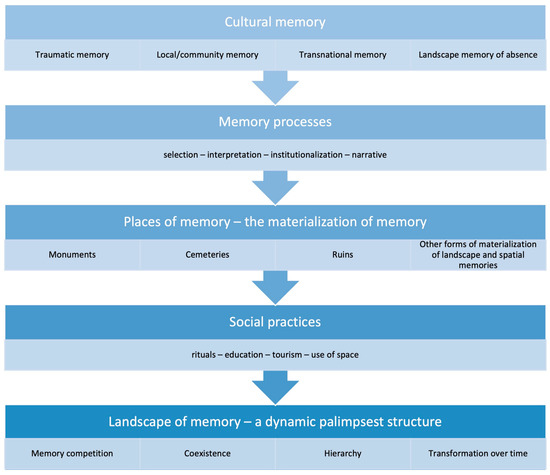
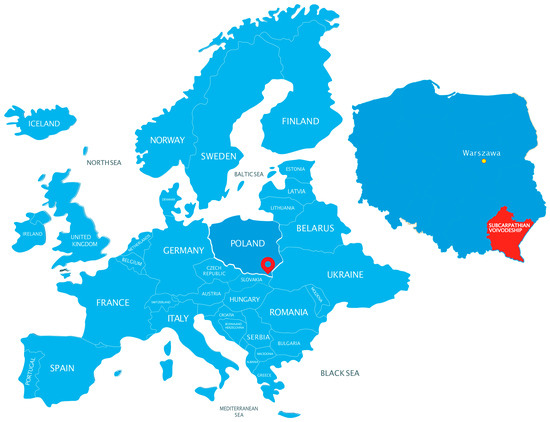
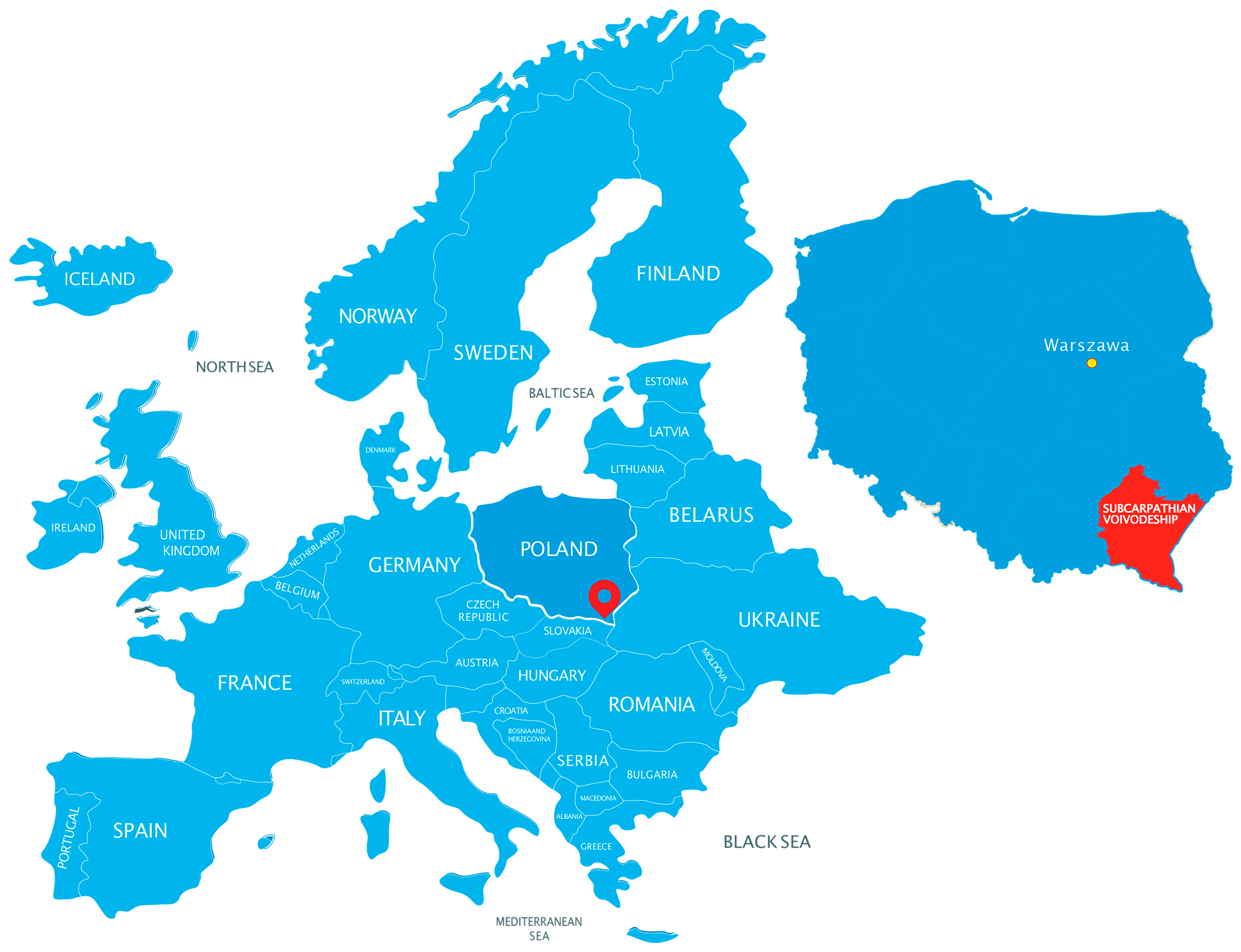
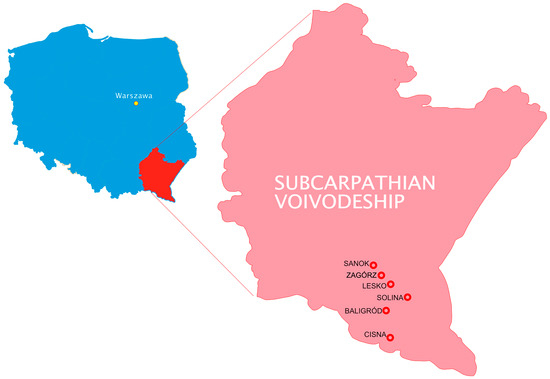
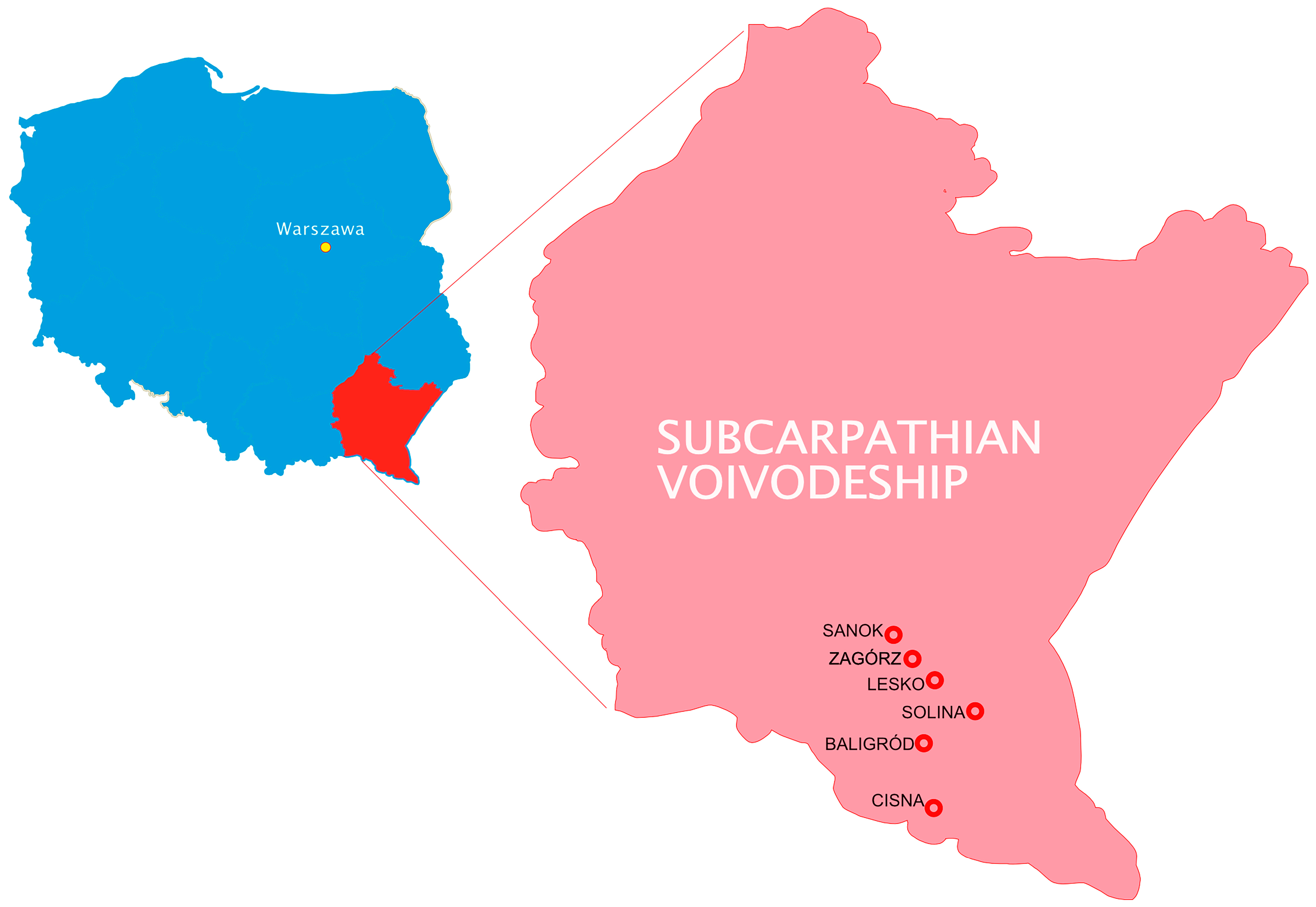
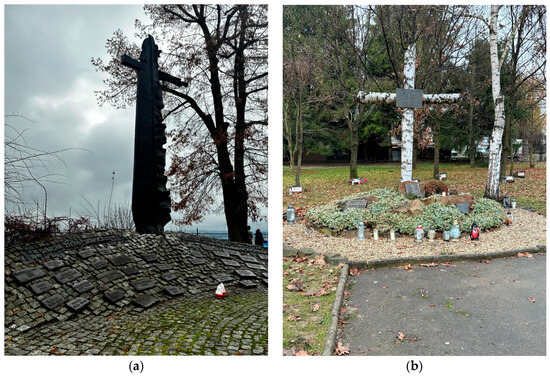
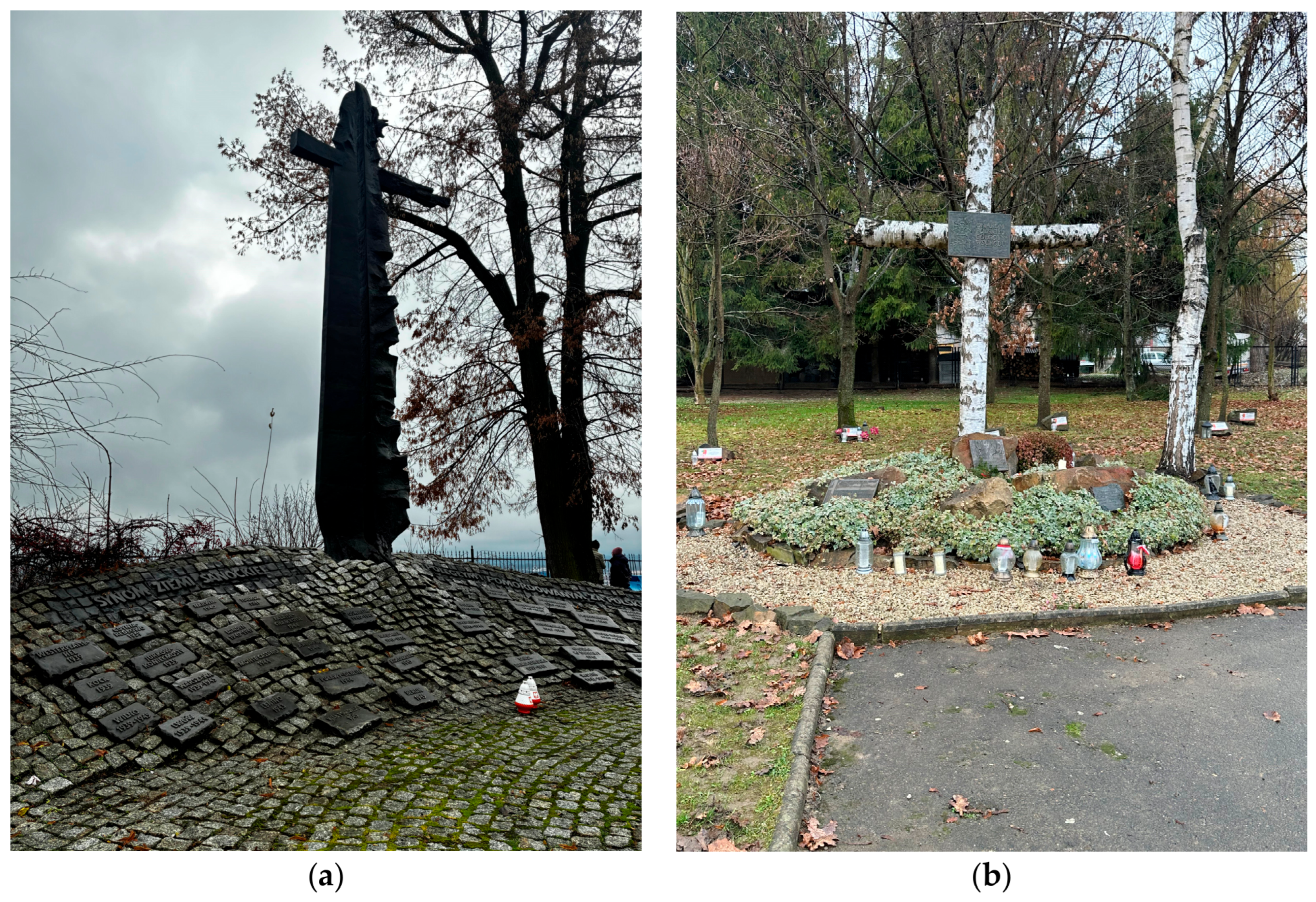
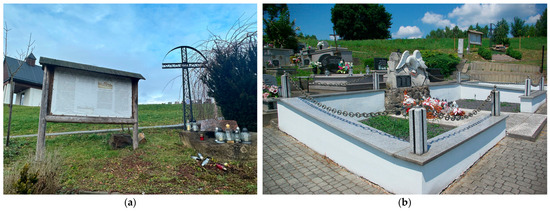
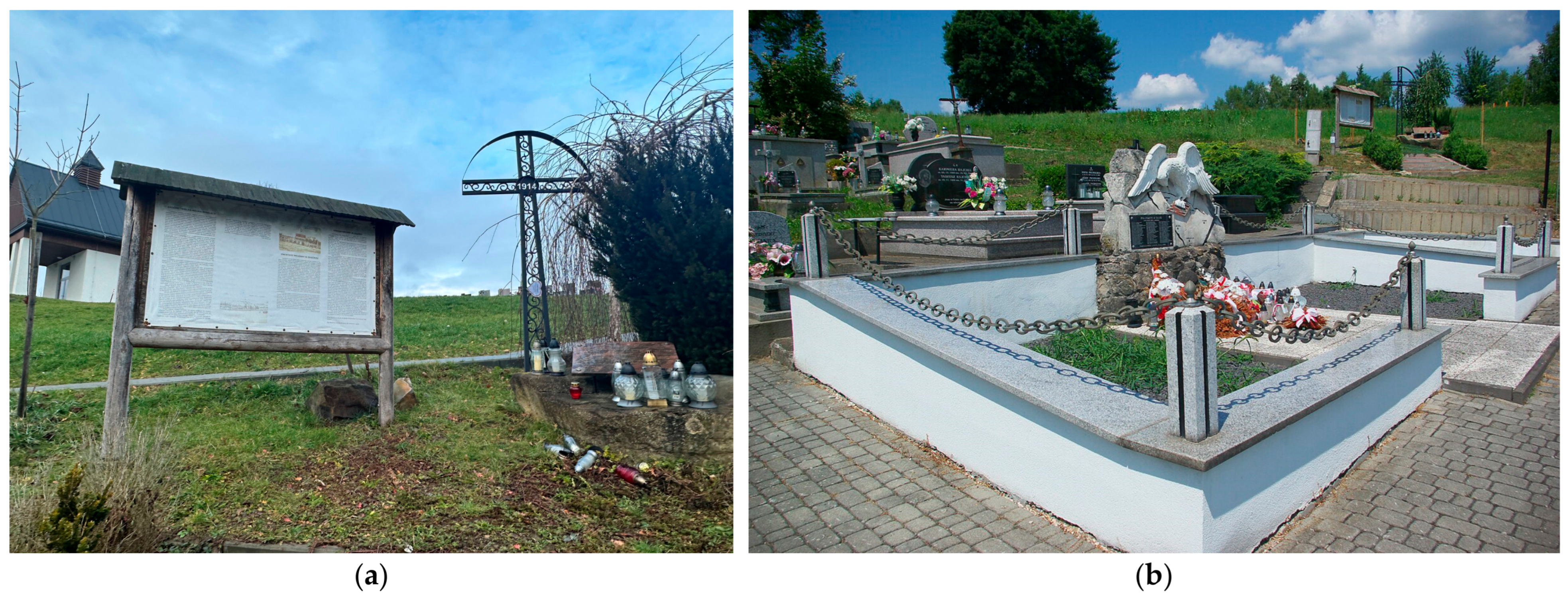
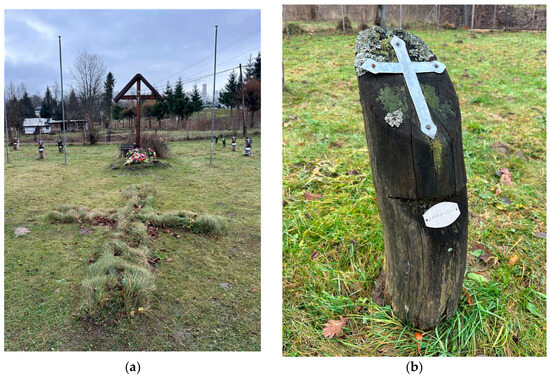
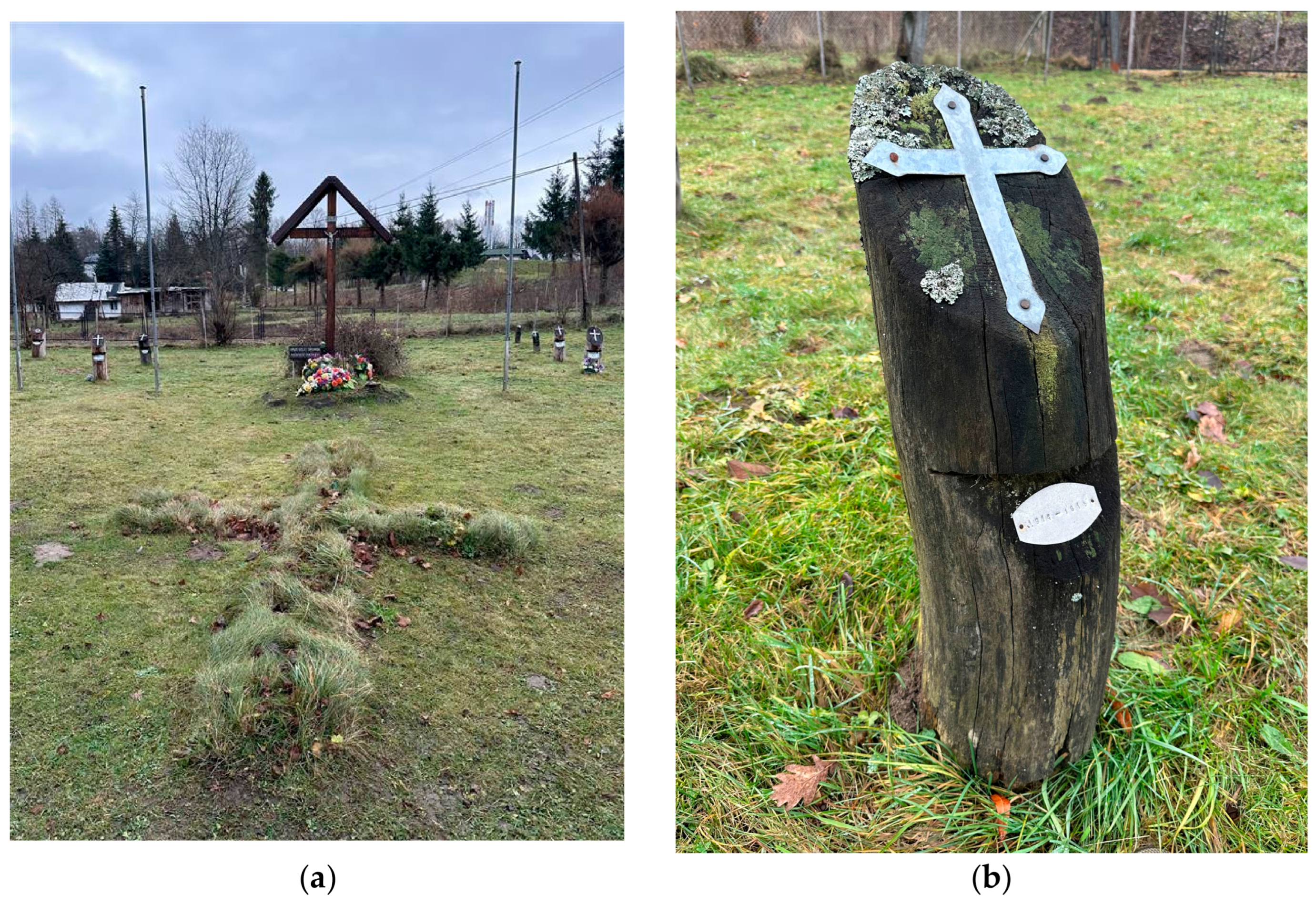
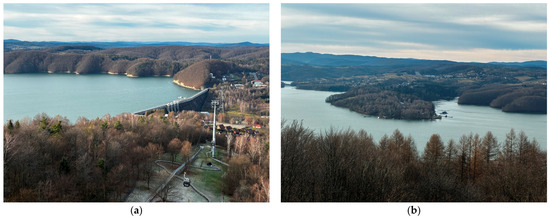
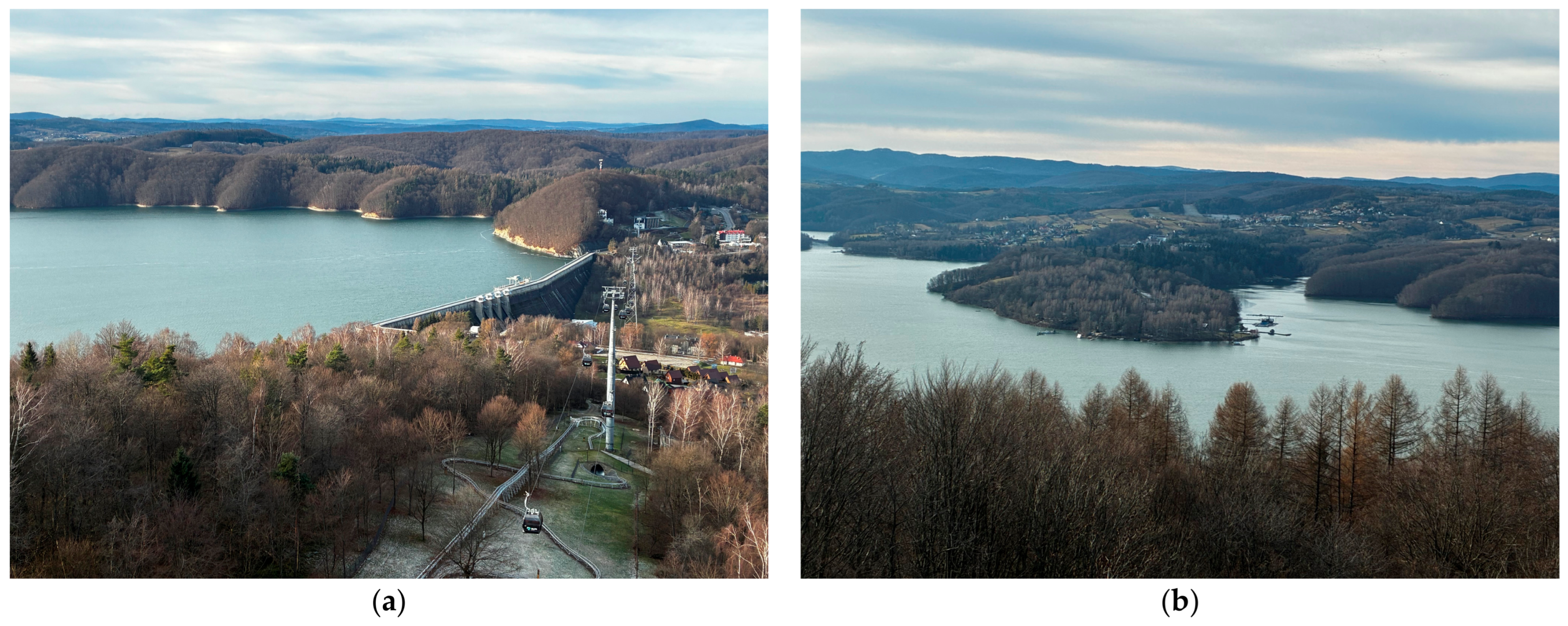
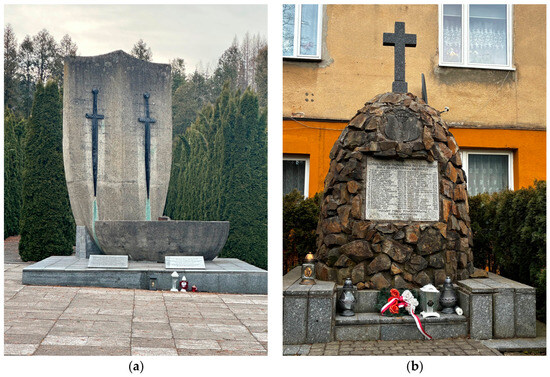
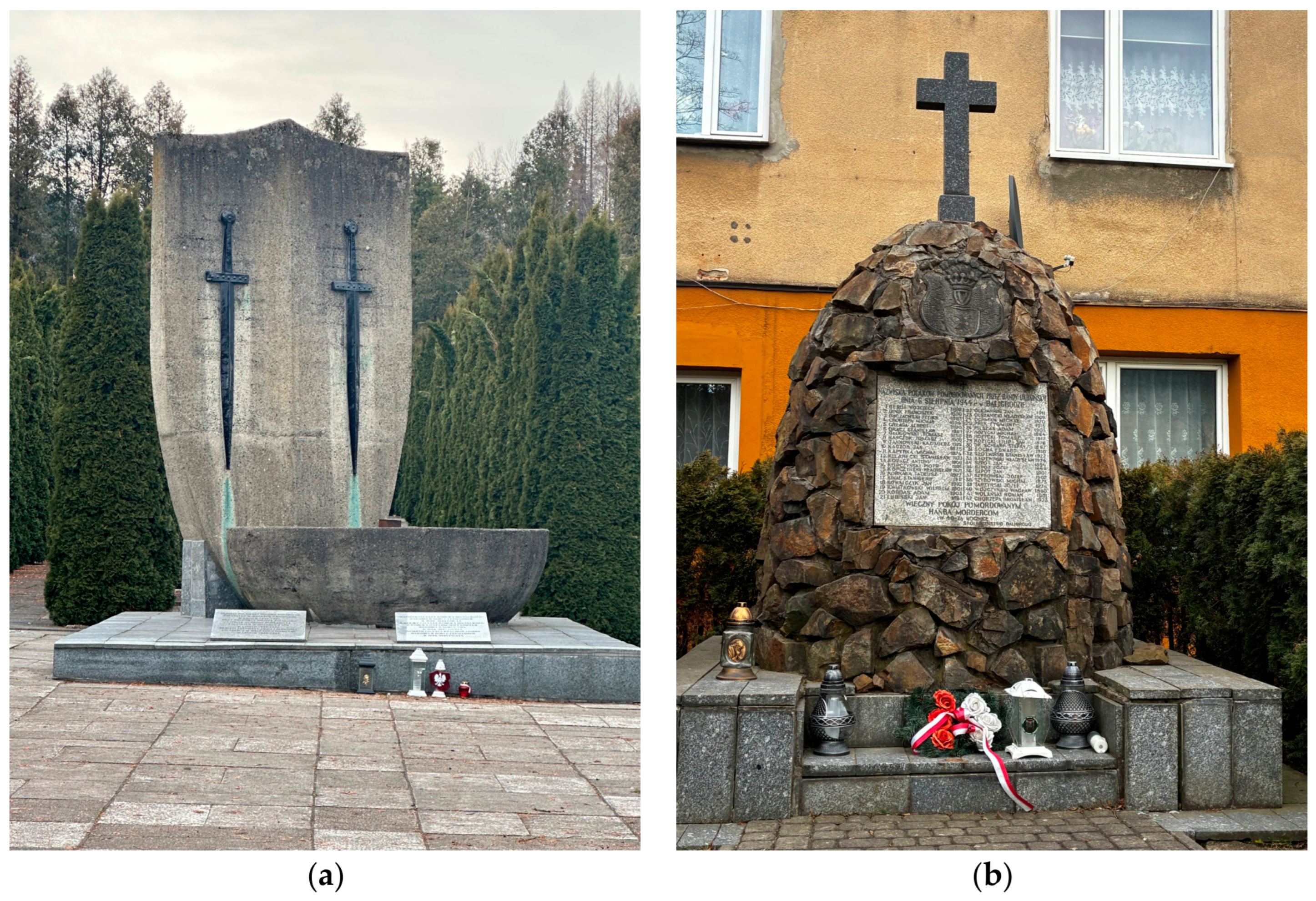
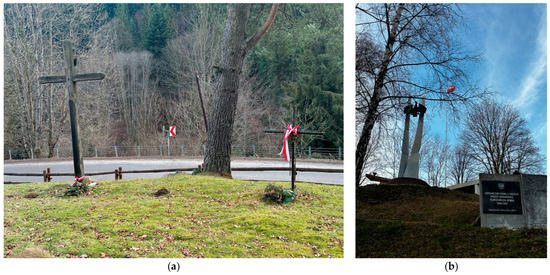
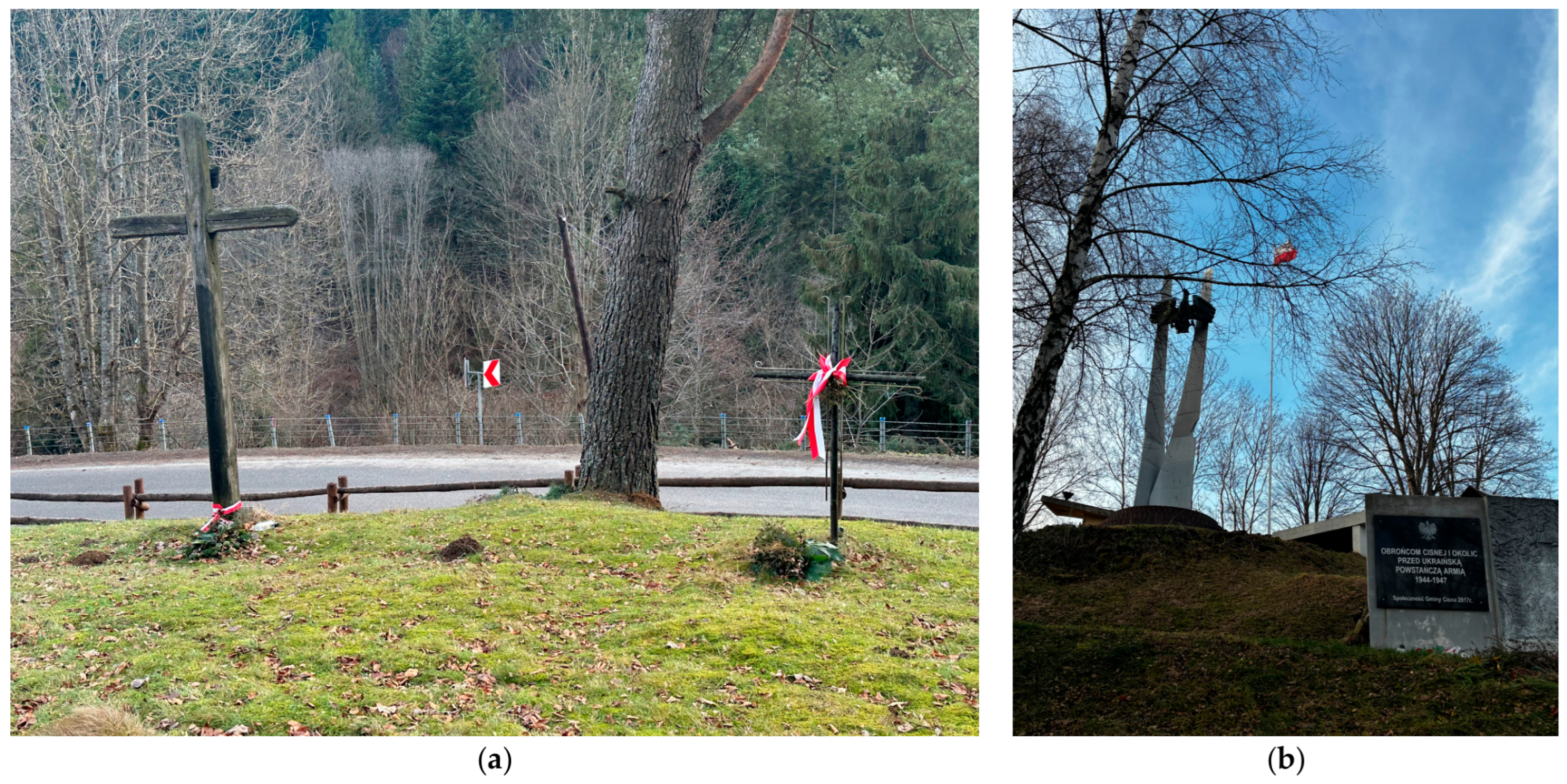
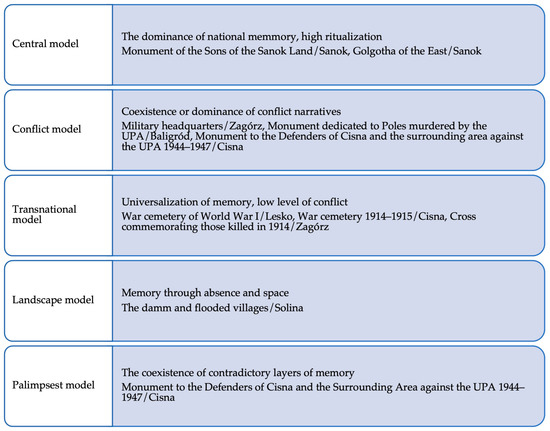
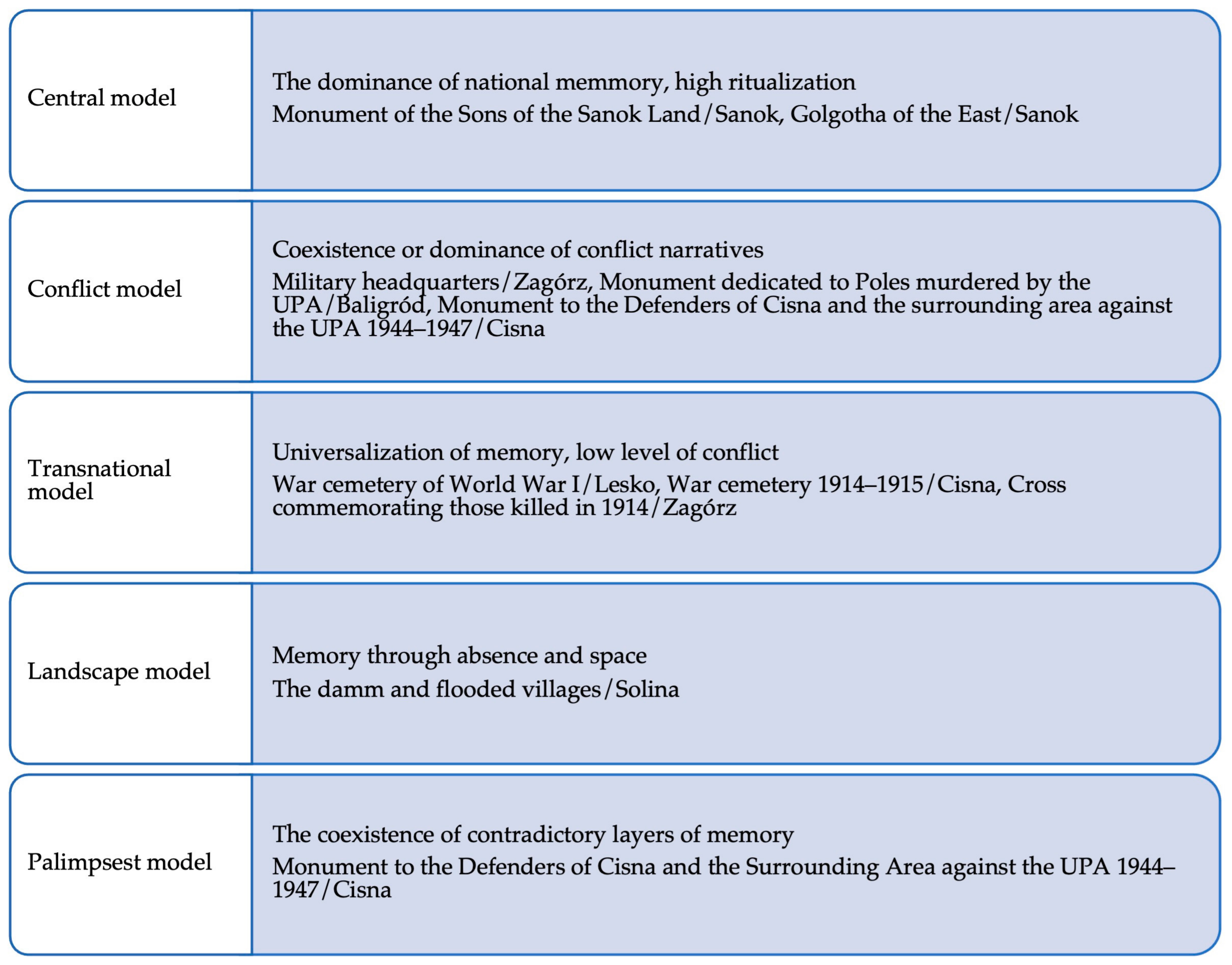

Disclaimer/Publisher’s Note: The statements, opinions and data contained in all publications are solely those of the individual author(s) and contributor(s) and not of MDPI and/or the editor(s). MDPI and/or the editor(s) disclaim responsibility for any injury to people or property resulting from any ideas, methods, instructions or products referred to in the content. |
© 2026 by the authors. Licensee MDPI, Basel, Switzerland. This article is an open access article distributed under the terms and conditions of the Creative Commons Attribution (CC BY) license.