


Abstract
This study presents a comparative investigation of target displacement demands, a fundamental indicator in the seismic performance assessment of reinforced concrete frame systems, within the framework of the Turkish Building Earthquake Code (TBEC-2018), American standards (ASCE 41), and European standards (Eurocode 8). To analyse the consistency in performance levels stipulated by different structural design codes, critical variables, including soil class, number of stories, concrete grade, frame span, and soft story at ground level, were parametrically defined. The impact of these variables on the target displacement demands of the structures was examined through a comparative lens. Nonlinear static pushover analyses based on fiber-based modelling were conducted using SeismoStruct software to determine displacement demands under different seismic code formulations across six distinct variables. The displacements obtained for each variable at identical seismic ground-motion levels were evaluated individually. Analytical results reveal that soil degradation significantly increases target displacements across all codes. At the same time, the presence of a high story affects structural ductility and displacement demands, with varying sensitivities across the codes. Notably, it was observed that TBEC-2018 yields more conservative displacement demands in certain spectral regions than those in ASCE 41 and Eurocode 8. The findings provide critical data for understanding the disparities in safety margins among international seismic design standards.
1. Introduction
Earthquakes are among the most destructive natural hazards, causing significant loss of life and property. Modern earthquake engineering has increasingly focused on performance-based design (PBD), which evaluates structural response in terms of deformation capacity and expected damage levels under seismic loading. Within this framework, the concept of target displacement represents a key parameter for assessing structural performance, as it defines the maximum expected displacement under a given earthquake scenario [1,2,3,4,5,6,7,8]. In this context, it is of paramount importance to realistically assess the potential seismic hazard to which structures are exposed at the local scale [9,10,11]. The cornerstone of performance-based design is the concept of target displacement, which represents the maximum amount of displacement the structure is expected to exhibit under the anticipated earthquake ground motion [12,13,14,15,16,17,18,19]. Within the scope of this study, the target displacements stipulated by various earthquake codes have been comparatively analysed, taking various variables into account. This study considers the Turkish Building Earthquake Code (TBEC-2018) [12], which is currently in use in Türkiye, alongside the widely recognised international standards: The American Seismic Code (ASCE 41-23) [13] and the European Seismic Code (Eurocode 8) [14]. The fundamental disparities among these methodologies range from the definition of seismic hazard levels to the calculation of ductility factors and the integration of soil-structure interaction into the modelling process.
The literature contains studies that have examined one or more of these codes comparatively. Çırak et al. [15] compared the assessment methods of these three codes by examining capacity curves, damage limits, and fragility curves through pushover and nonlinear dynamic analyses. Yel et al. [16] compared the seismic demand for a sample RC structure using results obtained from structural analyses based on the methods specified in TBEC-2018. Subaşı et al. [17] investigated the effectiveness of deformation-based performance limit states proposed by Eurocode 8, ASCE/SEI 41-17, and TBEC-2018 for RC columns subjected to seismic loads and varying axial load levels. They concluded that, particularly at low axial load levels, the performance limit values in TBEC-2018 are generally more conservative than those in Eurocode 8 and ASCE 41-17, in a study determining the building performance of existing low- and mid-rise RC structures according to TBEC-2018, Eurocode 8, and ASCE 41-17. Similarly, Eren et al. [18] examined the seismic performance of existing structures using the calculation methods specified in these three seismic codes. By comparing the method proposed in TBEC-2018 with other regulations, they stated that it is the most conservative approach, yielding the lowest plastic displacement capacities. Scala et al. [19] analysed fragility capacity models in the European (EN 1998-3), Italian (DM 2018), and American (ASCE/SEI 41-17) standards, as well as models in the current drafts of the next-generation Eurocode. Yıldırım and Tonguç [20] explained that since TBEC-2018 does not provide design procedures for structures with friction dampers, ASCE 41-17 and ASCE 7-16 were utilised as reference standards for the seismic retrofitting of a building. Aksoylu et al. [21] compared the base shear force, top-story displacement, and relative story drift for RC frame buildings at different elevations under the TEC-2007, TBEC-2018, and ASCE 7-16 standards. Özcan and Binici [22] evaluated the accuracy of current plastic rotation capacity models, as specified in Eurocode 8-3, ASCE/SEI 41-17, and TBEC-2018, against a database of RC columns, including those subjected to biaxial loading. Korkmaz and Kırçıl [23] examined assumptions regarding deformation-based approaches from TBEC-2018 and ASCE/SEI 41-23 for application in the design of new buildings equipped with passive energy dissipation systems. To determine the effective stiffness in RC column models, Foroughi and Yüksel [24] compared analytically examined effective section stiffness parameters and coefficients with those provided in TBEC-2018, ASCE/SEI 41-17, Eurocode 2 (2004), Eurocode 8 (2004, 2005), and ACI 318-14. Güzel [25] examined the characteristics of recorded input motions and their spectral accelerations in affected regions, comparing them with the design values specified in TBEC-2018, Eurocode 8, and ASCE. Finally, Erdem and Karal [26] performed a nonlinear performance analysis of an existing mid-rise RC building in accordance with the Turkish Building Earthquake Code-2018 (TBEC-2018) and the American ASCE standard.
In addition to these studies, research in performance-based earthquake engineering evaluates target displacements, a critical factor across different structural systems under various seismic design codes. In the analysis of the shift from existing building regulations to performance-based seismic design, Ghobarah [27] emphasises the necessity of clear and measurable performance standards. The author lists the main obstacles to this change, including the need for uniform design processes and more precise ground-motion and structural-capacity modelling. A thorough multidisciplinary analysis of the approaches supporting performance-based seismic engineering is provided by Chandler and Lam [28], who follow a sequence from structural mechanics to seismic activity modelling. The authors critically assess existing flaws, including the limitations of probabilistic techniques in capturing physical earthquake processes. Xue and Chen [29] presented a performance-based seismic design procedure using a displacement-based approach that is directly linked to predetermined performance criteria. Lopes et al. [30] introduced a direct displacement-based procedure that inverts the N2 method currently used in Annex B of Eurocode 8, enabling the determination of target displacement without iterative computation. Zameeruddin and Sangle [31] defined the target displacement specifically as the displacement of a characteristic node at the top of a structure and estimated these values using the Displacement Coefficient Method. Işık et al. [32] conducted a comparative study of target displacements, a fundamental factor in determining the seismic reliability and resilience of structures, across 11 provinces affected by the Kahramanmaraş earthquakes. Isaković [33] proposed a new target displacement-force-based design methodology for reinforced concrete (RC) prefabricated structures, directly addressing performance-based assessment through the concept of target displacement. Büyüksaraç et al. [34] investigated the impact of changes in the Turkish earthquake design code and hazard maps on structural analysis by comparing target displacements for a sample RC building at different occupancy levels. Using both the current Turkish seismic design code and Eurocode 8, they determined target displacement values for specific building performance levels. In addition to these studies, research examining the seismic performance of different structural parameters has also been widely conducted. Studies examining the impact of different structural parameters on seismic performance are critical to understanding the fundamental dynamics governing the complex behavior of structures under earthquake loads. Such research systematically analyzes the interaction of variables such as soil properties, geometric irregularities, and material strength, thereby defining the reliability limits of existing design codes and providing more accurate, data-driven decision-making mechanisms for engineering application [35,36,37,38,39,40,41,42,43].
Most research in the literature compares seismic design codes based on a particular building layout or a single structural feature. However, the intricate interplay of several factors, such as soil type, number of stories, concrete strength, frame span, and imperfections, including soft stories resulting from architectural needs, governs the dynamic behaviour of structures. Specifically, the stiffness distribution may be disturbed, and displacement demands may be locally amplified if the floor height is much higher than that of the upper floors. A key issue for seismic design safety is how these characteristics are considered or penalised by various international standards. In this regard, by considering a variety of geometric, material, and soil-related factors, the current study seeks to methodically assess the target displacement demands of RC frame systems. The analysis is conducted from the perspectives of TBEC-2018, ASCE 41-23, and Eurocode 8, Part 3, using nonlinear static pushover analyses performed on a consistent set of parametric models. The novelty of this study lies in quantifying the sensitivity of target displacement demands to key structural parameters within a unified analytical environment, thereby revealing the similarities, discrepancies, and relative conservatism of the considered seismic codes. The findings are expected to contribute to improved design decision-making in both local and international contexts, as well as to the ongoing harmonisation of seismic design provisions.
The primary objective of this study is to comparatively evaluate the target displacement demands of RC frame systems under different international seismic design codes, namely TBEC-2018, ASCE 41-23, and Eurocode 8. The scope of the study is limited to regular mid-rise RC frame structures, and the effects of key structural and geotechnical parameters including local soil class, number of stories, frame span length, soft-story irregularity, and concrete strength are investigated through a parametric approach. The study aims to quantify the sensitivity of displacement demands to these variables within a consistent analytical framework and to highlight the similarities and discrepancies among the selected seismic codes. The objective of this study stems from its simultaneous analysis of the combined effect of standard variables such as local soil conditions and material strength, as well as structural configuration differences such as high ground story, frame span, and total number of stories, on target displacement demands. In this context, the main objective of the research is to determine the sensitivity of calculation methods prescribed by different regulations to structural irregularities and varying geometric parameters. Although previous studies have provided valuable comparisons between different seismic design codes, these investigations are generally limited to specific case-study buildings, individual structural components, or a restricted set of parameters. As a result, the combined and relative influence of multiple critical variables on target displacement demands has not been systematically addressed within a unified analytical framework. In this respect, the present study differs from the existing literature by adopting a comprehensive parametric approach in which key structural and geotechnical variables are evaluated simultaneously under consistent modelling assumptions. By integrating multiple parameters within the same analytical environment and comparing their effects across three major seismic codes, this study provides a more holistic understanding of the factors governing displacement demand and the relative conservatism of different design provisions.
The unique contributions of this study to the scientific literature lie in presenting a comprehensive and holistic parametric framework that simultaneously examines critical parameters such as local soil class, number of stories, frame span, soft story irregularity, and concrete strength. The study systematically compares three fundamental seismic codes, namely, TBEC-2018, ASCE 41-23, and Eurocode 8, under identical modeling assumptions, clearly revealing code-driven differences in target displacement demands. By analyzing the sensitivity of structural parameters to displacement demands and quantitatively identifying dominant factors, the research also comparatively evaluates the conservatism levels of the codes. Adopting a multivariate and performance-based methodology, unlike traditional single-sample approaches, this study develops a deeper understanding of the seismic behavior of RC frame systems and provides a critical dataset for performance-oriented design and evaluation processes. Unlike previous studies focusing on single-case structures, this study adopts a multi-variable and performance-oriented approach, contributing to a more holistic understanding of displacement demand behavior in RC frame systems.
2. Seismic Design Codes Considered in This Study
Performance-based design evaluates structural response in terms of predefined performance objectives under seismic demand. The TBEC-2018 [12], ASCE 41-23 [13], and Eurocode 8 (Part 3) [14] standards considered in this study are the main codes that adopt a performance-based design and evaluation approach. The performance levels defined in each code are summarised in Table 1 and are used as the basis for the comparative evaluation.
Table 1.
Specified performance levels are considered standards within this study [12,13,14].
Figure 1.
Representation of performance levels on a pushover curve in: (a) TBEC-2018; (b) ASCE 41-23; (c) Eurocode 8 (Part 3).
The three seismic design codes considered in this study—TBEC-2018, ASCE 41-23, and Eurocode 8—adopt performance-based approaches but differ in their definitions of damage states, performance objectives, and calculation procedures. Rather than reiterating their general theoretical background, this study focuses on how these differences influence the estimation of target displacement demands. In this study, rather than reiterating the general theoretical background of these codes, the focus is placed on how their differing formulations influence the estimation of target displacement demands under consistent modelling conditions. Although TBEC-2018, ASCE 41-23, and Eurocode 8 share a common performance-based philosophy, their limit states are defined through distinct performance objectives that are not directly interchangeable. Although the terminology differs among the codes, the performance levels shown in Table 1 represent conceptually comparable damage states ranging from operational performance to near-collapse conditions.
The reason for selecting these three regulations is that TBEC-2018 represents local seismic characteristics and national engineering practices, ASCE 41 is considered a global standard and pioneer in performance-based assessment methodologies, and Eurocode 8 reflects different dynamic analysis approaches in European norms. This selection allows both testing the compatibility of national legislation with internationally accepted modern design spectrums and comparing the variations of different computational algorithms on structural behaviour from a broad perspective.
3. Numerical Analyses
In this study, numerical models were developed using SeismoStruct-2025 software [44] to evaluate the seismic performance of RC frame systems. Leveraging the software’s fibre-based modelling capabilities, the material-level nonlinear behaviour of beam and column elements was represented using a distributed plasticity approach. In the numerical modelling, a 7-story RC structure was initially established as the reference building model. Subsequently, additional models were generated based on the various structural variables considered in the study. Target displacement demands were obtained individually for each structural variable. The typical story plan selected for the reference RC building is illustrated in Figure 2.
Figure 2.
Typical story plan generated for the numerical RC structural model.
The selection of a regular mid-rise RC frame as the reference model was intentional, aiming to establish a controlled analytical environment in which the effects of individual parameters could be isolated and directly compared across different seismic design codes. By avoiding additional geometric and structural irregularities, the study focuses on identifying the relative influence of key variables on target displacement demands without the interference of complex interaction effects. The RC building model consists of three spans in both directions, with each span length considered as 5.50 m. The 2D and 3D structural models generated for this configuration, along with the applied load representation, are presented in Figure 3. The numerical model was designed to represent medium-rise RC buildings located in Türkiye. In this study, a uniform lateral load distribution was preferred to enable a consistent comparison between different seismic codes and structural parameters. Although mode-based distributions represent dynamic behavior more accurately, this simplified approach was adopted to prevent the masking of parametric effects by modal characteristics (period, mode shape) that vary from model to model. Since it is predicted that modal effects will be limited for the mid-rise and regularly spaced RC structures examined, the uniform loading strategy provides a stable and rational basis for comparative analyses.
Figure 3.
Three-dimensional structural model developed in software and the representative two-dimensional frame view used for illustrating the vertical structural configuration and applied loads.
Although a two-dimensional frame view is presented in Figure 3 to illustrate the vertical configuration of the structural system, all analyses were conducted using a full three-dimensional structural model in software. Beams and columns were modelled as spatial frame elements, forming a complete 3D building system. The floor slabs were assumed to act as rigid diaphragms in their planes, allowing the lateral seismic loads and inertial forces to be distributed among the vertical structural members according to their relative stiffness. The seismic masses were assigned at the floor diaphragm levels and automatically distributed to the structural nodes within the three-dimensional model. Therefore, the pushover analyses were performed on the entire 3D structural system rather than on simplified two-dimensional frames. The structural characteristics of the reference building model are presented in Table 2.
Table 2.
Structural characteristics of the reference building model.
The numerical simulation utilised force-based plastic hinge (infrmFBPH) formulations for both primary framing members, thereby integrating inelasticity over a finite region within a force-based plasticity framework. This approach effectively confines nonlinear responses to a specific segment, where stress–strain distributions are captured by discretising each cross-section into 100 individual fibres, a resolution that ensures high analytical precision. In accordance with established seismic design criteria, a plastic hinge length ratio of Lp/L = 16.67 was implemented to accurately localise plastic deformations in critical zones, thereby facilitating energy dissipation while maintaining structural integrity. This parameter selection aligns with standard engineering methodologies for modelling inelastic hinge regions. Furthermore, the structural response was evaluated under uniformly distributed loads applied throughout the analysis. The Mander et al. [45] model, which represents both confined and unconfined concrete behaviour, was adopted for concrete modelling, while the Menegotto-Pinto [46] model, accounting for strain-hardening behaviour, was selected for the reinforcing steel. The stress–strain relationships for both material models are illustrated in Figure 4.
Figure 4.
Material models for concrete and steel considered in the study.
The adopted modelling approach is based on material models and element formulations that have been widely validated in previous studies on RC structures. The confined concrete model proposed by Mander et al. has been extensively used to reproduce the nonlinear stress–strain behaviour of confined and unconfined concrete in RC members, while the Menegotto–Pinto model accurately captures the cyclic behaviour and strain-hardening characteristics of reinforcing steel. Furthermore, the fibre-based distributed plasticity formulation implemented in software has been verified in numerous analytical and experimental studies to reliably simulate the nonlinear response of RC frame elements under seismic loading. Therefore, the selected modelling strategy is consistent with commonly accepted numerical approaches used in performance-based seismic assessment of RC frame structures [47,48,49,50,51,52,53,54,55,56].
To evaluate deformation capacity and structural response under lateral loading, pushover analyses were performed on all structural models. This methodology, widely used in seismic engineering to estimate performance levels, integrates both elastic and inelastic behaviour, providing a granular understanding of structural response beyond the elastic limit under earthquake-induced loads [57,58,59,60,61,62]. The computational framework was constructed within the SeismoStruct [44] environment using a three-dimensional frame representation. Fixed-base supports defined the boundary conditions, while the floor slabs were modelled as rigid in-plane diaphragms to facilitate uniform lateral load distribution across the vertical members. Before the incremental lateral loading, which was applied as a uniform distribution over the building height, initial gravity loads were applied to establish the system’s pre-seismic stress state. The flowchart for this analysis is shown in Figure 5.
Figure 5.
Flowchart of pushover analysis [63].
The pushover analyses were performed under displacement control using the roof node as the control point. Since the primary objective of this study is to determine target displacement demands and evaluate performance levels based on deformation capacity, the use of displacement control provides a more reliable and consistent framework for capturing the complete capacity curve, including the descending branch. The analysis was continued beyond the peak base shear until a significant reduction in lateral load-carrying capacity was observed in the capacity curve. This stage corresponds to the onset of global instability and indicates that the structural system has exceeded its effective deformation capacity. Throughout the analysis, the formation and progression of plastic hinges in beams and columns were monitored to track the evolution of structural damage and to identify the displacement levels corresponding to different performance states defined in the considered seismic codes. Plastic hinge formations were monitored throughout the analysis to determine the global displacement capacity of the structures in accordance with the performance criteria defined in each seismic code. The lateral load pattern was defined based on the first-mode shape distribution, which is commonly recommended for regular mid-rise frame structures. The structural configurations developed for each investigated variable are described in detail in Table 3. Aside from the specific parameters outlined therein, all other structural characteristics and modelling assumptions were kept invariant across the analysis suite to ensure consistency and isolate the effects of the modified variables. Four variables were considered: local soil class, number of stories, frame span, and high-floor story. To simulate the common commercial ground-floor story used in architectural design, the ground story height was set at 4.5 m, while the typical story heights were kept at the standard 3.0 m. This situation created a vertical rigidity irregularity in the structure (soft-story effect), providing an opportunity to test how regulations address such irregularities. The 7-story reference structure was selected to represent a typical mid-rise RC residential building commonly encountered in urban regions of Türkiye. The selected parameters are critical structural and geotechnical variables that significantly influence seismic response. Variations in soil class, number of stories, frame span length, soft-story configuration, and concrete strength were selected to investigate how different seismic design codes respond to realistic structural irregularities and material deficiencies.
Table 3.
Structural models were created for different variables.
In this study, Model I was developed to demonstrate the impact of local soil conditions. To measure the codes’ sensitivity to these conditions, seismic parameters were set according to two extreme spectra. In this context, local soil classes A and C, as defined in Eurocode 8, which is widely utilised worldwide, were considered. The typical characteristics of these soil classes are presented in Table 4.
Table 4.
Local soil classes [64].
Another variable considered in this study is the total number of stories in the structure. In this context, Model II was developed. In this model, only the number of stories was varied. While the reference building has 7 stories, Model II was designed with 6 stories, with all other variables held constant. The story heights in this model were equal and taken as 3 m. The 2D structural representation of this model is shown in Figure 6.
Figure 6.
Two-dimensional frame configuration of Model II investigating the impact of the total number of stories.
In this study, frame span was considered as another variable. In RC structures, the frame span is a fundamental geometric parameter that determines both the architectural functionality and the seismic performance of the system. Under seismic loads, wide frame spans play a decisive role in system stiffness by increasing stress concentrations at the joints and the structure’s total lateral displacement. In this context, for Model III, the frame span, which was 5.50 m in the reference building model, was selected as 6.0 m. In this model, all other structural characteristics remain identical to those of the reference model, with only the frame span varied. The resulting new story plan is illustrated in Figure 7.
Figure 7.
Structural story plan of Model III regarding the variation in frame span length.
Another variable considered within the scope of this study is the increased floor-story height at ground level compared with the upper stories. A ground-level story height that is significantly greater than that of the stories above can disrupt the vertical stiffness continuity of the structure, leading to soft-story irregularity under dynamic loads. This geometric disparity causes lateral drifts and plastic hinging to concentrate within the story columns at ground level during an earthquake, thereby increasing the risk of sudden structural collapse. In this context, for Model IV, the floor story height at ground level was set to 4.5 m, while the upper story heights were kept equal at 3 m, distinguishing it from the reference building model. The 2D model is illustrated in Figure 8.
Figure 8.
Two-dimensional visualisation of Model IV, developed to analyse the effect of a high ground story.
Concrete strength is the fundamental element that ensures a structure safely carries loads and prevents the system from disintegrating by firmly gripping the reinforcement during an earthquake. Within the scope of this study, to reveal the impact of low-strength concrete on target displacements, Model V was developed by using a C8/10 concrete grade, distinguishing it from the reference building model. In order to investigate the effect of material degradation on seismic performance, Model V was defined using a low concrete strength class (C8/10). It should be noted that this material combination does not represent a code-compliant design when used together with S420 reinforcement. Instead, it is intended to simulate deficient material conditions that may be encountered in existing building stocks, particularly in older or non-engineered constructions. Such inconsistencies in material quality have been observed in post-earthquake field studies. Therefore, this model is included to assess how different seismic design codes respond to substandard material properties within a performance evaluation framework. Studies conducted regarding the 6 February 2023 Kahramanmaraş earthquakes show that the values of low-strength concrete remained at or below these values [65,66,67,68,69,70,71,72]. It should be emphasized that the C8/10 concrete model represents a non-standard material condition and is used solely for comparative and sensitivity analysis purposes.
4. Numerical Analysis Results
In this study, the effects of each parameter on the target displacements were first compared. The comparison of the values obtained for Reference model created for the first variable, local soil class and for Model I under seismic codes is shown in Table 5.
Table 5.
Comparison of displacement demands (m) across various soil classes.
For illustrative purposes, the pushover curve obtained by considering Eurocode 8 for the reference building model is shown in Figure 9.
Figure 9.
Pushover curve for the reference building model for Eurocode 8.
The sharp increase observed when transitioning from soil class A to C indicates the strong amplification effect of softer soil conditions. Softer soils amplify long-period ground motions and reduce the effective stiffness of the soil-structure system, resulting in larger displacement demands. Similar amplification trends have been reported in previous analytical and experimental studies investigating soil-structure interaction in RC frames. Under different seismic design codes, including Eurocode 8, TBEC-2018, and ASCE 41, the transition of the local soil class from Class A (Reference) to Class C (Model I) resulted in a dramatic increase in target displacement values across all codes. The most significant variations were observed in the TBEC-2018 and ASCE 41 standards, where site effects increased the structural response by approximately 72–92%. This clearly demonstrates that the multiplier effect of weak soil properties on spectral acceleration coefficients is represented by much more conservative, higher ratios in contemporary seismic design codes. Soil improvement or the selection of a foundation system compatible with soil conditions encompasses engineering interventions aimed at reducing seismic demands and improving structural performance. Soil improvement techniques such as compaction, injection, or stone columns increase the rigidity and bearing capacity of the soil, while the selection of appropriate foundation systems such as raft foundations, pile foundations, or pile-raft foundations ensures the safe transfer of structural loads to more stable layers. These strategies, which are critically important especially in weak soil conditions where soil-structure interaction increases displacement demands, aim to increase the effective rigidity of the soil-foundation system, thereby limiting the amplification effects of seismic motion and excessive lateral displacements.
The target displacement and percentage changes for the second variable, the number of stories, according to different regulations, are shown in Table 6.
Table 6.
Comparison of target displacement demands (m) for varying story numbers.
Reducing the number of stories from 7 (Reference) to 6 (Model II) led to a systematic decrease in target displacement values across all seismic design codes and performance levels. Due to variations in structural stiffness and dynamic characteristics, the most pronounced change reached 15% under the TBEC-2018 standard. In comparison, this decrease remained within the 13% and 11–12% ranges for Eurocode 8 and ASCE 41 parameters, respectively. These findings demonstrate that reducing the number of stories shortens the natural vibration period of the structure, thereby directly and nonlinearly limiting the expected drift capacity under seismic demand. The target displacement and percentage changes for the frame opening across different codes are shown in Table 7.
Table 7.
Comparison of displacements (m) obtained for different frame spans.
Increasing the frame span from 5.50 m to 6.00 m resulted in a limited yet systematic increase in target displacement values across all codes and performance levels, parallel to the increase in structural flexibility. This upward trend was more pronounced in the ASCE criteria, ranging from 6% to 8%, whereas it was more stable within the 4% to 6% range in the Eurocode 8 and TBEC-2018 standards. The findings confirm that increasing span length weakens the structure’s dynamic characteristics by reducing its lateral stiffness, thereby increasing displacement under seismic loading. The comparison of the target displacements obtained for the case of increased ground floor height, which is considered a structural irregularity, is presented in Table 8.
Table 8.
Comparison of displacements (m) obtained for different ground story heights.
Increasing the ground-level floor story height from 3.00 m to 4.50 m affected the vertical stiffness continuity of the structure, leading to a significant increase in target displacement values across all codes. As a result of this geometric variation, displacements rose to 15–18%, particularly under the ASCE 41 and Eurocode 8 standards, while the increase stabilised at 12% for the TBEC-2018 parameters. These data provide academic confirmation that increasing ground-story height increases the structure’s lateral-drift sensitivity and shifts seismic demand toward soft-story formation. Table 9 compares Model V, designed to analyse the effect of material strength, with the target displacement values for the reference building.
Table 9.
Comparison of target displacements (m) obtained for different concrete grades.
The results indicate that the decrease in concrete strength (declining from C25 to C8) increased the target displacement demands by approximately 9% to 12% according to all code criteria. Low concrete strength causes the structure to undergo greater deformations by reducing its stiffness, thereby increasing the risk of structural damage under seismic loading. Consequently, the inadequacy of concrete quality consistently increases the displacement demand of the structure across the different performance levels defined in the codes. It can be stated that this weakness in material quality reduces the lateral rigidity of the structure, leading to greater deformations under seismic loads and directly increasing the risk of damage. Especially in low-strength models (C8) representing the building stock that has not received engineering services, the effect of concrete quality on displacement demand, although not as dominant as soil class or number of stories, has been identified as a critical variable that cannot be ignored in performance-based evaluation.
A comparison of the target displacements obtained for the four different variables considered is given in Figure 10. The vertical axis shows the target displacements (m), while the horizontal axis indicates the performance levels in different codes.
Figure 10.
Comparison of target displacements across different variables.
The seismic ground-motion levels considered in this study for the three design codes are presented in Table 10.
Table 10.
Comparison of return periods in the codes.
While TBEC-2018 offers comprehensive seismic characterisation within the framework of local regulations by defining four earthquake levels spanning 43 to 2475 years, Eurocode 8 and ASCE 41-23 standards use different threshold values, such as 225 and 975 years, for specific performance levels. This indicates that while international design codes rely on similar probabilistic foundations when defining structural safety and performance targets, they prioritise different seismic risk periods in their implementation. The common ground motion for the three codes considered is an earthquake with a 2% probability of exceedance in 50 years and a return period of 2475 years. A comparison of the target displacements obtained for the different structural models considered in this study at this earthquake ground-motion level is presented in Table 11. It should be noted that although the considered seismic design codes use different terminology and detailed descriptions for performance levels, the comparison in this study is primarily based on equivalent seismic hazard levels. In particular, the analysis presented for the 2475-year return period corresponds to the maximum considered earthquake level in all three codes. Therefore, the limit states selected for comparison—Near Collapse (NC) in Eurocode 8, Collapse Prevention (CP) in TBEC-2018, and 5-D in ASCE 41-23—represent the most severe performance condition defined in each code. Although the precise definitions of damage states vary slightly among the codes, these limit states share the common objective of preventing global structural collapse and maintaining life safety under extreme seismic demand. Consequently, the comparison is intended to evaluate the differences in predicted displacement demands under equivalent seismic hazard conditions rather than to imply strictly identical damage definitions.
Table 11.
Comparison of target displacements for the ground motion level with a 2475-year return period.
While Eurocode 8 and TBEC-2018 yield similar high-displacement values, ASCE 41-23 sets a lower, more conservative limit across all models. Across all codes, the highest displacement demand is observed in Model II, whereas the lowest is seen in Model III. The comparison of target displacements obtained for the ground-motion level with a 475-year return period, as included in both TBEC-2018 and Eurocode 8, is presented in Table 12.
Table 12.
Comparison of target displacements for the ground motion level with a 475-year return period.
TBEC-2018 predicts significantly higher (more flexible) target displacement values across all models compared to Eurocode 8. The largest discrepancy between the two codes is observed in Model II at 19%, while the smallest difference occurs in Model I at 8%. Overall, the threshold values of TBEC-2018 exhibit a more tolerant structure, being approximately 10–11% higher than those of Eurocode 8. The comparison of target displacements obtained for the ground-motion level with a 72-year return period, as included in both TBEC-2018 and ASCE 41-23, is presented in Table 13.
Table 13.
Comparison of target displacements for the ground motion level with a 72-year return period.
TBEC-2018 defines a much more flexible limit, yielding target displacement values approximately 70–80% higher than those in ASCE 41-23 across all models. The most significant discrepancy is observed in Model V at 82%, while Model I stands out in both codes as the structure with the highest displacement demand. In summary, ASCE 41-23 adopts an extremely conservative and restrictive approach in this limit state compared to TBEC-2018. The fundamental difference between the Damage Control (HK) level in TBEC-2018 and the Operational (1-A) level in ASCE 41-23 stems from ASCE’s much stricter performance philosophy, which aims for the building to remain fully functional after an earthquake. This results in far more restrictive spectral coefficients and acceptance criteria in ASCE 41-23 calculations, reducing target displacement demands by a massive margin of 70–82% relative to TBEC-2018. In essence, this gap between the two codes is a numerical reflection of the transition from a life-safety-oriented flexible approach to a highly protective engineering approach focused on operational continuity.
The comparison of target displacements obtained for the ground-motion level with a 225-year return period, as specified in both Eurocode 8 and ASCE 41-23, is presented in Table 14.
Table 14.
Comparison of target displacements for the ground motion level with a 225-year return period.
Eurocode 8 (DL) and ASCE 41-23 (1-B) regulations yield highly compatible and parallel results in this limit state, with minimal discrepancies in target displacement values, ranging from 2% to 6%. Although the values remain very close across all models, ASCE predicts a demand approximately 5% more flexible than Eurocode only for Model I; in other models, Eurocode yields slightly higher values. In summary, the “Damage Limitation” (DL) and “Immediate Occupancy” (1-B) philosophies of both codes produced nearly equivalent engineering results for this specific dataset. The target displacement values obtained within the framework of Eurocode 8 (DL) and ASCE 41-23 (1-B) demonstrate a high statistical correlation, exhibiting very low variation within the 2% to 6% range across all structural models. The numerical proximity exhibited by the Damage Limitation and Immediate Occupancy performance objectives confirms that both design codes rely on similar stiffness and ductility assumptions for operational limit states. Except for the 5% negative deviation in Model I, Eurocode 8 predicts marginally more flexible behaviour than ASCE 41-23.
Among the three design codes analysed, TBEC-2018 and Eurocode 8 provide consistently similar, high target displacement values across all performance levels. In contrast, ASCE 41-23 adopts the most conservative approach, with even its highest limit state (5-D) falling short of the intermediate performance levels of the other regulations. While Model II demonstrates the most flexible structural characteristic with the highest displacement demand across all codes, the lower limits provided by ASCE 41-23 prove that this code’s criteria for operational continuity and stiffness are significantly more restrictive. This comprehensive dataset indicates that while TBEC-2018 and Eurocode 8 predict high ductility and displacement capacity for similar performance objectives, ASCE 41-23 constrains these demands by approximately 40–80% across all models. While Model II exhibits the “most flexible” structural behaviour and the highest deformation demand under all regulations, ASCE’s maximum limit state (5-D) establishes an extremely conservative boundary, remaining well below the life-safety levels of the other codes. A comparison of the period and stiffness values obtained for the structural variables considered is presented in Table 15. The periods were obtained from eigenvalue analysis considering the effective stiffness assumptions recommended in each respective seismic code.
Table 15.
Comparison of natural vibration periods and lateral stiffness for structural models.
It is observed that Eurocode 8 and ASCE 41-23 present identical period values across all model variations, whereas TBEC-2018 exhibits significantly higher period values, characterising structural flexibility on a different scale. Considering the variation in stiffness among the models, the fact that elastic stiffness (K-elas) values remain constant across all three regulations indicates that the differences in dynamic behaviour stem from code-specific mass participation factors, definitions of cracked-section stiffness, or parametric assumptions in spectral analysis methods, rather than from the stiffness matrix itself. The analysis reveals that Model II exhibits the stiffest behaviour with the lowest period and highest stiffness values. At the same time, Models IV and V exhibit a more ductile structural response, with decreasing stiffness values as the period increases. This situation demonstrates that the local earthquake code (TBEC-2018) evaluates structural dynamics in a more conservative or different period band than international standards.
The fundamental vibration periods presented in Table 15 were obtained through eigenvalue analyses performed within the SeismoStruct modelling environment. In these analyses, the mass distribution and geometric properties of the structural models were kept identical for all cases, while the effective stiffness assumptions were defined according to the respective seismic code provisions. Eurocode 8 and ASCE 41-23 adopt similar cracked-section stiffness coefficients for RC members, resulting in comparable global stiffness matrices and therefore identical fundamental vibration periods in the modal analysis. In contrast, TBEC-2018 recommends different effective stiffness reduction factors for beams and columns when modelling RC frame elements. These coefficients lead to a lower effective stiffness of the structural system, which in turn produces longer fundamental vibration periods compared to the other codes.
The comparative evaluation in this study provides important insights into how different seismic design codes estimate target displacement demands in RC frame systems. Although TBEC-2018, Eurocode 8, and ASCE 41-23 are all performance-based frameworks, the results reveal notable differences in the deformation limits predicted by each code. One of the most significant findings of this study is the strong influence of soil conditions on structural displacement demand. The analyses demonstrated that the transition from stiff soil conditions to softer soil classes may increase target displacements by up to approximately 90%. This outcome is consistent with previous research emphasising the dominant role of site amplification effects in determining structural response during earthquakes. Softer soils tend to amplify long-period components of ground motion, thereby increasing displacement demands, particularly in mid-rise RC buildings. Another important observation relates to the effect of structural height. The reduction in the number of stories resulted in a systematic decrease in target displacement values across all seismic codes considered in this study. This trend can be explained by a reduction in total structural mass and the corresponding decrease in the structure’s fundamental period. Structures with shorter periods tend to attract lower displacement demands under typical design spectra. The comparison between the three seismic codes also highlights fundamental differences in their performance philosophies. TBEC-2018 and Eurocode 8 generally produced comparable displacement limits, indicating a similar interpretation of acceptable structural deformation under performance-based design objectives. In contrast, ASCE 41-23 consistently predicted significantly lower displacement capacities. This more conservative behaviour can be attributed to the stricter acceptance criteria embedded in the ASCE framework, particularly for operational and immediate occupancy performance levels. The results further indicate that geometric parameters, such as span length, have a comparatively limited influence on displacement demand when variations remain within typical architectural ranges. Although increasing span length slightly reduces structural stiffness, its effect on global deformation demand remains secondary compared to parameters such as soil class or vertical irregularity. Overall, the findings suggest that while modern seismic codes share a common performance-based design philosophy, the specific calibration of their acceptance criteria may lead to substantial differences in predicted displacement limits. These differences should therefore be carefully considered when evaluating existing buildings using different international standards.
Beyond the numerical percentage differences, the observed variations in target displacement demands have important implications within the framework of performance-based seismic design. An increase in target displacement directly corresponds to higher deformation demands on structural members, which in turn implies increased ductility requirements and a higher likelihood of damage accumulation. From a PBEE perspective, these differences may lead to distinct performance level classifications for the same structure when evaluated under different seismic codes. For instance, a structure that satisfies a given performance objective under one code may exceed acceptable deformation limits under another, resulting in different design or retrofit decisions. In particular, the significantly higher displacement demands predicted under certain conditions (e.g., poor soil class or soft-story configuration) indicate a shift toward more critical performance states, such as life safety or collapse prevention levels. This highlights the importance of accurately capturing displacement demand in order to ensure reliable performance assessment. Furthermore, the relatively conservative or flexible nature of different seismic codes directly affects the estimation of allowable deformation limits, which may influence both the safety margin and the economic efficiency of design solutions. Therefore, the comparative differences identified in this study should not be interpreted solely as numerical variations, but as indicators of how different design philosophies translate into practical engineering outcomes.
From a practical engineering perspective, the observed differences between the seismic codes may influence structural assessment and retrofit decisions. The lower displacement limits predicted by ASCE 41-23 indicate a more restrictive performance philosophy that aims to maintain structural functionality and limit damage after an earthquake. As a consequence, assessments conducted according to ASCE 41-23 may identify the need for strengthening measures at relatively lower deformation levels. In contrast, TBEC-2018 and Eurocode 8 generally allow larger deformation capacities for similar hazard levels, reflecting a design philosophy primarily focused on ensuring life safety and preventing collapse under severe earthquakes. These differences do not necessarily imply that one approach is unsafe or overly conservative; rather, they highlight how different regulatory frameworks balance safety, economic considerations, and expected post-earthquake functionality. Consequently, the choice of seismic design code may significantly influence retrofit decisions and the interpretation of structural performance, particularly for existing RC buildings evaluated within a performance-based framework.
5. Conclusions
This study presents several novel contributions to the field of performance-based seismic assessment of RC frame structures. Unlike previous studies that typically focus on a limited number of parameters or specific case-study buildings, this research adopts a comprehensive parametric framework in which multiple structural and geotechnical variables are evaluated simultaneously under consistent modelling conditions. Furthermore, the study provides a direct and systematic comparison of three major seismic design codes, namely, TBEC-2018, ASCE 41-23, and Eurocode 8, based on equivalent seismic hazard levels, thereby enabling a more objective interpretation of differences in performance assessment methodologies. Another key contribution lies in quantifying the relative sensitivity of target displacement demands to critical variables such as soil class, number of stories, span length, vertical irregularity, and concrete strength. In addition, the study highlights how differences in code-specific performance philosophies translate into practical engineering implications, particularly in terms of safety margins and retrofit decisions.
This study presents a comparative evaluation of target displacement demands in RC frame systems under three major seismic design codes: TBEC-2018, ASCE 41-23, and Eurocode 8. Based on the parametric analyses conducted, the following conclusions can be drawn:
- Soil-Structure Interaction: The results demonstrate that local soil conditions have the most significant influence on displacement demand. The transition from soil class A to C resulted in an increase of approximately 72% to 92% in target displacement values across all codes (Table 5), confirming the dominant role of site-effects in performance-based assessment.
- The number of stories also has a clear and quantifiable impact on structural response. Reducing the building height from 7 to 6 stories led to a consistent decrease of approximately 11% to 15% in displacement demands (Table 6), indicating the direct relationship between structural mass, period, and deformation capacity.
- In contrast, variations in frame span length produced relatively limited changes in displacement demand, remaining within a range of 4% to 8% (Table 7). This finding suggests that, within typical design limits, span length has a secondary effect compared to other parameters such as soil conditions or vertical irregularities.
- The presence of a soft-story condition, simulated through increased ground-floor height, resulted in displacement increases of approximately 12% to 18% (Table 8), highlighting the sensitivity of structural response to vertical stiffness irregularities.
- Similarly, the reduction in concrete strength (Model V) led to an increase of approximately 9% to 12% in displacement demands (Table 9), demonstrating the influence of material quality on seismic performance.
The comparative evaluation of seismic codes indicates that TBEC-2018 and Eurocode 8 generally predict similar displacement demands, while ASCE 41-23 consistently yields lower values. For example, at lower hazard levels (72-year return period), TBEC-2018 predicts displacement demands up to 70–80% higher than ASCE 41-23 (Table 13), reflecting fundamental differences in performance objectives and acceptance criteria. These findings indicate that differences between seismic design codes are not limited to numerical variation, but have direct implications for performance level assessment and engineering decision-making. A structure may satisfy a given performance objective under one code while exceeding deformation limits under another. Overall, the study demonstrates that both structural parameters and code-specific formulations play a critical role in determining target displacement demands. Among the parameters considered, soil class and vertical irregularity emerge as the most influential factors, whereas span length has a comparatively minor effect. The findings also demonstrate that differences in target displacement demands across seismic codes are not merely numerical, but have direct implications for performance level assessment, damage prediction, and engineering decision-making within a performance-based design framework.
When the target displacement values calculated under different design codes are examined, it is observed that TBEC-2018 and Eurocode 8 predict similar, relatively high seismic demands, whereas ASCE criteria define lower displacement limits than the other two regulations. Specifically, while TBEC-2018 adopts the most conservative approach, producing the highest target displacement of 0.225 m, the fact that these values are approximately 30–40% lower in ASCE calculations highlights fundamental differences in the regulations’ spectral acceleration coefficients and performance objective assumptions. This situation academically confirms that the choice of regulation in structural performance assessment is a decisive parameter for seismic capacity demands. The analysis results comprehensively demonstrate how different seismic design codes parametrically evaluate target displacement demands on structural performance. In the comparison, it was observed that variations in local soil class and story height are the most dominant dynamic variables across all regulation assumptions, causing significant non-linear increases in target displacement capacities. It is observed that the TBEC-2018 and Eurocode 8 standards predict higher drift demands through a more conservative approach than the ASCE 41 criteria, which stems from the characteristic differences in spectral acceleration coefficients and damping ratios between the respective regulations. Consequently, while the impact of geometric changes in structural form (story height and span) on displacement demands is undeniable, it has been determined that code-based calculation methods and limit-state definitions are the primary factors in determining a structure’s final seismic performance level.
When analysing the seismic performance comparison between the codes, it is observed that TBEC-2018 offers the most comprehensive seismic characterisation with four different earthquake levels ranging from 43 to 2475 years. In contrast, ASCE 41-23 and Eurocode 8 standards focus on critical thresholds such as the 475 and 2475-year periods, particularly for the evaluation of existing structures. While the design earthquake is generally based on a 475-year return period (10% probability of exceedance in 50 years) on an international scale, 2475 years (2% probability) is accepted as a common safety limit for maximum earthquake effects. However, for low-intensity earthquakes and service loads, regulations typically set lower thresholds, such as 43 or 72 years, based on local risk strategies. This hierarchical structure reflects the engineering effort to optimise the delicate balance between life safety and economic sustainability across various probabilistic scenarios. The results clearly indicate that ASCE 41-23 predicts significantly lower target displacement values compared to Eurocode 8 and TBEC-2018. This conservatism is primarily associated with stricter acceptance criteria and lower allowable deformation limits defined in the ASCE performance framework. From a practical engineering perspective, the findings indicate that structural assessments performed in accordance with ASCE 41-23 may lead to more conservative retrofit decisions than those based on TBEC-2018 and Eurocode 8. Although the study provides a comprehensive comparison of major seismic design codes, the analyses were limited to regular RC frame systems. Future studies should investigate irregular structures, shear wall systems, and high-rise buildings to generalise the findings further.
Despite the comprehensive comparative framework presented in this study, several limitations should be acknowledged. The analyses are restricted to regular RC frame systems, and therefore, the findings may not be directly generalizable to irregular, high-rise, or shear wall-dominated structures. In addition, the study is based solely on nonlinear static pushover analysis, which, although widely accepted, does not fully capture the dynamic characteristics of earthquake ground motions. The use of a single reference building model and predefined parameter variations may also limit the broader applicability of the results. Future studies should incorporate nonlinear time-history analyses, a wider range of structural typologies, and site-specific ground motion records to enhance the generalizability and robustness of the findings. It should be noted that the structural model considered in this study represents an idealized regular system. In real seismic regions, buildings frequently exhibit plan and vertical irregularities, which may amplify or redistribute seismic demands. Therefore, the results obtained herein should be interpreted within the context of regular structural systems.
A key limitation of this study is the reliance on a single regular mid-rise RC frame as the reference model. While this approach enables a clear and controlled comparison of different seismic code provisions, it restricts the direct generalization of the findings to more complex structural systems. In practice, many buildings in seismic regions exhibit plan and vertical irregularities, such as torsional effects, setbacks, and stiffness discontinuities, which can significantly alter seismic response. Future research should extend the present framework to include irregular, high-rise, and shear wall-dominated systems in order to provide a more comprehensive understanding of displacement demand behavior under different seismic design codes. It should also be noted that the use of a pushover-based approach may influence the estimation of displacement demands, particularly in cases where higher-mode effects or local irregularities are significant.
Additionally, the use of low-strength concrete (C8/10) in combination with S420 reinforcement represents a simplified scenario to simulate material deficiencies and does not correspond to standard engineering design practice. Therefore, the results obtained for this case should be interpreted within the context of existing or substandard building conditions rather than new design applications. Another important limitation of this study is the use of nonlinear static pushover analysis as the primary analysis method. While this approach provides a practical and computationally efficient framework for comparative evaluation, it cannot fully capture higher-mode effects, cyclic degradation, and the influence of real earthquake records. This limitation becomes more critical for structures with vertical irregularities, such as soft-story configurations. Future studies should incorporate nonlinear time-history analyses to achieve a more comprehensive representation of seismic response.
While increases in the natural vibration period and the associated loss of stiffness are important indicators in evaluating seismic performance, the fundamental element determining the ultimate performance level of the structure is the estimated damage potential. The analyses conducted in this study show that the increase in target displacements is not only an elastic displacement but also directly affects the ductility demands and energy dissipation needs of structural elements. Particularly in models where soft soil conditions and structural irregularities are combined, it has been determined that the decrease in stiffness deepens the nonlinear behavior, significantly increasing the potential for permanent damage in the structural system (based on plastic hinge rotations and concrete unit shortening). Therefore, the differences between codes are not only in the numerical displacement values but also in the prediction of the structural damage limits and life safety performance levels indicated by these values. Structures with longer natural periods, typically associated with reduced stiffness, tend to develop higher displacement and shear demands, which are directly related to increased damage potential. In particular, models with soft story irregularities, poor soil conditions, and low material strength exhibit not only increased elasticity but also a higher degree of inelastic deformation, leading to more critical failure states. This observation underlines that rigidity degradation alone is insufficient to fully describe seismic performance; instead, it should be evaluated in conjunction with deformation-based damage indicators.
The energy dissipation capacity of structural systems has been interpreted through the evolution of nonlinear behavior along push-over curves. The progression of inelastic deformations indicates that structures subjected to higher displacement demands exhibit increased energy dissipation through distributed plasticity mechanisms. This behavior is particularly evident in models with reduced rigidity, where hysteretic energy absorption becomes more dominant. The development and propagation of plastic hinge mechanisms have been clearly traced throughout the analyses. The results reveal that plastic hinges begin at the beam ends and gradually propagate towards the column bases, with concentration patterns largely influenced by soil conditions, story configuration, and material strength. In particular, soft story configurations lead to a significant concentration of plastic deformation at ground level, confirming the fragility of such irregularities under seismic loading.
The uniform lateral load distribution used in the analyses represents mass-proportional acceleration and is an effective tool, particularly in determining lower-story mechanisms and maximum base shear force. Given the dynamic characteristics of different building heights, the impact of this assumption on comparative results has been kept within acceptable limits and maintained in all parametric models to avoid compromising the accuracy of inter-regulation comparisons. While this loading model provides a simplified representation of seismic demand, it ensures consistency across all structural models and allows for direct comparison of parametric effects. However, since the primary aim of this study is comparative rather than predictive, the use of a uniform loading model minimizes variability due to modal shape differences and ensures that variations in the observed response are attributable to the parameters under investigation rather than the loading scheme itself.
The observed differences in natural vibration periods stem primarily from the fractured section stiffness reduction factors stipulated in each code. While Eurocode 8 and ASCE 41-23 adopt similar effective stiffness coefficients for RC elements, TBEC-2018 prescribes lower effective stiffness values depending on the element type and detailing conditions. These reduced stiffness coefficients in TBEC-2018 lead to lower overall lateral stiffness of the structural system, which directly results in longer fundamental vibration periods compared to Eurocode 8 and ASCE 41-23.
To minimize variations in spectral shape and hazard definitions across different seismic design codes, input parameters have been harmonized. For each code, elastic response spectra and associated seismic demand parameters, including site-specific spectral coefficients and soil amplification factors, have been generated in accordance with their respective provisions. Instead of directly imposing the same spectral shapes across codes, the study ensures comparability through a common hazard framework while preserving the inherent characteristics of each regulation. This approach allows each code to reflect how it translates the same seismic hazard level into structural demand through its own formulation. Therefore, it should be noted that the observed differences in target displacement values do not stem solely from structural response variations but also reflect code-specific interpretations of seismic hazard, including differences in spectral acceleration definitions, corner periods, and soil amplification patterns.
It is also important to note that high-rise buildings may exhibit significantly different seismic response characteristics compared to the mid-rise structures considered in this study. Due to their longer natural periods and increased sensitivity to higher-mode effects, displacement demands in high-rise systems may be governed by more complex dynamic interactions. Consequently, the trends observed in this study may not be directly transferable to high-rise buildings, and further research incorporating nonlinear time-history analyses and more advanced modelling approaches is required to extend the findings to such structural systems.
Author Contributions
Conceptualization, E.I., M.H.-N. and J.R.; methodology, E.I. and A.E.; validation, M.H.-N. and E.I.; investigation, E.I. and J.R.; resources, J.R. and A.E.; data curation, E.I., M.H.-N., J.R. and A.E.; writing—original draft preparation, E.I. and A.E.; writing—review and editing, E.I., M.H.-N. and J.R.; visualization, E.I. and A.E.; supervision, E.I. and M.H.-N.; funding acquisition, M.H.-N. All authors have read and agreed to the published version of the manuscript.
Funding
This research received no external funding.
Data Availability Statement
The data presented in this study are available on request from the corresponding authors.
Acknowledgments
The results presented in this scientific paper have been partially obtained through the research activities within the project 2023-1-HR01-KA220HED-000165929 Intelligent Methods for Structures, Elements, and Materials (https://im4stem.eu/en/home/, accessed on 4 June 2024), co-funded by the European Union under the program Erasmus+ KA220-HED-Cooperation partnerships in higher education.
Conflicts of Interest
The authors declare no conflicts of interest.
References
- Priestley, M.J.N. Displacement-Based Seismic Assessment of Reinforced Concrete Buildings. J. Earthq. Eng. 1997, 1, 157–192. [Google Scholar] [CrossRef] [Scilit]
- Fajfar, P. A Nonlinear Analysis Method for Performance-Based Seismic Design. Earthq. Spectra 2000, 16, 573–592. [Google Scholar] [CrossRef] [Scilit]
- Vamvatsikos, D.; Cornell, C.A. The Incremental Dynamic Analysis and Its Application to Performance-Based Earthquake Engineering; Elsevier Science Ltd.: Amsterdam, The Netherlands, 2002; Volume 40, pp. 1375–1392. [Google Scholar]
- Moehle, J.P. Nonlinear Analysis for Performance-based Earthquake Engineering. Struct. Des. Tall Spec. Build. 2005, 14, 385–400. [Google Scholar] [CrossRef] [Scilit]
- Fardis, M.N. Advances in Performance-Based Earthquake Engineering; Geotechnical, Geological and Earthquake Engineering; Springer: Berlin/Heidelberg, Germany, 2010. [Google Scholar]
- Işık, E.; Kutanis, M.; Bal, İ.E. Displacement of the Buildings According to Site-Specific Earthquake Spectra. Period. Polytech. Civ. Eng. 2016, 60, 37–43. [Google Scholar] [CrossRef] [Scilit]
- Belbachir, A.; Benanane, A.; Ouazir, A.; Harrat, Z.R.; Hadzima-Nyarko, M.; Radu, D.; Işık, E.; Louhibi, Z.S.M.; Amziane, S. Enhancing the Seismic Response of Residential RC Buildings with an Innovative Base Isolation Technique. Sustainability 2023, 15, 11624. [Google Scholar] [CrossRef] [Scilit]
- Abate, M.S.; Evangelista, A.C.J.; Tam, V.W.Y. Global Research Trends in Performance-Based Structural Design: A Comprehensive Bibliometric Analysis. Buildings 2025, 15, 363. [Google Scholar] [CrossRef] [Scilit]
- Moehle, J.; Deierlein, G.G. A Framework Methodology for Performance-Based Earthquake Engineering. In Proceedings of the 13th World Conference on Earthquake Engineering, Vancouver, BC, Canada, 1–6 August 2004; Volume 679. [Google Scholar]
- Işık, E. A Comparative Study on the Structural Performance of an RC Building Based on Updated Seismic Design Codes: Case of Turkey. Chall. J. Struct. Mech. 2021, 7, 123. [Google Scholar] [CrossRef] [Scilit]
- Işık, E.; Harirchian, E. A Comparative Probabilistic Seismic Hazard Analysis for Eastern Turkey (Bitlis) Based on Updated Hazard Map and Its Effect on Regular RC Structures. Buildings 2022, 12, 1573. [Google Scholar] [CrossRef] [Scilit]
- Republic of Turkey, Ministry of Interior, Disaster and Emergency Management Presidency (AFAD). TBEC. Turkish Building Earthquake Code; AFAD: Ankara, Turkey, 2018.
- ASCE41-23; Seismic Evaluation and Retrofit of Existing Buildings. ASCE (American Society of Civil Engineers): Reston, VA, USA, 2023.
- CEN. European Prestandard ENV 1998: Eurocode 8—Design Provisions for Earthquake Resistance of Structures; Comite Europeen de Normalisation: Brussels, Belgium, 2005. [Google Scholar]
- Cirak Karakas, C.; Palanci, M.; Senel, S.M. Fragility Based Evaluation of Different Code Based Assessment Approaches for the Performance Estimation of Existing Buildings. Bull. Earthq. Eng. 2022, 20, 1685–1716. [Google Scholar] [CrossRef] [Scilit]
- Yel, N.S.; Arslan, M.H.; Aksoylu, C.; Erkan, İ.H.; Arslan, H.D.; Işık, E. Investigation of the Earthquake Performance Adequacy of Low-Rise RC Structures Designed According to the Simplified Design Rules in TBEC-2019. Buildings 2022, 12, 1722. [Google Scholar] [CrossRef] [Scilit]
- Subasi, I.; Caglar, N.; Olabi, M.N.; Kasap, H. Evaluation of the Performance Limit States in Codes for RC Columns Under Different Axial Loads. Arab. J. Sci. Eng. 2023, 48, 13031–13045. [Google Scholar] [CrossRef] [Scilit]
- Eren, E.; Kaatsız, K.; Alıcı, F.S.; Erberik, M.A. Seismic Performance Evaluation of a School Building Using Linear Elastic Assessment Procedure. In Proceedings of the 7th International Conference on Earthquake Engineering and Seismology; Lecture Notes in Civil Engineering; Springer Nature: Cham, Switzerland, 2024; Volume 488, pp. 307–325. [Google Scholar]
- Scala, S.A.; De Risi, M.T.; Verderame, G.M. Code-Based Brittle Capacity Models for Seismic Assessment of Pre-Code RC Buildings: Comparison and Consequences on Retrofit. Bull. Earthq. Eng. 2024, 22, 6643–6674. [Google Scholar] [CrossRef] [Scilit]
- Yıldırım, S.; Tonguç, Y.İ. An Innovative Retrofitting Technique of an Industrial Prefabricated Building Without Evacuation. Acad. Platf. J. Nat. Hazards Disaster Manag. 2024, 5, 1–29. [Google Scholar] [CrossRef] [Scilit]
- Aksoylu, C.; Mobark, A.; Hakan Arslan, M.; Hakkı Erkan, İ. A Comparative Study on ASCE 7-16, TBEC-2018 and TEC-2007 for Reinforced Concrete Buildings. Rev. Constr. 2020, 19, 282–305. [Google Scholar] [CrossRef] [Scilit]
- Özcan, O.; Binici, B. Plastic Rotation Capacity of RC Columns Under Biaxial Seismic Demands. Bull. Earthq. Eng. 2023, 21, 1979–2012. [Google Scholar] [CrossRef] [Scilit]
- Korkmaz, Ş.; Kirçil, M.S. A Procedure for the Estimation of the Supplemental Damping for Design and Retrofit of RC Buildings with FVDs. Buildings 2026, 16, 711. [Google Scholar] [CrossRef] [Scilit]
- Foroughi, S.; Yüksel, B. Moment-Curvature and Effective Section Stiffness of Reinforced Concrete Beams. Politek. Derg. 2023, 26, 169–177. [Google Scholar] [CrossRef] [Scilit]
- Guzel, Y. The 06.02.2023 Kahramanmaraş (Türkiye) Earthquake Events: The Characteristics of the Recorded Input Motions at Different Sites and Their Effect on Structures. J. Earthq. Eng. 2025, 29, 497–524. [Google Scholar] [CrossRef] [Scilit]
- Erdem, R.T.; Karal, K. Performance Assessment and Strengthening Proposal of an Existing Building. J. Croat. Assoc. Civ. Eng. 2022, 74, 51–61. [Google Scholar] [CrossRef] [Scilit]
- Ghobarah, A. Performance-Based Design in Earthquake Engineering: State of Development. Eng. Struct. 2001, 23, 878–884. [Google Scholar] [CrossRef] [Scilit]
- Chandler, A.M.; Lam, N.T.K. Performance-Based Design in Earthquake Engineering: A Multi-Disciplinary Review. Eng. Struct. 2001, 23, 1525–1543. [Google Scholar] [CrossRef] [Scilit]
- Xue, Q.; Chen, C.-C. Performance-Based Seismic Design of Structures: A Direct Displacement-Based Approach. Eng. Struct. 2003, 25, 1803–1813. [Google Scholar] [CrossRef] [Scilit]
- Correia Lopes, G.; Vicente, R.; Ferreira, T.M.; Azenha, M.; Estêvão, J. Displacement-Based Seismic Performance Evaluation and Vulnerability Assessment of Buildings: The N2 Method Revisited. Structures 2020, 24, 41–49. [Google Scholar] [CrossRef] [Scilit]
- Zameeruddin, M.; Sangle, K.K. Performance-Based Seismic Assessment of Reinforced Concrete Moment Resisting Frame. J. King Saud Univ.-Eng. Sci. 2021, 33, 153–165. [Google Scholar] [CrossRef] [Scilit]
- Işık, E.; Avcil, F.; Büyüksaraç, A.; Arkan, E. Comparative Analysis of Target Displacements in RC Buildings for 2023 Türkiye Earthquakes. Appl. Sci. 2025, 15, 4014. [Google Scholar] [CrossRef] [Scilit]
- Isaković, T. Target-drift Seismic-force-based Design of One-story Reinforced Concrete Precast Buildings Considering the Requirements of the Second Generation of the Eurocode 8 Standard. Earthq. Eng. Struct. Dyn. 2025, 54, 319–345. [Google Scholar] [CrossRef] [Scilit]
- Büyüksaraç, A.; Işık, E.; Bektaş, Ö. A Comparative Evaluation of Earthquake Code Change on Seismic Parameter and Structural Analysis; A Case of Turkey. Arab. J. Sci. Eng. 2022, 47, 12301–12321. [Google Scholar] [CrossRef] [Scilit]
- Valente, M. Seismic Upgrading Strategies for Non-Ductile Plan-wise Irregular R/C Structures. Procedia Eng. 2013, 54, 539–553. [Google Scholar] [CrossRef] [Scilit]
- Ruggieri, S.; Uva, G. Accounting for the Spatial Variability of Seismic Motion in the Pushover Analysis of Regular and Irregular RC Buildings in the new Italian Building Code. Buildings 2020, 10, 177. [Google Scholar] [CrossRef] [Scilit]
- Valente, M.; Milani, G. An under-Designed RC Frame: Seismic Assessment Through Displacement Based Approach and Possible Refurbishment with FRP Strips and RC Jacketing. In AIP Conference Proceedings; AIP Publishing LLC.: Melville, NY, USA, 2017; Volume 1863, p. 450018. [Google Scholar]
- Ruggieri, S.; Chatzidaki, A.; Vamvatsikos, D.; Uva, G. Reduced-Order Models for the Seismic Assessment of Plan-Irregular Low-Rise Frame Buildings. Earthq. Eng. Struct. Dyn. 2022, 51, 3327–3346. [Google Scholar] [CrossRef] [Scilit]
- Chaulagain, H.; Rodrigues, H.; Jara, J.; Spacone, E.; Varum, H. Seismic Response of Current RC Buildings in Nepal: A Comparative Analysis of Different Design/Construction. Eng. Struct. 2013, 49, 284–294. [Google Scholar] [CrossRef] [Scilit]
- Işık, E.; Karaçam, R.; Harirchian, E.; Hadzima-Nyarko, M. Comparative Analysis of Post-Earthquake Damage and Structural Irregularities in RC Buildings: Field Evidence from the 2023 Kahramanmaraş (Türkiye) Earthquakes. Buildings 2026, 16, 1140. [Google Scholar] [CrossRef] [Scilit]
- Valente, M. Seismic Rehabilitation of a Three-Storey R/C Flat-Slab Prototype Structure Using Different Techniques. Appl. Mech. Mater. 2012, 193, 1346–1351. [Google Scholar] [CrossRef] [Scilit]
- Lu, X.; Xu, X.; Ji, X.; Zhang, G. Seismic Resilience of Open Ground Story Office Frames: Effects of Frame-Infill Interaction and Building Height. Structures 2025, 80, 109820. [Google Scholar] [CrossRef] [Scilit]
- Mosleh, A.; Rodrigues, H.; Varum, H.; Costa, A.; Arêde, A. Seismic Behavior of RC Building Structures Designed According to Current Codes. Structures 2016, 7, 1–13. [Google Scholar] [CrossRef] [Scilit]
- Seismosoft. SeismoStruct 2025—A Computer Program for Static and Dynamic Nonlinear Analysis of Framed Structures; Seismosoft Ltd.: Pavia, Italy, 2025. [Google Scholar]
- Mander, J.B.; Priestley, M.J.N.; Park, R. Theoretical Stress-Strain Model for Confined Concrete. J. Struct. Eng. 1988, 114, 1804–1826. [Google Scholar] [CrossRef] [Scilit]
- Menegotto, M.; Pinto, P.E. Method of Analysis for Cyclically Loaded R.C. Plane Frames Including Changes in Geometry and Non-Elastic Behaviour of Elements under Combined Normal Force and Bending. In Proceedings of the IABSE Symposium, Lisbon, Portugal, 13–14 September 1973. [Google Scholar] [CrossRef] [Scilit]
- Khatiwada, P.; Hu, Y.; Lam, N.; Menegon, S.J. Nonlinear Dynamic Analyses Utilising Macro-Models of Reinforced Concrete Building Structures and site-Specific Accelerograms. CivilEng 2023, 4, 881–900. [Google Scholar] [CrossRef] [Scilit]
- Mangeshkumar, S.; Hamid, B.; Sasankasekhar, M. Effect of Irregularity on Seismic Design Parameters of RC-Infilled Structures. Mag. Civ. Eng. 2021, 8, 10807. [Google Scholar]
- Furtado, A.; Rodrigues, H.; Arêde, A.; Varum, H. A review of the performance of infilled RC structures in recent earthquakes. Appl. Sci. 2021, 11, 5889. [Google Scholar] [CrossRef] [Scilit]
- Kohns, J.; Stempniewski, L.; Stark, A. Fragility Functions for Reinforced Concrete Structures Based on Multiscale Approach for Earthquake Damage Criteria. Buildings 2022, 12, 1253. [Google Scholar] [CrossRef] [Scilit]
- Ribeiro, A.; Daskalakis, P.; Hosseini, S.; Furtado, A. Parametric Numerical Analysis of Factors Influencing the Shear Strength of Precast Concrete Walls with Dry Connections. Appl. Sci. 2025, 15, 1959. [Google Scholar] [CrossRef] [Scilit]
- Haro, A.G.; Kowalsky, M.; Chai, Y.H. Out-of-plane Buckling Instability Limit State for Boundary Regions of Special RC Structural Walls. Bull. Earthq. Eng. 2019, 17, 5159–5182. [Google Scholar] [CrossRef] [Scilit]
- Valente, M. Seismic Protection of R/C Structures by a New Dissipative Bracing System. Procedia Eng. 2013, 54, 785–794. [Google Scholar] [CrossRef] [Scilit]
- Valente, M. Seismic Performance Assessment of a Non-Ductile RC Building Retrofitted by Steel Bracing or Fiber-Reinforced Polymers. Appl. Mech. Mater. 2012, 234, 84–89. [Google Scholar] [CrossRef] [Scilit]
- Işik, E.; Avcil, F.; Büyüksaraç, A.; Arkan, E.; Lozančić, S.; Radu, D.; Hadzima-Nyarko, M. Influence of Transverse Reinforcement on Damage and Fracture Mechanisms in RC Structures During the Kahramanmaraş Earthquakes. Procedia Struct. Integr. 2026, 77, 465–474. [Google Scholar] [CrossRef] [Scilit]
- Valente, M. Seismic Assessment of a Gravity-load Designed R/C Frame with Masonry Infills. Adv. Trends Struct. Eng. Mech. Comput. –Zingoni 2010, 6, 205–208. [Google Scholar]
- Krawinkler, H.; Seneviratna, G.D.P.K. Pros and Cons of a Pushover Analysis of Seismic Performance Evaluation. Eng. Struct. 1998, 20, 452–464. [Google Scholar] [CrossRef] [Scilit]
- Elnashai, A.S. Advanced Inelastic Static (Pushover) Analysis for Earthquake Applications. Struct. Eng. Mech. 2001, 12, 51–69. [Google Scholar] [CrossRef] [Scilit]
- Chopra, A.K.; Goel, R.K. A Modal Pushover Analysis Procedure for Estimating Seismic Demands for Buildings. Earthq. Eng. Struct. Dyn. 2002, 31, 561–582. [Google Scholar] [CrossRef] [Scilit]
- Antoniou, S.; Pinho, R. SeismoStruct–Seismic Analysis Program by Seismosoft; Technical User Manual; SeismoStruct: Pavia, Italy, 2003. [Google Scholar]
- Shendkar, M.R.; Kontoni, D.-P.N.; Işık, E.; Mandal, S.; Maiti, P.R.; Harirchian, E. Influence of Masonry Infill on Seismic Design Factors of Reinforced-Concrete Buildings. Shock Vib. 2022, 2022, 5521162. [Google Scholar] [CrossRef] [Scilit]
- Guettala, S.; Abdesselam, I.; Rahmani, A.Y.; Khelaifia, A.; Guettala, S. Advancements in Pushover Analysis for Improved Seismic Performance Evaluation. Arch. Comput. Methods Eng. 2025, 32, 4525–4554. [Google Scholar] [CrossRef] [Scilit]
- Hadzima-Nyarko, M.; Işık, E.; Radu, D.; Bulajić, B.; Lozančić, S.; Radić, J.; Ereš, A. Effectiveness of High-Performance Concrete Jacketing in Improving the Performance of RC Structures. Appl. Sci. 2025, 15, 11421. [Google Scholar] [CrossRef] [Scilit]
- EN 1998-1; Eurocode 8: Design of Structures for Earthquake Resistance—Part 1: General Rules, Seismic Actions and Rules for Buildings. Comité Européen de Normalisation: Brussels, Belgium, 2004.
- Oyguc, E.; Oyguc, R.; Hayir, A. Assessment of a Substandard Reinforced Concrete Frame’s Beam–Column Joint Using Shake Table Testing. Appl. Sci. 2025, 15, 4168. [Google Scholar] [CrossRef] [Scilit]
- Ivanov, M.L.; Chow, W.K. Structural Damage Observed in Reinforced Concrete Buildings in Adiyaman During the 2023 Turkiye Kahramanmaras Earthquakes. Structures 2023, 58, 105578. [Google Scholar] [CrossRef] [Scilit]
- Aras, F.; Doğan, T.P.; Öztürk, M.; Tün, M.; Işık, E.; Arslan, M.H. Assessment of the Damage Caused by the 6 February 2023 Earthquakes on Old and New Dated Reinforced Concrete Buildings in Elbistan, Turkey. Adv. Struct. Eng. 2025, 13694332251375194. [Google Scholar] [CrossRef] [Scilit]
- Zengin, B.; Aydin, F. The Effect of Material Quality on Buildings Moderately and Heavily Damaged by the Kahramanmaraş Earthquakes. Appl. Sci. 2023, 13, 10668. [Google Scholar] [CrossRef] [Scilit]
- Doğruyol, M. Characterisation of acrylic Copolymer Treated Concretes and Concretes of Reinforced Concrete Buildings Collapsed in the 6 February 2023 Mw= 7.8 Kahramanmaraş (Türkiye) Earthquake. Eng. Fail. Anal. 2024, 161, 108249. [Google Scholar] [CrossRef] [Scilit]
- Altunişik, A.C.; Arslan, M.E.; Kahya, V.; Aslan, B.; Sezdirmez, T.; Dok, G.; Kirtel, O.; Öztürk, H.; Sunca, F.; Baltaci, A.; et al. Field Observations and Damage Evaluation in Reinforced Concrete Buildings after the 6 February 2023, Kahramanmaraş–Türkiye Earthquakes. J. Earthq. Tsunami 2023, 17, 2350024. [Google Scholar] [CrossRef] [Scilit]
- İnce, E.G.; Çakıl, B.; Şimşek, M.; İnce, O. Evaluation of Ground Motions and Seismic Performance of RC Buildings after 2023 Kahramanmaraş Earthquakes: Design and Construction Deficiencies. Bull. Earthq. Eng. 2026, 24, 727–754. [Google Scholar] [CrossRef] [Scilit]
- Yuzbasi, J. Post-earthquake Damage Assessment: Field Observations and Recent Developments with Recommendations from the Kahramanmaraş Earthquakes in Türkiye on February 6th, 2023 (Pazarcık M7. 8 and Elbistan M7. 6). J. Earthq. Eng. 2025, 29, 3367–3392. [Google Scholar] [CrossRef] [Scilit]
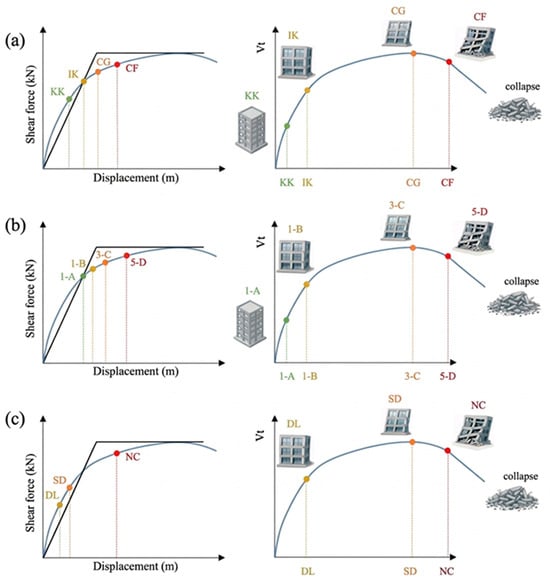
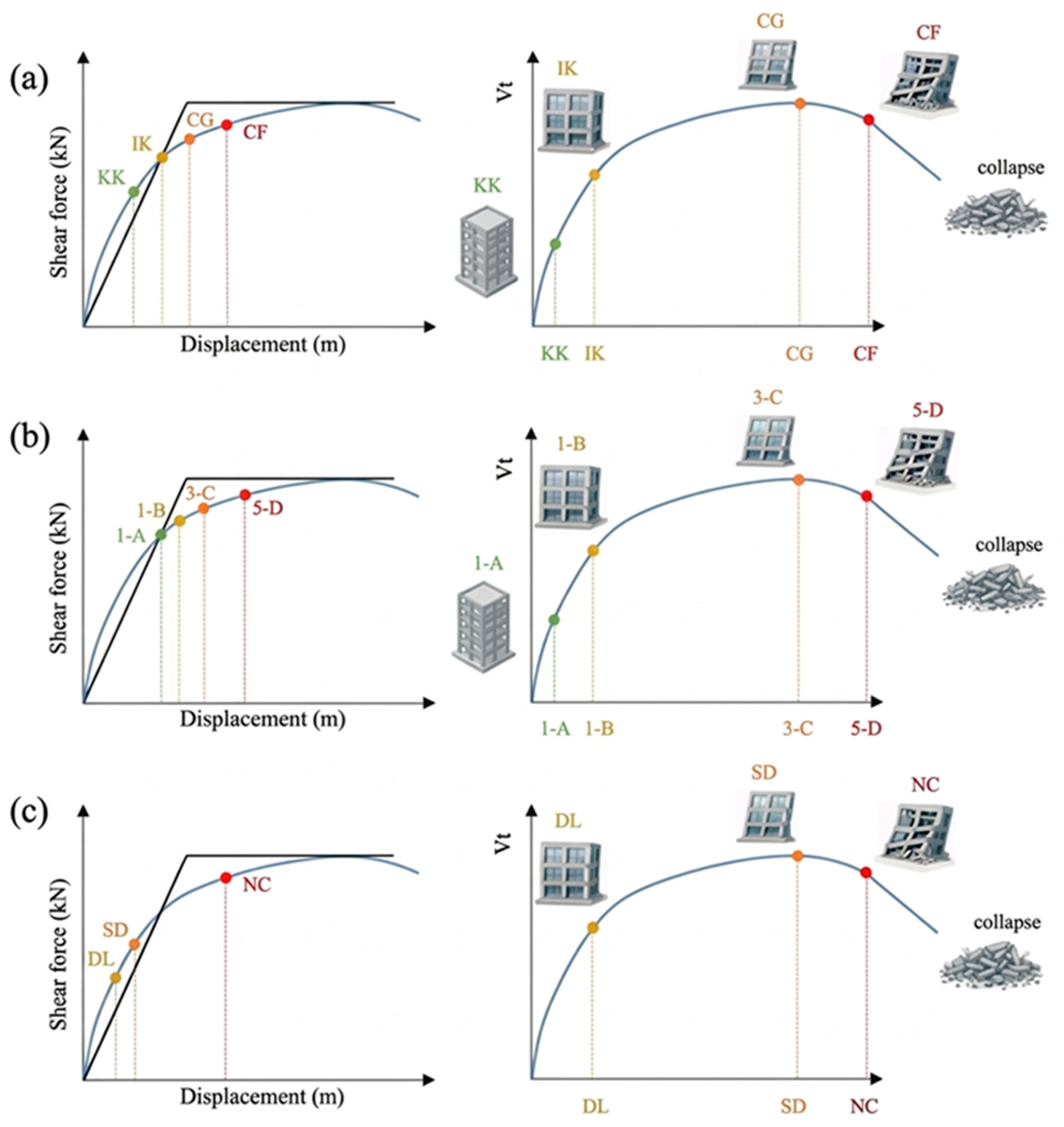
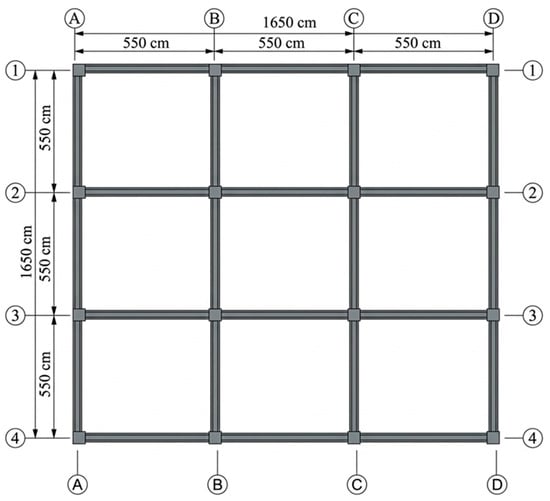
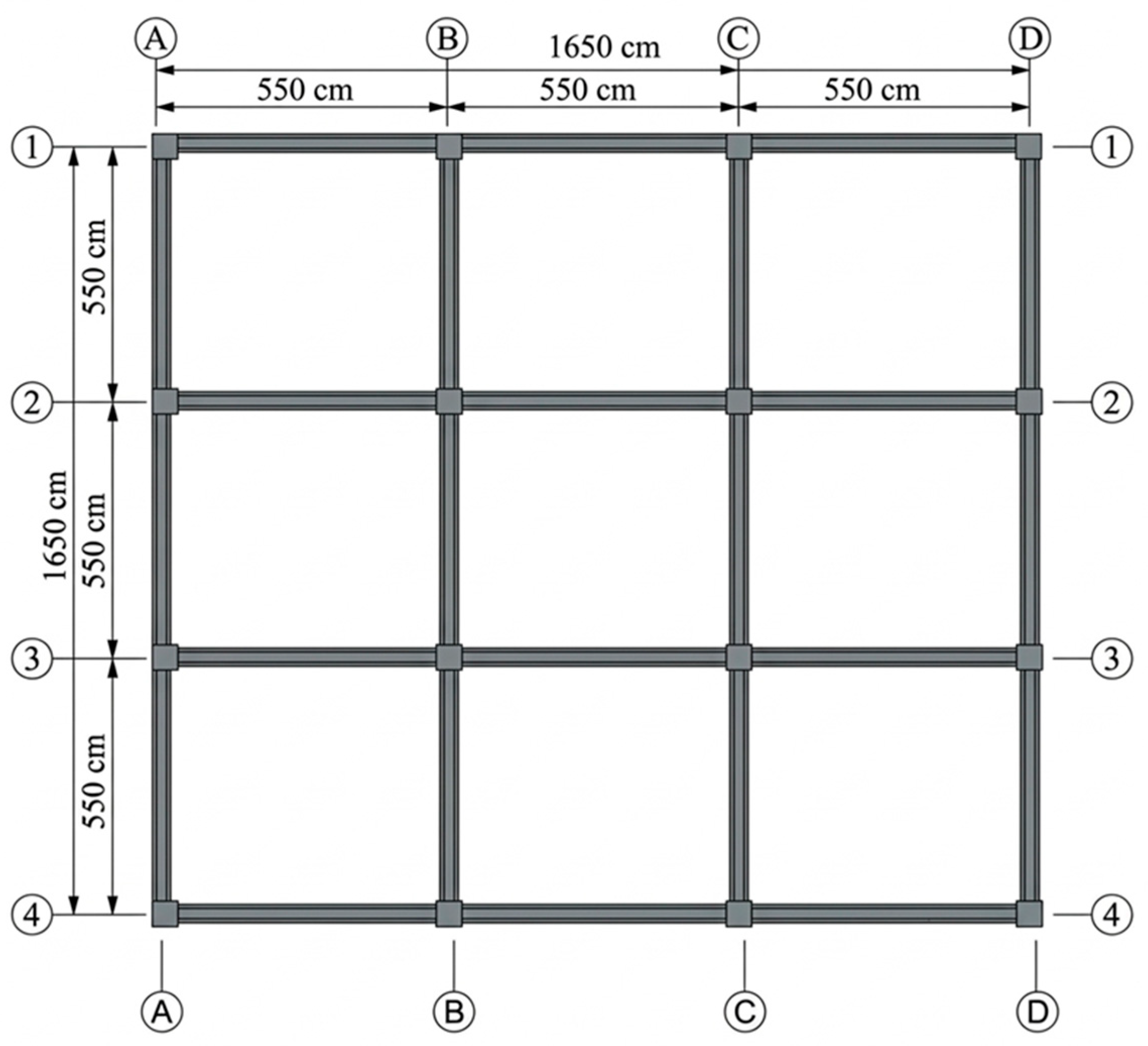
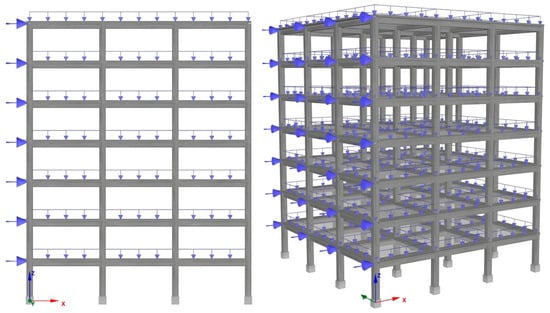
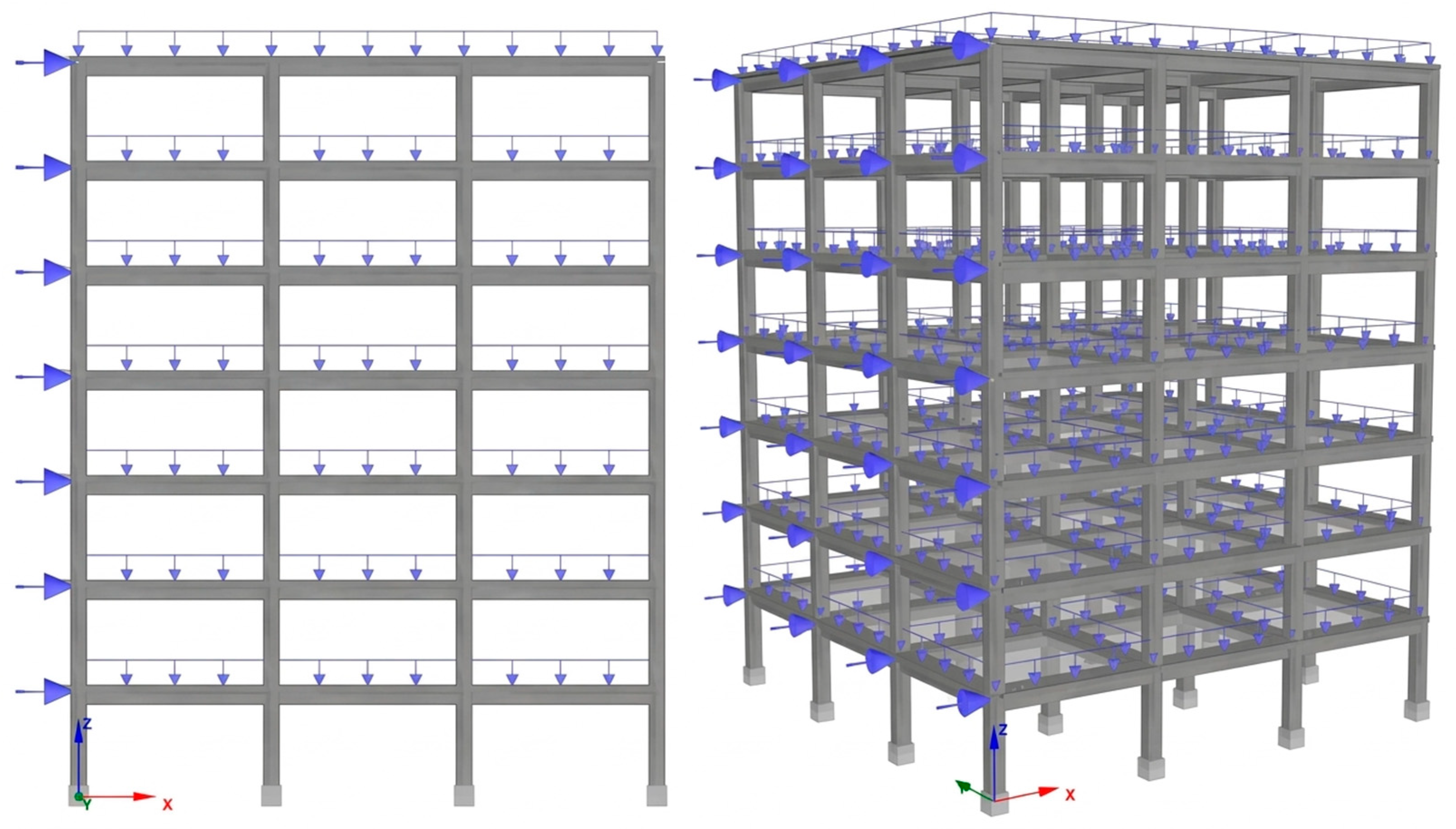
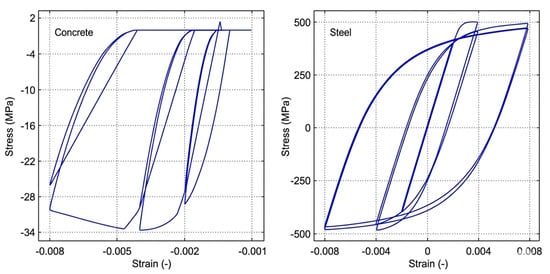
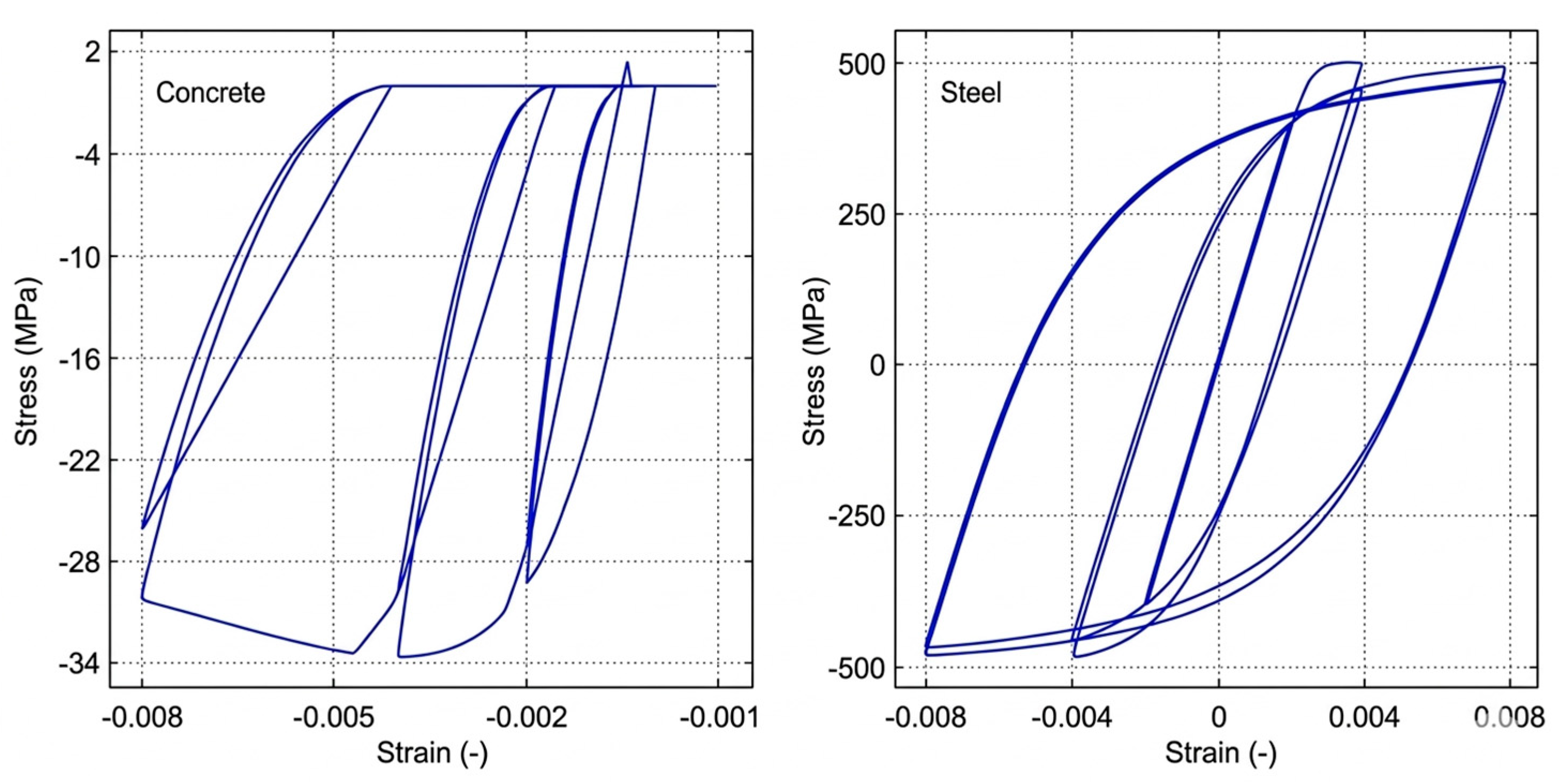
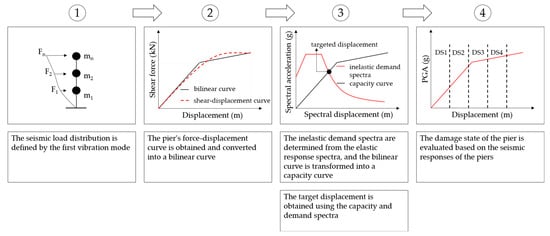
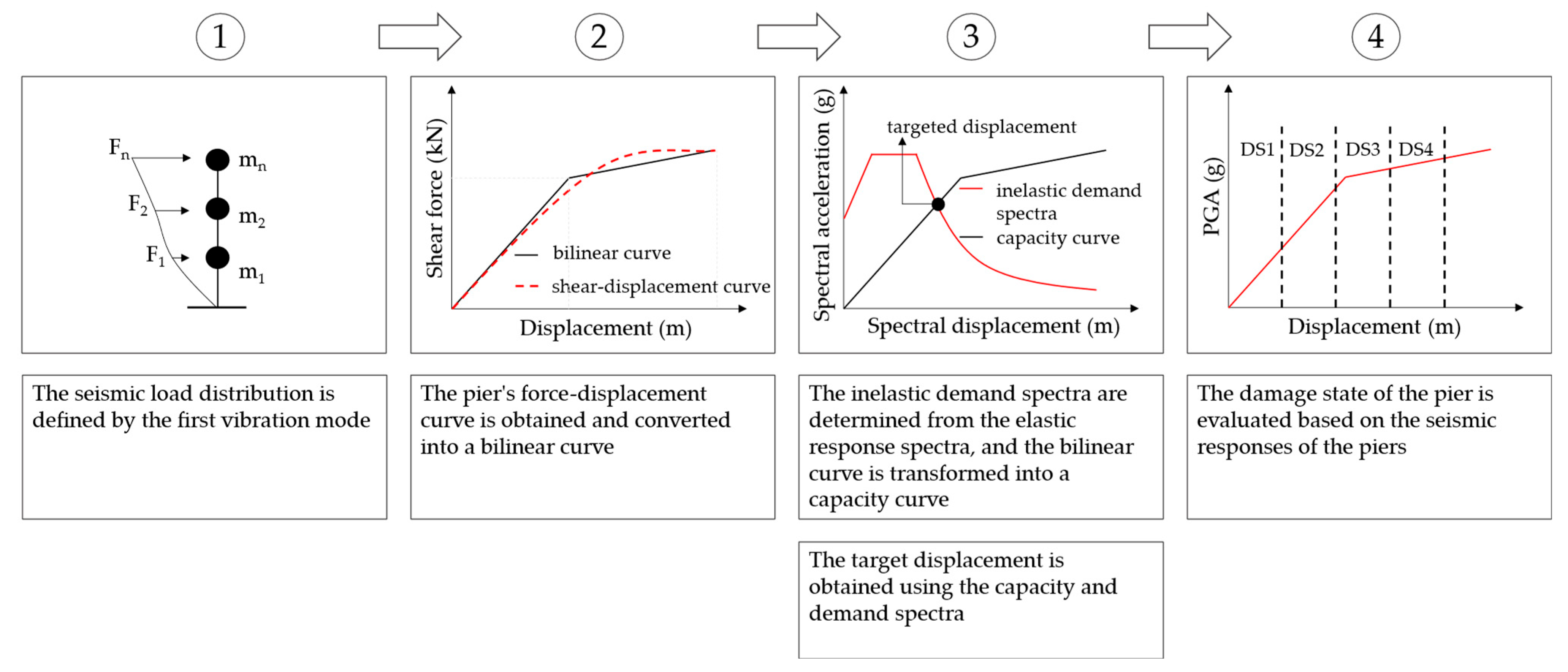
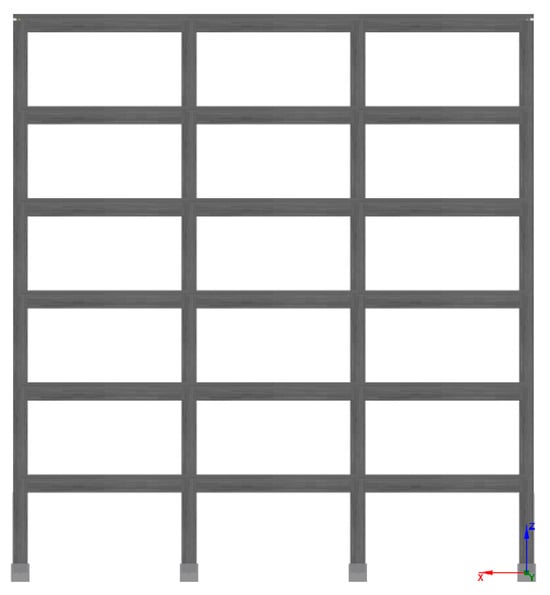
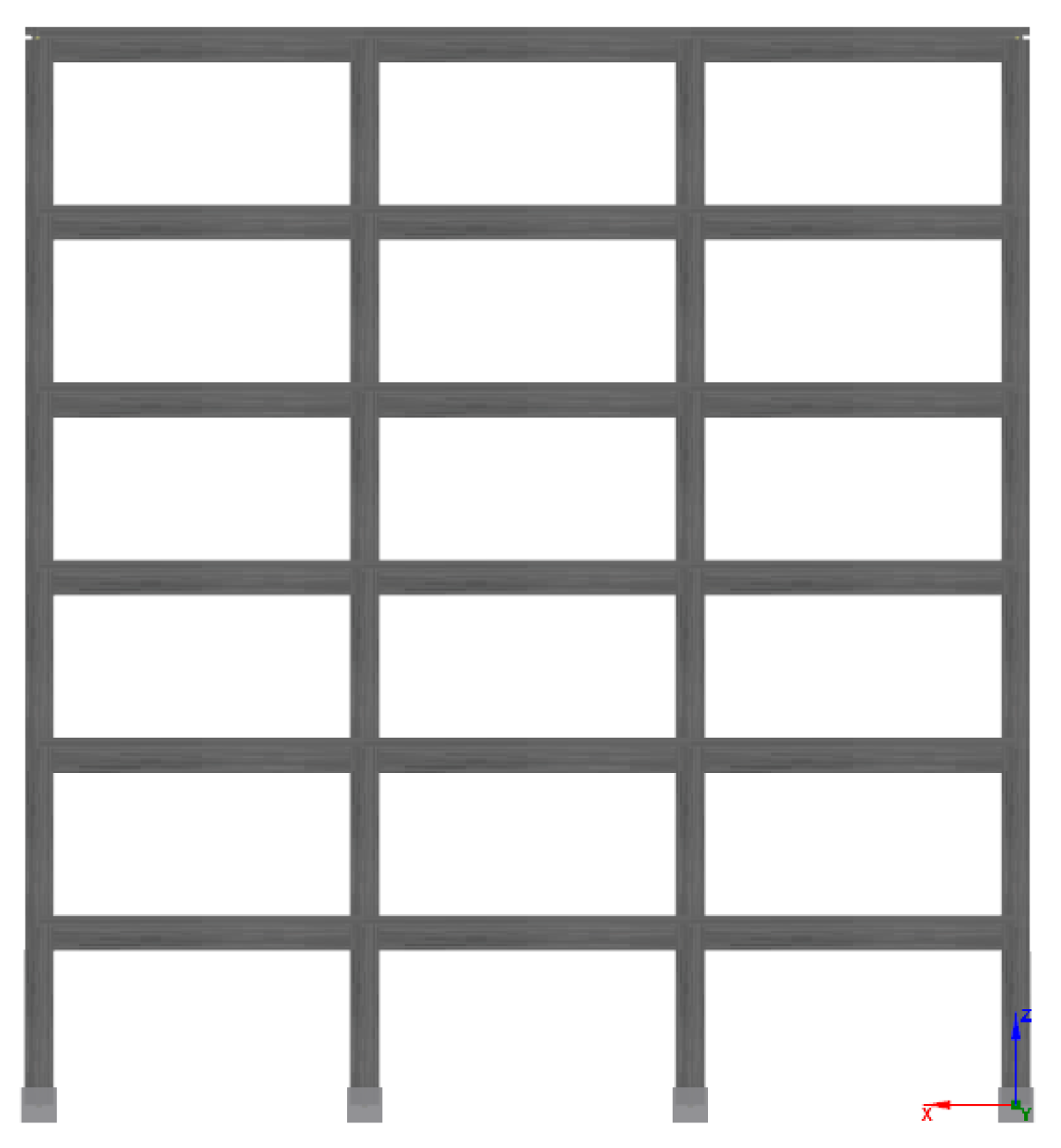
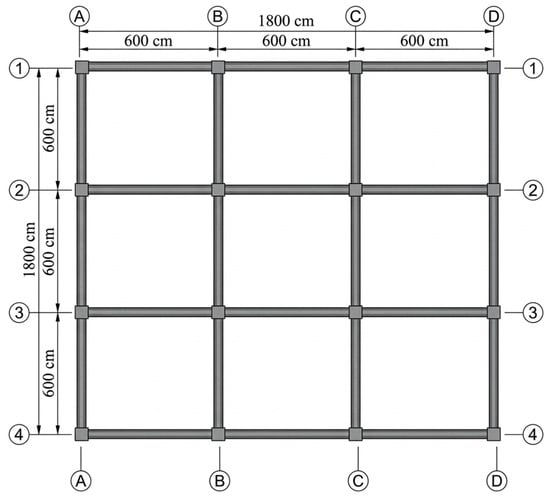
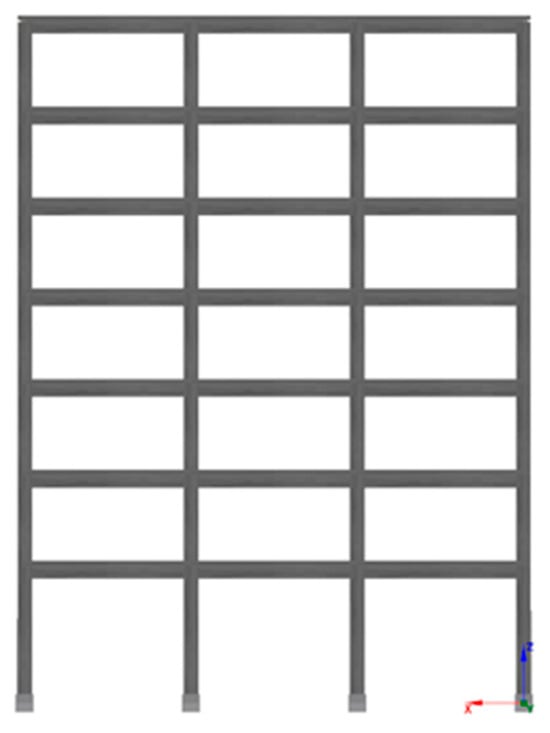
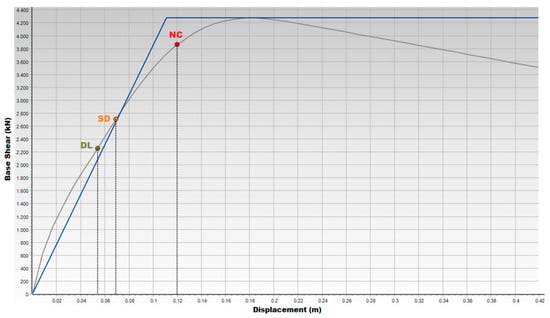
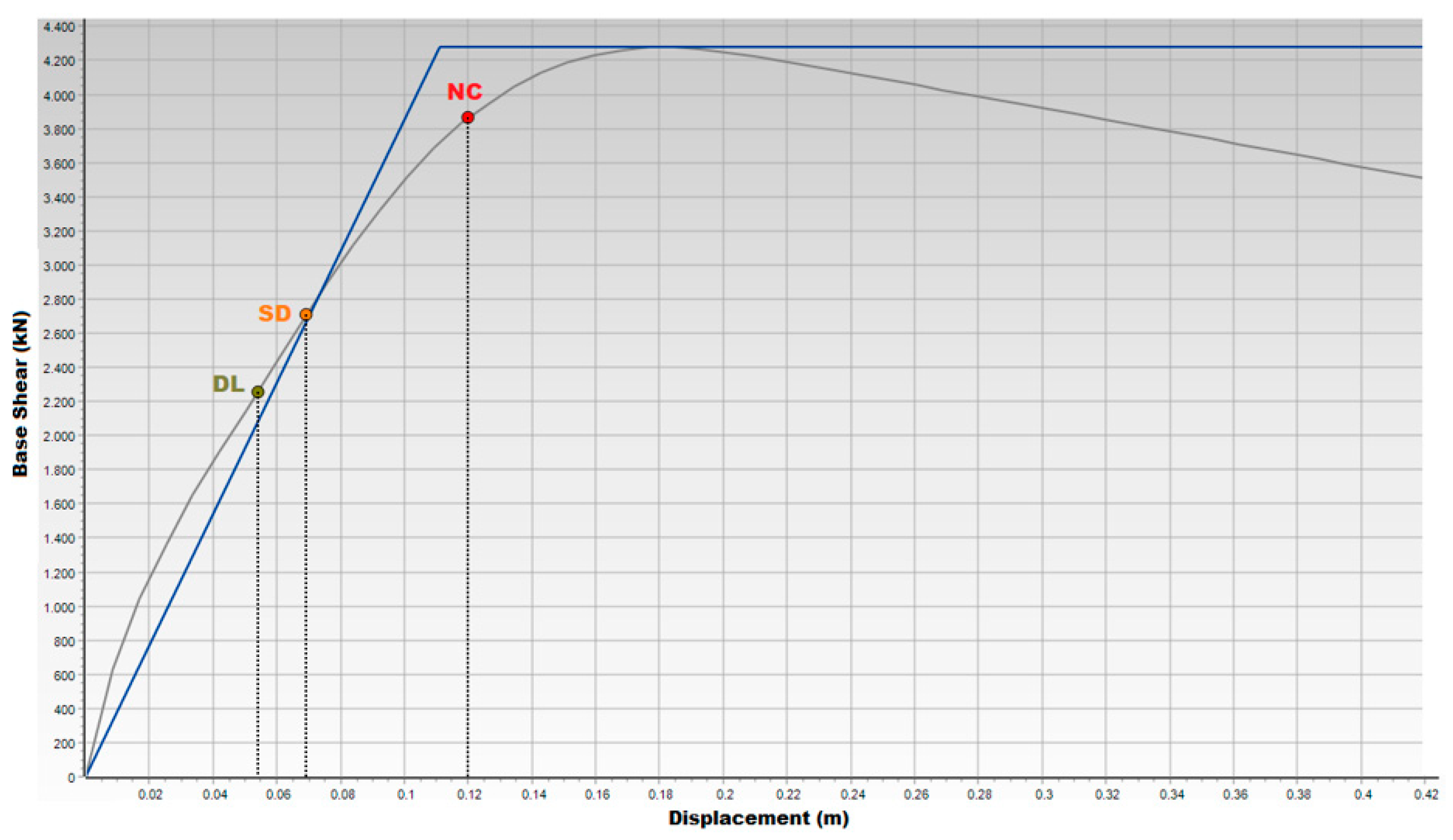
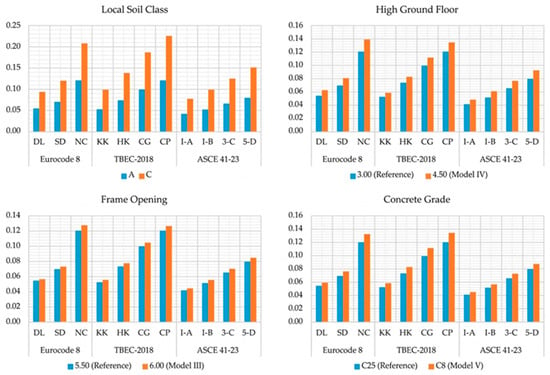
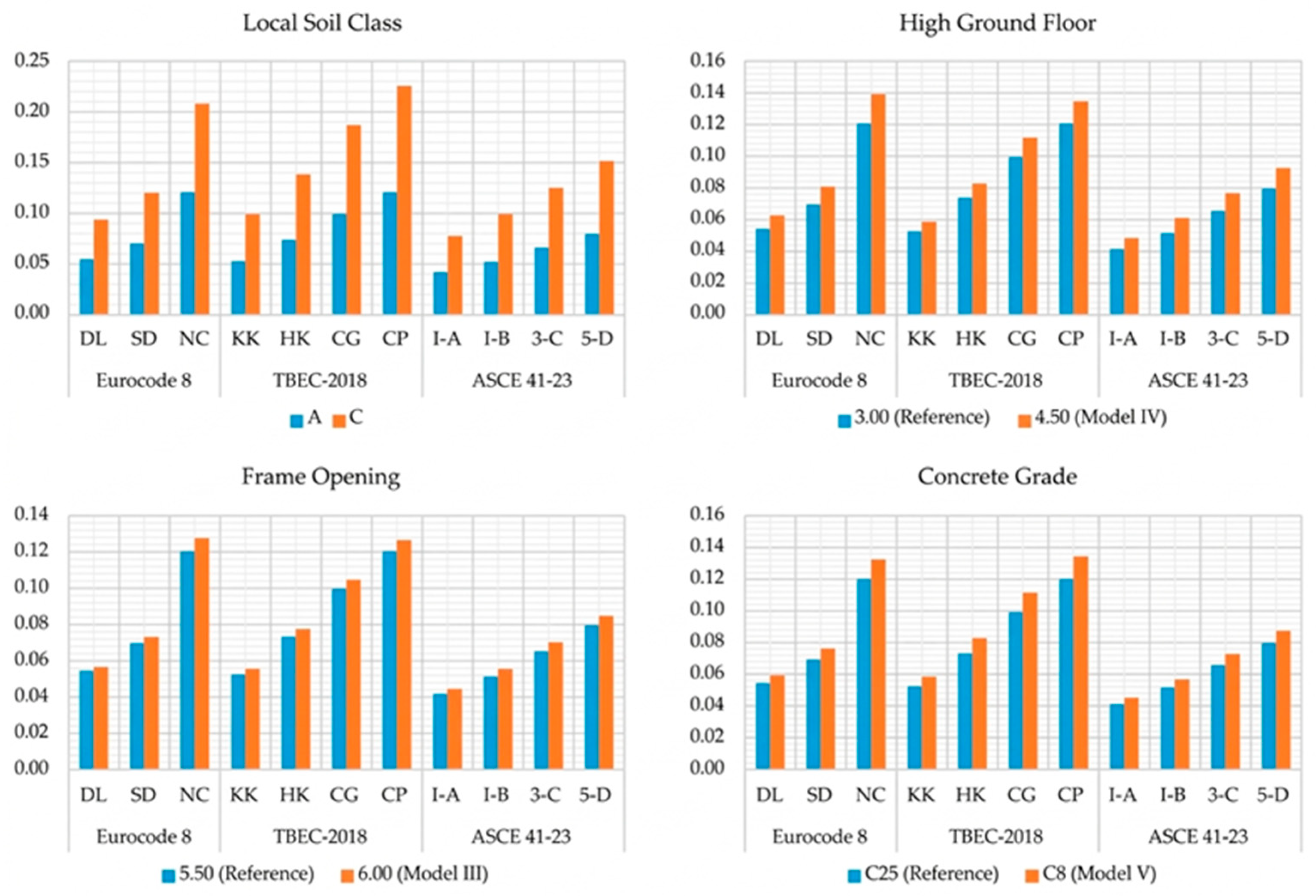

Disclaimer/Publisher’s Note: The statements, opinions and data contained in all publications are solely those of the individual author(s) and contributor(s) and not of MDPI and/or the editor(s). MDPI and/or the editor(s) disclaim responsibility for any injury to people or property resulting from any ideas, methods, instructions or products referred to in the content. |
© 2026 by the authors. Licensee MDPI, Basel, Switzerland. This article is an open access article distributed under the terms and conditions of the Creative Commons Attribution (CC BY) license.