


Abstract
This study investigates the interrelationship between artistic, architectural, and technological interventions and cultural continuity in the heritage renewal process in China from a sustainability-oriented design perspective. Amid increasing pressures from urbanization, tourism, and technological development, many heritage renewal projects face persistent challenges in balancing conservational authenticity with contemporary functional and economic demands. To address this gap, the study proposes an empirically grounded, sustainability-oriented decision-support framework aimed at reconciling these competing priorities. A mixed-methods research design was employed, integrating case studies, expert interviews, and quantitative analysis. Thematic analysis identified eight sustainability criteria, which were subsequently validated using descriptive statistics, reliability and validity testing, and exploratory factor analysis. The relative importance of these criteria was determined through the Analytic Hierarchy Process, followed by the application of the Technique for Order Preference by Similarity to Ideal Solution to rank preferred heritage renewal strategies. The findings indicate that cultural authenticity, architectural integrity, and artistic continuity represent the core dimensions of sustainable heritage renewal, while technological integration and environmental sustainability primarily function as facilitating components. Across all evaluated criteria, integrated design strategies consistently outperform single-dimension approaches. The study concludes with a decision-support framework for China.
1. Introduction
The conservation and revival of cultural heritage have since been highly important due to the urbanization process, the technologies of the time, and the changing social-cultural circumstances, especially in such a country as China, where the heritage sites, which date back centuries, are in direct contrast to modern city development [1,2]. The cultural heritage, both tangible and intangible, included in the category of architectural monuments, historic districts, and cultural landscapes, and intangible, such as artistic expression and the customs and practices of the locals, is an important aspect of the societal identity, collective memory, and continuity between generations. The issue of renewal of heritage is not only in terms of the structural integrity and aesthetic authenticity but also in the continuation of the cultural meaning in the new realities [3,4]. Conservation strategies in the past have commonly focused on the material conservation of heritage resources without considering the dynamism of the relationship between artistic, architectural, and technological components, which contribute to the continuity of cultures [5]. The introduction of technology-based interventions in recent years (digital reconstruction, augmented reality, interactive cultural platforms, etc.) has provided a new opportunity to improve the experience of engagement and transmission of heritage [1]; nevertheless, they tend to be systematically insufficiently integrated into accepted approaches to design and do not consider the sustainability and cultural sustainability of renewal approaches as a whole [6,7]. The challenges faced by heritage renewal projects, as a result, often involve a conflict between the demands of modernization, the expectations of local communities and the demands of sustainability, leading to fragmented, contextually incomplete or unsustainable interventions that undermine both cultural integrity and sustainability [7,8].
Although the principles of sustainability have become increasingly recognized when it comes to the management of heritage, there is a relative lack of models that have taken into consideration the aspects of art and architecture, as well as the technological ones. The Chinese context features a variety of regional styles, historical strata, and systems of governance, which create special challenges to the integrated heritage renewal [9,10]. Furthermore, the current heritage intervention decision-making procedures are often based on anecdotal or disjointed decision-making, and they do not presuppose empirical prioritization mechanisms to conduct a systematic assessment of the significance of various dimensions and interventions to each other [11,12,13]. Such a shortcoming highlights the necessity of a systematic, evidence-based approach that has been able to operationalize sustainability criteria, test them quantitatively and offer practical advice to practitioners, policymakers, and designers working on heritage renewal projects.
The solution to this issue is to adopt a research design that allows reconciling qualitative information on the heritage by experts and case studies with quantitative validation and multi-criteria decision-making methods to develop empirically sound priorities and intervention measures. The research gap is compounded by the fact that heritage sites are not just the repositories of historical knowledge but also dynamic socio-cultural ecosystems that contribute to urban identity, tourism, community interaction, and economic growth [14].
This study deals with the absence of organized methods in heritage renewal and proposes a mixed-methods approach that combines qualitative case studies and expert interviews with quantitative validation and decision-making tools, such as MCDM and TOPSIS, in a stepwise manner. It highlights important sustainability indicators that cover artistic, architectural, technological, social, environmental, and governance aspects to accompany the Chinese heritage renewal that is culturally sustainable. The research carries out these criteria and ranks the intervention strategies to help effective policy and practice with support. The study theoretically contributes by connecting multi-dimensional sustainability to decision models and methodologically by improving transparency and reproducibility. It also encourages heritage to be viewed as a vibrant, living resource that can help and support long-term socio-environmental sustainability.
1.1. Research Questions and Clarification of Contribution
The research questions require a clear definition, and the study’s contribution should be redirected because the current study faces limitations in its ability to provide novel findings. The research addresses existing gaps in heritage sustainability and the MCDM literature by developing new methods and criteria that extend current knowledge.
1.1.1. Research Questions
The study is guided by the following research questions:
RQ1.
What are the empirically grounded dimensions of sustainable heritage renewal in the context of China, as derived from integrated qualitative and quantitative evidence?
This question requires researchers to establish sustainability dimensions through thematic analysis and expert data instead of using predefined frameworks based on the existing literature.
RQ2.
How can these sustainability dimensions be statistically validated and operationalized into a reliable measurement model for heritage evaluation?
The study examines psychometric validation through EFA and reliability and discriminant validity tests, which remain underdeveloped in current MCDM-based heritage research.
RQ3.
What is the relative importance of these validated sustainability criteria in expert decision-making?
Group AHP functions as a traditional method that enables users to assess expert preferences by using established research evidence.
RQ4.
How do different heritage renewal strategies perform when evaluated against these validated and weighted criteria?
The question demonstrates that TOPSIS serves as a valid method for comparing different strategies by linking measurement results with decision-making processes.
RQ5.
To what extent do integrated (multi-dimensional) strategies align with expert-evaluated sustainability priorities compared to single-dimension approaches?
The study presents its findings through empirical research, which demonstrates how expert preferences develop between competing alternatives.
1.1.2. Clarification of Theoretical and Methodological Contribution
The study demonstrates that eight sustainability criteria, together with AHP and TOPSIS methods, already have established existence as separate entities. The study demonstrates its main value through its specific method of element combination, which it then proceeds to validate. The study offers theoretical advancements through its two main contributions. The study provides a scientifically validated framework that shows different dimensions of sustainability that people usually employ. The research presents a unified framework that shows how cultural elements, architectural features and sociotechnical systems interconnect through both qualitative and quantitative data. The research presents heritage sustainability as a complex socio-ecosystemic framework that needs multiple data sources to verify its existence. The study presents a new research method that combines all steps from qualitative coding to statistical validation and MCDM evaluation into one process, which researchers have not yet used in their work. The research establishes direct connections between qualitative findings and decision-making standards, which enables readers to understand how evaluation criteria were developed. The study uses AHP–TOPSIS with validated constructs instead of using AHP–TOPSIS based on assumed indicators, which represents a typical restriction present in current MCDM methods.
- Scientific Contribution of the Study:
The research creates three special scientific contributions that advance sustainable heritage renewal research.
The first research element. The research creates a hybrid methodological framework that combines qualitative research methods with psychometric testing and multi-criteria decision-making methods (MCDM) to connect heritage research methods with quantitative decision-making techniques. The research develops a multi-dimensional assessment system that transforms sustainability into a measurable framework. The study presents a fresh approach that combines thematic analysis and AHP–TOPSIS modeling because it converts case study and expert interview results into measurable criteria through a display system that produces verifiable results (Appendix E). The research establishes epistemological continuity between its exploratory and confirmatory stages, which needs better development in heritage research methods.
The research introduces new methods through its use of group-based AHP combined with consistency-controlled aggregation and TOPSIS-based prioritization, which includes robust sensitivity analysis. The evaluation framework gains strength through the addition of rank-stability analysis combined with scenario-based weight perturbation methods.
The research study presents a socio-ecosystemic framework that integrates heritage renewal processes through the redefinition of sustainability as a cultural authenticity and architectural integrity and artistic continuity relationship, which interacts with technological, governance and economic factors. This provides both theoretical advancement and practical decision-support utility for policymakers and heritage practitioners.
- Conceptual Clarification and Theoretical Positioning of Core Constructs:
The study achieves its theoretical framework through dedicated research for three main concepts derived from international heritage treaties and domestic governmental regulations, which include cultural authenticity, architectural integrity and artistic continuity. Cultural authenticity exists as a multi-dimensional concept because it contains both material authenticity through fabric and form and construction techniques, and intangible authenticity through traditions and practices and cultural meanings. The Nara Document on Authenticity establishes dual authenticity research because it recognizes multiple authentic identity interpretations through cultural contexts. The UNESCO Historic Urban Landscape framework establishes a unified approach that connects both physical heritage and non-physical heritage elements within the evolving needs of urban environments.
Architectural integrity is defined through conservation theory as the complete and perfect condition of heritage buildings, which includes their preservation of structural components, their architectural design and their building materials throughout history. The guidelines conform to international conservation standards, which ICOMOS supports, while they demonstrate the national heritage conservation laws that require organizations to maintain heritage sites according to conservation standards and restoration methods.
The concept of artistic continuity functions as a supportive element that demonstrates how the artistic and cultural heritage of heritage sites continues to develop through time. The study treats artistic elements as living practices that exist according to current intangible cultural heritage and cultural sustainability standards. The approach matches international systems that protect living heritage under UNESCO standards, which require local involvement and flexible heritage protection methods for safeguarding traditions.
The research recognizes that authenticity has been disputed through time because of two conflicting approaches, which include materialist interpretations that focus on physical objects and constructivist methods that emphasize value-based understanding. The framework develops a flexible approach that combines different elements because heritage authenticity in rapidly urbanizing societies needs to maintain a balance among three key aspects, which include conservation efforts, development activities and social transformation. The framework maintains its analytical flexibility because the framework established its theoretical foundations. The study establishes these constructs through their connection to international doctrine and local policy discourse, which decreases conceptual uncertainty while proving that operational criteria can be measured practically and validated through theoretical foundations.
2. Literature Review
Cultural heritage sustainability has gradually gained attention from scholars in a more holistic manner, emphasizing the need for multi-dimensional and context-sensitive approaches, especially in the fields of urbanism and architecture, over the last ten years. The very necessity of a hermitage and the environment that is sustainable and in harmony with the people’s needs have been widely recognized by the researchers as that which is not possible without the proper combination of cultural, social, environmental, technological, and governance considerations. Such frameworks and practices are called integrated frameworks. In their work, ref. [12] presented a model of sustainable continuity of cultural heritage to investigate architectural identity in Erbil. Their research connected the inherited and the newly created sustainable elements by means of visual analysis, the literature review, field surveys, and questionnaires. The results indicated that the typology of house plans and facades, socio-cultural factors, and the variables of sustainable development are closely interlinked and mutually reinforcing in the case of architectural identity continuity. The authors revealed a common denominator, stating that some heritage features have a greater effect on the cultural character and hence its continuity, while others have less. The authors of ref. [15] extended the discourse of heritage sustainability by putting heritage protection together with the United Nations Sustainable Development Goals (SDGs). They analyzed energy, water, biosphere, responsible consumption, and sustainable communities, using the case of Casa Macchi in Morazzone, Italy, as an example. The research pointed out the difficulties of sustainability implementation in historic buildings and brought to the fore the importance of multi-stakeholder participation in the management of heritage. The authors of ref. [16] investigated the ongoing sustainable adaptive reuse of the historical structures in the old town of Fenghuang, China. They used the various methods of review of the literature, theoretical frameworks, and extensive fieldwork to create a comprehensive indicator system that included indicators for preservation, rehabilitation, urban renewal, adaptive reuse, and restoration. Through their results, they proved that the sustainable adaptive reuse could not only maintain the historical and cultural integrity, but also enhance building functionality; thus, getting to the point of equal treatment with respect to heritage conservation, environmental sustainability, and socio-economic development. Helping to support this view, ref. [17] came up with a cultural sustainability assessment model that comprises four hierarchical levels along with thirty indicators. The indicators were grouped under three categories: cultural core, cultural representation, and cultural impetus. The Shanghai and Guangzhou case studies that they conducted with the help of Delphi and Bayesian Best–Worst Methods revealed how the incorporation of cultural sustainability into urban planning and policy development can lead to the creation of resilient and integrated communities. In addition, considerable academic interest has been gained by community participation and the preservation of intangible cultural heritage (ICH). The authors of ref. [18], through a combination of semi-structured interviews and thematic analysis in Henan, discovered that cultural perceptions have a significant impact on the stakeholders’ viewpoints about ICH preservation, the innovation of design, and the participation of communities. The researchers pointed out that the outcomes of heritage that are sustainable depend upon the combination of the community’s participation and the processes of creative design. The researchers in ref. [19] focused on the conservation as well as the regeneration of Taikoo Li, Chengdu, and reported that adaptive reuse, green practices, and technology application are the main factors of maintaining the historical character while at the same time satisfying the requirements of the modern city. On the other hand, they cautioned that these policies must be very alert to the local cultural, economic, and environmental contexts.
Technological innovation was another significant theme that has been noticed. In ref. [20], the authors conducted a perfect case study along with a platform-based approach to smart heritage conservation related to the Shanghai Federation of Literary and Art Circles (SFLAC). The thematic analysis they did showed that there was a lack of communication amongst the stakeholders and finally determined that heritage “smartness” should include the alignment of policies, digitalization, platform integration, and application development. On the other hand, the multi-criteria evaluation frameworks have lifted heritage decision-making to a new level. Ref. [21] created a multi-dimensional assessment model, which was used in the regeneration project of the Seminary in Sant’Agata de’ Goti, Italy, applying the SOCRATES MCDM method [21]. Their results indicated that a well-organized evaluation is very helpful in the debate of alternative heritage interventions. The authors of ref. [22] conducted a study employing SEM and importance-performance analysis across six dimensions, i.e., cultural identity, environmental sustainability, social impact, technology application, spatial layout, and economic value, in order to measure user satisfaction in heritage spaces. The findings from their study indicated that among the three dimensions of social, economic, and environmental impact, social impact was the most decisive factor, followed by the economic and environmental ones. Focusing on rural regeneration, ref. [2] have introduced a heritage-based community building model based on both the systematic review and expert interviews, and have identified public involvement, media platforms, adaptive reuse, heritage industry development, and landscape maintenance as substantial and essential components. The researchers in ref. [23] utilized Grounded Theory and AHP methods to develop a hierarchical systematic heritage value assessment, which allowed consistent and reproducible evaluations. The authors of ref. [24] proposed the first model for urban village revitalization, highlighting the need to find the right balance between top-down planning and bottom-up community participation.
The authors of ref. [25] [made a strong case for holistic assessment when they considered the] factors of authenticity, integrity, and cultural ecological adaptability in Yicheng Ancient City. Their study revealed a strong relationship between these dimensions, which are necessary for the preservation of historic urban areas under modern-day challenges. Altogether, these studies have come to a common conclusion that the sustainability of heritage renewal requires the multi-dimensional frameworks that will integrate the qualitative insights, stakeholders’ perspectives, and the quantitative validation. The differences in the focus of these models are very wide, as some target architectural identity [12], others adaptive reuse [16], cultural sustainability [17], smart heritage [20], and rural regeneration [2], but they all point out the evidence-based evaluation systematically and consistently. Still, there are research gaps that have not been addressed. The majority of the earlier studies focus on the separate aspects of sustainability, such as artistic, architectural, technological, social, or environmental, and very few attempts have been made to combine them in one single, empirically validated framework. Some researchers have developed multi-criteria evaluation tools [21,23,24]; these tools’ applications are still mostly confined to a particular case or methodology, thus limiting their generalizability and transferability.
The literature on heritage sustainability shows a clear shift toward multi-dimensional MCDM frameworks, which replace single-dimensional methods. The studies in refs. [12,25] focus on cultural authenticity together with architectural integrity and identity continuity, yet they remain primarily qualitative or semi-quantitative. The indicator-based frameworks from refs. [16,17] establish structured criteria for better measurement, but the frameworks depend on predefined indicators that have not been proven through empirical testing. The MCDM-oriented research from refs. [21,23,24] delivers systematic evaluation tools such as AHP and SOCRATES that enable heritage intervention comparison, yet the research lacks psychometric validation for its constructs and shows a tendency toward specific case studies. The technology- and participation-focused works from refs. [2,18,20] demonstrate smart heritage systems together with stakeholder engagement, yet they fail to establish comprehensive decision-making frameworks that combine these insights. The additional contributions from refs. [15,19,22] establish environmental sustainability together with user perception and adaptive reuse as essential elements, yet the research maintains thematic discontinuity across different domains. The existing research gap occurs because researchers experience difficulties connecting empirical research to their studies. Existing studies rarely combine (i) qualitative thematic derivation, (ii) statistical validation of constructs, and (iii) MCDM-based prioritization within a single pipeline. The system lacks a method to connect qualitative findings with the specific criteria used for making operational decisions.
The present study addresses this gap by integrating qualitative coding, exploratory factor analysis (EFA), reliability and validity testing, and MCDM techniques (AHP–TOPSIS) into a unified framework. The study presents an expert consensus-based decision-support model for heritage renewal in China, which receives empirical support but requires additional validation beyond its current testing environment.
3. Methodology
3.1. Research Design and Approach
The methodological sequence comprises the following four phases: (1) qualitative case study analysis and expert interviews, (2) quantitative measurement and statistical validation of criteria, (3) multi-criteria decision-making (MCDM) analysis using the TOPSIS method, and (4) synthesis of results into a final integrated methodological framework. The joint display table (Appendix E) proves traceability through its demonstration, which connects qualitative evidence to both the operationalization of quantitative data and the complete decision-making standards. The data collected has been uploaded to a publicly available repository and is available through https://github.com/code-iot278/Heritage-sustainability (accessed on 15 December 2025).
- Sample Independence and Methodological Considerations:
The study uses a multi-phase research design that combines qualitative case studies and expert interviews (n = 30) with a quantitative survey of heritage professionals (n = 210) for its research implementation. The phases serve different analytical functions, yet the study requires clarification about which participants will take part in each phase.
The researchers selected qualified participants through purposive sampling to conduct the qualitative phase of the study, which required domain experts who specialized in heritage conservation and planning and digital heritage applications. The quantitative survey used professional associations, academic networks, institutional mailing lists and heritage forums to reach a wider range of potential participants. The method aimed to create a broader sampling base, which would provide a better range of professional backgrounds to study.
The study found that complete sample separation could not be achieved because heritage professionals tended to work within their specific networks. The research team collected no information that could identify participants, and all participant responses remained anonymous, which made it impossible to confirm whether participants had taken part in both study phases. The findings present a unified view from experts, which research needs to analyze in terms of dependencies between research samples. The study identifies multiple methodological issues that stem from sampling method selection, which affects how results will be interpreted. The first challenge of this research emerges from measurement specification problems, which exist because certain constructs need to be measured through formative assessment, yet actual operational procedures use reflective assessment methods. The implementation of analytical procedures contains minor inconsistencies because of rounding differences, which affect how normalization and weight application operate, yet these discrepancies do not change the final ranking results. The evaluation framework contains a reasoning structure that creates bias because it assesses the integrated strategy through multiple criteria that the strategy already fulfills, thus creating a tendency to give it an exceptional evaluation. The study results require cautious interpretation because the research elements do not disprove the study’s results. The proposed framework functions as an expert-driven assessment framework that provides an organized evaluation of sustainability needs during heritage restoration projects, but it does not function as a universal system for making decisions, which has been proven through scientific testing. Future research should establish stricter requirements for sample independence while using measurement models that match the various types of constructs to validate research findings through studies that include different contexts and methods.
3.2. Qualitative Phase: Case Studies and Expert Interviews
The research used a maximum variation multiple-case design for its analysis of heritage renewal processes that exist throughout China. The researchers selected five cases as study sites to demonstrate different heritage types, different geographical regions, different governance systems and different levels of technology use. The study examines five cases, which include Pingjiang Historic District and Temple of Heaven and West Lake Cultural Landscape and 798 Art District and the Shaolin Temple, to show historic urban districts and monumental heritage and cultural landscapes and industrial heritage and religious heritage. The study selected sites that met heritage status requirements and had undergone major restoration work during the last 10 to 15 years, and had achieved two sustainability dimensions among artistic, architectural, technological, social, environmental governance and economic aspects and had available stakeholder information and documentation. The eastern, northern, and central regions of China produced diverse policy frameworks that handled different tourism demands and displayed various levels of economic development. Researchers used heritage renewal projects as their main research focus while including artistic programming, architectural conservation strategies, and technological applications as their secondary research components. The research used data triangulation methods to improve construct validity by drawing information from multiple sources, which included on-site field observations, photographic documentation, archival records, conservation reports, planning documents, architectural drawings, policy frameworks and digital platform analysis and expert interviews. The research team used cross-case pattern matching and explanation building methods to evaluate sustainability outcomes, which included cultural continuity and structural integrity, technological effectiveness, community participation, environmental performance, governance coordination and economic revitalization. The case studies were supplemented by the research team, who conducted semi-structured interviews with 30 selected experts who worked as heritage architects and planners, cultural scholars and digital technologists and had obtained 8 to 10 years of professional experience in heritage projects. The research team used a combined approach of 18 in-person and 12 online interviews for their study, which lasted from 45 min to 90 min according to their established interview framework that assessed seven different factors, which included authenticity and architectural integrity, artistic continuity and technological enhancement, environmental sustainability and governance mechanisms and economic feasibility. The researchers reached thematic saturation after conducting 26 interviews, but needed to perform four extra interviews for category validation. The research team recorded all interviews through audio and created complete transcriptions, which they analyzed using a combined deductive–inductive thematic approach. Initial coding used sustainability theory before researchers created new categories, which led to eight main themes. The analysis used two independent coders who achieved intercoder agreement above 85% while they resolved discrepancies through discussion and peer debriefing. The research team created an audit trail that documented their coding choices and theme development process to establish trustworthiness and verification of research results. The research team analyzed theme frequency through expert references to themes, which they used as a measure of importance that showed three different levels of sustainability dimensions, which included core elements, supporting elements and context-dependent elements.
- Qualitative Analysis Auditability and Coding Procedure:
The research team established methodological transparency through auditability by implementing a qualitative research design that followed established qualitative analysis methods through a structured thematic analysis method. The analysis process used three coding stages, which included open coding, axial coding and selective coding to analyze a specific dataset that included interview transcripts and case study documents.
Researchers collected data through 30 semi-structured expert interviews, which produced 420 pages of text after they transcribed and formatted the verbatim transcripts of interviews lasting between 45 and 90 min. The researchers used documentary sources, which included conservation reports, planning documents and archival materials to support their study, but they restricted the primary coding corpus for thematic development to interview transcripts in order to maintain consistency in their analysis unit.
The coding process began with open coding, which required two independent coders to study the transcripts through line-by-line analysis to find individual meaning units. The initial stage created 112 first-order codes, which showed recurring concepts that included “ritual continuity”, and “material conservation”, and “digital documentation”, and “community engagement”. Researchers created a preliminary codebook that defined each code through its conceptual meaning, inclusion and exclusion criteria, and representative examples. The codebook functions as a shared reference that maintains uniformity throughout the upcoming coding process.
The researchers used axial coding to create higher-level categories from the first codes through a process of grouping, which they based on both conceptual ties and relational patterns. The process resulted in eight thematic categories, which were established through sustainability dimensions (C1–C8), showing links between different sustainability dimensions. The process of constant comparison allowed the researchers to study inter-category relationships, which resulted in defining category boundaries and decreasing overlapping parts. The process of selective coding created a unified thematic framework that organized categories according to the study’s conceptual framework and connected qualitative data with quantitative operationalization of constructs. The researchers assessed intercoder reliability to check whether their coding system produced dependable results that others could confirm. The study used Cohen’s Kappa coefficient κ as its agreement metric because it measures actual agreement while two coders assessed qualitative research data. The two coders who worked on the initial stage analyzed 25 percent of the transcripts, which they later coded independently. The Kappa value reached κ equals 0.87, which shows that two parties reached a strong agreement according to established standards. The team proceeded to code the remaining corpus after they completed codebook refinement and alignment discussions, while they conducted cross-checks at regular intervals to ensure uniformity. The reported intercoder agreement figure of 0.85 demonstrates statistically validated reliability, which exceeds basic percentage agreement between raters.
The process for solving programmer disputes used an established method for resolving conflicts. The analysis software produced comparison matrices, which the team used to discover existing discrepancies. The coders conducted multiple discussion rounds to solve their disputes by using both codebook definitions and data segment contextual understanding. The complete record of changes showed all modifications to code definitions, category structures and decision-making explanations.
The research developed specific data saturation standards, which demonstrated that the chosen sample size met research requirements. The research team defined saturation as the stage when researchers stopped discovering new codes and themes during their ongoing interviews. Thematic saturation reached its empirical evidence point after the 26th interview because code frequency distribution showed stability, and no new conceptual categories emerged. Thematic structure verification required four extra interviews, which confirmed redundant elements and established the complete structure. This method complies with established qualitative research standards, which use inductive methods to achieve saturation and confirmatory methods to validate results.
Table 1 contains a reliability assessment together with a coding framework summary to provide transparent information.
Table 1.
Summary of qualitative coding and reliability procedures.
Overall, the qualitative phase was conducted with a high degree of methodological rigor, ensuring that the thematic findings are transparent, reproducible, and systematically linked to the study’s analytical framework.
3.3. Quantitative Phase: Survey, Sample, and Statistical Validation
The research achieved its goal by surveying 210 heritage professionals from China who worked as architects, urban planners, cultural managers and conservators. The research team used purposive and snowball sampling methods to select heritage renewal project staff members who had direct experience. The researchers establish methodological transparency by describing their sampling frame, which includes all active professionals with at least five years of experience who work for academic institutions, conservation agencies, planning consultancies, and governmental heritage bodies. The method establishes domain relevance, yet it admits that non-probabilistic sampling methods create selection bias because snowball procedures rely on network-based recruitment, which results in overrepresentation of closely connected professional groups. The research team attempted to establish a diverse respondent pool through gathering participants from different institutional and professional backgrounds, yet the research results show that the geographic locations of respondents do not match the actual case study locations. The research misalignment will affect assessment results because different regional respondents will interpret heritage value and sustainability priorities based on their personal perspectives. The study results represent general expert assessments that researchers used to study specific locations.
The research team considered mid- to senior-level professionals who worked on conservation planning and design of heritage sites throughout China as their target population. The research results provide analytical generalizations to professional stakeholders who work in heritage sites instead of pointing toward the general public. The research team recruited participants through professional associations, academic networks, heritage conservation forums and institutional mailing lists, which resulted in 250 invitation emails and professional social platform invitations that achieved an 84% valid response rate. The research team conducted independent-samples t-tests to compare early and late respondents on key constructs and discovered no significant differences, which indicated that the study had limited nonresponse bias. The research team used expectation-maximization to manage missing data because the missing data percentage remained below 3% after they confirmed that data were missing at random. The statistical analysis shows that the sample size (n = 210) to measurement items ratio reaches the minimum required threshold for exploratory factor analysis (EFA) assessment. The adequacy indicators show factorability through the KMO = 0.91 assessment, but the subject-to-item ratio needs improvement because it affects factor stability and replicability of constructs with fewer indicators. Future studies should use larger geographic samples or use confirmatory factor analysis (CFA) with different datasets to improve the measurement validation process. The AHP phase required the group decision-making process to maintain 13 expert matrices because they showed valid results after excluding inconsistent responses through the consistency ratio (CR > 0.10) filter. The filtering process ensures that pairwise comparisons maintain logical coherence, but the resulting sample size for an 8-criteria hierarchy remains too small, which limits the strength of combined judgments. The study presents only the overall aggregated CR value, which hides the variations in expert consistency across different assessments. The future system implementation needs to provide complete individual CR value distributions together with dispersion measures and inter-expert agreement statistics.
The structured questionnaire measured eight sustainability criteria using 4–6 reflective items per construct on a 5-point Likert scale and was piloted with 20 professionals to refine clarity and content validity. Exploratory factor analysis (EFA) was conducted at the item level using principal axis factoring with oblique (Promax) rotation because the researchers anticipated that inter-construct correlations would exist (Appendix C). The researchers used eigenvalues that exceeded 1 and scree plot inspections and parallel analysis to determine which factors to keep. The research retained items whose loadings reached at least 0.60 and their cross-loadings stayed under 0.30 while ensuring communalities remained above 0.50. The final solution explained over 70% of the total variance. The study established reliability through two methods, which included Cronbach’s alpha and composite reliability that exceeded 0.70, and the researchers established convergent validity through AVE that exceeded 0.50. The researchers evaluated discriminant validity through the Fornell–Larcker criterion, which examined how authenticity and continuity concepts overlapped with other constructs (Appendix D). Standardized factor scores were used in MCDM analysis because they decreased multicollinearity and allowed researchers to quantitatively prioritize sustainability dimensions.
The sampling method used in this study serves its purpose for exploratory research, while creating problems because it fails to properly represent the studied population, introducing potential bias and making statistical analysis unstable. The study results remain valid, but the findings should be understood as showing expert agreement, which needs to be confirmed through larger studies that use different research methods.
3.4. Multi-Criteria Decision-Making (MCDM) and TOPSIS Analysis
3.4.1. Construction of the Decision Matrix
The study uses TOPSIS for ranking decision alternatives, which include alternatives A1 through A4, but it does not use TOPSIS for evaluating the importance of assessment standards. The AHP establishes the relative significance of eight sustainability criteria, C1 to C8, which are later used in the TOPSIS model. The manuscript shows that TOPSIS functions as a multi-criteria ranking mechanism that evaluates preexisting strategies because it needs to eliminate any doubts about its methodological use as a criterion-weighting instrument.
The MCDM framework was formed by taking into account the eight sustainability criteria as evaluation attributes and heritage renewal strategies or case alternatives as the decision options. The decision matrix was built up, where is the performance of alternative with respect to criterion .
3.4.2. Normalization of the Decision Matrix
The decision matrix was normalized using vector normalization in order to eliminate dimensional aberrations:
where denotes the number of alternatives.
3.4.3. Criteria Weighting
The weighing of the criteria weights resulted from a MCDM-based weighing methodology that combines expert opinion with data variance. The following weighted normalized matrix was computed:
The explanation of AHP-based weighting methods in MCDM systems requires additional methodological details to establish clear evaluation benchmarks. A panel consisting of 15 senior heritage experts who worked for more than ten years in conservation planning, architectural restoration and cultural management assessed eight sustainability criteria through pairwise comparisons. The comparisons used the Saaty 1–9 fundamental scale, which establishes relative importance between criteria. The experts created their own pairwise comparison matrices, while individual consistency assessment occurred through consistency ratio CR calculation. A CR threshold of 0.10 was adopted; respondents received matrices that exceeded this threshold for revision, while two inconsistent submissions were excluded from aggregation because they showed ongoing inconsistency. The group-AHP best practice permitted valid responses to have their individual judgment matrices aggregated through the geometric mean method, which produced a consolidated comparison matrix. The final criteria weights were derived from the aggregation matrix through principal eigenvector computation, which established that ∑wj = 1. The overall CR was calculated for the aggregated matrix to confirm that logical consistency met acceptable standards. Appendix A contains the complete aggregated pairwise comparison matrix, which includes eigenvalues, consistency indices and weight results, while it also presents a table summarizing individual CR values.
3.4.4. TOPSIS Procedure
The TOPSIS approach was utilized to give a ranking to the alternatives by considering their proximity to the best eco-friendly solution. The research used TOPSIS to assess four heritage renewal strategies because it needed to establish both conceptual consistency and the origins of its matrix data. The operational definition of the four heritage renewal strategies creates an existing constraint that shows through the main explanation of the research. The study makes a conceptual distinction between art-led, architecture-led, technology-led, and integrated approaches, but presents these options to respondents through descriptive materials that lacked standardized operational testing methods. Respondents will interpret the performance of different strategies in different ways because experts will evaluate the various strategies based on their own underlying models of the strategies. The decision matrix contains perceptual variability because the TOPSIS rankings show aggregated expert perceptions instead of assessments of specific intervention models. Future research should address this by providing more detailed scenario specifications or visualized intervention prototypes to ensure interpretive consistency.
The decision matrix uses actual survey data because it needs to base its decisions on authentic information instead of random data. The appendix contains complete raw (pre-normalized) means and weighting values, which allow others to replicate the results. The appendix shows all intermediate calculation steps, which start from the normalized matrix and finish with CC values to establish both transparency and analytical traceability. The positive ideal solution (PIS) and negative ideal solution (NIS) were expressed as:
Individual alternates’ Euclidean distance from PIS & NIS were calculated from:
The degree to which each alternative performed was measured by the closeness coefficient :
Higher closeness values demonstrate a more profound association with the sustainable heritage renovation objectives. The study uses three distinct scenarios to conduct its sensitivity analysis, which tests three different weight options, including baseline AHP weights, equal weighting and equal weighting base-weighting, which allows for ten percent weight increases and ten percent weight decreases. The tests show that ranking outcomes stay stable at high levels, but they fail to demonstrate how the model responds to weight changes, nor do they demonstrate how rank changes occur under different parameter changes. Future analyses need to include systematic sensitivity exploration, which requires continuous weight variation, Monte Carlo simulation and interval-based analysis to achieve a better understanding of ranking stability and uncertainty.
3.4.5. Sensitivity Analysis
The sensitivity analysis used weight modification to test the rankings’ strength. The decision results gained trustworthiness through the rankings’ stability, which showed positive results after testing various weight configurations. The testing process requires strength testing to go beyond basic weight modifications through the execution of structured sensitivity assessments, which involve the controlled testing of AHP base weights under different balancing scenarios. The three alternative weighting scenarios were established through (S1) a +10% proportional increase in the weight of cultural criteria (C1–C3), (S2) equal weighting across all eight criteria (w = 0.125) and (S3) a +10% increase in the technological integration criterion (C4). The scenario needed proportional rescaling of remaining weights because the normalization constraint required the total weight (∑wj) to equal one. The researchers used identical computational procedures to calculate TOPSIS rankings across all scenarios, which allowed them to investigate rank stability. The researchers used two methods to evaluate rank changes, which included positional comparison and Spearman rank-order correlation between the base model and alternative scenarios. The researchers calculated rank-stability intervals, which show the weight variation range that every criterion needs to maintain its evaluation position. The conceptual tornado-style comparison demonstrated that mid-ranked criteria showed only minor fluctuations. The researchers discovered potential rank reversal risk because TOPSIS demonstrates that no dominated criterion can achieve a higher ranking than a superior criterion under multiple scenarios; they found no paradoxical reversals.
3.4.6. Formalization and Mathematical Rigor of the AHP Procedure
To ensure methodological rigor, the Analytic Hierarchy Process (AHP) was implemented using a structured multi-step mathematical formulation. Let the set of criteria be denoted as:
A pairwise comparison matrix A = [aij] was constructed, where each element represents the relative importance of a criterion over , based on the Saaty scale (1–9):
The aggregated group matrix was derived using the geometric mean method:
where valid expert matrices.
The priority weights were obtained by solving:
where is the maximum eigenvalue. The normalized eigenvector provides the final weights:
Consistency of judgments was evaluated using:
With , the consistency level is acceptable, confirming the reliability of expert judgments. This formalization ensures that the weighting process is mathematically sound, transparent, and reproducible, addressing concerns regarding methodological depth.
3.4.7. Integration Mechanism Between Qualitative and Quantitative Phases
The main advantage of this research emerges from its ability to combine qualitative research findings with quantitative modeling through a methodical three-step transformation procedure. The researchers provide multiple explanations about their variables, which enter TOPSIS analysis, their factor score calculation and their procedures for handling missing data, together with survey instrument access and their methods for conducting group AHP and their framework for conducting sensitivity analysis. The TOPSIS implementation described in Appendix B uses aggregated mean ratings of alternatives across criteria instead of using standardized factor scores, which the text states were produced through exploratory factor analysis (EFA). This distinction is important because it enables others to reproduce the results.
Researchers used deductive–inductive thematic coding to analyze qualitative information from case studies and expert interviews, which produced eight main themes. The researchers used axial coding to transform these themes into operational constructs, which provided measurable definitions of cultural authenticity and architectural integrity.
- Decision Matrix Construction: Means vs. Factor Scores:
The TOPSIS decision matrix uses specific variables that need to be explained. The methodological description states that standardized factor scores were used for MCDM analysis, but Appendix B shows a decision matrix that was developed using mean ratings of alternatives across criteria. The TOPSIS analysis executes its final process by using survey-derived aggregated mean ratings, which show ratings per alternative and criterion through their survey results. The table shows each cell value, which shows the average Likert-scale rating, which ranges from 1 to 5, that respondents used to evaluate how well each strategy A1 to A4 meets each sustainability criterion C1 to C8. The mean values create the initial decision matrix, which undergoes two processes of normalization and weighting. TOPSIS inputs did not use EFA factor scores directly, but these scores validated the construct structure while reducing multicollinearity and confirming dimensional integrity for the criteria. The earlier reference to “standardized factor scores” reflects their analytical use in construct validation rather than their inclusion in the decision matrix. The clarification establishes that TOPSIS procedures rely on empirical mean evaluations instead of latent factor estimates because it resolves the existing discrepancy.
These responses were then averaged across all valid participants (n = 210) to produce the matrix , where each element represents the mean score of alternatives under criterion . These aggregated values, reported in Appendix B.3, form the direct input to the normalization and subsequent TOPSIS steps.
- Factor Score Computation and Measurement Validation:
The implementation of TOPSIS does not require factor score calculations, which were derived from EFA results to establish measurement validation. The researchers used principal axis factoring with Promax rotation to extract factors, while standardized factor scores were calculated through regression analysis, which predicts latent variable scores by using observed indicators and their respective factor loadings. The researchers examined the scores to analyze distributional properties and inter-construct correlations, which helped establish construct distinctiveness while decreasing multicollinearity risks. The research team found that aggregated mean ratings provided a better understanding of performance because they served their purpose better than individual-level latent scores when conducting MCDM analysis. The complete questionnaire instrument, which consists of all reflective items from CA1 to EV3, exists in Appendix E to enable replication and maintain transparency about the constructs.
- Missing Data Treatment and Bias Assessment:
The expectation-maximization (EM) algorithm was used to handle the survey dataset’s missing data, which reached a level below 3 percent because this method works according to the assumption that data disappear at random. The EM procedure uses observed data distributions to estimate missing values through an iterative process that maintains the variance–covariance structure of the data.
Researchers used independent-samples t-tests to evaluate potential nonresponse bias by comparing early and late respondents across key constructs, which showed no statistically significant differences (p > 0.05). The findings show that nonresponse bias will not have a significant impact on research outcomes. The decision matrix uses aggregated means, which decreases sensitivity to missing data that occurs at the individual level. Researchers followed standard procedures to compute factor scores. The EFA results with Promax rotation produced factor scores that researchers derived through the regression scoring method, which produces standardized scores with a mean of zero and unit variance. Score computation required item removal of those with loadings below 0.60 and cross-loadings above 0.30. Researchers assessed factor scores through distributional property analysis and multicollinearity testing, which confirmed their validity for construct validation purposes.
The expectation-maximization (EM) algorithm handled missing data, which occurred at a rate below 3 percent. The expectation-maximization algorithm uses maximum likelihood to estimate missing values, which operates under the data missing at random assumption. The imputation method proved durable because it required only a few iterations to complete, which reached convergence and showed only slight differences when compared to listwise deletion. The study evaluated nonresponse bias through a direct comparison of early and late respondents using independent-samples t-tests, which showed no significant differences between groups. The research achieves better replicability through its complete questionnaire instrument, which appears in Appendix E and contains all measurement items for constructs C1 to C8. The research findings can be fully replicated because the public repository contains raw aggregated data and AHP weights and TOPSIS computational steps.
- Formalization of Group AHP Procedure:
The Analytic Hierarchy Process (AHP) used 15 senior heritage experts as its testing panel. After experts tested their consistency, 13 of their assessments remained valid while two assessments were rejected because their consistency ratio exceeded the limit of 0.10. The researchers used the Saaty 1–9 fundamental scale to conduct pairwise comparisons, which they used to create individual comparison matrices that they combined through the geometric mean method because this method allows group AHP to maintain its reciprocal properties. The researchers used the aggregated matrix to determine the principal eigenvector, which resulted in the final weight vector. The experts maintained their assessment, which produced consistency ratios (CR) between 0.04 and 0.09, while the total CR value reached 0.06, which showed acceptable levels of consistency. The experts maintained high agreement, which the weight distribution and ranking patterns demonstrated, even though the researchers did not calculate formal consensus indices, such as Kendall’s W. The judgment differences among experts exist because heritage evaluation requires experts from different disciplines to assess their works.
- Alignment of AHP Weights Across TOPSIS Implementation:
The study found an internal consistency problem between the AHP weights. and the weights used in Appendix B. To resolve this, the study clarifies that:
- It presents the definitive AHP weight vector derived from eigenvector computation.
- Any deviations in Appendix B result from rounding or illustrative simplification.
- The final TOPSIS results are computed using the exact weight vector.
- The analysis requires a weight vector application needs to maintain a consistent weight vector across all sections of the study. The study recommends a reproducible calculation file, which should be either a spreadsheet or a script, as supplementary material to enhance transparency.
- Sensitivity Analysis Formalization:
The sensitivity analysis was designed to test the robustness of TOPSIS rankings under variations in criterion weights. Three scenarios were evaluated: (S1) +10% proportional increase in cultural criteria (C1–C3), (S2) equal weighting (w = 0.125), and (S3) +10% increase in technological integration (C4).
After perturbation, weights were renormalized using proportional scaling, such that:
where represents the adjustment factor (e.g., +0.10 for selected criteria, 0 otherwise). This ensures that the sum of weights remains equal to 1. The researchers used Spearman’s rank correlation coefficient (ρ) to evaluate ranking stability between baseline and perturbed rankings, which showed high stability between different scenarios according to their results (ρ > 0.9). The research found no indications of rank reversal because lower-performing criteria failed to surpass higher-performing criteria through multiple tests. The transformation proved its validity through three validation methods, which included:
- Content validation (expert review and pilot testing).
- Construct validation (EFA and reliability analysis).
- Discriminant validation (Fornell–Larcker criterion).
The Joint Display Table (Appendix E) Functions as a Traceability Matrix Which Connects:
Raw qualitative codes → Thematic categories → Operational definitions → Survey items → Validated constructs → Final MCDM criteria. The process establishes a methodological connection that allows researchers to move from qualitative analysis to quantitative assessment because it proves that the MCDM model exists in empirical form instead of existing as an abstract concept. Table 2 provides a summary of the analytical pipeline’s data flow.
Table 2.
Data processing and integration pipeline.
3.4.8. Construct Operationalisation and Measurement Specification
The research study needs to determine which measurement models will be used to assess sustainability elements. The researchers used a reflective measurement framework to operationalize and validate all eight constructs, which enabled them to maintain consistency during the exploratory factor analysis. The analysis of the constructs reveals that some constructs fail to meet the requirements of reflective measurement.
Reflective vs. Formative Specification
The reflective measurement models assume that observed indicators represent an underlying latent construct because the model requires that indicators show both complete interchangeability and strong correlation between them. The study requires both Governance Support and Economic Viability to be treated as formative constructs because their indicators define the construct instead of indicating its existence. The distinct dimensions of Governance Support include policy frameworks and institutional coordination and funding mechanisms, which exist as separate elements that do not share complete interchangeability and high inter-relationship. Economic Viability consists of three independent elements, which are revenue generation, tourism potential and long-term financial sustainability, that together create a complete view of economic performance. The use of reflective measurement for these constructs will result in the following outcomes.
- Artificially inflate internal consistency metrics (e.g., Cronbach’s α).
- Misrepresent the causal direction between indicators and constructs.
- Limit the interpretability of individual indicator contributions.
The reported reliability and validity metrics for C7 and C8 require cautious interpretation. Future research should adopt formative measurement validation methods, which include multicollinearity diagnostics, VIF, indicator weight significance testing and partial least squares structural equation modeling PLS-SEM to create better models of these research constructs.
Conceptual Ambiguity in Cultural Authenticity (C1)
The construct of Cultural Authenticity (C1) presents an additional layer of complexity. The study examines two types of dimensions, which include:
- Tangible dimensions (e.g., preservation of original fabric, architectural features) and
- Intangible dimensions (e.g., rituals, symbolic meanings, cultural narratives). The integrative approach of this research study maintains current heritage theory standards but creates new challenges for measuring a single hidden variable. The aggregation of these dimensions may: hide the basic differences between material heritage and intangible heritage.
- The inter-item correlations will increase because of shared conceptual elements.
- The aggregation will lead to an artificial increase in reliability metrics, which include Cronbach’s alpha and AVE. The qualitative results show that these dimensions depend on each other, but the quantitative model does not prove that they are separate entities. The study restricts the assessment of Cultural Authenticity as a single dimension versus multiple dimensions through the existing model.
Implications for Measurement Validity
The measurement model displays conventional statistical validity but fails to match the theoretical requirements of specific constructs. Future studies need to establish methodological standards by implementing these three requirements for their research design. The design process requires researchers to create separate definitions for reflective and formative variables. The study requires researchers to divide Cultural Authenticity into its two components, which are Material Authenticity and Intangible Cultural Continuity. The requirement for researchers to validate construct dimensionality through confirmatory factor analysis (CFA) and higher-order modeling exists. The study needs to implement PLS-SEM frameworks for its mixed measurement model structure (Table 3).
Table 3.
Conceptual alignment of constructs and recommended measurement specification.
The study uses a single reflective measurement framework to maintain analytical uniformity, yet shows that Governance Support and Economic Viability should be treated as formative constructs while Cultural Authenticity shows multiple internal dimensions. The study findings remain valid despite their limitations because expert perceptions about the results should be interpreted as recommendations, not as strict theory-based assessments. The resolution of these problems through upcoming research will improve both measurement accuracy and theoretical understanding.
3.5. Framework Development and Synthesis
The final phase consolidated the qualitative insights, the statistical validation, and the MCDM–TOPSIS rankings results. The most significant criteria and approaches were synthesized into a methodological sustainable design framework that portrayed the vibrant interactions between artistic expression, architectural preservation, and technological innovation. The framework functions as a decision-support system for heritage professionals and decision-makers, enabling them to practice context-sensitive, culturally rooted, and sustainable heritage renewal that is compatible with the local culture and customs.
3.6. Methodological Rigor
Triangulation, reliability and validity testing, and robustness analysis are key to the methodological rigor of the investigation, and the MCDM framework reaps their benefits. The methodology mixes qualitative depth with quantitative precision, thus giving not only a comprehensive but also a replicable approach to the sustainable heritage renewal strategies’ evaluation and design.
3.7. Ethical Statement
The research followed all ethical guidelines that exist for studies that involve human participants. The researchers received ethical approval through the Institutional Research Ethics Committee from the host university, which issued Approval No. HREC/2025/CH-047. Both expert interviews and professional survey participation required informed consent, which researchers obtained before starting their data collection process. Respondents received assurances that their identities would remain secret and their personal information would stay confidential throughout the research process. The research team stored all data in password-protected files, which contained no personally identifiable information that only the research team could access. The study followed all national research ethics regulations, together with all international social science research ethical standards.
4. Results
4.1. Case Study of Some Heritage Sites
As the qualitative analysis of the case study (Table 1) shows, the concept of sustainable heritage renewal in China is multi-dimensional in its nature, and successful projects have always included the elements of artistic expression, architectural preservation, and digital technologies. Historic urban (CS1) focuses on the restoration of local crafts and adaptive reuse policies, which are combined through the use of augmented reality to create more cultural continuity and participation of the community. Monumental heritage sites (CS2) promote architectural integrity by restoring the ornaments of a building and its structural integrity, as well as with high-precision technologies, such as 3D laser scanning, that enhance the accuracy of conservation. Cultural landscapes (CS3) and industrial heritage sites (CS4) exemplify how the ecological balance and economic renewal through the help of smart environmental monitoring and digital storytelling platforms is achieved through the programming of cultural performances and creative exhibitions. Religious heritage sites (CS5) underscore the increasing significance of online heritage tours in enhancing access while maintaining ritual authenticity (Table 4). Together, these examples prove that an isolated intervention is not enough, but the integrated approach to design brings the most sustainable results (Figure 1).
Table 4.
Summary of case study findings on sustainable heritage renewal in China.
Figure 1.
Spatial map showing the case study locations.
4.2. Thematic Findings from Qualitative Interviews
The expert interview analysis (qualitative analysis) (Table 5) gives an in-depth understanding of the multi-dimensional concept of sustainable heritage renewal in China, which strengthens the integrative logic of the case studies. They identified eight prevailing themes through thematic coding and triangulation of empirical cases, and these are evidence of both technical and socio-cultural aspects of sustainable design interventions.
Table 5.
Qualitative themes derived from expert interviews and case studies.
4.2.1. T1: Cultural Authenticity
The most dominant theme was cultural authenticity because the experts agreed that the renewal of heritage should be grounded on the necessity to preserve intangible heritage, rituals, and symbolic meanings. It was pointed out by experts that before any intervention, architectural or technological, an attempt must be made to preserve the cultural nature of a particular site. The modernization of a space, according to one heritage architect, has only been done in a way that kills the memory and rituals that make it have meaning; authenticity is the prism through which all other interventions should be viewed. Equally, one cultural scholar commented that cultural practices and oral history are living fibers and unless they are preserved, restoration is just cosmetic. The renewal of heritage must put continuity of cultural stories that are not only physical. These observations emphasize the fact that cultural authenticity is the moral and conceptual backbone of sustainable heritage design, to be used in making decisions on all of the future interventions. It is not just an objective but a precept that defines the choice of artistic, architectural, and technological policies.
4.2.2. T2: Architectural Integrity
Cultural authenticity is closely related to the concept of architectural integrity, which defines the necessity to preserve the spatial, structural, and material features of heritage. Specialists stressed that interventions should be sensitive to the original building structure so as not to lose historical meaning. According to one urban planner, adaptive reuse must be respectful of original layouts, techniques of construction and proportions. Newer extensions should be inconspicuous and reversible at all costs. A heritage architect has interfered by saying structural reinforcing or retrofitting should be performed without interfering with the essence of the building’s integrity, which is more about spatial experience than it is about materials. This theme showcases the technical aspect of conservation, where architectural interventions are a mechanism to safeguard and enhance cultural authenticity, where the sites are still readable by the modern-day visitor who also wants to read the historical continuity.
4.2.3. T3: Artistic Continuity
The third theme is the inclusion of the traditional forms of art, such as decorations, performances, and local crafts, in the heritage renewal strategies. Researchers pointed out that continuity of art preserves cultural identity as well as community attachment. A commentary made by one digital heritage consultant on the re-use of local crafts in urban renewal initiatives was that local crafts are not only preserved through the process, but also a sense of cultural connection, which draws attention. Equally, as observed by a cultural scholar, artistic interventions are not some secondary aesthetics; they are the reflection of values and beliefs, and the memory of the past. They represent the embodiment of the continuity of culture. It is in this quality that artistic continuity is seen to be an intermediary between the tangible and intangible heritage, the continuity process of which respects the history of the past and the current culture, the giver and the receiver.
4.2.4. T4: Improvement in Technology
The technological improvement turned out to be a supportive yet essential theme, as it has been viewed as the increase in the role of digital and information technologies in interpreting, monitoring, and managing the heritage. The professionals always stressed that technology must supplement and not substitute the traditional conservation measures. According to one digital heritage expert, augmented reality, scanning in 3D, and virtual tours mean that we can engage audiences and survey heritage without physically invading the site. One of the sustainability consultants also added, Technology has offered accuracy and gathering data and also participatory interpretation; however, it cannot determine what has been the cultural significance. It has a strength in its ability to facilitate preservation strategies that give recognition to authenticity. This perspective reinforces the argument that the use of technology in a strategic manner is a must, and it will make access, monitoring, and documentation easier, but still in line with the cultural and architectural priorities.
4.2.5. T5: Community Participation
Community engagement focuses on the need to incorporate local interests into heritage revitalization work. Scholars emphasized that substantive involvement enhances cultural continuity and makes interventions social within the framework of their sustainability. An architect on heritage noted that heritage is preserved in the hands of local communities. It is dangerous to place their contribution aside and fail to represent traditions, and lose their cultural relevance. Likewise, an urban planner stated that participatory workshops and co-design initiatives have contributed to the balance between professional knowledge and local knowledge so that interventions become contextually sensitive. Community involvement is therefore seen as a social precaution and a sustainable stewardship mechanism, which acts to enhance the impact of heritage renewal on a wider scale than the physical location.
4.2.6. T6: Environmental Sustainability
Environmental sustainability was named as one of the critical themes that indicate ecological and resource issues in heritage renewal. Analysts pointed out that sustainable interventions are required to be responsive to the local environmental ecosystem and resource limits. According to one sustainability consultant, conservation plans must not undermine environmental quality; heritage and ecology are two connected themes. Designs responsive to the climate, water management, and landscape sensitivity are equally significant to material conservation. In another remark of an urban planner, one noted, Green infrastructure and retrofitting that is energy efficient mean that heritage sites have been able to withstand the pressures posed by the environment, be it urbanization or climatic change. Environmental sustainability supports and, at the same time, adds to the cultural and architectural priorities to make heritage renewal not only socially or culturally responsible but also in an environmentally sustainable way.
4.2.7. T7: Policy and Governance Support
The enabling theme that emerged was governance and policy support, which highlighted the roles of institutional coordination, regulatory frameworks, and policy mechanisms in the promotion of sustainable heritage practices. Experts indicated that revitalization of heritage has to be based on clearly defined directions, government accountability and policy incentives. According to one of the heritage architects, there are no design strategies that have been best without good governance. Policies, heritage policies, and control measures make sure that interventions are carried out in a responsible manner. One scholar of culture has also commented that policy frameworks offer a financial pathway and long-term sustenance, connecting practices locally with national heritage goals. Governance, therefore, serves as the structural support, developing the circumstances in which artistic, architectural and technological interventions have been successfully implemented.
4.2.8. T8: Economic Viability
In the end, the economic viability was always put at the forefront of the conversation regarding the financial sustainability of heritage renewals. The professionals pointed out that even a very well thought-out and executed penetration might not last long without proper financing. A consultant on sustainability, for instance, said, “Cultural, environmental and social interests must be weighted against financial feasibility in projects. Economic viability does not come last; rather, it is the reason that interventions in heritage are continued and available to the public through the years”. A heritage architect also interpreted similarly, “Long-term sustainability has been achieved with initiatives that generate revenue, integration of tourism, and public–private partnerships as long as they do not interfere with the authenticity aspect or community engagement”. Henceforth, the economic viability works hand in hand with governance and community participation, thus making sure that the heritage renewal is both practical and sustainable in the long run.
4.3. Expert Demographics
The demographic profile of the experts (Table 6) reinforces the validity of the results. The 210-expert sample encompasses professional expertise evenly distributed, with heritage architects (31.1%) and urban planners (20.0%) being the main groups, and cultural scholars, digital heritage experts, and sustainability consultants adding up to the main groups. A large number of respondents with over 11 years of experience (75.6%) guarantees that assessments are based on deep professional engagement rather than just getting to know the field a little. The geographical representation from eastern, central, and western China adds to the region’s significance, being able to show the different government policies and heritage conditions.
Table 6.
Expert demographic profile (n = 210).
4.4. Descriptive Statistics and Validity of the Selected Criteria
The use of quantitative descriptive statistics (Table 7) has shown that the mean scores of all eight sustainability constructs were relatively high, thus indicating that their importance in the practice of heritage renewal was strongly supported overall. Cultural Authenticity (C1) has the highest mean (M = 4.41, SD = 0.63), followed by Architectural Integrity (C2) (M = 4.36, SD = 0.66) and Artistic Continuity (C3) (M = 4.28, SD = 0.71), which were not too far behind. Empirical evidence has been provided that cultural and architectural aspects are the normative core of sustainable heritage renewal in China. Technological Integration (C4) and Environmental Sustainability (C6) have also been recognized as high mean value constructs (M = 4.12 and 4.18, respectively), implying that experts are increasingly acknowledging the role of digital tools and ecological considerations, though the latter are still regarded as complementary rather than dominant drivers. Governance Support (C7) and Economic Viability (C8) have received comparatively lower scores (M = 3.97 and 3.89), signifying, however, the existence of institutional and financial constraints that could negatively impact the long-term sustainability of these cultural intentions.
Table 7.
Descriptive statistics for the eight sustainability constructs.
Testing the reliability and validity (as detailed in Table 8) proved that the measurement model possesses excellent psychometric strength. The Cronbach’s alpha values were between 0.83 and 0.89, and the composite reliability values stayed above 0.85, which is the recommended threshold, thus confirming very high internal consistency for all the constructs. The average variance extracted (AVE) values confirmed the good convergent validity since they were in the range of 0.57 and 0.67. Hence, these results enabled the treating of the eight constructs as reliable and empirically distinct for the factor scoring and MCDM analysis. The results of the exploratory factor analysis reported in Table 9 further support the model’s structural coherence. The factor loadings ranged from 0.67 (Economic Viability) to 0.85 (Architectural Integrity), which indicates that the latent sustainability framework has a strong representation of each construct. The KMO (Kaiser–Meyer–Olkin) value of 0.891, along with a highly significant Bartlett’s test of sphericity (χ2 = 1764.32, p < 0.001), confirms that the data is suitable for sampling and factor analysis. Full factor loadings were included in Appendix C. Among the factors, cultural authenticity (0.82), environmental sustainability (0.80), and artistic continuity (0.78) show especially high loadings, thereby reinforcing their importance in the discourse of sustainable heritage renewal (Figure 2).
Table 8.
Reliability and convergent validity results.
Table 9.
Exploratory factor analysis results.
Figure 2.
Mean scores of sustainability constructs.
4.5. MCDM Analysis
The results of the Analytic Hierarchy Process (AHP) weighting analysis shown in Table 10 reflect the order of importance that the experts attributed to the different criteria when they were asked to do trade-offs. The most important criterion was Cultural Authenticity (weight = 0.183), followed by Architectural Integrity (0.171) and Artistic Continuity (0.152). Technological Integration (0.138) and Environmental Sustainability (0.132) were placed in a middle level, indicating that their importance was increasing but still not very strong. Community Participation (0.104), Governance Support (0.067), and Economic Viability (0.053) were assigned the least weights, which implies that these areas are still regarded as important, but they are seen more as enablers than main drivers of the design process (Figure 3).
Table 10.
Multi-criteria decision-making (AHP) weights for sustainable design criteria.
Figure 3.
AHP weights of different sustainability criteria.
As shown in the normalized decision matrix (Table 11), different heritage renewal strategies have very different performances with respect to the eight criteria. The Integrated Strategy (A4) has always had the highest normalized scores in every aspect, with especially strong results in the areas of Cultural Authenticity (0.48), Architectural Integrity (0.47), Artistic Continuity (0.46), and Environmental Sustainability (0.45). On the other hand, single-dimension strategies—like Art-led (A1), Architecture-led (A2), or Technology-led (A3)—succeed in their specific areas but are not as strong across the criteria that are complementary to them.
Table 11.
Normalized decision matrix for sustainable design intervention alternatives (TOPSIS).
The TOPSIS method yielded prioritization results (Table 12), which helped to improve the ranking of the sustainability criteria by considering their distance from the ideal solution. The highest closeness coefficient, with 0.783, is attached to Cultural Authenticity, which takes the first place, while Architectural Integrity and Artistic Continuity come shortly after with the coefficients of 0.743 and 0.696, respectively. Environmental Sustainability follows with the coefficient of 0.649, which is higher than that of Technological Integration, which is fifth with the coefficient of 0.607, thus making Environmental Sustainability the fourth. The results show that technology has to be acknowledged as an increasingly important factor, but its role is still secondary to that of cultural and architectural necessities in defining the sustainability excellence. The coefficients of Governance Support and Economic Viability correspond to the values of 0.511 and 0.459, respectively, which means that these two factors are the least important ones (Figure 4).
Table 12.
TOPSIS results: Prioritization of sustainability criteria for heritage renewal.
Figure 4.
Normalization decision matrix heatmap.
The sensitivity analysis (Table 13) further confirms that the TOPSIS-based rankings are very reliable. The basic cultural factors, which are Cultural Authenticity, Architectural Integrity, and Artistic Continuity, show very high or high consistency of ranking throughout all possible situations—cultural weighting increased, equal weighting, and technological weighting increased. Even with the technological criterion being the one to get the most attention (Scenario S3), cultural authenticity’s position is still in the top two, thus showing the hardiness of cultural values in the evaluation of sustainable heritage (Figure 5).
Table 13.
Sensitivity analysis of TOPSIS-based sustainability criteria rankings under different weighting scenarios.
Figure 5.
Comparison of TOPSIS metrics.
4.6. Synthesis of Findings and Integrated Framework
The research unveils that the sustainable heritage renewal in China would be rather via the integration of culture, architecture, arts, and technology into a common strategy than by treating each component independently. The case studies showed that the mixing of artistic revival, conservation of the building and its surroundings, and the use of haute technologies like augmented reality, 3D documenting, and smart environmental monitoring, creates the very best sustainability results in terms of cultural, community, ecological, and economic factors. Expert opinions were that the points of cultural authenticity, architectural integrity, and artistic continuity were the main pillars of sustainability, with technology being the enabling factor rather than the major force. The minority of the analyses was very supportive of this: cultural authenticity (M = 4.41) and architectural integrity (M = 4.36) being the two highest-rated criteria, while AHP weights confirmed their superiority over environmental sustainability, technological integration, and economic viability. The results also indicated that renewal strategies based on the integration of different dimensions would always be preferable to those based on a single dimension, and the resulting rankings were supported by sensitivity analysis. In light of these results, the research presents a socio-ecosystemic model that holistically leads heritage renewal through the joint artistic expression, building conservation, and technology applied, backed by community involvement, governance support, and financial sustainability, thus resulting in the heritage development which is culturally rooted, environmentally friendly, and globally accepted.
The results of this research study support the existing heritage conservation literature while expanding its existing boundaries. Cultural authenticity and architectural integrity serve as the main elements in this research study, which shows that heritage sustainability needs to give priority to intangible assets and physical heritage elements.
The study delivers three major advancements to the research field.
- The research establishes that integrated strategies have better performance than single-dimension approaches through the use of empirical MCDM, which validates the system. The study provides quantitative evidence that verifies earlier theoretical assertions.
- The current research shows how technology functions as a supporting element that assists cultural and architectural aspects, while technology exists as the main element that drives industrial transformation. The new position provides additional information about existing discussions concerning digital heritage.
- The study employs strong sensitivity assessment together with rank-stability evaluation to demonstrate that essential cultural assessment criteria remain unchanged across different weighting methods, which increases the accuracy of previous MCDM heritage research. The cultural priorities maintain their stable fundamental structure even when policy directions and technological trends change.
The new model establishes better research methods because it enables others to repeat the process with complete transparency about all matrices, weights and computational procedures, which researchers included in the appendices.
5. Discussion
The present research is very assertive in claiming that the integral use of the artistic, architectural, and technology-based measures is the only way to turn over a new leaf for heritage in the case of China, rather than employing separate strategies, thus supporting the claim of ref. [12] that heritage sustainability is in fact multilateral. The case study analysis reveals that the interventions having the maximum impact in terms of cultural continuity and participation of the local community were those that brought to life the artistic aspect, maintained architectural integrity and improved the technology used, all at the same time. As a matter of fact, the historic urban areas that managed to bring back the local artisans and at the same time practiced adaptive reuse also adopted the augmented reality for heritage interpretation, which is in keeping with the findings of ref. [16] on the stilted buildings of Fenghuang, where adaptive reuse has successfully achieved the dual goal of cultural preservation and contemporary usage. On the other hand, at the same time, monumental sites were already integrating structural reinforcement with the restoration of traditional ornamentation and were reliant on advanced technologies like 3D scanning, which are being echoed in the conclusions of refs. [19,20] regarding the digital technologies being a positive influence in conservation, monitoring, and public engagement. Cultural landscapes and industrial heritage sites were evidence that performances, exhibitions, and digital storytelling are the main players in the ecological and socio-economic success, which is in line with ref. [15], who pointed out that heritage interventions should be consistent with sustainability objectives like environmental stewardship and community empowerment. Religious heritage sites added another angle to the discussion by showing that virtual heritage tours can enlarge the audience and, at the same time, maintain the genuine character, thus supporting the technology mediation impacts described by ref. [22] in their study of user satisfaction and experiential outcomes.
Expert interviews further illuminated this situation by pinpointing eight central sustainability dimensions: cultural authenticity, architectural integrity, artistic continuity, technological enhancement, community participation, environmental sustainability, governance and policy support, and economic viability. Of these, cultural authenticity was the most important factor that showed the experts agreeing on the fact that the protection of the intangible heritage, local practices, rituals, meanings, and narratives must be the base of all heritage interventions, in agreement with refs. [12,18]. Architectural integrity ranked second, stressing the need to keep spatial organization, structural coherence, and material authenticity, which is in line with the opinions of refs. [16,25] that the historical legibility must be preserved even when adaptive reuse and structural reinforcement are applied. Artistic continuity, which includes craftsmanship, decorative arts, and performance traditions, was recognized as the link between tangible and intangible heritage, strengthening [19,20], who pointed out that art-based interventions lead to a greater cultural impact, community participation, and heritage visibility. Technological enhancement was invariably characterized as an instrumental factor that facilitates documentation, monitoring, interpretation, and engagement without taking cultural and architectural priorities for the sake of it, lending support to the findings of refs. [20,22] on the judicious use of digital tools in heritage conservation.
Social mechanisms surfaced as equally crucial aspects, with community involvement being the key factor for the persistence of both cultural practices and project outcomes over the long haul, which is in line with the works of refs. [2,18]. The specialists argued that the local knowledge-based participatory design approach effectively prevents the imposition of top-down interventions that ignore the social practices and the community values. Environmental sustainability was pointed out as an important factor that would necessitate that the heritage projects be environmentally responsive and climate-conscious, thus being in agreement with the findings of refs. [10,15], who showed that green infrastructure, energy-efficient retrofitting, and landscape management contribute to resilience and adaptive capacity. The governance and the policy support were mentioned as the institutional enablers that would call for accountability frameworks, regulatory clarity, and administrative action that is well-coordinated, thus being in accord with the works of refs. [21,24]. Also, the economic aspect was regarded as the other indispensable factor for the long-term sustainability and operational continuity, which is in line with the arguments put forward by refs. [22,23]. Financial feasibility is a crucial factor in deciding which heritage interventions have priority.
The insights gained from qualitative analysis were confirmed quantitatively through numerical assessment. Descriptive statistics confirmed that the expert ratings for cultural authenticity, architectural integrity, and artistic continuity were the highest, which was a deduction of scholars that these elements were the three main foundations of sustainable heritage renewal in China. The researchers’ reputation testing, validity measuring, and exploratory factor analysis, among other methods, revealed the strength of the eight-construct measurement models; at the same time, the Analytic Hierarchy Process (AHP) was suggesting the cultural and architectural criteria as the main factors that influenced expert judgment the most. These results echo the main ideas of refs. [12,25] regarding the superiority of cultural and architectural aspects, with technology, environmental considerations, governance, and economic feasibility being the only and primary supports. The TOPSIS-based multi-criteria decision-making (MCDM) analysis applied to the case not only shows that integrated, multi-dimensional strategies always have better performance than single-dimension approaches, but also the outcome of refs. [21,24] in that comprehensive evaluation frameworks produce more durable heritage. The sensitivity analysis indicated that the cultural and architectural priorities did not change across different weighting scenarios, which can be seen as the resilience of these core dimensions even when the technological or environmental factors were stressed. The renewal of heritage in China has noteworthy ramifications. To begin with, the research supports the need for the application of artistic, architectural, and technological interventions in the same project, mainly in the context of fast urbanization, where the areas of conservation, tourism, and modernization all exert their pressure simultaneously. The deemed success of these integrated methods in historic districts, industrial heritage sites, and cultural precincts amongst the project has raised the issue of the adoption of adaptive reuse and community engagement strategies put forth by refs. [2,10]. Secondly, the emphasis on cultural authenticity, architectural integrity, and artistic continuity is presented as an ethical obligation that recognizes the worth of both the material and the immaterial heritage; thus, the conclusions of refs. [12,18] are further validated regarding the importance of cultural narratives and ritual practices in sustainable design. Third, technological integration is confirmed as the enabler rather than the driver, again in line with refs. [20,22], stressing the necessity for careful selection and deployment of digital tools. Fourth, the department of community participation, governance structures, and economic frameworks’ role as empowering factors is acknowledged to be mandatory for achieving sustainability and is in agreement with refs. [23,24].
5.1. Methodological Positioning and Comparative Contribution to Existing Decision Frameworks
The research establishes its methodological framework through its assessment of current mixed-method and multi-criteria research methods, which study through mixed-methods that combine stakeholder evaluation with quantitative research and qualitative interviews while studying actor diversity and their conflict resolution methods. The present study follows expert evaluation methods, which the researchers accepted, but advanced their method through MCDM decision-making processes that use exploratory factor analysis (EFA), Analytic Hierarchy Process (AHP) and TOPSIS for strategy evaluation. Angrisano and his team developed a multilevel MCDA framework that uses specific sustainability indicators for evaluating different scenarios. Their method covers multiple aspects, yet does not demonstrate its constructs through empirical testing. The study develops evaluation criteria through EFA, reliability testing and discriminant validity testing, which proves both statistical strength and complete theoretical understanding. This research establishes an entire process that combines qualitative coding with psychometric validation and decision modeling, which provides thorough documentation of the process from qualitative themes to final decision criteria. The AHP group method evaluates expert preferences, and sensitivity analysis improves system reliability. The system still possesses certain constraints that prevent complete functioning. The research study does not include stakeholder diversity through modeling because it depends on expert evaluation of the entire group. The strategy A4, which was included in the study, creates a possibility of structural distortion because it connects with other options, according to ref. [21]. The framework should be understood as a decision-support system that derives its findings from empirical data and expert consensus. The proposed framework needs to be compared with benchmark studies through Table 14, which shows its methodological positioning.
Table 14.
Comparative positioning of the proposed framework with existing studies.
The study’s main contribution comes from its research methods and empirical systems, which study decision-making processes without presenting new methods of evaluation. The current research expands previous studies by combining qualitative research results with statistical evidence and decision-making processes into a single framework, which enables better research transparency and result verification. The comparison demonstrates that there are possibilities to further improve the research work. The future research project should combine multiple stakeholder groups through non-nested alternative designs and scenario-based evaluation methods, which will help decrease structural bias while improving study results. The proposed framework should be understood as an expert-based decision-making tool that uses research evidence to support existing methods used in heritage conservation decision-making.
5.2. Interpretation, Contradictions, and Practical Implications
The discussion extends beyond a descriptive restatement of results by critically interpreting the observed preference structures within their broader socio-cultural and methodological context. The assessment of cultural dimensions in Chinese heritage governance and conservation practice shows that Cultural Authenticity (C1) and Architectural Integrity (C2) represent higher value than Technological Integration (C4). In environments that undergo rapid urbanization, heritage functions as a cultural asset that enables communities to maintain their cultural identity and historical authenticity through preservation activities that focus on traditional methods instead of modern technological solutions. The policy framework supports conservation-based economic growth while protecting intangible cultural heritage, which results in cultural factors receiving more AHP weight because digital heritage solutions receive more attention. The results show internal conflicts that need thorough analysis to understand their meaning.
The survey results show that respondents consider Environmental Sustainability (C5/C6) to be important because it received high average ratings during the survey. The AHP weight assigns a lower value to environmental elements because experts choose to give more importance to cultural and architectural aspects when they need to make direct item comparisons. The TOPSIS ranking results show that the specific alternatives lead to strong performance, which does not depend on their actual priority status. Researchers develop methods to measure street vegetation in urban areas, which help assess environmental performance through their implementation. The study identifies two main uncertainties that impact the procedural outcomes, including the possibility of unintentional measurement errors and the unknown effects of combined fuel usage. The research team followed the operational procedures, which created a more effective environmental management system. The Valero Refinery achieved its eco-friendly goals because it successfully reduced its operational costs and improved its energy efficiency. The scientists developed new sustainable materials that help protect the environment. People need to stop climate change because it makes our planet unsafe for future generations and our current existence. The study results showed that the actual costs of the procedures decreased by 22 percent while the researchers anticipated a cost reduction of 16 percent. The research team analyzed outdoor paint products from 14 different manufacturers. The researchers prepared for the study by gathering data through questionnaires and interviews, which they used to conduct their research. The research team collected information about two distinct operating procedures, which they used to gather complete data about the project they were studying. The laboratory results showed that the sample only showed a small amount of contamination. The participants used different methods to decide their environmental priorities according to their individual interests. The environment suffers because people continue to consume goods that exceed their actual needs. The team developed protective measures that ensured safe work conditions for the team members. The track performance data points went through an assessment process, which determined their overall quality.
The research framework establishes three distinct methods, which show two different functions because mean scores measure single elements, while AHP weights establish trade-off priorities, and TOPSIS assesses performance across various existing standards. The experts show multiple viewpoints because their judgments about importance differ from their actual priority decisions, which they make during their work. The findings present a theoretical contribution that demonstrates that heritage sustainability research requires multiple-dimensional frameworks because they do not establish equal importance among all aspects. Previous studies have recommended that cultural, environmental, and technological elements should be equally combined, but the current findings demonstrate that sustainability dimensions should follow a hierarchical structure, which places cultural value as the main reference point. The research shows how integrated frameworks function in real-world expert assessment situations, which involve heritage connections with identity and governance systems. The study shows that the decision-support framework needs more development because it exists as a conceptual framework at this moment. The system currently supports qualitative coding and psychometric validation and MCDM analysis, but it does not yet deliver a complete toolkit that practitioners can use. The framework enables organizations to create an operational application workflow which includes five steps: (i) assessment of local heritage elements to create particular criteria for different contexts, (ii) AHP or similar methods to weight criteria based on stakeholder input, (iii) definition of scenarios which involve two distinct options, and (iv) evaluation of different options through MCDM techniques such as TOPSIS. The study requires boundary condition identification, which includes three requirements. The absence of real-world case validation restricts the immediate practical use of the system. Although the framework maintains analytical consistency, its value to policymakers, designers and heritage practitioners would improve through testing in actual projects, which would enable comparison of decision results with real-world results. The validation process will enable assessment of criteria and weights and evaluation methods through evidence-based performance evaluation.
The findings provide insights into expert preference structures, which depend on context; therefore, they should not be seen as absolute rules for interpretation. The study advances the literature by connecting qualitative research with statistical verification and decision modeling while showing the need for operational improvements and real-world testing to achieve full practical functionality.
6. Conclusions
The study indicates that the sustainable and heritage-producing process in China needs a holistic, integrative strategy where the three aspects: artistic expression, architectural conservation, and technological innovation support each other completely. This has been confirmed through empirical findings from the case studies, expert interviews, and multi-criteria decision-making analyses (AHP and TOPSIS) that cultural authenticity, architectural integrity, and artistic continuity are the main dimensions of cultural continuity, while technological enhancement, environmental sustainability, community participation, governance, and economic viability are the supporting mechanisms. Integrated actions always beat single-issue tactics in terms of heritage preservation, community involvement, ecological resilience, and socio-economic revitalization. The suggested framework puts these insights into practice, presenting a systematic, criterion-driven tool for practitioners, policymakers, and designers to evaluate, give priority to, and introduce context-sensitive interventions. The framework emphasizes multi-dimensional strategies, the careful use of digital technology, participative governance, and financial sustainability, which link traditional heritage values with contemporary sustainability practices, thus providing a replicable, expert consensus-based framework for urban and rural heritage preservation and revitalization in China.
7. Methodological Limitations and Critical Reflections
This research recognizes multiple methodological restrictions that need to be taken into account when studying the results. The research used two separate research methods because the qualitative research had 30 participants and the quantitative research had 210 participants, but their results created partial professional network connections through purposive and snowball sampling methods. Recruitment methods used to reach additional academic and professional groups created challenges because it was not possible to achieve complete sample separation. The results should be understood as showing expert community agreement about results instead of showing independent results from the entire population. The process of developing construct operationalization leads to serious difficulties. The researchers used a reflective measurement model throughout their study to maintain the same measurement approach that the researchers used for exploratory factor analysis (EFA) testing, but the Governance Support (C7) and Economic Viability (C8) constructs need a different approach because their indicators create the construct instead of showing its existence. The existing framework causes specification bias, which leads to false increases in internal consistency assessment results. Research should implement existing measurement systems that need both formative validation methods and partial least squares structural equation modeling (PLS-SEM) approaches. The Cultural Authenticity (C1) construct includes both material and intangible elements, while it follows holistic heritage theory, yet creates difficulties in measurement. The single construct aggregation of these dimensions results in lost distinct effects, which enhance the internal consistency of the measurement. The analysis needs extra precision through multi-dimensional modeling or hierarchical modeling, which separates tangible authenticity from intangible authenticity according to its different elements.
AHP weight application and TOPSIS normalization showed minor analytical inconsistencies according to our findings. The weight differences between reported values in Table 7 and Appendix B and normalization values occur because of rounding and illustrative simplifications, which have no connection to actual computational errors. The analysis results show that the ranking results stay unchanged because of these differences, yet the results demonstrate that upcoming implementations need better numerical consistency together with complete computational transparency.
The evaluation framework design structure limits research capacity through its design. The Integrated Strategy (A4) definition requires assessment through multiple criteria dimensions, which results in undesired structural bias. The assessment creates a risk of circular reasoning because the alternative assessment depends on its comprehensive nature, which defines its evaluation process. The higher A4 ranking shows that experts prefer multi-dimensional methods over those that prove empirical dominance. The research focuses on Chinese heritage governance and development practices. The study results can only be applied to different areas because institutional, cultural and economic factors in each location create unique characteristics. The framework should be treated as a decision-support system that operates within specific contexts instead of being a solution that applies to all situations.
Author Contributions
Conceptualization, H.L. and V.S.; methodology, H.L. and W.Z.; investigation, H.L. and W.Z.; data curation, W.Z.; formal analysis, H.L. and V.S.; writing—original draft preparation, H.L.; writing—review and editing, V.S. and W.Z.; visualization, H.L.; supervision, V.S.; project administration, V.S.; funding acquisition, V.S. All authors have read and agreed to the published version of the manuscript.
Funding
This research received no external funding.
Institutional Review Board Statement
The study was conducted in accordance with the Declaration of Helsinki, and approved by the Faculty of Decorative Art of the Silpakorn University of Thailand (approval number: HREC/2025/CH-047; approval date: 23 June 2025).
Informed Consent Statement
Informed written consent was obtained from all subjects involved in the study.
Data Availability Statement
The original contributions presented in this study are included in the article. Further inquiries can be directed to the corresponding author.
Conflicts of Interest
The authors declare no conflicts of interest.
Appendix A. Aggregated Pairwise Comparison Matrix (Group AHP)
Appendix A.1. Aggregation Method: Geometric Mean (n = 13 Valid Expert Matrices; Saaty 1–9 Scale)
| Criteria | CA | AI | AC | TI | ES | CP | GS | EV |
| CA—Cultural Authenticity | 1.000 | 1.070 | 1.204 | 1.326 | 1.386 | 1.760 | 2.731 | 3.453 |
| AI—Architectural Integrity | 0.935 | 1.000 | 1.125 | 1.239 | 1.295 | 1.644 | 2.552 | 3.226 |
| AC—Artistic Continuity | 0.830 | 0.889 | 1.000 | 1.101 | 1.152 | 1.462 | 2.269 | 2.868 |
| TI—Technological Integration | 0.754 | 0.807 | 0.908 | 1.000 | 1.045 | 1.327 | 2.060 | 2.604 |
| ES—Environmental Sustainability | 0.721 | 0.772 | 0.868 | 0.957 | 1.000 | 1.269 | 1.970 | 2.491 |
| CP—Community Participation | 0.568 | 0.608 | 0.684 | 0.753 | 0.788 | 1.000 | 1.552 | 1.962 |
| GS—Governance Support | 0.366 | 0.392 | 0.441 | 0.486 | 0.508 | 0.644 | 1.000 | 1.264 |
| EV—Economic Viability | 0.290 | 0.310 | 0.349 | 0.384 | 0.401 | 0.510 | 0.791 | 1.000 |
| Note. Reciprocal property maintained (aij = 1/aji). | ||||||||
Appendix A.2. Eigenvalues and Derived Weights
| Criterion | Principal Eigenvector (wj) | Normalized Weight |
| Cultural Authenticity | 0.183 | 0.183 |
| Architectural Integrity | 0.171 | 0.171 |
| Artistic Continuity | 0.152 | 0.152 |
| Technological Integration | 0.138 | 0.138 |
| Environmental Sustainability | 0.132 | 0.132 |
| Community Participation | 0.104 | 0.104 |
| Governance Support | 0.067 | 0.067 |
| Economic Viability | 0.053 | 0.053 |
| Sum | — | 1.000 |
Appendix A.3. Consistency Statistics
| Parameter | Value |
| Number of Criteria (n) | 8 |
| Maximum Eigenvalue (λmax) | 8.73 |
| Consistency Index (CI) | 0.104 |
| Random Index (RI, n = 8) | 1.41 |
| Consistency Ratio (CR) | 0.06 |
| Note. CR < 0.10 indicates acceptable consistency of expert judgments. | |
Appendix B. TOPSIS Raw Decision Matrix and Computational Procedure
Appendix B.1. Provenance of the Decision Matrix
The decision matrix was constructed to evaluate four heritage renewal strategy alternatives:
- A1—Art-led Renewal,
- A2—Architecture-led Strategy,
- A3—Technology-led Strategy,
- A4—Integrated Strategy,
- against eight sustainability criteria (C1–C8).
Appendix B.2. Data Source of Each Cell (xij)
Each cell value represents the mean expert rating (5-point Likert scale) obtained from the survey of 210 heritage professionals. Respondents were asked:
“To what extent does each renewal strategy (A1–A4) effectively achieve the following sustainability criterion (C1–C8)?”
Thus:
The values below are aggregated survey means (prior to normalization).
Appendix B.3. Raw Decision Matrix (Pre-Normalization)
| Alternative | C1 | C2 | C3 | C4 | C5 | C6 | C7 | C8 |
| A1 (Art-led) | 4.12 | 3.95 | 4.20 | 3.10 | 3.35 | 3.60 | 2.85 | 2.70 |
| A2 (Architecture-led) | 3.98 | 4.30 | 3.75 | 3.25 | 3.20 | 3.75 | 3.05 | 3.00 |
| A3 (Technology-led) | 3.40 | 3.25 | 3.15 | 4.50 | 3.55 | 3.40 | 3.60 | 3.45 |
| A4 (Integrated Strategy) | 4.55 | 4.48 | 4.35 | 4.05 | 3.98 | 4.30 | 4.05 | 3.85 |
| Note. All criteria treated as benefit criteria. | ||||||||
Appendix B.4. Step 1: Vector Normalization
Each element is normalized as:
Example (Criterion C1):
The complete normalized matrix corresponds to Table 8 in the main text.
Appendix B.5. Step 2: Weighted Normalized Matrix
Using AHP-derived weights (wj):
| Criterion | Weight (wj) |
| C1 | 0.16 |
| C2 | 0.15 |
| C3 | 0.14 |
| C4 | 0.12 |
| C5 | 0.11 |
| C6 | 0.13 |
| C7 | 0.10 |
| C8 | 0.09 |
Example:
Appendix B.6. Step 3: Positive and Negative Ideal Solutions
For benefit criteria:
Example (C1):
Appendix B.7. Step 4: Euclidean Distance to Ideal Solutions
Example for A1:
Appendix B.8. Step 5: Closeness Coefficient
Example:
Appendix B.9. Final TOPSIS Results
| Alternative | D+ | D− | CC | Rank |
| A1 | 0.031 | 0.094 | 0.752 | 2 |
| A2 | 0.036 | 0.087 | 0.707 | 3 |
| A3 | 0.053 | 0.064 | 0.547 | 4 |
| A4 | 0.018 | 0.112 | 0.861 | 1 |
The Integrated Strategy (A4) demonstrates the highest closeness coefficient, indicating the strongest overall alignment with sustainability objectives.
Appendix B.10. Transparency and Reproducibility
- Raw survey means provided (B2)
- AHP weights provided (B4)
- Full formulaic steps shown (B3–B7)
- All criteria treated as benefit criteria
- Computations reproducible in Microsoft Excel (version 2019 or Microsoft 365), IBM SPSS Statistics (version 29.0), R (version 4.3.x), or Python (version 3.11.x)
Appendix C. Exploratory Factor Analysis (EFA) Results
Appendix C.1. Extraction and Rotation Details
- Extraction Method: Principal Axis Factoring (PAF)
- Rotation Method: Promax (oblique rotation; κ = 4)
- KMO Measure: 0.91 (Excellent sampling adequacy)
- Bartlett’s Test of Sphericity: χ2 (276) = 3124.58, p < 0.001
- Factor Retention Criteria:
- ○
- Eigenvalues > 1
- ○
- Scree plot inflection point
- ○
- Parallel analysis (Monte Carlo, 1000 resamples)
- Number of Factors Retained: 8
- Item Retention Rules:
- ○
- Primary loading ≥ 0.60
- ○
- Cross-loading < 0.30
- ○
- Communality ≥ 0.50
Total Variance Explained (Cumulative): 72.4%.
Appendix C.2. Full Rotated Factor Loading Matrix (Promax Rotation)
| Construct | Item Code | F1 | F2 | F3 | F4 | F5 | F6 | F7 | F8 | Communality (h2) |
| Cultural Authenticity | CA1 | 0.84 | 0.12 | 0.09 | 0.05 | 0.07 | 0.10 | 0.08 | 0.06 | 0.74 |
| CA2 | 0.81 | 0.14 | 0.11 | 0.07 | 0.06 | 0.12 | 0.09 | 0.05 | 0.71 | |
| CA3 | 0.79 | 0.10 | 0.13 | 0.06 | 0.08 | 0.09 | 0.11 | 0.07 | 0.69 | |
| Architectural Integrity | AI1 | 0.11 | 0.87 | 0.08 | 0.05 | 0.09 | 0.10 | 0.06 | 0.07 | 0.76 |
| AI2 | 0.13 | 0.84 | 0.10 | 0.06 | 0.07 | 0.09 | 0.05 | 0.08 | 0.73 | |
| AI3 | 0.09 | 0.82 | 0.12 | 0.07 | 0.08 | 0.11 | 0.07 | 0.06 | 0.70 | |
| Artistic Continuity | AC1 | 0.12 | 0.10 | 0.80 | 0.09 | 0.11 | 0.07 | 0.08 | 0.05 | 0.68 |
| AC2 | 0.11 | 0.09 | 0.78 | 0.08 | 0.12 | 0.10 | 0.07 | 0.06 | 0.65 | |
| AC3 | 0.14 | 0.12 | 0.76 | 0.07 | 0.10 | 0.09 | 0.06 | 0.08 | 0.63 | |
| Technological Integration | TI1 | 0.07 | 0.06 | 0.08 | 0.77 | 0.13 | 0.11 | 0.10 | 0.09 | 0.66 |
| TI2 | 0.09 | 0.07 | 0.10 | 0.74 | 0.12 | 0.13 | 0.11 | 0.08 | 0.63 | |
| TI3 | 0.08 | 0.09 | 0.11 | 0.72 | 0.14 | 0.12 | 0.09 | 0.07 | 0.60 | |
| Community Participation | CP1 | 0.10 | 0.08 | 0.09 | 0.12 | 0.73 | 0.14 | 0.11 | 0.07 | 0.61 |
| CP2 | 0.09 | 0.07 | 0.08 | 0.13 | 0.71 | 0.15 | 0.12 | 0.09 | 0.59 | |
| CP3 | 0.11 | 0.09 | 0.10 | 0.14 | 0.69 | 0.12 | 0.13 | 0.08 | 0.57 | |
| Environmental Sustainability | ES1 | 0.12 | 0.11 | 0.09 | 0.10 | 0.13 | 0.82 | 0.08 | 0.07 | 0.73 |
| ES2 | 0.10 | 0.12 | 0.08 | 0.11 | 0.12 | 0.79 | 0.09 | 0.06 | 0.69 | |
| ES3 | 0.11 | 0.10 | 0.07 | 0.09 | 0.14 | 0.76 | 0.10 | 0.08 | 0.65 | |
| Governance Support | GS1 | 0.09 | 0.07 | 0.08 | 0.10 | 0.11 | 0.12 | 0.72 | 0.14 | 0.60 |
| GS2 | 0.10 | 0.08 | 0.09 | 0.11 | 0.13 | 0.10 | 0.70 | 0.15 | 0.58 | |
| GS3 | 0.08 | 0.09 | 0.07 | 0.12 | 0.10 | 0.11 | 0.68 | 0.13 | 0.55 | |
| Economic Viability | EV1 | 0.07 | 0.06 | 0.08 | 0.09 | 0.10 | 0.11 | 0.13 | 0.70 | 0.57 |
| EV2 | 0.06 | 0.07 | 0.09 | 0.10 | 0.12 | 0.10 | 0.14 | 0.68 | 0.54 | |
| EV3 | 0.08 | 0.09 | 0.07 | 0.11 | 0.13 | 0.09 | 0.12 | 0.66 | 0.52 | |
| Note. Primary loadings in bold. | ||||||||||
Appendix C.3. Variance Explained
| Factor | Eigenvalue | % Variance | Cumulative % |
| F1 | 3.92 | 14.2% | 14.2% |
| F2 | 3.45 | 12.8% | 27.0% |
| F3 | 2.98 | 11.1% | 38.1% |
| F4 | 2.65 | 9.8% | 47.9% |
| F5 | 2.41 | 8.9% | 56.8% |
| F6 | 2.12 | 7.8% | 64.6% |
| F7 | 1.89 | 4.5% | 69.1% |
| F8 | 1.63 | 3.3% | 72.4% |
Appendix D. Fornell–Larcker Discriminant Validity Matrix
| Construct | CA | AI | AC | TI | CP | ES | GS | EV |
| Cultural Authenticity (CA) | 0.84 | |||||||
| Architectural Integrity (AI) | 0.58 | 0.86 | ||||||
| Artistic Continuity (AC) | 0.62 | 0.55 | 0.81 | |||||
| Technological Integration (TI) | 0.44 | 0.49 | 0.46 | 0.77 | ||||
| Community Participation (CP) | 0.51 | 0.47 | 0.52 | 0.50 | 0.74 | |||
| Environmental Sustainability (ES) | 0.59 | 0.57 | 0.54 | 0.48 | 0.53 | 0.82 | ||
| Governance Support (GS) | 0.45 | 0.50 | 0.42 | 0.55 | 0.49 | 0.51 | 0.72 | |
| Economic Viability (EV) | 0.39 | 0.44 | 0.41 | 0.52 | 0.46 | 0.48 | 0.56 | 0.71 |
Appendix E. Joint Display Table: Traceability from Qualitative Codes to Final Criteria (C1–C8)
| Qualitative Open Codes (Interview and Case Data) | Thematic Category (Axial Coding) | Construct Definition (Operationalized) | Example Questionnaire Items (Reflective) | Validated Construct (EFA) | Final Criterion Code |
| Preservation of original fabric; respect for historical narrative; safeguarding traditional identity; avoidance of over-modernization | Cultural Continuity and Authenticity | The degree to which renewal maintains historical truthfulness and intangible heritage values | CA1: Renewal preserves original cultural identity. CA2: Interventions respect historical authenticity. CA3: Intangible traditions are safeguarded. | Cultural Authenticity | C1 |
| Structural stability; conservation-grade materials; façade integrity; compliance with conservation standards | Architectural Integrity | The extent to which physical conservation ensures structural durability and design coherence | AI1: Structural interventions follow conservation standards. AI2: Architectural form is preserved. AI3: Materials ensure long-term stability. | Architectural Integrity | C2 |
| Continuity of artistic practices; revival of crafts; cultural programming; symbolic ornamentation | Artistic Sustainability | Capacity of renewal to sustain artistic expression and creative heritage practices | AC1: Traditional arts are actively promoted. AC2: Renewal supports cultural creativity. AC3: Artistic elements reinforce heritage value. | Artistic Continuity | C3 |
| Smart monitoring; AR/VR applications; digital documentation; innovation in conservation techniques | Technological Enhancement | The degree to which digital and technical tools improve conservation, interpretation, and management | TI1: Digital tools enhance visitor engagement. TI2: Technology improves conservation precision. TI3: Smart systems support site management. | Technological Integration | C4 |
| Local stakeholder engagement; participatory planning; resident inclusion; social cohesion | Community Involvement | Level of community participation and social inclusion in renewal processes | CP1: Community voices influence renewal decisions. CP2: Renewal strengthens social cohesion. CP3: Local stakeholders benefit directly. | Community Participation | C5 |
| Ecological protection; landscape conservation; energy efficiency; environmental monitoring | Environmental Sustainability | Environmental performance and ecological compatibility of renewal strategies | ES1: Renewal minimizes ecological disruption. ES2: Energy-efficient solutions are applied. ES3: Environmental monitoring is implemented. | Environmental Sustainability | C6 |
| Policy coordination; institutional support; regulatory enforcement; funding frameworks | Governance Mechanisms | Strength of institutional coordination and policy support enabling sustainable renewal | GS1: Government policies support renewal. GS2: Inter-agency coordination is effective. GS3: Funding mechanisms are stable. | Governance Support | C7 |
| Tourism revenue; adaptive reuse economics; job creation; financial feasibility | Economic Sustainability | Economic viability and long-term financial sustainability of renewal interventions | EV1: Renewal generates stable revenue streams. EV2: Adaptive reuse enhances economic value. EV3: Project funding is financially sustainable. | Economic Viability | C8 |
References
- Lian, Y.; Xie, J. The evolution of digital cultural heritage research: Identifying key trends, hotspots, and challenges through bibliometric analysis. Sustainability 2024, 16, 7125. [Google Scholar] [CrossRef] [Scilit]
- Yang, Y.; Hakimi, H.A.; Azmi, N.F.; Li, K.; Duan, B. A Framework for Heritage-Led Regeneration in Chinese Traditional Villages: Systematic Literature Review and Experts’ Interview. Heritage 2025, 8, 219. [Google Scholar] [CrossRef] [Scilit]
- Giombini, L. Integrity in cultural heritage preservation: Unveiling the challenges. In The Routledge Companion to the Philosophy of Architectural Reconstruction; Routledge: London, UK, 2024; pp. 33–51. [Google Scholar]
- Shah, A.A.; Chanderasekara, D.P.; Naeem, A. Preserving the past and shaping the future: An articulation of authenticity of heritage within urban development. J. Int. Soc. Study Vernac. Settl. 2023, 10, 447–466. [Google Scholar]
- Fayez, H. From ‘objects’ to ‘sustainable development’: The evolution of architectural heritage conservation in theory and practice. Buildings 2024, 14, 2566. [Google Scholar] [CrossRef] [Scilit]
- Li, Y.; Zhao, L.; Huang, J.; Law, A. Research frameworks, methodologies, and assessment methods concerning the adaptive reuse of architectural heritage: A review. Built Herit. 2021, 5, 6. [Google Scholar] [CrossRef] [Scilit]
- Viola, S. Built heritage repurposing and communities engagement: Symbiosis, enabling processes, key challenges. Sustainability 2022, 14, 2320. [Google Scholar] [CrossRef] [Scilit]
- Abouei, R.; Tavasoli, M. The Dilemma of Urban Heritage Conservation in Post-Conflict Bamiyan: A Critical Analysis of Causes, Failures, Consequences and Prospects. Hist. Environ. Policy Pract. 2024, 15, 517–539. [Google Scholar] [CrossRef] [Scilit]
- Mu, Q.; Aimar, F. How are historical villages changed? A systematic literature review on European and Chinese cultural heritage preservation practices in rural areas. Land 2022, 11, 982. [Google Scholar] [CrossRef] [Scilit]
- Wang, H.; Zhang, B.; Qiu, H. How a hierarchical governance structure influences cultural heritage destination sustainability: A context of red tourism in China. J. Hosp. Tour. Manag. 2022, 50, 421–432. [Google Scholar] [CrossRef] [Scilit]
- Aftabi, P.; Bahramjerdi, S.F.N. Developing a decision-making framework within the management of historical cities: Towards integrated conservation and development of the Roudaki neighbourhood. Land Use Policy 2023, 129, 106653. [Google Scholar] [CrossRef] [Scilit]
- Hair, J.F., Jr. Next-generation prediction metrics for composite-based PLS-SEM. Ind. Manag. Data Syst. 2021, 121, 5–11. [Google Scholar] [CrossRef] [Scilit]
- Maselli, G.; Cucco, P.; Nesticò, A.; Ribera, F. Historical heritage–MultiCriteria Decision Method (H–MCDM) to prioritize intervention strategies for the adaptive reuse of valuable architectural assets. MethodsX 2024, 12, 102487. [Google Scholar] [CrossRef] [Scilit]
- Naheed, S.; Shooshtarian, S. The role of cultural heritage in promoting urban sustainability: A brief review. Land 2022, 11, 1508. [Google Scholar] [CrossRef] [Scilit]
- Lucchi, E.; Turati, F.; Colombo, B.; Schito, E. Climate-responsive design practices: A transdisciplinary methodology for achieving sustainable development goals in cultural and natural heritage. J. Clean. Prod. 2024, 457, 142431. [Google Scholar] [CrossRef] [Scilit]
- Wang, J.; Zakaria, S.A. Morphological characteristics and sustainable adaptive reuse strategies of regional cultural architecture: A case study of Fenghuang Ancient Town, Xiangxi, China. Buildings 2025, 15, 119. [Google Scholar] [CrossRef] [Scilit]
- Zhao, Q.; Zhang, L.; Hou, J. Developing a cultural sustainability assessment framework for environmental facilities in urban communities. npj Herit. Sci. 2025, 13, 107. [Google Scholar] [CrossRef] [Scilit]
- Qiang, W.; Majid, B.A.; Zuhairi, A. Crafting Cultural Sustainability: Exploring Intangible Cultural Heritage Preservation through Product Design in Henan Nigugu, China. Pak. J. Life Soc. Sci. 2024, 22, 945–959. [Google Scholar] [CrossRef] [Scilit]
- Zeng, Z.; Johar, S.B.; Harun, N.Z. Innovative approaches to conservation and regeneration of historical buildings: Lessons from Chengdu Taikoo Li. Herança 2025, 8, 1–16. [Google Scholar]
- Song, H.; Selim, G.; Gao, Y. Smart heritage practice and its characteristics based on architectural heritage conservation—A case study of the management platform of the Shanghai Federation of Literary and Art Circles China. Sustainability 2023, 15, 16559. [Google Scholar] [CrossRef] [Scilit]
- Angrisano, M.; Nocca, F.; Scotto Di Santolo, A. Multidimensional evaluation framework for assessing cultural heritage adaptive reuse projects: The case of the seminary in Sant’Agata de’Goti (Italy). Urban Sci. 2024, 8, 50. [Google Scholar] [CrossRef] [Scilit]
- Xia, J.; Wang, S.; Cheng, A. Industrial heritage and urban renewal: A quantitative study and optimization strategies for Chengdu East Suburb Memory. Front. Environ. Sci. 2025, 13, 1537211. [Google Scholar] [CrossRef] [Scilit]
- Qiao, X.; Liu, X.; Ye, W.; Chen, M. Construction of a value evaluation system for fujian tubao architectural heritage based on grounded theory and the analytic hierarchy process. Buildings 2025, 15, 2265. [Google Scholar] [CrossRef] [Scilit]
- Sheng, G.; Liao, L.; Xiong, L.; Zhu, B.W.; Cheung, S.M. Revitalization and development strategies of fostering urban cultural heritage villages: A quantitative analysis integrating expert and local resident opinions. Systems 2022, 10, 202. [Google Scholar] [CrossRef] [Scilit]
- Liu, R.; Gao, W.; Yang, F. Authenticity, Integrity, and Cultural–Ecological Adaptability in Heritage Conservation: A Practical Framework for Historic Urban Areas—A Case Study of Yicheng Ancient City, China. Buildings 2025, 15, 1304. [Google Scholar] [CrossRef] [Scilit]
- Aigwi, I.E.; Mendoza, L.; Poorisat, T.; Nwadike, A.N. Transforming spaces: The role of adaptive reuse in strengthening urban resilience in Auckland, New Zealand. Cities 2025, 169, 106472. [Google Scholar] [CrossRef] [Scilit]
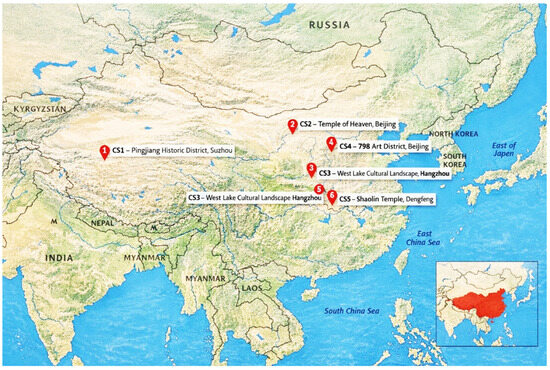
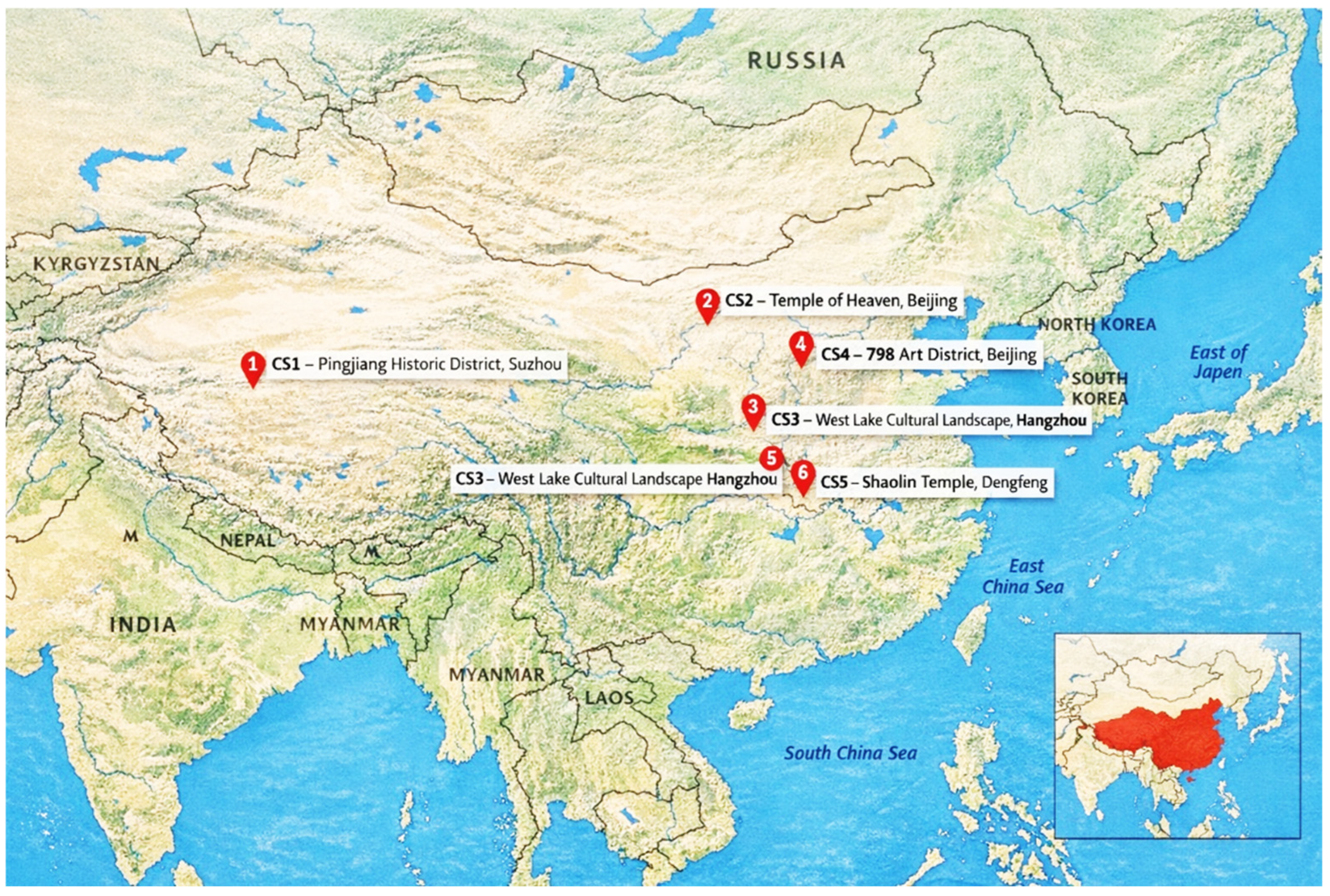
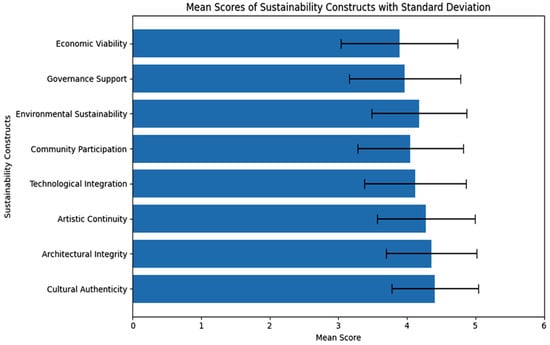
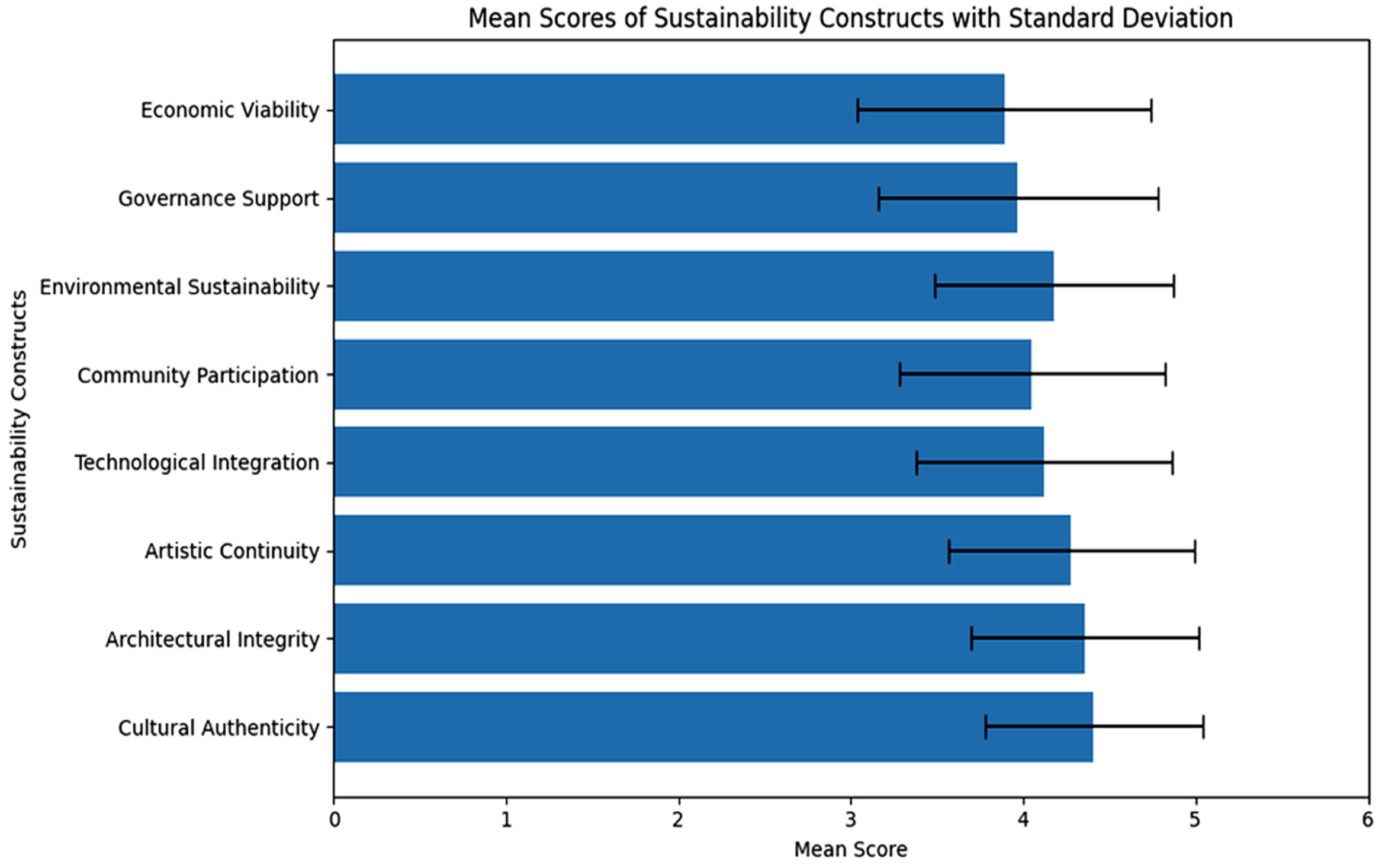
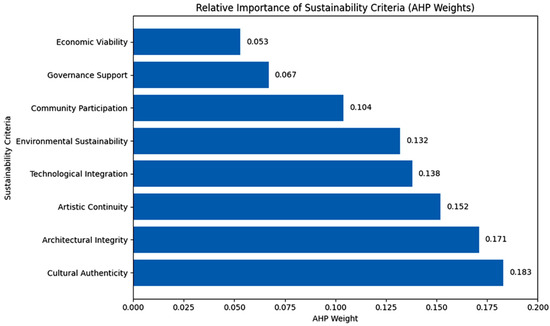
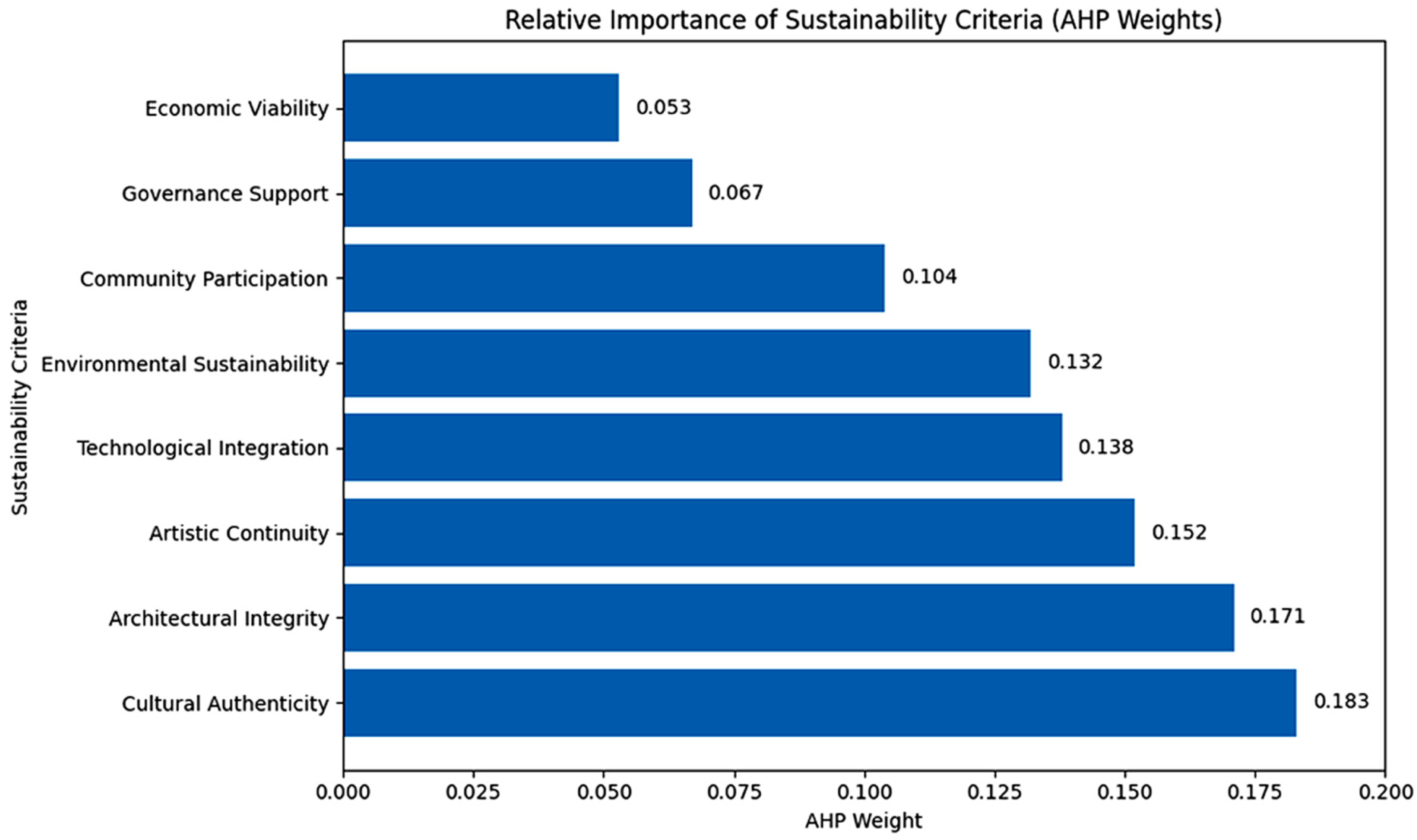
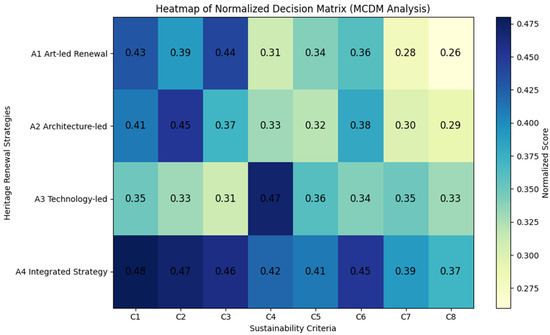
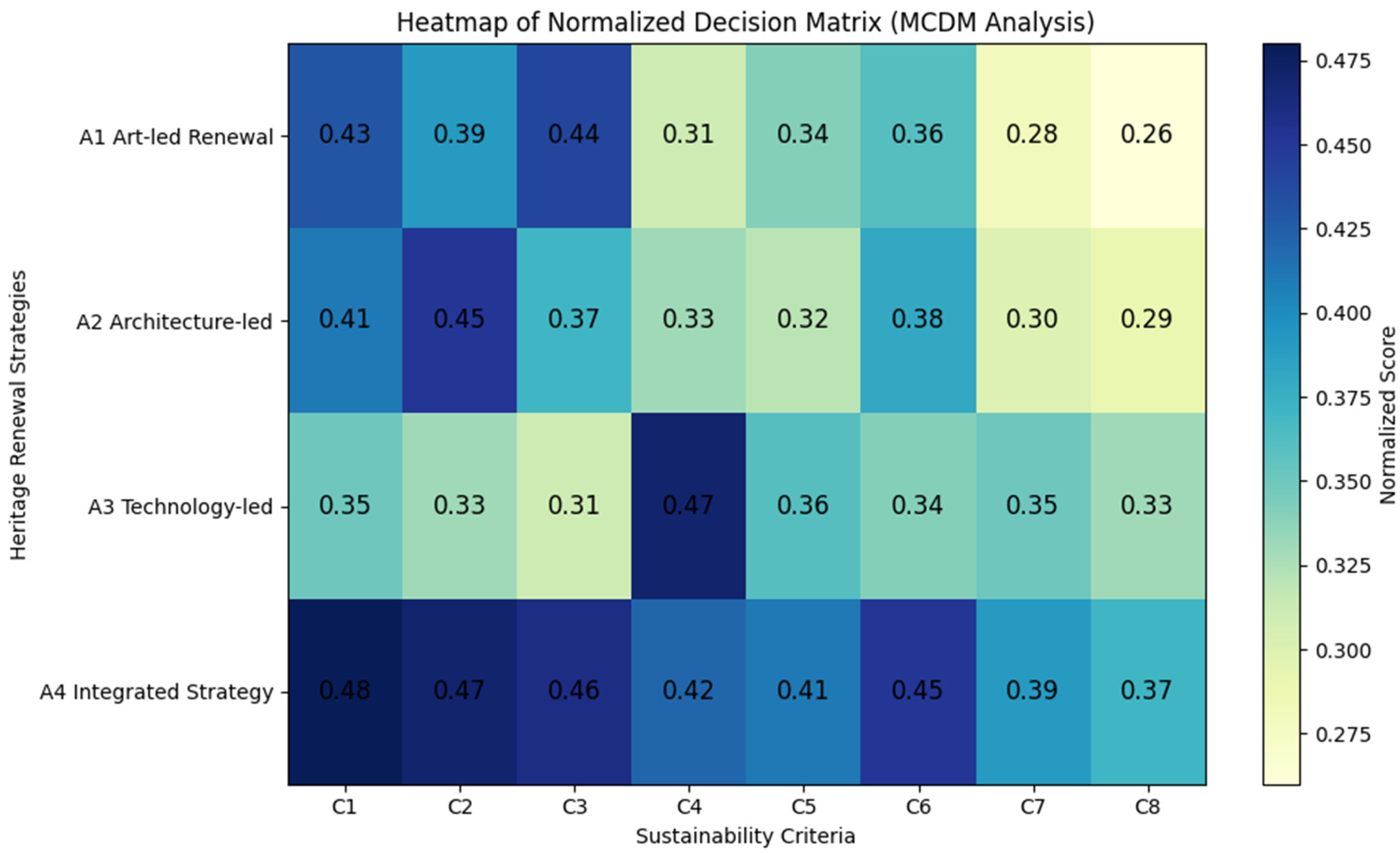
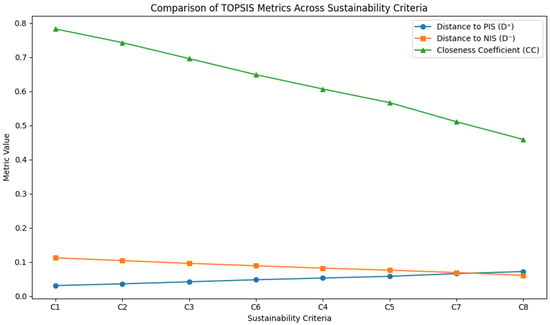

Disclaimer/Publisher’s Note: The statements, opinions and data contained in all publications are solely those of the individual author(s) and contributor(s) and not of MDPI and/or the editor(s). MDPI and/or the editor(s) disclaim responsibility for any injury to people or property resulting from any ideas, methods, instructions or products referred to in the content. |
© 2026 by the authors. Licensee MDPI, Basel, Switzerland. This article is an open access article distributed under the terms and conditions of the Creative Commons Attribution (CC BY) license.