


Abstract
Construction project delays remain a persistent issue, often exacerbated by variation orders that adversely affect both financial and environmental performance, even in the UK. Although Modern Methods of Construction (MMC) have been increasingly employed to mitigate delays and improve efficiency, limited research has examined how variations affect small- and medium-sized enterprises (SMEs) adopting MMC in the UK construction sector. Given the pivotal role of SMEs and their financial vulnerability, this study examines the key challenges posed by variation orders for SMEs adopting MMC, with the broader aim of enhancing future project performance. Employing a two-stage iterative methodology, the research first identifies challenges through a comprehensive literature review, followed by a questionnaire survey and expert interviews. The resulting data were analysed thematically and statistically using SPSS and subsequently validated through a detailed case study involving interviews and document analysis. The findings highlight three principal clusters of challenges: operational, contractual, and module alteration-related, of which operational issues, particularly cost discrepancies, client approval delays, and rework, exert the most significant influence. The study provides a structured understanding of these interlinked challenges and underscores the need for targeted mitigation strategies to improve productivity and performance among UK construction SMEs engaged in MMC projects.
1. Introduction
MMC has emerged as a transformative approach in the construction industry because it aims to enhance both processes and outcomes [1]. Williamson et al. [2] emphasise that MMC adoption represents a strategic departure from traditional methods, enabling the industry to overcome persistent challenges and inefficiencies. Although terms such as off-site manufacturing, offsite construction, prefabrication, volumetric construction, and industrialised construction are often used interchangeably, they collectively fall under the broader umbrella of MMC [3]. Moreover, the controlled environment inherent to offsite methods significantly improves precision and quality control, thereby mitigating the risks of human error and inconsistent workmanship [4,5]. Within the domain of MMC, variation orders are a key factor, signifying inevitable alterations that influence project scope, design and execution [4]. SMEs involved in MMC are particularly vulnerable to the challenges posed by these variations, as they can affect project costs, timelines, and overall outcomes [2]. The frequency of such changes (whether related to the schedule, processes, or specifications) is well documented, with Enshassi et al. [6] noting that it is nearly impossible for any project to proceed without variations, making their occurrence almost inevitable. Accordingly, modern contracts, including standard forms such as the Federation Internationale des Ingenieurs-Conseil (FIDIC), Joint Contracts Tribunal (JCT), and New Engineering Contract (NEC), incorporate clauses specifically designed to accommodate anticipated deviations, acknowledging the inherently unpredictable nature of construction projects [2].
Variation orders, in tandem with project delays, are an omnipresent issue within the construction industry and often lead to substantial cost escalations and extended project timelines [7,8]. In the United Kingdom (UK), it is not uncommon for major government-led projects to experience delays averaging 20 months, with associated cost overruns that could approach 73% [9,10,11]. The Chartered Institute of Building found that approximately 40% of projects may have suffered delays averaging 5 months, largely attributed to inadequate project planning, design alterations, and supply chain disruptions. Rework in construction projects not only drives up costs and prolongs timelines but also contributes significantly to environmental waste, as materials and resources are discarded and energy is consumed unnecessarily, exacerbating the industry’s carbon footprint [10,12]. Although numerous studies have identified possible correlations between project delays, cost overruns, and variables such as project type and procurement methods [13,14,15], a conspicuous knowledge gap remains regarding the specific impact of variation orders on MMC projects.
The UK government’s initiative to promote MMC to help alleviate the housing supply shortage presents a promising opportunity for SMEs to adopt innovative construction technologies, increase their market share, and contribute to the delivery of high-quality affordable housing. As of 2021, approximately 59% of SMEs have embraced MMC, recognising its potential benefits, while 16% remain hesitant to adopt these methods. By 2025, it is projected that 51% of SMEs will develop between 1% to 30% of their housing stock using offsite construction, with 10% planning to build 31–100% through this approach [16]. However, variations in MMC projects led by SMEs are often associated with a range of legal and contractual complexities [17,18]. Additionally, variation orders can present significant challenges and adverse consequences for SMEs, including project delays and disruptions [2,19], outcomes that are particularly concerning for SMEs with limited capacity and resources [7,20]. Furthermore, variation orders are often associated with cost overruns, as changes to design, materials, or scope can lead to increased project expenses [21,22]. Keane et al. [23] proffer that these financial implications can directly affect the budget and profitability of SMEs, potentially threatening their viability and long-term survival.
The convergence of these multifaceted factors underscores the urgency of addressing the knowledge gap regarding MMC and the challenges posed by variation orders, particularly for SMEs in the UK construction sector. The extant literature has disproportionately focused on larger construction firms, often overlooking the unique challenges faced by SMEs engaged in MMC. Compared with their European and Asian counterparts, the integration of MMC by SMEs in the UK remains relatively nascent. Furthermore, the specific challenges posed by variation orders in MMC projects and their subsequent impact on project performance have not been sufficiently explored, thus providing a strong impetus for this study. Therefore, this research aims to elucidate the challenges imposed by variation orders and assess their impact on MMC projects.
The remainder of this paper is structured as follows: the next section presents a comprehensive literature review on the challenges and implications of variation orders; this is followed by the research methodology adopted to achieve the study’s objectives; thereafter, the findings are presented and discussed; and finally, conclusions and recommendations are provided.
2. Challenges/Implications of Variation Orders
Variation orders have substantial cost implications in construction projects. Changes in project scope can lead to additional expenses, such as purchasing new materials or redoing work, resulting in financial waste [24,25]. Disputes over cost overruns often arise from disagreements regarding responsibility for these additional expenses. Moreover, variations disrupt cost planning and budget management, making adherence to the original financial plans challenging [26]. Effective change management processes and comprehensive contracts (that explicitly address variation orders) can mitigate these cost implications and ensure clarity on responsibilities and costs. According to Moayeri et al. [27], variations inevitably lead to an increase in the capital cost of construction projects and impose significant administrative burdens associated with the need for multiple reviews, discussions, and tracking.
While most construction stakeholders aim to reduce overall project costs, their understanding of non-value-adding activities is often limited [28]. Consequently, costs that do not contribute value yet arise from variation orders are frequently underestimated [29]. These costs, often unintentionally allocated under contingency accounts, include unproductive time, redesign, overheads and sometimes legal expenses [30].
Variation orders frequently cause wastage, particularly when modifications are made to already completed works. Ajayi et al. [12] indicated that 14% of variation orders are accompanied by wastage, requiring adjustments to the construction process and leading to time wastage and inefficient use of labour resources. Naji et al. [31] noted that these changes often necessitate reallocating labour or redoing work, resulting in unproductive time and affecting the overall schedule. Disruptions caused by variation orders can create conflicts over delayed milestones and completion deadlines [32]. Uncontrolled variation orders and scope creep can significantly deviate project schedules and hinder timely delivery. To minimise time and delay implications, an effective change management process, regular project reviews and proactive communication (increasingly using advanced digital technologies) are essential to identify and address potential issues early in the project lifecycle [31,33]. For example, implementing building information modelling (BIM) can eliminate variations by resolving design conflicts, errors and omissions resulting from incomplete plans and inadequate representation of the owner’s intentions [34,35].
Construction professionals widely acknowledge that variation orders directly or indirectly affect specific aspects of a project and often lead to decreased productivity [31]. Perceptions of responsibility for the resulting loss differ among stakeholders, with contractors often attributing it to designers and owners, while owners tend to blame poor contractor management [36]. Although not every variation order impacts productivity, deviations from the original plan disrupt scheduled activities and require reassessment or modification of existing workflows. Nguyen and Do [37] highlight how variability hampers project performance, while Do et al. [33] conclude that variation orders negatively impact productivity and project costs. Arain and Pheng [38] emphasised that variation orders are an unwanted but unavoidable reality in construction projects, and that projects with numerous variation orders typically result in lower-than-planned contractor productivity.
The most common consequence of variations is an increase in project costs [31]. Any design modifications or additions during project execution can lead to demolitions or rework of project components, ultimately engendering cost escalation [39]. Studies have found that variation orders significantly impact overall project performance, particularly leading to time and cost overruns and disputes among contract parties [7,38]. For example, Ibbs et al. [40] state that a variation can extend the project duration by approximately 9% of the original scheduled time. Studies in Hong Kong have found that 50% of surveyed projects experienced delays due to variations [39]. These delays necessitate adjustments to construction schedules, which in turn create conflicts and further delays. Project stakeholders face challenges in managing the increased workload, reallocating resources and coordinating activities to accommodate changes, ultimately hindering the project’s ability to meet its scheduled targets. To mitigate these impacts, contingency sums are typically allocated in construction projects to account for potential variations. However, the administrative procedures, documentation, and reviews required to implement variations also contribute to increased overhead costs for all parties [41].
Variation orders also negatively impact the quality of work. Contractors may attempt to offset their losses by taking shortcuts, compromising the overall integrity and standards of the work being performed [42,43,44,45]. Frequent variations force contractors to compromise on quality control, leading to subpar outcomes [46]. Effective variation management, including clear communication, proactive planning and robust quality control measures, is essential to mitigate the adverse effects and maintain project quality [33,47]. Table 1 summarises the key challenges posed by variation orders, including cost, quality, time implications, and contractual conflicts. While these challenges also affect MMC project performance, their criticality and specific impact on SME-led MMC projects have not been thoroughly investigated. Additionally, variation orders adversely impact the project schedule and overall completion, posing significant challenges for SMEs with limited capacity and resources.
Table 1.
Challenges and Implications of Variation Orders.
3. Research Methods
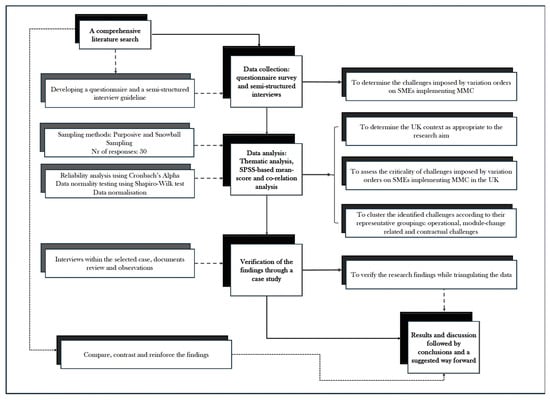
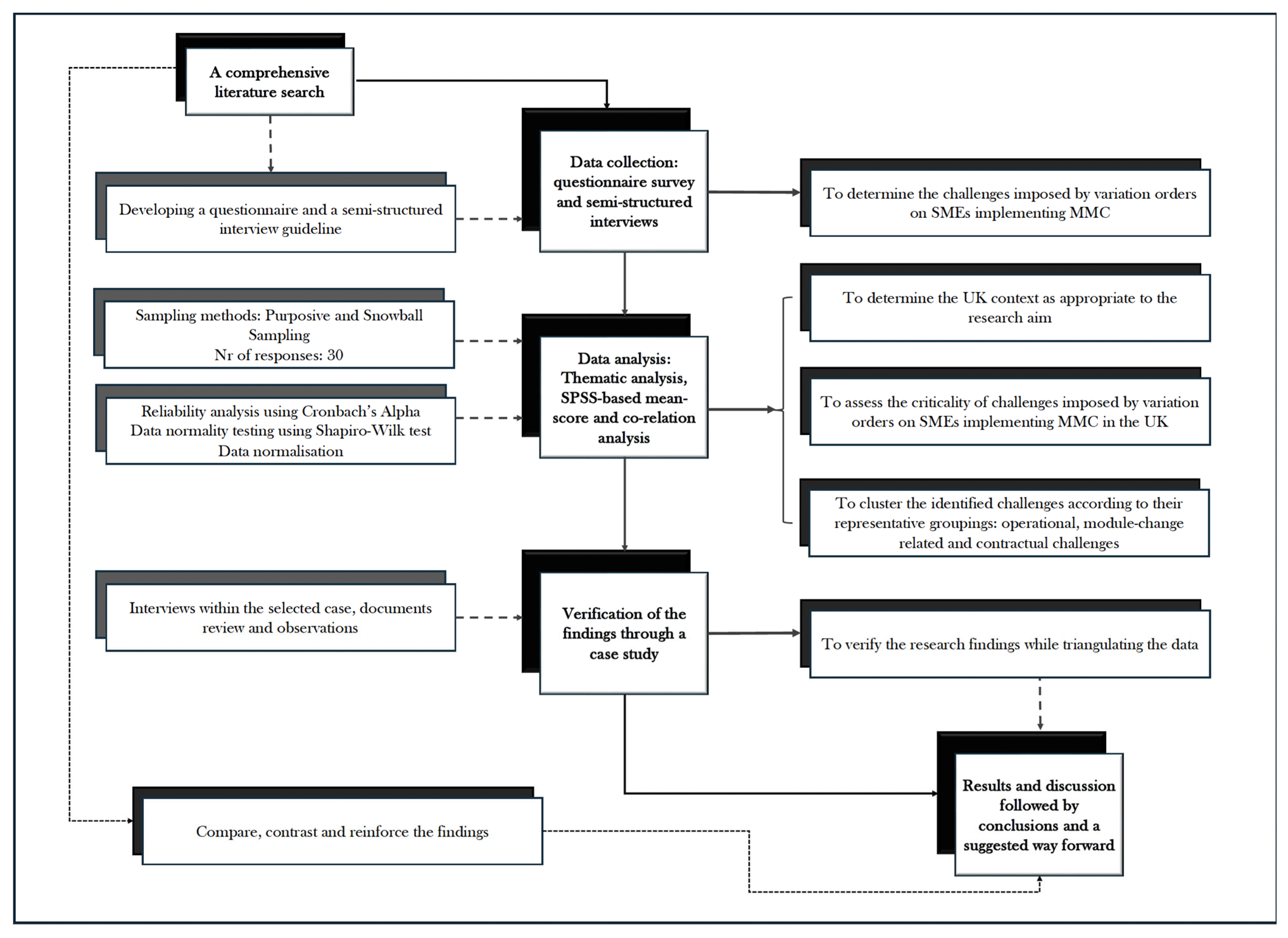
A mix of inductive and deductive reasoning was adopted in this study, with a primary focus on both positivist and interpretivist philosophical underpinnings [61]. Figure 1 depicts the research methods used, the flow pattern, and the expected findings, in line with the research activities conducted. Further, the study adopts a mixed-methods approach, combining qualitative and quantitative methods to gain a comprehensive understanding of the research topic. Mixed-methods research involves collecting, analysing, and interpreting both numerical (quantitative) and non-numerical (qualitative) data in a complementary manner [62]. This approach is particularly suitable for the present study, as it enables a holistic exploration of how variation orders influence project performance and the challenges faced by SMEs undertaking MMC. The use of mixed methods enhances the rigour and validity of the research by triangulating across different data sources, offering a more comprehensive understanding of the complex relationships and dynamics underlying variation orders and project performance in the context of MMC [63]. Accordingly, the research proceeded with an expert opinion survey using semi-structured interviews and a questionnaire as the primary data collection methods, given their appropriateness and advantages in terms of applicability, feasibility, and data relevance [64,65].
Figure 1.
Research methods and flow in this study.
3.1. Data Collection
In phase 1: Questionnaire survey: a desk study was first conducted to categorise the identified challenges into three thematic groups: (1) operational challenges; (2) module-change-related challenges; and (3) contractual challenges. Based on these categories a questionnaire was developed and presented to respondents to confirm the appropriateness of the classification. Respondents were then asked to rank the identified challenges on a five-point Likert scale (1 = Not Critical, 5 = Most Critical), a widely accepted method for assessing variables in construction research [66].
A pilot test was conducted with selected industry participants to refine the questionnaire before wider distribution. The questionnaire was subsequently revised based on pilot feedback to improve clarity and relevance. The reasons behind respondents’ rankings were further explored during follow-up second round interviews. The sample size of 30 respondents was deemed adequate for this study [67]. Rather than relying solely on the argument that ‘30 is representative,’ the adequacy of the sample is supported by the achievement of data saturation and the purposive selection of experts with substantial MMC experience, which aligns with qualitative sampling standards [68].
In phase 2: The same 30 respondents participated in semi-structured interviews to identify challenges imposed by variation orders specifically affecting construction SMEs adopting MMC in the UK (see Appendix A). Purposive sampling was used to select suitable participants based on their business profiles and industry experience [69]. The snowball sampling technique was also used to expand the respondent ‘catchment area’. All respondents were managerial or high-level industry experts who had worked on MMC projects in the UK or possessed significant knowledge in this area. All these respondents were identified through industry contacts and networking events, ensuring that participants were well-informed and experienced in MMC practices within SMEs. A sampling frame was not required, as a nonprobability sampling method was employed [70]. Interviews were conducted either face-to-face [71] or online (via Skype). A brief explanation of the study and its data-collection requirements was provided at the start of each interview, including procedures for obtaining informed consent [72]. Interviewees were asked to identify specific challenges faced by UK SMEs due to variation orders in construction projects.
Data saturation was reached at the 26th interview, as no new themes or codes emerged beyond this point. To ensure robustness, four additional interviews were conducted to validate the saturation point. In total, 22 challenges were identified as being specific to UK SMEs. The interviews also served to verify and validate questionnaire responses, contributing to methodological triangulation [73]. Triangulation was achieved by comparing the qualitative insights from the interviews with the quantitative questionnaire data, which allowed for cross-verification of the responses (ibid), thus ensuring the reliability and credibility of the conclusions drawn.
In phase 3: To further validate the research outcomes, a case study was conducted on a UK-based SME engaged in a residential apartment project employing volumetric modular construction, comprising 312 modules. Data were collected through interviews with three project engineers and the project manager, along with onsite observations of project meetings and review of project documents, meeting minutes, and variation orders. These individuals were considered to possess valuable insights and experience in managing construction projects, providing firsthand, in-depth knowledge of the challenges and impacts of variation orders on project performance. As key decision-makers, they were directly involved in processes related to variation orders [74], making their perspectives essential for understanding the practical implications of such changes.
The case study findings were used to cross-validate the data gathered from the questionnaire survey and interviews. This process involved comparing quantitative data on the perceived impacts of variation orders with qualitative insights from the case study to ensure consistency and coherence. The documented variation orders and project performance data were instrumental in verifying the results identified in earlier phases. By triangulating data across multiple sources, the study ensured a more comprehensive and reliable understanding of how variation orders affect project performance within MMC, thereby strengthening the robustness of the conclusions. The mixed sequential explanatory design was therefore well-suited to the study’s objectives, enabling a nuanced exploration of the complex dynamics between variation orders, MMC processes, and SME project performance [75].
3.2. Data Analysis
Table 2 presents the identified challenges within their respective groups, coded as Operational-related challenges (O1–O10), Module change-related challenges (M1–M6), and Contractual-related challenges (C1–C6). The Likert scale scores were normalised to identify the most critical challenges. Normalisation converts raw scores onto a common scale ranging from 0 to 1, reducing scale-related bias and enabling meaningful comparison across items. Following the studies by Osei-Kyei and Chan [76] and Ekanayake et al. [77], this study also employed descriptive statistics and normalisation analysis to determine the critical challenges. Based on the normalisation values (N-V > 0.5), 14 challenges were identified as critical, with the threshold (N > 0.5) representing items that scored above the midpoint of the normalised scale.
Table 2.
Challenges imposed by variation orders in construction SMEs in the UK.
Before conducting further statistical analysis, the data were assessed for appropriateness and reliability, which are essential for validating the outcomes [77]. Reliability was evaluated using Cronbach’s alpha in the Statistical Package for the Social Sciences (SPSS Version 29). Cronbach’s alpha values range from 0 to 1, with acceptable values typically falling between 0.70 and 0.95 [78,79]. In this study, the alpha coefficient of 0.731 indicates satisfactory internal consistency among the 22 identified challenges. Testing for data normality is also crucial to understanding the distribution characteristics of the dataset [59]. Therefore, the Shapiro–Wilk test, widely regarded as one of the most powerful normality tests [80], was employed to assess data distribution [64]. The null hypothesis assumes that the data are normally distributed; this hypothesis is rejected when the test value falls below the significance level of 0.05. As shown in Table 2, the Shapiro–Wilk results indicates that the data are not normally distributed. Consequently, nonparametric statistical techniques were used in SPSS, including descriptive statistics (measures of central tendency and frequencies) [68] and Spearman correlation analyses.
Qualitative data were analysed using thematic analysis. The recorded interview sessions were transcribed, and themes relating to variation orders were identified. A three-phase coding process, open, axial, and selective coding, was employed to systematically develop themes. Two researchers independently coded the transcripts, after which the themes were reviewed and discrepancies were resolved through discussion to ensure consistency and reliability. These qualitative findings were subsequently tested through a real-life case study. The case study data were analysed using manual content analysis, enabling comparison between the empirical evidence and the themes emerging from the interviews and questionnaire responses. This triangulation strengthened the credibility of the findings and provided a more comprehensive understanding of the challenges imposed by variation orders on SMEs adopting MMC.
4. Results and Discussion
Emergent findings reveal that construction SMEs in the UK face significant challenges when managing variation orders in MMC projects. According to Table 2, budget and cost misalignment (ranked 1st), client approval delays (ranked 2nd), and rework (ranked 3rd) emerged as the most critical challenges, all within the operational category. Budget and cost misalignment is particularly critical in SMEs, which typically operate with tighter budgets and less financial flexibility [45]. IR2 [IR denotes the ‘interview respondents’ hereafter] reinforced this point, stating: “You cannot just change a spec halfway through when modules are already produced—that’s a sunk cost, and SMEs don’t have the luxury to absorb that.” Whilst MMC promotes efficiency, it can also exacerbate cost misalignment due to the specialised nature of prefabricated components, which are costly and difficult to modify once produced.
For MMC projects, client approval for design changes or material substitutions is essential before manufacturing or construction can proceed [65]. Variation orders requiring client approval can cause significant delays, particularly when clients are indecisive or unfamiliar with MMC technologies. IR5 observed: “Client delays in approving even small changes create massive knock-on effects because we can’t proceed to manufacture without those approvals.” Such delays stall project timelines, disrupt delivery schedules and reduce overall efficiency. Because MMC relies on off-site fabrication and tightly sequenced workflows, any delay in client approval creates compounding delays [77]. Rework is another major challenge. Since MMC involves prefabricated components that are difficult to alter once produced, late variation orders often necessitate costly re-engineering and re-manufacturing, leading to material waste, increased labour costs, and extended project timelines [12]. IR3 noted: “If you get a variation late, and your materials are already on order, it’s not just waste—it’s lost time and re-coordination of the entire build sequence.” Rework can also compromise quality control, especially in modular construction, where precision and tolerance management are essential [77]. Consequently, SMEs face high costs and delays, as rework disrupts the entire operational flow.
4.1. Operational Cluster
A primary operational challenge identified is the inevitability of variations in construction projects, a reality that SMEs must continuously manage. Variations, often driven by evolving client demands or unforeseen onsite issues, introduce unpredictability into SME-managed construction processes [65]. This unpredictability poses a critical challenge to maintaining project stability. Ten operational challenges directly linked to variation orders were identified, including production disruptions, resource idling, wastage, and rework. These disruptions are not mere inconveniences; they represent bottlenecks that cascade into significant project delays and cost overruns. IR1 explained: “Variations are inevitable, yes—but with MMC, they don’t just affect one task. They push back everything: delivery, installation, even inspections.”
The literature supports these findings. Memon et al. [39] emphasise the substantial impact of variation orders on project costs and delays, while [24] highlights how scope changes lead to additional expenses and cost overruns. Logistical complexity further compounds these challenges, particularly when manufacturing facilities are geographically distant from project sites [65]. IR6 highlighted: “The factory is 200 miles away. If something changes, it’s not a site fix—it’s a transport, storage, and cost nightmare.” This increases the need for meticulous documentation and record-keeping, which becomes especially onerous when managing variation orders.
4.2. Modular Change Related Cluster
Variation orders also introduce substantial challenges related to module changes in MMC projects. Six significant module change-related challenges were identified, including design review delays, extended material lead times (due to design changes and delays), and weight change impacts (i.e., changes to the modules’ designed weight). These challenges highlight the complexities of managing design alterations and coordinating timelines in modular construction.
Semi-structured interviews emphasised the intricacies of coordinating off-site production with on-site assembly. IR4 shared: “You tweak one design element, and suddenly you’re dealing with a new centre of gravity—that’s not just a drawing change.” Without effective communication and logistics planning, such changes create significant disruptions. IR10 added: “Steel frame adjustments take at least two extra weeks for us to source and re-engineer—the client never sees that part.” While existing literature has predominantly focused on the quality implications of variation orders, the specific module-related challenges in MMC remain under-explored. IR8 commented: “Most of these changes come because the brief wasn’t fully frozen. It’s a decision-making problem.” This study addresses this gap by highlighting the unique module-related complexities that variation orders introduce in MMC projects.
4.3. Contractual Cluster
Contractual challenges arising from variation orders are equally complex and multifaceted. Six contractual challenges were identified, including difficulties with extension of time calculations, payment cycle issues, and stakeholder disputes. These challenges represent significant risks that can derail a project if not managed effectively. Interviews underscored the importance of clear communication with clients to avoid misunderstandings. IR7 noted: “The EOT claims are always contested. Everyone agrees there’s a delay, but no one agrees who’s paying for it.” Arain and Pheng [35] similarly emphasise that frequent variations lead to disputes and cost overruns, straining stakeholder relationships and impeding project completion. IR3 reflected: “We rely on JCT, but even then, if the variation isn’t documented cleanly, it leads to blame games.” Tariq and Gardezi [45] provide further evidence of how variation orders can create conflicts and disputes, underscoring the need for clear contractual provisions and effective dispute-resolution mechanisms. The study also revealed the difficulty in balancing structural integrity and aesthetic changes while managing budgets. This balancing act is particularly challenging in MMC projects, where cost-effective standardisation and the need for customisation often conflict. IR6 recounted: “We had one case where the client said, ‘just make it bigger’—that led to £30k in changes and weeks of delay.” These findings align with Oladapo [7], who highlights the impact of variations on project costs, and the necessity for effective contractual management. Furthermore, educating stakeholders about the complexities of contemporary construction techniques is critical for managing the challenges posed by variation orders, as highlighted in the expert surveys. IR9 summarised: “Education is key—most clients don’t understand that changing one room layout can mean redoing five modules.”
4.4. Descriptive Statistics and Correlational Analysis
Table 3 provides insights into SME project performance in the UK construction industry. The mean project performance is 1.44, with a standard deviation of 0.390, indicating below average performance. This low performance is likely influenced by the frequent occurrence of variation orders. The mean frequency of variation orders is 3.73, suggesting that they are a common among SMEs in the UK construction industry. A negative correlation (r = −0.113, p-value = 0.551) was found between the frequency of variation orders and project performance, indicating that more variation orders are associated with poorer performance, although the relationship is not statistically significant due to the small sample size. Operational, module-related, and contractual challenges all negatively impact project performance with module-related challenges showing the strongest (though still marginal) association. Contractual challenges (frequently encountered due to variation orders) also contribute to poorer project performance, further highlighting the challenges SMEs face in effectively managing contracts.
Table 3.
Correlation Analysis Results.
Despite the lack of statistical significance, the findings suggest a complex relationship between variation orders and project outcomes, potentially mediated by factors such as project management practices and stakeholder engagement. The study underscores that variation orders consistently exert negative impacts on SME performance. Cost implications are particularly severe, leading to financial wastage, cost overruns, and disputes over financial responsibilities. Existing studies corroborate these findings. Arain and Pheng [53] note that frequent variations lead to cost overruns and disputes due to the complexity of managing scope changes. Variation orders also disrupt project schedules, with delays ranging from 9 to 50% of the original project duration. Memon et al. [39] report that approximately 50% of surveyed projects experienced delays due to variation orders. Additionally, poor management of variations often compromises quality, leading to rework, client dissatisfaction, and disputes.
4.5. Case Study
The case study revealed critical challenges associated with variation orders, underscoring the complexities and risks inherent in MMC projects. The residential apartment development, comprising 312 volumetric modules, provides a clear illustration of how variation orders can disrupt construction work flow(s), leading to significant operational, module-related and contractual difficulties. At the outset, the project appeared well-structured: the Principal Designers played a key role in educating the client on MMC benefits and aligning the project with future sustainability goals. The engagement of an SME specialising in off-site linear assembly manufacturing, supported by a JCT Sub-Contract with amended procurement provisions, reflected a strategic and well-planned approach to modular construction. However, the challenges that emerged mid-project highlight the vulnerability of even well-designed MMC processes when confronted with unforeseen changes.
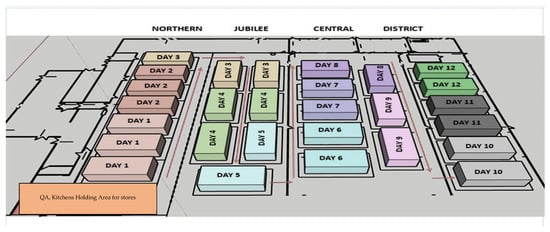
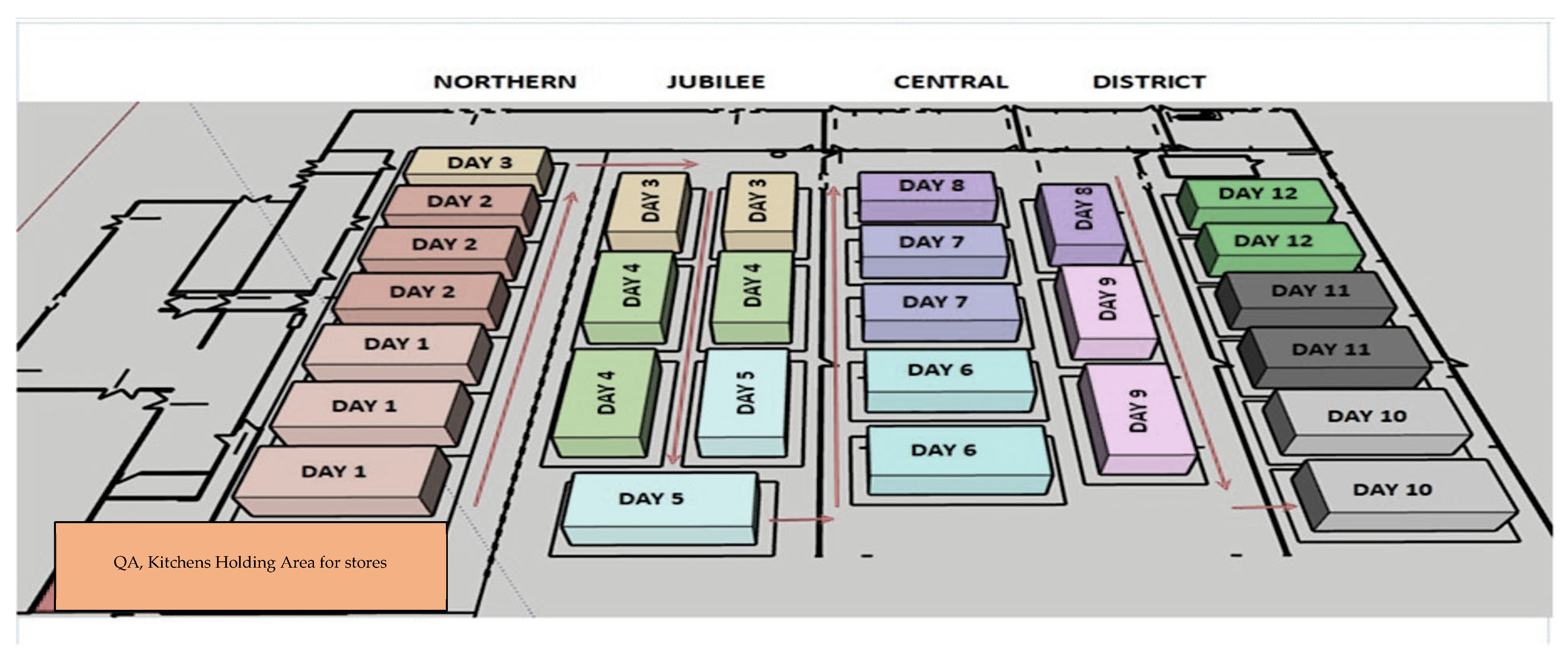
A major point of disruption occurred when variation orders related to fire-safety concerns were introduced approximately 13 weeks into production. These variations necessitated a comprehensive design review by a third-party consultant, delaying the project by four weeks and disrupting the logistical flow, including material lead times and requiring additional permissions for module transportation. The operational disruptions that followed highlight the fragility of the modular production process, as illustrated in Figure 2. The resulting ‘Bottle Neck Effect’, where modules were unable to progress through the linear assembly line due to late-stage variation orders, demonstrates the importance of maintaining a streamlined and uninterrupted production sequence. The associated delays, material wastage and idle labour time further exacerbated the project’s financial and logistical challenges, illustrating how operational challenges can escalate rapidly when variation orders are not anticipated or effectively managed.
Figure 2.
Internal Layout of Factory Space and Day Processes.
The case study also highlights the severe impact of module change-related challenges. Rework required for modules that had already progressed through the production, combined with the vulnerability of installed modules to on-site damage (e.g., water ingress), reflects the complex interdependencies inherent in modular construction. These issues not only increased project costs but also introduced significant inefficiencies. More robust design-freeze procedures and early-stage planning could have mitigated many of these challenges, particularly those arising from late design changes.
Furthermore, the contractual challenges resulting from these delays, particularly the difficulties in calculating an extension of time and the subsequent impact on the payment cycles, underscore the need for clear, flexible and well-defined contractual arrangements MMC projects [45]. The escalation of the project into a legal dispute, with its associated financial and reputational consequences, further emphasises the importance of comprehensive risk management strategies that account for the possibility of variation orders and their ripple effects [27].
Overall, this case study vividly demonstrates the multifaceted challenges posed by variation orders in MMC projects, particularly for SMEs. It underscores the necessity of proactive management strategies, including meticulous planning, flexible design processes and clear contractual agreements, to mitigate the impacts of variation orders. The lessons drawn from this case are critical for improving project outcomes in similar MMC contexts, where the potential for variation orders is high, and their consequences can be severe.
5. Research Limitations, Implications and Ways Forward
While the results of this study are compelling, they should be interpreted within the context of the research’s underlying assumptions and limitations. The relatively small sample size represents a key constraint; however, this limitation was mitigated through complementary semi-structured interviews and a validation case study, which collectively enhanced the robustness and credibility of the findings. Future research would benefit from a larger and more diverse sample to improve the generalisability of the results.
Despite these limitations, this study offers significant theoretical and practical contributions. It advances theoretical understanding by providing a structured examination of the challenges posed by variation orders for SMEs employing MMC and their impact on project performance. The insights gained underscore the importance of proactively addressing variation orders in MMC projects led by UK SMEs. The categorisation of challenges into operational, module change-related, and contractual groups provides a coherent framework for collectively tackling these issues, thereby supporting improved project performance and helping alleviate productivity barriers faced by UK construction SMEs.
Furthermore, the findings offer a platform for policymakers, industry professionals, and industry bodies to develop guidelines, training programmes and recommended procedures to address risks arising from variation orders in SME-led MMC projects. SMEs must also prioritise client education and expectation management, ensuring that clients understand both the capabilities and constraints of MMC to minimise unnecessary variations and disputes. Proactive risk assessment during the early design phase is essential, enabling potential variation-related issues to be identified and addressed before they escalate. Construction SMEs should also prioritise the development of clear and comprehensive contractual agreements, particularly clauses related to MMC-specific variations, to ensure accountability and protection for all parties involved. Effective and continuous communication among stakeholders, combined with standardisation and modular thinking, can enhance adaptability while maintaining efficiency. Overall, the research provides actionable insights for industry practitioners, academics, and policymakers seeking to strengthen the resilience and performance of MMC projects delivered by SMEs.
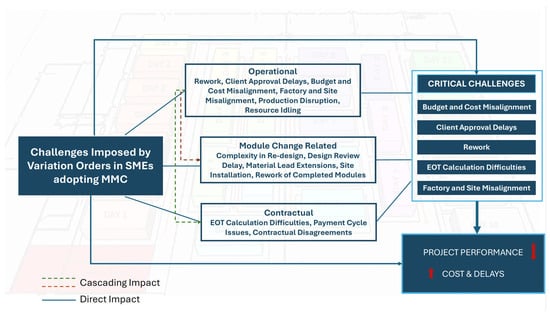
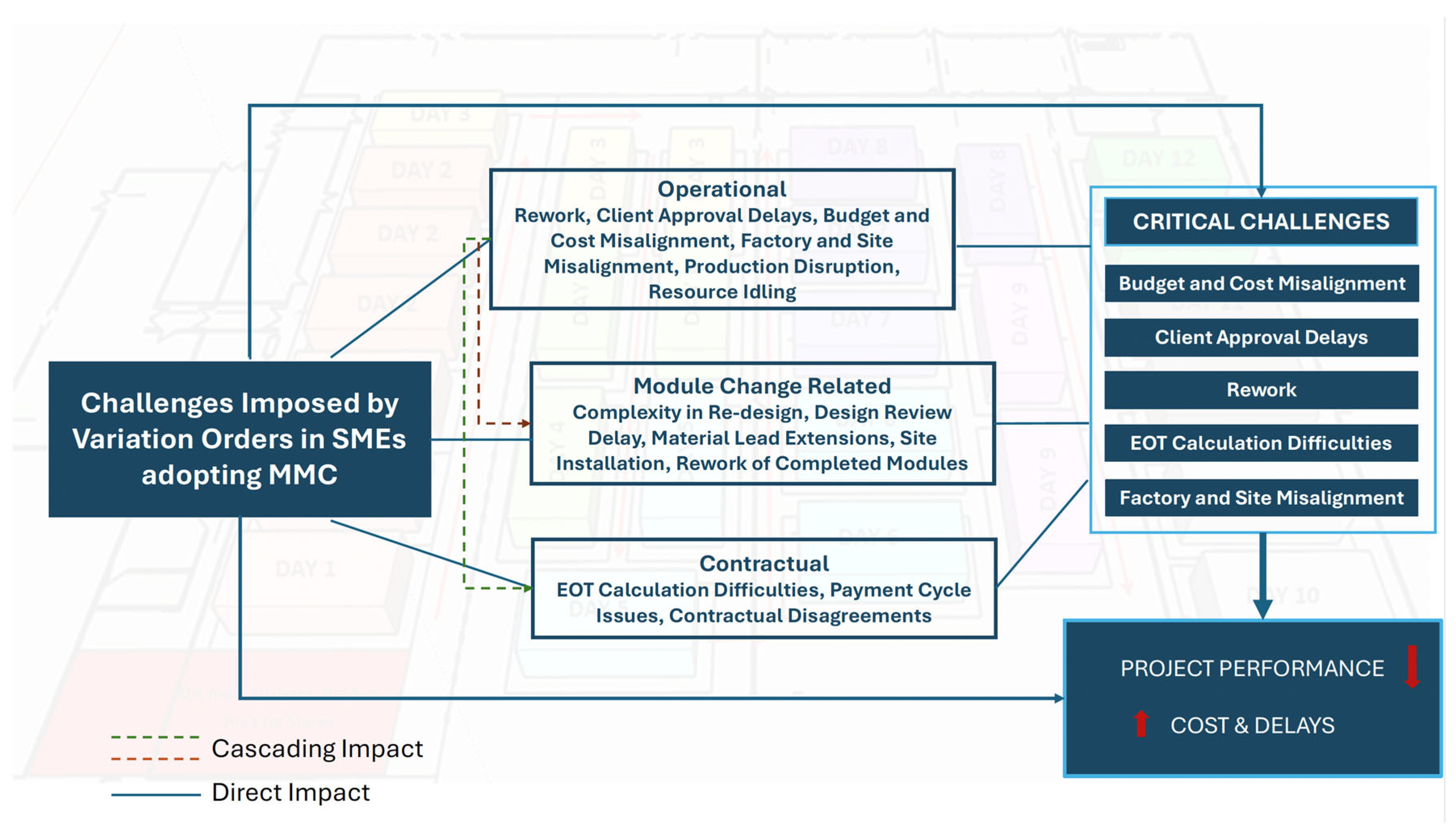
The originality and significance of these findings (Figure 3) are further accentuated by the unique challenges of the UK’s urban construction environment. Future research could focus on developing targeted countermeasures to address these challenges more effectively, particularly those arising from late-stage design changes and complex stakeholder interactions. Additionally, the development of an evaluation model to assess the impact of variation orders would be a valuable next step, enabling more precise identification of the most pervasive and impactful challenges faced by UK construction SMEs. Such a model would not only refine current understanding of variation orders within MMC but also provide practical tools to improve project outcomes in an increasingly dynamic construction landscape.
Figure 3.
Key Study Findings.
6. Conclusions
MMC has gained significant attention for its potential to enhance the performance of construction SMEs in the UK. However, variation orders introduce substantial vulnerabilities that can undermine project timelines, budgets and collaborative processes, ultimately diminishing overall project outcomes. This study aimed to identify the specific challenges posed by variation orders for SMEs employing MMC and to assess their impact on project performance. Drawing on 30 questionnaire responses, expert interviews, and a real-life case study, the research identified 14 critical challenges, with budget and cost misalignment, client approval delays, and rework emerging as the most significant for UK SMEs utilising MMC. Through thematic analysis, supported by a desk study, these challenges were categorised into three thematic clusters: (1) operational; (2) module change-related; and (3) contractual.
Among these, operational challenges were found to exert the greatest influence, demonstrating strong interrelationships with module-change-related and contractual issues. The validation case study further substantiated these findings, showing that operational challenges often trigger cascading effects across other challenge categories. These insights are particularly important for improving contractor profitability by reducing rework and operational inefficiencies. Minimising the frequency and impact of variation orders offers significant potential for cost, material, and time savings, all of which are vital in an increasingly competitive global construction market. By mitigating these challenges, UK construction SMEs can enhance project performance and strengthen their competitive edge, delivering greater value to clients and society.
In alignment with the broader Sustainable Development Goals, reducing unnecessary rework, time delays, and resource waste can significantly advance sustainability in construction. Fewer variation orders translate into less material waste and more efficient use of labour and energy, contributing to both environmental and economic sustainability. This supports the transition toward more sustainable construction methods and practices, enhancing the global competitiveness of UK contractors while advancing green building initiatives.
Looking ahead, successful implementation of the strategies identified in this study could lead to more profitable and efficient MMC projects, thereby enhancing the UK’s reputation in the international construction market. It would also empower SMEs to manage variation orders more effectively, delivering greater value and service to clients. However, if these challenges are not addressed proactively, the consequences may be significant. Operational inefficiencies, increased project costs, delays and resource waste may continue to hinder not only the performance of individual projects but also the overall competitiveness of the UK construction sector.
Author Contributions
Conceptualization, H.M.M. and A.E.; methodology, H.M.M. and A.E.; software, H.M.M. and A.E., validation, H.M.M. and A.R.; formal analysis, H.M.M. and A.R.; investigation, A.E.; resources, D.J.E.; data curation, H.M.M.; writing—original draft preparation, A.E., A.R. and A.P.; writing—review and editing, A.E., D.J.E. and A.P.; visualization, A.E. and A.R.; supervision, A.E.; project administration, D.J.E. All authors have read and agreed to the published version of the manuscript.
Funding
This research received no external funding.
Institutional Review Board Statement
All subjects gave their informed consent for inclusion before they participated in the study. The study was conducted in accordance with the Declaration of Helsinki, and the protocol was approved by Department research ethics committee/MSc student research supervisor approval (BNV7200).
Informed Consent Statement
Informed consent was obtained from all subjects involved in the study.
Data Availability Statement
The original contributions presented in this study are included in the article. Further inquiries can be directed to the corresponding author(s).
Conflicts of Interest
The authors declare no conflicts of interest.
Appendix A
Expert Interview Guideline
- SECTION I—INTRODUCTION TO THE RESEARCH
- Research Topic:
The Impact of Variation Orders on SMEs Using Modern Methods of Construction (MMC)
- Research Aim:
To critically examine the impact of variation orders on the performance of SMEs utilising MMC in the UK, and to identify strategic solutions for mitigating these impacts.
- Research Objectives:
- 1.
- To identify and categorise challenges posed by variation orders on SMEs.
- 2.
- To assess how variation orders influence project performance in MMC settings.
The study involves interviews with experienced construction professionals working within SMEs that adopt MMC. Participants will reflect on the effects of variation orders in practice and how such challenges have been managed across operational, contractual, and technical domains.
- SECTION II—PARTICIPANT BACKGROUND INFORMATION
- Name (optional): .................................................................
- Designation: ...........................................................................
- Years of Experience in Construction: .....................................
- Years of Experience in MMC Projects: ..................................
- Type of MMC Involved (e.g., volumetric, panelised): ............
- Size of Organisation (approx. employees): .............................
- SECTION III—EXPERIENCE WITH MMC AND VARIATION ORDERS
- 1.
- What are the main operational, contractual, or technical challenges your SME has encountered in adopting Modern Methods of Construction (MMC)? How were these addressed?
- 2.
- How frequently do you encounter variation orders in MMC projects, and at what stage (design, offsite, installation) are they most common?
- 3.
- Compared to traditional methods, does MMC increase or reduce your exposure to variation orders? Why?
- 4.
- What specific project challenges have you faced as a result of variation orders during MMC execution (e.g., rework, cost overruns, delays, or design changes)?
- SECTION IV—IMPACT ON PROJECT PERFORMANCE
- 5.
- In your experience, how do variation orders affect overall project performance, especially regarding:
- o
- Time/schedule adherence
- o
- Budget/cost alignment
- o
- Labour and material coordination
- 6.
- Have you observed a cascading impact of variation orders (e.g., operational changes leading to contractual disputes or module redesign)? Can you provide examples?
- 7.
- Do variation orders influence the quality or final deliverables of MMC projects? If yes, how?
- SECTION V—RISK MANAGEMENT AND MITIGATION STRATEGIES
- 8.
- What risk management procedures does your SME use to anticipate or manage variation orders in MMC projects?
- 9.
- Do your contracts include mechanisms to manage variation orders (e.g., specific clauses, contingency planning)? How effective are they?
- 10.
- Have you found digital tools such as BIM helpful in mitigating or tracking variation order impacts?
- SECTION VI—RECOMMENDATIONS AND FUTURE PRACTICE
- 11.
- Based on your experience, what strategies would you recommend to other SMEs for overcoming the negative impacts of variation orders in MMC projects?
- 12.
- What support (training, digital tools, contractual standards) would help SMEs manage variation orders more effectively in MMC environments?
References
- Kauppinen, L.; Annunen, P.; Haapasalo, H. Systematic literature review of themes and definitions of industrialized construction. Smart Sustain. Built Environ. 2024. ahead of print. [Google Scholar] [CrossRef] [Scilit]
- Williamson, M.; Ganah, A.; John, G.A. Barriers to adopting modern methods of construction in the UK. J. Constr. Eng. Manag. Innov. 2019, 2, 30–39. [Google Scholar] [CrossRef] [Scilit]
- Thurairajah, N.; Rathnasinghe, A.P.; Ali, M.; Shashwat, S. Unexpected Challenges in the Modular Construction Implementation: Are UK Contractors Ready? Sustainability 2023, 15, 8105. [Google Scholar] [CrossRef] [Scilit]
- Akinradewo, O.; Aigbavboa, C.; Aghimien, D.; Oke, A.; Ogunbayo, B. Modular method of construction in developing countries: The underlying challenges. Int. J. Constr. Manag. 2023, 23, 1344–1354. [Google Scholar] [CrossRef] [Scilit]
- Rathnasinghe, A.P.; Thurairajah, N.; Jones, P.; Goulding, J. The critique of sustainability discourse within the off-site construction (OSC): A systematic-scientometric review. Archit. Eng. Des. Manag. 2025, 21, 379–409. [Google Scholar] [CrossRef] [Scilit]
- Enshassi, A.; Arain, F.; Al-Raee, S. Causes of variation orders in construction projects in the Gaza strip. J. Civ. Eng. Manag. 2010, 16, 540–551. [Google Scholar] [CrossRef] [Scilit]
- Oladapo, A.A. A quantitative assessment of the cost and time impact of variation orders on construction projects. J. Eng. Des. Technol. 2007, 5, 35–48. [Google Scholar] [CrossRef] [Scilit]
- Bajjou, M.S.; Chafi, A. Empirical study of schedule delay in Moroccan construction projects. Int. J. Constr. Manag. 2018, 20, 783–800. [Google Scholar] [CrossRef] [Scilit]
- Acerete, B.; Gasca, M.; Stafford, A. Two decades of DBFO roads in the UK and Spain: An evaluation of the financial performance. In Annals of Public and Cooperative Economics; Wiley Blackwell: Hoboken, NJ, USA, 2019; Volume 90, pp. 269–289. [Google Scholar] [CrossRef] [Scilit]
- Love, P.E.; Ika, L.A. Making sense of hospital project misperformance: Over budget, late, time and time again—Why? And what can be done about it? Engineering 2022, 12, 183–201. [Google Scholar] [CrossRef] [Scilit]
- Winch, G.M.; Cha, J. Owner challenges on major projects: The case of UK government. Int. J. Proj. Manag. 2020, 38, 177–187. [Google Scholar] [CrossRef] [Scilit]
- Ajayi, S.O.; Oyedele, L.O.; Akinade, O.O.; Bilal, M.; Alaka, H.A.; Owolabi, H.A. Optimising material procurement for construction waste minimisation: An exploration of success factors. Sustain. Mater. Technol. 2017, 11, 38–46. [Google Scholar] [CrossRef] [Scilit]
- Lessing, B.; Thurnell, D.; Durdyev, S. Main Factors Causing Delays in Large Construction Projects: Evidence from New Zealand. J. Manag. Econ. Ind. Organ. 2017, 104, 63–82. [Google Scholar] [CrossRef] [Scilit]
- Oyegoke, A.S.; Al Kiyumi, N. The causes, impacts and mitigations of delay in megaprojects in the Sultanate of Oman. J. Financ. Manag. Prop. Constr. 2017, 22, 286–302. [Google Scholar] [CrossRef] [Scilit]
- Kadry, M.; Osman, H.; Georgy, M. Causes of Construction Delays in Countries with High Geopolitical Risks. J. Constr. Eng. Manag. 2017, 143, 401–434. [Google Scholar] [CrossRef] [Scilit]
- Gherbal, N.; Abduelmula, M. The Effectiveness of using Modern Construction Methods as a Solution to Assist the Social Housing Shortage in the United Kingdom. In Proceedings of the 11th Annual International Conference on Industrial Engineering and Operations Management, Singapore, 7–11 March 2021; pp. 2868–2881. [Google Scholar]
- Alnuaimi, A.S.; Taha, R.A.; Al Mohsin, M.; Al-Harthi, A.S. Causes, Effects, Benefits, and Remedies of Change Orders on Public Construction Projects in Oman. J. Constr. Eng. Manag. 2010, 136, 615–622. [Google Scholar] [CrossRef] [Scilit]
- Senouci, A.; Alsarraj, A.; Gunduz, M.; Eldin, N. Analysis of change orders in Qatari construction projects. Int. J. Constr. Manag. 2016, 17, 280–292. [Google Scholar] [CrossRef] [Scilit]
- Chen, S.; Eyers, D.R.; Gosling, J.; Huang, Y. Supply chain risks for SMEs in construction projects: A structured literature review and research agenda. Int. J. Logist. Manag. 2025, 36, 747–774. [Google Scholar] [CrossRef] [Scilit]
- Muhammuddin, M.N.N.; Danuri, M.M.; Hanid, H.; Mahanim, M. Dispute Occurrences During Construction Stages of Building Project: A Systematic Literature Review. J. Proj. Manag. Pract. 2022, 2, 1–22. [Google Scholar] [CrossRef] [Scilit]
- Al Sulaimani, S.H.K.; Yahia, H. Evaluating the impact of change orders on construction projects in Oman. J. Stud. Res. 2021, 10, 67–90. [Google Scholar] [CrossRef] [Scilit]
- Marzouk, M.; Mohamed, A.; Hamdy, A. Exploratory structural equation modeling to analyze bridge projects cost overruns due to variation orders. J. Financ. Manag. Prop. Constr. 2026. ahead of print. [Google Scholar] [CrossRef] [Scilit]
- Keane, P.; Sertyesilisik, B.; Ross, A.D. Variations and Change Orders on Construction Projects. J. Leg. Aff. Disput. Resolut. Eng. Constr. 2010, 2, 89–96. [Google Scholar] [CrossRef] [Scilit]
- Yitmen, İ. The challenge of change for innovation in construction: A North Cyprus perspective. Build. Environ. 2007, 42, 1319–1328. [Google Scholar] [CrossRef] [Scilit]
- Nnadi, E.O.E.; Najjobyo, J. Financial and operational effects of cost estimation inaccuracy, material price volatility, and payment delays in Nigerian construction projects. Smart Constr. Sustain. Cities 2025, 3, 29. [Google Scholar] [CrossRef] [Scilit]
- Ndihokubwayo, R.; Haupt, T. Variation orders on construction projects: Value adding or waste? Int. J. Constr. Proj. Manag. 2009, 1, 1–17. [Google Scholar]
- Moayeri, V.; Moselhi, O.; Zhu, Z. BIM-based model for quantifying the design change time ripple effect. Can. J. Civ. Eng. 2017, 44, 626–642. [Google Scholar] [CrossRef] [Scilit]
- Saukkoriipi, L.; Josephson, P.E. Non-Value Adding Costs in the Public Sector: The Influence on Costs for Construction Projects. 2005, pp. 1–23. Available online: https://iglcstorage.blob.core.windows.net/papers/attachment-43492eb9-1027-4fafb0d7-2f291a0eea42.pdf (accessed on 24 June 2023).
- Conway, C.J.; Keane, C.; McCarthy, M.; Ahern, C.; Behan, A. Leveraging Lean in construction: A case study of a BIM-based HVAC manufacturing process. SDAR J. Sustain. Des. Appl. Res. 2014, 2, 2. [Google Scholar] [CrossRef]
- Yard, S. Costing fixed assets in Swedish municipalities: Effects of changing calculation methods. Int. J. Prod. Econ. 2004, 87, 1–15. [Google Scholar] [CrossRef] [Scilit]
- Naji, K.K.; Gunduz, M.; Naser, A.F. The Effect of Change-Order Management Factors on Construction Project Success: A Structural Equation Modeling Approach. J. Constr. Eng. Manag. 2022, 148, 23–38. [Google Scholar] [CrossRef] [Scilit]
- Khalifa, W.M.A.; Mahamid, I. Causes of Change Orders in Construction Projects. Eng. Technol. Appl. Sci. Res. 2019, 9, 4956–4961. [Google Scholar] [CrossRef] [Scilit]
- Do, S.T.; Nguyen, V.T.; Nguyen, N.H. Relationship networks between variation orders and claims/disputes causes on construction project performance and stakeholder performance. Eng. Constr. Archit. Manag. 2023, 30, 3817–3839. [Google Scholar] [CrossRef] [Scilit]
- Noruwa, B.I.; Arewa, A.O.; Merschbrock, C. Effects of emerging technologies in minimising variations in construction projects in the UK. Int. J. Constr. Manag. 2020, 22, 2199–2206. [Google Scholar] [CrossRef] [Scilit]
- Porwal, A.; Parsamehr, M.; Szostopal, D.; Ruparathna, R.; Hewage, K. The integration of building information modeling (BIM) and system dynamic modeling to minimize construction waste generation from change orders. Int. J. Constr. Manag. 2023, 23, 156–166. [Google Scholar] [CrossRef] [Scilit]
- Silva, P.M.; Domingo, N.; Ameer Ali, N.A.N. Causes of disputes in the construction industry—A systematic literature review. J. Financ. Manag. Prop. Constr. 2024, 29, 193–210. [Google Scholar] [CrossRef] [Scilit]
- Nguyen, V.T.; Do, S.T. Assessing the relationship chain among causes of variation orders, project performance, and stakeholder performance in construction projects. Int. J. Constr. Manag. 2023, 23, 1592–1602. [Google Scholar] [CrossRef] [Scilit]
- Arain, F.M.; Pheng, L.S. Modelling for management of variations in building projects. Eng. Constr. Archit. Manag. 2007, 14, 420–433. [Google Scholar] [CrossRef] [Scilit]
- Memon, A.H.; Rahman, I.A.; Hasan, M.F.A. Significant Causes and Effects of Variation Orders in Construction Projects. Res. J. Appl. Sci. Eng. Technol. 2014, 7, 4494–4502. [Google Scholar] [CrossRef] [Scilit]
- Ibbs, C.W.; Kwak, Y.H.; Ng, T.; Odabasi, A.M. Project Delivery Systems and Project Change: Quantitative Analysis. J. Constr. Eng. Manag. 2003, 129, 382–387. [Google Scholar] [CrossRef] [Scilit]
- Ahmed, S.; Arocho, I. Analysis of cost comparison and effects of change orders during construction: Study of a mass timber and a concrete building project. J. Build. Eng. 2021, 33, 101856. [Google Scholar] [CrossRef] [Scilit]
- El Asmar, M.; Hanna, A.S.; Loh, W.Y. Quantifying Performance for the Integrated Project Delivery System as Compared to Established Delivery Systems. J. Constr. Eng. Manag. 2013, 139, 0401–0412. [Google Scholar] [CrossRef] [Scilit]
- Francom, T.C.; El Asmar, M. Project Quality and Change Performance Differences Associated with the Use of Building Information Modeling in Design and Construction Projects: Univariate and Multivariate Analyses. J. Constr. Eng. Manag. 2015, 141, 401–428. [Google Scholar] [CrossRef] [Scilit]
- Hwang, B.G.; Low, L.K. Construction project change management in Singapore: Status, importance and impact. Int. J. Proj. Manag. 2012, 30, 817–826. [Google Scholar] [CrossRef] [Scilit]
- Tariq, J.; Gardezi, S.S.S. Study the delays and conflicts for construction projects and their mutual relationship: A review. Ain Shams Eng. J. 2023, 14, 101–115. [Google Scholar] [CrossRef] [Scilit]
- Johnson, R.M.; Babu, R.I.I. Time and cost overruns in the UAE construction industry: A critical analysis. Int. J. Constr. Manag. 2020, 20, 402–411. [Google Scholar] [CrossRef] [Scilit]
- Ogunsanmi, O. Effects of Procurement Related Factors on Construction Project Performance in Nigeria. Ethiop. J. Environ. Stud. Manag. 2013, 6, 215–222. [Google Scholar] [CrossRef] [Scilit]
- Rose, T.; Manley, K. Motivation toward financial incentive goals on construction projects. J. Bus. Res. 2011, 64, 765–773. [Google Scholar] [CrossRef] [Scilit]
- Sunday, O.A. Impact of variation orders on public construction projects. In Proceedings of the 26th Annual ARCOM Conference, Leeds, UK, 6–8 September 2010; pp. 101–110. [Google Scholar]
- Charehzehi, A.; Chai, C.; Yusof, A.M.; Chong, H.Y.; Loo, S.C. Building information modelling in construction conflict management. Int. J. Eng. Bus. Manag. 2017, 9, 22–34. [Google Scholar] [CrossRef] [Scilit]
- Nadeeshan Uhanovita, A.C.; Ranadewa, K.A.T.O.; Parameswaran, A. Poka-Yoke to minimise variations: A framework for building projects. Constr. Innov. 2025, 25, 972–993. [Google Scholar] [CrossRef] [Scilit]
- Viknaruban, M.; Devapriya, K.A.K.; Parameswaran, A. Project Management Practices to Address the Challenges in International Construction Joint Ventures in the Sri Lankan Construction Industry. Int. J. Constr. Educ. Res. 2024, 20, 322–357. [Google Scholar] [CrossRef] [Scilit]
- Arain, M.F.; Pheng, S.L. The potential effects of variation orders on institutional building projects. Facilities 2005, 23, 496–510. [Google Scholar] [CrossRef] [Scilit]
- Shah, M.N.; Dixit, S.; Kumar, R.; Jain, R.; Anand, K. Causes of delays in slum reconstruction projects in India. Int. J. Constr. Manag. 2021, 21, 452–467. [Google Scholar] [CrossRef] [Scilit]
- Parsamehr, M.; Perera, U.S.; Dodanwala, T.C.; Perera, P.; Ruparathna, R. A review of construction management challenges and BIM-based solutions: Perspectives from the schedule, cost, quality, and safety management. Asian J. Civ. Eng. 2023, 24, 353–389. [Google Scholar] [CrossRef] [Scilit]
- Sanni-Anibire, M.O.; Mohamad Zin, R.; Olatunji, S.O. Causes of delay in the global construction industry: A meta analytical review. Int. J. Constr. Manag. 2022, 22, 1395–1407. [Google Scholar] [CrossRef] [Scilit]
- Wang, J.; Zhang, S.; Jin, R.; Fenn, P.; Yu, D.; Zhao, L. Identifying critical dispute causes in the construction industry: A cross-regional comparative study between China and the UK. J. Manag. Eng. 2023, 39, 04022072. [Google Scholar] [CrossRef] [Scilit]
- Wuni, I.Y.; Wu, Z.; Shen, G.Q. Exploring the challenges of implementing design for excellence in industrialized construction projects in China. Build. Res. Inf. 2023, 51, 301–315. [Google Scholar] [CrossRef] [Scilit]
- Yadeta, A.E. The impact of variation orders on public building projects. Int. J. Constr. Manag. 2016, 5, 86–91. [Google Scholar] [CrossRef]
- Shugran, A.A.; Ghazali, F.E.M. Understanding the effects of variation orders on construction project success: Insights from the Jordanian context. Int. J. Constr. Manag. 2025, 25, 519–529. [Google Scholar] [CrossRef] [Scilit]
- Zhou, Y.; Wu, M.L. Reported Methodological Challenges in Empirical Mixed Methods Articles: A Review on JMMR and IJMRA. J. Mix. Methods Res. 2020, 16, 47–63. [Google Scholar] [CrossRef] [Scilit]
- Ekanayake, E.M.A.C.; Shen, G.Q.; Kumaraswamy, M.M.; Owusu, E.K.; Abdullahi, S. Modelling Supply Chain Resilience in Industrialized Construction: A Hong Kong Case. J. Constr. Eng. Manag. 2022, 147, 05021009. [Google Scholar] [CrossRef] [Scilit]
- Bayramova, A.; Edwards, D.J.; Roberts, C.; Rillie, I. Unravelling the Gordian knot of leading indicators. Saf. Sci. 2024, 177, 106603. [Google Scholar] [CrossRef] [Scilit]
- Owusu, E.K.; Chan, A.P.; Hosseini, M.R.; Nikmehr, B. Assessing procurement irregularities in the supply-chain of Ghanaian construction projects: A soft-computing approach. J. Civ. Eng. Manag. 2020, 26, 66–82. [Google Scholar] [CrossRef] [Scilit]
- Ekanayake, E.M.A.C.; Shen, G.; Kumaraswamy, M.; Owusu, E.K. A fuzzy synthetic evaluation of vulnerabilities affecting supply chain resilience of industrialized construction in Hong Kong. Eng. Constr. Archit. Manag. 2022, 29, 2358–2381. [Google Scholar] [CrossRef] [Scilit]
- Ameyaw, E.E.; Pärn, E.; Chan, A.P.; Owusu-Manu, D.G.; Edwards, D.J.; Darko, A. Corrupt practices in the construction industry: Survey of Ghanaian experience. J. Manag. Eng. 2017, 33, 05017006. [Google Scholar] [CrossRef] [Scilit]
- Sproull, N.L. Handbook of Research Methods: A Guide for Practitioners and Students in the Social Sciences; Scarecrow Press: Lanham, MD, USA, 2002. [Google Scholar]
- Ott, R.; Longnecker, M. An Introduction to Statistical Methods and Data Analysis, 1st ed.; Cengage Learning: Boston, MA, USA, 2015. [Google Scholar]
- Kingsford Owusu, E.; Chan, A.P. Barriers affecting effective application of anticorruption measures in infrastructure projects: Disparities between developed and developing countries. J. Manag. Eng. 2019, 35, 04018056. [Google Scholar] [CrossRef] [Scilit]
- Darko, A.; Chan, A.P.C. Strategies to promote green building technologies adoption in developing countries: The case of Ghana. Build. Environ. 2018, 130, 74–84. [Google Scholar] [CrossRef] [Scilit]
- Serdar, C.C.; Cihan, M.; Yücel, D.; Serdar, M.A. Sample size, power and effect size revisited: Simplified and practical approaches in pre-clinical, clinical and laboratory studies. Biochem. Medica 2021, 31, 27–53. [Google Scholar] [CrossRef] [Scilit]
- Ahmed, H.; Edwards, D.J.; Lai, J.H.K.; Roberts, C.; Debrah, C.; Owusu-Manu, D.G.; Thwala, W.D. Post occupancy evaluation of school refurbishment projects: Multiple case study in the UK. Buildings 2021, 11, 169. [Google Scholar] [CrossRef] [Scilit]
- Edwards, D.J.; Holt, G.D. The case for “3D triangulation” when applied to construction management research. Constr. Innov. 2010, 10, 25–41. [Google Scholar] [CrossRef] [Scilit]
- Serrador, P.; Pinto, J.K. Does Agile work?—A quantitative analysis of agile project success. Int. J. Proj. Manag. 2015, 33, 1040–1051. [Google Scholar] [CrossRef] [Scilit]
- Fetters, M.D.; Molina-Azorin, J.F. The Journal of Mixed Methods Research Starts a New Decade: The Mixed Methods Research Integration Trilogy and Its Dimensions. J. Mix. Methods Res. 2017, 11, 291–307. [Google Scholar] [CrossRef] [Scilit]
- Osei-Kyei, R.; Chan, A.P. Developing a project success index for public–private partnership projects in developing countries. J. Infrastruct. Syst. 2017, 23, 04017028. [Google Scholar] [CrossRef] [Scilit]
- Ekanayake, E.M.A.C.; Shen, G.; Kumaraswamy, M.M. Critical capabilities of improving supply chain resilience in industrialized construction in Hong Kong. Eng. Constr. Archit. Manag. 2021, 28, 3236–3260. [Google Scholar] [CrossRef] [Scilit]
- Brown, J.D. The Cronbach alpha reliability estimate. JALT Test. Eval. SIG Newsl. 2002, 6, 17–19. [Google Scholar]
- Tavakol, M.; Dennick, R. Making sense of Cronbach’s alpha. Int. J. Med. Educ. 2011, 2, 53–55. [Google Scholar] [CrossRef] [Scilit]
- Razali, N.M.; Wah, Y.B. Power comparisons of Shapiro-Wilk, Kolmogorov-Smirnov, Lilliefors and Anderson-darling tests. J. Stat. Model. Anal. 2011, 2, 21–33. [Google Scholar]

Disclaimer/Publisher’s Note: The statements, opinions and data contained in all publications are solely those of the individual author(s) and contributor(s) and not of MDPI and/or the editor(s). MDPI and/or the editor(s) disclaim responsibility for any injury to people or property resulting from any ideas, methods, instructions or products referred to in the content. |
© 2026 by the authors. Licensee MDPI, Basel, Switzerland. This article is an open access article distributed under the terms and conditions of the Creative Commons Attribution (CC BY) license.