


Abstract
In the context of Latin American cities, the management of construction and demolition waste constitutes a strategic challenge. Rapid urban growth and the constrained capacity of disposal sites are generating escalating environmental, social, and economic pressures. Since this waste is generated throughout the life cycle of the building, its management is inherently complex. Consequently, comprehensive planning approaches are essential to mitigate waste generation and advance the reuse and recycling of materials in the construction sector. The methodology combined a systematic review of existing approaches with complementary fieldwork, including a semi-structured survey, interviews, and on-site observations in three construction companies, to identify planning deficiencies and weak practices. Based on these findings, a five-pillar waste management plan was designed, integrating sustainability, cost-effectiveness, and best construction practices. The plan was applied to a high-rise residential building project with a total constructed area of 13,801 m2, where the baseline waste generation indicator was 0.32 m3/m2, equivalent to an estimated 4410 m3 of C&D waste in the absence of a structured management plan. The plan was validated through a 20-month high-rise building project in Santiago, Chile. Results show a reduction of 1905 m3 of waste (43% below projected volumes), savings of USD 12,273 (35% of the waste management budget), and the recovery of 735 m3 of materials (30% of the total) for reuse and recycling. The final waste generation intensity reached 0.18 m3/m2, demonstrating a substantial improvement relative to the initial benchmark and facilitating comparability with other projects through normalized indicators. These outcomes confirm the plan’s potential to enhance environmental performance, deliver measurable economic benefits, and contribute to the transition towards sustainable and circular urban development.
1. Introduction
Urban growth has been the main factor in the generation of construction and demolition (C&D) waste [1], positioning this type of waste as one of the main environmental challenges for industry. Internationally, the construction industry accounts for a significant fraction of waste: 44% of landfill waste in the United Kingdom, Australia 27%, Brazil 40%, China between 90 and 95%, United States 29%, Japan 12%, Canada 27%, and Hong Kong 25% [2]. C&D waste comprises materials and substances generated during the construction, renovation, demolition, or dismantling of structures, buildings, and civil works [3,4]. On a global scale, these wastes are estimated to account for between 30% and 40% of the total solid waste generated, posing an increasing threat to the environment, public health, and natural resources [5,6]. In the case of Chile, it is estimated that 7.1 million tons of C&D waste were generated annually, according to 2019 data [7].
The rapid urbanization of Latin American cities and the limited capacity of landfills are placing increasing pressure on C&D waste management. This situation demands comprehensive planning approaches that promote material reuse and recycling, thereby ensuring the sustainability of the construction sector. In this context, the present study develops, validates, and implements a C&D management plan grounded in the principles of sustainability and profitability.
Inefficient C&D waste management has been identified as a significant issue in the region, generating significant environmental, social, and economic impacts. In response, the adoption of approaches inspired by circular economy (CE) principles and Lean thinking becomes imperative to advance toward a more sustainable construction model of continuous improvement focused on material reuse.
The study methodology included a critical review and systematization of existing approaches to identify their limitations and gaps. Furthermore, fieldwork involving on-site surveys and interviews with construction companies revealed that, although theoretical frameworks exist, the reviewed literature suggests a limited availability of comprehensive management models that have been designed, implemented, and empirically validated throughout the entire project life cycle, particularly those demonstrating profitability in developing-country contexts.
To address this gap, this study proposes, implements, and validates a C&D waste management plan structured around five strategic pillars aimed at integrating sustainability and profitability in high-rise building projects. Within the Latin American context, the literature reviewed for this study did not identify on-site applied models that simultaneously integrate CE principles, lean construction (LC), and process-based management within a unified operational framework. In this regard, the CSMFIT model, deployed in Santiago, Chile, constitutes one of the first documented applications that systematically articulates these methodologies. These pillars serve as the structural backbone for material optimization and the stimulation of secondary markets, fostering waste valorization and resource efficiency across the construction value chain.
Theoretical Framework and Literature Review on C&D Waste
Growing concern over the impacts of C&D waste has driven the development of strategies for its sustainable management. To address this, various conceptual frameworks have been proposed to minimize waste generation and maximize resource recovery [8]. One of the most widely adopted approaches is the 3R model (reduce, reuse, recycle) [9,10]. This model has been complemented by the principles CE, which incorporates additional strategies such as the recovery, redesign, and remanufacturing of materials [11,12,13]. Both frameworks promote a transition toward more sustainable construction systems [14].
In parallel, the lean approach, originally developed in the manufacturing industry, has been adopted by the construction sector under the concept LC [15], introduced by Koskela [16]. This philosophy promotes operational efficiency through the systematic elimination of seven classic forms of waste that may arise in processes if not properly managed: overproduction, excess inventory, unnecessary transportation, waiting times, overprocessing, defects, and unnecessary motion [17,18]. These activities compromise efficiency and quality because they do not add value, so they should be eliminated or minimized. The conceptual synergy between CE and LC facilitates the concurrent advancement of material valorization and production process optimization. This integration establishes a robust theoretical framework for the design of holistic C&D waste management strategies [19].
In Chile, the construction industry accounts for one-third of the country’s total solid waste [20]. Despite the existence of a national solid waste policy for the 2018–2030 period [21], significant gaps remain in the implementation of management plans adapted to the local context. Existing initiatives often lack empirical validation, the integration of systemic approaches, and operational tools applicable to real construction sites. These limitations are particularly evident in high-rise building projects, where large volumes of materials must be managed alongside complex logistical and technical challenges.
The scientific literature on C&D waste management has addressed this challenge from multiple perspectives [22]. These antecedents can be synthesized into four primary categories: (i) conceptual models, (ii) applied cases in real-world contexts, (iii) identified barriers, and (iv) regulatory proposals.
(i) Conceptual models. Various authors have proposed theoretical frameworks and models to better understand and optimize C&D waste management. For example, Ding et al. [23] propose a knowledge framework for C&D waste management comprising four domains: (1) current management situation, (2) quantification of waste generation, (3) evaluation of waste and its by-products, and (4) facilitating waste diversion.
Kabirifar et al. [15] present a framework for C&D waste management. This framework aims to comprehensively address aspects related to waste generation, collection, transportation, treatment, and disposal. It emphasizes the importance of effective planning, the implementation of sustainable practices, and multi-sector collaboration to achieve more efficient and responsible management.
Gálvez-Martos et al. [24] developed a framework to address best practices for C&D waste management in Europe, including prevention, reuse, and recycling strategies. The framework highlights policies, approaches, and collaboration among stakeholders to address challenges and presents successful examples. Additionally, other authors have proposed complementary conceptual frameworks [25,26,27,28,29,30] that address aspects such as the design of management systems, environmental performance indicators, and CE approaches.
(ii) Applied cases in real-world contexts. Umar et al. [31] analyzed the implementation of C&D waste management practices in Malaysia, with a focus on reuse and recycling. Based on descriptive statistics, they identified that over 70% of the C&D waste generated during the construction of skyscrapers, which exceed 10 million tons annually, has high recovery potential.
Bui et al. [32] developed a sustainable model using content analysis, interpretive structural modeling, fuzzy methods, and uncertainty analysis. The model’s application revealed key variables such as circular resource management, restrictive policies, and treatment technologies.
In their study on China, Huang et al. [33] applied the 3R principle to C&D waste management. Their analysis revealed key obstacles such as the lack of design standards, low waste disposal costs, and poor urban planning. They argue that in order to promote reuse and recycling, it is essential to provide guidance, specialized knowledge, and a well-developed market. The study also addresses challenges related to management, technology, and market conditions. To this end, the authors propose improvements based on CE models, innovative technologies, and economic incentive mechanisms.
Wu et al. [34] conducted a study to evaluate the effectiveness of a C&D waste management plan at three different levels: national, city, and project. These authors identified 11 opportunities for future research. Saez et al. [35], examined the situation in Spain by evaluating 20 best practice measures. They highlight industrialized systems, supplier involvement, and distribution in small containers as effective tools to optimize waste management.
(iii) Identified barriers. To promote CE and reduce environmental impacts, Ramos and Martinho [36] identified factors limiting the implementation of C&D waste management plans in Portuguese companies. The study analyzed variables such as company size, the presence of environmental technicians, regulatory compliance, and subcontracting schemes. The findings revealed significant differences based on company size, highlighting the importance of adapting management strategies to the specific conditions of the sector.
Hassan and Alashwal [37], examined the barriers hindering the implementation of strategies for designing C&D waste management plans. Conducted in the Australian context, the study analyzed factors such as the technical expertise of the design team, the availability of specialized skills, and the early integration of waste management into project planning. The findings showed that the main limitations stem from design-related barriers and a lack of technical capabilities, highlighting the need to strengthen professional training and encourage interdisciplinary collaboration from the early stages of project development.
(iv) Regulatory proposals. Alite et al. [38] recommended instruments and policies to facilitate a transition towards more sustainable approaches, including strengthening the legal framework, developing the recycling market, and formalizing storage and treatment practices.
Sagan and Mach [39] analyzed the impact of C&D waste management on communities near construction sites in Poland. The study examined citizen complaints and their relationship with authorized projects, identifying irregularities such as waste abandonment and illegal disposal. To address these issues, preventive measures were proposed, including regulatory initiatives like sanctions and government incentives; the establishment of specialized units and educational programs; and the incorporation of noise and dust reduction strategies into project planning.
Waste management plays a crucial role in the sustainability of the C&D industry. Despite the progress in the formulation of management models aimed at reuse and recycling, it is necessary to evaluate the effectiveness of regulations, lack of knowledge, costs, infrastructure, and adequate technologies, as well as the level of awareness and education within industry. Economic incentives and intersectoral collaboration are indispensable elements. Likewise, priority should be given to the implementation of life cycle assessments (LCA) of materials to address the challenges identified, while promoting research and innovation by taking advantage of opportunities to improve sustainability in the C&D sector.
One of the primary challenges in C&D waste management is the lack of comprehensive and robust methodological frameworks to guide its sustainable handling. In recent years, C&D management has evolved toward approaches that integrate waste quantification, valorization, and material recovery, consequently reducing landfill disposal. However, most of these proposals remain at a conceptual or exploratory level. They generally converge on the need to initiate an accurate diagnosis of the current situation, identify and characterize waste streams and their by-products, and, subsequently, implement sustainable practices consistent with CE principles.
In this context, collaboration among various stakeholders (including government authorities, construction companies, waste management entities, and local communities) is essential for advancing more effective waste management. Parallel to this, there is a need for the development of clear and effective public policies that support prevention, reuse, and recycling strategies tailored to the specific characteristics of the sector.
For high-rise buildings, a high potential for material recovery has been identified. However, significant challenges remain. These include a lack of technical knowledge, high associated costs, insufficient infrastructure, and the limited availability of appropriate technologies. Additionally, strengthening education and environmental awareness within the sector is crucial, as these are key conditions for promoting more sustainable practices.
To achieve sustainable C&D waste management, each project must coherently integrate all stages of the construction process with proper waste classification. This approach must align with the waste management hierarchy, which prioritizes prevention, reuse, recycling, and energy recovery, leaving disposal as the last option [40]. For this system to be effective, it requires support from legal, regulatory, and economic instruments to ensure proper implementation.
The remainder of this paper is organized as follows. Section 2 describes the methodology used in this study, providing a detailed explanation of each of the five phases that constitute the C&D waste management plan. Section 3 presents the results of the case study. Section 4 discusses the main findings in comparison with previous research and outlines both the research and practical implications, along with several recommendations. Finally, Section 5 presents the conclusions, highlights the main contributions and limitations of the study, and suggests directions for future research.
2. Methodology
A management plan is proposed for the reuse and recycling of C&D waste generated in high-rise building projects. This study adopts a qualitative approach, combining descriptive elements that analyze current waste management practices with prescriptive elements focused on the design and practical implementation of a management plan.
Building upon the European Waste Catalogue [41] and the composition of C&D waste in Chile [42], Table S1 in this study classifies the main types of waste according to their recovery potential and provides an overview of their final disposal.
In turn, Table S2, drawing from the technical survey data, details the various stages of the construction process. It classifies the waste generated at each stage, specifies their designated storage facilities, and quantifies the number of processes linked to the main waste streams across the three phases of construction.
Collectively, Tables S1 and S2 serve as a comprehensive reference framework for designing the waste management plan.
The methodology consists of three phases: review and systematization; fieldwork and diagnosis; design, implementation, and validation. The workflow and key results of each phase are presented in Figure 1.
Figure 1.
Workflow diagram of the methodology for the design, implementation, and validation of the CSMFIT management plan.
During Phase 1, a systematic review of academic databases, including Scopus and Web of Science, as well as national technical repositories, was conducted. Sources were screened using predefined inclusion criteria: relevance to C&D waste management, publication date from 2008 onwards, and focus on regions with established CE or LC regulatory frameworks. In addition, qualitative selection criteria were applied to ensure methodological robustness and practical applicability, prioritizing peer-reviewed scientific articles and reports from recognized international organizations, studies explicitly integrating CE, LC, or process-based management principles, applied approaches in real construction site contexts, and references relevant to high-rise building projects or urban environments comparable to the case study.
Following the systematic review, Table S3 details the 12 selected references, outlining their methodological frameworks, core contributions, and identified limitations. This set of studies, comprising five national and seven international references, enabled the identification of 11 salient characteristics recurrent across contemporary management models. These attributes were rigorously evaluated and categorized based on conceptual convergence and operational similarities. These theoretical findings were subsequently integrated into the structural dimensions of the CSMFIT model. The comparative alignment between these 11 features and their respective references is systematically presented in Table S4.
Phase 2 describes the survey design, thematic structure, and analytical framework used for data categorization. A semi-structured instrument was administered to a purposive sample of key stakeholders, including general managers, site engineers, environmental and safety engineers, contractors, and other technical and administrative professionals involved in project delivery. The objective was to capture technical and economic variables related to C&D waste management practices. The instrument combined open- and closed-ended questions and was organized into four thematic axes: (i) project characterization, (ii) operational practices, (iii) governance roles, and (iv) performance metrics.
Fieldwork was conducted across three construction firms specializing in high-rise residential projects, with a total of fifteen participants (five per company). Data collection relied on a semi-structured survey complemented by informal interviews and direct on-site observations to enable methodological triangulation and strengthen contextual interpretation. Each survey required approximately 20 min to complete, depending on the availability of project data. The sample size was considered sufficient to identify recurring patterns across companies and achieve thematic consistency.
The data collected were processed using a deductive content analysis framework. During the initial stage, the principal investigator conducted a comprehensive review of the responses and executed the primary coding, systematically organizing the information into the five structural pillars of the CSMFIT model. Subsequently, a second researcher audited the coding scheme and categorical assignments to ensure consistency. Any discrepancies were resolved through iterative discussions between the authors until full consensus was achieved, thereby establishing inter-coder reliability. This analytical rigor was further bolstered by the triangulation of survey data, informal interviews, and field observations, facilitating a robust identification of operational and governance gaps in the baseline scenario.
Phase 3. Theoretical and empirical findings were integrated into a pentagonal framework encompassing the five pillars.
Specific tools were designed for on-site application, including: a matrix of roles and responsibilities, control of budgeted versus actual raw material consumption, indicators for on-site waste generation, bulking rate and disposal volume, indicators for wood and iron valorization, and an estimation of the costs associated with C&D waste management.
CSMFIT was preliminarily implemented and validated in one of the three construction projects, where the volume of recovered waste was measured, operational records were applied, and the associated economic savings were estimated.
Data extracted from the control logs (Table S5a–d) underwent a rigorous data quality assurance process prior to analysis. Systematic cross-verification between material intake records, containerized waste logs, and final disposal manifests were conducted to identify missing values and inconsistencies. When minor discrepancies were detected, reconciliation procedures were applied using secondary sources such as delivery notes and transportation receipts. Records containing non-recoverable errors or critical quantitative omissions were excluded from the final dataset. To ensure ethical compliance, all data were sanitized and anonymized by removing project-specific and personal identifiers while preserving the internal logic and traceability structure of the dataset.
2.1. Pillars of the CSMFIT Management Plan
The CSMFIT has been designed considering Chilean models [20,43,44,45,46], and international waste management models [47,48,49,50,51,52,53] identified in the literature review. In addition, it draws on LC principles as tools for adding value at each phase of the project. The benefits of its implementation, observed empirically in the case study, include time savings, reduction in material and labor waste, and cost optimization related to space and logistics.
According to Figure 2, CSMFIT is graphically represented as a pentagonal structure divided into two zones: upper and lower. Both areas must collaborate for optimal development. Pillars 1 (commitment), 2 (structure), and 5 (indicators and traceability) are led by top management and designated professionals, who define the strategic guidelines. Meanwhile, Pillars 3 (management processes) and 4 (field work) are responsible for the operational execution of the plan, ensuring its on-site implementation.
Figure 2.
Conceptual framework of the CSMFIT management plan.
2.1.1. First Pillar: Commitment of Top Management
This pillar establishes that the successful implementation of the system directly depends on the active commitment of top management. This commitment must be reflected in a sustainable and clean management policy that defines the guiding principles of the plan and informs both strategic and operational decision-making within the organization. The policy should incorporate a comprehensive vision that expresses a commitment to environmental protection, recycling, occupational health and safety, process quality, and compliance with applicable legal regulations.
Within the CSMFIT management plan, this pillar serves an enabling function: it ensures that the institutional conditions required for the effective execution of the actions defined in the other components of the system are in place. This not only involves setting general guidelines but also assigning resources, establishing responsibilities, and promoting an organizational culture aligned with the plan’s objectives. It is also recommended to create a dedicated waste management unit or department responsible for coordinating, supervising, and monitoring the activities defined in the plan.
2.1.2. Second Pillar: Structure for Waste Management
It provides the central guidelines to be considered when developing the plans, programs, procedures, manuals, instructions, and protocols that will establish the rules to be followed by all staff involved in the construction project. The proposed management plan includes five operational components essential for its implementation: waste management system (plan and program); CSMFIT socialization; worker training and qualification; management indicators, and disposal of waste in storage centers for reuse, recycling (in specialized facilities), or final disposal in authorized landfills.
The administrative processes of this pillar encompass: (a) organization, (b) resource allocation, (c) material management, and (d) communication.
(a) Organization. It refers to the hierarchical structure where responsibilities and controls will be considered. Each job has a clear assignment of roles and responsibilities. The main positions of work and responsibilities are as follows:
- General Manager: responsible for approving the company’s waste management policy and providing all necessary resources to ensure proper management of plans and projects.
- Contract Administrator: responsible for implementing CSMFIT and providing direct instructions to site managers and subcontractors.
- Technical Office: responsible for monitoring compliance with waste management plans, programs, and procedures.
- Environmental Department: responsible for establishing and supervising policies, legal regulations, environmental mitigation plans, and waste management strategy.
- Risk Prevention Department: responsible for ensuring compliance with programs, site protocols, and internal disciplinary regulations by staff. They are also responsible for coordinating training programs and disseminating recycling methods.
- Contractors and Subcontractors: must comply with all the indications established in WMP defined in the project, as stipulated in the contracts.
- Staff: responsible for complying with the instructions and regulations governing the site, as well as for executing CSMFIT.
Table 1 presents a responsibility assignment matrix (RAM). This matrix includes the activities and responsibilities to be carried out by all personnel in the organization, including the technical office and the environmental and waste management department.
Table 1.
RAM matrix for implementation of the C&D waste management plan [54].
(b) Resource allocation. Elements required for the construction of buildings include human resources, materials, equipment, and machinery. These components are necessary to successfully carry out the construction work.
(c) Material management. An efficient procurement plan is crucial for the use and handling of materials, as it covers the entire acquisition management process. It is essential to implement on-site control and traceability systems that systematically record the inflow, use, and outflow of materials. This control can be supported by spreadsheets or management platforms that collect data on input deliveries, daily consumption, waste generation by type, and final disposal. These records not only optimize resource use but also facilitate the quantification of C&D waste.
The quantification model proposed by Solís-Guzmán et al. [49] is used as a reference to estimate the number of materials used and the waste generated. This process relies on a detailed estimation of the materials employed at each stage of the construction project, considering both the type and quantity of inputs. It requires identifying functional construction units (such as surface area or affected volume), associating them with waste generation coefficients, and establishing clear relationships between purchased, consumed, and discarded materials. This quantification allows for a more accurate determination of the volume of waste generated and enables an assessment of its recovery potential through reuse or recycling strategies.
(d) Communication. It is crucial to maintain effective and dynamic interaction among staff through both verbal and written communication. Ongoing training and dissemination of waste management standards and strategies, documented clearly for understanding, are necessary. The use of posters and signage to promote reuse, recycling, and the identification of waste collection points is also significant. The support of the first pillar is fundamental in facilitating the communication process.
2.1.3. Third Pillar: Process Management
This is the central pillar of the CSMFIT management plan and plays a key role in its operational implementation. During the planning stage, the project’s construction processes are defined, the specific requirements of each phase are identified, and clear responsibilities are assigned for waste management. Additionally, designated collection points and final disposal destinations are defined, either for recycling or for disposal at authorized landfills.
Each work team is responsible for managing materials from their arrival on-site to their proper placement at the designated collection points. This traceability ensures control over the flow of materials and waste.
To ensure effective management, this pillar considers the full lifecycle of a building construction project, ranging from initial studies to final commissioning of the building. The stages covered include project studies, site excavation and leveling, preliminary works, structural construction, finishing works, unit sales, and final delivery of the building. The sequential nature of these processes allows for precise identification of the materials used and the waste generated at each stage. This information is essential for designing and scheduling management plans tailored to the specific needs of each project.
Based on the process classification and field study, the primary types of waste generated by each activity were identified. The results show the presence of stone waste in 7 processes, wood 11, plastics 10, metals 14, cardboard 11, glass 2, hazardous waste 7, and organic waste 24 (Table S2). Organic waste is mainly composed of refuse similar to household garbage, generated by on-site personnel, such as food waste.
2.1.4. Fourth Pillar: Field Work
This pillar refers to the practical implementation of the management plan. To ensure its proper execution, it is essential that all stakeholders involved are familiar with the established procedures and assume their responsibilities at each stage of the process. This includes the prevention, generation, classification, and transportation of waste through to its final disposal. The implementation is structured around four fundamental steps: (a) planning, (b) storage and bins management, (c) separation and transfer, and (d) education and training.
(a) Planning. During this stage, a study of the plans is conducted to identify available spaces and determine optimal and feasible locations for waste storage and management. These spaces can be either permanent or temporary, depending on the progress of the construction work.
(b) Storage and bins management. Space planning makes it possible to determine the types of bins as vessels to collect C&D waste. There are three types of bins used on site: (1) bins for waste–metal structures between 10 and 13 m3, located under the waste conduction duct; (2) bins for hazardous waste–stricter requirements for their storage. They must be properly labeled with specific identification of the process where the waste was generated, the date of storage, and a label indicating the risk associated with the waste; and (3) bins for domestic waste–the use of high-density polyethylene bins with lids and wheels has been adopted. There are different sizes ranging from 90 to 110 L. Bins must be identified by color according to the type of waste, following Chilean standard NCh 3322:2013 [55].
Based on the data in Table S2, the main waste can be stored in eight stockpile centers. First, there are stockpiles for stone and wood, which are mainly used in the preliminary construction stage. Next, metal stockpiles are prioritized during the rough construction phase. Finally, plastic, cardboard, glass, and hazardous waste are stockpiled during the finishing stage. It is important to note that collection centers for organic waste are present in all stages of construction.
(c) Separation and transfer. The main objective is to maximize reuse and increase recycling possibilities. To implement a waste separation program, it is necessary to conduct training processes accompanied by signage programs in all sectors where bins are located. These signs should clearly indicate the route and destination of the waste. Additionally, instructions should be provided on the proper handling, storage, and transfer of the waste. They should also indicate how and where to unload the waste, as well as the correct way to transport it.
The transfer or movement of waste within the construction site is mainly done by forklifts and skid steer loaders, as well as garbage chutes and lifting cranes.
(d) Education and training. In accordance with the reviewed management models, all staff, including new employees and subcontractors, are required to undergo induction into the CSMFIT management plan. During this induction, they will be informed about their direct responsibilities, as well as the methods, rules, and penalties associated with non-compliance.
It is crucial for the human resources and risk prevention departments to hold regular meetings to provide information related to the management plan. During these meetings, topics such as waste storage and separation, individual and team responsibilities, legislation related to recycling, and other relevant aspects should be addressed. Additionally, these departments are responsible for verifying and monitoring compliance with the information provided during the meetings. The main objective of the dissemination and training processes should be to raise staff awareness about the importance of recycling and ensure that it becomes an integral part of the project’s processes.
2.1.5. Fifth Pillar: Indicator Management and Traceability
This pillar corresponds to the monitoring and control system of the management plan, designed to ensure its proper implementation and continuous operation. In this phase, the strategic guidelines defined by upper management are regularly reviewed, with feedback incorporated for continuous improvement. To achieve this, operational mechanisms such as checklists, performance indicators, and traceability tools are employed. These tools enable compliance monitoring and ensure effective control of waste throughout the entire process.
Traceability involves tracing processes from raw material acquisition to disposal, known as LCA. According to ISO 14040 [56], LCA collects and evaluates inputs, outputs, and environmental impacts from three concepts: (i) from cradle to gate- considers all inputs and outputs of the product throughout its entire life cycle. This process examines the extraction or production of raw materials to the management of waste at the end of its useful life; (ii) from cradle to cradle- a similar concept to the previous one but focuses on promoting the reuse and recycling of C&D waste. It encourages the design of products and systems that allow materials to be recovered and reused, avoiding waste generation, and reducing the demand for natural resources and (iii) cradle to grave- this concept has traditionally been associated with the linear management of C&D waste. It represents a use/dispose approach, where materials are extracted, used in construction, and finally disposed of in landfills or incinerated. This approach generates a large amount of waste and has a significant environmental impact.
Promoting a cradle to cradle approach, CSMFIT considers the internal traceability of construction products from the time they enter the construction site until their final disposal. In the reception process, materials will be classified by codes that will determine their future as reusable, recyclable or non-reusable. Checklists will be used to document the reuse and recycling processes, ensuring functional control.
To ensure traceability, a responsible worker will be designated for each process (Table 1), tasked with regularly recording the materials used and the C&D waste in the spreadsheets. This information will enable an approximate estimation of the volumes of waste generated each week.
The control sheets cover the entire waste generation cycle, and their design should be agreed upon with top management based on relevant information. CSMFIT divides the cycle into four phases: the first phase corresponds to the entry of materials, and the use of the materials entry control sheet is proposed; the second phase concerns the generation of daily waste, and for this process, the daily materials control sheet is proposed; the third phase refers to the internal disposal of waste in bins, and the waste management in bins sheet is proposed; and the fourth phase refers to the exit of waste to its final disposal points, and for this phase, the C&D waste exit sheet is proposed.
3. Results
3.1. Phase 1: Review and Systematization
The comparative analysis presented in Table S4 reveals methodological heterogeneity among the reviewed C&D waste management models. Most approaches focus on isolated components of the process without articulating them into an integrated operational structure. This fragmentation manifests as a persistent disconnect between technical execution, organizational governance, and regulatory compliance.
While planning and quantification emerge as consensus-based priorities, key operational aspects such as source segregation, workforce engagement, and optimized removal scheduling are applied inconsistently, exposing implementation gaps. Furthermore, the limited adoption of Construction 4.0 tools, extended producer responsibility schemes, and off-site prefabrication reflects a persistent decoupling between CE principles and industrial practice. These systemic gaps provided the empirical basis for the 11 distinctive features that constitute the structural axes of the CSMFIT model.
3.2. Phase 2: Fieldwork and Diagnosis
The study was conducted within the framework of the implementation of an integrated management system based on CE and LC principles, following the stages of the CSMFIT management plan, during the construction of a residential building with a total floor area of 13,801 m2, comprising 119 apartments distributed over 26 floors and one basement level. Based on the contractor’s budgeted waste generation indicator of 0.32 m3/m2, it is estimated that, in the absence of a waste management plan, the project would have generated approximately 4410 m3 of C&D waste.
The baseline waste generation indicator (m3/m2) was established prior to the implementation of the CSMFIT plan, serving as a preliminary benchmark derived from historical data from comparable residential projects, material quantity takeoffs, and conventional local construction practices. This metric was applied to a 13,810 m2 high-rise residential building executed over a 20-month period, which constitutes the (functional unit of this analysis.) monitored over a 20-month duration. The initial reference value assumed standard material wastage rates in the absence of a structured management framework. These baseline assumptions were subsequently validated during Phase 2 through direct on-site observation, analysis of operational records, and direct measurement of the actual volumes of waste generated.
To ensure the validity of the comparative analysis between the case study and reference projects, both were selected based on homogeneity criteria, including construction typology, structural systems, geographic proximity, and similar operational conditions. In addition, standardized metrics, specifically waste generation per square meter and normalized cost indicators, were used to enable objective performance comparisons and mitigate scale-related biases.
Following the guidelines of the CSMFIT management plan, this study C&D waste into two main categories according to their recovery potential. The criteria governing this classification were tailored to the idiosyncratic conditions of the construction site, accounting for operational workflows, the available infrastructure for source segregation, material contamination thresholds, and local recycling or reuse opportunities. While the underlying conceptual framework is inherently transferable, its deployment in diverse geographical or regulatory environments may necessitate recalibration to reflect specific infrastructural and normative variances. The first category corresponds to recoverable waste, which includes materials that were effectively recovered or recycled during the project’s execution, such as wood, metals, pallets, plastics, ceramics, and cardboard. Additionally, the CSMFIT plan considers other materials with potential for reuse, such as concrete, aggregates, stones, and masonry fragments, which were quantified in [57]. Although these materials were not directly quantified in the present study, their use is recommended as backfilling or stabilizing materials on-site. The second category corresponds to non-recoverable waste, consisting of contaminated mixtures, surplus soil, hazardous waste, and organic matter, all of which were sent for final disposal at authorized facilities.
According to Figure 3, the highest waste generation occurred between the start of partition wall construction and the completion of structural work. During the extraction period, the average volume of waste removed was 125 m3, reaching a total accumulated amount of 2505 m3.
Figure 3.
Amount of waste in m3 [54].
During the periods (August 2018–January 2019) and (July–August 2019), waste extraction volumes surged twofold due to the temporary accumulation of debris resulting from logistical delays in site-clearing activities. Through an analysis of extraction logs and field observations, these spikes were categorized as transient operational anomalies rather than structural deficiencies within the CSMFIT plan. The subsequent implementation of corrective measures, most notably the mandate for daily cleaning by waste-generating teams, facilitated the stabilization of extraction volumes at baseline levels.
3.3. Phase 3: Design, Implementation, and Validation of the CSMFIT Plan
Table 2 presents the proposed and budgeted targets for the management of C&D waste established with the implementation of the CSMFIT plan. This plan set a savings target of 37%, which implied achieving a waste generation rate of 0.20 m3/m2. According to Table 2, the project achieved a waste generation rate of 0.18 m3/m2, resulting in a 1905 m3 reduction in the total amount of waste generated over the 20-month period. This 43% decrease is attributed to valorization practices such as recycling, reuse, and reduced material consumption. The observed reduction stems from the synergistic effect of two primary mechanisms: behavioral interventions among on-site construction teams and the systematic optimization of construction processes. Behavioral shifts were largely driven by training programs, on-site signage, clear role definitions, and field supervision—measures that improved source segregation, minimized handling errors, and prevented avoidable waste generation. Complementing this, operational optimization encompassed improved process planning, rigorous material control, procedure standardization, and the deployment of traceability systems, which collectively reduced material losses, rework, and resource overconsumption.
Table 2.
Indicators of waste generation at building sites [54].
This behavioral change was a key factor in reducing losses associated with poor practices, complementing the benefits derived from the technical and operational optimization of the CSMFIT plan.
The efficacy of these distinct effects was validated by comparing the baseline diagnostic (Phase 2), characterized by a lack of systematic control, with the operational data recorded following the implementation of the CSMFIT plan. In addition, an economic saving of USD 12,273 was achieved in debris removal, equivalent to 35% of the allocated budget.
Considering the bulking factor associated with each type of waste, Table 3 provides a comprehensive analysis of the volume and valorization of recoverable waste. It incorporates both the volumetric expansion resulting from the bulking factor and its economic impact, expressed as estimated savings in USD.
Table 3.
Bulking percentage and disposal volume of recoverable waste (m3) [54].
Regarding the management of iron, Table 4, considering the Unit Price (UP) of the recovered material, shows that its recovery was managed through two main streams: (i) Recycled material (scrap sales): A total of 55,226 kg of iron, equivalent to 4.9% of the material entering the construction site, was sent for recycling as scrap, generating an income of USD 9388. (ii) Reused quantity (valued by reuse): The remaining 95.1% of the material was used for standard structural purposes. Within this amount, 9500 kg of iron were identified as reused material, mainly cutoffs and remnants reincorporated into the structure, thus avoiding disposal and generating a valued saving of USD 4131.
Table 4.
Indicators for iron valorization [54].
Through these valuation approaches, an additional budgetary saving equivalent to 21,580 kg of iron was achieved, representing material that had been initially budgeted for purchase but was ultimately not required thanks to reuse. This result reflects an additional saving of USD 13,073, demonstrating an efficient use of resources by reducing both the purchase of new materials and the generation of waste.
In the case of wood, the actual savings resulting from valorization amount to USD 2313. Table S6a–e show the valorization indicators for wood, pallets, plastics, ceramics, and cardboard, which collectively contributed an additional benefit of USD 7884 to the project. In the case of cardboard, the savings are particularly significant, as a private recycler collects it at no cost.
A total of 260,396 kg of waste was recovered. This waste was distributed as follows: wood 60%, iron 21%, ceramics 8%, pallets 6%, cardboard 4%, and plastic 1%. This result indicates that approximately 30% of the waste that would have been discarded in the absence of a management plan was effectively valorized, demonstrating the effectiveness of the applied CSMFIT management plan.
In addition, waste recovery prevented the circulation of 166 trucks in the city, also contributing to the saving of 531.6 m3 of water, the preservation of 2014 trees and an energy saving of 3.75 GWh. Table 5 shows the economic results of the CSMFIT plan for iron, a material selected due to the comprehensiveness of its data.
Table 5.
Summary of costs associated with C&D waste management (USD) [54].
The economic valuation was derived from average local market prices provided by certified recyclers, cross-referenced with internal project logs from the 2018–2019 period. To mitigate the impact of short-term price volatility, aggregated mean values from multiple transactions were utilized. Since the primary objective was to quantify relative savings and avoided costs, the study adopted conservative pricing assumptions while explicitly accounting for regional market fluctuations
The saving per indicator corresponds to the cost avoided in debris removal, as a direct result of the reduction in the volume of waste generated following the implementation of the CSMFIT plan. In the reference projects, a total generation of 4410 m3 of waste was recorded, while the project where the CSMFIT plan was implemented produced only 2505 m3, which represents a reduction of 1905 m3. The estimated unit price for debris removal is approximately USD 7.5 per m3.
4. Discussions
4.1. Operational Feasibility and Empirical Scope of CSMFIT
The implementation of the CSMFIT model in the high-rise building pilot project demonstrates the operational feasibility of applying a structured C&D waste management system under real construction site conditions. Unlike purely theoretical conceptual frameworks, the model enabled the recording of measurable improvements in material valorization rates and reductions in final disposal volumes at the project scale. However, due to the single-case study design, this research did not aim to establish statistical causal relationships between waste reduction and operational variables such as labor productivity, construction scheduling, or logistics flows. Instead, qualitative associations consistent with the operational changes observed on-site were identified, prioritizing empirical evidence and field-based data analysis over formal statistical inference.
The empirical scope of the study is further constrained by the temporal horizon of the analyzed construction phase and by the specific organizational conditions of the evaluated project. Consequently, the results do not allow for the inference of generalizable cause–effect relationships but rather reflect performance dependent on the particular operational context rather than a universal behavior of the CSMFIT system under standard conditions.
4.2. Structural Contributions and Non-Negotiable Components of the CSMFIT Framework
CSMFIT is differentiated from existing CE and LC-based approaches by its five-pillar operational architecture, which integrates governance, field execution, and traceability mechanisms into a single management framework. Based on the pilot implementation, three components emerge as non-negotiable for functional replication: (i) formal assignment of roles and responsibilities, (ii) standardized on-site segregation and recording protocols, and (iii) continuous field supervision supported by quantitative indicators.
In contrast, other elements—such as the number of monitored material streams, reporting frequency, and internal data management tools—can be adapted according to project scale, contractual structure, and organizational maturity. This distinction delineates the model’s invariant structural elements while ensuring the contextual adaptability necessary for diverse operational environments.
4.3. Performance Benchmarking and Comparability Limitations
In the case of Chile, the results obtained from the implementation of the CSMFIT plan indicate a valorization rate of 30%, which is substantially higher than the national average of 6%. This latter percentage corresponds to approximately 426,000 tons of valorized material, considering that the annual generation of C&D waste in the country is estimated to range between 7.1 and 7.2 million tons [8]. Likewise, the performance of CSMFIT’s compares favorably with the Latin American average, where, according to the Economic Commission for Latin America and the Caribbean (ECLAC) [58], C&D waste valorization rates range between 5% and 21%. Nevertheless, a significant gap remains when compared with international benchmarks.
In more advanced economies, recovery rates are considerably higher. In the European Union, the valorization rate reached 88%, corresponding to approximately 704 million tons in 2018 [59]. In the United States, the valorization rate was 76%, equivalent to 456 million tons in 2018 [60]. Japan represents one of the most notable cases, achieving a recycling rate of 97%, equivalent to 78.21 million tons in 2022 [61].
At the country level within Europe, several nations exhibit particularly outstanding performance. The Netherlands reported a recycling rate of 99%, equivalent to 25.7 million tons in 2017. Luxembourg achieved a similar recycling rate of 99%, corresponding to 0.58 million tons in 2017 [62]. In Belgium, the recycling rate reached 95.8%, equivalent to 25.7 million tons in 2021 [63]. The comparison presented in Figure 4 provides important context for assessing the relative performance of the pilot project. However, direct comparisons with international benchmarks should be interpreted with caution due to structural differences in regulatory frameworks, recycling infrastructure, availability of secondary material markets, and statistical reporting methodologies.
Figure 4.
CSMFIT results compared with national, regional, and international benchmarks in C&D waste recovery. Source: Authors’ own elaboration based on [7,59,60,61].
Furthermore, the analysis is affected by temporal inconsistencies among data sources and by heterogeneous definitions of system boundaries, particularly regarding the inclusion or exclusion of specific life cycle stages. In addition, differences in spatial scale arising from comparisons between aggregated national indicators and project-level results hinder direct statistical alignment and limit the overall comparability of the findings. To improve comparability, the standardization of intensity indicators normalized by functional unit is recommended, such as kilograms of recovered material per square meter of constructed area (kg/m2).
Finally, the estimated theoretical recovery potential range (60–80%) for CSMFIT should be interpreted as a technical benchmark under optimized operating conditions rather than as a short-term achievable target within the current regional context.
4.4. Extrapolation Potential and Implementation Conditions of the CSMFIT Model
Although the operational principles of the CSMFIT model are independent of project scale, its extrapolation is conditioned by the local context. Performance depends on structural variables such as the availability of valorization infrastructure, logistical conditions, regulatory frameworks, and organizational capacity [64,65]. While project size primarily affects recovered volumes and economic benefits, the level of subcontracting directly influences operational control, regulatory compliance, and traceability consistency. Likewise, territorial factors such as proximity to recovery facilities and transport efficiency modulate achievable outcomes; therefore, direct transfer of the model without prior adaptation is not recommended. Instead, a phased and progressive implementation approach is proposed. Finally, empirical evidence indicates that leadership commitment, continuous supervision, and integrated indicator and traceability systems constitute critical conditions to ensure controlled replicability and the functional adaptation of the model [66,67,68,69].
4.5. Technological Scope and Technical Limitations
The pilot implementation of the CSMFIT model relied on standardized manual records and conventional digital platforms. Although technologies such as BIM, IoT, RFID, and blockchain have been identified as key enablers for improving traceability and automation, their absence in this study represents a relevant methodological limitation. This constraint primarily affects the temporal resolution of the data and the accuracy of certain operational indicators. Nevertheless, the results obtained demonstrate that the model remains functional under low levels of digitalization, establishing an empirical baseline for its future technological evolution. The progressive integration of digital tools would strengthen the quality of generation and valorization indicators, improve the estimation of avoided costs, and optimize transport logistics, in addition to enabling real-time monitoring and more robust inter-project comparisons.
4.6. Economic, Environmental, and Social Scope of the Pilot Case
Implementation of the CSMFIT plan challenges the view that waste management is merely an added cost; instead, it generates measurable economic and social value. The pilot project recorded lower debris removal expenditures and higher revenues from the sale of recovered materials. These findings are consistent with those reported by [25,70], who argue that recovery enhances economic efficiency and reduces operating costs.
The reported economic benefits primarily stem from avoided disposal fees and the valorization of recovered materials. Notably, the CSMFIT plan required minimal capital outlay, as training, signage, and supervision were seamlessly integrated into the existing project overhead. While a comprehensive life-cycle cost analysis was outside the scope of this study, the incremental operational costs were marginal compared to the realized savings, ensuring a consistently positive net economic yield.
Regarding environmental performance, the study utilized waste recovery rates and disposal avoidance as surrogate metrics for sustainability. While direct carbon accounting was not performed, these proxies indicate a positive environmental trajectory, pending verification through future life cycle assessment.
Socially, while quantitative job creation metrics were not established, the model induced a qualitative shift in labor dynamics. Increased engagement in sorting and monitoring activities suggests an intensification of on-site management roles, aligning with documented trends in circular construction [71].
4.7. Cultural Change and Organizational Learning
Beyond technical implementation, the pilot indicates that CSMFIT effectiveness is strongly mediated by organizational and behavioral factors [72]. Leadership presence, structured communication, and continuous feedback mechanisms facilitated the internalization of CE and LC principles, contributing to reduced operational variability and more consistent waste-handling practices [73]. Although long-term behavioral persistence was not assessed beyond the project horizon, the stabilization of operational indicators and compliance records suggests procedural institutionalization rather than temporary adaptation. Furthermore, indicator-driven supervision promoted organizational learning by formalizing routines and disseminating best practices. These results are consistent with previous evidence linking LC adoption to enhanced learning capacity and process stabilization [24,74,75], supporting the interpretation of CSMFIT as both a management framework and a catalyst for organizational change.
4.8. Implications and Recommendations
4.8.1. Implications for Research
The findings of this study highlight the need to develop:
- Integrated models that combine technical, cultural, and organizational variables in C&D waste management.
- Circularity metrics using LCA and carbon footprints to evaluate the efficiency of different valorization strategies.
- Processing technologies that increase recovery rates and enable the safe handling of hazardous waste.
- Longitudinal studies on the relationship between organizational culture, training, and environmental performance.
- Circular design strategies with quantifiable indicators for disassembly and reuse.
- Triple Helix models to accelerate the transition toward CE in the Latin American construction industry.
4.8.2. Practical Implications
The findings of the CSMFIT plan suggest six key lines of action for the industry:
- Integrate waste management from the design stage, establishing valorization targets and disassembly strategies.
- Implement traceability systems and periodic audits during execution.
- Develop training programs in CE and LC for all hierarchical levels.
- Develop traceability platforms that integrate BIM, IoT, RFID sensors, and Blockchain technology to monitor the flow of materials and C&D waste in real-time, costs, generate digital passports, and ensure transparency in the circular management of this waste.
- Recognize valorization as a source of savings and income, articulating economic incentives.
- Foster strategic alliances between public and private stakeholders to develop secondary materials markets.
4.8.3. Specific Recommendations
- Continuous training in valorization practices and environmental safety.
- Adequate spaces for temporary storage of recoverable materials.
- Use of technological tools to record volumes and traceability.
- Fiscal incentives and green certifications for projects with high valorization levels.
- Public policies aligned with Directive 2008/98/EC [76] and ISO 14001:2015 [77] standard.
- Alliances between construction companies, recyclers, municipalities, and universities to create secondary markets for recycled materials.
The application of the CSMFIT plan contributes to the fulfillment of SDGs 11, 12, and 13, demonstrating that efficient waste management is a driver of innovation and competitiveness that reinforces the technical, economic, and environmental viability of the construction sector, consolidating it as a replicable tool for sustainable urban projects in Latin America.
5. Conclusions
The twenty-month implementation of the CSMFIT management plan on a high-rise construction site in Santiago (May 2018–December 2019) yielded measurable project-level environmental and economic improvements. Using operational records from two equivalent projects without the CSMFIT plan as a baseline (average waste volume of 4410 m3, the case study project generated 2505 m3 of waste, representing a 43% reduction. This resulted in a waste generation rate of 0.18 m3/m2, surpassing the initial target of 0.20 m3/m2 set at the beginning of the project.
Of the total waste generated, 735 m3 (approximately 30%), equivalent to 260,396 kg; was recovered, primarily wood (60%) and iron (21%). Recovery strategies included on-site reuse and external recycling, generating direct cost savings of USD 12,273, complemented by additional revenues and savings from material commercialization (USD 8217) and iron reuse (USD 3550).
Environmental indicators equivalent to water, energy, and tree savings were estimated using conversion factors derived from LCA-based reference models, including the EPA’s WARM model [78], ISO 14040 standards [56], and C&D waste reduction tools [79]. The number of avoided truck trips (166), obtained from construction site records, constituted the only directly measured environmental data point. Consequently, the reported values for water savings (531.6 m3), energy savings (3.75 GWh), and preserved trees (2074) should be interpreted as indirect reference indicators consistent with the observed reduction in waste generation and transportation demand, rather than as direct measurements.
Structured around five operational pillars integrating planning, on-site execution, and indicator-based traceability, the CSMFIT model demonstrated technical and economic feasibility at the project scale. The results show that systematic adoption under comparable conditions can contribute to reducing landfill disposal and facilitate the operational integration of life cycle and circular economy principles.
However, the findings should be interpreted within the boundaries of a single-case study conducted under specific organizational, regulatory, and operational conditions. The model should therefore be understood as a context-dependent planning framework with potential applicability in similar urban settings facing structural challenges in C&D waste management, rather than as evidence of universal scalability or guaranteed performance replication.
While the results demonstrate the internal validity and practical applicability of the proposed approach within the analyzed case, broader generalization requires multi-project validation and longitudinal assessments under diverse organizational and operational conditions.
5.1. Contributions and Limitations of the Study
The study offers five main contributions:
- Practical application: Implementing the plan in an active construction environment demonstrates its operational feasibility and functionality at the project level, providing evidence of its applicability under real construction site constraints, rather than proof of universal effectiveness.
- Sectoral scope: While developed for the construction industry, the methodology shows conceptual compatibility with other waste-intensive sectors, subject to context-specific adaptation and validation.
- Methodological structure: The plan’s design, grounded in internal construction project processes, enables structured implementation across different project typologies, including buildings, road infrastructure, sanitation systems, and bridges, without implying equivalent performance outcomes across these contexts.
- Hierarchical and adaptive architecture: The plans clearly defined operational structure facilitate integration into diverse project workflows, while allowing flexibility in implementation intensity according to project scale and organizational maturity.
- Empirical evidence of waste valorization: The study provides project-scale technical and economic evidence supporting the feasibility of reuse and recycling strategies for selected C&D waste streams, within the specific material, regulatory, and market conditions of the case study.
- Systemic and collaborative approach: The plan incorporates the participation of multiple actors across the value chain, including transport and logistics companies, sorting facilities, and recyclers, illustrating the coordination mechanisms required for effective implementation, rather than guaranteeing systemic integration in all contexts.
In summary, the main limitations of the study relate to restricted access to detailed financial information, which limited a comprehensive economic assessment; the heterogeneity of waste recording and control systems across companies; and organizational and leadership differences that may influence the effectiveness of the proposed management plan. In addition, the absence of a longitudinal follow-up phase prevented the evaluation of the long-term persistence of behavioral changes induced by training programs. The single-case study design also restricts causal inference and the generalization of results, which depend on the specific operational and organizational conditions of the analyzed project. Furthermore, the limited time horizon and the low level of digitalization, based primarily on manual records and conventional tools, affected the temporal resolution and accuracy of certain indicators. Environmental results are based on indirect estimates using conversion factors, without direct measurements or uncertainty analysis. These limitations define the interpretative boundaries of the findings without compromising their internal validity within the stated scope of the study.
5.2. Future Work
Based on the identified limitations and the results obtained, the following lines of future research are proposed:
- Multi-project validation and statistical generalizability: Implement the CSMFIT model across a broader cohort of construction projects with similar typologies. The use of standardized data-collection protocols and harmonized reporting templates will facilitate inferential statistical analysis, strengthen causal interpretations, and enable robust cross-project benchmarking. Future studies should also explore waste-generation forecasting models based on numerical and operational datasets, including time-series and tabular prediction approaches.
- Standardization of metrics: Develop rigorous protocols for recording financial data, including granular cost structures and inter-organizational data-sharing mechanisms. This will support more generalizable cost–benefit assessments and the creation of industry-wide performance indicators.
- Longitudinal behavioral analysis: Conduct longitudinal studies to assess the institutionalization of organizational and behavioral changes. Research should focus on how CSMFIT-driven practices evolve from pilot interventions into routine, sustained operational norms and their long-term impact on environmental and economic performance.
- Technological advancement in recovery: Advance the validation of high-resolution processing and recovery technologies. Future pilots should empirically test the operational efficiency and economic viability of automated separation methods and advanced treatment processes for C&D waste. In parallel, predictive waste-reduction and repair planning strategies could be developed using building condition information derived from large-scale image sources, supported by automated image classification pipelines, as recently explored in research grounded in technological approaches [80].
- High-fidelity LCA: Transition from proxy-based indicators to directly measured sustainability metrics through comprehensive life cycle assessment studies. These should compare alternative management strategies to quantify environmental impacts across the entire building life cycle, following recent advances in building environmental performance assessment [81].
- Transparency and uncertainty modelling: Prioritize the adoption of parametric sensitivity analyses and uncertainty ranges in environmental assessments. This will enhance the transparency and reproducibility of estimated benefits, providing a more reliable basis for decision-making.
- Quantitative circularity frameworks: Integrate circular construction principles by developing standardized circularity indicators and design-for-disassembly protocols. Research in this area should focus on establishing empirical performance thresholds and measurable benchmarks to validate circularity at the project level.
- Hazardous fraction management: Develop and validate specialized protocols for the safe handling and recovery of hazardous and low-yield waste fractions. This involves monitored pilot implementations to minimize environmental and public health risks through improved onsite segregation and specialized treatment pathways.
- Collaborative governance models: Evaluate the effectiveness of collaborative governance frameworks integrating government, academia, and industry actors. Future research should assess how policy instruments and institutional arrangements can strengthen C&D waste management systems and support circular economy transitions under diverse regulatory conditions.
Supplementary Materials
The following supporting information can be downloaded at: https://www.mdpi.com/article/10.3390/buildings16050893/s1, Table S1: Classification of waste based on environmental behavior; Table S2: Indicator of waste generated by each process; Table S3: Literature review of the C&D waste management models considered; Table S4: Valorization of recoverable waste. (a) Indicator for wood valorization, (b) Indicators for iron valorization, (c) Indicators for pallet valorization, (d) Indicators for plastic valorization, (e) Indicators for ceramic valorization, (f) Indicators for cardboard valorization; Table S5: Control templates. (a) Initial material traceability log—Phase 1; (b) Operational material traceability log—Phase 2; (c) Container-based waste control log—Phase 3; (d) Waste output traceability log—Phase 4; Table S6: Valorization of recoverable waste. (a) Indicator for wood valorization, (b) Indicators for pallet valorization, (c) Indicators for plastic valorization, (d) Indicators for ceramic valorization, (e) Indicators for cardboard valorization.
Author Contributions
Conceptualization, P.P. and G.G.; methodology, A.L. and G.F.; validation, L.Q.; formal analysis, M.V. and G.G.; Investigation, P.P., L.Q. and A.L.; writing—original draft preparation, A.L., G.G. and M.V.; writing—review and editing, P.P. and G.F.; project administration, G.F.; funding acquisition, P.P., L.Q. and M.V. All authors have read and agreed to the published version of the manuscript.
Funding
This research has been supported by DICYT (Scientific and Technological Research Bureau) of the University of Santiago of Chile (USACH) and Department of Industrial Engineering.
Data Availability Statement
The data presented in this study are available on request from the corresponding author.
Conflicts of Interest
The authors declare no conflicts of interest.
References
- Hoang, N.H.; Ishigaki, T.; Kubota, R.; Yamada, M.; Kawamoto, K. A Review of Construction and Demolition Waste Management in Southeast Asia. J. Mater. Cycles Waste Manag. 2020, 22, 315–325. [Google Scholar] [CrossRef] [Scilit]
- Menegaki, M.; Damigos, D. A Review on Current Situation and Challenges of Construction and Demolition Waste Management. Curr. Opin. Green Sustain. Chem. 2018, 13, 8–15. [Google Scholar] [CrossRef] [Scilit]
- Vargas, M.; Alfaro, M.; Karstegl, N.; Fuertes, G.; Gracia, M.D.; Mar-Ortiz, J.; Sabattin, J.; Duran, C.; Leal, N. Reverse Logistics for Solid Waste from the Construction Industry. Adv. Civ. Eng. 2021, 2021, 6654718. [Google Scholar] [CrossRef] [Scilit]
- Spence, W.P.; Kultermann, E. Construction Materials, Methods and Techniques, 4th ed.; Cengage Learning: Boston, MA, USA, 2016. [Google Scholar]
- Molla, A.S.; Tang, P.; Sher, W.; Bekele, D.N. Chemicals of Concern in Construction and Demolition Waste Fine Residues: A Systematic Literature Review. J. Environ. Manag. 2021, 299, 113654. [Google Scholar] [CrossRef] [Scilit]
- Bao, Z.; Lu, W. Applicability of the Environmental Kuznets Curve to Construction Waste Management: A Panel Analysis of 27 European Economies. Resour. Conserv. Recycl. 2023, 188, 106667. [Google Scholar] [CrossRef] [Scilit]
- Véliz, K.D.; Busco, C.; Walters, J.P.; Esparza, C. Circular Economy for Construction and Demolition Waste in the Santiago Metropolitan Region of Chile: A Delphi Analysis. Sustainability 2025, 17, 1057. [Google Scholar] [CrossRef] [Scilit]
- Wu, H.; Zuo, J.; Yuan, H.; Zillante, G.; Wang, J. A Review of Performance Assessment Methods for Construction and Demolition Waste Management. Resour. Conserv. Recycl. 2019, 150, 104407. [Google Scholar] [CrossRef] [Scilit]
- Valenzuela, J.; Alfaro, M.; Fuertes, G.; Vargas, M.; Sáez-Navarrete, C. Reverse Logistics Models for the Collection of Plastic Waste: A Literature Review. Waste Manag. Res. 2021, 39, 1116–1134. [Google Scholar] [CrossRef] [Scilit]
- Mohammed, M.; Shafiq, N.; Elmansoury, A.; Al-Mekhlafi, A.B.A.; Rached, E.F.; Zawawi, N.A.; Haruna, A.; Rafindadi, A.D.; Ibrahim, M.B. Modeling of 3R (Reduce, Reuse and Recycle) for Sustainable Construction Waste Reduction: A Partial Least Squares Structural Equation Modeling (PLS-SEM). Sustainability 2021, 13, 10660. [Google Scholar] [CrossRef] [Scilit]
- Elghaish, F.; Matarneh, S.T.; Edwards, D.J.; Pour Rahimian, F.; El-Gohary, H.; Ejohwomu, O. Applications of Industry 4.0 Digital Technologies towards a Construction Circular Economy: Gap Analysis and Conceptual Framework. Constr. Innov. 2022, 22, 647–670. [Google Scholar] [CrossRef] [Scilit]
- van der Heijden, J. Construction 4.0 in a Narrow and Broad Sense: A Systematic and Comprehensive Literature Review. Build. Environ. 2023, 244, 110788. [Google Scholar] [CrossRef] [Scilit]
- Wu, Z.; Yu, A.T.W.; Poon, C.S. Promoting Effective Construction and Demolition Waste Management towards Sustainable Development: A Case Study of Hong Kong. Sustain. Dev. 2020, 28, 1713–1724. [Google Scholar] [CrossRef] [Scilit]
- Tsai, F.M.; Bui, T.D.; Tseng, M.L.; Lim, M.K.; Hu, J. Municipal Solid Waste Management in a Circular Economy: A Data-Driven Bibliometric Analysis. J. Clean. Prod. 2020, 275, 124132. [Google Scholar] [CrossRef] [Scilit]
- Kabirifar, K.; Mojtahedi, M.; Wang, C.; Tam, V.W.Y. Construction and Demolition Waste Management Contributing Factors Coupled with Reduce, Reuse, and Recycle Strategies for Effective Waste Management: A Review. J. Clean. Prod. 2020, 263, 121265. [Google Scholar] [CrossRef] [Scilit]
- Koskela, L. Application of the New Production Philosophy to Construction; CIFE Technical Report No. 72; Stanford University: Stanford, CA, USA, 1992. [Google Scholar]
- Chien, C.F.; Aviso, K.; Tseng, M.L.; Fujii, M.; Lim, M.K. Solid Waste Management in Emerging Economies: Opportunities and Challenges for Reuse and Recycling. Resour. Conserv. Recycl. 2023, 188, 106635. [Google Scholar] [CrossRef] [Scilit]
- Shooshtarian, S.; Caldera, S.; Maqsood, T.; Ryley, T. Using Recycled Construction and Demolition Waste Products: A Review of Stakeholders’ Perceptions, Decisions, and Motivations. Recycling 2020, 5, 31. [Google Scholar] [CrossRef] [Scilit]
- Fuertes, G.; Zamorano, J.; Alfaro, M.; Vargas, M.; Sabattin, J.; Duran, C.; Ternero, R.; Rivera, R. Opportunities of the Technological Trends Linked to Industry 4.0 for Achieve Sustainable Manufacturing Objectives. Sustainability 2022, 14, 11118. [Google Scholar] [CrossRef] [Scilit]
- Ministerio de Vivienda y Urbanismo Estándares de Construcción Sustentable Para Viviendas de Chile. Tomo IV: Materiales y Residuos. Available online: https://biblioteca.digital.gob.cl/handle/123456789/3474 (accessed on 7 May 2023).
- Ministerio del Medio Ambiente Política Nacional de Residuos-2030. Available online: https://santiagorecicla.mma.gob.cl/destacados/documentos/politica-nacional-de-residuos/ (accessed on 7 May 2023).
- Brandão, R.; Edwards, D.J.; Hosseini, M.R.; Silva Melo, A.C.; Macêdo, A.N. Reverse Supply Chain Conceptual Model for Construction and Demolition Waste. Waste Manag. Res. 2021, 39, 1341. [Google Scholar] [CrossRef] [Scilit]
- Ding, Z.; Liu, R.; Yuan, H. A Text Mining-Based Thematic Model for Analyzing Construction and Demolition Waste Management Studies. Environ. Sci. Pollut. Res. 2021, 28, 30499–30527. [Google Scholar] [CrossRef] [Scilit]
- Gálvez-Martos, J.L.; Styles, D.; Schoenberger, H.; Zeschmar-Lahl, B. Construction and Demolition Waste Best Management Practice in Europe. Resour. Conserv. Recycl. 2018, 136, 166–178. [Google Scholar] [CrossRef] [Scilit]
- Lu, W.; Yuan, H. A Framework for Understanding Waste Management Studies in Construction. Waste Manag. 2011, 31, 1252–1260. [Google Scholar] [CrossRef] [Scilit]
- Yeheyis, M.; Hewage, K.; Alam, M.S.; Eskicioglu, C.; Sadiq, R. An Overview of Construction and Demolition Waste Management in Canada: A Lifecycle Analysis Approach to Sustainability. Clean Technol. Environ. Policy 2013, 15, 81–91. [Google Scholar] [CrossRef] [Scilit]
- Calvo, N.; Varela-Candamio, L.; Novo-Corti, I. A Dynamic Model for Construction and Demolition (C&D) Waste Management in Spain: Driving Policies Based on Economic Incentives and Tax Penalties. Sustainability 2014, 6, 416–435. [Google Scholar] [CrossRef] [Scilit]
- Karunasena, G.; Amaratunga, D. Capacity Building for Post Disaster Construction and Demolition Waste Management: A Case of Sri Lanka. Disaster Prev. Manag. 2016, 25, 137–153. [Google Scholar] [CrossRef] [Scilit]
- Couto, A.; Couto, J.P. Guidelines to Improve Construction and Demolition Waste Management in Portugal. In Process Management; Intechopen: London, UK, 2010; pp. 285–308. [Google Scholar]
- Soultanidis, V.; Voudrias, E.A. Modelling of Demolition Waste Generation: Application to Greek Residential Buildings. Waste Manag. Res. 2023, 41, 1469–1479. [Google Scholar] [CrossRef] [Scilit] [PubMed]
- Umar, U.A.; Shafiq, N.; Ahmad, F.A. A Case Study on the Effective Implementation of the Reuse and Recycling of Construction & Demolition Waste Management Practices in Malaysia. Ain Shams Eng. J. 2021, 12, 283–291. [Google Scholar] [CrossRef] [Scilit]
- Bui, T.D.; Tseng, J.W.; Tseng, M.L.; Lim, M.K. Opportunities and Challenges for Solid Waste Reuse and Recycling in Emerging Economies: A Hybrid Analysis. Resour. Conserv. Recycl. 2022, 177, 105968. [Google Scholar] [CrossRef] [Scilit]
- Huang, B.; Wang, X.; Kua, H.; Geng, Y.; Bleischwitz, R.; Ren, J. Construction and Demolition Waste Management in China through the 3R Principle. Resour. Conserv. Recycl. 2018, 129, 36–44. [Google Scholar] [CrossRef] [Scilit]
- Wu, H.; Zuo, J.; Zillante, G.; Wang, J.; Yuan, H. Status Quo and Future Directions of Construction and Demolition Waste Research: A Critical Review. J. Clean. Prod. 2019, 240, 118163. [Google Scholar] [CrossRef] [Scilit]
- Saez, P.V.; Del Río Merino, M.; San-Antonio González, A.; Porras-Amores, C. Best Practice Measures Assessment for Construction and Demolition Waste Management in Building Constructions. Resour. Conserv. Recycl. 2013, 75, 52–62. [Google Scholar] [CrossRef] [Scilit]
- Ramos, M.; Martinho, G. Influence of Construction Company Size on the Determining Factors for Construction and Demolition Waste Management. Waste Manag. 2021, 136, 295–302. [Google Scholar] [CrossRef] [Scilit]
- Hassan, N.M.; Alashwal, A. Developing a Model for the Implementation of Designing out Waste in Construction. Archit. Eng. Des. Manag. 2025, 21, 154–170. [Google Scholar] [CrossRef] [Scilit]
- Alite, M.; Abu-Omar, H.; Agurcia, M.T.; Jácome, M.; Kenney, J.; Tapia, A.; Siebel, M. Construction and Demolition Waste Management in Kosovo: A Survey of Challenges and Opportunities on the Road to Circular Economy. J. Mater. Cycles Waste Manag. 2023, 25, 1191–1203. [Google Scholar] [CrossRef] [Scilit]
- Sagan, J.; Mach, A. Construction Waste Management: Impact on Society and Strategies for Reduction. J. Clean. Prod. 2025, 486, 144363. [Google Scholar] [CrossRef] [Scilit]
- Shabani, T.; Jerie, S.; Shabani, T. Applicability of the Life Cycle Assessment Model in Solid Waste Management in Zimbabwe. Circ. Econ. Sustain. 2023, 3, 2233–2253. [Google Scholar] [CrossRef] [Scilit]
- European Commission 2014/955/EU: Commission Decision of 18 December 2014 Amending Decision 2000/532/EC on the List of Waste Pursuant to Directive 2008/98/EC of the European Parliament and of the Council Text with EEA Relevance. Available online: https://eur-lex.europa.eu/legal-content/EN/TXT/?uri=celex%3A32014D0955 (accessed on 17 May 2023).
- Cámara Chilena de la Construcción Diagnóstico Sobre La Gestión de Residuos Sólidos de Las Empresas Del Sector Construcción, y Propuesta de Acuerdo de Producción Limpia. Available online: https://construye2025.cl/wp-content/uploads/2022/07/Diagnostico-Sobre-la-Gestion-de-Residuos-de-las-Empresas-del-Sector-Construccion.pdf (accessed on 9 July 2023).
- Construye2025 Hoja de Ruta RCD Economía Circular En Construcción 2035. Available online: https://construye2025.cl/rcd/wp-content/uploads/2020/08/HDR-PAGINA_RCD_200825.pdf (accessed on 8 May 2023).
- Cámara Chilena de la Construcción. Manual de Referencia Normativa Aplicable al Manejo de Escombros y Demolición. Available online: https://biobio.mop.gob.cl/uploads/sites/11/2023/10/Manual-Escombros-CCHC-Ag_2010.pdf?utm_source (accessed on 8 May 2023).
- Corporación de Desarrollo Tecnológico. Plan de Gestión de Residuos En Obra, Paso a Paso. Available online: https://www.researchgate.net/publication/338752586_Plan_de_Gestion_de_Residuos_en_Obra_paso_a_paso (accessed on 8 May 2023).
- Bravo, J.; Valderrama, C.; Ossio, F.; Bravo, J.; Valderrama, C.; Ossio, F. Economic Assessment of the Construction Waste of a High-Rise Building: A Case Study. Inf. Tecnológica 2019, 30, 85–94. [Google Scholar] [CrossRef] [Scilit]
- Department for Communities and Local Government. Code for Sustainable Homes; Building Research Establishment: London, UK, 2010. [Google Scholar]
- Ministerio de la Presidencia. Real Decreto 105/2008, de 1 de Febrero, Por El Que Se Regula La y Gestión de Los Residuos de Construcción y Demolición; Ministerio de la Presidencia: Madrid, Spain, 2008.
- Solís-Guzmán, J.; Marrero Meléndez, M.; Guisado García, D. Modelo de Cuantificación y Presupuestación En La Gestión de Residuos de Construcción y Demolición. Aplicación a Viales. Carreteras 2014, 195, 6–18. [Google Scholar]
- Legislative Council Secretariat Waste Management Policy in the Netherlands. Available online: https://www.eea.europa.eu/publications/managing-municipal-solid-waste/netherlands-municipal-waste-management (accessed on 8 May 2025).
- CONAMA Economía Circular En El Sector de La Construcción. Available online: http://www.conama.org/conama/download/files/conama2018/GTs%202018/6_final.pdf (accessed on 8 May 2023).
- Del Río Merino, M.; Gracia, P.I.; Azevedo, I.S.W. Sustainable Construction: Construction and Demolition Waste Reconsidered. Waste Manag. Res. 2009, 28, 118–129. [Google Scholar] [CrossRef] [Scilit] [PubMed]
- Shooshtarian, S.; Maqsood, T.; Caldera, S.; Ryley, T. Transformation towards a Circular Economy in the Australian Construction and Demolition Waste Management System. Sustain. Prod. Consum. 2022, 30, 89–106. [Google Scholar] [CrossRef] [Scilit]
- Leikin, A.; Cuevas-Aldunate, J. Proyecto Construcción Limpia; Santiago, Chile, 2020. [Google Scholar]
- Ministerio de Medio Ambiente Norma NCH 3322. Available online: https://es.scribd.com/document/664916071/nch-3322-colores-de-contenedores-para-identificar-distintas-fracciones-de-residuos (accessed on 31 May 2023).
- ISO 14040 Environmental Management—Life Cycle Assessment—Principles and Framework. Available online: https://www.iso.org/obp/ui#iso:std:iso:14040:ed-2:v1:en (accessed on 25 June 2023).
- Spišáková, M.; Mandičák, T.; Mésároš, P.; Špak, M. Waste Management in a Sustainable Circular Economy as a Part of Design of Construction. Appl. Sci. 2022, 12, 4553. [Google Scholar] [CrossRef] [Scilit]
- Ferronato, N.; Moresco, L.; Guisbert Lizarazu, G.E.; Gorritty Portillo, M.A.; Conti, F.; Torretta, V. Comparison of Environmental Impacts Related to Municipal Solid Waste and Construction and Demolition Waste Management and Recycling in a Latin American Developing City. Environ. Sci. Pollut. Res. 2023, 30, 8548–8562. [Google Scholar] [CrossRef] [Scilit]
- Caro, D.; Lodato, C.; Damgaard, A.; Cristóbal, J.; Foster, G.; Flachenecker, F.; Tonini, D. Environmental and Socio-Economic Effects of Construction and Demolition Waste Recycling in the European Union. Sci. Total Environ. 2024, 908, 168295. [Google Scholar] [CrossRef] [Scilit]
- Atta, I.; Bakhoum, E.S. Environmental Feasibility of Recycling Construction and Demolition Waste. Int. J. Environ. Sci. Technol. 2024, 21, 2675–2694. [Google Scholar] [CrossRef] [Scilit]
- JAPAN. Ministry of the Environment Municipal Solid Waste Generation and Disposal in FY2022. Available online: https://www.env.go.jp/en/press/press_02631.html (accessed on 22 October 2025).
- Dos Reis, G.S.; Quattrone, M.; Ambrós, W.M.; Cazacliu, B.G.; Sampaio, C.H. Current Applications of Recycled Aggregates from Construction and Demolition: A Review. Materials 2021, 14, 1700. [Google Scholar] [CrossRef] [Scilit]
- Flanders Recycling Rate of Building Materials. Available online: https://cemonitor.be/en/indicator/housing/desired-changes/recycling-rate-of-building-materials/ (accessed on 22 October 2025).
- Jiménez-Rivero, A.; García-Navarro, J. Exploring Factors Influencing Post-Consumer Gypsum Recycling and Landfilling in the European Union. Resour. Conserv. Recycl. 2017, 116, 116–123. [Google Scholar] [CrossRef] [Scilit]
- Alotaibi, S.; Martinez-Vazquez, P.; Baniotopoulos, C. Factors Causing Waste in Construction of Mega-Projects: Case Studies from Saudi Arabia. Sustainability 2025, 17, 4011. [Google Scholar] [CrossRef] [Scilit]
- Grau, J.; Terraza, H.; Velosa, D.M.R.; Rihm, A.; Sturzenegger, G. Solid Waste Management in Latin America and the Caribbean; Núñez, A., Ed.; Inter-American Development Bank: Washington, DC, USA, 2015. [Google Scholar]
- UNEP Waste Management Outlook for Latin America and the Caribbean. Available online: https://www.unep.org/es/resources/informe/perspectiva-de-la-gestion-de-residuos-en-america-latina-y-el-caribe (accessed on 15 October 2025).
- Spišáková, M.; Mésároš, P.; Mandičák, T. Construction Waste Audit in the Framework of Sustainable Waste Management in Construction Projects—Case Study. Buildings 2021, 11, 61. [Google Scholar] [CrossRef] [Scilit]
- Wibowo, M.A.; Handayani, N.U.; Mustikasari, A.; Wardani, S.A.; Tjahjono, B. Reverse Logistics Performance Indicators for the Construction Sector: A Building Project Case. Sustainability 2022, 14, 963. [Google Scholar] [CrossRef] [Scilit]
- Liu, J.; Yi, Y.; Wang, X. Exploring Factors Influencing Construction Waste Reduction: A Structural Equation Modeling Approach. J. Clean. Prod. 2020, 276, 123185. [Google Scholar] [CrossRef] [Scilit]
- UN-Habitat UN-Habitat Annual Report 2020. Available online: https://onu-habitat.org/index.php/onu-habitat-reporte-anual-2020 (accessed on 15 October 2025).
- Demirkesen, S.; Bayhan, H.G. Critical Success Factors of Lean Implementation in the Construction Industry. IEEE Trans. Eng. Manag. 2022, 69, 2555–2571. [Google Scholar] [CrossRef] [Scilit]
- Ogunbiyi, O.; Oladapo, A.; Goulding, J. An Empirical Study of the Impact of Lean Construction Techniques on Sustainable Construction in the UK. Constr. Innov. 2014, 14, 88–107. [Google Scholar] [CrossRef] [Scilit]
- Ajayi, S.O.; Oyedele, L.O.; Bilal, M.; Akinade, O.O.; Alaka, H.A.; Owolabi, H.A. Critical Management Practices Influencing On-Site Waste Minimization in Construction Projects. Waste Manag. 2017, 59, 330–339. [Google Scholar] [CrossRef] [Scilit]
- Zhu, D.; Ab Rahman, M.N.; Khamis, N.K. Quantifying the Impact of Lean Construction Practices on Sustainability Performance in Chinese EPC Projects: A PLS-SEM Approach. Sustainability 2025, 17, 5665. [Google Scholar] [CrossRef] [Scilit]
- European Union. Directive 2008/98/EC of the European Parliament and of the Council of 19 November 2008 on Waste and Repealing Certain Directives (Text with EEA Relevance). Available online: https://eur-lex.europa.eu/eli/dir/2008/98/oj/eng (accessed on 12 February 2026).
- ISO 14001:2015; Environmental Management Systems—Requirements with Guidance for Use. International Organization for Standardization: Geneva, Switzerland, 2015. Available online: https://www.iso.org/obp/ui/es/#iso:std:iso:14001:ed-3:v1:en (accessed on 12 February 2026).
- EPA. Waste Reduction Model. Available online: https://www.epa.gov/waste-reduction-model/basic-information-about-waste-reduction-model (accessed on 21 October 2025).
- Compromisopro Herramientas Para La Reducción de Residuos de Construcción y Demolición. Available online: https://compromisopro.cl/herramientas (accessed on 21 October 2025).
- Wang, S. Development of Approach to an Automated Acquisition of Static Street View Images Using Transformer Architecture for Analysis of Building Characteristics. Sci. Rep. 2025, 15, 29062. [Google Scholar] [CrossRef] [Scilit] [PubMed]
- Wang, S. Evaluating Cross-Building Transferability of Attention-Based Automated Fault Detection and Diagnosis for Air Handling Units: Auditorium and Hospital Case Study. Build. Environ. 2026, 287, 113889. [Google Scholar] [CrossRef] [Scilit]
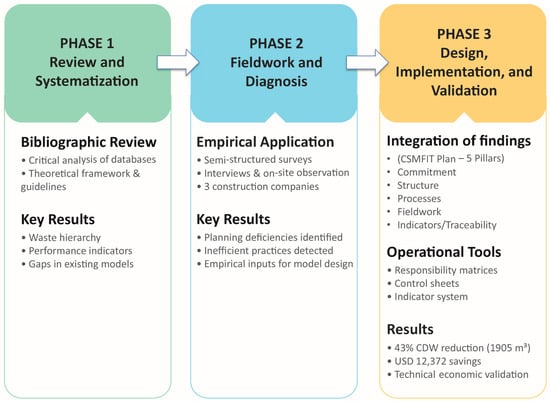
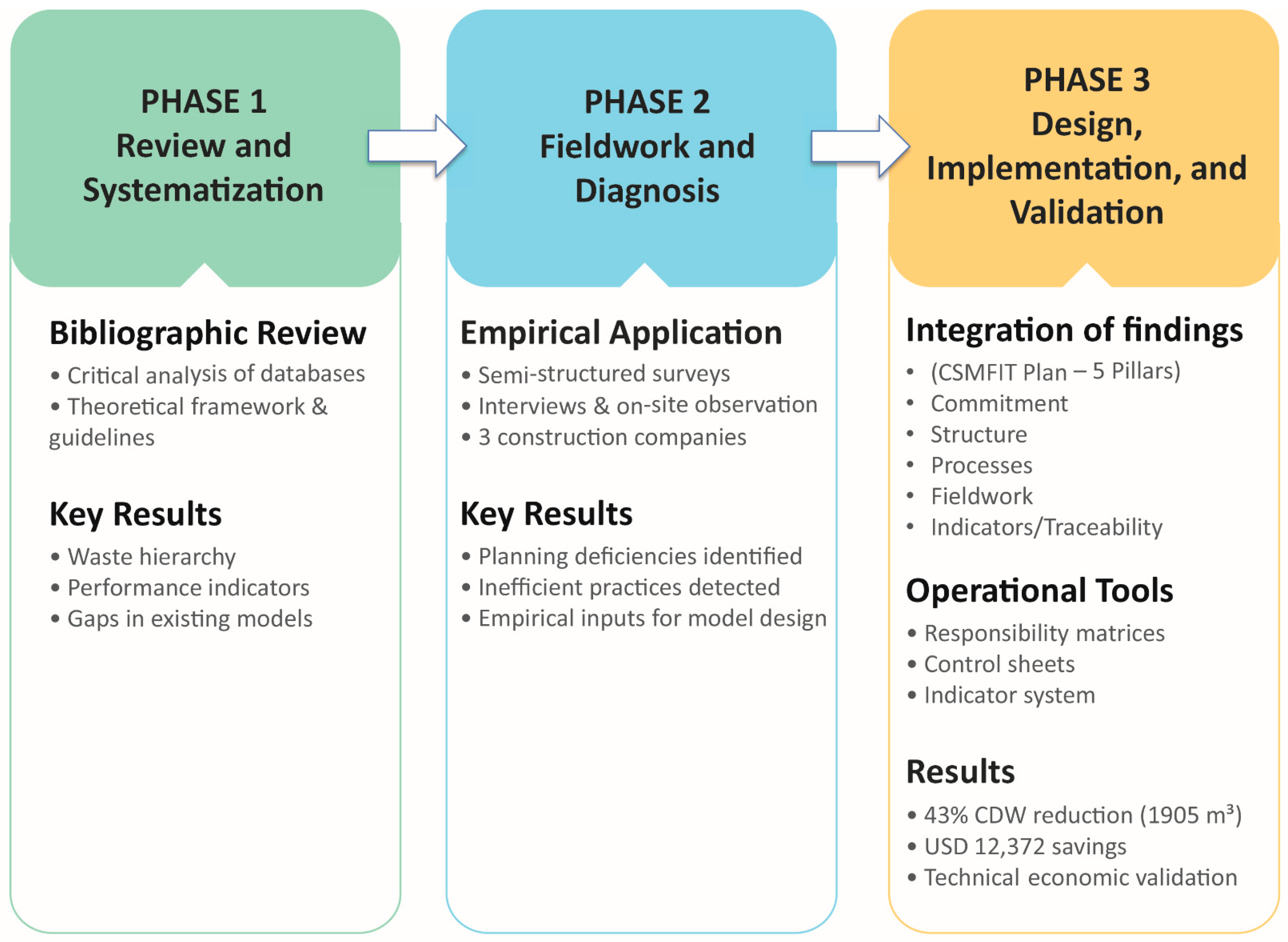
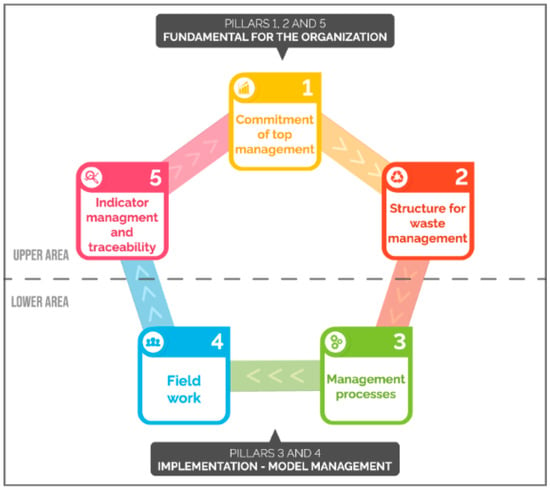
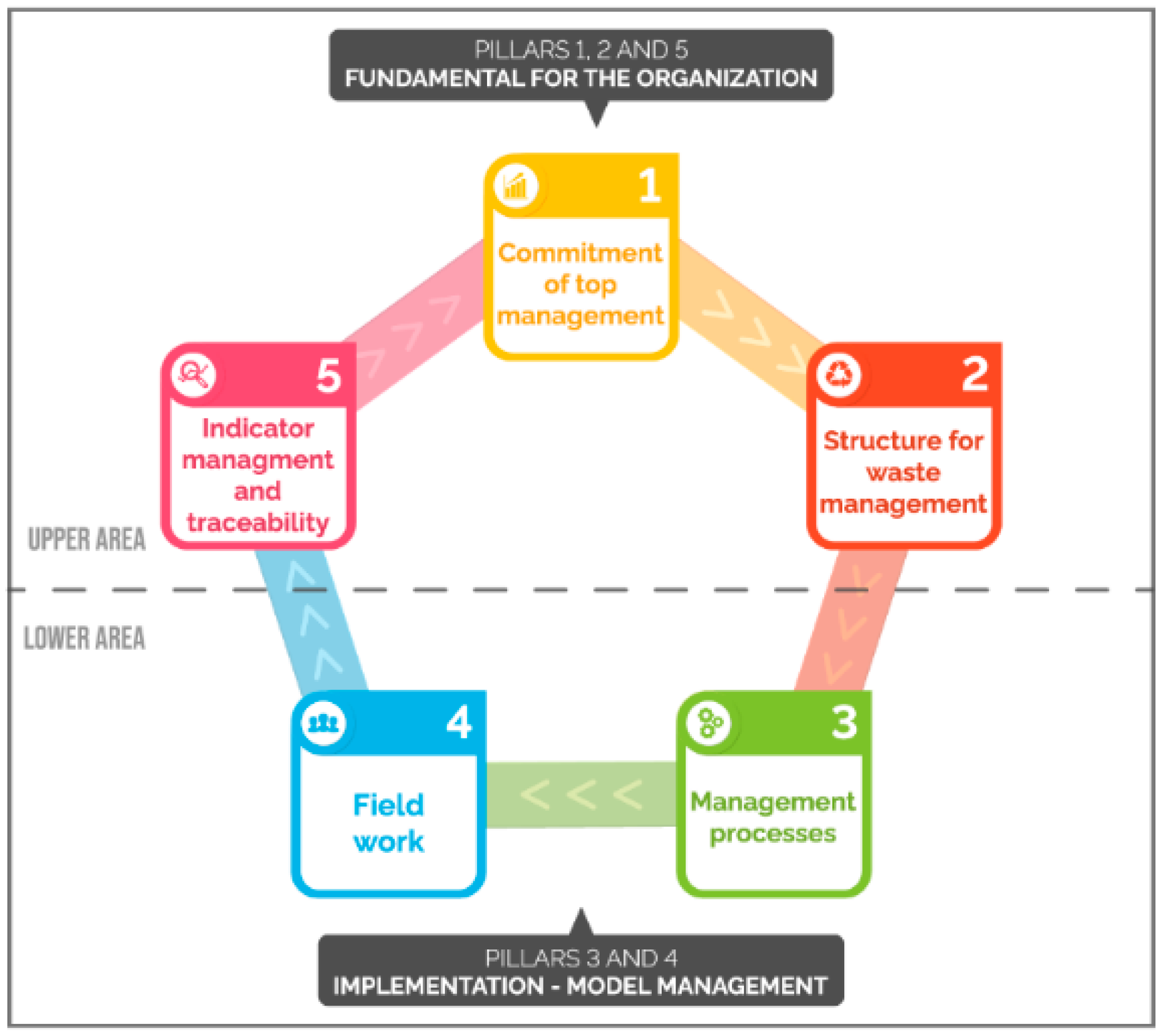
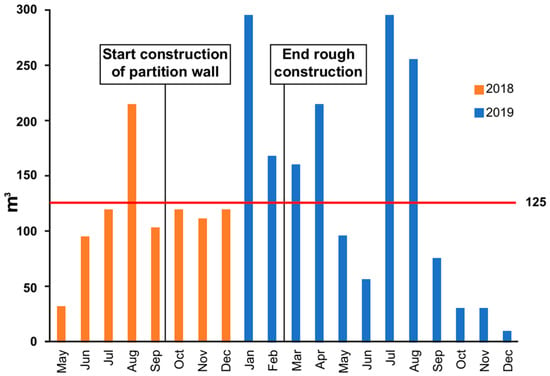
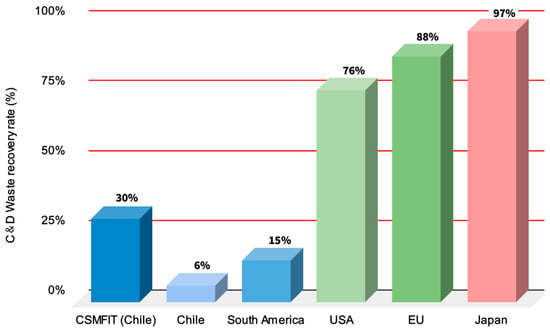

Disclaimer/Publisher’s Note: The statements, opinions and data contained in all publications are solely those of the individual author(s) and contributor(s) and not of MDPI and/or the editor(s). MDPI and/or the editor(s) disclaim responsibility for any injury to people or property resulting from any ideas, methods, instructions or products referred to in the content. |
© 2026 by the authors. Licensee MDPI, Basel, Switzerland. This article is an open access article distributed under the terms and conditions of the Creative Commons Attribution (CC BY) license.