


Abstract
Although street ambiance, understood as a multisensory and cognitive experience, has been widely discussed in theory, empirical evidence on how it is perceived across specific urban contexts remains limited. This study explores the differences in ambiance-related responses between the two contrasting streets—one historic and one non-historic—by integrating brain, body, and mind measures within a controlled immersive framework. A VR-based, multimodal experimental protocol was employed, presenting participants with 360° audiovisual representations of two real-world streets. Data were collected using EEG, a wrist-worn physiological sensor, and self-report evaluations. Subjective responses consistently differentiated between the two streets’ ambiances, reflecting a coherent, environmentally grounded appraisal shaped by each street’s combined visual and auditory attributes. Neural responses clearly differentiated between the two streets, demonstrating that the distinct experiential character of the historic street was also reflected at the level of brain activity. Within the historic street, an asymmetric relationship emerged in which subjective evaluations differentiated ambiance more robustly than corresponding psychophysiological modulation, indicating context-dependent sensitivity across modalities. Taken together, the findings suggest that subjective and psychophysiological responses do not differ merely in magnitude but also in their mode of organization, revealing street ambiance as a multisensory and relational experience rather than the sum of isolated environmental attributes or historicity alone.
1. Introduction
Characterized by a multisensory, emotionally charged atmosphere, ambiance transcends physical form and contributes significantly to human perception, behavior, and memory [1,2,3]. It emerges from the reciprocal interaction between the built environment and social practices [1,2,4], shaping how individuals interact with, interpret, and remember urban spaces. This interaction fosters emotional resonance, place attachment, and a sense of belonging, while supporting spatial memory and historical continuity in everyday urban experience. Within this broader context, historic streets stand out as urban settings where ambiance is particularly pronounced, associated with their irreplaceable character, spatial qualities, and cultural continuity [5]. Beyond preserving physical heritage, ambiance safeguards the intangible qualities that make historic streets meaningful, recognizable, and memorable [6].
In recent years, ambiance has attracted growing interest in the social sciences and humanities; however, the majority of studies remain conceptual or interpretive in nature. Existing research has primarily explored ambiance through its affective dimensions [3], hermeneutic interpretations [7], and immersive sensory fields [4]. Alongside these theoretical approaches, traditional empirical methods such as surveys, interviews, observations, and cognitive mapping have been employed to document participants’ subjective experiences. Examples include phenomenological field studies [8], soundscape reactivation approaches [9], and mixed-methods research combining acoustic measurements with perceptual surveys [10]. While these studies have substantially enriched the conceptual understanding of ambiance, they rely predominantly on self-reported or interpretive data and offer limited insight into the embodied and psychophysiological dimensions of spatial experience.
Although ambiance is widely invoked as a defining quality of historic environments, it remains largely inaccessible to systematic empirical evaluation. The absence of measurable evidence constrains the ability of researchers, designers, and conservation professionals to validate subjective judgments or translate experiential qualities into actionable design and policy decisions. As a result, ambiance often functions as a rhetorically powerful yet methodologically fragile concept, recognized for its importance but insufficiently grounded in empirical evidence.
Recent advances in neuroscience and psychophysiological measurement have begun to offer new possibilities for addressing this challenge. Technologies such as electroencephalography (EEG), electrodermal activity (EDA), and eye-tracking enable researchers to capture embodied, affective, and pre-reflective responses to spatial stimuli. These methods allow for the investigation of how environments are not only perceived and described but also neurologically and physiologically processed. Existing empirical studies have applied such techniques to examine perceptual differences between traditional and modern commercial environments [11], visual attention patterns in historic settings [12], emotional responses to urban streetscapes using VR [13], and psychophysiological responses examined via VR combined with physiological monitoring [14]. While informative, these studies were not primarily concerned with the ambiance of historic streets as a distinct experiential phenomenon, nor did they systematically integrate objective psychophysiological data with subjective perceptual evaluations.
Importantly, the limited number of empirical studies in this area does not reflect a lack of relevance but rather longstanding methodological barriers in capturing embodied spatial experience. Only recently have advances in immersive VR environments and wearable psychophysiological sensors made it possible to investigate ambiance under controlled yet experientially rich conditions. Despite these technological developments, there remains a notable gap in research that holistically examines whether the perceived ambiance of a historic street in a specific context corresponds to distinguishable psychophysiological patterns in comparison to a non-historic street and how such patterns relate to subjective evaluations of spatial experience.
Against this background, the present study addresses the following research question: How can the embedded ambiance of a historic street be decoded through a comparative study of two specific streets within the same context—one historic and one non-historic—using integrated measures of brain activity, bodily signals, and subjective experience? Accordingly, the study aims to investigate whether the historic street is associated with distinct psychophysiological response patterns and how these responses align with participants’ perceptual evaluations. By comparing psychophysiological and self-reported responses to a historic and a non-historic street presented in immersive VR using 360-degree monoscopic audiovisual video, this research bridges spatial design and experiential responses. In doing so, it contributes to the emerging body of work that seeks to render the intangible, felt qualities of urban environments empirically observable, analytically comparable, and ultimately actionable within architectural and urban design practice.
2. Literature Review: Theoretical and Empirical Approaches
2.1. Defining and Understanding Ambiance
Ambiance is broadly defined as a situated, affectively charged quality of space that emerges from the interplay between spatial configurations, sensory stimuli, and lived experience. As Thibaud (2015) emphasizes, it is not merely a backdrop but an active component of urban life, namely a “common ground” uniting perception, emotion, and social life, and a “field of presence” through which space is felt, interpreted, and shared [3,6].
Following a phenomenological tradition, Böhme (2013) conceptualizes ambiance as a “space of bodily presence” mediating between subject and object [15]. For Böhme, ambiances are atmospheres, neither purely subjective moods nor objective spatial features but relational affective fields arising from the encounter between people and places. In a similar vein, Thibaud (2020) describes the ambient world as focusing on the “how” of our being in the world rather than the “what” of the surroundings, underscoring its experiential nature [16]. Schmidt (2013) likewise frames ambiance as an “ambient field” that dissolves dualistic distinctions and foregrounds the affective tonality of environments [4]. Taken together, these relational perspectives challenge the visual bias in architectural design and open the way for a multisensory discourse.
Scholars such as Pallasmaa (2016) and Spence (2020) argue for moving beyond oculocentric approaches toward engaging the full range of human senses [17,18]. Pallasmaa describes ambiance as the “sixth sense” of architecture, rooted in peripheral vision, embodied perception, and unconscious resonance, while Spence integrates cognitive neuroscience insights to advocate for multisensory design informed by crossmodal correspondences and sensory integration [17].
Ambiance, therefore, extends beyond formal or visual qualities, encompassing configurations of light, sound, smell, air quality, temperature, and material textures [18,19]. Fluctuating with weather, light, crowding, or personal affective states, these modalities shape spatial perception, mood, behavior, and memory and are inherently dynamic. Importantly, ambiances “tune” the subject [6,17], eliciting emotions such as calm, melancholy, warmth, or alienation, and creating a shared affective resonance within public life.
Ambiance is also deeply situated and relational, arising from the interaction of physical, social, and cultural elements [4,20]. This dual nature makes it both theoretically rich and methodologically challenging. Accordingly, recent research favors in situ and embodied approaches such as sensory ethnography, soundwalks, and affective mapping [6,7] that account for the contingent, situated nature of sensory experience.
In summary, the literature converges on key points: (1) Ambiance is multisensory and embodied; (2) it functions as an affective medium between people and spaces; (3) it is dynamic and context-dependent; and (4) it benefits from experiential, reflexive methods. These insights form a robust conceptual foundation for analyzing how architectural and urban environments are perceived and lived, particularly in studies seeking to bridge phenomenological and psychophysiological approaches.
2.2. Related Empirical Studies
Recent empirical research on historic urban environments has adopted a multi-dimensional perspective to understand how spatial features shape users’ perceptions and the sense of ambiance. These studies commonly explore the role of visual quality, spatial layout, multisensory stimuli, and sociocultural cues in shaping the lived experience of streets.
A significant body of research has examined the visual and spatial characteristics of historic streets and their influence on perception. Xu et al. (2024) found that high accessibility and functional diversity enhance perceived quality, whereas continuous buildings and walls reduce it, while roads, sidewalks, and greenery contribute positively [5]. Fu et al. (2023) showed that morphological richness, color brightness of signage and windows, and vegetation strengthen tourists’ place identity [21]. Similarly, Mundher et al. (2022) reported that modern facade materials, security barriers, and dilapidated buildings lower visual appeal, whereas green infrastructure and architecturally distinct historic buildings improve it [22]. Zhao et al. (2022) emphasized the value of landscape greening, visual openness, and strong historical–cultural expression, while Liang et al. (2024) demonstrated that facades with aesthetic richness and historical complexity evoke more positive responses than monotonous, modern designs [23,24].
Another strand of research underscores the crucial role of auditory and multisensory experiences in shaping urban ambiance. In the context of heritage districts, Jaff et al. (2023) highlighted that distinctive and identity-forming sounds, referred to as soundmarks, are frequently masked by dominant noise sources such as vehicular traffic and dense human activity, leading to a deterioration in both the acoustic environment and the perceived urban identity [25]. Similarly, Solène (2010) found that the overall perception of ambiance is strongly tied to its sonic dimension [10]. Her findings indicate that pleasant ambiances are typically associated with natural sounds, while unpleasant ambiances are often linked to noise, particularly of anthropogenic origin. Expanding on this perspective, Hu et al. (2024) emphasized the interplay between physical and cultural attributes of soundscapes and the spatial configuration of historic environments, arguing that these factors are central to fostering a sense of authenticity in heritage districts [26].
Several studies employed qualitative and phenomenological approaches to examine how ambiance is subjectively experienced. Hierl (2019), through observations and interviews, demonstrated that multisensory perception, particularly the interaction of visual, auditory, and olfactory cues, plays a critical role in how people understand and engage with public space [27]. Wesener (2019) also explored the subjective experience of the “atmosphere” of a street and discussed how these personal experiences, categorized as sensations and interpretations, relate to the objective circumstances of the built environment [8]. Similarly, Nomeikaite (2023) examines street art as a dynamic, multisensory form of heritage, focusing on the concept of “affective atmospheres” [28]. Through observation, the study revealed how elements such as color, sound, light, and movement contribute to the expression of diverse affective atmospheres.
Recent technological advancements have also enabled more objective measurements of ambiance perception through psychophysiological tools such as EEG, EDA, and eye-tracking. For instance, Sun and Li (2021) applied EEG to compare traditional and modern commercial streets, showing that the traditional streets elicited stronger alpha wave activity, which is associated with relaxation and positive emotional states [11]. Similarly, based on various psychopsychological measurements, Zheng et al. (2024) assessed how different combinations of multi-sensory experiences affect spatial perception and psychological restoration [29]. They indicated that integrated multi-sensory environments, particularly those incorporating natural sounds and pleasant aromas alongside visual elements, are more effective in promoting attention recovery and positive mood states compared to single-sensory experiences. Complementing these approaches, eye-tracking research has shown that certain biologically structured urban environments support more fluent visual processing and reduced cognitive demand at the street level [30].
Collectively, these empirical contributions underscore the importance of integrating perceptual richness and sensory diversity into the design and management of historic streets. They demonstrate that ambiance is not a static attribute but rather an emergent quality produced by the interaction between subject, object, and experience, an insight that supports a more holistic, human-centered approach to urban heritage.
3. Materials and Methods
3.1. Research Design and Approach
Given the complex, multi-layered, and context-dependent nature of street ambiance, this study adopts a predominantly exploratory research approach. Rather than testing a predefined causal model, the research aims to identify perceptual patterns and associations across sensory, psychophysiological, and self-reported dimensions using empirical methods. Within this framework, street ambiance is conceptualized not as a single measurable variable but as an emergent experiential construct reflected through converging subjective evaluations and psychophysiological responses.
A VR-based, multimodal protocol was developed to capture both subjective self-report measures and psychophysiological responses under comparable viewing conditions. External stimuli can evoke both physiological and psychological reactions [31]. Integrating these two data sources allows for a more comprehensive evaluation of spatial experience [32]. This mixed-method approach enabled triangulation, with self-reported perceptions serving as interpretive anchors for the psychophysiological signals, linking measured activity to lived experience. Taken together, this multimodal and exploratory framework necessitated an experimental design capable of capturing within-participant differences across the two contrasting streets.
Accordingly, a within-subject experimental design was employed to examine differences in participants’ psychophysiological and self-reported experiences between a historic and a non-historic street. The non-historic street served as a comparative condition to assess the influence of historic-related attributes, while both streets were treated as experimental conditions rather than as control and experimental groups. To minimize potential order and carry-over effects, the presentation order of the streets was counterbalanced across participants.
3.2. Study Area and Stimuli
Several criteria guided the selection of the historic street to be included in the experiment, ensuring its suitability for the research context. First, the street needed to retain its historic character and identity as part of the experienced ambiance. Its spatial qualities had to remain intact, free from neglect or inappropriate interventions. The area also had to be relatively free from excessive tourist activity, which could detract from its ambiance. Environmental factors such as traffic and man-made noise were considered at tolerable levels so as not to compromise the experiential atmosphere. A balanced mix of residential and commercial uses was preferred to maintain the continuity of daily life without disrupting the historic context. Finally, the preservation of human scale, operationalized through spatial proportions such as the ratio of street width to building height and facade continuity, was considered critical in supporting an intimate and relatable sense of place. Based on these criteria, Icadiye Street in the Kuzguncuk district, which is one of the oldest known settlements along the Bosphorus in Uskudar, Istanbul, was identified as suitable for the study.
Nestled on the slopes of the Bosphorus, Kuzguncuk is a historic neighborhood of Istanbul that blends traditional houses with late nineteenth- and early twentieth-century apartment buildings while preserving the original street layout and block structure. At the heart of this district, Icadiye Street is characterized by its colorful wooden mansions with traditional cumba (bay window) projections, spatial proportions consistent with a human-scale street environment, and a vibrant mix of residential and small commercial uses, reinforcing Kuzguncuk’s identity as a place of layered heritage.
For comparison, a non-historic street was selected by deliberately matching key spatial and functional attributes to ensure comparability of the embodied spatial experience. These attributes included a similar ratio of street width to building height, street continuity, street slope/topography, and block-level residential–commercial land-use mix. At the same time, it was essential that the non-historic street lacked historic buildings in order to avoid perceptual influences associated with historic identity. To preserve contextual relevance, the search was conducted within areas closest to Icadiye Street in the Uskudar region. Gazi Street emerged as the most suitable choice, meeting the required spatial and functional matching criteria. Unlike Icadiye Street, Gazi Street consists entirely of contemporary buildings and exhibits a relatively uniform architectural character, creating a clear contrast in terms of historic identity.
Beyond differences in architectural period, the two streets also diverged across multiple aspects of the street environment relevant to perceived ambiance. These differences encompassed variations in patterns of street-level use, the configuration of urban furnishings, vegetation-related multisensory modulation, and traffic-related auditory conditions. Rather than being treated as isolated variables, these characteristics were conceptualized as interrelated components of the experiential qualities associated with the historic and the non-historic street. To ensure transparency, both the matching and differentiating attributes of the two streets are descriptively summarized in Table 1, based on recurring descriptors of street experience and ambiance identified in urban morphology and environmental perception literature, and are presented for descriptive purposes only rather than evaluative judgment. The matching and contrasting spatial characteristics of the two streets are illustrated through street perspectives and urban layout in Figure 1 and Figure 2.
Table 1.
Descriptive comparison of matching and differentiating environmental characteristics of the historic and the non-historic street used as experimental stimuli.
Figure 1.
Street perspectives of Icadiye and Gazi Street.
Figure 2.
Partial site plans indicating the locations of the street sections from which the elevations were derived and street elevations (facade silhouettes) of Icadiye Street (top) and Gazi Street (bottom).
To approximate real-world street experience while maintaining standardized experimental conditions, the selected streets were presented using immersive virtual reality based on 360° monoscopic street videos. This approach supports ecological validity while enabling controlled comparisons and is consistent with recent built environment research on street-level visual data [33]. The visual stimuli consisted of video content recorded using a single-camera system and presented within a VR environment developed in the Unity game engine. The videos were mapped onto a static spherical surface surrounding the participant, allowing limited and natural head rotation while ensuring identical visual exposure across participants, thereby preserving immersive viewing conditions and experimental consistency.
Both streets were recorded during weekday morning hours to capture a typical urban atmosphere. Filming followed a pedestrian perspective along both sidewalks, and the footage was edited into approximately 150 m segments for presentation in VR. Representative perspective views extracted from the 360° street video stimuli are shown in Figure 3, illustrating how the study areas were visually represented within the VR environment.
Figure 3.
Example perspective views of Icadiye Street (top) and Gazi Street (bottom) extracted from the 360° monoscopic street video stimuli used in the VR environment. Peripheral distortions inherent to equirectangular projection were cropped for illustrative purposes only.
3.3. Participants
An a priori power analysis was conducted using G*Power software (v.3.1.9.7) to estimate an adequate sample size for a within-subject design with medium effect size assumptions [34]. Assuming Cohen’s d = 0.5, an alpha level of 0.05, and a desired statistical power of 0.99, the analysis indicated a minimum sample size of 76 participants. To account for potential data loss due to technical issues or incomplete recordings, an additional contingency margin was considered during recruitment. Participants were recruited from university students, faculty, and staff through email invitations. A convenience sampling approach was adopted to facilitate access to a heterogeneous adult population within the institutional setting. Participation was voluntary, and all individuals provided written informed consent prior to the experiment.
The experiment was conducted with a total of 109 healthy adults aged between 18 and 60 years. Individuals over 60 years of age were excluded to reduce potential health-related variability that could affect psychophysiological measurements. Additional exclusion criteria included a history of neurological or psychiatric disorders, chronic physiological conditions, and the use of medication known to influence autonomic or neural activity. To minimize short-term physiological confounds, participants were instructed to abstain from alcohol on the day prior to the experiment, avoid caffeine intake within four hours of participation, obtain adequate sleep the night before, and refrain from taking medication on the day of the session. Table 2 summarizes the demographic characteristics of the participant sample, including age distribution, gender, and educational background.
Table 2.
Demographic characteristics of the participant sample.
All participants provided written informed consent prior to participation, and the study protocol was approved by the local institutional ethics committee (Approval No. 2023/04).
3.4. Data Collection Procedure
The experiments were conducted in the User Experience (UX) Laboratory of the Faculty of Computer and Informatics Engineering at Istanbul Technical University. The experimental setup involved a virtual reality (VR) headset (HTC Vive Pro Eye, HTC Corporation, New Taipei City, Taiwan), a mobile EEG device (Looxid Link Package, Looxid Labs, Seoul, Republic of Korea), and a wristband (Empatica E4, Empatica Srl, Milan, Italy), as illustrated in Figure 4.
Figure 4.
The experimental setup and the wearable sensors used in the experiment.
The data collection process consisted of two main phases: (1) Pre-experiment preparation and (2) data collection (Figure 5).
Figure 5.
The data collection procedure.
During the pre-experiment preparation phase, participants received detailed information about the study, provided written informed consent, and completed a pre-experiment questionnaire addressing demographic information, prior VR experience, and familiarity with the selected streets. Subsequently, the VR headset, EEG device, and wristband were fitted and calibrated. Participants without prior VR experience completed a short familiarization session to ensure comfort with the VR environment.
The data collection phase involved viewing two immersive audiovisual VR street videos, each lasting four minutes. While ambiance is a multi-layered experiential phenomenon, prior research indicates that coherent multisensory perceptions can emerge within brief, continuous exposures. Longer VR exposures, however, increase the risk of cybersickness and fatigue, potentially affecting data quality [35]. Accordingly, exposure duration in 360° video studies is calibrated to balance immersion, participant comfort, and measurement stability and is therefore typically kept within relatively short intervals [36].
Following this exposure design, the presentation sequence was counterbalanced to control for potential order effects: Half of the participants first experienced the historic street video followed by the non-historic street video, while the remaining participants viewed the videos in reverse order. During each video presentation, EEG and wrist-worn physiological signals were continuously recorded in the two street conditions examined in this study (Icadiye and Gazi), hereafter referred to as the historic and non-historic street cases. After viewing each street environment, participants completed a post-experiment questionnaire consisting of rating items presented on a continuous sliding scale. The total duration of each experimental session was approximately 38 min.
3.5. Subjective and Psychophysiological Measures
Subjective evaluations of street experience were collected using a structured questionnaire administered after each VR exposure. Participants rated perceived ambiance using a 5-point Likert scale and related experiential attributes using a continuous sliding scale ranging from 0 to 100. The questionnaire comprised items addressing overall ambiance appraisal as well as visual and auditory domains of street experience. Each domain consisted of multiple attributes and their corresponding subcomponents. An overview of the subjective measures and item groupings is presented in Table 3.
Table 3.
Structure of the subjective questionnaire and corresponding sensory attributes.
Psychophysiological responses were assessed using a combination of mobile EEG and wrist-worn physiological sensors. Neural activity was recorded with the Looxid Link mobile EEG system integrated into the HTC Vive Pro Eye, which acquires frontal EEG signals via six dry electrodes (AF3, AF4, AF7, AF8, Fp1, Fp2) at a sampling rate of 500 Hz (Figure 6). EEG-derived features included spectral power in standard frequency bands (delta, theta, alpha, beta, and gamma), as well as several device-generated composite measures provided by the Looxid SDK (version 1.0.5; Figure 6).
Figure 6.
The colored highlights indicate the prefrontal electrode locations integrated into the Looxid Link mask.
These device-generated measures, labeled by the manufacturer as attention, relaxation, lateralized left and right activity, and frontal asymmetry, are computed using closed-source algorithms based on relative changes in EEG spectral composition across frontal electrodes [37]. In the present study, these outputs were not treated as validated neurophysiological indices but were instead interpreted as device-specific engagement proxies reflecting different modes of interaction with the environment. Importantly, these proxies were used exclusively for within-participant, condition-based comparisons and were not assumed to correspond directly to discrete cognitive or affective states.
Peripheral physiological responses were recorded using an Empatica E4 wristband, including electrodermal activity (EDA), heart rate (beats per minute), and skin temperature. These measures were used to complement EEG-based engagement proxies by capturing autonomic and bodily responses associated with experiential processing during immersive street exposure.
3.6. Data Acquisition and Preprocessing
Psychophysiological data were continuously recorded during each VR exposure session and synchronized with stimulus onset and offset to ensure temporal alignment between environmental exposure and physiological responses. Participants viewed immersive audiovisual VR videos representing two street contexts, and analyses were conducted at the condition level within a within-subject design.
EEG signals were processed using the device’s proprietary preprocessing pipeline (Looxid Link, Looxid Labs, Seoul, South Korea), which computes spectral power features and device-derived engagement indices. Due to the closed-source nature of this pipeline and the lack of access to raw EEG or EOG signals, standard manual artifact correction and epoch-level inspection were not possible. Accordingly, all EEG-derived measures were interpreted as comparative and device-constrained indicators, focusing on relative differences between conditions rather than on precise neurophysiological mechanisms.
Artifact detection and signal-quality filtering were performed automatically by the device based on internal signal-quality assessments. Although exact exclusion thresholds are not disclosed by the manufacturer, epochs with insufficient signal quality were automatically excluded prior to data export. Because epoch-level or time-resolved quality metrics are not provided, data retention could only be evaluated at the participant level.
Additional quality-control procedures were applied at the participant level, including the exclusion of missing recordings and extreme outliers. EEG data from 100 participants were retained (91.7% of the initial sample), while wrist-worn peripheral physiological recordings showed similarly high retention (90.8%). No systematic differences in data retention were observed between the two street conditions, supporting the internal validity of within-subject comparisons (Table 4).
Table 4.
Participant-level data retention and exclusion across modalities and conditions.
Given the frontal placement of the EEG electrodes and the absence of separate EOG channels, residual contamination from eye movements cannot be fully ruled out. However, stimuli were presented as continuous street scenes to minimize abrupt visual transitions, and participants were instructed to maintain a natural but stable gaze during exposure. Within the within-subject design, any remaining artifacts were assumed to be similarly distributed across conditions, reducing the likelihood of systematic bias while not eliminating condition-specific effects.
Peripheral physiological signals were visually inspected, and noisy segments were excluded. Outliers were identified using the interquartile range (IQR) method, and missing values were removed without interpolation. Remaining data were normalized within each participant using min–max scaling, separately for each physiological channel.
3.7. Limitations
Several methodological and experimental limitations of the present study should be acknowledged. First, as participants were recruited through convenience sampling from a university population, the findings are not intended to be generalized to the broader public or to different cultural contexts beyond the specific setting examined.
Second, although EEG was employed to capture psychophysiological correlates of street experience, data were acquired using a mobile, proprietary EEG system integrated into a VR headset, which does not provide access to raw signals or external electrooculography (EOG) channels. As a result, established manual artifact correction procedures could not be implemented, and residual contamination from oculomotor activity cannot be entirely ruled out. However, as detailed in Section 3, procedural controls and automated signal-quality checks were applied to mitigate these effects. Accordingly, EEG-derived spectral features and device-generated neurocognitive indices were interpreted comparatively, focusing on relative differences between experimental conditions rather than absolute neurophysiological magnitudes or definitive cognitive state claims.
Third, previous research has consistently demonstrated that resting-state EEG spectral characteristics vary with age, particularly in alpha frequency and power measures, which tend to decline as adulthood progresses into older age groups [38,39]. The participant sample in the present study spanned a broad adult age range, within which age-related variability in neural activity may be expected. Because the study employed a within-subject design in which all participants experienced both conditions, age-related individual differences were unlikely to systematically account for the primary between-condition effects, although their influence on within-condition variability cannot be fully ruled out. This reflects the study’s focus on comparative ambiance responses rather than demographic effects. However, because age was not statistically accounted for in the analyses, this should be recognized as a methodological limitation that frames the scope of the EEG findings.
Fourth, the experimental protocol relied on visual and auditory stimuli presented through immersive 360° monoscopic videos in a virtual reality environment. While this approach enabled a high degree of experimental control and consistency across participants, it cannot fully reproduce the multisensory richness and dynamic interactivity of real-world street experience, such as olfactory cues, tactile sensations, or spontaneous social interactions. Therefore, the findings should be interpreted as reflecting experiential responses to visually and aurally simulated street environments rather than direct in situ perception.
Finally, isolating historic character as a single variable in real urban contexts is inherently challenging. Although the two streets were carefully selected to match key spatial and functional attributes, differences in sensory and environmental features such as street-level activity patterns, urban furnishings, vegetation, and soundscape inevitably co-occur with historic character. These attributes were therefore treated as integral components of the perceived ambiance associated with the historic and the non-historic street environment and should be considered when interpreting the findings. In this respect, as the study relied on only two specific street environments, the results should be interpreted as context-dependent rather than generalizable to all historic and non-historic streets.
4. Data Analysis
Data analysis was conducted to examine differences in subjective and psychophysiological responses between the historic and non-historic street environment, as well as to explore associations between experiential evaluations and physiological patterns. Analyses were structured in four stages. First, between-street differences in self-reported (subjective) responses were examined. Second, psychophysiological responses derived from EEG and autonomic measures were compared across street conditions. Third, associations between street differences in psychophysiological and self-reported measures were explored. Finally, an in-depth analysis focusing exclusively on the historic street experience was conducted to further characterize its experiential and physiological patterns.
4.1. Between-Street Differences and Within-Street Associations in Self-Reported (Subjective) Responses
This section reports between-street differences and within-street associations in perceived ambiance and related visual and auditory domains based on self-reported evaluations. Together, these analyses provide a perceptual-level account of how street ambiance was experienced across and within the two environments. To examine these perceptual differences, H1a and H1b were tested using paired-samples t-tests, focusing on overall ambiance and the visual and auditory domains, respectively.
H1a.
The historic street is perceived as having a stronger ambiance than the non-historic street.
Participants rated the historic street as having a significantly stronger overall ambiance than the non-historic street (Table 5). Mean ambiance scores were higher for the historic street, supporting H1a. This finding reflects a clear perceptual differentiation between the two street environments.
Table 5.
Comparison of the perception of overall ambiance and visual and auditory domains in the historic (IC) and the non-historic (GZ) street.
H1b.
The degree to which participants perceive visual and auditory domains will differ in the historic street and the non-historic street.
Composite scores were computed for each attribute category to summarize within-category evaluations. Cronbach’s alpha values indicated acceptable to good internal consistency across all visual attribute categories in both streets (α = 0.68–0.84). Because the auditory items showed low internal consistency, they were analyzed at the item level rather than as a composite. This outcome was anticipated, as qualitatively distinct and heterogeneous sound sources, such as natural sounds, traffic-related noise, and human voices, carry different perceptual, affective, and contextual meanings and are therefore not expected to form a single unidimensional construct. Accordingly, auditory attributes were examined separately, as they follow distinct patterns of variation and predictability [40]. Paired-samples t-tests revealed significant between-street differences in three visual attribute categories (Table 5). Perceptions of physical features, urban furnishings and street-level amenities, and natural elements were all rated significantly higher in the historic street compared to the non-historic street. Among these categories, the largest difference was observed for natural elements. No significant difference was found for street activity between the two streets. These findings indicate that the two streets were distinguished through differences in their perceived visual qualities rather than perceived movement or activity levels.
Regarding auditory attributes, paired-samples t-tests also revealed significant differences between the two streets (Table 5). Traffic and background ambient noises were rated significantly higher in the non-historic street, whereas bird sounds were rated significantly higher in the historic street. Perceptions of human voices did not differ significantly between the two streets. Together, these results indicate that the two streets were characterized by distinct auditory profiles, particularly with respect to natural versus traffic-related sound components.
Spearman’s rank correlation analyses were conducted to examine associations between overall ambiance ratings and perceived visual and auditory attributes separately for the historic and the non-historic street (Table 6). In the historic street, overall ambiance ratings were positively associated with perceptions of physical features and natural elements, while negative associations were observed with perceived street activity, traffic sound, and background ambient noise. No significant association was found between overall ambiance and bird sound in the historic street. In the non-historic street, overall ambiance ratings showed positive associations with perceptions of natural elements and bird sounds. No significant associations were observed between overall ambiance and physical features, street activity, traffic sound, or background ambient noise in this setting. Taken together, the results show that overall ambiance was associated with different perceptual attributes within each street environment, highlighting context-specific patterns of association.
Table 6.
Correlations between perceived visual and auditory attributes and overall ambiance in historic (IC) and non-historic (GZ) streets.
Table 7 provides an integrated summary of the subjective analyses by jointly considering between-street t-test results and within-street correlation patterns, serving as a synthesis of the analytical findings. Among the examined attributes, natural elements emerged as a consistent contributor to perceived ambiance across both street types. Physical attributes differed significantly between the two street types and were positively associated with perceived ambiance only in the historic street. Given that key morphological parameters such as street width and building height were comparable across environments, this association points to the role of qualitative architectural characteristics, such as building age and style, facade articulation, decorative elements, and street-level details, in shaping ambiance perception. Perceived street activity also exhibited a context-dependent pattern. Although activity levels did not differ significantly between the two streets, higher perceived activity in the historic street was negatively associated with overall ambiance.
Table 7.
Integrated overview of subjective findings across between-street differences and within-street associations with perceived ambiance.
Bird sound exhibited a strongly context-dependent relationship with perceived ambiance. Although bird sounds were perceived at higher levels in the historic street overall, their association with ambiance ratings was more pronounced in the non-historic street, where bird sound was generally weak. In the historic street, bird sounds formed a continuous part of the ambient soundscape but varied in perceptual salience across participants, whereas in the non-historic street, lower ambiance ratings tended to coincide with lower perceived levels of bird sound.
Overall, the self-reported results establish a perceptual baseline by demonstrating differences between the two streets, alongside distinct, context-dependent patterns of within-street association.
4.2. Between-Street Differences in Psychophysiological Responses
This section examines whether the two studied street contexts elicited different psychophysiological responses, focusing on EEG-based neural measures and autonomic physiological indicators as objective markers of experiential differentiation between the two environments.
With respect to EEG data, Figure 7 provides a descriptive overview of the mean power distribution across major frequency bands for the two street types. Across both environments, alpha and theta activity exhibited the highest mean power, suggesting a comparatively lower-arousal profile under the present experimental conditions. In contrast, beta and gamma band power appeared higher in the non-historic street compared to the historic street. These descriptive patterns provided context for the statistical comparisons reported below.
Figure 7.
Comparison of mean power of brainwaves between the two street types.
H2a.
EEG responses differ significantly between the historic and the non-historic street.
Paired-samples t-tests were conducted to examine differences in EEG responses between the historic (IC) and non-historic (GZ) street conditions, including frequency band powers and EEG-derived indices.
The results revealed clear EEG differences between the historic and the non-historic street, characterized by distinct frequency-specific patterns across the two environments (Table 8). The historic street (IC) was characterized by a more convergent EEG pattern, with relatively greater weighting in theta and alpha activity at frontal sites (AF4, Fp1, AF7), accompanied by a consistent shift in frontal alpha asymmetry. These effects were confined to a relatively narrow frequency range, reflecting a frequency-specific neural response. In addition, device-derived EEG indices showed higher values on relaxation-related measures and lower values on attention-related indices in the historic street condition, co-occurring with increased relative weighting of lower-frequency activity.
Table 8.
Between-street differences in EEG measures.
In contrast, the non-historic street (GZ) showed a more distributed and heterogeneous EEG pattern. Significant elevations were observed across low- (delta, theta), mid- (alpha), and high-frequency (beta and gamma) bands, spanning frontal and prefrontal regions. Rather than converging within a specific frequency range, these effects were distributed across multiple bands, reflecting a broader pattern of EEG engagement during exposure to the non-historic street. Correspondingly, attention-related EEG indices showed higher values in this condition, alongside relatively greater involvement of higher-frequency activity compared to the historic street. Importantly, these EEG differences are interpreted at the condition level, reflecting the holistic neural response associated with each street context rather than direct attribution to individual spatial or sensory components.
H2b.
Participants’ autonomic physiological responses to the historic and the non-historic street differ significantly.
Paired-samples t-tests revealed no significant differences in electrodermal activity, heart rate, or skin temperature between the historic and the non-historic street (all p > 0.05); thus, H2b was not supported.
While these findings demonstrate clear and statistically robust neurophysiological differences between the historic and the non-historic street, they do not yet clarify how these neural patterns relate to participants’ subjective evaluations of street ambiance. The relationships between EEG difference scores and perceived street attributes, as well as component-level experiential dimensions, are therefore examined in detail in Section 4.3 and Section 4.4, where correlational analyses are employed to unpack these associations.
4.3. Associations Between Psychophysiological and Self-Reported Differences
This section examines whether differences observed between the historic and the non-historic street in psychophysiological measures are associated with corresponding differences in self-reported experiential evaluations. These associations help clarify whether experiential distinctions reported by the participants are mirrored by variations in psychophysiological responses across the two street conditions. Taken together, such associations suggest that the observed physiological variations are not random but align with the experienced qualities of the environment.
To this end, participant-level difference scores were computed by subtracting responses in the non-historic street from those in the historic street (Δ = historic − non-historic). Correlation analyses were conducted using these difference scores. Following the identification of significant between-street effects, only EEG metrics showing statistically reliable differentiation were included in the association analyses.
RQ1.
To what extent are individual-level psychophysiological differences, derived from EEG and autonomic physiological measures, associated with subjective experiential differences between the historic and the non-historic street?
The scene composition composite score was calculated by aggregating participants’ ratings of physical attributes, natural elements, urban furnishings and street-level amenities, and street activity into a single composite index representing the overall perceived visual and functional composition of the street environment. This composite score showed no significant associations with EEG difference metrics, suggesting that EEG differentiation was not consistently aligned with aggregated evaluations of scene composition.
Subjective experiential difference scores were associated with psychophysiological measures differences in Table 9, revealing selected associations. Higher Δoverall ambiance was positively associated with increased frontal theta power (AF4 and Fp1) and right-frontal alpha power (AF8) and negatively associated with ΔDelta.Fp1, revealing a frequency-specific pattern of frontal EEG differentiation. Notably, differences in ambiance perception, reflecting experiential contrasts between the two streets, were primarily associated with greater relative weighting of alpha and theta band activity, while delta-band activity showed an opposite association.
Table 9.
Selected associations between psychophysiological and subjective difference scores.
Specific physical attributes of the street environment showed selective associations with frontal EEG differentiation, as higher perceived physical qualities were negatively associated with ΔDelta.Fp1. Perceived street activity, including movements and actions by people and vehicles, showed consistent negative associations with frontal alpha and theta differentiation. Similarly, auditory dimensions exhibited selective associations with frontal alpha activity; both traffic noise and background ambient noise were negatively associated with ΔAlpha.AF8.
Although autonomic measures did not differ significantly between streets, differences in perceived natural attributes were negatively associated with Δheart rate, with greater perceived naturalness in the historic relative to the non-historic street corresponding to lower heart rate.
Taken together, these findings indicate that psychophysiological responses were not uniformly sensitive to the overall visual composition of the street scene as captured by composite evaluations. Instead, EEG differentiation was primarily associated with experiential contrasts in perceived ambiance between the historic and the non-historic street, with this coupling most pronounced in the alpha and theta bands. This frequency-specific pattern is interpreted as reflecting a more integrated mode of environmental engagement, rather than as evidence of reduced cognitive demand per se.
4.4. In-Depth Analysis of the Historic Street Experience
This section provides a focused within-condition analysis of the historic street, integrating neural activity, autonomic physiological responses, and self-reported evaluations to deepen the experiential and perceptual characteristics of the historic street beyond between-street comparisons. For this aim, the following question was posed:
RQ2.
Within the historic street, how are EEG and autonomic physiological responses associated with participants’ subjective evaluations of ambiance, including perceived visual and auditory attributes?
Spearman correlation analysis revealed a single significant association between perceived historic street ambiance and skin temperature, indicating that higher ambiance ratings were accompanied by increased peripheral temperature (ρ = 0.28, p = 0.009, N = 89). No significant associations were observed for EEG-derived or other autonomic physiological measures.
Attribute-level analyses revealed selective and heterogeneous associations between subjective evaluations and psychophysiological measures (Figure 8; Table 10). Within the physical attributes domain, evaluations of attributes such as historic buildings, facade colors, windows, doors, and decorative features were generally associated with lower frontal beta and gamma activity and reduced electrodermal responses. Stair-related elements deviated from this pattern, exhibiting positive associations with frontal gamma activity.
Figure 8.
Correlation heatmap showing the relationships between perceived visual and auditory attributes of the historic street and psychophysiological measures. The heatmap was generated based on Spearman’s rank-order correlation coefficients (ρ).
Table 10.
Significant Spearman correlations between subjective responses to the historic street and psychophysiological measures.
Urban furnishings and street-level amenities did not show a convergent psychophysiological pattern but were characterized by dispersed associations across EEG frequency bands and autonomic measures. Electrodermal responses and EEG asymmetry measures were predominantly negatively associated, whereas EEG power measures showed heterogeneous relationships across frequency bands.
Natural attributes demonstrated a relatively more consistent pattern of associations, characterized by positive co-occurrence with attention-related and hemispheric indices and skin temperature, alongside predominantly negative associations with higher-frequency EEG activity. In contrast, street activity and auditory attributes showed selective and attribute-specific associations. Vehicle flow was positively associated with right-hemispheric indices, whereas pedestrian flow co-occurred with attention-related measures and reduced frontal gamma activity. Human voices and bird sounds were negatively associated with delta-band activity, while traffic sounds were positively associated with electrodermal responses.
Overall, within the historic street, psychophysiological responses were predominantly attribute-specific and heterogeneous rather than convergent. These patterns suggest that, within the historic street examined in this study, psychophysiological responses were predominantly expressed at a micro-level, reflecting localized associations with specific environmental elements rather than uniform shifts in experiential state. These within-condition findings are interpreted descriptively, focusing on relative differentiation rather than neurophysiological specificity, given the closed-source preprocessing pipeline and limited access to raw EEG signals.
5. Results and Discussion
This section synthesizes and comparatively interprets the key findings from the previous analyses, integrating subjective evaluations with psychophysiological measures. The emphasis is on identifying broader experiential patterns in a context-dependent manner across the studied environments rather than on causal or generalizable effects.
Subjective responses reveal a highly clear and consistent differentiation in perceived ambiance between the two streets, closely corresponding to their actual visual and auditory attributes. Within the visual domain, natural and physical attributes of the historic street emerged as primary contributors to ambiance perception. In particular, the presence of dense and mature vegetation, including large and monumental trees, aligns with this perceptual pattern. This finding resonates with Ulrich’s (1983) view that natural elements function as core components of visual ambiance with immediate affective impact [41]. Beyond natural elements, the historic street’s rich physical attributes, especially its architecturally articulated facades and street-level details, also played a prominent role in shaping perceived ambiance. Previous research suggests that architecturally articulated and coherently organized features, often associated with historic contexts, enhance scenic quality and support perceptual fluency through structured complexity and symmetry [42,43,44]. The negative association between perceived street activity and ambiance in the historic street further suggests that increased activity may disrupt the calm and temporally grounded character supporting perceptual fluency.
In the auditory domain, subjective responses further reinforced the context-dependent differentiation of street ambiance. The historic street was primarily characterized by natural sounds, particularly birds, whereas the non-historic street was distinguished by mechanical sounds such as traffic and diffuse ambient noise. The association between bird sounds and perceived ambiance was less pronounced, as these sounds formed a continuous background within the historic street. This pattern suggests that visually rich environments may reduce the perceptual salience of concurrent auditory cues, consistent with multisensory research showing that visual dominance attenuates auditory influence in complex contexts [45,46]. In contrast, traffic-related sounds were negatively associated with ambiance perception in the historic street, indicating that non-natural auditory intrusions can disrupt the experiential coherence of historically rich environments [47].
Although the subjective results demonstrated clear perceptual differentiation, previous VR-based research relying solely on self-report has reported limited affective sensitivity in calm urban contexts [13]. To address this limitation, psychophysiological measures were examined to evaluate whether the identified perceptual patterns were also reflected at the neural level.
At the neural level, the two streets were associated with distinct patterns of EEG activity. The historic street was characterized by a convergent activation profile with greater relative weighting toward lower-frequency activity, particularly in the theta and alpha bands, accompanied by device-derived indices typically associated with lower-arousal patterns under similar recording conditions. This convergent profile may be interpreted as reflecting a more integrated organization of neural engagement across visual and auditory cues, consistent with the formation of a coherent experiential background rather than isolated sensory processing. Previous studies have reported comparable associations between coherently structured or traditional urban environments and increased alpha-band activity, which have been interpreted as indicative of less fragmented perceptual engagement under comparable experimental constraints [11,30]. In contrast, the non-historic street elicited a more heterogeneous activation pattern spanning low-, mid-, and high-frequency bands, together with elevated attention-related indices. This divergent profile points to a less integrated mode of environmental processing, in which perceptual cues do not readily converge and therefore require greater attentional regulation [48].
The neural differentiation observed between the two streets was also reflected in the association patterns between overall ambiance perception and psychophysiological responses. Differences in perceived overall ambiance showed a robust coupling with neural differentiation, particularly within frontal alpha and theta bands, suggesting an alignment between psychophysiological differentiation and participants’ holistic experiential appraisal of the environment. In contrast, associations between specific scene attributes and frontal EEG activity were dispersed and failed to converge into a coherent pattern across frequency bands. Perceived street activity constituted a partial exception, showing negative associations with frontal alpha and theta differentiation, suggesting that activity may be associated with variations that challenge an integrated ambiance experience. Peripheral measures provided complementary support, as higher perceived naturalness was associated with lower heart rate differences between street conditions, suggesting a comparatively attenuated autonomic response.
Within-condition analyses of the historic street revealed a different psychophysiological pattern from the between-street contrasts. Within this environment, the perceived overall ambiance was not robustly coupled with EEG differentiation, indicating a difference in sensitivity between subjective evaluations and psychophysiological responses. While participants’ experiential responses clearly differentiated overall ambiance between the two streets, corresponding EEG responses showed more limited parallel variation, suggesting that psychophysiological responses may stabilize once an integrated experiential context is established [49]. In such contexts, neural sensitivity appears to shift toward localized, attribute-specific modulations, with peripheral measures providing complementary insight, as reflected in the association between higher ambiance ratings and increased skin temperature. This stabilization may partly relate to the visual organization of the historic street itself. Prior work suggests that facade configurations characterized by coherent, heterogeneous, and nonlinearly organized compositions are associated with lower visual processing demands and reduced neurophysiological stress [50], consistent with eye-tracking evidence indicating sustained visual engagement in traditional and nature-like facade compositions [51].
When subjective and psychophysiological findings are considered together, three key patterns emerge. First, subjective evaluations in both streets revealed a coherent and environmentally grounded appraisal, indicating that ambiance is consciously perceived as an integrated experience shaped by the combined visual and auditory qualities of the environment. Second, neural responses clearly differentiated between the two streets, demonstrating that the distinct experiential character of the historic street was also reflected at the level of brain activity. Importantly, these comparative findings indicate that historicity per se does not account for the observed differences between the two streets; rather, they are better understood as outcomes of their integrated and context-specific environmental qualities. Third, within the historic street, an asymmetric relationship was observed in which conscious experiential sensitivity differentiated ambiance more strongly than corresponding psychophysiological modulation, as brain and body responses emerged in more selective and context-dependent forms.
Interpreted together, these patterns align with phenomenological and theoretical accounts of ambiance, which conceptualize ambiance not as the additive sum of discrete sensory attributes, but as a coherent, environmentally embedded, and relational field of experience emerging from the integrated perception of multiple sensory cues [1,2,6,52,53]. From this perspective, ambiance is shaped by the dynamic interplay between perceptual, emotional, and bodily processes, rather than by isolated sensory contributions. The observed asymmetry between conscious appraisal and psychophysiological modulation further resonates with Djebbara’s (2023) argument that atmospheric information may operate through nonconscious adaptive dynamics that do not necessarily translate into explicit awareness [54]. The present findings nuance this perspective by showing that, in the historic street where ambiance functioned as a stable experiential background, nonconscious brain and body responses manifested selectively, despite the clear neural differentiation observed between the two street environments. Accordingly, simultaneously considering subjective experience alongside psychophysiological responses offers a more holistic framework that is better aligned with the relational nature of ambiance perception.
6. Conclusions
This study examined the experiential structure of ambiance within a historic street context, an inherently subjective and multi-layered phenomenon, using a multimodal framework in a controlled VR environment. By integrating perceptual evaluations with psychophysiological measures, the study adopted an exploratory approach to identify patterns of alignment and divergence between subjective experience and psychophysiological responses. When subjective and psychophysiological findings are considered together, three key insights emerge:
- First, subjective evaluations in both street contexts revealed a coherent and environmentally grounded appraisal, indicating that ambiance is consciously perceived as an integrated experiential whole shaped by the combined visual and auditory attributes of the two streets. Differences in perceived ambiance were strongly context-dependent, reflecting how specific configurations of visual and auditory attributes contribute to the overall experiential character of each street.
- Second, at the psychophysiological level, the two streets were differentiated by distinct patterns of neural engagement. The historic street was associated with a more convergent activation profile, with greater weighting in lower-frequency EEG bands, whereas the non-historic street exhibited a more distributed activation pattern spanning multiple frequency bands. Importantly, these neural patterns are interpreted as comparative, context-sensitive markers of experiential engagement rather than definitive neuro-mechanistic indicators.
- Third, within the historic street context, an asymmetric relationship emerged between conscious appraisal and psychophysiological modulation. While subjective evaluations captured ambiance as a coherent and experiential background, corresponding EEG differentiation was less pronounced, suggesting that once an integrated experiential context is established, psychophysiological responses may stabilize and shift toward more selective, attribute-specific modulation. In this setting, autonomic measures provided complementary insights into localized experiential dynamics.
Taken together, the findings indicate that subjective and psychophysiological responses differ not only in magnitude but also in their mode of organization across brain, body, and conscious experience of mind. Street ambiance thus emerges as a relational, integrated and multisensory phenomenon shaped through coordinated perceptual and bodily processes rather than by isolated environmental features or perceptual intensity alone.
These results underscore the importance of incorporating multisensory experiential qualities into both the study and practice of street ambiance. While planning and conservation frameworks often prioritize the preservation of physical fabric, they may overlook the experiential dimensions that shape everyday public life. Safeguarding heritage therefore requires attention not only to material form but also to the ambiances through which streets are perceived and lived.
Future research may extend this work by incorporating additional sensory modalities and predictive modeling approaches to better disentangle the relative contributions of environmental attributes to ambiance perception. Methodological refinements, including access to raw psychophysiological signals, higher-density sensing technologies, and in situ measurements, would further enhance interpretability and ecological validity. Future studies incorporating age-controlled samples would help clarify how age-related variability may interact with multimodal measures of ambiance experience. Expanding investigations to a larger and more diverse range of street environments and treating stimuli as random effects may help situate the observed patterns across a broader range of urban contexts.
Author Contributions
Conceptualization, Ü.G.Ş. and D.Y.Ö.; Methodology, D.Y.Ö.; Software, A.B.Y.H.; Validation, D.Y.Ö.; Formal analysis, Ü.G.Ş.; Investigation, Ü.G.Ş. and A.B.Y.H.; Resources, Ü.G.Ş. and A.B.Y.H.; Data curation, Ü.G.Ş. and A.B.Y.H.; Writing—original draft, Ü.G.Ş.; Writing—review and editing, D.Y.Ö.; Visualization, A.B.Y.H.; Supervision, D.Y.Ö.; Project administration, D.Y.Ö. All authors have read and agreed to the published version of the manuscript.
Funding
This research study was supported by the Scientific Research Projects Department of Istanbul Technical University (ITU-BAP) under project grant number MGA-2023-44634.
Institutional Review Board Statement
The study was conducted in accordance with the Declaration of Helsinki and approved by the Health and Engineering Science Human Research Ethics Committee of Istanbul Technical University (protocol code: ITU-SM.INAREK-2023-04, and date of approval: 30 October 2023).
Informed Consent Statement
Informed consent was obtained from all subjects involved in the study.
Data Availability Statement
Data available on request due to restrictions. The data presented in this study are available on request from the corresponding author.
Conflicts of Interest
The authors report that there are no competing interests to declare.
References
- Thibaud, J.P. The Sensory Fabric of Urban Ambiances. Senses Soc. 2011, 6, 203–215. [Google Scholar] [CrossRef] [Scilit]
- Thibaud, J.P. The three dynamics of urban ambiances. In Sites of Sound: Of Architecture and the Ear; LaBelle, B., Martinho, C., Eds.; Errant Bodies Press: Berlin, Germany, 2011; Volume 2, pp. 43–53. [Google Scholar]
- Thibaud, J.P. Urban ambiances as common ground? Lebenswelt. Aesthet. Philos. Exp. 2014, 282–295. [Google Scholar] [CrossRef] [Scilit]
- Schmidt, U. Ambience and ubiquity. In Throughout: Art and Culture Emerging with Ubiquitous Computing; The MIT Press: London, UK, 2013; pp. 175–187. [Google Scholar] [CrossRef] [Scilit]
- Xu, J.; Wang, J.; Zuo, X.; Han, X. Spatial quality optimization analysis of streets in historical urban areas based on street view perception and multisource data. J. Urban Plan. Dev. 2024, 150, 05024036. [Google Scholar] [CrossRef] [Scilit]
- Thibaud, J.P. The backstage of urban ambiances: When atmospheres pervade everyday experience. Emot. Space Soc. 2015, 15, 39–46. [Google Scholar] [CrossRef] [Scilit]
- Friberg, C. Hermeneutics of ambiance. In Ambiances in Action/Ambiances en Acte (s)-International Congress on Ambiances, Montreal 2012; International Ambiances Network: Grenoble, France, 2012; pp. 671–676. [Google Scholar]
- Wesener, A. The atmosphere of a street: Experimental fieldwork on urban ambiances. SHS Web of Conf. 2019, 64, 01016. [Google Scholar] [CrossRef] [Scilit]
- Canepa, E.; Djebbara, Z.; Güler, K.; Andrighetto, L.; Schiavetti, I.; Scelsi, V.; Jelić, A.; Condia, B. Architectural atmospheres, priming effects and first impressions: A multi-perspective approach integrating self-report assessments and physiological responses. Archit. Sci. Rev. 2025, 68, 379–391. [Google Scholar] [CrossRef] [Scilit]
- Solène, M. Spatial and sonic evaluation of urban public ambiances. Soundscape J. Acoust. Ecol. 2010, 10, 18–22. [Google Scholar]
- Sun, X.; Li, Z. Use of electroencephalography (EEG) for comparing study of the external space perception of traditional and modern commercial districts. J. Asian Archit. Build. Eng. 2021, 20, 840–857. [Google Scholar] [CrossRef] [Scilit]
- Zheng, S.; Zhang, J.; Zu, R.; Li, Y. Visual Perception Differences and Spatiotemporal Analysis in Commercialized Historic Streets Based on Mobile Eye Tracking: A Case Study in Nanchang Wanshou Palace, China. Buildings 2024, 14, 1899. [Google Scholar] [CrossRef] [Scilit]
- Belaroussi, R.; González, E.D.; Dupin, F.; Martin-Gutierrez, J. Appraisal of Architectural Ambiances in a Future District. Sustainability 2023, 15, 13295. [Google Scholar] [CrossRef] [Scilit]
- Zhang, Z.; Zhuo, K.; Wei, W.; Li, F.; Yin, J.; Xu, L. Emotional responses to the visual patterns of urban streets: Evidence from physiological and subjective indicators. Int. J. Environ. Res. Public Health 2021, 18, 9677. [Google Scholar] [CrossRef] [Scilit]
- Böhme, G. The art of the stage set as a paradigm for an aesthetics of atmospheres. Ambiances 2013, 1–9. [Google Scholar] [CrossRef] [Scilit]
- Thibaud, J.P. A brief archaeology of the notion of ambiance. Unlikely J. Creat. Arts 2020, 6, 1–14. Available online: https://hal.science/hal-02568186v1 (accessed on 1 January 2025).
- Pallasmaa, J. The sixth sense: The meaning of atmosphere and mood. Archit. Des. 2016, 86, 126–133. [Google Scholar] [CrossRef] [Scilit]
- Spence, C. Senses of place: Architectural design for the multisensory mind. Cogn. Res. Princ. Implic. 2020, 5, 1–26. [Google Scholar] [CrossRef] [Scilit] [PubMed]
- Kępczyńska-Walczak, A. Between ambiance and perception: Heritage decoding. In SHS Web of Conferences; EDP Sciences: Nantes, France, 2019; Volume 64, pp. 188–198. [Google Scholar] [CrossRef] [Scilit]
- Arbib, M.A. Atmosphere, affordances and emotion. In When Brains Meet Buildings; Oxford University Press: Oxford, UK, 2021. [Google Scholar]
- Fu, H.; Wang, P.; Zhou, J.; Zhang, S.; Li, Y. Investigating influence of visual elements of arcade buildings and streetscapes on place identity using eye-tracking and semantic differential methods. Buildings 2023, 13, 1580. [Google Scholar] [CrossRef] [Scilit]
- Mundher, R.; Al-Sharaa, A.; Al-Helli, M.; Gao, H.; Abu Bakar, S. Visual quality assessment of historical street scenes: A case study of the first “Real” street established in Baghdad. Heritage 2022, 5, 3680–3704. [Google Scholar] [CrossRef] [Scilit]
- Zhao, Y.; Liu, J.; Zheng, Y. Preservation and renewal: A study on visual evaluation of urban historical and cultural street landscape in quanzhou. Sustainability 2022, 14, 8775. [Google Scholar] [CrossRef] [Scilit]
- Liang, X.; Chang, J.H.; Gao, S.; Zhao, T.; Biljecki, F. Evaluating human perception of building exteriors using street view imagery. Build. Environ. 2024, 263, 111875. [Google Scholar] [CrossRef] [Scilit]
- Jaff, A.A.M.; Erçin, Ç.; Onur, Z. Assessing the soundscape characteristics of historical urban environments: An analysis of the historical Erbil Citadel and its environments. Buildings 2023, 13, 3091. [Google Scholar] [CrossRef] [Scilit]
- Hu, Y.; Meng, Q.; Li, M.; Yang, D. Enhancing authenticity in historic districts via soundscape design. Herit. Sci. 2024, 12, 396. [Google Scholar] [CrossRef] [Scilit]
- Hierl, M. Urban Atmospheres: Multisensory Perception as the Linkage Between Urban Environment and Social Interaction in Main Streets. Master’s Thesis, KTH Royal Institute of Technology, Stockholm, Sweden, 2019. Available online: http://urn.kb.se/resolve?urn=urn:nbn:se:kth:diva-254567 (accessed on 1 March 2026).
- Nomeikaite, L. Street art, heritage and affective atmospheres. Cult. Geogr. 2023, 30, 569–588. [Google Scholar] [CrossRef] [Scilit]
- Zheng, H.; Luo, M.; Wang, Y.; Wei, Y. Multi-Sensory Interaction and Spatial Perception in Urban Microgreen Spaces: A Focus on Vision, Auditory, and Olfaction. Sustainability 2024, 16, 8809. [Google Scholar] [CrossRef] [Scilit]
- Brielmann, A.A.; Buras, N.H.; Salingaros, N.A.; Taylor, R.P. What happens in your brain when you walk down the street? Implications of architectural proportions, biophilia, and fractal geometry for urban science. Urban Sci. 2022, 6, 3. [Google Scholar] [CrossRef] [Scilit]
- Xu, H.; He, P.; Hsu, W.L.; Lee, Y.C.; ve Ho, C.Y. Establishment of Assessment Indexes for Intelligent Elderly Residential Space by Analytic Hierarchy Process. In Proceedings of the 2019 IEEE Eurasia Conference on Biomedical Engineering, Healthcare and Sustainability (IEEE Ecbios 2019), Okinawa, Japan, 31 May–3 June 2019; pp. 69–72. [Google Scholar] [CrossRef] [Scilit]
- Wang, H.; Hou, K.; Kong, Z.; Guan, X.; Hu, S.; Lu, M.; Piao, X.; ve Qian, Y. “In-Between Area” Design Method: An Optimization Design Method for Indoor Public Spaces for Elderly Facilities Evaluated by STAI, HRV and EEG. Buildings 2022, 12, 1274. [Google Scholar] [CrossRef] [Scilit]
- Wang, L.; Zhang, T.; He, J.; Kada, M. Cross-platform complementarity: Assessing the data quality and availability of Google Street View and Baidu Street View. Trans. Urban Data Sci. Technol. 2025, 4, 22–47. [Google Scholar] [CrossRef] [Scilit]
- Faul, F.; Erdfelder, E.; Lang, A.G.; Buchner, A. G∗Power 3: A Flexible Statistical Power Analysis Program for the Social, Behavioral, and Biomedical Sciences. Behav. Res. Methods 2007, 39, 175–191. [Google Scholar] [CrossRef] [Scilit]
- Chang, E.; Kim, H.T.; Yoo, B. Virtual Reality Sickness: A Review of Causes and Measurements. Int. J. Hum.–Comput. Interact. 2020, 36, 1658–1682. [Google Scholar] [CrossRef] [Scilit]
- Reisinho, P.; Silva, C.; Ferreira, M.; Raposo, R.; Vairinhos, M.; Zagalo, N. An Analysis of the Sense of Presence and Cybersickness in Virtual Reality: The Influence of Content Type, Exposure Time, and Gender. In International Conference on Human-Computer Interaction; Springer Nature: Cham, Switzerland, 2024; pp. 263–282. [Google Scholar]
- Looxid Labs. Looxid Link SDK Documentation. GitHub. 2020. Available online: https://github.com/LooxidLabs/link-sdk/blob/master/docs/looxidlinkdata.md (accessed on 24 January 2024).
- Park, J.; Ho, R.L.; Wang, W.E.; Nguyen, V.Q.; Coombes, S.A. The effect of age on alpha rhythms in the human brain derived from source localized resting-state electroencephalography. NeuroImage 2024, 292, 120614. [Google Scholar] [CrossRef] [Scilit]
- Scally, B.; Burke, M.R.; Bunce, D.; Delvenne, J.F. Resting-state EEG power and connectivity are associated with alpha peak frequency slowing in healthy aging. Neurobiol. Aging 2018, 71, 149–155. [Google Scholar] [CrossRef] [Scilit]
- Somervuo, P.; Roslin, T.; Fisher, B.L.; Hardwick, B.; Kerdraon, D.; Raharinjanahary, D.; Rajoelison, E.T.; Lauha, P.; Griem, L.; Lehikoinen, P.; et al. Human contributions to global soundscapes are less predictable than the acoustic rhythms of wildlife. Nat. Ecol. Evol. 2025, 9, 1585–1598. [Google Scholar] [CrossRef] [Scilit]
- Ulrich, R.S. Aesthetic and affective response to natural environment. In Behavior and the Natural Environment; Springer: Boston, MA, USA, 1983; pp. 85–125. [Google Scholar] [CrossRef] [Scilit]
- Salingaros, N.A.; Sussman, A. Biometric pilot-studies reveal the arrangement and shape of windows on a traditional façade to be implicitly “engaging”, whereas contemporary façades are not. Urban Sci. 2020, 4, 26. [Google Scholar] [CrossRef] [Scilit]
- Mehaffy, M.W. The Impacts of symmetry in architecture and urbanism: Toward a new research agenda. Buildings 2020, 10, 249. [Google Scholar] [CrossRef] [Scilit]
- Lavdas, A.A.; Salingaros, N.A.; Sussman, A. Visual Attention Software: A New Tool for Understanding the “Subliminal” Experience of the Built Environment. Appl. Sci. 2021, 11, 6197. [Google Scholar] [CrossRef] [Scilit]
- Welch, R.B.; Warren, D.H. Immediate perceptual response to intersensory discrepancy. Psychol. Bull. 1980, 88, 638. [Google Scholar] [CrossRef]
- Shams, L.; Seitz, A.R. Benefits of multisensory learning. Trends Cogn. Sci. 2008, 12, 411–417. [Google Scholar] [CrossRef] [Scilit]
- Yang, W.; Kang, J. Acoustic comfort evaluation in urban open public spaces. Appl. Acoust. 2005, 66, 211–229. [Google Scholar] [CrossRef] [Scilit]
- Engel, A.K.; Fries, P. Beta-band oscillations—Signalling the status quo? Curr. Opin. Neurobiol. 2010, 20, 156–165. [Google Scholar] [CrossRef] [Scilit]
- Berman, M.G.; Bratman, G.N. The fundamentals of environmental neuroscience. In Environmental Neuroscience; Springer Nature: Cham, Switzerland, 2024; pp. 3–18. [Google Scholar] [CrossRef] [Scilit]
- Valentine, C.; Wilkins, A.J.; Mitcheltree, H.; Penacchio, O.; Beckles, B.; Hosking, I. Visual Discomfort in the Built Environment: Leveraging Generative AI and Computational Analysis to Evaluate Predicted Visual Stress in Architectural Façades. Buildings 2025, 15, 2208. [Google Scholar] [CrossRef] [Scilit]
- Rosas, H.J.; Sussman, A.; Sekely, A.C.; Lavdas, A.A. Using Eye Tracking to Reveal Responses to the Built Environment and Its Constituents. Appl. Sci. 2023, 13, 12071. [Google Scholar] [CrossRef] [Scilit]
- Böhme, G. Atmosphere as the fundamental concept of a new aesthetics. Thesis Elev. 1993, 36, 113–126. [Google Scholar] [CrossRef] [Scilit]
- Pallasmaa, J. The Eyes of the Skin: Architecture and the Senses; John Wiley & Sons: Hoboken, NJ, USA, 2012. [Google Scholar]
- Djebbara, Z. Rhythms of the Brain, Body, and Environment: A Neuroscientific Perspective on Atmospheres. In Designing Atmospheres: Theory and Science; New Prairie Press: Manhattan, KS, USA, 2023; pp. 72–111. [Google Scholar]
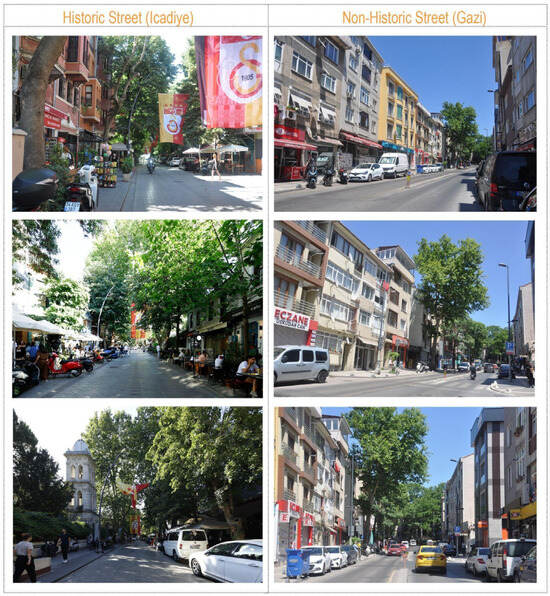
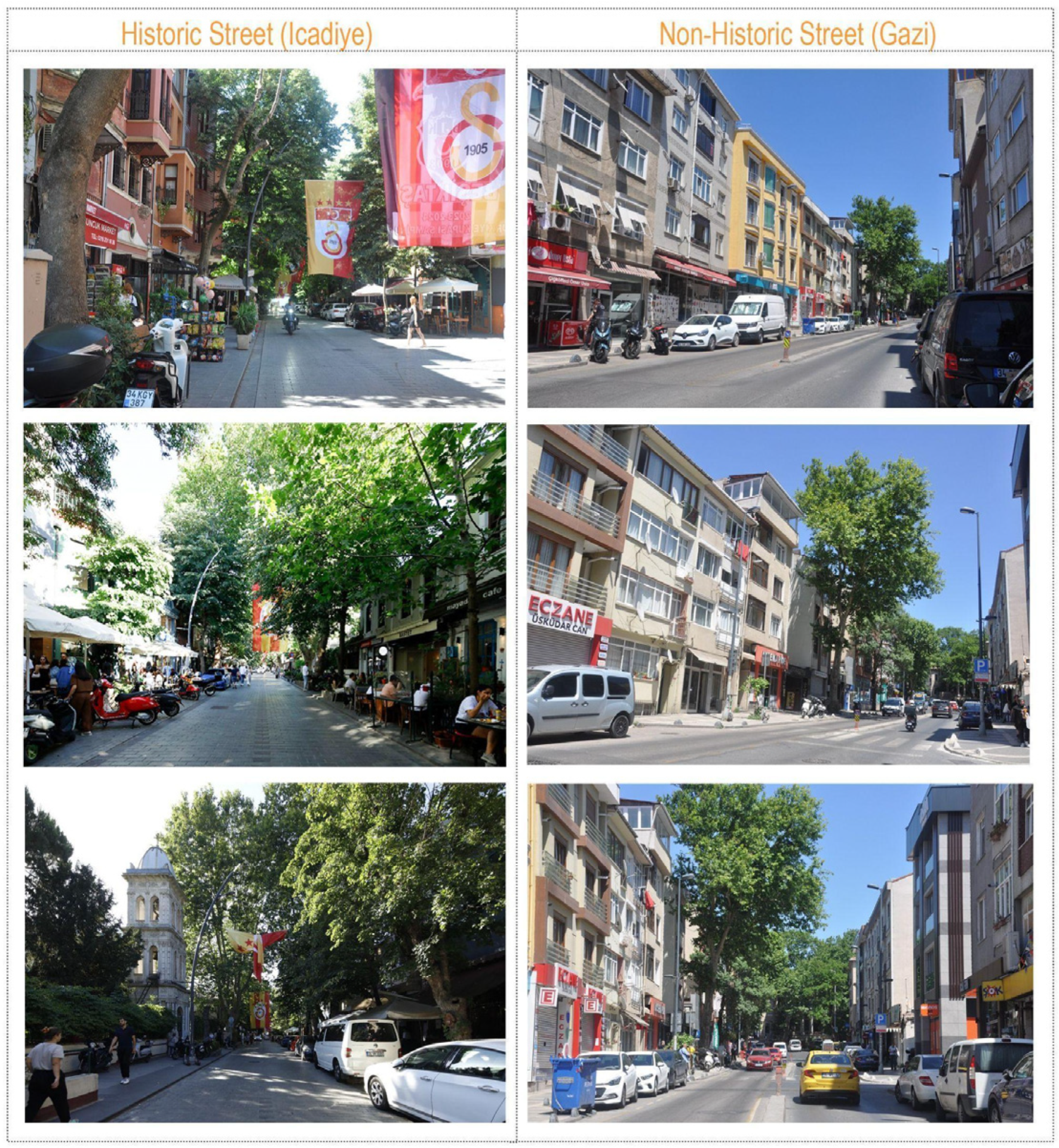
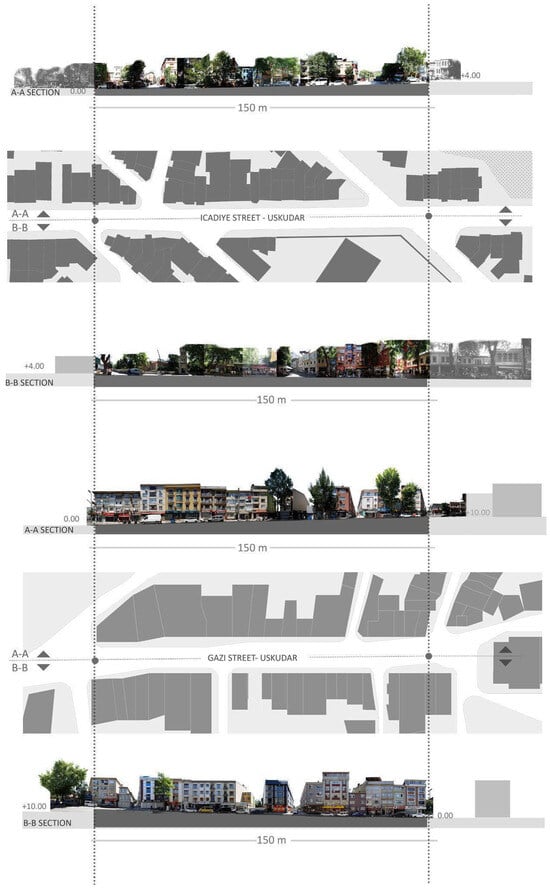
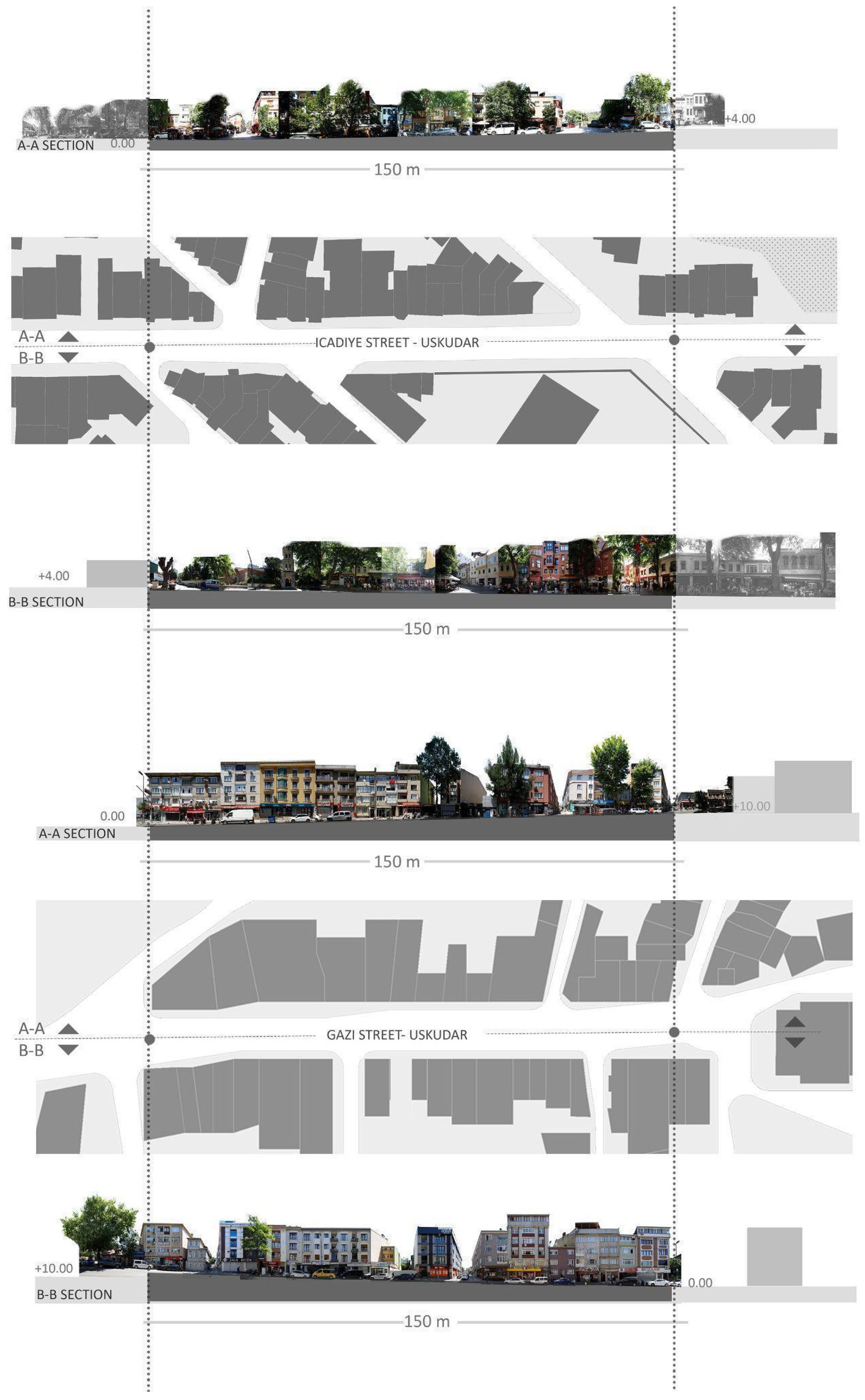
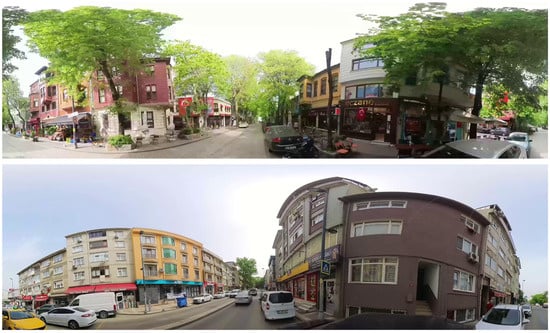
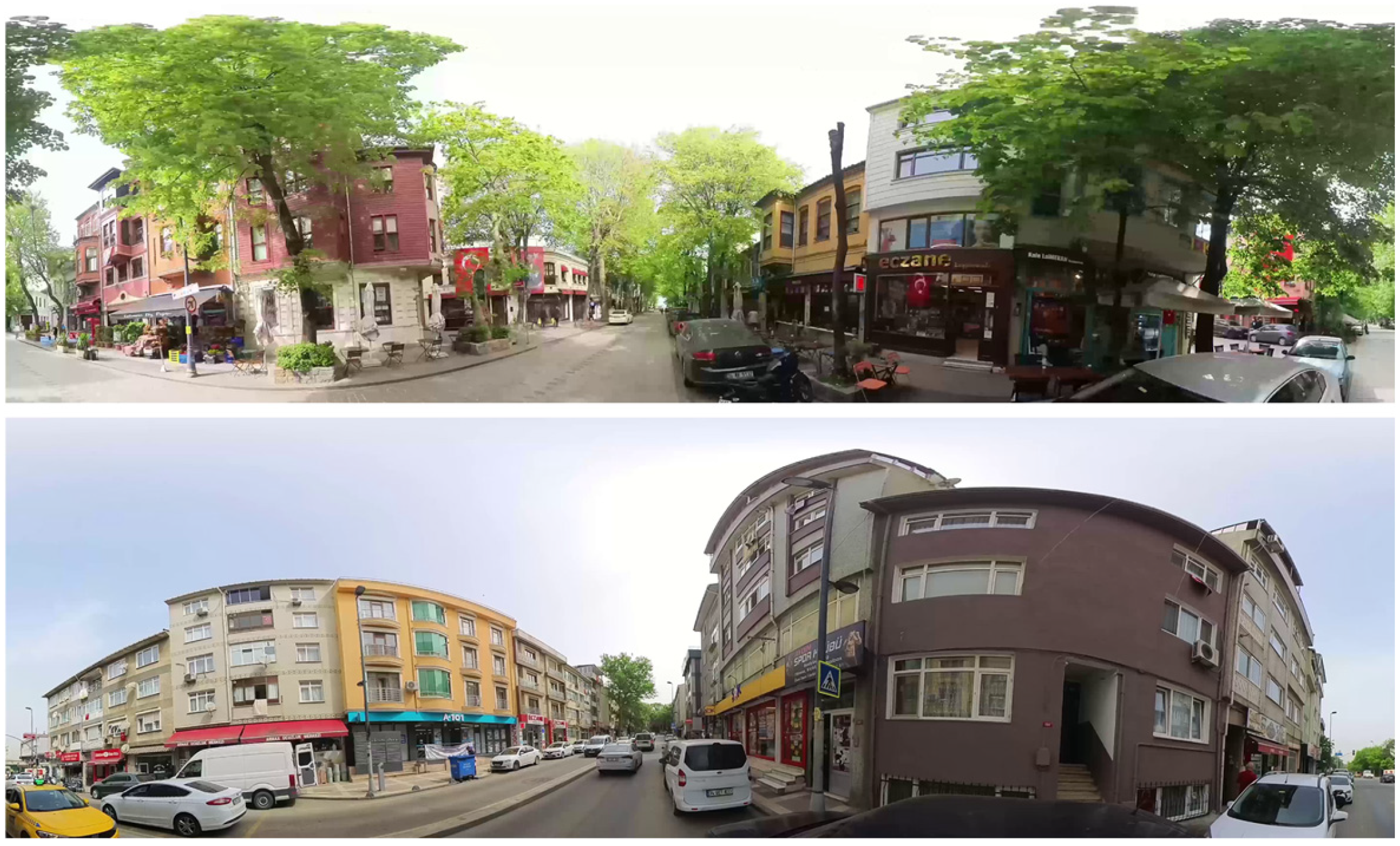
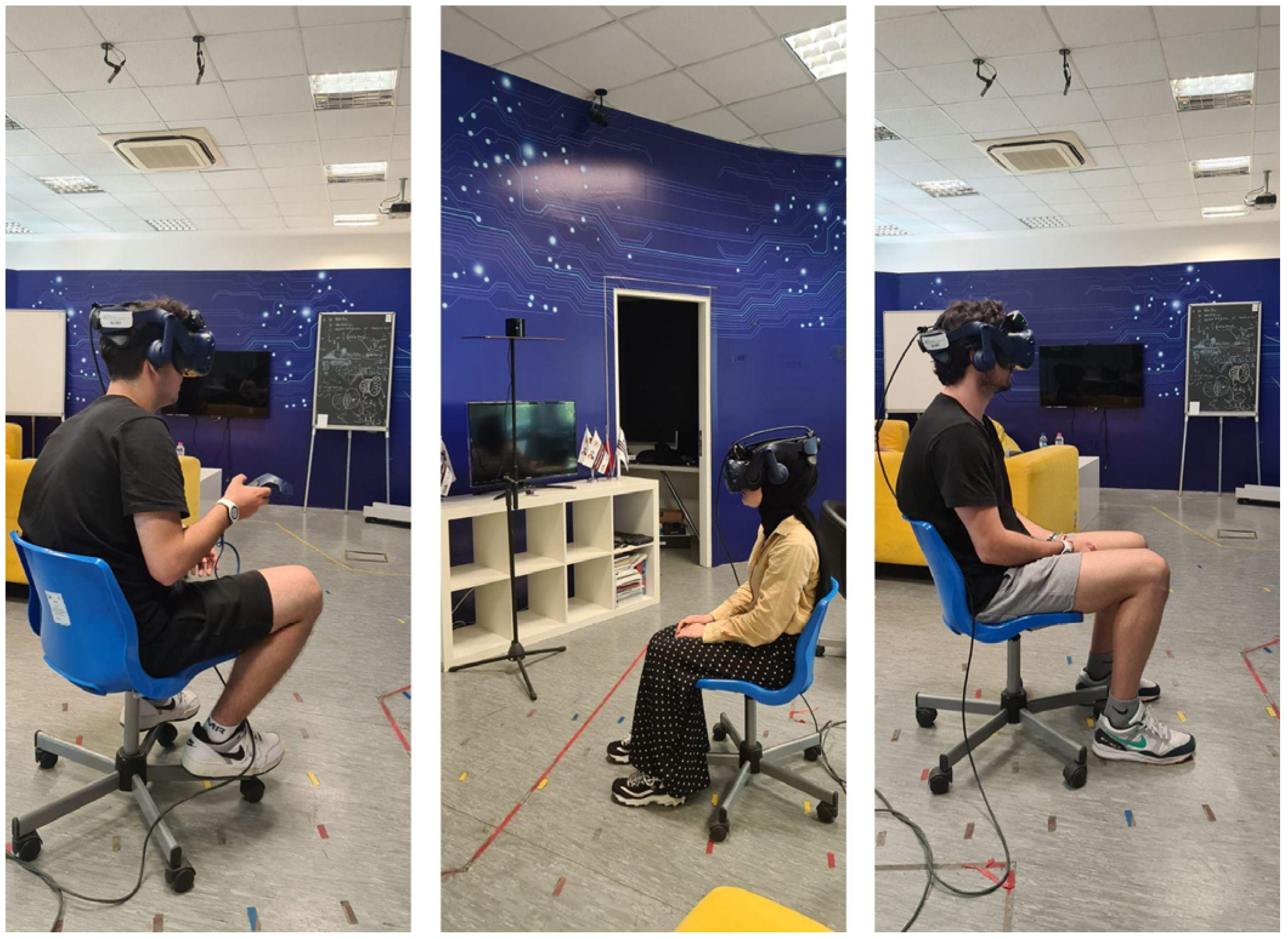
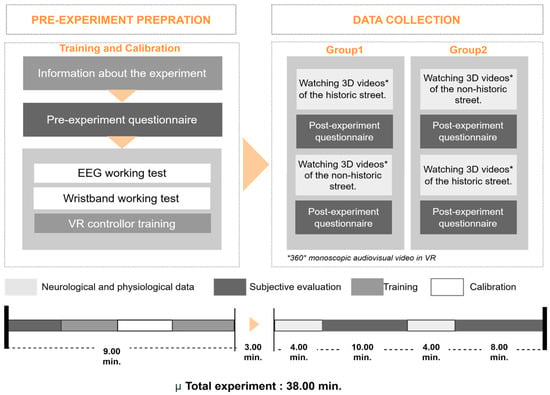
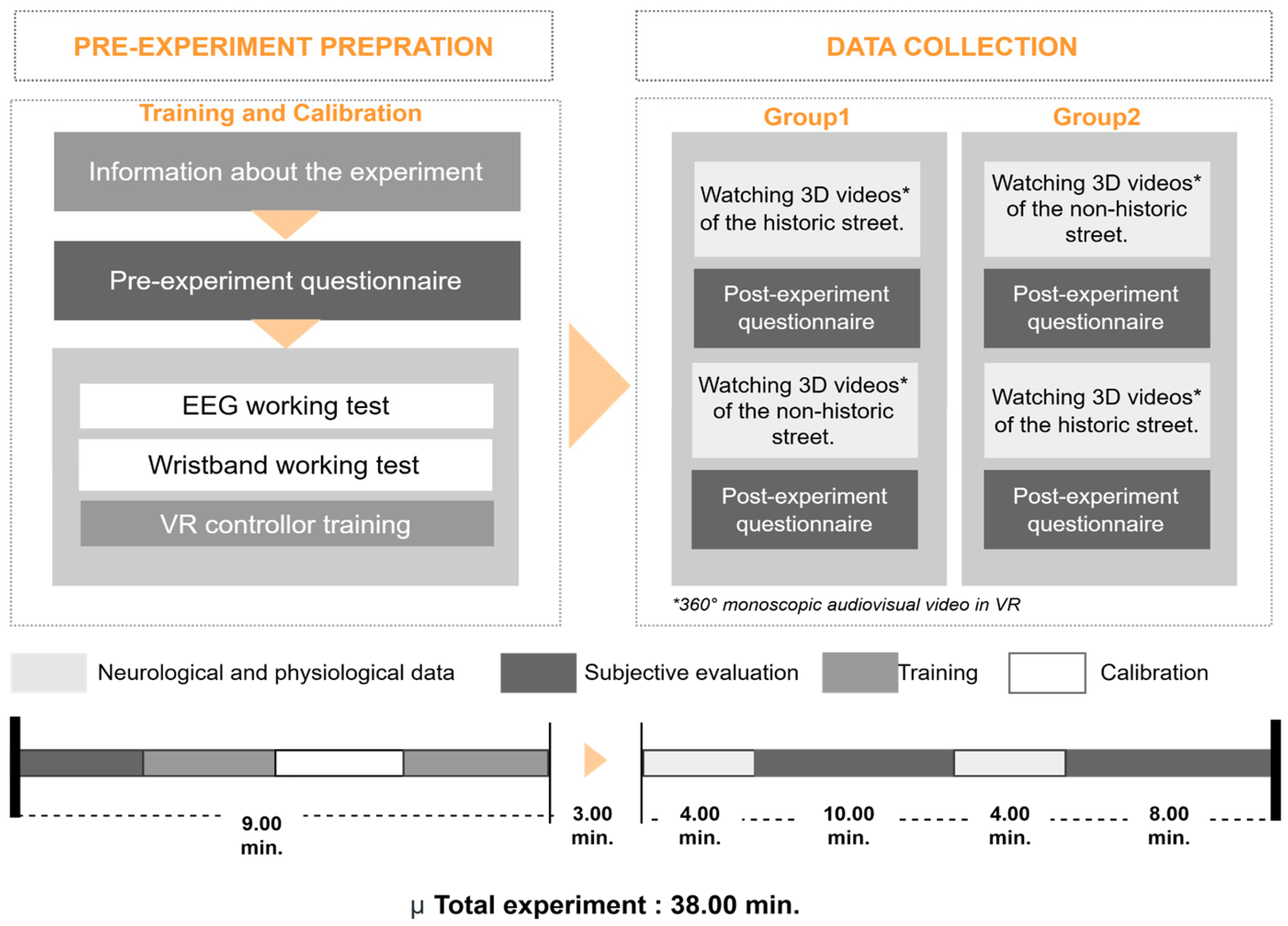
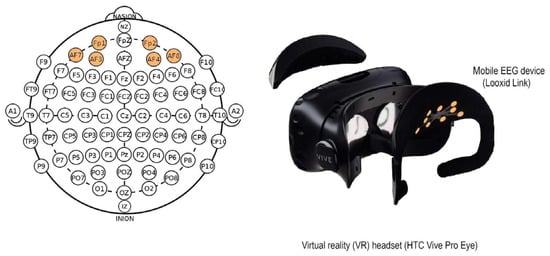
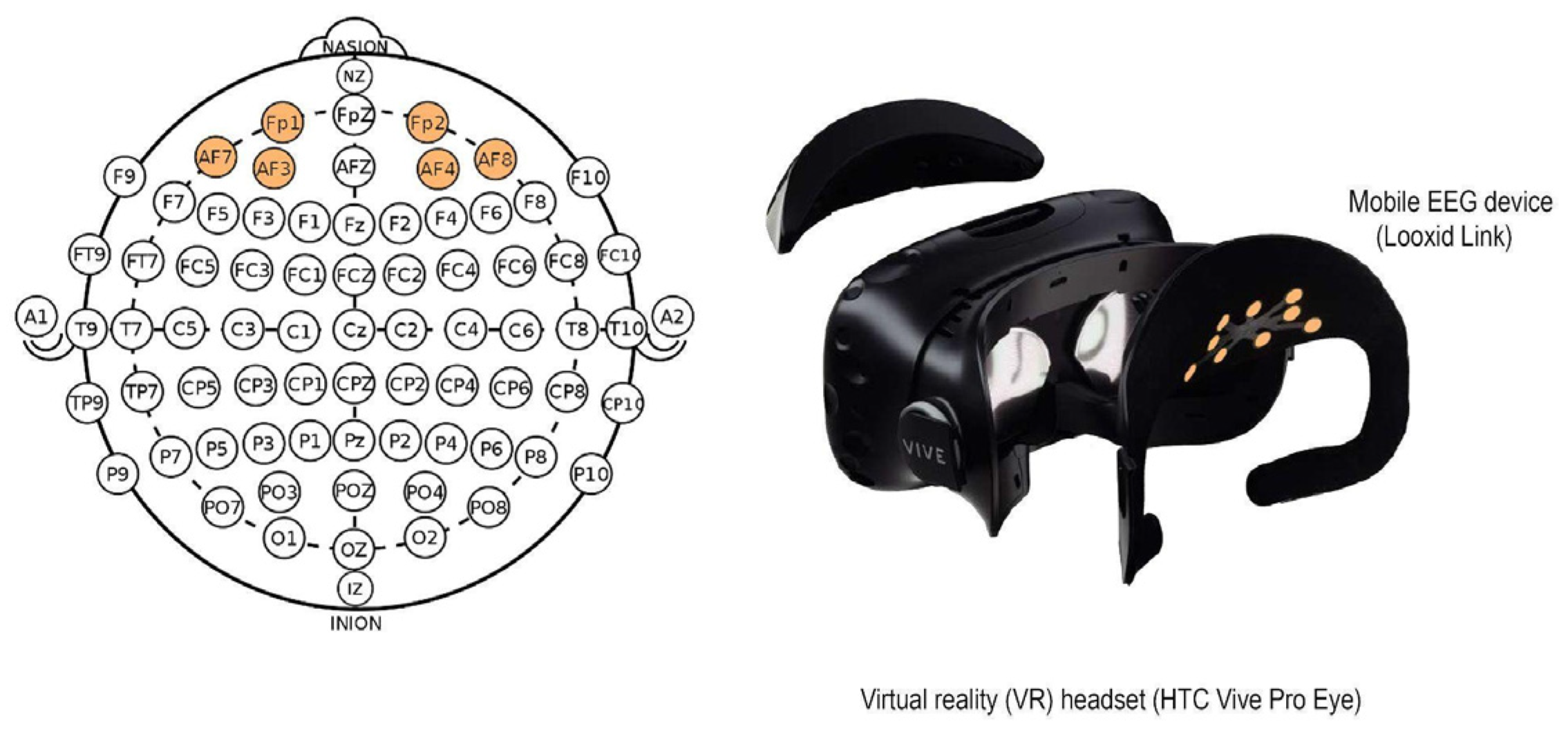
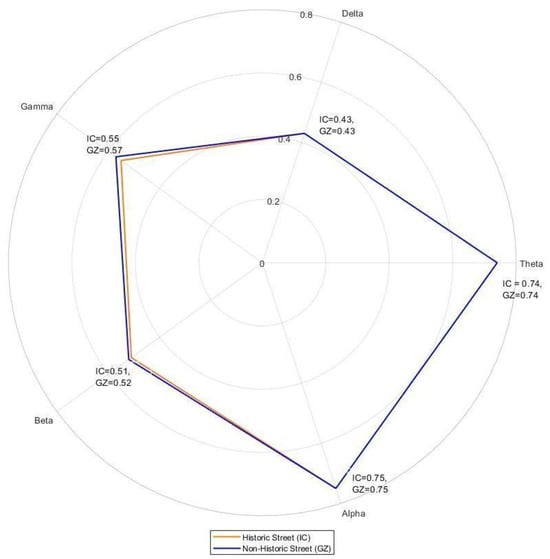
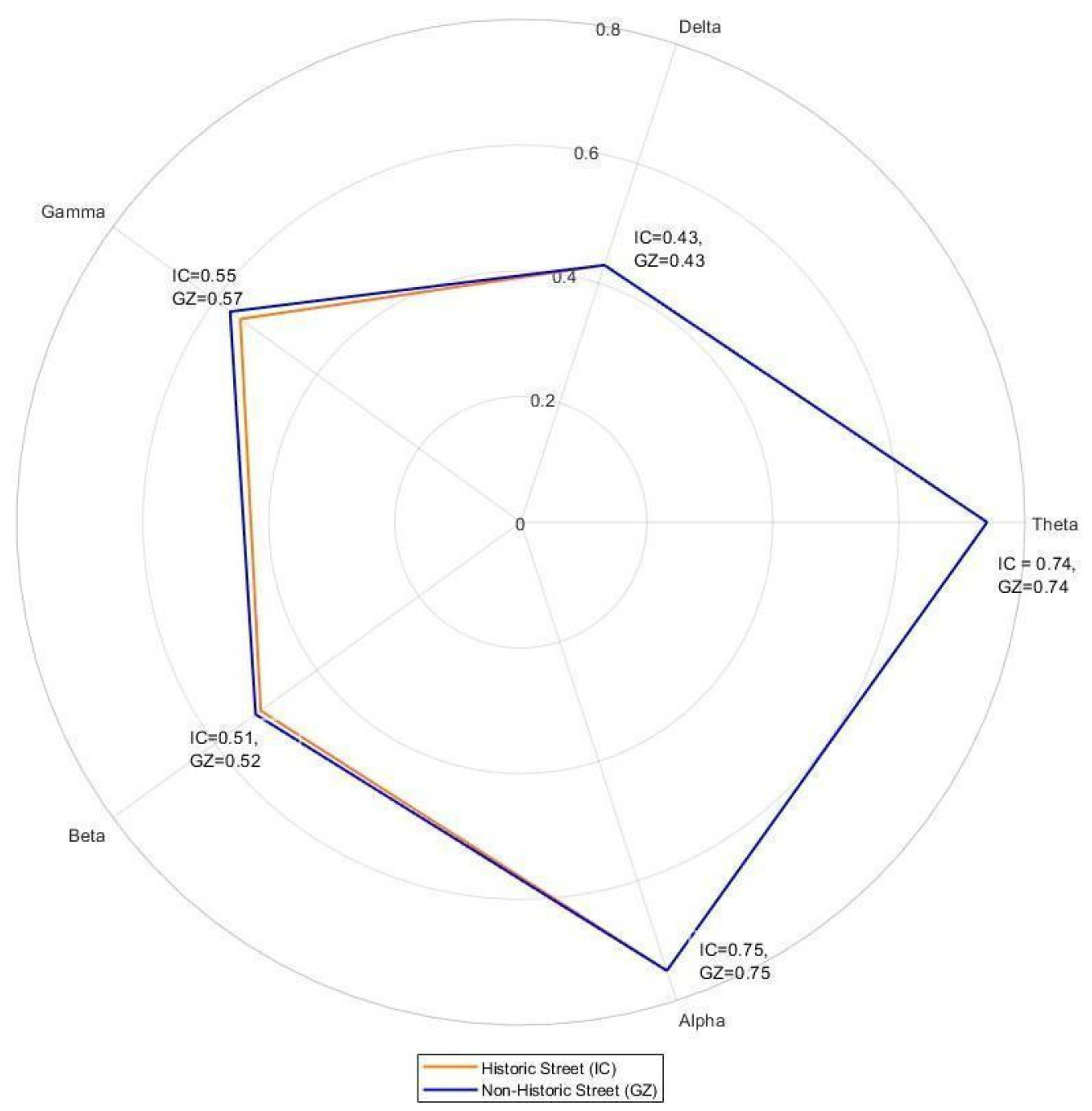
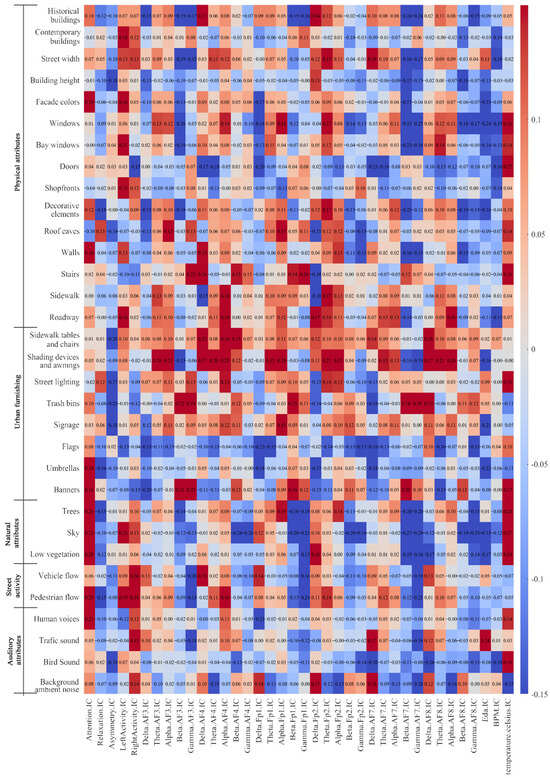
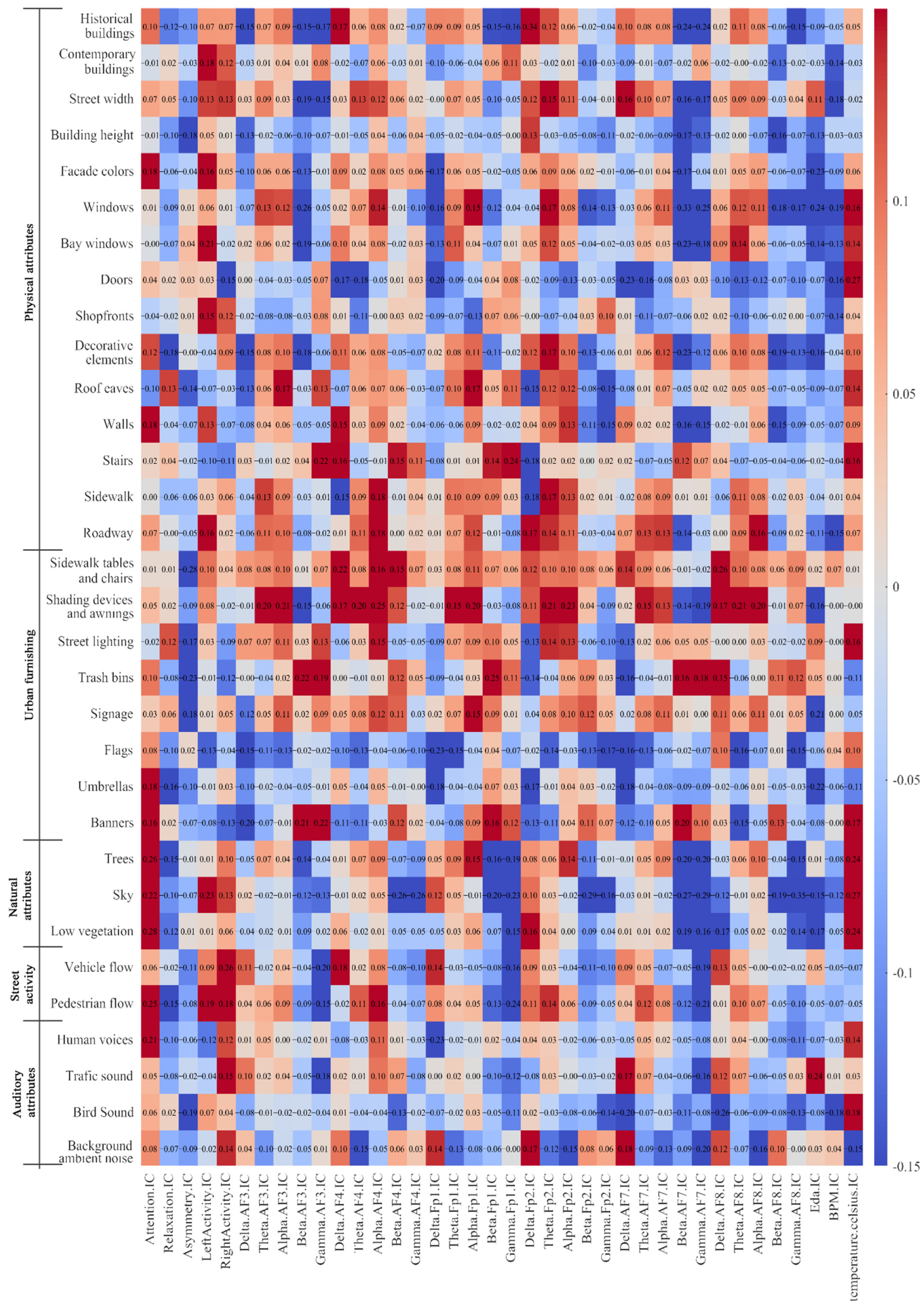

Disclaimer/Publisher’s Note: The statements, opinions and data contained in all publications are solely those of the individual author(s) and contributor(s) and not of MDPI and/or the editor(s). MDPI and/or the editor(s) disclaim responsibility for any injury to people or property resulting from any ideas, methods, instructions or products referred to in the content. |
© 2026 by the authors. Licensee MDPI, Basel, Switzerland. This article is an open access article distributed under the terms and conditions of the Creative Commons Attribution (CC BY) license.