


Abstract
As infrastructure assets continue to age and demand for intelligent operation and maintenance (O&M) continues to grow, digital twins (DTs) are becoming an important technology for enhancing infrastructure condition awareness, predictive analytics, and O&M decision-making. However, existing studies are scattered across different infrastructure types and application scenarios, and the knowledge structure and development trajectory of this field have not yet been systematically synthesized. To address this gap, this study combines scientometric analysis with a systematic review. Drawing on a dataset of 263 publications retrieved from the Web of Science Core Collection, this study employs VOSviewer, Gephi, SCImago Graphica, and HistCite to analyze the research landscape, collaboration patterns, knowledge base, and research hotspots in this field. The findings reveal five interrelated research themes: DTs and smart infrastructure, building information modeling (BIM) and life-cycle information management, O&M and predictive maintenance, structural health monitoring (SHM), and sustainable infrastructure development. The systematic review further indicates that, despite progress in system integration, asset information management, condition monitoring, and predictive analytics, several challenges remain. These include limitations in model reliability and the representation of uncertainty, gaps in semantic interoperability and life-cycle data governance, difficulties in translating analytical results into verifiable maintenance actions, unresolved issues concerning cybersecurity and human–machine collaboration, and the lack of integrated assessments of carbon emissions, life-cycle costs, and resilience. Accordingly, this study identifies five priorities for future research: developing physics-informed and uncertainty-aware intelligent models; advancing O&M-oriented semantic interoperability and data governance; establishing verifiable closed-loop maintenance processes and evaluating their decision-making performance; integrating cybersecurity considerations with human–machine collaboration; and developing multi-objective O&M optimization approaches that jointly account for carbon emissions, life-cycle costs, and resilience. These findings provide a useful reference for further research and engineering applications of DTs in infrastructure O&M.
1. Introduction
Critical infrastructure assets such as roads, bridges, and pipeline networks play a fundamental role in supporting urban functions and ensuring public safety and are closely connected to everyday life [1]. However, these infrastructures are often exposed to multiple risks such as natural hazards and human-induced damage, and their functional degradation or interruption may pose threats to public safety, cause economic losses, and create systemic risks to the functioning of society [2]. The operation and maintenance (O&M) phase is generally the longest phase in an infrastructure asset’s life cycle and typically accounts for the largest share of life-cycle costs and resource consumption. In practice, however, common challenges include difficulties in continuously monitoring asset conditions, fragmented data across multiple systems with limited interoperability, and maintenance decisions that remain heavily experience-driven and reactive rather than proactive. These challenges exacerbate the risks of service disruptions and the financial pressures associated with infrastructure aging and external disturbances [3]. Shahata et al. [4] noted that the aging of municipal infrastructure and increasing service demands have placed growing pressure on cities to undertake infrastructure renewal and maintenance. Asset management standards and industrial frameworks emphasize that O&M decisions should strike an appropriate balance among cost, risk and traceable performance. Achieving this balance depends on high-quality data and a traceable information management system [5,6]. Against this backdrop, digital approaches capable of integrating multisource data and supporting predictive analytics and decision optimisation are urgently needed to enable more proactivity and precise infrastructure O&M.
The concept of digital twins (DTs) can be traced back to the “Mirrored Spaces Model” developed in the context of product lifecycle management (PLM). This model was proposed by Grieves et al. [7] in the early 2000s and has since been further developed and refined. A DT is generally defined as involving a continuous connection and bidirectional exchange of information between physical assets and their digital representations. By updating digital models using multi-source data, the digital representation can reflect and simulate the operational states of physical systems, thereby supporting decision-making activities such as monitoring, prediction, and optimization [8]. With the rapid development of information and communication technologies (ICTs) such as the Internet of Things (IoT), artificial intelligence (AI), big data analytics, intelligent computing, virtual reality (VR), and augmented reality (AR), DTs have increasingly been applied to smart cities, smart healthcare, and various other sectors [9]. Infrastructure O&M can also benefit from more transparent, real-time, and traceable information flows supported by DT-based approaches. DTs can capture and integrate multi-source operational and maintenance data generated throughout the infrastructure life cycle. These data can support key tasks, including condition monitoring and visualization, anomaly diagnosis, remaining useful life (RUL) prediction, and maintenance strategy optimization, thereby supporting the development of more reliable maintenance strategies and the optimal allocation of resources [10].
In recent years, research on the application of DTs in infrastructure O&M has grown rapidly [11]. Jeon et al. [12] applied DTs to the maintenance of prestressed concrete bridges by developing a DT-based maintenance framework incorporating key performance indicators. The framework was used to assess bridge performance and support the analysis of bridge maintenance strategies and optimization of related decisions. In the context of road maintenance optimization, Talaghat et al. [13] developed a heterogeneous spatiotemporal pavement data modeling method for DT-enabled highway management. The method supports pavement condition prediction and preventive maintenance assessment, thereby supporting road maintenance management and the optimization of maintenance decisions. These studies indicate that the application of DTs in infrastructure O&M have gradually expanded beyond standalone digital modeling and condition monitoring to encompass predictive analytics and maintenance decision support. Nevertheless, given the diversity of infrastructure types, technological systems, and O&M tasks addressed in existing studies, the underlying knowledge structure, interrelationships, and developmental trends warrant further systematic investigation.
Previous reviews have examined DT-related research from various perspectives, although they differ in research scope, data sources, analytical approaches, and thematic emphases. For example, van Dinter et al. [14] conducted a systematic literature review of DT-enabled predictive maintenance, analyzing 42 primary studies through an active-learning-assisted screening process, with a focus on predictive maintenance models, DT platforms, and associated technical challenges. Hakimi et al. [15] employed bibliometric methods to examine DT applications in smart facility management based on 248 publications retrieved from Scopus and Web of Science, highlighting BIM-enabled facility management, AI-based predictive maintenance, and life-cycle asset management. Similarly, Albalkhy et al. [11] conducted a systematic review of 228 publications on DT applications in the built environment, focusing on the concepts of DTs, technical architectures, application types, and implementation challenges. From the perspective of engineering asset management, Li et al. [16] combined literature analysis with framework development to explore the value of DTs across technical, human-related, and environmental dimensions. Furthermore, Werbińska-Wojciechowska et al. [17] integrated a PRISMA-based systematic review with bibliometric analysis of 201 publications to investigate DT applications in transportation system O&M. Elshabshiri et al. [18] analyzed 385 publications, focusing on the integration of BIM and DTs in building lifecycle O&M. Itäpelto et al. [19] conducted a systematic review of 43 peer-reviewed studies published between 2013 and 2024, investigating DT applications in the lifecycle security management of critical infrastructure. More recently, Lateef and Yu [20] conducted a systematic review of 141 studies published between 2019 and 2025 on DT applications in civil infrastructure inspection and monitoring, with particular attention to damage scenario generation, anomaly detection, and related technological applications.
To further compare the scope and methodological approaches of the aforementioned studies with those of the present study, Table 1 summarizes representative previous reviews in terms of review period, data sources, number of included studies, review methodologies, and main research focuses. The table also incorporates the present study to clarify its research positioning and highlight its distinct contributions relative to existing reviews.
Table 1.
Comparison of previous review studies and the contributions of the present study.
Overall, these reviews have made valuable contributions to advancing DT-related research. However, their scopes and analytical emphases have largely centered on specific asset types, technological approaches, or O&M tasks. For instance, some have focused on particular management issues, such as predictive maintenance, facility management, and engineering asset management, whereas others have concentrated on specific application contexts, including building O&M, transportation system O&M, infrastructure security, and inspection and monitoring. Table 1 further shows that existing reviews differ in terms of literature coverage, data sources, and analytical methods, while their analyses have primarily focused on specific types of infrastructure or particular application domains. Although these studies have covered various DT applications in the infrastructure sector, there remains a need for a comprehensive analysis of the knowledge structure, academic collaboration networks, research hotspots, and thematic evolution of DT applications across multiple infrastructure types, as well as for integrating quantitative knowledge-mapping analysis with a systematic review of specific applications. In particular, the interrelationships among different infrastructure types, O&M tasks, and key technologies, as well as changes in research hotspots over time, require further examination from an integrated perspective. Accordingly, a combined approach incorporating scientometric analysis and systematic review is needed to systematically examine the research landscape, knowledge structure, and thematic evolution of DT applications in infrastructure O&M, thereby identifying the major research directions and their developmental characteristics.
To address the research gaps identified above, this study adopts an integrated approach combining scientometric analysis with a systematic review to examine the research landscape, knowledge structure, and evolutionary trends of DT applications in infrastructure O&M. Unlike previous reviews, which have primarily focused on specific infrastructure types or O&M tasks, the present study examines infrastructure O&M across multiple infrastructure types. Scientometric analysis is employed to identify the knowledge linkages, academic collaboration networks, and research hotspots in this field, while a systematic review is conducted to further examine the technological pathways, progress in applications, and existing limitations across different research themes. Taken together, these analyses provide a comprehensive understanding of the current research landscape and emerging development trends in this field. The remainder of this paper is organized as follows. Section 2 describes the data sources, search strategy, and research methods. Section 3 presents the scientometric analysis of the research landscape and knowledge networks in this field using VOSviewer (version 1.6.20), Gephi (version 0.9.2), SCImago Graphica (beta version 1.0.55), and HistCite Pro (version 2.1). Section 4 presents a systematic review of the major research themes and discusses the principal applications of DTs in infrastructure O&M. Section 5 outlines future research directions, while Section 6 summarizes the main findings and discusses the limitations of the study.
2. Methodology
This section aims to synthesise the existing body of knowledge and identify research gaps and future directions concerning DTs in infrastructure O&M [21,22].
2.1. Mixed-Review Method
The integrated review approach adopted in this study combines quantitative evaluation using scientometric analysis with qualitative evaluation through a systematic review. This approach can mitigate potential subjective bias associated with reliance on a single method. It also provides quantitative evidence while enabling an in-depth understanding of the field’s knowledge structure and future research directions [23]. Scientometric analysis is a quantitative research method based on statistical analysis and is primarily used to reveal the structural characteristics, evolutionary processes, and dynamic relationships of scientific research. Bibliometric mapping is an important technique within scientometrics. It visualizes the overall structure of a knowledge domain and reveals the relationships among publications, journals, authors, and keywords [24,25].
This study employed VOSviewer, Gephi, SCImago Graphica, and HistCite as bibliometric analysis tools to process, map, and visualise bibliographic data on DTs in infrastructure O&M. Using these tools, this study examined the research landscape and knowledge structure of the field through analyses of annual publication trends, journal distribution, country-level collaboration, influential researchers, highly cited publications, and keyword. Meanwhile, the systematic review method enabled the extraction, integration, and comparison of research themes, methods, theoretical perspectives, and application contexts, thereby facilitating the identification, evaluation, and synthesis of existing research findings. Building on the scientometric analysis, this study further conducted a systematic literature review to provide a comprehensive understanding of research progress in DT applications in infrastructure O&M, identify gaps in the existing literature, and outline future research directions.
This study developed a research framework comprising four stages, as illustrated in Figure 1. The first stage involved literature retrieval and data collection following the Preferred Reporting Items for Systematic Reviews and Meta-Analyses (PRISMA) framework to ensure a comprehensive, systematic, and accurate collection of relevant literature. In the second stage, scientometric analysis was conducted to construct a knowledge map of DT applications in infrastructure O&M, focusing on publication trends, source journals, country-level collaboration, influential researchers, highly cited publications, and research hotspots. In the third stage, a systematic review was conducted to synthesise the principal applications of DTs in infrastructure O&M based on the keyword clustering results, and to establish the thematic knowledge structure of the field. In the fourth stage, future research directions were identified, and priority research issues were proposed based on the preceding analyses.
Figure 1.
Research process and methodological framework.
A research plan was developed before the literature search to guide the review process. However, the research plan was not prospectively registered in a publicly accessible registry.
2.2. Data Collection
Comprehensive, accurate, and reproducible literature collection is fundamental to scientometric analysis and systematic reviews. In this study, the Web of Science Core Collection (WoSCC) was used as the data source, and the literature search and screening procedures were guided by the Preferred Reporting Items for Systematic Reviews and Meta-Analyses (PRISMA) framework. The process comprised three stages: identification, database-based filtering, and manual eligibility assessment and final inclusion. The overall procedure is illustrated in Figure 2.
Figure 2.
The data collection process using PRISMA procedure.
2.2.1. Identification
The literature search was conducted in WoSCC on 20 October 2026, with the search limited to records indexed in the Science Citation Index Expanded (SCI-EXPANDED) and the Social Sciences Citation Index (SSCI). The Topic (TS) field was used for the search, which covers document titles, abstracts, author keywords, and Keywords Plus. Given the diversity of infrastructure types and O&M activities addressed by DT research, the search strategy was developed around three conceptual groups: DTs, infrastructure types, and O&M activities. Relevant search terms were combined using the Boolean operators AND and OR. The complete search query was as follows:
TS = (“digital twin” OR “digital twins”) AND (“infrastructure” OR “civil infrastructure” OR “urban infrastructure” OR “built infrastructure” OR “transportation infrastructure” OR “bridge” OR “tunnel” OR “railway” OR “road” OR “highway” OR “building”) AND (“operation and maintenance” OR “O&M” OR “facility management” OR “structural health monitoring” OR “condition monitoring” OR “asset management” OR “damage detection” OR “fault diagnosis” OR “predictive maintenance” OR “inspection” OR “repair”)
The search strategy comprised three conceptual groups. The first was designed to identify studies related to DTs, the second covered different types of infrastructure, and the third targeted research associated with operational monitoring, condition assessment, fault diagnosis, predictive maintenance, and asset management. The combined search initially retrieved 1036 records, which constituted the preliminary dataset for subsequent screening.
2.2.2. Screening
The initial search results were further filtered according to publication year, document type, and language. First, the publication period was restricted to January 1, 2019, through December 31, 2025, to focus on recent developments in DT applications for infrastructure O&M. Second, only the Article and Review document types were retained to ensure that the dataset comprised research articles and review papers. Third, the language was restricted to English to facilitate comparability in the subsequent scientometric analysis and qualitative synthesis.
Following these database-based filtering procedures, the number of records decreased from 1036 to 656, with 380 records excluded because they did not meet the specified publication-year, document-type, or language criteria. The remaining 656 records constituted the candidate dataset for the subsequent manual eligibility assessment.
Due to the way Web of Science handles publication years for Early Access articles, some studies that were published online ahead of print but subsequently assigned to 2026 journal issues remained in the search results. Further verification of the publication years of the 656 candidate records revealed that 51 records had a final publication year of 2026, despite having Early Access publication years of 2024 or 2025. As this study restricted the final publication year to the period from 2019 to 2025, these 51 records were excluded during the subsequent manual eligibility assessment.
2.2.3. Eligibility Assessment and Inclusion of Literature
To further that the final dataset was consistent with the research objectives, the titles, abstracts, and keywords of the 656 candidate records were manually examined. Their relevance to DT applications in infrastructure O&M was assessed against predefined inclusion and exclusion criteria.
During the screening process, two researchers first jointly discussed and established the inclusion and exclusion criteria, and subsequently conducted the literature screening independently. The initial assessment was primarily based on the titles, abstracts, and keywords of the retrieved studies. For studies whose relevance was difficult to determine, the full texts were further examined to verify their content. A total of 246 records were identified as requiring further full-text assessment to determine their eligibility. In cases where disagreements arose between the two researchers, the research team discussed the studies collectively and reached a final decision based on the predefined screening criteria. To quantify the consistency of the two researchers’ independent screening decisions, Cohen’s κ was 0.74. The inclusion criteria were as follows:
Relevance of the research object to infrastructure O&M. Studies were included if they investigated infrastructure assets or relevant assets within the built environment, such as bridges, tunnels, roads, railways, municipal facilities, and buildings. For railway and urban rail transit systems, the scope of this study also encompasses operational assets, such as trains and freight wagons, that operate in conjunction with fixed infrastructure and directly support transportation services. However, studies involving these assets are included only when their research explicitly addresses the operation and maintenance of the associated transportation systems, including operational monitoring, fault diagnosis, predictive maintenance, or operational management, rather than focusing solely on the manufacturing or performance development of individual vehicle equipment.
Substantive application of DTs. Studies were required to go beyond merely mentioning DTs in their titles, abstracts, or keywords. They had to address the relationship between physical infrastructure and its corresponding digital representation and explain how operational or monitoring data were used to update the digital representation, reflect the asset’s condition, or support related O&M analyses. Studies involving only static three-dimensional models, conventional BIM models, or standalone monitoring systems were excluded if they did not demonstrate a dynamic relationship between the physical infrastructure and its digital representation.
Direct relevance to infrastructure O&M. Studies were required to address tasks such as infrastructure operational monitoring, structural health monitoring, condition assessment, damage identification, fault diagnosis, predictive maintenance, asset management, or O&M decision-making. Studies integrating BIM, IoT, sensors, AI, or big data analytics were retained only when these technologies supported the aforementioned infrastructure O&M tasks.
Based on the aforementioned inclusion criteria, the excluded studies were classified into the following four categories:
- (I)
- Lack of substantive investigation of digital twins. Studies that merely mentioned digital twins in their titles, abstracts, or keywords, without substantively investigating their technical implementation, application mechanisms, or related issues, were excluded.
- (II)
- Research objects outside the defined infrastructure scope. Studies primarily focusing on manufacturing production lines, general industrial equipment, healthcare, agriculture, or other fields, and lacking a direct connection to the infrastructure operation and maintenance scope defined in this study, were excluded.
- (III)
- Lack of explicit infrastructure operation and maintenance applications. Studies primarily focusing on infrastructure design, construction, or general algorithm development, without demonstrating explicit operation and maintenance application scenarios, were excluded.
- (IV)
- Lack of identifiable physical–digital linkage. Studies relying solely on static digital models, conventional BIM models, or routine data-monitoring methods, without demonstrating an identifiable relationship between the physical infrastructure and its corresponding digital representation for O&M purposes, were excluded. The absence of automated data exchange alone was not considered sufficient grounds for exclusion.
Furthermore, for borderline studies involving fixed infrastructure assets and their associated facilities or equipment, inclusion was determined by whether the research object was a fixed infrastructure asset or an operational asset directly associated with infrastructure, and whether the DT application addressed an explicit O&M-related task.
On this basis, one study on distributed rooftop and building-integrated PV systems was included because it used a DT model to estimate photovoltaic energy conversion unit (PVECU) output in real time and identify operational faults [26]. In addition, three studies involving railway rolling stock and related vehicle components (including trams, trains, and bogies) were included because they examined DT applications relevant to railway system operation, such as vehicle-dynamics simulation, condition monitoring, or fault diagnosis. Studies focusing solely on vehicle manufacturing or equipment development without a direct connection to infrastructure or transportation-system O&M were excluded.
Furthermore, given the varying levels of technical maturity among DT implementations, particular attention was paid to data exchange and feedback mechanisms between the physical and digital domains. Studies involving only one-way data updates were not automatically regarded as mature DT systems with bidirectional information exchange capabilities. Instead, their data-flow directions, model-updating mechanisms, and feedback capabilities were distinguished in the subsequent systematic review. This distinction was intended to avoid conflating digital models and digital shadows with DTs capable of bidirectional interaction.
Among the 656 candidate records, a total of 393 were excluded following further verification and manual eligibility assessment. Of these, 51 records were excluded because their final publication year was 2026, while the remaining 342 were excluded based on the four predefined criteria, comprising 90 studies in Category (I), 138 in Category (II), 58 in Category (III), and 56 in Category (IV). Ultimately, 263 publications were included in the scientometric analysis and served as the evidence base for the subsequent systematic review. The number of records at each stage and the corresponding reasons for exclusion are summarized in Figure 2, thereby enhancing the transparency and reproducibility of the literature selection process.
3. Scientometric Analysis
3.1. The Trends Analysis of Annual Articles
As shown in Figure 3, the annual number of publications on DT applications in infrastructure O&M exhibited a marked upward trend from 2019 to 2025. Publication output remained relatively low between 2019 and 2021, with 3, 6, and 10 publications, respectively, indicating that research in this field was still at an exploratory stage. From 2022 onward, the number of publications increased substantially, rising from 33 in 2022 to 102 in 2025, reflecting growing academic interest in this field in recent years.
Figure 3.
Annual distribution of articles on DTs in infrastructure O&M from 1 January 2019 to 31 December 2025.
This growth may be attributed to advances in digital technologies and the increasing demand for infrastructure O&M. In recent years, technologies such as BIM, IoT, AI, and sensing and monitoring technologies have been increasingly integrated with DTs, providing a technological foundation for infrastructure condition awareness, data analytics, and predictive maintenance [11]. Meanwhile, the performance degradation of infrastructure assets during long-term service and the associated maintenance pressures have further stimulated research on and applications of DTs in condition monitoring, asset management, and maintenance decision-making [27].
3.2. Geographical Collaboration
Research on DT applications in infrastructure O&M exhibits geographical variations, consistent with the country-level distribution patterns of digital technology research across countries in the architecture, engineering, and construction (AEC) sector [28]. To examine international collaboration patterns, country names were standardized to avoid duplicate counting caused by inconsistent country-name entries. For example, “Peoples R China” was standardized to “China,” while “Turkey” and “Türkiye” were merged under the unified label “Türkiye”. A country collaboration network was then constructed using VOSviewer, with Co-authorship selected as the analysis type, Countries as the unit of analysis, and Full counting as the counting method. A minimum threshold of three publications per country was applied, resulting in 20 countries being included. The resulting country nodes and collaboration links were subsequently imported into SCImago Graphica for visualization using a circular layout. In Figure 4, node size represents the number of publications, node color indicates collaboration strength based on weighted degree, and links indicate co-authorship relationships between countries.
Figure 4.
Geographical cooperation in DT-enabled infrastructure O&M research.
In terms of publication output, China ranks first with 92 publications, followed by the United States (42) and the United Kingdom (37). Italy, South Korea, and Australia also demonstrate substantial research activity. This distribution indicates that knowledge production in this field is concentrated in a relatively small number of countries, although researchers from multiple countries contribute to the field. Regarding the collaboration structure, China exhibits a high weighted degree and maintains collaborative links with multiple countries, while the United States and the United Kingdom also occupy important positions in the network. Overall, the network spans Europe, Asia, North America, Oceania, and the Middle East, indicating extensive interregional collaboration. This pattern is closely associated with the technological integration requirements of DTs. By integrating BIM, IoT, and real-time data, DTs enable dynamic infrastructure monitoring and decision support [29]. DT applications also extend to O&M tasks such as structural health monitoring, condition assessment, and predictive maintenance in infrastructure O&M [10]. Consequently, international exchanges of digital technologies and engineering practices can facilitate the application and validation of DT methods across different infrastructure contexts and support the digital transformation of infrastructure asset management [30].
3.3. Influential Researchers
To identify the key researchers and their collaborative relationships in the field of DT applications in infrastructure O&M, VOSviewer was used to construct an author co-authorship network, and SCImago Graphica was subsequently employed to optimize the network layout. Full counting was applied, with the minimum number of documents per author set to three and the minimum number of citations per author set to zero. Publications involving more than 25 authors were excluded. Based on the 263 publications included in the final dataset, 1088 authors identified, of whom 27 met the selection criteria, forming a co-authorship network comprising nine clusters, as shown in Figure 5. In terms of publication output, Liu ZS ranked first with nine publications, followed by Yoon S with seven publications; Hosamo HH, Li HJ, Parlikad AK, and Xie X each had five publications. Node size represents each author’s publication output, links between nodes indicate co-authorship relationships, link thickness reflects the strength of collaboration, and different colors denote distinct collaboration clusters. To improve the readability of the visualization, author names were abbreviated using the format of surname followed by given-name initials.
Figure 5.
Co-authorship network of influential researchers in DT-enabled infrastructure O&M research.
By examining the representative publications by the core authors in each cluster within the final dataset, the research interests of the collaboration groups can be broadly categorized into three main areas. First, infrastructure condition monitoring and maintenance represents an important research area. Cluster 1, represented by Machado LB and Futai MM, primarily focuses on tunnel deterioration detection, performance prediction, and digital twin modeling [31]. Cluster 2, represented by Gao Y, Li HJ, and Song HH, focuses on AIoT-based digital twin communication mechanisms for bridge maintenance and the applications of digital twins in bridge O&M [32]. Cluster 4, represented by Kaewunruen S and Sresakoolchai J, focuses on railway bridge maintenance and resilience management, as well as improving railway infrastructure maintenance efficiency based on track geometry conditions and component defects [33,34]. Cluster 7, represented by Mahmoodian M, Shahrivar F, and Setunge S, primarily investigates the application of digital twins to the intelligent maintenance of civil infrastructure [35].
Second, intelligent building O&M and fault diagnosis constitute another major research area. Cluster 3, represented by Hosamo HH, Svennevig PR, Svidt K, Han DG, and Nielsen HK, primarily applies DTs to heating, ventilation, and air-conditioning (HVAC) systems, using automated fault detection and diagnosis to support predictive maintenance [36]. Cluster 5, represented by Yoon S, Lee J, and Koo J, focuses on integrating DTs with building information modeling (BIM), developing virtual building models on site, and calibrating these models to enhance the intelligence of building operation and maintenance [37,38]. Cluster 6, represented by Liu ZS, Shi GL, and Sun Z, primarily focuses on O&M modeling for building infrastructure, intelligent control of O&M processes, and sustainable O&M management [39,40].
Furthermore, data integration and infrastructure asset management constitute another important research area. Cluster 8, represented by Parlikad AK, Moretti N, Merino J, and Xie X, primarily focuses on anomaly detection in built assets during the operational phase, as well as digital twin data integration and spatial information management in hospital operations [41,42]. Cluster 9 comprises only Rashidi M, whose research mainly addresses data quality assessment for bridge digital twins, with particular emphasis on the application of unmanned aerial vehicle (UAV) photogrammetry and terrestrial laser scanning (TLS) data in the digital representation of bridges [43].
Overall, the author co-authorship network comprises nine collaboration clusters, with research primarily concentrated in three areas: infrastructure condition monitoring and maintenance, intelligent building O&M, and data integration and asset management. The infrastructure types investigated include tunnels, bridges, railways, buildings, and hospitals. Meanwhile, research has expanded from digital modeling and condition monitoring to fault diagnosis, predictive maintenance, risk assessment, O&M process control, and asset information integration. This indicates that research on DT applications in infrastructure O&M is shifting from individual technological applications toward multisource data integration and O&M decision support.
3.4. Distribution of Journal
Journal distribution reflects the major publication outlets and their scholarly impact within a research field. Table 2 presents the 17 journals that published at least four papers on DT applications in infrastructure O&M, together with their publication counts, total local citation scores (TLCS), and total global citation scores (TGCS). In terms of publication output, Autom. Constr. ranked first with 32 papers, followed by Buildings (25), Appl. Sci. (18), Sensors (17), and J. Build. Eng. (12). These journals cover a range of research areas, including smart construction, building engineering, sensing and monitoring, information technology, energy, and sustainability. This distribution indicates that DT applications in infrastructure O&M are not confined to a single discipline but are built on the integration of engineering management, information sensing, and data-driven technologies.
Table 2.
Journal distribution in DT-enabled infrastructure O&M research.
Regarding citation performance, Autom. Constr. recorded the highest TGCS (1824), followed by J. Build. Eng. (1164), Sensors (761), Appl. Sci. (727), and Buildings (651). In terms of local citation impact, Autom. Constr. ranked first (TLCS = 159), followed by Sensors (63), J. Build. Eng. (61), Struct. Infrastruct. Eng. (53), Sustainability (40), Energy Build. (37), Buildings (35), and Appl. Sci. (34). These results indicate that the leading journals are influential both within the sampled corpus and across the broader Web of Science database, although the two indicators capture different dimensions of citation impact.
Figure 6 further illustrates the bibliographic coupling network among journals. The network was constructed using the bibliographic coupling method in VOSviewer, with Sources selected as the unit of analysis and a minimum publication threshold of four papers. A total of 17 journals met this criterion, and the exported network was subsequently visualized using Gephi. Bibliographic coupling identifies relationships between research sources based on references cited in common and thus helps reveal connections in their underlying knowledge bases [25,44]. In the network, nodes represent journals, while links indicate bibliographic coupling relationships; thicker links denote stronger coupling between journals, indicating closer connections between their shared knowledge bases.
Figure 6.
Journal bibliographic coupling network in research on DTs for infrastructure O&M.
The network shows that Autom. Constr., Buildings, Appl. Sci., Sensors, and J. Build. Eng. have relatively dense connections with other journals, indicating their prominent roles in the knowledge structure of this research field. The close coupling between journals focusing on building engineering and smart construction and those addressing sensing, monitoring, and information technologies suggests that research on DT applications in infrastructure O&M is extending beyond conventional engineering management toward an integrated paradigm encompassing physical infrastructure, real-time sensing, data integration, and intelligent decision-making. The presence of Energy Build., Energies, and Sustainability further indicates that energy efficiency, environmental performance, and sustainable O&M are emerging as important extensions of this research field.
Overall, Table 2 identifies the major publication outlets and their citation performance, whereas Figure 6 reveals the shared knowledge foundations connecting different journals. Together, these results indicate that research on DT applications in infrastructure O&M has developed a multidisciplinary knowledge structure centered on building engineering and smart construction, with further connections to sensing and monitoring, information technology, energy management, and sustainability.
3.5. Highly Cited Papers
The Local Citation Score (LCS) was used to analyze the citations of the 263 publications included in the final dataset, and HistCite was employed to generate a citation network. Based on an LCS threshold of 15 or higher, 11 highly cited publications were identified, as listed in Table 3, and their citation relationships are illustrated in Figure 7. In Figure 7, each node represents a publication, and its number corresponds to the publication number in Table 3. Node size is proportional to the LCS value, while node position indicates the publication year. Different colors represent the journals in which the publications appeared, and the arrows indicate citation relationships, with each arrow pointing toward the cited publication.
Table 3.
Top 11 influential publications in DT-enabled infrastructure O&M research.
Figure 7.
Historical analysis of influential DT-related publications in infrastructure O&M research [32,36,41,45,46,47,48,49,50,51,52].
As shown in Table 3, the study by Lu et al. [41] on anomaly detection in the O&M of built assets ranked first, with an LCS of 45. The study primarily examined the applications of digital twins in infrastructure operational monitoring and anomaly detection. Shim et al. [45] developed a digital twin-based maintenance system for prestressed concrete bridges, ranking second with an LCS of 38. The study employed a three-dimensional digital twin model to support bridge maintenance management. Another study by Lu et al. [46] ranked third with an LCS of 32 and explored the development and application of digital twins at the building and city scales through a case study of the West Cambridge Campus. In addition, Opoku et al. [47] ranked fourth with an LCS of 29. Their literature review systematically analyzed the applications of digital twins in the construction industry. Although the review covered the construction industry broadly, it also examined DT applications in the O&M phase, including facility management and monitoring, which makes it relevant to the O&M scope of this study.
The remaining highly cited studies further demonstrate the expanding applications of digital twins across various infrastructure O&M tasks. Kang et al. [48] incorporated multimedia knowledge into bridge health monitoring, while Hosamo et al. [36] developed a digital twin-based predictive maintenance framework for heating, ventilation, and air-conditioning (HVAC) units, incorporating automated fault detection and diagnosis. Dang et al. [49] investigated structural health monitoring by integrating cloud computing with deep learning. Meanwhile, Yu et al. [50] proposed a digital twin-based decision-analysis framework for tunnel O&M, whereas Kaewunruen et al. [51] applied digital twins to vulnerability assessment and risk-oriented maintenance planning for bridge infrastructure under extreme environmental conditions. Studies published in 2023 further explored the integration of digital twins and BIM to support the digital transformation of bridge management across the entire life cycle [52], as well as AIoT-enabled digital twin communication mechanisms for bridge maintenance [32].
The citation relationships shown in Figure 7 indicate that earlier studies provided an important reference base for subsequent research on digital twins in infrastructure O&M. For example, the study listed as No. 8 in Table 3 cites the studies numbered 2 and 1, while the study numbered 9 further cites those numbered 5 and 10. These citation relationships suggest that research in this field has gradually evolved from the initial development of digital twin models and their basic applications toward broader applications in structural health monitoring, risk assessment, predictive maintenance, and lifecycle management. Overall, the highly cited publications indicate that research on digital twins in infrastructure O&M has progressively expanded beyond digital representation and system integration to encompass condition awareness, intelligent analysis, and maintenance decision support.
To further examine the technological maturity of highly cited studies, we classified the 11 publications listed in Table 3 according to the framework proposed by Kritzinger et al. [53], which distinguishes studies based on the direction and degree of automation of data exchange between physical assets and their digital representations. This framework categorizes studies into three types: Digital Model (DM), Digital Shadow (DS), and Digital Twin (DT). Specifically, a DM involves no automated data exchange; a DS involves automated one-way data transmission from physical assets to their digital representations; and a DT requires automated bidirectional data exchange between the two. The two review articles were classified as R and excluded from the DM/DS/DT proportion calculations. Among the remaining nine application studies, six (66.7%) were classified as DS, two (22.2%) as DM, and one (11.1%) as DT. The predominance of DS indicates that most highly cited studies have primarily achieved automated one-way data transmission from physical assets to their digital representations, whereas studies involving automated bidirectional data exchange remain limited. These findings suggest that, even among highly influential studies in infrastructure O&M, the practical implementation of DT applications is still predominantly characterized by digital models and digital shadows, rather than fully interactive DT systems.
3.6. Research Hotspots of DTs in Infrastructure O&M
Oraee et al. [54] noted that keywords capture the core content of a research field, while their co-occurrence patterns reveal the distribution of research hotspots and the structural relationships among different themes. In this study, VOSviewer was used to conduct a co-occurrence analysis of all keywords in the 263 publications included in the final dataset. The keyword data included both Author Keywords and Keywords Plus. First, a thesaurus file was employed to standardize the keywords by merging singular and plural forms and abbreviation variants, such as digital twin/digital twins and BIM/building information modeling. Full counting was then applied, with the minimum occurrence threshold set to six and association strength selected as the normalization method. This process yielded a co-occurrence network comprising 45 keywords, as shown in Figure 8. To further characterize the distribution of the main keywords within the network and the strength of their associations, the 15 most frequently occurring keywords were quantitatively analyzed, with the results presented in Table 4. Furthermore, the clustering function in VOSviewer was used to analyze the keyword co-occurrence network, with the clustering resolution parameter set to 1.0, and the minimum cluster size set to 1, resulting in the identification of five keyword clusters. The composition of these five clusters, including the keywords assigned to each cluster, is presented in Table 5 (Panel A). In Figure 8, node size represents keyword occurrence frequency, while links indicate co-occurrence relationships, with their thickness reflecting the strength of these relationships. The total link strength (TLS) reported in Table 4 measures the overall strength of a keyword’s links with other keywords.
Figure 8.
Network visualisation of keyword co-occurrence in DT-enabled infrastructure O&M research.
As shown in Table 4, digital twin was the most frequently occurring keyword, with 200 occurrences and a TLS of 557, indicating its central position in this research field. BIM and structural health monitoring occurred 75 and 50 times, respectively, with corresponding TLS values of 294 and 153. These results highlight the prominence of information modeling and structural condition monitoring in the existing literature. In addition, keywords such as internet of things, artificial intelligence, and predictive maintenance indicate research interest in multi-source data acquisition, intelligent analysis, and maintenance applications.
VOSviewer identifies keyword clusters based on the co-occurrence relationships among keywords, thereby revealing their association structures and potential thematic connections. These clusters represent keyword co-occurrence groupings rather than predefined research themes. Accordingly, the broader research themes were interpreted and synthesized by considering the semantic characteristics of keywords across the clusters, together with the research objects, technical content, and practical O&M application contexts of the relevant studies. Taken together, Figure 8, Table 4 and the cluster composition presented in Table 5 (Panel A) suggest that current research hotspots can be broadly grouped into five interrelated themes: DTs and smart infrastructure, BIM and life-cycle information management, O&M and predictive maintenance, structural health monitoring and sustainable infrastructure development. The corresponding research directions and supporting keyword profiles, including their cluster assignments, occurrences, and TLS values, are summarized in Table 5 (Panel B). These themes collectively represent the main research areas concerning DT applications in infrastructure O&M. The following section further examines the technological approaches, progress in their applications, and remaining limitations through a systematic review of the literature.
Table 4.
Quantitative analysis of co-occurring keywords in DT-enabled infrastructure O&M research.
Table 5.
Composition of VOSviewer keyword clusters and thematic profiles of DT-enabled infrastructure O&M research. (A) Composition of VOSviewer keyword clusters. (B) Research themes and keyword profiles.
4. Systematic Review
Building on the five interrelated research themes synthesized from the keyword co-occurrence and clustering results in Section 3.6 (Table 5, Panel B), this section provides a qualitative synthesis of research progress in the application of DTs to infrastructure O&M. These themes serve as the organizing framework for examining the research objects, technological approaches, practical applications, and limitations of existing studies.
The thematic analyses primarily draw on the 263 publications included in the final dataset. Studies selected for discussion were chosen based on their relevance to the respective themes, technical approaches, and practical application value, while consideration was also given to the diversity of infrastructure types and technological approaches to ensure adequate thematic coverage and representativeness. Theoretical studies and relevant application cases outside the final dataset were also cited where they provided additional insights into theoretical foundations or practical applications. These supplementary studies were used solely to support and extend the thematic discussion and were not included in the bibliometric statistics or analyses of the final dataset. Consistent analytical criteria were applied across all five themes, with particular attention to the technological architectures of digital twins, data exchange, model updating, application validation, and O&M decision support.
To further examine the levels of technological implementation across the five research themes, we applied the same classification framework and criteria described in Section 3.5 to the representative studies listed in Table 6. Studies that did not describe a specific implemented physical–digital interaction system were classified as NA (Not Applicable), while review articles were classified as R (Review). This supplementary classification was used to compare the reported levels of technological implementation among the representative studies and did not affect the final dataset of 263 publications or the associated literature screening results.
The following subsections discuss the major technological approaches, advances in their applications, and practical limitations of existing research within each of these five themes.
4.1. Digital Twins and Intelligent Infrastructure
This theme addresses a central question: how can DTs bring physical assets, operational data computational models, and management services together into a system that supports O&M? The keyword network shows that digital twin has a substantially higher occurrence frequency and TLS than the other keywords, whereas IoT and AI highlight the roles of data acquisition and intelligent analysis, respectively. Collectively, these keywords suggest that research is not dominated by any single algorithm but is increasingly concerned with establishing a technological chain spanning sensing, modeling, analysis, and service delivery. This integration is particularly important for infrastructure, where operational information is typically distributed across sensors, inspection records, asset inventories, geographic information systems, and maintenance management platforms. When these data are viewed separately, digital visualization alone is insufficient to support integrated assessments.
From a system design perspective, existing studies have explored two complementary approaches. The first emphasizes cross-platform integration by connecting BIM, GIS, sensor networks, and O&M services. The second focuses on incorporating spatiotemporal data, engineering knowledge, and condition inference into digital models. Studies on bridge O&M have demonstrated that integrating GIS and BIM can bring asset locations, structural information, monitoring data, inspections, and maintenance activities into a unified workflow [55]. In their review of bridge DT development methods, Hoskere et al. [56] brought physical–digital interfaces, reality modeling, DT development, and digital services together within a unified framework, while also examining applications such as structural health monitoring and digital maintenance. Beyond platform integration, Sun et al. [57] incorporated spatiotemporal changes and expert knowledge into bridge condition assessment through a data- and knowledge-driven bridge modeling approach. This approach enables the system not only to represent the current condition of an asset but also to interpret changes in its condition and inform subsequent assessments. Collectively, these approaches extend the role of DTs beyond three-dimensional visualization, positioning them as an information infrastructure for organizing and analyzing data to support O&M.
However, system connectivity does not necessarily ensure effective coordination among systems. Even when different platforms can exchange files, the absence of consistent mechanisms for linking asset identifiers, component relationships, data semantics, and maintenance records may prevent the establishment of consistent and comparable asset condition records [58,59]. Liu et al. [60] identified data heterogeneity, system fragmentation, limited interoperability, implementation costs, and data security as major challenges to the deployment of service-oriented DTs for infrastructure O&M. Accordingly, the principal bottleneck is not simply a lack of additional sensors or more sophisticated visualization interfaces, but the absence of data and model governance mechanisms capable of maintaining semantic consistency across systems, supporting continuous updates, and clearly defining service boundaries. The performance of future system architectures should therefore be evaluated not merely by the completeness of their functional modules, but also by whether data can be reliably linked to specific assets, models can be updated in response to changing field conditions, and analytical results can be incorporated into actual O&M workflows.
4.2. BIM and Lifecycle Information Management
Unlike Section 4.1, which focuses on system integration, this theme addresses a central question: why is information continuity often difficult to maintain across the design, handover, and O&M stages? BIM provides a structured means of organizing geometric information, component attributes, and project handover documentation. However, O&M personnel also require continuously updated information, including equipment identifiers, operating parameters, defect records, maintenance histories, component replacements, risk ratings, and maintenance costs. If as-built models are not structured to meet O&M requirements, or if component identifiers cannot be reliably linked to on-site equipment and maintenance work orders, then even geometrically detailed models may offer limited support for routine maintenance. Wang et al. [61] addressed the management of fragmented information in large underground spaces by classifying and coding spatial and equipment information within a DT-based O&M framework. Their study highlights the importance of structured information as a prerequisite for practical O&M applications rather than merely an additional feature for visualization.
Recent studies further demonstrate that O&M information requirements should inform model development and information handover from the outset. Focusing on highway asset maintenance, Yin et al. [62] conducted 20 expert interviews and a questionnaire survey comprising 183 responses to identify applications valued by practitioners, including asset deterioration prediction, routine maintenance strategy development, and the design of inspection and maintenance scenarios. These findings suggest that the value of DTs should be defined in relation to the specific tasks performed by asset managers rather than measured solely by the number of model functions available. Bao and Bu [63] further structured requirements for O&M models, functional capabilities, and non-geometric data, and explored the use of DT-GPT to assist asset owners in generating O&M requirement lists. Together, these studies point to the same underlying issue: if O&M information requirements are not clearly specified during the design and handover stages, then subsequent reliance on manual data entry and interface development may increase costs and create additional data gaps.
Accordingly, BIM-enabled life-cycle management needs to shift its focus from whether a model is complete to whether its information remains usable throughout the asset lifecycle. First, unique asset identifiers should be used to establish links among components, sensors, fault events, maintenance work orders, and replacement records. Second, responsibilities for data updates, version control, and quality assurance should be clearly defined to prevent models from gradually diverging from actual site conditions following facility modifications. Third, facility managers, asset owners, design teams, and maintenance contractors should be involved in defining information requirements and validating deliverables. Abdelmoti et al. [64] interviewed 14 industry experts and identified several persistent challenges in asset management, including reliance on paper-based processes, information gaps, data security concerns, and communication barriers. These findings indicate that information interoperability is not solely a technical issue but is also closely related to the allocation of responsibilities, workflow design, and organizational adoption.
In terms of the evidence provided by existing studies, engineering case studies primarily demonstrate the feasibility of information organization and platform implementation, while expert interviews and questionnaire surveys help identify O&M needs and application priorities. Structured requirement-generation approaches, in contrast, focus on translating these needs into actionable information requirements. Although these different forms of evidence collectively demonstrate the importance of lifecycle information management, they do not support conclusions of the same scope. Future research should further investigate whether standardized information handover and continuous updating mechanisms can reduce information gaps, lower the effort required to retrieve maintenance information, and ultimately improve asset management and maintenance decision-making.
4.3. O&M and Predictive Maintenance
This theme extends beyond the simple application of AI to maintenance and is better understood in terms of the successive stages of O&M decision-making. Condition monitoring identifies anomalies, fault diagnosis explains their underlying causes, degradation prediction estimates how risks may evolve over time, and maintenance decision-making involves selecting interventions by balancing safety, cost, downtime, and resource availability. As individual studies may address only one of these stages, a system that can identify faults should not automatically be described as a DT capable of autonomous maintenance. In their systematic review of urban assets, Lawal et al. [65] noted that despite increasing research interest in predictive maintenance, its application to building and urban asset management has not yet moved substantially beyond scheduled inspections and reactive maintenance practices.
Comparisons across infrastructure assets reveal substantial differences in the predictability of O&M-related problems and the forms of evidence available to support maintenance decisions. For railway tracks, long-term inspection and maintenance records can be used to characterize patterns of defect progression. By contrast, bridge scour assessment requires the integration of hydraulic, geotechnical, and structural analyses with real-time monitoring, as scour around bridge foundations cannot be directly observed through routine surface inspections alone. Research on the Espartxo Bridge established a relationship between changes in specific vibration frequencies and scour depth at the bridge foundations, demonstrating the value of developing predictive indicators tailored to specific failure mechanisms [66]. By comparison, railway maintenance optimization studies have also explored how predictive information can inform the selection of maintenance strategies. These studies highlight that translating predictions into actionable decisions requires explicit objective functions, operational constraints, and resource allocation plans, rather than simply displaying predicted outcomes on a dashboard [34]. Similarly, research on port asset management has integrated real-time data, predictive maintenance, and resource optimization within a unified asset management framework, highlighting the need to consider both asset condition and the organization of operations when planning maintenance interventions [67].
The engineering value of predictive maintenance ultimately depends on whether predictive outputs lead to changes in intervention timing, maintenance prioritization, and resource allocation. Accordingly, research should distinguish between predictive accuracy at the model level and benefits at the O&M level. The former can be evaluated using metrics such as false alarm rates, missed detection rates, prediction lead times, and errors in estimating degradation trends. The latter should be assessed in terms of unplanned downtime, maintenance costs, post-repair failure recurrence, service reliability, and personnel safety. Although existing case studies provide evidence of technical feasibility for specific assets, further independent validation is needed to establish whether these approaches remain effective across different railway lines, bridge types, climatic conditions, and management regimes. It is also necessary to determine whether model-generated recommendations are actually incorporated into maintenance work orders, budgets, and repair workflows. Future research should therefore focus on strengthening the decision-making process that links risk estimation to actionable interventions, rather than concentrating solely on improving the predictive accuracy of individual algorithms.
4.4. Structural Health Monitoring
The challenge in SHM lies not simply in collecting more data, but in determining whether the available measurements accurately reflect the actual condition of a structure. Sensors may experience drift, become loose, experience communication interruptions, or undergo long-term performance degradation. If a DT assumes that all measurements are reliable, then sensor malfunctions may be misinterpreted as structural damage, while undetected anomalies in the data may lead to an underestimation of risk. Research on bridge O&M has also highlighted the difficulty of obtaining high-quality data consistently, emphasizing the need to integrate multisource observations, spatiotemporal modeling, and engineering knowledge rather than treating missing data, noise, or unknown loads as negligible inputs [57]. This perspective suggests that the monitoring system itself should also be subject to evaluation, and that data quality control should not be regarded merely as a one-time preprocessing step before the model is put into operation.
Different data sources have distinct advantages and limitations in structural model updating. Historical inspection drawings and maintenance records provide long-term coverage and are useful for analyzing the spatial distribution and long-term evolution of defects, although the intervals between observations are typically relatively long. Continuous sensor data can capture dynamic structural responses but are more susceptible to noise, environmental variations, and unknown loading conditions. A bridge deck DT study transformed historical two-dimensional damage drawings into traceable three-dimensional damage states and combined them with an empirical model to predict performance evolution, demonstrating how low-frequency historical records can be converted into asset service-life information [68]. Meanwhile, the combination of physics-based constraints and data-driven models seeks to address discrepancies between numerical models and actual structural behavior. Inconsistencies in material properties, boundary conditions, and aging conditions may compromise the transferability of purely data-driven models [69]. For structures subjected to unknown input loads, probabilistic learning and model-form uncertainty quantification provide methods for assessing the range within which predictions can be considered credible [70]. Rather than serving as interchangeable alternatives, these approaches address different challenges, including historical deterioration assessment, model discrepancy, and predictive uncertainty.
The evidence supporting SHM applications should therefore be interpreted in terms of the level of validation achieved. Laboratory experiments and scaled tests can establish whether an algorithm identifies specific types of damage, but they cannot fully demonstrate its ability to remain reliable under changing environmental conditions during long-term operation on actual bridges. Field monitoring of a single bridge can demonstrate that a monitoring system is connected to an actual asset, but does not necessarily establish that the approach can be transferred to other structures. Assessing its practical O&M value requires further investigation of system stability under different operating conditions, as well as whether warnings trigger timely inspections and maintenance interventions. A DT study of a high-rise building used shake-table experiments to validate its rapid dynamic analysis and damage identification capabilities, illustrating that experimental validation primarily establishes technical feasibility rather than long-term maintenance benefits [71]. Future SHM research should therefore incorporate sensor health diagnostics, model calibration, separation of environmental effects, uncertainty quantification, and responses to monitoring results in field-level decision-making into a unified validation framework.
4.5. Sustainable Infrastructure Development
Although sustainability and resilience are less prominent in the current keyword network than DTs, SHM, and predictive maintenance, their relatively low visibility should not be interpreted as an indication of lower engineering importance. A more plausible explanation is that, although existing studies are increasingly examining the roles of digital technologies in resource utilization, environmental impacts, and infrastructure resilience, these objectives have not yet been fully integrated into a unified framework for asset management and O&M evaluation. A knowledge-mapping study on infrastructure resilience found that research integrating DTs and Al has increasingly addressed predictive maintenance, fault detection, and adaptive control, while challenges remain in technological integration, the harmonization of resilience indicators, and cross-domain applications [72]. Sustainable integration of BIM and DT also requires coordinated consideration of environmental impacts, resource efficiency, lifecycle management, and long-term resilience [73]. Accordingly, the focus of this theme is not simply to catalogue green technologies, but to examine whether DT can incorporate environmental objectives and service continuity into practical asset management decisions.
At the asset level, sustainable O&M requires the joint consideration of energy consumption, carbon emissions, material use and replacement, maintenance frequency, life-cycle costs, and asset service life. At the network level, it is also necessary to consider the potential impacts of disruptions to critical facilities on interdependent infrastructure systems and public services. Petri et al. [74] developed a DT framework for dynamic life cycle assessment in the built environment by integrating real-time IoT data, machine learning, and semantic interoperability. Their work demonstrates the potential of DTs to support the continuous assessment of energy use and emissions, thereby providing a basis for incorporating environmental performance into infrastructure operation and management decisions. A port asset management case integrated DTs, BIM/GIS, real-time data acquisition, predictive maintenance, and resource optimization, illustrating the potential of digital asset management to connect maintenance planning with broader operational objectives [67]. From the perspective of road engineering, existing research remains concentrated on data acquisition and virtual model construction, while real-time data processing, physical–digital interaction, and lifecycle-wide applications require further development [75]. These findings suggest that sustainability should not be treated merely as a carbon emissions indicator displayed on a DT interface, but should instead be incorporated into comparisons of maintenance alternatives, resource allocation, and lifecycle performance assessment.
The classification results provide a further perspective on the technological maturity of DT applications in infrastructure O&M. Among the nine application studies listed in Table 3, six (66.7%) were classified as DS, two (22.2%) as DM, and only one (11.1%) as DT. A similar pattern was observed among the eight classifiable representative studies in Table 6, of which five (62.5%) were classified as DS and three (37.5%) as DM, with none meeting the criteria for DT. Although these two groups were selected for different analytical purposes and their proportions should therefore be interpreted separately, both show a clear predominance of DS over DT. This finding indicates that current research has made greater progress in establishing automated one-way data connections between physical infrastructure and digital representations than in implementing fully automated bidirectional data exchange. It also suggests that the adoption of the DT concept in infrastructure O&M has not yet been consistently accompanied by its full technical implementation. Therefore, distinguishing between DM, DS, and DT is important for assessing the actual level of technological implementation rather than relying solely on the terminology used in individual studies.
Table 6.
Comparative synthesis of representative digital twin applications in infrastructure O&M.
5. Future Research Directions
Figure 9 presents the keyword overlay visualization rather than a formal time-series analysis. The node colours reflect the average publication year of the publications associated with each keyword, which can help identify relatively recent research topics but cannot, on their own, demonstrate sustained growth in a particular research area. As indicated by Figure 9 and Table 5, AI, machine learning, sensors, and real-time monitoring are closely associated with the core research themes of DTs. Meanwhile, keywords such as sustainability, smart city, and blockchain suggest growing research interest in environmental performance, system governance, and data trustworthiness in infrastructure O&M.
Figure 9.
Overlay visualization of the keyword co-occurrence network based on average publication year.
The systematic review in Section 4 further indicates that, although progress has been made in system integration, information management, condition monitoring, and predictive maintenance, a gap remains between technical feasibility and actual O&M performance. The representative studies synthesised in Table 6 also show that the available evidence is derived primarily from framework-based studies, questionnaire surveys, engineering case studies, field monitoring, and experimental validation. The scope of the conclusions supported by these different forms of evidence varies considerably. Accordingly, future research should place greater emphasis on model reliability, data interoperability, the validation of maintenance decisions, and long-term engineering performance, thereby advancing DT applications beyond isolated technological implementations towards the development of sustainable infrastructure O&M capabilities.
5.1. Physics-Informed and Uncertainty-Aware Models
Future research on AI should extend beyond improving predictive accuracy alone and pay greater attention to whether model predictions are consistent with engineering principles, whether the predictions are reliable, and whether models can adapt to different asset types and operating environments. During long-term infrastructure operation, sensor noise, unknown loads, environmental variations, and structural deterioration may all affect model predictions. Recent studies have begun to combine physical principles with data-driven approaches and employ probabilistic learning and model-form uncertainty quantification to account for uncertainties in model predictions [69,70]. Meanwhile, reviews in the field of SHM have reported applications of deep learning in structural damage identification, sensor fault diagnosis, and monitoring data processing. However, existing research still faces several challenges, including limited model interpretability, the lack of a consistent approach to developing physics-informed deep learning architectures, and insufficient model robustness under complex engineering conditions [76].
Future research should focus on three key aspects. First, different sources of uncertainty, including sensor errors, unknown input loads, model bias, and environmental variations, should be incorporated into a unified analytical framework to investigate their effects on damage probability, remaining useful life, and maintenance priorities. Second, physics-based constraints should be integrated with domain adaptation and online calibration to improve model adaptability across different types of structures, operating environments, and sensor configurations. Third, cross-asset validation frameworks should be established to evaluate model generalisability using real-world monitoring data from different bridges, buildings, and transportation infrastructure. Such evaluations should consider not only predictive accuracy, false alarm rates, and missed-detection rates, but also the quality of the resulting maintenance decisions. In particular, greater attention should be paid to whether predictive outputs can lead to adjustments in inspection intervals and maintenance thresholds, rather than merely improving algorithmic performance on test datasets.
5.2. Semantic Interoperability and Lifecycle Data Governance for O&M
Section 4.2 indicates that a major bottleneck in DT-enabled O&M lies not in the lack of digital models, but in the difficulty of maintaining continuous associations among asset information across the design, handover, and operational phases. Future research should move beyond basic file-format compatibility towards ensuring that different systems share a consistent semantic understanding of assets, their operational states, and maintenance events. This requires establishing semantic relationships among key information elements, including unique asset identifiers, component hierarchies, sensor locations, failure classifications, maintenance work orders, repair costs, and component replacement records, while defining clear rules for data updates, version control, and accountability. Research on highway asset maintenance has highlighted the fragmentation of asset information [62], whereas studies on DT-based O&M requirements have demonstrated the potential for defining operational information requirements at the design stage [63]. Together, these findings suggest that information governance should be closely aligned with operational tasks and information delivery processes.
Future research could advance along three complementary lines. First, domain ontologies or reference data models should be developed to enable consistent information exchange across BIM, GIS, asset management systems, and maintenance work-order platforms, with clearly defined field semantics, measurement units, time references, and asset relationships. Second, verifiable data delivery agreements should be established to specify responsibilities for data collection, validation, updating, and authorised sharing. Particular attention should be paid to maintaining model consistency following equipment replacement, spatial modifications, and organisational handovers. Third, longitudinal evaluations should be conducted with asset owners and O&M teams in real-world infrastructure projects to determine whether unified data models can reduce manual information retrieval, duplicate data entry, and delays in maintenance decision-making. The effectiveness of interoperability should therefore not be assessed solely in terms of the number of system interfaces or semantic matching rates. Reviews of DT in the built environment have highlighted the importance of user requirements, stakeholder collaboration, and organisational arrangements in practical implementation [77]. Similarly, a systematic review of DT applications in facility management has identified real-time data integration, data complexity and uncertainty, and the lack of unified reference models as major challenges [78].
5.3. From Real-Time Monitoring to Verifiable Closed-Loop Maintenance and Decision Performance
Future advances in DTs should not be measured solely by faster data updates or more intuitive 3D visualisation. Rather, their value should be assessed based on their ability to translate monitoring outputs into actionable and traceable maintenance interventions, with the outcomes fed back into the system. Although existing studies have demonstrated real-time data synchronisation and anomaly visualisation, short-term system demonstrations primarily establish the technical feasibility of the underlying data links. They are insufficient, however, to demonstrate reductions in maintenance costs or improvements in infrastructure safety [79]. A review of underground infrastructure has proposed a functional maturity framework comprising four progressively advanced levels: descriptive, reflective, predictive, and prescriptive. This framework highlights the need for DTs to progress from describing asset conditions, representing what is happening, and predicting what will happen towards determining what actions should be taken [80]. This hierarchical perspective provides a useful basis for the functional design and validation of future O&M systems.
Future research should establish an integrated closed-loop process encompassing state estimation, risk classification, comparison of intervention options, work-order generation, human review, execution records, and model recalibration. The inputs, outputs, and exception-handling procedures at each stage should be clearly defined. In particular, systems should make it possible to trace whether alerts trigger inspections, whether inspection findings lead to changes in risk classification, whether post-maintenance data are used for model recalibration, and whether O&M personnel can override automated recommendations when the available evidence is insufficient. Evaluation frameworks should encompass both technical and operational performance. At the technical level, relevant indicators include end-to-end latency, data completeness, model-update stability, and alert precision. At the decision-making level, evaluation should consider the proportion of actionable alerts, the time elapsed between alert issuance and intervention, and the maintenance work-order adoption rate. At the outcome level, key indicators should include unplanned downtime, maintenance costs, failure recurrence, and service availability. For high-risk infrastructure, shadow-mode operation, phased pilot implementation, and independent reviews should also be adopted to prevent insufficiently validated algorithmic recommendations from directly triggering control actions with potentially serious consequences.
5.4. Integrating Cybersecurity, Human–Machine Collaboration, and Organizational Accountability into DT Design
By connecting field sensors, cloud-edge computing, asset databases, and maintenance decision-making, infrastructure DTs enhance information integration and remote monitoring capabilities while simultaneously expanding the potential attack surface and pathways through which erroneous information can propagate. A recent review of DT security has examined security threats across different functional layers of DT systems and identified corresponding security properties and functional requirements [81]. Homaei et al. [82] examined security threats to DT systems across three key layers: data acquisition and sensing, communication networks, and application platforms. They identified several potential threats, including attacks on sensors, node spoofing, hardware tampering, distributed denial-of-service (DDoS) attacks, and sensitive data leakage. These findings highlight the need for comprehensive security protection across all stages of DT data acquisition, transmission, and application. Accordingly, cybersecurity should not be reduced to the question of whether blockchain technology is adopted. Instead, a threat-modelling approach should be used to examine scenarios involving distorted or tampered sensor data, manipulation of model definitions and data updates, failures in identity and access management, cross-organisational data breaches, and the introduction of erroneous commands into maintenance or control systems.
Future research should explicitly define trust boundaries and mechanisms for handling security failures within DT architectures. These should include device authentication, the principle of least privilege, cryptographic signing of model and data versions, detection of anomalous access, backup and recovery mechanisms, audit trails, and mechanisms for safe degradation. For systems whose failure could compromise the safe passage of traffic across bridges, building occupant safety, or water supply services, particular attention should be paid to testing whether the system can transition to a safe state when communication is interrupted, sensor anomalies occur, or data integrity cannot be verified, rather than continuing to generate seemingly precise but insufficiently substantiated recommendations. Furthermore, cybersecurity and automation should be addressed through a human-in-the-loop design approach. O&M personnel should be able to examine the rationale underlying system recommendations, assess data quality and associated uncertainties, and reject or override model outputs when necessary. Industry interviews have shown that asset management practices remain constrained by reliance on paper-based documentation, manual data processing, information gaps, data security concerns, and limited awareness of digital technologies among practitioners [64]. Accordingly, future evaluations should incorporate security performance, user trust, workload, accountability and traceability, and actual adoption rates into a comprehensive assessment framework.
5.5. Integrating Carbon Emissions, Life-Cycle Costs, and Resilience into O&M Optimization
The sustainability benefits of DTs should extend beyond the display of environmental indicators to informing actual maintenance and retrofit decisions. Future research should incorporate energy consumption, operational carbon emissions, maintenance-related material and resource consumption, life-cycle costs, asset service life, and the risk of service disruptions into a unified asset data framework. Clear definitions of the system boundaries, temporal scales, and data sources associated with each indicator are also required. Ohueri et al. [83] conducted a systematic review of DT applications for decarbonising buildings during the operational phase and proposed an implementation framework, providing a basis for integrating dynamic operational data into carbon management and emissions-reduction processes. A knowledge-mapping study on infrastructure resilience further identified sustainability, predictive maintenance, and environmental resilience as interconnected research themes at the intersection of DT and AI research, while highlighting the need for greater integration among these areas [72].
From a methodological perspective, maintenance planning should be framed as a multi-objective decision-making problem rather than focusing solely minimising maintenance costs or maximising predictive accuracy. For example, the early replacement of a component may increase short-term material consumption and associated carbon costs, but could reduce the likelihood of subsequent failures and service disruptions. Conversely, postponing maintenance may reduce immediate expenditure while increasing the risk of failure under extreme events. DT models should support scenario-based comparisons of these trade-offs while explicitly accounting for decision-makers’ risk preferences and operational constraints. More importantly, future studies should establish baseline measurements before implementation and conduct post-implementation monitoring. Carbon-reduction performance should be verified using actual energy consumption and emissions data, changes in maintenance costs assessed using maintenance records, and resilience benefits evaluated using service disruption and recovery times. For interconnected infrastructure networks, assessments should also examine whether optimising individual assets transfers risks or resource burdens to other parts of the system. System-level sustainability can only be meaningfully assessed and verified from an engineering perspective when DT recommendations are evaluated against actual operational data and their trade-offs among environmental performance, economic costs, and service reliability are clearly demonstrated.
Overall, the five research themes reveal distinct yet interconnected dimensions of DT-enabled infrastructure O&M. System architecture determines whether data and services can be effectively connected; life-cycle information governance determines whether models remain usable over time; the O&M decision-making chain determines whether analytical outputs can be translated into actionable interventions; SHM underpins the reliability of asset condition assessments; and sustainability and resilience define the broader objectives that infrastructure optimization should ultimately serve. Accordingly, future research should move beyond treating new platforms, algorithms, or visualisation tools as the primary contributions. Instead, studies should provide evidence of data and model reliability, cross-system interoperability, how recommendations are adopted in practice, the conditions under which field validation is conducted, and actual O&M outcomes. The research directions proposed in this study emphasise the transition from technical feasibility to decision-making effectiveness and long-term engineering performance. This transition is essential for advancing DT from isolated prototypes towards scalable capabilities for infrastructure O&M.
6. Conclusions
To provide a systematic understanding of the research landscape, knowledge structure, and development trends of DTs in infrastructure O&M, this study conducted a scientometric analysis and systematic review of 263 publications indexed in WoSCC. The analysis examined publication trends, journal distribution, international collaboration, influential authors, highly cited publications, and research hotspots, and further identified the major research themes and future directions in this field.
The results indicate that research on DTs in infrastructure O&M is experiencing rapid growth, with an extensive international collaboration network and increasing interdisciplinary integration across civil engineering, information technology, and management. Scientometric analysis reveals that existing studies primarily focus on DTs, BIM, IoT, AI, SHM, and predictive maintenance. Highly cited studies also demonstrate a gradual shift from conceptual frameworks and model development towards practical engineering applications in specific infrastructure contexts, including bridges, railways, and roads. Based on these findings, the systematic review further identifies five major themes: DTs and Smart Infrastructure, BIM and Life-Cycle Information Management, O&M and Predictive Maintenance, SHM, and Sustainable Infrastructure Development. Overall, research in this field is gradually evolving from digital modelling and condition monitoring towards intelligent prediction, closed-loop decision-making, life-cycle management, and sustainable infrastructure governance.
Future research should focus on five priorities: developing physics-informed and uncertainty-aware intelligent models; advancing O&M-oriented semantic interoperability and data governance; establishing verifiable closed-loop maintenance processes and evaluating their decision-making performance; integrating cybersecurity considerations with human–machine collaboration; and developing multi-objective O&M optimization approaches that jointly account for carbon emissions, life-cycle costs, and resilience.
Despite providing a systematic overview of this field, this study has several limitations. First, the bibliographic data were obtained exclusively from WoSCC, and only English-language publications were included, potentially excluding relevant studies indexed in other databases or published in other languages. In addition, although pipeline networks are mentioned in the introduction, the search strategy did not explicitly include terms related to water, wastewater, energy networks, or pipelines. Consequently, relevant DT studies in these infrastructure domains may not have been fully captured. Second, citation counts are subject to citation-age effects, as publications from earlier years have had more time to accumulate citations, potentially affecting comparisons of research impact. Furthermore, the keyword co-occurrence analysis was conducted using the “All Keywords” option in VOSviewer, which includes both Author Keywords and Keywords Plus. The selection of keyword sources, synonym merging, and analytical parameter settings may influence the network structure and clustering results. As a supplementary analysis, keyword co-occurrence analysis was also conducted using Author Keywords, yielding 19 keywords organized into five clusters. The corresponding results are provided in the (Supplementary Materials S1–S8). In addition, inconsistencies in how DTs are defined and distinguished from digital models and digital shadows across different studies may affect literature screening and thematic synthesis. Manual screening and theme classification may also involve a degree of subjective judgement. Future research could expand database coverage and language scope, broaden search terms to cover additional infrastructure domains, establish clearer operational definitions and eligibility criteria for DT-related studies, and incorporate sensitivity analyses under different parameter settings alongside automated text analysis to improve the comprehensiveness, objectivity, and reproducibility of research findings.
Supplementary Materials
The following supporting information can be downloaded at: https://www.mdpi.com/article/10.3390/buildings16234672/s1.
Author Contributions
Conceptualization, L.S. and Y.C.; methodology, L.S.; software, H.D.; validation, H.D.; formal analysis, L.S.; H.D. and Y.C.; investigation, H.D.; data curation, H.D.; writing—original draft preparation, H.D.; writing—review and editing, L.S. and Y.C.; visualization, L.S. and Y.C.; supervision, L.S. and Y.C.; project administration, L.S.; funding acquisition, L.S. All authors have read and agreed to the published version of the manuscript.
Funding
This research was funded by National Natural Science Foundation of China, grant number 72271091; Natural Science Foundation of Henan province, grant number 262300420352; Key Scientific Research Project of Universities in Henan Province, grant number 25A630001; Youth Program of Humanities and SocialScience Fund of Ministry of Education of China, grant number 25YJC630001.
Data Availability Statement
The data supporting the findings of this study are available in the Supplementary Materials.
Acknowledgments
The authors acknowledge with gratitude the National Natural Science Foundation of China, grant number 72271091; Natural Science Foundation of Henan province, grant number 262300420352 and Key Scientific Research Project of Universities in Henan Province, grant number 25A630001; Youth Program of Humanities and SocialScience Fund of Ministry of Education of China, grant number 25YJC630001.
Conflicts of Interest
The authors declare that they have no known competing financial interests or personal relationships that could have appeared to influence the work reported in this paper.
References
- Daulat, S.; Rokstad, M.M.; Klein-Paste, A.; Langeveld, J.; Tscheikner-Gratl, F. Challenges of integrated multi-infrastructure asset management: A review of pavement, sewer, and water distribution networks. Struct. Infrastruct. Eng. 2024, 20, 546–565. [Google Scholar] [CrossRef] [Scilit]
- Reilly, A.C.; Baroud, H.; Flage, R.; Gerst, M.D. Sources of uncertainty in interdependent infrastructure and their implications. Reliab. Eng. Syst. Saf. 2021, 213, 107756. [Google Scholar] [CrossRef] [Scilit]
- Akiyama, M. Life-cycle approaches to sustainable and resilient infrastructure: Innovations in multi-hazard frameworks. Struct. Infrastruct. Eng. 2025, 21, 1756–1781. [Google Scholar] [CrossRef] [Scilit]
- Shahata, K.; El-Zahab, S.; Zayed, T.; Alfalah, G. Rehabilitation of municipal infrastructure using risk-based performance. Autom. Constr. 2022, 140, 104335. [Google Scholar] [CrossRef] [Scilit]
- Almeida, N.; Trindade, M.; Komljenovic, D.; Finger, M. A conceptual construct on value for infrastructure asset management. Util. Policy 2022, 75, 101354. [Google Scholar] [CrossRef] [Scilit]
- Wang, M.; Yin, X. Construction and maintenance of urban underground infrastructure with digital technologies. Autom. Constr. 2022, 141, 104464. [Google Scholar] [CrossRef] [Scilit]
- Grieves, M.W. Product lifecycle management: The new paradigm for enterprises. Int. J. Prod. Dev. 2005, 2, 71. [Google Scholar] [CrossRef] [Scilit]
- Fuller, A.; Fan, Z.; Day, C.; Barlow, C. Digital Twin: Enabling Technologies, Challenges and Open Research. IEEE Access 2020, 8, 108952–108971. [Google Scholar] [CrossRef] [Scilit]
- Thelen, A.; Zhang, X.; Fink, O.; Lu, Y.; Ghosh, S.; Youn, B.D.; Todd, M.D.; Mahadevan, S.; Hu, C.; Hu, Z. A comprehensive review of digital twin—Part 1: Modeling and twinning enabling technologies. Struct. Multidiscip. Optim. 2022, 65, 354. [Google Scholar] [CrossRef] [Scilit]
- Torzoni, M.; Tezzele, M.; Mariani, S.; Manzoni, A.; Willcox, K.E. A digital twin framework for civil engineering structures. Comput. Methods Appl. Mech. Eng. 2024, 418, 116584. [Google Scholar] [CrossRef] [Scilit]
- Albalkhy, W.; Karmaoui, D.; Ducoulombier, L.; Lafhaj, Z.; Linner, T. Digital twins in the built environment: Definition, applications, and challenges. Autom. Constr. 2024, 162, 105368. [Google Scholar] [CrossRef] [Scilit]
- Jeon, C.-H.; Shim, C.-S.; Lee, Y.-H.; Schooling, J. Prescriptive maintenance of prestressed concrete bridges considering digital twin and key performance indicator. Eng. Struct. 2024, 302, 117383. [Google Scholar] [CrossRef] [Scilit]
- Talaghat, M.A.; Golroo, A.; Kharbouch, A.; Rasti, M.; Heikkilä, R.; Jurva, R. Digital twin technology for road pavement. Autom. Constr. 2024, 168, 105826. [Google Scholar] [CrossRef] [Scilit]
- Van Dinter, R.; Tekinerdogan, B.; Catal, C. Predictive maintenance using digital twins: A systematic literature review. Inf. Softw. Technol. 2022, 151, 107008. [Google Scholar] [CrossRef] [Scilit]
- Hakimi, O.; Liu, H.; Abudayyeh, O. Digital twin-enabled smart facility management: A bibliometric review. Front. Eng. Manag. 2024, 11, 32–49. [Google Scholar] [CrossRef] [Scilit]
- Li, Y.; Wang, Q.; Pan, X.; Zuo, J.; Xu, J.; Han, Y. Digital twins for engineering asset management: Synthesis, analytical framework, and future directions. Engineering 2024, 41, 261–275. [Google Scholar] [CrossRef] [Scilit]
- Werbińska-Wojciechowska, S.; Giel, R.; Winiarska, K. Digital twin approach for operation and maintenance of transportation system—Systematic review. Sensors 2024, 24, 6069. [Google Scholar] [CrossRef] [Scilit] [PubMed]
- Elshabshiri, A.; Ghanim, A.; Hussien, A.; Maksoud, A.; Mushtaha, E. Integration of building information modeling and digital twins in the operation and maintenance of a building lifecycle: A bibliometric analysis review. J. Build. Eng. 2025, 99, 111541. [Google Scholar] [CrossRef] [Scilit]
- Itäpelto, T.; Elhajj, M.; Van Sinderen, M. Digital twin application in lifecycle security of critical infrastructures: A systematic literature review. Int. J. Crit. Infrastruct. Prot. 2025, 50, 100783. [Google Scholar] [CrossRef] [Scilit]
- Lateef, J.; Yu, X.B. A systematic review of digital twins for civil infrastructure inspection. J. Build. Pathol. Rehabil. 2026, 11, 218. [Google Scholar] [CrossRef] [Scilit]
- Donthu, N.; Kumar, S.; Mukherjee, D.; Pandey, N.; Lim, W.M. How to conduct a bibliometric analysis: An overview and guidelines. J. Bus. Res. 2021, 133, 285–296. [Google Scholar] [CrossRef] [Scilit]
- Snyder, H. Literature review as a research methodology: An overview and guidelines. J. Bus. Res. 2019, 104, 333–339. [Google Scholar] [CrossRef] [Scilit]
- Marzi, G.; Balzano, M.; Caputo, A.; Pellegrini, M.M. Guidelines for bibliometric-systematic literature reviews: 10 steps to combine analysis, synthesis and theory development. Int. J. Manag. Rev. 2025, 27, 81–103. [Google Scholar] [CrossRef] [Scilit]
- Cobo, M.J.; López-Herrera, A.G.; Herrera-Viedma, E.; Herrera, F. Science mapping software tools: Review, analysis, and cooperative study among tools. J. Am. Soc. Inf. Sci. Technol. 2011, 62, 1382–1402. [Google Scholar] [CrossRef] [Scilit]
- Zupic, I.; Cater, T. Bibliometric Methods in Management and Organization. Organ. Res. Methods 2015, 18, 429–472. [Google Scholar] [CrossRef] [Scilit]
- Jain, P.; Poon, J.; Singh, J.P.; Spanos, C.; Sanders, S.R.; Panda, S.K. A digital twin approach for fault diagnosis in distributed photovoltaic systems. IEEE Trans. Power Electron. 2020, 35, 940–956. [Google Scholar] [CrossRef] [Scilit]
- Sun, Z.; Jayasinghe, S.; Sidiq, A.; Shahrivar, F.; Mahmoodian, M.; Setunge, S. Approach Towards the Development of Digital Twin for Structural Health Monitoring of Civil Infrastructure: A Comprehensive Review. Sensors 2025, 25, 59. [Google Scholar] [CrossRef] [Scilit] [PubMed]
- Brozovsky, J.; Labonnote, N.; Vigren, O. Digital technologies in architecture, engineering, and construction. Autom. Constr. 2024, 158, 105212. [Google Scholar] [CrossRef] [Scilit]
- Tuhaise, V.V.; Tah, J.H.M.; Abanda, F.H. Technologies for digital twin applications in construction. Autom. Constr. 2023, 152, 104931. [Google Scholar] [CrossRef] [Scilit]
- Ugarelli, R.; Saegrov, S. Infrastructure Asset Management: Historic and Future Perspective for Tools, Risk Assessment, and Digitalization for Competence Building. Water 2022, 14, 1236. [Google Scholar] [CrossRef] [Scilit]
- Machado, L.B.; Futai, M.M. Tunnel performance prediction through degradation inspection and digital twin construction. Tunn. Undergr. Space Technol. 2024, 144, 105544. [Google Scholar] [CrossRef] [Scilit]
- Gao, Y.; Li, H.; Xiong, G.; Song, H. AIoT-informed digital twin communication for bridge maintenance. Autom. Constr. 2023, 150, 104835. [Google Scholar] [CrossRef] [Scilit]
- Kaewunruen, S.; AbdelHadi, M.; Kongpuang, M.; Pansuk, W.; Remennikov, A.M. Digital Twins for Managing Railway Bridge Maintenance, Resilience, and Climate Change Adaptation. Sensors 2023, 23, 252. [Google Scholar] [CrossRef] [Scilit] [PubMed]
- Sresakoolchai, J.; Kaewunruen, S. Railway infrastructure maintenance efficiency improvement using deep reinforcement learning integrated with digital twin based on track geometry and component defects. Sci. Rep. 2023, 13, 2439. [Google Scholar] [CrossRef] [Scilit] [PubMed]
- Mahmoodian, M.; Shahrivar, F.; Setunge, S.; Mazaheri, S. Development of Digital Twin for Intelligent Maintenance of Civil Infrastructure. Sustainability 2022, 14, 8664. [Google Scholar] [CrossRef] [Scilit]
- Hosamo, H.H.; Svennevig, P.R.; Svidt, K.; Han, D.; Nielsen, H.K. A Digital Twin predictive maintenance framework of air handling units based on automatic fault detection and diagnostics. Energy Build. 2022, 261, 111988. [Google Scholar] [CrossRef] [Scilit]
- Koo, J.; Yoon, S. Neural network-based nonintrusive calibration for an unobserved model in digital twin-enabled building operations. Autom. Constr. 2024, 159, 105261. [Google Scholar] [CrossRef] [Scilit]
- Yoon, S.; Lee, J.; Li, J.; Wang, P. Virtual in-situ modeling between digital twin and BIM for advanced building operations and maintenance. Autom. Constr. 2024, 168, 105823. [Google Scholar] [CrossRef] [Scilit]
- Jiao, Z.; Du, X.; Liu, Z.; Liu, L.; Sun, Z.; Shi, G. Sustainable Operation and Maintenance Modeling and Application of Building Infrastructures Combined with Digital Twin Framework. Sensors 2023, 23, 4182. [Google Scholar] [CrossRef] [Scilit] [PubMed]
- Liu, Z.; Shi, G.; Meng, X.; Sun, Z. Intelligent control of building operation and maintenance processes based on global navigation satellite system and digital twins. Remote Sens. 2022, 14, 1387. [Google Scholar] [CrossRef] [Scilit]
- Lu, Q.; Xie, X.; Parlikad, A.K.; Schooling, J.M. Digital twin-enabled anomaly detection for built asset monitoring in operation and maintenance. Autom. Constr. 2020, 118, 103277. [Google Scholar] [CrossRef] [Scilit]
- Moretti, N.; Chan, Y.-C.; Nakaoka, M.; Mukherjee, A.; Merino, J.; Parlikad, A.K. Data integration for space-aware digital twins of hospital operations. Autom. Constr. 2025, 176, 106276. [Google Scholar] [CrossRef] [Scilit]
- Mohammadi, M.; Rashidi, M.; Mousavi, V.; Karami, A.; Yu, Y.; Samali, B. Quality evaluation of digital twins generated based on UAV photogrammetry and TLS: Bridge case study. Remote Sens. 2021, 13, 3499. [Google Scholar] [CrossRef] [Scilit]
- van Eck, N.J.; Waltman, L. Software survey: VOSviewer, a computer program for bibliometric mapping. Scientometrics 2010, 84, 523–538. [Google Scholar] [CrossRef] [Scilit] [PubMed]
- Shim, C.-S.; Dang, N.-S.; Lon, S.; Jeon, C.-H. Development of a bridge maintenance system for prestressed concrete bridges using 3D digital twin model. Struct. Infrastruct. Eng. 2019, 15, 1319–1332. [Google Scholar] [CrossRef] [Scilit]
- Lu, Q.; Parlikad, A.K.; Woodall, P.; Don Ranasinghe, G.; Xie, X.; Liang, Z.; Konstantinou, E.; Heaton, J.; Schooling, J. Developing a digital twin at building and city levels: Case study of west cambridge campus. J. Manag. Eng. 2020, 36, 05020004. [Google Scholar] [CrossRef] [Scilit]
- Opoku, D.-G.J.; Perera, S.; Osei-Kyei, R.; Rashidi, M. Digital twin application in the construction industry: A literature review. J. Build. Eng. 2021, 40, 102726. [Google Scholar] [CrossRef] [Scilit]
- Kang, J.-S.; Chung, K.; Hong, E.J. Multimedia knowledge-based bridge health monitoring using digital twin. Multimed. Tools Appl. 2021, 80, 34609–34624. [Google Scholar] [CrossRef] [Scilit]
- Dang, H.; Tatipamula, M.; Nguyen, H.X. Cloud-Based Digital Twinning for Structural Health Monitoring Using Deep Learning. IEEE Trans. Ind. Inform. 2022, 18, 3820–3830. [Google Scholar] [CrossRef] [Scilit]
- Yu, G.; Wang, Y.; Mao, Z.; Hu, M.; Sugumaran, V.; Wang, Y.K. A digital twin-based decision analysis framework for operation and maintenance of tunnels. Tunn. Undergr. Space Technol. 2021, 116, 104125. [Google Scholar] [CrossRef] [Scilit]
- Kaewunruen, S.; Sresakoolchai, J.; Ma, W.; Phil-Ebosie, O. Digital twin aided vulnerability assessment and risk-based maintenance planning of bridge infrastructures exposed to extreme conditions. Sustainability 2021, 13, 2051. [Google Scholar] [CrossRef] [Scilit]
- Honghong, S.; Gang, Y.; Haijiang, L.; Tian, Z.; Annan, J. Digital twin enhanced BIM to shape full life cycle digital transformation for bridge engineering. Autom. Constr. 2023, 147, 104736. [Google Scholar] [CrossRef] [Scilit]
- Kritzinger, W.; Karner, M.; Traar, G.; Henjes, J.; Sihn, W. Digital Twin in manufacturing: A categorical literature review and classification. IFAC-PapersOnLine 2018, 51, 1016–1022. [Google Scholar] [CrossRef] [Scilit]
- Oraee, M.; Hosseini, M.R.; Papadonikolaki, E.; Palliyaguru, R.; Arashpour, M. Collaboration in BIM-based construction networks: A bibliometric-qualitative literature review. Int. J. Proj. Manag. 2017, 35, 1288–1301. [Google Scholar] [CrossRef] [Scilit]
- Gao, Y.; Xiong, G.; Hu, Z.; Chai, C.; Li, H. Bridge Digital Twin for Practical Bridge Operation and Maintenance by Integrating GIS and BIM. Buildings 2024, 14, 3731. [Google Scholar] [CrossRef] [Scilit]
- Hoskere, V.; Hassanlou, D.; Rahman, A.U.; Bazrgary, R.; Ali, M.T. Unified framework for digital twins of bridges. Autom. Constr. 2025, 175, 106214. [Google Scholar] [CrossRef] [Scilit]
- Sun, Z.; Liang, B.; Liu, S.; Liu, Z. Data and Knowledge-Driven Bridge Digital Twin Modeling for Smart Operation and Maintenance. Appl. Sci. 2025, 15, 231. [Google Scholar] [CrossRef] [Scilit]
- Lei, X.; Wu, P.; Zhu, J.; Wang, J. Ontology-Based Information Integration: A State-of-the-Art Review in Road Asset Management. Arch. Comput. Methods Eng. 2022, 29, 2601–2619. [Google Scholar] [CrossRef] [Scilit]
- Zhu, J.; Wu, P.; Lei, X. IFC-graph for facilitating building information access and query. Autom. Constr. 2023, 148, 104778. [Google Scholar] [CrossRef] [Scilit]
- Liu, L.; Zeng, N.; Liu, Y.; Han, D.; Koenig, M. Multi-domain data integration and management for enhancing service-oriented digital twin for infrastructure operation and maintenance. Dev. Built Environ. 2024, 18, 100475. [Google Scholar] [CrossRef] [Scilit]
- Wang, H.; Yu, C.; Zheng, J.; Jia, Y.; Liu, Z.; Yang, K. Digital-Twin-Based Operation and Maintenance Management Method for Large Underground Spaces. Buildings 2024, 14, 2577. [Google Scholar] [CrossRef] [Scilit]
- Yin, M.; Reja, V.K.; Wei, R.; Brilakis, I.; Sheil, B.; Perrotta, F.; d’Avigneau, A.M.; Lu, L. Exploring the value of digital twins for information management in highway asset maintenance. Dev. Built Environ. 2025, 21, 100614. [Google Scholar] [CrossRef] [Scilit]
- Bao, S.; Bu, H. Defining and generating operation and maintenance management requirements in digital twin applications using the DT-GPT framework. J. Build. Eng. 2025, 104, 112356. [Google Scholar] [CrossRef] [Scilit]
- Abdelmoti, A.M.; Shafiq, M.T.; Rauf, A.; Khalfan, M.M.A. Challenges in Asset Management and Digital Twins: Industry Insights. Buildings 2025, 15, 1809. [Google Scholar] [CrossRef] [Scilit]
- Lawal, O.O.; Nawari, N.O.; Lawal, O. AI-Enabled Cognitive Predictive Maintenance of Urban Assets Using City Information Modeling-Systematic Review. Buildings 2025, 15, 690. [Google Scholar] [CrossRef] [Scilit]
- Sanchez-Haro, J.; Garcia, M.; Capellan, G.; da Costa, A.; Perez, P.; Ano, J. Digital twin for predictive maintenance on the Espartxo Bridge. Application to early detection of under-foundation scour. Structures 2025, 71, 107916. [Google Scholar] [CrossRef] [Scilit]
- Gonzalez-Cancelas, N.; Martinez, P.M.; Vaca-Cabrero, J.; Camarero-Orive, A. Optimization of Port Asset Management Using Digital Twin and BIM/GIS in the Context of Industry 4.0: A Case Study of Spanish Ports. Processes 2025, 13, 705. [Google Scholar] [CrossRef] [Scilit]
- Song, H.; Kim, K.; Shin, J.; Roh, G.; Shim, C. Digital Twin Framework for Bridge Slab Deterioration: From 2D Inspection Data to Predictive 3D Maintenance Modeling. Buildings 2025, 15, 1979. [Google Scholar] [CrossRef] [Scilit]
- Wang, Z.; Jahanshahi, M.R.; Lund, A.; Shahriar, A.; Montoya, A. Physics-Informed Machine Learning for Hybrid Digital Twin-Enhanced Damage Detection and Localization. J. Eng. Mech. 2025, 151, 04025080. [Google Scholar] [CrossRef] [Scilit]
- Zhang, Z.J.; Bakar, A.; Humphry, A.; Javid, F.; Nadeau, P.; Ebrahimi, M.; Butscher, A.; Tessier, A.; Rodriguez, J.; Farhat, C. Probabilistic learning from real-world observations of systems with unknown inputs for model-form UQ and digital twinning. Comput. Methods Appl. Mech. Eng. 2025, 440, 117863. [Google Scholar] [CrossRef] [Scilit]
- Tan, Y.-K.; Ni, Y.-Q.; Zhang, S.-X.; Zhang, Q.-L.; Wang, Y.-W. A fast, information-interactive, and reservoir computing-based digital twin for high-rise building operation. Expert Syst. Appl. 2025, 269, 126390. [Google Scholar] [CrossRef] [Scilit]
- Afolabi, A.; Ogunrinde, O.; Zabihollah, A. Digital Twin and AI Models for Infrastructure Resilience: A Systematic Knowledge Mapping. Appl. Sci. 2025, 15, 13135. [Google Scholar] [CrossRef] [Scilit]
- Badenko, V.; Bolshakov, N.; Celani, A.; Puglisi, V. Principles for Sustainable Integration of BIM and Digital Twin Technologies in Industrial Infrastructure. Sustainability 2024, 16, 9885. [Google Scholar] [CrossRef] [Scilit]
- Petri, I.; Amin, A.; Ghoroghi, A.; Hodorog, A.; Rezgui, Y. Digital twins for dynamic life cycle assessment in the built environment. Sci. Total Environ. 2025, 993, 179930. [Google Scholar] [CrossRef] [Scilit] [PubMed]
- Yan, Y.; Ni, L.; Sun, L.; Wang, Y.; Zhou, J. Digital Twin Enabling Technologies for Advancing Road Engineering and Lifecycle Applications. Engineering 2025, 44, 184–206. [Google Scholar] [CrossRef] [Scilit]
- Cha, Y.-J.; Ali, R.; Lewis, J.; Buyukozturk, O. Deep learning-based structural health monitoring. Autom. Constr. 2024, 161, 105328. [Google Scholar] [CrossRef] [Scilit]
- Miraj, P.; Wang, T.; Koutamanis, A.; Chan, P. Organising digital twin in the built environment: A systematic review and research directions on the missing links of use and user perspectives of digital twin in architecture, engineering and construction (AEC) sector. Constr. Manag. Econ. 2025, 43, 465–481. [Google Scholar] [CrossRef] [Scilit]
- Ghansah, F.A. Digital twins for smart building at the facility management stage: A systematic review of enablers, applications and challenges. Smart Sustain. Built Environ. 2025, 14, 1194–1229. [Google Scholar] [CrossRef] [Scilit]
- Yang, S.-W.; Lee, Y.; Kim, S.-A. Design and Validation of a Real-Time Maintenance Monitoring System Using BIM and Digital Twin Integration. Buildings 2025, 15, 1312. [Google Scholar] [CrossRef] [Scilit]
- Zhu, H.; Huang, M.; Ji, P.; Xiao, F.; Zhang, Q.-B. Transforming the maintenance of underground infrastructure through Digital Twins: State of the art and outlook. Tunn. Undergr. Space Technol. 2025, 161, 106508. [Google Scholar] [CrossRef] [Scilit]
- Mun, H.; Han, K.; Damiani, E.; Yeun, H.K.; Kim, T.-Y.; Martino, L.; Yeun, C.Y. A Comprehensive Survey on Digital Twin: Focusing on Security Threats and Requirements. IEEE Access 2025, 13, 73362–73390. [Google Scholar] [CrossRef] [Scilit]
- Homaei, M.; Mogollon-Gutierrez, O.; Sancho, J.C.; Avila, M.; Caro, A. A review of digital twins and their application in cybersecurity based on artificial intelligence. Artif. Intell. Rev. 2024, 57, 201. [Google Scholar] [CrossRef] [Scilit]
- Ohueri, C.C.; Masrom, M.A.N.; Seghier, T.E. Digital twin for decarbonizing operating buildings: A systematic review and implementation framework development. Energy Build. 2024, 320, 114567. [Google Scholar] [CrossRef] [Scilit]
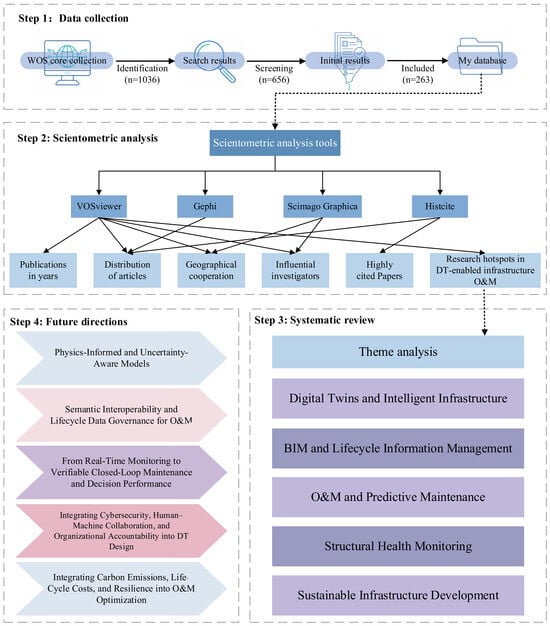
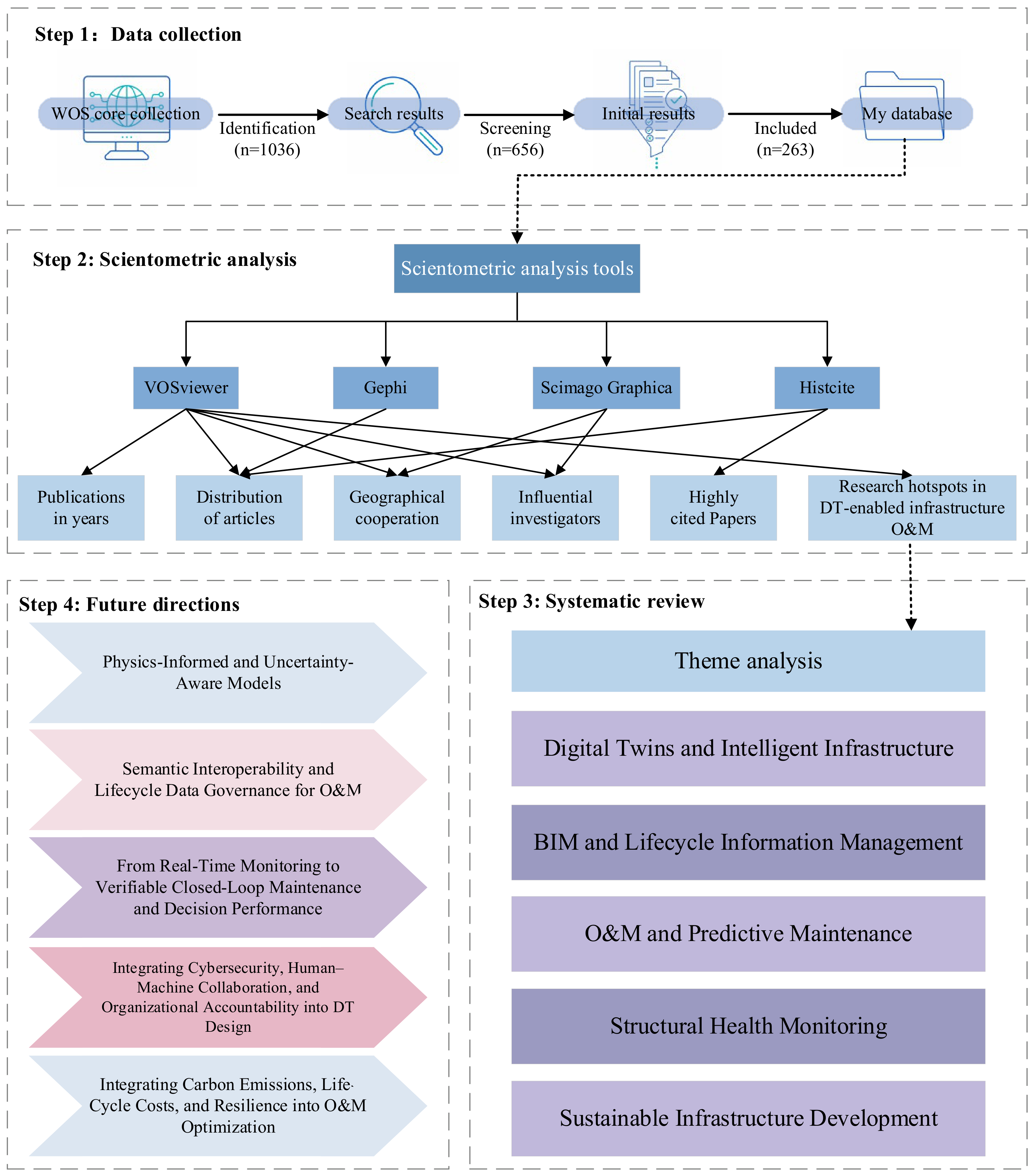
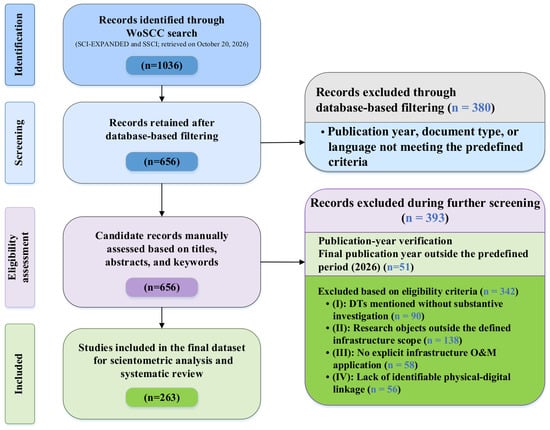
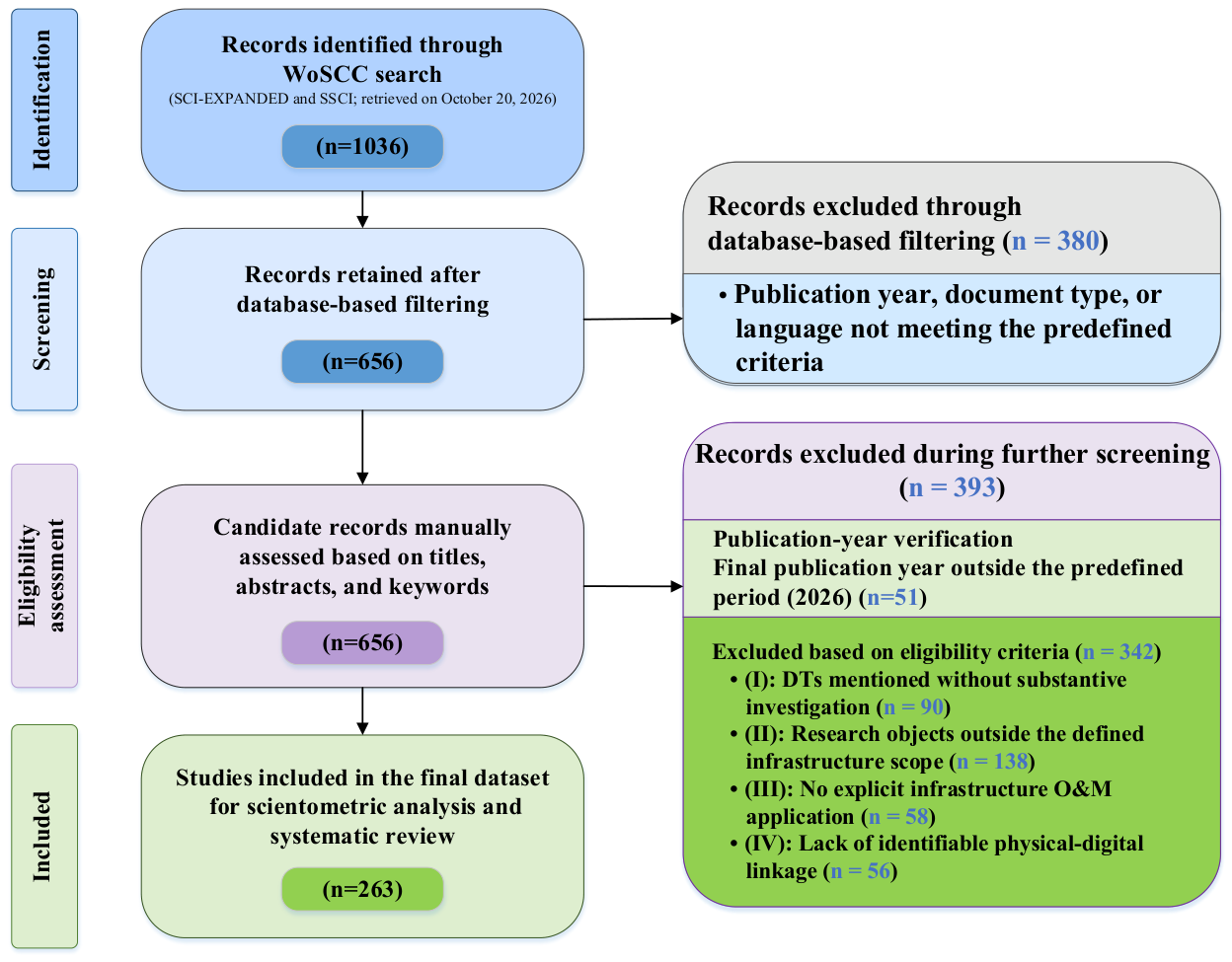
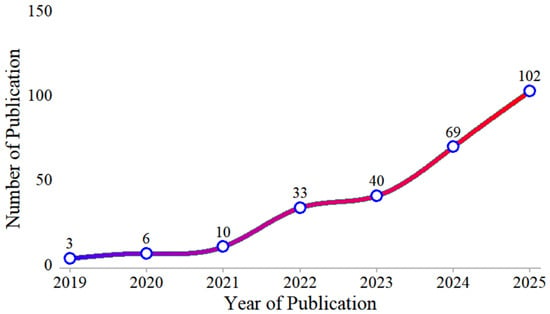
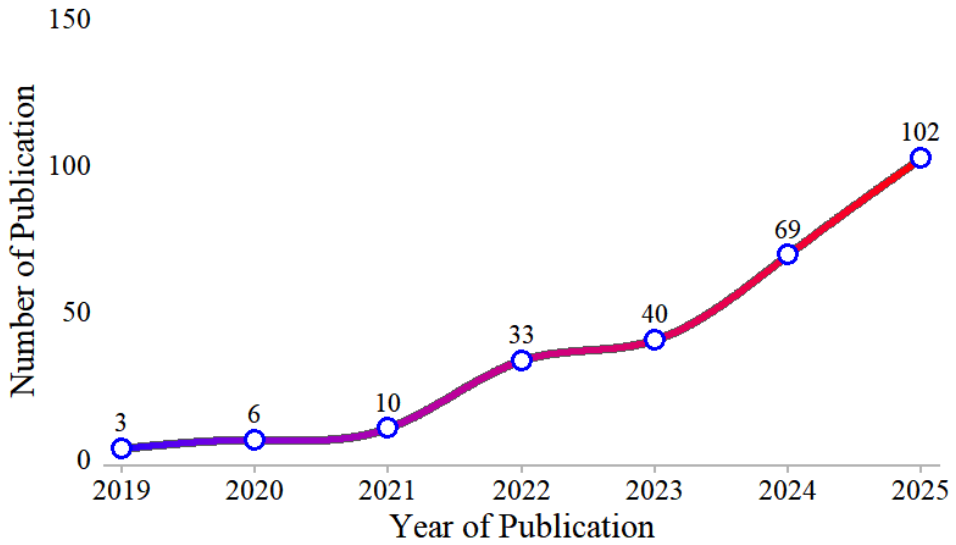
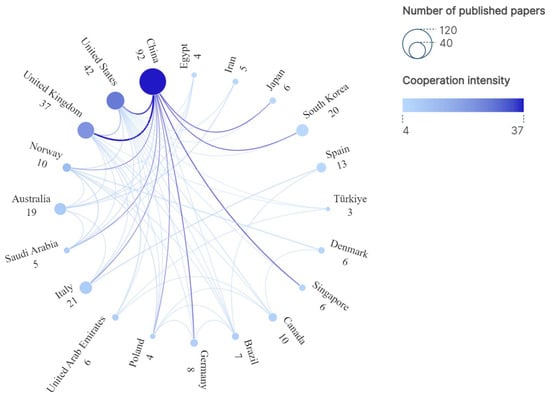
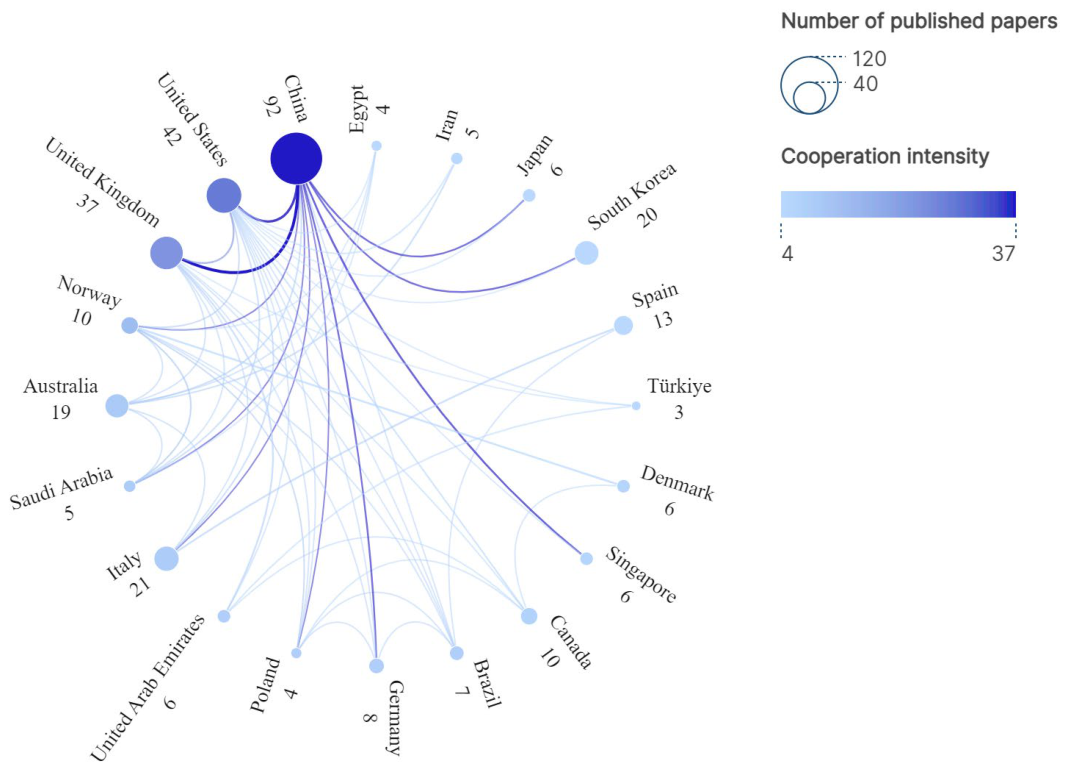
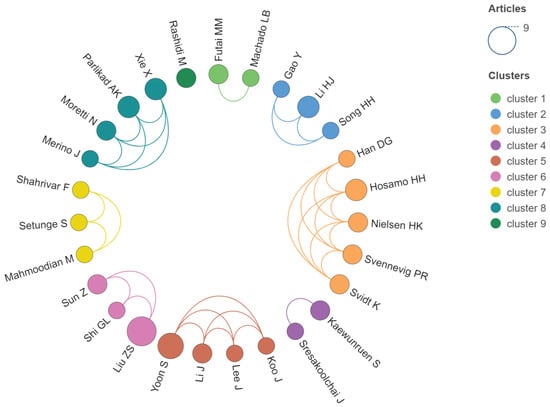
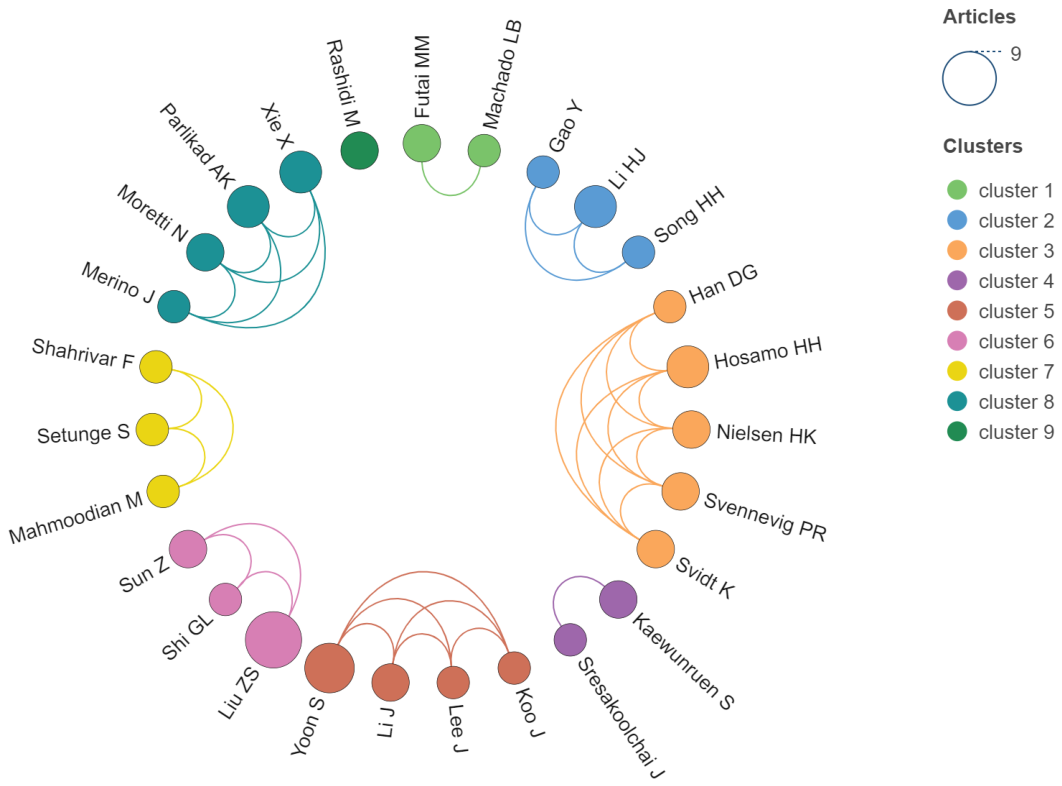
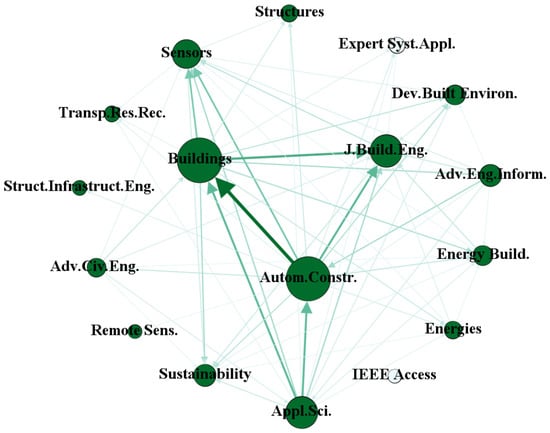
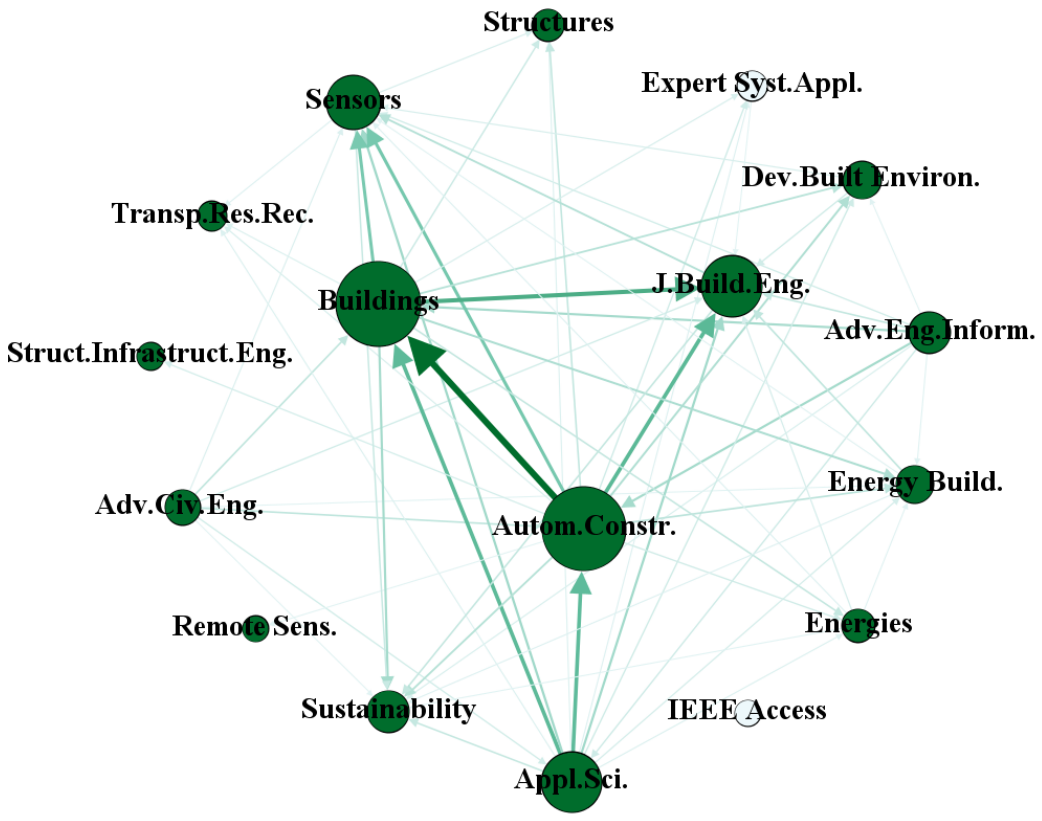
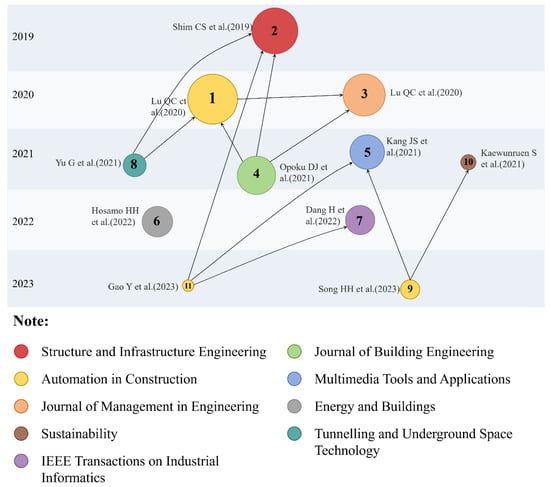
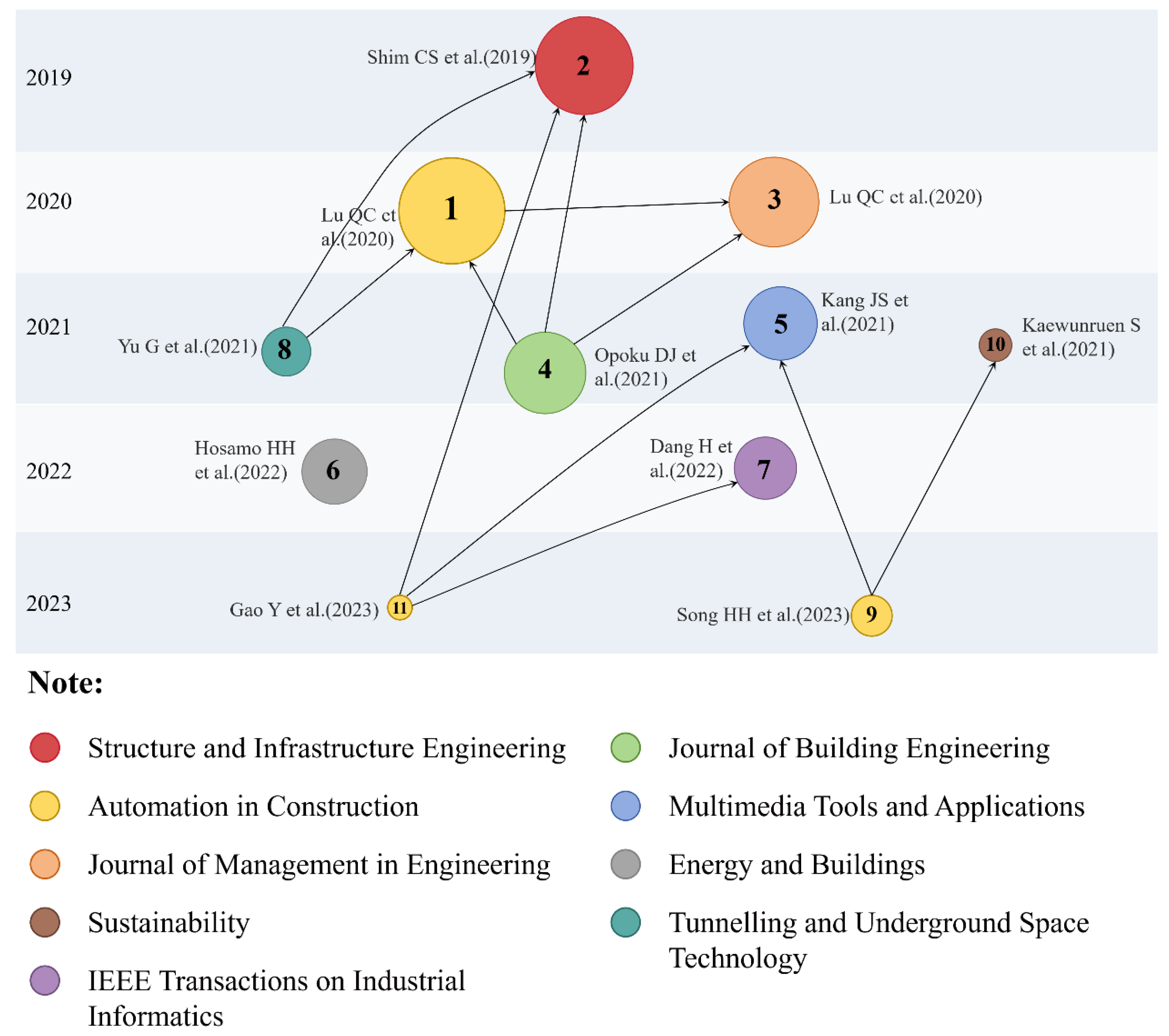
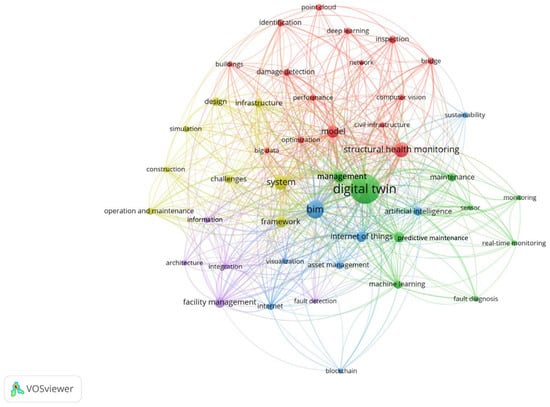
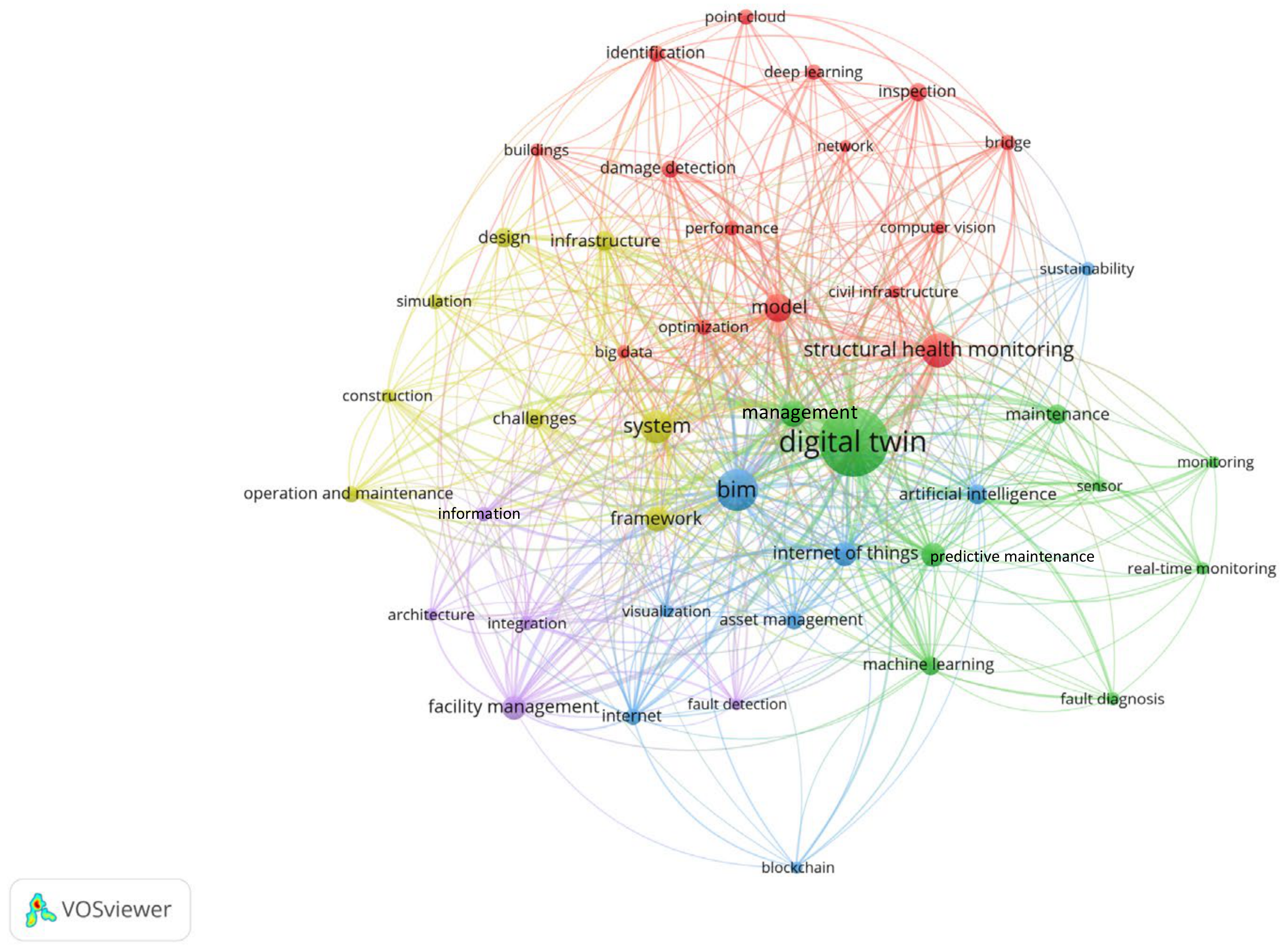
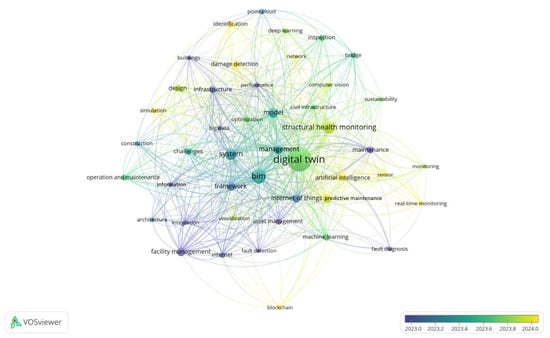
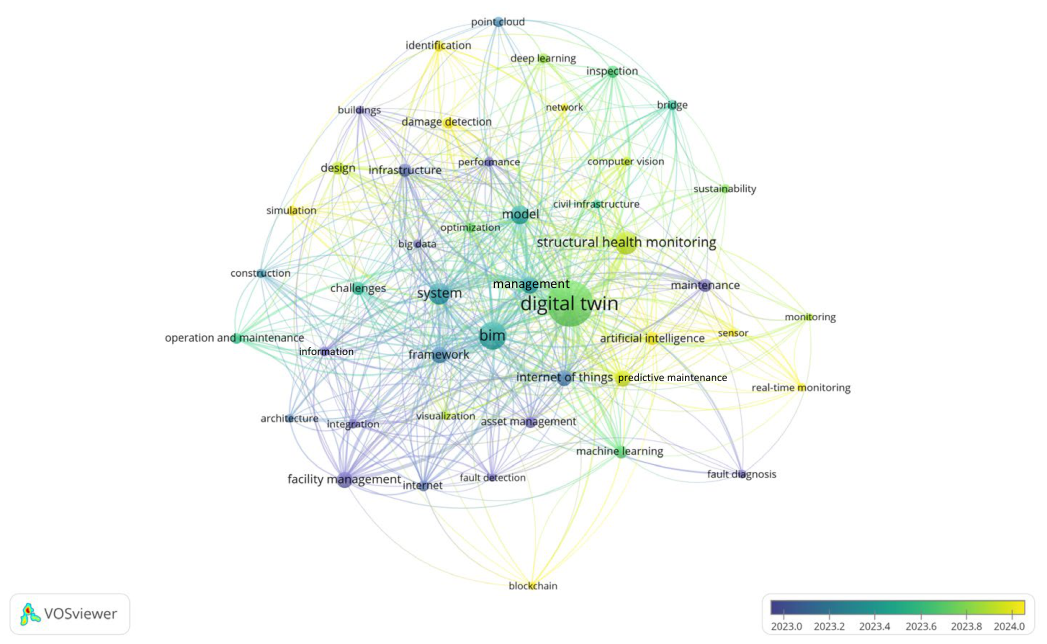

Disclaimer/Publisher’s Note: The statements, opinions and data contained in all publications are solely those of the individual author(s) and contributor(s) and not of MDPI and/or the editor(s). MDPI and/or the editor(s) disclaim responsibility for any injury to people or property resulting from any ideas, methods, instructions or products referred to in the content. |
© 2026 by the authors. Licensee MDPI, Basel, Switzerland. This article is an open access article distributed under the terms and conditions of the Creative Commons Attribution (CC BY) license.