


Abstract
Choosing hospital construction projects under capacity limits, interacting constraints, and incomplete evidence requires both defensible prioritization and feasible portfolio construction. Using 25 coded schemes from the National Health Service New Hospital Programme decision set, this study compared a fixed-rule multi-criteria decision analysis (MCDA) architecture with a Qwen3-8B inference-time reasoning artificial intelligence (AI) architecture across seven prespecified scenarios varying selection capacity, portfolio-composition requirements and evidence availability, with five AI runs per scenario and a fixed presentation order. Overall hard-constraint compliance required both composition and evidence-grounding compliance. The AI architecture produced fully compliant final portfolios in 2/5 runs in the baseline and each capacity-pressure scenario, 1/5 in each evidence-loss scenario, and 0/5 in the compound-constraint and combined-adverse scenarios; composition compliance did not ensure evidence-grounding compliance. MCDA achieved formal compliance through deterministic optimization and prescribed evidence-handling rules, so this difference partly reflects constraint-enforcement mechanisms rather than reasoning quality alone. In the compound-constraint scenario, four complete AI rankings were identical to one another and to the input order, yet no final AI portfolio was compliant. Post hoc optimization recovered composition-feasible selections from all 30 complete AI rankings, without establishing ranking quality or evidence grounding. These descriptive findings are restricted to the tested configurations. Ranking consistency, composition feasibility and evidence-grounding compliance should therefore be evaluated separately; decision-architecture fit is offered as a conditional interpretive framework, not an established causal mechanism.
1. Introduction
Project portfolio decisions allocate scarce capital, managerial attention and implementation capacity across competing projects. Beyond ranking projects by value, portfolios must satisfy capacity and other formal constraints under incomplete, unevenly comparable evidence, making feasibility, the handling of unavailable information and the correspondence between rankings and selected portfolios distinct objects of analysis [1,2,3,4].
Multi-criteria decision analysis (MCDA) offers explicit methods for transforming heterogeneous project attributes, expressing criterion weights and comparing alternatives [5,6,7], but scoring alone does not secure a feasible portfolio, so robust portfolio approaches separate preferences from admissible combinations and formalize incomplete information [2,3,4]. Deterministically constrained MCDA offers auditable compliance with encoded rules, a property of optimization rather than evidence of a validated investment decision.
Reasoning-capable language models offer a different route: intermediate reasoning, alternative reasoning paths, search and iterative refinement can improve selected multi-step tasks [8,9,10,11], but their benefits depend on problem difficulty, final selection and external verification [12,13,14,15,16,17], so these components must be evaluated against the formal requirements of the task rather than treated as generic indicators of reasoning quality.
Evidence from management, project and construction settings likewise does not support a uniform account of artificial intelligence (AI) performance [18,19,20,21,22], and none of these studies directly tests constrained hospital-capital portfolio construction while capacity, portfolio-composition rules and evidence availability are varied within the same decision population.
Contingency Theory provides a lens for comparing architectures in defined settings without presupposing a universally superior approach [23,24,25,26], and information-processing accounts suggest that uncertainty, interdependence and processing requirements favor different arrangements [27]. Here, these ideas guide the choice of scenario conditions; information-processing demand and decision-architecture fit are not independently measured constructs or tested mediators.
The research gap concerns how two fully specified architectures behave when they face identical coded projects and visible evidence but construct portfolios differently, with composition compliance, evidence handling, ranking stability and selected-set agreement evaluated separately rather than as proxies for investment quality.
This study addresses that gap through a controlled computational experiment on 25 hospital-capital schemes from the National Health Service (NHS) New Hospital Programme (NHP) review decision set, varying capacity pressure, portfolio-composition constraints and evidence incompleteness in the context of construction capital-program prioritization and built-asset portfolio governance. It does not reconstruct the Government’s historical NHP sequencing or a hospital business case: deliverability, construction readiness, program scheduling, detailed clinical benefit, procurement strategy and complete investment appraisal are excluded, and no inference is made about decisions requiring them.
The contribution concerns the behavior of these two implementations under common portfolio conditions. The comparison documents that complete, mutually concordant rankings can coexist with invalid selections, that composition compliance can coexist with evidence-grounding failure, and that candidate diversity or fewer failed checks relative to the worst initial candidate need not yield a compliant final portfolio. These observations distinguish ranking, portfolio construction and evidential discipline as separate evaluation requirements. Contingency theory organizes the scenario-specific interpretation; the study neither validates a causal fit mechanism nor establishes general superiority of AI or MCDA.
Research Question 1. How does metric-specific performance differ between an inference-time reasoning AI architecture and a fixed-rule MCDA architecture across the same hospital-capital portfolio decision conditions?
Research Question 2. How do capacity pressure, interacting portfolio constraints and evidence incompleteness relate to observed feasibility, ranking and active-set stability, evidence handling and fixed-run stochastic variation in the two implementations?
2. Literature Review and Theoretical Framework
2.1. From Organizational Fit to Decision-Architecture Fit
Contingency Theory replaces the search for a universally superior organizational form with the question of which arrangement suits which conditions. Its foundational studies located the relevant conditions in environmental uncertainty and change: differentiated and integrated structures performed best when matched to environmental demands [23], perceived uncertainty varied with environmental complexity and dynamism [28], and organic rather than mechanistic forms suited changing technical and market conditions [29]. Later syntheses consolidated these findings into a general theory in which performance follows from the fit between contingencies and structure [24]. The transferable insight for computational decision support is not that any particular arrangement is superior, but that the value of a decision procedure is conditional on the demands it must process.
The strength of the theory is also its main methodological weakness: fit is easy to invoke and difficult to specify. Selection, interaction and systems conceptions of fit imply different empirical tests [25], and moderation, mediation, matching, gestalt, profile-deviation and covariation perspectives are not interchangeable; using fit without stating which perspective applies weakens the correspondence between verbal theory and empirical evidence [26]. This study therefore adopts a deliberately limited and explicit form: fit denotes the correspondence between prespecified portfolio conditions and metric-specific performance profiles, without estimating an interaction term, a mediation pathway or a composite fit score.
Information-processing theory supplies the mechanism that contingency arguments often leave implicit. Uncertainty, task characteristics and interdependence raise information-processing requirements, and effectiveness depends on whether an organizational design provides matching processing capacity [27]. Translated to portfolio decisions, tighter capacity limits, simultaneous composition rules and missing evidence plausibly increase the information that must be integrated before a feasible and defensible selection can be made. These demands motivate the experimental manipulations; processing load, processing capacity and the causal pathway linking them to outcomes are not measured, so the mechanism remains theoretical rather than tested.
Project management research has carried contingency logic from the organization to the project and, more slowly, to the portfolio. At project level, the field has moved from rejecting one-size-fits-all methods towards explicit contingency classifications, such as technological uncertainty and system scope [30], adaptive management in dynamic environments [31] and frameworks that separate uncertainty from its consequences [32]. At portfolio level, attention shifts to organizing collections of projects under uncertainty [33], to the organizational context that shapes portfolio practice [34] and to structural alignment as a condition of portfolio success beyond selection techniques [35]. Two limitations follow for the present problem. These studies treat the managerial or organizational arrangement, rather than the computational procedure that constructs the portfolio, as the unit that must fit its setting; and they do not examine how a given arrangement performs when constraint structure and evidence availability change while the project population is held constant.
Recent work extends fit reasoning to technology-enabled arrangements. A contingency-theoretic analysis of the relationship between digital strategy and organizational culture [36] and a fit mechanism linking key core technology innovations with digital-technology applications in supply-chain resilience [37] both treat technological capability as valuable only when aligned with the conditions and complementary arrangements in which it is deployed. Because their settings—energy-sector small and medium-sized enterprises and supply chains—are distant from capital-portfolio selection, they are used here only for this analytical move: a technology is evaluated by its alignment with its operating conditions rather than presumed superior because it is newer or more capable.
Combining these strands, the present study shifts the unit of fit from organizational structure to computational decision architecture: the implemented combination of evidence representation, criteria or prompts, ranking, portfolio construction, validation and revision rules. The shift has a direct analytical consequence. Two architectures can share identical inputs and constraints yet differ in where feasibility is secured, during optimization in the fixed-rule MCDA architecture or after generation in the AI architecture, so architecture-level observations cannot be attributed to any single component, such as the language model or the optimizer.
2.2. Portfolio Selection as Constrained Set Construction Under Incomplete Evidence
Portfolio research converges on a proposition that ranking-based decision support tends to obscure: the object of choice is a set, not a list. Decision-support frameworks for project portfolio selection integrate project evaluation with resource limits, strategic requirements and project interactions [1], and reviews of multi-criteria methods show that portfolio applications must couple project-level appraisal with portfolio-level feasibility and balance [5]. Interdependencies through complementarity, precedence, mutual exclusivity, synergy or cannibalization further mean that the value or admissibility of one project can depend on the others selected with it [3,38]. A well-ordered ranking therefore remains an intermediate product; it becomes a decision only when it is mapped into a feasible combination.
MCDA supplies the most established formalism for the valuation step. Multi-attribute value theory makes criteria, preference transformations, trade-offs and aggregation rules explicit and auditable [7], and portfolio extensions combine such value models with mathematical programming or constrained search [1,5]. In public-sector settings, where allocation must reflect mission, public value and strategic outcomes rather than a single financial return [6], this transparency is a substantive advantage. Its limitation is equally structural: an MCDA model is only as defensible as its weights, transformations and treatment of missing values, so encoded rules can secure reproducible compliance without establishing that the resulting portfolio is preferable.
Robust portfolio modelling addresses a second weakness of conventional scoring, namely the assumption that weights, scores and costs are known precisely. Rather than imputing missing information, it characterizes the non-dominated portfolios consistent with incomplete preference and performance information and identifies where additional information would change the decision [2]. Extensions incorporate incomplete cost information, variable budgets, positioning constraints and project interdependencies [3], and an application to infrastructure maintenance shows that this reasoning can support programs with many candidate projects and constrained resources [4]. The common lesson is that unavailable evidence should remain visible as a decision-relevant condition rather than being silently converted into a value. The fixed-rule comparator in this study adopts that principle narrowly, neither imputing missing criterion values nor setting them to zero, without implementing the richer robustness analysis of this tradition.
Hospital capital programs intensify each of these demands. In the English New Hospital Programme, schemes are sequenced into delivery waves under constrained funding and delivery capacity [39], while publicly reported estates evidence on backlog maintenance, estates incidents and floor area [40], together with patient-assessed environmental quality [41], is available for existing sites but uneven in coverage and not designed for comparing proposed schemes. Portfolio construction must therefore combine capacity limits, composition requirements and partially observed evidence for built assets whose future performance is not directly measured. These are the conditions under which the distinction between valuation, feasibility and evidential discipline becomes consequential for construction capital-program governance.
This study isolates one portfolio demand that the interdependence literature does not separate from project relationships: constraint interaction. Interdependence concerns causal or value relationships among projects [3,38], whereas constraint interaction concerns the joint satisfaction of several set-level rules, such as cardinality, cost-band limits and protected-scheme minimums, that restrict admissible combinations even when projects are valued independently. Varying constraint interaction while holding the project population and evidence constant therefore tests portfolio construction directly rather than project valuation.
Taken together, portfolio research clarifies what a fixed-rule architecture can and cannot claim. Because feasibility is encoded in the optimizer, it can guarantee compliance with any satisfiable rule set and reproduce its selection exactly. It cannot, by that property alone, show that its weights represent NHS preferences, that its missing-evidence rule is substantively correct or that its selected schemes are clinically or economically preferable. Formal constraint satisfaction and investment decision quality are therefore separate evaluation targets.
2.3. Inference-Time Reasoning: Generation, Selection and Verification
Research on reasoning-capable language models offers a contrasting route to decision support, in which additional computation at inference time is used to generate, explore and refine candidate solutions. Intermediate reasoning steps [8], aggregation across sampled reasoning paths [9], deliberate search over intermediate states [10] and iterative feedback-driven refinement [11] have each improved performance on selected multi-step tasks. Read together, however, these studies show that inference-time computation changes how candidates are produced; they do not show that the finally selected candidate satisfies externally specified constraints.
More recent work locates the bottleneck precisely at that point. Repeated sampling raises the probability that a correct solution appears among the candidates without ensuring that it is recognized and selected [12]; the compute-optimal allocation of test-time computation depends on problem difficulty and on how search and verification are configured [13]; and verifier-based scaling outperforms verifier-free approaches under the conditions analyzed [14]. The consistent implication is a distinction between coverage and selection: more generation enlarges the candidate set, but reliable decisions require a mechanism that tests candidates against the acceptance criteria of the task.
Evidence on self-correction sharpens this implication. Without reliable external feedback, language models do not consistently improve their own reasoning [15], and reasoning models remain brittle enough to motivate hybrid designs in which external verifiers provide guarantees that generation alone cannot [16]. In portfolio decisions, the acceptance criteria are explicit set-level rules and evidential boundaries, so a coherent narrative, a stable ranking or a revised candidate is informative only after it has been checked against those rules.
Applications of large language models to combinatorial optimization show that this division of labor between generation and verification is unsettled: a systematic review documents wide variation in problem formulations, in the roles that models play in the solution process and in how outputs are validated [17]. Portfolio selection adds two features that this literature seldom combines, namely heterogeneous and partially missing evidence and multiple interacting feasibility rules. Evaluation must therefore target compliance with formal and evidential requirements rather than generic reasoning performance.
Management and construction research reaches a parallel conclusion from a different direction. AI in management is better understood through the interdependence of automation and augmentation than as a substitute for human judgement [18]; field-experimental evidence reveals a jagged frontier in which AI assistance improves some knowledge-work tasks but reduces correctness on tasks beyond its capability boundary [19]; and experimental comparisons of AI and top-management project decisions show differences in reasoning, context and experience, ethics and values, and speed and efficiency [20]. Construction studies document professionals’ expectations of AI and its applications in scheduling, cost estimation and risk management [21,22], but they address project-level tasks rather than constrained portfolio formation. Across these settings, the value of AI is task-contingent, which aligns directly with the contingency framing above.
Inference-time reasoning may therefore contribute capabilities that a fixed rule does not encode: generating alternative allocations, revising them in response to feedback and signaling where additional evidence is needed [8,9,10,11,15,16]. This contribution is conditional on the prompts, output schema, validator design and model configuration [12,13,14,17]. A model-generated ranking is not a feasible portfolio, and a fluent explanation is not a valid evidence reference; without independent outcome evidence, any advantage must be stated in specified behavioral or diagnostic terms rather than as superior investment decisions.
2.4. Research Gap and Contingency Model of Decision-Architecture Fit
These literatures leave a specific gap at their intersection. Portfolio research offers mature methods for multiple criteria, resource constraints, incomplete information, and set-level feasibility [1,2,3,4,5,6,7,38] but evaluates fixed analytical procedures rather than generative ones. Inference-time reasoning research shows that generation, search, revision, and verification alter performance [8,9,10,11,12,13,14,15,16,17], largely on tasks whose acceptance criteria are not portfolio constraints under missing evidence. Management and construction studies show that the value of AI is task-dependent [18,19,20,21,22] but do not test constrained capital-portfolio construction. Contingency research supplies the logic for asking when an arrangement fits [23,24,25,26,27,28,29,30,31,32,33,34,35,36,37] but, in the reviewed literature, has not been applied to computational decision architectures. What remains unexamined is how a complete reasoning architecture and a transparent fixed-rule portfolio architecture respond when the same decision population, here hospital-capital schemes and public estates evidence [39,40,41], is exposed to systematically varied portfolio conditions.
The framework identifies the demand that each manipulation is intended to stress. Capacity pressure stresses prioritization under scarcity while leaving the admissible set structurally simple. Constraint interaction stresses joint feasibility, where an architecture that enforces admissibility during construction differs structurally from one that checks it afterwards. Evidence incompleteness stresses evidential discipline, that is, whether unavailable evidence is kept distinct from observed evidence. These manipulations are operational and reproducible; their framing as information-processing demands is theoretical, and their correspondence to real NHS investment conditions is not assumed. Because the deterministic optimizer guarantees encoded composition feasibility whenever an admissible portfolio exists, the comparison is asymmetric by design and informative about these implementations rather than a controlled test of underlying reasoning quality.
The resulting proposition is conditional and metric-specific: the architectures may display different observable performance profiles as cardinality, interacting constraints, and missing evidence change. It is examined descriptively across the frozen scenarios rather than through a quantitative operationalization of fit or information-processing demand. Figure 1 relates the manipulated conditions, hypothesized information-processing demands, implemented architecture mechanisms and measured outcomes; only the conditions and outcomes are directly operationalized, and the arrows connecting processing demand, architecture and fit are interpretive propositions rather than estimated causal links.
Figure 1.
Contingency model of portfolio decision environment and computational decision-architecture fit. Portfolio conditions are manipulated experimentally. Dashed links denote interpretive propositions, not estimated causal effects. Arrowheads show the proposed direction of each link, and the double-headed arrow marks the comparison between the two architectures. MCDA denotes multi-criteria decision analysis. Information-processing demands provide a theoretical interpretation, while performance is evaluated through prespecified metric-specific outcomes rather than an omnibus architecture score.
Table 1 maps each manipulation to the demand it is intended to stress, the architecture property implicated, and the prespecified evaluation metrics.
Table 1.
Theory-to-operationalization map for decision-architecture fit.
The framework also bounds interpretation. Divergent selections or rankings indicate differences between the implemented methods under common inputs, not a superior portfolio, because no external investment ground truth exists; and because feasibility, evidence grounding, and ranking involve different mechanisms, the metrics are evaluated separately rather than aggregated into a universal architecture winner.
3. Materials and Methods
3.1. Research Design, Unit of Analysis and Inference Boundary
A controlled computational experiment examines whether the performance profiles of two complete portfolio decision architectures change under deliberately varied conditions: a fixed-rule MCDA system with frozen transformations, weights, missing-data rules and deterministic optimization, and an inference-time reasoning architecture comprising one language model, frozen prompts, candidate generation, deterministic validation, one revision cycle and final selection. The treatment is the system-level architecture, and the unit is one execution under one designed scenario, treating selection as constrained set composition [1,2,3,5].
Within each scenario, both architectures receive the same coded schemes, visible V1–V6 evidence, and hard constraints. Coded identifiers P01–P25 prevent hospital or place names from adding information beyond the frozen V1–V6 packet, although the schemes remain publicly identifiable in the provenance materials. Because evidence and feasible-set rules are matched but value functions are not, differences may arise from evidence processing, valuation, generation, portfolio construction, validation, revision, or final selection, and the isolated causal effect of inference-time reasoning is not identified.
No external ground truth exists for the socially or clinically correct portfolio, so comparisons are metric-specific and disagreement is not evidence of correctness. The MCDA solver selects only from the frozen feasible set, making its hard-constraint compliance a specification-assurance property, whereas AI compliance is an observed execution outcome; the same applies to missing-data handling. Figure 2 summarizes the workflow. Decision-architecture fit is a conceptual, metric-specific interpretation rather than a validated construct or moderation effect, and information-processing demands are inferred rather than measured.
Figure 2.
Controlled computational experiment and evaluation workflow. Both architectures receive matched visible evidence and hard constraints in each scenario. Arrows show the order of the workflow, from the frozen input through scenario manipulation and the two architectures to metric-specific evaluation. MCDA denotes multi-criteria decision analysis. Valuation mechanisms are not forced to be identical; evaluation concerns prespecified architecture properties rather than an overall accuracy or winner score.
3.2. Empirical Setting, Data Sources and Case Inclusion
The population comprises the 25 hospital-capital schemes in the defined NHP review decision set, fixed from program documentation rather than data completeness or outcomes; the scheme is the evidence unit and the active set the principal outcome. The frozen linkage comprises 34 Estates Returns Information Collection (ERIC) site records: seven schemes link to multiple sites and 18 to one, and 22 schemes use direct or named-site links (30 records) while three use contextual or affected-existing-site proxies (four records). Supplementary Table S1A reports the mapping and linkage quality of every scheme.
The experiment does not reconstruct the information available to government decision-makers in the 2024 review. It combines frozen NHP program records [39], defining the population and ordinal affordability class, with ERIC 2024/25 [40] estate-condition and incident measures and Patient-Led Assessments of the Care Environment (PLACE) 2024 [41] patient-environment measures, an analytical cross-section for reproducible testing rather than information jointly available to historical decision-makers. Office for National Statistics (ONS) Healthy People 2021 serves only as provenance metadata and is not used in V1–V6, scoring, constraints, outcomes, or robustness analyses. Source titles, URLs, extraction decisions and linkage roles are in Supplementary Table S1B; no patient-level record is used.
3.3. Decision Variables, Linkage and Missing-Data Construction
Six primary decision variables were frozen before scenario execution (Table 2): V1, the published NHP cost-estimate band, used only as an ordinal affordability and resource class; V2, critical-risk backlog burden; V3 and V4, estates-and-facilities and clinical-service incident density; and V5 and V6, PLACE patient-environment measures. No variable uses unavailable internal deliverability information.
Table 2.
Frozen primary decision variables.
V2–V4 were constructed from the 2024/25 ERIC site-level return: V2 divides the summed costs to eradicate high-risk and significant-risk backlog maintenance, both in pounds (£), by gross internal floor area (m2), and V3 and V4 are estates-and-facilities and clinical-service incident counts per 10,000 m2. These are study-derived analytical measures, not independently published ERIC indicators.
For scheme i, ERIC measures are aggregated across linked site set Si as ratios of sums (Equations (1)–(3)); site-level rates are not averaged. Hs and Qs denote high-risk and significant-risk backlog at site s, Gs gross internal area, Es estates-and-facilities incidents and Cs clinical-service incidents.
PLACE variables use existing-site bed-weighted means (Equations (4) and (5)), where ns is the PLACE bed count and CAMs and PDWs are the Condition, Appearance and Maintenance and Privacy, Dignity and Wellbeing scores at site s; bed counts are aggregation weights only.
No primary imputation is performed: a criterion with an unavailable component or aggregation weight remains missing, as for V2 at Shotley Bridge and V5 and V6 at Kettering General Hospital. Missing values are neither zero-filled nor replaced with researcher- or model-generated values, preserving the distinction between unavailable evidence and evidence of absence [2,3,4].
Linkage followed a prespecified provenance hierarchy: direct/named-site links where NHP descriptions and public site identifiers aligned, retaining all named sites for multi-site schemes (Equations (1)–(5)), and contextual host or affected-existing-site links, flagged as contextual/proxy, only where a future scheme lacked a direct replacement-site observation and the program description made the relationship explicit: Addenbrooke’s for Cambridge Cancer Research Hospital, Royal Cornwall Hospital for the Women and Children’s Hospital in Cornwall, and St Helier and Epsom General for the Specialist Emergency Care Hospital in Sutton. All three schemes are jointly excluded in prespecified sensitivity S5.
3.4. Experimental Portfolio Conditions
Seven scenarios (SCN-00 to SCN-06; Table 3) were specified as researcher-designed stress tests of capacity pressure, simultaneous composition requirements and evidence incompleteness with matched inputs, not sampled real-world environments or actual NHP policy rules; no external domain-expert face-validation of their thresholds was undertaken.
Table 3.
Experimental portfolio scenarios.
Baseline capacity equals eight schemes, the nearest whole-number upper third of the 25-scheme population; SCN-01 and SCN-02 impose six and four, and SCN-03 and SCN-06 add researcher-designed cost-band and protected-set constraints, whose restrictiveness is quantified independently of either architecture (Section 4.1; Supplementary Table S8).
The protected-risk set R* (P03, P12, P13, P19, P22 and P23), frozen before masking, contains schemes at or above the baseline 75th percentile on at least two of V2, V3 and V4, with missing values not counted as hits. It is an experimental protection class, not an official NHS, clinical or regulatory designation, and because V2–V4 also feed the MCDA Estate and Safety domain, protected-risk coverage is descriptive rather than an independent ground-truth outcome.
Evidence masking uses the frozen seed 20260919 and applies only to observed baseline V2–V6 cells; genuine baseline missingness remains missing in every scenario and is excluded from the mask denominator. The moderate mask removes 12 of 122 observed cells and the nested severe mask removes 37, and a domain-preservation rule retains each scheme’s final observed Estate and Safety or Patient Environment field (Supplementary Table S2B).
A pre-execution audit confirmed that every scenario admitted at least one portfolio satisfying K and all composition constraints under its evidence state, and no constraint was relaxed after outputs were observed. Evidence-incompleteness conclusions are conditional on this single nested mask, so SCN-04 to SCN-05 contrasts are not average effects across missingness patterns.
3.5. Computational Decision Architectures
3.5.1. Fixed-Rule MCDA Architecture
The fixed-rule comparator is a transparent, prespecified, and deterministic MCDA architecture combining project-level value scoring with portfolio-level feasibility constraints. It is not a reconstruction of the Government’s unpublished NHP decision model but one frozen specification within the broader multi-criteria portfolio family [1,5,7].
V2–V4 are transformed using ln(1 + x) and V5–V6 by reverse linear min–max scaling, so higher values represent greater need, and all are scaled to 0–100 with baseline anchors frozen before scenario manipulation and never refitted. With aj and bj the lower and upper anchors for criterion j, scores are clipped to 0–100.
Estate and Safety Risk and Patient Environment receive equal top-level weight; within-domain weights of 0.50 for V2, 0.25 for V3 and V4, and 0.50 each for V5 and V6 give global weights of 0.25, 0.125, 0.125, 0.25 and 0.25 for V2–V6 under complete evidence. These researcher-specified weights are not elicited NHS or stakeholder preferences and are examined through prespecified sensitivity analyses.
Missing subcriteria are handled within domains. Let Jd denote the criterion set for domain d, Oi the criteria observed for scheme i and qjd the frozen within-domain weight; the domain score uses only observed subcriteria, with available weights renormalised within that domain.
Weight is not transferred across the two top-level domains: if an entire domain is unavailable, the scheme is unrankable; otherwise the primary MCDA score is the equally weighted mean of the two domain scores.
V1 is excluded from Ci and acts only as an ordinal portfolio constraint; anchors and sensitivity weight sets are in Supplementary Table S3A. For scenario s, Fs is the set of portfolios of rankable schemes satisfying the exactly-K requirement and all scenario constraints, and the solver exhaustively enumerates Fs to select Aopt, the feasible portfolio with the largest sum of frozen MCDA scores.
Enumeration identifies the maximum objective under the frozen model, not an optimal real-world portfolio. Totals differing by no more than 1 × 10⁻⁹ are tied, with the lexicographically smallest sorted coded-ID tuple selected for reproducibility. Selected schemes receive PRIORITISE, rankable unselected schemes RETAIN, and unrankable schemes REQUEST_EVIDENCE; MCDA does not use PHASE or DEFER. Because optimization is restricted to Fs, MCDA compliance is guaranteed whenever Fs is non-empty, so MCDA P1 verifies the implementation rather than estimating performance.
3.5.2. Inference-Time Reasoning Architecture
The reasoning architecture couples one language model to a deterministic controller and validator; it is not a multi-agent system. It comprises Qwen3–8B, frozen system and user prompts, a coded scenario packet, Cycle-1 candidate generation, deterministic validation, Cycle-2 revision and final selection, the output schema and archival rules, informed by inference-time research [8,9,10,11,13,14] but not implementing Tree of Thoughts, self-consistency, or adaptive test-time compute.
The model receives identifiers P01–P25, the visible V1–V6 evidence, and the scenario rules. The identifiers are an information-boundary device rather than a confidentiality measure, preventing scheme-name or location knowledge from entering; they were fixed across scenarios (Supplementary Table S1A), with records presented in ascending coded-ID order. The archive does not document how this order was originally assigned, so it cannot establish that it was random or independent of scheme characteristics.
The model receives no real scheme names, MCDA scores, MCDA weights, or MCDA portfolio outputs. The frozen prompt defines criterion directions, treats null as unknown rather than zero, prohibits exact monetary inference from ordinal V1 bands and external scheme facts, and restricts positive evidence references to supplied non-null V1–V6 fields.
The model is Qwen/Qwen3-8B at revision b968826d9c46dd6066d109eabc6255188de91218 in 16-bit floating-point precision (FP16) without quantization, with Transformers 4.51.0 (Hugging Face, New York, NY, USA) and PyTorch 2.10.0+cu128 (PyTorch Foundation, San Francisco, CA, USA). The 35 substantive runs used an NVIDIA H100 NVL (NVIDIA Corporation, Santa Clara, CA, USA) on the University of Reading RACC2 platform (implementation Reasoning-AI v1.4.1; protocol contract v1.4). The earlier v1.1 amendment targeted a T4×2 notebook environment, but the final archive preserves the same model revision, precision, prompts, scenarios, seeds, sampling settings, and evaluation contract.
Reasoning mode uses the Qwen tokenizer chat template with enable_thinking = True, and each run starts from a fresh context. The seven production scripts specify do_sample = True, temperature 0.6, top-p 0.95, and top-k 20, with at most 8192 newly generated tokens per call within a 32,768-token context; min-p and repetition, presence, and frequency penalties are not passed and follow the pinned model configuration and software. These settings were held constant across all 35 runs, and no recovered tuning exercise justifies them as optimal. The controller sets torch.manual_seed and torch.cuda.manual_seed_all to seed 101, 202, 303, 404 or 505, which does not guarantee bitwise identity across hardware or software.
Any <think>...</think>segment is stripped before strict JavaScript Object Notation (JSON) parsing and is neither stored nor analyzed; output-token totals include it, and input-token totals aggregate all model-call inputs. The archive holds one output per scenario–seed combination, and identical-input reruns and bitwise reproducibility were not demonstrated. Complete AI priority orders contain each scheme once, so no ties occur.
Cycle 1 generates three candidate portfolios, A, B, and C, each ordering P01–P25 exactly once and assigning one action per scheme: PRIORITISE, RETAIN, DEFER, PHASE, or REQUEST_EVIDENCE. PRIORITISE and PHASE each consume one active slot. Distinctness is checked from complete action vectors, so distinct candidates may share active sets or rankings.
The deterministic validator checks formal properties, not decision quality: coded-ID completeness, allowed actions, complete priority order, capacity and composition constraints, evidence-reference validity, prohibition of invented exact costs and external scheme facts, candidate distinctness, complete final constraint-check coverage and explicit unresolved IDs for INDETERMINATE outputs. Cycle 2 receives only the structured candidates and validator feedback, may revise identified violations, and returns one final structured portfolio, separating generation from formal verification [13,15,16].
One schema-repair retry, limited to syntax, required keys, coded-ID completeness, and allowed enum values, follows a parsing or schema failure. Schema-valid outputs failing a composition or evidence-grounding constraint are archived as INVALID_CONSTRAINT without further calls, and outputs still unparseable after repair are archived as format failures. Outputs are never manually corrected or selectively rerun, and only structured outputs, actions, priority orders, evidence references, uncertainty flags, token/runtime records and validator results are analyzed.
The original documentation reports that an unquantized Qwen3-14B implementation failed an earlier runtime feasibility gate and that Qwen3-8B was substituted before substantive NHP outputs were generated or inspected. The final archive documents a successful Qwen3-8B gate on the H100 NVL but not the failed 14B record, which cannot be independently reproduced. Theory, variables, comparator, scenarios, prompts, seeds, validator rules, and metrics were unchanged; model scale and hardware are implementation boundary conditions.
3.5.3. Post Hoc Ranking-to-Optimization Ablation
A post hoc ablation separates ordering from portfolio construction without new model outputs. For 30 of 35 runs with a complete, schema-valid 25-scheme final AI priority order, rankings were converted to ordinal utility ui = 26- ri, where ri is rank position, and a deterministic optimizer selected exactly K schemes maximizing total utility under the same composition constraints (the first K schemes in K-only scenarios; the best feasible size-K combination in SCN-03 and SCN-06). This guarantees encoded composition feasibility but validates neither evidence references nor ranking quality; it is a post hoc transformation, not a prospectively tested third architecture (Supplementary Table S9).
3.6. Outcome Definitions and Interpretation Boundaries
3.6.1. Core and Conditional Evaluation Measures
Without ground truth, P1, P2, P3, and P6 evaluate named properties of architecture behavior rather than accuracy. P2 is a criterion-aligned protection diagnostic because R* derives from V2–V4, which also inform the MCDA Estate and Safety domain; P3 is a composition-consistency diagnostic under the monotonic dominance rule; and P4 and P5 are conditional diagnostics defined only for valid same-seed pairs. Table S14 records these interpretation boundaries.
Portfolio-composition compliance measures whether a final structured AI output satisfies all set-level requirements, including the exact number of active schemes (K), cost-band restrictions, and protected-risk minimums; evidence-grounding compliance measures whether it passes the deterministic checks on references to available evidence, including the prohibition of references to unavailable V1–V6 fields. Each component’s denominator is the number of evaluable final outputs, excluding terminal format or schema failures.
Overall hard-constraint compliance (P1) requires a final output to pass composition, evidence-grounding, and all other final validation checks and is calculated over all five scheduled runs, counting invalid outputs and format failures as non-compliant; component rates locate invalidity, whereas P1 measures completion of the full task. MCDA compliance is an implementation property, not equivalent to the observed AI rate (Table 4; Supplementary Tables S2A and S10).
Table 4.
Portfolio-composition, evidence-grounding and overall hard-constraint compliance by scenario.
P3 uses the visible evidence supplied to both architectures and no MCDA weights or scores. A selected scheme i is a dominance violation when an unselected scheme j can replace it without violating the scenario constraints, lies in the same or a lower V1 cost band, is no worse on every fully observed direction-oriented V2–V6 criterion, and is strictly better on at least one; Ndom(A) counts selected schemes with such a dominator. The ordinal V1 order is ≤£500m, £501m–£1bn, £1bn–£1.5bn, £1.5bn–£2bn and ≥£2bn, with no arithmetic on bands.
Because pairs with incomplete visible V2–V6 evidence do not establish dominance, dominance evaluability coverage, the number and proportion of selected schemes with at least one meaningful dominance comparison, is reported beside P3.
P4 and P5 require a valid seed-matched AI portfolio pair and otherwise remain missing rather than zero. P6 is calculated whenever the structured action and evidence fields required for recognition are available, retaining its numerator, denominator and rate.
3.6.2. Secondary, Mechanism, Divergence and Computational Measures
Secondary rank stability under evidence loss (S1) is Kendall tau-b on schemes rankable in both the evidence-loss scenario and its baseline, requiring at least three such schemes. AI active-set consistency (S2) is the mean pairwise Jaccard similarity of valid AI active sets within a scenario, and AI rank consistency (S3) is the mean pairwise Kendall tau-b of schema-valid final rankings; both are fixed-run diagnostics for the five seeds, not population parameters.
Identifier convention: metric labels S1–S3 differ from the MCDA sensitivity specifications S0–S6 (Supplementary Tables S3A and S7), and equal labels do not denote the same calculation; references to Supplementary Tables S1A–S15 and Supplementary Figures S1–S3 identify artefacts, not either series.
Mechanism measures examine the generate–validate–revise procedure. M1 is the proportion of runs with an observable Cycle-1 hard-constraint violation, including applicable evidence-grounding checks, that achieve overall compliance (P1 = 1). M2 is the maximum failed-check count across Candidates A, B, and C minus the final failed-check count where both are evaluable. It measures the difference from the worst initial candidate: a positive value does not establish improvement over the best initial candidate, successful repair, or an effect attributable to revision. This audit-derived reconstruction is retained because the original standalone M2 script was not recovered; format failures without validator states receive no value. M3 is the mean pairwise Jaccard distance among Cycle-1 candidate active sets, with structurally invalid candidates flagged rather than repaired. A separate post hoc diagnostic compares the final count with the best initial candidate (Equation (17)). Counts are taken from the archived computed_constraint_checks: each applicable FAIL is counted once, including C-EVID where present; repeated violation messages and self-check mismatches are not additional failed checks. All three initial candidates and the final output must have comparable recorded check sets; otherwise the diagnostic is unavailable.
Positive values indicate fewer failed checks than the best initial candidate, zero an equal count, and negative values more failures. The comparison is descriptive and does not identify a causal effect of revision.
M4 is the proportion of valid evidence references among all final references, M5 the final REQUEST_EVIDENCE action rate, and M6 the proportion of complete-evidence schemes carrying uncertainty_flag = true or REQUEST_EVIDENCE. M5 is unavailable for invalid final portfolios, whereas M4 and M6 remain computable for schema-valid outputs failing a hard constraint.
Divergence measures are descriptive: D1 is AI–MCDA active-set Jaccard similarity, D2 Kendall tau-b on schemes ranked by both, and D3 one minus the Jaccard similarity between a compound or combined-condition active set and its baseline. A1–A4 are AI-only diagnostics (input tokens, newly generated output tokens, wall-clock latency and schema-repair use); MCDA runtime was not profiled, so A1–A3 support no efficiency comparison.
3.7. Statistical and Comparative Analysis
The scenario is the principal comparison block, each containing five fixed-seed executions rather than independent project observations. AI metrics with at least two observations are summarized as median [minimum, maximum] with n, single observations with n = 1, and P1 as x/5 with exploratory two-sided 95% Clopper–Pearson intervals whose independent, common-probability Bernoulli assumption the five-run design does not establish; MCDA contributes one deterministic value per scenario.
Scenario-to-baseline contrasts reuse seed labels to preserve the prespecified structure, although a shared seed across prompts does not establish statistical pairing. Kendall tau-b compares rankings, reported with the numbers of rankings and pairs, which are not independent replications; Jaccard similarity measures active-set overlap and Jaccard distance reconfiguration. Invalid or incomputable values are never replaced with zero, and their missingness reasons remain auditable.
No significance test, multiple-comparison correction, or omnibus winner score is used, because scenarios are designed blocks, seeds are controlled replications, and no cross-metric weighting was prespecified; claims are restricted to named metrics and scenarios, exploratory P1 intervals are not population reliability estimates, and D1 or D2 disagreement is divergence, not added decision value.
Four prespecified contrasts against SCN-00 describe the contingency proposition: SCN-01 and SCN-02 (capacity pressure), SCN-03 (interacting constraints), SCN-04 and SCN-05 (nested evidence mask at two levels) and SCN-06 (all three combined with the severe mask). They describe relative performance profiles within the tested configurations; they do not estimate population robustness or a causal mediation pathway.
3.8. Robustness, Protocol Integrity and Reproducibility
The protocol freeze preceded the final substantive AI execution: variable and aggregation rules, MCDA transformations and weights, scenario constraints, masks, prompts, decoding settings, five seeds, validator, and metrics were fixed for the 35-run archive following the reported 19 September 2026 freeze sequence (Supplementary Table S11), and MCDA outputs were frozen before the reasoning runs, so the comparator was not retuned. Internal hashes establish file consistency but not an independently authenticated chain of custody.
Six MCDA robustness analyses were prespecified: 70/30 and 30/70 domain weights, removal of V4 with its Estate and Safety weight redistributed, raw linear instead of ln(1 + x) scaling of V2–V4 with frozen anchors, exclusion of the three proxy or host-context schemes, and treatment of V2 as unavailable where backlog-survey coverage is weak or absent. They test dependence on modelling choices without replacing the primary comparator, and all are reported in Supplementary Table S7.
Reproducibility rests on frozen input packets, a pinned model revision, exact prompts, fixed scenario packets and mask maps, deterministic validation, fixed seeds, structured outputs, execution manifests, per-run hashes and evaluation scripts. The archive holds all 35 planned run JSON files with all five seeds per scenario; no run was substituted, and seed matching, the protected-risk set, K values, constraints, and computed-cell provenance were checked before reporting. These materials, schemas, linkage provenance, and MCDA anchors are available from the corresponding author upon reasonable request.
A quality-control registry reconciled all 35 run identities with archive paths, seeds, final statuses, and SHA-256 hashes (all 35 recorded as PASS), and reported values were cross-checked against the run-level evaluation workbook and frozen MCDA outputs, resolving discrepancies against the archived validator output. This audit verifies record consistency without creating or altering model outputs.
4. Results
4.1. Hard-Constraint Compliance and Portfolio-Level Outcomes
AI produced valid feasible final portfolios in 2/5 runs under SCN-00, SCN-01 and SCN-02, 1/5 under SCN-04 and SCN-05, and 0/5 under SCN-03 and SCN-06 (Table 4), with exploratory exact 95% intervals of [0.053, 0.853] for 2/5, [0.005, 0.716] for 1/5 and [0.000, 0.522] for 0/5 that preclude precise reliability estimates. Of the 35 runs, 8 were valid and feasible, 11 composition-only invalid, 2 evidence-grounding-only invalid, 9 invalid on both, and 5 terminal format/schema failures (Supplementary Table S10 and Supplementary Figure S1). MCDA returned a feasible portfolio in every scenario because selection was restricted to the encoded feasible set, so the P1 difference reflects construction procedures, not reasoning quality alone.
Exact enumeration of all equally likely size-K subsets contextualizes composition compliance: every subset is composition-feasible in SCN-00, SCN-01, SCN-02, SCN-04 and SCN-05, where only cardinality is constrained, whereas 413,826 of 1,081,575 eight-scheme subsets (38.26%) are feasible in SCN-03 and 1414 of 12,650 four-scheme subsets (11.18%) in SCN-06 (Supplementary Table S8); Supplementary Table S13 sets these counts beside observed AI composition compliance. This characterizes feasible-set restrictiveness, not a randomized AI baseline, evidence grounding, MCDA rankability, or the probability of a valid AI portfolio.
Protected-risk coverage (P2), a criterion-aligned diagnostic evaluated only for valid final portfolios, had median AI values of 0.417 [0.167, 0.667] (n = 2) in SCN-00, 0.250 [0.167, 0.333] (n = 2) in SCN-01 and 0.250 [0.000, 0.500] (n = 2) in SCN-02; the single valid AI portfolios produced P2 = 0.333 (n = 1) in SCN-04 and P2 = 0.833 (n = 1) in SCN-05, and P2 was not computable in SCN-03 or SCN-06. MCDA values were 0.667, 0.667, 0.500, 0.667, 0.667, 0.667, and 0.750 across SCN-00 to SCN-06.
Median AI dominance violations (P3) were 0.125 [0.000, 0.250] (n = 2) in SCN-00, 0.167 [0.167, 0.167] (n = 2) in SCN-01 and 0.125 [0.000, 0.250] (n = 2) in SCN-02, with single values of P3 = 0.125 (n = 1) in SCN-04 and P3 = 0.000 (n = 1) in SCN-05 and none in SCN-03 or SCN-06. MCDA recorded P3 = 0.000 throughout, reflecting its monotonic scoring and optimization rather than superior reasoning or investment quality. Table 5 summarizes P2, P3 and P6; Figure 3 presents P1–P3.
Table 5.
Protected-risk coverage, dominance and missing-evidence recognition by scenario.
Figure 3.
Primary outcomes for the artificial intelligence (AI) and multi-criteria decision analysis (MCDA) implementations. (A) Observed overall AI compliance and MCDA-encoded compliance. (B) Protected-risk coverage. (C) Dominance-violation rate. AI points are medians and minimum–maximum ranges; single observations are shown individually. An asterisk identifies n ≤ 2 illustrative results. NA denotes unavailable values. MCDA compliance follows from constrained selection; these diagnostics do not establish investment quality.
Dominance evaluability was complete for the valid AI portfolios in SCN-00, SCN-01 and SCN-02 (8/8, 6/6 and 4/4 selected schemes) but fell to 5/8 in SCN-04 and 2/8 in SCN-05 for the single valid AI portfolios; deterministic MCDA evaluable counts were 8/8, 6/6, 4/4, 8/8, 4/8, 1/8 and 1/4 across SCN-00 to SCN-06 (Supplementary Table S6).
4.2. Response to Constraint Severity and Evidence Loss
Severity coherence (P4) was evaluable for only one valid same-seed pair in each capacity contrast: SCN-01 retained 0.667, and SCN-02 retained 1.000 of the capacity-adjusted baseline active set (n = 1 matched pair each), against MCDA values of 1.000 in both contrasts (Supplementary Table S5).
Evidence-loss active-set stability (P5) was not computable for AI in SCN-04 or SCN-05 because no seed produced valid portfolios in both the evidence-loss scenario and SCN-00; MCDA Jaccard similarity was 0.778 in SCN-04 and 0.600 in SCN-05 (Supplementary Table S5).
Rank stability under evidence loss (S1), computable for four same-seed AI ranking pairs per scenario, had a median Kendall tau-b of 0.320 [−0.027, 1.000] in SCN-04 and 0.453 [−0.073, 1.000] in SCN-05, against MCDA values of 0.884 and 0.652; the single nested mask does not separate missingness intensity from masked-cell identity. Figure 4 presents P4, P5, and S1; consistency and divergence measures are in Supplementary Table S3B.
Figure 4.
Response to capacity pressure and evidence loss: (A) P4 severity coherence for SCN-01 and SCN-02 and (B) P5 active-set stability for SCN-04 and SCN-05, relative to SCN-00 (no AI P5 point, as no valid seed-matched pair existed); (C) S1 rank stability, with AI medians, minimum–maximum ranges and MCDA Kendall tau-b values. P4 rests on one valid matched pair per contrast and is illustrative. Circles denote AI values and squares MCDA values; vertical bars show minimum–maximum ranges; n is the number of matched AI pairs or rankings, and the asterisk marks an illustrative result based on one matched pair.
4.3. Fixed-Run Stochastic Variation and Architecture Divergence
Active-set consistency (S2) was calculable only in SCN-00, SCN-01 and SCN-02, with mean pairwise Jaccard similarity of 0.143, 0.200 and 0.000, each from one pair of valid active sets; the other scenarios had fewer than two valid AI active sets.
Mean pairwise Kendall tau-b among schema-valid final rankings (S3), available despite P1 failure, was 0.596 from 5 complete rankings/10 pairs in SCN-00; 0.330 from 4/6 in SCN-01; 0.089 from 4/6 in SCN-02; 1.000 from 4/6 in SCN-03; 0.298 from 4/6 in SCN-04; 0.463 from 4/6 in SCN-05; and 0.733 from 5/10 in SCN-06. SCN-03 thus combined perfect concordance across six pairwise comparisons with 0/5 P1-valid portfolios, and all four of its complete rankings reproduced the ascending P01–P25 presentation order exactly (Kendall tau-b against input order = 1.000). Mean concordance with input order ranged from 0.347 (SCN-02) to 1.000 (SCN-03) (Supplementary Table S12); because order was not randomized, an input-position effect, output convention, or other mechanism cannot be distinguished.
AI-MCDA active-set agreement (D1) for valid AI portfolios had median Jaccard values of 0.149 [0.067, 0.231] in SCN-00, 0.145 [0.091, 0.200] in SCN-01 and 0.071 [0.000, 0.143] in SCN-02, single values of 0.143 in SCN-04 and 0.333 in SCN-05, and was unavailable in SCN-03 and SCN-06. Median D2 was −0.138 in SCN-00, −0.138 in SCN-01, −0.029 in SCN-02, −0.138 in SCN-03, −0.210 in SCN-04, −0.109 in SCN-05 and −0.109 in SCN-06. D3 was not computable for AI in SCN-03 or SCN-06, lacking valid seed-matched pairs; MCDA reconfiguration was 0.400 and 0.667, respectively (Supplementary Table S3B).
4.4. Repair Behavior and Evidence Handling
Repair success (M1) was 1/4 qualifying runs in SCN-00, 1/3 in SCN-01, 2/3 in SCN-02, 0/5 in SCN-03, 1/5 in SCN-04, 1/4 in SCN-05 and 0/5 in SCN-06. Median audit-derived M2 was 0.000 [0.000, 1.000] in SCN-00, 0.000 [0.000, 1.000] in SCN-01, 0.500 [−1.000, 1.000] in SCN-02, 1.000 [1.000, 1.000] in SCN-03, 1.000 [0.000, 2.000] in SCN-04, 0.000 [0.000, 1.000] in SCN-05 and 0.000 [0.000, 1.000] in SCN-06. Recalculation of SCN-06 from the five archived validator records gave run-level values of 0, 1, 0, 0 and 1 for seeds 101, 202, 303, 404 and 505, correcting the previously reported median of 1.000 without changing the range (Figure 5B; Supplementary Table S4).
Figure 5.
Candidate revision and diversity diagnostics. (A) Runs ending in compliance divided by qualifying runs with initial violations (M1). (B) Difference between the worst initial candidate and final failed-check count (M2). (C) Initial candidate active-set diversity (M3). Points are medians with full minimum–maximum ranges; n denotes evaluable runs. Positive M2 does not establish improvement over the best initial candidate; that comparison is reported separately in Table S15.
Median candidate active-set diversity (M3) was 0.111 in SCN-00, 0.037 in SCN-01, 0.042 in SCN-02, 0.061 in SCN-03, 0.000 in SCN-04, 0.042 in SCN-05 and 0.310 in SCN-06, highest where no final AI portfolio was compliant (Figure 5 reports M1-M3). M2 compares the final failed-check count with the worst initial candidate only; its reported values do not establish improvement over the best initial candidate.
The post hoc best-initial-candidate comparison was evaluable for 30/35 runs: the final count was lower in 10, equal in 17, and higher in 3. Scenario medians [minimum, maximum] were 0.000 [0.000, 1.000] in SCN-00 (n = 5), 0.000 [0.000, 1.000] in SCN-01 (n = 4), 0.500 [−1.000, 1.000] in SCN-02 (n = 4), 1.000 [0.000, 1.000] in SCN-03 (n = 4), 0.500 [0.000, 1.000] in SCN-04 (n = 4), 0.000 [−1.000, 0.000] in SCN-05 (n = 4) and 0.000 [−1.000, 1.000] in SCN-06 (n = 5). Four of the 14 runs with positive M2 did not improve on the best initial candidate. Supplementary Table S15 reports the archived counts, evaluability, and run-level comparisons.
Evidence-reference validity (M4) had a median of 1.000 in SCN-00 to SCN-03, falling under the masks to 0.962 [0.850, 1.000] in SCN-04, 0.766 [0.700, 1.000] in SCN-05 and 0.696 [0.419, 0.842] in SCN-06. Missing-evidence recognition (P6) was 0.650 [0.600, 0.700] across four computable AI runs in SCN-04, 0.523 [0.500, 0.727] across four in SCN-05 and 0.636 [0.591, 0.818] across five in SCN-06, against an MCDA value of 1.000 under its explicit missing-evidence rule (Supplementary Figure S2).
P6 denominators were 10 incomplete-evidence schemes in SCN-04 and 22 in each of SCN-05 and SCN-06. AI recognition counts were 7/10, 6/10, 6/10 and 7/10 in SCN-04; 12/22, 16/22, 11/22 and 11/22 in SCN-05; and 13/22, 13/22, 18/22, 16/22 and 14/22 in SCN-06, against MCDA counts of 10/10, 22/22 and 22/22 (complete audit in Supplementary Table S6).
Among valid AI portfolios, the REQUEST_EVIDENCE rate (M5) was 0.080 in SCN-00, SCN-01 and SCN-02, 0.200 in SCN-04 and 0.640 in SCN-05, and unavailable in SCN-03 and SCN-06. Median complete-evidence uncertainty (M6) was 0.000 everywhere, with maxima of 0.067 in SCN-04, 0.333 in SCN-06 and 0.000 elsewhere (Supplementary Table S4).
4.5. AI Implementation Diagnostics and Schema Repair
Median run-level input tokens ranged from 20,607 to 35,621, newly generated output tokens from 10,070 to 17,618, and wall-clock latency from 268.723 s to 467.514 s. Eighteen model calls reached the 8192-new-token cap, an observable event that does not by itself show that truncation caused a format failure or invalid portfolio; these are not cross-architecture efficiency measures (Supplementary Figure S3 and Table S4).
Schema repair was invoked in 22/35 runs, of which five finished valid and feasible (22.7%), 12 constraint-invalid, and five as format failures; among 13 unrepaired runs, 3 were valid and feasible (23.1%) and 10 constraint-invalid. Because repair follows an antecedent schema problem, these proportions are descriptive, not causal (Supplementary Tables S4 and S10).
4.6. Prespecified MCDA Robustness Analyses
All six MCDA sensitivity specifications produced feasible portfolios in all seven scenarios, so feasibility was invariant to the weight shifts, removal of V4, raw-linear scaling of V2-V4, exclusion of the three proxy/context schemes and the backlog-quality treatment. Composition was not: Jaccard overlap with the primary S0 active set ranged from 0.333 to 1.000 across the 42 scenario-sensitivity combinations, although S6 reproduced the primary set in every scenario.
No S1-S5 specification changed more than two selected schemes in any scenario. The largest departure was in SCN-02 under risk-focus weighting (S1), with overlap of 0.333 and two of four schemes changed, while patient-environment weighting (S2) gave 0.500 in SCN-01 and 0.600 in SCN-00, SCN-03 and SCN-06 (Supplementary Table S7).
4.7. Additional Diagnostic Analyses
The post hoc ablation, evaluable for 30/35 runs with complete final AI rankings, yielded composition-feasible portfolios in all 30: 5/5 in SCN-00, 4/4 in each of SCN-01 to SCN-05, and 5/5 in SCN-06. Optimization guarantees this whenever an admissible set exists. The diagnostic shows that a feasible selection could be constructed from each archived complete ranking, without isolating a causal mechanism or establishing ranking correctness, evidence validity, or portfolio quality (Supplementary Table S9).
In the failure-mode audit, baseline and capacity-pressure failures were composition-dominated, evidence-loss scenarios introduced evidence-grounding failures, and all five SCN-06 runs combined both types (Supplementary Table S10).
5. Discussion
The observed profiles distinguish ranking, portfolio construction, and evidence handling. MCDA enforced the encoded feasible set deterministically; AI ranking concordance, candidate diversity, fewer failures relative to the worst initial candidate, and recognition of missing evidence could coexist with invalid final portfolios. These are descriptive findings for the tested configurations.
5.1. Decision-Architecture Fit Under Changing Portfolio Conditions
Contingency theory provides an interpretive framework for the scenario-specific profiles [23,25,26]. Following Tushman and Nadler [27], the scenarios represent different decision demands, but neither an information-processing mediator nor a causal correspondence between architecture and conditions was measured.
AI compliance stayed at 2/5 from SCN-00 to SCN-02 while ranking consistency fell (Supplementary Table S3B). Within these runs, capacity tightening was associated with a change in concordance without a change in the observed compliance count; five runs per scenario do not establish the relative sensitivity of these outcomes.
Interacting constraints produced a different pattern: SCN-03 yielded no compliant AI portfolio despite perfectly concordant rankings, and SCN-06 likewise produced 0/5. Because MCDA selected only from the admissible set, the compliance difference partly reflects construction and enforcement mechanisms rather than reasoning capability alone; nevertheless, stable rankings and validator feedback did not ensure compliant AI portfolios under interacting constraints.
Evidence incompleteness produced a third pattern: AI compliance was 1/5 in SCN-04 and SCN-05 while evidence-reference validity declined and missing-evidence recognition remained partial (Supplementary Table S4 and Supplementary Figure S2), suggesting an evidential-discipline requirement distinct from scarcity or joint feasibility; the nested mask, however, confounds additional missingness with masked-cell identity, precluding a dose-response interpretation. Table 6 summarizes the four scenario families.
Table 6.
Empirical interpretation of decision-architecture fit across scenario families.
The MCDA sensitivity analyses retained feasibility in every scenario while changing selected schemes under some weighting, scaling and linkage assumptions (Supplementary Table S7); excluding the three contextual/proxy schemes changed up to two selected schemes, supporting their treatment as explicit modelling uncertainty rather than direct site observations.
5.2. Ranking Consistency and Portfolio Feasibility Are Empirically Separable
SCN-03 combined complete agreement among four AI rankings across six non-independent pairs with 0/5 P1-valid portfolios. All four rankings reproduced the P01–P25 input order, so agreement cannot establish meaningful prioritization. The fixed-order design cannot distinguish an input-position effect from an output convention or another mechanism. Deterministic optimization constructed composition-feasible portfolios from all 30 complete rankings (Supplementary Table S9); this locates a distinction between the generated ranking and selected set without validating either ranking quality or evidence grounding.
This follows from project portfolio theory: admissibility depends on resource limits, positioning rules, and set-level relationships [1,3,38], so a coherent and stable ranking can still fail to identify a feasible project set when mapping ordered projects to a portfolio is a separate computational task.
The dominance diagnostic shows the same asymmetry: some valid AI portfolios contained feasible, no-higher-cost dominators, whereas MCDA recorded no P3 violations (Table 5 and Figure 3) because of its monotonic value function and admissible-set optimization. Likewise, AI P1 records whether valid portfolios were produced, whereas MCDA compliance follows from its optimizer (Table 4), so P1 and P3 describe implemented architectures rather than isolating AI reasoning quality from optimization.
Consistency is therefore not a generic indicator of reasoning quality: repeated sampling and aggregation can improve selected reasoning tasks [9], but here a consistent final ranking did not guarantee a valid selected set, making consistency one property of the output distribution rather than a proxy for feasibility or correctness.
5.3. Candidate Generation Validation and Revision Outcomes
The mechanism results qualify broad claims for inference-time reasoning. Intermediate reasoning, alternative generation and revision can improve selected tasks [8,10,11], but Brown et al. [12], Snell et al. [13] and Setlur et al. [14] bound such gains by distinguishing generation from final selection and emphasizing problem difficulty, search configuration and verification; the present results fit this conditional account.
M1 was 0/5 in SCN-03 and SCN-06, although repair succeeded in some baseline and capacity-pressure runs (Figure 5; Supplementary Table S4). The audit-derived SCN-06 median M2 is 0 rather than the previously reported 1. The best-initial-candidate comparison narrows its interpretation: only 10/30 evaluable outputs had fewer failures than the best initial candidate, and four positive M2 values did not represent such an improvement (Supplementary Table S15). Even improvement over the best candidate does not establish overall compliance or a causal benefit of revision; M1 separately records attainment of the full validation requirements.
Candidate diversity provides a second boundary: SCN-06 had the highest median diversity (M3 = 0.310) but no feasible portfolio, echoing the distinction between solution coverage and selection precision [12]; exploration helps only if candidates can then be evaluated and revised against exact portfolio-level requirements.
Deterministic external validation is similarly bounded. Self-correction is unreliable without external feedback [15], and brittle reasoning models benefit from external guarantees [16]; here, validation exposed violations, but two-cycle revision did not consistently convert invalid outputs into feasible portfolios under compound conditions within the frozen inference budget.
This does not contradict SELF-REFINE [11], because tasks, feedback structures and success criteria differ: discrete set-level constraint violations cannot be compensated by improvement elsewhere, so revision succeeds only if validator feedback yields a fully corrected configuration.
5.4. Evidence Incompleteness Separates Uncertainty Recognition from Evidential Discipline
The evidence-loss scenarios reveal a second decoupling: the reasoning architecture recognized a substantial proportion of incomplete-evidence schemes, yet evidence-reference validity declined (Supplementary Figure S2). Consistent with robust portfolio analysis, which represents incomplete performance values, preferences or costs explicitly [2,3,4], missing-evidence recognition and evidence-use fidelity should therefore be evaluated separately.
MCDA’s P6 = 1.000 follows from its encoded missing-evidence procedure, an architecture property rather than a finding about MCDA as a methodological family, and robust portfolio methods offer richer treatments of incomplete information [2,3]. Where missingness is observable and the rule prespecified, deterministic handling enforces evidential discipline exactly; a reasoning architecture adds value only if it preserves that discipline while contributing capabilities the rule lacks.
AI rank stability under evidence loss also ranged from slightly negative values to 1.000 across seeds, which is best interpreted as fixed-run variability rather than a precise estimate.
5.5. Stochastic Variation and Architecture Divergence Are Distinct from Decision Quality
Stochastic variation adds a governance dimension: different seeds yielded materially different valid AI portfolios under identical evidence and constraints, although the underlying distribution is not precisely estimated. This need not indicate poor decision quality, since several portfolios may be defensible without external ground truth, but repeated sampling, often studied for coverage or consistency [9,12], here changes which schemes receive scarce active positions, so operational use would require explicit rules for comparing, aggregating or subjecting divergent valid outputs to human review.
AI-MCDA divergence requires the same caution: limited active-set overlap and weak or negative rank concordance (Supplementary Table S3B) show that the architectures operationalized different decision logics, and without an identical value function or externally correct hospital portfolio, disagreement is not evidence of superiority.
This aligns with management research on automation and augmentation [18], task-dependent AI performance [19] and differences between AI-generated and senior-management project decisions [20]: divergence should first be read as a difference in processing and valuation structure, and judging its desirability would require an external criterion, stakeholder preference model or adjudication process not provided here.
5.6. Theoretical Contribution and Practical Implications
The contribution is an implementation-specific account of separable evaluation requirements. The observed coexistence of ranking concordance and invalid selection connects the configurational character of portfolio selection [1,3,38] with distinctions between generation, selection and verification [12,13,14,15,16]. The evidence-loss results further distinguish recognizing unavailable information from grounding claims in visible observations. Contingency theory provides a language for relating these profiles to the designed conditions [23,25,27,30], without establishing a measured fit construct or causal mechanism. MCDA compliance is an encoded guarantee; the informative comparison concerns where ranking, selection, and evidential discipline diverge in the tested workflow.
For Research Question 1, the comparison describes functional differences between stochastic generation and revision and deterministic enforcement of the feasible set, without establishing greater investment value. For Research Question 2, it reports distinct profiles across capacity, composition, and evidence conditions (Table 6); the small fixed-run design supports descriptive comparison only.
For construction capital-program governance, a ranking-plus-solver architecture remains a proposal for prospective evaluation. The ablation shows that encoded composition rules can be enforced on complete archived rankings; it does not validate priorities, evidence grounding, or a prospective hybrid workflow.
For NHS estates and hospital-construction program teams, the observed failures motivate distinct review responsibilities. Because composition compliance did not ensure evidence grounding, estates analysts could maintain a version-controlled register of source fields, site-to-scheme links, proxy flags and missing evidence. Because concordant rankings did not ensure valid selections, program managers could validate the proposed action set against capacity and composition rules separately from reviewing its ranking. An accountable investment board would still need project-specific clinical, financial and deliverability evidence before approval: the existing-estate measures and contextual proxies used here do not establish the merits of a proposed new hospital. An audit record could retain the input version, candidate ranking, final action set, validator findings, unresolved evidence and reasons for human overrides. These responsibilities are proposed safeguards, not tested NHS practices.
6. Conclusions
This study compared a frozen fixed-rule MCDA optimization architecture with a Qwen3-8B reasoning architecture for 25 New Hospital Programme schemes across seven scenarios varying capacity, composition requirements and existing-site evidence visibility; the findings describe these implementations, not AI and MCDA as general method classes or actual NHS investment decisions.
Complete and mutually concordant priority rankings did not guarantee valid portfolio construction: AI satisfied all frozen requirements in eight of 35 runs and in none of the five runs in SCN-03 or SCN-06, and the four identical SCN-03 rankings reproduced the P01–P25 presentation order, so their concordance is descriptive rather than evidence of meaningful prioritization. Post hoc deterministic optimization constructed composition-feasible selections from all 30 complete AI rankings. This documents the distinction between generated rankings and portfolio construction; the optimizer guarantees encoded composition feasibility and does not validate priorities or evidence grounding. The study therefore supports separate evaluation of these requirements within the tested implementations.
Incomplete evidence separates recognizing missing information from making valid evidential claims, and existing-site measures and contextual proxies do not establish the merits of proposed new hospitals; feasibility, ranking behavior and evidential discipline should therefore be reported separately. Theoretically, the study offers a bounded, metric-specific application of contingency reasoning in which conditions were varied and outcomes observed, but fit and information-processing demand were not measured as causal constructs.
7. Limitations
The comparison concerns one UK hospital-construction program, 25 coded schemes, one fixed-rule MCDA specification, and one pinned Qwen3-8B model with a frozen prompt, controller, and validator. Because the architectures differ in how feasibility is enforced as well as how priorities are expressed, P1 or P3 differences cannot be attributed solely to reasoning or valuation quality, and neither portfolio has been evaluated against an independently validated NHS investment-priority benchmark.
Each scenario used five fixed stochastic seeds, so exact binomial intervals remain wide, statistics conditional on valid portfolios sometimes rest on one or two runs, and ranking-pair comparisons are not independent replications. Presentation order was fixed, and all four usable SCN-03 rankings matched it. No presentation-order permutations were run, so neither order invariance nor meaningful prioritization can be inferred from that concordance. The experiment did not vary decoding settings, compare model scales, or repeat evidence-loss scenarios with independent masks; missingness severity is not isolated from mask identity. Conclusions remain descriptive and restricted to the tested configurations.
Presentation-order sensitivity is left for prospective evaluation because the present estimand is behavior under one fixed configuration. Permuting order would estimate variation across additional configurations and require replication of those configurations. The retained design therefore supports neither order invariance nor a general ranking-robustness claim.
The constraints, protected-risk definition, criterion weights, and risk thresholds were researcher-specified rather than validated as NHS decision rules, and the protected-risk set partly derives from MCDA score variables. NHP, ERIC and PLACE measures describe existing sites and selected public-data attributes, and contextual links for three proposed schemes may not represent their future clinical or construction outcomes. The study lacks project-specific monetary budgets, time-phased delivery, complete benefit appraisals, and independent expert validation; formal feasibility and correct use of cited observations must not be equated with substantive capital-investment correctness.
M2 compares the final failed-check count with the maximum Cycle-1 count because the original aggregation script was not recovered. The additional best-initial-candidate comparison was reconstructed from archived candidate-level validator states as a post hoc diagnostic; it does not authenticate the original M2 script or isolate a causal effect of revision. The archive verifies five seeds, temperature 0.6, top-p 0.95, top-k 20, and an 8192-token cap, but not why these settings were preferred or that capped generation caused failure; the original record of the unsuccessful Qwen3-14B runtime gate was not recovered. These provenance and design limitations remain.
8. Future Research
Future studies could evaluate prospectively specified AI-ranking-plus-solver architectures alongside generation-only and MCDA approaches under equivalent explicit constraints, using more seeds, independently generated missing-evidence masks, presentation-order permutations and external clinical, estates and construction expertise to test the stability and substantive relevance of the observed differences. Such extensions were not part of the frozen experiment.
Supplementary Materials
The following supporting information can be downloaded at: https://www.mdpi.com/article/10.3390/buildings16224577/s1, Figure S1: Execution outcomes; Figure S2: Evidence handling; Figure S3: Implementation diagnostics; Table S1A: Scheme linkage; Table S1B: Source provenance; Table S2A: Run-level outcomes; Table S2B: Evidence masks; Table S3A: MCDA specifications; Table S3B: Scenario-level metrics; Table S4: Mechanism and implementation diagnostics; Table S5: Matched P4/P5 contrasts; Table S6: Dominance evaluability and P6 counts; Table S7: MCDA sensitivity results; Table S8: Composition-feasible search space; Table S9: Ranking-to-optimisation ablation; Table S10: Failure-mode decomposition; Table S11: Protocol and reproducibility; Table S12: Input-order and own-top-K ranking diagnostics; Table S13: Random-subset feasibility alongside observed AI composition compliance; Table S14: Core and conditional evaluation measures; Table S15: Post hoc best-initial-candidate comparison and archived failed-check counts.
Funding
This research received no external funding.
Data Availability Statement
The NHP, ERIC and PLACE source datasets are publicly available from their respective official publishers. Their source locations and scheme-to-site linkage decisions are documented in Supplementary Table S1A,B. The frozen analytical inputs, archived AI execution outputs, and available computational scripts supporting this study are available from the corresponding author upon reasonable request, subject to applicable institutional and third-party data-sharing requirements. No DOI-backed public repository has been established for this study. The controller, deterministic validator, evaluation code, and MCDA sensitivity-analysis scripts used in this study are retained in the reproducibility materials and are available from the corresponding author upon reasonable request.
Acknowledgments
The author acknowledges the University of Reading RACC2 high-performance computing service for computational support.
Conflicts of Interest
The author declares no conflicts of interest.
Abbreviations
AI, artificial intelligence; MCDA, multi-criteria decision analysis; NHS, National Health Service; NHP, New Hospital Programme; ERIC, Estates Returns Information Collection; PLACE, Patient-Led Assessments of the Care Environment; ONS, Office for National Statistics; GIA, gross internal area; CAM, condition, appearance and maintenance; PDW, privacy, dignity and wellbeing; V1–V6, frozen decision variables; P1–P6, evaluation measures; S1–S3, secondary consistency and stability diagnostics; M1–M6, mechanism and evidence diagnostics; A1–A4, AI implementation diagnostics; D1–D3, architecture-divergence measures; SCN, experimental scenario; S0–S6, MCDA primary and sensitivity specifications.
References
- Ghasemzadeh, F.; Archer, N.P. Project portfolio selection through decision support. Decis. Support Syst. 2000, 29, 73–88. [Google Scholar] [CrossRef] [Scilit]
- Liesiö, J.; Mild, P.; Salo, A. Preference programming for robust portfolio modeling and project selection. Eur. J. Oper. Res. 2007, 181, 1488–1505. [Google Scholar] [CrossRef] [Scilit]
- Liesiö, J.; Mild, P.; Salo, A. Robust portfolio modeling with incomplete cost information and project interdependencies. Eur. J. Oper. Res. 2008, 190, 679–695. [Google Scholar] [CrossRef] [Scilit]
- Mild, P.; Liesiö, J.; Salo, A. Selecting infrastructure maintenance projects with robust portfolio modeling. Decis. Support Syst. 2015, 77, 21–30. [Google Scholar] [CrossRef] [Scilit]
- Kandakoglu, M.; Walther, G.; Ben Amor, S. The use of multi-criteria decision-making methods in project portfolio selection: A literature review and future research directions. Ann. Oper. Res. 2024, 332, 807–830. [Google Scholar] [CrossRef] [Scilit]
- Roberts, P.; Hamilton Edwards, L. Portfolio management: A new direction in public sector strategic management research and practice. Public Adm. Rev. 2023, 83, 947–959. [Google Scholar] [CrossRef] [Scilit]
- Keeney, R.L.; Raiffa, H. Decisions with Multiple Objectives: Preferences and Value Tradeoffs; John Wiley & Sons: New York, NY, USA, 1976. [Google Scholar] [CrossRef] [Scilit]
- Wei, J.; Wang, X.; Schuurmans, D.; Bosma, M.; Xia, F.; Chi, E.; Le, Q.V.; Zhou, D. Chain-of-thought prompting elicits reasoning in large language models. Adv. Neural Inf. Process. Syst. 2022, 35, 24824–24837. [Google Scholar] [CrossRef] [Scilit]
- Wang, X.; Wei, J.; Schuurmans, D.; Le, Q.; Chi, E.; Narang, S.; Chowdhery, A.; Zhou, D. Self-consistency improves chain of thought reasoning in language models. arXiv 2022, arXiv:2203.11171. [Google Scholar] [CrossRef] [Scilit]
- Yao, S.; Yu, D.; Zhao, J.; Shafran, I.; Griffiths, T.; Cao, Y.; Narasimhan, K. Tree of Thoughts: Deliberate problem solving with large language models. Adv. Neural Inf. Process. Syst. 2023, 36, 11809–11822. [Google Scholar] [CrossRef] [Scilit]
- Madaan, A.; Tandon, N.; Gupta, P.; Hallinan, S.; Gao, L.; Wiegreffe, S.; Alon, U.; Dziri, N.; Prabhumoye, S.; Yang, Y. SELF-REFINE: Iterative refinement with self-feedback. Adv. Neural Inf. Process. Syst. 2023, 36, 46534–46594. [Google Scholar] [CrossRef] [Scilit]
- Brown, B.; Juravsky, J.; Ehrlich, R.; Clark, R.; Le, Q.V.; Ré, C.; Mirhoseini, A. Large language monkeys: Scaling inference compute with repeated sampling. arXiv 2024, arXiv:2407.21787. [Google Scholar] [CrossRef] [Scilit]
- Snell, C.; Lee, J.; Xu, K.; Kumar, A. Scaling LLM test-time compute optimally can be more effective than scaling parameters for reasoning. arXiv 2025, arXiv:2408.03314. [Google Scholar]
- Setlur, A.; Rajaraman, N.; Levine, S.; Kumar, A. Scaling test-time compute without verification or RL is suboptimal. arXiv 2025, arXiv:2502.12118. [Google Scholar] [CrossRef] [Scilit]
- Huang, J.; Chen, X.; Mishra, S.; Zheng, H.S.; Yu, A.; Song, X.; Zhou, D. Large language models cannot self-correct reasoning yet. arXiv 2024, arXiv:22310.01798. [Google Scholar] [CrossRef] [Scilit]
- Kambhampati, S.; Stechly, K.; Valmeekam, K. (How) do reasoning models reason? Ann. N. Y. Acad. Sci. 2025, 1547, 33–40. [Google Scholar] [CrossRef] [Scilit] [PubMed]
- Da Ros, F.; Soprano, M.; Di Gaspero, L.; Roitero, K. Large language models for combinatorial optimization: A systematic review. ACM Comput. Surv. 2026, 58, 1–53. [Google Scholar] [CrossRef] [Scilit]
- Raisch, S.; Krakowski, S. Artificial intelligence and management: The automation–augmentation paradox. Acad. Manag. Rev. 2021, 46, 192–210. [Google Scholar] [CrossRef] [Scilit]
- Dell’Acqua, F.; McFowland, E., III; Mollick, E.; Lifshitz, H.; Kellogg, K.C.; Rajendran, S.; Krayer, L.; Candelon, F.; Lakhani, K.R. Navigating the jagged technological frontier: Field experimental evidence of the effects of artificial intelligence on knowledge worker productivity and quality. Organ. Sci. 2026, 37, 403–423. [Google Scholar] [CrossRef] [Scilit]
- Kögel, D.; Meile, S.; Canos-Daros, L. Who’s steering whom and in what direction? An experiment on AI versus top management decision-making in projects. Proj. Manag. J. 2026, 57, 205–221. [Google Scholar] [CrossRef] [Scilit]
- Holzmann, V.; Lechiara, M. Artificial intelligence in construction projects: An explorative study of professionals’ expectations. Eur. J. Bus. Manag. Res. 2022, 7, 151–162. [Google Scholar] [CrossRef] [Scilit]
- Hriday, M.S.H.; Rehman, A. Artificial intelligence and machine learning applications in construction project management: Enhancing scheduling, cost estimation, and risk mitigation. Int. J. Bus. Econ. Insights 2025, 5, 30–64. [Google Scholar] [CrossRef] [Scilit]
- Lawrence, P.R.; Lorsch, J.W. Differentiation and integration in complex organizations. Adm. Sci. Q. 1967, 12, 1–47. [Google Scholar] [CrossRef] [Scilit]
- Donaldson, L. The Contingency Theory of Organizations; SAGE Publications, Inc.: Thousand Oaks, CA, USA, 2001. [Google Scholar] [CrossRef] [Scilit]
- Drazin, R.; Van de Ven, A.H. Alternative forms of fit in contingency theory. Adm. Sci. Q. 1985, 30, 514–539. [Google Scholar] [CrossRef] [Scilit]
- Venkatraman, N. The concept of fit in strategy research: Toward verbal and statistical correspondence. Acad. Manag. Rev. 1989, 14, 423–444. [Google Scholar] [CrossRef] [Scilit]
- Tushman, M.L.; Nadler, D.A. Information processing as an integrating concept in organizational design. Acad. Manag. Rev. 1978, 3, 613–624. [Google Scholar] [CrossRef] [Scilit]
- Duncan, R.B. Characteristics of organizational environments and perceived environmental uncertainty. Adm. Sci. Q. 1972, 17, 313–327. [Google Scholar] [CrossRef] [Scilit]
- Burns, T.; Stalker, G.M. The Management of Innovation; Oxford University Press: Oxford, UK, 1994. [Google Scholar] [CrossRef] [Scilit] [PubMed]
- Shenhar, A.J. One size does not fit all projects: Exploring classical contingency domains. Manag. Sci. 2001, 47, 394–414. [Google Scholar] [CrossRef] [Scilit]
- Collyer, S.; Warren, C.M. Project management approaches for dynamic environments. Int. J. Proj. Manag. 2009, 27, 355–364. [Google Scholar] [CrossRef] [Scilit]
- Howell, D.; Windahl, C.; Seidel, R. A project contingency framework based on uncertainty and its consequences. Int. J. Proj. Manag. 2010, 28, 256–264. [Google Scholar] [CrossRef] [Scilit]
- Petit, Y. Project portfolios in dynamic environments: Organizing for uncertainty. Int. J. Proj. Manag. 2012, 30, 539–553. [Google Scholar] [CrossRef] [Scilit]
- Martinsuo, M. Project portfolio management in practice and in context. Int. J. Proj. Manag. 2013, 31, 794–803. [Google Scholar] [CrossRef] [Scilit]
- Kaiser, M.G.; El Arbi, F.; Ahlemann, F. Successful project portfolio management beyond project selection techniques: Understanding the role of structural alignment. Int. J. Proj. Manag. 2015, 33, 126–139. [Google Scholar] [CrossRef] [Scilit]
- Cyfert, S.; Chwiłkowska-Kubala, A.; Malewska, K.; Chomicki, M. Reframing the digital strategy–organisational culture relationship: A contingency-theoretic study of digital transformation in Polish energy SMEs. J. Strategy Manag. 2025, 18, 849–872. [Google Scholar] [CrossRef] [Scilit]
- Sun, H.; Song, Y.; Zhang, R. Enhancing supply chain resilience: A fit mechanism between key core technology innovations and digital technology applications. Int. J. Inf. Manag. 2026, 88, 103040. [Google Scholar] [CrossRef] [Scilit]
- Vieira, G.B.; Oliveira, H.S.; de Almeida, J.A.; Belderrain, M.C.N. Project Portfolio Selection considering interdependencies: A review of terminology and approaches. Proj. Leadersh. Soc. 2024, 5, 100115. [Google Scholar] [CrossRef] [Scilit]
- Department of Health and Social Care. New Hospital Programme: Plan for Implementation; UK Government: London, UK, 2025. Available online: https://www.gov.uk/government/publications/new-hospital-programme-review-outcome/new-hospital-programme-plan-for-implementation (accessed on 16 May 2026).
- NHS England. Estates Returns Information Collection, Summary Page and Dataset for ERIC 2024/25; NHS England: Leeds, UK, 2025; Available online: https://digital.nhs.uk/data-and-information/publications/statistical/estates-returns-information-collection/summary-page-and-dataset-for-eric-2024-25 (accessed on 16 May 2026).
- NHS England. Patient-Led Assessments of the Care Environment (PLACE), 2024—England; NHS England: Leeds, UK, 2025; Available online: https://digital.nhs.uk/data-and-information/publications/statistical/patient-led-assessments-of-the-care-environment-place/england---2024 (accessed on 16 May 2026).
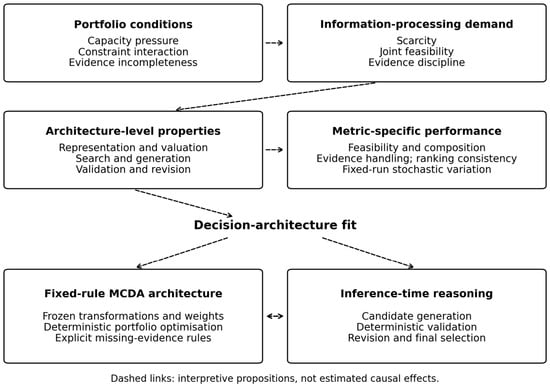
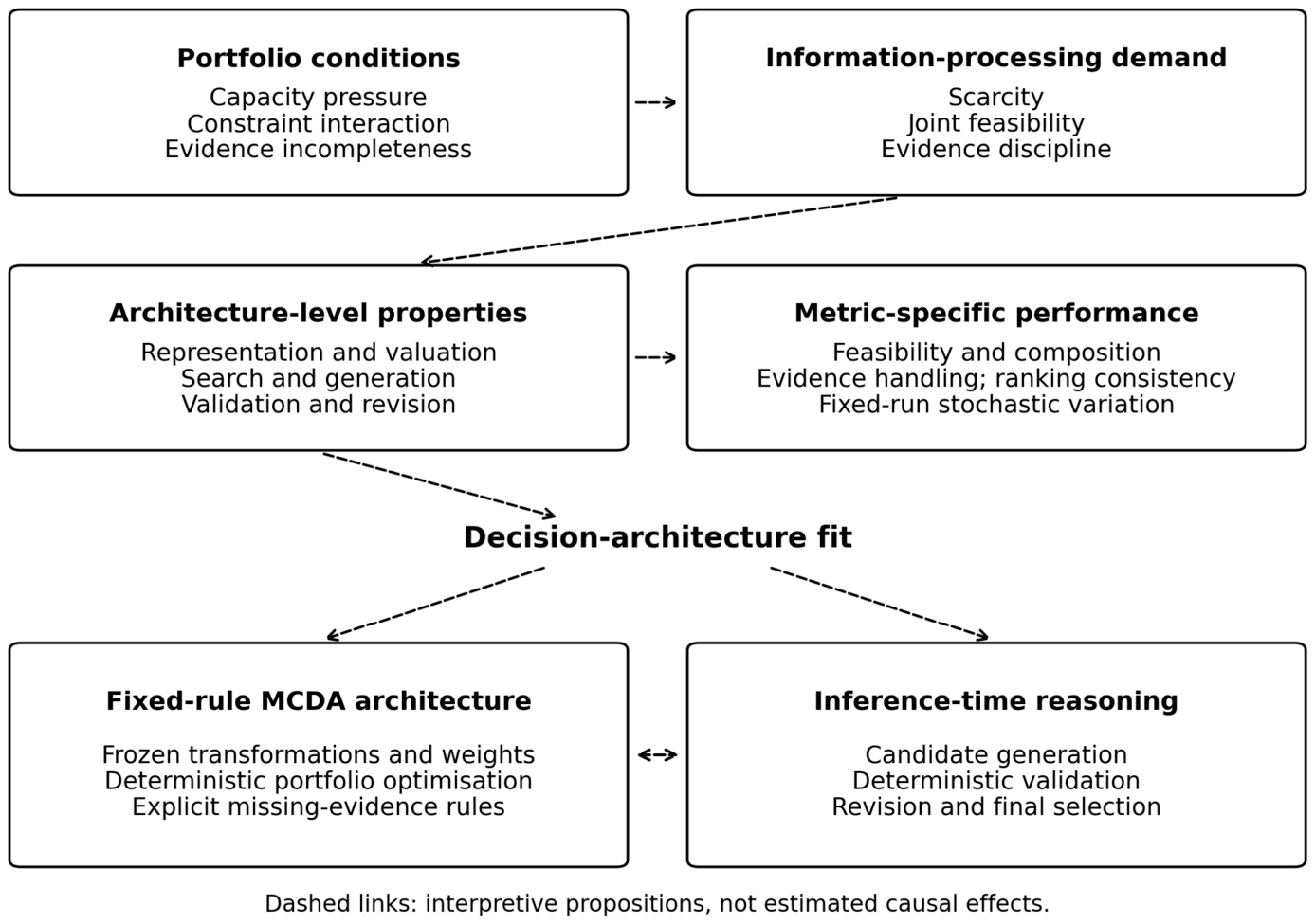
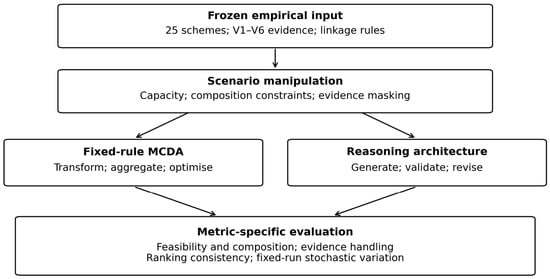
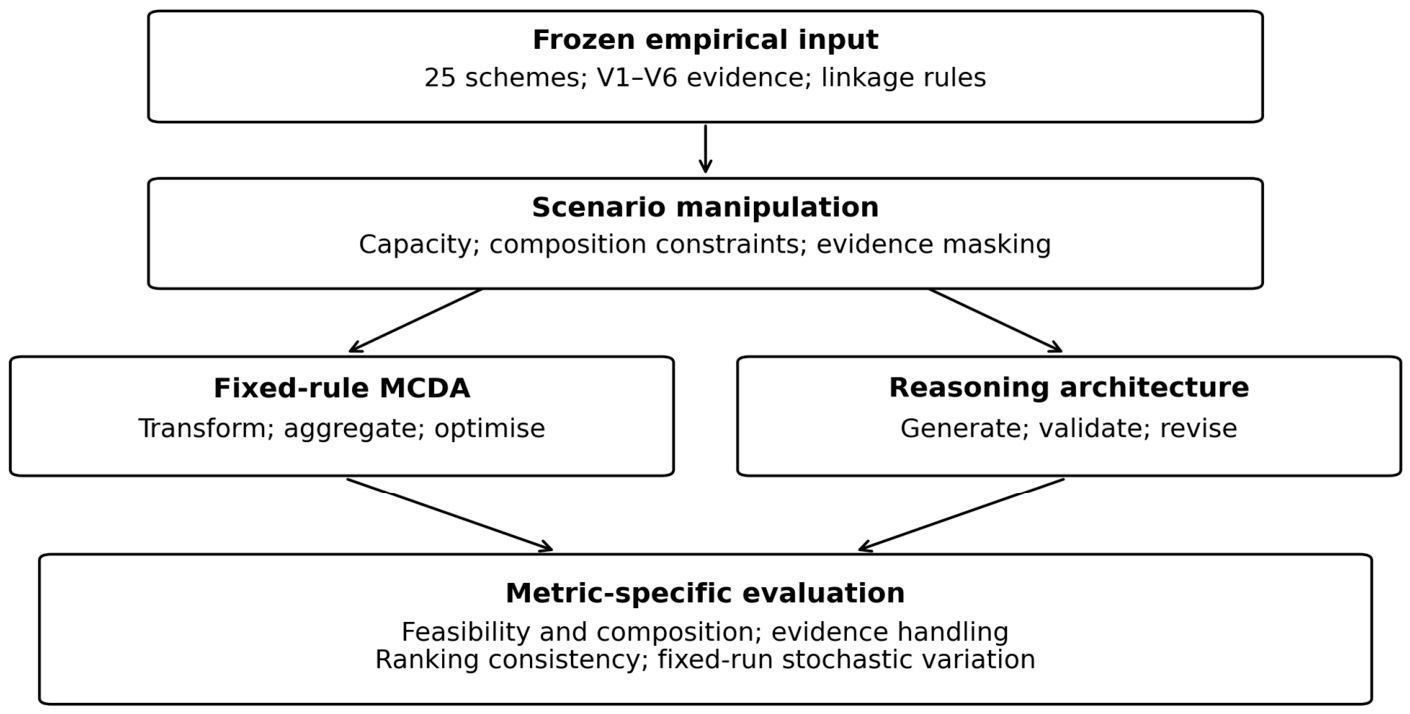
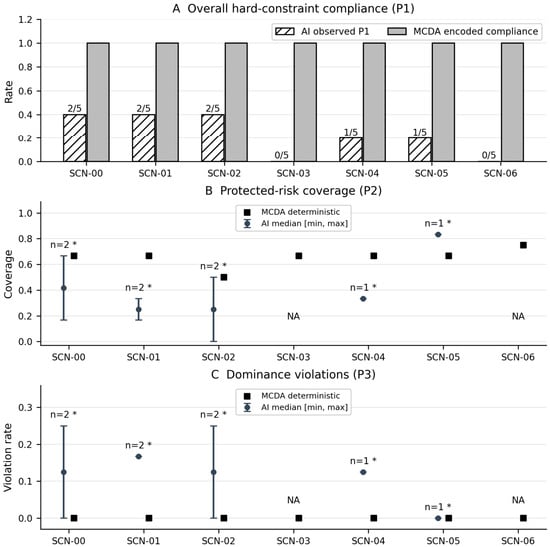
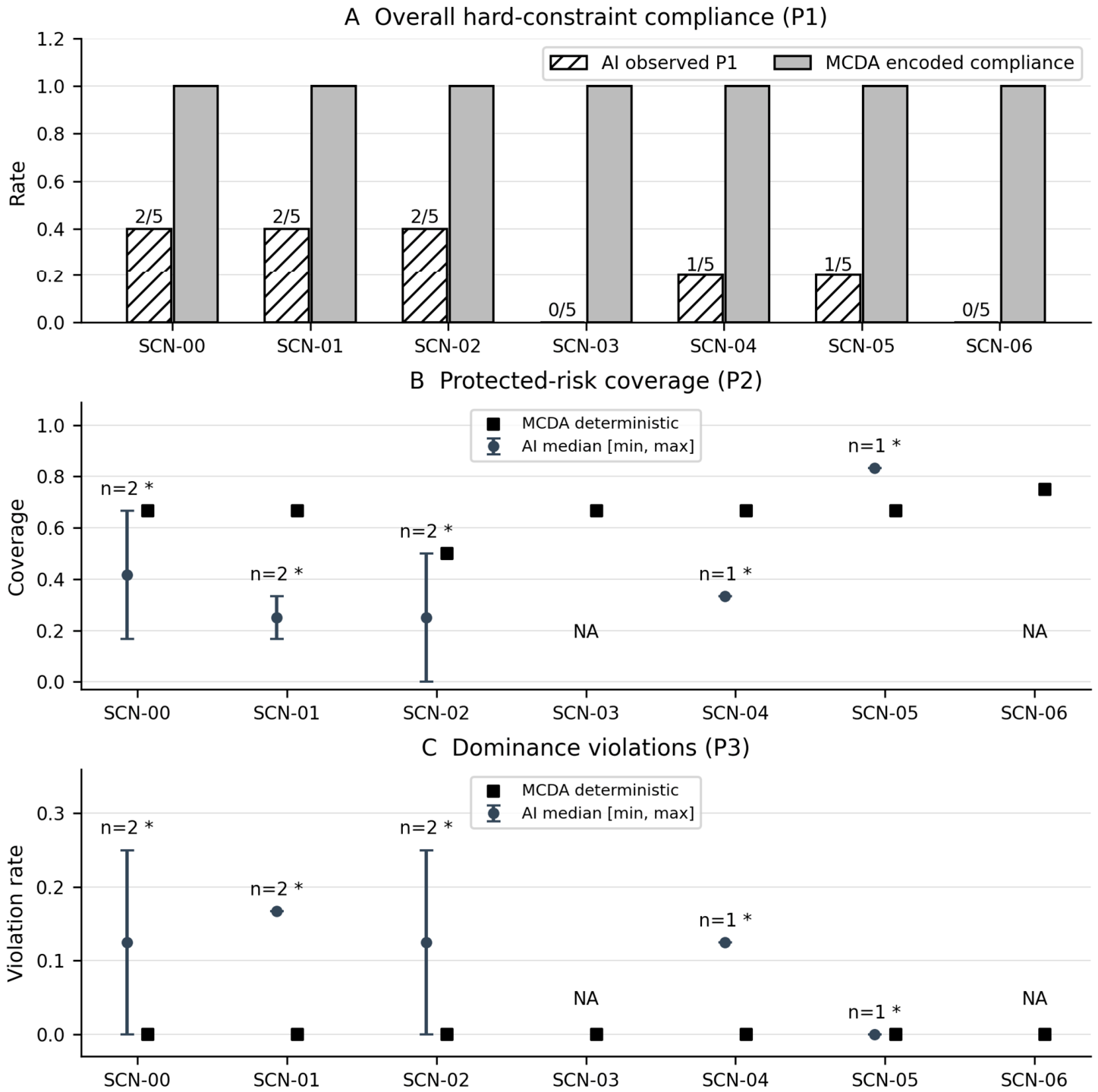
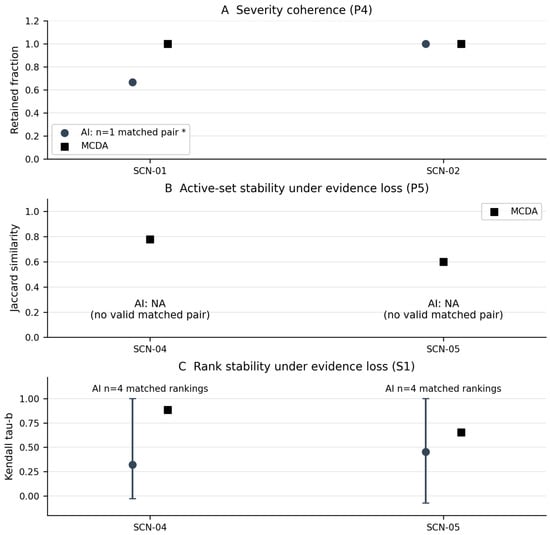
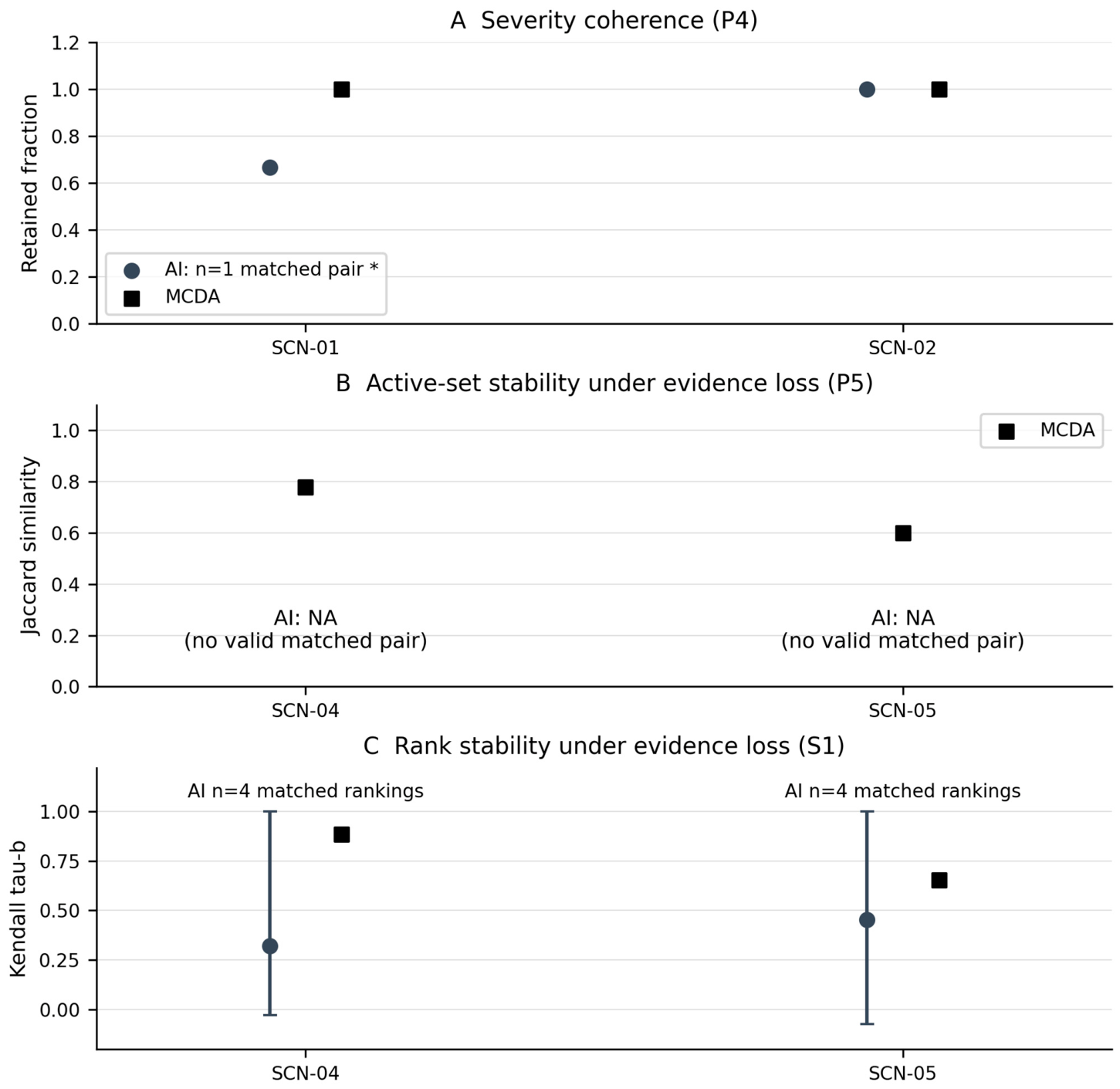
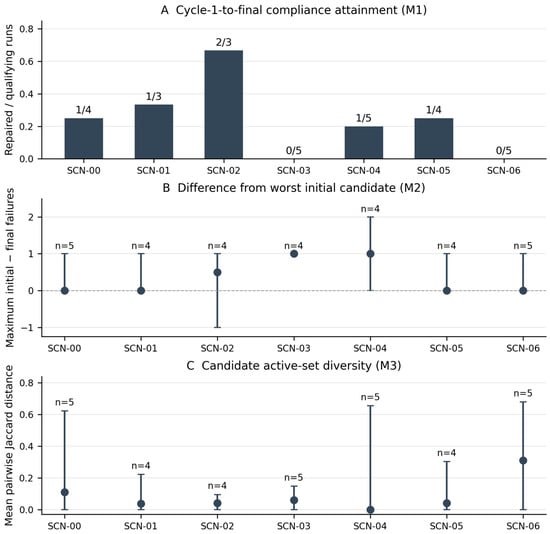
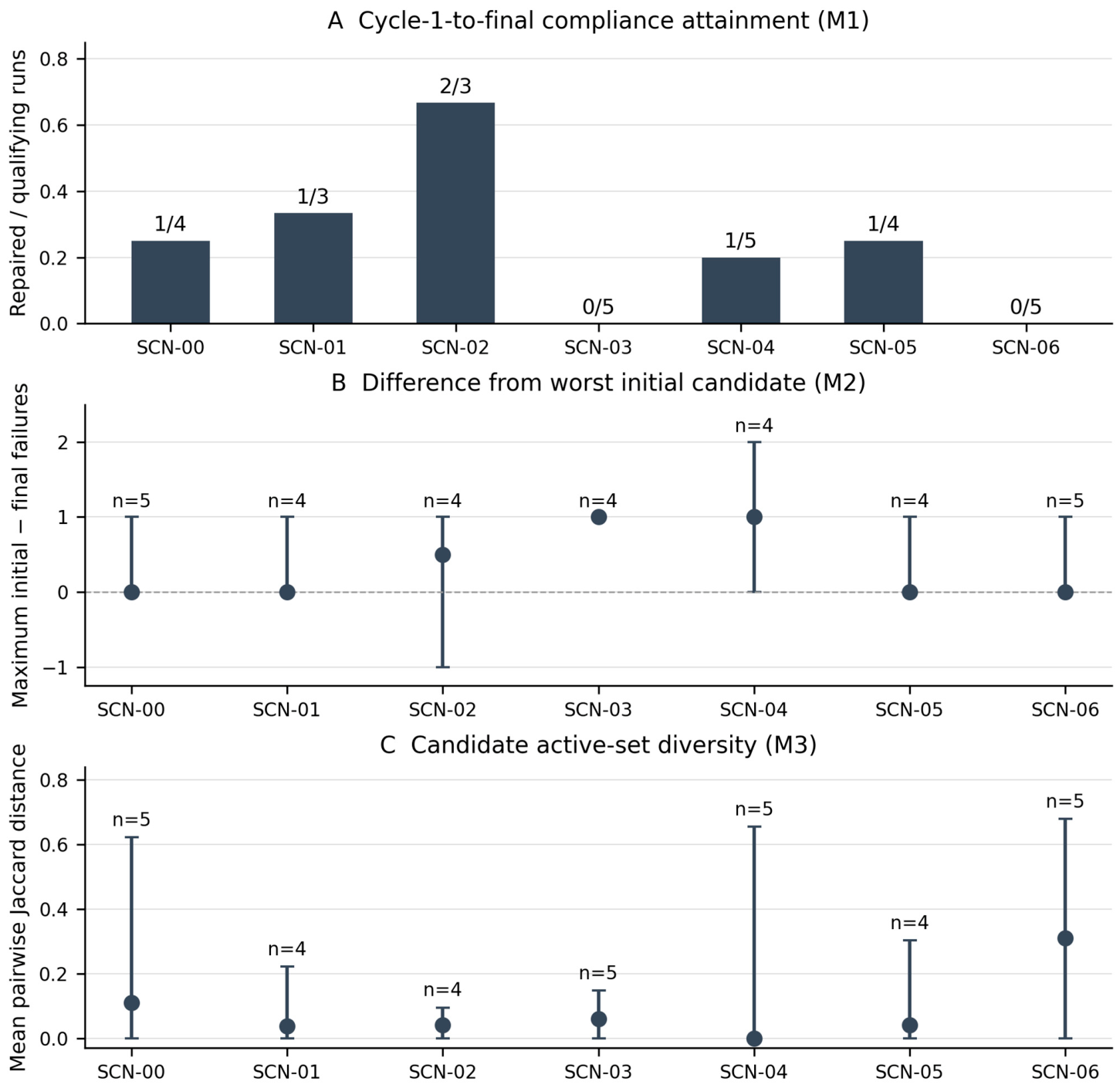

Disclaimer/Publisher’s Note: The statements, opinions and data contained in all publications are solely those of the individual author(s) and contributor(s) and not of MDPI and/or the editor(s). MDPI and/or the editor(s) disclaim responsibility for any injury to people or property resulting from any ideas, methods, instructions or products referred to in the content. |
© 2026 by the author. Licensee MDPI, Basel, Switzerland. This article is an open access article distributed under the terms and conditions of the Creative Commons Attribution (CC BY) license.