


Abstract
Digital transformation, increasing project complexity, and sustainability requirements are driving the adoption of advanced construction management approaches. However, evidence regarding the integrated application of Lean Construction, Building Information Modeling (BIM), and Artificial Intelligence (AI), particularly for improving construction quality within Construction 4.0 environments, remains fragmented. This study presents a PRISMA 2020-based systematic review of 163 peer-reviewed studies published from 2020 to 2025 to synthesize current evidence on the integration of Lean Construction with BIM- and AI-enabled construction management. A thematic synthesis and comparative analysis were conducted to examine the interactions among Lean planning, BIM-enabled coordination, and AI-supported predictive analytics. Supporting technologies, including digital QA/QC systems, IoT-enabled monitoring, and digital twin applications, were included only when they facilitated integrated Lean–BIM–AI implementation. The reviewed studies suggest that integrating Lean Construction with BIM and AI can enhance workflow coordination, defect management, schedule reliability, risk prediction, and real-time quality monitoring. Several studies also reported potential reductions in rework, material waste, and resource consumption, indicating possible contributions to more sustainable construction practices. However, reported outcomes varied across studies and were influenced by organizational readiness, workforce capability, digital maturity, interoperability, and project context. Moreover, much of the available evidence is derived from case studies, pilot implementations, simulation-based investigations, and conceptual research, whereas large-scale industrial validation remains limited. Unlike previous reviews that examined Lean Construction, BIM, or AI independently, this study synthesizes their complementary roles within an integrated construction management framework and identifies the conditions under which their combined application may contribute to improved construction quality and Construction 4.0 implementation. The review highlights current research gaps and provides evidence-based guidance for future research, industrial implementation, and the adoption of integrated digital construction management practices.
1. Introduction
The construction industry is undergoing rapid transformation driven by increasing project complexity, urbanization, sustainability requirements, and the emergence of advanced digital technologies. Modern construction projects require effective coordination, quality assurance, operational efficiency, and reliable information management to achieve successful project delivery [1]. Poor planning, fragmented communication, inadequate quality control, and inefficient coordination have been associated with delays, rework, cost overruns, safety risks, and reduced infrastructure performance [2,3]. In response to these challenges, recent research has increasingly explored the integration of collaborative management approaches with digital technologies to improve project planning, coordination, and construction quality while supporting Construction 4.0 development [4,5].
Among the wide range of Construction 4.0 technologies, Building Information Modeling (BIM) and Artificial Intelligence (AI) have received considerable research attention because of their potential to improve information management, project coordination, and data-driven decision-making [6,7]. In this review, Lean Construction is considered a complementary management philosophy that supports the implementation of BIM- and AI-enabled construction management. Lean Construction emphasizes waste minimization, workflow reliability, continuous improvement, and value creation throughout the construction process [8]. BIM facilitates integrated information management, multidisciplinary coordination, visualization, and collaborative project delivery, whereas AI supports predictive analytics, automated monitoring, and intelligent decision-making for construction activities [6,7]. Supporting technologies, including digital QA/QC systems, IoT platforms, and digital twin technologies, are considered only where they facilitate the implementation of integrated Lean–BIM–AI frameworks [9]. Accordingly, this review primarily evaluates the contribution of these integrated approaches to construction quality, while sustainability is considered a complementary outcome resulting from effective technological and managerial integration rather than an independent technology domain [10].
Previous studies have reported that Lean Construction has the potential to improve workflow reliability, reduce process waste, and enhance collaborative planning through management practices such as the Last Planner System and continuous improvement strategies [11]. However, much of the available evidence is derived from project-specific case studies, pilot implementations, or controlled research settings, while large-scale industrial validation remains relatively limited. Lean Construction therefore provides a useful management foundation for BIM- and AI-enabled construction processes by promoting stable workflows and reducing process variability. Nevertheless, Lean principles alone may not adequately address the increasing information management and coordination requirements of complex construction projects.
Building Information Modeling (BIM) has become a central technology in digital construction because of its ability to support information integration, multidisciplinary coordination, visualization, and project management throughout the project life cycle [12,13]. The reviewed studies suggest that BIM implementation can reduce design conflicts, rework, and scheduling delays by facilitating the early identification of project issues [14]. Several studies further indicate that integrating BIM with Lean principles and AI-supported technologies may improve project coordination, predictive management, and decision support under appropriate implementation conditions [15,16]. However, the reported benefits vary across projects and depend on factors such as implementation maturity, organizational capability, and project complexity. In addition, BIM adoption remains constrained in many developing regions because of high implementation costs, limited digital literacy, and organizational resistance to technological change [17].
Artificial Intelligence is receiving increasing attention for its potential to support predictive analytics, automated monitoring, and decision-support systems in construction management [18]. The reviewed studies indicate that AI-supported applications may improve risk prediction, schedule forecasting, defect detection, and project performance assessment under suitable implementation conditions [19]. Technologies such as computer vision, machine learning, and automated inspection systems have demonstrated promising performance in simulation studies, pilot implementations, and project-specific applications. However, broader industrial validation remains limited, and successful implementation continues to depend on digital infrastructure, high-quality data, specialized expertise, and organizational commitment.
Although published studies have reported promising applications of Lean Construction, Building Information Modeling (BIM), and Artificial Intelligence (AI), these approaches have frequently been investigated independently rather than within an integrated construction management framework. Existing evidence suggests that combining Lean principles with BIM- and AI-enabled construction management may improve construction quality and support Construction 4.0 implementation. However, most reported findings are based on case studies, pilot projects, simulation-based investigations, or project-specific applications, and comprehensive industrial validation remains limited [20,21]. In addition, relatively few studies have systematically examined how organizational readiness and digital maturity influence the successful implementation of integrated Lean–BIM–AI frameworks across different project environments [22]. These gaps limit current understanding of the practical conditions under which integrated digital construction management can be successfully adopted.
Several maturity models have been developed to assess digital capability in the construction industry. The BIM Application Maturity Model (BIM-AMM) [23] describes progressive levels of BIM implementation, while broader digital maturity models evaluate organizational capability across multiple dimensions, including digital infrastructure, organizational processes, and workforce skills [24]. However, these models differ from the readiness-oriented framework proposed in this review in three important respects. First, existing maturity models primarily assess the level of digital capability achieved by an organization, whereas the proposed framework provides guidance on technology adoption according to organizational readiness. Second, maturity models generally assume sequential progression through predefined stages, whereas the proposed framework recognizes that different levels of organizational readiness may require different combinations of Lean Construction, BIM, and AI. Third, existing models primarily evaluate technology adoption, whereas the proposed framework relates organizational readiness to the reported implementation of BIM- and AI-enabled construction management for improving construction quality, based on evidence synthesized from the reviewed studies [25,26].
To address these research gaps, this review synthesizes published evidence on BIM- and AI-enabled construction management supported by Lean Construction principles within an integrated framework. The review primarily examines their reported contribution to construction quality and Construction 4.0 implementation, while sustainability is considered a complementary outcome where supported by the reviewed evidence. It also critically evaluates contradictory findings, implementation challenges, and the limited extent of industrial validation reported in the literature. Through this approach, the review provides a balanced synthesis of current evidence, identifies the conditions that may influence successful implementation, and highlights priorities for future research and practical application.
The remainder of this paper is organized as follows. Section 2 presents the PRISMA-based review methodology and thematic analysis framework. Section 3 summarizes the synthesized evidence on integrated Lean–BIM–AI frameworks and their reported contribution to construction quality and Construction 4.0 implementation. Section 4 critically discusses the implications, limitations, and future research directions. Finally, Section 5 concludes the paper by summarizing the principal findings and outlining recommendations for future investigation.
2. Materials and Methods
2.1. Materials
This review investigates the integration of Building Information Modeling (BIM) [27] and Artificial Intelligence (AI) [28], with Lean Construction considered as the complementary management approach that supports their implementation. Supporting technologies, including digital QA/QC systems [29], IoT platforms [30], and digital twin applications, were considered only when they facilitated integrated Lean–BIM–AI implementation or contributed to construction quality and related project outcomes [31].
Unlike previous reviews, which primarily examined these technologies independently [32,33], the present review adopts an integrated perspective to evaluate their reported contribution to construction quality within Construction 4.0 environments. Sustainability is considered as a complementary outcome, while organizational readiness and digital maturity are treated as contextual factors that may influence successful technology adoption across residential, commercial, and infrastructure projects.
The review includes empirical, quantitative, mixed-method, case study, and systematic review articles published between 2020 and 2025. Only peer-reviewed English-language publications related to construction engineering, digital construction management, sustainability, and infrastructure development were included in the final synthesis.
To support the interpretation of the synthesized evidence, an author-developed conceptual figure was generated from the thematic synthesis of the included studies. Rather than reproducing a conceptual model from an individual publication, the figure integrates the principal themes and relationships identified across the reviewed literature. It therefore serves as an analytical visualization of the synthesized evidence and illustrates the integrated framework developed in this review.
2.2. Methodology
This study was conducted in accordance with the Preferred Reporting Items for Systematic Reviews and Meta-Analyses (PRISMA 2020) guidelines [34] to ensure methodological transparency, reproducibility, and systematic study selection. Nevertheless, complete adherence to all 27 PRISMA 2020 reporting items was not achieved because the included literature comprised heterogeneous study designs, including quantitative studies, qualitative investigations, case studies, and systematic reviews, and because no review protocol had been registered. Any deviations from the PRISMA 2020 framework are explicitly described in the relevant subsections and summarized in the corresponding PRISMA 2020 checklist.
The review examines the integration of Lean Construction, Building Information Modeling (BIM), and Artificial Intelligence (AI) within construction management. Digital QA/QC technologies, IoT systems, and digital twins were included only when they functioned as supporting technologies within integrated Lean–BIM–AI implementation environments. Comprehensive database-specific search strategies are provided in Appendix A to ensure transparency and reproducibility.
The methodological framework emphasizes the relationships between integrated construction management approaches and construction quality within the context of Construction 4.0. Evidence from multidisciplinary sources was synthesized to examine how Lean Construction, BIM, AI, and supporting digital technologies have been reported to influence project coordination, workflow management, predictive decision support, and quality-related outcomes. A completed PRISMA 2020 checklist documenting compliance with the reporting framework is provided as Supplementary Material.
To facilitate the interpretation of the synthesized findings, an author-developed conceptual figure was generated from the thematic synthesis and comparative analysis of the included studies. Rather than reproducing or summarizing conceptual models from individual publications, the figure integrates the recurring relationships, implementation pathways, and interactions identified across the reviewed studies. It serves as an analytical visualization of the synthesized evidence and illustrates the conceptual framework developed from the systematic review. Accordingly, the figure represents the authors’ interpretation of the collective evidence and should be regarded as a conceptual synthesis rather than a confirmation of universally validated industry practices.
2.2.1. Study Selection and Data Extraction
A comprehensive literature search was conducted using five major scientific databases: Scopus, ScienceDirect, Google Scholar, Web of Science, and PubMed [35,36,37]. These databases were selected because they provide extensive coverage of peer-reviewed research in construction engineering, digital construction management, infrastructure development, and sustainability.
The literature search focused on studies published between 2020 and 2025. Multiple keyword combinations and Boolean search operators [38] were used to identify studies related to Building Information Modeling (BIM), Artificial Intelligence (AI), Lean Construction, and their application to construction quality within Construction 4.0 environments. Supporting technologies, including digital QA/QC systems, IoT, and digital twins, were included only when they were integrated with Lean–BIM–AI implementation. The primary search syntax were:
- Construction project management, Building Information Modeling (BIM), Lean Construction, AND construction quality
- Artificial Intelligence (AI), digital QA/QC, IoT, or digital twin AND BIM, construction quality, or Construction 4.0
- Integrated Lean–BIM–AI framework, digital construction management, workflow coordination, defect management, or predictive decision support
The PRISMA-based study selection procedure consisted of four stages: identification, screening, eligibility assessment, and final inclusion, as illustrated in Figure 1. A total of 1284 records were initially identified from Scopus (356), Google Scholar (312), ScienceDirect (298), Web of Science (241), and PubMed (77) [36,39,40,41]. After removing duplicate records (n = 346), records excluded by automation tools (n = 68), non-peer-reviewed publications (n = 18), and records with unavailable full text at the identification stage (n = 14), 838 studies remained for title and abstract screening.
Figure 1.
PRISMA-based systematic review process. Records removed for ‘other reasons’ (n = 32) are specified as non-peer-reviewed records (n = 18) and records with unavailable full text at the identification stage (n = 14).
To minimize selection bias, title and abstract screening was conducted independently by two reviewers. Any disagreements were resolved through discussion and, where necessary, consultation with a third reviewer. Inter-rater agreement for title and abstract screening was substantial (Cohen’s κ = 0.84) [42,43]. The same independent dual-review procedure was applied during full-text assessment, yielding a Cohen’s κ value of 0.79, which also indicates substantial agreement.
During the screening and eligibility stages, 516 studies were excluded because they did not directly address the review objectives, and 159 reports could not be retrieved for full-text assessment. The remaining studies were evaluated using the predefined inclusion and exclusion criteria presented in Table 1. Grey literature [44], secondary literature, and incomplete full-text publications were excluded to maintain methodological rigor and scientific reliability. Following the eligibility assessment, 163 studies satisfied all selection criteria and were included in the final qualitative synthesis and systematic review. The extracted evidence was subsequently subjected to thematic coding and comparative analysis to identify recurring themes, implementation pathways, relationships among Lean Construction, BIM, AI, and supporting technologies, as well as their reported contribution to construction quality and Construction 4.0 implementation. These findings formed the basis of the analytical synthesis presented in the Results section.
Table 1.
Inclusion and exclusion criteria used for study selection.
2.2.2. Inclusion and Exclusion Criteria
To ensure methodological consistency and transparency, predefined inclusion and exclusion criteria were established before the screening and eligibility assessment stages [45]. These criteria were developed to minimize selection bias and ensure that only relevant, high-quality studies investigating integrated Lean–BIM–AI frameworks and their reported contribution to construction quality were included in the final synthesis.
Table 1 summarizes the inclusion and exclusion criteria applied during the PRISMA-based study selection process. Only peer-reviewed English-language studies published between 2020 and 2025 were considered. Eligible studies investigated Building Information Modeling (BIM), Artificial Intelligence (AI), Lean Construction, or their integration within construction management environments. Supporting technologies, including digital QA/QC systems, IoT-enabled monitoring, and digital twin applications, were included only when they supported the implementation or evaluation of integrated Lean–BIM–AI frameworks [46,47]. Sustainability-related studies were considered only where sustainability outcomes were directly associated with the implementation of these integrated frameworks.
Studies unrelated to construction engineering, construction management, construction quality, or integrated digital construction management were excluded. In addition, publications that did not report measurable implementation or quality-related outcomes, inaccessible full-text articles, editorials, conference abstracts, and non-peer-reviewed documents were excluded to maintain the methodological rigor, reliability, and relevance of the review.
2.2.3. Quality Assessment of Studies
The methodological quality of the included studies was evaluated using a structured quality assessment framework adapted for construction management and digital technology research [45]. Each study was assessed using predefined criteria covering study selection, literature relevance, methodological transparency, outcome reporting, and practical validation [48]. This assessment was undertaken to ensure that only scientifically rigorous and relevant studies were included in the final qualitative synthesis.
To improve the reliability of the review, each study was independently assessed by two reviewers using the quality assessment framework. Any differences in scoring were resolved through discussion and consensus. The resulting quality assessment reduced the potential influence of low-quality studies on the overall synthesis and improved the transparency and reproducibility of the review findings [49].
Table 2 summarizes the quality assessment and risk-of-bias framework applied during the review. Seven methodological domains were evaluated, including selection bias, performance bias, detection bias, attrition bias, reporting bias, study design quality, and sample size adequacy. Each domain was scored using a three-point scale (0–2), where 0 indicated inadequate reporting, 1 indicated partial reporting or moderate quality, and 2 indicated adequate methodological reporting. The overall quality score was subsequently used to classify studies as having low, moderate, or high risk of bias.
Table 2.
Quality Assessment and Risk of Bias Framework for Included Studies.
Risk of Bias Classification
- Low risk: Total score ≥ 12 (maximum of 16)
- Moderate risk: Total score 8–11
- High risk: Total score ≤ 7
To address the concern that reported research findings may not necessarily reflect established industry practice, the quality assessment also considered the level of practical validation reported in each study. Studies based on real construction projects or documented field applications were distinguished from those relying primarily on simulation, laboratory investigations, conceptual frameworks, or pilot implementations. This distinction supported a more balanced interpretation of the available evidence throughout the review and helped differentiate reported research findings from broader industrial validation. Detailed assessment criteria are provided in Appendix B.
2.2.4. Thematic Synthesis and Data Analysis
The retrieved data were analyzed using a thematic synthesis approach [50]. NVivo 15 software [51] was used to organize, code, and classify the principal themes and recurring patterns identified across the included studies. Two reviewers independently conducted the thematic coding using an initial coding framework developed from the review objectives and refined iteratively during the analysis. To assess coding consistency, a random subset of 40 studies (24% of the included studies) was independently coded by both reviewers. Intercoder reliability was evaluated using Cohen’s kappa coefficient (κ = 0.81), indicating substantial agreement. Any coding discrepancies were resolved through discussion and consensus.
The thematic synthesis primarily examined four categories: (1) Lean Construction-supported workflow management; (2) BIM- and AI-enabled coordination and decision support; (3) construction quality outcomes; and (4) organizational readiness and digital maturity. Sustainability and supporting technologies, including digital QA/QC systems, IoT-enabled monitoring, and digital twin applications, were analyzed only where they directly supported integrated Lean–BIM–AI implementation. The synthesized evidence was compared to identify recurring trends, implementation challenges, contradictory findings, and the extent of practical validation reported across the included studies.
To evaluate the overall certainty of evidence, a modified Grading of Recommendations Assessment, Development and Evaluation (GRADE) approach [52] was applied. Evidence was assessed across five domains: risk of bias, inconsistency, indirectness, imprecision, and publication bias, and was subsequently classified as high, moderate, low, or very low certainty.
To develop the readiness-oriented framework presented in Section 3.8, the 163 included studies were further classified according to organizational readiness. Studies were categorized as low, medium, or high readiness based on digital infrastructure, BIM adoption, automation, and technology integration. Reported implementation pathways and quality-related outcomes were compared across readiness levels. Two reviewers independently coded a random subset of 40 studies (24% of the included studies), achieving substantial agreement (Cohen’s κ = 0.79). Any disagreements were resolved through discussion and consensus.
To support interpretation of the synthesized findings, an author-developed conceptual figure was generated from the thematic coding and comparative analysis. Rather than reproducing existing conceptual models, the figure integrates the recurring relationships and implementation pathways identified across the included studies. It therefore serves as an analytical visualization of the synthesized evidence and illustrates the integrated Lean–BIM–AI framework proposed in this review.
2.2.5. Comparative Analysis
A comparative analysis was conducted to examine how integrated Lean Construction, Building Information Modeling (BIM), and Artificial Intelligence (AI) have been applied across different construction projects and organizational settings. Supporting technologies, including digital QA/QC systems, IoT platforms, and digital twin applications, were considered only when they formed part of integrated Lean–BIM–AI implementation.
The comparison focused primarily on construction quality outcomes, including defect reduction, workflow reliability, schedule performance, and quality management. Sustainability-related outcomes were examined only where they were directly associated with integrated Lean–BIM–AI implementation. In addition, the analysis evaluated how organizational readiness and digital maturity influenced technology adoption and implementation across different construction environments. Where reported, the evidence was also compared according to the level of practical validation, distinguishing findings derived from real construction projects from those based on simulation studies, pilot implementations, or conceptual investigations. This approach supported a more balanced interpretation of the available evidence and reduced the risk of overgeneralizing research findings.
To facilitate interpretation of the comparative findings, an author-developed conceptual figure was generated from the thematic synthesis and comparative analysis of the 163 included studies. The figure was developed by the authors and was neither reproduced nor adapted from any individual publication. Instead, it integrates the principal relationships and implementation pathways identified across the reviewed studies and provides an analytical visualization of the integrated Lean–BIM–AI framework proposed in this review.
3. Results
The systematic review synthesized evidence on the integration of Lean Construction, Building Information Modeling (BIM), and Artificial Intelligence (AI), with particular emphasis on their reported contribution to construction quality within Construction 4.0 environments. The findings were derived from the thematic synthesis of 163 included studies using a standardized four-step procedure comprising NVivo-based thematic coding, data extraction and aggregation, comparative analysis, and validation against the original coded evidence.
The reviewed studies suggest that integrating Lean Construction with BIM- and AI-enabled construction management has the potential to improve workflow coordination, defect management, schedule reliability, and quality-related decision-making. However, the reported outcomes varied across studies and were influenced by project characteristics, organizational readiness, implementation maturity, and the level of practical validation. Supporting technologies, including digital QA/QC systems, IoT-enabled monitoring, and digital twin applications, were considered only where they supported integrated Lean–BIM–AI implementation. Sustainability-related outcomes were synthesized as complementary findings where they were directly associated with improvements in construction quality.
For clarity and systematic presentation, the synthesized findings are organized into the following thematic categories.
3.1. Project Management Techniques
The reviewed studies indicate that Lean Construction and Building Information Modeling (BIM) are complementary approaches for supporting construction quality and project coordination. Lean Construction, particularly through the Last Planner System (LPS) [53], has been reported to improve short-term planning, task coordination, and workflow stability. Several case studies and project-based investigations further suggest that these practices may reduce process variability and support more reliable project delivery under appropriate implementation conditions. For example, Dallasega et al. [54] and Silva et al. [55] reported that Lean planning practices were associated with improved schedule predictability, reduced rework, and better quality management during project execution.
The literature also suggests that BIM is a key enabling technology for digital construction management because it supports integrated information management, multidisciplinary coordination, and project visualization [56]. BIM-based three-dimensional modelling and clash detection have been reported to facilitate the early identification of design conflicts, which may reduce construction errors and unnecessary rework [56]. Shaqour [57] further reported that BIM can improve stakeholder communication, decision-making, and resource allocation. However, the extent of these reported benefits varies according to project characteristics, implementation maturity, and organizational capability.
Several reviewed studies indicated that projects integrating Lean Construction with BIM generally reported better coordination and workflow management than studies examining either approach independently. Lean Construction contributed to workflow planning and process stability, whereas BIM supported information exchange and project coordination. Nevertheless, much of the available evidence was derived from case studies, pilot implementations, and project-specific investigations, while broader industrial validation remains relatively limited.
The synthesized evidence suggests that Lean Construction and BIM provide complementary management and coordination functions within integrated Lean–BIM–AI frameworks. Lean Construction establishes structured workflow practices, whereas BIM provides the digital information environment required to support AI-enabled analytics and decision-making. These findings should be interpreted as reflecting the current state of published research rather than universally validated industry practice.
3.2. Technology Integration
Previous studies suggest that integrating Building Information Modeling (BIM) and Artificial Intelligence (AI), supported by Lean Construction principles, has the potential to improve construction quality, project coordination, and data-driven decision-making within Construction 4.0 environments. However, the reported outcomes vary across studies and implementation contexts, with much of the available evidence originating from case studies, pilot implementations, and simulation-based investigations rather than large-scale industrial applications.
BIM-based monitoring systems have been reported to support information exchange, project visualization, and quality management by facilitating real-time coordination and verification of construction activities. Supporting technologies, including laser scanning, reality capture, computer vision, and automated inspection systems, may further assist defect detection and quality inspection by identifying deviations from design specifications at earlier project stages [58,59]. Several studies also reported that BIM-integrated quality monitoring frameworks can improve construction accuracy and support continuous quality verification throughout the project life cycle [60].
The reviewed evidence further indicates that integrating AI and machine learning with BIM may strengthen predictive decision-making, schedule planning, and risk assessment. AI-supported analytics have been reported to assist project teams in identifying potential issues before they develop into major operational problems. For example, Adejumobi [61] reported that AI-enabled BIM systems improved forecasting accuracy and project monitoring within the investigated case studies. Nevertheless, broader industrial validation of these integrated approaches remains limited, and their practical effectiveness is likely to depend on project complexity, organizational capability, and implementation maturity.
Table 3 summarizes representative studies included in the systematic review and highlights their objectives, methodologies, analytical approaches, and principal findings related to Lean Construction, BIM integration, AI-supported construction management, and construction quality. Overall, the reviewed evidence suggests that integrating Lean Construction, BIM, and AI may improve project coordination and quality management under appropriate implementation conditions, although the reported benefits should be interpreted in light of the methodological diversity and varying levels of practical validation across the included studies.
Table 3.
Comparative summary of selected studies related to integrated construction management systems.
The available evidence suggests that technology integration has the potential to support Construction 4.0 implementation by enabling intelligent monitoring, automated data processing, and data-driven project control. Supporting technologies, including digital QA/QC systems, IoT-enabled monitoring, and digital twin applications, may further strengthen these capabilities when integrated within Lean–BIM–AI implementation environments. Several studies reported that integrated Lean–BIM–AI frameworks achieved better quality management, workflow coordination, and decision support than conventional management approaches under the investigated conditions. However, these findings were primarily derived from case studies, pilot implementations, and simulation-based investigations, and broader industrial validation remains limited.
3.3. Quality Control and Risk Management
The collective evidence suggests that quality control and risk management are important applications of integrated Lean–BIM–AI frameworks for supporting construction quality. Digital quality management approaches have been reported to facilitate earlier defect identification, compliance verification, and proactive risk assessment during construction projects. However, the reported effectiveness varies across studies and implementation contexts.
Supporting technologies, including laser scanning, reality capture, computer vision, and automated inspection systems, have been applied to assist continuous quality verification and compliance with design specifications. Saha et al. [72] reported that BIM-integrated quality monitoring frameworks improved construction accuracy and supported real-time quality assessment within the investigated projects. These approaches were generally associated with improved defect detection, although broader validation across diverse construction environments remains limited.
The reviewed evidence further indicates that integrating AI and machine learning with BIM may support predictive risk assessment, schedule planning, and the early identification of potential project disruptions [73]. AI-supported analytical tools have been reported to assist project teams in recognizing emerging risks and supporting decision-making under the investigated conditions [74]. Similarly, Shetty et al. [75] reported that AI-enabled BIM systems improved forecasting accuracy, project monitoring, and workflow management within the reported case studies. Nevertheless, additional evidence from large-scale industrial implementation is required to confirm the generalizability of these findings.
The current body of evidence suggests that integrating BIM-enabled monitoring with AI-supported analytics, supported by Lean Construction principles, has the potential to strengthen construction quality management and risk assessment. These findings should be interpreted in the context of the available evidence, which is derived predominantly from case studies, pilot implementations, and project-specific investigations rather than widespread industry adoption.
3.4. Combined Effects of Project Management Techniques
One of the principal observations from this review is that the published literature increasingly examines the integration of Lean Construction, Building Information Modeling (BIM), and Artificial Intelligence (AI) as complementary components of digital construction management. Although earlier studies frequently investigated these approaches independently [76], more recent research has explored their combined application for supporting construction quality and Construction 4.0 implementation.
The reviewed literature indicates that integrating Lean Construction with BIM- and AI-enabled construction management has the potential to improve project coordination, communication, resource allocation, and data-driven decision-making under appropriate implementation conditions [77]. Lean Construction contributes structured workflow planning and collaborative management, BIM supports information integration and visualization, and AI provides predictive analytics and decision-support capabilities. However, the reported outcomes vary across studies and project environments, and much of the available evidence is based on case studies, pilot implementations, or simulation-based investigations rather than large-scale industrial deployment.
To further examine the relationships among these domains, NVivo-based thematic analysis was conducted to identify recurring concepts and research trends across the selected studies [78,79]. The identified nodes were grouped into four principal thematic categories: project management techniques, construction quality, risk management, and technology integration. This classification provided a structured basis for examining how integrated Lean–BIM–AI frameworks have been reported to support construction quality and digital construction management.
Table 4 summarizes the NVivo-based thematic coding and node classification. Innovation and technology-related themes, particularly those associated with BIM, AI, and integrated digital construction management, accounted for the highest number of coded references. Supporting technologies, including digital QA/QC systems, IoT-enabled monitoring, and digital twin applications, were primarily identified as implementation enablers rather than independent technology domains. Overall, the thematic synthesis indicates increasing research interest in integrated Lean–BIM–AI frameworks, although the reported findings should be interpreted with consideration of the varying methodological approaches and limited industrial validation across the included studies.
Table 4.
NVivo-based thematic coding and node classification of selected studies.
3.5. Variations Across Project Types and Contexts
The reported outcomes of integrated Lean–BIM–AI frameworks vary according to project type, organizational capability, and regional context. More favorable outcomes were generally reported in large commercial, industrial, and infrastructure projects with relatively advanced digital infrastructure, experienced personnel, and greater organizational resources. Several studies suggested that BIM-enabled coordination and AI-supported analytics are particularly applicable to complex projects requiring extensive stakeholder coordination, information management, and timely decision-making [90]. However, the reported findings differ across projects and should be interpreted in light of the varying methodological approaches and implementation conditions.
In contrast, studies conducted in residential projects and resource-constrained environments frequently reported more limited implementation of advanced digital technologies. High implementation costs, limited technical expertise, insufficient digital infrastructure, and organizational resistance were commonly identified as barriers to adopting integrated Lean–BIM–AI frameworks, particularly in developing regions and small-scale projects [91,92]. These findings suggest that organizational readiness and digital maturity are important contextual factors influencing technology adoption.
The project complexity, stakeholder collaboration, organizational readiness, and digital capability may influence the reported implementation outcomes of integrated Lean–BIM–AI frameworks. Projects with stronger coordination mechanisms and more mature digital environments generally reported better construction quality and project coordination than those relying primarily on conventional management practices. Nevertheless, relatively few studies evaluated these technologies through long-term industrial implementation, and broader validation across diverse construction settings remains limited.
Table 5 summarizes the principal themes, implementation trends, and supporting studies identified during the systematic review. Innovation and technology-related themes were frequently associated with BIM, AI, and integrated digital construction management, while supporting technologies, including digital QA/QC systems, IoT-enabled monitoring, and digital twin applications, were primarily discussed as implementation enablers. Overall, the reviewed evidence suggests increasing research interest in integrated Lean–BIM–AI frameworks, although the reported outcomes vary according to project context, organizational readiness, and the level of practical validation.
Table 5.
Major themes, trends, and supporting studies identified in the systematic review.
3.6. Evidence Mapping of Management Techniques and Quality Outcomes
The integrated Lean–BIM–AI frameworks have the potential to support construction quality through complementary management, coordination, and analytical capabilities. Lean Construction was frequently associated with improved workflow planning, reduced schedule variability, collaborative management, and process stability [97,98]. These reported benefits may contribute to improved construction quality by supporting more structured project execution under appropriate implementation conditions.
Overall, the evidence suggests that BIM supports stakeholder communication, information integration, clash detection, and project visualization throughout the construction process. Several studies reported that BIM-assisted coordination was associated with reduced design conflicts, lower levels of rework, and improved decision-making within the investigated projects [99,100]. However, the reported outcomes varied according to project characteristics, organizational capability, and implementation maturity.
AI-supported construction management systems were primarily applied to predictive analytics, risk assessment, schedule planning, and decision support. The reviewed studies reported that AI-assisted approaches may help identify potential quality deviations and project risks at earlier stages of project delivery [61]. Nevertheless, much of the available evidence was derived from case studies, pilot implementations, or simulation-based investigations, and broader industrial validation remains limited.
Supporting technologies, including digital QA/QC systems, IoT-enabled monitoring, digital twin applications, and blockchain-based quality management tools, were primarily reported as implementation enablers that support integrated Lean–BIM–AI frameworks by facilitating data acquisition, quality verification, monitoring, and information traceability [101].
The qualitative ratings presented in Table 6 were derived from the proportion of included studies reporting positive outcomes for each management technique and performance indicator. These ratings provide a comparative synthesis of the reviewed literature and should not be interpreted as direct measures of industry-wide performance or universal effectiveness. Rating categories were defined as Low (0–25%), Medium (26–50%), High (51–75%), and Very High (76–100%) based on the percentage of studies reporting positive outcomes.
Table 6.
Evidence mapping of project management techniques and quality outcomes.
Table 6 summarizes the reported evidence across the principal management techniques. Lean Construction was frequently associated with workflow planning and schedule reliability, BIM with project coordination and quality management, and AI-supported systems with predictive analytics and decision support. Integrated Lean–BIM–AI implementation generally received the highest qualitative ratings across the synthesized evidence; however, these ratings reflect the collective findings of the reviewed studies and should be interpreted with consideration of the methodological diversity and limited industrial validation of the available literature.
Integrated Lean–BIM–AI frameworks have the potential to support construction quality more effectively than approaches examining individual management techniques in isolation. Nevertheless, much of the available evidence was derived from case studies, pilot implementations, simulation-based investigations, or project-specific applications rather than large-scale industrial deployment. Consequently, additional longitudinal and multi-project validation studies are required before these reported benefits can be generalized across the wider construction industry.
3.7. Integrated Lean–BIM–AI–QA/QC Performance Pathway
The synthesized evidence suggests that integrating Lean Construction, Building Information Modeling (BIM), and Artificial Intelligence (AI) has the potential to support construction quality more effectively than implementing these approaches independently. Within the reviewed studies, Lean Construction was primarily associated with structured workflow planning, collaborative coordination, and process stability. BIM was reported to support project coordination through visualization, clash detection, and integrated information management, while AI was applied to predictive analytics, risk assessment, and data-driven decision support.
Several reviewed studies reported that fragmented management systems were associated with delays, rework, communication challenges, and inconsistent quality outcomes [102]. Similarly, limited integration between digital technologies and field operations was reported to constrain implementation effectiveness in some projects [103]. In contrast, studies investigating integrated Lean–BIM–AI implementation generally reported improved coordination, information exchange, and decision support under the investigated conditions.
The included studies suggest a sequential implementation pathway. Lean Construction provides the management structure for workflow planning and process coordination. BIM supports information integration, visualization, and clash detection, while AI analyzes project data to assist risk assessment and decision-making. Supporting technologies, including digital QA/QC systems, IoT-enabled monitoring, and digital twin applications, were primarily reported as implementation enablers that facilitate real-time data acquisition, quality verification, and project monitoring.
The available evidence suggests that integrated Lean–BIM–AI implementation may contribute to improved construction quality, more reliable project coordination, and more effective digital construction management. However, the reported outcomes varied across studies and were influenced by project characteristics, organizational readiness, digital maturity, and implementation conditions. Moreover, much of the available evidence was derived from case studies, pilot implementations, and simulation-based investigations rather than long-term industrial applications.
Several studies also reported potential long-term benefits associated with reduced rework, improved resource utilization, and enhanced life-cycle performance. Nevertheless, additional longitudinal and multi-project investigations are needed to verify these reported benefits across diverse construction environments and establish their broader applicability in industry.
3.8. Readiness-Based Implementation Framework
The readiness-based framework proposed in this review extends existing maturity models by providing guidance on technology adoption according to organizational capability rather than solely describing digital maturity levels. The synthesized evidence suggests that the reported implementation of integrated Lean–BIM–AI frameworks is influenced by organizational readiness, workforce competence, and digital infrastructure [104]. Because construction organizations differ considerably in terms of digital capability, financial resources, and technical expertise, technology adoption pathways should be selected according to organizational readiness and project context.
Projects with low digital readiness are typically characterized by limited digital infrastructure, manual quality management procedures, and conventional project management practices. The reviewed studies suggest that Lean Construction provides a practical starting point for improving workflow planning, collaboration, and project coordination in these environments [105]. However, the reported outcomes vary according to organizational commitment and implementation capability.
Projects with medium digital readiness frequently incorporate BIM-based coordination systems, digital scheduling platforms, and software-supported communication tools. The reviewed evidence indicates that BIM may support visualization, clash detection, information management, and stakeholder coordination. Nevertheless, implementation outcomes remain dependent on workforce capability, organizational commitment, and implementation maturity, particularly within small and medium-sized construction enterprises [106].
Organizations with higher levels of digital readiness generally possess more advanced digital infrastructure, stronger workforce capability, and established data management systems. These organizations may be better positioned to implement integrated Lean–BIM–AI frameworks supported by IoT-enabled monitoring, digital twin applications, and digital QA/QC systems. The reviewed studies reported that these integrated approaches have the potential to support predictive decision-making, construction quality, and digital construction management under appropriate implementation conditions.
Table 7 was developed from the reviewed literature and is based on 90 studies (55.2% of the included studies) that reported sufficient contextual information for readiness classification. Among these studies, 23 (25.6%) represented low-readiness environments, 41 (45.6%) represented medium-readiness environments, and 26 (28.9%) represented high-readiness environments.
Table 7.
Readiness-based implementation framework for construction projects.
The proposed implementation pathways were synthesized from the reported technology adoption patterns across these readiness categories. Lean-based planning approaches were reported in 20 of the 23 low-readiness studies (87%), BIM coordination systems in 34 of the 41 medium-readiness studies (83%), and integrated Lean–BIM–AI frameworks supported by advanced monitoring technologies in 24 of the 26 high-readiness studies (92%). Reported quality improvements ranged from 24% to 67%, depending on project characteristics, organizational capability, and workforce competence [107]. These values summarize the findings reported in the reviewed studies and should not be interpreted as universally achievable outcomes.
Organizational readiness is an important consideration when selecting technology adoption pathways for Construction 4.0 implementation. The proposed framework provides a structured interpretation of the synthesized literature and is intended to support decision-making rather than prescribe universally applicable implementation strategies. Accordingly, the framework should be regarded as a conceptual synthesis of the current evidence rather than a validated decision-support model. Additional validation through longitudinal, multi-project, and cross-organizational industrial studies is required to evaluate its generalizability and broader applicability across diverse construction environments.
3.9. Sustainability and Life-Cycle Quality Implications
The available evidence suggests that integrated Lean–BIM–AI frameworks have the potential to support not only construction quality but also sustainability-related outcomes throughout the project life cycle. Within the reviewed studies, Lean Construction was frequently associated with improved workflow planning and reduced process inefficiencies, while BIM was reported to support resource coordination, design accuracy, and information management. Collectively, these approaches were reported to reduce rework and improve resource utilization under appropriate implementation conditions.
Several studies identified rework, poor coordination, and inefficient resource management as important contributors to material waste, energy consumption, and environmental impacts in construction projects. Taher et al. [108] reported that Lean practices were associated with reduced material waste and improved workflow coordination through structured planning. Similarly, Toochukwu [109] reported that BIM-enabled digital construction technologies supported improved resource management and project delivery within the investigated projects. Early identification of design conflicts and quality deviations was also reported to have the potential to reduce maintenance requirements and operational inefficiencies throughout the service life of infrastructure assets [110].
AI-supported systems may contribute to sustainability by assisting with predictive analytics, maintenance planning, and asset management. Several studies reported that AI-assisted approaches supported the early identification of maintenance requirements, operational risks, and quality deviations, which may contribute to improved infrastructure durability and life-cycle performance under the investigated conditions [111].
Figure 2 presents an author-developed conceptual framework illustrating the relationships among technology integration, construction quality, and sustainability identified through the thematic synthesis of the reviewed literature [112]. The framework highlights organizational, technical, and environmental factors that may collectively influence construction quality and sustainability performance [113]. Organizational factors, including collaboration, stakeholder coordination, and life-cycle cost management, support technology implementation [114,115], while technical and environmental factors provide the context for digital monitoring, quality management, and resource efficiency.
Figure 2.
Author-developed synthesis illustrating technology integration and quality management relationships identified from the thematic synthesis of 163 included studies.
The sustainability-related outcomes are more frequently reported when Lean Construction, BIM, and AI are implemented as complementary components of an integrated construction management approach rather than as isolated technologies. However, the reported findings are derived predominantly from case studies, pilot implementations, and simulation-based investigations. Additional longitudinal and large-scale industrial studies are therefore needed to verify the long-term sustainability and life-cycle benefits of integrated Lean–BIM–AI implementation across diverse construction environments.
3.10. AI-Based Performance Assessment Opportunities
Artificial Intelligence (AI) has considerable potential to support construction quality assessment, predictive monitoring, and decision-making within integrated Lean–BIM–AI frameworks. The included studies reported that AI-supported systems can analyze large volumes of project data to assist quality management, schedule planning, risk assessment, and project monitoring. However, the reported outcomes vary across studies and implementation contexts, and broader industrial validation remains limited [116].
AI-based performance assessment uses machine learning and predictive analytics to identify potential construction risks, schedule delays, and quality deviations by analyzing historical and real-time project data [117]. The reviewed evidence further indicates that integrating AI with BIM, IoT, and digital QA/QC systems may support project monitoring and automated inspection. Computer vision and sensor-based technologies were frequently applied to identify deviations from design requirements and support quality verification under the investigated conditions.
Despite these reported benefits, the reviewed studies consistently identified several implementation challenges, including high investment costs, limited availability of skilled personnel, data quality and security concerns, and organizational resistance to technological change. These barriers were particularly evident in developing regions and organizations with lower levels of digital readiness. Consequently, the practical adoption of AI remains dependent on organizational capability, implementation maturity, and project context.
Table 8 summarizes the principal AI applications identified in the reviewed studies. AI-supported systems were most frequently applied to predictive monitoring, defect detection, schedule forecasting, and decision support. These applications were generally reported within case studies, pilot implementations, and project-specific investigations rather than large-scale industrial deployment.
Table 8.
AI applications in construction project performance assessment.
Machine learning, predictive analytics, and computer vision constitute the principal AI technologies applied in construction management. Machine learning algorithms analyze project data to identify recurring patterns, predictive analytics supports forecasting of project risks and schedule performance, and computer vision assists quality inspection through image-based analysis. Several studies further reported that integrating AI with BIM and IoT may improve data availability and support digital construction management [118,119].
The output of these AI applications commonly includes risk alerts, quality assessments, schedule forecasts, and decision-support information for project managers. Rane et al. [120] reported that AI-supported digital solutions improved project monitoring and quality management within the investigated projects. Overall, the synthesized evidence suggests that AI has considerable potential to support construction quality and digital construction management when implemented as part of integrated Lean–BIM–AI frameworks. Nevertheless, additional longitudinal and multi-project industrial studies are required to establish the broader effectiveness and scalability of these technologies across diverse construction environments.
3.11. Summary of Key Findings
The integration of Lean Construction, Building Information Modeling (BIM), and Artificial Intelligence (AI) has the potential to support construction quality within Construction 4.0 environments. Across the reviewed studies, Lean Construction was frequently associated with improved workflow planning and process stability, BIM with enhanced project coordination, visualization, and information management, and AI with predictive analytics, risk assessment, and decision support. Several studies further reported that integrated Lean–BIM–AI implementation was associated with more favorable construction quality outcomes than approaches investigating these technologies individually. However, the reported findings varied across studies and implementation contexts.
Supporting technologies, including digital QA/QC systems, IoT-enabled monitoring, and digital twin applications, were primarily identified as implementation enablers that facilitate integrated Lean–BIM–AI deployment. The reviewed evidence also indicates that organizational readiness, workforce competence, digital infrastructure, and implementation maturity are important contextual factors influencing the reported outcomes. Overall, the findings suggest that integrated Lean–BIM–AI frameworks have the potential to support construction quality and complementary sustainability-related outcomes. Nevertheless, much of the available evidence is derived from case studies, pilot implementations, simulation-based investigations, and project-specific applications, highlighting the need for additional large-scale industrial validation before these reported benefits can be generalized across the wider construction industry.
4. Discussion
4.1. Impact of Integrated Project Management Techniques on Building Quality
The findings of this systematic review indicate that the integration of Lean Construction, Building Information Modeling (BIM), and Artificial Intelligence (AI) represents a significant advancement in digital construction management by combining process optimization, digital information management, and intelligent decision support within a unified project delivery framework. Rather than functioning as isolated technologies, these approaches demonstrate complementary capabilities that collectively enhance construction quality, improve interdisciplinary collaboration, reduce process variability, and support data-driven decision-making throughout the project life cycle. This integrated paradigm is consistent with the broader objectives of Construction 4.0, where digital technologies are increasingly employed to improve productivity, quality assurance, and operational efficiency while enabling more resilient and sustainable project delivery [121,122,123].
Lean Construction primarily contributes by improving workflow reliability through collaborative planning, continuous process improvement, and waste elimination. The reviewed evidence confirms that Lean principles, particularly the Last Planner System (LPS), significantly improve planning accuracy, task coordination, and schedule reliability while reducing non-value-adding activities and construction rework. However, the present review also demonstrates that Lean methodologies alone are insufficient to manage the increasing complexity of modern construction projects, particularly those involving multidisciplinary coordination, large volumes of digital information, and rapidly changing project conditions. Similar observations have been reported in recent studies, which argue that Lean practices achieve substantially greater benefits when integrated with digital technologies capable of providing real-time project information and supporting collaborative decision-making [121,122,124].
Building Information Modeling complements Lean Construction by providing an integrated digital environment that supports information sharing, three-dimensional visualization, clash detection, multidisciplinary coordination, and life-cycle information management. The reviewed studies consistently demonstrate that BIM facilitates earlier identification of design conflicts, improves communication among project stakeholders, and reduces design-related errors before construction begins. These capabilities contribute directly to higher construction quality, lower rework rates, and improved schedule performance. Nevertheless, the effectiveness of BIM implementation remains strongly influenced by organizational maturity, interoperability between software platforms, data standardization, and workforce competency. Several investigations further indicate that small and medium-sized enterprises continue to experience considerable barriers to BIM adoption because of high implementation costs, limited technical expertise, inadequate digital infrastructure, and resistance to organizational change [122,124,125,126]. Consequently, successful BIM implementation depends not only on software availability but also on organizational readiness, standardized workflows, and sustained investment in digital capacity building.
Artificial Intelligence represents the analytical component of the integrated framework by transforming large volumes of project data into actionable knowledge that supports predictive scheduling, quality assessment, automated defect detection, resource optimization, and construction risk management. Unlike conventional monitoring approaches, AI-enabled systems continuously analyze historical and real-time project information to identify emerging deviations before they develop into significant operational problems. Machine learning algorithms, computer vision systems, and predictive analytics have demonstrated considerable potential for improving quality inspection, progress monitoring, and maintenance planning across various construction environments. Nevertheless, the reviewed literature consistently emphasizes that AI currently performs most effectively as a decision-support technology rather than an autonomous replacement for engineering judgement. Human expertise remains essential for interpreting AI-generated recommendations, validating analytical outputs, and incorporating contextual knowledge into final project decisions. Moreover, issues relating to data quality, algorithm transparency, cybersecurity, model explainability, and ethical governance continue to represent major barriers to widespread industrial adoption [123,127].
Another important finding emerging from this review concerns the influence of organizational context on implementation success. Although integrated Lean–BIM–AI frameworks generally reported superior performance compared with conventional project management approaches, these improvements were neither uniform nor universally achievable. Organizations possessing mature digital infrastructure, experienced personnel, strong leadership commitment, and well-established collaborative cultures consistently achieved better implementation outcomes than organizations operating under financial constraints or limited technological capability. In developing economies, fragmented digital infrastructure, insufficient workforce training, organizational resistance, and limited investment frequently constrained the practical realization of Construction 4.0 initiatives. These observations support recent studies recommending staged, readiness-based implementation strategies that align technology adoption with organizational capability rather than pursuing rapid digital transformation without adequate institutional preparation [124,126,127,128].
Despite the encouraging findings reported throughout the reviewed literature, the overall evidence base should be interpreted with appropriate caution. A substantial proportion of the available studies relied on case studies, pilot projects, simulation-based investigations, laboratory experiments, or organization-specific implementations, with comparatively few studies reporting long-term industrial validation across multiple projects and geographical regions. Furthermore, approximately one-third of the reviewed studies documented only partial implementation success or reported implementation challenges that limited the anticipated improvements in quality, productivity, or project performance [125]. These findings suggest that technological capability alone does not guarantee successful digital transformation. Instead, implementation outcomes depend on the interaction among technological readiness, organizational culture, managerial commitment, workforce competence, data governance, and continuous organizational learning [127,128,129].
Overall, the evidence synthesized in this review supports the conclusion that integrated Lean–BIM–AI frameworks offer substantial potential for improving construction quality and enabling more intelligent project management within Construction 4.0 environments. However, their effectiveness is contingent upon organizational readiness, digital maturity, interdisciplinary collaboration, and sustained managerial support. Future research should therefore move beyond proof-of-concept demonstrations toward large-scale longitudinal studies that evaluate implementation performance across diverse organizational settings, project types, and regional contexts. Such investigations are essential for establishing robust empirical evidence regarding the long-term effectiveness, scalability, and industrial applicability of integrated digital construction management systems [128,129].
4.2. Role of Digital Technologies and AI in Construction 4.0
Digital transformation has become a defining characteristic of Construction 4.0, fundamentally changing how construction projects are planned, monitored, and managed. Rather than serving only as technological innovations, Building Information Modeling (BIM), Artificial Intelligence (AI), Internet of Things (IoT), digital twins, and digital quality management systems collectively establish an intelligent project environment that supports collaboration, real-time information exchange, predictive analysis, and evidence-based decision-making. Recent studies indicate that integrating these technologies improves project transparency, enhances operational efficiency, and strengthens quality management throughout the construction life cycle [130,131].
Artificial Intelligence has emerged as one of the most influential technologies within this digital ecosystem because of its ability to process large volumes of project data and identify complex patterns that are difficult to detect using conventional management approaches. Machine learning algorithms, deep learning techniques, and predictive analytical models have been increasingly applied to forecast schedule delays, assess construction risks, identify quality defects, and optimize resource allocation. These capabilities enable project teams to shift from reactive management toward proactive decision-making by identifying potential problems before they significantly affect project performance. Previous investigations have reported that AI-assisted forecasting improves project planning accuracy, enhances quality monitoring, and supports more effective risk management, particularly when integrated with BIM and other digital platforms [126,127,130,132].
Despite these advantages, AI implementation remains closely associated with several organizational and technical challenges. Construction data are frequently fragmented, inconsistent, and generated from multiple independent stakeholders using different software platforms and reporting standards. As a result, prediction accuracy is strongly influenced by data completeness, standardization, and interoperability. Several studies have demonstrated that poor-quality datasets substantially reduce the reliability of AI models and limit their practical value during project execution. Furthermore, algorithm transparency remains an important concern because many machine learning models function as complex black-box systems whose decision-making processes are difficult for practitioners to interpret. Improving data governance, developing explainable AI techniques, and establishing standardized digital workflows therefore remain essential priorities for successful industrial implementation [133,134].
Another important consideration is the relationship between AI and professional expertise. Current evidence indicates that AI performs most effectively when supporting engineers and project managers rather than replacing them. Construction projects involve numerous technical, contractual, environmental, and human factors that cannot be fully represented by computational models alone. Professional judgement remains necessary for validating AI-generated recommendations, interpreting project-specific conditions, and making final management decisions. Consequently, AI should be regarded as a complementary analytical tool that strengthens human decision-making instead of functioning as an autonomous management system [132,135].
Building Information Modeling continues to provide the digital foundation that enables effective integration of Construction 4.0 technologies. Beyond three-dimensional visualization, BIM facilitates multidisciplinary coordination, information sharing, clash detection, quantity management, and life-cycle documentation. The reviewed studies consistently report that BIM reduces design conflicts, improves communication among project stakeholders, and enhances construction quality by providing accurate and continuously updated project information. However, these benefits are strongly influenced by implementation quality, software interoperability, workforce competency, and organizational commitment. Small and medium-sized enterprises continue to experience slower BIM adoption because of high implementation costs, limited technical expertise, and insufficient digital infrastructure, particularly within developing countries [128,136].
Supporting technologies, including digital QA/QC systems, IoT-enabled sensors, computer vision, laser scanning, and digital twin platforms, further enhance the capabilities of integrated construction management systems. Continuous monitoring through IoT devices provides real-time project information, while computer vision and automated inspection technologies improve defect identification and compliance verification. Digital twins extend these capabilities by linking physical assets with virtual models that support performance monitoring, predictive maintenance, and life-cycle management. Although these technologies significantly improve project visibility and information availability, successful implementation depends on reliable communication networks, cybersecurity protection, standardized data exchange protocols, and long-term system maintenance [137].
The effectiveness of digital transformation is determined not only by technological capability but also by organizational readiness. Construction organizations possessing advanced digital infrastructure, skilled personnel, supportive leadership, and established innovation strategies consistently achieve superior implementation outcomes compared with organizations facing financial limitations, inadequate technical expertise, or resistance to organizational change. These observations indicate that successful Construction 4.0 implementation requires strategic planning, continuous workforce development, and phased technology adoption that aligns with organizational capability. Simply investing in advanced digital technologies does not guarantee improved project performance unless appropriate management practices and organizational support mechanisms are simultaneously established [124,138].
Table 9 summarizes the principal digital technologies discussed in the reviewed studies and highlights their complementary contributions to integrated construction management. Lean Construction improves workflow reliability and collaborative planning, BIM strengthens information management and multidisciplinary coordination, digital QA/QC systems support continuous quality verification, AI enhances predictive analytics and decision support, while IoT and digital twin technologies enable real-time monitoring and intelligent asset management. Their combined implementation creates a comprehensive digital ecosystem capable of supporting higher construction quality, improved project coordination, and more informed managerial decision-making [130,136,138].
Table 9.
Comparative discussion of digital technologies in construction management.
4.3. Sustainability and Life-Cycle Quality Performance
Sustainability has become a fundamental objective of modern construction, extending project evaluation beyond traditional measures of cost, schedule, and quality to include resource efficiency, environmental performance, and long-term infrastructure resilience. The integration of Lean Construction, Building Information Modeling (BIM), Artificial Intelligence (AI), and supporting digital technologies provides a comprehensive management framework capable of improving both construction quality and life-cycle asset performance. Rather than addressing sustainability as an isolated objective, these technologies collectively support more efficient planning, optimized resource utilization, continuous quality monitoring, and informed decision-making throughout the entire project life cycle [140,141].
One of the principal pathways through which integrated digital management contributes to sustainability is the reduction of construction waste. Lean Construction promotes systematic identification and elimination of non-value-adding activities, while BIM facilitates early detection of design inconsistencies and constructability conflicts before construction activities begin. The combined application of these approaches minimizes material waste, reduces unnecessary rework, and improves workflow efficiency. Several recent investigations have demonstrated that projects implementing integrated Lean and BIM strategies achieved measurable improvements in material utilization and construction productivity compared with conventional project management practices [134,140,142].
Predictive technologies further strengthen sustainability by shifting quality management from corrective actions toward preventive interventions. Artificial Intelligence enables continuous analysis of project data to identify quality deviations, schedule risks, and equipment performance issues at early stages of project execution. Early identification allows project teams to implement corrective measures before defects become critical, thereby reducing material consumption, avoiding unnecessary reconstruction, and improving operational efficiency. Digital QA/QC systems, IoT sensors, and computer vision technologies complement these capabilities by providing continuous monitoring and automated quality verification throughout construction. Consequently, sustainability improvements are achieved not only through resource conservation but also through enhanced quality assurance and reduced operational uncertainty [133,141,143].
The contribution of BIM extends beyond construction activities into the operational phase of infrastructure assets. Comprehensive digital information generated during design and construction provides an effective foundation for facility management, maintenance scheduling, renovation planning, and asset performance evaluation. Digital twin technologies further expand these capabilities by continuously integrating operational data with virtual asset models, enabling predictive maintenance and supporting informed life-cycle management decisions. Such integration contributes to improved infrastructure durability, lower maintenance costs, and extended service life while reducing the environmental impacts associated with premature rehabilitation and replacement [135,144].
Although considerable sustainability benefits have been reported, implementation outcomes remain highly dependent on organizational capability and project context. Organizations possessing mature digital infrastructure, skilled personnel, standardized information management procedures, and strong leadership commitment consistently report greater improvements in resource efficiency, quality performance, and operational sustainability. Conversely, organizations with limited digital maturity often experience fragmented implementation, inconsistent data management, and reduced integration among digital technologies, thereby limiting the realization of expected sustainability benefits. These observations indicate that technological innovation alone is insufficient to achieve sustainable construction unless accompanied by appropriate organizational transformation and continuous workforce development [124,145].
An important issue that has received comparatively limited attention concerns the environmental implications of digital transformation itself. While integrated digital technologies reduce material waste and improve operational efficiency, they also require substantial computational resources, cloud-based data storage, communication infrastructure, and electronic equipment that consume energy throughout their operational life. Artificial Intelligence applications, particularly deep learning models, require considerable computational power during model training and continuous updating, while IoT networks and digital twin platforms increase energy demand associated with data transmission, processing, and storage. Similarly, periodic replacement of sensors, computing devices, and electronic hardware contributes to electronic waste and additional embodied carbon. These indirect environmental impacts remain insufficiently quantified in the existing literature and should be incorporated into future life-cycle sustainability assessments to provide a more balanced evaluation of Construction 4.0 technologies [146].
Another important observation is that sustainability should be evaluated throughout the complete life cycle of infrastructure assets rather than during construction alone. Many existing investigations primarily assess immediate project outcomes such as reductions in waste, rework, or construction duration, whereas relatively few studies examine long-term operational performance, maintenance efficiency, asset resilience, or carbon emissions over the service life of completed facilities. Developing standardized life-cycle performance indicators that integrate environmental, economic, and operational dimensions would provide a more comprehensive understanding of the long-term value generated by integrated Lean, BIM, and AI implementation [141,147].
Overall, integrated digital project management provides significant opportunities to improve sustainability and long-term infrastructure performance by reducing waste, supporting predictive maintenance, enhancing quality management, and optimizing resource utilization throughout the project life cycle. However, the magnitude of these benefits remains closely linked to organizational readiness, digital maturity, information quality, and effective integration among complementary technologies. Future research should therefore prioritize longitudinal industrial investigations, comprehensive life-cycle assessment methodologies, and standardized sustainability metrics capable of quantifying both the direct and indirect environmental impacts of Construction 4.0 implementation across diverse construction sectors [145,147].
4.4. Organizational Readiness and Digital Transformation
The successful implementation of Construction 4.0 depends not only on the availability of advanced digital technologies but also on the organizational capability required to integrate these technologies into existing construction processes. Although Lean Construction, Building Information Modeling (BIM), Artificial Intelligence (AI), Internet of Things (IoT), and digital twin technologies provide considerable opportunities for improving project performance, their effectiveness is strongly influenced by organizational readiness, workforce competence, leadership commitment, and digital governance. Consequently, digital transformation should be regarded as a strategic organizational change process rather than simply the adoption of new software or hardware technologies [148,149].
Leadership commitment consistently emerges as one of the most influential determinants of successful digital transformation. Organizations with clear strategic objectives, long-term investment plans, and active managerial support generally achieve higher implementation success than those introducing digital technologies without coordinated organizational planning. Strong leadership facilitates resource allocation, establishes digital innovation strategies, encourages collaboration among project participants, and reduces resistance to organizational change. In contrast, weak managerial commitment frequently results in fragmented implementation, limited technology utilization, and failure to achieve the anticipated improvements in construction quality and project performance [137,148,150].
Workforce competence represents another critical component of organizational readiness. The adoption of BIM, AI, digital QA/QC systems, and IoT platforms requires personnel who possess not only technical knowledge but also the ability to integrate digital information into engineering and management decisions. Several recent studies indicate that continuous professional development, multidisciplinary training, and digital literacy programs substantially improve implementation effectiveness by increasing user confidence and reducing resistance to technological change. Conversely, inadequate workforce preparation often leads to underutilization of digital platforms, inconsistent data management practices, and reduced collaboration among project stakeholders [138,149,151].
Digital infrastructure provides the technological foundation that supports information exchange, interoperability, and real-time project monitoring. Reliable communication networks, cloud computing environments, standardized databases, and compatible software platforms enable seamless integration between BIM, AI, IoT, and digital twin applications. However, many organizations continue to experience interoperability problems because digital systems have been implemented independently without standardized information exchange protocols. These technical limitations reduce the efficiency of integrated digital workflows and frequently require additional manual processing that offsets many of the anticipated productivity benefits. Strengthening digital infrastructure and promoting standardized data management therefore remain essential requirements for successful Construction 4.0 implementation [139,150,152].
An important observation is that organizations do not necessarily follow identical digital transformation pathways. The reviewed studies indicate that implementation strategies should reflect organizational capability, project complexity, financial resources, and workforce maturity. Incremental implementation strategies generally begin with Lean-based process improvement and digital project coordination before introducing advanced analytical technologies such as AI and digital twins. This progressive approach allows organizations to establish standardized workflows, develop digital competencies, and strengthen organizational learning before adopting more complex technologies. By comparison, organizations attempting rapid implementation of advanced AI systems without adequate digital foundations frequently encounter integration difficulties, higher implementation costs, and reduced user acceptance [148,153].
Financial investment alone does not guarantee successful digital transformation. Although adequate funding enables acquisition of advanced technologies, long-term implementation success depends equally on organizational culture, employee engagement, and institutional adaptability. Organizations that encourage innovation, knowledge sharing, and continuous improvement demonstrate greater capability to sustain digital transformation than organizations relying exclusively on technology acquisition. These findings suggest that organizational culture functions as a catalyst that enables technological capability to translate into measurable improvements in project performance [151,154].
Table 10 summarizes the principal organizational readiness factors influencing Construction 4.0 implementation. Leadership support, workforce capability, technical expertise, digital infrastructure, financial investment, and organizational culture collectively determine an organization’s capacity to implement integrated digital management systems successfully. Rather than operating independently, these factors interact to establish an environment in which technological innovation can be effectively adopted, utilized, and continuously improved.
Table 10.
Organizational readiness factors influencing digital construction adoption.
The readiness-based implementation framework proposed in this study extends conventional digital maturity models by emphasizing organizational capability rather than technological sophistication alone. Traditional maturity models primarily classify organizations according to their existing digital development level, whereas the proposed framework recognizes that technology adoption should be aligned with workforce competence, managerial commitment, institutional capacity, and project-specific requirements. This capability-oriented perspective provides greater flexibility for construction organizations operating under diverse economic, technical, and regulatory conditions and supports more realistic implementation strategies across both developed and developing construction sectors [140,141,155].
Despite the growing adoption of Construction 4.0 technologies, several research gaps remain. Most published studies evaluate digital transformation over relatively short implementation periods or within individual projects, providing limited evidence regarding long-term organizational adaptation and sustained performance improvement. Future investigations should therefore examine how leadership strategies, organizational learning, digital governance, and workforce development evolve during prolonged implementation periods. Such longitudinal research would provide stronger empirical evidence regarding the organizational factors that determine successful digital transformation and improve the scalability of integrated Lean, BIM, and AI frameworks across the construction industry [156].
4.5. Implications for Sustainable Construction and Construction 4.0
The transition toward Construction 4.0 represents a fundamental transformation in construction project delivery by integrating digital technologies with collaborative management practices to improve quality, productivity, and sustainability. Unlike conventional project management approaches that primarily focus on individual project objectives, integrated Lean Construction, Building Information Modeling (BIM), and Artificial Intelligence (AI) establish a connected digital environment in which planning, execution, monitoring, and decision-making are continuously supported by real-time information. This integration improves communication among stakeholders, strengthens project transparency, and enables more informed management decisions throughout the project life cycle [157,158].
A significant implication of this transformation is the shift from reactive project control toward predictive and intelligent construction management. AI-driven analytical models, BIM-enabled information management, IoT sensing technologies, and digital twin platforms collectively provide continuous project information that supports early identification of quality deviations, schedule risks, and resource constraints. Consequently, project managers can implement corrective actions before problems significantly affect construction performance. This proactive management philosophy not only improves project efficiency but also contributes to higher construction quality and more sustainable utilization of financial, material, and human resources [127,157,159].
The integration of Lean Construction with digital technologies further strengthens sustainable construction by improving workflow stability and reducing process variability. Lean principles minimize non-value-adding activities, while BIM facilitates multidisciplinary coordination and early conflict detection. Artificial Intelligence complements these capabilities by analyzing project data to support predictive maintenance, resource optimization, and operational planning. Together, these technologies establish an integrated management framework that reduces unnecessary rework, improves resource efficiency, and supports sustainable infrastructure development throughout the asset life cycle [73,142,158].
Despite these advantages, widespread implementation of Construction 4.0 continues to face significant practical challenges. Fragmented digital platforms, inconsistent interoperability standards, cybersecurity concerns, limited availability of skilled personnel, and high implementation costs remain common barriers, particularly among small and medium-sized construction enterprises. Furthermore, many organizations continue to implement digital technologies independently rather than through fully integrated management systems, reducing the potential benefits of digital transformation. These observations indicate that technological advancement alone is insufficient unless accompanied by standardized data management, effective governance frameworks, and organizational commitment to continuous digital innovation [160].
Another important implication concerns the evolution of project management itself. Construction 4.0 should not be interpreted simply as the adoption of advanced software or automated technologies. Instead, it represents an organizational transformation requiring changes in leadership practices, workforce competencies, collaborative processes, and institutional culture. Organizations that successfully integrate technological innovation with organizational learning, knowledge sharing, and continuous workforce development consistently demonstrate higher implementation success than organizations focusing primarily on technology acquisition. This reinforces the importance of aligning digital investment with organizational capability and strategic planning [148,161].
Although the current evidence demonstrates considerable potential for integrated digital construction management, important knowledge gaps remain. Most published investigations continue to focus on individual case studies, pilot projects, or simulation-based analyses, providing relatively limited evidence regarding long-term industrial performance across different construction sectors and geographical regions. Standardized methodologies for evaluating digital transformation, sustainability performance, and organizational readiness are also lacking, making direct comparisons between studies difficult. Future research should therefore emphasize longitudinal industrial validation, internationally accepted performance indicators, interoperable digital standards, and explainable AI models capable of supporting transparent and reliable decision-making in complex construction environments [162].
Figure 3 conceptually illustrates the evolution from conventional construction management toward integrated Construction 4.0 systems. The proposed framework highlights the interaction among Lean Construction, BIM, AI, IoT, digital twins, digital QA/QC systems, organizational readiness, and sustainable project performance. Rather than representing independent technologies, these components collectively establish an intelligent digital ecosystem that supports continuous quality improvement, predictive project management, and long-term infrastructure sustainability.
Figure 3.
Evolution from traditional construction management systems toward intelligent, automated, and digitally integrated Construction 4.0 frameworks for sustainable infrastructure development. Redrawn from [142].
Table 11 provides a comparative synthesis of the principal technologies investigated in this study. The comparison demonstrates that each technology contributes distinct capabilities to digital construction management, while their combined implementation provides substantially greater benefits than isolated adoption. Lean Construction strengthens workflow management, BIM establishes integrated information coordination, AI enhances predictive decision-making, and IoT together with digital twin technologies enables continuous monitoring and life-cycle asset management. However, successful implementation remains dependent on organizational readiness, workforce capability, interoperability, cybersecurity, and effective governance. Consequently, future Construction 4.0 initiatives should prioritize integrated implementation strategies that simultaneously strengthen technological capability, organizational capacity, and human expertise to achieve sustainable and resilient digital transformation across the construction industry [159,160,161,162,163].
Table 11.
Comparative synthesis of integrated construction management technologies.
The supporting technologies, including digital QA/QC systems, IoT-enabled monitoring, and digital twin applications, provide the greatest value when implemented as complementary components of integrated Lean–BIM–AI frameworks rather than as isolated digital solutions. Overall, the synthesized evidence indicates that successful Construction 4.0 implementation depends on balancing technological capability with organizational readiness, workforce competence, and appropriate implementation strategies.
4.6. Challenges and Risks of Construction 4.0
Although Construction 4.0 technologies have demonstrated considerable potential for improving construction quality, project coordination, and operational efficiency, their large-scale implementation continues to encounter significant technical, organizational, and managerial challenges. The successful integration of Lean Construction, Building Information Modeling (BIM), Artificial Intelligence (AI), Internet of Things (IoT), digital twin technologies, and digital quality management systems requires substantial investment in digital infrastructure, skilled personnel, standardized workflows, and organizational commitment. Consequently, implementation success is influenced not only by technological capability but also by the ability of organizations to adapt their management practices, workforce competencies, and institutional structures to support digital transformation [157,158].
One of the most persistent barriers identified across the reviewed studies is the lack of interoperability among digital platforms. Construction projects commonly involve multiple software applications developed by different vendors, resulting in inconsistent data formats and limited communication between BIM platforms, AI models, IoT networks, enterprise management systems, and digital quality management tools. These interoperability constraints frequently interrupt information exchange, reduce automation efficiency, and require manual data processing, thereby limiting the practical benefits of integrated digital construction management. The absence of universally adopted data standards remains a significant obstacle to achieving seamless digital collaboration across the construction supply chain [159].
Human and organizational factors represent equally important implementation challenges. The introduction of advanced digital technologies often requires substantial changes in established working practices, organizational culture, and professional responsibilities. Resistance to organizational change, insufficient digital literacy, and shortages of qualified personnel continue to slow technology adoption in many construction organizations. These challenges are particularly evident among small and medium-sized enterprises, where financial limitations and restricted access to specialized technical expertise reduce the capacity to implement comprehensive Construction 4.0 strategies. The findings therefore indicate that workforce development and organizational learning are as important as technological investment for achieving successful digital transformation [148,150,160].
The review also highlights several concerns regarding Artificial Intelligence that extend beyond technical performance. AI models rely heavily on high-quality project data, standardized information management, and robust validation procedures to generate reliable predictions. In practice, however, construction datasets are frequently incomplete, inconsistent, or fragmented across different project participants. Such limitations reduce prediction accuracy and increase uncertainty in AI-assisted decision-making. Furthermore, many advanced machine learning models operate with limited interpretability, making it difficult for engineers and project managers to understand how specific recommendations have been generated. This lack of transparency may reduce practitioner confidence and create challenges related to accountability, particularly when AI-generated recommendations influence critical project decisions. Consequently, explainable AI, standardized validation procedures, and transparent decision-support frameworks should become central priorities for future Construction 4.0 research [123,161].
Cybersecurity and digital data governance have also become increasingly important as construction organizations adopt cloud computing, IoT devices, and interconnected digital platforms. The continuous exchange of project information across multiple digital systems increases exposure to unauthorized access, cyberattacks, and data manipulation. Because modern construction projects frequently involve commercially sensitive information, intellectual property, and critical infrastructure data, secure information management has become an essential requirement rather than an optional technical consideration. Future digital construction frameworks should therefore integrate cybersecurity strategies, access control mechanisms, encrypted communication protocols, and comprehensive data governance policies alongside technological innovation [162].
Another important observation is the variability of implementation outcomes reported across different organizational and geographical contexts. Studies conducted in organizations with mature digital infrastructure, experienced technical personnel, and established innovation strategies generally reported greater improvements in project coordination and construction quality than studies performed in resource-constrained environments. Conversely, organizations with limited financial resources, inadequate digital infrastructure, and insufficient workforce capability frequently reported only partial implementation success or limited measurable performance improvement. These inconsistencies demonstrate that Construction 4.0 technologies should not be regarded as universally applicable solutions but rather as organizational capabilities whose effectiveness depends on the interaction between technology, management practices, workforce competence, and institutional readiness [124,159].
Current evidence also remains limited by the predominance of case studies, pilot implementations, and project-specific investigations. Although these studies provide valuable insights into technology adoption, they offer relatively limited evidence regarding long-term organizational performance, scalability, and sustained operational benefits across different construction sectors. Standardized evaluation frameworks and internationally accepted performance indicators remain underdeveloped, making direct comparisons between studies difficult. Future research should therefore prioritize longitudinal industrial investigations, cross-organizational validation, standardized benchmarking methodologies, and comprehensive assessments of economic, environmental, and organizational performance to establish stronger empirical evidence supporting Construction 4.0 implementation [163].
Overall, the challenges identified in this review demonstrate that successful Construction 4.0 implementation requires considerably more than technological investment alone. Sustainable digital transformation depends on balanced development of organizational readiness, workforce capability, interoperable digital infrastructure, secure data governance, effective leadership, and continuous organizational learning. Addressing these factors simultaneously will be essential for enabling scalable, resilient, and industry-wide adoption of integrated Lean Construction, BIM, and AI frameworks in future construction practice.
4.7. Limitations and Future Research Directions
This systematic review has several limitations that should be considered when interpreting its findings. First, the review included only peer-reviewed English-language studies published between 2020 and 2025. Consequently, relevant non-English publications, industry reports, grey literature, and regional studies may not have been captured, potentially introducing publication and language bias. The reviewed evidence may therefore overrepresent digitally mature construction environments while underrepresenting implementation challenges in low-resource settings.
Second, considerable methodological heterogeneity existed across the included studies, which comprised quantitative investigations, case studies, mixed-methods research, and systematic reviews using different performance indicators and evaluation approaches. This diversity prevented quantitative meta-analysis and limited direct comparison of reported outcomes. Accordingly, the findings should be interpreted as evidence of general trends rather than precise estimates of implementation effectiveness.
Third, much of the available evidence was derived from case studies, pilot implementations, simulation-based investigations, and project-specific applications rather than long-term industrial deployment across multiple organizations. Although the reviewed literature generally reported positive outcomes associated with Lean Construction, BIM, AI, and supporting digital technologies, relatively few studies evaluated implementation over extended operational periods. Consequently, the reported improvements in construction quality, sustainability, and project performance should be interpreted as potential benefits rather than universally validated industry outcomes.
The review also identified differences in the maturity of the available evidence across technologies. Lean Construction and BIM were supported by a relatively mature body of research, whereas evidence relating to AI-supported decision support, digital twins, IoT-enabled monitoring, and automated QA/QC systems remains comparatively limited. In addition, only a small number of studies examined long-term infrastructure durability, structural performance, maintenance optimization, or life-cycle outcomes, leaving these aspects insufficiently validated [143].
Another limitation concerns the readiness-based implementation framework proposed in Section 3.8. Although the framework was synthesized from 90 studies that provided sufficient contextual information for readiness classification, the readiness levels were derived from narrative descriptions rather than standardized assessment instruments. Furthermore, the framework has not yet been independently validated through prospective or longitudinal implementation studies. It should therefore be regarded as an evidence-informed conceptual framework rather than a validated decision-support tool.
Publication bias represents an additional limitation. Because systematic reviews rely primarily on published literature, unsuccessful implementations, negative findings, and null results are less frequently reported. As a result, the effectiveness of integrated Lean–BIM–AI frameworks may be overestimated. Future evidence syntheses should incorporate grey literature, industry reports, and documented implementation failures to provide a more balanced assessment of Construction 4.0 adoption.
Sixth, this systematic review was not registered with PROSPERO or another review registry, which may limit the ability to detect reporting bias. Although a protocol was developed internally, prospective registration would have improved transparency and reproducibility. The authors acknowledge this limitation and recommend prospective registration for future systematic reviews in this field.
Future research should prioritize large-scale industrial validation of integrated Lean–BIM–AI frameworks across diverse construction sectors and geographical regions. Longitudinal studies are needed to evaluate long-term infrastructure performance, maintenance outcomes, and life-cycle sustainability. Additional research should also develop standardized organizational readiness assessment tools, investigate interoperability, cybersecurity, and data governance, and examine implementation strategies suitable for small and medium-sized enterprises and developing construction environments. Finally, further empirical research is required to validate AI-supported quality management, digital twin applications, and predictive monitoring systems under real-world operating conditions.
5. Conclusions
This systematic review synthesizes the current evidence regarding the integration of Lean Construction, Building Information Modeling (BIM), and Artificial Intelligence (AI) for improving construction quality and sustainability performance within Construction 4.0 environments. The reviewed literature suggests that integrated Lean–BIM–AI frameworks have the potential to enhance construction quality, workflow coordination, and sustainability performance, particularly in projects characterized by higher levels of organizational readiness and digital maturity. However, the evidence was not uniformly positive. Approximately one-third of the reviewed studies reported partial implementation, limited return on investment, or no measurable improvement compared with conventional management approaches. These findings indicate that implementation outcomes are strongly influenced by contextual factors, including project characteristics, organizational readiness, workforce capability, digital infrastructure, and system interoperability.
The synthesized evidence suggests that Lean Construction provides the managerial foundation for improving workflow planning and collaborative coordination, while BIM supports information management, visualization, and multidisciplinary coordination. AI contributes predictive analytics and decision-support capabilities that may assist project monitoring, risk assessment, and quality management. Supporting technologies, including digital QA/QC systems, IoT-enabled monitoring, and digital twin applications, were primarily identified as implementation enablers that strengthen integrated Lean–BIM–AI environments. Collectively, the reviewed studies suggest that these technologies may provide greater value when implemented as complementary components of an integrated management framework rather than as isolated digital solutions.
A principal contribution of this review is the development of a readiness-oriented implementation framework that integrates Lean Construction, BIM, and AI within a unified construction management perspective. Unlike conventional maturity models that primarily assess existing organizational capability, the proposed framework provides guidance for aligning technology adoption with organizational readiness. By recognizing differences in workforce capability, digital infrastructure, and institutional capacity, the framework offers an evidence-informed approach for planning staged Construction 4.0 implementation across different organizational contexts.
The review also highlights several practical implications. Construction organizations may benefit from assessing organizational readiness before introducing advanced digital technologies, strengthening workforce capability through training, adopting phased implementation strategies, and improving interoperability among digital systems. Similarly, policymakers and industry organizations may support Construction 4.0 implementation through standardized interoperability frameworks, workforce development initiatives, and guidance for organizational readiness assessment.
Several limitations should also be acknowledged. The review was limited to peer-reviewed English-language studies published from 2020 to 2025, and quantitative meta-analysis was not feasible because of methodological heterogeneity among the included studies. Furthermore, much of the available evidence was derived from case studies, pilot implementations, simulation-based investigations, and project-specific applications rather than long-term industrial deployment. Consequently, the reported benefits should be interpreted as potential implementation outcomes rather than universally validated industry performance.
Future research should prioritize large-scale industrial validation of integrated Lean–BIM–AI frameworks across diverse construction sectors and geographical regions. Longitudinal investigations are particularly needed to evaluate long-term infrastructure performance, life-cycle sustainability, organizational readiness, interoperability, and cybersecurity under real-world operating conditions. Additional research should also validate the readiness-oriented implementation framework proposed in this review and examine its applicability across organizations with different levels of digital maturity, organizational capability, and resource availability.
Overall, the findings indicate that integrated Lean–BIM–AI frameworks represent a promising direction for Construction 4.0 implementation. However, their successful adoption depends on organizational readiness, implementation maturity, and further validation through large-scale industrial practice. Continued collaboration between researchers, industry practitioners, and policymakers will be essential to establish robust evidence for the long-term effectiveness and scalability of integrated digital construction management systems.
Supplementary Materials
The following supporting information can be downloaded at: https://www.mdpi.com/article/10.3390/buildings16214389/s1, and Table S1: PRISMA 2020 check list.
Author Contributions
M.H.A., conceptualization, methodology, software, validation, formal analysis, investigation, resources, data curation, writing—original draft preparation, writing—review and editing. Y.L., visualization, supervision, project administration, funding acquisition, writing—review and editing. All authors have read and agreed to the published version of the manuscript.
Funding
This research received no external funding.
Data Availability Statement
Data are provided in the Supplementary File and Appendix A and Appendix B, and other data will be made available on request.
Conflicts of Interest
The authors declare no conflicts of interest.
Appendix A. Database Search Strategy
| Database | Search String |
| Scopus | TITLE-ABS-KEY((“Lean Construction” OR “Lean Management”) AND (“Building Information Modeling” OR BIM) AND (“Artificial Intelligence” OR AI OR “Machine Learning” OR “Deep Learning”) AND (“Construction 4.0” OR “Digital Construction” OR “Digital Twin” OR IoT) AND (“Quality Management” OR QA/QC OR “Quality Assurance” OR “Quality Control”) AND (Sustainability OR “Infrastructure Development”)) |
| Web of Science | TS=((“Lean Construction” OR “Lean Management”) AND (“Building Information Modeling” OR BIM) AND (“Artificial Intelligence” OR AI OR “Machine Learning”) AND (“Construction 4.0” OR “Digital Construction” OR “Digital Twin” OR IoT) AND (“Quality Management” OR QA/QC) AND (Sustainability OR “Infrastructure Development”)) |
| ScienceDirect | (“Lean Construction”) AND (“Building Information Modeling” OR BIM) AND (“Artificial Intelligence” OR AI OR “Machine Learning”) AND (“Construction 4.0” OR “Digital Construction” OR “Digital Twin”) AND (“Quality Management” OR QA/QC) AND (Sustainability OR “Infrastructure Development”) |
| SpringerLink | (“Lean Construction”) AND (BIM OR “Building Information Modeling”) AND (“Artificial Intelligence” OR AI) AND (“Construction 4.0” OR “Digital Twin”) AND (“Quality Assurance” OR “Quality Control” OR QA/QC) AND (Sustainability) |
| IEEE Xplore | ((“Construction 4.0”) AND (“Artificial Intelligence” OR “Machine Learning”) AND (BIM OR “Building Information Modeling”) AND (“Digital Twin” OR IoT) AND (“Quality Management” OR QA/QC)) |
| Google Scholar | “Lean Construction” AND BIM AND AI AND “Construction 4.0” AND (“Quality Management” OR QA/QC) AND Sustainability |
| Applied Filters | Publication Years: 2020–2025; Language: English; Document Type: Peer-reviewed journal articles and review papers; Subject Areas: Construction Engineering, Civil Engineering, Project Management, Digital Construction, Sustainability, and Infrastructure Systems. |
Appendix B. Study Quality Assessment Framework
| Criterion | Assessment Description | Score |
| Research Design | Clearly defined methodology and study design | 0–2 |
| Data Quality | Adequate data sources and reporting transparency | 0–2 |
| Construction Technology Relevance | Direct relevance to Lean, BIM, AI, IoT, Digital Twin, or QA/QC applications | 0–2 |
| Quality and Sustainability Outcomes | Assessment of construction quality, efficiency, sustainability, or infrastructure performance | 0–2 |
| Validation and Practical Application | Evidence of implementation, validation, or real-world application | 0–2 |
| Maximum Score | 10 |
References
- Alnajjar, O.; Atencio, E.; Turmo, J. A systematic review of lean construction, BIM and emerging technologies integration: Identifying key tools. Buildings 2025, 15, 2884. [Google Scholar] [CrossRef] [Scilit]
- Yang, Y.; Chen, C.; Liu, X.; Zhang, Z. Integration of lean construction and BIM in sustainable built environment: A review and future research directions. Buildings 2025, 15, 2411. [Google Scholar] [CrossRef] [Scilit]
- El Hafiane, A.; En-nadi, A.; Ramadany, M. Towards sustainable construction: Systematic review of lean and circular economy integration. Sustainability 2025, 17, 6735. [Google Scholar] [CrossRef] [Scilit]
- Awe, M.; Malhi, A.; Budka, M.; Mavengere, N.; Dave, B. Towards 4D BIM: A systematic literature review on challenges, strategies and tools in leveraging AI with BIM. Buildings 2025, 15, 1072. [Google Scholar] [CrossRef] [Scilit]
- Alnajjar, O.; Atencio, E.; Turmo, J. Framework for optimizing the construction process: The integration of Lean Construction, Building Information Modeling (BIM), and emerging technologies. Appl. Sci. 2025, 15, 7253. [Google Scholar] [CrossRef] [Scilit]
- Olatunji, O.S.; Adebayo, O.; Udoh, S.A.; Oluwabusola, A.D.; Peter, A.A.; Chukwuka, A.J. Integrating BIM and AI For Smart Energy Systems: A Lean Construction Approach to Developing Sustainable and Resilient Infrastructure. Path Sci. 2025, 11, 4030–4039. [Google Scholar] [CrossRef] [Scilit]
- Saleh, F.; Elhendawi, A.; Darwish, A.S.; Farrell, P. An ICT-based framework for innovative integration between BIM and lean practices obtaining smart sustainable cities. Fusion Pract. Appl. 2024, 14, 68–75. [Google Scholar] [CrossRef] [Scilit]
- Usman Ali, M.; Tipu, J.A.K.; Arif, M.; Shaqour, E.N. Lean management for the sustainability of projects in construction sector. Int. J. Lean Six Sigma 2026, 1–31. [Google Scholar] [CrossRef] [Scilit]
- El Hafiane, A.; En-nadi, A.; Ramadany, M. Implementing the LCCE5.0 Framework (Lean Construction, Circular Economy, and Construction 5.0) in the Moroccan Construction Sector. Recycling 2026, 11, 63. [Google Scholar] [CrossRef] [Scilit]
- Li, T.; You, J.; Lou, S. Risk Identification for Digital Transformation in Construction Enterprises: A Hybrid Topic Modeling and Inductive Coding Framework. Buildings 2026, 16, 647. [Google Scholar] [CrossRef] [Scilit]
- Aripin, N.M.; Pirdaus, A.A.A.A.; Zakaria, H.; Khairai, K.M.; Yusoof, M.Y.M. Investigation on the Adoption of Autonomous Construction: A Case Study in Construction Companies. Int. J. Bus. Sustain. 2026, 1, 169–185. [Google Scholar] [CrossRef] [Scilit]
- Mayo-Alvarez, L.; Galván-Ávila, M.; Quesquén-Fernández, E.; Uribe-Heredia, Á. Advances in the Use of Prefabricated Systems in Real Estate Projects: A Systematic Review (2015–2025). Sustainability 2026, 18, 2717. [Google Scholar] [CrossRef] [Scilit]
- Pathirana, T.; Perera, B.; Madhushani, S.; Ranadewa, K.; Perera, R. Convergence of building information modelling with the last planner system for better performance of planning and scheduling in construction projects. Int. J. Constr. Manag. 2026, 1–21. [Google Scholar] [CrossRef] [Scilit]
- Alrasheed, K.A.; Ahmed, W.; Alrasheed, S.K. Enhancing construction project outcomes through mediated organizational performance in cloud computing adoption. Discov. Civ. Eng. 2026, 3, 12. [Google Scholar] [CrossRef] [Scilit]
- Stroparo, T.R.; Franco, I.; Stemposki, L.M.V. Integração entre Building Information Modeling (Bim) e Lean Construction: Inovação, Eficiência e Sustentabilidade no Setor da Construção: Integration between Building Information Modeling (BIM) and Lean Construction: Innovation, Efficiency, and Sustainability in the Construction Sector. RCMOS-Rev. Científica Multidiscip. O Saber 2026, 1, 1–24. [Google Scholar] [CrossRef] [Scilit]
- abd Elkhalik, S.M.; Alsayyed, N.M.; Sukkari, L.; Allan, B.; Sweis, R. Integrating lean principles into sustainability initiatives in the manufacturing sector: A systematic literature review of green and lean practices. Manag. Environ. Qual. Int. J. 2026, 37, 1480–1502. [Google Scholar] [CrossRef] [Scilit]
- Jebbouri, H.; Chafi, A.; Kammouri Alami, S. Additive Manufacturing as an Enabler of Lean Construction: A Systematic Literature Review. Buildings 2026, 16, 880. [Google Scholar] [CrossRef] [Scilit]
- Shmeleva, N.; Tolstykh, T.; Guseva, T.; Khoroshilova, T.; Lazarenko, D. Business Process Optimization for a Greener Future: The Russian Experience in Operational Management. Sustainability 2026, 18, 3691. [Google Scholar] [CrossRef] [Scilit]
- Khan, M.F. Artificial Intelligence in Project Scheduling Management: A Systematic Literature Review. Master’s Thesis, University of Vaasa, Vaasa, Finland, 2025. [Google Scholar]
- Kannimuthu, M. Quality Assurance and Control Practices in Construction Projects. In Handbook of Construction Project Management; Bajaj, D., Ed.; Springer: Singapore, 2025; pp. 611–661. [Google Scholar]
- Gao, S.; Fang, Y. Establishing a conceptual framework for Construction Quality 4.0 (CONQ4.0). TQM J. 2026. ahead-of-print. [Google Scholar] [CrossRef] [Scilit]
- Xiahou, X.; Chen, G.; Li, Z.; Xu, X.; Li, Q. Knowledge management in construction quality management: Current state, challenges, and future directions. IEEE Trans. Eng. Manag. 2025, 72, 1069–1088. [Google Scholar] [CrossRef] [Scilit]
- Sun, C.; Xu, H.; Wan, D.; Li, Y. Building Information Modeling Application Maturity Model (BIM-AMM) from the Viewpoint of Construction Project. Adv. Civ. Eng. 2021, 2021, 6684031. [Google Scholar] [CrossRef] [Scilit]
- Adekunle, S.A.; Aigbavboa, C.; Ejohwomu, O.; Ikuabe, M.; Ogunbayo, B. A critical review of maturity model development in the digitisation era. Buildings 2022, 12, 858. [Google Scholar] [CrossRef] [Scilit]
- Chen, Y.; Dib, H.; Cox, R.F. A measurement model of building information modelling maturity. Constr. Innov. 2014, 14, 186–209. [Google Scholar] [CrossRef] [Scilit]
- Han, Y.; Du, H.; Zhao, C. Development of a digital transformation maturity model for the construction industry. Eng. Constr. Archit. Manag. 2025, 32, 4384–4412. [Google Scholar]
- Borrmann, A.; König, M.; Koch, C.; Beetz, J. Building information modeling: Why? What? How? In Building Information Modeling: Technology Foundations and Industry Practice; Springer: Cham, Switzerland, 2018; pp. 1–24. [Google Scholar]
- Dumrak, J.; Zarghami, S.A. The role of artificial intelligence in lean construction management. Eng. Constr. Archit. Manag. 2025, 32, 131–155. [Google Scholar]
- Re Cecconi, F.; Altinier, M.; Tinti, C. A Data-Driven Optimization Framework for Project Quality Management in Construction. Buildings 2026, 16, 1017. [Google Scholar] [CrossRef] [Scilit]
- Tighnavard Balasbaneh, A.; Sher, W. A systematic literature review of Internet of Things (IoT) applications in sustainable construction project management. Sustainability 2026, 18, 2614. [Google Scholar] [CrossRef] [Scilit]
- Omrany, H.; Al-Obaidi, K.M.; Husain, A.; Ghaffarianhoseini, A. Digital twins in the construction industry: A comprehensive review of current implementations, enabling technologies, and future directions. Sustainability 2023, 15, 10908. [Google Scholar] [CrossRef] [Scilit]
- Hartmann, T.; Van Meerveld, H.; Vossebeld, N.; Adriaanse, A. Aligning building information model tools and construction management methods. Autom. Constr. 2012, 22, 605–613. [Google Scholar] [CrossRef] [Scilit]
- Tetik, M.; Peltokorpi, A.; Seppänen, O.; Holmström, J. Direct digital construction: Technology-based operations management practice for continuous improvement of construction industry performance. Autom. Constr. 2019, 107, 102910. [Google Scholar] [CrossRef] [Scilit]
- Page, M.J.; McKenzie, J.E.; Bossuyt, P.M.; Boutron, I.; Hoffmann, T.C.; Mulrow, C.D.; Shamseer, L.; Tetzlaff, J.M.; Akl, E.A.; Brennan, S.E.; et al. The PRISMA 2020 statement: An updated guideline for reporting systematic reviews. BMJ 2021, 372, n71. [Google Scholar] [CrossRef] [Scilit] [PubMed]
- Tober, M. PubMed, ScienceDirect, Scopus or Google Scholar–Which is the best search engine for an effective literature research in laser medicine? Lasers Med. Sci. 2011, 26, 139–144. [Google Scholar] [CrossRef] [Scilit]
- Martín-Martín, A.; Orduna-Malea, E.; Thelwall, M.; Delgado López-Cózar, E. Google Scholar, Web of Science, and Scopus: A systematic comparison of citations in 252 subject categories. J. Informetr. 2018, 12, 1160–1177. [Google Scholar] [CrossRef] [Scilit]
- Meho, L.I.; Yang, K. A new era in citation and bibliometric analyses: Web of Science, Scopus, and Google Scholar. arXiv 2006, arXiv:cs/0612132. [Google Scholar]
- Dinet, J.; Favart, M.; Passerault, J.-M. Searching for information in an online public access catalogue (OPAC): The impacts of information search expertise on the use of Boolean operators. J. Comput. Assist. Learn. 2004, 20, 338–346. [Google Scholar] [CrossRef] [Scilit]
- Falagas, M.E.; Pitsouni, E.I.; Malietzis, G.A.; Pappas, G. Comparison of PubMed, Scopus, web of science, and Google scholar: Strengths and weaknesses. FASEB J. 2008, 22, 338–342. [Google Scholar] [CrossRef] [Scilit] [PubMed]
- Yang, K.; Meho, L.I. Citation analysis: A comparison of Google Scholar, Scopus, and Web of Science. Proc. Am. Soc. Inf. Sci. Technol. 2006, 43, 1–15. [Google Scholar] [CrossRef] [Scilit]
- Gusenbauer, M. Beyond Google Scholar, Scopus, and Web of Science: An evaluation of the backward and forward citation coverage of 59 databases’ citation indices. Res. Synth. Methods 2024, 15, 802–817. [Google Scholar] [CrossRef] [Scilit]
- Sun, S. Meta-analysis of Cohen’s kappa. Health Serv. Outcomes Res. Methodol. 2011, 11, 145–163. [Google Scholar] [CrossRef] [Scilit]
- Crocetti, E. Systematic Reviews With Meta-Analysis: Why, When, and How? Emerg. Adulthood 2016, 4, 3–18. [Google Scholar] [CrossRef] [Scilit]
- Shafei, H.; Radzi, A.R.; Algahtany, M.; Rahman, R.A. Construction 4.0 technologies and decision-making: A systematic review and gap analysis. Buildings 2022, 12, 2206. [Google Scholar] [CrossRef] [Scilit]
- Simpson, F.; Sweetman, E.A.; Doig, G.S. A systematic review of techniques and interventions for improving adherence to inclusion and exclusion criteria during enrolment into randomised controlled trials. Trials 2010, 11, 17. [Google Scholar] [CrossRef] [Scilit] [PubMed]
- Bütün, B.; Başdoğan, S. From Construction Deadlock to Industrial Precision: A Dialectical Lifecycle Perspective of Modular Construction—The Case of Turkey. Buildings 2026, 16, 1946. [Google Scholar] [CrossRef] [Scilit]
- Parsamehr, M.; Perera, U.S.; Dodanwala, T.C.; Perera, P.; Ruparathna, R. A review of construction management challenges and BIM-based solutions: Perspectives from the schedule, cost, quality, and safety management. Asian J. Civ. Eng. 2023, 24, 353–389. [Google Scholar]
- Atkinson, K.M.; Koenka, A.C.; Sanchez, C.E.; Moshontz, H.; Cooper, H. Reporting standards for literature searches and report inclusion criteria: Making research syntheses more transparent and easy to replicate. Res. Synth. Methods 2015, 6, 87–95. [Google Scholar] [CrossRef] [Scilit] [PubMed]
- Luchini, C.; Veronese, N.; Nottegar, A.; Shin, J.I.; Gentile, G.; Granziol, U.; Soysal, P.; Alexinschi, O.; Smith, L.; Solmi, M. Assessing the quality of studies in meta-research: Review/guidelines on the most important quality assessment tools. Pharm. Stat. 2021, 20, 185–195. [Google Scholar] [PubMed]
- Whitelock-Wainwright, E.; Koh, J.W.; Whitelock-Wainwright, A.; Talic, S.; Rankin, D.; Gašević, D. An exploration into physician and surgeon data sensemaking: A qualitative systematic review using thematic synthesis. BMC Med. Inform. Decis. Mak. 2022, 22, 256. [Google Scholar] [CrossRef] [Scilit]
- Azeem, M.; Salfi, N.A. Usage of NVivo software for qualitative data analysis. Acad. Res. Int. 2012, 2, 262–266. [Google Scholar] [CrossRef] [Scilit]
- Gianola, S.; Bargeri, S.; Nembrini, G.; Varvello, A.; Lunny, C.; Castellini, G. One-third of systematic reviews in rehabilitation applied the Grading of Recommendations Assessment, Development, and Evaluation (GRADE) system to evaluate certainty of evidence: A meta-research study. Arch. Phys. Med. Rehabil. 2023, 104, 410–417. [Google Scholar] [CrossRef] [Scilit] [PubMed]
- Aslam, M.; Gao, Z.J.; Smith, G.R. Development of innovative integrated last planner system (ILPS). Int. J. Civ. Eng. 2020, 18, 701–715. [Google Scholar] [CrossRef] [Scilit]
- Dallasega, P.; Rauch, E.; Frosolini, M. A lean approach for real-time planning and monitoring in engineer-to-order construction projects. Buildings 2018, 8, 38. [Google Scholar] [CrossRef] [Scilit]
- Silva, J.; Ávila, P.; Patrício, L.; Sá, J.C.; Ferreira, L.P.; Bastos, J.; Castro, H. Improvement of planning and time control in the project management of a metalworking industry-case study. Procedia Comput. Sci. 2022, 196, 288–295. [Google Scholar] [CrossRef] [Scilit]
- Paik, S.M.; Leviakangas, P.; Choi, J. Making most of BIM in design: Analysis of the importance of design coordination. Int. J. Constr. Manag. 2022, 22, 2225–2233. [Google Scholar] [CrossRef] [Scilit]
- Shaqour, E.N. The role of implementing BIM applications in enhancing project management knowledge areas in Egypt. Ain Shams Eng. J. 2022, 13, 101509. [Google Scholar] [CrossRef] [Scilit]
- Tan, Y.; Xu, W.; Chen, P.; Zhang, S. Building defect inspection and data management using computer vision, augmented reality, and BIM technology. Autom. Constr. 2024, 160, 105318. [Google Scholar] [CrossRef] [Scilit]
- Golparvar-Fard, M.; Bohn, J.; Teizer, J.; Savarese, S.; Peña-Mora, F. Evaluation of image-based modeling and laser scanning accuracy for emerging automated performance monitoring techniques. Autom. Constr. 2011, 20, 1143–1155. [Google Scholar] [CrossRef] [Scilit]
- Correa, J.G.A.; Alves, J.L.; Homrich, A.S.; de Carvalho, M.M. Evolving skillsets of architecture, engineering and construction sector: Unveiling the interplay between project management, BIM, strategic and operational skills. Eng. Constr. Archit. Manag. 2026, 33, 2422–2447. [Google Scholar]
- Adejumobi, A.M. AI-driven construction management systems integrating BIM, real-time analytics, and automation to boost productivity and minimise cost overruns risks. Int. J. Civ. Eng. Archit. Eng. 2024, 5, 87–96. [Google Scholar] [CrossRef] [Scilit]
- Banerjee Chattapadhyay, D.; Putta, J.; Rao P, R.M. Risk identification, assessments, and prediction for mega construction projects: A risk prediction paradigm based on cross analytical-machine learning model. Buildings 2021, 11, 172. [Google Scholar] [CrossRef] [Scilit]
- Ray, P.; Bera, D.K.; Rath, A.K. Time cost optimization using genetic algorithm of a construction project. In Recent Developments in Sustainable Infrastructure: Select Proceedings of ICRDSI 2019; Springer: Singapore, 2020; pp. 909–927. [Google Scholar]
- Garcés, G.; Forcael, E.; Osorio, C.; Castañeda, K.; Sánchez, O. Systematic review of Lean Construction: An approach to sustainability and efficiency in construction management. J. Infrastruct. Preserv. Resil. 2025, 6, 6. [Google Scholar] [CrossRef] [Scilit]
- Arefazar, Y.; Nazari, A.; Hafezi, M.R.; Maghool, S.A.H. Prioritizing agile project management strategies as a change management tool in construction projects. Int. J. Constr. Manag. 2022, 22, 678–689. [Google Scholar]
- Soni, C. Leveraging Artificial Intelligence for Predictive and Adaptive Decision-Making in Construction Project Management. Int. J. Technol. Manag. Humanit. 2025, 11, 5–15. [Google Scholar] [CrossRef] [Scilit]
- Ciric Lalic, D.; Lalic, B.; Delić, M.; Gracanin, D.; Stefanovic, D. How project management approach impact project success? From traditional to agile. Int. J. Manag. Proj. Bus. 2022, 15, 494–521. [Google Scholar] [CrossRef] [Scilit]
- Gunduz, M.; Almuajebh, M. Critical success factors for sustainable construction project management. Sustainability 2020, 12, 1990. [Google Scholar] [CrossRef] [Scilit]
- Zhong, B.; Guo, J.; Zhang, L.; Wu, H.; Li, H.; Wang, Y. A blockchain-based framework for on-site construction environmental monitoring: Proof of concept. Build. Environ. 2022, 217, 109064. [Google Scholar] [CrossRef] [Scilit]
- Pan, Y.; Zhang, L. A BIM-data mining integrated digital twin framework for advanced project management. Autom. Constr. 2021, 124, 103564. [Google Scholar] [CrossRef] [Scilit]
- Bohra, P.; Verma, R.S. Optimizing sustainable construction projects through LNSGA III: A time-cost-environmental impact trade-off approach. Asian J. Civ. Eng. 2024, 25, 4343–4354. [Google Scholar] [CrossRef] [Scilit]
- Saha, K.M.; Ngian, S.P.; Teng, N.C. A Conceptual Framework for Integrating 3D Laser Scanning and Building Information Modeling (BIM) for Automated Dimensional Quality Control. J. Kejurut. 2026, 38, 727–739. [Google Scholar] [CrossRef] [Scilit]
- Pham, T.-A.; Ioannou, P.G.; Likhitruangsilp, V. Designing a BIM-enhanced digital twin architecture for construction pollution management in building renovation projects. Int. J. Constr. Manag. 2026, 1–26. [Google Scholar] [CrossRef] [Scilit]
- Olowe, O.T.; Adebiyi, A.A.; Obagbuwa, I.C. BuildCES: A conceptual BIM–Blockchain–AI framework for transparent and predictive construction management. Comput. Ind. Eng. 2026, 218, 112080. [Google Scholar] [CrossRef] [Scilit]
- Shetty, T.S.; Kadari, S.; Ashwini, L.K.; Bharathi, S.; Pattewar, T.; Kapila, D. AI-Powered Building Information Modeling (BIM) Systems. In Proceedings of the 2025 3rd International Conference on Advances in Computation, Communication and Information Technology (ICAICCIT), Faridabad, India, 31 October–1 November 2025; pp. 1072–1077. [Google Scholar]
- Mansha, N.; Qayyum, M.; Yousuf, S.; Ahmed, Z. Evaluating the Impact of Construction Project Management Techniques on Building Quality. J. Manag. Sci. Res. Rev. 2026, 5, 1231–1247. [Google Scholar]
- Udeaja, C.; Adekunle, A.O.; Babatunde, S.O. Barriers to BIM implementation and ways forward to improve its adoption in the Nigerian AEC firms. Int. J. Build. Pathol. Adapt. 2021, 39, 48–71. [Google Scholar]
- Hafeez, S.; Raja, M.W. A comparative content analysis on the determinants of social and commercial entrepreneurs: A qualitative approach on NVivo. Rev. Manag. Sci. 2022, 4, 50–68. [Google Scholar] [CrossRef] [Scilit]
- Gochhait, S.; Jain, V. Qualitative analysis of entrepreneurial cognition: Insights from NVivo-based thematic exploration. J. Glob. Entrep. Res. 2026, 16, 44. [Google Scholar] [CrossRef] [Scilit]
- Al Mnaseer, R. Ensemble machine learning for risk assessment in construction project management: Applications in infrastructure development. Asian J. Civ. Eng. 2026, 27, 485–497. [Google Scholar] [CrossRef] [Scilit]
- Gupta, D.; Soeder, D.J.; Chichani, A. Project Management and Implementation. In The Roadmap to Renewable Energy: Integrating Science, Business, and AI for a Sustainable Future; Springer: Cham, Switzerland, 2026; pp. 215–230. [Google Scholar]
- Chiang, H.Y.; Lin, B.M.T. A decision model for human resource allocation in project management of software development. IEEE Access 2020, 8, 38073–38081. [Google Scholar] [CrossRef] [Scilit]
- Jaselskis, E.J.; Ashley, D.B. Optimal allocation of project management resources for achieving success. J. Constr. Eng. Manag. 1991, 117, 321–340. [Google Scholar] [CrossRef] [Scilit]
- Cheng, M.-Y.; Tsai, M.-H.; Xiao, Z.-W. Construction management process reengineering: Organizational human resource planning for multiple projects. Autom. Constr. 2006, 15, 785–799. [Google Scholar] [CrossRef] [Scilit]
- Zhong, Y.; Chen, Z.; Zhou, Z.; Hu, H. Uncertainty analysis and resource allocation in construction project management. Eng. Manag. J. 2018, 30, 293–305. [Google Scholar] [CrossRef] [Scilit]
- Padilla, E.M.; Carr, R.I. Resource strategies for dynamic project management. J. Constr. Eng. Manag. 1991, 117, 279–293. [Google Scholar] [CrossRef] [Scilit]
- Atiq Ur Rehman, M.; Chaabane, A.; Khan, S.A. A novel decision support system for integrating supply chain and project management decisions to optimize multiple project performance: A case study in building renovation. Int. J. Constr. Manag. 2026, 26, 29–53. [Google Scholar]
- Pangestu, R.R.; Yudoko, G. Proposed Implementation of Lean Construction in Project Management Procedures in the Preparation of Project Work Plans (A Case Study of PT ICC TBK.). Eduvest—J. Univ. Stud. 2026, 6, 860–880. [Google Scholar] [CrossRef] [Scilit]
- Katsangelos, D.; Petroutsatou, K. Enhanced Sustainability of Projects Based on Dynamic Time Management Using Petri Nets. Sustainability 2026, 18, 1644. [Google Scholar] [CrossRef] [Scilit]
- Chong, H.-Y.; Yang, X.; Goh, C.S.; Luo, Y. BIM and AI Integration for Dynamic Schedule Management: A Practical Framework and Case Study. Buildings 2025, 15, 2451. [Google Scholar] [CrossRef] [Scilit]
- Alnaser, A.A.; Elmousalami, H. Exploring Critical Success Factors of AI-Integrated Digital Twins on Saudi Construction Project Deliverables: A PLS-SEM Approach. Buildings 2025, 15, 3543. [Google Scholar] [CrossRef] [Scilit]
- Olugboyega, O.; Ejohwomu, O.; Omopariola, E.D.; Osundare, O.K. Potential domains, challenges and evaluation standards for integrating artificial intelligence and BIM into construction processes. Front. Eng. Built Environ. 2025, 5, 261–282. [Google Scholar] [CrossRef] [Scilit]
- Savaş, S. Artificial intelligence in construction project management: Trends, challenges and future directions. J. Des. Resil. Archit. Plan. 2025, 6, 221–238. [Google Scholar] [CrossRef] [Scilit]
- Garcés, G.; Peña, C. A review on lean construction for construction project management. Rev. Ing. Constr. 2023, 38, 43–60. [Google Scholar] [CrossRef] [Scilit]
- Brioso, X. Teaching lean construction: Pontifical Catholic University of Peru training course in lean project & construction management. Procedia Eng. 2015, 123, 85–93. [Google Scholar] [CrossRef] [Scilit]
- Kim, D.; Park, H.-S. Innovative construction management method: Assessment of lean construction implementation. KSCE J. Civ. Eng. 2006, 10, 381–388. [Google Scholar] [CrossRef] [Scilit]
- Idrissi Gartoumi, K.; Aboussaleh, M.; Zaki, S. Implementing lean construction to improve quality and megaproject construction: A case study. J. Financ. Manag. Prop. Constr. 2024, 29, 1–22. [Google Scholar]
- Ihsabaihaki, A.; Patriadi, A.; Sajiyo, S. Implementation of Lean Construction To Reduce Project Delays. Devot. J. Res. Community Serv. 2025, 6, 230–238. [Google Scholar] [CrossRef] [Scilit]
- Valinejadshoubi, M.; Sacks, R.; Valdivieso, F.; Corneau-Gauvin, C.; Kaptué, A. Digital twin construction in practice: A case study of closed-loop production control integrating BIM, GIS, and IoT sensors. J. Constr. Eng. Manag. 2025, 151, 05025014. [Google Scholar] [CrossRef] [Scilit]
- Olaseni, I.O. Digital Twin and BIM synergy for predictive maintenance in smart building engineering systems development. World J. Adv. Res. Rev. 2020, 8, 406–421. [Google Scholar] [CrossRef] [Scilit]
- Wu, H.; Li, H.; Luo, X.; Jiang, S. Blockchain-based onsite activity management for smart construction process quality traceability. IEEE Internet Things J. 2023, 10, 21554–21565. [Google Scholar] [CrossRef] [Scilit]
- Mohd Nawi, M.N.; Baluch, N.; Bahauddin, A.Y. Impact of fragmentation issue in construction industry: An overview. In Proceedings of the MATEC Web of Conferences, Kuala Lumpur, Malaysia, 3–5 June 2014; p. 01009. [Google Scholar]
- Riazi, S.R.M.; Zainuddin, M.F.; Nawi, M.N.M.; Musa, S.; Lee, A. A critical review of fragmentation issues in the construction industry. Talent Dev. Excell. 2020, 12, 1510–1521. [Google Scholar] [CrossRef] [Scilit]
- Sudiansyah, N.; Prayoga, D.M. Assessing the Readiness for Building Information Modelling (BIM) Implementation Using the Technology Readiness Index: A Case Study of the Patimban Port Project in West Java, Indonesia. INJURITY J. Interdiscip. Stud. 2025, 4, 842–851. [Google Scholar] [CrossRef] [Scilit]
- Pamunkkaz, H.A.S.; Adi, T.J.W. Technology Readiness and Acceptance as Predictors of Bim Adoption Intention: A Tram Study an a Project Management Consultancy. J. Multiapp 2026, 7, 472–485. [Google Scholar] [CrossRef] [Scilit]
- Lawal, Y.A.; Sanwoolu, J.A.; Adebayo, O.T.; Olateju, O.I. Enhancing sustainability in project management through smart technology integration: A case study approach to green building projects. Dutch J. Finance Manag. 2024, 7, 32823. [Google Scholar] [CrossRef] [Scilit]
- Chen, Y.; Huang, D.; Liu, Z.; Osmani, M.; Demian, P. Construction 4.0, Industry 4.0, and Building Information Modeling (BIM) for sustainable building development within the smart city. Sustainability 2022, 14, 10028. [Google Scholar] [CrossRef] [Scilit]
- Taher, M.A.; Bashar, M.A. The impact of lean manufacturing concepts on industrial processes’ efficiency and waste reduction. Int. J. Prog. Res. Eng. Manag. Sci. 2024, 4, 338–349. [Google Scholar]
- Toochukwu, A.C. Integrating building information modelling (BIM) for effective construction planning, execution, and lifecycle management. Int. J. Res. Publ. Rev. 2025, 6, 4347–4364. [Google Scholar] [CrossRef] [Scilit]
- Olaseni, I.O. Optimizing construction project delivery using BIM for real-time design, scheduling, and cost integration. Int. J. Sci. Res. Arch. 2022, 7, 759–776. [Google Scholar] [CrossRef] [Scilit]
- Qadir, S.; Alawag, A.M.; Baarimah, A.O.; Zia, N.; Alajmi, M.; Almujibah, H.R.; Alyami, H. The role of digital technologies in enhancing construction project management. Sci. Rep. 2026, 16, 1486. [Google Scholar] [CrossRef] [Scilit]
- Wang, N.; Cui, N.; Xue, S.; Du, Q. The impacts of whole life cycle project management on the sustainable development goals. J. Asian Archit. Build. Eng. 2025, 25, 2126–2145. [Google Scholar] [CrossRef] [Scilit]
- Liu, M.; Yuan, J.; Yang, Q.; Wang, J.; Wang, Y.; Liao, P. Driving Forces Behind Whole-Process Engineering Consulting Competitiveness Based on AHP-ISM Method. Buildings 2026, 16, 253. [Google Scholar] [CrossRef] [Scilit]
- Kandil, A.J.P.; Efficiency, L. Cost Reduction Strategies in United States Infrastructure Projects: An Empirical Assessment of Planning, Procurement, and Lifecycle Efficiency. 2025. Available online: https://papers.ssrn.com/sol3/papers.cfm?abstract_id=5916942 (accessed on 15 May 2026).
- Zhang, L.; Yuan, J.; Zheng, S.; Tan, Y.; Skibniewski, M.J. Regional Social Sustainability of Public–Private Partnerships (PPPs): Effects Evaluation and Influencing Factors Analysis. Buildings 2025, 15, 4529. [Google Scholar] [CrossRef] [Scilit]
- Vyhmeister, E.; Castane, G.G. TAI-PRM: Trustworthy AI—Project risk management framework towards Industry 5.0. AI Ethics 2025, 5, 819–839. [Google Scholar]
- Aksorn, T.; Hadikusumo, B.H.W. Critical success factors influencing safety program performance in Thai construction projects. Saf. Sci. 2008, 46, 709–727. [Google Scholar] [CrossRef] [Scilit]
- Rane, N. Integrating Building Information Modelling (BIM) and Artificial Intelligence (AI) for Smart Construction Schedule, Cost, Quality, and Safety Management: Challenges and Opportunities. 2023. Available online: https://papers.ssrn.com/sol3/papers.cfm?abstract_id=4616055 (accessed on 15 May 2026).
- Pan, Y.; Zhang, L. Integrating BIM and AI for smart construction management: Current status and future directions. Arch. Comput. Methods Eng. 2023, 30, 1081–1110. [Google Scholar]
- Rane, N.; Choudhary, S.; Rane, J. Artificial Intelligence (Ai) and Internet of Things (Iot)–Based Sensors for Monitoring and Controlling in Architecture, Engineering, and Construction: Applications, Challenges, and Opportunities. 2023. Available online: https://papers.ssrn.com/sol3/papers.cfm?abstract_id=4642197 (accessed on 15 May 2026).
- Yang, X.; Wu, D.; Zheng, Z. Research on the relationship between construction 4.0 and construction firm’s performance: Based on the mediating role of technological innovation capability. Math. Probl. Eng. 2022, 2022, 8523480. [Google Scholar] [CrossRef] [Scilit]
- Waqar, A.; Othman, I.; Saad, N.; Azab, M.; Khan, A.M. BIM in green building: Enhancing sustainability in the small construction project. Clean. Environ. Syst. 2023, 11, 100149. [Google Scholar] [CrossRef] [Scilit]
- Mi, Z.; Li, J. Maximizing project efficiency and collaboration in construction management through building information modeling (BIM). Appl. Comput. Eng. 2024, 72, 24–29. [Google Scholar] [CrossRef] [Scilit]
- Takyi-Annan, G.E.; Zhang, H. A multivariate analysis of the variables impacting the level of BIM expertise of professionals in the architecture, engineering and construction (AEC) industries of the developing world using nonparametric tests. Buildings 2023, 13, 1606. [Google Scholar] [CrossRef] [Scilit]
- Alsehaimi, A.; Ghani, M.U.; Baarimah, A.O.; Alawag, A.M.; Ramu, M.B. Mitigating obstructions to attain successful application and implementation of building information modeling (BIM) in residential construction projects’ lifecycle. Sci. Rep. 2026, 16, 12389. [Google Scholar] [CrossRef] [Scilit]
- Sahebzamani, E.; Forcada, N. Enhancing sustainable construction decisions: Integrating BIM and VR for circular economy assessment. Build. Res. Inf. 2026, 54, 79–99. [Google Scholar]
- Abbas, A.; Jiewei, Z.; Alrasheed, K.A.; Ghani, M.U. Building Information Modelling Implementation and Sustainable Construction Management: Mediating Role of Construction Safety Culture. J. Eng. Res. 2026, 14, 1446–1455. [Google Scholar] [CrossRef] [Scilit]
- Sila, N.; Agumba, J.N.; Adebowale, O.J. BIM adoption predictors for health and safety management among construction SMEs. Constr. Innov. 2026, 26, 961–983. [Google Scholar] [CrossRef] [Scilit]
- Ibrahim, A.; Zayed, T.; Lafhaj, Z. Prioritizing Lean Construction Practices for Effective Megaproject Delivery. In Proceedings of the 33rd Annual Conference of the International Group for Lean Construction (IGLC33), Kyoto, Japan, 2–8 June 2025; International Group for Lean Construction: Kyoto, Japan, 2026; Volume 34, pp. 1429–1462. [Google Scholar]
- Sood, R.; Laishram, B. Quantitative analysis of lean construction to enhance BIM implementation for FM: An SNA based approach. Int. J. Lean Six Sigma 2026, 17, 809–832. [Google Scholar]
- Islam, M.A.; Jouerder, S.; Sami, M.S.A.; Prema, A. A Construction-Phase Digital Twin for Proactive Quality Assurance and Element-Level Decision Support in Civil Infrastructure. J. Civ. Eng. Constr. 2026, 15, 31–41. [Google Scholar]
- Vilibić, K.; Sigmund, Z.; Završki, I. Intelligent Risk Identification in Construction Projects: A Case Study of an AI-Based Framework. Buildings 2026, 16, 409. [Google Scholar] [CrossRef] [Scilit]
- Song, Y.; Feng, J.; Wang, F.; Wu, S.; Xu, H. Advanced and sustainable approach for large-scale, high-quality recycling of predominant pavement waste and its life cycle environmental impact assessment. Environ. Impact Assess. Rev. 2026, 118, 108263. [Google Scholar] [CrossRef] [Scilit]
- Chen, Y.; Qian, B.; Xue, J. Decarbonising and Advancing the Sustainability of Construction and Demolition Waste Management in Australia: A Regionalised Life Cycle Assessment Across States. Sustainability 2026, 18, 902. [Google Scholar] [CrossRef] [Scilit]
- Li, Y.; Guo, Z.; Lv, X.; Liao, X.; Duan, G.; Fang, L.; Li, X.; Tan, X.; Lin, A. Evaluating technical soil derived from lithium mica residue: Integrating soil quality and life cycle assessment for functional performance and environmental sustainability. J. Clean. Prod. 2026, 538, 147247. [Google Scholar] [CrossRef] [Scilit]
- Ingrao, C.; Messineo, A.; Beltramo, R.; Yigitcanlar, T.; Ioppolo, G. How can life cycle thinking support sustainability of buildings? Investigating life cycle assessment applications for energy efficiency and environmental performance. J. Clean. Prod. 2018, 201, 556–569. [Google Scholar] [CrossRef] [Scilit]
- Altaf, M.; Alaloul, W.S.; Musarat, M.A.; Qureshi, A.H. Life cycle cost analysis (LCCA) of construction projects: Sustainability perspective. Environ. Dev. Sustain. 2023, 25, 12071–12118. [Google Scholar]
- Zhen, Z.; Yousaf, Z.; Radulescu, M.; Yasir, M. Nexus of digital organizational culture, capabilities, organizational readiness, and innovation: Investigation of SMEs operating in the digital economy. Sustainability 2021, 13, 720. [Google Scholar] [CrossRef] [Scilit]
- Atobishi, T.; Moh’d Abu Bakir, S.; Nosratabadi, S. How do digital capabilities affect organizational performance in the public sector? The mediating role of the organizational agility. Adm. Sci. 2024, 14, 37. [Google Scholar] [CrossRef] [Scilit]
- Aldhi, I.F.; Suhariadi, F.; Rahmawati, E.; Supriharyanti, E.; Hardaningtyas, D.; Sugiarti, R.; Abbas, A. Bridging digital gaps in smart city governance: The mediating role of managerial digital readiness and the moderating role of digital leadership. Smart Cities 2025, 8, 117. [Google Scholar] [CrossRef] [Scilit]
- Purnamasari, R.; Hasanudin, A.I.; Zulfikar, R.; Yazid, H. Technological infrastructure and financial resource availability in enhancing public services and government performance: The role of digital innovation adoption in Indonesia. Soc. Sci. Humanit. Open 2025, 11, 101621. [Google Scholar] [CrossRef] [Scilit]
- Souza, A.S.C.D.; Debs, L. Identifying Emerging Technologies and Skills Required for Construction 4.0. Buildings 2023, 13, 2535. [Google Scholar] [CrossRef] [Scilit]
- Alshboul, O.; Shehadeh, A. Adaptive Integration of BIM and Navisworks for Real-Time Clash Detection Using the XGBoost Algorithm. J. Constr. Eng. Manag. 2026, 152, 04025232. [Google Scholar] [CrossRef] [Scilit]
- Pan, Y.; Zhang, L. Roles of artificial intelligence in construction engineering and management: A critical review and future trends. Autom. Constr. 2021, 122, 103517. [Google Scholar] [CrossRef] [Scilit]
- Biswas, H.K.; Sim, T.Y.; Lau, S.L. Impact of Building Information Modelling and Advanced Technologies in the AEC Industry: A Contemporary Review and Future Directions. J. Build. Eng. 2024, 82, 108165. [Google Scholar] [CrossRef] [Scilit]
- Lu, Q.; Xie, X.; Heaton, J.; Parlikad, A.K.; Schooling, J. From BIM towards digital twin: Strategy and future development for smart asset management. Autom. Constr. 2020, 120, 103400. [Google Scholar]
- Boje, C.; Guerriero, A.; Kubicki, S.; Rezgui, Y. Towards a semantic Construction Digital Twin: Directions for future research. Autom. Constr. 2020, 114, 103179. [Google Scholar] [CrossRef] [Scilit]
- Oesterreich, T.D.; Teuteberg, F. Understanding the implications of digitisation and automation in the context of Industry 4.0: A triangulation approach and elements of a research agenda for the construction industry. Comput. Ind. 2016, 83, 121–139. [Google Scholar] [CrossRef] [Scilit]
- Darko, A.; Chan, A.P.C.; Adabre, M.A.; Edwards, D.J.; Hosseini, M.R.; Ameyaw, E.E. Artificial intelligence in the AEC industry: Scientometric analysis and visualization of research activities. Autom. Constr. 2020, 112, 103081. [Google Scholar] [CrossRef] [Scilit]
- Hosseini, M.R.; Banihashemi, S.; Chileshe, N.; Namzadi, M.O.; Udaeja, C.E.; Rameezdeen, R.; McCuen, T. BIM Adoption within Australian Small and Medium-Sized Enterprises (SMEs): An Innovation Diffusion Model. Constr. Econ. Build. 2016, 16, 71–86. [Google Scholar]
- Chen, K.; Lu, W.; Peng, Y.; Rowlinson, S.; Huang, G.Q. Bridging BIM and building: From a literature review to an integrated conceptual framework. Int. J. Proj. Manag. 2015, 33, 1405–1416. [Google Scholar] [CrossRef] [Scilit]
- Sacks, R.; Brilakis, I.; Pikas, E.; Xie, H.S.; Girolami, M. Construction with digital twin information systems. Data-Centric Eng. 2020, 1, e14. [Google Scholar] [CrossRef] [Scilit]
- Akanmu, A.; Olayiwola, J.; Ogunseiju, O.; McFeeters, D. Cyber-physical postural training system for construction workers. Autom. Constr. 2020, 117, 103272. [Google Scholar]
- Callcut, M.; Cerceau Agliozzo, J.-P.; Varga, L.; McMillan, L. Digital Twins in Civil Infrastructure Systems. Sustainability 2021, 13, 11549. [Google Scholar] [CrossRef] [Scilit]
- Li, J.; Greenwood, D.; Kassem, M. Blockchain in the built environment and construction industry: A systematic review, conceptual models and practical use cases. Autom. Constr. 2019, 102, 288–307. [Google Scholar] [CrossRef] [Scilit]
- Perera, S.; Nanayakkara, S.; Rodrigo, M.N.N.; Senaratne, S.; Weinand, R. Blockchain technology: Is it hype or real in the construction industry? J. Ind. Inf. Integr. 2020, 17, 100125. [Google Scholar] [CrossRef] [Scilit]
- Opoku, D.G.J.; Perera, S.; Osei-Kyei, R.; Rashidi, M. Digital twin application in the construction industry: A literature review. J. Build. Eng. 2021, 40, 102726. [Google Scholar] [CrossRef] [Scilit]
- Sepasgozar, S.M.E. Digital Twin and Web-Based Virtual Gaming Technologies for Online Education: A Case of Construction Management and Engineering. Appl. Sci. 2020, 10, 4678. [Google Scholar] [CrossRef] [Scilit]
- Turk, Ž.; Klinc, R. Potentials of blockchain technology for construction management. Procedia Eng. 2017, 196, 638–645. [Google Scholar] [CrossRef] [Scilit]
- Ding, L.; Zhong, B.; Wu, S.; Luo, H. Construction risk knowledge management in BIM using ontology and semantic web technology. Saf. Sci. 2016, 87, 202–213. [Google Scholar] [CrossRef] [Scilit]
- Ekanayake, B.; Wong, J.K.W.; Fini, A.A.; Smith, P. Computer vision-based interior construction progress monitoring: A literature review and future research directions. Autom. Constr. 2021, 127, 103705. [Google Scholar] [CrossRef] [Scilit]
- Zhang, S.; Teizer, J.; Lee, J.-K.; Eastman, C.M.; Venugopal, M. Building Information Modeling (BIM) and safety: Automatic safety checking of construction models and schedules. Autom. Constr. 2013, 29, 183–195. [Google Scholar] [CrossRef] [Scilit]
- Abioye, S.O.; Oyedele, L.O.; Akanbi, L.; Ajayi, A.; Delgado, J.M.; Bilal, M.; Akinade, O.O.; Ahmed, A. Artificial intelligence in the construction industry: A review of present status, opportunities and future challenges. J. Build. Eng. 2021, 44, 103299. [Google Scholar] [CrossRef] [Scilit]
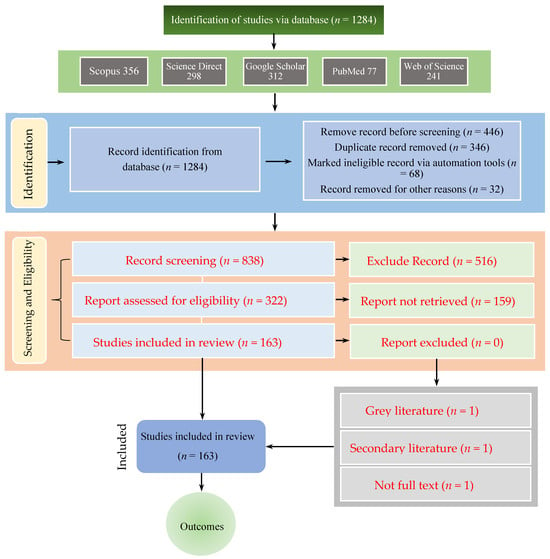
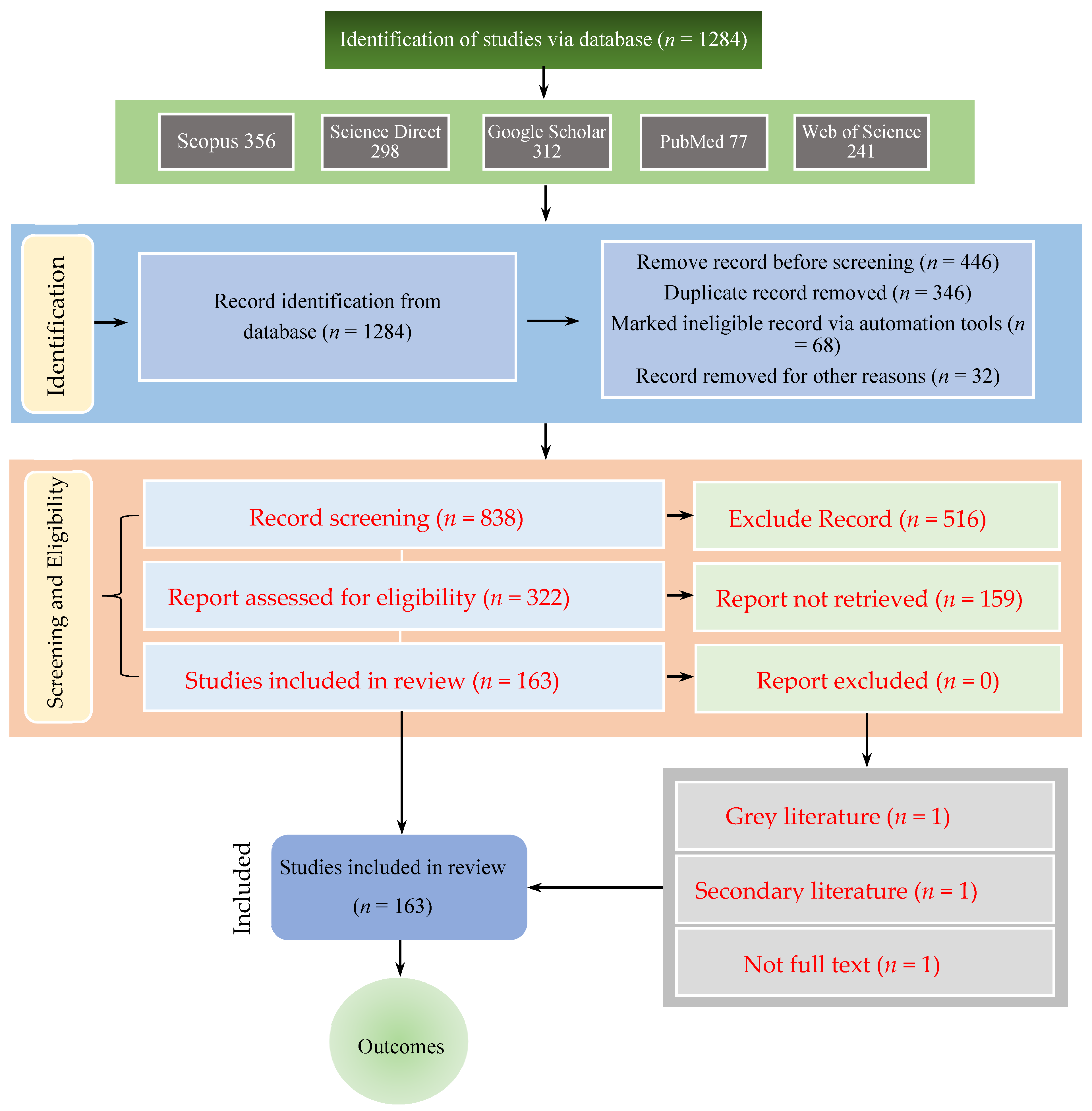
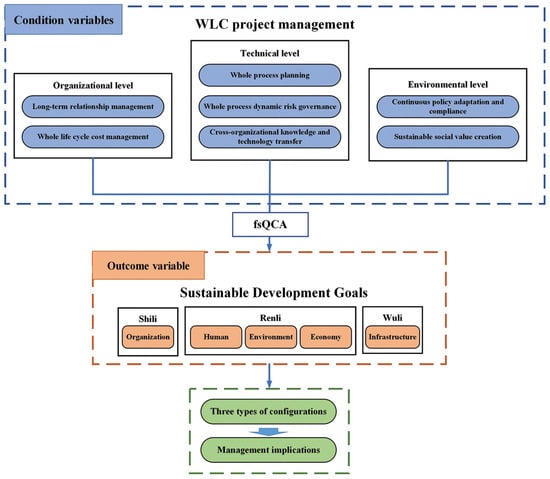
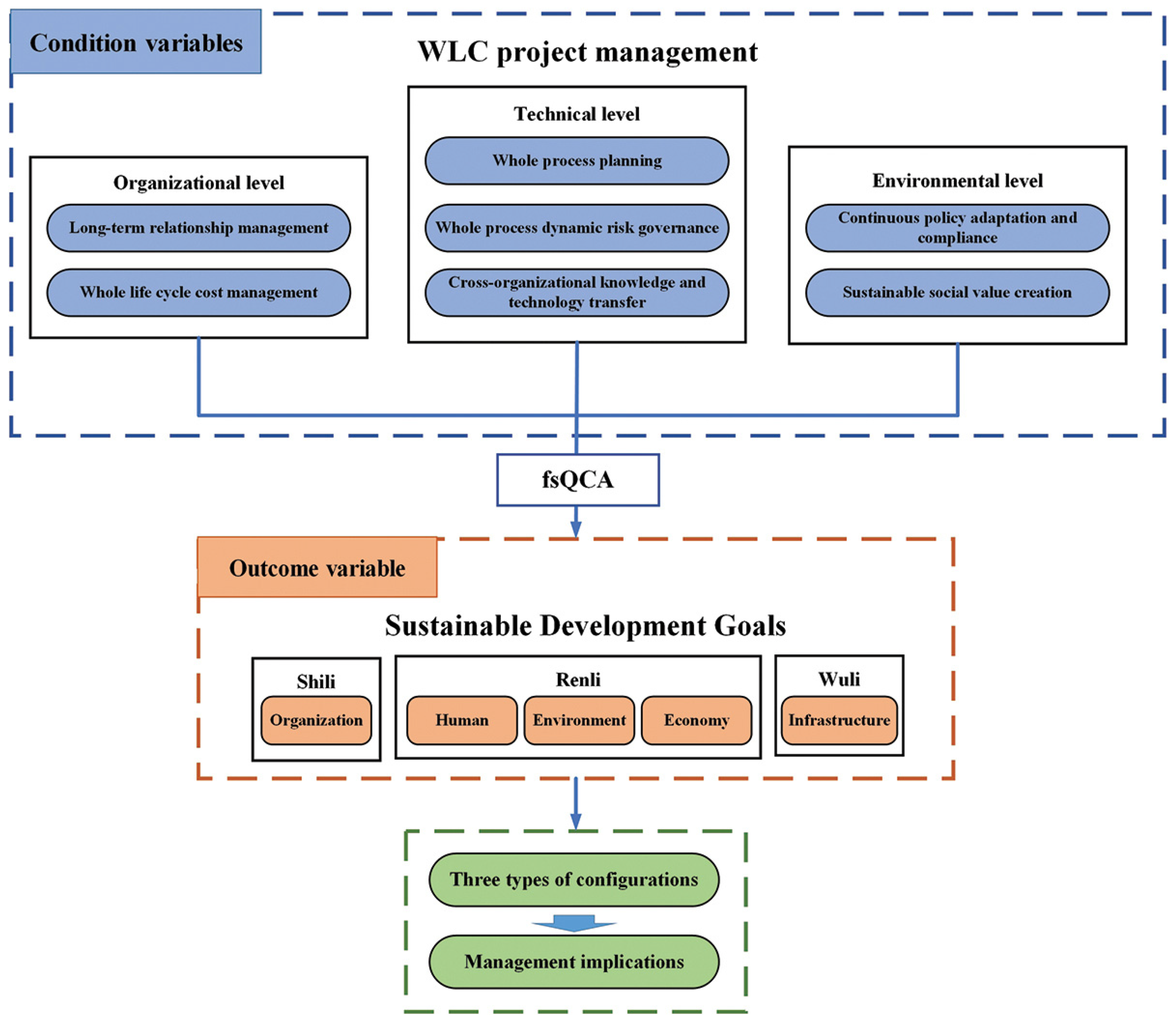
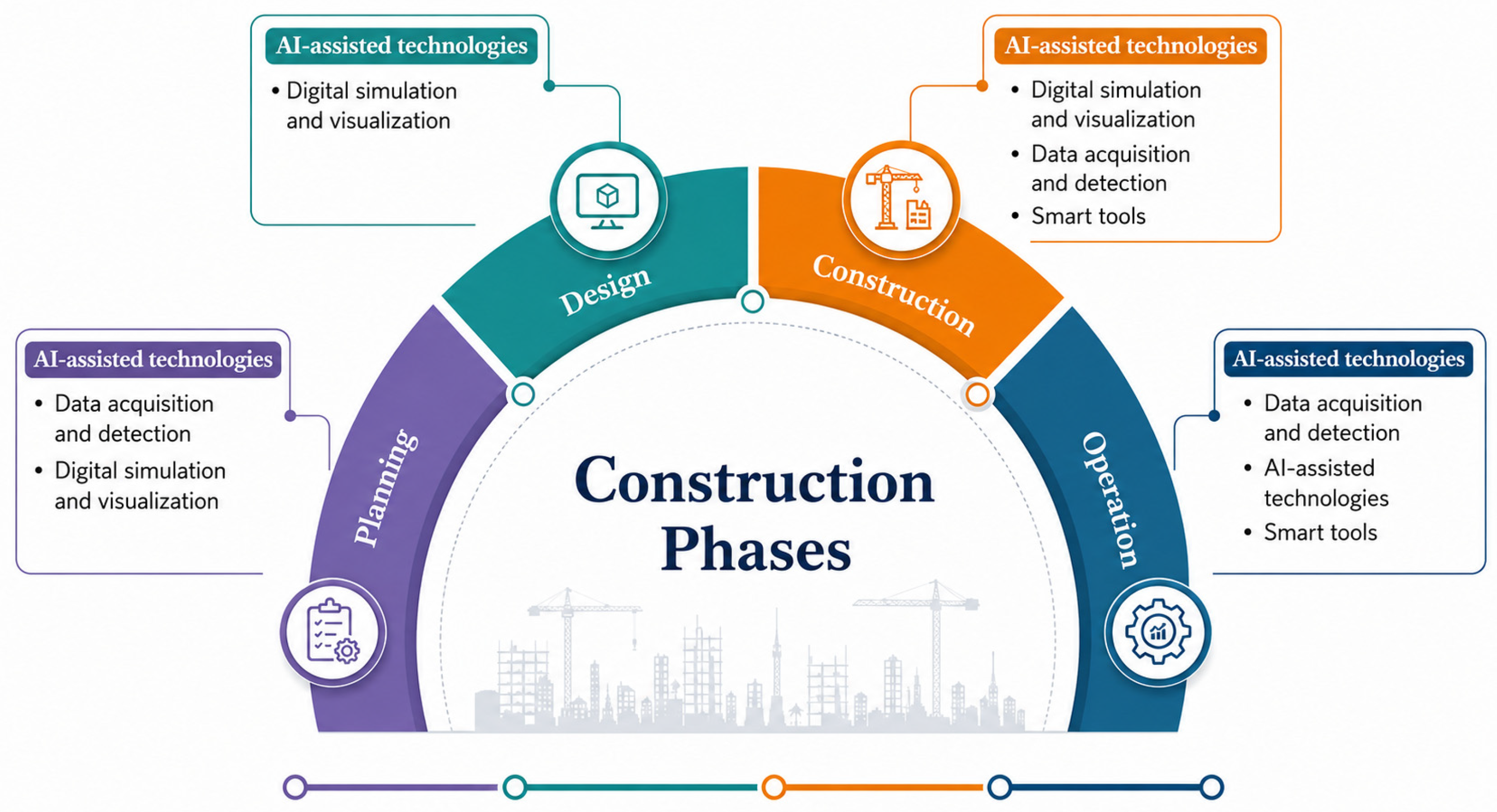

Disclaimer/Publisher’s Note: The statements, opinions and data contained in all publications are solely those of the individual author(s) and contributor(s) and not of MDPI and/or the editor(s). MDPI and/or the editor(s) disclaim responsibility for any injury to people or property resulting from any ideas, methods, instructions or products referred to in the content. |
© 2026 by the authors. Licensee MDPI, Basel, Switzerland. This article is an open access article distributed under the terms and conditions of the Creative Commons Attribution (CC BY) license.