


Abstract
Post-Disaster Housing Reconstruction (PDHR) in Critical Zones remains insufficiently addressed by existing decision-support approaches. Previous PDHR studies consider a wide range of technical, economic, environmental, and social considerations. However, contextual conditions affecting reconstruction feasibility are often addressed in a fragmented manner rather than integrated into a structured decision process, which may favor technically desirable solutions that are infeasible or more difficult to implement in comparison with other alternatives under uncertainty, instability, resource constraints, security restrictions, supply-chain disruptions, and other disruptions. This paper develops a resilience-oriented conceptual decision-making framework structured around three analytically distinct and parallel dimensions: Contextual Feasibility, Performance Adequacy, and Economic Viability. Contextual Feasibility assesses the conditions affecting the implementation of reconstruction alternatives, Performance Adequacy assesses the characteristics and expected outcomes of the alternatives, and Economic Viability assesses their economic implications using an appropriate economic evaluation method. The three dimension-specific assessments are then integrated through a calibrated compensatory structure. The application of the framework is illustrated through two documented reconstruction cases: the Gaza Strip, Palestine, and Gujarat, India. By explicitly distinguishing implementation conditions, performance outcomes, and economic implications before their integration, the framework provides a conceptual basis for more resilient, context-sensitive, and structured decision-making in PDHR under Critical-Zone conditions. The framework is intended to support reconstruction authorities, humanitarian organizations, donors, and technical decision-makers in evaluating housing reconstruction alternatives under Critical-Zone conditions. As a conceptual framework, its practical effectiveness remains to be empirically validated.
1. Introduction
Post-disaster housing reconstruction (PDHR) is a central component of disaster recovery because housing is closely connected to household security, livelihoods, health, social stability, and longer-term community recovery. The reconstruction of housing therefore extends beyond the physical replacement of damaged buildings and involves decisions concerning construction strategies, technologies, resources, institutional arrangements, stakeholder needs, cost, time, and longer-term development objectives. Barakat [1] emphasizes that housing is simultaneously a physical asset, a social center, a livelihood-related resource, and an important element of security and community stability, making housing reconstruction a multidimensional recovery process rather than simply a construction activity.
The complexity of PDHR decision-making has been widely recognized in the reconstruction literature. Decisions may need to account for hazard exposure, mitigation, stakeholder requirements, technological alternatives, construction processes, available resources, funding, and implementation arrangements. Hayles [2], for example, identified interconnected challenges affecting decision-making in post-disaster housing reconstruction, including hazard risk, mitigation, stakeholder participation, technological solutions, construction, and project funding. Similarly, Bilau and Witt [3] identified financial management, communication and coordination, logistics and supplies, and bureaucratic and institutional issues among the main management challenges of reconstruction programs. In parallel, PDHR has progressively evolved from a narrow focus on replacing damaged housing toward broader objectives involving resilience, sustainability, risk reduction, and longer-term recovery.
However, reconstruction does not occur under a uniform set of conditions. The evidence base for PDHR has been developed predominantly from relatively stable post-disaster environments, particularly those associated with natural hazards. Reconstruction may nevertheless take place under conditions of continuing conflict, political instability, institutional fragility, restricted access, economic hardship, disrupted supply chains, labour shortages, or uncertain financing. These conditions can persist throughout the reconstruction period and may themselves change as reconstruction progresses. Barakat [1] highlighted the distinctive challenges of housing reconstruction following conflict as well as natural disasters, emphasizing the importance of understanding local resources, needs, constraints, and implementation conditions.
This distinction provides the basis for the concept of Critical Zones (CZs) adopted in this research. A Critical Zone is understood here not simply according to the type of disaster that occurred, but according to the conditions surrounding reconstruction. It represents an environment in which persistent uncertainty, instability, and operational constraints can directly affect the ability to plan, procure, transport, finance, and implement reconstruction activities. The distinction is particularly important because the disaster itself may be a discrete event, whereas the conditions constraining reconstruction may persist for years or evolve during the reconstruction process.
Recent systematic evidence supports the need for this distinction. Ashour and Cruz [4] reviewed 84 studies on PDHR decision-making and identified 43 decision criteria covering technical, economic, environmental, social, and contextual dimensions. Their review found that the existing evidence is strongly concentrated on natural-disaster settings, while human-made disasters and Critical-Zone environments remain substantially underrepresented. The review further identified the absence of a holistic, structured decision framework in which contextual conditions such as supply-chain feasibility, security, and financial continuity constitute primary decision dimensions.
The challenge is therefore not simply a lack of criteria. Rather, it concerns how different types of criteria are positioned within the decision process. Conventional PDHR approaches generally seek to evaluate reconstruction alternatives according to multiple desirable attributes and identify an appropriate or preferred solution. Multi-Criteria Decision-Making (MCDM), for example, provides a structured means of comparing alternatives across multiple criteria. Its application to post-disaster housing has demonstrated the value of systematic evaluation. Hosseini et al. [5] developed an MCDM approach for assessing the sustainability of post-disaster temporary housing technologies in Bam, Iran, demonstrating how alternative housing technologies can be evaluated against multiple sustainability dimensions and localized requirements.
Such approaches are valuable, but their conventional application raises a particular problem in Critical Zones. An alternative may perform favorably in terms of cost, construction time, structural performance, environmental impact, or sustainability while depending on contextual conditions that make its implementation uncertain or impossible. For example, a construction system requiring a continuous supply of imported materials may be technically attractive but impractical where access or supply routes are unreliable. Similarly, a technologically advanced solution may demonstrate high performance while requiring specialized labor, equipment, or institutional capacity that is unavailable in the reconstruction environment.
The fundamental issue is therefore a distinction between criteria that describe the conditions of implementation and criteria that describe the characteristics and expected outcomes of reconstruction alternatives. In a conventional decision problem, alternatives can often be compared under the assumption that the basic conditions required for implementation are sufficiently available. In a Critical Zone, however, implementation conditions may themselves be uncertain, unstable, or constrained. Consequently, contextual feasibility should be explicitly considered alongside the performance and economic characteristics of reconstruction alternatives when comparing their suitability under prevailing Critical-Zone conditions.
This distinction also has implications for the application of compensatory decision logic. Contextual conditions should not be treated as interchangeable with performance or economic attributes, because they describe the conditions under which a reconstruction alternative can be implemented rather than the quality or economic implications of the alternative itself. The proposed framework therefore preserves Contextual Feasibility, Performance Adequacy, and Economic Viability as distinct assessment dimensions while allowing their respective results to be integrated through a compensatory structure. This approach preserves the analytical meaning of each dimension while enabling trade-offs among contextual, performance, and economic considerations to be examined at the overall decision level.
The problem is therefore fundamentally an architectural gap in decision-making rather than merely a gap in the number of criteria considered: existing approaches do not adequately distinguish contextual feasibility from performance and economic evaluation as analytically distinct dimensions within an integrated decision framework.
Accordingly, this paper proposes a conceptual shift from an undifferentiated alternative-ranking approach toward a structured Contextual–Performance–Economic decision architecture. The central proposition is that reconstruction alternatives should be evaluated through three analytically distinct dimensions: Contextual Feasibility, Performance Adequacy, and Economic Viability. Each dimension is assessed independently using an appropriate evaluation approach, and the resulting dimension-specific assessments are subsequently integrated through a calibrated compensatory structure.
Within this architecture, Contextual Feasibility is assessed using MCDM applied to contextual criteria, denoted MCDM(X), to evaluate the extent to which prevailing Critical-Zone conditions support the implementation of each reconstruction alternative. Performance Adequacy is assessed using MCDM applied to performance criteria, denoted MCDM(P), to evaluate the characteristics and expected performance of each alternative. Economic Viability is assessed independently using an appropriate economic evaluation method, such as Life-Cycle Cost Analysis (LCCA) or Cost–Benefit Analysis (CBA), based on Net Present Value (NPV), depending on the analytical requirements of the application. The three dimension-specific assessments are subsequently integrated through a calibrated compensatory decision structure to obtain an overall assessment of each reconstruction alternative.
The proposed framework does not seek to replace established PDHR concepts such as Build Back Better, disaster-risk reduction, sustainable reconstruction, or economic housing solutions. Rather, it proposes a context-sensitive decision architecture that considers implementation conditions alongside the performance and economic characteristics of reconstruction alternatives. The framework maintains these considerations as analytically distinct dimensions while allowing their results to be integrated within a common compensatory decision structure.
This perspective also introduces a broader interpretation of resilience. Resilience in PDHR is commonly associated with the capacity of the reconstructed built environment or community to withstand and recover from future shocks. The present study extends this perspective by considering resilience as a property of the decision process itself. A resilient decision process should remain capable of producing meaningful decisions despite uncertainty, changing constraints, resource disruption, and unstable operating conditions. This conceptual direction is consistent with the broader reconstruction literature, including the emphasis of Kennedy et al. [6] on connecting reconstruction with long-term planning, disaster-risk reduction, community considerations, and the transition from emergency shelter toward sustainable recovery.
The present study focuses on conceptual framework development rather than empirical evaluation. This scope allows the proposed decision architecture and the distinct roles of its three dimensions to be articulated without prematurely assigning context-specific criteria weights. Empirical application will be required to determine appropriate weights using data relevant to the reconstruction context and to assess the framework’s performance and the robustness of its resulting rankings. Accordingly, the aim of this paper is to develop a resilience-oriented conceptual decision-making framework for Post-Disaster Housing Reconstruction in Critical Zones by explicitly distinguishing Contextual Feasibility, Performance Adequacy, and Economic Viability as analytically distinct dimensions and integrating their respective assessments through a calibrated compensatory structure.
Rather than presenting an empirical validation, the paper develops the theoretical rationale, conceptual structure, and decision logic necessary for subsequent operationalization and empirical testing, and illustrates this decision logic through two documented reconstruction cases. The contribution is therefore methodological and conceptual: it proposes a hybrid Contextual–Performance–Economic architecture that reorganizes established decision-support approaches around the distinctive problem of reconstruction under persistent uncertainty and operational constraint.
2. Review of Relevant Studies and Theoretical Background
To establish a rigorous theoretical and methodological foundation for the proposed framework, this section synthesizes the multidisciplinary literature surrounding post-disaster housing reconstruction (PDHR), disaster management cycles, governance structures, and hybrid decision-support methodologies. The review strategy adopted a structured thematic synthesis, drawing upon the foundational academic literature, institutional reports, and recent systematic evidence—including the multi-criteria and contextual criteria taxonomy established in the authors’ previous review [4]—to examine how decision-making processes operate in reconstruction environments. Sources were selected for their relevance to PDHR decision-making, with priority given to seminal studies, international frameworks such as the Sendai Framework, and peer-reviewed applications of MCDM and hybrid evaluation methods in reconstruction and the built environment. The reviewed literature is structured into an eight-fold taxonomy, corresponding to Section 2.1, Section 2.2, Section 2.3, Section 2.4, Section 2.5, Section 2.6, Section 2.7 and Section 2.8: (1) fundamental concepts and evolving paradigms of PDHR; (2) the Disaster Management Cycle and its overlapping operational phases; (3) the Sendai Framework and “Build Back Better” principles; (4) the temporal dynamics and boundaries between temporary and permanent housing; (5) conventional project management metrics and Multi-Criteria Decision-Making (MCDM) applications; (6) decision-making protocols, institutional governance, and stakeholder participation models; (7) hybrid evaluation techniques combining CBA and MCDA; and (8) the defining characteristics of Critical Zones that differentiate intrinsic technical properties from contextual implementation conditions.
The inclusion of this section is essential to map how decision-making criteria have historically been conceptualized and to explicitly reveal a fundamental architectural gap in existing research. While previous studies extensively address technical performance, economic viability, and social objectives, they tend to treat contextual constraints—such as supply-chain disruptions, security risks, institutional fragility, and access limitations—as fragmented management hurdles rather than integrated core decision dimensions. Therefore, this section aims to critically evaluate these interconnected theoretical streams to justify why contextual feasibility must be decoupled from intrinsic performance and established as a distinct decision dimension when evaluating reconstruction alternatives in Critical Zones.
2.1. Post-Disaster Housing Reconstruction
Post-disaster housing reconstruction (PDHR) has traditionally been understood as part of the broader disaster recovery process, involving the repair, replacement, or reconstruction of housing following a damaging event. However, reconstruction is not limited to the physical restoration of buildings. Housing is closely associated with livelihoods, social relations, security, health, and community stability, meaning that reconstruction decisions can influence recovery well beyond the physical characteristics of the dwelling itself. Barakat [1] emphasized this multidimensional nature of housing reconstruction, particularly in conflict- and disaster-affected environments.
The decision-making environment is consequently complex. Reconstruction actors must often consider hazard exposure, mitigation, stakeholder needs, construction technologies, available resources, funding, construction processes, and longer-term sustainability simultaneously. Hayles [2] identified hazard risk and mitigation, stakeholder consultation, technological solutions, construction, and project funding among the important challenges affecting decision-making in PDHR. This multidimensional character has encouraged the development of broader reconstruction concepts and decision-support approaches intended to improve the quality, resilience, and sustainability of post-disaster recovery.
2.2. Disaster Management Cycle
The Disaster Management Cycle (DMC) provides one of the most established conceptual foundations for understanding disaster management and recovery. Although different formulations vary in the number and terminology of phases, the cycle generally links mitigation or prevention, preparedness, response, recovery, and reconstruction. Its cyclical character reflects the idea that lessons and capacities developed during recovery can contribute to preparedness and risk reduction for subsequent disasters. Alexander [7] describes disaster management through interconnected phases rather than treating disaster response as an isolated activity, while more the recent literature continues to use the cycle to organize mitigation, preparedness, response, recovery, and reconstruction activities.
Within this perspective, reconstruction is generally positioned within the recovery phase, following the immediate response to a disaster. The model is valuable because it recognizes that disaster management extends beyond emergency response and includes longer-term recovery and risk reduction. The recovery phase can also provide an opportunity to reduce future risk and improve preparedness. The Sendai Framework subsequently reinforced this relationship by explicitly identifying recovery, rehabilitation, and reconstruction as opportunities to “Build Back Better” [8].
However, the cyclical representation can imply a degree of temporal progression between disaster, response, recovery, reconstruction, and subsequent preparedness. This assumption becomes more difficult to maintain when reconstruction takes place under persistent or recurrent instability. In such settings, reconstruction may overlap with continuing emergency conditions, repeated disruptions, or additional shocks rather than following a clear transition from response to recovery. Recent disaster-management scholarship has therefore emphasized that the phases of the disaster cycle may overlap and interact rather than occur as strictly sequential stages. Peek et al. [9], for example, explicitly describe the disaster cycle in terms of overlapping phases encompassing preparedness, emergency response, impacts, recovery, mitigation, and resilience.
2.3. Sendai Framework and Build Back Better
The Build Back Better (BBB) concept represents a major evolution in post-disaster recovery thinking. Rather than treating reconstruction as the simple replacement of damaged assets, BBB considers recovery, rehabilitation, and reconstruction as opportunities to reduce vulnerability, strengthen resilience, and improve future outcomes. Kennedy et al. [6] demonstrated that BBB encompasses multiple dimensions, including safety and security, livelihoods, the transition from temporary to permanent housing, fairness and equity, community involvement, and the relationship between relief and longer-term development.
The BBB concept was subsequently incorporated into the Sendai Framework for Disaster Risk Reduction 2015–2030, which identifies recovery, rehabilitation, and reconstruction as opportunities to “Build Back Better” and integrate disaster risk reduction into recovery and development processes [8]. The Framework emphasizes understanding disaster risk, strengthening disaster risk governance, investing in resilience, and enhancing preparedness for effective response and recovery. Reconstruction is therefore positioned not simply as physical restoration, but as part of a broader process of reducing future risk and strengthening resilience.
BBB is also closely connected with sustainability and people-centered recovery. Maly [10] argued that BBB may be interpreted either too broadly to provide sufficiently specific guidance or too narrowly as simply constructing safer buildings. Maly’s people-centered housing recovery approach emphasizes residents’ needs, participation, livelihoods, and accountability as important components of reconstruction. Similarly, sustainability in PDHR may encompass economic, environmental, social, and technical dimensions, including resource efficiency, life-cycle considerations, affordability, safety, and suitability to local conditions. Hosseini et al. [5] demonstrated this multidimensional perspective through the multi-criteria assessment of post-disaster temporary housing technologies in Bam.
However, the application of these principles becomes more complex in Critical Zones (CZs). Persistent instability, restricted access, disrupted supply chains, shortages of materials and skilled labor, limited institutional capacity, uncertain financing, and recurrent shocks can constrain the conditions required to achieve “better” and more sustainable reconstruction. In such environments, BBB and Sendai objectives may remain valid, but their achievement cannot be assumed. A reconstruction alternative may contribute positively to resilience, sustainability, or long-term risk reduction while remaining difficult or impossible to implement under prevailing contextual conditions.
This creates an important distinction between reconstruction objectives and reconstruction feasibility. BBB and the Sendai Framework primarily establish what recovery and reconstruction should seek to achieve, while sustainability provides dimensions through which potential outcomes can be assessed. However, these approaches do not specify how decision-makers should systematically assess the feasibility of particular reconstruction alternatives under unstable or resource-constrained conditions alongside their performance against these objectives. This limitation is particularly relevant in Critical Zones, where contextual conditions may substantially influence the relative suitability of reconstruction alternatives and therefore warrant explicit assessment as a distinct decision dimension.
Consequently, although BBB and the Sendai Framework provide an important normative and evaluative foundation for PDHR, they do not fully address the decision logic required under Critical-Zone conditions. The unresolved issue is therefore not whether reconstruction should be resilient, sustainable, and risk-informed, but how the feasibility of alternatives should be assessed alongside their performance and economic implications when contextual conditions constrain implementation.
2.4. Temporary vs. Permanent Housing
PDHR is also commonly differentiated according to the temporal nature of reconstruction, particularly between temporary or transitional housing and permanent housing reconstruction. Temporary solutions may provide immediate shelter while permanent housing is planned and constructed. This distinction is useful because reconstruction decisions are strongly influenced by the urgency of restoring basic living conditions.
However, the boundary between temporary and permanent reconstruction is not always clear. In prolonged crisis zones, temporary housing may remain in use for extended periods, while permanent reconstruction may be delayed by institutional, financial, security, or supply-chain constraints. Kennedy et al. [6] identified the relationship between transitional settlement and permanent housing as one of the central challenges in implementing BBB, demonstrating that the transition from emergency shelter to durable housing cannot necessarily be treated as a straightforward sequential process.
This issue becomes particularly significant in Critical Zones. Where instability persists, the duration and nature of reconstruction cannot necessarily be predetermined. A solution initially considered temporary may become a long-term housing strategy, while a technically desirable permanent solution may remain impractical because the conditions necessary for its implementation are unavailable. This raises an important conceptual question: is permanent housing always an appropriate concept, for instance in Critical Zones? For the present framework, the implication is that the intended time horizon of a reconstruction solution cannot by itself determine its appropriateness; the prevailing conditions of the reconstruction context must also be considered when determining the suitability of a housing option.
2.5. Conventional Project Management and MCDM
Traditional project-management thinking has often evaluated project success through the Iron Triangle of cost, time, and quality. Atkinson [11] described the continuing dominance of these three dimensions in project-management success assessment while arguing that project success cannot be adequately represented by them alone. Subsequent project-management literature has expanded the concept of success to include broader stakeholder, organizational, environmental, and strategic dimensions.
The limitations of such a narrow evaluation are particularly apparent in PDHR, where reconstruction success may depend on factors beyond cost, time, and quality. Stakeholder participation, governance, funding, supply-chain reliability, local capacity, sustainability, cultural appropriateness, and resilience can all influence the outcome. Hayles [2] similarly identified the multidimensional nature of PDHR decision-making, including technological, stakeholder, hazard, construction, and funding considerations.
MCDM provides a natural extension by allowing several criteria to be considered simultaneously. MCDM has already been applied to post-disaster housing and reconstruction problems. Hosseini et al. [5] used MIVES to compare temporary-housing technologies according to sustainability criteria, while Mohammadnazari et al. [12] employed several MCDM methods—including TOPSIS, ELECTRE III, VIKOR, and PROMETHEE—to prioritize post-disaster reconstruction projects under resource constraints.
These applications demonstrate the usefulness of MCDM for complex reconstruction decisions. Nevertheless, conventional MCDM generally addresses the question of how alternatives compare across a defined set of criteria. The explicit distinction between the contextual conditions affecting implementation and the performance and economic characteristics of reconstruction alternatives has received considerably less attention in PDHR, particularly in Critical Zones. This distinction forms an important basis for the conceptual framework proposed in this paper.
2.6. Decision-Making Processes, Protocols, and Governance in PDHR
Beyond the selection of construction technologies, PDHR outcomes are strongly shaped by how reconstruction decisions are made, by whom, and under which institutional arrangements. Hayles [2], drawing on interviews with practitioners from leading non-governmental organizations, found that decision-making practices in PDHR require improvement, as lessons from previous projects are not systematically transferred to subsequent ones, and that many problems originate in the way projects are funded. Bilau and Witt [3] similarly emphasized these management challenges, notably in financial management and in coordination among the many entities involved in reconstruction.
The reconstruction approach, which determines who holds decision authority, also strongly influences outcomes. After the 2001 Gujarat earthquake, Barenstein [13] compared five approaches, ranging from owner-driven reconstruction, in which households retained control, to contractor-driven relocation, in which households were not involved in construction. Satisfaction with housing quality reached 93% under the owner-driven approach but only 23% under contractor-driven relocation, which was also the most costly approach, at around three times the cost of the non-contractor approaches. Lyons [14] likewise observed that post-disaster reconstruction often fails in its stated objectives and examined how small-scale, people-centered approaches can be applied at a larger scale. Davidson et al. [15] showed that participation ranges along a continuum, from users acting only as labor to users taking an active role in decision-making and project management, and that not all forms of participation make the best use of beneficiaries’ capabilities. In conflict-affected Critical Zones, governance arrangements and protocols can determine which alternatives are implementable. In the Gaza Strip (Occupied Palestinian Territories), the Gaza Reconstruction Mechanism, the main institutional mechanism regulating reconstruction since the 2014 war, introduced a cumbersome bureaucratic process that created new bottlenecks to effective reconstruction [16]. Enshassi et al. [17] found that factors related to financial resources were the most significant among those influencing housing reconstruction project management in Gaza. In Afghanistan, Sadiqi et al. [18] identified government policies and practices and inadequate security among the main barriers to community participation in reconstruction. These studies show that reconstruction decisions are shaped by decision authority, institutional protocols, funding, and security conditions. However, they examine these factors as process or management issues and do not provide a structured method for evaluating reconstruction alternatives in light of them. This gap supports the explicit treatment of contextual feasibility as a decision dimension in the framework proposed in this study.
2.7. Hybrid Approaches for Construction Evaluation and Decision-Making
The evaluation of construction and housing alternatives requires the consideration of multiple economic, technical, environmental, and social dimensions. Conventional Cost–Benefit Analysis (CBA) provides a structured assessment of monetary costs and benefits but may not adequately represent non-monetary factors. Conversely, Multi-Criteria Decision Analysis (MCDA) enables the assessment of quantitative and qualitative criteria but may provide limited insight into the overall economic viability of alternatives when applied independently. Hybrid approaches combine complementary evaluation methods to support more comprehensive decision-making.
Previous studies have demonstrated the application of integrated CBA–MCDA approaches in infrastructure and the built environment. Teotónio et al. [19] developed MAGICA, a model combining CBA and Multi-Criteria Analysis (MCA) to evaluate green infrastructure, including green roofs and walls. The model distinguishes between monetary and non-monetary benefits and incorporates the preferences of investors and users. Its application to 16 green roof systems for a university building in Lisbon demonstrated how integrated evaluation can support comparisons between alternative built-environment solutions. More recently, Shoaei et al. [20] proposed an integrated CBA–MCDA model for evaluating airport investment alternatives, combining normalized Net Present Value (NPV) with expert-based assessment of environmental sustainability, resilience, and operational efficiency. The study introduced a Total Resilience Score (TRS) and Total Resilience Index (TRI) to integrate monetary and non-monetary dimensions within a common decision-support structure. Although developed for airport infrastructure, this research illustrates the potential of combining economic evaluation, multi-criteria assessment, and resilience-related considerations in complex construction and infrastructure decisions.
These studies demonstrate that hybrid evaluation can address trade-offs that may remain insufficiently represented when economic or multi-criteria methods are applied separately. Nevertheless, combining assessment methods does not automatically distinguish between contextual feasibility, performance adequacy, and economic viability. In post-disaster housing reconstruction, an alternative may demonstrate strong technical performance or economic attractiveness while its implementation is affected by supply-chain disruptions, security conditions, financing limitations, labor shortages, or institutional constraints. Such conditions therefore warrant explicit assessment as a distinct contextual dimension alongside the performance and economic characteristics of the reconstruction alternative.
The framework proposed in this study builds on the CBA–MCDA tradition by organizing the assessment into three dimensions: Contextual Feasibility, Performance Adequacy, and Economic Viability. These dimensions are assessed using MCDM(X), MCDM(P), and an appropriate economic evaluation method (e.g., CBA or LCCA). Their outputs are subsequently integrated through a calibrated compensatory structure. This approach seeks to retain the complementary strengths of hybrid evaluation while explicitly addressing the contextual conditions that influence the implementation and resilience of post-disaster housing reconstruction in Critical Zones.
2.8. Critical Zones and Their Characteristics
The preceding approaches demonstrate that PDHR has progressively incorporated broader concepts of resilience, sustainability, risk reduction, stakeholder participation, and multi-criteria evaluation. However, these approaches have largely evolved from reconstruction environments in which the operational conditions necessary for implementation can be treated as sufficiently stable.
The concept of a Critical Zone challenges this assumption. In this study, a Critical Zone is defined as a reconstruction environment characterized by a combination of persistent uncertainty, institutional instability, and structural operational constraints that directly affect the ability to plan, procure, transport, finance, and implement reconstruction activities, irrespective of the type of disaster that caused the damage. These conditions can include conflict, restricted access, disrupted supply chains, limited resources, labor shortages, governance instability, financing uncertainty, and other undesirable conditions for reconstruction [4].
The significance of these characteristics is that they are not merely additional attributes of a reconstruction alternative. They can directly affect the feasibility and suitability of implementing a housing alternative. Thus, the same housing technology may lead to different decision outcomes in two locations even when its technical and economic characteristics are identical, because the surrounding reconstruction conditions differ.
This produces an important distinction:
Intrinsic characteristics of the alternative include factors such as construction cost, construction time, structural performance, durability, and environmental performance. Contextual conditions for implementation include factors such as material availability, logistics, security, institutional capacity, labor availability, financing continuity, and access.
3. Critical Analysis and Conceptual Basis
The review of relevant studies and theoretical background presented in Section 2 demonstrates that post-disaster housing reconstruction (PDHR) has progressively evolved from a primarily physical recovery activity toward a multidimensional process incorporating disaster-risk reduction, resilience, sustainability, stakeholder considerations, and multi-criteria decision-making. These approaches provide important foundations for reconstruction planning; however, their application in Critical Zones (CZs) raises a fundamental decision-making issue. In environments characterized by persistent uncertainty, institutional instability, restricted access, resource constraints, disrupted supply chains, labor shortages, security risks, and financing uncertainty, reconstruction alternatives need to be considered not only in terms of their performance characteristics, but also in relation to the contextual conditions affecting their implementation and their economic implications. The conceptual challenge is therefore related not simply to the number of criteria considered, but to their role, distinction, and position within the decision process.
As noted in Section 1, contextual conditions remain fragmented across the PDHR literature, and structured MCDM applications are limited, particularly in human-made and acute Critical-Zone contexts. This indicates a need to reconsider how contextual feasibility, performance adequacy, and economic viability are connected within PDHR decision-making, rather than simply adding more criteria to existing evaluation models.
3.1. From Conventional PDHR to Critical-Zone Decision-Making
Conventional PDHR decision-making generally begins with a set of reconstruction alternatives that are assumed to be sufficiently implementable within the decision environment. These alternatives can then be compared according to criteria such as construction cost, construction time, structural performance, durability, environmental impact, sustainability, and social suitability. MCDM approaches provide a structured mechanism for handling these multiple and potentially conflicting criteria.
This logic can be represented conceptually as:
Disaster → Destruction → Reconstruction Alternatives → Evaluation → Ranking
Such an approach is useful when the basic conditions required to implement the alternatives can reasonably be assumed to exist. However, this assumption becomes problematic in Critical Zones. In these environments, the reconstruction context may directly influence whether a particular alternative can be procured, transported, financed, constructed, and maintained.
For example, a housing technology may provide excellent structural performance and a relatively short construction period but require imported materials that cannot be reliably obtained. Similarly, a technologically advanced construction system may offer environmental or technical advantages while requiring specialized equipment, skilled labor, or institutional capacity that is unavailable in the reconstruction environment. Under such conditions, evaluating alternatives without explicitly considering the contextual conditions affecting their implementation may favor technically or economically attractive solutions that are operationally unrealistic.
The decision problem therefore changes from identifying the best alternative based primarily on conventional performance and economic criteria to considering how reconstruction alternatives correspond to the conditions and objectives of the Critical Zone. This requires contextual feasibility, performance adequacy, and economic viability to be recognized as distinct but complementary dimensions of the reconstruction decision. Contextual feasibility concerns the compatibility of an alternative with the prevailing reconstruction environment; performance adequacy concerns its expected technical, environmental, and functional outcomes; and economic viability concerns its economic implications over the relevant evaluation period. Together, these dimensions provide a broader basis for evaluating the resilience and suitability of reconstruction alternatives under Critical-Zone conditions.
The distinction does not reduce the importance of conventional performance or economic criteria. Instead, it clarifies the different types of information that contribute to the reconstruction decision. Contextual conditions describe the environment within which reconstruction takes place, performance criteria describe the characteristics and expected outcomes of the reconstruction alternative, and economic criteria describe its financial and life-cycle implications. Considering these dimensions together enables decision-makers to recognize potential trade-offs between contextual compatibility, reconstruction performance, and economic considerations. Thus, Critical-Zone PDHR requires a clear distinction between the conditions surrounding implementation and the intrinsic characteristics and implications of the reconstruction alternatives being considered.
3.2. Contextual Feasibility as a Decision Dimension
Contextual feasibility refers to the extent to which a reconstruction alternative is compatible with the prevailing conditions of a Critical Zone. It concerns the relationship between the characteristics of the reconstruction alternative and the operational environment in which reconstruction must occur.
Contextual criteria may include material availability, supply-chain reliability, transportation and logistics, accessibility, security, labor availability, skilled-labor requirements, equipment availability, technology accessibility, institutional and governance capacity, regulatory conditions, financing continuity, and, where relevant, stakeholder or social acceptance. These criteria are not necessarily attributes of the housing technology itself. Rather, they describe the conditions and circumstances surrounding its implementation and use over its life cycle.
This distinction can be contrasted with performance criteria, which describe the characteristics and expected outcomes of an alternative in relation to the relevant reconstruction objectives. Such criteria may include construction time, structural performance, durability, construction quality, environmental performance, carbon footprint, adaptability, flexibility, maintainability, safety, and other project-specific performance requirements.
The distinction can therefore be expressed as follows: contextual criteria describe how well an alternative fits the prevailing reconstruction environment, whereas performance criteria describe how well the alternative performs against the relevant reconstruction objectives.
This distinction is particularly important because high performance does not necessarily imply high contextual compatibility. An alternative can achieve an excellent technical score while depending on resources, logistics, institutions, or financing mechanisms that are unavailable or unreliable in the reconstruction context.
Accordingly, contextual feasibility is conceptualized in this framework as a distinct decision dimension rather than merely another preference criterion. It captures the degree to which the characteristics of a reconstruction alternative correspond to the prevailing contextual conditions of the Critical Zone. For instance, an alternative that depends heavily on imported materials may exhibit strong technical characteristics while receiving a lower contextual feasibility assessment where access restrictions, supply-chain disruptions, or logistical constraints affect the reliability of those materials.
Contextual Feasibility thus represents the contextual dimension of the reconstruction decision, complementing Performance Adequacy and Economic Viability in assessing reconstruction alternatives under Critical-Zone conditions.
3.3. Integrating Complementary Decision Dimensions
MCDM is particularly valuable in reconstruction because decision-makers must often consider multiple criteria simultaneously. However, many MCDM approaches use a compensatory logic in which strengths in one criterion can offset weaknesses in another. Such compensation can be appropriate when criteria represent preferences or degrees of desirability. Nevertheless, the interpretation of criteria becomes particularly important when they represent different types of decision information.
Consider two reconstruction alternatives. Alternative A may have excellent structural performance, low environmental impact, and attractive life-cycle costs, but it may depend on an unreliable supply of imported materials. Alternative B may have slightly lower technical or environmental scores but can be constructed using locally accessible materials, available labor, and reliable logistics. These differences illustrate how alternatives may exhibit different strengths across contextual, performance, and economic dimensions, requiring decision-makers to consider the trade-offs among these dimensions when evaluating reconstruction alternatives.
The issue is therefore not that existing MCDM or hybrid CBA–MCDA approaches are inappropriate in themselves. Rather, different decision criteria provide different types of information about the reconstruction alternative and its surrounding context. The proposed framework retains the multi-criteria assessment of contextual and performance considerations while incorporating an independent economic evaluation of economic viability, allowing the resulting information to be considered within an integrated decision framework. The conceptual logic is shown in Figure 1.
Figure 1.
Conceptual logic of the proposed decision-making framework.
The proposed framework therefore retains the strengths of hybrid CBA–MCDA approaches while extending their application to Critical-Zone PDHR through the explicit distinction of Contextual Feasibility, Performance Adequacy, and Economic Viability. Contextual and performance considerations can be assessed using appropriate multi-criteria methods, while economic viability can be evaluated using CBA, LCCA, or another appropriate economic evaluation method. The resulting assessments provide complementary information for an integrated resilience-oriented evaluation of reconstruction alternatives. The outputs of the three dimensions are then combined in the final compensatory integration to identify the preferred alternative.
3.4. Resilience of the Decision Process
Resilience in PDHR is commonly associated with the capacity of reconstructed housing, infrastructure, households, or communities to withstand, adapt to, and recover from future disturbances. The present framework extends this perspective conceptually to include the decision-making process alongside the characteristics and outcomes of reconstruction alternatives.
In a Critical Zone, the conditions surrounding reconstruction may not remain constant. Supply routes may become disrupted, financing may be delayed, labor availability may change, security conditions may deteriorate, or institutional arrangements may evolve during implementation. Consequently, a decision that is appropriate under one set of conditions may become less appropriate under different contextual conditions.
A resilient decision process should therefore be capable of recognizing and responding to changing conditions rather than relying exclusively on fixed assumptions. This does not imply that the proposed framework dynamically predicts future conditions. Rather, it establishes a decision architecture that explicitly recognizes contextual conditions as a fundamental component of reconstruction decisions. From this perspective, resilience is considered at two interconnected levels:
- Resilient reconstruction outcome: the resulting housing and recovery outcomes are capable of responding to future risks and disturbances.
- Resilient decision process: the decision-making approach remains sensitive to uncertainty, constraints, and contextual implementation conditions.
The conceptual proposition is therefore: Resilient reconstruction encompasses both a resilient outcome and a resilient decision process. This proposition is not presented as a quantitative relationship. Rather, it expresses the conceptual position of this study that resilient reconstruction requires not only resilient physical outcomes but also a decision process capable of functioning under uncertain, unstable, and restricted conditions.
3.5. Conceptual Principles of the Proposed Framework
Based on the preceding analysis, five principles establish the conceptual foundation of the proposed three-dimensional framework.
- Principle 1—Context Is an Explicit Decision Dimension.
Reconstruction alternatives should be considered in relation to the contextual conditions of the Critical Zone as a distinct component of the decision problem.
- Principle 2—Contextual Feasibility and Performance Adequacy Are Analytically Distinct.
Contextual Feasibility describes the compatibility of an alternative with the reconstruction environment, whereas Performance Adequacy describes its expected technical, environmental, and functional outcomes.
- Principle 3—Economic Viability Is a Distinct Decision Dimension.
Economic Viability captures the economic implications of each reconstruction alternative, including relevant costs, benefits, affordability considerations, and life-cycle economic performance.
- Principle 4—Decision Dimensions Are Complementary and Integrable.
Contextual Feasibility, Performance Adequacy, and Economic Viability provide different but complementary forms of decision information that can be integrated to support a resilience-oriented evaluation of reconstruction alternatives.
- Principle 5—The Framework Is Context-Sensitive and Adaptable.
The framework should remain responsive to changes in contextual conditions, stakeholder priorities, available information, and reconstruction circumstances, allowing assessments to be revisited as contextual conditions change.
In summary, the preceding analysis indicates that the central challenge in Critical-Zone PDHR decision-making is not simply the multiplicity of criteria, but the absence of a decision architecture that clearly distinguishes contextual conditions from the characteristics and expected outcomes of reconstruction alternatives and their economic implications. This distinction supports a structured assessment in which reconstruction alternatives are considered in terms of contextual feasibility, performance adequacy, and economic viability. Section 4 operationalizes this conceptual logic through the proposed hybrid decision-making framework, using MCDM(X) for contextual feasibility, MCDM(P) for performance adequacy, and an economic evaluation method such as CBA or LCCA for economic viability.
4. Proposed Hybrid Decision-Making Framework
Building on the conceptual principles established in Section 3, this study proposes a hybrid decision-making framework for Post-Disaster Housing Reconstruction (PDHR) in Critical Zones (CZs). The framework comprises three analytically distinct and complementary dimensions:
- Contextual Feasibility—How well does the alternative fit the prevailing reconstruction context?
- Performance Adequacy—How well does the alternative perform against the relevant reconstruction objectives?
- Economic Viability—What are the economic and financial implications of adopting the alternative?
The framework does not introduce a new MCDM technique. Instead, it extends established hybrid CBA–MCDA approaches by organizing existing decision-support methods around three analytically distinct dimensions appropriate to Critical-Zone conditions. The three dimensions are assessed for each reconstruction alternative, and their respective results are integrated at the overall decision level to support the identification of the most suitable alternative.
4.1. Overall Framework Architecture
The framework is methodologically flexible (Table 1). The criteria, dimension weights, calibration factors, and analytical tools may be adapted to the reconstruction context, available information, stakeholder priorities, and decision objectives. The criteria identified in the authors’ previous systematic review [4] are not intended as a fixed list to be applied in every case. Rather, they provide a pool of candidate criteria since a criterion that is important in one Critical Zone may not be important in another. The criteria to be used in a given case should therefore be identified through field surveys of affected households and local construction experts. Each selected criterion is then allocated according to its nature: to Contextual Feasibility if it describes the conditions of the implementation environment, to Performance Adequacy if it describes the intrinsic characteristics or expected outcomes of the alternative, and to Economic Viability if it concerns costs, benefits, or financial implications. Each criterion is assigned to one dimension only, to avoid overlap and double counting.
Table 1.
Summarizes the decision question, main method, and output of each dimension.
All dimension-specific assessment results should be expressed on a common normalized scale before their integration at the overall decision level. Figure 2 presents the overall architecture of the proposed framework.
Figure 2.
Overall architecture of the proposed hybrid decision-making framework.
4.2. Dimension 1—Contextual Feasibility Assessment Using MCDM(X)
Dimension 1 assesses the extent to which a reconstruction alternative is compatible with the prevailing Critical-Zone conditions. It concerns the relationship between the characteristics of the reconstruction alternative and the operational environment in which reconstruction takes place.
Potential contextual criteria include material availability, supply-chain reliability, logistics and accessibility, security, labor availability, equipment and technology availability, institutional capacity, regulatory conditions, financing continuity, and, where relevant, stakeholder or social acceptance. These criteria are not necessarily attributes of the housing technology itself. Rather, they describe the conditions and circumstances surrounding its implementation. MCDM(X) is used to assess these criteria and derive a Contextual Feasibility score for each reconstruction alternative.
4.3. Dimension 2—Performance Adequacy Assessment Using MCDM(P)
Dimension 2 evaluates the performance of the alternatives against the relevant reconstruction objectives. Potential performance criteria include construction time, structural performance, durability, finishing quality, environmental performance, carbon footprint, adaptability, maintainability, safety, and functionality. The criteria should be selected according to the reconstruction objectives and requirements of the specific Critical Zone.
MCDM(P) provides an overall performance assessment, indicating the extent to which an alternative fulfills the required reconstruction objectives. The resulting Performance Adequacy score forms the corresponding component of the final compensatory integration.
4.4. Dimension 3—Economic Viability Assessment
Dimension 3 evaluates the economic viability of the reconstruction alternatives. Depending on the decision context and available data, economic evaluation may use CBA, LCCA, or another appropriate economic evaluation method. The purpose of this dimension is not simply to identify the alternative with the lowest initial cost, but to determine the economic implications and relative economic attractiveness of alternatives.
The economic evaluation should consider the initial cost, maintenance costs, and residual value of each alternative, together with its economic benefits where applicable. For each application, the perspective of the appraisal (i.e., whose costs and benefits are counted, such as households, the reconstruction agency, or donors), the appraisal horizon, and the discount rate should be stated explicitly. Affordability limits, such as the available budget per housing unit, are treated as explicit constraints outside the compensatory structure. As these elements are case-specific, they are not fixed by the framework.
4.5. Final Decision Structure
The complete decision structure is summarized in Figure 2.
The three dimension-specific assessments are integrated at the overall decision level through a calibrated compensatory structure. The Total Resilience Score (TRS) is calculated by combining the normalized Contextual Feasibility, Performance Adequacy, and Economic Viability scores, while retaining the distinction between criterion-level weighting within each dimension and the relative importance assigned to the three dimensions. The TRS is thus formulated over three dimensions: two dimensions assessed through weighted MCDM (XA and PA) and an economic dimension (EA) assessed through CBA or LCCA, all integrated and expressed as:
where
- XA = normalized Contextual Feasibility score of alternative A.
- PA = normalized Performance Adequacy score of alternative A.
- EA = normalized Economic Viability score of alternative A.
- and are the strategic calibration factors, set by the decision-makers, which sum to 1.
- and are the criterion weights within MCDM(X) and MCDM(P), respectively. These weights satisfy and .
- fi and fj are the scores of the PDHR alternative against the corresponding criteria, as evaluated by experts.
- denotes the PDHR alternative under evaluation.
Thus, the TRS provides a compensatory integration of the three dimension-level assessments while retaining the distinction between criterion-level weighting within each MCDM and the calibration factors assigned to the three analytical dimensions. Before integration, the scores of all three dimensions are normalized to a common dimensionless scale (0–1, higher is better), so that no unit of measurement, such as currency, can determine the ranking. A ratio-based normalization (e.g., relative to the scale maximum or to the best-performing alternative) is preferred over min–max normalization, as it avoids assigning an artificial zero to the least favorable alternative.
4.6. Stakeholder Conflict and Decision Resilience
To support decision resilience and avoid methodological ambiguity, the framework explicitly separates two independent sets of weighting parameters:
- Micro-Level Criterion Weights (wi, wj): Set by affected households and local construction experts to reflect the relative importance of individual PDHR criteria. They remain fixed for a given reconstruction context to preserve the consistency of the technical and site evaluation. The weights are derived from importance ratings collected through surveys or questionnaires, for example on a five-point scale. The ratings are aggregated across respondents and normalized so that the weights sum to 1 within each dimension, i.e., w_i = r̄_i/Σ r̄_i for each criterion i, where r̄_i is the mean importance rating of criterion i. Where respondents can complete pairwise comparisons, a formal weighting method such as the Best–Worst Method, applied to the prioritization of post-disaster reconstruction projects by Mohammadnazari et al. [12], may be applied instead.
- Macro-Level Calibration Factors (): Determined by high-level decision-makers (e.g., relevant NGOs, municipal authorities, and donors) to define the strategic importance of each macro-dimension, satisfying . Unlike the criterion weights, these calibration factors can be adjusted dynamically. Where no agreement is reached, equal values (αX = αP = αE = 1/3) serve as a reference case, and alternative sets of calibration factors are examined as scenarios. The Resilience Stability Index (RSI), defined below, is then used to test whether the preferred alternative remains stable across these scenarios.
In this way, the proposed framework allows affected households and local construction experts to participate through the weighting of criteria, while decision-makers participate through the calibration factors, giving all parties a role in selecting the PDHR alternative and reducing stakeholder preference conflicts.
Decoupling the intrinsic performance assessment (P_A), which remains unchanged, from the context-dependent scores (X_A, E_A) and the strategic calibration factors (α_X, α_P, α_E) allows decision-makers to respond to Critical-Zone shocks without re-evaluating the baseline performance of the alternatives.
Moreover, rather than relying on a static, one-time TRS, decision resilience is quantified through the Resilience Stability Index (RSI), which measures the extent to which each alternative retains its suitability after reassessment:
RSI_A = TRS_A (after reassessment)/TRS_A (before reassessment)
An RSI_A close to 1 indicates that alternative A retains its suitability under the shock, whereas a lower value indicates a loss of suitability. Where the RSI_A of the preferred alternative decreases substantially, or the top-ranked alternative changes, the decision should be revised. Reassessment triggers, whose specific levels should be defined for each context, include the following:
- •
- Border and Logistics Trigger (security or supply shock): Extended border closures or bans on critical construction materials prompt decision-makers to update the affected contextual scores and re-calibrate (i.e., increasing the contextual calibration factor relative to the performance calibration factor).
- •
- Financial Shock Trigger: Capital reductions or delays in donor tranches prompt an upward adjustment of to prioritize cost-efficiency.
- •
- Institutional Deficit Trigger: Utility network collapses or halts in administrative approvals prompt an update of the contextual scores and a re-calibration of to favor self-contained alternatives with lower dependence on governance capacity.
4.7. Illustrative Application to PDHR Cases
To illustrate how the framework would be applied, this section draws on two documented reconstruction cases: a conflict-affected Critical Zone (the Gaza Strip, Occupied Palestinian Territories) and a natural-hazard-prone Critical Zone (Gujarat, India). The cases are used to show how the three dimensions, the calibration factors, and the reassessment triggers would operate in practice. No scores are assigned, as these would require context-specific data collected through the process outlined in Section 6.
Case 1: Housing reconstruction in the Gaza Strip.
The Gaza Strip corresponds to a compound Critical Zone, combining an active war zone with externally imposed restrictions on the entry of materials. By July 2025, the hostilities since October 2023 had affected around 78% of all structures in the Gaza Strip, including 102,067 destroyed, with an estimated 282,904 housing units damaged [21]. Reconstruction takes place under a long-term blockade imposed by Israel, which limits the amount, type, and quality of construction materials allowed through the borders [17]. After the 2014 war, the entry of materials was regulated by the Gaza Reconstruction Mechanism, designed to address Israeli security concerns, which introduced a bureaucratic and cumbersome process that created new bottlenecks impeding effective reconstruction [16].
The central decision question is therefore which PDHR alternative is most suitable under these conditions. Consider three hypothetical alternatives: (A1) conventional reinforced-concrete construction dependent on imported cement and steel; (A2) a construction system based on materials less subject to entry restrictions; and (A3) imported prefabricated housing units. An evaluation based on performance and cost alone could favor A1 or A3 for their structural performance or construction speed. In the proposed framework, the entry of construction materials, approval procedures, security, and access restrictions are assessed within Contextual Feasibility, where A1 and A3 would receive lower scores than A2, as both depend on materials or units that must pass through the restricted entry process. Funding-related factors, which ranked highest in most of the factor groups influencing housing reconstruction project management in Gaza [17], are assessed within Economic Viability, with the available funding treated as an affordability constraint. With a calibration factor αX that reflects the importance of entry restrictions, A2 could become the preferred alternative despite a lower Performance Adequacy score. A further border closure would activate the Border and Logistics Trigger (Section 4.6): the affected contextual scores would be updated, αX re-calibrated, and the RSI used to test whether the preferred alternative remains suitable.
Case 2: Post-earthquake housing reconstruction in Gujarat.
Gujarat corresponds to a natural-hazard-prone Critical Zone, characterized by recurrent destructive events that keep reconstruction under persistent seismic uncertainty: the Kachchh region, one of the most seismically active intraplate regions in the world, was struck by major earthquakes in 1819, 1845, 1956, and 2001, and earthquake swarms have continued around the Bhuj epicentral area since 2001 [22]. The 2001 earthquake destroyed an estimated 344,000 houses and damaged over a million [13]. Barenstein [13] notes that the choice of reconstruction approach should ideally follow a thorough contextual analysis, but was in practice often determined by agencies’ resources, mandates, and preferences, so that different agencies adopted very different approaches within the same disaster. Five approaches were implemented: owner-driven, subsidiary, participatory, contractor-driven in situ, and contractor-driven relocation [13].
The framework could provide the structured contextual analysis that was largely missing. Within Contextual Feasibility, social acceptance of relocation, fit with livelihoods and settlement patterns, preservation of social networks, land and property rights, and local building traditions would be assessed explicitly. On these criteria, contractor-driven relocation would score lowest: it met strong public resistance, separated households from their kin and livelihoods, and required residents to surrender their former property rights [13]. Within Performance Adequacy, construction quality and seismic safety would be assessed, with building codes treated as mandatory constraints outside the compensatory structure. Within Economic Viability, contractor-driven relocation was the most costly approach, at around three times the cost of the non-contractor approaches [13]. The framework would therefore have been expected to identify relocation as the weakest alternative before implementation, consistent with the documented outcomes, in which it obtained the lowest satisfaction with housing quality [13]. It would also have shown that the owner-driven approach, although strong overall, excluded unregistered households and those lacking construction capacity [13], pointing to a combined strategy in which owner-driven reconstruction is complemented by targeted support for vulnerable groups.
Together, the two cases show that the framework can be applied across different types of Critical Zones and to different decision questions: the choice of construction system under restricted entry of materials in the Gaza Strip, and the choice of reconstruction approach in Gujarat. In both cases, the conditions that constrained reconstruction were contextual rather than technical, and assessing them as a separate dimension would have made their influence on the choice of alternative explicit.
5. Discussion
The documented cases discussed in Section 4.7 support the need to assess contextual feasibility explicitly alongside performance adequacy and economic viability.
The proposed framework provides a context-sensitive decision architecture for PDHR in Critical Zones by distinguishing Contextual Feasibility, Performance Adequacy, and Economic Viability as complementary dimensions of the reconstruction decision. While existing PDHR approaches commonly use MCDM to compare alternatives across multiple technical, economic, environmental, and social criteria, the proposed framework extends the conventional hybrid CBA–MCDA perspective by explicitly representing contextual conditions as a distinct decision dimension alongside performance and economic considerations. This distinction enables decision-makers to examine how reconstruction alternatives fit the prevailing reconstruction environment while simultaneously considering their expected performance and economic implications.
The main conceptual contribution is therefore to represent contextual feasibility as an explicit decision dimension alongside performance adequacy and economic viability. An alternative may have strong technical or economic characteristics but remain difficult to implement because of supply-chain disruption, restricted access, labor shortages, security conditions, or institutional constraints. The framework addresses this issue by enabling these contextual conditions to be assessed explicitly alongside the technical, functional, environmental, and economic characteristics of reconstruction alternatives. Assessing contextual feasibility as a separate dimension with its own calibration factor allows decision-makers to explicitly control and examine the influence of the implementation context on the final ranking, rather than allowing contextual criteria to be diluted among performance criteria.
The outputs of the three dimensions are integrated through the compensatory decision structure, allowing trade-offs among contextual, performance, and economic considerations to be examined at the overall decision level. Where mandatory requirements exist, these may be specified separately as explicit constraints outside the compensatory scoring structure. The framework also extends the interpretation of resilience to the decision-making process itself. In Critical Zones, where conditions may change during reconstruction, a resilient decision process should remain sensitive to uncertainty, constraints, and changing implementation conditions.
The proposed architecture could be applied across different Critical-Zone contexts, including conflict-affected, resource-constrained, and institutionally fragile environments. However, the framework remains conceptual: beyond the qualitative illustration in Section 4.7, it has not yet been applied with empirical data or validated. Its practical effectiveness therefore requires future empirical testing and validation using real reconstruction contexts, alternatives, stakeholder preferences, contextual conditions, and economic data.
6. Limitations and Future Research
The proposed framework is conceptual and has not yet been applied with empirical data or validated. Therefore, its effectiveness in supporting actual PDHR decisions under Critical-Zone conditions remains to be demonstrated. The cases in Section 4.7 are qualitative illustrations; in the Gujarat case, the assessment is made retrospectively, with knowledge of the documented outcomes, and therefore does not constitute a validation of the framework. This conceptual focus was intentional, as the present study aims to establish the decision architecture and clarify the roles of its three complementary dimensions before conducting an empirical evaluation. Future application will require context-specific data relevant to Contextual Feasibility, Performance Adequacy, and Economic Viability, together with an explicit process for determining criterion weights. Such empirical evaluation will be necessary to assess the framework’s practical effectiveness and the robustness of the resulting alternative rankings.
The criteria and respective weights within the three dimensions also cannot be defined universally. Their determination depends on the specific reconstruction context, available information, stakeholder priorities, operational requirements, and applicable standards. Future empirical research should therefore demonstrate the application of the proposed framework, determine the relative importance of contextual, performance, and economic considerations under different Critical-Zone conditions, and assess the robustness of the resulting rankings across these contexts.
To this end, the following data collection process is suggested. First, candidate criteria may be drawn from the most common criteria identified in the previous literature reviews [4] and allocated to the contextual, performance, or economic dimension according to the allocation rule described in Section 4.1. Second, surveys or questionnaires may be conducted with affected households and local construction experts to identify the most important criteria and their relative weights. Third, construction experts may score the reconstruction alternatives against the selected criteria. Finally, decision-makers may set the dimension calibration factors (Section 4.6), and the cost and financing data required for the Economic Viability assessment may be compiled for the specific context.
7. Conclusions
Post-Disaster Housing Reconstruction (PDHR) in Critical Zones involves decision-making under uncertainty, resource constraints, disrupted supply chains, restricted access, and other contextual challenges that may not be adequately captured by conventional evaluation approaches. This study proposed a resilience-oriented three-dimensional decision-making framework comprising Contextual Feasibility, Performance Adequacy, and Economic Viability as complementary dimensions of the reconstruction decision.
Contextual Feasibility is assessed using MCDM(X), Performance Adequacy using MCDM(P), and Economic Viability using CBA, LCCA, or another appropriate economic evaluation method. The resulting dimension-specific assessments are integrated at the overall decision level through the Total Resilience Score (TRS), while the Resilience Stability Index (RSI) supports reassessment when contextual conditions change. Two documented cases, the Gaza Strip and Gujarat, India, illustrate how the framework would be applied in different types of Critical Zones.
The main contribution is the integration of established decision-support methods within a context-sensitive and compensatory decision architecture that distinguishes Contextual Feasibility, Performance Adequacy, and Economic Viability. This approach distinguishes implementation conditions from performance and economic characteristics and provides the flexibility to adapt criteria and weights to different Critical-Zone contexts.
In practical terms, the framework is intended to support reconstruction authorities, humanitarian organizations, donors, and technical decision-makers involved in planning and selecting housing reconstruction alternatives under Critical-Zone conditions. It provides these actors with a structured and transparent basis for comparing alternatives, reducing the risk of selecting solutions that perform well technically or economically but are difficult to implement under prevailing contextual conditions. It also allows decision-makers to adapt criteria, weights, and calibration factors to their specific context, and to revisit their assessments as contextual conditions change.
The framework is intentionally conceptual and has not yet been empirically validated. Future research should therefore apply and empirically validate the proposed architecture in real reconstruction contexts and examine its robustness under different criteria, weights, and contextual conditions.
Author Contributions
Conceptualization, A.A.; methodology, A.A.; validation, C.O.C.; formal analysis, A.A.; investigation, A.A.; data curation, A.A.; writing—original draft preparation, A.A.; writing—review and editing, C.O.C.; supervision, C.O.C.; funding acquisition, A.A. and C.O.C. All authors have read and agreed to the published version of the manuscript.
Funding
Fundação para a Ciência e a Tecnologia (FCT) under grant numbers 2024.0344.BDANA and UID/06438/2025.
Data Availability Statement
The data presented in this study are available on request from thecorresponding author due to restrictions.
Acknowledgments
Ahmed Ashour acknowledges funding from Fundação para a Ciência e a Tecnologia (FCT) under grant number 2024.0344.BDANA. Carlos Oliveira Cruz acknowledges that this research was funded in whole or in part by Fundação para a Ciência e a Tecnologia, I.P. (FCT, https://ror.org/00snfqn58) URL (accessed on 8 July 2026) through the research unit CERIS under grant number UID/06438/2025 (https://doi.org/10.54499/UID/06438/2025) URL (accessed on 8 July 2026). During the preparation of this manuscript, the authors used AI tools for generating the graphical layout of Figure 1 and Figure 2. The authors have reviewed and edited the output and take full responsibility for the content of this publication.
Conflicts of Interest
The authors declare no conflicts of interest.
References
- Barakat, S. Housing Reconstruction After Conflict and Disaster; Network Paper No. 43; Humanitarian Practice Network, Overseas Development Institute: London, UK, 2003. [Google Scholar]
- Hayles, C.S. An examination of decision making in post disaster housing reconstruction. Int. J. Disaster Resil. Built Environ. 2010, 1, 103–122. [Google Scholar] [CrossRef] [Scilit]
- Bilau, A.A.; Witt, E. An analysis of issues for the management of post-disaster housing reconstruction. Int. J. Strateg. Prop. Manag. 2016, 20, 265–276. [Google Scholar] [CrossRef] [Scilit]
- Ashour, A.; Cruz, C.O. Decision-making for post-disaster housing reconstruction in critical zones: A systematic review of criteria, strategies, and research gap. Buildings 2026, 16, 3049. [Google Scholar] [CrossRef] [Scilit]
- Hosseini, S.M.A.; de la Fuente, A.; Pons, O. Multi-criteria decision-making method for assessing the sustainability of post-disaster temporary housing units technologies: A case study in Bam, 2003. Sustain. Cities Soc. 2016, 20, 38–51. [Google Scholar] [CrossRef] [Scilit]
- Kennedy, J.; Ashmore, J.; Babister, E.; Kelman, I. The meaning of ‘Build Back Better’: Evidence from post-tsunami Aceh and Sri Lanka. J. Contingencies Crisis Manag. 2008, 16, 24–36. [Google Scholar] [CrossRef] [Scilit]
- Alexander, D.E. Principles of Emergency Planning and Management; Oxford University Press: New York, NY, USA, 2002. [Google Scholar]
- United Nations Office for Disaster Risk Reduction (UNDRR). Sendai Framework for Disaster Risk Reduction 2015–2030. 2015. Available online: https://www.undrr.org/publication/sendai-framework-disaster-risk-reduction-2015-2030 (accessed on 12 October 2026).
- Peek, L.; Champeau, H.; Tobin, J.; Arlikatti, S.; Schmidt, L.J.; Zorich, Z. Introduction: The disaster cycle. In Research Counts: Special Collection on the Disaster Cycle 5, SC1; Natural Hazards Center, University of Colorado Boulder: Boulder, CO, USA, 2023; Available online: https://hazards.colorado.edu/news/research-counts/introduction-the-disaster-cycle (accessed on 12 October 2026).
- Maly, E. Building back better with people centered housing recovery. Int. J. Disaster Risk Reduct. 2018, 29, 84–93. [Google Scholar] [CrossRef] [Scilit]
- Atkinson, R. Project management: Cost, time and quality, two best guesses and a phenomenon, its time to accept other success criteria. Int. J. Proj. Manag. 1999, 17, 337–342. [Google Scholar] [CrossRef] [Scilit]
- Mohammadnazari, Z.; Mamoudan, M.M.; Alipour-Vaezi, M.; Aghsami, A.; Jolai, F.; Yazdani, M. Prioritizing post-disaster reconstruction projects using an integrated multi-criteria decision-making approach: A case study. Buildings 2022, 12, 136. [Google Scholar] [CrossRef] [Scilit]
- Barenstein, J.D. Housing Reconstruction in Post-Earthquake Gujarat: A Comparative Analysis; Network Paper No. 54; Humanitarian Practice Network, Overseas Development Institute: London, UK, 2006. [Google Scholar]
- Lyons, M. Building back better: The large-scale impact of small-scale approaches to reconstruction. World Dev. 2009, 37, 385–398. [Google Scholar] [CrossRef] [Scilit]
- Davidson, C.H.; Johnson, C.; Lizarralde, G.; Dikmen, N.; Sliwinski, A. Truths and myths about community participation in post-disaster housing projects. Habitat Int. 2007, 31, 100–115. [Google Scholar] [CrossRef] [Scilit]
- Barakat, S.; Milton, S.; Elkahlout, G. The Gaza reconstruction mechanism: Old wine in new bottlenecks. J. Interv. Statebuilding 2018, 12, 208–227. [Google Scholar] [CrossRef] [Scilit]
- Enshassi, A.; Chatat, T.; von Meding, J.; Forino, G. Factors influencing post-disaster reconstruction project management for housing provision in the Gaza Strip, Occupied Palestinian Territories. Int. J. Disaster Risk Sci. 2017, 8, 402–414. [Google Scholar] [CrossRef] [Scilit]
- Sadiqi, Z.; Trigunarsyah, B.; Coffey, V. A framework for community participation in post-disaster housing reconstruction projects: A case of Afghanistan. Int. J. Proj. Manag. 2017, 35, 900–912. [Google Scholar] [CrossRef] [Scilit]
- Teotónio, I.; Cruz, C.O.; Silva, C.M.; Lopes, R.F.R. Bridging CBA and MCA for evaluating green infrastructure: Proposal of a new evaluation model (MAGICA). Socio-Econ. Plan. Sci. 2023, 85, 101446. [Google Scholar] [CrossRef] [Scilit]
- Shoaei, A.; Sousa, V.; Cruz, C.O. Evaluation of airport investment with an integrated cost-benefit and multi-criteria analysis model. J. Air Transp. Manag. 2026, 135, 103027. [Google Scholar] [CrossRef] [Scilit]
- United Nations Satellite Centre (UNOSAT). Gaza Strip Comprehensive Damage Assessment: Imagery Analysis, 8 July 2025; UNITAR: Geneva, Switzerland, 2025; Available online: https://unhabitat.org/sites/default/files/2025/08/ocha-opt-027_unosat_onepager_gaza_strip_building_cda_08july2025.pdf (accessed on 16 October 2026).
- Malik, J.N.; Srivastava, E.; Gadhavi, M.S.; Livio, F.; Sharma, N.; Arora, S.; Parrino, N.; Burrato, P.; Sulli, A. Holocene surface-rupturing paleo-earthquakes along the Kachchh Mainland Fault: Shaping the seismic landscape of Kachchh, Western India. Sci. Rep. 2024, 14, 11612. [Google Scholar] [CrossRef] [Scilit] [PubMed]
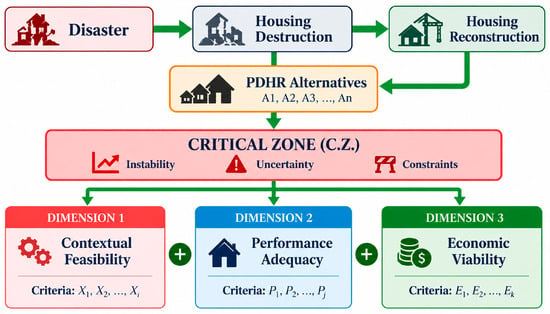
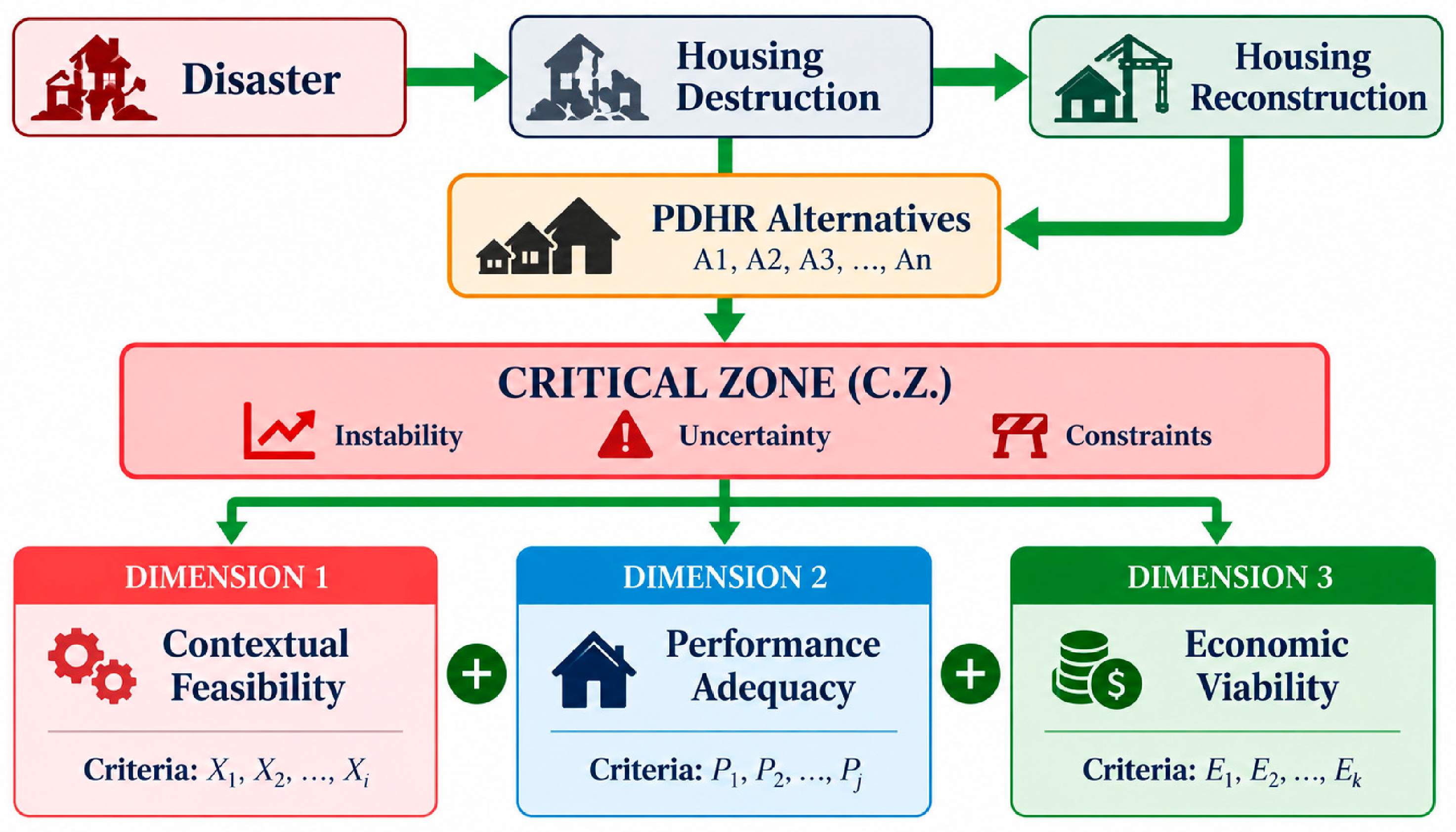
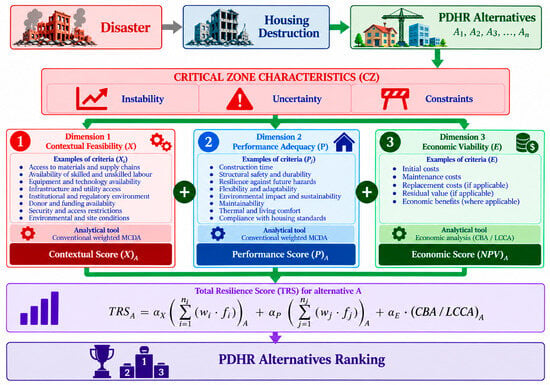
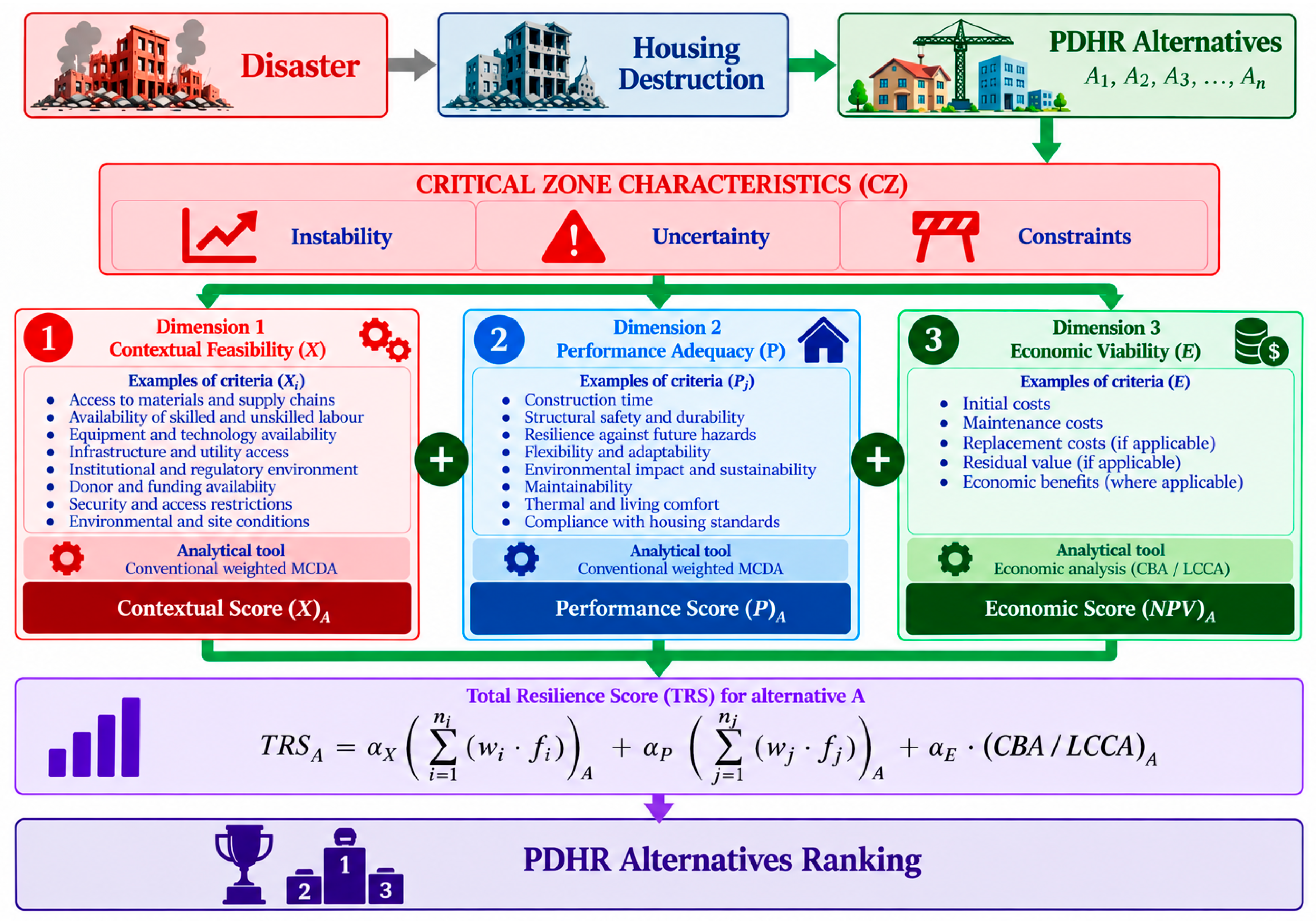
Disclaimer/Publisher’s Note: The statements, opinions and data contained in all publications are solely those of the individual author(s) and contributor(s) and not of MDPI and/or the editor(s). MDPI and/or the editor(s) disclaim responsibility for any injury to people or property resulting from any ideas, methods, instructions or products referred to in the content. |
© 2026 by the authors. Licensee MDPI, Basel, Switzerland. This article is an open access article distributed under the terms and conditions of the Creative Commons Attribution (CC BY) license.