


Abstract
Selecting an optimal insulation solution for a building envelope requires more than minimizing thermal conductivity, since building-scale energy performance, operational carbon emissions, acoustic comfort, moisture behavior, and mechanical durability all compete for priority. This study proposes a complementary simulation and multi-attribute decision analysis (MADA) framework to support insulation-material selection for the envelope of a contemporary religious education building located in Ankara, Türkiye. Eight advanced polymer aerogel families (polyurethane, polyurea, polyimide, polymethylsilsesquioxane, polyisocyanurate, phenolic, cellulose, and nanocellulose aerogels) were combined with three structural wall materials (aerogel concrete, clay brick, and autoclaved aerated concrete) and two envelope configurations, yielding 48 candidate wall assemblies. Dynamic whole-building simulations were performed in IES-VE to quantify annual heating and cooling energy demand and operational CO2 emissions for each assembly under identical building conditions. The simulation outputs were assessed at the whole-wall-assembly scale, while literature-based material properties (thermal conductivity, density, compressive strength, sound absorption coefficient, and water contact angle) were assessed individually at the material scale through MADA. Criteria weights were determined via LOGSTA and SIWEC-M, and the eight aerogel materials were ranked using MUNRA, benchmarked against seven additional ranking methods. While polyisocyanurate aerogel (A5) achieved the lowest annual operational energy use and CO2 emissions among the simulated wall assemblies, based on the adopted criteria, the extracted property values from the literature, and the combined weighting system, the material-level MADA ranked A3 as the best material. An average pairwise Spearman correlation of 0.945 indicated agreement among ranking methods, while extended sensitivity analyses showed that A3 leads when mechanical robustness is weighted substantially, A8 is the most stable alternative across divergent priorities, and A5 leads under thermal priority. These results illustrate that operational energy performance at the building level and the multifunctional product-level suitability for the material are two separate but complementary aspects of insulation selection and that a full economic and life-cycle environmental analysis is hindered by the lack of information on additional costs and embodied carbon.
1. Introduction
Enhancing energy efficiency in buildings is now the top-level target among global sustainability and carbon neutrality goals [1]. Due to its important effect on worldwide greenhouse gas emissions and power use, buildings are an important area for energy-saving measures and climate change mitigation policies [2]. As a result, improving the thermal performance of building envelopes is now considered a key measure to decrease the power demand for construction operation and the associated carbon emissions and indoor environmental quality (IEQ) impacts [3]. In addition to energy efficiency, modern buildings are expected to increasingly deliver healthy, comfortable, and customizable indoor environments that meet the changing needs of occupants in their service life [4]. These demands are particularly important for up-to-date teaching buildings, as they have a direct impact on the learning process, the health and productivity of their occupants, and the sustainability of building operations for years to come, thus being directly linked to human and environmental sustainability [5].
Educational and community-focused facilities may have spaces that differ in their occupation cycles, internal loads, and envelope-retrofit needs. In this study, a religious education building in a modern context in Ankara, Türkiye, was taken as a case-study context in which different building-envelope systems were considered in the same climatic, geometric, and operational conditions. The choice of this building is for establishing the application context of the study, not to suggest that religious education buildings have specific needs for insulation materials [6,7,8].
The growing demand for high-performance building envelopes has led to the emergence of multivariate-functional thermal insulation materials [9,10,11]. Among these substances, aerogels have gained a great deal of interest due to their one-of-a-kind nanoporous structure, ultralow density, and high thermal insulation abilities [12,13,14]. Their highly porous three-dimensional structure reduces conductive, convective, and radiative heat transfer, resulting in significantly lower heat conductivity than most standard thermal insulation materials with lightweight properties [15,16,17]. Latest advances in aerogel technology have also added further functionalities by enhancing the mechanical strength, hydrophobicity, acoustic absorption, and long-term durability to qualify them for challenging building applications [18,19,20]. These co-existing functional features are well suited for contemporary religious education buildings where energy efficiency, indoor environmental quality, acoustic comfort, moisture management, and structural integrity need to be delivered concurrently through a sustainable building envelope.
The development of aerogel technology has been constantly evolving, allowing the creation of various types of material families with different underlying chemistries, micro/nanostructures, and performance in engineering applications [20,21,22]. Organic aerogels (e.g., polyurethanes, polyureas, polyimides, polyisocyanurates, and phenolic aerogels) are known to be an excellent trade-off between structural stability, mechanical strength, and thermal insulation efficiency [23,24,25]. On the other hand, polymethylsilsesquioxane (PMSQ) aerogels have good hydrophobicity, flexibility, and moisture resistance, which are favorable for building-envelope applications under diverse weather conditions [26,27,28]. Whereas bio-based substitutes like cellulose and nanocellulose aerogels have gained hype due to their renewable nature, minimal environmental impact, and continuously enhancing thermos physical and mechanical attributes [29,30,31]. Although significant progress has been made, there is no one aerogel material that inherently delivers the best overall combination or provides an ideal balance of thermal efficiency, sound performance, moisture resistance, mechanical robustness, environmental benignity, and cost effectiveness [32,33,34]. As a result, determining the best aerogel insulation material to use in a new modern religious education building is a twofold, MADA problem that calls for a systematic and holistic assessment approach [35,36,37].
While much advancement has been made in the preparation of aerogel-sourced insulation materials, research has mostly focused on the synthesis, characterization, and performance optimization of certain types of aerogel families or on the measurement of particular material properties in a laboratory environment [38,39,40]. Comparative analyses across diverse aerogel types are still rather scant, particularly when their performance is evaluated in a realistic encompassing building environment [41,42,43]. In addition, since earlier research mainly focused on thermal insulating performance, other important aspects, such as acoustic performance, moisture resistance, mechanical durability, eco-friendliness, and financial viability, were treated separately and not from a holistic decision-making viewpoint [44,45].
Despite recent progress, important gaps remain in the literature. Many studies examine only one type of aerogel or assess just a few characteristics—most often heat transfer and strength—making it hard to compare polymer aerogels with different chemical compositions. Material testing is also often separated from building-envelope analysis: researchers may measure insulation properties without considering their role in a wall, while energy studies tend to assess entire wall systems without comparing the insulation materials themselves. In addition, comparisons commonly rely on a single wall type or envelope design, so the effects of the insulation can be difficult to separate from those of the wall and its configuration. Although multi-criteria decision-making approaches are being used more often to evaluate building materials, they have rarely been applied to compare polymer aerogels across thermal, physical, mechanical, acoustic, and moisture-related properties at once. Together, these gaps point to the need for a framework that assesses building-scale envelope performance separately from material-level properties yet considers both within the same case study.
Hence, a comprehensive assessment framework still needs to be developed by incorporating representative literature-based material properties, dynamic energy simulation for the entire building, and MADA methods in order to facilitate a systematic evaluation of advanced aerogel insulation materials for high-performance educational buildings. Recent research has shown the potential of MADA techniques for the selection of materials and decisions related to building, with the various techniques possessing different merits for addressing competing criteria, uncertainty, and alternative ranking.
The novelty of this study is based on this two-tier comparison format: the performance of operational full wall systems is assessed through dynamic IES-VE simulations, and the MADA at the material level separately assesses eight polymer aerogels across five complementary intrinsic properties. Instead of combining these datasets at the level of the decision matrix, this work retains distinct analytical levels and treats them as complementary ‘evidence’ to inform the interpretation of the selection of the advanced insulation material.
Typical MADA methods and their suitability for multi-criteria material selection and decisions in building summarized in Table 1.
Table 1.
Typical MADA methods and their suitability for multi-criteria material selection and decisions in building.
Consequently, this work fills in the aforementioned gaps with a twofold evaluation of polymer aerogel-based insulation materials. Eight different aerogels are paired with three structural wall materials and two envelope configurations, resulting in 48 unique wall assemblies for dynamic IES-VE analysis [52,53,54]. The building-scale study evaluates annual energy for building operation and the consequent operational CO2 emissions using the same building and climate for all, while the eight aerogel materials are individually assessed by MADA with input parameters of thermal conductivity, density, compressive strength, sound absorption coefficient, and water contact angle. LOGSTA and SIWEC-M are employed to obtain weights of the objective criteria, and MUNRA is compared with seven other MADA methods in terms of ranking stability. The developed framework thus resolves the literature challenge (diverse polymer aerogel families can be systematically compared) and provides a clear differentiation between whole-envelope performance and intrinsic material-level alternatives.
Contemporary facilities for religious education are a unique type of educational building that houses standard classrooms alongside spaces for worship, libraries, seminar rooms, and office space for administration, as well as rooms for general community use. Based on the variety of functional areas within the building and the length of time of use, a suitable building envelope with the appropriate level of energy conservation must be selected for this type of construction, ensuring indoor thermal comfort and suitable acoustics or indoor environments for education and religious activities. In areas with continental climates (e.g., Ankara, Turkey), building envelopes experience extreme seasonal temperatures, highlighting the importance of insulation-material selection, as it directly affects the annual cooling and heating needs and, consequently, the building’s operational C-emissions.
There are still many challenges to overcome in the upscaling and cross-verification of novel polymer aerogel insulation materials for building-envelope applications. Most of the previous works have been devoted to single aerogel families or a few thermal and mechanical properties, and systematic comparisons among different structural wall materials and envelope configurations are still lacking. Also, the energy performance of material-level single buildings is not necessarily examined at the same level of analysis as that of the multifunctionality of materials. Nevertheless, the current work differentiates between these two scales of evaluation: dynamic IES-VE simulations are performed to estimate energy use and operational CO2 emissions of full wall systems, while the intrinsic properties of the eight aerogel materials are considered individually via a material-level MADA. The latter contain, in addition to the aforementioned five properties, thermal conductivity, density, compressive strength, sound absorption coefficient, and water contact angle as supplementary material properties. It is noteworthy that sound and moisture criteria are not regarded as direct predictors for room acoustic quality or whole-wall hygrothermal performance, respectively; they are material-level, intrinsic indicators that are used to complement the assessment of building-scale thermal and operational performance. This contrast allows the research to analyze whole-envelope performance as well as material-level selection without linking building-scale acoustic or moisture performance directly to individual aerogel properties.
The most important scientific advances from this research can be summarized below:
- -
- A general comparative scheme is developed to assess 8 state-of-the-art polymer aerogel insulating materials, which belong to different polymer families with dissimilar molecular architectures and multifunctional engineering attributes.
- -
- In contrast to earlier work that typically considers a single wall configuration or structural material type, this paper systematically examines 48 alternative wall assemblies obtained by combining three structural wall materials (clay brick, autoclaved aerated concrete (AAC), and aerogel concrete), eight polymer aerogel insulation materials, and two envelope designs (sandwich wall and externally insulated wall).
- -
- Whole-building dynamic simulations are carried out with the IES-VE to estimate yearly heating demand, cooling demand, and operational C-emissions of a case study of a contemporary religious education building in Ankara, Türkiye.
- -
- The thermal conductivity, density, compressive strength, sound absorption coefficient, and water contact angle of the polymer aerogels are systematically collected from the literature and analyzed through a material-level MADA, while the IES-VE simulations separately assess the building-scale energy and operational CO2 performance of the studied wall systems.
- -
- The developed complementary assessment supports decision-making by integrating building-scale evidence from IES-VE simulations with independent material-level multi-attribute decision analysis (MADA) of thermal, mechanical, acoustic, physical, and moisture-related properties of polymer aerogels.
- -
- The results facilitate the design of high-performance educational buildings for architects, engineers, and material scientists while showcasing the tremendous promise of advanced polymer aerogel insulation systems for sustainable infrastructural engineering.
2. Materials and Methods
2.1. Research Framework
This paper presents an advanced, complementary, and sequential evaluation procedure that integrates dynamic whole-building energy simulation with a material-level Multiple Attribute Decision Analysis (MADA) to assess polymer aerogel-based insulation systems. The two analysis steps are kept deliberately at two levels. The IES-VE model is developed to assess the annual energy and operational CO2 emissions of full wall systems with the studied aerogel materials, while MADA is utilized to conduct a side-by-side comparison of the eight aerogel materials based on their embedded multifunctionality. The distinction is significant, as the energy and CO2 figures calculated with IES-VE are for the response of a full multi-layer wall assembly and not for an isolated performance figure that can be attributed to a single aerogel material.
Figure 1 shows the six steps of the methodology: (i) selection of representative polymer aerogel families from the literature; (ii) selection of representative material properties for the chosen aerogels; (iii) generation of alternative wall assemblies from combinations of wall materials, aerogel insulation materials, and envelope configurations; (iv) application of Integrated Environmental Solutions Virtual Environment (IES-VE) for dynamic whole-building simulations to quantify building-scale energy and operational CO2 performance; (v) compilation of the relevant intrinsic properties of the eight aerogel materials into a separate material-level MADA decision matrix; and (vi) ranking of the aerogel alternatives using the chosen objective weighting and MADA methodologies. The IES-VE and MADA stages therefore offer complementary evidence, rather than being mathematically merged into a single decision matrix.
Figure 1.
General background to the parallel evaluation of high-performance polymer aerogel insulation systems at the building level with IES-VE and at the material level with MADA.
The proposed framework thus makes a distinction between building-envelope performance and material-level multifunctional performance. IES-VE determines the impact of alternative complete wall assemblies on building energy use and operational CO2 emissions for the specified case-study conditions, and MADA evaluates the relative performance of individual aerogel materials based on their thermal, physical, mechanical, acoustic, and moisture-related properties.
In contrast to traditional material-selection studies that are based on single thermophysical parameters, the present approach takes into account the thermal, mechanical, acoustic, moisture, environmental, and structural performance indicators to form a multifunctional decision support system. As such, the developed methodology allows for a comprehensive assessment of high-performance polymer aerogel insulation systems along with practical recommendations for the design of a sustainable building envelope.
2.2. Selection of Polymer Aerogel Insulation Materials and Structural Wall Materials
Building-envelope system efficiency is a function of both the individual characteristics of the insulative materials and their interaction with the structural wall substrate. Therefore, this study adopted a combined material and building-envelope evaluation methodology, considering state-of-the-art polymer aerogel insulation materials and typical structural wall materials individually at the material and assembly levels, respectively, and then assessing them within the same set of building-scale simulation scenarios.
The functional demands for the sustainable educational building were defined as thermally highly insulative, mechanically stable, moisture resistant, acoustically functional, and able to be implemented as practical construction.
Three structural wall materials, aerogel concrete, clay brick, and autoclaved aerated concrete (AAC), were chosen as substrates to represent three distinct thermophysical profiles and are commonly used in building construction. Aerogel concrete is a novel lightweight cementitious material with superior thermal insulation properties; clay brick is a traditional masonry material with high density and mechanical strength, while AAC is a low-density alternative with relatively low thermal conductivity. These three structural materials (the same for each) incorporated with the two insulation materials can provide a thorough study of polymer aerogel insulation systems placed in different thermal mass and heat flow scenarios.
Eight space-ready advanced polymer aerogel insulation materials were then identified considering technological maturity (TRL4 or higher), availability of experimentally cost-cut validated material properties, and water-vapor proofing for building-envelope applications. The studied polymer families are polyurethane (PU) aerogel, polyurea (PUA) aerogel, polyimide (PI) aerogel, polymethylsilsesquioxane (PMSQ) aerogel, polyisocyanurate (PIR) aerogel, phenolic resorcinol–formaldehyde (RF) aerogel, cellulose aerogel, and nanocellulose aerogel. These are various polymer chemistries and nanoporous structures and have unique thermophysical, mechanical, acoustic and surface properties that have a direct effect on building energy performance and the long-term sustainability of the building.
In order to keep the material-level MADA consistent, the property values assigned to each aerogel family were chosen based on a prespecified representative-value rule and not by integrating values from different sources through an unreported averaging method. For each polymer type, experimental data from the literature references were examined, and a value that best represents our material formulation was chosen. The experimentally confirmed values for the relevant polymer aerogel family were considered as first priority, as well as the datasets with well-identified testing conditions and measurements of material properties. The chosen values were then applied consistently as a single representative record for all eight alternatives in the MADA decision matrix. A summary of the characteristic material properties considered in this work is given in Table 2. The values of thermal conductivity, density, compressive strength (CS), sound absorbing coefficient, and water contact angle were taken from the experimentally reported literature on related polymer aerogel families. Since these studies were not necessarily carried out with the same experimental protocol, the values should be regarded as literature-based material properties and not as the result of a unique standardized test campaign. With the aim of preserving internal consistency, a single representative value was selected for each property within each aerogel family and used consistently in the rest of the MADA calculations. The literature sources from which each material property set was drawn are given in the referenced Table 2.
Table 2.
The thermophysical, mechanical, and surface properties of the polymer aerogel insulation material were investigated along with the thermophysical features of certain structural wall materials considered in this work and the acoustic properties [11,16,18,25,34,55].
The five MADA criteria were chosen based on the multifunctional role that polymer aerogel insulation materials are expected to play in building-envelope applications. Thermal conductivity (λ) was selected as the primary thermal-insulation indicator, since lower λ is directly equivalent to higher resistance to conductive heat transfer. Density (ρ) was added as a relevant parameter for the mass-related properties of the insulation layer, where lower density was considered better due to the fact that lightweight insulation reduces the mass of the envelope and consequently the requirements for the building structure and handling. Compressive strength (CS) was chosen as a mechanical durability indicator, as higher resistance to compression results in improved dimensional and mechanical stability of the aerogel layer during installation and service. The sound absorption coefficient (SAC) was added as the materials being studied are designed for multifunctional envelope applications where acoustic performance can enhance thermal insulation. Lastly, water contact angle (WCA) was added as a surface-hydrophobicity indicator, as higher water repellency can help to prevent moisture and preserve insulation performance in humid or water-exposed conditions. Therefore, the selected set of criteria was tailored to represent five different yet complementary engineering dimensions—thermal, mass-related, mechanical, acoustic, and moisture-related performance—and not simply to optimize thermal conductivity.
Treating density as a cost criterion does not mean that low density is best for every engineering use. In this insulation-material comparison, density reflects the mass of a given volume of insulation. Lower values are considered beneficial because they support lightweight building envelopes, make materials easier to handle, and reduce the insulation layer’s contribution to overall mass. Higher density may offer advantages in other areas, such as stiffness or sound control, but these effects are captured separately through compressive strength and sound absorption. This approach avoids rewarding density twice when its functional effects are already represented by other criteria.
Compressive strength is treated as a benefit criterion because, for the insulation use considered here, greater resistance to compression can help prevent deformation, crushing, and damage during installation and service. We did not set a universal minimum strength requirement. The aerogels are being assessed as insulation, not as load-bearing structural materials, and the strength needed will vary with the building-envelope design, installation method, applied loads, and operating conditions. Setting a threshold without a specific design requirement could rule out materials without a sound engineering justification. Instead, the MADA treats compressive strength as a continuous benefit, so each candidate’s relative mechanical robustness contributes to its overall assessment.
The acoustic- and moisture-related criteria considered in this paper are strict indicators at the material level, and they are not to be seen as measures of the performance on the building scale. The sound absorption coefficient (SAC) represents the reported sound absorbing performance of the aerogel material itself; it cannot be used to directly estimate room reverberation, speech intelligibility, indoor acoustic comfort, or the sound transmission loss of the entire wall assembly. In the same way, the water contact angle (WCA) represents the wettability/hydrophobicity of the surface of the material, but it alone does not measure water absorption, vapor diffusion, capillary motion, condensation hazard, or hygrothermal performance of the overall multi-layer wall system. These were thus added to account for other intrinsic material properties in the material-level MADA, and building-scale acoustic and moisture performance are clearly beyond the present analyses. It should be noted that the MADA decision matrix excludes economic cost, life-cycle cost, embodied carbon, and other life-cycle environmental indicators. The five selected criteria correspond to material properties inherent to the material and chosen for comparative material-level screening. Therefore, the MADA ranking should not be considered a sustainability, life-cycle environmental, or economic evaluation. Energy use in the operation phase and the resulting operational CO2 emissions are analyzed in a separate stage at the full wall-assembly/building level, employing IES-VE simulations.
The values in Table 2 are representative figures selected from published studies for each aerogel family. The cited references show which experimental studies provided the data. The MADA is therefore best viewed as a comparison of properties reported in the literature, not as a replacement for controlled testing. Results may vary between studies because samples were prepared differently and differed in density, porosity, test conditions, and measurement methods. These differences are especially important for compressive strength and are taken into account when interpreting the weighting and ranking results.
2.3. Case-Study Building and Building Characteristics
An Ankara, Türkiye, small-scale modern religious education building was taken as a case study for the building-scale evaluation of the wall systems under investigation. The building was chosen to have a fixed, reproducible geometry, occupancy pattern, climate, and envelope setup in which to trial all 48 wall alternatives. The choice of this building should not be taken as an indication that the investigated aerogel materials are particularly well matched to religious education centers or that the expressed material ranking is somehow restricted to this building typology. Instead, the religious education building is the specific application context used in this case study, while the applied simulation procedure can be modified for use in different building types and climate conditions. The case-study building was thus employed as a controlled baseline model and not as a building-specific benchmark. This enables the thermal effect of different wall systems to be compared under the same geometry, occupancy, operating schedules, climatic conditions, and any other parameters not under consideration. Therefore, the present study is concerned with the relative performance of the alternative envelope systems under the specified case-study conditions in Ankara rather than with defining building-type-specific performance criteria for religious education buildings.
Although there is an increasing amount of research being conducted on advanced aerogel insulation materials, there is still a significant methodological gap between building-scale evaluation and material-level comparative selection. Building energy simulation provides a means to evaluate the building-scale operational impact of alternative envelope assemblies, while material-selection methods can be used to evaluate competing thermal, mechanical, acoustic, and surface-related properties of individual insulation materials at the same time. Nevertheless, these two perspectives are usually considered independently. A systematic evaluation that explicitly differentiates building-scale simulation outcomes from material-level multi-attribute evaluation can thus offer a more organized framework for understanding the building-scale performance of advanced aerogel insulation alternatives.
In order to allow for an unbiased assessment of the effect of the insulation systems, the building geometry, orientation, occupancy patterns, operational schedules, internal heat gains, glazing properties, and HVAC system parameters were the same in all simulation cases. In order to have a reliable and reproducible comparison among the 48 wall assemblies, all the simulations were carried out with the same application boundary conditions. The building shape and orientation, occupancy, schedule of operation, internal heat gains, window properties, HVAC system, and outdoor climate were all held constant across the simulations. As a result, the only parameters deliberately altered between scenarios were the load-bearing wall material, the polymer aerogel insulation type, and the insulation placement. The Typical Meteorological Year (TMY) weather file of Ankara was employed to simulate the climatic conditions outdoors hourly for temperature, relative humidity, wind, and solar radiation. This controlled simulation configuration was used towards isolating the impact of the wall assemblies under study on the annual building energy performance and to avoid the influence of any differences in occupancy, operation, climate, or HVAC assumptions on the comparative results. The wall construction assemblies were altered to reflect the investigated building wall materials and the advanced polymer aerogel insulation systems only, which allowed for a direct comparison of their effect on annual building energy performance.
Table 3 lists the main indoor-environment, occupancy, internal-gain, ventilation, and HVAC settings used in the IES-VE model to support reproducible dynamic simulations. The model used heating and cooling setpoints of 20 °C and 26 °C, reflecting typical thermal-comfort conditions. HVAC operation followed the occupied-period schedule. During unoccupied hours, the heating and cooling setback temperatures were set to 16 °C and 30 °C.
Table 3.
Standardized indoor environmental and HVAC assumptions adopted for the IES-VE simulations.
The indoor relative-humidity reference was 50%, and outdoor-air ventilation was set at 0.5 air changes per hour (ACH). Occupancy was assumed to be 0.10 person/m2, or about 10 people across the 100 m2 reference floor. Lighting and equipment gains were set to 10 W/m2 and 5 W/m2, respectively.
All 48 wall-assembly simulations used the same operating assumptions. This kept occupancy, HVAC operation, and indoor conditions consistent, allowing the comparison to focus on the wall materials, aerogel insulation options, and insulation configurations.
The case-study building is a one-story RC frame landed with a floor height of 3.0 m and with floor plates measuring 10 m × 10 m. The area of external walls (excluding walls behind windows and doors) is 120 m2, and the total area of windows and doors is 22.34 m2. In order to compare the investigated walls objectively, for all simulation cases the total wall thickness was fixed and equal to 280 mm (an inner structural wall thickness of 200 mm, a polymer aerogel insulation thickness of 40 mm, and a plaster layer thickness of 40 mm). The main geometric and construction features of the reference building are presented in Table 4.
Table 4.
Geometrical characteristics and construction parameters of the reference modern religious education building used in the IES-VE simulations.
Figure 2 shows the architectural plan (ground floor plan, principal elevation, and outdoor view) of the modern religious education facility under reference. These architectural layouts were used as a reference to create the 3D building model in IES-VE, maintaining the original geometry and façade features. Figure 3 shows the IES-VE build that resulted and was used for all dynamic energy simulations.
Figure 2.
Architectural drawings of the reference modern religious education building: (a) exterior view, (b) ground floor plan, and (c) south, north, east, and west elevations.
Figure 3.
Case-study building adopted for the IES-VE simulations: (a) exterior perspective; (b) internal layout; (c) simulation model.
The model building is a modern-day religious education building that was built up to code in Türkiye. The building shape was fixed intentionally for the entire study in order to evaluate the impact of the analyzed wall constructions on the building energy performance. Thus, variations in heating demand, cooling demand, and operational carbon emissions were solely due to the alternative polymer aerogel insulation systems and the structural wall materials, and the comparison was therefore conducted in a consistent and fair manner for all 48 analyzed wall assemblies.
2.4. Development of Alternative Wall Assemblies
To fully evaluate the impact of high-performance polymer aerogel insulation systems on the efficiency of a building envelope, a sandwich wall mechanism and an externally insulated wall system were designed based on two commonly used wall systems. These were chosen as they are representative of two typical contemporary building construction methods using insulation that transfers heat in different ways based on the thermal mass and conduction method used. The same geometrical size and boundary conditions were used in all cases, which allowed for a comparison of the studied wall systems at the same operating conditions.
For each wall system, three representative structural wall materials were considered: clay brick, autoclaved aerated concrete (AAC), and aerogel concrete. These materials were chosen to typify traditional masonry, lightweight cellular concrete, and innovative cementitious building materials, respectively, thus spanning the spectrum of thermophysical properties commonly used in contemporary building construction. Additionally, eight high-purity polymer aerogel insulation materials, each based on distinct polymer chemistry and exhibiting unique nanoporous architectures, were added to each wall composite. A total of 48 alternative wall assemblies (2 wall configurations × 3 structural wall materials × 8 polymer aerogel insulation materials) were therefore designed for the subsequent dynamic whole-building energy simulations. The simulation outputs were evaluated at the wall-assembly/building level, and the 8 different polymer aerogels were then separately evaluated at the material level using MADA.
In all wall systems, the thickness of the insulation, the structural wall thickness, the plaster layer thickness, and the building sequence were identical to make certain that any observed differences in energy performance were solely due to the structural wall materials and polymer aerogel insulation systems under study.
All building parameters not subject to investigation were kept constant throughout the IES-VE simulations. Therefore, all wall assemblies were simulated using identical occupancy assumptions, operational schedules, internal heat gains, glazing properties, HVAC operation, building geometry, orientation, and climatic weather data. This controlled approach guarantees that the differences found in annual energy consumption and operational CO2 emissions result from the envelope alternatives examined and not from variations in building operation or environmental boundary conditions. The simulations thus offer a controlled comparative analysis of the thermal performance of the 48 complete wall assemblies in consistent operating conditions.
The proposed wall systems considered in this study are depicted in Figure 4, while the entire set of 48 variant wall systems can be found in Table 5.
Figure 4.
The developed wall configurations adopted in this study.
Table 5.
Eight polymer aerogel insulation materials, three structural wall materials, and two wall configurations were combined to form alternative wall assemblies.
In the sandwich wall arrangement, the polymer aerogel insulation layer was sandwiched between the structural wall and the exterior finishing layer, while in the exterior-insulated wall arrangement, the layer of insulation was applied to the structural wall’s outside and covered with a finishing coat. The following two are dedicated to studying the effect of insulation location in the building envelope on its thermal performance, under the constraint of equal material thickness and construction.
In the sandwich wall system, the polymer aerogel insulation layer was placed between the structural wall and the layer of exterior finishing, while in the exterior-insulated wall system, the layer of insulation was used to the outside superficial of the structural wall and is guarded by the layer of finishing. These setups were chosen to assess the impact of the insulation location on the heat transfer of the building envelope for the same material thickness and construction details.
2.5. Climate Conditions of the Case-Study Location
The climate information employed in this work was taken from the standard Ankara weather file in the IES-VE database. The weather data consist of hourly ambient temperature, relative humidity, wind speed, solar irradiation, and other meteorological information necessary for dynamic whole-building energy simulation. The use of a representative TMY weather file guaranteed that the annual results for heating and cooling demand and operational carbon footprint were realistic.
The rainy and cold weather of Ankara has a significant impact when it comes to the thermal efficiency of building-envelope systems. As seen in Figure 5, the outdoor dry-bulb temperature demonstrates strong seasonal fluctuation, featuring chilly winters and hot summers that lead to high annual heating and cooling loads. The large seasonal temperature difference also offers a suitable climatic background for testing the thermal efficiency of polymer aerogel-sourced insulation mechanisms in a continental climate.
Figure 5.
Monthly outdoor wet-bulb and dry-bulb temperature profiles of Ankara used in the IES-VE weather file.
Solar geometry directly influences the incident solar irradiation on the superficies of building facades and in turn affects the building envelope’s thermal efficiency. Figure 6 shows the sun-path diagram on a daily basis for the whole year in Ankara, explaining the seasonal changes in solar azimuth and altitude during the year. The climatic features have been utilized in the IES-VE model to represent solar gains while simulating their effect on annual energy consumption of the building.
Figure 6.
Annual sun-path diagram for Ankara illustrating seasonal solar trajectories adopted in the IES-VE simulations.
The main features of climate in the study area are given in Table 6. Ankara was chosen as a representative city for the continental climate of Central Anatolia with high seasonal temperature differences and heating and cooling loads. The meteorological information used in the IES-VE simulations was taken from a TMY weather file. This ensured that the local climatic conditions were realistically represented.
Table 6.
Climatic characteristics of Ankara and meteorological data adopted in the IES-VE simulations.
2.6. Objective Weighting and MADA Ranking Methods
The MADA phase is performed separately at the level of the material. The decision matrix, consequently, is composed of the intrinsic properties of the eight polymer aerogel alternatives without considering the annual energy consumption or operational CO2 values, which were derived from the IES-VE simulations. This distinction is intentional, as the IES-VE metrics represent entire wall systems at the building level, and the MADA criteria represent the individual aerogel materials. The MADA, therefore, is not designed to re-rank the full wall system within the context of simulated building energy performance but rather is designed to assess the relative multifunctional appropriateness of the aerogel materials based on analogous material-level characteristics. After defining the material-level decision matrix, the two objective weighting methods, LOGSTA and SIWEC-M, were applied to calculate the weights of five evaluation criteria. The obtained weight vectors are combined through the arithmetic mean to form the final weight vector of criteria. Then, the MUNRA technique was employed to rank the eight aerogel options. These processes are the material-level decision-analysis component of the approach and are expressed mathematically in the next subsections.
2.6.1. LOGSTA Methodology
LOGSTA (LOGarithmic normalization and STAndard deviation) [91] is an objective criteria-weighting technique that applies a logarithmic transformation directly to the raw decision matrix.
Let denote the decision matrix, where m is the number of criteria, and n is the number of alternatives. The method proceeds as follows.
Step 1. Normalize the decision matrix. For a benefit criterion j ∈ B,
For a cost criterion j ∈ C,
Step 2. Compute the standard deviation of each normalized criterion column:
Step 3. Compute the auxiliary value, gj, combining σj with the inverse of the absolute sum of the log-normalized values:
Step 4. Normalize gj to obtain the final criteria weight:
2.6.2. SIWEC-M Methodology
SIWEC-M (Modified Simple Weight Calculation) [92] is an objective weighting method. The steps of it are as follows:
- Step 1. Normalize each criterion against its own maximum value:
- Step 2. Compute the standard deviation of each alternative across all criteria:
- Step 3. Multiply the normalized values by the corresponding row-wise dispersion:
dij = cij × stdi
- Step 4. Sum over alternatives to obtain sj:
- Step 5. Normalize to obtain the final criterion weight:
2.6.3. Combination of Criteria Weights
Following the aggregation approach commonly adopted when multiple objective weighting methods are applied in parallel, the final criterion weight used in the MUNRA ranking stage is obtained as the arithmetic mean of the LOGSTA and SIWEC-M weight vectors:
We used the arithmetic mean rather than a geometric mean or a consistency-based scheme. Because LOGSTA and SIWEC-M are both objective methods, neither has a prior claim to greater weight, and the equal-coefficient average is the least-square compromise between the two vectors. Since MUNRA aggregates linearly in the weights, the resulting composite score is also the mean of the scores obtained under each method separately. The geometric mean suits the aggregation of ratio-scale judgments of a common quantity, such as individual AHP judgments. Its multiplicative form, however, allows a near-zero weight from one method to suppress a criterion regardless of the other. Given the low LOGSTA weights for thermal conductivity and density, it would push the weight of thermal conductivity, the primary insulation criterion, to an implausibly low level. Consistency-based schemes offer no real alternative with only two methods. Symmetric consistency measures give both methods equal coefficients and reduce to the arithmetic mean, while norm-based models, such as game-theoretic combination, favor the more concentrated vector, which in this dataset is shaped by a single atypical observation.
2.6.4. MUNRA Methodology
MUNRA (Multiple Normalization Rating Analysis) [93] ranks alternatives by combining three complementary normalization schemes, linear, vector, and nonlinear, rather than a single normalization procedure.
Step 1. Apply linear normalization.
Step 2. Apply vector normalization:
Step 3. Apply nonlinear (squared/cubed) normalization:
Step 4. Weight and sum each normalized matrix:
Step 5. Aggregate into the composite utility score and rank in descending order:
2.7. Use of Generative AI Tools
ChatGPT 5.0 (OpenAI) was used to assist in preparing the visual layout of Figure 1, whose content and structure were designed by the authors. ChatGPT 5.0 and Grammarly (Grammarly Inc., San Francisco, CA, USA) were used for grammar editing. These tools were not used in the research design, data analysis, or interpretation of results.
3. Results and Discussion
3.1. Analysis Results by IES-VE Simulation
3.1.1. Annual Energy Consumption Analysis
Before presenting the simulation results, it is worth noting that the values obtained in this section are for the yearly performance of full wall systems in the analyzed building, and they are not an expression of individual aerogel materials’ energy performance. The selected aerogel layer and a structural wall material, along with plaster layers, the fixed building envelope, and building operation parameters, are included in each simulation scenario. Therefore, the IES-VE outputs are seen as building-level demonstrations of the impact of the studied wall assemblies, and they are not directly mapped to the material-level MADA decision matrix.
The 48 alternative wall systems were analyzed for annual energy use using dynamic whole building simulations in the IES-VE. The studied wall systems included two insulation strategies (sandwich and integral/ext-construction), three structural wall materials (aerogel concrete, clay brick, and autoclaved aerated concrete (AAC)), and eight polymer aerogel insulation products. The building geometry and orientation, schedules for occupancy, internal heat gains, glazings, mechanical system operation, and weather conditions were identical for all simulation runs. Thus, the observed differences in annual energy demand can be related solely to differences in the thermal–physical features of the structural wall materials, the polymer aerogels’ nature under consideration, and the position of the insulation layer within the building envelope.
The annual energy values presented in this study correspond to the building energy that was modeled and are the energy usage of the building in operation under the specified conditions of occupancy, internal gains, HVAC system, building envelope, and climate. The quantities are given in units of kWh/year and account for the response at the building level to the entirety of the wall assembly and not the energy consumption or potential savings in energy from the polymer aerogel material alone. Therefore, the IES-VE results are comparative whole-building operational outputs for the complete envelope systems. The associated CO2 equivalents are also annual operational CO2 emissions due to the energy used by the simulated buildings. Since all 48 runs were conducted with the same indoor set points, occupancy assumptions, internal gains, ventilation rate, HVAC operating schedule, glazing characteristics, building geometry, and weather conditions, the reported annual energy differences are attributed to the thermal properties and constructions of the studied wall assemblies. However, small numerical differences should not be considered statistically significant differences in the performance of buildings. For instance, the discrepancy between the A5 and A1 representative assemblies is 35 kWh/year, which accounts for around 0.16% of the A5 annual energy consumption. This difference in normalization is thus regarded as a negligible difference in simulation results rather than a significant separation in performance.
The total building energy consumption for the sandwich wall system (Alternatives 1–24) and the externally insulated wall system (Alternatives 25–48) is shown in Figure 7a and Figure 7b, respectively. In summary, the simulation results show that the type of polymer aerogel insulation material, the type of structural wall substrate, and the insulation configuration influenced the annual whole-building energy performance of the studied assemblies. However, this effect was different among the alternatives, and results that are close together should be considered to be in the same range, given the assumptions and the level of detail of the simulation model. In particular, materials with lower thermal conductivities always led to decreases in annual heating and cooling requirements because of reductions in conductive heat loss through the walls. Furthermore, the thermal conductivity of the structural walls had an influence on the capacity of the envelope to store heat, which subsequently changed the annual energy utilization of the construction.
Figure 7.
Annual energy consumption values obtained from the IES-VE simulations for the investigated wall assemblies: (a) sandwich wall systems (Alternatives 1–24) and (b) externally insulated wall systems (Alternatives 25–48).
The range of the simulated power consumption of the sandwich wall systems was from 22,331 kWh to 23,338 kWh; the variation in the overall values was about 4.32% (Figure 7a). The least annual energy requirement corresponded to Alternative 21 (AAC + polyisocyanurate aerogel—A5) and the largest to Alternative 11 (clay brick + polyimide aerogel—A3). The disparity in performances can mainly be attributed to those combined effects of AAC’s low thermal conductivity and the extremely low thermal conductivity of polyisocyanurate aerogel (0.014 W m−1 K−1), which was able to significantly decrease the conductive heat flow through the building envelope. On the other hand, the higher thermal conductivity of clay brick and polyimide aerogel facilitated the heat flow by the wall assembly, which was obtained in the increased yearly heating and cooling for those two cases.
A similar pattern was found with the externally insulated wall systems, with the total energy use ranging from 22,328 kWh to 23,331 kWh, amounting to a total difference of 4.30% in the worst–best range (see Figure 7b). The minimum energy demand belongs to Alternative 45 (AAC + polyisocyanurate aerogel), while the maximum belongs to Alternative 35 (clay brick + polyimide aerogel). The good match between the two insulation systems indicates that the inherent thermophysical properties of the polymer aerogel insulation materials have a more important impact on the annual energy performance than the individual configurations. However, the true sandwich wall products, i.e., those with matching thicknesses of the inner and outer skins and with a constant core material thickness no greater than 25 mm, at all times had marginally lower energy usage. This is due to the location of the insulation layer outside of the building envelope, allowing the structural wall to be utilized more effectively as thermal mass, which in turn decreases interior temperature swings and enhances the building envelope’s thermal stability.
Polyisocyanurate aerogel (A5) and polyurethane aerogel (A1), the materials with the lowest thermal conductivity values among those studied, showed the best expectation of energy savings and reduction in operational CO2 emissions when incorporated in the simulated wall systems. These findings suggest that thermal conductivity has a dominant effect on the building-scale energy response for the given wall configurations. Nonetheless, as each value is associated with a full multilayer assembly, the results of the simulations should rather be seen as performance indicators at the assembly level, rather than as if they were energy-performance indicators of the aerogel materials in isolation. On the other hand, with the maximum thermal conductivity (0.036 W m−1 K−1), polyimide aerogel (A3) exhibited the highest annual energy consumption for almost all the walls. These results highlight that the energy performance in operation is still predominantly determined by the polymer network thermal conductivity. In addition, other material properties, such as density, compressive strength, sound absorption coefficient, and water contact angle, are important for the entire material selection, but their impact on the building’s yearly energy usage of is less significant compared to the thermal resistance of a polymer aerogel insulation layer.
The results show that the material of the structural wall has a notable influence on the thermal behavior of the building enclosure. Among the three studied substrates, AAC had the lowest energy consumption on an annual basis due to its lower thermal conductivity, while clay brick gave the highest energy demand. Aerogel concrete showed a moderate result, demonstrating that high-performance lightweight cementitious materials could achieve a good balance between load-carrying capacity and thermal efficiency. In conclusion, the combination of low-conductivity polymer aerogel insulation with thermally efficient structural wall material is a promising approach for minimizing the energy use in contemporary religious worship buildings and for enabling the development of high-performance and energy-efficient building envelopes.
3.1.2. Operational CO2 Emission Analysis
In Figure 8, the associated operational CO2 emissions for the investigated 48 wall assemblies are shown. The operational CO2 emissions derived in this study were directly from the outputs of the IES-VE simulation with the application of the carbon-emission factor embedded in the simulation model. A factor of 0.423 kg CO2/kWh was used for electricity in the operational carbon calculation based on the Türkiye electricity emission factor taken from the IEA Emissions Factors 2021 dataset [94]. The same emission factor was consistently applied for all 48 simulations of wall assemblies. Hence, the CO2 levels in Figure 8 and Table 7 are the operational carbon-emission outputs of the IES-VE model under a consistent emission-factor assumption. Since all options were subjected to the same factor, the operational CO2 emission percentage changes basically illustrate variations in the simulated energy performance. Operational CO2 was, therefore, not an individual criterion in the MADA analysis but rather was considered a related output of building-scale carbon emissions. Embodied carbon, life-cycle greenhouse gas emissions, or other life-cycle environmental impact categories are not included in this analysis. The operational CO2 emissions for the sandwich wall systems (Alternatives 1–24) ranged from 9452 kg CO2 to 9667 kg CO2, which is approximately a 2.22% overall reduction between the least and the most efficient wall assemblies (Figure 8a). The least amount of CO2 emission was achieved by Alternative 21 based on autoclaved aerated concrete (AAC) with polyisocyanurate aerogel (A5), while the largest emission was for Alternative 11, in which clay brick was wrapped with polyimide aerogel (A3). These findings indicate that reducing conductive heat transfer through the building envelope results in a corresponding decrease in operational carbon emissions from buildings’ energy use.
Figure 8.
Operational CO2 emissions obtained from the IES-VE simulations for the investigated wall assemblies: (a) sandwich wall systems (Alternatives 1–24) and (b) externally insulated wall systems (Alternatives 25–48).
Table 7.
Annual whole-building energy use and CO2 emissions for each polymer aerogel option, based on IES-VE simulations.
A similar trend was observed for the external wall systems (Alternatives 25–48), with the operational CO2 emissions of these options varying between 9451 kg CO2 and 9666 kg CO2 (Figure 8b). The lowest value for the emissions was obtained for Alternative 45 (AAC + polyisocyanurate aerogel), and the maximum value was obtained for Alternative 35 (clay brick + polyimide aerogel). While the absolute differences between the sandwich and the external insulation wall assemblies were modest, the external insulation assemblies always had marginally lower operational carbon results. This is due to better use of the structural wall as thermal mass, which buffers indoor temperature swings and in turn reduces annual building energy use.
From the viewpoint of the performance of polymer materials, it can be inferred from the results that the polymer aerogel network’s thermal conductivity plays a key role in determining the operational environmental impact of the studied insulation systems. Polyisocyanurate aerogel (A5) and polyurethane aerogel (A1), having the smallest thermal conductivities of the materials studied, consistently rendered the lowest operational CO2 emissions with each type of structural wall. In contrast, in all but one investigated wall configuration, polyimide aerogel (A3), which had the highest thermal conductivity, led to the highest carbon emissions. These results demonstrate that enhancements in the native thermophysical properties of polymer aerogels have the potential to decrease the building operational energy consumption and the related operational CO2 emissions under the simulated conditions, without any modification in the building geometry or in the mechanical-system mode of operation. An economic energy-cost analysis was not carried out in the present investigation.
The material type’s effect used for the structural wall was also noticeable in the operational carbon. AAC-based wall systems produce the least amount of CO2 due to better thermal insulation, while clay brick yields the highest due to higher thermal conductivity. Aerogel concrete performance was in between, suggesting that novel lightweight cement-based materials have the potential to be combined with high-performance polymer-based aerogel insulation systems to minimize operational environmental impact. In general, the use of low-conductivity polymer aerogels in combination with thermally efficient structural wall materials appears to be a promising approach for achieving high building energy efficiency and for reducing associated operational carbon in contemporary religious education facilities.
3.1.3. Influence of Polymer Aerogel Material Properties on Building Energy and Environmental Performance
While the yearly energy usage and operational C-emissions given in Section 3.1 allow for a quantitative evaluation of the thermal efficiency of the analyzed wall mechanisms, the potential positives and negatives of using polymer aerogel insulation materials in the construction of contemporary religious education facilities cannot be judged based on energy-related metrics alone. Thermophysical, mechanical, acoustic, and surface properties of advanced polymer aerogels all exhibit unique characteristics, which affect respective applications, such as high-performance building insulation materials. Therefore, an interpretation of the simulation results in light of the underlying material characteristic that defines the behavior of the examined polymer aerogel groups is warranted.
In addition to the thermal performance predicted by the IES-VE simulations, the aerogel materials investigated also differ in a number of other intrinsic properties that may be relevant for multifunctional envelope applications. Density is a mass-related material property, while compressive strength is an indicator of mechanical deformation and crush resistance. The sound absorption coefficient is a material-level acoustic indicator that characterizes the intrinsic sound-absorbing behavior of the aerogel material. However, SAC is not a direct measure of room acoustic quality, speech intelligibility, reverberation time, or the sound insulation performance of the entire wall assembly, all of which are influenced by other material, geometric, and room-level parameters. Likewise, the water contact angle is an indicator of the surface hydrophobicity of the aerogel and an approximate indicator of its water-repellent surface, but it is not a direct quantification of the moisture transport or hygrothermal performance of the wall system. These distinctions are relevant for the interpretation of the MADA results: the acoustic and moisture-related criteria are indicators of intrinsic material properties, not of building-scale acoustic or moisture performance (simulated).
Yet the range of acceptable insulation materials for sustainable building practice is not defined by thermal performance alone. Density has a bearing on the self-weight acting on the building envelope and the compressive strength on the mechanical stability and the long-term load-bearing capacity of thermal insulation systems under the service load. Moreover, with respect to modern religious education buildings, the sound absorption coefficient will be more crucial as classrooms, prayer halls, seminar rooms, and multipurpose educational facilities demand good indoor acoustic environments for speech intelligibility and other learning activities. According to the water contact angle, which also measures the degree of hydrophobicity of a polymer surface, it is an important parameter for water repellence and, thus, permeability of moisture, which has the potential to enhance the long-term stability and retention of the thermal insulation performance of nanoporous polymer aerogels exposed to different environmental conditions.
Nanocellulose aerogel (A8) had the maximum sound absorption coefficient (SAC = 0.93) over the other aerogel compounds, and polyimide aerogel (A3) was the next best among the group with an SAC of 0.91, followed by cellulose aerogel (A7) with an SAC of 0.90. As a point of reference, the polyurethane aerogel (A1) had an SAC of 0.70, the polyurea (A2) and the PMSQ (A4) had values of 0.80 for each of them, the polyisocynarate (A5) 0.82, and the phenolic RF aerogel (A6) 0.85. These values suggest that the candidates for aerogel have some discernable differences in their assigning intrinsic sound-absorption properties; however, it should be noted that the SAC values are acoustic properties of the materials and should not be taken as an indication of room acoustic quality or maximum-wall sound insulation. The trade-offs resulting are, therefore, about the intrinsic multifunctional material properties that are included as values in the decision matrix rather than the directly measured performance of the building system in each domain. In this regard, the MADA offers a comparative material-selection approach other than the thermal conductivity based on the IES-VE modeling, which considers separately the building-scale thermal energy and operational energy results of the entire wall system.
To allow for a straight comparison between the results of the simulation and the later MADA analysis, the examined polymer aerogel insulation materials were ranked preliminarily in terms of their best performance in yearly energy usage and operational CO2 emission based on the IES-VE outputs (Table 7). Indeed, polyisocyanurate aerogel (A5) has the best thermal performance, followed by polyurethane aerogel (A1), while polyimide aerogel (A3) always has the worst thermal efficiency due to its relatively high thermal conductivity. Still, this initial sorting is only indicative of thermal performance in the operation stage and impact on the environment. Practical material selection for contemporary religious education buildings calls for the consideration of multiple engineering properties at the same time, such as density, compressive strength, sound absorption coefficient, hydrophobicity, and cost-effectiveness. Hence, a detailed MADA approach based on thermophysical, mechanical, acoustic, durability, environmental, and economic aspects was then utilized to find the best candidate among polymer aerogel insulation materials for contemporary religious education buildings.
The magnitude of some of the simulated differences between alternatives is to be taken with a grain of salt. As an illustration, the selected representative A5 and A1 cases have an annual energy consumption difference of 35 kWh/year (22,328 versus 22,363 kWh/year), equating to about 0.16%, and their annual operational CO2 emissions are separated by a mere 7 kg/year (9451 versus 9458 kg/year). These differences are sufficiently small to indicate very similar building scales and operational performance and should not be taken as a prediction of a practically meaningful superiority of one solution over the other based on these results alone. Instead, the IES-VE results serve to represent the overall extremes and relative thermal behavior of the full wall systems subject to the same simulation scenario. The following MADA at the material level is thus not derived from these minor numerical differences but instead designates a different comparative evaluation of the very offering properties of the eight aerogel samples.
An important point to note is that the ranking shown in Table 6 relates to a building-level thermal performance indicator based on the IES-VE outputs and is not the final material ranking. The energy and operational CO2 reported are those of the complete wall assemblies with the associated structural wall and other envelope layers and the corresponding aerogel. Hence, these are not applied as direct criteria in the material-level MADA in the following. Rather, Table 8 can be seen as a building-scale benchmark against which the multifunctional material investigation that follows can be gauged. The MADA performs a separate evaluation of the eight aerogel options according to their natural thermal, physical, mechanical, acoustic, and moisture-related characteristics.
Table 8.
Criteria weights obtained from LOGSTA and SIWEC-M.
Therefore, it should not be considered the final material choice but rather an energy-based reference solution for the comprehensive MADA study in the subsequent section. One key point is that annual energy use and operational CO2 emissions should not be treated as separate outcomes in this study. The same emissions factor was used for every simulation, so each CO2 result was calculated directly from its corresponding energy-use result. In other words, the emissions figures express the carbon implications of the simulated energy performance; they do not represent a separate environmental measure. The study did not assess embodied carbon, impacts from producing or transporting materials, end-of-life effects, or life-cycle costs.
4. Application
4.1. Description of the Decision Problem
The proposed LOGSTA–SIWEC-M–MUNRA framework was applied to an aerogel material-selection problem comprising n = 8 candidate aerogel formulations (A1–A8), evaluated against m = 5 performance criteria: density (ρ, kg/m3, cost), thermal conductivity (λ, W/m·K, cost), compressive strength (CS, MPa, benefit), sound absorption coefficient (SAC, benefit), and water contact angle (WCA, °, benefit). The objective was to identify the aerogel alternative offering the most favorable overall balance of thermal insulation performance, mechanical robustness, acoustic damping, and hydrophobicity.
4.2. Criteria Weights
Accordingly, the MADA decision matrix is made up solely of the material-level criteria of thermal conductivity, density, compressive strength, sound absorption coefficient, and water contact angle. These attributes are thus the representative intrinsic properties of each family of aerogels and can consequently be compared with the eight material options. By comparison, annual building energy use and operational CO2 emissions are maintained as outputs of the separate IES-VE analysis, as they are functions of the full wall assembly and building model.
The two objective weighting methods differ significantly in how they weight compressive strength. The weight of 67.8% given to CS by LOGSTA is largely due to the fact that the A3 value of 4.00 MPa is well above the 0.23–0.85 MPa range of the other alternatives and so contributes heavily to the dispersion handled by the LOGSTA formulation. This finding is not necessarily evidence that compressive strength is always the most important characteristic of polymer aerogels but rather is an example of how dispersion-based objective weighting can be influenced by a single large difference in a small decision matrix. SIWEC-M yields a much lower CS weight of 5.8% due to its different normalization and dispersion structure. As a result, the arithmetic mean of the two independently derived weight vectors diminishes the prominence of CS to 36.8%.
The two weighting methods diverge most sharply for compressive strength, and the divergence stems largely from the 4.00 MPa value of A3. In LOGSTA, each value is divided by the column sum of logarithms (Equation (1)). Because seven CS values lie below 1 MPa while ln(4.00) is positive, this sum is close to zero (−3.96), the normalized values are stretched, and the standard deviation of the CS column (0.208) far exceeds that of thermal conductivity, density and water contact angle (0.001–0.006). SAC is affected in the same way: its values are all below unity, its log sum is −1.44, and it receives a weight of 0.28 despite having the lowest coefficient of variation among the criteria. LOGSTA weights therefore reflect the magnitude of raw values relative to unity as well as their dispersion, and they are not invariant to the units of measurement. SIWEC-M behaves in the opposite way. Max normalization (Equation (6)) compresses the remaining CS values to 0.058–0.212, so the column sum, and hence the weight, becomes small; removing A3 raises the SIWEC-M weight of CS from 0.058 to 0.150. Neither vector is fully convincing on its own: LOGSTA makes CS about 97 times more important than thermal conductivity in a non-load-bearing insulation problem, whereas SIWEC-M ranks CS last. SIWEC-M is unit-invariant and closer to the engineering priorities of insulation selection, but it discounts the mechanical contrast captured by LOGSTA. Both vectors were therefore retained and combined.
We also checked whether the ranking depends on the combination operator. MUNRA was recomputed with the normalized geometric mean (λ = 0.057, ρ = 0.052, CS = 0.317, SAC = 0.442, WCA = 0.133) and with a game-theoretic combination of the two weight vectors (λ = 0.072, ρ = 0.093, CS = 0.447, SAC = 0.278, WCA = 0.110). Both produced A3 ≻ A8 ≻ A7 ≻ A5 ≻ A4 ≻ A6 ≻ A2 ≻ A1, with a Spearman correlation of 0.929 against the base ranking. A1 and A6 swapped places, but their base scores differ by only 0.0002. The top three positions stayed the same.
The ranking was also computed with each weight vector separately. Under LOGSTA weights alone, MUNRA yields A3 first and A8 second; under SIWEC-M weights alone, A8 ranks first, and A3 falls to seventh. A8 ranks first or second under every weighting configuration examined in this study, whereas the first position of A3 depends on the weight assigned to compressive strength.
Subsequently, the robustness of the adopted weight system was evaluated by the 1000-scenario Monte Carlo sensitivity analysis as presented in Section 4.5. The perturbed weight vectors were created for the combined LOGSTA-SIWEC-M weights based on a Dirichlet distribution, and for each scenario, MUNRA ranking was computed. The average Spearman correlation with the base ranking was 0.966, with 99.2% of the scenarios having correlation coefficients greater than or equal to 0.90, and all of them are more than 0.80. In addition, A3 ranked first in all of the 1000 weight-perturbation scenarios considered in the sensitivity analysis. A8 held the second place in all (100%) of the cases. These findings suggest that while the individual objective weighting techniques on both sides of the divide rate some criteria quite differently in terms of their importance, the emerged top-level ranking remains largely unaffected by the considered disturbances in the adopted weight system.
The difference observed between the two weighting methods also exemplifies another effect of using material properties out of geometrical context derived from the literature. As the current dataset represents a combined set of representative values from a number of experimental works, a single extremely high/low reported value can influence an objective weighting approach more than would be the case if the values were from a single larger dataset obtained through one standard experimental procedure. Hence, the A3 compressive-strength value is to be considered a data-sensitive rather than a definitive global material property of all polyimide aerogels. For these reasons, the total ordering is regarded in conjunction with the comparison of the weighting methods and the tolerable value analysis and not on the single basis of a weighting method.
Still, the large gap between the LOGSTA and SIWEC-M weights is not to be taken to imply the existence of a unique or common-to-all polymer aerogel selection criterion-importance structure. Objective weighting approaches are a kind of inherently defined engineering priority instead of expert-defined engineering priorities, which articulate the degrees of decision-maker information needs about the structure of the given decision matrix. The applied arithmetic-mean technique of aggregation is thus also to mitigate the influence of the mathematical characteristics of a single weighting technique. Hence, the above ranking should be considered as applying the selected criteria given a representative literature-derived dataset using the specified aggregation and weighting.
4.3. MUNRA Ranking Results
Applying the combined weight vector within Equations (12)–(21) yields the linear, vector, and nonlinear aggregate scores (, , ) and the final composite utility score, vi, for each alternative, reported in Table 9.
Table 9.
MUNRA composite scores and final ranking.
The resulting ranking is A3 ≻ A8 ≻ A7 ≻ A5 ≻ A4 ≻ A2 ≻ A1 ≻ A6. Alternative A3 achieves the highest MUNRA score with the selected criteria and combined weight structure. This is largely due to its significantly higher reported compressive strength, but the ranking is not based solely on CS. A3 is evaluated based on thermal conductivity, density, sound absorption coefficient, and water contact angle, and the combined contribution of all five parameters contributes to the final score. In addition, the fact that A3 remained at the top of the 1000 weight-perturbation cases means that its first position is not sensitive to the weightings of the explored parameters. However, this robustness should be understood as the consistency of the ranking in the presence of the given weight uncertainty and not as confirmation that the chosen weights are always appropriate.
4.4. Comparative Analysis
To evaluate the credibility of the MUNRA ranking, the same decision matrix and weight vector were evaluated using seven established multi-criteria ranking methods, COPRAS, ARAS, MABAC, MARCOS, CRADIS, CORASO, and SREM. Table 10 presents the resulting rankings side by side.
Table 10.
Comparative ranking results across eight MADA methods.
All eight methods unanimously select A3 as the best alternative and A8 as the second best, regardless of whether the underlying aggregation logic is weighted sum based (COPRAS or SREM), distance to ideal based (ARAS, MARCOS, CRADIS, or CORASO), border approximation based (MABAC), or multi-normalization based (MUNRA). This unanimity across structurally distinct methods provides strong evidence that the top two positions in the ranking are not artifacts of MUNRA’s particular normalization scheme. Table 11 reports the mean Spearman rank correlation of each method with the remaining seven, offering a quantitative summary of overall agreement.
Table 11.
Mean Spearman rank correlation of each method with the other seven.
The overall mean pairwise correlation across all eight methods is 0.945, indicating a high degree of consensus. COPRAS exhibits the weakest agreement with the group (mean ρ = 0.840), attributable chiefly to its placement of A6 in fourth position, four ranks higher than under MUNRA and most other methods; this discrepancy reflects the structural difference between COPRAS’s additive benefit-to-cost ratio formulation and the ideal/anti-ideal reference-point logic that underlies MARCOS, CRADIS, CORASO and, to a lesser extent, MUNRA’s own vector and nonlinear normalization components. Taken together, the comparative results show that the MUNRA ranking is consistent with other established aggregation procedures. This agreement concerns the aggregation step only. All eight methods share the same decision matrix and weight vector, so the comparison cannot establish the validity of the input data or the adequacy of the criteria; these aspects are examined separately in Section 4.5.
4.5. Sensitivity Analysis
To evaluate the robustness of the MUNRA ranking to uncertainty in the criteria weights, a Monte Carlo simulation comprising 1000 scenarios was conducted in MATLAB R2018a. In each scenario, a perturbed weight vector was drawn from a Dirichlet distribution centered on the base weights obtained as the arithmetic mean of the LOGSTA and SIWEC-M methods (λ = 0.094, ρ = 0.123, CS = 0.368, SAC = 0.277, WCA = 0.138), using a concentration parameter of k = 100, which produced simulated weight draws closely clustered around the base values (mean deviations below 0.005 for all criteria; standard deviations of 0.029–0.049; see Table 6). For each of the 1000 simulated weight vectors, the MUNRA ranking was recomputed and compared with the base ranking via the Spearman rank correlation coefficient. The mean Spearman correlation across all scenarios was 0.966 (minimum, 0.881), with 99.2% of scenarios yielding a correlation of 0.90 or higher and all scenarios exceeding 0.80, indicating that the overall ranking structure is highly insensitive to plausible perturbations in the criterion weights.
Table 12 reports the full rank distribution obtained for each alternative across the 1000 scenarios, revealing that this robustness is concentrated entirely at the extremes of the ranking.
Table 12.
MUNRA rank distribution across 1000 Monte Carlo scenarios (Dirichlet-perturbed weights; MATLAB).
Within this narrow perturbation range, A3 retained the first rank and A8 the second rank in all scenarios. A7 and A5 frequently exchanged the third and fourth positions, and A1 and A6 competed closely for the two lowest ranks. Because a concentration of k = 100 keeps the sampled weights close to the base vector, these results describe local stability only and do not show that the ranking holds under substantially different decision priorities. The analyses below address this question.
To examine broader weight uncertainty, the simulation was repeated with 10,000 scenarios at lower concentrations (k = 10 and k = 5) and with weight vectors sampled uniformly from the full weight simplex, which assumes no prior knowledge of criterion importance. At k = 10, A3 ranked first in 86.0% of scenarios and A8 in 10.7% (mean Spearman ρ = 0.873); at k = 5, the corresponding shares were 76.0% and 15.9% (mean ρ = 0.793). Under uniform sampling, A8 ranked first in 40.1% of scenarios, A3 in 32.2% and A5 in 23.3%. A8 placed in the top two in 76.1% of scenarios and had the best mean rank (1.98), followed by A5 (2.89) and A3 (3.84).
A threshold analysis was then performed by varying each criterion weight from 0 to 1 while keeping the remaining weights in their original proportions. A3 remains the leading alternative as long as the weight of compressive strength is at least 0.196. A5 becomes the leader when the weight of thermal conductivity exceeds 0.359, and A8 when the weight of density exceeds 0.374 or that of water contact angle exceeds 0.455. Under explicit priority profiles (0.40 for the prioritized criterion and 0.15 for each of the others), A3 ranks first under mechanical priority, A8 under acoustic, lightweight and moisture priorities as well as under equal weights, and A5 under thermal priority. The last result agrees with the IES-VE finding that A5 yields the lowest operational energy demand. When compressive strength is excluded from the criteria set, A8 becomes the leading alternative. The first position of A3 is therefore conditional on a substantial weight for mechanical robustness, whereas A8 offers the most stable compromise across divergent priorities.
Uncertainty in the input data was examined by perturbing every entry of the decision matrix with uniform random noise of ±10%, ±20% and ±30% (10,000 runs each; base weights fixed). A3 remained first in 100%, 100% and 99.9% of runs, respectively, while the mean Spearman correlation with the base ranking decreased from 0.940 to 0.859 and 0.769, indicating that the middle and lower positions are more sensitive to data variation. Since the 4.00 MPa compressive strength of A3 is the most influential single input, its break-even value was also determined: with the weights held fixed, A3 remains first until this value falls to 1.23 MPa, below which A8 leads. This test does not account for the dependence of the objective CS weight on the same value.
The Monte Carlo sensitivity analysis examines uncertainty in the criterion weights, not in the material-property values taken from the literature. A3, remaining in first place when the weights are varied, shows that its ranking is robust to changes in the relative importance of the criteria. It does not, however, independently confirm the 4.00 MPa compressive-strength value. That figure is still a representative value drawn from published studies and should be viewed in light of the differences in material properties across studies. These perturbation tests examine how sensitive the ranking is to the input values; they cannot confirm the values themselves. The ranking should therefore be verified with property data measured under a common experimental protocol.
5. Conclusions
A building-scale IES-VE simulation and material-level multi-attribute decision analysis (MADA) were combined to develop a complementary evaluation method to assess polymer aerogel insulation systems for a modern religious education facility in Ankara, Türkiye. Three structural wall materials versus eight polymer aerogel families with two insulation configurations resulted in 48 wall assemblies in total. IES-VE calculated the annual building energy consumption and CO2 emissions of the entire wall panels for the static wall constructions, while the octet aerogel solutions were assessed via MADA in a stand-alone fashion based on material features, including thermal, physical, mechanical, acoustic, and moisture-related properties.
From the IES-VE results, for which the thermal conductivity of polyisocyanurate aerogel (A5) was 0.014 W m−1 K−1, it was concluded that it yielded the lowest annual building energy consumption and operational CO2 emission. Following A5 in the assembly-level thermal performance comparison is polyurethane aerogel (A1). Conversely, polyimide aerogel (A3), while having the highest compressive strength (4.00 MPa), results in higher thermal energy demand due to its high thermal conductivity of 0.036 W m−1 K−1. These findings suggest that the thermal performance order of assemblies could diverge from that of the multifunctional material.
The LOGSTA–SIWEC-M combined weighting gave the largest weight to compressive strength, accounting for 36.8%, then sound absorption coefficient (27.7%), water contact angle (13.8%), density (12.3%), and thermal conductivity (9.4%). In terms of MUNRA, among the eight alternatives, the highest ranking was achieved by A3 (polyimide aerogel), followed by A8 (nanocellulose) and A7 (cellulose). The same top two alternatives were identified through seven more MADA techniques, achieving an overall mean Spearman correlation of 0.945. In addition, A3 was second in all of the 1000 weight-perturbation scenarios considered in the sensitivity analysis. The elevation of A3 to a top priority was primarily attributed to its high reported compressive strength of 4.00 MPa, and hence, it should be considered as one particular case with respect to the representative literature-based dataset, the selected criteria, and the adopted weighting pattern. A8 (nanocellulose aerogel) ranked first or second under all weighting configurations, including the individual LOGSTA and SIWEC-M vectors, and can be regarded as the most stable candidate. A3 is preferred when mechanical robustness receives substantial weight, whereas A8 offers a more balanced profile across the five criteria.
In general, results indicate that building-scale operational performance and material-level multifunctional selection are two distinct yet synergistic aspects of polymer aerogel evaluation. The IES-VE results describe whole wall systems, while the MADA results describe material properties of individual aerogel materials, so the two analyses were not consolidated into one decision matrix. The established ranking is not a global ranking of polymer aerogels, but it should be interpreted by the case study and by the conditions of the decision analysis. This work also excludes embodied carbon, life-cycle environmental impacts, and costs from an economic perspective, which need to be added in future studies for a more holistic evaluation.
Only two objective weighting methods were combined in this study. With three or more methods, consistency-based aggregation could detect a divergent weight vector and reduce its influence, which future studies may explore. Future work should also verify the material-level ranking with property data obtained under a common experimental protocol and extend the criteria set to cost and life-cycle indicators.
Author Contributions
Conceptualization, N.S. and F.B.; methodology, A.U., M.D. and D.K.; formal analysis, A.U. and D.K.; investigation, N.S., A.U. and F.B.; writing—original draft preparation, N.S., F.B., A.U., M.D., D.K. and I.A.; writing—review and editing, N.S., F.B., A.U., M.D. and I.A.; project administration, I.A., F.B. and N.S. All authors have read and agreed to the published version of the manuscript.
Funding
This study was financially supported by the Scientific Research Projects Coordination Unit of Firat University. Project Number: ILAF.26.04.
Institutional Review Board Statement
Not applicable.
Informed Consent Statement
Not applicable.
Data Availability Statement
Data are contained within the article.
Acknowledgments
Thanks to Firat University for supporting this project. During the preparation of this manuscript, the authors used ChatGPT 5.0 (OpenAI) for the purposes of preparing the visual layout of Figure 1 and grammar editing, and Grammarly (Grammarly Inc.) for grammar editing. The authors have reviewed and edited the output and take full responsibility for the content of this publication.
Conflicts of Interest
The authors declare no conflicts of interest.
References
- Gabriel, E.; Lima, S.F.S.; Buligon, L.B.; dos Santos, Í.P. Optimization of Building Envelopes for Zero-Energy Social Housing in Southern Brazilian Bioclimatic Zones Using Multi-Criteria Decision Analysis. Energy Build. 2026, 357, 117119. [Google Scholar] [CrossRef] [Scilit]
- Ucar, A.; Balo, F. Determination of Environmental Impact and Optimum Thickness of Insulation for Building Walls. Environ. Prog. Sustain. Energy 2011, 30, 113–122. [Google Scholar] [CrossRef] [Scilit]
- Ulutaş, A.; Balo, F.; Sua, L.; Karabasevic, D.; Stanujkic, D.; Popovic, G. Selection of Insulation Materials with PSI-CRITIC Based CoCoSo Method. Rev. Constr. 2021, 20, 382–392. [Google Scholar] [CrossRef] [Scilit]
- Ye, D.; Lv, H.; Zheng, Z.; Luo, L. Preparation and Properties of Flexible Phenolic Silicone Hybrid Aerogels for Thermal Insulation. Molecules 2024, 29, 4942. [Google Scholar] [CrossRef] [Scilit] [PubMed]
- Sagbansua, L.; Balo, F. A Novel Simulation Model for Development of Renewable Materials with Waste-Natural Substance in Sustainable Buildings. J. Clean. Prod. 2017, 158, 245–260. [Google Scholar] [CrossRef] [Scilit]
- Balo, F. Castor Oil-Based Building Materials Reinforced with Fly Ash, Clay, Expanded Perlite and Pumice Powder. Ceram.-Silikáty 2011, 55, 280–293. [Google Scholar]
- Anklam, T.; Tannert, R. Hydrophobic Aerogels and Xerogels Based on Trimethoxybenzene–Formaldehyde. Macromol. Rapid Commun. 2025, 46, 2400691. [Google Scholar] [CrossRef] [Scilit] [PubMed]
- Naghipour, P.; Naghipour, A.; Bakirova, T. Life-Cycle Assessment and Multi-Objective Optimization of Natural-Insulated Envelopes across Iranian Climates. Build. Eng. 2026, 4, 3952. [Google Scholar] [CrossRef] [Scilit]
- Huang, X.; Li, M.; Li, Y.; Yang, X.; He, Y.-L. Current Progress in Energy Utilization of Building Systems Combining Solar Thermal and Heat Storage Technologies. Renew. Sustain. Energy Rev. 2026, 226, 116330. [Google Scholar] [CrossRef] [Scilit]
- Sartori, I.; Hestnes, A.G. Energy Use in the Life Cycle of Conventional and Low-Energy Buildings: A Review Article. Energy Build. 2007, 39, 249–257. [Google Scholar] [CrossRef] [Scilit]
- Merillas, B.; Villafañe, F.; Rodríguez-Pérez, M.Á. Tunable Thermal Conductivity and Mechanical Properties of Polyurethane Aerogels Showing High Transparency. In Current Topics and Emerging Issues in Materials Sciences; Book Publisher International: West Bengal, India, 2023; Volume 1, pp. 140–158. [Google Scholar] [CrossRef] [Scilit]
- Merillas, B.; García-González, C.A.; Gómez Álvarez-Arenas, T.E.; Rodríguez-Pérez, M.Á. Towards the Optimization of Polyurethane Aerogel Properties by Densification: Exploring the Structure–Properties Relationship. Small Struct. 2024, 5, 2400120. [Google Scholar] [CrossRef] [Scilit]
- Merillas, B.; Villafañe, F.; Rodríguez-Pérez, M.Á. Improving the Insulating Capacity of Polyurethane Foams through Polyurethane Aerogel Inclusion: From Insulation to Superinsulation. Nanomaterials 2022, 12, 2232. [Google Scholar] [CrossRef] [Scilit] [PubMed]
- Merillas, B.; Martín-de León, J.; Villafañe, F.; Rodríguez-Pérez, M.Á. Optical Properties of Polyisocyanurate–Polyurethane Aerogels: Study of the Scattering Mechanisms. Nanomaterials 2022, 12, 1522. [Google Scholar] [CrossRef] [Scilit] [PubMed]
- Merillas, B.; Martín-de León, J.; Villafañe, F.; Rodríguez-Pérez, M.Á. Transparent Polyisocyanurate–Polyurethane-Based Aerogels: Key Aspects on the Synthesis and Their Porous Structures. ACS Appl. Polym. Mater. 2021, 3, 4607–4615. [Google Scholar] [CrossRef] [Scilit]
- Diascorn, N.; Calas, S.; Sallée, H.; Achard, P.; Rigacci, A. Polyurethane Aerogels Synthesis for Thermal Insulation: Textural, Thermal and Mechanical Properties. J. Supercrit. Fluids 2015, 106, 76–84. [Google Scholar] [CrossRef] [Scilit]
- Kim, J.-H.; Ahn, J.-H.; Kim, J.-D.; Lee, D.-H.; Kim, S.-K.; Lee, J.-M. Influence of Silica Aerogel on Mechanical Characteristics of Polyurethane-Based Composites: Thermal Conductivity and Strength. Materials 2021, 14, 1790. [Google Scholar] [CrossRef] [Scilit] [PubMed]
- Leventis, N. Polyurea Aerogels: Synthesis, Material Properties, and Applications. Polymers 2022, 14, 969. [Google Scholar] [CrossRef] [Scilit] [PubMed]
- Leventis, N.; Chandrasekaran, N.; Sadekar, A.G.; Sotiriou-Leventis, C.; Mulik, S.; Larimore, Z.J.; Lu, H.; Churu, G.; Mang, J.T. Isocyanate-Derived Organic Aerogels: Polyureas, Polyimides and Polyamides. Mater. Res. Soc. Symp. Proc. 2010, 1306, 301. [Google Scholar] [CrossRef] [Scilit]
- Leventis, N.; Sotiriou-Leventis, C.; Chandrasekaran, N.; Mulik, S.; Larimore, Z.J.; Lu, H.; Churu, G.; Mang, J.T. Multifunctional Polyurea Aerogels from Isocyanates and Water: A Structure–Property Case Study. Chem. Mater. 2010, 22, 6692–6710. [Google Scholar] [CrossRef] [Scilit]
- Chriti, D.; Raptopoulos, G.; Papastergiou, M.; Paraskevopoulou, P. Millimeter-Size Spherical Polyurea Aerogel Beads with Narrow Size Distribution. Gels 2018, 4, 66. [Google Scholar] [CrossRef] [Scilit] [PubMed]
- Leventis, N.; Sotiriou-Leventis, C.; Mulik, S. Three-Dimensional Porous Polyurea Networks and Methods of Manufacture. U.S. Patent 10,301,445 B2, 28 May 2019. [Google Scholar]
- Leventis, N.; Lu, H. Polymer-Crosslinked Aerogels. In Aerogels Handbook; Aegerter, M.A., Leventis, N., Koebel, M.M., Eds.; Springer: New York, NY, USA, 2011; pp. 251–285. [Google Scholar] [CrossRef] [Scilit]
- Zhang, R.; Huang, W.; Lyu, P.; Yan, S.; Wang, X.; Ju, J. Polyurea for Blast and Impact Protection: A Review. Polymers 2022, 14, 2670. [Google Scholar] [CrossRef] [Scilit] [PubMed]
- Ghaffari-Mosanenzadeh, S.; Aghababaei Tafreshi, O.; Karamikamkar, S.; Saadatnia, Z.; Rad, E.; Meysami, M.; Naguib, H.E. Recent Advances in Tailoring and Improving the Properties of Polyimide Aerogels and Their Application. Adv. Colloid Interface Sci. 2022, 304, 102646. [Google Scholar] [CrossRef] [Scilit] [PubMed]
- Liu, T.; Liu, Y.; Wang, X.; Shen, J.; Zhang, Z.; Xi, S.; Liu, Q. Preparation and Application of Polyimide Aerogel Materials. Chin. J. Eng. 2020, 42, 39–47. [Google Scholar] [CrossRef]
- Zhang, Q.; Li, M.; Wu, J. Preparation and Applications of Polyimide Aerogels. Polym. Bull. 2023, 36, 959–967. [Google Scholar] [CrossRef]
- Shi, B.; Ma, B.; Wang, C.; He, H.; Qu, L.; Xu, B.; Chen, Y. Fabrication and Applications of Polyimide Nano-Aerogels. Compos. Part A Appl. Sci. Manuf. 2021, 143, 106283. [Google Scholar] [CrossRef] [Scilit]
- Liu, M.; Chen, J.; Huo, Z.; Wang, Q.; Liu, Q.; Li, Z. A Review of Silica/Polyimide Composite Aerogels: Synthesis, Properties, and Applications. ACS Appl. Polym. Mater. 2026, 8, 13–32. [Google Scholar] [CrossRef] [Scilit]
- Mir, T.A.; Tyagi, S.; Rathour, R.; Das, A.; Ali, S.W. Advancements in the Development of Polyimide-Based Aerogels for Extreme Thermal Environments: A Critical Review. ACS Appl. Mater. Interfaces 2026, 18, 34625–34660. [Google Scholar] [CrossRef] [Scilit] [PubMed]
- Wang, B.; Wang, Z.; Yu, W.; Pan, H.; Song, J.; Min, Y. Study on Preparation and Thermal Insulation of Polyimide Aerogel. J. Funct. Mater. 2025, 56, 7029–7034. [Google Scholar] [CrossRef]
- Wang, C.; Bai, L.; Xu, H.; Qin, S.; Li, Y.; Zhang, G. A Review of High-Temperature Aerogels: Composition, Mechanisms, and Properties. Gels 2024, 10, 286. [Google Scholar] [CrossRef] [Scilit] [PubMed]
- Ghaffari Mosanenzadeh, S.; Karamikamkar, S.; Saadatnia, Z.; Park, C.B.; Naguib, H.E. PPDA–PMDA Polyimide Aerogels with Tailored Nanostructure Assembly for Air Filtering Applications. Sep. Purif. Technol. 2020, 250, 117279. [Google Scholar] [CrossRef] [Scilit]
- Lin, Y.; Chen, C.; Hu, S.; Zhang, D.; Wu, G. Facile Fabrication of Mechanically Strong and Thermal Resistant Polyimide Aerogels with an Excess of Cross-Linker. J. Mater. Res. Technol. 2020, 9, 10719–10731. [Google Scholar] [CrossRef] [Scilit]
- Hayase, G.; Kanamori, K.; Abe, K.; Yano, H.; Maeno, A.; Kaji, H.; Nakanishi, K. Polymethylsilsesquioxane–Cellulose Nanofiber Biocomposite Aerogels with High Thermal Insulation, Bendability, and Superhydrophobicity. ACS Appl. Mater. Interfaces 2014, 6, 9466–9471. [Google Scholar] [CrossRef] [Scilit] [PubMed]
- Maleki, H.; Whitmore, L.; Hüsing, N. Novel Multifunctional Polymethylsilsesquioxane–Silk Fibroin Aerogel Hybrids for Environmental and Thermal Insulation Applications. J. Mater. Chem. A 2018, 6, 12598–12612. [Google Scholar] [CrossRef] [Scilit] [PubMed]
- Zhang, G.; Li, C.; Wang, Y.; Lin, L.; Ostrikov, K. High-Performance Methylsilsesquioxane Aerogels: Hydrolysis Mechanisms and Maximizing Compression Properties. Gels 2023, 9, 720. [Google Scholar] [CrossRef] [Scilit] [PubMed]
- Borba, A.; Almangano, M.; Portugal, A.A.; Patrício, R.; Simões, P.N. Methylsilsesquioxane-Based Aerogel Systems—Insights into the Role of the Formation of Molecular Clusters. J. Phys. Chem. A 2016, 120, 4079–4088. [Google Scholar] [CrossRef] [Scilit] [PubMed]
- Gupta, P.; Sathwane, M.; Chhajed, M.; Verma, C.; Grohens, Y.; Seantier, B.; Agrawal, A.K.; Maji, P.K. Surfactant Assisted In Situ Synthesis of Nanofibrillated Cellulose/Polymethylsilsesquioxane Aerogel for Tuning Its Thermal Performance. Macromol. Rapid Commun. 2023, 44, e2200628. [Google Scholar] [CrossRef] [Scilit] [PubMed]
- Hauser, S.B.; Saraiva, G.; Hasenfratz, C.; Li, M.; Mazrouei-Sebdani, Z.; Malfait, W.J.; Zhao, S. Microstructural Engineering of Porous Polymethylsilsesquioxane via Solvothermal Synthesis in Diverse Solvents. ACS Appl. Mater. Interfaces 2025, 17, 25634–25644. [Google Scholar] [CrossRef] [Scilit] [PubMed]
- Tav, A.; Öz, Y.; Akyıldız, H.I. A Scalable Vacuum-Assisted Method for Production of Aerogel Blankets for Thermal Insulation. J. Am. Ceram. Soc. 2025, 108, e20267. [Google Scholar] [CrossRef] [Scilit]
- Wu, X.; Zhou, F.; Chen, Z.; Huo, Z.; Li, Z.; Li, Z. Regulating Pore Hierarchy and Thermal Stability of Polymethylsilsesquioxane Aerogels through Multiscale Graphite Derivatives. ACS Appl. Polym. Mater. 2026, 8, 5872–5882. [Google Scholar] [CrossRef] [Scilit]
- Wu, X.; Liu, M.; Chen, Z.; Zhou, F.; Chen, J.; Duan, Y.; Li, Z.; Li, Z. Thermal Degradation and Fire Response Characteristics of Polymethylsilsesquioxane Aerogels. Polym. Degrad. Stab. 2025, 242, 111641. [Google Scholar] [CrossRef] [Scilit]
- Merillas, B.; Villafañe, F.; Rodríguez-Pérez, M.Á. Super-Insulating Transparent Polyisocyanurate–Polyurethane Aerogels: Analysis of Thermal Conductivity and Mechanical Properties. Nanomaterials 2022, 12, 2409. [Google Scholar] [CrossRef] [Scilit] [PubMed]
- Zhu, Z.; Snellings, G.M.B.F.; Koebel, M.M.; Malfait, W.J. Superinsulating Polyisocyanate Based Aerogels: A Targeted Search for the Optimum Solvent System. ACS Appl. Mater. Interfaces 2017, 9, 18222–18230. [Google Scholar] [CrossRef] [Scilit] [PubMed]
- Kiani, B.; Liang, R.Y.; Gross, J. Material Selection for Repair of Structural Concrete Using VIKOR Method. Case Stud. Constr. Mater. 2018, 8, 489–497, Erratum in Case Stud. Constr. Mater. 2021, 14, e00486. [Google Scholar] [CrossRef] [Scilit]
- Hatefi, S.M.; Asadi, H.; Shams, G.; Tamošaitienė, J.; Turskis, Z. Model for the Sustainable Material Selection by Applying Integrated Dempster-Shafer Evidence Theory and Additive Ratio Assessment (ARAS) Method. Sustainability 2021, 13, 10438. [Google Scholar] [CrossRef] [Scilit]
- Aksakal, B.; Ulutaş, A.; Balo, F.; Karabasevic, D. A New Hybrid MCDM Model for Insulation Material Evaluation for Healthier Environment. Buildings 2022, 12, 655. [Google Scholar] [CrossRef] [Scilit]
- Reddy, A.S.; Kumar, P.R.; Raj, P.A. Entropy-Based Fuzzy TOPSIS Framework for Selection of a Sustainable Building Material. Int. J. Constr. Manag. 2022, 22, 1194–1205. [Google Scholar] [CrossRef] [Scilit]
- Khoshnava, S.M.; Rostami, R.; Valipour, A.; Ismail, M.; Rahmat, A.R. Rank of Green Building Material Criteria Based on the Three Pillars of Sustainability Using the Hybrid Multi Criteria Decision Making Method. J. Clean. Prod. 2018, 173, 82–99. [Google Scholar] [CrossRef] [Scilit]
- Lehtonen, H. Optimization of Grouting Material by the Analytic Hierarchy Process. In Proceedings of the 9th Nordic Grouting Symposium (NGS 2019), Helsinki, Finland, 2–3 September 2019; pp. 8–19. [Google Scholar]
- Malakooti, S.; Rostami, S.; Churu, H.G.; Luo, H.; Clark, J.; Casarez, F.; Rettenmaier, O.; Daryadel, S.; Minary-Jolandan, M.; Sotiriou-Leventis, C.; et al. Scalable, Hydrophobic and Highly-Stretchable Poly(Isocyanurate–Urethane) Aerogels. RSC Adv. 2018, 8, 21214–21223. [Google Scholar] [CrossRef] [Scilit]
- Brondi, C.; Maio, E.D.; Bertucelli, L.; Parenti, V.; Mosciatti, T. The effect of organofluorine additives on the morphology, thermal conductivity and mechanical properties of rigid polyurethane and polyisocyanurate foams. J. Cell. Plast. 2022, 58, 121–137. [Google Scholar] [CrossRef] [Scilit]
- Zhang, H.; Fang, W.Z.; Li, Y.M.; Tao, W.Q. Experimental study of the thermal conductivity of polyurethane foams. Appl. Therm. Eng. 2017, 115, 528–538. [Google Scholar] [CrossRef] [Scilit]
- Lee, J.K.; Gould, G.L.; Rhine, W. Polyurea based aerogel for a high performance thermal insulation material. J. Sol-Gel Sci. Technol. 2009, 49, 209–220. [Google Scholar] [CrossRef] [Scilit]
- Takeshita, S.; Mine, S.; Ono, T. Data-Driven Review on Aerogels and Polymeric Aerogels. Angew. Chem. Int. Ed. 2025, 64, e202504250. [Google Scholar] [CrossRef] [Scilit] [PubMed]
- Yuan, C.; Wang, D.; Zhang, Y.; Li, K.; Ding, J. Research Progress on Preparation, Modification, and Application of Phenolic Aerogel. Nanotechnol. Rev. 2023, 12, 20230109. [Google Scholar] [CrossRef] [Scilit]
- Alshrah, M.; Mark, L.H.; Zhao, C.; Naguib, H.E.; Park, C.B. Nanostructure to Thermal Property Relationship of Resorcinol–Formaldehyde Aerogels Using the Fractal Technique. Nanoscale 2018, 10, 10564–10575. [Google Scholar] [CrossRef] [Scilit] [PubMed]
- Yoo, K.P.; Kim, S.Y.; Yeo, D.H.; Lim, J.W.; Lee, O.J.; Lee, K.H.; Smirnova, I.; Arlt, W. Synthesis, Characterisation, and Thermal Conductivity of Resorcinol–Formaldehyde Aerogel. High Temp.-High Press. 2001, 33, 441–446. [Google Scholar] [CrossRef] [Scilit]
- Kim, S.Y.; Yeo, D.H.; Lim, J.W.; Yoo, K.P.; Lee, K.H.; Kim, H.Y. Synthesis and Characterization of Resorcinol–Formaldehyde Organic Aerogel. J. Chem. Eng. Jpn. 2001, 34, 216–220. [Google Scholar] [CrossRef] [Scilit]
- Ucar, A.; Balo, F. Investigation of Wind Energy Potential in Kartalkaya-Bolu, Turkey. Int. J. Green Energy 2009, 6, 401–412. [Google Scholar] [CrossRef] [Scilit]
- Balo, F.; Ulutaş, A. Energy-Performance Evaluation with Revit Analysis of Mathematical-Model-Based Optimal Insulation Thickness. Buildings 2023, 13, 408. [Google Scholar] [CrossRef] [Scilit]
- Zhu, X.; Hope-Weeks, L.J.; Yu, Y.; Yuan, J.; Zhang, X.; Yu, H.; Liu, J.; Li, X.; Zeng, X. Effect of Concentration of Glycidol on the Properties of Resorcinol–Formaldehyde Aerogels and Carbon Aerogels. RSC Adv. 2022, 12, 20191–20198. [Google Scholar] [CrossRef] [Scilit] [PubMed]
- Cheng, H.; Hong, C.; Zhang, X. Phenolic Aerogels: Preparation, Properties, and Applications. In Handbook of Thermosetting Foams, Aerogels, and Hydrogels: From Fundamentals to Advanced Applications; Raghavan, P., Sadasivan, S.M., Ravindran, L., Menon, A., Eds.; Elsevier: Amsterdam, The Netherlands, 2024; pp. 459–475. [Google Scholar] [CrossRef] [Scilit]
- Yan, J.; Kuang, M.; Hu, H.; Kong, L.; Ma, H.; Zhang, X. Research Progress in Tailoring the Microstructure of Resorcinol–Formaldehyde Organic/Carbon Aerogel. Mater. Rep. 2022, 36, 20090342-10. [Google Scholar] [CrossRef]
- Abbas, Q.; Mirzaeian, M.; Abdelkareem, M.A.; Al Makky, A.; Yadav, A.; Olabi, A.G. Structural Tuneability and Electrochemical Energy Storage Applications of Resorcinol–Formaldehyde-Based Carbon Aerogels. Int. J. Energy Res. 2022, 46, 5478–5502. [Google Scholar] [CrossRef] [Scilit]
- Long, L.Y.; Weng, Y.X.; Wang, Y.Z. Cellulose Aerogels: Synthesis, Applications, and Prospects. Polymers 2018, 10, 623. [Google Scholar] [CrossRef] [Scilit] [PubMed]
- Illera, D.; Mesa, J.; Gomez, H.; Maury, H. Cellulose Aerogels for Thermal Insulation in Buildings: Trends and Challenges. Coatings 2018, 8, 345. [Google Scholar] [CrossRef] [Scilit]
- Wang, C.; Xiong, Y.; Fan, B.; Yao, Q.; Wang, H.; Jin, C.; Sun, Q. Cellulose as an Adhesion Agent for the Synthesis of Lignin Aerogel with Strong Mechanical Performance, Sound-Absorption and Thermal Insulation. Sci. Rep. 2016, 6, 32383. [Google Scholar] [CrossRef] [Scilit] [PubMed]
- Sen, S.; Singh, A.; Bera, C.; Roy, S.; Kailasam, K. Recent Developments in Biomass Derived Cellulose Aerogel Materials for Thermal Insulation Application: A Review. Cellulose 2022, 29, 4805–4833. [Google Scholar] [CrossRef] [Scilit]
- Ma, Y.; Hu, Y.; Yang, X.; Shang, Q.; Huang, Q.; Hu, L.; Jia, P.; Zhou, Y. Fabrication, Functionalization and Applications of Cellulose Based Aerogels: A Review. Int. J. Biol. Macromol. 2025, 284, 138114. [Google Scholar] [CrossRef] [Scilit]
- Sun, H.; Bi, H.; Lin, X.; Cai, L.; Xu, M. Lightweight, Anisotropic, Compressible, and Thermally-Insulating Wood Aerogels with Aligned Cellulose Fibers. Polymers 2020, 12, 165. [Google Scholar] [CrossRef] [Scilit] [PubMed]
- Ahmadzadeh, S.; Sagardui, A.; Huitink, D.; Chen, J.; Ubeyitogullari, A. Cellulose–Starch Composite Aerogels as Thermal Superinsulating Materials. ACS Omega 2024, 9, 49205–49213. [Google Scholar] [CrossRef] [Scilit] [PubMed]
- Fleury, B.; Abraham, E.; De La Cruz, J.A.; Chandrasekar, V.S.; Senyuk, B.; Liu, Q.; Cherpak, V.; Park, S.; ten Hove, J.B.; Smalyukh, I.I. Aerogel from Sustainably Grown Bacterial Cellulose Pellicles as a Thermally Insulative Film for Building Envelopes. ACS Appl. Mater. Interfaces 2020, 12, 34115–34121. [Google Scholar] [CrossRef] [Scilit] [PubMed]
- Wicklein, B.; Kocjan, A.; Salazar-Alvarez, G.; Carosio, F.; Camino, G.; Antonietti, M.; Bergström, L. Thermally Insulating and Fire-Retardant Lightweight Anisotropic Foams Based on Nanocellulose and Graphene Oxide. Nat. Nanotechnol. 2015, 10, 277–283. [Google Scholar] [CrossRef] [Scilit] [PubMed]
- Usha, Z.R.; Bai, W. Next-Generation Cellulose Aerogels: Recent Advances and Emerging Applications across Multi-Domain Areas. Adv. Sustain. Syst. 2026, 10, 2501331. [Google Scholar] [CrossRef] [Scilit]
- Chen, Y.; Zhang, L.; Yang, Y.; Pang, B.; Xu, W.; Duan, G.; Jiang, S.; Zhang, K. Recent Progress on Nanocellulose Aerogels: Preparation, Modification, Composite Fabrication, Applications. Adv. Mater. 2021, 33, 2005569. [Google Scholar] [CrossRef] [Scilit] [PubMed]
- Ahankari, S.; Paliwal, P.; Subhedar, A.; Kargarzadeh, H. Recent Developments in Nanocellulose-Based Aerogels in Thermal Applications: A Review. ACS Nano 2021, 15, 3849–3874. [Google Scholar] [CrossRef] [Scilit] [PubMed]
- Al Abdallah, H.; Tannous, J.H.; Abu-Jdayil, B. Cellulose and Nanocellulose Aerogels, Their Preparation Methods, and Potential Applications: A Review. Cellulose 2024, 31, 2001–2029. [Google Scholar] [CrossRef] [Scilit]
- Wu, Y.; Wang, X.; Yao, L.; Chang, S.; Wang, X. Thermal Insulation Mechanism, Preparation, and Modification of Nanocellulose Aerogels: A Review. Molecules 2023, 28, 5836. [Google Scholar] [CrossRef] [Scilit] [PubMed]
- Lavoine, N.; Bergström, L. Nanocellulose-Based Foams and Aerogels: Processing, Properties, and Applications. J. Mater. Chem. A 2017, 5, 16105–16117. [Google Scholar] [CrossRef] [Scilit]
- Ji, Q.; Li, Z.; Su, L.; Boateng, I.D.; Zhou, C.; Liu, X. Preparation, Functional Modification and Industrial Application of Nanocellulose Aerogels—A Comprehensive Review. Biomass Bioenergy 2025, 193, 107591. [Google Scholar] [CrossRef] [Scilit]
- Ji, Q.; Nan, T.; Su, L.; Boateng, I.D.; Li, Z.; Zhou, C.; Liu, X. Nanocellulose-Derived Aerogels: Preparation Strategies, Hydrophobic Modifications and Applications in Oil–Water Separation. Environ. Res. 2025, 286, 122970. [Google Scholar] [CrossRef] [Scilit] [PubMed]
- Yang, J.; Han, X.; Yang, W.; Hu, J.; Zhang, C.; Liu, K.; Jiang, S. Nanocellulose-Based Composite Aerogels toward the Environmental Protection: Preparation, Modification and Applications. Environ. Res. 2023, 236, 116736. [Google Scholar] [CrossRef] [Scilit] [PubMed]
- Jia, L.; He, Q. Recent Advances in Nanocellulose-Based Aerogels: Fabrication, Functionalization and Applications. J. Polym. Mater. 2026, 43, 2. [Google Scholar] [CrossRef] [Scilit]
- Huang, Y.; Huang, X.; Ma, M.; Hu, C.; Seidi, F.; Yin, S.; Xiao, H. Recent advances on the bacterial cellulose-derived carbon aerogels. J. Mater. Chem. C 2021, 9, 818–828. [Google Scholar] [CrossRef] [Scilit]
- Fickler, S.; Milow, B.; Ratke, L.; Schnellenbach-Held, M.; Welsch, T. Development of High Performance Aerogel Concrete. Energy Procedia 2015, 78, 406–411. [Google Scholar] [CrossRef] [Scilit]
- Buchner, T.; Königsberger, M.; Gaggl, W.; Früh, G.; Kiefer, T.; Füssl, J. A Continuum Micromechanics Model Challenged to Predict Thermo-Mechanical Properties of 18 Different Clay Bricks and Sensitivity Analysis Revealing Effects of Compositional and Microstructural Features. Constr. Build. Mater. 2023, 403, 132601. [Google Scholar] [CrossRef] [Scilit]
- Al-Hadhrami, L.M.; Ahmad, A. Assessment of Thermal Performance of Different Types of Masonry Bricks Used in Saudi Arabia. Appl. Therm. Eng. 2009, 29, 1123–1130. [Google Scholar] [CrossRef] [Scilit]
- Buratti, C.; Moretti, E.; Belloni, E.; Agosti, F. Development of Innovative Aerogel Based Plasters: Preliminary Thermal and Acoustic Performance Evaluation. Sustainability 2014, 6, 5839–5852. [Google Scholar] [CrossRef] [Scilit]
- Stevic, Z.; Ulutas, A.; Topal, A.; Marinkovic, D.; Cavoski, S. A New Objective Method for Determining Criteria Weights in MCDM Models—LOGSTA. Int. J. Simul. Model. 2025, 24, 589–600. [Google Scholar] [CrossRef] [Scilit]
- Ulutaş, A.; Demirbaş, M. Sustainable Development Performance Analysis with SIWEC-M and RAWEC. J. Mehmet Akif Ersoy Univ. Econ. Adm. Sci. Fac. 2025, 12, 1444–1466. [Google Scholar] [CrossRef] [Scilit]
- Ulutaş, A.; Ecer, F.; Turskis, Z. Multiple Normalization Rating Analysis (MUNRA) and Its Application to Digital Supplier Selection in the Textile Industry. Technol. Econ. Dev. Econ. 2025, 31, 2074–2104. [Google Scholar] [CrossRef] [Scilit]
- International Energy Agency (IEA). Emissions Factors 2021; International Energy Agency: Paris, France, 2021; Available online: https://www.iea.org/data-and-statistics/data-product/emissions-factors-2021 (accessed on 2 October 2026).
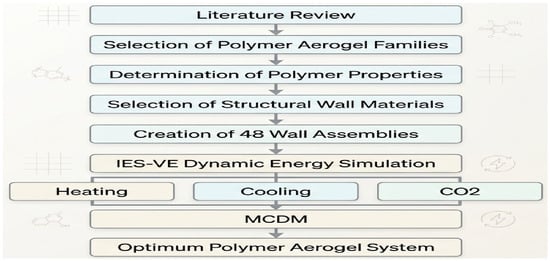
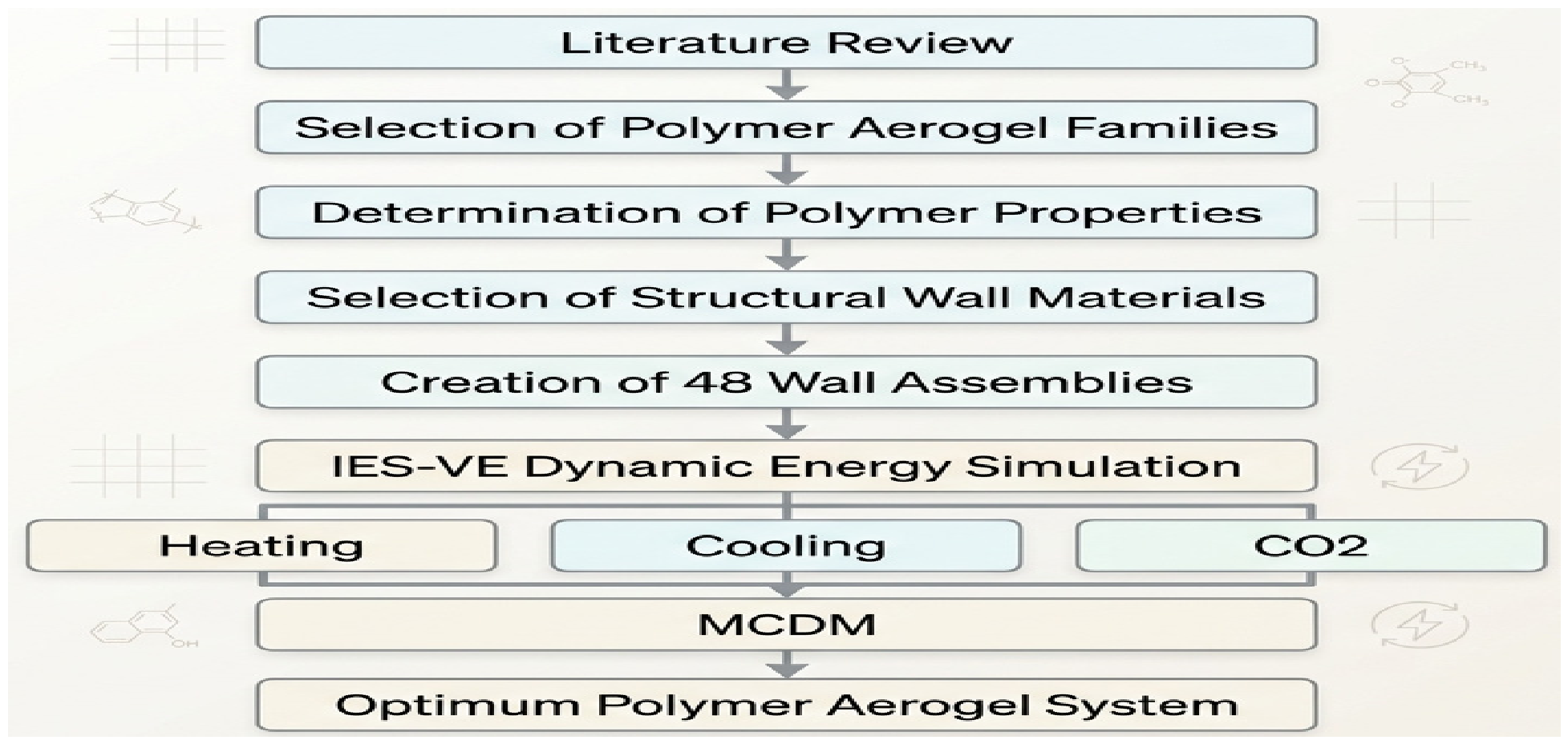
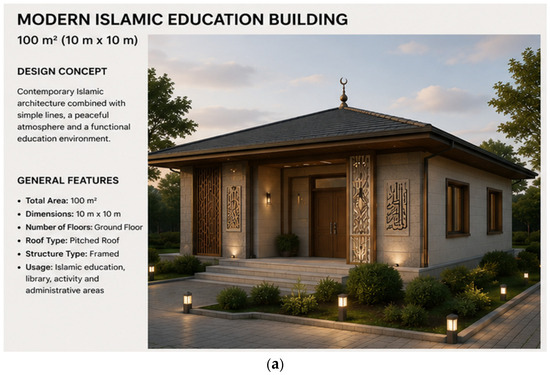
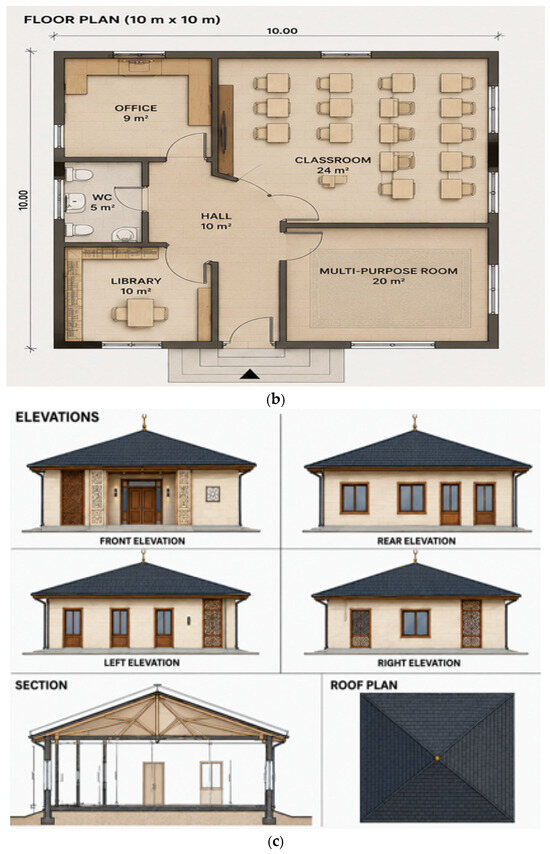
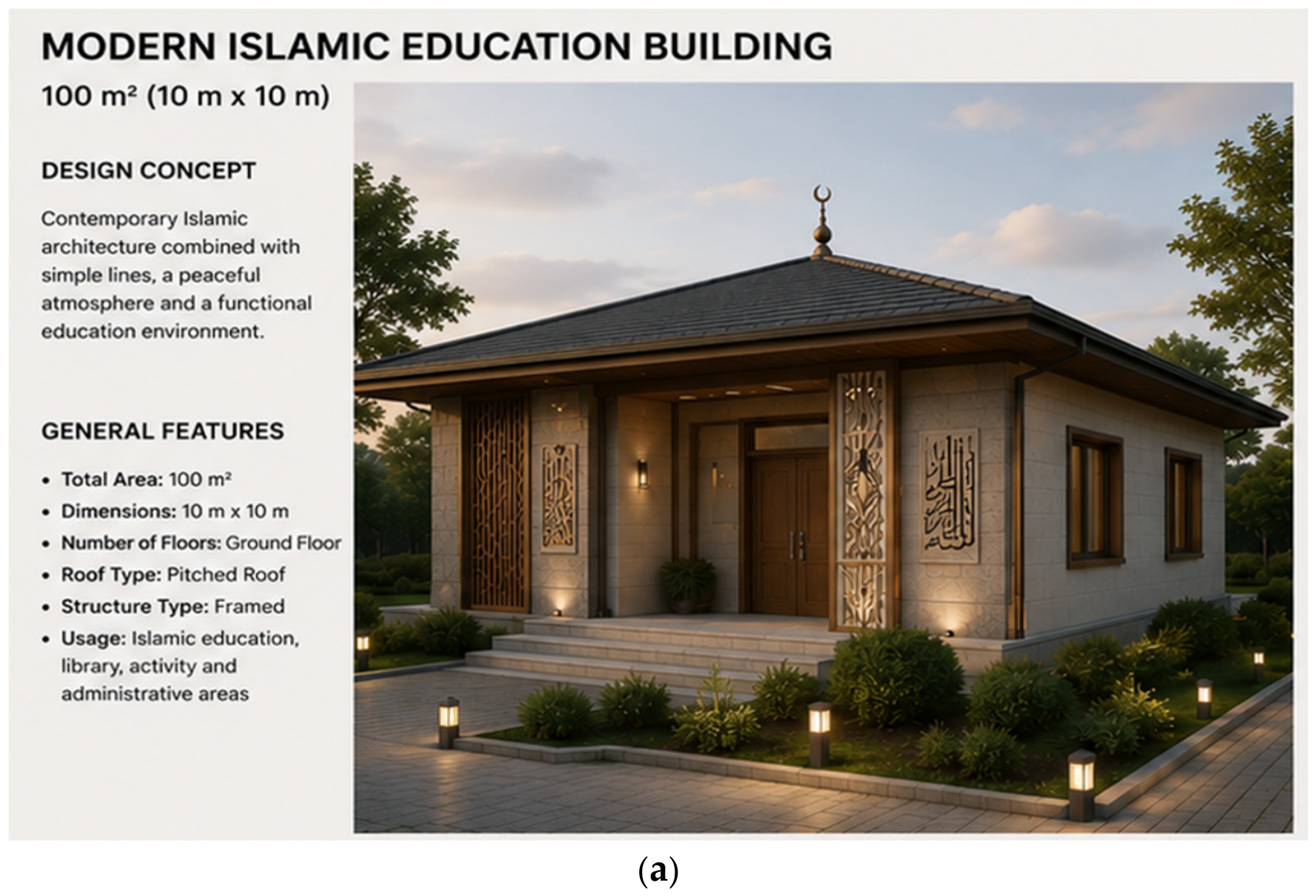
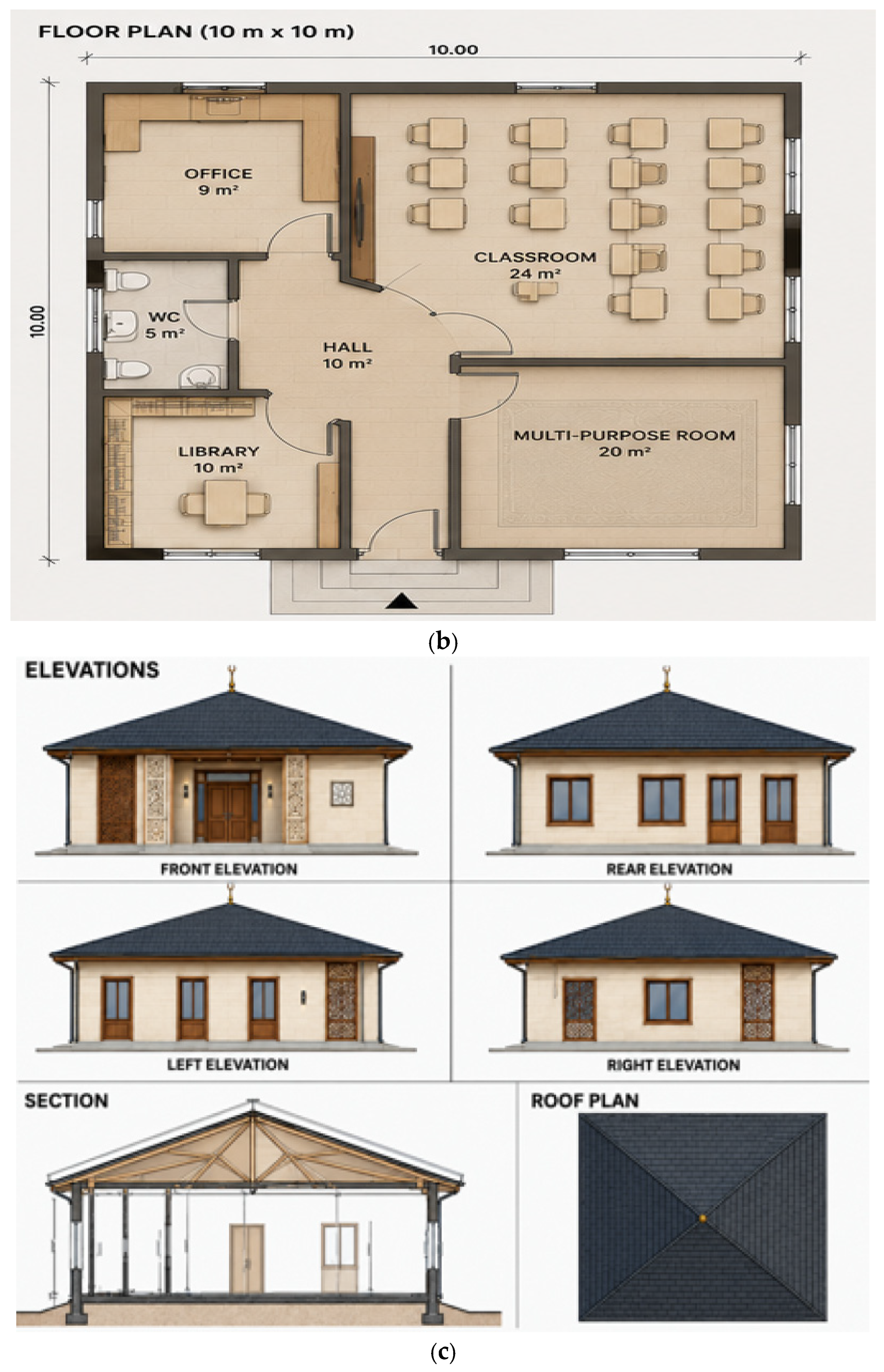
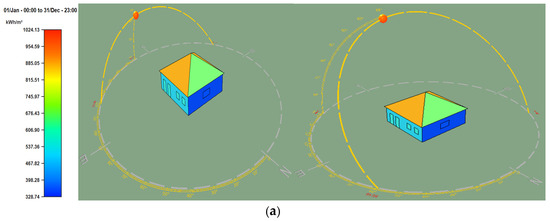
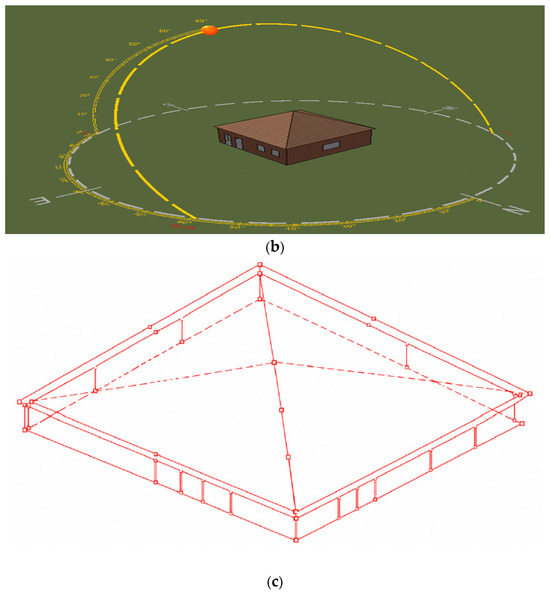
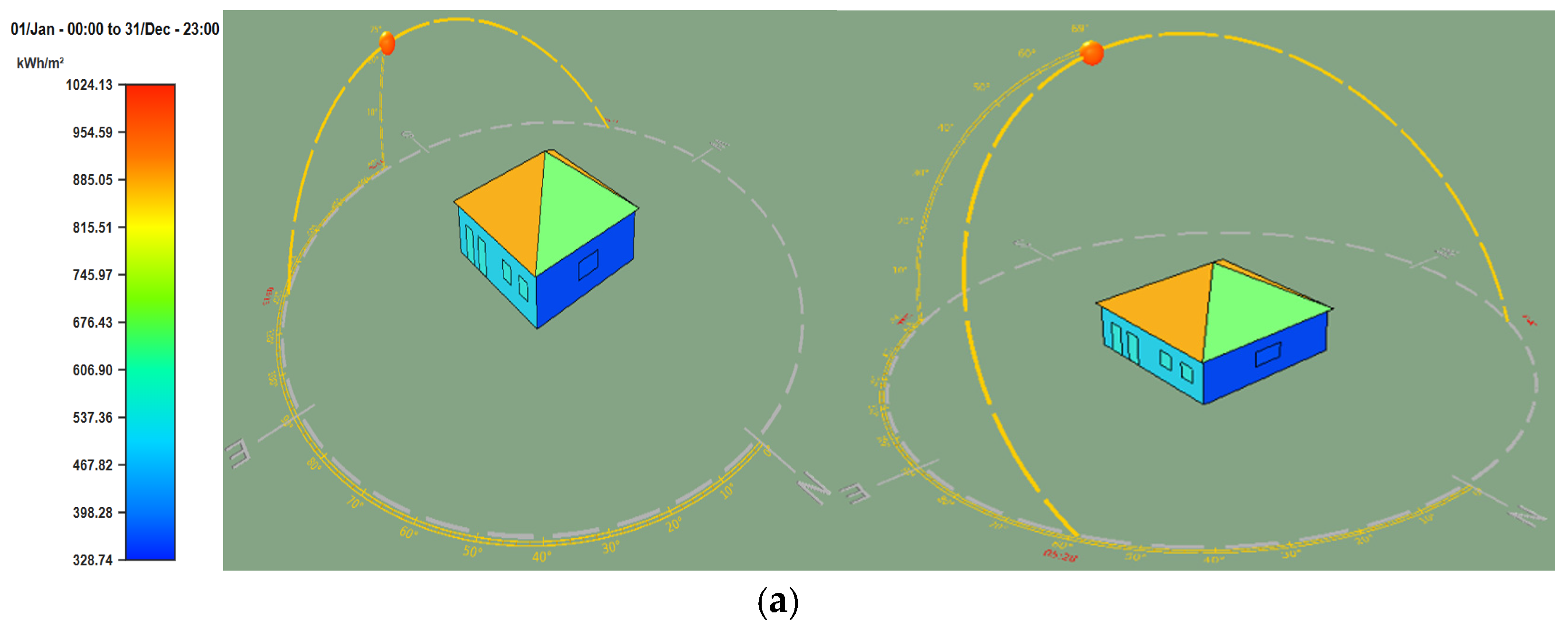
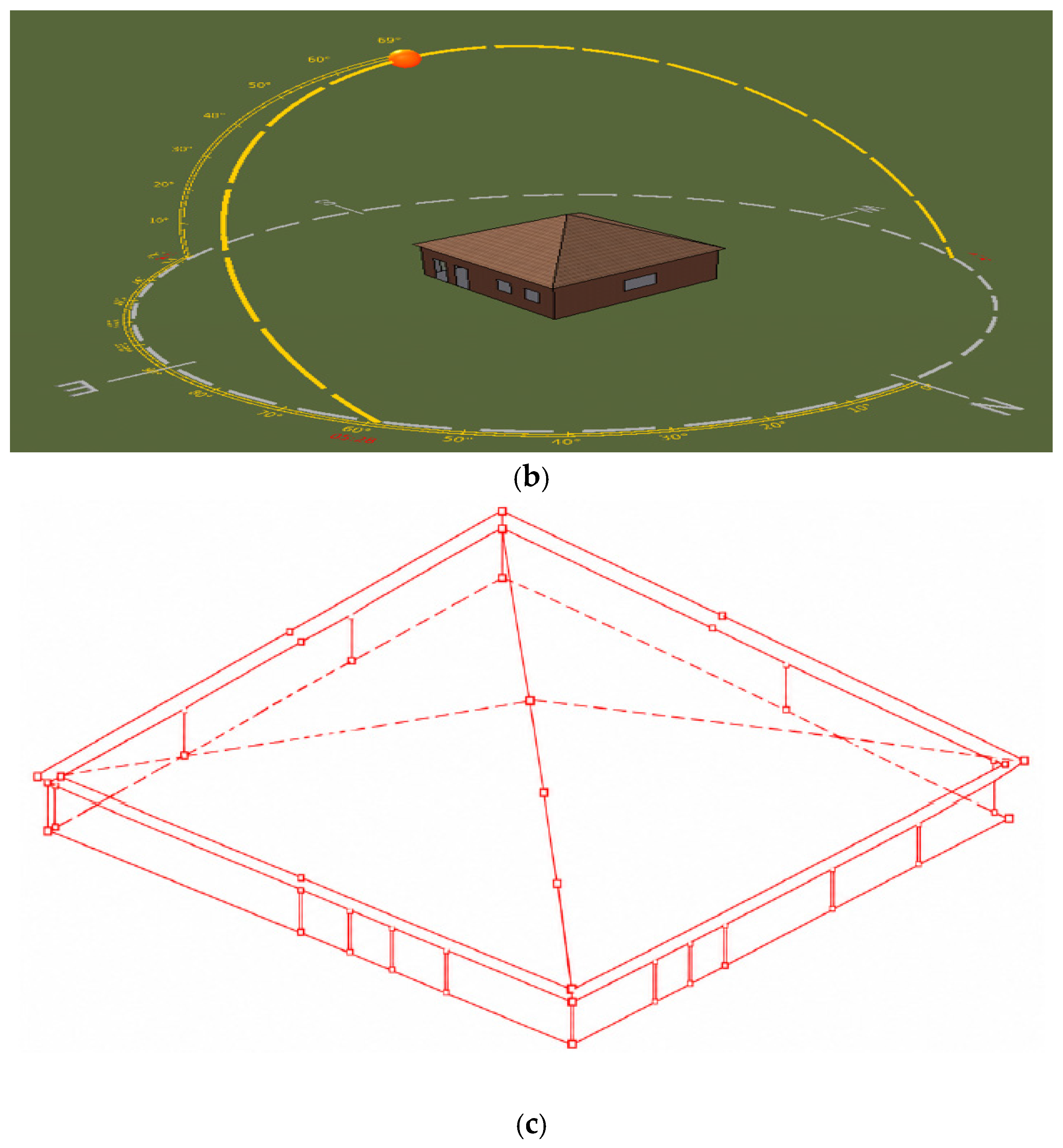
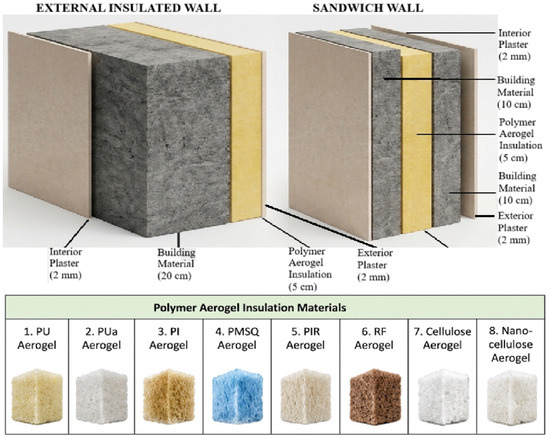
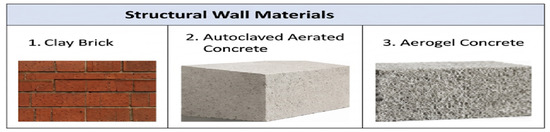
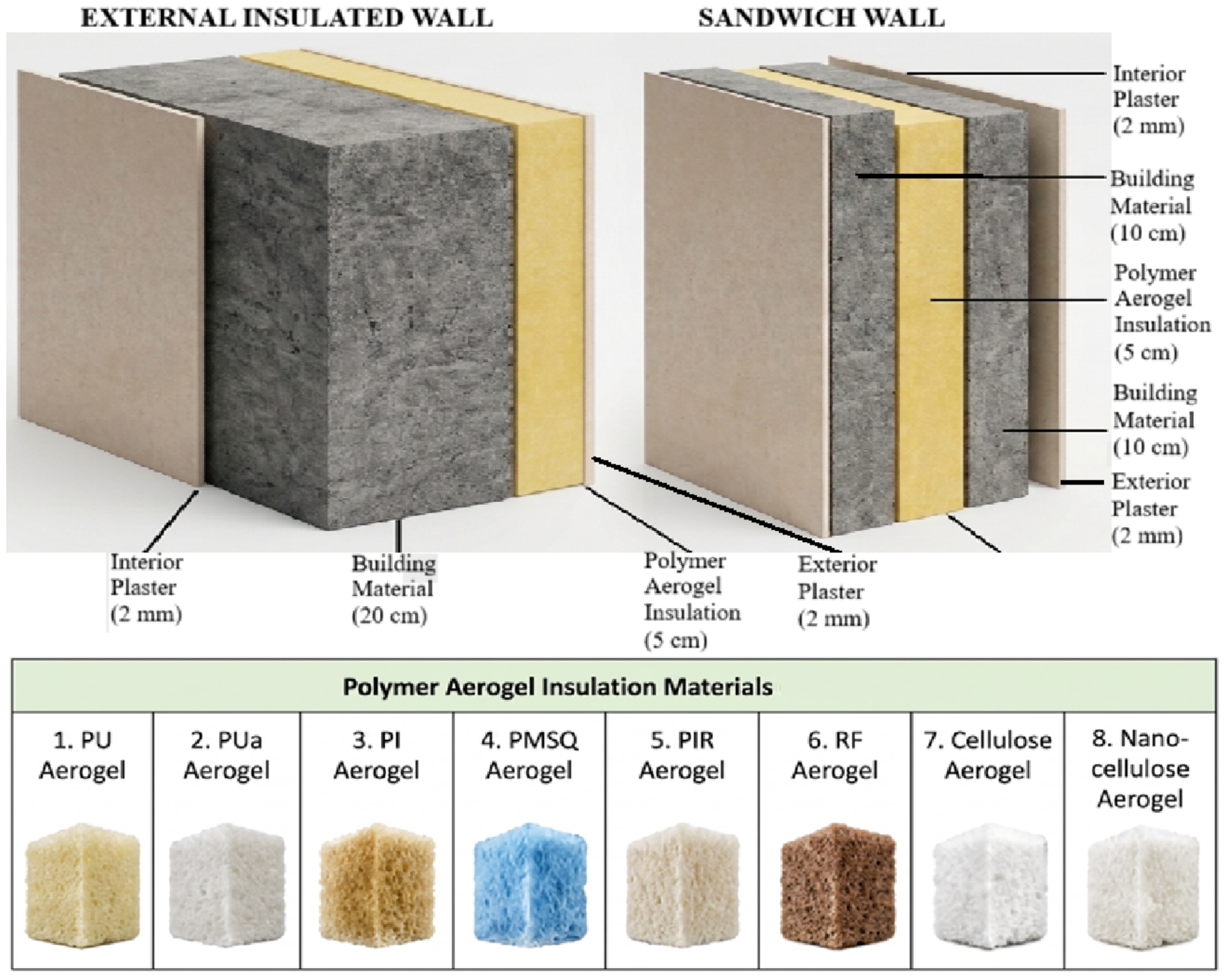
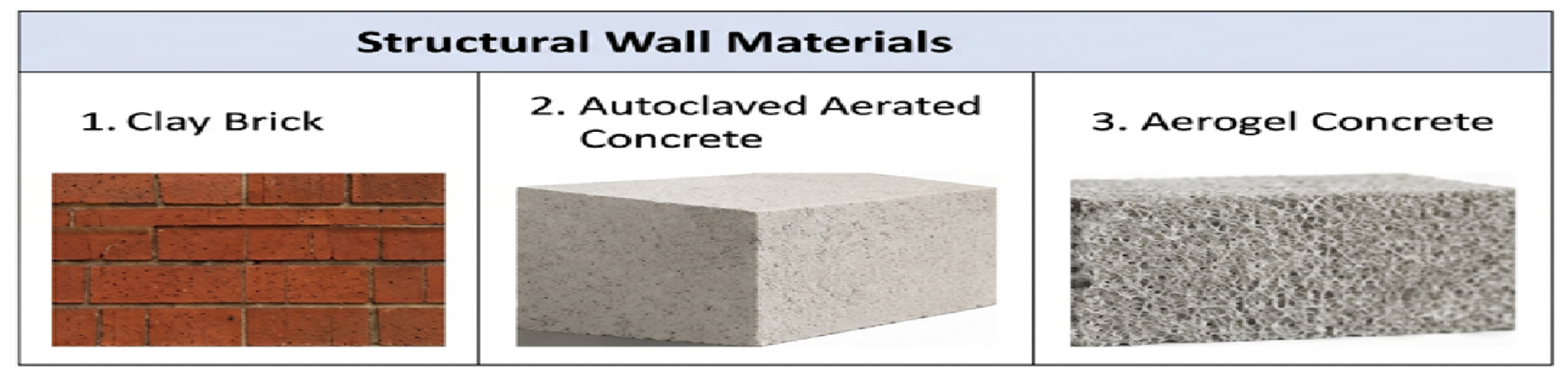
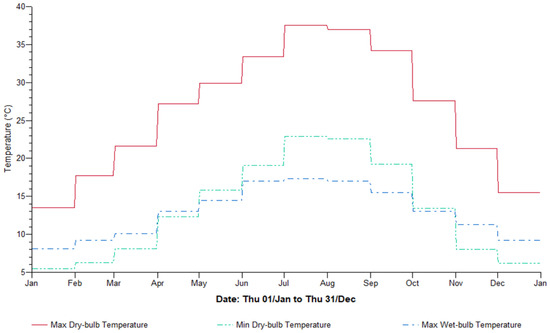
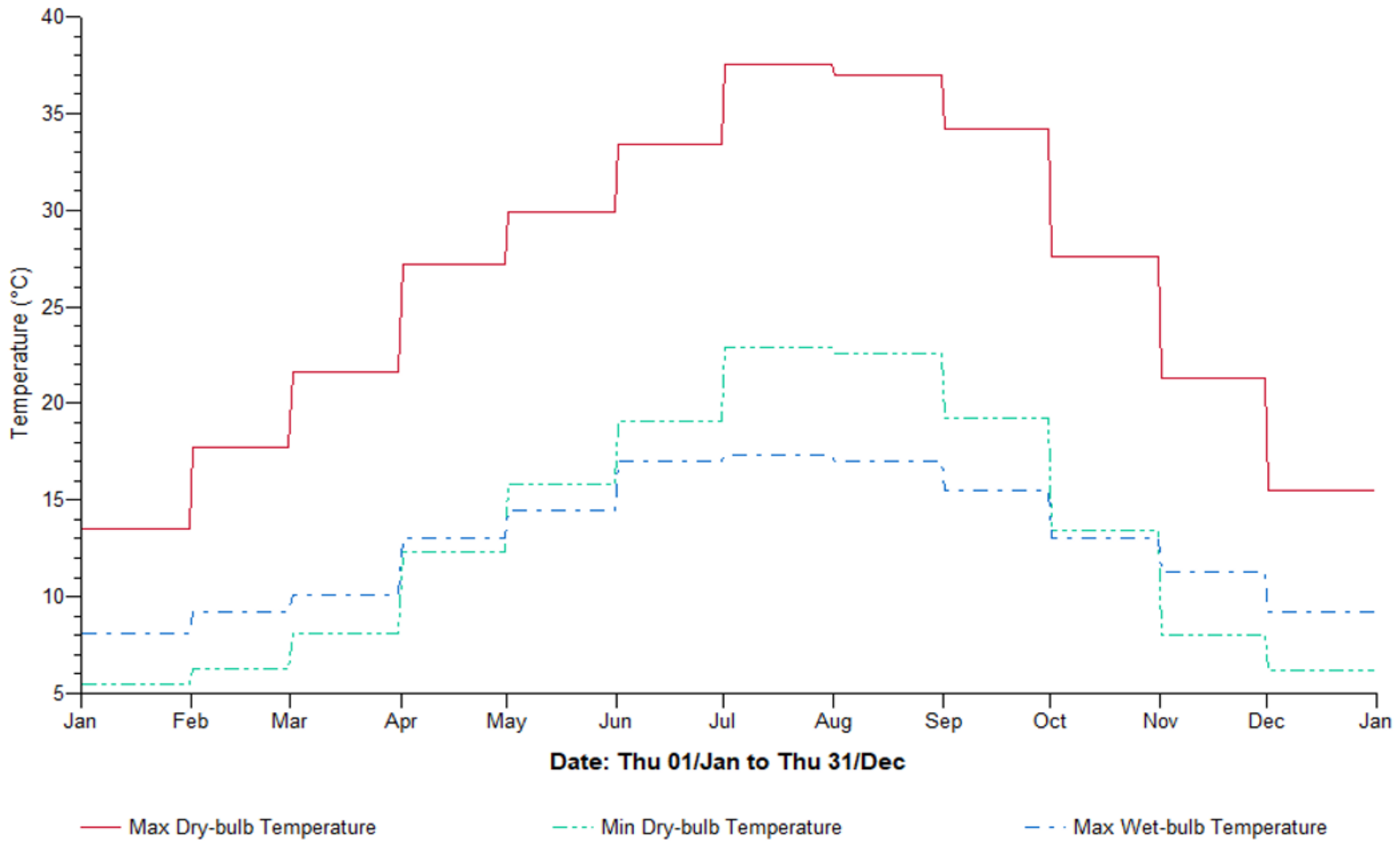
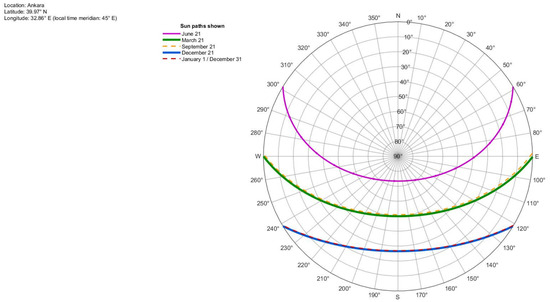
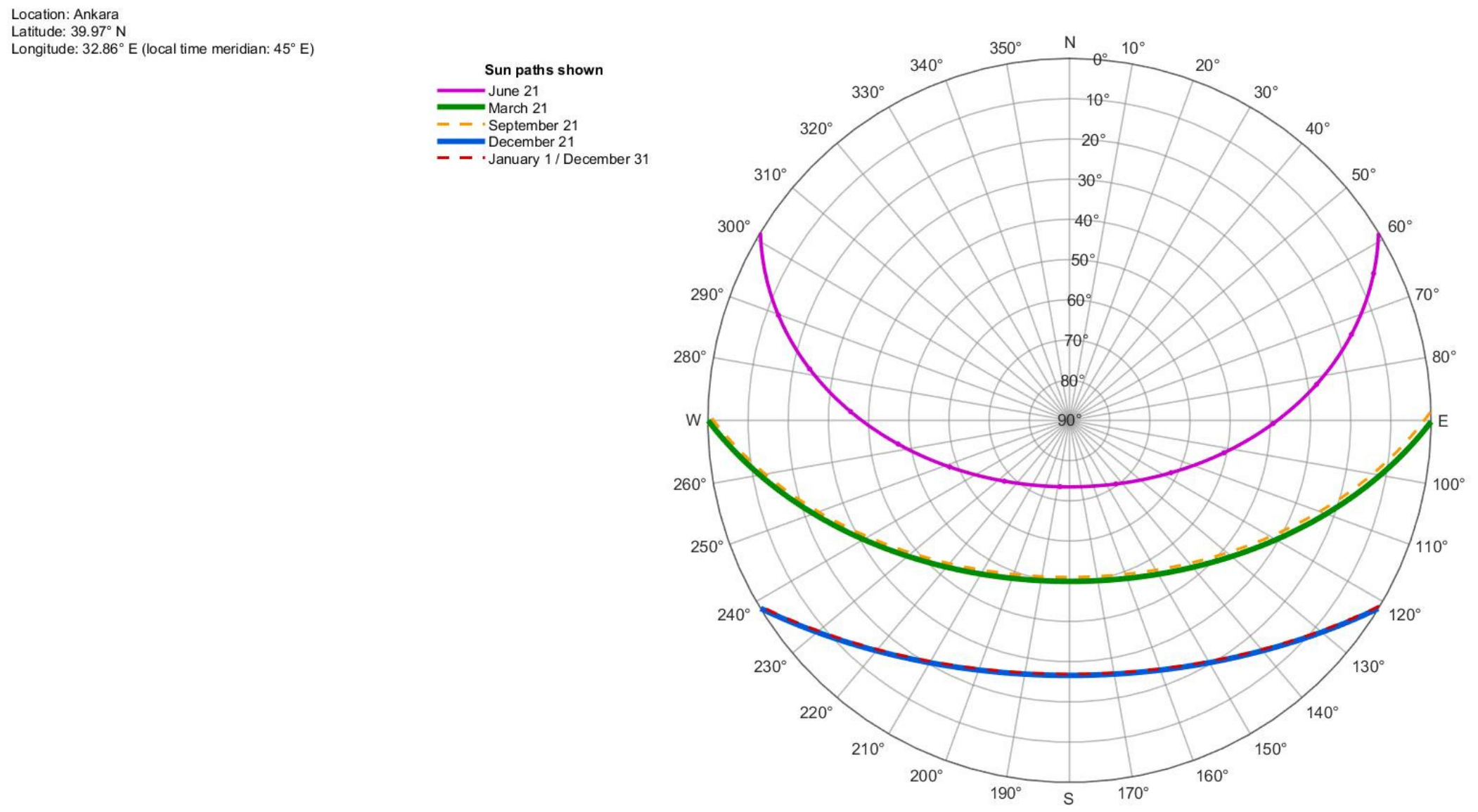
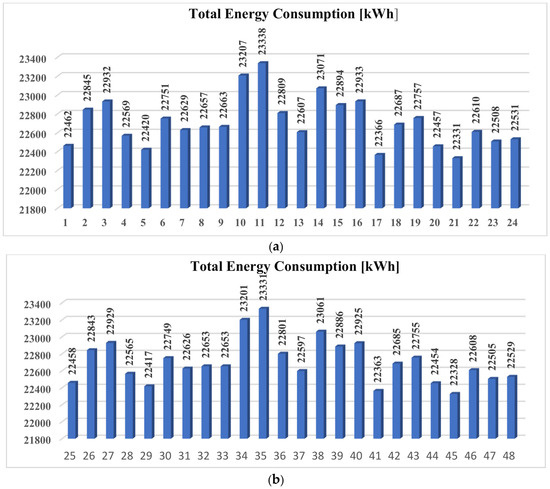
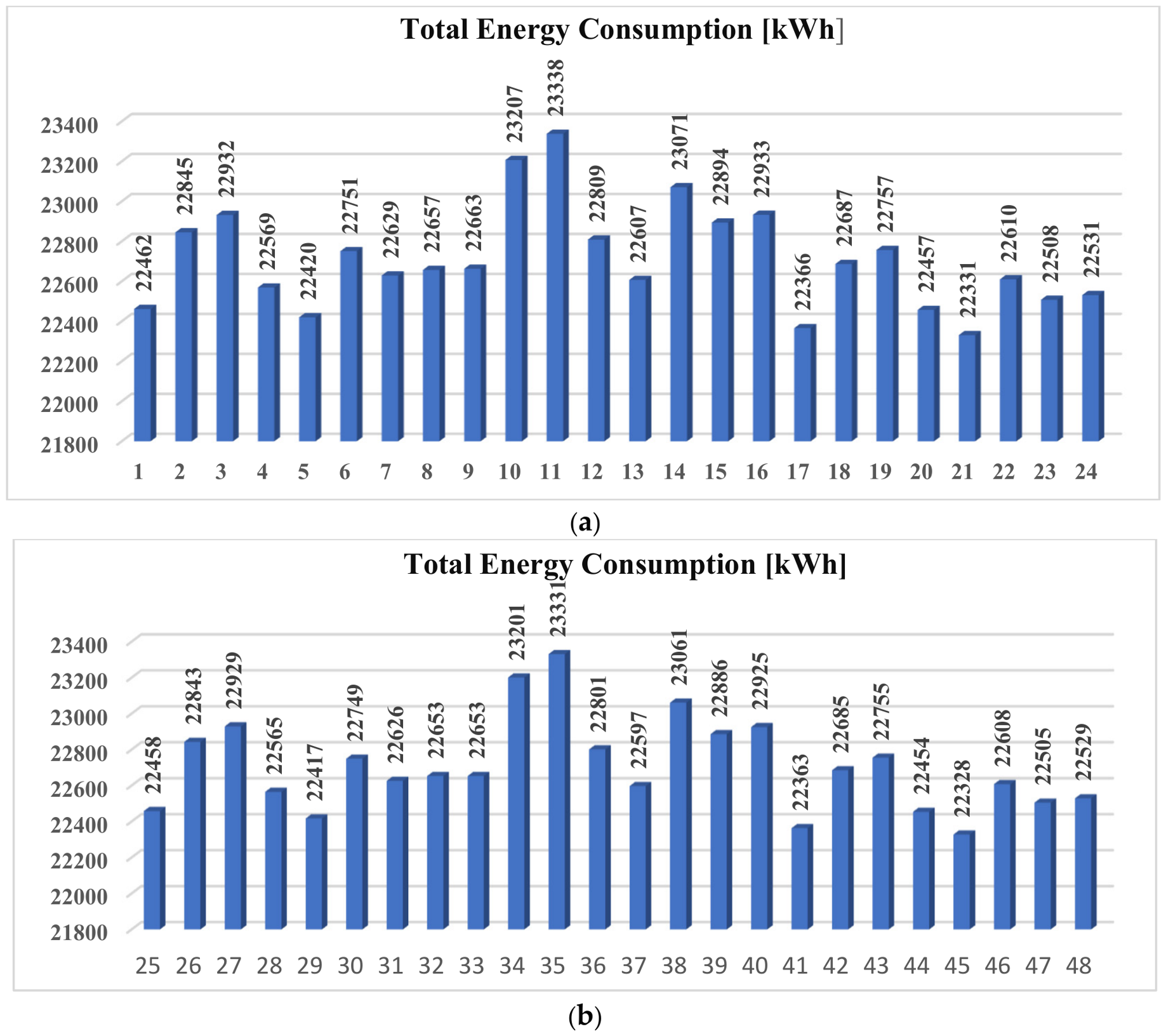
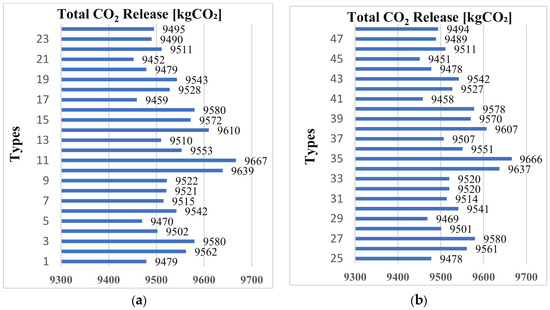
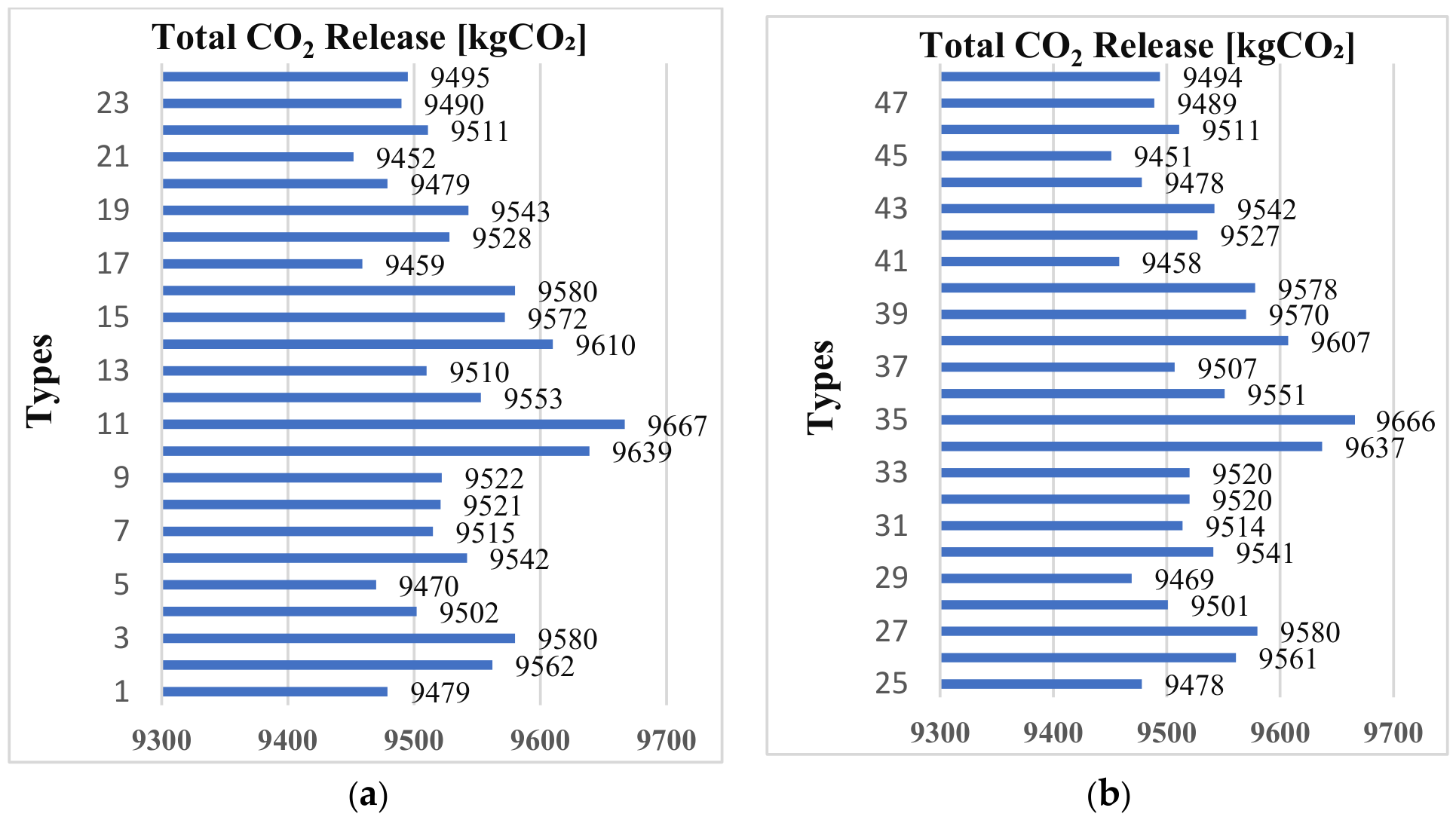

Disclaimer/Publisher’s Note: The statements, opinions and data contained in all publications are solely those of the individual author(s) and contributor(s) and not of MDPI and/or the editor(s). MDPI and/or the editor(s) disclaim responsibility for any injury to people or property resulting from any ideas, methods, instructions or products referred to in the content. |
© 2026 by the authors. Licensee MDPI, Basel, Switzerland. This article is an open access article distributed under the terms and conditions of the Creative Commons Attribution (CC BY) license.