


Abstract
Indoor ice arenas (IIAs) are among the most energy-intensive public buildings because they must simultaneously maintain high-quality ice surfaces, acceptable indoor environmental quality (IEQ), and reliable operation under continuously changing climatic and occupancy conditions. Unlike conventional sports facilities, their performance is governed by strong interactions among refrigeration, ventilation, dehumidification, heat recovery, building envelopes, and operational strategies. This comprehensive review synthesizes the current state of knowledge on the fundamental characteristics of IIAs, major IEQ issues, integrated energy systems, energy-efficiency measures, and emerging intelligent technologies. The literature demonstrates that significant progress has been achieved in improving individual technologies, including advanced refrigeration systems, displacement ventilation, low-emissivity ceilings, envelope optimization, waste-heat utilization, and AI-assisted control. However, existing studies remain largely fragmented, with limited attention to long-term field validation, standardized performance evaluation, and integrated system optimization. Future research should therefore move beyond subsystem-level improvements toward coordinated management of coupled energy and environmental processes. Integrating physics-based knowledge with artificial intelligence, digital twins, predictive control, and district-energy systems will provide important opportunities for developing more energy-efficient, intelligent, low-carbon, and sustainable indoor ice arenas.
1. Introduction
Indoor ice arenas (IIAs) are essential infrastructures supporting a wide range of winter sports, including ice hockey, curling, and various skating disciplines (e.g., figure skating, speed skating, and recreational skating) [1]. Beyond elite competitions, they also serve as important public facilities for community recreation, youth training, physical education, and social activities throughout the year [2]. The development of artificial ice rinks has enabled ice sports to expand far beyond cold-climate regions, making year-round participation possible in countries with diverse climatic conditions [3]. Today, the International Ice Hockey Federation (IIHF) consists of 82 member national associations, and thousands of indoor ice rinks are currently in operation worldwide, which highlight the global importance of artificial ice facilities for the continuous growth of ice sports [1].
In addition to their sporting and social functions, IIAs represent a unique category of public buildings because they must simultaneously provide high-quality ice surfaces, safe and comfortable indoor environments, and reliable operation under intensive daily use [4]. Unlike many other sports facilities (e.g., swimming hall and gyms) that operate only during occupied periods, IIAs require continuous refrigeration and environmental control throughout the operating season to maintain stable ice conditions and acceptable indoor environmental quality (IEQ), regardless of occupancy levels [5,6].
As a result of these demanding operational requirements, IIAs exhibit exceptionally high energy consumption. Previous studies have reported annual energy use intensities of approximately 750 kWh·m−2, nearly three times that of a typical office building [7]. Rather than being dominated by a single end use, this demand results from the simultaneous operation of several energy-intensive systems. Among these, refrigeration is generally the largest energy consumer, accounting for approximately 35% to 75% of total energy use depending on climate, operating conditions, and system configuration. The remaining energy demand is mainly associated with heating, ventilation, dehumidification, lighting, and other auxiliary systems required to maintain acceptable IEQ and reliable facility operation [8].
The strong coupling among these systems further increases operational complexity. Many key factors (e.g., ice quality, indoor thermal conditions, indoor humidity, occupant comfort, and building moisture protection) must be achieved at the same time under continuously changing occupancy patterns and outdoor weather conditions, which often lead to competing operational objectives [9]. Therefore, improving the overall energy performance of IIAs requires integrated optimization of refrigeration, HVAC, dehumidification, and control strategies rather than isolated improvements to individual subsystems, making IIAs an increasingly important research topic in building engineering and sustainable building energy systems.
IEQ plays a far more critical role in IIAs than in most conventional buildings [10]. In offices, schools, or commercial buildings, environmental control is primarily intended to provide acceptable thermal comfort and healthy indoor conditions for occupants [11,12]. In contrast, environmental management in IIAs serves multiple purposes beyond providing thermal comfort. It is required to maintain ice quality, support athletic performance, ensure spectator comfort, provide safe operating conditions, and prevent moisture-related damage to the building and its facilities [4,13]. Thus, IEQ has become a key determinant of overall operational performance, energy efficiency, and long-term facility durability [14].
Achieving these environmental objectives at the same time is technically challenging because the indoor environment of an ice arena is governed by strong interactions among refrigeration, ventilation, heating, dehumidification, occupancy, and outdoor weather conditions. Adjustments intended to improve one aspect of performance often influence others [15]. For example, measures designed to enhance occupant comfort may increase energy consumption or accelerate ice deterioration, whereas strategies that prioritize ice preservation may reduce thermal comfort or increase operational costs [16]. As a result, environmental management in IIAs should be regarded as a multi-objective optimization problem requiring coordinated control of multiple building systems rather than independent optimization of individual performance indicators [17].
As environmental regulations become increasingly stringent and expectations for energy efficiency continue to grow, IIAs are under increasing pressure to reduce energy consumption while maintaining high IEQ and reliable ice conditions [18]. Meeting these multiple objectives simultaneously has become one of the fundamental challenges in the design, operation, and sustainable development of modern IIAs.
Refrigeration has traditionally been regarded as the core technology of IIAs because it is responsible for creating and maintaining the ice surface [4]. Nevertheless, refrigeration represents only one component of a much more complex building energy system. Rather than consisting of independent technical systems, modern IIAs should be viewed as integrated energy systems in which refrigeration, HVAC, and other building energy systems operate in a coordinated manner. From this perspective, improving the efficiency of an individual component does not necessarily maximize the performance of the entire facility. Instead, system-level optimization that coordinates multiple energy flows, control strategies, and operational objectives has become increasingly important for reducing energy consumption, enhancing operational flexibility, and supporting the transition toward low-carbon and sustainable ice arenas [19,20].
Considerable research has been devoted to indoor ice arenas over the past decades. Several review articles have summarized specific topics, including refrigeration technologies, ice-making processes, energy efficiency, and health issues associated with indoor sports facilities [10,21]. Meanwhile, numerous experimental, numerical, and field studies have investigated individual aspects of ice arena performance, such as IEQ [22], refrigeration systems [23], ventilation strategies [24], heat recovery [25], and energy-saving technologies [26]. These studies have substantially advanced the understanding of individual engineering problems and provided valuable technical solutions. However, they have generally addressed isolated technologies or subsystems rather than the overall performance of IIAs as integrated building energy systems.
Despite these advances, existing studies remain largely fragmented. Most reviews focus on specific technologies, while experimental and numerical studies typically evaluate individual subsystems independently. The strong interactions among refrigeration, ventilation, heating, dehumidification, IEQ, and building operation are rarely considered within an integrated framework. Therefore, the combined influences of environmental control, system integration, operational strategies, and energy-efficiency measures on overall building performance have not been comprehensively examined from an integrated system-level perspective, limiting the development of coordinated design and operation strategies for high-performance indoor ice arenas.
To address these research gaps, this review presents a comprehensive assessment of IIAs from the perspectives of building characteristics, IEQ, energy systems, and energy-efficiency strategies. Unlike previous reviews that primarily focus on individual technologies or specific engineering issues, this review emphasizes the interactions among environmental control, refrigeration, HVAC systems, dehumidification, heat recovery, and operational strategies within an integrated building energy system framework. Based on this system-level perspective, current challenges, emerging technologies, research gaps, and future development directions are discussed to support the design and operation of more energy-efficient, sustainable, and intelligent indoor ice arenas.
The remainder of this paper is organized as follows. Section 2 introduces the characteristics of IIAs. Section 3 reviews IEQ. Section 4 summarizes building energy systems. Section 5 discusses energy-efficiency measures. Section 6 reviews intelligent technologies. Section 7 discusses research gaps and future directions. Finally, Section 8 presents the main conclusions.
Previous reviews and technical publications have addressed selected aspects of indoor ice arenas and related research fields. For example, Harriman and Kittler [13] provided technical guidance on humidity control in ice arenas, while Andrade and Dominski [14] reviewed indoor air quality in sports and exercise environments. Zhu et al. [19] examined the modelling and operation of integrated energy systems, whereas Hamid et al. [21] summarized developments and challenges in ice-making technologies. Although these publications offer valuable insights into their respective research areas, they do not specifically address the combined interactions among indoor environmental quality, refrigeration, ventilation, dehumidification, waste-heat recovery, and advanced control technologies in indoor ice arenas. In contrast, the present comprehensive review integrates these interconnected topics within a building-level perspective, with particular emphasis on cross-system interactions, operational trade-offs, and opportunities for coordinated energy and environmental optimization. This integrated perspective represents the principal contribution of the present study.
This paper adopts a comprehensive, thematic review approach to examine the existing literature on indoor ice arenas from an integrated building energy systems perspective. The reviewed studies cover indoor environmental quality, refrigeration, ventilation, dehumidification, heat recovery, energy-efficiency strategies, and emerging intelligent technologies. Relevant publications were examined and synthesized according to their research focus, methodological approaches, investigated technologies, and principal findings. To facilitate comparison across different research areas, the literature was organized into three summary tables. Table 1 presents representative studies concerning indoor environmental quality and energy systems, classified according to their research methods and technical contributions. Table 2 summarizes energy-efficiency and sustainability strategies, focusing on their operational characteristics, applicability, and potential benefits. Table 3 reviews intelligent technologies, highlighting their objectives, applications, and technological maturity. The synthesis emphasizes cross-system interactions, technological developments, and research gaps rather than quantitative meta-analysis or exhaustive systematic evidence mapping.
2. Characteristics of Ice Arenas
IIAs differ fundamentally from conventional sports buildings because they combine a refrigerated ice surface, large enclosed air volumes, spectator spaces, mechanical-service zones, and frequently changing operational activities within the same facility. Their performance is therefore governed not only by building-envelope design or HVAC operation, but also by the coupled interaction among ice-floor systems, thermal stratification, moisture transport, refrigeration loads, and intermittent internal disturbances [9,27]. Understanding these characteristics is essential before discussing IEQ, energy systems, and sustainable operation in the following sections.
2.1. Spatial and Structural Configuration
A typical IIA consists of several interacting functional zones, including the ice field, dasher-board boundary, spectator stands, circulation areas, service spaces, mechanical rooms, and roof or ceiling structures. The ice field is the dominant functional and thermal element of the building. It is usually formed by an ice layer placed above a refrigerated floor assembly containing embedded cooling pipes, a structural slab, insulation layers, and sometimes ground-heating or frost-protection systems [7]. This multilayer structure must simultaneously maintain stable surface temperature, provide sufficient mechanical strength, ensure temperature uniformity, and prevent excessive heat transfer from the ground [28]. As illustrated in Figure 1, a typical indoor ice arena consists of multiple functional zones and tightly coupled environmental control systems, including refrigeration, ventilation, heating, dehumidification, and lighting. The interaction among these systems governs the indoor thermal environment, moisture transport, ice quality, and overall arena performance.
Figure 1.
Schematic illustration of a typical indoor ice arena and its major environmental control systems.
The vertical organization of ice arenas is equally important. Unlike many indoor sports facilities, the occupied space is divided into a cold ice-level zone and a relatively warmer upper zone, where spectators, lighting systems, roof structures, and ventilation devices are located. The large internal volume creates strong potential for vertical thermal and humidity stratification [29]. In many arenas, the ice surface acts as a large cold sink, while the ceiling, upper walls, lighting systems, and spectator areas act as heat and moisture sources. As a result, environmental conditions are rarely uniform across the building height or between functional zones.
The physical separation between the ice field and spectator areas also influences environmental control. Dasher boards, barriers, seating layouts, and buffer spaces can affect airflow exchange between zones. If the separation is weak, warm and humid air from spectator areas may migrate toward the ice surface, increasing refrigeration and dehumidification loads [30]. Conversely, excessive isolation may create local discomfort or poor air quality in occupied areas. Therefore, the structural configuration of an ice arena should be understood as an environmental-control framework rather than only as an architectural arrangement.
Roof and envelope design further shape arena performance. Because the ice surface exchanges long-wave radiation with the ceiling and upper envelope, ceiling temperature and emissivity strongly affect the refrigeration load [31]. Transparent or lightweight envelope components may introduce additional solar gains, condensation risks, and sensitivity to outdoor conditions [26]. Airtightness is also critical, since infiltration can bring warm and humid outdoor air into a low-temperature indoor environment [32]. These structural features explain why ice arenas require integrated design of envelope, ice floor, ventilation, and refrigeration systems.
2.2. Thermal–Humidity Characteristics
The most distinctive environmental feature of IIAs is the coexistence of a subzero or near-freezing ice surface with warmer indoor air and occupied spaces. This creates a highly non-uniform thermal environment. The ice surface continuously removes heat from the surrounding air and surfaces, while spectators, lighting, ventilation supply air, resurfacing water, and outdoor-air infiltration introduce sensible and latent heat into the arena [33]. Consequently, thermal stratification is not an incidental phenomenon but an inherent operating characteristic of IIAs [29].
Humidity behavior is similarly complex. Moisture can enter the arena through outdoor air, infiltration, ventilation supply, occupants, resurfacing activities, and evaporation from water applied during ice maintenance [32]. Once moisture enters the space, it is transported by airflow and may accumulate locally above the ice surface or near cold envelope components [30]. Because the ice surface and surrounding structures are cold, even moderate increases in humidity can lead to condensation, frosting, or fog formation. However, excessively dry air is also undesirable because it can accelerate ice sublimation, reduce ice thickness, and degrade surface quality [34]. Thus, humidity control in ice arenas is not simply a matter of minimizing moisture, but of maintaining a narrow operating range that balances visibility, frost prevention, ice preservation, and energy efficiency.
The coupling between temperature and humidity is particularly important. Warm and humid air transported from the upper zone or spectator area can reach the cold ice-level zone and approach saturation, creating fogging risk and latent heat transfer to the ice surface [30]. At the same time, excessive ventilation or air mixing may increase convective heat transfer and refrigeration demand [35]. For this reason, thermal and humidity management in ice arenas must be treated as a coupled heat-and-mass-transfer problem. Air distribution, dehumidification, refrigeration, and envelope performance cannot be optimized independently without risking counterproductive effects [16].
These thermal–humidity characteristics also distinguish ice arenas from conventional low-temperature buildings. A cold-storage facility normally aims to maintain a uniformly cold space, whereas an ice arena must support ice quality, athlete activity, spectator comfort, visibility, and IAQ simultaneously. This creates conflicting environmental requirements: the ice surface requires low temperature and controlled humidity, while spectators and staff require acceptable thermal comfort and air quality. The central challenge is therefore not merely to cool the space, but to maintain controlled environmental stratification and limit unwanted heat and moisture transfer between zones.
2.3. Special Loads and Operational Disturbances
IIAs are subject to several special loads that are uncommon or less dominant in conventional buildings. The most important load is the refrigeration load imposed on the ice sheet. This load is generated through multiple pathways, including long-wave radiation from the ceiling and surrounding surfaces, convection from indoor air, latent heat from condensation or frosting, conduction through the floor structure, lighting gains, solar gains where transparent envelopes are used, and heat introduced by resurfacing operations [33]. Among these mechanisms, radiation from upper surfaces and transient resurfacing loads are especially important because they directly affect ice-surface temperature and refrigeration-system operation [31,36].
Ice resurfacing is one of the most distinctive operational disturbances. During resurfacing, warm water is spread over the ice surface to restore smoothness and quality. This process introduces both sensible heat and moisture into the arena. The added water must be cooled and frozen, while evaporation and condensation can temporarily increase humidity and latent load [37]. Repeated resurfacing cycles may therefore create short-term peaks in refrigeration demand and disturb thermal–humidity stability [36]. The timing, frequency, water temperature, and water volume of resurfacing activities are consequently important operational parameters.
Occupancy-related loads are also highly variable. Training sessions, public skating, hockey games, competitions, and events differ substantially in occupant density, metabolic heat, moisture generation, pollutant emissions, lighting demand, and ventilation requirement. Spectator events can introduce large sensible and latent loads into the upper occupied zone, while athlete activities occur directly above the ice surface [38]. These loads are spatially uneven and temporally intermittent, making fixed environmental setpoints inefficient or insufficient under changing operating conditions.
Additional special loads arise from ice-maintenance equipment and indoor pollutant sources. Fuel-powered resurfacing machines can emit carbon monoxide, nitrogen oxides, and volatile organic compounds, creating IAQ risks if ventilation is inadequate [39,40]. Even when electric equipment is used, operational movement, door opening, maintenance work, and staff activities can disturb airflow and moisture distributions. Lighting systems may also contribute significant heat gains, particularly in competition venues requiring high illuminance [33]. In some modern facilities, digital displays, broadcasting systems, and event equipment further increase internal gains.
The combined effect of these loads is that ice arenas operate under dynamic and strongly coupled conditions. A change in one subsystem may influence several others: increasing ventilation may improve air quality but raise heating, cooling, and dehumidification loads; lowering humidity may prevent frost but increase sublimation; raising brine temperature may save refrigeration energy but risk ice-quality deterioration; improving spectator comfort may increase heat transfer toward the ice surface [16]. Therefore, ice arenas should be understood as integrated thermo-hygrometric and energy systems rather than as ordinary sports buildings containing an ice floor.
Figure 2 presents the conceptual framework of indoor ice arenas. The unique characteristics of IIAs, including the refrigerated ice surface, large enclosed space, and dynamic operation, govern coupled heat, moisture, and airflow transfer processes, which in turn determine IEQ, integrated energy-system performance, and the overall energy-efficient and sustainable operation of the facility. This framework provides the basis for the discussions in the following sections.
Figure 2.
Conceptual framework linking the characteristics, IEQ, and energy systems of IIAs.
3. IEQ
3.1. Thermal Environment
The thermal environment is a key component of IEQ in indoor ice arenas because it directly affects ice quality, occupant comfort, and energy performance. Unlike conventional buildings, IIAs operate under highly non-uniform thermal conditions, where a subzero ice surface coexists with warmer occupied zones. Consequently, maintaining stable thermal conditions remains a fundamental challenge in ice-arena design and operation.
A defining characteristic of the thermal environment in IIAs is pronounced vertical temperature stratification. Experimental measurements and numerical simulations consistently demonstrate that significant temperature gradients develop between the ice surface and the upper occupied zone because of the continuous cooling effect of the ice sheet and the large indoor volume [15,16,29]. The magnitude of thermal stratification is strongly influenced by ventilation configuration, supply-air location, and arena geometry [15,24,29,35]. For example, Lin et al. [16] reported temperature differences exceeding 5 °C between functional zones under certain operating conditions, confirming that temperature stratification is an inherent characteristic of large indoor ice arenas.
Ventilation plays a decisive role in shaping thermal conditions by regulating airflow distribution and heat transfer within the arena. Compared with conventional jet ventilation, displacement ventilation generally maintains lower air temperatures above the ice surface, limits unwanted heat transfer from spectator areas, and reduces refrigeration demand [24,35,38]. However, excessive air mixing may increase convective heat transfer to the ice surface and deteriorate thermal conditions for both ice preservation and energy efficiency [16,38]. These findings indicate that ventilation design should balance thermal comfort, ice quality, and energy performance simultaneously.
Thermal conditions also have a direct influence on ice quality and operational performance. Ice-surface temperature determines skating characteristics, ice hardness, friction behaviour, and refrigeration demand [7,37,41]. Recommended ice temperatures generally range from approximately −5 °C for professional hockey competitions to around −3 °C for recreational skating [7]. In addition, recent studies have shown that thermal control during ice making significantly affects ice transparency, hardness, freezing efficiency, and structural integrity. Appropriate water temperature, freezing strategy, and temperature distribution within the ice sheet are all important for achieving high-quality ice surfaces [11,28,42].
Beyond air temperature alone, the thermal performance of IIAs is governed by multiple coupled heat-transfer mechanisms. Convection, long-wave radiation, condensation, resurfacing activities, and heat conduction through the ice floor all contribute to refrigeration loads [27,31,36]. Among these processes, long-wave radiation from ceilings and surrounding surfaces has been identified as one of the dominant heat loads acting on the ice sheet [31], while resurfacing operations introduce considerable transient heat loads through evaporation, condensation, and phase change [36]. In addition, ice-floor characteristics, including brine temperature, resurfacing frequency, and floor configuration, significantly influence ice-surface thermal behavior [27].
Recent studies have further extended thermal-environment research from operational control toward building-level optimization. Building-envelope design, arena geometry, and climatic conditions have all been shown to affect thermal stability, airflow organization, and energy performance [17,31,43]. Larger enclosed volumes and optimized building configurations can improve thermal conditions within occupied areas, whereas envelope characteristics influence both indoor thermal stability and sensitivity to outdoor weather conditions [17,31]. These findings suggest that improving the thermal environment requires coordinated optimization of both building design and environmental control systems.
3.2. Humidity Control
Humidity control represents one of the most challenging operational aspects of IIAs because moisture conditions directly affect ice quality, visibility, refrigeration efficiency, and facility durability. Compared with conventional sports buildings, ice arenas operate at much lower temperatures, making them highly sensitive to moisture accumulation. Even small increases in humidity may result in condensation, frosting, or fog formation, whereas excessively dry conditions can accelerate ice sublimation and degrade ice quality. Therefore, maintaining an appropriate humidity range is essential for ensuring stable arena operation and preserving optimal ice-surface conditions.
Effective humidity management begins with understanding moisture sources within the arena. Moisture loads originate from multiple pathways, including outdoor-air infiltration, ventilation air supply, occupants, and ice-maintenance activities [9,30,37]. Outdoor-air infiltration and ventilation are major contributors to annual dehumidification demand, particularly in warm and humid climates where seasonal weather conditions strongly influence latent loads [9,32]. Internal moisture generation is equally important, as resurfacing operations continuously introduce moisture through evaporation, while heat and moisture exchange between spectator areas and the ice surface further increases local humidity levels [30,37]. These findings indicate that humidity control should consider both external and internal moisture sources rather than relying solely on dehumidification equipment.
Once moisture enters the arena, it is redistributed through airflow and heat-and-mass transfer processes, leading to pronounced spatial non-uniformity. Similar to thermal stratification, humidity stratification is a common characteristic of IIAs, with moisture distribution strongly influenced by ventilation strategy, airflow organization, and building configuration [15,16,29,30,38]. Experimental and numerical studies consistently show that moisture tends to accumulate locally above the ice surface or within specific functional zones rather than being uniformly distributed throughout the arena [15,16]. Consequently, humidity control should be regarded as a zonal environmental-management problem instead of relying on uniform indoor humidity assumptions.
Ventilation and dehumidification systems play complementary roles in maintaining appropriate humidity conditions. Compared with conventional jet ventilation, displacement ventilation generally maintains lower humidity ratios above the ice surface by reducing unnecessary air mixing between spectator and competition zones [24,35]. In addition, integrated ventilation and dehumidification strategies have been shown to improve humidity-control performance and operational stability more effectively than independent environmental-control measures [16,44]. These studies demonstrate that successful humidity management depends on the coordinated operation of ventilation, air distribution, and dehumidification systems rather than on dehumidification capacity alone.
A key challenge in humidity control is maintaining an appropriate balance between excessive and insufficient moisture. Excessive humidity promotes condensation, frosting, fog formation, and additional refrigeration loads [6,15,37,45]. Experimental studies have identified humidity ratio as the dominant factor governing frost formation and established critical humidity thresholds for preventing visible frosting on the ice surface [45]. Meanwhile, latent heat associated with moisture transfer contributes substantially to overall cooling demand, with condensation-related heat transfer accounting for a considerable proportion of seasonal refrigeration loads [5,37]. However, excessively dry conditions are also undesirable because they accelerate ice sublimation, reduce ice thickness, and deteriorate ice quality [34,41]. Therefore, humidity control should aim to optimize moisture conditions rather than simply minimize indoor humidity.
Recent research has gradually shifted from conventional fixed-setpoint operation toward predictive and intelligent humidity management. Building morphology has been shown to influence humidity distribution by affecting airflow organization and moisture transport pathways [17]. More recently, machine-learning-based prediction and predictive-control approaches have demonstrated promising potential for forecasting humidity conditions, preventing fog formation, and optimizing dehumidification-system operation while reducing energy consumption [46,47]. These developments indicate that future humidity-control strategies will increasingly integrate real-time environmental monitoring, predictive control, and intelligent optimization.
3.3. IAQ
Indoor air quality (IAQ) is an essential component of environmental quality in IIAs because athletes, spectators, maintenance personnel, and facility operators may spend extended periods within enclosed spaces characterized by low temperatures and high occupancy densities. Although research on ice arenas has traditionally focused on thermal environment and humidity control, increasing attention has been devoted to IAQ because indoor pollutant concentrations can become substantially elevated during normal arena operation. Poor IAQ not only affects occupant health and comfort but may also impair athletic performance and increase long-term exposure risks.
A distinguishing characteristic of IAQ in IIAs is the presence of unique indoor pollutant sources associated with arena operation. Unlike conventional sports facilities, indoor pollutant emissions are strongly influenced by ice-resurfacing activities, occupant-related emissions, and ventilation effectiveness [22,39,40,48]. Among these sources, ice resurfacing represents the most important contributor because contaminants released during resurfacing are repeatedly introduced into the arena throughout daily operation. Experimental studies further show that pollutant transport is highly dependent on airflow organization, with contaminants tending to accumulate within specific regions rather than being uniformly distributed throughout the arena [48]. Consequently, pollutant control in IIAs should consider both emission sources and contaminant transport characteristics.
Combustion-powered ice resurfacers have been widely recognized as the dominant source of gaseous pollutants in many ice arenas. Field measurements consistently demonstrate that resurfacing operations substantially increase indoor concentrations of carbon monoxide (CO), nitric oxide (NO), nitrogen dioxide (NO2), and total volatile organic compounds (TVOCs) [39,40]. Pollutant composition also depends strongly on fuel type. Gasoline-powered resurfacers generally generate higher CO and TVOC concentrations, whereas propane-powered equipment produces relatively higher NO and NO2 emissions [39]. In contrast, facilities equipped with electric resurfacing machines typically maintain pollutant concentrations close to outdoor background levels [40]. These findings demonstrate that resurfacing technology plays a decisive role in determining indoor gaseous pollutant levels.
In addition to gaseous pollutants, biological contaminants and airborne microorganisms have received increasing attention in recent years. Studies have shown that bacterial aerosol concentrations inside ice arenas can be substantially higher than outdoor levels because of occupant activities and internal emission sources [22]. Mechanical ventilation has been demonstrated to effectively reduce indoor bacterial concentrations and occupant exposure, highlighting its important role in controlling biological as well as chemical pollutants [22]. These findings indicate that IAQ management should adopt a comprehensive perspective that simultaneously considers multiple categories of indoor contaminants.
The health implications of poor IAQ have been well documented. A systematic review by Andrade and Dominski [14] identified ice arenas as one of the indoor sports environments most frequently associated with pollutant-exposure concerns. Carbon monoxide, nitrogen dioxide, and particulate matter are consistently reported as the most important pollutants because indoor concentrations may exceed outdoor levels under inadequate ventilation conditions. Exposure to elevated pollutant concentrations has been associated with headaches, dizziness, respiratory irritation, fatigue, coughing, and reduced exercise performance among athletes and arena users [14]. Therefore, maintaining acceptable IAQ is essential not only for protecting occupant health but also for supporting safe and effective sporting activities.
Recent research has increasingly emphasized integrated IAQ management through source control, ventilation optimization, and continuous environmental monitoring. Replacing combustion-powered resurfacing equipment with electric alternatives is considered the most effective strategy for reducing pollutant emissions at their source [39,40]. Meanwhile, optimized ventilation systems improve contaminant removal, reduce pollutant accumulation, and lower occupant exposure by enhancing airflow organization within the arena [22,48]. Continuous monitoring of key pollutants, particularly CO and NO2, further enables timely operational adjustments and helps maintain compliance with health guidelines. These developments indicate that future IAQ management will increasingly combine cleaner equipment, intelligent monitoring, and optimized ventilation strategies to simultaneously improve environmental quality and operational efficiency.
3.4. Fog Formation
Fog formation is one of the most distinctive environmental challenges in IIAs because it directly affects visibility, athlete safety, competition quality, and operational reliability. Unlike conventional sports facilities, IIAs operate under unique thermo-hygrometric conditions in which a cold ice surface coexists with relatively warm and humid occupied zones. Under these conditions, water vapor may condense into suspended droplets when moist air encounters colder air near the ice surface, resulting in visible fog. Although fog itself contributes little to refrigeration loads, it can severely reduce visibility and disrupt normal arena operation, making effective fog prevention an essential objective of environmental management.
Fog formation is fundamentally governed by the coupled effects of temperature, humidity, and moisture transport rather than by any single environmental parameter. Experimental and numerical studies consistently demonstrate that fog develops when the dew-point temperature approaches or exceeds the temperature of the ice surface or surrounding cold air layers [15,32,34]. The IIHF fog line has therefore been widely adopted as a practical criterion for defining safe operating conditions [32]. More recent investigations further reveal that fogging probability changes rapidly within a relatively narrow transition region of temperature and humidity, indicating that even small environmental fluctuations may substantially increase fogging risk [34]. These findings suggest that stable thermo-hygrometric control is fundamental to preventing fog formation.
Excessive moisture accumulation above the ice surface is widely recognized as the primary prerequisite for fog development. Moisture generated by outdoor-air infiltration, ventilation, occupants, and resurfacing activities can accumulate locally above the rink when airflow organization is inadequate [30,41,44]. Numerical and experimental studies consistently show that moisture transport between spectator areas and the ice field strongly influences local humidity conditions near the ice surface [30,44]. Once excessive moisture accumulates, condensation, fogging, and frosting often occur sequentially as different manifestations of moisture imbalance [41,45]. Experimental observations indicate that ice deterioration typically progresses from clear ice to fog formation and eventually to visible frost accumulation as humidity continues to increase [45]. Therefore, fog should be regarded as part of a broader moisture-management problem rather than as an isolated environmental phenomenon.
Ventilation and dehumidification systems remain the primary engineering measures for fog prevention. Air-distribution strategies directly influence moisture transport and dew-point distribution above the ice surface, thereby determining fogging risk. Comparative studies demonstrate that displacement ventilation generally maintains lower humidity ratios and dew-point temperatures near the ice surface than conventional jet ventilation by limiting heat and moisture transfer from spectator areas [35,36]. In addition, integrated ventilation and dehumidification systems effectively reduce local moisture accumulation and improve environmental stability above the rink [44]. Desiccant-wheel dehumidification technologies have also demonstrated excellent performance under demanding competition conditions by maintaining sufficiently low humidity ratios and preventing both condensation and fog formation [49]. These studies indicate that effective fog prevention depends on the coordinated operation of ventilation, airflow organization, and dehumidification systems rather than on humidity reduction alone.
Predictive and intelligent environmental management has been drawn more attention than reactive fog control in recent years. Machine-learning-based prediction models have demonstrated high accuracy in identifying environmental conditions associated with impending fog formation before visible fog develops [46]. Building on these developments, predictive-control frameworks integrating machine-learning algorithms with humidity-management systems enable proactive adjustment of ventilation and dehumidification operation, thereby reducing both fogging risk and unnecessary energy consumption [47]. These studies represent an important transition from conventional fixed-setpoint operation toward data-driven environmental control.
Building design also influences the long-term risk of fog formation. Building morphology, enclosed volume, and buffer-zone configuration affect airflow organization and moisture migration throughout the arena, thereby influencing environmental stability above the ice surface [17]. Larger buffer zones between spectator areas and the rink have been shown to reduce moisture transport toward the ice field, while appropriate indoor operating conditions below the IIHF fog line provide a practical balance between fog prevention and energy efficiency [17,32]. These findings suggest that fog mitigation should be considered during both the architectural design stage and subsequent facility operation.
3.5. Athlete Performance and Occupant-Related Factors
The ultimate objective of environmental management in IIAs is to provide conditions that support athlete performance, occupant comfort, health, and safety. Although thermal environment, humidity control, IAQ, and fog formation have been discussed separately in the preceding sections, their practical significance lies in their combined influence on athletes, spectators, maintenance personnel, and other arena users. Consequently, recent research has increasingly adopted a human-centered perspective that considers environmental quality not only as an engineering objective but also as a key determinant of athletic performance, occupant experience, and overall facility operation.
Athlete performance is influenced by multiple environmental factors, including airflow characteristics, thermal conditions, visibility, and ice quality. Among these factors, aerodynamic resistance has received particular attention because it directly affects competitive performance in speed skating. Experimental studies demonstrate that drafting behind a leading skater can substantially reduce aerodynamic drag and provide measurable performance advantages over relatively long separation distances [50]. In addition, wake-flow measurements have revealed that aerodynamic resistance varies considerably throughout different phases of the skating cycle, with complex vortex structures generated behind the skater’s body [51]. These findings indicate that airflow organization should be considered not only for environmental control and energy efficiency but also for optimizing athletic performance in elite competitions.
Occupant comfort represents another important outcome of environmental management. Unlike conventional buildings, ice arenas intentionally operate under relatively cold conditions, requiring a balance between ice preservation and acceptable comfort for spectators and staff. Field investigations have shown that although occupants generally perceive the indoor environment as cool or cold, the overall thermal environment remains acceptable for most visitors because of adaptation to ice-sport activities [52]. Nevertheless, inappropriate ventilation strategies may create excessive draft and local discomfort, particularly within spectator areas [38]. Previous studies have also emphasized that one of the major advantages of indoor ice arenas is their ability to provide stable environmental conditions independent of outdoor weather, thereby improving spectator experience and supporting the long-term attractiveness of ice-sport events [53]. These findings suggest that thermal comfort in IIAs should be evaluated according to the unique functional requirements of ice sports rather than conventional indoor comfort criteria.
Protecting occupant health is another primary objective of environmental management. As discussed in Section 3.3, exposure to pollutants generated during resurfacing operations may adversely affect athletes, spectators, and facility personnel [14,22,39]. Elevated concentrations of CO, NO2, and other pollutants have been associated with headaches, dizziness, respiratory irritation, fatigue, and reduced exercise performance [14], while biological contaminants may further increase health risks, particularly for children and other sensitive groups [22]. These findings highlight that maintaining high IAQ is essential not only for protecting occupant health but also for sustaining athletic performance and ensuring safe arena operation.
Beyond environmental conditions, facility performance can also influence athlete experience and competition quality. Structural vibration, floor stability, and ice-surface deformation are particularly important in curling, where even small disturbances may affect stone trajectories and competitive fairness. Experimental investigations have demonstrated that properly designed prefabricated curling facilities satisfy vibration-serviceability requirements while maintaining negligible ice-surface deformation under typical operating conditions [54,55]. Furthermore, measurements of curling-related activities have shown that dynamic loads generated on ice differ substantially from those on conventional flooring because of the extremely low friction coefficient of the ice surface [56]. These studies demonstrate that appropriate structural performance contributes to competition quality, operational reliability, and athlete experience.
Digital technologies have been incorporated to enhance athlete training, spectator engagement, and occupant experience. Computer-vision techniques have been applied to analyze crowd behavior during ice-hockey events, providing new opportunities for understanding spectator responses and improving venue management [57]. More recently, immersive virtual-reality training environments have demonstrated considerable potential for improving balance rehabilitation, participant engagement, and training effectiveness within simulated ice-rink environments [58]. These developments represent an important transition from conventional facility operation toward intelligent and occupant-centered ice arenas.
The interactions among the major IEQ components discussed in this section are summarized in Figure 3. Rather than acting independently, thermal environment, humidity, IAQ, and fog formation are strongly coupled through heat, moisture, and airflow processes, collectively determining athlete performance, occupant comfort, ice quality, and overall arena performance.
Figure 3.
Integrated interaction framework of indoor environmental quality in IIAs.
As summarized in Table 1, research on IIAs extends beyond the IEQ topics discussed in this section. In addition to thermal environment, humidity control, IAQ, fog formation, and athlete- and occupant-related factors, extensive studies have investigated refrigeration systems, ventilation strategies, heat recovery, energy efficiency, intelligent control, and other technical aspects that collectively determine arena performance. These studies complement the environmental perspectives presented in this section and provide the foundation for the discussions in Section 4. Therefore, Table 1 not only summarizes the existing literature but also illustrates the close interactions between indoor environmental quality and integrated energy systems in modern indoor ice arenas.
To maintain clarity and avoid excessive tabular complexity, Table 1, Table 2 and Table 3 focus on the principal research objectives, methodological approaches, key findings, and limitations of the reviewed studies. Facility characteristics, climatic conditions, study duration, and baseline assumptions are included where they are explicitly reported and relevant to interpreting the results. Information unavailable in the original publications is not reproduced in the tables.
Table 1.
Key characteristics of IIAs and their implications for IEQ and energy systems.
4. Building Energy Systems
4.1. Refrigeration System
The refrigeration system is the core component of IIAs, as it directly determines ice quality, thermal stability, and overall energy performance. Numerous studies have identified refrigeration as the dominant energy consumer in ice-rink facilities. Taebnia et al. [9] demonstrated that refrigeration demand accounts for the largest proportion of total arena energy use and remains a critical consideration throughout the design stage. Similar conclusions were reported by Yang et al. [74], who found that refrigeration represented more than 50% of total building energy consumption across different climate regions and exceeded 80% in hot and humid environments. These findings highlight the central role of refrigeration systems in both operational performance and energy management.
Accurate characterization of refrigeration loads is essential for system design and optimization. Daoud et al. [33] showed that refrigeration demand originates from multiple heat-transfer mechanisms, including radiation, convection, condensation, and resurfacing activities, with long-wave radiation representing the largest heat gain to the ice surface. Lin et al. [31] further quantified this effect and reported that ceiling radiation contributed nearly half of the total refrigeration load in typical ice arenas. In addition, Bellache et al. [38] demonstrated that moisture transfer and vapor condensation can substantially increase cooling demand, emphasizing the strong coupling between refrigeration performance and indoor environmental conditions.
To better understand system behavior, several researchers have developed refrigeration-system models ranging from simplified design tools to detailed dynamic simulations. Mun and Krarti [7] established a thermal model integrating the refrigeration system with the ice-rink floor, while Seghouani et al. [27] developed a coupled simulation framework capable of predicting refrigeration loads, compressor operation, and annual energy consumption under varying operating conditions. Such models provide valuable support for performance assessment and operational optimization.
Recent research has increasingly focused on low-carbon and high-efficiency refrigeration technologies. Li et al. [63] reported the successful application of a transcritical CO2 direct-evaporation refrigeration system during the Beijing 2022 Winter Olympics, demonstrating significant environmental and energy-performance advantages compared with conventional refrigerants. Similarly, Guo et al. [64] showed that ejector-assisted CO2 systems can improve cycle efficiency by recovering expansion losses and reducing throttling irreversibility. The growing adoption of CO2 refrigeration technology has also been highlighted by Zolcer Skacanová and Battesti [68], who identified its strong potential for sustainable ice-rink applications.
In addition to technology development, operational control plays a crucial role in refrigeration performance. Li et al. [37] and Li et al. [62] both identified cooling-medium temperature as the most influential factor affecting ice-surface temperature and refrigeration loads. Machine-learning-assisted optimization further confirmed the dominant role of cooling-pipe temperature in system heat dissipation [3]. Meanwhile, studies on resurfacing operations revealed that improper resurfacing schedules may generate substantial peak cooling loads and reduce system stability [36,69]. Therefore, future refrigeration systems are expected to combine advanced refrigeration technologies with intelligent control strategies to achieve improved energy efficiency, reduced carbon emissions, and enhanced ice-quality management.
4.2. Ice Floor Design
The ice floor serves as the direct interface between the refrigeration system and sporting activities, making its design critical for ice quality, energy efficiency, and structural performance. Unlike conventional building floors, ice-rink floors must simultaneously provide effective heat transfer, maintain temperature uniformity, resist thermal deformation, and ensure long-term structural stability. Consequently, considerable research has focused on the thermal behavior, structural configuration, and operational performance of ice-floor systems.
A major research theme concerns heat-transfer characteristics within the ice-floor assembly. Mun and Krarti [7] developed a detailed thermal model incorporating the ice layer, embedded cooling pipes, floor structure, and surrounding ground, providing a foundation for evaluating refrigeration loads and floor performance. Subsequent studies demonstrated that cooling-pipe spacing, pipe temperature, and insulation thickness are among the most influential parameters governing heat dissipation and temperature distribution within the ice floor [3]. Li et al. [62] further showed that embedded cooling-pipe configurations can generate significant temperature gradients inside the ice sheet, while increasing ice thickness improves surface-temperature uniformity. Similarly, Mun and Krarti [72] and Yang et al. [74] emphasized the importance of floor insulation in reducing ground heat transfer and preventing excessive refrigeration energy consumption. External factors also influence thermal performance. Gu et al. [75] reported that solar radiation transmitted through transparent roof structures directly increases ice-surface heat gains, thereby increasing cooling demand and reducing ice stability.
Another important area of research focuses on ice quality and ice-making processes. Experimental studies have demonstrated that freezing procedures strongly influence ice transparency, hardness, and mechanical properties. Liang et al. [61] found that increasing water injection temperature improved ice transparency and hardness by promoting more uniform crystal growth, although freezing time increased simultaneously. Liang et al. [42] further demonstrated that thinner layered pouring significantly reduced air content and improved both transparency and hardness compared with conventional thick-layer freezing methods. Similar observations were reported by Li et al. [37], who showed that water-layer thickness and freezing strategy strongly affect ice-formation dynamics and overall ice quality. These findings indicate that achieving high-quality ice requires balancing freezing efficiency with desired physical properties.
The long-term performance of ice surfaces is also affected by environmental and operational factors. Chen et al. [41] demonstrated that ice sublimation can gradually create surface unevenness that exceeds competition tolerances under certain operating conditions. Li et al. [34] further reported that excessive sublimation may significantly reduce ice thickness and lead to nonuniform surface elevations. In contrast, Li et al. [45] showed that frosting alters surface roughness, hardness, transparency, and friction characteristics, thereby affecting skating and curling performance. In addition, resurfacing operations introduce substantial thermal disturbances to the ice sheet. Zhang et al. [69] and Zhang et al. [36] demonstrated that resurfacing water volume, resurfacing frequency, and thermal inertia significantly influence freezing behavior, temperature recovery, and overall ice-floor stability.
Recent developments have increasingly focused on prefabricated and modular ice-floor systems. Zhang et al. [55] developed an Olympic-standard prefabricated curling rink incorporating embedded cooling pipes, honeycomb supports, and modular floor components, enabling rapid venue conversion while maintaining strict performance requirements. Li et al. [28] further investigated the thermo-mechanical behavior of prefabricated ice sheets and demonstrated that structural performance is strongly influenced by the interaction between ice layers, cooling tubes, and support systems. Field studies conducted by Li et al. [54] and Li et al. [56] confirmed that properly designed prefabricated rinks can satisfy vibration and serviceability requirements despite their relatively lightweight structures. These advances indicate that future ice-floor design is moving toward integrated solutions that combine enhanced thermal performance, improved ice quality, structural reliability, and construction flexibility.
4.3. Ventilation System
Ventilation systems play a central role in IIAs by regulating airflow organization, controlling heat and moisture transport, maintaining IAQ, and supporting energy-efficient operation. Unlike conventional sports facilities, ice arenas require ventilation systems to simultaneously satisfy the conflicting demands of preserving low ice-surface temperatures, ensuring occupant comfort, preventing moisture-related problems, and removing indoor pollutants. Consequently, ventilation design has become one of the most extensively studied aspects of ice-arena engineering.
A major focus of existing research concerns airflow distribution and its influence on thermal and humidity conditions. Field measurements conducted by Lin et al. [29] demonstrated that air-supply configurations significantly affect thermal and moisture stratification within ice arenas. Using a transient zonal model, Daoud et al. [33] further showed that airflow organization directly influences temperature distribution above the ice surface and therefore affects convective heat transfer to the ice sheet. Comparative investigations by Lin et al. [35] and Lin et al. [60] consistently found that displacement ventilation produces stronger thermal stratification and better separation between spectator and competition zones than conventional jet ventilation. By reducing unnecessary heat and moisture transport toward the ice surface, displacement ventilation was shown to improve environmental control while reducing cooling and dehumidification demands.
Humidity management represents another important function of ventilation systems. Palmowska and Lipska [15] demonstrated that ventilation strategies must be carefully designed to control moisture accumulation and prevent condensation on ice surfaces and building envelopes. Similarly, Lin et al. [30] revealed that inappropriate air-handling-unit operation can introduce additional moisture loads and increase dehumidification requirements, while excessive zonal air mixing transfers unwanted heat to the ice surface. Through CFD analyses, Palmowska and Lipska [44] further showed that integrated ventilation and dehumidification systems generally provide more stable thermal–humidity conditions than separated air-distribution arrangements. These findings highlight the close relationship between ventilation design and moisture-control performance in ice-rink environments.
Ventilation systems are also essential for maintaining IAQ. Demokritou et al. [48] demonstrated that contaminant removal effectiveness strongly depends on airflow organization, with pollutants tending to accumulate near the ice surface under unfavorable ventilation conditions. Monitoring studies by Guo et al. [39] showed that increased ventilation rates accelerate the removal of pollutants generated during resurfacing operations, while Brągoszewska et al. [22] reported that mechanical ventilation reduced bacterial aerosol concentrations by approximately 25%. Reviewing indoor sports facilities, Andrade and Dominski [14] identified ventilation as one of the most effective measures for controlling pollutant exposure and maintaining acceptable IEQ.
In addition to environmental control, ventilation systems significantly influence overall arena energy performance. Taebnia et al. [9] demonstrated that airflow rates, outdoor-air fractions, and heat-recovery efficiency strongly affect heating and dehumidification energy demand. Seghouani et al. [43] reported that ventilation-related energy consumption can exceed 4000 MWh annually in warm climates, making it one of the major building energy end uses. To improve efficiency, Piché and Galanis [25] proposed heat-recovery-based ventilation strategies that substantially reduced heating demand while maintaining acceptable indoor conditions. More recently, Nisa et al. [46] developed machine-learning models capable of accurately predicting air-handling-unit performance, while Yang et al. [17] demonstrated that ventilation effectiveness is closely linked to building geometry and architectural design. These developments indicate that future ventilation systems will increasingly integrate intelligent control, heat recovery, and building-level optimization to simultaneously improve environmental quality and reduce energy consumption.
4.4. Dehumidification System
Dehumidification systems are essential components of IIAs because they directly influence ice quality, fog prevention, thermal comfort, and energy performance. Due to the coexistence of a cold ice surface and relatively warm indoor air, excess moisture can easily lead to condensation, frosting, and visibility problems if humidity is not properly controlled. Li et al. [45] reported that dehumidification accounts for approximately 11–15% of total electricity consumption in ice-rink facilities, highlighting its importance in overall arena operation. At the same time, insufficient humidity control may result in severe moisture accumulation. Brągoszewska et al. [22] observed that an ice rink operating without a dedicated dehumidification system frequently experienced relative humidity levels of 80–90%, causing condensation on interior surfaces and the ice sheet. These findings demonstrate that effective dehumidification is a prerequisite for maintaining acceptable environmental conditions in IIAs.
Conventional ice-rink dehumidification systems are typically integrated with ventilation and air-conditioning systems. Lin and Chuah [32] described a dedicated dehumidification process in which outdoor air was cooled, dehumidified through low-temperature glycol coils, and subsequently reheated before being supplied to the arena. The system maintained a low supply-air dew-point temperature and effectively controlled latent loads associated with infiltration under hot and humid conditions. Similarly, Seghouani et al. [43] incorporated cooling, dehumidification, and reheating processes into a comprehensive arena energy model and demonstrated that dehumidification demand is highly dependent on climatic conditions. In warm and humid regions, cooling and dehumidification can become major contributors to ventilation-related energy consumption.
Beyond conventional cooling-based approaches, desiccant dehumidification technologies have attracted increasing attention because of their potential for improved energy efficiency. Guan et al. [49] investigated a silica-gel desiccant-wheel system serving the Beijing Winter Olympic curling venue and demonstrated that appropriate regeneration-air strategies significantly enhanced dehumidification performance while reducing carbon emissions. Palmowska and Lipska [44] further compared multiple dehumidification configurations and found that systems combining dehumidification with air recirculation achieved superior humidity-control performance compared with standalone drying systems. Their results also showed that increasing drying-air flow rates effectively reduced moisture accumulation above the ice surface, indicating that dehumidification effectiveness depends not only on equipment capacity but also on airflow organization and ventilation design.
Recent studies have increasingly emphasized the need to balance humidity control with energy efficiency and ice-quality preservation. Li et al. [45] established humidity-control limits based on frosting observations and demonstrated that excessive dehumidification is often unnecessary for maintaining acceptable ice conditions. Similarly, Li et al. [34] reported that overly dry environments can accelerate ice sublimation and promote ice-thickness loss, suggesting that humidity should be optimized rather than minimized. These findings indicate that effective dehumidification requires balancing frosting prevention, sublimation control, and energy consumption simultaneously.
To further improve operational efficiency, research has increasingly focused on heat recovery and intelligent control strategies. Guo et al. [64] integrated desiccant-wheel regeneration heating into a refrigeration heat-recovery network and demonstrated that recovered condenser heat could provide regeneration-air temperatures of up to 80 °C without additional heating equipment. More recently, Liu et al. [47] proposed a machine-learning-based predictive control framework that allows dehumidification systems to respond to anticipated fogging risks rather than operating according to fixed schedules. Compared with conventional control approaches, predictive operation reduced unnecessary dehumidification while maintaining stable environmental conditions. These developments indicate that future dehumidification systems will increasingly combine heat recovery, advanced control algorithms, and integrated environmental management to achieve both high IEQ and low-carbon operation.
4.5. Heat Recovery Technologies
Heat recovery technologies have become an integral component of modern ice-arena energy systems because refrigeration and dehumidification processes continuously generate substantial quantities of recoverable thermal energy. Traditionally, this heat was rejected to the environment through condensers and cooling equipment. However, increasing emphasis on energy efficiency and sustainability has driven the development of technologies capable of capturing and upgrading waste heat within the arena energy system. As a result, heat recovery is increasingly considered a key strategy for improving overall system performance and reducing dependence on external heating sources.
The refrigeration system represents the primary source of recoverable heat in IIAs. Taebnia et al. [9] demonstrated that condenser heat generated during refrigeration operation can provide a significant amount of useful thermal energy. Similarly, Seghouani et al. [27] showed that annual condenser heat rejection is often comparable to the heating demand associated with ventilation-air treatment, indicating substantial recovery potential within conventional ice-rink systems. These studies suggest that refrigeration systems should be viewed not only as cooling devices but also as important thermal-energy sources.
Recent developments have focused on improving heat-recovery efficiency through advanced refrigeration configurations. Guo et al. [64] proposed an ejector-assisted transcritical CO2 refrigeration system incorporating a multi-stage heat-recovery network. By utilizing the temperature glide characteristics of transcritical CO2, the system was able to recover thermal energy at multiple temperature levels while simultaneously improving refrigeration performance. Similarly, Zhang et al. [66] integrated a gas-cooler heat-recovery unit into a transcritical CO2 direct-evaporation refrigeration system, demonstrating that useful thermal energy can be recovered directly from the refrigeration cycle without compromising ice-making performance. These studies highlight the growing role of CO2-based refrigeration systems as platforms for high-efficiency heat recovery.
In addition to refrigeration condensers, heat recovery can also be integrated into HVAC and dehumidification systems. Nisa et al. [46] reported the application of a heat-recovery reheating coil connected to the brine-chiller system, allowing recovered thermal energy to be reused for supply-air reheating after cooling and dehumidification processes. Such configurations reduce the need for additional heating equipment while maintaining required indoor temperature and humidity conditions. Piché and Galanis [25] further investigated condenser-based heat-recovery arrangements for ventilation systems and demonstrated that both direct condenser-air utilization and heat-exchanger-based recovery can substantially reduce heating requirements. These findings indicate that HVAC-integrated heat recovery provides an effective pathway for improving overall system efficiency.
The effectiveness of heat recovery is closely associated with heat and moisture transfer processes within the arena environment. Lin et al. [31] demonstrated that building-envelope characteristics, condensation phenomena, and dehumidification performance significantly influence indoor heat balances and therefore affect the quantity and quality of recoverable thermal energy. Consequently, heat recovery should not be considered an isolated subsystem but rather as part of an integrated energy-management strategy involving refrigeration, ventilation, and humidity-control processes.
Overall, existing studies demonstrate a clear transition from conventional single-stage heat extraction toward integrated multi-source and multi-temperature heat-recovery systems. Advanced refrigeration cycles, HVAC-integrated recovery technologies, and coordinated thermal management strategies have significantly expanded the technical potential for recovering waste heat in ice arenas. These technological developments provide the foundation for the various waste-heat utilization pathways discussed in Section 5.4.
5. Energy Efficiency Measures
5.1. Displacement Ventilation
Among the various energy-efficiency measures proposed for IIAs, displacement ventilation has consistently been identified as one of the most effective approaches for reducing refrigeration and dehumidification loads while maintaining acceptable indoor environmental conditions. Unlike conventional jet ventilation systems that promote extensive air mixing throughout the arena volume, displacement ventilation supplies conditioned air at low velocity near the occupied zone, allowing thermal stratification to develop naturally. This airflow pattern limits unnecessary conditioning of the upper space and reduces heat and moisture transport toward the ice surface.
Several field investigations have demonstrated the energy-saving potential of displacement ventilation in ice-rink environments. Li et al. [24] reported that displacement ventilation maintained stable environmental conditions while reducing overall energy demand compared with conventional air-distribution systems. Similar observations were made by Lin et al. [29], who found that displacement ventilation effectively maintained favorable temperature and humidity conditions near the ice surface without requiring full-volume conditioning of the arena. These findings indicate that the energy benefits of displacement ventilation originate not only from reduced airflow rates but also from improved utilization of thermal stratification.
A key mechanism behind the energy-saving performance of displacement ventilation is its ability to suppress heat and moisture migration toward the ice field. Lin et al. [60] demonstrated that ground displacement ventilation strengthened thermal and humidity stratification and effectively isolated spectator-generated heat and moisture loads from the competition area. Similarly, Lin et al. [35] reported that displacement ventilation reduced heat and moisture transfer from spectator zones and maintained a cold and dry environment above the ice surface even under demanding operating conditions. By limiting unnecessary heat gains and moisture accumulation near the ice, displacement ventilation directly reduces refrigeration and dehumidification requirements.
The importance of airflow organization was further highlighted by studies examining zonal mixing and air-distribution strategies. Lin et al. [30] showed that excessive airflow disturbance between functional zones can substantially increase heat and moisture transfer toward the ice field, particularly in arenas with low dasher boards. Field measurements conducted by Lin et al. [16] revealed that heat-mixing ratios and moisture-mixing ratios frequently exceeded 50% in conventional facilities, leading to significant hidden energy penalties and increased environmental-control loads. The authors suggested that reducing zonal mixing through optimized airflow organization is a critical pathway for improving operational efficiency. Consistent with these findings, Palmowska and Lipska [44] demonstrated that targeted air-delivery strategies combined with recirculation can improve local humidity control above the ice surface and further enhance environmental performance.
In addition to reducing latent and sensible heat gains, displacement ventilation can also contribute to improved ice preservation. Chen et al. [41] found that reducing direct airflow interaction with the ice surface effectively mitigated sublimation and improved ice smoothness. Furthermore, Khalid and Rogstam [5] reported that convective heat transfer accounted for a substantial proportion of the seasonal heat load acting on the ice sheet, highlighting the importance of controlling air movement near the ice surface. Collectively, these studies demonstrate that displacement ventilation improves energy performance not only by reducing ventilation-related energy use but also by lowering refrigeration and dehumidification demands through more effective airflow management.
5.2. Low-Emissivity Ceiling
Radiative heat transfer from the ceiling and surrounding building envelope to the ice surface is widely recognized as one of the dominant contributors to refrigeration loads in IIAs. Consequently, reducing long-wave radiation heat gains has become an important strategy for improving energy efficiency. Among various passive energy-saving measures, the application of low-emissivity ceiling materials has received considerable attention because it directly decreases radiative heat exchange without affecting arena operation or occupant activities.
The effectiveness of this strategy has been demonstrated in several studies. Daoud et al. [33] showed that ceiling emissivity strongly influences radiative heat transfer toward the ice surface and reported that reducing ceiling emissivity significantly lowered radiation heat gains. Similar conclusions were reached by Taebnia et al. [9], who identified ceiling emissivity as one of the key parameters governing refrigeration demand in IIAs. These findings indicate that modifying ceiling-surface radiative properties provides a direct means of reducing cooling loads imposed on the refrigeration system.
The energy-saving potential of low-emissivity ceilings has been quantified through both numerical simulations and field-oriented analyses. Seghouani et al. [27] investigated the application of an aluminum-based low-emissivity coating and found that reducing ceiling emissivity from 0.9 to 0.05 decreased radiative heat transfer sufficiently to reduce refrigeration loads by approximately 25 kW during summer operation. More importantly, the reduction in radiative heat gains enabled higher brine operating temperatures while maintaining nearly unchanged ice-surface conditions, resulting in annual refrigeration-energy savings of 16–22%. These results demonstrate that low-emissivity ceilings not only reduce instantaneous cooling loads but also improve overall refrigeration-system efficiency.
Beyond energy savings, low-emissivity ceilings can contribute to improved indoor environmental performance. Palmowska and Lipska [44] reported that a ceiling emissivity of 0.03 significantly reduced radiative heat exchange between the ceiling and the ice surface, increasing ceiling-surface temperature and lowering the risk of condensation and water dripping. The improved thermal conditions near the roof also contributed to better moisture management within the arena. Similarly, Gu et al. [26] demonstrated that radiation control is particularly important in facilities incorporating skylights or transparent envelope components, where radiative heat gains can represent a major portion of the total thermal load acting on the ice surface.
5.3. Envelope Optimization
Building-envelope optimization is an important passive strategy for improving the energy performance of IIAs. Because ice-rink operation relies on maintaining a large temperature difference between the ice surface and the surrounding environment, heat gains through roofs, walls, floors, skylights, and air leakage can substantially increase refrigeration demand. Consequently, improving thermal insulation, reducing solar heat gains, enhancing airtightness, and optimizing building geometry have all been identified as effective approaches for reducing energy consumption while maintaining acceptable indoor environmental conditions.
Thermal insulation is one of the most widely adopted envelope-related energy-efficiency measures. Mun and Krarti [7] demonstrated that increasing insulation beneath the ice floor effectively reduces heat transfer from the ground and lowers refrigeration energy consumption. Similar conclusions were reported by Mun and Krarti [72], who found that optimized insulation levels significantly decrease annual cooling demand, although the marginal energy-saving benefit gradually diminishes at higher insulation thicknesses. Seghouani et al. [43] further showed that increasing underground insulation thickness reduced ground heat gains and improved protection against frost heave, thereby enhancing long-term operational reliability. In addition, Zhang et al. [55] highlighted that insulation layers not only improve thermal performance but also contribute to maintaining ice-surface stability in prefabricated rink systems.
Another important strategy involves reducing solar heat gains through transparent envelope components. Gu et al. [75] demonstrated that excessive solar radiation transmitted through ETFE roof structures substantially increases cooling demand and ice-melting risk. By introducing an internal shading layer, solar heat gains were significantly reduced while preserving daylight availability and architectural appearance. Similarly, Gu et al. [26] proposed a spectrum-splitting shading technology using ATO nanofluids to selectively block ultraviolet and near-infrared radiation while maintaining visible-light transmission. The study showed that reducing solar radiation entering the rink effectively lowers refrigeration demand without compromising indoor lighting quality. These findings highlight the importance of solar-control technologies for facilities incorporating skylights or transparent roof systems.
Building geometry and envelope configuration also influence overall energy performance. Yang et al. [17] demonstrated that compact building forms and simplified roof geometries reduce heat-transfer areas and cooling loads while simultaneously improving airflow organization. Under the building configurations and operating conditions investigated by Yang et al. [17], shape optimization demonstrated potential for reducing energy demand relative to the reference design. However, the magnitude of the improvement depends on the specific building geometry, climatic conditions, and modelling assumptions.
In addition, Zhang et al. [52] reported that composite ice structures exhibited substantially lower heat fluxes than conventional ice envelopes, suggesting that material selection and envelope configuration can further contribute to reducing thermal losses.
Air leakage and moisture-related problems represent additional challenges for ice-rink operation. Lin and Chuah [32] demonstrated that infiltration driven by stack effects and wind pressure can significantly increase thermal and moisture loads, particularly in lightweight steel-structure buildings. Improving envelope airtightness therefore provides a direct means of reducing unnecessary heating, cooling, and dehumidification demand. Furthermore, Palmowska and Lipska [44] showed that roof-surface condensation is strongly affected by envelope thermal characteristics and indoor humidity conditions. Appropriate envelope design, combined with low-emissivity surfaces and humidity-control measures, can effectively reduce condensation risk and improve building durability.
5.4. Waste Heat Utilization
Waste heat utilization has emerged as one of the most promising energy-efficiency measures for IIAs because refrigeration systems continuously reject large quantities of thermal energy during operation. Rather than discharging this heat to the environment, many studies have demonstrated that recovered thermal energy can be reused to satisfy various heating demands within the facility or supplied to neighboring energy users. By replacing purchased heating energy and improving overall energy utilization efficiency, waste-heat utilization significantly enhances the sustainability of ice-rink operation.
One of the most common applications of recovered heat is the supply of internal thermal loads. Li et al. [63] demonstrated that a multi-temperature heat-recovery system integrated into a transcritical CO2 refrigeration cycle could simultaneously provide hot water for ice resurfacing, domestic use, dehumidification regeneration, and freeze protection. Similarly, Guo et al. [64] showed that multi-stage heat recovery can satisfy several thermal demands at different temperature levels, including space heating, domestic hot-water preparation, dehumidification, and ground frost protection. These integrated approaches maximize the utilization of available thermal energy and reduce irreversible energy losses associated with conventional heating systems. The potential of refrigeration heat recovery has also been highlighted by Zolcer Skacanová and Battesti [68] and Hamid et al. [21], who identified simultaneous heating and cooling capability as one of the major advantages of modern transcritical CO2 refrigeration systems.
Recovered heat can also be effectively integrated into ventilation and environmental-control systems. Piché and Galanis [25] demonstrated that condenser waste heat can be used for outdoor-air preheating during winter and reheating after dehumidification during summer, reducing annual heating demand by more than 50% compared with conventional operation. Similar conclusions were reported by Seghouani et al. [27], who showed that refrigeration condenser heat could substantially offset ventilation-air heating requirements throughout the year. In addition, Guan et al. [49] demonstrated that utilizing available low-grade thermal energy for desiccant regeneration reduces electricity consumption and carbon emissions associated with humidity control. These studies indicate that waste heat can play an important role in reducing the energy demand of auxiliary HVAC processes.
Beyond individual buildings, increasing attention has been directed toward transferring ice-rink waste heat to neighboring facilities and district-energy systems. Knudsen et al. [77] demonstrated that integrating waste heat from an ice rink into a district-heating network reduced operational costs while maintaining stable system performance. Similarly, Su et al. [70] identified ice rinks as a potential source of recoverable heat for district heating in Stockholm through high-resolution GIS-based mapping, highlighting their potential contribution to urban heat supply and district energy decarbonization. Egging-Bratseth et al. [79] further showed that combining ice-rink waste heat with heat pumps, thermal storage, and demand-side management significantly reduced carbon emissions, peak heat generation, and operating costs in district-heating applications. These findings demonstrate that waste heat generated by ice arenas can provide value far beyond the facility boundary.
Integrated sports-facility energy systems offer another attractive utilization pathway. Kuyumcu et al. [78] proposed a system linking an indoor ice rink with a swimming pool through thermal energy storage, allowing refrigeration waste heat to be recovered and reused for pool-water heating. A more comprehensive investigation was conducted by Yuan et al. [20], who evaluated multiple waste-heat sources and utilization pathways within a combined ice hall–swimming hall complex. The results showed that recovered heat could replace nearly all purchased district heating in the ice hall and substantially reduce heating demand in the adjacent swimming facility. The study highlighted the significant benefits of cross-building energy sharing and integrated thermal management for improving overall system efficiency.
Additional opportunities exist for utilizing low-grade thermal energy to support refrigeration processes. Eldakamawy et al. [67] and Eldakamawy et al. [65] highlighted the potential of thermally driven ejector refrigeration systems capable of converting low-grade waste heat into useful cooling capacity. Although such systems remain less common than conventional vapor-compression refrigeration, they demonstrate the possibility of using otherwise wasted thermal energy to offset cooling demand and reduce electricity consumption.
5.5. Renewable Energy
The integration of renewable and low-carbon energy technologies has emerged as an important pathway for improving the sustainability of IIAs. Because refrigeration, ventilation, dehumidification, and ice maintenance require substantial amounts of energy throughout the year, the environmental impact of ice-rink operation is strongly influenced by the source of electricity and thermal energy. Consequently, increasing attention has been directed toward incorporating renewable energy resources and low-carbon energy systems into ice-rink infrastructure.
Solar energy represents one of the most promising renewable resources for ice-rink applications. Yang et al. [74] investigated the performance of rooftop photovoltaic systems in IIAs across multiple climate regions and found that photovoltaic electricity could supply 39–60% of annual building energy demand, depending on local climatic conditions and solar availability. The study demonstrated that renewable-energy contribution varies considerably among regions but can substantially reduce dependence on grid electricity when adequate roof area is available. These findings highlight the potential of photovoltaic systems as a practical strategy for improving the energy self-sufficiency of ice-rink facilities.
In addition to on-site renewable electricity generation, decarbonization of external energy supplies can significantly reduce the environmental impact of arena operation. Uusitalo et al. [71] demonstrated that replacing conventional district-heating sources with renewable district-heating systems and lower-carbon electricity supplies resulted in substantial reductions in greenhouse-gas emissions associated with ice-hall operation. The study identified energy-source decarbonization as one of the most effective pathways toward climate-neutral sports facilities, emphasizing that improvements in energy supply can complement conventional energy-efficiency measures.
Several studies have also explored the integration of renewable and sustainable refrigeration technologies. Hamid et al. [21] reviewed renewable-energy-based ice-making systems and highlighted the potential of solar-powered refrigeration and absorption refrigeration technologies driven by renewable or waste-heat sources. Compared with conventional vapor-compression systems, these approaches offer opportunities to reduce fossil-fuel consumption while maintaining the cooling performance required for ice production. Furthermore, Guo et al. [64] and Zhang et al. [66] demonstrated that transcritical CO2 refrigeration systems can simultaneously provide cooling and useful thermal energy through integrated heat-recovery processes. Although heat recovery itself is not a renewable-energy technology, the use of natural refrigerants and improved energy utilization contributes to more sustainable ice-rink operation.
Thermal-energy storage and heat-pump technologies provide additional opportunities for renewable-energy integration. Egging-Bratseth et al. [79] investigated the integration of ice-rink waste heat and seasonal thermal-energy storage into a low-temperature district-heating network, demonstrating potential reductions in carbon emissions, peak heat generation, and operating costs through coordinated energy management. By combining thermal storage with heat-pump technology, the system reduced dependence on conventional fossil-fuel-based heating and improved overall energy utilization efficiency. Such approaches can enhance the flexibility of renewable-energy systems and facilitate greater utilization of locally available low-carbon energy resources.
Table 2 summarizes the major energy-efficiency and sustainability strategies reviewed in this section. These strategies range from component-level improvements to integrated system optimization, highlighting current implementation barriers, expected benefits, and future research directions for sustainable indoor ice arenas.
Table 2.
Summary of energy-efficiency and sustainability strategies for indoor ice arenas.
6. Smart Control and Digitalization
6.1. Machine Learning
Recent advances in sensing technologies, data availability, and computational methods have accelerated the adoption of machine-learning techniques in ice-rink operation and management. Compared with traditional physics-based models, machine-learning approaches can rapidly identify complex nonlinear relationships among environmental variables, operational parameters, and system performance indicators. As a result, machine learning is increasingly being applied to environmental prediction, system optimization, intelligent control, and digital decision support in modern ice arenas.
One of the most active research areas involves the prediction and control of indoor environmental conditions. Liu et al. [47] developed a hybrid machine-learning framework combining logistic regression, Wavelet-CNN-LSSVM, XGBoost, Random Forest, and KNN algorithms to evaluate fogging risks in indoor ice rinks. The proposed framework achieved superior prediction accuracy compared with conventional methods and demonstrated strong robustness under varying operating conditions. Similarly, Nisa et al. [46] developed an integrated machine-learning platform incorporating logistic regression, deep neural networks, clustering algorithms, and genetic optimization techniques for environmental management. The developed models accurately predicted fogging probability, temperature, and humidity conditions, demonstrating the feasibility of data-driven environmental control in ice-rink applications.
Machine learning has also been widely employed to improve system design and operational optimization. Song et al. [3] combined numerical simulations, experimental validation, and machine-learning algorithms to establish predictive models for heat dissipation in artificial ice rinks. By comparing Random Forest, AdaBoost, and Gradient Boosting Decision Tree models, the authors identified optimal design parameters related to cooling-pipe spacing, insulation thickness, and cooling-pipe temperature. Similar applications were reported by Guo et al. [64], who developed machine-learning surrogate models linking refrigeration-system operating parameters with system COP and thermal resistance. Among the evaluated algorithms, Random Forest Regression provided the highest predictive accuracy and was subsequently used for system optimization. These studies demonstrate that machine-learning models can significantly reduce computational requirements while maintaining sufficient accuracy for engineering analysis and operational decision-making.
Beyond operational optimization, machine learning is increasingly being adopted as a surrogate modeling tool for building and system performance assessment. Yang et al. [17] developed an integrated Extreme Gradient Boosting and Multi-Layer Perceptron framework to predict energy consumption, humidity-control performance, and thermal comfort in ice-sports buildings. The model achieved high prediction accuracy while substantially reducing the computational burden associated with detailed simulation-based assessments. Earlier work by Teyssedou et al. [23] also demonstrated that data-driven benchmarking models calibrated using operational measurements can effectively represent refrigeration-system performance, providing an important foundation for later developments in intelligent monitoring and predictive analytics.
Recent studies have expanded machine-learning applications beyond environmental and energy systems to include human behavior and operational analysis. Li et al. [56] developed stochastic load-prediction models based on artificial neural networks and long short-term memory networks to represent curling-induced loads acting on demountable ice rinks. The machine-learning models successfully captured the stochastic characteristics of athlete movements and significantly outperformed traditional deterministic approaches. In addition, Setti et al. [57] applied computer-vision and machine-learning techniques to automatically analyze spectator behavior during ice-hockey events. The developed framework enabled automated detection of audience activities, attention patterns, and excitement levels, demonstrating the potential of artificial intelligence for crowd monitoring and event management.
6.2. Predictive Control
Predictive control has emerged as an important component of smart ice-rink operation because it enables proactive decision-making based on anticipated system behavior rather than reactive responses to current conditions. By combining predictive models, optimization algorithms, and operational data, predictive-control strategies can improve environmental stability, reduce energy consumption, and enhance overall system performance. Compared with conventional rule-based control approaches, predictive control allows operators to anticipate future operating conditions and implement corrective actions before performance degradation occurs.
One of the most important applications of predictive control in ice arenas involves fog prevention and humidity management. Liu et al. [47] developed a machine-learning-based predictive-control framework that integrated environmental prediction, fog-risk assessment, and adaptive control strategies for indoor ice rinks. The proposed system enabled real-time identification of future fogging conditions and supported proactive environmental management. Similar results were reported by Nisa et al. [46], who developed a predictive environmental-control framework capable of forecasting indoor conditions and evaluating future fogging risks based on weather predictions and operational parameters. The authors demonstrated that predictive control can function as an early-warning system, allowing operators to adjust HVAC settings before adverse environmental conditions develop.
Predictive-control concepts have also been applied to refrigeration-system operation. Mun and Krarti [7] compared brine-temperature control with direct ice-surface-temperature control and demonstrated that controlling ice-surface temperature provides superior stability under varying thermal loads. Rather than maintaining fixed operating parameters, predictive approaches allow refrigeration systems to respond more effectively to changing environmental conditions and internal heat gains. Similarly, Guo et al. [64] developed a multi-objective optimization framework that simultaneously considered refrigeration-system efficiency and heat-transfer performance. By combining predictive surrogate models with NSGA-II and TOPSIS optimization methods, the authors identified optimal operating conditions that balanced competing performance objectives. These studies demonstrate the potential of predictive control to improve operational efficiency while maintaining desired ice conditions.
Another important application is performance monitoring and ongoing commissioning. Teyssedou et al. [23] developed a calibrated benchmarking model incorporating refrigeration equipment, ice-floor thermal behavior, and control-system operation. By continuously comparing predicted and measured performance, the framework was capable of identifying abnormal operating conditions and potential system faults. Such predictive commissioning approaches provide a foundation for continuous performance assessment and intelligent fault detection in ice-rink facilities.
Recent studies have expanded predictive-control applications beyond operational management to support planning and design decisions. Yang et al. [17] developed a data-driven prediction framework capable of rapidly estimating energy consumption, humidity-control performance, and thermal comfort based on building-design parameters. By integrating predictive models with optimization algorithms, the framework enabled proactive evaluation of design alternatives before construction. Similarly, Guan et al. [49] proposed a simplified decision-support method for regeneration-air selection in desiccant-wheel systems, allowing operators to rapidly determine optimal operating strategies without complex iterative calculations. These studies demonstrate that predictive-control concepts can support both real-time operation and strategic decision-making.
6.3. Demand Response
Demand response has recently emerged as a promising strategy for enhancing the operational flexibility of ice-rink energy systems. Unlike conventional control approaches that focus primarily on maintaining environmental conditions, demand-response strategies actively adjust energy consumption patterns according to external signals, such as energy prices, waste-heat availability, or district-energy-system requirements. By shifting thermal loads from peak-demand periods to off-peak periods, demand response can improve energy utilization efficiency, reduce operating costs, and increase the integration of renewable and recovered energy resources.
Recent studies have demonstrated the potential of demand response in energy systems associated with ice-rink facilities. Knudsen et al. [77] developed an integrated framework combining social-welfare optimization, model predictive control, and district-heating dispatch optimization to improve the utilization of waste heat recovered from an indoor ice rink. By shifting residential heating demand according to dynamic pricing signals, the proposed approach reduced dependence on expensive peak-heating sources while increasing the utilization of locally available waste heat. The results showed that substantial economic benefits could be achieved even when only a portion of consumers participated in the demand-response program.
Demand-side flexibility has also been investigated in low-temperature district-heating systems supplied partly by ice-rink waste heat. Egging-Bratseth et al. [79] incorporated stochastic demand-side management into district-heating operation and demonstrated that demand shifting and limited load curtailment effectively reduced peak heat-generation requirements. The proposed strategy improved the utilization of waste heat and thermal-storage resources while simultaneously reducing operational costs under uncertain demand conditions. These findings indicate that demand response can play an important role in improving the flexibility and resilience of integrated energy systems.
Thermal-energy storage represents another important enabling technology for demand response in ice-rink applications. Yuan et al. [20] demonstrated that thermal-storage tanks can effectively address temporal mismatches between waste-heat generation and building heating demand. By temporarily storing recovered heat from refrigeration systems, dehumidification processes, exhaust air, and gray-water recovery systems, thermal energy could be redistributed to periods with higher heating requirements. This approach increased waste-heat utilization rates and enhanced system flexibility by decoupling energy supply from demand. The results highlight the importance of thermal storage as a practical demand-response measure for maximizing the value of recovered energy resources.
6.4. Digital Twin
Digital twins represent a promising approach for intelligent facility management; however, they should be distinguished from conventional digital models, monitoring systems, and predictive tools. A static digital model provides a virtual representation of a physical system but does not automatically exchange operational data with the corresponding physical asset. A digital shadow extends this concept by incorporating automated, unidirectional data transfer from the physical system to its digital representation, allowing the virtual model to reflect changing operating conditions. Predictive monitoring systems further integrate sensor data with analytical or machine-learning models to forecast system behavior and support operational decisions, but they do not necessarily provide automated feedback to physical equipment. In contrast, a fully functional digital twin requires continuous, bidirectional interaction between physical and virtual systems, enabling model updating, performance prediction, and feedback-based operational control.
Existing research on indoor ice arenas has primarily demonstrated individual technologies that could support future digital-twin development rather than complete facility-level digital twins. For example, Mun and Krarti [7] developed and experimentally validated a physics-based ice-rink floor model within the EnergyPlus simulation environment. This work represents an important foundation for digital modelling but does not constitute a digital twin because continuous operational data exchange and automated feedback control were not demonstrated. Similarly, machine-learning-based fog prediction and environmental-control approaches [46,47] illustrate the potential of predictive monitoring and intelligent decision support. Nevertheless, predictive capability alone is insufficient to establish a digital twin without demonstrated integration between a continuously updated virtual representation and the physical facility.
Other emerging technologies, including computer vision, sensor-based monitoring, and virtual-reality applications, may provide supplementary capabilities for future digital-twin systems. Computer-vision methods can contribute information on occupancy patterns and human activities, while virtual-reality technologies can support visualization and user interaction. However, these technologies should be regarded as enabling components rather than digital twins themselves unless they are integrated into a continuously updated, bidirectionally connected representation of the physical facility.
Based on the studies reviewed, a fully integrated and validated facility-level digital twin for indoor ice arenas has not been clearly demonstrated. This represents an important research gap. Future investigations should focus on integrating refrigeration, ventilation, dehumidification, ice-floor thermal behaviour, occupancy information, and energy-management systems within a unified digital framework. Particular attention should be given to real-time data synchronization, continuous model calibration, interoperability, automated control feedback, and long-term field validation. Such developments would enable digital twins to progress beyond isolated simulation and prediction tools toward coordinated, adaptive, and energy-efficient operation of indoor ice arenas.
Table 3 summarizes the emerging smart technologies discussed in this section, including data-driven prediction, machine-learning applications, and intelligent control strategies. These technologies should be interpreted as potential building blocks for future digital-twin implementation rather than evidence of fully developed facility-level digital twins.
Table 3.
Smart technologies for intelligent operation of indoor ice arenas.
7. Discussion
The reviewed literature encompasses field measurements, laboratory experiments, numerical simulations, and data-driven or conceptual investigations, each providing different types and levels of evidence. Field measurements, such as those examining thermal stratification, humidity distribution, and ventilation performance in operating ice arenas [15,22,24,29], provide direct evidence under realistic conditions but are generally influenced by facility-specific characteristics, seasonal conditions, and operational schedules. Laboratory experiments offer greater control over individual variables, particularly in studies of ice-surface properties and structural responses [42,54,56], although their findings may not fully capture the coupled thermal and operational processes occurring in full-scale facilities. Numerical simulations enable systematic evaluation of alternative designs and operating scenarios, including ventilation arrangements, building-envelope configurations, and refrigeration performance [27,33,38,44]. However, their predictive reliability depends on boundary conditions, modelling assumptions, and the extent of experimental validation. Data-driven modelling and optimization studies [17,46,47,64] provide additional opportunities for performance prediction and operational improvement, but their generalizability may be constrained by the representativeness of training data and the range of operating conditions considered. Consequently, results from different methodological approaches should not be treated as directly equivalent, particularly when assessing the practical feasibility and expected energy savings of proposed technologies.
Despite differences in research methods and investigated facilities, several consistent findings emerge from the literature. First, controlling heat and moisture transfer between the ice surface and the occupied zone is essential for maintaining both ice quality and acceptable indoor environmental conditions. Second, reducing radiative and infiltration-related heat gains can lower refrigeration and dehumidification requirements. Third, refrigeration heat recovery offers opportunities to improve overall energy utilization when suitable heating demands are available [15,25,29,32,33,44,63]. Nevertheless, the magnitude of reported benefits varies considerably across studies. Climatic conditions influence outdoor-air enthalpy, infiltration loads, solar gains, and the availability of free cooling. Facility configurations, including roof geometry, envelope insulation, ice-floor construction, and ventilation layout, affect heat-transfer pathways and airflow distribution. Occupancy patterns and event schedules introduce variations in sensible and latent loads, ventilation requirements, and resurfacing frequency. Furthermore, differences in refrigeration technologies, heat-recovery temperature levels, and control strategies influence both achievable energy savings and system interactions. These factors help explain why the performance of a particular technology under one set of conditions cannot necessarily be generalized to other indoor ice arenas. The literature therefore supports context-specific and system-level evaluation rather than the direct transfer of individual performance indicators between facilities.
The evidence reviewed in this study demonstrates that indoor ice arenas should be understood as integrated thermo-hygrometric, energy, and human-centred systems rather than as conventional buildings equipped with refrigeration. Their defining operating condition, namely the coexistence of a subzero ice surface with warmer occupied zones, creates persistent interactions among heat transfer, moisture transport, airflow, pollutant dispersion, ice quality, and energy consumption [16,17,30,33]. Consequently, improvements in one subsystem do not necessarily improve overall arena performance. Increasing ventilation may enhance IAQ but increase heating, refrigeration, and dehumidification loads, whereas aggressive humidity reduction may prevent fog and frosting but accelerate ice sublimation [16,34,45]. The central implication is that future arena design and operation must move from component-level efficiency toward coordinated multi-objective management.
Among the technologies reviewed, several measures have already demonstrated relatively clear practical value. Displacement ventilation can limit unnecessary heat and moisture transfer toward the ice surface [24,35], while optimized building envelopes can reduce radiative heat gains and infiltration [17,31]. Advanced refrigeration systems, particularly CO2-based configurations, can further improve efficiency and facilitate heat recovery [63,64,68]. However, reported benefits vary substantially across climate conditions, arena geometries, occupancy patterns, operating schedules, and system configurations. Direct comparison among studies is therefore difficult. Many investigations are based on individual case studies, numerical simulations, laboratory tests, or short monitoring periods, and their results cannot automatically be transferred to other arenas. Standardized performance indicators and reporting protocols are needed to compare refrigeration energy, total energy use, IEQ, ice quality, heat-recovery efficiency, carbon emissions, and operational cost on a consistent basis.
A major unresolved issue is the lack of integrated experimental validation. Existing studies commonly investigate refrigeration, ventilation, dehumidification, envelope performance, or heat recovery separately, although these systems interact continuously during actual operation. For example, changes in airflow distribution influence thermal stratification, moisture transport, pollutant removal, convective heat transfer to the ice, and dehumidification demand simultaneously [15,30,44]. Similarly, refrigeration control affects ice temperature, system efficiency, condenser-heat availability, and the feasibility of waste-heat utilization [27,37,64]. Future studies should therefore combine long-term field measurements with calibrated whole-building, CFD, and energy-system models. Multi-season and multi-arena datasets are particularly important for separating technology effects from climate, building, and operational influences.
The relationship between IEQ and energy efficiency also requires more rigorous treatment. Current studies generally assess thermal conditions, humidity, IAQ, fog formation, or occupant comfort using separate indicators. However, acceptable operation depends on satisfying several constraints simultaneously, including ice quality, athlete safety, spectator comfort, visibility, pollutant exposure, moisture protection, and energy consumption. Conventional comfort standards developed for offices or other ordinary buildings may not fully represent the highly stratified and activity-specific environments of ice arenas [14,52]. Arena-specific IEQ criteria should therefore be developed for different functional zones and operating modes. These criteria could support multi-objective control strategies that distinguish between training, public skating, competition, maintenance, and unoccupied periods rather than relying on uniform fixed setpoints.
Heat recovery represents one of the most promising pathways for system-level decarbonization, but technical heat availability alone does not guarantee effective utilization. The value of recovered heat depends on its temperature level, temporal availability, internal and external heat demand, storage capacity, and connection to surrounding energy systems. Most existing studies focus on individual uses, such as ventilation-air heating, domestic hot water, swimming pools, or district heating [20,25,77,78,79]. Future research should examine multi-temperature heat-recovery networks that coordinate condenser heat, dehumidification regeneration, thermal storage, heat pumps, and district-energy interaction. Economic feasibility, seasonal mismatch, operational constraints, and life-cycle carbon impacts must be evaluated together rather than treating recovered heat as automatically useful.
Smart technologies offer a potential mechanism for coordinating the complex interactions among refrigeration, ventilation, dehumidification, and energy-management systems. Machine learning has already been applied to fog prediction, refrigeration optimization, building-design assessment, load prediction, and operational benchmarking [3,17,23,46,47]. Nevertheless, most applications remain simulation-based, laboratory-scale, or pilot-scale, and their generalizability across different ice arenas has rarely been demonstrated. The successful implementation of AI-based control requires sufficient quantities of representative operational data covering different seasons, occupancy patterns, equipment configurations, and operating conditions. Sensor reliability, measurement accuracy, missing data, and data quality are critical because errors in real-time inputs can significantly affect model predictions and control decisions. Moreover, high prediction accuracy obtained from a limited dataset does not necessarily demonstrate reliable real-world control performance, particularly under changing environmental conditions or unexpected disturbances. Future AI applications should therefore incorporate uncertainty quantification, independent validation, and explainable models to improve the transparency and reliability of control decisions. Cybersecurity and interoperability with existing building-management systems are also essential for practical implementation. In addition, operator acceptance and appropriate human oversight should be considered to ensure that intelligent control strategies can be effectively adopted in daily facility management. Fail-safe operation, including predefined safety constraints, fault detection, and fallback to conventional control strategies when AI-based systems fail or produce unreliable predictions, is particularly important for maintaining ice quality, occupant safety, and operational continuity. These requirements should be addressed through long-term field demonstrations before AI-based control systems can be considered sufficiently mature for widespread implementation in indoor ice arenas.
Finally, it is important to distinguish operational energy efficiency from overall environmental sustainability. Although reducing refrigeration, heating, and ventilation energy consumption can improve operational efficiency, lower energy use does not necessarily guarantee lower life-cycle environmental impacts. A comprehensive sustainability assessment should consider both operational and embodied carbon emissions, including those associated with construction materials, equipment manufacturing, replacement, and end-of-life treatment. Refrigerant leakage and the global warming potential of refrigerants are particularly important for refrigeration-intensive facilities, while electricity carbon intensity determines the environmental benefits of electrification and energy-saving measures. In addition to annual energy consumption, peak electrical demand should be considered because it affects grid capacity requirements, demand-related costs, and opportunities for load flexibility. Maintenance requirements, equipment service life, and retrofit feasibility also influence the long-term practicality of proposed technologies, particularly in existing ice arenas. From an economic perspective, capital investment, operating and maintenance costs, equipment replacement, and life-cycle costs should be evaluated together rather than focusing exclusively on energy-cost savings. Therefore, future studies should integrate life-cycle assessment (LCA) and life-cycle cost analysis (LCCA) to identify solutions that are not only energy-efficient but also environmentally and economically sustainable throughout their service life.
An important limitation of the current evidence base is the uneven level of validation across different technological approaches. The quantitative findings reported in the reviewed studies should be interpreted within their respective research contexts. Reported energy savings depend on climatic conditions, arena characteristics, refrigeration and HVAC configurations, operational schedules, and baseline scenarios. Similarly, optimized operating parameters are specific to the investigated system configurations and boundary conditions, while prediction accuracies depend on the datasets, evaluation procedures, and validation approaches employed. Although field investigations provide valuable insights into actual operating conditions, they are often limited to individual facilities and relatively short monitoring periods. Conversely, simulation-based and data-driven studies may rely on simplified occupancy schedules, idealized control assumptions, or facility-specific calibration datasets. Consequently, results derived from a single facility, numerical model, or limited experimental dataset should not be generalized to all indoor ice arenas without further validation. Future research should prioritize long-term field monitoring, transparent reporting of boundary conditions and baseline assumptions, independent model validation, and comparative investigations across different climates and facility types. Greater consistency in reporting energy consumption, refrigeration efficiency, indoor environmental conditions, operational costs, and carbon emissions would facilitate more reliable cross-study comparisons and help establish the broader applicability of proposed technologies.
Furthermore, the present review adopts a comprehensive thematic approach rather than a systematic literature review. Although this approach facilitates the integration of findings across different research areas, it may be subject to literature-selection bias and does not provide an exhaustive or statistically pooled assessment of the available evidence. Therefore, the conclusions should be interpreted as a qualitative synthesis of the reviewed literature rather than definitive quantitative estimates of technological effectiveness.
8. Conclusions
IIAs are among the most energy-intensive sports facilities because they must simultaneously maintain high-quality ice surfaces, acceptable IEQ, and reliable operation under continuously changing environmental and occupancy conditions. This review systematically summarized the current knowledge on the characteristics, IEQ, integrated energy systems, energy-efficiency measures, and emerging intelligent technologies for IIAs. Based on the reviewed literature, the following main conclusions can be drawn:
- IIAs should be regarded as integrated thermo-hygrometric and energy systems, in which refrigeration, ventilation, dehumidification, heat recovery, and building envelopes interact continuously rather than operating as independent subsystems.
- IEQ is fundamentally coupled with energy performance. Thermal environment, humidity, IAQ, fog formation, and occupant-related factors jointly determine ice quality, operational safety, user experience, and building energy consumption.
- Integrated energy-system optimization offers significant opportunities for improving operational energy efficiency, while achieving overall environmental sustainability also requires consideration of life-cycle carbon emissions, refrigerant leakage, equipment replacement, and economic feasibility. Advanced refrigeration technologies, displacement ventilation, envelope optimization, waste-heat utilization, and intelligent environmental control have demonstrated considerable potential for reducing energy consumption while maintaining high IEQ. Among these approaches, refrigeration optimization, environmental control, and heat recovery are supported by relatively more established technical and operational evidence, whereas intelligent control applications generally require further field validation.
- Current research remains fragmented. Most existing studies focus on individual technologies or single facilities, whereas standardized evaluation methods, long-term field validation, and system-level optimization remain limited.
- Future IIAs are expected to evolve toward intelligent, low-carbon, and integrated facilities. Combining physics-based understanding with digital twins, artificial intelligence, predictive control, and district-energy integration may contribute to more efficient, resilient, and sustainable arena operation, although their practical effectiveness requires further validation under real-world operating conditions.
Author Contributions
Conceptualization, X.C. and H.F.; methodology, H.F.; formal analysis, H.F.; investigation, X.C. and H.F.; resources, X.C.; data curation, X.C. and H.F.; writing—original draft preparation, X.C. and H.F.; writing—review and editing, X.Y.; visualization, X.C. and H.F.; supervision, X.Y.; project administration, H.F. and X.Y.; funding acquisition, X.C. All authors have read and agreed to the published version of the manuscript.
Funding
This article was supported by the 2023 Key Project of Humanities and Social Sciences Research in Universities of Anhui Province, titled “Research on Zero-Emission Art Exhibition Space Design Based on New Energy Technologies” (Project No. 2024AH053299); the 2023 Quality Engineering Project of Anhui Province, titled “Cao Xueli Skills Master Studio” (Project No. 2023jnds027); and the 2023 Key Research Project of Social Science Innovation and Development in Lu’an City, titled “Construction of a Teaching System for Vocational Animation Programs Based on Industry-Education Integration” (Project No. 2023LSK20).
Data Availability Statement
No new data were created or analyzed in this study. Data sharing is not applicable to this article.
Acknowledgments
We sincerely acknowledge the financial and academic support provided by these projects, which have been instrumental in the successful completion of this research. We would like to acknowledge the use of OpenAI’s language tools (GBT-6 Luna) for assisting in enhancing the clarity and language quality of this manuscript.
Conflicts of Interest
The authors declare no conflicts of interest.
Abbreviations
The following abbreviations are used in this manuscript:
| AI | Artificial Intelligence |
| ANN | Artificial Neural Network |
| ANSYS | ANSYS Software |
| APOF | Athlete Performance and Occupant-Related Factors |
| ARIMA | Autoregressive Integrated Moving Average |
| ATO | Antimony Tin Oxide |
| CFD | Computational Fluid Dynamics |
| CO | Carbon Monoxide |
| CO2 | Carbon Dioxide |
| COP | Coefficient of Performance |
| DH | District Heating |
| ETFE | Ethylene Tetrafluoroethylene |
| Exp | Experimental |
| FE | Finite Element |
| FF | Fog Formation |
| GIS | Geographic Information System |
| HR | Heat Recovery |
| HC | Humidity Control |
| HVAC | Heating, Ventilation and Air Conditioning |
| IAQ | Indoor Air Quality |
| IEQ | Indoor Environmental Quality |
| IFD | Ice Floor Design |
| IIA | Indoor Ice Arena |
| IIHF | International Ice Hockey Federation |
| LSTM | Long Short-Term Memory |
| ML | Machine Learning |
| NIR | Near-Infrared |
| NO | Nitric Oxide |
| NO2 | Nitrogen Dioxide |
| Num | Numerical Simulation |
| PCM | Phase Change Material |
| PV | Photovoltaic |
| REF | Refrigeration System |
| RH | Relative Humidity |
| SIM | Energy, Building, or System Simulation |
| TE | Thermal Environment |
| TVOC | Total Volatile Organic Compounds |
| UV | Ultraviolet |
| VR | Virtual Reality |
| VS | Ventilation System |
References
- International Ice Hockey Federation (IIHF). IIHF Official Ice Arena Guide 2024; IIHF: Zurich, Switzerland, 2024. [Google Scholar]
- Vecchiarelli, V.; Scott, M.; Piche, T.; Milton, J.; Putnam, B.; Heywood, P.; Pons, W. Enhancing Indoor Air Quality in Ice Arenas: Insights from a Survey of Operators. Environ. Health Rev. 2024, 67, 85–91. [Google Scholar] [CrossRef] [Scilit]
- Song, X.; Wang, S.; Yang, D.; Xin, H.; Chen, D.; Luo, S. Accurate Energy Optimization Mechanism of Artificial Ice Rink Based on Machine Learning-ANSYS-Experiment Coupling. Energy Build. 2025, 344, 116023. [Google Scholar] [CrossRef] [Scilit]
- ASHRAE. 2023 ASHRAE Handbook: HVAC Applications; ASHRAE: Peachtree Corners, GA, USA, 2023. [Google Scholar]
- Khalid, W.; Rogstam, J. Energy Usage Prediction Model Comparing Outdoor vs. Indoor Ice Rinks. Energy Build. 2013, 67, 195–200. [Google Scholar] [CrossRef] [Scilit]
- Taebnia, M.; Toomla, S.; Leppä, L.; Kurnitski, J. Air Distribution and Air Handling Unit Configuration Effects on Energy Performance in an Air-Heated Ice Rink Arena. Energies 2019, 12, 693. [Google Scholar] [CrossRef] [Scilit]
- Mun, J.; Krarti, M. An Ice Rink Floor Thermal Model Suitable for Whole-Building Energy Simulation Analysis. Build. Environ. 2011, 46, 1087–1093. [Google Scholar] [CrossRef] [Scilit]
- Du, X.; Li, Y.; Zheng, F.; Xu, Y. Comparison of Light-Thermal Environment and Energy Consumption in Ice Sports Venues between China and Finland. Energy Build. 2025, 349, 116523. [Google Scholar] [CrossRef] [Scilit]
- Taebnia, M.; Toomla, S.; Leppä, L.; Kurnitski, J. Developing Energy Calculation Methodology and Calculation Tool Validations: Application in Air-Heated Ice Rink Arenas. Energy Build. 2020, 226, 110389. [Google Scholar] [CrossRef] [Scilit]
- Salonen, R.O.; Pennanen, A.S.; Vahteristo, M.; Korkeila, P.; Alm, S.; Randell, J.T. Health Risk Assessment of Indoor Air Pollution in Finnish Ice Arenas. Environ. Int. 2008, 34, 51–57. [Google Scholar] [CrossRef] [Scilit]
- ANSI/ASHRAE Standard 62.1-2022; Ventilation and Acceptable Indoor Air Quality. ASHRAE: Atlanta, GA, USA, 2022.
- ANSI/ASHRAE Standard 55-2023; Thermal Environmental Conditions for Human Occupancy. ASHRAE: Atlanta, GA, USA, 2023.
- Harriman, L.; Kittler, R. Ice Arenas. In Humidity Control Design Guide for Commercial and Institutional Buildings; Harriman, L., Brundrett, G., Kittler, R., Eds.; ASHRAE: Atlanta, GA, USA, 2008; pp. 402–415. ISBN 978-1-883413-98-8. [Google Scholar]
- Andrade, A.; Dominski, F.H. Indoor Air Quality of Environments Used for Physical Exercise and Sports Practice: Systematic Review. J. Environ. Manag. 2018, 206, 577–586. [Google Scholar] [CrossRef] [Scilit]
- Palmowska, A.; Lipska, B. Experimental Study and Numerical Prediction of Thermal and Humidity Conditions in the Ventilated Ice Rink Arena. Build. Environ. 2016, 108, 171–182. [Google Scholar] [CrossRef] [Scilit]
- Lin, W.; Ma, Z.; Liu, X.; Zhang, T.; Liu, X. Field Investigation on the Thermal Environmental Construction Challenges of Artificial Ice Rinks: Zonal Mixing and Inter-System Counteraction. Energy Build. 2025, 330, 115324. [Google Scholar] [CrossRef] [Scilit]
- Yang, Y.; Mei, H.; Fei, T. Multi-Objective Optimization of Energy Consumption and Thermal-Humidity Environment in Ice Sports Buildings: An Integrated XGBoost-MLP Framework. Build. Environ. 2026, 295, 114485. [Google Scholar] [CrossRef] [Scilit]
- European Parliament; Council of the European Union. Directive (EU) 2023/1791 of the European Parliament and of the Council of 13 September 2023 on Energy Efficiency and Amending Regulation (EU) 2023/955 (Recast); Publications Office of the European Union: Luxembourg, 2023. [Google Scholar]
- Zhu, H.; Wang, X.; Wen, Y.; Zhu, J.; Li, J.; Luo, Q.; Liao, C. A Review of Integrated Energy System Modeling and Operation. Appl. Energy 2025, 400, 126572. [Google Scholar] [CrossRef] [Scilit]
- Yuan, X.; Lindroos, L.; Jokisalo, J.; Kosonen, R.; Pan, Y. Study on Waste Heat Recoveries and Energy Saving in Combined Energy System of Ice and Swimming Halls in Finland. Energy Build. 2021, 231, 110620. [Google Scholar] [CrossRef] [Scilit]
- Hamid, M.; Mengjie, S.; Hadibi, T.; Mohasan, M.; Uglanov, D.A.; Zekang, Z. Research Progress and Challenges in the Preparation and Application of Ice-Making Technology. Renew. Sustain. Energy Rev. 2025, 223, 115996. [Google Scholar] [CrossRef] [Scilit]
- Brągoszewska, E.; Palmowska, A.; Biedroń, I. Investigation of Indoor Air Quality in the Ventilated Ice Rink Arena. Atmos. Pollut. Res. 2020, 11, 903–908. [Google Scholar] [CrossRef] [Scilit]
- Teyssedou, G.; Zmeureanu, R.; Giguère, D. Benchmarking Model for the Ongoing Commissioning of the Refrigeration System of an Indoor Ice Rink. Autom. Constr. 2013, 35, 229–237. [Google Scholar] [CrossRef] [Scilit]
- Li, L.; Liu, X.; Zhang, T.; Lin, W. Utilization of Displacement Ventilation and On-Site Measurement of Thermal Environment in an Ice Arena. Build. Environ. 2020, 186, 107391. [Google Scholar] [CrossRef] [Scilit]
- Piché, O.; Galanis, N. Thermal and Economic Evaluation of Heat Recovery Measures for Indoor Ice Rinks. Appl. Therm. Eng. 2010, 30, 2103–2108. [Google Scholar] [CrossRef] [Scilit]
- Gu, M.; Guo, Q.; Lu, S. Feasibility Analysis of Energy-Saving Potential of the Underground Ice Rink Using Spectrum Splitting Sunshade Technology. Renew. Energy 2022, 191, 571–579. [Google Scholar] [CrossRef] [Scilit]
- Seghouani, L.; Daoud, A.; Galanis, N. Yearly Simulation of the Interaction between an Ice Rink and Its Refrigeration System: A Case Study. Int. J. Refrig. 2011, 34, 383–389. [Google Scholar] [CrossRef] [Scilit]
- Li, J.; Yang, J.; Liu, Q.; Xu, J.; Zhang, W.; Yang, Q. Failure Mechanism of the Ice Sheet of the Prefabricated Ice Rink under the effect of Thermal-Mechanical Coupling. Constr. Build. Mater. 2025, 479, 141518. [Google Scholar] [CrossRef] [Scilit]
- Lin, W.; Liu, X.; Zhang, T. Indoor Thermal and Humid Stratification and Statistical Distribution in Ice Arenas. J. Build. Eng. 2023, 67, 106072. [Google Scholar] [CrossRef] [Scilit]
- Lin, W.; Liu, X.; Zhang, T. Experimental and Numerical Study of Zonal Heat and Moisture Migration inside Artificial Ice Rinks. Build. Environ. 2023, 245, 110897. [Google Scholar] [CrossRef] [Scilit]
- Lin, W.; Liu, X.; Li, S.; Zhang, T. Investigation on Thermal Environment and Heat Transfer Characteristics in Ice Rinks with Different Envelopes. Build. Environ. 2022, 219, 109250. [Google Scholar] [CrossRef] [Scilit]
- Lin, J.T.; Chuah, Y.K. Prediction of Infiltration Rate and the Effect on Energy Use for Ice Rinks in Hot and Humid Climates. Build. Environ. 2010, 45, 189–196. [Google Scholar] [CrossRef] [Scilit]
- Daoud, A.; Galanis, N.; Bellache, O. Calculation of Refrigeration Loads by Convection, Radiation and Condensation in Ice Rinks Using a Transient 3D Zonal Model. Appl. Therm. Eng. 2008, 28, 1782–1790. [Google Scholar] [CrossRef] [Scilit]
- Li, L.; Lin, W.; Liu, X.; Zhang, T. Experimental Investigation of Ice Sublimation Process on Ice Surface in Ice Rink. Energy Build. 2023, 298, 113543. [Google Scholar] [CrossRef] [Scilit]
- Lin, W.; Liu, X.; Zhang, T.; Zhou, Z. Investigation of Displacement and Jet Ventilation Systems Applied in an Ice Rink. J. Build. Eng. 2022, 50, 104179. [Google Scholar] [CrossRef] [Scilit]
- Zhang, Z.; Wang, S.; Wang, Y.; Liu, R.; Chang, L.; Wang, H. Transient Heat and Mass Transfer Characteristics during Multiple Resurfacing Operations in Ice Rink. Appl. Therm. Eng. 2025, 274, 126627. [Google Scholar] [CrossRef] [Scilit]
- Li, L.; Liu, X.; Zhang, T. Investigation of Heat and Mass Transfer Characteristics in the Ice Rink: Ice Making, Maintaining and Resurfacing Processes. Build. Environ. 2021, 196, 107779. [Google Scholar] [CrossRef] [Scilit]
- Bellache, O.; Ouzzane, M.; Galanis, N. Numerical Prediction of Ventilation Patterns and Thermal Processes in Ice Rinks. Build. Environ. 2005, 40, 417–426. [Google Scholar] [CrossRef] [Scilit]
- Guo, H.; Lee, S.C.; Chan, L.Y. Indoor Air Quality in Ice Skating Rinks in Hong Kong. Environ. Res. 2004, 94, 327–335. [Google Scholar] [CrossRef] [Scilit]
- Yoon, D.-W.; Lee, K.; Yanagisawa, Y.; Spengler, J.D.; Hutchinson, P. Surveillance of Indoor Air Quality in Ice Skating Rinks. Environ. Int. 1996, 22, 309–314. [Google Scholar] [CrossRef] [Scilit]
- Chen, Q.; Liu, X.; Zhang, T. Effect of Air Parameters on Ice Sublimation in Ice Rink. Build. Environ. 2021, 188, 107470. [Google Scholar] [CrossRef] [Scilit]
- Liang, Y.; Song, M.; Uglanov, D.A.; Zhang, X.; Shao, K.; Zhen, Z. Experimental Study of the Effect of Different Pouring Thicknesses on Ice Surface Characteristics in the Layered Ice Making Process for Speed Skating. Appl. Therm. Eng. 2025, 264, 125461. [Google Scholar] [CrossRef] [Scilit]
- Seghouani, L.; Daoud, A.; Galanis, N. Prediction of Yearly Energy Requirements of Indoor Ice Rinks. Energy Build. 2009, 41, 500–511. [Google Scholar] [CrossRef] [Scilit]
- Palmowska, A.; Lipska, B. Research on Improving Thermal and Humidity Conditions in a Ventilated Ice Rink Arena Using a Validated CFD Model. Int. J. Refrig. 2018, 86, 373–387. [Google Scholar] [CrossRef] [Scilit]
- Li, L.; Liu, X.; Zhang, T. Experimental Investigation of Frosting Process on Ice Surface in Ice Rink. Energy Build. 2022, 255, 111671. [Google Scholar] [CrossRef] [Scilit]
- Nisa, E.C.; Lee, Y.; Kuan, Y. Der Machine Learning-Based Modeling and Fogging Prevention Strategies for Ice Rink Environments. Build. Environ. 2024, 258, 111553. [Google Scholar] [CrossRef] [Scilit]
- Liu, W.; Song, J.; Ji, J.; Yan, R.; Yin, Z.; Li, Y.; Zhang, D. A Machine Learning Based Predictive Control Framework for Energy Efficient Fog Prevention and Humidity Management in Indoor Ice Rinks. Energy Build. 2026, 354, 116888. [Google Scholar] [CrossRef] [Scilit]
- Demokritou, P.; Yang, C.; Chen, Q.; Spengler, J.D. An Experimental Method for Contaminant Dispersal Characterization in Large Industrial Buildings for Indoor Air Quality (IAQ) Applications. Build. Environ. 2002, 37, 305–312. [Google Scholar] [CrossRef] [Scilit]
- Guan, B.; Liu, X.; Wang, X.; Zhang, T.; Zhou, Z. Regeneration Energy Analysis on Desiccant Wheel System in Curling Arena for the Winter Olympics. Build. Environ. 2022, 214, 108960. [Google Scholar] [CrossRef] [Scilit]
- Terra, W.; Spoelstra, A.; Sciacchitano, A. Aerodynamic Benefits of Drafting in Speed Skating: Estimates from in-Field Skater’s Wakes and Wind Tunnel Measurements. J. Wind Eng. Ind. Aerodyn. 2023, 233, 105329. [Google Scholar] [CrossRef] [Scilit]
- Spoelstra, A.; Terra, W.; Sciacchitano, A. On-Site Aerodynamics Investigation of Speed Skating. J. Wind Eng. Ind. Aerodyn. 2023, 239, 105457. [Google Scholar] [CrossRef] [Scilit]
- Zhang, Y.; Guo, J.; Wang, Z.; Luo, P.; Xia, Y.; Liu, J.; Tian, Y. Assessment of Thermal Environment and Thermal Comfort in a Typical Composite Ice Shell Building. Build. Environ. 2023, 241, 110423. [Google Scholar] [CrossRef] [Scilit]
- Versluis, C. Innovations on Thin Ice. Technovation 2005, 25, 1183–1192. [Google Scholar] [CrossRef] [Scilit]
- Li, J.; Zhang, W.; Yang, Q. Dynamic Performance of a Novel Prefabricated Curling Ice Rink: Human Locomotion Load Measurement and FE Simulation Analysis. KSCE J. Civ. Eng. 2021, 25, 4799–4813. [Google Scholar] [CrossRef] [Scilit]
- Zhang, W.; Li, J.; Yang, Q.; Mu, L. Practical Application of a Novel Prefabricated Curling Ice Rink Supported by Steel–Concrete Composite Floors: In Situ Measurements of Static and Dynamic Response. Structures 2021, 32, 1888–1906. [Google Scholar] [CrossRef] [Scilit]
- Li, J.; Zhao, S.; Lin, X. Stochastic Modeling of Curling-Induced Loads on Demountable Ice Rinks Using ARIMA, ANN, and LSTM. Results Eng. 2026, 29, 109202. [Google Scholar] [CrossRef] [Scilit]
- Setti, F.; Conigliaro, D.; Rota, P.; Bassetti, C.; Conci, N.; Sebe, N.; Cristani, M. The S-HOCK Dataset: A New Benchmark for Spectator Crowd Analysis. Comput. Vis. Image Underst. 2017, 159, 47–58. [Google Scholar] [CrossRef] [Scilit]
- Segear, S.; Chheang, V.; Baron, L.; Li, J.; Kim, K.; Barmaki, R.L. Visual Feedback and Guided Balance Training in an Immersive Virtual Reality Environment for Lower Extremity Rehabilitation. Comput. Graph. 2024, 119, 103880. [Google Scholar] [CrossRef] [Scilit]
- Caliskan, H.; Hepbasli, A. Energy and Exergy Analyses of Ice Rink Buildings at Varying Reference Temperatures. Energy Build. 2010, 42, 1418–1425. [Google Scholar] [CrossRef] [Scilit]
- Lin, W.; Liu, X.; Zhang, T.; Liu, X. Entransy Analysis and Performance Optimization of the Heat and Humidity Removal Process in Artificial Ice Rinks. J. Build. Eng. 2024, 86, 108896. [Google Scholar] [CrossRef] [Scilit]
- Liang, Y.; Song, M.; Zhang, X.; Zhao, X.; Han, Z. Experimental Investigation on the Relationship between Water Injection Temperature and Ice Surface Properties in Speed Skating Rink with Layered Ice Making Method. Therm. Sci. Eng. Prog. 2026, 73, 104636. [Google Scholar] [CrossRef] [Scilit]
- Li, J.; Yang, J.; Liu, Q.; Xu, J.; Zhang, W.; Yang, Q. Investigation of the Temperature Field of the Ice Sheet in a Prefabricated Curling Ice Rink: Experiment and Finite Element Simulation. Appl. Therm. Eng. 2024, 251, 123636. [Google Scholar] [CrossRef] [Scilit]
- Li, L.; Liu, K.; Tian, H.; Cai, J.; Markides, C.N.; Wang, J.; Shi, L.; Wang, X.; Ma, Y.; Liang, X.; et al. A Low-Carbon CO2 Ice Rink Technology for the Winter Olympics. Sci. Bull. 2023, 68, 2877–2880. [Google Scholar] [CrossRef] [Scilit]
- Guo, Y.; Shao, S.; Chen, Z.; Wang, N.; Tian, B.; Li, X.; Zhang, Z. A Novel Transcritical CO2 with Ejector-Assisted Multi-Stage Heat Recovery System for Ice Rink: A Machine Learning and Multi-Objective Strategy. Energy Build. 2025, 347, 116396. [Google Scholar] [CrossRef] [Scilit]
- Eldakamawy, M.H.; Sorin, M.V.; Brouillette, M. Blowdown Experimental Study on Butene Ejector. Appl. Therm. Eng. 2019, 160, 114000. [Google Scholar] [CrossRef] [Scilit]
- Zhang, Z.; Wang, S.; Zhang, P.; Guan, Z.; Chang, L.; Wang, H. Effect of the Refrigerant Charge on Transcritical CO2 Direct Evaporation Ice-Making System. Appl. Therm. Eng. 2024, 248, 123283. [Google Scholar] [CrossRef] [Scilit]
- Eldakamawy, M.H.; Sorin, M.V.; Brouillette, M. Energy and Exergy Investigation of Ejector Refrigeration Systems Using Retrograde Refrigerants. Int. J. Refrig. 2017, 78, 176–192. [Google Scholar] [CrossRef] [Scilit]
- Zolcer Skačanová, K.; Battesti, M. Global Market and Policy Trends for CO2 in Refrigeration. Int. J. Refrig. 2019, 107, 98–104. [Google Scholar] [CrossRef] [Scilit]
- Zhang, Z.; Wang, S.; Chang, L.; Wu, Y.; Huang, C.; Chen, Y.; Wang, H. Heat and Mass Transfer during Ice Resurfacing Process in Ice Rink. Build. Environ. 2024, 252, 111270. [Google Scholar] [CrossRef] [Scilit]
- Su, C.; Dalgren, J.; Palm, B. High-Resolution Mapping of the Clean Heat Sources for District Heating in Stockholm City. Energy Convers. Manag. 2021, 235, 113983. [Google Scholar] [CrossRef] [Scilit]
- Uusitalo, V.; Halonen, V.; Koljonen, H.; Heikkinen, S.; Claudelin, A. In Search for Climate Neutrality in Ice Hockey: A Case of Carbon Footprint Reduction in a Finnish Professional Team. J. Environ. Manag. 2024, 355, 120455. [Google Scholar] [CrossRef] [Scilit]
- Mun, J.; Krarti, M. Optimal Insulation for Ice Rink Floors. Energy Build. 2015, 108, 358–364. [Google Scholar] [CrossRef] [Scilit]
- Erol, G.O.; Açıkkalp, E.; Hepbasli, A. Performance Assessment of an Ice Rink Refrigeration System through Advanced Exergoeconomic Analysis Method. Energy Build. 2017, 138, 118–126. [Google Scholar] [CrossRef] [Scilit]
- Yang, Y.; Li, J.; Zhang, W.; Zheng, F. Research on the Contribution Rate of Photovoltaic Power in Indoor Ice Arenas across Different Climatic Zones: A Case Study in China. Energy Built Environ. 2026, 7, 28–40. [Google Scholar] [CrossRef] [Scilit]
- Gu, M.; Lu, S.; Guo, Q.; Shen, C.; Li, L. A Numerical Investigation of Energy-Saving Potential of Inner Solarshade Film: A Case Study of the National Aquatics Center, China. Energy Sustain. Dev. 2022, 67, 54–66. [Google Scholar] [CrossRef] [Scilit]
- Senobar, H.; Wahab, A.; Ahmadi, M.; Zabihi, O.; Kemper, H.; Easton, M.; Naebe, M.; Khayyam, H. Phase Change Materials (PCMs) for Thermal Energy Storage Systems. Mater. Today Sustain. 2026, 34, 101369. [Google Scholar] [CrossRef] [Scilit]
- Knudsen, B.R.; Zotică, C.; Rohde, D.; Foslie, S.S.; Walnum, H.T. Assessing Demand Response in District Heating with Waste-Heat Utilization. Sustain. Cities Soc. 2025, 124, 106270. [Google Scholar] [CrossRef] [Scilit]
- Kuyumcu, M.E.; Tutumlu, H.; Yumrutaş, R. Performance of a Swimming Pool Heating System by Utilizing Waste Energy Rejected from an Ice Rink with an Energy Storage Tank. Energy Convers. Manag. 2016, 121, 349–357. [Google Scholar] [CrossRef] [Scilit]
- Egging-Bratseth, R.; Kauko, H.; Knudsen, B.R.; Bakke, S.A.; Ettayebi, A.; Haufe, I.R. Seasonal Storage and Demand Side Management in District Heating Systems with Demand Uncertainty. Appl. Energy 2021, 285, 116392. [Google Scholar] [CrossRef] [Scilit]
- Guyonneau, R.; Mercier, F.; Boucher, V. Robotic System for Indoor Illuminance Map Generation. J. Build. Eng. 2024, 86, 108800. [Google Scholar] [CrossRef] [Scilit]
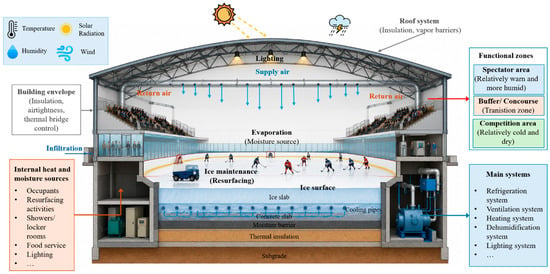
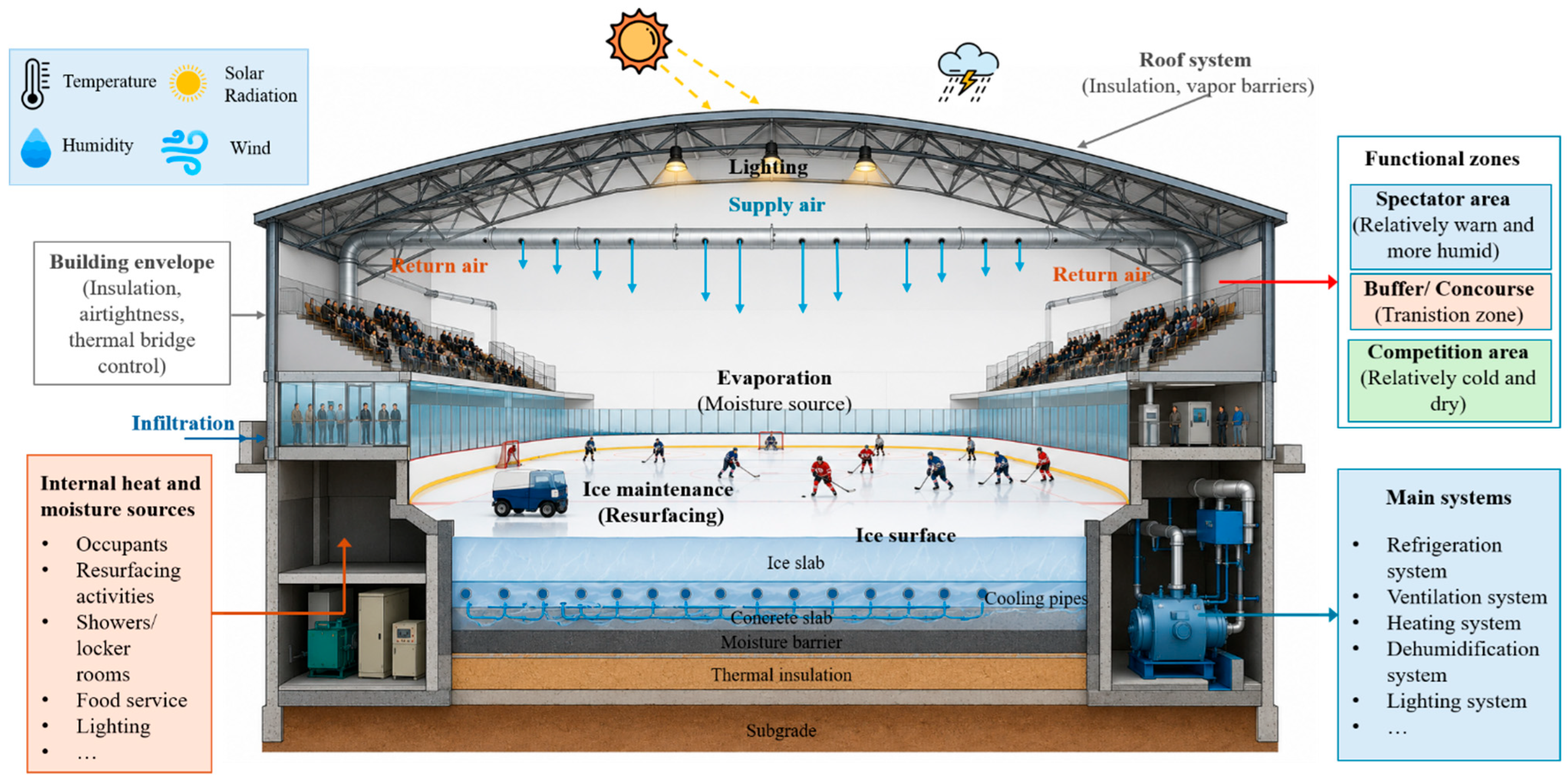
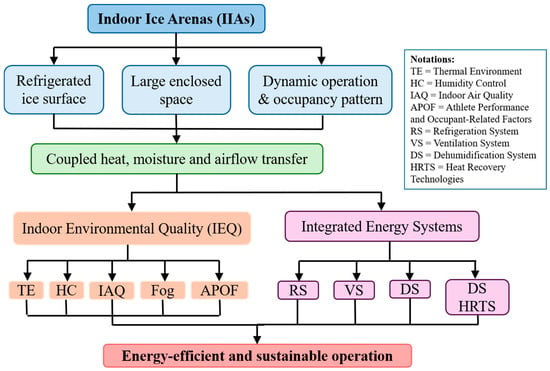
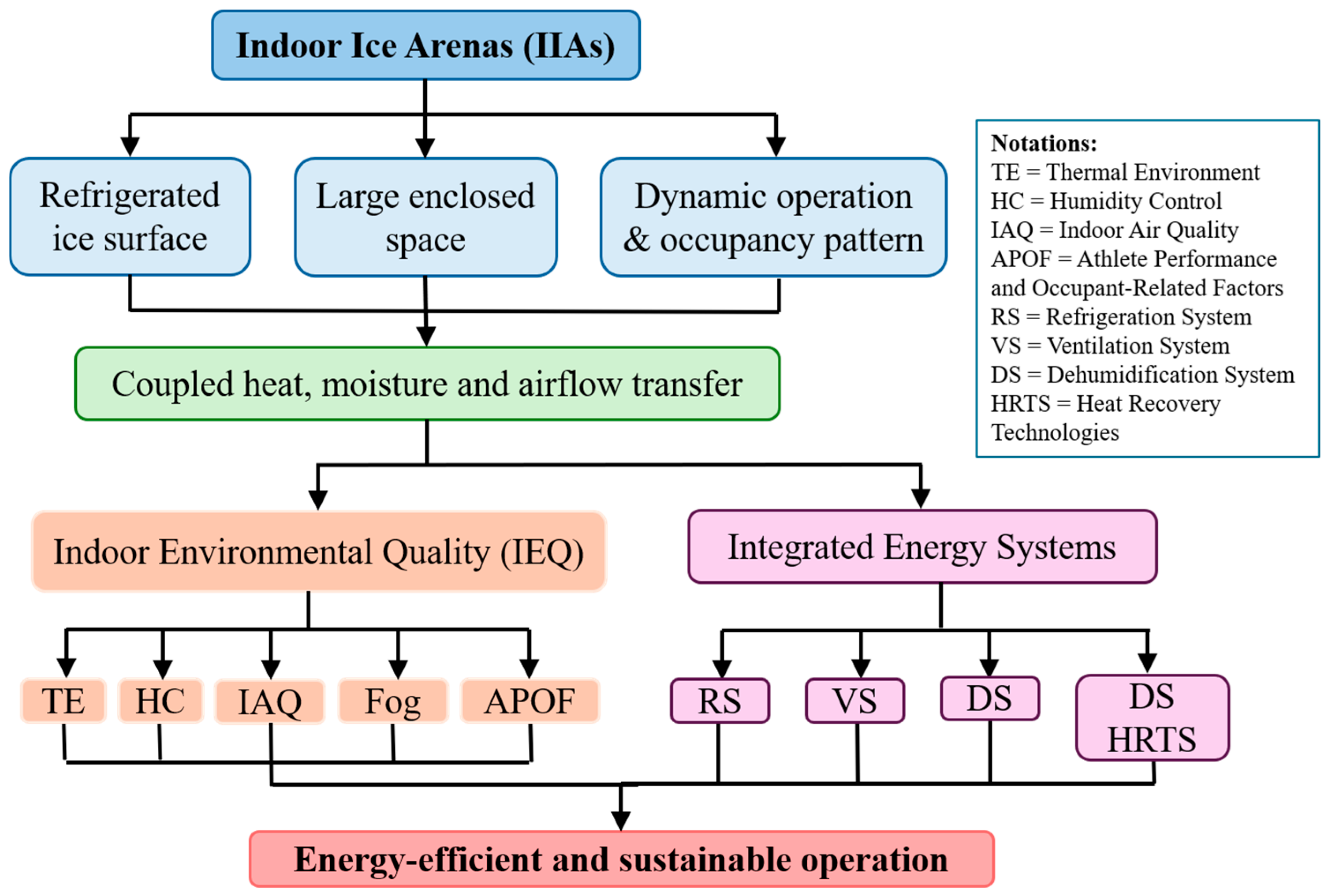
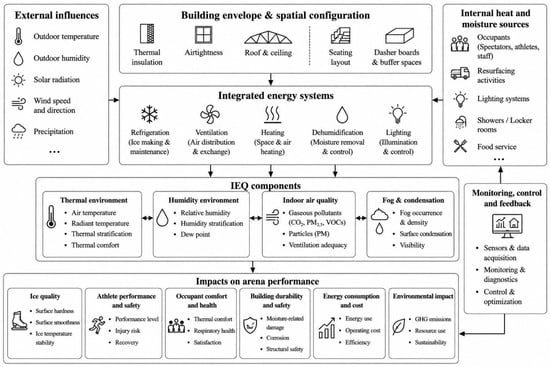
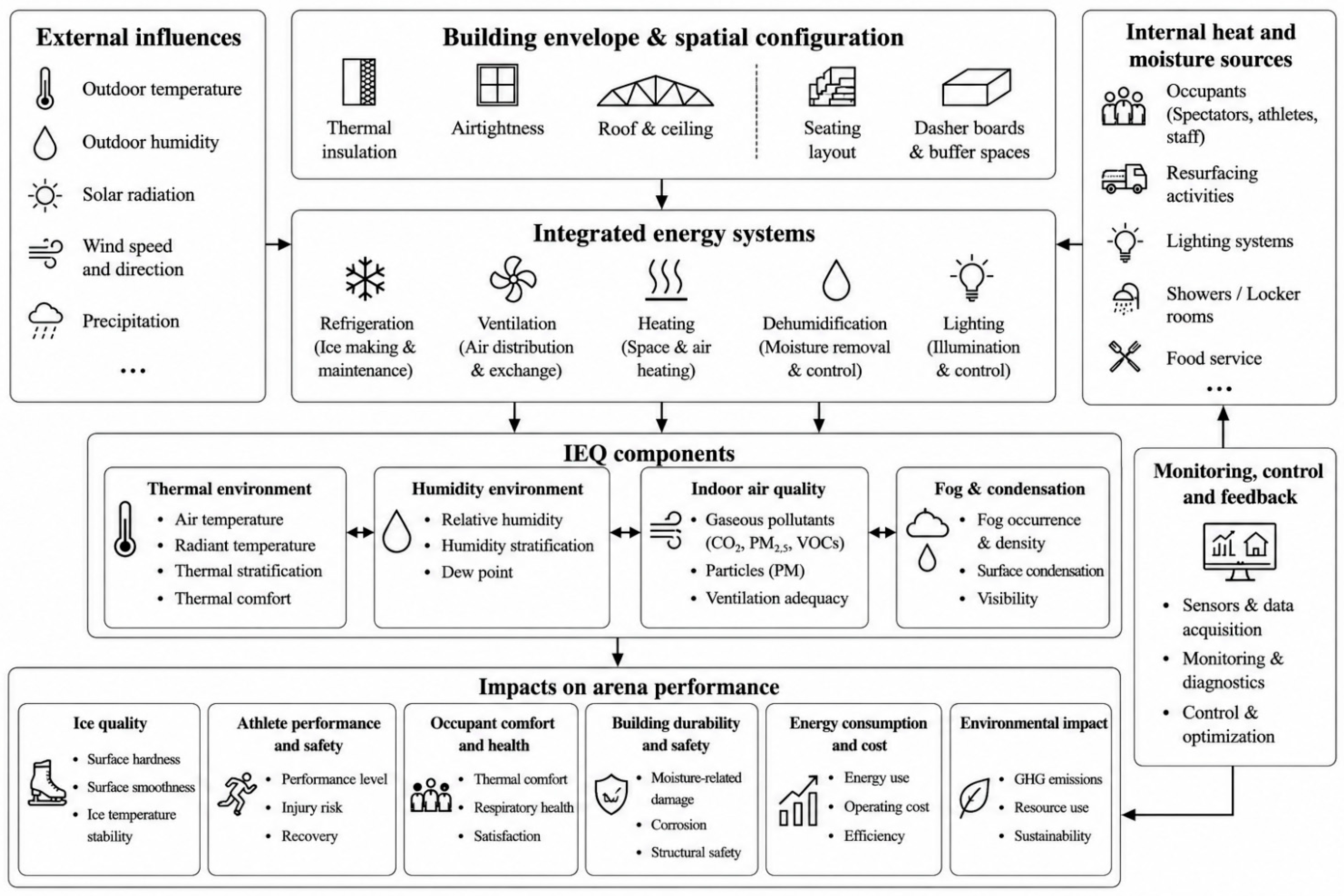
Disclaimer/Publisher’s Note: The statements, opinions and data contained in all publications are solely those of the individual author(s) and contributor(s) and not of MDPI and/or the editor(s). MDPI and/or the editor(s) disclaim responsibility for any injury to people or property resulting from any ideas, methods, instructions or products referred to in the content. |
© 2026 by the authors. Licensee MDPI, Basel, Switzerland. This article is an open access article distributed under the terms and conditions of the Creative Commons Attribution (CC BY) license.