


Abstract
Chloride ingress is a critical durability concern for cement-based construction materials exposed to marine environments and other chloride-containing conditions, as it can accelerate material degradation and reduce service life. To improve the chloride ingress resistance of mortar containing pre-wetted porous fine aggregate, the effects of internal curing provided by the porous fine aggregate and ion adsorption by calcined layered double hydroxides (CLDHs) on mortar performance were investigated. Compressive strength, pore structure, water-soluble chloride profiles, X-ray diffraction (XRD), and scanning electron microscopy coupled with energy-dispersive spectroscopy (SEM-EDS) were employed to analyze chloride transport and fixation in mortars with different porous fine aggregate replacement ratios and CLDHs contents. The results showed that the pre-wetted porous fine aggregate was beneficial to later-age strength development, which may be associated with its internal water storage and release characteristics, although its effect varied with the replacement ratio. At a replacement ratio of 10%, the pore structure of the mortar remained relatively stable, and the increase in water-soluble chloride content relative to the reference mortar was mainly confined to the near-surface region. By contrast, higher replacement ratios increased the total porosity and the proportions of larger pores and pore throats, thereby promoting chloride migration into the intermediate and deeper regions. CLDHs did not significantly improve the overall pore structure of the mortar, but may have reduced the water-soluble chloride content through structural reconstruction and interlayer fixation. Among the investigated mixtures, the mortar containing 3% CLDHs exhibited the lowest water-soluble chloride content at all tested depths. The pre-wetted porous fine aggregate primarily regulated the pore structure and chloride transport conditions, whereas CLDHs mainly reduced water-soluble chloride content and may contribute to chloride binding. Their combined contributions helped retard chloride migration into the mortar and improve its resistance to chloride ingress.
1. Introduction
Chloride ingress is one of the primary causes of durability deterioration in reinforced concrete structures, particularly in marine environments, regions exposed to deicing salts, and saline soil areas [1,2,3,4]. The essence of this deterioration process lies in the migration of chloride ions from the external environment into cement-based materials [5]. The transport rate and penetration depth of chloride ions directly affect their accumulation at the reinforcing steel surface and consequently govern the time-dependent evolution of steel depassivation and corrosion [6,7,8,9]. Chloride transport in cement-based materials is influenced not only by the external chloride concentration and exposure duration, but also by material porosity, pore-size distribution, pore-throat connectivity, interfacial transition zone structure, and chloride-binding capacity [10,11,12,13]. Therefore, regulating chloride migration from the perspectives of the internal transport structure and chloride state is an important approach to improving the chloride ingress resistance of cement-based materials.
The use of porous particles with water absorption, storage, and release capacities as partial replacements for natural sand has become a research focus in the field of cement-based materials [14,15]. After pre-wetting, porous fine aggregates can gradually release the stored water during cement hydration, thereby promoting continued hydration at later ages, optimizing the paste structure, and improving the compactness of the interfacial transition zone [15,16,17]. Ma Juntao et al. used sludge gasification slag as a porous aggregate and reported that its internal curing effect significantly improved the internal pore structure of concrete [18,19]. However, because porous particles are characterized by relatively low strength and high porosity, an excessive replacement ratio may introduce additional pores, coarsen the pore structure, increase connected transport pathways, and consequently reduce matrix compactness and load-bearing capacity [20,21,22]. Thus, in porous fine aggregate systems, the pore-refining effect associated with internal curing and the adverse effect of the intrinsic porous structure on transport pathways coexist, and their overall influence requires further investigation.
From the perspective of ion transport control, the adsorption and fixation of chloride ions by functional components also provide an important means of enhancing the chloride ingress resistance of cement-based materials [23,24]. Calcined layered double hydroxides (CLDHs) exhibit a structural memory effect and can adsorb Cl− through layered-structure reconstruction and anion exchange in chloride-containing environments, thereby reducing the concentration of water-soluble chloride content in the pore solution [24,25]. Previous studies have shown that the incorporation of CLDHs can enhance the chloride-binding capacity of cement-based materials and, to some extent, inhibit chloride migration into the material interior [26,27]. Pre-wetted porous fine aggregates mainly influence cement hydration and pore-structure evolution through internal water release [28,29], whereas CLDHs primarily regulate chloride mobility through ion adsorption. Whether their combined use can further improve the chloride ingress resistance of mortar remains to be clarified.
In summary, the combined influence of pre-wetted porous fine aggregates on the pore structure and chloride transport of mortar has not yet been fully established, and whether the incorporation of CLDHs can further reduce chloride mobility in mortar containing pre-wetted porous fine aggregate requires further investigation. Accordingly, mortar was prepared by partially replacing natural fine aggregate with pre-wetted porous fine aggregate, and the effects of internal water release and the intrinsic porous structure on mechanical properties, pore structure, and chloride transport were examined at different replacement ratios. On this basis, different amounts of CLDHs were introduced to investigate the chloride ingress resistance of mortar under the combined effects of internal curing and ion adsorption.
2. Experimental Program
2.1. Raw Materials
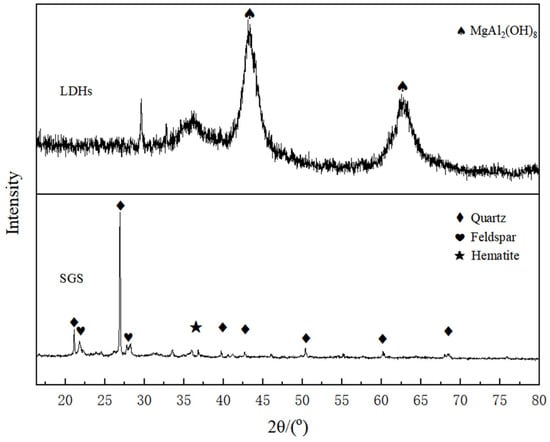
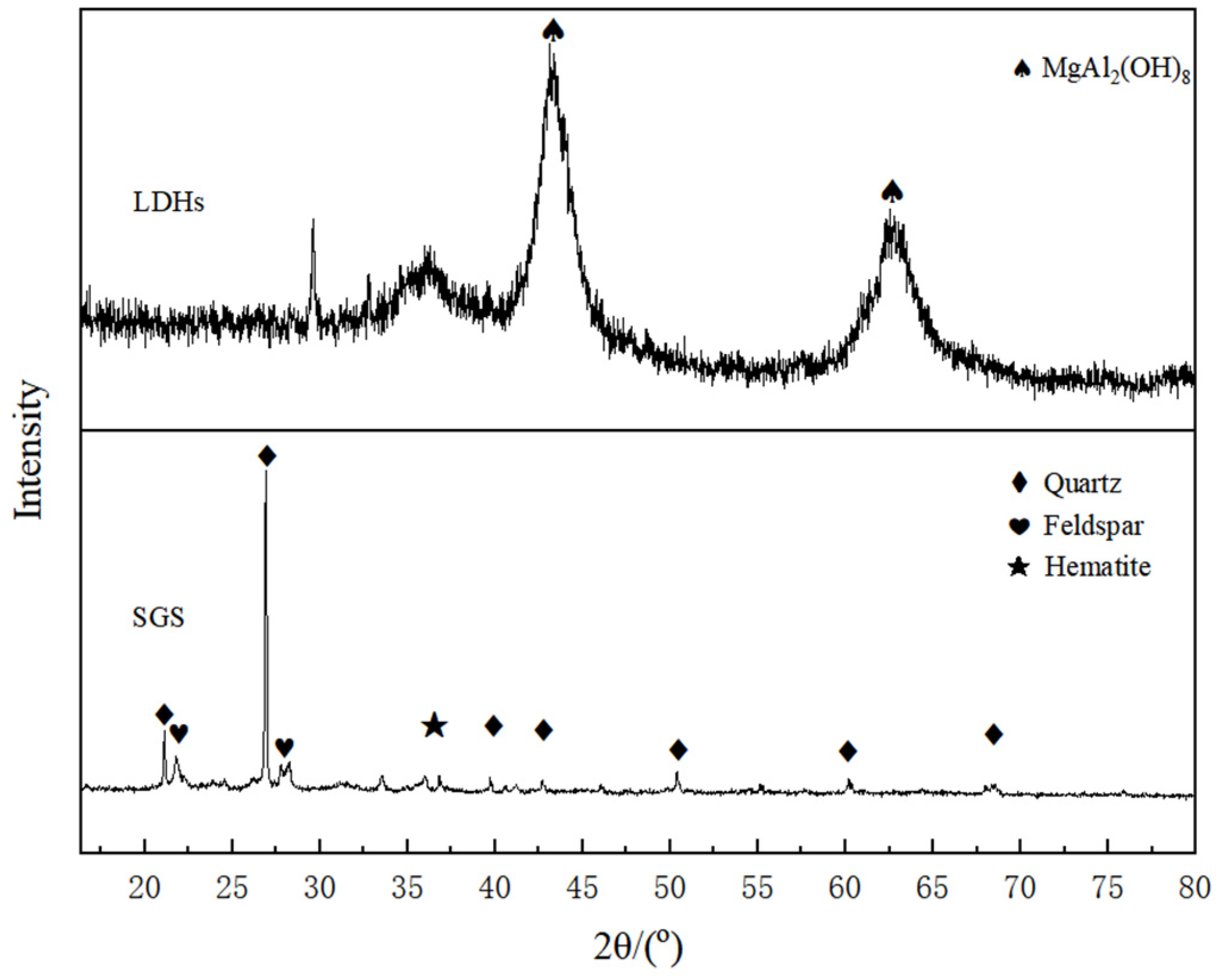
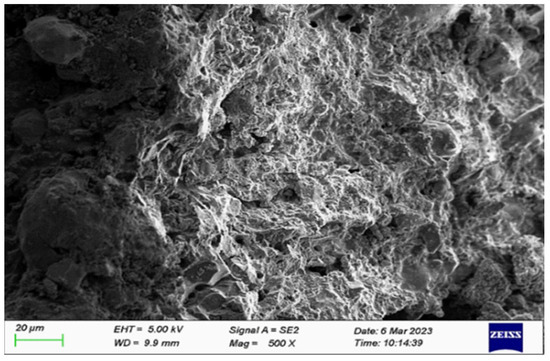
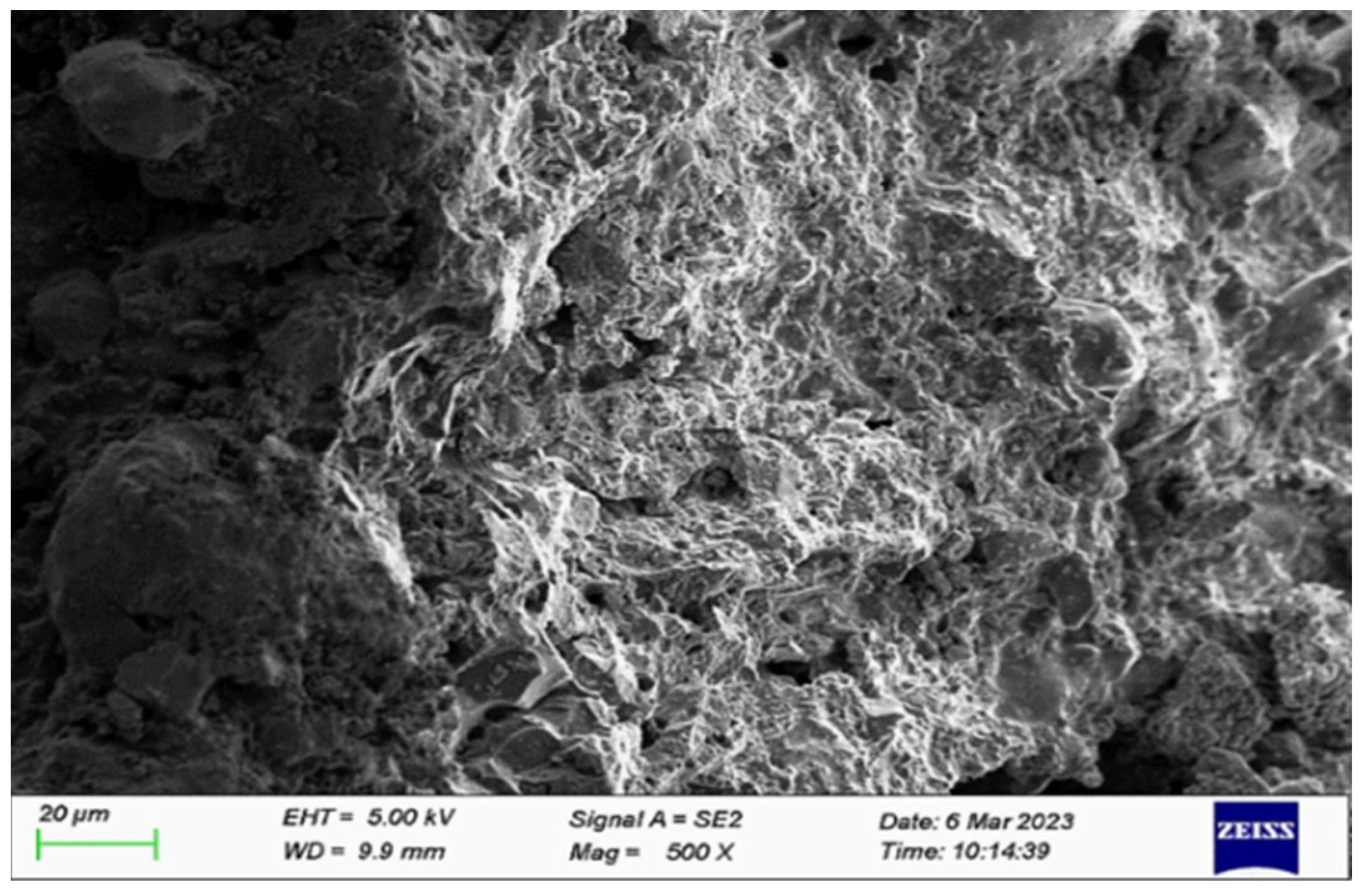
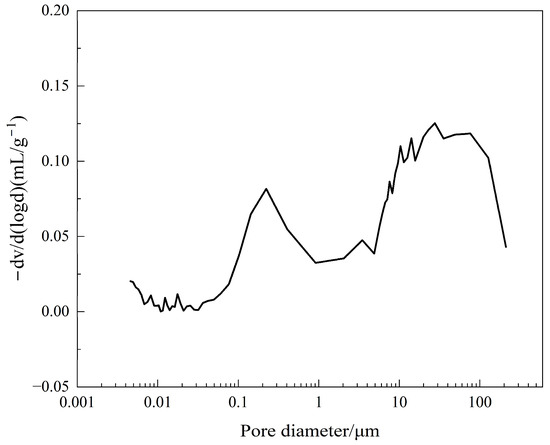
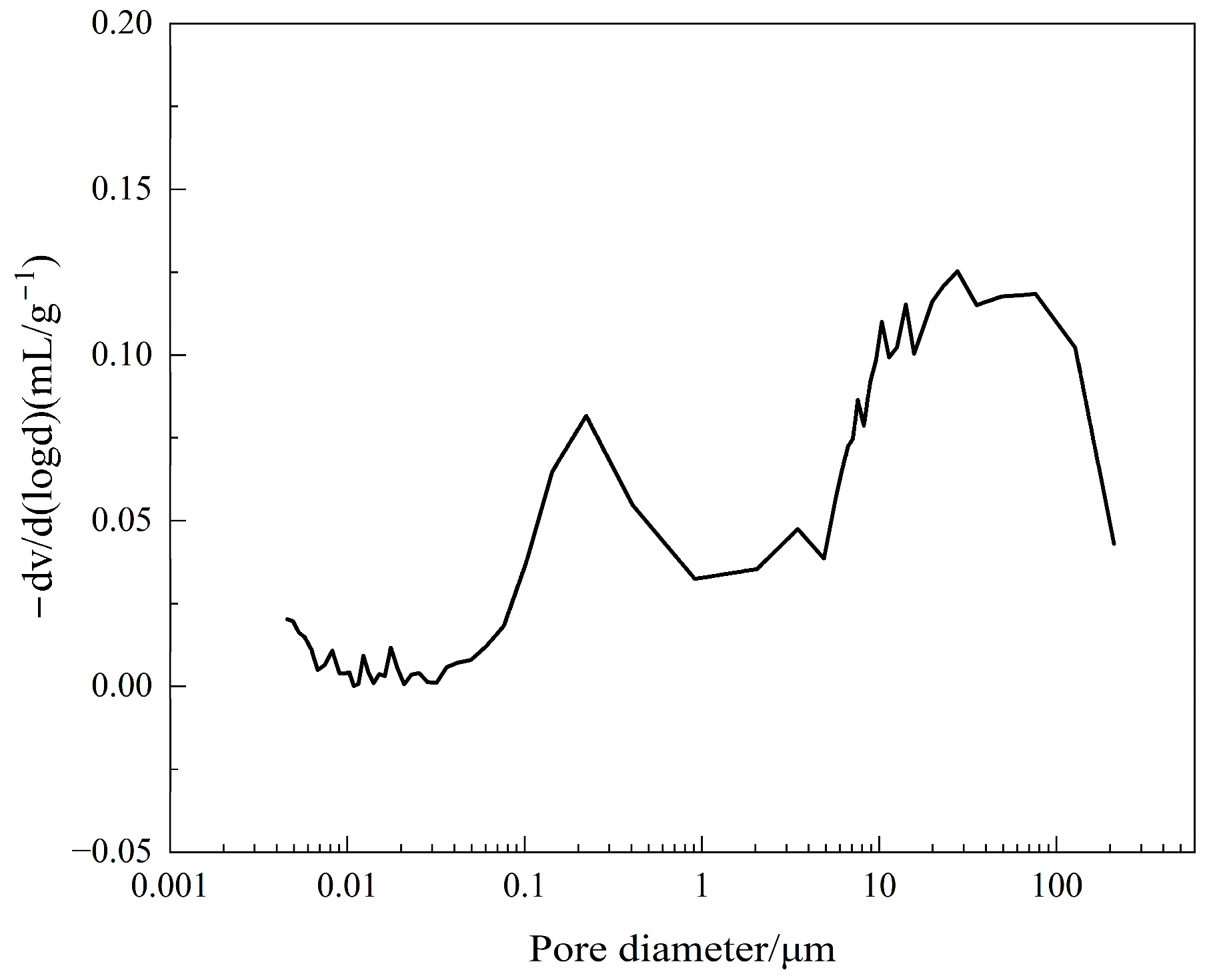
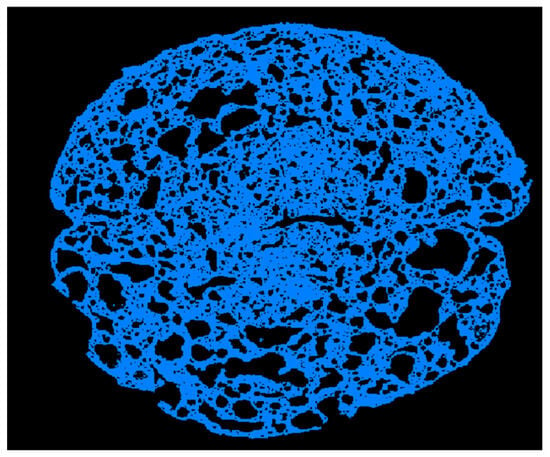
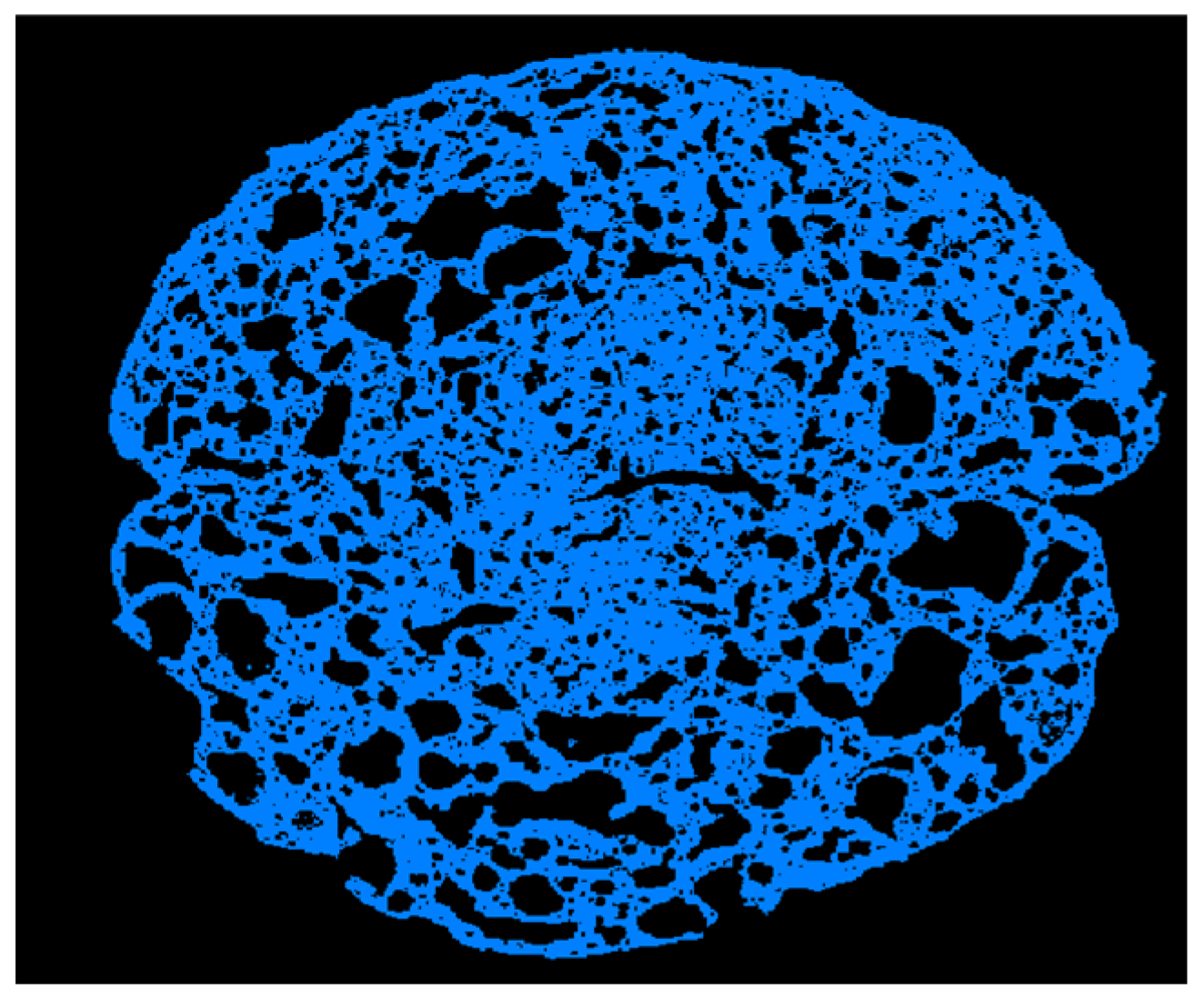
The cement used was P·O 42.5 ordinary Portland cement produced by Tianrui Group Zhengzhou Cement Co., Ltd. (Zhengzhou, China), and its performance complied with the requirements of the Chinese standard Common Portland Cement (GB 175-2023) [30]. Natural river sand purchased from Zhengzhou Jinshi Coating Cement and Sand Supplier (Zhengzhou, China) was used as the fine aggregate, with a fineness modulus of 2.8 and a bulk density of 1547 kg/m3. The porous fine aggregate was sludge gasification slag (SGS), a solid residue generated from the pyrolysis and gasification of municipal sewage sludge and obtained from a wastewater treatment plant in Zhengzhou, Henan Province China. The SGS had a fineness modulus of 2.96, a bulk density of 953.7 kg/m3, and a 1 h water absorption of 18.36%. The calcined layered double hydroxides (CLDHs) were prepared by calcining commercially available Mg–Al–CO3 layered double hydroxides (LDHs) purchased from Shandong Wanxin Weina Material Technology Co., Ltd. (Linyi, Shandong, China)at 500 °C for 3 h. Tap water was used for mortar mixing, and analytical-grade NaCl purchased from Tianjin Hengxing Chemical Reagent Manufacturing Co., Ltd. (Tianjin, China) with a purity of at least 99.5% was used in the chloride exposure tests. The chemical compositions of the cement and SGS are presented in Table 1, the physical properties of the cement are listed in Table 2, the XRD patterns of SGS and CLDHs are shown in Figure 1, and the microstructure of the porous SGS fine aggregate is shown in Figure 2. The microstructural morphology and pore distribution of SGSFA were characterized using X-ray computed tomography (X-CT) and mercury intrusion porosimetry (MIP, PoreMaster 33GT, Quantachrome Instruments, Boynton Beach, FL, USA), and the results are presented in Figure 3 and Figure 4.
Table 1.
Chemical compositions of the raw materials (wt.%).
Table 2.
Physical properties of the cement.
Figure 1.
XRD patterns of calcined LDHs and SGS.
Figure 2.
SEM morphology of the SGS porous fine aggregate.
Figure 3.
Pore size distribution of SGS.
Figure 4.
X-CT 3D reconstruction image.
Based on the characterization results of raw materials, SGS particles exhibit a rough surface morphology and well-developed internal pore structures. The interconnected pores provide channels for water ingress, while the internal pore structure, including accessible and relatively closed pores, provides space for water storage during pre-wetting. The 1 h water absorption of SGS reaches 18.36%, which is significantly higher than that of natural river sand (1.07%). After pre-wetting treatment, SGS can potentially provide internal water during cement hydration, which may contribute to continued hydration at later ages. CLDHs were prepared by calcining pristine LDHs at 500 °C. XRD analysis revealed that the characteristic diffraction peak of interlayer CO32− disappeared and the layered structure collapsed after calcination. In a chloride-containing aqueous environment, CLDHs can reconstruct the layered structure through the memory effect and incorporate Cl− into the interlayer region, thereby achieving chemical immobilization of chloride ions.
2.2. Experimental Design
To investigate the effects associated with pre-wetted porous fine aggregate and CLDH incorporation on the chloride ingress resistance of mortar, a stepwise mixture design approach was adopted. First, the water-to-binder ratio was fixed at 0.5, and the binder-to-sand ratio was maintained at 1:3. Pre-wetted SGS was used to replace natural fine aggregate at mass replacement ratios of 0%, 10%, 20%, and 30%, corresponding to mixtures M0, MWS10, MWS20, and MWS30, respectively. These mixtures were designed to evaluate the effects of porous fine aggregate replacement ratio on the mechanical properties, pore structure, and chloride transport behavior of mortar. Based on the overall performance, the MWS10 mixture was selected for further investigation. CLDHs were incorporated at dosages of 2%, 3%, and 4% by the mass of binder, replacing cement with an equal mass of CLDHs through an internal replacement method. The corresponding mixtures were designated as MWS10L2, MWS10L3, and MWS10L4. In addition, a reference mixture without SGS but containing 3% CLDHs (M0L3) was prepared to compare the effects of CLDHs in conventional mortar and pre-wetted porous fine aggregate mortar systems. Before mixing, SGS was crushed and sieved to obtain a particle size distribution comparable to that of river sand. Based on the 1 h water absorption of SGS, the amount of pre-wetting water was calculated according to a pre-wetting degree of 50%. The pre-wetting water was added according to the mass of SGS used in each mixture. After mixing with the calculated amount of water, SGS was sealed and stored for 1 h to promote water penetration into the internal pores of the particles. The pre-wetted SGS was then used for mortar preparation after removing visible surface moisture. The absorbed pre-wetting water was considered as internal stored water and was not included in the net mixing water. A total of eight mixtures were designed, and the detailed mixture proportions are presented in Table 3.
Table 3.
Mix proportions of mortar.
Mortar specimens were prepared in accordance with the Chinese standard Method of Testing Cements—Determination of Strength (ISO method) (GB/T 17671-2021) [31]. Immediately after mixing, the fresh mortar was cast into 70.7 mm × 70.7 mm × 70.7 mm triple molds, compacted by vibration, and then covered with plastic film. After 24 h, the specimens were demolded and transferred to a water curing at (20 ± 2) °C until the designated testing ages. Compressive strength tests were conducted after curing for 3 d, 7 d, and 28 d.
For chloride immersion tests, mortar specimens cured for 28 d were selected. After 28 d of water curing, the specimens were directly subjected to chloride immersion without additional drying or saturation treatment. Except for the exposed surface, the remaining five surfaces were sealed with epoxy resin to achieve unidirectional chloride ingress. The sealed specimens were immersed in a 3.5 wt.% NaCl solution for 30 d, 60 d, and 120 d, respectively, with two parallel specimens prepared for each group. The immersion test was conducted at laboratory ambient temperature, and the containers were covered to reduce the influence of evaporation on chloride concentration variation. After immersion, powdered samples were sequentially collected from the exposed surface inward using a bench drilling machine at intervals of 2 mm. Approximately 5 g of oven-dried powder was mixed with 50 mL of deionized water. After shaking and standing for 24 h, The Cl− concentration in the extract was measured using a chloride ion-selective electrode (HNT-CL, Shanghai Haiheng Electromechanical Instrument Co., Ltd., Shanghai, China). Before measurement, the electrode was calibrated using NaCl standard solutions with concentrations of 0.0001, 0.001, 0.01, and 0.1 mol/L. The water-soluble chloride content at each sampling depth was calculated based on the measured chloride concentration and expressed as mg/g of dried powder.
Microstructural analyses were performed on mortar specimens cured for 28 d. For low-field nuclear magnetic resonance (LF-NMR) measurements, cylindrical mortar specimens with a diameter of 50 mm and a height of 50 mm were prepared. Before measurement, the specimens were vacuum-saturated in a saturation apparatus for 24 h to reach a fully saturated state. The T2 relaxation spectra were analyzed using the accompanying software of the LF-NMR instrument. The software-derived pore-size and equivalent pore-throat distributions were used only for comparative evaluation among mixtures tested under identical conditions. Because these distributions depend on the built-in conversion and calibration model of the instrument software, they are interpreted here as equivalent comparative parameters rather than direct measurements of pore geometry or pore connectivity. X-ray diffraction (XRD) analysis was conducted on powder samples collected from different depths after chloride immersion. The XRD patterns were obtained using Cu Kα radiation with a scanning range of 5–90° (2θ) and a scanning rate of 2°/min. The characteristic diffraction peaks of Friedel’s salt and Mg-Al-Cl-type LDH phases were analyzed to investigate their evolution with chloride penetration depth. Additionally, selected M0L3 specimens were examined using scanning electron microscopy coupled with energy-dispersive X-ray spectroscopy (SEM-EDS, Apreo, Thermo Fisher Scientific, USA). Before SEM-EDS observation, the samples were dried and appropriately prepared, after which the microstructural morphology and elemental distributions of Mg and Cl were characterized. By integrating the results of pore structure characteristics, water-soluble chloride profiles, phase composition, and elemental mapping, the combined mechanism of internal curing by pre-wetted porous fine aggregate and chloride adsorption by CLDHs was analyzed.
3. Results and Discussion
3.1. Effect of Pre-Wetted Porous Fine Aggregate on the Microstructure and Chloride Ion Transport of Mortar
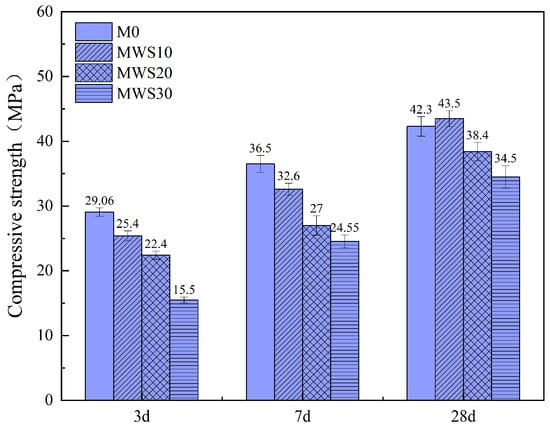
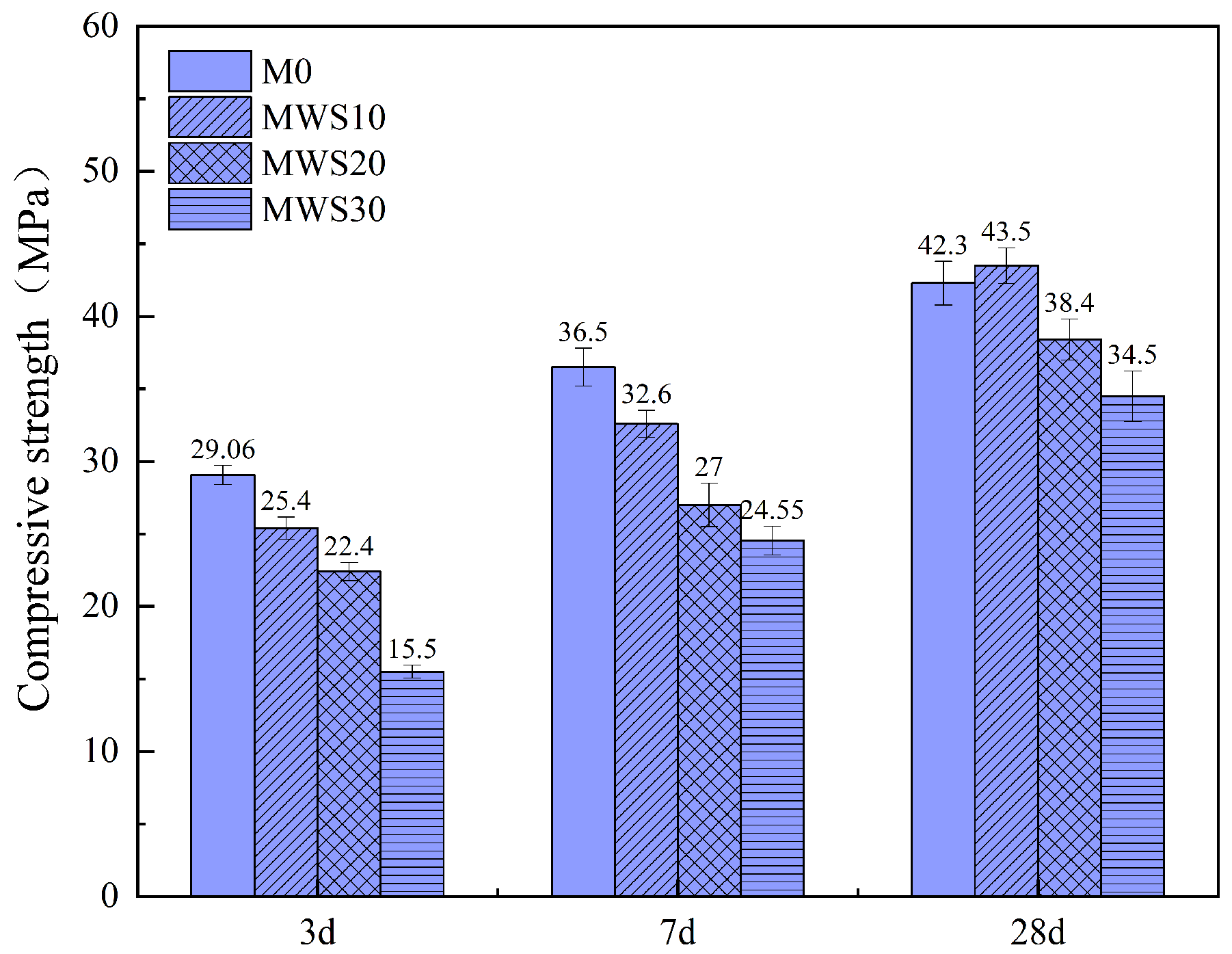
Figure 5 presents the compressive strength results of the four mortar mixtures designated as M0, MWS10, MWS20, and MWS30. As shown in Figure 5, the incorporation of pre-wetted porous fine aggregates led to a reduction in the early-age compressive strength of all mortar mixtures, and the extent of reduction increased with increasing replacement ratios. At 3 d, the compressive strengths of MWS10, MWS20, and MWS30 decreased by 12.6%, 22.9%, and 46.7%, respectively, compared with the control mixture M0 (29.1 MPa). This indicates that the inherently low strength of porous fine aggregates had an increasingly adverse effect on early-age strength with increasing replacement ratios. With prolonged curing, MWS10 exhibited relatively rapid later-age strength development, reaching a 28 d compressive strength of 43.5 MPa, which was comparable to that of M0 and slightly higher by 2.8%. The strength increment of MWS10 from 7 d to 28 d was 10.9 MPa, notably higher than that of M0 (5.8 MPa). This result indicates that a low replacement ratio of pre-wetted porous fine aggregates was favorable for later-age strength development, which may be associated with the gradual release of internally stored water from the porous particles and the subsequent hydration process, thereby partially compensating for the early-age strength loss [15]. In contrast, the 28 d compressive strengths of MWS20 and MWS30 were 38.4 MPa and 34.5 MPa, respectively, representing reductions of 9.2% and 18.4% compared with M0. These findings indicate that with increasing replacement ratios, the adverse effects associated with the low strength and high porosity of porous fine aggregates become increasingly dominant, and the potential beneficial contribution associated with the pre-wetted porous aggregate was insufficient to fully compensate for the strength loss caused by increasing SGS replacement [32].
Figure 5.
Compressive strength with different replacement rates of SGS.
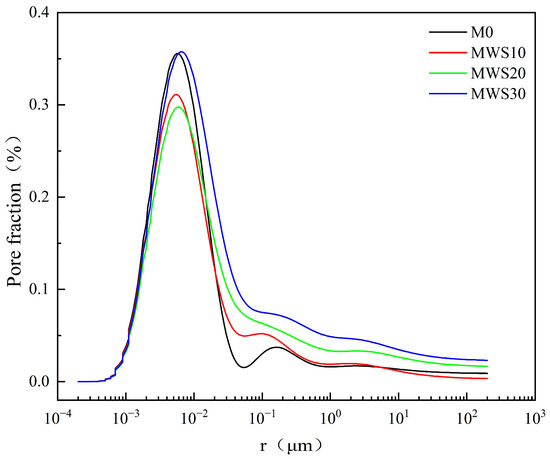
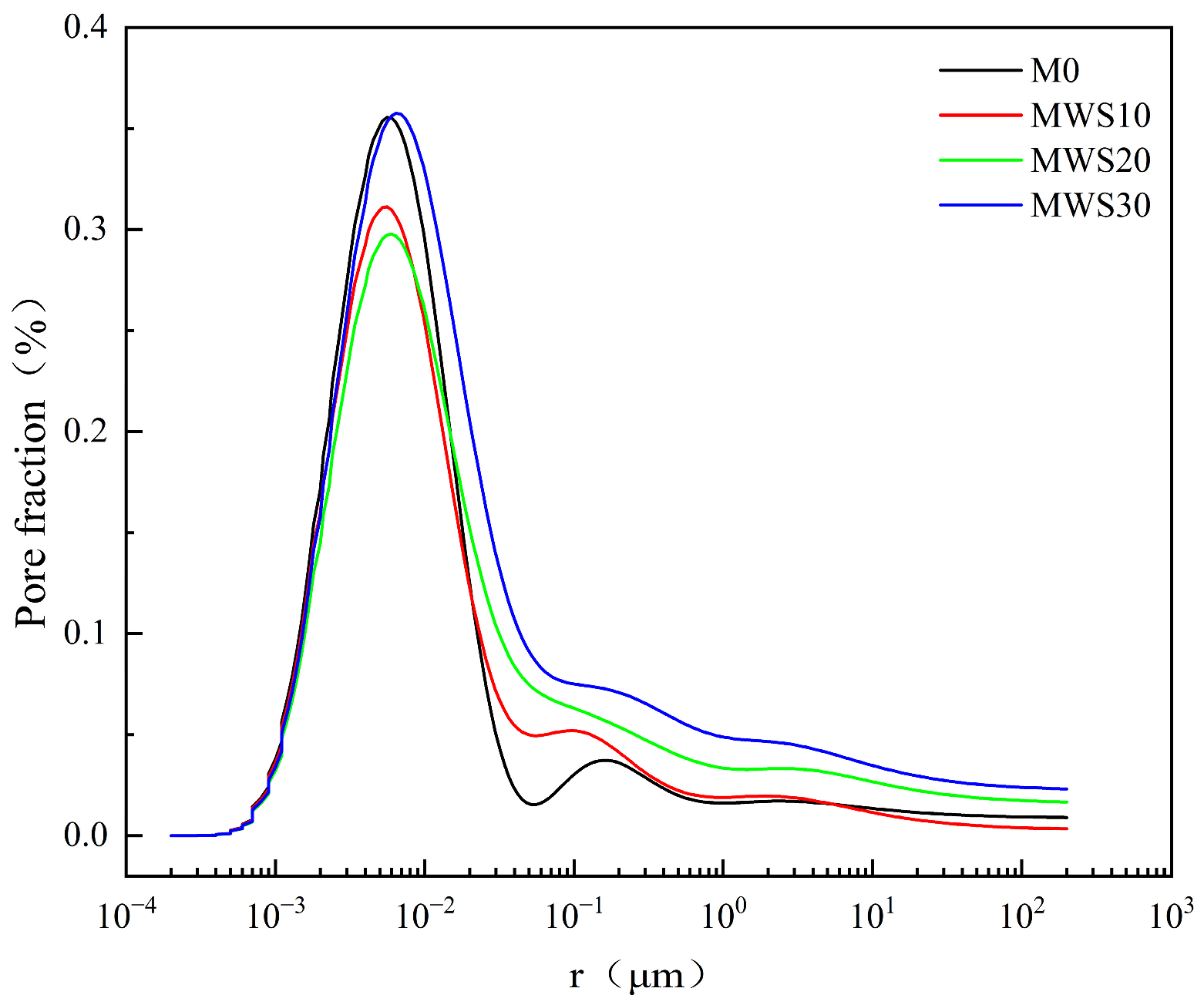
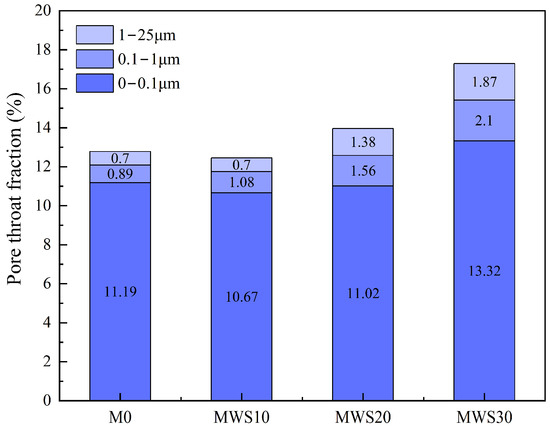
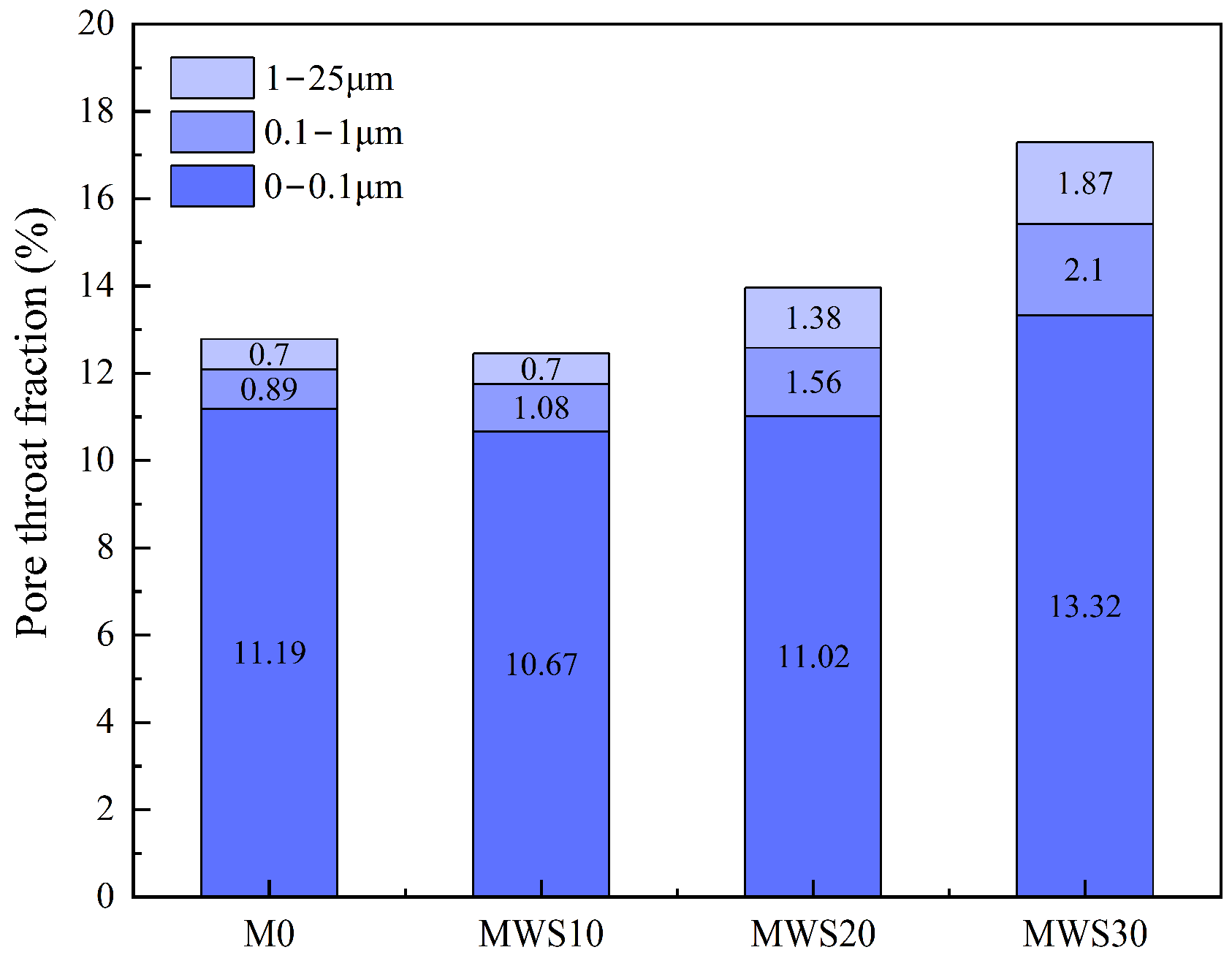
The water absorption–release behavior of pre-wetted porous fine aggregates can influence the cement hydration process and pore structure evolution of mortar, while their intrinsic porous characteristics may also introduce additional pores into the cementitious matrix [15,29]. To clarify the combined effects of internal curing and the intrinsic porous structure of porous aggregates on the pore system of mortar, the pore structures of mortars with different replacement ratios were characterized at 28 d, and the pore size distribution results are presented in Figure 6. In addition to pore size, the size characteristics of interconnected pore channels also affect the transport of aggressive media within mortar [33]. Based on the pore structure characterization results, the equivalent size distribution of pore connectivity channels was further evaluated using the pore-throat size distribution, as shown in Figure 7.
Figure 6.
Pore-size distributions of mortars with different SGS replacement ratios.
Figure 7.
Equivalent pore-throat size distributions of mortars with different SGS replacement ratios.
Regarding the total porosity, the values of M0, MWS10, MWS20, and MWS30 were 13.08%, 12.58%, 14.50%, and 18.04%, respectively. The total porosity of MWS10 was slightly lower than that of M0, indicating that a 10% replacement ratio of pre-wetted porous fine aggregates did not significantly increase the total pore volume of mortar. This relatively stable pore structure may be associated with the internal water storage and release characteristics of pre-wetted SGS. When the replacement ratio increased to 20% and 30%, the total porosity increased markedly, suggesting that the additional pores introduced by porous particles gradually became predominant. In terms of pore size distribution, MWS10 exhibited a pattern generally similar to that of M0, whereas MWS20 and MWS30 showed increased pore volume in larger pore size ranges, particularly in the range above 0.1 μm for MWS30. The pore-throat distribution further indicated that with increasing replacement ratios, the proportion of pore throats within the range of 0.1–1 μm gradually increased, implying enlarged interconnecting pore channels, which may provide more favorable pathways for chloride transport [34].
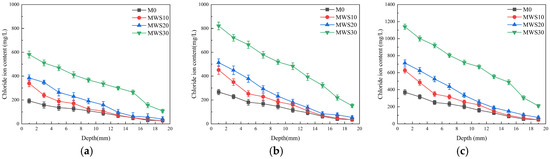
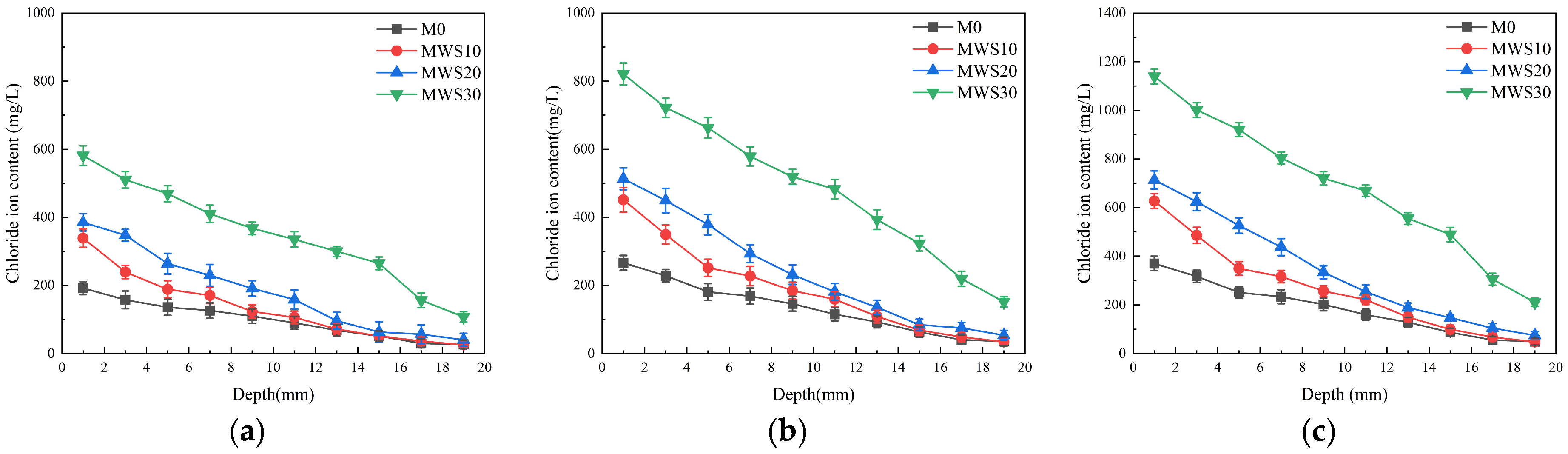
To further validate the influence of pore structure variations on chloride transport under different replacement ratios, the depth profiles of water-soluble chloride content in each mortar mixture were determined, and the results are presented in Figure 8.
Figure 8.
Water-soluble chloride profiles of mortars with different porous fine aggregate replacement ratios under 3.5% NaCl exposure. (a) 30 d; (b) 60 d; (c) 120 d.
As shown in Figure 8, at different exposure ages, the water-soluble chloride content of the four mortar mixtures decreased with increasing depth, showing a clear near-surface enrichment pattern. With increasing replacement ratios of pre-wetted porous fine aggregates, the overall chloride depth profiles shifted upward. Specifically, MWS10 exhibited higher water-soluble chloride contents than M0 in the near-surface region (1–5 mm); however, this difference gradually diminished with increasing depth and became comparable within the 17–19 mm range, indicating that a 10% replacement ratio mainly affected chloride distribution in the near-surface region without significantly promoting chloride migration to deeper layers. In contrast, MWS20 and MWS30 exhibited higher water-soluble chloride contents than M0 in both surface and intermediate-depth regions, with the increase becoming more pronounced at higher replacement ratios. This observation is consistent with the increased total porosity and the higher proportions of larger pores and pore throats discussed previously, suggesting that the transport pathways introduced by porous particles at high replacement ratios facilitated chloride migration into the mortar interior.
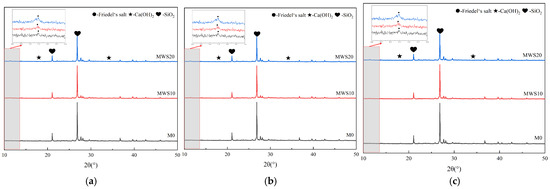
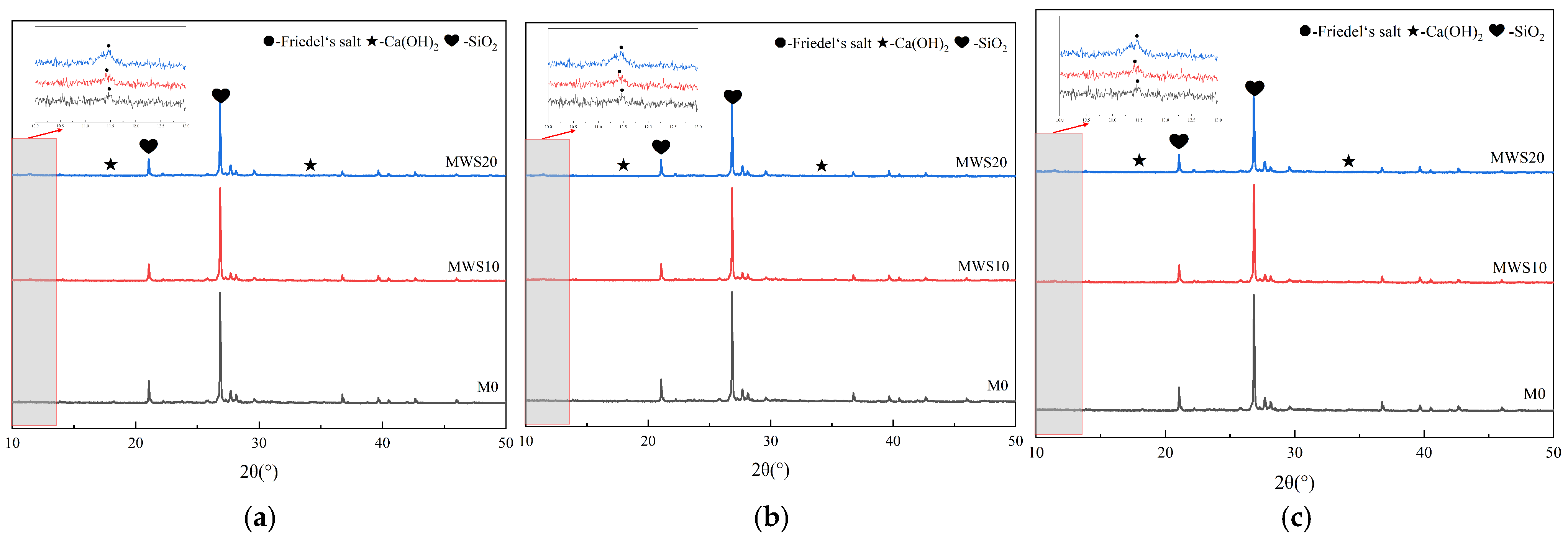
The depth-dependent distribution of water-soluble chloride content reflects the migration behavior of chloride ions within mortar, while a portion of the ingressed chlorides may react with cement hydration products to form chloride-binding phases [35]. To further investigate the evolution of chloride-binding phases with penetration depth under different replacement ratios, layered powder samples were collected from M0, MWS10, and MWS20 specimens after 60 d of immersion in 3.5% NaCl solution. Powder samples collected at depths of 1, 9, and 17 mm from the exposed surface were selected for XRD analysis, and the results are presented in Figure 9.
Figure 9.
XRD patterns of mortar specimens at different depths after 60 d of chloride immersion. (a) 1 mm; (b) 9 mm; (c) 17 mm.
At the characteristic diffraction angles of Friedel’s salt, corresponding diffraction peaks were observed in all mortar mixtures, indicating that a portion of the ingressed chloride ions reacted with aluminate phases to form chloride-binding phases [35]. With increasing sampling depth, the characteristic peaks of Friedel’s salt gradually weakened in all mixtures, which was generally consistent with the decreasing trend of water-soluble chloride content with increasing depth. Among the different mixtures, MWS20 exhibited higher Friedel’s salt diffraction peak intensities at all sampling depths, with more pronounced differences compared with M0 and MWS10 at depths of 9 mm and 17 mm. This suggests that under a higher replacement ratio, chloride ions migrated further into the mortar interior and participated in chloride-binding reactions. The Friedel’s salt diffraction signals of MWS10 at deeper regions were relatively close to those of M0, indicating that a 10% replacement ratio had a limited effect on promoting chloride migration to deeper regions. It should be noted that XRD peak intensities are also influenced by factors such as sampling uniformity and phase crystallinity; therefore, they were mainly used to identify the presence of chloride-binding phases and evaluate their relative variations.
Based on the combined results of compressive strength, pore structure, water-soluble chloride distribution, and XRD analysis, it can be concluded that the effects of pre-wetted porous fine aggregates on mortar performance varied with the replacement ratio. Within the range investigated in this study, the mortar with a 10% replacement ratio exhibited a total porosity and pore size distribution comparable to those of the reference mixture, accompanied by the recovery of later-age strength. The increase in water-soluble chloride content compared with M0 was mainly concentrated in the near-surface region, while chloride migration toward deeper regions was not significantly intensified. When the replacement ratio increased to 20% and 30%, the total porosity as well as the proportions of larger pores and pore throats increased, resulting in higher chloride contents in the intermediate and deeper regions and enhanced Friedel’s salt characteristic signals.
3.2. Effect of CLDHs on the Chloride Ingress Resistance of Mortar Containing Porous Fine Aggregates
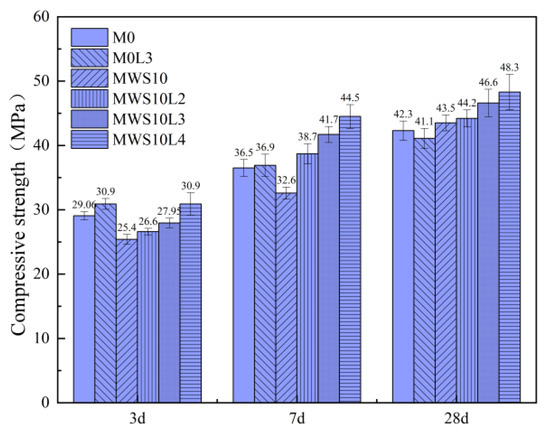
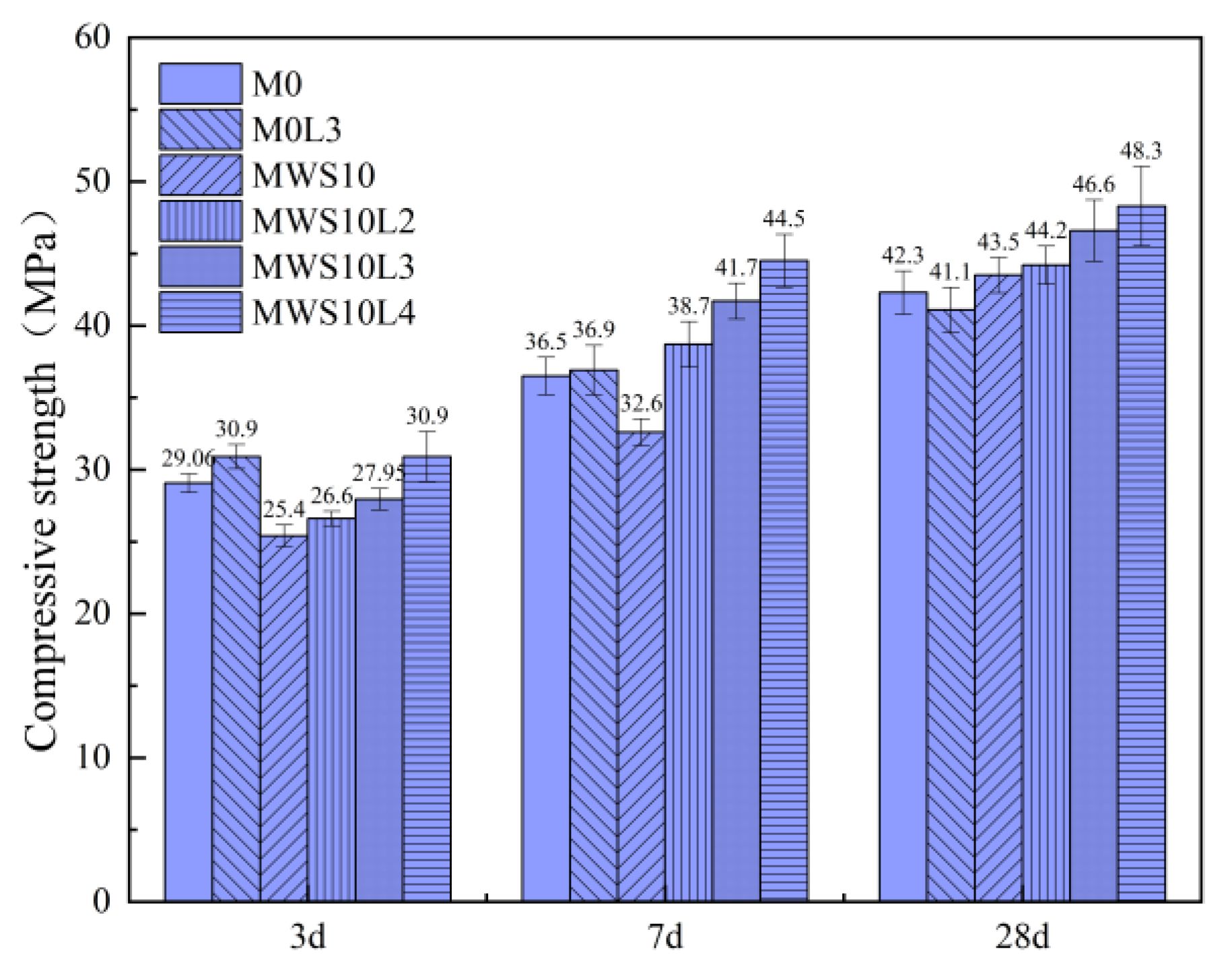
Based on the aforementioned experimental results, the mortar incorporating 10% SGS replacement, which exhibited relatively better overall performance, was selected as the primary system for investigating the CLDHs composite system. Plain mortar was used as the control mixture to compare the effects of CLDHs in different mortar systems. Figure 10 presents a comparison of compressive strengths at different curing ages for each mixture before and after CLDHs incorporation.
Figure 10.
Compressive strengths of mortars with and without CLDHs at different ages.
As shown in Figure 10, the effect of CLDHs on the compressive strength of mortar depended on the composition of the matrix. For the plain mortar without SGS incorporation, the addition of 3% CLDHs slightly reduced the compressive strength from 42.3 MPa to 41.1 MPa, indicating that the filling effect of CLDHs was insufficient to offset the dilution effect caused by the equivalent replacement of cement. For the mortar incorporating 10% SGS replacement, the compressive strength increased after CLDHs incorporation, and the mixture with 3% CLDHs exhibited an increase of more than 7% compared with MWS10. This indicates that CLDHs exerted a more pronounced strength-enhancing effect in mortar containing pre-wetted porous fine aggregates.
Although the incorporation of CLDHs reduced the cement content, the compressive strength of the MWS10 series increased with CLDHs dosage. This strength enhancement was not accompanied by an obvious refinement of the overall pore structure, suggesting that the increase in strength may be associated with the combined effects of particle filling and interfacial interactions rather than pore structure densification alone.
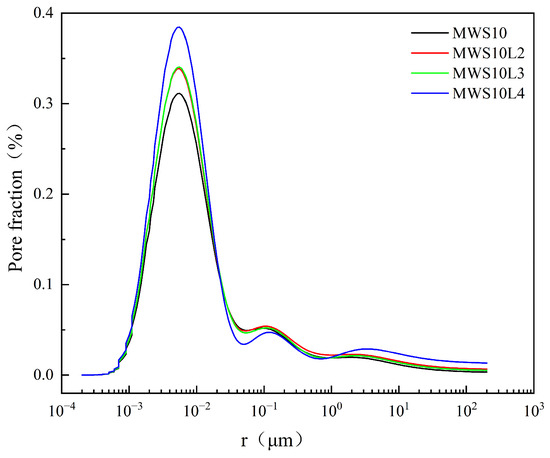
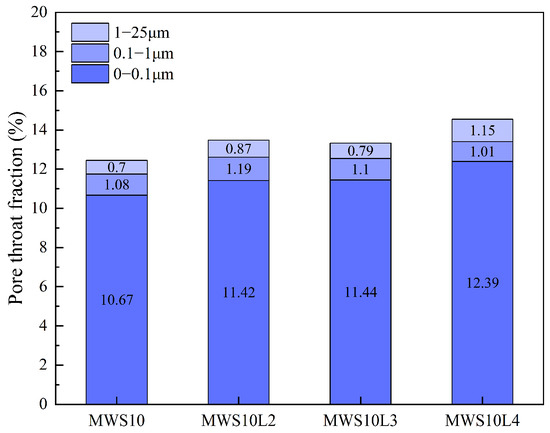
To investigate the effect of different CLDHs contents on the pore structure of mortar containing 10% SGS replacement, pore structure measurements were conducted on the four MWS10 mixtures after 28 d of curing. The pore size distributions and pore-throat size distributions are presented in Figure 11 and Figure 12, respectively.
Figure 11.
Pore-size distribution of MWS10 series with different CLDHs contents.
Figure 12.
Pore throat distribution of MWS10 series with different CLDHs contents.
In terms of total porosity, MWS10L2, MWS10L3, and MWS10L4 all exhibited higher values than MWS10, and neither the pore size distribution nor the pore-throat distribution showed a consistent pore refinement trend with increasing CLDHs dosage. This indicates that, within the experimental scope of this study, the incorporation of CLDHs did not significantly improve the overall pore structure of mortar containing pre-wetted porous fine aggregates. Combined with the compressive strength results, the strength variation induced by CLDHs was not fully consistent with the changes in total porosity and pore size distribution, Therefore, the strength enhancement cannot be simply attributed to pore structure densification.
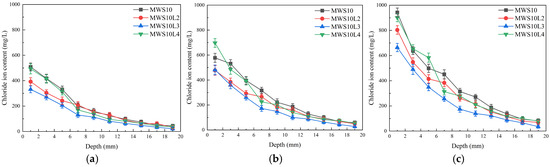
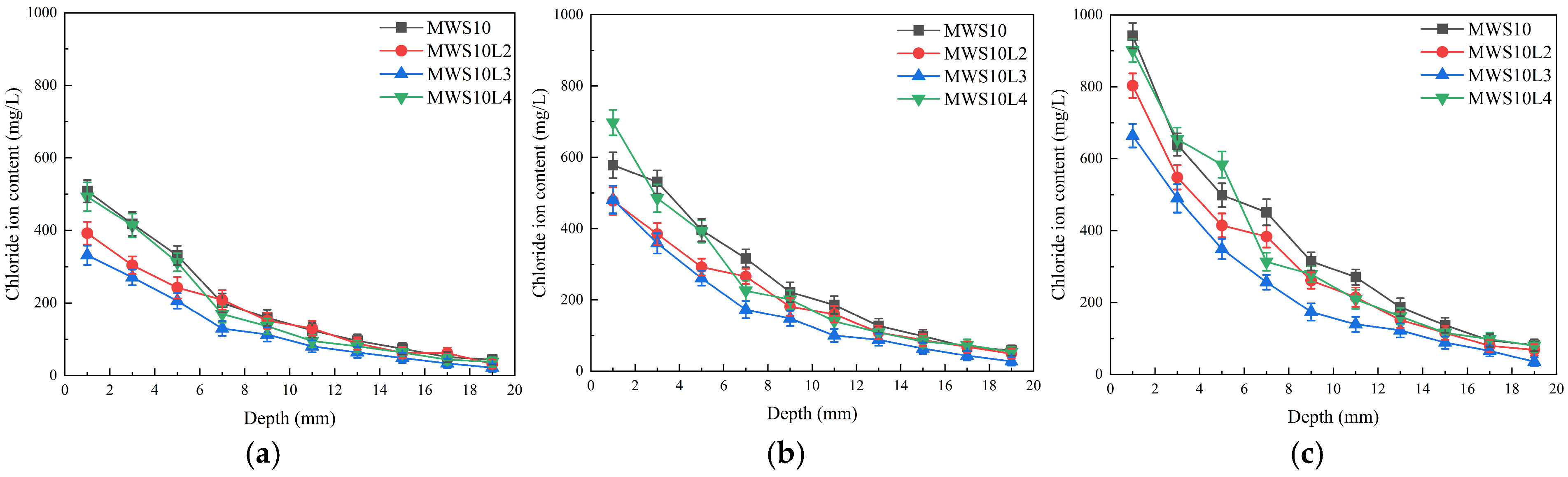
Since the effect of CLDHs on chloride ingress resistance cannot be adequately assessed solely through pore structure changes, it is necessary to further investigate their role in chloride transport behavior and chloride binding. To this end, the water-soluble chloride depth profiles of the four MWS10 mixtures were determined after immersion in 3.5% NaCl solution for 30, 60, and 120 d, and the results are presented in Figure 13.
Figure 13.
Water-soluble chloride profiles of the MWS10 series after different immersion periods in 3.5% NaCl solution. (a) 30 d; (b) 60 d; (c) 120 d.
As shown in Figure 13, the water-soluble chloride content of all mortar mixtures decreased with increasing depth. However, the influence of CLDHs on chloride transport did not increase monotonically with increasing dosage. Compared with MWS10, MWS10L2 and MWS10L3 exhibited overall lower water-soluble chloride contents at different depths. Among them, MWS10L3 showed the lowest chloride content throughout the entire tested depth range, with a more pronounced reduction observed at depths beyond 11 mm, indicating that the incorporation of 3% CLDHs effectively restricted chloride migration into the deeper regions of mortar. When the CLDHs dosage was further increased to 4%, the water-soluble chloride content did not decrease further. Instead, MWS10L4 exhibited higher chloride contents than MWS10 in the deeper region, suggesting that increasing the CLDHs dosage continuously does not necessarily improve the chloride ingress resistance of mortar.
Combined with the pore structure results presented above, the reduction in water-soluble chloride content observed in MWS10L3 was not accompanied by a decrease in total porosity or a significant optimization of pore size and pore-throat distributions, indicating that its enhanced chloride ingress resistance was not primarily attributable to pore structure densification. In chloride-containing environments, CLDHs may contribute to chloride binding through structural reconstruction and anion exchange processes [24,26,27], thereby reducing the water-soluble chloride content and limiting chloride ingress toward the interior. The lower water-soluble chloride content exhibited by MWS10L3 in the intermediate and deeper regions is consistent with this mechanism. When the CLDHs dosage was increased to 4%, the inhibiting effect was not further enhanced, suggesting that the influence of CLDHs on chloride transport did not improve monotonically with increasing dosage. Under the experimental conditions of this study, MWS10L3 exhibited the lowest water-soluble chloride content at all tested depths.
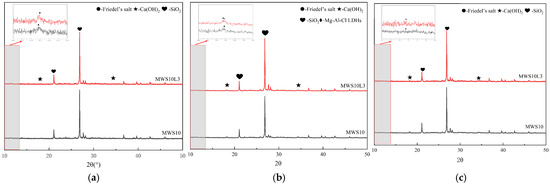
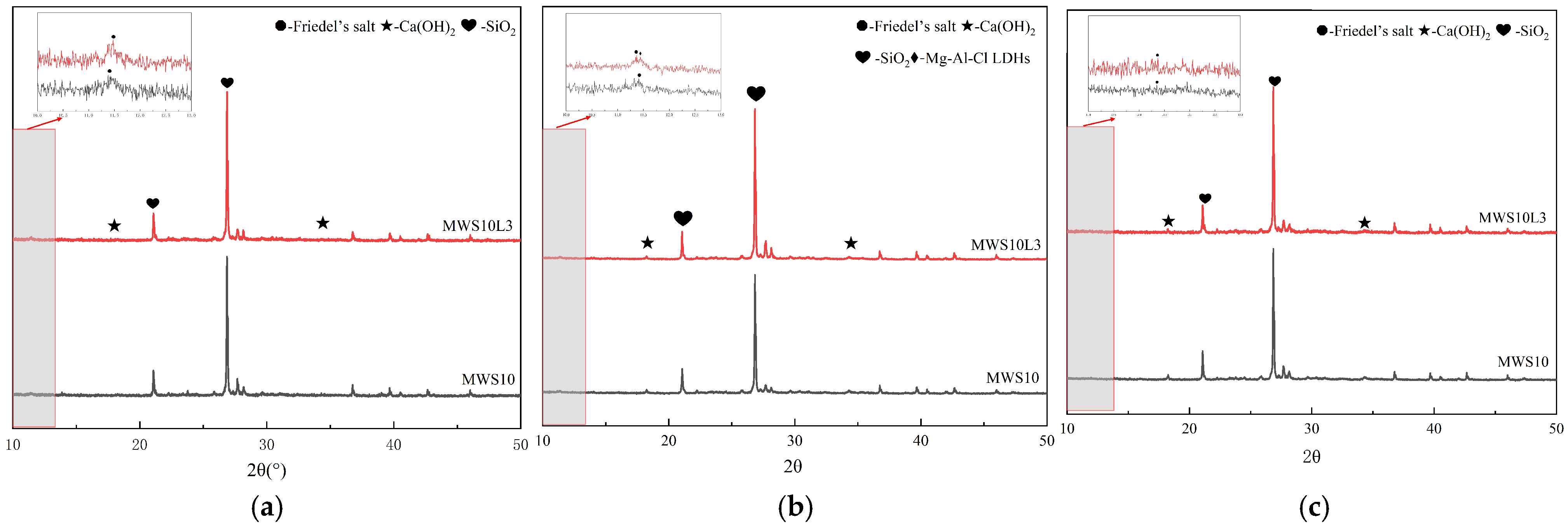
Figure 14 presents the XRD patterns of MWS10 and MWS10L3 at depths of 1, 9, and 17 mm.
Figure 14.
XRD patterns of MWS10 and MWS10L3 at different sampling depths. (a) 1 mm; (b) 9 mm; (c) 17 mm.
According to the XRD patterns, at a depth of 1 mm from the exposed surface, the difference in the characteristic signals of Friedel’s salt between MWS10 and MWS10L3 was relatively insignificant. At a depth of 9 mm, the characteristic signal of Friedel’s salt in MWS10L3 was relatively weakened, accompanied by the appearance of characteristic peaks associated with Mg-Al-Cl type LDHs. This result indicates that CLDHs underwent structural reconstruction in the chloride environment and immobilized part of the Cl− through interlayer anion exchange [24]. Both Friedel’s salt and Mg-Al-Cl type LDHs can serve as chloride-binding phases [24,35]. The appearance of Mg-Al-Cl type LDH signals suggests that CLDHs incorporation introduced an additional chloride immobilization pathway through interlayer binding, transforming the chloride binding process from primarily Friedel’s salt formation in the cement matrix to a combined mechanism involving Friedel’s salt formation and LDH-based adsorption and immobilization. This result agrees well with the lower water-soluble chloride content observed for MWS10L3, further demonstrating that CLDHs can reduce the concentration of water-soluble chloride content in mortar.
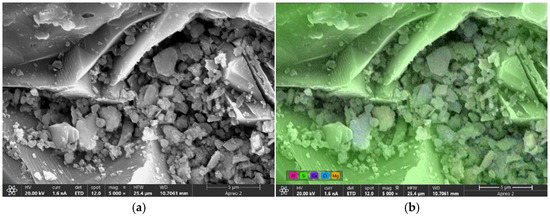
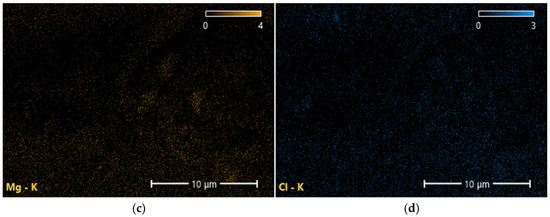
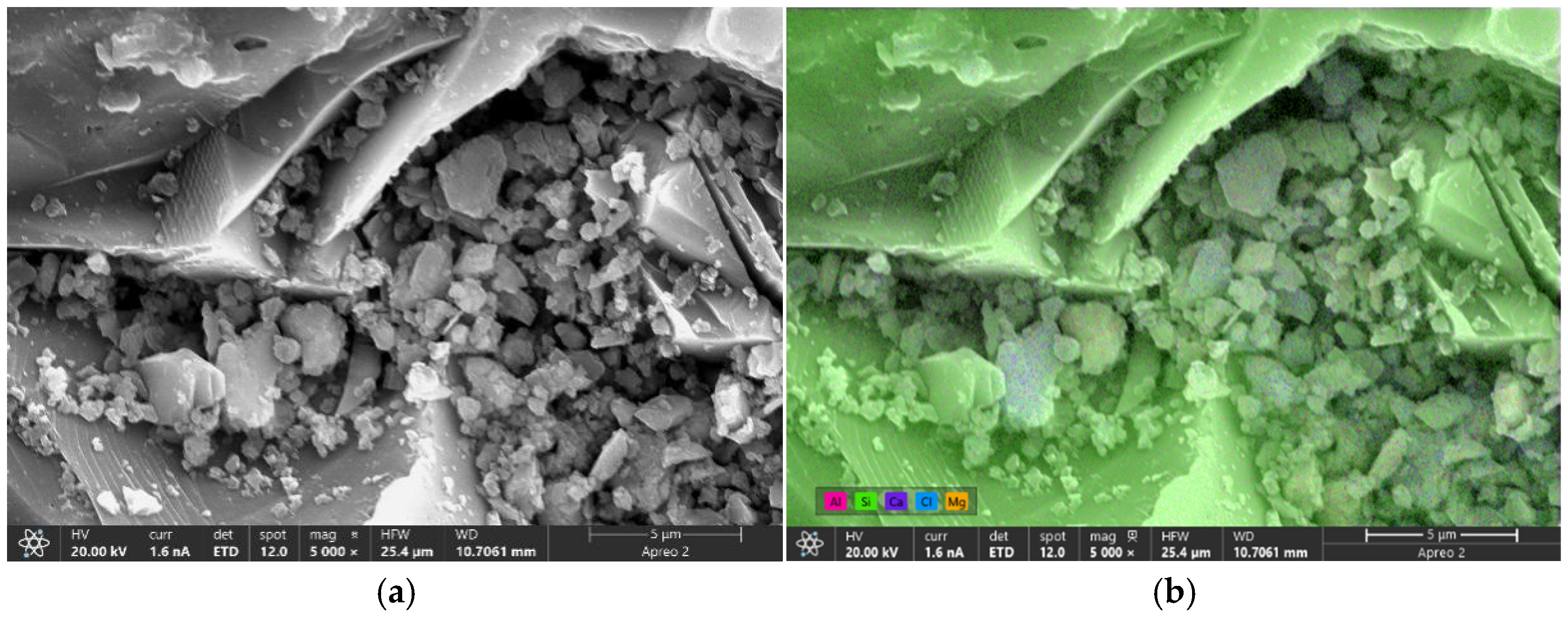
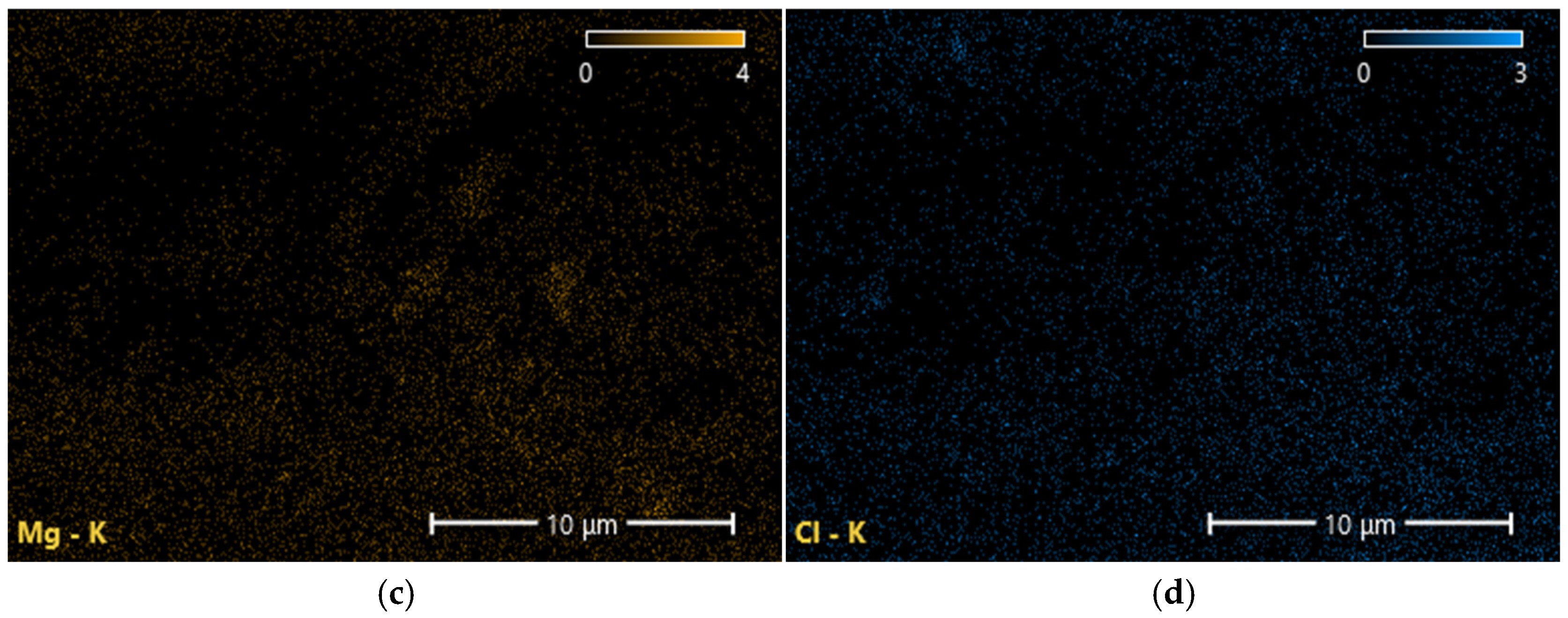
To further examine the microstructural characteristics and the spatial distribution relationship between CLDHs-related products and chloride ions, SEM-EDS analysis was conducted on the M0L3 specimen without SGS incorporation, and the results are presented in Figure 15.
Figure 15.
SEM morphology and EDS elemental mappings of the M0L3 specimen after chloride exposure. (a) SEM morphology; (b) EDS elemental overlay; (c) Mg elemental mapping; (d) Cl elemental mapping.
As shown in Figure 15a, the microstructure of the M0L3 specimen exhibited plate-like, blocky, and fine granular products within the selected micro-region, with some particles aggregating around pore areas and locally filling the pores. To further identify the spatial distribution relationship between CLDHs-related products and chloride ions, elemental mapping of Mg and Cl was conducted. Mg-enriched regions can serve as an indicator of the local distribution of CLDHs and their reconstructed Mg-bearing products, while Cl was used to characterize the local distribution of ingressed chlorides. As presented in Figure 15c,d, Mg exhibited a dispersed distribution with localized enrichment within the micro-region, and Cl showed a relatively pronounced distribution in some Mg-enriched areas, suggesting a spatial association between Cl and CLDHs-related Mg-bearing products. Combined with the appearance of the Mg-Al-Cl type LDH characteristic signal in the XRD analysis, these results support the chloride adsorption and immobilization effect of CLDHs from the perspective of micro-scale elemental distribution.
The combined results of water-soluble chloride depth profiles, XRD, and SEM-EDS analyses suggest that the incorporation of CLDHs did not significantly improve the overall pore structure of the mortar. Nevertheless, CLDHs may contribute to chloride binding through structural reconstruction and anion exchange, thereby reducing the content of water-soluble chloride content in the mortar system and retarding their transport into the deeper regions of the mortar. The SEM-EDS results further provide micro-scale evidence for the association between Cl and CLDHs-related Mg-bearing products. These findings suggest that the enhancement of chloride ingress resistance induced by CLDHs primarily arises from the regulation of chloride migration and binding states. The combined mechanism of CLDHs and the internal curing effect of pre-wetted porous fine aggregate is further discussed in the following section.
3.3. Combined Mechanism of Internal Curing and Chloride Adsorption in Improving Chloride Ingress Resistance
During the pre-wetting process, the porous fine aggregate absorbs and stores a certain amount of water. As cement hydration proceeds, the internally stored water is gradually released into the surrounding paste, providing a supplementary water source for later-age hydration and thus favoring the continuous progress of the hydration process. At a relatively low replacement ratio, the internal curing effect can compensate, to a certain extent, for the adverse effects induced by the inherent porosity of porous particles, thereby maintaining a relatively stable pore structure of the mortar and retarding chloride migration from the surface toward deeper regions. When the replacement ratio is further increased, more pores and interconnected transport pathways are introduced by the porous particles, and the internal curing effect is no longer sufficient to fully offset their unfavorable influence on chloride transport. Therefore, the effect of pre-wetted porous fine aggregate on chloride ingress depends on the balance between the hydration-promoting effect of internal water release and the transport-enhancing effect associated with its porous structure.
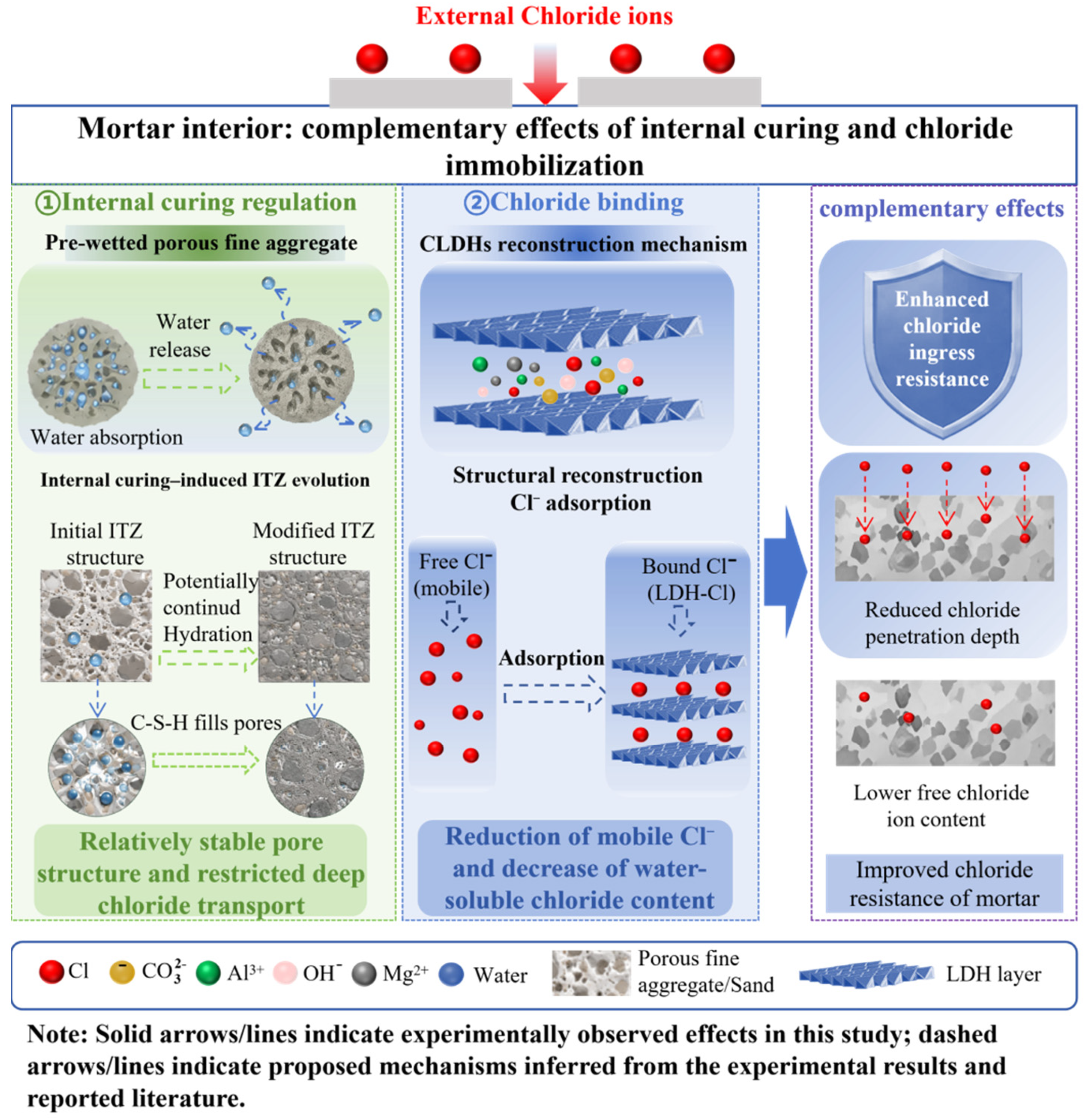
The incorporation of CLDHs did not significantly improve the overall pore structure of the mortar, and the enhancement of chloride ingress resistance induced by CLDHs mainly results from the regulation of chloride binding states. In chloride-containing environments, CLDHs may contribute to chloride binding within the reconstructed layered structure through structural reconstruction and anion exchange, thereby reducing the content of water-soluble chloride content in the pore solution. This mechanism is supported by the Mg-Al-Cl type LDH characteristic signals detected by XRD and the localized co-distribution of Mg and Cl observed by SEM-EDS [24]. In the composite system, pre-wetted porous fine aggregate primarily regulates chloride transport conditions through internal curing, whereas CLDHs reduce chloride mobility through adsorption and immobilization. The experimental results indicate that this complementary effect decreases the water-soluble chloride content in mortar and retards chloride migration toward the mid-to-deep regions, thereby improving the overall chloride ingress resistance of mortar. Figure 16 presents a schematic illustration of the chloride ingress resistance mechanism of mortar under the combined effect of internal curing and chloride immobilization.
Figure 16.
Schematic mechanism of chloride ingress resistance under the combined effects of internal curing and ion adsorption.
4. Conclusions
- (1)
- Pre-wetted porous fine aggregate was beneficial to later-age strength development, which may be associated with its internal water storage and release characteristics, and its influence on mortar performance varies with the replacement level. Within the experimental scope of this study, a 10% replacement ratio maintained a relatively stable pore structure and limited chloride migration toward deeper regions. However, excessive replacement ratios introduced additional pores and transport pathways, thereby weakening the chloride ingress resistance.
- (2)
- The incorporation of CLDHs did not significantly improve the overall pore structure of the mortar; however, CLDHs may contribute to chloride binding through structural reconstruction and anion exchange, thereby reducing the water-soluble chloride content and delaying chloride ingress toward deeper regions. Among the CLDHs dosages investigated in this study, the 3% CLDHs group exhibited the lowest water-soluble chloride content at all tested depths.
- (3)
- Pre-wetted porous fine aggregate primarily regulates the pore structure and chloride transport conditions of the mortar, while CLDHs mainly reduce water-soluble chloride content and may contribute to chloride binding. The combined contribution of these two mechanisms retards chloride migration toward deeper regions and improves the overall chloride ingress resistance of mortar. Overall, the combined incorporation of pre-wetted SGS and CLDHs was associated with reduced chloride ingress toward the deeper regions of mortar under the investigated conditions.
Author Contributions
Conceptualization, J.M. and Y.S.; methodology, J.M. and M.C.; software, Z.W.; validation, J.M., M.C. and G.G.; formal analysis, J.M.; investigation, Y.L.; resources, Y.S.; data curation, M.C.; writing—original draft preparation, J.M. and M.C.; writing—review and editing, Y.S.; visualization, Z.W.; supervision, Y.S.; project administration, Y.S.; funding acquisition, Y.S. All authors have read and agreed to the published version of the manuscript.
Funding
This study was funded by the National Natural Science Foundation of China (51508191), the Science and Technology Project of Henan Province (252102231064), Key scientific research project of Henan University (24A560027) and the Colleges Young Teacher Training Project of Henan Province (2023GGJS074).
Data Availability Statement
The original contributions presented in this study are included in the article. Further inquiries can be directed to the corresponding author.
Conflicts of Interest
Author Yingxu Liu was employed by the company Zhengzhou Sewage Purification Co., Ltd. The remaining authors declare that the research was conducted in the absence of any commercial or financial relationships that could be construed as a potential conflict of interest.
Abbreviations
The following abbreviations are used in this manuscript:
| SGS | Sludge Gasification Slag |
| CLDHs | Calcined Layered Double Hydroxides |
References
- Melchers, R.E.; Chaves, I.A. Durable Steel-Reinforced Concrete Structures for Marine Environments. Sustainability 2021, 13, 13695. [Google Scholar] [CrossRef] [Scilit]
- Das, C.S.; Zheng, H.; Dai, J.G. A review of chloride-induced steel corrosion in coastal reinforced concrete structures: Influence of micro-climate. Ocean Eng. 2025, 325, 120817. [Google Scholar] [CrossRef] [Scilit]
- Rincon, L.F.; Moscoso, Y.M.; Hamami, A.E.A.; Matos, J.C.; Bastidas-Arteaga, E. Degradation Models and Maintenance Strategies for Reinforced Concrete Structures in Coastal Environments under Climate Change: A Review. Buildings 2024, 14, 562. [Google Scholar] [CrossRef] [Scilit]
- Liu, D.Y.; Wang, C.; Gonzalez-Libreros, J.; Guo, T.; Cao, J.; Tu, Y.M.; Elfgren, L.; Sas, G. A review of concrete properties under the combined effect of fatigue and corrosion from a material perspective. Constr. Build. Mater. 2023, 369, 130489. [Google Scholar] [CrossRef] [Scilit]
- Ukrainczyk, N.; Bernard, T.; Babaahmadi, A.; Huang, L.; Zausinger, C.; Soive, A.; Bonnet, S.; Georget, F.; Mrak, M.; Dolenec, S.; et al. Test methods for chloride diffusivity of blended cement pastes: A review by RILEM TC 298-EBD. Mater. Struct. 2025, 58, 324. [Google Scholar] [CrossRef] [Scilit]
- Zhang, M.H.; Sun, S.H.; Liu, K.; Li, T.; Yang, H.X. Research on the critical chloride content of reinforcement corrosion in marine concrete—A review. J. Build. Eng. 2023, 79, 107838. [Google Scholar] [CrossRef] [Scilit]
- Khan, M.U.; Ahmad, S.; Al-Gahtani, H.J. Chloride-Induced Corrosion of Steel in Concrete: An Overview on Chloride Diffusion and Prediction of Corrosion Initiation Time. Int. J. Corros. 2017, 2017, 5819202. [Google Scholar] [CrossRef] [Scilit]
- Yang, H.; Xiong, C.S.; Liu, X.Y.; Liu, A.; Li, T.Y.; Ding, R.; Shah, S.P.; Li, W.H. Application of layered double hydroxides (LDHs) in corrosion resistance of reinforced concrete—State of the art. Constr. Build. Mater. 2021, 307, 124991. [Google Scholar] [CrossRef] [Scilit]
- Daniyal, M.; Akhtar, S. Corrosion assessment and control techniques for reinforced concrete structures: A review. J. Build. Pathol. Rehabil. 2020, 5, 1. [Google Scholar] [CrossRef] [Scilit]
- Tian, Z.; Ji, H.; Tian, Y.; Ye, H. Quantifying anisotropic chloride diffusion coefficients of interfacial transition zone in concrete. Cem. Concr. Compos. 2025, 163, 106199. [Google Scholar] [CrossRef] [Scilit]
- Zhang, Y.; Di Luzio, G.; Alnaggar, M. Coupled multi-physics simulation of chloride diffusion in saturated and unsaturated concrete. Constr. Build. Mater. 2021, 292, 123394. [Google Scholar] [CrossRef] [Scilit]
- Cui, F.; Zhang, J.; Li, H.; Elghazouli, A.Y.; Pan, S.; Ren, J. Service life prediction of reinforced concrete marine structures under coupled chloride-induced corrosion and freeze-thaw cycles. Constr. Build. Mater. 2025, 492, 143053. [Google Scholar] [CrossRef] [Scilit]
- De Weerdt, K. Chloride binding in concrete: Recent investigations and recognised knowledge gaps: RILEM Robert L’Hermite Medal Paper 2021. Mater. Struct. 2021, 54, 214. [Google Scholar] [CrossRef] [Scilit]
- Kevern, J.T.; Nowasell, Q.C. Internal curing of pervious concrete using lightweight aggregates. Constr. Build. Mater. 2018, 161, 229–235. [Google Scholar] [CrossRef] [Scilit]
- Paul, A.; Murgadas, S.; Delpiano, J.; Moreno-Casas, P.A.; Walczak, M.; Lopez, M. The role of moisture transport mechanisms on the performance of lightweight aggregates in internal curing. Constr. Build. Mater. 2021, 268, 121191. [Google Scholar] [CrossRef] [Scilit]
- Alaskar, A.M.; Al-Shannag, M.J.; Higazey, M.M. Mechanical properties and durability of high-performance concrete internally cured using lightweight aggregates. Constr. Build. Mater. 2021, 288, 122998. [Google Scholar] [CrossRef] [Scilit]
- Zhou, J.; Dong, Y.D.; Qiu, T.; Lv, J.J.; Guo, P.; Liu, X. The microstructure and modification of the interfacial transition zone in lightweight aggregate concrete: A review. Buildings 2025, 15, 2784. [Google Scholar] [CrossRef] [Scilit]
- Ma, J.T.; Huang, Y.B.; Li, Z.Y.; Yang, M.M.; Tan, Y.F.; Zhao, S.B. Case Study of Ultra-High-Performance Concrete with Urban Sludge Gasification Slag. Sustainability 2025, 17, 938. [Google Scholar] [CrossRef] [Scilit]
- Tan, Y.F.; Wang, X.Q.; Zheng, H.; Liu, Y.X.; Ma, J.T.; Zhao, S.B. Correlation Between Packing Voids and Fatigue Performance in Sludge Gasification Slag-Cement-Stabilized Macadam. Sustainability 2025, 17, 6587. [Google Scholar] [CrossRef] [Scilit]
- Abadel, A.A. Physical, mechanical, and microstructure characteristics of ultra-high-performance concrete containing lightweight aggregates. Materials 2023, 16, 4883. [Google Scholar] [CrossRef] [Scilit] [PubMed]
- Yang, L.; Zhang, G.Z.; Yang, J.; Ding, Y.; Ding, Q.J.; Wang, Y.X. Chloride Ion Transport Properties in Lightweight Ultra-High-Performance Concrete with Different Lightweight Aggregate Particle Sizes. Materials 2022, 15, 6626. [Google Scholar] [CrossRef] [Scilit] [PubMed]
- Bogas, J.A.; Real, S. A review on the carbonation and chloride penetration resistance of structural lightweight aggregate concrete. Materials 2019, 12, 3456. [Google Scholar] [CrossRef] [Scilit] [PubMed]
- Pacheco, A.A.L.; Nobre, T.R.S.; Teobaldo, G.B.M.; de Oliveira, C.L.P.; Coelho, A.C.V.; Angulo, S.C. Ca-Al layered double hydroxides (LDHs) from the rehydration of calcined katoite: Chloride binding capacity and cementitious properties. Appl. Clay Sci. 2025, 276, 107226. [Google Scholar] [CrossRef] [Scilit]
- Ma, J.T.; Wang, D.G.; Chen, H.; Duan, P.; Shi, Y.K. Chloride Absorption Behavior of Layered Double Hydroxides in Chloride Environment. J. Test. Eval. 2020, 48, 1814–1822. [Google Scholar] [CrossRef] [Scilit]
- Ma, J.T.; Wang, D.G.; Duan, P.; Shi, Y.K. Sulfate Ions Immobilization of Calcined Layered Double Hydroxides in Hardened Cement Paste and Concrete. J. Wuhan Univ. Technol. 2020, 34, 1400–1407. [Google Scholar] [CrossRef] [Scilit]
- Guo, Y.Q.; Zhang, T.S.; Du, J.P.; Tian, W.L.; Wang, A.G.; Wei, J.X.; Yu, Q.J. The chloride binding capacity and stability of gap-graded blended cement with calcined hydrotalcite and metakaolin. J. Build. Eng. 2022, 49, 104093. [Google Scholar] [CrossRef] [Scilit]
- Xiang, Y.H.; Liang, G.W.; Sun, H.; Li, H.X.; He, D.H. Roles of CLDHs and TEA on Portland cement mortar/paste: Strength, hydration and chloride binding. Constr. Build. Mater. 2022, 320, 126325. [Google Scholar] [CrossRef] [Scilit]
- Zhutovsky, S.; Kovler, K. Effect of internal curing on durability-related properties of high performance. Concr. Cem. Concr. Res. 2012, 42, 20–26. [Google Scholar] [CrossRef] [Scilit]
- Yang, L.; Ma, X.W.; Liu, J.H.; Hu, X.; Wu, Z.M.; Shi, C.J. Improving the effectiveness of internal curing through engineering the pore structure of lightweight aggregates. Cem. Concr. Compos. 2022, 135, 104773. [Google Scholar] [CrossRef] [Scilit]
- GB 175-2023; Common Portland Cement. Standardization Administration of China: Beijing, China, 2023.
- GB/T 17671-2021; Method of Testing Cements—Determination of Strength (ISO Method). Standardization Administration of China: Beijing, China, 2021.
- Fořt, J.; Afolayan, A.; Medveď, I.; Scheinherrová, L.; Černý, R. A review of the role of lightweight aggregates in the development of mechanical strength of concrete. J. Build. Eng. 2024, 95, 109312. [Google Scholar] [CrossRef] [Scilit]
- Ortiz-Marqués, A.; Caldevilla, P.; Goldmann, E.; Safuta, M.; Fernández-Raga, M.; Górski, M. Porosity and Permeability in Construction Materials as Key Parameters for Their Durability and Performance: A Review. Buildings 2025, 15, 3422. [Google Scholar] [CrossRef] [Scilit]
- Zhang, Y.; Ye, G.; Yang, Z.X. Pore size dependent connectivity and ionic transport in saturated cementitious materials. Constr. Build. Mater. 2020, 238, 117680. [Google Scholar] [CrossRef] [Scilit]
- Georget, F.; Babaahmadi, A.; Machner, A.; Mrak, M.; Dolenec, S.; Xiong, Q.X.; Shiju, J.; Snoeck, D.; Suraneni, P.; Wilson, W. Measuring chloride binding in cementitious materials: A review by RILEM TC 298-EBD. Mater. Struct. 2025, 58, 348. [Google Scholar] [CrossRef] [Scilit]

Disclaimer/Publisher’s Note: The statements, opinions and data contained in all publications are solely those of the individual author(s) and contributor(s) and not of MDPI and/or the editor(s). MDPI and/or the editor(s) disclaim responsibility for any injury to people or property resulting from any ideas, methods, instructions or products referred to in the content. |
© 2026 by the authors. Licensee MDPI, Basel, Switzerland. This article is an open access article distributed under the terms and conditions of the Creative Commons Attribution (CC BY) license.