


Abstract
This study examined how environmental expectation gaps, defined as discrepancies between older adults’ expectations before admission and their actual experiences after admission, are associated with residential adaptation in nursing homes. Survey data from 613 residents of six public and private inclusive nursing homes in Changchun, China, were analyzed using structural equation modeling and bias-corrected bootstrapping. Expectation gaps in safety and mobility convenience, privacy and autonomy, environmental comfort, and spatial cognition and familiarity were significantly associated with emotional adaptation, with spatial cognition and familiarity showing the strongest relationship. Support for activities and social interaction was positively associated with relationship formation but negatively associated with communal-living adaptation. Residential adaptation followed a sequential process from emotional adaptation to relationship formation, acceptance of institutional living, and adaptation to communal living. Bootstrap analysis further showed that several environmental expectation gaps were indirectly associated with later adaptation outcomes through this sequential process, with some direct and indirect relationships operating in opposite directions. These findings demonstrate that environmental expectation gaps are associated with residential adaptation through differentiated and interconnected pathways, extending nursing home evaluation beyond facility conditions and satisfaction alone.
1. Introduction
1.1. Background and Purpose
China’s three-tier elder care framework consists of home-based, community-based, and institutional-based care [1]. Home-based care enables older adults to live in their own homes while receiving assistance from family members or home visit services [2]. Community-based care offers services such as meal assistance, health management, daytime care, and support with daily living within the local community [3]. Institutional-based care involves older adults relocating to specialized facilities to receive continuous care and support for daily living [4]. China has maintained home-based care as the cornerstone of its long-term care system, progressively expanding the functions of community- and institutional-based care while promoting greater integration among these three models [5]. As the health conditions and care needs of older adults have become more diverse, the need for community-based services and specialized institutional-based care has grown [6,7].
Amid these changes, inclusive nursing homes have emerged as a primary form of institutional-based care in China, providing older adults with access to affordable care and daily living support services. However, the expansion of facilities and improvements in affordability alone do not fully explain the degree to which residents’ needs are met. Since nursing homes are long-term living environments that differ from short-term care facilities, the extent to which the physical environment caters to residents’ needs and their actual experiences is critical for assessing the stability of institutional living and successful residential adaptation.
Previous studies on nursing homes have primarily concentrated on aspects such as spatial planning, universal design, service quality, environmental satisfaction, and overall life satisfaction [8,9,10,11,12]. While these studies have enhanced understanding of the quality of nursing home environments and how residents evaluate them, they often fall short in explaining how discrepancies between residents’ pre-admission expectations and their post-admission perceptions of the environment affect their residential adaptation. Before being admitted to a nursing home, older adults develop expectations about their future living environments based on past housing experiences, health conditions, financial circumstances, family opinions, and information about the facility [13,14,15,16]. After admission, residents gradually develop concrete perceptions and evaluations of their environments through daily experiences and interactions with the physical space [17,18,19]. The discrepancy between pre-admission expectations and post-admission perceptions can thus be conceptualized as the environmental expectation gap in nursing home settings.
Although environmental expectation gap and satisfaction are both based on residents’ evaluations of their experiences, the two concepts differ in their analytical focus. Satisfaction generally represents a post-experience evaluative judgment regarding how positively or negatively residents assess a facility or service. In contrast, environmental expectation gap focuses on the discrepancy between what residents expected before admission and what they subsequently experienced in specific environmental domains. Therefore, satisfaction primarily represents an evaluative outcome, whereas environmental expectation gap identifies the degree and domain of inconsistency between expectations and actual experiences. Residents with similar levels of overall satisfaction may still differ substantially in the types and magnitude of expectation gaps they experience. By treating these discrepancies as multidimensional environmental variables and examining their relationships with different stages of residential adaptation, this study extends conventional satisfaction-based evaluation toward a process-oriented explanation of how expectation–experience discrepancies are related to adaptation to institutional living.
The environmental expectation gap in nursing homes, however, encompasses more than just residents’ satisfaction or dissatisfaction with their physical surroundings; it is also associated with older adults’ adaptation to a new living environment and daily routine [20,21]. Admission to a nursing home involves changes in both where individuals live and how they structure their daily activities, including patterns of interaction and personal autonomy [22,23,24,25]. Residential adaptation refers to the degree to which residents accept their new living environment and lifestyle while maintaining a stable daily life in the adjusted setting [26,27]. When the reality of a nursing home environment significantly differs from the expectations before admission, older adults are more likely to feel discomfort and face challenges in adjusting to their new surroundings and living conditions [28,29,30]. Therefore, evaluations of nursing home environments should go beyond the objective characteristics of the facility to incorporate the environmental expectation gaps perceived by residents. Additionally, there is a need to empirically investigate how these expectation gaps influence residential adaptation.
Changchun, a major city in northeastern China, has a notably large and rapidly aging population. According to the 7th National Population Census in 2020, adults aged 60 years and older accounted for 20.85% of Changchun’s permanent population, 2.15 percentage points higher than the national average of 18.70% [31,32]. This demographic profile indicates a higher demand for elder care services and a more pressing need for policy responses in Changchun. Additionally, the city has been enhancing its integrated long-term care system by strengthening the connection between home-based, community-based, and institutional-based care. Specifically, the Changchun municipal government has outlined two key policy priorities for 2026: improving coordination between community-based care services and long-term care facilities and expanding service coverage and support for older adults [33]. These policy initiatives reflect a shift in Changchun’s long-term care strategy, moving focus from merely increasing the number of care facilities to improving accessibility, enhancing professionalism, and promoting integration among home, community, and institutional care. Therefore, Changchun serves as an appropriate setting for examining the environmental expectation gaps experienced by residents of inclusive nursing homes and how they adapt to their new surroundings.
Accordingly, this study explores the gaps between older adults’ expectations of nursing home environments before admission and their actual perceptions after admission, specifically focusing on residents of inclusive nursing homes in Changchun, China. Additionally, it empirically investigates the impact of these environmental expectation gaps on residential adaptation. By analyzing the varying effects of the dimensions constituting these gaps, this study aims to identify environmental factors most closely associated with residential adaptation. The findings will have practical implications for the environmental planning and management of inclusive nursing homes, aligning better with residents’ experiences and providing an empirical foundation for supporting stable residential life among older adults in institutional care.
1.2. Literature Review
Assessments of nursing home environments cannot be based solely on the objective physical characteristics of the facility. Residents also evaluate their living environments by comparing expectations formed before admission with perceptions developed through subsequent experience [34,35]. Although this expectation–experience comparison is conceptually connected to satisfaction, the two constructs serve different analytical purposes. Satisfaction primarily reflects an overall evaluative judgment after experience, whereas an environmental expectation gap identifies the discrepancy between prior expectations and subsequent experiences within specific environmental domains. Residents with similar levels of overall satisfaction may therefore experience different types and degrees of expectation gaps. Accordingly, this study focuses on where such discrepancies occur within the nursing home environment and how they are reflected in residents’ adaptation to institutional living.
The nursing home environment functions simultaneously as a setting for mobility, personal life, sensory comfort, social interaction, and everyday spatial orientation. Safe movement depends on flooring conditions, level differences, corridor width, handrails, emergency facilities, spatial accessibility, and the availability of mobility-supportive facilities [36,37,38,39,40]. These characteristics determine whether residents can move through the facility safely and independently and therefore constitute the functional dimension of the living environment. At the same time, institutional living requires residents to maintain personal boundaries within a shared setting. The provision of personal space, protection of privacy, management of personal belongings, control over access to private areas, and freedom of choice in daily activities contribute to autonomy, dignity, and perceived control [41,42,43,44,45]. These characteristics form the personal dimension of residents’ environmental experience.
The quality of the indoor environment constitutes another essential component of everyday residential experience. Lighting conditions, temperature and humidity, air quality, noise, and cleanliness influence visual, thermal, respiratory, acoustic, and hygienic comfort [46,47,48,49,50]. Nursing home life also extends beyond individual rooms and basic physical comfort. Accessibility to common spaces, availability of activity spaces, opportunities for interpersonal interaction, appropriate visiting environments, and access to outdoor areas influence residents’ opportunities to participate in activities and maintain social contact [51,52,53,54,55]. In addition, residents must be able to understand and recognize their surroundings in order to use the facility effectively. Clear spatial organization, understandable guidance systems, visible destinations, familiar furniture and personal belongings, and a homelike atmosphere can reduce confusion and unfamiliarity and support the development of spatial familiarity [56,57,58,59,60].
These environmental characteristics were organized according to the primary function represented by each indicator. Attributes concerning movement, accident prevention, and accessibility were classified as safety and mobility convenience, while personal boundaries, privacy, and individual choice were classified as privacy and autonomy. Indoor sensory conditions were organized as environmental comfort, opportunities for activities and interpersonal contact as support for activities and social interaction, and spatial legibility, wayfinding, and homelike familiarity as spatial cognition and familiarity. The five dimensions therefore represent the functional, personal, sensory, social, and cognitive aspects of residents’ environmental experiences. The environmental expectation gap was defined as the discrepancy between pre-admission expectations and post-admission perceptions within each of these five dimensions.
Residential adaptation represents the process through which residents respond to changes in their physical and social environments and establish everyday life within the nursing home. Adaptation begins with psychological responses to relocation and unfamiliar living conditions. Anxiety, depressive feelings, loneliness, attachment to previous living environments, and emotional stability reflect the degree to which residents become emotionally accustomed to their new circumstances [61,62,63,64,65]. This dimension was therefore defined as emotional adaptation. Institutional adjustment also requires the formation and maintenance of interpersonal relationships. Interaction with other residents, mutual support, trust in staff, participation in group activities, and continuity of family contact represent the social foundation of institutional life [66,67,68,69,70] and were organized as relationship formation.
Adaptation further involves accepting the nursing home as an actual place of residence rather than merely a facility in which services are received. Acceptance of changed living conditions, a sense of belonging, attachment to the current environment, and recognition of the nursing home as a foundation for daily life constitute acceptance of institutional living [71,72,73,74]. This construct differs from satisfaction because it represents incorporation of the changed living environment into everyday life rather than an evaluation of whether the facility is good or poor. Finally, residents must adjust to the operational and collective characteristics of institutional living. Understanding and following facility rules, becoming accustomed to schedules, participating in communal activities, sharing spaces and facilities, and maintaining personal routines within institutional conditions constitute adaptation to communal living [75,76,77,78,79].
The residential adaptation indicators were therefore organized according to the principal adaptive function represented by each item. Emotional responses and psychological stability formed emotional adaptation; interpersonal interaction and continuity of social relationships formed relationship formation; acceptance, belonging, attachment, and recognition of the facility as a living foundation formed acceptance of institutional living; and adjustment to institutional rules, schedules, activities, shared spaces, and daily routines formed adaptation to communal living. Through this process, the conceptual framework was organized into five environmental expectation-gap dimensions comprising 25 indicators and four residential-adaptation dimensions comprising 19 indicators, as presented in Table 1.
Table 1.
Key variables related to nursing home environmental expectation gaps and residential adaptation.
The four dimensions of residential adaptation were further structured as an interconnected process rather than as separate outcomes. Adjustment to a new residential environment involves progressive changes in psychological stability, interpersonal relationships, acceptance of the new living environment, and incorporation of institutional practices into everyday life [80,81,82,83,84]. Emotional adaptation provides a psychological basis for establishing interpersonal relationships, while relationship formation facilitates belonging and acceptance of the nursing home as a living environment. Acceptance of institutional living, in turn, provides a basis for incorporating facility rules, schedules, shared spaces, and communal activities into daily routines [85,86,87,88]. Residential adaptation can therefore be conceptualized as a sequential process progressing from emotional adaptation to relationship formation, acceptance of institutional living, and adaptation to communal living.
This organization also clarifies the conceptual connection between environmental expectation gaps and residential adaptation. Safety and mobility convenience, privacy and autonomy, environmental comfort, and spatial cognition and familiarity represent environmental experiences that can shape residents’ initial psychological adjustment, whereas support for activities and social interaction directly involves opportunities for interpersonal contact and participation in communal life. Spatial cognition and familiarity also contribute to whether residents can understand, recognize, and gradually accept the nursing home as their living environment. Environmental experiences may therefore operate not only through direct relationships with particular adaptation dimensions but also through preceding stages of the sequential adaptation process. This conceptual structure provides the basis for the structural relationships and hypotheses presented in Figure 1 and Section 1.3.
Figure 1.
Proposed structural model.
1.3. Research Hypotheses and Measurement Model
To examine the structural relationships between environmental expectation gaps and residential adaptation, this study established the research model shown in Figure 1. The model consists of five exogenous variables representing environmental expectation gaps and four endogenous variables representing residential adaptation. The exogenous variables include expectation gaps in safety and mobility convenience (X1), privacy and autonomy (X2), environmental comfort (X3), support for activities and social interaction (X4), and spatial cognition and familiarity (X5). The endogenous variables include emotional adaptation (Y1), relationship formation (Y2), acceptance of institutional living (Y3), and adaptation to communal living (Y4).
Figure 1 connects the environmental and adaptation components at two analytical levels. The five environmental expectation-gap dimensions represent discrepancies in the conditions that residents experience in everyday institutional life, whereas the four residential-adaptation dimensions represent successive responses to living in that environment. Safety and mobility convenience, privacy and autonomy, environmental comfort, and spatial cognition and familiarity are experienced continuously in daily living and therefore enter the model through emotional adaptation, reflecting safety, personal control, comfort, and environmental familiarity. Support for activities and social interaction is connected to relationship formation and communal-living adaptation because activity spaces and interaction opportunities directly shape interpersonal contact as well as participation in institutional routines. Spatial cognition and familiarity also connect directly to acceptance of institutional living because understanding and becoming familiar with the facility contributes to recognizing it as an understandable and acceptable living environment. The subsequent sequence from emotional adaptation to relationship formation, acceptance of institutional living, and adaptation to communal living represents the progressive structure through which residential adaptation develops.
Environmental conditions do not necessarily influence all dimensions of residential adaptation in the same way, because their effects may vary according to the characteristics of the environmental experience and the stage of adaptation. Safety and mobility convenience, privacy and autonomy, environmental comfort, and spatial cognition and familiarity directly concern residents’ sense of safety, personal control, physical comfort, and familiarity with their surroundings. Discrepancies between expectations and actual experiences in these domains may therefore influence psychological adjustment during institutional living. Accordingly, H1 comprises four structural paths: safety and mobility convenience to emotional adaptation (X1 → Y1, H1–1), privacy and autonomy to emotional adaptation (X2 → Y1, H1–2), environmental comfort to emotional adaptation (X3 → Y1, H1–3), and spatial cognition and familiarity to emotional adaptation (X5 → Y1, H1–4). Based on these relationships, the following hypothesis was established:
H1.
Environmental expectation gaps in safety and mobility convenience (X1), privacy and autonomy (X2), environmental comfort (X3), and spatial cognition and familiarity (X5) are significantly associated with emotional adaptation (Y1).
Support for activities and social interaction (X4) differs from the other environmental dimensions in that it directly concerns residents’ opportunities to participate in activities and establish or maintain interpersonal relationships. The accessibility and suitability of activity spaces, opportunities for social interaction, family contact, and outdoor activities may provide opportunities for relationship formation while also influencing residents’ experiences of institutional routines and communal activities [85,86]. Accordingly, H2 includes two structural paths: support for activities and social interaction to relationship formation (X4 → Y2, H2–1) and support for activities and social interaction to adaptation to communal living (X4 → Y4, H2–2). Based on this reasoning, the second hypothesis was established:
H2.
The environmental expectation gap in support for activities and social interaction (X4) is significantly associated with relationship formation (Y2) and adaptation to communal living (Y4).
Spatial cognition and familiarity (X5) involve residents’ understanding of spatial organization, recognition of destinations, familiarity with environmental cues, and perception of the facility as a homelike living environment. These environmental characteristics are relevant not only to residents’ initial emotional responses but also to whether they gradually perceive the nursing home as an understandable, familiar, and acceptable place to live [80,83]. Accordingly, spatial cognition and familiarity were assumed to have an additional direct relationship with acceptance of institutional living, represented by the path X5 → Y3 (H3). The third hypothesis was therefore established as follows:
H3.
The environmental expectation gap in spatial cognition and familiarity (X5) is significantly associated with acceptance of institutional living (Y3).
Meanwhile, the four dimensions of residential adaptation were conceptualized not as independent outcomes occurring in parallel but as interconnected stages in the process of adjustment to institutional living. Emotional adaptation represents the stage in which residents gradually achieve psychological stability in response to changes in their living environment [87]. Such emotional stability can provide a basis for interaction with other residents and staff and facilitate the formation of new social relationships. Relationship formation may subsequently strengthen residents’ sense of belonging and facilitate their acceptance of the nursing home as their current living environment. Once institutional living is accepted, residents may be better able to incorporate facility rules, schedules, shared spaces, and communal activities into their everyday lives [88]. Based on this sequential perspective, H4 consists of three structural paths: emotional adaptation to relationship formation (Y1 → Y2, H4–1), relationship formation to acceptance of institutional living (Y2 → Y3, H4–2), and acceptance of institutional living to adaptation to communal living (Y3 → Y4, H4–3). Accordingly, the fourth hypothesis was established:
H4.
Residential adaptation follows a sequential structural relationship from emotional adaptation (Y1) to relationship formation (Y2), acceptance of institutional living (Y3), and adaptation to communal living (Y4).
Based on these hypotheses, the structural model also allows the environmental expectation gap variables to be indirectly associated with later dimensions of residential adaptation through the sequential adaptation process. Specifically, the paths specified under H1—X1 → Y1 (H1–1), X2 → Y1 (H1–2), X3 → Y1 (H1–3), and X5 → Y1 (H1–4)—may extend indirectly to subsequent adaptation dimensions through emotional adaptation (Y1). Spatial cognition and familiarity (X5) may operate through both the sequential pathway beginning with emotional adaptation and its direct relationship with acceptance of institutional living (X5 → Y3, H3). Similarly, support for activities and social interaction (X4) may be indirectly associated with later adaptation through relationship formation (X4 → Y2, H2–1), in addition to its direct relationship with adaptation to communal living (X4 → Y4, H2–2). These indirect relationships were not formulated as separate hypotheses but were examined through bootstrap analysis to determine whether the proposed sequential adaptation process transmitted the relationships between environmental expectation gaps and subsequent adaptation outcomes. The sequential mediation process itself was represented by Y1 → Y2 (H4–1), Y2 → Y3 (H4–2), and Y3 → Y4 (H4–3). Furthermore, because the five environmental expectation gap dimensions reflect different but interrelated aspects of residents’ experiences within the same nursing home environment, correlations among the five exogenous variables were included in the structural model.
2. Materials and Methods
This study examined the structural relationships between environmental expectation gaps and residential adaptation by collecting survey data from older adults residing in inclusive nursing homes in Changchun, China. Data were collected through on-site questionnaires administered at participating facilities. The selection of these facilities was based on two criteria that reflected the affordability and operational characteristics of inclusive nursing homes: (1) a monthly residential fee of CNY 1500 or less (regardless of whether the facility is publicly or privately operated), and (2) the capacity to accommodate and provide care for at least 100 older adults. These criteria were established to ensure that the study captured the defining characteristics of inclusive nursing homes, which offer long-term residential care and support services to a large number of older adults at relatively affordable costs.
Because this study focused on the relationship between residents’ environmental expectation gaps and residential adaptation, the analysis was conducted at the individual level rather than at the facility level. Environmental expectation gaps were measured through residents’ comparisons between their pre-admission expectations and post-admission experiences within their respective living environments. Accordingly, the analysis focused on differences in residents’ perceived environmental experiences rather than on direct comparisons of architectural characteristics across facilities.
Participants were limited to adults aged 60 years or older who had resided in the selected nursing homes for at least three months, thereby ensuring that they had sufficient experience with both the physical environment and daily life within the facility. Before the survey began, participants were informed of the study objectives, the survey procedures, the voluntary nature of their participation, the anonymity of their responses, their right to withdraw at any time without penalty, and how the collected data would be used. Only those who provided informed consent were invited to complete the questionnaire. Participants were required to be capable of understanding the questionnaire and response procedures independently, with or without clarification from trained student research assistants, and to complete the survey using their judgment. The assistants did not influence participants’ responses or suggest particular answers; they simply explained the meaning of the questions and the response procedures. Participant eligibility was determined by the ability to understand the questionnaire and provide responses based on one’s own judgment rather than by a specific clinical diagnosis. The survey did not collect medical records or standardized clinical assessments of mobility limitations, cognitive impairment, depression, or other physical and mental health conditions. Accordingly, the sample may have included residents with different health conditions, but clinical classification or subgroup analysis according to health status was not possible. The findings therefore represent the perceptions of residents who were able to participate in self-report assessment and should not be generalized directly to residents who require proxy responses or who have severe physical or cognitive limitations.
The questionnaire consisted of four sections: (1) an informed consent statement, (2) demographic information about the respondents, (3) measures of environmental expectation gaps, and (4) measures of residential adaptation. Demographic information was limited to gender, age, and length of residence in the nursing home (three items in total). No personally identifiable information, such as participants’ names, contact information, or identification numbers, was collected. Environmental expectation gaps were measured using five dimensions: safety and mobility convenience, privacy and autonomy, environmental comfort, support for activities and social interaction, and spatial cognition and familiarity. Each dimension was assessed using five items, for a total of 25 measurement items. Residential adaptation was measured using four dimensions: emotional adaptation, relationship formation, acceptance of institutional living, and adaptation to communal living, comprising a total of 19 measurement items. All measurement items were assessed using a five-point Likert scale. Items measuring environmental expectation gaps evaluated the discrepancies between residents’ pre-admission expectations and their post-admission experiences, while items measuring residential adaptation assessed residents’ current level of adaptation to institutional living. After data collection was complete, analyses were conducted in the following order: data screening, measurement model validation, and structural model analysis. IBM SPSS Statistics 25 was used for descriptive and reliability analyses, and Amos 29 was used for confirmatory factor analysis (CFA) and structural equation modeling (SEM).
First, prior to data analysis, the survey data were screened for missing values, outliers, and invalid or careless responses, with unsuitable responses excluded from further analysis. Next, frequency analysis and descriptive statistics were conducted to examine the demographic characteristics of the respondents and the distribution of key variables. The internal consistency of each construct was then assessed using Cronbach’s α.
Second, CFA was conducted to evaluate the measurement model. Model fit was examined, and convergent validity was assessed using standardized factor loadings, average variance extracted (AVE), and composite reliability (CR).
Third, after establishing the reliability and validity of the measurement model, SEM was used to estimate the relationships among the latent variables. This model specifically examined how expectation gaps in factors such as safety and mobility convenience (X1), privacy and autonomy (X2), environmental comfort (X3), and spatial cognition and familiarity (X5) impact emotional adaptation (Y1). Furthermore, the model tested the effects of the expectation gap regarding support for activities and social interaction (X4) on relationship formation (Y2) and adaptation to communal living (Y4), along with the direct effect of the expectation gap in spatial cognition and familiarity (X5) on acceptance of institutional living (Y3).
Lastly, the indirect effects transmitted through the sequential residential adaptation process were formally examined using bias-corrected bootstrapping in Amos 29. A total of 5000 bootstrap samples were generated, and 95% bias-corrected confidence intervals were calculated. An indirect effect was considered statistically significant when the corresponding confidence interval did not include zero. Bootstrap analysis was conducted as a supplementary test of the indirect relationships implied by H1–H4 rather than as a separate hypothesis.
3. Results
3.1. Descriptive Statistics and Reliability Analysis
Based on the facility selection criteria described above, preliminary consultations were conducted with 11 inclusive nursing homes in Changchun. Three public facilities and three private facilities agreed to participate in the study and were selected for the survey. To maintain the privacy of the participating institutions and their residents, the facilities were anonymized and identified as Facilities A–F.
As shown in Table 2, these facilities were established between 1997 and 2021 and have bed capacities ranging from 110 to 800 residents. The three public facilities (Facilities A, B, and C) had capacities of 800, 270, and 110 residents, respectively. The three private facilities (Facilities D, E, and F) had capacities of 123, 144, and 240 residents, respectively. The occupancy rates for the six facilities were as follows: 82.37% (Facility A), 87.04% (Facility B), 92.72% (Facility C), 91.86% (Facility D), 88.19% (Facility E), and 78.75% (Facility F). The survey was conducted sequentially across the participating facilities according to their respective schedules between April 1 and June 17, 2026. A total of 641 questionnaires were collected: Facility A (n = 233), Facility B (n = 101), Facility C (n = 56), Facility D (n = 49), Facility E (n = 77), and Facility F (n = 125). After excluding 28 questionnaires with identical responses to all items, 613 valid questionnaires were retained for the final analysis. Additional contextual descriptions of the participating facilities are provided in Appendix A.1 to clarify the environmental settings in which residents’ experiences were formed.
Table 2.
Contextual Characteristics of Participating Nursing Homes and Survey Data Collection.
Table 3 presents the demographic characteristics of the survey respondents. Of the 613 respondents, 275 (44.86%) were men, while 338 (55.14%) were women, indicating a higher proportion of female respondents. In terms of age, the largest group was 60–69 years old (408 respondents, 66.56%), followed by 70–79 years old (177 respondents, 28.87%), 80–89 years old (25 respondents, 4.08%), and those aged 90 years or older (3 respondents, 0.49%). Notably, the analytical sample was predominantly composed of older adults within the 60–79 age range, accounting for 95.43% of the total sample.
Table 3.
Demographic characteristics of the respondents (N = 613).
The results of the reliability analysis presented in Table 4 indicate that the Cronbach’s α coefficients for the nine constructs range from 0.837 to 0.872. All values exceeded the recommended threshold of 0.80, indicating a high level of internal consistency among the measurement items within each construct. Additionally, the mean inter-item correlations for all constructs were greater than 0.50, and differences in item means were distributed within a relatively narrow range of 0.060 to 0.173. Overall, the measurement items for the nine latent variables specified in this study demonstrated adequate reliability and were therefore considered suitable for subsequent measurement model validation and SEM analyses.
Table 4.
Reliability analysis results.
3.2. Measurement Model Validity (CFA)
The goodness-of-fit indices for the measurement model were as follows: χ2/df = 1.331, RMR = 0.052, RMSEA = 0.023, GFI = 0.921, CFI = 0.975, NFI = 0.907, and TLI = 0.973 (see Table 5). The RMR was within the recommended range of 0.05–0.08. Both the χ2/df and RMSEA values were below the acceptable thresholds of 3.0 and 0.05, respectively, indicating a good model fit. Additionally, all GFI, CFI, NFI, and TLI values exceeded the recommended threshold of 0.90, suggesting that the overall fit of the measurement model was satisfactory.
Table 5.
Overall model fit indices.
As shown in Table 6, the convergent validity analysis revealed that the standardized factor loadings of the observed variables ranged from 0.602 to 0.857. The AVE for the latent constructs were as follows: safety and mobility convenience (X1): 0.523; privacy and autonomy (X2): 0.539; environmental comfort (X3): 0.526; support for activities and social interaction (X4): 0.513; spatial cognition and familiarity (X5): 0.584; emotional adaptation (Y1): 0.576; relationship formation (Y2): 0.525; acceptance of institutional living (Y3): 0.583; and adaptation to communal living (Y4): 0.511. All AVE values exceeded the recommended threshold of 0.50, indicating adequate convergent validity. Additionally, the CR values were 0.846 for safety and mobility convenience (X1), 0.853 for privacy and autonomy (X2), 0.847 for environmental comfort (X3), 0.839 for support for activities and social interaction (X4), 0.874 for spatial cognition and familiarity (X5), 0.872 for emotional adaptation (Y1), 0.845 for relationship formation (Y2), 0.848 for acceptance of institutional living (Y3), and 0.839 for adaptation to communal living (Y4). The CR across all latent constructs ranged from 0.839 to 0.874, exceeding the recommended criterion of 0.70. Overall, the observed variables accurately represented their respective latent constructs, demonstrating satisfactory fit and convergent validity for subsequent SEM.
Table 6.
Convergent validity metrics.
3.3. Path Analysis
The structural path analysis results are presented in Table 7. All four paths included in H1 were statistically significant. Safety and mobility convenience (X1) was positively associated with emotional adaptation (Y1) (β = 0.252, C.R. = 5.428, p < 0.001; H1–1), as were privacy and autonomy (X2) (β = 0.238, C.R. = 5.277, p < 0.001; H1–2), environmental comfort (X3) (β = 0.135, C.R. = 3.193, p < 0.01; H1–3), and spatial cognition and familiarity (X5) (β = 0.307, C.R. = 7.054, p < 0.001; H1–4). Among these variables, spatial cognition and familiarity showed the strongest relationship with emotional adaptation. Accordingly, H1 was supported. In addition, the covariances among the five environmental expectation gap variables ranged from 0.130 to 0.344 and were all statistically significant (p < 0.01), indicating that the five environmental dimensions were interrelated while representing distinct aspects of residents’ environmental experiences.
Table 7.
Structural path estimates for the latent variable relationships.
The two paths included in H2 were also statistically significant, although they operated in opposite directions. Support for activities and social interaction (X4) was positively associated with relationship formation (Y2) (β = 0.259, C.R. = 5.776, p < 0.001; H2–1), whereas it was negatively associated with adaptation to communal living (Y4) (β = −0.146, C.R. = −3.209, p < 0.01; H2–2). Thus, H2 was supported with different directional relationships for its two component paths. Spatial cognition and familiarity (X5) was negatively associated with acceptance of institutional living (Y3) (β = −0.139, C.R. = −3.064, p < 0.01), thereby supporting H3. These findings indicate that the environmental expectation gap dimensions were associated with different aspects of residential adaptation rather than exhibiting a uniform relationship across all adaptation outcomes.
The sequential relationships specified in H4 were all positive and statistically significant. Emotional adaptation (Y1) was positively associated with relationship formation (Y2) (β = 0.463, C.R. = 9.469, p < 0.001; H4–1), relationship formation (Y2) was positively associated with acceptance of institutional living (Y3) (β = 0.448, C.R. = 8.603, p < 0.001; H4–2), and acceptance of institutional living (Y3) was positively associated with adaptation to communal living (Y4) (β = 0.453, C.R. = 8.937, p < 0.001; H4–3). Therefore, H4 was supported, confirming the proposed sequential structure from emotional adaptation to relationship formation, acceptance of institutional living, and adaptation to communal living. The standardized coefficients and overall structural relationships of the final model are illustrated in Figure 2.
Figure 2.
Standardized structural model.
3.4. Bootstrap Analysis of Indirect Effects
To further examine the structural relationships identified in the SEM and formally test the indirect effects, a bias-corrected bootstrap analysis with 5000 resamples and 95% confidence intervals was conducted. An effect was considered statistically significant when the corresponding 95% confidence interval did not include zero. As shown in Table 8, the confidence intervals for all hypothesized direct structural paths excluded zero, indicating that the direct relationships specified in H1–H4 remained statistically significant under bootstrap estimation.
Table 8.
Bias-Corrected Bootstrap Results for the Direct Structural Effects.
The standardized indirect effects are presented in Table 9. Safety and mobility convenience (X1) showed significant positive indirect effects on relationship formation (Y2) (β = 0.117, 95% CI [0.072, 0.165], p < 0.001), acceptance of institutional living (Y3) (β = 0.052, 95% CI [0.031, 0.079], p < 0.001), and adaptation to communal living (Y4) (β = 0.024, 95% CI [0.014, 0.039], p < 0.001). Privacy and autonomy (X2) likewise had significant positive indirect effects on Y2 (β = 0.110, 95% CI [0.065, 0.163], p < 0.001), Y3 (β = 0.049, 95% CI [0.028, 0.078], p < 0.001), and Y4 (β = 0.022, 95% CI [0.013, 0.037], p < 0.001). Environmental comfort (X3) also exhibited significant positive indirect effects on Y2 (β = 0.063, 95% CI [0.020, 0.110], p < 0.01), Y3 (β = 0.028, 95% CI [0.009, 0.052], p < 0.01), and Y4 (β = 0.013, 95% CI [0.004, 0.024], p < 0.01). These findings indicate that X1, X2, and X3 were associated with later stages of residential adaptation through the sequential pathway beginning with emotional adaptation (Y1).
Table 9.
Bootstrap Results for Standardized Indirect Effects.
Support for activities and social interaction (X4) also showed significant positive indirect effects. Its indirect effect on acceptance of institutional living (Y3) through relationship formation (Y2) was significant (β = 0.116, 95% CI [0.076, 0.166], p < 0.001), as was its indirect effect on adaptation to communal living (Y4) through relationship formation and acceptance of institutional living (β = 0.053, 95% CI [0.033, 0.080], p < 0.001). Notably, this positive indirect effect on Y4 contrasted with the significant negative direct effect reported in Table 8 (β = −0.146, 95% CI [−0.235, −0.058], p < 0.01). This pattern indicates that support for activities and social interaction was associated with adaptation to communal living through two distinct pathways: a negative direct relationship and a positive indirect relationship transmitted sequentially through relationship formation and acceptance of institutional living.
Spatial cognition and familiarity (X5) showed a significant positive indirect effect on relationship formation (Y2) through emotional adaptation (β = 0.142, 95% CI [0.098, 0.193], p < 0.001). Its indirect effect on acceptance of institutional living (Y3) through emotional adaptation and relationship formation was also significant and positive (β = 0.064, 95% CI [0.041, 0.094], p < 0.001). This positive indirect effect contrasted with the significant negative direct effect of X5 on Y3 reported in Table 8 (β = −0.139, 95% CI [−0.225, −0.050], p < 0.01), indicating that the direct and sequential indirect relationships operated in opposite directions. In contrast, the total indirect effect of X5 on adaptation to communal living (Y4), incorporating both the sequential pathway through Y1, Y2, and Y3 and the pathway through the direct relationship between X5 and Y3, was not statistically significant (β = −0.034, 95% CI [−0.075, 0.006], p > 0.05), as its confidence interval included zero.
Overall, the results in Table 8 and Table 9 provide additional evidence for the sequential structure of residential adaptation proposed in H4. Most environmental expectation gap dimensions showed significant indirect relationships with subsequent adaptation outcomes through preceding stages of residential adaptation. At the same time, the opposing directions of the direct and indirect relationships observed for X4 → Y4 and X5 → Y3 indicate that environmental expectation gaps may be associated with residential adaptation through multiple pathways rather than through a single direct mechanism. These findings therefore support the interpretation of residential adaptation as an interconnected process in which environmental experiences may be transmitted through emotional, relational, and residential-acceptance stages before being reflected in adaptation to communal living.
4. Discussion
This study examined residential adaptation in nursing homes from the perspective of environmental expectation gaps rather than relying solely on objective environmental conditions or residents’ current satisfaction. Although satisfaction and environmental expectation gap both involve residents’ evaluations of their experiences, they differ in analytical focus. Satisfaction primarily represents an overall evaluative outcome, whereas an environmental expectation gap identifies the discrepancy between what residents expected before admission and what they subsequently experienced in specific environmental domains [34,35]. The findings of this study suggest that such discrepancies are not merely indicators of positive or negative evaluations of the facility; rather, they are associated with different stages of residential adaptation through both direct and indirect pathways. This distinction constitutes an important contribution of the present study by extending nursing home evaluation from satisfaction-oriented assessment toward a process-oriented understanding of adaptation.
First, expectation gaps in safety and mobility convenience, privacy and autonomy, environmental comfort, and spatial cognition and familiarity were all associated with emotional adaptation, supporting H1. Among these dimensions, spatial cognition and familiarity showed the strongest relationship, highlighting the importance of residents’ ability to understand, recognize, and become familiar with their new living environment. Clear spatial organization, recognizable destinations, familiar environmental cues, and homelike characteristics may therefore be particularly relevant to reducing unfamiliarity and supporting psychological adjustment [56,57,58,59,60]. The bootstrap analysis further showed that the relationships of safety and mobility convenience, privacy and autonomy, and environmental comfort extended indirectly to later stages of adaptation. This suggests that environmental conditions experienced during everyday life may be related not only to residents’ initial emotional responses but also to subsequent relationship formation, acceptance of institutional living, and adjustment to communal life. Environmental adaptation should therefore be understood as a continuing process rather than as a response to isolated physical characteristics.
Second, spatial cognition and familiarity (X5) showed a particularly complex relationship with residential adaptation. Although its direct relationship with acceptance of institutional living was negative, its indirect relationship through emotional adaptation and relationship formation was positive. This opposing pattern indicates that the role of spatial familiarity cannot be adequately interpreted from the direct path alone. Familiarity with the environment may contribute positively to institutional acceptance when it operates through improved emotional adjustment and social relationships, while the remaining direct relationship may reflect other aspects of the expectation gap not captured by these intermediate stages. Moreover, the indirect relationship between X5 and adaptation to communal living was not statistically significant, indicating that an environmental factor associated with earlier stages of adaptation does not necessarily extend consistently to the final stage. These findings suggest that the influence of environmental expectation gaps may change or be offset as residents progress through different stages of institutional adaptation.
Third, support for activities and social interaction (X4) produced one of the most important findings of this study. It was positively associated with relationship formation but negatively associated directly with adaptation to communal living, whereas the bootstrap analysis identified a positive indirect relationship with communal adaptation through relationship formation and acceptance of institutional living. This opposing pattern suggests that opportunities for social interaction can support interpersonal connections and thereby contribute to later adaptation, while highly organized activities or communal routines may simultaneously place demands on residents who prefer greater control over their daily lives. Previous studies have emphasized the importance of autonomy and perceived control in residential care [85,86], as well as the role of individual preferences and motivation in social participation [87]. Therefore, more activity provision should not automatically be interpreted as better adaptation. Nursing homes should instead provide flexible participation options that combine voluntary group activities, small-group interaction, individual pursuits, family contact, and outdoor activities while respecting residents’ preferred daily rhythms. Because the present study did not directly measure perceived activity burden or organizational pressure, this interpretation should be regarded as a theoretically informed explanation that requires further qualitative or mixed-methods investigation.
Fourth, the findings strongly support the sequential structure proposed in H4. Emotional adaptation was related to relationship formation, which was subsequently related to acceptance of institutional living and adaptation to communal living. The bootstrap results further demonstrated that several environmental expectation gap dimensions were indirectly associated with later adaptation outcomes through these preceding stages. Residential adaptation therefore appears to develop through interconnected psychological, relational, and behavioral processes rather than through several independent outcomes occurring in parallel. From a practical perspective, this means that support for later-stage communal adaptation may be less effective when difficulties in earlier stages remain unresolved. Nursing homes may therefore benefit from a stage-sensitive approach that first reduces environmental unfamiliarity and emotional discomfort, then facilitates voluntary social relationships and a sense of belonging, and subsequently supports adjustment to institutional routines and communal living.
Finally, the significant relationships among the environmental expectation gap dimensions indicate that residents experience nursing home environments as integrated living systems rather than as collections of independent physical attributes. Safety and mobility, privacy and autonomy, environmental comfort, social activity, and spatial familiarity may interact in residents’ everyday experiences. Accordingly, environmental improvement should coordinate spatial design, indoor environmental quality, wayfinding, privacy, activity programming, and facility management. In particular, the opposing direct and indirect relationships identified for X4 and X5 demonstrate that an environmental condition associated positively with one stage of adaptation may have different implications for another. Improvement priorities should therefore consider not only the magnitude of an environmental expectation gap but also the stage and pathway of residential adaptation with which that gap is associated.
The heterogeneity of the six participating facilities also requires attention when interpreting these findings. Differences in building age, capacity, spatial organization, and facility operation can shape the environmental conditions through which expectation gaps are formed. The pooled model does not assume that residents experienced equivalent physical environments; rather, it identifies individual-level relationships across varied institutional contexts. Consequently, part of the variation in residents’ environmental expectation gaps may reflect differences between facilities as well as differences between residents. Because objective architectural characteristics were not modeled separately, the present results cannot identify which specific building features account for these differences. Integrating resident perceptions with architectural assessments would therefore allow future research to distinguish more clearly between resident-level and facility-level influences on residential adaptation.
This study has several limitations. The sample was drawn from six inclusive nursing homes in Changchun and was concentrated among residents aged 60–79 years who were able to provide self-reported responses. Clinical information on mobility, cognitive status, depression, and other physical or mental health conditions was not collected, limiting health-based interpretation and generalization to residents with severe functional or cognitive impairment. In addition, although the participating facilities differed in age, size, and operational characteristics, detailed architectural variables were not systematically assessed; therefore, resident-level effects could not be separated from facility-level environmental influences. Pre-admission expectations were also assessed retrospectively, and the cross-sectional design limits causal interpretation. Future research should combine longitudinal resident data with health and functional measures, objective architectural assessments, and multi-site or multilevel designs to distinguish individual and facility effects more clearly.
5. Conclusions
This study examined how environmental expectation gaps are associated with residential adaptation among older adults living in inclusive nursing homes in Changchun, China. By focusing on discrepancies between pre-admission expectations and post-admission environmental experiences, the study extends nursing home evaluation beyond objective environmental conditions and current satisfaction and provides a process-oriented perspective on residents’ adaptation to institutional living.
The findings demonstrate that environmental expectation gaps are associated with different dimensions of residential adaptation in differentiated ways. In particular, safety and mobility convenience, privacy and autonomy, environmental comfort, and spatial cognition and familiarity were closely related to emotional adaptation, while activity and social-interaction support and spatial familiarity were also associated with later adaptation dimensions. More importantly, the bootstrap analysis showed that these relationships were not limited to direct structural paths. Several environmental expectation gap dimensions were indirectly associated with later adaptation outcomes through the sequential progression from emotional adaptation to relationship formation, acceptance of institutional living, and adaptation to communal living. At the same time, some direct and indirect relationships operated in different directions, indicating that the influence of environmental experience cannot be adequately understood through isolated direct effects alone.
Taken together, the results suggest that residential adaptation in nursing homes is an interconnected and progressive process in which environmental experiences, emotional adjustment, interpersonal relationships, residential acceptance, and communal-living adaptation are structurally linked. The main contribution of this study is to demonstrate that environmental expectation gaps are associated not only with individual adaptation outcomes but also with the pathways through which adaptation develops. This perspective provides a basis for moving beyond isolated environmental improvements toward coordinated and stage-sensitive strategies that integrate the physical environment, autonomy, social interaction, spatial familiarity, and facility management.
The theoretical contribution of this study lies in distinguishing environmental expectation gaps from conventional satisfaction evaluation and in conceptualizing expectation–experience discrepancies as multidimensional environmental conditions within the process of residential adaptation. Rather than focusing only on whether residents evaluate a nursing home positively or negatively, the framework identifies how discrepancies in specific environmental domains operate across different stages of adaptation. It therefore provides a more process-oriented basis for understanding residents’ adjustment to institutional living.
The findings should nevertheless be interpreted within the scope of the present research design. The sample was drawn from six nursing homes in one city and was predominantly composed of residents aged 60–79 years who were capable of self-reporting. Clinical health conditions and detailed architectural characteristics were not included in the analysis, while voluntariness of admission and family support were not controlled, and pre-admission expectations were assessed retrospectively. Future research should therefore include more diverse resident groups, health and functional measures, objective environmental assessments, and longitudinal or multilevel designs to further examine individual- and facility-level influences on residential adaptation.
Author Contributions
Conceptualization, B.D. and J.Z.; methodology, B.D., H.Z. and H.L.; software, W.Q.; validation, H.Z., H.L., W.Q. and X.Z.; formal analysis, H.Z., H.L. and J.Z.; investigation, W.Q. and X.Z.; resources, H.Z.; data curation, B.D. and H.Z.; writing—original draft preparation, B.D. and J.Z.; writing—review and editing, B.D. and J.Z.; supervision, J.Z.; project administration, J.Z.; funding acquisition, J.Z. All authors have read and agreed to the published version of the manuscript.
Funding
This research was funded by the Jilin Provincial Department of Education, 2026 Social Science Research Project (grant number: JJKH20260283SK).
Institutional Review Board Statement
The study was approved by the Ethics Committee of Yantai University (YTUHR-20260305-002, 18 March 2026 of approval).
Informed Consent Statement
Informed consent was obtained from all subjects involved in the study.
Data Availability Statement
The original contributions presented in this study are included in this article. Further inquiries can be directed to the corresponding author.
Conflicts of Interest
The authors declare no conflicts of interest.
Appendix A
Appendix A.1
To preserve institutional anonymity, the facilities continue to be identified as Facilities A–F. Appendix A provides a concise description of their physical and operational characteristics based on available facility information and field records. These descriptions are intended to provide contextual information on the environments in which residents formed their perceptions rather than to support a facility-level comparative analysis.
Table A1.
Contextual Characteristics of the Participating Nursing Homes.
References
- State Council of the People’s Republic of China. Notice of the State Council on Issuing the 14th Five-Year Plan for the Development of the National Aging Program and the Elderly Care Service System. Available online: https://www.mee.gov.cn/zcwj/gwywj/202202/t20220222_969616.shtml (accessed on 2 August 2026).
- Chen, X.; Ibrahim, R.; Lee, Y.F.; Hamid, T.A.; Chai, S.T. Home-based community elderly care quality indicators in China: A systematic literature review. Healthcare 2025, 13, 1637. [Google Scholar] [CrossRef] [Scilit]
- He, Y.; Wei, B.; Li, Y. The impact of using community home-based elderly care services on older adults’ self-reported health: Fresh evidence from China. Front. Public Health 2023, 11, 1257463. [Google Scholar] [CrossRef] [Scilit]
- Krings, M.F.; van Wijngaarden, J.D.H.; Yuan, S.; Huijsman, R. China’s elder care policies 1994–2020: A narrative document analysis. Int. J. Environ. Res. Public Health 2022, 19, 6141. [Google Scholar] [CrossRef] [Scilit]
- Hu, L.; Glavin, Y.-F.W. Integrating health and care for older people in China: What has been accomplished? What is next? Int. J. Integr. Care 2023, 23, 16. [Google Scholar] [CrossRef] [Scilit]
- Li, Y.; Luo, L.; Dong, H. Delivering integrated community care for the elderly: A qualitative case study in Southern China. Int. J. Environ. Res. Public Health 2024, 21, 680. [Google Scholar] [CrossRef] [Scilit]
- Zhang, L.; Han, Y.; Fang, Y. Non-human and human service efficiency of long-term care facilities in China. Front. Public Health 2023, 11, 1066190. [Google Scholar] [CrossRef] [Scilit]
- Li, F.; Li, L.; Huang, W.; Zeng, Y.; Long, Y.; Peng, J.; Hu, J.; Li, J.; Chen, X. Assessing the long-term care service needs of older adults based on time-driven activity-based costing: A cross-sectional survey in Central China. BMC Nurs. 2024, 23, 815. [Google Scholar] [CrossRef] [Scilit]
- Wang, K.; Ke, Y.; Sankaran, S. How socially sustainable is the institutional care environment in China: A content analysis of media reporting. Buildings 2024, 14, 2953. [Google Scholar] [CrossRef] [Scilit]
- Chen, Y.; Zhang, J.; Yang, Z.; Qiu, Z. Improving life quality for the aged: A comprehensive post-occupancy evaluation of long-term care facilities in China. Front. Public Health 2024, 12, 1488653. [Google Scholar] [CrossRef] [Scilit]
- Aximu, N.; Yimingniyazi, B.; Lin, D.; Zhang, J.; Jiang, M.; Sun, Y. Human resources in long-term care for older adults in China: Challenges amid population aging. Biosci. Trends 2025, 19, 626–640. [Google Scholar] [CrossRef] [Scilit]
- Wang, Y.; Wang, Y.; Liu, Y.; Xu, W.; Yang, Z.; Xu, Z.; Zhong, Y. Factors influencing senior care and living preferences among older adults in Jiangsu, China: A cross-sectional survey study. BMC Health Serv. Res. 2024, 24, 723. [Google Scholar] [CrossRef] [Scilit]
- Liu, C.; Luo, Q.; Luo, D.; Zhou, Y.; Feng, X.; Wang, Z.; Xiao, J.; Bi, Q.; Smith, G.D. Quality of life profiles and their association with predictors amongst Chinese older adults in nursing homes: A latent profile analysis. BMC Geriatr. 2023, 23, 740. [Google Scholar] [CrossRef] [Scilit]
- Zhao, D.; Niu, M.; Zhang, S.; Shi, Y.; Zhou, L.; Song, Y.; Ma, R.; Wang, P. Factors associated with adaptation level in older adult residential care facilities: A path analysis. Front. Public Health 2023, 11, 1085399. [Google Scholar] [CrossRef] [Scilit]
- Sun, C.; Ding, Y.; Cui, Y.; Zhu, S.; Li, X.; Chen, S.; Zhou, R.; Yu, Y. The adaptation of older adults’ transition to residential care facilities and cultural factors: A meta-synthesis. BMC Geriatr. 2021, 21, 64. [Google Scholar] [CrossRef] [Scilit]
- Groenvynck, L.; de Boer, B.; Hamers, J.P.H.; van Achterberg, T.; van Rossum, E.; Verbeek, H. Interventions to improve the transition from home to a nursing home: A scoping review. Gerontologist 2022, 62, e369–e383. [Google Scholar] [CrossRef] [Scilit]
- Wareing, S.; Sethares, K.A. Personal, social and cultural factors affecting elders’ transitions to long-term care: Certified nursing assistant perspectives. Appl. Nurs. Res. 2021, 59, 151419. [Google Scholar] [CrossRef] [Scilit]
- Regier, N.G.; Parmelee, P.A. Perceived decisional control as a mediator between moving to assisted living due to caregiver burden and relocation adjustment. Clin. Gerontol. 2022, 45, 1144–1154. [Google Scholar] [CrossRef] [Scilit]
- RELOCARE Consortium; Schreuder, M.C.; Landeweer, E.G.M.; Perry, M.; Zuidema, S.U. The impact of relocations within nursing home care on long-term care residents according to stakeholders: A qualitative study. Scand. J. Caring Sci. 2025, 39, e13317. [Google Scholar] [CrossRef] [Scilit]
- Lawton, M.P.; Nahemow, L. Ecology and the aging process. In The Psychology of Adult Development and Aging; Eisdorfer, C., Lawton, M.P., Eds.; American Psychological Association: Washington, DC, USA, 1973; pp. 619–674. [Google Scholar] [CrossRef] [Scilit]
- Birtwell, K.; Planner, C.; Hodkinson, A.; Hall, A.; Giles, S.; Campbell, S.; Tyler, N.; Panagioti, M.; Daker-White, G. Transitional care interventions for older residents of long-term care facilities: A systematic review and meta-analysis. JAMA Netw. Open 2022, 5, e2210192. [Google Scholar] [CrossRef] [Scilit]
- Broekharst, D.S.E.; Brouwers, M.P.J.; Stoop, A.; Achterberg, W.P.; Caljouw, M.A.A. Types, aspects, and impact of relocation initiatives deployed within and between long-term care facilities: A scoping review. Int. J. Environ. Res. Public Health 2022, 19, 4739. [Google Scholar] [CrossRef] [Scilit]
- Polacsek, M.; Woolford, M. Strategies to support older adults’ mental health during the transition into residential aged care: A qualitative study of multiple stakeholder perspectives. BMC Geriatr. 2022, 22, 151. [Google Scholar] [CrossRef] [Scilit]
- Scott, S.; Raynor, A.; Dare, J.; Grieve, J.; Costello, L. Improving the transition of older adults into residential aged care: A scoping review. Clin. Gerontol. 2024, 47, 746–759. [Google Scholar] [CrossRef] [Scilit]
- Davison, T.E.; Busija, L.; McCabe, M.P. Assessing residents’ perceptions of their relocation to long-term care: Psychometric validation of the View of Relocation Scale. J. Am. Med. Dir. Assoc. 2022, 23, 122–127. [Google Scholar] [CrossRef] [Scilit]
- Sun, C.; Zhou, R.; Cui, Y.; Ding, Y.; Li, X.; Li, X.; Zhang, Y.; Chen, S.; Xing, Y. The adaptation of older adults’ transition to nursing homes in mainland China: A qualitative study. J. Transcult. Nurs. 2021, 32, 318–325. [Google Scholar] [CrossRef] [Scilit]
- Chen, S.M.; Wu, C.J. Development and validation of a perceived relocation stress scale for older individuals transferred to long-term care facilities in Taiwan. Int. Health 2023, 15, 376–382. [Google Scholar] [CrossRef] [Scilit]
- Fealy, S.; McLaren, S.; Nott, M.; Seaman, C.E.; Cash, B.; Rose, L. Psychological interventions designed to reduce relocation stress for older people transitioning into permanent residential aged care: A systematic scoping review. Aging Ment. Health 2024, 28, 1197–1208. [Google Scholar] [CrossRef] [Scilit]
- Yong, B.; Lin, R.; Xiao, H. Factors associated with nursing home adjustment in older adults: A systematic review. Int. J. Nurs. Stud. 2021, 113, 103790. [Google Scholar] [CrossRef] [Scilit]
- Groenvynck, L.; de Boer, B.; Beaulen, A.; de Vries, E.; Hamers, J.P.H.; van Achterberg, T.; van Rossum, E.; Khemai, C.; Meijers, J.M.M.; Verbeek, H. The paradoxes experienced by informal caregivers of people with dementia during the transition from home to a nursing home. Age Ageing 2022, 51, afab241. [Google Scholar] [CrossRef] [Scilit]
- Changchun Bureau of Statistics. Communiqué of the Seventh National Population Census of Changchun Municipality, No. 3: Age Composition of the Population. 2021. Available online: http://tjj.changchun.gov.cn/tjgb/202106/t20210602_2830531.html (accessed on 2 August 2026).
- National Bureau of Statistics of China; Office of the Leading Group of the State Council for the Seventh National Population Census. Communiqué of the Seventh National Population Census, No. 5: Age Composition of the Population. 2021. Available online: https://www.stats.gov.cn/xxgk/sjfb/zxfb2020/202105/t20210511_1817200.html (accessed on 2 August 2026).
- Changchun Municipal Civil Affairs Bureau. Changchun Rapidly Implements the Spirit of the 2026 Provincial Civil Affairs Work Conference. 2026. Available online: https://mzt.jl.gov.cn/mzyw_74261/dfxx/202602/t20260205_9415947.html (accessed on 2 August 2026).
- Oliver, R.L. Effect of expectation and disconfirmation on postexposure product evaluations: An alternative interpretation. J. Appl. Psychol. 1977, 62, 480–486. [Google Scholar] [CrossRef]
- Oliver, R.L. A cognitive model of the antecedents and consequences of satisfaction decisions. J. Mark. Res. 1980, 17, 460–469. [Google Scholar] [CrossRef] [Scilit]
- World Health Organization. National Programmes for Age-Friendly Cities and Communities: A Guide; World Health Organization: Geneva, Switzerland, 2023; Available online: https://www.who.int/publications/i/item/9789240068698 (accessed on 2 August 2026).
- Bourdon, E.; Havreng-Théry, C.; Lafuente-Lafuente, C.; Belmin, J. Effect of the physical environment on health and well-being of nursing homes residents: A scoping review. J. Am. Med. Dir. Assoc. 2022, 23, 1826.e1. [Google Scholar] [CrossRef] [Scilit]
- Chaudhury, H.; Xu, M. The role of the built environment on the quality of life for residents in long-term care facilities in Asia: A scoping review. Innov. Aging 2022, 6, igac045. [Google Scholar] [CrossRef] [Scilit]
- Iwarsson, S.; Ståhl, A. Accessibility, usability and universal design—Positioning and definition of concepts describing person–environment relationships. Disabil. Rehabil. 2003, 25, 57–66. [Google Scholar] [CrossRef] [Scilit]
- Mu, J.; Zhang, S.; Wu, Y. The influence of physical environmental factors on older adults in residential care facilities in Northeast China. HERD Health Environ. Res. Des. J. 2022, 15, 131–149. [Google Scholar] [CrossRef] [Scilit]
- Han, F.; Zheng, K. Personal space privacy for residents in eldercare facilities: A systematic review of interventions and implementation challenges. J. Aging Environ. 2025, 1–22. [Google Scholar] [CrossRef] [Scilit]
- van Loon, J.; Janssen, M.; Janssen, B.; de Rooij, I.; Luijkx, K. Developing a person-centred care environment aiming to enhance the autonomy of nursing home residents with physical impairments: A descriptive study. BMC Geriatr. 2023, 23, 747. [Google Scholar] [CrossRef] [Scilit]
- Moilanen, T.; Kangasniemi, M.; Papinaho, O.; Mynttinen, M.; Siipi, H.; Suominen, S.; Suhonen, R. Older people’s perceived autonomy in residential care: An integrative review. Nurs. Ethics 2021, 28, 414–434. [Google Scholar] [CrossRef] [Scilit]
- Xue, D.M.; Wang, D.N.; Bian, Y. Dignity of older adults in long-term care facilities: A systematic review of qualitative evidence from residents, staff, and relatives. Healthcare 2025, 13, 2839. [Google Scholar] [CrossRef] [Scilit]
- Kane, R.A.; Caplan, A.L.; Urv-Wong, E.K.; Freeman, I.C.; Aroskar, M.A.; Finch, M. Everyday matters in the lives of nursing home residents: Wish for and perception of choice and control. J. Am. Geriatr. Soc. 1997, 45, 1086–1093. [Google Scholar] [CrossRef] [Scilit]
- Wang, C.; Leung, M.Y. Effects of subjective perceptions of indoor visual environment on visual-related physical health of older people in residential care homes. Build. Environ. 2023, 237, 110301. [Google Scholar] [CrossRef] [Scilit]
- Neira-Zambrano, K.; Trebilcock-Kelly, M.; Briede-Westermeyer, J.C. Older adults’ thermal comfort in nursing homes: Exploratory research in three case studies. Sustainability 2023, 15, 3002. [Google Scholar] [CrossRef] [Scilit]
- Arias-Guzman, S.; Anastasova-Mikic, Z.; Jellum, S.; Young, M.; D’agostini, R.; Broderius, K.; Call, E. The impact of four-stage air filtration systems on the well-being of residents living in skilled nursing care facilities. HERD Health Environ. Res. Des. J. 2025, 18, 199–209. [Google Scholar] [CrossRef] [Scilit]
- Xie, M.; Deng, Z.; Xiang, Z. Acoustic characteristics of bedrooms in two types of long-term care facilities in China. Heliyon 2024, 10, e27121. [Google Scholar] [CrossRef] [Scilit]
- Gil-Lacruz, M.; Leché-Martín, E.A.; Henning, M.A.; Gil-Lacruz, A.I. Older adults’ perspectives on their residential care homes: A case study. Front. Public Health 2026, 14, 1698646. [Google Scholar] [CrossRef] [Scilit]
- Morhayim, L. Implementation of the Green House project in an Israeli nursing home: A comparative perspective through post-occupancy evaluation. Facilities 2025, 43, 599–615. [Google Scholar] [CrossRef] [Scilit]
- Hadley, R.; Frampton, K.; Oppedijk, L.; Annett, L.E. Care home residents’ experiences of participating in chair yoga. Act. Adapt. Aging 2026, 50, 73–93. [Google Scholar] [CrossRef] [Scilit]
- Siette, J.; Dodds, L.; Surian, D.; Prgomet, M.; Dunn, A.; Westbrook, J. Social interactions and quality of life of residents in aged care facilities: A multi-methods study. PLoS ONE 2022, 17, e0273412. [Google Scholar] [CrossRef] [Scilit]
- Ryan, A.A.; Moore, K. ‘Knowing me, knowing you’: An exploration of the views and experiences of nursing home residents and staff on their nursing home as ‘home’. Ageing Soc. 2023, 43, 768–789. [Google Scholar] [CrossRef] [Scilit]
- Liljegren, M.; Bengtsson, A.; Lindahl, G.; Wijk, H. Older adults’ needs and wishes for contact with the outdoors at residential care facilities: Implications for theory and practice. HERD Health Environ. Res. Des. J. 2024, 17, 132–149. [Google Scholar] [CrossRef] [Scilit]
- Miola, L.; Carbone, E.; Toffalini, E.; Pazzaglia, F. Navigability of residential care homes from residents’, family members’, and staff’s points of view: The Residential Care Home Navigability Scale. Gerontologist 2023, 63, 1419–1427. [Google Scholar] [CrossRef] [Scilit]
- Park, S.; Kang, S. Analysis of older adults’ recognition of information signs based on a questionnaire and eye-tracking experiment—Focusing on older adults living in public rental apartment complexes. Buildings 2026, 16, 2434. [Google Scholar] [CrossRef] [Scilit]
- Mu, J.; Qin, Z.; Zhang, Z.; Feng, Y.; Zhang, C.; Li, P. Exploring the visual environment of public spaces in residential care facilities: An eye-tracking study with seniors. Front. Archit. Res. 2026; advance online publication. [CrossRef] [Scilit]
- Facchinetti, G.; Lommi, M.; Petrucci, G.; Matarese, M.; De Marinis, M.G.; Piredda, M. Factors promoting a sense of home among older adults in residential care facilities in Italy. J. Aging Soc. Policy 2025, 37, 892–913. [Google Scholar] [CrossRef] [Scilit]
- Gan, C.J.J.H.; Angkawijaya, I.F.; Li, Z.; Goh, Y.S. Creating a home away from home: A resident-centred systematic review and meta-synthesis of ideal nursing home qualities from the perspectives of cognitively intact residents. Age Ageing 2025, 54, afaf265. [Google Scholar] [CrossRef] [Scilit]
- Mei, B.; Liang, Q.; Luo, S.; Homchampa, P. Transition of new residents to nursing homes: A qualitative meta-synthesis. Geriatr. Nurs. 2025, 61, 259–269. [Google Scholar] [CrossRef] [Scilit]
- Cui, M.; Miao, W.; Chen, J.; Yang, W.; Geng, Z.; Qian, X.; Geng, G. Effects of an emotional support programme on older adults living in nursing homes: A quasi-experimental study. Geriatr. Nurs. 2022, 45, 180–187. [Google Scholar] [CrossRef] [Scilit]
- Kuven, B.M.; Drageset, J.; Haugan, G. Quality of life and nurse–patient interaction among nursing home residents: Loneliness is detrimental, while nurse–patient interaction is fundamental. J. Clin. Nurs. 2023, 32, 6384–6393. [Google Scholar] [CrossRef] [Scilit]
- Larkey, F.A.; Hughes, M.; Nancarrow, S. The experience of entering residential aged care: The views of residents, family members and staff—An appreciative inquiry. Australas. J. Ageing 2024, 43, 52–60. [Google Scholar] [CrossRef] [Scilit]
- Yoshimaru, H.; Tanabe, K.; Sawatari, H.; Teramoto, C. Validity and reliability of the Nursing Home Adjustment Scale for older adults in Japan: A cross-sectional study. SAGE Open 2024, 14, 21582440241284580. [Google Scholar] [CrossRef] [Scilit]
- Chapman, H.; Bethell, J.; Dewan, N.; Liougas, M.P.; Livingston, G.; McGilton, K.S.; Sommerlad, A. Social connection in long-term care homes: A qualitative study of barriers and facilitators. BMC Geriatr. 2024, 24, 857. [Google Scholar] [CrossRef] [Scilit]
- Charenkova, J. Maintaining old, developing new: Social relationships of Lithuanian older adults after relocation to a residential care facility. Relational Soc. Work 2025, 9, 24–45. [Google Scholar] [CrossRef]
- Rotenberg, K.J.; Chmielowiec, L.; Patel, S. The relation between older adults’ trust beliefs in nursing home carers and adjustment to residential care. Ageing Soc. 2022, 42, 2454–2470. [Google Scholar] [CrossRef] [Scilit]
- Misiak, M.M.; Bethell, J.; Chapman, H.; Sommerlad, A. How can care home activities facilitate social connection in residents? A qualitative study. Aging Ment. Health 2025, 29, 25–35. [Google Scholar] [CrossRef] [Scilit]
- Zhou, X.; Wong, H. Caregiver interactions, perceived control, and meaning in life of elderly: The moderating effect of the elderly-to-social worker ratio. BMC Geriatr. 2024, 24, 431. [Google Scholar] [CrossRef] [Scilit]
- Panthi, M. Adaptation to residential care: Voices from New Zealand. OBM Geriatr. 2023, 7, 259. [Google Scholar] [CrossRef] [Scilit]
- Johansson, K.; Borell, L.; Rosenberg, L. Qualities of the environment that support a sense of home and belonging in nursing homes for older people. Ageing Soc. 2022, 42, 157–178. [Google Scholar] [CrossRef] [Scilit]
- Li, Y.; Zou, R.; Niu, J.; Liu, M.; Wu, M.; Zhang, J.; Zhang, X. Do long-term care facilities feel like home? Views from older adults with disabilities. BMC Geriatr. 2026, 26, 626. [Google Scholar] [CrossRef] [Scilit]
- Slettebø, Å.; Skaar, R.; Brodtkorb, K. Social innovation toward a meaningful everyday life for nursing home residents: An ethnographic study. Front. Psychol. 2021, 12, 666079. [Google Scholar] [CrossRef] [Scilit]
- Bradshaw, E.L.; Anderson, J.R.; Banday, M.A.J.; Basarkod, G.; Daliri-Ngametua, R.; Ferber, K.A.; Henry, D.; Ryan, R.M. A quantitative meta-analysis and qualitative meta-synthesis of aged care residents’ experiences of autonomy, being controlled, and optimal functioning. Gerontologist 2024, 64, gnad135. [Google Scholar] [CrossRef] [Scilit]
- Scott, S.; Raynor, A.; Dare, J.; Grieve, J.; Costello, L. ‘I’m here whether I like it or not’: A focused ethnographic description of transition into residential aged care. SAGE Open 2025, 15, 21582440251378269. [Google Scholar] [CrossRef] [Scilit]
- Pan, H.; Dury, S.; Duppen, D.; Wang, R.; De Donder, L. Motivators and barriers to social participation in two Chinese long-term care institutions: A focus-group study. Geriatr. Nurs. 2022, 44, 90–96. [Google Scholar] [CrossRef] [Scilit]
- Wang, Z. Room arrangement and social cohesion in senior homes—A study in China. J. Gerontol. Soc. Work 2022, 65, 421–436. [Google Scholar] [CrossRef] [Scilit]
- Stokke, R.; Wibe, T.; Sogstad, M.K.R. Forming nursing home practices that support quality of care for residents: A qualitative observational study. J. Multidiscip. Healthc. 2023, 16, 2667–2680. [Google Scholar] [CrossRef] [Scilit]
- Kahana, E.; Liang, J.; Felton, B.J. Alternative models of person–environment fit: Prediction of morale in three homes for the aged. J. Gerontol. 1980, 35, 584–595. [Google Scholar] [CrossRef] [Scilit]
- Rodríguez-Martínez, A.; De-la-Fuente-Robles, Y.M.; Martín-Cano, M.C.; Jiménez-Delgado, J.J. Quality of life and well-being of older adults in nursing homes: A systematic review. Soc. Sci. 2023, 12, 418. [Google Scholar] [CrossRef] [Scilit]
- Owen, R.; Berry, K.; Brown, L.J.E. Enhancing older adults’ well-being and quality of life through purposeful activity: A systematic review of intervention studies. Gerontologist 2022, 62, e317–e327. [Google Scholar] [CrossRef] [Scilit]
- Rodríguez-Martínez, A.; Martín-Cano, M.C.; De-la-Fuente-Robles, Y.M.; Jiménez-Delgado, J.J. Influence of facility characteristics on the quality of life of older adult residents: A systematic review. SAGE Open 2023, 13, 21582440231201001. [Google Scholar] [CrossRef] [Scilit]
- Schumacher, K.L.; Meleis, A.I. Transitions: A central concept in nursing. Image J. Nurs. Scholarsh. 1994, 26, 119–127. [Google Scholar] [CrossRef] [Scilit]
- Lorber, M.; Reljić, N.M.; McCormack, B.; Kmetec, S. Person-centred care in association with psychological well-being of older adults. Healthcare 2025, 13, 1379. [Google Scholar] [CrossRef] [Scilit]
- Rayner, J.-A.; Fetherstonhaugh, D.; McAuliffe, L.; Clune, S. “You’ve Got to Connect with the People”: The meaning of, preferences for, and involvement in social participation for older people living in nursing homes in Victoria, Australia. Health Soc. Care Community 2024, 2024, 8841667. [Google Scholar] [CrossRef] [Scilit]
- Meleis, A.I.; Sawyer, L.M.; Im, E.-O.; Hilfinger Messias, D.K.; Schumacher, K. Experiencing transitions: An emerging middle-range theory. Adv. Nurs. Sci. 2000, 23, 12–28. [Google Scholar] [CrossRef] [Scilit]
- Baxter, R.; Corneliusson, L.; Björk, S.; Kloos, N.; Edvardsson, D. A recipe for thriving in nursing homes: A meta-ethnography. J. Adv. Nurs. 2021, 77, 2680–2688. [Google Scholar] [CrossRef] [Scilit]
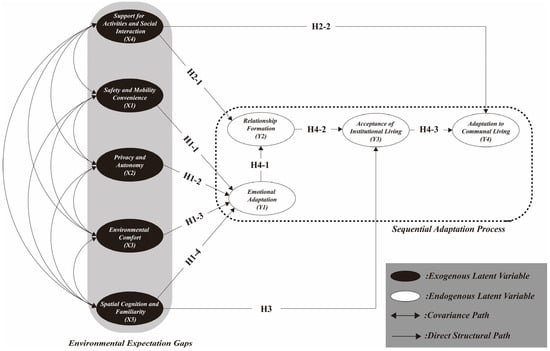
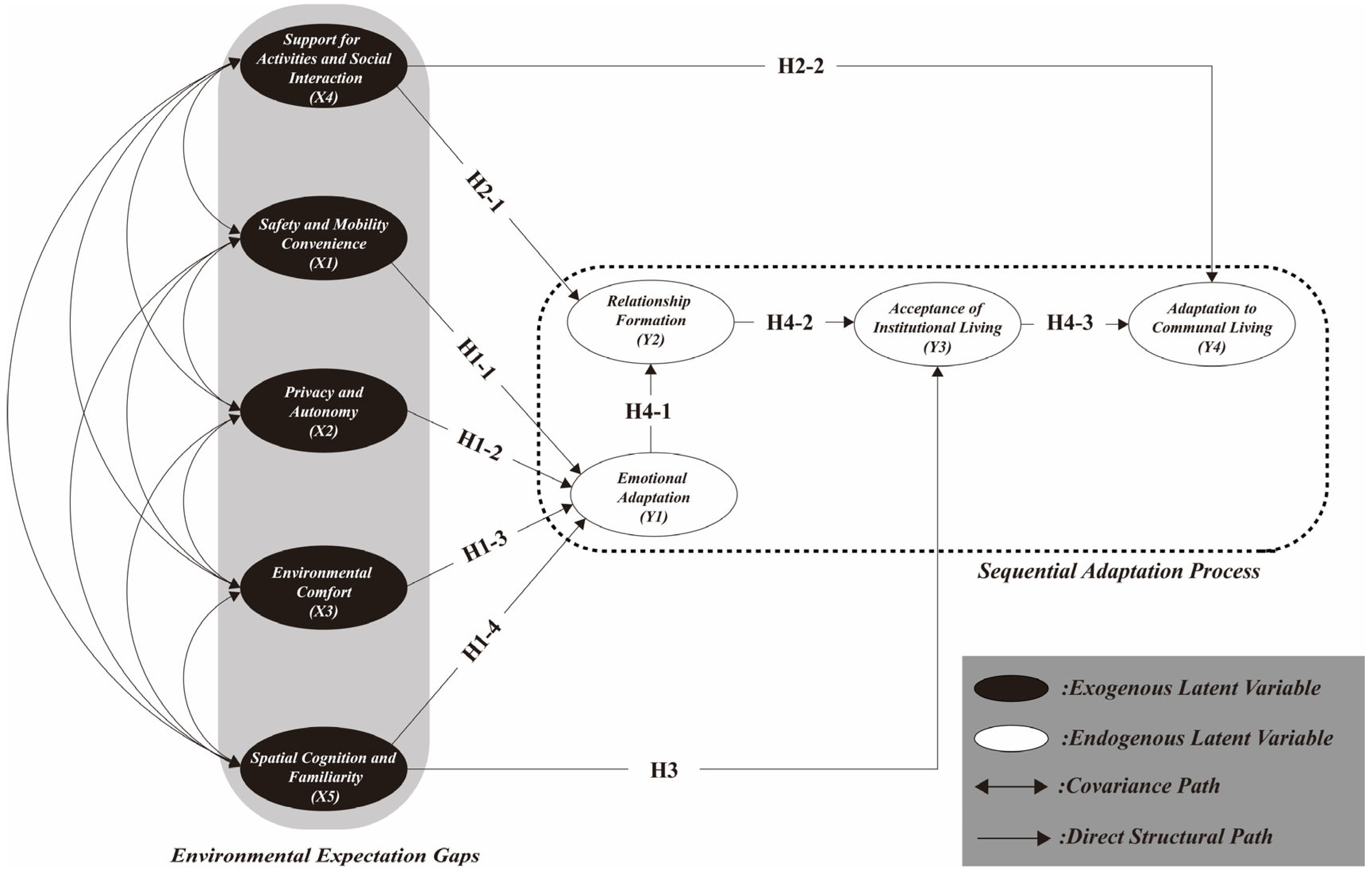
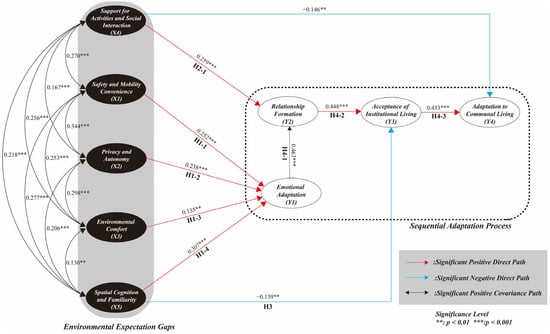
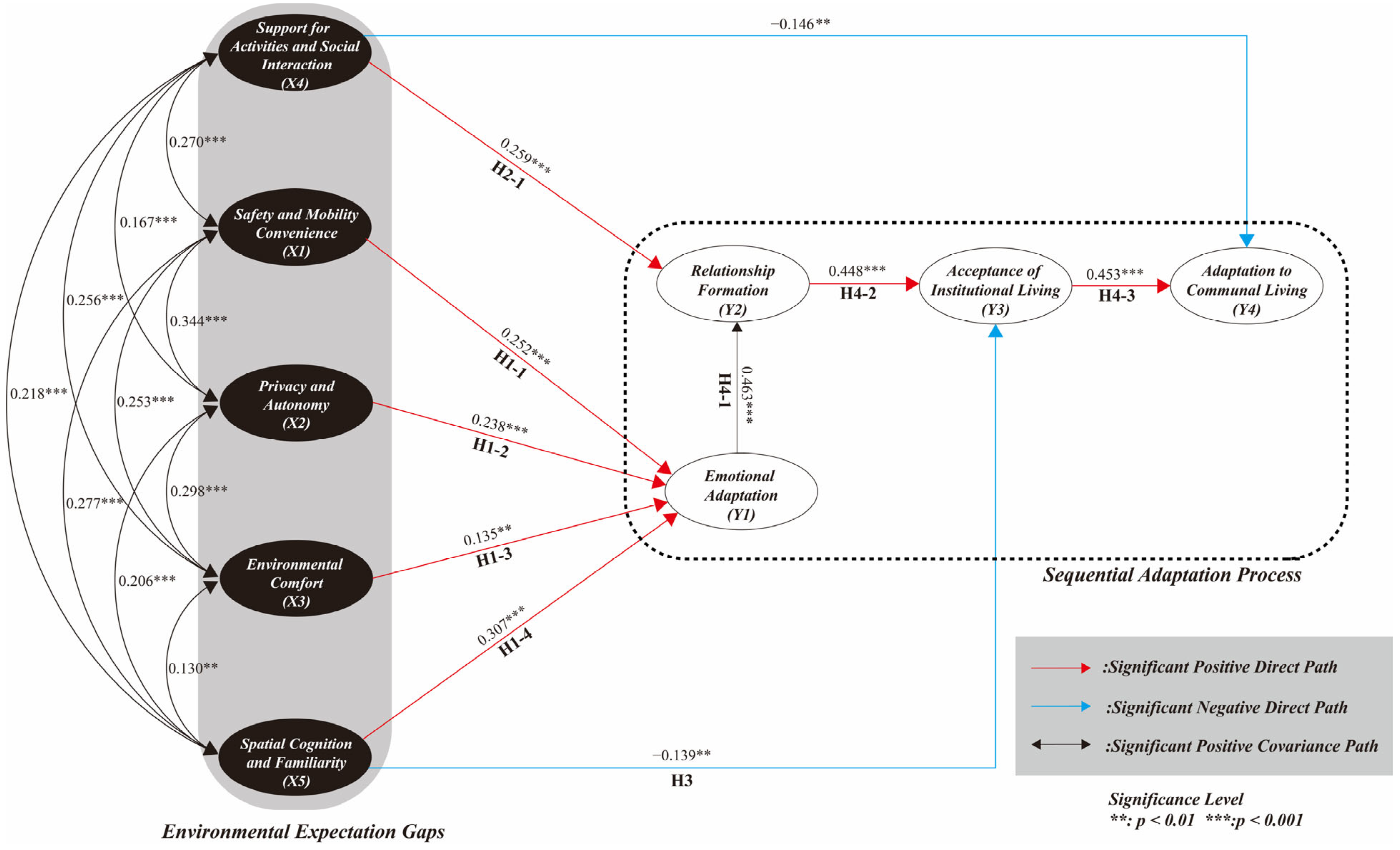

Disclaimer/Publisher’s Note: The statements, opinions and data contained in all publications are solely those of the individual author(s) and contributor(s) and not of MDPI and/or the editor(s). MDPI and/or the editor(s) disclaim responsibility for any injury to people or property resulting from any ideas, methods, instructions or products referred to in the content. |
© 2026 by the authors. Licensee MDPI, Basel, Switzerland. This article is an open access article distributed under the terms and conditions of the Creative Commons Attribution (CC BY) license.