


Abstract
Historic urban regeneration requires not only material conservation but also public understanding of the cultural meanings embedded in buildings, street networks, and local narratives. This study examines how active digital information seeking is associated with visitors’ perceived cultural–cognitive compensation during the interpretation of historic built environments, and how this support relates to cultural heritage experience evaluation and perceived heritage memory quality. An on-site survey of 316 digitally engaged visitors was conducted at Taiping Old Street in Changsha, China. Factor analyses, regression models, bootstrap indirect-association analyses, and non-parametric group comparisons were applied. Active digital information seeking was positively associated with cultural–cognitive compensation, cultural heritage experience evaluation, and perceived heritage memory quality. Cultural–cognitive compensation formed significant indirect associations with memory quality (B = 0.177, 95% CI [0.111, 0.252]) and experience evaluation (B = 0.143, 95% CI [0.084, 0.211]). No robust differences among primary digital tools remained after correction for multiple testing. The findings suggest that digital interpretation can function as a human-centered information layer connecting preserved physical heritage with historical context and visitor understanding. For intelligent heritage regeneration, digital tools should be spatially anchored, complementary, source-traceable, and integrated with physical interpretation and community narratives.
1. Introduction
Urban heritage regeneration has expanded beyond the restoration of historic buildings and traditional streetscapes to include the continuity of historical spatial structures, local identity, public use, and cultural meaning [1,2]. Historic districts are not simply collections of protected buildings but historic built environments shaped by architectural forms, street fabrics, spatial nodes, place-based narratives, and everyday urban life [1,2,3]. However, physical preservation does not necessarily ensure that cultural significance is understood. Visitors may perceive façades, historic buildings, and street patterns without knowing how these forms developed, what functions they once served, or how they relate to urban history and local memory [2,3]. Without adequate interpretation, urban heritage may be reduced to isolated visual symbols, historicized scenery, or a backdrop for commercial consumption [4]. Heritage regeneration must therefore consider not only material authenticity but also the cultural intelligibility of the historic built environment [1,2,4].
Digitalization and intelligent technologies provide new opportunities to support urban heritage interpretation and complement regeneration processes [5,6]. Digital resources and interpretation tools—including mobile applications, QR-code systems, search engines, social media, immersive technologies, and emerging generative AI tools—are increasingly used for historic building interpretation, heritage navigation, and cultural information provision [6,7,8,9,10,11,12,13]. Existing research has largely focused on digital modeling, virtual reconstruction, conservation monitoring, immersive representation, heritage building information modeling, and institutionally designed interpretation systems [6,8,9,10,13,14]. By contrast, visitors’ self-initiated information practices in real historic districts remain insufficiently examined [15]. When encountering a building, street, or cultural symbol, visitors may use multiple digital resources to investigate its history, functions, associated figures, events, and local stories. Such practices involve identifying questions from spatial cues, selecting tools, comparing information sources, and constructing interpretations in relation to the immediate environment [12,15].
This visitor-initiated use of digital information is particularly relevant where visible heritage elements do not fully communicate their historical and cultural meanings. Architectural façades, courtyard configurations, street scales, spatial interfaces, and heritage nodes are directly perceptible, whereas the historical transformations, social relations, and collective memories underlying them are often less visible [2,3]. Digital information can therefore supplement on-site observation by providing contextual knowledge and connecting material heritage elements with place-based narratives [4,7,15].
Three limitations remain in the literature. First, digital heritage studies have mainly examined technological systems, functional performance, and representational modes [6,8,9,10,11,13,14], while paying less attention to how visitors actively use multiple digital resources in response to specific buildings and streets encountered on site [15]. Second, visitor experience research frequently emphasizes satisfaction, perceived usefulness, behavioral preferences, and behavioral intention [7,11,12], but provides less explanation of how digital information may address the interpretive gap between perceptible spatial features and less perceptible historical and cultural meanings. Related concepts such as perceived usefulness, information support, cognitive assistance, and learning support generally concern broader evaluations of technology, information provision, or learning facilitation. By contrast, cultural–cognitive compensation specifically concerns perceived support for resolving heritage-related interpretive insufficiencies encountered in situ. Third, urban heritage regeneration research has focused largely on physical conservation, spatial renewal, governance, spatial management, and economic revitalization [1,2,3,14], with limited visitor-level evidence concerning how the cultural value of regenerated environments is recognized, understood, and remembered. Consequently, how visitor-initiated digital information practices are associated with the cultural intelligibility of built heritage, and how such interpretive support relates to heritage experience and perceived memory, remain insufficiently understood.
To address these gaps, this study examines visitors’ active digital information seeking in Taiping Old Street, a historic urban district in Changsha, China. It introduces perceived cultural–cognitive compensation as a context-specific construct of perceived interpretive support. The construct refers to the support visitors perceive when digital information helps bridge a temporary gap between their existing historical and cultural knowledge and the interpretive demands of heritage environments. Cultural–cognitive compensation is therefore narrower than general perceived usefulness or information support. It concerns support for interpreting historic buildings, heritage landscapes, and other heritage elements whose historical and cultural meanings cannot be readily inferred from physical form alone. Empirically, the construct is represented by three closely related forms of support: filling gaps in historical and cultural knowledge, reducing interpretive difficulty and uncertainty, and obtaining historical context that might otherwise have been missed. These indicators are treated as manifestations of a single underlying construct rather than as independently measured subdimensions. Broader processes, such as relating visible heritage elements to historical meanings and forming more coherent heritage memories, are considered plausible interpretive implications rather than directly measured components of the construct.
Based on an on-site questionnaire survey, this study has three objectives. First, it examines the association between active digital information seeking and cultural–cognitive compensation. Second, it investigates how cultural–cognitive compensation relates to cultural heritage experience evaluation and perceived heritage memory quality, including the corresponding indirect associations with active digital information seeking. Third, it compares tool-specific perceptions across different primary digital tools. Cultural intelligibility and urban heritage regeneration are treated as broader interpretive and application contexts rather than directly measured outcomes. The findings provide visitor-level evidence that may inform digital interpretation strategies and the coordination of information infrastructures with the preservation, public understanding, and regeneration of historic built environments.
2. Literature Review and Research Hypotheses
2.1. Intelligent Digital Interpretation in Urban Heritage Environments
Urban heritage encompasses not only individual historic buildings but also street patterns, spatial interfaces, public spaces, local practices, and the relationships among these elements formed through historical evolution and contemporary urban life [16,17,18]. As heritage conservation has gradually shifted from merely physical restoration toward value interpretation, adaptive reuse, and public communication, digital technologies have become an increasingly important component of heritage interpretation and public engagement [6,7,19]. Technologies such as digital modeling, virtual reconstruction, augmented reality (AR), mobile guidance systems, and interactive displays have been widely applied to document historic spaces, reconstruct lost or transformed architectural environments, and support visitors’ on-site exploration, understanding, and learning experiences [8,20,21,22,23,24]. Therefore, digital interpretation should not be understood merely as a virtual presentation detached from physical sites; rather, it can also function as an on-site information infrastructure that connects tangible heritage, spatial locations, historical knowledge, and visitor experiences [7,8,19].
Existing studies have mainly focused on digital systems developed in advance by heritage institutions, planning authorities, or tourism management organizations, such as official applications, digital exhibitions, mobile interpretation systems, location-based narratives, and QR-code-based explanations [7,25]. These technologies are typically organized by management agencies or project teams and deliver relatively standardized heritage information through predefined narrative structures, spatial positioning systems, or interactive pathways [7,25]. However, in actual historic urban environments, visitors do not necessarily rely solely on officially provided digital systems. The development of smartphones, social media, open-access data, and digital tourism platforms enables visitors to actively search for, compare, and supplement information according to buildings, street names, cultural symbols, or local events encountered during their visits [19,26]. Visitors may simultaneously use multiple information channels, including search engines, social media platforms, tourism applications, and official QR-code systems, while increasingly employing generative artificial intelligence and intelligent cultural assistants to obtain personalized interpretations and travel recommendations [26,27].
This visitor-initiated digital practice differs fundamentally from the passive reception of predefined heritage information. In this study, active digital information seeking refers to visitor-initiated digital searches prompted by questions about unfamiliar historic buildings, heritage landscapes, or incomplete on-site interpretation. It also includes using retrieved information to adjust subsequent routes and visiting priorities and engaging with historical and cultural content through frequent consultation, careful reading or viewing, and sharing or discussion. Its defining characteristic is therefore not simply the possession or frequency of digital-tool use, but active and situational engagement with heritage-related information prompted by the on-site environment.
However, active information seeking itself does not necessarily constitute responsible heritage interpretation. Online information may contain factual inaccuracies, commercial biases, algorithmic preferences, or interpretations detached from specific socio-cultural contexts of heritage sites [28,29]. Particularly with the rapid development of artificial intelligence-generated content, platform recommendation systems, and immersive digital communication, issues such as misinformation, cultural misrepresentation, data bias, and narrative homogenization may undermine the credibility and cultural authenticity of heritage interpretation [28,30]. Only when digital information is traceable, contextually relevant to specific heritage environments, and respects local knowledge, cultural values, and community voices during content organization and narrative construction can it function as a responsible heritage medium [30,31]. Therefore, this study considers responsible digital mediation as a normative condition for effective digital interpretation rather than an independent measurable research variable.
2.2. Cultural–Cognitive Compensation and Its Theoretical Foundations
Visitors’ interpretation of urban heritage may be constrained by limited prior knowledge and incomplete contextual information [7,31]. External digital resources can provide additional support when such difficulties arise. Accordingly, this study defines cultural–cognitive compensation as visitors’ perceived interpretive support when digital information helps address the temporary gap between their existing historical and cultural knowledge and the interpretive demands encountered in heritage environments.
The construct is operationalized through three closely related indicators: supplementing gaps in historical and cultural knowledge, reducing interpretive difficulty and uncertainty, and accessing historical context that might otherwise have been missed. They correspond, respectively, to what visitors do not know, what they find difficult to interpret, and what they might otherwise miss during the heritage encounter. Together, these indicators capture perceived compensatory support for three related forms of interpretive insufficiency. They are therefore treated as manifestations of a single construct rather than as separate subdimensions.
Cultural–cognitive compensation describes the perceived support captured by these indicators. To explain how such support can arise in digital heritage interpretation, this study draws on three complementary theoretical perspectives: distributed cognition, cognitive offloading and cognitive load, and cognitive fit.
Distributed cognition theory explains why digital resources can participate in heritage interpretation as external cognitive resources. Cognition can be distributed across individuals, technological tools, external representations, and the physical environment [32,33,34]. During heritage visits, mobile devices, digital maps, textual resources, and conversational systems can support the retrieval, comparison, and organization of information. They can therefore become part of a broader visitor–technology–environment system through which heritage information is interpreted.
Cognitive offloading and Cognitive Load Theory explain how digital resources may reduce or increase interpretive difficulty. External information can supplement missing knowledge and reduce the amount of information that visitors must retain internally [35]. However, greater information availability does not necessarily improve understanding because working memory is limited [36,37,38]. Searching across multiple platforms, evaluating sources, and integrating fragmented information may instead increase extraneous cognitive load. Digital resources may therefore provide compensatory support when they reduce interpretive demands, whereas poorly organized or excessive information may create additional difficulty.
Cognitive Fit Theory addresses whether particular forms of digital information correspond to visitors’ immediate interpretive tasks [39,40,41]. Maps may be more suitable for spatial orientation, three-dimensional representations for altered physical forms, timelines for historical change, and narrative texts for complex cultural contexts. The usefulness of a digital tool may therefore depend less on technological sophistication than on its fit with the task. This perspective provides the theoretical basis for RQ1, which explores differences in perceived cognitive ease, heritage information acquisition and filtering, and heritage information quality and narrativity across primary digital tools.
Taken together, the three perspectives address different aspects of the proposed framework. Distributed cognition explains why digital information can function as an external cognitive resource. Cognitive offloading and cognitive load explain how such resources may reduce interpretive difficulty or create additional demands. Cognitive fit explains why different tools and information forms may be evaluated differently across interpretive tasks. These theories provide complementary explanatory foundations rather than dimensions of cultural–cognitive compensation itself.
Accordingly, the following hypothesis is proposed:
H1.
Active digital information seeking is positively associated with cultural–cognitive compensation.
2.3. Cultural–Cognitive Compensation, Heritage Experience, and Perceived Memory Quality
This study examines two visitor-level outcomes associated with digital heritage interpretation: cultural heritage experience evaluation and perceived heritage memory quality. The former captures visitors’ assessments of the value, meaningfulness, and cultural resonance of their on-site experience. The latter captures their subjective sense of heritage-related recall and memorability, including remembered relationships among heritage elements and narratives.
Perceived heritage memory quality concerns three aspects of visitors’ subjective memory. These are clear recall of specific historical details, the depth of impression left by historical and cultural content, and memory of relationships among historic buildings, streets, figures, and cultural stories. The construct therefore captures subjective clarity and memorability within the visit rather than objective long-term memory performance.
Cultural–cognitive compensation may contribute to perceived heritage memory quality by making unfamiliar historical information more accessible, meaningful, and personally relevant. Filling knowledge gaps provides visitors with additional content for later recall, while reducing interpretive uncertainty may support more focused engagement with historical information encountered on site. Access to historical context that might otherwise remain unnoticed can also create distinctive cues that strengthen the memorability of the visit. Through these processes, compensatory digital support may be associated with visitors’ perceptions of clearer recall, greater memorability, and clearer memory of relationships among heritage elements and narratives.
Accordingly, the following hypothesis is proposed:
H2.
Cultural–cognitive compensation is positively associated with perceived heritage memory quality.
Cultural heritage experience evaluation refers to visitors’ overall assessment of the cultural value and meaningfulness of their historic district experience. It encompasses satisfaction and perceived value together with cultural resonance, cultural meaning, and new understanding or insight into local history and culture. The construct therefore emphasizes the cultural quality of the visit rather than general tourism satisfaction alone.
When visitors encounter unfamiliar historic buildings, landscapes, or cultural information, insufficient background knowledge may limit their ability to appreciate the heritage environment. Digital information that fills knowledge gaps, reduces interpretive uncertainty, and provides otherwise unavailable historical context can support a more informed engagement with the site. Such support may help visitors recognize the cultural significance of what they encounter and strengthen the perceived value, meaningfulness, and resonance of the experience.
Accordingly, the following hypothesis is proposed:
H3.
Cultural–cognitive compensation is positively associated with cultural heritage experience evaluation.
Active digital information seeking may also be directly associated with visitors’ heritage experiences and perceived memory quality. Initiating searches in response to unfamiliar buildings or incomplete interpretation, repeatedly consulting historical information, reading or viewing content carefully, using information to guide subsequent visiting choices, and discussing discoveries with companions all represent forms of visitor agency and cognitive engagement. Because this information is acquired through personally initiated inquiry, it may be experienced as more relevant, meaningful, and memorable than information received passively.
The interpretive value of digital engagement is likely to be strongest when digital inquiry remains connected to direct observation of the historic built environment. In this way, digital tools can complement rather than displace encounters with buildings, landscapes, and on-site heritage settings.
Based on this reasoning, the following hypotheses are proposed:
H4a.
Active digital information seeking is positively associated with cultural heritage experience evaluation.
H4b.
Active digital information seeking is positively associated with perceived heritage memory quality.
The relationships between active digital information seeking and visitor outcomes may partly depend on whether digital inquiry provides meaningful compensatory support. When information seeking helps visitors overcome knowledge gaps, reduce interpretive uncertainty, and gain access to otherwise missed historical context, it may strengthen both the cultural quality of the experience and the perceived memorability of the visit. Cultural–cognitive compensation may therefore represent a potential intermediate explanatory construct associated with active digital information seeking and visitor-level outcomes.
H5a.
Active digital information seeking is indirectly associated with perceived heritage memory quality through cultural–cognitive compensation.
H5b.
Active digital information seeking is indirectly associated with cultural heritage experience evaluation through cultural–cognitive compensation.
2.4. Functional Fit and Governance of Digital Heritage Tools
Digital tools used in heritage environments differ in their information sources, interaction modes, content structures, and primary functions. Search engines expand information access and support cross-source comparison, but users must evaluate credibility and integrate fragmented content. Social media provides visual, localized, and experience-based information, although its visibility is often shaped by platform engagement and commercial communication. Online tourism platforms mainly support route planning, service comparison, and travel decisions rather than in-depth heritage interpretation [26,42].
Official heritage applications, QR-code systems, and mobile interpretation platforms generally provide professionally organized and location-specific information, but they may offer limited interaction, updating, and personalization [43]. Generative AI can respond to immediate questions and connect architectural features, historical events, figures, and local contexts through conversational interaction. However, its outputs may contain factual errors or unsupported information, and the underlying sources may be difficult to verify [27,44].
The interpretive value of these tools therefore depends on their functional fit with visitors’ specific tasks. Route navigation, architectural identification, historical explanation, and local storytelling require different forms of information and representation. Search engines and tourism platforms are effective for expanding access and supporting practical decisions; official systems provide structured and spatially specific heritage knowledge; social media contributes experiential and local perspectives; and generative AI offers responsive and cross-topic explanation. Digital heritage interpretation is thus better understood as an ecosystem of complementary tools rather than a system dependent on a single technology.
Because these tools vary in reliability, contextual relevance, and cultural sensitivity, appropriate content governance remains necessary. Verified local knowledge, clear source attribution, regular content updating, and stronger links between digital information and specific buildings or heritage nodes can improve interpretive quality. Emerging generative systems additionally require traceable sources, expert review, and clear communication of uncertainty.
Based on the questionnaire measurements, this study compares visitors grouped by their primary digital tools across three dimensions:
- (1)
- Perceived cognitive ease: whether information acquisition and comprehension are clear, manageable, and associated with relatively low cognitive effort;
- (2)
- Heritage information acquisition and filtering: whether the tool supports searching, comparing, selecting, and evaluating relevant heritage information;
- (3)
- Heritage information quality and narrativity: whether the information is perceived as complete, coherent, contextually helpful, and narratively rich.
Because the suitability of digital tools depends on specific tasks and contexts, this study does not assume that any single tool is universally superior. Instead, it conducts an exploratory comparison of visitors using different primary digital tools. Accordingly, the following research question is proposed:
RQ1: Do visitors using different primary digital tools report different levels of perceived cognitive ease, heritage information acquisition and filtering, and heritage information quality and narrativity?
2.5. Conceptual Framework
Building on the preceding review, the present study examines active digital information seeking as an integrated visitor-level behavioral construct and its associations with cultural–cognitive compensation, cultural heritage experience evaluation, and perceived heritage memory quality. It also compares visitors according to their reported primary digital tool. This study does not model cross-platform combinations, switching sequences, or the performance of individual technological systems.
The proposed conceptual framework comprises three analytical levels:
Digital information behavior: active digital information seeking initiated in response to interpretive questions encountered within the historic built environment;
Perceived interpretive support: cultural–cognitive compensation, defined as visitors’ perceptions that digital information helps supplement historical and cultural knowledge, reduce interpretive difficulty and uncertainty, and provide contextual information that might otherwise have been missed;
Visitor-level outcomes: cultural heritage experience evaluation and perceived heritage memory quality.
The framework therefore examines the associations among visitors’ digital information behavior, perceived cultural–cognitive compensation, and two subjective visitor outcomes. Cultural–cognitive compensation is also examined as an intermediate variable in the statistical decomposition of the associations between active digital information seeking and the two outcomes.
The comparison of primary digital tools is incorporated as a supplementary exploratory analysis. Rather than assuming that one tool is universally superior, RQ1 examines whether visitors grouped by their primary digital tool differ in perceived cognitive ease, heritage information acquisition and filtering, and heritage information quality and narrativity. These dimensions capture tool-specific perceptions and are analytically distinct from the core cultural–cognitive compensation construct (Figure 1).
Figure 1.
Conceptual framework, research hypotheses, and exploratory research question.
Urban heritage regeneration is not included as an empirical outcome in the framework. This study does not directly measure physical conservation, spatial transformation, adaptive-reuse performance, governance change, or long-term regeneration effects. Instead, urban regeneration provides the broader application context of the research. This study offers visitor-level evidence on how digital interpretation is associated with public understanding, experience, and perceived memorability of historic built environments. The findings may therefore inform the coordination of physical heritage conservation, spatially situated interpretation, and digital information infrastructures, but they should not be interpreted as demonstrating regeneration effectiveness.
3. Materials and Methods
This study adopted a quantitative design based on an on-site questionnaire survey. It examined the associations among visitors’ active digital information seeking, cultural–cognitive compensation, cultural heritage experience evaluation, and perceived heritage memory quality in a historic urban environment. It also explored whether visitors using different primary digital tools differed in their tool-specific perceptions.
3.1. Study Area and Urban Heritage Context
The study was conducted in Taiping Old Street, Changsha, Hunan Province, China. Located within Changsha’s historic urban core, the area comprises a linear main street, secondary lanes, courtyards, historic buildings, and cultural heritage sites. Its spatial structure is characterized by a main street connected to multiple branch lanes. The built environment retains traditional street scales, historic architectural façades, former residences of notable figures, traditional commercial spaces, and traces of local everyday life [45,46]. Contemporary functions, including retail, food services, cultural exhibitions, and tourism activities, coexist with these historic spatial structures, making Taiping Old Street a continuously used and reinterpreted historic built environment.
The area’s heritage resources are embedded within a continuous street-and-lane system rather than presented as isolated monuments. The former residence of Jia Yi is one of its most representative heritage sites, while other historic buildings, traditional shops, street names, and local cultural elements reflect Changsha’s commercial development, everyday practices, and collective memory. Although visitors can directly observe architectural façades, street patterns, and cultural symbols, the historical functions, personal associations, and urban development contexts represented by these visible elements may not be readily understood through visual observation alone.
Following conservation, renewal, and adaptive reuse, Taiping Old Street has retained important historic spatial characteristics while accommodating intensive commercial and visitor activities [45,46]. Its on-site interpretation environment includes heritage sites, interpretive panels, official QR codes, search engines, social media, online tourism platforms, and generative artificial intelligence. These channels differ in spatial specificity, information depth, source structure, and narrative organization. The area therefore provides an appropriate real-world setting for examining interactions among physical heritage spaces, visitor cognition, and multi-source digital information.
Figure 2 presents the location and spatial structure of the study area, major heritage sites, and principal survey locations.
Figure 2.
Study area and spatial context of Taiping Old Street, Changsha, China.
3.2. Research Design, Participants, and Survey Procedure
The target population consisted of visitors who were present in Taiping Old Street and had used at least one digital tool to search for information during their visit. The information sought included historic buildings, local culture, heritage resources, visiting routes, visitor reviews, and related services. Screening questions were used before questionnaire distribution to confirm that respondents met the inclusion criteria and could complete the questionnaire independently. The resulting sample therefore represents digitally engaged visitors rather than all visitors to Taiping Old Street.
The formal survey was conducted from March to April 2026. Data were collected along the main street, around the former residence of Jia Yi, and in areas with concentrated nighttime visitor activity. The survey covered weekdays and weekends as well as daytime and evening periods. A total of 356 questionnaires were distributed. Responses that did not meet the screening criteria, contained missing data for key variables, had unusually short or long completion times, or displayed evident response patterns were excluded. This process retained 316 valid questionnaires, yielding a usable questionnaire rate of 88.76%.
Because some visitors used multiple digital tools, respondents were asked to identify the digital tool they most frequently used to search for historical and cultural information during the visit. This classification was used for subsequent group comparisons. Because it captured only the primary tool rather than combinations of tools or cross-platform switching, these comparisons were treated as exploratory.
The questionnaire was conducted anonymously and voluntarily. Before participation, all respondents were informed of the research objectives, data confidentiality, academic use of the collected information, estimated completion time, and their right to decline or withdraw. Completion and submission of the questionnaire indicated informed consent. A total of 58 respondents were under 18 years of age. Respondents who were minors completed the questionnaire in the presence of a parent or legal guardian, and guardian consent was obtained where applicable. No personally identifiable information was collected, and all responses were used solely for academic research purposes.
In accordance with Article 32 of the Measures for Ethical Review of Life Science and Medical Research Involving Human Participants and the applicable institutional requirements, this anonymous and non-interventional questionnaire study was exempt from formal ethical review [47]. The ethics and informed consent statements are also provided in the relevant declarations at the end of the manuscript.
3.3. Measurement of Variables
The questionnaire included three analytical groups of variables: the core research constructs, evaluations of primary digital tools, and demographic and visit-related characteristics. All attitudinal items were measured using five-point Likert scales ranging from 1 (“strongly disagree”) to 5 (“strongly agree”). Behavioral frequency and engagement items for active digital information seeking were measured using five-level ordered categorical response formats appropriate to their content. Demographic characteristics, visit-related information, and primary digital tool type were collected through categorical single-choice questions.
The questionnaire was administered in Chinese. Items informed by English-language sources were translated, back-translated, and contextualized to on-site visits in historic districts. A pilot survey involving 100 visitors was conducted before the formal survey to evaluate item clarity, factor structure, and measurement suitability. The pilot sample was excluded from the formal analysis.
Active digital information seeking was measured using six items covering two related domains: active use of heritage-related digital tools and search frequency and engagement. The items assessed whether visitors initiated searches when encountering unfamiliar historic buildings, landscapes, or incomplete on-site interpretation and whether retrieved information guided subsequent routes and visiting priorities. They also captured the frequency and attentiveness of engagement with the searched historical and cultural information [7,15].
Cultural–cognitive compensation was developed for the present study as a context-specific perceived interpretive support construct rather than directly adopted from an established scale. The three items were developed by drawing on relevant measurement content from previous studies and then contextualizing it to visitor-initiated mobile information seeking in historic built environments. Liu [7] provided the main heritage-specific basis, particularly through questionnaire content concerning the contribution of digital interpretation to heritage information acquisition, knowledge, and understanding. The cognitive-load measures developed by Leppink et al. [48], including perceived difficulty, unclear explanations, and cognitive demands, informed the formulation of the item concerning interpretive difficulty and uncertainty. In addition, Fontal et al. [49] distinguished heritage knowing from the understanding of historical, cultural, and contextual meanings, which supported the emphasis on both knowledge supplementation and access to contextual heritage information.
Based on these measurement domains, the original content was reworded for the on-site historic district context rather than adopted verbatim. The three items assessed three forms of support. The first concerned supplementation of historical and cultural knowledge when respondents encountered unfamiliar historic buildings or landscapes. The second concerned reduced difficulty and uncertainty when interpreting such heritage elements. The third concerned access to historical context that might otherwise have been missed during the visit. These items correspond, respectively, to knowledge insufficiency, interpretive difficulty, and contextual omission, and together represent perceived compensatory support during heritage interpretation. The initial cultural–cognitive compensation items were reviewed by three doctoral-level members of the research team with backgrounds in environmental design, philosophy of art, and design studies. Minor wording refinements were made before a pilot survey of 100 visitors. No items were deleted, and all three were retained for the formal survey and subsequent measurement model assessment.
Cultural heritage experience evaluation was measured using six items covering satisfaction and perceived value, as well as meaningfulness and cultural resonance. The items covered whether the visit met expectations, satisfaction with the experience, perceived worth, cultural resonance, a sense of cultural meaning, and new understanding or insight into local history and culture [7,50]. The construct therefore represents a subjective evaluation of the cultural heritage experience rather than general tourism satisfaction alone.
Perceived heritage memory quality was measured using three items. They concerned clear recall of specific historical details, the memorability of historical and cultural content encountered during the visit, and retention of relationships among historic buildings, streets, figures, and cultural narratives. The construct therefore represents visitors’ subjective memory-related evaluation of heritage content encountered during the visit, rather than objective, accurate, or delayed memory performance [50].
For the exploratory comparison of primary digital tools, nine items measured three dimensions: heritage information quality and narrativity, heritage information acquisition and filtering, and perceived cognitive ease. Although cultural–cognitive compensation and perceived cognitive ease both involve perceived difficulty, they concern different analytical levels. Cultural–cognitive compensation assesses whether digital information addresses a heritage-related knowledge or interpretation gap, whereas perceived cognitive ease concerns the effort required to obtain and understand information through a specific digital tool.
Demographic and visit-related variables included gender, age, educational attainment, prior historical and cultural knowledge, visit frequency, visitor origin, travel party, and the primary digital tool used for on-site information seeking. The English translation of the complete questionnaire is provided in Supplementary File S1.
3.4. Data Analysis
Data were analyzed using IBM SPSS Statistics 27.0 (IBM Corp., Armonk, NY, USA) and SPSSAU 26.0. Confirmatory factor analysis of the formal sample was conducted in SPSSAU using maximum likelihood (ML) estimation. The pilot sample (n = 100) was used for exploratory factor analysis and item refinement, while the formal sample (n = 316) was used to evaluate the measurement model and test the hypotheses.
Scale reliability and validity were evaluated using Cronbach’s alpha, composite reliability, confirmatory factor analysis, and average variance extracted [51]. Discriminant validity was assessed using the heterotrait–monotrait ratio [52]. Potential common method bias was examined using Harman’s single-factor test and a single-factor confirmatory model [53]. Descriptive statistics, Pearson correlations, and unadjusted linear regression models were used to test the direct associations specified in H1–H4.
Regression-based mediation analysis with 5000 bootstrap resamples was used to estimate the indirect associations through cultural–cognitive compensation [54]. Covariate-adjusted models controlled for gender, age, educational attainment, prior historical and cultural knowledge, visit frequency, visitor origin, travel party, and primary digital tool. Age, educational attainment, and prior historical and cultural knowledge were entered using their ascending 1–5 category codes; visit frequency was entered as an ordered categorical covariate using its observed category codes; travel party and primary digital tool type were dummy-coded, with solo travel and generative AI as the respective reference categories. Subscale-level sensitivity analyses separately modeled the two active digital information-seeking dimensions and the two cultural heritage experience dimensions using the same covariates and bootstrap procedure.
Finally, Kruskal–Wallis tests were used to compare the five primary digital tool groups. The Benjamini–Hochberg procedure was applied across the three omnibus tests. Dunn pairwise comparisons were evaluated using a global Bonferroni correction across all 30 comparisons, with epsilon squared reported as the effect size. Because RQ1 was formulated as an exploratory comparison of tool-specific patterns rather than a confirmatory test of a prespecified group hierarchy, pairwise contrasts were examined to identify localized differences that might warrant further investigation. When the corresponding BH-adjusted omnibus test was not statistically significant, any pairwise contrast reaching the global Bonferroni-adjusted threshold was interpreted descriptively rather than as confirmatory evidence of tool group differences. All tests were two-tailed, with statistical significance set at p < 0.05.
4. Results
4.1. Sample Profile and Digital Information Practices
The final sample comprised 316 valid respondents. The sample included 145 male respondents (45.89%) and 171 female respondents (54.11%). Local visitors accounted for 58.86% of the sample, while non-local visitors accounted for 41.14%. Selected demographic characteristics and primary digital tool use are reported in Table 1.
Table 1.
Respondent characteristics and primary digital tool use (n = 316).
Respondents reported using several types of digital tools for on-site information seeking. Based on each respondent’s primary tool, 103 visitors were classified in the generative AI group (32.59%), 78 in the social media group (24.68%), and 61 in the search engine group (19.30%). A further 51 were classified in the online tourism platform group (16.14%) and 23 in the official QR-code interpretation group (7.28%).
These frequencies indicate that digitally engaged visitors operated within a multi-platform information environment in which conversational, search-based, user-generated, tourism service, and official interpretation channels coexisted. However, the distribution should not be interpreted as evidence that generative AI has become the dominant form of urban heritage interpretation among all visitors. The sample included only visitors who had conducted digital information searches, and the reported proportions may also reflect the survey locations, sampling procedure, and respondents’ classification according to a single primary tool.
4.2. Measurement Model
Exploratory factor analysis of the 100-case pilot sample indicated adequate factorability, with a Kaiser–Meyer–Olkin value of 0.872 and a significant Bartlett’s test of sphericity (p < 0.001). Nine first-order factors were extracted, accounting for 72.148% of the total variance.
Confirmatory factor analysis of the formal sample showed that the nine-factor measurement model fitted the data well: χ2/df = 1.257, CFI = 0.980, TLI = 0.976, RMSEA = 0.029, and SRMR = 0.037. The detailed model-fit indices are reported in Table 2.
Table 2.
Fit indices of nine-factor confirmatory factor model.
The Cronbach’s α values of the first-order constructs ranged from 0.781 to 0.838, and all composite reliability values exceeded the recommended threshold of 0.70. Average variance extracted values ranged from 0.544 to 0.635, with all values exceeding 0.50. Standardized factor loadings ranged from 0.687 to 0.899, and the maximum heterotrait–monotrait ratio was 0.596. These results supported the internal consistency, convergent validity, and discriminant validity of the measurement model. The full results are reported in Table 3.
Table 3.
Reliability and convergent validity of nine-factor measurement model.
The nine-factor confirmatory factor model supported the distinct first-order measurement structure. Active digital information seeking comprised active use of heritage-related digital tools and search frequency and engagement, whereas cultural heritage experience evaluation comprised satisfaction and perceived value and meaningfulness and cultural resonance. For the regression and indirect-association analyses, each broader domain was scored as the mean of its two three-item subscale scores. The paired subscales were combined because they represent complementary facets of the same broader behavioral or evaluative domain, contain equal numbers of items, and use the same five-point scoring range. In the absence of a theoretical basis for unequal weighting, equal weighting preserved the contribution of each dimension without privileging either component. Because the paired subscales contained equal numbers of items scored on the same five-point range, this was numerically identical to averaging the six items. The paired dimensions were positively correlated (active digital information seeking: r = 0.431; cultural heritage experience evaluation: r = 0.388; both p < 0.001), which was consistent with their treatment as related facets within each broader domain. The resulting scores were treated as equal-weighted observed multidimensional composite indices rather than validated second-order latent factors. Subscale-level sensitivity analyses were conducted to examine whether the substantive findings depended on this aggregation.
Potential common method bias was assessed using Harman’s single-factor test and a single-factor confirmatory factor model. The first unrotated factor accounted for 31.272% of the total variance, below the commonly used 50% reference value. In addition, the single-factor CFA model showed substantially poorer fit than the nine-factor measurement model. These diagnostic results did not suggest that a single common factor accounted for most of the covariance among the measured variables. However, because all principal variables were collected through a cross-sectional self-report questionnaire, these procedures cannot rule out common method bias completely.
4.3. Associations Among the Core Constructs
Table 4 presents the descriptive statistics and Pearson correlations among the core constructs. Mean scores were 3.641 for active digital information seeking (SD = 0.881) and 3.642 for cultural–cognitive compensation (SD = 1.016). Cultural heritage experience evaluation had a mean of 3.703 (SD = 0.789), and perceived heritage memory quality had a mean of 3.679 (SD = 0.973).
Table 4.
Descriptive statistics and correlation matrix of core constructs (n = 316).
Active digital information seeking was positively correlated with cultural–cognitive compensation (r = 0.466, p < 0.01), cultural heritage experience evaluation (r = 0.597, p < 0.01), and perceived heritage memory quality (r = 0.465, p < 0.01). Cultural–cognitive compensation was also positively correlated with cultural heritage experience evaluation (r = 0.547, p < 0.01) and perceived heritage memory quality (r = 0.486, p < 0.01). The two visitor-level outcomes were positively correlated with each other (r = 0.462, p < 0.01).
Baseline unadjusted linear regression models were subsequently estimated to examine the hypothesized direct associations. As shown in Table 5, active digital information seeking was positively associated with cultural–cognitive compensation (B = 0.537, β = 0.466, p < 0.001), supporting H1.
Table 5.
Baseline unadjusted association models.
Cultural–cognitive compensation was positively associated with perceived heritage memory quality (B = 0.465, β = 0.486, p < 0.001) and cultural heritage experience evaluation (B = 0.425, β = 0.547, p < 0.001), supporting H2 and H3, respectively.
Active digital information seeking was also positively associated with cultural heritage experience evaluation (B = 0.534, β = 0.597, p < 0.001) and perceived heritage memory quality (B = 0.513, β = 0.465, p < 0.001). H4a and H4b were therefore supported.
4.4. Indirect Associations Through Cultural–Cognitive Compensation
Regression-based mediation analysis with 5000 bootstrap resamples was used to estimate the indirect associations through cultural–cognitive compensation. The results are presented in Table 6.
Table 6.
Estimates of total, conditional direct, and indirect associations through cultural–cognitive compensation.
For perceived heritage memory quality, the total association with active digital information seeking was 0.513. After cultural–cognitive compensation was included in the model, the conditional direct association remained statistically significant at 0.337. The indirect association through cultural–cognitive compensation was 0.177, with a bootstrap 95% confidence interval of [0.111, 0.252]. Because the confidence interval excluded zero, H5a was supported. The indirect association represented 34.41% of the total association, while the remaining direct association represented 65.59%.
For cultural heritage experience evaluation, the total association with active digital information seeking was 0.534, and the conditional direct association was 0.391. The indirect association through cultural–cognitive compensation was 0.143, with a bootstrap 95% confidence interval of [0.084, 0.211]. H5b was therefore supported. The indirect association represented 26.85% of the total association, while the remaining direct association represented 73.15%. These proportions represent descriptive statistical decompositions of the cross-sectional associations and should not be interpreted as causal mediated shares.
The estimated indirect share was thus larger for perceived heritage memory quality than for cultural heritage experience evaluation: 34.41% compared with 26.85%. This difference is considered further in Section 5.
Covariate-adjusted models were subsequently estimated by controlling for gender, age, educational level, prior historical and cultural knowledge, visit frequency, visitor origin, travel party, and primary digital tool type. As shown in Table 7, the indirect association with perceived heritage memory quality remained statistically significant after adjustment (B = 0.170, BootSE = 0.037, 95% CI [0.102, 0.245]). It accounted for 33.20% of the adjusted total association, while the conditional direct association remained significant (B = 0.342).
Table 7.
Focal coefficients from the covariate-adjusted indirect-association models (Bootstrap = 5000).
The adjusted indirect association with cultural heritage experience evaluation also remained statistically significant (B = 0.141, BootSE = 0.033, 95% CI [0.082, 0.210]), accounting for 25.64% of the adjusted total association. The conditional direct association remained significant at B = 0.409.
All focal regression paths (a, b, c, and c′) were statistically significant in both adjusted models (all p < 0.01). The consistency between the baseline and covariate-adjusted models indicates that the two indirect-association patterns were not eliminated by the included demographic and visit-related covariates. Given the cross-sectional design, these findings represent statistically significant indirect-association patterns rather than evidence of temporal mediation or causal mechanisms.
Subscale-level sensitivity analyses were conducted to examine whether the findings depended on the use of the equal-weighted composite indices. The two active digital information-seeking subscales were examined separately as predictors, and the two cultural heritage experience subscales as outcomes; perceived heritage memory quality was analyzed in parallel. All six indirect associations through cultural–cognitive compensation remained statistically significant (B = 0.105–0.141; all 95% bootstrap confidence intervals excluded zero), and all conditional direct associations remained significant (B = 0.212–0.284, all p < 0.001). Detailed estimates are reported in Supplementary Table S1. These results indicate that the principal association patterns were consistent across the first-order dimensions and did not depend on combining them into the equal-weighted composite indices.
4.5. Exploratory Comparison of Digital Tool Types
Kruskal–Wallis tests were used to compare the five primary digital tool groups in perceived cognitive ease, heritage information acquisition and filtering, and heritage information quality and narrativity. The results are reported in Table 8 and Figure 3.
Table 8.
Exploratory Kruskal–Wallis comparisons of tool-specific perceptions across primary digital tool groups.
Figure 3.
The distributions of the three RQ1 dimensions across primary digital tool groups. Boxes represent the interquartile range, horizontal lines indicate the median, whiskers extend to the most extreme observations within 1.5 times the interquartile range, and circles represent observations outside this range. BH-adjusted q values are reported for the three omnibus Kruskal–Wallis tests.
A nominal omnibus difference was observed in perceived cognitive ease, H = 10.346, raw p = 0.035, ε2 = 0.020; however, it was not significant after Benjamini–Hochberg correction (q = 0.0525).
No group difference was found in heritage information acquisition and filtering, H = 6.421, raw p = 0.170, q = 0.1698, ε2 = 0.008.
A nominal omnibus difference was also observed in heritage information quality and narrativity, H = 10.785, raw p = 0.029, ε2 = 0.022, but it was not significant after Benjamini–Hochberg correction (q = 0.0525). One exploratory pairwise contrast reached the globally adjusted threshold, but because the corresponding corrected omnibus test was not significant, it is not interpreted as robust evidence of a tool group difference (Supplementary Table S2).
Overall, RQ1 provided no robust evidence of differences among the primary digital tool groups after correction for multiple testing. One exploratory pairwise signal was observed, but it should be interpreted cautiously because the corresponding corrected omnibus test was not statistically significant.
5. Discussion
5.1. Active Digital Information Seeking as Human-Centered Heritage Interaction
Active digital information seeking can be understood as a spatially situated form of heritage interaction. On-site information needs can emerge through direct encounters with the historic built environment rather than being fully determined before a visit [15]. Digital inquiry therefore forms part of an ongoing interaction between visitors and the heritage setting rather than a separate activity detached from the site.
This perspective extends previous research on institutionally designed digital interpretation. Digital heritage systems are often organized around predefined content and interpretive pathways [7]. Visitor-initiated searching introduces greater interpretive agency. Visitors can decide which questions to pursue, which information to consult, and which parts of the site deserve further attention. Heritage interpretation thus becomes partly shaped by the visitor rather than exclusively delivered by the institution. From a distributed-cognition perspective, this process reflects an interaction among the visitor, external information resources, and the material environment [33,55].
Digital information may also alter how the physical environment is subsequently perceived. Learning about the former use of a building can draw attention to architectural details that were previously overlooked, while historical narratives may change the perceived significance of ordinary streets or commercial spaces. Digital inquiry can therefore redirect attention back to the site and influence how visitors organize their observations. This view is consistent with research that understands heritage experience as involving attention, participation, cognition, and personal meaning rather than simple service evaluation [56].
Active information seeking may also involve forms of engagement that are not fully captured by cultural–cognitive compensation, such as curiosity, attentional involvement, autonomy, and personal relevance. These possibilities were not directly measured and should therefore remain theoretical interpretations rather than confirmed mechanisms. They nevertheless suggest that visitor-initiated inquiry may have a broader role in shaping engagement with heritage places.
These broader possibilities, however, do not mean that greater digital engagement necessarily produces more meaningful heritage interaction. Online information can direct attention toward popular or commercially visible locations without deepening historical understanding. Its interpretive value depends on whether digital inquiry helps visitors return attention to buildings, street forms, cultural practices, and relationships among heritage elements. Human-centered digital heritage interaction should therefore emphasize the quality of the connection between digital inquiry and direct spatial observation, rather than the amount of screen use or information accessed.
5.2. Cultural–Cognitive Compensation Across the Material–Interpretive Gap in Built Heritage
Cultural–cognitive compensation helps to conceptualize the interpretive gap between the physical preservation of built heritage and the public understanding of its cultural meaning. Historic buildings, façades, street patterns, and spatial structures may remain visible after conservation or adaptive reuse, while their former functions, historical transformations, and social meanings are less apparent. The interpretive challenge is therefore not only whether heritage fabric survives, but whether the cultural significance embedded in that fabric remains intelligible to visitors.
This issue is particularly relevant in living historic districts, where physical continuity often coexists with functional and social change. Former residences may acquire new uses, traditional shopfronts may lose their original functions, and historic streets may become increasingly shaped by contemporary commercial activities. Material preservation therefore does not automatically make earlier layers of meaning legible. A gap may emerge between what visitors can physically observe and what they can culturally understand.
Cultural–cognitive compensation describes the perceived support that becomes relevant when such interpretive gaps arise. Its theoretical value lies in focusing on a specific form of interpretive insufficiency rather than on the general usefulness of digital technology. Digital information may supplement missing historical knowledge, reduce uncertainty when heritage elements are difficult to interpret, and provide contextual information that might otherwise be overlooked. In this sense, cultural–cognitive compensation contextualizes existing ideas about external cognitive support within built heritage interpretation. It should therefore be understood as a context-specific interpretive construct rather than a new general cognitive mechanism.
The observed pattern for perceived heritage memory quality may further clarify the potential role of this construct. Information obtained in response to a particular building or place may become associated with the physical cue that triggered the search. A façade, former residence, street corner, or inscription may later help recall related historical information. This possible form of object- or place-based memory anchoring was not directly measured and should therefore remain an interpretive possibility rather than an established component of cultural–cognitive compensation.
Cultural heritage experience evaluation, by contrast, is shaped by a broader range of spatial, sensory, commercial, and social conditions. Improved historical understanding therefore does not necessarily translate into a more positive overall experience. This distinction helps define the boundary of cultural–cognitive compensation. Its contribution is not to explain the entire heritage experience, but to clarify how digital information may support the interpretation of cultural meanings that are not readily legible from the surviving built environment. In this sense, cultural–cognitive compensation provides a visitor-level link between material conservation and cultural intelligibility. The present study offers evidence of perceived interpretive support and associated subjective outcomes rather than demonstrated heritage regeneration effects.
5.3. Implications for Intelligent Heritage Regeneration
The findings may inform intelligent heritage regeneration by highlighting the role of interpretation alongside material conservation. The Historic Urban Landscape approach emphasizes that urban heritage includes not only buildings and monuments, but also spatial organization, social practices, cultural values, and collective memory [57]. From this perspective, preserving historic fabric is essential, but it does not necessarily make its cultural meanings understandable to visitors. Digital interpretation may therefore serve as a supplementary information layer between preserved heritage and public understanding.
This information layer should remain closely connected to the physical environment. Digital interpretation may be especially useful at locations where cultural meanings are important but difficult to perceive, such as major historic buildings, route intersections, changes in street morphology, adaptively reused spaces, and commercially intensified areas. QR codes, digital maps, audio interpretation, or conversational tools can be linked to these locations. Their purpose should be to support questions arising from the site rather than simply increase the number of digital devices.
Interpretive content should also emphasize relationships rather than isolated facts. Architectural features can be linked to former uses, historic residences to associated people and events, and street patterns to processes of urban transformation. Content can be organized along visitor routes and provided at different levels of depth. Basic information may support quick identification, while deeper layers can provide historical maps, archival materials, oral histories, or scholarly sources. Such an approach can accommodate different visitor needs without imposing a single form of interpretation [7,43].
A verified local knowledge base could provide a common foundation for different digital tools. Heritage authorities, researchers, local historians, and community representatives may contribute information about historic buildings, street evolution, archival evidence, and local narratives. Sources and update dates should be made traceable, while documented facts, scholarly interpretations, and contested or community-based accounts should be clearly distinguished. Digital information should also remain complementary to physical signage and human interpretation so that visitors with different levels of digital access are not excluded.
These implications should be interpreted cautiously. The present study did not directly evaluate regeneration effectiveness, nor did it experimentally test interpretation nodes, layered content, or local knowledge databases. The results therefore suggest how visitor-level evidence may inform digital interpretation within heritage regeneration, rather than demonstrating that these strategies improve regeneration outcomes. Their practical effectiveness should be examined in future studies through pilot implementation, behavioral observation, route tracking, pre–post evaluation, or longitudinal research.
5.4. Tool-Specific Patterns and Governance Implications
The exploratory comparison suggested that differences among primary digital tools were generally limited. After correction for multiple testing, no clear overall pattern of tool group differences remained. Although a pairwise contrast between generative AI and online tourism platforms reached the adjusted threshold, the corresponding omnibus test was not significant after correction. This contrast is therefore best viewed as a tentative signal rather than evidence of a stable technological advantage. Overall, the results point more toward functional variation among tools than toward a clear hierarchy of performance.
Different tools may serve different heritage-related tasks. Search engines are useful for broad information retrieval and source comparison, while social media offers more visual and experience-based content. Online tourism platforms tend to support route planning and service decisions, whereas official applications and QR-code systems can provide structured and location-specific heritage information. Generative AI, by contrast, offers conversational synthesis and responsive explanation [26,27,42,43]. The value of each tool may therefore depend on the visitor’s immediate question, the type of information required, and the relationship between that information and the physical heritage setting. This interpretation is consistent with cognitive fit theory, which emphasizes the fit between information representation and task requirements rather than technological sophistication alone [41].
The generative AI result also needs to be understood within the limits of the measurement. This study captured visitors’ perceptions of information quality and narrativity rather than objective historical accuracy, source traceability, or technical performance. Fluent and coherent responses may appear informative even when their evidential basis is uncertain, and generative systems may produce plausible but unsupported content [44]. Perceived quality should therefore not be assumed to represent verified heritage knowledge.
These findings favor a complementary digital ecosystem rather than reliance on a single technology. Generative AI and other aggregated information systems would benefit from traceable and reviewed heritage sources, clearer distinctions between documented facts and interpretation, and regular expert or community-based correction [27]. At the same time, digital tools should remain complementary to official interpretation, physical signage, professional expertise, community narratives, and direct observation of the built environment. The practical priority is therefore to match different tools to appropriate interpretive tasks and heritage contexts, rather than to identify one universally superior technology.
6. Conclusions
6.1. Main Findings
This study examined the relationships among active digital information seeking, cultural–cognitive compensation, cultural heritage experience evaluation, and perceived heritage memory quality among digitally engaged visitors to Taiping Old Street. Active digital information seeking was positively associated with cultural–cognitive compensation and both visitor outcomes.
Cultural–cognitive compensation, defined as perceived support in supplementing knowledge gaps, reducing interpretive difficulty and uncertainty, and accessing otherwise missed historical context, formed significant indirect associations with perceived heritage memory quality and cultural heritage experience evaluation. The indirect shares were 34.41% and 26.85%, respectively.
Differences among primary digital tools were limited. No robust overall differences were identified after correction for multiple testing. These findings should not be interpreted as evidence of either superiority or equivalence among the technologies examined. The comparisons concern visitors’ subjective evaluations rather than objective differences in historical accuracy or technological performance.
6.2. Theoretical and Planning Implications
The findings indicate that the value of digital information in urban heritage environments lies not simply in increasing access to information, but in providing interpretive support when visitors encounter unfamiliar buildings, street patterns, cultural elements, and insufficient historical context. This study offers a preliminary context-specific operational framework for examining how visitors perceive digital information as support for addressing knowledge gaps, interpretive difficulty, and otherwise missed historical context in historic built environments. The findings provide initial empirical evidence for cultural–cognitive compensation as a perceived interpretive support construct, while further validation across heritage contexts and visitor populations remains necessary.
For intelligent heritage regeneration, digital interpretation may function as a supplementary information layer connecting physical heritage with historical context. Digital content should be linked to specific buildings, street nodes, and visitor routes, while remaining complementary to physical signage, professional interpretation, community narratives, and direct spatial experience. Source traceability, local knowledge, accessibility, and regular content review are particularly important for generative AI and other aggregated information systems.
6.3. Limitations and Future Research
This study has several limitations. First, the use of cross-sectional self-reported data from digitally engaged visitors in a single historic district limits the ability to establish temporal or causal relationships and may restrict the generalizability of the findings. Perceived heritage memory quality was also assessed subjectively rather than through delayed or objective recall measures. The exploratory comparison of primary digital tools is subject to an additional sampling constraint: group sizes were unequal, and the official QR-code group was relatively small (n = 23). This imbalance may have reduced the sensitivity of the group comparisons to modest differences among tool types.
Future research should therefore employ experimental or longitudinal designs, behavioral observation, route tracking, and objective knowledge or memory tests. Replication across different historic districts and visitor populations would also help assess the broader applicability of the findings and further validate the cultural–cognitive compensation scale. For digital tool comparisons, future studies should use more balanced group samples, examine multi-platform use rather than primary tool classification alone, and compare visitors’ subjective evaluations of information quality with independently verified historical accuracy.
Overall, this study provides visitor-level evidence that active digital information seeking is associated with perceived interpretive support, heritage experience evaluation, and perceived memory quality. It does not demonstrate that digital technologies directly produce heritage regeneration outcomes, but it offers practical implications for more spatially anchored, complementary, and responsibly governed digital heritage interpretation.
Supplementary Materials
The following supporting information can be downloaded at: https://www.mdpi.com/article/10.3390/buildings16173391/s1, Supplementary File S1: Complete Questionnaire; Supplementary Table S1: Subscale-Level Sensitivity Analyses of Indirect Associations through Cultural–Cognitive Compensation (Bootstrap = 5000); Supplementary Table S2: Exploratory Pairwise Contrast Reaching the Global Bonferroni-Adjusted Threshold.
Author Contributions
Conceptualization, Y.L. and L.Z.; methodology, Y.L. and H.D.; validation, H.D.; formal analysis, Y.L. and Q.C.; investigation, X.C., Q.C., S.Z. and C.S.; writing—original draft preparation, Y.L.; writing—review and editing, L.Z. and H.D.; visualization, Y.L.; supervision, L.Z. and H.D.; project administration, L.Z. All authors have read and agreed to the published version of the manuscript.
Funding
This research was funded by the Major Program of the National Social Science Fund of China, grant number 19ZDA191.
Institutional Review Board Statement
Ethical review and approval were waived for this anonymous, non-interventional questionnaire study because it involved no collection of personally identifiable or sensitive information and met the conditions described in Article 32 of the Measures for Ethical Review of Life Science and Medical Research Involving Human Participants.
Informed Consent Statement
Informed consent was obtained from all participants involved in the study. For participants who were minors, consent from a parent or legal guardian was obtained where applicable.
Data Availability Statement
The data presented in this study are available from the corresponding author upon reasonable request.
Acknowledgments
During the preparation of this manuscript, the authors used generative artificial intelligence for English translation and language polishing. The authors reviewed and edited the output and take full responsibility for the content of the publication.
Conflicts of Interest
The authors declare no conflicts of interest.
References
- Xu, Y.; Tong, H.; Chen, M.; Rollo, J.; Zhang, R. Examining the urban regeneration of public cultural space using multi-scale geospatial data: A case study of the historic district in Jinan, China. Front. Built Environ. 2023, 9, 1328157. [Google Scholar] [CrossRef] [Scilit]
- Bo, L.; Abdul Rani, M.F. The value of current sense of place in architectural heritage studies: A systematic review. Buildings 2025, 15, 903. [Google Scholar] [CrossRef] [Scilit]
- Chen, T.; Wang, F.; Zhang, H.; Li, G.; Hu, L. A computational evaluation of visitor perception in a historic district: Implications for built heritage conservation and spatial management in Nanjing Fuzimiao. Buildings 2026, 16, 2416. [Google Scholar] [CrossRef] [Scilit]
- Nowacki, M. Heritage interpretation and sustainable development: A systematic literature review. Sustainability 2021, 13, 4383. [Google Scholar] [CrossRef] [Scilit]
- Angelidou, M.; Stylianidis, E. Cultural heritage in smart city environments: The update. ISPRS Ann. Photogramm. Remote Sens. Spat. Inf. Sci. 2020, V-2-2020, 957–964. [Google Scholar] [CrossRef] [Scilit]
- Barrado-Timón, D.A.; Hidalgo-Giralt, C. The historic city, its transmission and perception via augmented reality and virtual reality and the use of the past as a resource for the present: A new era for urban cultural heritage and tourism? Sustainability 2019, 11, 2835. [Google Scholar] [CrossRef] [Scilit]
- Liu, Y. Evaluating visitor experience of digital interpretation and presentation technologies at cultural heritage sites: A case study of the Old Town, Zuoying. Built Herit. 2020, 4, 14. [Google Scholar] [CrossRef] [Scilit]
- Boboc, R.G.; Băutu, E.; Gîrbacia, F.; Popovici, N.; Popovici, D.-M. Augmented reality in cultural heritage: An overview of the last decade of applications. Appl. Sci. 2022, 12, 9859. [Google Scholar] [CrossRef] [Scilit]
- Mudička, Š.; Kapica, R. Digital heritage, the possibilities of information visualisation through extended reality tools. Heritage 2023, 6, 112–131. [Google Scholar] [CrossRef] [Scilit]
- Gîrbacia, F. An analysis of research trends for using artificial intelligence in cultural heritage. Electronics 2024, 13, 3738. [Google Scholar] [CrossRef] [Scilit]
- Chen, Y.; Wang, X.; Le, B.; Wang, L. Why people use augmented reality in heritage museums: A socio-technical perspective. Herit. Sci. 2024, 12, 108. [Google Scholar] [CrossRef] [Scilit]
- Peng, W.; Gao, C.; Zhu, B.; Zhu, X.; Jing, Q. Visitor behavioral preferences at cultural heritage museums: Evidence from social media data. Buildings 2025, 15, 3756. [Google Scholar] [CrossRef] [Scilit]
- Paliokas, I.; Patenidis, A.T.; Mitsopoulou, E.E.; Tsita, C.; Pehlivanides, G.; Karyati, E.; Tsafaras, S.; Stathopoulos, E.A.; Kokkalas, A.; Diplaris, S.; et al. A gamified augmented reality application for digital heritage and tourism. Appl. Sci. 2020, 10, 7868. [Google Scholar] [CrossRef] [Scilit]
- Zhou, Z.; Liu, Z.; Wang, G. Driving sustainable cultural heritage tourism in China through heritage building information modeling. Buildings 2024, 14, 3120. [Google Scholar] [CrossRef] [Scilit]
- Mieli, M. Planned serendipity: Exploring tourists’ on-site information behaviour. Curr. Issues Tour. 2024, 27, 988–1002. [Google Scholar] [CrossRef] [Scilit]
- Azpeitia Santander, M.; Otaegui, J.; Feliu, E. Historic urban landscapes: A review on trends and methodologies in the urban context of the 21st century. Sustainability 2018, 10, 2603. [Google Scholar] [CrossRef] [Scilit]
- Cunha Ferreira, T.; Rey-Pérez, J.; Pereira Roders, A.; Tarrafa Silva, A.; Coimbra, I.; Breda Vazquez, I. The Historic Urban Landscape approach and the governance of World Heritage in urban contexts: Reflections from three European cities. Land 2023, 12, 1020. [Google Scholar] [CrossRef] [Scilit]
- Jiang, J.; Zang, T.; Xing, J.; Ikebe, K. Spatial distribution of urban heritage and landscape approach to urban contextual continuity: The case of Suzhou. Land 2023, 12, 150. [Google Scholar] [CrossRef] [Scilit]
- Geng, S.; Chau, H.W.; Jamei, E.; Vrcelj, Z. Demystifying the use of open-access data in smart heritage implementations. Tour. Hosp. 2024, 5, 1125–1150. [Google Scholar] [CrossRef] [Scilit]
- Panou, C.; Ragia, L.; Dimelli, D.; Mania, K. An architecture for mobile outdoors augmented reality for cultural heritage. ISPRS Int. J. Geo-Inf. 2018, 7, 463. [Google Scholar] [CrossRef] [Scilit]
- Shih, N.-J.; Chen, H.-X.; Chen, T.-Y.; Qiu, Y.-T. Digital preservation and reconstruction of old cultural elements in augmented reality (AR). Sustainability 2020, 12, 9262. [Google Scholar] [CrossRef] [Scilit]
- Pervolarakis, Z.; Zidianakis, E.; Katzourakis, A.; Evdaimon, T.; Partarakis, N.; Zabulis, X.; Stephanidis, C. Visiting heritage sites in AR and VR. Heritage 2023, 6, 2489–2502. [Google Scholar] [CrossRef] [Scilit]
- Li, W.; Xie, Q.; Ao, J.; Lin, H.; Ji, S.; Yang, M.; Sun, J. Systematic review: A scientometric analysis of the status, trends and challenges in the application of digital technology to cultural heritage conservation (2019–2024). npj Herit. Sci. 2025, 13, 90. [Google Scholar] [CrossRef] [Scilit]
- Chong, H.T.; Lim, C.K.; Rafi, A.; Tan, K.L.; Mokhtar, M. Comprehensive systematic review on virtual reality for cultural heritage practices: Coherent taxonomy and motivations. Multimed. Syst. 2022, 28, 711–726. [Google Scholar] [CrossRef] [Scilit]
- Mathioudakis, G.; Klironomos, I.; Partarakis, N.; Papadaki, E.; Anifantis, N.; Antona, M.; Stephanidis, C. Supporting online and on-site digital diverse travels. Heritage 2021, 4, 4558–4577. [Google Scholar] [CrossRef] [Scilit]
- Chatzigeorgiou, C.; Christou, E.; Simeli, I. From brochures to bytes: Destination branding through social, mobile, and AI—A systematic narrative review with meta-analysis. Adm. Sci. 2025, 15, 371. [Google Scholar] [CrossRef] [Scilit]
- Sánchez-Martín, J.-M.; Guillén-Peñafiel, R.; Hernández-Carretero, A.-M. Artificial intelligence in heritage tourism: Innovation, accessibility, and sustainability in the digital age. Heritage 2025, 8, 428. [Google Scholar] [CrossRef] [Scilit]
- Stacchio, L.; Balloni, E.; Gorgoglione, L.; Mancini, A.; Giovanola, B.; Tiribelli, S.; Zingaretti, P. An ethical framework for trustworthy neural rendering applied in cultural heritage and creative industries. Front. Comput. Sci. 2024, 6, 1459807. [Google Scholar] [CrossRef] [Scilit]
- Christou, E.; Giannopoulos, A.; Simeli, I. The evolution of digital tourism marketing: From hashtags to AI-immersive journeys in the metaverse era. Sustainability 2025, 17, 6016. [Google Scholar] [CrossRef] [Scilit]
- Wang, H.; Gong, Y.; Zhang, Y.; Li, F. Artificial intelligence for sustainable cultural heritage: Practical guidelines and case-based evidence. Sustainability 2025, 17, 9192. [Google Scholar] [CrossRef] [Scilit]
- Nappi, M.L.; Buono, M.; Chivăran, C.; Giusto, R.M. Models and tools for the digital organisation of knowledge: Accessible and adaptive narratives for cultural heritage. Herit. Sci. 2024, 12, 112. [Google Scholar] [CrossRef] [Scilit]
- Zhang, J.; Norman, D.A. Representations in distributed cognitive tasks. Cogn. Sci. 1994, 18, 87–122. [Google Scholar] [CrossRef]
- Hutchins, E. Cognition in the Wild; MIT Press: Cambridge, MA, USA, 1995. [Google Scholar]
- Hollan, J.; Hutchins, E.; Kirsh, D. Distributed cognition: Toward a new foundation for human–computer interaction research. ACM Trans. Comput.-Hum. Interact. 2000, 7, 174–196. [Google Scholar] [CrossRef] [Scilit]
- Boldt, A.; Gilbert, S.J. Confidence guides spontaneous cognitive offloading. Cogn. Res. Princ. Implic. 2019, 4, 45. [Google Scholar] [CrossRef] [Scilit]
- Sweller, J. Cognitive load during problem solving: Effects on learning. Cogn. Sci. 1988, 12, 257–285. [Google Scholar] [CrossRef] [PubMed]
- Chandler, P.; Sweller, J. Cognitive load theory and the format of instruction. Cogn. Instr. 1991, 8, 293–332. [Google Scholar] [CrossRef] [Scilit]
- Paas, F.; Renkl, A.; Sweller, J. Cognitive load theory and instructional design: Recent developments. Educ. Psychol. 2003, 38, 1–4. [Google Scholar] [CrossRef] [Scilit]
- Larkin, J.H.; Simon, H.A. Why a diagram is (sometimes) worth ten thousand words. Cogn. Sci. 1987, 11, 65–100. [Google Scholar] [CrossRef] [Scilit]
- Vessey, I. Cognitive fit: A theory-based analysis of the graphs versus tables literature. Decis. Sci. 1991, 22, 219–240. [Google Scholar] [CrossRef] [Scilit]
- Vessey, I.; Galletta, D. Cognitive fit: An empirical study of information acquisition. Inf. Syst. Res. 1991, 2, 63–84. [Google Scholar] [CrossRef] [Scilit]
- Shariffuddin, N.S.M.; Azinuddin, M.; Yahya, N.E.; Hanafiah, M.H. Navigating the tourism digital landscape: The interrelationship of online travel sites’ affordances, technology readiness, online purchase intentions, trust, and e-loyalty. Heliyon 2023, 9, e19135. [Google Scholar] [CrossRef] [Scilit]
- Ferrara, C.; Cerquetti, M. Towards user-centred and context-open museums: A review of mobile apps adopted by Italian national museums with special autonomy status. J. Cult. Herit. Manag. Sustain. Dev. 2025. advance online publication. [Google Scholar] [CrossRef] [Scilit]
- Ji, Z.; Lee, N.; Frieske, R.M.; Yu, T.; Su, D.; Xu, Y.; Ishii, E.; Bang, Y.; Madotto, A.; Fung, P. Survey of hallucination in natural language generation. ACM Comput. Surv. 2023, 55, 248. [Google Scholar] [CrossRef] [Scilit]
- Wang, J.; Fan, W.; You, J. Evaluation of tourism elements in historical and cultural blocks using machine learning: A case study of Taiping Street in Hunan Province. npj Herit. Sci. 2025, 13, 30. [Google Scholar] [CrossRef] [Scilit]
- Liu, J.; Tang, H.; Zheng, B. Simulation study of summer microclimate in street space of historic conservation areas in China: A case study in Changsha. Front. Environ. Sci. 2023, 11, 1146801. [Google Scholar] [CrossRef] [Scilit]
- National Health Commission of the People’s Republic of China; Ministry of Education of the People’s Republic of China; Ministry of Science and Technology of the People’s Republic of China; National Administration of Traditional Chinese Medicine. Measures for Ethical Review of Life Science and Medical Research Involving Human Participants. Available online: https://www.nhc.gov.cn/bgt/c100257/202305/c4ffbee411f84edb83b8e19681d9882c/files/1733795771237_39944.pdf (accessed on 29 July 2026).
- Leppink, J.; Paas, F.; Van der Vleuten, C.P.M.; Van Gog, T.; Van Merriënboer, J.J.G. Development of an instrument for measuring different types of cognitive load. Behav. Res. Methods 2013, 45, 1058–1072. [Google Scholar] [CrossRef] [Scilit] [PubMed]
- Fontal, O.; Ibañez-Etxeberria, A.; Arias, V.B.; Arias, B. Q-Herilearn: Assessing heritage learning in digital environments. A mixed approach with factor and IRT models. PLoS ONE 2024, 19, e0299733. [Google Scholar] [CrossRef] [Scilit]
- Kim, J.-H.; Ritchie, J.R.B.; McCormick, B. Development of a scale to measure memorable tourism experiences. J. Travel Res. 2012, 51, 12–25. [Google Scholar] [CrossRef] [Scilit]
- Fornell, C.; Larcker, D.F. Evaluating structural equation models with unobservable variables and measurement error. J. Mark. Res. 1981, 18, 39–50. [Google Scholar] [CrossRef] [Scilit]
- Henseler, J.; Ringle, C.M.; Sarstedt, M. A new criterion for assessing discriminant validity in variance-based structural equation modeling. J. Acad. Mark. Sci. 2015, 43, 115–135. [Google Scholar] [CrossRef] [Scilit]
- Podsakoff, P.M.; MacKenzie, S.B.; Lee, J.-Y.; Podsakoff, N.P. Common method biases in behavioral research: A critical review of the literature and recommended remedies. J. Appl. Psychol. 2003, 88, 879–903. [Google Scholar] [CrossRef] [Scilit] [PubMed]
- Hayes, A.F. Introduction to Mediation, Moderation, and Conditional Process Analysis: A Regression-Based Approach, 3rd ed.; Guilford Press: New York, NY, USA, 2022. [Google Scholar]
- Candeloro, G.; Mastrolonardo, L.; Angrilli, M.; Crociata, A.; Sacco, P.L. Three waves of extended mind theories and urban planning: The city as a distributed socio-cognitive architecture. Front. Built Environ. 2024, 10, 1446919. [Google Scholar] [CrossRef] [Scilit]
- Packer, J.; Ballantyne, R. Conceptualizing the visitor experience: A review of literature and development of a multifaceted model. Visit. Stud. 2016, 19, 128–143. [Google Scholar] [CrossRef] [Scilit]
- UNESCO. Recommendation on the Historic Urban Landscape; United Nations Educational, Scientific and Cultural Organization: Paris, France, 2011. [Google Scholar]
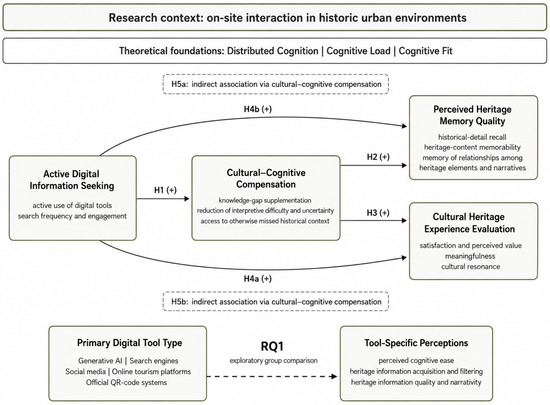
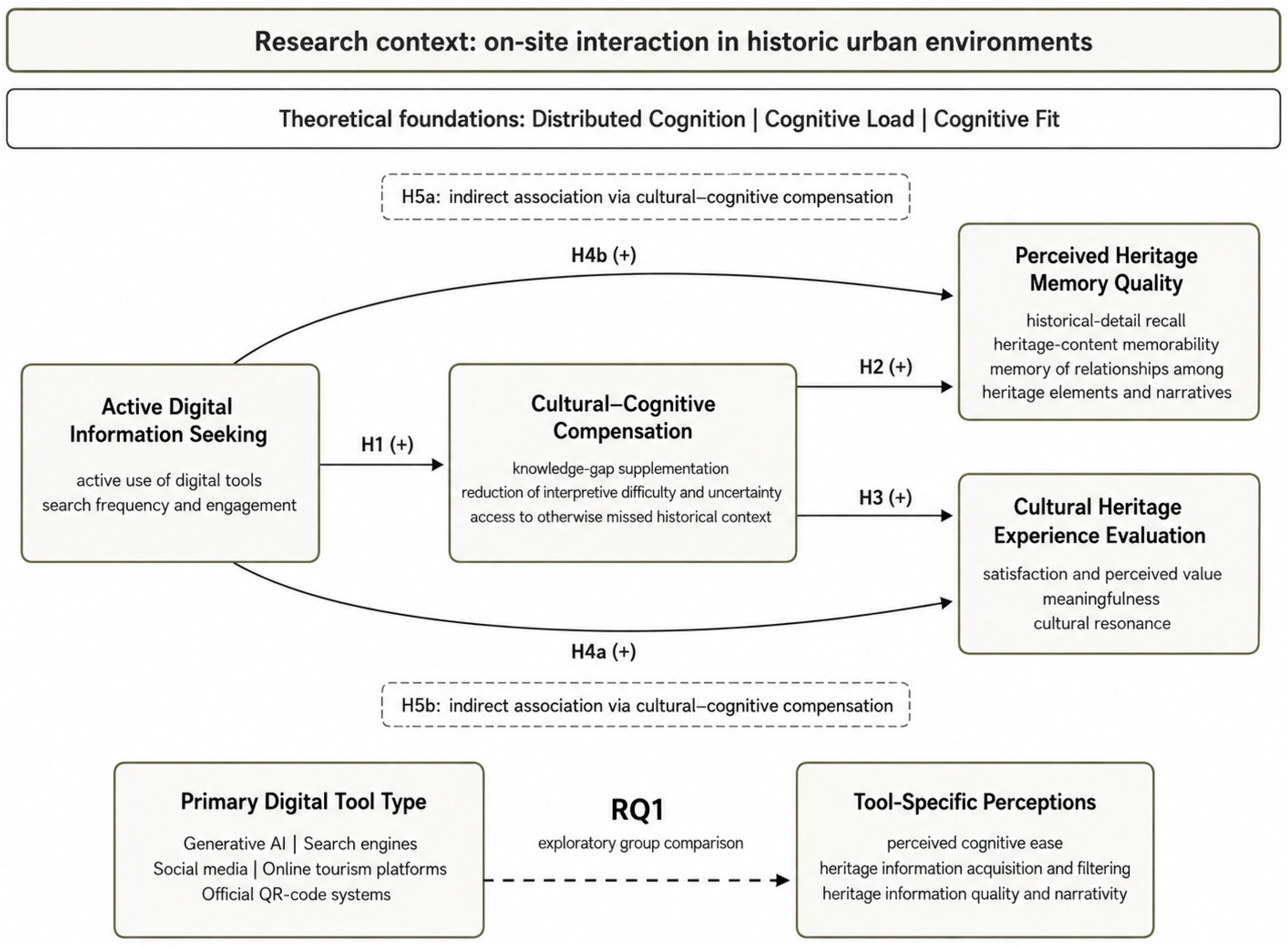
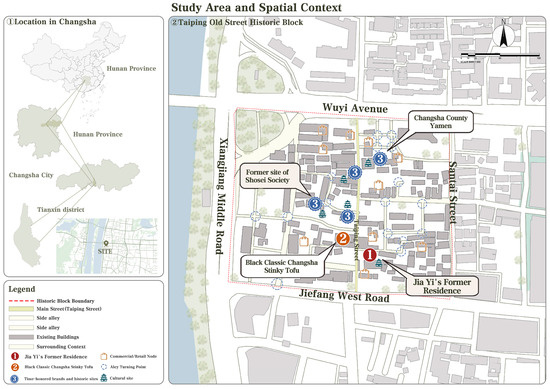
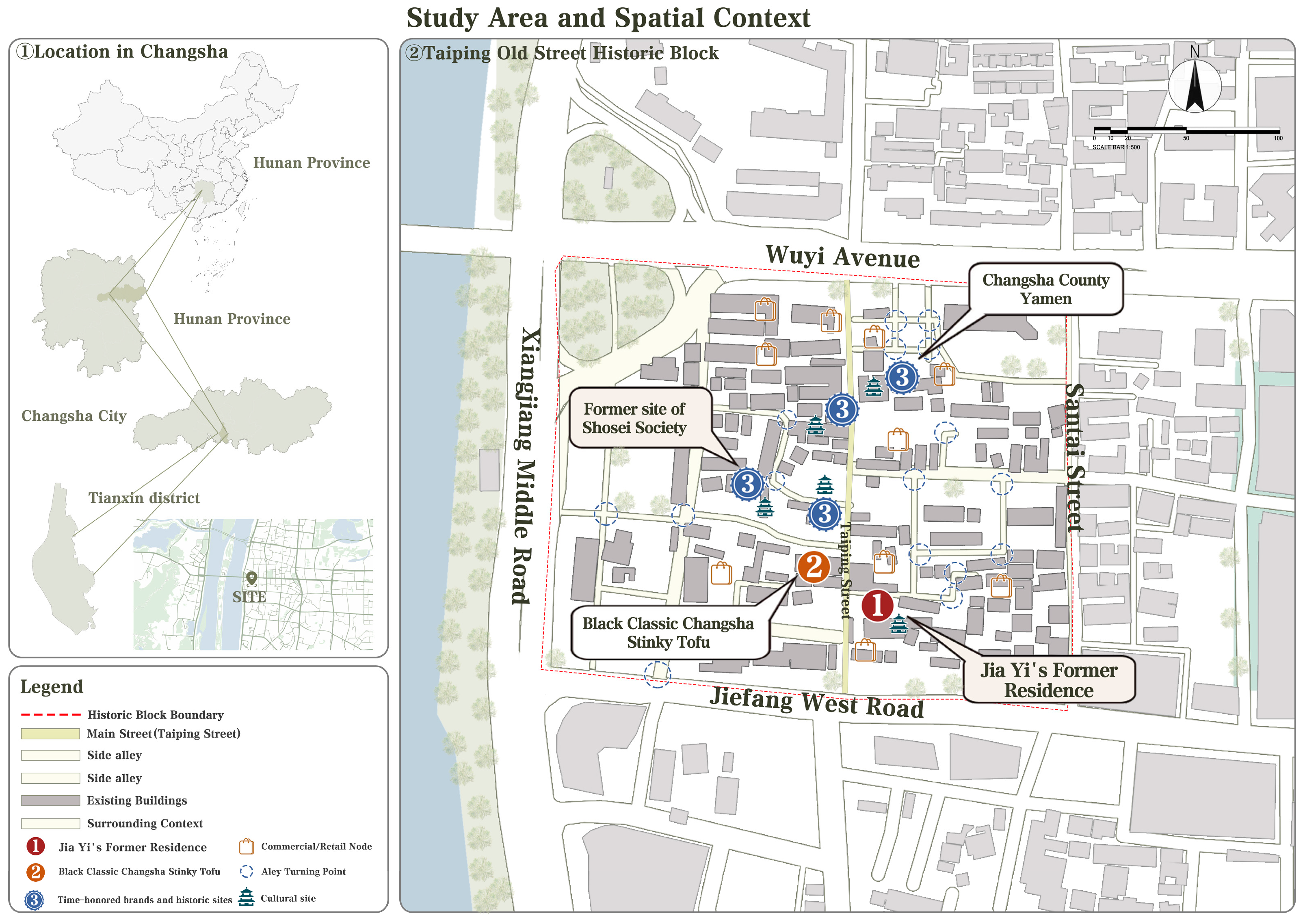
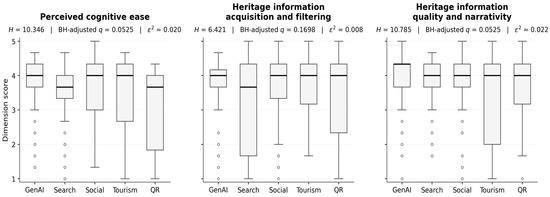

Disclaimer/Publisher’s Note: The statements, opinions and data contained in all publications are solely those of the individual author(s) and contributor(s) and not of MDPI and/or the editor(s). MDPI and/or the editor(s) disclaim responsibility for any injury to people or property resulting from any ideas, methods, instructions or products referred to in the content. |
© 2026 by the authors. Licensee MDPI, Basel, Switzerland. This article is an open access article distributed under the terms and conditions of the Creative Commons Attribution (CC BY) license.