


Abstract
Reliable preconstruction cost estimation (PCE) is a fundamental stage to project planning and investment decision-making. However, the early-stage uncertainty and limited information make early-stage cost estimation challenging. Artificial intelligence has attracted growing interest as a way out of this impasse, producing a substantial empirical literature worth systematic examination. This study synthesizes the findings of 30 empirical studies published up to December 2025 using PRISMA protocols and examines the AI techniques, project types, dataset characteristics, validation practices, and model interpretability. The results show that artificial neural networks (ANNs) and hybrid approaches dominate the literature, with applications concentrated in building and transportation projects. Reported model performance is generally strong across commonly used evaluation metrics. However, several structural limitations persist: poor generalizability across project contexts, inconsistent validation procedures, limited adoption of explainable AI, and minimal integration of domain expertise. These factors, together, limit the transferability of existing models to real-world practice. This review contributes a structured methodological synthesis, maps the gaps that most limit progress, and proposes a conceptual AI–Expert Integration Framework to support estimation approaches that are more robust, interpretable, and decision-oriented. The findings offer both a current assessment of the field and a practical roadmap for advancing AI-driven PCE research.
1. Introduction
The preconstruction phase is recognized as a key stage in the project lifecycle, during which several critical activities are undertaken. These activities include planning, design development, feasibility studies, cost estimation, scheduling, risk analysis, and stakeholder engagement [1]. The decisions made at this stage exert a disproportionate influence on project cost, schedule, and overall performance by shaping project scope and guiding resource allocation. Enhancing the reliability of early estimates, therefore, requires a clear understanding of project complexity factors and their influence on cost behavior [2].
High levels of uncertainty, evolving design information, and incomplete project definitions during the preconstruction phase frequently lead to poor estimates, rework, and eventual cost or schedule overruns [3,4,5,6]. To address these challenges, researchers have increasingly explored artificial intelligence (AI) techniques to support PCE, improve prediction accuracy, and reduce subjectivity in early-stage decision-making [7,8].
Despite the rapid growth of research on AI-based construction cost estimation, a comprehensive understanding of AI applications specifically within the preconstruction phase remains limited [9]. Existing reviews and empirical studies have predominantly emphasized predictive performance while giving comparatively less attention to methodological robustness, model transparency, uncertainty representation, external validation, and the integration of expert knowledge into decision-making processes [10,11,12]. These limitations are particularly significant during the preconstruction phase, where incomplete project information, evolving project definitions, and high levels of uncertainty directly influence strategic planning, budgeting, and investment decisions [3,4]. Consequently, there remains a need for a systematic review that critically synthesizes not only the AI techniques employed but also their methodological robustness, practical applicability, and remaining research gaps to support the development of more reliable and transparent AI-driven PCE approaches.
To address this need, this study conducts a PRISMA-based systematic literature review (SLR) of AI applications in PCE. The review critically synthesizes the existing evidence by evaluating methodological trends, validation practices, dataset characteristics, model limitations, and emerging research challenges, while identifying persistent research gaps and future research opportunities. By doing so, the study provides a structured understanding of the current state of AI-driven PCE. It provides evidence-based insights to support the development of more robust, transparent, and practically applicable cost-estimation approaches.
Unlike previous reviews that primarily focused on AI algorithm performance or specific project domains, this review adopts a broader methodological perspective, systematically examining AI applications across the PCE process. Beyond identifying AI techniques, the review critically examines how methodological robustness, validation practices, dataset characteristics, uncertainty considerations, model interpretability, and expert knowledge integration influence the reliability, transparency, and practical applicability of AI-driven PCE models. Building upon this evidence, the study proposes a conceptual AI–Expert Integration Framework that synthesizes the key findings into a structured research agenda for future methodological development. The framework is presented as a conceptual contribution derived from the systematic review rather than as an empirically validated implementation model.
The objectives of the research are:
RO1: Identify AI-based approaches used for PCE.
RO2: Classify studies by AI techniques, data characteristics, project types, and validation practices.
RO3: Analyze model performance, limitations, and methodological challenges.
RO4: Synthesize research gaps and propose future research directions through a framework.
The rest of the paper is organized as follows. Section 2 reviews the existing literature on AI-based cost estimation and establishes the research gap. Section 3 presents the research methodology, including the PRISMA-based review protocol, the search strategy, the study selection process, and the data analysis procedures. Section 4 reports and discusses the results of the systematic review, covering publication trends, AI techniques, project types, dataset characteristics, feature selection approaches, and validation practices. Section 5 provides a synthesis of the findings and discusses the key insights, methodological challenges, practical implications, and future research opportunities. Finally, Section 6 presents the study’s conclusions.
2. Literature Review
2.1. Existing Review Studies on AI-Based Cost Estimation
Previous reviews have explored AI and data-driven approaches from various perspectives. Some provide broad overviews of machine learning applications in construction cost estimation [10], while others focus on specific project domains, such as highway infrastructure [13]. More recent studies have broadened the discussion to include a wider range of AI applications in construction cost estimation and project management [11,12,14]. However, as summarized in Table 1, these reviews vary significantly in scope, methodological emphasis, and analytical depth.
Table 1.
Comparison of previous review studies on AI-based construction cost estimation and the positioning of the current review.
A comparative assessment of the previous reviews reveals several research gaps. First, relatively few reviews focus specifically on the preconstruction or conceptual stage, which is characterized by the greatest uncertainty and where early cost decisions most strongly influence project outcomes [10,12,13]. Second, although recent reviews summarize AI techniques and reported prediction performance, they have given limited attention to critically evaluating methodological robustness, including the adequacy of datasets, validation strategies, comparability of performance metrics, external validation, and model generalizability. Furthermore, there is a lack of synthesis regarding uncertainty quantification, model interpretability (including explainable AI), and the integration of expert knowledge, all of which are important for supporting reliable preconstruction decision-making. Finally, none of the existing reviews integrates these methodological aspects into a dedicated framework for AI-driven PCE.
Therefore, a comprehensive and up-to-date systematic review is needed to critically synthesize the existing evidence, evaluate methodological quality and validation practices, identify remaining research gaps, and establish a conceptual foundation for developing more transparent, reliable, and practically applicable AI-driven models for PCE.
2.2. Overview of the Machine Learning Workflow in Cost Estimation
Machine learning-based cost estimation typically follows a structured workflow that transforms raw project data into predictive insights [15,16]. As illustrated in Figure 1, the general workflow of AI-based PCE (developed by the authors based on [15,16] and the reviewed literature) begins with data collection from historical project records, public databases, or organizational repositories. The collected data are subsequently preprocessed through data cleaning, normalization, and the treatment of missing values to improve data quality [15]. The next stage involves feature selection, where key cost drivers are identified and transformed into model inputs. These inputs are then used to develop and train machine learning models, including ANNs, random forests (RFs), support vector machines (SVMs), and hybrid approaches [17]. Model performance is subsequently evaluated using validation techniques such as train–test splitting and cross-validation, along with statistical performance metrics. Finally, model outputs are interpreted and, where appropriate, combined with expert judgment to support decision-making during the preconstruction phase [16].
Figure 1.
General workflow of machine learning-based in PCE (authors’ own work).
2.3. AI Techniques in Preconstruction Cost Estimation
2.3.1. Machine Learning Models
Machine learning (ML) techniques are among the most widely adopted approaches for PCE due to their ability to identify complex relationships between project characteristics and construction costs. Commonly used models include Artificial Neural Networks (ANNs), Support Vector Machines (SVMs), Decision Trees (DTs), Random Forests (RFs), and Gradient Boosting techniques. These methods learn from historical project data and have demonstrated improved predictive accuracy compared with traditional estimation approaches [11,18]. ANN models are particularly effective in capturing nonlinear relationships among project variables, while tree-based approaches offer improved interpretability and feature analysis.
2.3.2. Deep Learning Models
Deep Learning (DL) extends conventional machine learning through multi-layer neural network architectures capable of processing complex datasets. Common DL approaches include Recurrent Neural Networks (RNNs), Long Short-Term Memory (LSTM) networks, and Convolutional Neural Networks (CNNs). These techniques are particularly useful for time-series forecasting, trend prediction, and extracting information from unstructured project data [11,19]. However, their performance typically depends on the availability of large and high-quality datasets.
2.3.3. Hybrid AI Models
Hybrid AI approaches combine multiple techniques to leverage the strengths of individual models while mitigating their limitations. Examples include ANN integrated with Genetic Algorithms (GAs), ANN combined with Case-Based Reasoning (CBR), and Bayesian Network-based approaches. Previous studies indicate that hybrid models can improve predictive performance, support uncertainty management, and enhance adaptability to different project conditions [20,21].
2.3.4. Explainable and Emerging AI Approaches
Recent developments have introduced explainable and interpretable AI approaches into cost estimation research. Techniques such as SHAP-based analysis, Graph Neural Networks (GNNs), and Large Language Models (LLMs) aim to improve transparency, support decision-making, and facilitate the practical adoption of AI-driven estimation systems [22,23]. These approaches represent an emerging research direction that seeks to balance predictive accuracy with explainability and industry usability.
2.4. Methodological Challenges in AI-Based PCE Research
Despite the growing adoption of AI techniques in PCE, several methodological challenges have been highlighted in the literature. These include issues related to data availability and quality, model validation and generalizability, explainability and transparency, uncertainty management, and the integration of expert knowledge into decision-making processes [24,25,26,27]. Such challenges may influence the reliability, practical applicability, and industry adoption of AI-based cost estimation models. Consequently, addressing these limitations remains an important area for future research and development.
Furthermore, recent studies have emphasized the importance of improving model interpretability and uncertainty management to enhance the credibility and practical adoption of AI-based cost estimation systems [11,24,27]. Collectively, these challenges highlight the need for more transparent, reliable, and practically applicable AI-driven approaches that support informed decision-making during the preconstruction phase.
2.5. Research Gap and Contribution of the Current Review
Existing review studies have significantly advanced our understanding of how AI is applied to construction cost estimation. They have explored various AI techniques, methodological advancements, and specific applications within the field [10,11,12,13]. As illustrated in Table 1, these studies have also identified challenges related to data quality, model validation, uncertainty management, and practical implementation. However, the scope, methodological focus, and project stages covered in these studies differ widely, leaving many aspects of AI-driven PCE still underexplored.
Most existing reviews have concentrated either on the performance of individual AI algorithms, particular project sectors, and/or broader construction applications. Compared with other contexts, less attention has been given to providing an integrated synthesis of methodological quality, validation practices, dataset characteristics, uncertainty management, model interpretability, and the role of expert knowledge within the specific context of PCE. Consequently, there remains a need for a comprehensive review that brings these complementary dimensions together within a single analytical framework.
To address this gap, the present study conducts a PRISMA-based systematic literature review of AI applications in PCE. Rather than focusing solely on algorithm performance, the review critically synthesizes AI techniques alongside methodological quality, validation practices, dataset characteristics, uncertainty considerations, and emerging research trends. In addition, it proposes a conceptual AI–Expert Integration Framework, derived from the evidence in the reviewed literature, to support future research and facilitate the development of more transparent, reliable, and practically applicable AI-driven cost-estimation approaches.
3. Research Methodology
This study employed a PRISMA-guided SLR to examine the application of AI in PCE. The review followed a structured multi-stage process consisting of: (i) designing the review and developing the protocol, (ii) identifying data sources and the research strategy, (iii) defining and applying the study selection criteria, (iv) systematically screening all eligible records, and (v) extracting and synthesizing the data in a structured manner. Each of these stages is explained in detail in the following subsections.
3.1. Review Protocol
The review followed a systematic procedure for study identification, screening, eligibility assessment, and synthesis in line with PRISMA guidelines [28,29]. Given the methodological diversity of AI-driven cost estimation research—spanning algorithms, data structures, and evaluation practices—a systematic mapping approach was adopted [30]. This enabled structured classification and synthesis of existing studies based on AI techniques, data characteristics, and validation practices, providing a comprehensive overview of the field. This approach is particularly suitable because AI-based cost estimation studies differ substantially in their modeling techniques, data sources, project contexts, and evaluation methods [31].
The review process consisted of four sequential stages, identification, screening, eligibility assessment, and final inclusion, as illustrated in the PRISMA flow diagram Figure 2. The scope of the review was restricted to AI applications in the preconstruction conceptual phase of construction projects, where cost estimation is typically characterized by high uncertainty and limited data availability [6]. Publications up to December 2025 were considered to ensure comprehensive coverage of both foundational and emerging developments.
Figure 2.
PRISMA flow diagram.
Predefined inclusion and exclusion criteria, systematic screening procedures, and structured data extraction steps were applied, as described in the following subsections.
3.2. Data Sources and Search Strategy
Three electronic databases—Scopus, EBSCO, and Google Scholar—were selected as the primary sources for identifying relevant studies. Scopus was chosen because of its broad coverage of peer-reviewed scientific literature, while EBSCO was included to capture additional publications not fully indexed in Scopus. Google Scholar was used as a supplementary source to identify potentially relevant studies that may not have been retrieved from the other databases. A structured search strategy was developed to identify studies addressing AI applications in PCE within the construction projects. The final search query applied across the databases was: (“preconstruction” OR “early-stage” OR “conceptual design”) AND (“cost estimation” OR “cost prediction” OR “ cost forecasting”) AND (“artificial intelligence” OR “machine learning” OR “deep learning” OR “neural networks” OR “ensemble learning”).
The search terms were developed through an iterative process based on the study objectives, terminology frequently reported in prior review studies, and preliminary scoping searches conducted within the selected databases [28]. The search identified 141 studies across the three databases, 64 from Scopus, 31 from EBSCO, and 46 from Google Scholar, as shown in the PRISMA flow diagram (Figure 2). All records retrieved were exported and consolidated into a single dataset for further analysis. The database search was conducted in January 2026 and included publications available up to December 2025.
To ensure consistency with the review objectives, the search was limited to English-language peer-reviewed publications, and the final dataset comprised studies published up to December 2025. Excluded studies during subsequent screening stages were outside the construction domain, such as those related to software engineering, manufacturing, or other non-construction applications. Following the initial search, duplicate records (n = 35) were identified and removed, resulting in 106 unique records. These records were then subjected to title and abstract screening, followed by full-text eligibility assessment, as described in the following subsection.
3.3. Study Selection Criteria
To ensure relevance, rigor, and consistency with the objectives of this SLR, explicit inclusion and exclusion criteria were established before the screening process [32]. These criteria were applied uniformly during the title/abstract screening and full-text assessment stages to minimize selection bias and enhance transparency. Only peer-reviewed journal articles were considered for inclusion in this review, while grey literature (e.g., technical reports, theses, dissertations, editorials, and other non-peer-reviewed publications) was excluded. This decision was made to ensure that the synthesized evidence was derived from peer-reviewed journal articles, thereby enhancing the methodological consistency, scientific rigor, and reliability of the synthesized evidence [33]. Furthermore, only studies focusing on preconstruction or early-stage cost estimation in construction projects were included, whereas studies addressing post-construction cost control, operational cost management, or cost monitoring during the execution and maintenance phases were excluded.
Regarding methodological focus, the review included studies that employed AI-based or data-driven predictive modeling approaches for cost estimation or prediction, including machine learning, deep learning, Bayesian and probabilistic modeling, regression-based predictive models, case-based reasoning, ensemble learning, and hybrid or optimization-integrated techniques. Studies employing purely descriptive, qualitative, or traditional statistical methods without an AI or data-driven modeling component were excluded.
To ensure consistency and facilitate reliable interpretation of the findings, only studies published in English were included, while studies published in other languages were excluded [34]. Table 2 summarizes the inclusion and exclusion criteria applied in this review.
Table 2.
Inclusion and exclusion criteria applied in the review.
3.4. Screening Process
As illustrated in Figure 2, during the identification stage, a total of 141 records were retrieved from the selected databases, including Scopus (n = 64), EBSCO (n = 31), and Google Scholar (n = 46). The use of multiple databases and predefined search criteria helped reduce retrieval and reporting bias. All retrieved records were consolidated into a single dataset, and duplicate entries (n = 35) were identified and removed, resulting in 106 unique records for further screening.
During the title and abstract screening stage, the 106 unique records were assessed against the predefined inclusion and exclusion criteria. A total of 46 records were excluded. Of these, 31 studies did not focus on construction cost estimation, were unrelated to the preconstruction or early-stage phase or addressed cost estimation in non-construction domains such as software engineering or manufacturing. The remaining 15 records were excluded because they were not peer-reviewed publications. Following this stage, 60 full-text articles were retrieved and assessed for eligibility. The title/abstract screening and full-text eligibility assessment were undertaken by the first author and reviewed by the principal supervisor. Any uncertainties regarding study eligibility were resolved through discussion until consensus was reached, thereby enhancing the consistency and methodological rigor of the review process.
During the full-text eligibility assessment, 30 studies were excluded for the following reasons: 18 did not focus on PCE or did not develop or evaluate a cost estimation model; two studies were excluded because the full text was not available in English; five studies were excluded because they had been retracted or did not provide sufficient methodological information to support critical assessment; and five studies were excluded because the full paper was unavailable. Consequently, 30 studies satisfied all eligibility criteria and were included in the final SLR. These studies served as the basis for subsequent data extraction, systematic mapping, and qualitative synthesis.
3.5. Data Extraction
Data were extracted from each of the 30 included studies using a predefined extraction form to ensure consistency and comparability across the reviewed publications. Table 3 presents the predefined data extraction form used in this review. The extracted information included bibliographic details (author(s), publication year, and journal), application context (project type and preconstruction stage), geographical location, dataset characteristics (data source and dataset size), model characteristics (AI/ML technique and input features), validation approach, and reported performance metrics (e.g., RMSE, MAE, MAPE, and R2, where available). When available, information on model interpretability (e.g., feature importance or explainable AI techniques) and study limitations were also extracted.
Table 3.
Predefined extraction form.
3.6. Data Synthesis
Following data extraction, the included studies were systematically classified and synthesized according to several dimensions. Specifically, the studies were grouped according to (i) AI technique category, (ii) project type, (iii) dataset size, (iv) validation strategy (e.g., hold-out split, k-fold cross-validation, and external validation), and (v) reporting practices related to performance measures and model interpretability. A descriptive synthesis was then conducted to summarize research trends and identify methodological patterns across the reviewed studies.
The descriptive characteristics of the included studies are summarized in Table 4, which provides an overview of the project domains, AI techniques, key input variables, dataset sizes, and geographical distribution. Where information was incomplete or unavailable, only the information reported in the original publication was extracted and synthesized. No assumptions were made to replace missing information.
Table 4.
Summary Table for all Included Studies.
3.7. Quality Assessment and Review Rigor
To enhance the methodological rigor, transparency, and reproducibility of the review, several methodological procedures were implemented throughout the study selection, data extraction, and synthesis stages. The review followed the PRISMA 2020 guidelines [29] (Supplementary Materials), with predefined inclusion and exclusion criteria applied consistently during both the title/abstract screening and full-text eligibility assessment. The first author undertook the screening process and was subsequently reviewed by the principal supervisor. Any uncertainties regarding study eligibility or data interpretation were resolved through discussion until consensus was reached. Because the screening process relied on supervisory review rather than independent duplicate screening, a formal inter-reviewer agreement statistic (e.g., Cohen’s Kappa) was not calculated. In addition, a predefined data extraction form was used to ensure the consistent collection of bibliographic information, methodological characteristics, validation approaches, and reported performance measures across all included studies.
When information was incomplete or unavailable, only the information reported in the original publication was extracted and synthesized, and no assumptions were made to replace missing information. In addition, the use of multiple bibliographic databases, a predefined search strategy, and a structured extraction process helped reduce retrieval and reporting bias while improving the consistency and transparency of the review.
A quantitative meta-analysis was deemed inappropriate because the included studies exhibited substantial methodological heterogeneity. The reviewed studies differed considerably in project types, AI techniques, dataset characteristics, input variables, validation approaches, and reported performance measures, making direct statistical pooling inappropriate [30]. Consequently, a qualitative systematic review combined with systematic mapping was adopted to identify, classify, and synthesize methodological characteristics, AI techniques, validation practices, and emerging research trends across the included studies. This approach was considered more appropriate for addressing the research objectives and developing a comprehensive understanding of AI applications in PCE.
No formal study-level quality assessment or risk-of-bias appraisal was conducted using a standardized critical appraisal tool. This decision was based on the primary objective of the review, which was to systematically map and qualitatively synthesize methodological trends, artificial intelligence techniques, dataset characteristics, validation approaches, interpretability practices, and existing research gaps across a highly heterogeneous body of literature. Rather than evaluating intervention effectiveness or comparing the methodological quality of individual studies, the review sought to provide a comprehensive overview of the current research landscape. Accordingly, the synthesis emphasizes methodological characteristics, reported evidence, and emerging research trends across the included studies, without assigning standardized quality scores or formal risk-of-bias ratings to individual publications.
4. Results and Discussion
This section presents the findings of the systematic review in accordance with the research objectives and provides a structured synthesis of the current state of AI-based PCE research. Section 4.1 examines the distribution of AI techniques employed in the reviewed studies (RO1). Section 4.2 and Section 4.3 analyze the application domains and dataset characteristics of these studies to identify prevailing research patterns and the distribution of evidence across project types and data sources (RO2). Section 4.4 evaluates validation practices, performance metrics, interpretability, and methodological limitations to assess the robustness and transparency of existing AI-based PCE models (RO3). Collectively, the findings presented throughout this section identify the principal methodological gaps and emerging research needs, providing the evidence base for the AI–Expert Integration Framework proposed in Section 6 (RO4).
4.1. AI Techniques Used in Preconstruction Cost Estimation
Figure 3 presents the distribution of the primary AI techniques applied in the 30 reviewed studies on PCE. ANN was the most frequently adopted technique, accounting for 11 studies (36.7%). Hybrid AI approaches ranked second, appearing in eight studies (26.7%), followed by tree-based machine learning models, including Random Forest and gradient boosting techniques, which were reported in six studies (20%). Case-Based Reasoning (CBR), Bayesian/probabilistic models, SVM, Deep Learning, and NLP-based Deep Learning approaches were each identified in one study (3.3%). Overall, the observed distribution suggests that while ANN remains the most frequently adopted AI technique in PCE, recent research indicates increasing methodological diversification through hybrid and tree-based machine learning approaches.
Figure 3.
Distribution of primary AI techniques in PCE studies (n = 30).
The observed distribution reflects the methodological evolution of AI applications in PCE over time. Early studies predominantly relied on ANN models because of their ability to capture complex nonlinear relationships between project characteristics and construction costs, particularly when historical datasets were relatively limited. More recent studies demonstrate a gradual shift towards hybrid and tree-based machine learning approaches, reflecting an increasing emphasis on improving predictive accuracy, reducing overfitting, and enhancing model robustness. This trend is broadly consistent with previous review studies, which similarly identified ANN as one of the predominant AI techniques in construction cost estimation and reported the increasing adoption of hybrid and ensemble learning approaches as the field continues to evolve [10,11,12]. However, unlike these broader reviews, the present study focuses exclusively on AI applications during the preconstruction phase. It provides a more focused synthesis of methodological developments, validation practices, and emerging research directions within this critical stage of project delivery.
Another notable observation is the emerging interest in model transparency. Although explainable AI techniques, particularly SHAP-based interpretability frameworks, have appeared in only a limited number of recent studies, their inclusion suggests a growing recognition that reliable cost predictions should be accompanied by interpretable decision support to facilitate practical implementation. Nevertheless, the limited representation of deep learning, probabilistic modeling, and explainable AI approaches indicates that these methodological directions remain at an early stage of development within the PCE domain, highlighting important opportunities for future methodological advancement.
4.2. Project Types and Application Domains
To address heterogeneity in project descriptions, the detailed project types reported in the reviewed studies were grouped into standardized project categories to facilitate systematic mapping and cross-study comparison, following established systematic mapping review practices [60].
Table 5 presents the distribution of AI-based PCE studies across the standardized project categories. Building projects and highway/transportation projects each accounted for 12 of the 30 reviewed studies (40.0%), making them the two dominant application domains. Infrastructure projects outside the transportation sector accounted for 4 studies (13.3%), while only 2 (6.7%) investigated mixed or multiple project types.
Table 5.
Distribution of AI techniques across standardized project categories.
Highway and transportation applications include roads, bridges, tunnels, metro systems, and pavement maintenance projects. The prominence of this category reflects the structured, repetitive, and data-rich nature of transportation infrastructure, which creates favorable conditions for developing, training, and validating AI-based cost-estimation models. Similarly, building projects encompass residential, commercial, institutional, and renovation applications. Within this category, ANN and hybrid AI approaches were the most frequently adopted techniques, reflecting their flexibility in modeling diverse building typologies and accommodating varying levels of design information available during the preconstruction phase.
In contrast, only four studies focused on infrastructure projects beyond the transportation sector, including power plants, substations, sewerage systems, and water-related facilities. Furthermore, only two studies considered mixed or multiple project types, such as general construction projects and preconstruction engineering services. The limited representation of these project categories indicates that AI-based PCE research remains concentrated on well-defined construction sectors, with relatively little attention given to developing models capable of supporting cost estimation across multiple project domains.
The distribution of project types demonstrates that AI-driven PCE research remains heavily concentrated on building and transportation projects, which together accounted for 80.0% of the reviewed studies. This concentration is likely associated with the greater availability of historical project data, higher levels of standardization in design and procurement practices, and the economic importance of these sectors. Consequently, these characteristics make building and transportation projects particularly suitable for developing and validating AI-based PCE models, which may partly explain their dominance within the reviewed literature.
In comparison, there have been relatively few studies focused on infrastructure sectors like energy facilities, utility networks, and water-related projects. These sectors have unique technical characteristics, uncertainty profiles, and cost drivers. This lack of research creates an imbalance in the available evidence, which is primarily concentrated in traditional construction areas. Consequently, the transferability and generalizability of existing AI-based PCE models across different construction sectors remain uncertain.
Unlike previous review studies that broadly summarized AI applications across the construction industry, the present review systematically maps AI adoption across standardized project categories within the preconstruction phase, thereby revealing application domains that remain comparatively underexplored. These findings highlight the need for future research to evaluate AI models across a broader range of project types and to develop more transferable methodologies that support reliable PCE in diverse construction contexts.
4.3. Dataset Characteristics
The dataset characteristics of the reviewed studies were analyzed with respect to dataset size and data origin to assess the robustness and realism of AI-based PCE models, as shown in Table 6. To facilitate comparison, dataset sizes were classified into four categories: small (fewer than 50 projects), medium (50–200 projects), large (more than 200 projects), and simulated or synthetic datasets. These thresholds were selected to facilitate systematic comparison across heterogeneous studies with widely varying dataset sizes. They were developed specifically for this review as pragmatic classification bands and should not be interpreted as universally accepted methodological standards. Large datasets were the most frequently reported, accounting for 14 of the 30 reviewed studies (46.7%), followed by medium-sized datasets with 11 studies (36.7%). Small datasets were used in four studies (13.3%), while only one study (3.3%) employed simulated or synthetic data generated through design-scenario modeling. The predominance of medium and large datasets indicates that many AI-based PCE studies have access to structured project records and organizational cost databases. Nevertheless, dataset size alone does not guarantee robust model development, as prediction performance also depends on data quality, representativeness, and appropriate validation strategies. The continued use of small and simulated datasets further indicates that data accessibility and completeness remain significant challenges, particularly during the early stages of project development, when historical cost information is often limited.
Table 6.
Distribution of studies by dataset size band.
With respect to data sources, as shown in Table 7, public-sector datasets accounted for 16 of the 30 reviewed studies (53.3%), followed by mixed datasets in 9 studies (30.0%), proprietary organizational datasets in 4 studies (13.3%), and simulated datasets in 1 study (3.3%). The reviewed studies predominantly relied on public-sector datasets, including government agency records, national databases, and institutional project archives. Mixed data sources, combining public-sector information with company or organizational project records, were also commonly used, whereas relatively few studies relied exclusively on proprietary company datasets. This limited use of organization-specific data reflects the restricted accessibility of commercial preconstruction cost information, which is often confidential and difficult for researchers to obtain. Only one study employed simulated data generated through design-scenario modeling and was therefore reported separately. Overall, the predominance of public and mixed data sources underscores the importance of accessible, transparent datasets for advancing AI-based PCE research. However, the limited availability of proprietary industry data continues to constrain external validation, reproducibility, and the development of models that fully capture the complexity of real-world preconstruction decision-making.
Table 7.
Distribution of studies by data source band.
The reviewed studies covered diverse geographic regions, including East Asia, South Asia, West Asia/Middle East, Europe, North America, and Oceania, as shown in Table 8. Research activity was most prominent in West Asia/Middle East (30.0%) and East Asia (23.3%), followed by Europe (20.0%) and North America (16.7%), whereas comparatively fewer studies originated from South Asia (6.7%) and Oceania (3.3%). This uneven geographic distribution indicates that AI-based PCE research remains concentrated in a limited number of regions where digital construction records and project databases are more readily available. Because construction costs, procurement practices, regulatory environments, and market conditions vary considerably across regions, models developed using data from a particular geographic context may not perform equally well when applied elsewhere. Consequently, the current evidence should be interpreted as context-dependent rather than universally generalizable, highlighting the need for more geographically diverse datasets to improve the transferability and robustness of future AI-based PCE models.
Table 8.
Distribution of studies by Geographic Region Band.
Overall, the analysis of dataset characteristics highlights the critical role of data availability in AI-driven PCE research. Most reviewed studies relied on historical project datasets obtained from public agencies, published reports, or internal organizational records, reflecting the inherently data-intensive nature of AI model development. Nevertheless, substantial variation in dataset size, data sources, geographic coverage, and data quality was observed across the reviewed literature. Although larger datasets generally facilitate more robust model training and validation, the limited availability of standardized and publicly accessible datasets continues to hinder meaningful model comparison, reproducibility, and external validation. Furthermore, the concentration of studies within a limited number of countries and regions suggests that local construction practices, market conditions, and regulatory frameworks shape many AI models. Consequently, the transferability and generalizability of existing AI-based PCE models across diverse project environments remain limited, highlighting the need for future research to develop more comprehensive, standardized, and geographically representative datasets that support robust, transparent, and transferable AI applications in PCE.
4.4. Validation Practices and Performance Metrics
The validation strategies adopted in the reviewed studies varied in terms of rigor and methodological complexity. As shown in Table 9, multiple or hybrid validation strategies were the most common approach, accounting for 13 of the 30 reviewed studies (43.3%). These approaches typically combine train–test splits with cross-validation, bootstrap aggregation, or Monte Carlo simulation, reflecting an increasing emphasis on improving model robustness and reducing the risk of overfitting in AI-based PCE. A further 11 studies (36.7%) relied exclusively on a single train–test split, while four studies (13.3%) employed hold-out or external validation using independent test datasets. Only two studies (6.7%) adopted cross-validation as the sole validation method, indicating that most researchers favored explicit data partitioning or combined validation strategies over resampling-based validation alone. Although train–test splits remain widely used because of their simplicity and ease of implementation, their performance may be influenced by the specific data partitioning, particularly when datasets are relatively small or heterogeneous. Similarly, the limited use of external validation suggests that relatively few studies evaluated model performance using independent datasets, potentially limiting the generalizability of the reported results. Overall, the predominance of hybrid validation approaches suggests a gradual shift toward more rigorous model evaluation practices in recent AI-based PCE research.
Table 9.
Distribution of Validation Practices.
Regarding performance evaluation, the reviewed studies predominantly employed regression-based error metrics. Root Mean Square Error (RMSE) was the most frequently reported metric, followed by Mean Absolute Percentage Error (MAPE), the Coefficient of Determination (R2), and Mean Absolute Error (MAE). A limited number of studies reported additional indicators such as Mean Squared Error (MSE), normalized error measures, or domain-specific error rates. Only one study reported classification-based performance metrics reflecting the dominance of regression-oriented formulations in AI-based PCE. The widespread use of RMSE, MAPE, MAE, and R2 reflects the continuous nature of construction cost prediction and the strong emphasis placed on predictive accuracy. However, the variation in performance metrics reported across studies makes direct comparison between AI models more difficult and may reduce the reproducibility and consistency of performance evaluation. These findings highlight the need for more standardized reporting practices that incorporate complementary performance metrics to enable a more robust, transparent evaluation of AI-based PCE models.
The extent to which interpretability and explainable AI (XAI) techniques were incorporated into AI-based PCE remained limited. Based on the explicit reporting of explanation mechanisms or the use of inherently interpretable models, 12 of the 30 reviewed studies (40.0%) employed some form of interpretability or explainable analysis (Table 10). These studies typically relied on feature importance analysis, sensitivity analysis, case similarity assessment, model-agnostic explanation techniques (e.g., SHAP), or regression-based models with interpretable parameters to provide insights into the influence of cost drivers.
Table 10.
Distribution of Reviewed Studies Based on the Presence of Interpretability.
In contrast, the majority of the reviewed studies (18; 60.0%) adopted black-box predictive models and focused primarily on predictive accuracy, without providing clear explanations of model behavior or decision logic. Even among studies employing advanced machine learning or probabilistic frameworks, explainability was often treated as a secondary consideration or omitted altogether. This imbalance between predictive performance and model transparency may limit users’ confidence in AI-generated cost estimates and reduce the practical adoption of these models in preconstruction decision-making, where understanding the rationale behind predictions is often as important as predictive accuracy itself.
Despite the widespread use of validation procedures, the reviewed studies revealed noticeable differences in the rigor of model evaluation. While nearly half of the studies employed multiple or hybrid validation strategies, a considerable proportion still relied on single train–test splits or simple hold-out validation. These methods can be sensitive to data partitioning and variability within the dataset. Only a limited number of studies used robust resampling-based approaches as their primary validation method. These inconsistencies in validation practices in AI-based PCE complicate comparisons of model performance across different studies.
Furthermore, although most studies reported predictive accuracy using metrics such as MAPE, MAE, RMSE, and R2, they paid relatively little attention to uncertainty quantification, model interpretability, and challenges of real-world implementation. Overall, these findings suggest a need for more consistent validation practices and transparent reporting to enhance the credibility, reproducibility, and practical applicability of AI-based PCE models. Greater emphasis on robust validation protocols, comprehensive performance evaluation, and explainable AI techniques would also help build confidence in AI-assisted PCE and support its broader adoption in practice.
5. Discussion
This section synthesizes and interprets the systematic review’s findings in relation to the research questions. Building on the results presented in the previous section, this section discusses the key findings, examines the methodological challenges identified in the reviewed studies, and considers their implications for future research and practical implementation in PCE.
5.1. Interpretation of Key Findings
The findings indicate that ANN and hybrid AI models have emerged as the predominant approaches in AI-based PCE. This reflects the ability of these methods to capture the complex, nonlinear relationships that characterize the early stages of construction projects, where project information and available data are often incomplete, and uncertainty is high. The increasing adoption of hybrid models also suggests growing recognition of the limitations of relying on a single AI technique, with researchers combining complementary methods to improve predictive performance and model robustness. More importantly, the reviewed studies indicate a gradual expansion beyond these established approaches. Compared with earlier reviews [10,11], recent research shows increasing interest in ensemble learning, probabilistic modeling, and explainable AI, suggesting that the field is evolving from a primary focus on predictive accuracy toward greater emphasis on transparency and practical applicability.
The distribution of project types also provides useful insights. Highway, transportation, and building projects dominate the literature, largely because these sectors generate structured and relatively consistent datasets that are well-suited to AI applications. More customized or heterogeneous project types remain largely missing, not because researchers have ignored them, but because the data is not available. This connects directly to a broader pattern across the reviewed studies—research activity clusters in regions with mature institutional data systems: East Asia, the Middle East, North America, and Europe. In contrast, regions with limited data infrastructure face greater challenges in developing and validating AI-based PCE models.
Validation represents one of the most significant methodological weaknesses identified in the reviewed literature. Some studies adopted multiple or hybrid validation strategies, reflecting an increasing focus on rigorous model evaluation. However, single train–test splits and basic hold-out approaches remain common, making meaningful comparison of model performance across studies more challenging. There is currently no widely accepted evaluation framework, limiting both the comparability of reported results and confidence in model performance across different application contexts.
Similarly, the findings indicate that model interpretability remains a significant challenge. Most studies treat interpretability as secondary, which is understandable from a modeling standpoint but harder to defend when the output is a cost estimate informing a major investment decision. Stakeholders require not only accurate cost estimates but also an understanding of the factors influencing model predictions. That gap between what models produce and what decision-makers actually require has not closed, and it remains one of the field’s more consequential limitations.
Stepping back, the overall trajectory is clear: the field is shifting from a narrow focus on predictive performance toward something more practically grounded. Whether this shift ultimately translates into broader adoption of AI models in professional practice remains an open question.
5.2. Methodological Challenges
The reviewed studies highlight several recurring methodological challenges that continue to affect the development, validation, and practical implementation of AI-driven PCE models. A primary limitation is the context-specific nature of AI-based cost estimation models. Many studies rely on datasets drawn from single agencies, regions, or narrowly defined project types, which constrain model transferability to different geographic, regulatory, or procurement environments [16,37,41,50,51]. Several authors further note that model performance is sensitive to regional cost structures, economic indicators, and institutional practices, limiting generalization beyond the original study context [22,48]. This continued reliance on localized datasets reflects the limited availability of comprehensive, standardized construction cost databases, leaving AI-based PCE models highly context-dependent and difficult to transfer across different project environments.
A second commonly reported limitation relates to model transparency and interpretability. Many studies acknowledge that the predominant use of ANN-, DNN-, and ensemble-based models results in black-box behavior, limiting the ability to explain the influence of cost drivers or justify predictions to decision-makers [36,40,42,44]. Even in studies employing hybrid or probabilistic frameworks, authors often report limited explainability or the absence of systematic post-hoc interpretation mechanisms [16,55]. As a result, the limited transparency of many AI models may reduce users’ confidence in AI-generated cost estimates and represent a significant barrier to their wider adoption in professional decision-making during the preconstruction phase.
Several studies also identify methodological limitations in validation and evaluation practices. These include reliance on single train–test splits, limited use of external validation, and dataset-specific benchmarking, which may affect the robustness and comparability of reported performance metrics [39,45,48,51]. Some authors further note that differences in dataset size, validation strategy, and performance metrics hinder direct comparison across studies [18]. Collectively, these methodological inconsistencies reduce the reproducibility and comparability of AI-based PCE models, making it more difficult to establish standardized evaluation practices and identify the best-performing approaches across different application contexts.
5.3. Implications for Practice and Future Research
The findings of this review have several practical implications for early-stage cost estimation and project management. AI-based PCE models have considerable potential to support feasibility assessment, budgeting, investment planning, contingency allocation, and decision-making during the preconstruction phase. However, the reviewed evidence suggests that predictive accuracy alone is insufficient for successful implementation in professional practice. Cost estimators, consultants, contractors, project owners, and decision-makers require AI models that are not only accurate but also transparent, explainable, and adaptable to different project contexts. Their adoption further depends on access to reliable, standardized project datasets, integration with existing organizational workflows, appropriate user training, and clearly defined governance for the interpretation and use of AI-generated estimates. Consequently, AI should be viewed as a decision-support tool that complements professional expertise rather than replacing expert judgment in PCE.
Beyond these practical implications, the findings also identify several priorities for future research. Although substantial progress has been achieved in improving predictive accuracy, the review demonstrates that challenges related to model generalizability, validation, uncertainty quantification, and interpretability remain insufficiently addressed. Future research should therefore place greater emphasis on external validation using diverse datasets, standardized benchmarking protocols, explainable AI techniques, uncertainty modeling, and systematic integration of expert knowledge throughout the estimation process. The evidence synthesized in this review suggests that hybrid modeling approaches represent one of the most promising directions for advancing AI-based PCE, as they combine the complementary strengths of multiple AI techniques while mitigating the limitations of individual models. Furthermore, future research should focus on improving predictive performance and on creating AI systems that provide transparent, reliable, and context-aware decision support for practitioners navigating the uncertainties of the preconstruction phase. In addition, future systematic reviews may incorporate standardized study-level quality appraisal frameworks to evaluate the methodological quality and potential risk of bias of individual studies.
Despite the significant progress reported in the literature, the review demonstrates that improving prediction accuracy alone is unlikely to resolve the methodological limitations that continue to constrain AI-based PCE research. The evidence synthesized in this study indicates that existing approaches remain fragmented, with most studies addressing individual aspects of the estimation process, such as algorithm selection, model development, or performance evaluation, while giving comparatively limited attention to knowledge integration, uncertainty management, model transparency, and continuous validation. Furthermore, expert knowledge, despite being fundamental to preconstruction decision-making under conditions of incomplete information, is rarely incorporated into AI-based estimation workflows in a structured, systematic manner. These observations highlight the need for a more comprehensive approach that integrates data-driven intelligence with domain expertise while supporting transparent, explainable, and continuously refined decision-making. The relationship between these methodological gaps and the corresponding framework components is summarized in Table 11. In response to these gaps, this study proposes the AI–Expert Integration Framework (Figure 4), which synthesizes the evidence from the reviewed literature into a structured conceptual framework that connects expert knowledge, AI modeling, validation, explainability, and iterative improvement within a unified decision-support process for PCE.
Table 11.
Alignment of Identified Research Gaps and Proposed Framework Components.
Figure 4.
Proposed AI–expert integration framework for PCE.
Building on these findings, the proposed AI–Expert Integration Framework was developed directly from the evidence synthesized in this review and summarized in Table 11. Rather than advocating a single AI technique, the framework recognizes that no single modeling approach consistently outperforms alternatives across different project types and estimation contexts. Instead, it brings together the key elements repeatedly identified as necessary for more reliable PCE, including expert knowledge, historical project data, AI modeling, standardized validation, explainability, and continuous feedback. By integrating these components within a single decision-support process, the framework encourages a more transparent and systematic approach to AI-assisted cost estimation while acknowledging the complementary roles of data-driven models and professional judgment. In doing so, it provides an evidence-based framework that supports more reliable, explainable, and adaptable decision-making during the preconstruction phase.
Beyond synthesizing the methodological recommendations identified in the literature, the proposed framework contributes to the current body of knowledge by translating these recommendations into a unified conceptual roadmap for AI-assisted PCE. Unlike previous studies that primarily develop or compare AI algorithms, the proposed framework integrates the principal methodological recommendations identified in this systematic review into a coherent decision-support approach for AI-assisted PCE. In this way, it shifts the emphasis from developing more accurate prediction models towards establishing a more transparent, reliable, and practically applicable approach for AI-assisted PCE. Nevertheless, as the framework was derived from the evidence synthesized in this systematic review, it should be regarded as a conceptual framework rather than a validated implementation model. Its practical value should therefore be examined through expert consensus studies, industry case studies, and real-world implementation across different project environments. Such validation would not only assess its applicability but also provide opportunities to refine the framework as AI technologies and construction practices continue to evolve.
Consistent with its intended role as a conceptual framework, practical implementation of the proposed AI–Expert Integration Framework requires several enabling conditions. These include the availability of a structured historical project database containing reliable cost, technical, and project-specific information, together with standardized data management practices. Effective implementation also depends on organizational capabilities, including collaboration among cost estimators, domain experts, and AI specialists, as well as procedures for model validation, explainability, and continuous performance monitoring. Collectively, these elements facilitate the integration of AI-generated estimates with professional expertise, thereby supporting more reliable, informed, and context-aware decision-making during the preconstruction phase.
Overall, this systematic review demonstrates that AI has become an increasingly valuable tool for PCE, with substantial progress achieved in predictive performance across a range of construction applications. However, the findings also show that improving prediction accuracy alone is unlikely to overcome the methodological and practical challenges that continue to limit wider adoption. Addressing issues related to data quality, model transparency, validation, uncertainty, and the integration of expert knowledge is equally important for advancing AI-assisted decision-making. In response to these challenges, the proposed AI–Expert Integration Framework provides an evidence-based conceptual framework that synthesizes the principal findings of this review into a coherent decision-support approach. By highlighting current strengths, identifying persistent research gaps, and proposing a structured direction for future development, this review contributes to advancing more reliable, transparent, and practically applicable AI-supported cost estimation.
6. Conclusions
This study presents a PRISMA systematic review of AI applications in PCE, drawing on 30 empirical studies published up to December 2025. The review considers the range of AI techniques employed, the project settings in which they have been tested, the nature of the datasets used, the rigor of validation procedures, and the extent to which interpretability has been addressed.
Across the surveyed work, ANN and hybrid modelling strategies emerged as the dominant approaches, a trend that reflects the complexity and uncertainty inherent in early-stage cost estimation. Although many studies report notable gains in predictive accuracy, several methodological issues continue to surface. Models often struggle to generalize beyond the specific project environments in which they were developed, validation practices vary considerably, transparency is limited, and expert knowledge is only loosely incorporated into most AI-based workflows. These shortcomings continue to hinder the practical uptake of AI-driven estimation tools.
In addition to mapping the existing research landscape, the review examines how methodological choices, validation rigor, explainability, and practical relevance intersect in PCE studies. Collectively, the findings suggest that future work should place greater emphasis on transparency, robustness, and decision support rather than focusing solely on accuracy metrics. Advancing hybrid modelling, adopting explainable AI techniques, establishing more consistent validation standards, and embedding structured expert input are likely to strengthen model reliability and industry acceptance.
To address these methodological gaps, this study proposes the AI–Expert Integration Framework as an evidence-based conceptual framework for AI-assisted PCE. Rather than advocating a single prediction algorithm, the framework integrates expert knowledge, historical project data, AI modeling, standardized validation, explainability, and continuous feedback into a unified decision-support process. By integrating these components into a unified decision-support process, the framework provides a structured foundation for developing more transparent, reliable, and practically applicable AI-enabled cost estimation systems.
This review is subject to several limitations common to SLR. First, the search was restricted to English-language publications, potentially excluding relevant studies published in other languages. Second, the review relied on Scopus, EBSCO, and Google Scholar as the primary information sources; therefore, studies indexed exclusively in other databases may not have been captured. Third, five potentially relevant studies could not be retrieved in full text and were consequently excluded from the eligibility assessment stage. In addition, proprietary industry reports and confidential organizational datasets were not considered because they are not publicly accessible. Despite these limitations, the use of a PRISMA-based review protocol, predefined eligibility criteria, and a structured data extraction process contributes to the transparency, consistency, and reproducibility of the review findings.
By synthesizing the current evidence, identifying persistent methodological challenges, and proposing an evidence-based conceptual framework, this review establishes a foundation for future research aimed at developing more transparent, explainable, and practically applicable AI-assisted PCE systems.
Supplementary Materials
The following supporting information can be downloaded at https://www.mdpi.com/article/10.3390/buildings16153050/s1, PRISMA 2020 Checklist.
Author Contributions
H.A.: writing—original draft and methodology. H.B., F.T.D. and S.A.-S.: review and editing, supervision. All authors have read and agreed to the published version of the manuscript.
Funding
This research received no external funding.
Data Availability Statement
No new data were created or analyzed in this study. Data supporting the findings of this study are available from the corresponding author upon reasonable request.
Acknowledgments
During the preparation of this work, the authors used Grammarly (Edu) for proofreading and ChatGPT V5 (OpenAI) to improve readability and clarity. After using these tools, the authors reviewed and edited the content as needed and take full responsibility for the final version of the manuscript.
Conflicts of Interest
The authors declare that they have no known competing financial interests or personal relationships that could have influenced the work reported in this paper.
Abbreviations
The following abbreviations are used in this manuscript:
| Abbreviation | Definition |
| AI | Artificial Intelligence |
| ANN | Artificial Neural Network |
| CBR | Case-Based Reasoning |
| DL | Deep Learning |
| GA | Genetic Algorithm |
| LLM | Large Language Model |
| MAE | Mean Absolute Error |
| MAPE | Mean Absolute Percentage Error |
| MLR | Multiple Linear Regression |
| PCE | Preconstruction Cost Estimation |
| PRISMA | Preferred Reporting Items for Systematic Reviews and Meta-Analyses |
| R2 | Coefficient of Determination |
| RF | Random Forest |
| RMSE | Root Mean Square Error |
| SHAP | SHapley Additive exPlanations |
| SLR | Systematic Literature Review |
| SVM | Support Vector Machine |
| XAI | Explainable Artificial Intelligence |
References
- Memić, N.; Tadayon, A.; Olsson, N.O.E.; Wondimu, P.A.; Ishtiaque, T.A.; Lædre, O. Exploring Pre-Construction Activities in Infrastructure Projects That Can Benefit from Contractor Involvement. Buildings 2023, 13, 2569. [Google Scholar] [CrossRef] [Scilit]
- Boateng, P.; Chen, Z.; Ogunlana, S.; Ikediashi, D. A System Dynamics Approach to Risks Description in Megaprojects Development. Organ. Technol. Manag. Constr. Int. J. 2012, 4, 593–603. [Google Scholar] [CrossRef] [Scilit]
- Doloi, H.K. Understanding Stakeholders’ Perspective of Cost Estimation in Project Management. Int. J. Proj. Manag. 2011, 29, 622–636. [Google Scholar] [CrossRef] [Scilit]
- Flyvbjerg, B.; Holm, M.S.; Buhl, S. Underestimating Costs in Public Works Projects: Error or Lie? J. Am. Plan. Assoc. 2002, 68, 279–295. [Google Scholar] [CrossRef] [Scilit]
- Hatamleh, M.T.; Hiyassat, M.; Sweis, G.J.; Sweis, R.J. Factors Affecting the Accuracy of Cost Estimate: Case of Jordan. Eng. Constr. Archit. Manag. 2018, 25, 113–131. [Google Scholar] [CrossRef] [Scilit]
- Forgues, D.; Iordanova, I.; Valdivesio, F.; Staub-French, S. Rethinking the Cost Estimating Process through 5D BIM: A Case Study. In Proceedings of the Construction Research Congress 2012: Construction Challenges in a Flat World, West Lafayette, Indiana, 21–23 May 2012; pp. 778–786. [Google Scholar] [CrossRef] [Scilit]
- Górriz, J.M.; Álvarez-Illán, I.; Álvarez-Marquina, A.; Arco, J.E.; Atzmueller, M.; Ballarini, F.; Barakova, E.; Bologna, G.; Bonomini, P.; Castellanos-Dominguez, G.; et al. Computational Approaches to Explainable Artificial Intelligence: Advances in Theory, Applications and Trends. Inf. Fusion 2023, 100, 101945. [Google Scholar] [CrossRef] [Scilit]
- Turing, A.M. Computing Machinery and Intelligence. In Parsing the Turing Test: Philosophical and Methodological Issues in the Quest for the Thinking Computer; Epstein, R., Roberts, G., Beber, G., Eds.; Springer: Dordrecht, The Netherlands, 2009; pp. 23–65. [Google Scholar]
- Ghimire, P. Framework for Integrating Industry Knowledge into a Large Language Model to Assist Construction Cost Estimation—ProQuest. Doctoral Dissertation, The University of Nebraska, Lincoln, NE, USA, 2025. [Google Scholar]
- Elmousalami, H.H. Artificial Intelligence and Parametric Construction Cost Estimate Modeling: State-of-the-Art Review. J. Constr. Eng. Manag. 2020, 146, 03119008. [Google Scholar] [CrossRef] [Scilit]
- Shamim, M.M.I.; Hamid, A.B.b.A.; Nyamasvisva, T.E.; Rafi, N.S.B. Advancement of Artificial Intelligence in Cost Estimation for Project Management Success: A Systematic Review of Machine Learning, Deep Learning, Regression, and Hybrid Models. Modelling 2025, 6, 35. [Google Scholar] [CrossRef] [Scilit]
- Jafari, M.; Mousavi, E. A Critical Review of the Data-Driven Cost Estimation Approach in Construction Research. J. Constr. Eng. Manag. 2025, 152, 03125013. [Google Scholar] [CrossRef] [Scilit]
- Awuku, B.; Asa, E.; Baffoe-Twum, E.; Essegbey, A. Conceptual Cost Estimation of Highway Bid Items—A Systematic Literature Review. Eng. Constr. Archit. Manag. 2024, 31, 1187–1221. [Google Scholar] [CrossRef] [Scilit]
- Atapattu, C.N.; Domingo, N.; Sutrisna, M. A Bibliometric Review of the Statistical Modelling Techniques for Cost Estimation of Infrastructure Projects. Smart Sustain. Built Environ. 2025, 14, 1369–1388. [Google Scholar] [CrossRef] [Scilit]
- Kabanda, G. An Evaluation of Big Data Analytics Projects and the Project Predictive Analytics Approach. Orient. J. Comput. Sci. Technol. 2020, 12, 132–146. [Google Scholar] [CrossRef] [Scilit]
- Mohamed, B.; Moselhi, O. Conceptual Estimation of Construction Duration and Cost of Public Highway Projects. J. Inf. Technol. Constr. (ITcon) 2022, 27, 595–618. [Google Scholar] [CrossRef] [Scilit]
- Adelakun, B.O.; Antwi, B.O.; Ntiakoh, A.; Eziefule, A.O. Leveraging AI for Sustainable Accounting: Developing Models for Environmental Impact Assessment and Reporting. Financ. Account. Res. J. 2024, 6, 1017–1048. [Google Scholar] [CrossRef] [Scilit]
- Jaafari, A.; Pazhouhan, I.; Bettinger, P. Machine Learning Modeling of Forest Road Construction Costs. Forests 2021, 12, 1169. [Google Scholar] [CrossRef] [Scilit]
- Dong, J.; Chen, Y.; Guan, G. Cost Index Predictions for Construction Engineering Based on LSTM Neural Networks. Adv. Civ. Eng. 2020, 2020, 6518147. [Google Scholar] [CrossRef] [Scilit]
- Hashemi, S.T.; Ebadati E., O.M.; Kaur, H. A Hybrid Conceptual Cost Estimating Model Using ANN and GA for Power Plant Projects. Neural Comput. Appl. 2019, 31, 2143–2154. [Google Scholar] [CrossRef] [Scilit]
- Leśniak, A.; Zima, K. Cost Calculation of Construction Projects Including Sustainability Factors Using the Case Based Reasoning (CBR) Method. Sustainability 2018, 10, 1608. [Google Scholar] [CrossRef] [Scilit]
- Meng, C.; Qu, D.; Duan, X. Cost Estimation of Metro Construction Projects Using Interpretable Machine Learning. J. Comput. Civ. Eng. 2024, 38, 04024038. [Google Scholar] [CrossRef] [Scilit]
- Ghimire, P.; Kim, K.; Acharya, M. Opportunities and Challenges of Generative AI in Construction Industry: Focusing on Adoption of Text-Based Models. Buildings 2024, 14, 220. [Google Scholar] [CrossRef] [Scilit]
- Soman, R.K.; Whyte, J.K. Codification Challenges for Data Science in Construction. J. Constr. Eng. Manag. 2020, 146, 04020072. [Google Scholar] [CrossRef] [Scilit]
- Reyes-Veras, P.F.; Renukappa, S.; Suresh, S. Challenges Faced by the Adoption of Big Data in the Dominican Republic Construction Industry: An Empirical Study. J. Inf. Technol. Constr. (ITcon) 2021, 26, 812–831. [Google Scholar] [CrossRef] [Scilit]
- Rafiei, M.H.; Adeli, H. Novel Machine-Learning Model for Estimating Construction Costs Considering Economic Variables and Indexes. J. Constr. Eng. Manag. 2018, 144, 04018106. [Google Scholar] [CrossRef] [Scilit]
- Mahmoodzadeh, A.; Nejati, H.R.; Mohammadi, M. Optimized Machine Learning Modelling for Predicting the Construction Cost and Duration of Tunnelling Projects. Autom. Constr. 2022, 139, 104305. [Google Scholar] [CrossRef] [Scilit]
- Sharma, N.; Laishram, B. Decoding the Emergent Patterns of Cost of Quality through the Lens of Sociotechnical Systems: A Bibliometric Analysis. J. Constr. Eng. Manag. 2025, 151, 03125002. [Google Scholar] [CrossRef] [Scilit]
- Page, M.J.; McKenzie, J.E.; Bossuyt, P.M.; Boutron, I.; Hoffmann, T.C.; Mulrow, C.D.; Shamseer, L.; Tetzlaff, J.M.; Akl, E.A.; Brennan, S.E.; et al. The PRISMA 2020 Statement: An Updated Guideline for Reporting Systematic Reviews. BMJ 2021, 372, n71. [Google Scholar] [CrossRef] [Scilit] [PubMed]
- James, K.L.; Randall, N.P.; Haddaway, N.R. A Methodology for Systematic Mapping in Environmental Sciences. Environ. Evid. 2016, 5, 7. [Google Scholar] [CrossRef] [Scilit]
- Chen, G.; Zheng, S.; He, X.; Liang, X.; Liao, X. Machine Learning-Based Cost Estimation Models for Office Buildings. Buildings 2025, 15, 1802. [Google Scholar] [CrossRef] [Scilit]
- Waffenschmidt, S.; Knelangen, M.; Sieben, W.; Bühn, S.; Pieper, D. Single Screening versus Conventional Double Screening for Study Selection in Systematic Reviews: A Methodological Systematic Review. BMC Med. Res. Methodol. 2019, 19, 132. [Google Scholar] [CrossRef] [Scilit] [PubMed]
- Brown, T. The Importance of Incorporating Grey Literature Evidence in Occupational Therapy Scoping Review Search Protocols. Aust. Occup. Ther. J. 2025, 72, e70056. [Google Scholar] [CrossRef] [Scilit] [PubMed]
- Moher, D.; Fortin, P.; Jadad, A.R.; Jüni, P.; Klassen, T.; Le Lorier, J.; Liberati, A.; Penna, A.; Linde, K. Completeness of Reporting of Trials Published in Languages Other than English: Implications for Conduct and Reporting of Systematic Reviews. Lancet 1996, 347, 363–366. [Google Scholar] [CrossRef] [Scilit] [PubMed]
- Cheng, M.-Y.; Tsai, H.-C.; Sudjono, E. Conceptual Cost Estimates Using Evolutionary Fuzzy Hybrid Neural Network for Projects in Construction Industry. Expert Syst. Appl. 2010, 37, 4224–4231. [Google Scholar] [CrossRef] [Scilit]
- Arafa, M.; Alqedra, M. Early Stage Cost Estimation of Buildings Construction Projects Using Artificial Neural Networks. J. Artif. Intell. 2011, 4, 63–75. [Google Scholar] [CrossRef] [Scilit]
- Petroutsatou, K.; Georgopoulos, E.; Lambropoulos, S.; Pantouvakis, J.P. Early Cost Estimating of Road Tunnel Construction Using Neural Networks. J. Constr. Eng. Manag. 2012, 138, 679–687. [Google Scholar] [CrossRef] [Scilit]
- Shin, Y. Application of Boosting Regression Trees to Preliminary Cost Estimation in Building Construction Projects. Comput. Intell. Neurosci. 2015, 2015, 149702. [Google Scholar] [CrossRef] [Scilit] [PubMed]
- Juszczyk, M. On the Neural Networks Applications in BIM-Based Macro Level Cost Analyzes in Construction Projects. DEStech Trans. Econ. Bus. Manag. 2017. [Google Scholar] [CrossRef] [Scilit]
- ElMousalami, H.H.; Elyamany, A.H.; Ibrahim, A.H. Predicting Conceptual Cost for Field Canal Improvement Projects. J. Constr. Eng. Manag. 2018, 144, 04018102. [Google Scholar] [CrossRef] [Scilit]
- Karaca, I.; Gransberg, D.D.; Jeong, H.D. Improving the Accuracy of Early Cost Estimates on Transportation Infrastructure Projects. J. Manag. Eng. 2020, 36, 04020063. [Google Scholar] [CrossRef] [Scilit]
- Suneja, N.; Shah, J.P.; Shah, Z.H.; Holia, M.S. A Neural Network Approach to Design Reality Oriented Cost Estimate Model for Infrastructure Projects. Reliab. Theory Appl. 2021, 16, 254–263. [Google Scholar]
- Matel, E.; Vahdatikhaki, F.; Hosseinyalamdary, S.; Evers, T.; Voordijk, H. An Artificial Neural Network Approach for Cost Estimation of Engineering Services. Int. J. Constr. Manag. 2022, 22, 1274–1287. [Google Scholar] [CrossRef] [Scilit]
- Kim, J.; Cha, H.S. Expediting the Cost Estimation Process for Aged-Housing Renovation Projects Using a Probabilistic Deep Learning Approach. Sustainability 2022, 14, 564. [Google Scholar] [CrossRef] [Scilit]
- Abed, Y.G.; Hasan, T.M.; Zehawi, R.N. Cost Prediction for Roads Construction Using Machine Learning Models. Int. J. Electr. Comput. Eng. Syst. 2022, 13, 927–936. [Google Scholar] [CrossRef] [Scilit]
- Luong-Duc, L.; Anh-Thong, K. Enhancing Accuracy in Cost Estimation for Façade Works: Integration of Case Based Reasoning, Random Forest, and Artificial Neural Network Techniques. Asian J. Civ. Eng. 2023, 25, 1267–1280. [Google Scholar] [CrossRef] [Scilit]
- Uysal, F.; Sonmez, R. Bootstrap Aggregated Case-Based Reasoning Method for Conceptual Cost Estimation. Buildings 2023, 13, 651. [Google Scholar] [CrossRef] [Scilit]
- Zhang, Y.; Minchin, R.E.; Flood, I.; Ries, R.J. Preliminary Cost Estimation of Highway Projects Using Statistical Learning Methods. J. Constr. Eng. Manag. 2023, 149, 04023026. [Google Scholar] [CrossRef] [Scilit]
- Juszczyk, M.; Hanák, T.; Výskala, M.; Pacyno, H.; Siejda, M. Early Fast Cost Estimates of Sewerage Projects Construction Costs Based on Ensembles of Neural Networks. Appl. Sci. 2023, 13, 12744. [Google Scholar] [CrossRef] [Scilit]
- Paik, Y.; Chung, F.; Ashuri, B. Preliminary Cost Estimation of Pavement Maintenance Projects through Machine Learning: Emphasis on Trees Algorithms. J. Manag. Eng. 2025, 41, 04025027. [Google Scholar] [CrossRef] [Scilit]
- Alrasheed, K.; Ballat, M.A.; Soliman, E.; Albader, H. Artificial Neural Network-Based Cost Estimation for Public Construction Projects in Kuwait. J. Eng. Res. 2026, 14, 150–159. [Google Scholar] [CrossRef] [Scilit]
- Zhang, J.; Yuan, J.; Mahmoudi, A.; Ji, W.; Fang, Q. A Data-Driven Framework for Conceptual Cost Estimation of Infrastructure Projects Using XGBoost and Bayesian Optimization. J. Asian Archit. Build. Eng. 2025, 24, 751–774. [Google Scholar] [CrossRef] [Scilit]
- Antoniou, F.; Konstantinidis, K. Client-Oriented Highway Construction Cost Estimation Models Using Machine Learning. Appl. Sci. 2025, 15, 10237. [Google Scholar] [CrossRef] [Scilit]
- Padala, S.P.S.; Goyal, A. Early Stage Cost Prediction Model for Indian Building Construction Projects Using Artificial Neural Networks. J. Financ. Manag. Prop. Constr. 2025, 30, 377–397. [Google Scholar] [CrossRef] [Scilit]
- Papadimitriou, V.E.; Aretoulis, G.N. An Innovative Approach Regarding Efficient and Expedited Early Building Renovation Cost Estimation Utilizing ANNs and the TOPSIS Methodology. Algorithms 2025, 18, 696. [Google Scholar] [CrossRef] [Scilit]
- Alazawy, S.F.M.; Ahmed, M.A.; Raheem, S.H.; Imran, H.; Bernardo, L.F.A.; Pinto, H.A.S. Explainable Machine Learning to Predict the Construction Cost of Power Plant Based on Random Forest and Shapley Method. CivilEng 2025, 6, 21. [Google Scholar] [CrossRef] [Scilit]
- Shirzadi, N.; Lau, D.; Stylianou, M. Surrogate Modeling for Building Design: Energy and Cost Prediction Compared to Simulation-Based Methods. Buildings 2025, 15, 2361. [Google Scholar] [CrossRef] [Scilit]
- Kim, J.-S. AI-Powered Forecasting of Environmental Impacts and Construction Costs to Enhance Project Management in Highway Projects. Buildings 2025, 15, 2546. [Google Scholar] [CrossRef] [Scilit]
- Sadick, A.-M.; Gurmu, A.; Gunarathna, C. Artificial Intelligence-Based Pre-Conception Stage Construction Budget Decision-Making Model and Tool for Residential Buildings. Eng. Constr. Archit. Manag. 2025, 32, 4552–4580. [Google Scholar] [CrossRef] [Scilit]
- Petersen, K.; Feldt, R.; Mujtaba, S.; Mattsson, M. Systematic Mapping Studies in Software Engineering. In Proceedings of the 12th International Conference on Evaluation and Assessment in Software Engineering (EASE), Bari, Italy, 26–27 June 2008; BCS Learning & Development: Swindon, UK, 2008. [Google Scholar]
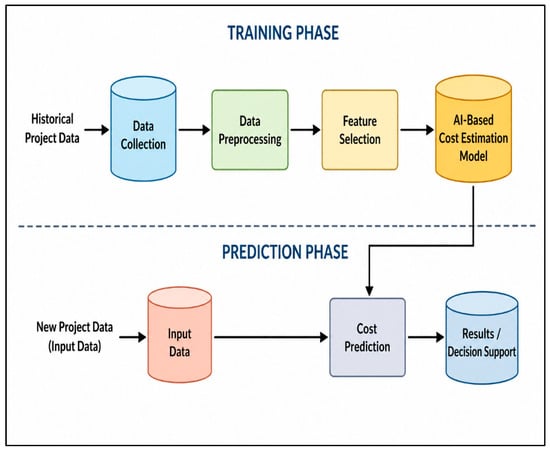
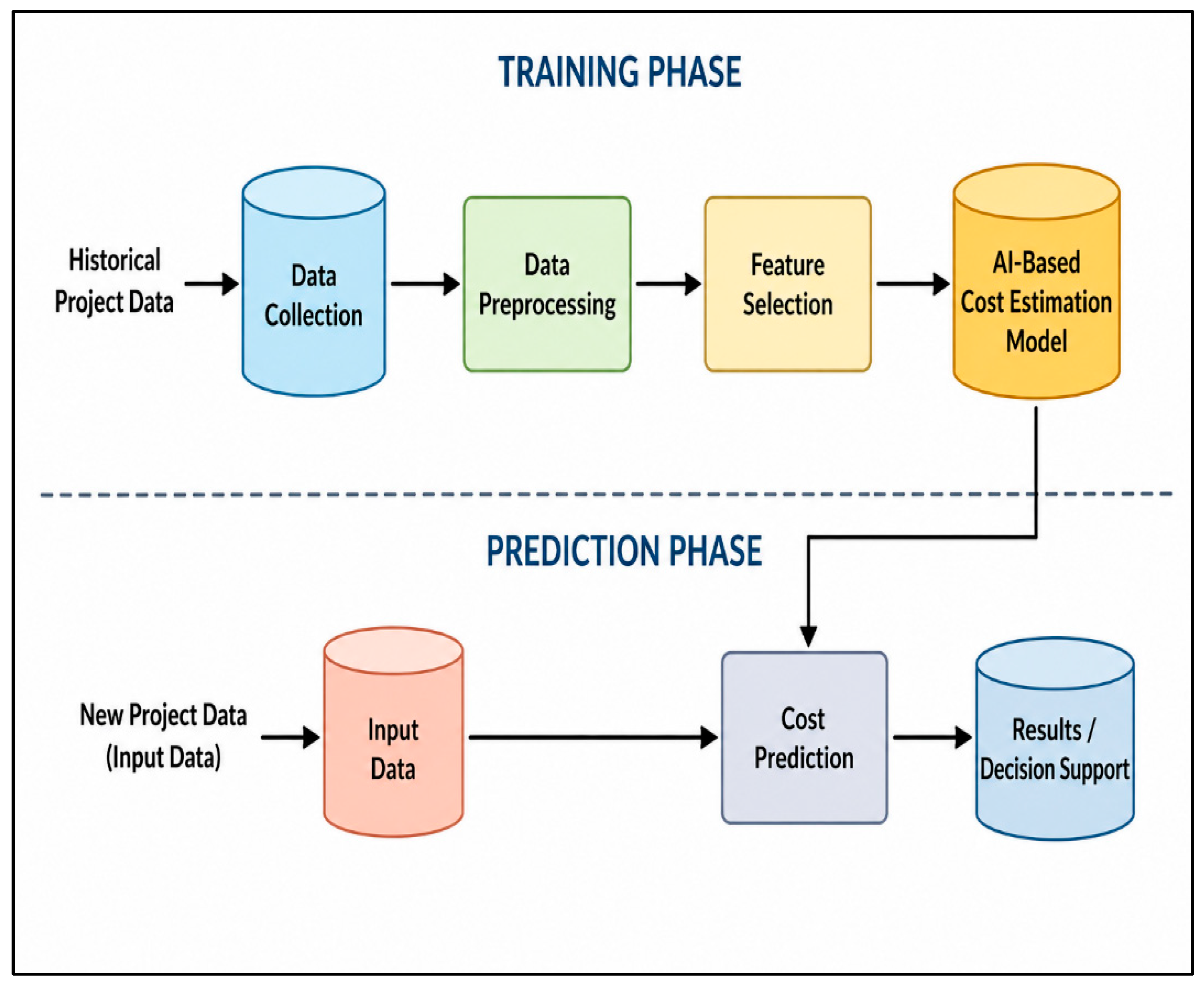
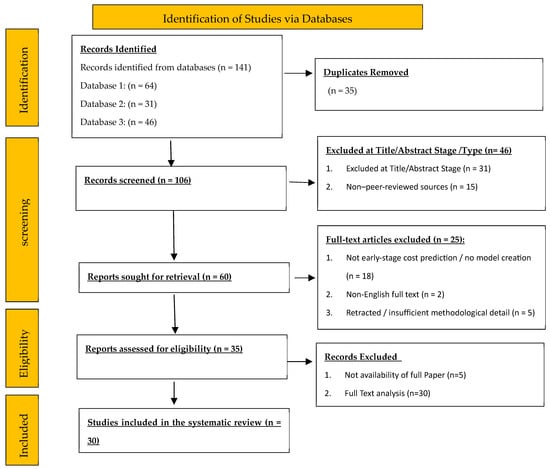
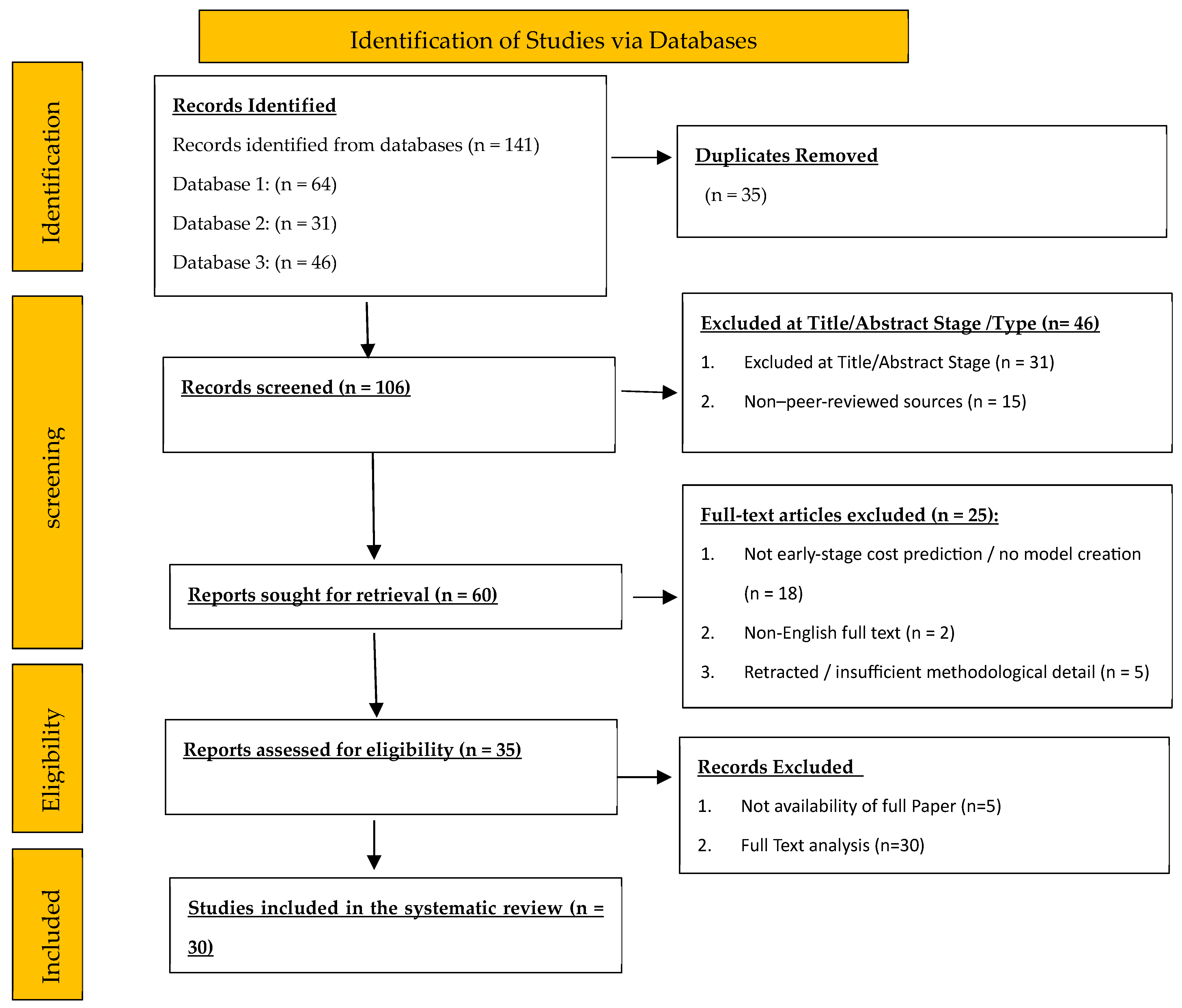
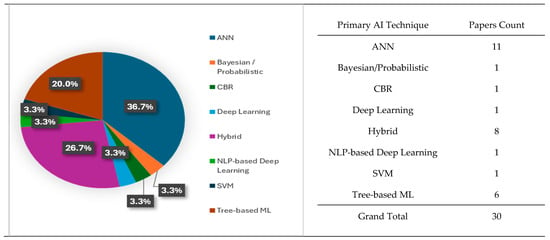
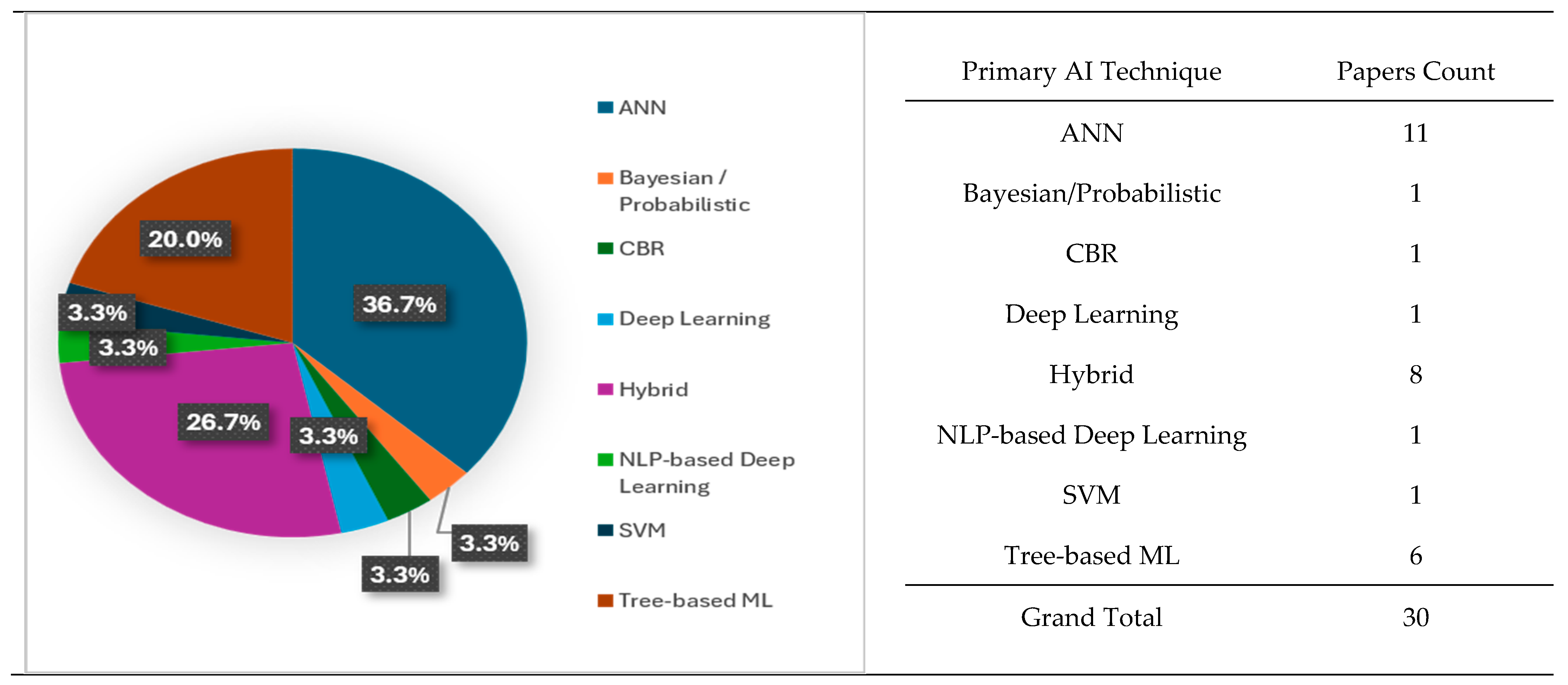
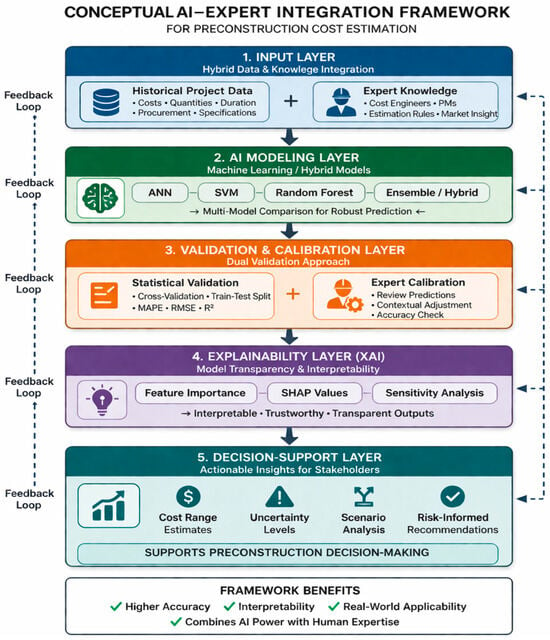
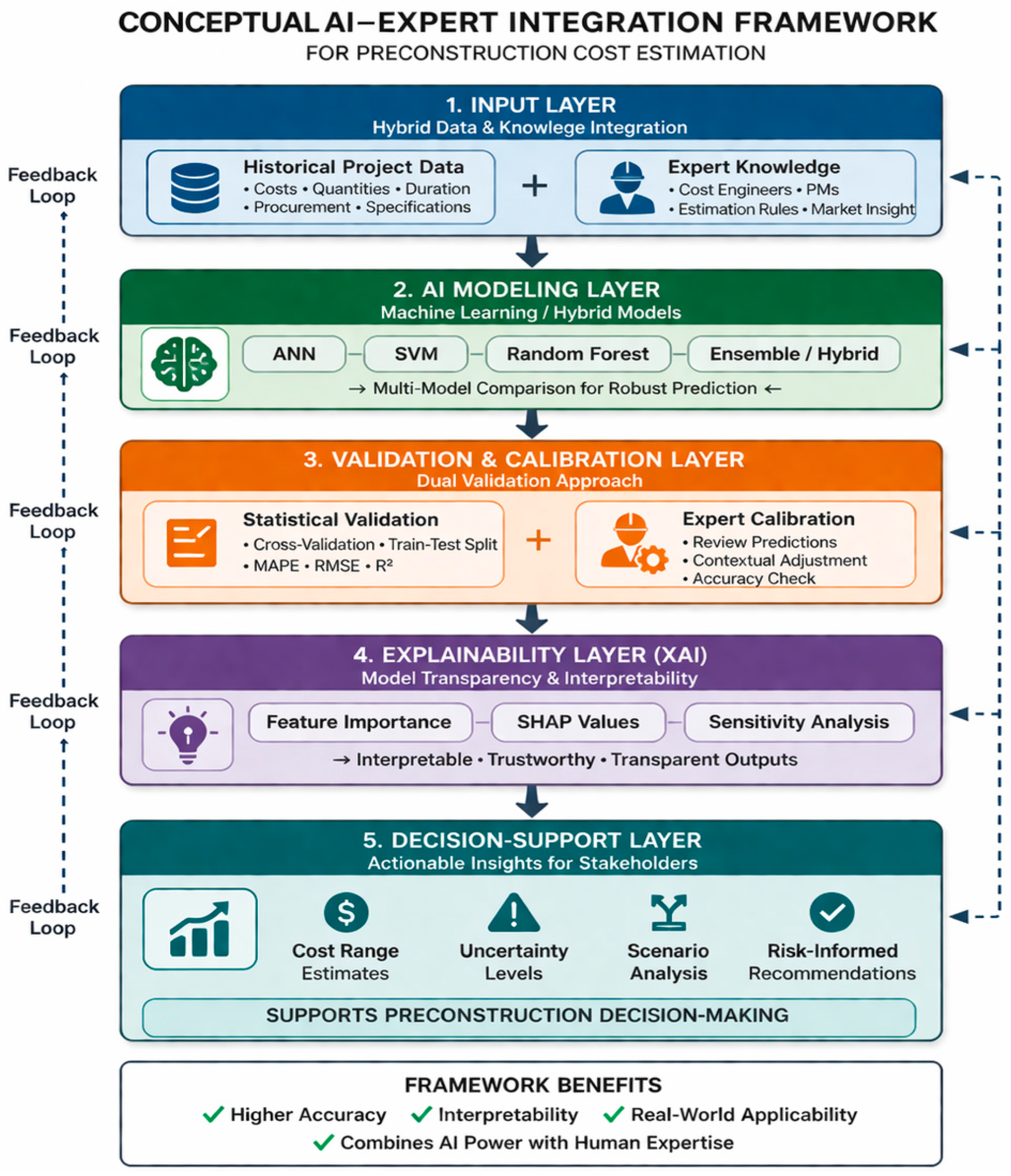

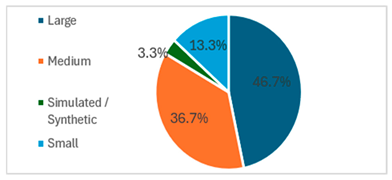
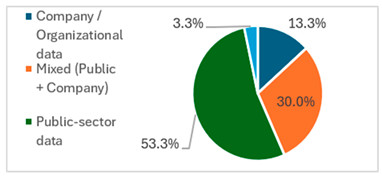
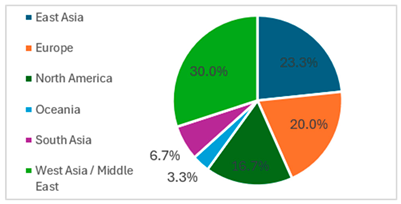
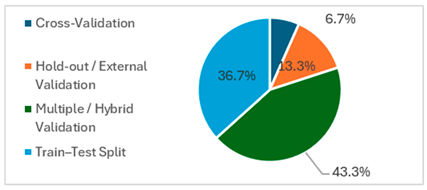
Disclaimer/Publisher’s Note: The statements, opinions and data contained in all publications are solely those of the individual author(s) and contributor(s) and not of MDPI and/or the editor(s). MDPI and/or the editor(s) disclaim responsibility for any injury to people or property resulting from any ideas, methods, instructions or products referred to in the content. |
© 2026 by the authors. Licensee MDPI, Basel, Switzerland. This article is an open access article distributed under the terms and conditions of the Creative Commons Attribution (CC BY) license.