


Abstract
Partnership development has become increasingly important in Design–Build government building projects due to the need for effective collaboration among project stakeholders. However, limited studies have examined how partnership maturity mediates the relationship between collaborative factors and project performance. This study investigates the effects of relationship factors, process factors, and environmental factors on partnership maturity and project performance in Design–Build government building projects. A mixed-methods approach was employed, combining a questionnaire survey of 214 professionals involved in Design–Build projects with Structural Equation Modelling–Partial Least Squares (SEM-PLS) analysis and expert validation through Focus Group Discussions. The results indicate that relationship factors, process factors, and environmental factors significantly influence partnership maturity, with process factors exerting the strongest effect (β = 0.403). Relationship factors demonstrated the strongest direct influence on project performance (β = 0.376), followed by partnership maturity (β = 0.208), process factors (β = 0.202), and environmental factors (β = 0.167). The model exhibited strong explanatory power, with R2 values of 0.851 for partnership maturity and 0.800 for project performance. The mediation analysis revealed that partnership maturity significantly mediated only the relationship between process factors and project performance. The study contributes to construction management literature by introducing partnership maturity as a selective mediating mechanism in Design–Build projects and provides practical guidance for strengthening collaborative processes to improve project performance in government building projects.
1. Introduction
The construction industry continues to experience rapid development driven by increasing infrastructure demand, urbanization, technological advancement, and economic growth. These developments have resulted in more complex projects that require efficient coordination among multiple stakeholders while maintaining project objectives related to time, cost, quality, safety, and sustainability. Consequently, project owners increasingly seek procurement systems that can improve integration and collaboration throughout the project lifecycle. Traditional procurement methods are often challenged by fragmented responsibilities, lengthy project durations, and coordination difficulties among project participants [1,2,3,4].
Among various project delivery systems, Design Build (DB) has emerged as one of the most widely adopted approaches for delivering complex construction projects. Unlike the traditional Design Bid Build (DBB) method, which separates design and construction responsibilities into different contractual arrangements, the Design Build approach integrates both functions under a single contractual entity [5,6]. This integration establishes a single point of responsibility and encourages collaboration between designers and contractors from the early stages of project development. Previous studies have shown that Design Build projects can improve schedule performance, reduce disputes, enhance constructability, and provide greater opportunities for value engineering compared with traditional delivery systems [7,8,9,10,11].
The successful implementation of Design Build procurement has been reported in several countries. In the United States, Design Build has become a preferred procurement method for public-sector projects because of its ability to accelerate project delivery and improve project outcomes [12,13]. Similar trends have been observed in Japan, Singapore, and South Korea, where integrated procurement approaches have been extensively applied in transportation infrastructure, public facilities, and large-scale urban development projects [14]. The effectiveness of these projects is frequently supported by collaborative contracting practices, early stakeholder involvement, and the implementation of Building Information Modelling (BIM) technologies [15,16].
In Indonesia, the adoption of Design Build procurement has increased significantly during the last decade, particularly in government building construction projects. This development has been supported by Law Number 2 of 2017 concerning Construction Services and subsequent regulations issued by the Ministry of Public Works and Housing, which recognize Design Build as an integrated construction service delivery system for complex and strategic projects. Design–Build procurement is expected to improve project efficiency, shorten project duration, and enhance coordination among project stakeholders [17,18,19,20].
Despite these anticipated advantages, Design–Build projects in Indonesia continue to face several performance challenges. Delays, design revisions during construction, coordination difficulties, and communication problems remain common in many projects. These issues indicate that contractual integration alone does not automatically guarantee effective collaboration between designers and contractors. In practice, partnerships are frequently established to satisfy procurement requirements rather than to create genuine collaborative relationships. Consequently, communication problems, unclear responsibilities, conflicting objectives, and ineffective coordination mechanisms continue to affect project implementation [21,22,23].
The effectiveness of Design–Build projects depends heavily on the quality of collaboration established between designers and contractors. Successful partnerships require mutual trust, commitment, transparent communication, information sharing, and alignment of project goals [24,25]. When these conditions are absent, project participants often experience misunderstandings, delayed decision-making, reduced efficiency, and increased project risks. Previous studies have highlighted those collaborative relationships significantly influence project outcomes and can contribute to improved project performance when properly managed [26,27,28,29].
To provide an initial understanding of the current implementation of Design–Build procurement in Indonesia, this study conducted a preliminary assessment of twelve government building projects completed between 2022 and 2024. The projects comprised three Design–Bid–Build (DBB) projects and nine Design–Build (DB) projects. The projects were purposively selected because they represented completed government building projects implemented under the two procurement systems during the study period and had sufficient publicly available project documentation for comparative assessment.
The preliminary comparison focused on schedule performance because timely project delivery is one of the principal objectives of Design–Build procurement. Project performance was classified into two categories: on time or completed earlier than scheduled, and delayed. This classification was established by comparing the planned completion schedule specified in the project contract with the actual completion status reported in project implementation documents and official project records. The objective of this preliminary assessment was not to perform a statistical comparison between the two procurement systems but to provide practical background evidence illustrating the current performance of Design–Build government building projects in Indonesia and to motivate the subsequent empirical investigation.
Figure 1 provides a contextual overview of project completion characteristics between Design–Build (DB) and Design–Bid–Build (DBB) government building projects. The observed differences represent preliminary project conditions within the investigated cases and should not be interpreted as evidence that one delivery method is superior to another. Project performance variations may be influenced by several factors, including project complexity, stakeholder involvement, organizational conditions, and implementation environments. Therefore, this comparison is intended only to provide contextual motivation for examining collaborative mechanisms within Design–Build projects. This study does not aim to compare the effectiveness of DB and DBB procurement systems but focuses on understanding how relationship factors, process factors, and environmental factors contribute to partnership maturity and project performance in Design–Build government building projects.
Figure 1.
Contextual overview of project completion characteristics between Design–Bid–Build and Design–Build government building projects (2022–2024).
Several studies have investigated Design–Build project performance, procurement strategies, contractual arrangements, and risk management practices. However, most previous studies have focused on direct relationships between organizational factors and project outcomes. Limited research has examined the mechanisms through which collaborative factors influence project performance, particularly within government building projects in developing countries. Furthermore, the role of partnership maturity as a mediating construct remains insufficiently explored in the Design–Build literature. Partnership maturity refers to the extent to which collaborative relationships are systematically developed, institutionalized, and continuously improved throughout project implementation. Mature partnerships are characterized by effective communication, mutual trust, shared objectives, collaborative problem-solving, and strong organizational commitment. Within Design–Build environments, partnership maturity may represent a critical mechanism that transforms favorable relationship conditions into improved project outcomes. However, empirical evidence regarding the mediating role of partnership maturity remains limited, particularly in the context of government building projects.
Figure 2 presents the conceptual positioning of this research. Previous studies have predominantly examined the direct influence of collaborative factors on project performance. Limited attention has been given to partnership maturity as an intermediate mechanism that explains how relationship factors, process factors, and environmental factors contribute to project success. This study addresses this gap by proposing partnership maturity as a mediating construct within the Design–Build project environment. Accordingly, this study aims to achieve three objectives. First, it examines the influence of relationship factors, process factors, and environmental factors on partnership maturity. Second, it investigates the effect of partnership maturity on project performance. Third, it develops a designer–contractor partnership model that can support the successful implementation of Design–Build government building projects.
Figure 2.
Research gap and conceptual positioning of the study.
This study contributes to both theory and practice. From a theoretical perspective, it extends the existing literature on collaborative project management by introducing partnership maturity as a mediating mechanism linking organizational and relational factors to project performance. From a practical perspective, the proposed model provides guidance for project owners, designers, contractors, and policymakers seeking to strengthen collaborative relationships and improve Design–Build project outcomes. Ultimately, the study offers a framework that can support more effective partnership strategies and contribute to the successful delivery of government building projects in Indonesia. Although previous studies have extensively examined the effects of collaboration, partnering practices, and Design–Build procurement on construction project performance, most have focused primarily on direct relationships among these variables. Limited attention has been given to the developmental process through which collaborative conditions evolve into mature partnerships capable of improving project outcomes, particularly in government building projects. Moreover, previous studies have generally treated partnership as a static organizational characteristic rather than as a measurable maturity construct that can explain how collaborative practices are translated into superior project performance.
The novelty of this study lies in three aspects. First, it introduces partnership maturity as a mediating construct linking relationship factors, process factors, and environmental factors with project performance. Second, it develops and empirically validates a partnership maturity model specifically for Design–Build government building projects using SEM-PLS and expert validation through Focus Group Discussions. Third, the study provides empirical evidence from Indonesian government building projects, thereby extending the current understanding of collaborative project delivery within the public construction sector. These contributions advance the theoretical understanding of partnership development while offering practical guidance for improving Design–Build project performance.
2. Literature Review and Hypothesis Development
2.1. Design–Build Project Delivery System
Project delivery systems determine how project stakeholders organize responsibilities, allocate risks, establish contractual relationships, and coordinate project activities throughout the project lifecycle. The selection of an appropriate project delivery system is widely recognized as a critical factor influencing project success because it affects communication efficiency, decision-making processes, and overall project performance [30]. Among the available procurement approaches, Design–Build (DB) has become increasingly popular because it integrates design and construction responsibilities within a single contractual arrangement. Unlike the traditional Design–Bid–Build (DBB) approach, which separates design and construction into different contracts, Design–Build establishes a single point of responsibility and promotes early collaboration between designers and contractors [31,32,33,34].
The integration provided by Design–Build offers several advantages, including shorter project duration, improved constructability, reduced disputes, enhanced communication, and greater opportunities for value engineering. Previous studies have reported that early involvement of contractors during the design stage improves project coordination and facilitates more efficient project execution [32]. However, the benefits of Design–Build cannot be achieved solely through contractual integration. Effective collaboration among project participants remains essential to realizing the full potential of this procurement system.
2.2. Designer–Contractor Partnership
Partnership refers to a collaborative relationship established among organizations that share resources, responsibilities, risks, and rewards in pursuit of common objectives. In construction projects, partnerships are intended to improve coordination, reduce conflicts, strengthen communication, and create mutual value among project participants [35]. Within Design–Build projects, the partnership between designers and contractors plays a particularly important role because both parties contribute directly to project planning and execution. Effective partnerships encourage information sharing, collaborative problem-solving, joint decision-making, and coordinated project delivery. Conversely, weak partnerships often lead to communication barriers, misunderstandings, duplicated efforts, and inefficiencies that negatively affect project performance [36]. Several studies have identified trust, commitment, communication quality, shared goals, and mutual understanding as fundamental elements of successful construction partnerships [37]. These elements create favorable conditions for collaboration and support the achievement of project objectives. Therefore, understanding the factors that influence partnership development is essential for improving Design–Build project performance [38].
Table 1 indicates that previous studies have generally focused on the direct effects of collaborative factors on project performance. Although trust, communication, integration, and cooperation have been widely investigated, limited attention has been given to partnership maturity as an explanatory mechanism linking collaborative conditions to project outcomes. In addition, empirical evidence from Design–Build government building projects remains limited. This study addresses these gaps by proposing partnership maturity as a mediating construct that explains how relationship, process, and environmental factors contribute to project performance.
Table 1.
Summary of Previous Studies.
2.3. Relationship Factors
Relationship factors refer to interpersonal and interorganizational conditions that facilitate collaboration among project participants. These factors commonly include trust, commitment, communication quality, mutual understanding, shared objectives, and conflict resolution mechanisms [39]. Trust is widely considered the foundation of successful collaboration because it enables project participants to exchange information openly, reduce opportunistic behavior, and support cooperative problem-solving. Commitment encourages stakeholders to invest effort and resources in maintaining collaborative relationships, while effective communication promotes information sharing and improves coordination among project participants [40]. Strong relationship factors create an environment that supports collaboration and encourages stakeholders to work toward common project goals. Consequently, favorable relationship conditions are expected to contribute positively to partnership maturity.
H1.
Relationship factors positively influence partnership maturity.
In addition to their influence on partnership development, relationship factors may directly affect project performance. High levels of trust and communication improve coordination efficiency, accelerate decision-making, and reduce disputes during project implementation.
H4.
Relationship factors positively influence project performance.
2.4. Process Factors
Process factors refer to managerial and operational mechanisms that facilitate collaboration throughout project implementation. These factors include coordination procedures, information-sharing systems, decision-making processes, joint planning activities, and performance monitoring practices [35]. Effective project processes provide a structured framework that enables project participants to coordinate activities and manage project interdependencies. Integrated planning and collaborative decision-making improve transparency, reduce uncertainty, and support timely responses to project challenges. Previous studies have reported that collaborative project processes strengthen teamwork, improve organizational learning, and contribute to superior project outcomes [41]. Therefore, process factors are expected to play an important role in strengthening partnership maturity.
H2.
Process factors positively influence partnership maturity.
Effective processes may also directly improve project performance by reducing inefficiencies, minimizing delays, and enhancing project control.
H5.
Process factors positively influence project performance.
2.5. Environmental Factors
Environmental factors represent external and organizational conditions that influence collaboration within construction projects. These factors may include organizational culture, leadership support, technological capability, regulatory frameworks, project complexity, and stakeholder environments [42]. A supportive organizational environment facilitates the implementation of collaborative practices and encourages cooperation among project participants. Leadership commitment promotes trust and teamwork, while technological tools such as Building Information Modeling (BIM) improve information integration and communication efficiency [43]. Environmental conditions shape the context in which collaborative relationships develop. Therefore, favorable environmental conditions are expected to contribute positively to partnership maturity.
H3.
Environmental factors positively influence partnership maturity.
Environmental factors may also directly affect project performance through their influence on resource availability, project coordination, and implementation effectiveness.
H6.
Environmental factors positively influence project performance.
2.6. Partnership Maturity
Partnership maturity refers to the extent to which collaborative relationships are institutionalized, integrated, and continuously improved throughout project implementation. Mature partnerships are characterized by high levels of trust, commitment, communication, cooperation, shared goals, and mutual accountability [38]. Partnership maturity reflects more than the existence of collaboration. It represents the capability of project participants to sustain effective cooperation and continuously improve collaborative practices throughout the project lifecycle. Mature partnerships enable stakeholders to manage conflicts constructively, align project objectives, share knowledge effectively, and support collective decision-making.
Previous studies have suggested that higher levels of partnership maturity contribute to improved project outcomes because they strengthen collaboration, enhance coordination, and reduce organizational barriers [44]. Although relationship factors, process factors, and partnership maturity are closely associated within collaborative construction environments, they represent distinct theoretical concepts. Relationship factors describe the interpersonal and interorganizational conditions that facilitate collaboration, such as trust, commitment, communication, and shared goals. Process factors refer to the managerial mechanisms through which collaboration is implemented, including coordination, information sharing, collaborative planning, and joint decision-making. In contrast, partnership maturity reflects the level of institutionalization and long-term capability of the partnership itself. Rather than representing individual collaborative attributes, partnership maturity captures the cumulative outcome of sustained collaborative relationships and organizational learning developed throughout project implementation. Accordingly, relationship factors and process factors are conceptualized as antecedents, whereas partnership maturity represents a higher-level organizational capability that evolves from these collaborative conditions and subsequently influences project performance. In this study, partnership maturity is conceptualized as a distinct organizational capability rather than a simple aggregation of collaborative attributes. Although relationship factors, process factors, and partnership maturity are conceptually related, they represent different stages within the development of collaborative capability in Design–Build projects. Relationship factors represent the initial relational conditions that enable collaboration, including trust, commitment, communication quality, and mutual understanding among project stakeholders. Process factors represent the managerial mechanisms through which collaboration is implemented, including coordination procedures, information exchange, collaborative planning, and joint decision-making practices.
In contrast, partnership maturity reflects the extent to which these relational and process-based conditions have been institutionalized into a stable and sustainable collaborative capability. Mature partnerships are characterized not only by the presence of trust or effective processes but also by the ability of project organizations to integrate collaboration into routine practices, maintain accountability, continuously improve cooperation mechanisms, and sustain long-term partnership performance. Therefore, partnership maturity functions as an outcome of developed collaborative capability and as a mechanism that translates collaborative resources into improved project performance.
Based on this theoretical distinction, relationship factors and process factors are treated as antecedent conditions, while partnership maturity is positioned as a mediating construct representing the transformation of collaborative inputs into project-level outcomes. This conceptualization explains why partnership maturity is not considered merely an aggregate expression of relationship quality or collaborative processes but a higher-level capability developed through continuous interaction and organizational learning within Design–Build project environments.
H7.
Partnership maturity positively influences project performance.
2.7. Project Performance
Project performance is commonly used to evaluate the success of construction projects. Traditional performance measures focus on time, cost, and quality. However, contemporary project management literature increasingly recognizes additional dimensions such as occupational health and safety, environmental performance, and stakeholder satisfaction as important indicators of project success [45]. Within Design–Build projects, project success depends not only on achieving schedule and budget targets but also on maintaining quality standards, ensuring workplace safety, minimizing environmental impacts, and satisfying client expectations. Accordingly, this study evaluates project performance using six dimensions: time performance, cost performance, quality performance, occupational health and safety performance, environmental performance, and client satisfaction.
2.8. Hypothesis Development
The collaborative project management literature suggests that relationship, process, and environmental factors may influence project performance through both direct and indirect mechanisms. While favorable collaborative conditions can directly improve project outcomes, they may also contribute to the development of partnership maturity, which subsequently enhances project performance. Partnership maturity provides the organizational capability required to transform collaborative conditions into effective project execution. Strong relationships, effective processes, and supportive environments create favorable conditions for partnership development. In turn, mature partnerships facilitate trust-based interactions, collaborative decision-making, coordinated problem-solving, and effective project delivery. Accordingly, partnership maturity is proposed as a mediating mechanism linking collaborative factors to project performance.
H8.
Partnership maturity mediates the relationship between relationship factors and project performance.
H9.
Partnership maturity mediates the relationship between process factors and project performance.
H10.
Partnership maturity mediates the relationship between environmental factors and project performance.
Based on this theoretical distinction, the proposed research model assumes that relationship factors and process factors contribute to the development of partnership maturity through different mechanisms. Relationship factors establish the interpersonal foundation for collaboration, whereas process factors provide the organizational mechanisms required to translate collaborative intentions into effective project execution. Partnership maturity therefore represents a distinct organizational capability rather than a direct reflection of either relationship quality or collaborative processes.
3. Research Methodology
3.1. Research Design
This study employed a mixed-methods approach using a sequential explanatory design. The quantitative phase was conducted first to examine the relationships among relationship factors, process factors, environmental factors, partnership maturity, and project performance. Subsequently, the qualitative phase was undertaken through expert validation and Focus Group Discussions (FGDs) to confirm and refine the proposed partnership model. The mixed-methods approach was selected because the development of a partnership model requires both statistical evidence and practical validation. Quantitative analysis provides empirical evidence regarding the relationships among variables, while qualitative validation ensures that the proposed model reflects the realities of Design–Build project implementation. The overall research framework is presented in Figure 3.
Figure 3.
Research framework and hypotheses of the study.
Figure 3 illustrates the conceptual framework of the study. Relationship Factors (RF), Process Factors (PF), and Environmental Factors (EF) are proposed as exogenous variables. Partnership Maturity (PM) functions as a mediating variable, while Project Performance (PP) serves as the endogenous variable. The framework includes ten hypotheses representing both direct and indirect relationships among the variables.
3.2. Research Constructs
The study consists of five latent variables derived from the literature review and preliminary investigation of Design–Build government building projects.
Table 2 summarizes the latent variables included in the proposed research model. These variables were selected based on previous studies concerning construction partnering, collaborative project management, and Design–Build project delivery systems.
Table 2.
Research Constructs.
3.3. Measurement Instrument
Each latent variable was operationalized using multiple indicators adapted from previous studies and refined to fit the context of Design–Build government building projects in Indonesia. All latent constructs in this study were modeled as reflective constructs, consistent with the theoretical assumption that the observed indicators reflect the underlying latent variables rather than forming them. Accordingly, changes in the latent construct are expected to be manifested through corresponding changes in the measurement indicators. No higher-order constructs were specified in the SEM-PLS model because each construct was represented directly by its respective reflective indicators. The reflective measurement specification was selected because the indicators used in this study represent manifestations of their underlying latent constructs rather than independent components forming the constructs. For example, higher levels of relationship quality, collaborative processes, partnership maturity, and project performance are expected to be reflected through improvements in their corresponding measurement indicators. Therefore, changes in the latent constructs are assumed to cause changes in the observed indicators.
A formative specification was not adopted because the indicators were not conceptualized as separate dimensions that collectively create the constructs. Instead, the indicators represent observable expressions of broader theoretical concepts derived from Design–Build collaboration and project management literature. This specification is consistent with the objective of evaluating the strength and validity of theoretically established constructs using SEM-PLS. Although the constructs investigated in this study are conceptually related within the broader domain of collaboration, each construct represents a distinct theoretical dimension. Therefore, additional clarification was provided to distinguish the measurement domains of relationship factors, process factors, environmental factors, partnership maturity, and project performance. The conceptual distinction among these constructs is summarized in Table 3.
Table 3.
Conceptual distinction among collaborative constructs and measurement domains.
As shown in Table 3, relationship factors and process factors represent the antecedent conditions that enable collaboration, whereas partnership maturity reflects the extent to which collaborative practices have been institutionalized into a sustainable organizational capability. Therefore, partnership maturity indicators do not measure the existence of individual collaborative activities but capture the maturity level of collaborative capability developed through repeated interactions, learning processes, and continuous improvement among Design–Build project stakeholders. The measurement indicators were adapted from well-established studies on Design–Build procurement, construction partnering, collaborative project management, and project performance. The adaptation process involved reviewing the original measurement items, adjusting their wording to reflect the context of Indonesian government building projects, and ensuring conceptual consistency with the proposed research framework. Before the main survey was conducted, the questionnaire underwent expert validation through Focus Group Discussions (FGDs) and pilot testing to evaluate content relevance, clarity, and practical applicability. Feedback obtained during this process was incorporated into the final version of the research instrument.
The refinement of measurement indicators was performed through several stages. First, the initial indicators were identified based on previous studies and adjusted to the context of Design–Build government building projects. Second, expert validation through Focus Group Discussions was conducted to evaluate the relevance, clarity, and contextual suitability of each indicator. Third, the refined indicators were evaluated through SEM-PLS measurement model assessment, including indicator reliability, internal consistency reliability, convergent validity, discriminant validity, and collinearity assessment. This process ensured that the final indicators were both theoretically relevant and empirically acceptable (Table 4).
Table 4.
Measurement Instrument.
All indicators were measured using a five-point Likert scale ranging from 1 (strongly disagree) to 5 (strongly agree). The measurement instrument was reviewed by experts and subjected to validity and reliability assessment prior to the main survey.
3.4. Population and Sample
The target population consisted of professionals involved in Design–Build government building projects in Indonesia. Respondents included project managers, construction managers, site managers, design consultants, contractors, project engineers, and other professionals directly engaged in project planning and implementation. A purposive sampling technique was adopted because the study required respondents who possessed direct experience in Design–Build project delivery. Only individuals who had participated in at least one Design–Build government building project were considered eligible for inclusion in the survey. The sample size was determined based on the requirements of Structural Equation Modeling–Partial Least Squares (SEM-PLS). The final sample exceeded the minimum recommended threshold for SEM-PLS analysis, ensuring sufficient statistical power for model estimation.
3.5. Data Collection
Data collection was conducted through a structured questionnaire distributed to construction professionals involved in Design–Build government building projects. The questionnaire was designed to capture respondents’ perceptions regarding relationship factors, process factors, environmental factors, partnership maturity, and project performance. Prior to the main survey, a pilot study was conducted to assess the clarity, validity, and reliability of the measurement instrument. Feedback obtained during the pilot stage was incorporated into the final questionnaire. In addition to the questionnaire survey, secondary data from government building projects implemented between 2022 and 2024 were reviewed to provide contextual understanding of Design–Build project performance in Indonesia.
3.6. Data Analysis
The quantitative data were analyzed using Structural Equation Modeling–Partial Least Squares (SEM-PLS). This method was selected because it is suitable for exploratory model development, complex causal relationships, and mediation analysis involving multiple latent variables. The analysis was conducted in two stages. The first stage involved evaluating the measurement model (outer model) through assessments of convergent validity, discriminant validity, composite reliability, and internal consistency reliability. The second stage focused on evaluating the structural model (inner model) through path coefficient analysis, coefficient of determination (R2), effect size (f2), predictive relevance (Q2), and hypothesis testing. Bootstrapping procedures were performed to determine the statistical significance of the proposed relationships. Direct effects, indirect effects, and mediation effects were evaluated using the path coefficients and corresponding significance values. To strengthen the assessment of construct validity, additional diagnostic analyses were performed after the measurement model evaluation. These analyses included cross-loading assessment to examine indicator discrimination and collinearity assessment using outer and inner variance inflation factors (VIF). The complementary analyses were conducted to ensure that the observed relationships among the constructs were not attributable to measurement redundancy or excessive multicollinearity.
3.7. Qualitative Validation
Following the quantitative analysis, qualitative validation was conducted through a Focus Group Discussion (FGD) to evaluate the practical relevance of the proposed partnership maturity model. The FGD involved seven experts representing four stakeholder groups: academia, government agencies, consulting firms, and construction contractors. The experts were selected purposively based on three criteria: (1) a minimum of ten years of professional experience in Design–Build or government building projects, (2) direct involvement in project planning, implementation, or policy development, and (3) recognized expertise in construction management or collaborative project delivery. The FGD was conducted using a semi-structured discussion format guided by a predefined discussion protocol. The discussion focused on evaluating the relevance of the proposed constructs, the relationships among variables, the applicability of the partnership maturity model, and the practical implications of the research findings. During the discussion, participants were encouraged to provide comments, identify potential limitations, and propose improvements to the conceptual model. The FGD participants were selected using a purposive sampling approach to ensure that all experts possessed relevant knowledge and practical experience related to Design–Build government building projects. The selection criteria included professional involvement in construction project planning or implementation, experience with collaborative project delivery systems, and familiarity with stakeholder coordination processes in government construction projects.
The FGD was conducted using a semi-structured discussion format focusing on three main aspects: (1) validation of the relevance and clarity of the proposed variables and indicators, (2) evaluation of the relationships among constructs within the partnership maturity framework, and (3) assessment of the practical applicability of the proposed model in Design–Build project environments. Expert feedback obtained during the discussion was analyzed using a thematic evaluation approach by identifying recurring opinions, recommendations, and areas requiring refinement. The results of the FGD were used to improve the contextual relevance of measurement indicators, strengthen the interpretation of SEM-PLS findings, and validate the practical implementation of the final Partnership Maturity model. Therefore, the FGD served as an expert validation mechanism complementing the quantitative SEM-PLS analysis (Table 5).
Table 5.
Profile of FGD Experts.
The qualitative data were analyzed using thematic analysis. All expert comments were reviewed, grouped according to recurring themes, and compared with the quantitative findings obtained from the SEM-PLS analysis. The results of the thematic analysis were subsequently used to refine the interpretation of the findings, confirm the conceptual relationships among the constructs, and improve the practical applicability of the final partnership maturity model. The FGD served as an expert validation stage rather than an independent qualitative investigation. The expert validation process also served as a content validation procedure by confirming the relevance, clarity, and representativeness of the measurement indicators before the large-scale survey.
3.8. Research Procedure
The overall research procedure adopted in this study is presented in Figure 4.
Figure 4.
Research procedure adopted in the study.
The research procedure consisted of six main stages: (1) literature review and identification of research gaps, (2) development of the conceptual framework and hypotheses, (3) questionnaire design and pilot testing, (4) quantitative data collection and SEM-PLS analysis, (5) expert validation through Focus Group Discussions, and (6) development of the final partnership maturity model for Design–Build government building projects. The integration of quantitative findings and expert validation strengthened the credibility of the proposed model. The quantitative phase established the empirical relationships among the constructs, whereas the qualitative phase provided contextual confirmation that the proposed partnership maturity model was applicable to Design–Build government building projects in Indonesia.
4. Results
4.1. Respondent Profile
The survey targeted professionals involved in Design–Build government building projects in Indonesia. Respondents represented various stakeholder groups, including project managers, construction managers, site managers, contractors, consultants, design professionals, and owner representatives. The diversity of respondents ensured that the collected data reflected multiple perspectives regarding partnership practices and project implementation. The respondents possessed substantial professional experience in Design–Build projects, enabling them to provide informed assessments of relationship factors, process factors, environmental factors, partnership maturity, and project performance. The characteristics of the respondents are summarized in Table 6.
Table 6.
Respondent characteristics (n = 214).
Table 6 presents the demographic and professional characteristics of the respondents involved in this study. A total of 214 respondents participated in the survey, representing various professional roles and organizations involved in Design–Build government building projects. Project Managers constituted the largest group of respondents (39%), followed by Site Managers (24%), Design Consultants (18%), Project Controllers (11%), and other professional positions (8%). In terms of professional experience, most respondents had more than five years of experience in construction projects, with 43% reporting between 10 and 15 years of experience and 29% reporting between 5 and 10 years of experience. Regarding organizational affiliation, the respondents were primarily employed by state-owned contractors (41%), followed by design consultants (29%), owner or government agencies (20%), and construction management consultants or other organizations (10%). These findings indicate that the respondents possessed substantial experience and direct involvement in Design–Build government building projects, supporting the reliability and credibility of the collected data.
4.2. Measurement Model Assessment
The measurement model was evaluated to assess the validity and reliability of the constructs included in the proposed research model. The assessment followed the recommended procedures for SEM-PLS analysis, including convergent validity, discriminant validity, composite reliability, and internal consistency reliability.
Convergent validity was evaluated using outer loading values and Average Variance Extracted (AVE). All retained indicators satisfied the recommended threshold values, indicating that the indicators adequately represented their respective constructs. Reliability was assessed using Composite Reliability (CR) and Cronbach’s Alpha. The results demonstrated satisfactory reliability levels for all constructs, exceeding the minimum recommended criteria.
Table 7 presents the results of the measurement model assessment. Convergent validity was evaluated using the Average Variance Extracted (AVE), while construct reliability was assessed using Cronbach’s Alpha and Composite Reliability. All constructs satisfied the recommended threshold values, indicating that the measurement model achieved acceptable levels of validity and reliability. The results confirm that the indicators adequately represent their respective latent constructs and can therefore be used for subsequent structural model analysis. Convergent validity was established because all AVE values exceeded the recommended threshold of 0.50. Similarly, all Cronbach’s Alpha and Composite Reliability values were above 0.70, demonstrating satisfactory internal consistency reliability.
Table 7.
Measurement model assessment results.
In addition to construct reliability and convergent validity, indicator reliability was evaluated through the assessment of outer loading values. Outer loading reflects the extent to which each indicator contributes to measuring its corresponding latent construct. According to the recommended guidelines for PLS-SEM, an indicator is considered reliable when its outer loading exceeds 0.70. Higher loading values indicate stronger relationships between indicators and their respective constructs. The results of the indicator reliability assessment are presented in Table 8.
Table 8.
Indicator Reliability Assessment.
Table 8 presents the outer loading ranges for all indicators included in the research model. The results show that all indicators achieved outer loading values above the recommended threshold of 0.70, ranging from 0.717 to 0.913. These findings indicate that each indicator adequately represents its corresponding latent construct and contributes significantly to the measurement model. The highest outer loading value was observed for the Partnership Maturity construct, with indicator loadings ranging from 0.885 to 0.913. This result suggests that the indicators used to measure partnership maturity provide a strong representation of the underlying construct. Meanwhile, the lowest loading value was identified within the Process Factors construct (0.717), which nevertheless exceeded the minimum acceptable threshold and therefore remained valid for further analysis.
Overall, the indicator reliability assessment confirms that all measurement items satisfy the recommended criteria and can be retained in the model. Consequently, the measurement model demonstrates adequate indicator reliability and provides a sound basis for subsequent discriminant validity and structural model assessments. After establishing indicator reliability, construct reliability, and convergent validity, discriminant validity was assessed to determine whether each construct was empirically distinct from the other constructs included in the model. Discriminant validity ensures that a latent construct measures a unique concept and does not excessively overlap with other constructs. In this study, discriminant validity was evaluated using the Fornell–Larcker criterion. According to this criterion, the square root of the Average Variance Extracted (AVE) for each construct should be greater than its correlations with other constructs. The results of the Fornell–Larcker assessment are presented in Table 9.
Table 9.
Discriminant Validity Assessment (Fornell–Larcker Criterion).
Table 9 presents the results of the discriminant validity assessment using the Fornell–Larcker criterion. The diagonal elements represent the square roots of the AVE values for each construct, while the off-diagonal elements represent the correlations among constructs. The results indicate that most constructs satisfied the Fornell–Larcker criterion, suggesting an acceptable level of discriminant validity. The square roots of the AVE values ranged from 0.845 to 0.901, demonstrating that each construct explained a substantial proportion of the variance of its indicators. However, several correlations among the constructs were relatively high. In particular, the correlation between Process Factors and Partnership Maturity (0.887) exceeded the square root of the AVE for Process Factors (0.845). Similarly, the correlation between Relationship Factors and Partnership Maturity (0.863) was equal to the square root of the AVE for Relationship Factors (0.863). These findings indicate a strong conceptual and empirical relationship among the constructs.
This result is understandable within the context of Design–Build partnerships, where relationship quality, collaborative processes, and partnership maturity are inherently interconnected. Although the constructs exhibit a high degree of association, they remain theoretically distinct and were therefore retained in the proposed model. Consequently, the discriminant validity results should be interpreted alongside other validity assessments, particularly the Heterotrait–Monotrait Ratio (HTMT), to provide a more comprehensive evaluation of construct distinctiveness.
To further assess discriminant validity, the Heterotrait–Monotrait Ratio (HTMT) was examined. HTMT is considered a more stringent and sensitive criterion for evaluating discriminant validity than the Fornell–Larcker criterion. According to the recommended guidelines, HTMT values should generally remain below 0.90 to indicate adequate discriminant validity between constructs. Higher values suggest that two constructs may not be sufficiently distinct from one another. The results of the HTMT assessment are presented in Table 10.
Table 10.
Heterotrait–Monotrait Ratio (HTMT).
Table 10 presents the results of the HTMT analysis. Several HTMT values exceeded the recommended threshold of 0.90, indicating strong empirical relationships among certain constructs. The highest HTMT value was observed between Process Factors and Partnership Maturity (0.957), followed by Environmental Factors and Process Factors (0.947), and Environmental Factors and Partnership Maturity (0.944). These findings suggest that several constructs within the model are closely related conceptually and empirically. This result is consistent with the characteristics of Design–Build partnerships, where relationship quality, collaborative processes, organizational environment, and partnership maturity operate in an integrated manner and jointly contribute to project success. Consequently, respondents may perceive these constructs as highly interconnected aspects of collaborative project implementation. Although several HTMT values among collaboration-related constructs were relatively high, these results were interpreted by considering both statistical evidence and theoretical justification. High correlations among relationship factors, process factors, and partnership maturity are theoretically expected because these constructs represent interconnected dimensions within collaborative Design–Build project environments. However, conceptual relatedness does not necessarily indicate construct redundancy.
Additional assessments were therefore conducted to ensure that each construct retained its distinct empirical meaning. The cross-loading results confirmed that all indicators achieved their highest loading values on their intended constructs, while the collinearity assessment demonstrated that the constructs did not suffer from critical multicollinearity problems. These findings indicate that although the constructs are closely associated, they capture different aspects of collaboration. Relationship factors represent the relational foundation among stakeholders, process factors describe the mechanisms through which collaboration is implemented, whereas partnership maturity reflects the institutionalized capability resulting from sustained collaborative interactions. Therefore, the constructs were retained separately in the structural model because their distinction is supported by theoretical reasoning and complementary measurement assessments. Although several HTMT values exceeded the recommended threshold of 0.90, additional validity assessments were conducted to further evaluate construct distinctiveness. Specifically, cross-loading analysis demonstrated that every indicator exhibited its highest loading on the intended construct, indicating that the measurement items remained empirically associated with their respective latent variables. These results provide additional evidence that the indicators adequately represent the constructs despite the relatively high correlations among several latent variables. Furthermore, collinearity assessment showed that the outer variance inflation factor (VIF) values for all indicators remained below the recommended threshold of 5, indicating that multicollinearity at the indicator level was not a serious concern. Although several inner VIF values were relatively high, this finding is consistent with the theoretical relationships among collaborative constructs in Design–Build projects, where relationship quality, collaborative processes, environmental support, and partnership maturity are expected to interact closely within an integrated project delivery environment.
Taken together, the cross-loading results, collinearity assessment, and theoretical foundation support the retention of all constructs in the proposed model. Therefore, the relatively high HTMT values are interpreted as reflecting strong conceptual relatedness among collaborative dimensions rather than inadequate measurement quality. Nevertheless, these findings should be interpreted with appropriate caution, and the close associations among the constructs are acknowledged as a limitation of the study. Although several HTMT values exceeded the recommended threshold, discriminant validity should not be evaluated using a single criterion alone. Therefore, an additional assessment was performed using cross-loading analysis to verify whether each measurement indicator was more strongly associated with its intended construct than with other latent constructs. Cross-loading analysis provides complementary evidence of construct distinctiveness and is recommended when conceptually related constructs exhibit relatively high correlations. The results are presented in Table 11.
Table 11.
Cross-Loading Assessment of Measurement Indicators.
As presented in Table 11, every indicator exhibits its highest loading on the construct it was designed to measure. For example, the indicators of Relationship Factors (X1.1–X1.6) load most strongly on the Relationship Factors construct, while the indicators representing Process Factors, Environmental Factors, Partnership Maturity, and Project Performance also demonstrate the highest loadings on their respective constructs. These results indicate that the indicators adequately discriminate among the latent variables despite the relatively high inter-construct correlations identified by the HTMT analysis. The cross-loading assessment therefore provides additional empirical support for discriminant validity and confirms that the measurement items are more strongly associated with their intended constructs than with other constructs in the model. Taken together, the Fornell–Larcker criterion, HTMT analysis, and cross-loading assessment suggest that the measurement model is acceptable for subsequent structural model evaluation. Nevertheless, the relatively high HTMT values indicate that several collaborative constructs remain conceptually close, which should be considered when interpreting the structural relationships.
4.3. Structural Model Assessment
After confirming the adequacy of the measurement model, the structural model was evaluated to examine the relationships among the latent constructs included in the proposed framework. Structural model assessment was conducted by examining the coefficient of determination (R2), effect size (f2), model fit, and hypothesis testing results. These analyses provide insights into the explanatory power, predictive capability, and strength of the relationships among the constructs.
4.3.1. Explanatory Power Assessment (R2)
The coefficient of determination (R2) was assessed to evaluate the explanatory power of the proposed model. R2 represents the proportion of variance in the endogenous construct that can be explained by its predictor variables. Higher R2 values indicate stronger explanatory capability of the model. The results of the coefficient of determination assessment are presented in Table 12.
Table 12.
Coefficient of Determination (R2).
Table 1 shows that the proposed model possesses substantial explanatory power. The R2 value for Partnership Maturity was 0.851, indicating that Relationship Factors, Process Factors, and Environmental Factors collectively explain 85.1% of the variance in Partnership Maturity. The remaining 14.9% is attributable to factors not included in the model. Similarly, the R2 value for Project Performance was 0.800, indicating that Relationship Factors, Process Factors, Environmental Factors, and Partnership Maturity jointly explain 80.0% of the variance in Project Performance. These findings demonstrate that the proposed framework provides a strong explanation of the factors influencing partnership maturity and project performance in Design–Build government building projects. To visualize the relationships among the constructs, the structural model obtained from the SEM-PLS analysis is presented in Figure 5. The figure illustrates the causal relationships among the latent variables and provides an overview of the proposed research framework.
Figure 5.
Structural model results obtained from SEM-PLS analysis.
Figure 5 presents the final structural model developed from the SEM-PLS analysis. The model illustrates the relationships among Relationship Factors, Process Factors, Environmental Factors, Partnership Maturity, and Project Performance. The results indicate that all proposed direct relationships are positive and statistically significant. Process Factors exerted the strongest influence on Partnership Maturity (β = 0.403), whereas Relationship Factors exerted the strongest direct influence on Project Performance (β = 0.376). The model also demonstrated substantial explanatory power, with R2 values of 0.851 for Partnership Maturity and 0.800 for Project Performance.
4.3.2. Effect Size Assessment (f2)
In addition to evaluating explanatory power, the effect size (f2) was examined to determine the contribution of each exogenous construct to the endogenous constructs. Effect size provides information regarding the substantive impact of each predictor variable. According to established guidelines, f2 values of 0.02, 0.15, and 0.35 indicate small, medium, and large effects, respectively. The results are presented in Table 10. In addition to evaluating explanatory power, the effect size (f2) was examined to determine the contribution of each exogenous construct to the endogenous constructs. Effect size provides information regarding the substantive impact of each predictor variable. According to established guidelines, f2 values of 0.02, 0.15, and 0.35 indicate small, medium, and large effects, respectively. The results are presented in Table 13.
Table 13.
Effect Size Assessment (f2).
Table 13 indicates that Process Factors exerted the largest effect on Partnership Maturity (f2 = 0.234), followed by Relationship Factors (f2 = 0.199). These findings suggest that collaborative processes and relationship quality are the most influential factors in developing mature partnerships within Design–Build projects. For Project Performance, the largest effect originated from Relationship Factors (f2 = 0.157), indicating that trust, commitment, communication, and stakeholder relationships contribute substantially to project success. Although Process Factors, Environmental Factors, and Partnership Maturity significantly influenced Project Performance, their individual effect sizes were relatively small. Nevertheless, these variables remain important contributors to the overall explanatory capability of the proposed model.
4.3.3. Structural Model Fit Evaluation
To assess the overall adequacy of the structural model, model fit indices were evaluated. In PLS-SEM, the Standardized Root Mean Square Residual (SRMR) is commonly used to assess the discrepancy between the observed and predicted correlation matrices. Lower SRMR values indicate a better model fit. The results are presented in Table 14.
Table 14.
Model Fit Assessment.
The model fit assessment demonstrates that the proposed model achieved an SRMR value of 0.049, which is below the recommended threshold of 0.08. This result indicates a good fit between the observed data and the proposed model. Furthermore, the NFI value of 0.858 suggests an acceptable level of model fit. Overall, these findings support the adequacy of the structural model and confirm its suitability for hypothesis testing.
4.3.4. Predictive Performance Evaluation
Beyond explanatory power, the predictive capability of the proposed model was also evaluated to determine its ability to generate accurate predictions for the endogenous constructs. Predictive relevance was assessed using the Q2 Predict procedure, complemented by the Root Mean Square Error (RMSE) and Mean Absolute Error (MAE). Positive Q2 Predict values indicate that the model possesses predictive relevance, whereas lower RMSE and MAE values reflect better predictive accuracy. The results are summarized in Table 15.
Table 15.
Predictive Capability Assessment.
The predictive assessment confirms that the proposed model possesses strong predictive capability. Both endogenous constructs exhibit positive Q2 Predict values substantially greater than zero, indicating meaningful predictive relevance. Moreover, the relatively low RMSE and MAE values suggest that the model produces accurate predictions with limited prediction error. The CVPAT analysis further demonstrates that the PLS-SEM model outperforms the Indicator Average benchmark and achieves predictive performance comparable to the Linear Model. These findings provide additional evidence supporting the robustness and practical applicability of the proposed partnership maturity model.
4.4. Hypothesis Testing
Hypothesis testing was conducted using the bootstrapping procedure in SEM-PLS to evaluate the significance of the proposed relationships among the constructs. The significance of each path was assessed based on the path coefficient (β), t-statistic, and p-value. A hypothesis was considered supported when the t-statistic exceeded 1.96 and the p-value was below 0.05. The results of the hypothesis testing are presented in Table 16.
Table 16.
Hypothesis Testing Results.
Table 16 shows that all direct relationships proposed in the research model were statistically significant. All path coefficients were positive, indicating that improvements in relationship factors, process factors, environmental factors, and partnership maturity contribute positively to project performance and partnership development. Among the antecedents of Partnership Maturity, Process Factors exhibited the strongest influence (β = 0.403, t = 6.484, p < 0.001), followed by Relationship Factors (β = 0.333, t = 5.660, p < 0.001) and Environmental Factors (β = 0.249, t = 4.008, p < 0.001). These findings indicate that effective coordination mechanisms, collaborative procedures, information sharing, and project management processes play a critical role in developing mature partnerships within Design–Build projects.
Regarding Project Performance, Relationship Factors exerted the strongest direct influence (β = 0.376, t = 3.933, p < 0.001), followed by Partnership Maturity (β = 0.208, t = 2.022, p = 0.043), Process Factors (β = 0.202, t = 2.127, p = 0.033), and Environmental Factors (β = 0.167, t = 2.155, p = 0.031). These results highlight the importance of trust, commitment, communication quality, and collaborative relationships in achieving successful project outcomes. Overall, the findings support all seven direct-effect hypotheses (H1–H7). The results confirm that collaborative conditions represented by relationship factors, process factors, and environmental factors significantly influence partnership maturity and project performance in Design–Build government building projects. Furthermore, partnership maturity itself contributes positively to project performance, supporting its role as a critical mechanism within collaborative project delivery.
4.5. Mediation Analysis
To evaluate the mediating role of Partnership Maturity, the indirect effects were examined using the SEM-PLS bootstrapping procedure. The significance of each mediation relationship was evaluated based on the indirect effect coefficient, t-statistic, and p-value at a significance level of 0.05. The mediation analysis results are presented in Table 17.
Table 17.
Mediation Analysis Results.
Table 17 presents the mediation analysis results. The findings indicate that Partnership Maturity significantly mediates the relationship between Process Factors and Project Performance (β = 0.084; t = 1.983; p = 0.047), supporting H9. Meanwhile, the indirect effects of Relationship Factors (β = 0.069; t = 1.776; p = 0.076) and Environmental Factors (β = 0.052; t = 1.776; p = 0.076) through Partnership Maturity are not statistically significant. Therefore, H8 and H10 are not supported. These results confirm that Partnership Maturity functions as a selective mediating mechanism, where structured collaborative processes contribute to project performance through the development of mature partnership capabilities.
The findings also suggest that relationship quality and environmental conditions exert their influence on project performance primarily through direct mechanisms rather than through partnership maturity. While trust, commitment, communication, leadership support, and organizational conditions remain important determinants of project success, their indirect effects through partnership maturity were not sufficiently strong to establish significant mediation relationships. Overall, the mediation analysis confirms that Partnership Maturity functions as a selective mediating mechanism within the proposed framework. Its primary role lies in translating effective collaborative processes into improved project performance, thereby reinforcing the importance of structured partnership management in Design–Build government building projects. The findings indicate that Process Factors exert the strongest influence on Partnership Maturity. This result suggests that partnership development in Design–Build government building projects depends not only on interpersonal relationships but also on the effectiveness of collaborative management practices. Integrated planning, coordinated workflows, transparent information sharing, and joint decision-making provide structured mechanisms that enable project participants to transform collaborative intentions into sustained organizational practices. As these collaborative processes become institutionalized throughout project implementation, partnership maturity develops progressively and becomes embedded within the project organization. This finding is consistent with previous studies reporting that collaborative management processes play a central role in strengthening long-term partnerships and improving organizational integration within Design–Build projects.
In contrast, Relationship Factors demonstrate the strongest direct influence on Project Performance. This finding indicates that trust, commitment, communication quality, and shared objectives contribute directly to project execution by improving coordination efficiency, reducing conflicts, and facilitating timely decision-making. Although collaborative processes are important, strong interpersonal and interorganizational relationships enable project participants to respond more effectively to operational challenges during project implementation. Consequently, relationship quality becomes the primary driver of project performance within the Design–Build environment. This finding is consistent with previous research emphasizing that trust-based collaboration represents one of the most important determinants of successful construction project delivery. The mediation analysis provides additional insight into the collaborative mechanisms operating within Design–Build government building projects. Partnership Maturity significantly mediates only the relationship between Process Factors and Project Performance, indicating that effective collaborative processes contribute to project success both directly and indirectly through the development of mature partnerships. In contrast, the effects of Relationship Factors and Environmental Factors on Project Performance remain predominantly direct, suggesting that these factors influence project outcomes without necessarily requiring the development of higher partnership maturity. These findings highlight the distinct functional roles of collaborative processes and relational conditions within Design–Build project delivery. The mediation findings provide additional theoretical insight into the collaborative mechanisms underlying Design–Build government building projects. Although Relationship Factors and Environmental Factors significantly influence Project Performance through direct structural relationships, their indirect effects through Partnership Maturity were not statistically significant. This finding suggests that trust, communication quality, organizational commitment, leadership support, and external project conditions contribute directly to project outcomes without necessarily requiring the development of a mature collaborative partnership.
In contrast, Partnership Maturity significantly mediates the relationship between Process Factors and Project Performance. This result indicates that collaborative processes, including integrated planning, transparent communication, coordinated decision-making, and systematic problem-solving, strengthen project performance primarily by facilitating the gradual development of mature partnerships among project stakeholders. These findings are consistent with previous Design–Build and collaborative construction studies, which emphasize that structured collaborative processes provide the organizational foundation for long-term cooperation and improved project outcomes. However, the present study extends previous research by demonstrating that partnership maturity functions as a selective mediating mechanism rather than a universal mediator across all collaborative dimensions.
The results also indicate that different collaborative dimensions perform distinct functions within Design–Build project delivery. Relationship Factors primarily enhance project performance through direct interpersonal and interorganizational interactions, whereas Process Factors improve project performance by fostering the organizational capability represented by Partnership Maturity. This distinction contributes to a more comprehensive understanding of collaboration in Design–Build procurement and provides additional theoretical evidence supporting the proposed partnership maturity framework. To provide a more comprehensive evaluation of the mediation mechanism, the indirect effects were further examined using the bootstrapping procedure. In addition to the indirect effect coefficients, the corresponding t-values, p-values, and 95% bootstrapped confidence intervals were evaluated for all indirect relationships. The results are presented in Table 18.
Table 18.
Specific Indirect Effects (Bootstrapping Results).
As presented in Table 18, Partnership Maturity significantly mediates only the relationship between Process Factors and Project Performance (β = 0.084; t = 1.983; p = 0.047). In contrast, the indirect effects of Relationship Factors and Environmental Factors are not statistically significant because their p-values exceed the 0.05 significance level. These findings indicate that structured collaborative processes strengthen project performance through the development of Partnership Maturity, whereas Relationship Factors and Environmental Factors primarily influence Project Performance through direct organizational and interpersonal mechanisms. Consequently, Partnership Maturity functions as a selective mediating mechanism rather than a universal mediator across all collaborative dimensions.
4.6. Final Partnership Maturity Model
Based on the results of the measurement model assessment, structural model assessment, hypothesis testing, and mediation analysis, a final partnership maturity model was developed. The model integrates the significant relationships identified through the SEM-PLS analysis and provides a comprehensive representation of the factors influencing partnership maturity and project performance in Design–Build government building projects.
Figure 6 presents the final partnership maturity model developed from the empirical findings of this study. The model demonstrates that Relationship Factors, Process Factors, and Environmental Factors significantly influence Partnership Maturity. In addition, all three factors directly affect Project Performance. However, the strongest influence on Partnership Maturity originates from Process Factors, while Relationship Factors exert the strongest direct influence on Project Performance. The model further reveals that Partnership Maturity contributes positively to Project Performance and acts as a significant mediator only in the relationship between Process Factors and Project Performance. This finding emphasizes that mature partnerships are primarily developed through effective collaborative processes and that these mature partnerships subsequently improve project outcomes.
Figure 6.
Final partnership maturity model for Design–Build government building projects.
The proposed model provides practical guidance for project owners, contractors, consultants, and policymakers seeking to improve Design–Build project performance. By strengthening collaborative processes and fostering partnership maturity, project stakeholders can enhance coordination effectiveness, improve communication quality, reduce conflicts, and ultimately achieve superior project outcomes. The final partnership maturity model represents the integration of the statistical relationships identified through the SEM-PLS analysis with the practical characteristics of Design–Build government building projects. Rather than viewing collaboration solely as a collection of independent organizational factors, the proposed model conceptualizes partnership maturity as a collaborative capability that develops through continuous interaction among relationship quality, collaborative processes, and the surrounding project environment. This integrated perspective extends previous Design–Build collaboration studies by emphasizing the developmental nature of partnership maturity within complex public-sector construction projects.
Compared with previous international studies, the proposed model confirms that trust, communication, collaborative processes, and organizational support remain fundamental determinants of successful Design–Build implementation. However, this study provides additional evidence that collaborative processes constitute the primary mechanism through which mature partnerships are developed, whereas relationship quality exerts the strongest direct influence on project performance. These findings demonstrate that different collaborative dimensions contribute to project success through different organizational pathways rather than through a single homogeneous mechanism.
From a practical perspective, the proposed model provides guidance for government agencies, project owners, contractors, consultants, and construction management teams seeking to improve Design–Build project performance. Strengthening collaborative planning, information sharing, coordinated decision-making, and organizational commitment can accelerate the development of partnership maturity, thereby creating more sustainable collaborative relationships and improving project delivery outcomes. Consequently, the model may serve not only as a theoretical framework for future research but also as a practical reference for evaluating and strengthening collaborative performance in Design–Build government building projects. Although Partnership Maturity demonstrates a statistically significant positive effect on Project Performance, its direct contribution remains relatively modest compared with Relationship Factors. This finding suggests that mature partnerships function primarily as an enabling organizational capability rather than an independent performance driver. In practice, Partnership Maturity creates favorable conditions for collaboration by strengthening organizational learning, institutionalizing collaborative routines, and facilitating coordinated decision-making. However, successful project delivery continues to depend largely on the quality of interpersonal relationships, effective communication, and day-to-day project management practices. Therefore, Partnership Maturity should be viewed as a complementary capability that reinforces, rather than replaces, the direct influence of collaborative relationship quality on project performance.
To facilitate the practical implementation of the proposed model, each stakeholder in Design–Build government building projects has a distinct role in strengthening Partnership Maturity. Public owners should establish integrated procurement planning, encourage early contractor involvement, and promote transparent governance throughout the project lifecycle. Designers and contractors should implement collaborative design reviews, structured information-sharing platforms, and joint decision-making procedures to improve coordination and minimize design–construction conflicts. Project managers should institutionalize regular coordination meetings, collaborative performance monitoring, risk-sharing mechanisms, and accountability systems to sustain partnership quality throughout project execution. Collectively, these managerial practices can accelerate the development of Partnership Maturity and contribute to improved project performance in Design–Build government building projects. The proposed Partnership Maturity model provides practical guidance for stakeholders involved in Design–Build government building projects by identifying the collaborative factors that should be managed to improve project performance. For project owners, the model can be used as an evaluation framework to assess the readiness and maturity level of collaboration among project participants before and during project implementation. By understanding the maturity of partnerships, owners can identify weaknesses in coordination, communication, and collaborative practices that may affect project outcomes.
For contractors and consultants, the model provides insights into the importance of developing structured collaborative processes, effective information sharing mechanisms, and continuous improvement practices. The findings highlight that successful Design–Build implementation depends not only on contractual integration but also on the ability of project stakeholders to establish mature partnership capabilities. However, the application of this model should consider differences in project characteristics, organizational environments, procurement regulations, and stakeholder cultures. Since this study focused on government building projects, further validation in other construction sectors and project delivery systems is recommended to improve the generalizability and adaptability of the proposed Partnership Maturity model.
5. Conclusions
This study investigated the relationships among relationship factors, process factors, environmental factors, partnership maturity, and project performance in Design–Build government building projects. Using a mixed-methods approach and SEM-PLS analysis, the study developed and validated a partnership maturity model that explains how collaborative conditions influence project performance. The findings revealed that relationship factors, process factors, and environmental factors significantly influence partnership maturity. Among these variables, process factors exerted the strongest effect on partnership maturity (β = 0.403), indicating that coordination mechanisms, collaborative planning, information sharing, and joint decision-making play critical roles in the development of mature partnerships. The results also showed that relationship factors had the strongest direct influence on project performance (β = 0.376), highlighting the importance of trust, commitment, communication quality, and shared goals in achieving successful project outcomes. Unlike previous studies that primarily examined direct effects among collaborative variables, this study demonstrates that partnership maturity functions as a selective mediating mechanism through which collaborative processes contribute to project performance. The findings provide a more comprehensive explanation of how collaborative capabilities are developed and transformed into improved project outcomes, thereby extending the existing literature on Design–Build project management and collaborative construction practices.
The study further demonstrated that partnership maturity positively influences project performance (β = 0.208). However, the mediation analysis indicated that partnership maturity significantly mediated only the relationship between process factors and project performance. No significant mediation effects were observed for relationship factors or environmental factors. These findings suggest that effective collaborative processes not only improve project performance directly but also contribute to project success through the development of mature partnerships. From a theoretical perspective, this study contributes to the construction management literature by introducing partnership maturity as an intermediary construct within Design–Build government building projects. The proposed model extends existing knowledge by explaining how collaborative conditions are transformed into improved project outcomes through partnership development. Furthermore, the study provides empirical evidence from government building projects, a context that has received limited attention in previous partnership and Design–Build research. From a practical perspective, the findings suggest that project owners, contractors, consultants, and government agencies should prioritize the development of collaborative processes to strengthen partnership maturity and improve project performance. Particular attention should be given to integrated planning, transparent information sharing, effective coordination mechanisms, and collaborative decision-making throughout project implementation. These practices can help establish sustainable partnerships that support successful project delivery.
This study has several limitations. First, the research focused exclusively on Design–Build government building projects in Indonesia, which may limit the generalizability of the findings to other procurement systems or construction sectors. Second, the study relied primarily on cross-sectional survey data collected from project professionals. Future studies may incorporate longitudinal data and comparative analyses across different project delivery systems to further validate and extend the proposed partnership maturity model. Additional research may also explore other organizational and behavioural factors that could influence partnership maturity and project performance in collaborative construction environments. Although additional discriminant validity assessments supported the distinction among the constructs, the relatively high HTMT values indicate strong theoretical relationships among collaboration-related variables. Therefore, future studies may further examine these constructs across different project contexts to refine their conceptual boundaries and improve measurement generalizability.
Author Contributions
Conceptualization, A.S., A.P.I. and E.M.S.; methodology, A.S. and O.F.J.; formal analysis, A.S. and O.F.J.; investigation, A.S.; data curation, A.S.; validation, A.P.I. and E.M.S.; writing—original draft preparation, A.S. and O.F.J.; writing—review and editing, A.P.I. and E.M.S.; supervision, A.P.I. and E.M.S. All authors have read and agreed to the published version of the manuscript.
Funding
This research received no external funding.
Data Availability Statement
The data presented in this study are available from the corresponding author upon reasonable request.
Acknowledgments
The authors would like to express their gratitude to all respondents and experts who participated in this study and contributed valuable insights during the data collection and validation processes.
Conflicts of Interest
The authors declare no conflicts of interest.
References
- Goftar, N.V.; El Asmar, M.; Bingham, E. A Meta-Analysis of Literature Comparing Project Performance between Design-Build (DB) and Design-Bid-Build (DBB) Delivery Systems. In Proceedings of the Construction Research Congress 2014: Construction in a Global Network, Atlanta, Georgia, 19–21 May 2014. [Google Scholar] [CrossRef] [Scilit]
- Okere, G. Comparison of DB to DBB on highway projects in Washington State, USA. Int. J. Constr. Supply Chain Manag. 2018, 8, 73–86. [Google Scholar] [CrossRef] [Scilit]
- El Asmar, M.; Lotfallah, W.; Whited, G.; Asce, M.; Hanna, A.S.; Asce, F. Quantitative Methods for Design-Build Team Selection. J. Constr. Eng. Manag. 2010, 136, 904–912. [Google Scholar] [CrossRef] [Scilit]
- Sari, E.M.; Bigwanto, A.; Wibowo, M.A.; Thohirin, A.; Al Fath, A.A. A comparation: Implementation lean construction between design bid build and design bid build government project in Indonesia. Int. J. Innov. Res. Sci. Stud. 2025, 8, 2285–2294. [Google Scholar] [CrossRef] [Scilit]
- Calahorra-Jimenez, M.; Molenaar, K.; Torres-Machi, C.; Chamorro, A.; Alarcón, L.F. Structured Approach for Best-Value Evaluation Criteria: US Design–Build Highway Procurement. J. Manag. Eng. 2020, 36, 04020086. [Google Scholar] [CrossRef] [Scilit]
- Sullivan, J.; El Asmar, M.; Chalhoub, J.; Obeid, H. Two Decades of Performance Comparisons for Design-Build, Construction Manager at Risk, and Design-Bid-Build: Quantitative Analysis of the State of Knowledge on Project Cost, Schedule, and Quality. J. Constr. Eng. Manag. 2017, 143, 04017009. [Google Scholar] [CrossRef] [Scilit]
- Chen, Q.; Jin, Z.; Xia, B.; Wu, P.; Skitmore, M. Time and Cost Performance of Design–Build Projects. J. Constr. Eng. Manag. 2016, 142, 04015074. [Google Scholar] [CrossRef] [Scilit]
- El Asmar, M.; Hanna, A.S.; Loh, W.Y. Comparison of project performance between design–build and design–bid–build. J. Constr. Eng. Manag. 2016, 142, 4016056. [Google Scholar] [CrossRef] [Scilit]
- Bigwanto, A.; Widayati, N.; Wibowo, M.A.; Sari, E.M. Lean Construction: A Sustainability Operation for Government Projects. Sustainability 2024, 16, 3386. [Google Scholar] [CrossRef] [Scilit]
- Sari, E.M.; Irawan, A.P.; Wibow, M.A.; Purwanto, S.K.; Sutawidjaya, A.H.; Dewi, M.P.; Santoso, J.T. Design bid build to integrated project delivery: Strategic formulation to increase partnering. J. Infrastruct. Policy Dev. 2023, 8, 2242. [Google Scholar] [CrossRef] [Scilit]
- Sari, E.; Irawan, A.; Wibowo, M. Design Partnering Framework to Reduce Financial Risk in Construction Projects; European Alliance for Innovation: Gent, Belgium, 2022. [Google Scholar] [CrossRef] [Scilit]
- Zhang, Y.; Wang, J.; Hu, F.; Wang, Y. Comparison of evaluation standards for green building in China, Britain, United States. Renew. Sustain. Energy Rev. 2017, 68, 262–271. [Google Scholar] [CrossRef] [Scilit]
- Kantola, M.; Saari, A. Project delivery systems for nZEB projects. Facilities 2016, 34, 85–100. [Google Scholar] [CrossRef] [Scilit]
- Yamanouchi, T. Design-Build Implementation in Japan: Lessons Learned. 2019. [CrossRef] [Scilit]
- Eastman, C.; Teicholz, P.; Sacks, R.; Liston, K. BIM Handbook: A Guide to Building Information Modeling for Owners, Designers, Engineers, Contractors, and Facility Managers, 3rd ed.; John Wiley & Sons: Hoboken, NJ, USA, 2018. [Google Scholar]
- Merschbrock, C.; Hosseini, M.R.; Martek, I.; Arashpour, M.; Mignone, G. Collaborative Role of Sociotechnical Components in BIM-Based Construction Networks in Two Hospitals. J. Manag. Eng. 2018, 34, 05018006. [Google Scholar] [CrossRef] [Scilit]
- Shrestha, P.P.; Asce, M.; Fernane, J.D. Performance of Design-Build and Design-Bid-Build Projects for Public Universities. J. Constr. Eng. Manag. 2016, 143, 04016101. [Google Scholar] [CrossRef] [Scilit]
- Salla, D.E. Comparing Performance Quality of Design-Bid-Build (DBB) and Design-Build (DB) Project Delivery Methods in Nigeria. Afr. J. Earth Environ. Sci. 2020, 2, 517–523. [Google Scholar] [CrossRef] [Scilit]
- Sari, E.M.; Irawan, A.P.; Wibowo, M.A.; Siregar, J.P.; Praja, A.K.A. Project Delivery Systems: The Partnering Concept in Integrated and Non-Integrated Construction Projects. Sustainability 2023, 15, 86. [Google Scholar] [CrossRef] [Scilit]
- Sari, E.M.; Irawan, A.P.; Wibowo, M.A. Role of Technical Education in Partnering Construction Project: A Geographical Study on Indonesia. Rev. Int. Geogr. Educ. (RIGEO) 2021, 11, 636–644. [Google Scholar]
- Pribadi, A.; Puspitasari, D. Evaluasi Kinerja Model Kerjasama Operasi pada Proyek Konstruksi di Indonesia. J. Manaj. Konstr. Indones. 2020, 9, 88–97. [Google Scholar]
- Ahn, J.; Ji, S.-H.; Ahn, S.J.; Park, M.; Lee, H.-S.; Kwon, N.; Lee, E.-B.; Kim, Y. Performance evaluation of normalization-based CBR models for improving construction cost estimation. Autom. Constr. 2020, 119, 103329. [Google Scholar] [CrossRef] [Scilit]
- Al Fath, A.A.; Herwindiati, D.E.; Wibowo, M.A.; Sari, E.M. Integrated design and procurement strategy to achieve efficient performance in design and build government project. J. Infrastruct. Policy Dev. 2024, 8, 7510. [Google Scholar] [CrossRef] [Scilit]
- Park, J.; Kwak, Y.H. Design-Bid-Build (DBB) vs. Design-Build (DB) in the U.S. public transportation projects: The choice and consequences. Int. J. Proj. Manag. 2017, 35, 280–295. [Google Scholar] [CrossRef] [Scilit]
- Park, H.-S.; Lee, D.; Kim, S.; Kim, J.-L. Comparing Project Performance of Design-Build and Design-Bid-Build Methods for Large-sized Public Apartment Housing Projects in Korea. J. Asian Archit. Build. Eng. 2015, 14, 323–330. [Google Scholar] [CrossRef] [Scilit]
- Altaf, M.; Alaloul, W.S.; Musarat, M.A.; Qureshi, A.H. Life cycle cost analysis (LCCA) of construction projects: Sustainability perspective. Environ. Dev. Sustain. 2023, 25, 12071–12118. [Google Scholar] [CrossRef] [Scilit]
- Reddy, V.R.; Kurian, M. Life-Cycle Cost Analysis of Infrastructure Projects. In Governing the Nexus: Water, Soil and Waste Resources Considering Global Change; Springer International Publishing: Cham, Switzerland, 2015; pp. 105–127. [Google Scholar] [CrossRef] [Scilit]
- Zhang, M.; Gong, H.; Xiao, R.; Jiang, X.; Ma, Y.; Huang, B. Life-cycle cost analysis of rehabilitation strategies for asphalt pavements based on probabilistic models. Road Mater. Pavement Des. 2023, 24, 121–137. [Google Scholar] [CrossRef] [Scilit]
- Shen, L.; Soliman, M.; Ahmed, S.; Waite, C. Life-Cycle Cost Analysis of Reinforced Concrete Bridge Decks with Conventional and Corrosion Resistant Reinforcement. MATEC Web Conf. 2019, 271, 1009. [Google Scholar] [CrossRef] [Scilit]
- Sari, E.M.; Irawan, A.P.; Wibowo, M.A.; Siregar, J.P.; Tamin, R.Z.; Praja, A.K.A.; Dewi, M.P. Challenge and Awareness for Implemented Integrated Project Delivery (IPD) in Indonesian Projects. Buildings 2023, 13, 262. [Google Scholar] [CrossRef] [Scilit]
- Wideman, R.M. Change Order Management in Design-Build Projects. 2021. Available online: https://pmworldlibrary.net (accessed on 8 June 2026).
- Chan, A.P.C. Collaborative partnering in design-build projects: Key success factors and performance outcomes. J. Manag. Eng. 2020, 36, 4020029. [Google Scholar]
- Khalafalla, M.; Rueda-Benavides, J. Unit price or lump sum? A stochastic cost-based decision-making tool for design-bid-build projects. Transp. Res. Rec. 2018, 2672, 11–20. [Google Scholar] [CrossRef] [Scilit]
- He, Y.; Kvan, T.; Liu, M.; Li, B. How green building rating systems affect designing green. Build. Environ. 2018, 133, 19–31. [Google Scholar] [CrossRef] [Scilit]
- Spang, K.; Riemann, S. Partnering in Infrastructure Projects in Germany. Procedia Soc. Behav. Sci. 2014, 119, 219–228. [Google Scholar] [CrossRef] [Scilit]
- Eriksson, P.E. Partnering in engineering projects: Four dimensions of supply chain integration. J. Purch. Supply Manag. 2015, 21, 38–50. [Google Scholar] [CrossRef] [Scilit]
- Xie, Y.; Zhao, Y.; Chen, Y.; Allen, C. Green construction supply chain management: Integrating governmental intervention and public–private partnerships through ecological modernisation. J. Clean. Prod. 2022, 331, 129986. [Google Scholar] [CrossRef] [Scilit]
- Elizar, E.; Suripin, S.; Wibowo, M.A. Model of Construction Waste Management Using AMOS-SEM for Indonesian Infrastructure Projects. MATEC Web Conf. 2017, 138, 05005. [Google Scholar] [CrossRef] [Scilit]
- Yao, E.; Lim, Y.M.; Leong, C.M.; Lee, W.C.; Pek, C.K. Dataset describing problem factors of partnering relationships in the Malaysian construction industry. Data Brief 2022, 45, 108733. [Google Scholar] [CrossRef] [Scilit] [PubMed]
- Pal, R.; Wang, P.; Liang, X. The critical factors in managing relationships in international engineering, procurement, and construction (IEPC) projects of Chinese organizations. Int. J. Proj. Manag. 2017, 35, 1225–1237. [Google Scholar] [CrossRef] [Scilit]
- Lahdenperä, P. Project Delivery Systems in Finnish New Building Construction—A Review of the Last Quarter Century. Procedia Econ. Financ. 2015, 21, 162–169. [Google Scholar] [CrossRef] [Scilit]
- Akanni, P.O.; Oke, A.E.; Akpomiemie, O.A. Impact of environmental factors on building project performance in Delta State, Nigeria. HBRC J. 2015, 11, 91–97. [Google Scholar] [CrossRef] [Scilit]
- Aram, S.; Eastman, C.; Beetz, J. Qualitative and Quantitative Cost Estimation: A Methodology Analysis. Comput. Civ. Build. Eng. 2014, 2014, 381–389. [Google Scholar] [CrossRef] [Scilit]
- Tallgren, M.V. Developing a Collaborative Planning Tool for Construction: A Building Information Model-Enhanced Planning and Scheduling Tool for Production. Master’s Thesis, Chalmers Tekniska Hogskola, Gothenburg, Sweden, 2018. [Google Scholar]
- Gupta, S.; Jha, K.N.; Vyas, G. Proposing building information modeling-based theoretical framework for construction and demolition waste management: Strategies and tools. Int. J. Constr. Manag. 2022, 22, 2345–2355. [Google Scholar] [CrossRef] [Scilit]
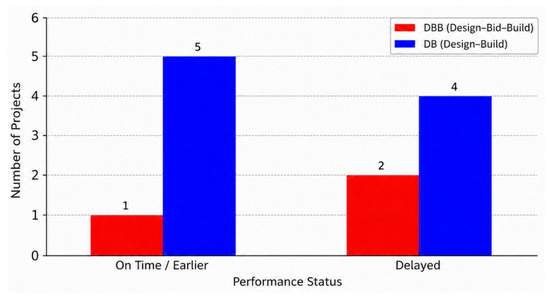
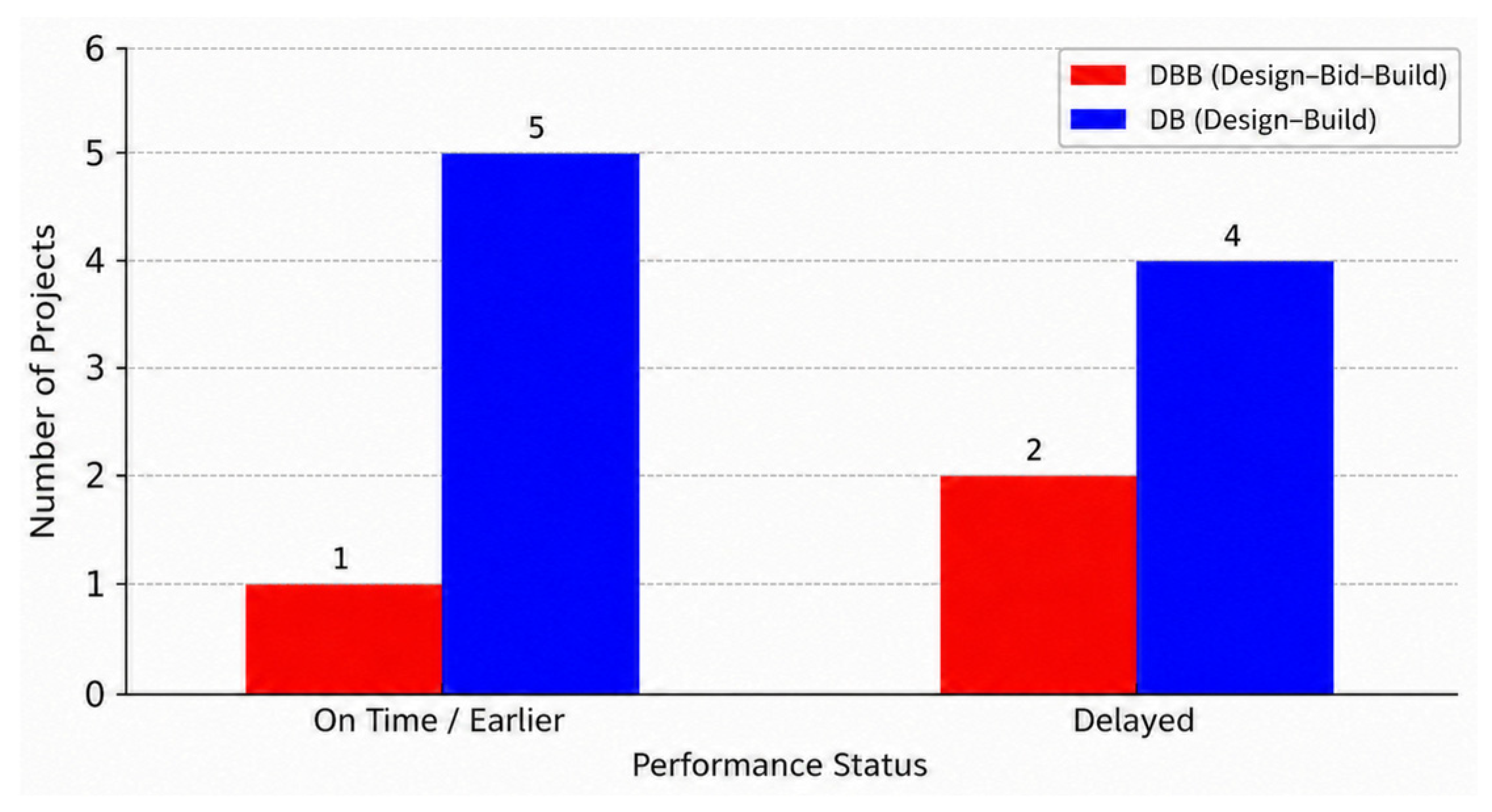
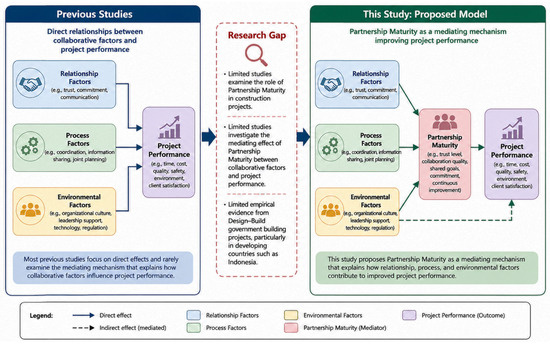
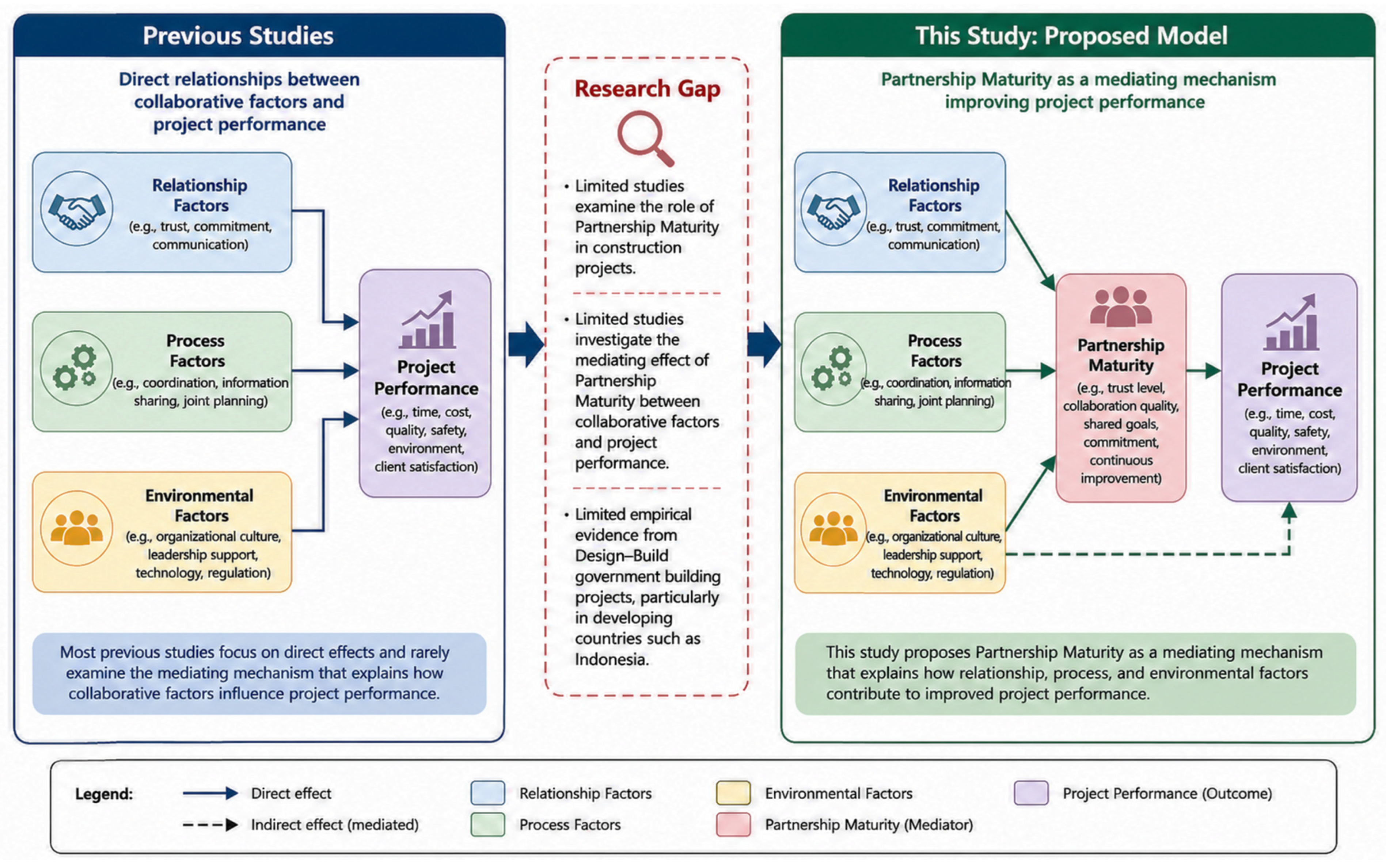
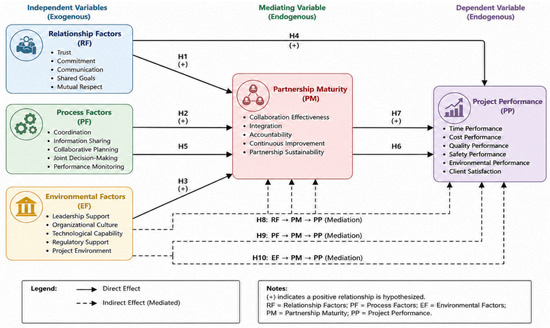
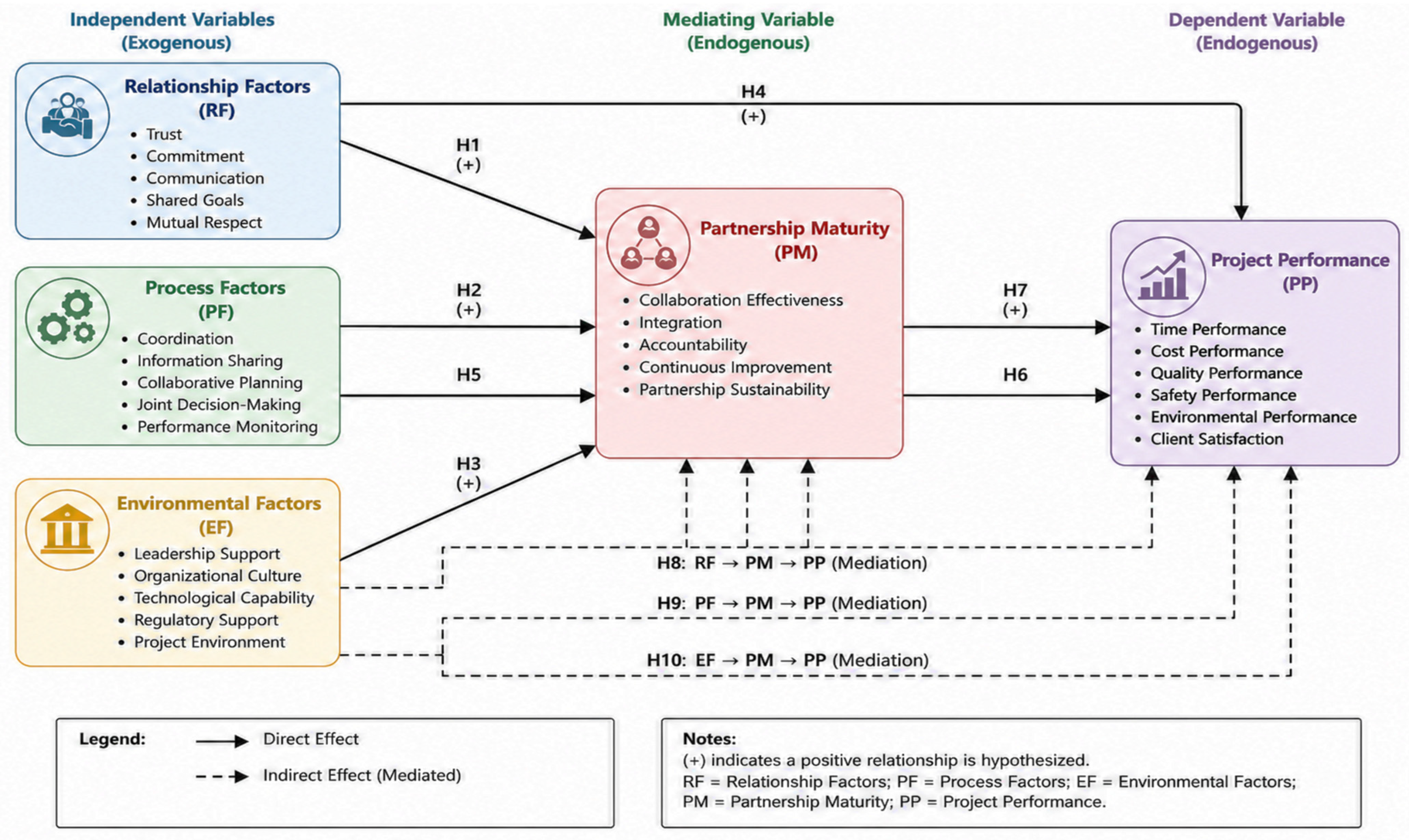
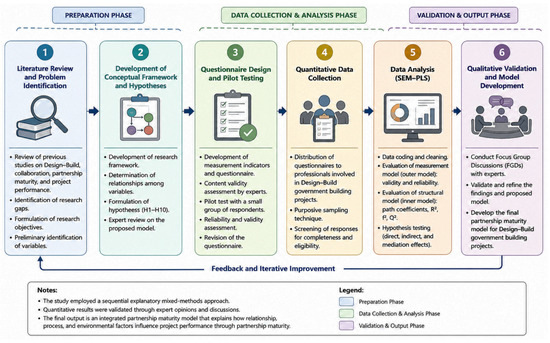
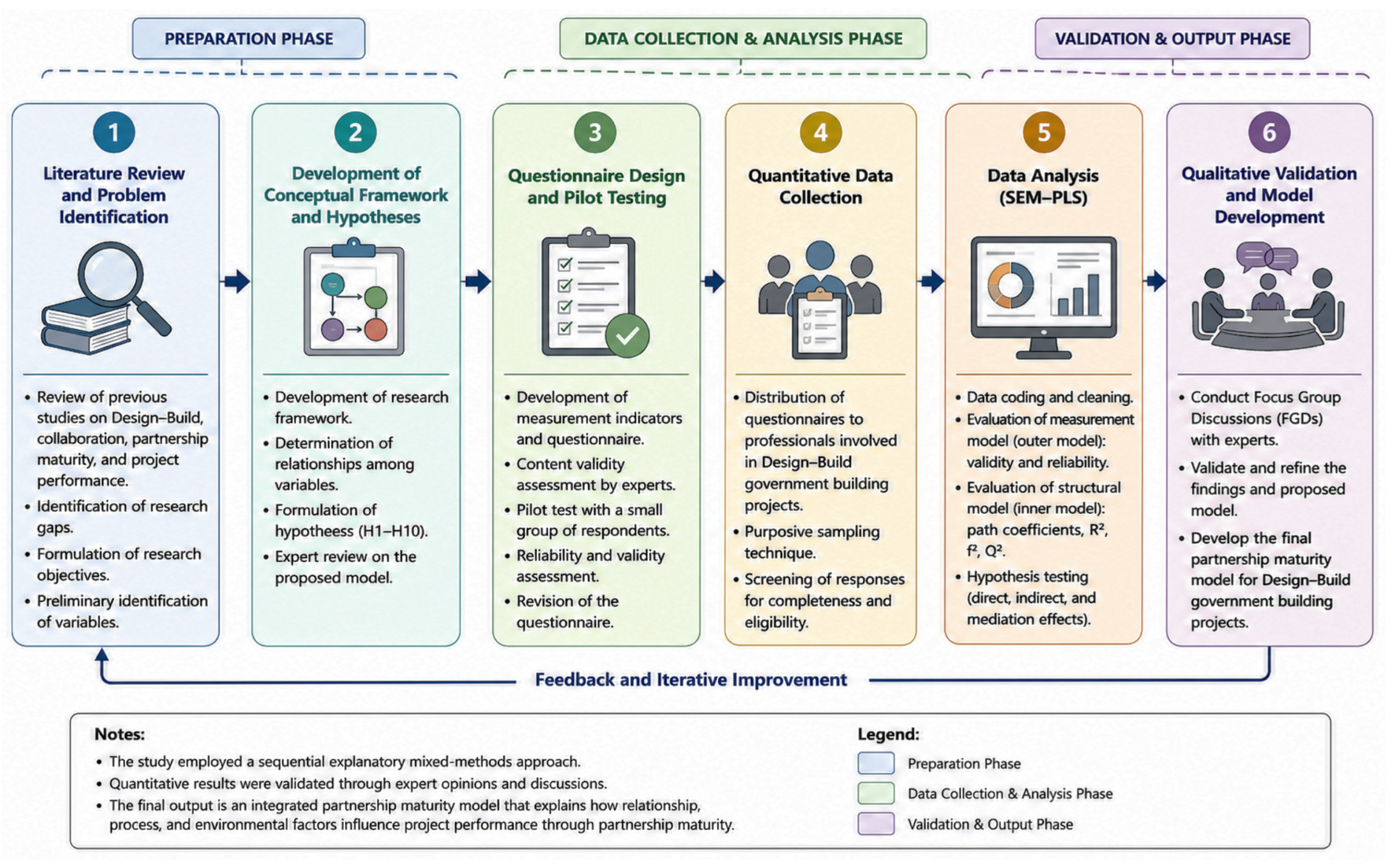
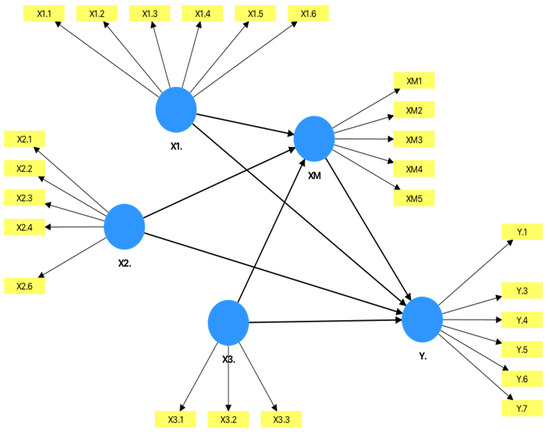
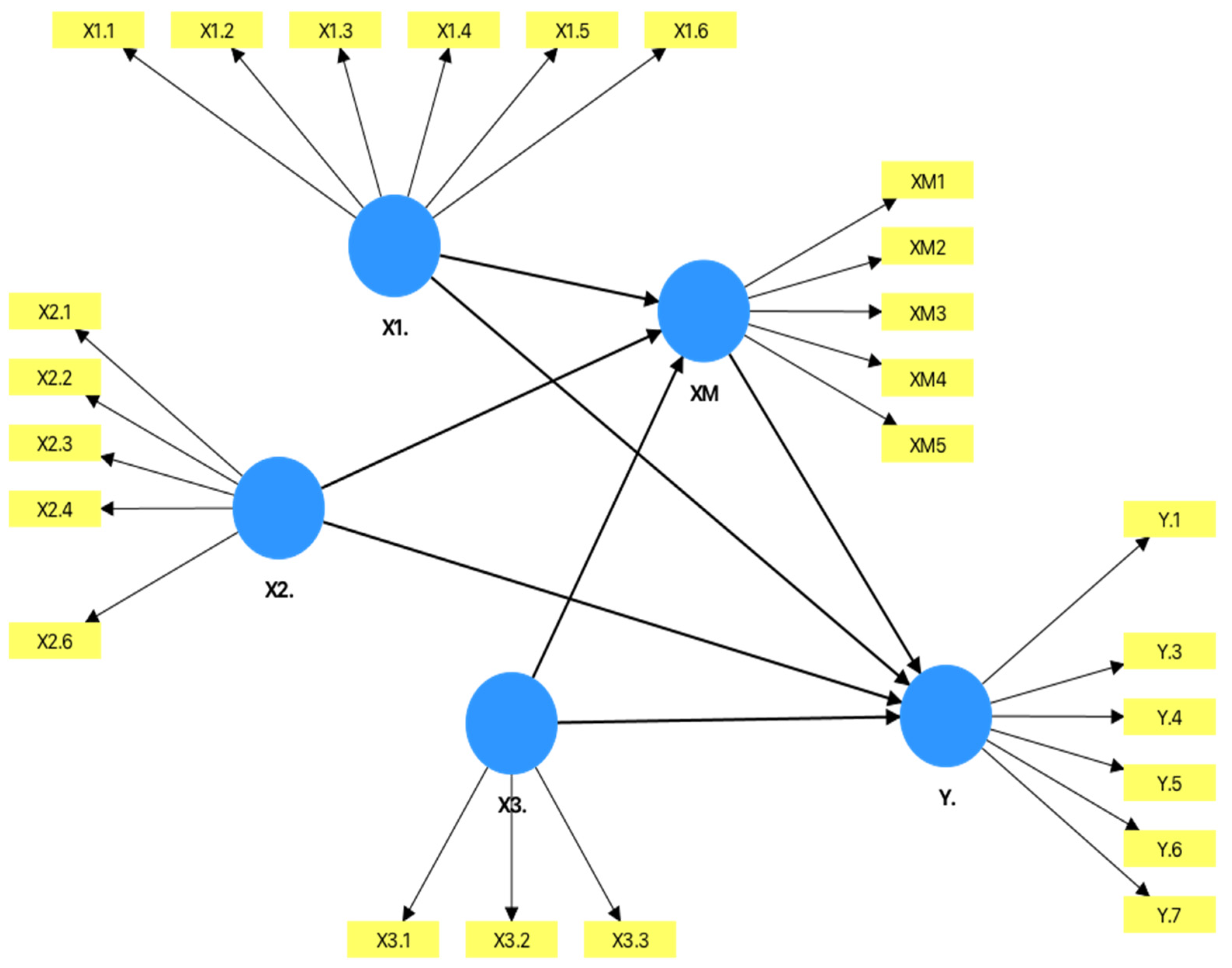
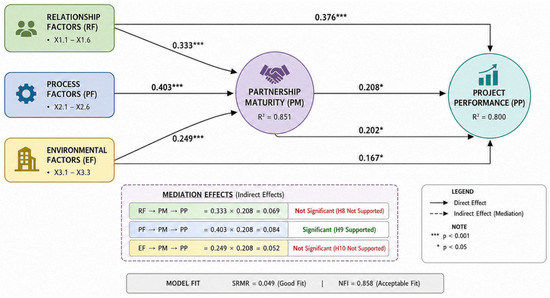
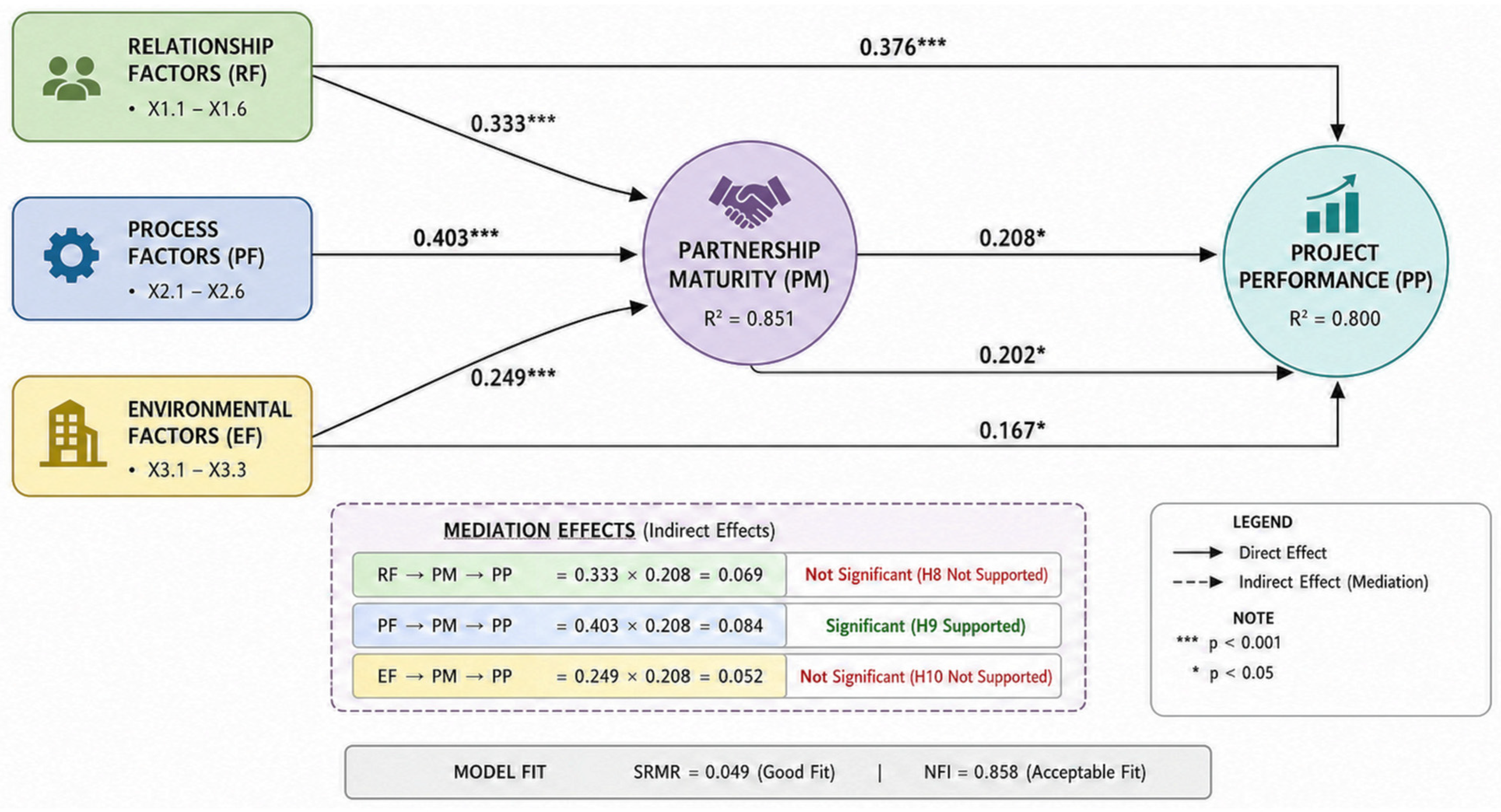

Disclaimer/Publisher’s Note: The statements, opinions and data contained in all publications are solely those of the individual author(s) and contributor(s) and not of MDPI and/or the editor(s). MDPI and/or the editor(s) disclaim responsibility for any injury to people or property resulting from any ideas, methods, instructions or products referred to in the content. |
© 2026 by the authors. Licensee MDPI, Basel, Switzerland. This article is an open access article distributed under the terms and conditions of the Creative Commons Attribution (CC BY) license.