


Abstract
Population aging has increased the need to improve visual comfort in age-friendly residential interiors. However, limited empirical evidence is available on the combined perceptual effects of correlated color temperature (CCT) and wood surface gloss in older adults. This study recruited 30 older adults and used a 2 × 3 within-subject design combining two CCT levels (2700 K and 4000 K) with three wood surface gloss levels (low, medium, and high). Eye-tracking, paired-image preference selection, and psychological impression ratings were used to assess visual attention, choice behavior, and subjective perception in a wood-based residential interior. The 4000 K condition produced greater sustained visual attention and a higher selection proportion than the 2700 K condition. However, the two CCT levels showed different subjective advantages: 2700 K received higher ratings for Warmth and Relaxation, whereas 4000 K performed better in Naturalness, Interest, Desire to use, and Overall comfort. Wood surface gloss affected visual attention and psychological impressions but showed no significant main effect on selection preference. Selected images also received consistently greater visual attention than unselected images. These findings indicate that CCT and wood surface gloss influence older adults’ visual responses through different perceptual dimensions. The results support function-specific coordination of lighting CCT and wood surface treatment in age-friendly residential interiors rather than a single uniform configuration.
1. Introduction
1.1. Visual Comfort Needs of Older Adults in Residential Environments
Against the background of global population aging, the comfort and safety of residential environments for older adults have become important issues in age-friendly design research. According to data from the United Nations Population Division, the global proportion of people aged 65 years and above is projected to increase from 9.3% in 2020 to 16% by 2050 [1]. In China, data from the National Bureau of Statistics show that, by the end of 2024, the population aged 60 years and above had reached 310.31 million, exceeding 300 million for the first time and accounting for 22.0% of the total population [2]. Among them, people aged 65 years and above accounted for 15.6% of the national population, indicating that China has entered a deeply aging society according to commonly used demographic criteria. Compared with younger adults, who usually spend a considerable amount of time in workplaces, outdoor environments, and social settings, older adults, particularly retirees, spend a much larger proportion of their daily lives at home. Previous studies have shown that, compared with public spaces where people usually stay for shorter periods, the home environment is the place where older adults spend the longest time and experience the greatest cumulative exposure, with bedrooms and living rooms accounting for the largest proportion [3]. The living room integrates multiple functions, including rest, social interaction, viewing, and daily activities. In addition, wood-based surfaces, such as wooden flooring, television cabinets, and sideboards, are commonly concentrated in this space. Therefore, the living room can be regarded as a representative setting for investigating the effects of correlated color temperature and wood surface gloss on visual comfort in residential environments.
With increasing age, the decline of human physiological function is an irreversible process. Among these changes, alterations in the sensory system, particularly the deterioration of the visual system, create specific requirements for indoor visual environments among older adults. Such environment-related needs, arising from age-related visual decline, directly reflect the impact of visual deterioration on residential experience [4]. From a physiological perspective, proteins in the crystalline lens gradually aggregate and condense with age, leading to pathological changes such as nuclear cataracts; in other words, the lens gradually becomes yellowed, thickened, and cloudy [5]. These changes directly obstruct the transmission and focusing of light on the retina and substantially reduce the amount of light entering the eye. Previous research has reported that a 60-year-old person may require approximately three times the ambient illuminance needed by a 20-year-old person, making older adults more susceptible to blurred vision and reduced contrast perception under ordinary lighting conditions [6]. Aging eyes are also characterized by a reduced ability to adapt to light and by increased intraocular scattering, which significantly increases glare sensitivity. This not only reduces visual quality but also interferes with spatial orientation and weakens the perception of object contrast and color [7].
In addition to lighting conditions, the visual properties of interior materials may also influence older adults’ environmental perception. Age-related visual decline not only changes older adults’ perception of brightness, glare, and contrast, but may also further affect their psychological perception of and preference for interior materials. Psychologically, older adults may be less receptive to cold, hard, and highly reflective modern industrial materials, while showing a stronger preference for warm, soft materials with natural textures. Such materials can provide a higher level of comfort and emotional identification through both tactile and visual perception [8]. However, many existing residential design practices, furniture material selections, and related studies still tend to be based on the physiological characteristics of standard adults or younger users. This may reduce residential comfort for older adults and, in some cases, increase the risk of accidents such as falls. Therefore, how to optimize the home visual environment in accordance with the physiological and psychological characteristics of older adults has become an important issue requiring further investigation in the field of age-friendly design.
1.2. Lighting Environment and Visual Comfort in Residential Interiors
Comfort is a positive and subjective state of well-being that involves psychological satisfaction, emotional relaxation, and mental pleasure [9]. In the fields of architecture and design, spatial comfort is generally understood as a subjective perception shaped by the combined effects of physical, functional, and psychological factors, and is closely related to individuals’ cognition of space [10]. Research on comfort in residential environments has made considerable progress across multiple fields, including building physics, environmental psychology, and ergonomics. To clarify how different factors influence comfort and to identify their potential threshold effects, scholars have conducted systematic studies on thermal conditions, lighting, acoustics, odor, spatial form and layout, and material properties [11].
Within the subfield of lighting environment research, scholars have developed a relatively well-established theoretical framework by systematically examining the physical properties of light. Evaluation systems have gradually been formed around key parameters such as illuminance, CCT, glare, and luminance distribution, and have further expanded to dimensions including circadian rhythm, emotional arousal, and sleep health [12]. Among these parameters, illuminance refers to the luminous flux received per unit area and directly affects visual comfort and cognitive performance. Previous studies have shown that, during reading tasks, the relationship between lighting comfort and brain activity can be explored through the time–frequency domain and nonlinear dynamic features of electroencephalographic (EEG) signals under different illuminance levels [13]. CCT and spectral power distribution are important attributes for describing the color appearance and spectral composition of light. They not only influence visual perception but also contribute to non-visual physiological responses in humans [14]. Furthermore, studies have suggested that low glare, moderate illuminance, and warm or adjustable color temperatures are more conducive to enhancing relaxation and perceived safety in space, whereas uneven lighting or high luminance contrast may increase visual load and psychological tension [15]. For older adults, different lighting colors may simultaneously affect visual recognition, spatial atmosphere perception, and comfort experience. Therefore, it is necessary to further examine the effects of CCT on older adults’ visual and psychological responses in specific residential settings.
1.3. Wood Surface Gloss and Age-Related Visual Perception
However, light does not act on visual perception independently. Light must first fall on spatial interfaces and object surfaces and then be reflected into the human eye before a specific visual experience can be formed. Therefore, as the direct interface of interior space, material type and surface properties have a substantial influence on visual and psychological responses. Different materials may elicit different perceptions of thermal sensation, emotional responses, and functional preferences [16]. Material experience is also closely related to technical parameters, such as thermal diffusivity, surface gloss, and the hue and saturation of material color [17].
The influence of wood materials on indoor comfort is particularly evident in visual, tactile, and physiological responses. Previous studies have shown that wood surfaces are often perceived as warm because of their yellow-to-red hues, which can enhance visual warmth and psychological comfort. Wood may also improve comfort in residential and working environments through multisensory and physiological mechanisms [18]. A large body of empirical research has focused on the effects of the extent of wood use in interior environments on occupants’ psychological and physiological indicators. These studies generally suggest that the natural texture, warm color tones, and distinctive reflective properties of wood can help reduce blood pressure and relieve anxiety [19,20]. However, the diversity of wood applications on spatial surfaces cannot be fully defined by a single indicator. Existing studies have examined the effects of interior wooden interfaces on visual perception and psychological impressions from multiple dimensions, including wood coverage ratio, pattern and texture, color appearance, and product type. These findings provide an important reference for understanding the relationship between the physical properties of wooden interior spaces and psychological perception.
Beyond the overall comfort effects of wood, the mechanisms associated with its different visual attributes require further differentiation. Wood surface gloss primarily reflects the manner in which the material surface reflects incident light and is directly related to specular highlights, luminance distribution, reflection clarity, and potential glare [21,22]. Nevertheless, previous studies have often discussed these visual properties as components of overall material appearance, with insufficient attention paid to the independent role of gloss as a reflective property [23].
Evaluations of surface gloss are also not fully consistent across age groups. For example, research on young adults’ visual perception of wood surfaces has shown that both matte and high-gloss finishes may receive favorable evaluations [23]. By contrast, a study of older users’ responses to the gloss of polypropylene films found that satisfaction with matte surfaces was significantly higher than that with semi-gloss and high-gloss surfaces, suggesting that stronger reflections may reduce evaluations among older adults [24]. These findings indicate that previous results concerning surface-gloss preferences are not entirely consistent. Moreover, most studies have examined a single material attribute or employed a fixed lighting condition, and therefore provide insufficient evidence to explain the combined effects of lighting color and wood surface gloss on older adults’ visual attention and subjective comfort in interior environments.
Because surface gloss influences visual judgment primarily through reflection and highlight cues, eye-tracking measures can provide behavioral evidence of older adults’ visual responses to material gloss. Existing eye-tracking studies have begun to examine the visual-attention characteristics of older adults in residential environments, and eye-tracking technology can effectively reveal differences in their allocation of attention to interior visual cues. For example, an eye-tracking study examining older adults’ fixation responses to different door-color combinations in residential interiors found that highly visible colors attracted visual attention more rapidly and prolonged viewing duration [25].
In contrast, eye-tracking studies related to material gloss have generally focused on general adult populations and have primarily investigated the visual cues used by observers when judging gloss. Previous research has shown that observers attend to surface highlights and regions of environmental reflection during gloss judgments, and that these fixation patterns are influenced by surface geometry and scene illumination [26]. Research on dynamic materials has likewise found that observers allocate greater attention to dynamic visual features associated with gloss when making gloss judgments [27]. However, few studies have specifically examined older adults’ perception of surface gloss in wood-based residential scenes. Consequently, existing research remains insufficient to explain how wood surface gloss affects older adults’ visual attention and psychological evaluation under different CCT conditions.
To address these limitations, the present study integrates two CCT levels and three wood surface gloss levels within a 2 × 3 factorial design, thereby enabling the independent and interactive effects of lighting color and surface gloss to be examined within the same experimental framework.
1.4. Research Gaps and Research Questions
In summary, previous studies have demonstrated the effects of lighting environments and wood materials on indoor visual comfort and psychological perception from the perspectives of illuminance, CCT, glare, the extent of wood coverage, wood color, and texture. Nevertheless, three research gaps remain. First, studies of the visual properties of wood have primarily focused on color, texture, the extent of wood coverage, and types of wood-based interfaces, whereas wood surface gloss—an attribute closely associated with reflection, luminance distribution, and glare—has received insufficient attention. Second, most existing studies of material perception have focused on general adult populations, while empirical research addressing age-related visual decline in older adults remains limited. In particular, few studies have used eye-tracking data to examine differences in older adults’ visual attention to different levels of material gloss in residential environments. Third, previous studies have generally examined lighting parameters and material surface properties separately. CCT and wood surface gloss have rarely been incorporated into the same experimental framework, making it difficult to explain their independent and interactive effects on visual comfort among older adults in residential environments.
Based on these research gaps, the present study adopts a 2 × 3 factorial experimental design combining two CCTs with three levels of wood surface gloss. Eye-tracking experiments, preference selection, and subjective evaluation are employed to systematically examine older adults’ visual attention allocation, preference responses, and subjective psychological impressions in wood-based residential interiors. Specifically, the study addresses the following research questions:
RQ1: Do different CCTs significantly affect older adults’ visual attention, preference responses, and psychological impression ratings in wood-based residential interiors?
RQ2: Do different levels of wood surface gloss significantly affect these responses?
RQ3: Is there an interaction between CCT and wood surface gloss, such that the perceptual effects of wood surface gloss vary under different lighting color conditions?
2. Materials and Methods
2.1. Participants
This study adopted a within-subject 2 × 3 repeated-measures experimental design. Before the experiment, the required sample size was calculated using G*Power 3.1.9.7. The parameters were set as follows: a medium effect size of f = 0.25, a significance level of α = 0.05, a statistical power of 1 − β = 0.80, six repeated measurements, and a correlation among repeated measures of 0.50. The power analysis indicated that at least 19 participants were required for this study. Considering an approximately 20% dropout rate and the potential risk of data exclusion, 30 older adults were ultimately recruited and completed the experiment. The participants were aged 60–79 years. The lower age limit of 60 years was selected because this study focuses on age-friendly residential environments in the Chinese context, where 60 years is commonly used as the threshold for older adulthood. The upper age limit was set below 80 years because adults aged 80 years and above are often considered a distinct oldest-old subgroup in gerontological research. This age restriction was not intended to imply that 80 years represents a physiological threshold for changes in visual function.
All participants had basic reading and comprehension abilities and were able to complete the experimental tasks and subjective evaluation questionnaires independently. The inclusion criteria were as follows: aged 60–79 years; normal or corrected-to-normal vision sufficient for viewing the screen stimuli; no severe color vision deficiency; and the ability to cooperate with eye-tracking calibration and the experimental procedure. The exclusion criteria were as follows: severe ocular disease, neurological disease, or cognitive impairment; inability to complete eye-tracker calibration; severe loss of eye-tracking data during the experiment; or incomplete task performance. Before the experiment, all participants were informed of the study purpose, experimental procedure, and intended use of the data, and provided written informed consent. Participants were allowed to withdraw voluntarily at any stage of the experiment.
2.2. Experimental Apparatus
The experiment was conducted in the eye-tracking laboratory at Nanjing Forestry University. Visual stimuli were presented on a Dell computer monitor (Dell Technologies, Round Rock, TX, USA) with a resolution of 2560 × 1440 pixels and a color depth of 32 bits to ensure consistency in image detail and color presentation. During the experiment, all participants completed all trials using the same display device, at the same viewing distance, and under the same experimental environment, thereby minimizing the potential influence of device differences and variations in ambient lighting on the experimental results.
Stimulus presentation and response recording were controlled using the ErgoLAB Human–Machine–Environment Synchronization Platform, version 3.18 developed by Beijing Kingfar International Inc. (Beijing, China). Eye-tracking data were collected using a Tobii Pro Fusion 250 eye tracker (Tobii Pro AB, Danderyd, Sweden). A standard calibration procedure was conducted for each participant before the experiment. When data drift or recording interruption occurred, recalibration was performed as necessary to ensure the validity and stability of gaze-point recording. Eye-tracking indicators were exported from the ErgoLAB platform for subsequent statistical analysis. The experimental apparatus and laboratory environment are shown in Figure 1.
Figure 1.
Photographs of the experimental setup. (a) Eye-tracking device; (b) participant viewing the stimulus images; (c) experimental room; (d) host computer and data collection device.
2.3. Stimulus Materials
2.3.1. Indoor Spatial Scene Setting
This study aimed to investigate the effects of different combinations of wood surface gloss and CCT in indoor spaces on older adults’ visual and psychological responses. A wood-based residential living room was selected as the experimental setting. To approximate the daily living environment of older adults, the living room scene included common furniture elements such as wooden flooring, a television cabinet, and side cabinets. It was also furnished with a sofa, floor lamp, curtains, television, and other interior elements to enhance the realism and everyday character of the space.
Natural wood color, which is generally preferred by older adults, was selected for the wood materials. The overall interior design adopted a combination of wood-finished furniture and wooden flooring [28]. The scene model was constructed in SketchUp 2022, while rendering and lighting environment simulation were completed using Enscape version 3.5. Across all stimulus conditions, the overall spatial layout, viewing angle, furniture positions, material textures, background colors, and other non-experimental variables were kept consistent. Because the study used static rendered images presented on a screen, all stimuli were exported from the same model file using identical image resolution, camera viewpoint, exposure settings, and post-processing and rendering parameters. During the experiment, all stimulus images were presented on the same display device, while the monitor resolution, brightness, contrast, color mode, ambient laboratory lighting, and participant viewing distance were kept constant. Accordingly, the findings should be interpreted as responses to screen-simulated variations in lighting color and wood surface gloss rather than to actual lighting conditions in a physical environment.
2.3.2. CCT Settings
In this study, the lighting condition was set at two CCT levels: 2700 K and 4000 K. This setting was mainly based on the practical application range of residential lighting and the visual preference characteristics of older adults in residential contexts. A CCT of 2700 K represents warm white light and is close to the spectral characteristics of traditional incandescent lamps. It is commonly used in home environments intended for relaxation, such as bedrooms and living rooms. A CCT of 4000 K represents neutral white light and is also widely applied in residential and public indoor spaces, where it generally provides relatively clearer visual perception. Both values fall within the mainstream CCT range of residential lighting and can produce distinguishable experimental manipulations while maintaining ecological validity [29]. Previous studies have also used 2700 K and 4000 K as representative CCT levels in investigations of indoor visual comfort to compare visual and psychological responses under warm-white and neutral-white lighting conditions [30].
CCT levels of 5000 K or above were not included in this study for two main reasons. First, age-related yellowing of the crystalline lens reduces the transmission of short-wavelength light [31]. Therefore, light sources with higher CCTs, which usually contain a relatively larger proportion of short-wavelength components, may be more likely to cause color perception deviations and visual discomfort among older adults. Second, the short-wavelength-enriched characteristics of cool light sources may potentially interfere with circadian rhythm and sleep [32]. Older adults may be more sensitive to such effects because of age-related attenuation of circadian regulation [33], which makes high-CCT lighting less consistent with typical residential lighting scenarios. Therefore, this study selected 2700 K as the representative warm-light condition and 4000 K as the representative neutral-light condition, aiming to compare older adults’ perceptual differences toward wood-based residential interiors under two typical residential lighting conditions.
It should be noted that CCT describes only the chromatic appearance of a light source and does not fully characterize the lighting environment. In the rendering process, the number and positions of the luminaires, source intensity settings, scene exposure parameters, and camera viewpoint were held constant, while only the CCT of the light sources was varied. This procedure was intended to minimize potential interference from differences in lighting intensity, viewpoint, and image composition. Because the experiment used static rendered images presented on a screen rather than a physical lighting environment, illuminance was not measured as a physical quantity at the observer’s position. Accordingly, the effects discussed in this study should be interpreted as responses to simulated lighting-color conditions in screen-based images rather than to actual illuminance conditions in residential environments.
2.3.3. Surface Gloss Level Settings
In terms of physical properties, gloss is not a binary attribute indicating the presence or absence of reflection. Rather, it reflects a continuous surface characteristic ranging from complete diffuse reflection to strong specular reflection. Although previous studies have commonly described gloss perception using low, medium, and high categories [24], no standardized parameter thresholds currently define the correspondence between virtual rendering parameters and perceptual gloss levels for interior wood surfaces. Therefore, this study established a three-level gloss classification based on a design-oriented perceptual approach. Three researchers with backgrounds in human factors and material design independently evaluated the rendered materials, and the final low-, medium-, and high-gloss categories were determined through expert discussion and consensus. These categories were then operationalized through controlled adjustments of surface roughness and specular highlight parameters within the virtual rendering environment. The low-gloss condition was characterized by greater surface roughness and weaker specular highlights, the medium-gloss condition by intermediate roughness and specular highlights, and the high-gloss condition by lower roughness and stronger specular highlights.
For interior wooden interfaces, changes in surface gloss not only affect the perceived material texture, but also alter local highlights, luminance contrast, and visual softness. Because this study used static rendered images as visual stimuli, the surface gloss levels were set based on an operational definition of visual appearance. Specifically, the reflective properties of the material surfaces were uniformly controlled in the model environment so that the wooden interfaces presented three stable visual states: clear highlights, moderate reflection, and soft reflection. During rendering, wood color, texture, viewing angle, luminaire position, spatial layout, and all other nonexperimental variables were held constant; only reflection-related material parameters were varied. The parameter ranges used to generate the three perceptual gloss categories are reported in Table A1 in Appendix A.
The three-level gloss design was adopted to balance the range of experimental manipulation against the task burden imposed on older participants. The low-, medium-, and high-gloss levels covered the principal visual progression from weak to pronounced reflection and, together with the two CCT levels, formed the 2 × 3 factorial experimental conditions used to examine the main and interactive effects of CCT and wood surface gloss on visual attention and subjective evaluation. The classification was intended to provide controlled perceptual differences among stimuli rather than to reproduce standardized industrial gloss grades.
It should be noted that the gloss levels used in this study have not yet been calibrated on a one-to-one basis against standardized gloss units for physical wood finishes. Future studies could fabricate corresponding coated wood samples and measure their gloss units at 20°, 60°, or 85° in accordance with ISO 2813 [34] or ASTM D523 [35]. Surface reflectance and luminance-distribution measurements could also be incorporated to establish a quantitative correspondence between virtual rendering parameters and standardized gloss classifications for actual wood finishes. The coding of the six experimental conditions is shown in Table 1. To visually present the differences among the experimental conditions, Figure 2 shows the stimulus images corresponding to high, medium, and low wood surface gloss levels under the two CCT conditions of 2700 K and 4000 K.
Table 1.
Experimental condition coding.
Figure 2.
Stimulus images under different CCT and wood surface gloss conditions.
2.4. Experimental Procedure
This study adopted a 2 × 3 two-factor within-subject experimental design. The core independent variables were CCT (two levels) and wood surface gloss (three levels). Through a full factorial combination of these two variables, six independent indoor visual stimulus conditions were generated. The rendered images corresponding to these six conditions were then paired in all possible two-image combinations, resulting in 15 pairwise comparison trials.
In each trial, two images with different CCT or wood surface gloss parameters were presented simultaneously on the left and right sides of the screen. To minimize the influence of extraneous variables, both the presentation order of the 15 trials and the left–right position of the images were randomized. This procedure was used to reduce potential order effects and side-selection bias. The experimental environment was kept quiet throughout the entire procedure. Figure 3 summarizes the experimental procedure. The specific procedure and tasks were as follows.
Figure 3.
Overview of the experimental workflow.
- (1)
- In the preparation and calibration stage, the experimental tasks and operating rules were explained to the participants, and written informed consent was obtained. Each participant sat directly in front of the monitor at a viewing distance of approximately 60 cm. A multi-point gaze calibration procedure was then conducted to ensure the accuracy of eye-tracking data collection.
- (2)
- In the formal testing stage, a fixation point was first presented at the center of the screen for 2 s to guide participants’ gaze to the center. Subsequently, a pair of stimulus images was presented simultaneously on the screen. Each pair of images was displayed for 15 s. During free viewing, participants’ eye movements were recorded synchronously by the system. After viewing each pair, participants were required to select one of the two images based on their visual experience and perceived spatial comfort preference. To reduce visual interference before the next trial, a blank screen was inserted between trials and displayed for 3 s.
- (3)
- In the subjective evaluation stage, after completing the 15 pairwise comparison trials, participants rated the subjective psychological impressions of the six stimulus images viewed during the experiment. After the experiment, a brief interview was conducted with each participant, focusing on which elements of the space they preferred most. The interview data were used to assist in interpreting the results of subjective evaluation and preference choices, but were not included as primary data for statistical analysis.
2.5. Evaluation Indicators and Dimensions
This study evaluated visual response characteristics under different CCT and wood surface gloss conditions from two dimensions: eye-tracking indicators and subjective questionnaires. Eye-tracking indicators were used to objectively characterize participants’ attention allocation and information processing during stimulus viewing, whereas the subjective questionnaire was used to assess participants’ psychological impressions and overall comfort perception of the wood-based residential interior.
2.5.1. Eye-Tracking Indicators
Fixation refers to the process in which gaze remains relatively stable on a target to obtain visual information. Previous studies have shown that fixation duration can reflect an individual’s level of attention to specific information, and total fixation duration is important for evaluating the attractiveness of a target [36]. First fixation duration can, to some extent, reflect the difficulty of initial information extraction. Some eye-tracking studies have also indicated that fixation duration is associated with visual preference [37], and that a higher number of fixations indicates more concentrated attention [38].
Based on these considerations, this study selected five eye-tracking indicators: first fixation duration (FFD), total fixation duration (TFD), percentage of total fixation duration (TFD_pct), total fixation count (TFC), and percentage of total fixation count (TFC_pct). The operational definitions and interpretations of the eye-tracking indicators are shown in Table 2. These indicators were used to collect data on participants’ visual processing from three aspects: initial attention, sustained attention, and proportional attention allocation. TFD_pct and TFC_pct were calculated as the proportions of valid fixation duration and fixation count within the predefined image AOIs. Fixations outside the image AOIs were not included in the percentage calculation.
Table 2.
Objective eye-tracking measures and operational definitions.
2.5.2. Subjective Evaluation
The subjective evaluation consisted of two parts: preference choice and psychological impression evaluation. Preference choice was derived from the pairwise comparison task. In each trial, participants were required to choose the image that better matched their visual experience and spatial comfort preference from the two stimulus images presented simultaneously on the left and right sides of the screen. The selection frequency of each experimental condition was recorded, and the corresponding selection proportion was further calculated. A higher selection proportion indicated that the condition was chosen more frequently in the pairwise comparison task, reflecting participants’ relative preference for that condition.
The psychological impression evaluation included five psychological impression indicators and one overall comfort indicator. The five psychological impression indicators consisted of naturalness, warmth, relaxation, interest, and desire to use, which were selected based on the research purpose and relevant literature. In the study by Li, a literature review indicated that evaluations of wood-based living room spaces commonly involve perceptions of warmth, naturalness, relaxation, and desire to use. In studies on wood preference evaluation, interest is also commonly used as an evaluation dimension [39]. Therefore, in accordance with the research objective of examining comfort perception in wood-based residential interiors, this study used these five psychological impression indicators, together with overall comfort as a comprehensive evaluation indicator, to analyze differences in spatial comfort perception under different experimental conditions. All items were rated on a 7-point scale, with higher scores indicating stronger positive responses on the corresponding dimension. The operational definitions and interpretations of the subjective evaluation measures are shown in Table 3.
Table 3.
Subjective evaluation measures and operational definitions.
3. Results
3.1. Data Quality Check and Descriptive Statistics
3.1.1. Sample Characteristics
A total of 30 participants were recruited in this study, including 13 males (43.3%) and 17 females (56.7%). Most participants were aged between 60 and 70 years. Specifically, 10 participants were aged 60–65 years (33.3%), 15 were aged 65–70 years (50.0%), 2 were aged 70–75 years (6.7%), and 3 were older than 75 years (10.0%). In terms of educational background, most participants had completed senior high school or technical secondary school, accounting for 21 participants (70.0%). In addition, 5 participants had completed junior high school (16.7%), and 4 had received a college education or above (13.3%). Regarding visual status, some participants had presbyopia or mild age-related visual changes, which are typical physiological characteristics of older adults. It should be noted that all participants met the inclusion criterion of having normal or corrected-to-normal vision sufficient for viewing the screen stimuli and successfully completed eye-tracking calibration. Therefore, their visual status did not prevent them from completing the experimental tasks. Detailed demographic information is presented in Table 4.
Table 4.
Participant characteristics (N = 30).
3.1.2. Descriptive Statistics of Eye-Tracking Data
The number of valid observations for all eye-tracking indicators was 900. The descriptive statistics of each eye-tracking indicator under different combinations of CCT and wood surface gloss are presented in Table 5. Overall, the mean values of the eye-tracking indicators varied across the experimental conditions.
Table 5.
Descriptive statistics of eye-tracking indicators under different experimental conditions.
Except for first fixation duration (FFD_s), the overall levels of total fixation duration (TFD_s), percentage of total fixation duration (TFD_pct), fixation count (TFC_n), and percentage of fixation count (TFC_pct) were generally higher under the 4000 K condition than under the 2700 K condition. In particular, the combination of 4000 K and high gloss showed relatively higher mean values for most indicators, whereas the combination of 2700 K and low gloss showed relatively lower mean values. These results suggest that, under the combination of neutral light and high surface gloss, participants tended to exhibit longer visual dwell time, a higher proportion of fixation allocation, and a greater number of fixations.
Different from the other indicators, FFD_s showed a slightly higher overall mean under the 2700 K condition than under the 4000 K condition, with the highest value observed in the 2700 K and high-gloss condition. Overall, older adults’ visual attention allocation showed certain variations across the experimental conditions, and the combination of 4000 K and high gloss presented relatively higher mean values for most eye-tracking indicators.
3.1.3. Descriptive Statistics of Subjective Data
Table 6 presents the descriptive statistics of preference choices under different combinations of CCT and wood surface gloss. Overall, the selection proportions varied across the experimental conditions. The 4000 K–low gloss condition showed the highest selection proportion, at 62.0%, whereas the 2700 K–high gloss condition showed the lowest selection proportion, at 37.0%.
Table 6.
Descriptive statistics of selection preferences under different conditions.
According to the ranking results, the conditions with higher preference were mainly concentrated under the 4000 K condition, whereas the selection proportions of the combinations under the 2700 K condition were generally lower. Within the same CCT condition, all three gloss levels under 4000 K exceeded 50%. In contrast, under 2700 K, only the medium-gloss condition reached 50.0%, while both the high-gloss and low-gloss conditions were below 40%.
When comparing the same gloss level across CCT conditions, the selection proportions of high, medium, and low gloss under 4000 K were all higher than those of their corresponding conditions under 2700 K. This suggests that, at the descriptive level, the 4000 K condition showed a higher overall preference.
The descriptive statistics of subjective ratings under different combinations of CCT and wood surface gloss are presented in Table 7. Figure 4 and Figure 5 further illustrate the score differences and distribution characteristics of the six evaluation indicators across the experimental conditions. Overall, the scores for all dimensions under the six conditions were higher than the midpoint of the scale, indicating that participants’ psychological impressions of the wood-based interior space were generally positive.
Table 7.
Descriptive statistics of subjective psychological impression ratings.
Figure 4.
Heatmap of subjective psychological impression ratings under different CCT and surface gloss conditions. Different lowercase letters indicate significant differences between conditions within each psychological dimension based on pairwise Wilcoxon signed-rank tests with Holm correction (adjusted p < 0.05); conditions sharing at least one letter do not differ significantly.
Figure 5.
Radar charts of psychological impression ratings under different CCT and wood surface gloss conditions. Both panels use the same radial scale from 4.5 to 7.0 at 0.5-unit intervals.
Among the five psychological impression dimensions, relaxation received the highest mean score (M = 6.07), followed by interest (M = 5.96), whereas desire to use received the lowest mean score (M = 5.74). In terms of the mean distribution across conditions, the medium-gloss condition showed relatively favorable scores in most dimensions. Specifically, the 4000 K–medium-gloss condition received the highest ratings for overall comfort (M = 5.30), desire to use (M = 6.00), and interest (M = 6.27). The 4000 K–low-gloss condition received the highest rating for naturalness (M = 6.13), while the 2700 K–low-gloss condition received the highest rating for warmth (M = 6.07). The 2700 K–medium-gloss condition showed the highest score for relaxation (M = 6.53). In contrast, the 2700 K–low-gloss condition showed the lowest score for overall comfort (M = 4.40), and the 2700 K–high-gloss and 2700 K–medium-gloss conditions also showed relatively low scores for overall comfort, with mean values of 4.60 and 4.80, respectively.
From the overall trend of the descriptive means, the scores for warmth and relaxation were generally higher under the 2700 K condition than under the 4000 K condition, whereas the 4000 K condition showed relatively higher scores for naturalness, interest, and overall comfort. In terms of gloss level, the low-gloss condition showed relatively higher scores for naturalness and warmth, while the medium-gloss condition showed relatively higher scores for relaxation, interest, desire to use, and overall comfort. Taken together, the subjective evaluation results preliminarily suggest that variations in CCT and wood surface gloss were associated with different psychological impressions of the wood-based interior space. In particular, the medium-gloss condition showed advantages in most evaluation dimensions, while different CCT conditions appeared to influence the emphasis of subjective evaluation across dimensions.
3.2. Effects of CCT and Wood Surface Gloss on Eye-Tracking Indicators
Two-way repeated-measures ANOVAs with a 2 × 3 within-subject design were conducted separately for FFD_s, TFD_s, TFD_pct, TFC_n, and TFC_pct. The results are presented in Table 8 and Table 9. Overall, except for FFD_s, the other four indicators showed a consistent statistical pattern: the main effects of CCT and wood surface gloss were significant, whereas their interaction effects were not significant. This indicates that the effects of CCT and wood surface gloss on visual attention allocation were mainly reflected in their independent main effects, rather than in a significant interaction between the two factors. For FFD_s, neither the main effect of CCT, the main effect of wood surface gloss, nor their interaction effect was significant (all p > 0.05), indicating that first fixation duration did not differ significantly across the experimental conditions.
Table 8.
Results of the 2 × 3 repeated-measures ANOVA for eye-tracking indicators.
Table 9.
Estimated marginal means and post hoc comparisons for eye-tracking indicators with significant main effects.
3.2.1. Sustained Attention Characteristics
For sustained attention indicators, the results for TFD_s and TFD_pct were generally consistent. Figure 6 presents the estimated marginal means of CCT and wood surface gloss for the sustained attention indicators.
Figure 6.
Estimated marginal means of sustained attention indicators for the main effects of CCT and wood surface gloss. (a) Total fixation duration; (b) percentage of total fixation duration. Error bars indicate the standard error of the EMM, and brackets indicate Bonferroni-corrected pairwise comparisons.
For TFD_s, the main effect of wood surface gloss was significant, F(1.527, 44.296) = 5.424, p = 0.013, ηp2 =0.158. The main effect of CCT was also significant, F(1, 29) = 4.797, p = 0.037, ηp2 = 0.142. However, the interaction between CCT and wood surface gloss was not significant, F(1.658, 48.072) = 0.291, p =0.708, ηp2 = 0.010. The estimated marginal means showed that total fixation duration was higher under the 4000 K condition than under the 2700 K condition. Post hoc comparisons indicated that the low-gloss condition was significantly lower than the medium-gloss condition (p = 0.027), whereas its difference from the high-gloss condition did not reach statistical significance.
These results suggest that the 4000 K condition and medium-gloss surface were associated with higher sustained visual attention, although not all differences among gloss levels were statistically significant.
The results for TFD_pct were largely consistent with those for TFD_s. The main effect of wood surface gloss was significant, F(1.421, 41.207) = 6.999, p = 0.006, ηp2 = 0.194. The main effect of CCT was also significant, F(1, 29) = 6.151, p = 0.019, ηp2 = 0.175. The interaction effect was not significant, F(1.411, 40.922) = 0.010, p = 0.968, ηp2 = 0.000. The estimated marginal means showed that the percentage of total fixation duration was higher under the 4000 K condition than under the 2700 K condition. Post hoc comparisons further indicated that the low-gloss condition was significantly lower than both the medium-gloss and high-gloss conditions (both adjusted p < 0.05), whereas no significant difference was observed between the medium- and high-gloss conditions.
These findings indicate that, in terms of proportional sustained visual attention, medium- and high-gloss wooden surfaces attracted a higher proportion of fixation duration than low-gloss surfaces. Meanwhile, the significant main effect of CCT suggests that 4000 K elicited greater sustained attention than 2700 K, whereas the non-significant interaction indicates that the effects of CCT and gloss were mainly reflected as independent main effects.
3.2.2. Visual Access Frequency Characteristics
For visual access indicators, TFC_n and TFC_pct showed a consistent trend. Figure 7 presents the estimated marginal means of CCT and wood surface gloss for the visual access indicators.
Figure 7.
Estimated marginal means of visual access frequency indicators for the main effects of CCT and wood surface gloss. (a) Total fixation count; (b) percentage of total fixation count. Error bars indicate the standard error of the EMM, and brackets indicate Bonferroni-corrected pairwise comparisons.
For TFC_n, the main effect of wood surface gloss was significant, F(1.411, 40.916) = 4.330, p = 0.031, ηp2 = 0.130. The main effect of CCT was also significant, F(1, 29) = 6.218, p = 0.019, ηp2 = 0.177. The interaction effect was not significant, F(2, 58) = 0.813, p = 0.449, ηp2 = 0.027. The estimated marginal means showed that fixation count was higher under the 4000 K condition than under the 2700 K condition. Although the main effect of wood surface gloss reached statistical significance, post hoc comparisons did not reveal significant pairwise differences among the high-, medium-, and low-gloss conditions. This suggests that the effect of surface gloss on visual access frequency was mainly reflected as an overall trend, while the differentiation among specific gloss levels was not yet pronounced.
The results for TFC_pct further supported this trend. The main effect of wood surface gloss was significant, F(1.411, 40.928) = 6.789, p = 0.007, ηp2 = 0.190. The main effect of CCT was significant, F(1, 29) = 7.717, p = 0.009, ηp2 = 0.210. The interaction effect was not significant, F(1.411, 41.014) = 0.045, p = 0.906, ηp2 = 0.002. The estimated marginal means showed that the percentage of fixation count was higher under the 4000 K condition than under the 2700 K condition. Post hoc comparisons indicated that the low-gloss condition was significantly lower than both the medium- and high-gloss conditions (both adjusted p < 0.05), whereas no significant difference was observed between the medium- and high-gloss conditions. These results further indicate that the 4000 K condition and medium- to high-gloss surfaces were more likely to receive a higher proportion of visual visits during overall visual scanning.
Taken together, both sustained attention indicators and visual access frequency indicators showed that the 4000 K condition received more visual resources. Medium- and high-gloss wooden surfaces were more likely than low-gloss surfaces to elicit higher levels of visual dwell and scanning behavior. However, no significant interaction between CCT and wood surface gloss was observed.
3.3. Effects of CCT and Wood Surface Gloss on Psychological Impressions and Preference Choices
3.3.1. Results of Psychological Impression Evaluation
Two-way repeated-measures ANOVAs with a 2 × 3 within-subject design were conducted for the six subjective evaluation indicators. The results are presented in Table 10. Overall, the main effect of CCT was significant for all six indicators. The main effect of wood surface gloss was also significant or marginally significant across the six dimensions, whereas the CCT × wood surface gloss interaction was not significant for any indicator (all p > 0.05). These results indicate that the effects of CCT and wood surface gloss on subjective psychological impressions were mainly reflected in their independent main effects, rather than in significant interaction effects.
Table 10.
Results of the 2 × 3 repeated-measures ANOVA for psychological impression ratings.
In terms of the direction of the main effects, the 2700 K condition received higher ratings for warmth and relaxation, whereas the 4000 K condition showed higher ratings for naturalness, interest, desire to use, and overall comfort. Regarding wood surface gloss, the low-gloss condition was more favorable for naturalness and warmth, whereas the medium-gloss condition showed higher ratings for interest, desire to use, and overall comfort. Although relaxation showed a significant main effect of wood surface gloss, post hoc pairwise comparisons did not reveal significant differences among the gloss levels.
Overall, CCT and wood surface gloss independently influenced different dimensions of psychological impression evaluation. CCT mainly affected the direction of evaluations across dimensions, whereas wood surface gloss showed distinct patterns of advantage across specific psychological impression dimensions.
3.3.2. Results of Visual Preference
Using the mean selection proportion for each condition within each participant as the dependent variable, a 2 × 3 two-way repeated-measures ANOVA was conducted. The results of the repeated-measures ANOVA for selection proportion are presented in Table 11. Figure 8 shows the changes in estimated marginal means for selection proportion across the main effects of CCT and wood surface gloss.
Table 11.
Results of the 2 × 3 repeated-measures ANOVA for selection proportion.
Figure 8.
Estimated marginal means of selection proportion for the main effects of CCT (A) and wood surface gloss (B). The dashed line indicates the chance level of 0.50, and the y-axis is truncated at 0.30. The significance bracket indicates a Bonferroni-corrected pairwise comparison.
Mauchly’s test indicated that the sphericity assumption was met for wood surface gloss (p = 0.536) and the CCT × wood surface gloss interaction (p = 0.498); therefore, the sphericity-assumed results are reported. The ANOVA results showed a significant main effect of CCT, F(1, 29) = 4.228, p = 0.049, ηp2 = 0.127, indicating that the mean selection proportion under the 4000 K condition was significantly higher than that under the 2700 K condition.
The main effect of wood surface gloss was not significant, F(2, 58) = 1.059, p = 0.353, ηp2 = 0.035. The mean selection proportions did not differ systematically among the three gloss levels: low gloss (M = 0.50), medium gloss (M = 0.53), and high gloss (M = 0.46). This suggests that wood surface gloss alone did not significantly affect participants’ choices. The CCT × wood surface gloss interaction was also not significant, F(2, 58) = 2.181, p = 0.122, ηp2 = 0.070, indicating that the effect of CCT on selection proportion did not significantly vary across gloss levels.
3.4. Relationship Between Objective Indicators and Selection Preference
To examine whether visual attention allocation was consistent with final selection preference, the differences in eye-tracking indicators between the selected and non-selected images within the same trial were further compared. The results of the paired-samples tests are presented in Table 12. Figure 9 further illustrates the paired differences between selected and non-selected images in four eye-tracking indicators: TFD_pct, TFC_pct, TFD_s, and TFC_n.
Table 12.
Paired-samples test results for selected and unselected images.
Figure 9.
Differences in eye-tracking metrics between selected and unselected images. (a) TFD_s; (b) TFD_pct; (c) TFC_n; (d) TFC_pct. Small points represent individual observations, gray lines connect paired observations from the same participant, and large points with error bars indicate mean ± SE. Horizontal brackets indicate paired-samples t-test results, with exact p values shown. Percentage metrics were calculated from valid fixations within the predefined image AOIs.
As shown in Table 12, the selected images showed higher mean values than the non-selected images across all four eye-tracking indicators. Specifically, the mean values of TFD_pct were 56.59 and 41.63 for selected and non-selected images, respectively; the mean values of TFC_pct were 56.61 and 41.31, respectively; the mean values of TFD_s were 5.79 s and 4.31 s, respectively; and the mean values of TFC_n were 24.94 and 18.25, respectively. These results indicate that the images ultimately selected by the participants received a higher proportion of fixation duration, a higher proportion of fixation count, longer total fixation duration, and a greater number of fixations during viewing.
Further statistical results showed that all of these differences reached statistical significance. Therefore, from both sustained attention indicators and visual access indicators, the selected images received significantly more visual resources than the non-selected images. Overall, the selection results were highly consistent with the eye-tracking indicators, indicating that participants tended to choose images that received longer fixation duration and more fixations during the viewing process. This suggests that objective eye-tracking indicators can, to some extent, reflect individuals’ immediate preference judgments and supports the association between greater fixation allocation and higher selection probability.
4. Discussion
4.1. Overview of the Overall Results
This study investigated the effects of CCT and wood surface gloss on older adults’ perception of wood-based residential interiors. The results showed that both environmental variables influenced older adults’ visual attention allocation, selection preference, and subjective psychological impressions to varying degrees. However, their effects were not manifested as a uniform improvement across all indicators; rather, they operated on different levels of perceptual response.
Specifically, the effect of CCT was relatively clear. Under the 4000 K condition, older adults showed higher levels of visual attention and a higher selection proportion than under the 2700 K condition. This suggests that, in the present experimental setting, the higher CCT condition was more likely to receive visual resources and was more strongly associated with explicit selection preference. However, at the level of psychological impression, the two CCT conditions did not show a simple superior–inferior relationship. Instead, they emphasized different aspects of subjective experience. The 4000 K condition was more strongly associated with Naturalness, Interest, Desire to use, and Comfort, whereas the 2700 K condition was more strongly associated with Warmth and Relaxation. Therefore, the differences between the two CCT conditions were reflected more in the focus of subjective experience than in an overall difference in evaluation level.
In contrast, the effect of wood surface gloss was mainly reflected in visual attention allocation and psychological impression evaluation, but did not produce a stable main effect on selection proportion. Medium- and high-gloss surfaces showed higher values for some attention allocation indicators, low-gloss surfaces showed advantages in Naturalness and Warmth, and medium-gloss surfaces performed better in Interest, Desire to use, and Comfort. However, the main effect of wood surface gloss on selection proportion did not reach statistical significance.
These findings indicate that older adults’ judgments of visual comfort in wood-based residential interiors cannot be directly summarized by a single eye-tracking indicator, a single selection outcome, or a single dimension of subjective rating. Instead, they need to be interpreted through the combined evidence of visual processing, explicit preference, and psychological impression evaluation. By integrating multidimensional indicators within the experimental design, this study provides empirical support for understanding the complexity of older adults’ perception of wood-based residential interiors. These findings also offer useful references for perceptual evaluation methods and the selection of design parameters in age-friendly residential spaces.
4.2. Effects of CCT on Visual Attention, Selection Preference, and Psychological Impressions
The effects of CCT on older adults’ perception of wood-based residential interiors showed a relatively consistent direction in visual attention and selection preference. Specifically, the 4000 K condition produced higher values than the 2700 K condition in both eye-tracking indicators and selection proportion. However, in the psychological impression evaluation, the two CCT conditions did not show a simple superior–inferior relationship. Instead, they demonstrated advantages in different evaluation dimensions. This indicates that CCT not only affects older adults’ immediate visual processing, but is also associated with their subjective judgments of spatial atmosphere and use experience.
The eye-tracking results showed that total fixation duration, percentage of total fixation duration, fixation count, and percentage of fixation count were all higher under the 4000 K condition than under the 2700 K condition. This suggests that, in the present wood-based residential interior stimuli, the higher CCT condition was more likely to receive visual resources from older adults. Combined with the selection preference results, the mean selection proportion under the 4000 K condition was also significantly higher than that under the 2700 K condition. This indicates that CCT was associated not only with visual attention allocation during viewing, but also with explicit choice behavior in the pairwise comparison task. Therefore, under the conditions of this study, the effects of 4000 K on visual attention and selection preference showed a relatively high degree of consistency.
First fixation duration showed a different pattern from the sustained-attention measures. Neither CCT, wood surface gloss, nor their interaction had a significant effect on first fixation duration, indicating that stable differences among the experimental scenes had not yet emerged during the initial stage of visual processing. First fixation duration primarily reflects information processing during the initial fixation after the stimulus is presented, whereas total fixation duration and fixation count represent cumulative visual attention allocation and information acquisition throughout the viewing period [38]. Because the stimulus images in this study shared the same spatial layout, viewing perspective, and content composition, and because the initial gaze position was standardized using a central fixation point, the differences in CCT and wood surface gloss may not have been sufficient to produce stable effects during the first fixation. In contrast, the effects of lighting color and material reflectance may have accumulated during subsequent visual exploration and were therefore more evident in the sustained-attention measures.
From the perspective of age-related visual physiology, yellowing of the crystalline lens, reduced transmission of short-wavelength light, decreased contrast sensitivity, and increased intraocular scatter and glare sensitivity may constrain older adults’ ability to rapidly discriminate differences in lighting color, luminance contrast, and surface reflection [31]. Although the 2700 K–high-gloss condition showed a slightly longer mean first fixation duration in the descriptive statistics, the variability under this condition was also relatively large, and neither the main effects nor the interaction effect reached statistical significance. Therefore, this descriptive tendency cannot be directly attributed to glare sensitivity or age-related yellowing of the crystalline lens. The non-significant result for first fixation duration does not indicate that CCT and wood surface gloss had no perceptual effects; rather, it may suggest that their effects were primarily manifested during subsequent sustained visual processing.
However, the subjective psychological impression evaluation showed that the effect of CCT was not manifested as the superiority of 4000 K across all dimensions. Specifically, the 2700 K condition received higher ratings for Warmth and Relaxation, indicating that the lower CCT condition was more likely to strengthen a soft, stable, and restful emotional atmosphere. In contrast, the 4000 K condition performed better in Naturalness, Interest, Desire to use, and Comfort, suggesting that the higher CCT condition may be more conducive to improving the clarity of spatial interfaces, the perceived layering of materials, and the overall evaluation of use experience. In other words, the effects of the two CCT conditions on psychological impressions were not simply differences in overall evaluation level, but reflected different emphases across dimensions of subjective experience. The influence of CCT on perceptual experience therefore varied according to the specific evaluation dimension.
This finding is consistent with previous studies on the effects of lighting on environmental perception and emotional responses. Existing research has shown that indoor lighting environments and color can affect individuals’ psychological states and environmental perception [40], and that lighting conditions can also alter judgments of spatial atmosphere, emotion, and behavioral intention [41]. For older adults, these effects should be understood in relation to age-related visual decline. Previous studies have indicated that lens transmittance, contrast sensitivity, and visual accommodation decline with age, and that the clarity and legibility of indoor visual environments may further affect visual health and environmental satisfaction among older adults [4,6]. Therefore, older adults’ requirements for CCT are not limited to whether the atmosphere feels warm, but also involve whether the space is visually clear, whether interfaces are easy to identify, and whether the environment is attractive for use. In this context, the higher visual attention level, selection proportion, and Comfort rating under the 4000 K condition may be related to its provision of clearer interface perception and stronger spatial legibility in the present wood-based interior setting. By contrast, the higher Warmth and Relaxation ratings under the 2700 K condition more directly reflect the advantage of lower CCT in shaping an emotionally warm and restful atmosphere.
Therefore, CCT design in age-friendly wood-based residential interiors should not be simply summarized as “warm light is more suitable for older adults.” Under the conditions of this study, 2700 K is more appropriately interpreted as an atmosphere-oriented lighting condition, with its advantages mainly reflected in Warmth and Relaxation. In contrast, 4000 K is more appropriately interpreted as a visually legible and use-oriented lighting condition, with its advantages mainly reflected in visual attention, selection preference, Interest, Desire to use, and Comfort. CCT configuration should therefore be differentiated according to spatial function and target experience, rather than using a single CCT as a universal solution for all age-friendly residential interiors. This also suggests that future research on age-friendly lighting design should incorporate multiple types of indicators, including visual legibility, spatial use evaluation, and emotional experience, in order to evaluate the practical effects of CCT interventions more comprehensively.
4.3. Effects of Wood Surface Gloss on Visual Attention, Selection Preference, and Psychological Impressions
The effect of wood surface gloss on older adults’ perception of wood-based residential interiors was more complex than that of CCT. Its influence was not manifested as the dominance of a single gloss level across all indicators, but varied across visual attention, selection preference, and psychological impression evaluation. Overall, wood surface gloss affected both the visual salience of wooden interfaces and older adults’ judgments of material naturalness, warmth, and overall comfort. However, this effect did not follow a simple pattern in which either higher gloss or lower gloss was consistently more favorable.
In terms of visual attention, the effect of wood surface gloss was mainly reflected in relative attention allocation, rather than in consistent changes across all eye-tracking indicators. Wooden surfaces with higher gloss were more likely to occupy a certain proportion of visual attention during viewing, but this attentional advantage cannot be simply interpreted as a simultaneous increase across all visual attention indicators. This pattern is consistent with evidence from visual-search research showing that luminance contrast and highlighting can modify gaze allocation and search performance by changing the visual salience of displayed information [42]. This suggests that gloss first changes the visual salience of wooden interfaces, while its effects on sustained fixation duration and visual access frequency still differ across specific indicators.
Regarding psychological impression evaluation, different gloss levels showed advantages in different dimensions. The low-gloss condition performed better in Naturalness and Warmth, which may be related to its weaker specular reflection and softer visual texture. For wood materials, lower gloss may be more likely to convey a natural, warm, and approachable material impression. This is consistent with Sakuragawa’s finding that wooden interfaces can evoke naturalness and positive psychological impressions, as well as the finding by Lipovac et al. that, in older adult samples, preferred wood materials were more likely to be perceived as relatively matte [43,44]. In comparison, the medium-gloss condition showed better performance in Interest, Desire to use, and Comfort, suggesting that moderate gloss may provide a relative balance among material naturalness, spatial brightness, and interface legibility. It should be noted that although Relaxation showed a higher descriptive mean under the medium-gloss condition, post hoc comparisons did not reveal significant differences among gloss levels. Therefore, this result should only be interpreted as a mean-level trend and should not be taken as evidence that medium gloss has a clear advantage in Relaxation.
Compared with psychological impression evaluation, selection behavior was less sensitive to wood surface gloss. Wood surface gloss did not produce a stable main effect on selection proportion, suggesting that it may function more as a material attribute that modulates specific psychological impressions and visual salience, rather than as a single factor directly determining explicit selection preference.
The results for the high-gloss condition require more cautious interpretation. High gloss showed relatively high values for some attention allocation indicators, suggesting a certain degree of visual salience. However, this visual salience was not consistently translated into a higher selection proportion or higher Comfort rating. Therefore, the effect of high gloss cannot be simply understood as being “more attractive” or “more comfortable.” Previous studies have suggested that fixation duration may reflect interest and preference, but may also be associated with stimulus complexity and information-processing demands [45,46]. Based on the present data, it can only be concluded that high gloss attracted more visual attention, but it remains unclear whether this attention was caused by visual load, glare discomfort, or processing difficulty. Whether high gloss increases visual fatigue or interface recognition burden among older adults still needs to be further examined in future studies by incorporating glare perception, visual load, or actual recognition tasks.
Taken together, the role of wood surface gloss in age-friendly wood-based residential interiors is not limited to material appearance modification; rather, it also participates in the formation of visual attention allocation and psychological impression evaluation. Therefore, in the design of age-friendly wood-based interiors, the selection of surface gloss should not simply pursue high reflectance or complete matte finishes. Instead, it should seek a balance among material naturalness, interface legibility, spatial brightness, and overall comfort evaluation. By comparing the differential effects of three gloss levels on older adults’ visual attention allocation and psychological impression evaluation in a virtual residential interior setting, this study provides preliminary multidimensional empirical evidence for material selection in age-friendly wood-based interior design.
4.4. Differentiated Responses of Visual Attention, Selection Behavior, and Psychological Impressions to CCT and Wood Surface Gloss
The results of this study indicate that eye-tracking indicators, selection behavior, and psychological impression evaluation reflect different aspects of older adults’ perception of wood-based residential interiors. Eye-tracking indicators mainly reflect visual attention allocation during the viewing process, selection behavior reflects explicit preference in the pairwise comparison task, and psychological impression evaluation reflects participants’ subjective judgments of spatial atmosphere, material perception, and overall comfort.
Regarding the relationship between eye-tracking indicators and selection behavior, the images ultimately selected by participants received more visual resources overall, indicating process-level consistency between visual attention allocation and pairwise selection behavior. This result suggests that participants’ choices were not completely independent of the viewing process, but were, to some extent, associated with fixation investment and visual access. Previous studies have also suggested that fixation duration is related to choice behavior, and that eye-movement processes may participate in the formation of preference judgments [45,47]. Therefore, in the evaluation of age-friendly wood-based interiors, eye-tracking data can provide objective supplementary evidence for understanding older adults’ immediate visual processing.
However, it should be clarified that this study examined the relationship between eye-tracking indicators and selection behavior, rather than the direct relationship between eye-tracking indicators and psychological impression ratings. Therefore, the present results cannot be used to determine whether fixation duration or fixation count can stably predict subjective comfort. In other words, the finding that selected images received more fixations indicates that visual attention participated in the formation of selection behavior, but it cannot be directly equated with higher psychological impression ratings.
From the overall results, CCT and wood surface gloss showed different sensitivities across the three types of indicators. The effects of CCT were relatively consistent in visual attention and selection behavior, while psychological impression evaluation further revealed differences in the dimensional emphasis of different CCT conditions. The effects of wood surface gloss were more dependent on indicator type. Its influence was mainly reflected in visual attention allocation and psychological impression evaluation, but did not produce a stable main effect on selection behavior. This indicates that the same environmental variable may elicit different responses across the viewing process, explicit selection, and subjective evaluation.
Therefore, the combined use of eye-tracking indicators, selection behavior, and psychological impression evaluation has methodological value in this study. Eye-tracking data can reveal older adults’ visual entry and attention allocation, the selection task can reflect relative preference between conditions, and psychological impression ratings can distinguish specific perceptual dimensions. The combined use of these three types of indicators broadens the scope of perceptual evaluation and provides a more comprehensive empirical basis for assessing the perceptual effects of lighting color and surface gloss in age-friendly wood-based residential interiors. However, it does not demonstrate that eye-tracking indicators have predictive validity for continuous psychological impression ratings.
4.5. Design Implications, Limitations, and Future Research
Within the tested parameter range, the findings support matching CCT and wood surface gloss according to the functional requirements of different residential zones. For bedrooms and other rest-oriented spaces, a combination of 2700 K lighting and medium-gloss wood may be considered for furniture and vertical interfaces to create a more relaxing spatial atmosphere. Low-gloss wood may be selectively used for local components where perceived warmth and the natural expression of the material are emphasized.
For multifunctional living rooms and dining areas, the combination of 4000 K lighting and medium-gloss wood may be more appropriate for furniture and vertical interfaces that need to balance visual clarity and overall comfort. For large-area flooring and circulation surfaces, 4000 K lighting combined with low-gloss finishes may provide a more appropriate balance among natural appearance, interface legibility, and reflection control. High-gloss finishes should be restricted to small decorative areas outside the primary line of sight. Neither the 2700 K–high-gloss nor the 4000 K–high-gloss combination should be prioritized for large residential surfaces, because the stronger visual salience produced by high gloss did not consistently translate into greater preference or higher overall comfort. Its application should, therefore, be limited to small decorative components where reflected highlights can be adequately controlled.
For residential spaces that accommodate both daytime activities and nighttime rest, adjustable lighting combined with function-based gloss zoning may be more appropriate than a single fixed configuration. During visually demanding activities, the CCT may be adjusted to approximately 4000 K; during rest periods, it may be reduced to approximately 2700 K. Medium-gloss finishes may be used for furniture and vertical storage interfaces, low-gloss finishes for flooring and large horizontal surfaces, and high-gloss finishes only for localized decorative elements. This configuration addresses the need for improved interface legibility associated with reduced crystalline-lens transmittance and contrast sensitivity in older adults, while also helping to limit the potential glare risk associated with increased intraocular light scatter.
This study still has several limitations. First, the experimental stimuli consisted of static rendered images rather than real residential environments. Although this approach facilitated strict control over experimental variables such as spatial layout, viewing angle, material properties, and CCT, a fixed two-dimensional view cannot fully reproduce binocular depth cues, motion parallax, or depth-of-field changes induced by variations in viewing distance. Comparative studies have also shown that screen-based displays, immersive virtual environments, and real environments may elicit different spatial perceptions and perceptual responses [48,49]. In addition, this presentation method fixed the spatial relationship among the observer, the light source, and the reflective wood surfaces, and therefore could not reproduce viewpoint-dependent highlights or dynamic reflection cues, both of which contribute to the perception of material gloss [50]. Static images also cannot reproduce real-time glare exposure caused by changes in viewing position and reflected luminance, although such exposure may be closely related to the visual task performance of older adults [51].
Each image was viewed for only 15 s. Although this duration was sufficient for comparing short-term visual attention, it could not capture the cumulative development of luminance adaptation, repeated glare exposure, or visual fatigue during long-term residential use. Previous research involving prolonged visual tasks has shown that subjective fatigue and multiple oculomotor and physiological indicators change with increasing exposure duration in both younger and older adults [52]. These limitations may reduce the ecological validity of the observed effects of CCT and wood surface gloss.
This study constitutes the initial phase of an ongoing, long-term research program on the visual effects of lighting color and wood surface gloss in age-friendly residential environments. The present phase was designed to establish controlled baseline evidence using screen-based static stimuli, while subsequent phases will progressively introduce greater physical realism, participant mobility, and longer exposure durations. Accordingly, a staged mixed-reality validation framework is planned. Under matched within-subject conditions, the same combinations of CCT and surface gloss could be tested using screen-based static images, mixed-reality environments integrating programmable physical lighting and real wood samples, and full-scale residential test spaces. Participants could move within the scenes and perform everyday visual tasks under longer and repeated exposure periods. Mobile eye-tracking measures, pupil responses, blink behavior, task performance, and repeated ratings of glare and visual fatigue could then be recorded at multiple time points. Such a design would help distinguish effects generated by controlled visual appearance from those arising from physical depth, observer movement, dynamic reflection, and cumulative visual exposure.
Second, this study included only two CCT levels, 2700 K and 4000 K, and three wood surface gloss levels, namely high, medium, and low gloss. This setting is still insufficient to reveal threshold characteristics across more refined parameter intervals. In addition, the wood surface gloss levels in this study were mainly operationalized based on rendered visual appearance and were not further validated using measured gloss values, luminance distribution, or reflectance characteristics of real materials. Future research could expand the parameter ranges of CCT, illuminance, and surface reflectance properties, and combine real material samples with luminance measurements to establish a more refined parameter system for visual comfort in age-friendly wood-based interiors.
Third, this study did not directly measure glare perception, visual fatigue, visual load, walking safety, or actual recognition efficiency. Therefore, the higher visual attention observed under the high-gloss condition cannot be directly interpreted as visual load or discomfort, nor can the effects of different gloss levels on actual safety-related behavior be inferred. Future studies should incorporate object-recognition, obstacle-detection, and spatial-navigation tasks to determine whether differences in attention allocation under different CCT and gloss conditions translate into improved task performance or instead impose additional visual-processing demands. This would provide a more comprehensive explanation of the mechanisms through which lighting color and surface gloss affect older adults in wood-based residential environments.
In addition, the correspondence between objective eye-tracking indicators and continuous psychological impression ratings requires further investigation. In the present study, eye movements were recorded during simultaneous pairwise viewing, whereas psychological impressions were rated retrospectively for individual scenes after completion of the comparison task. The two types of measures therefore differed in task structure, measurement timing, and evaluation context, which may limit their direct comparability. Future studies should present individual scenes separately and collect eye-tracking data, immediate psychological ratings, and task-performance measures within the same trial. Longer exposure durations, repeated measurements, and multilevel analytical models may further clarify the relationship between objective visual attention and subjective spatial perception among older adults.
Finally, the age distribution of the sample was relatively concentrated: 25 of the 30 participants (83.3%) were aged 60–70 years, whereas only five participants were aged 70 years or older. Therefore, the findings primarily reflect the visual attention, preference choices, and psychological impressions of relatively younger older adults under the present experimental conditions and may not fully capture differences in visual function across different stages of aging. In particular, the present study did not include a sufficiently large sample of adults aged 80 years and above to support an independent analysis; therefore, the current findings should not be directly generalized to this age group. Future studies should adopt age-stratified recruitment, increase the proportion of participants aged over 70 years, particularly those aged 80 years and above, and conduct subgroup comparisons in conjunction with assessments of visual function to determine whether the perceptual effects of CCT and wood surface gloss vary across stages of aging.
5. Conclusions
This study combined eye-tracking experiments, forced-choice judgments, and psychological impression evaluation to examine the effects of CCT and wood surface gloss on older adults’ visual attention, selection preference, and subjective perception in wood-based residential interiors. The results showed that both CCT and wood surface gloss influenced older adults’ perception of wood-based spaces, but their effects were not reflected as uniform improvements across all outcome indicators. Because the sample consisted predominantly of participants aged 60–70 years, the findings are primarily applicable to the relatively younger older adults represented in this study and should not be directly generalized to adults aged 80 years and above.
The higher CCT condition received more sustained visual attention and a higher frequency of visual access. In the preference choice task, older adults were also more strongly affected by changes in CCT. In the subjective evaluation, the lower CCT condition was more conducive to enhancing Warmth and Relaxation, whereas the higher CCT condition performed better in Naturalness, Interest, Desire to use, and Comfort.
For wood surface gloss, low gloss was more favorable for Naturalness and Warmth, while medium gloss performed better in Interest, Desire to use, and Comfort. However, wood surface gloss did not show a significant main effect on selection proportion, indicating that its influence on explicit selection preference was relatively limited.
These findings suggest that older adults’ evaluation of wood-based residential interiors cannot be simplified into a single dimension. Different environmental parameters are more likely to act on different aspects of perceptual response. In particular, wood surface gloss should not be regarded merely as a decorative material attribute, as it also affects psychological impressions and visual attention allocation.
From a design perspective, the findings support parameter matching based on target experience rather than the pursuit of a single optimal solution. Therefore, combining eye-tracking indicators, selection behavior, and subjective evaluation can help provide a more comprehensive understanding of older adults’ perceptual characteristics in wood-based residential environments, and can offer experimental evidence for the coordinated design of lighting and material surface treatment in age-friendly residential interiors, thereby providing design references for improving older adults’ residential safety and quality of life.
Author Contributions
Conceptualization, N.Y. and Y.Z.; methodology, N.Y.; software, Y.F.; validation, N.Y. and Y.F.; formal analysis, N.Y. and Y.F.; investigation, N.Y. and Y.F.; resources, N.Y. and Y.Z.; data curation, N.Y. and Y.F.; writing—original draft preparation, N.Y. and Y.F.; writing—review and editing, N.Y. and Y.Z.; visualization, N.Y. and Y.F.; supervision, N.Y. and Y.Z.; project administration, Y.Z. and N.Y. All authors have read and agreed to the published version of the manuscript.
Funding
This research was funded by the 2023 Jiangsu Provincial Social Science Fund Project, grant number 23TYD012.
Institutional Review Board Statement
The study was conducted in accordance with the Declaration of Helsinki and approved by the Ethics Committee of the College of Furnishings and Industrial Design, Nanjing Forestry University (approval code: 2025050, date of approval: February 2025).
Informed Consent Statement
Informed consent was obtained from all subjects involved in the study.
Data Availability Statement
The data are not publicly available due to privacy and ethical restrictions related to the protection of participant information.
Acknowledgments
The authors would like to thank all participants who took part in the experiment and the laboratory staff who provided technical support during data collection. The authors have reviewed and edited the output and take full responsibility for the content of this publication.
Conflicts of Interest
The authors declare no conflicts of interest.
Abbreviations
The following abbreviations are used in this manuscript:
| CCT | Correlated color temperature |
| AOI | Area of interest |
| FFD | First fixation duration |
| TFD | Total fixation duration |
| TFC | Total fixation count |
| SD | Standard deviation |
| SE | Standard error |
| ANOVA | Analysis of variance |
| EMM | Estimated marginal mean |
Appendix A
Table A1.
Virtual rendering parameter ranges used to represent the three perceptual wood surface gloss categories.
References
- United Nations, Department of Economic and Social Affairs, Population Division. World Population Ageing 2020 Highlights: Living Arrangements of Older Persons; United Nations: New York, NY, USA, 2020; Available online: https://www.un.org/development/desa/pd/sites/www.un.org.development.desa.pd/files/undesa_pd-2020_world_population_ageing_highlights.pdf (accessed on 20 June 2026).
- Ministry of Civil Affairs of the People’s Republic of China. National Office on Aging. 2024 Annual Bulletin on National Aging Development. 2025. Available online: https://www.cncaprc.gov.cn/u/cms/www/202507/24154203fka1.pdf (accessed on 20 June 2026). (In Chinese)
- Abdel-Salam, M.M.M. Indoor exposure of elderly to air pollutants in residential buildings in Alexandria, Egypt. Build. Environ. 2022, 219, 109221. [Google Scholar] [CrossRef] [Scilit]
- Wang, C.; Leung, M.-Y. Effects of subjective perceptions of indoor visual environment on visual-related physical health of older people in residential care homes. Build. Environ. 2023, 237, 110301. [Google Scholar] [CrossRef] [Scilit]
- Petrash, J.M. Aging and age-related diseases of the ocular lens and vitreous body. Investig. Ophthalmol. Vis. Sci. 2013, 54, ORSF54–ORSF59. [Google Scholar] [CrossRef] [Scilit]
- Kunduraci, A.C. Lighting design for the aging eyes. MATTER Int. J. Sci. Technol. 2017, 3, 185–194. [Google Scholar] [CrossRef] [Scilit]
- Erdinest, N.; London, N.; Lavy, I.; Morad, Y.; Levinger, N. Vision through healthy aging eyes. Vision 2021, 5, 46. [Google Scholar] [CrossRef] [Scilit] [PubMed]
- Rapuano, M.; Sarno, M.; Ruotolo, F.; Ruggiero, G.; Iuliano, S.; Masullo, M.; Maffei, L.; Cioffi, F.; Iachini, T. Emotional reactions to different indoor solutions: The role of age. Buildings 2023, 13, 1737. [Google Scholar] [CrossRef] [Scilit]
- Slater, K. Human Comfort; Charles C Thomas Publisher: Springfield, IL, USA, 1985. [Google Scholar]
- Vischer, J.C. The effects of the physical environment on job performance: Towards a theoretical model of workspace stress. Stress Health 2007, 23, 175–184. [Google Scholar] [CrossRef] [Scilit]
- Frontczak, M.; Wargocki, P. Literature survey on how different factors influence human comfort in indoor environments. Build. Environ. 2011, 46, 922–937. [Google Scholar] [CrossRef] [Scilit]
- Rea, M.S.; Figueiro, M.G. Light as a circadian stimulus for architectural lighting. Light. Res. Technol. 2018, 50, 497–510. [Google Scholar] [CrossRef] [Scilit]
- Liu, C.; Zhang, N.; Wang, Z.; Pan, X.; Ren, Y.; Gao, W. Correlation between brain activity and comfort at different illuminances based on electroencephalogram signals during reading. Build. Environ. 2024, 261, 111694. [Google Scholar] [CrossRef] [Scilit]
- Liu, C.; Li, J.; Wang, X.; Zang, Q.; Wang, W.; Gao, W. A review of subjective evaluation, physiological indicators and cognitive performance in indoor light environment: The role of illuminance and correlated color temperature. J. Build. Eng. 2024, 95, 110224. [Google Scholar] [CrossRef] [Scilit]
- Veitch, J.A.; Newsham, G.R. Lighting quality and energy-efficiency effects on task performance, mood, health, satisfaction, and comfort. J. Illum. Eng. Soc. 1998, 27, 107–129. [Google Scholar] [CrossRef] [Scilit]
- He, L.; Wu, M.; Ma, Y.; Cui, D.; Wu, Y.; Wei, Y. Material perception in virtual environments: Impacts on thermal perception, emotions, and functionality in industrial renovation. Buildings 2025, 15, 2698. [Google Scholar] [CrossRef] [Scilit]
- Wastiels, L.; Schifferstein, H.N.J.; Heylighen, A.; Wouters, I. Relating material experience to technical parameters: A case study on visual and tactile warmth perception of indoor wall materials. Build. Environ. 2012, 49, 359–367. [Google Scholar] [CrossRef] [Scilit]
- Ikei, H.; Song, C.; Miyazaki, Y. Physiological effects of wood on humans: A review. J. Wood Sci. 2017, 63, 1–23. [Google Scholar]
- Kumpulainen, S.; Kilpiäinen, M.; Koski, J.; Pesola, A.J. Wooden interiors improve heart rate variability-derived psychophysiological well-being: An acute cross-over study. Environ. Behav. 2024, 56, 155–178. [Google Scholar] [CrossRef] [Scilit]
- Tsunetsugu, Y.; Miyazaki, Y.; Sato, H. Physiological effects in humans induced by the visual stimulation of room interiors with different wood quantities. J. Wood Sci. 2007, 53, 11–16. [Google Scholar] [CrossRef] [Scilit]
- Chadwick, A.C.; Kentridge, R.W. The perception of gloss: A review. Vis. Res. 2015, 109, 221–235. [Google Scholar] [CrossRef] [Scilit] [PubMed]
- Marlow, P.J.; Kim, J.; Anderson, B.L. The perception and misperception of specular surface reflectance. Curr. Biol. 2012, 22, 1909–1913. [Google Scholar] [CrossRef] [Scilit] [PubMed]
- Wan, Q.; Li, X.; Zhang, Y.; Song, S.; Ke, Q. Visual perception of different wood surfaces: An event-related potentials study. Ann. For. Sci. 2021, 78, 25. [Google Scholar] [CrossRef] [Scilit]
- Jin, D.; Chen, X.; Jiang, W.; Xu, Z.; Yan, X. A study on the color and glossiness of polypropylene (PP) films based on the visual perception of elderly users. Coatings 2026, 16, 68. [Google Scholar] [CrossRef] [Scilit]
- Wang, Z.Y.; Cho, J.Y. Older adults’ response to color visibility in indoor residential environments using eye-tracking technology. Sensors 2022, 22, 8766. [Google Scholar] [CrossRef] [Scilit] [PubMed]
- Phillips, J.B.; Ferwerda, J.A.; Nunziata, A. Gloss discrimination and eye movements. In Proceedings of the Human Vision and Electronic Imaging XV, San Jose, CA, USA, 18–21 January 2010; Volume 7527, p. 75270Z. [Google Scholar]
- Toscani, M.; Yücel, E.I.; Doerschner, K. Gloss and speed judgments yield different fine tuning of saccadic sampling in dynamic scenes. i-Perception 2019, 10, 2041669519889070. [Google Scholar] [CrossRef] [Scilit] [PubMed]
- Mao, Y.; Li, P.; Hao, P. The effects of wooden furniture color, floor material, and age on design evaluation, visual attention, and emotions in office environments. Buildings 2024, 14, 1498. [Google Scholar] [CrossRef] [Scilit]
- Che, L.; Zhang, J.; Liu, J.; Ma, M.; Si, X.; An, J.; Du, C.; Zhang, X. Interior luminous environment for the elderly: Recommended values of lighting parameters and comfort discriminant model. Build. Environ. 2025, 274, 112787. [Google Scholar] [CrossRef] [Scilit]
- Yoon, G.H.; Kim, J.T. The effects of illuminance and correlated color temperature on visual comfort of occupants’ behavior. KIEAE J. 2014, 14, 23–30. [Google Scholar] [CrossRef] [Scilit]
- Artigas, J.M.; Felipe, A.; Navea, A.; Fandiño, A.; Artigas, C. Spectral transmission of the human crystalline lens in adult and elderly persons: Color and total transmission of visible light. Investig. Ophthalmol. Vis. Sci. 2012, 53, 4076–4084. [Google Scholar] [CrossRef] [Scilit]
- Figueiro, M.G. Disruption of circadian rhythms by light during day and night. Curr. Sleep Med. Rep. 2017, 3, 76–84. [Google Scholar] [CrossRef] [Scilit] [PubMed]
- Duffy, J.F.; Zitting, K.-M.; Chinoy, E.D. Aging and circadian rhythms. Sleep Med. Clin. 2015, 10, 423–434. [Google Scholar] [CrossRef] [Scilit] [PubMed]
- ISO 2813:2014; Paints and Varnishes—Determination of Gloss Value at 20°, 60° and 85°. International Organization for Standardization: Geneva, Switzerland, 2014.
- ASTM D523-25; Standard Test Method for Specular Gloss. ASTM International: West Conshohocken, PA, USA, 2025.
- Rayner, K. Eye movements in reading and information processing: 20 years of research. Psychol. Bull. 1998, 124, 372–422. [Google Scholar] [CrossRef] [Scilit] [PubMed]
- Shimojo, S.; Simion, C.; Shimojo, E.; Scheier, C. Gaze bias both reflects and influences preference. Nat. Neurosci. 2003, 6, 1317–1322. [Google Scholar] [CrossRef] [Scilit] [PubMed]
- Holmqvist, K.; Nyström, M.; Andersson, R.; Dewhurst, R.; Jarodzka, H.; van de Weijer, J. Eye Tracking: A Comprehensive Guide to Methods and Measures; Oxford University Press: Oxford, UK, 2011. [Google Scholar]
- Li, J.; Wu, J.; Lam, F.; Zhang, C.; Kang, J.; Xu, H. Effect of the degree of wood use on the visual psychological response of wooden indoor spaces. Wood Sci. Technol. 2021, 55, 1485–1508. [Google Scholar] [CrossRef] [Scilit]
- Küller, R.; Ballal, S.; Laike, T.; Mikellides, B.; Tonello, G. The impact of light and colour on psychological mood: A cross-cultural study of indoor work environments. Ergonomics 2006, 49, 1496–1507. [Google Scholar] [CrossRef] [Scilit] [PubMed]
- Quartier, K.; Vanrie, J.; Van Cleempoel, K. As real as it gets: What role does lighting have on consumers’ perception of atmosphere, emotions and behaviour? J. Environ. Psychol. 2014, 39, 32–39. [Google Scholar] [CrossRef] [Scilit]
- Zhang, J.; Hu, L.; Zhu, Y.; Zhang, Y.; Kuang, X.; Li, J.; Gao, W. Designing effective multi-window map interfaces: The role of highlighting and luminance contrast in visual search. ISPRS Int. J. Geo-Inf. 2026, 15, 180. [Google Scholar] [CrossRef] [Scilit]
- Sakuragawa, S.; Miyazaki, Y.; Kaneko, T.; Makita, T. Influence of wood wall panels on physiological and psychological responses. J. Wood Sci. 2005, 51, 136–140. [Google Scholar] [CrossRef] [Scilit]
- Lipovac, D.; Wie, S.; Nyrud, A.Q.; Burnard, M.D. Perception and evaluation of modified wood by older adults from Slovenia and Norway. Wood Fiber Sci. 2022, 54, 45–59. [Google Scholar] [CrossRef] [Scilit]
- van der Laan, L.N.; Hooge, I.T.C.; de Ridder, D.T.D.; Viergever, M.A.; Smeets, P.A.M. Do you like what you see? The role of first fixation and total fixation duration in consumer choice. Food Qual. Prefer. 2015, 39, 46–55. [Google Scholar] [CrossRef] [Scilit]
- Chuang, H.-C.; Tseng, H.-Y.; Tang, D.-L. An eye tracking study of the application of Gestalt theory in photography. J. Eye Mov. Res. 2023, 16, 5. [Google Scholar] [CrossRef] [Scilit]
- Krajbich, I.; Smith, S.M. Modeling eye movements and response times in consumer choice. J. Agric. Food Ind. Organ. 2015, 13, 55–72. [Google Scholar] [CrossRef] [Scilit]
- Higuera-Trujillo, J.L.; López-Tarruella Maldonado, J.; Llinares Millán, C. Psychological and physiological human responses to simulated and real environments: A comparison between photographs, 360° panoramas, and virtual reality. Appl. Ergon. 2017, 65, 398–409. [Google Scholar] [CrossRef] [Scilit] [PubMed]
- Tural, A.; Tural, E. Exploring sense of spaciousness in interior settings: Screen-based assessments with eye tracking, and virtual reality evaluations. Front. Psychol. 2024, 15, 1473520. [Google Scholar] [CrossRef] [Scilit]
- Lin, L.P.Y.; Drewing, K.; Doerschner, K. Exploring for gloss: Active exploration in visual material perception. J. Vis. 2025, 25, 2. [Google Scholar] [CrossRef] [Scilit]
- Kimlin, J.A.; Black, A.A.; Wood, J.M. Nighttime driving in older adults: Effects of glare and association with mesopic visual function. Investig. Ophthalmol. Vis. Sci. 2017, 58, 2796–2803. [Google Scholar] [CrossRef] [Scilit]
- Zargari Marandi, R.; Madeleine, P.; Omland, Ø.; Vuillerme, N.; Samani, A. Eye movement characteristics reflected fatigue development in both young and elderly individuals. Sci. Rep. 2018, 8, 13148. [Google Scholar] [CrossRef] [Scilit]
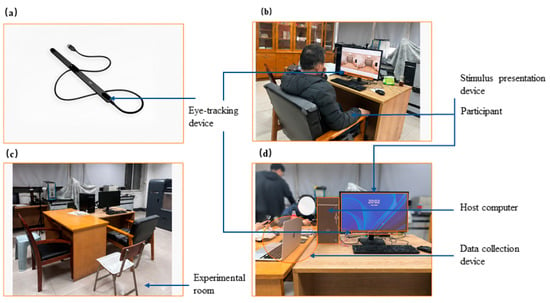
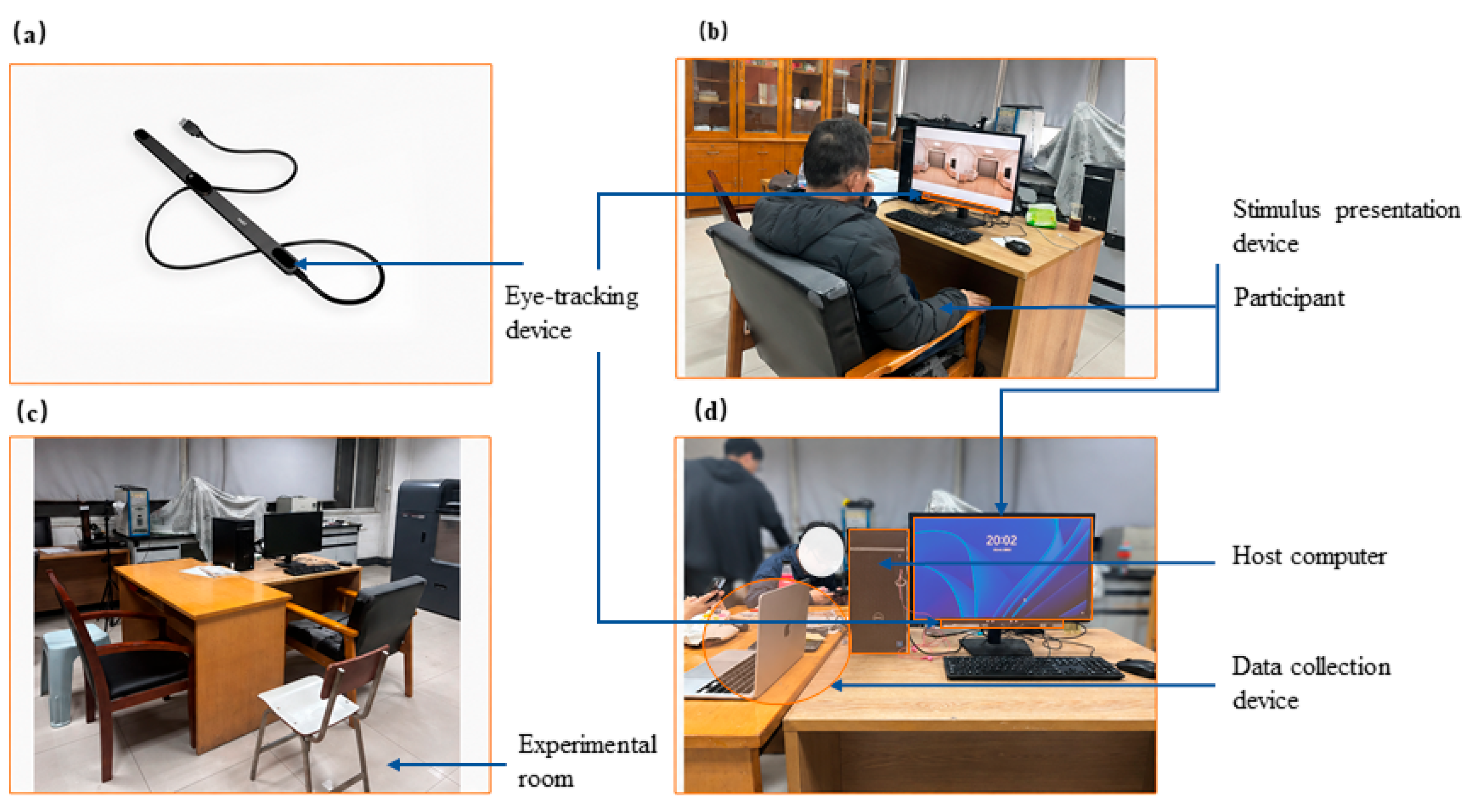
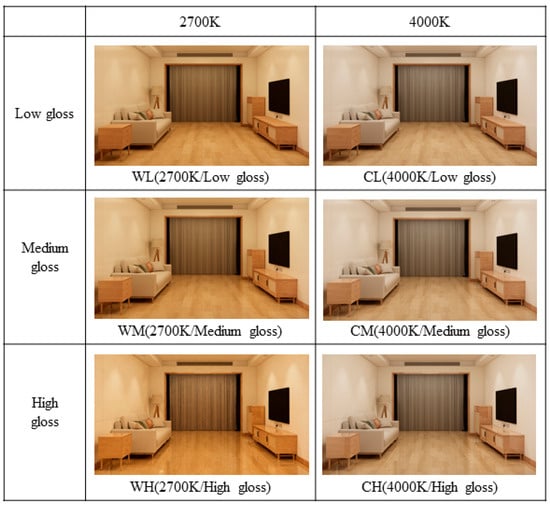
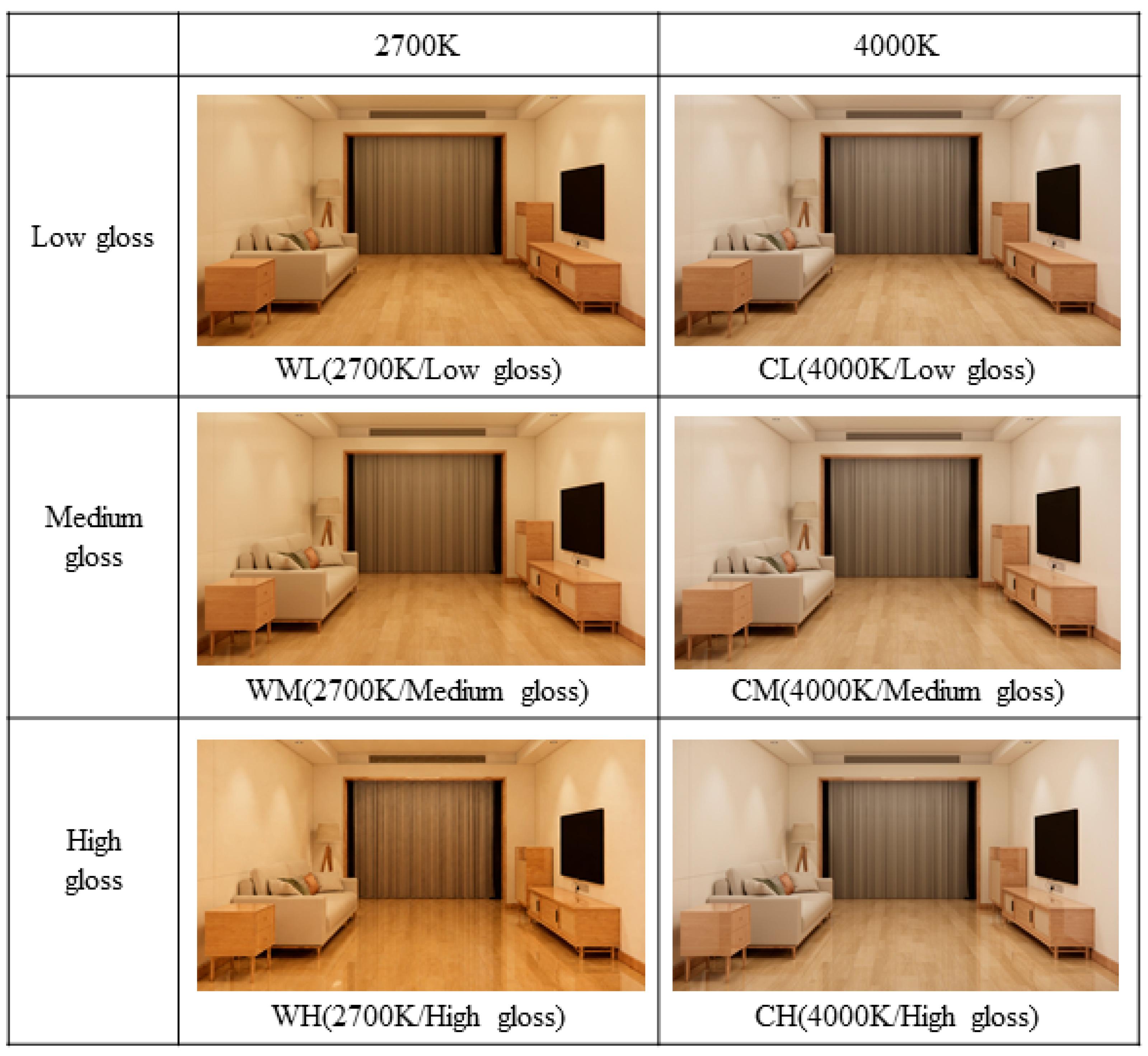
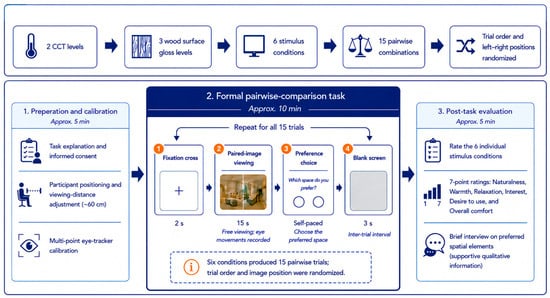
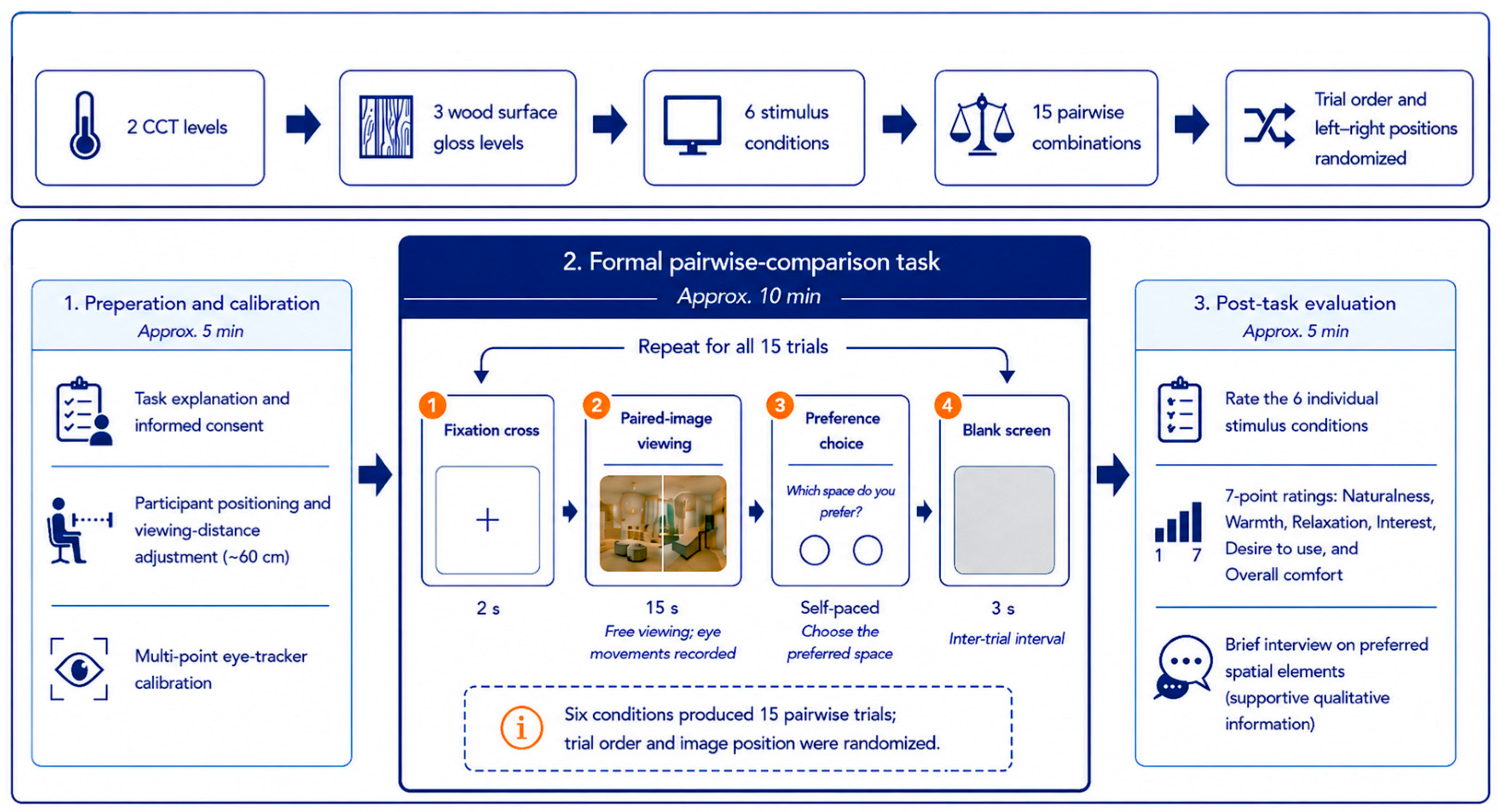
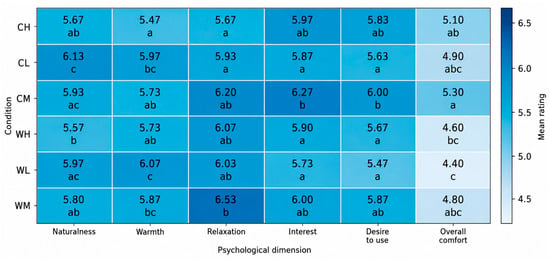
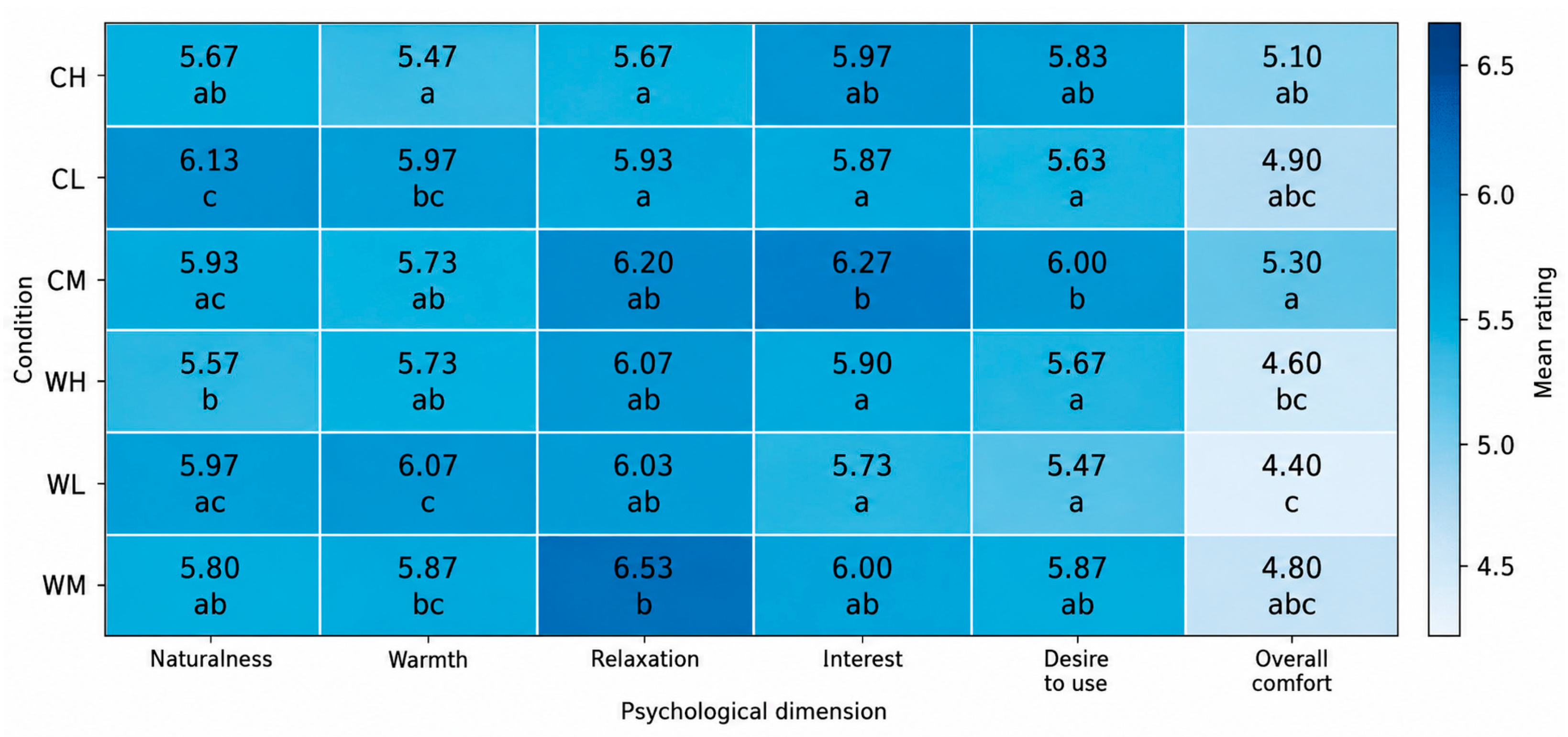
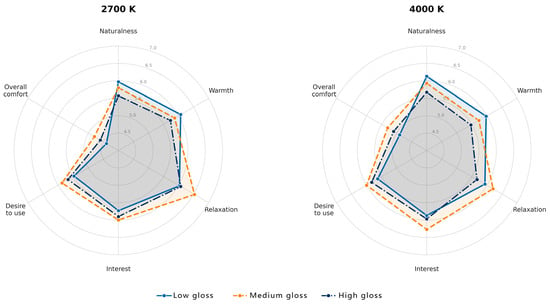
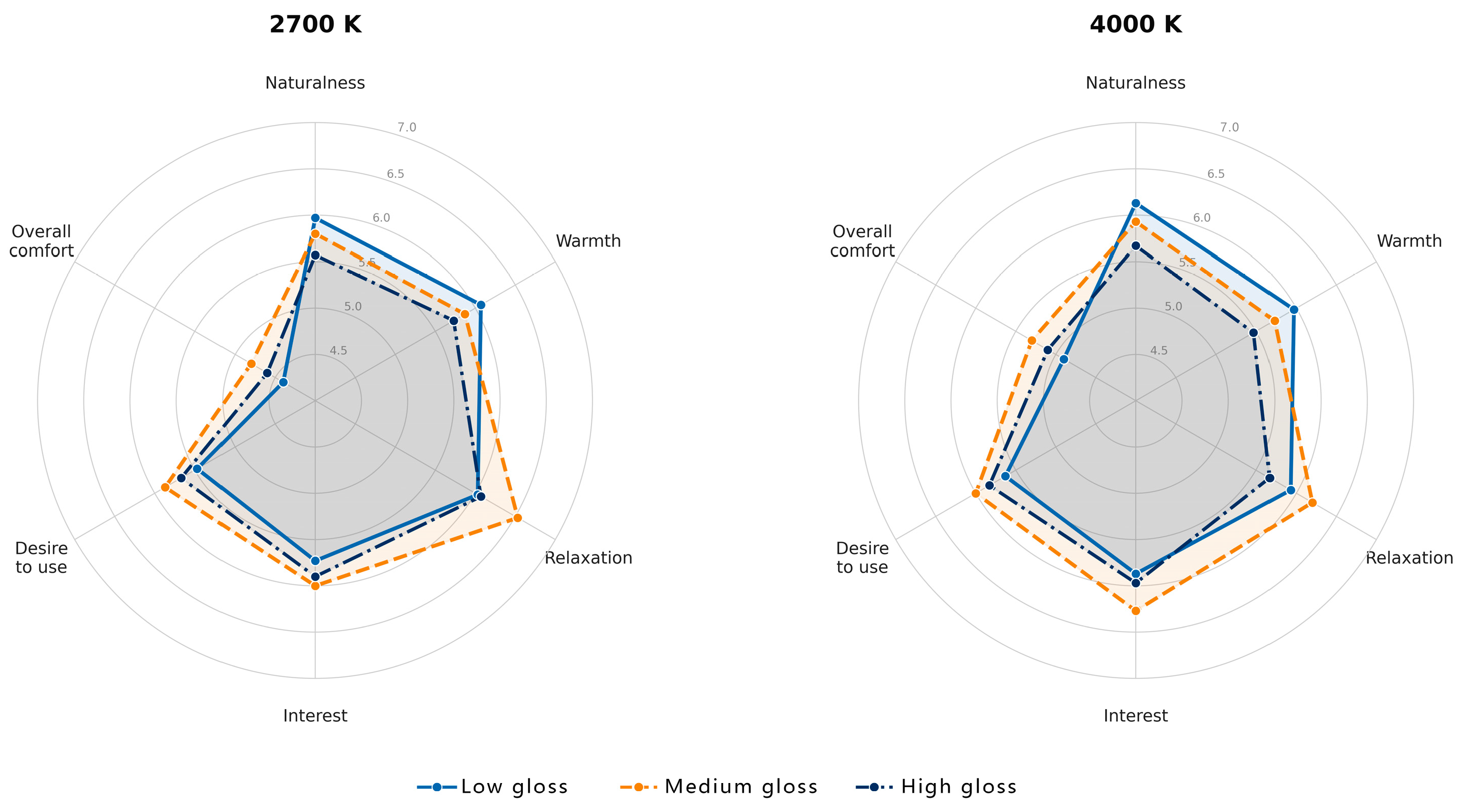
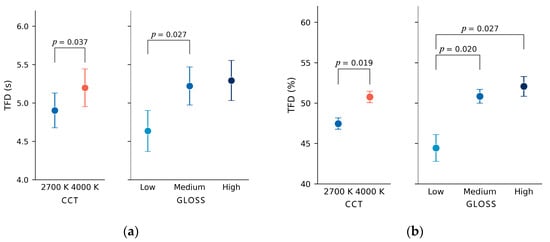
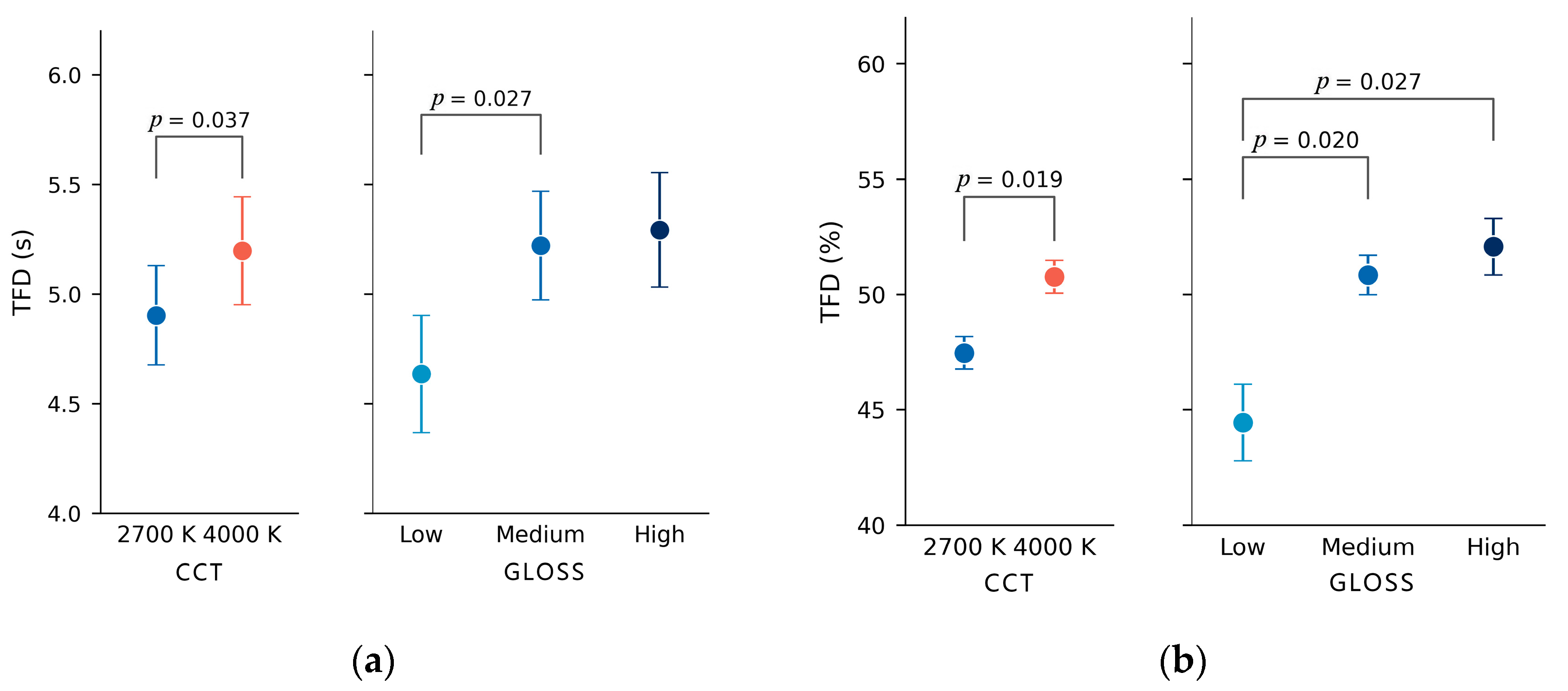
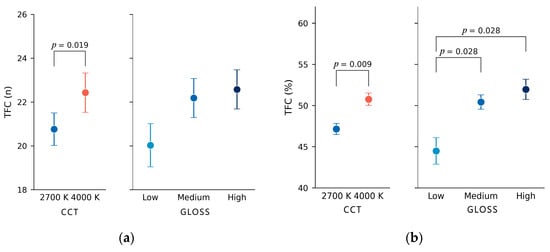
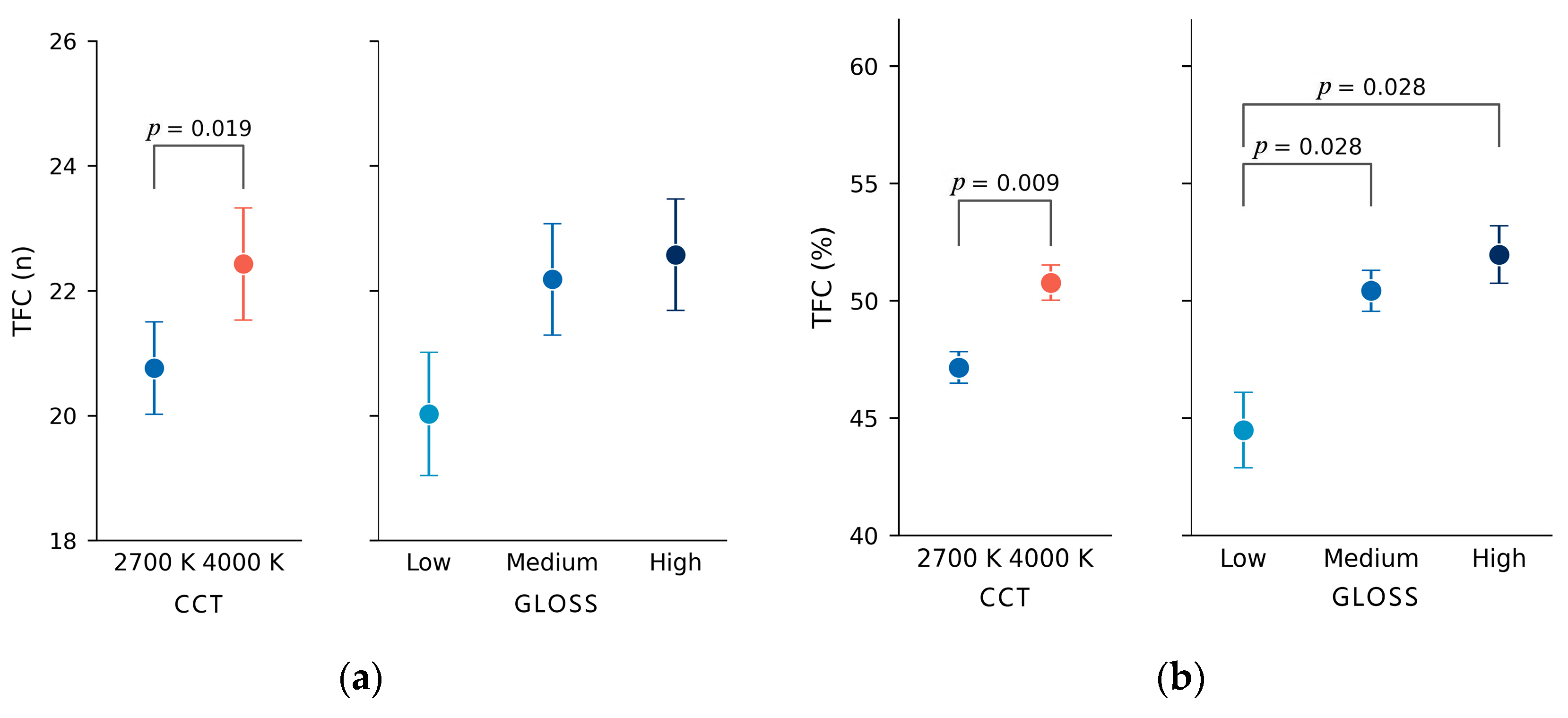
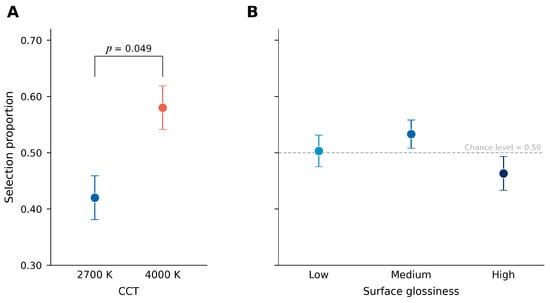
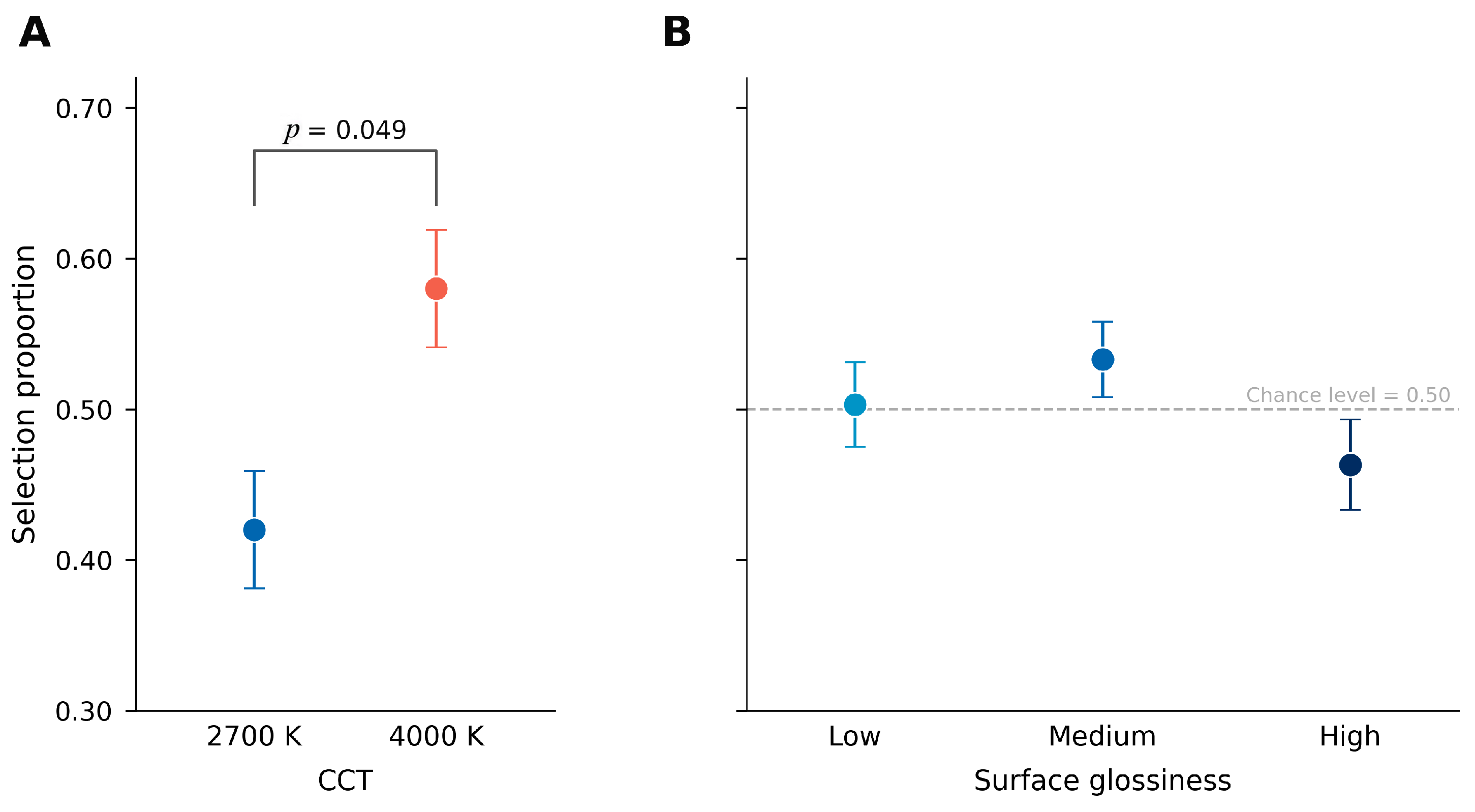
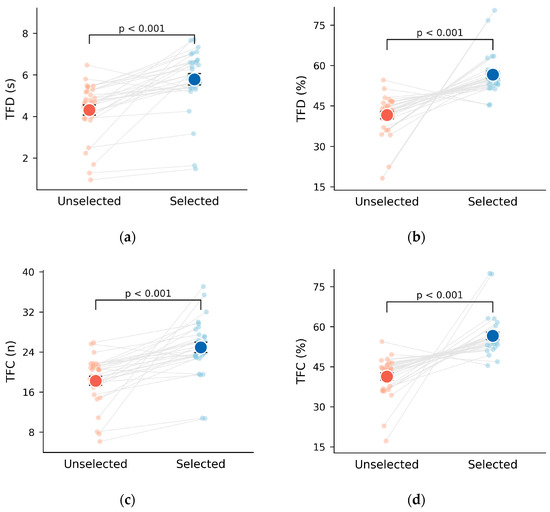
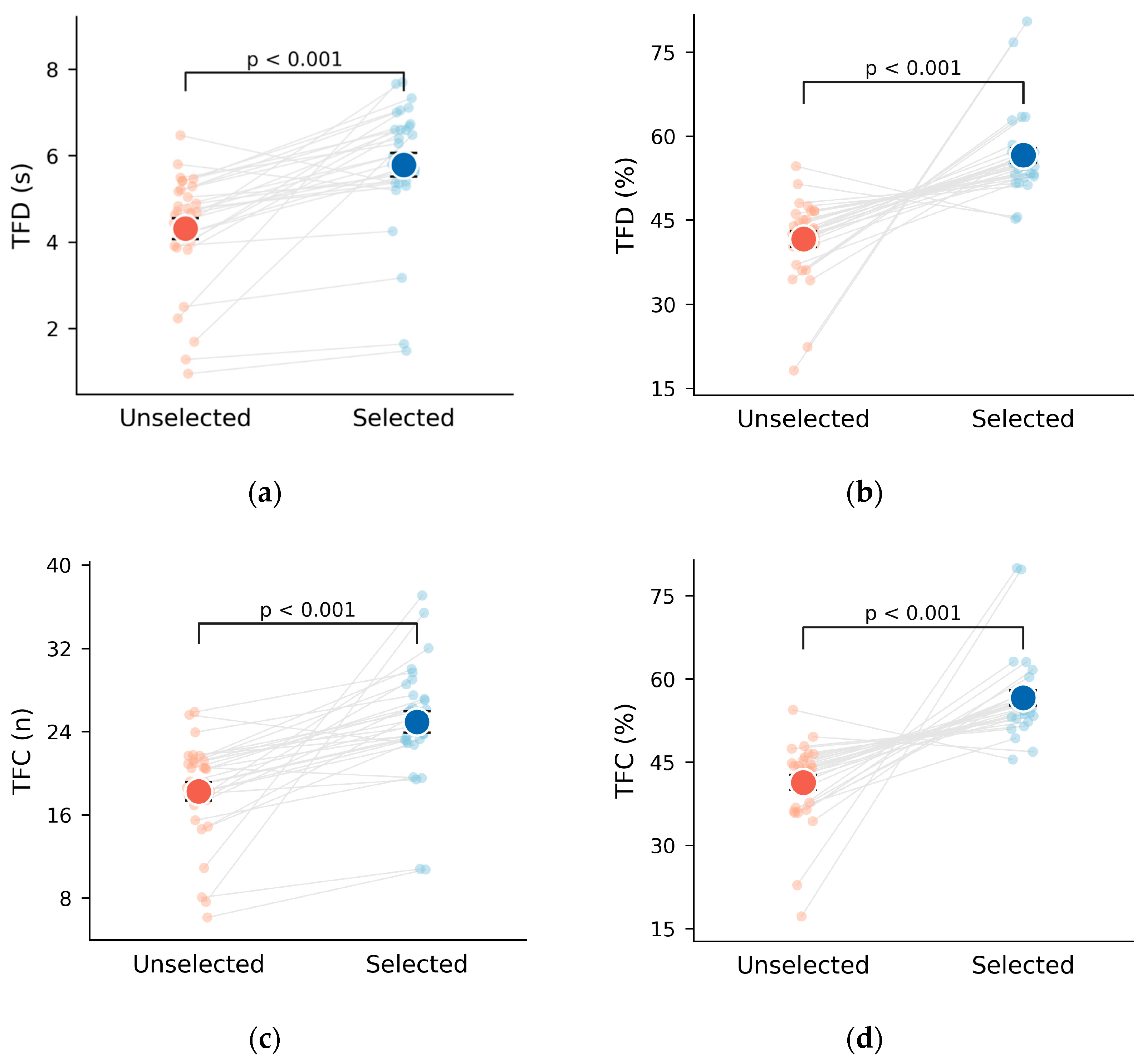

Disclaimer/Publisher’s Note: The statements, opinions and data contained in all publications are solely those of the individual author(s) and contributor(s) and not of MDPI and/or the editor(s). MDPI and/or the editor(s) disclaim responsibility for any injury to people or property resulting from any ideas, methods, instructions or products referred to in the content. |
© 2026 by the authors. Licensee MDPI, Basel, Switzerland. This article is an open access article distributed under the terms and conditions of the Creative Commons Attribution (CC BY) license.