


Abstract
Existing urban residential buildings contribute substantially to operational energy use and carbon emissions in the building sector, making low-carbon retrofitting a key approach to improving the performance of the existing housing stock. This study conducts a bibliometric and systematic review of research on low-carbon retrofitting of existing urban residential buildings in China. Journal articles published between 2015 and 2025 were retrieved from Web of Science and Scopus, and 91 studies were retained after screening. Bibliometric analysis was used to examine annual publication trends, source distribution, keyword co-occurrence, thematic evolution, and organizational collaboration. The systematic review further synthesised evidence on retrofit policies, technical measures, and performance evaluation methods. The results indicate a clear increase in publications in recent years, with research attention shifting from basic energy-saving measures towards multi-objective optimization, carbon reduction, and thermal comfort improvement. The review suggests that China’s residential retrofit policies can be understood as a multi-level framework supporting retrofit implementation. Retrofit strategies have gradually shifted from individual measures towards integrated retrofit packages, while performance evaluation has expanded from energy-saving assessment to broader considerations of carbon emissions, occupant comfort, and economic feasibility. The review highlights the need for more consistent evaluation boundaries, stronger integration of lifecycle carbon accounting and occupant behaviour, and climate-responsive retrofit strategies. These findings provide a structured basis for comparing retrofit approaches, strengthening the connection between policy and technology, and supporting decision-making in large-scale residential retrofit programmes.
1. Introduction
The buildings and construction sector remains one of the largest contributors to global energy consumption and carbon emissions, accounting for approximately 32% of energy use and 34% of CO2 emissions in 2025 [1]. Within this sector, residential buildings constitute a particularly important component because of their extensive floor area, long service life, and continuous operational energy demand. This issue is especially significant in China, where rapid urbanisation over recent decades has led to the large-scale accumulation of urban residential buildings. A substantial proportion of this stock was constructed before the implementation of more stringent energy-efficiency standards, resulting in relatively poor thermal performance, high heating and cooling demand, and considerable operational carbon emissions [2,3]. Therefore, improving the low-carbon performance of existing urban residential buildings has become a critical issue in China’s transition towards carbon peaking and carbon neutrality.
Compared with new construction, retrofitting existing residential buildings offers a more immediate and scalable pathway for reducing operational energy use and carbon emissions, while also improving indoor environmental quality, extending building service life, and enhancing residential comfort [4,5]. In this review, low-carbon retrofitting is defined as the upgrading of existing residential buildings to reduce operational energy use and carbon emissions through building envelope improvements, energy system upgrades, renewable energy integration, and smart operation and control, while taking account of indoor environmental quality and economic feasibility. Over the past two decades, China has implemented large-scale residential retrofit programmes, particularly in northern heating regions. During the 11th and 12th Five-Year Plan periods, more than 400 million m2 of residential buildings were retrofitted with the support of government-led initiatives and fiscal subsidies [6]. These programmes have contributed to improved energy efficiency and winter indoor thermal conditions; however, retrofit implementation remains uneven across regions and projects, with persistent limitations in technical integration, system-level optimisation, and the application of intelligent control systems [6,7].
Against this background, a growing body of research has examined the policies, technologies, and evaluation methods associated with low-carbon retrofitting. Previous studies have demonstrated the effectiveness of passive design measures, active system upgrades, renewable energy integration, and smart control strategies in improving building performance [8,9]. At the same time, a range of evaluation approaches, including building energy simulation, life cycle assessment (LCA), life cycle cost (LCC) analysis, and post-retrofit monitoring, have been widely used to assess energy, environmental, economic, and indoor comfort outcomes [10,11]. More recently, multi-criteria decision-making and optimisation methods have been introduced to address trade-offs among energy savings, carbon reduction, thermal comfort, and economic feasibility [12]. These studies provide an important foundation for understanding the potential of low-carbon retrofitting, yet they often focus on individual technologies, specific evaluation tools, or isolated policy instruments.
Research on low-carbon retrofitting of residential buildings in China remains fragmented. Many studies focus on individual technical measures, while fewer examine how these measures are combined into retrofit packages for different building types and climate zones. Policy frameworks and retrofit technologies are often discussed separately. Although evaluation has expanded from energy saving to carbon reduction, thermal comfort, and life cycle impacts [13,14], existing studies rarely clarify which methods are most suitable for each indicator or how system boundaries are defined.
To address these gaps, this study conducts a bibliometric and systematic review of low-carbon retrofitting for existing urban residential buildings in China, focusing on three interrelated dimensions: policy frameworks, retrofit measures, and performance evaluation. The aim is not only to summarize existing research, but also to clarify how low-carbon retrofit policies, technical strategies, and evaluation methods interact. This provides a basis for identifying current research limitations and for supporting more targeted retrofit strategies for China’s urban residential building stock.
2. Methodology
This study combines bibliometric analysis and systematic review to provide a comprehensive understanding of low-carbon retrofitting of existing urban residential buildings in China, as illustrated in Figure 1. Bibliometric analysis employs statistical and mathematical techniques to identify research trends within the literature [15], while systematic review enables an in-depth synthesis of research topics and findings [16]. Owing to its ability to integrate quantitative and qualitative insights, this mixed-method approach has been widely applied in review studies and has proven effective in identifying research hotspots, thematic structures, and knowledge gaps within a given field [16]. The bibliometric results were used to guide the structure of the subsequent systematic review. Accordingly, the bibliometric analysis provides a thematic map, while the systematic review further explains the content, evidence, and gaps within each theme.
Figure 1.
Process of the mixed-review method.
As shown in Figure 2, the process of literature review adhered to the four-step approach, outlined by the Preferred Reporting Items for Systematic Reviews and Meta-Analyses (PRISMA) method: (i) identification; (ii) screening; (iii) eligibility; and (iv) included. The PRISMA method was adopted to improve the transparency, quality, and completeness of the systematic review process [17].
Figure 2.
The PRISMA method flowchart.
In step 1 of the PRISMA method, to comprehensively capture research on the low-carbon retrofitting of existing urban residential buildings in China, a systematic literature search was conducted using two major academic databases: Web of Science and Scopus. These databases were selected because a substantial proportion of peer-reviewed international literature in the fields of building energy, low-carbon construction, urban sustainability, and retrofit research is indexed in one or both of them. Web of Science is widely used in bibliometric studies because of its rigorous journal selection criteria, structured citation data, and high-quality indexed sources [18]. Scopus, meanwhile, provides broader journal coverage and includes a wide range of contemporary publications across engineering, environmental science, architecture, and urban studies [19]. The combined use of these two databases therefore helps improve the comprehensiveness, representativeness, and reliability of the literature dataset, while reducing the risk of omitting relevant studies that may be indexed in only one database. The search was limited to literature published from 2015 to 2025 to encompass the latest developments and insights within the field. This period was selected because studies published before 2015 were relatively limited. More research efforts have been channelled into this field, as inspired by the Paris Climate Agreement and the United Nations Sustainable Development Goals in 2015 [20], contributing to a substantial rise in both the quantity and quality of research after 2015. Search using the following keywords: (“residential building” OR “housing” OR “home”) AND (retrofit* OR renovation OR refurbishment) AND (“low-carbon” OR “net-zero carbon” OR “net-zero energy” OR “low energy” OR “energy efficiency” OR “energy saving”). The database search initially identified 1615 records, including 1362 from Web of Science and 253 from Scopus. The literature search and screening were completed in December 2025.
Step 2 was conducted by excluding grey literature and duplicate records, leaving 1359 records. In step 3, the eligibility of the papers was checked by reviewing their titles, abstracts, and full texts. A combination of titles, keywords, and abstracts of retrieved papers was first assessed to determine whether these papers fit with the research objectives, followed by a thorough full-text review to confirm the relevance of the content to the research topic. The review included journal articles published in English that focus on renovation measures or energy retrofit for existing urban residential buildings. Eligible studies quantitatively assessed the impacts of retrofit strategies on energy performance, either at the individual building level or across residential building stocks, using empirical data, simulations or data-driven methods. Studies were excluded if they addressed non-residential buildings, lacked residential retrofit measures, or focused solely on analysis at the material or component level. Policy or conceptual studies without explicit links to retrofit performance were excluded, as were studies limited to building stock characterization, energy forecasting, or material-level environmental or life-cycle assessments. In addition, studies focusing only on indoor environmental quality or health outcomes, as well as urban-scale or district-scale energy system analyses not directly related to residential building retrofits, were omitted. The detailed inclusion and exclusion criteria are provided in Appendix A, Table A1. Finally, 91 published papers related to low-carbon retrofitting of existing residential buildings were selected for an in-depth review. The bibliometric analysis was carried out in February 2026 using VOSviewer (version 1.6.20).
3. Overview of China’s Existing Urban Residential Building Stock
China’s existing urban residential building stock is highly heterogeneous in terms of construction period, building form, envelope performance, energy systems and climatic context. This heterogeneity is particularly important for low-carbon retrofitting because retrofit priorities depend not only on the age and physical condition of buildings, but also on regional heating and cooling demand. China spans severe cold and cold regions in the north, hot summer and cold winter regions in the central and eastern areas, and hot summer and warm winter regions in the south. As a result, residential energy consumption patterns differ substantially across regions, requiring climate-responsive retrofit strategies rather than a uniform technical approach [21]. Given the large scale, long service life and continuous operational energy demand of existing residential buildings, this stock represents a critical target for China’s building-sector decarbonization [22].
3.1. Existing Residential Building Characteristics
China’s residential buildings vary substantially in morphology, envelope condition, and construction period across regions [23]. The classification of existing urban residential buildings by construction period is closely related to the transformation of China’s urban housing system. Before housing market reform, urban housing was largely provided through a welfare allocation system, in which work units played an important role in housing provision. Since the 1980s, housing reform has gradually promoted privatization and commercialization, and the official abolition of welfare housing allocation in 1998 marked a shift towards a more market-based urban housing system [24]. Together with rapid urbanization, this institutional transition reshaped residential development in Chinese cities. China’s urbanization has accelerated markedly since the reform period, with the urbanization rate rising from 17.9% in 1978 to 36.2% in 2000 and reaching 67.00% by the end of 2024 [25]. This rapid urban transition, together with housing commercialization after the late 1990s, contributed to the large-scale expansion of urban residential construction. Accordingly, residential buildings constructed before 2000 are often associated with older urban communities developed under the welfare housing allocation system, whereas those constructed after 2000 increasingly reflect commercial housing development and taller apartment forms [24].
Buildings constructed after 2010 differed from those built during 2000–2010 in both construction scale and regulatory context. The period from 2000 to 2010 was a stage of rapid expansion in market-oriented urban housing, while the residential stock developed after 2010 was formed under more mature urban housing production and increasingly standardized design and construction requirements [26]. Around 2010, several major residential energy-efficiency standards were revised, including the Design Standard for Energy Efficiency of Residential Buildings in Severe Cold and Cold Zones (JGJ 26-2010) [27], the standard for the hot summer and cold winter zone (JGJ 134-2010) [28], and the standard for the hot summer and warm winter zone (JGJ 75-2012) [29], contributing to more standardized energy performance requirements for new residential buildings [30,31]. Based on these changes, this study groups existing urban residential buildings into three construction periods: pre-2000, 2000–2010, and post-2010, as summarized in Table 1.
Table 1.
Retrofit characteristics of residential buildings by construction period.
The storey ranges also broadly reflect changes in elevator provision and fire safety requirements. Under earlier residential design standards, residential buildings with seven storeys or more were required to be equipped with elevators, while buildings with twelve storeys or above require at least two elevators [32]. Buildings around eighteen storeys approach the 54 m threshold for additional safety exit requirements, and buildings around 33 storeys approach the 100 m threshold for refuge floor requirements [33]. Residential buildings constructed in different periods present distinct energy performance characteristics and retrofit priorities. Those built before 2000 are mostly older urban communities, often characterized by weak envelope performance, single layer glazing, poor airtightness and outdated energy systems [34,35]. These buildings form an important part of the existing residential stock and are widely recognized as priority targets for energy saving renovation, particularly because many were built before the full implementation of residential energy efficiency standards [36]. Buildings constructed between 2000 and 2010 generally represent a transitional stage, during which energy efficiency requirements were gradually strengthened and apartment buildings with elevators became more common. Buildings constructed after 2010 are more commonly taller apartment buildings developed under stricter energy efficiency requirements, so their baseline envelope performance is usually better than that of earlier residential stock [30,37]. As a result, retrofit work for this group is less likely to focus on large scale wall insulation. However, window performance remains important because glazing affects both heating and cooling loads, while solar heat gain control is particularly relevant for reducing cooling demand. In high rise residential buildings, energy use is also affected by shared service systems, such as elevators, water supply pumps, and public lighting.
China’s residential sector has gradually transitioned from a construction-driven phase to a stock-dominated stage [38]. By 2022, approximately 20% of urban buildings had been in use for more than 30 years, and this proportion is projected to increase to around 80% by 2040 [38]. The construction-period distribution in Figure 3 shows that buildings constructed before 2000 account for 27.5% of the existing residential stock, while buildings constructed between 2000 and 2010 and after 2010 account for 34.0% and 38.5%, respectively [39]. Buildings constructed before 2000 remain particularly relevant to low-carbon retrofitting, as many were constructed before stricter energy efficiency requirements were widely implemented and often have insufficient thermal performance and outdated energy systems [35,40]. Research further suggests that the average service life of urban residential buildings in China is approximately 34 years, significantly shorter than that in many developed countries [41]. This relatively short lifespan highlights the need to extend building service life through retrofitting rather than demolition and reconstruction, thereby improving building performance and reducing lifecycle carbon emissions [42].
Figure 3.
Construction period distribution of China’s existing residential building stock, data from Ref. [39].
3.2. Energy Consumption and Carbon Emission Characteristics
Building energy consumption varies significantly across climatic regions (Figure 4). In severe cold and cold regions, residential energy demand is strongly driven by winter heating, with northern China accounting for nearly 50% of urban building floor area and heating energy consumption representing approximately 40% of total building operational energy use [22]. Household survey evidence also shows that northern residential energy use is shaped by both centralized heating and electricity consumption, with heating remaining a major source of household energy consumption and carbon emissions [43]. Therefore, in northern regions, retrofit strategies should prioritize envelope improvement and low carbon heat supply. In contrast, energy consumption in southern regions has increased rapidly, particularly in the hot summer and cold winter zone. In 2020, residential buildings in this region accounted for approximately 33% of national building energy consumption [40]. The increasing penetration of air conditioning systems, combined with rising living standards, has led to growing demand for both cooling and intermittent winter heating. Between 2010 and 2020, residential energy consumption in temperate regions exhibited an average annual growth rate of approximately 6.5% [44]. Recent survey evidence further indicates that southern household energy use is more strongly associated with electricity consumption, especially appliance use and air conditioning demand [43]. Accordingly, retrofit strategies in southern regions should place greater emphasis on cooling load reduction, efficient electrical systems, and renewable electricity integration.
Figure 4.
Climate regionalization and provincial distribution in China, reproduced from Ref. [45].
In addition to climatic conditions, construction period is also important for understanding residential energy performance, as buildings constructed in different periods were subject to different envelope standards, system configurations, and energy efficiency requirements. Since the 1980s, China has gradually promoted energy efficiency in residential buildings through the improvement of relevant standards [30,37]. As shown in Figure 5, with the early 1980s taken as the baseline for building energy consumption, the energy-saving targets for residential buildings in China were gradually raised to 30% in 2000, 50% in 2005, and 65% in 2015 [46], based on comparisons with benchmark residential buildings under standard calculation assumptions. However, a large proportion of the existing residential stock was constructed before these standards were widely implemented. Wang et al. [36] noted that about 160,000 older residential communities were developed in China between 1980 and 2000, when building energy efficiency standards were not yet fully established. As a result, many older residential buildings still have relatively weak envelope performance, inefficient energy systems, and high operational energy demand. Construction period provides an important basis for identifying retrofit priorities. Therefore, urban residential buildings constructed before 2000 have considerable energy saving and low carbon retrofit potential [36,46].
Figure 5.
Advancement of energy efficiency standards in China, adapted from Ref. [46].
4. Bibliometric Analysis
The 91 selected journal articles were analyzed using bibliometric methods to reveal the temporal evolution of research activity in this field. As shown in Figure 6, the annual number of publications exhibits a generally increasing trend from 2015 to 2025, with short-term fluctuations. Publications rose steadily between 2015 and 2020, followed by a relatively stable period during 2020–2021. Although publication output fluctuates between 2022 and 2024, a sharp increase in 2025 marks the highest level of research activity. This pattern suggests that research on low-carbon retrofitting of residential buildings has transitioned from an emerging topic to a rapidly expanding research domain, driven by increasing global attention to building decarbonization and sustainability transitions [47].
Figure 6.
Annual number of publications from 2015 to 2025.
Analyzing co-authorship at the organizational level helps to identify the key research institutions contributing to the development of the field and to understand their relative academic impact [48]. As shown in Figure 7, the top 10 organizations identified in the co-authorship analysis were ranked according to citation counts, with the number of documents indicated on the upper axis. Linnaeus University and The University of Hong Kong showed the highest citation impact, followed by the University of Colorado, the University of Naples Federico II, and the University of Sannio. In this study, The University of Hong Kong contributed the largest number of documents in the analyzed literature sample. Notably, citation impact does not always correspond directly to publication output. For example, some organizations with only a limited number of publications achieved relatively high citation counts. The presence of institutions from different countries indicates that research on low-carbon retrofitting of existing residential buildings has been supported by a diverse international research community.
Figure 7.
Top 10 organizations in the co-authorship analysis.
To further explore research hotspots and thematic structures, a keyword co-occurrence network was constructed using VOSviewer (Figure 8). In this network, node size represents keyword frequency, while link thickness indicates the strength of co-occurrence relationships. A minimum occurrence threshold of four was applied to construct the network. To ensure consistency, synonymous terms were merged; for example, “retrofit”, “renovation”, and “refurbishment” were unified under the term “renovation”. In addition, irrelevant or non-informative terms (e.g., “China” and “kingdom”) were excluded to improve the clarity and interpretability of the network. The ten most frequently occurring keywords include performance (33), energy efficiency (31), energy retrofit (15), residential buildings (14), optimization (12), model (11), strategies (11), residential building stock (10), thermal comfort (10), and envelope (9), which collectively delineate the core research focus of the field. These keywords highlight a strong emphasis on improving building performance through energy-efficient retrofit strategies, closely associated with simulation-based analysis, modeling approaches, and optimization techniques [49].
Figure 8.
Co-occurrence network of keywords.
The temporal overlay visualization reveals a clear evolution of research focus. Early studies primarily concentrated on fundamental aspects such as thermal insulation, heating systems, and modeling approaches [50], whereas recent studies have increasingly focused on multi-objective optimization, machine learning, carbon emissions, and thermal comfort. The growing prominence of optimization and machine learning suggests a move toward decision-support approaches for comparing retrofit options under multiple objectives [51]. Meanwhile, the increasing attention to thermal comfort indicates that residential retrofit research is no longer limited to energy-saving performance, but is paying more attention to occupant comfort.
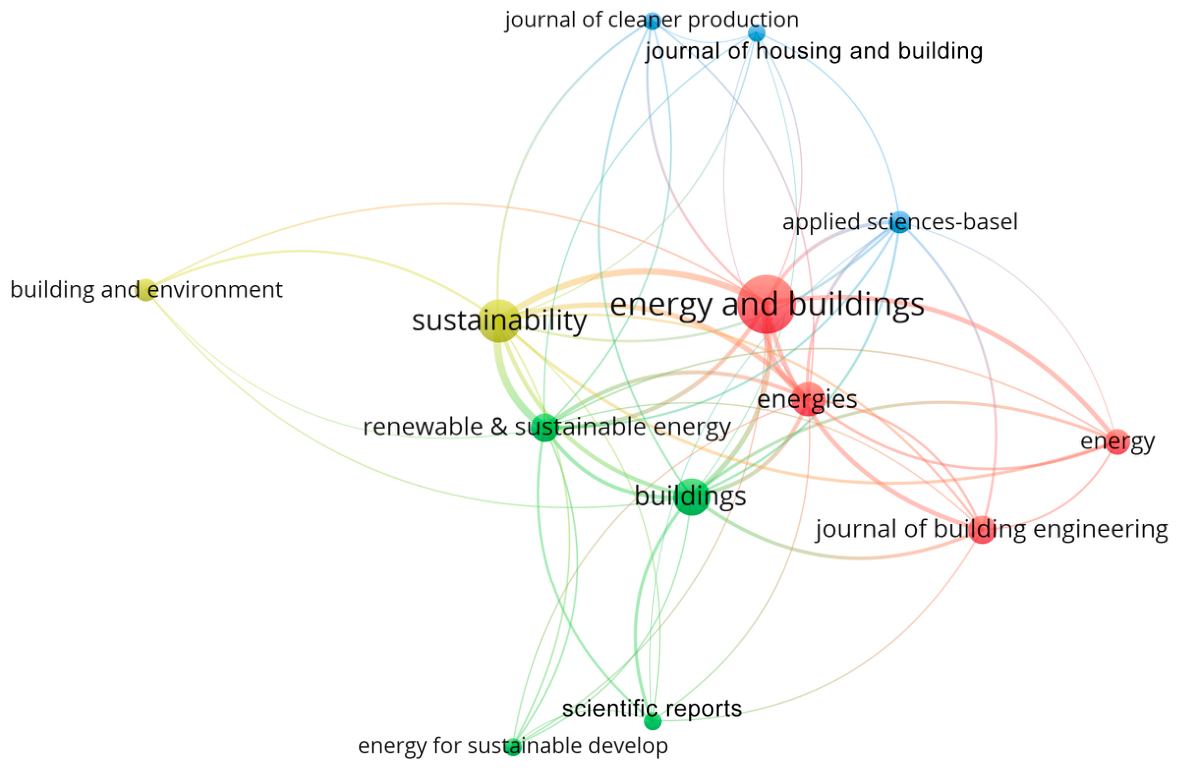
Bibliometric analysis of journal sources was conducted to identify the most influential publication outlets in the field of low-carbon retrofitting. In VOSviewer, “bibliographic” and “source” were selected as the type and unit of analysis, respectively. Among the 30 identified sources, 13 met the minimum threshold of two documents and were included in the network visualization. As shown in Figure A1, node size represents the weighted degree of each journal, while the thickness of links indicates the strength of citation relationships between sources [52]. Table 2 presents the top 10 most productive and influential journals, ranked by total link strength. This metric reflects the overall connectivity of a journal within the citation network, indicating its centrality and role in knowledge dissemination. Compared with publication or citation counts alone, total link strength provides a more comprehensive measure of journal influence by capturing inter-journal relationships.
Table 2.
Top 10 most productive and influential sources.
The results reveal that publications in this field are concentrated in a relatively small number of core journals. As shown in Table 2, Energy and Buildings ranks first in both the number of documents and total link strength, indicating its central role in the publication and knowledge network of low-carbon residential retrofit research. Sustainability also shows strong productivity and network connectivity, ranking second in total link strength. Energies, Renewable & Sustainable Energy Reviews, Buildings, and Journal of Building Engineering also make important contributions. The source distribution reflects a clear disciplinary focus on building energy and sustainability, with core journals facilitating knowledge exchange across related research areas.
5. Results
Based on the keyword categorization shown in Figure 9, selected articles were further reviewed to identify the main research themes and knowledge gaps. The qualitative synthesis is organized around three dimensions: low-carbon retrofitting policies, retrofit measures, and performance evaluation. Policy frameworks guide the selection and implementation of retrofit measures, while performance evaluation examines whether these measures achieve the expected energy performance and provides feedback for future policy adjustment and retrofit strategy improvement.
Figure 9.
Categorization of keywords.
5.1. Low-Carbon Retrofitting Policies
A substantial body of research demonstrates that policy interventions play a decisive role in advancing building retrofitting. Regulatory requirements, financial incentives, and performance evaluation mechanisms significantly influence retrofit decisions and improve renovation quality [7]. In China, building energy retrofitting programs have historically followed a top-down governance approach, in which governments at different administrative levels play a leading role and provide substantial financial support [53]. Based on the literature review, low-carbon residential retrofitting policies in China can be understood as a governance mechanism comprising four components: national strategies, technical standards, carbon performance evaluation, and financial incentives. As illustrated in Figure 10, national strategies define strategic targets and priorities, which are translated into technical requirements through technical standards. Carbon performance evaluation provides monitoring and verification of retrofit outcomes, while financial incentives support and accelerate implementation.
Figure 10.
Policy framework for low-carbon retrofitting in China.
5.1.1. National Strategies
In recent years, China has established a series of strategic targets to address climate change and promote low-carbon development [7]. The “dual carbon” goals, which aim to peak carbon emissions before 2030 and achieve carbon neutrality by 2060, have become the overarching national strategy guiding energy transition and sustainable development [54]. Within this context, the building sector has been identified as a critical domain for carbon mitigation due to its substantial contribution to national energy consumption and carbon emissions. To support these goals, a series of national plans and policy documents have been issued, emphasizing the importance of improving building energy efficiency and accelerating low-carbon transformation, as summarized in Table 3. For example, the 13th Five-Year Plan for Building Energy Efficiency and Green Building Development explicitly set large-scale retrofit targets for existing residential buildings, particularly in northern heating regions, focusing on envelope upgrading and heating system improvements. In addition, policy documents such as the Working Guidance for Carbon Peaking and Carbon Neutrality and the Action Plan for Carbon Dioxide Peaking Before 2030 highlight the need to reduce carbon emissions from the building sector through electrification, renewable energy integration, and energy efficiency improvement [55]. The 2026 Opinions on Improving Housing Quality further embedded low-carbon retrofitting in housing quality improvement and the renovation of existing residential buildings.
Table 3.
Primary national strategy documents for building retrofits in China.
Issued by the State Council in May 2026, the 15th Five-Year Plan for Urban Renewal positions urban renewal as a key pathway for upgrading the existing urban residential building stock. It identifies ageing residential communities, particularly those built more than 20 years ago, as priority targets for assessment and renovation, and connects housing improvement with infrastructure upgrading, complete community development, long-term management, and diversified financing mechanisms. This policy shift suggests that low-carbon residential retrofitting in China is increasingly being embedded in wider urban renewal programs, rather than treated only as a task focused on energy savings at the building level. These national strategies indicate a progressive expansion of China’s building retrofit agenda. It began with building energy efficiency and green building development, was subsequently incorporated into the national carbon-peaking and carbon-neutrality framework, and has more recently been translated into implementation-oriented actions for the construction sector. More recent policies further connect low-carbon retrofitting with the improvement of existing housing and the renewal of ageing urban communities. These documents establish the strategic basis for subsequent technical standards, performance evaluation, and financial support policies related to low-carbon retrofitting in China [56].
5.1.2. Technical Standards
Technical standards translate national strategic goals into enforceable requirements for retrofit design, construction, and performance control. The major technical standards related to building energy efficiency retrofit in China are summarized in Table 4. The Technical Specification for Energy Conservation Renovation of Existing Heated Residential Buildings, implemented in 2001, was the first technical standard for building retrofitting in China. It established basic requirements for retrofit practice, covering external wall insulation and the airtightness and thermal performance requirements of doors and windows. This technical basis was subsequently expanded through a set of region-specific mandatory design standards, including the Design Standard for Energy Efficiency of Residential Buildings in Severe Cold and Cold Zones in 2010 (JGJ 26), JGJ 134 for hot summer and cold winter zones, and JGJ 75 for hot summer and warm winter zones. These standards specify limits for envelope thermal transmittance, baseline values for heating and cooling demand, and system energy-efficiency requirements, thereby providing a technical basis for both new construction and the upgrading of existing buildings. The implementation of the Technical Standard for Energy Efficiency Retrofit of Existing Residential Buildings in 2013 marked a further step toward a nationally applicable retrofit framework, as it incorporated energy audits, retrofit design, envelope improvement, heating system renovation and metering, and construction quality acceptance into a more complete technical process.
Table 4.
Primary technical standards for building retrofits in China.
Later developments indicate a shift from basic energy-saving control to higher-performance targets. The Technical Standard for Nearly Zero Energy Buildings introduced more integrated performance requirements covering the building envelope, HVAC systems, and renewable energy contributions. This direction was further reinforced by a series of policies promoting the application of renewable energy technologies in buildings, particularly biomass energy, household solar systems, small-scale wind power, and hydropower. The 2021 General Code for Building Energy Conservation and Renewable Energy Utilization further placed renewable energy application within the technical code system, which embeds renewable energy application within the general technical code system while taking regional climatic differences into account. The General Code for Maintenance and Renovation of Existing Buildings, implemented in 2022, broadened the regulatory scope of retrofit practice by requiring pre-retrofit assessment and setting mandatory requirements for building, structural, and equipment system renovation. In the field of zero-carbon buildings, the forthcoming Technical Standard for Zero-Carbon Buildings represents an important attempt to establish dedicated technical guidance for zero-carbon building practice. The standard has progressed from public consultation in 2023 to an approval draft in 2024, but it has not yet been formally issued. This delay may reflect the technical complexity of standardizing zero-carbon buildings, especially because the standard must address not only building design and operation, but also renewable energy use, carbon verification, and offsetting. In conclusion, China has established a relatively complete technical basis for energy-efficiency retrofit across different climate zones, but a unified national technical standard for zero-carbon retrofit has not yet been put in place.
5.1.3. Carbon Performance Evaluation
While national strategies set decarbonization goals and technical standards specify retrofit requirements, carbon performance evaluation policies establish the criteria through which retrofit performance is measured and verified. The primary standards related to carbon performance evaluation for building retrofits in China are summarized in Table 5. China’s evaluation framework has evolved from general green retrofit assessment toward more explicit carbon-oriented evaluation. The Assessment Standard for Green Retrofitting of Existing Buildings classifies retrofitted buildings into one-star, two-star, and three-star levels. The Assessment Standard for Green Building extends assessment beyond energy saving to a broader framework covering safety and durability, health and comfort, serviceability, resource efficiency, and environmental livability. Yet both standards remain primarily oriented toward green performance rather than carbon accounting. A more explicit carbon focus is introduced by the Standard for Building Carbon Emission Calculation, which defines system boundaries, emission sources, calculation procedures, and reporting rules, thereby shifting evaluation from general performance improvement to quantifiable carbon reduction. Released in 2025, the Standard for Carbon Measurement and Accounting in Urban-Rural Construction further expands carbon accounting to the urban regional scale from an increasingly macroscopic perspective. Beyond government-issued standards, recent association standards have begun to address more specific low-carbon assessment scenarios, such as zero-carbon building interiors and low-carbon retrofits of existing residential buildings. For example, the 2026 Assessment Standard for Low-Carbon Retrofits of Existing Residential Buildings integrates life-cycle carbon accounting with baseline comparisons before and after renovation. However, these specialized standards remain supplementary, and a unified national framework for evaluating low-carbon retrofits of existing residential buildings has not yet been established.
Table 5.
Primary standards for evaluating carbon performance of building retrofits in China.
The current framework nevertheless remains fragmented, as the standards address different evaluation objects. Previous studies have distinguished pre-retrofit assessment and post-retrofit evaluation as two core components of evaluation-based policy. In China, integration across these stages remains limited, and practical implementation is still affected by insufficient energy-use data, weak interdepartmental data coordination, and the limited influence of voluntary certification. The framework has moved from green retrofit assessment to carbon accounting and, more recently, to zero-carbon classification. At the same time, differences in evaluation object, accounting scope, and verification basis indicate that a unified framework for existing residential low-carbon retrofitting has not yet been fully established.
5.1.4. Financial Incentives
Financial incentives are central to the implementation of low-carbon retrofit policies in China. For existing residential buildings, retrofit projects are often constrained by high upfront costs, long payback periods, and uncertain returns, making public financial support important for project initiation [65]. The main financial incentive policies for building retrofits in China are summarized in Table 6. Earlier policies mainly focused on energy saving renovation and EPC projects. For example, the Interim Measures for the Administration of Subsidy Funds for Energy-saving Renovation of Existing Residential Buildings in Hot Summer and Cold Winter Zones established differentiated subsidy rates of 15, 20, and 25 yuan/m2. More recent funding has gradually been incorporated into old residential community renovation, affordable housing programs, and urban renewal initiatives. The 2026 Notice on Central Financial Support for Urban Renewal Initiatives selects eligible cities through a competitive review process and provides region-based subsidies to support urban infrastructure upgrading, residential community development, and the renewal of ageing urban districts. This indicates that financial support for retrofit has expanded from building energy saving subsidies toward broader public investment in urban renewal and existing stock upgrading.
Table 6.
Primary financial incentive policies for building retrofits in China.
The current funding framework remains largely government-led. Public finance, especially central and local fiscal subsidies, continues to provide the main basis for implementation, while market mechanisms such as EPC have not fundamentally changed this structure. Existing incentives are still more effective in supporting project launch and rollout than in rewarding long-term operational performance or deep decarbonization outcomes. At the local level, building energy efficiency subsidies are still mainly calculated by floor area, but some policies have begun to include performance conditions. For example, the Measures of Guangzhou Municipality for Financial Support for Green Building and Building Energy Efficiency Development, issued in 2024, provides 20 yuan/m2 for existing public building energy retrofit demonstration projects, with eligibility linked to specified comprehensive energy saving rate requirements and stable operation for one year after retrofit. This suggests a shift toward performance conditions, although payments are still not based on measured energy or carbon savings. In old residential community renovation, recent policies require costs to be shared among government, residents, and social actors. A higher resident payment burden may weaken willingness to participate, especially in ageing communities with income differences and fragmented ownership. Financial support therefore needs to reduce upfront costs for residents and give stronger rewards to retrofits with verified energy and carbon benefits.
5.2. Low-Carbon Retrofitting Measures
The reviewed studies show that low-carbon retrofitting of existing residential buildings has evolved from isolated technical interventions toward more integrated and system-oriented approaches [14,23]. The identified measures can be broadly grouped into four categories: passive measures, active system upgrades, renewable energy measures, and smart operation and control measures, as summarized in Table 7 and illustrated in Figure 11. Recent studies also suggest that the carbon reduction potential of retrofit depends not only on the performance of individual measures, but also on their functional roles and interactions within the overall building system.
Table 7.
Summary of low-carbon retrofit strategies for existing residential buildings.
Figure 11.
Schematic diagram of low-carbon retrofitting measures.
5.2.1. Passive Retrofit Strategies
Passive retrofit measures are widely regarded as the most influential strategies for improving building energy performance because they reduce heating and cooling demand by improving the thermal performance of the building envelope [14,66]. They are widely used in existing residential buildings because they can improve indoor comfort without adding major operational energy demand.
In existing residential buildings, passive measures are mainly applied to external walls, windows, doors, shading systems, and roofs. Among these, insulation improvement of external walls and roofs is one of the most common approaches because it directly affects heat transfer and thermal load. The performance of insulation retrofit depends not only on the type of insulation material, but also on the thickness and location of the insulation layer [67]. In practice, insulation materials can be broadly divided into conventional materials and superinsulation materials (SIMs). Conventional materials, such as expanded polystyrene (EPS), extruded polystyrene (XPS), mineral wool, and polyurethane (PUR) foam, remain the most widely used because of their relatively low thermal conductivity, affordability, and broad applicability. By contrast, SIMs such as aerogels and vacuum insulation panels (VIPs) offer much lower thermal conductivity and can achieve higher thermal resistance with less thickness. This makes them particularly suitable for retrofit situations with limited installation space, including heritage buildings, dense urban environments, and projects where external insulation is difficult to apply [89]. Their wider application, however, is still constrained by high cost, limited durability, fragility, and relatively weak mechanical performance [68].
Window retrofit is another key passive strategy because windows are often one of the weakest parts of the envelope in terms of heat transfer. Upgrading glazing types, such as double or triple glazing and argon-filled glazing, can reduce the window U-value and improve thermal insulation, thereby lowering heat loss [71]. Low-E glazing can further limit solar heat gain while reducing heat loss from indoor spaces [72]. In practice, window upgrades are often combined with shading measures to control solar radiation and visible light penetration, especially in climates where cooling demand is significant [14]. Compared with wall insulation, glazing and shading measures are often more sensitive to climatic context, since their performance depends on the balance between winter heat retention and summer solar control. In addition, green façades and green roofs can improve insulation and air quality while also helping to mitigate the urban heat island effect [70]. Their environmental and social benefits are often considerable, although their direct economic return is usually less pronounced.
5.2.2. Active System Upgrades
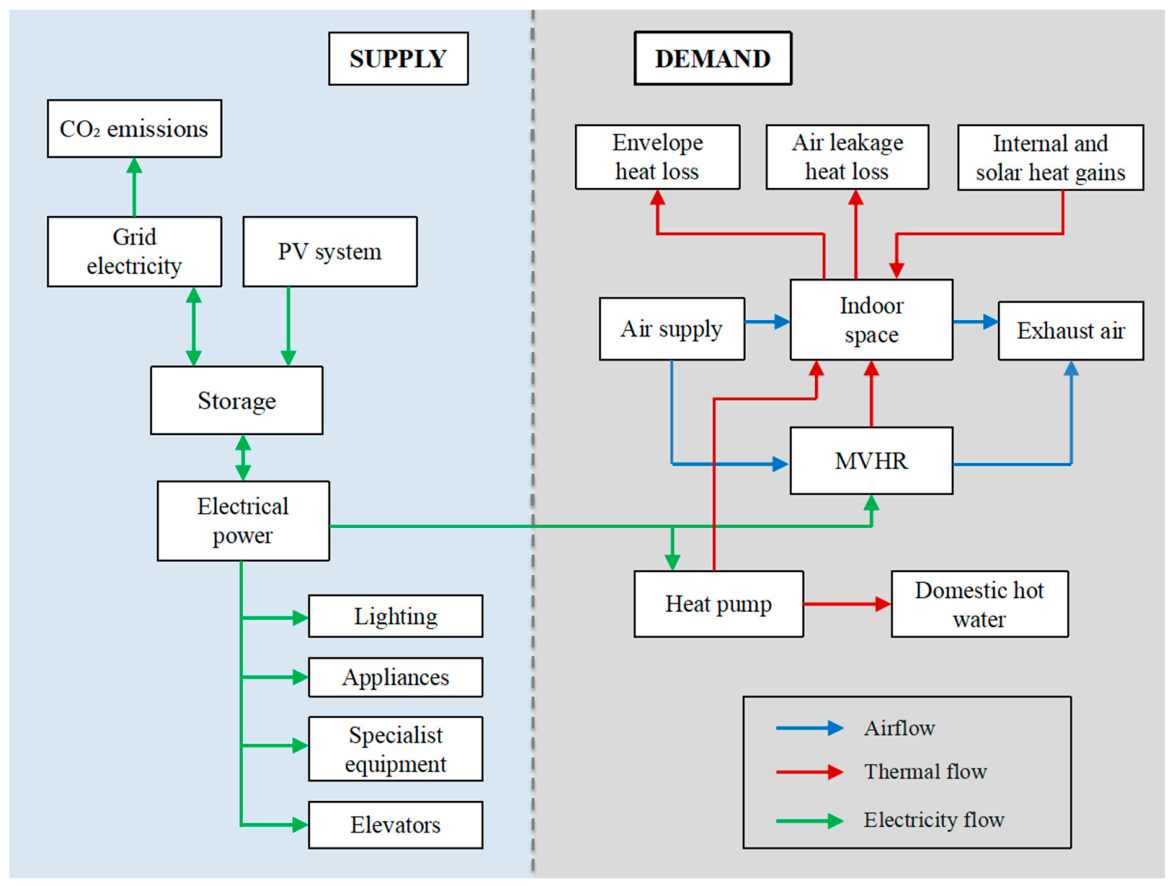
Active retrofit measures aim to reduce operational energy by improving the efficiency of building energy systems, including HVAC, domestic hot water, and lighting. Previous studies have shown that HVAC retrofit alone can achieve energy savings ranging from 10% to 60% [90]. Figure 12 illustrates the relationship between energy supply and building demand in active system upgrades, highlighting the interactions among electrical, heating and ventilation.
Among active measures, HVAC system upgrade remains one of the most important approaches because of its large influence on operational energy use. Replacing conventional gas and oil boilers with heat pumps can significantly reduce CO2 emissions in existing buildings [91]. Other studies have shown that heat recovery ventilation systems have considerable energy-saving potential, particularly in hot and humid climates [92]. By recovering heat from exhaust air and transferring it to incoming fresh air, these systems can reduce heating or cooling demand while maintaining indoor air quality in airtight retrofitted dwellings. Operational optimization is also relevant at the system level. For example, control strategies such as setpoint adjustment and scheduling can reduce unnecessary HVAC energy use, while more advanced control systems, including smart thermostats, zonal control, and occupancy-based control, can further improve system efficiency.
Domestic hot water and lighting systems are also frequently targeted in retrofit practice. High-efficiency domestic hot water systems, such as heat pump water heaters and condensing heaters, can reduce hot water energy use, while replacing conventional lighting with LED systems offers considerable carbon reduction potential [83]. In addition, integrating lighting control systems can further reduce lighting energy consumption, with reported savings generally ranging from 10% to 30% depending on the control strategy and application conditions [93]. Among these options, low-energy lighting equipment remains one of the most widely adopted active measures because of its relatively low cost and clear cost-effectiveness [94].
Figure 12.
Energy system diagram for low-carbon residential retrofits, adapted from Ref. [95].
5.2.3. Renewable Energy Integration
Renewable energy retrofit measures involve the adoption of renewable energy technologies and the installation of new or upgraded renewable energy systems in existing buildings. In the literature on existing residential buildings, the most frequently discussed options are photovoltaic systems, solar hot water systems, wind power, and ground-source heat pumps. Among these, solar energy is the most widely applied, mainly because photovoltaic systems can be integrated into roofs, façades, and shading devices in relatively flexible ways [81,84]. Ground-source heat pumps are also considered an important renewable option because they can provide low-carbon heating and cooling, but their application is usually more constrained by site conditions and initial investment.
A large part of the literature examines how these systems perform once they are integrated into existing buildings. For example, Asaee et al. analysed photovoltaic and building-integrated photovoltaic/thermal system retrofits in existing residential buildings and found that BIPV systems could reduce annual energy use by approximately 18% [84]. Ghoreishi et al. reported that a solar air collector retrofit reduced winter heating demand by preheating ventilation air [96]. Other studies have explored more integrated applications. Skandalos et al. investigated the energy-saving and carbon-reduction effects of integrating photovoltaic systems into windows and shading devices [97], while Panagiotidou et al. showed that combining photovoltaic-thermal systems, heat pumps, and wall-integrated photovoltaics (WIPV) can provide important support for achieving near-zero emissions in multi-storey residential buildings [98]. These studies suggest that the role of renewable measures in retrofit is not limited to electricity generation alone, but also extends to domestic hot water supply, ventilation preheating, and the wider integration of envelope and energy systems.
In addition, some studies have explored the potential of integrating electric vehicle charging infrastructure into retrofit projects. Apostolopoulos et al. proposed that introducing electric vehicle charging stations with vehicle-to-grid (V2G) functionality and flexible storage during retrofit could strengthen the interaction between buildings and the electricity grid and improve the use of renewable energy [99]. In addition to on-site systems, off-site renewable electricity procurement and carbon offsetting may also help balance residual emissions. However, these approaches do not directly improve building energy performance.
5.2.4. Smart Operation and Control
Smart operation and control measures improve building performance mainly through monitoring and automated control, rather than through direct changes to the physical envelope or major equipment replacement. One widely adopted approach is the Building Energy Management System (BEMS), which strengthens the monitoring and control of HVAC and lighting systems and can achieve energy savings of around 30% [79]. Intelligent control schemes that integrate artificial intelligence (AI) and the Internet of Things (IoT) can further improve system performance. Relevant studies have reported energy-efficiency improvements of 20% to 40% through predictive control and HVAC operation optimization [100]. Rajalakshmi Selvaraj et al. also showed that intelligent building energy management systems, combined with AI technologies, can optimize energy allocation and equipment operation by learning from weather conditions and occupant behaviour [8].
Another important strategy is occupant-responsive control, which adjusts building system operation according to occupant behaviour, for example by monitoring window status and linking it to HVAC operation. Such strategies can reduce unnecessary energy use and are relatively easy to implement in existing residential buildings [87]. In addition, sub-metering and feedback systems can be used to guide energy-saving behaviour. Residential electricity submetering has been shown to influence how occupants use energy by making energy use more visible to residents [101]. The literature also discusses the automated control of building envelope components, especially shading systems. Automatic shading devices can respond to solar radiation and indoor thermal conditions, thereby reducing cooling loads and improving thermal comfort [88]. These measures are particularly useful in existing residential buildings where major physical intervention is limited but operational improvement remains possible.
Integrated Retrofit Packages
Recent studies on urban residential buildings increasingly examine integrated retrofit packages rather than isolated measures, as summarized in Table 8.
Table 8.
Representative studies on integrated retrofit packages for residential buildings in China.
The studies summarized in Table 8 indicate a shift from isolated measures to integrated retrofit packages in urban residential buildings. Most studies still focus primarily on envelope retrofit measures. Window upgrading and shading measures recur across climate contexts and often play a central role in improving energy and indoor environmental performance [14,83,104]. Renewable energy measures are increasingly included, but they are usually added after reducing building energy demand. By contrast, smart operation and monitoring measures are still rarely treated as core components in urban residential retrofit research.
Active measures often depend on passive retrofit measures that first reduce heating and cooling demand. In many cases, system upgrades are effective only after envelope measures have reduced thermal demand and improved operating conditions. This pattern is particularly evident in cold and severe cold climates, where the key role of package retrofit lies not only in insulation itself, but in the coupling between load reduction and system adaptation, with heating systems strongly affecting both energy savings and economic return [83,106]. No universal optimal package can be identified, since the preferred combination depends on climatic conditions, baseline building performance, and retrofit cost [23]. At the same time, integrated packages rarely converge toward a single best solution, but instead reveal clear trade-offs among energy, comfort, and economic objectives [14,102].
5.3. Performance & Evaluation of Retrofitting Strategies
Retrofit performance is reviewed through two aspects: evaluation indicators and evaluation methods. Table 9 and Table 10 summarize the main indicators and methods used in the reviewed studies.
5.3.1. Performance Indicators
Table 9 summarizes the main performance indicators used in the reviewed studies, including environmental performance, comfort and health, and economic performance. Environmental performance is the most frequently evaluated dimension, with energy saving rate, annual energy consumption, heating and cooling energy consumption, carbon reduction rate, and carbon emission reduction commonly used as core indicators. For example, Chen et al. simulated retrofit scenarios for residential buildings constructed in the 1980s and 1990s in Jiangsu Province and found that selected energy saving measures could reduce heating and cooling energy use by up to 52.4% [103]. However, carbon reduction results are highly dependent on the assessment boundary [108]. While some studies focus only on operational carbon emissions, others extend the boundary to include embodied carbon from retrofit materials, equipment replacement, and demolition processes. Peng et al. assessed lifecycle carbon emissions in an aging urban community in Shandong Province by considering embodied, operational, and demolition phases [105]. Although envelope retrofits reduced operational carbon emissions by 78%, embodied emissions remained substantial, leading to a carbon payback period of 8.73 years. These findings suggest that carbon reduction results should be interpreted in relation to clearly defined accounting boundaries.
Table 9.
Summary of indicators used to evaluate retrofit performance.
Compared with conventional energy saving indicators, renewable energy performance has received increasing attention in recent retrofit studies. Indicators such as photovoltaic electricity generation, PV generation intensity, and renewable energy share help clarify the actual contribution of renewable systems to reducing grid electricity demand and carbon emissions. Cao et al. evaluated rooftop PV potential by calculating installable capacity, annual electricity generation, investment cost, annual savings, and payback period [116]. Their results showed that PV performance was strongly influenced by roof availability, solar resources and electricity prices. The comparison between sloped and flat roofs further indicates that roof form can affect both installable PV capacity and annual electricity generation.
Comfort and health indicators are used to assess whether low carbon retrofitting improves residential living conditions while reducing energy and carbon emissions. In residential low carbon retrofit studies, thermal comfort is often evaluated through indoor temperature, relative humidity, comfort hours, discomfort hours, thermal comfort level, and occupant satisfaction. PMV and PPD are also used, particularly in studies that apply standardized thermal comfort assessment methods, but they are not consistently adopted across the residential retrofit literature. For example, Ibrahim et al. assessed passive retrofit scenarios for a mixed mode residential building in Cairo and reported that annual thermal comfort increased from 31.4% in the reference case to 66% under optimized retrofit scenarios [113]. Shi et al. used thermal comfort hours as one of the performance indicators in a multi performance optimization study of residential retrofitting in Turpan, China [14]. By contrast, Rahgozar et al. focused on indoor winter thermal comfort in an existing residential apartment and used PMV and PPD to evaluate the effects of floor heating and envelope insulation [117]. In addition to thermal comfort, indoor air quality should also be considered when retrofit measures involve airtightness enhancement, window replacement, or ventilation system upgrades, because reduced infiltration may affect ventilation conditions and indoor pollutant accumulation [118]. Therefore, indicators such as CO2 concentration, PM2.5 concentration, and relative humidity can complement thermal comfort indicators and provide a more complete assessment of the indoor environment.
Economic performance plays a critical role in determining the feasibility of retrofit implementation. The reviewed studies report payback periods typically ranging from 3 to 30 years, with shorter periods often associated with low cost or shallow retrofit measures and longer periods linked to deep retrofit strategies, renewable energy systems, or comprehensive retrofit packages [102,119]. This indicates that higher energy savings do not necessarily correspond to better economic feasibility. For example, Ahmed and Asif showed that deeper retrofit levels achieved greater energy reductions in residential buildings, but the payback period increased substantially from less than one year for shallow retrofit to more than 24 years for deep retrofit scenarios [120]. In addition to simple payback analysis, lifecycle indicators such as life cycle cost (LCC), net present value (NPV), and internal rate of return (IRR) are adopted to assess whether the initial retrofit investment can be justified by long-term savings in operation and maintenance. In a study of residential building energy retrofit in Chongqing, You et al. found that low-income households had much longer cost recovery periods than middle- and high-income households under existing subsidy policies [65]. This suggests that economic feasibility is not determined only by technical energy savings, but also by the distribution of costs and incentives among different resident groups.
5.3.2. Evaluation Methods
A variety of evaluation methods have been employed to assess retrofit performance, as summarized in Table 10. The methods are grouped into five categories that reflect the main concerns of retrofit evaluation: energy consumption, carbon emissions, economic feasibility, thermal comfort, and integrated assessment.
Table 10.
Evaluation methods for low-carbon retrofit performance.
Among these methods, building energy simulation remains central to the evaluation of retrofit scenarios because it allows researchers to estimate energy consumption before physical implementation. Simulation tools such as EnergyPlus, TRNSYS, DesignBuilder and DeST enable detailed modeling of building energy behavior under different retrofit scenarios, allowing for scenario comparison and design-stage analysis [14,87]. However, simulation results are highly dependent on input assumptions and may provide limited representation of occupant behavior [121]. In contrast, measurement and monitoring approaches provide direct evidence of post-retrofit performance based on actual energy consumption data [106]. While these methods offer higher reliability, they are often constrained by limited data availability and external influencing factors. Carbon evaluation is commonly conducted through Life Cycle Assessment (LCA) and the carbon emission factor method. LCA is widely applied to quantify both operational and embodied impacts of retrofit interventions [81,123]. In retrofit studies, it is particularly useful for examining whether operational carbon savings from measures such as insulation or window replacement can offset the embodied carbon associated with added materials and later replacement. Compared with the carbon emission factor method, which is useful for simplified operational carbon accounting, LCA is better able to capture the life-cycle impacts associated with retrofit materials and replacement processes. LCA results may therefore vary considerably depending on whether a study only includes product-stage emissions, adds construction and replacement processes, or further extends the boundary to operation, recycling and disposal [112,124].
Economic feasibility is usually examined because retrofit decisions are strongly affected by upfront investment and payback expectations. Life Cycle Cost (LCC) analysis is commonly used to evaluate long-term economic performance, considering investment, operation, and maintenance costs [115,116]. In addition, financial indicators such as net present value (NPV), internal rate of return (IRR), and payback period are widely employed due to their simplicity and practical relevance [73,115,116]. However, these methods are often sensitive to assumptions such as discount rates and future energy prices, introducing uncertainty into the evaluation results.
Energy and carbon indicators do not fully reflect how retrofitting affects indoor living conditions. Thermal comfort evaluation is therefore an important complement. Field measurements provide objective data on indoor environmental conditions, including indoor temperature, relative humidity, and indoor air quality [111,113], while post-occupancy evaluation (POE) captures occupant perceptions and satisfaction [6,114]. Despite their importance, comfort-related evaluations are less consistently applied than energy and carbon assessments, indicating a research gap in occupant-centered retrofit evaluation.
Because retrofit strategies often involve trade-offs among energy savings, carbon reduction, cost, and comfort, some studies have adopted integrated assessment methods to compare alternative solutions [106,116]. These approaches, including analytic hierarchy process (AHP) and other multi-criteria decision-making (MCDM) techniques, provide a systematic framework for balancing competing objectives [105,127]. Furthermore, multi-objective optimization methods, such as the Non-dominated Sorting Genetic Algorithm (NSGA-II) and Particle Swarm Optimization (PSO), are increasingly used to identify optimal retrofit solutions by simultaneously optimizing multiple performance criteria [126,128]. Compared with single-method evaluations, these approaches are capable of revealing trade-offs among different objectives and generating a set of Pareto-optimal solutions rather than a single outcome. However, they are computationally intensive and require well-defined objective functions and reliable input data, which may limit their applicability in practice. Integrated evaluation frameworks are needed to improve comparability across studies, particularly given differences in system boundaries, data availability, and methodological assumptions.
6. Discussion
This study shows that low-carbon retrofitting in China is no longer limited to individual technical measures, but now involves the coordination of policy guidance, integrated retrofit packages, and multidimensional performance evaluation. Retrofit performance is not determined simply by which technical measures are selected, but also by policy support, occupant behavior, and operation and maintenance after retrofitting. Based on this understanding, the discussion moves beyond the classification of policies and measures to examine three factors that shape the practical effectiveness of low-carbon retrofitting: social factors, policy implementation, and technological integration.
6.1. Social Factors
Occupant behavior and social acceptance directly affect retrofit outcomes but are often simplified in research and practice. A persistent gap between predicted and actual performance is widely observed, largely due to differences between assumed user behavior in design models and actual occupant practices, such as window operation, thermostat adjustment, and ventilation habits [6,87]. These behaviors introduce uncertainties that directly affect energy savings and indoor environmental performance. In practice, higher heating set-points can extend heating operation, while window opening during heating or cooling periods increases ventilation-related heat loss or heat gain, which may offset part of the energy-saving effect expected from envelope retrofits [129]. Retrofit decisions are further shaped by cost perceptions, awareness, and access to information, with occupants often prioritizing short-term economic considerations when returns are uncertain. Limited awareness and insufficient dissemination of reliable information continue to constrain adoption [53,130,131].
Lifecycle considerations, particularly embodied carbon, remain inadequately addressed [116,126]. Embodied carbon can represent a substantial share of life-cycle emissions and may account for around half of whole-life carbon in energy-efficient buildings, with its relative importance increasing as operational energy demand declines [132,133]. Focusing solely on operational energy savings may therefore lead to incomplete assessments. In some cases, deep retrofit strategies involve substantial material inputs that offset operational savings [81], indicating that retrofit does not always result in lower life-cycle emissions.
6.2. Policy Dimension
China has established a relatively comprehensive policy framework for low-carbon retrofitting, but policy targets are not always translated into retrofit outcomes. One reason is the dominance of a top-down, government-led approach, in which retrofit objectives are largely defined by national targets, building regulations, and energy supply systems [7]. Although this model enables rapid rollout of retrofit programs, its implementation relies heavily on local governments and project-level actors, who often lack sufficient resources, technical capacity, or coordination mechanisms. As a result, policy intentions are not consistently translated into effective actions. By contrast, bottom-up approaches are driven by the actual needs of building users, with a stronger focus on comfort, affordability, and indoor environmental quality [130,131]. However, actions at this level tend to be fragmented and limited in scale, making it difficult to achieve broader carbon reduction goals.
Existing studies suggest that a major constraint lies less in the availability of technologies than in weak coordination among stakeholders and the poor alignment between retrofit design and actual operation [6]. This fragmentation often leads to discrepancies between expected and actual performance [6,87]. For example, government-promoted solar water heating systems may underperform in practice when full-process control and operation and maintenance are not adequately addressed, despite their strong policy support and technical potential [134]. This suggests that effective low-carbon retrofitting depends on better coordination across policy frameworks, technical solutions, and operational practices, rather than relying solely on either top-down mandates or bottom-up initiatives [6,7].
International retrofit experience provides a useful contrast to China’s predominantly government-led approach. In the European Union, the revised Energy Performance of Buildings Directive supports the transition toward a zero-emission building stock by 2050 through instruments such as energy performance certification and financial support for staged improvements [135]. Compared with this approach, China has stronger advantages in strategic coordination and large-scale mobilization, but still faces challenges in household participation and market-based financing [7]. Future retrofit implementation in China should not only rely on top-down targets, but also strengthen owner-oriented incentives, staged renovation guidance, and long-term monitoring after retrofitting [136].
6.3. Technological Aspects
Recent retrofit technologies have expanded the options available for residential buildings. Envelope materials such as aerogels, vacuum insulation panels, and high-performance glazing improve thermal performance in residential retrofit [23]. Digital technologies are also used to support retrofit decision-making and operation. Building energy management systems and artificial intelligence-based tools are increasingly used for real-time monitoring, data integration, and adaptive control in retrofitted residential buildings [137]. For example, operational data from energy bills and metered systems can be incorporated into simulation models to improve the selection and optimization of retrofit measures [112].
Despite these technological advances, their effectiveness in practice is often constrained by system integration issues. Studies have shown that retrofit measures applied independently may lead to suboptimal or even conflicting effects, as interactions between building envelope, HVAC systems, and control strategies are not adequately considered [23,112,137]. For example, envelope retrofits can reduce heat demand, but system operation and control are not always adjusted accordingly [137]. This mismatch between reduced demand and unchanged system configuration can undermine the expected energy-saving performance [6]. This suggests that retrofit effectiveness depends not only on individual measures, but also on their coordinated implementation within the overall building system. In this context, package retrofitting can be understood as a practical approach to addressing these coordination challenges, by structuring the combination and sequencing of multiple retrofit measures within a unified framework. However, its application in existing residential buildings remains constrained by cost, technical complexity, and uncertainties in long-term operation [7,137].
Low-carbon retrofitting is increasingly understood not as a set of isolated technical interventions, but as a coordinated socio-technical process shaped by occupant behavior, policy frameworks, and retrofit technologies. The effectiveness of retrofit strategies therefore depends on how these dimensions are aligned in practice, rather than on the performance of individual measures alone [6,7,137].
7. Conclusions
This study combines bibliometric analysis and systematic review to investigate low-carbon retrofitting of existing residential buildings in China, with a focus on policy frameworks, retrofit measures, and performance evaluation. The review identifies research trends and key themes, examines policies related to residential retrofitting and carbon reduction, synthesizes retrofit measures, and summarizes evaluation indicators and methods.
The main findings show that China has developed a multi-level policy system that provides a structured institutional foundation for large-scale retrofit implementation. Retrofit strategies have also shifted from isolated single measures to package-based approaches, in which multiple measures are combined to improve overall performance. At the same time, performance evaluation has expanded towards a multidimensional perspective that considers environmental impact, economic feasibility, and thermal comfort. However, differences in indicators and methods still limit comparison across studies.
The contribution of this review is to bring policy, retrofit measures, and performance evaluation together in one analytical framework. It shows that retrofit outcomes are influenced not only by technical packages, but also by policy support, building stock characteristics, occupants’ behavior, and evaluation methods. The effectiveness of retrofit measures should therefore be judged not only by their technical potential, but also by how they are implemented and verified in practice. Despite the contributions, this review is limited by its focus on English-language journal articles, which may have excluded relevant studies published in other languages. The literature selection was also constrained by the chosen keywords, which may not fully capture all relevant studies.
Future research is likely to make greater use of monitoring data, adaptive control, and machine learning-based prediction. Lifecycle assessment also needs further development, especially in relation to embodied carbon and occupant behavior. High upfront costs remain a barrier, making cost-effective retrofit packages and economic evaluation important research priorities.
Author Contributions
Conceptualization, C.L. and Q.J.; methodology, P.Z.; formal analysis, X.S.; writing—original draft preparation, X.S.; writing—review and editing, P.Z.; supervision, Q.J. and P.Z.; funding acquisition, Q.J. All authors have read and agreed to the published version of the manuscript.
Funding
This research was funded by Fundamental Research Funds for the Central Universities, grant number WUT: 104972025RSCbs0057.
Data Availability Statement
All data generated or analyzed during this study were included in this published article.
Acknowledgments
The authors gratefully acknowledge this financial support, which enabled the data collection, analysis, and manuscript preparation for this study.
Conflicts of Interest
The authors declare no conflicts of interest.
Appendix A
Table A1.
Inclusion and exclusion criteria for literature screening.
Figure A1.
Visualization of major research sources.
References
- United Nations Environment Programme; Global Alliance for Buildings and Construction. Global Status Report for Buildings and Construction 2024/2025; UNEP: Nairobi, Kenya, 2025. [Google Scholar]
- Building Energy Research Center of Tsinghua University. Decarbonize Urban Heating System: China Building Energy and Emission Yearbook 2023; Springer: Singapore, 2024; ISBN 978-981-99-7875-5. [Google Scholar]
- Huo, T.; Ma, Y.; Xu, L.; Feng, W.; Cai, W. Carbon Emissions in China’s Urban Residential Building Sector through 2060: A Dynamic Scenario Simulation. Energy 2022, 254, 124395. [Google Scholar] [CrossRef] [Scilit]
- Liu, Y.; Liu, T.; Ye, S.; Liu, Y. Cost-Benefit Analysis for Energy Efficiency Retrofit of Existing Buildings: A Case Study in China. J. Clean. Prod. 2018, 177, 493–506. [Google Scholar] [CrossRef] [Scilit]
- Ma, Z.; Cooper, P.; Daly, D.; Ledo, L. Existing Building Retrofits: Methodology and State-of-the-Art. Energy Build. 2012, 55, 889–902. [Google Scholar] [CrossRef] [Scilit]
- De Feijter, F.J.; Van Vliet, B.J.M. Housing Retrofit as an Intervention in Thermal Comfort Practices: Chinese and Dutch Householder Perspectives. Energy Effic. 2021, 14, 2. [Google Scholar] [CrossRef] [Scilit]
- Liu, G.; Li, X.; Tan, Y.; Zhang, G. Building Green Retrofit in China: Policies, Barriers and Recommendations. Energy Policy 2020, 139, 111356. [Google Scholar] [CrossRef] [Scilit]
- Selvaraj, R.; Kuthadi, V.M.; Baskar, S. Smart Building Energy Management and Monitoring System Based on Artificial Intelligence in Smart City. Sustain. Energy Technol. Assess. 2023, 56, 103090. [Google Scholar] [CrossRef] [Scilit]
- Yang, S.; Yi, W.; Zong, H. A Systematic Review of Retrofitting Buildings for Sustainability from a Lifecycle Perspective. Sustain. Cities Soc. 2025, 131, 106702. [Google Scholar] [CrossRef] [Scilit]
- Ascione, F.; Bianco, N.; De Masi, R.F.; Mauro, G.M.; Vanoli, G.P. Energy Retrofit of Educational Buildings: Transient Energy Simulations, Model Calibration and Multi-Objective Optimization towards Nearly Zero-Energy Performance. Energy Build. 2017, 144, 303–319. [Google Scholar] [CrossRef] [Scilit]
- Fahlstedt, O.; Rasmussen, F.N.; Temeljotov-Salaj, A.; Huang, L.; Bohne, R.A. Building Renovations and Life Cycle Assessment—A Scoping Literature Review. Renew. Sustain. Energy Rev. 2024, 203, 114774. [Google Scholar] [CrossRef] [Scilit]
- Ascione, F.; Bianco, N.; Mauro, G.M.; Napolitano, D.F. Building Envelope Design: Multi-Objective Optimization to Minimize Energy Consumption, Global Cost and Thermal Discomfort. Application to Different Italian Climatic Zones. Energy 2019, 174, 359–374. [Google Scholar] [CrossRef] [Scilit]
- Pan, W.; Li, K.; Teng, Y. Rethinking System Boundaries of the Life Cycle Carbon Emissions of Buildings. Renew. Sustain. Energy Rev. 2018, 90, 379–390. [Google Scholar] [CrossRef] [Scilit]
- Shi, G.; Yao, S.; Song, J.; Bi, W.; Qin, G.; Ni, P. Multi-Performance Collaborative Optimization of Existing Residential Building Retrofitting in Extremely Arid and Hot Climate Zone: A Case Study in Turpan, China. J. Build. Eng. 2024, 89, 109304. [Google Scholar] [CrossRef] [Scilit]
- Tranfield, D.; Denyer, D.; Smart, P. Towards a Methodology for Developing Evidence-Informed Management Knowledge by Means of Systematic Review. Br. J. Manag. 2003, 14, 207–222. [Google Scholar] [CrossRef] [Scilit]
- Donthu, N.; Kumar, S.; Mukherjee, D.; Pandey, N.; Lim, W.M. How to Conduct a Bibliometric Analysis: An Overview and Guidelines. J. Bus. Res. 2021, 133, 285–296. [Google Scholar] [CrossRef] [Scilit]
- Page, M.J.; McKenzie, J.E.; Bossuyt, P.M.; Boutron, I.; Hoffmann, T.C.; Mulrow, C.D.; Shamseer, L.; Tetzlaff, J.M.; Akl, E.A.; Brennan, S.E.; et al. The PRISMA 2020 Statement: An Updated Guideline for Reporting Systematic Reviews. BMJ 2021, 372, n71. [Google Scholar] [CrossRef] [Scilit] [PubMed]
- Mongeon, P.; Paul-Hus, A. The Journal Coverage of Web of Science and Scopus: A Comparative Analysis. Scientometrics 2016, 106, 213–228. [Google Scholar] [CrossRef] [Scilit]
- Singh, V.K.; Singh, P.; Karmakar, M.; Leta, J.; Mayr, P. The Journal Coverage of Web of Science, Scopus and Dimensions: A Comparative Analysis. Scientometrics 2021, 126, 5113–5142. [Google Scholar] [CrossRef] [Scilit]
- United Nations Framework Convention on Climate Change. Paris Agreement; UNFCCC: Bonn, Germany, 2015. [Google Scholar]
- Bai, L.; Song, B.; Yang, L. Developing the New Thermal Climate Zones of China for Building Energy Efficiency Using the Cluster Approach. Atmosphere 2022, 13, 1498. [Google Scholar] [CrossRef] [Scilit]
- Building Energy Efficiency Research Center, Tsinghua University. Annual Development Research Report on Building Energy Efficiency in China 2024: Topics on Rural Housing; Tsinghua University Press: Beijing, China, 2024. [Google Scholar]
- He, Q.; Hossain, M.U.; Ng, S.T.; Augenbroe, G. Identifying Practical Sustainable Retrofit Measures for Existing High-Rise Residential Buildings in Various Climate Zones through an Integrated Energy-Cost Model. Renew. Sustain. Energy Rev. 2021, 151, 111578. [Google Scholar] [CrossRef] [Scilit]
- Li, B.; Yao, R. Urbanisation and Its Impact on Building Energy Consumption and Efficiency in China. Renew. Energy 2009, 34, 1994–1998. [Google Scholar] [CrossRef] [Scilit]
- National Bureau of Statistics of China. Statistical Communiqué of the People’s Republic of China on the 2024 National Economic and Social Development. 2025. Available online: https://www.stats.gov.cn/english/PressRelease/202502/t20250228_1958822.html (accessed on 10 April 2026).
- Berkelmans, L.; Wang, H. Chinese Urban Residential Construction to 2040; Reserve Bank of Australia: Sydney, Australia, 2012. [Google Scholar]
- JGJ 26-2010; Design Standard for Energy Efficiency of Residential Buildings in Severe Cold and Cold Zones. Ministry of Housing and Urban-Rural Development of the People’s Republic of China: Beijing, China; China Architecture & Building Press: Beijing, China, 2010.
- JGJ 134-2010; Design Standard for Energy Efficiency of Residential Buildings in Hot Summer and Cold Winter Zone. Ministry of Housing and Urban-Rural Development of the People’s Republic of China: Beijing, China; China Architecture & Building Press: Beijing, China, 2010.
- JGJ 75-2012; Design Standard for Energy Efficiency of Residential Buildings in Hot Summer and Warm Winter Zone. Ministry of Housing and Urban-Rural Development of the People’s Republic of China: Beijing, China; China Architecture & Building Press: Beijing, China, 2012.
- Han, S.; Yao, R.; Li, N. The Development of Energy Conservation Policy of Buildings in China: A Comprehensive Review and Analysis. J. Build. Eng. 2021, 38, 102229. [Google Scholar] [CrossRef] [Scilit]
- Yu, Z.; Xu, W.; Chen, X.; Sun, D.; Zhang, J.; Lu, F.; Liu, C. Progress in Energy Efficiency Standards of Residential Buildings in China’s Severe Cold and Cold Zones. E3S Web Conf. 2019, 111, 03032. [Google Scholar] [CrossRef] [Scilit]
- GB 50096-2011; Design Code for Residential Buildings. Ministry of Housing and Urban-Rural Development of the People’s Republic of China: Beijing, China; China Architecture & Building Press: Beijing, China, 2011.
- GB 55037-2022; General Code for Fire Protection of Buildings and Constructions. Ministry of Housing and Urban-Rural Development of the People’s Republic of China: Beijing, China; China Planning Press: Beijing, China, 2022.
- Qin, X.; Liu, H.; Zhang, X.; Jiang, N.; Yang, L.; Jin, X. Thermal Analysis of the Window-Wall Interface for Renovation of Historical Buildings. Energy Build. 2024, 310, 114108. [Google Scholar] [CrossRef] [Scilit]
- Wang, Y.; Mauree, D.; Sun, Q.; Lin, H.; Scartezzini, J.L.; Wennersten, R. A Review of Approaches to Low-Carbon Transition of High-Rise Residential Buildings in China. Renew. Sustain. Energy Rev. 2020, 131, 109990. [Google Scholar] [CrossRef] [Scilit]
- Wang, P.; Lu, Z.; Jia, L.; Yang, Y.; Huang, L. Optimal Building Retrofit Pathways Considering Residential Energy Use Variability: A Case Study of Nanjing City. Energy Build. 2023, 301, 113713. [Google Scholar] [CrossRef] [Scilit]
- Yao, R.; Li, B.; Steemers, K. Energy Policy and Standard for Built Environment in China. Renew. Energy 2005, 30, 1973–1988. [Google Scholar] [CrossRef] [Scilit]
- CABEE. China Building Energy Research Report 2024; China Association of Building Energy Efficiency: Beijing, China, 2024. [Google Scholar]
- Ministry of Housing and Urban-Rural Development of the People’s Republic of China. China Construction Industry Statistical Yearbook 2025; China Statistics Press: Beijing, China, 2025. [Google Scholar]
- Xiong, Y.; Liu, J.; Kim, J. Understanding Differences in Thermal Comfort between Urban and Rural Residents in Hot Summer and Cold Winter Climate. Build. Environ. 2019, 165, 106393. [Google Scholar] [CrossRef] [Scilit]
- Cai, W.; Wan, L.; Jiang, Y.; Wang, C.; Lin, L. Short-Lived Buildings in China: Impacts on Water, Energy, and Carbon Emissions. Environ. Sci. Technol. 2015, 49, 13921–13928. [Google Scholar] [CrossRef] [Scilit] [PubMed]
- Pomponi, F.; Moncaster, A. Embodied Carbon Mitigation and Reduction in the Built Environment—What Does the Evidence Say? J. Environ. Manag. 2016, 181, 687–700. [Google Scholar] [CrossRef] [Scilit] [PubMed]
- Cao, M.; Ma, J.; Zhu, L.; Zhang, T. Characteristics and Influencing Factors of Household Energy Carbon Emissions: Insights from Two Small and Medium-Sized Towns in Northern and Southern China. J. Clean. Prod. 2025, 523, 146412. [Google Scholar] [CrossRef] [Scilit]
- Wang, Z.; Zhao, Z.; Lin, B.; Zhu, Y.; Ouyang, Q. Residential Heating Energy Consumption Modeling through a Bottom-up Approach for China’s Hot Summer–Cold Winter Climatic Region. Energy Build. 2015, 109, 65–74. [Google Scholar] [CrossRef] [Scilit]
- GB 50178-1993; Standard of Climatic Regionalization for Architecture. National Bureau of Technical Supervision of PRC: Beijing, China; Ministry of Construction of PRC: Beijing, China; China Planning Press: Beijing, China, 1993.
- Deng, K.; Cui, Y.; Deng, Q.; Liu, R.; Chen, Z.; Wang, S. Multi-Objective Optimization of Urban Residential Envelope Structures in Cold Regions of China Based on Performance and Economic Efficiency. Buildings 2025, 15, 2365. [Google Scholar] [CrossRef] [Scilit]
- Madadizadeh, A.; Siddiqui, K.; Aliabadi, A.A. Review: The Economics Landscape for Building Decarbonization. Sustainability 2024, 16, 6214. [Google Scholar] [CrossRef] [Scilit]
- Abdelmageed, S.; Zayed, T. A Study of Literature in Modular Integrated Construction—Critical Review and Future Directions. J. Clean. Prod. 2020, 277, 124044. [Google Scholar] [CrossRef] [Scilit]
- Chou, C.-S.; Huang, Y.-H.; Wu, P.; Kuo, Y.-T. Chemical-Photo-Electricity Diagrams by Ohm’s Law–A Case Study of Ni-Doped TiO2 Solutions in Dye-Sensitized Solar Cells. Appl. Energy 2014, 118, 12–21. [Google Scholar] [CrossRef] [Scilit]
- Verdejo, H.; Awerkin, A.; Becker, C.; Olguin, G. Statistic Linear Parametric Techniques for Residential Electric Energy Demand Forecasting. A Review and an Implementation to Chile. Renew. Sustain. Energy Rev. 2017, 74, 512–521. [Google Scholar] [CrossRef] [Scilit]
- Liu, J.; Chen, J. Applications and Trends of Machine Learning in Building Energy Optimization: A Bibliometric Analysis. Buildings 2025, 15, 994. [Google Scholar] [CrossRef] [Scilit]
- Ramesh, T.; Prakash, R.; Shukla, K.K. Life Cycle Energy Analysis of Buildings: An Overview. Energy Build. 2010, 42, 1592–1600. [Google Scholar] [CrossRef] [Scilit]
- Liu, W.; Zhang, J.; Bluemling, B.; Mol, A.P.J.; Wang, C. Public Participation in Energy Saving Retrofitting of Residential Buildings in China. Appl. Energy 2015, 147, 287–296. [Google Scholar] [CrossRef] [Scilit]
- State Council of the People’s Republic of China. Opinions on Fully, Accurately and Comprehensively Implementing the New Development Philosophy and Doing a Good Job in Carbon Peaking and Carbon Neutrality; State Council of the People’s Republic of China: Beijing, China, 2021. [Google Scholar]
- State Council of the People’s Republic of China. Action Plan for Carbon Dioxide Peaking Before 2030; State Council of the People’s Republic of China: Beijing, China, 2021. [Google Scholar]
- Baldwin, A.N.; Loveday, D.L.; Li, B.; Murray, M.; Yu, W. A Research Agenda for the Retrofitting of Residential Buildings in China—A Case Study. Energy Policy 2018, 113, 41–51. [Google Scholar] [CrossRef] [Scilit]
- JGJ 129-2000; Technical Specification for Energy Conservation Renovation of Existing Heated Residential Buildings. Ministry of Construction of the People’s Republic of China: Beijing, China; China Architecture & Building Press: Beijing, China, 2000.
- JGJ/T 129-2012; Technical Standard for Energy Efficiency Retrofit of Existing Residential Buildings. Ministry of Housing and Urban-Rural Development of the People’s Republic of China: Beijing, China; China Architecture & Building Press: Beijing, China, 2012.
- GB/T 51350-2019; Technical Standard for Nearly Zero Energy Buildings. Ministry of Housing and Urban-Rural Development of the People’s Republic of China: Beijing, China; China Architecture & Building Press: Beijing, China, 2019.
- GB 55015-2021; General Code for Building Energy Conservation and Renewable Energy Utilization. Ministry of Housing and Urban-Rural Development of the People’s Republic of China: Beijing, China; China Architecture & Building Press: Beijing, China, 2021.
- GB/T 39583-2020; Requirement of Intelligent Technology for Energy-Saving Retrofit of Existing Building. State Administration for Market Regulation: Beijing, China; Standardization Administration of the People’s Republic of China: Beijing, China; Standards Press of China: Beijing, China, 2020.
- GB 55022-2021; General Code for Maintenance and Renovation of Existing Buildings. Ministry of Housing and Urban-Rural Development of the People’s Republic of China: Beijing, China; China Architecture & Building Press: Beijing, China, 2021.
- GB/T 50640-2023; Assessment Standard for Green Construction of Building and Municipal Engineering. Ministry of Housing and Urban-Rural Development of the People’s Republic of China: Beijing, China; China Planning Press: Beijing, China, 2023.
- GB 55038-2025; Project Code for Residential Building. Ministry of Housing and Urban-Rural Development of the People’s Republic of China: Beijing, China; China Architecture & Building Press: Beijing, China, 2025.
- You, K.; Qian, Q.K.; Cai, W.; Wang, X.; Visscher, H. Subsidy Allocation for Residential Building Energy Retrofit: A Perspective of Families’ Incomes. Sustain. Cities Soc. 2024, 104, 105317. [Google Scholar] [CrossRef] [Scilit]
- Teng, J.; Wang, W.; Mu, X.; Xu, C. Assessing Energy Efficiency of Green Measures for Residential Buildings: The Simulation Case of the Changchun City in China. J. Hous. Built Environ. 2021, 36, 1103–1117. [Google Scholar] [CrossRef] [Scilit]
- Kamel, E.; Memari, A. Residential Building Envelope Energy Retrofit Methods, Simulation Tools, and Example Projects: A Review of the Literature. Buildings 2022, 12, 954. [Google Scholar] [CrossRef] [Scilit]
- Božiček, D.; Peterková, J.; Zach, J.; Košir, M. Vacuum Insulation Panels: An Overview of Research Literature with an Emphasis on Environmental and Economic Studies for Building Applications. Renew. Sustain. Energy Rev. 2024, 189, 113849. [Google Scholar] [CrossRef] [Scilit]
- Weerasinghe, L.N.K.; Darko, A.; Chan, A.P.C.; Blay, K.B.; Edwards, D.J. Measures, Benefits, and Challenges to Retrofitting Existing Buildings to Net Zero Carbon: A Comprehensive Review. J. Build. Eng. 2024, 94, 109998. [Google Scholar] [CrossRef] [Scilit]
- Tang, Y.; Gao, F.; Wang, C.; Huang, M.M.; Wu, M.; Li, H.; Li, Z. Vertical Greenery System (VGS) Renovation for Sustainable Arcade-Housing: Building Energy Efficiency Analysis Based on Digital Twin. Sustainability 2023, 15, 2310. [Google Scholar] [CrossRef] [Scilit]
- Oh, S.; Ahn, H.; Bae, M.; Kang, J. Development and Analysis of Easy-to-Implement Green Retrofit Technologies for Windows to Reduce Heating Energy Use in Older Residential Buildings. Sustainability 2025, 17, 3307. [Google Scholar] [CrossRef] [Scilit]
- He, Q.; Ng, S.T.; Hossain, M.U.; Skitmore, M. Energy-Efficient Window Retrofit for High-Rise Residential Buildings in Different Climatic Zones of China. Sustainability 2019, 11, 6473. [Google Scholar] [CrossRef] [Scilit]
- Dodoo, A.; Gustavsson, L.; Tettey, U.Y.A. Final Energy Savings and Cost-Effectiveness of Deep Energy Renovation of a Multi-Storey Residential Building. Energy 2017, 135, 563–576. [Google Scholar] [CrossRef] [Scilit]
- Shrestha, P.M.; Humphrey, J.L.; Barton, K.E.; Carlton, E.J.; Adgate, J.L.; Root, E.D.; Miller, S.L. Impact of Low-Income Home Energy-Efficiency Retrofits on Building Air Tightness and Healthy Home Indicators. Sustainability 2019, 11, 2667. [Google Scholar] [CrossRef] [Scilit]
- Felimban, A.; Knaack, U.; Konstantinou, T. Evaluating Savings Potentials Using Energy Retrofitting Measures for a Residential Building in Jeddah, KSA. Buildings 2023, 13, 1645. [Google Scholar] [CrossRef] [Scilit]
- Virk, G.; Jansz, A.; Mavrogianni, A.; Mylona, A.; Stocker, J.; Davies, M. The Effectiveness of Retrofitted Green and Cool Roofs at Reducing Overheating in a Naturally Ventilated Office in London: Direct and Indirect Effects in Current and Future Climates. Indoor Built Environ. 2014, 23, 504–520. [Google Scholar] [CrossRef] [Scilit]
- Porcaro, M.; Ruiz De Adana, M.; Comino, F.; Peña, A.; Martín-Consuegra, E.; Vanwalleghem, T. Long Term Experimental Analysis of Thermal Performance of Extensive Green Roofs with Different Substrates in Mediterranean Climate. Energy Build. 2019, 197, 18–33. [Google Scholar] [CrossRef] [Scilit]
- Wang, P.; Ji, C.; Yu, P.; Huang, L. A Procedure Set to Construct the Optimal Energy Saving Retrofit Strategy for Old Residential Buildings in China. J. Renew. Sustain. Energy 2023, 15, 025101. [Google Scholar] [CrossRef] [Scilit]
- Rahmani, K.; Ahriz, A.; Bouaziz, N. Development of a New Residential Energy Management Approach for Retrofit and Transition, Based on Hybrid Energy Sources. Sustainability 2022, 14, 4069. [Google Scholar] [CrossRef] [Scilit]
- Ayikoe Tettey, U.Y.; Gustavsson, L. Energy Savings and Overheating Risk of Deep Energy Renovation of a Multi-Storey Residential Building in a Cold Climate under Climate Change. Energy 2020, 202, 117578. [Google Scholar] [CrossRef] [Scilit]
- Heidari, M.; Rahdar, M.H.; Dutta, A.; Nasiri, F. An Energy Retrofit Roadmap to Net-Zero Energy and Carbon Footprint for Single-Family Houses in Canada. J. Build. Eng. 2022, 60, 105141. [Google Scholar] [CrossRef] [Scilit]
- Mukhtar, M.; Ameyaw, B.; Yimen, N.; Zhang, Q.; Bamisile, O.; Adun, H.; Dagbasi, M. Building Retrofit and Energy Conservation/Efficiency Review: A Techno-Environ-Economic Assessment of Heat Pump System Retrofit in Housing Stock. Sustainability 2021, 13, 983. [Google Scholar] [CrossRef] [Scilit]
- Wang, Z.; Shen, H.; Deng, G.; Liu, X.; Wang, D. Measured Performance of Energy Efficiency Measures for Zero-Energy Retrofitting in Residential Buildings. J. Build. Eng. 2024, 91, 109545. [Google Scholar] [CrossRef] [Scilit]
- Asaee, S.R.; Nikoofard, S.; Ugursal, V.I.; Beausoleil-Morrison, I. Techno-Economic Assessment of Photovoltaic (PV) and Building Integrated Photovoltaic/Thermal (BIPV/T) System Retrofits in the Canadian Housing Stock. Energy Build. 2017, 152, 667–679. [Google Scholar] [CrossRef] [Scilit]
- Vallati, A.; Di Matteo, M.; Sundararajan, M.; Muzi, F.; Fiorini, C.V. Development and Optimization of an Energy Saving Strategy for Social Housing Applications by Water Source-Heat Pump Integrating Photovoltaic-Thermal Panels. Energy 2024, 301, 131531. [Google Scholar] [CrossRef] [Scilit]
- Zhang, A.; Wang, F.; Li, H.; Pang, B.; Nie, K.; Ma, X.; Zhuang, C.; Pan, Z.; Jiang, Y.; Yang, J. A Framework of Carbon-Negative Rural Housing Renovation with Novel Heating Methods and Digital Twin-Based Carbon Emission Monitoring. Build. Environ. 2025, 282, 113158. [Google Scholar] [CrossRef] [Scilit]
- Ascione, F.; Bianco, N.; De Masi, R.; Mastellone, M.; Mauro, G.; Vanoli, G. The Role of the Occupant Behavior in Affecting the Feasibility of Energy Refurbishment of Residential Buildings: Typical Effective Retrofits Compromised by Typical Wrong Habits. Energy Build. 2020, 223, 110217. [Google Scholar] [CrossRef] [Scilit]
- Do, C.T.; Chan, Y.-C. Evaluation of the Effectiveness of a Multi-Sectional Facade with Venetian Blinds and Roller Shades with Automated Shading Control Strategies. Sol. Energy 2020, 212, 241–257. [Google Scholar] [CrossRef] [Scilit]
- Wernery, J.; Mancebo, F.; Malfait, W.J.; O’Connor, M.; Jelle, B.P. The Economics of Thermal Superinsulation in Buildings. Energy Build. 2021, 253, 111506. [Google Scholar] [CrossRef] [Scilit]
- Simpeh, E.K.; Pillay, J.-P.G.; Ndihokubwayo, R.; Nalumu, D.J. Improving Energy Efficiency of HVAC Systems in Buildings: A Review of Best Practices. Int. J. Build. Pathol. Adapt. 2022, 40, 165–182. [Google Scholar] [CrossRef] [Scilit]
- Roca Reina, J.C.; Toleikyte, A.; Volt, J.; Carlsson, J. Alternatives for Upgrading from High-Temperature to Low-Temperature Heating Systems in Existing Buildings: Challenges and Opportunities. Energy Build. 2024, 323, 114798. [Google Scholar] [CrossRef] [Scilit]
- Belussi, L.; Barozzi, B.; Bellazzi, A.; Danza, L.; Devitofrancesco, A.; Fanciulli, C.; Ghellere, M.; Guazzi, G.; Meroni, I.; Salamone, F.; et al. A Review of Performance of Zero Energy Buildings and Energy Efficiency Solutions. J. Build. Eng. 2019, 25, 100772. [Google Scholar] [CrossRef] [Scilit]
- Ruparathna, R.; Hewage, K.; Sadiq, R. Improving the Energy Efficiency of the Existing Building Stock: A Critical Review of Commercial and Institutional Buildings. Renew. Sustain. Energy Rev. 2016, 53, 1032–1045. [Google Scholar] [CrossRef] [Scilit]
- Monna, S.; Juaidi, A.; Abdallah, R.; Albatayneh, A.; Dutournie, P.; Jeguirim, M. Towards Sustainable Energy Retrofitting, a Simulation for Potential Energy Use Reduction in Residential Buildings in Palestine. Energies 2021, 14, 3876. [Google Scholar] [CrossRef] [Scilit]
- Jones, P. Thermal Design of Buildings: Understanding Heating, Cooling and Decarbonisation; The Crowood Press: Marlborough, UK, 2021; ISBN 978-1-78500-898-6. [Google Scholar]
- Ghoreishi, K.; Fernández-Gutiérrez, A.; Fernández-Hernández, F.; Parras, L. Retrofit Planning and Execution of a Mediterranean Villa Using On-Site Measurements and Simulations. J. Build. Eng. 2021, 35, 102083. [Google Scholar] [CrossRef] [Scilit]
- Skandalos, N.; Karamanis, D. An Optimization Approach to Photovoltaic Building Integration towards Low Energy Buildings in Different Climate Zones. Appl. Energy 2021, 295, 117017. [Google Scholar] [CrossRef] [Scilit]
- Panagiotidou, M.; Aye, L.; Rismanchi, B. Optimisation of Multi-Residential Building Retrofit, Cost-Optimal and Net-Zero Emission Targets. Energy Build. 2021, 252, 111385. [Google Scholar] [CrossRef] [Scilit]
- Apostolopoulos, V.; Giourka, P.; Martinopoulos, G.; Angelakoglou, K.; Kourtzanidis, K.; Nikolopoulos, N. Smart Readiness Indicator Evaluation and Cost Estimation of Smart Retrofitting Scenarios—A Comparative Case-Study in European Residential Buildings. Sustain. Cities Soc. 2022, 82, 103921. [Google Scholar] [CrossRef] [Scilit]
- Afram, A.; Janabi-Sharifi, F. Theory and Applications of HVAC Control Systems—A Review of Model Predictive Control (MPC). Build. Environ. 2014, 72, 343–355. [Google Scholar] [CrossRef] [Scilit]
- Burak Gunay, H.; O’Brien, W.; Beausoleil-Morrison, I.; Perna, A. On the Behavioral Effects of Residential Electricity Submetering in a Heating Season. Build. Environ. 2014, 81, 396–403. [Google Scholar] [CrossRef] [Scilit]
- Yang, X.; Chen, Z.; Zou, Y.; Wan, F. Improving the Energy Performance and Economic Benefits of Aged Residential Buildings by Retrofitting in Hot–Humid Regions of China. Energies 2023, 16, 4981. [Google Scholar] [CrossRef] [Scilit]
- Chen, X.; Cimillo, M.; Chow, D.; Chen, B. Assessing the Energy Performance and Retrofit Potential of the 1980–1990s’ Residential Building Stock in China’s Jiangsu Province: A Simulation-Based Study. Energies 2024, 17, 1260. [Google Scholar] [CrossRef] [Scilit]
- Han, Y.; Yang, S.; Sun, Z.; Li, J. Research on the Green Retrofitting Strategies of Existing Residential Buildings in Cold Areas. Energy Build. 2025, 347, 116320. [Google Scholar] [CrossRef] [Scilit]
- Peng, Z.; He, T.; Jiang, M.; Jiang, N.; Li, P.; Sun, J. Resident-Driven Low-Carbon Retrofitting of Aging Urban Communities in Cold Regions: Carbon Emission Quantification and Reduction Strategies. J. Build. Eng. 2025, 111, 113219. [Google Scholar] [CrossRef] [Scilit]
- He, Q.; Hossain, M.U.; Ng, S.T.; Augenbroe, G.L. Retrofitting High-Rise Residential Building in Cold and Severe Cold Zones of China—A Deterministic Decision-Making Mechanism. Sustainability 2020, 12, 5831. [Google Scholar] [CrossRef] [Scilit]
- Wang, D.; Dong, Q.; Sun, C. Evaluating the Adaptation Potential and Retrofitting Effectiveness of Existing Residential Buildings in Severe Cold Regions of China under Climate Change. Build. Environ. 2025, 278, 112982. [Google Scholar] [CrossRef] [Scilit]
- Hurst, L.J.; O’Donovan, T.S. Defining New Approaches for Retrofit Life Cycle Analysis to Improve Design Outcomes. Energy Build. 2026, 353, 116844. [Google Scholar] [CrossRef] [Scilit]
- Wu, S.; Sun, K.; Bi, Y.; Shi, M.; Yu, L. Carbon Reduction Potential of Housing Retrofits: Evidence from China. Renew. Sustain. Energy Rev. 2024, 200, 114580. [Google Scholar] [CrossRef] [Scilit]
- Kutty, N.; Barakat, D.; Khoukhi, M. A French Residential Retrofit toward Achieving Net-Zero Energy Target in a Mediterranean Climate. Buildings 2023, 13, 833. [Google Scholar] [CrossRef] [Scilit]
- Li, Y.; Zhou, T.; Wang, Z.; Li, W.; Zhou, L.; Cao, Y.; Shen, Q. Environment Improvement and Energy Saving in Chinese Rural Housing Based on the Field Study of Thermal Adaptability. Energy Sustain. Dev. 2022, 71, 315–329. [Google Scholar] [CrossRef] [Scilit]
- Wang, B.; Xi, H.; Hou, W.; Li, Y. Low-Carbon Retrofit of Rural Dwellings in the Dabie Mountain Region of China Based on Life-Cycle Assessment. Energy Build. 2025, 344, 115991. [Google Scholar] [CrossRef] [Scilit]
- Ibrahim, H.S.S.; Khan, A.Z.; Mahar, W.A.; Attia, S.; Serag, Y. Assessment of Passive Retrofitting Scenarios in Heritage Residential Buildings in Hot, Dry Climates. Energies 2021, 14, 3359. [Google Scholar] [CrossRef] [Scilit]
- Zahiri, S.; Elsharkawy, H. Towards Energy-Efficient Retrofit of Council Housing in London: Assessing the Impact of Occupancy and Energy-Use Patterns on Building Performance. Energy Build. 2018, 174, 672–681. [Google Scholar] [CrossRef] [Scilit]
- Ahmed, W.; Asif, M. BIM-Based Techno-Economic Assessment of Energy Retrofitting Residential Buildings in Hot Humid Climate. Energy Build. 2020, 227, 110406. [Google Scholar] [CrossRef] [Scilit]
- Cao, P.; Wang, J.; Huang, D.; Cao, Z.; Li, D. Evaluation and Analysis of Passive Energy Saving Renovation Measures for Rural Residential Buildings in Cold Regions: A Case Study in Tongchuan, China. Sustainability 2025, 17, 540. [Google Scholar] [CrossRef] [Scilit]
- Rahgozar, S.; Ahmadpour, M.; Dehghan, M.; Haghgou, H.; Pourrajabian, A. Evaluation of Retrofit Strategies to Improve Energy Efficiency and Winter Thermal Comfort of an Existing Residential Apartment. J. Therm. Anal. Calorim. 2025, 150, 8403–8412. [Google Scholar] [CrossRef] [Scilit]
- Hassan, H.; Mishra, A.K.; Wemken, N.; O’Dea, P.; Cowie, H.; McIntyre, B.; Coggins, A.M. Deep Energy Renovations’ Impact on Indoor Air Quality and Thermal Comfort of Residential Dwellings in Ireland—ARDEN Project. Build. Environ. 2024, 259, 111637. [Google Scholar] [CrossRef] [Scilit]
- Jiang, W.; Jin, Y.; Liu, G.; Li, Q.; Li, D. Passive Nearly Zero Energy Retrofits of Rammed Earth Rural Residential Buildings Based on Energy Efficiency and Cost-Effectiveness Analysis. Renew. Sustain. Energy Rev. 2023, 180, 113300. [Google Scholar] [CrossRef] [Scilit]
- Ahmed, W.; Asif, M. Life Cycle Cost Analysis of Residential Energy Retrofits: Achieving near-Zero Energy Homes in Desert Climates. J. Build. Eng. 2025, 111, 113316. [Google Scholar] [CrossRef] [Scilit]
- Basińska, M.; Kaczorek, D.; Koczyk, H. Economic and Energy Analysis of Building Retrofitting Using Internal Insulations. Energies 2021, 14, 2446. [Google Scholar] [CrossRef] [Scilit]
- Caskey, S.; Groll, E. Hybrid Air-Hydronic HVAC Performance in a Residential Net-Zero Energy Retrofit. Energy Build. 2018, 158, 342–355. [Google Scholar] [CrossRef] [Scilit]
- Bertini, A.; Al-Obaidy, M.; Dasse, M.; Amaripadath, D.; Gobbo, E.; Attia, S. Parametrization of Variables Affecting the Whole Life Carbon Performance of Nearly Zero Energy Residential Building Renovation. Build. Environ. 2025, 278, 113013. [Google Scholar] [CrossRef] [Scilit]
- Garriga, S.; Dabbagh, M.; Krarti, M. Optimal Carbon-Neutral Retrofit of Residential Communities in Barcelona, Spain. Energy Build. 2020, 208, 109651. [Google Scholar] [CrossRef] [Scilit]
- Qin, H.; Pan, W. Energy Use of Subtropical High-Rise Public Residential Buildings and Impacts of Energy Saving Measures. J. Clean. Prod. 2020, 254, 120041. [Google Scholar] [CrossRef] [Scilit]
- Chen, L.; Li, X. Research on NSGA-II-Based Low-Carbon Retrofit of Rural Residential Building Envelope Structures in Low-Latitude, High-Altitude, Warm-Climate Regions. Buildings 2025, 15, 3366. [Google Scholar] [CrossRef] [Scilit]
- Han, S.; Yao, R.; Essah, E. Developing a Theoretical Framework to Assist Policymaking for Retrofitting Residential Buildings Using System Player Analysis and Causal Loop Diagrams. J. Clean. Prod. 2023, 411, 137211. [Google Scholar] [CrossRef] [Scilit]
- Shan, R.; Lai, W.; Tang, H.; Leng, X.; Gu, W. Residential Building Renovation Considering Energy, Carbon Emissions, and Cost: An Approach Integrating Machine Learning and Evolutionary Generation. Appl. Sci. 2025, 15, 1830. [Google Scholar] [CrossRef] [Scilit]
- Bahadori-Jahromi, A.; Salem, R.; Mylona, A.; Hasan, A.U.; Zhang, H. The Effect of Occupants’ Behaviour on the Building Performance Gap: UK Residential Case Studies. Sustainability 2022, 14, 1362. [Google Scholar] [CrossRef] [Scilit]
- Huang, C.; Ma, J.; Song, K. Homeowners’ Willingness to Make Investment in Energy Efficiency Retrofit of Residential Buildings in China and Its Influencing Factors. Energies 2021, 14, 1260. [Google Scholar] [CrossRef] [Scilit]
- Lai, Y.; Li, Y.; Feng, X.; Ma, T. Green Retrofit of Existing Residential Buildings in China: An Investigation on Residents’ Perceptions. Energy Environ. 2022, 33, 332–353. [Google Scholar] [CrossRef] [Scilit]
- Lützkendorf, T.; Balouktsi, M. Embodied Carbon Emissions in Buildings: Explanations, Interpretations, Recommendations. Build. Cities 2022, 3, 964–973. [Google Scholar] [CrossRef] [Scilit]
- Röck, M.; Saade, M.R.M.; Balouktsi, M.; Rasmussen, F.N.; Birgisdottir, H.; Frischknecht, R.; Habert, G.; Lützkendorf, T.; Passer, A. Embodied GHG Emissions of Buildings—The Hidden Challenge for Effective Climate Change Mitigation. Appl. Energy 2020, 258, 114107. [Google Scholar] [CrossRef] [Scilit]
- Huang, J.; Fan, J.; Furbo, S.; Li, Q. A Policy Study on the Mandatory Installation of Solar Water Heating Systems—Lessons from the Experience in China. Sol. Energy 2020, 206, 614–627. [Google Scholar] [CrossRef] [Scilit]
- European Parliament; Council of the European Union. Directive (EU) 2024/1275 of the European Parliament and of the Council of 24 April 2024 on the Energy Performance of Buildings (Recast). 2024. Available online: http://data.europa.eu/eli/dir/2024/1275/oj (accessed on 10 April 2026).
- International Energy Agency. Energy Efficiency Policy Toolkit 2025; IEA: Paris, France, 2025. [Google Scholar]
- Dipasquale, C.; Fedrizzi, R.; Bellini, A.; Gustafsson, M.; Ochs, F.; Bales, C. Database of Energy, Environmental and Economic Indicators of Renovation Packages for European Residential Buildings. Energy Build. 2019, 203, 109427. [Google Scholar] [CrossRef] [Scilit]
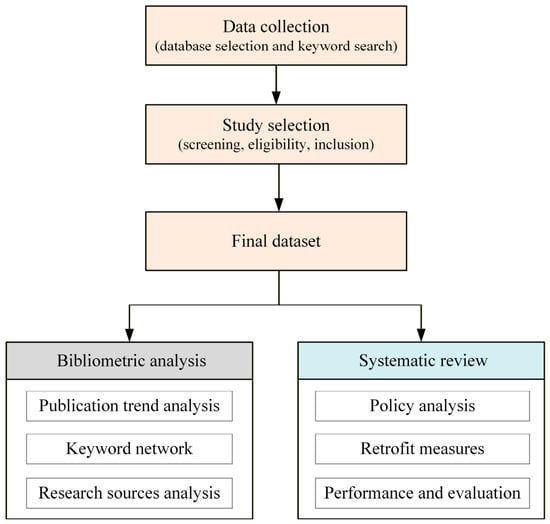
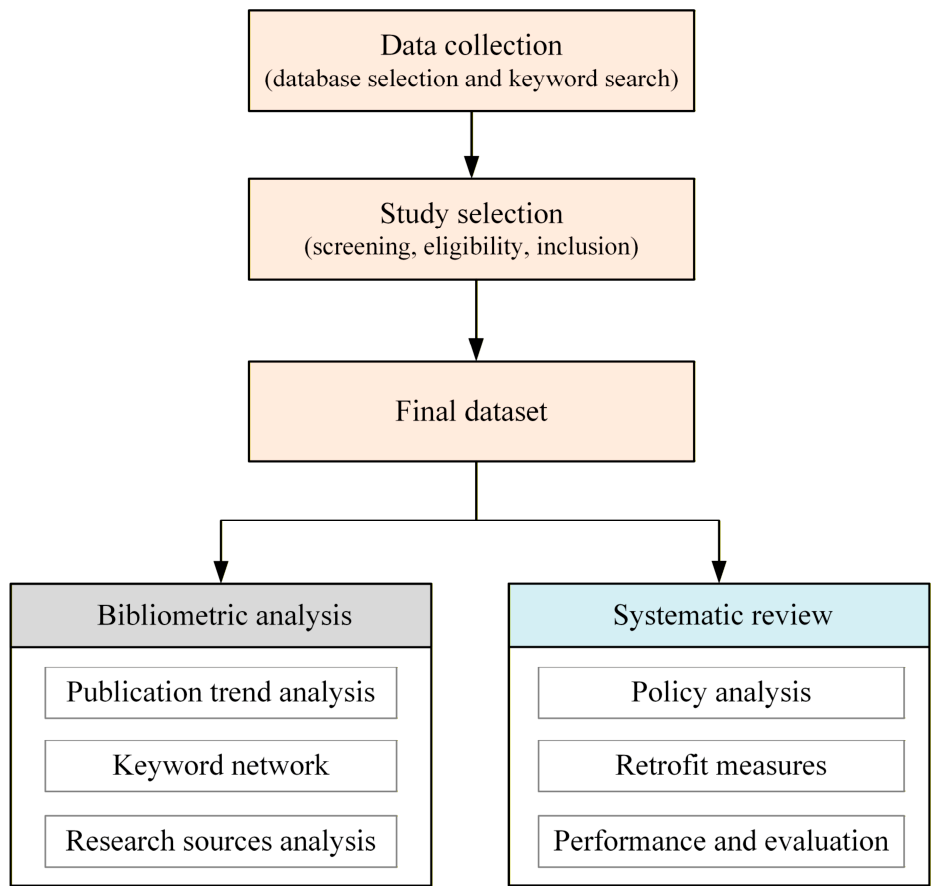
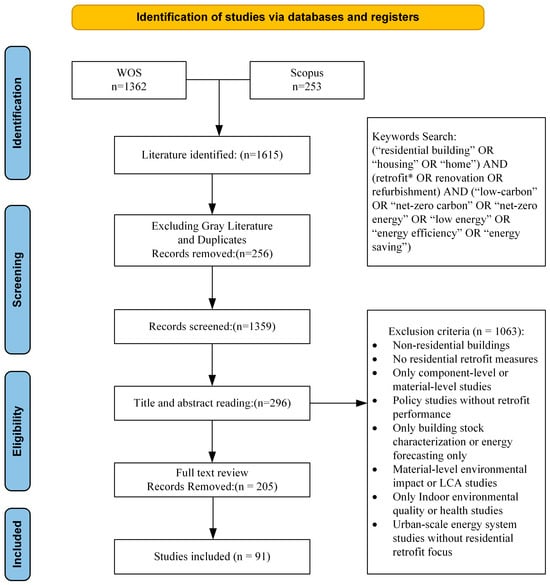
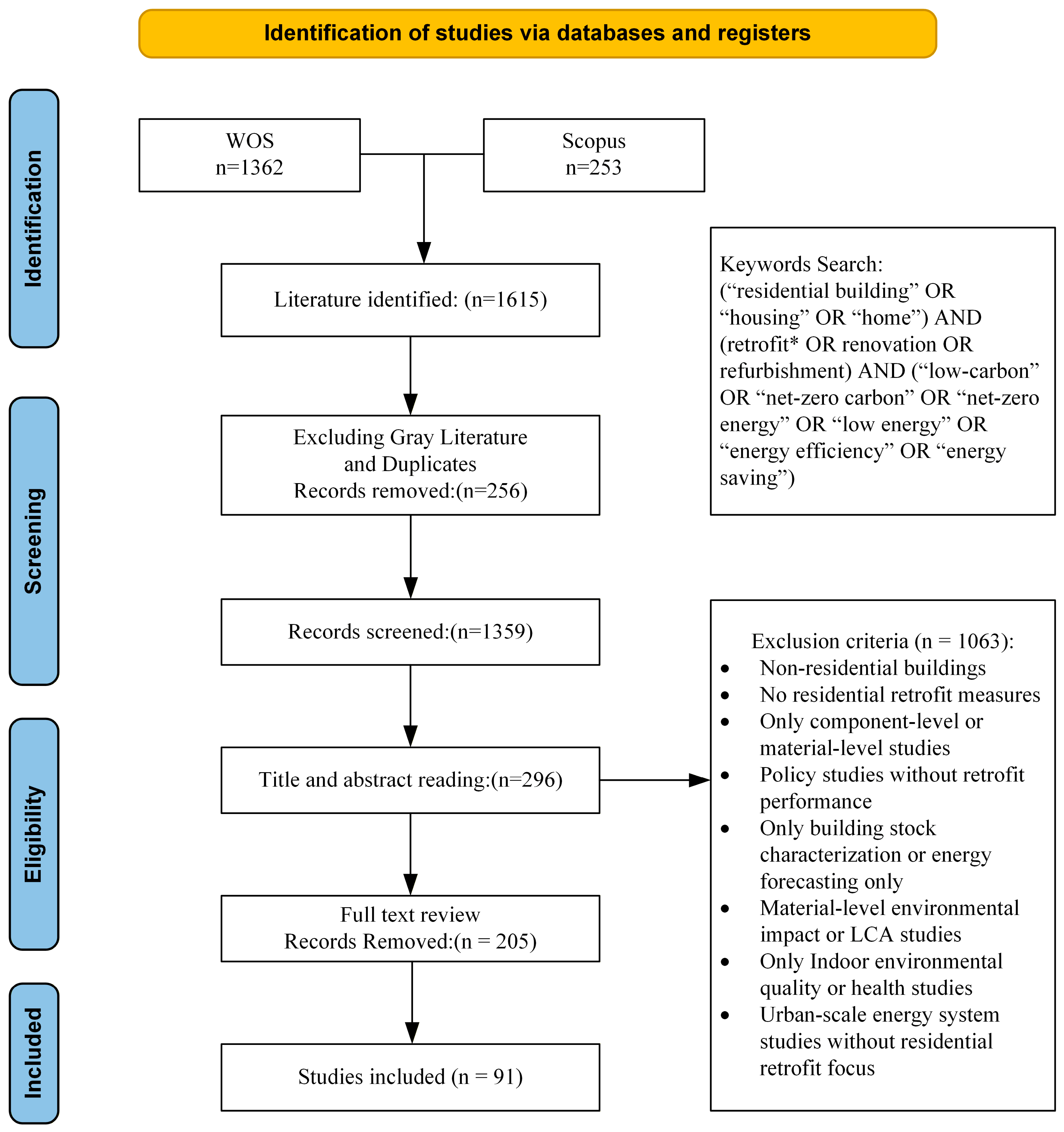
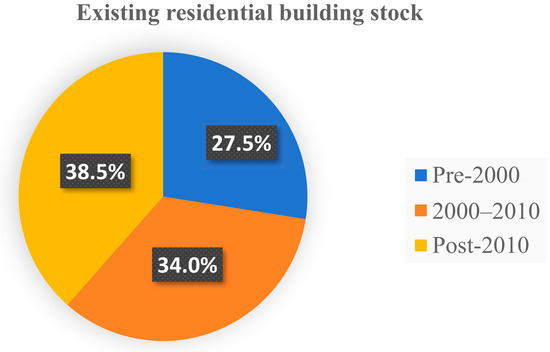
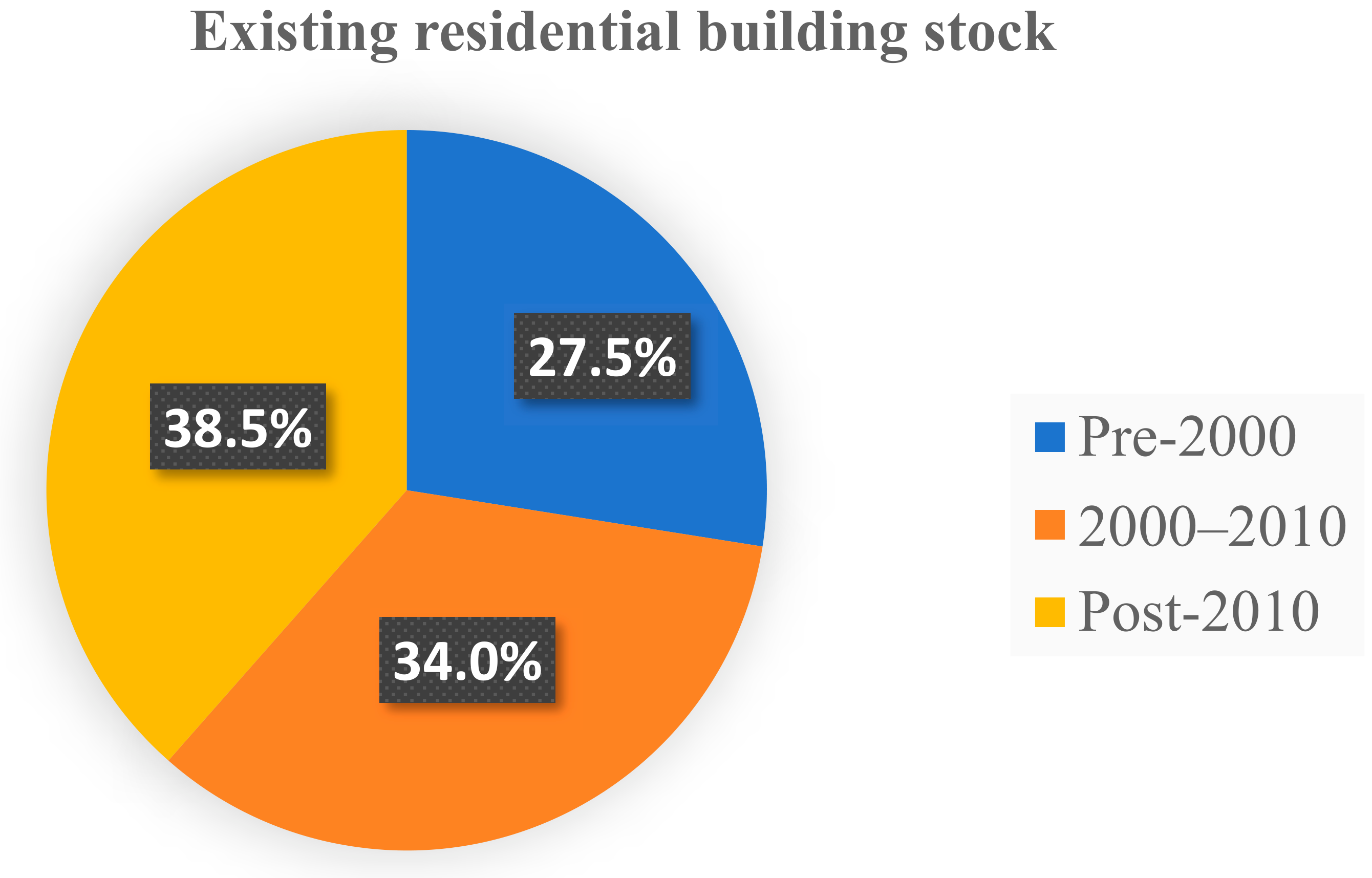
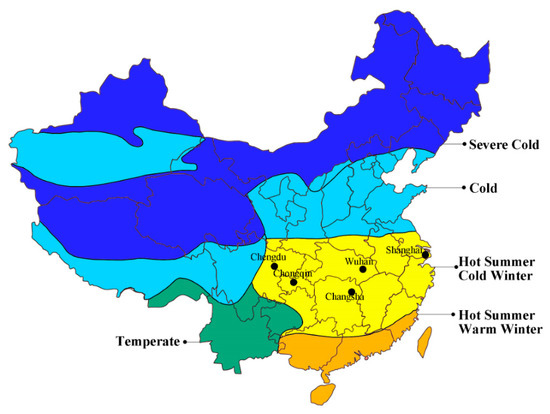
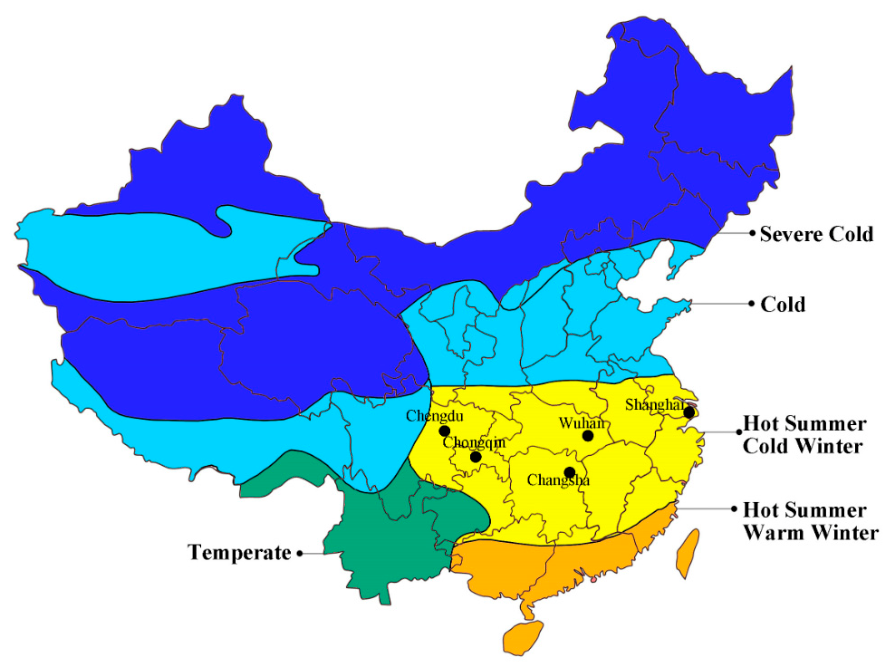
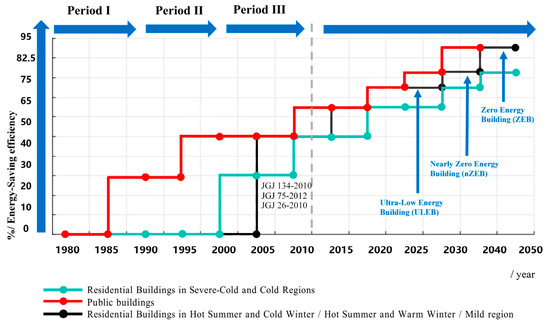
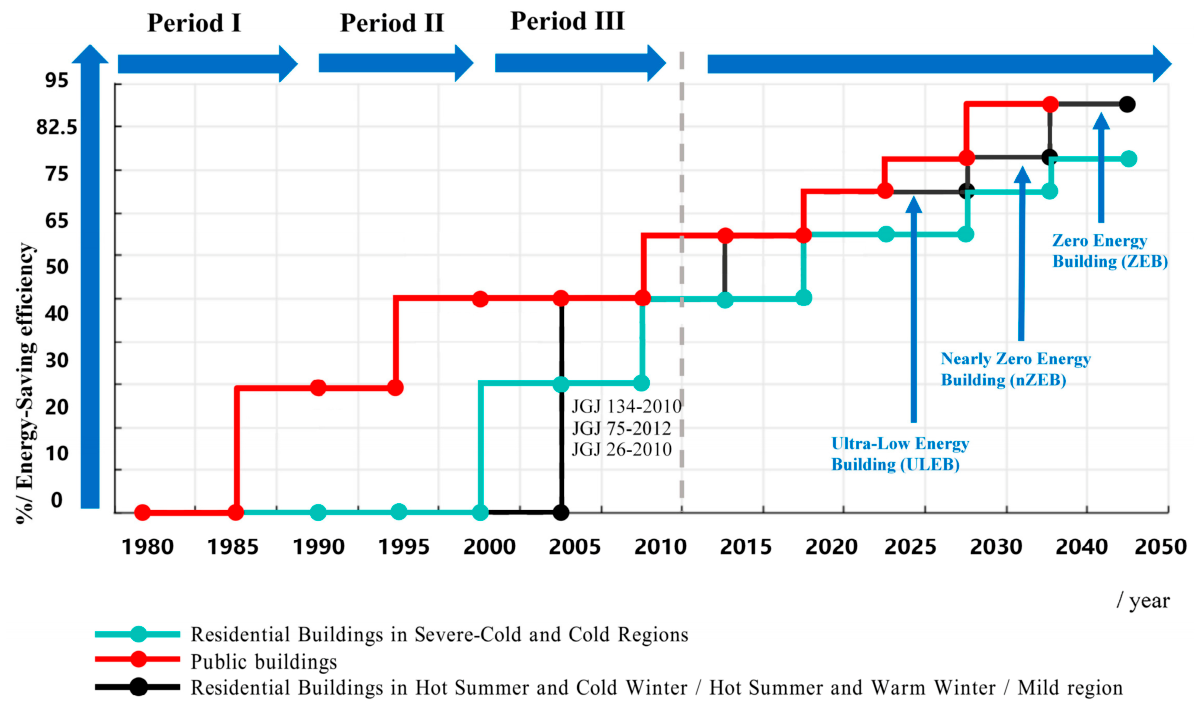
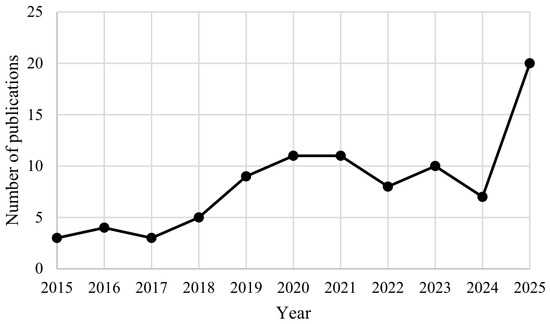
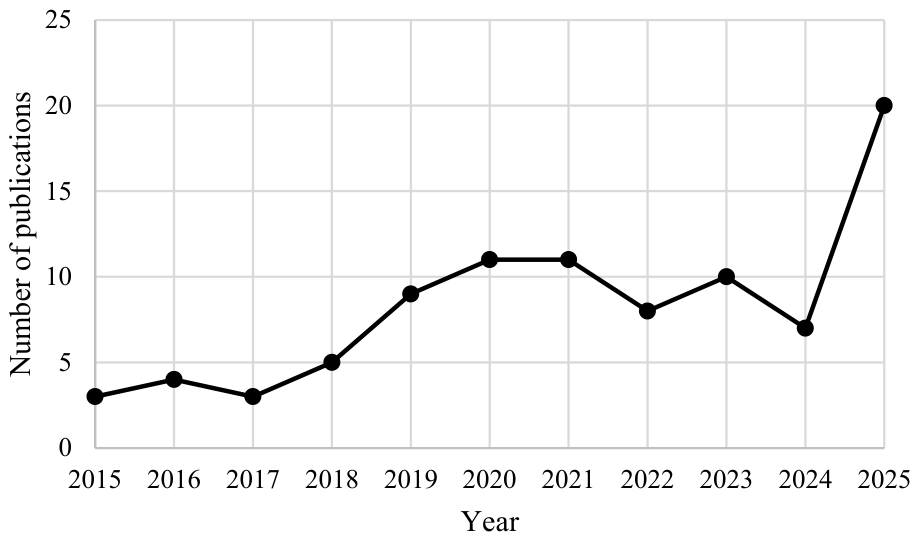
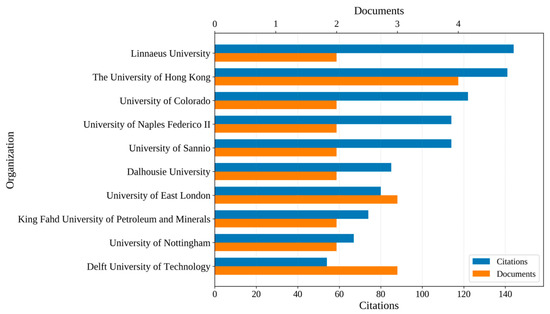
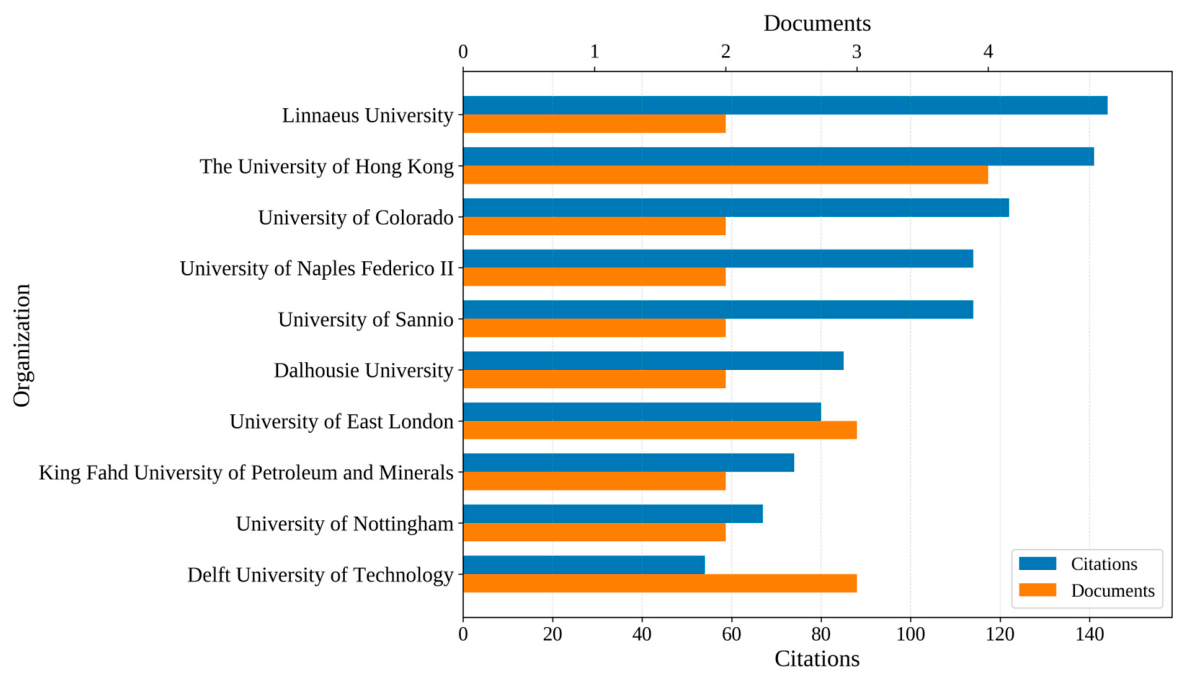
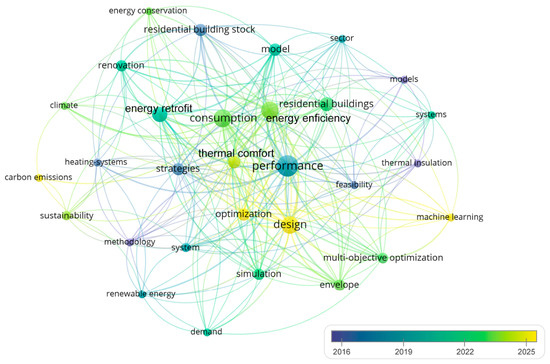
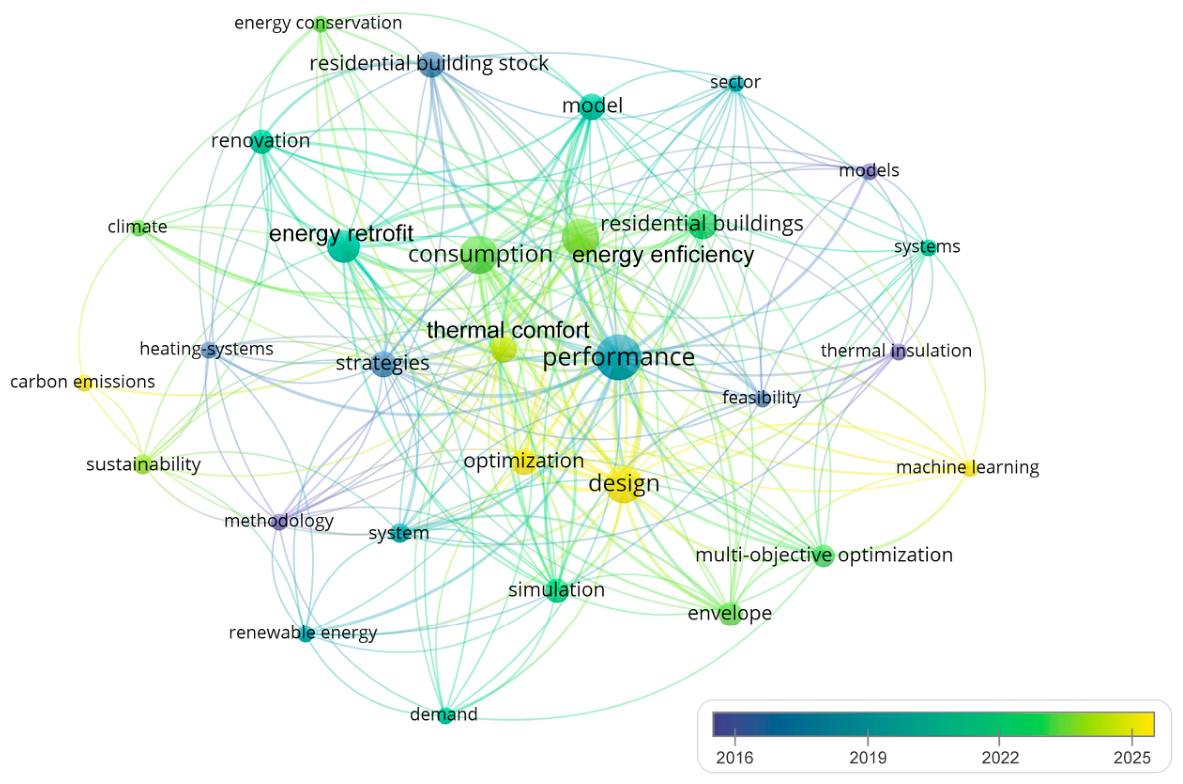
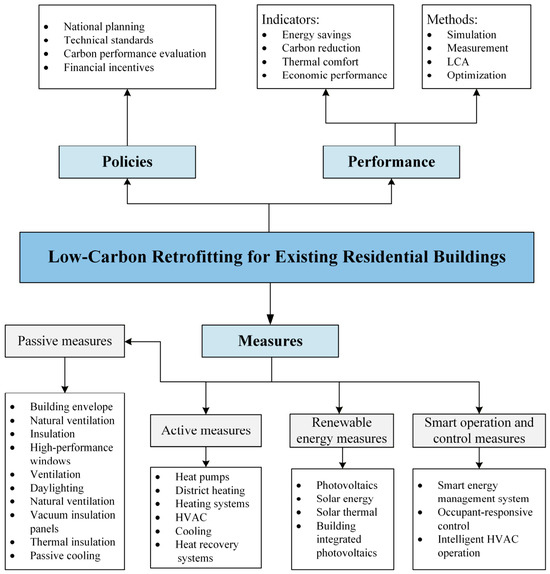
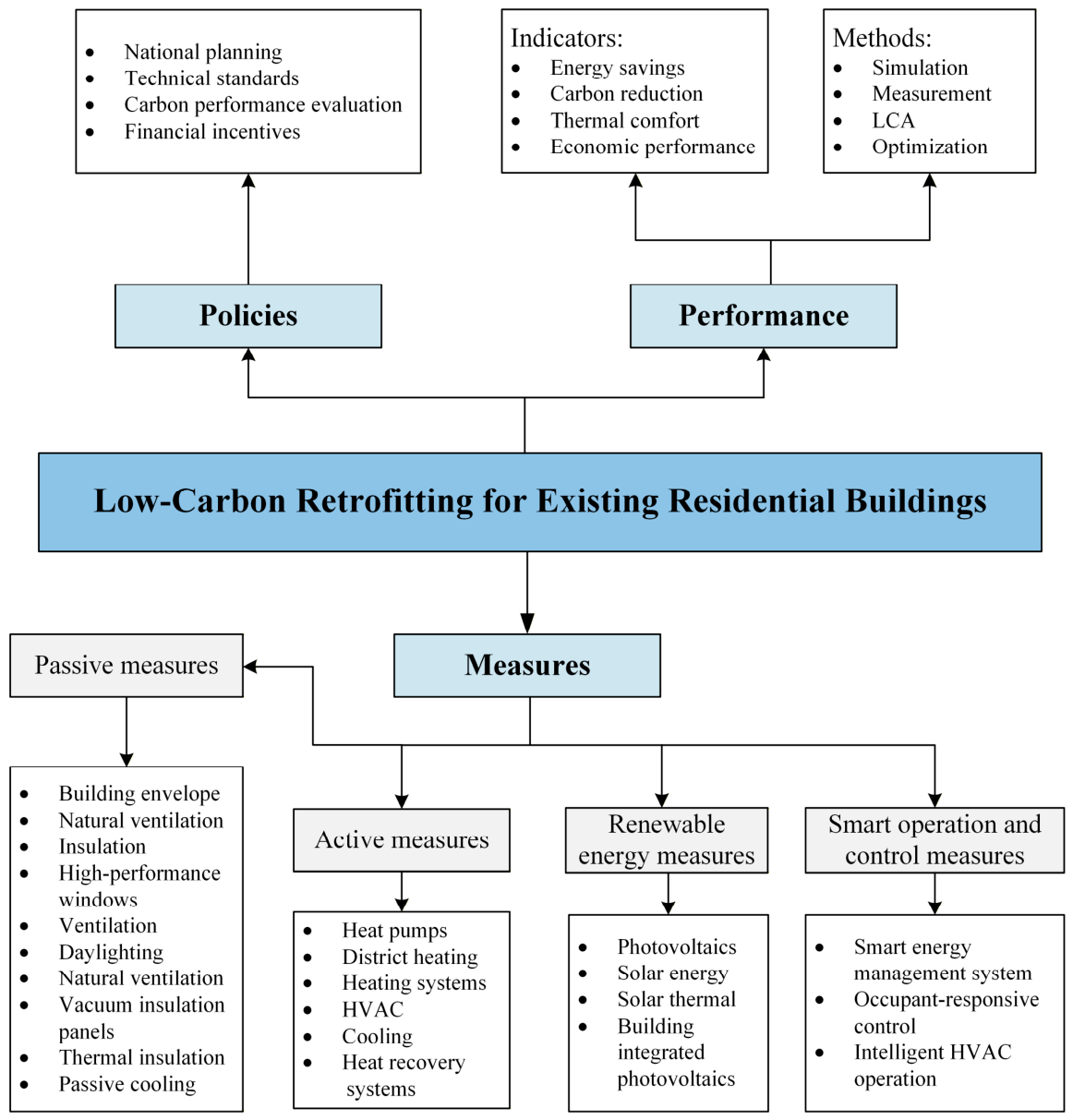
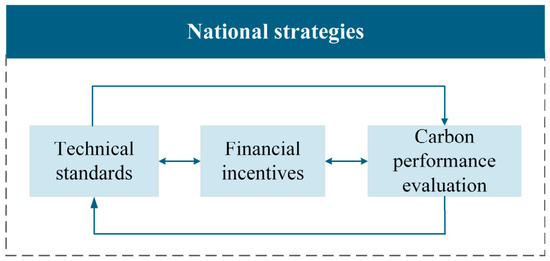
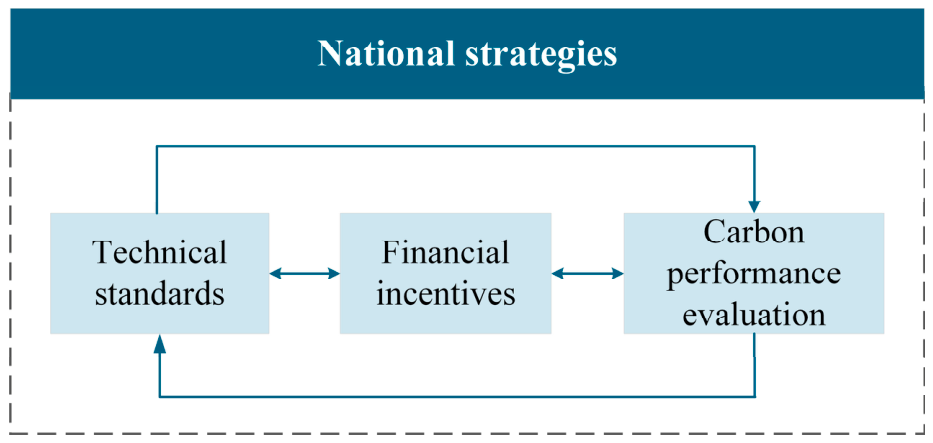
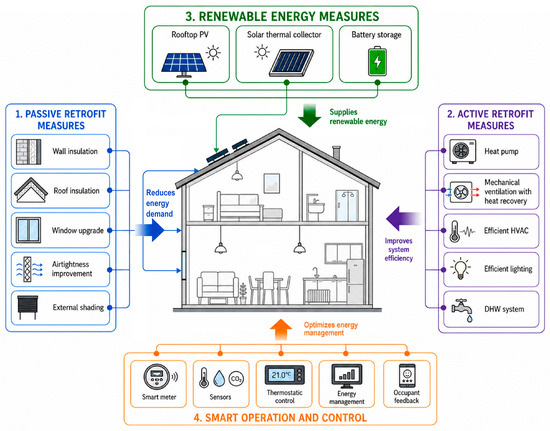
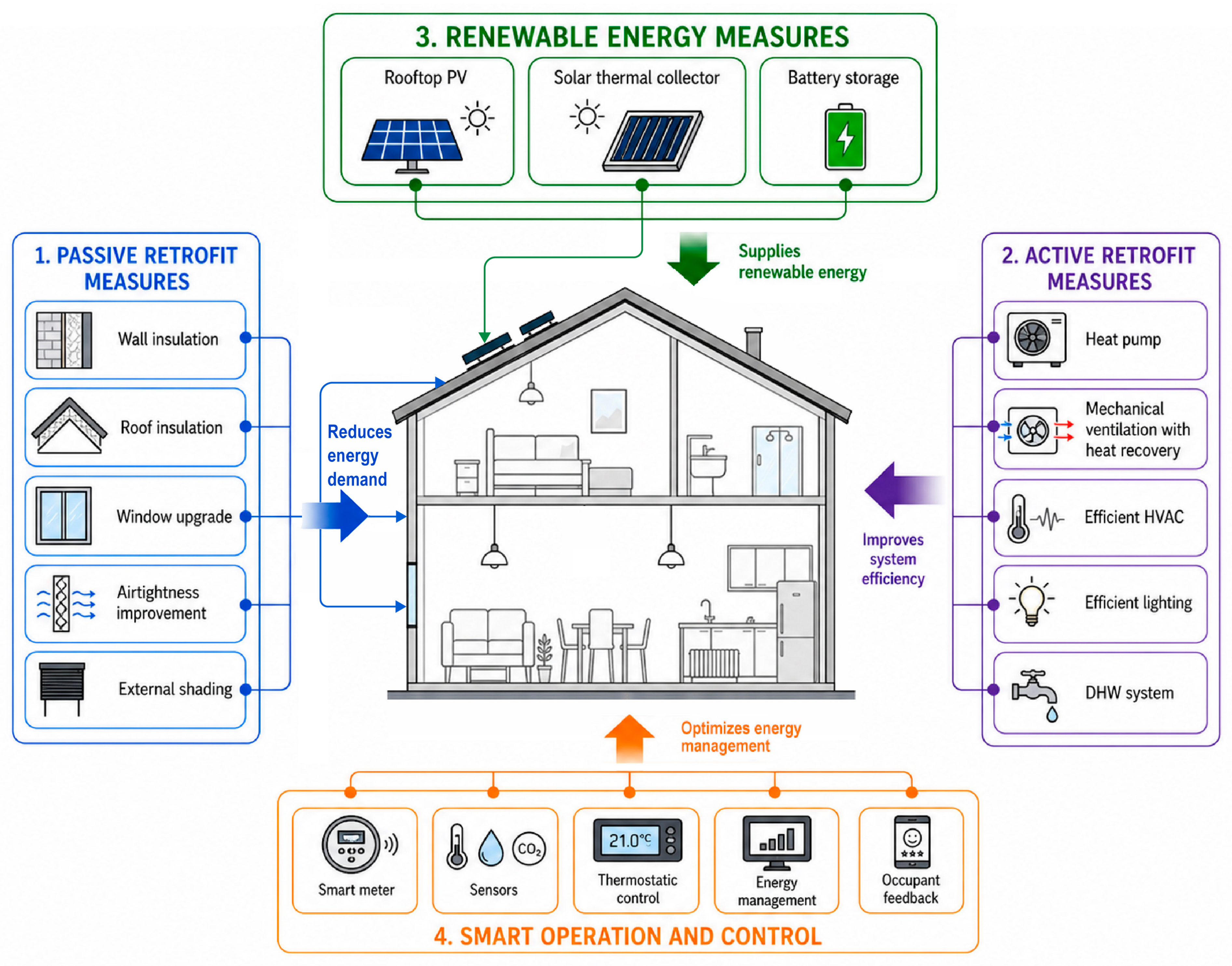

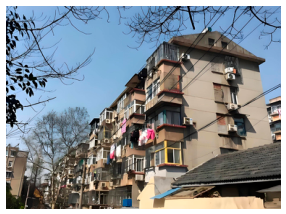
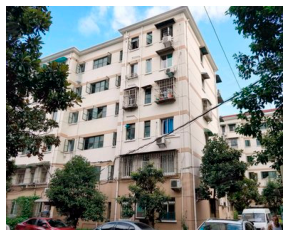
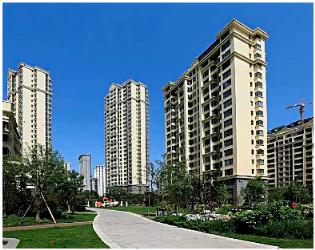
Disclaimer/Publisher’s Note: The statements, opinions and data contained in all publications are solely those of the individual author(s) and contributor(s) and not of MDPI and/or the editor(s). MDPI and/or the editor(s) disclaim responsibility for any injury to people or property resulting from any ideas, methods, instructions or products referred to in the content. |
© 2026 by the authors. Licensee MDPI, Basel, Switzerland. This article is an open access article distributed under the terms and conditions of the Creative Commons Attribution (CC BY) license.