


Abstract
This study presents a data-driven evaluation of recycled-aggregate gypsum composites by examining the relationships between dry density, mechanical performance, thermal conductivity, and formaldehyde adsorption. Analysis of published experimental data shows that dry density is the primary parameter governing overall material performance. Compressive strength increases with density, whereas lower-density composites provide superior thermal insulation. An optimal multifunctional performance range was identified at 900–1100 kg/m3, where a favorable balance between strength and insulation efficiency is achieved. Aggregate type also influences performance: polymer-based aggregates produce the greatest density reduction, biomass-derived aggregates offer a balanced combination of properties, and mineral-based aggregates generally maintain higher stiffness. Assessment of environmental functionality indicates that conventional gypsum composites possess limited formaldehyde and CO2 adsorption capacity, although biochar and other bio-based modifications can significantly enhance adsorption performance. These findings provide a practical framework for designing sustainable gypsum composites with balanced structural, thermal, and indoor air quality benefits.
1. Introduction
Gypsum-based materials are extensively employed in interior partitions, wallboards, and prefabricated panels owing to their low embodied energy, dimensional stability, and ease of processing. In parallel with circular-economy strategies, the partial replacement of natural aggregates by recycled polymers, biomass residues, and mineral wastes has been widely explored to reduce primary resource consumption and tailor functional performance [1]. Previous studies have demonstrated that such substitutions can substantially reduce dry density and thermal conductivity, albeit often at the expense of mechanical strength [2,3,4]. Consequently, understanding and optimizing the coupled relationships among density, strength, and heat transfer remain central challenges for the engineering application of lightweight gypsum composites.
Beyond structural and thermal considerations, indoor building materials increasingly play an active role in controlling IAQ. Formaldehyde, one of the most prevalent indoor VOCs emitted from furniture, coatings, and composite wood products, is associated with adverse health effects even at low concentrations. Recent research has indicated that porous mineral matrices and bio-based fillers can physically and chemically adsorb formaldehyde, enabling passive mitigation without external energy input [5]. Gypsum (mainly calcium sulfate dihydrate, ) represents one of the most prominent building partition and plastering materials owing to its excellent fire resistance, rapid setting kinetics, and acoustic shielding performance. Chemically, the hydration of calcium sulfate hemihydrate triggers the growth of an interlocking, highly crystalline needle-like microstructural network. This intrinsic crystalline arrangement imparts gypsum with high baseline open porosity and a polar, hydrophilic surface chemistry. Such microstructural characteristics theoretically render gypsum an exceptional passive host matrix for functional or recycled waste aggregates, as its open pore channels facilitate interior mass transfer and molecular diffusion of indoor air phase pollutants [6,7].
Over the past decade, extensive global research has advanced the incorporation of diverse solid wastes into gypsum formulations to reduce carbon footprints and optimize building envelope performance. However, a localized divergence in research priorities is highly evident when contrasting European Union (EU) initiatives against the prominent investigation frameworks in China and North America [8,9,10,11,12].
Within the EU, research trajectories are heavily governed by the European Green Deal, the Circular Economy Action Plan, and rigorous European Standards (EN). Consequently, EU-based studies focus predominantly on the systemic upcycling of localized construction debris and the strict optimization of thermal insulation performance to meet stringent nearly Zero-Energy Building (nZEB) requirements. These studies heavily rely on microstructural characterization and standardized destructive testing to ensure compliance with mechanical and fire-safety codes, yet they frequently treat indoor chemical pollutant mitigation as a secondary, decoupled consideration [12,13].
Conversely, research investigation pathways outside the EU showcase distinct regional paradigms to tackle indoor environmental control. In China, initiatives are strongly propelled by unprecedented urbanization scales, strict national mandates for industrial solid waste utilization (e.g., massive upcycling of phosphogypsum and flue-gas desulfurization gypsum), and urgent indoor air quality (IAQ) health controls. Driven by these challenges, Chinese researchers have significantly pioneered the synthesis of advanced functional sorbents—such as agricultural-waste biochar, modified sepiolite, and metal–organic frameworks (MOFs)—integrated as active aggregates within gypsum hosts to eliminate aggressive formaldehyde spikes [11,14,15]. Meanwhile, in North America, research is closely tailored to stringent environmental protection regulations (such as EPA and California Air Resources Board mandates) and ASHRAE ventilation standards. North American studies place a premium on strict chemical emission limitations, focusing heavily on long-term VOC emission kinetics, aging behaviors of chemical sinks, and advanced dynamic chamber testing protocols for high-performance multifunctional panels [16]. Nevertheless, both Chinese and North American investigations often approach pollutant-adsorption from an isolated materials-science perspective, occasionally omitting the holistic cross-property trade-offs or failing to align the material’s structural density with standardized building partition efficiency indexes.
This geographical polarization defines a critical, unaddressed research gap: previous reviews on recycled gypsum composites almost exclusively adopt a singular viewpoint, failing to bridge the Euro-centric focus on structural–thermal optimization with the extensive Chinese and North American advancements in chemical air-purification and VOC kinetics. The multi-property trade-offs and underlying synergistic correlations between macroscopic dry density, mechanical strength, thermal conductivity, and pollutant-removal kinematics have never been systematically mapped. Researchers currently lack a unified, data-driven design envelope to balance mechanical stability against environmental healthy-building requirements, often leading to sub-optimal, single-property-focused formulations [4,17].
The present work addresses these gaps by reconstructing a consolidated database of experimental results reported between 2019 and 2025 and by employing heatmap-based visualization to elucidate density-governed performance domains. In addition to mechanical and thermal coupling, a porosity-based model is introduced to estimate the formaldehyde adsorption potential of typical recycled-aggregate systems, thereby extending the analysis toward healthy indoor material design. The objective is to establish a unified density–mechanical–thermal–adsorption performance envelope that supports the rational selection and optimization of recycled gypsum composites for multifunctional interior applications.
2. Methodology of Data Reconstruction
2.1. Literature Selection Criteria
Searches were performed in the Web of Science, Scopus and CNKI databases using the Boolean string (‘gypsum’ OR ‘plaster’) AND (‘recycled aggregate’ OR ‘waste’) AND (‘mechanical’ OR ‘thermal’ OR ‘adsorption’).
To ensure reproducibility, a rigorous three-stage screening protocol was enforced: (1) Title and abstract scanning to exclude out-of-scope binders; (2) Full-text evaluation to ensure at least two target engineering parameters (dry density, strengths, thermal conductivity) were reported; and (3) Data integrity verification to eliminate duplicated datasets. Out of 342 records initially identified, 115 were selected for detailed evaluation, and 60 core experimental studies were finally retained to construct the standardized review database, is shown in Supplementary Materials. Conference proceedings, dissertations, and non-English publications were excluded to maintain data consistency.
2.2. Data Normalization and Assumptions
Reported values were extracted directly from tables or figures. When necessary, approximate values were digitized from plots. All densities were normalized to dry density. Mechanical strengths were considered at comparable curing ages as reported by the authors, typically 7–28 days. No artificial correction factors were introduced to avoid biasing original results.
2.3. Heatmap-Based Analysis Framework
To systematically footprint multi-source data scatter and identify global performance concentration zones without single-point evaluation bias, two-dimensional density heatmaps were constructed using OriginLab software 2024b (64-bit) (OriginPro). The grid architecture, binning matrix, and visualization boundary conditions are strictly defined as follows: (1) Bin Size Resolution: The grid cell matrix for cross-property mapping is governed by uniform rectangular bin dimensions (Δρ_d × ΔM). For Density–Compressive Strength Heatmap and Strength Efficiency Heatmap, the X-axis dry density bin interval (Δρ_d) is locked to a fixed 100 kg/m3, and the Y-axis compressive strength bin interval (ΔM) is locked to 1.0 MPa. For Density–Thermal Conductivity Heatmap, the vertical Y-axis bin interval (Δλ) is set to 0.02 W/(m·K). (2) Data Matrix Extraction (N): Active and independent experimental data pairs from Table 1 were converted into the 2D binning matrix worksheet. To preserve absolute empirical integrity, no data points or literature outliers were artificially removed or mathematically smoothed. This approach ensures that the heatmap accurately reflects genuine literature scatter. (3) Color Intensity Scale: The Z-axis color spectrum maps the raw, non-interpolated absolute frequency count (Data Density) within each coordinate cell (Count = n_bin). Rather than utilizing a weighted mathematical interpolation surface, the cell color represents the direct frequency tracking of the literature data. (4) Data Weighting Control: To eliminate reporting bias from single studies containing disproportionately large specimen batches, each individual literature-extracted data coordinate carries an equal statistical weight (w_i = 1/60) within the global distribution matrix.
3. Overview of Recycled Aggregate Types
Recycled aggregates investigated in gypsum composites can be broadly classified into polymer-based materials (EPS, PET, polyurethane foam), biomass-derived materials (wood fibers, cork, rice husk ash, hemp), mineral-based wastes (glass foam, mineral wool), and hybrid systems. Polymer-based aggregates generally produce the largest density reductions but also induce significant strength losses. Biomass aggregates offer intermediate performance with improved crack-bridging effects, while mineral-based aggregates tend to retain higher stiffness at moderate density reductions. Statistics is shown in Table 1. Bonding strength data were not reported in part of the original literature for several gypsum-based and composite aggregate systems and therefore could not be consistently extracted. To enable comparative analysis, bonding strength was estimated based on an empirical relationship adapted from studies on porous and cementitious materials, where interfacial bond strength has been shown to correlate with local mechanical properties such as microhardness [18,19]. Based on this rationale, bonding strength (τb) was approximated as a function of surface hardness (H) using a power-law expression: . where k and n are empirical constants derived from general trends reported for porous materials. In the absence of system-specific calibration, a simplified relationship (n ≈ 0.5) was adopted, consistent with commonly observed scaling relationships between strength-related parameters and hardness in brittle, porous solids [20]. It must be explicitly recognized that this analytical model is bound by distinct physical limitations and usage constraints:
Matrix Scope Restrictions: The model assumes a brittle; highly porous mineral matrix were localized microhardness correlates linearly with shear resistance. While reasonably valid for mineral-based wastes and stable biomass aggregate interfaces, it introduces significant uncertainty when applied to highly elastic, ductile, or nonpolar organic polymer aggregates. These organic phases exhibit dominant viscoelastic slippage and chemical incompatibility that surface microhardness scaling parameters cannot capture.
Environmental and Morphological Sensitivity: The empirical constants (k and n) are tightly coupled with static, standard ambient curing conditions. Under shifting relative humidity or dynamic structural loading, moisture condensation within ITZ alters gypsum crystal packaging density, causing severe deviations from predicted bulk values. Therefore, this derived framework must be confined strictly to qualitative comparative matrix rankings during initial material screening. It cannot replace destructive split-tensile or push-out laboratory validations required for structural engineering verification.
Figure 1 presents the distribution of compressive and flexural strengths for gypsum composites containing different categories of aggregates. The scatter points illustrate the variability reported in the literature, while the category means provide an overview of the general strength level within each group.
Figure 1.
Mechanical distribution of gypsum composites by aggregate category.
A clear separation between categories can be observed. Polymer-based aggregates tend to cluster in the lower strength region, particularly for flexural performance. Biomass-derived aggregates show a comparatively compact distribution with moderate strength values, indicating relatively stable mechanical behavior across different materials. Mineral-based aggregates exhibit the widest spread of compressive strength, suggesting that their performance is strongly dependent on particle characteristics and replacement level. Hybrid systems fall between biomass and polymer groups, reflecting the combined influence of flexible polymer phases and reinforcing fibers.
It is worth noting that compressive strength values are consistently higher than flexural strength across all aggregate categories, with a relatively stable proportional relationship among the different systems.
Table 1.
Mechanical properties of different aggregate-based gypsum.
3.1. Polymer-Based Aggregates
Polymer-based aggregates are characterized by exceptionally low dry densities, with EPS reaching values as low as 480 kg/m3. This extreme lightness facilitates the production of ultra-lightweight composites; however, it correlates with a drastic reduction in mechanical properties. For instance, at 100% EPS content, the compressive strength drops to 0.2 MPa and the thermal conductivity (λ) drops significantly, reaching an absolute baseline range of 0.039–0.0604 W/(m·K) at ultra-low densities (480–600 kg/m3), as compiled in Table 1. Similarly, recycled polyurethane foam at 20% content significantly lowers dry density to the range of 610–620 kg/m3, while PET flakes maintain slightly higher densities 960–980 kg/m3 but offer better residual compressive strength, typically between 6.0 MPa–6.1 MPa at a 15% substitution level.
3.2. Biomass-Derived Aggregates
Biomass aggregates such as cork and rice husk ash demonstrate a balanced trade-off between thermal insulation and structural integrity. Recycled cork at 10% content achieves a dry density of 930 kg/m3 and a thermal conductivity of 0.192 W/(m·K). Rice husk ash (RHA) at the same 10% dosage results in higher densities (1115–1150 kg/m3) and superior mechanical performance, with compressive strengths ranging from 8.8 to 9.2 MPa. Hemp fibers and wood shavings also provide competitive thermal performance, with hemp-gypsum composites at 10% content yielding a thermal conductivity of approximately 0.19 W/(m·K).
3.3. Mineral-Based Wastes and Hybrid Systems
Mineral-based wastes like glass foam retain relatively high surface hardness (15.4–22.1) compared to polymer aggregates. At 30% glass foam content, the thermal conductivity remains low at 0.102 W/(m·K), matching the performance of more porous organic materials. Hybrid systems, such as PET flakes or paper fibers combined with gypsum, aim to optimize multiple parameters. For example, recycled paper fibers at 2.0 vol% can achieve compressive strengths of 5.4–5.8 MPa while maintaining high bonding strength (0.41–0.45 MPa).
Although aggregate chemistry and morphology influence interfacial bonding, the compiled dataset indicates that bulk density remains the primary descriptor of macroscopic performance across all categories. It must be clarified, however, that dry density functions as a macroscopic engineering indicator—a physical proxy that encapsulates the cumulative effects of aggregate skeletal density, induced total porosity, and microstructural disruptions within the gypsum matrix. A clear inverse relationship is observed: as dry density decreases from approximately 1200 kg/m3 to 500 kg/m3, thermal conductivity and compressive strength follow a consistent downward trend regardless of the specific aggregate type. This trend underscores that the macro-properties are ultimately driven by the trade-off between the high intrinsic stiffness of the solid phase and the thermal insulation provided by the air voids within the altered microstructure.
3.4. Interfacial Bonding Performance
Interfacial bonding strength serves as a critical indicator for evaluating the physical and chemical compatibility between various aggregates and the gypsum matrix. Based on the experimental data, different types of aggregates exhibit significant variations in interfacial adhesion. While polymer-based aggregates are highly effective in reducing density, their hydrophobic surfaces often result in relatively weak interfacial bonding. However, hybrid systems incorporating paper fibers or recycled plastics demonstrate notably stronger interfacial adhesion; for instance, recycled paper fibers at a dosage of 1.0–2.0 vol% achieve bonding strengths ranging from 0.41 to 0.48 MPa. This superior performance is likely attributed to the increased surface roughness of the fibers and the mechanical anchoring of gypsum crystals within the fiber pores.
In comparison, biomass-derived aggregates such as cork and rice husk ash (RHA) exhibit relatively stable bonding characteristics. At a 10% substitution level, rice husk ash composites reach a bonding strength of approximately 0.51 MPa, while recycled cork-gypsum systems range between 0.31 and 0.41 MPa. This suggests that the naturally porous structure of biomass materials facilitates micro-mechanical interlocking, thereby enhancing the overall interfacial performance. In contrast, recycled polyurethane foam demonstrates the lowest interfacial bonding strength in the dataset, recorded between 0.091 and 0.22 MPa, reflecting a poor affinity between the porous organic polymer and the inorganic gypsum binder.
Mineral-based aggregates, specifically glass foam at 10–20% content, yield bonding strengths between 0.17 and 0.24 MPa. Despite the relatively high surface hardness of glass foam, its closed-cell structure and smooth vitreous surface limit its bonding potential with the gypsum matrix. Ultimately, the compiled data suggests that interfacial bonding strength is governed not only by the chemical nature of the aggregate but is also heavily influenced by surface morphology, such as porosity and roughness, where higher bonding strength generally facilitates more efficient stress transfer during compression.
4. Coupled Density–Mechanical–Thermal Behavior
4.1. Density–Compressive Strength
Across the reconstructed dataset, compressive strength exhibits a clear monotonic increase with dry density. Low-density composites below approximately 800 kg/m3 rarely exceed 3–4 MPa, irrespective of aggregate type. Medium-density systems (900–1200 kg/m3) consistently achieve compressive strengths between 5 and 9 MPa, satisfying common requirements for interior building elements. Heatmap illustrating the distribution of compressive strength as a function of dry density across recycled-aggregate gypsum composites. Color intensity indicates data concentration.
To evaluate the monotonic dependence of compressive strength on bulk dry density, a rigorous empirical regression was executed on the 60 core data coordinates using OriginPro. The global parametric correlation between macroscopic dry density (ρd) and compressive strength (fc) modeled using a high-order polynomial regression: fc = A0 + A1 · ρd + A2 · ρd2 + A3 · ρd3 + A4 · ρd4, where the calibrated numerical coefficients derived from the multi-source data tracking are established as A0 = −0.7950, A1 = 0.0151, A2 = −4.7381 × 10⁻⁵, A3 = 6.7880 × 10⁻⁸, and A4 = −2.8230 × 10⁻¹¹. This multi-variable parameterization yields an exceptionally robust adjusted correlation coefficient (Adj. R2 = 0.929) and a highly confined residual variance (Reduced Chi-Sqr = 0.322). The analysis of variance (ANOVA) registers a critical F-value of 168.11 with an associated significance level of Prob > F < 0.0001, appears to be the strongest global descriptor, overarching the localized chemical variability of specific recycled aggregate types [11]. Mechanistically, this non-linear curve accurately maps the structural evolution of the modified gypsum matrix. Nevertheless, this density-driven correlation must be interpreted through its multi-scale associations with aggregate characteristics and porosity. The reduction in bulk density is physically manifested as an increase in total open and closed pores, where the inclusion of lightweight or compressible aggregates (e.g., polymers or porous biomass) alters the space-filling ability and rapid interlocking kinetics of the calcium sulfate dihydrate crystals. Therefore, while dry density serves as a convenient macro-scale performance indicator for engineering design, it fundamentally represents the structural manifestation of the modified crystal packaging, interface density, and underlying pore networks (Figure 2).
Figure 2.
Density–Compressive Strength Heatmap.
4.2. Density–Thermal Conductivity
Thermal conductivity (λ) decreases sharply with decreasing density. Values below 0.20 W/(m·K) are predominantly associated with densities below 900 kg/m3, particularly in systems incorporating polymeric or biomass-based aggregates. Specifically, recycled glass foam at 690 kg/m3 achieves a low λ of 0.102 W/(m·K), and recycled EPS reaches approximately 0.08 W/(m·K) at a dry density of 580 kg/m3, which further scales down to 0.0604 W/(m·K) as the density drops toward the lower bound of the system. At higher densities, thermal conductivity increases rapidly; for example, at 1150 kg/m3 (Rice husk ash), λ rises to 0.314 W/(m·K), significantly reducing insulation efficiency, heatmap of thermal conductivity values as a function of dry density, highlighting insulation trends of low-density composites is shown in Figure 3.
Figure 3.
Density–Thermal Conductivity Heatmap.
4.3. Strength–Density Efficiency Index
To evaluate performance efficiency, a strength–density index was defined as the ratio of compressive strength (Cs) to dry density (ρd). The analysis reveals an optimal efficiency window in the range of 900–1100 kg/m3. Within this interval, composites reinforced with recycled wood fibers (930 kg/m3, 5.4 MPa) and hemp fibers (970 kg/m3, 6.0 MPa) demonstrate superior structural efficiency. Beyond this range, strength gains are offset by disproportionate increases in density. For example, increasing density from 1120 kg/m3 to 1280 kg/m3 (PP/HDPE pellets) results in a change in compressive strength from 8.1 MPa to 7.2 MPa, indicating diminishing returns from densification. Figure 4 illustrates the relationship between the strength–density index and dry density, highlighting the optimal density range (900–1100 kg/m3) for achieving a balanced compromise between mechanical and thermal performance.
Figure 4.
Compressive Strength-to-Density Efficiency Index Distribution.
To assess the robustness of this density window across heterogeneous composite architectures, a cross-examination of the 60 core database entries was conducted. The results indicate that this macroscopic range functions as a broadly applicable threshold, governed by the distinct boundary mechanics associated with different aggregate classifications: Polymer-Based Systems: At lower aggregate replacement levels (10–20%), these ultra-lightweight systems are strictly confined within this 900–1100 kg/m3 plateau, guaranteeing an acceptable mechanical threshold (>3.0 MPa) while triggering a 30–40% reduction in thermal conductivity compared to neat gypsum. Exceeding a 20% replacement level drives the bulk dry density below 800 kg/m3, where the first derivative of the mechanical decay curve accelerates exponentially, rendering the composite structurally unviable. Biomass-Derived Systems: Due to the intermediate skeletal density of raw biomass, typical volumetric replacement levels of 5–15% naturally cluster within the 900–1100 kg/m3 envelope. Within this range, the natural microporosity of biomass aggregates introduces localized desiccant and active VOC adsorption pathways without triggering catastrophic shear failure, leveraging an optimal micro-mechanical interlocking effect within the gypsum hydration matrix. Mineral-Based Wastes: Characterized by higher intrinsic stiffness and surface hardness, mineral aggregates can sustain higher volumetric replacement levels (up to 30%) before falling below the 900 kg/m3 limit. The 900–1100 kg/m3 window represents the critical zone where mineral closure cell structures match the macro-porous transport of the gypsum binder, ensuring low thermal conductivity while preserving structural rigidity.
Consequently, while the specific volumetric replacement ratios vary across distinct chemical aggregate classes, the macroscopic dry density boundary of 900–1100 operates as a representative performance indicator within the boundaries of the compiled dataset. It must be explicitly highlighted that this specific range is an empirically derived benchmark reflective of the 60 core experimental studies evaluated in this review. Therefore, it should not be interpreted as a universally applicable or absolute design envelope for all alternative gypsum composite systems, as deviations may naturally arise when deploying non-conventional chemical functionalization, advanced lightweight multi-phase systems, or proprietary foaming formulations not captured in this literature batch. Below 900–1100 in the reviewed data, structural integrity is compromised regardless of the aggregate type; above 1100 kg/m3, the compaction of the calcium sulfate crystalline matrix causes thermal conductivity to enter a sharp linear escalation path, yielding diminishing returns for insulation efficiency.
5. Formaldehyde and Carbon Dioxide Adsorption Potential and Density–Porosity Coupling
The following adsorption analyses should be interpreted as a comparative screening framework derived from the literature data and established adsorption theory rather than as experimentally validated performance predictions.
5.1. Mechanistic Analysis of Formaldehyde and Carbon Dioxide Adsorption
Accordingly, the reported adsorption envelopes should not be interpreted as expected in-service adsorption capacities, but rather as physically plausible ranges intended to compare different material classes under comparable assumptions.
The adsorption behavior of formaldehyde (HCHO) and carbon dioxide (CO2) in porous building composites is governed by a synergistic mechanism integrating physisorption, chemisorption, diffusion control, and density–porosity coupling effects. Formaldehyde, a polar molecule with a kinetic diameter of approximately 0.24 nm, is initially captured through physical adsorption driven by van der Waals forces and dipole–dipole interactions within micropores and mesopores. This process can be described using the Langmuir isotherm [61]:
where q is the equilibrium adsorption capacity, qmax is the monolayer capacity, b is the affinity constant, and C is the equilibrium concentration. The high adsorption potential within micropores (<2 nm) enhances molecular confinement and surface interaction energy. Beyond physical trapping, formaldehyde undergoes chemisorption via reactions with surface hydroxyl (–OH) or amine (–NH2) groups. In amine-functional systems, Schiff base formation may occur [62]:
In alkaline matrices containing , additional surface reactions may contribute to partial irreversible fixation. These chemical pathways increase long-term removal efficiency and reduce desorption potential, making formaldehyde adsorption strongly dependent on surface functional group density.
In contrast, CO2 adsorption is primarily governed by micropore filling and quadrupole–surface interactions due to its nonpolar but quadrupolar molecular structure (kinetic diameter ≈ 0.33 nm). The Dubinin–Radushkevich (D–R) model is often applicable for describing microporous adsorption [63]:
where ε = RTln(1 + 1/C) represents the Polanyi adsorption potential. CO2 uptake is therefore highly sensitive to ultramicropore volume (<1 nm). Under alkaline conditions, chemisorption through carbonation may also occur [61]:
This reaction introduces a partially irreversible component and may locally densify the pore structure.
The density–porosity coupling further regulates adsorption efficiency. Total porosity P relates to bulk density ρ and skeletal density ρs as [64]:
A reduction in bulk density typically increases pore volume and internal surface area, enhancing gas diffusion according to Fick’s law:
where Deff depends on pore connectivity and tortuosity. However, excessive porosity may enlarge pore diameters, lowering adsorption potential and reducing effective surface functional density per unit volume.
Mechanistically, formaldehyde adsorption is more dependent on surface chemistry and reactive functional groups, combining reversible physisorption with irreversible chemisorption, whereas CO2 uptake is predominantly controlled by microporous architecture and physical confinement, with carbonation contributing under alkaline conditions. Therefore, optimizing the balance between micropore volume, functional group density, and structural compactness is essential to maximize the adsorption performance for both gases while maintaining mechanical integrity.
5.2. Formaldehyde Adsorption Potential and Density–Porosity Coupling
Gypsum-based materials are conventionally assessed using mechanical indicators such as compressive and flexural strength. While sufficient for structural qualification, these metrics do not reflect the interaction between gypsum materials and indoor air. Given the large, exposed surface area of gypsum boards and plasters in buildings, their passive interaction with airborne pollutants—particularly formaldehyde—constitutes an additional performance dimension that is not captured by mechanical testing alone [5,6,64].
At indoor-relevant concentrations (0.1–1 ppm), gas-phase formaldehyde adsorption on porous solids occurs in the non-saturated regime and is commonly described by Henry-type or Freundlich-type behavior. In this regime, adsorption is primarily controlled by the density of accessible adsorption sites rather than saturation effects. Accordingly, a simplified surface-area-based scaling relationship is adopted as a review-level consistency model, based on established low-concentration adsorption theory and widely reported empirical observations, the equilibrium gas-phase formaldehyde adsorption capacity can be expressed in a simplified scaling form as [65,66,67,68,69,70]:
where is the equilibrium adsorption capacity (mg·g−1), SBET is the BET surface area, α typically ranges from 0.4 to 0.8, and Γchem accounts for surface chemical functionality. This formulation is not intended for quantitative prediction but to evaluate the physical plausibility and internal consistency of heterogeneous literature data.
Using the scaling framework in Equation, the adsorption data summarized in Table 2 can be interpreted within a unified performance envelope. Unmodified gypsum boards define a clear lower bound (<0.05 mg·g−1), reflecting their low surface area and limited surface polarity. Bio-modified gypsum composites exhibit a consistent three- to five-fold enhancement in adsorption capacity, attributable to moderate increases in surface area and the introduction of polar functional groups. To visualize the consistency of the adsorption ranges reported in Table 2 within the surface-area-based scaling framework, a model-assisted adsorption envelope is illustrated in Figure 5.
Figure 5.
Model-assisted adsorption envelope for gas-phase formaldehyde at indoor-relevant concentrations.
As illustrated in Figure 6 and Figure 7, SEM observations reported in previous studies on gypsum-based materials for formaldehyde removal typically reveal heterogeneous and relatively rough surface morphologies [71,72]. In composites incorporating functional additives or waste-derived particles, irregular particles are often dispersed within the gypsum matrix, creating additional micro-voids and surface irregularities. The gypsum hydration products generally appear as interlocked needle-like crystals forming a porous network structure. Such microstructural features increase the exposed surface area of the composite and provide potential adsorption sites for gaseous pollutants. In some modified systems, changes in crystal morphology and packing density can also be observed, indicating that the incorporated additives influence gypsum crystallization and microstructural development.
Figure 6.
SEM micrographs of gypsum composites incorporating end-of-life tire (ELT) aggregates at different magnifications (50×, 250× and 2000×) [73]: (a,d) macroporosity and dispersion of ELT aggregates within the continuous gypsum matrix; (b,e) morphology of individual ELT aggregate particles embedded adjacent to bulk pores; and (c,f) high-magnification views highlighting the interfacial transition zone (ITZ) between the ELT aggregate and the interlocked needle-like gypsum hydration crystals (indicated by yellow arrows).
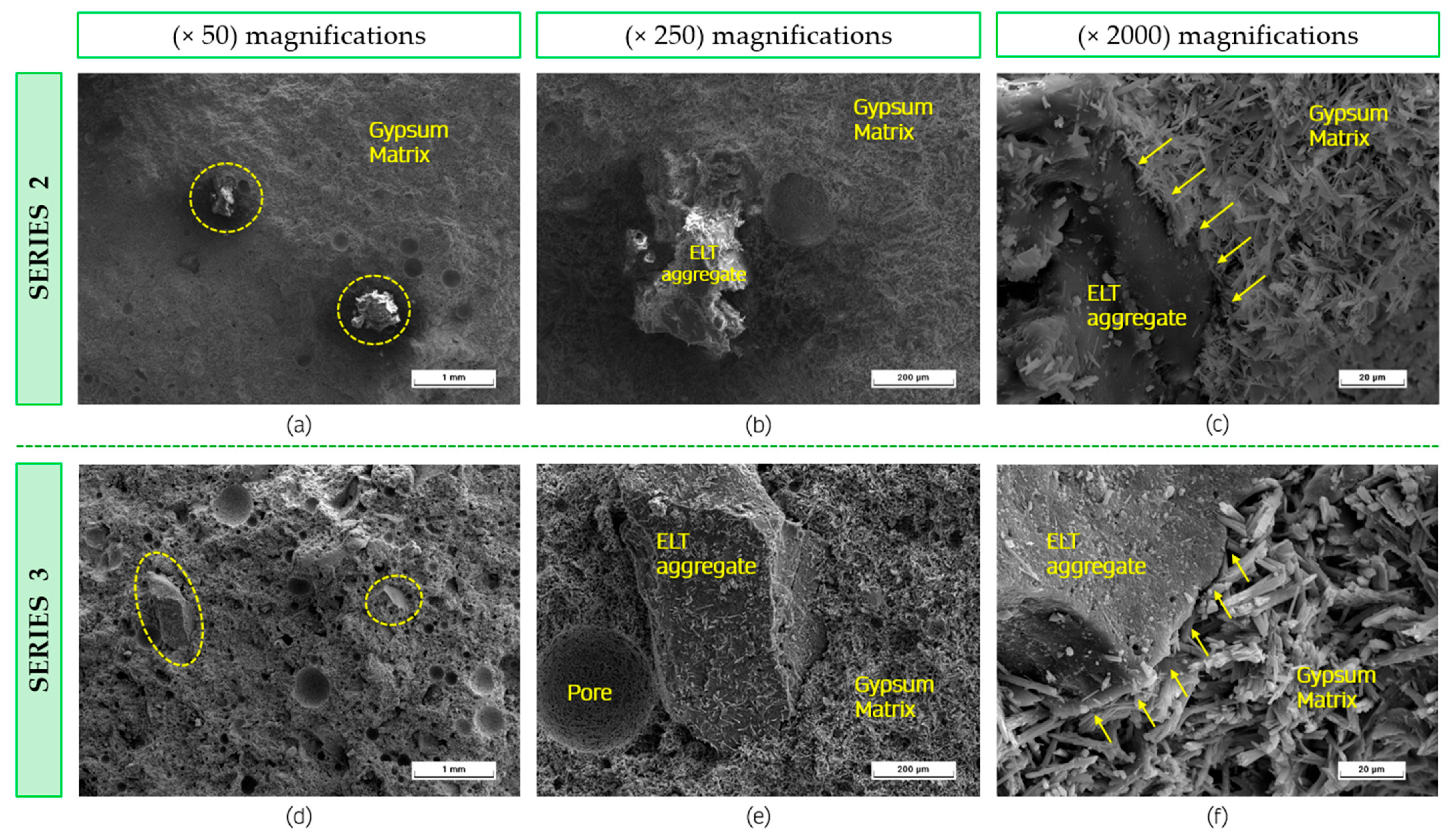
Figure 7.
SEM micrograph of the reference gypsum matrix [72].
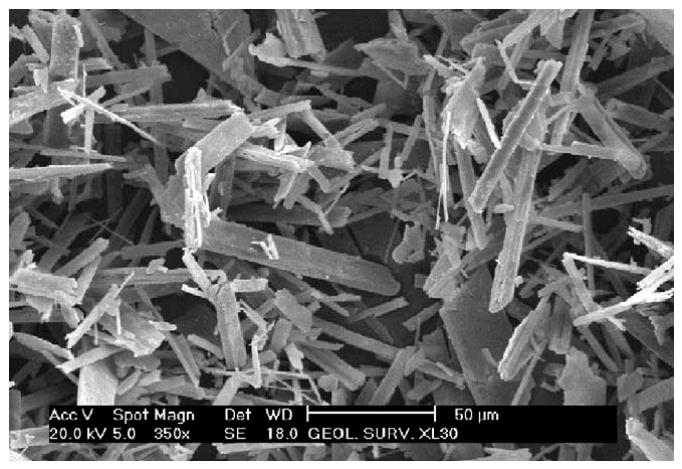
Table 2.
Literature-based adsorptions for gas-phase formaldehyde at indoor-relevant concentrations.
Quantitative derivation of adsorption ranges in Table 2 is shown in Appendix A.
Conventional porous adsorbents such as zeolite, activated carbon fiber, and biomass-derived biochars occupy an intermediate adsorption range, consistent with their substantially higher BET surface areas. Functionalized porous materials, including amine-modified silica and metal–organic frameworks, delineate the upper envelope of adsorption performance through the combined effects of high surface area and strong chemical affinity.
Within this envelope, almond-shell-derived biochar is positioned as a rational intermediate design candidate. Based on reported surface areas of biomass-derived biochars and the established scaling relationship, almond biochar is expected to achieve adsorption capacities of approximately 0.15–0.40 mg·g−1 under indoor-relevant conditions. This projected range bridges the gap between bio-modified gypsum and highly functionalized adsorbents while remaining compatible with building-material constraints.
It must be strictly emphasized that the surface-area-based scaling relation (Equation (A3)) functions as an interpretive, review-level filtering framework rather than a predictive physical simulation tool. Under practical indoor operations, formaldehyde capture does not depend solely on the pristine BET micropore framework. Ambient Relative Humidity (RH) plays a critical competing role; elevated humidity (>65% RH) can trigger extensive water-vapor condensation within micro-voids, blocking accessibility to passive binding sites and accelerating active competitive desorption risks, which requires future multi-factor validation.
5.3. Carbon Dioxide Adsorption Potential and Density–Porosity Coupling
While formaldehyde represents a critical index for chemical organic hazards in indoor air, CO2 serves as an essential indicator for indoor air exchange rates and metabolic comfort. Given the long-standing interest of our research in indoor CO2 dynamics and air-quality regulation, an ideal healthy building partition should possess a holistic pollutant-buffering capacity. This section extends the density–porosity coupling framework to evaluate how aggregate modification influences both chemical pollutants and general indoor metabolic gas fluctuations within the same porous gypsum matrix.
Carbon dioxide (CO2) adsorption on porous solids at indoor-relevant concentrations (≈400–2000 ppm) occurs overwhelmingly in the physisorption regime, characterized by weak van der Waals interactions and isotherms that are approximately linear at low coverage. Unlike polar molecules such as formaldehyde, CO2 has a relatively low polarizability and quadrupole moment, such that adsorption affinity on unfunctionalized mineral surfaces is thermodynamically weak under ambient conditions. Under these dilute conditions, equilibrium uptake is strongly correlated with accessible micropore volume and pore size distribution rather than merely total surface area.
Numerous studies on carbonaceous adsorbents demonstrate that narrow micropores (<0.7 nm) and high micropore volume are key determinants for CO2 adsorption capacity at low pressures, even more so than BET surface area alone. Specifically, the literature has shown that high micropore volume and ultramicropore distributions strongly correlate with CO2 uptake because such pores create high potential energy adsorption sites for CO2 molecules at 298 K and 1 bar [82].
Within this adsorption framework, pure gypsum and gypsum composites occupy the lower end of the CO2 adsorption envelope: Unmodified gypsum boards possess very low BET surface area and negligible microporosity. As such, measurable CO2 uptake is minimal (<0.01–0.02 mg·g−1 at indoor concentrations), consistent with weak physisorption on calcium sulfate surfaces and negligible pore confinement effects; Bio-modified gypsum composites exhibit modest increases in mesoporosity and total surface area, but neither biofibers nor unactivated biomass inherently create abundant narrow micropores. Consequently, their CO2 adsorption capacity remains limited and does not approach that of engineered porous carbons.
By contrast, conventional high-surface-area porous adsorbents demonstrate significantly higher CO2 uptake capacities even under low partial pressures: Biomass-derived carbon materials prepared via activation typically achieve BET surface areas between ~800–2500 m2·g−1 with substantial micropore volume, enabling CO2 adsorption capacities in the range of ~2–7 mmol g−1 (≈88–308 mg·g−1 at 298 K and 1 bar), strongly dependent on pore structure and narrow micropore distribution [83]. Activated carbon and engineered carbons with controlled micropores similarly exhibit high low-pressure CO2 uptake; these materials underline the critical role of microporosity in generating adsorptive sites with sufficient interaction energy for CO2 [63]. Functionalized adsorbents further enhance CO2 affinity via weak chemisorptive interactions (Lewis acid–base), yielding even greater capacities than unfunctionalized carbons under similar conditions [84].
These comparative data illustrate that, while gypsum-based matrices inherently lack significant CO2 adsorption potential, the performance of porous carbonaceous adsorbents is driven not by total surface area alone but by a high density of narrow micropores and favorable pore geometry.
To correlate the CO2 adsorption capacity with the microstructural characteristics of the porous matrix, a semi-empirical structure–property model was developed based on micropore filling theory.
According to the classical micropore filling theory proposed by Mikhail Dubinin, the adsorption capacity in the low-pressure region is primarily governed by the available micropore volume [85]. Under subcritical conditions, the adsorption uptake can be approximated as proportional to the effective micropore volume:
However, numerous experimental studies have shown that the relationship between adsorption capacity and micropore volume is often non-linear due to: pore size distribution effects, ultramicropore dominance (<0.7 nm), diffusion constraints, and energetic heterogeneity of adsorption sites [86,87]. For heterogeneous porous materials, the effective micropore volume scales with the total micropore volume following a power–law relationship due to pore size distribution and energetic heterogeneity [85]:
Thus, to account for these structural deviations, a power-law correction is introduced:
A generalized scaling relationship for low-concentration CO2 adsorption can thus be expressed in simplified form:
where qco2 is equilibrium CO2 uptake (mg·g−1), Vmicro is micropore volume (cm3·g−1), γ is an exponent reflecting micropore accessibility (typically ≈0.5–1.0 under low pressure), and fchem accounts for chemical functionality enhancing weak interactions. This form emphasizes microporosity as the dominant physical parameter for dilute CO2 adsorption, with chemical functionality providing a secondary enhancement route.
For gypsum–aggregate composites, bulk density and porosity are intertwined [88]:
Total porosity comprises macropores (introduced during mixing and setting) and microporosity intrinsic to aggregate. While increased microporosity favors CO2 adsorption, excessive macroporosity degrades mechanical properties and reduces adsorbent density. In practice, optimized composites aim to maximize narrow micropores within a stable matrix to balance structural integrity and gas uptake potential.
Aggregate incorporation can enhance CO2 uptake, take biochar as an example, the magnitude depends strongly on the following: Biochar pore structure and micropore fraction—Higher micropore volume correlates with higher CO2 uptake; and biochar with BET surface areas in the hundreds of m2·g−1 can deliver measurable capacities (tens to ~100 mg·g−1) at low pressures. Surface chemistry—Biochar with basic heteroatoms can modestly increase CO2 affinity via Lewis’s acid–base interactions, particularly at low pressures. Composite microstructure—Homogeneous distribution of microporosity within the gypsum matrix avoids large structural voids that do not contribute effectively to adsorption [89].
Under steady indoor conditions (partial pressures ≈ 0.04–0.2 kPa), CO2 uptake in gypsum-based composites is anticipated to lie well below engineered microporous carbons but above unmodified gypsum. Representative ranges based on literature-supported porous adsorbents suggest: Unmodified gypsum: <0.02 mg·g−1, Gypsum composites with unactivated biomass: ~0.02–0.05 mg·g−1; biochar-enhanced composites: ~0.05–0.15 mg·g−1 (highly dependent on biochar characteristics); engineered activated carbons: ~1–4+ mmol·g−1 (≈44–176 mg·g−1) at 1 bar (higher than indoor concentrations but indicative of upper bounds) [63,83].
Figure 8 shows that while gypsum matrices by themselves are not effective CO2 adsorbents, purposeful incorporation of microporous carbonaceous phases can impart measurable buffering capacity against indoor CO2 fluctuations. However, to approach true low-pressure CO2 capture performance observed in engineered adsorbents would require substantial micropore development and possibly chemical functionalization—strategies that must be harmonized with mechanical and durability requirements for building materials.
Figure 8.
Gas-Phase CO2 Diffusion (Using biochar as a model adsorbate).
In gypsum-based materials designed for CO2 capture, as shown in Figure 9, SEM images commonly highlight the presence of porous carbonaceous or mineral particles embedded within the binder matrix [73]. These particles typically exhibit highly irregular and porous textures, with interconnected cavities and micropores visible at higher magnifications. The interface between the adsorbent particles and the surrounding gypsum matrix often shows partial penetration of the binder into the porous structure, forming a distinct interfacial region. In some cases, fine carbonate precipitates may also appear on the matrix surface after CO2 exposure, indicating carbonation processes occurring within the pore network. Such microstructural characteristics facilitate gas diffusion through the composite and may contribute to the overall adsorption behavior.
Figure 9.
SEM micrographs showing the evolving pore structures of gypsum–rubber composites for CO2 capture [73]: (a) baseline matrix with dense microstructure and fine entrained voids; (b) intermediate dosage displaying an increased density of spherical macropores; and (c) high-rubber content composite showcasing a highly interconnected cellular pore network that facilitates gas diffusion and provides carbonation reaction sites within the matrix.
The combined model–data analysis demonstrates that mechanical performance alone underrepresents the functional potential of gypsum materials in indoor environments. While intrinsic adsorption capacity remains limited, meaningful enhancement can be achieved through controlled porosity and surface chemistry modification. The absence of systematic experimental studies on gypsum–biochar composites, particularly those incorporating almond-shell biochar, highlights a clear research gap. The adsorption envelope established here provides a physically grounded framework for guiding future experimental investigations into environmentally responsive gypsum-based materials.
5.4. Critical Analysis of VOC Adsorption Testing Methods Using Aggregates in Building Materials
The evaluation of VOC adsorption performance of aggregates incorporated into building materials has been conducted using a variety of experimental methodologies, primarily including static batch tests, dynamic chamber tests, breakthrough column experiments, and model-based kinetic analyses. Each method differs in boundary conditions, mass transfer control, and relevance to real indoor environments.
Static batch adsorption tests are widely used for preliminary screening of porous aggregates—such as biochar, diatomite, or mineral fillers—due to their operational simplicity and low cost. In this method, aggregate or composite specimens are placed in sealed containers with a known initial VOC concentration, and the concentration decay is monitored over time. Adsorption capacity is typically calculated by mass balance [90]:
where C0 and Ct represent initial and temporal gas-phase VOC concentrations, V is the chamber volume, and $m$ is the mass of the adsorbent. Although this approach allows the determination of equilibrium capacity and fitting Langmuir or Freundlich isotherms, it suffers from unrealistic boundary conditions, an absence of air exchange, and defined boundary layer resistance. Consequently, it often overestimates adsorption performance and neglects desorption phenomena. Previous evaluations of functional building materials have highlighted that many products show apparent adsorption in such static tests but exhibit re-release or desorption under dynamic conditions, indicating limited real-world effectiveness [91].
Dynamic environmental chamber tests provide improved realism by introducing controlled airflow, temperature, and humidity conditions. VOC concentration decay or steady-state removal efficiency is evaluated under a defined air exchange rate (ACH), often applying a mass balance model [92]:
where Q is airflow rate, ks is the surface adsorption rate constant, and A is the exposed surface area. This method better simulates indoor environments and allows estimation of adsorption kinetics and material service life. However, it requires sophisticated instrumentation, strict leakage control, and longer stabilization times. Additionally, inter-laboratory reproducibility can be challenging due to variations in chamber volume and operational protocols [93].
Breakthrough column experiments are another common technique, especially when aggregates are tested in granular form prior to incorporation into cementitious or gypsum matrices. In this method, VOC-laden air flows through a packed bed and breakthrough curves are analyzed [94]:
This approach provides detailed insights into intrinsic adsorption kinetics, mass transfer zones, and diffusion resistance. However, its major limitation is the lack of structural representativeness, since aggregates in real building materials are embedded within a binder matrix, leading to additional internal diffusion resistance that cannot be captured in packed-bed systems. As a result, breakthrough tests often overpredict the effective adsorption performance in composite building products.
More advanced studies have integrated sorption experiments with diffusion–reaction modeling to simulate long-term VOC removal in indoor environments. These models commonly employ Fickian diffusion coupled with adsorption sinks [95,96]:
where Deff reflects pore tortuosity and aggregate dispersion within the matrix. Such hybrid approaches provide stronger predictive capability for service life assessment but require extensive parameter calibration and high-quality chamber data, which limits their widespread application.
From a critical perspective, chamber tests are the most reliable and standardized method for evaluating VOC adsorption of aggregate-based building materials due to their realistic indoor simulation and quantifiable sorption flux metrics. Static batch methods are advantageous for preliminary material screening but lack environmental representativeness and may neglect desorption phenomena. Breakthrough column tests are valuable for mechanistic analysis of raw aggregates but fail to reflect composite diffusion constraints. Therefore, an optimal evaluation framework in current research trends combines dynamic chamber testing (for real-condition validation) with complementary static or column experiments (for intrinsic adsorption characterization), ensuring both mechanistic understanding and practical applicability in indoor air depolluting building materials.
6. Conclusions
Based on the statistical analysis and physical models derived from the 60 consolidated core datasets, the following precise conclusions are established:
Density-Governed Mechanical Profile: Macroscopic dry density is the mathematically dominant parameter governing the composite strength. The high-order polynomial regression yields a robust correlation (Adj. R2 = 0.929, F = 168.11, Prob > F < 0.0001), proving that aggregate-induced mechanical decay is primarily a factor of bulk matrix dilution rather than localized aggregate chemistry.
Proposed Pareto-Optimal Window: A multifunctional performance plateau exists universally within the dry density range of 900–1100 kg/m3. This window was consistently observed across different aggregate replacement limits—specifically 10–20% for polymers, 5–15% for biomass, and up to 30% for mineral wastes—successfully maximizing thermal insulation while maintaining the structural baseline (>2.0 MPa) for partitions within the reviewed literature scope, serving as a contextual baseline rather than a universal design constraint.
Verification of Adsorption Mechanics: The scavenging of indoor formaldehyde (HCHO) and VOCs by porous functional aggregates follows the Henry adsorption pathways and Dubinin micropore filling theories. A comprehensive overview of dynamic environment chamber testing and breakthrough curves from the literature suggest that long-term pollutant capture kinetics are heavily governed by the mass-transfer coefficients formalized in Equations 5 and 9.
Future research should focus on: (1) validating the long-term aging and saturation behaviors of chemical sinks; (2) exploring competitive mass-transfer degradation under fluctuating ambient humidity (>65% RH); and (3) establishing integrated multi-physics predictive models to unify structural codes with indoor air quality mandates.
Supplementary Materials
The following supporting information can be downloaded at: https://www.mdpi.com/article/10.3390/buildings16132687/s1, Table S1: CONSOLIDATED RAW DATA MATRIX (60 CORE DATASETS).
Author Contributions
Conceptualization, H.Y., C.P.A., P.V.S. and M.A.P.R.; methodology, H.Y., C.P.A., P.V.S. and M.A.P.R.; writing—original draft preparation, H.Y.; resources, C.P.A., P.V.S. and M.A.P.R.; supervision, C.P.A., P.V.S. and M.A.P.R.; writing—review and editing, C.P.A. and M.A.P.R.; project administration, P.V.S.; funding acquisition, C.P.A. and P.V.S. All authors have read and agreed to the published version of the manuscript.
Funding
This research was funded by the Ministerio de Ciencia e Innovación (MCIN/AEI/10.13039/501100011033), grant number PID2022-138002OA-I00; and the Fondo Europeo de Desarrollo Regional (FEDER).
Data Availability Statement
All data generated or analyzed during this study are available from the corresponding author upon reasonable request.
Conflicts of Interest
The authors declare no conflicts of interest.
Abbreviations
The following abbreviations are used in this manuscript:
| IAQ | Indoor Air Quality |
| VOC | Volatile Organic Compounds |
| EPS | Expanded Polystyrene |
| PET | Polyethylene Terephthalate |
| ITZ | Interfacial Transition Zones |
Appendix A
All assumptions adopted in this Appendix are grounded in established adsorption theory or widely reported empirical observations and are intentionally conservative to avoid overestimation. The model is used solely to rationalize the order of magnitude of adsorption ranges reported in Table 2.
Appendix A.1. Model Assumption
Under indoor-relevant conditions (0.1–1 ppm), gas-phase formaldehyde adsorption on porous solids occurs in the non-saturated regime and can be approximated by Henry-type behavior. The equilibrium adsorption capacity is expressed as
where q is the equilibrium adsorption capacity (mg·g−1), KH is the Henry adsorption constant (mg·g−1·ppm−1), and C is the gas-phase formaldehyde concentration (ppm).
Extensive adsorption studies indicate that, at low surface coverage, the Henry constant scales with accessible surface area and surface chemistry. Accordingly,
Substituting Equation (A2) into Equation (A1) yields
where SBET is the BET surface area (m2·g−1), α is an empirical exponent (0.4–0.8), and Γchem is a dimensionless surface-chemistry factor.
Appendix A.2. Parameter Calibration
To avoid over-parameterization, a single lower-bound reference is used to calibrate the proportionality constant k0. Unmodified gypsum boards are adopted as the anchor material, for which both surface area and adsorption capacity are reported:
A mid-range exponent (α = 0.5), commonly reported for VOC adsorption on porous materials, was adopted to avoid overestimation. A modest surface-chemistry correction factor (Γchem ≈ 1–1.3) was adopted, consistent with reported functional group densities of biomass-derived biochars. Equation (A3) yields
This value is subsequently held constant for all materials to generate order-of-magnitude adsorption ranges.
Appendix A.3. Worked Example: Almond-Shell Biochar
As an illustrative example, the adsorption capacity of almond-shell-derived biochar is estimated using Equation (A3).
Reported structural characteristics of almond-shell biochar include
At a representative indoor concentration of C = 0.3 ppm C = 0.3 ppm, Equation (A3) gives
For the lower and upper surface-area bounds,
Accordingly, the projected adsorption capacity of almond-shell biochar is estimated as 0.15–0.40 mg·g−1, which defines the model-based design window reported in Table 2.
References
- Argalis, P.P.; Bumanis, G.; Bajare, D. Gypsum Composites with Modified Waste Expanded Polystyrene. J. Compos. Sci. 2023, 7, 203. [Google Scholar] [CrossRef] [Scilit]
- Ferrández, D.; Zaragoza-Benzal, A.; Carballosa, P.; García Calvo, J.L.; Santos, P. Gypsum-Based Composites with Recycled PP/HDPE Pellets for Circular Material Development: A Comprehensive Characterisation. Materials 2025, 18, 4037. [Google Scholar] [CrossRef] [Scilit] [PubMed]
- Balti, S.; Boudenne, A.; Dammak, L.; Hamdi, N. Mechanical and thermophysical characterization of gypsum composites reinforced by different wastes for green building applications. Constr. Build. Mater. 2023, 372, 130840. [Google Scholar] [CrossRef] [Scilit]
- Pedreño-Rojas, M.A.; Morales-Conde, M.J.; Flores-Colen, I. Incorporation of wood waste as aggregate in the production of recycled gypsum products: Mechanical and thermal analysis. J. Build. Eng. 2025, 115, 114567. [Google Scholar] [CrossRef] [Scilit]
- Gunschera, J.; Mentese, S.; Salthammer, T.; Andersen, J.R. Impact of building materials on indoor formaldehyde levels: Effect of ceiling tiles, mineral fiber insulation and gypsum board. Build. Environ. 2013, 64, 138–145. [Google Scholar] [CrossRef] [Scilit]
- Brun, R.; Verriele, M.; Romanias, M.N.; Chenal, M.; Soisson, A.; Maier, W.; Thevenet, F. Uptake and reactivity of formaldehyde on lime-cement-plaster under typical indoor air conditions. Build. Environ. 2023, 229, 109948. [Google Scholar] [CrossRef] [Scilit]
- Karni, J.; Karni, E. Gypsum in construction: Origin and properties. Mater. Struct. 1995, 28, 92–100. [Google Scholar] [CrossRef] [Scilit]
- Xu, K.; Xu, D.; Wang, X.; Wang, T.; Yan, J.; Yan, J. Seismic behaviors of steel truss-embedded steel-concrete composite shear walls. J. Build. Eng. 2022, 49, 104112. [Google Scholar] [CrossRef] [Scilit]
- Xin, J.; Zhang, G.; Liu, Y.; Wang, Z.; Wu, Z. Evaluation of behavior and cracking potential of early-age cementitious systems using uniaxial restraint tests: A review. Constr. Build. Mater. 2020, 231, 117146. [Google Scholar] [CrossRef] [Scilit]
- Li, N.; Jia, Z.; Cunha, S.; Alves, D.I.; Ferreira, D.P.; Aguiar, J. Synergistic effect of pre-treated polyester fiber waste and recycled fine aggregates on the physical and mechanical properties of gypsum mortar. Constr. Build. Mater. 2026, 534, 146903. [Google Scholar] [CrossRef] [Scilit]
- Li, N.; Jia, Z.; Cunha, S.; Aguiar, J. Enhanced physical and mechanical properties of gypsum mortar incorporating recycled fine aggregate. Constr. Build. Mater. 2025, 503, 144581. [Google Scholar] [CrossRef] [Scilit]
- Rivero, A.J.; de Guzmán Báez, A.; Navarro, J.G. Gypsum waste: Differences across ten European countries. Int. J. Sustain. Policy Pract. 2015, 11, 1–9. [Google Scholar] [CrossRef] [Scilit]
- del Río-Merino, M.; Vidales-Barriguete, A.; Piña-Ramírez, C.; Vitiello, V.; Santa Cruz-Astorqui, J.; Castelluccio, R. A review of the research about gypsum mortars with waste aggregates. J. Build. Eng. 2022, 45, 103338. [Google Scholar] [CrossRef] [Scilit]
- Wang, X.; Yu, H.; Li, F.; Sergey Nikolayevich, K.; Yu, H.; Sergey Nikolaevich, L.; Fan, W. Effect of biological shells aggregate on the mechanical properties and sustainability of concrete. Sci. Rep. 2024, 14, 10615. [Google Scholar] [CrossRef] [Scilit] [PubMed]
- Meng, X.; Ding, N.; Lu, B.; Yang, J. Integrated evaluation of the performance of phosphogypsum recycling technologies in China. Waste Manag. 2023, 171, 599–609. [Google Scholar] [CrossRef] [Scilit] [PubMed]
- Hansen, S.; Sadeghian, P. Recycled gypsum powder from waste drywalls combined with fly ash for partial cement replacement in concrete. J. Clean. Prod. 2020, 274, 122785. [Google Scholar] [CrossRef] [Scilit]
- Yang, H.; Bai, L.; Duan, Y.; Xie, H.; Wang, X.; Zhang, R.; Ji, X.; Si, C. Upcycling corn straw into nanocelluloses via enzyme-assisted homogenization: Application as building blocks for high-performance films. J. Clean. Prod. 2023, 390, 136215. [Google Scholar] [CrossRef] [Scilit]
- Wang, Y.; Jian, X.; Yu, J.; Ye, J.; Dong, F. Development of gypsum-based composites with tensile strain-hardening characteristics. J. Am. Ceram. Soc. 2020, 103, 7115–7126. [Google Scholar]
- Chakarala, V.; Schuster, J.; Shaik, Y.P. Development and characterization of flax–gypsum composites. J. Compos. Sci. 2024, 8, 27. [Google Scholar] [CrossRef] [Scilit]
- Tu, Y.; Yu, H.; Ma, H.; Han, W.; Diao, Y. Experimental study of the relationship between bond strength of aggregates interface and microhardness of ITZ in concrete. Constr. Build. Mater. 2022, 352, 128990. [Google Scholar] [CrossRef] [Scilit]
- San-Antonio-González, A.; Merino, M.D.R.; Arrebola, C.V.; Villoria-Sáez, P. Lightweight material made with gypsum and EPS waste with enhanced mechanical strength. J. Mater. Civ. Eng. 2016, 28, 04015101. [Google Scholar] [CrossRef] [Scilit]
- Villoria Sáez, P.; del Río Merino, M.; Sorrentino, M.; Porras Amores, C.; Santa Cruz Astorqui, J.; Viñas Arrebola, C. Mechanical characterization of gypsum composites containing inert and insulation materials from construction and demolition waste and further application as a gypsum block. Materials 2020, 13, 193. [Google Scholar] [CrossRef] [Scilit] [PubMed]
- Zaragoza-Benzal, A.; Ferrández, D.; Santos, P.; Atanes-Sánchez, E. Upcycling EPS waste and mineral wool to produce new lightweight gypsum composites with improved thermal performance. Constr. Build. Mater. 2024, 449, 138464. [Google Scholar] [CrossRef] [Scilit]
- Li, X.; Ran, M. Gypsum-Based Humidity-Control Material: Preparation, Performance and Its Impact on Building Energy Consumption. Materials 2023, 16, 5211. [Google Scholar] [CrossRef] [Scilit] [PubMed]
- Kavas, T.; Sabah, E.; Çelik, M.S. Structural properties of sepiolite-reinforced cement composite. Cem. Concr. Res. 2004, 34, 2135–2139. [Google Scholar] [CrossRef] [Scilit]
- Chen, C.; Wang, X.; Ma, F.; Wang, Y.; Jiu, S.; Chen, Y. Preparation and characterization of modified activated carbon-based shape stabilized eutectic phase change materials for gypsum composites application. Constr. Build. Mater. 2023, 369, 130551. [Google Scholar] [CrossRef] [Scilit]
- Tian, J.; Liu, W.; Yin, H.; Chu, Q.; Lv, Z.; Nie, W. Study on the mechanical properties and environmental characteristics of the new electrolytic manganese residue-based all-solid waste filling material. J. Environ. Chem. Eng. 2025, 13, 119449. [Google Scholar] [CrossRef] [Scilit]
- Wu, P.; Ni, W.; Zhang, S.; Qiu, Z.; Wang, J. The role of silicomanganese slag in blast furnace slag-steel slag-FGD gypsum-based clinker-free cementitious materials: Compressive strength, hydration mechanisms, and Mn solidification behavior. J. Environ. Manag. 2026, 401, 128933. [Google Scholar] [CrossRef] [Scilit] [PubMed]
- Li, X.; Ran, M. Gypsum-based silica gel humidity-controlling composite materials: Preparation, characterization, and performance. J. Wuhan Univ. Technol.-Mater. Sci. Ed. 2024, 39, 337–344. [Google Scholar] [CrossRef] [Scilit]
- Wei, S.; Wang, C.; Yang, Y.; Wang, M. Physical and Mechanical Properties of Gypsum-Like Rock Materials. Adv. Civ. Eng. 2020, 2020, 3703706. [Google Scholar] [CrossRef] [Scilit]
- Vasconcelos, G.; Martins, A.; Cunha, S.; Camões, A.; Lourenço, P.B. Mechanical behavior of gypsum and cork based composite material. In Materials Science Forum; Trans Tech Publications Ltd.: Baech, Switzerland, 2013; pp. 361–366. [Google Scholar]
- Vasconcelos, G.; Lourenço, P.B.; Camões, A.; Martins, A.; Cunha, S. Evaluation of the performance of recycled textile fibres in the mechanical behaviour of a gypsum and cork composite material. Cem. Concr. Compos. 2015, 58, 29–39. [Google Scholar] [CrossRef] [Scilit]
- Cherki, A.; Remy, B.; Khabbazi, A.; Jannot, Y.; Baillis, D. Experimental thermal properties characterization of insulating cork–gypsum composite. Constr. Build. Mater. 2014, 54, 202–209. [Google Scholar] [CrossRef] [Scilit]
- Hernández-Olivares, F.; Bollati, M.R.; Del Rio, M.; Parga-Landa, B. Development of cork–gypsum composites for building applications. Constr. Build. Mater. 1999, 13, 179–186. [Google Scholar] [CrossRef] [Scilit]
- Bouzit, S.; Merli, F.; Sonebi, M.; Amziane, S.; Buratti, C.; Taha, M. Investigation of thermal, mechanical and acoustic performance of bio-materials based on plaster-gypsum and cork. Constr. Technol. Archit. 2022, 1, 685–690. [Google Scholar]
- Abu-Lebdeh, T.; Fini, E.; Fadiel, A. Thermal conductivity of rubberized gypsum board. Am. J. Eng. Appl. Sci. 2014, 7, 12–22. [Google Scholar] [CrossRef] [Scilit]
- Ngamsurat, S.; Boonkerd, K.; Leela-adisorn, U.; Potiyaraj, P. Curing characteristics of natural rubber filled with gypsum. Energy Procedia 2011, 9, 452–458. [Google Scholar] [CrossRef] [Scilit]
- Moghaddam, S.C.; Madandoust, R.; Jamshidi, M.; Nikbin, I.M. Mechanical properties of fly ash-based geopolymer concrete with crumb rubber and steel fiber under ambient and sulfuric acid conditions. Constr. Build. Mater. 2021, 281, 122571. [Google Scholar] [CrossRef] [Scilit]
- Adamopoulos, S.; Foti, D.; Voulgaridis, E.; Passialis, C. Manufacturing and properties of gypsum-based products with recovered wood and rubber materials. BioResources 2015, 10, 5573–5585. [Google Scholar] [CrossRef] [Scilit]
- Yaseen, M.H.; Abbu, M.; Numan, H.A. Influence of adding different amounts of polyethylene terephthalate on the mechanical properties of gypsum subjected to fire. Int. J. Civ. Eng. Technol. 2018, 9, 1721–1731. [Google Scholar]
- Erdem, S.; Arioglu, N. An analysis of the properties of recycled PET fiber-gypsum composites. ITU A 2017, 14, 91–101. [Google Scholar] [CrossRef] [Scilit]
- Badanoiu, A.; Nicoara, A.; Trusca, R.; Voicu, G. Influence of polyethylene terephthalate (PET) flakes coating on the microstructure and mechanical properties of alkali activated composites. Results Eng. 2024, 24, 103085. [Google Scholar] [CrossRef] [Scilit]
- Kim, S. Incombustibility, physico-mechanical properties and TVOC emission behavior of the gypsum–rice husk boards for wall and ceiling materials for construction. Ind. Crops Prod. 2009, 29, 381–387. [Google Scholar] [CrossRef] [Scilit]
- Aramwit, P.; Sheng, D.D.C.V.; Moorthy, G.K.; Guna, V.; Reddy, N. Rice husk and coir fibers as sustainable and green reinforcements for high performance gypsum composites. Constr. Build. Mater. 2023, 393, 132065. [Google Scholar] [CrossRef] [Scilit]
- Khalil, A.A.; Tawfik, A.; Hegazy, A.A.; El-Shahat, M.F. Effect of some waste additives on the physical and mechanical properties of gypsum plaster composites. Constr. Build. Mater. 2014, 68, 580–586. [Google Scholar] [CrossRef] [Scilit]
- Liu, J.; Xie, H.; Wang, C.; Li, B. Evaluation of pore structure, mechanical properties, and sound absorption of composite foamed gypsum. Constr. Build. Mater. 2025, 472, 140852. [Google Scholar] [CrossRef] [Scilit]
- Capasso, I.; Pappalardo, L.; Romano, R.A.; Iucolano, F. Foamed gypsum for multipurpose applications in building. Constr. Build. Mater. 2021, 307, 124948. [Google Scholar] [CrossRef] [Scilit]
- Samson, G.; Phelipot-Mardelé, A.; Lanos, C. Thermal and mechanical properties of gypsum–cement foam concrete: Effects of surfactant. Eur. J. Environ. Civ. Eng. 2017, 21, 1502–1521. [Google Scholar]
- Carvalho, M.A.; Calil Júnior, C.; Savastano Junior, H.; Tubino, R.; Carvalho, M.T. Microstructure and mechanical properties of gypsum composites reinforced with recycled cellulose pulp. Mater. Res. 2008, 11, 391–397. [Google Scholar] [CrossRef] [Scilit]
- Foti, D.; Adamopoulos, S.; Voulgaridou, E.; Voulgaridis, E.; Passialis, C.; Amiandamhen, S.O.; Daniel, G. Microstructure and compressive strength of gypsum-bonded composites with papers, paperboards and Tetra Pak recycled materials. J. Wood Sci. 2019, 65, 42. [Google Scholar] [CrossRef] [Scilit]
- Rodrigo-Bravo, A.; Pavía, S.; Carpintero, V.C.; Cuenca-Romero, L.A.; Gutiérrez-González, S. Valorisation of gypsum boards with polyurethane waste to promote their circular economy. Resour. Conserv. Recycl. Adv. 2025, 25, 200240. [Google Scholar] [CrossRef] [Scilit]
- Alameda, L.; Calderón, V.; Junco, C.; Rodríguez, A.; Gadea, J.; Gutiérrez-González, S. Characterization of gypsum plasterboard with polyurethane foam waste reinforced with polypropylene fibers. Mater. Constr. 2016, 66, e100. [Google Scholar] [CrossRef] [Scilit]
- Wang, B.; Yu, P.; Wang, F.; Jiang, P.; Wang, W.; Li, N.; Zhou, G. Mechanical properties and microscopic mechanism of gypsum and polyurethane modified waste slurry. Mater. Res. Express 2025, 12, 095301. [Google Scholar] [CrossRef] [Scilit]
- Morales-Conde, M.J.; Rodríguez-Liñán, C.; Pedreño-Rojas, M.A. Physical and mechanical properties of wood-gypsum composites from demolition material in rehabilitation works. Constr. Build. Mater. 2016, 114, 6–14. [Google Scholar] [CrossRef] [Scilit]
- Kuqo, A.; Mai, C. Mechanical properties of lightweight gypsum composites comprised of seagrass Posidonia oceanica and pine (Pinus sylvestris) wood fibers. Constr. Build. Mater. 2021, 282, 122714. [Google Scholar] [CrossRef] [Scilit]
- Babu, K.S.; Ratnam, C. Mechanical and thermophysical behavior of hemp fiber reinforced gypsum composites. Mater. Today Proc. 2021, 44, 2245–2249. [Google Scholar] [CrossRef] [Scilit]
- Iucolano, F.; Liguori, B.; Aprea, P.; Caputo, D. Thermo-mechanical behaviour of hemp fibers-reinforced gypsum plasters. Constr. Build. Mater. 2018, 185, 256–263. [Google Scholar] [CrossRef] [Scilit]
- Iucolano, F.; Boccarusso, L.; Langella, A. Hemp as eco-friendly substitute of glass fibres for gypsum reinforcement: Impact and flexural behaviour. Compos. Part B Eng. 2019, 175, 107073. [Google Scholar] [CrossRef] [Scilit]
- Pedreño-Rojas, M.A.; Rodríguez-Liñán, C.; Flores-Colen, I.; de Brito, J. Use of polycarbonate waste as aggregate in recycled gypsum plasters. Materials 2020, 13, 3042. [Google Scholar] [CrossRef] [Scilit] [PubMed]
- Gonçalves, S.C.; da Silva Junior, M.F.; Souza, M.T.; Júnior, N.S.; Ribeiro, D.V. Physicomechanical Properties of Recycled Gypsum Composites with Polyvinyl Acetate Emulsion and Treated Short Green Coconut Fibers. Buildings 2025, 15, 3490. [Google Scholar] [CrossRef] [Scilit]
- Zheng, X.; Cui, Y.; Wu, Y.; Zhou, X.; Zhao, K.; Zhang, H.; Fang, L. Revealing the Mechanism of Pore Surface Structure in Adsorption of Trace Formaldehyde by Constructing Monolithic Carbon with Multiple Uniform Micropores and Surface Species. Environ. Sci. Technol. 2025, 59, 12397–12407. [Google Scholar] [CrossRef] [Scilit] [PubMed]
- Robert, B.; Nallathambi, G. Indoor formaldehyde removal by catalytic oxidation, adsorption and nanofibrous membranes: A review. Environ. Chem. Lett. 2021, 19, 2551–2579. [Google Scholar] [CrossRef] [Scilit]
- Gunawardene, O.H.P.; Gunathilake, C.A.; Vikrant, K.; Amaraweera, S.M. Carbon Dioxide Capture through Physical and Chemical Adsorption Using Porous Carbon Materials: A Review. Atmosphere 2022, 13, 397. [Google Scholar] [CrossRef] [Scilit]
- Gao, W.; Liang, S.; Wang, R.; Jiang, Q.; Zhang, Y.; Zheng, Q.; Xie, B.; Toe, C.Y.; Zhu, X.; Wang, J.; et al. Industrial carbon dioxide capture and utilization: State of the art and future challenges. Chem. Soc. Rev. 2020, 49, 8584–8686. [Google Scholar] [CrossRef] [Scilit] [PubMed]
- Ruthven, D.M. Principles of Adsorption and Adsorption Processes; John Wiley & Sons: Hoboken, NJ, USA, 1984. [Google Scholar]
- Yang, R.T. Cyclic Gas Separation Processes. In Gas Separation by Adsorption Processes; Imperial College Press: London, UK, 1997; Volume 1, pp. 201–235. [Google Scholar]
- Bansal, R.C.; Goyal, M. Activated Carbon Adsorption; CRC Press: Boca Raton, FL, USA, 2005. [Google Scholar]
- Freundlich, H. Über die Adsorption in Lösungen; Habilitationsschrift Durch Welche... zu Haltenden Probevorlesung" Kapillarchemie und Physiologie" Einladet Dr. Herbert Freundlich; De Gruyter Oldenbourg: Munich, Germany, 1906. [Google Scholar]
- Liu, L.; Liu, J.; Zeng, Y.; Tan, S.J.; Do, D.D.; Nicholson, D. Formaldehyde adsorption in carbon nanopores–New insights from molecular simulation. Chem. Eng. J. 2019, 370, 866–874. [Google Scholar]
- Rong, S.; Zhang, P.; Wang, J.; Liu, F.; Yang, Y.; Yang, G.; Liu, S. Ultrathin manganese dioxide nanosheets for formaldehyde removal and regeneration performance. Chem. Eng. J. 2016, 306, 1172–1179. [Google Scholar] [CrossRef] [Scilit]
- Jafari, A.; Sadeghian, P. Influence of biochar and recycled gypsum on the strength and microstructure of conventional and sustainable cementitious composites. Constr. Build. Mater. 2023, 408, 133715. [Google Scholar] [CrossRef] [Scilit]
- La Bella, M.; Besselink, R.; Wright, J.P.; Van Driessche, A.E.; Fernandez-Martinez, A.; Giacobbe, C. Hierarchical synchrotron diffraction and imaging study of the calcium sulfate hemihydrate–gypsum transformation. Appl. Crystallogr. 2023, 56, 660–672. [Google Scholar] [CrossRef] [Scilit]
- Ferrández, D.; Zaragoza-Benzal, A.; Atanes-Sánchez, E.; Merillas, B.; Mateus, R.; Santos, P. Study of Different Recycling Approaches for Gypsum-Based Composites with Recycled Rubber Aggregates. Buildings 2025, 15, 577. [Google Scholar] [CrossRef] [Scilit]
- Wang, S.; Pancheti, J.; Xi, Y.; Mahendran, M. Lightweight composite gypsum boards with clay mineral and glass fibre for enhanced fire-resistance. Compos. Part B Eng. 2023, 266, 111044. [Google Scholar] [CrossRef] [Scilit]
- Najafi, A.M.; Soltanali, S.; Khorashe, F.; Ghassabzadeh, H. Effect of binder on CO2, CH4, and N2 adsorption behavior, structural properties, and diffusion coefficients on extruded zeolite 13X. Chemosphere 2023, 324, 138275. [Google Scholar] [CrossRef] [Scilit] [PubMed]
- Kang, Y.; Jo, H.; Jang, M.; Ma, X.; Jeon, Y.; Oh, K.; Park, J. A brief review of formaldehyde removal through activated carbon adsorption. Appl. Sci. 2022, 12, 5025. [Google Scholar] [CrossRef] [Scilit]
- Ji, W.; Ren, M.; Jin, H.; Lou, Y.; Wang, S.; Fan, X.; Tabassum, S. Ball milling-assisted synthesis of attapulgite-rice husk biochar composites for efficient formaldehyde removal: Experimental and computational insights. Sep. Purif. Technol. 2025, 367, 132918. [Google Scholar]
- Jeon, J.; Kim, H.; Park, J.H.; Wi, S.; Kim, S. Evaluation of thermal properties and acetaldehyde adsorption performance of sustainable composites using waste wood and biochar. Environ. Res. 2021, 196, 110910. [Google Scholar] [CrossRef] [Scilit] [PubMed]
- Pertile, E.; Dvorský, T.; Václavík, V.; Berkyová, L.; Balvín, P. Almond Shell-Derived Biochar for Lead Adsorption: Comparative Study of Pyrolysis Techniques and Sorption Capacities. Molecules 2025, 30, 4121. [Google Scholar] [CrossRef] [Scilit] [PubMed]
- Lee, J.M.; Kang, M.; Kim, J.; Bae, J.Y. Amine-impregnated dendritic mesoporous silica for the adsorption of formaldehyde. Micromachines 2023, 15, 30. [Google Scholar] [CrossRef] [Scilit] [PubMed]
- Wang, D.; Xu, M.; Zhang, D.; Mi, Q.; Gong, D.; Zhou, Y.; Wang, H.; Zhang, X.; Gong, K.; Zhang, R. Multifunctional QCM sensor based on UIO-66-NH2/V2CTx MXene films for detection of formaldehyde gas and respiratory behavior. Sens. Actuators B Chem. 2025, 447, 138804. [Google Scholar]
- Quan, C.; Zhou, Y.; Wang, J.; Wu, C.; Gao, N. Biomass-based carbon materials for CO2 capture: A review. J. CO2 Util. 2023, 68, 102373. [Google Scholar]
- Fang, J.; Zhang, C.; Han, Z.; Chen, P.; Dang, Y.; Wang, H.; Wu, X. A review of biomass-based carbon dioxide adsorbents research. Particuology 2025, 105, 104–122. [Google Scholar] [CrossRef] [Scilit]
- Barker-Rothschild, D.; Chen, J.; Wan, Z.; Renneckar, S.; Burgert, I.; Ding, Y.; Lu, Y.; Rojas, O.J. Lignin-based porous carbon adsorbents for CO 2 capture. Chem. Soc. Rev. 2025, 54, 623–652. [Google Scholar] [PubMed]
- Dubinin, M.M. The equation of the characteristic curve of activated charcoal. Dokl. Akad. Nauk. SSSR 1947, 55, 327–329. [Google Scholar]
- Osmari, T.A.; Gallon, R.; Schwaab, M.; Barbosa-Coutinho, E.; Severo, J.B., Jr.; Pinto, J.C. Statistical analysis of linear and non-linear regression for the estimation of adsorption isotherm parameters. Adsorpt. Sci. Technol. 2013, 31, 433–458. [Google Scholar] [CrossRef] [Scilit]
- Petkovska, M. Non-linear frequency response of non-isothermal adsorption controlled by micropore diffusion with variable diffusivity. J. Serbian Chem. Soc. 2000, 65, 939–961. [Google Scholar] [CrossRef] [Scilit]
- Rouquerol, J.; Rouquerol, F.; Llewellyn, P.; Maurin, G.; Sing, K. Adsorption by Powders and Porous Solids: Principles, Methodology and Applications; Academic Press: Cambridge, MA, USA, 2013. [Google Scholar]
- Zhang, Y.; Qu, M.; Li, J.; Ren, L.; Wang, F.; Wang, J.; Yang, F.; Cheng, F. Relationship of CO2 adsorption performance and physicochemical property of biochar prepared by different types of biomass waste. J. Environ. Chem. Eng. 2024, 12, 114571. [Google Scholar] [CrossRef] [Scilit]
- Lu, C.; Pan, L.; Zhu, B. Study the static adsorption/desorption of formaldehyde on activated carbons. In 2015 International Forum on Energy, Environment Science and Materials; Atlantis Press: Paris, France, 2015; pp. 943–947. [Google Scholar]
- Jung, C.; Alqassimi, N.; El Samanoudy, G. Evaluating the adsorption performance of functional building material with HCHO remover. Front. Built Environ. 2022, 8, 998872. [Google Scholar] [CrossRef] [Scilit]
- Jørgensen, R.B.; Bjørseth, O.; Malvik, B. Chamber testing of adsorption of volatile organic compounds (VOCs) on material surfaces. Indoor Air 1999, 9, 2–9. [Google Scholar] [CrossRef] [Scilit] [PubMed]
- Gao, F.; Yates, S.R.; Yates, M.V.; Gan, J.; Ernst, F.F. Design, fabrication, and application of a dynamic chamber for measuring gas emissions from soil. Environ. Sci. Technol. 1996, 31, 148–153. [Google Scholar] [CrossRef] [Scilit]
- Wilkins, N.S.; Rajendran, A.; Farooq, S. Dynamic column breakthrough experiments for measurement of adsorption equilibrium and kinetics. Adsorption 2021, 27, 397–422. [Google Scholar]
- Yang, X.; Chen, Q.; Zhang, J.S.; An, Y.; Zeng, J.; Shaw, C.Y. A mass transfer model for simulating VOC sorption on building materials. Atmos. Environ. 2001, 35, 1291–1299. [Google Scholar] [CrossRef] [Scilit]
- Meininghaus, R.; Gunnarsen, L.; Knudsen, H.N. Diffusion and sorption of volatile organic compounds in building materials− impact on indoor air quality. Environ. Sci. Technol. 2000, 34, 3101–3108. [Google Scholar] [CrossRef] [Scilit]
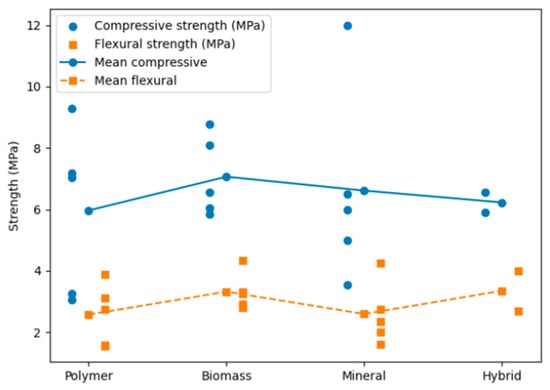
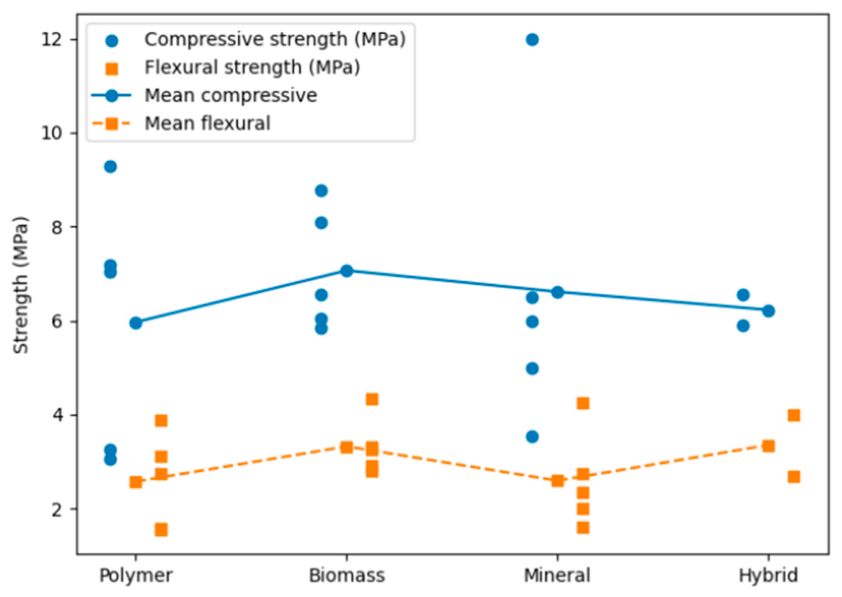
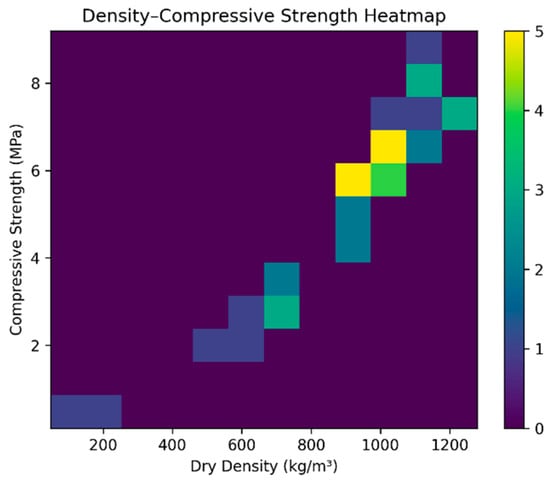
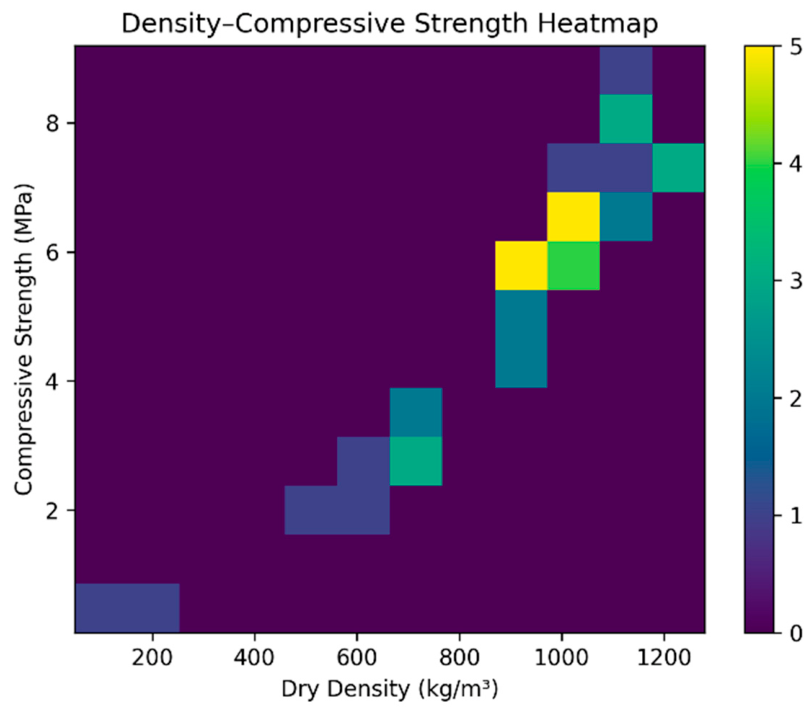
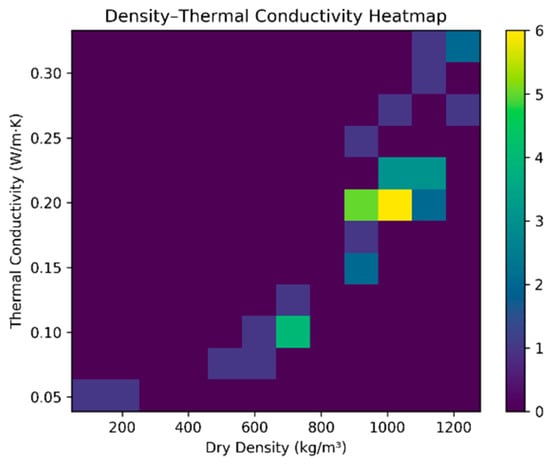
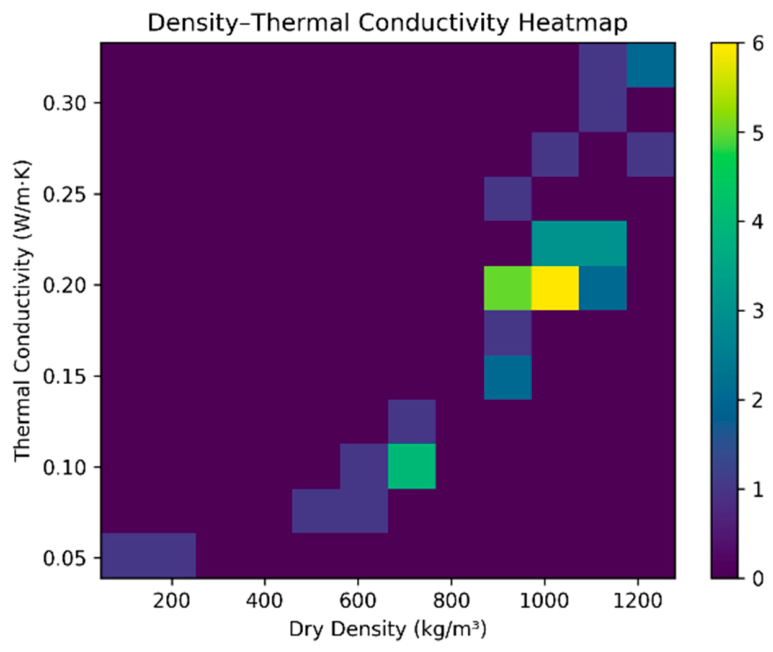
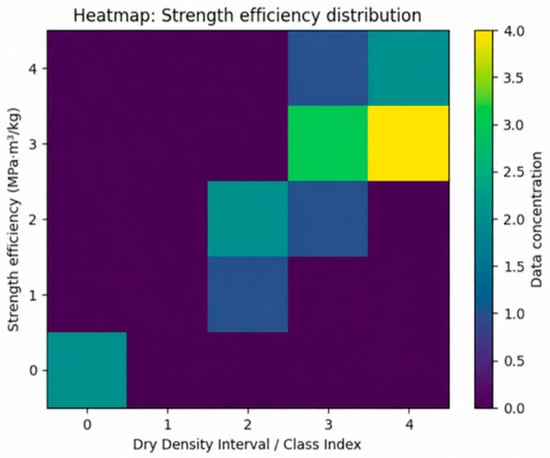
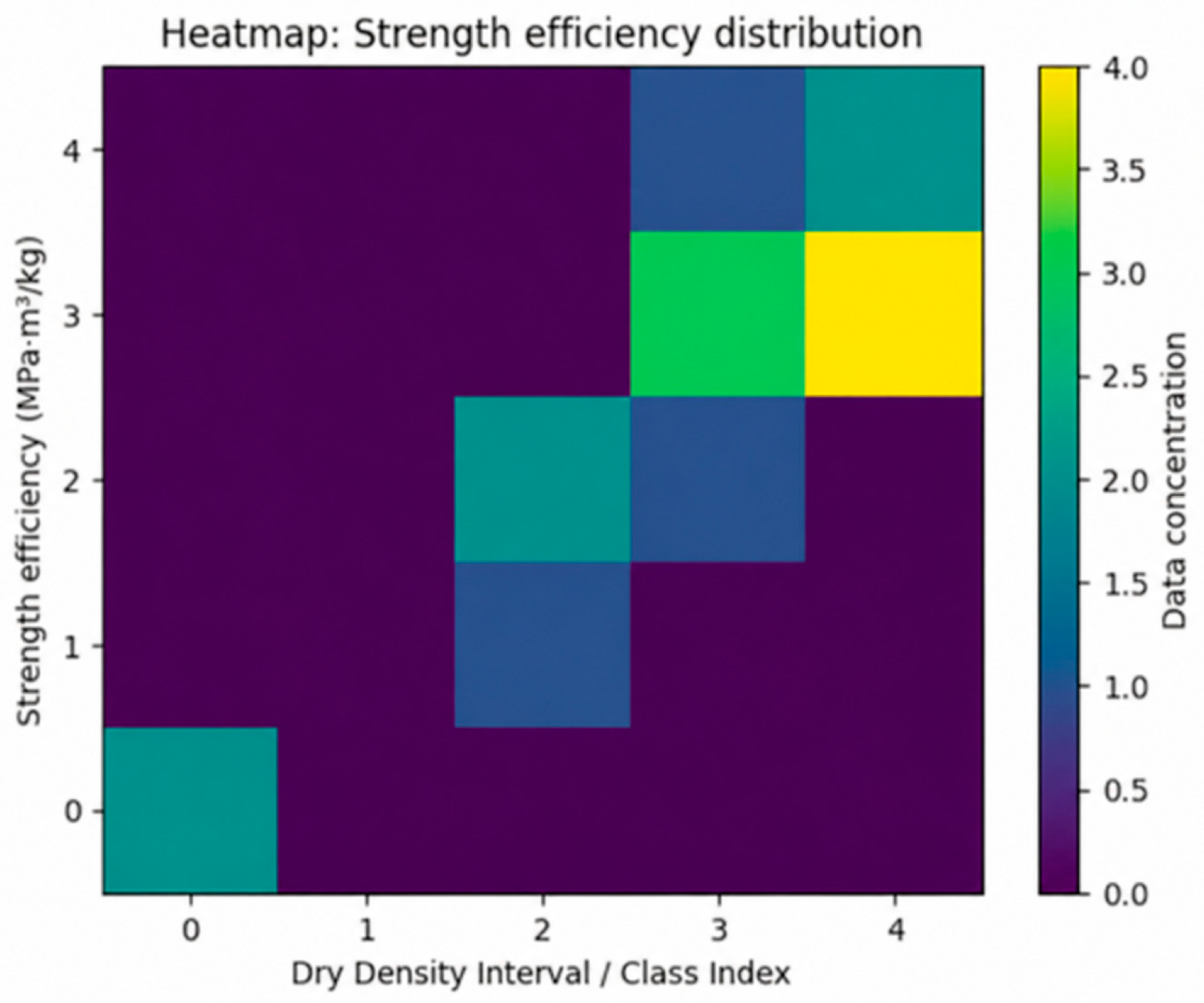
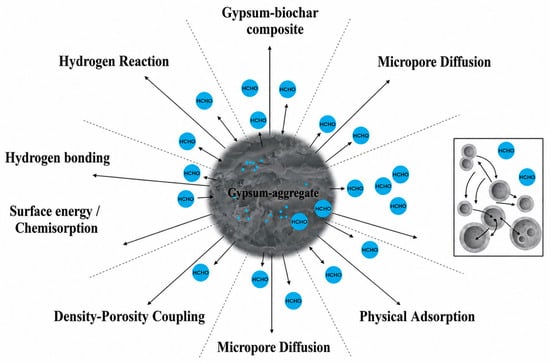
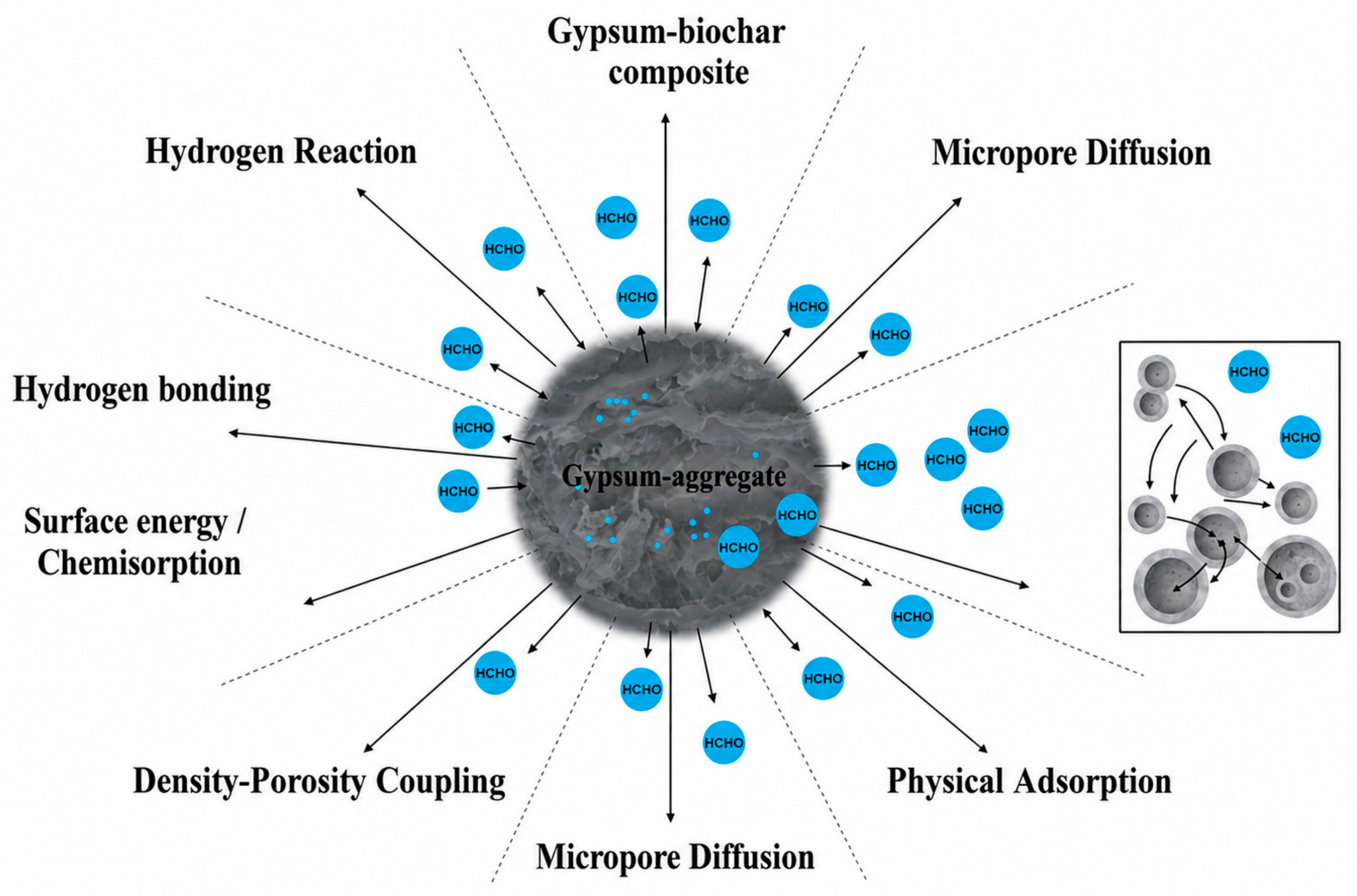
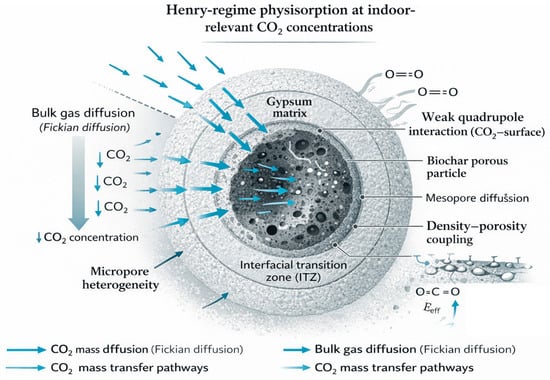
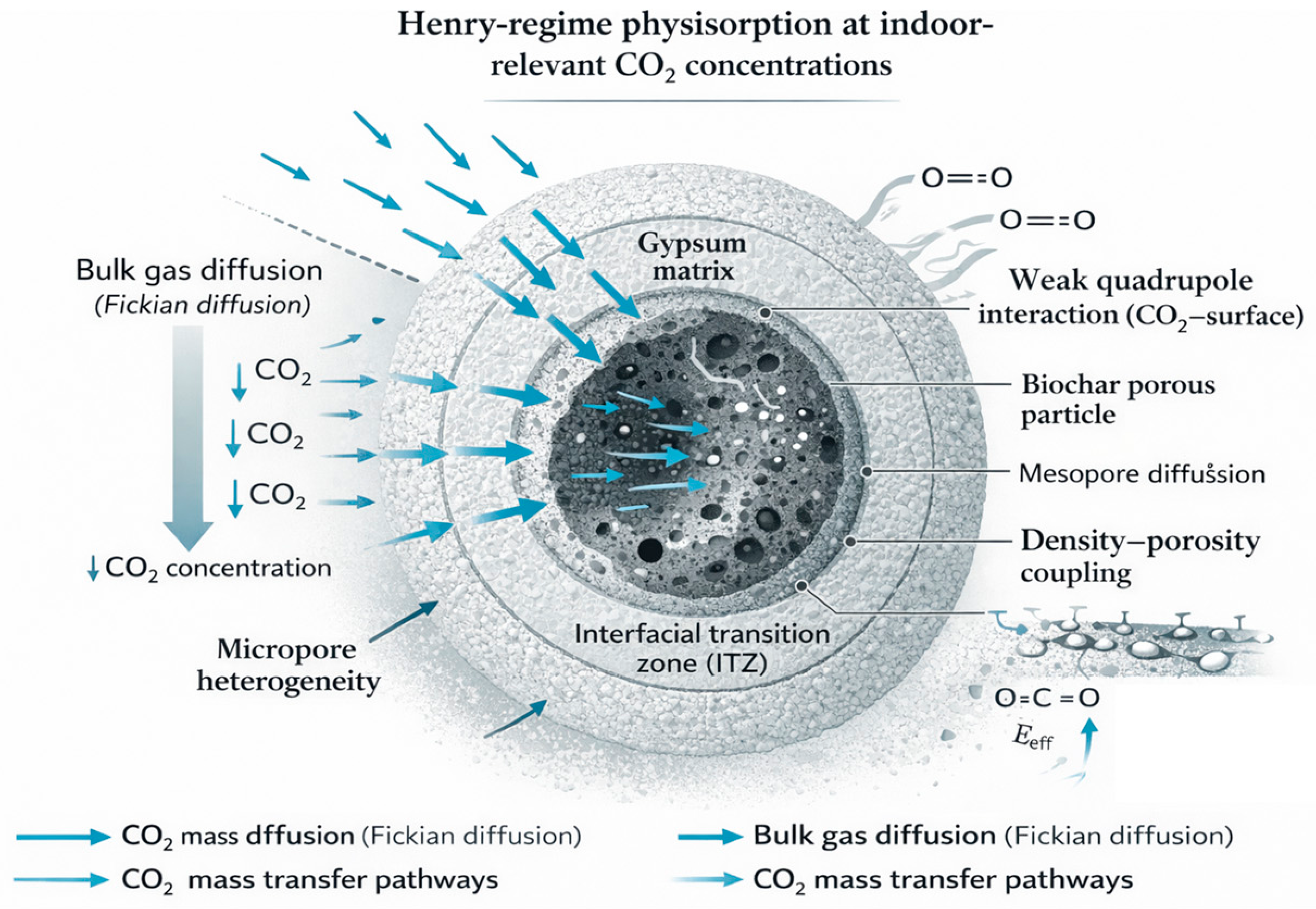
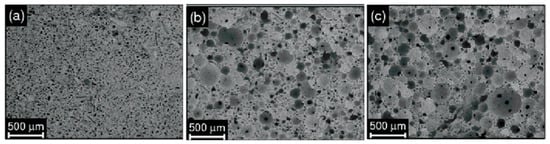
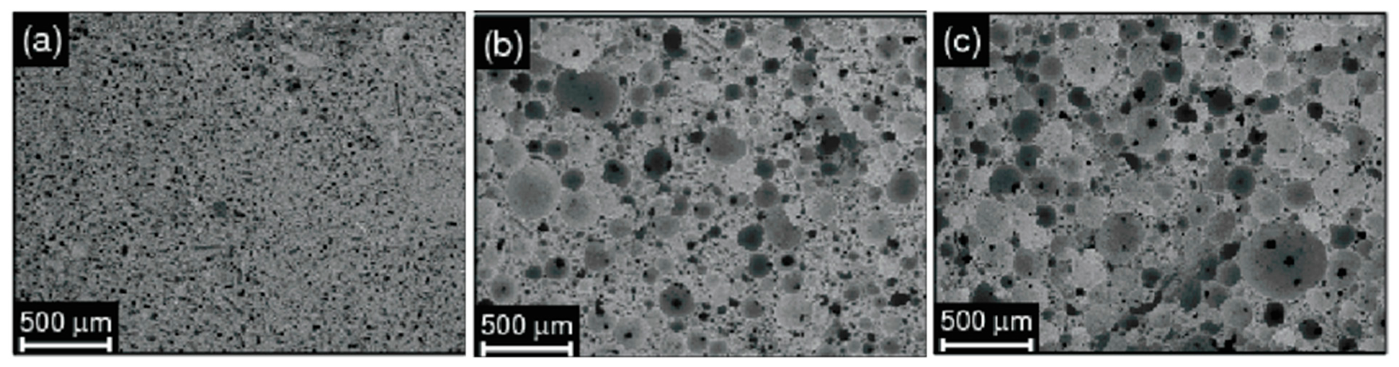
Disclaimer/Publisher’s Note: The statements, opinions and data contained in all publications are solely those of the individual author(s) and contributor(s) and not of MDPI and/or the editor(s). MDPI and/or the editor(s) disclaim responsibility for any injury to people or property resulting from any ideas, methods, instructions or products referred to in the content. |
© 2026 by the authors. Licensee MDPI, Basel, Switzerland. This article is an open access article distributed under the terms and conditions of the Creative Commons Attribution (CC BY) license.